Archive - October 2025

GONDAR (ጎንደር)

Emperor Fasilides established Gondar as the permanent capital of the Ethiopian Empire in 1636, and it served as Ethiopia’s capital until 1855, a period marked by the construction of magnificent castles and a flourishing culture, and ending with the Zemene Mesafint (Era of the...
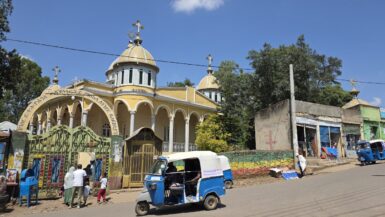
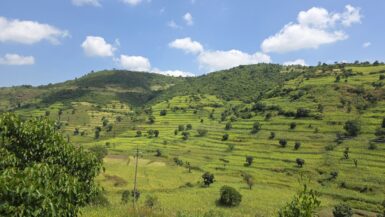
DRIVE TO GONDAR

The security situation in Ethiopia’s Amhara region is highly volatile due to ongoing conflict between government forces and Amhara militia groups (Fano), leading to widespread violence, armed clashes, and civil unrest. This has resulted in disrupted services, potential for rapid...

WEYTO TRIBE

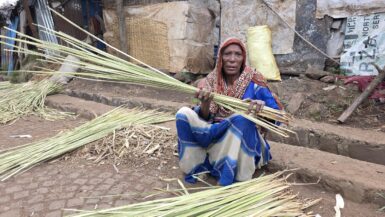
The Negede Weyto are a marginalised, minority community, primarily located along the shores of Lake Tana in the Amhara region. Historically, they have been outcast by the dominant Amhara population due to their traditional occupations and cultural practices. They do not own land and are...

BAHIR DAR (ባሕር ዳር)

Bahir Dar’s history begins in the 13th or 14th century with the establishment of the Kidanemihret church, and was named “Bahir Dar”, meaning “near the sea”, during Emperor Yikuno Amlak’s reign. It grew as a regional economic centre, particularly in the...

BLUE NILE FALLS

The Blue Nile Falls, known locally as Tis Issat (“Smoking Water”), are located approximately 30 kilometres southeast of Bahir Dar (🚙6,500 ETB, guide 1,500 ETB, 🚢200 ETB, 🎟️200 ETB). These falls are formed where the Blue Nile River plunges about 45 meters into a deep gorge...

ORTHODOX MONASTERIES

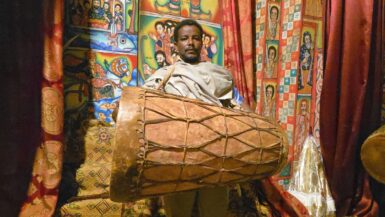
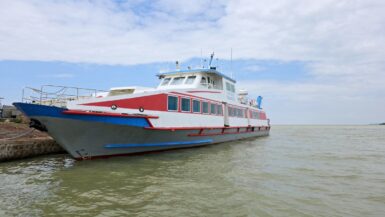
Today we hired a boat for 7,000 ETB and a local guide for 2,000 ETB to explore ancient Orthodox monasteries around Lake Tana. The history of the Lake Tana monasteries is rooted in the Ethiopian Christian faith, with their origins tracing back to the 13th century, though many structures...

LAKE TANA

Lake Tana is Ethiopia’s largest freshwater lake, situated in the Amhara region at an altitude of approximately 1,840 meters above sea level. It is the source of the Blue Nile and was formed by volcanic activity blocking the river’s course about 5 million years ago. The lake is...

HAWASSA (አዋሳ)

Hawassa was founded in 1960 under Emperor Haile Selassie, with its initial growth spurred by the settlement of 404 pensioned soldiers and their families in the area. Nowadays, it is a modern city in Ethiopia’s Great Rift Valley, known for its beautiful lake, well-planned layout, and...

RASTAS OF SHASHEMENE

Shashemene is a city in southern Ethiopia, known as the spiritual home of the Rastafarian community. It’s a city with a vibrant, lively atmosphere, cultural diversity, and natural beauty, situated near the Rift Valley lakes. Buddy, Linda and her husband introduced us to the...

SIDAMA TRIBE

We made a little detour on our way to Hawassa to visit the Sidama people, renowned for their high-quality coffee, which is considered a hallmark of speciality coffee. As the origin of Coffea arabica, Ethiopia, and the Sidama region in particular, has deep cultural and economic ties to...