

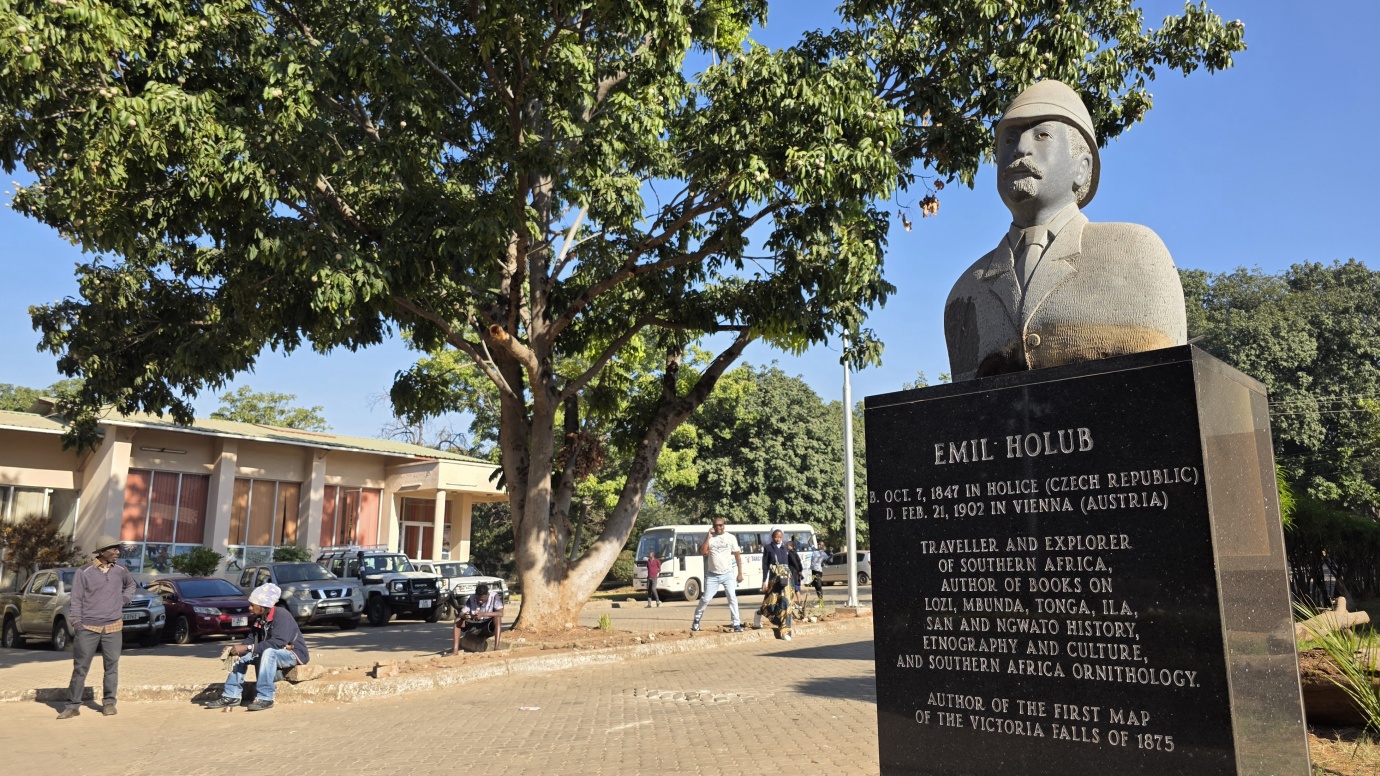
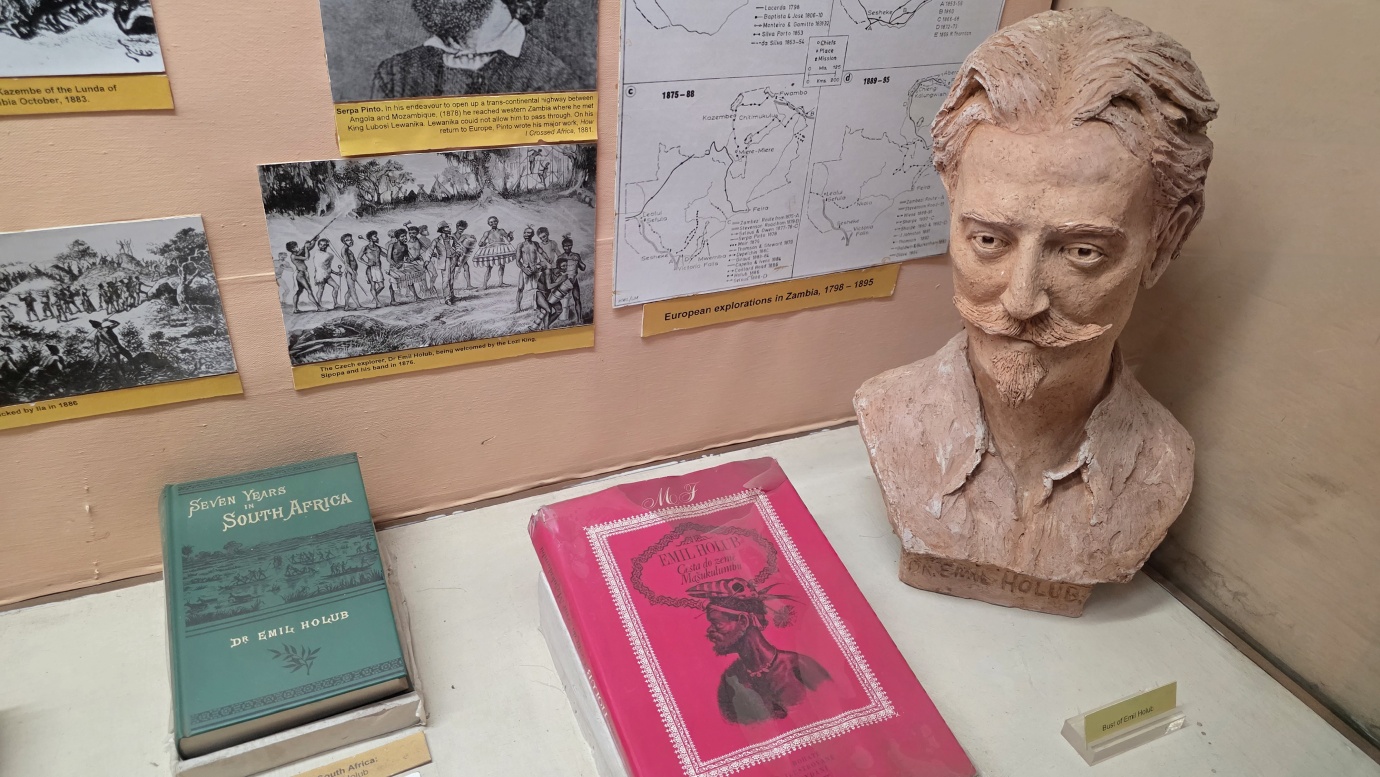
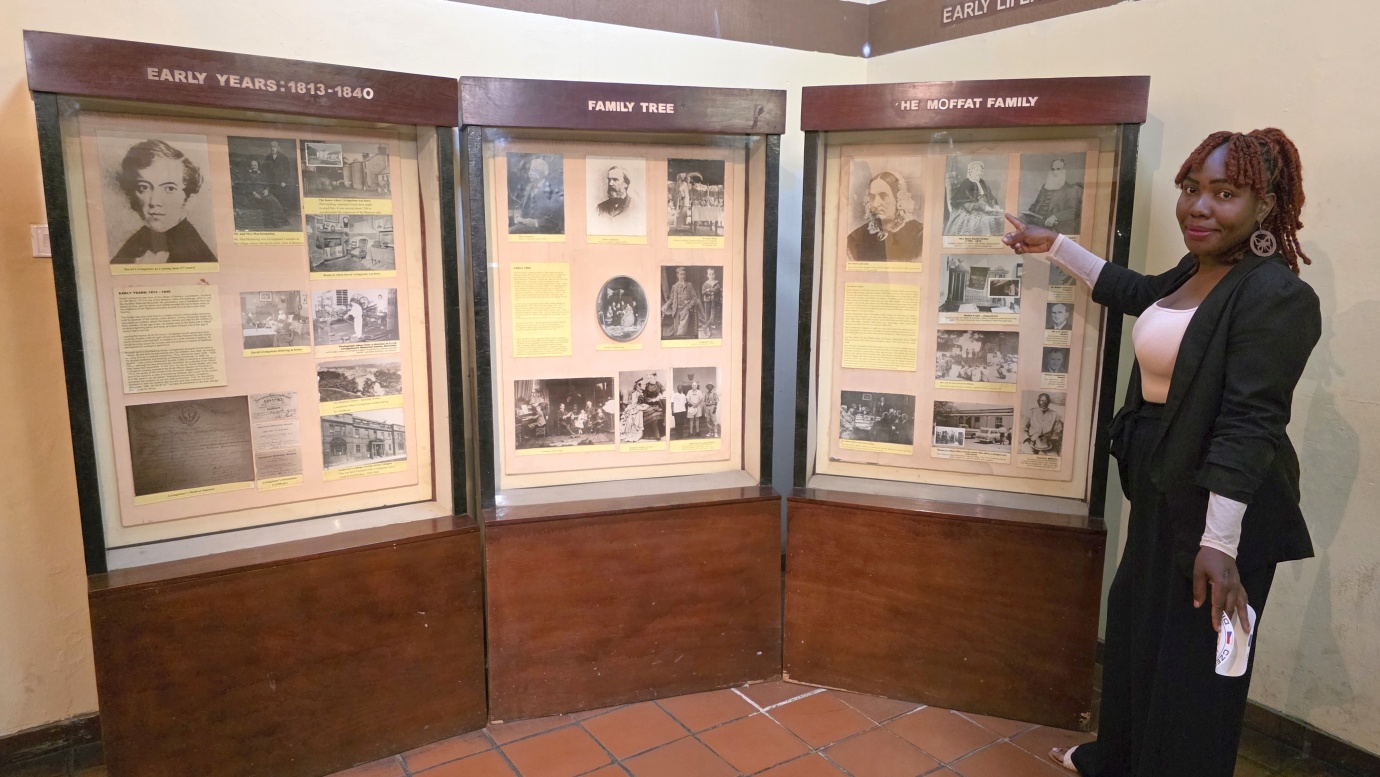
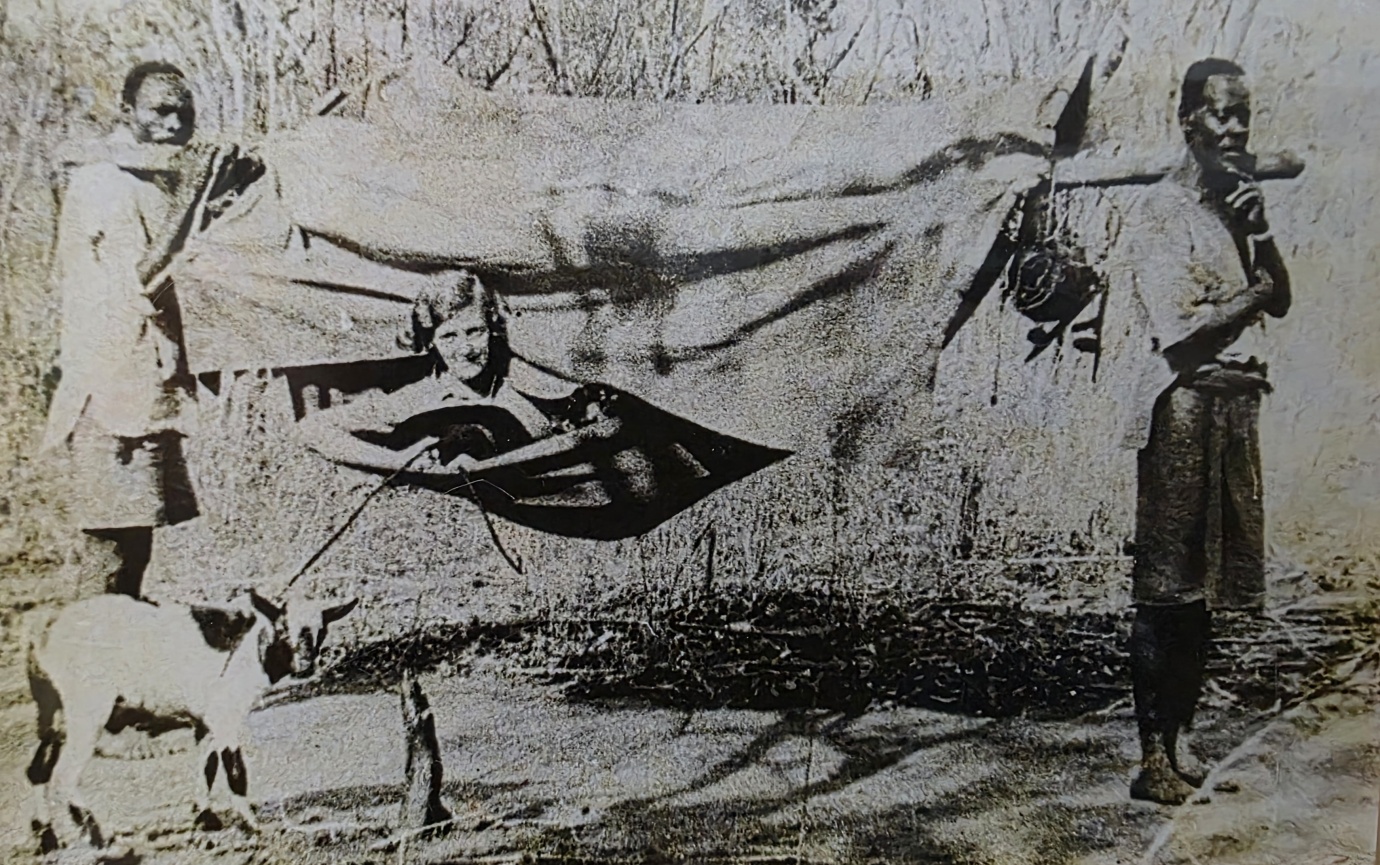
One of the highlights of our visit to the Livingstone Museum was learning about the remarkable Czech explorer and ethnographer Dr Emil Holub, whose pioneering work helped document much of Southern Africa during the 19th century. Inspired by the journals of Scottish missionary David Livingstone, Holub devoted much of his life to exploring present-day Zambia and recording its geography, wildlife, and Indigenous cultures. Our visit was organised by the museum’s director, Victoria Phiri, and offered a fascinating insight into the museum’s collaboration with the National Museum of the Czech Republic, a partnership established in 2024.
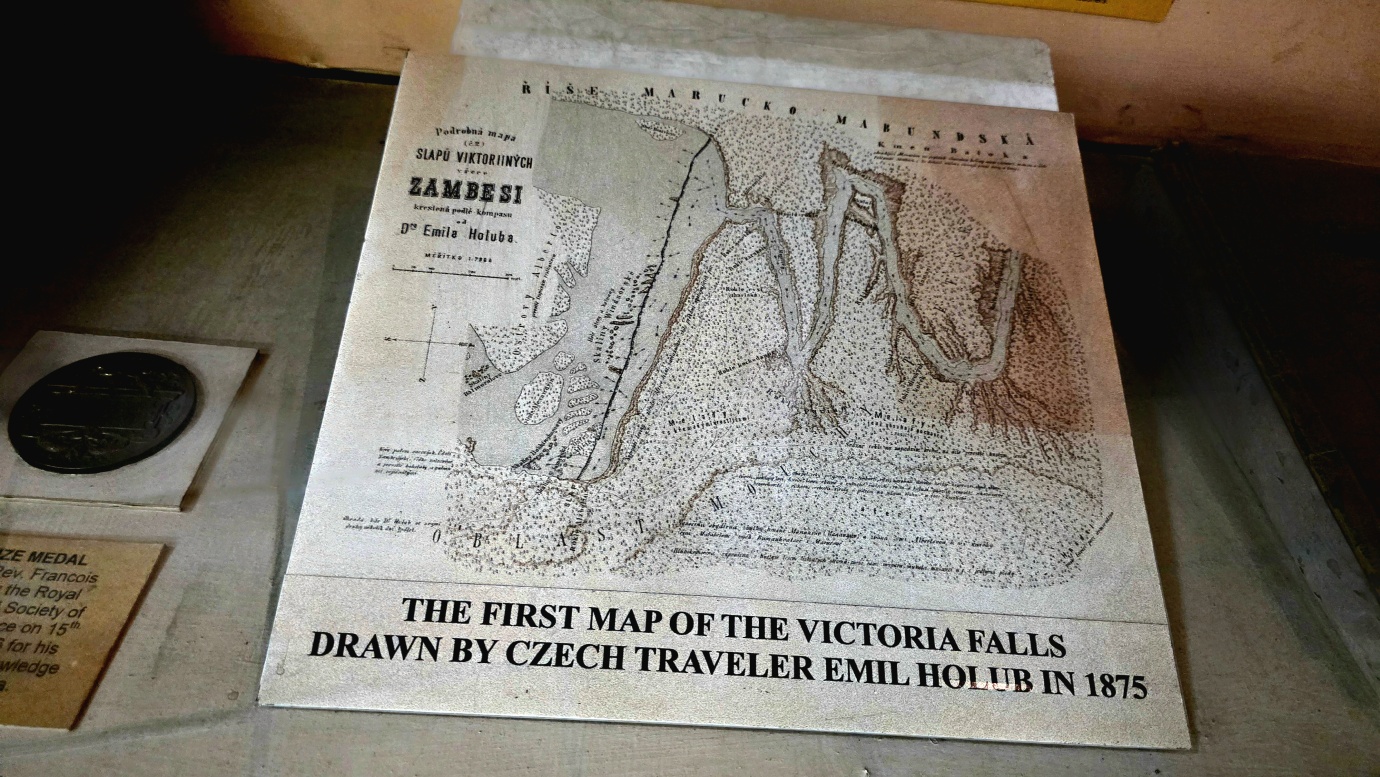
In 1875, just twenty years after David Livingstone introduced Victoria Falls to the European world, Holub followed the Zambezi River to the falls. During a three-day stay, he conducted detailed surveys of the surrounding landscape. He produced one of the earliest accurate maps of the Victoria Falls area, making an important contribution to the region’s geographical knowledge.
Holub was also among the first European scientists to systematically document the cultures, traditions, and daily lives of several Zambian peoples, particularly the Lozi, Tonga, and Ila. His meticulous observations, collections, and cartographic work greatly expanded European understanding of Central and Southern Africa while preserving valuable records of local societies during a period of rapid change.
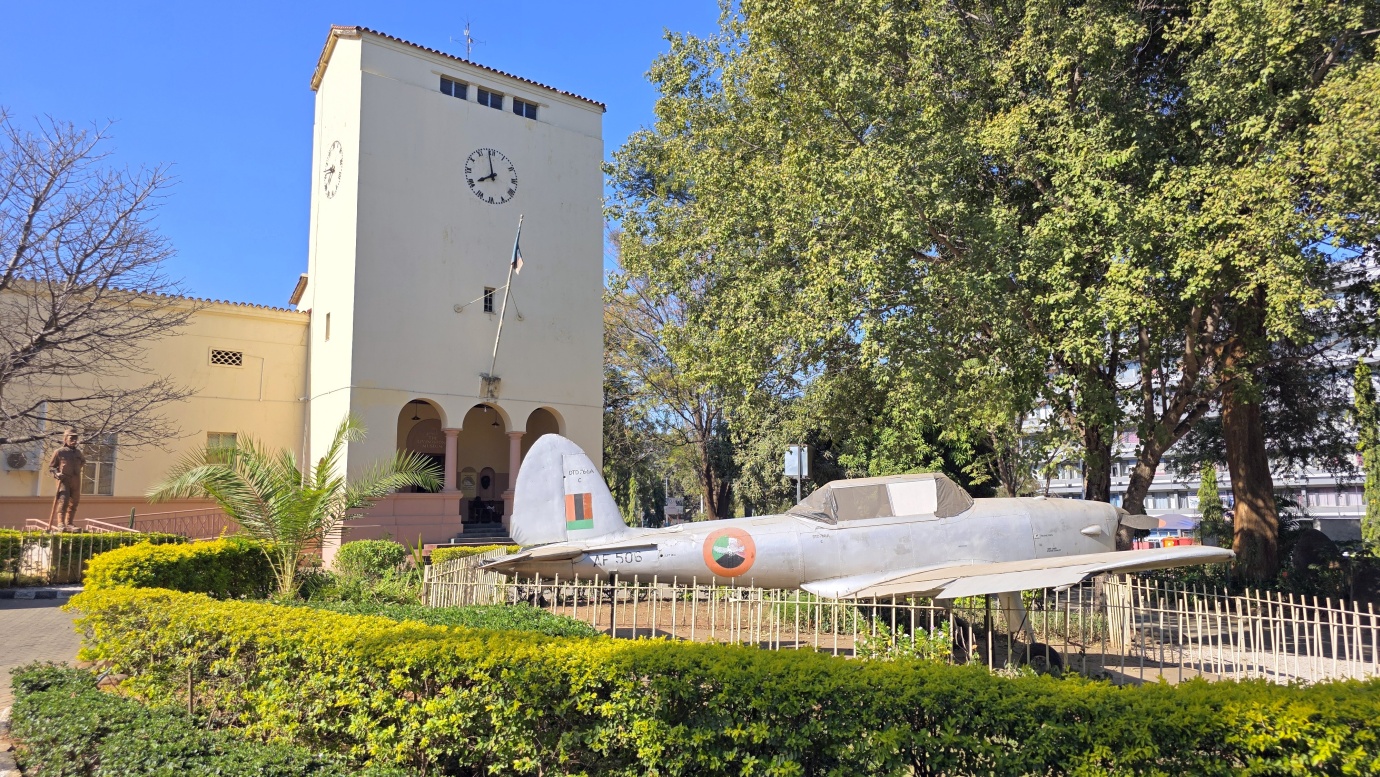
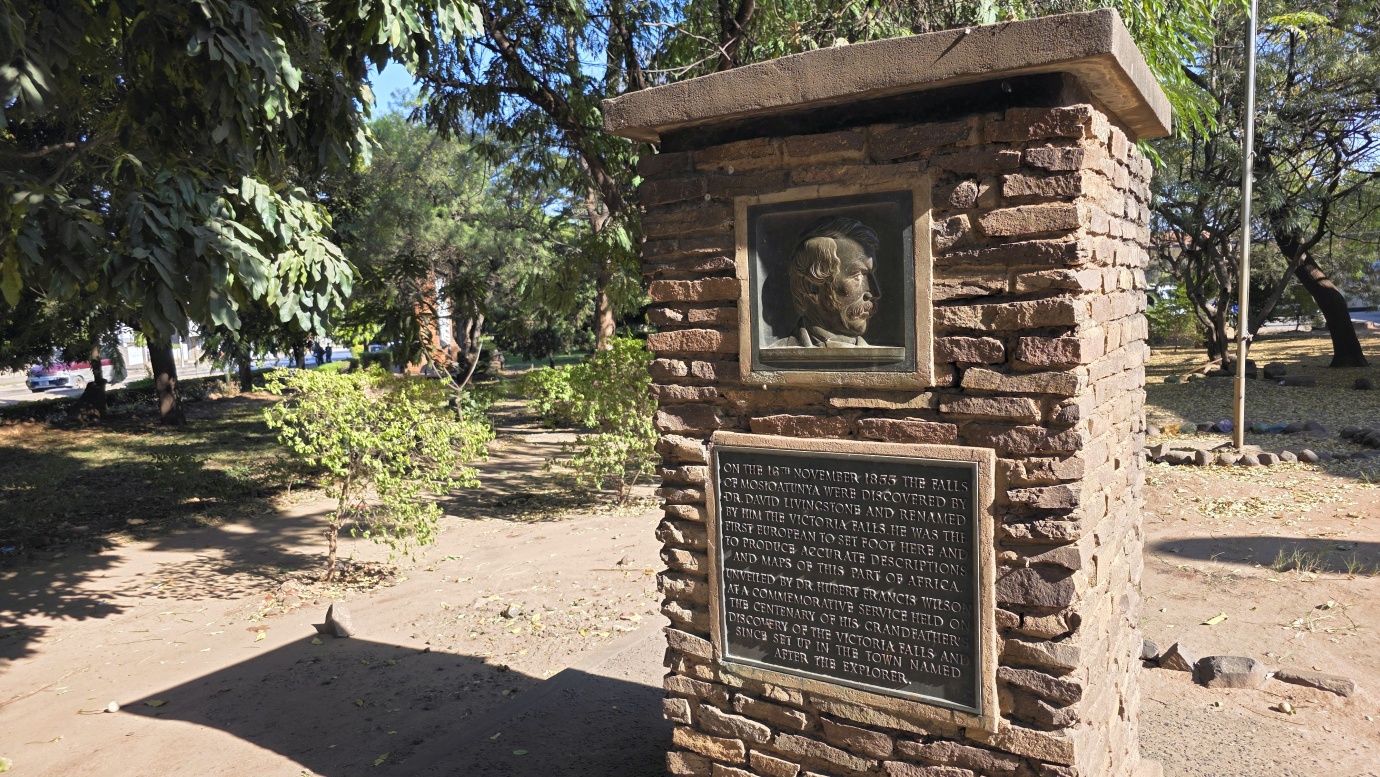
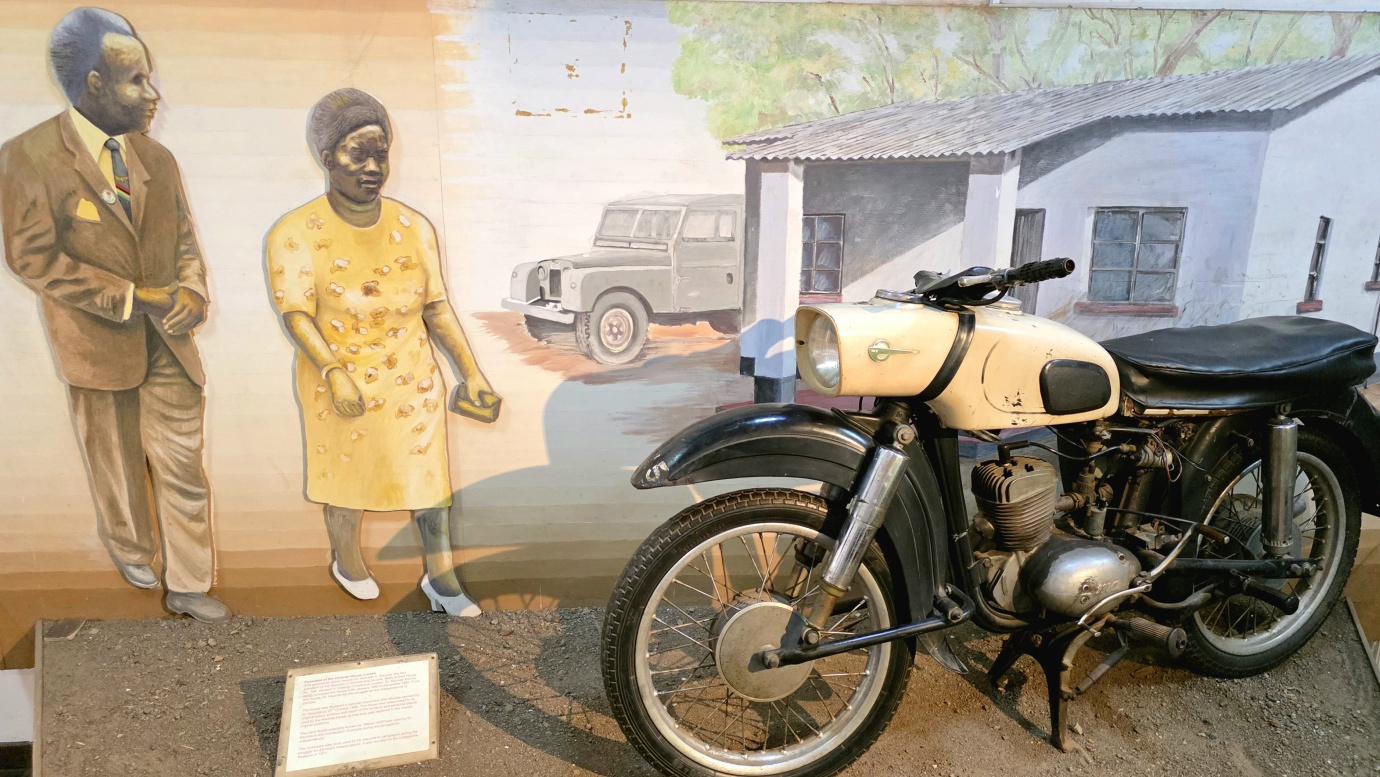
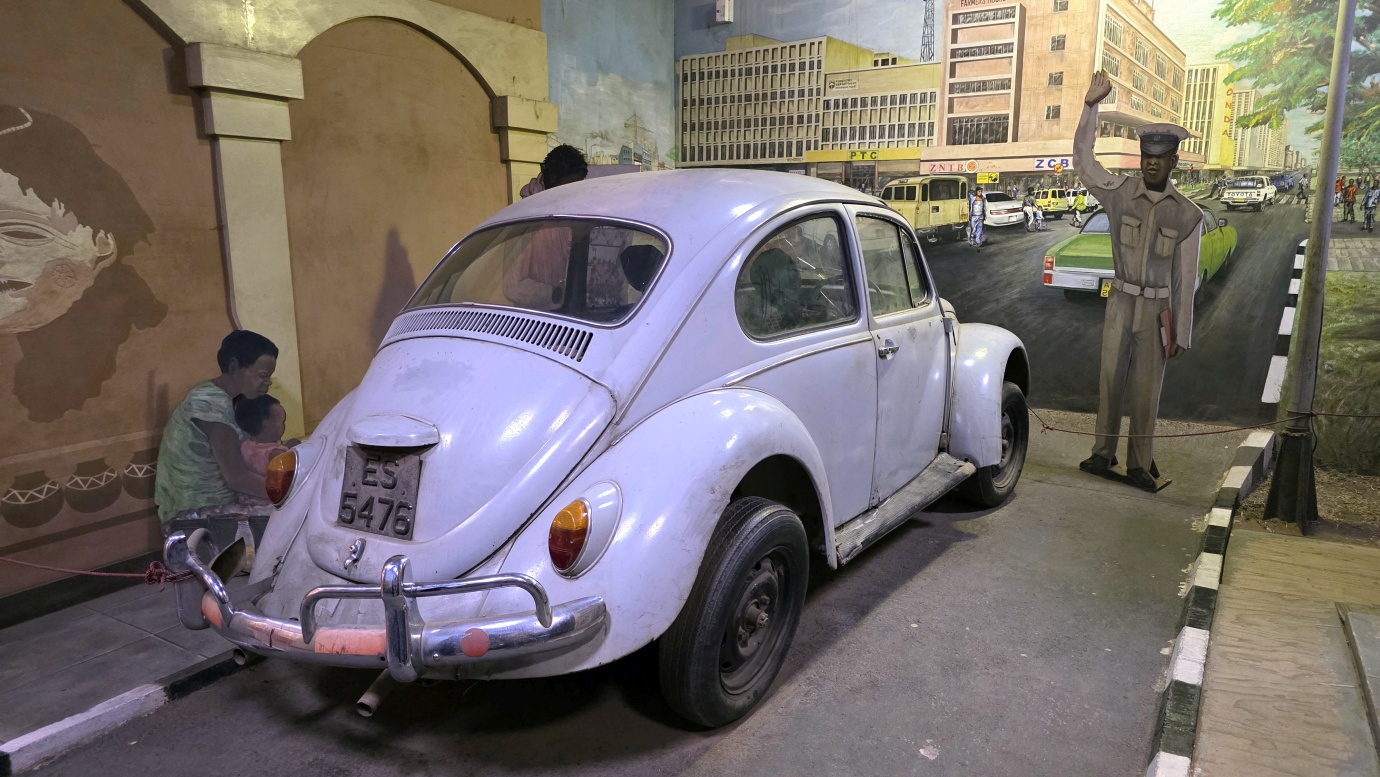
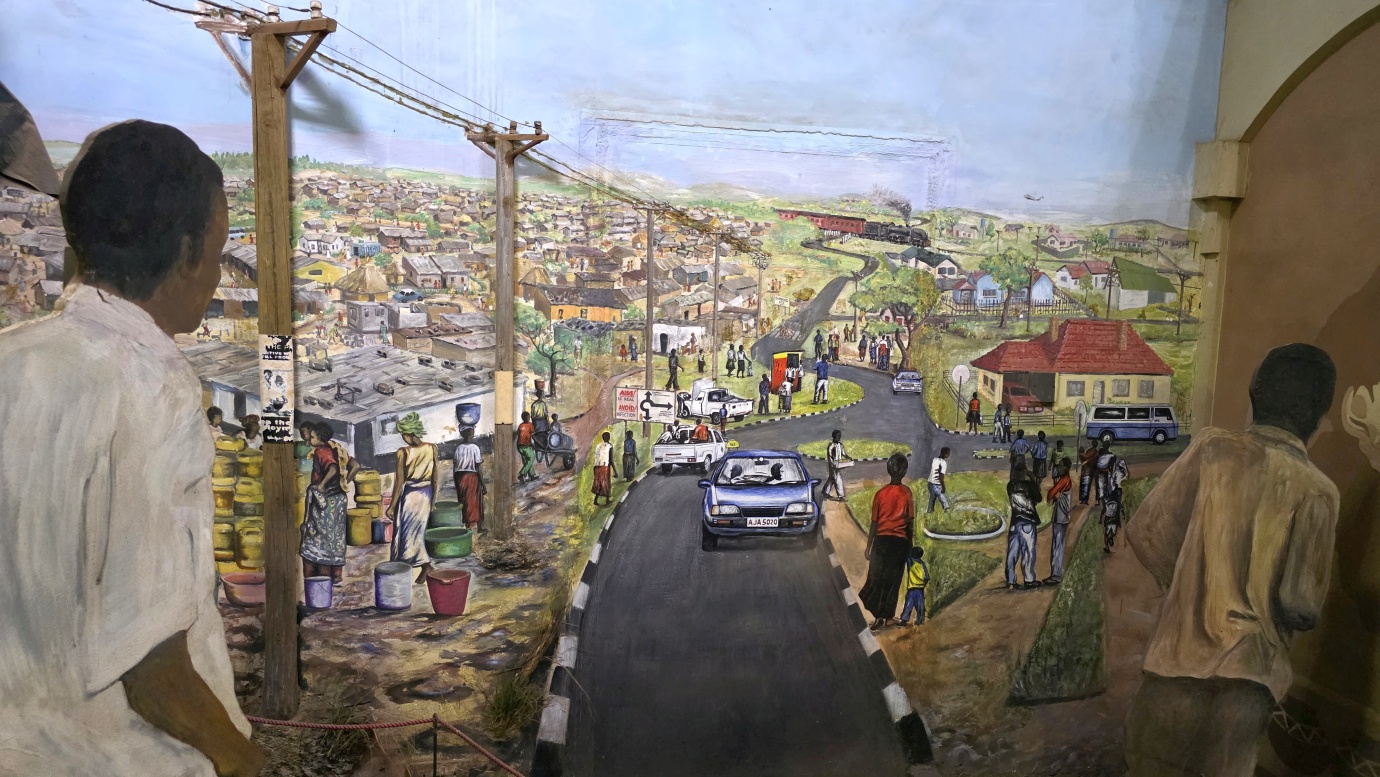
Holub’s legacy remains closely connected with the city of Livingstone, named after the explorer who inspired his own journeys. Today, his contributions are commemorated in the city with a bust and a statue. At the same time, a joint exhibition by the Livingstone Museum (🎟️5 USD) and the National Museum of the Czech Republic showcases his expeditions, scientific discoveries, and enduring contributions to African exploration and ethnography.
Parking location – Livingstone: 17.8550957S 25.8545838E (🚻,🅿️,🚿,🏊,💦,🔌,🍽️)