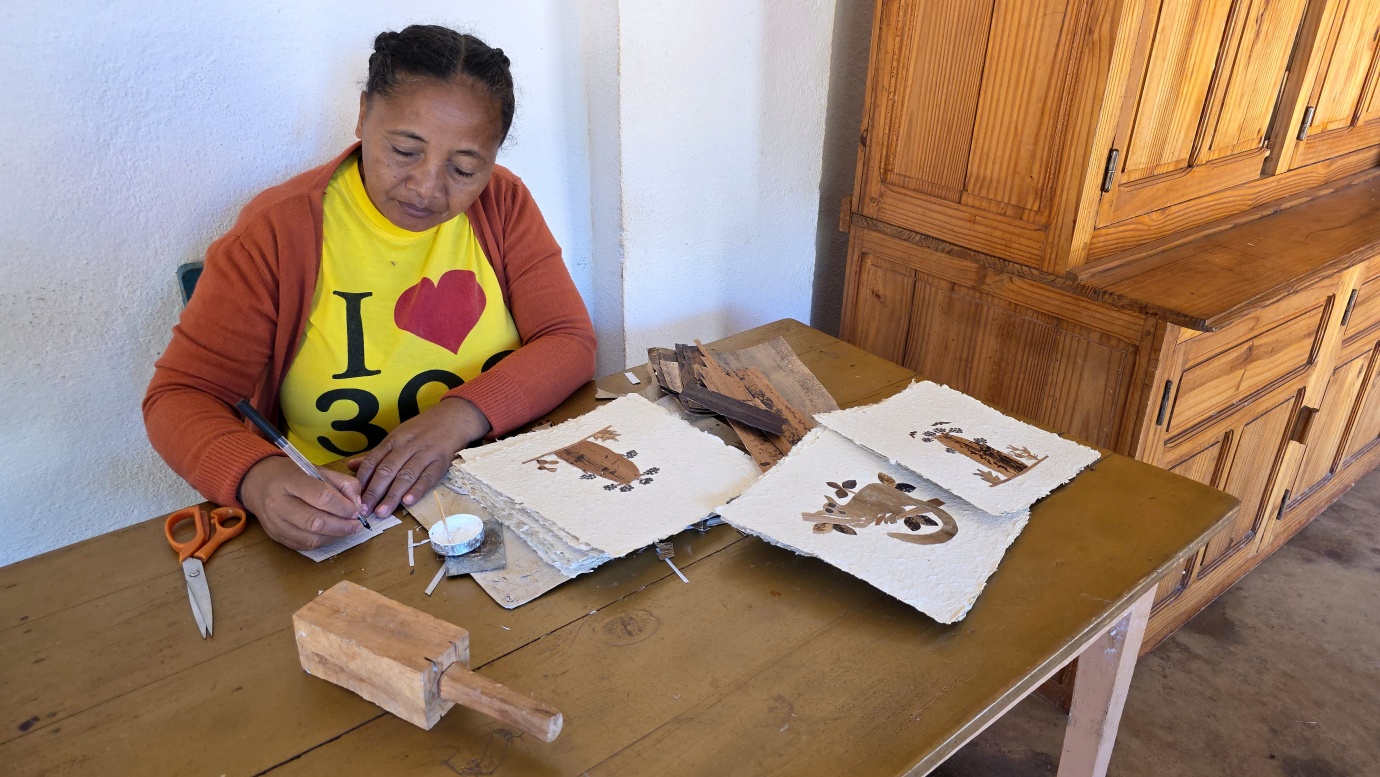
Traditional Antaimoro paper production in Ambalavao is a centuries-old artisanal craft that transforms the bark of the avoha plant into beautifully handcrafted paper. Known for its durability and distinctive papyrus-like texture, this decorative paper is often adorned with pressed flowers and leaves, creating unique stationery, journals, lampshades, and works of art that have become emblematic of Madagascar’s cultural craftsmanship.
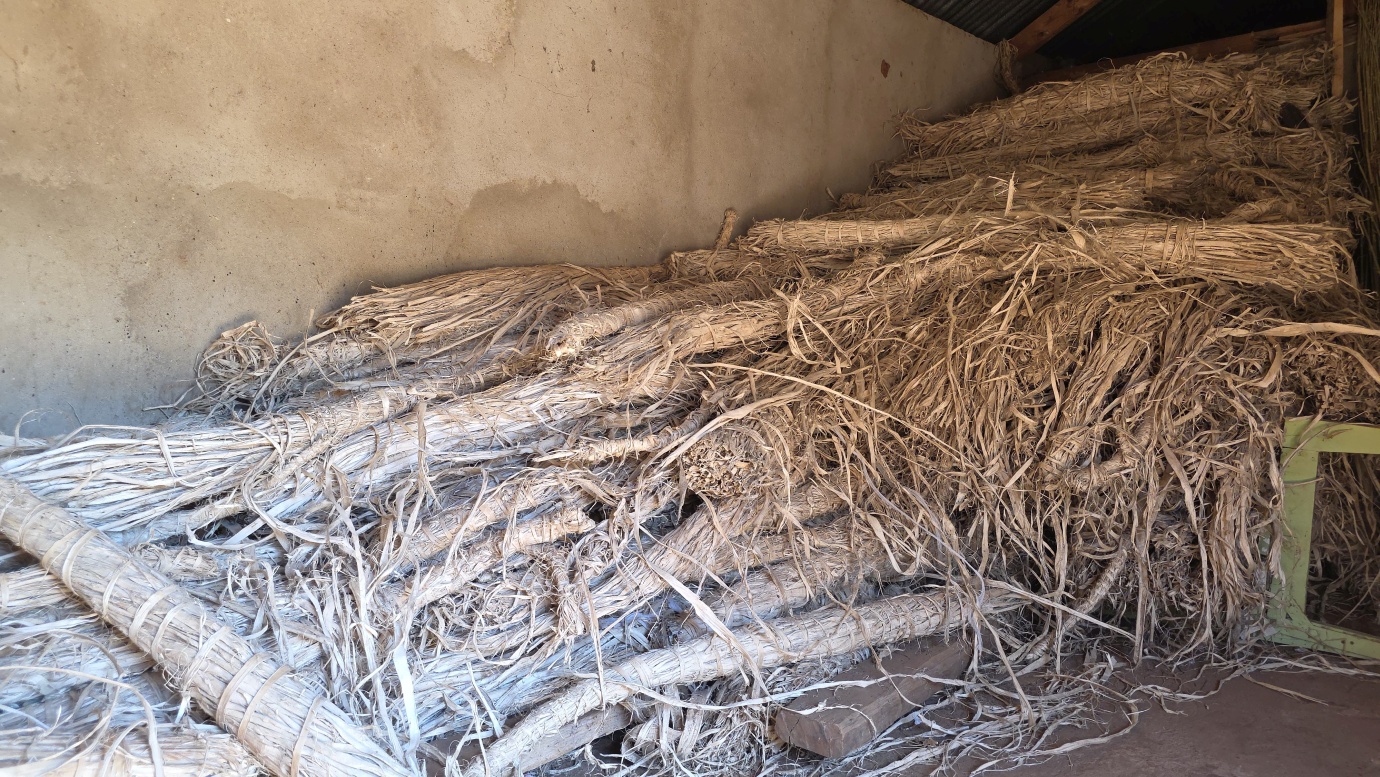
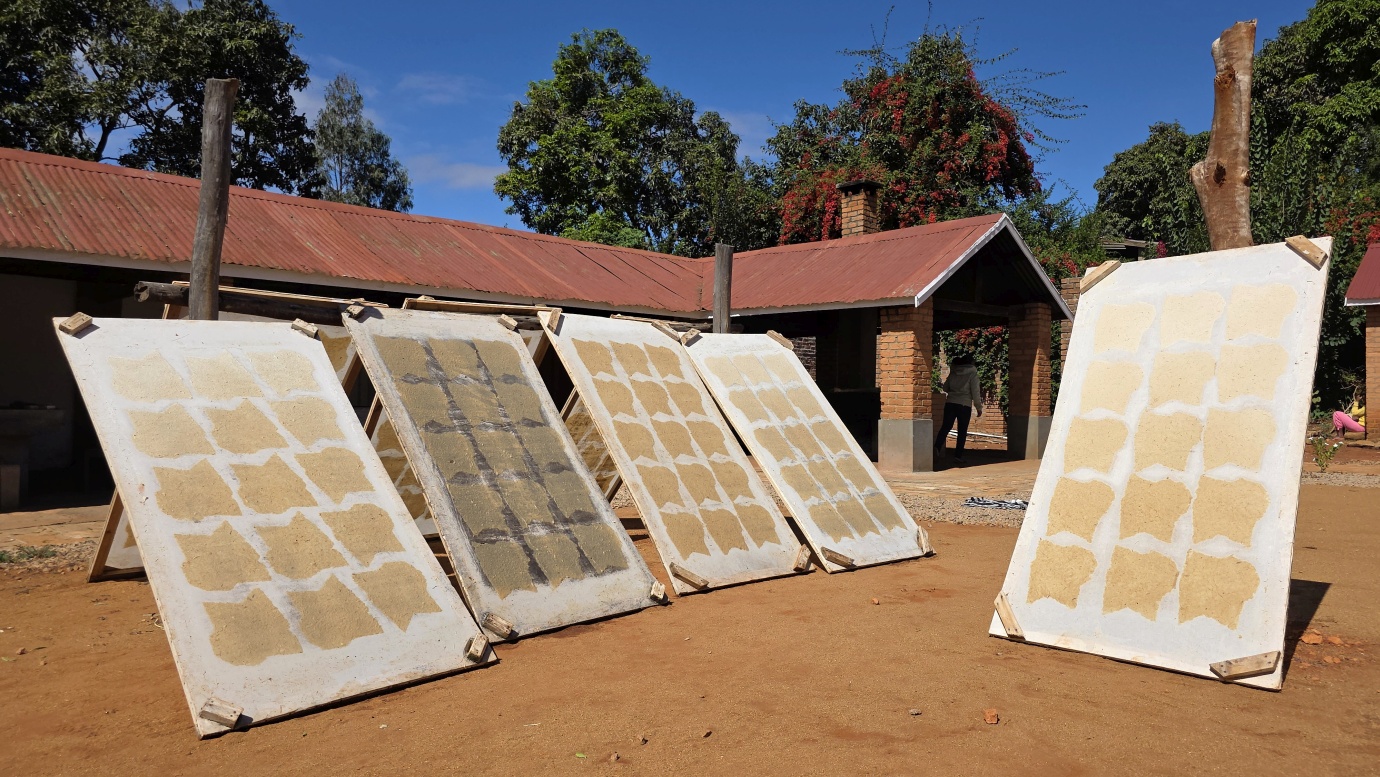
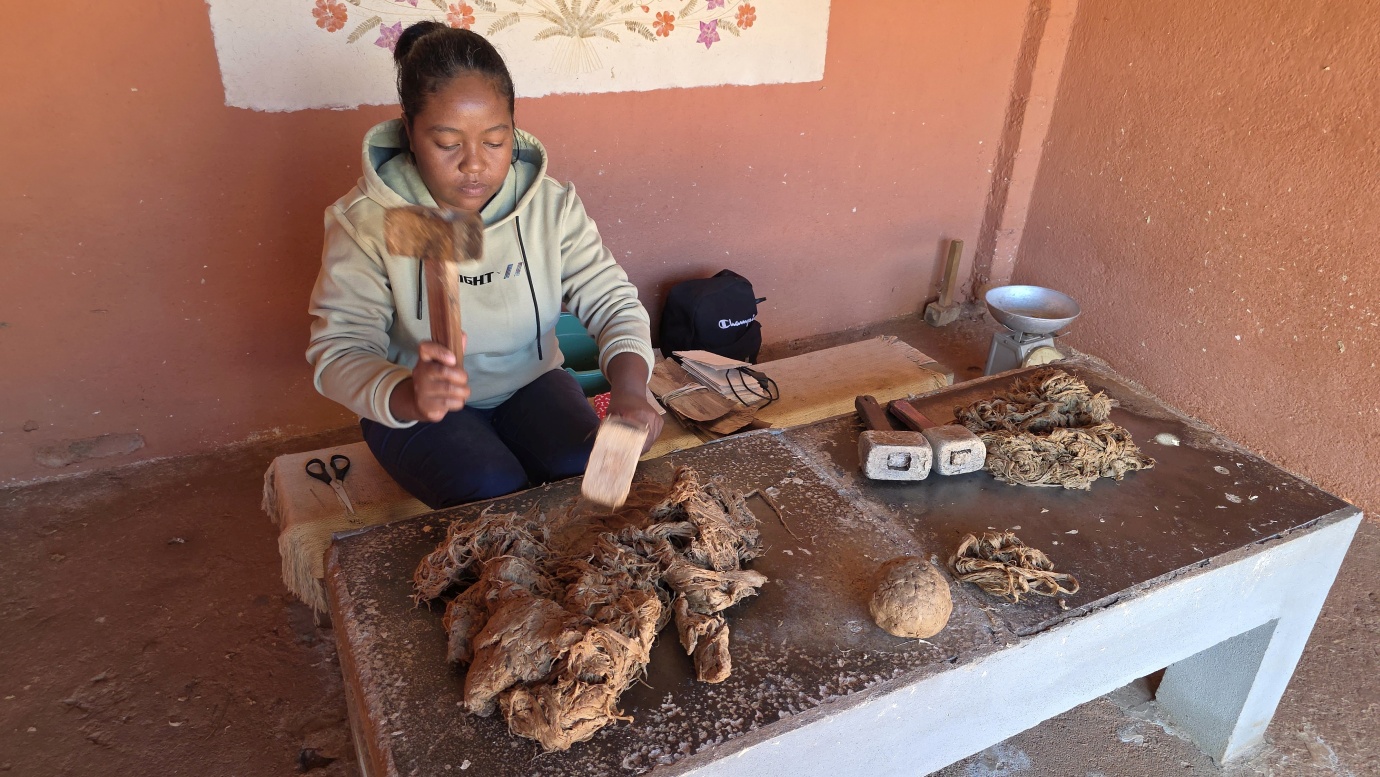
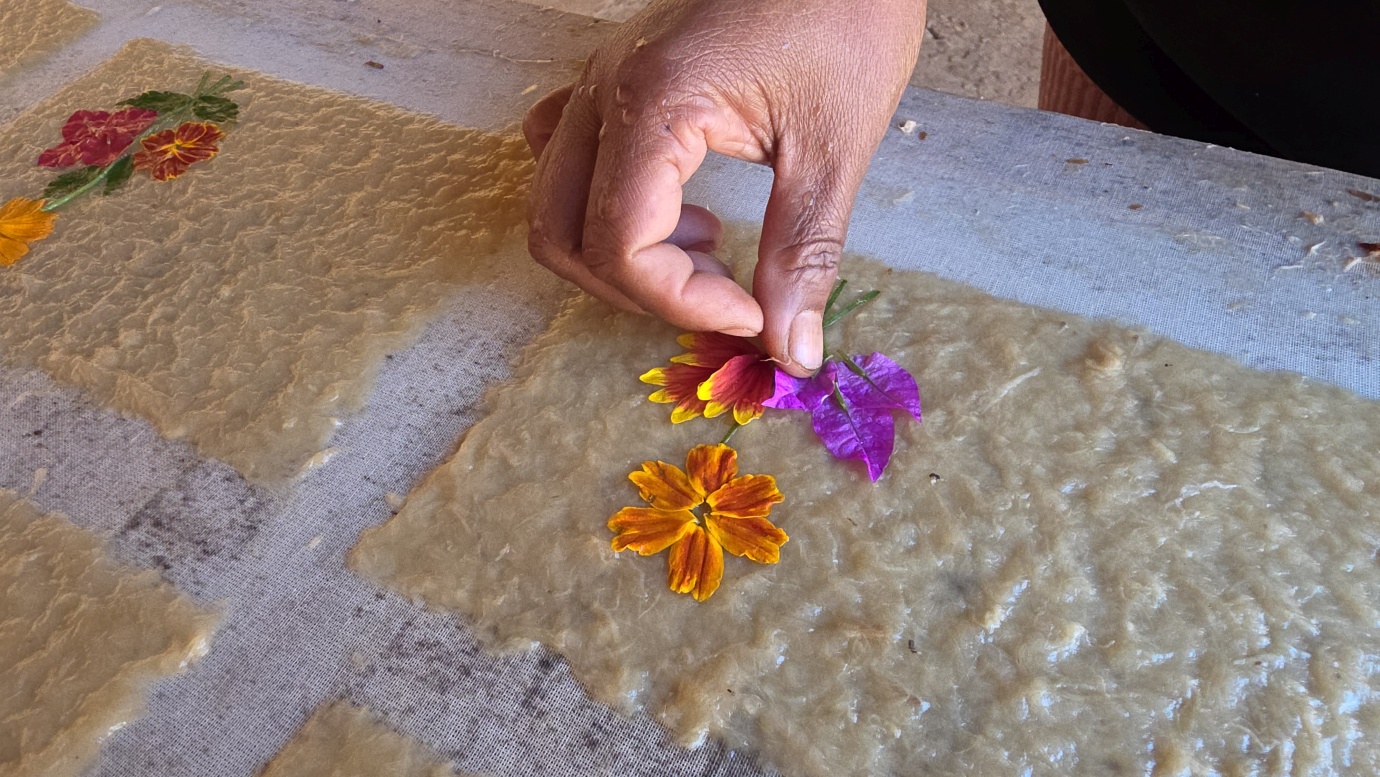
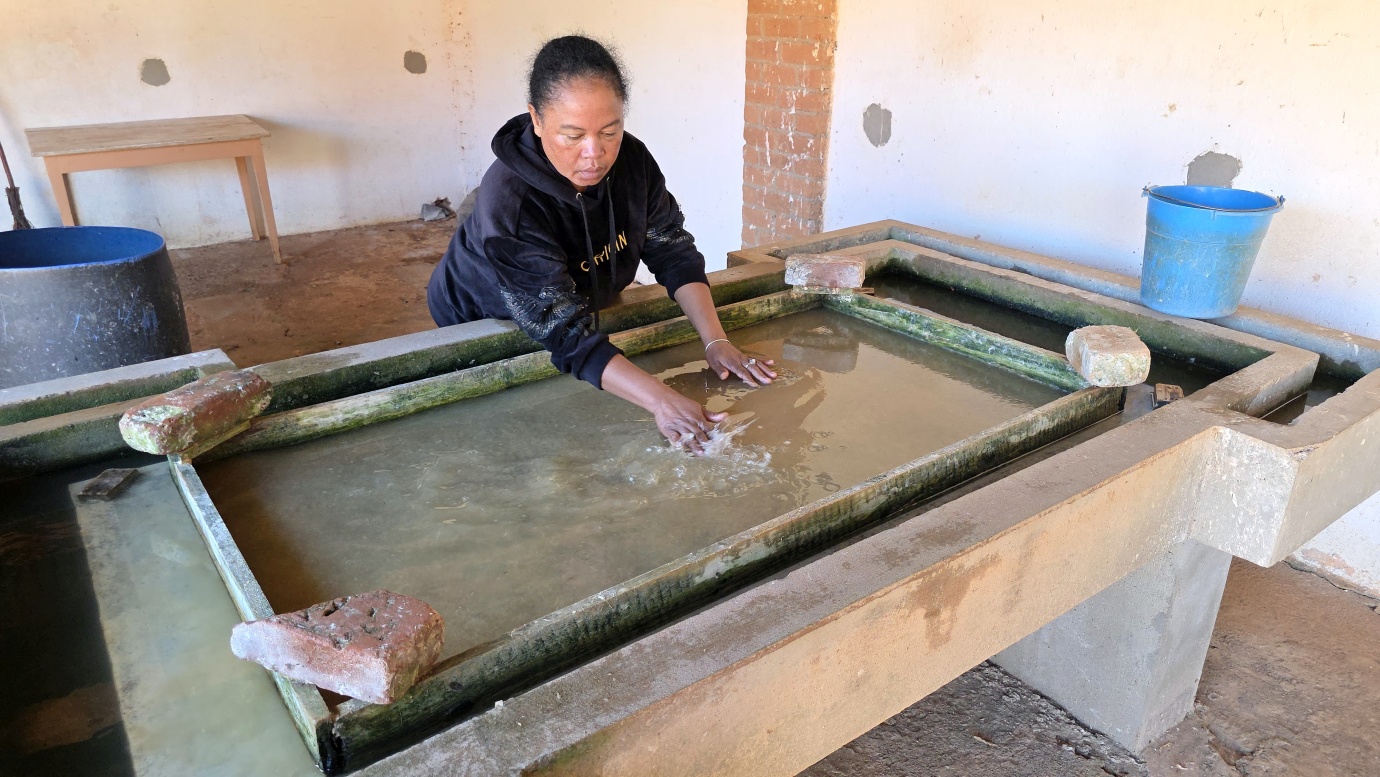
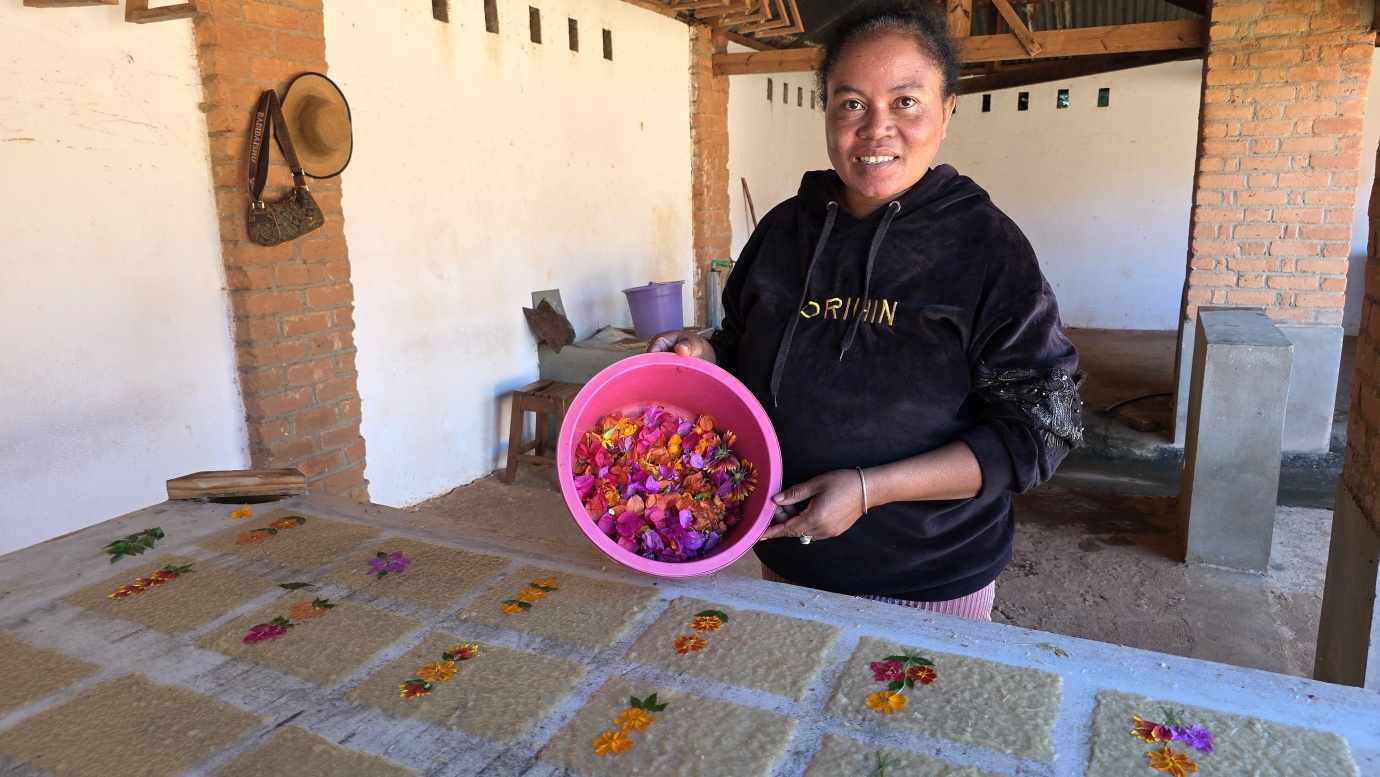
The paper is made from the bark of the avoha shrub, a native species related to mulberry. The bark is carefully harvested, boiled for several hours until softened, and then beaten into a fine pulp. This pulp is mixed with water and spread evenly over linen cloth stretched across wooden frames. While still wet, artisans meticulously decorate each sheet with fresh local flowers and leaves—such as jacaranda or bougainvillaea—before leaving them to dry naturally in the sun. The result is an elegant, organic product that combines practical function with artistic beauty.
Originally developed by the Antaimoro people on Madagascar’s southeastern coast, this papermaking tradition was historically used to create Sorabe, sacred Arabic-script manuscripts containing religious texts, astrology, and historical records. The technique was introduced to Ambalavao in 1936, where it has since flourished as both a cultural tradition and an important local industry.
During our visit, we witnessed this fascinating production process firsthand at La Fabrique de Papier Artisanal Antemoro, gaining insight into one of Madagascar’s most distinctive artistic legacies.