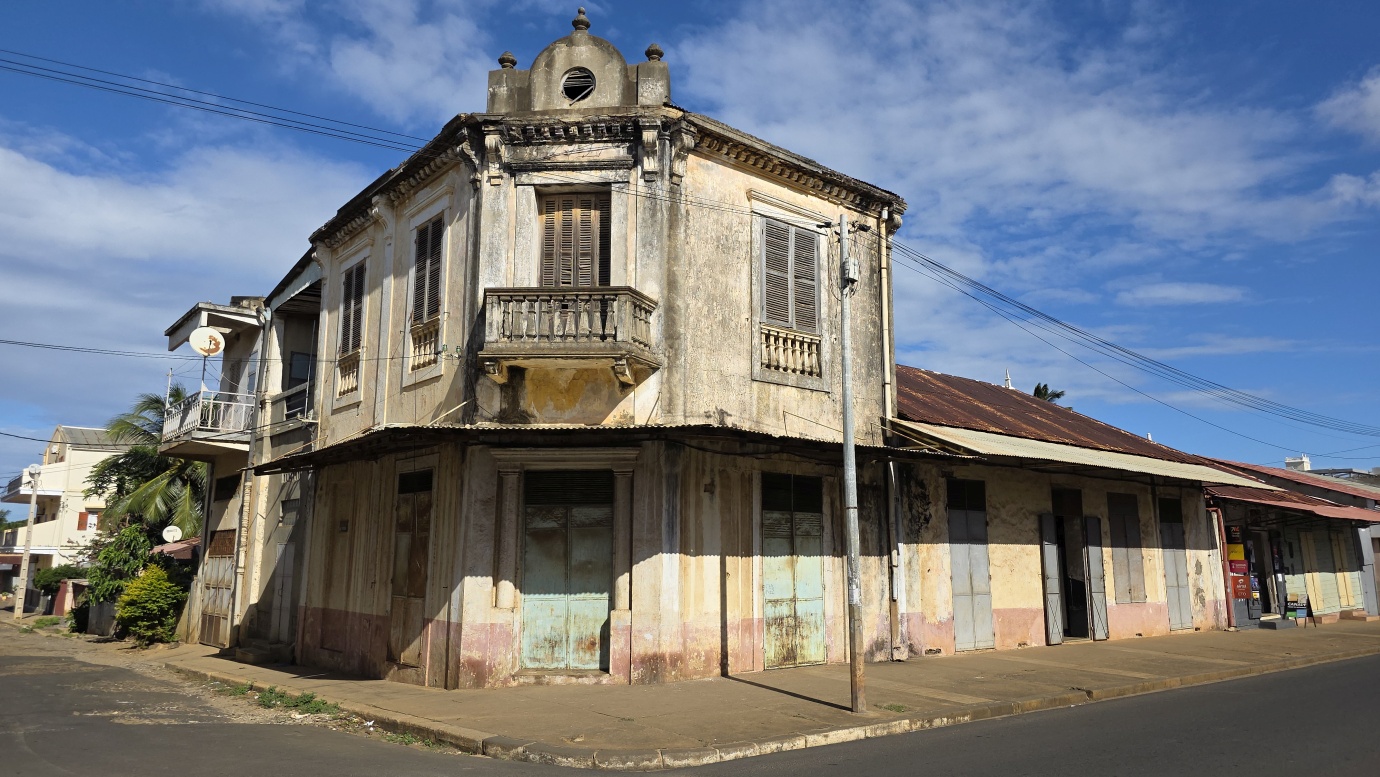
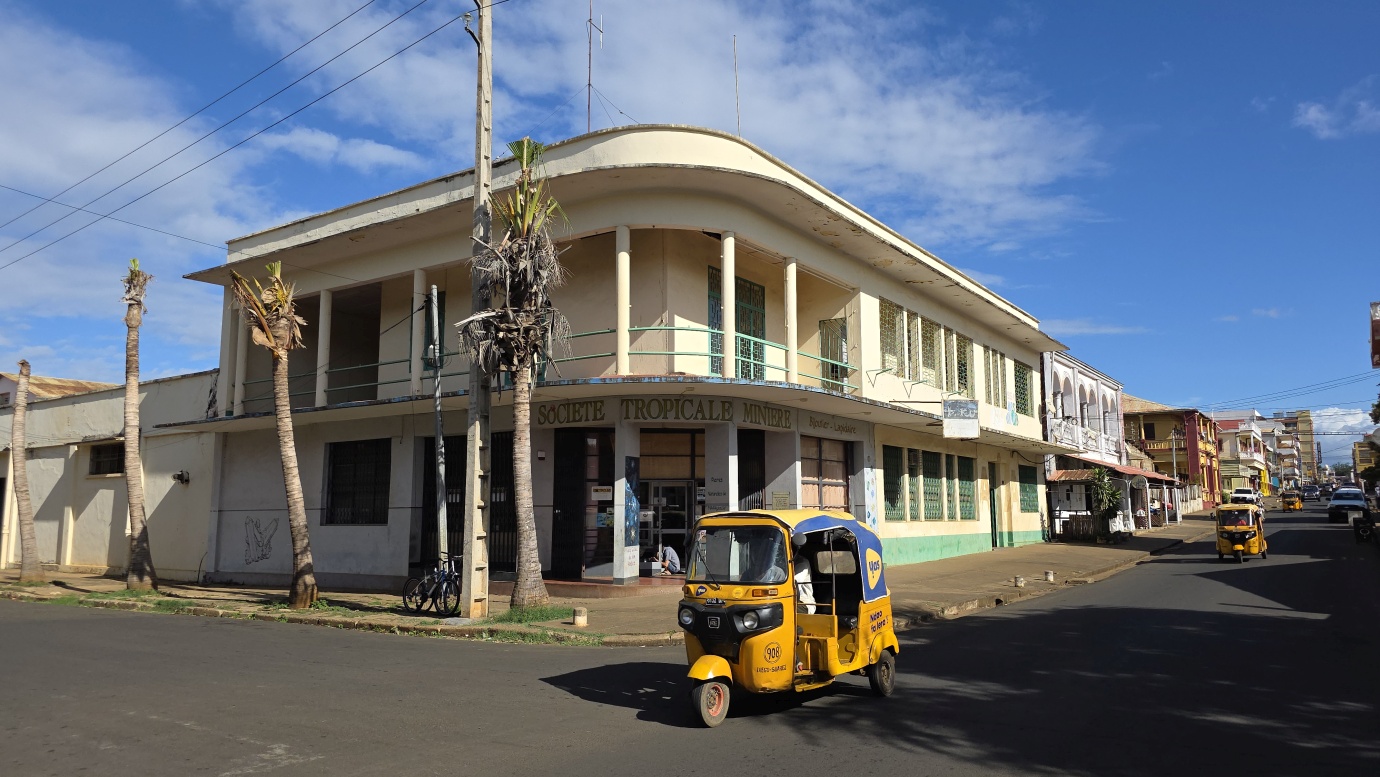
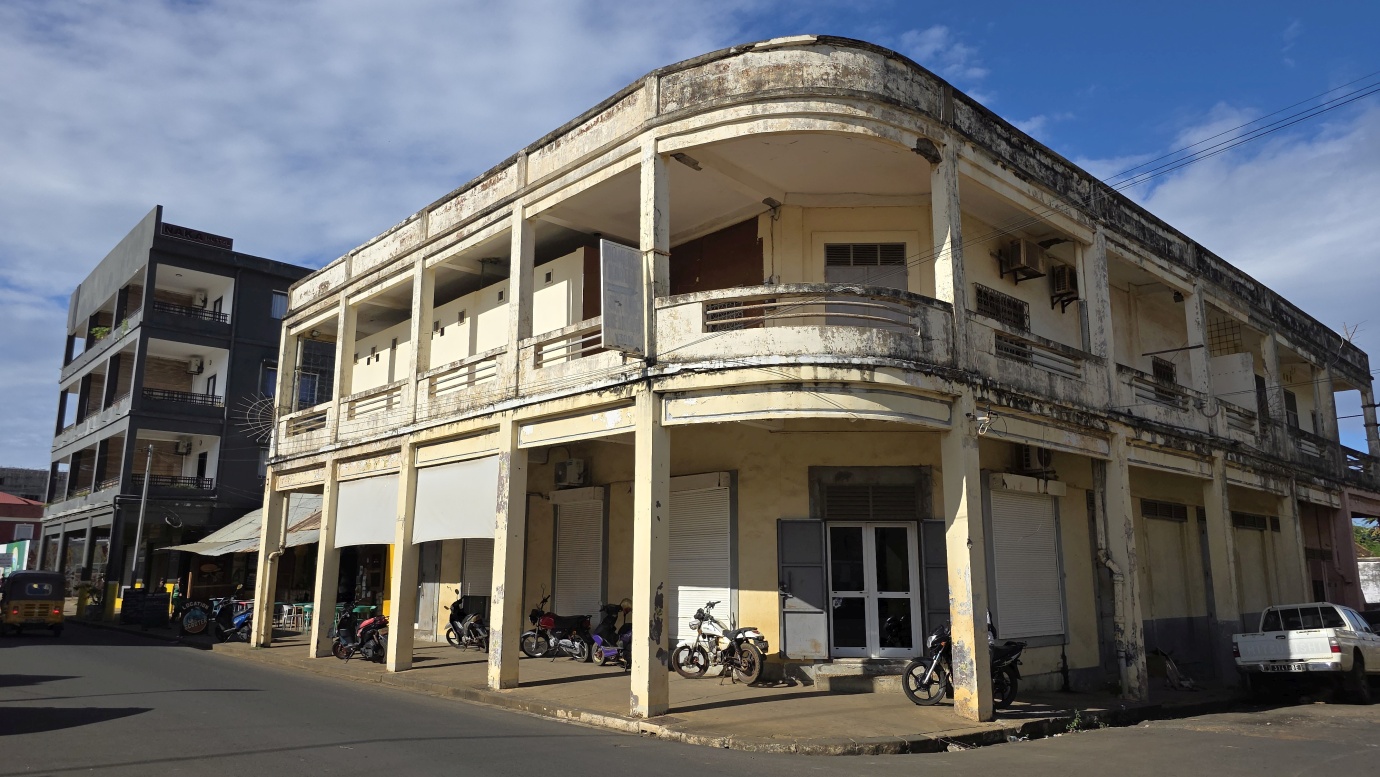
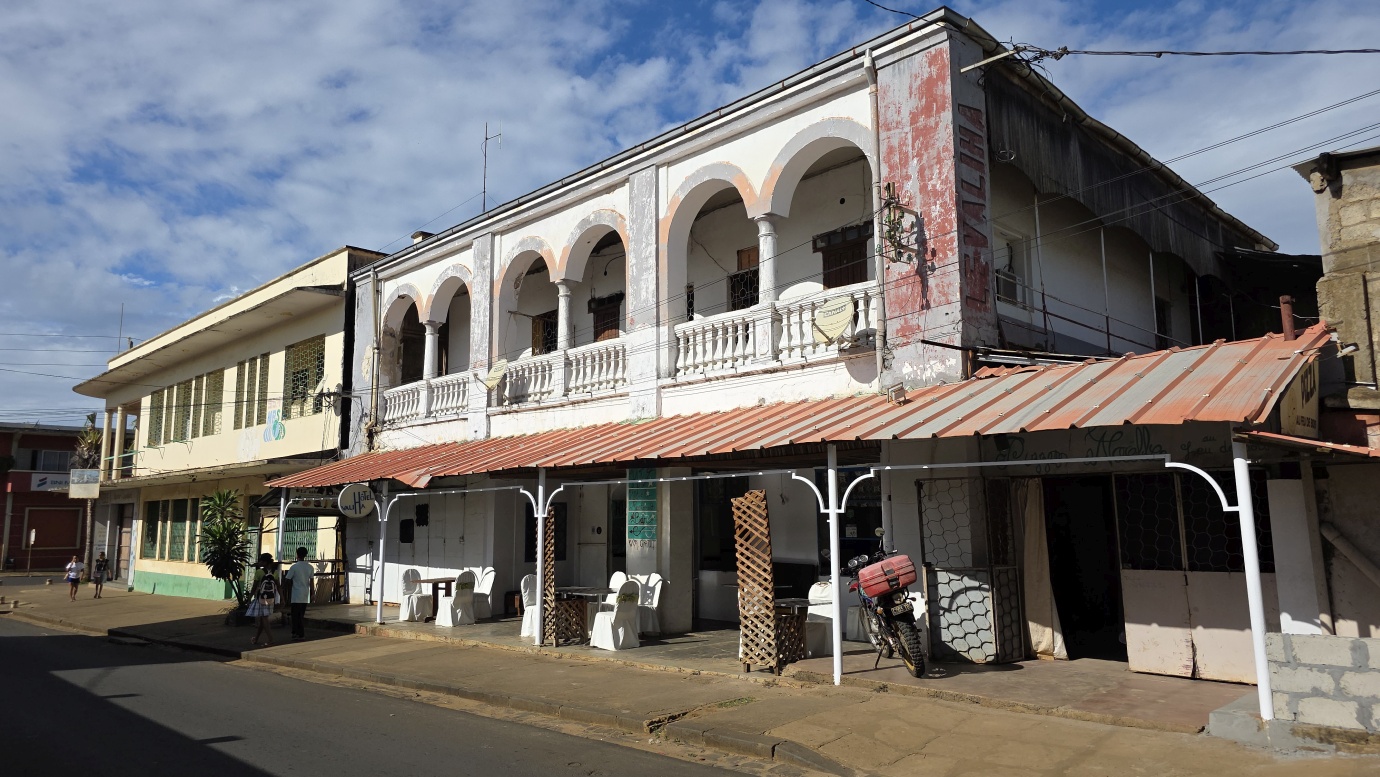
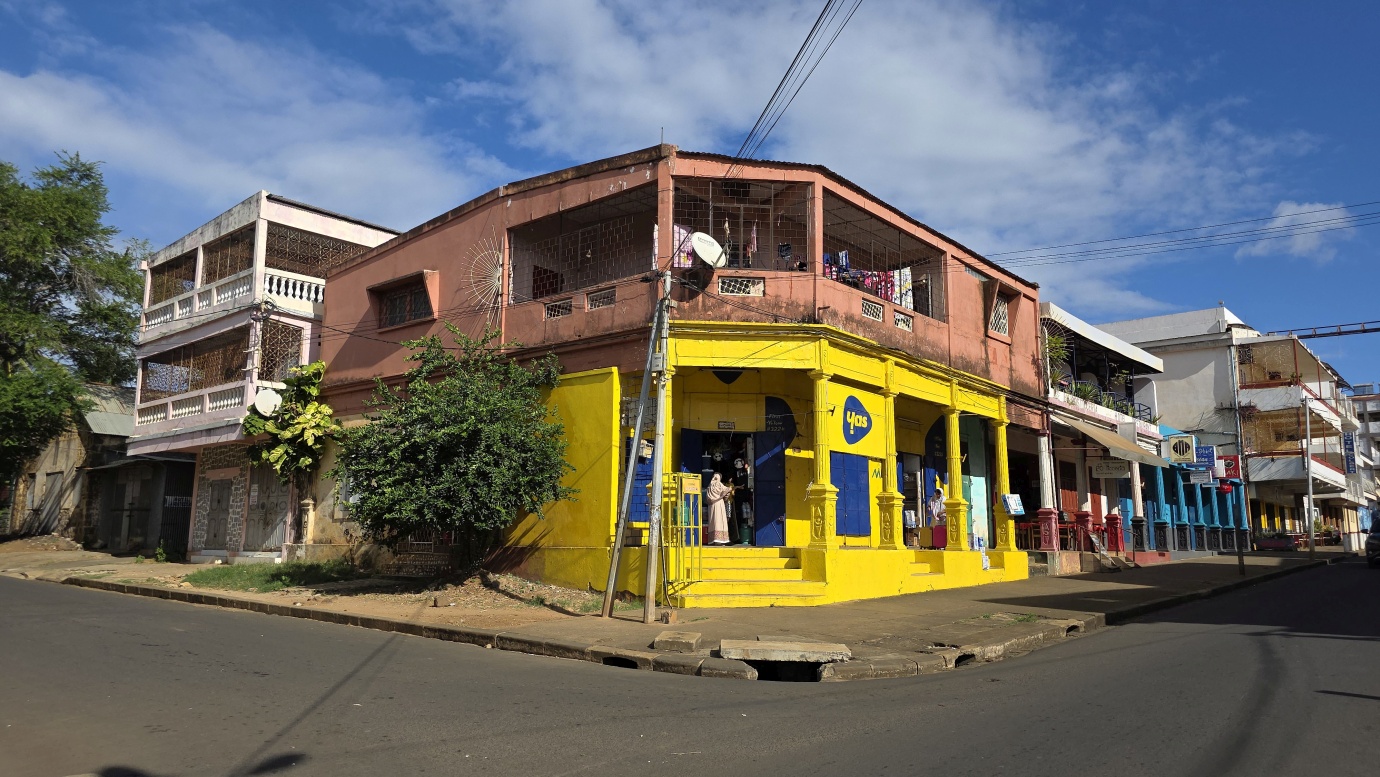
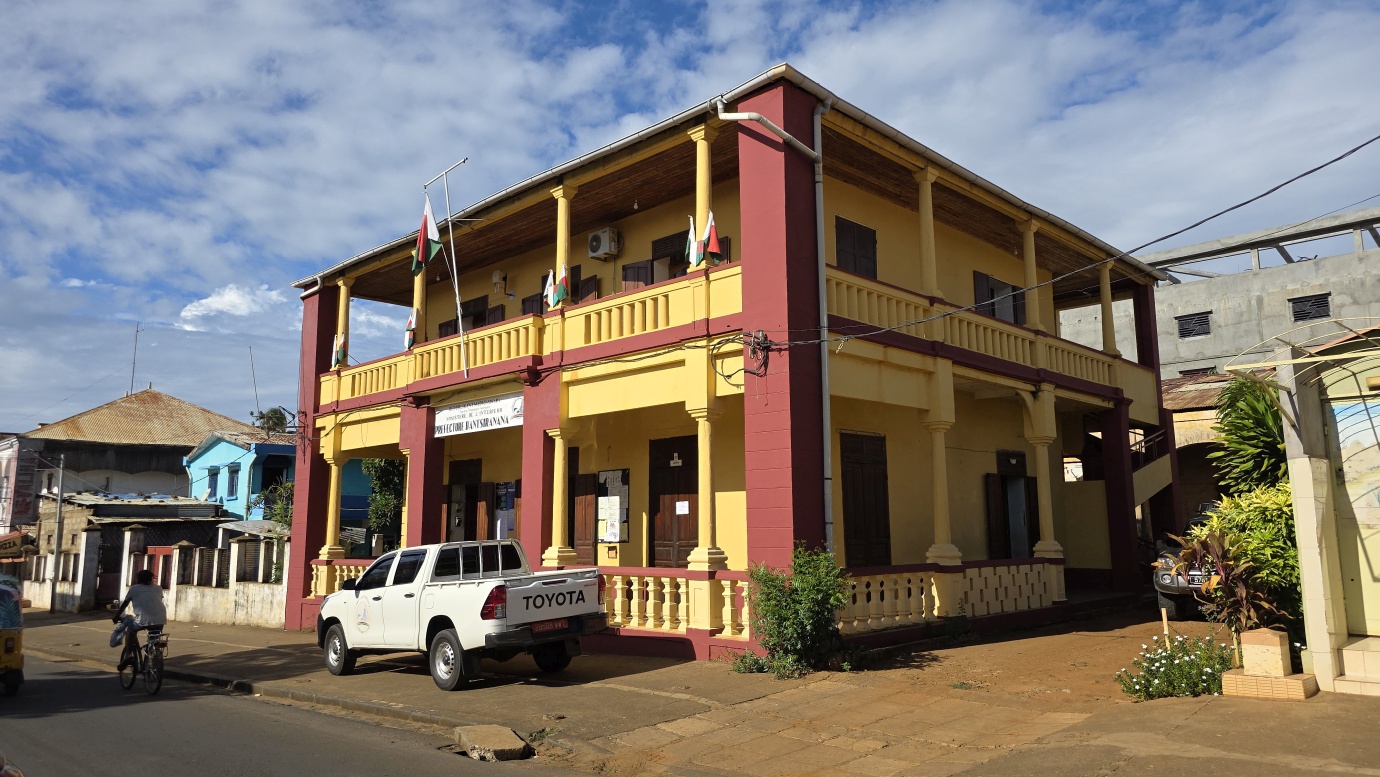
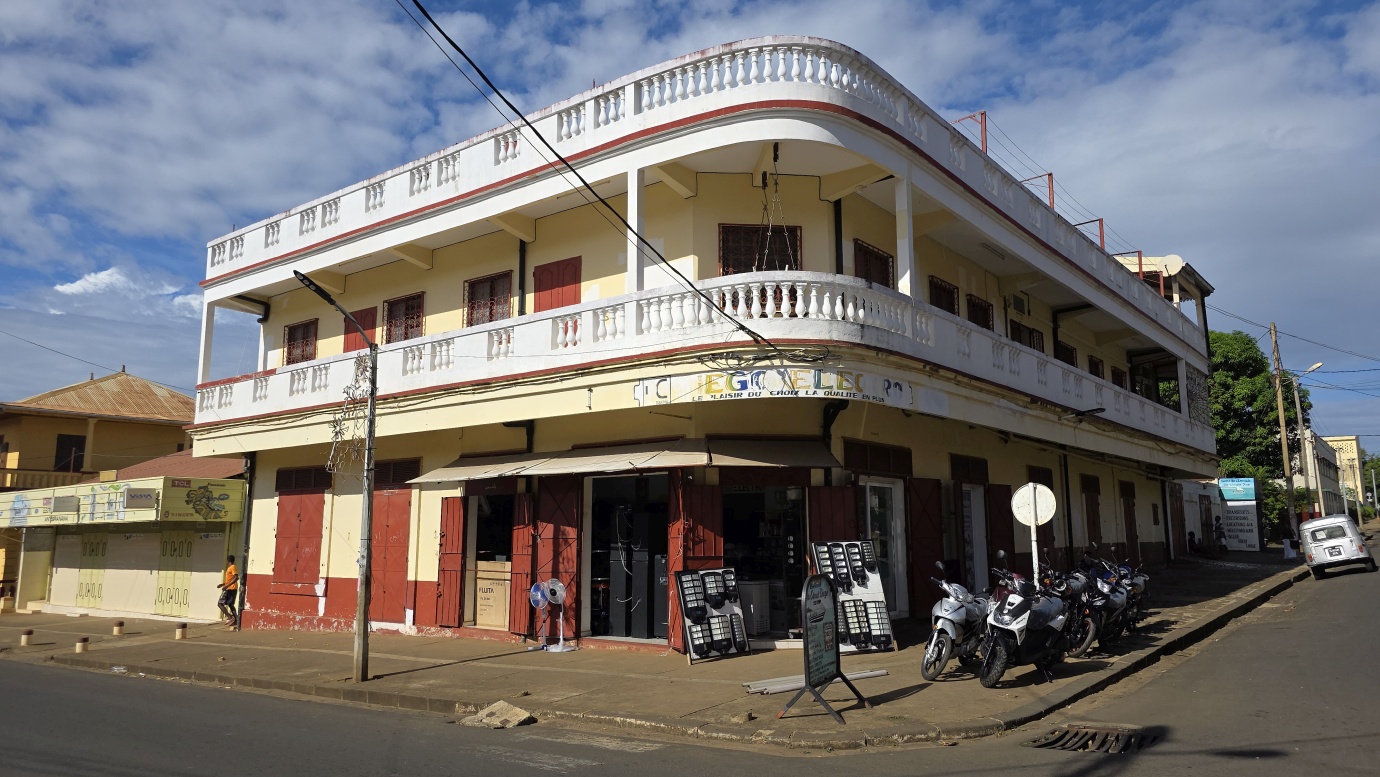
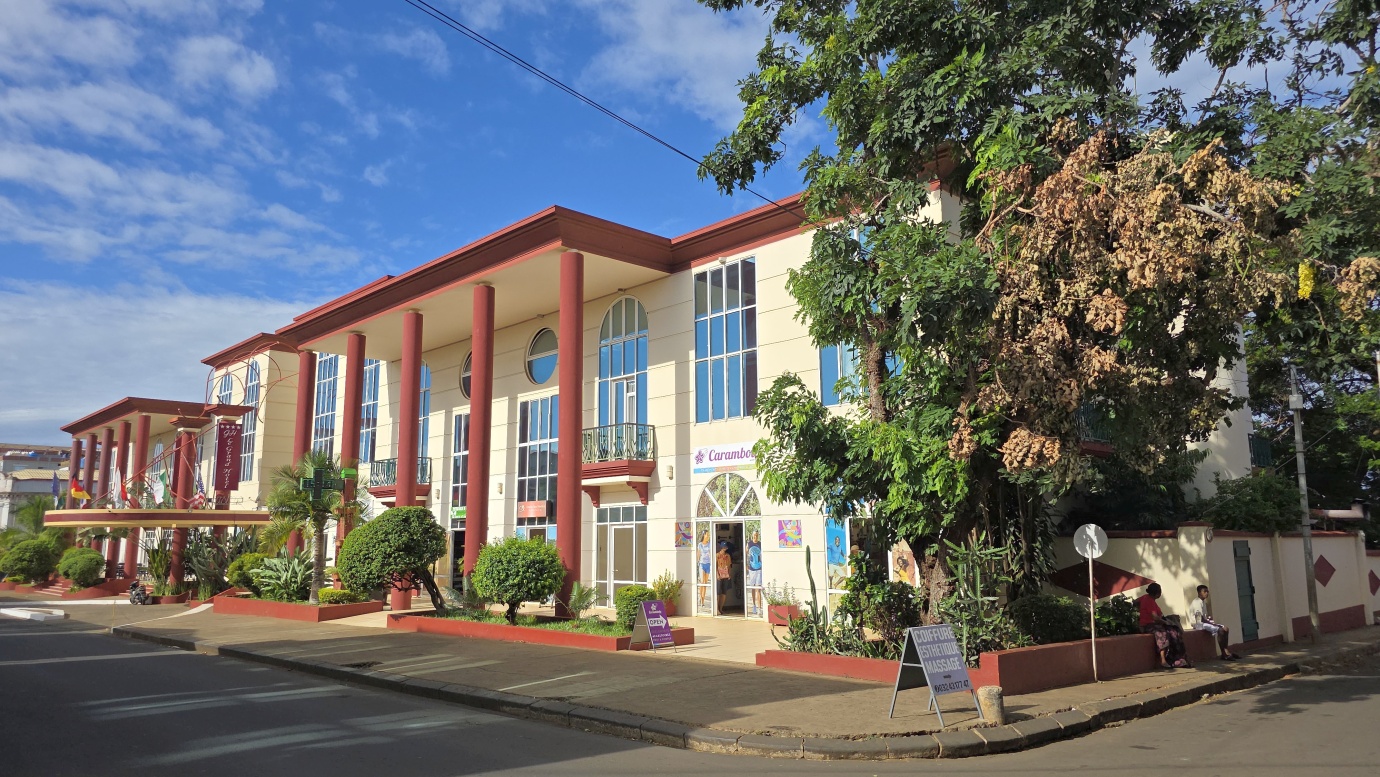
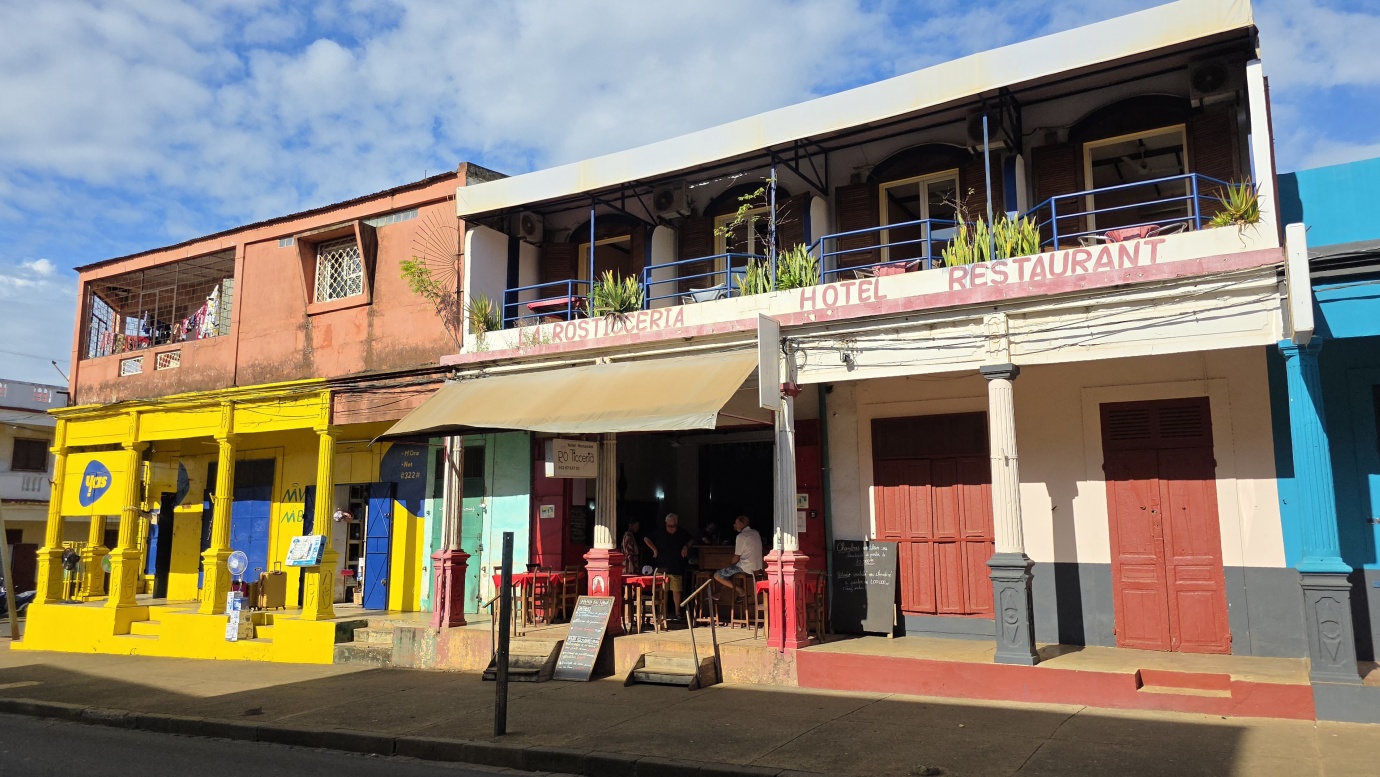
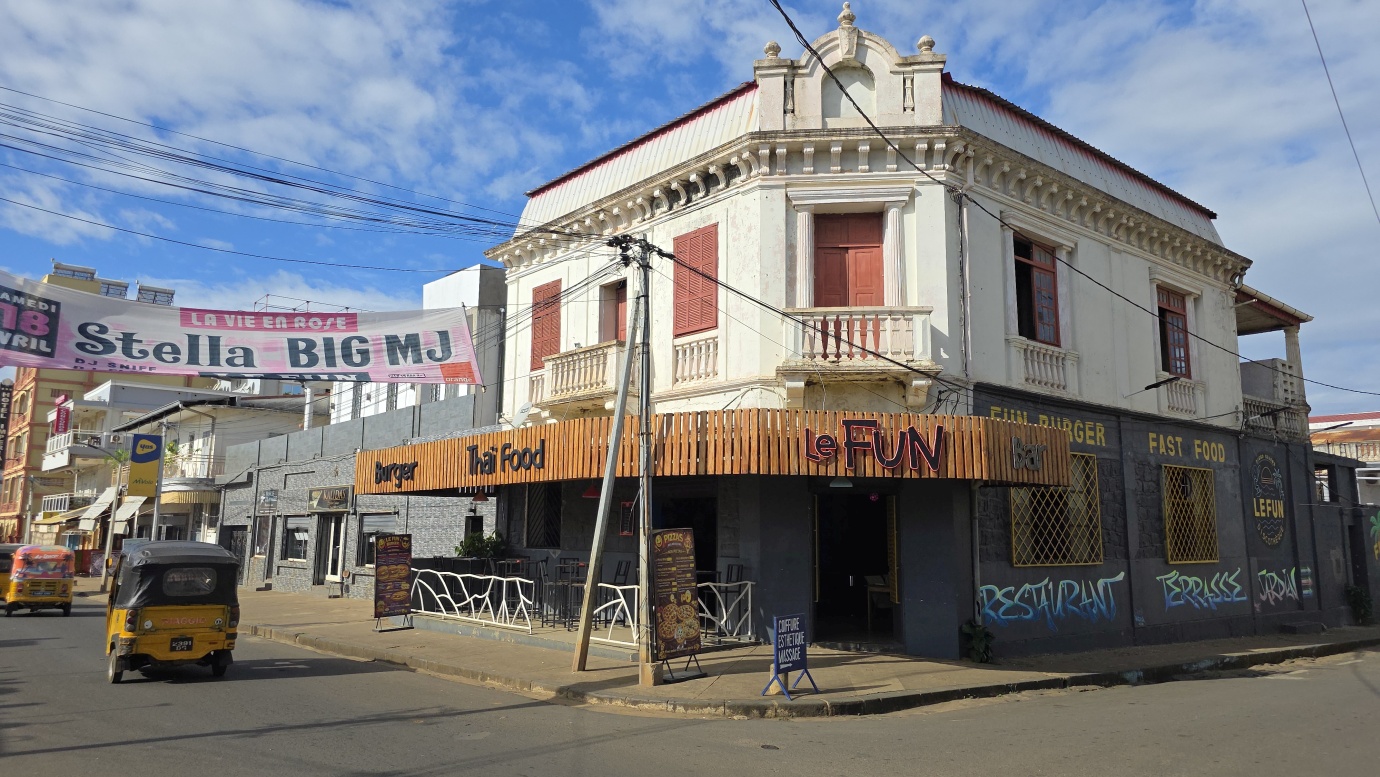
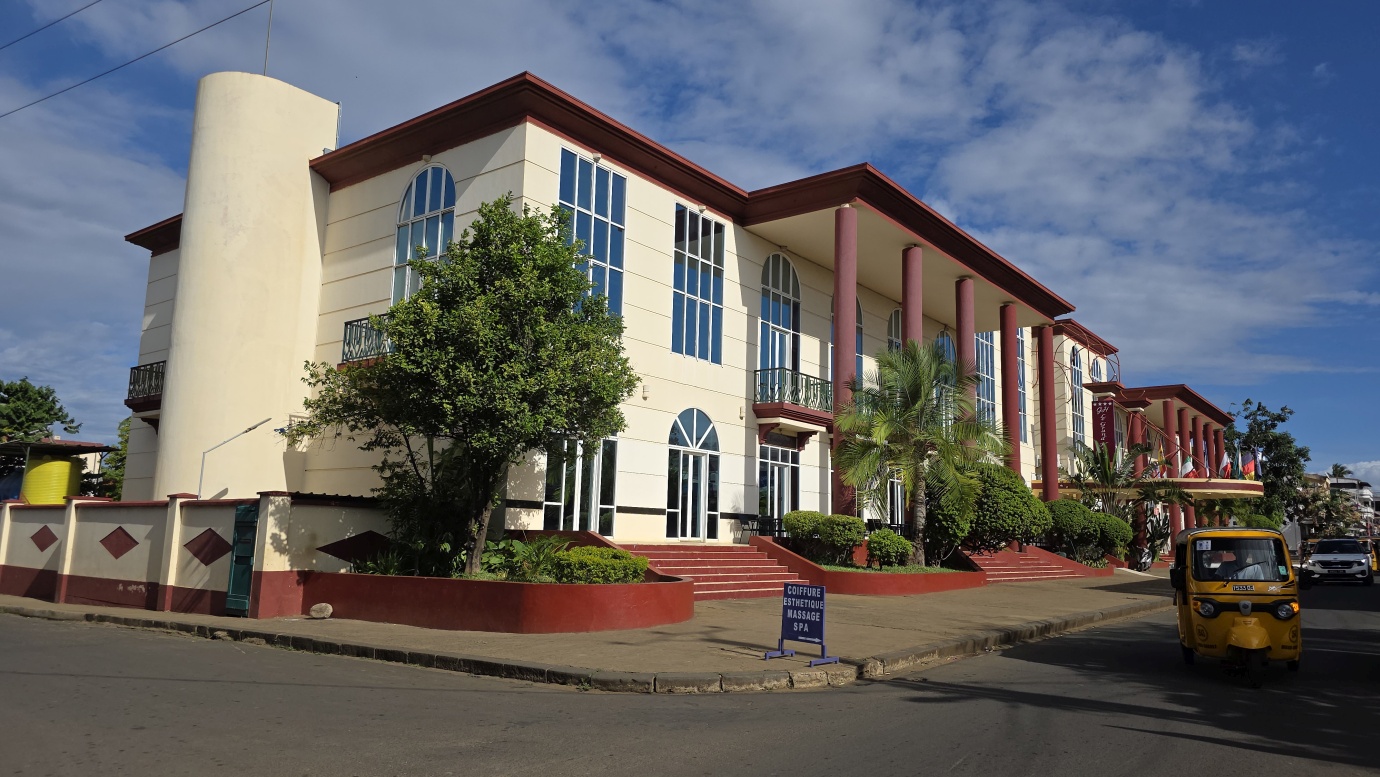
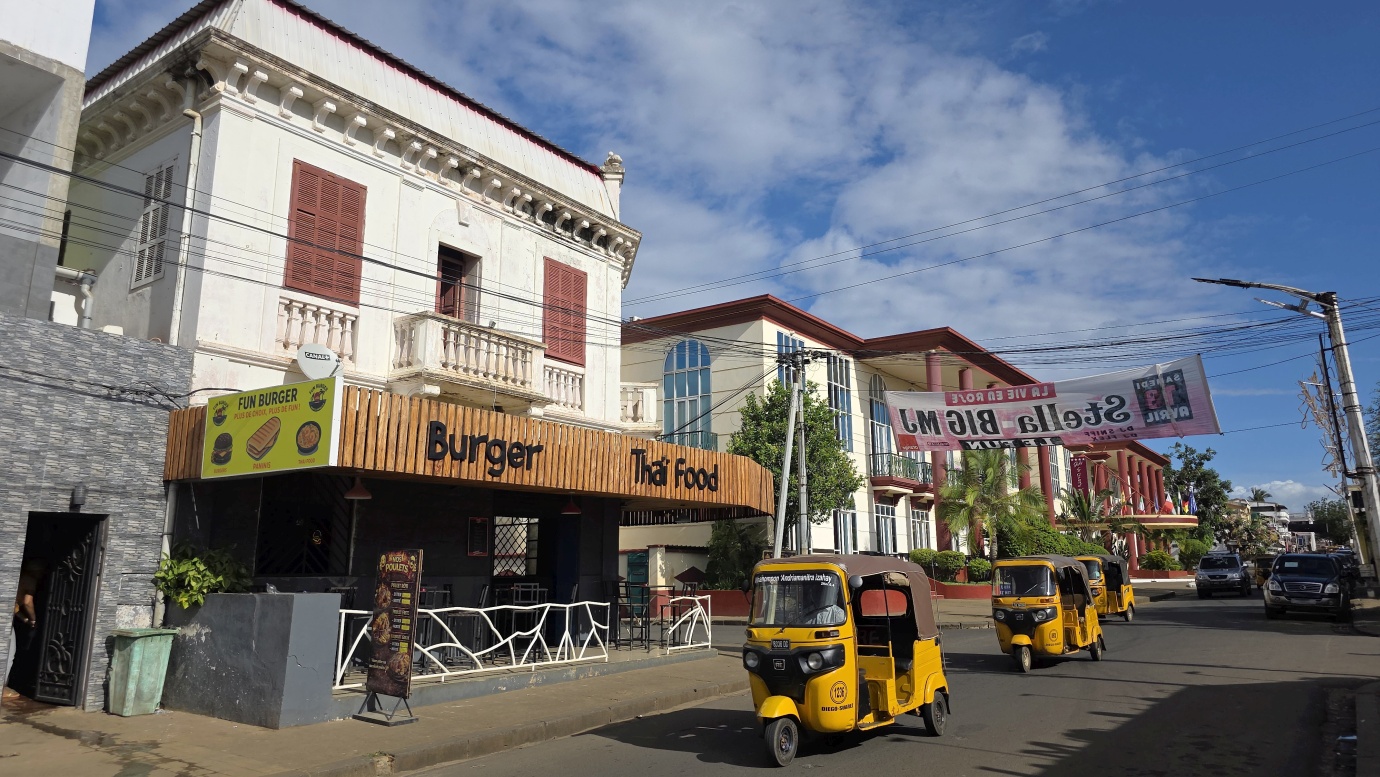
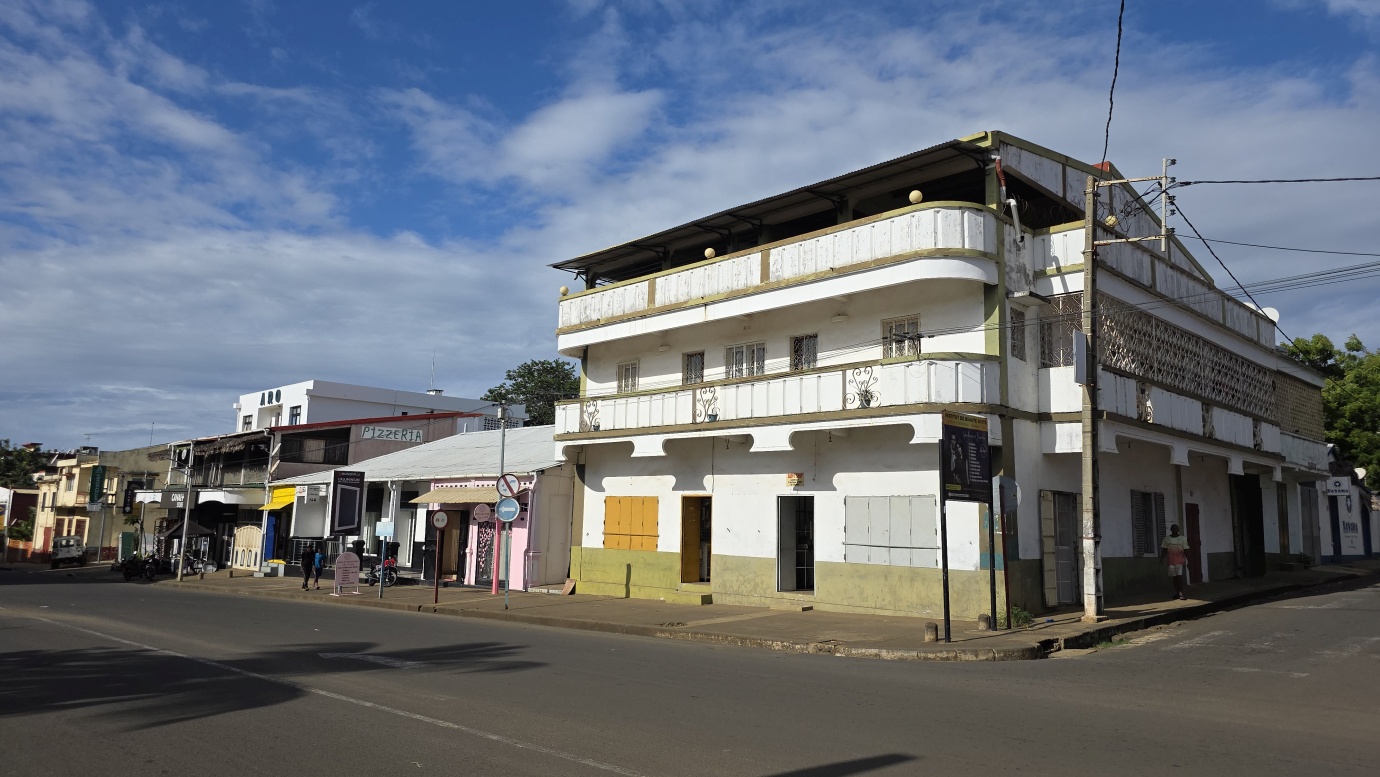
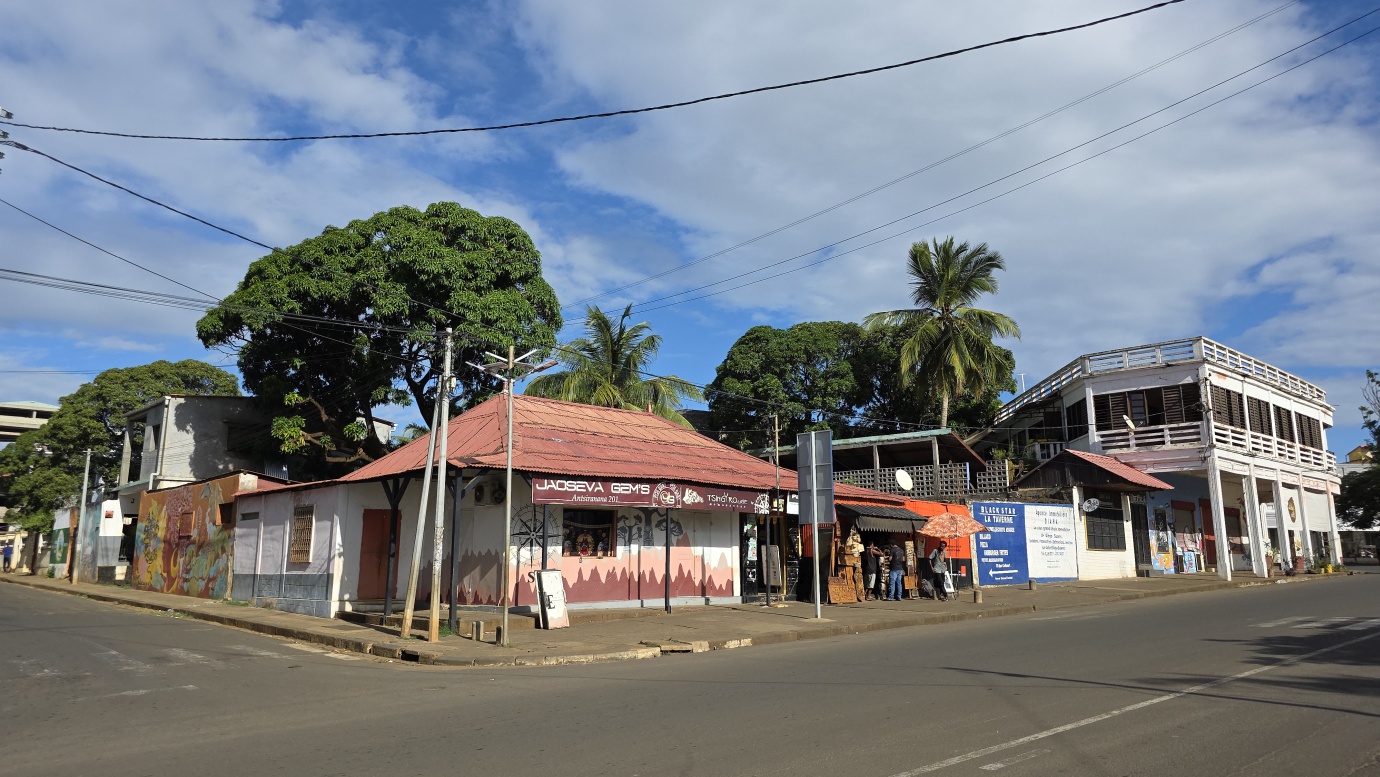
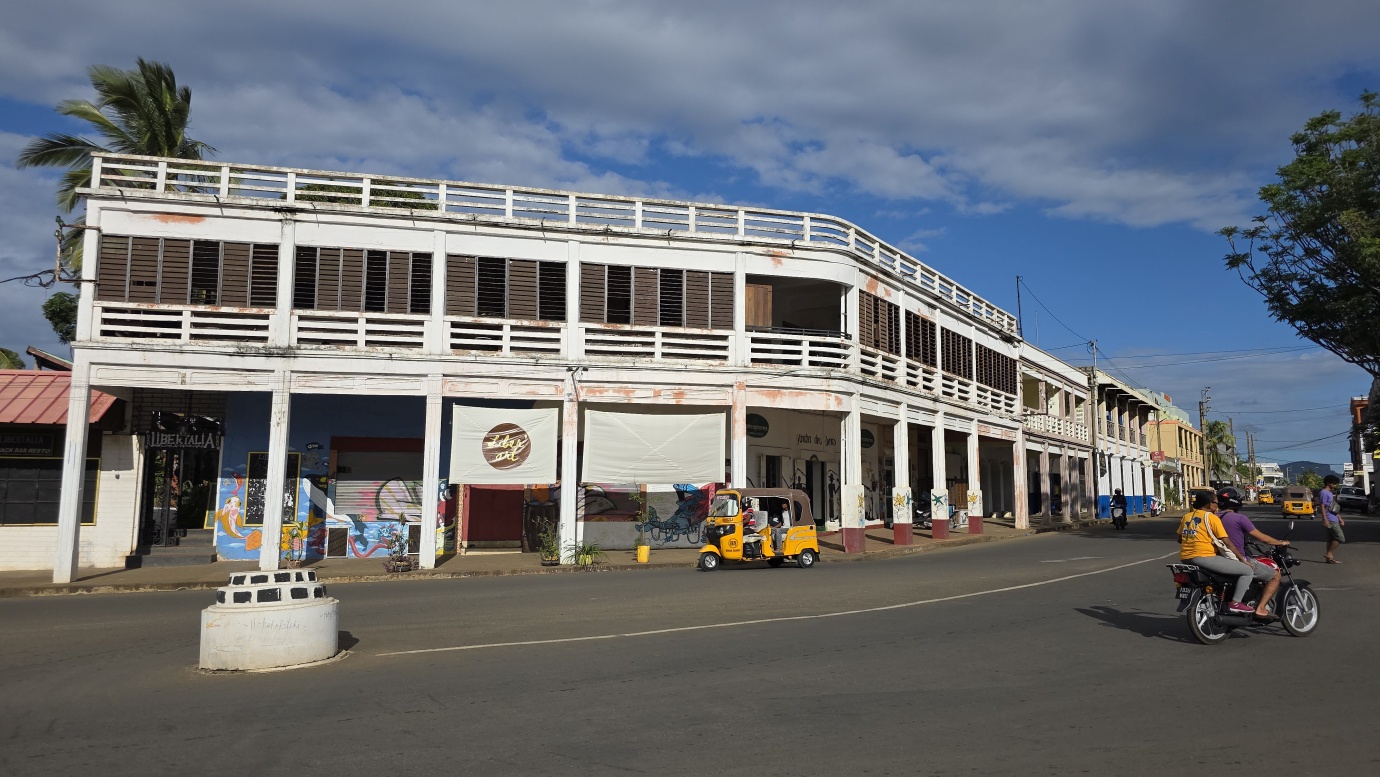
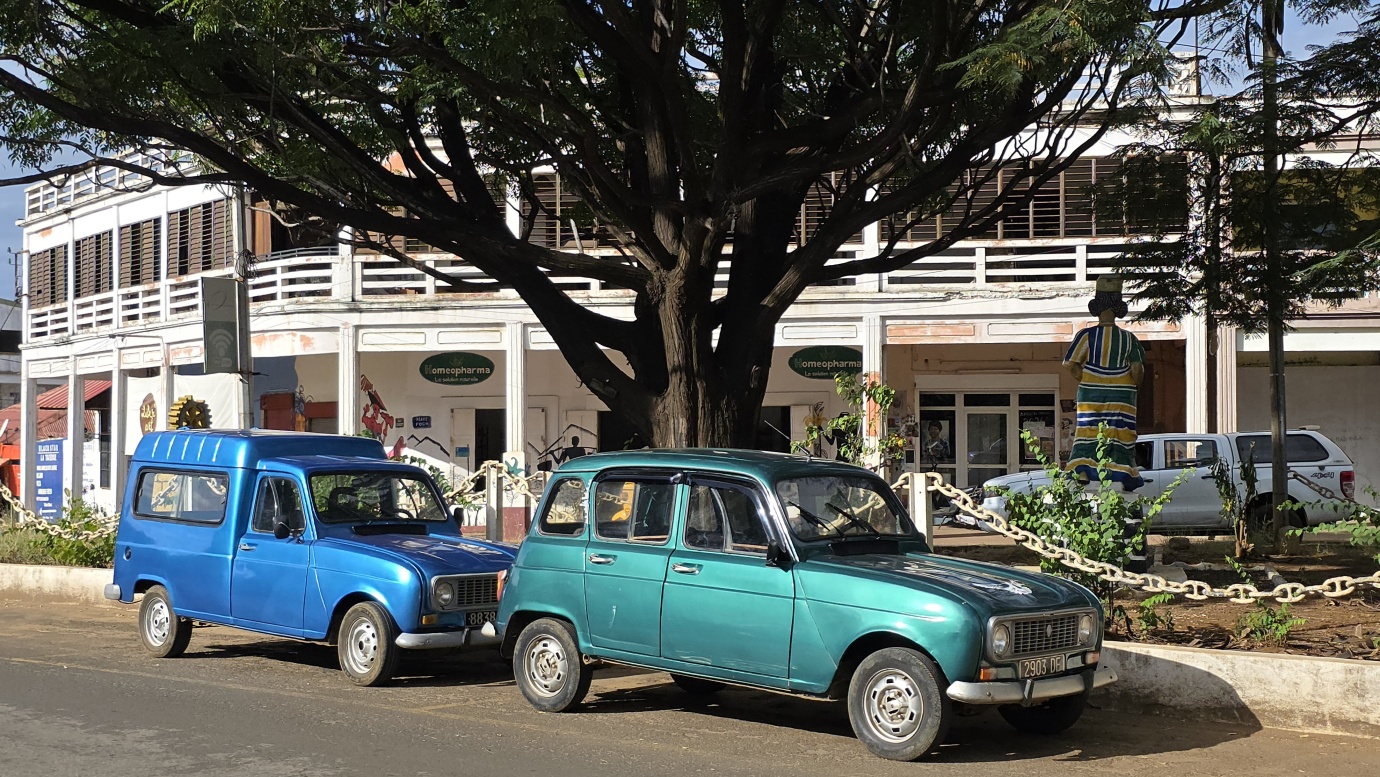
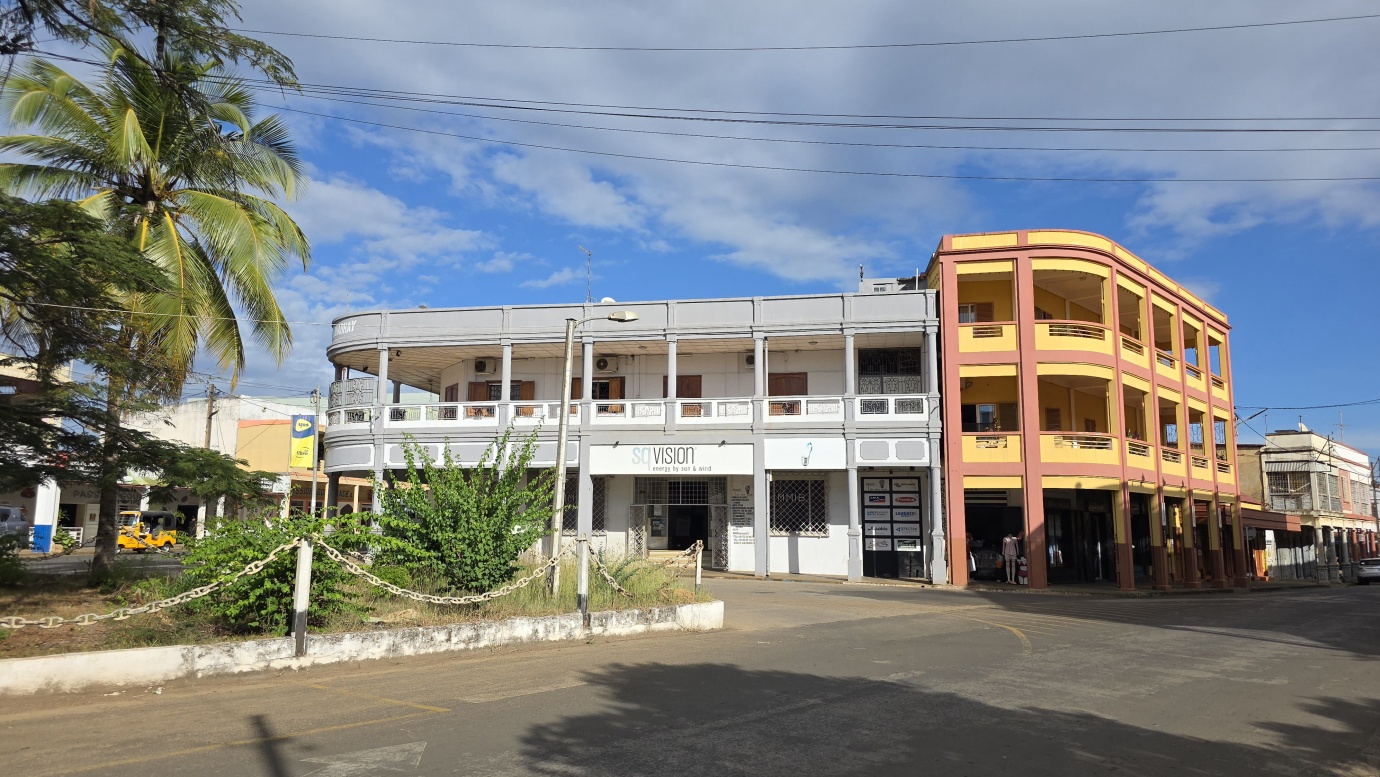
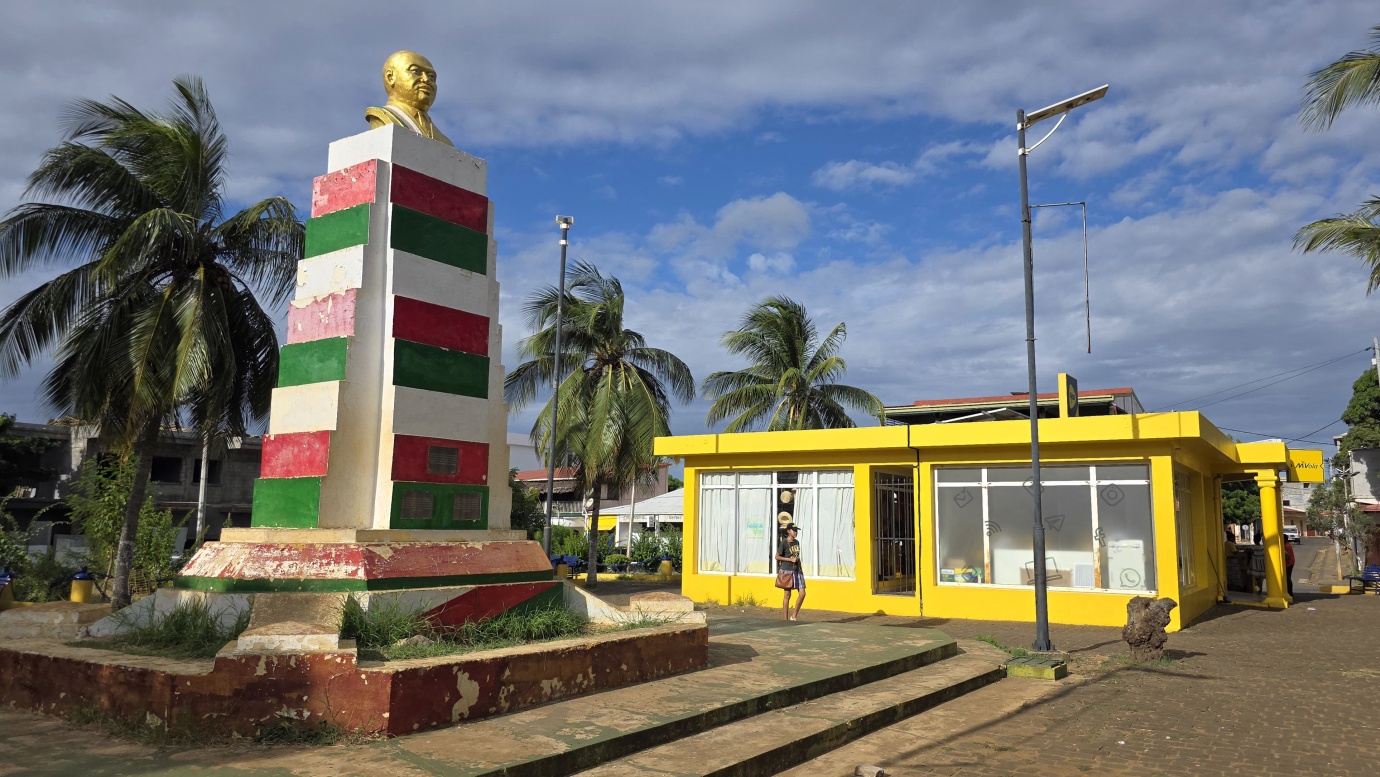
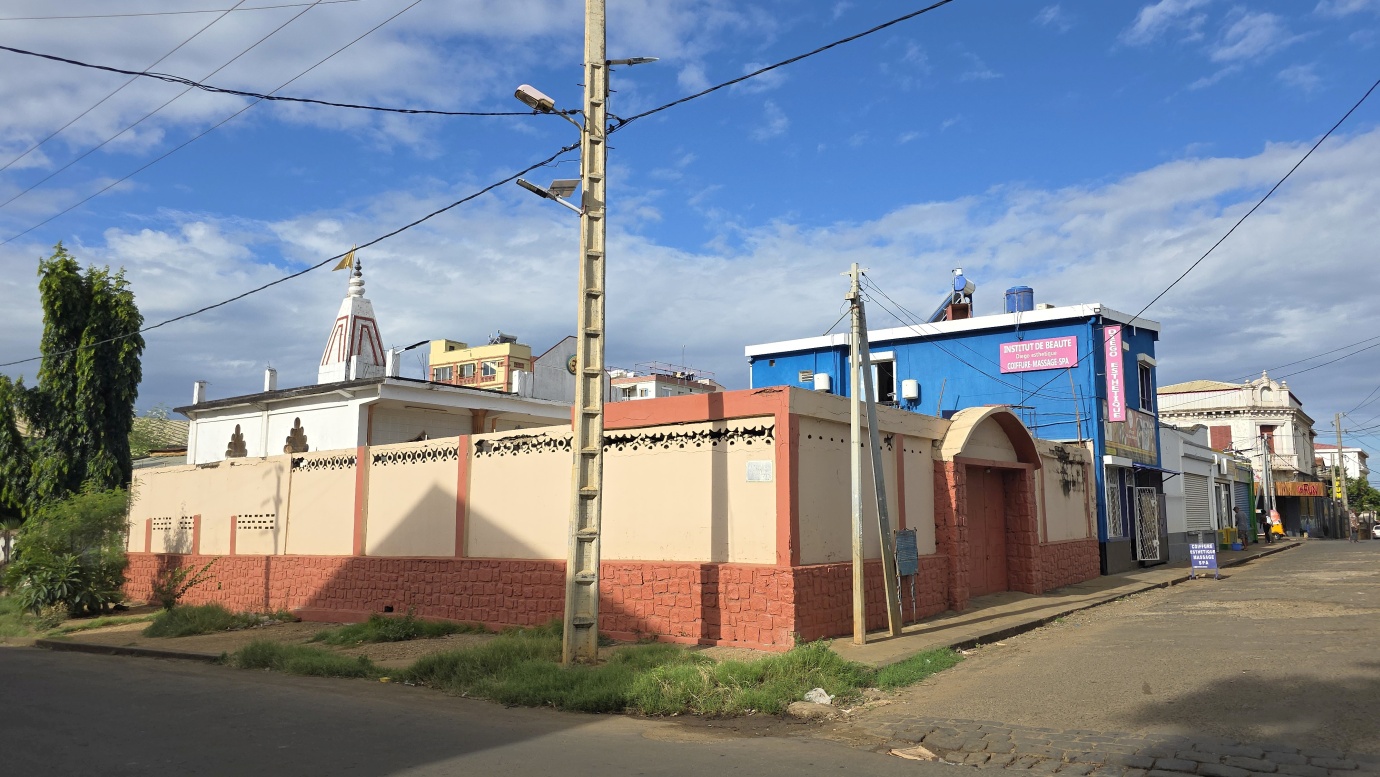
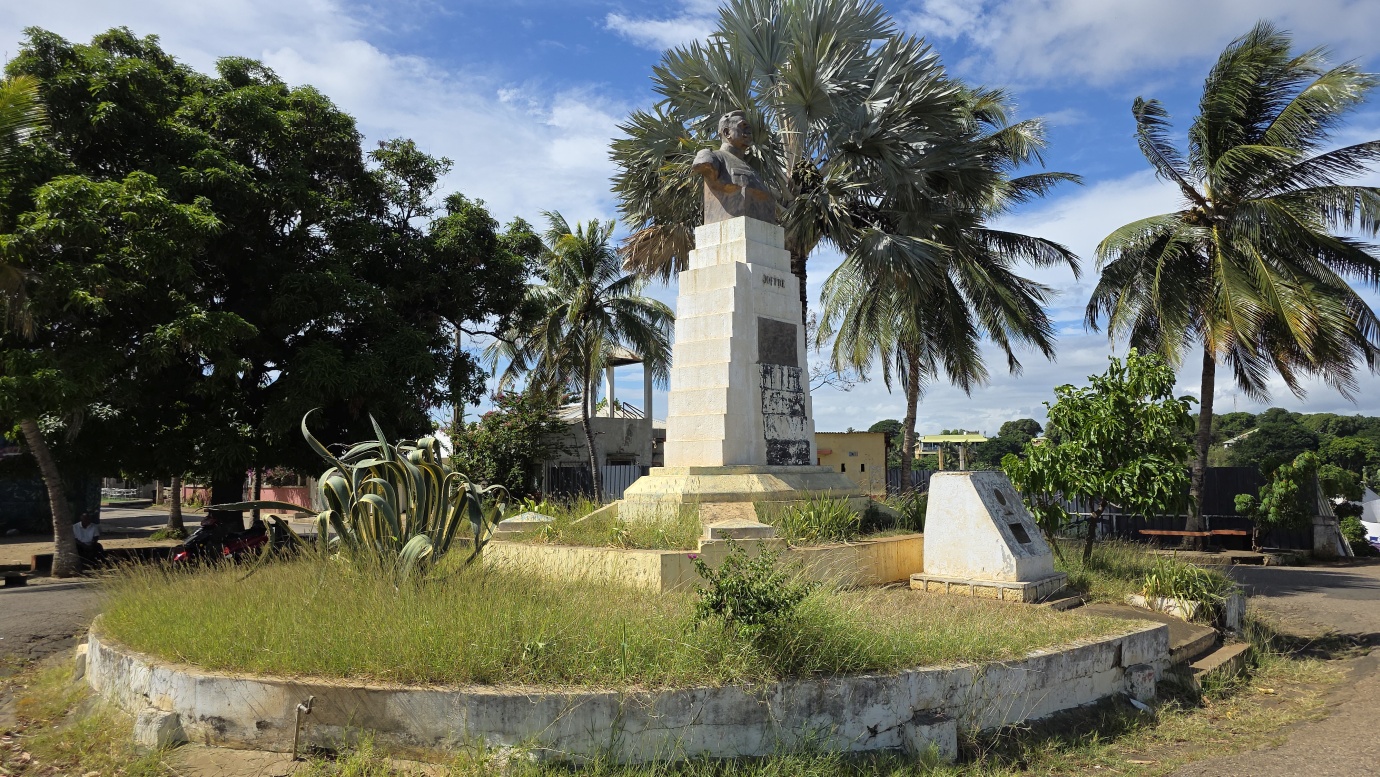
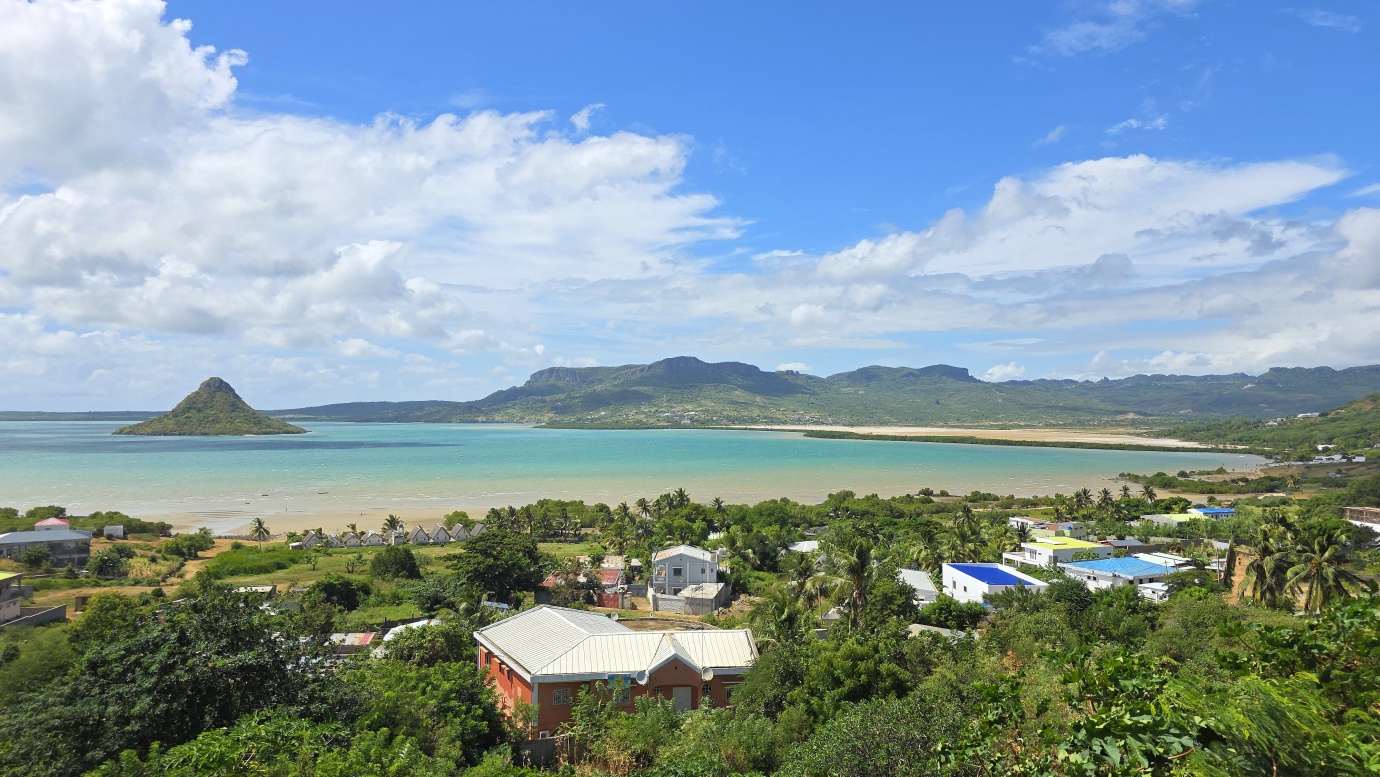
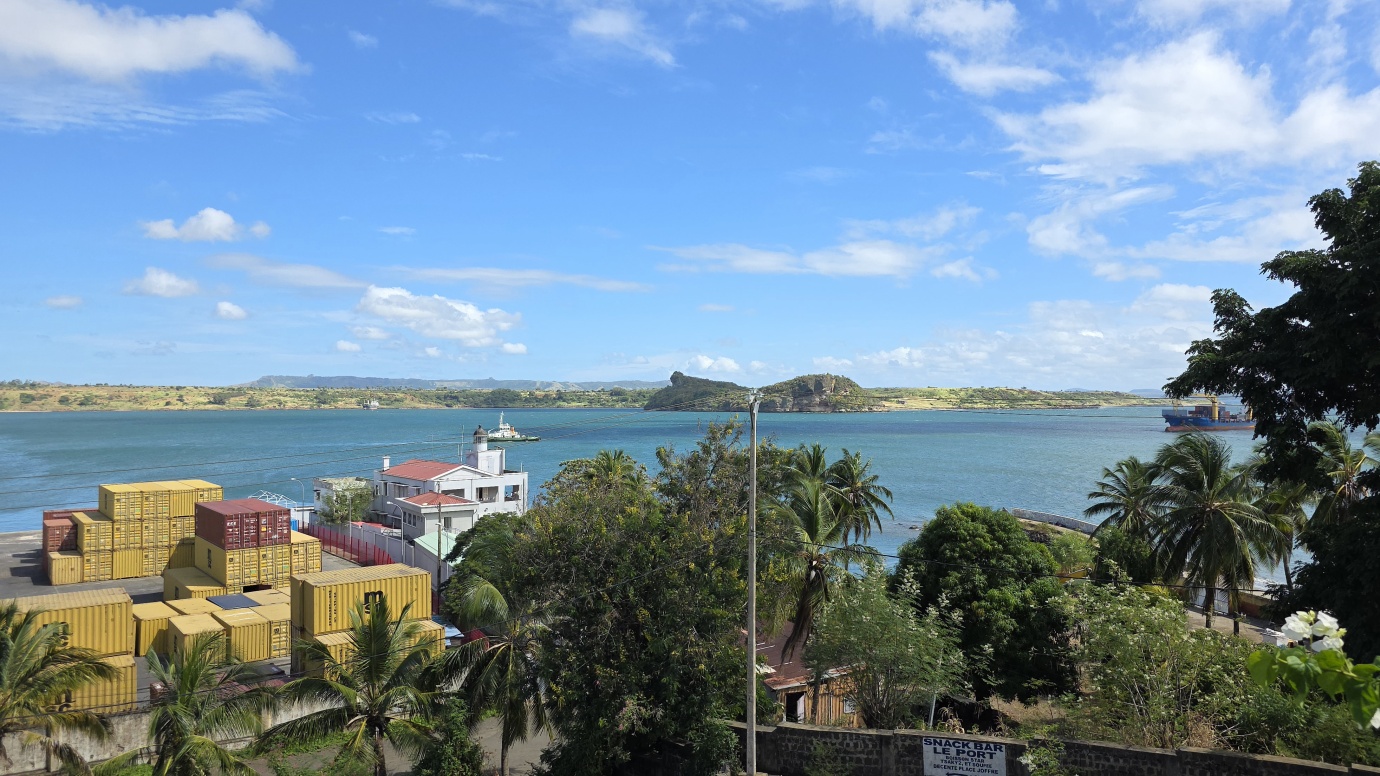
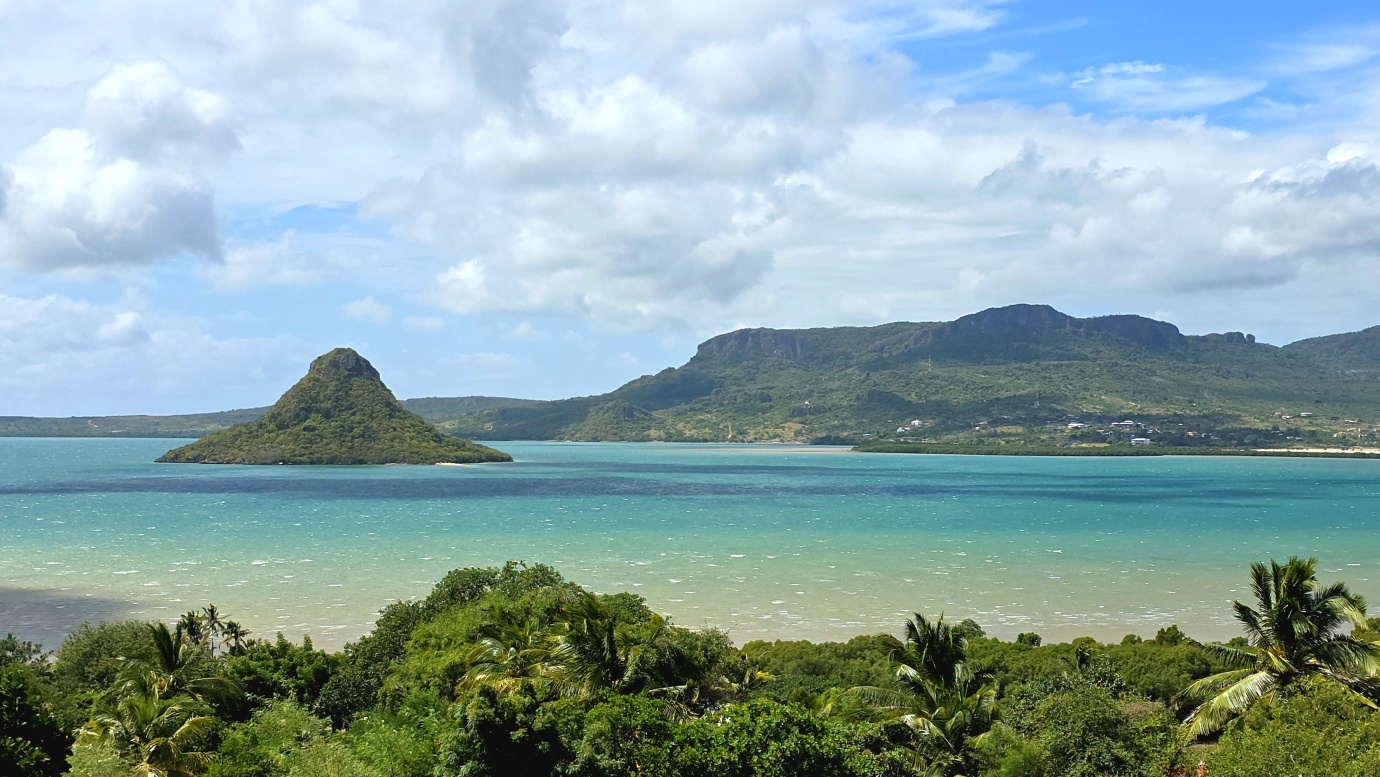
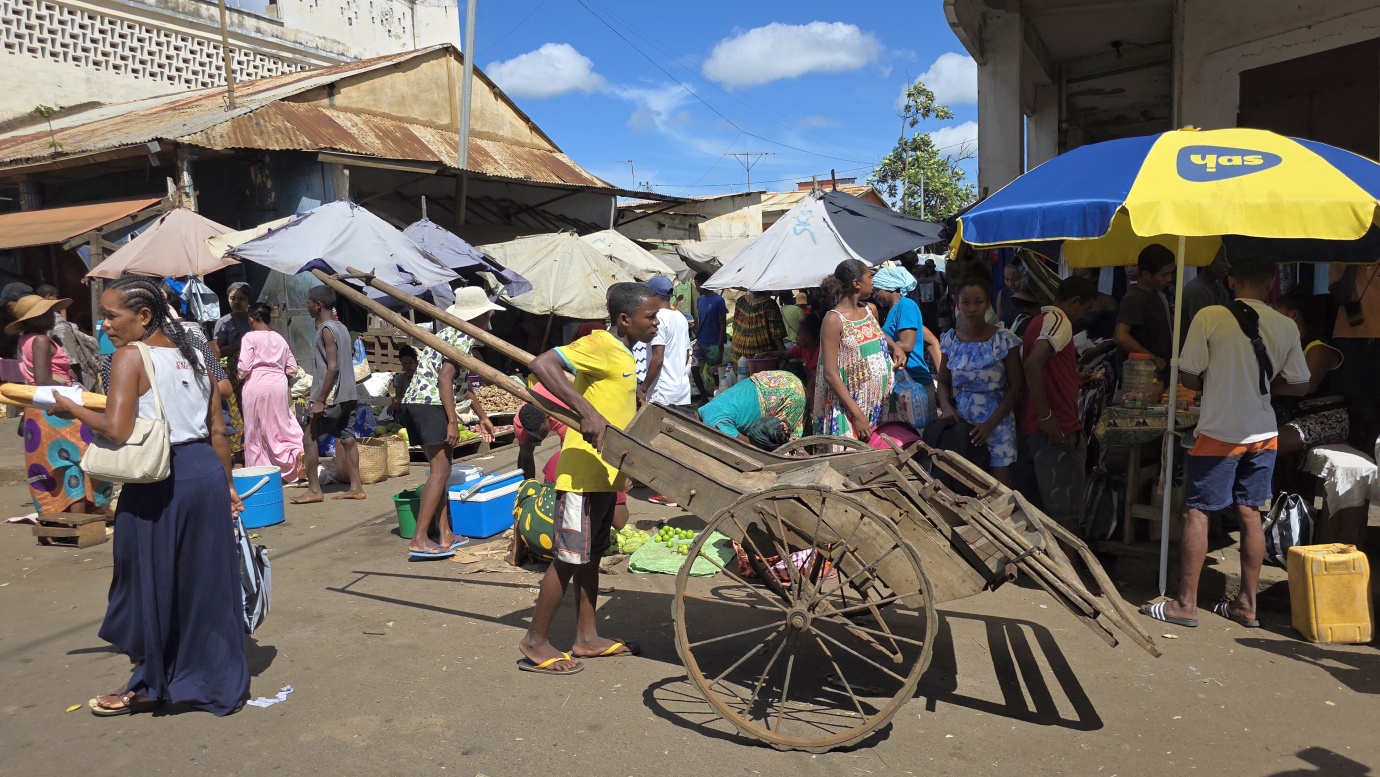
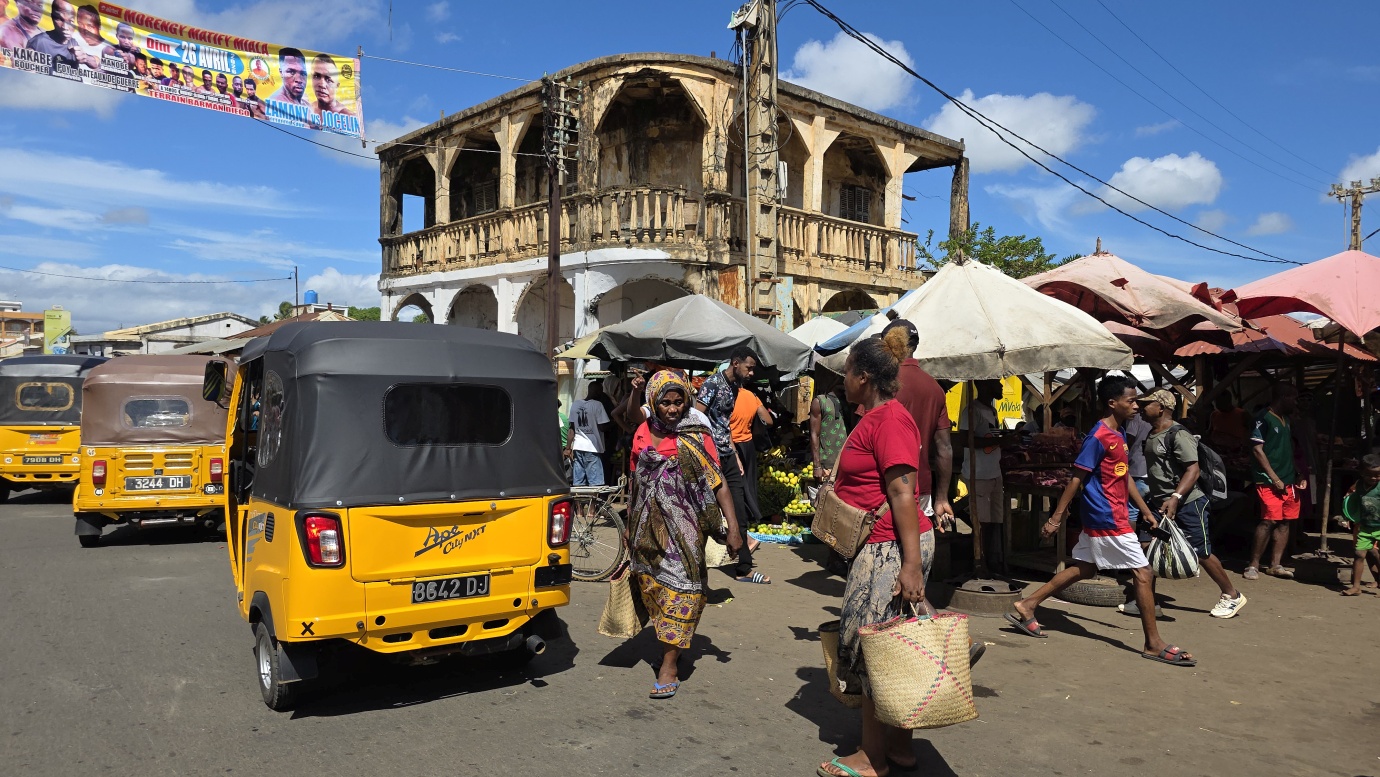
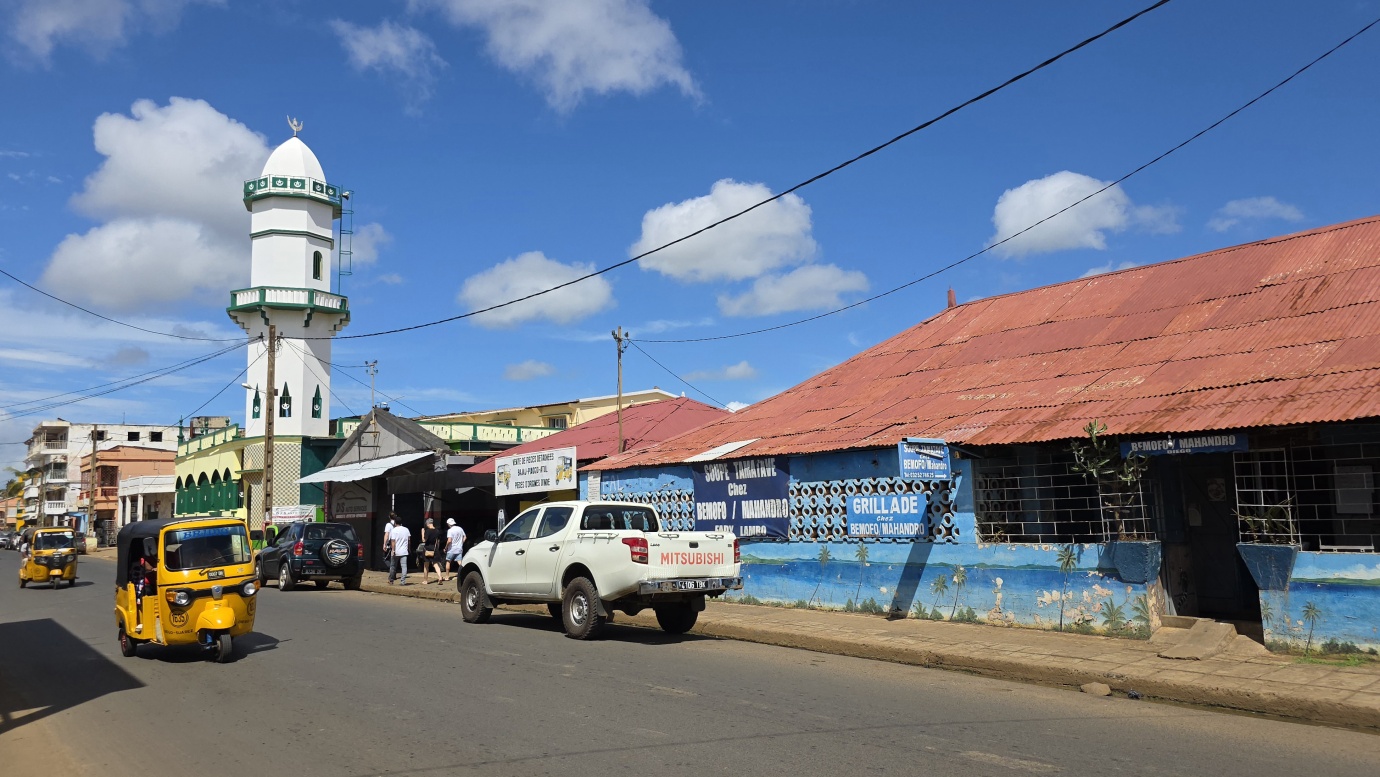
We finally made it to Antsiranana (formerly Diego-Suarez), a historic port city at the northern tip of Madagascar, defined by its huge and strategically important natural harbour, first recorded by Portuguese explorer Diogo Soares in 1543. In the 17th century, the area is believed to have served as a base for foreign sailors, and enduring legends suggest it may even have been the location of the mythical pirate republic of “Libertalia.”
The city was formally established as a French naval base and coaling station in the 1880s, following an 1885 treaty with Queen Ranavalona III. In 1942, it became the site of Operation Ironclad, a strategic British military campaign aimed at preventing Japanese forces from gaining access to the harbour during World War II. After Madagascar gained independence in 1960, the city was officially renamed Antsiranana in 1975—a name that can be interpreted as “to pass through” or “place of salt” in Malagasy.
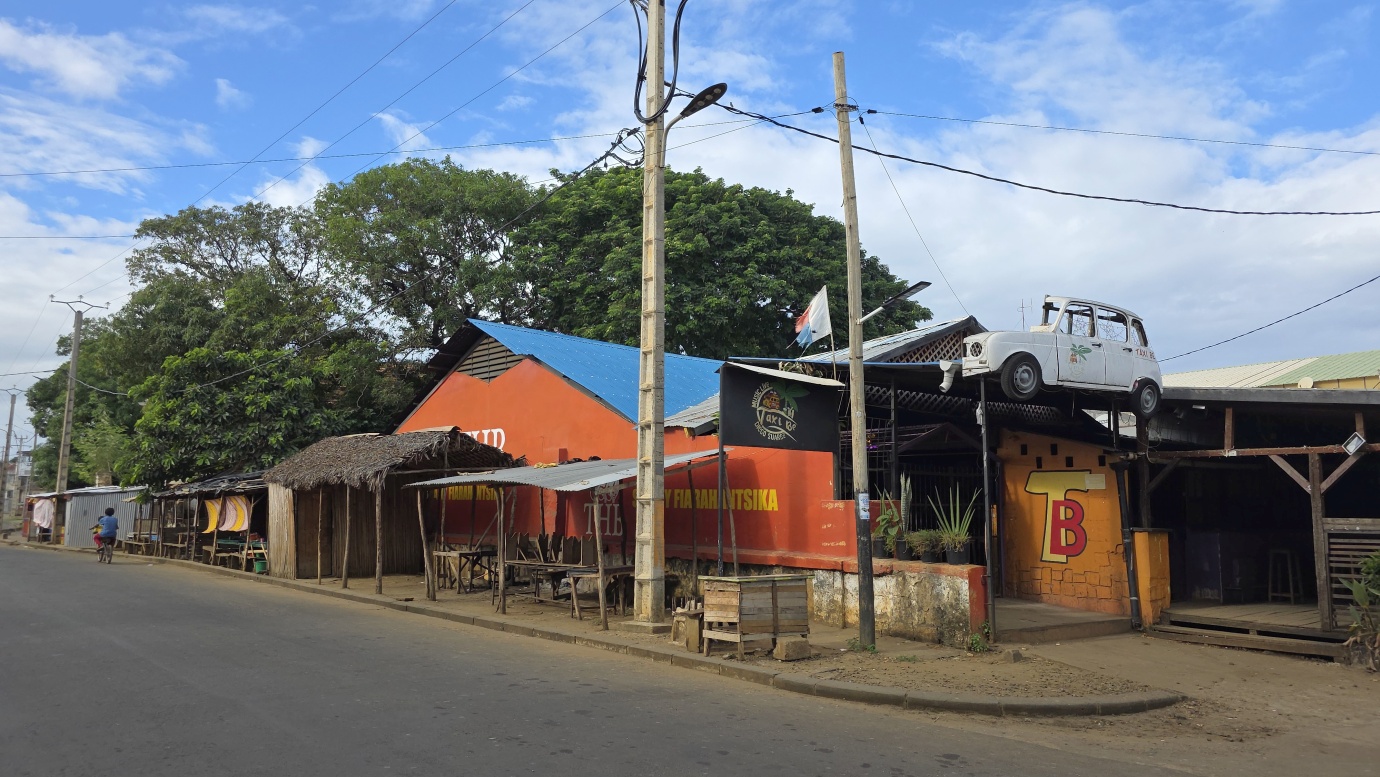
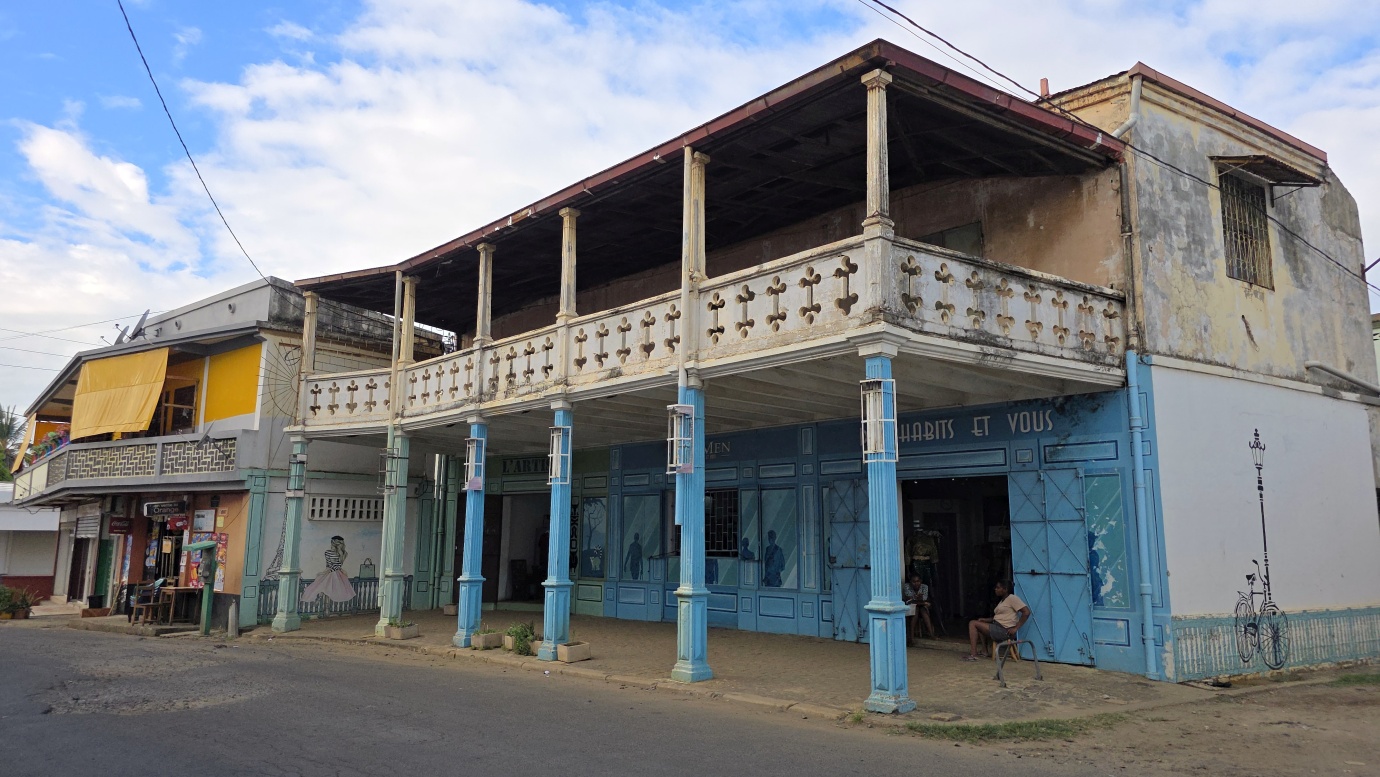
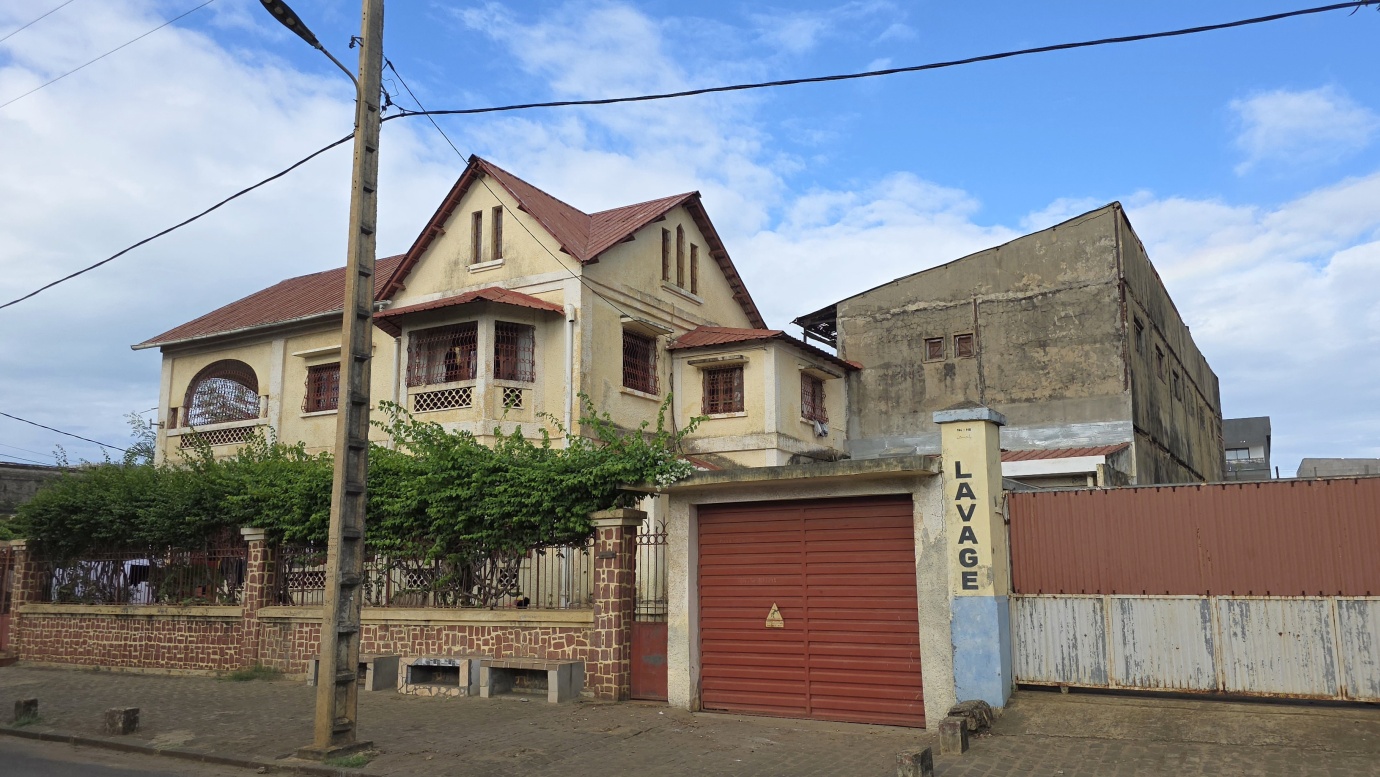
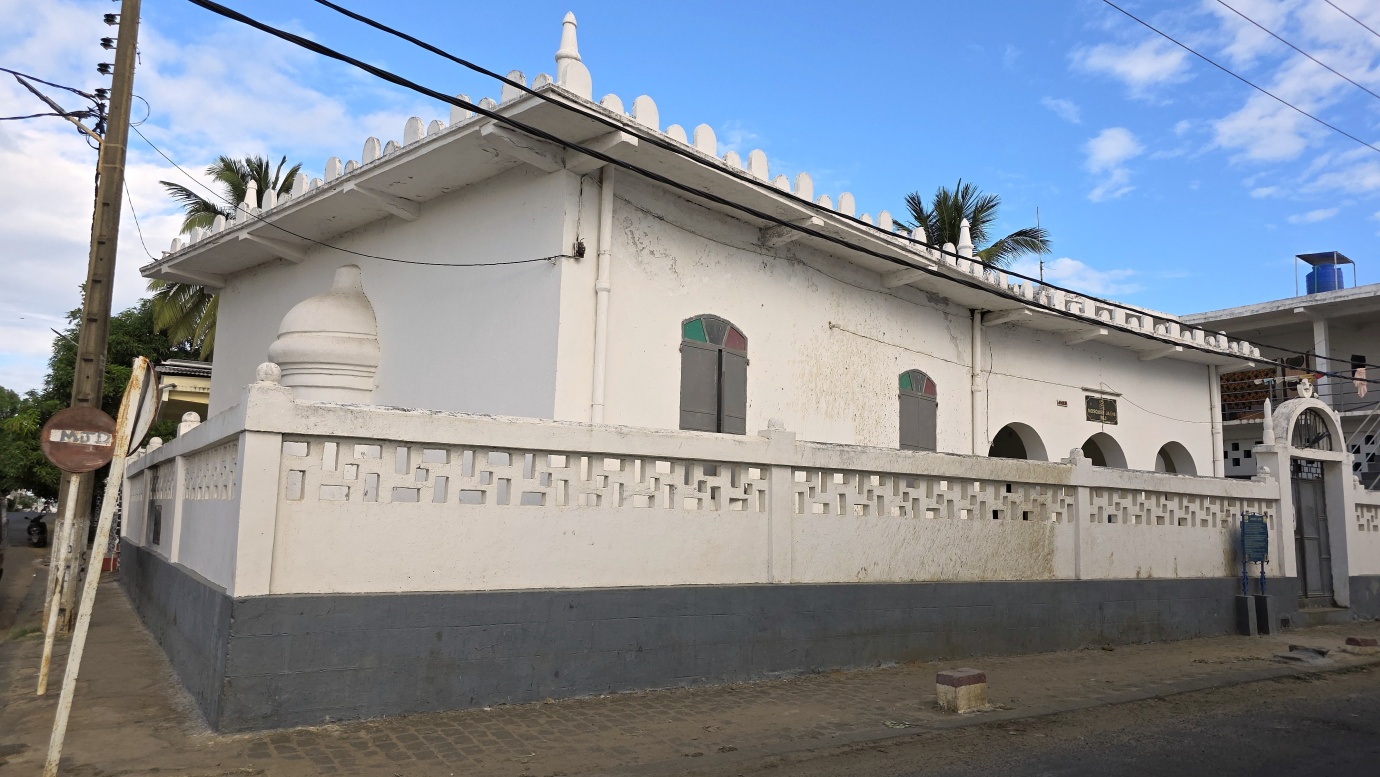
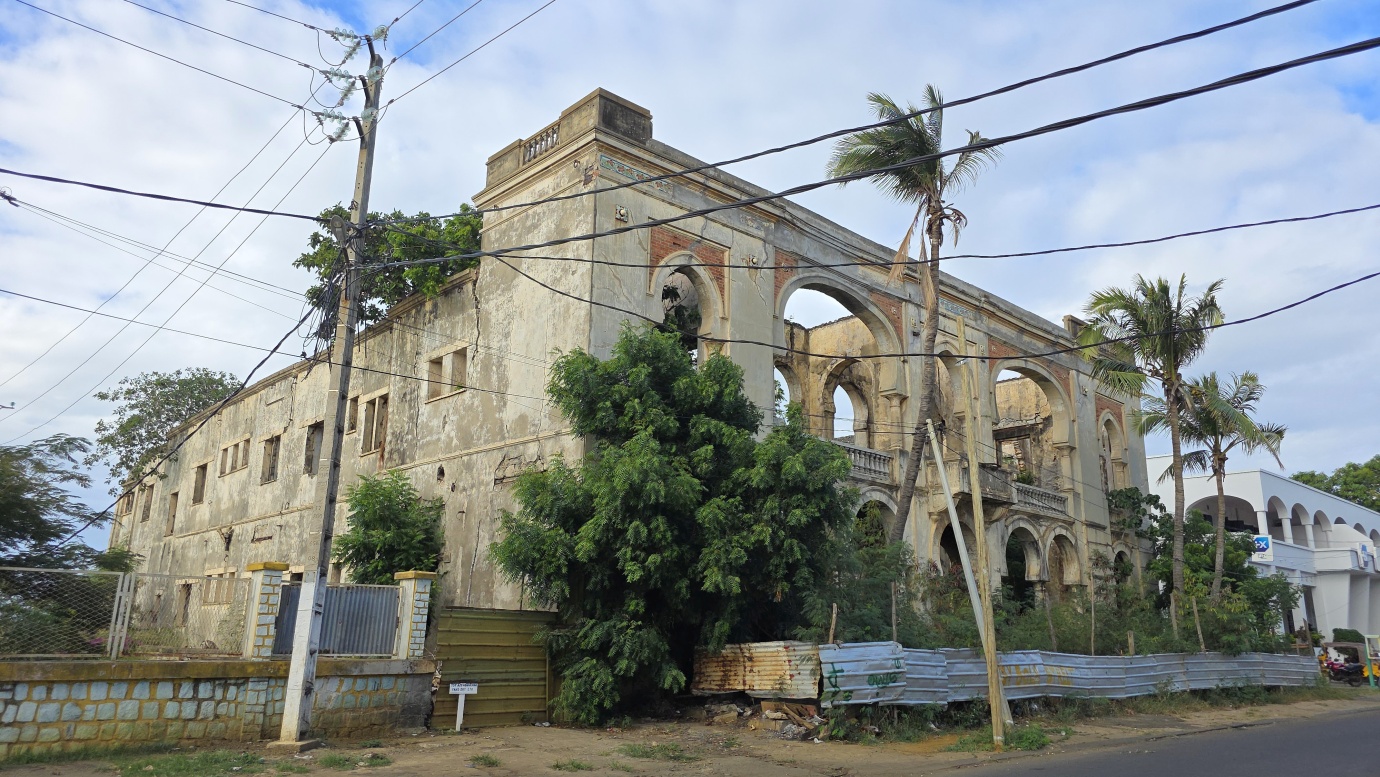
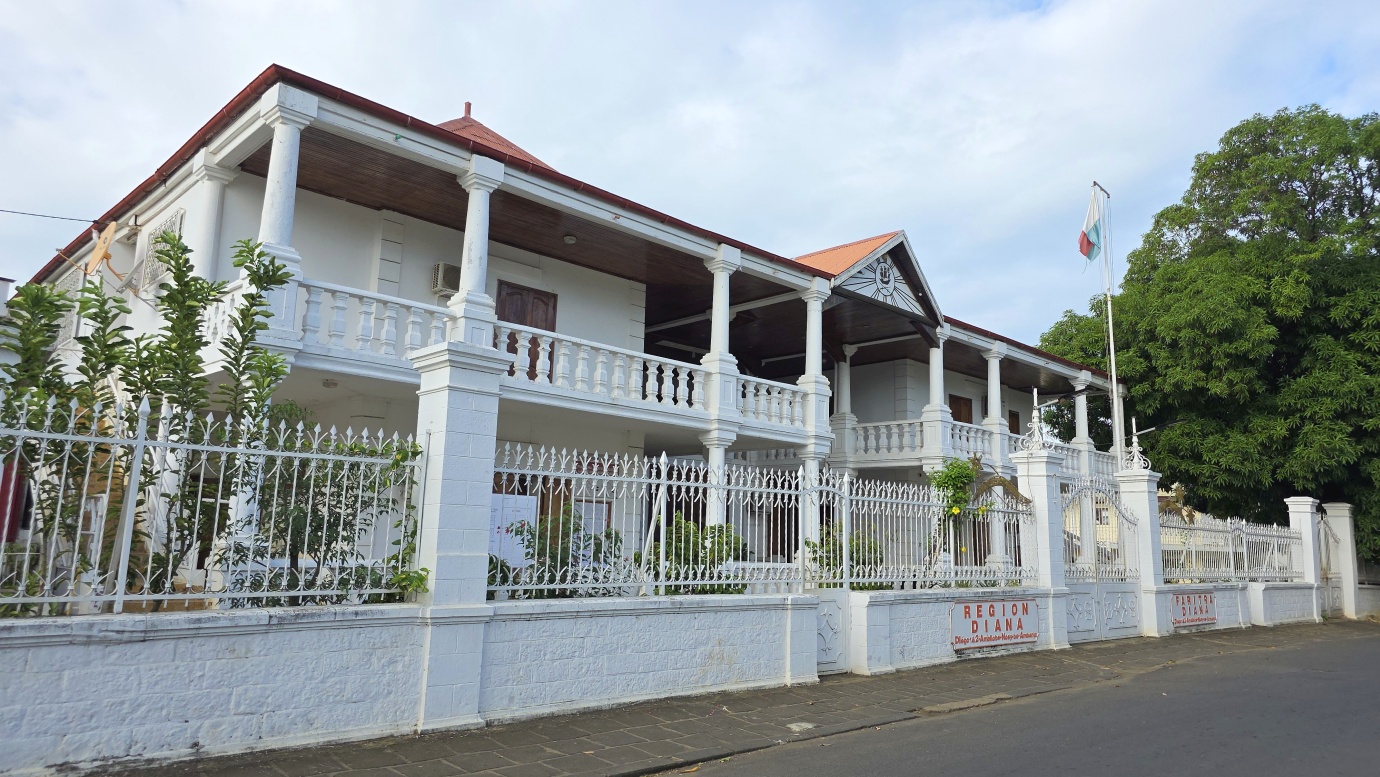
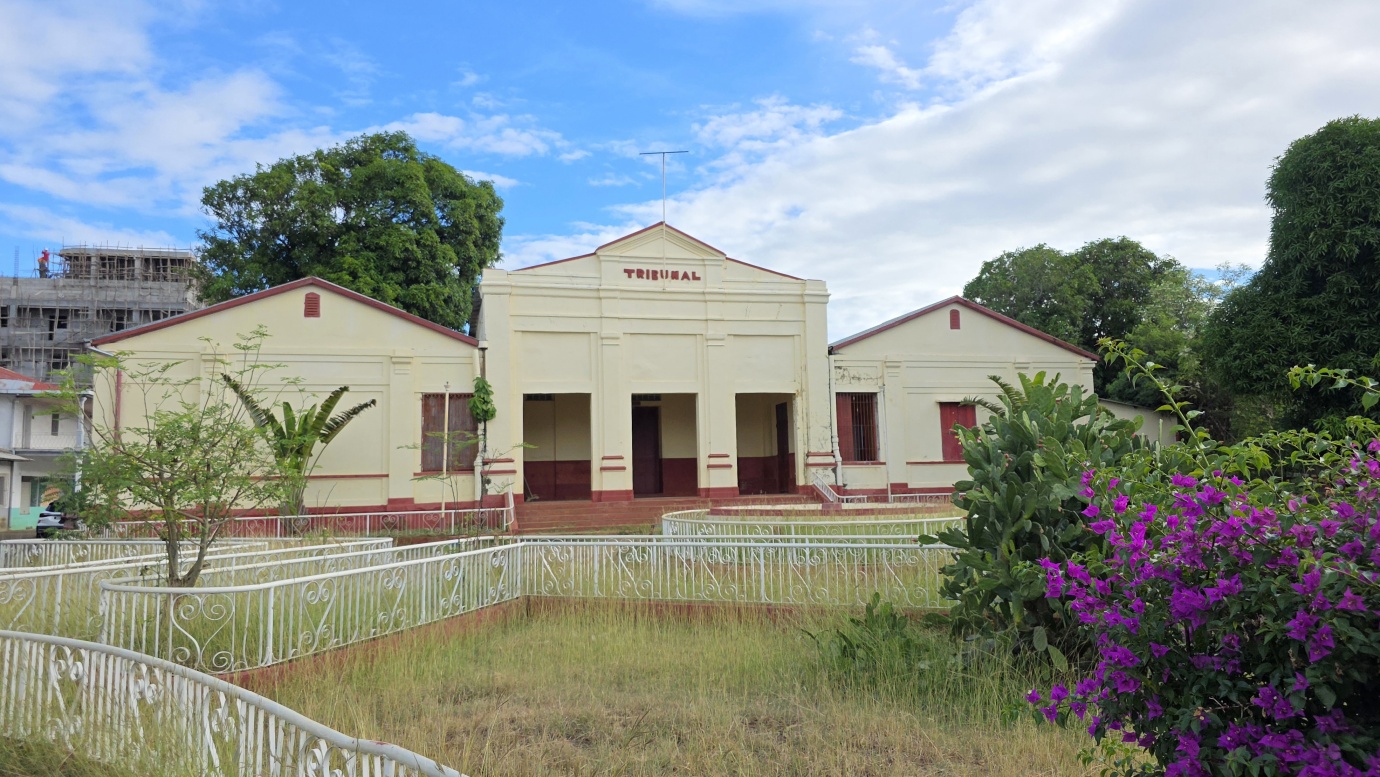
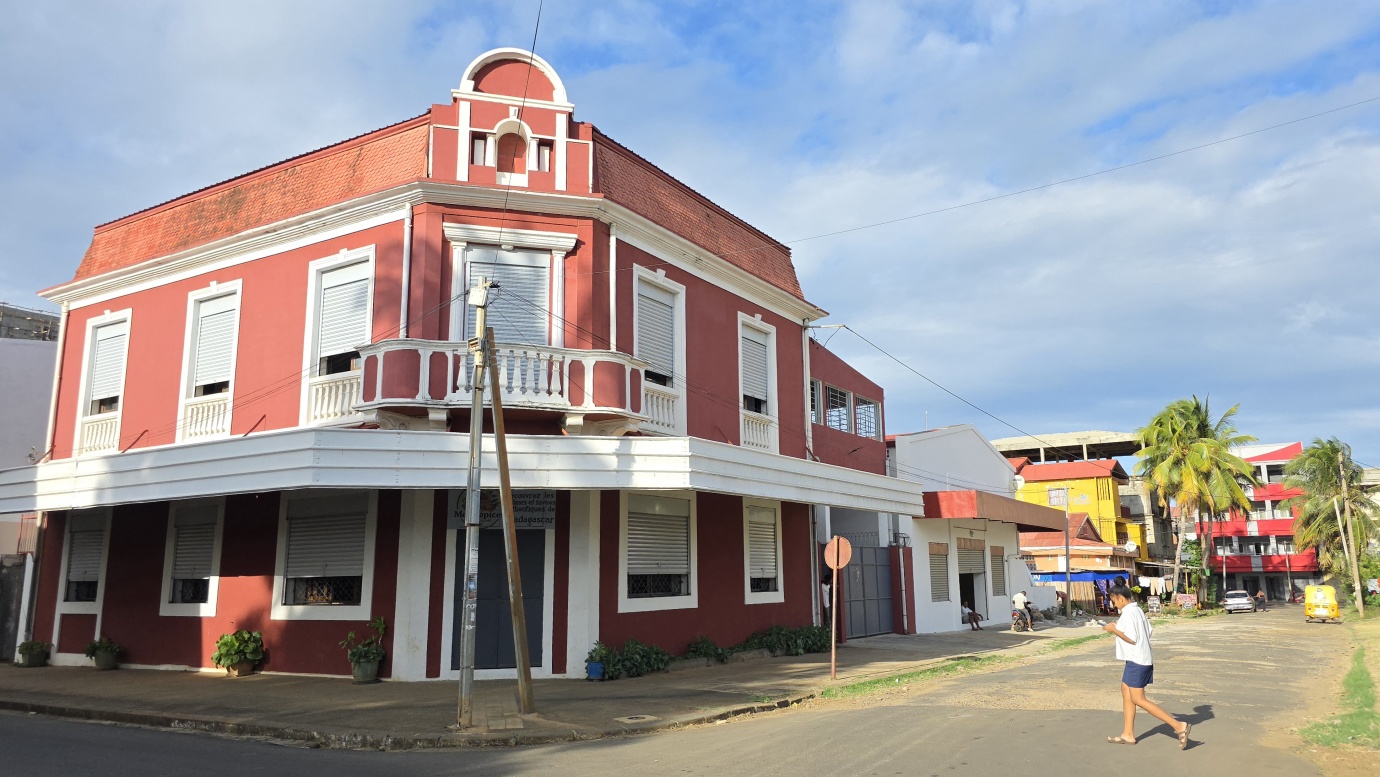
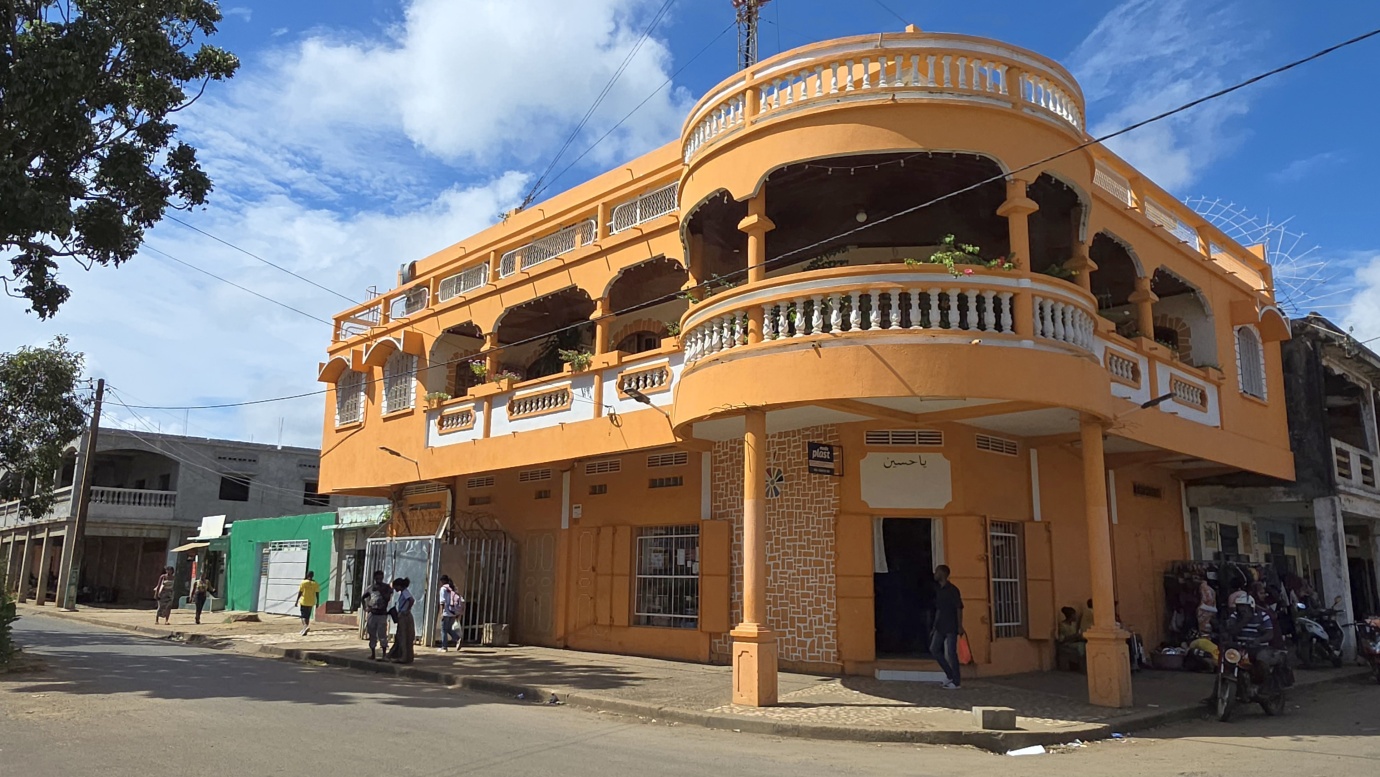
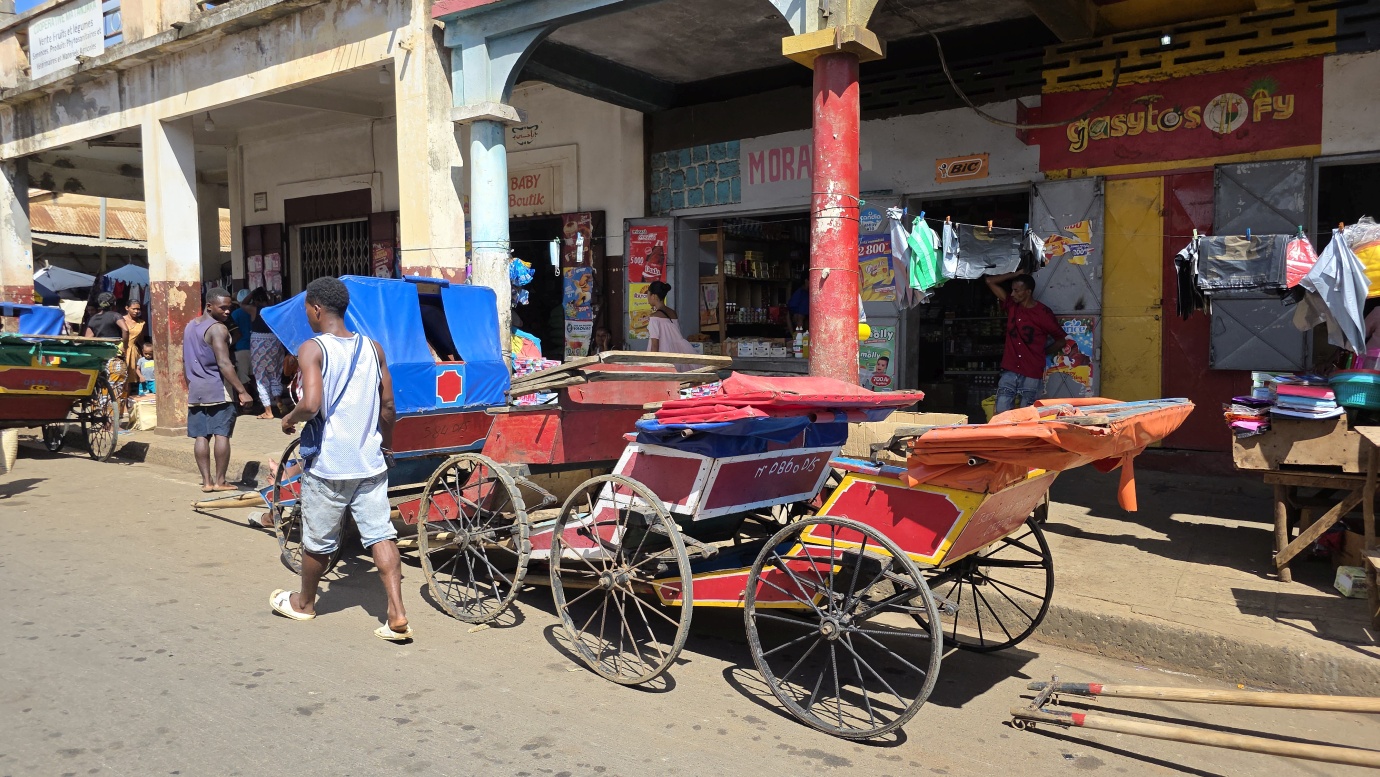
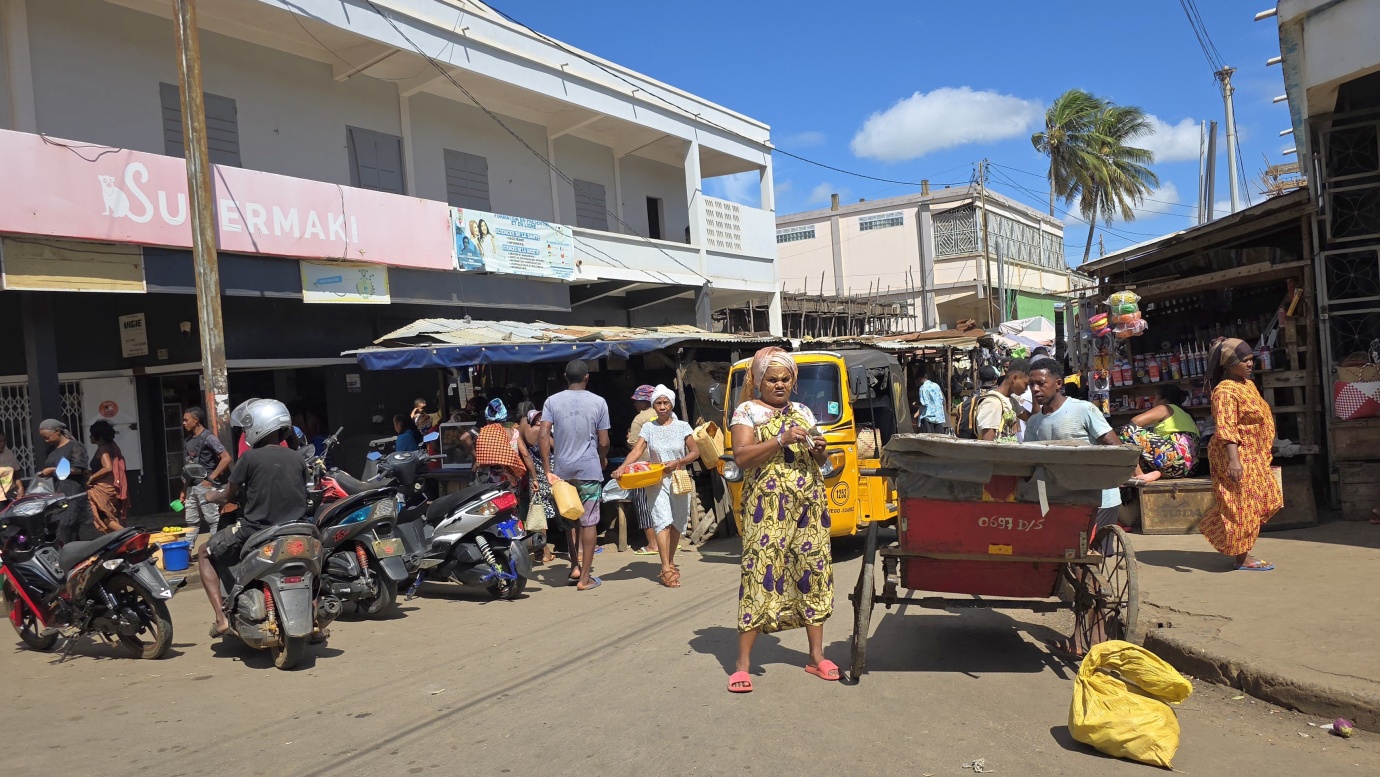
Today, the city retains its military significance while also serving as a key hub for tourism. It has a distinctly cosmopolitan atmosphere, shaped by its colonial architecture and diverse cultural heritage. The city also boasts a lively nightlife, making it a vibrant centre in northern Madagascar. Evening energy comes alive in places like La Vahinée or Taxi Be on Boulevard Bascilles—known for its DJs, dancing, and late-night drinks—along with the popular Le Fun and the many restaurants lining Rue Colbert. We liked the pizzas at Voki Be. or pastas at La Rosticceria.