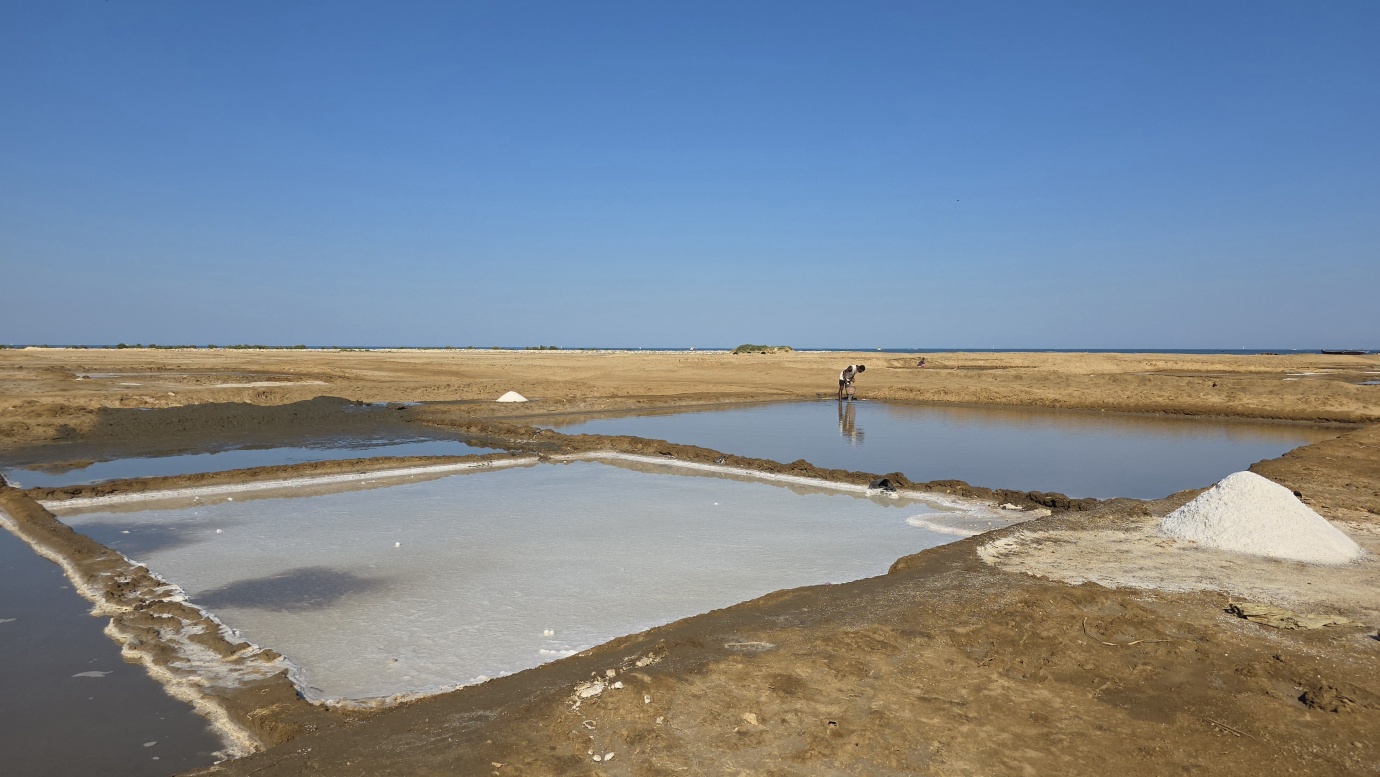
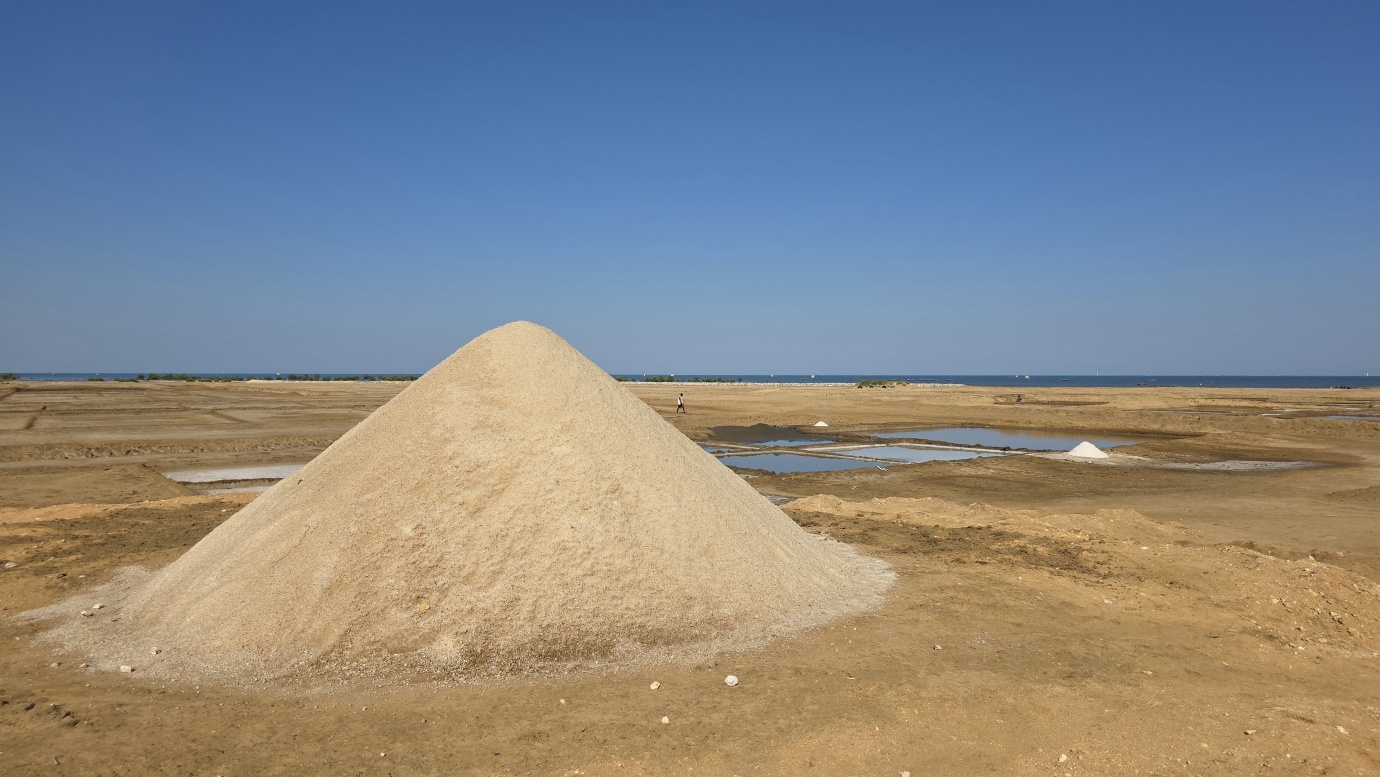
The Toliara (Tuléar) region of southwestern Madagascar has long been shaped by salt. Thanks to its arid climate and endless sunshine — nearly 3,600 hours each year — the area has become one of the country’s most important centres of traditional salt production. It is no coincidence that Toliara is often called the “City of the Sun.”
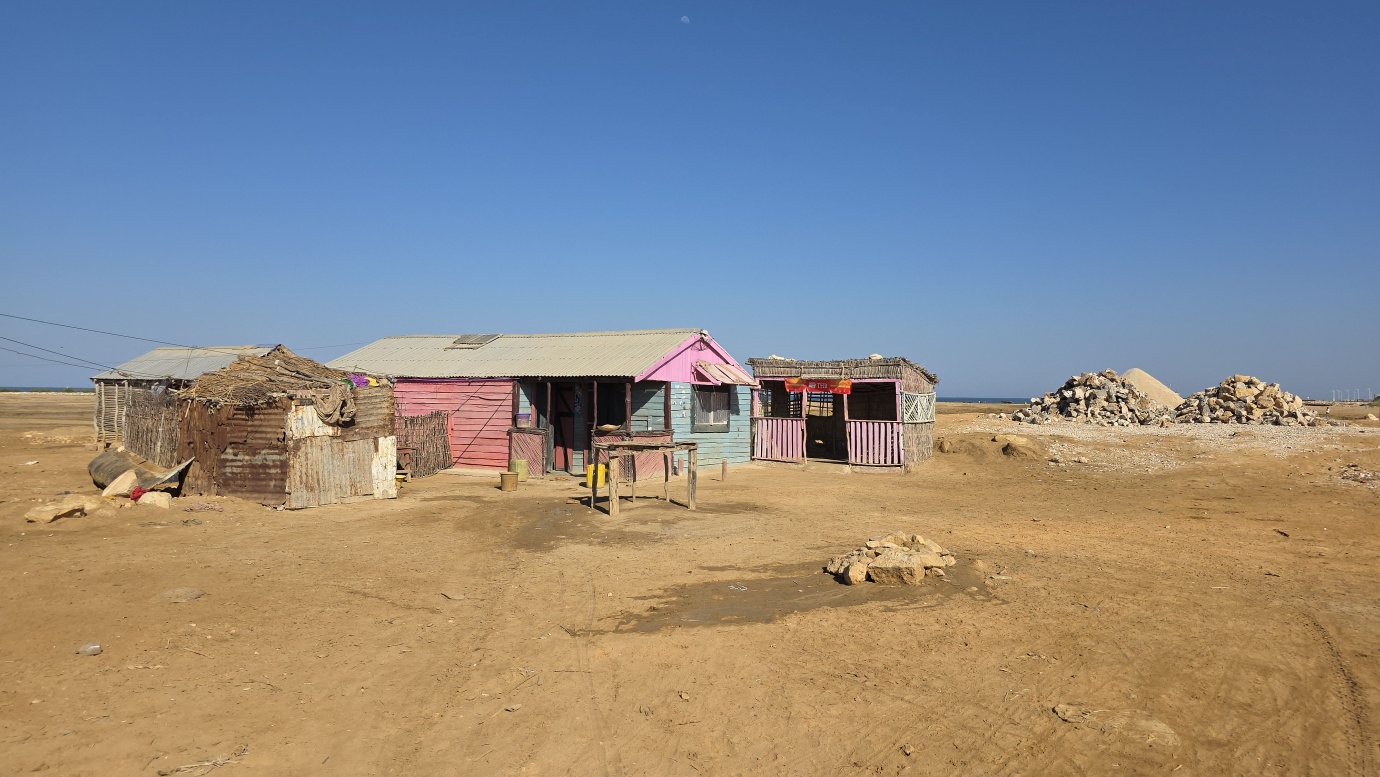
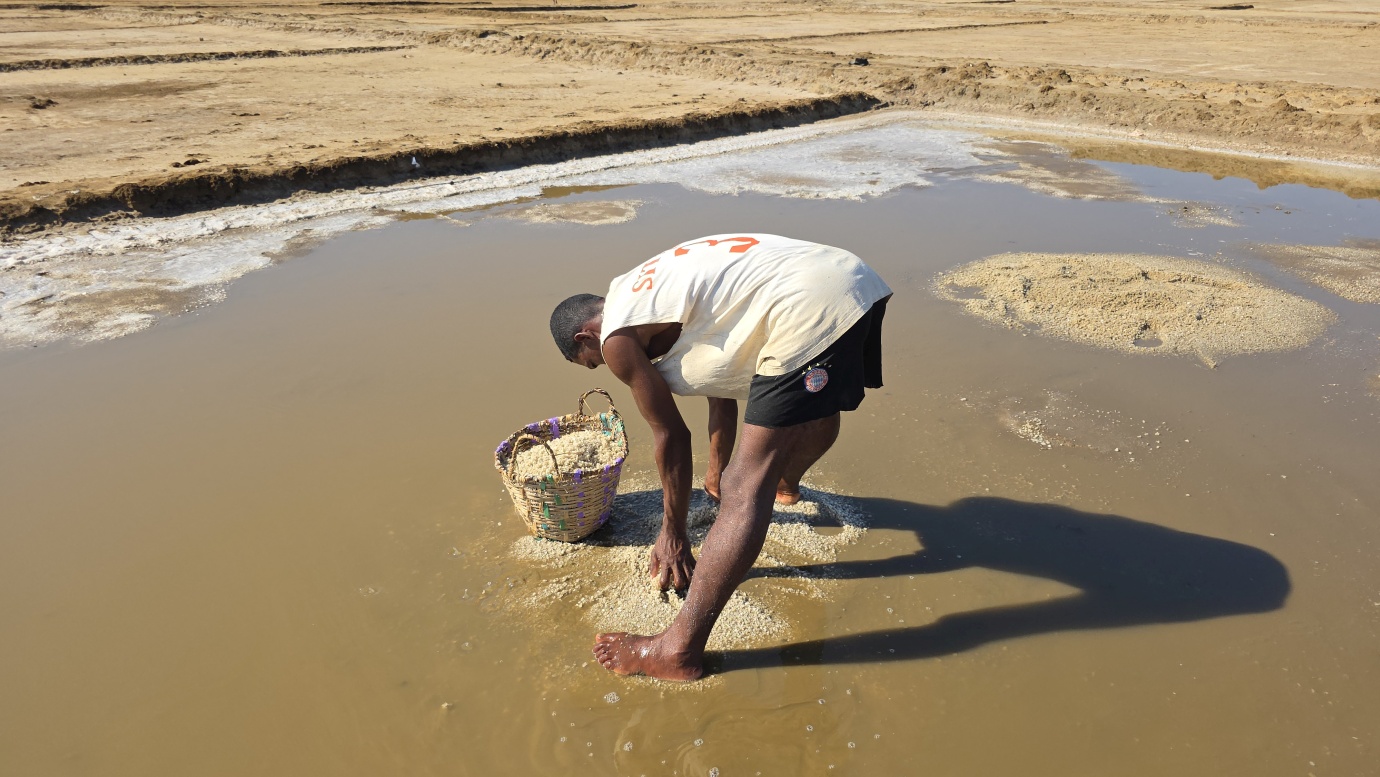
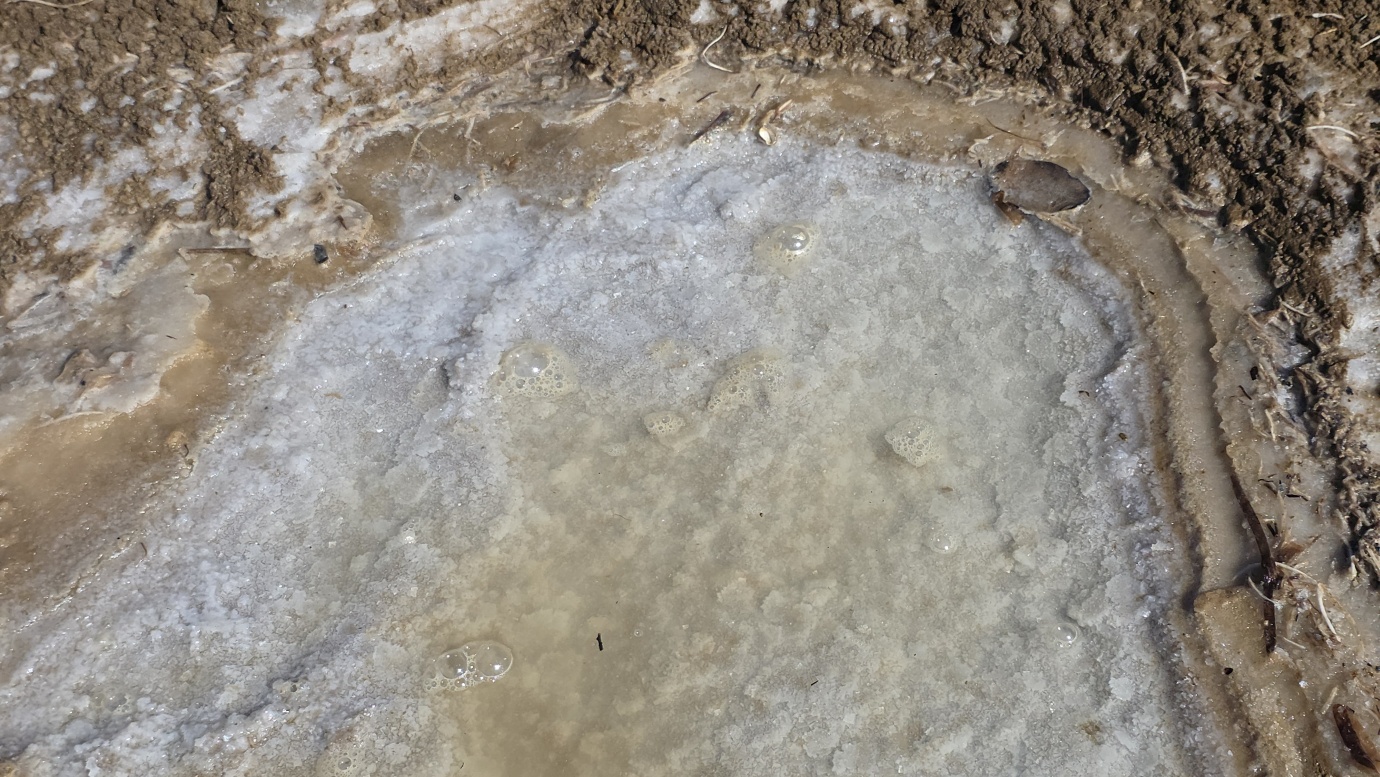
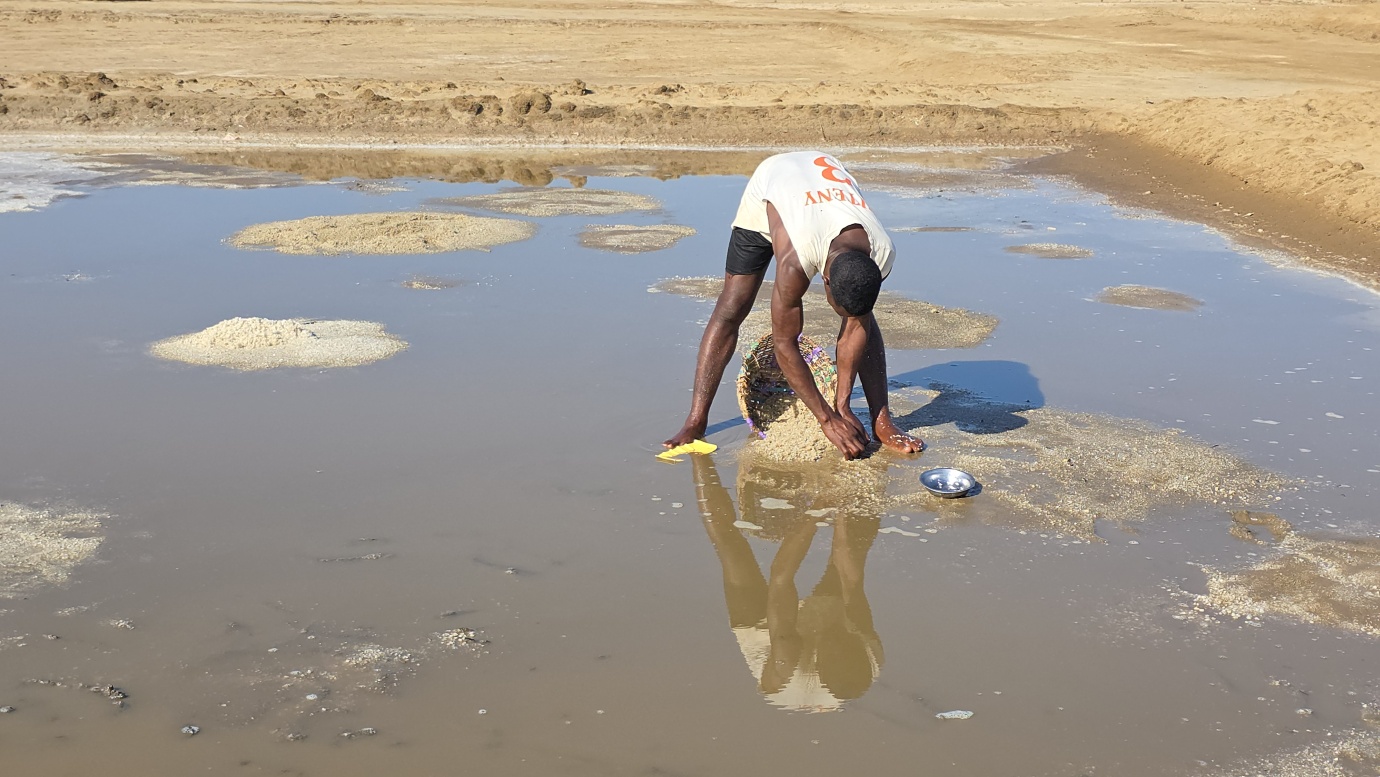
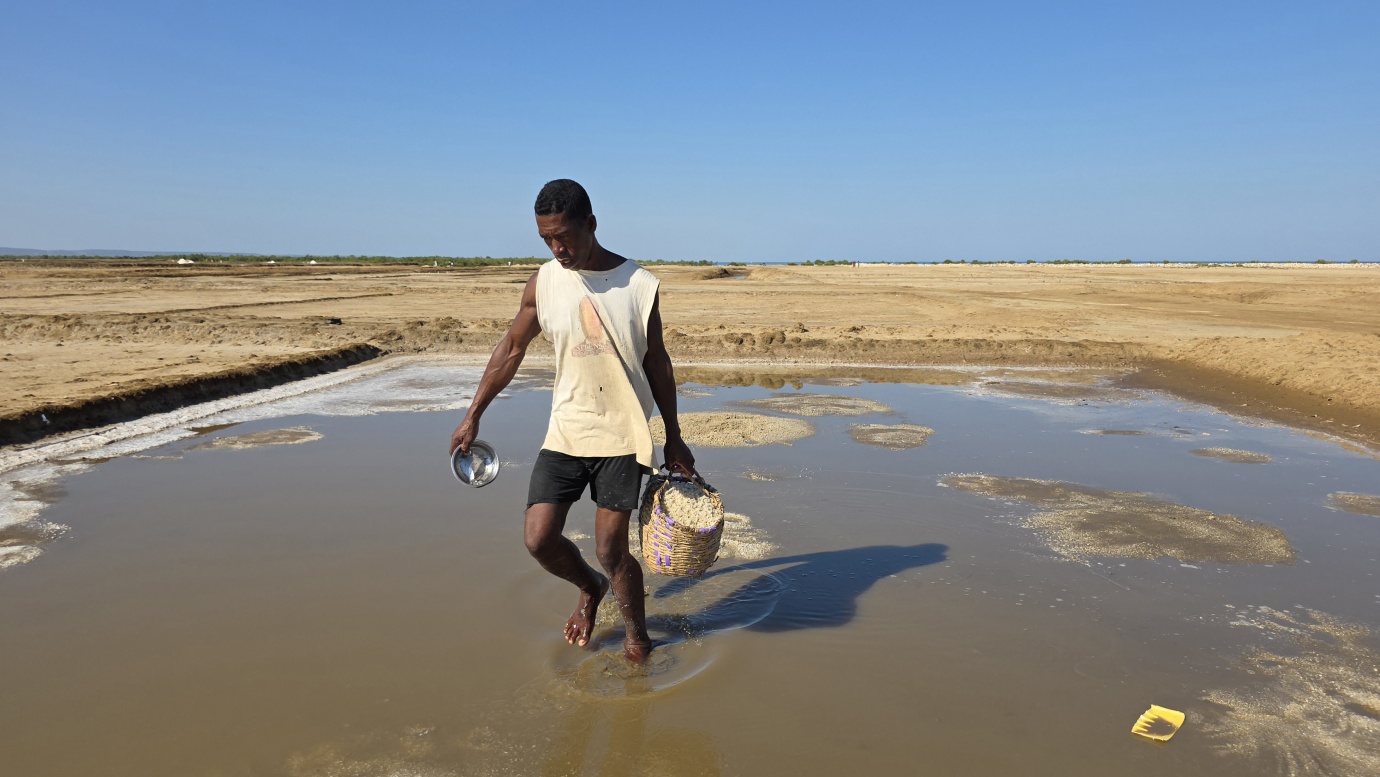
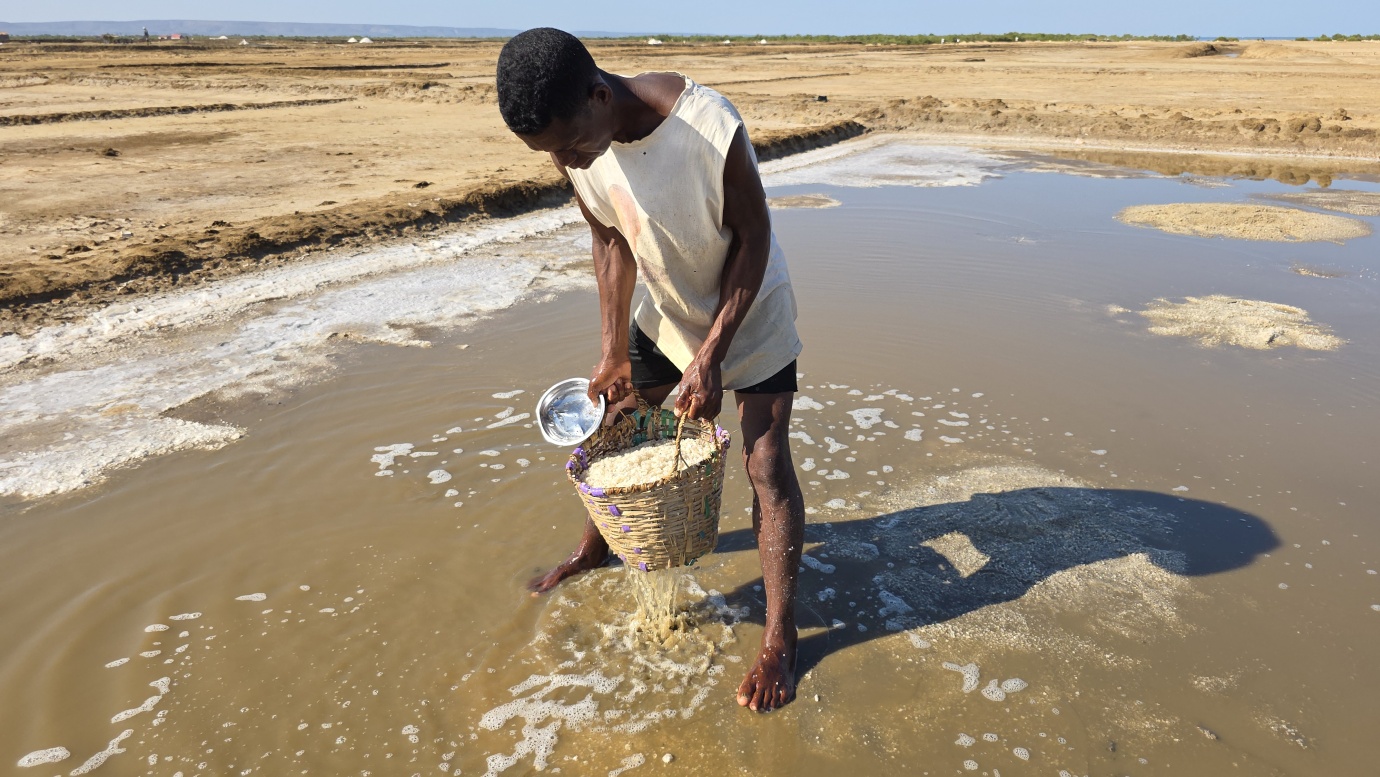
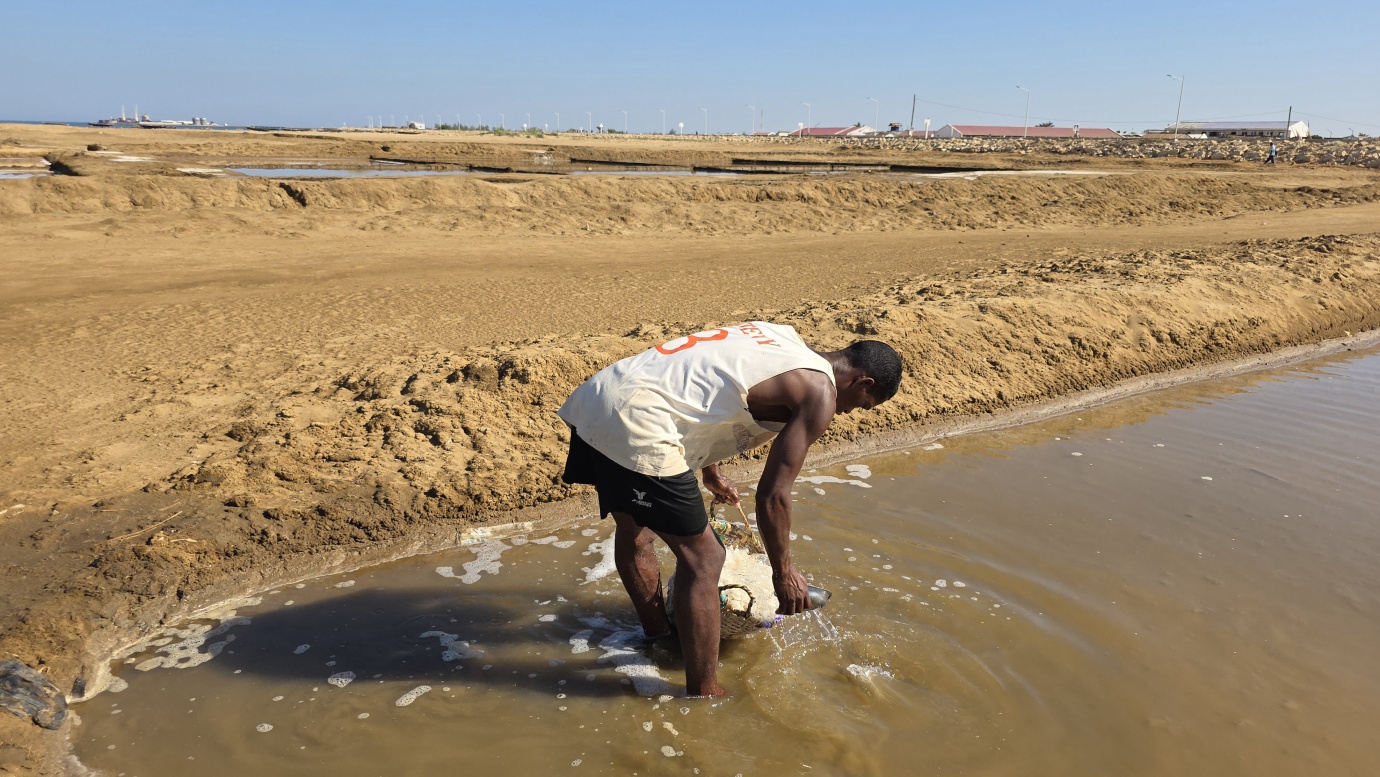
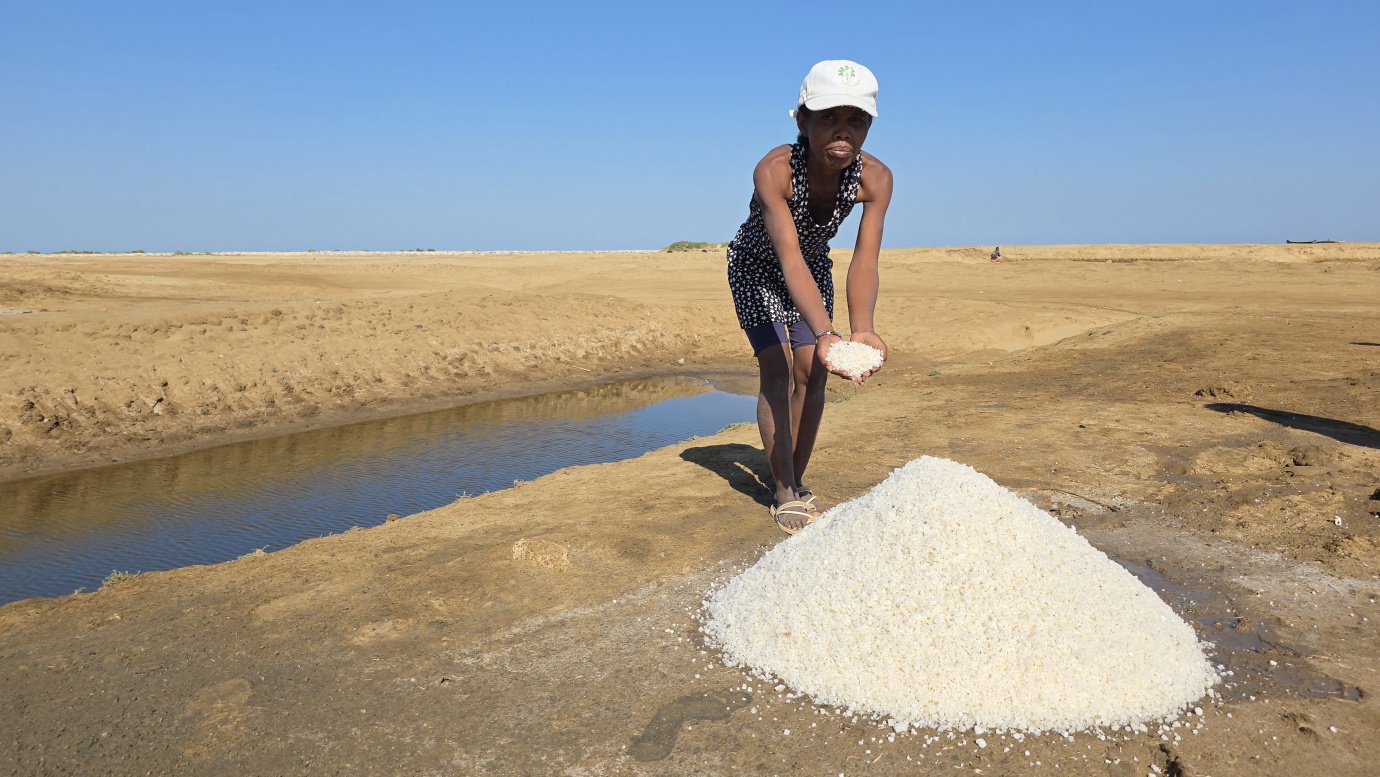
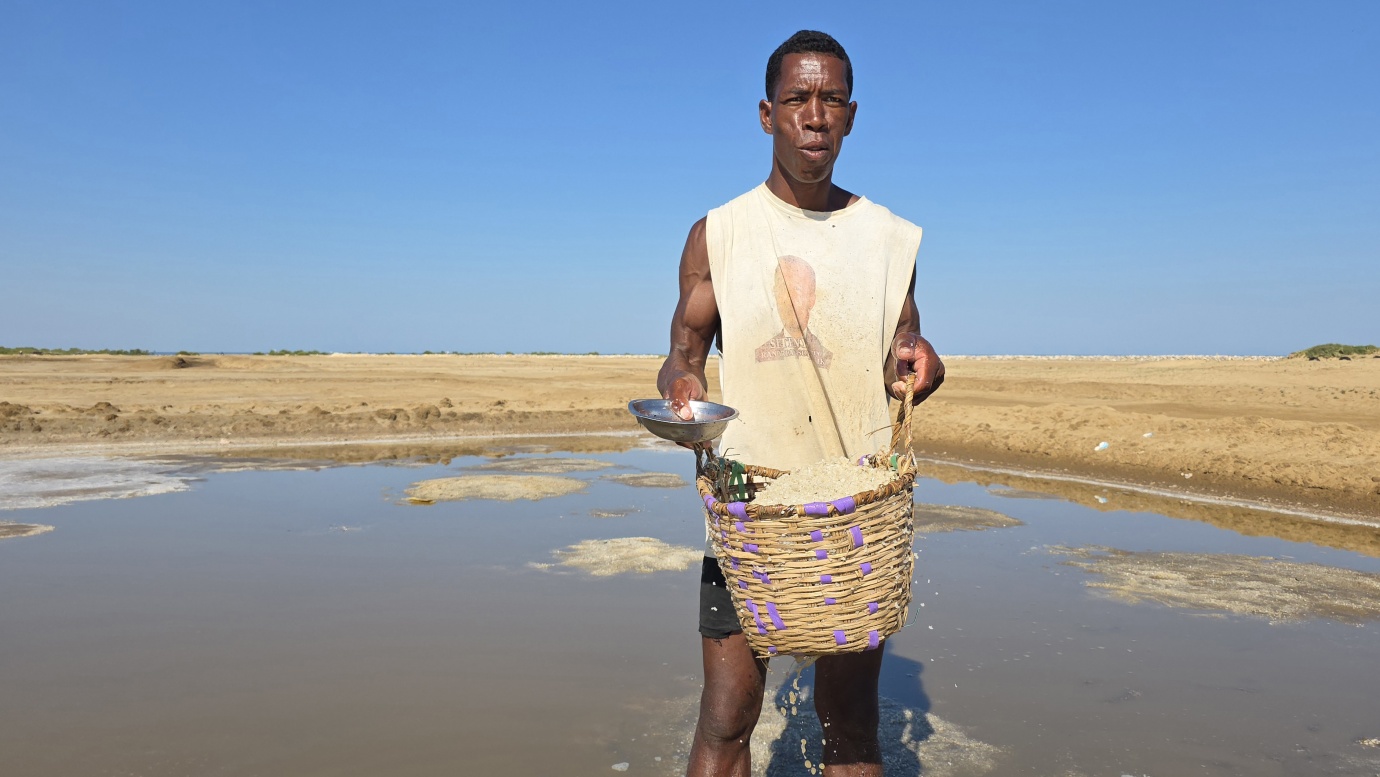
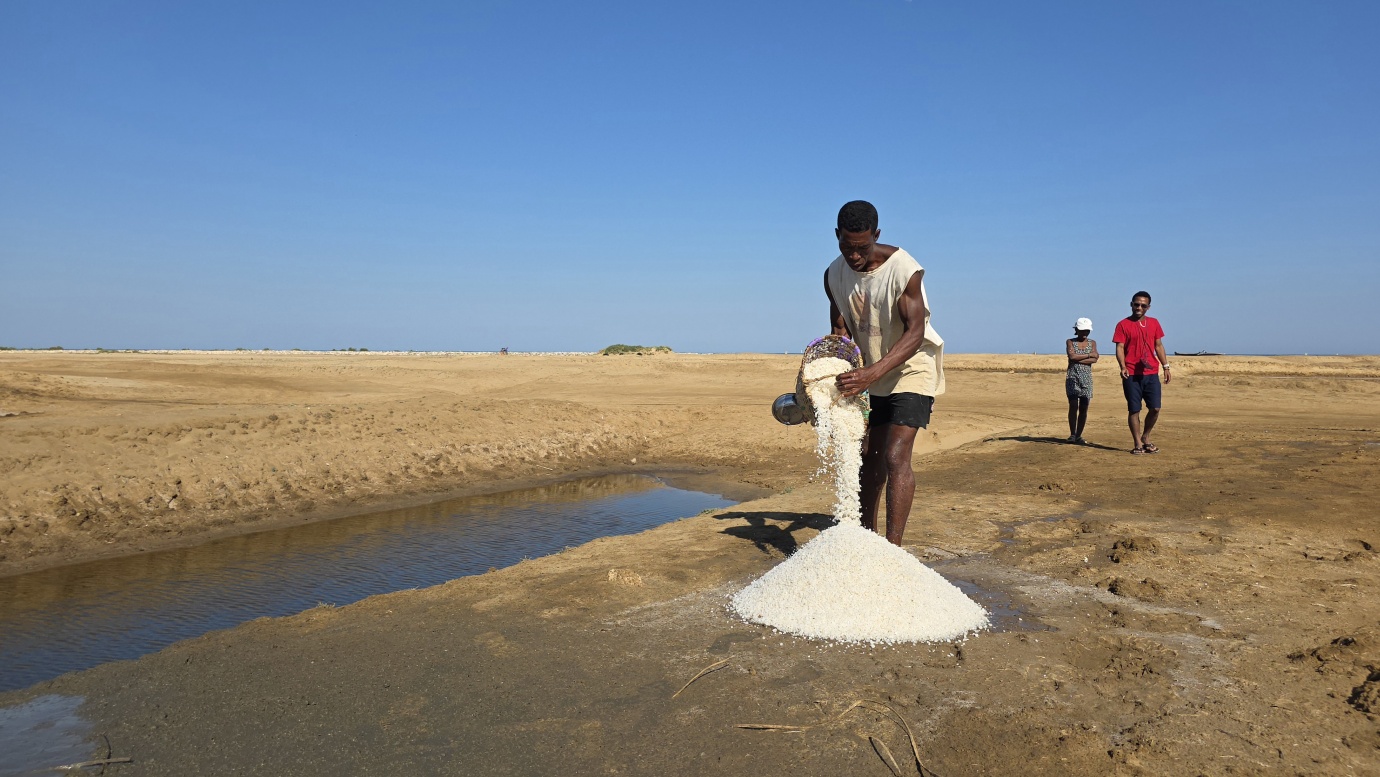
Along the coast, salt is harvested through the age-old method of solar evaporation. Seawater is channelled into shallow salt pans, where the intense heat and dry winds slowly evaporate the water, leaving behind shimmering layers of salt crystals. Across the region, many of these salines remain small-scale and family-run, preserving techniques passed down through generations.
Further inland, the landscape reveals another remarkable tradition. Near Tongobory, around 70 kilometres from the coast, producers create Siratany — literally “salt of the earth.” Instead of seawater, this rare variety is extracted from saline soils along the banks of the Onilahy River, giving it a distinctive character deeply tied to the land itself.
Closer to the coast near Ifaty, the salt marshes are also known for producing delicate Fleur de Sel, prized for its fine texture and quality. Together, these different forms of salt production reflect both the natural richness of southwestern Madagascar and the enduring ingenuity of the communities who work under its relentless sun.