Wild-silk weaving in Ambalavao is a remarkable, sustainable tradition, largely led by women, that draws on the natural resources of the region’s Tapia forests. By harvesting wild silkworm cocoons after the moths have naturally emerged, artisans produce durable, richly textured textiles that preserve both environmental balance and centuries-old cultural heritage. This craft provides essential rural income while maintaining one of Madagascar’s most distinctive artistic traditions.
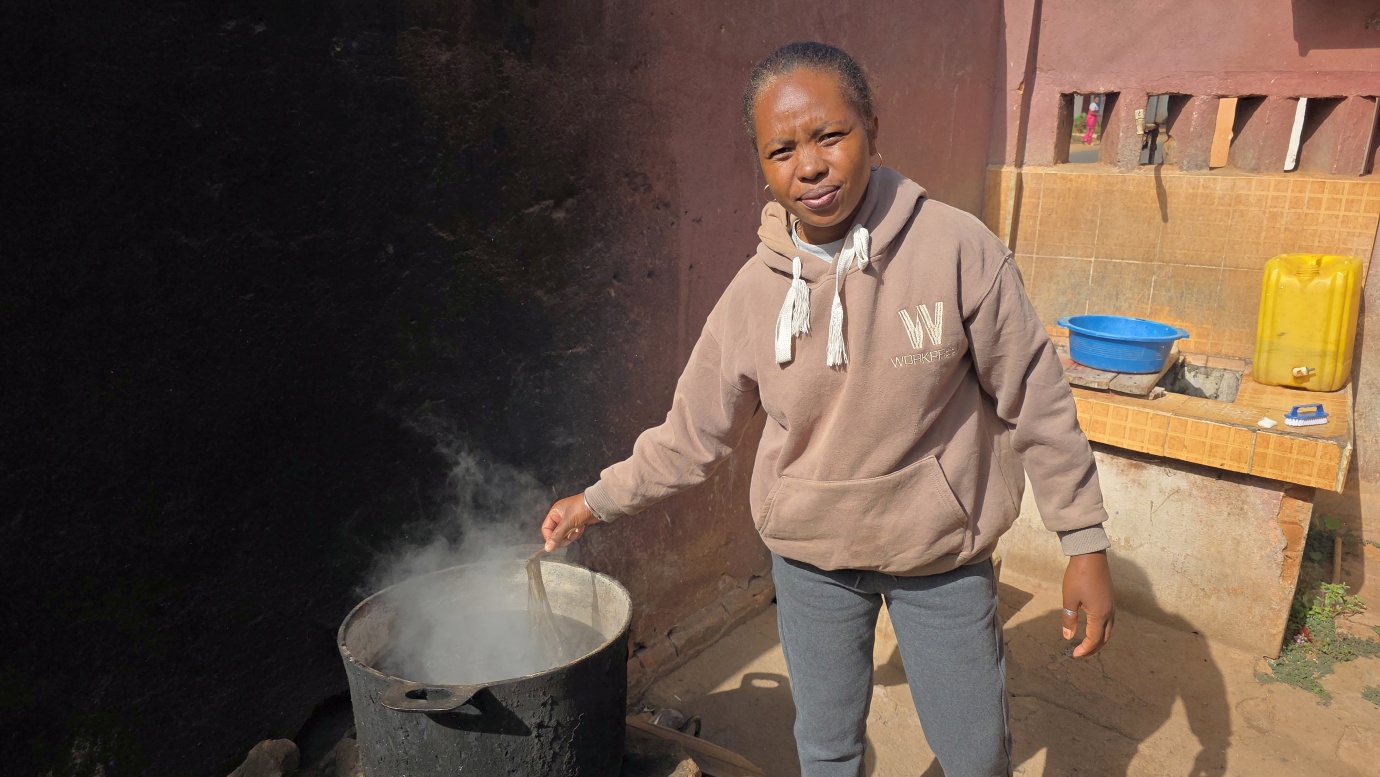
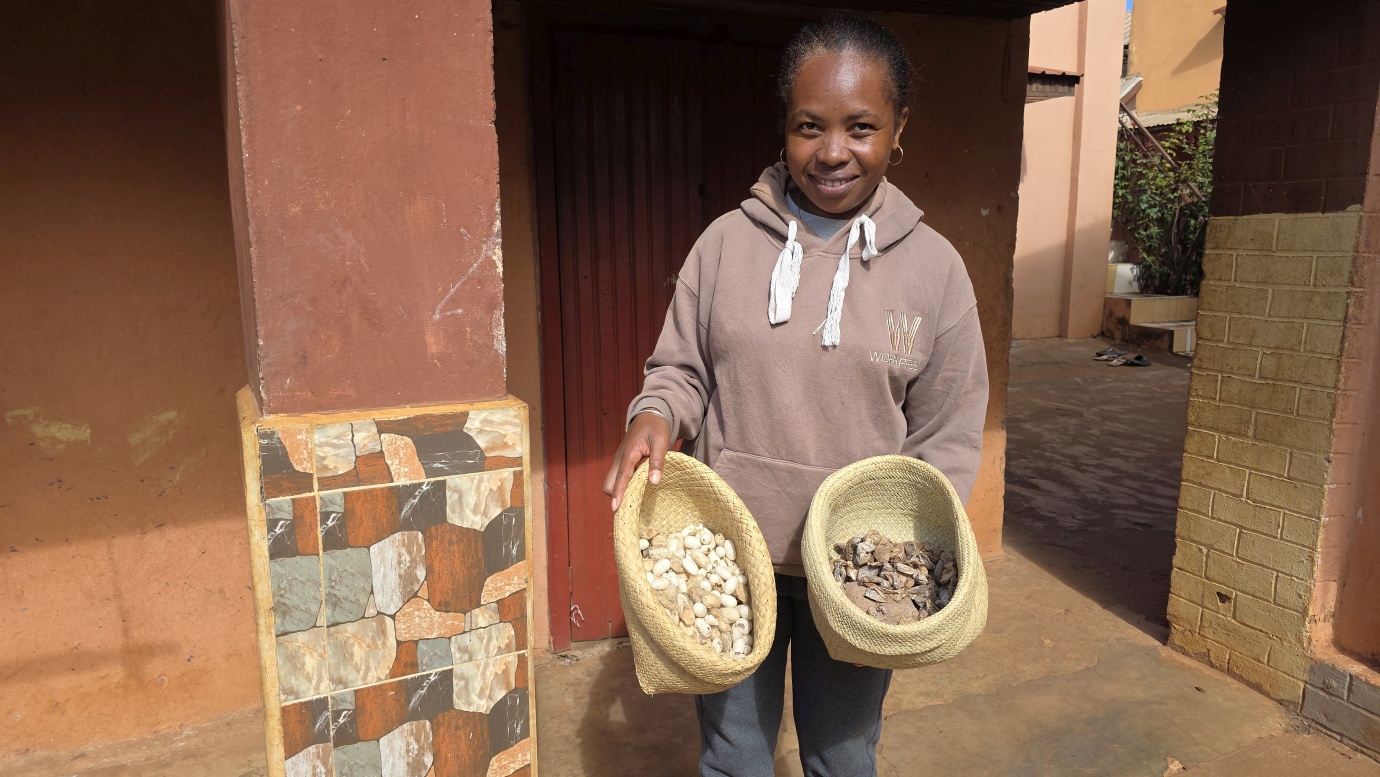
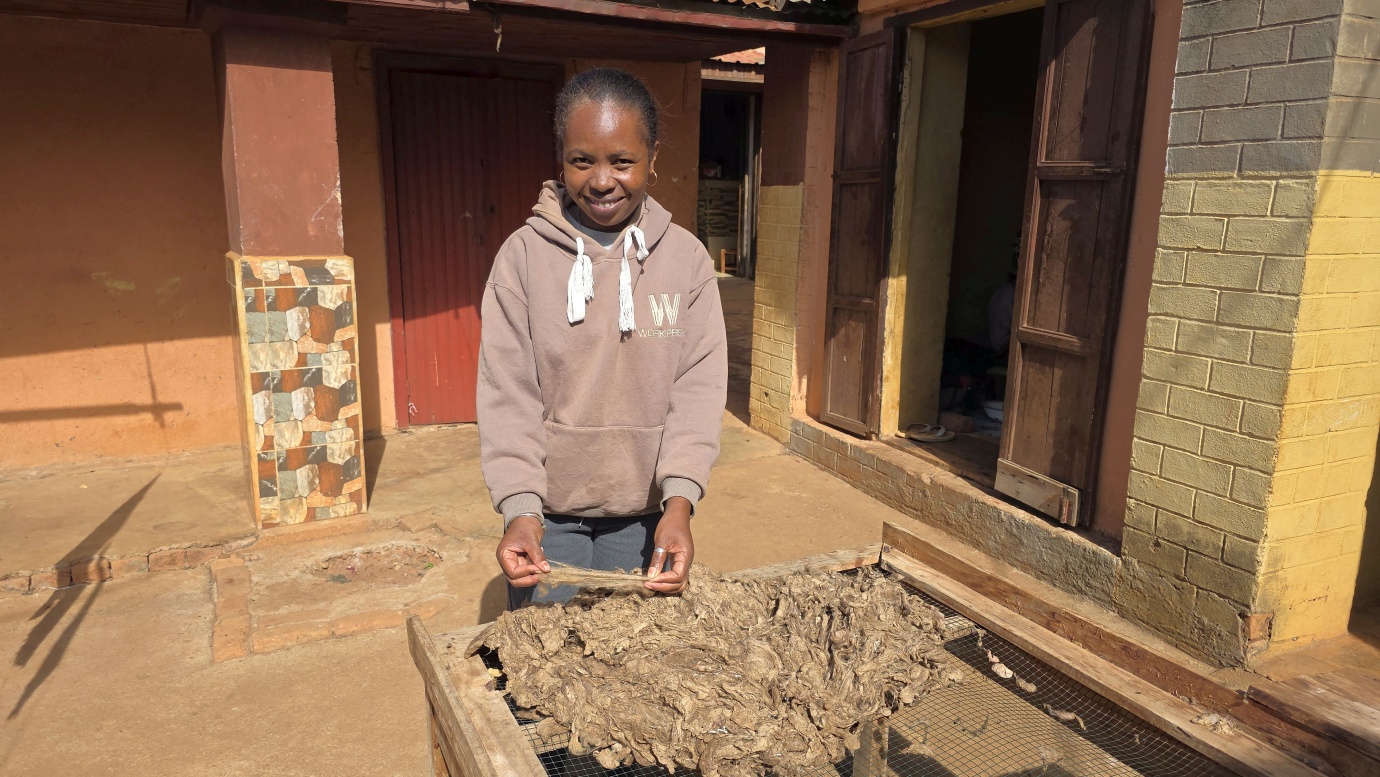
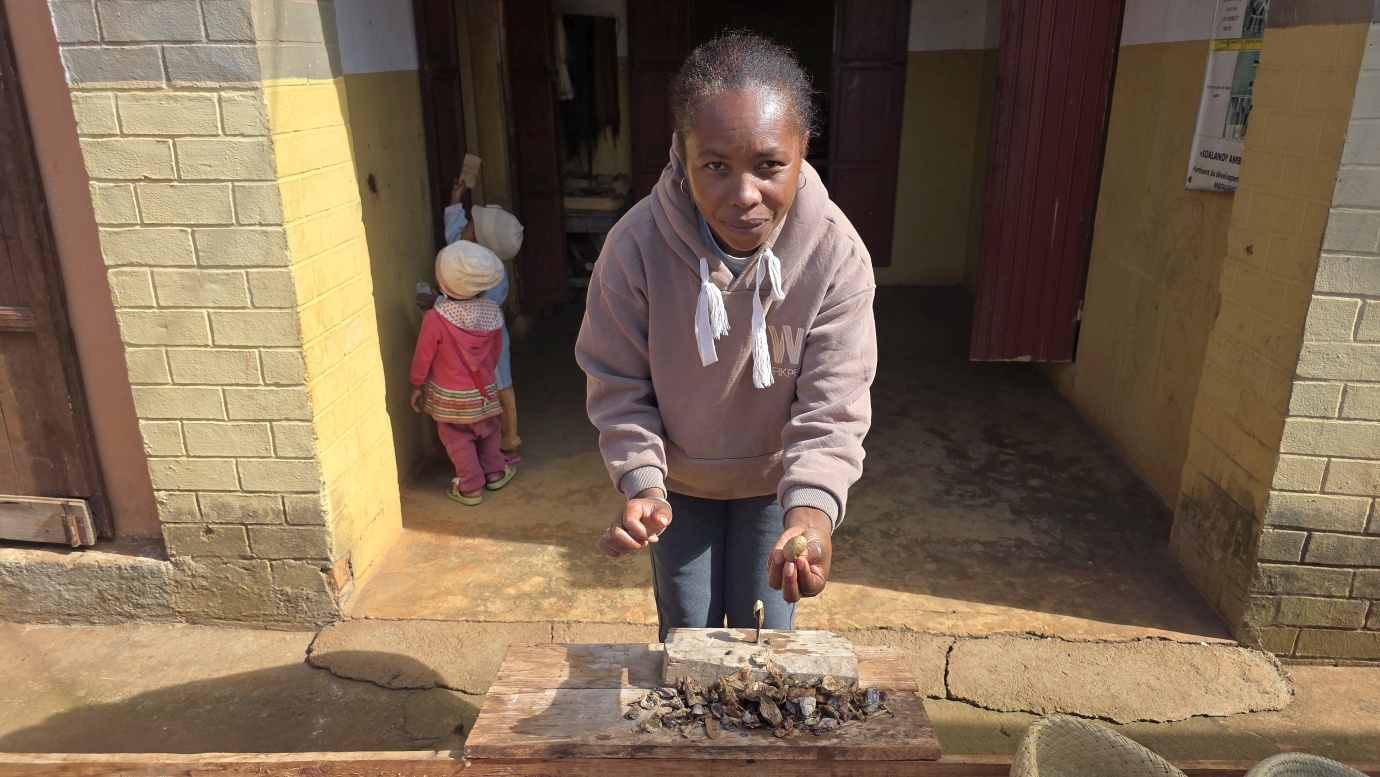
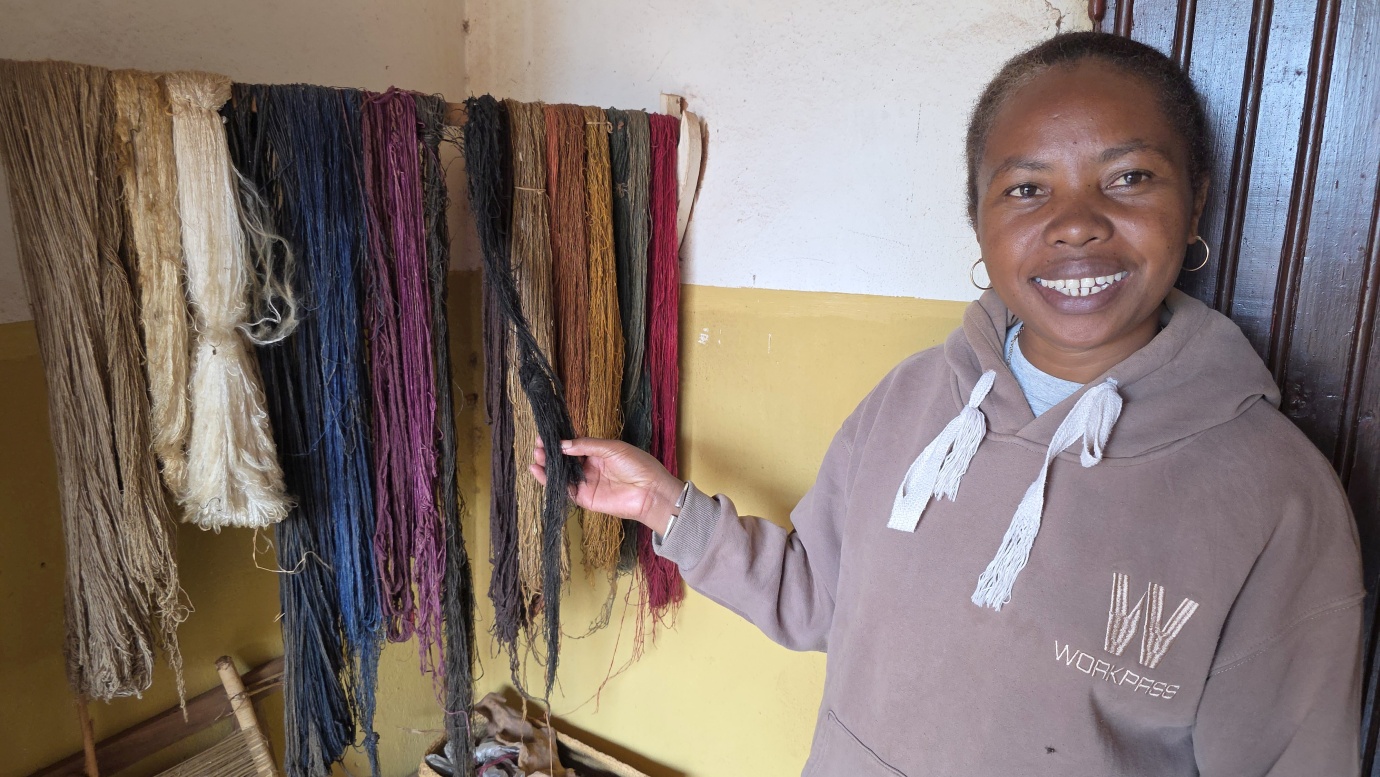
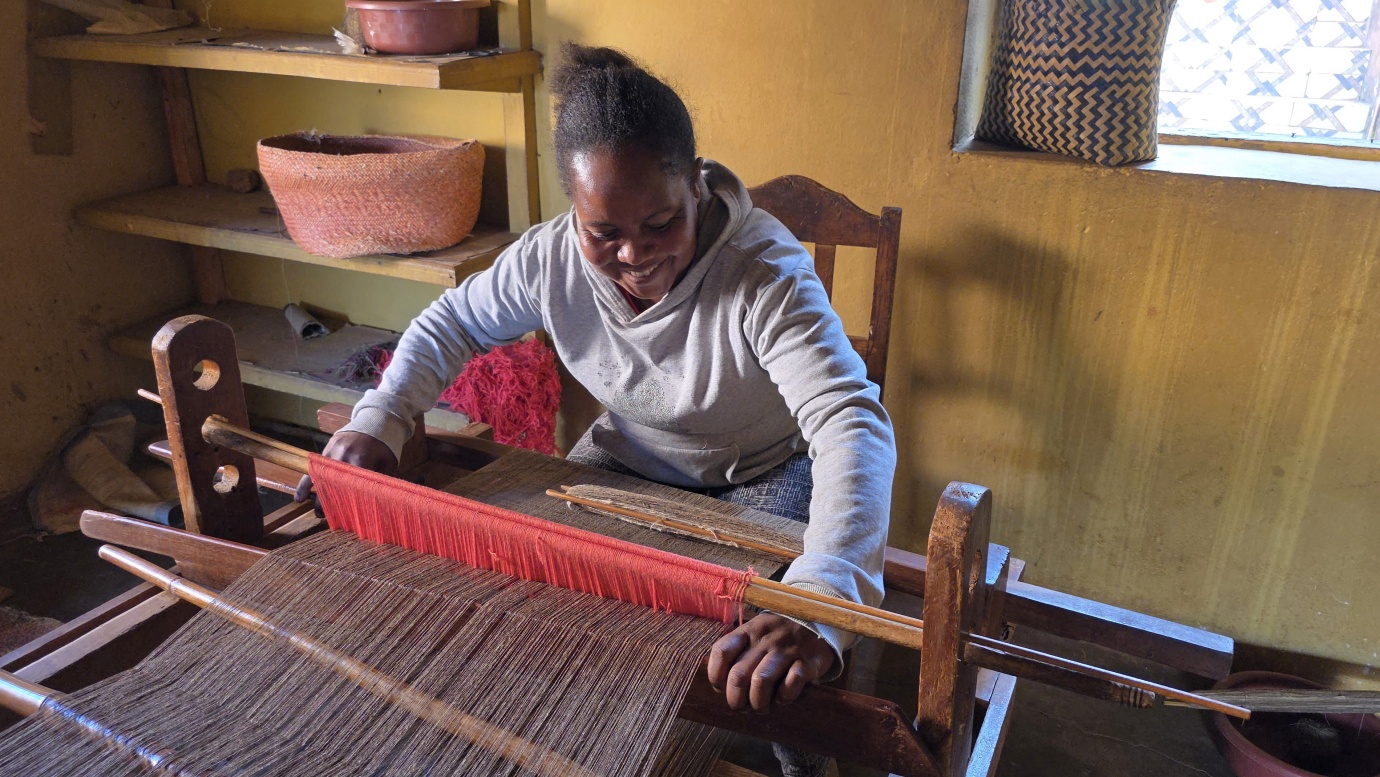
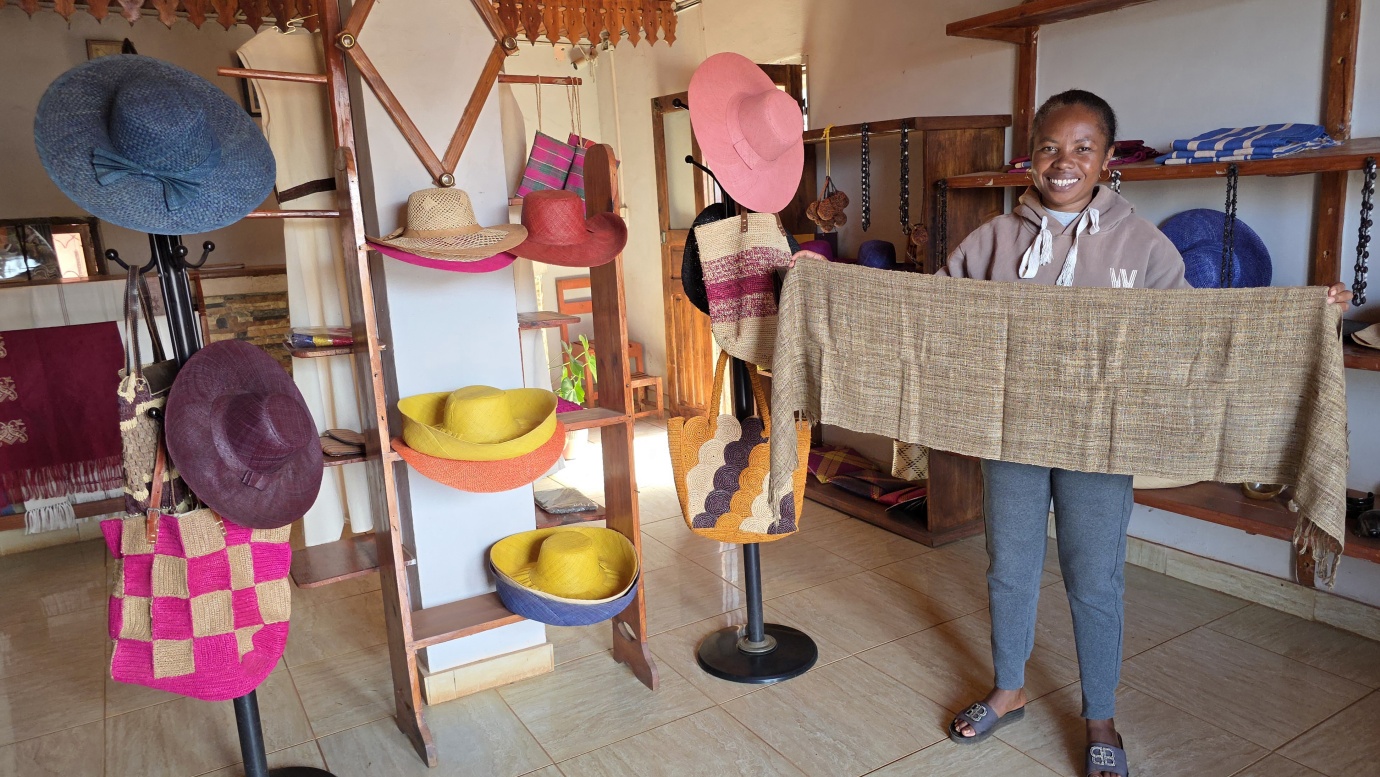
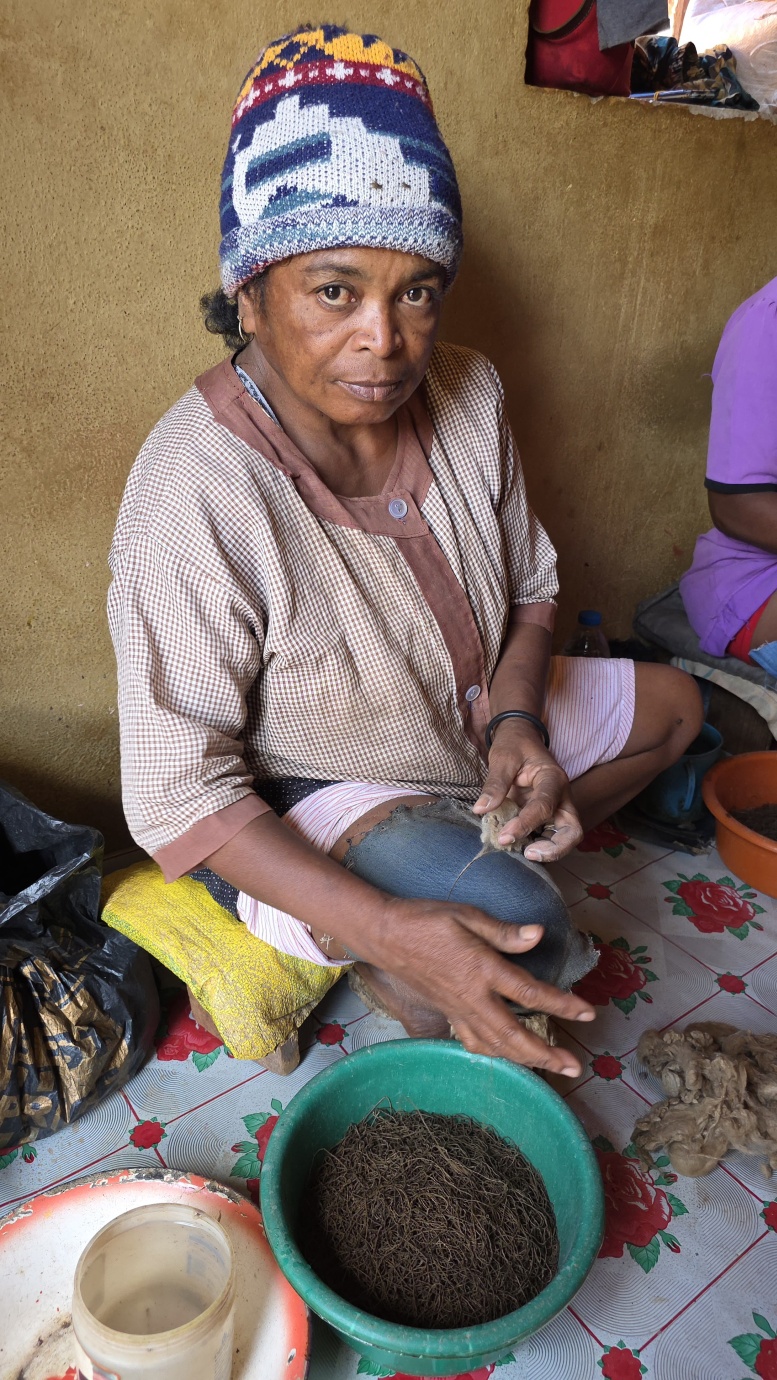
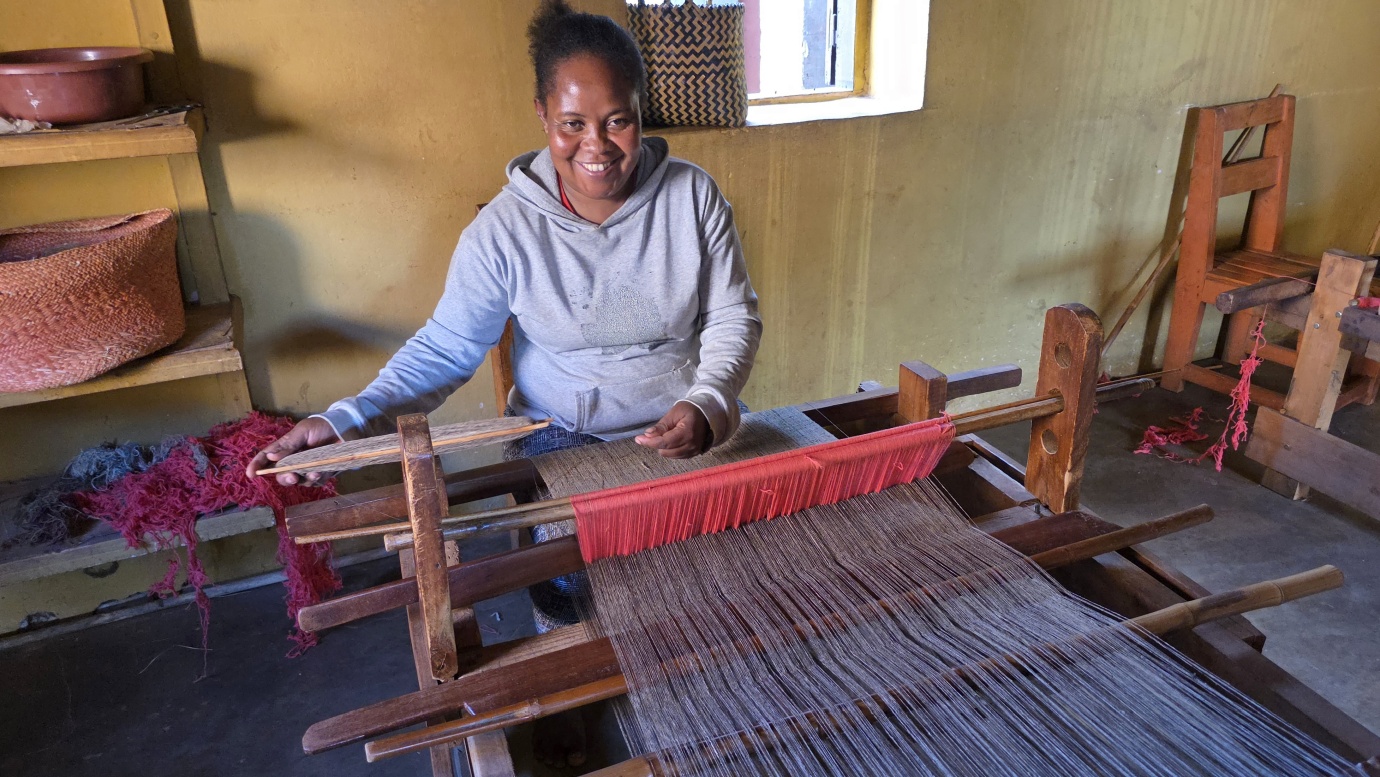
Unlike farmed silk, wild silk—locally known as landy be or landy dia—is collected from the Tapia forests surrounding Ambalavao. After harvesting, the cocoons are boiled to remove natural gum, hand-spun on wooden spindles, and woven into intricate patterns on traditional hand-operated looms. Artisans often use natural dyes derived from local roots, bark, and minerals, creating beautiful earth-toned fabrics in shades of beige, brown, red, and muted natural colours.
The resulting silk is primarily woven into lamba, traditional Malagasy garments and ceremonial cloths that hold deep cultural significance. Among these, the lamba mena—a red silk burial shroud—is especially important in the Famadihana (“turning of the bones”) ceremony, where ancestors’ remains are respectfully rewrapped, symbolising the enduring bond between the living and the dead.
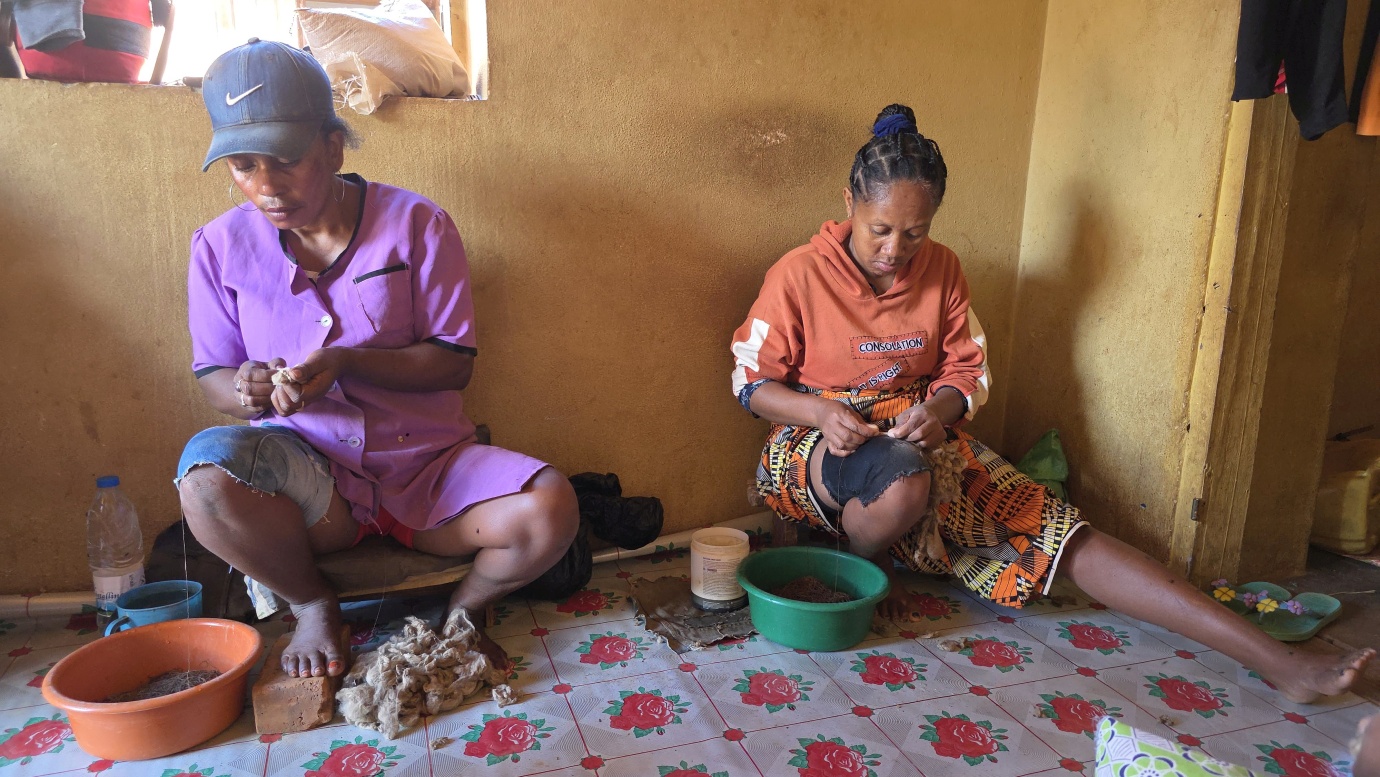
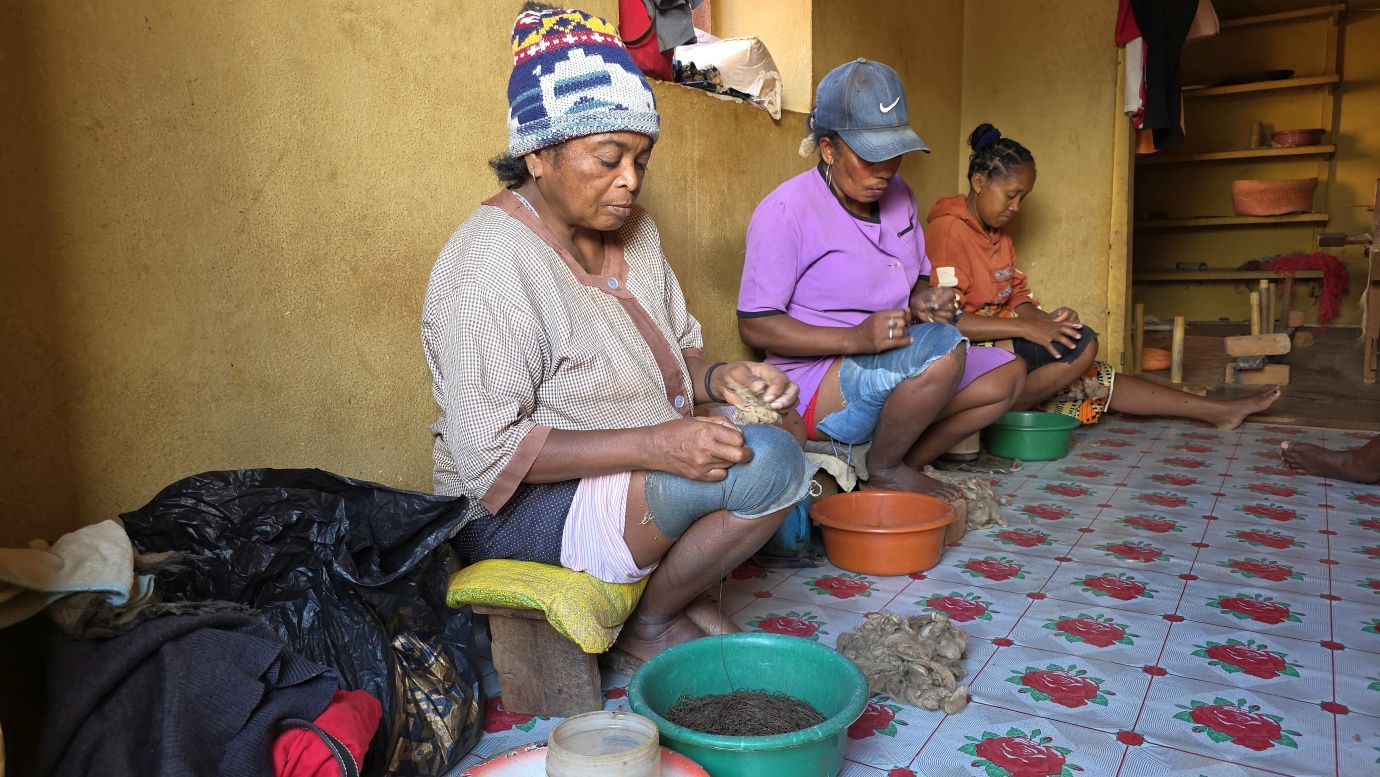
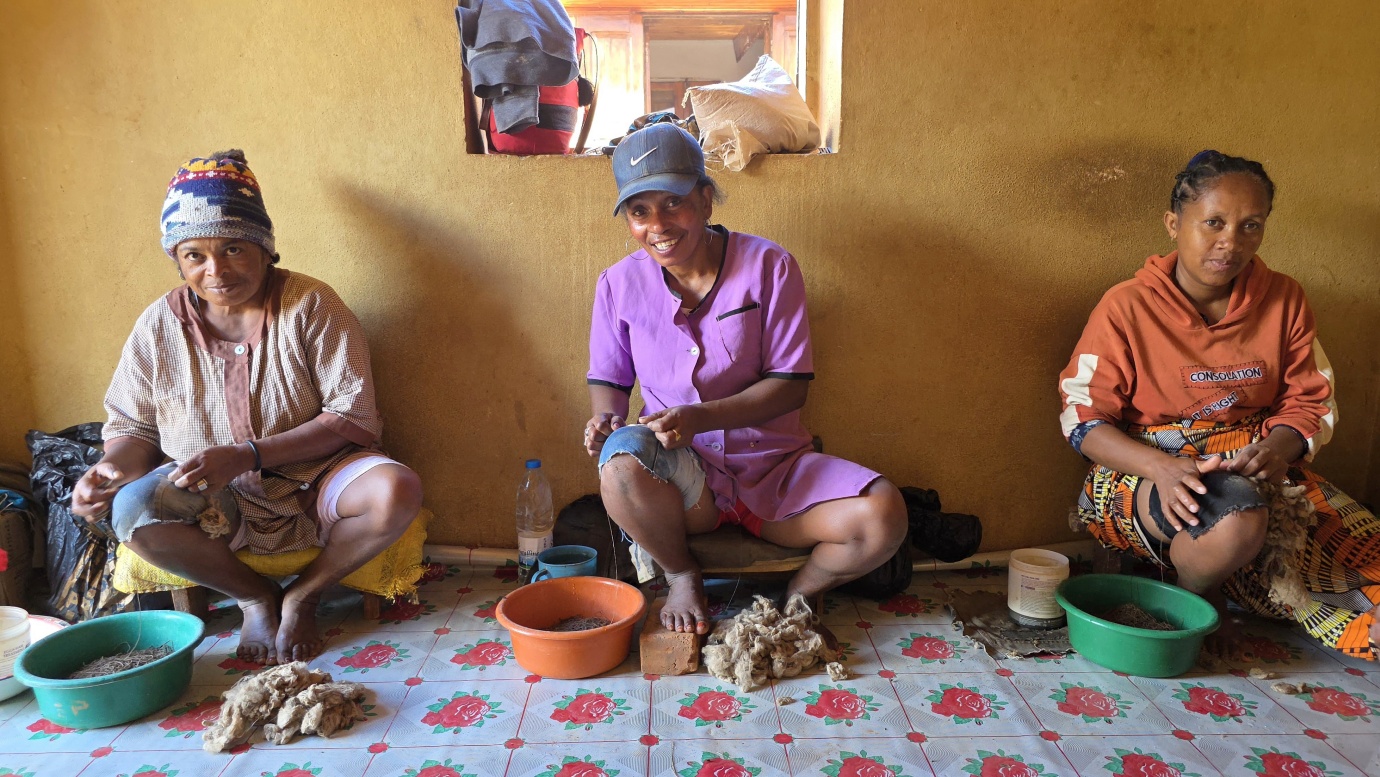
During our visit, we had the opportunity to witness the entire production process, from cleaning raw cocoons to spinning and weaving the final textiles. While wild-silk weaving was once widely practised among Betsileo people communities, the tradition has declined since the 20th century due to modernisation and environmental pressures. Today, conservation organisations and local cooperatives work to protect the wild silkworm habitat and support artisans, ensuring that this extraordinary cultural practice continues for future generations.