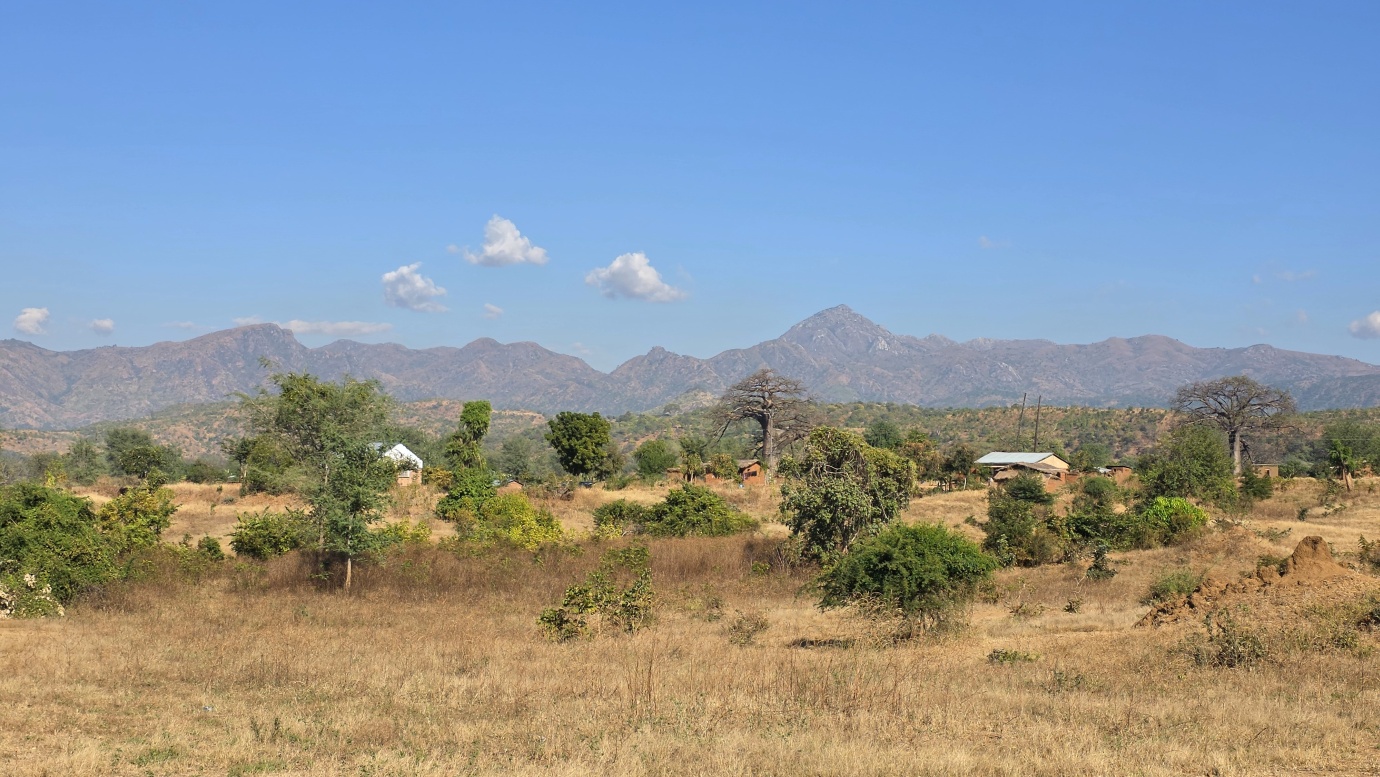
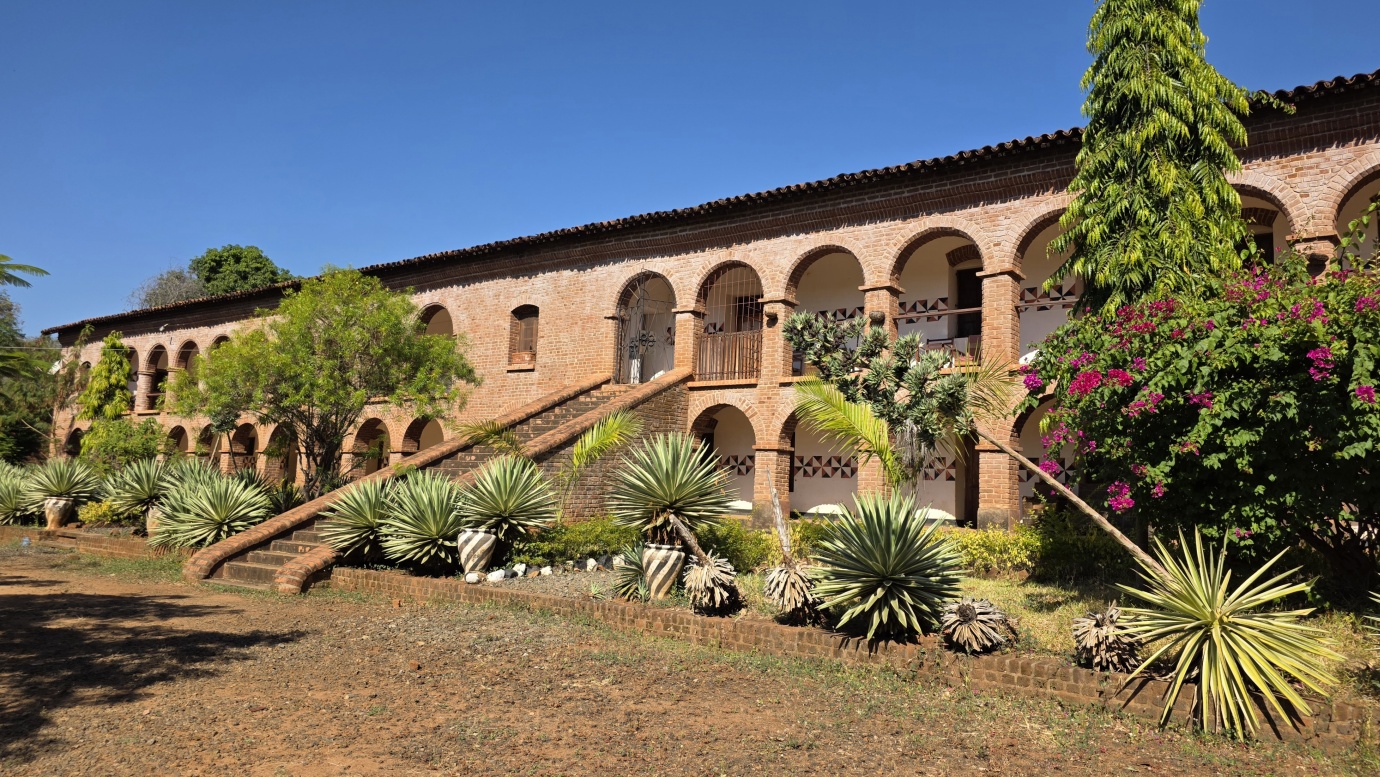
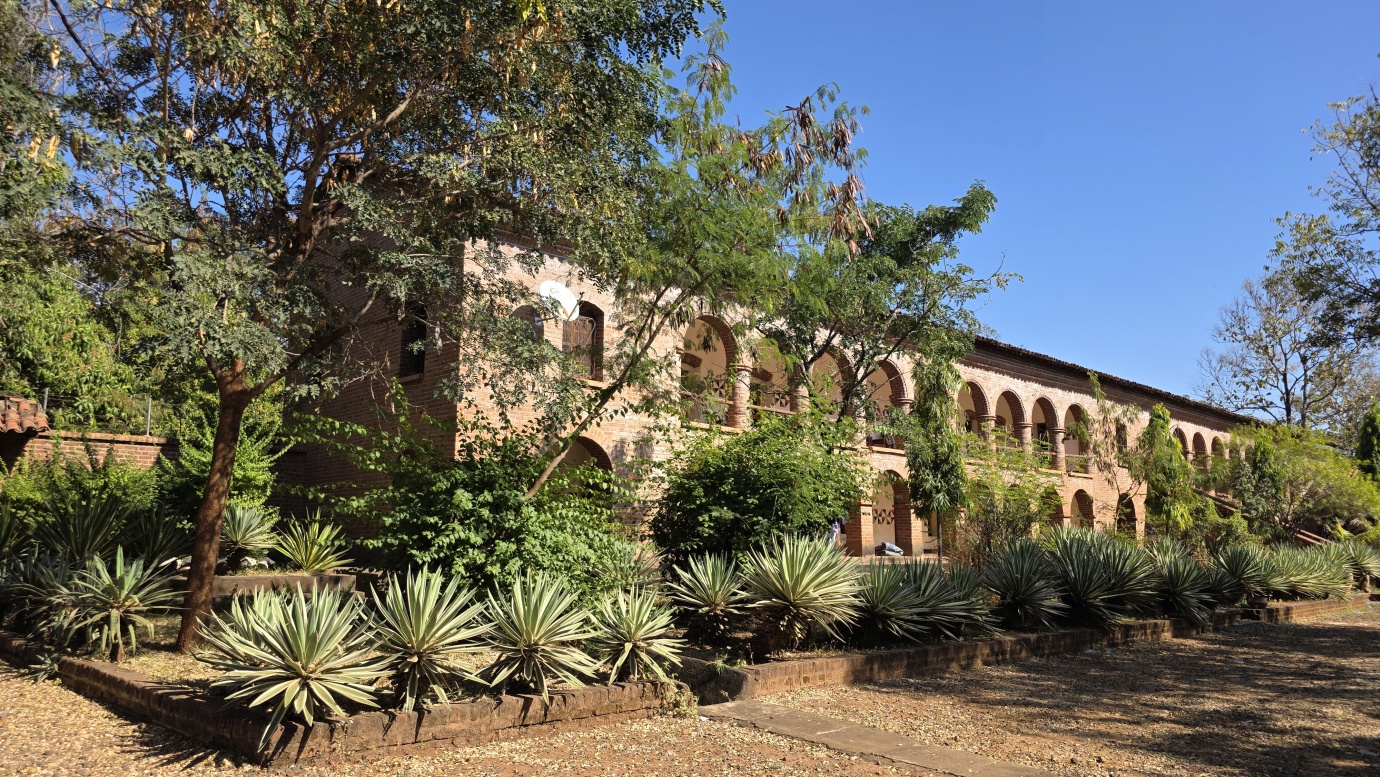
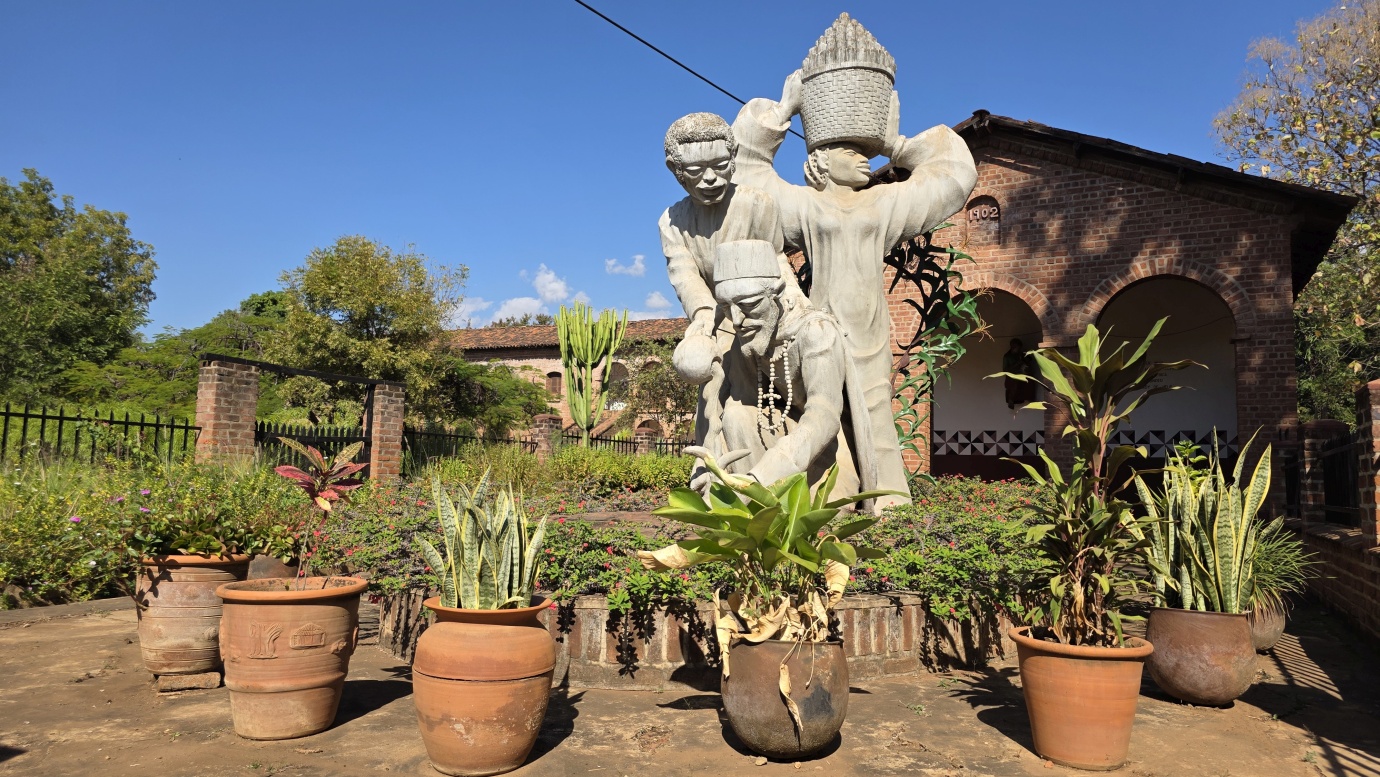
Established in 1902 by the Missionaries of Africa, better known as the White Fathers, Mua Mission is Malawi’s oldest Roman Catholic mission and one of the country’s most celebrated cultural heritage sites. Nestled amid the rolling landscapes of central Malawi, the mission is renowned for its remarkable fusion of Catholic faith and traditional Malawian culture. Visitors are drawn by its intricate wood carvings, distinctive church architecture, and the acclaimed Kungoni Centre, whose museum and cultural exhibits offer fascinating insights into the traditions of the Chewa, Ngoni, and Yao peoples (🎟️15,000 MWK).
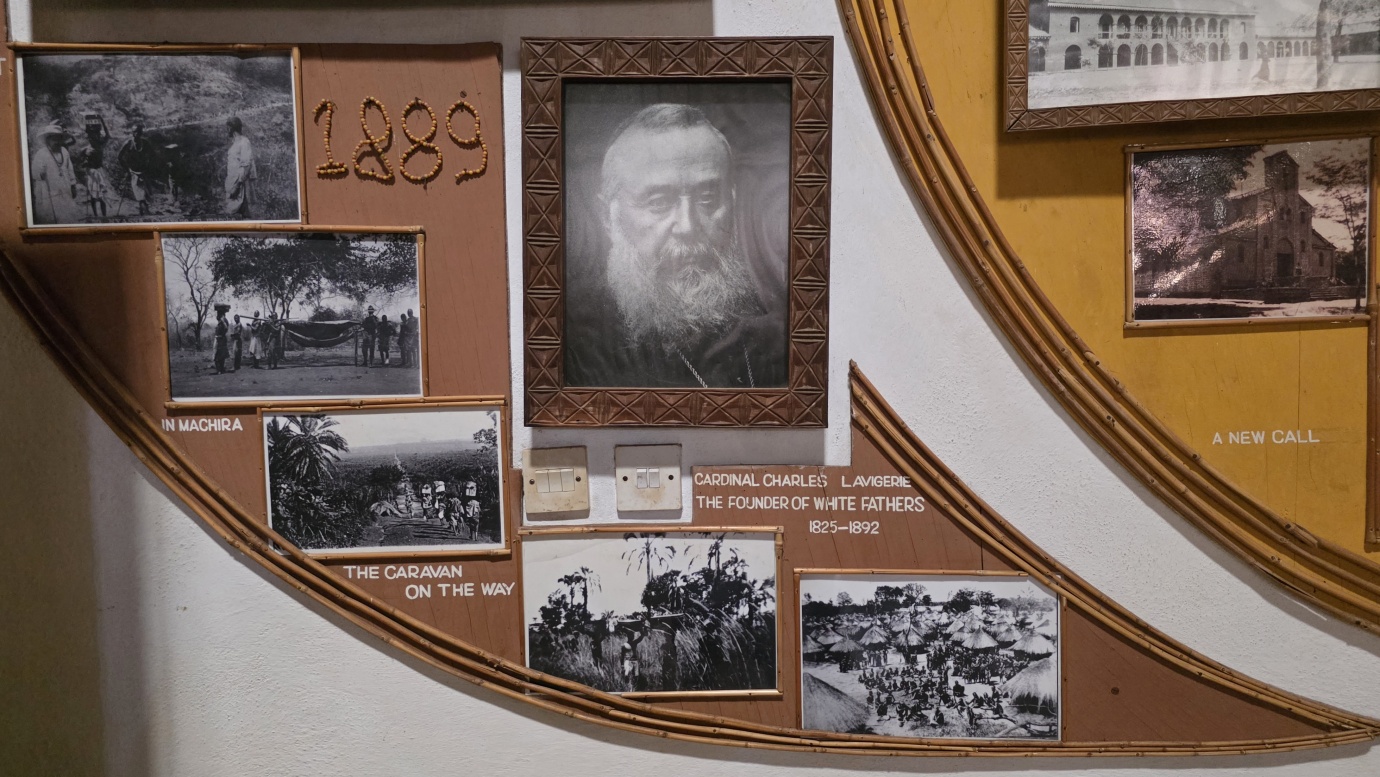
The White Fathers, officially known as the Missionaries of Africa, are a Roman Catholic missionary society founded in Algeria in 1868 by Cardinal Charles Lavigerie. They became widely known as the “White Fathers” because of their distinctive attire—a white tunic (gandoura) and hooded cape (burnoose) inspired by traditional North African dress. Beyond evangelisation, the society has long been committed to promoting education, healthcare, social justice, peacebuilding, and respectful interreligious dialogue, particularly with Muslim communities.
The congregation played a pivotal role in the development of the Catholic Church throughout Central and East Africa. Missionaries reached the Tanganyika–Malawi region as early as 1891, establishing churches, schools, and hospitals while also documenting and preserving local languages and cultural traditions.
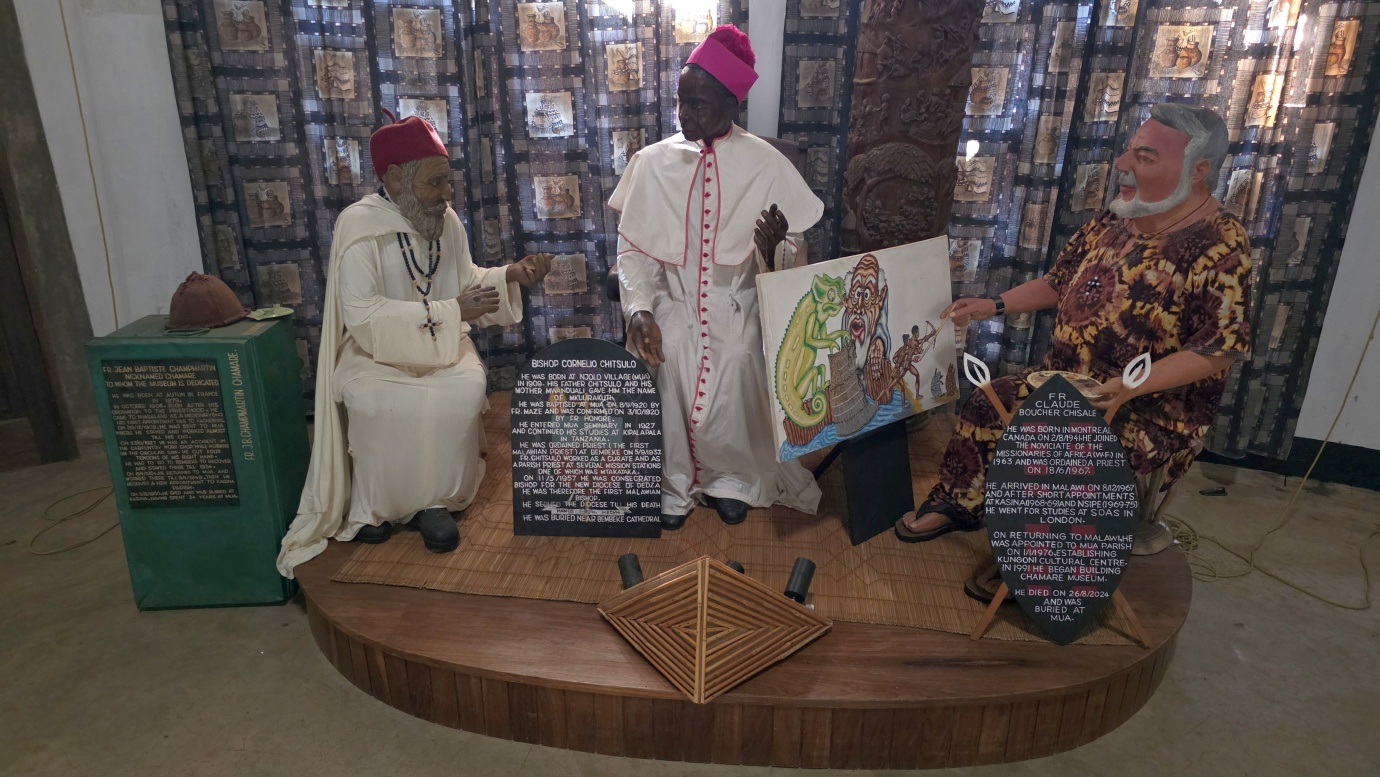
Mua Mission was founded in September 1902 by three White Fathers and remains the oldest Catholic mission in Malawi. Over the decades, it has grown into a vast parish serving dozens of outstations and tens of thousands of worshippers. Much of the mission’s modern identity was shaped by the late Canadian missionary Fr. Claude Boucher, who arrived in the 1970s and dedicated his life to researching, documenting, and preserving local traditions while exploring ways of expressing the Gospel through African cultural forms.
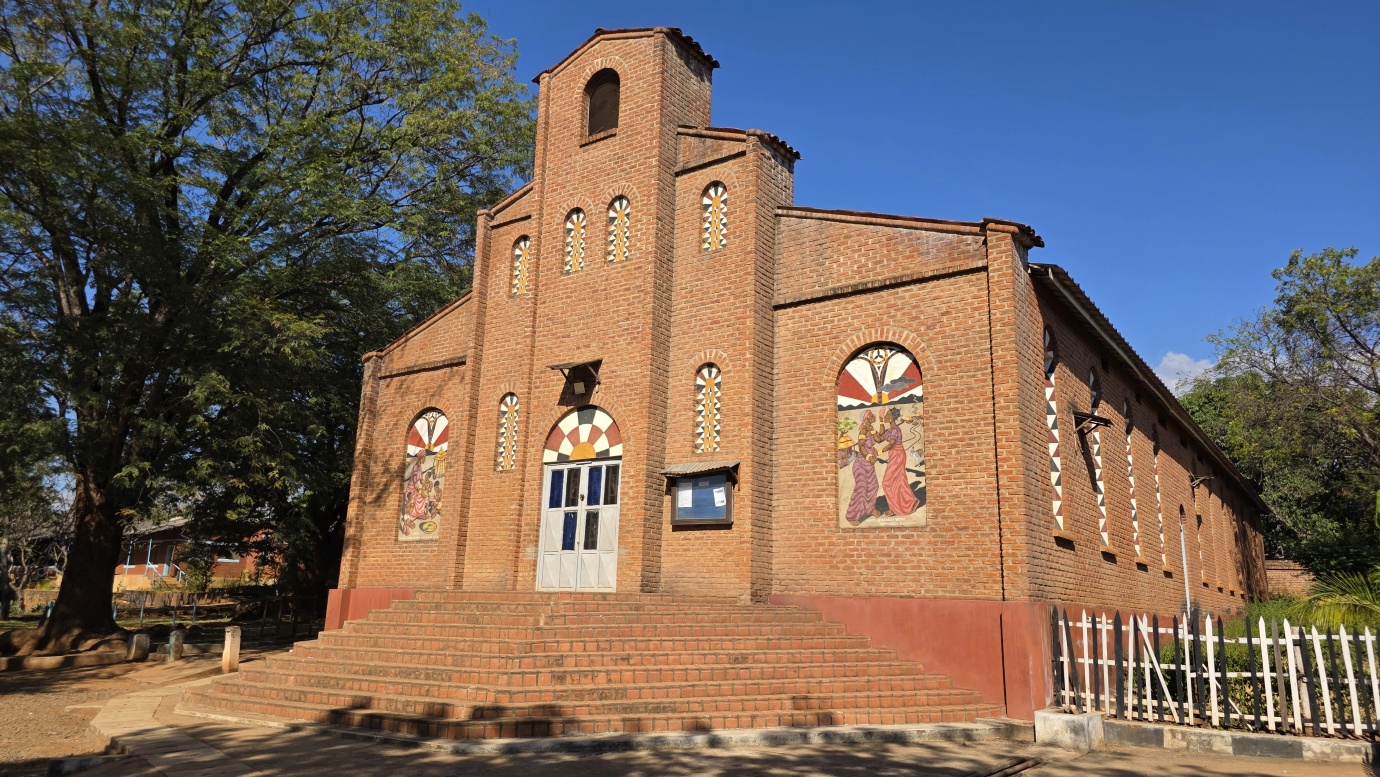
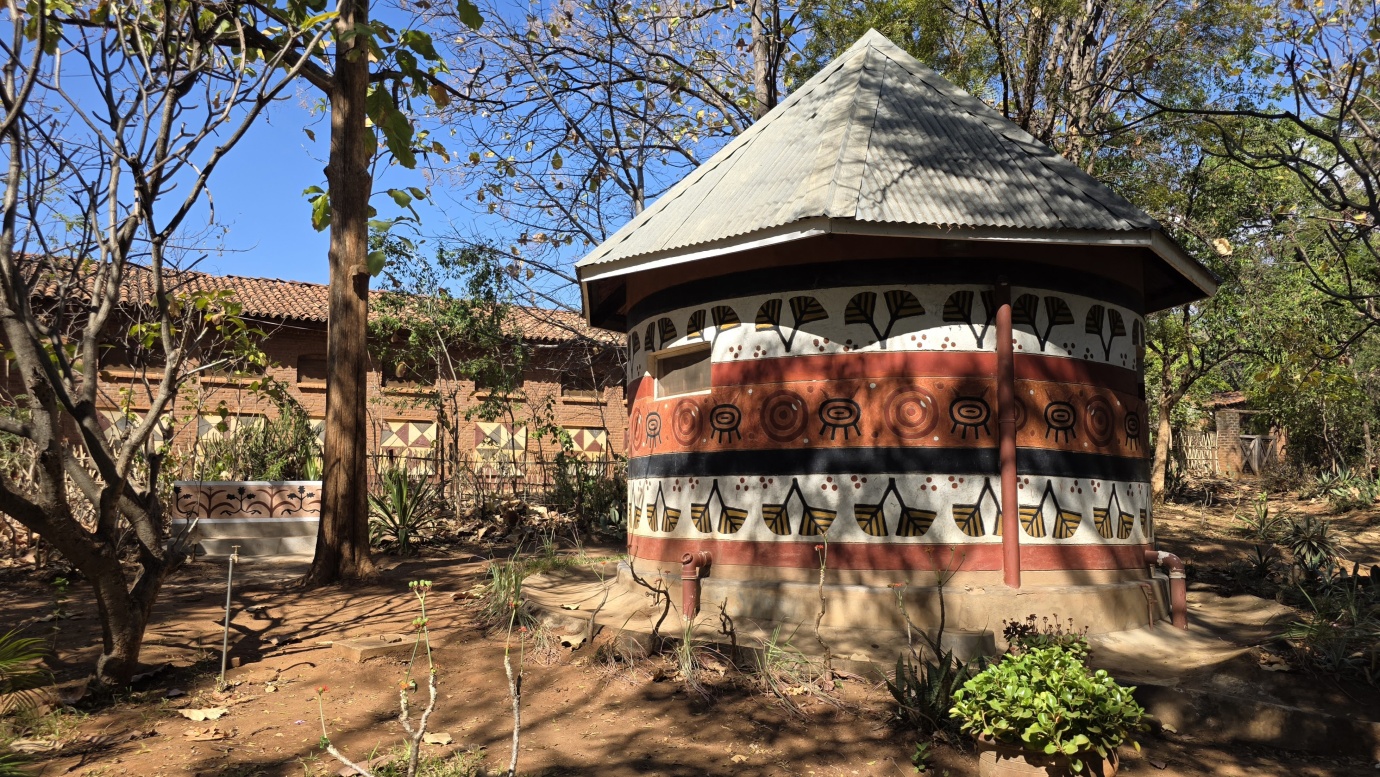
Today, Mua Mission is internationally recognised as a leading example of Christian inculturation—the process of expressing Catholic faith through local cultural traditions. The church itself stands as a striking testament to this vision. Designed and decorated by local artists and master carvers, its architecture, sculptures, and stained-glass windows reflect a distinctly African aesthetic. Here, traditional Malawian symbolism and Christian spirituality are woven together, creating a sacred space that celebrates both faith and cultural heritage.