

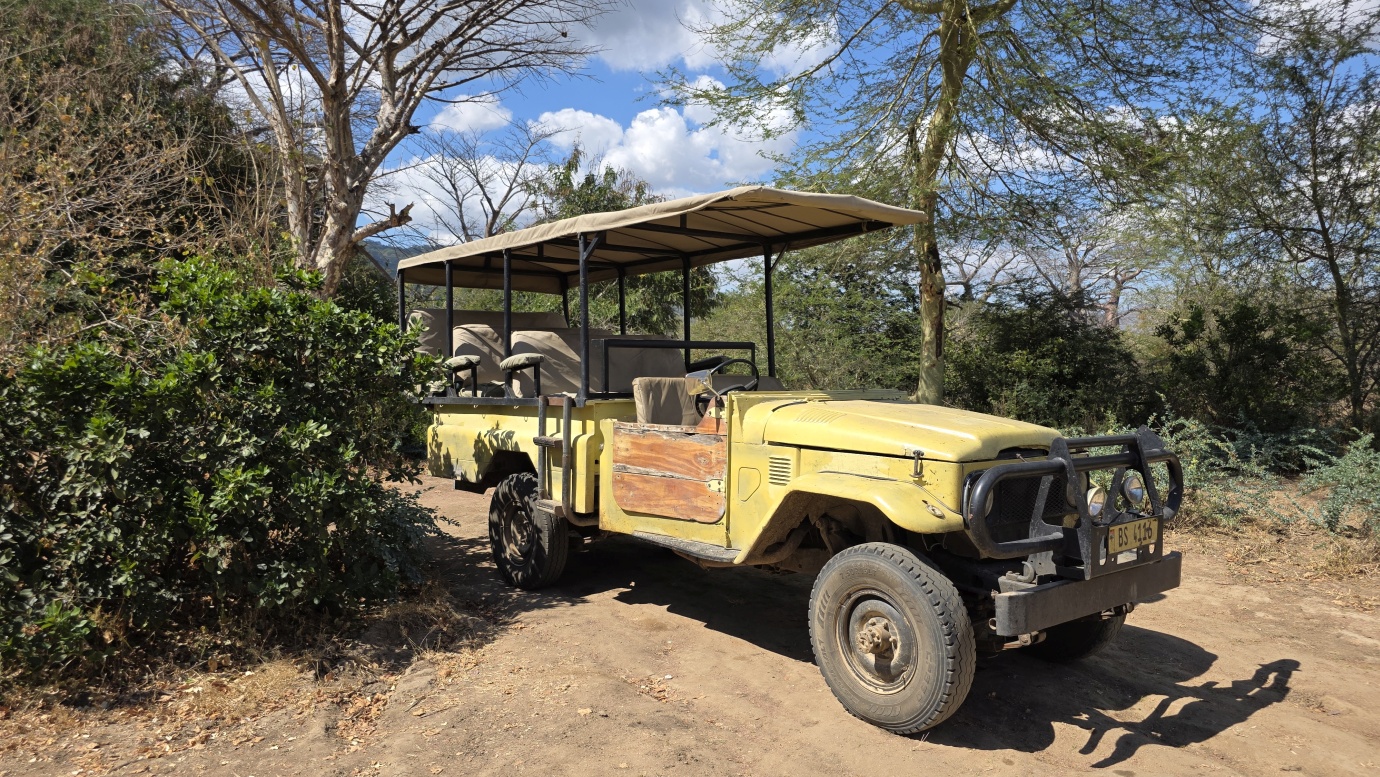
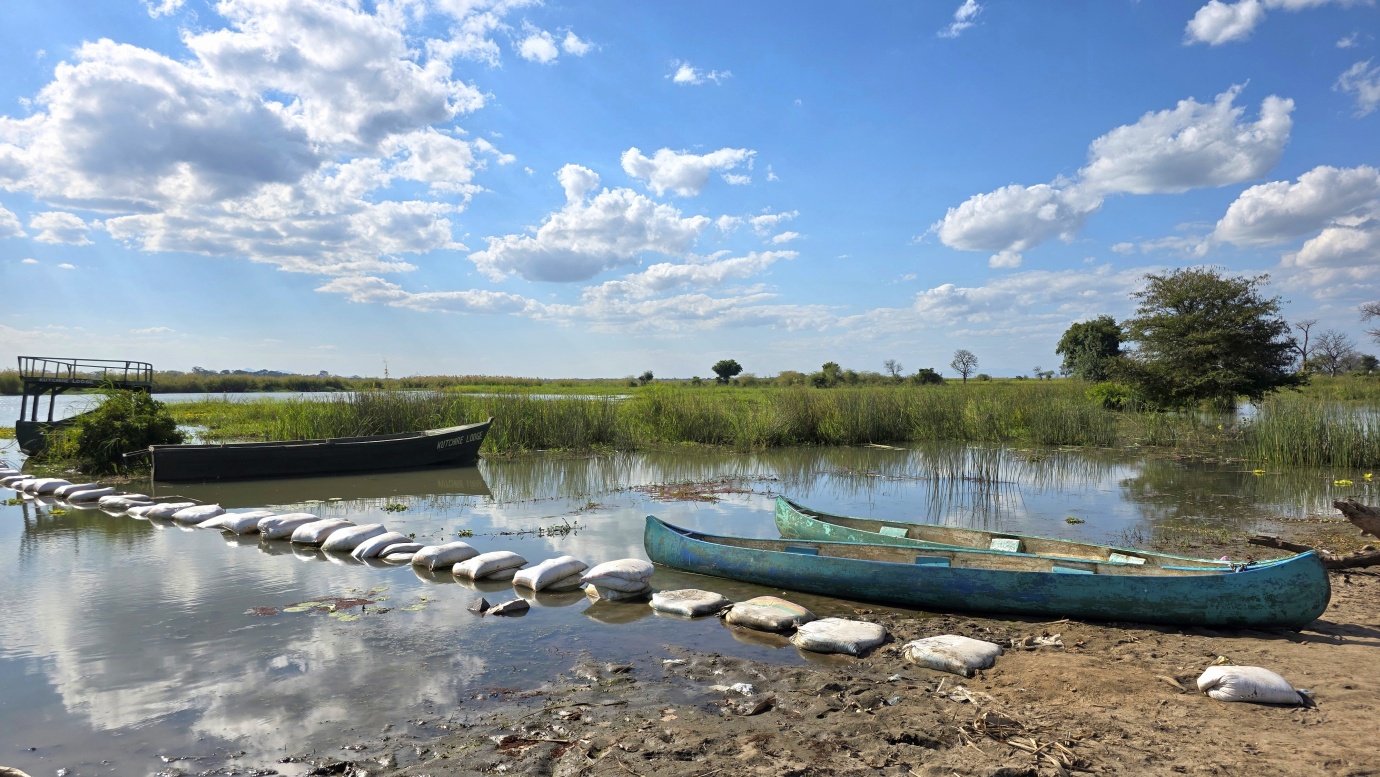
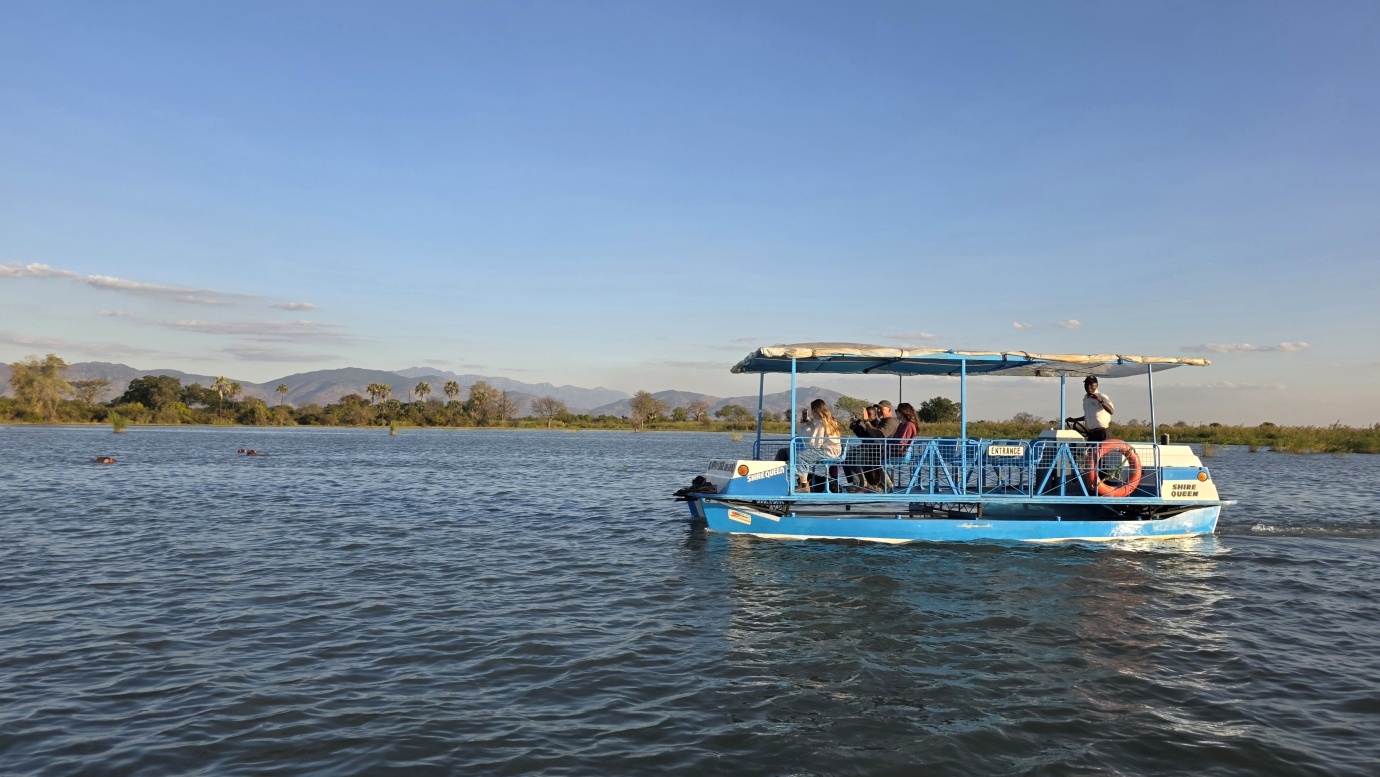
We spent three nights in Liwonde National Park, not because there was so much to do, but because we had to wait for other tourists to join the safari. Covering 548 km² in southern Malawi, Liwonde National Park is famous for its lush riverine floodplains and dense woodlands. Since 2015, it has been managed by African Parks. It has transformed into one of the country’s premier Big Five destinations, renowned for its boat safaris and abundant populations of elephants, birds, and predators. During our stay, we joined a morning game drive (USD 30) and an afternoon boat safari (USD 30). One advantage of staying inside the park was that we only had to pay the entrance fee (🎟️30 USD) for a single day of safari, even though we stayed for three nights.
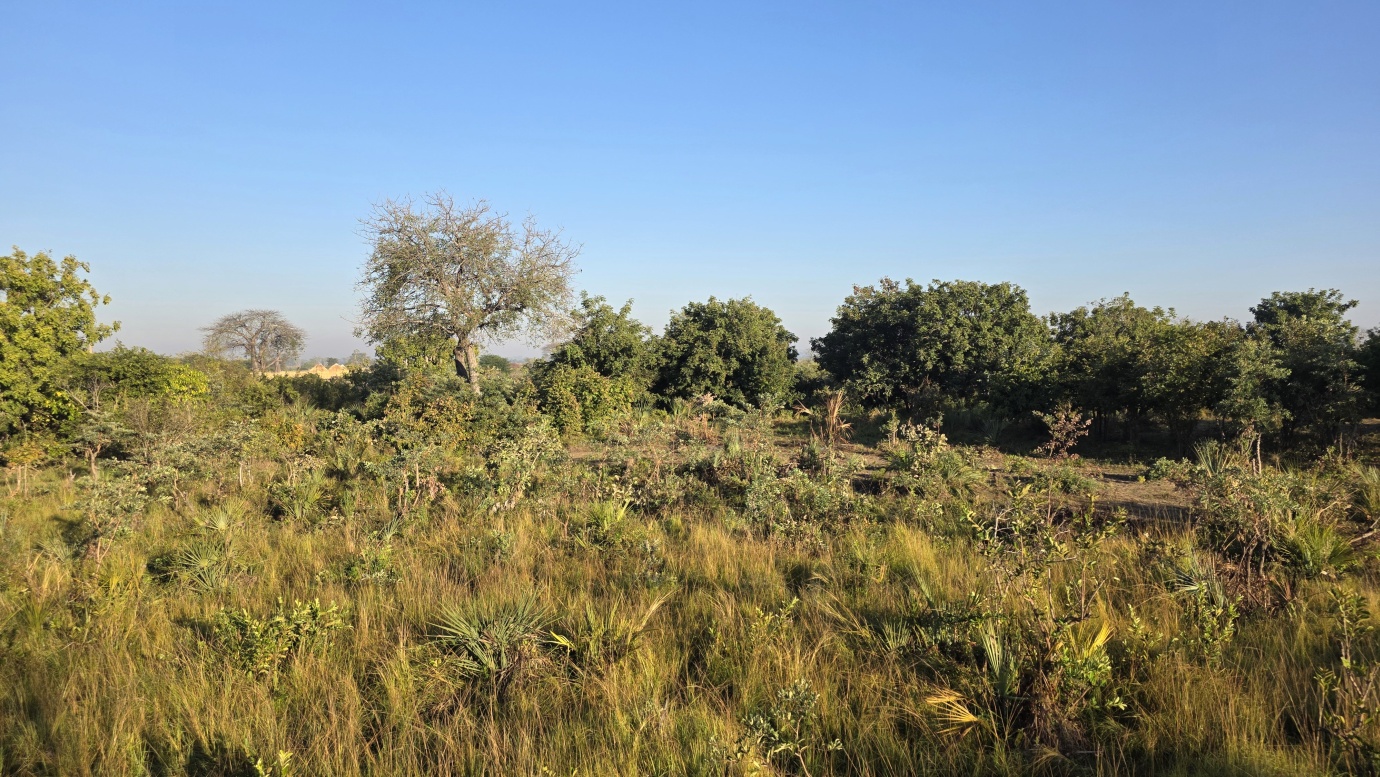
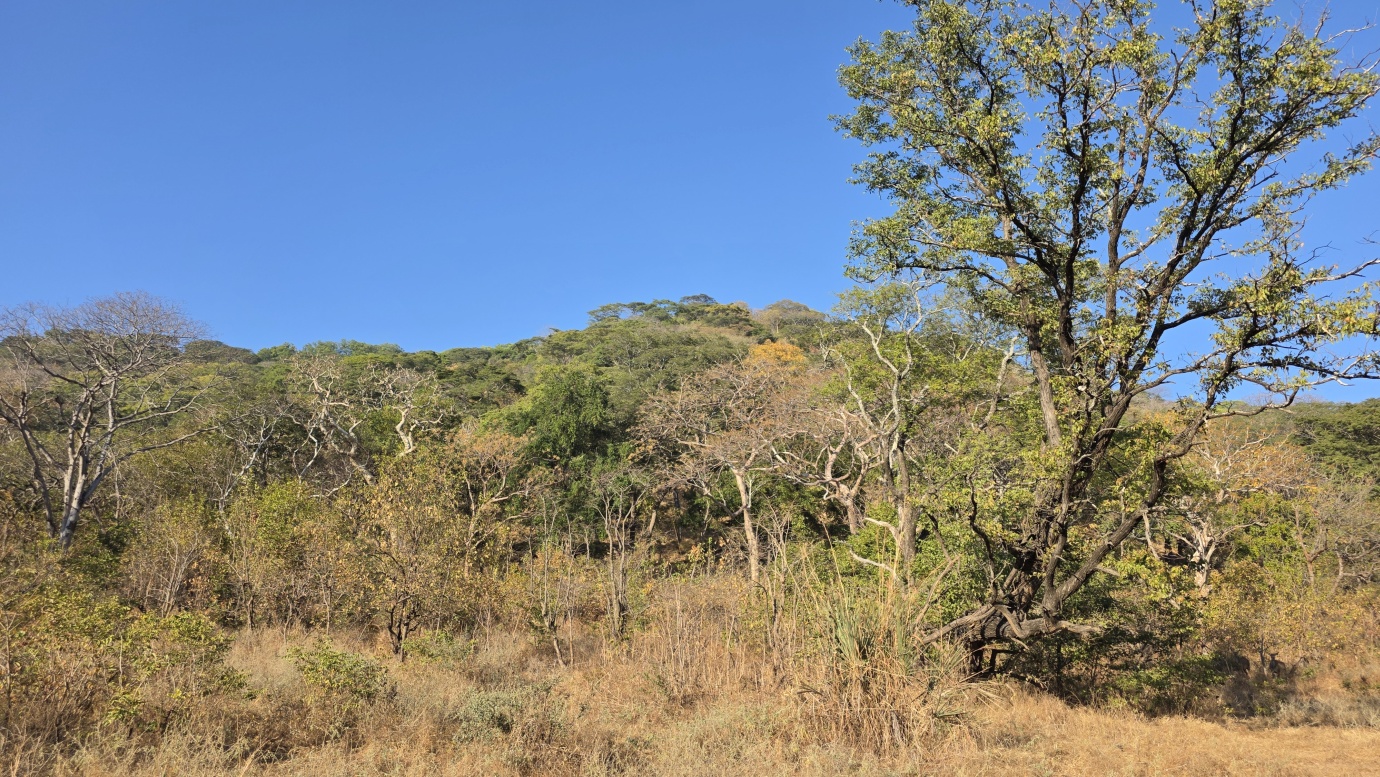
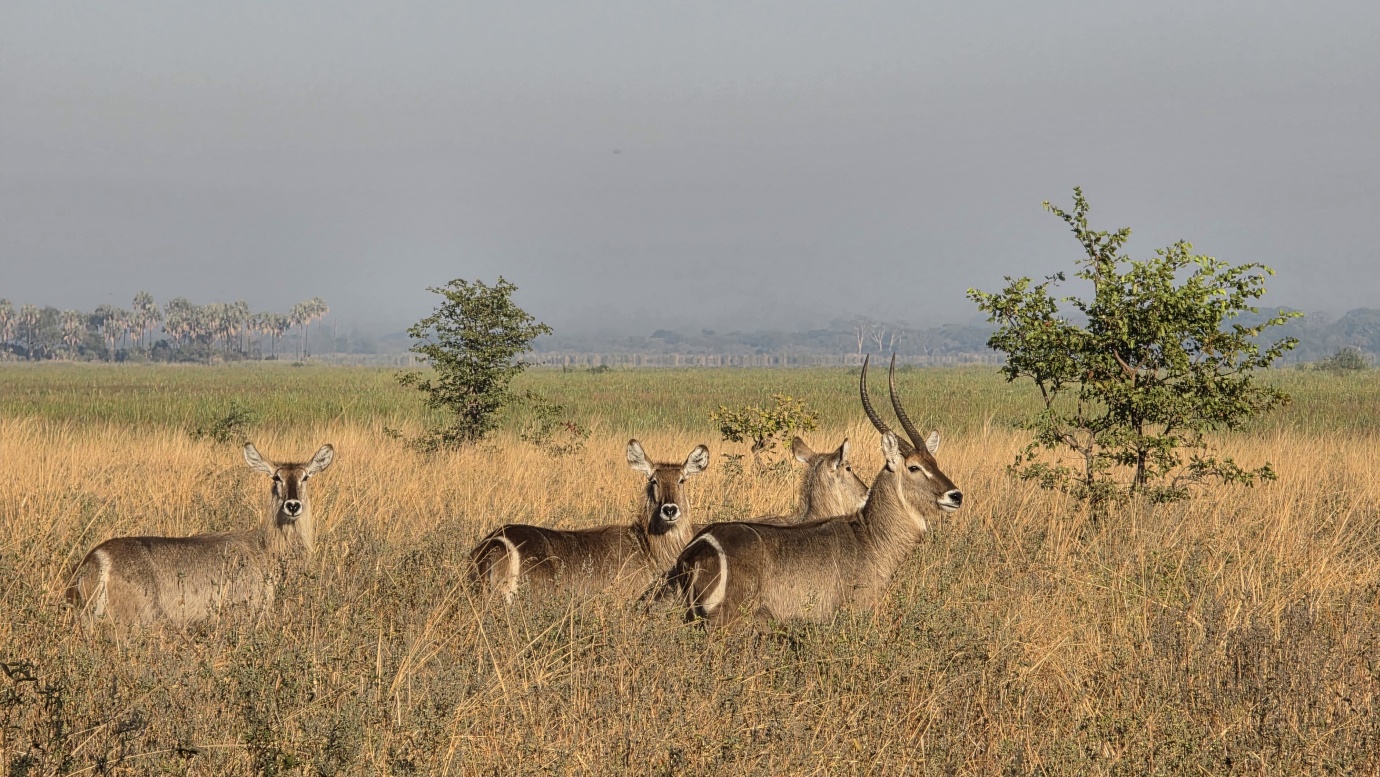
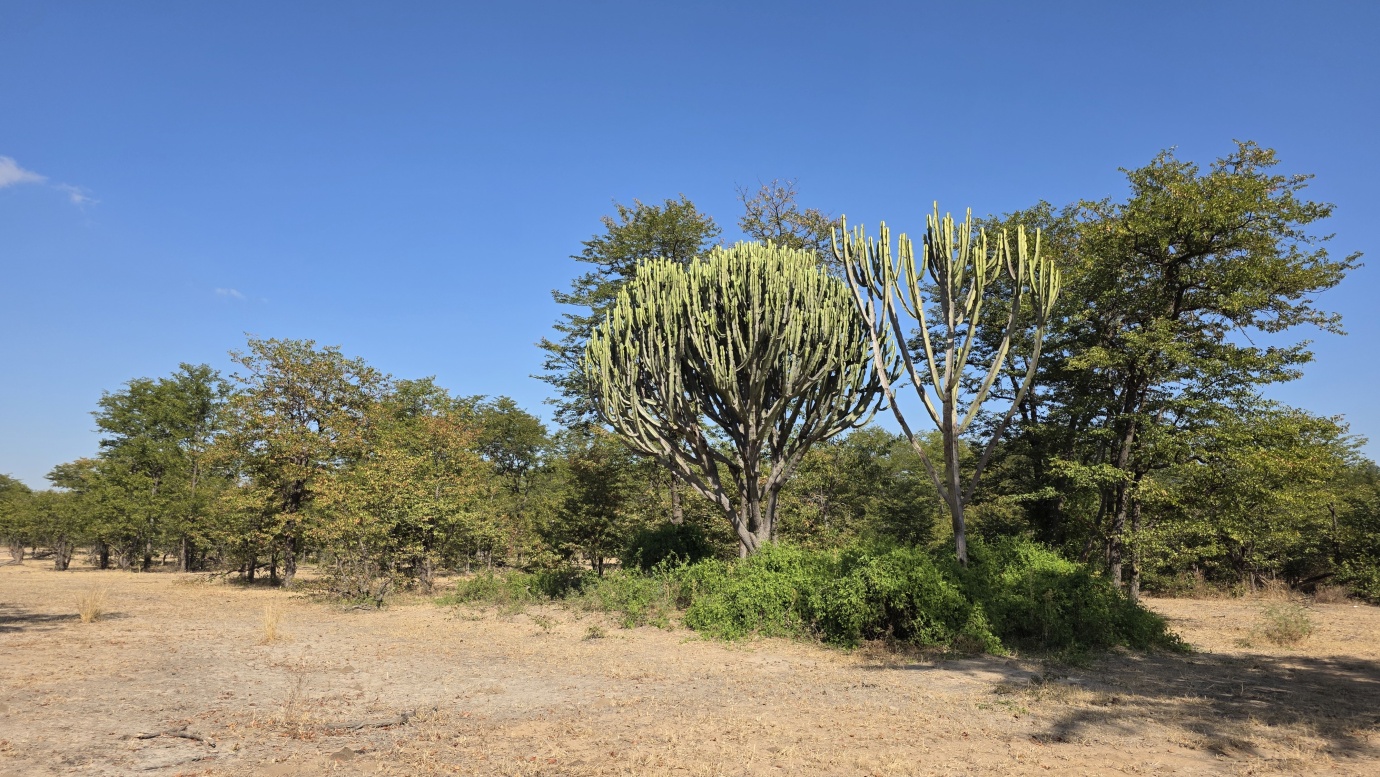
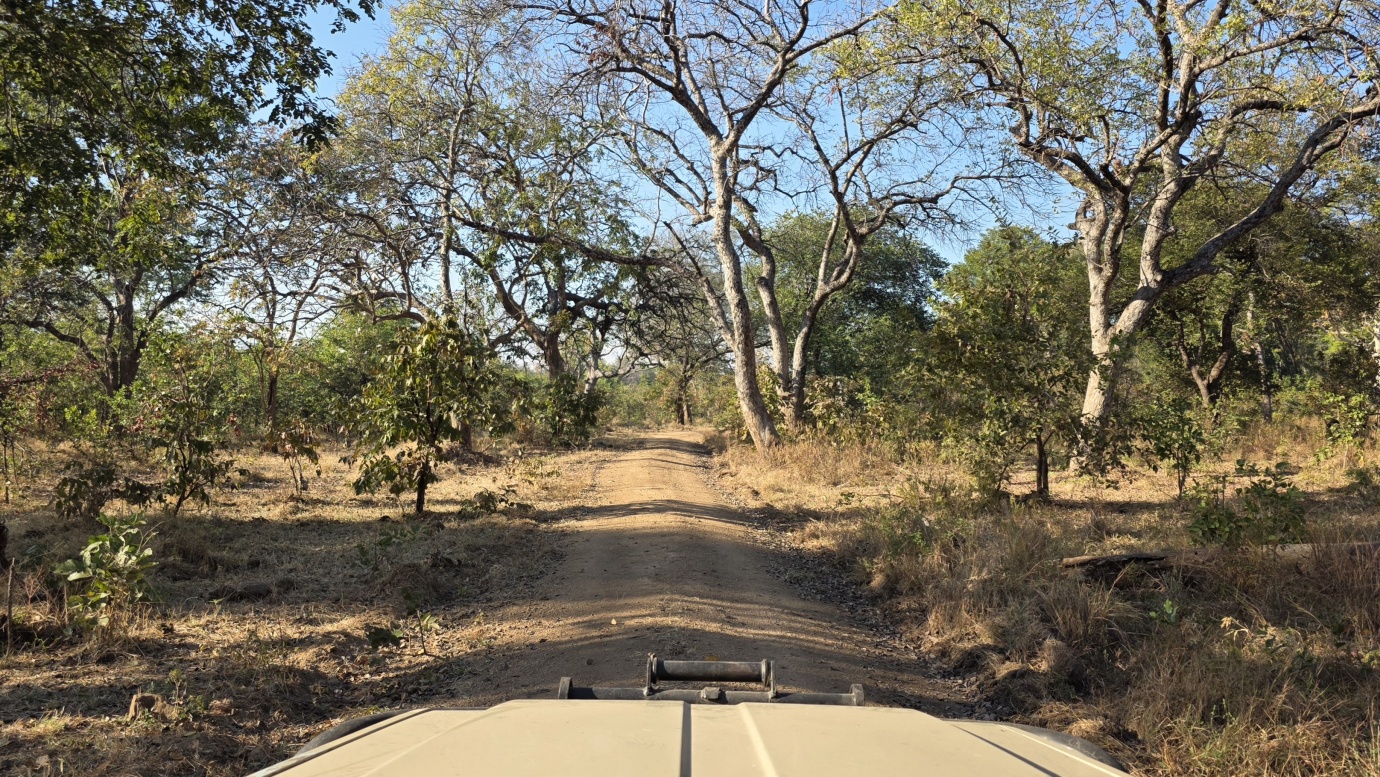
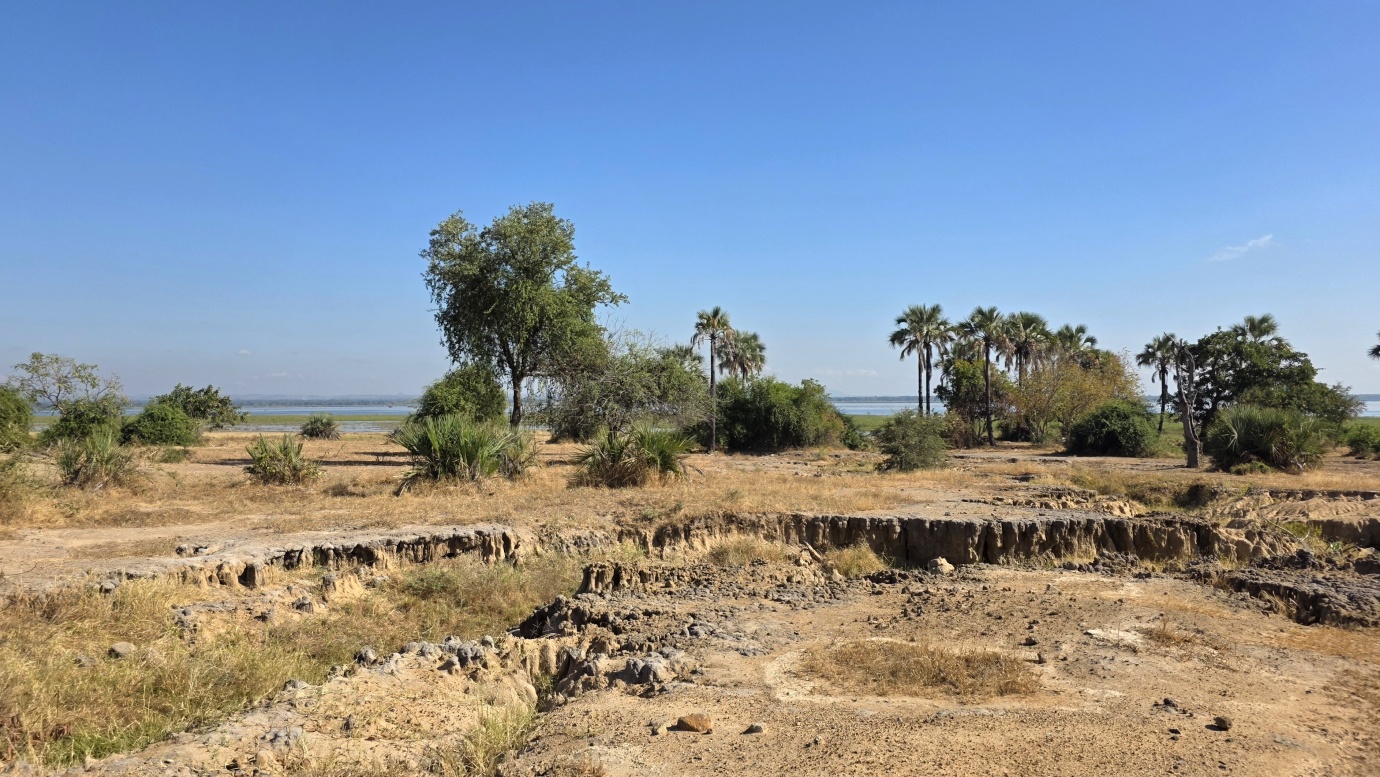
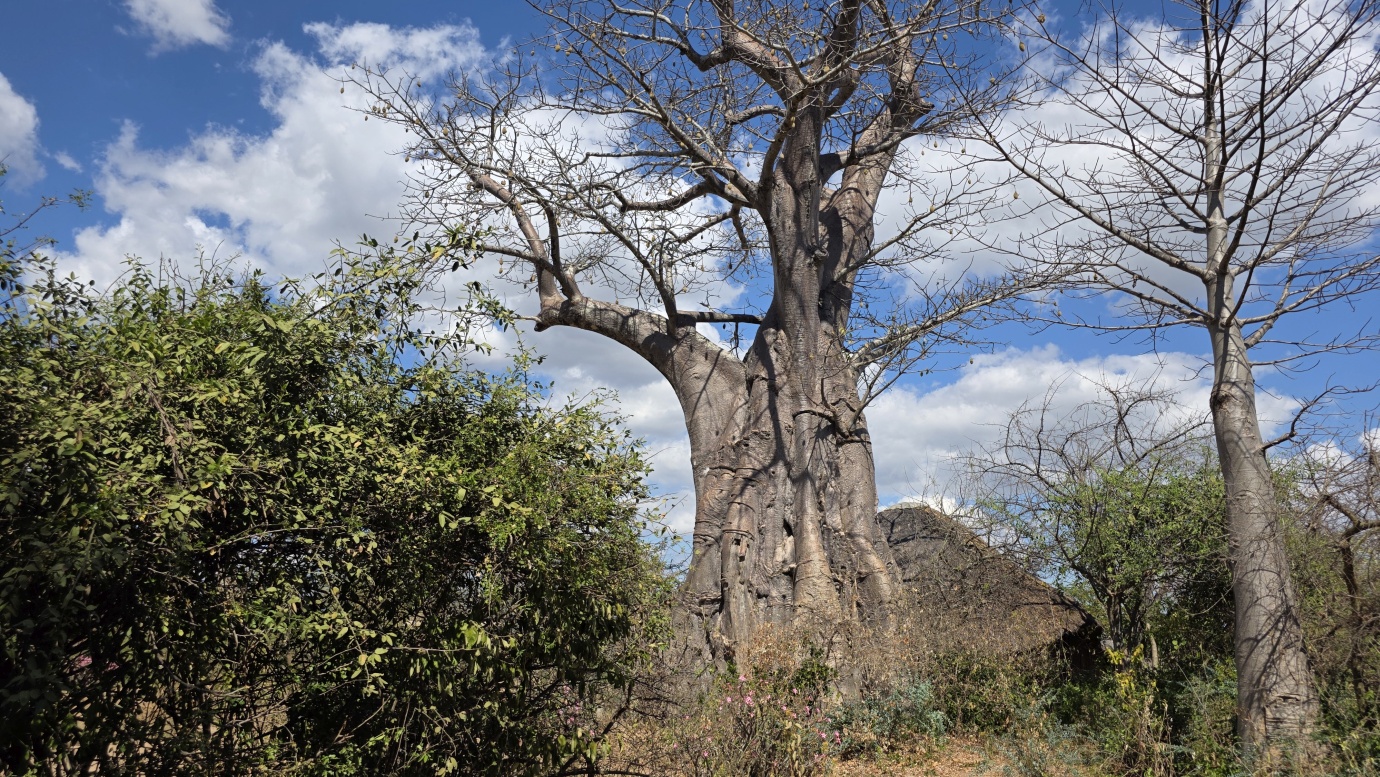
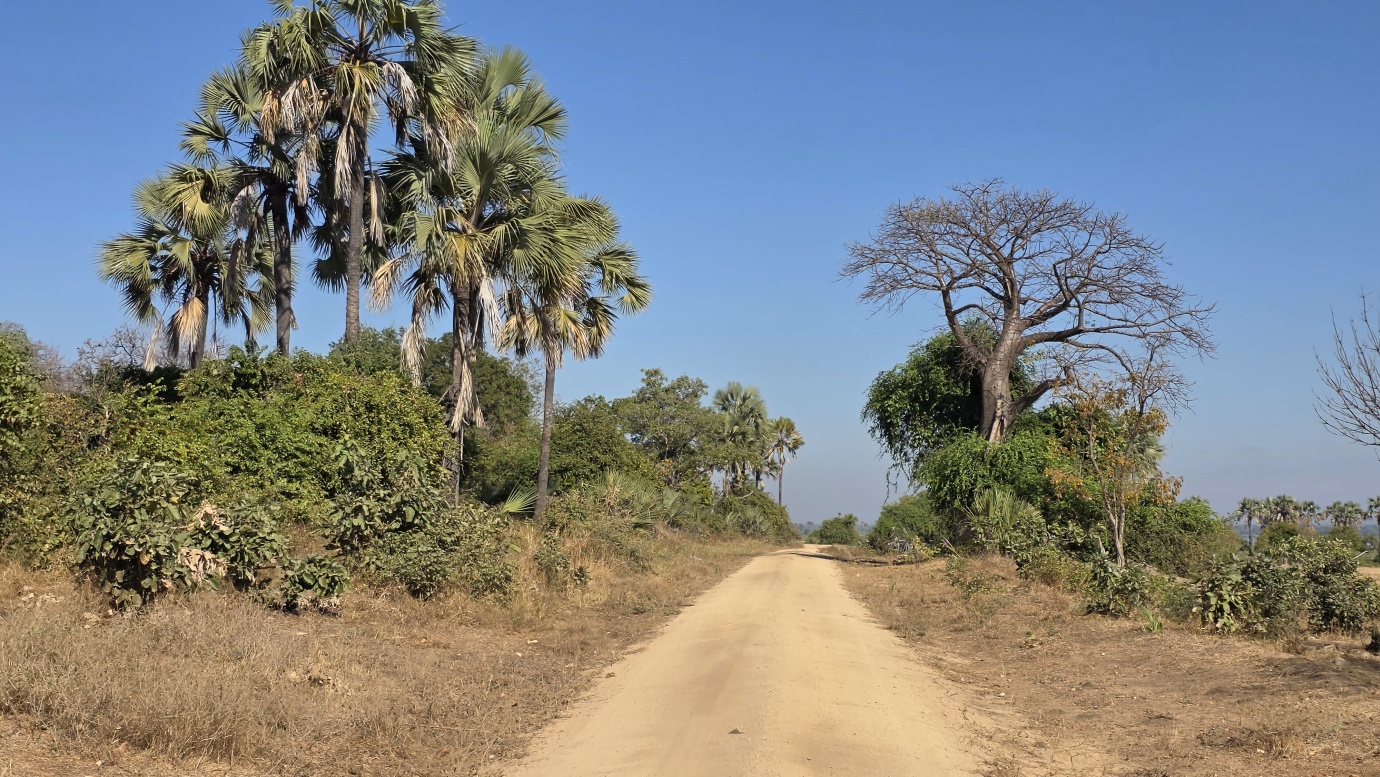
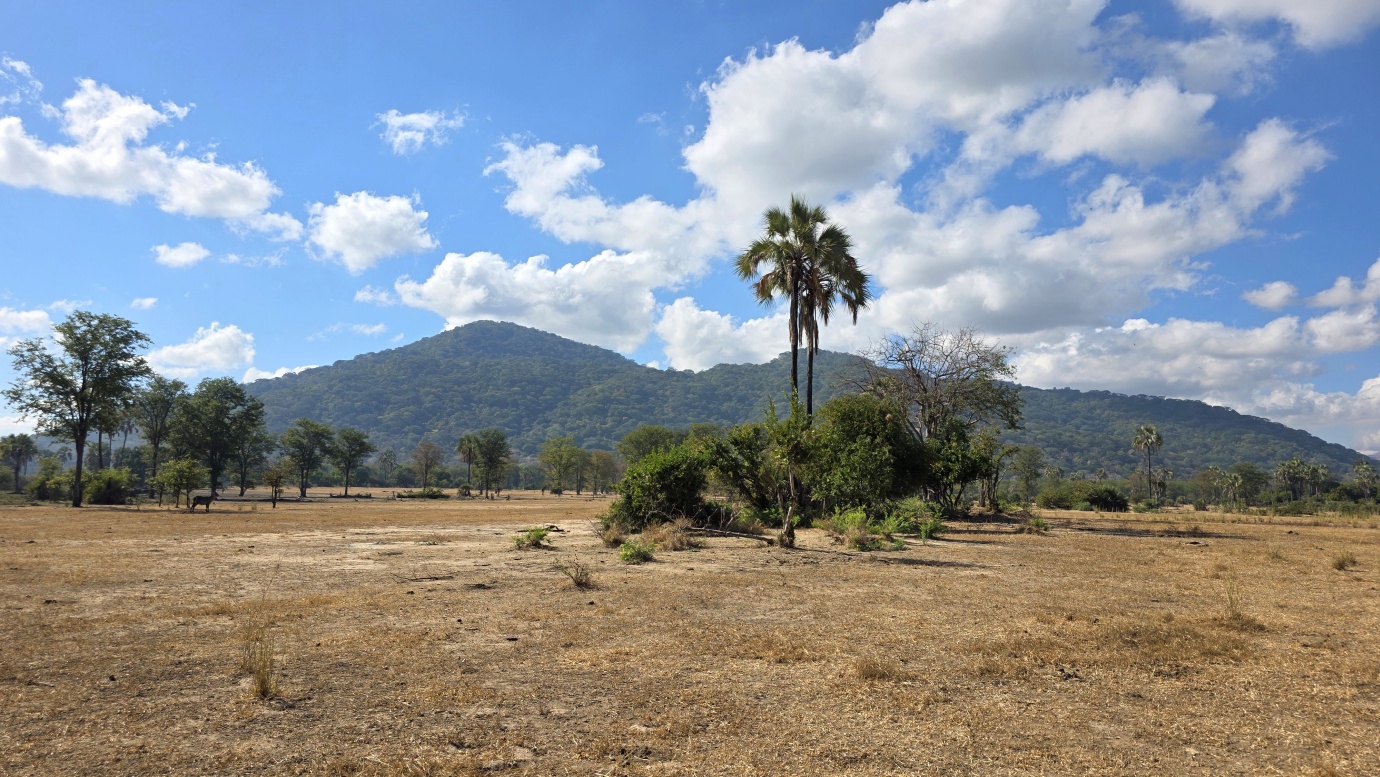
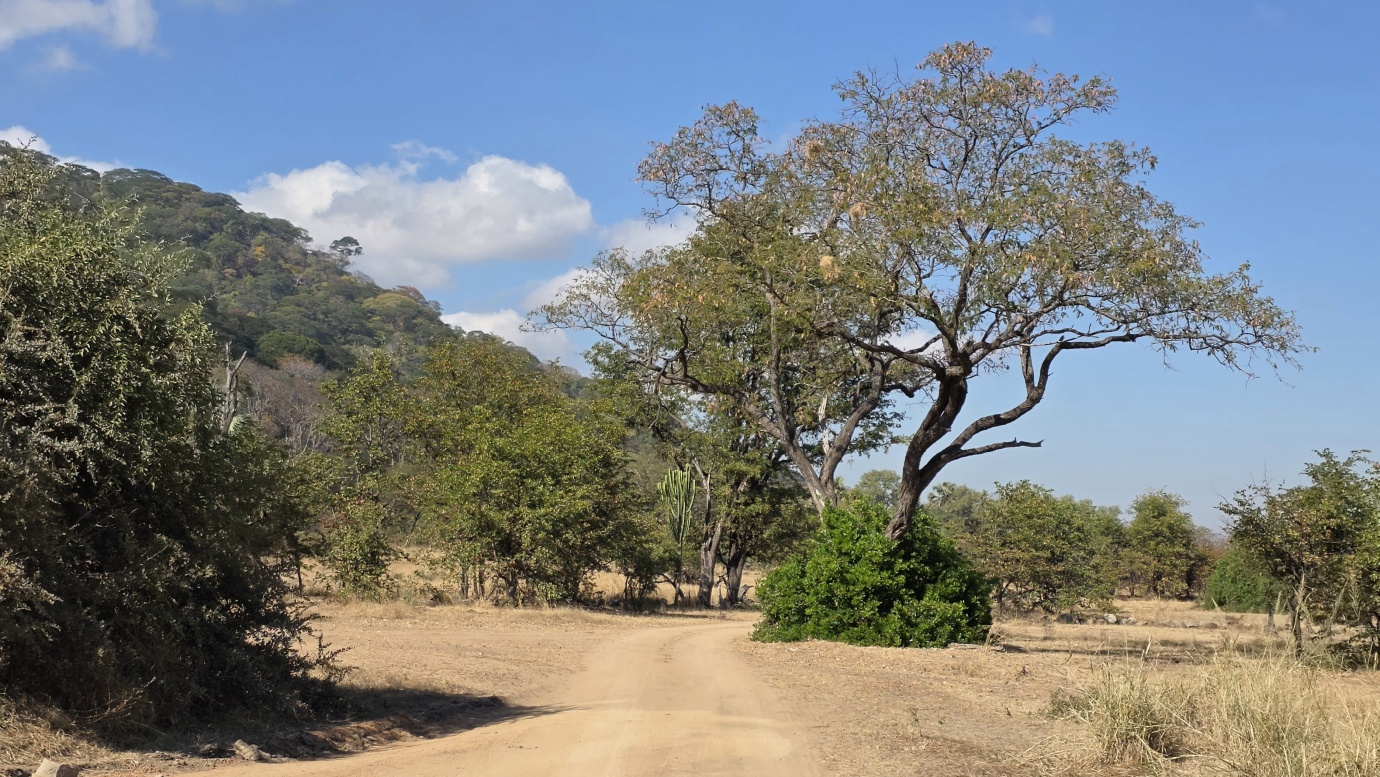
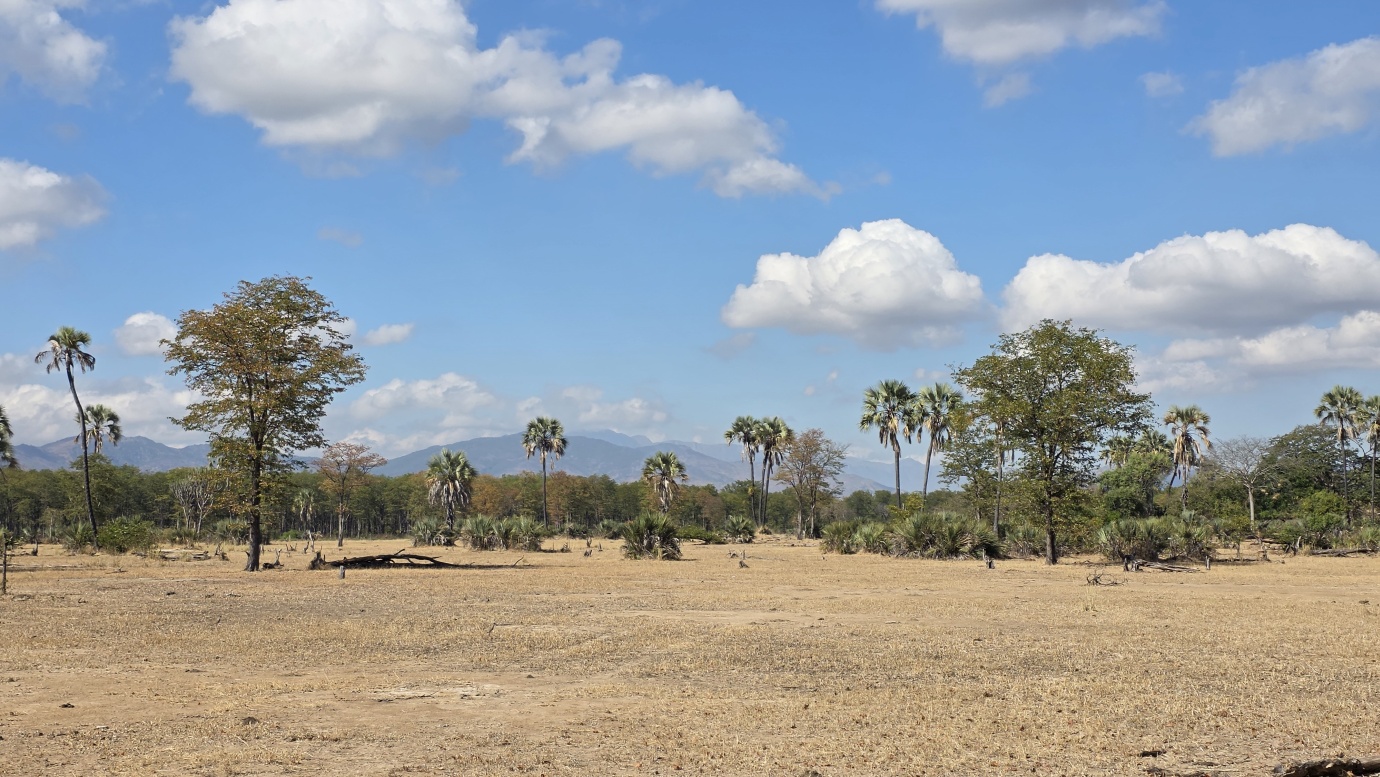
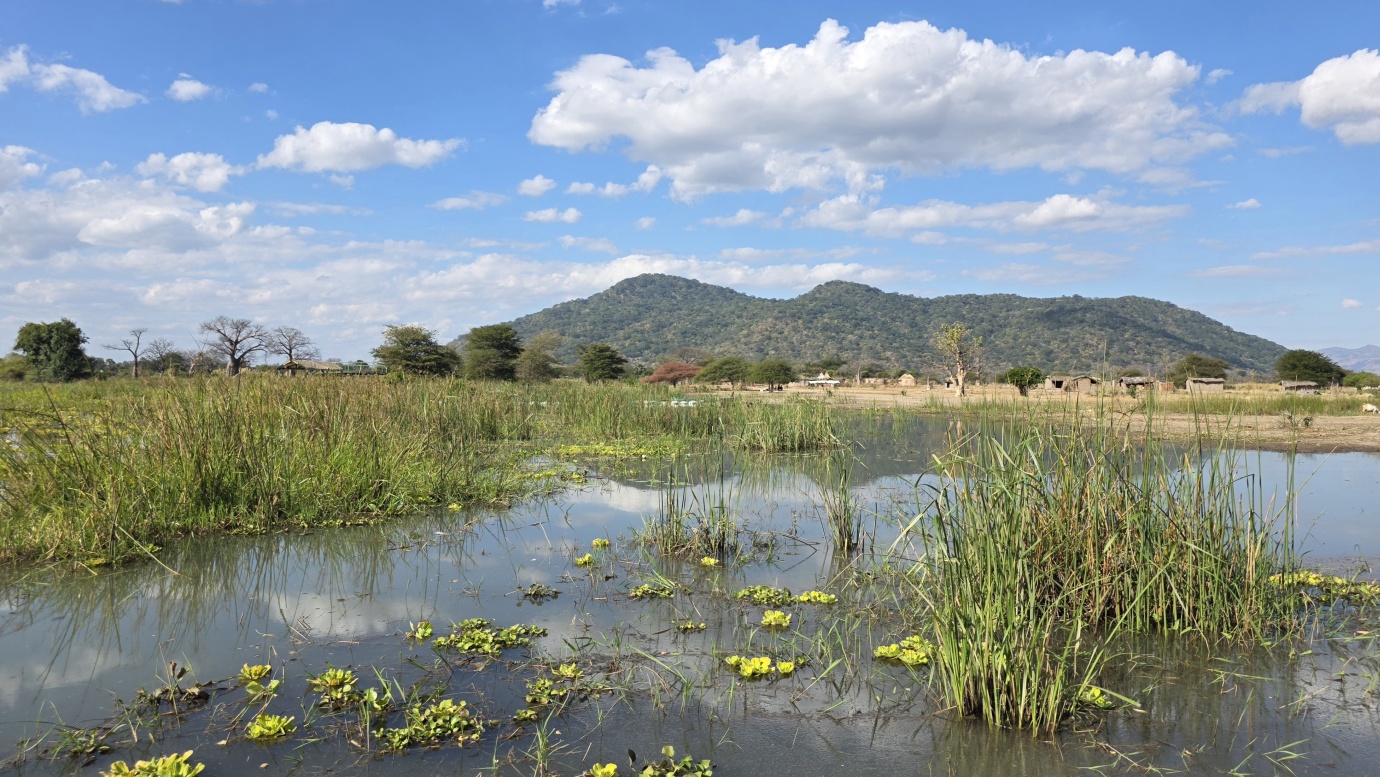
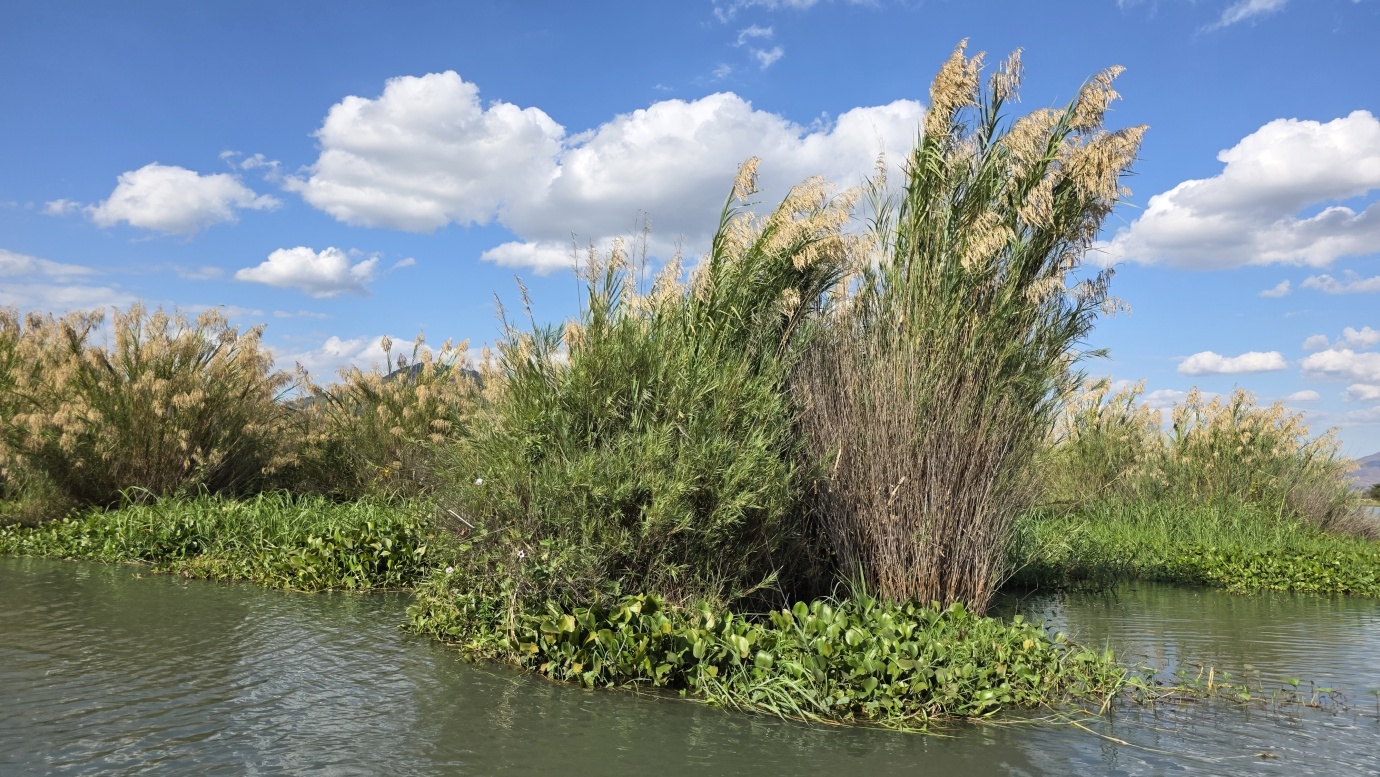
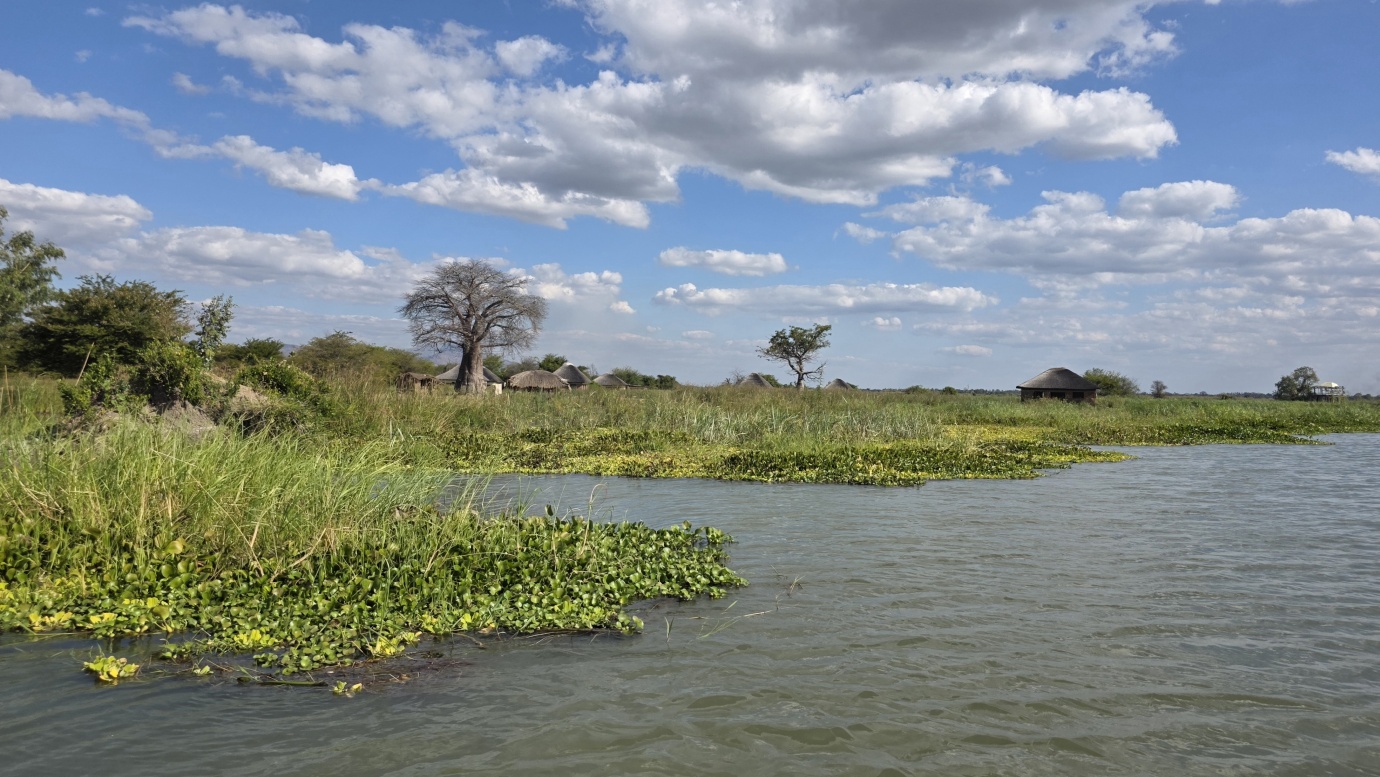
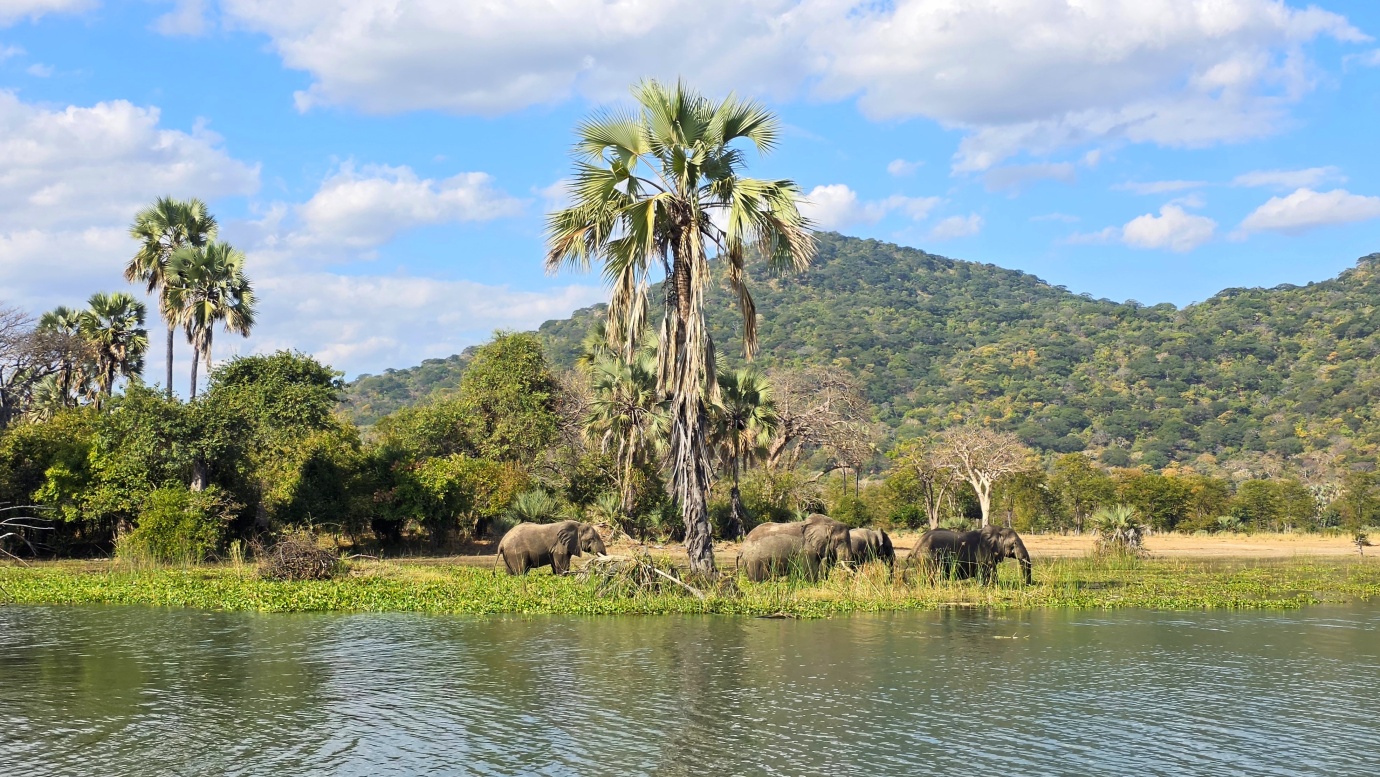
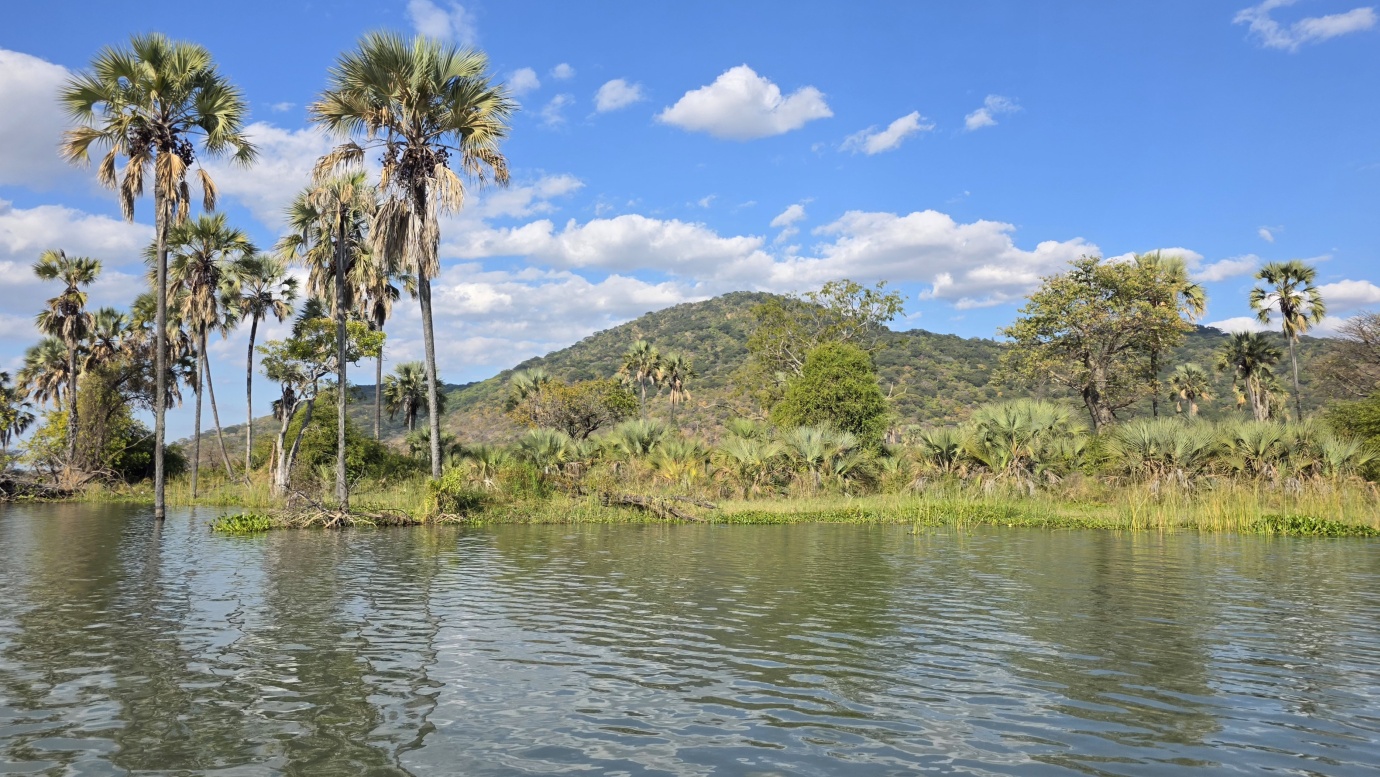
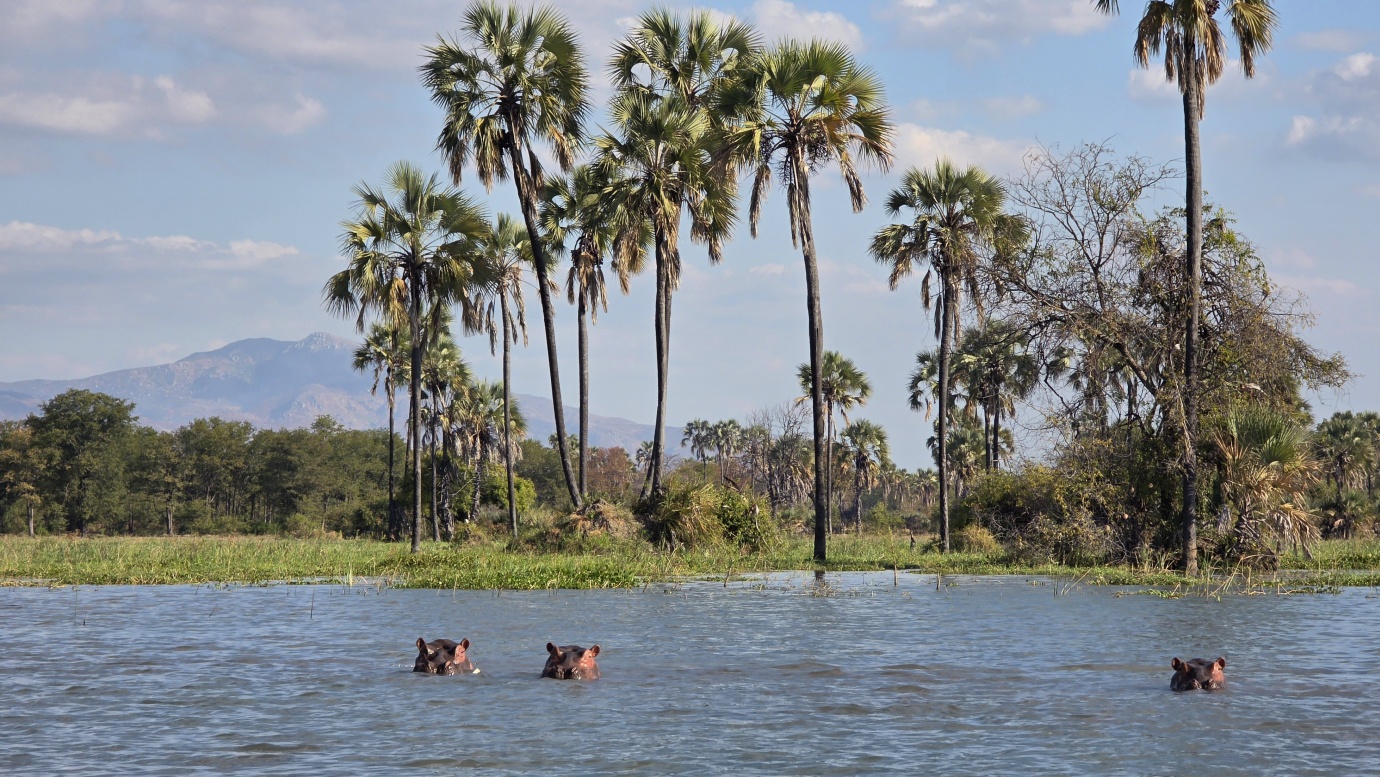
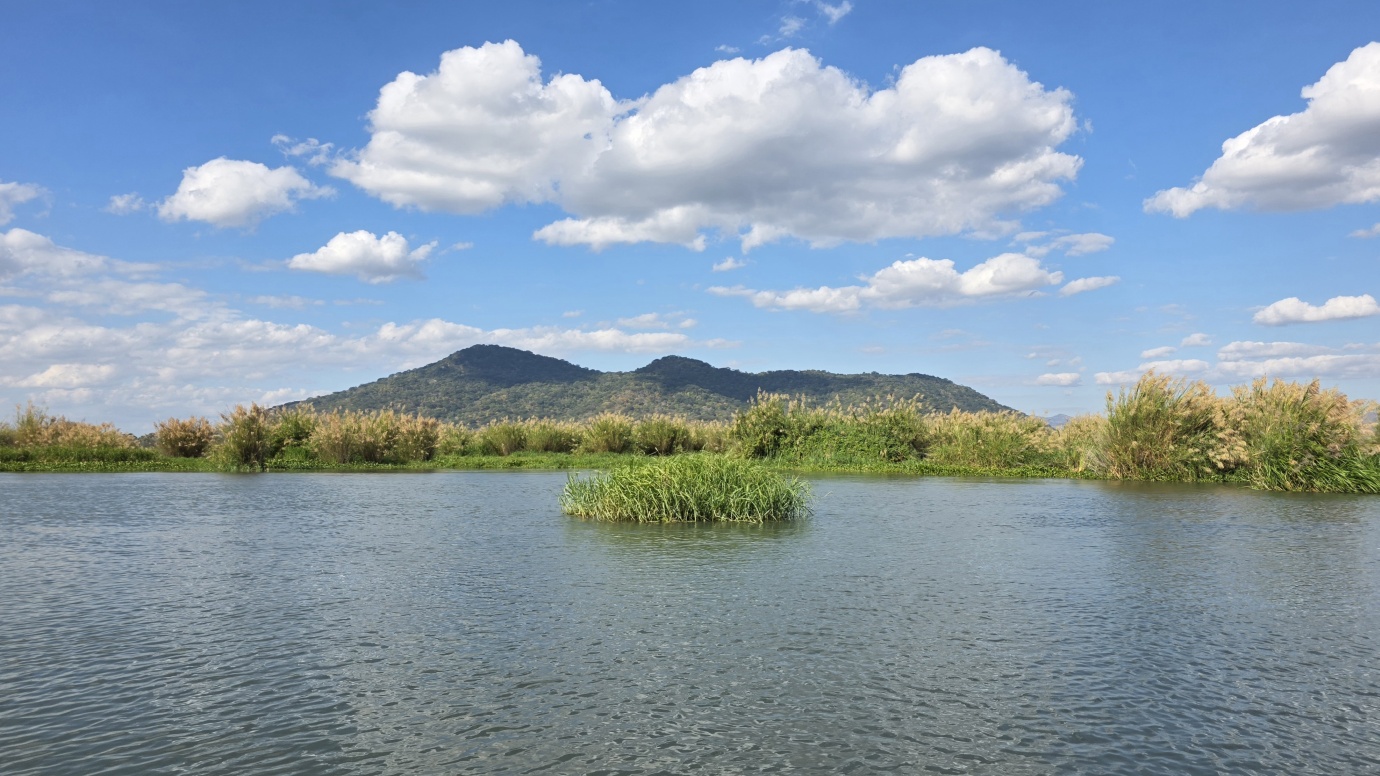
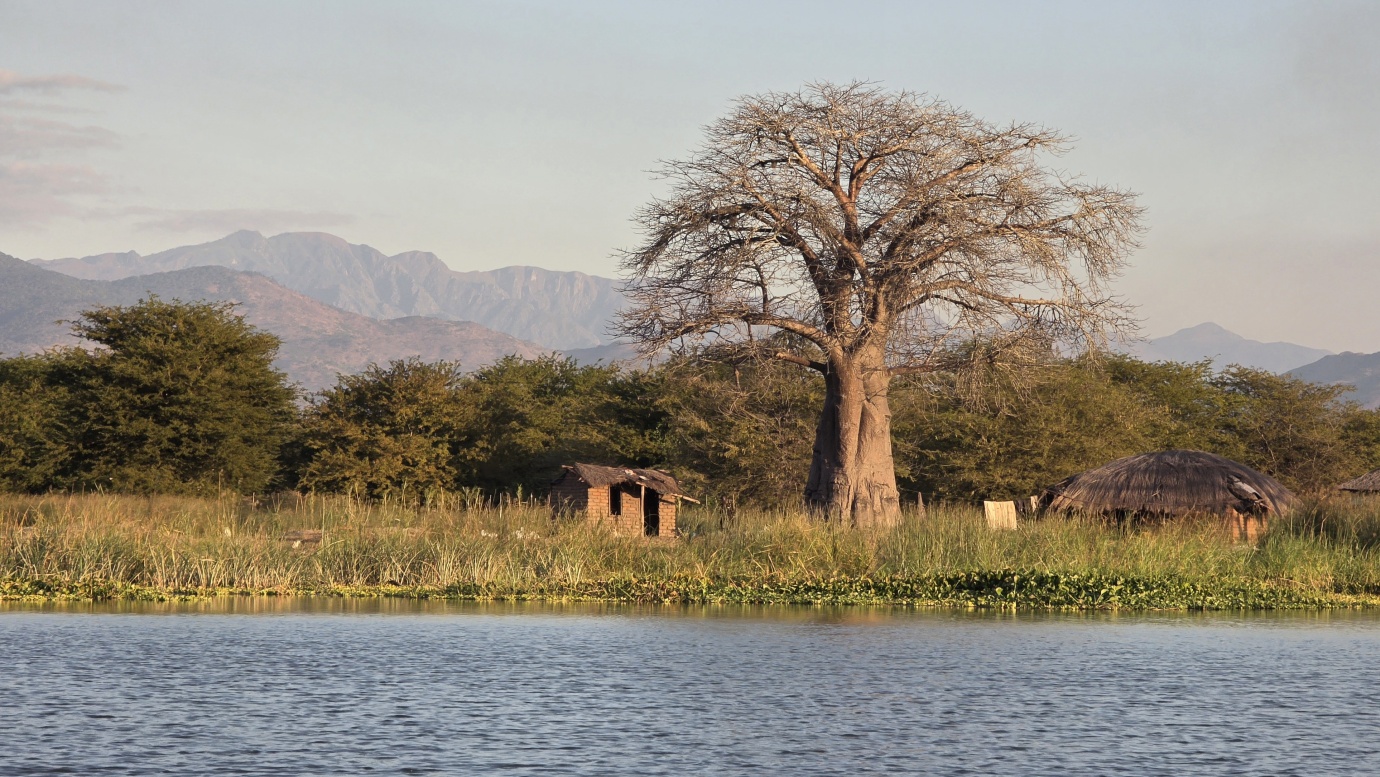
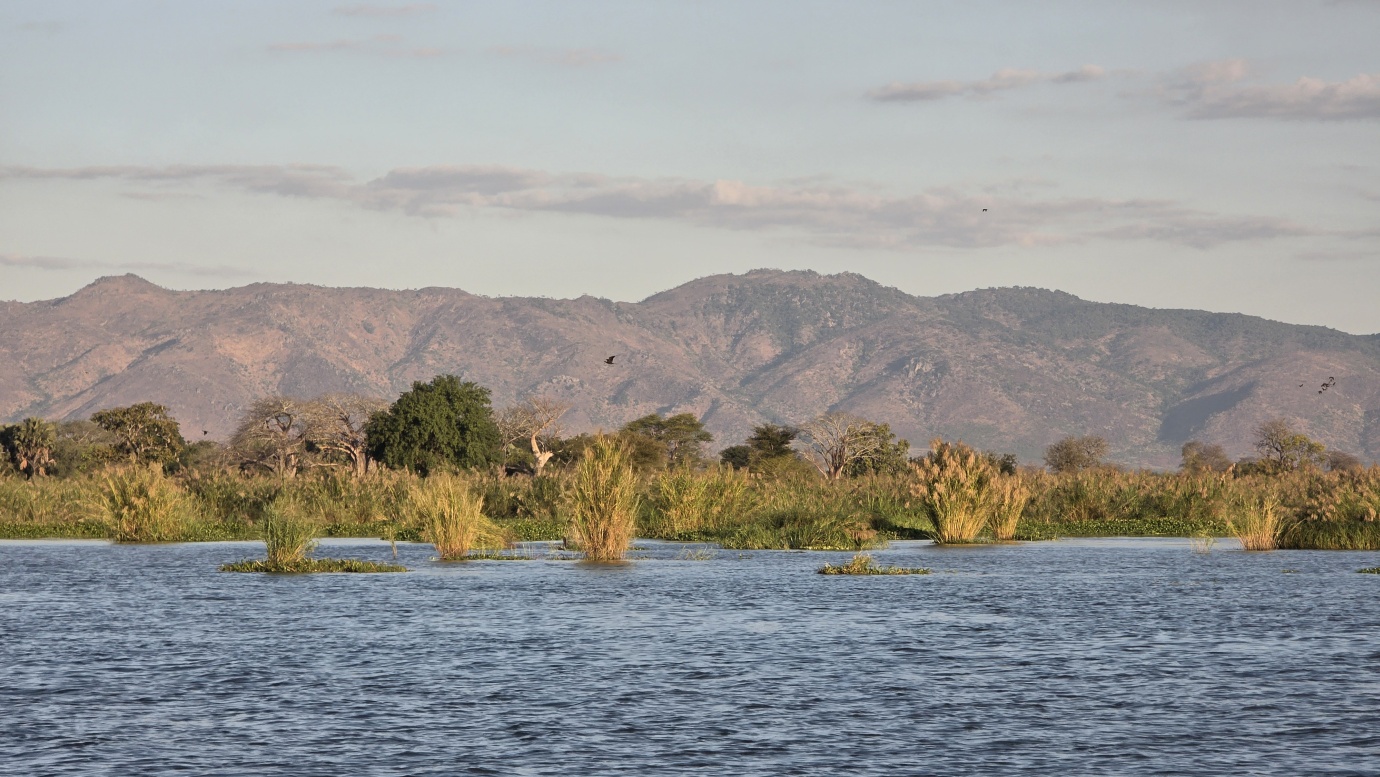
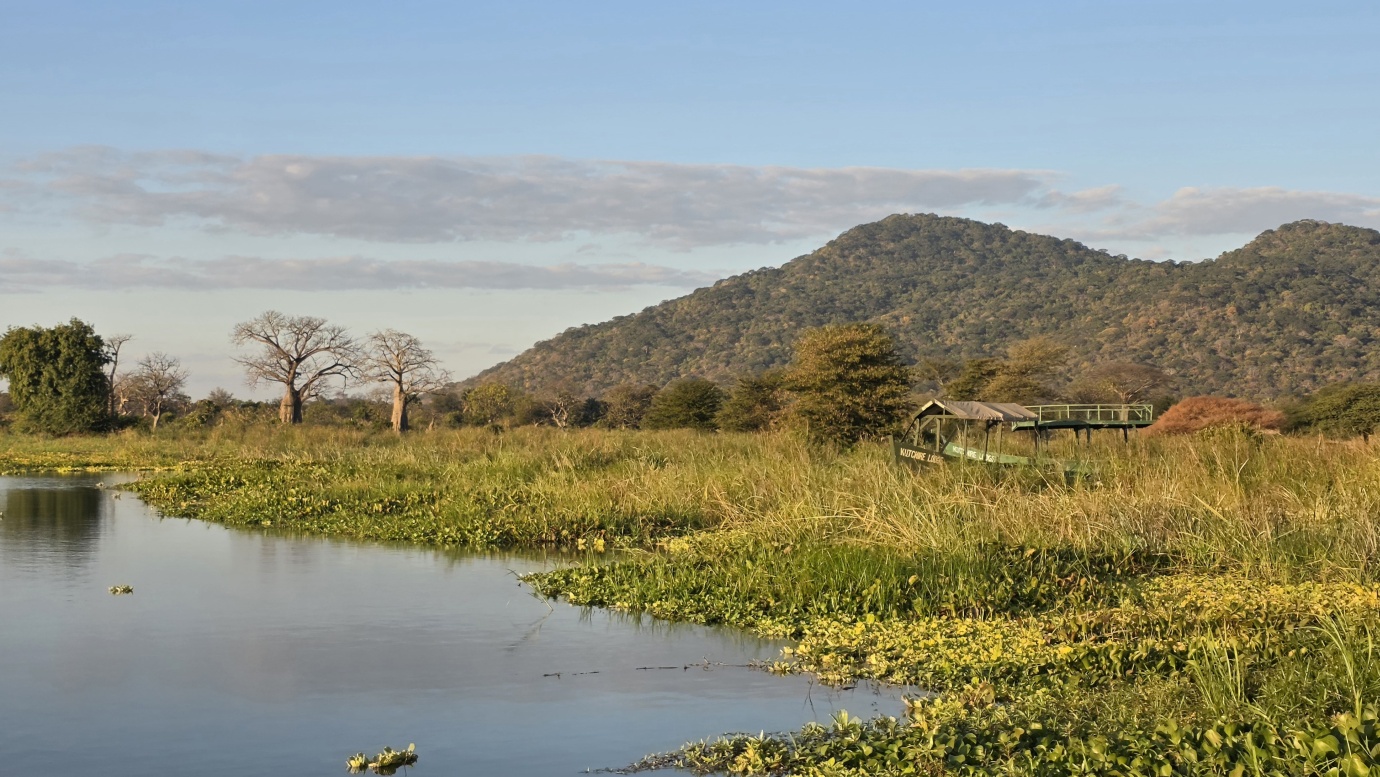
Located in Malawi’s Southern Region, the park lies just south of Lake Malawi and includes part of Lake Malombe. Its defining feature is the winding Shire River, which forms the park’s western boundary for approximately 30 kilometres. The landscape ranges from towering riverine forests and expansive, palm-dotted floodplains along the riverbanks to dry mopane woodlands and ancient baobab trees further inland.
Established in 1973, the park initially suffered from severe poaching and human-wildlife conflict, leaving wildlife populations heavily depleted by the early 2000s. A remarkable turnaround began in August 2015, when the Malawian government partnered with the non-profit organisation African Parks to take over its management. Since then, a 129-kilometre electric fence has been constructed, and several key species have been successfully reintroduced, including lions, cheetahs, African wild dogs, and black rhinos. These efforts have restored the park’s ecological balance and turned Liwonde into one of Malawi’s most biodiverse protected areas.
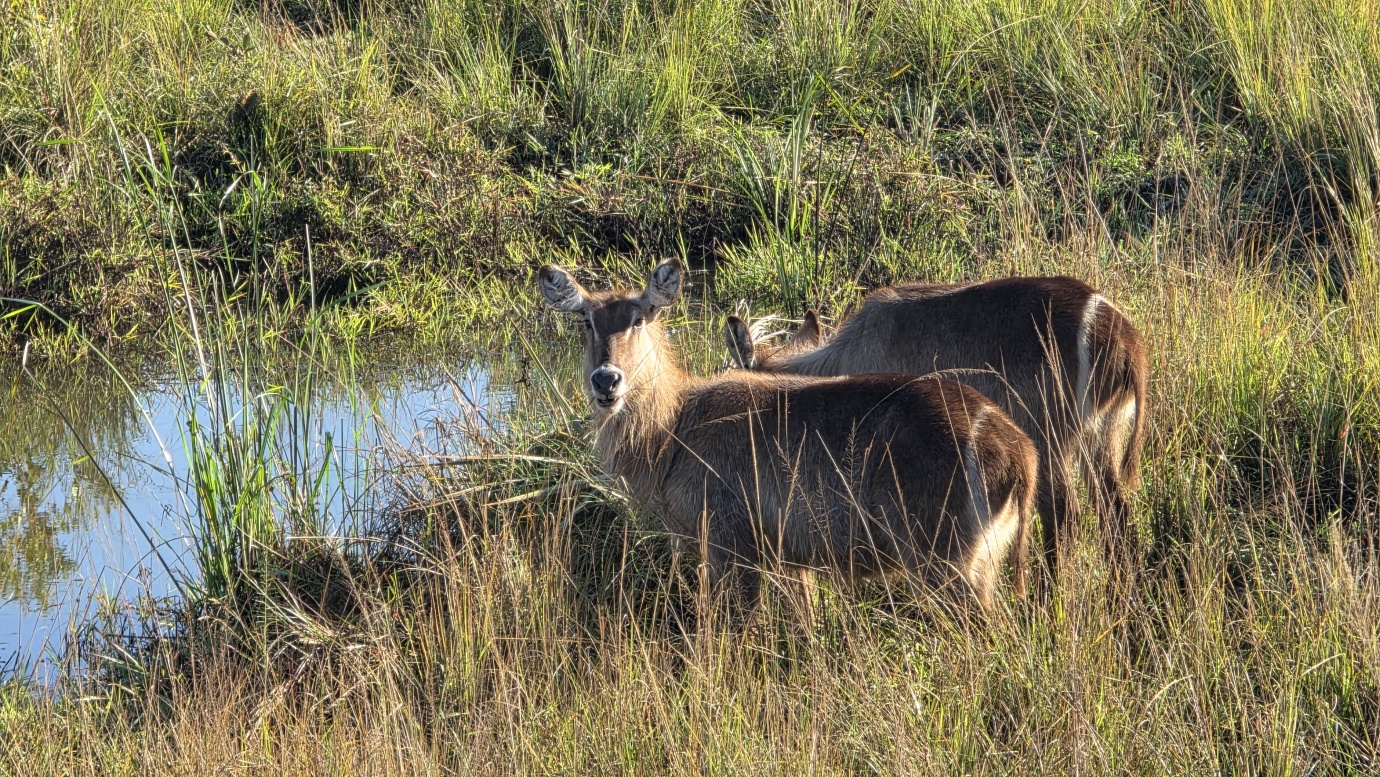
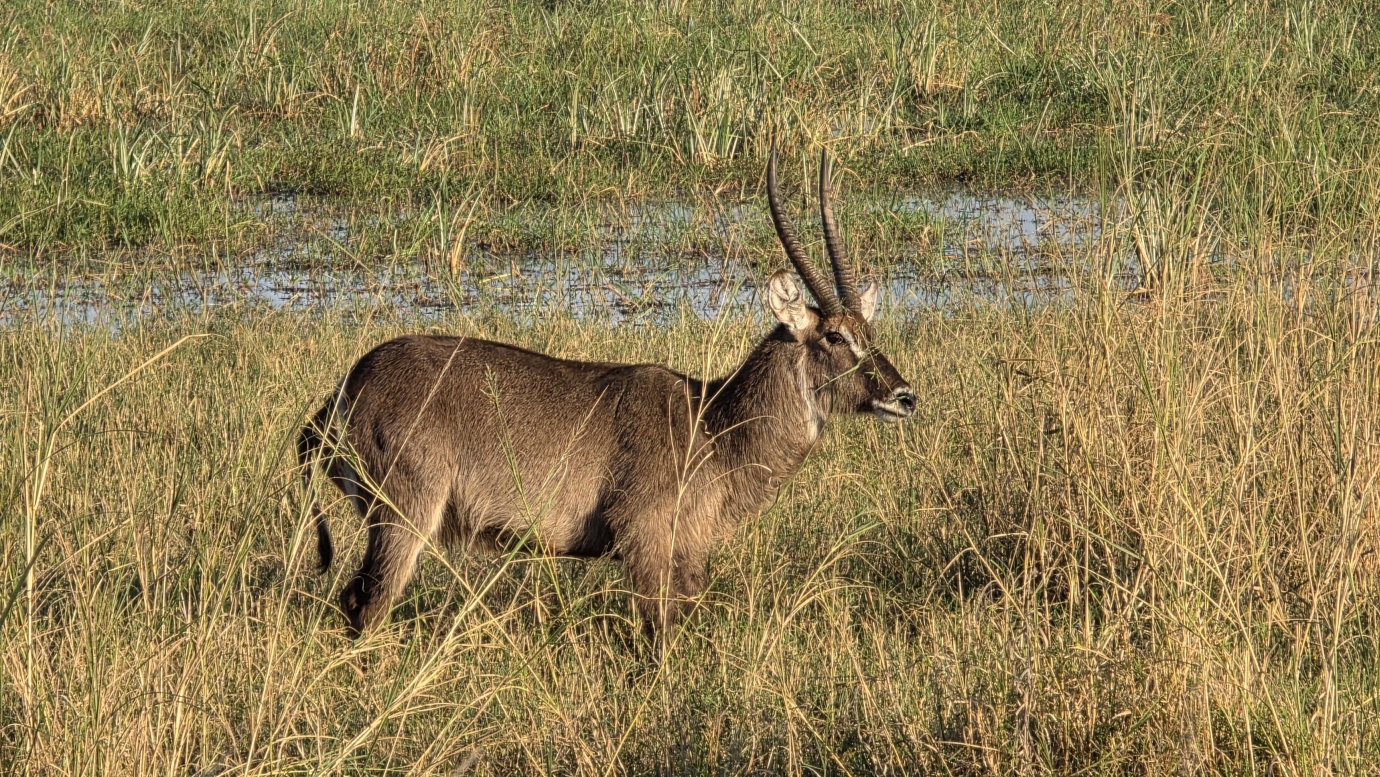
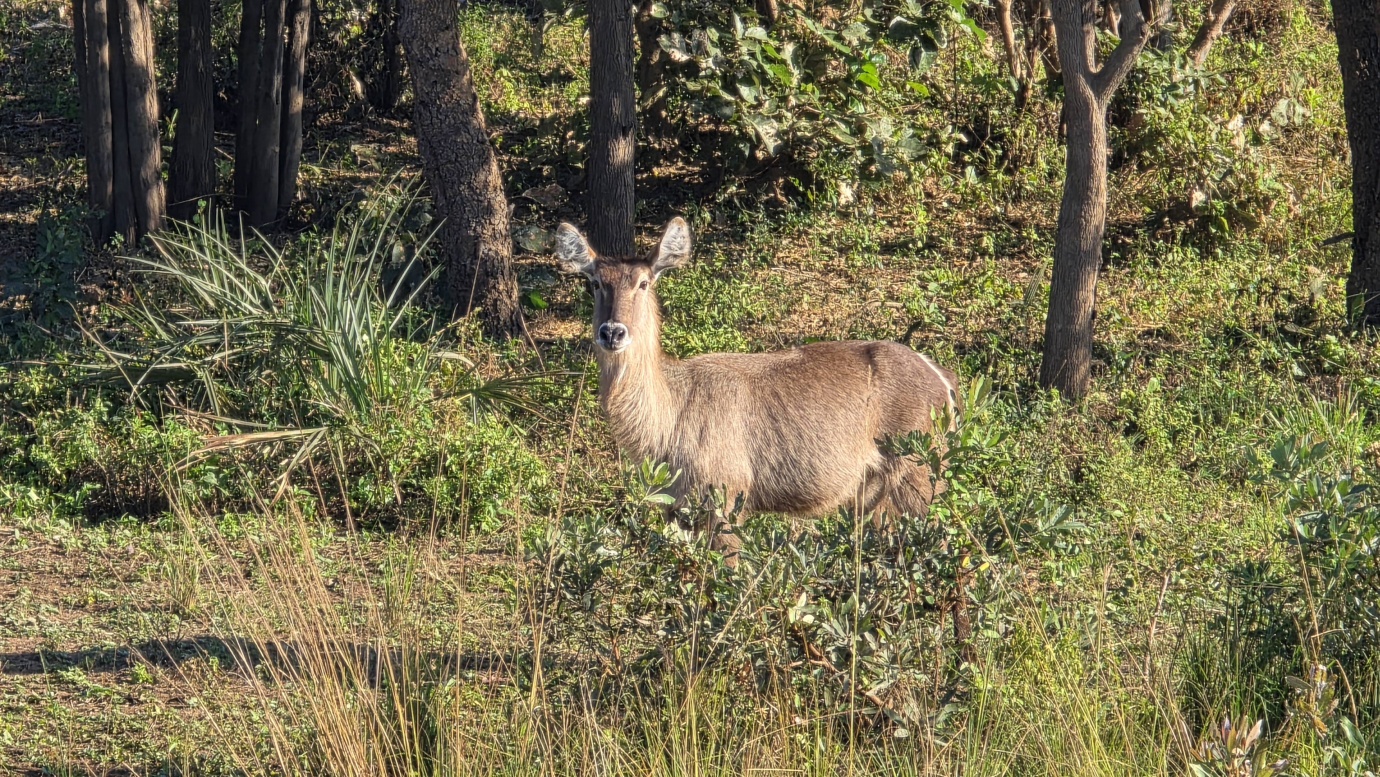
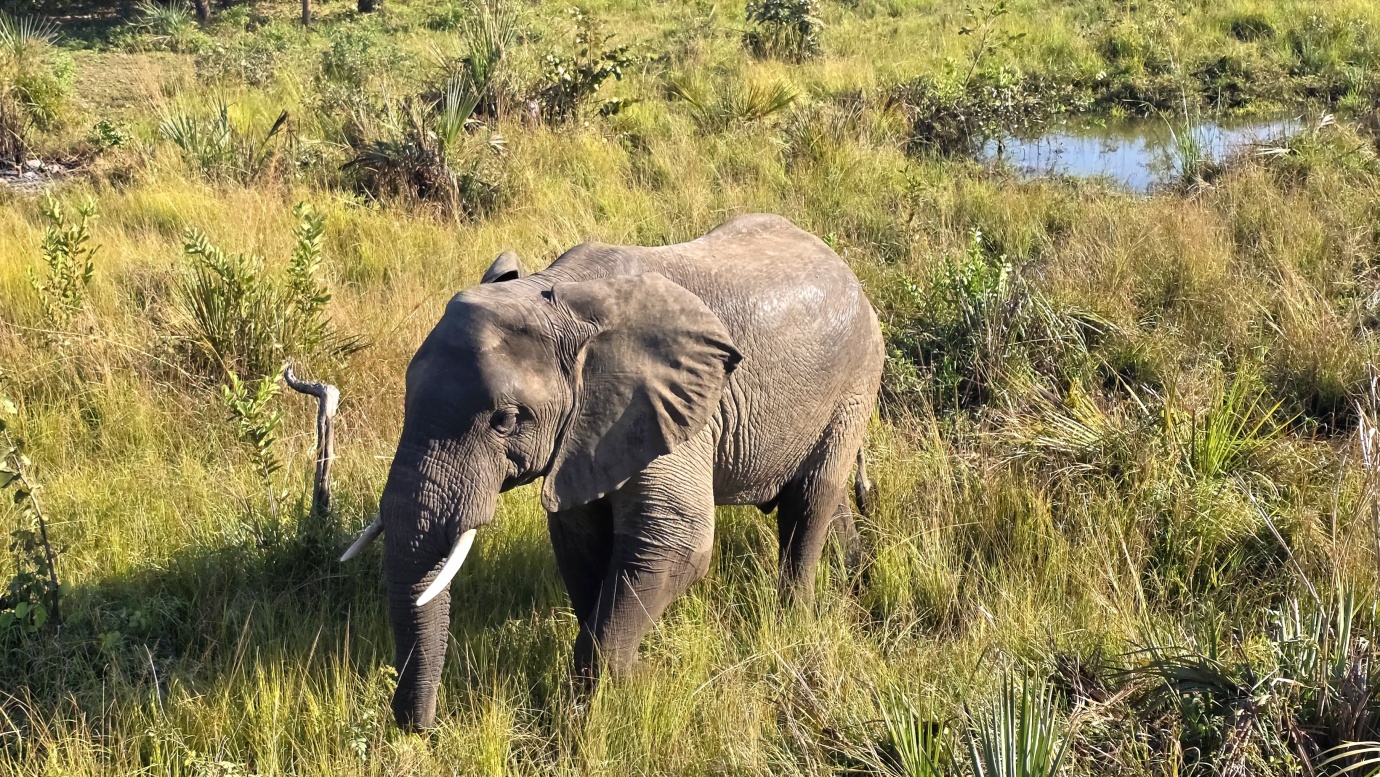
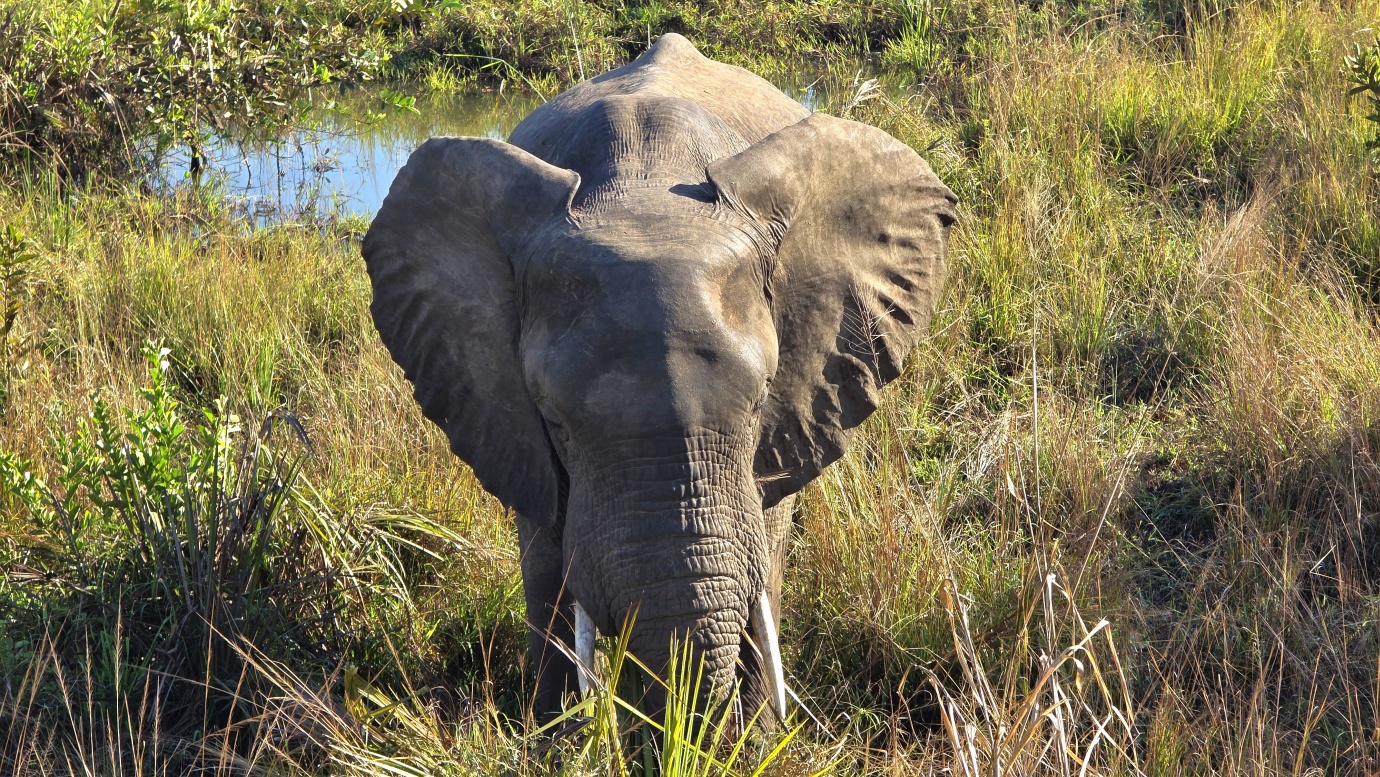
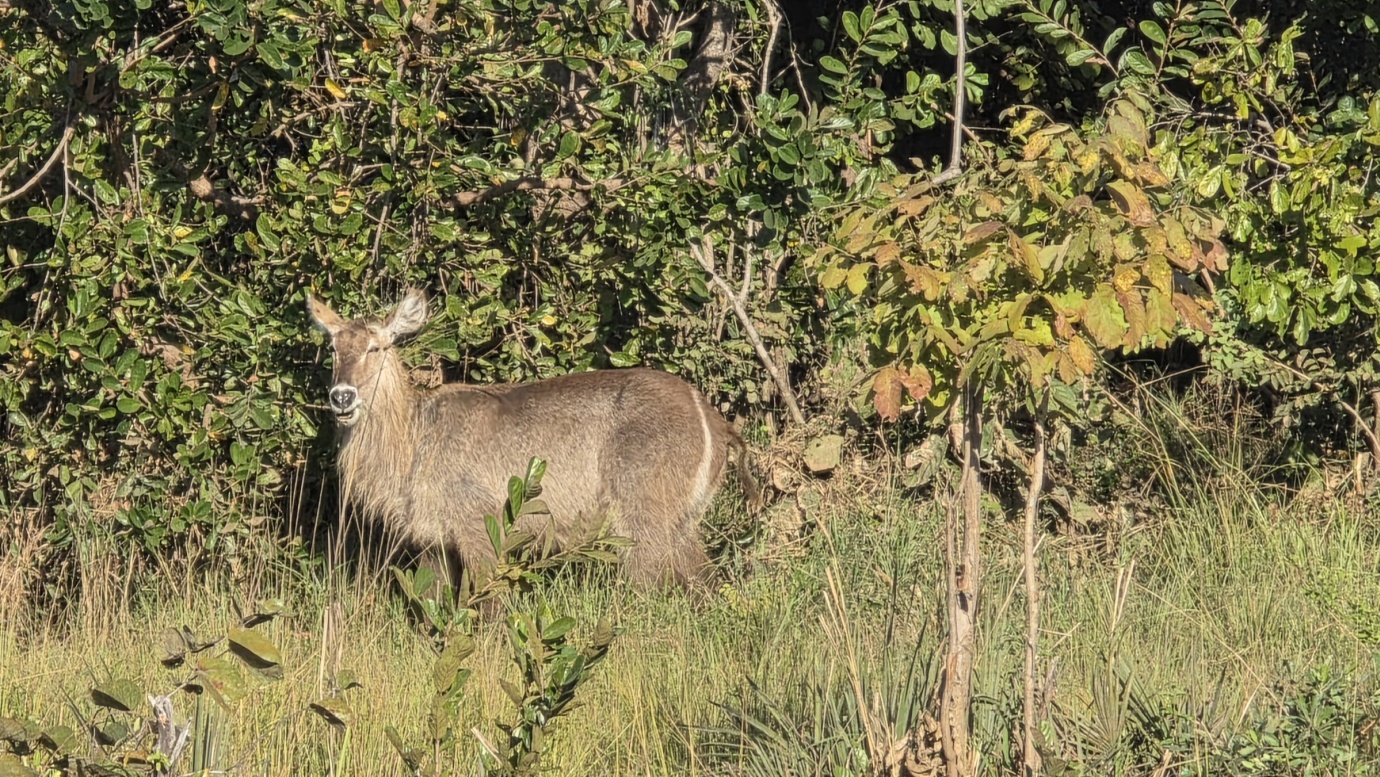
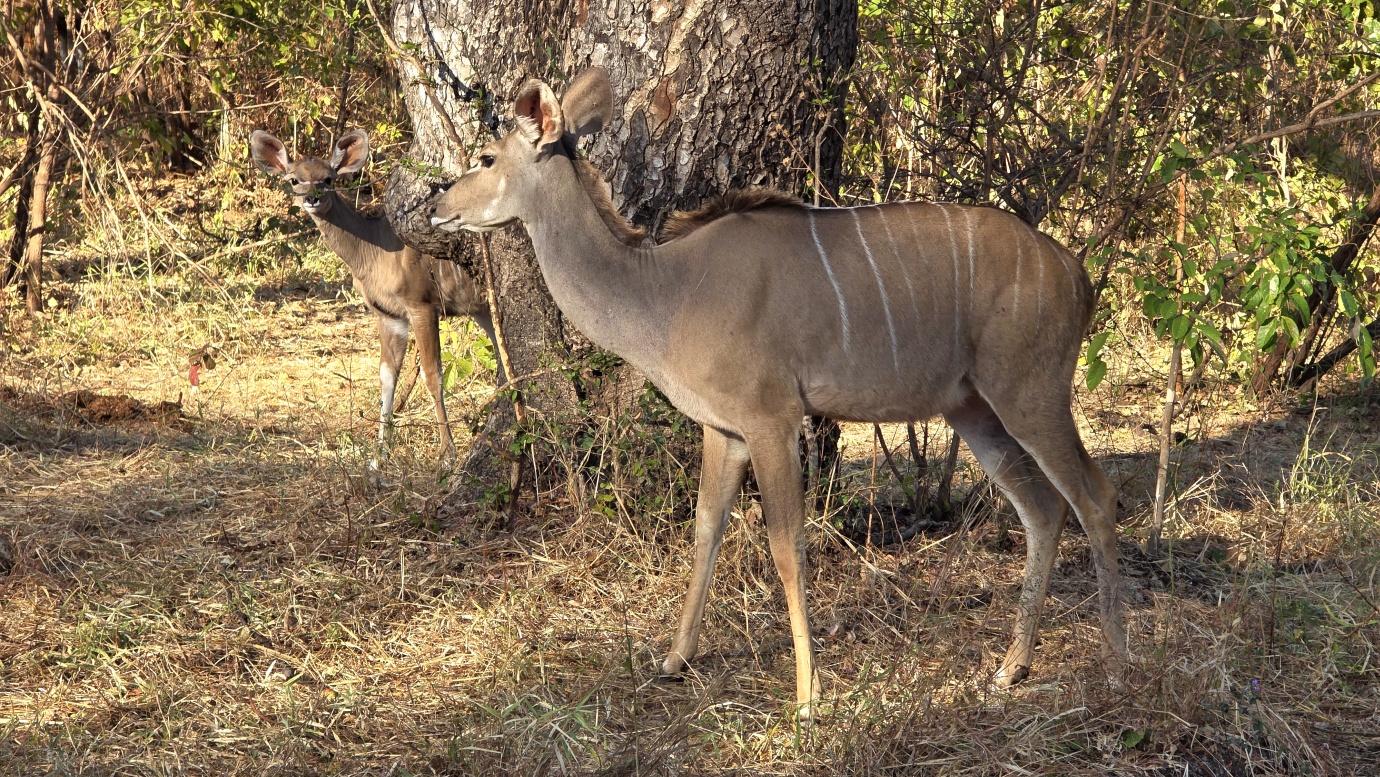
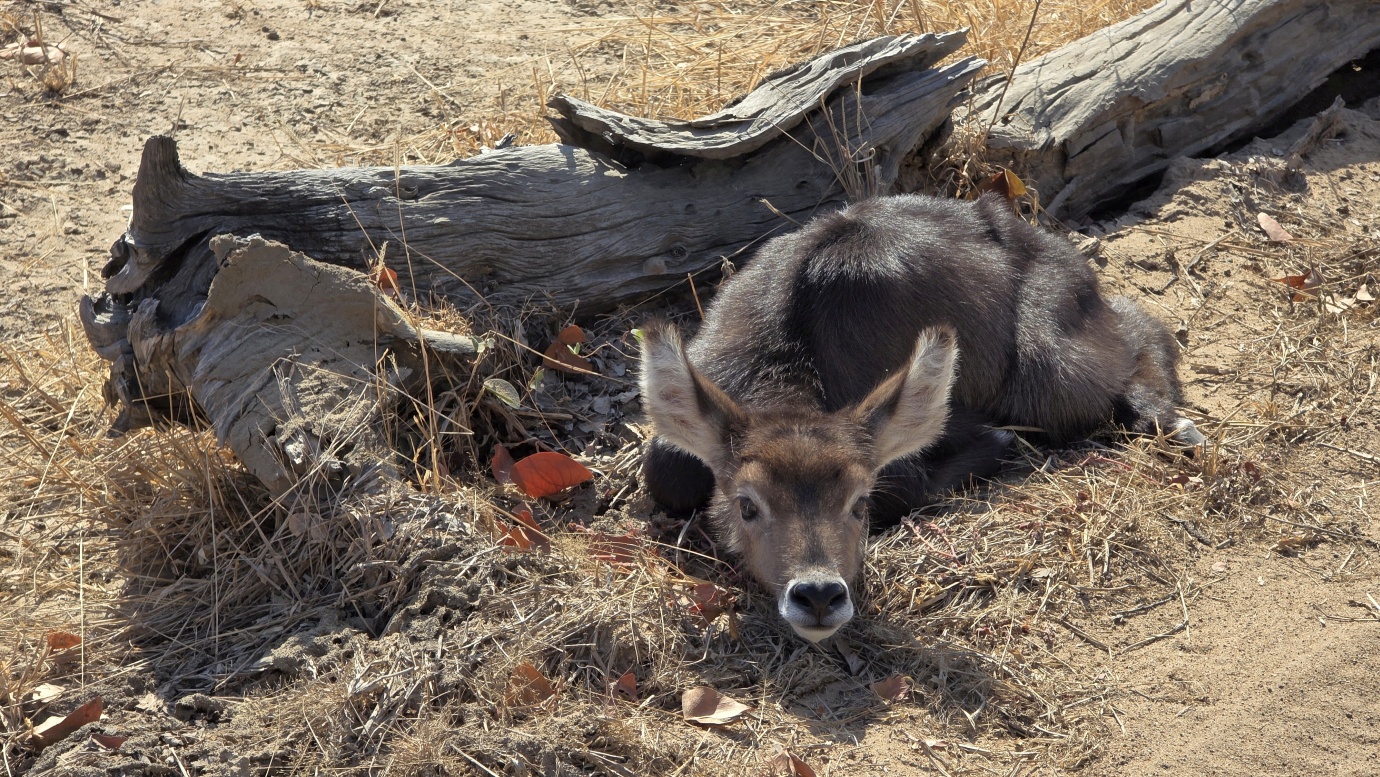
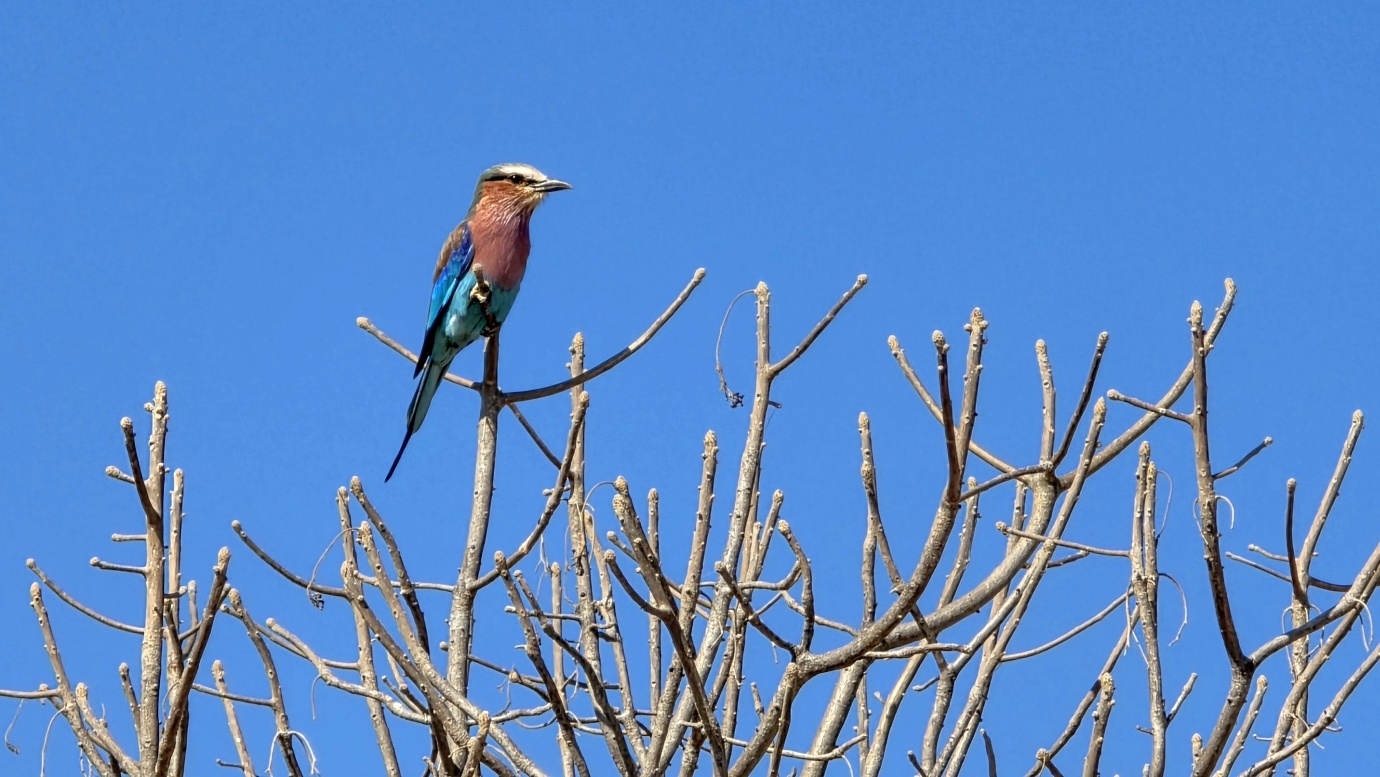
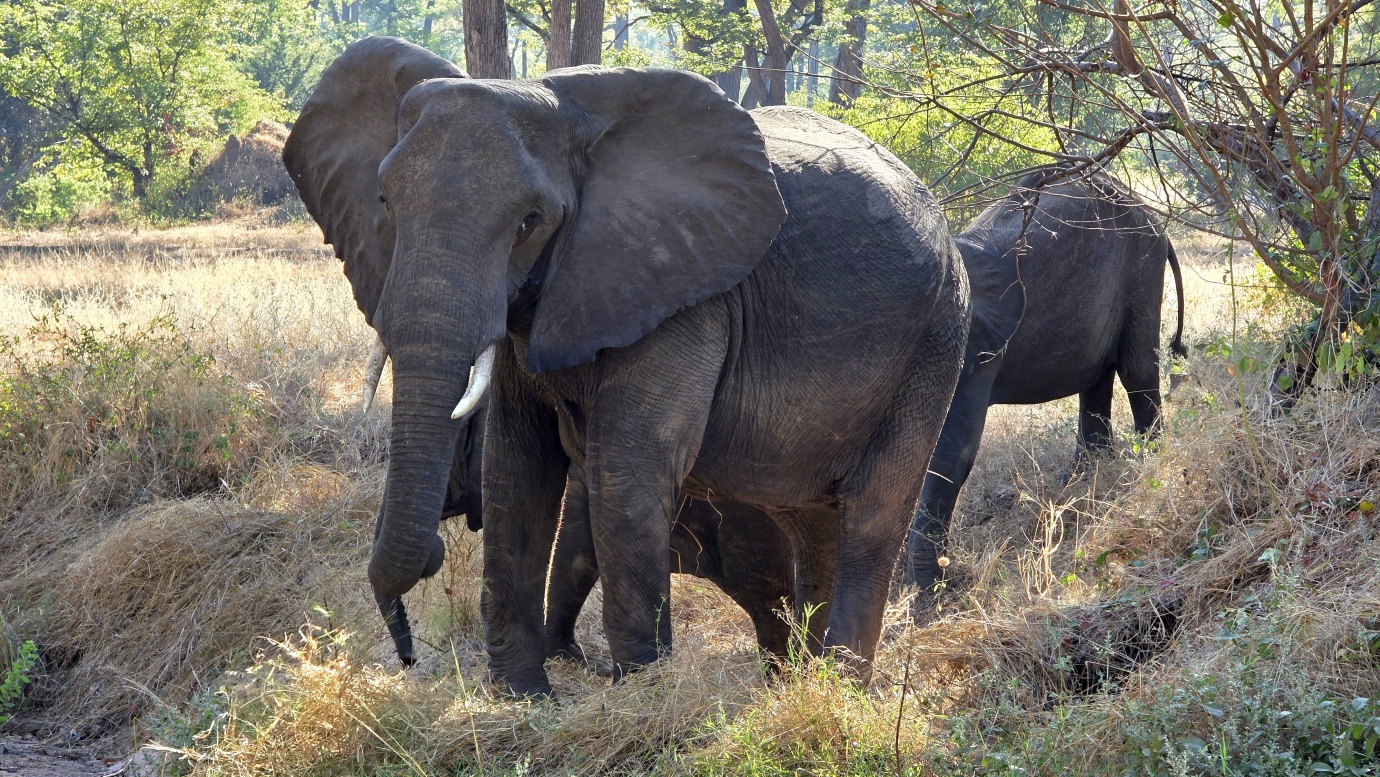
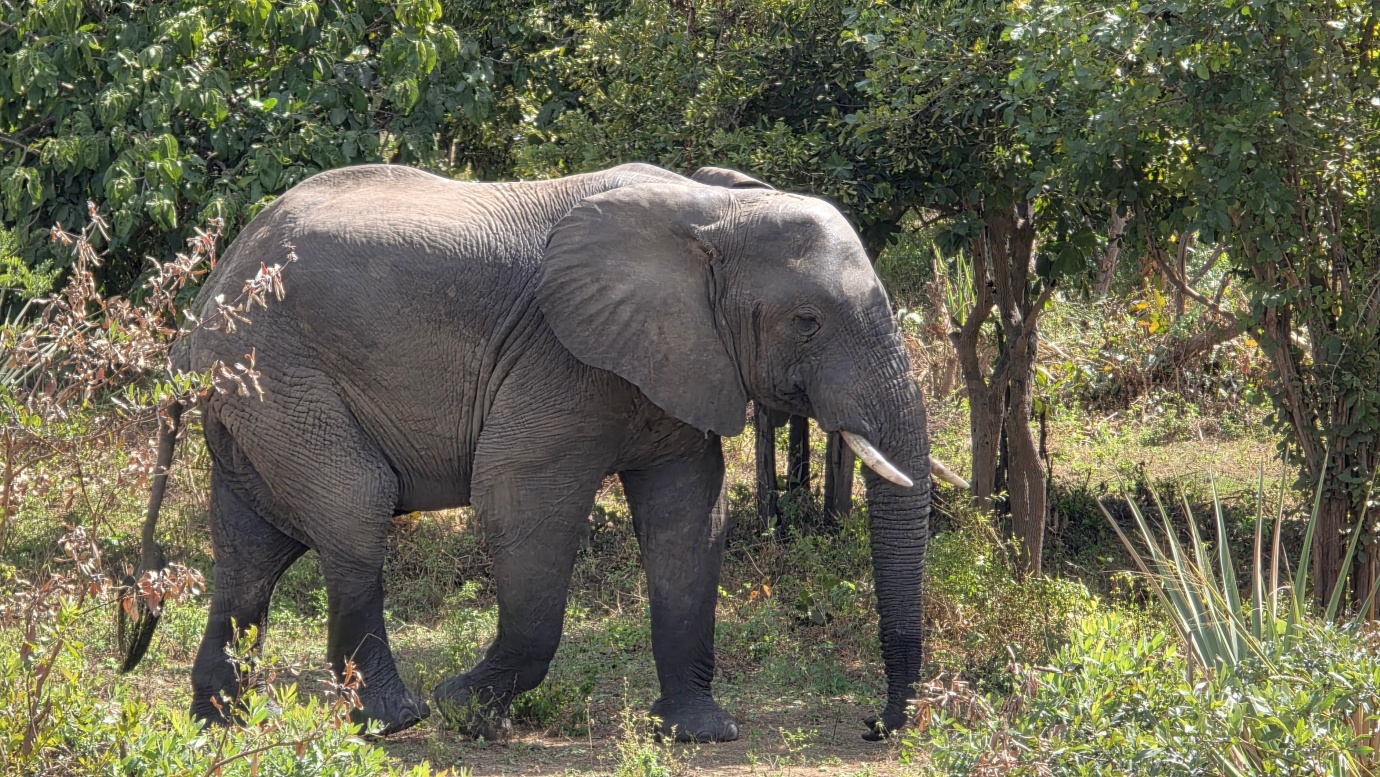
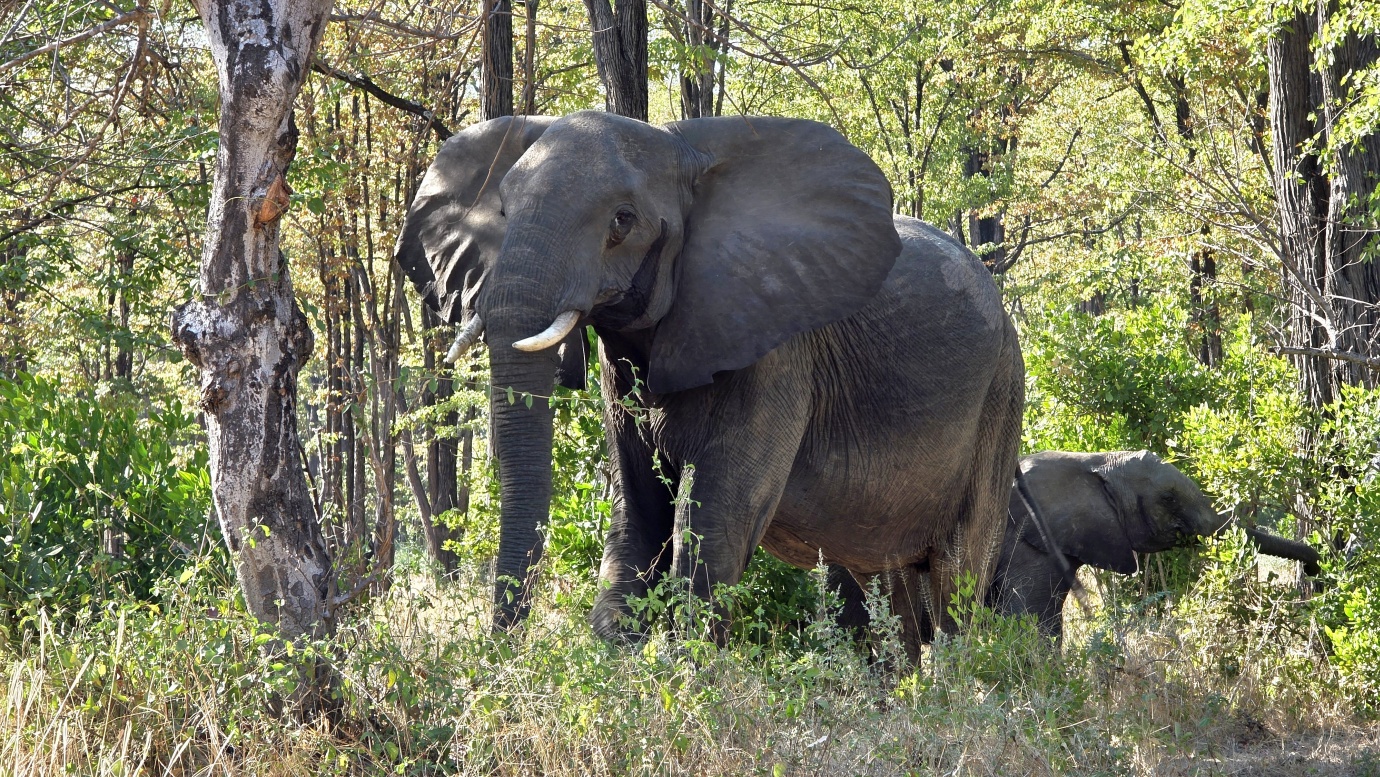
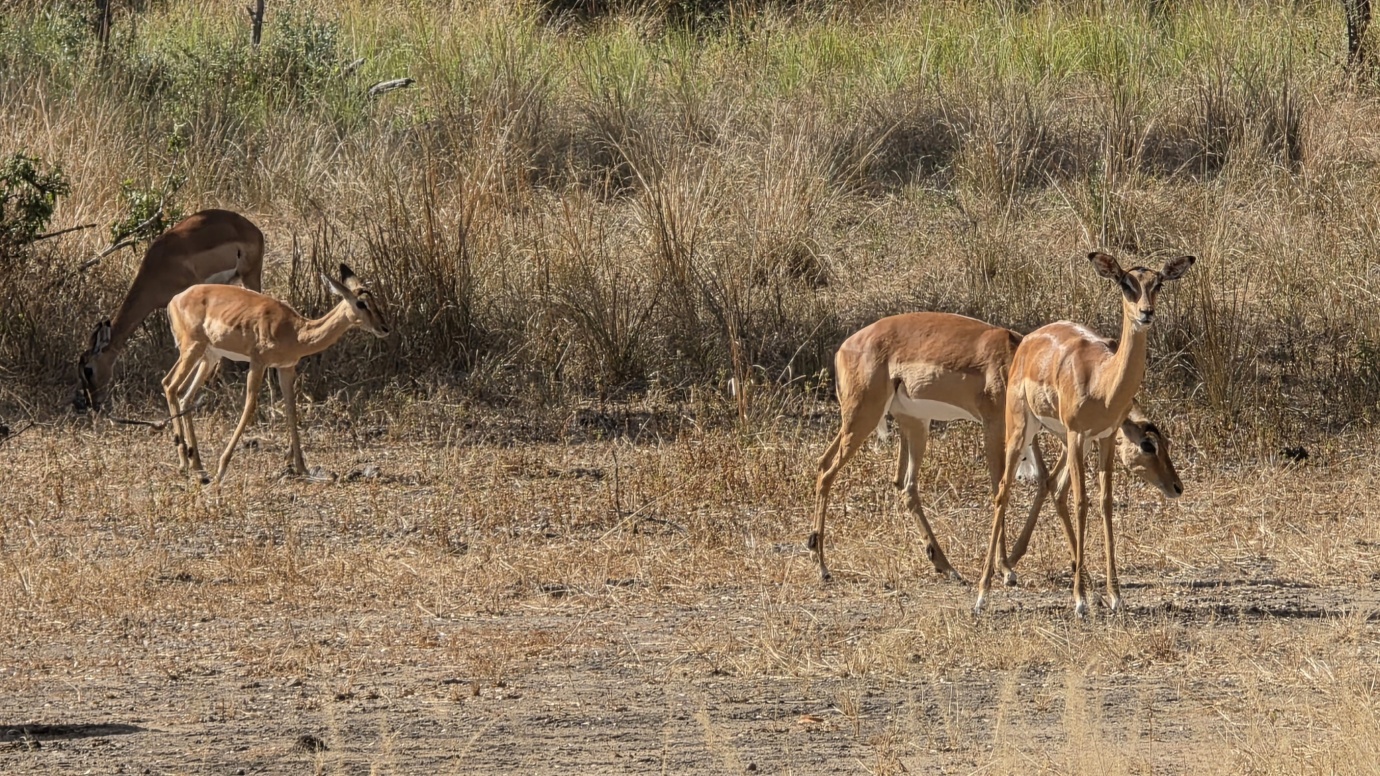
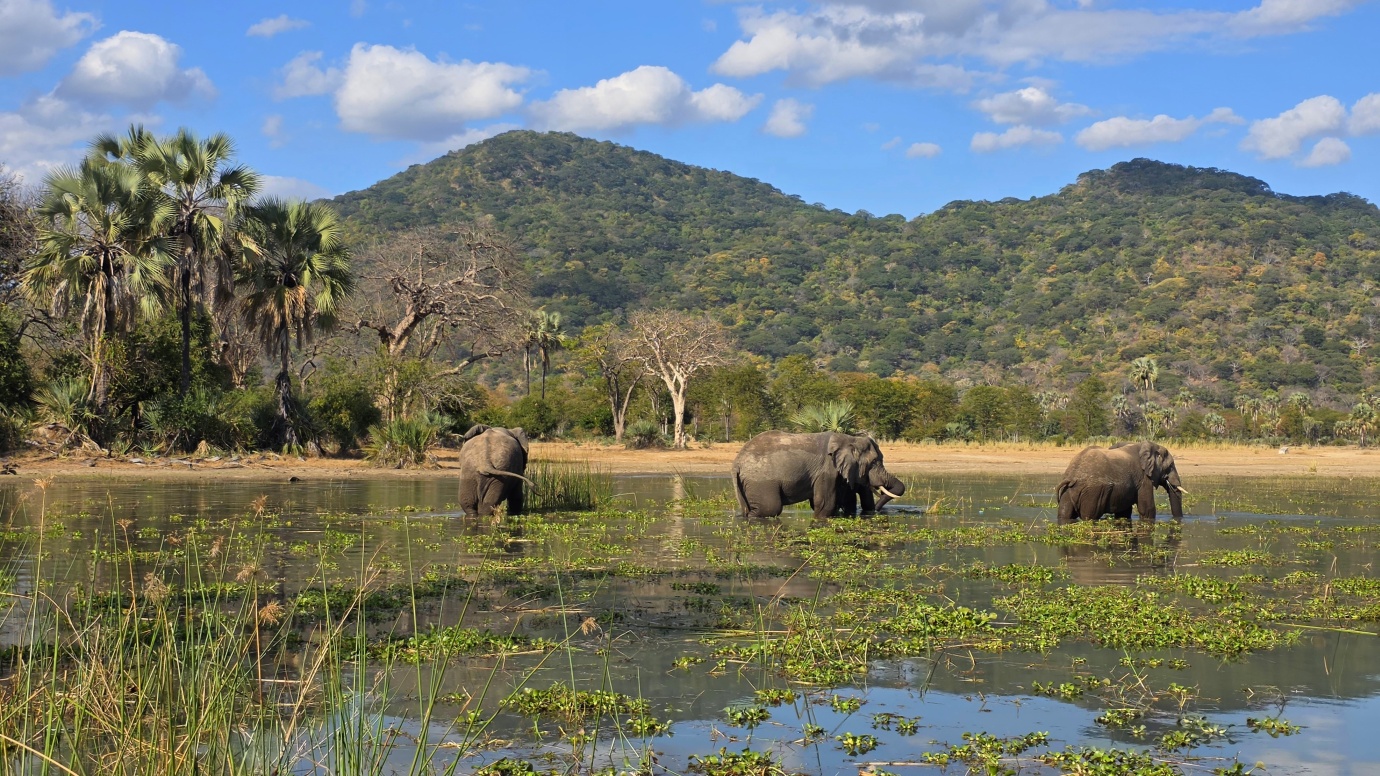
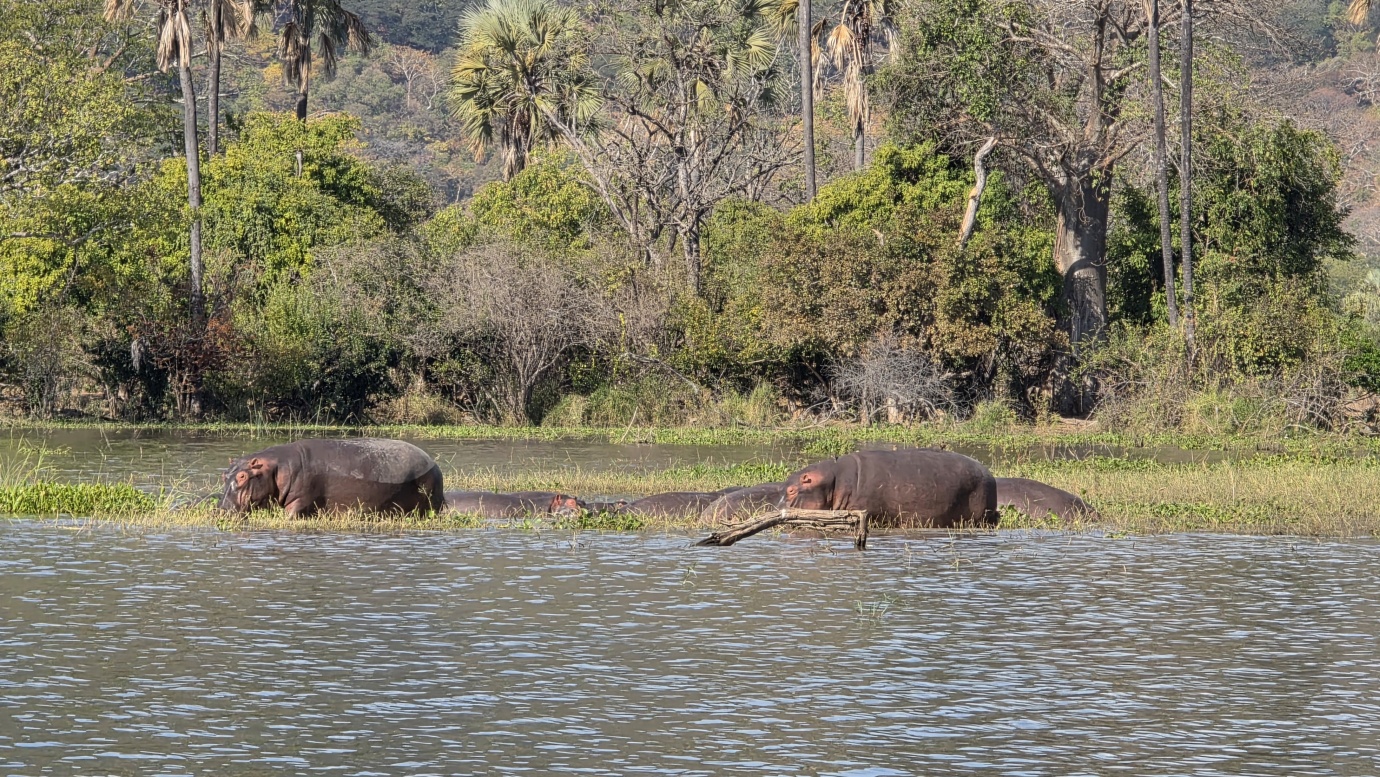
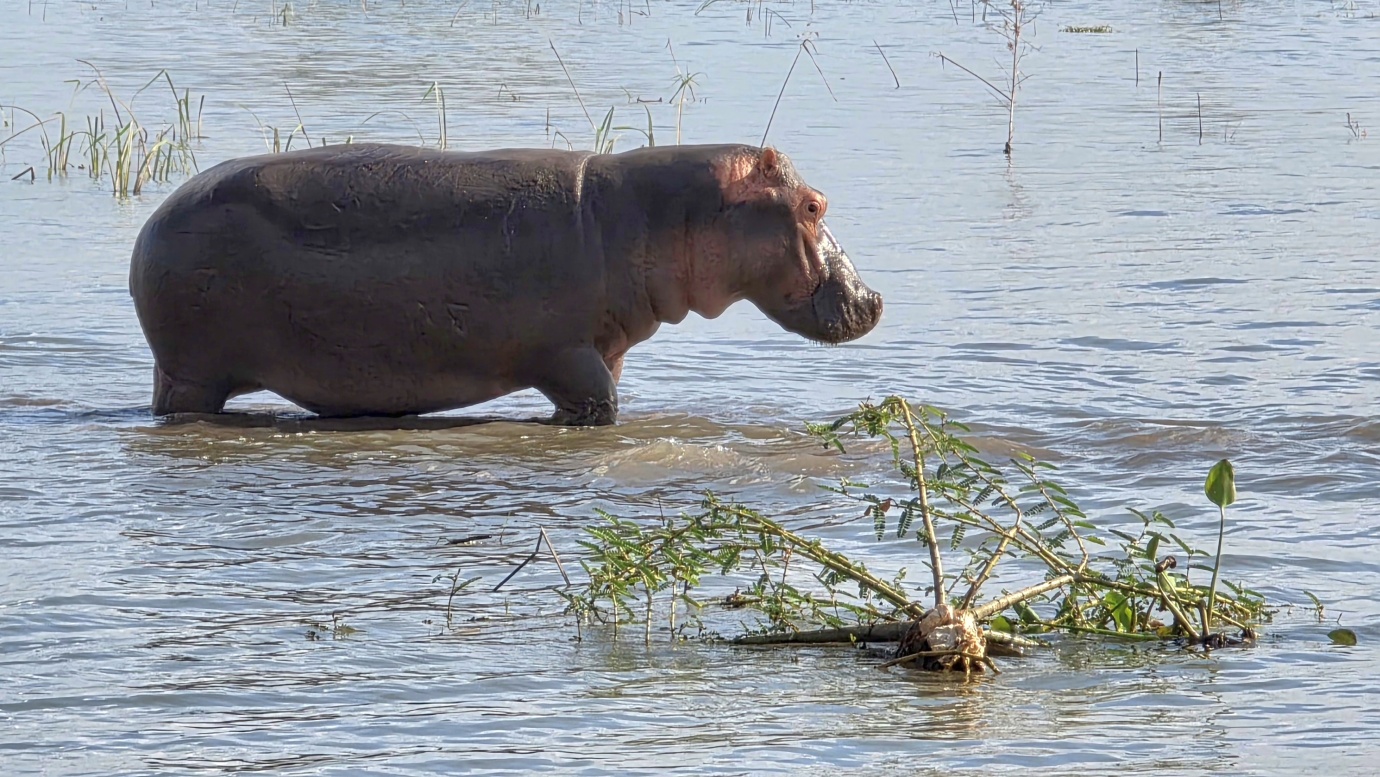
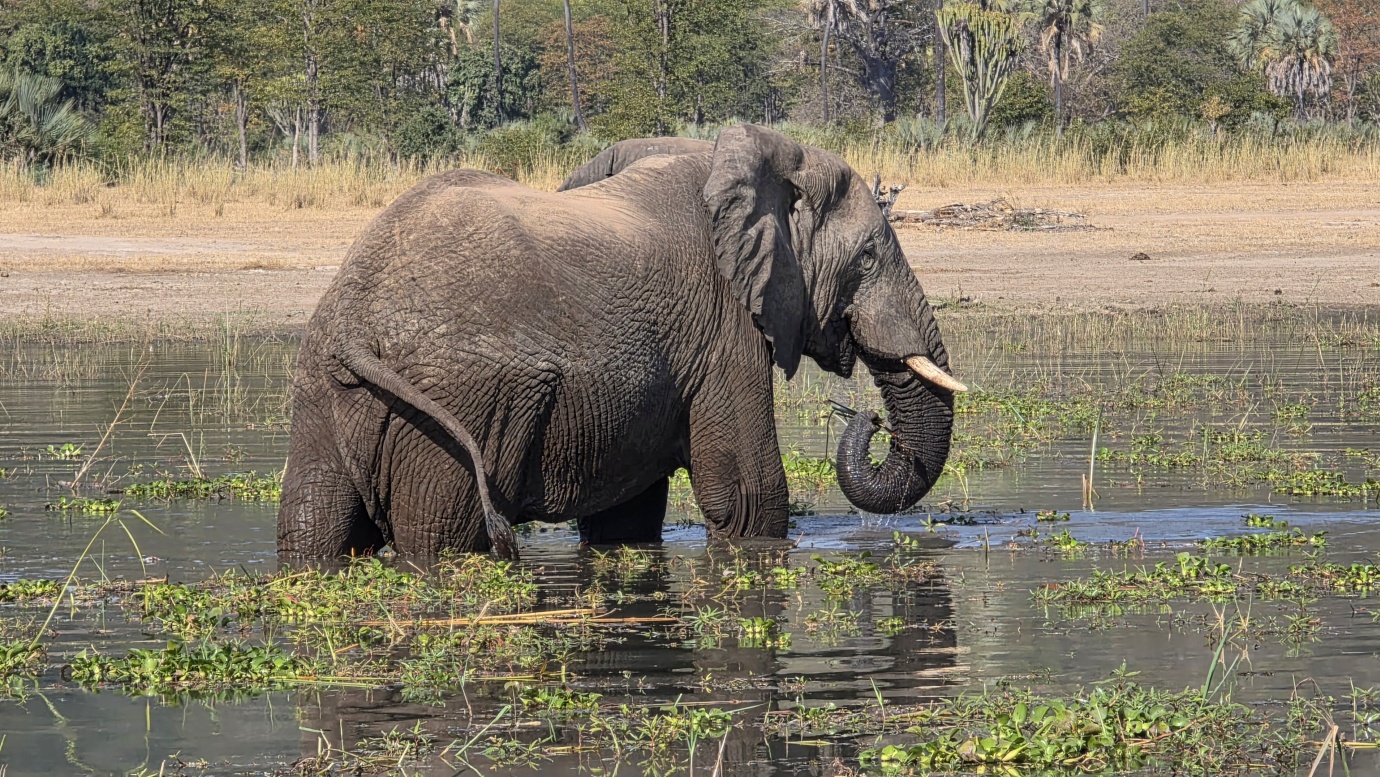
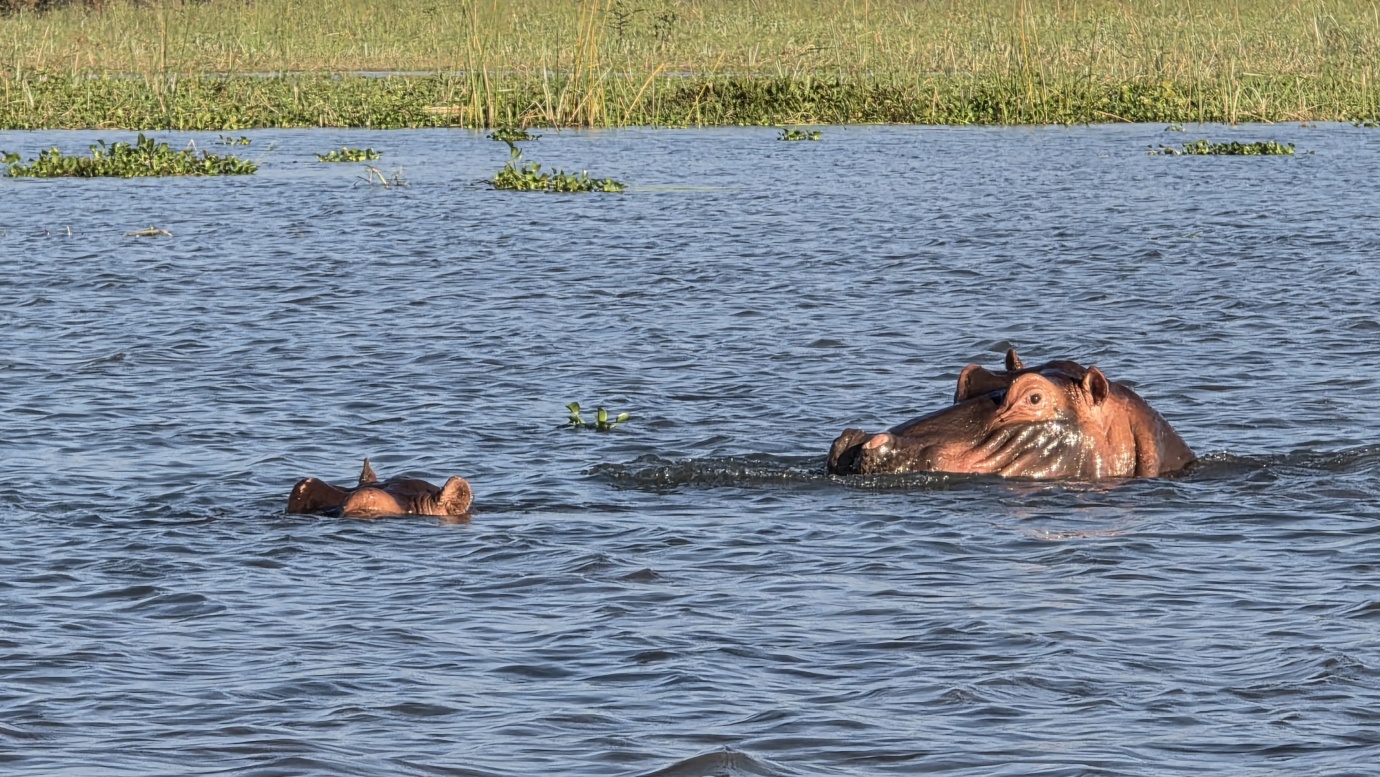
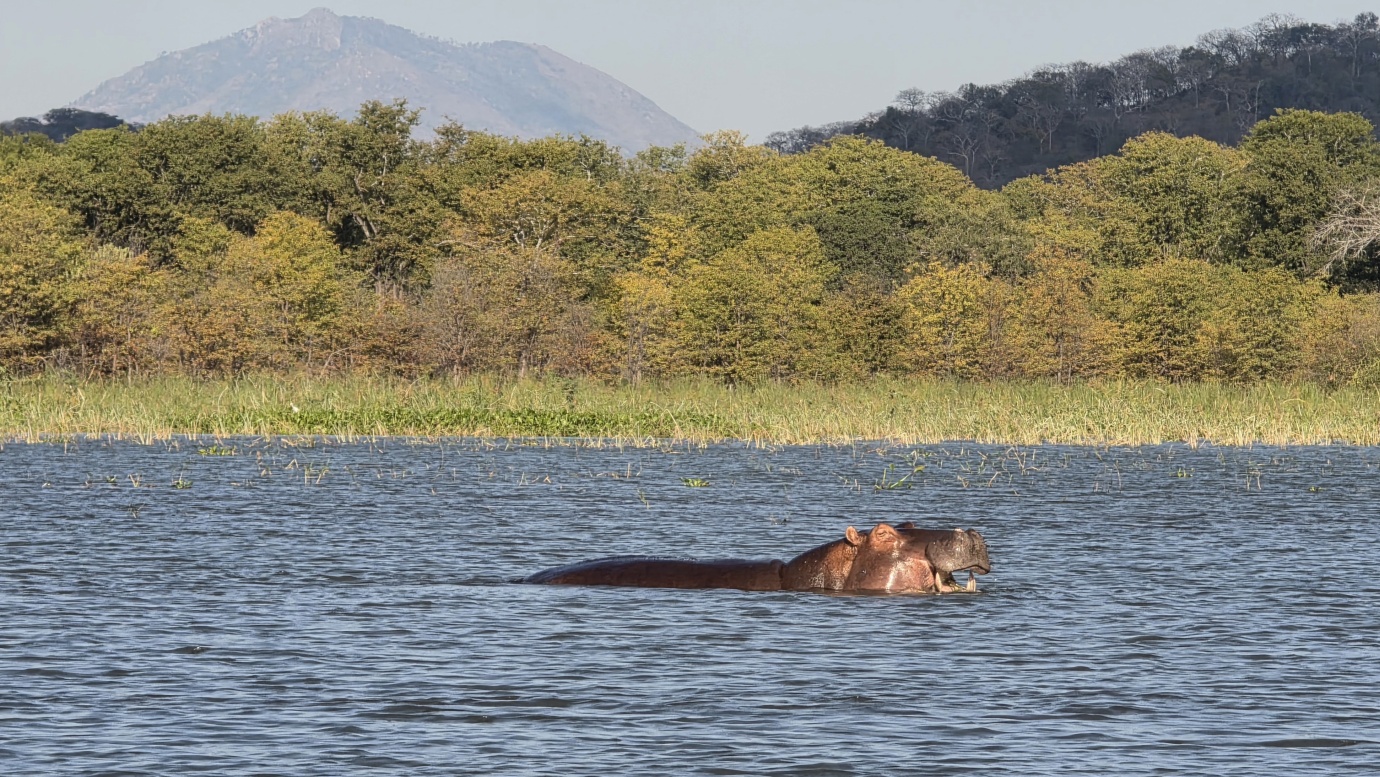
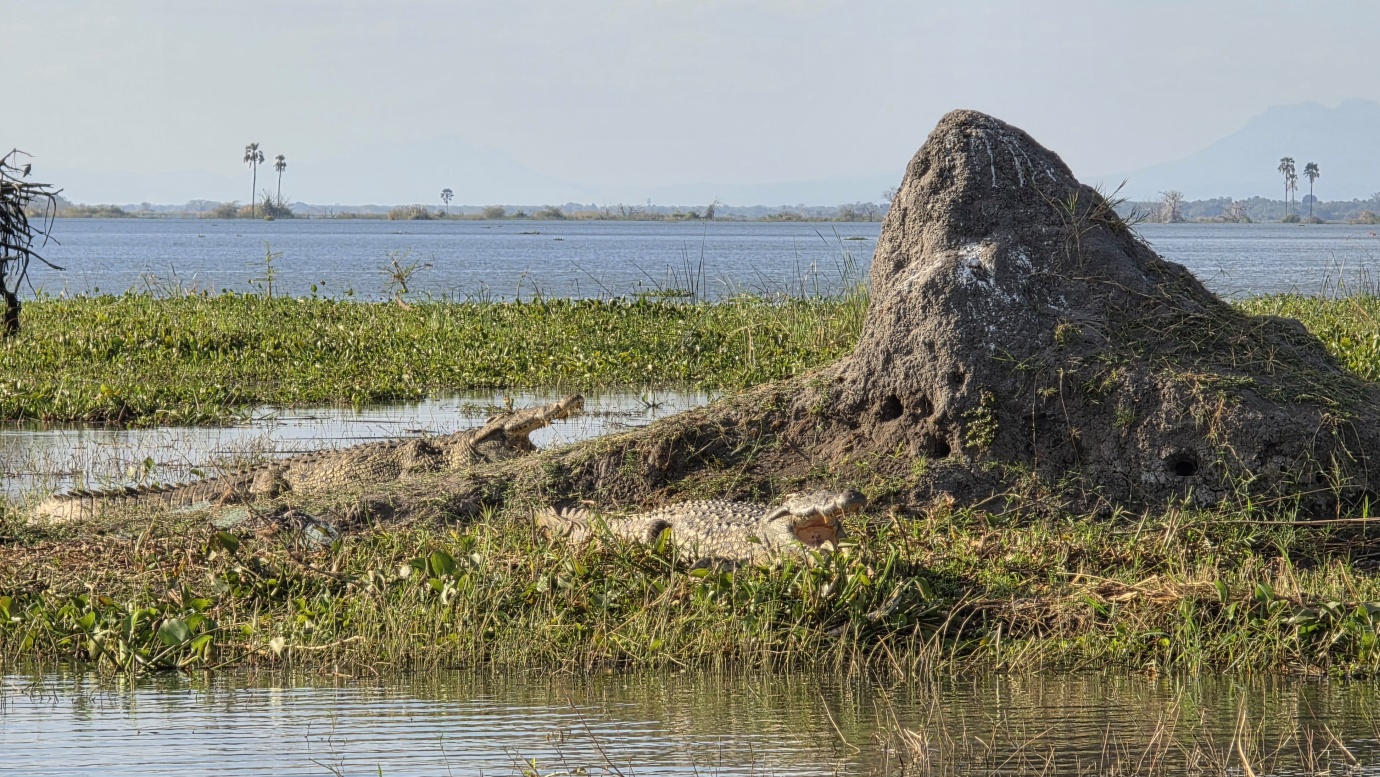
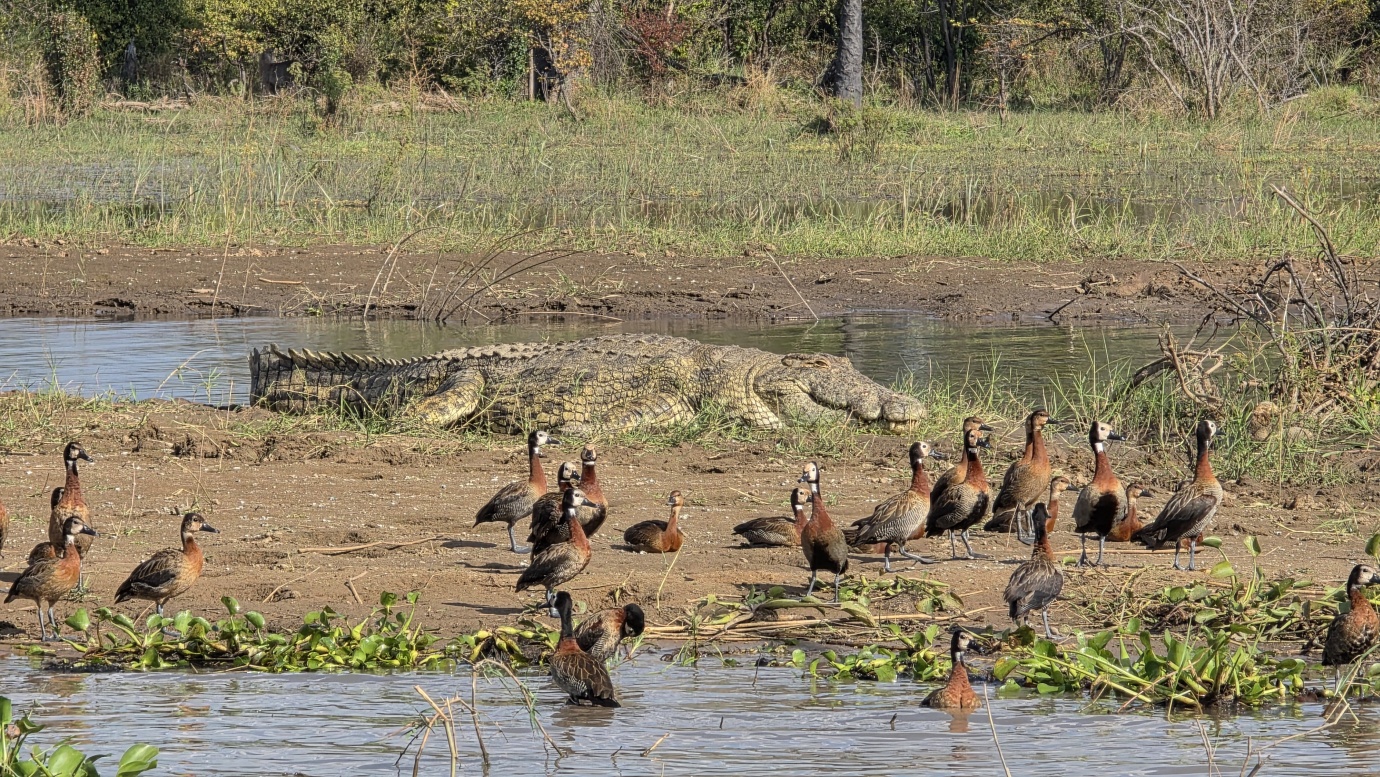
Today, the park is home to an estimated 900 elephants, along with large populations of hippos, crocodiles, buffalo, and sable antelope. Thanks to recent conservation efforts and wildlife translocations, Liwonde has also become an important refuge for critically endangered black rhinos and major predators such as lions and cheetahs. With more than 400 recorded bird species, it is internationally recognised as a birdwatcher’s paradise and one of the best places in Africa to spot iconic species such as Pel’s fishing owl, the African fish eagle, Lilian’s lovebird, and Boehm’s bee-eater.
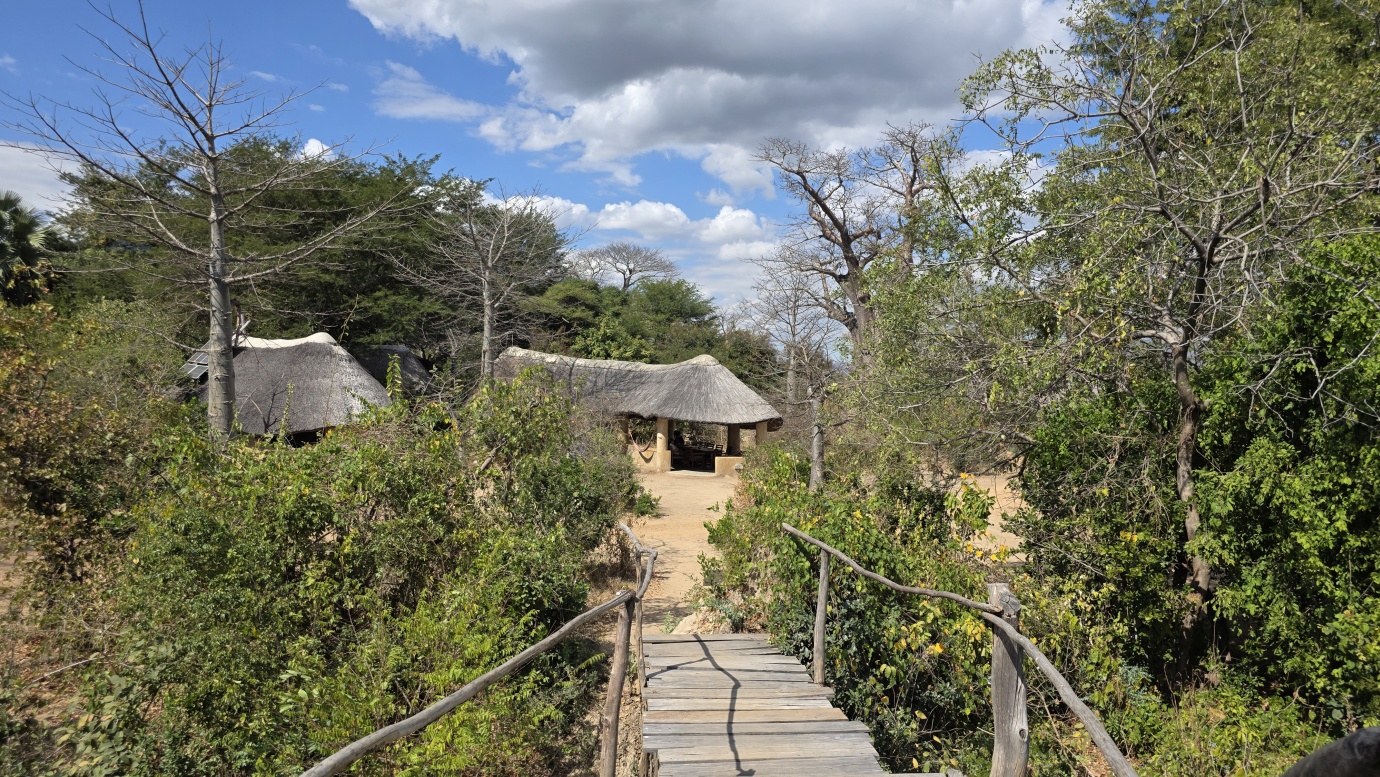
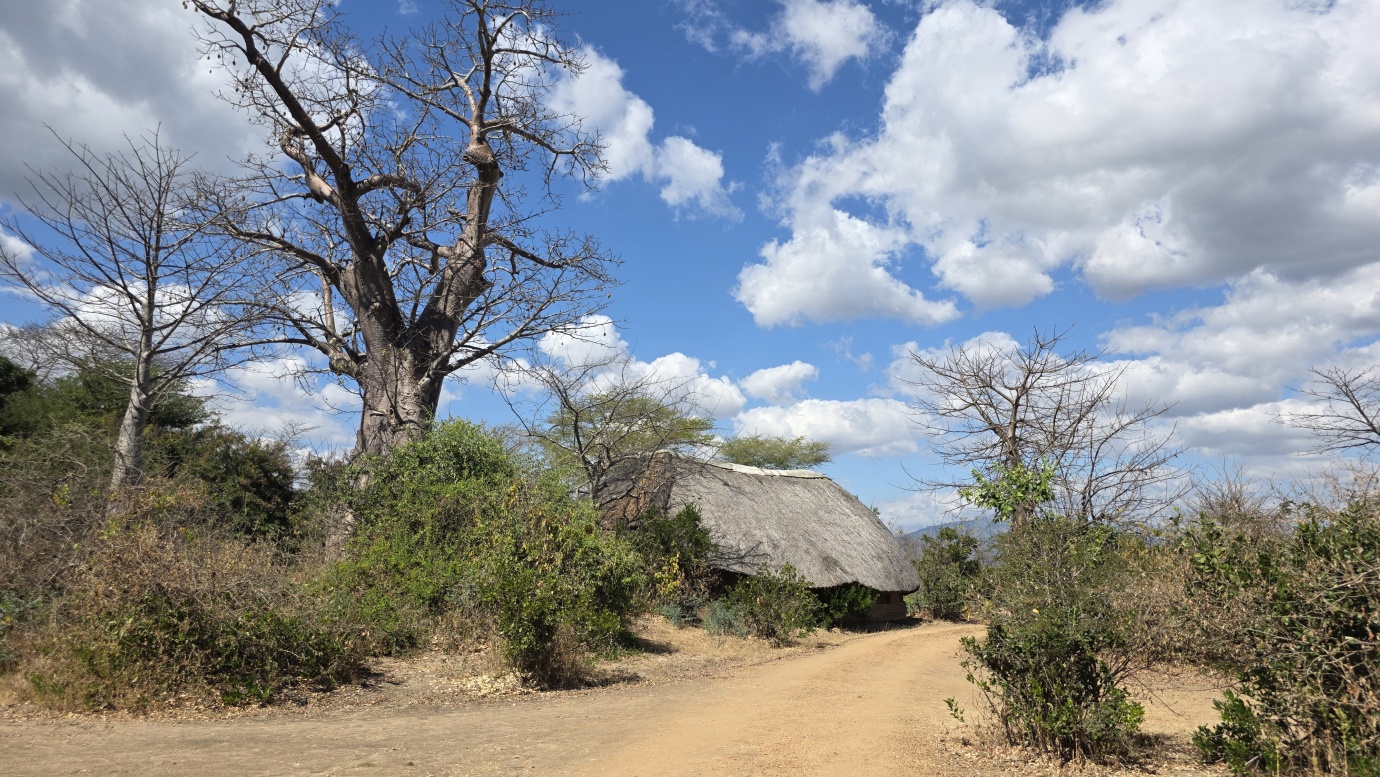


Parking location – Liwonde NP: 15.0286619S 35.2392432E (🚻,🚿,💦,🍽️,🅿️25,500 MWK/pax)