

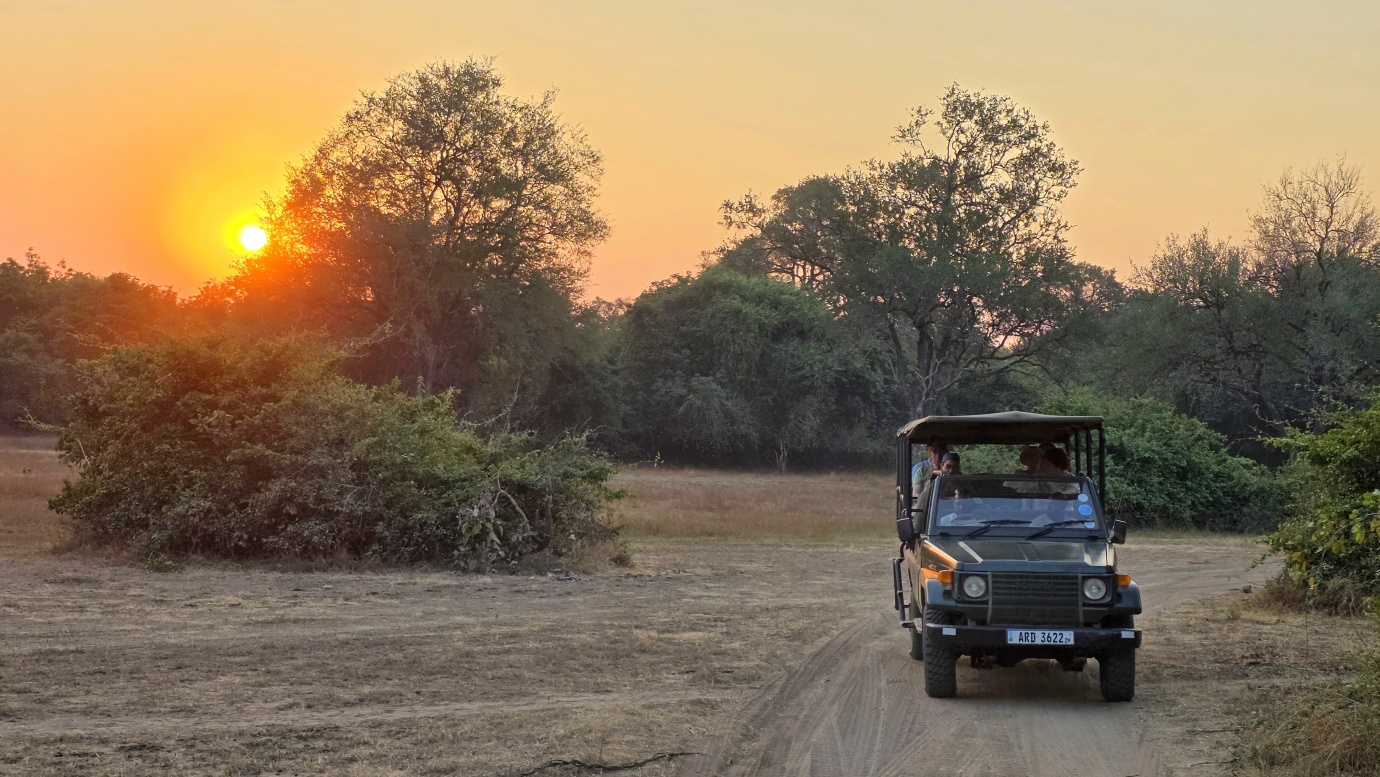
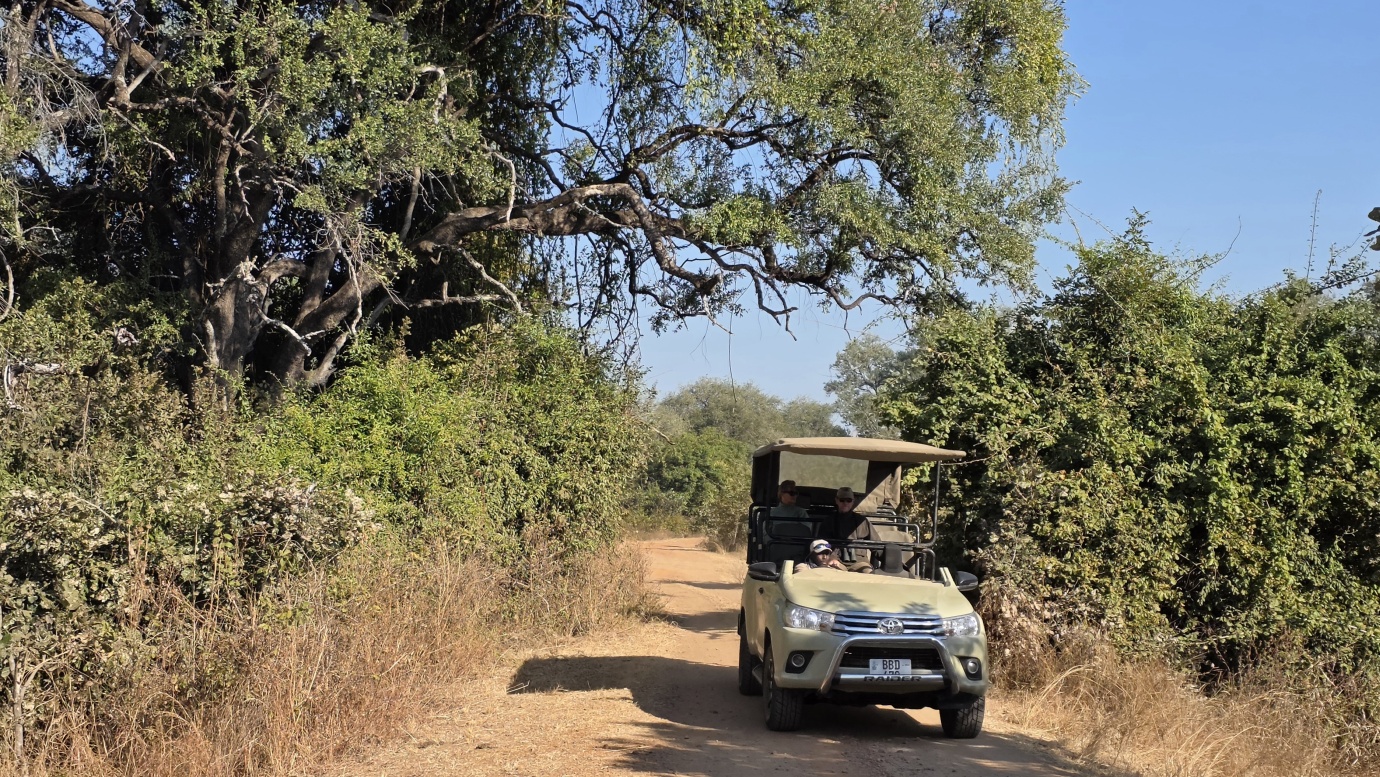
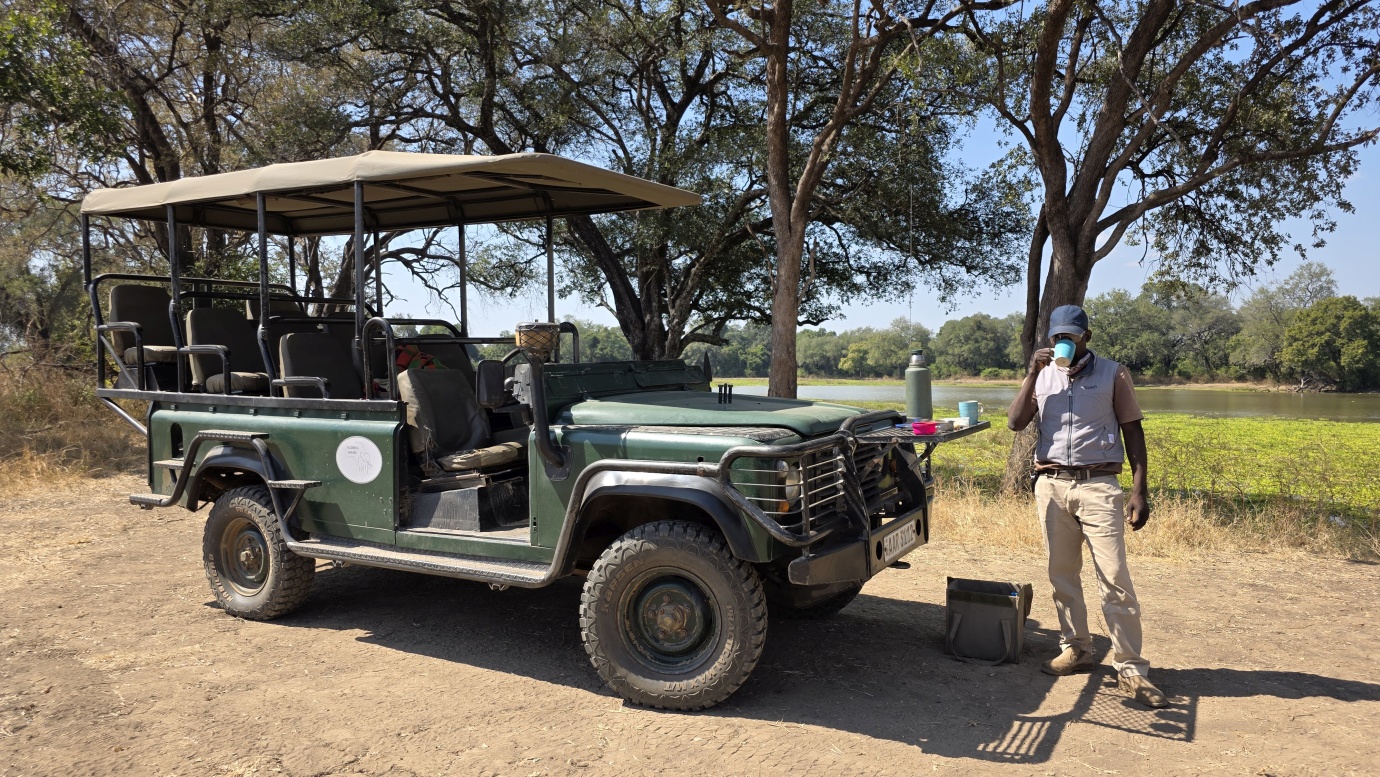
We decided to explore South Luangwa National Park on two separate game drives rather than spend the whole day inside. The first was an afternoon drive, followed by an early morning safari the next day. Each lasted about four hours (40 USD/pax), which turned out to be enough to experience the park at two completely different times of the day.
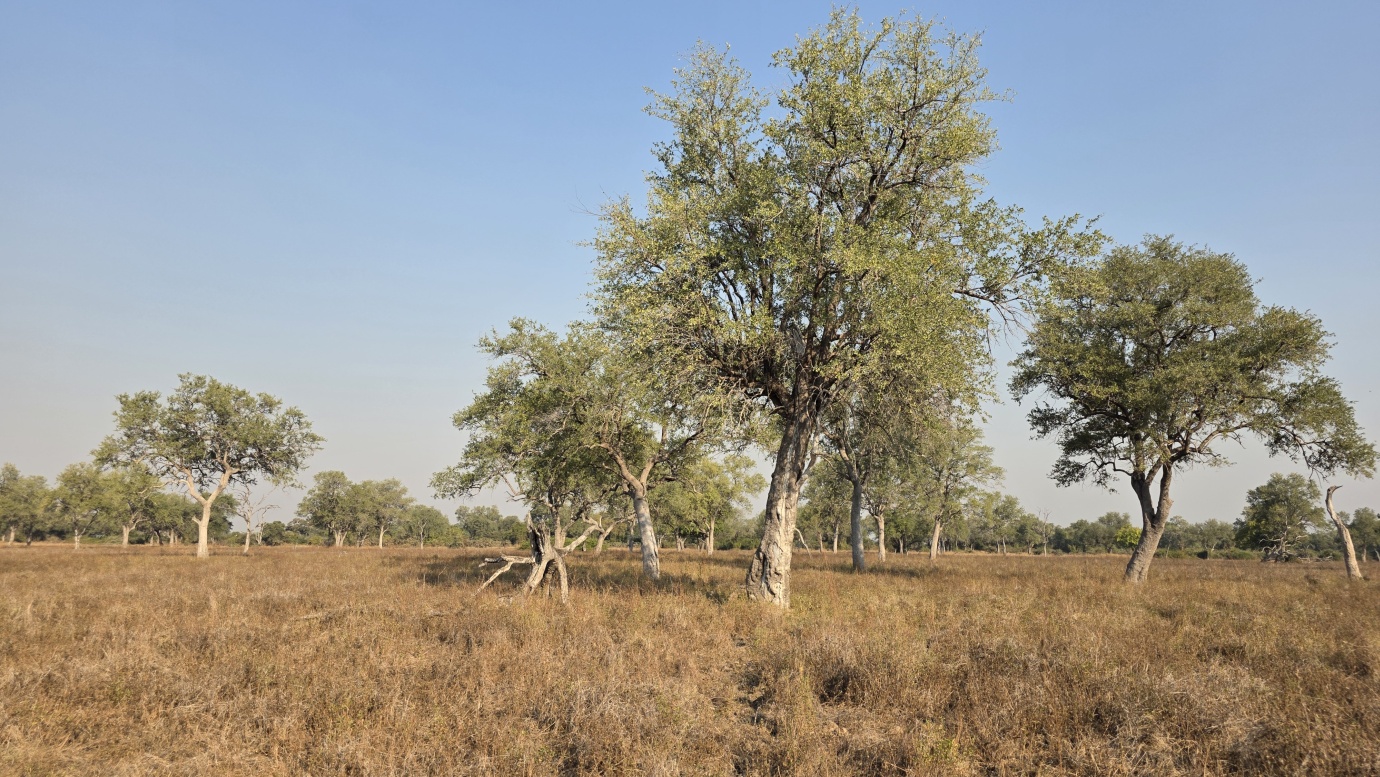
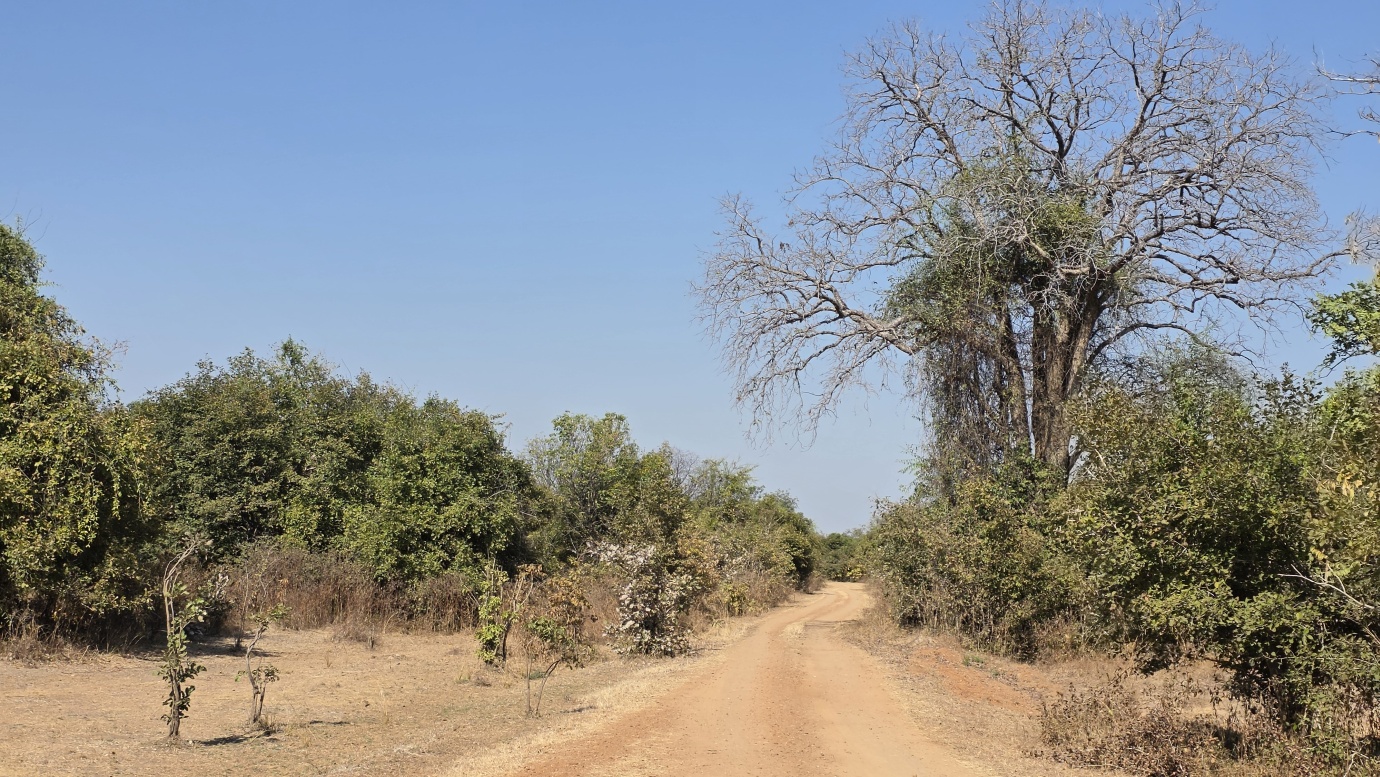
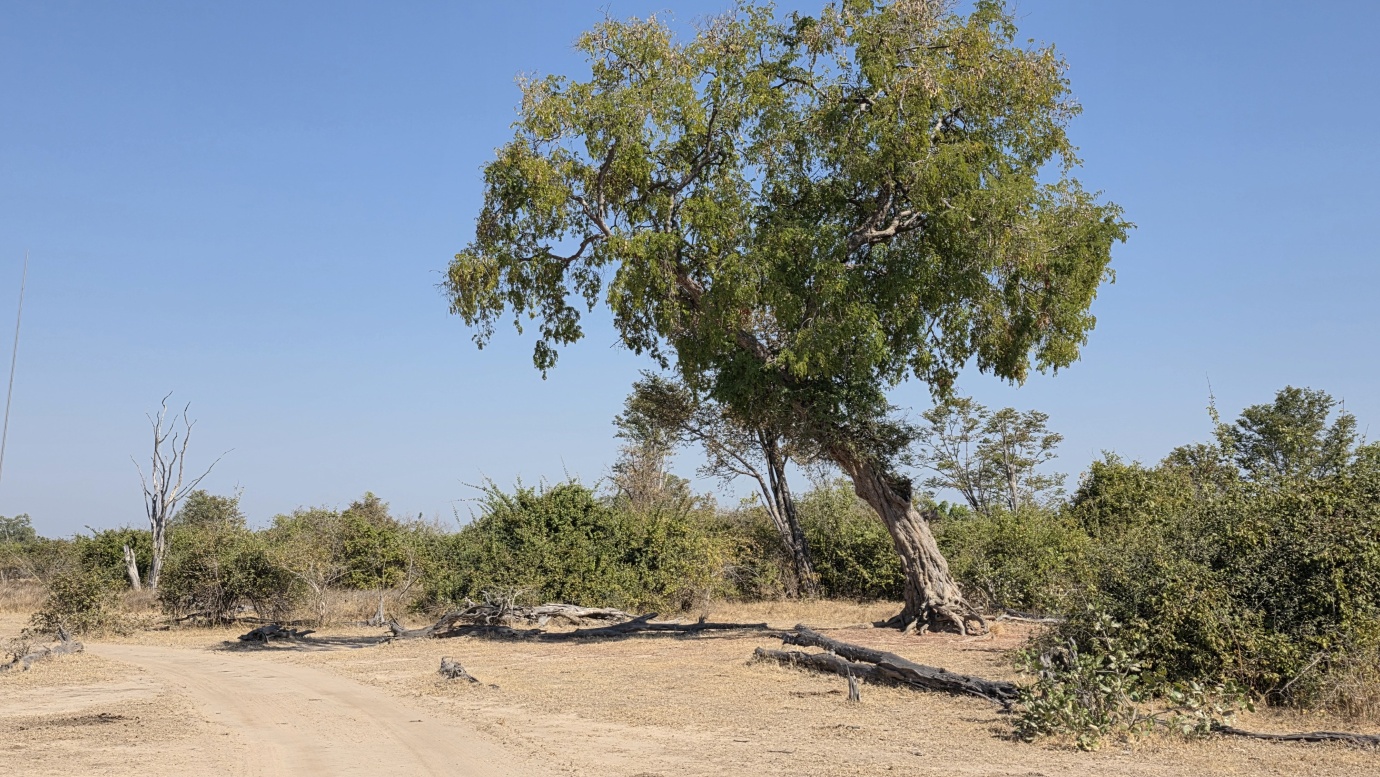
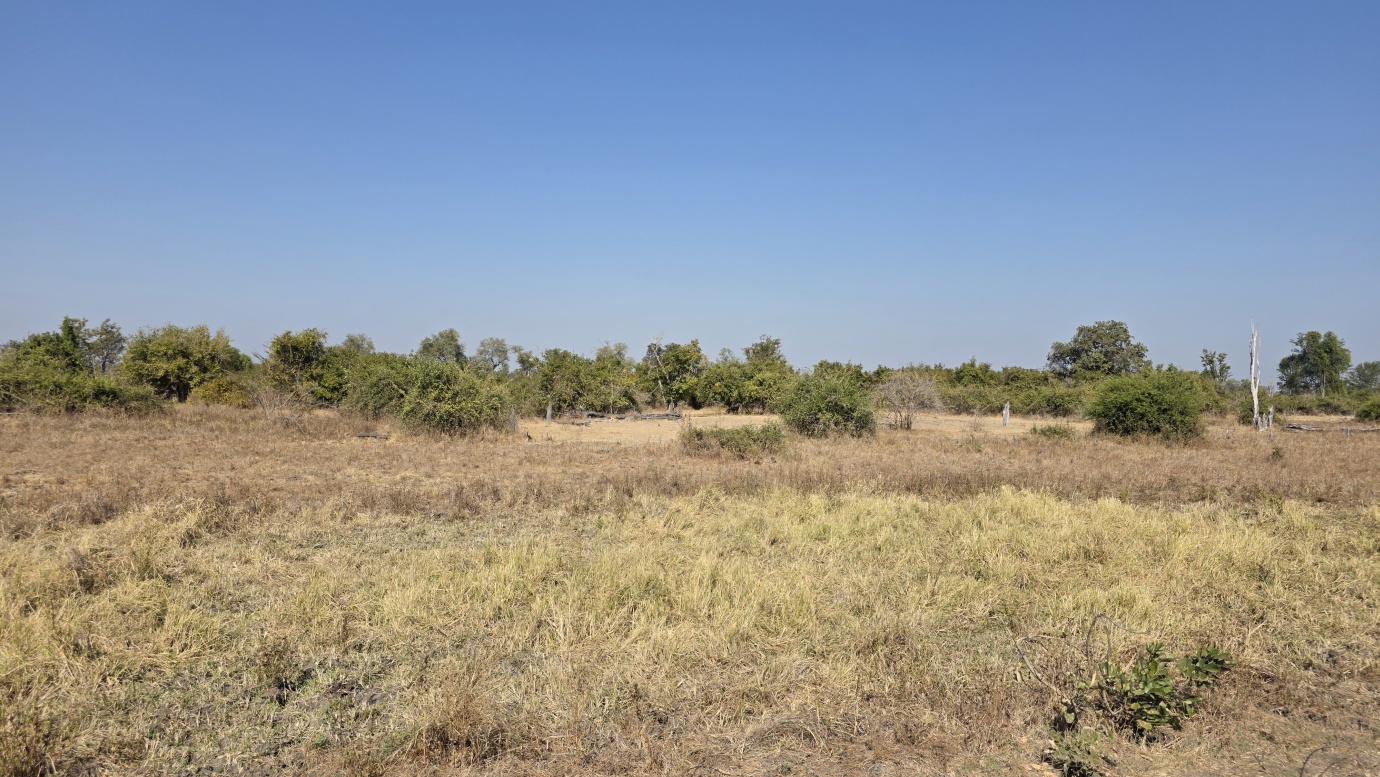
South Luangwa National Park (🎟️25 USD,🚙5 USD) covers more than 9,000 square kilometres of unspoiled wilderness in eastern Zambia. It is one of the country’s premier national parks and is often considered one of the best safari destinations in Africa. The park is also famous as the birthplace of the walking safari, where visitors explore the bush on foot with experienced guides and armed scouts. Although we stayed in the vehicle this time, it is easy to see why this park has become home to such an immersive safari experience.
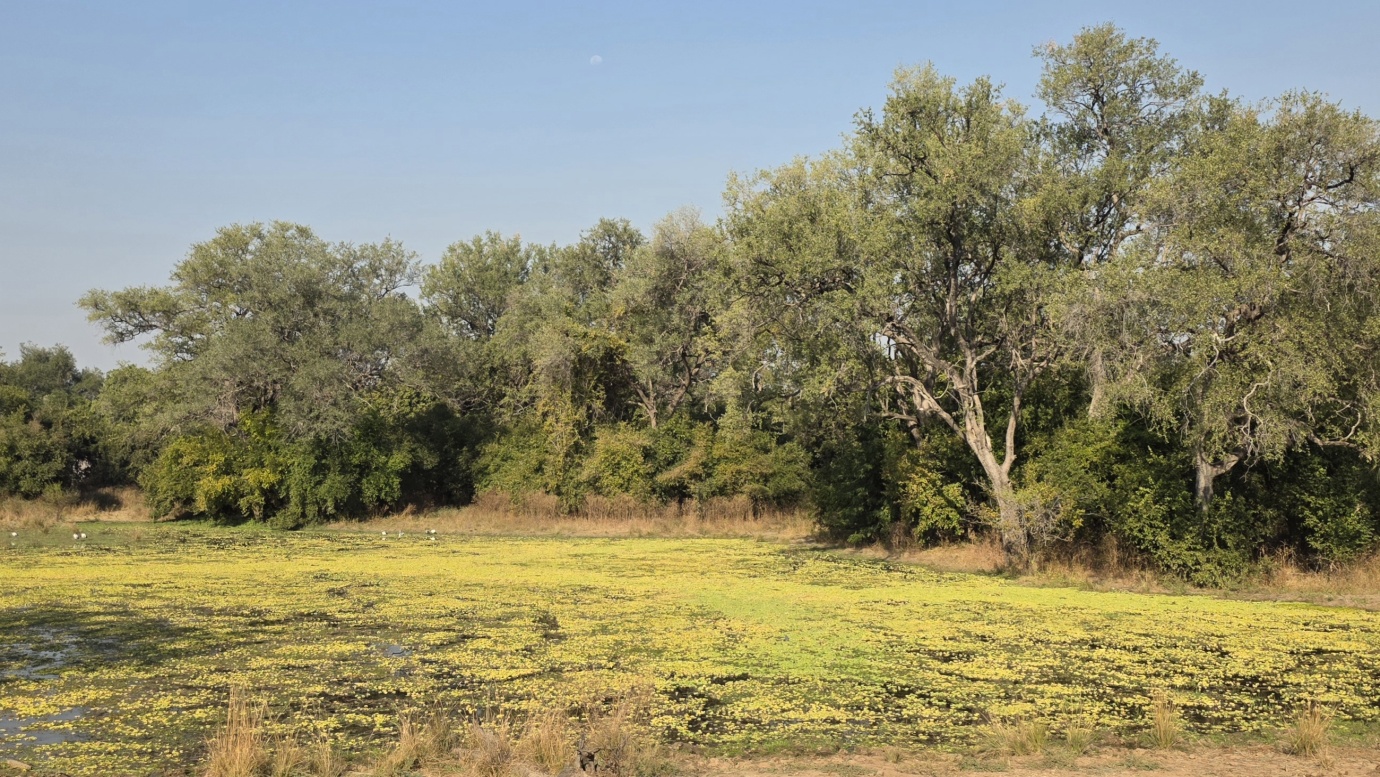
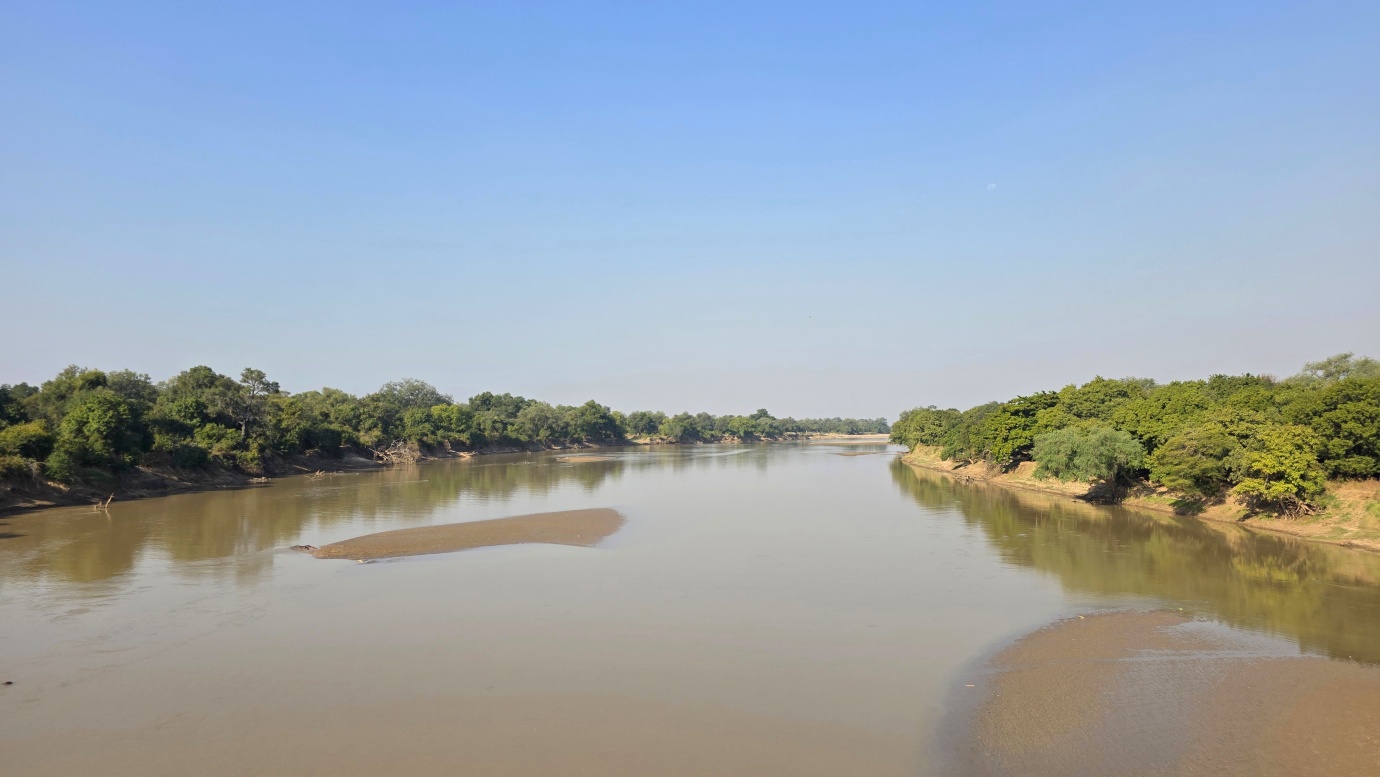
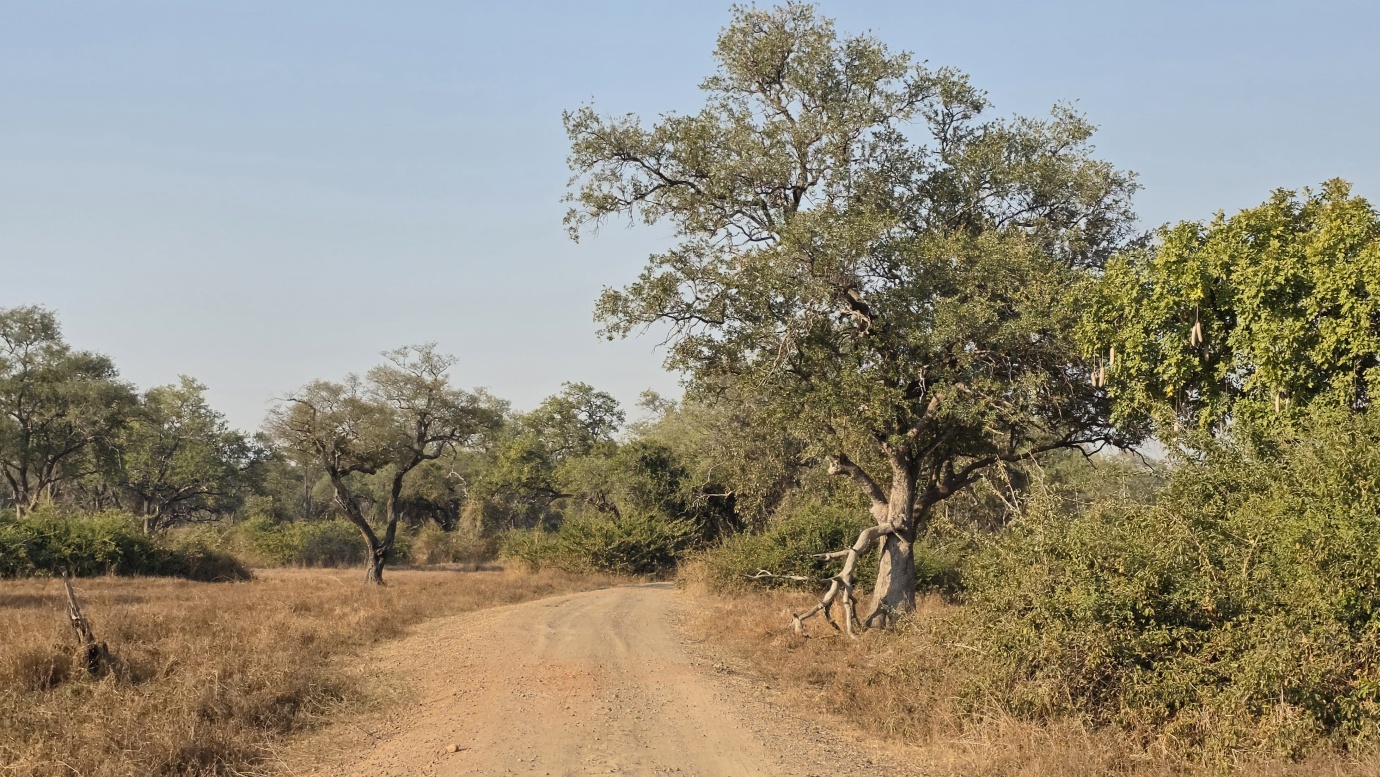
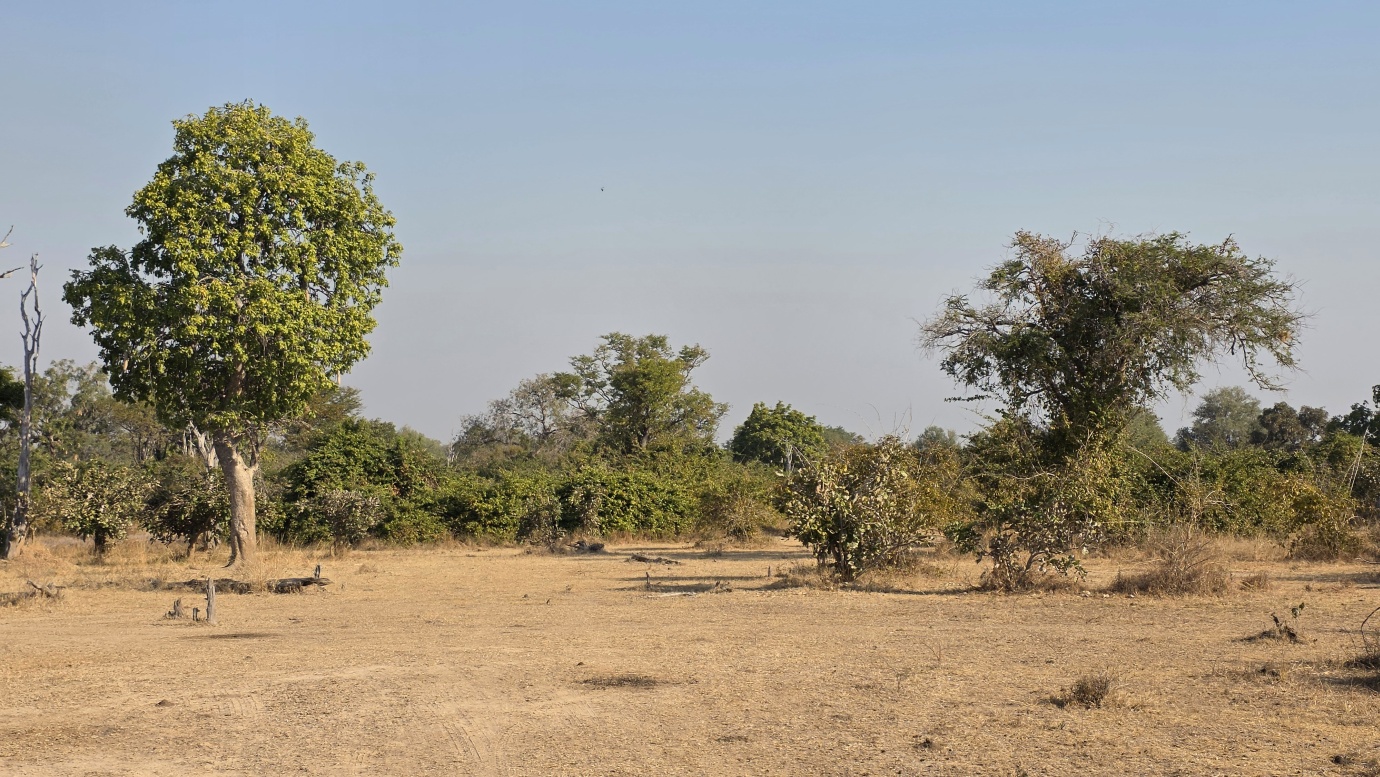
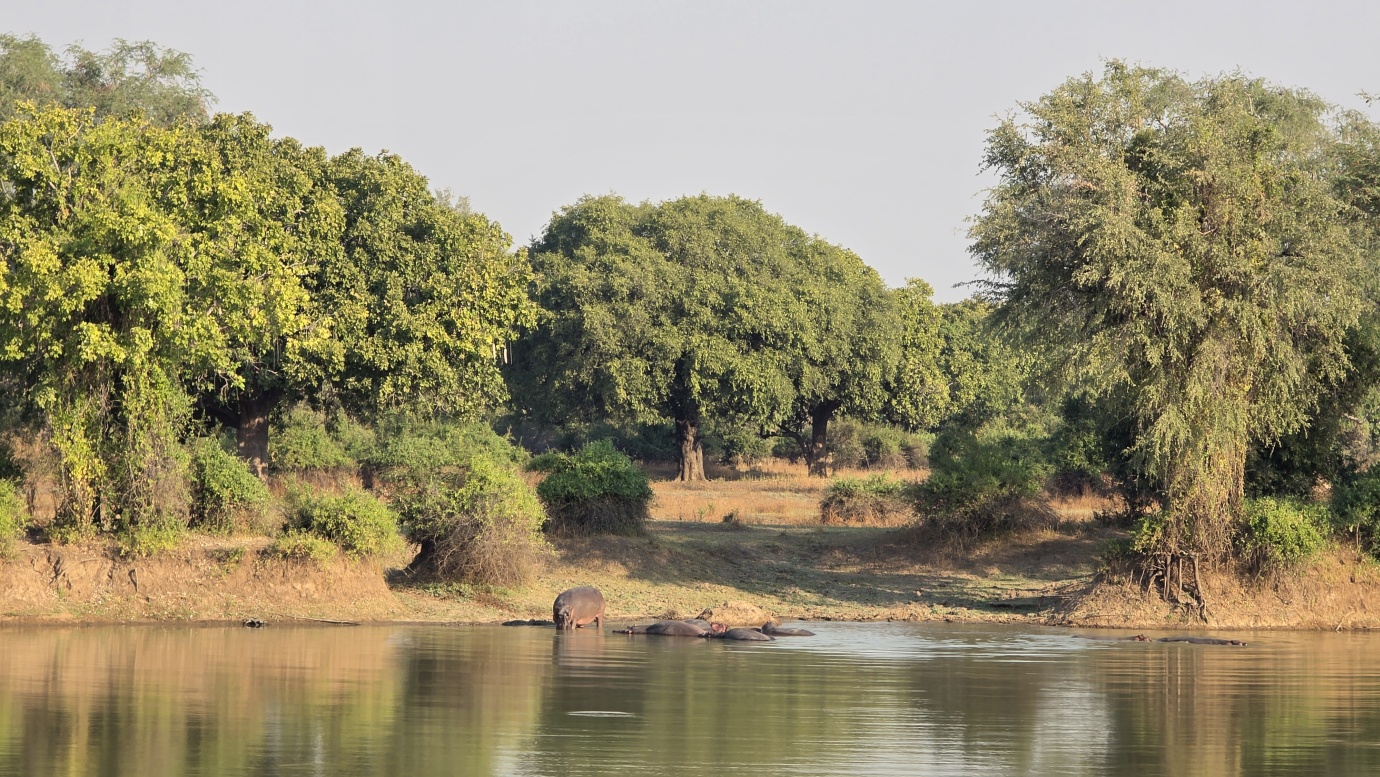
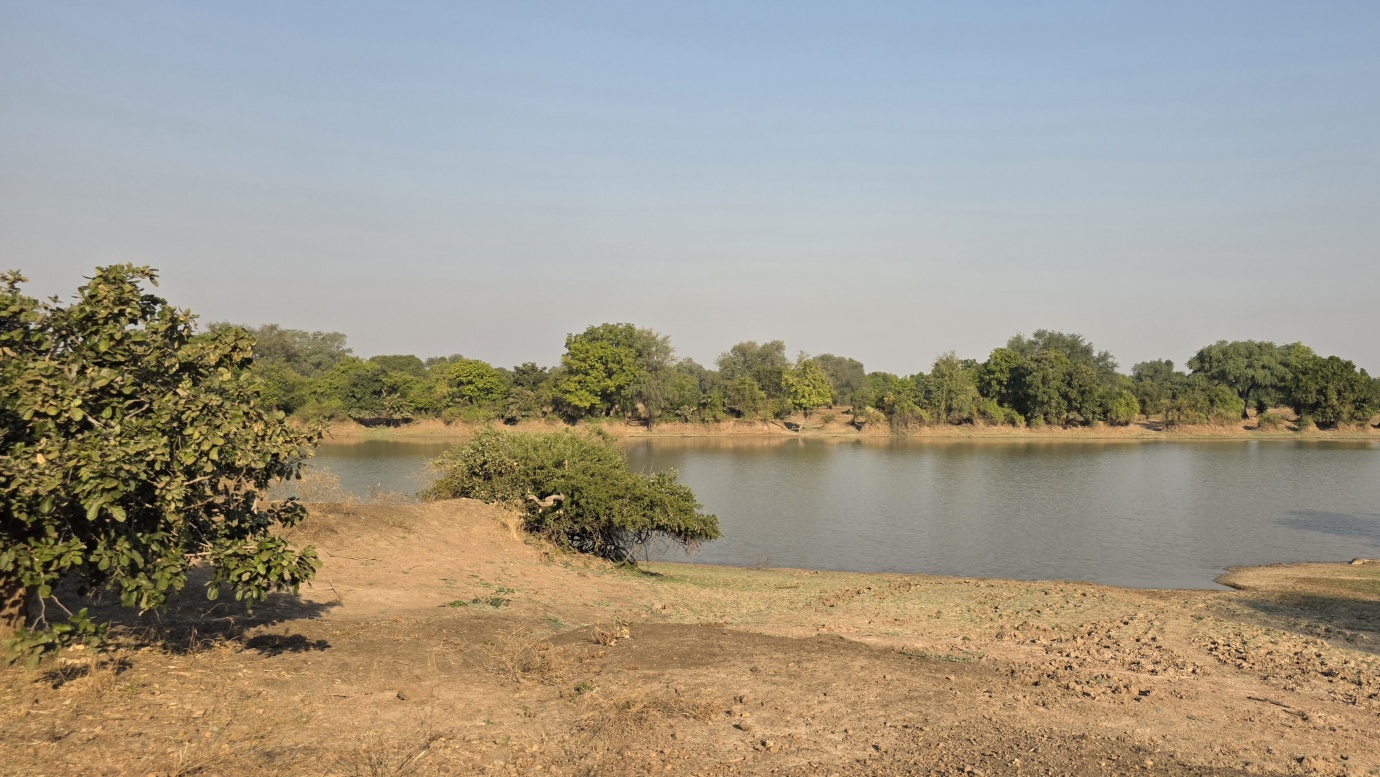
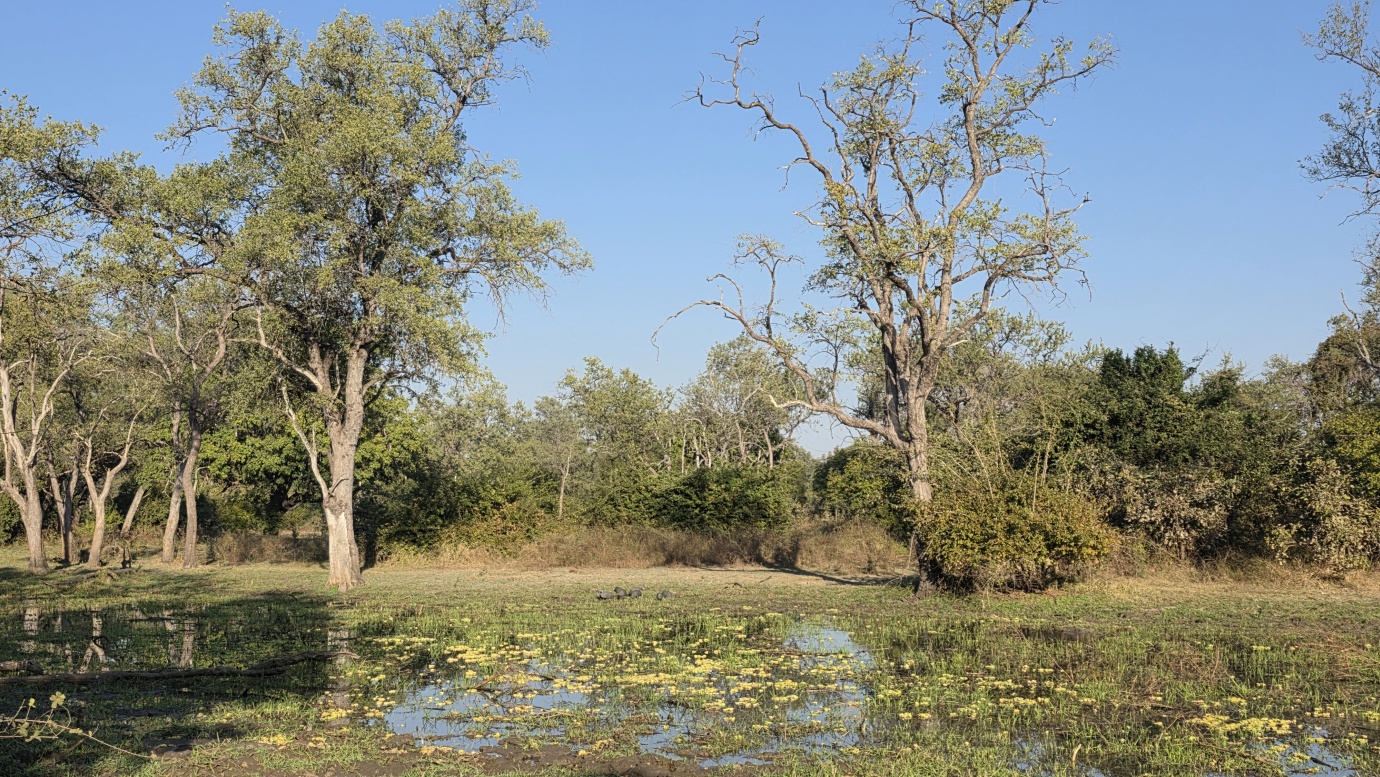
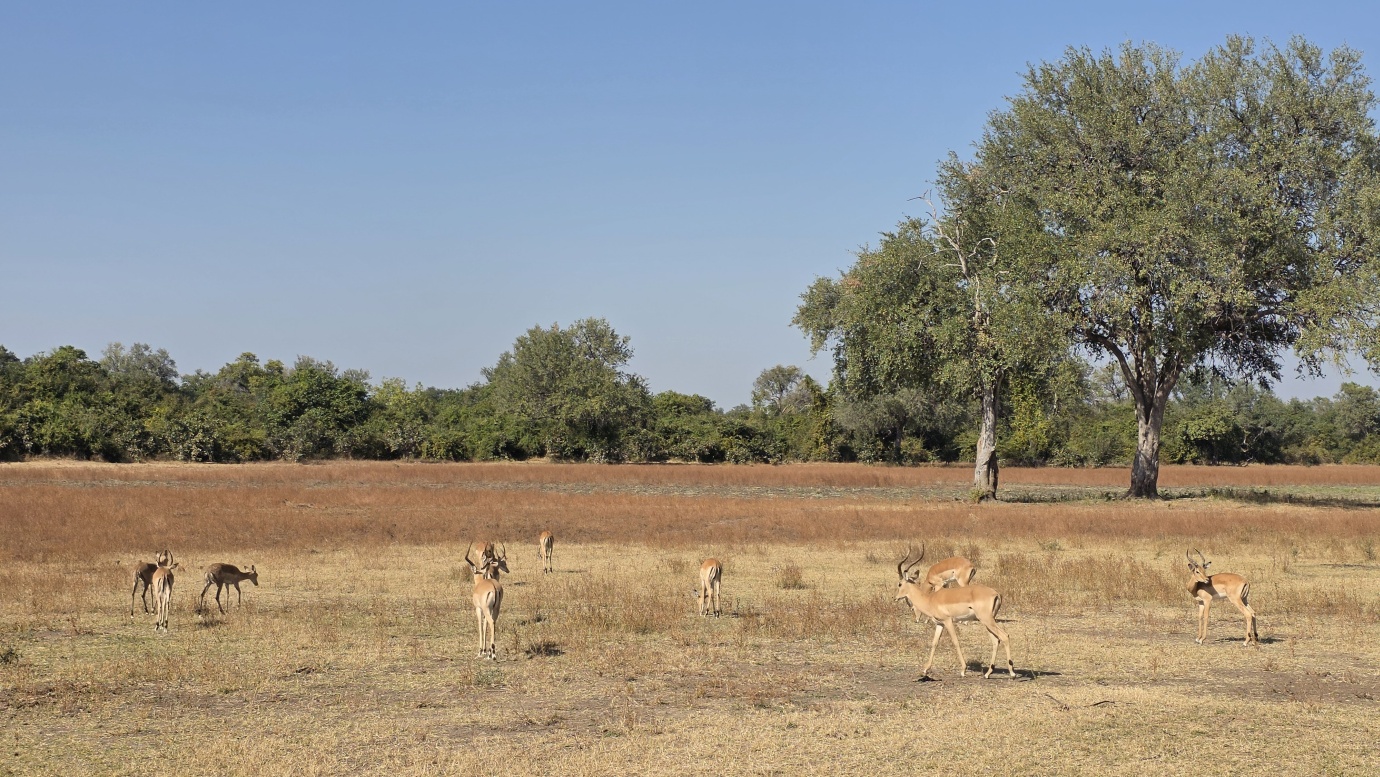
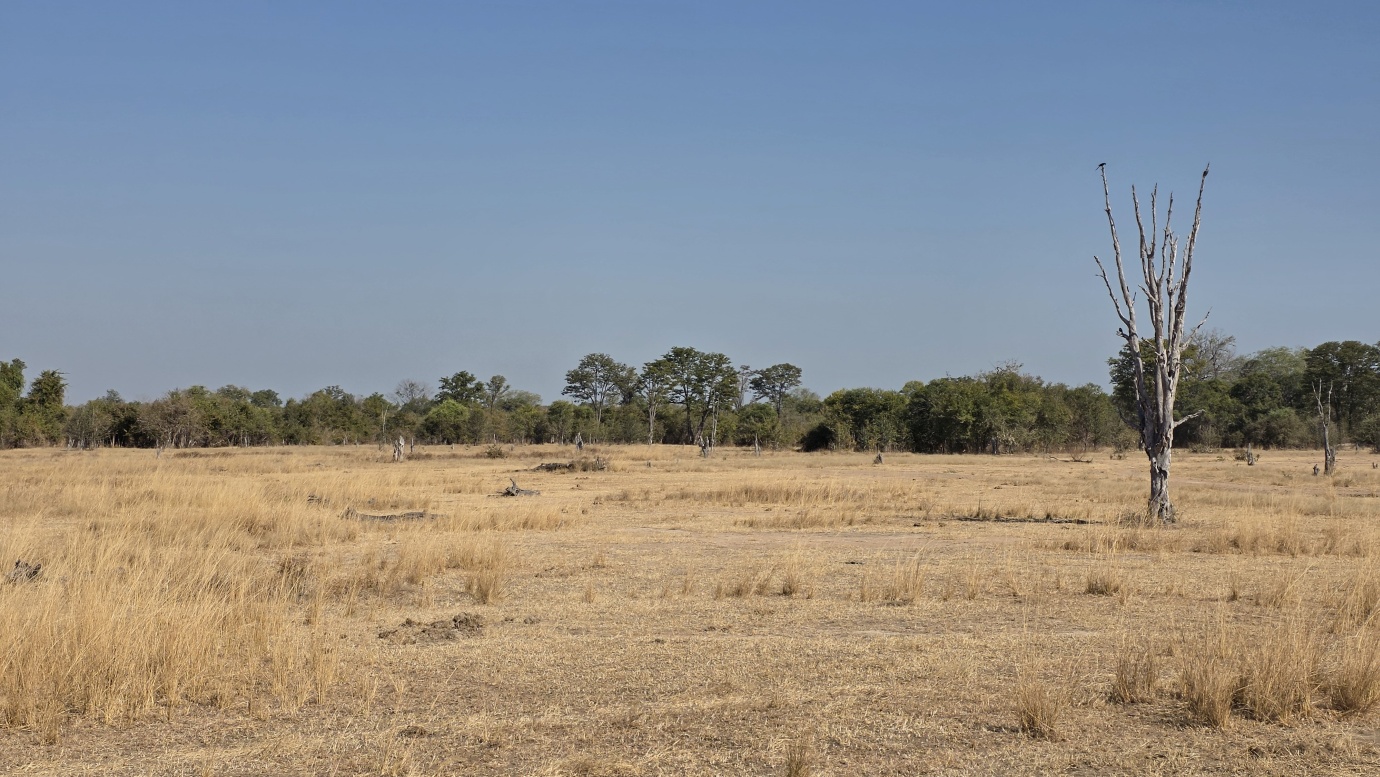
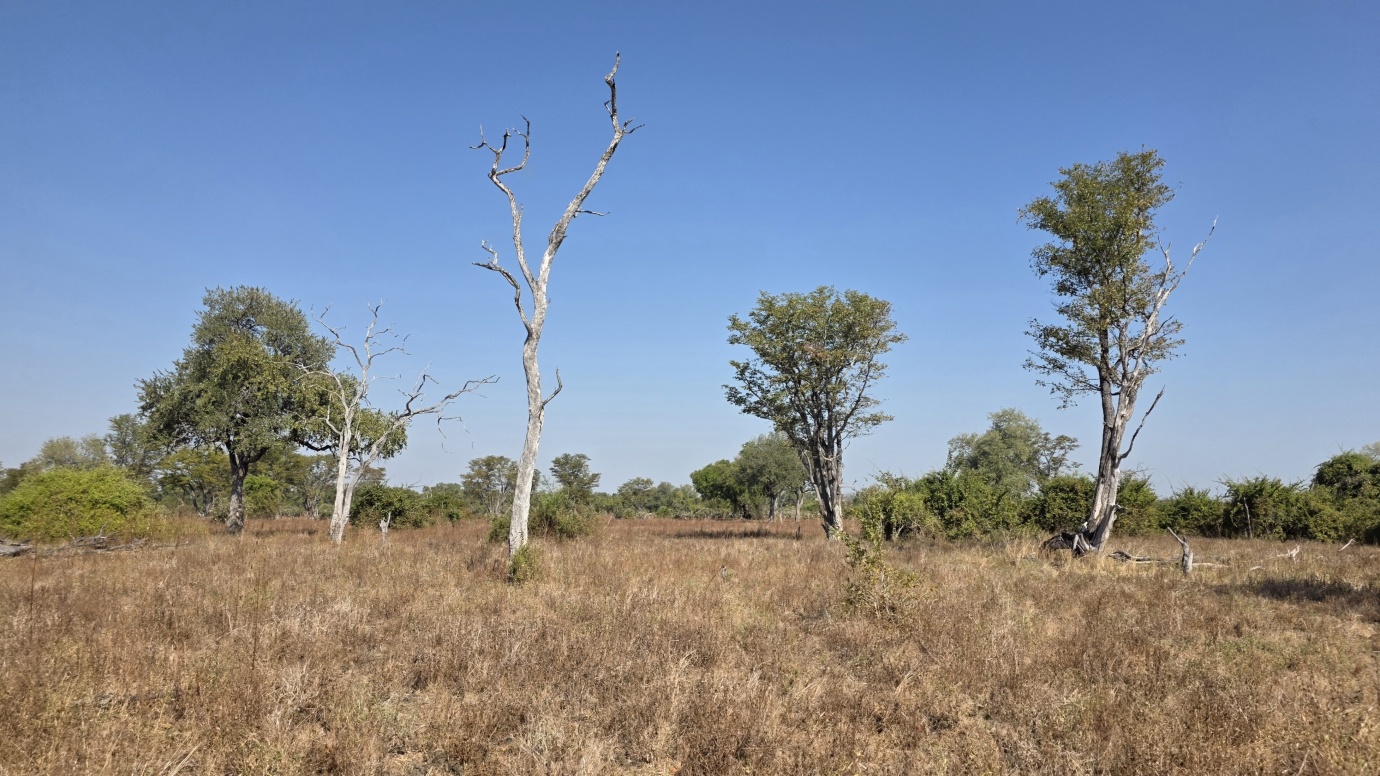
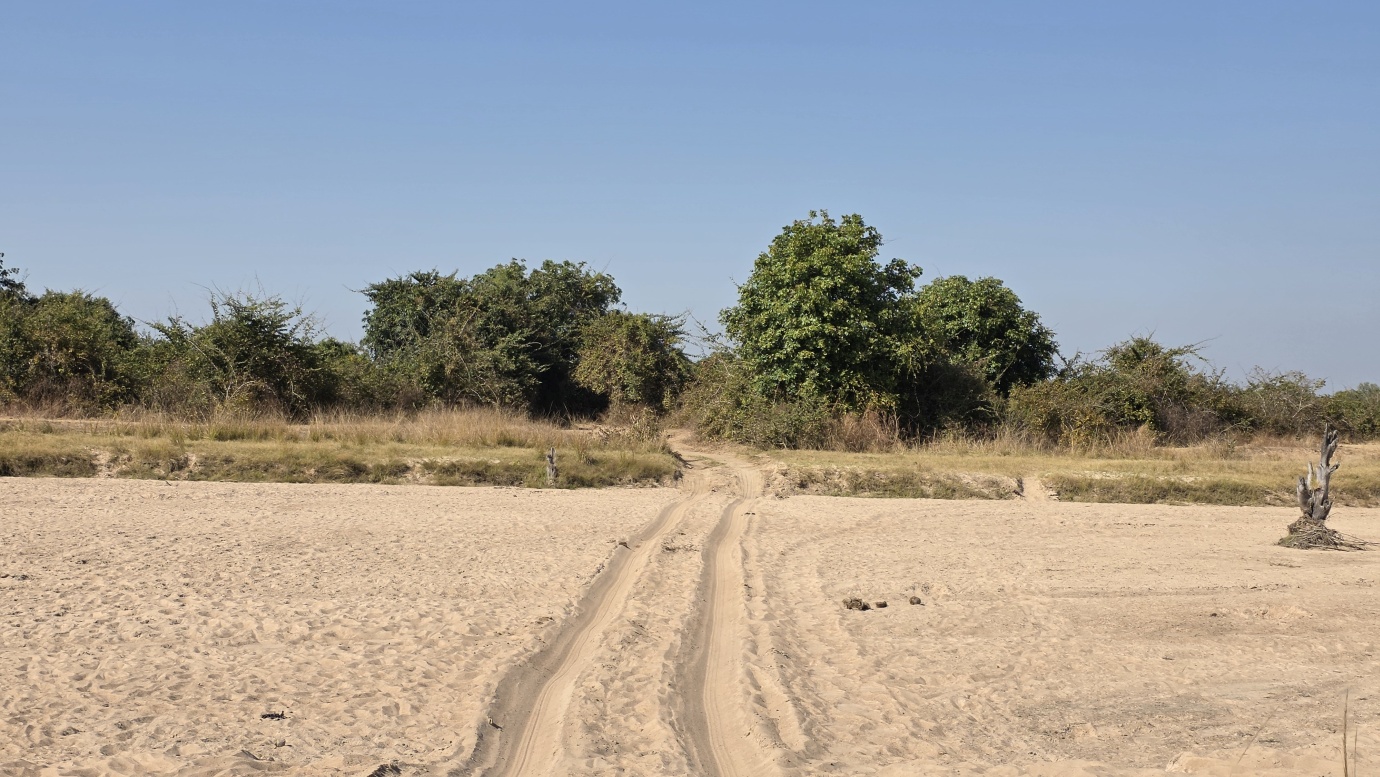
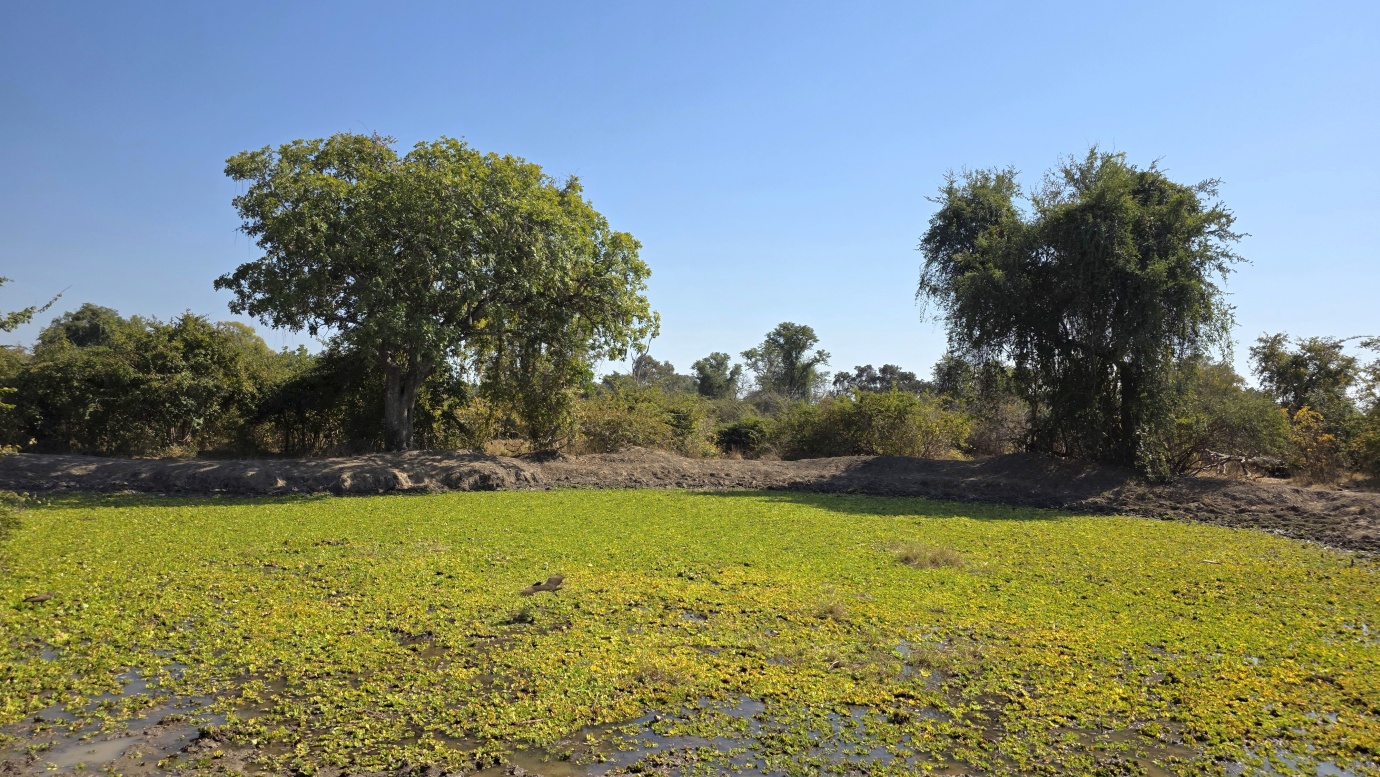
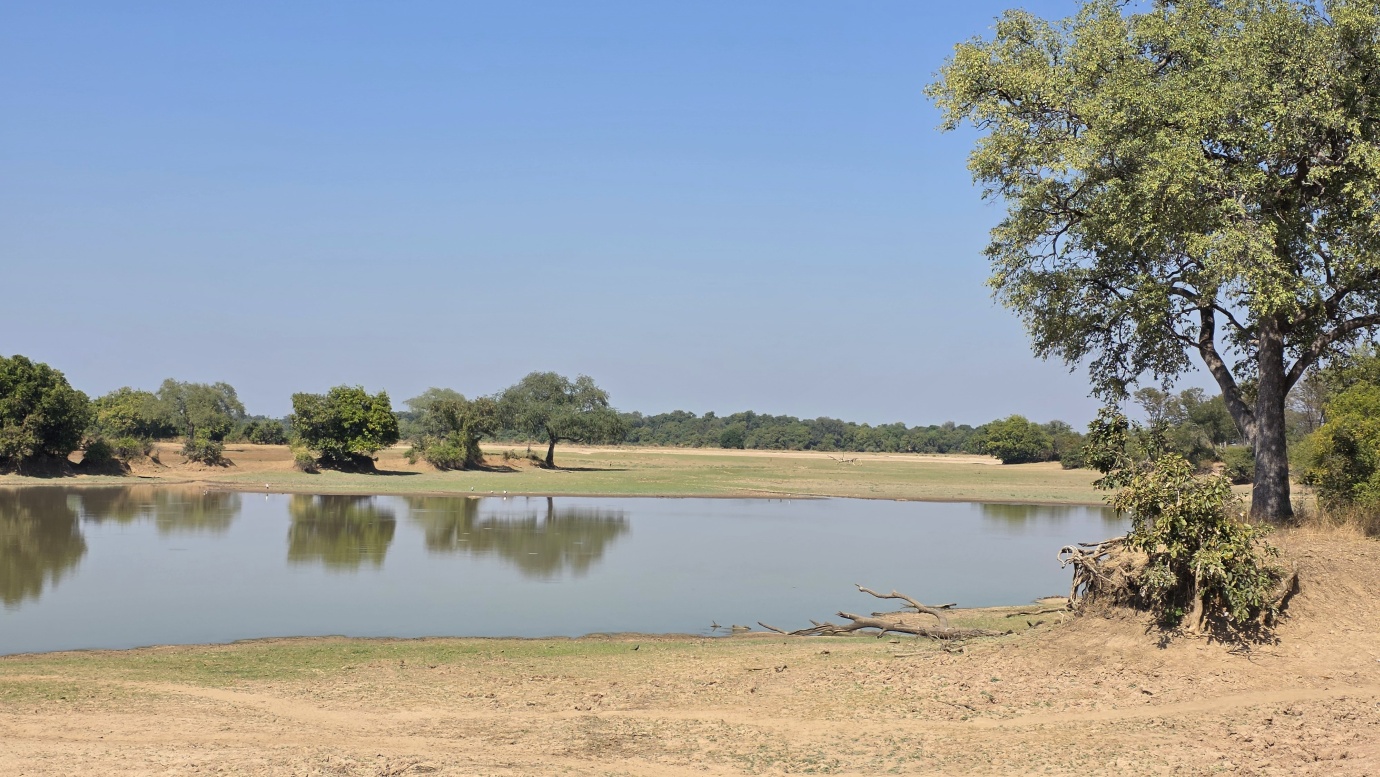
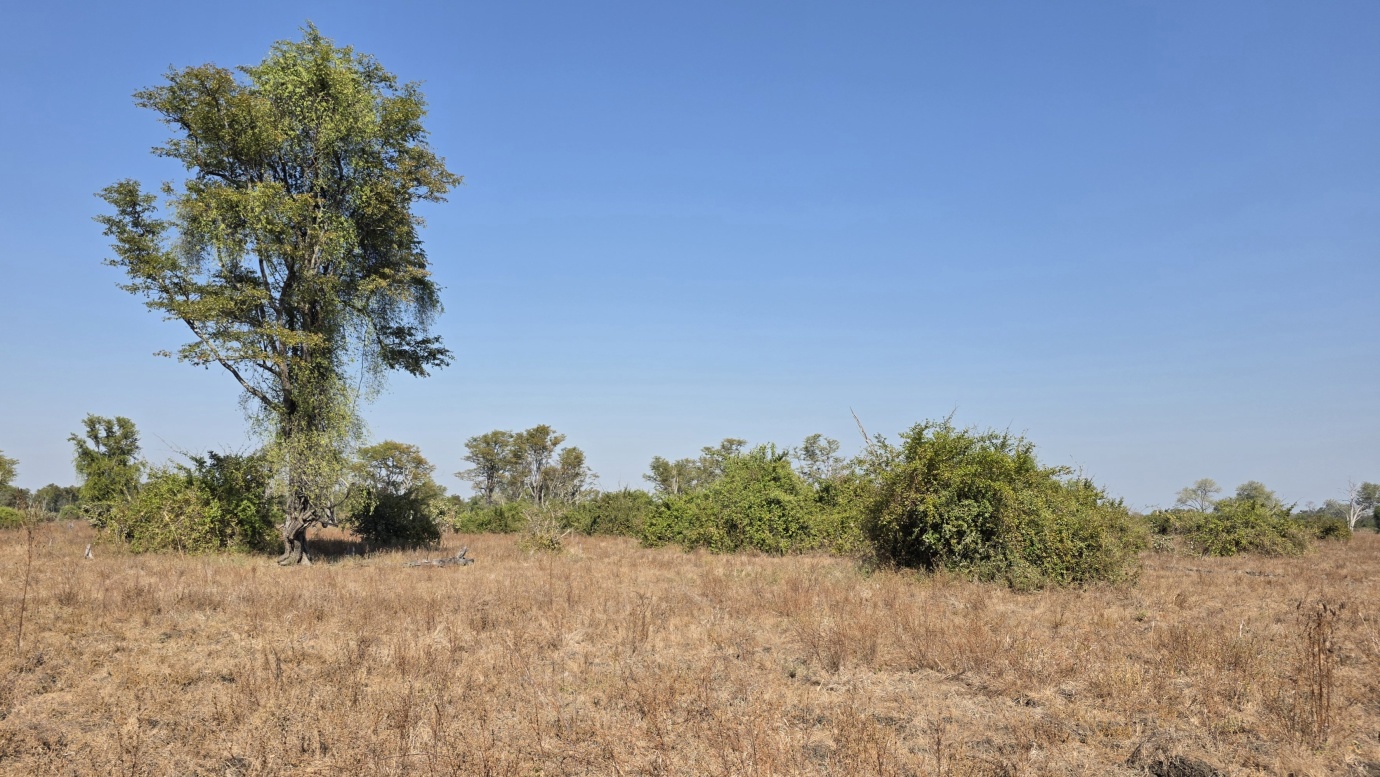
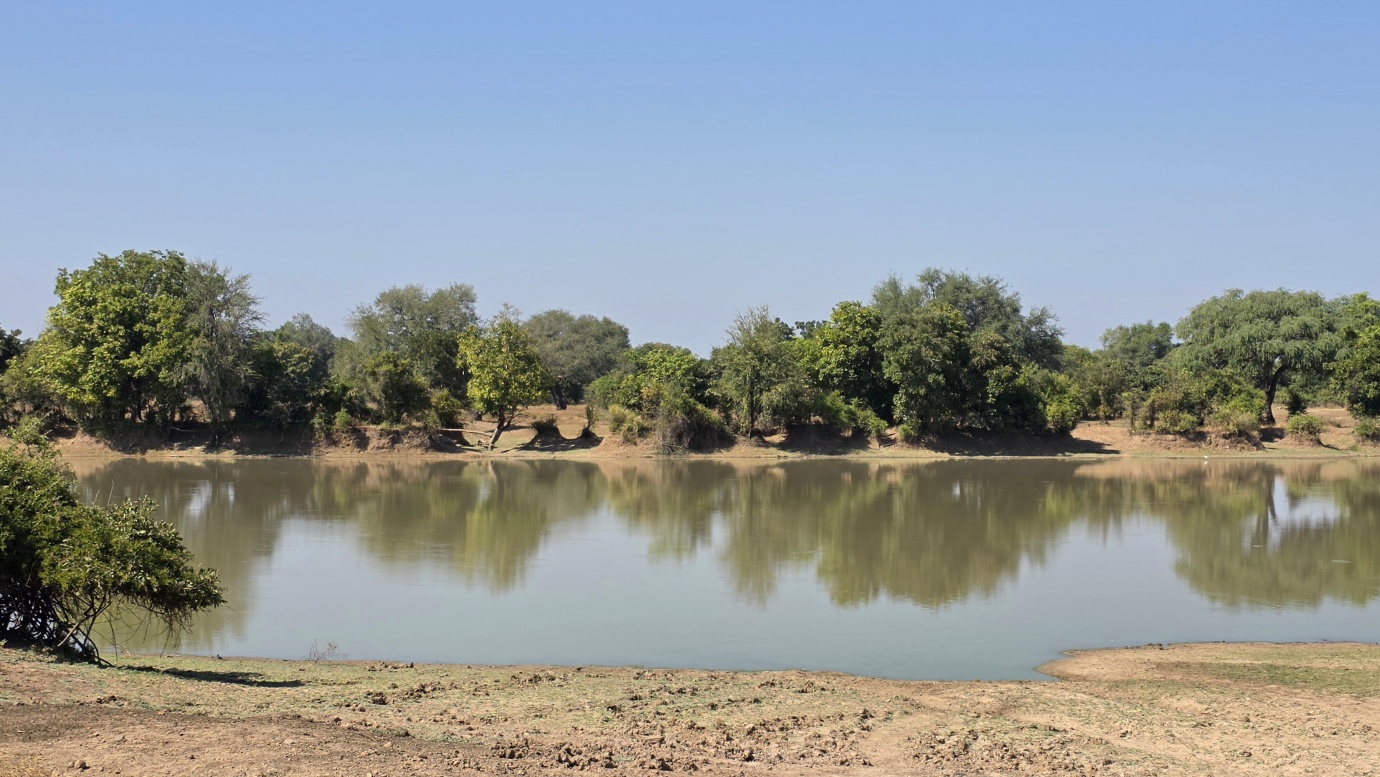
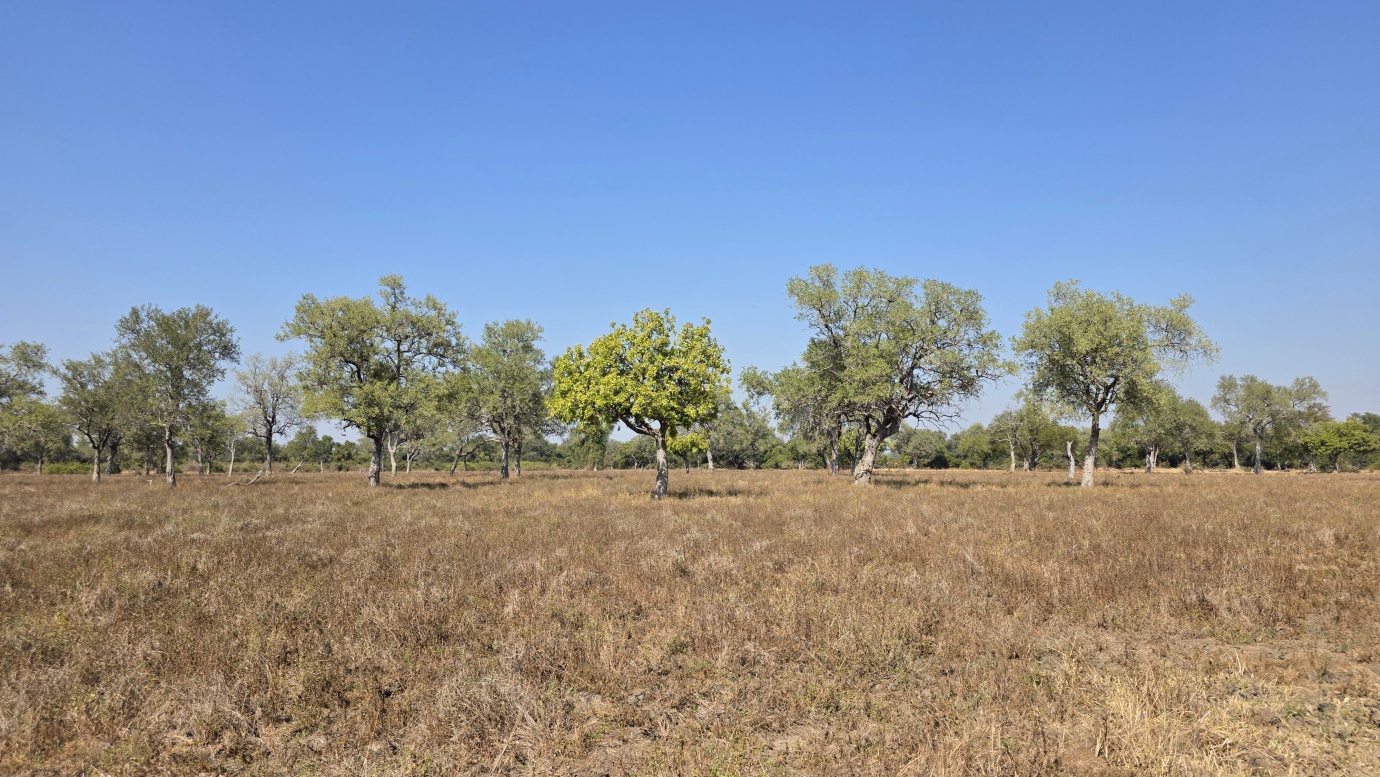
The landscape is shaped by the Luangwa River, one of the last major free-flowing rivers in Africa. Every rainy season it floods the valley, creating fertile plains, lagoons, and countless oxbow lakes that attract wildlife throughout the year. In the background, the steep Muchinga Escarpment marks the edge of the Great Rift Valley, giving the park its distinctive scenery.
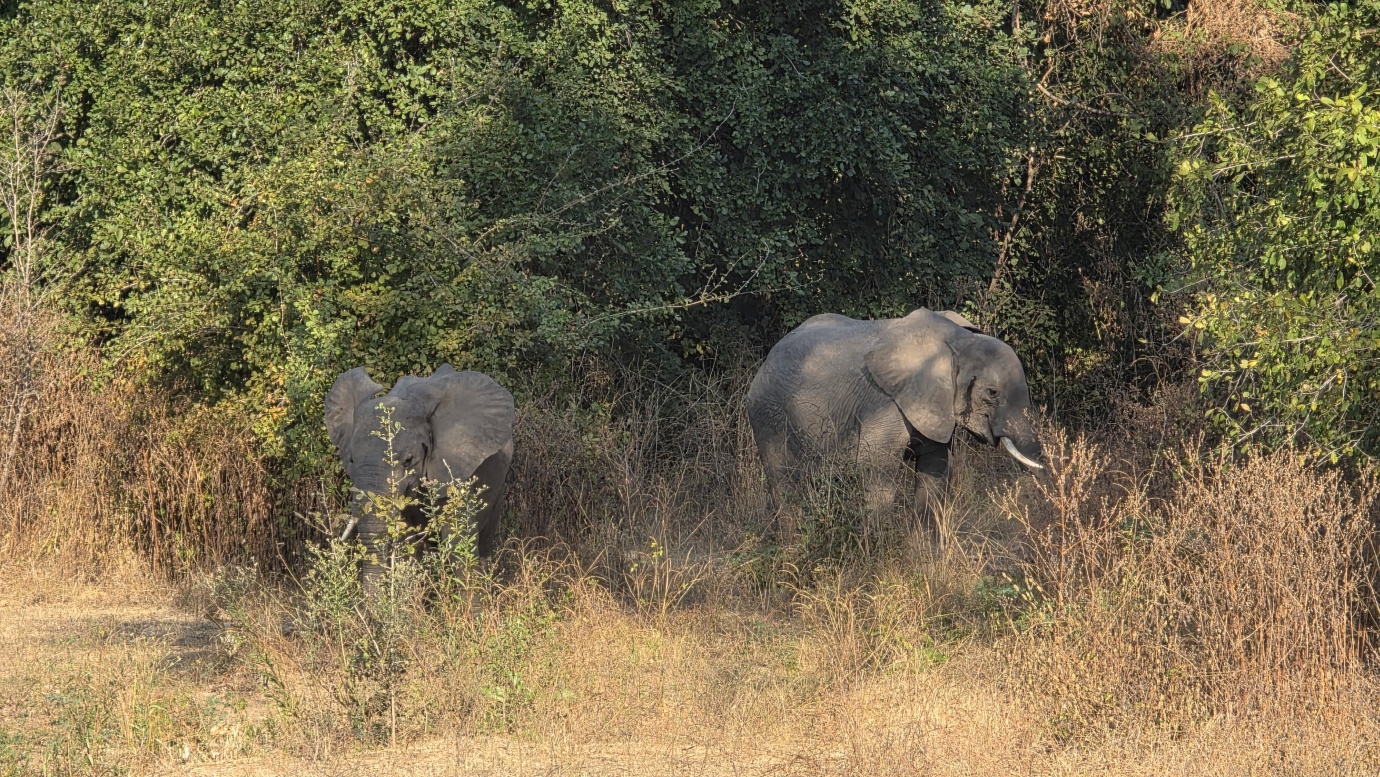
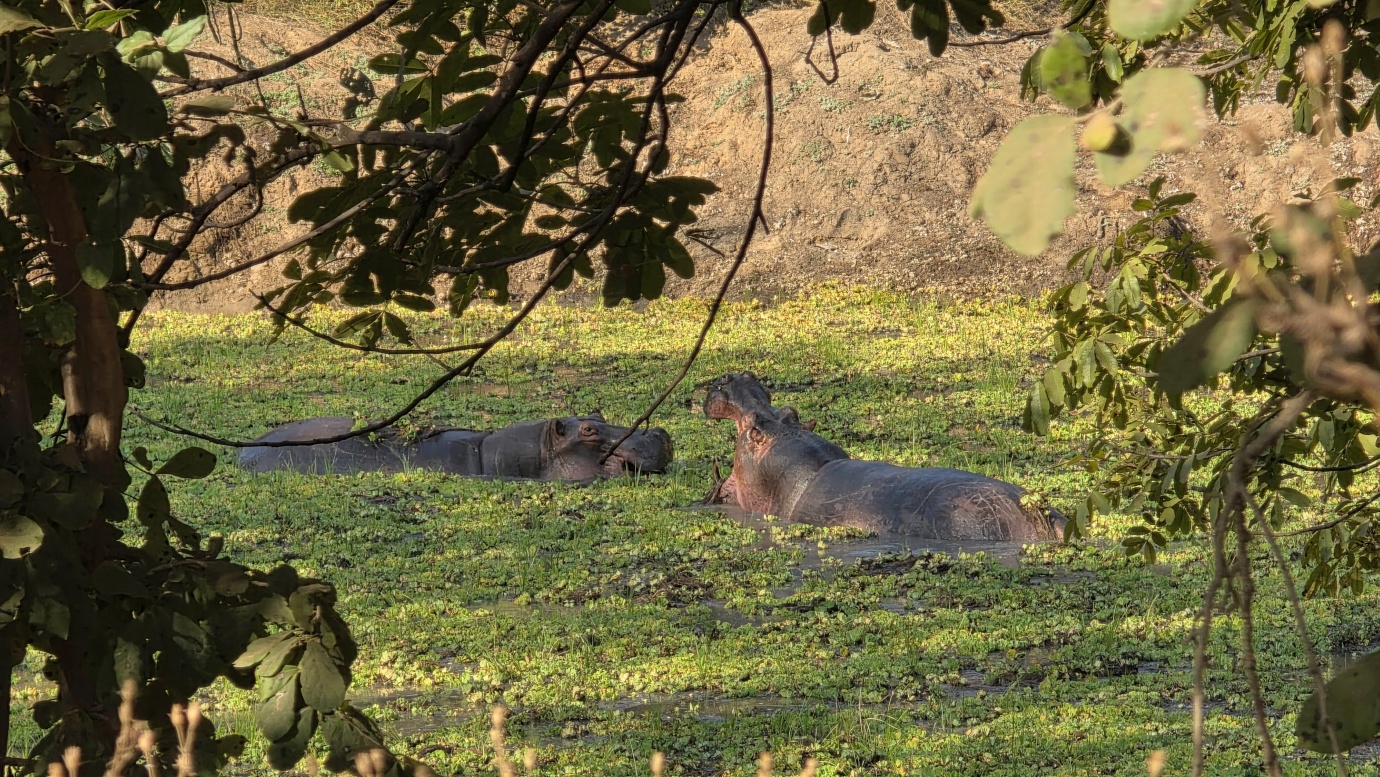
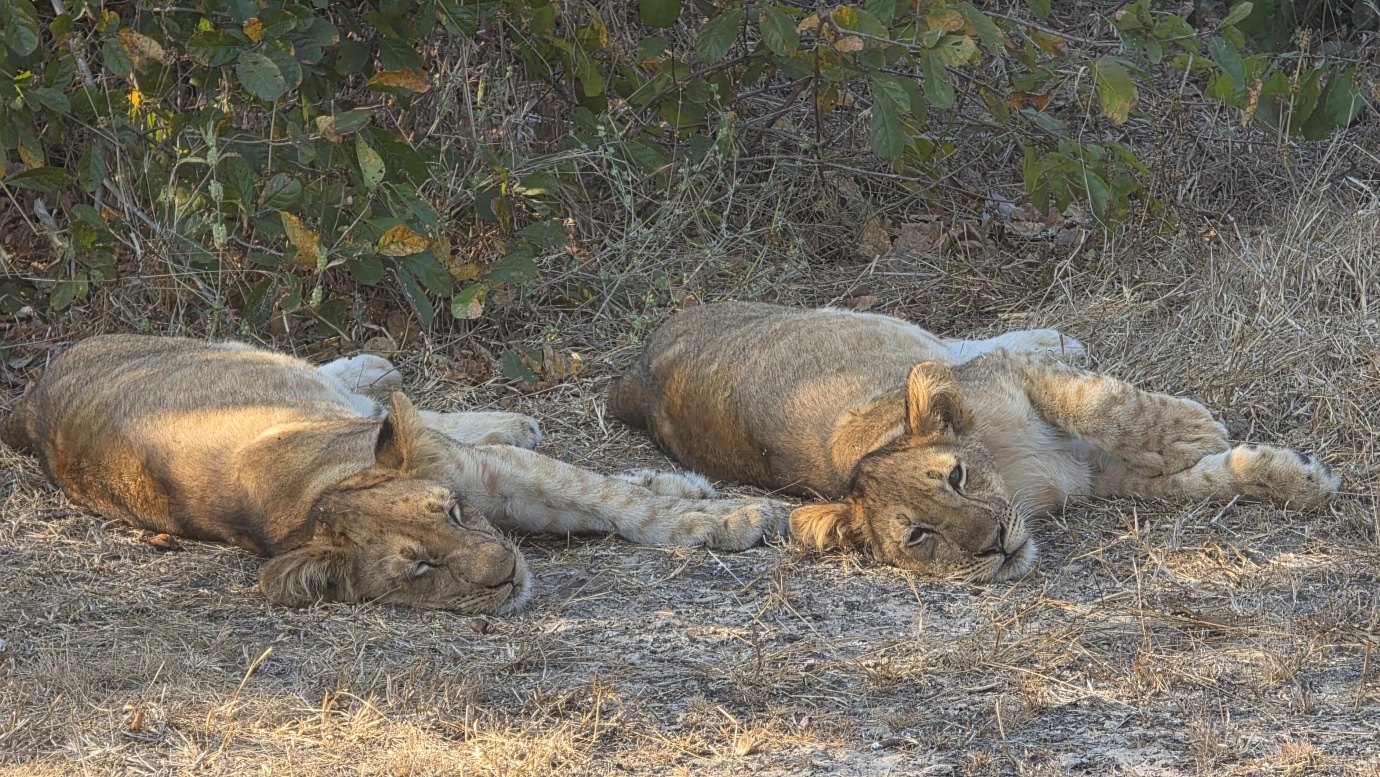
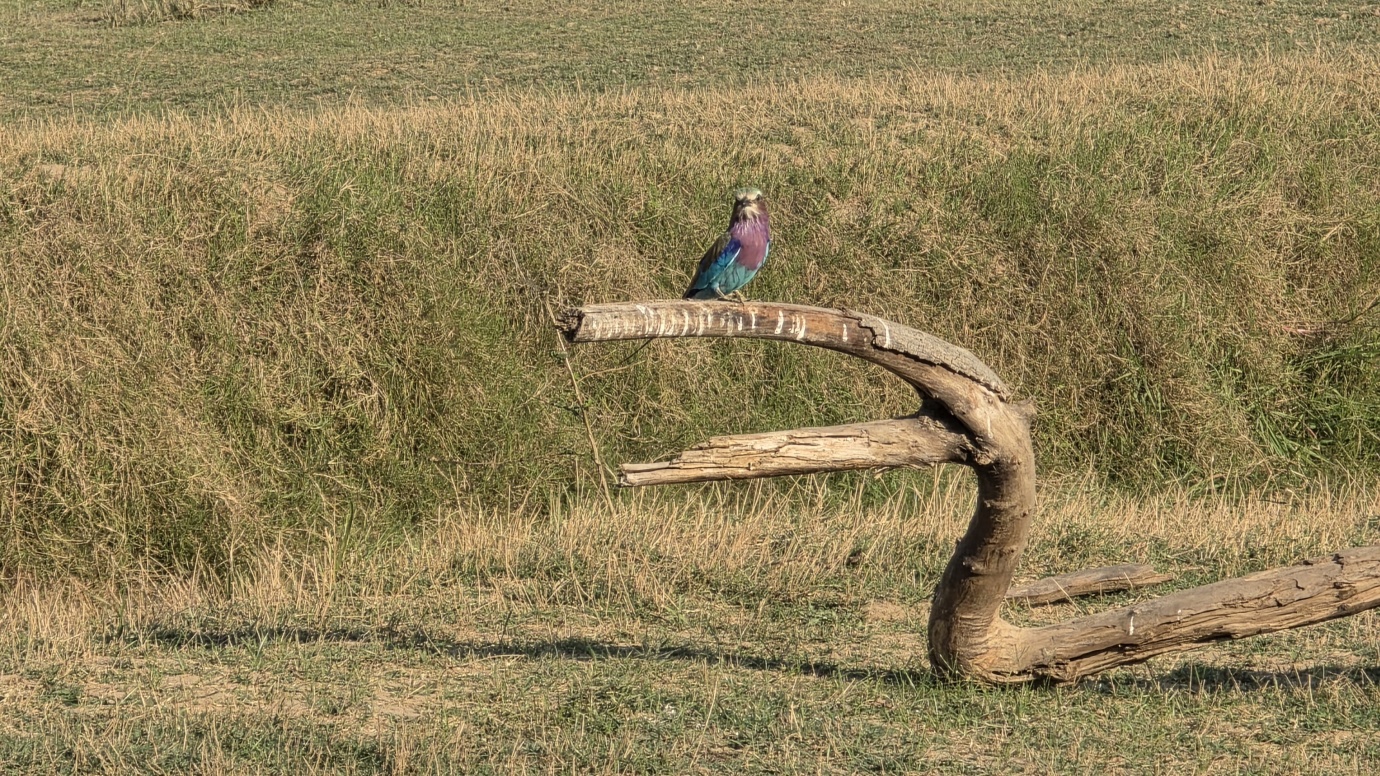
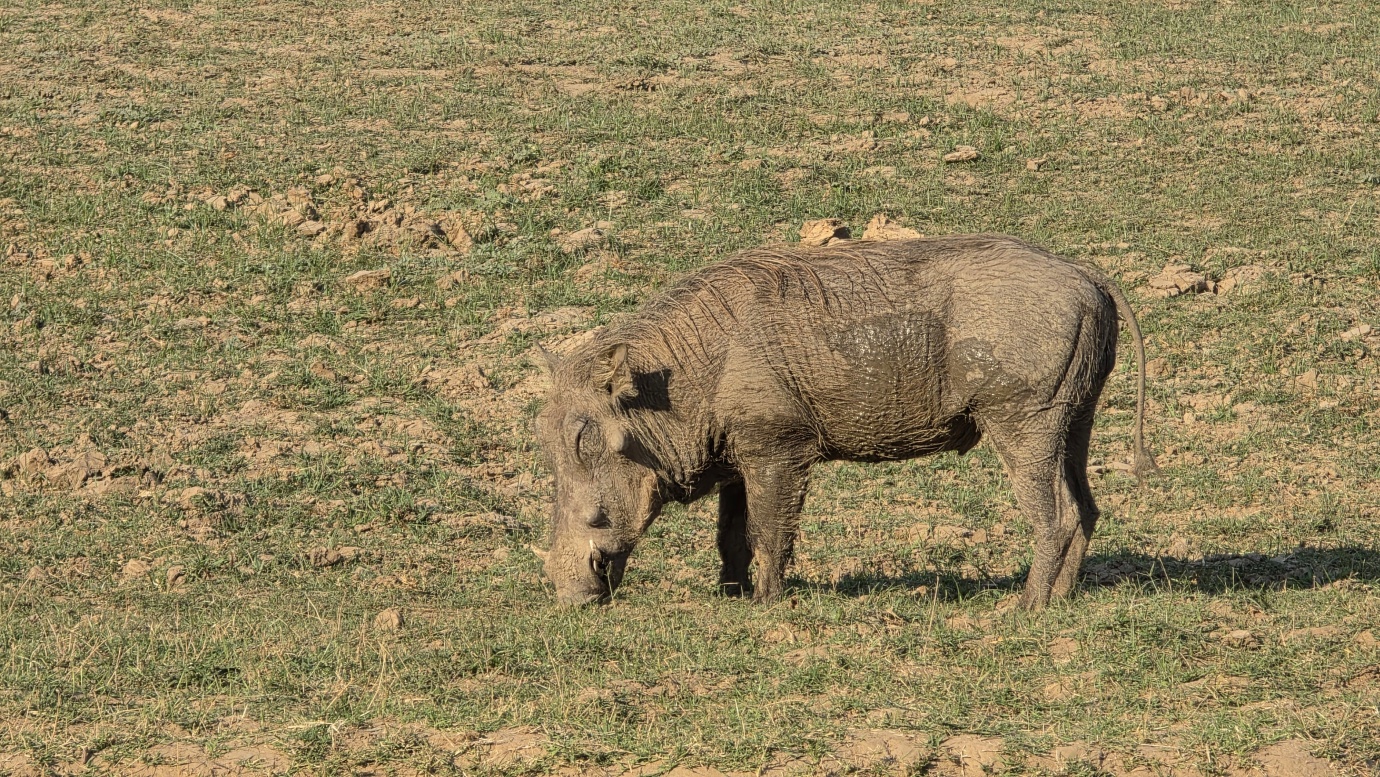
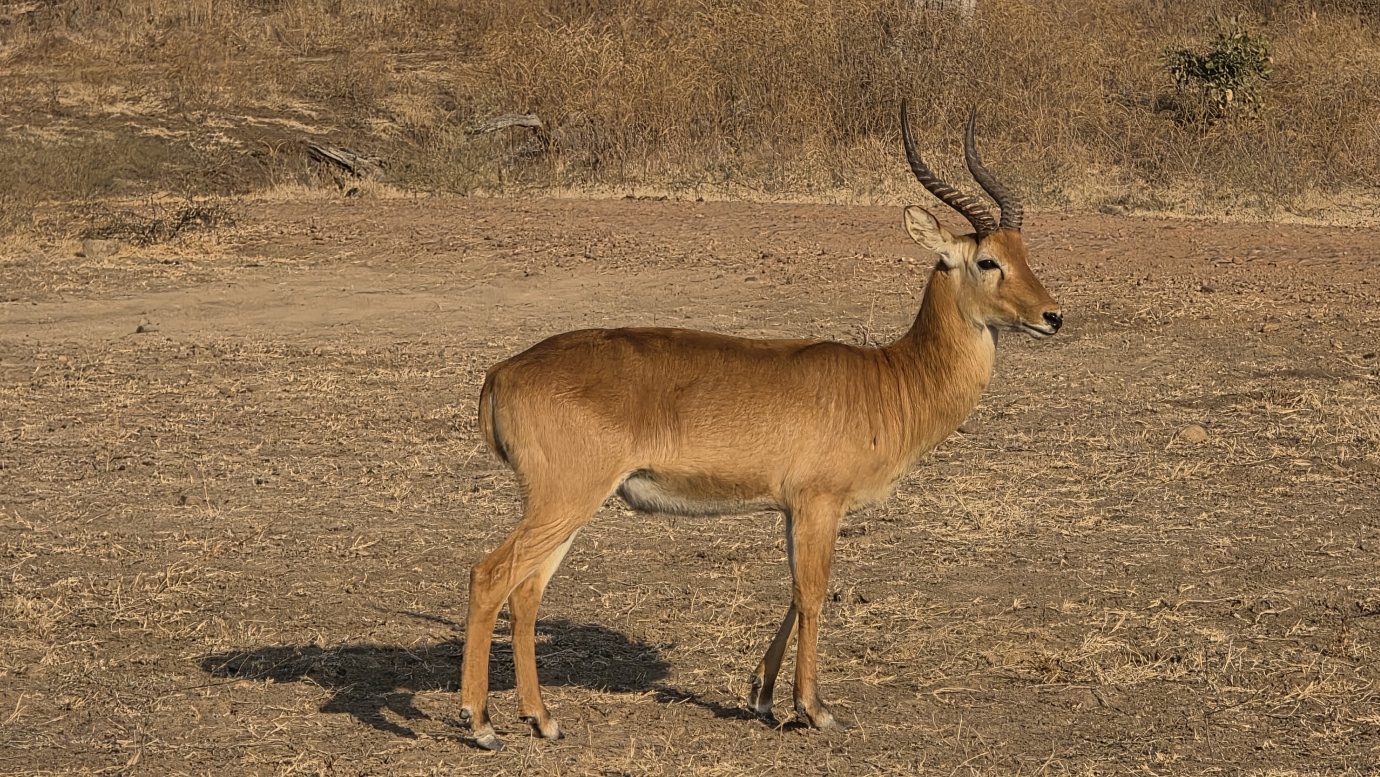
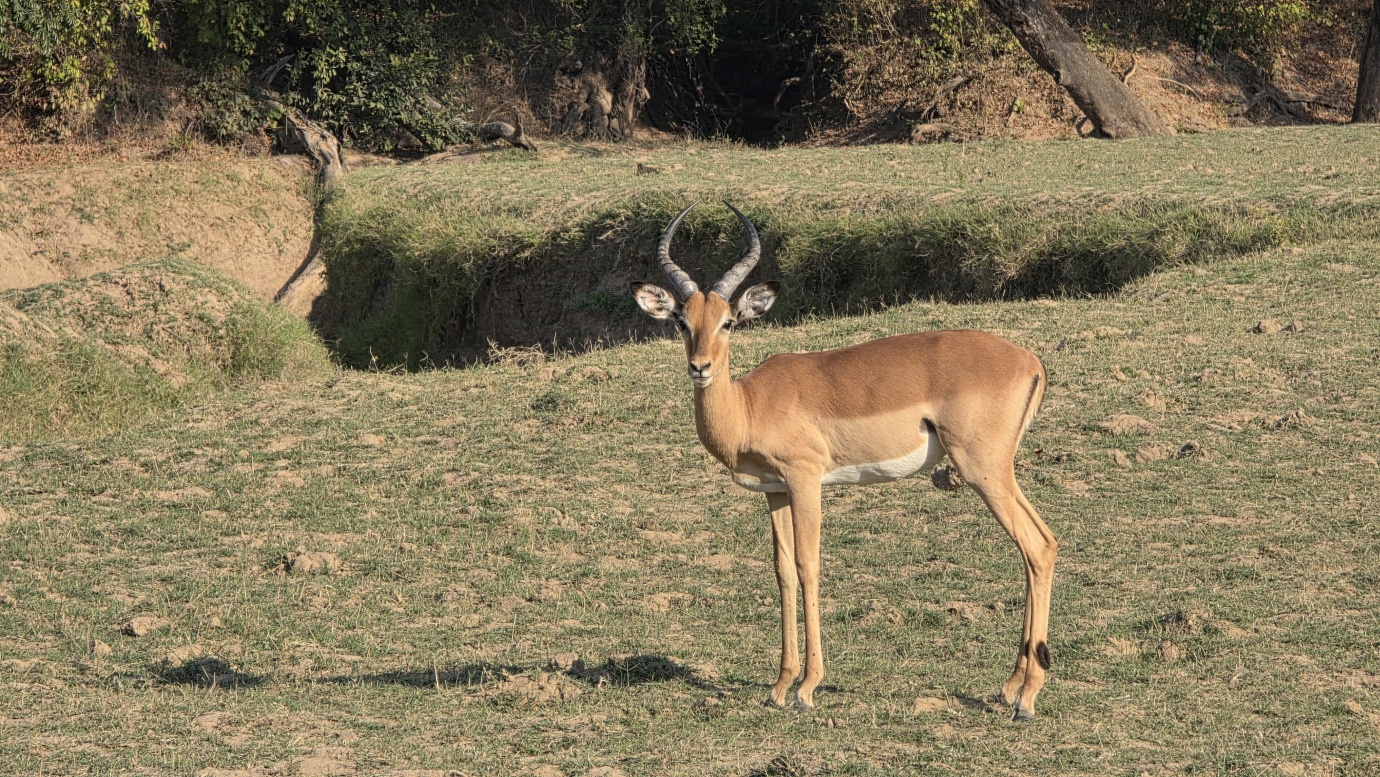
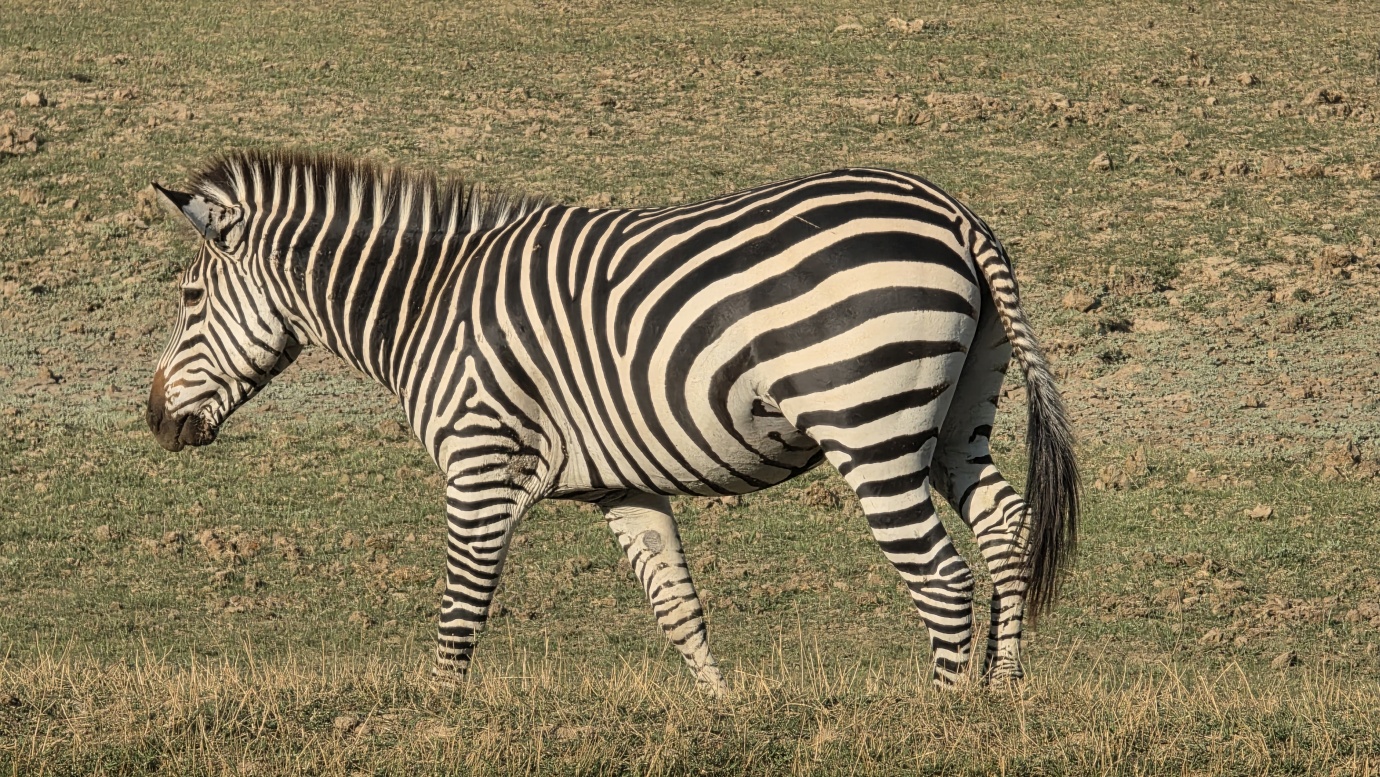
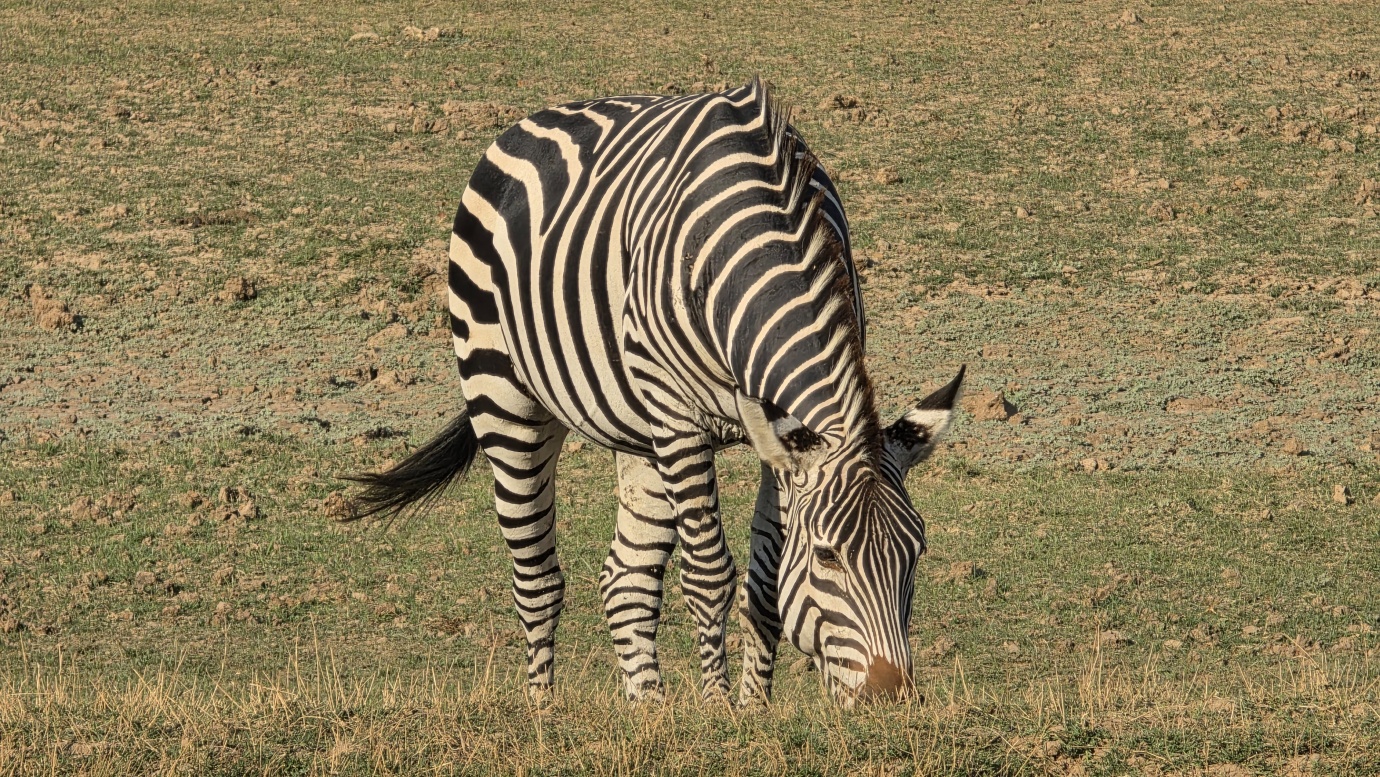
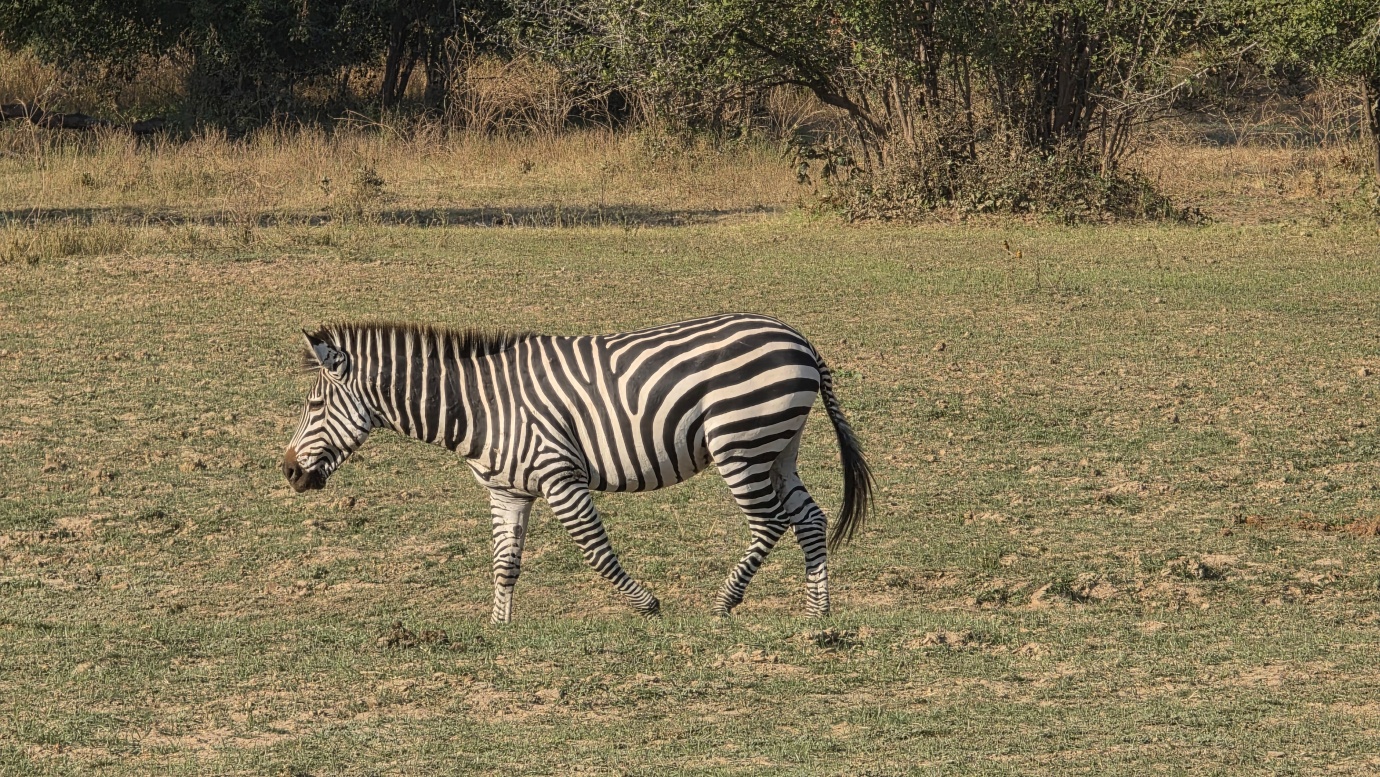
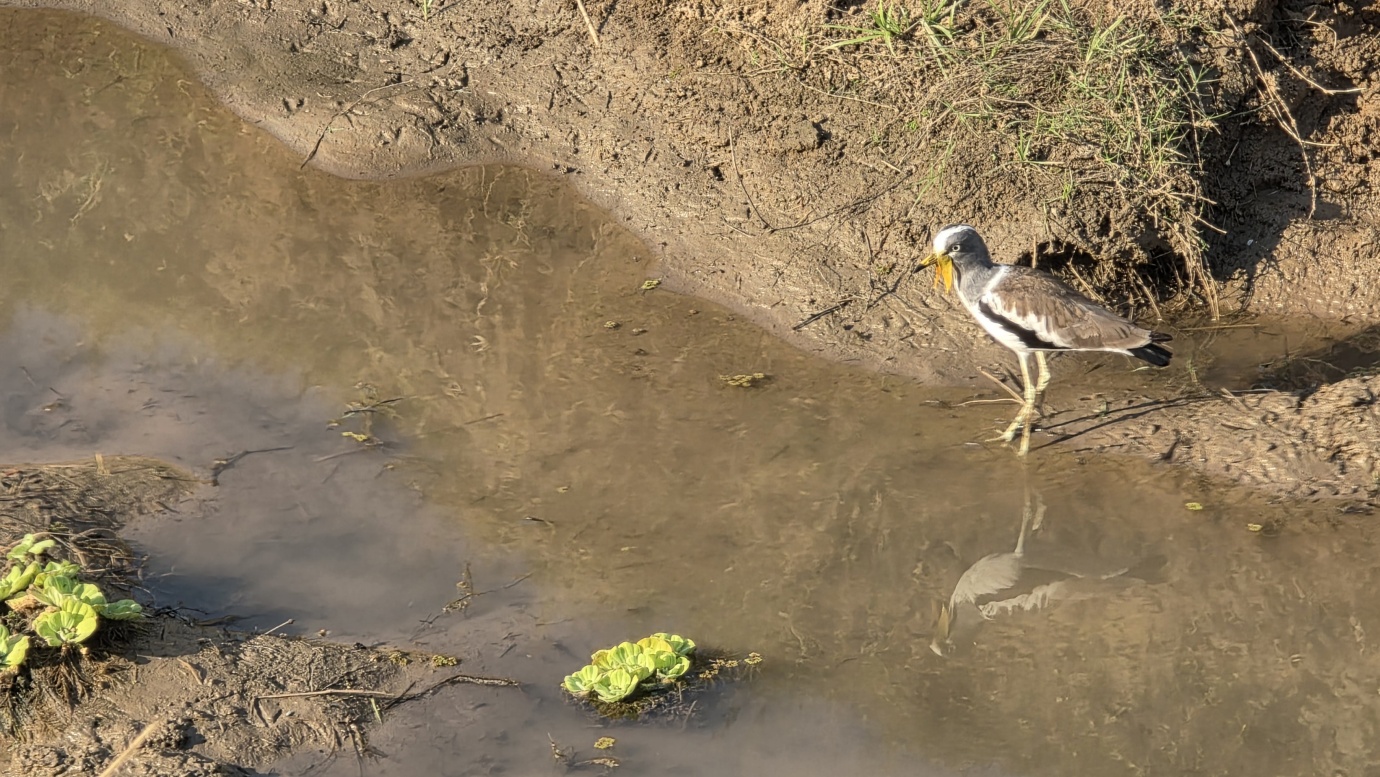
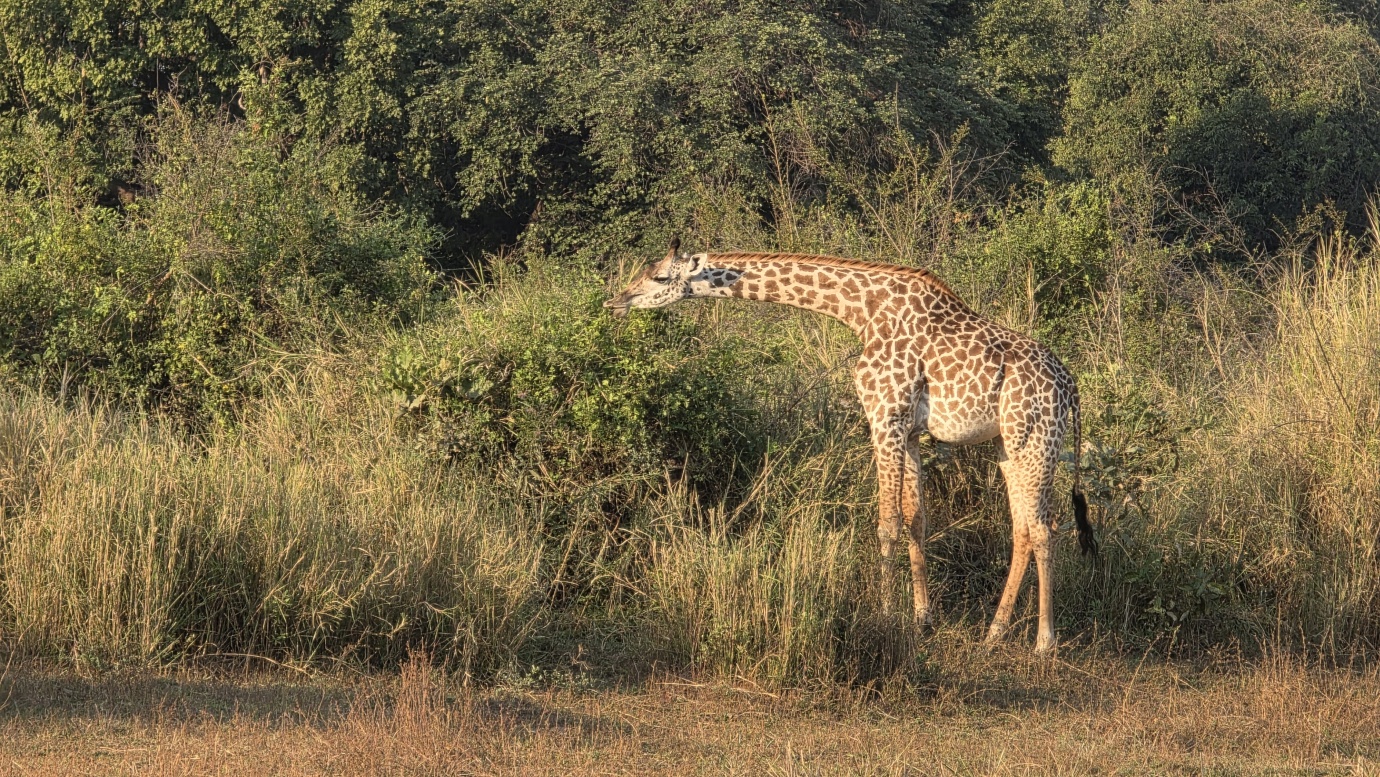
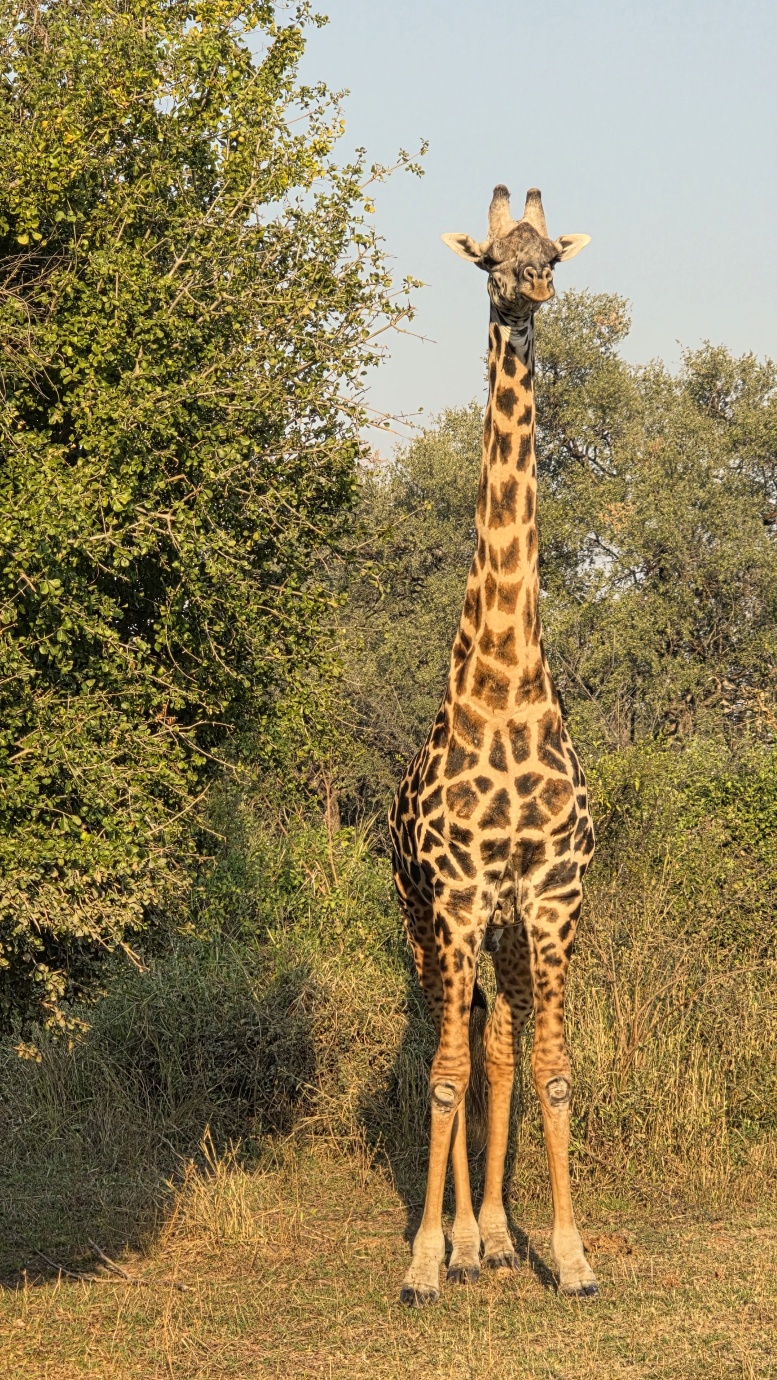
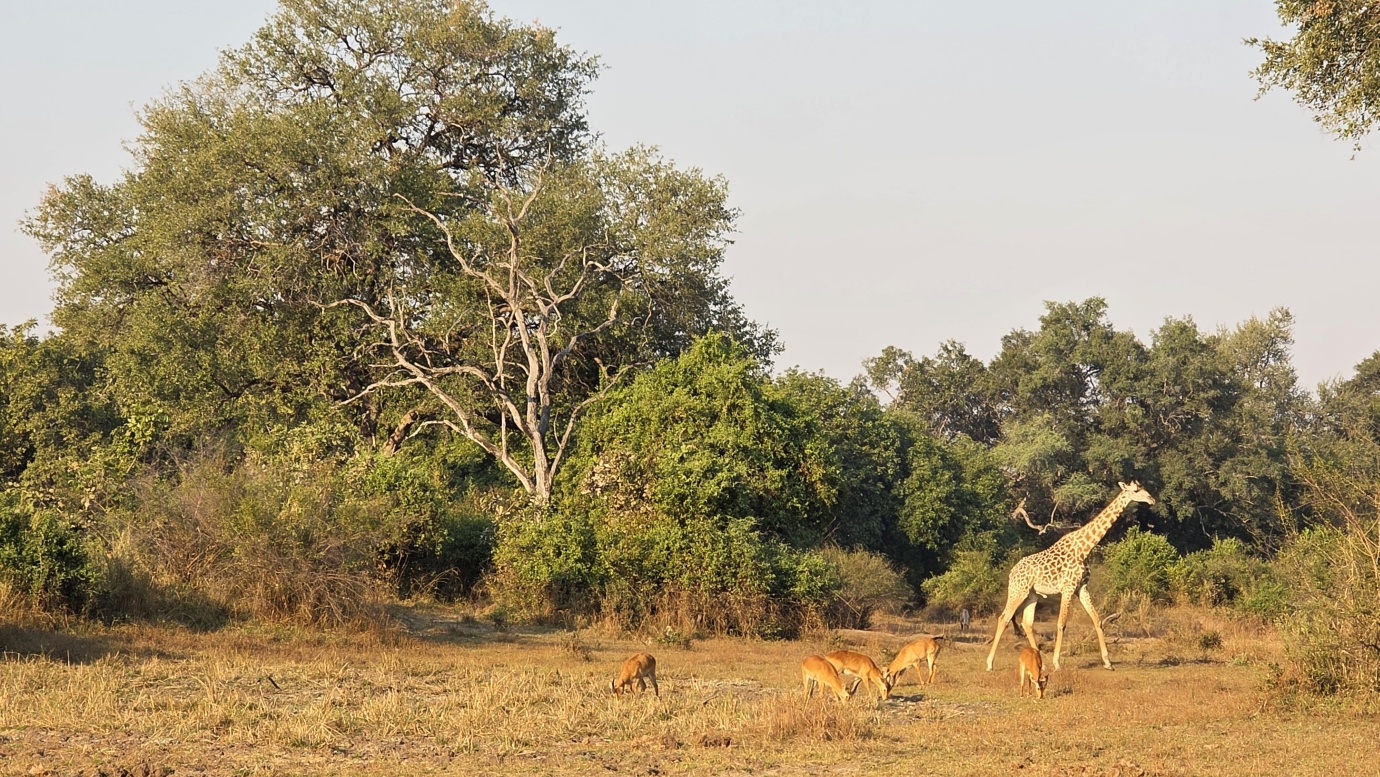
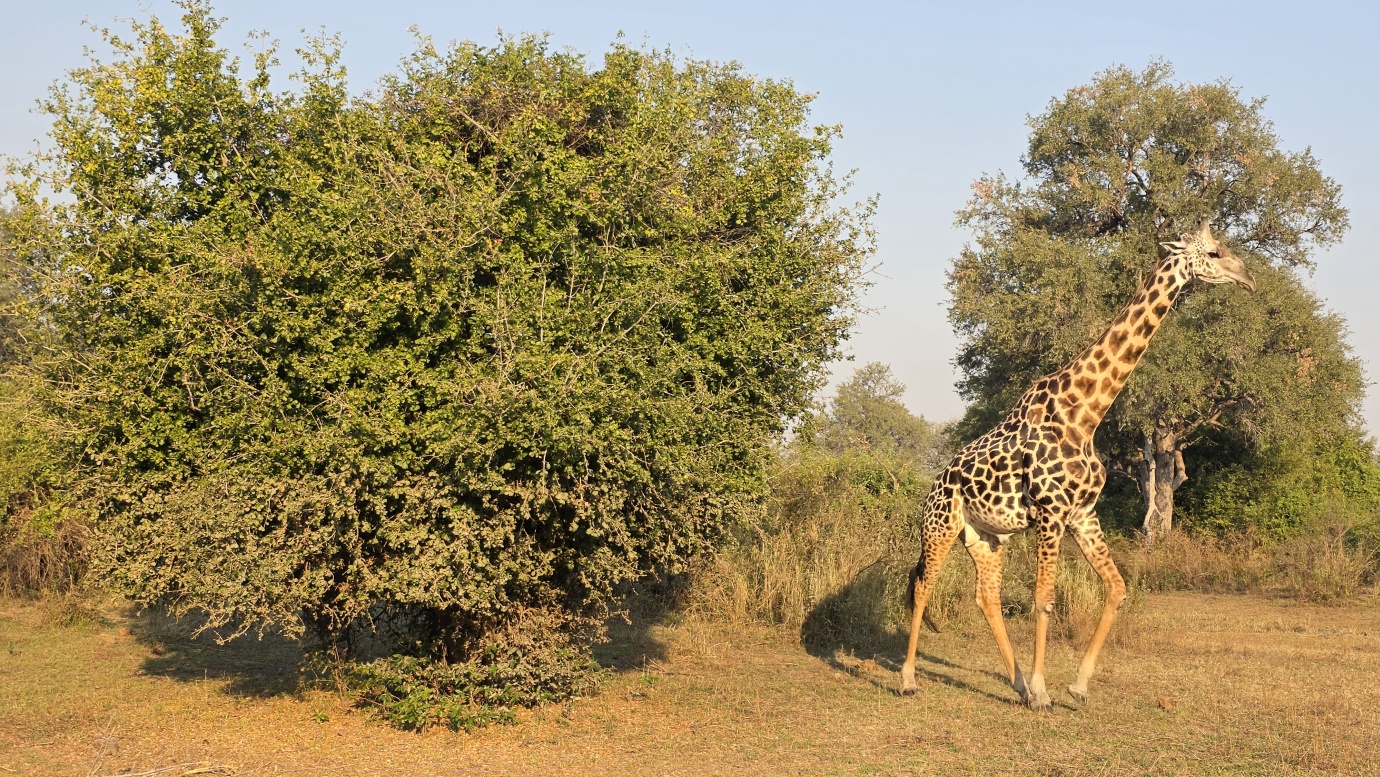
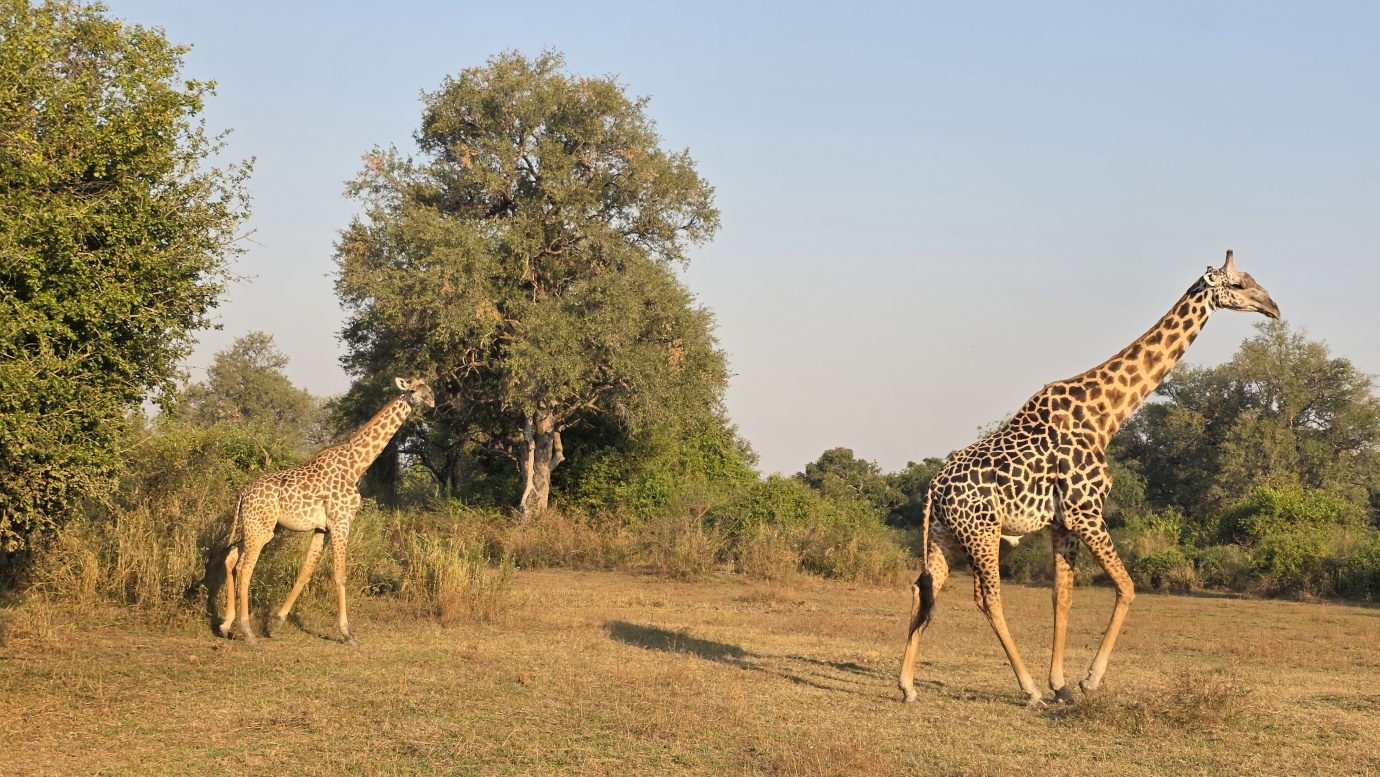
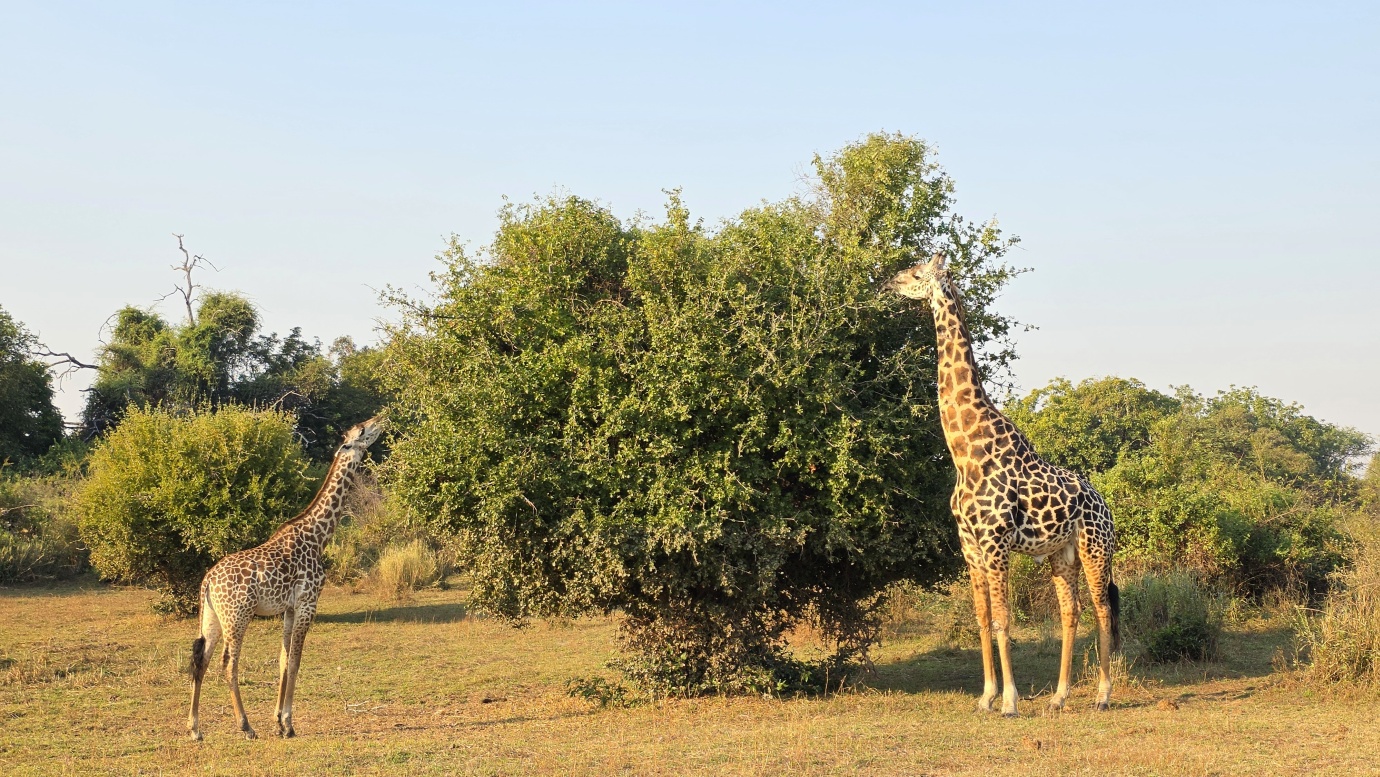
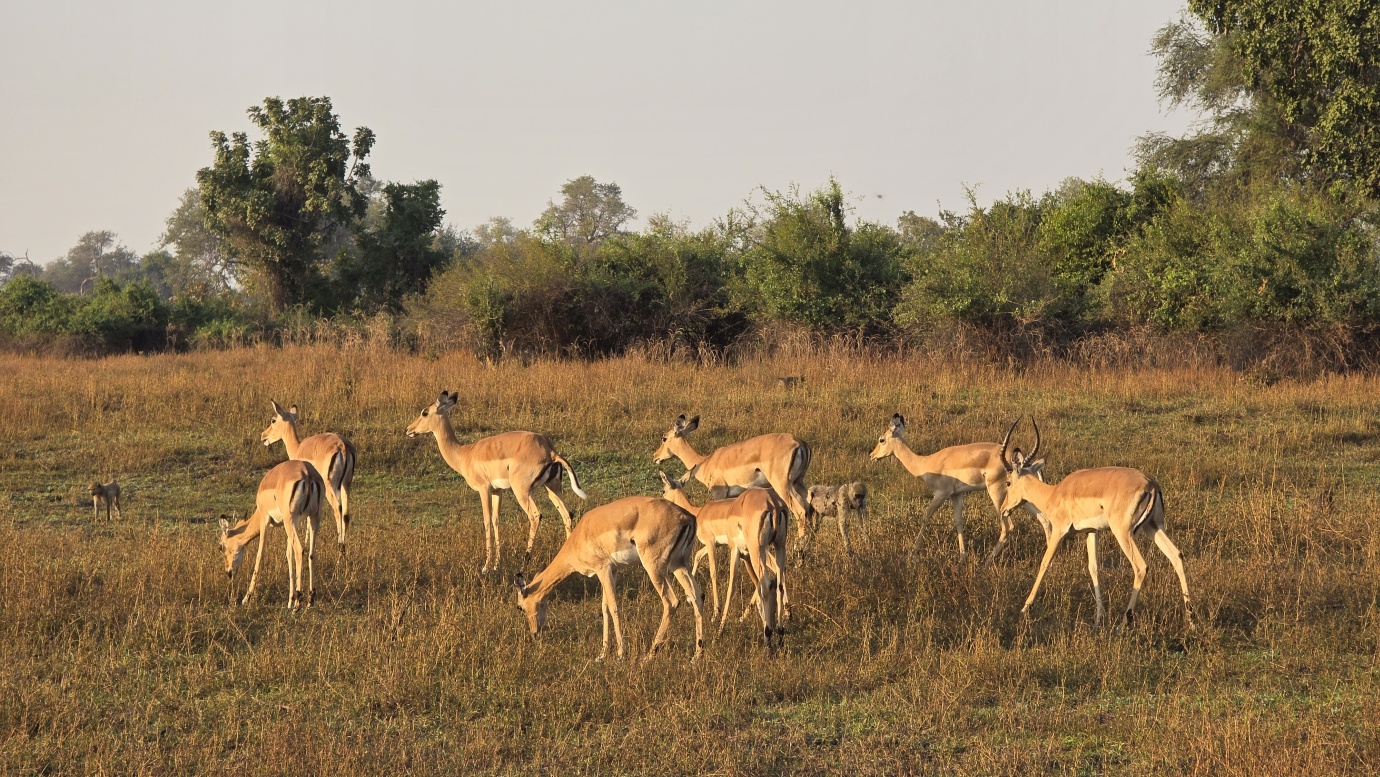
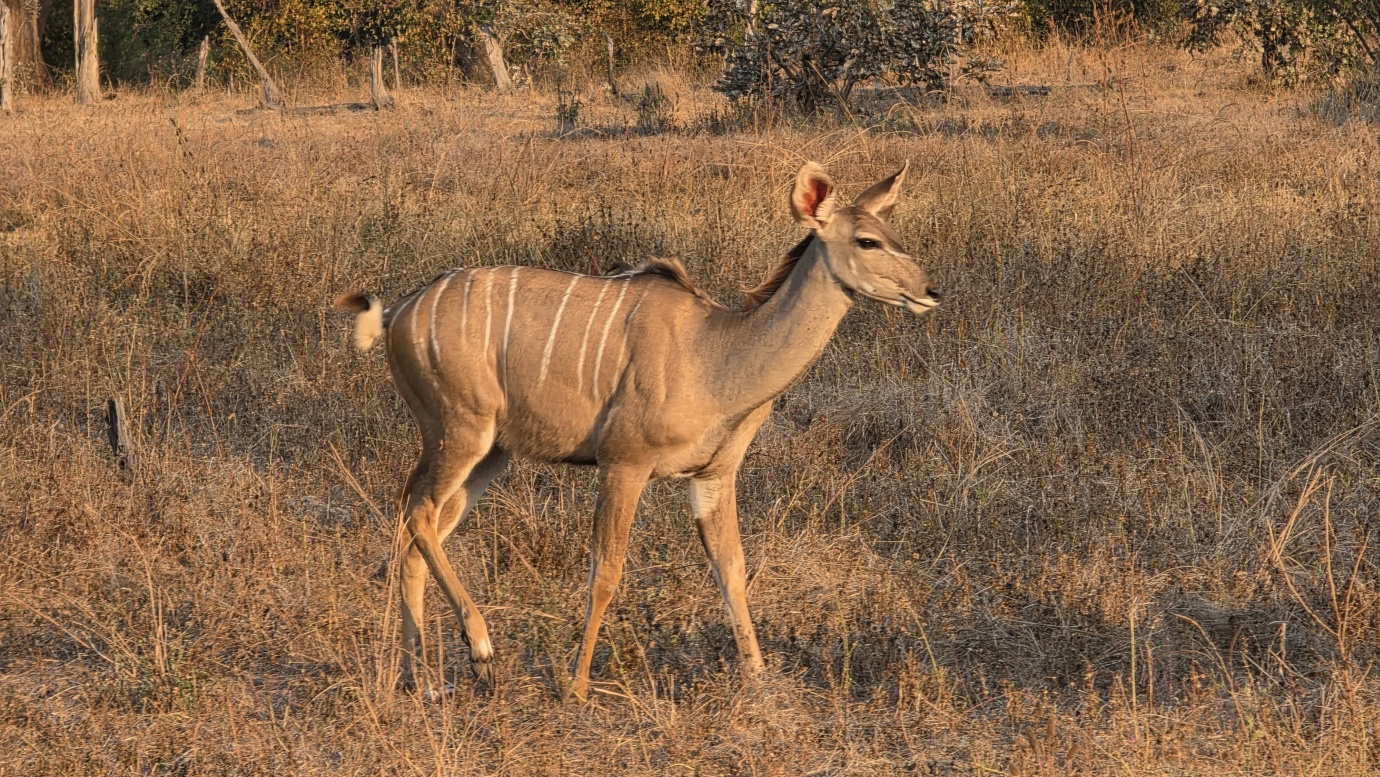
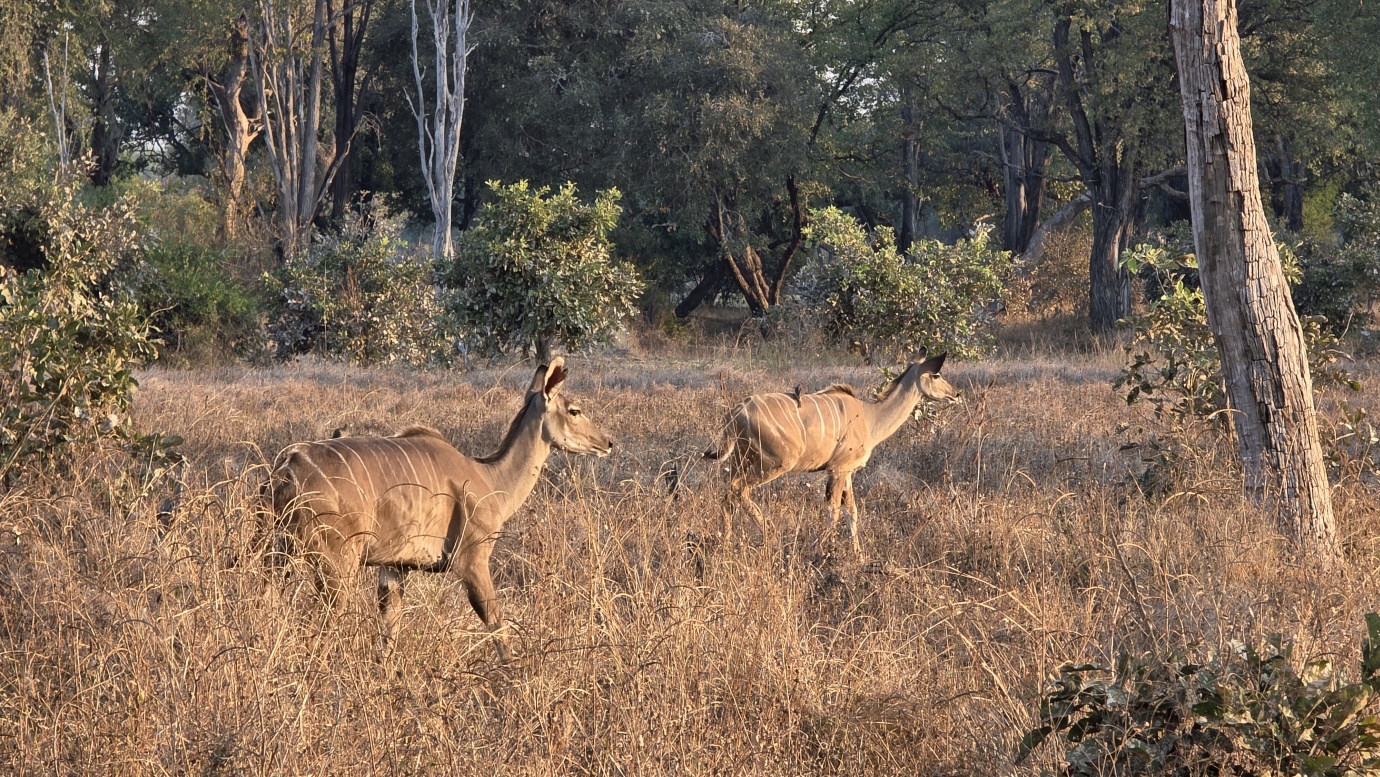
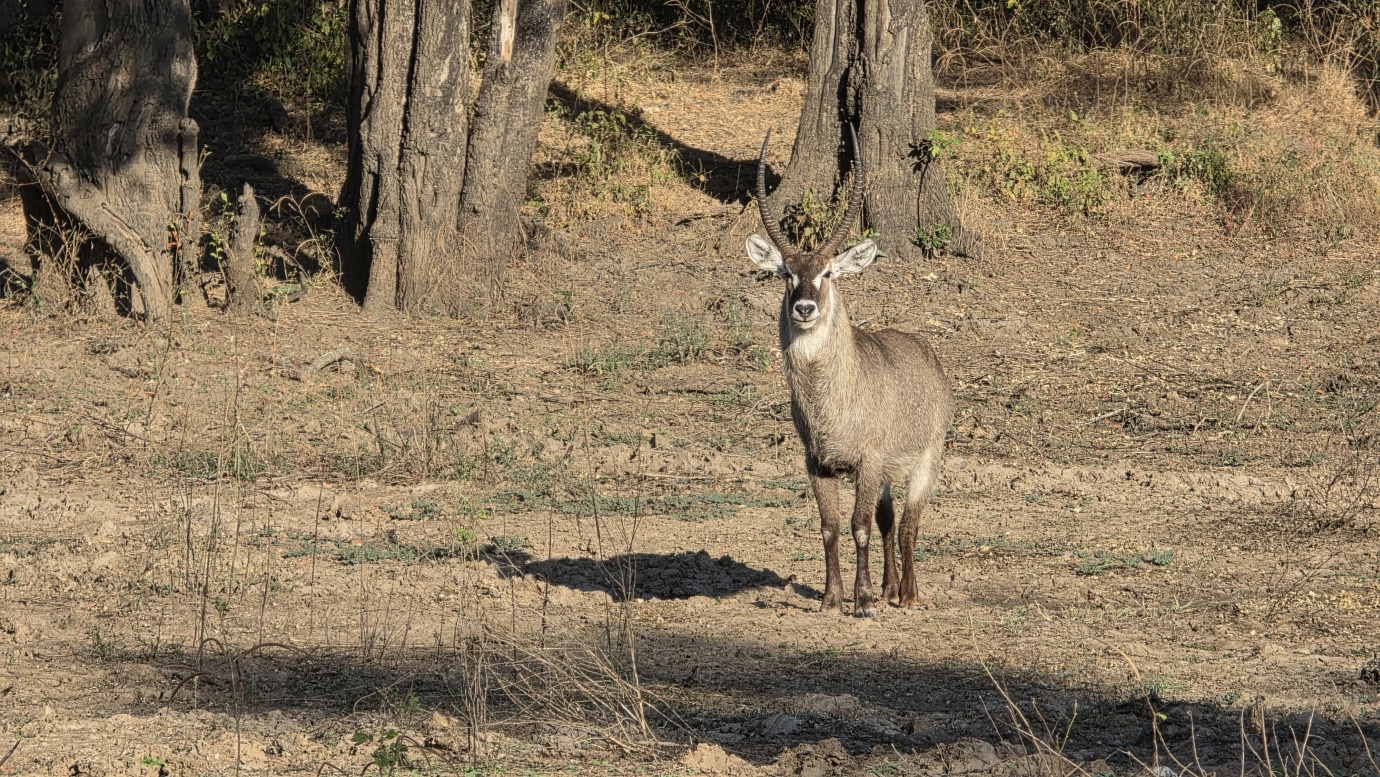
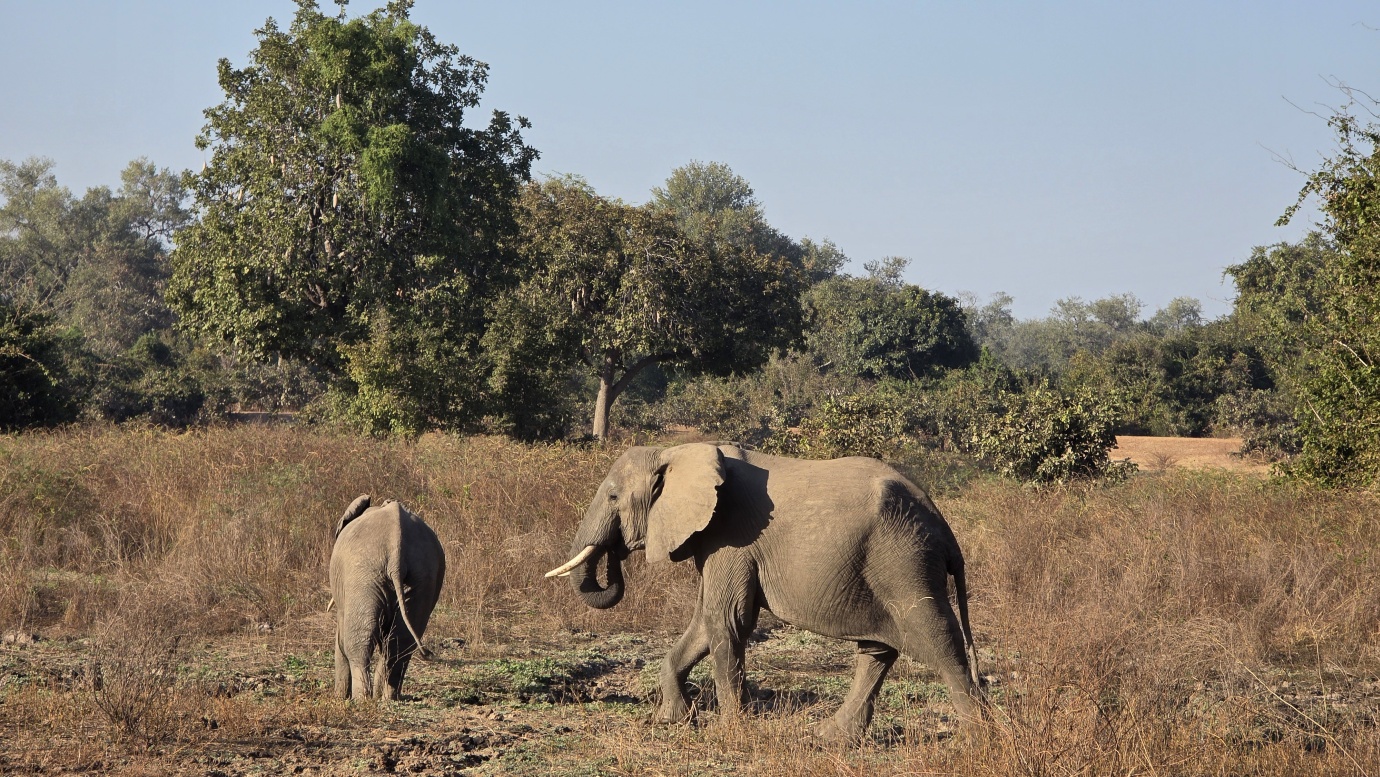
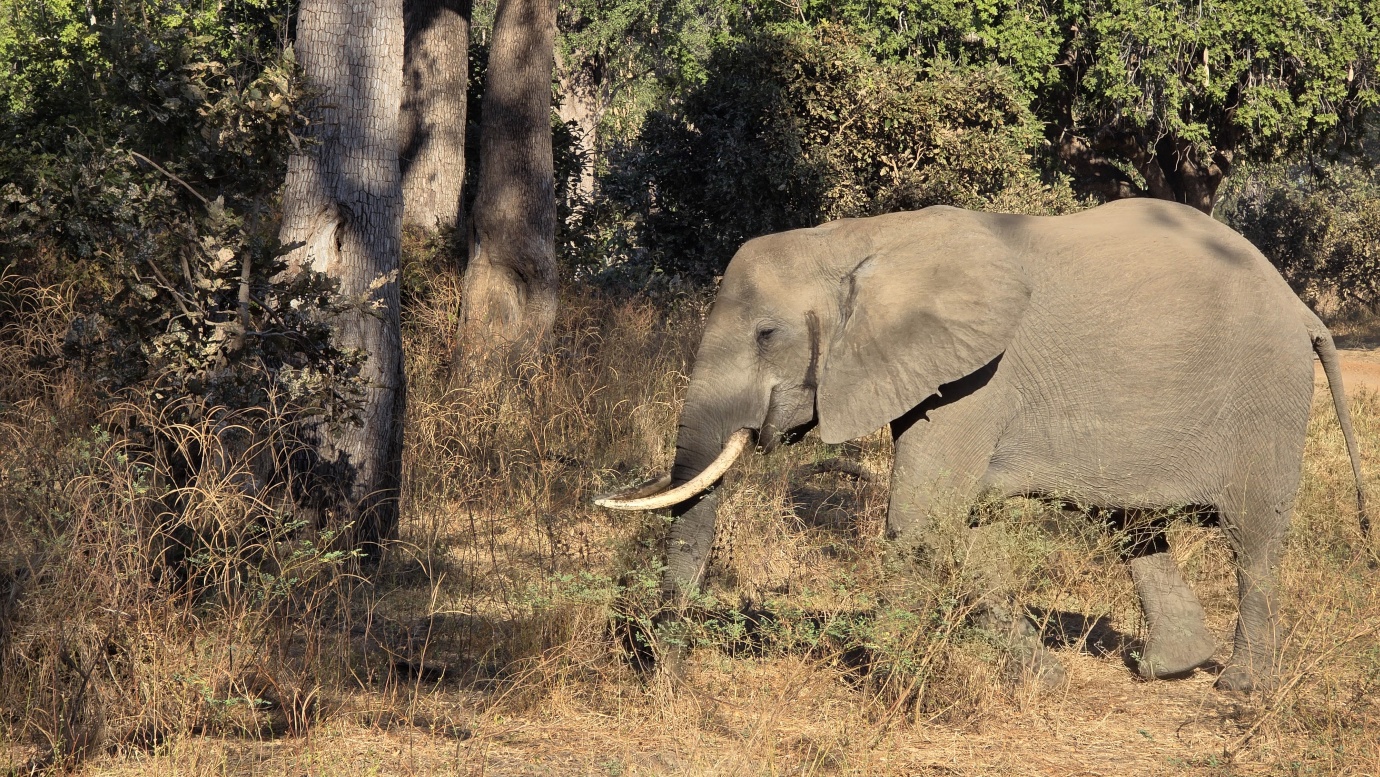
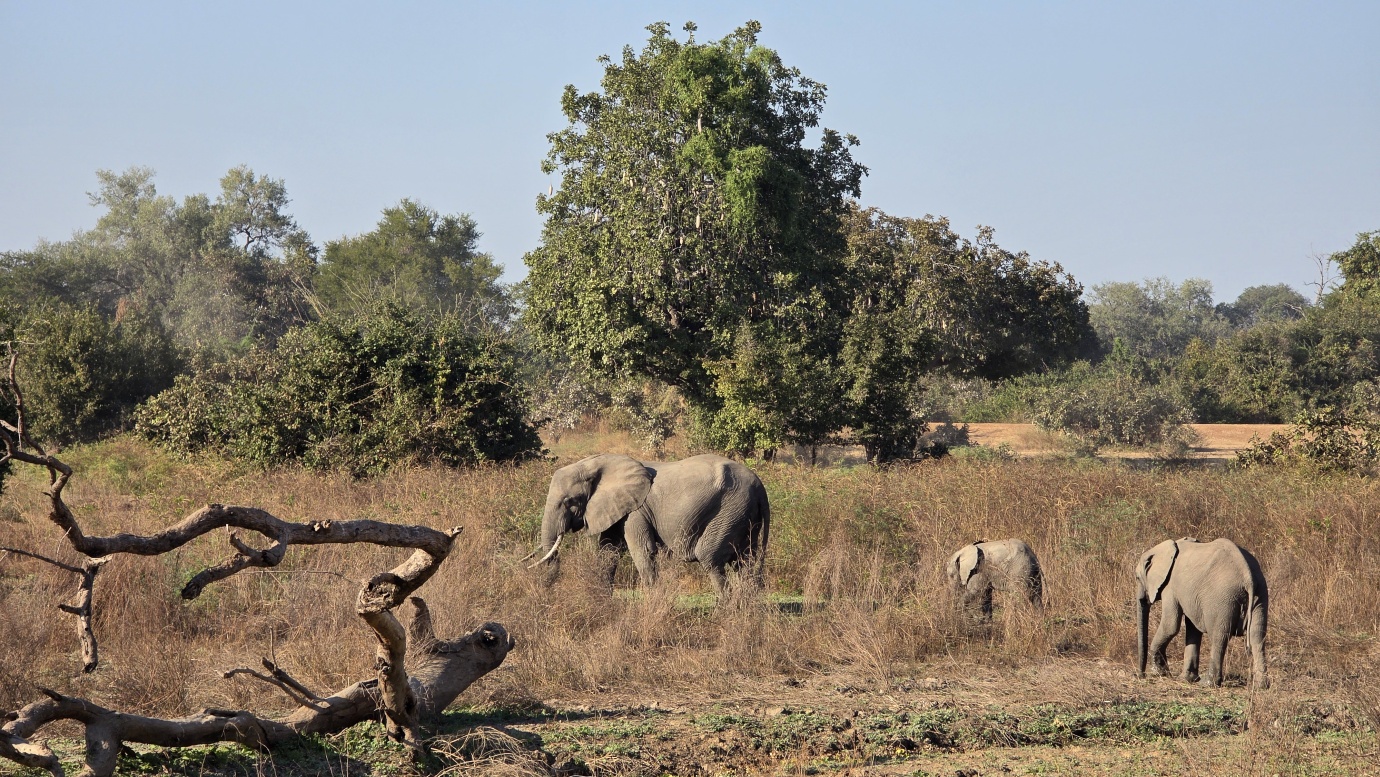
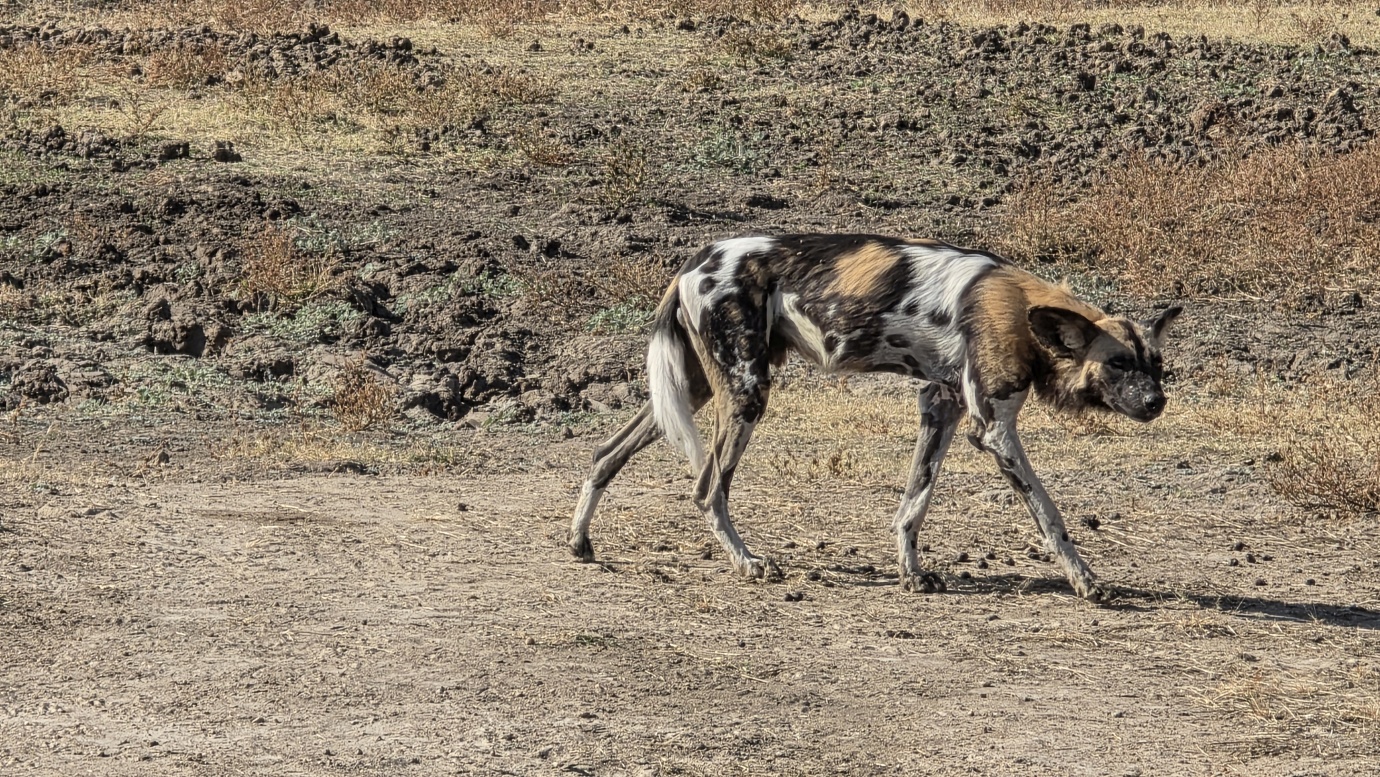
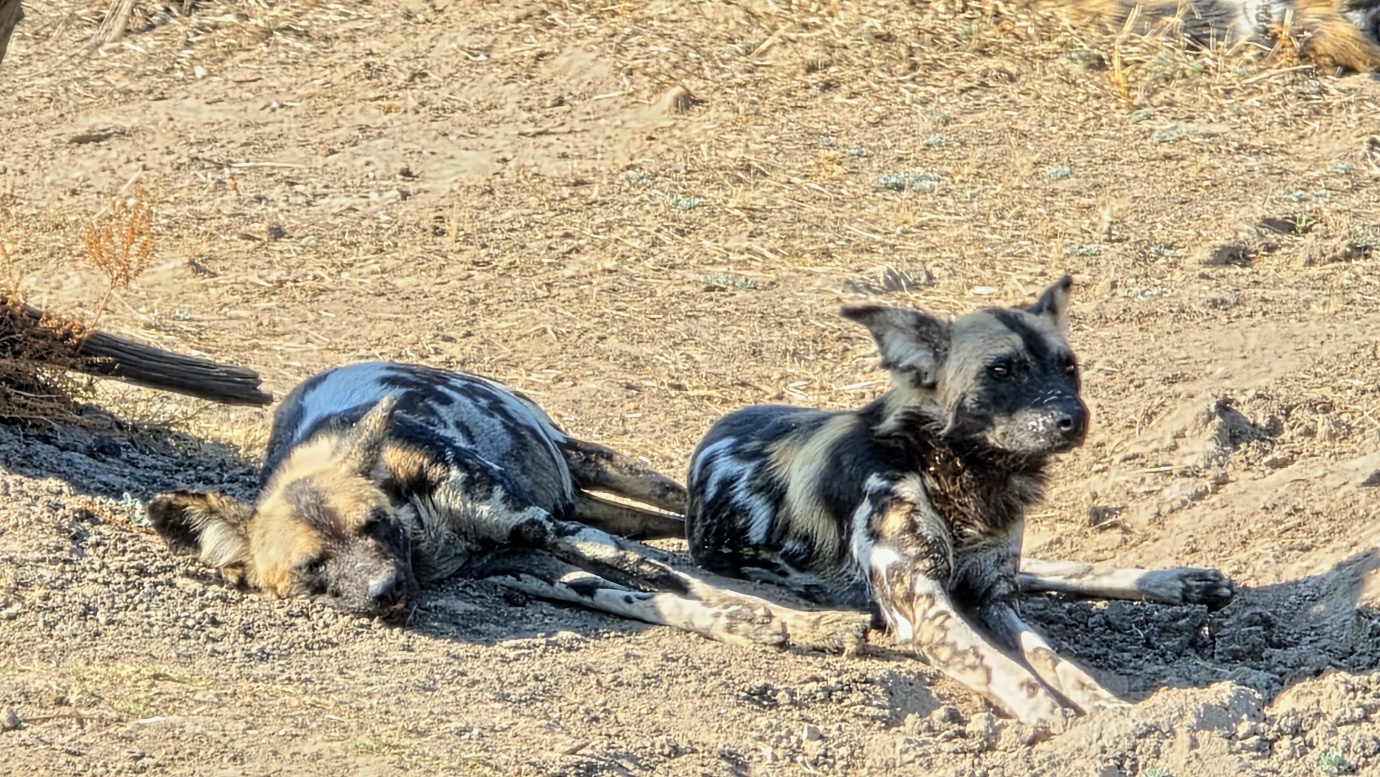
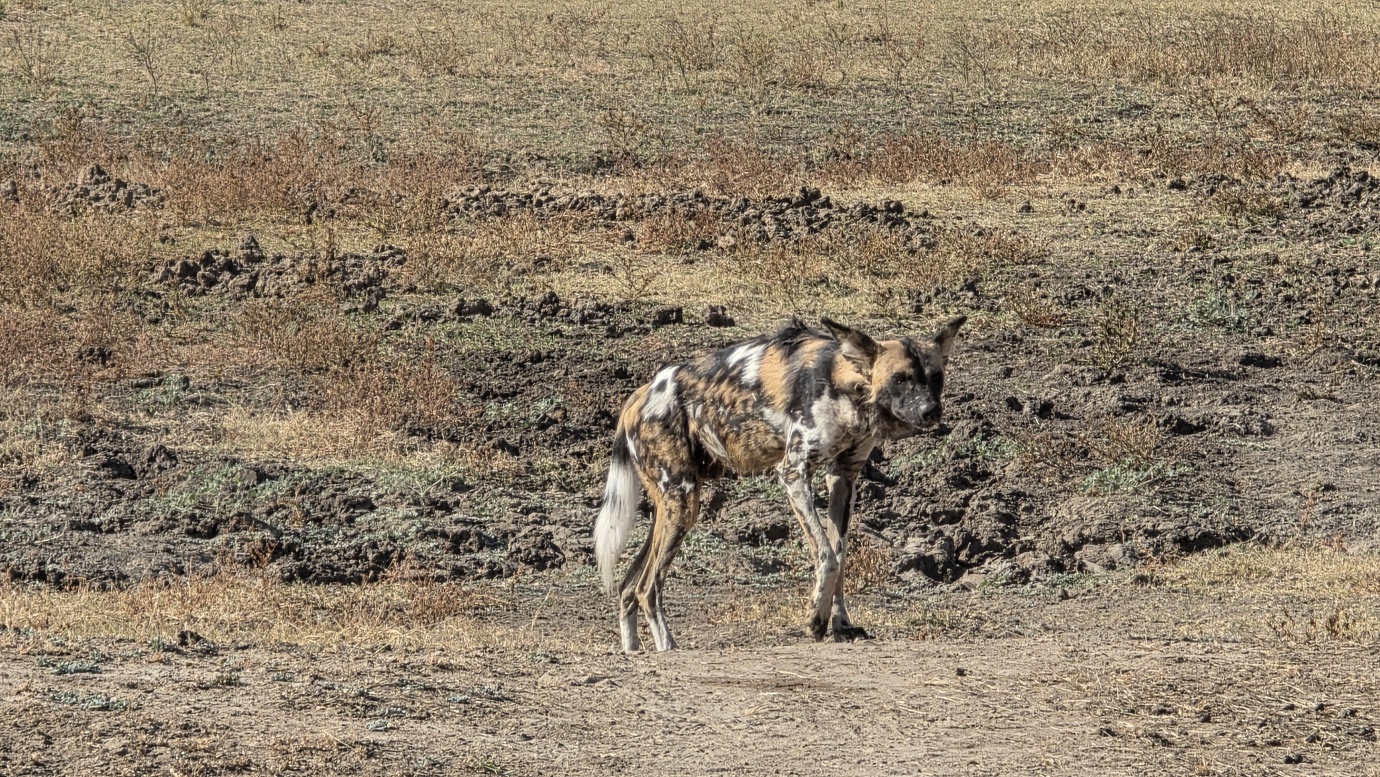
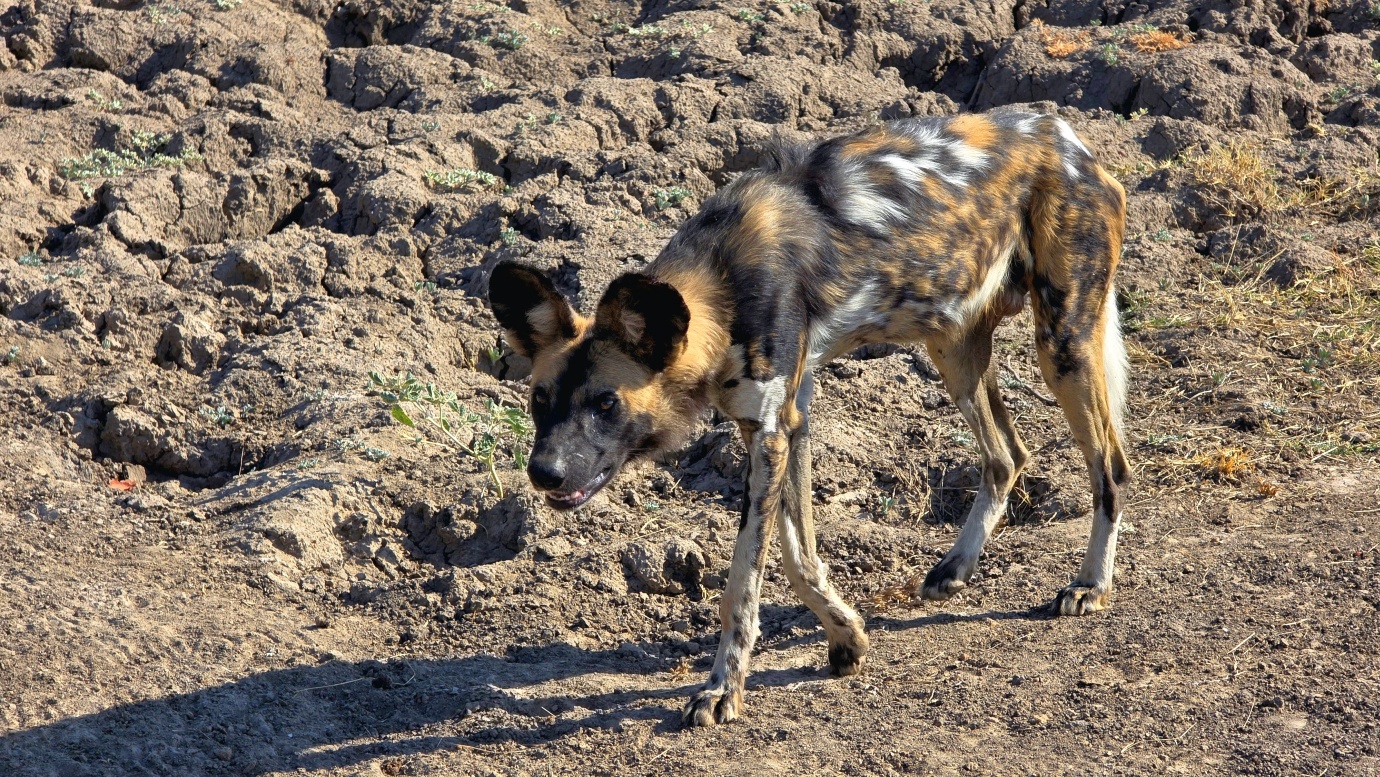
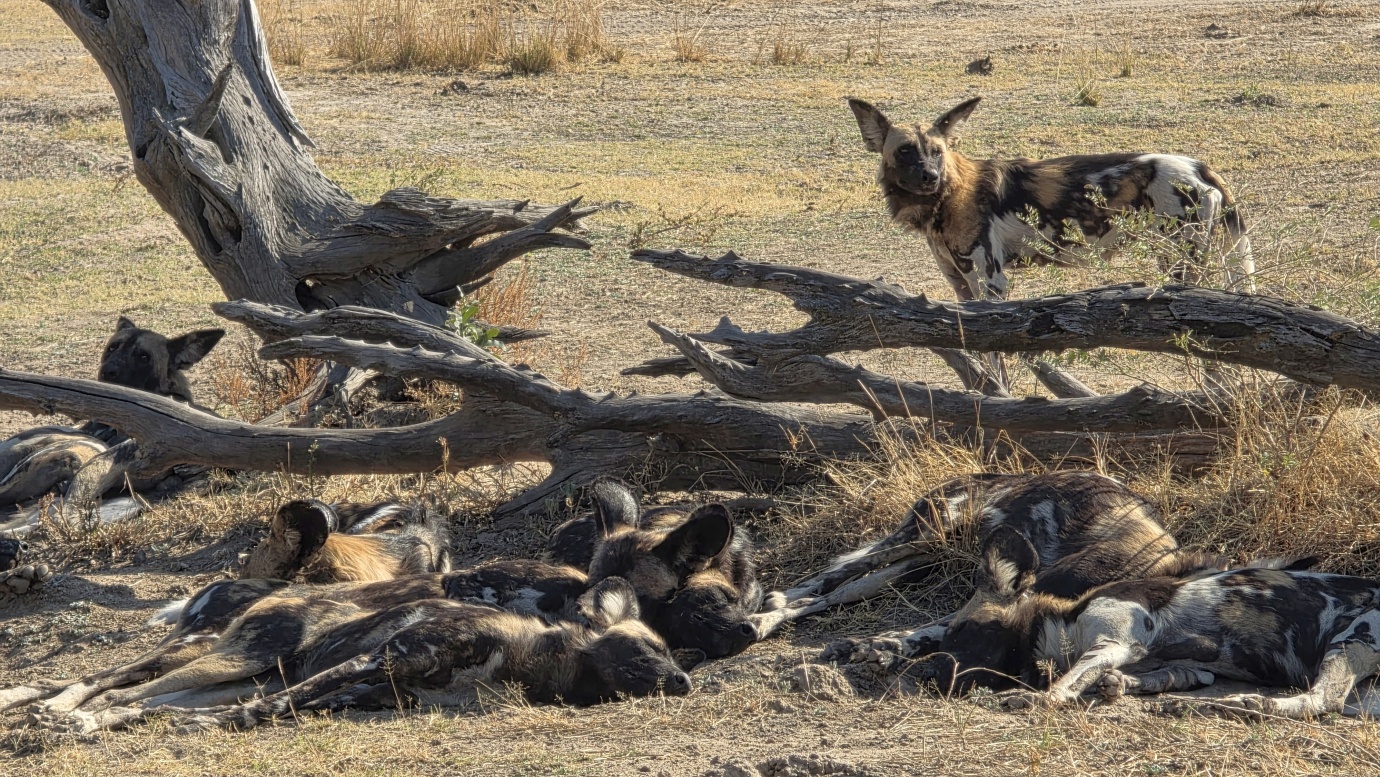
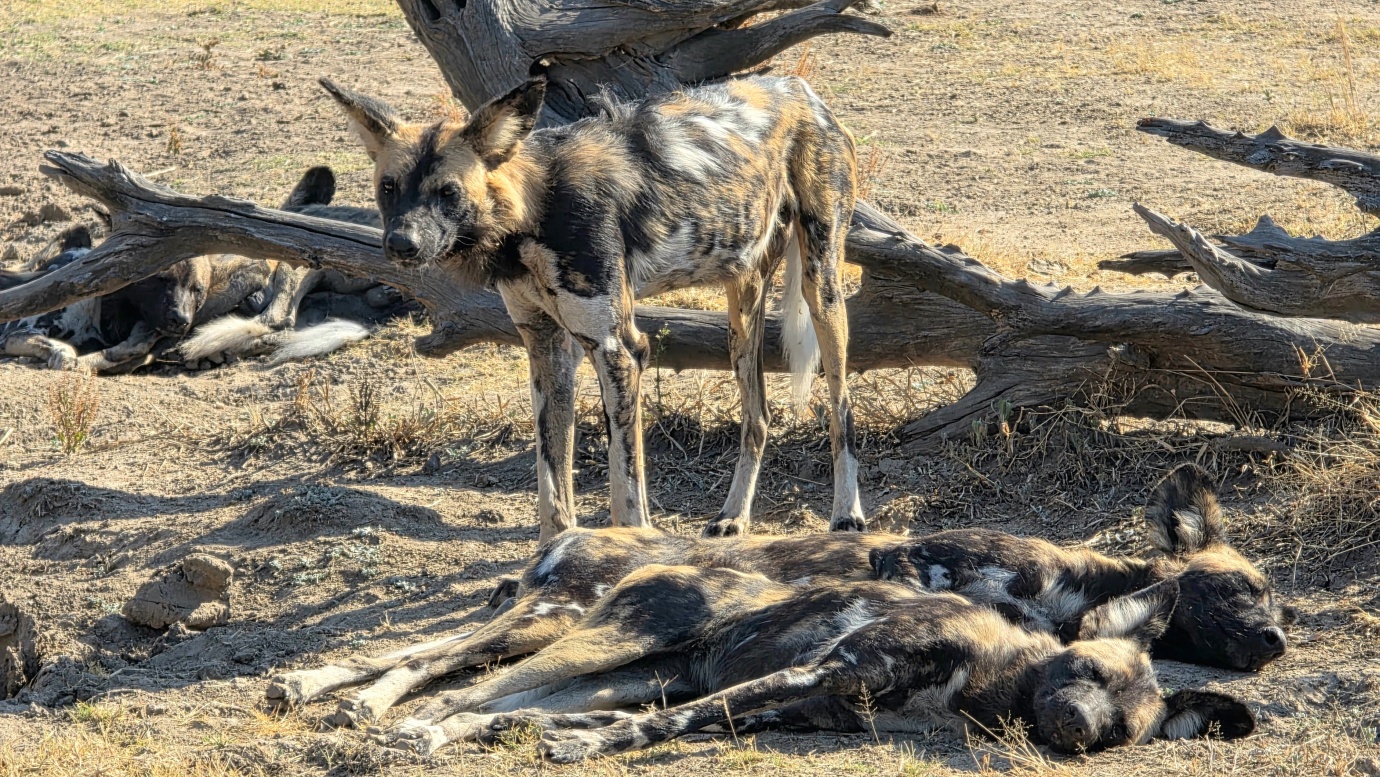
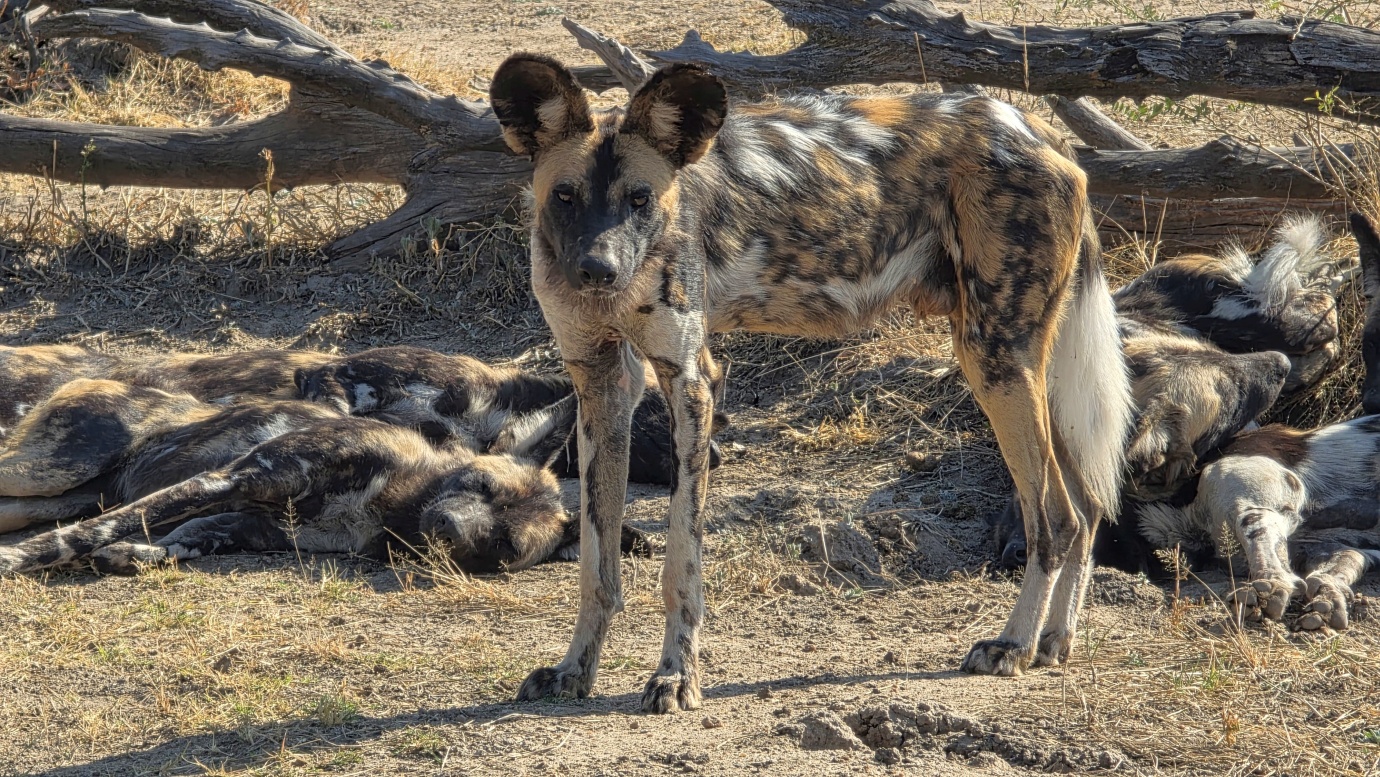
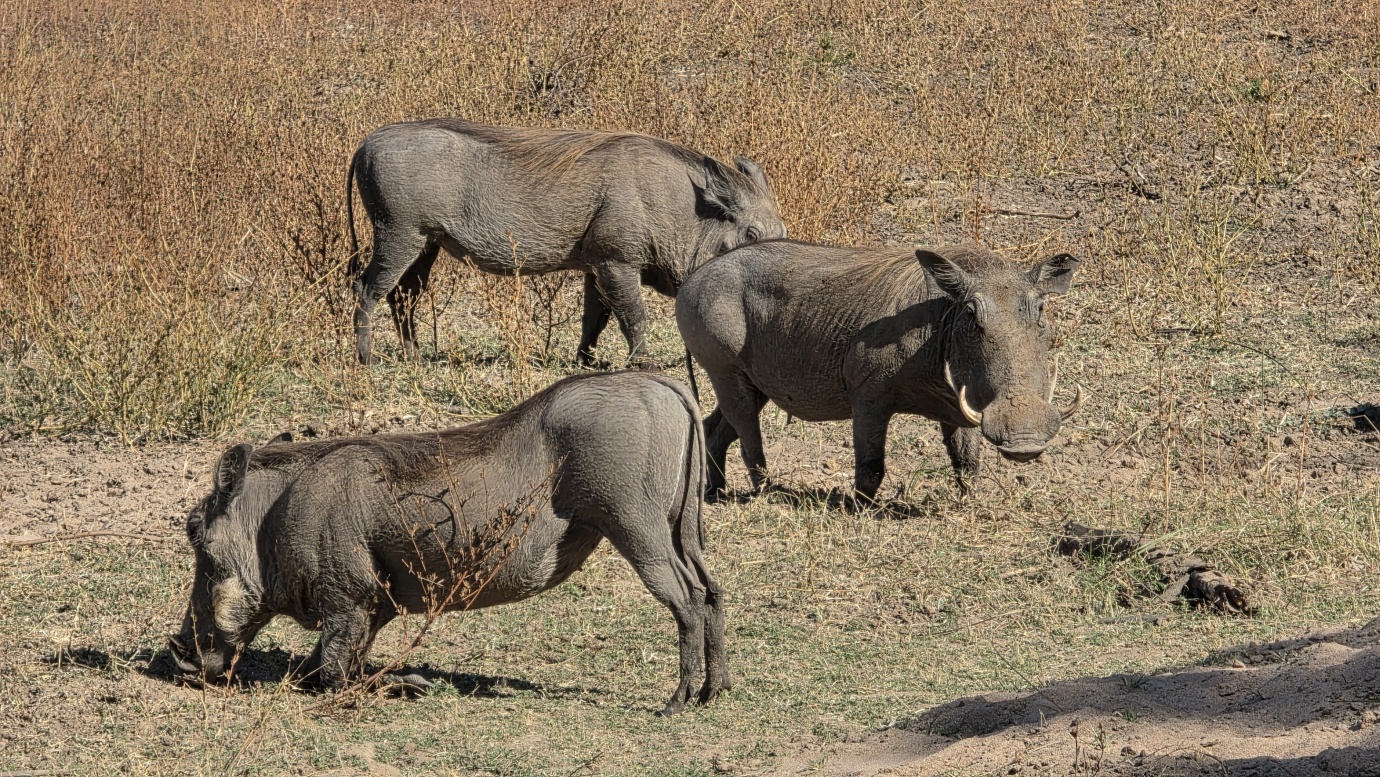
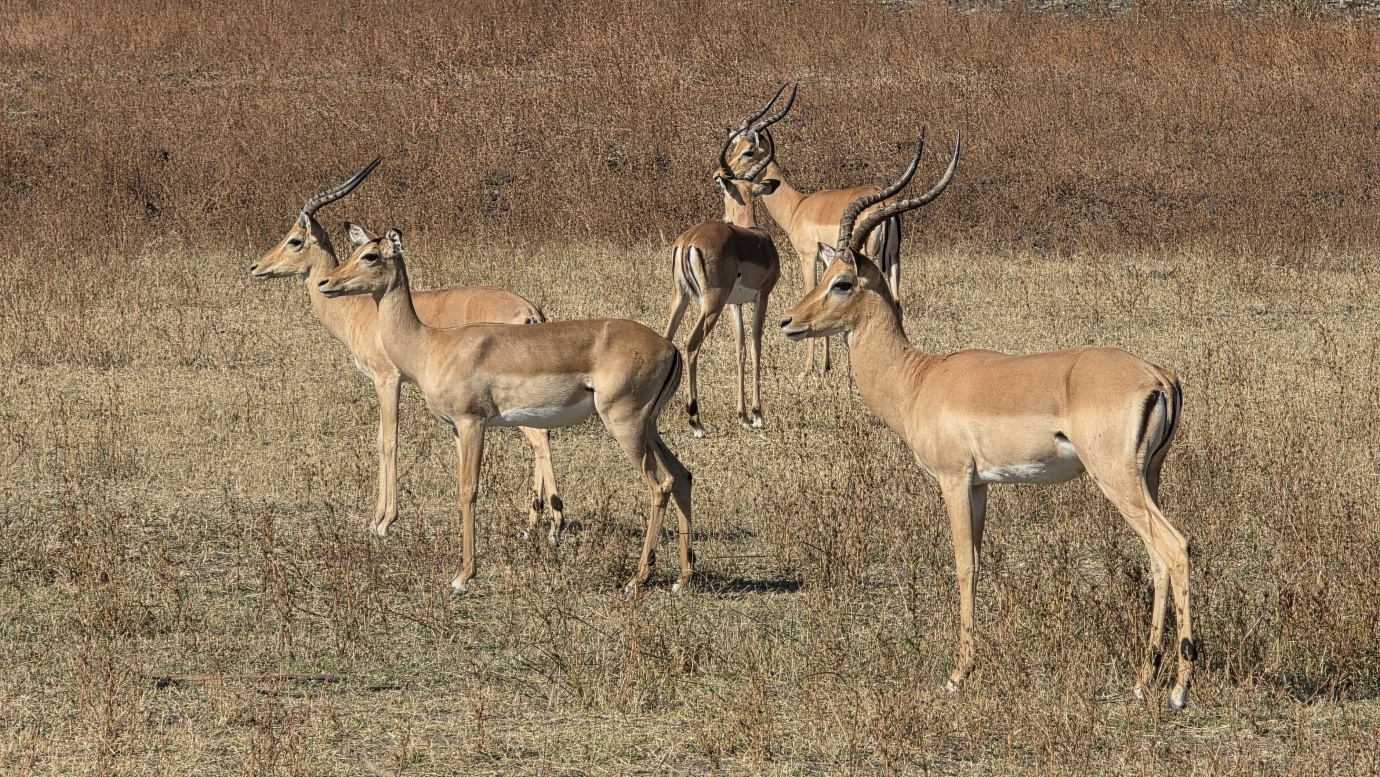
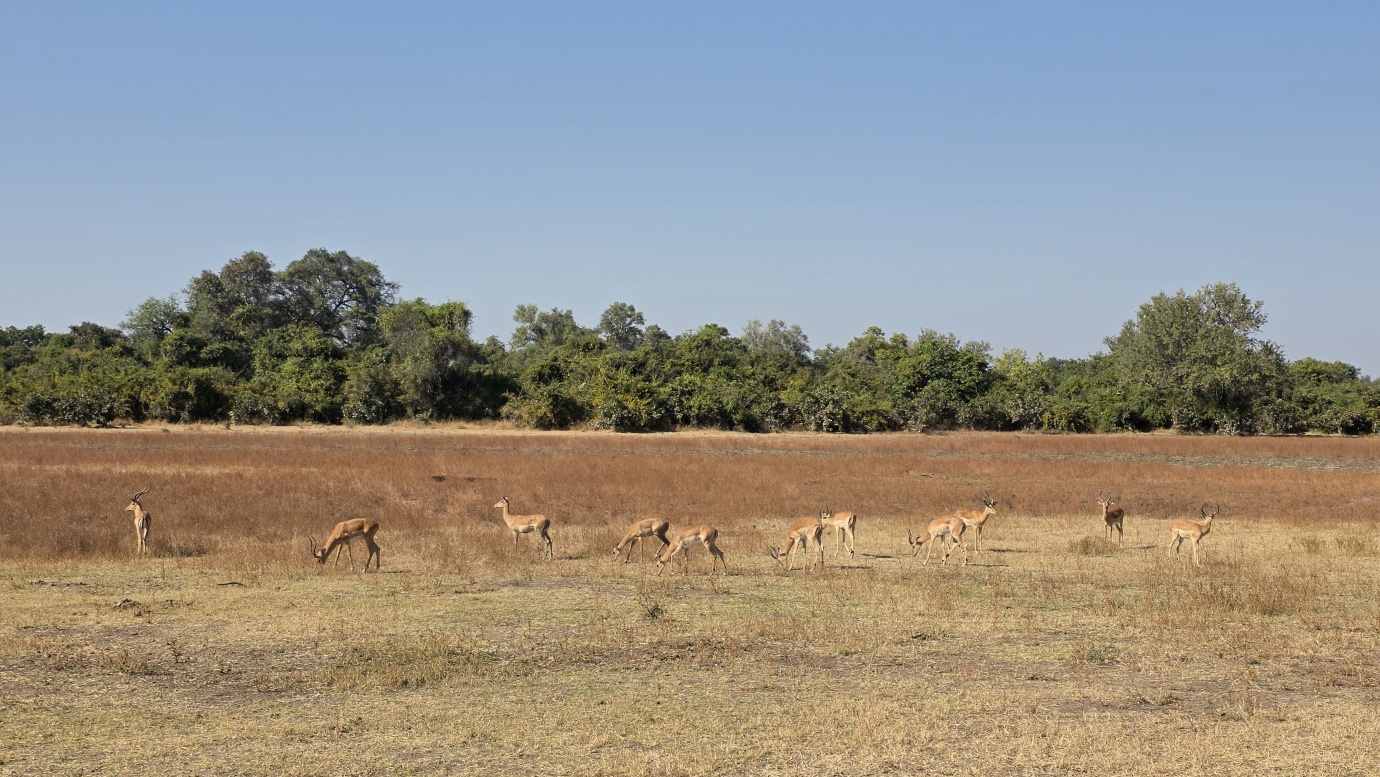
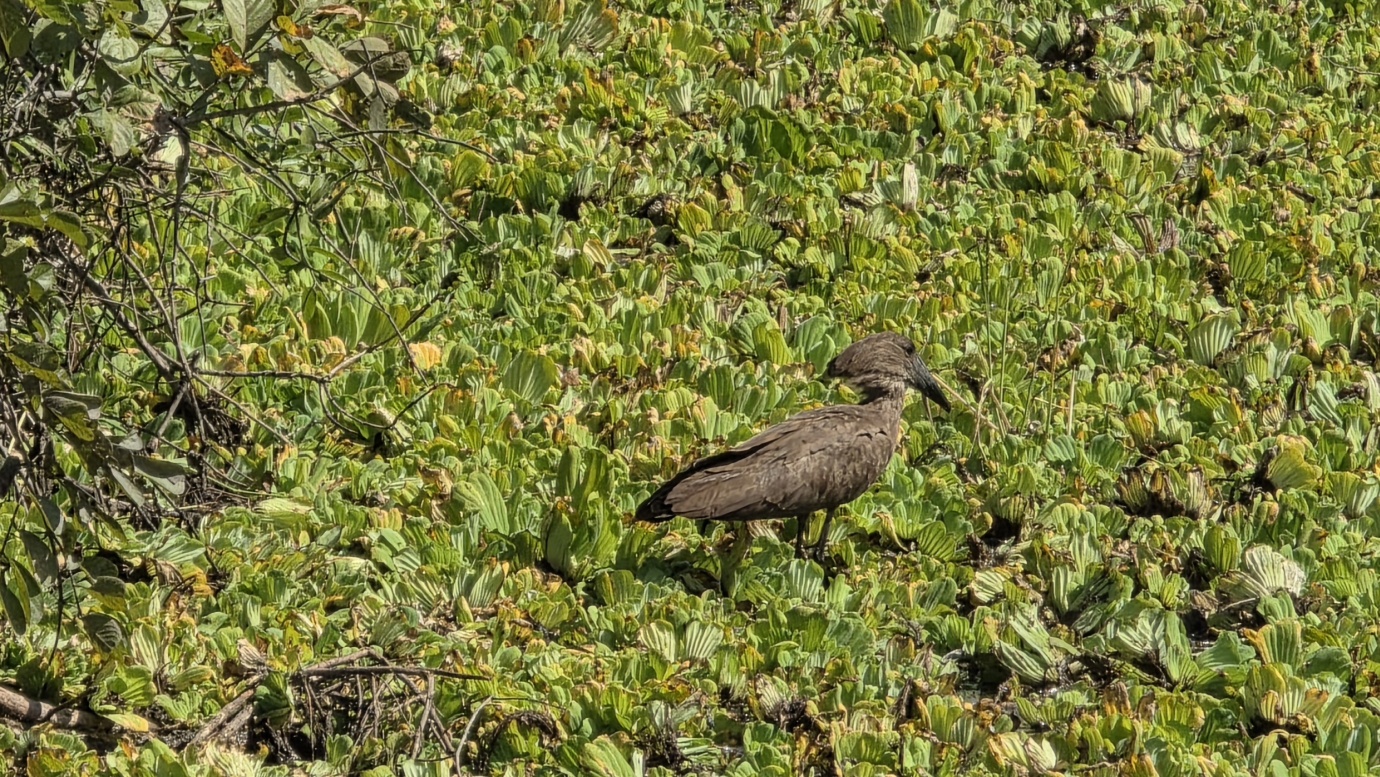
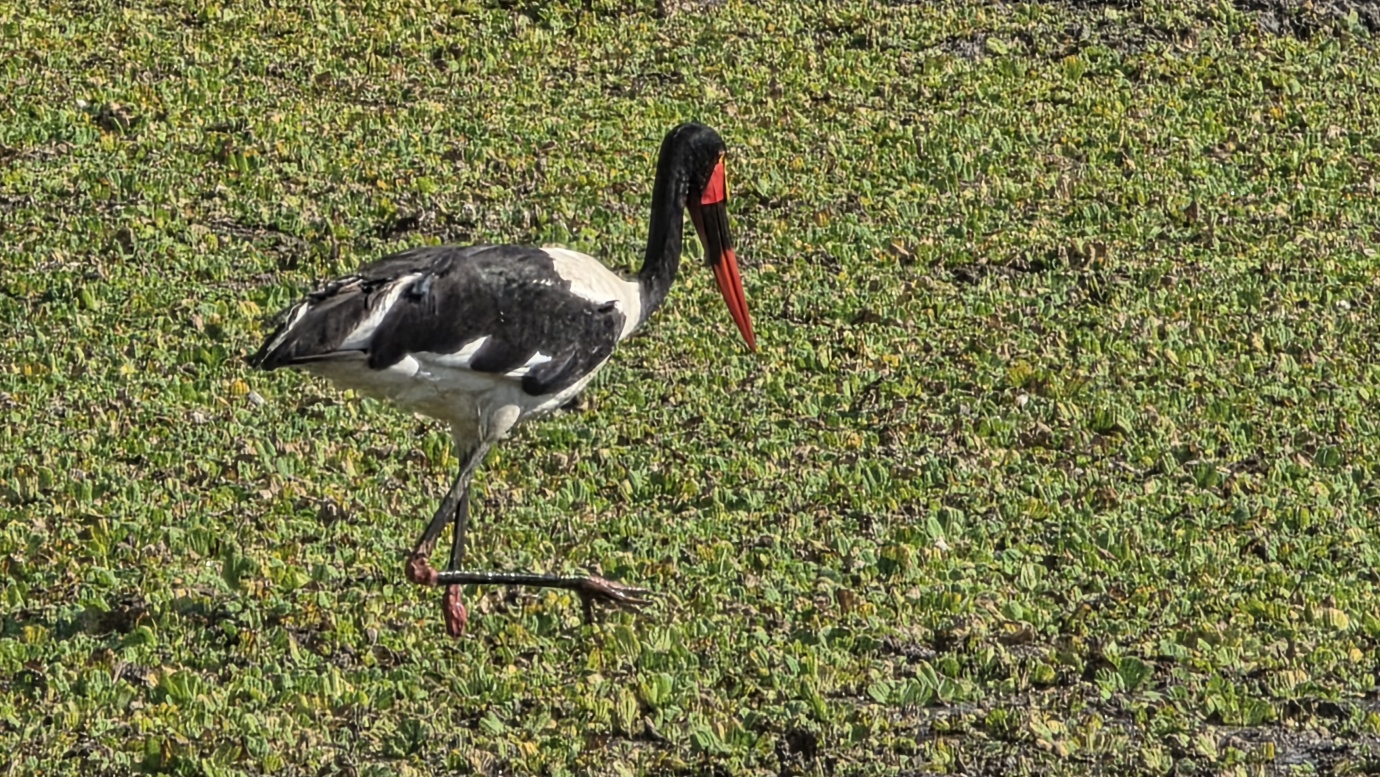
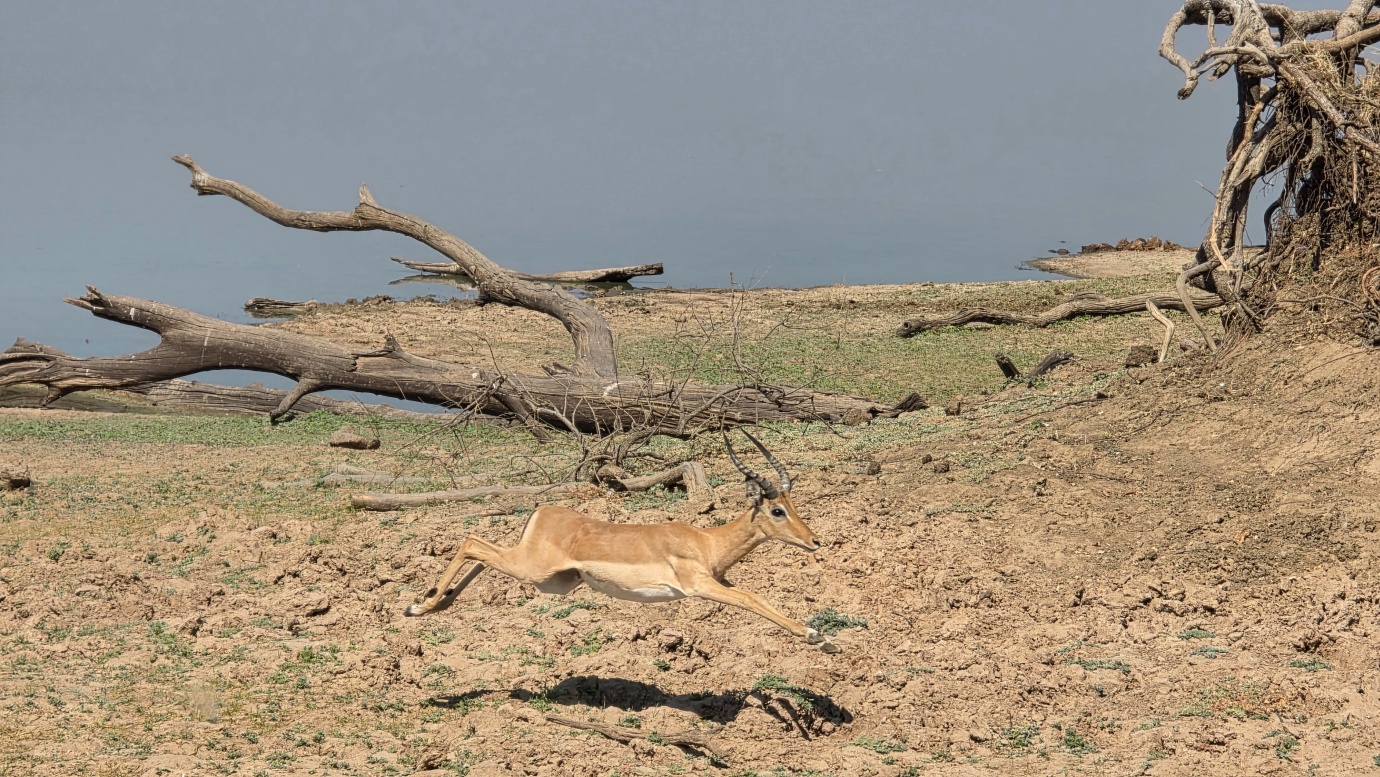
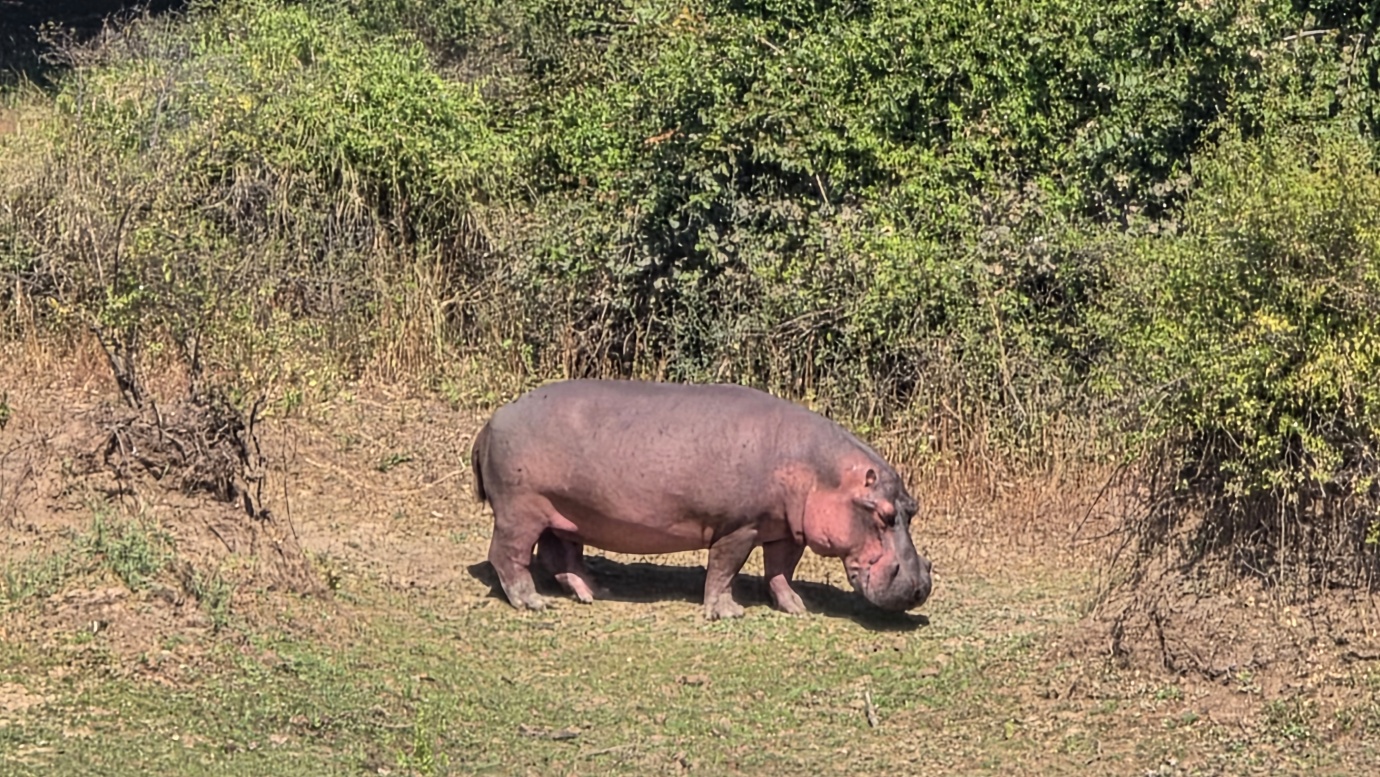
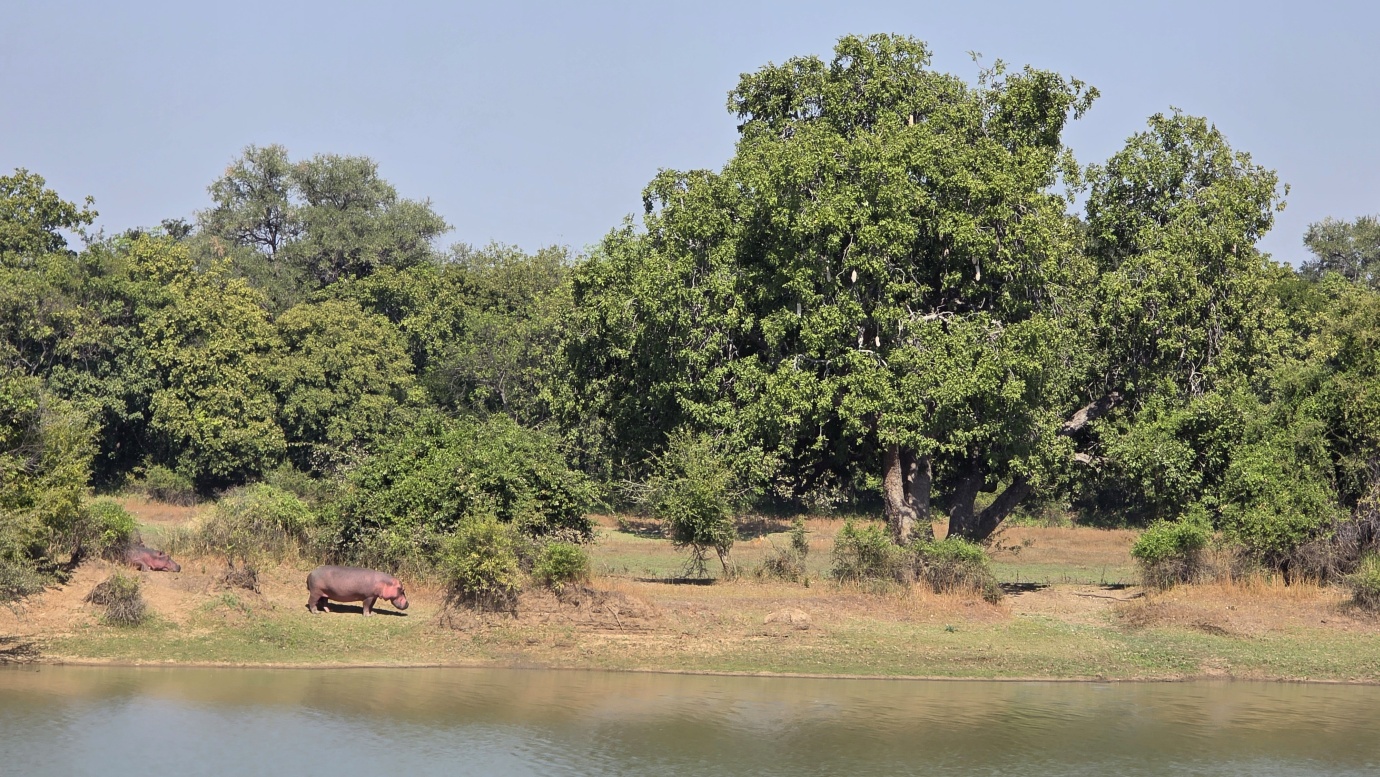
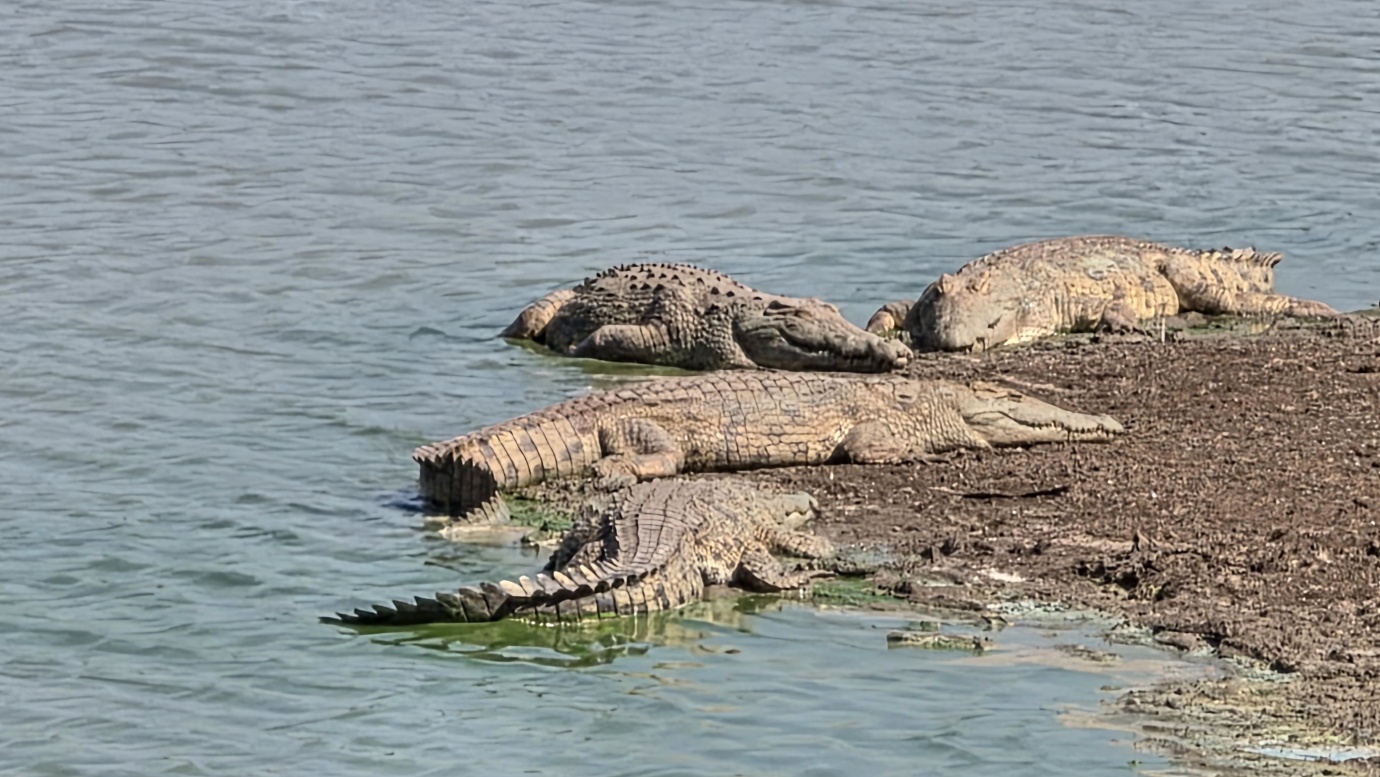
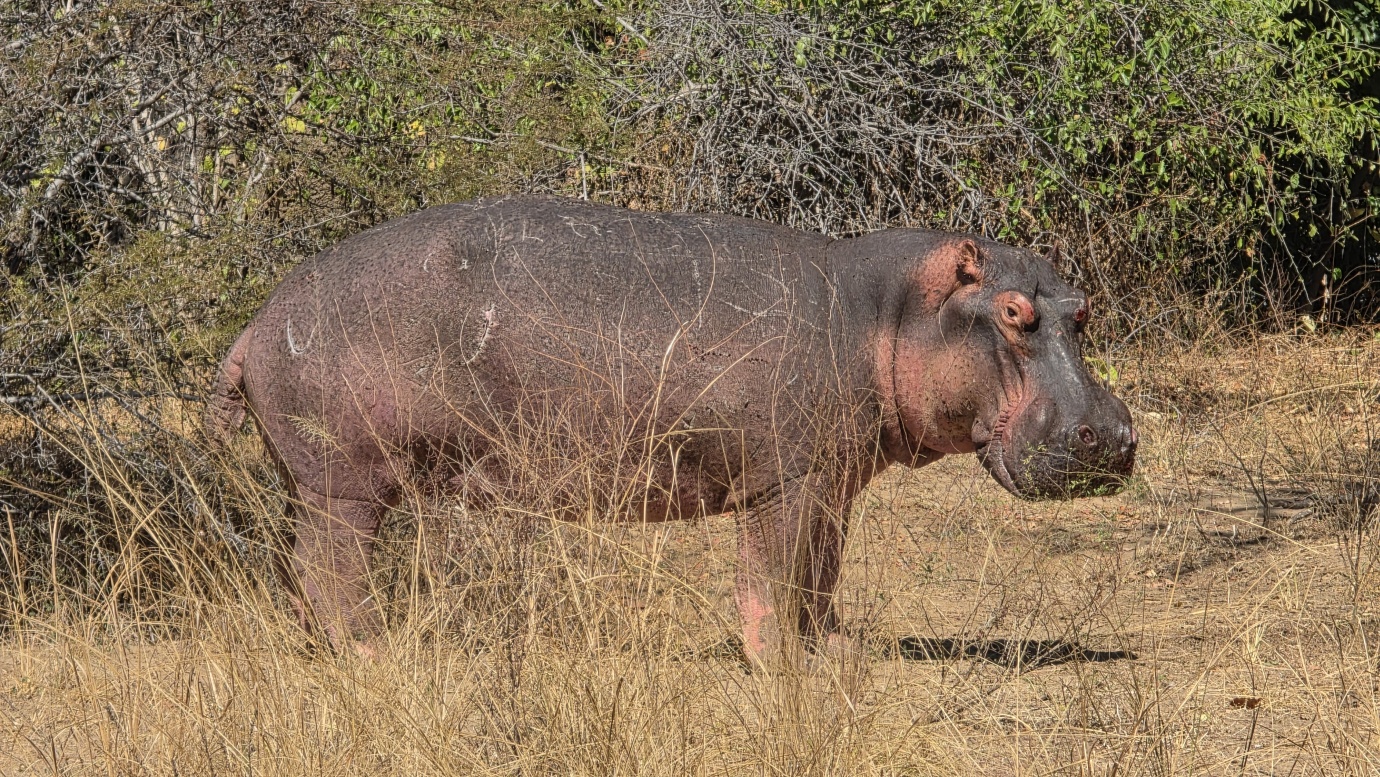
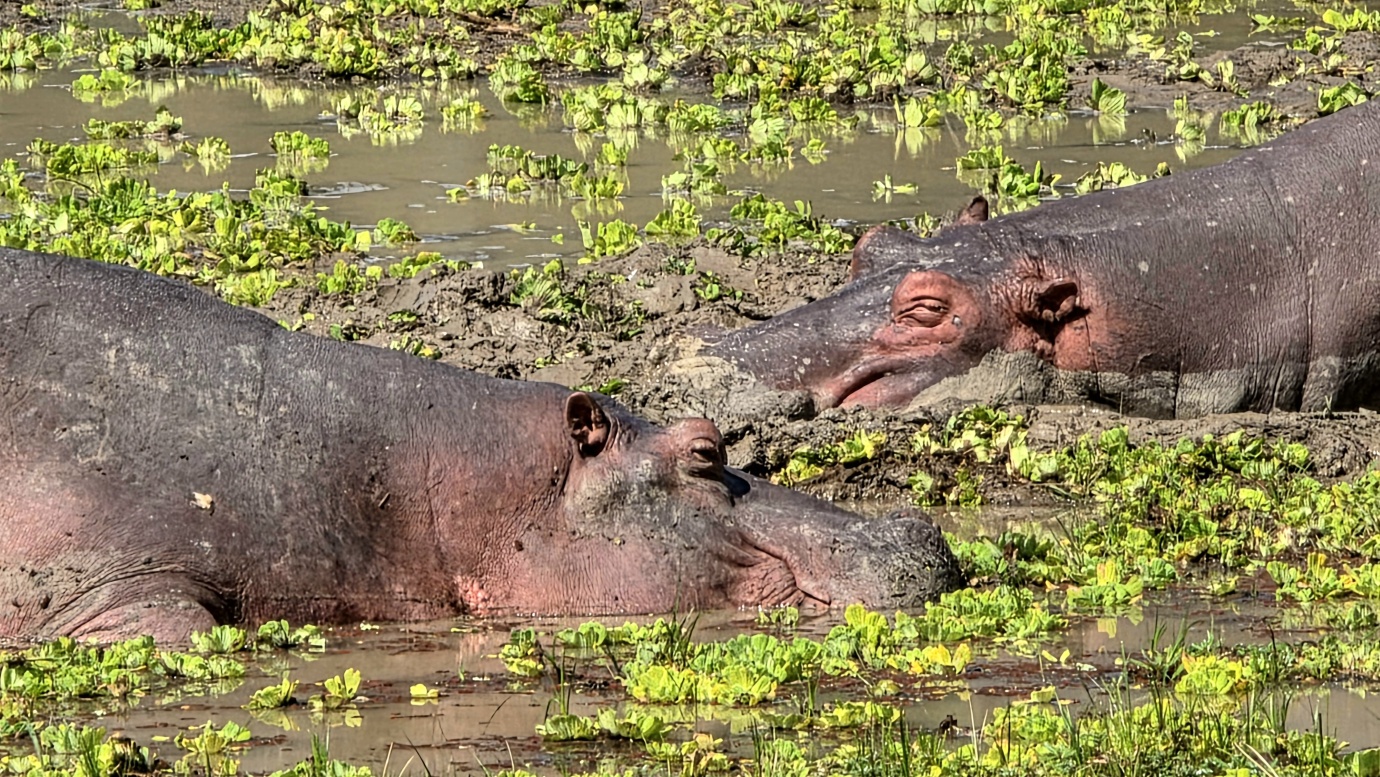
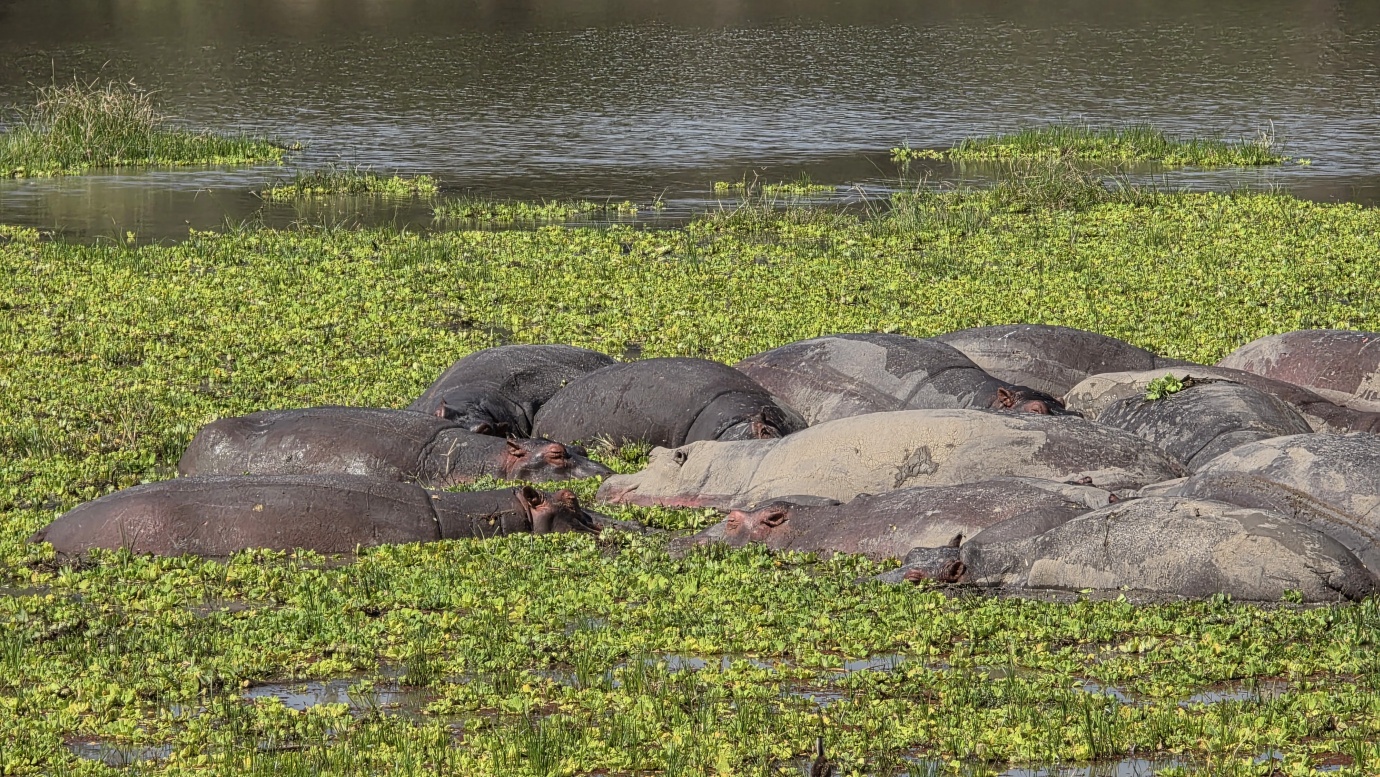
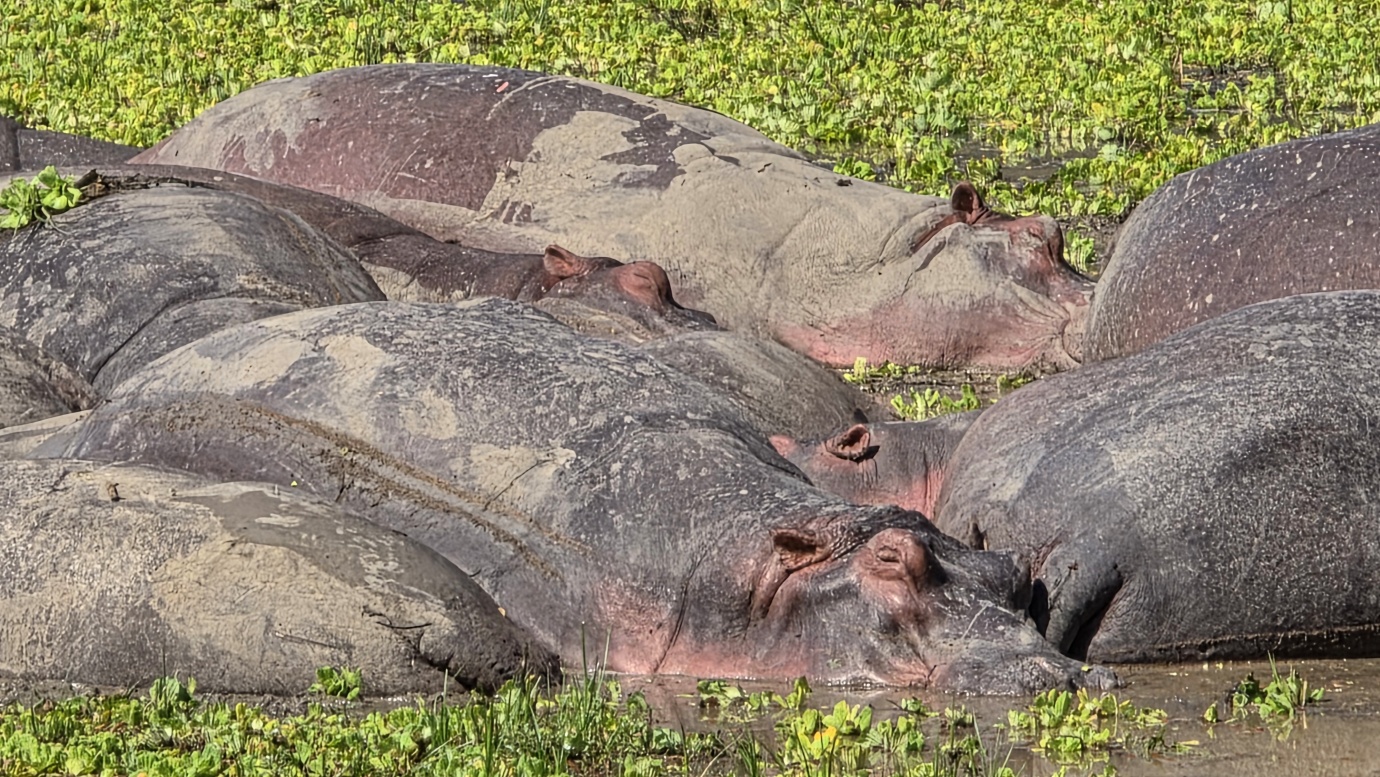
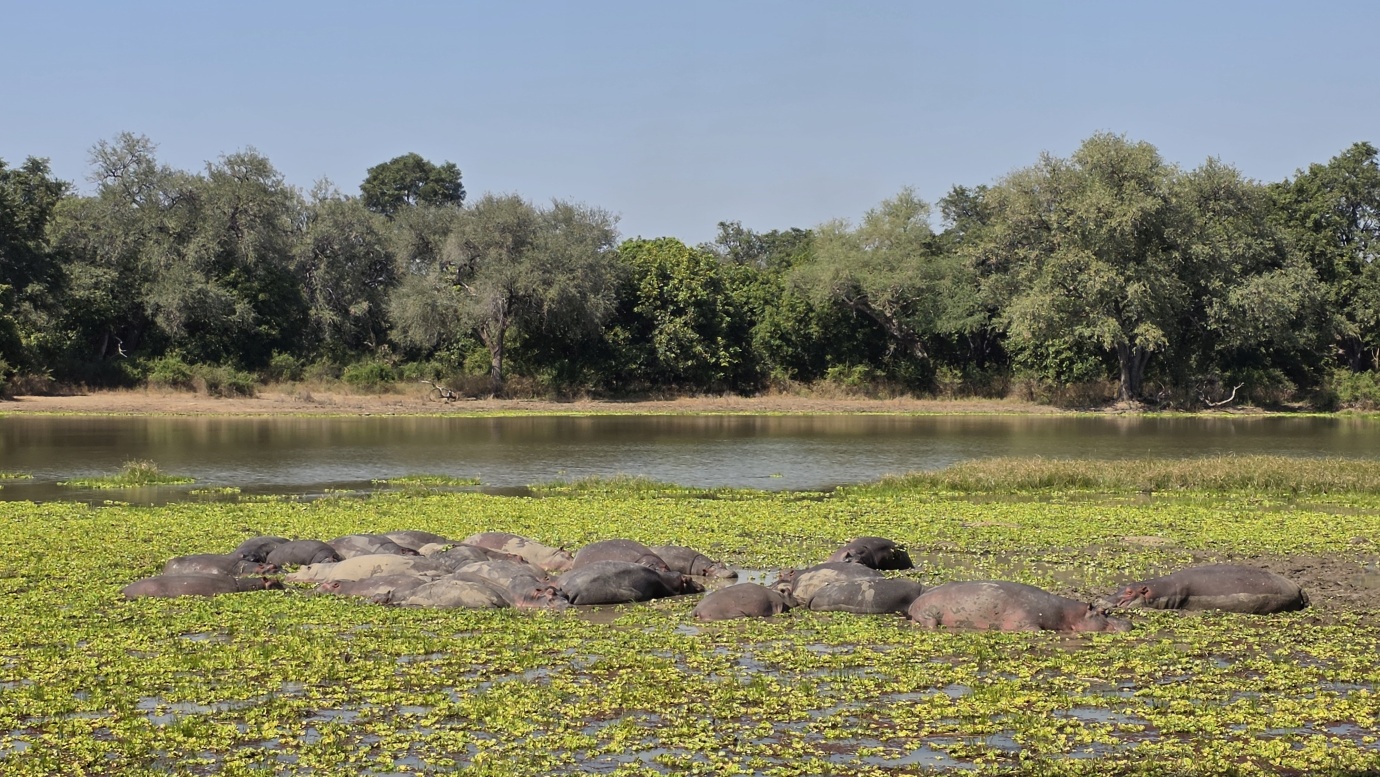
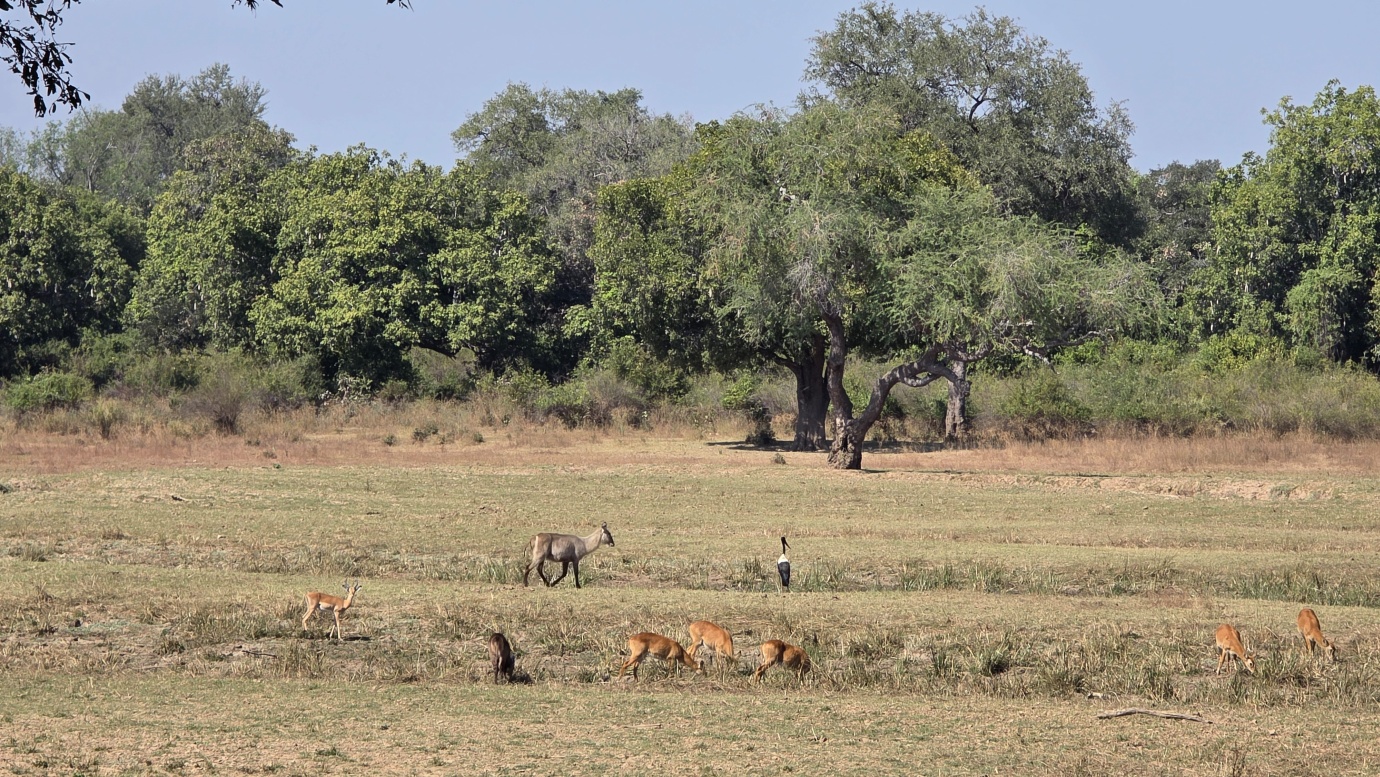
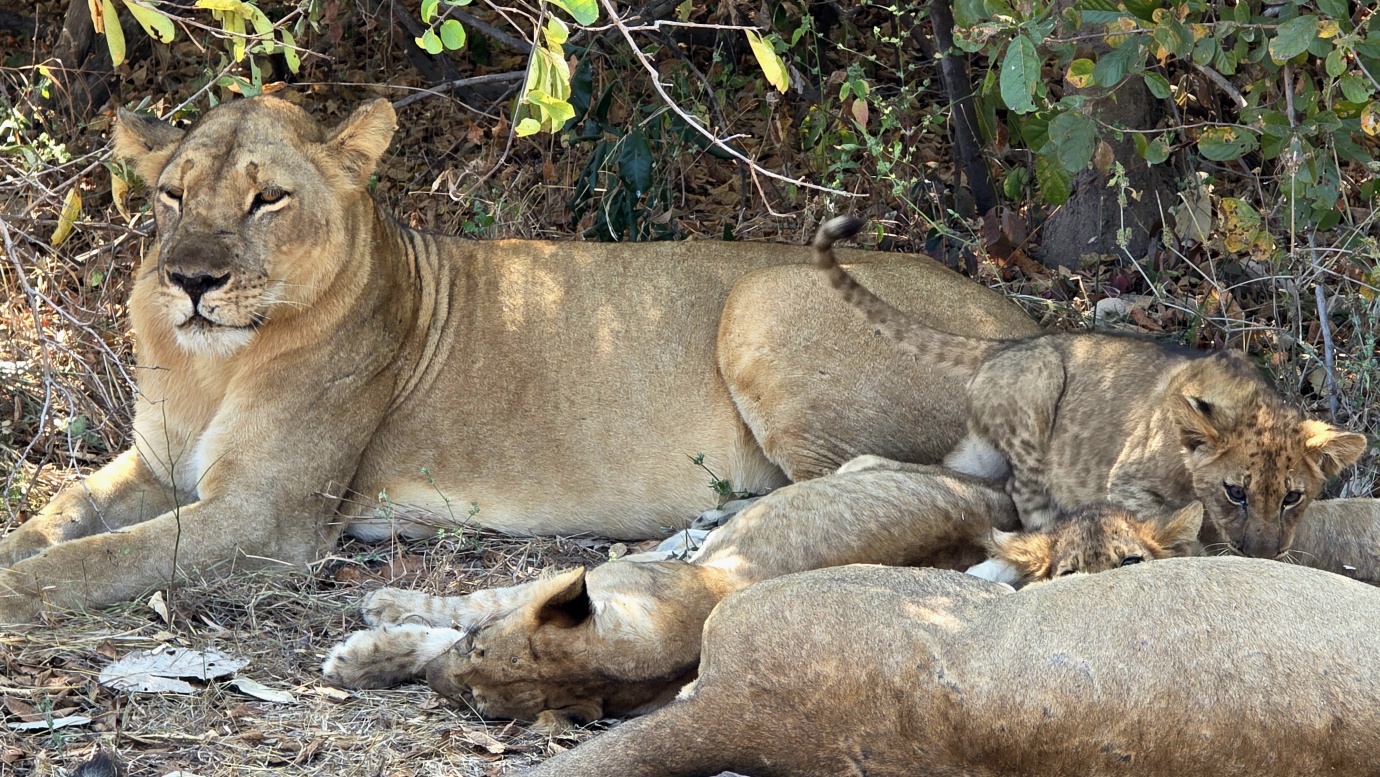
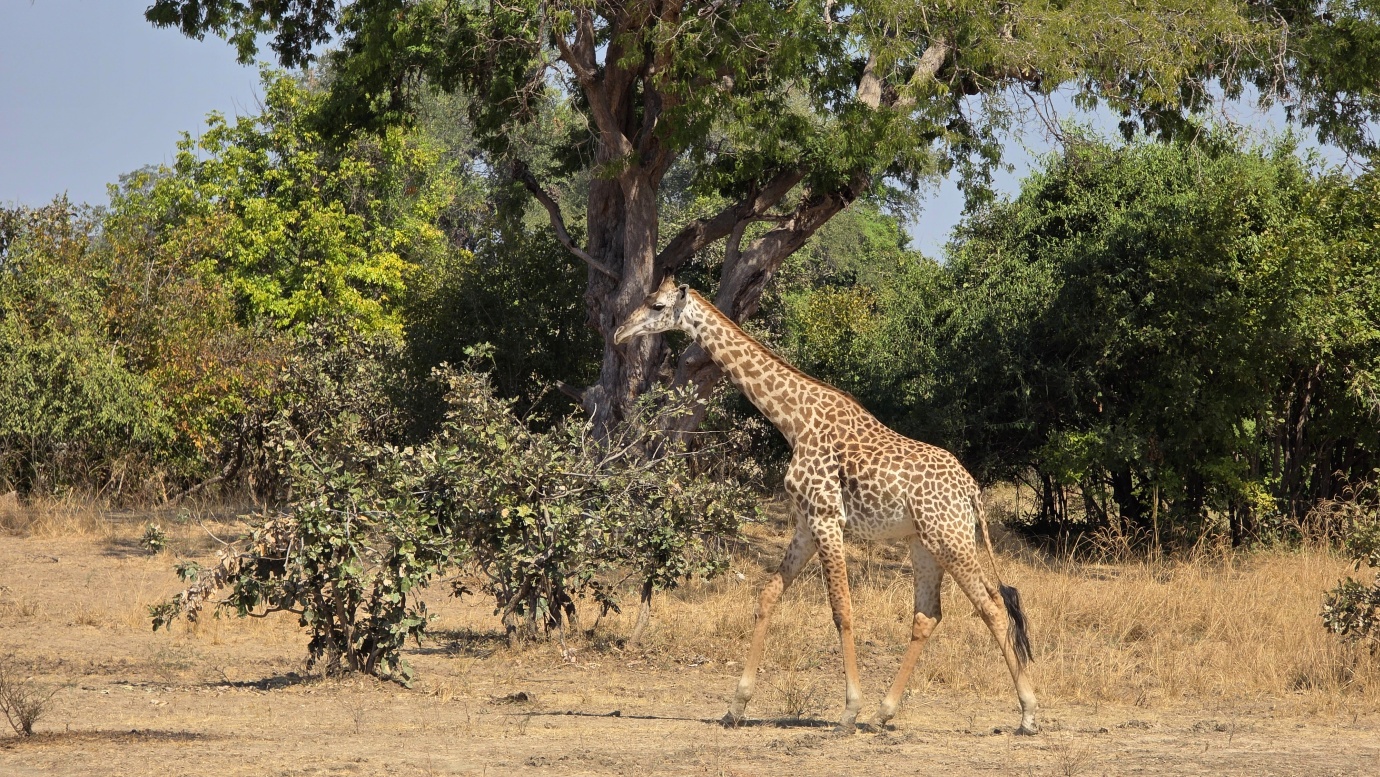
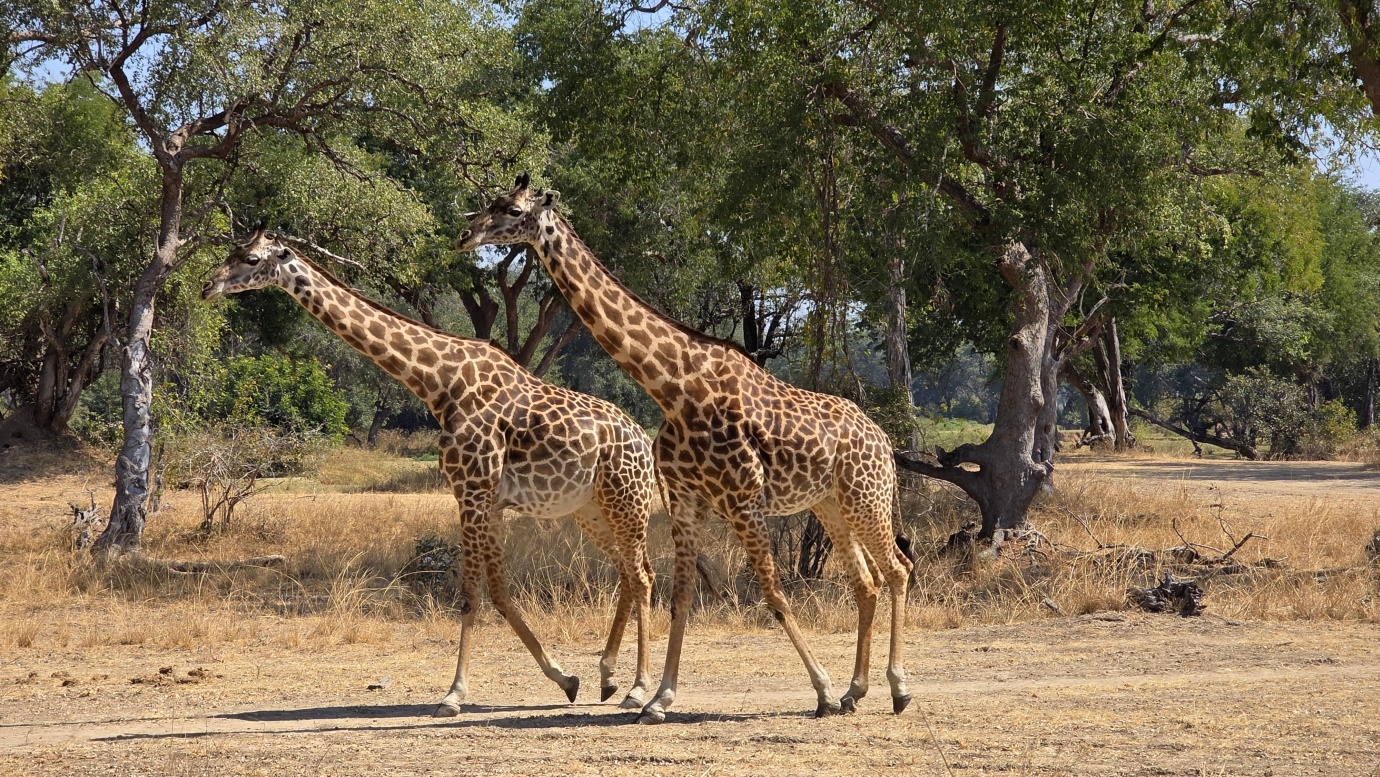
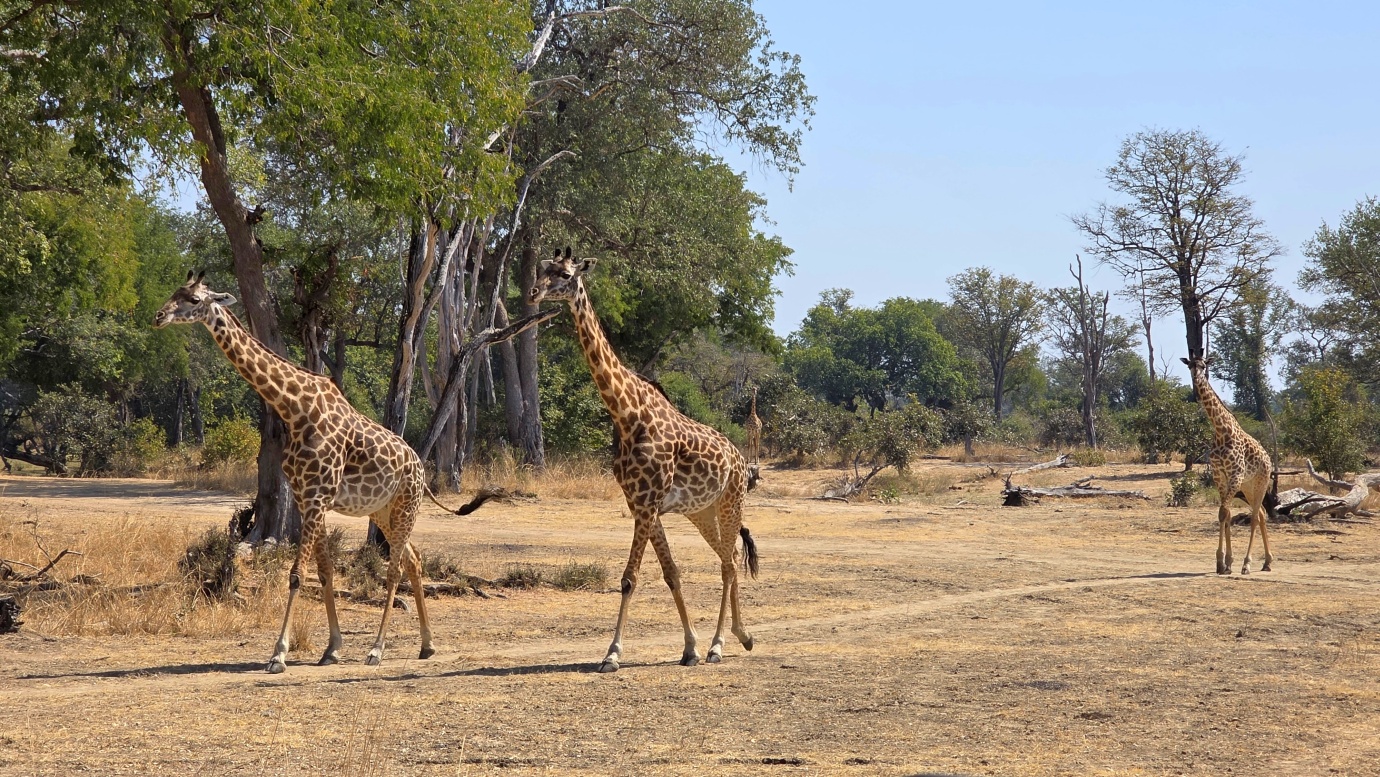
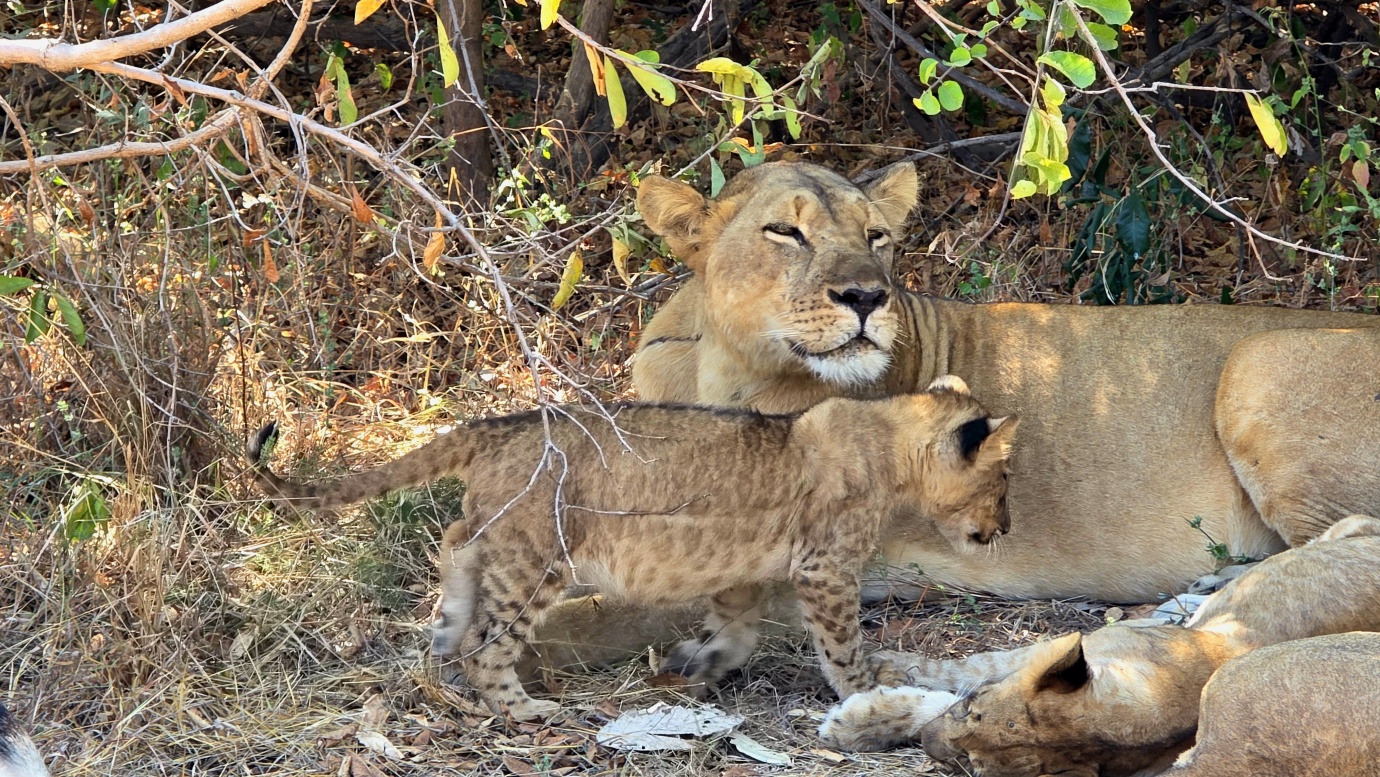
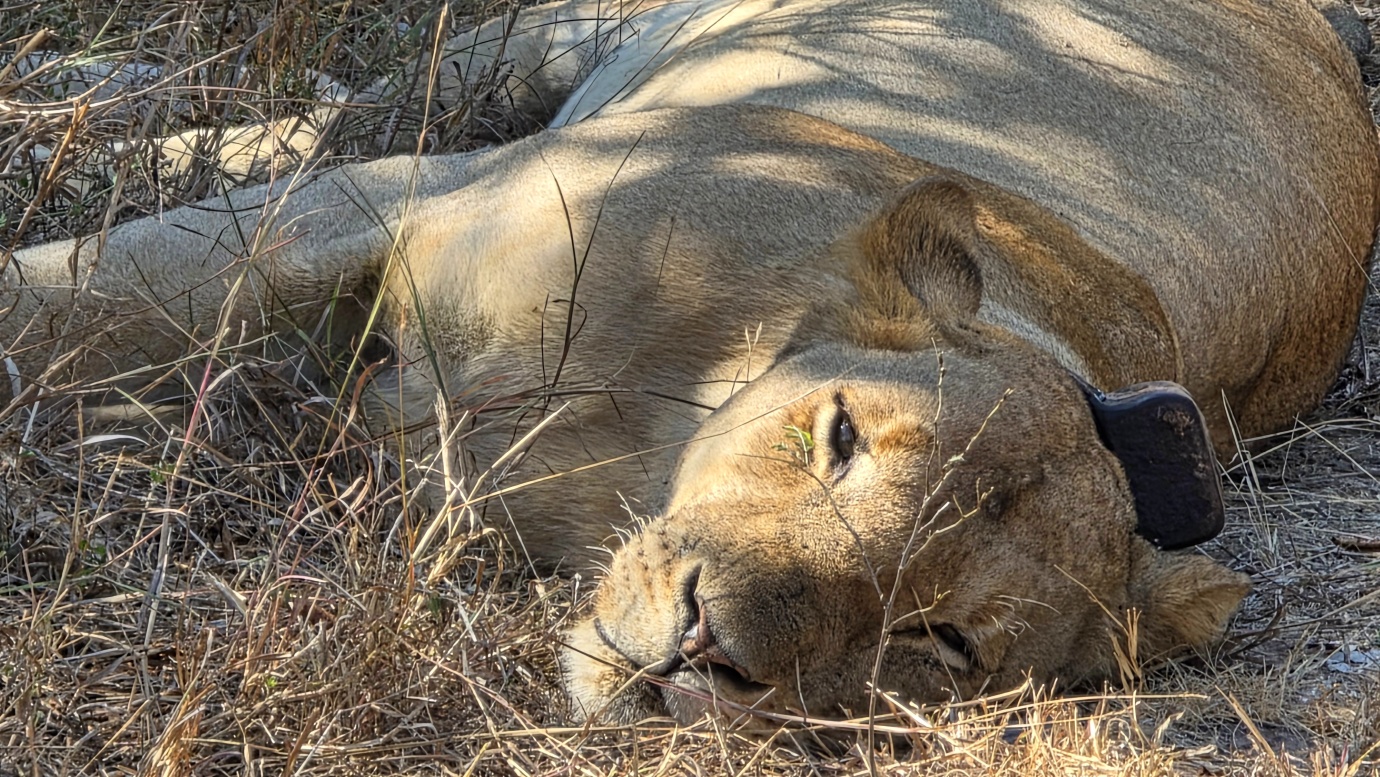
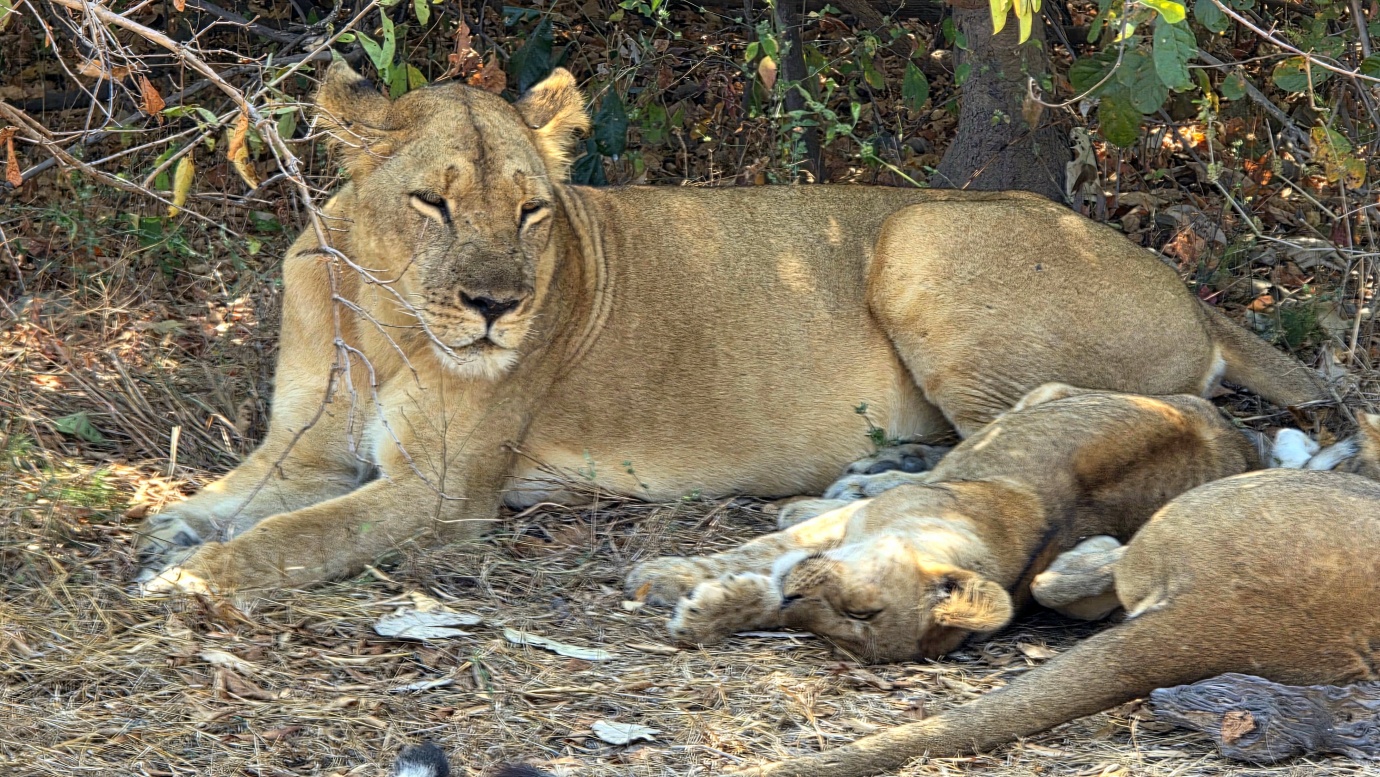
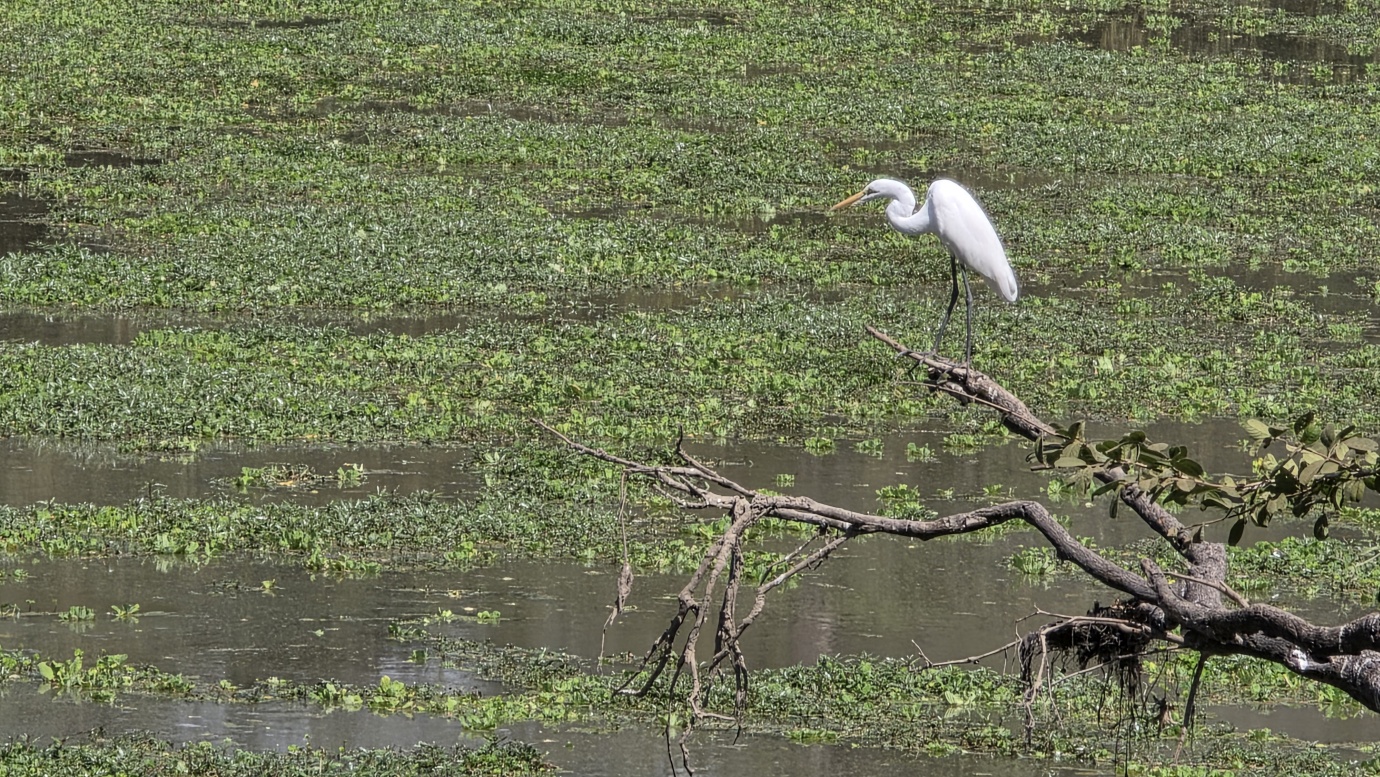
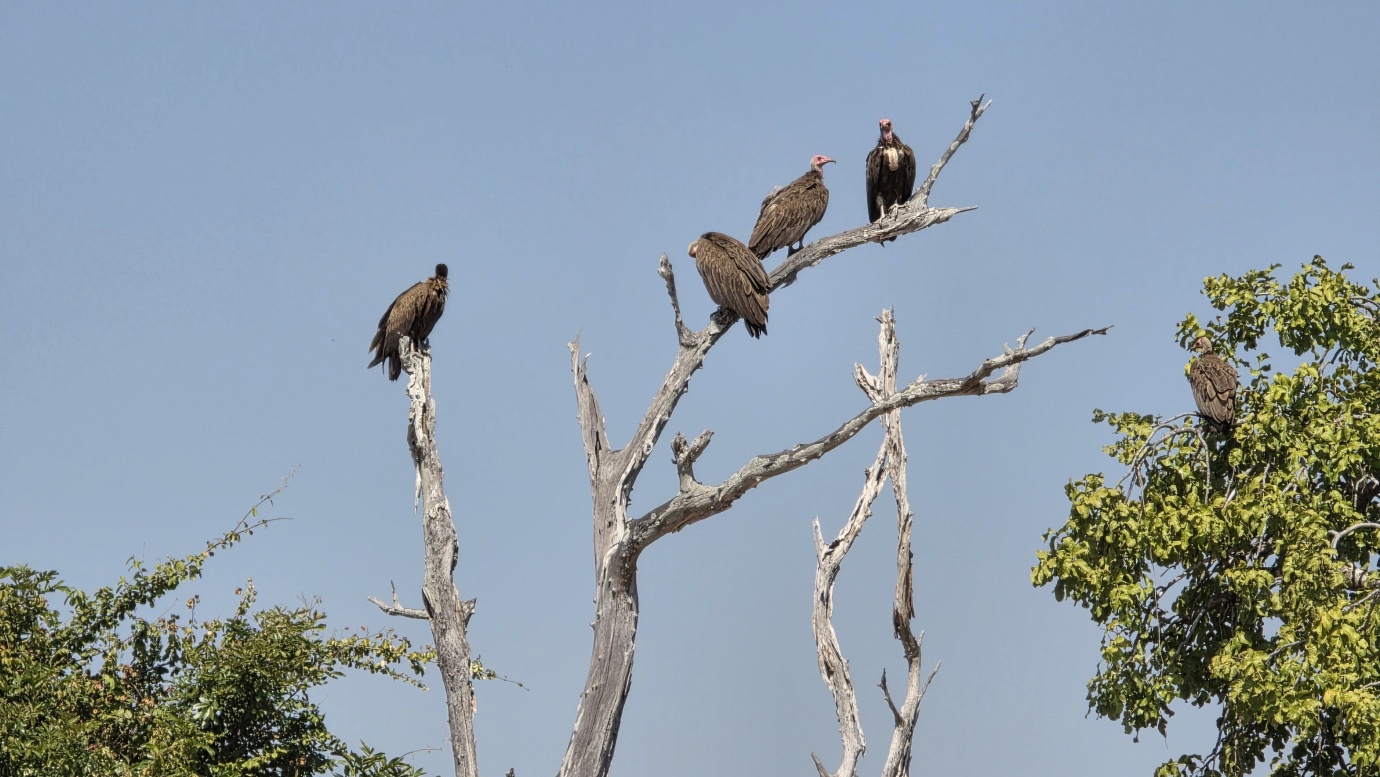
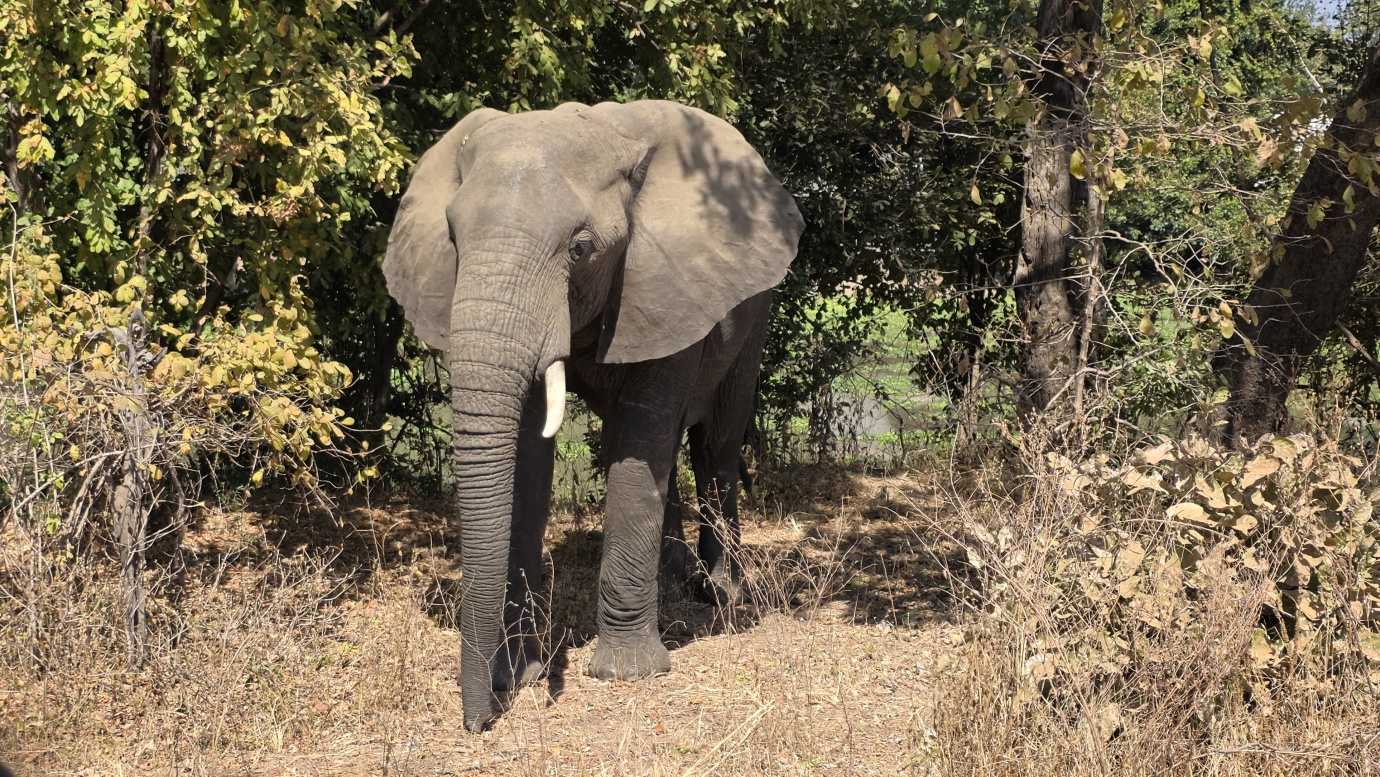
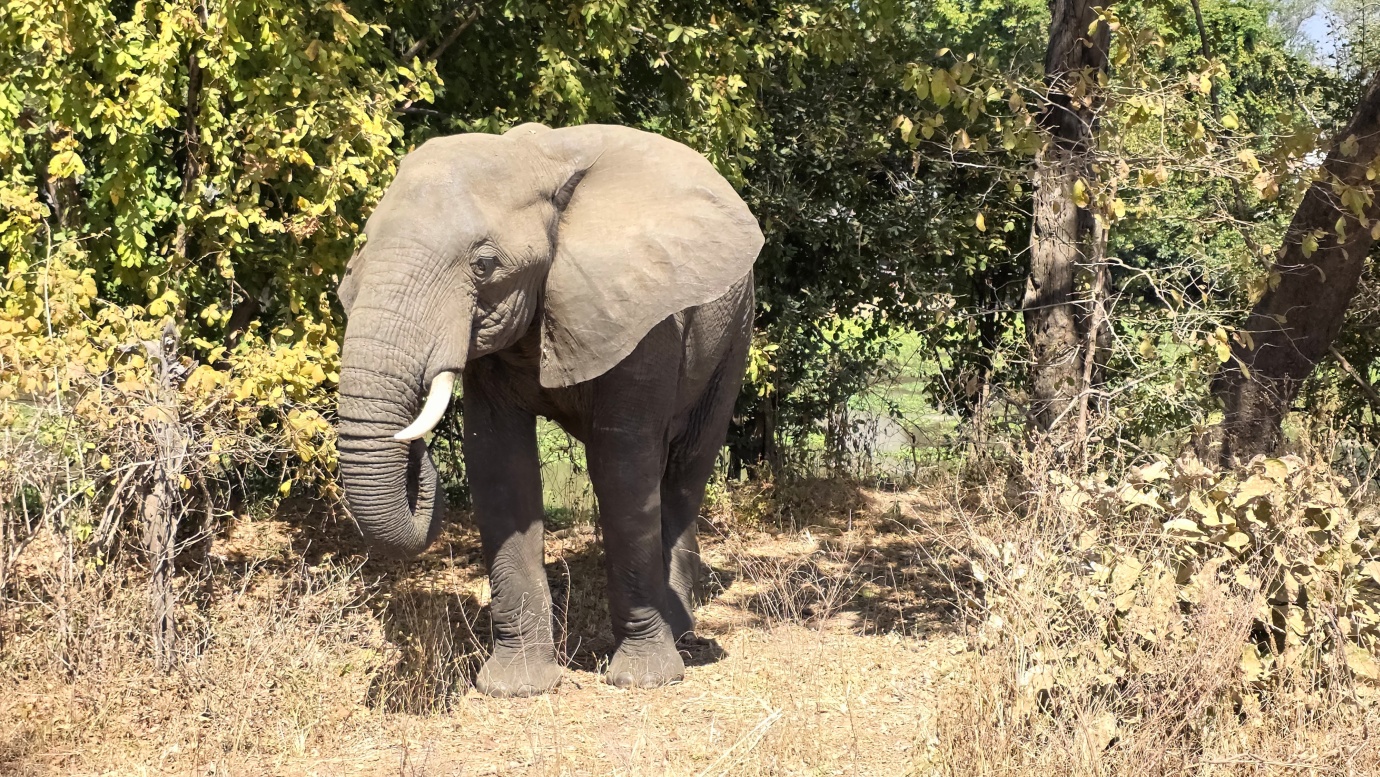
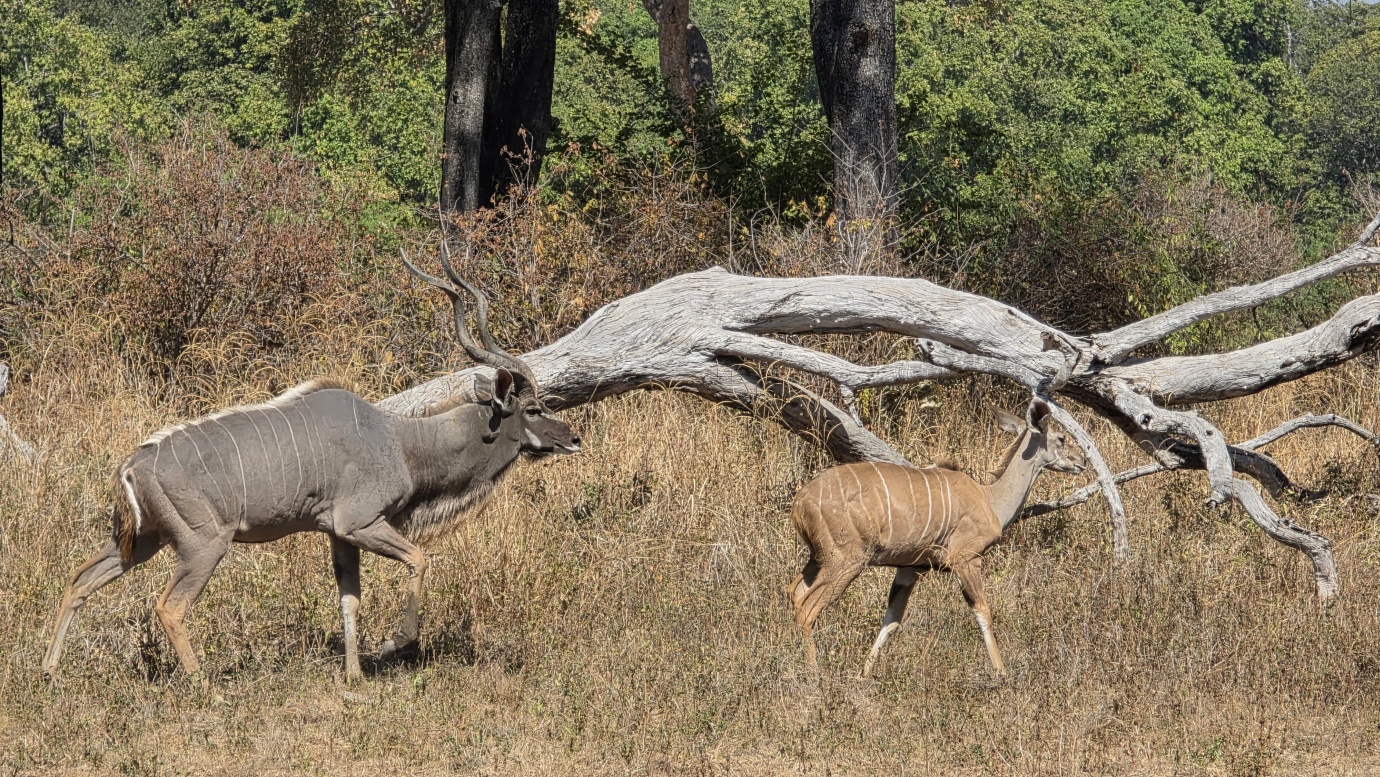
Wildlife is what makes South Luangwa truly special. The park is home to more than 60 species of mammals and over 400 bird species. During our drives, we saw a few elephants peacefully feeding along the riverbanks, countless hippa os filling every lagoon, several crocodiles basking in the sun, and plenty of impalas, wild dogs, zebras, giraffes, and monkeys. We were also lucky enough to spot lions resting in the shade after an early morning hunt.
South Luangwa is often called the “Valley of the Leopard” because it has one of the highest leopard densities in Africa. Unfortunately, despite carefully scanning every tree and riverbank, we were not lucky enough to find one. Sometimes that’s how safari works—nature decides what you get to see.
The park is also home to several animals found nowhere else in the world, including Thornicroft’s giraffe, Crawshay’s zebra, and Cookson’s wildebeest. Even without seeing every iconic species, driving through this beautiful landscape was an unforgettable experience.
Parking location – Njobvu Safari Camp: 13.1062350S 31.7938184E (🚻,🚿,🏊,💦,🔌,🍽️,🅿️5 USD/pax)