

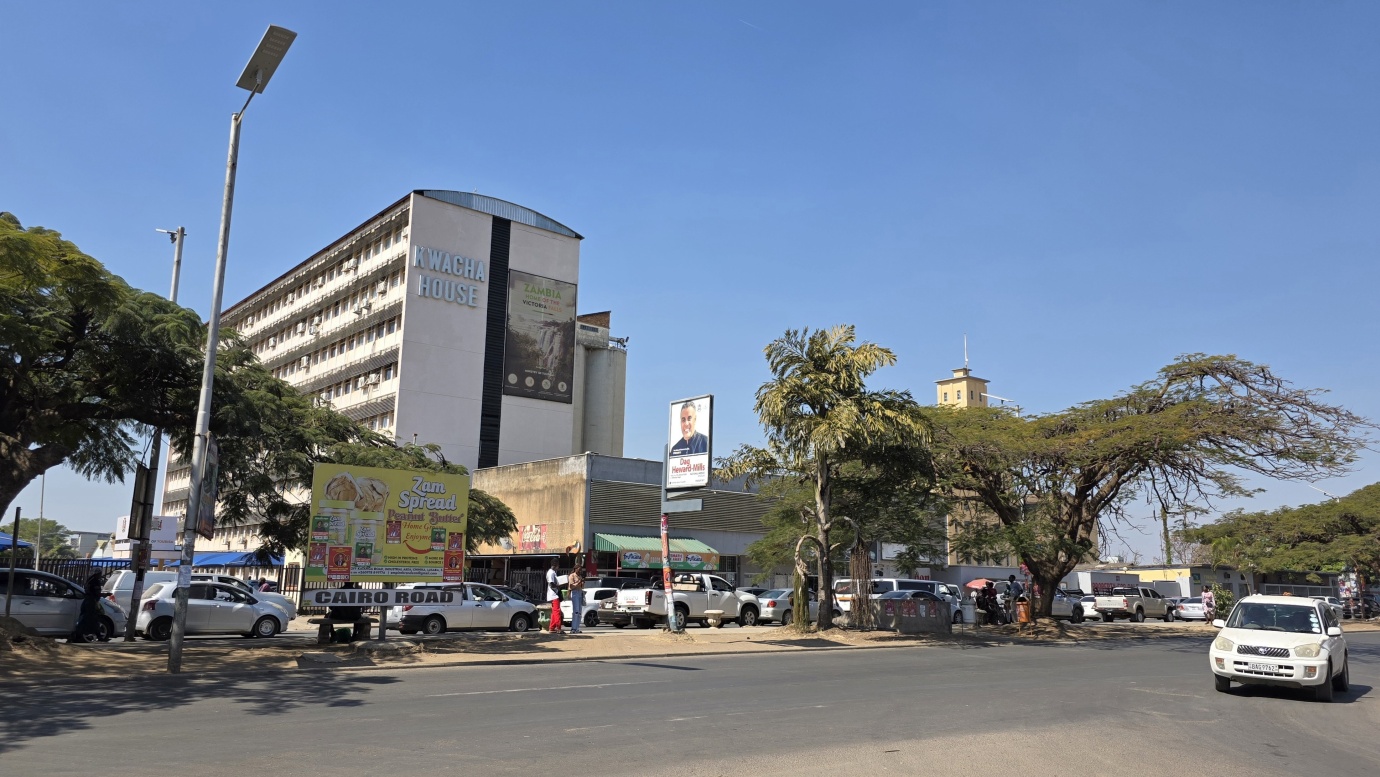
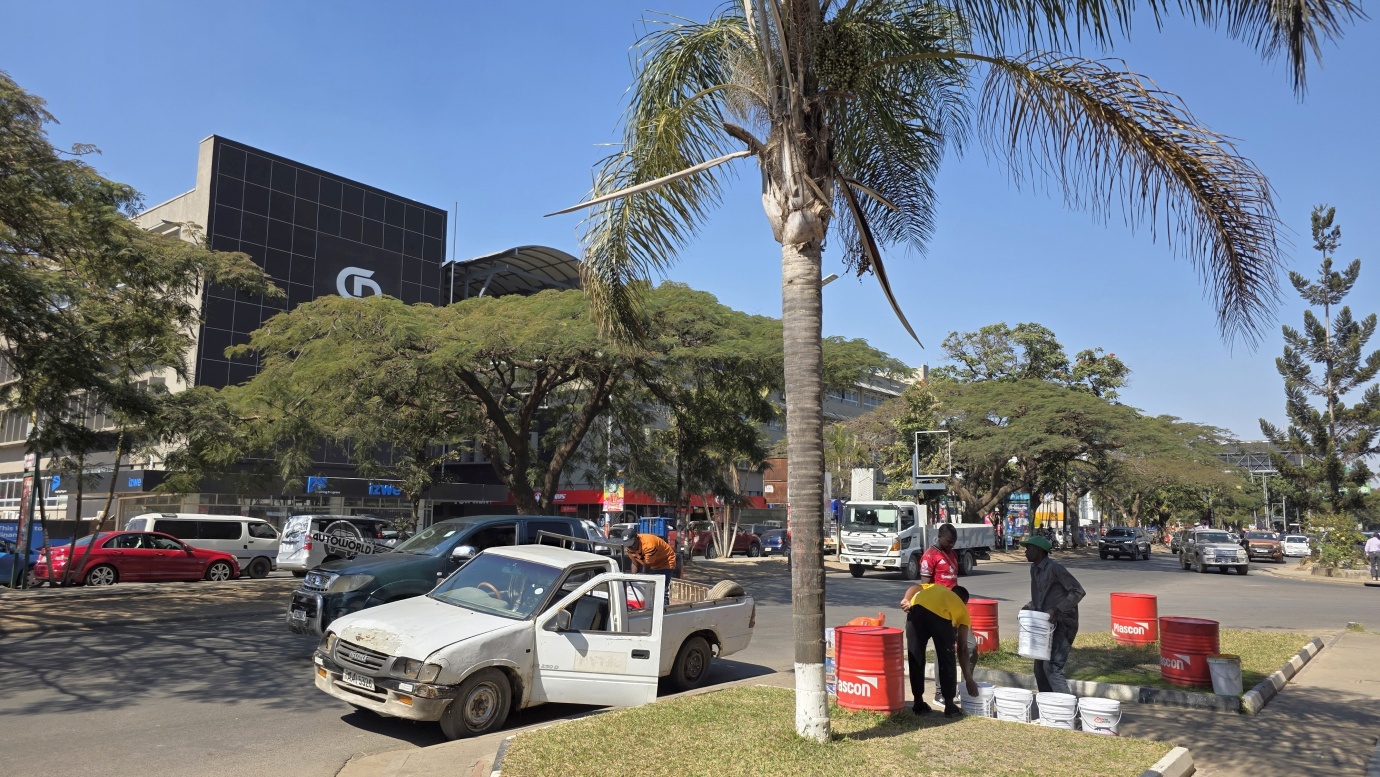
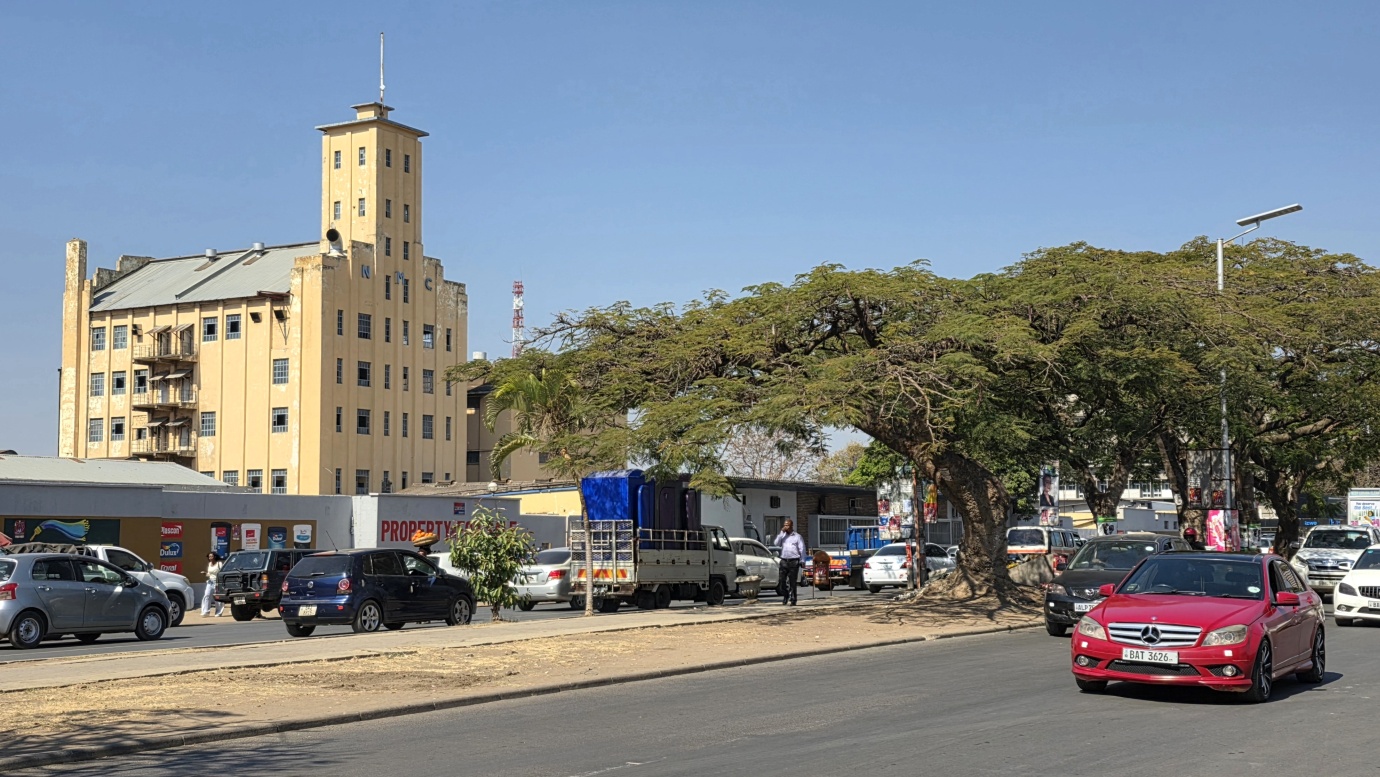
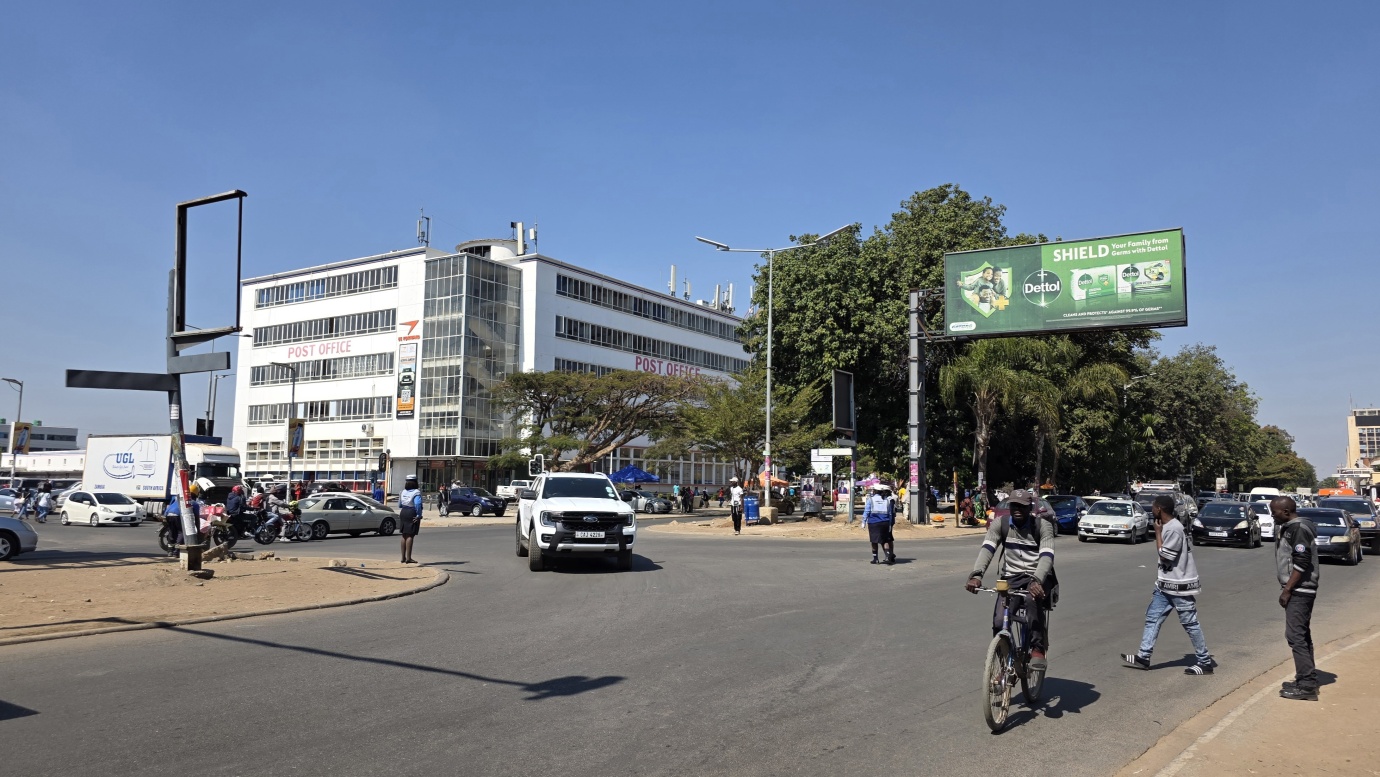
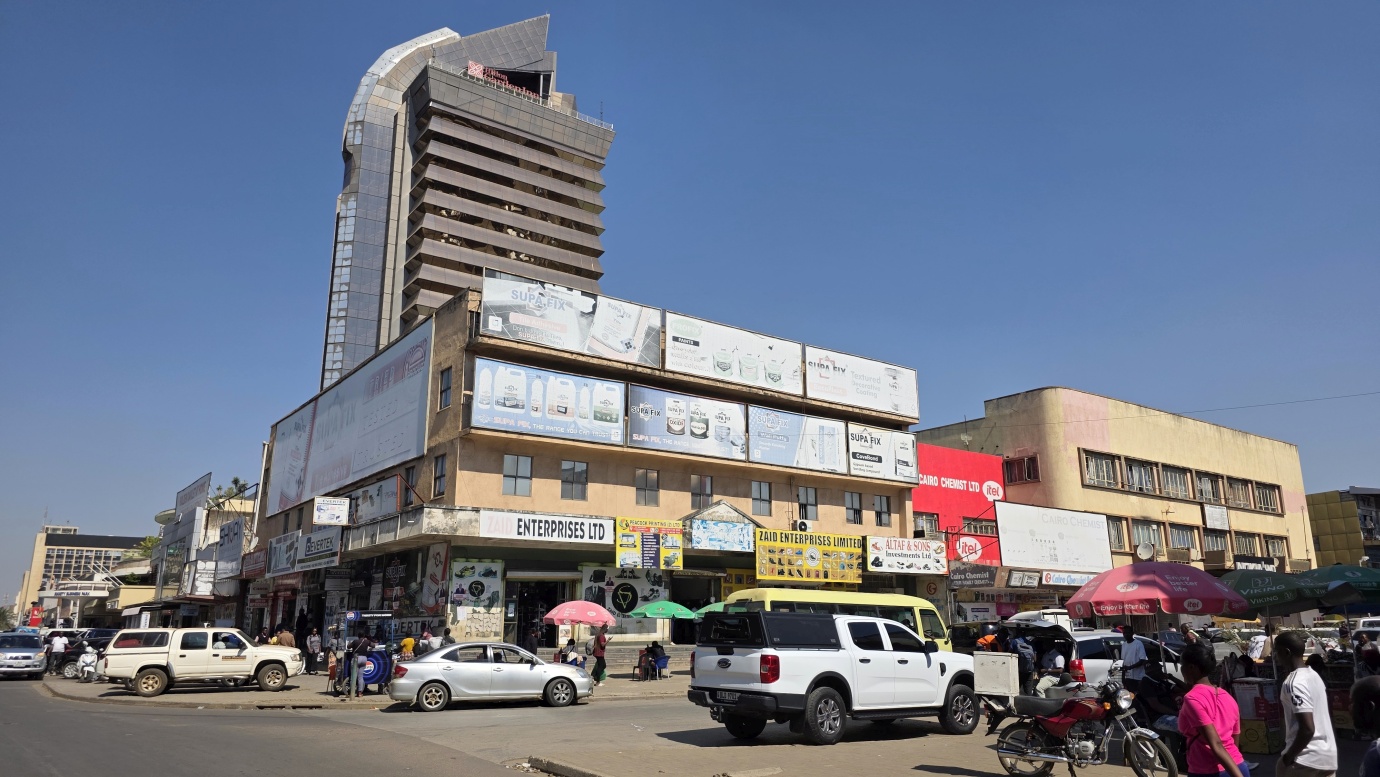
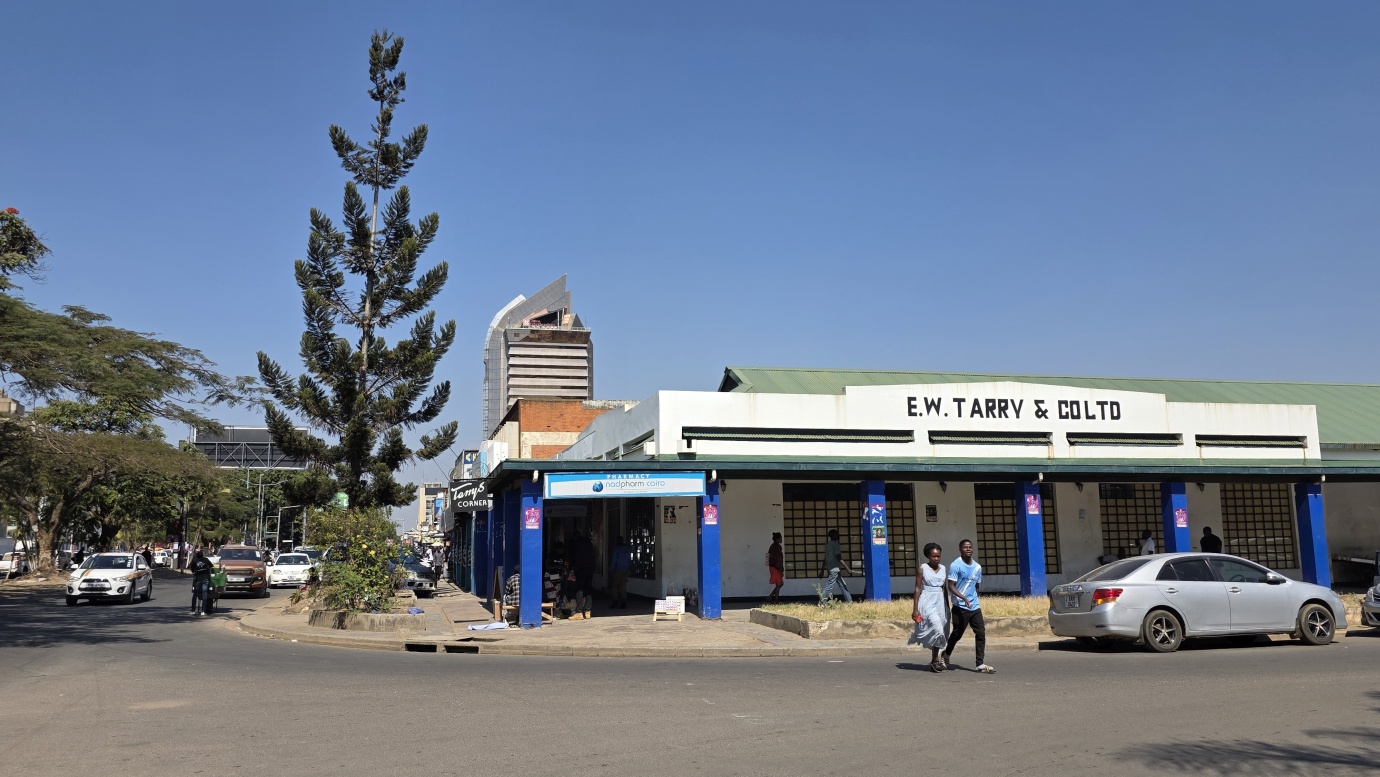
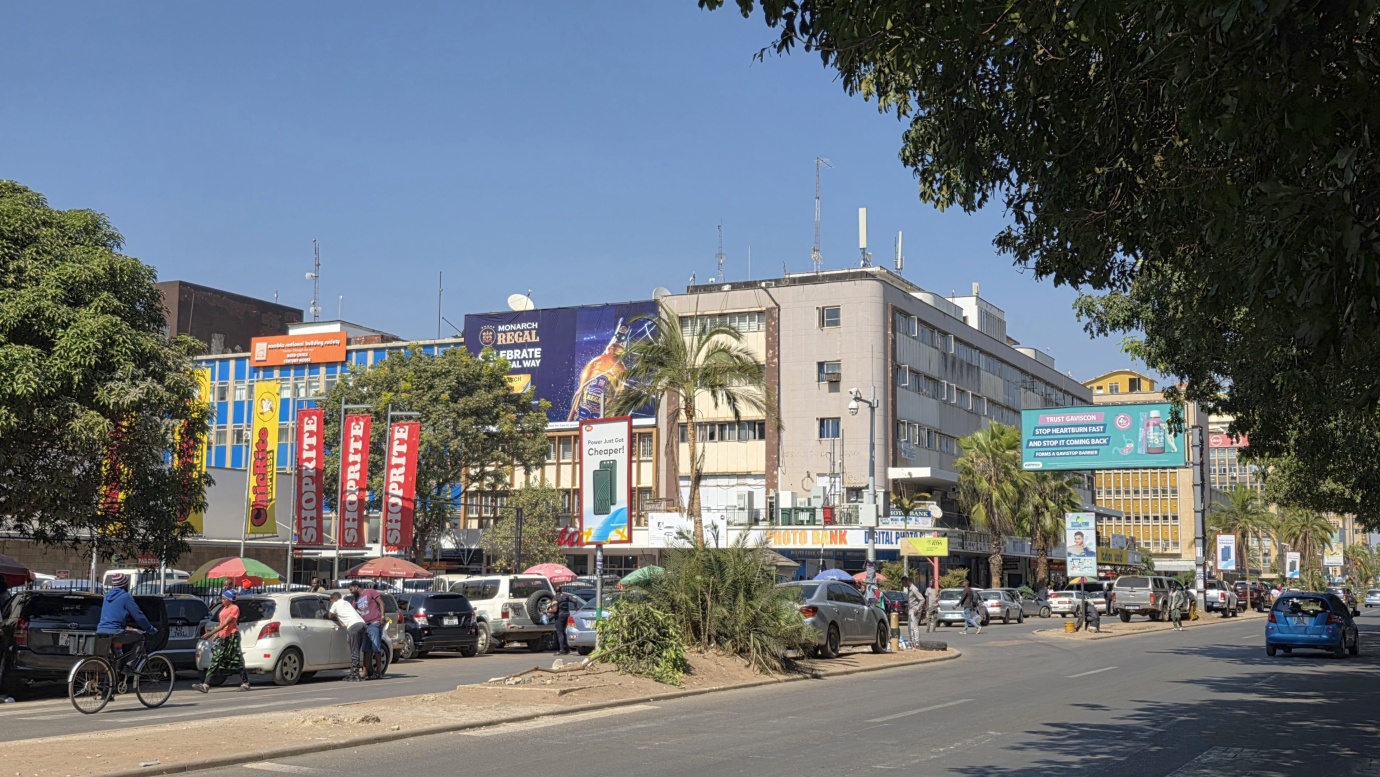
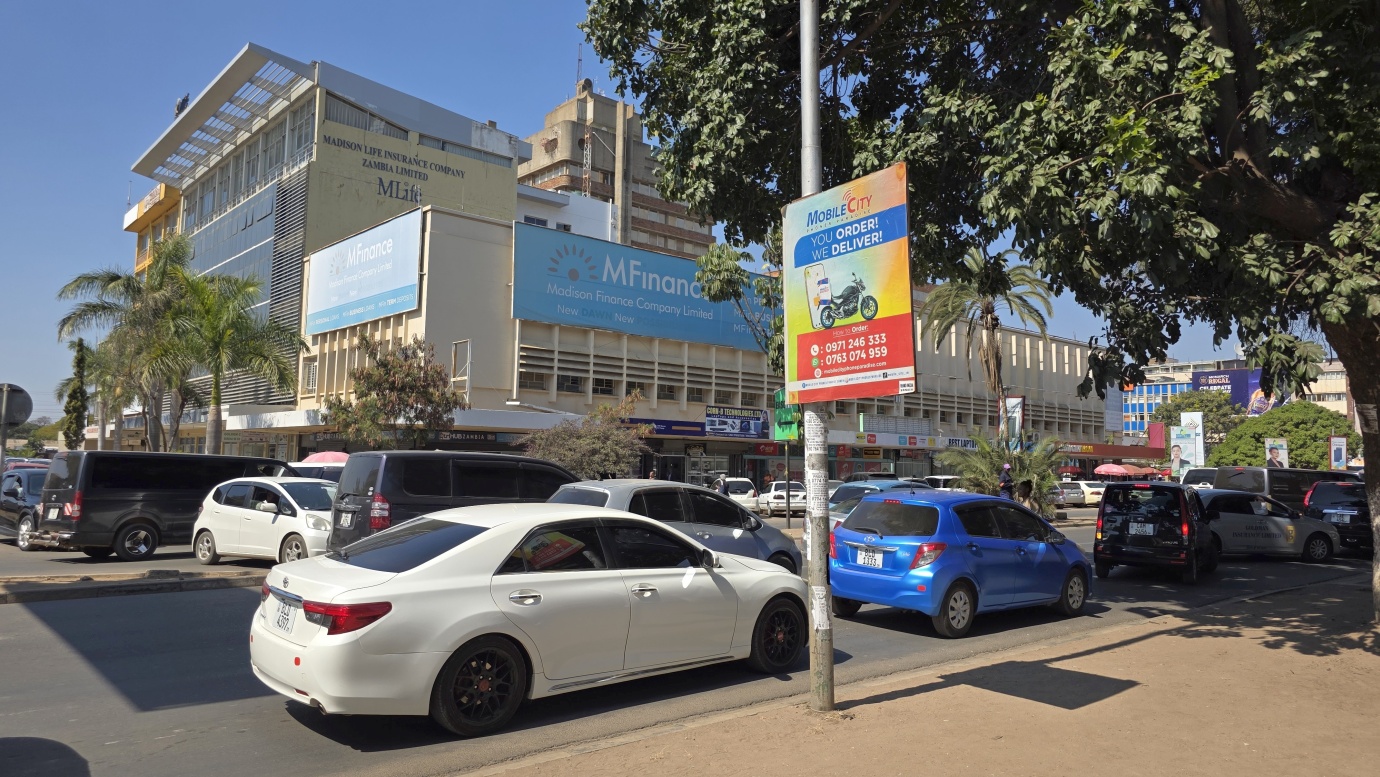
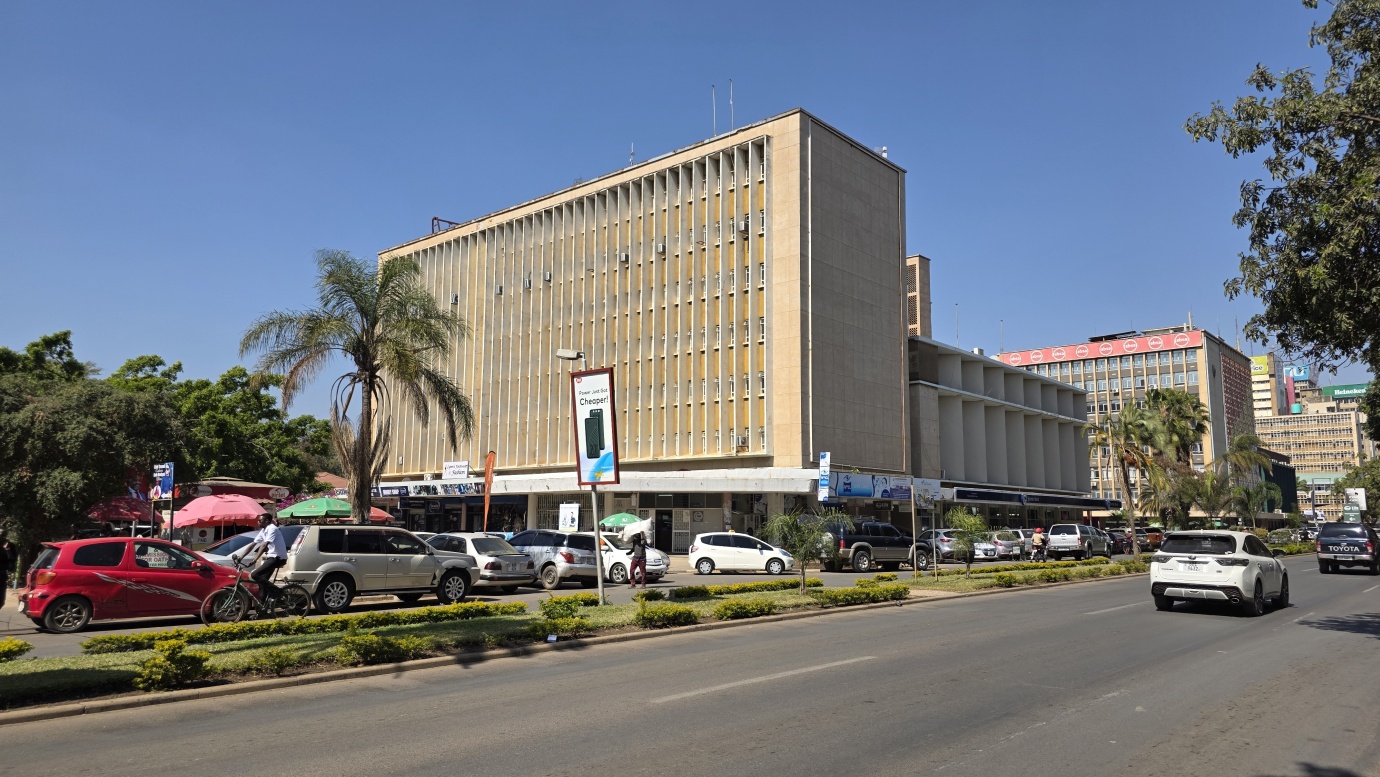
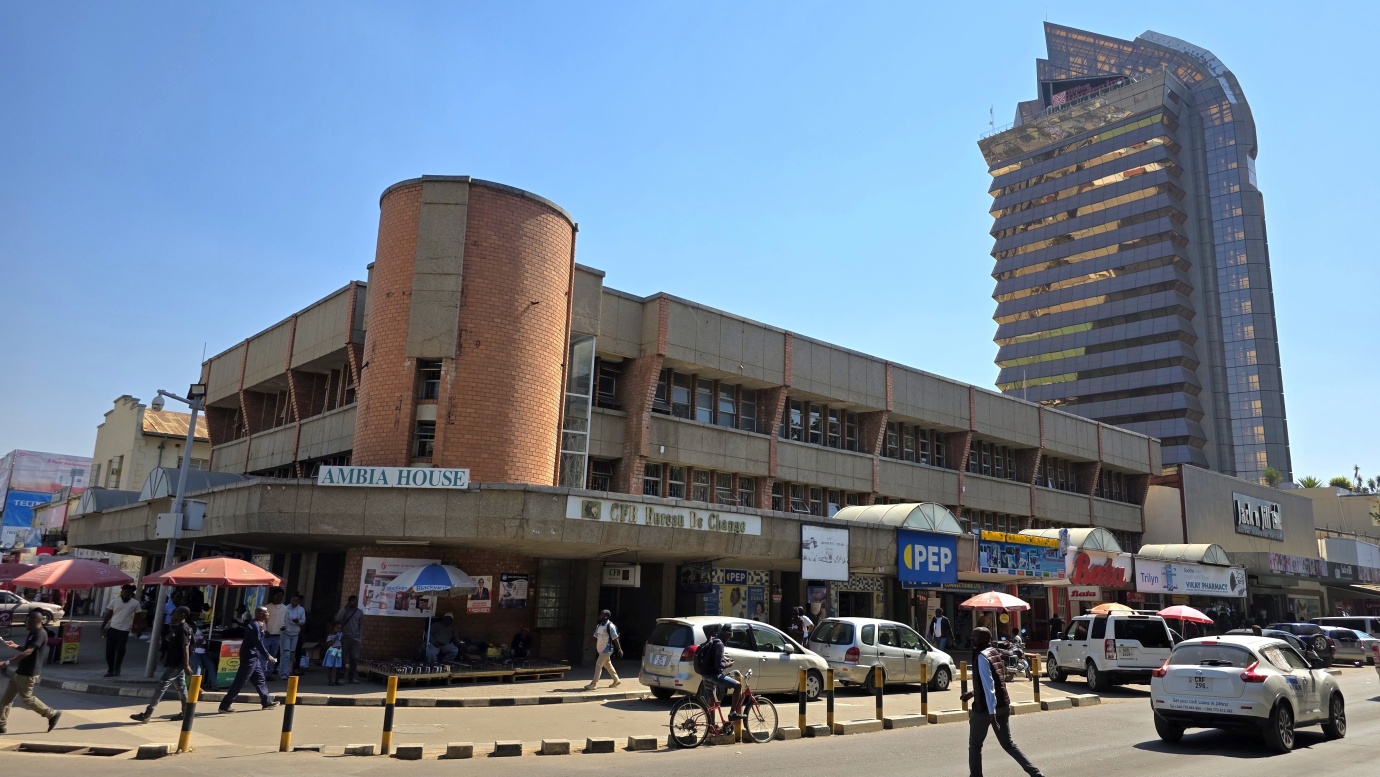
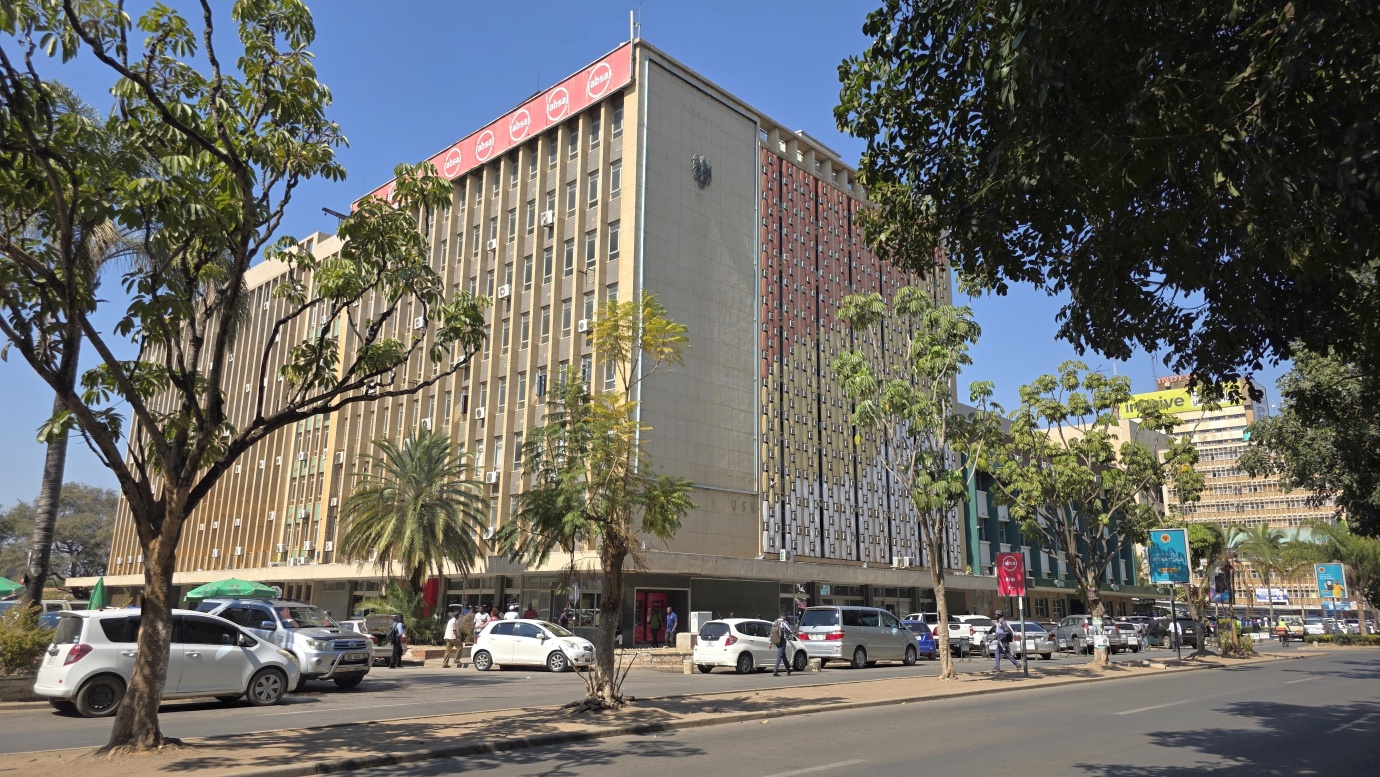
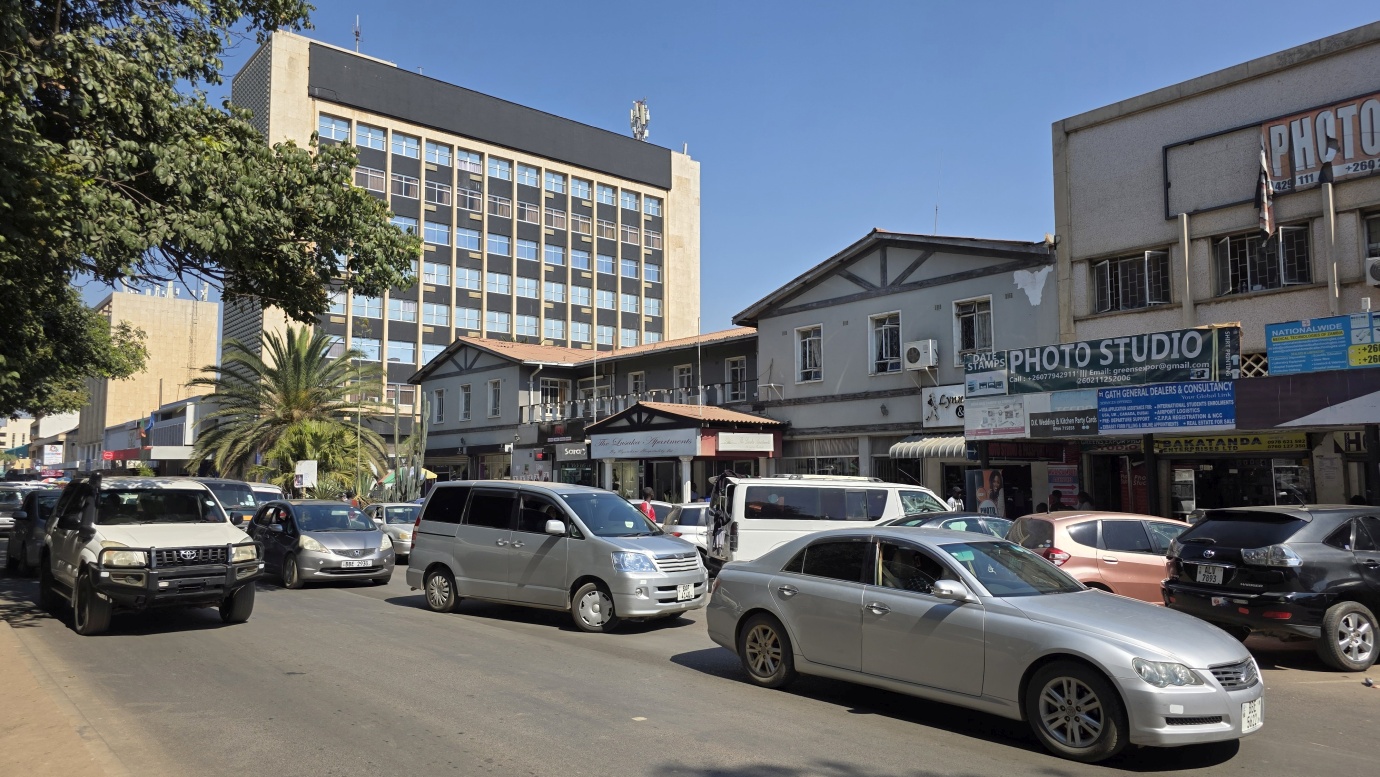
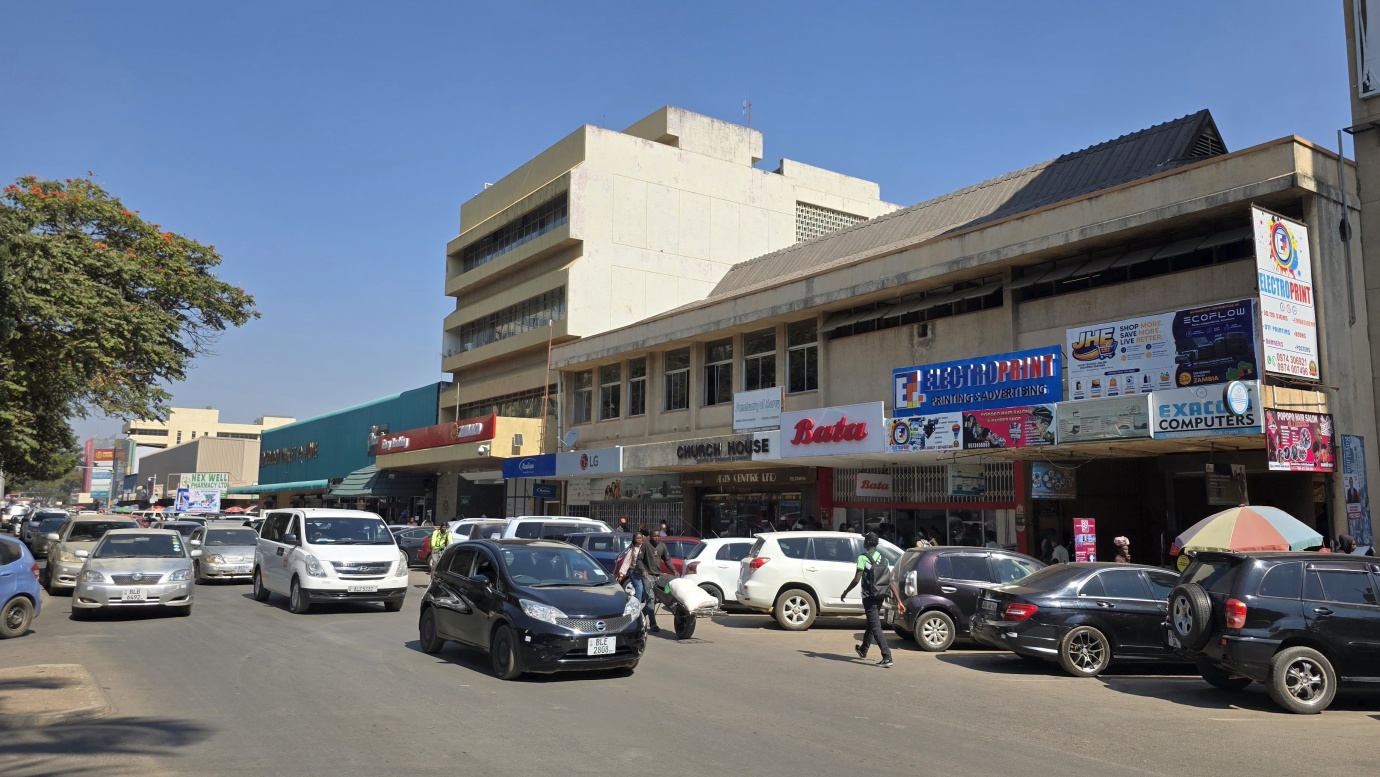
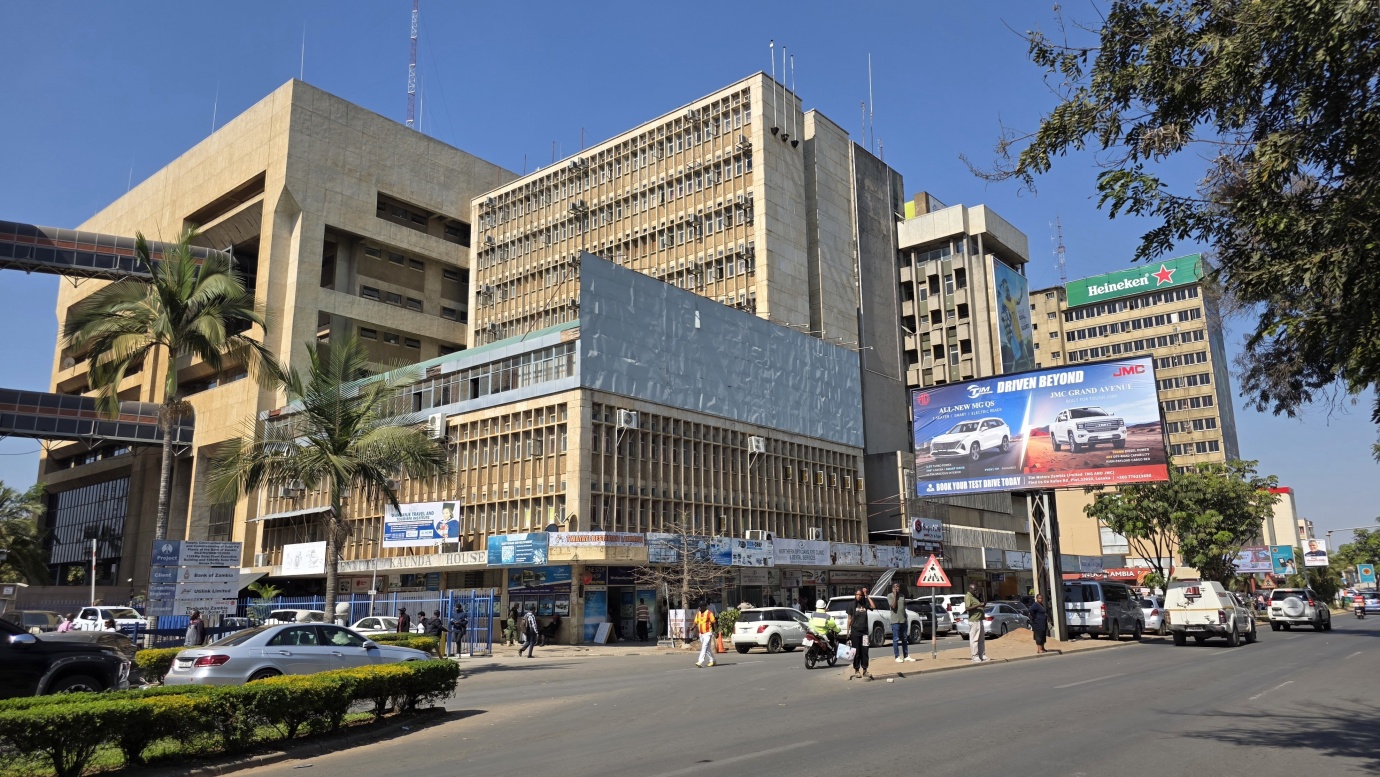
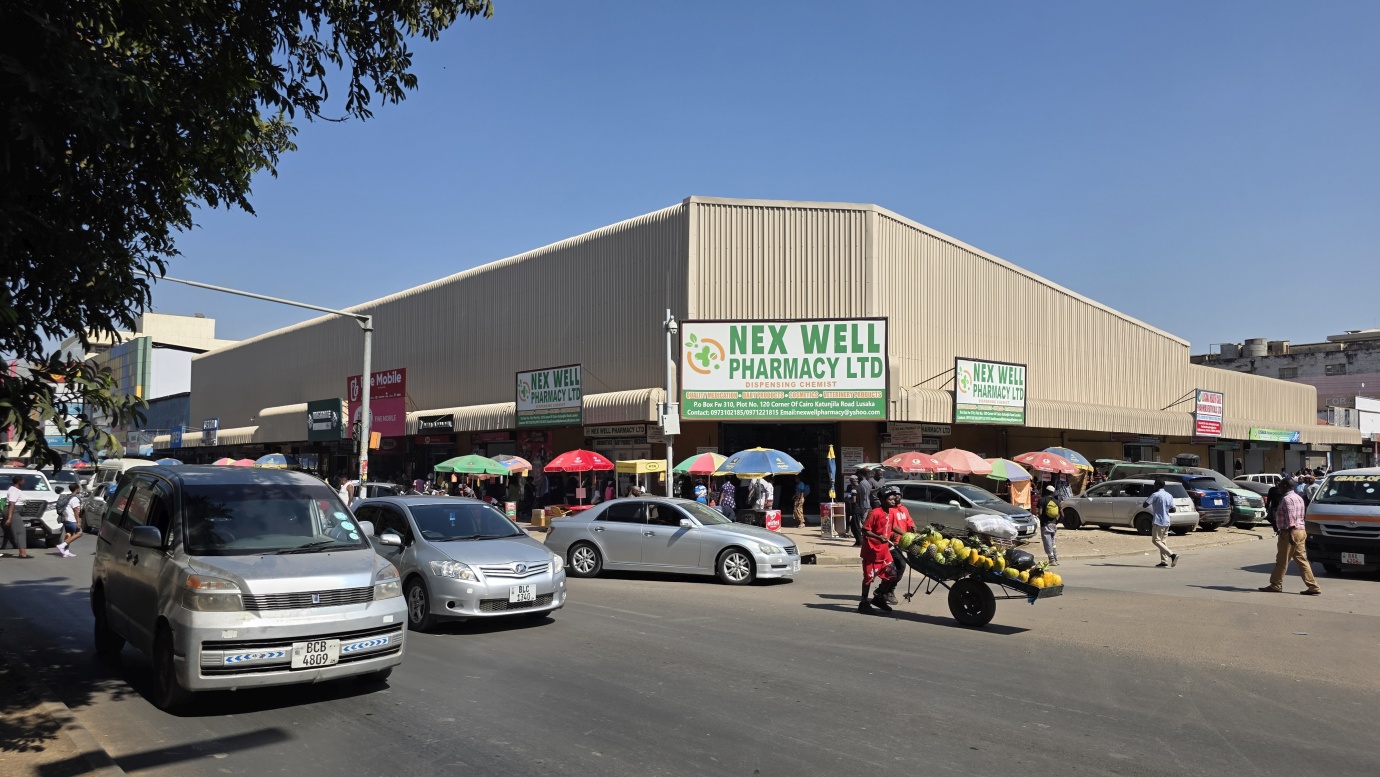
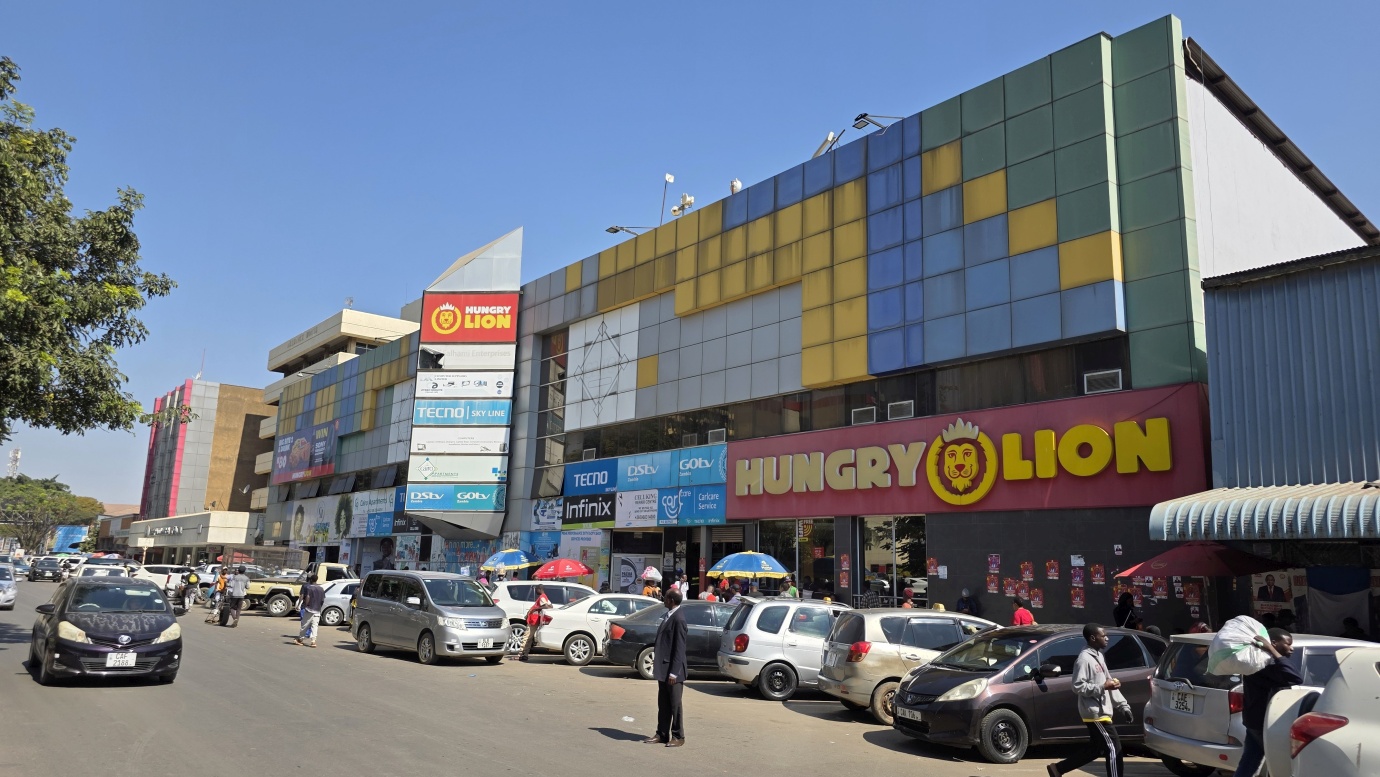
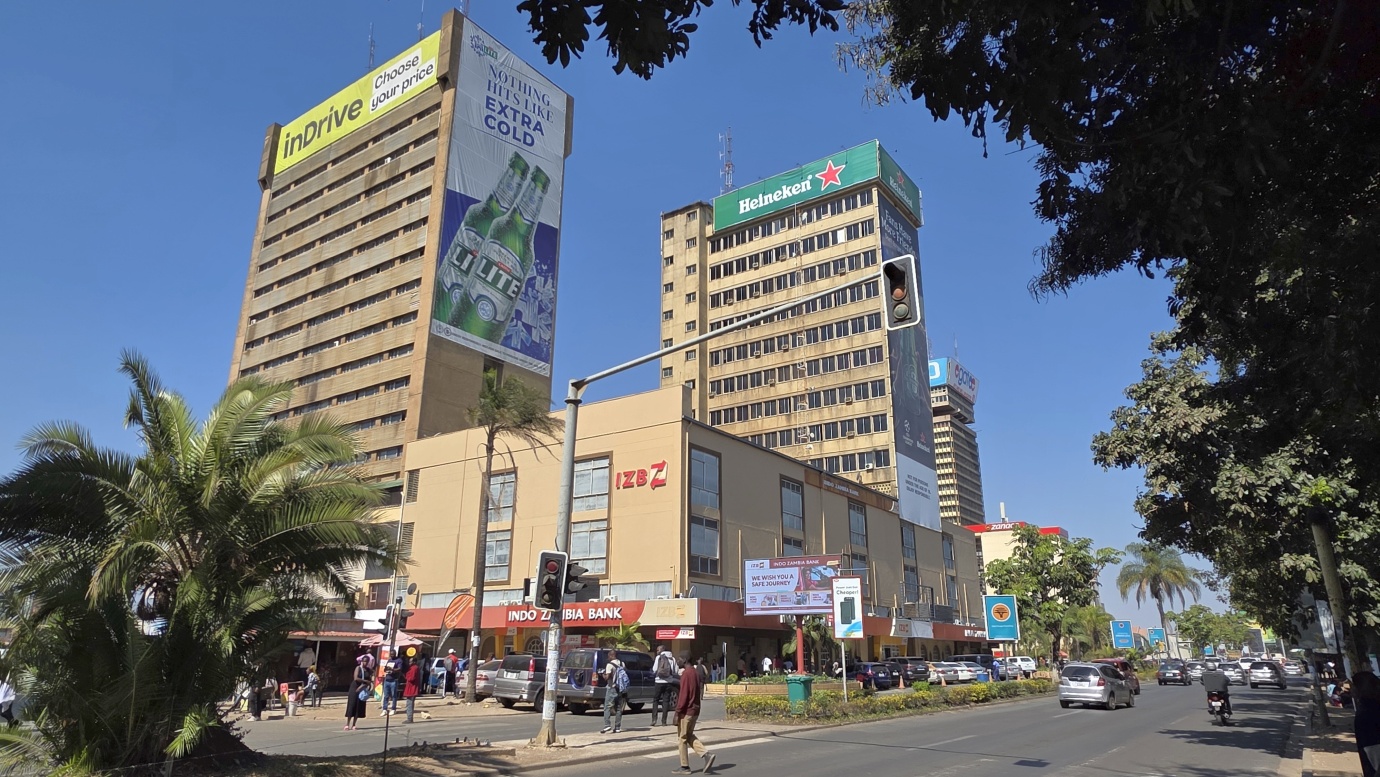
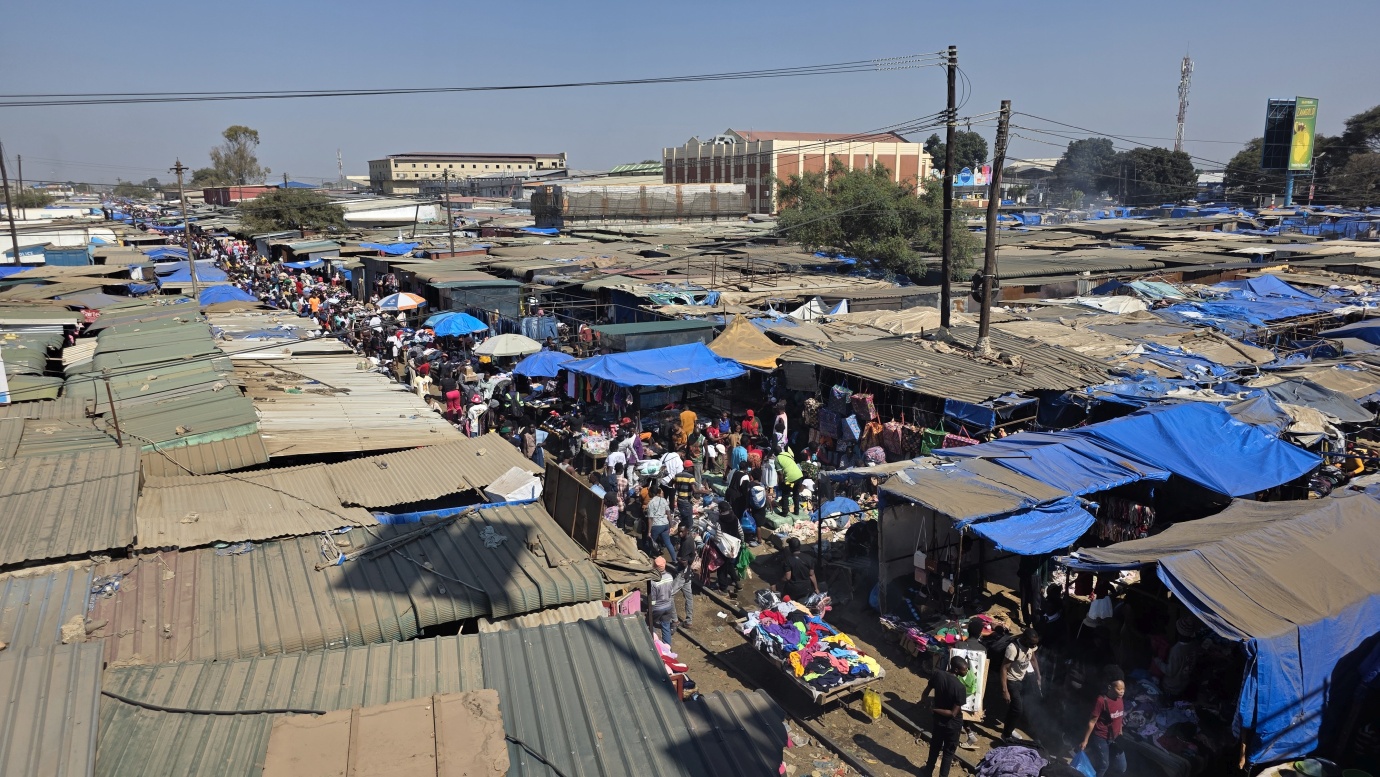
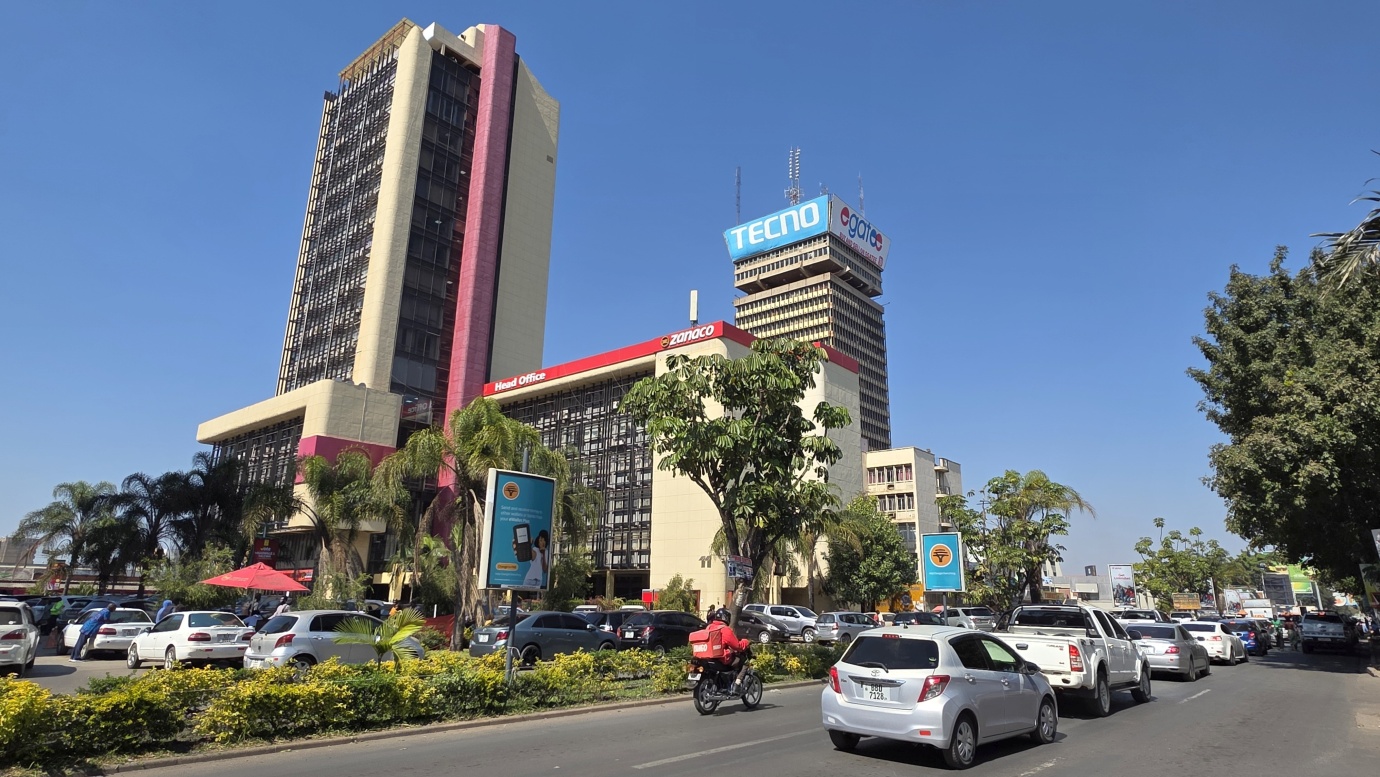
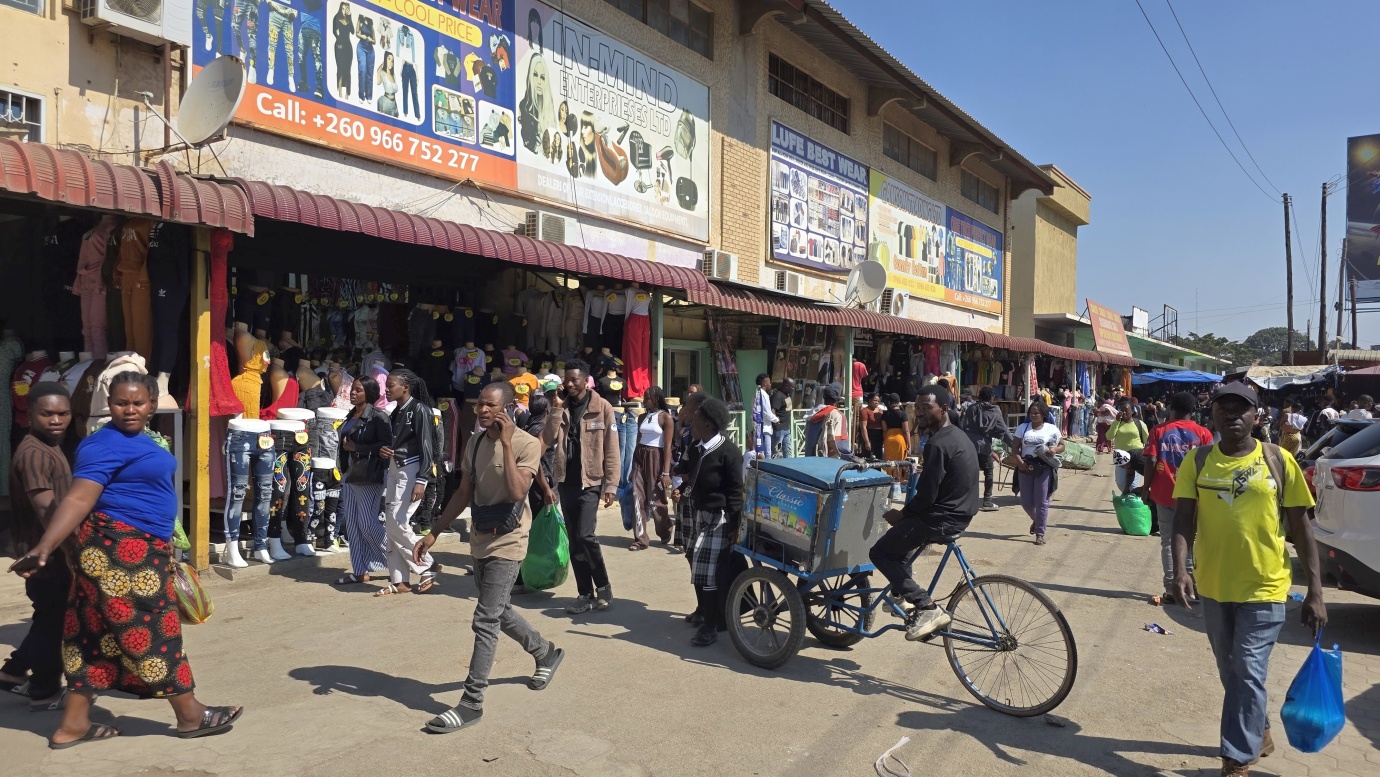
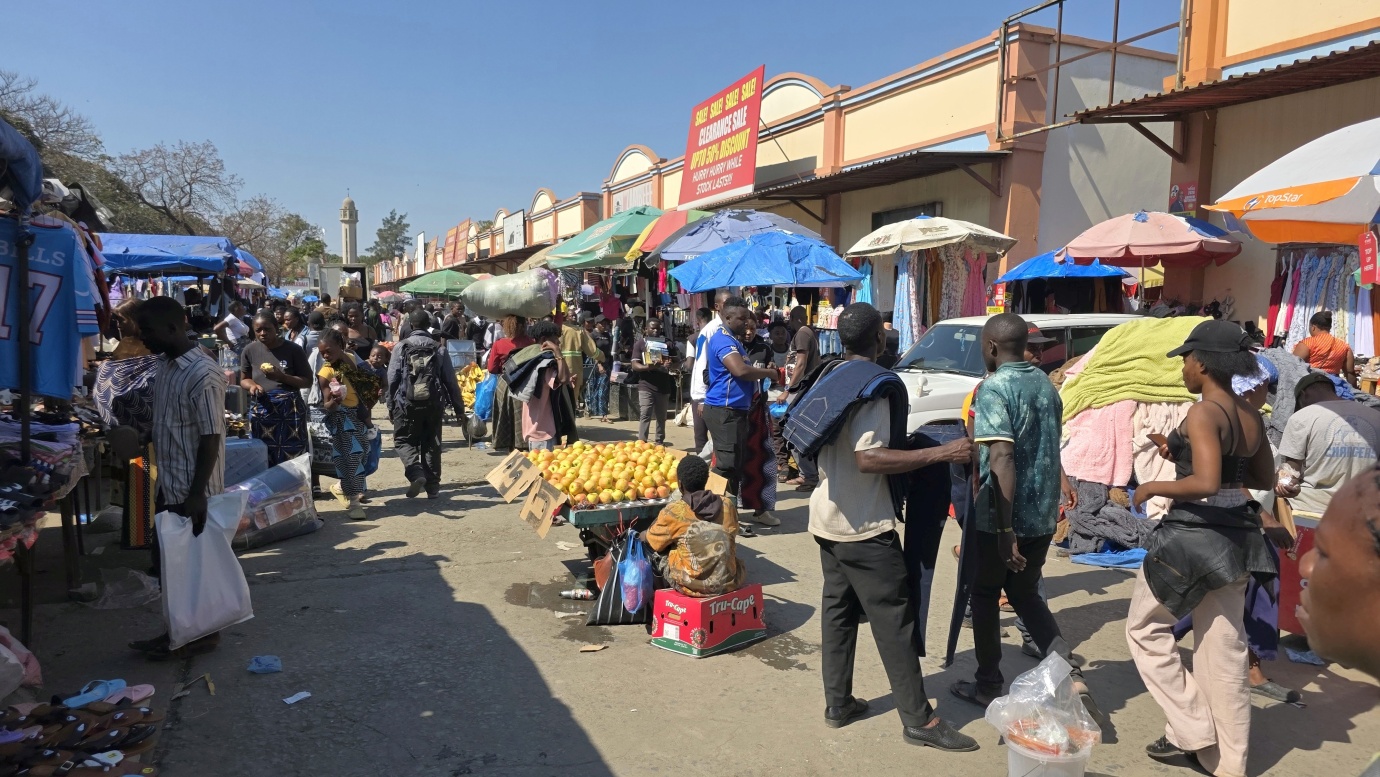
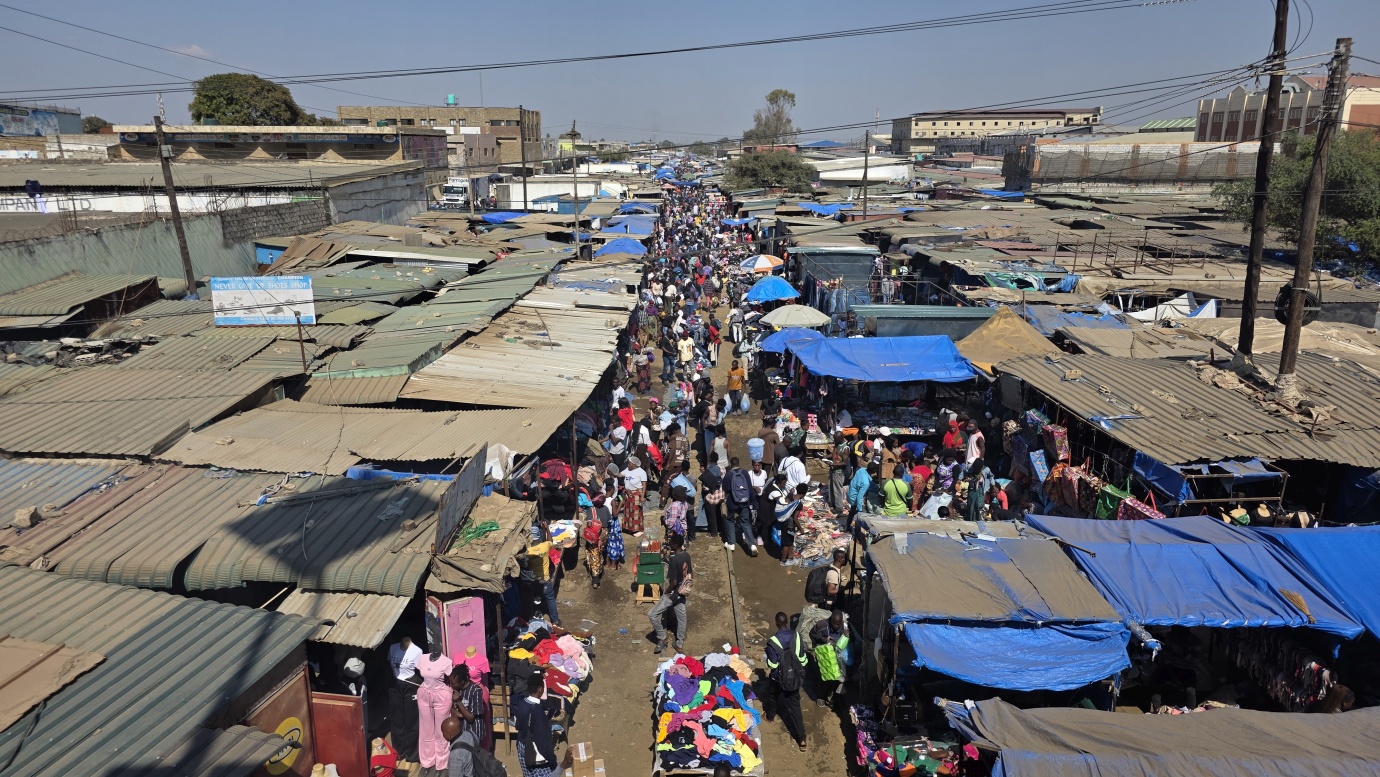
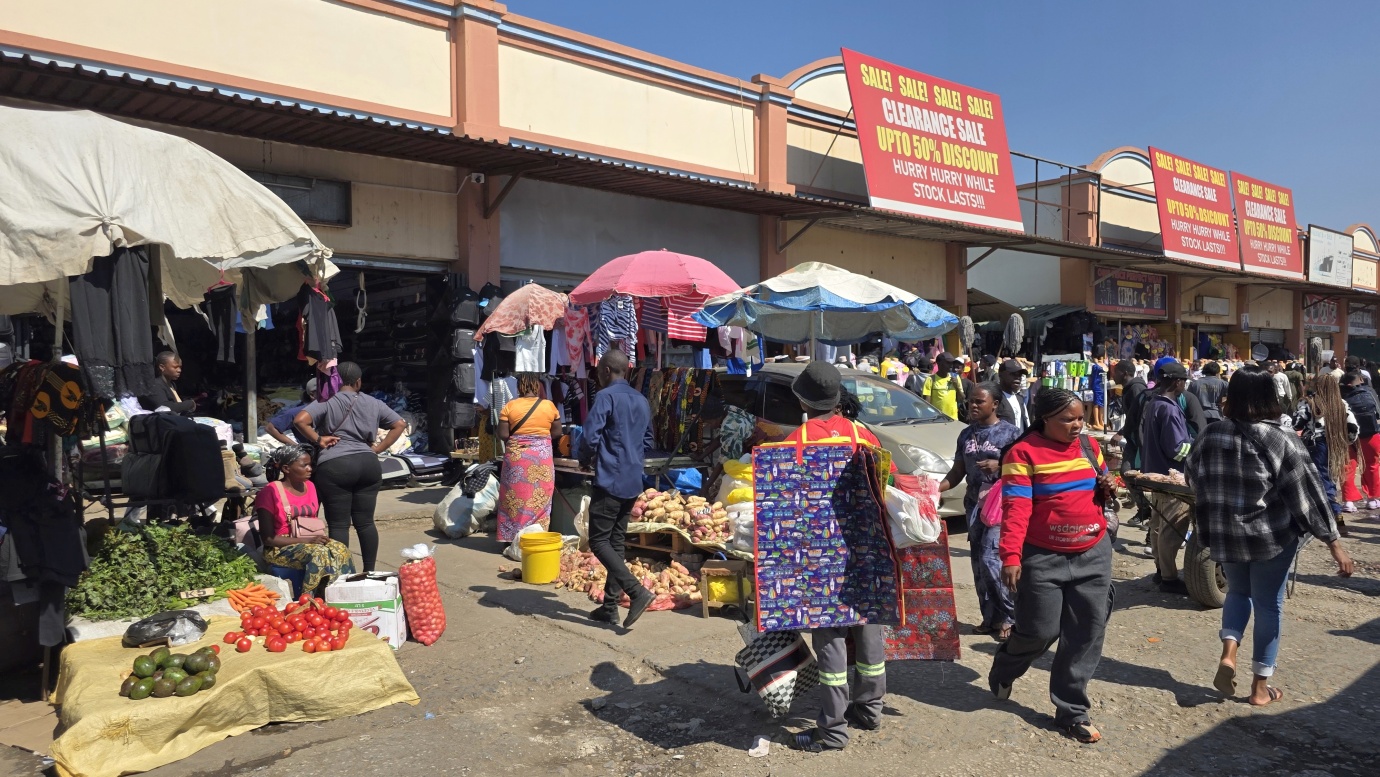
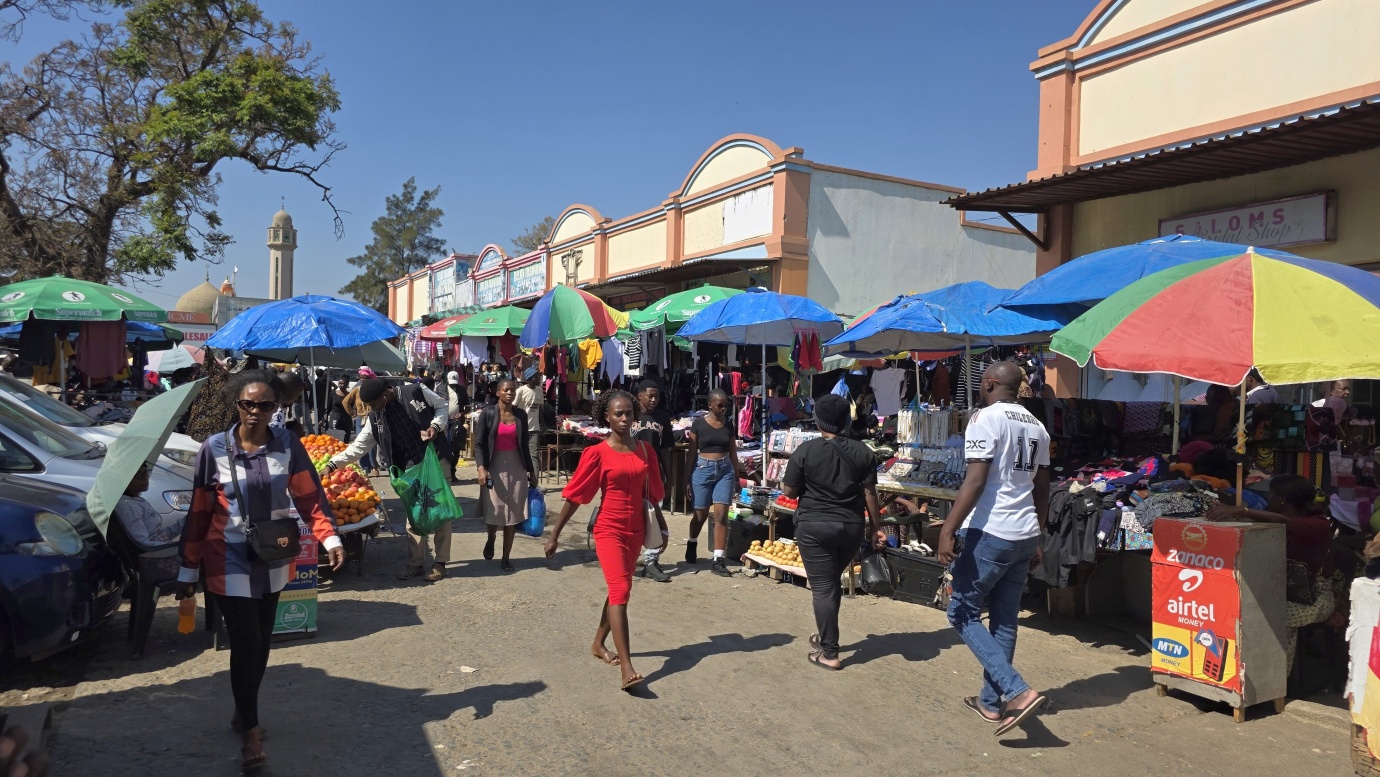
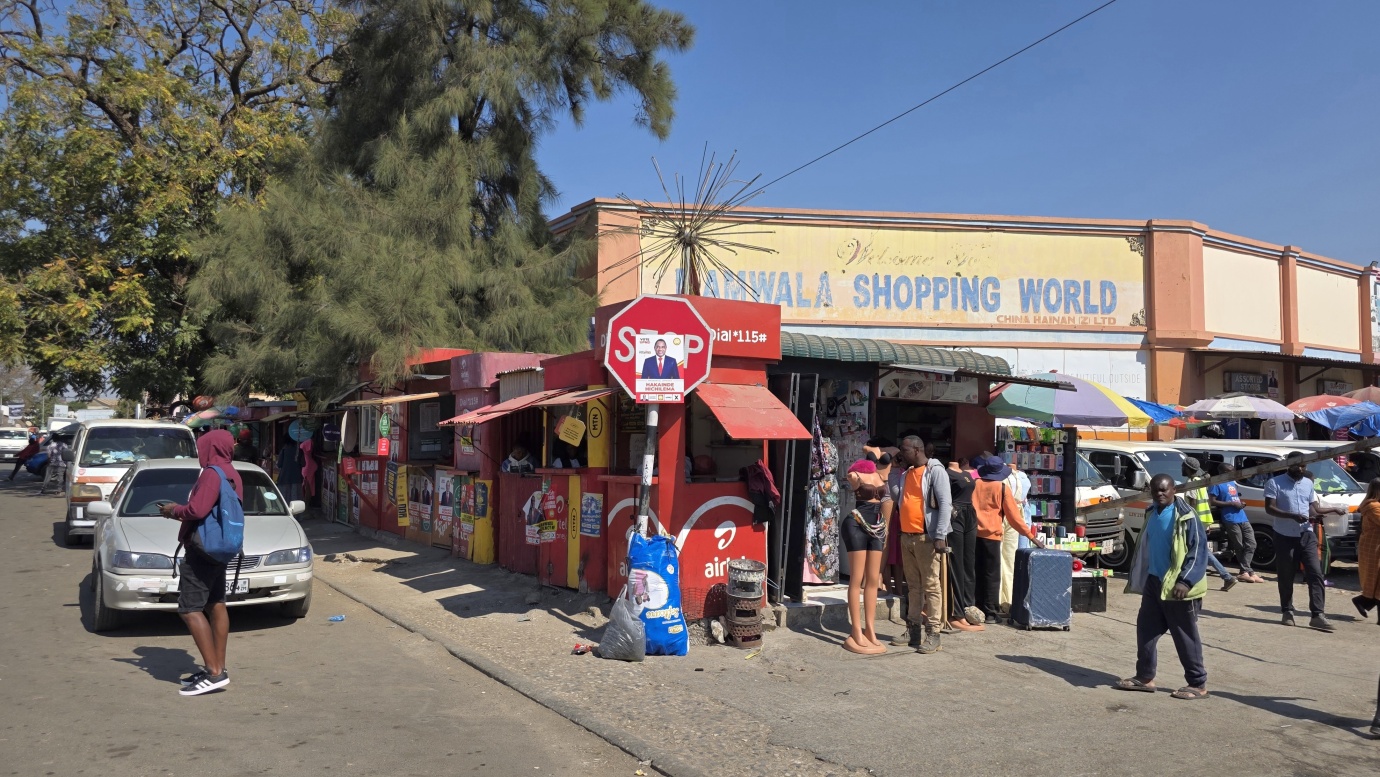
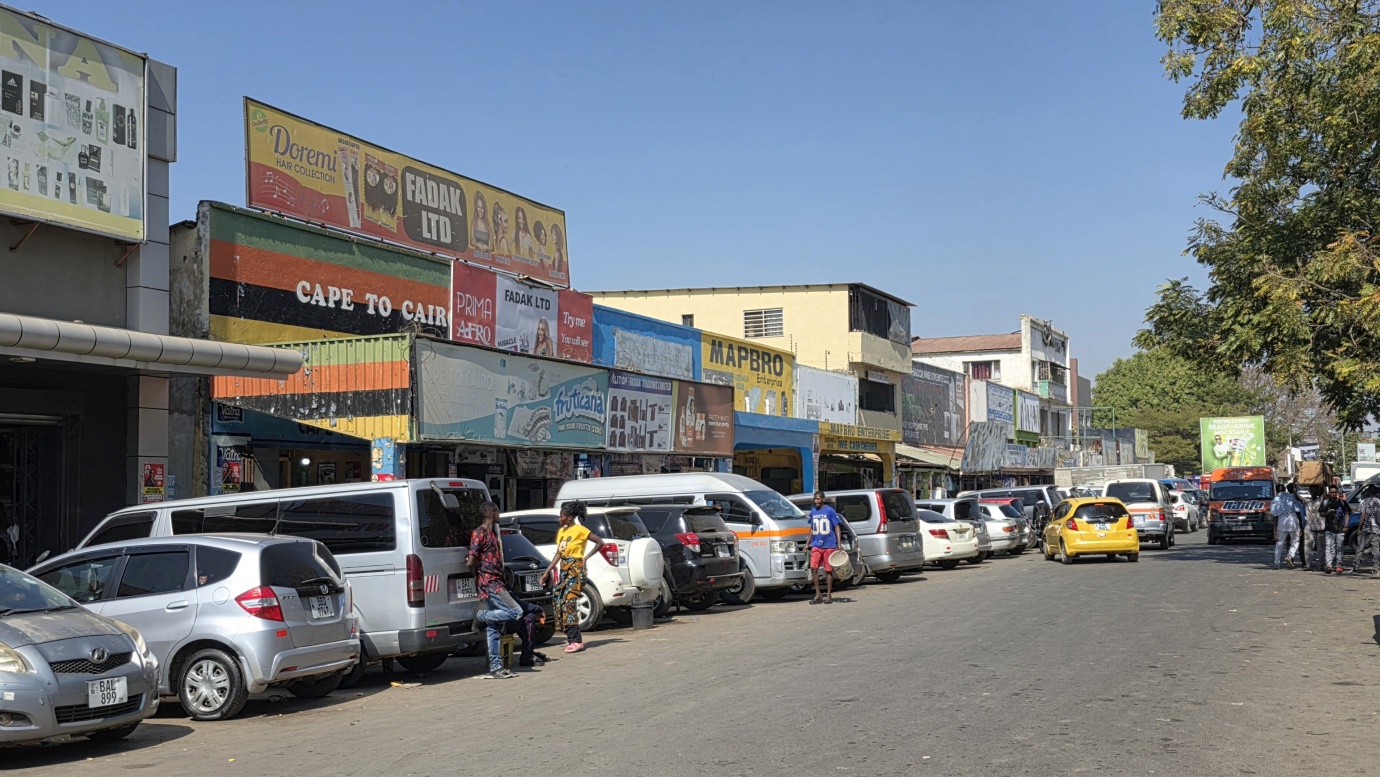
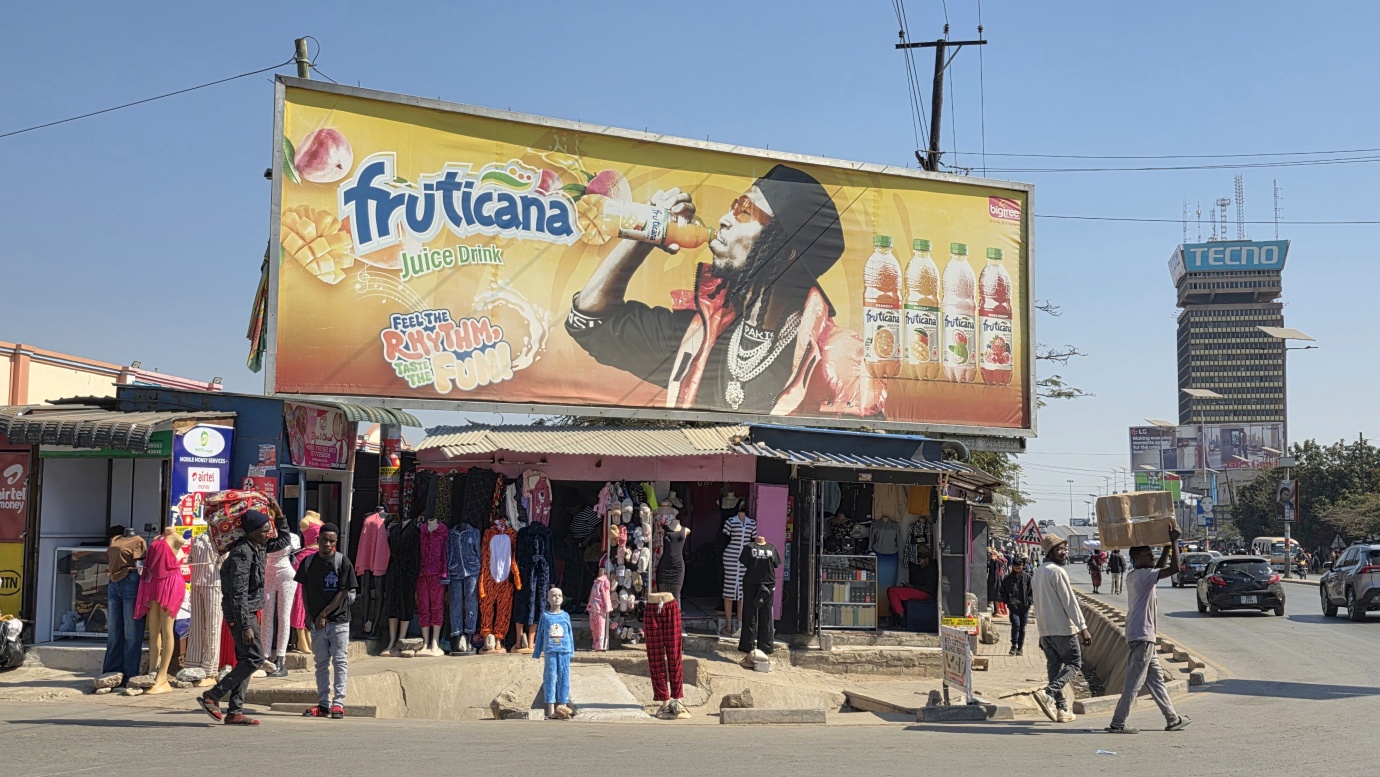
Lusaka is the booming, cosmopolitan capital and largest city of Zambia. Centrally located on a high limestone plateau at an elevation of 1,280 meters, it serves as the nation’s political, economic, and cultural heart. It is also one of the fastest-growing cities in Africa. Designed as a radial hub, Lusaka is where the country’s four major highways converge before branching out in different directions. The city blends bustling traditional markets, such as Soweto Market, with modern shopping centres like Manda Hill. At the same time, its tree-lined diplomatic districts provide a striking contrast to the vibrant city centre.
Founded in 1905, Lusaka began as a small railway settlement during the construction of the line connecting Livingstone with the mining towns to the north. It was named after a local Lenje chief, Lusaaka. Owing to its central location and the fertile, well-watered plateau surrounding it, the British colonial administration relocated the capital of Northern Rhodesia from Livingstone to Lusaka in 1935.
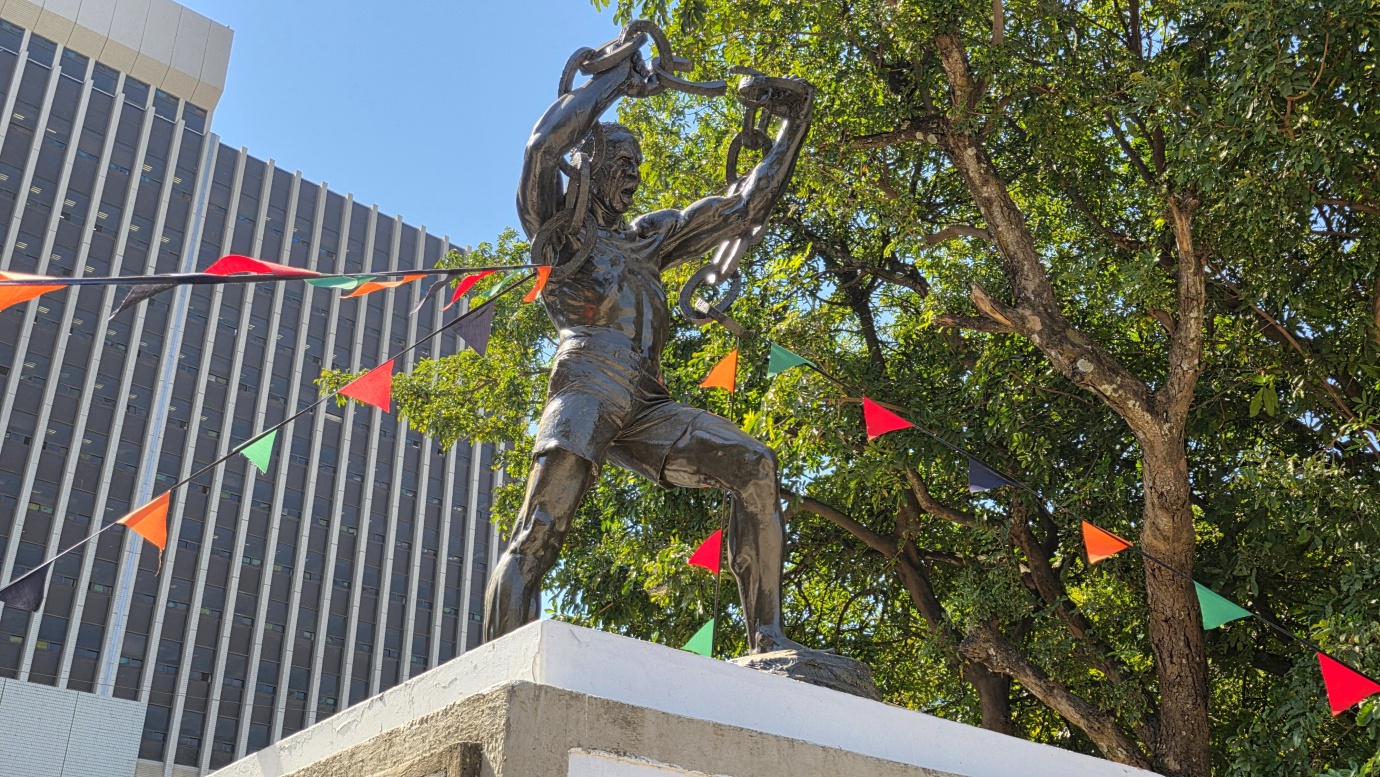
Lusaka later became a key centre of civil disobedience and the anti-colonial movement. When Zambia gained independence on October 24, 1964, the city became the capital of the newly established Republic of Zambia. Today, Lusaka is a vibrant and rapidly expanding metropolis with a population of more than three million people.
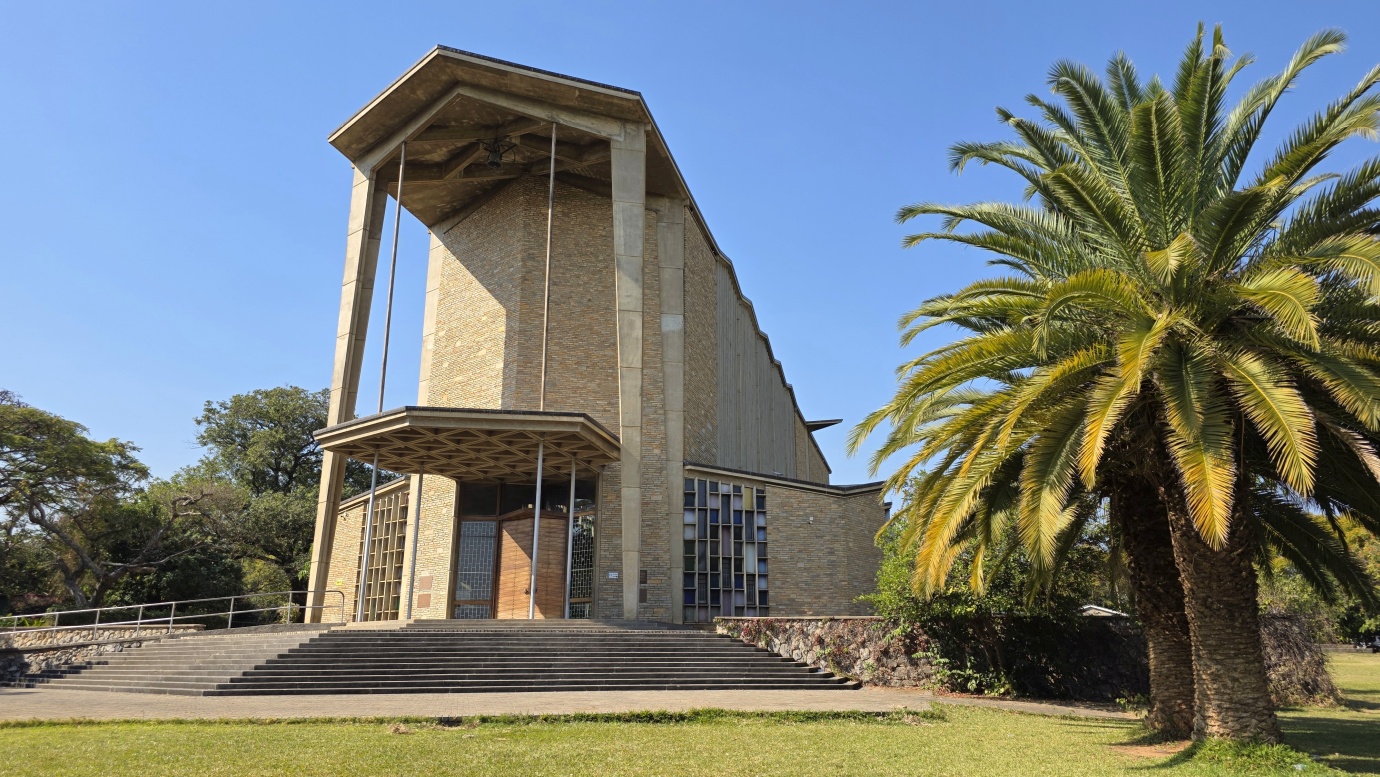
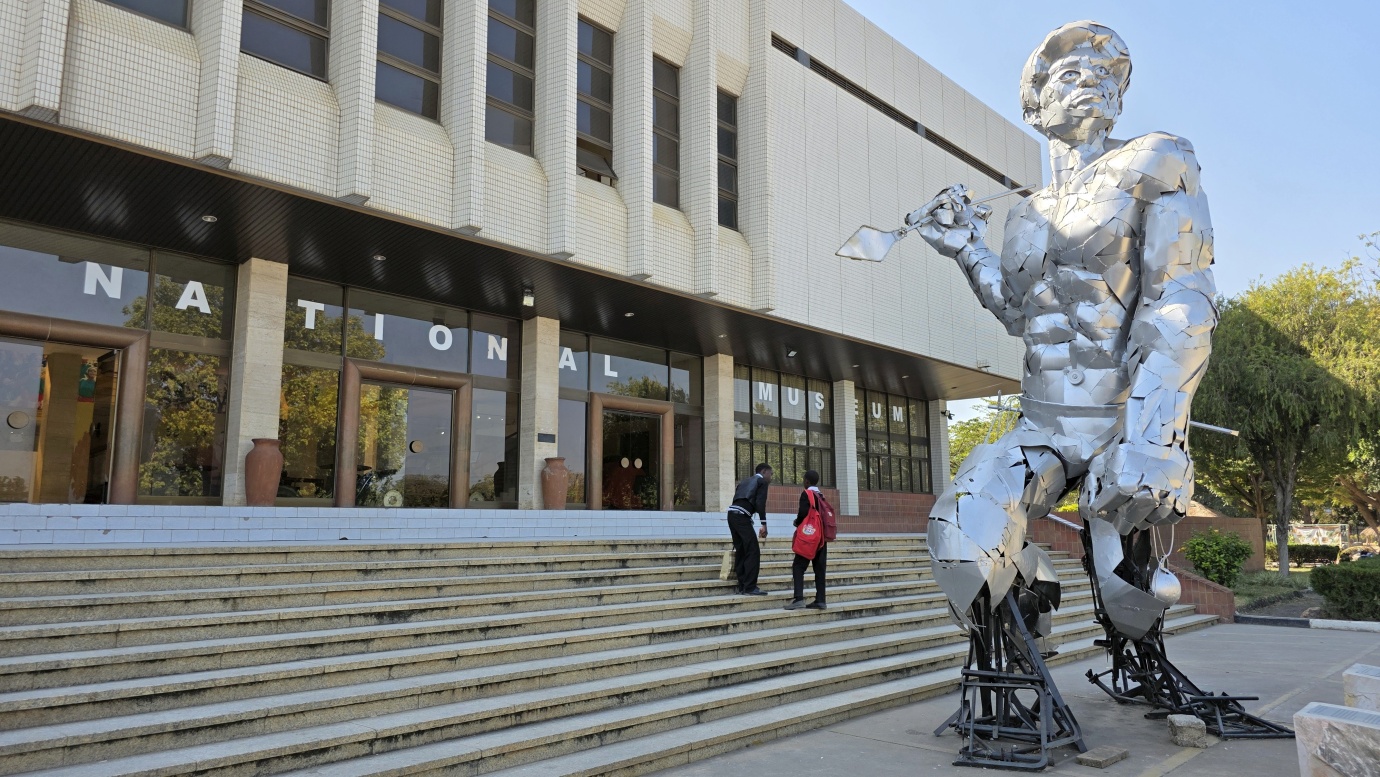
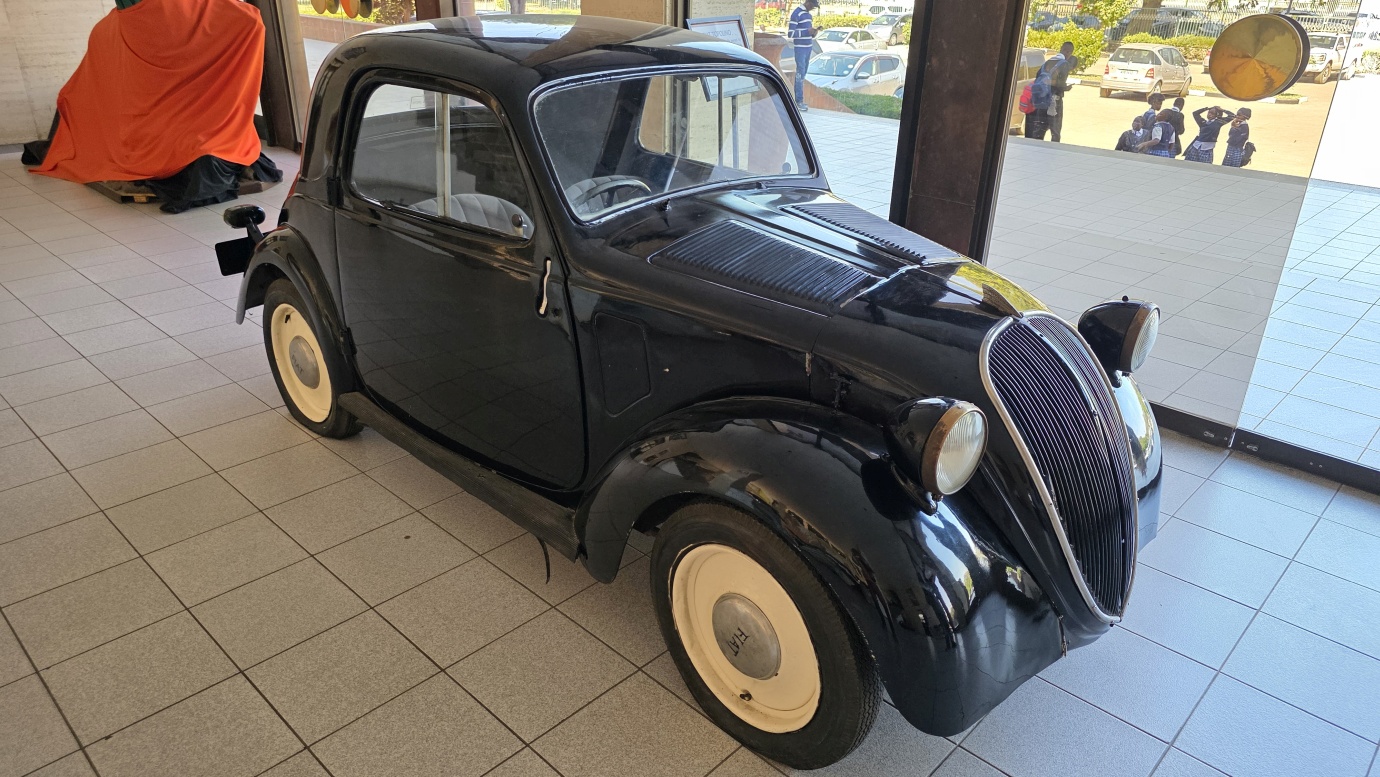
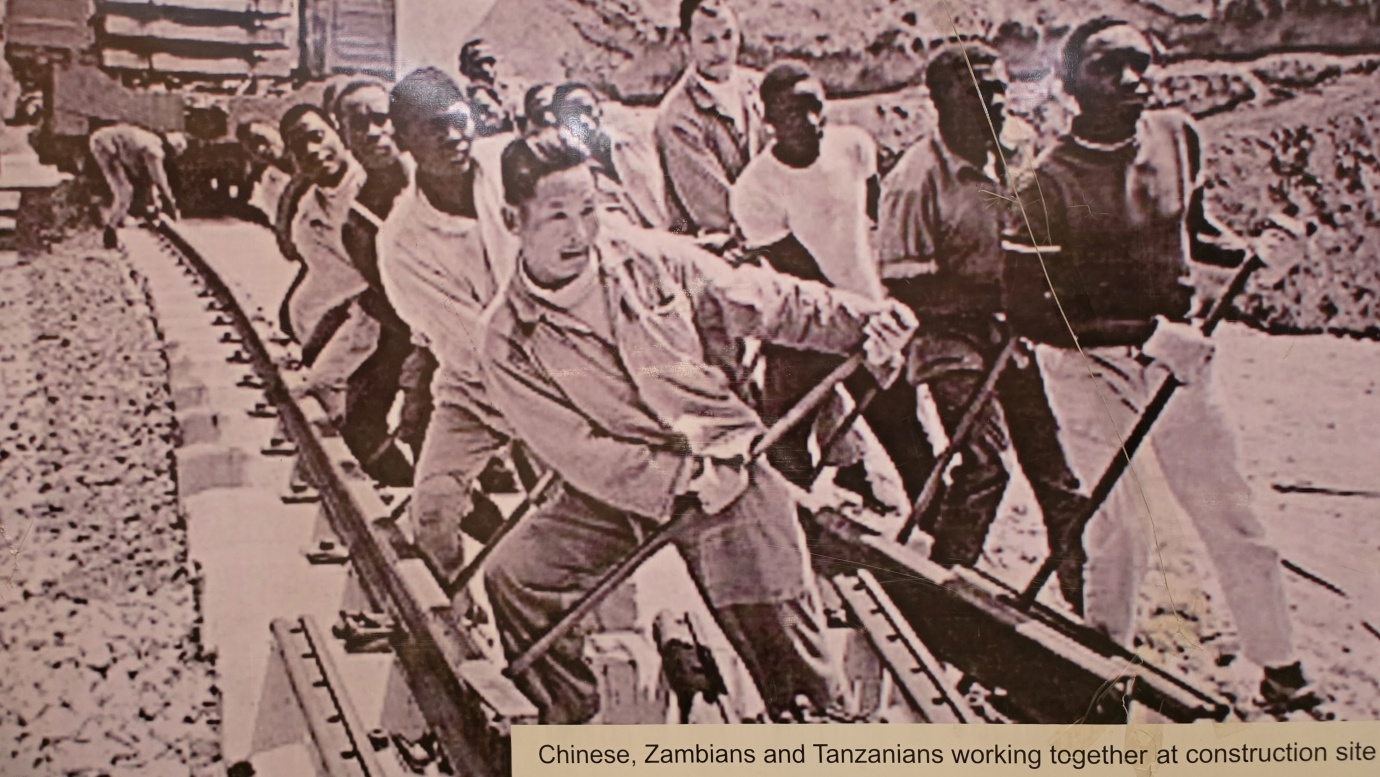
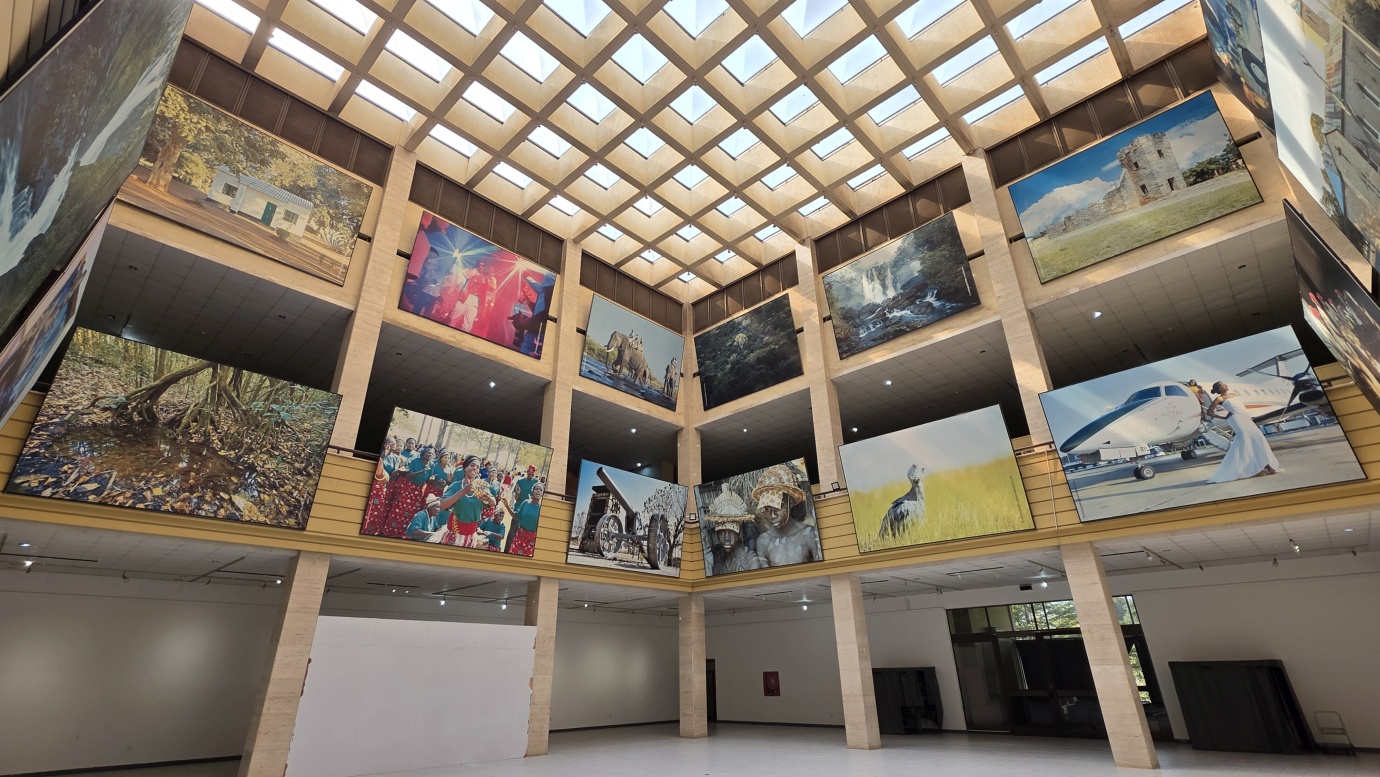
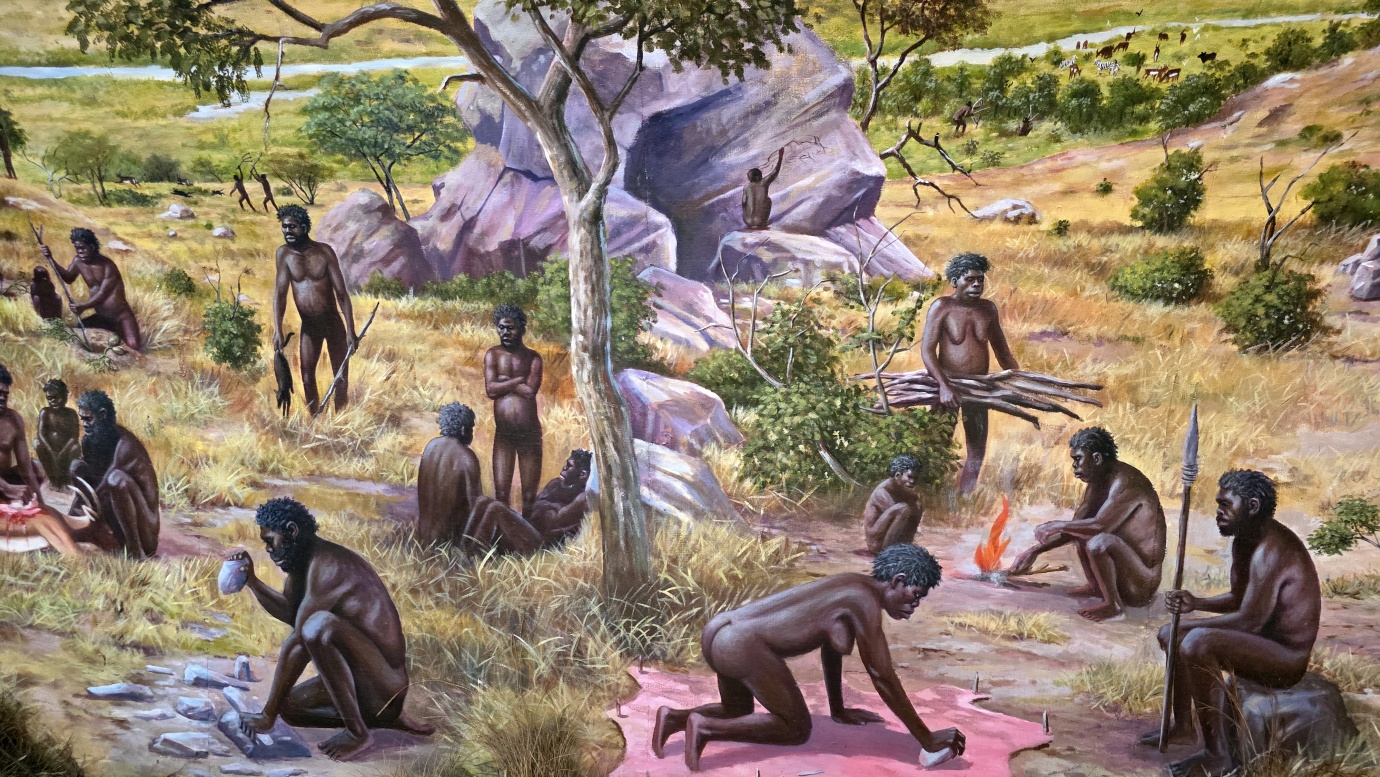
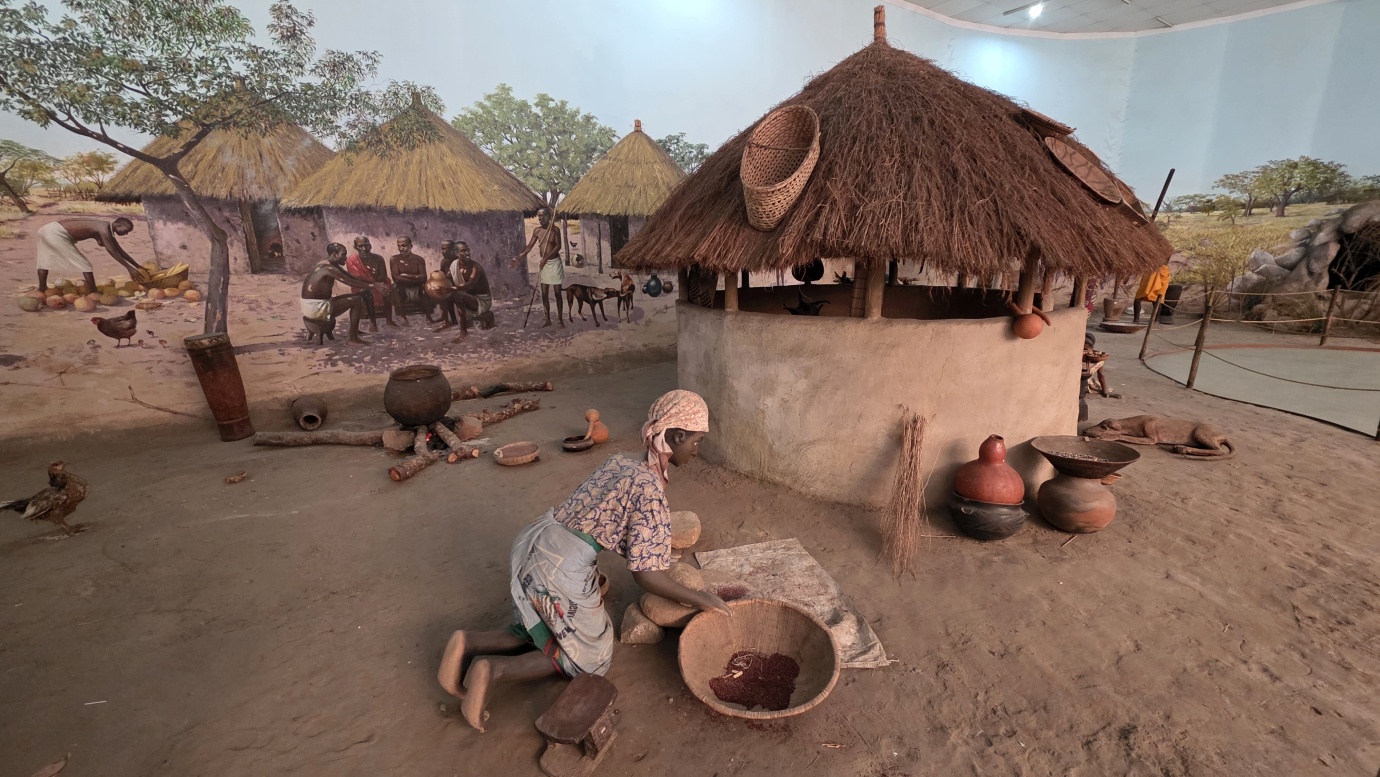
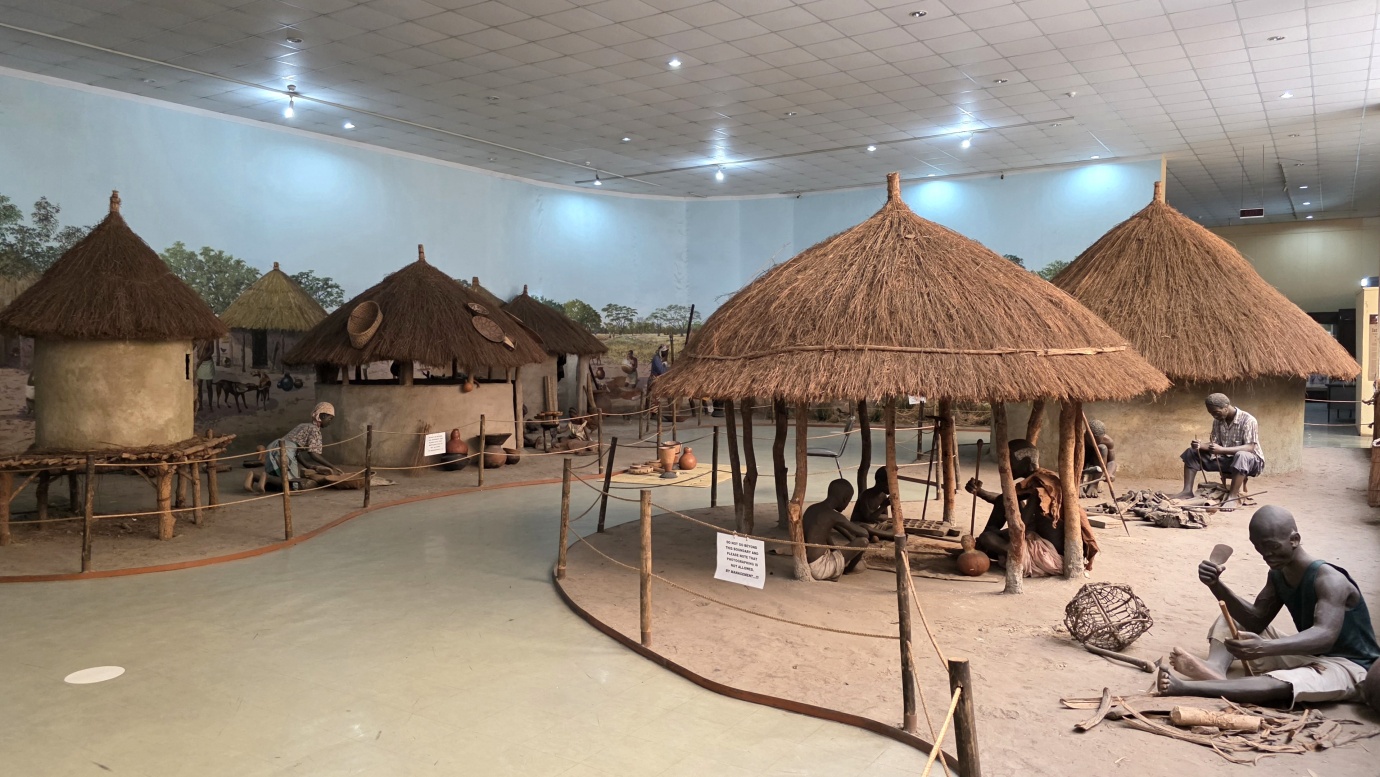
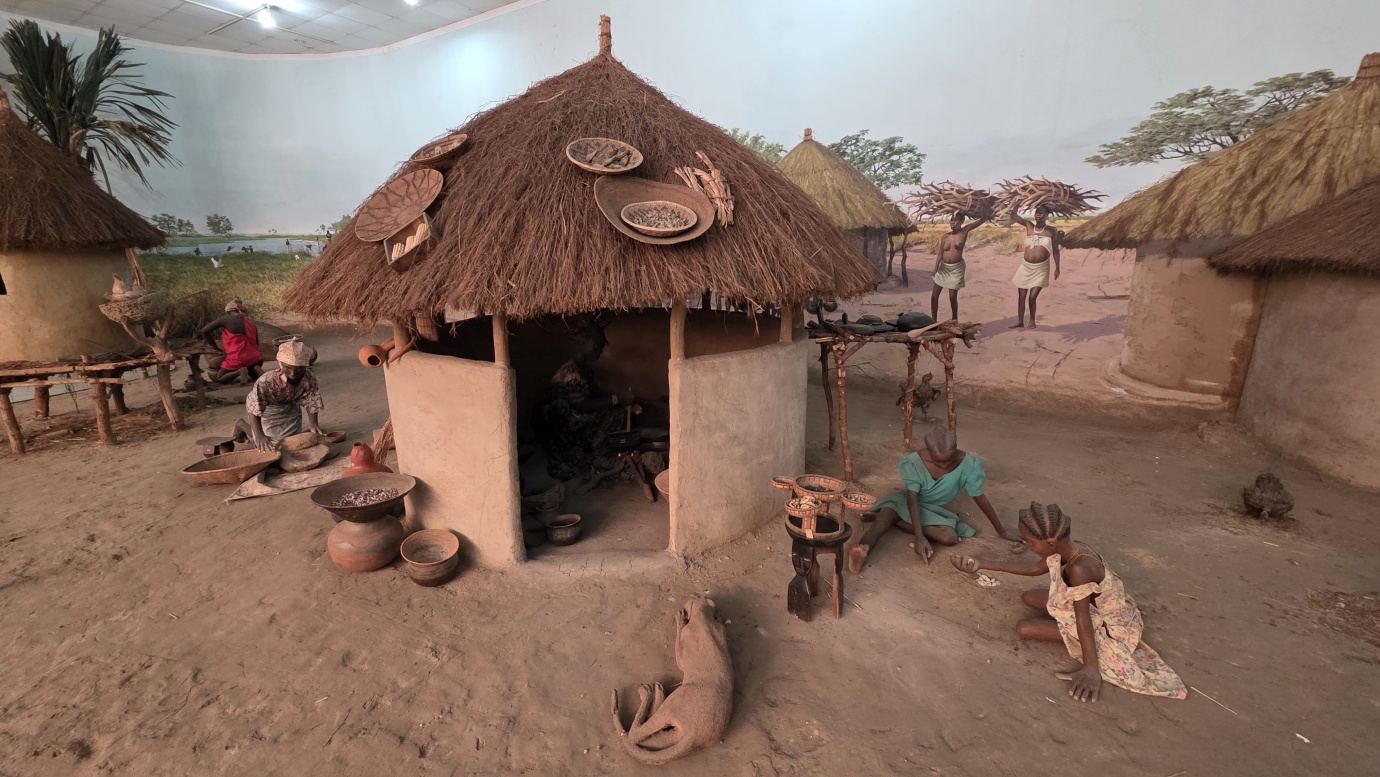
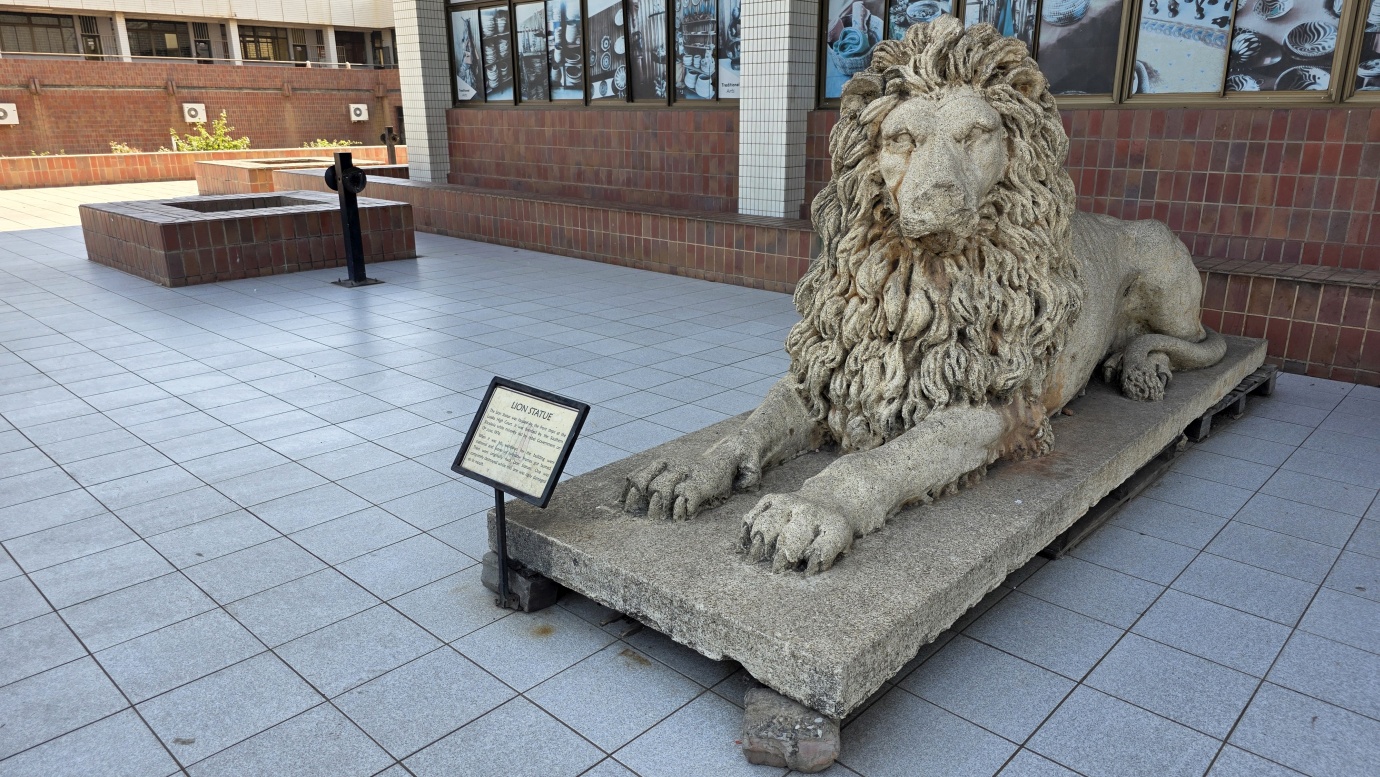
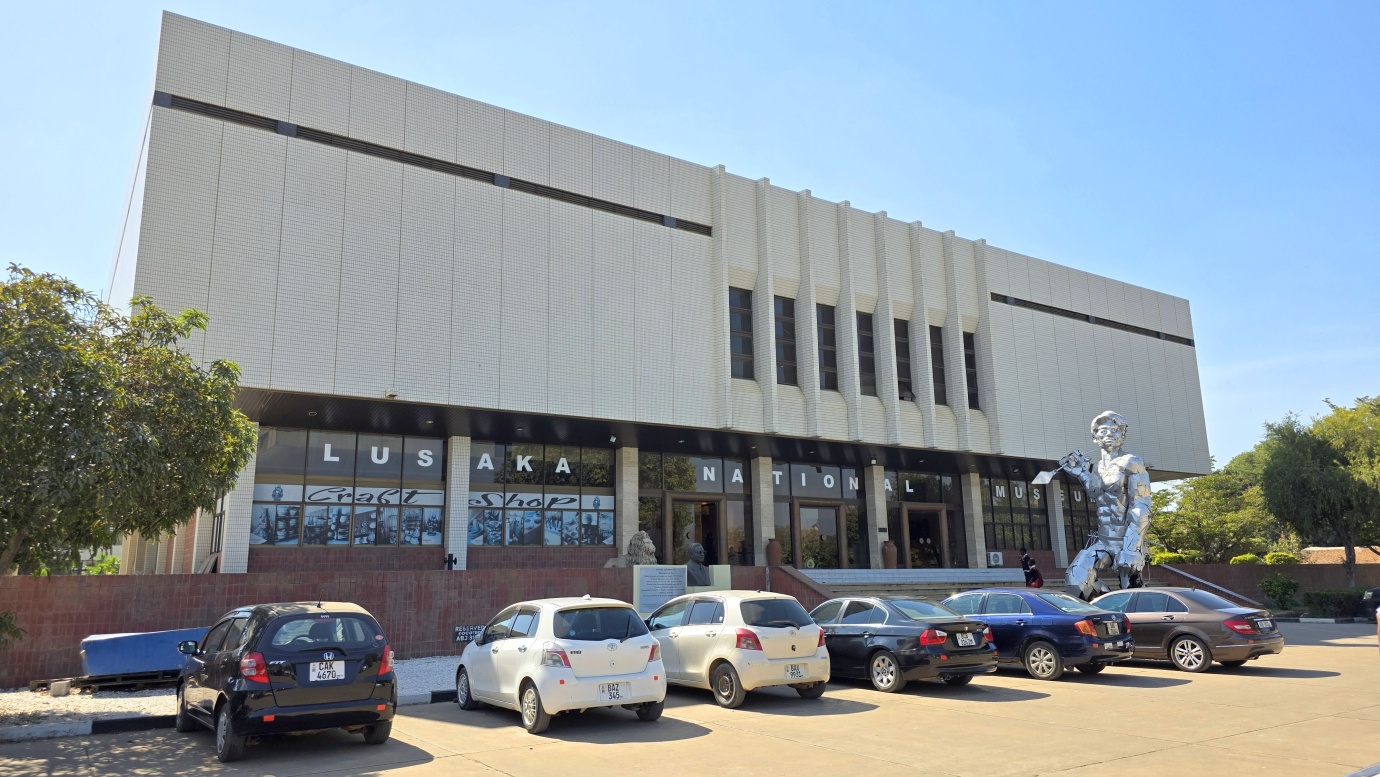
We spent some time exploring downtown Lusaka, visiting both the Cathedral of the Holy Cross and the National Museum (🎟️92 ZMW), where we learned about Zambia’s rich history. Before Bantu-speaking farmers and metalworkers arrived around 2,000 years ago, the region was inhabited by hunter-gatherer communities, including the San and Khoisan peoples. Over the following centuries, several powerful kingdoms and empires emerged across the region, most notably the Luba, Lunda, and Maravi empires.
In the 19th century, Scottish missionary and explorer David Livingstone travelled extensively through the area, eventually leading to the international recognition and naming of Victoria Falls. In 1888, British businessman and imperialist Cecil Rhodes secured mineral rights in the region, paving the way for the British South Africa Company (BSAC) to establish control over the territory. It later became the British protectorate of Northern Rhodesia, renowned for the vast copper deposits of the Copperbelt.
Growing resentment toward colonial rule fueled a strong independence movement, culminating in the creation of the independent Republic of Zambia on October 24, 1964, with Kenneth Kaunda serving as the country’s first president. Since then, Zambia has remained one of Southern Africa’s most stable democracies.
Lusaka’s evening life offers a vibrant mix of relaxed elegance and energetic socialising. Start with a refined dinner at Bellini, a premium Italian restaurant in the Showgrounds overlooking lush polo fields. Later, transition to the lively outdoor braai atmosphere of Grandaddy’s Shoka Nyama to enjoy freshly grilled meats.
Parking location – Lusaka: 15.5029419S 28.2651458E (🚻,🚿,💦,🏊,🍽️,🅿️250 ZMW/pax)