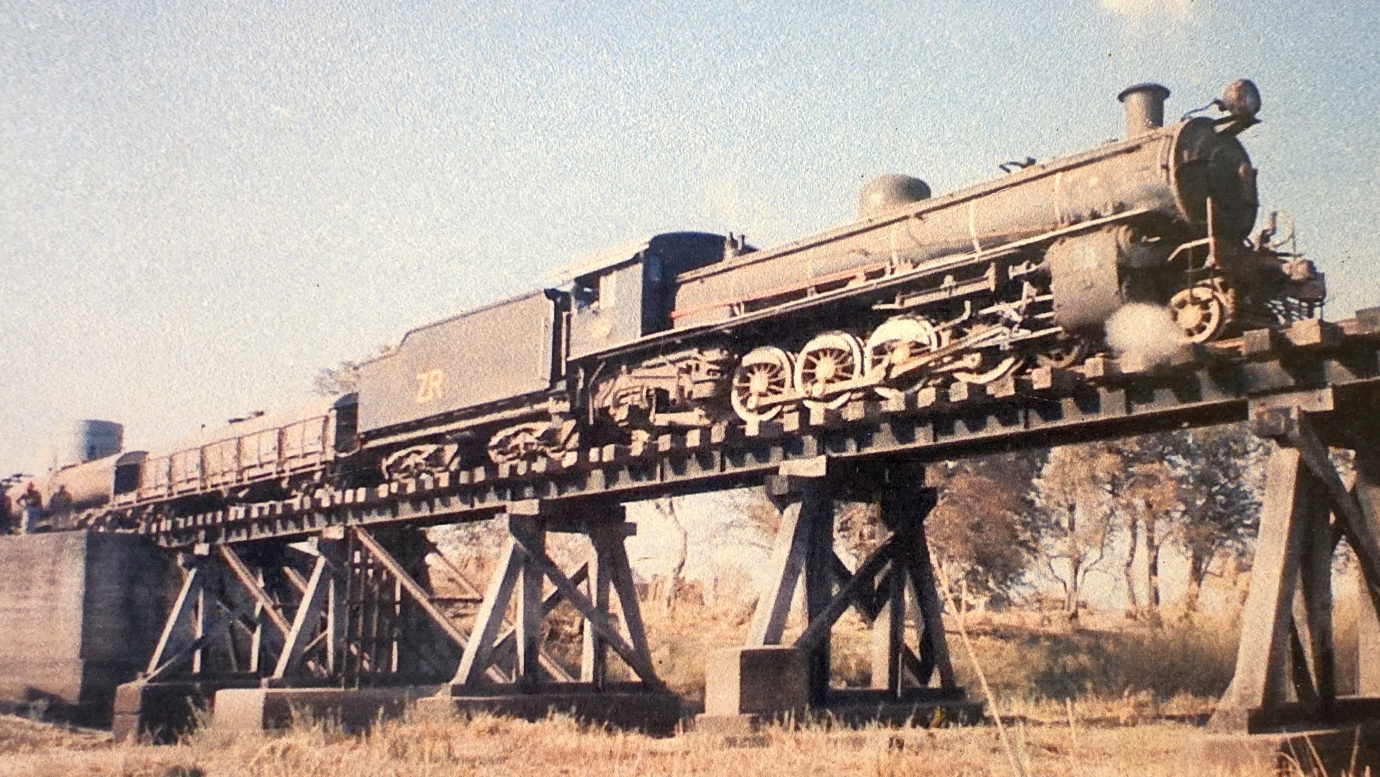
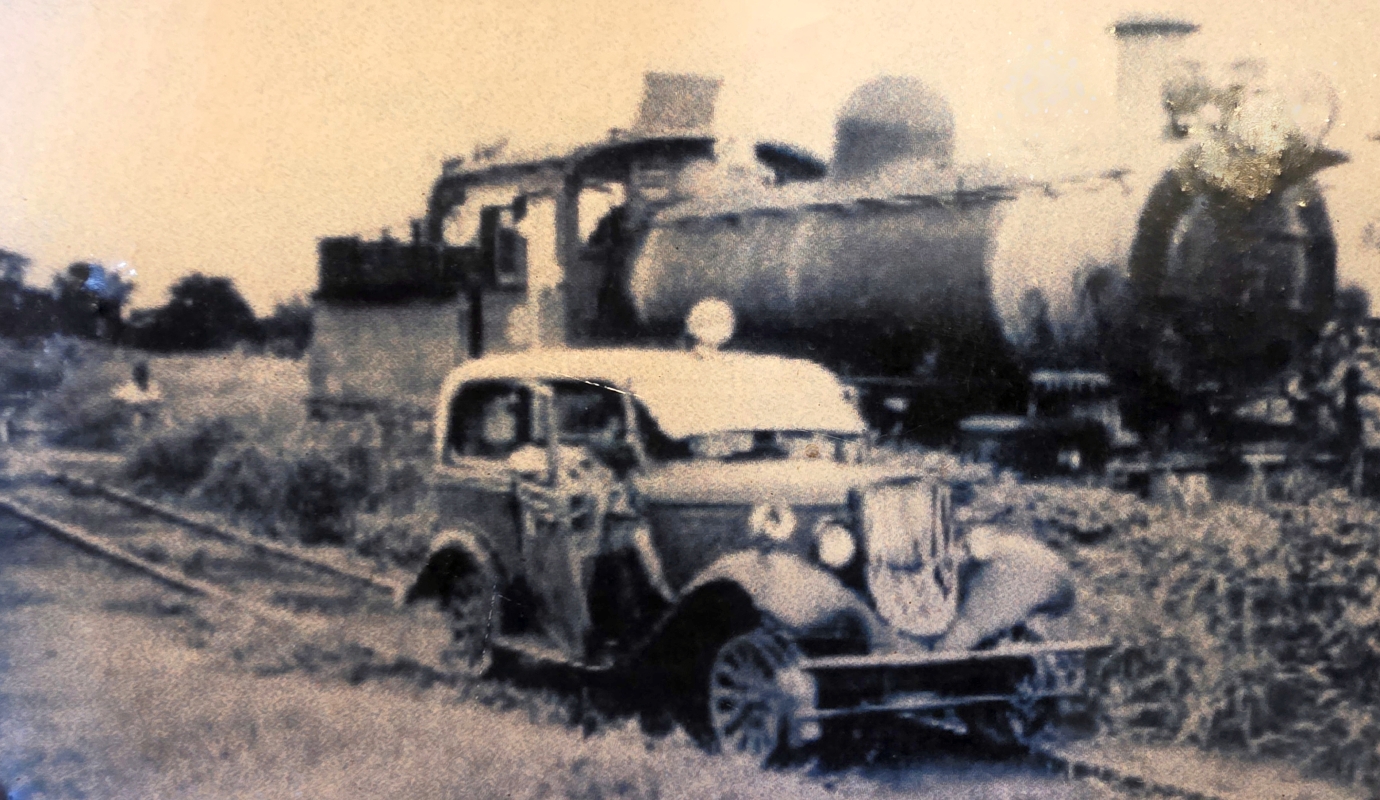
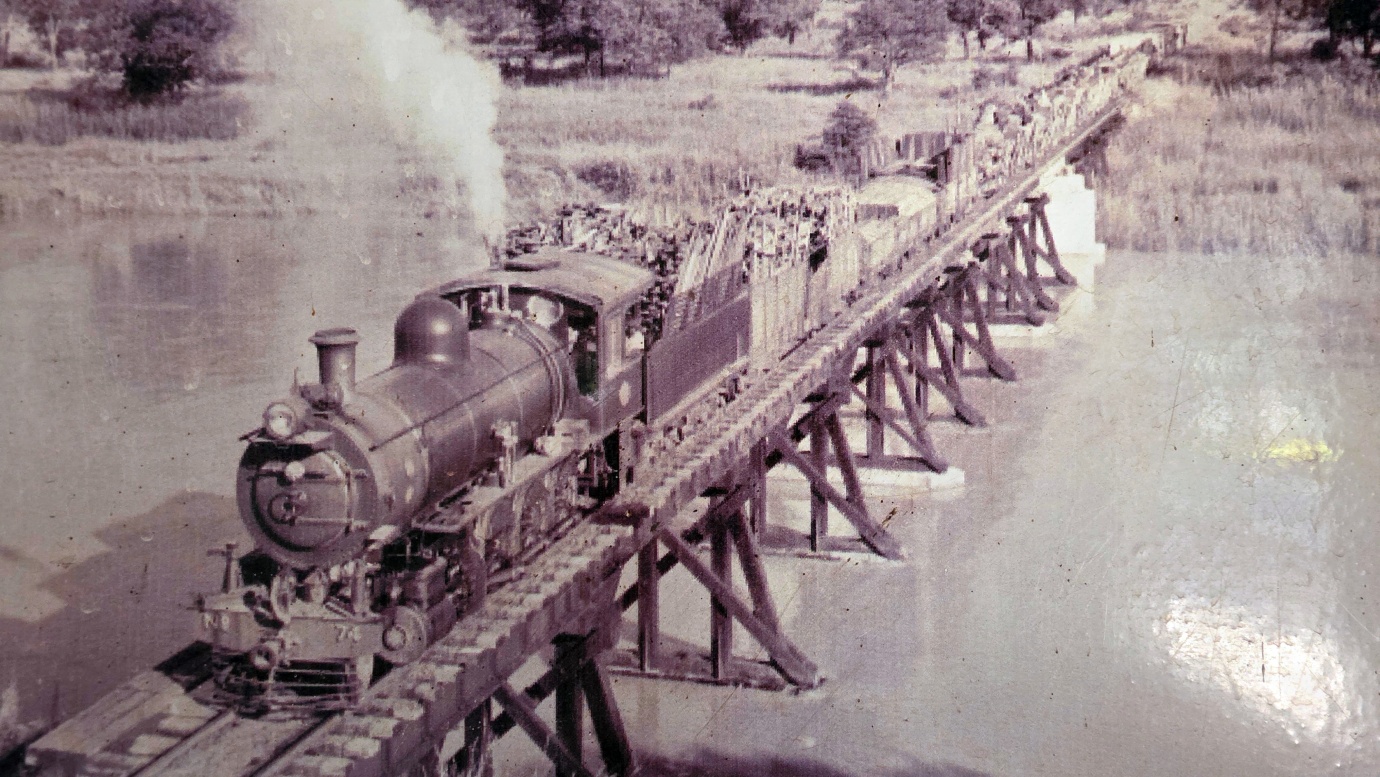
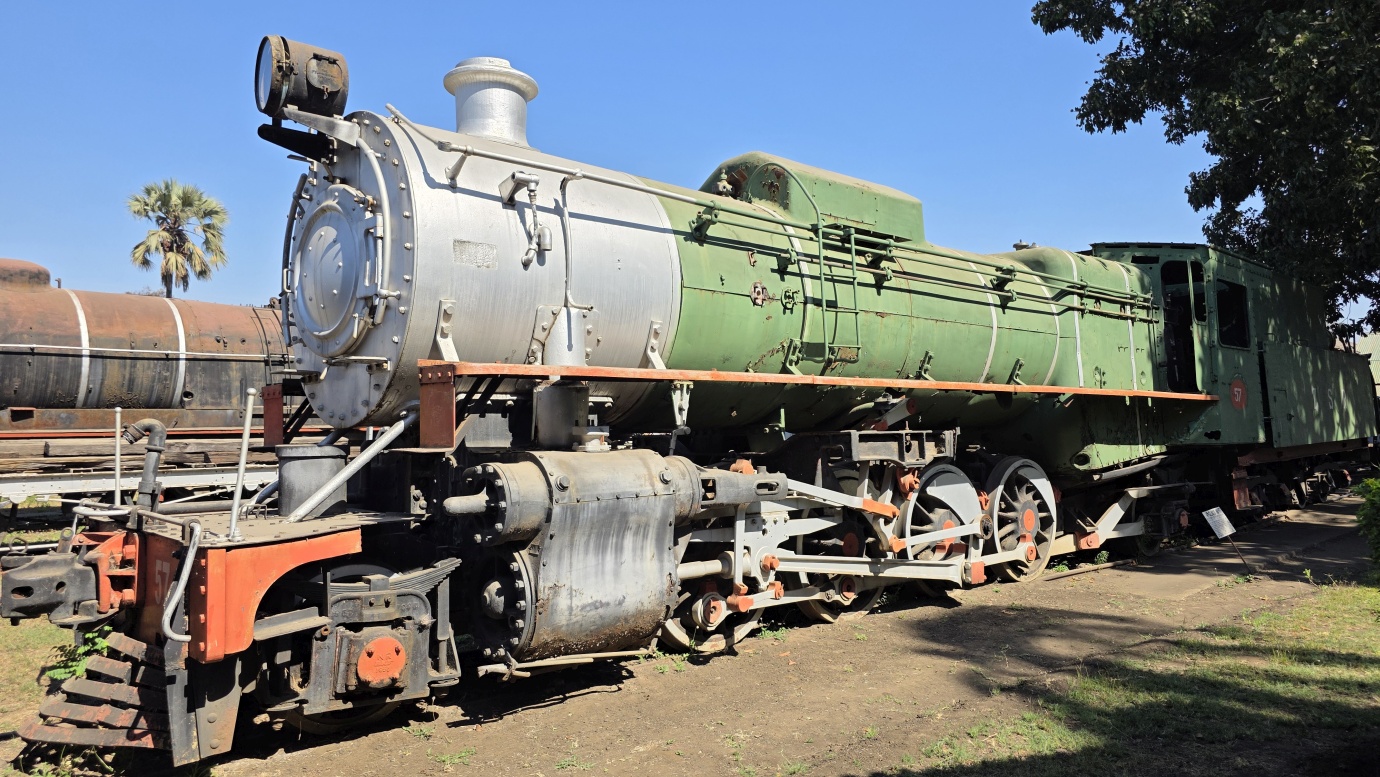
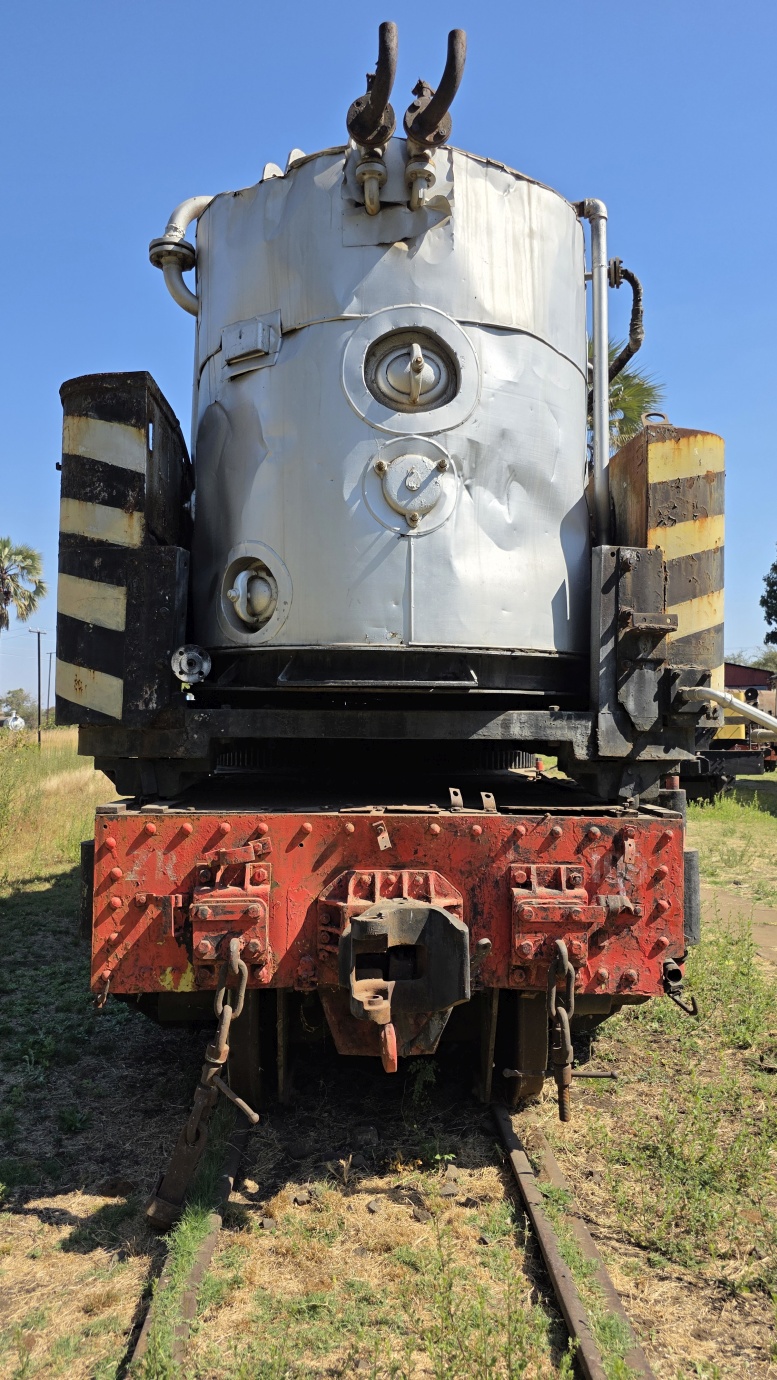
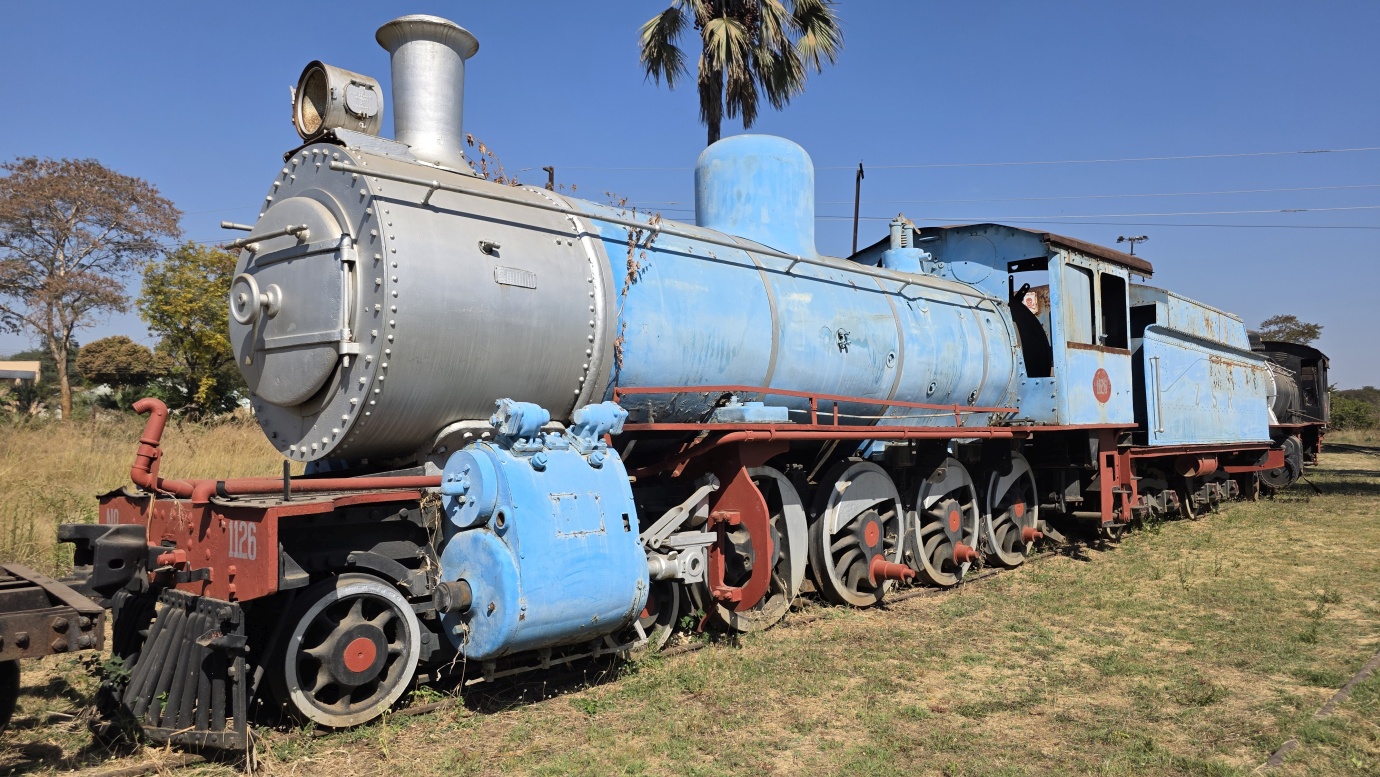
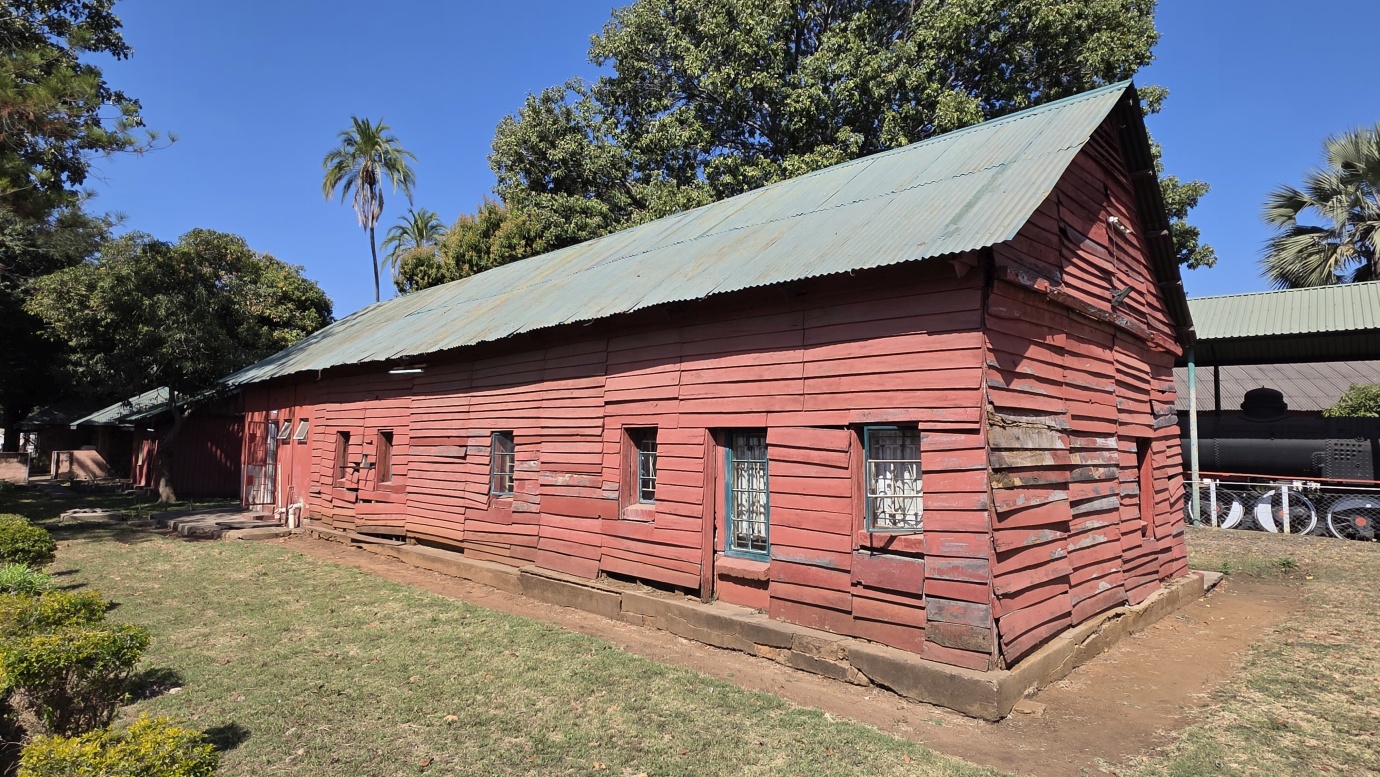
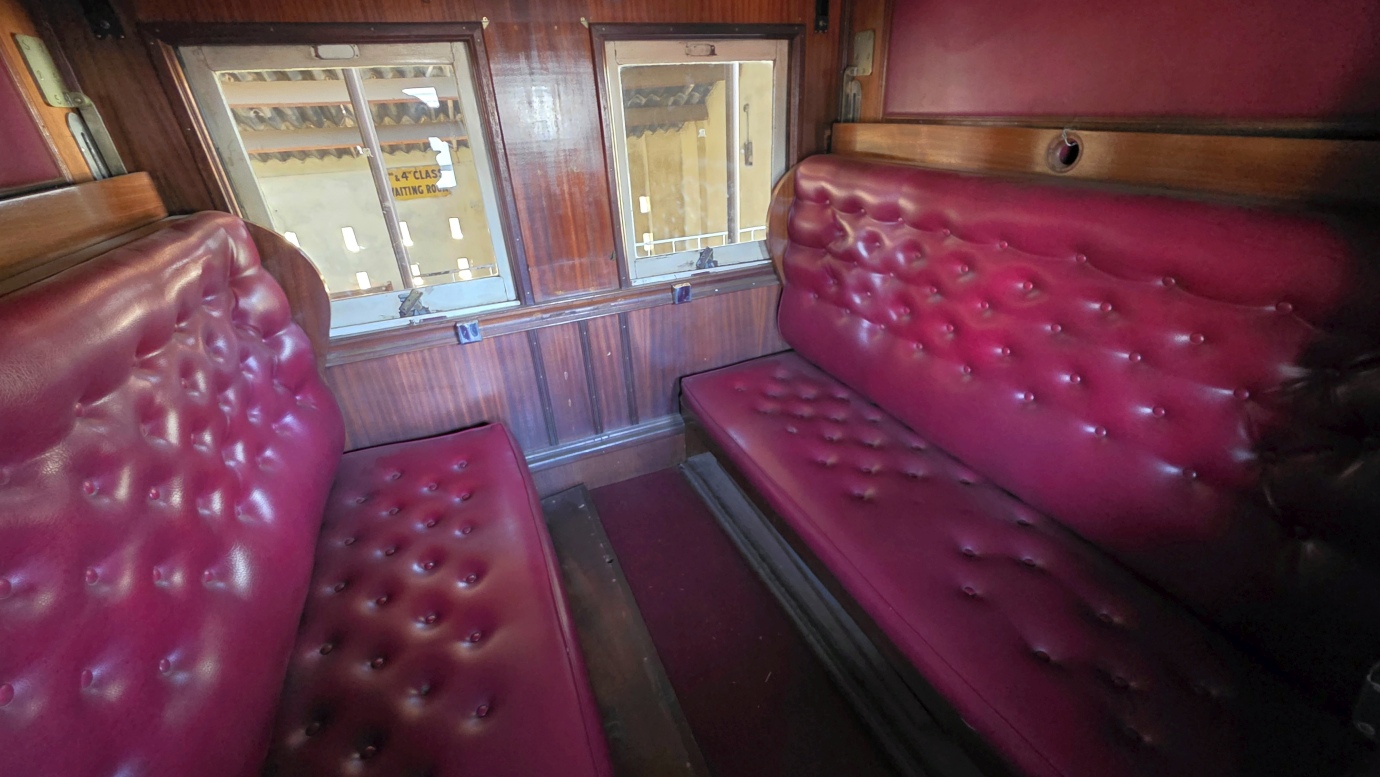
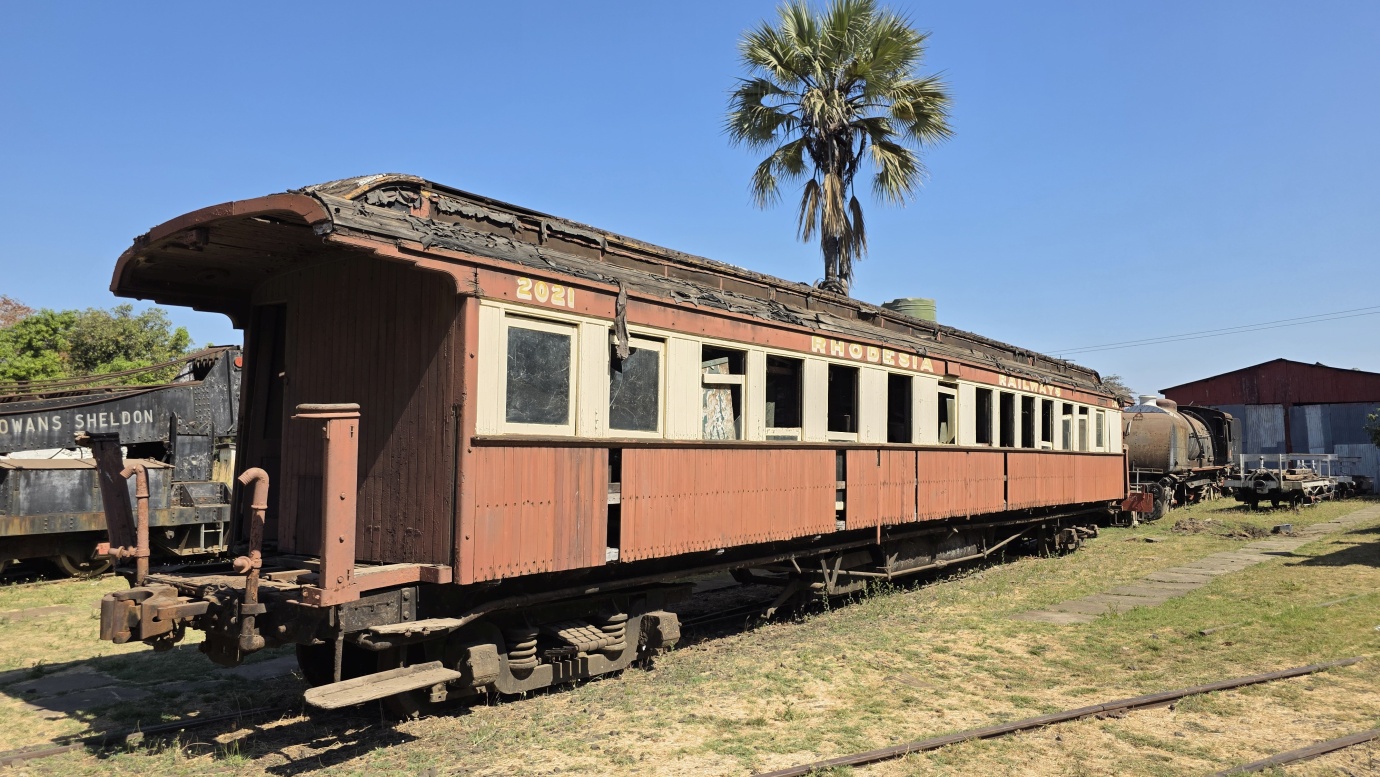
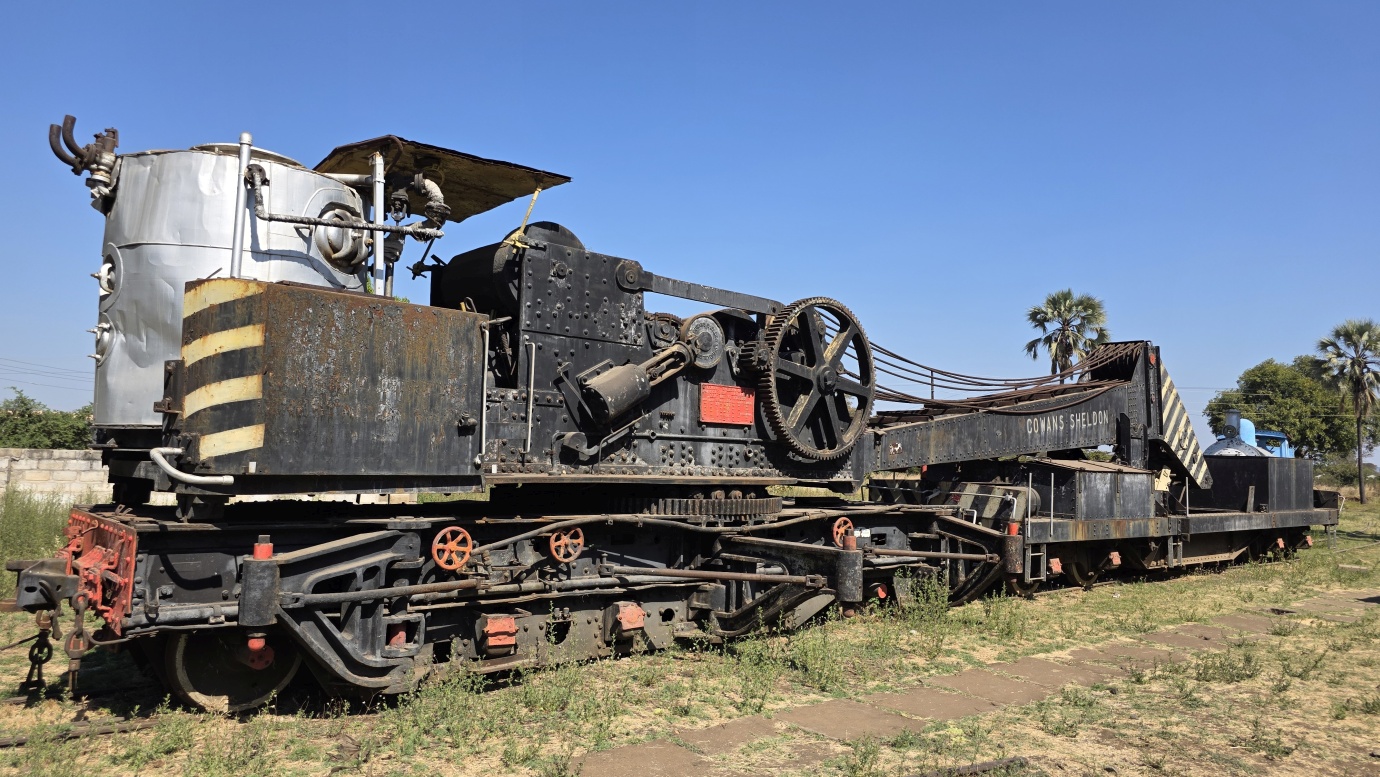
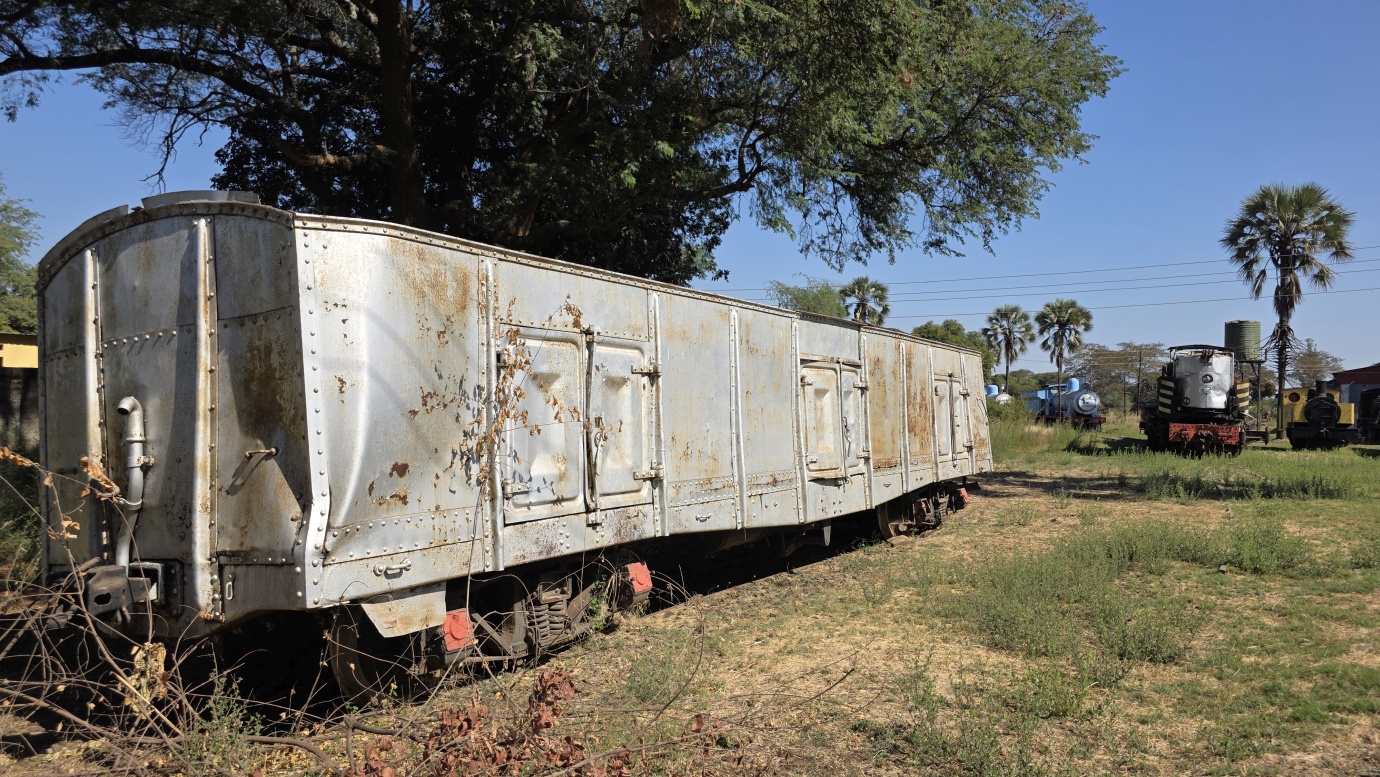
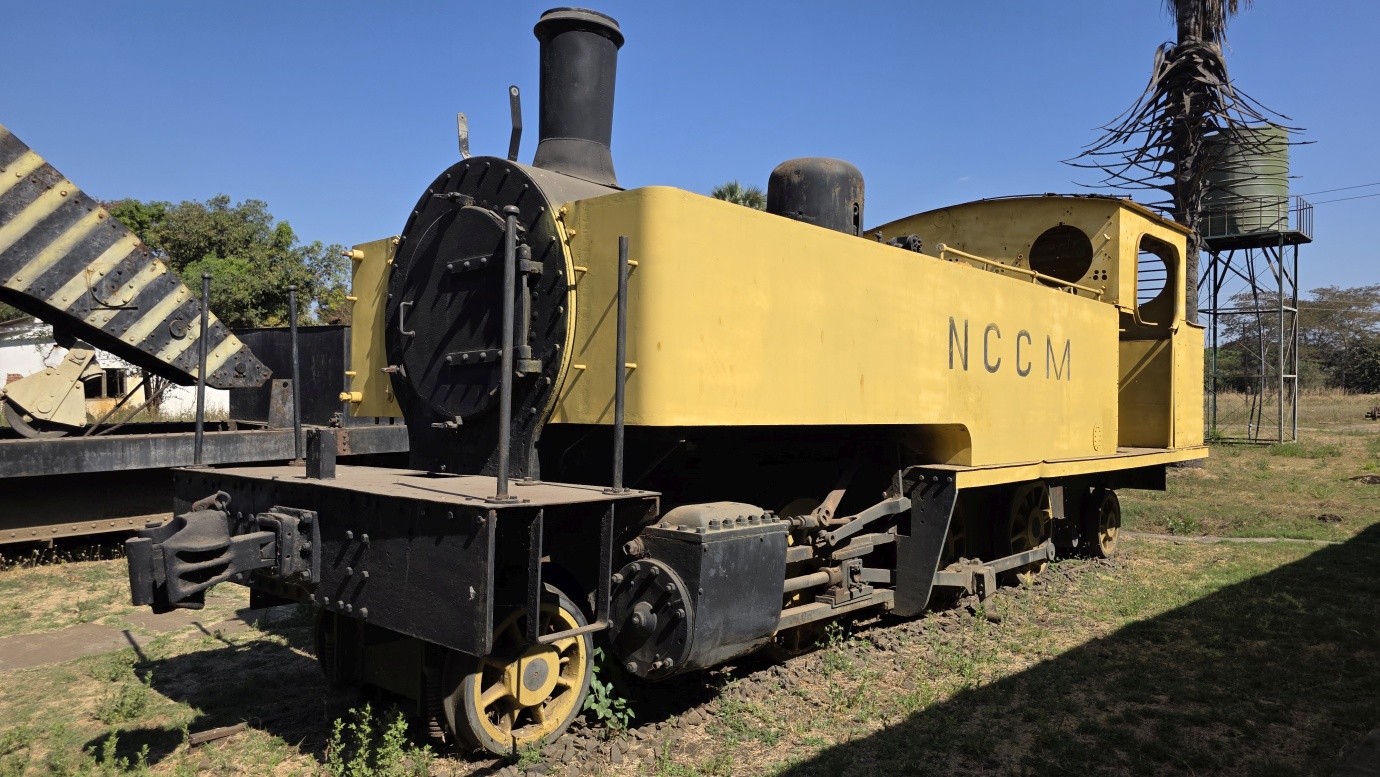
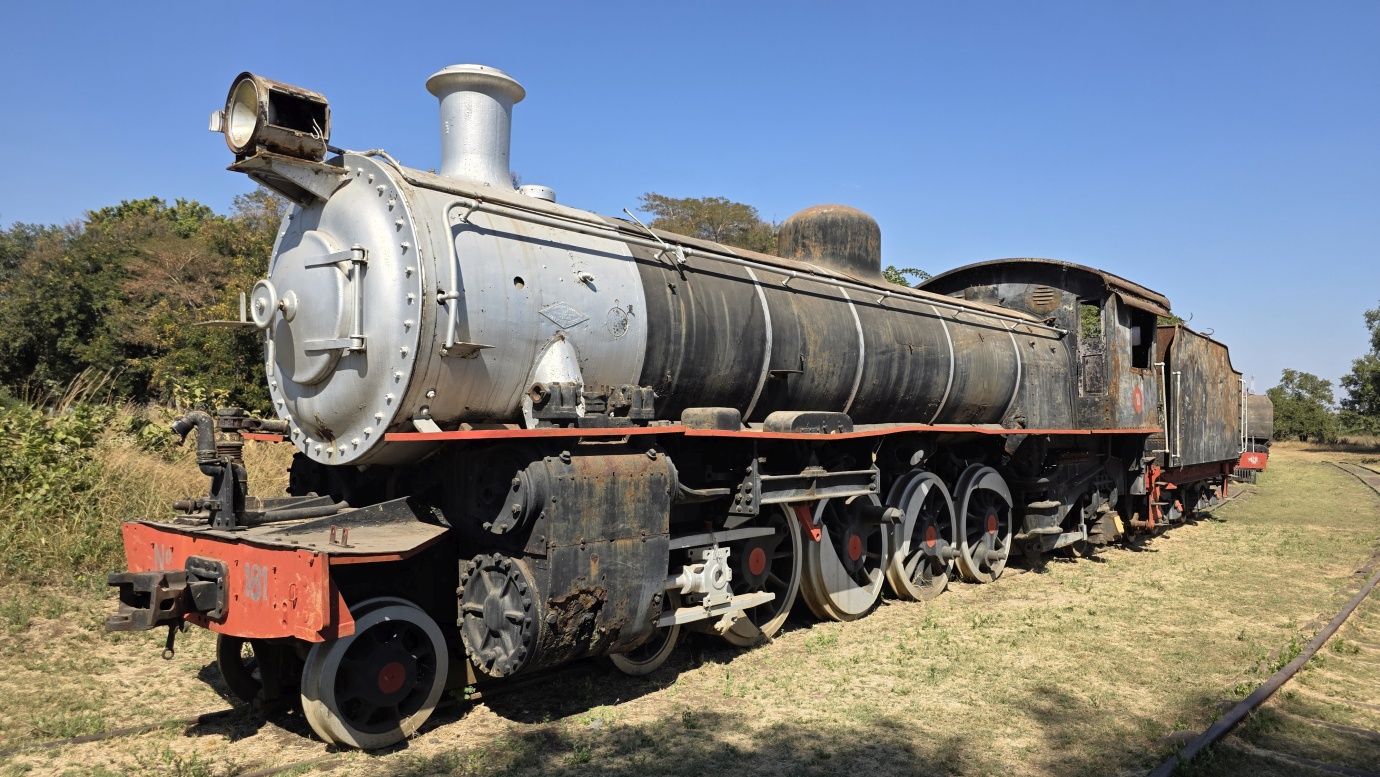
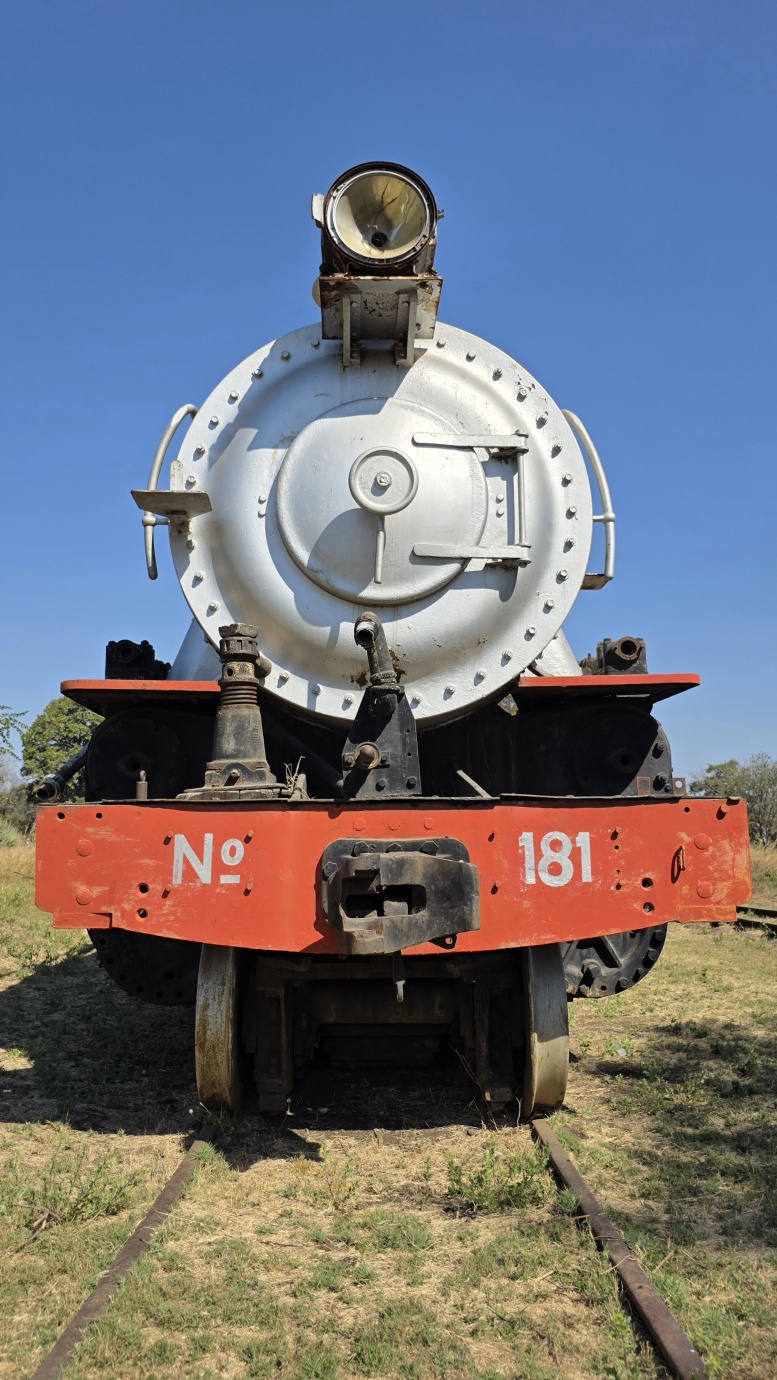
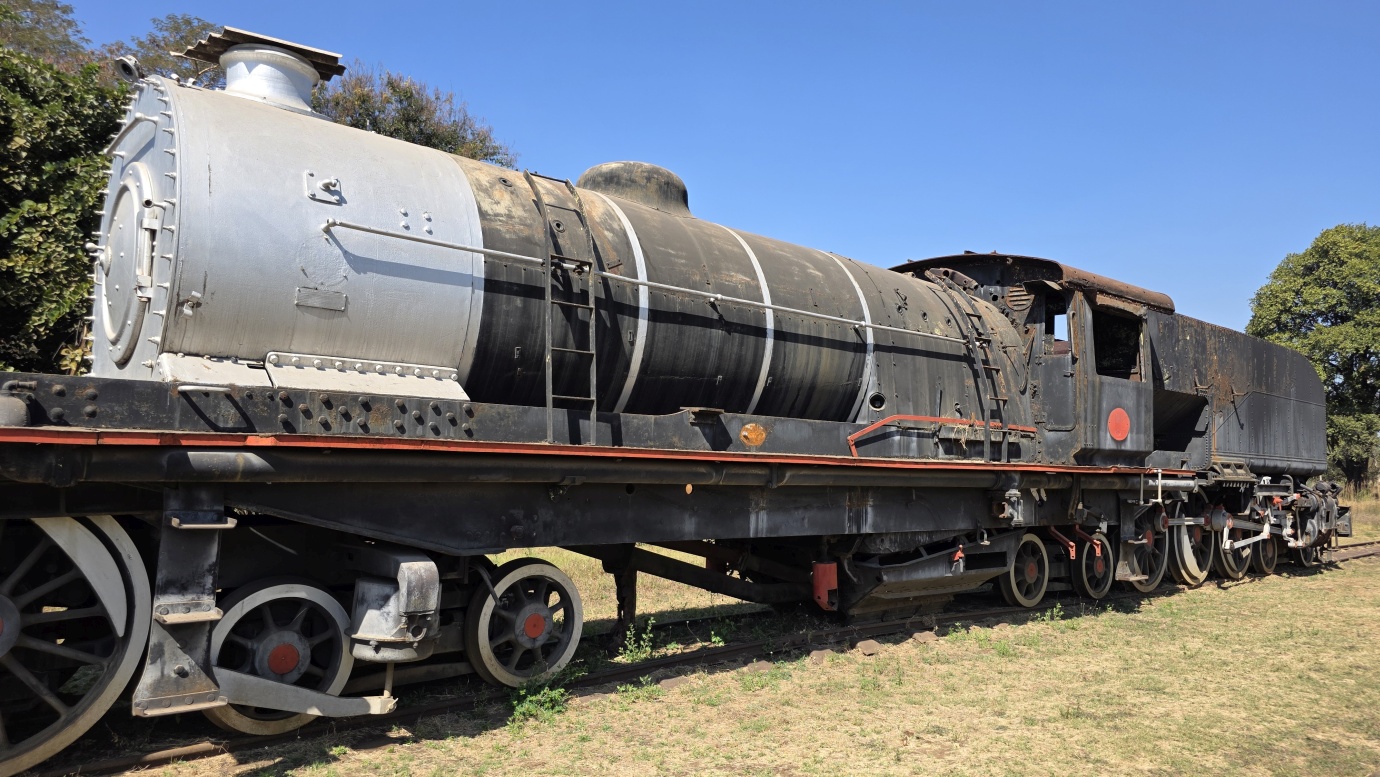
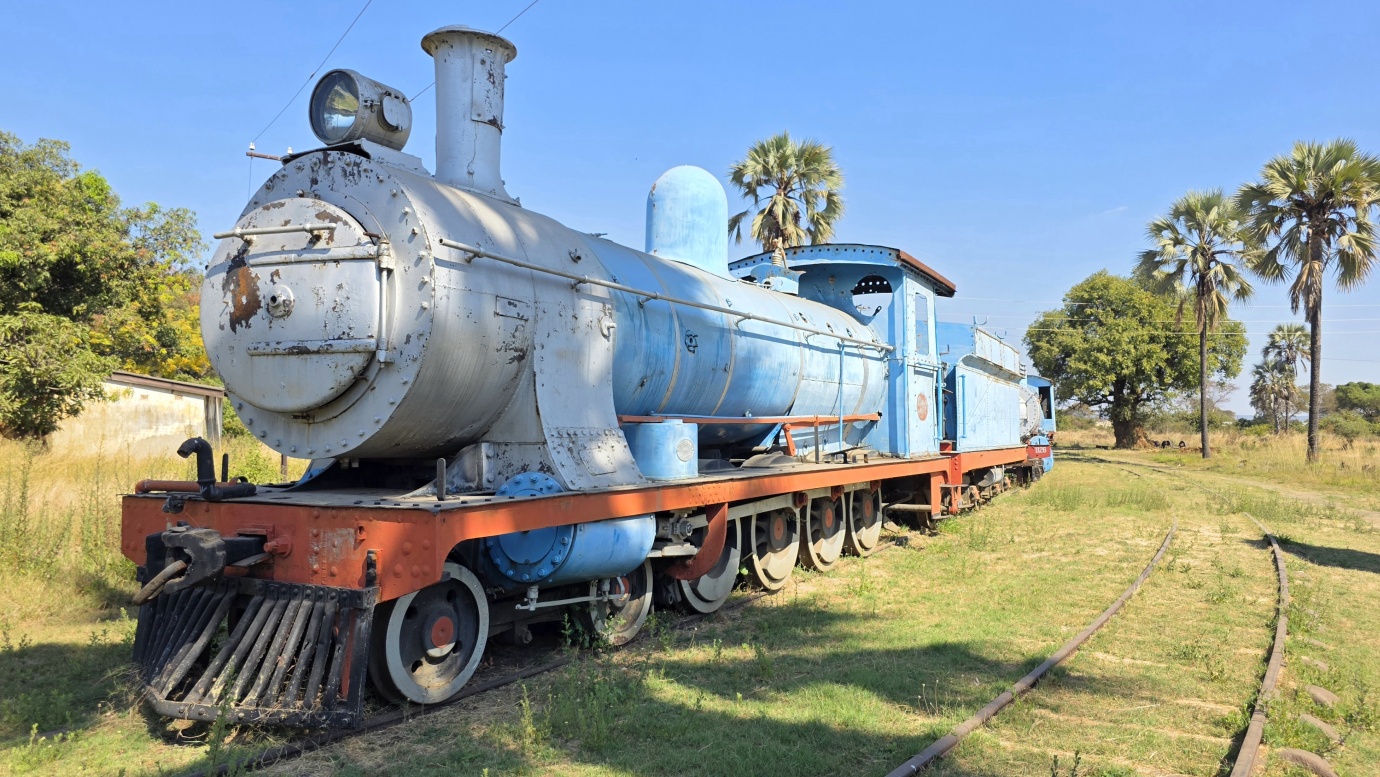
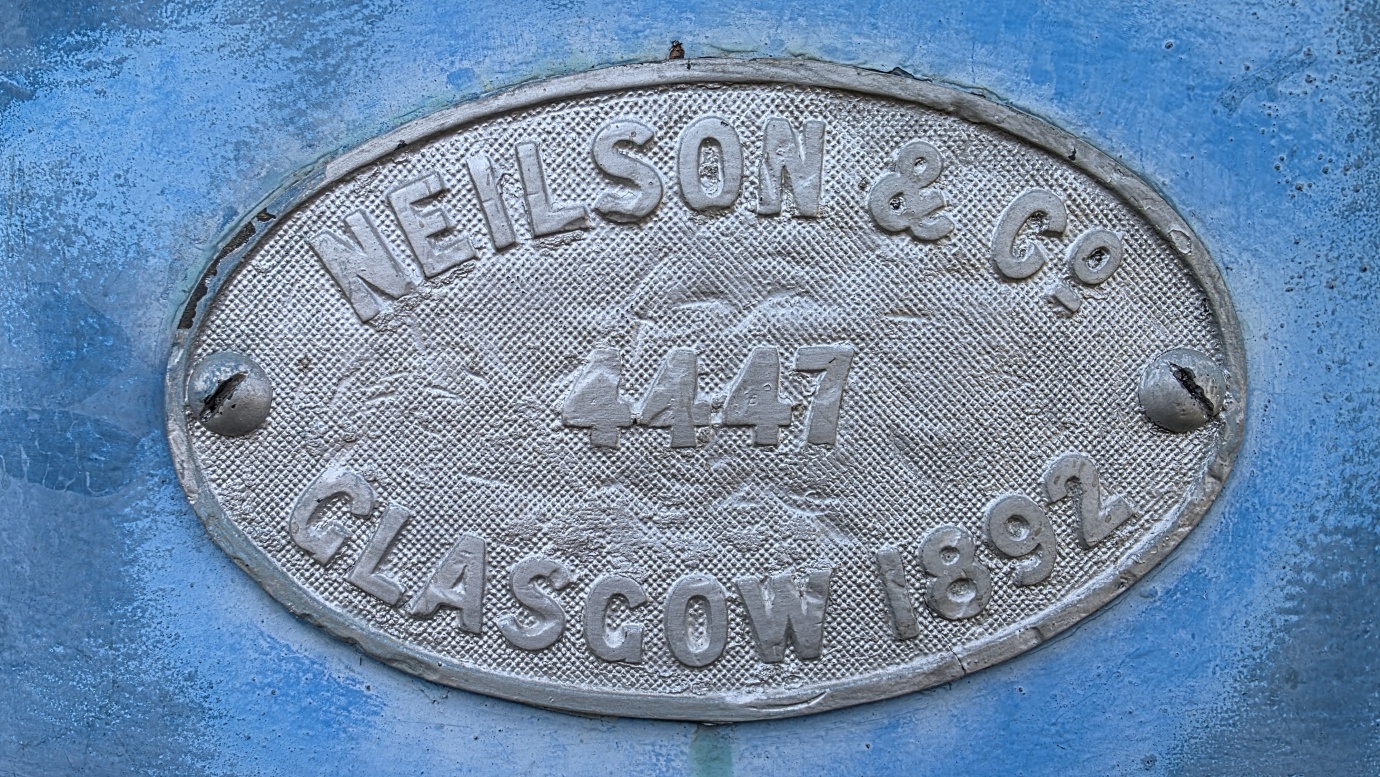
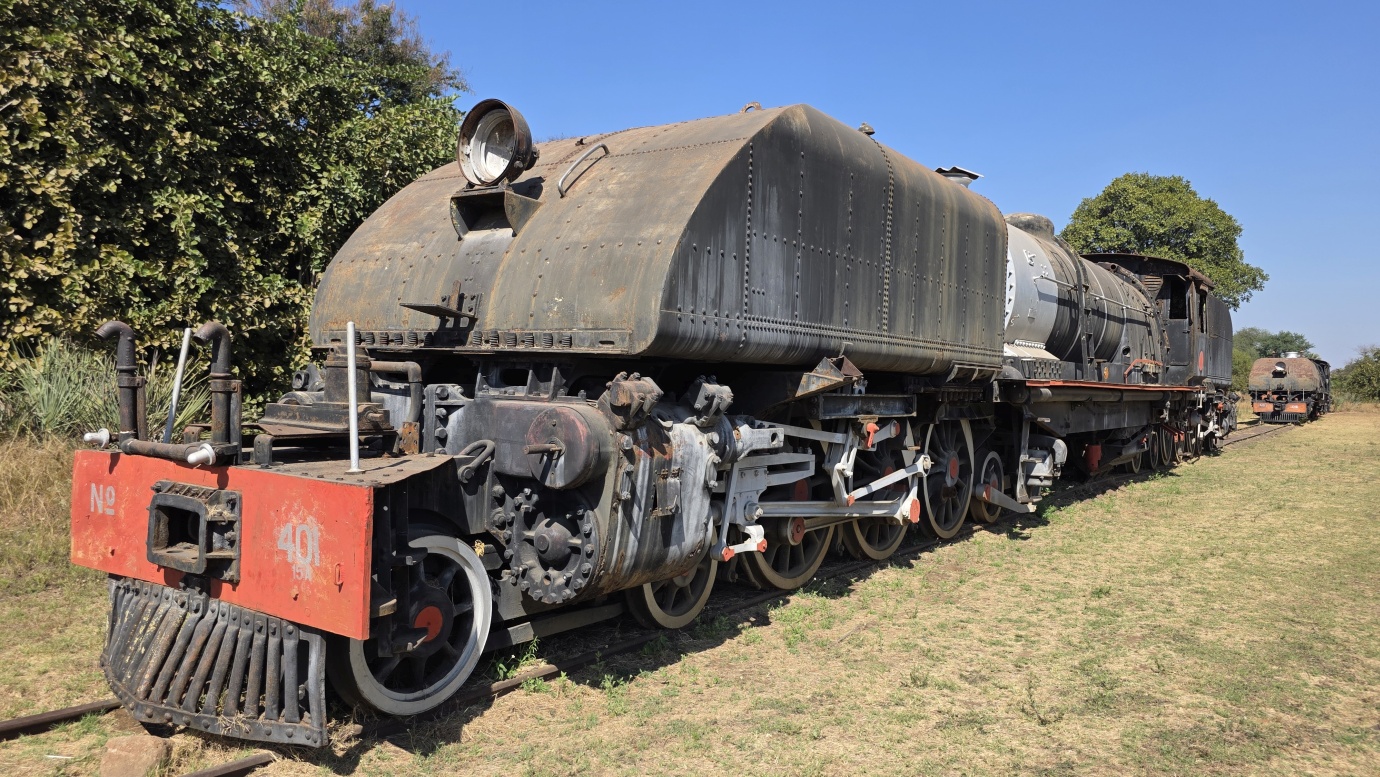
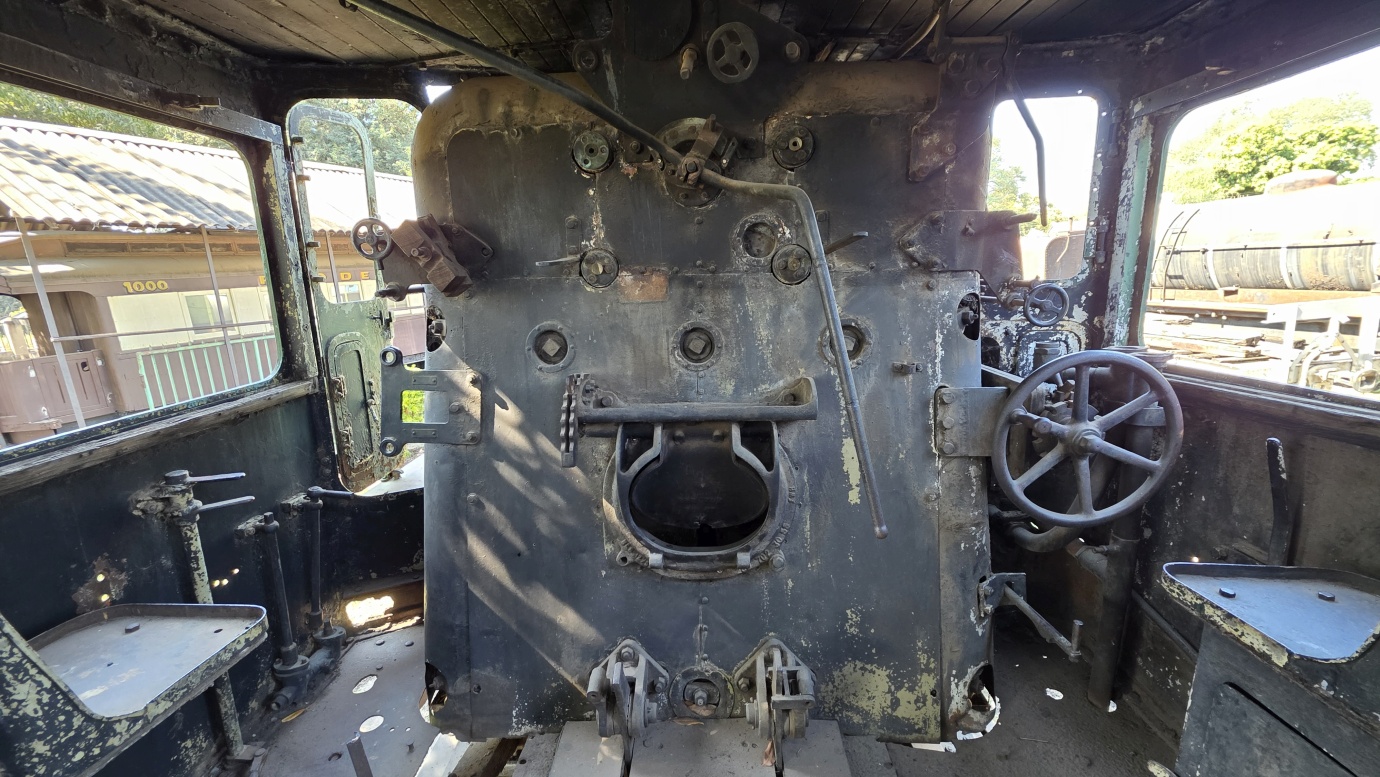
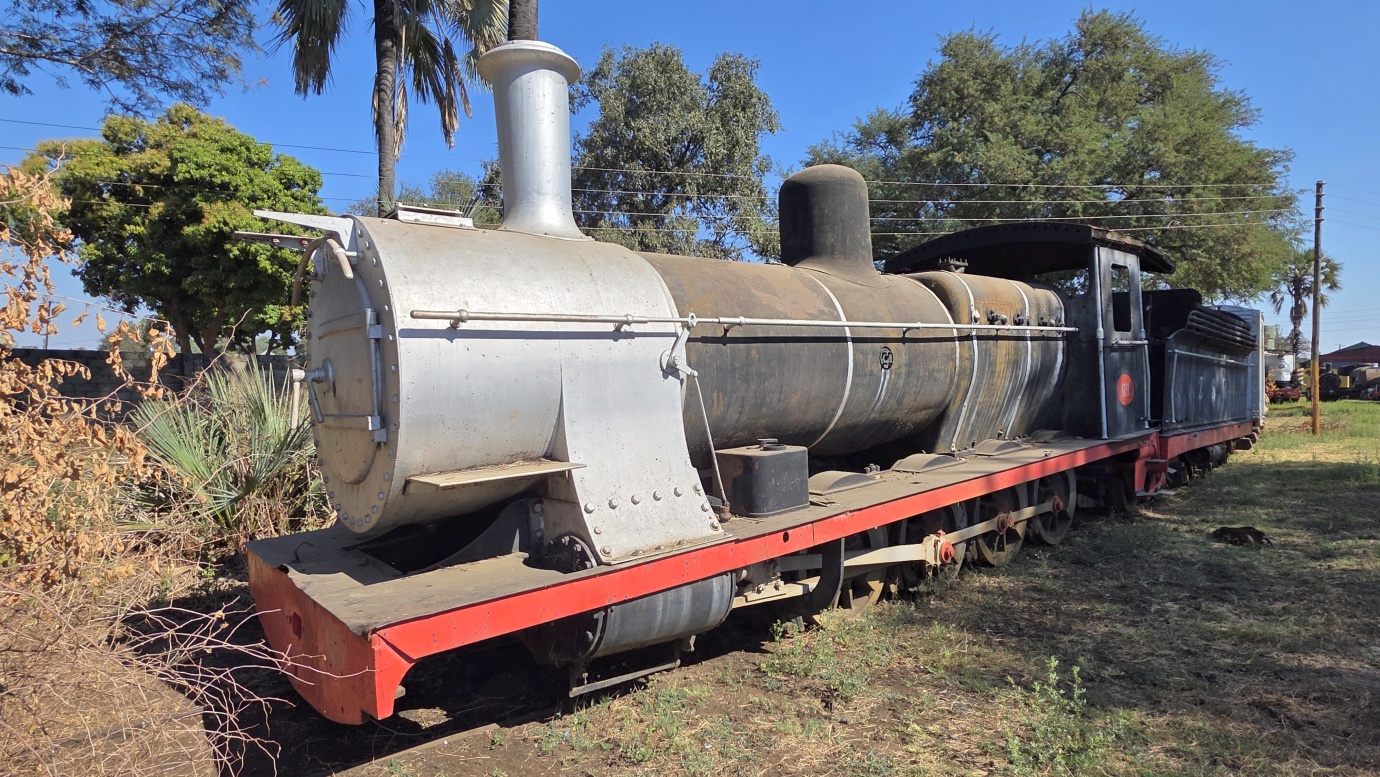
We visited the fascinating Railway Museum in Livingstone (🎟️ USD 15), which preserves the rich heritage of the former Rhodesia Railways. Housed in the historic workshops of the former Zambezi Sawmills Railway, the museum features an impressive collection of colonial-era passenger coaches, freight wagons, and powerful steam locomotives—many of them built in England and Scotland—that once drove trade, mining, and transport across Southern Africa.
Established in the late 19th century, Rhodesia Railways played a pivotal role in the region’s economic development by connecting landlocked territories with important seaports. One of its greatest engineering achievements was the completion of the Victoria Falls Bridge in 1905, linking present-day Zambia and Zimbabwe and allowing the railway to extend farther north into Northern Rhodesia. For decades, steam locomotives hauled coal, timber, minerals, and passengers across the vast network before gradually giving way to diesel-powered engines.
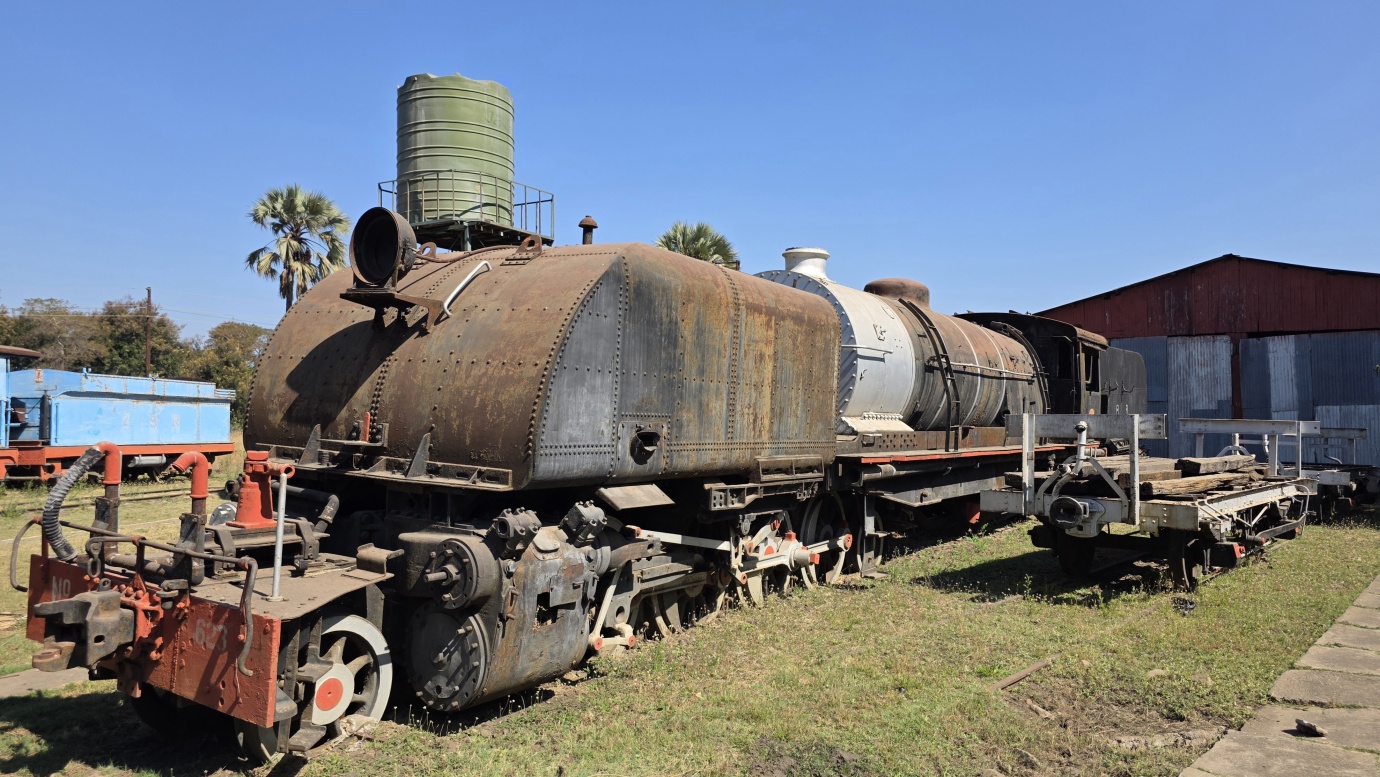
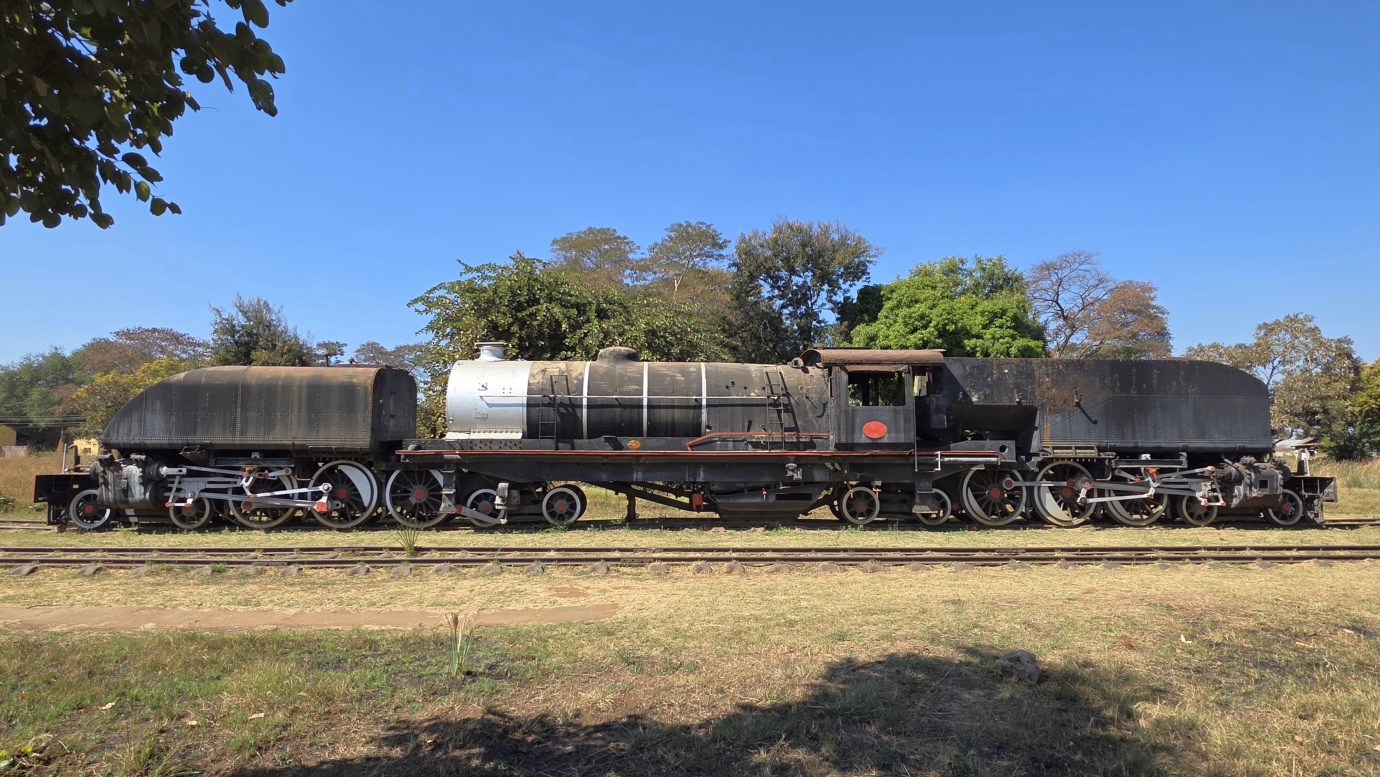
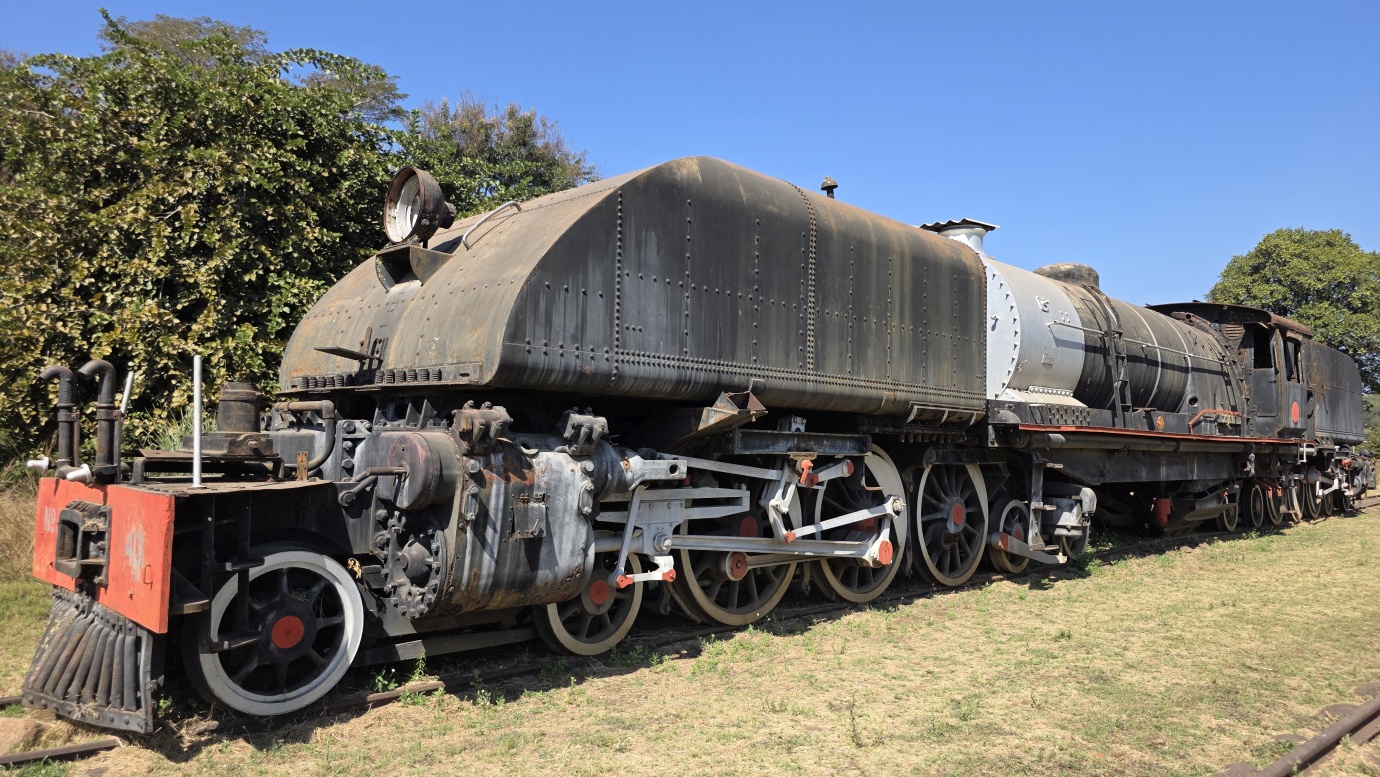
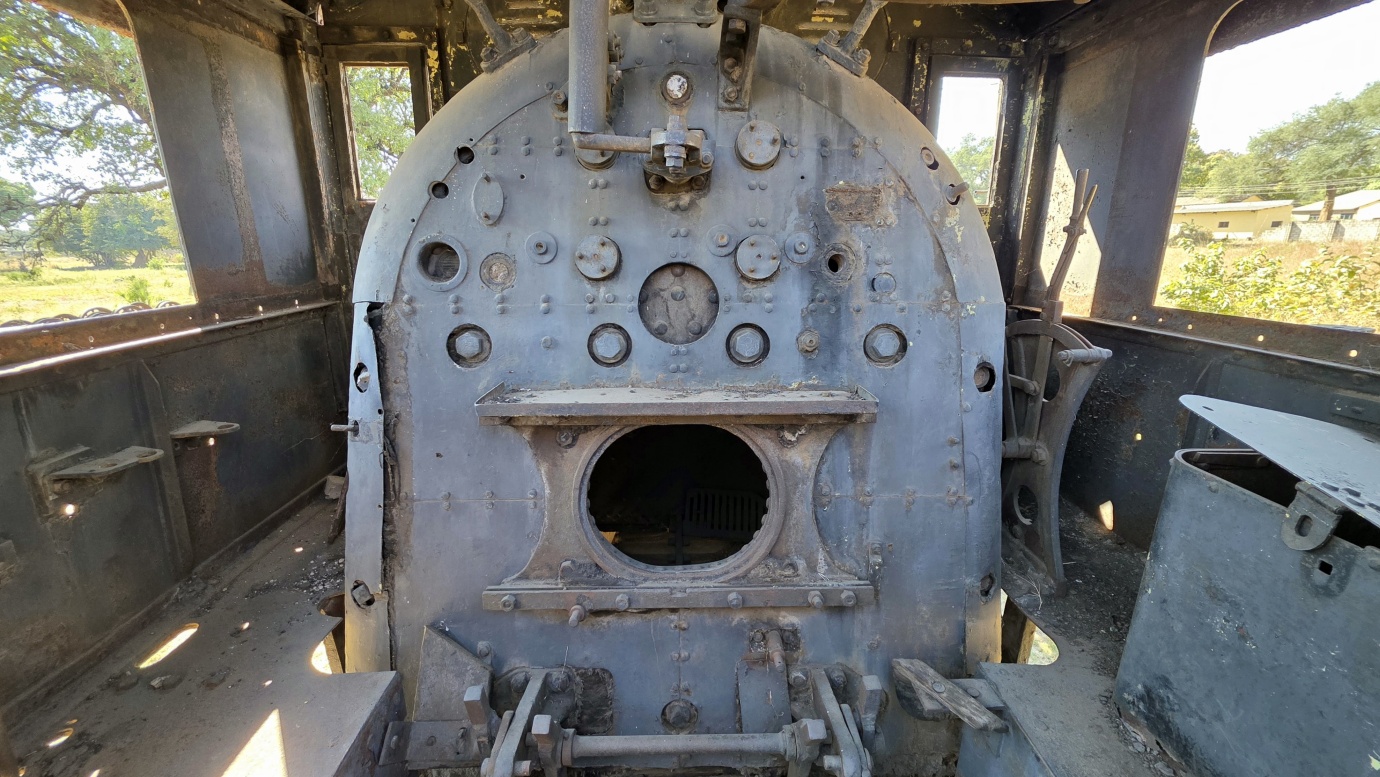
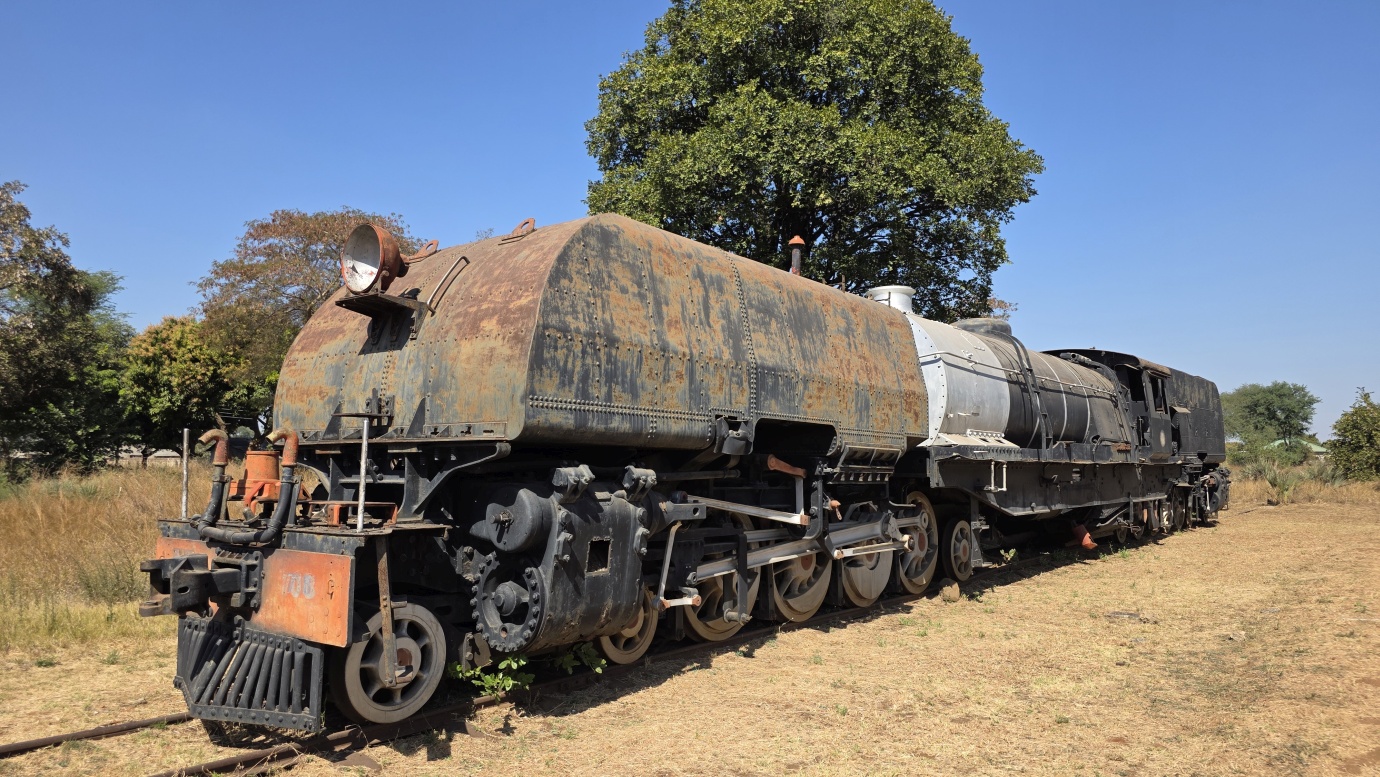
The museum itself is a remarkable time capsule, preserving some of the most iconic locomotives to have operated on the railway. One of the standout exhibits is the enormous 20th Class Garratt No. 708. Weighing an astonishing 233 tons, these articulated steam locomotives were among the largest ever operated by Rhodesia Railways and were designed to haul heavy freight trains over steep gradients, particularly on coal routes between Wankie (now Hwange) and Broken Hill (now Kabwe).
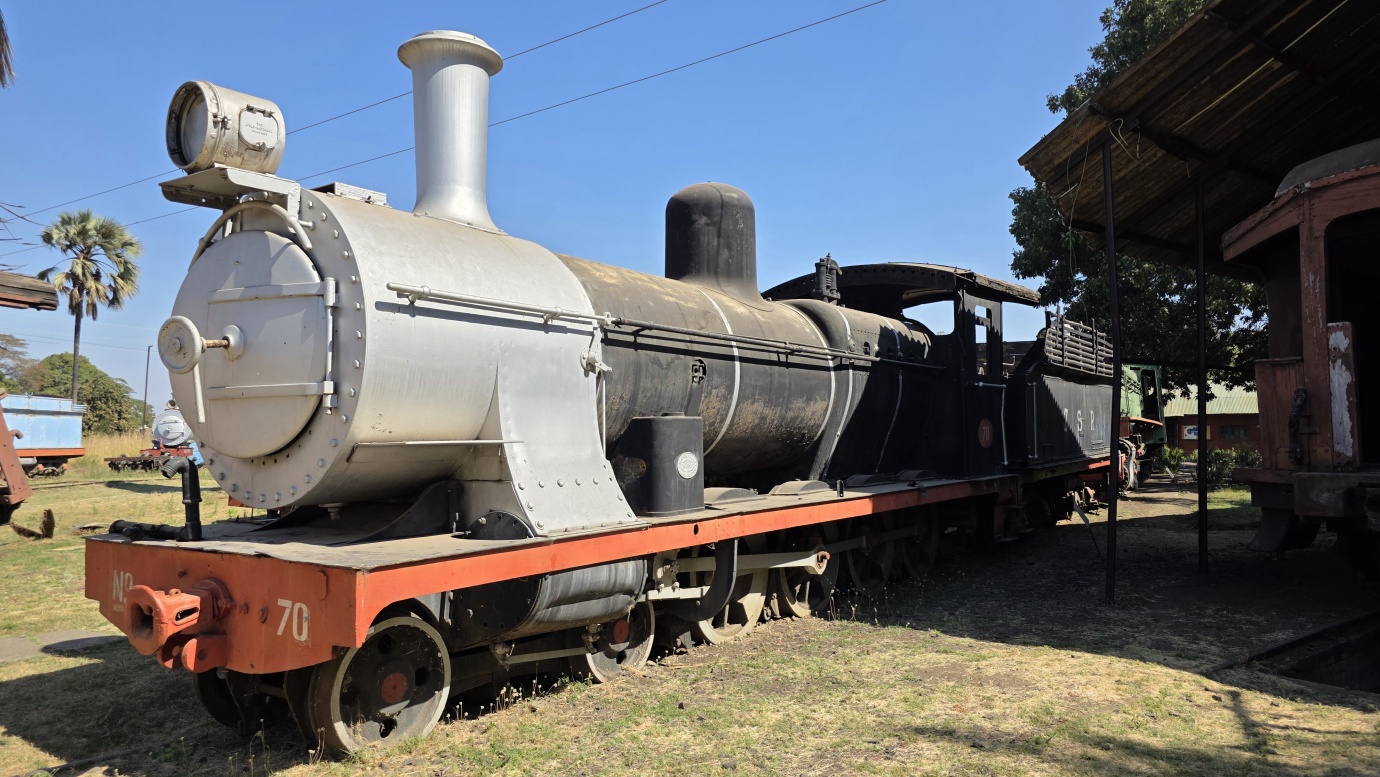
Another highlight is the collection from the former Mulobezi Railway, originally known as the Zambezi Sawmills Railway. Once one of the world’s longest private logging railways, it transported timber from the forests of western Zambia using many second-hand locomotives acquired from Rhodesia Railways. Today, several historic 12th Class steam engines that once worked these timber routes stand quietly inside the museum sheds, offering a fascinating glimpse into Zambia’s railway and industrial heritage.