

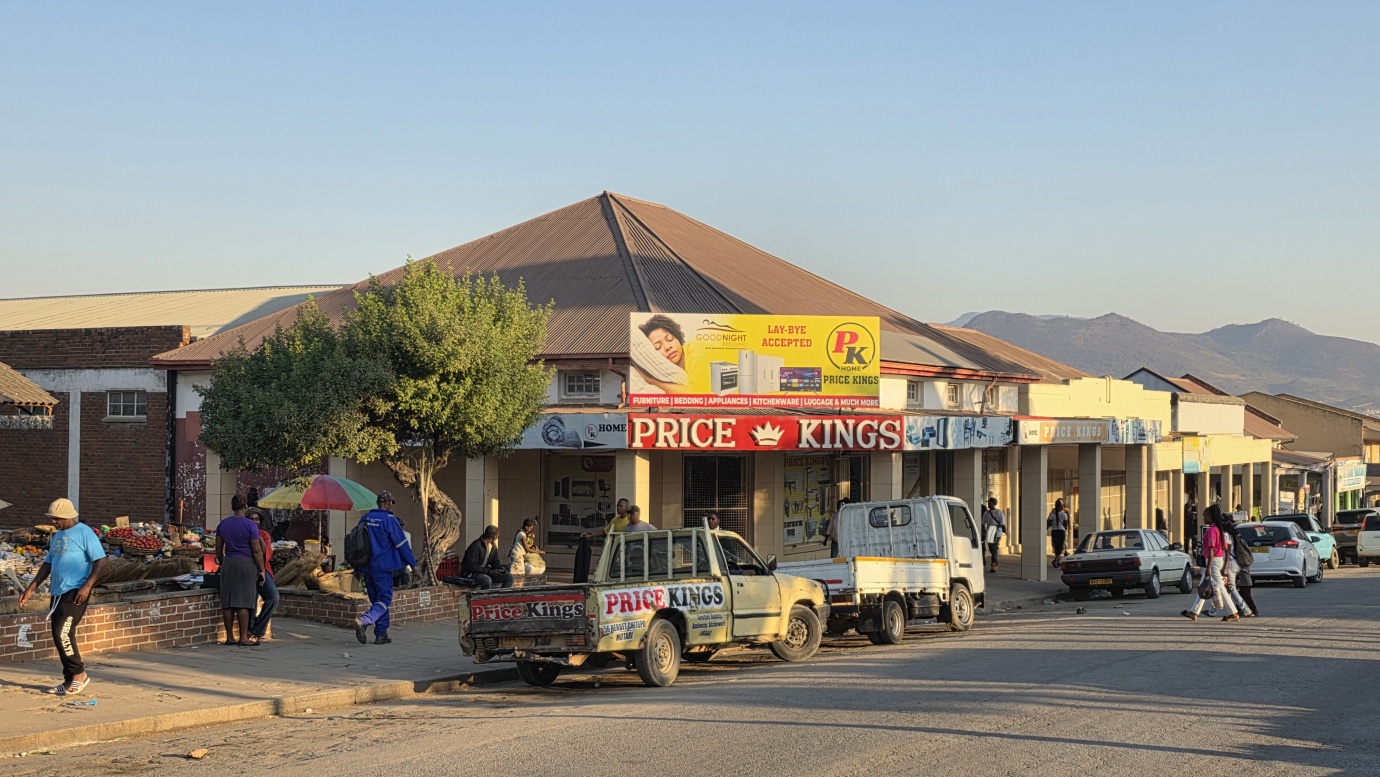
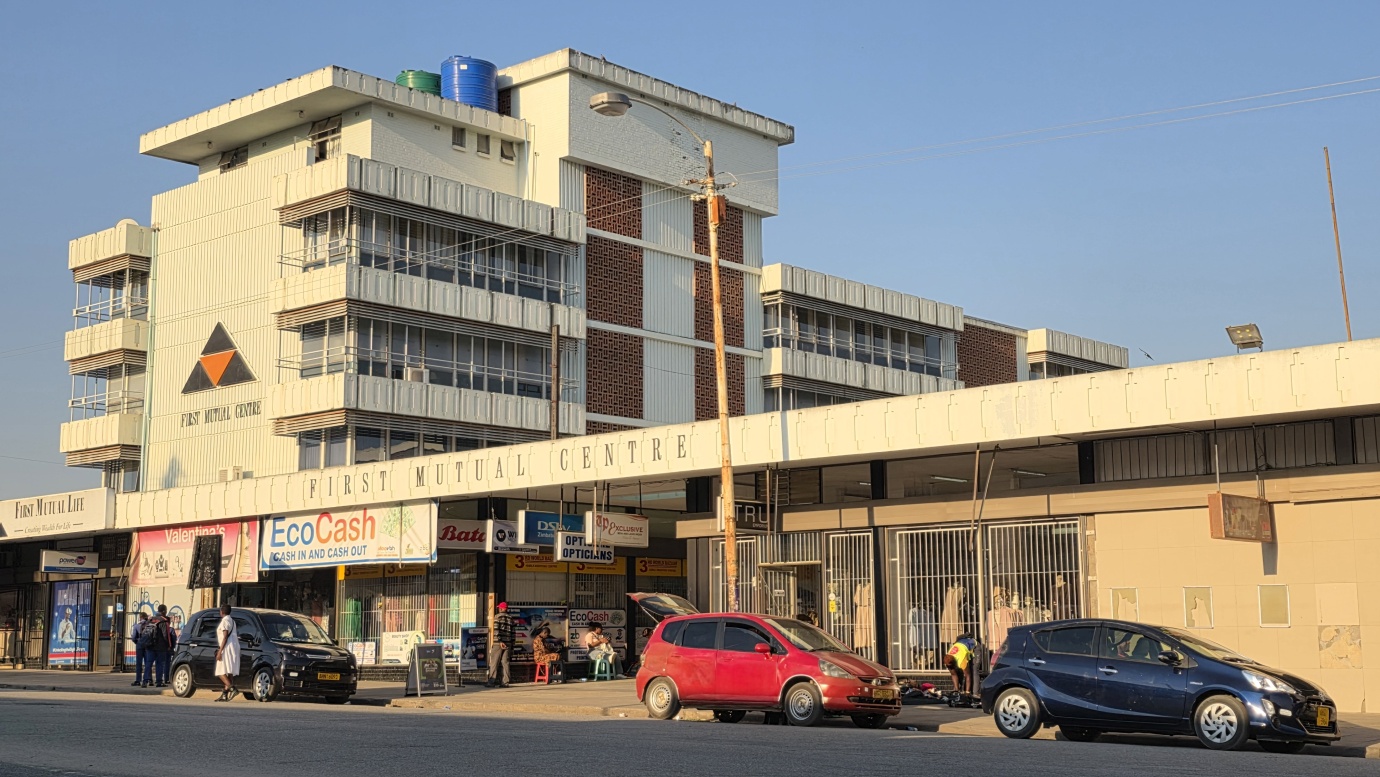
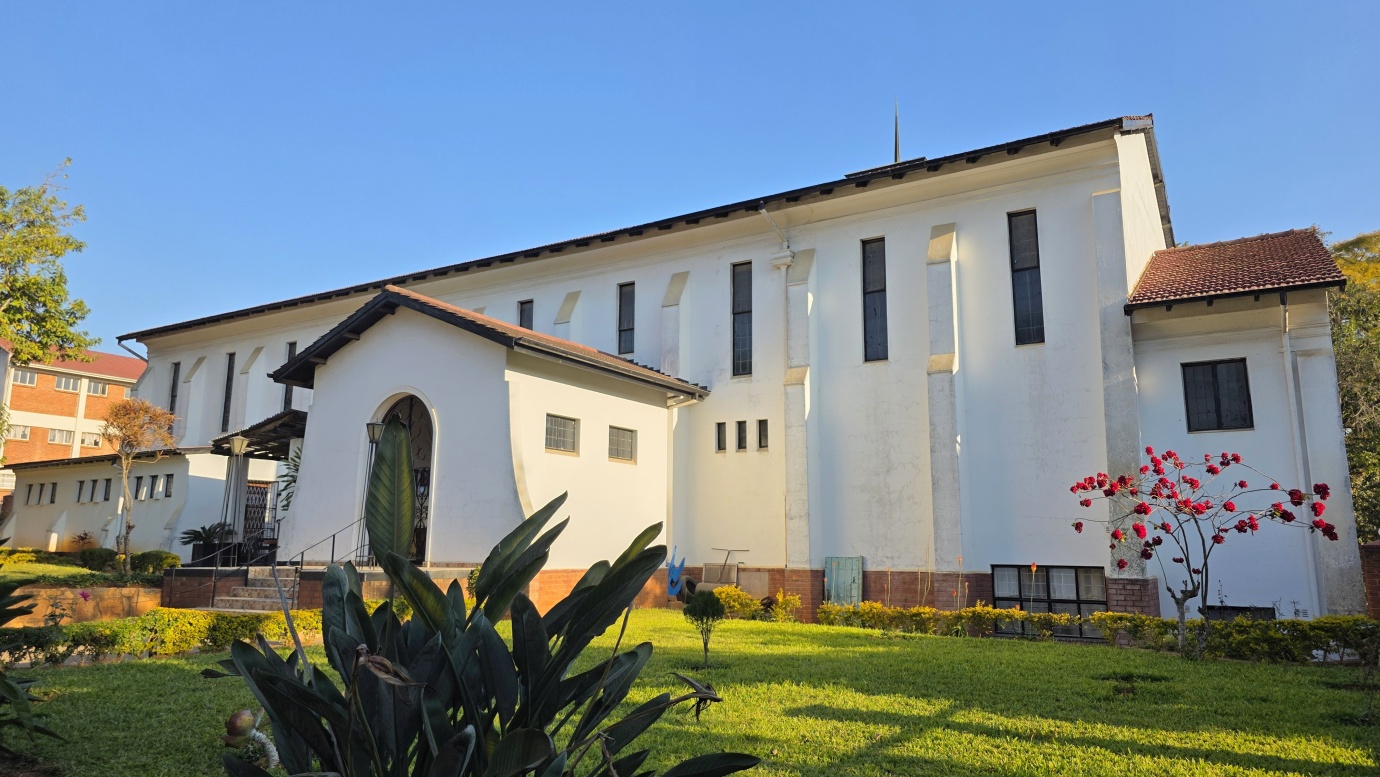
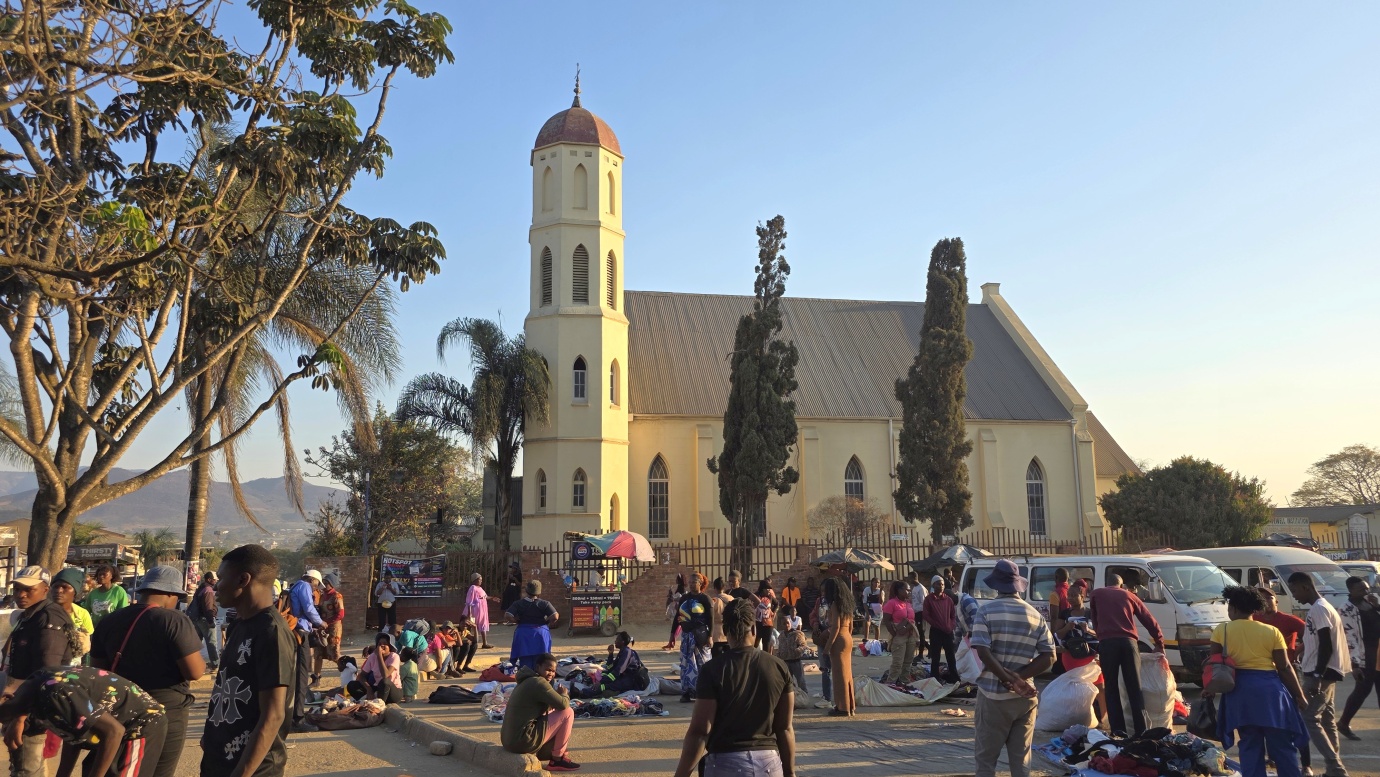
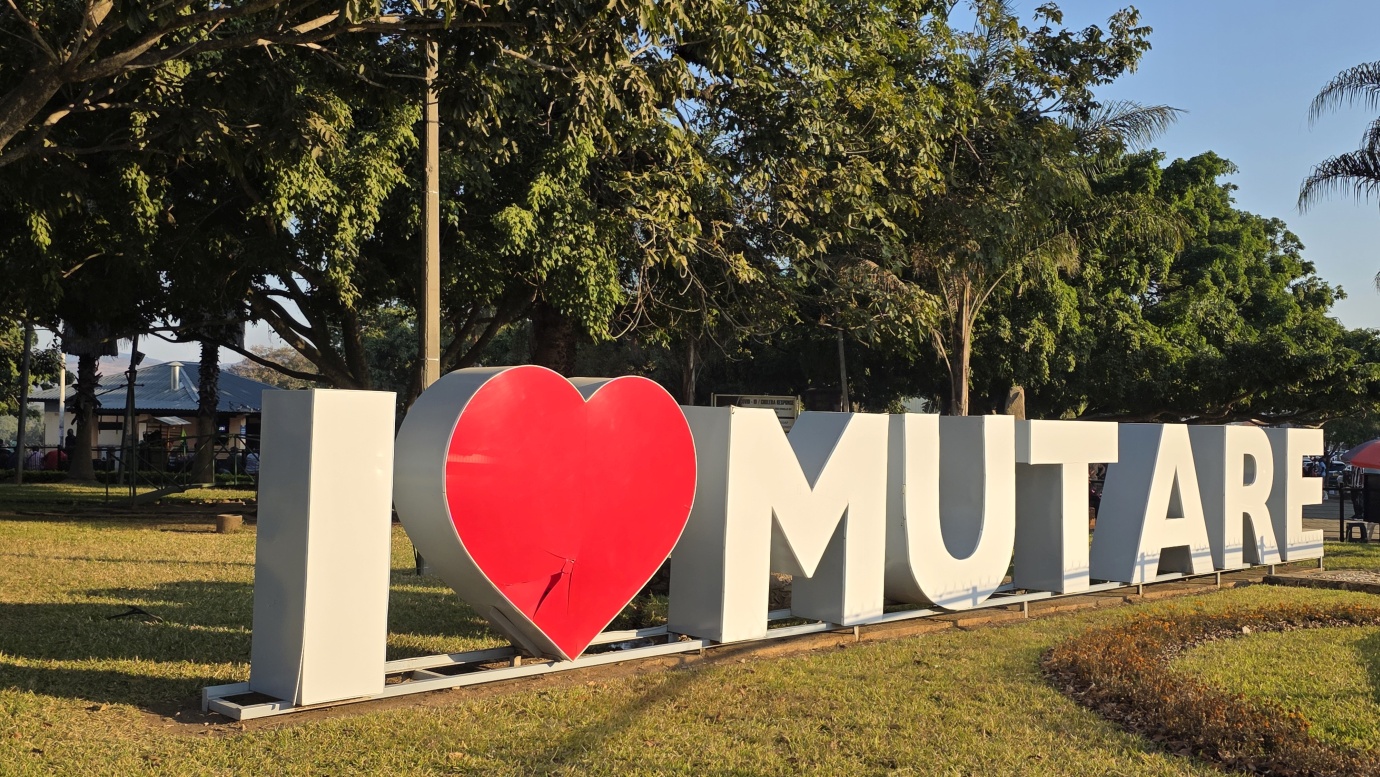
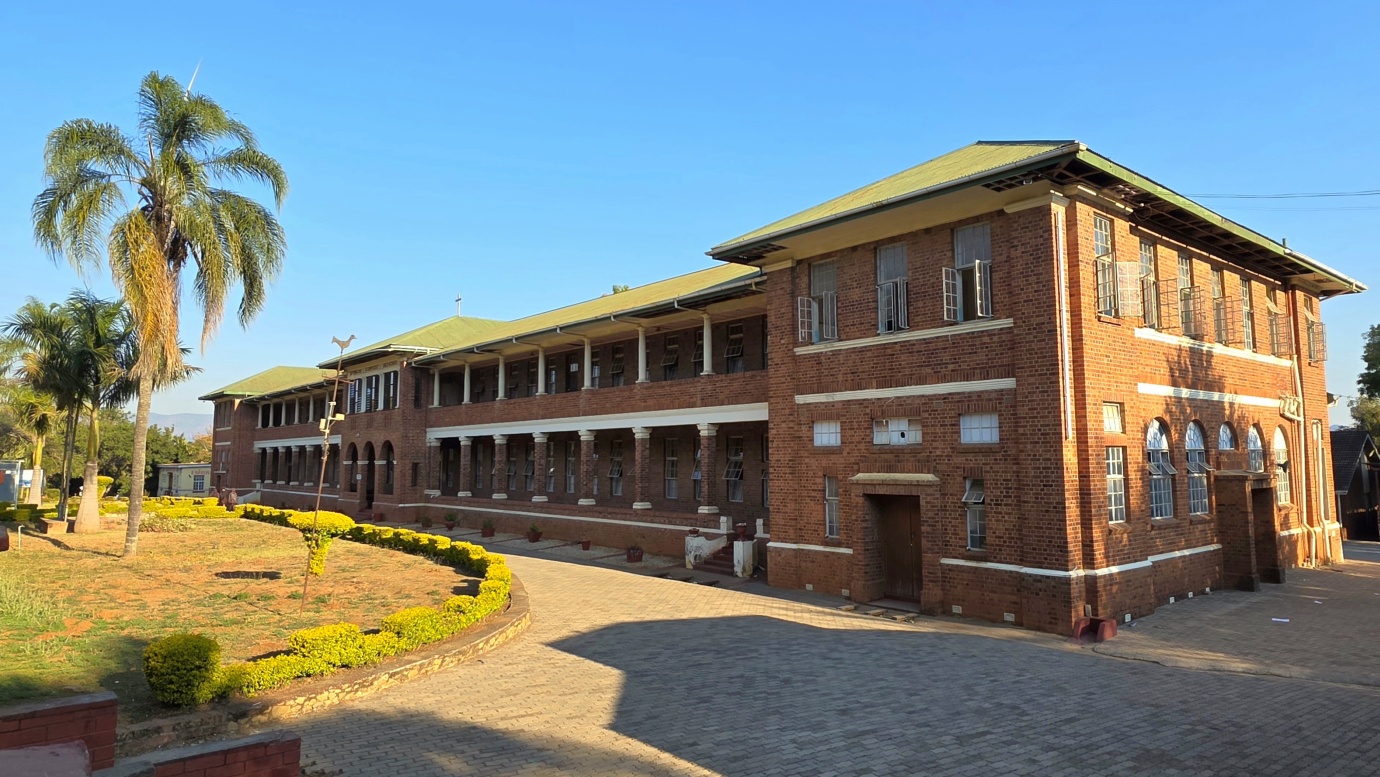
After checking all our guidebooks, we decided that Mutare, Zimbabwe’s vibrant “Gateway to the Sea,” would be our final destination in the country. Zimbabwe’s fourth-largest city lies just 290 kilometres west of the Mozambican port of Beira. Nicknamed Kumakomoyo (“the place of many mountains”), Mutare is nestled in the foothills of the Eastern Highlands between the Bvumba Mountains and the Imbeza Valley. The drive from Harare covered 259 kilometres and took us around 4.5 hours on a well-maintained road, passing through three toll gates, each costing 4 USD.
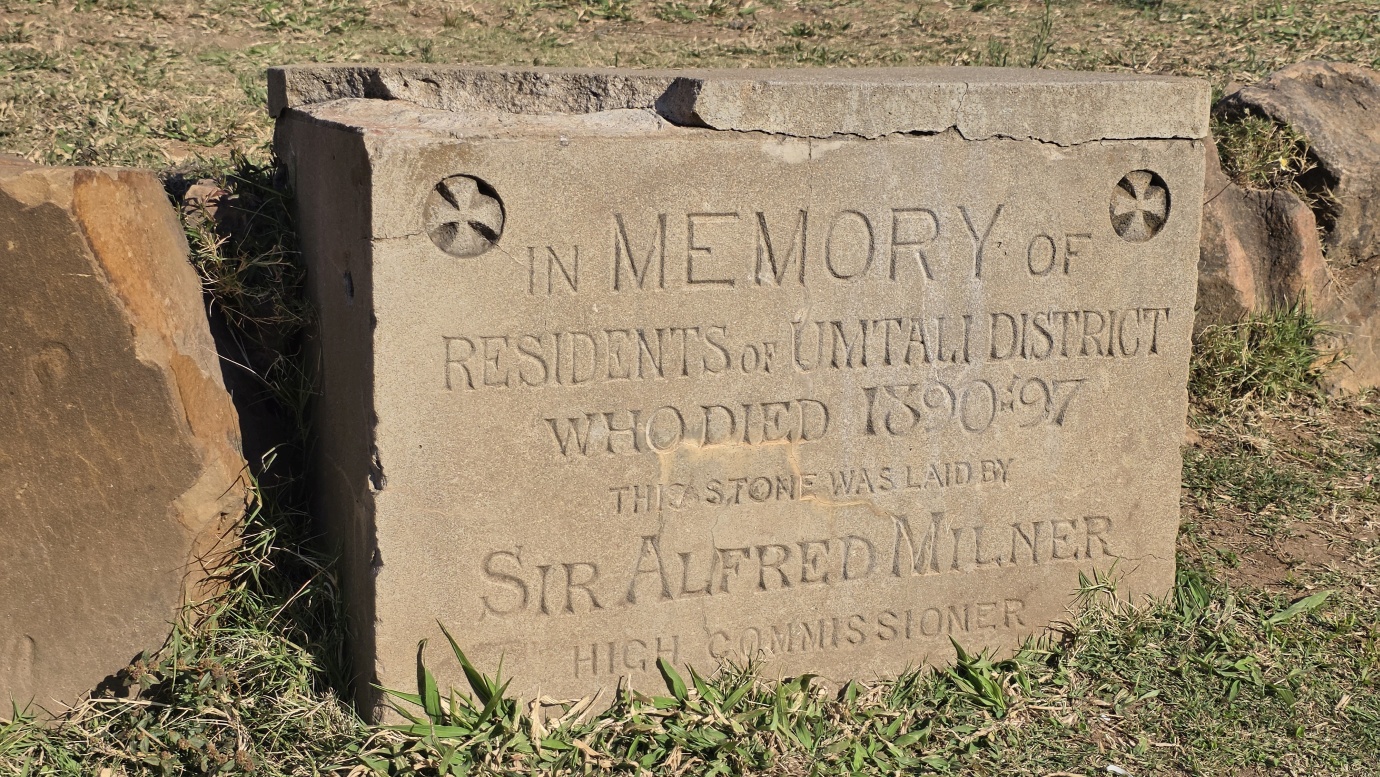
Originally founded as Fort Umtali in 1890, the settlement was relocated twice due to gold discoveries and the expansion of the railway before its present location was established in 1897. The name Mutare is derived from a Shona word meaning “piece of iron,” most likely referring to the region’s ancient ironworking and gold-mining traditions.
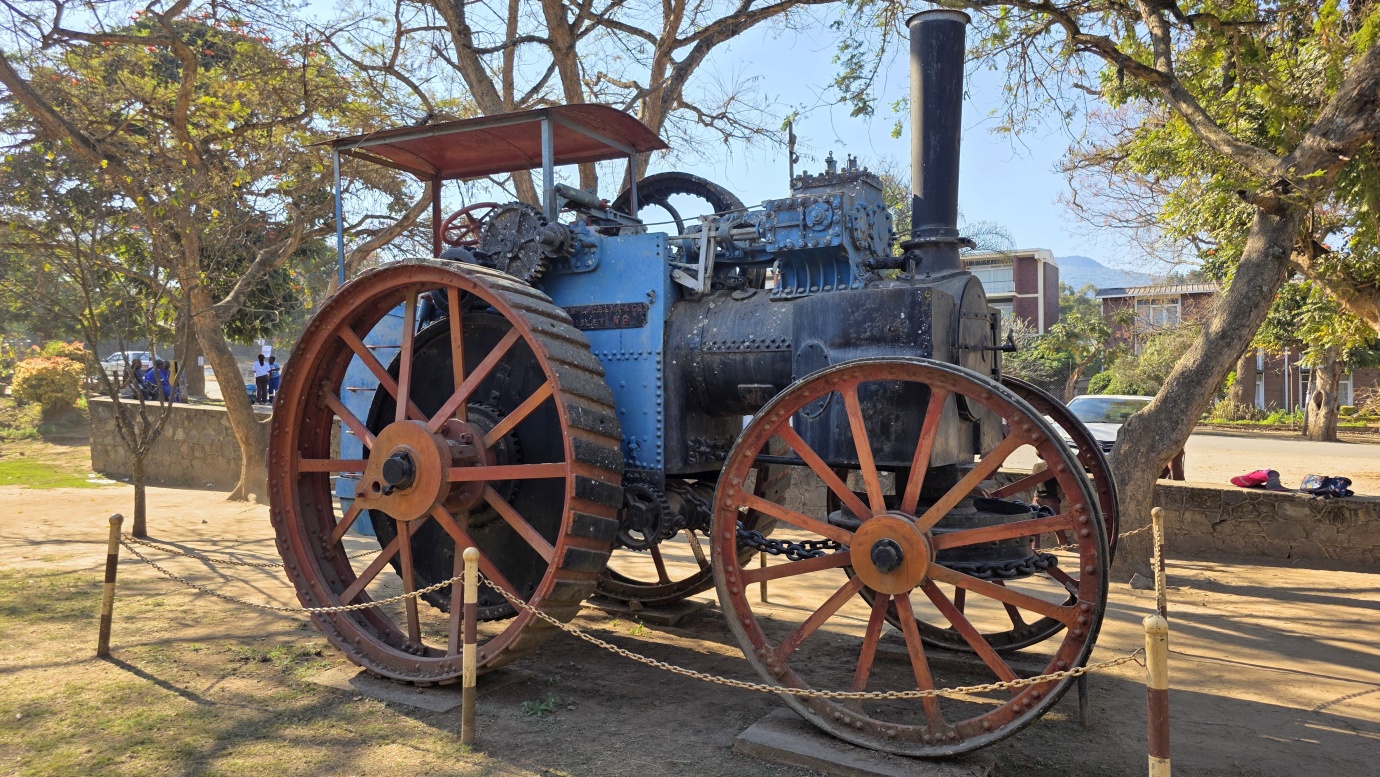
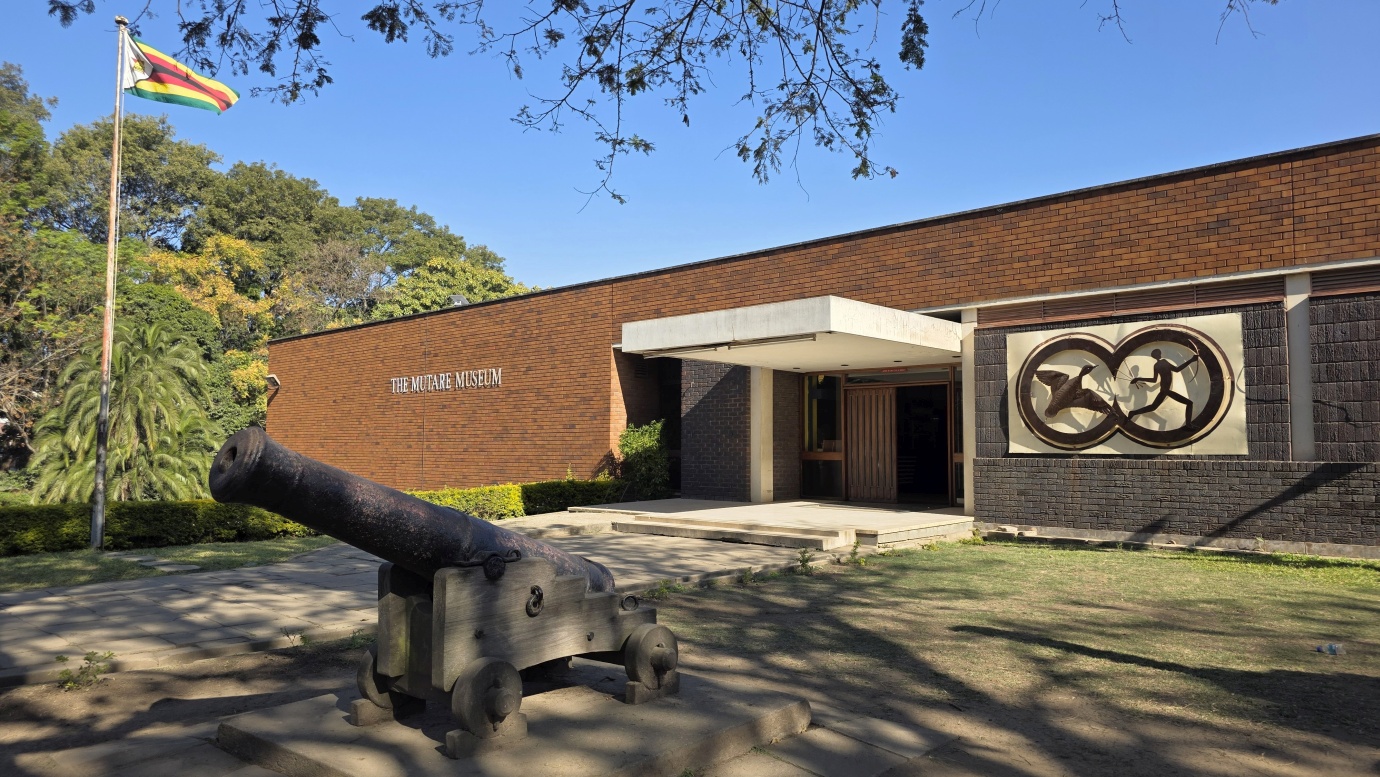
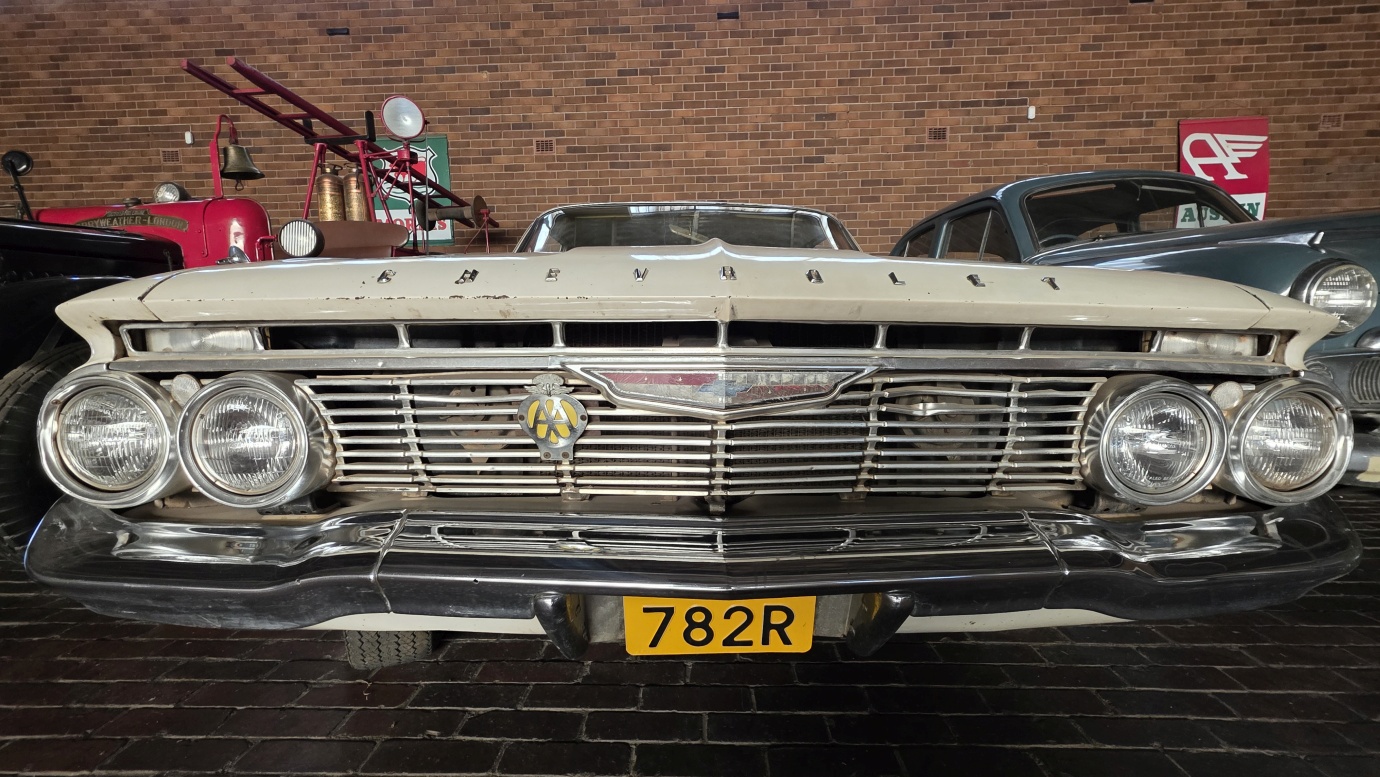
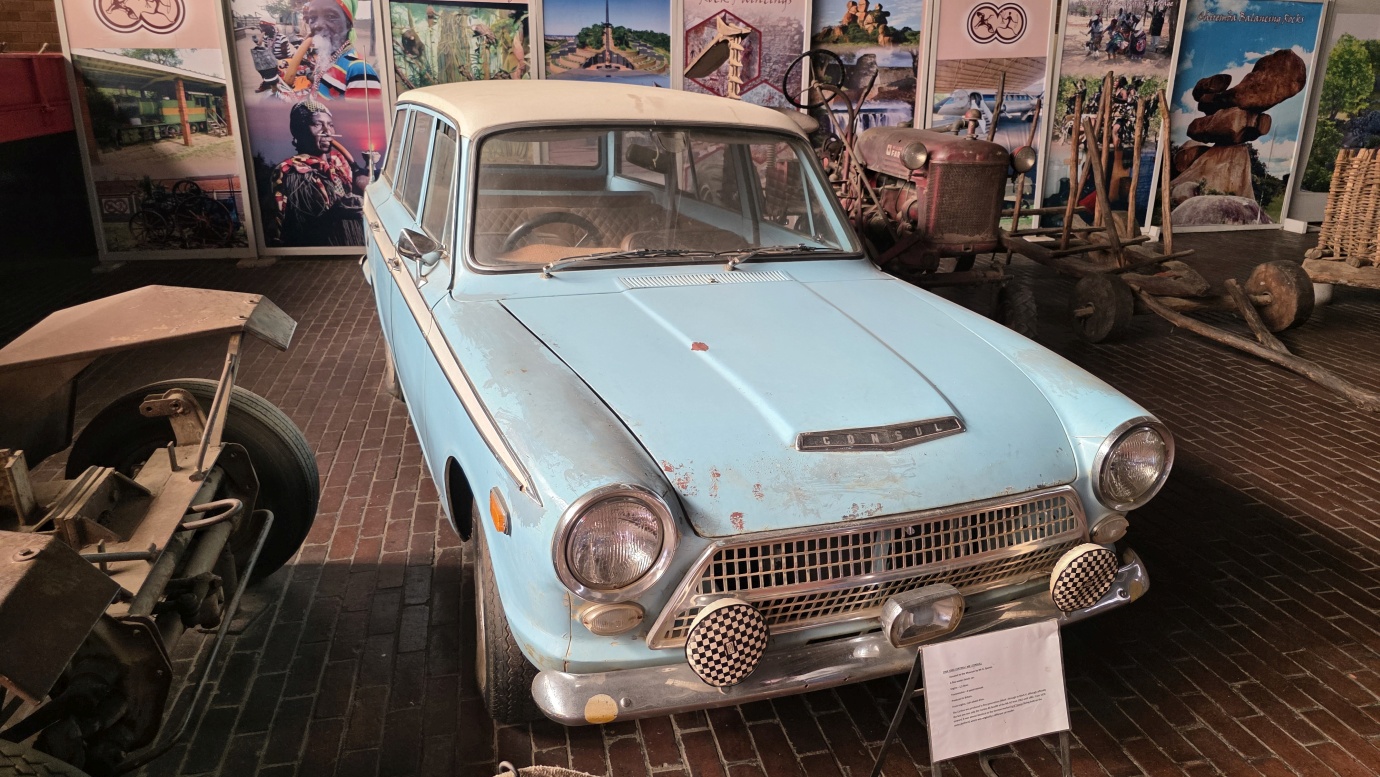
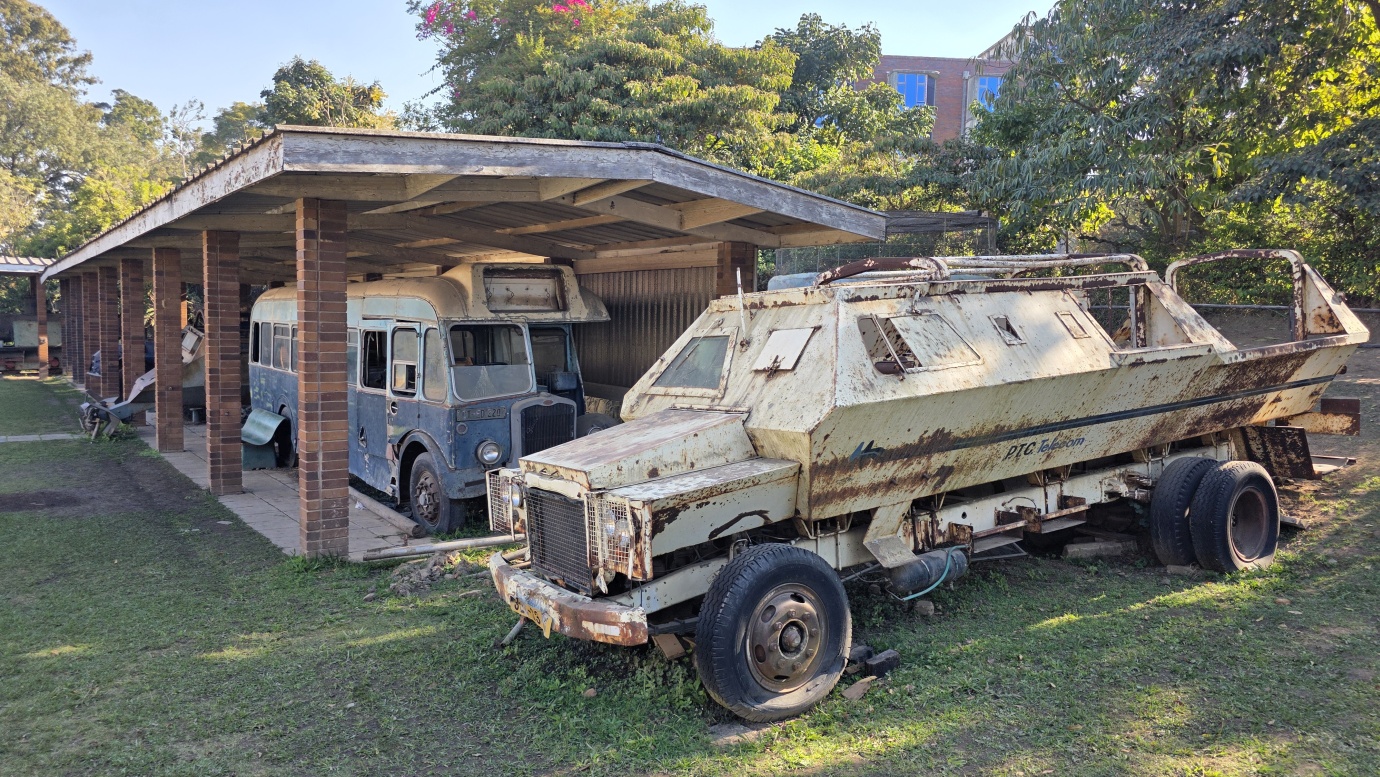
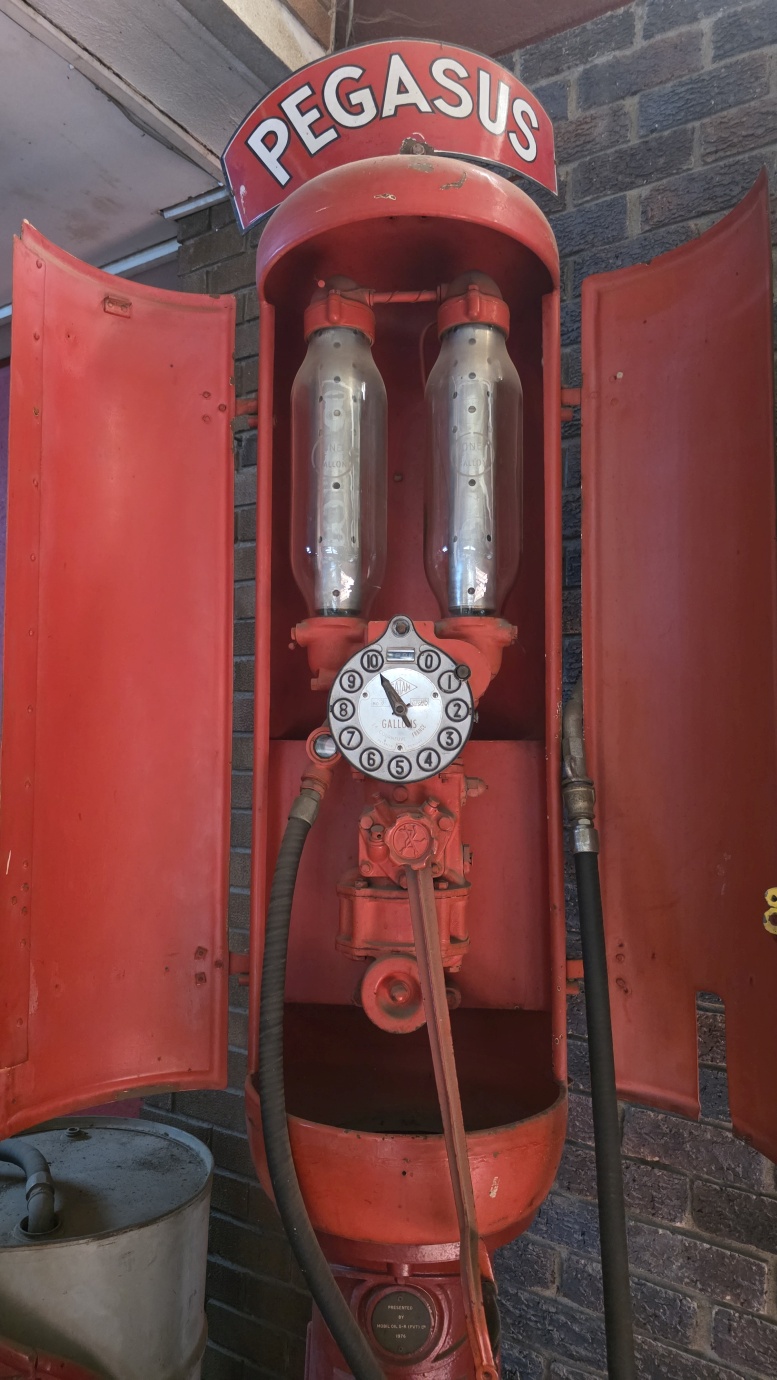
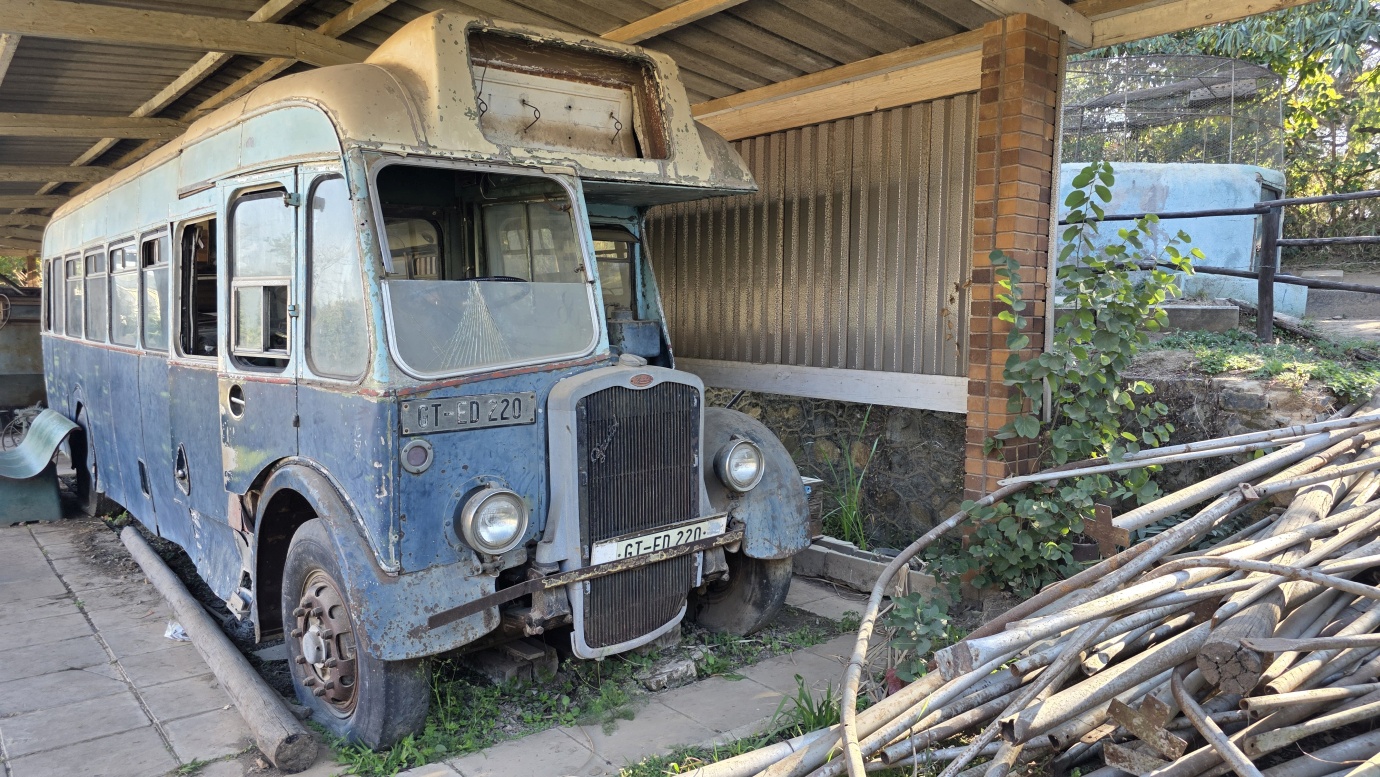
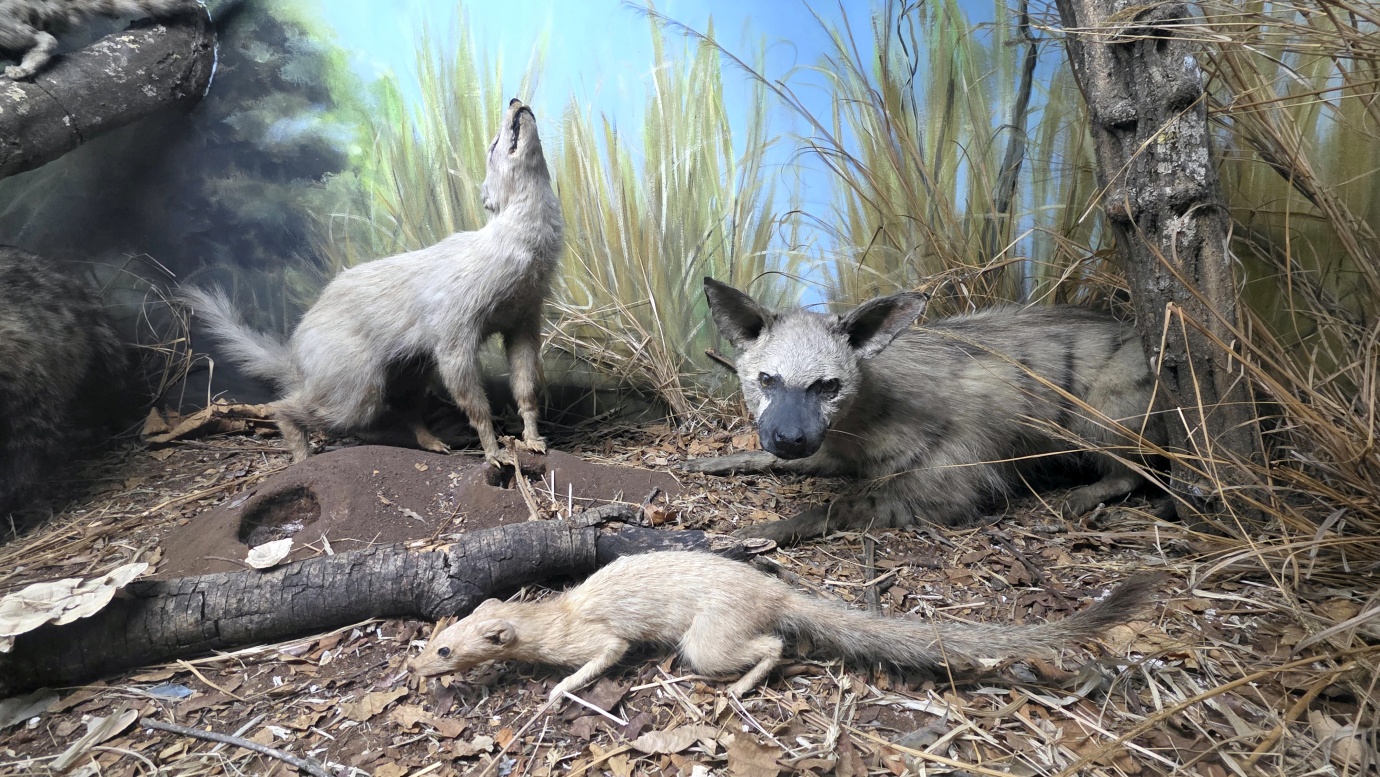
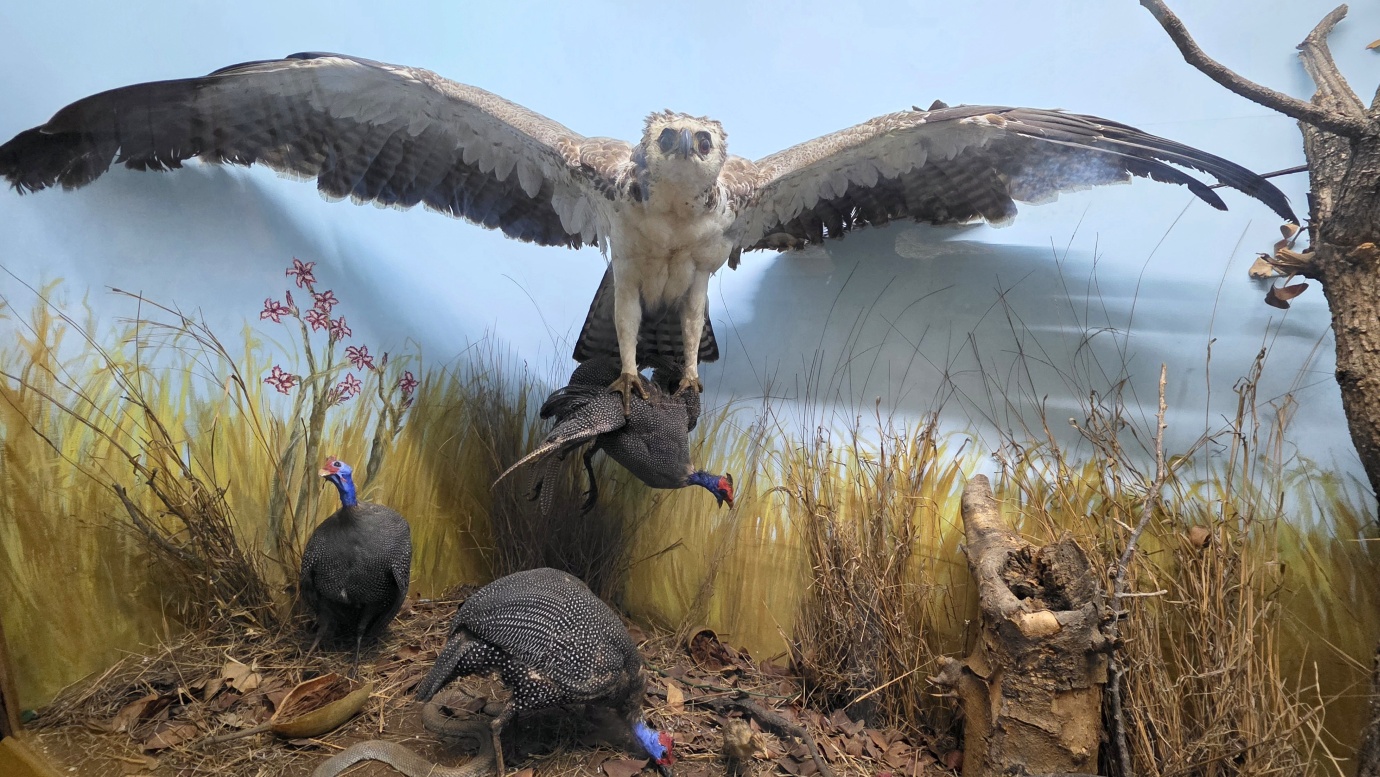
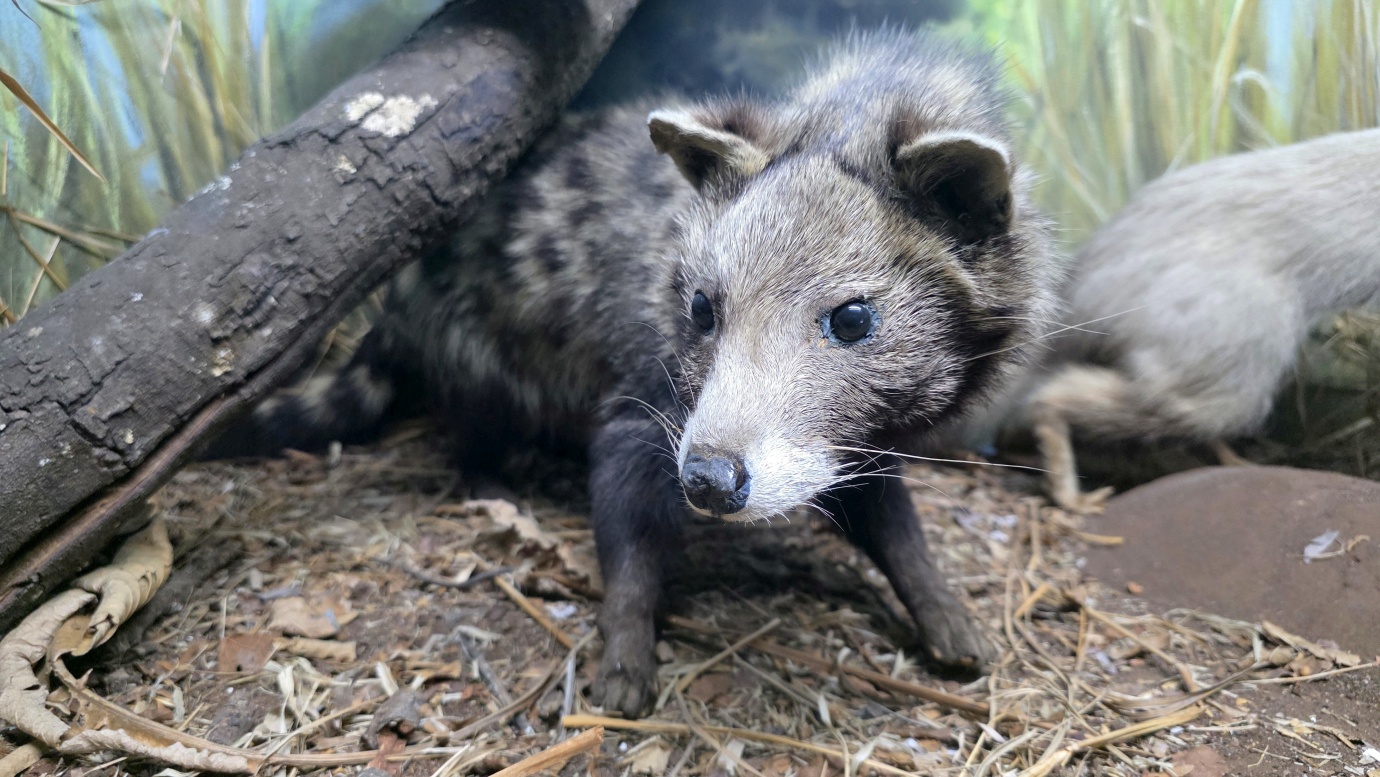
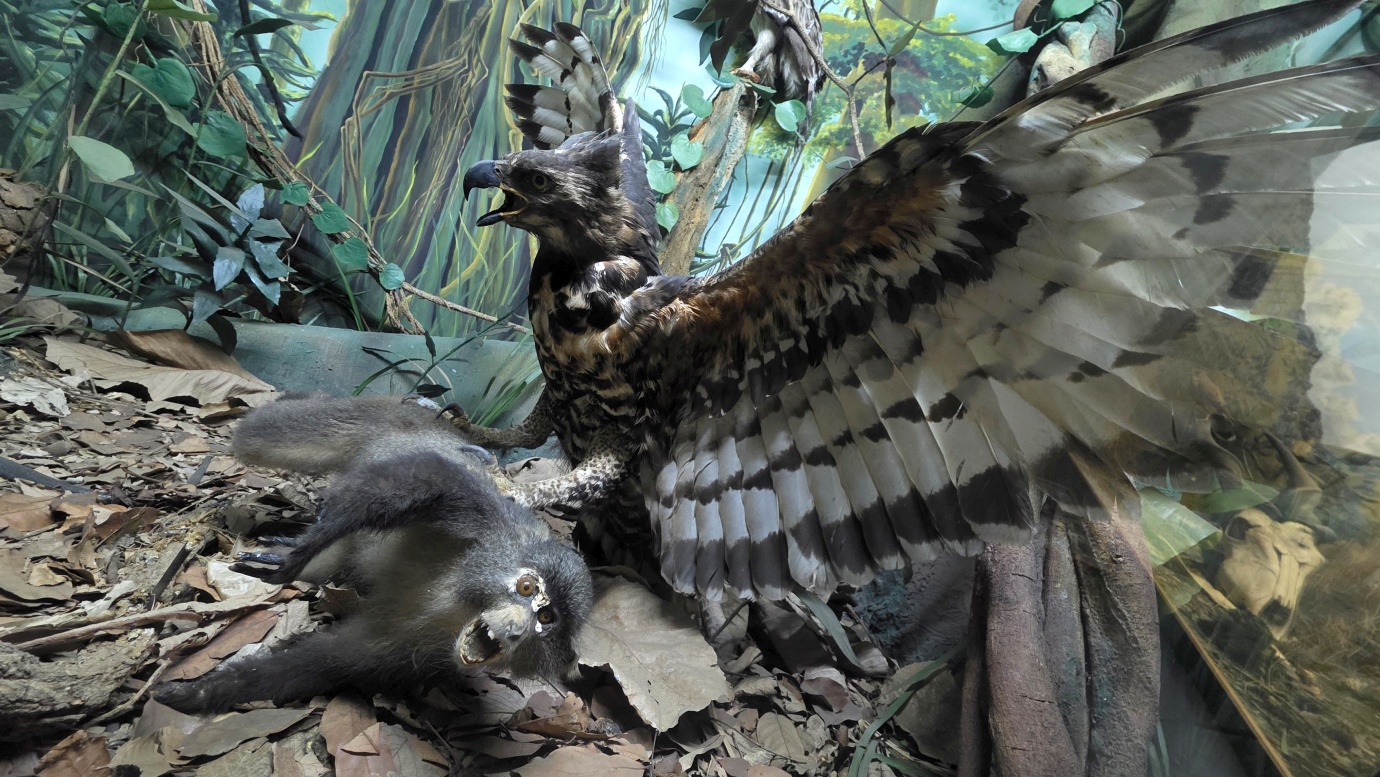
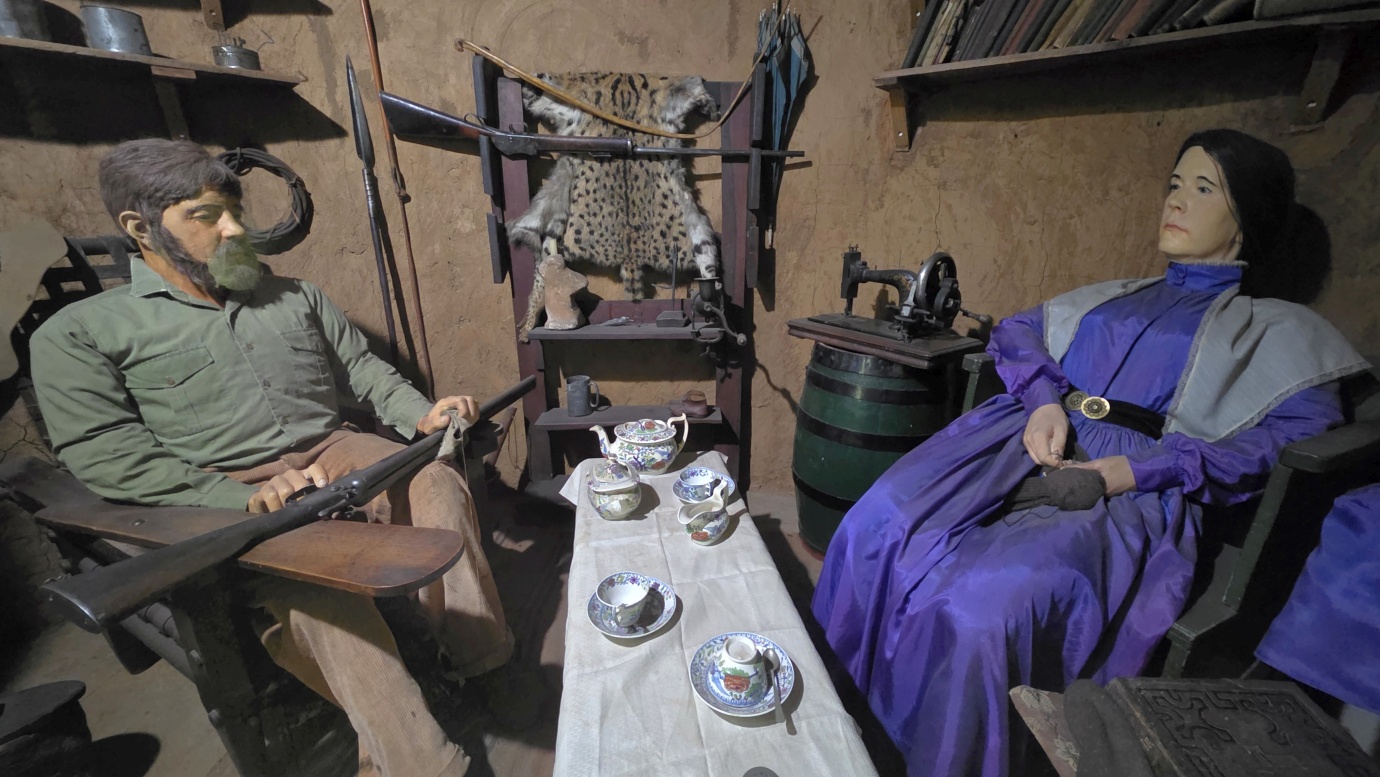
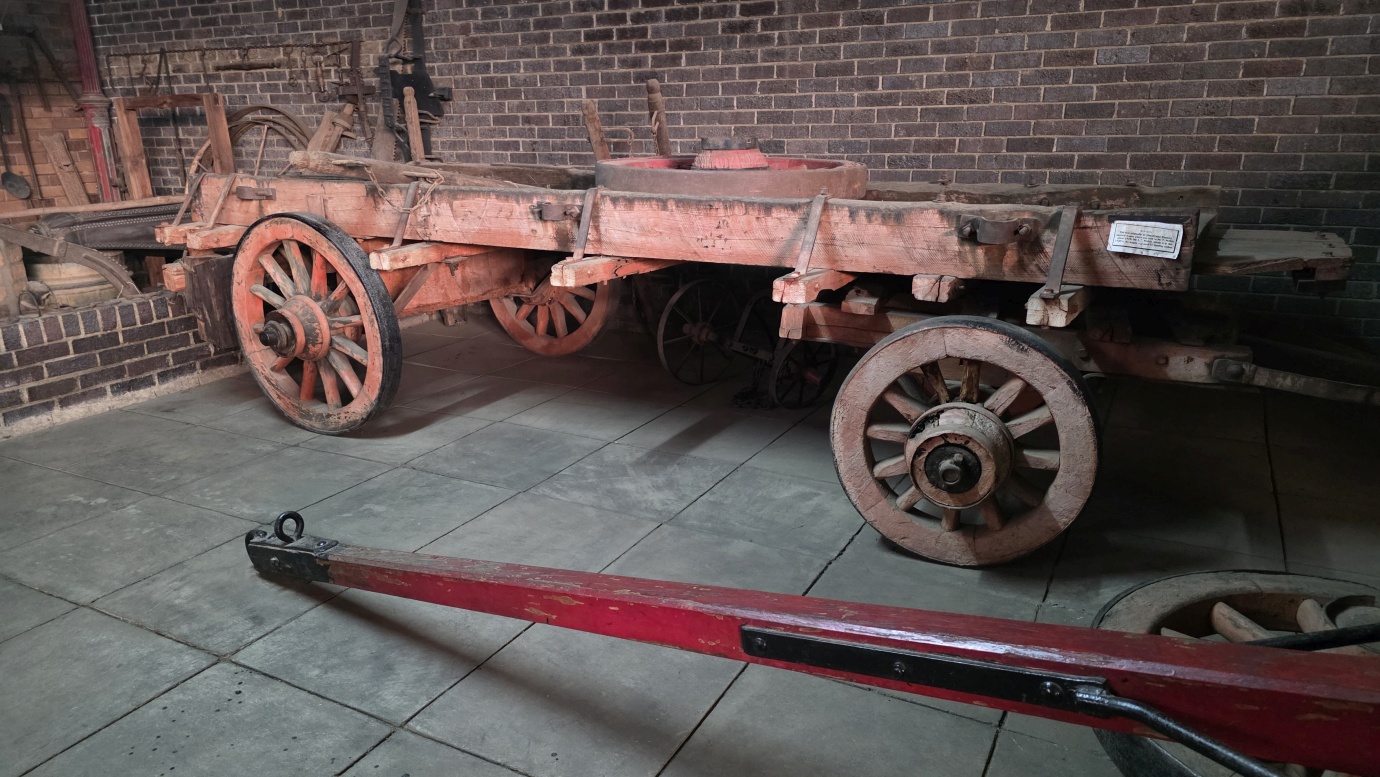
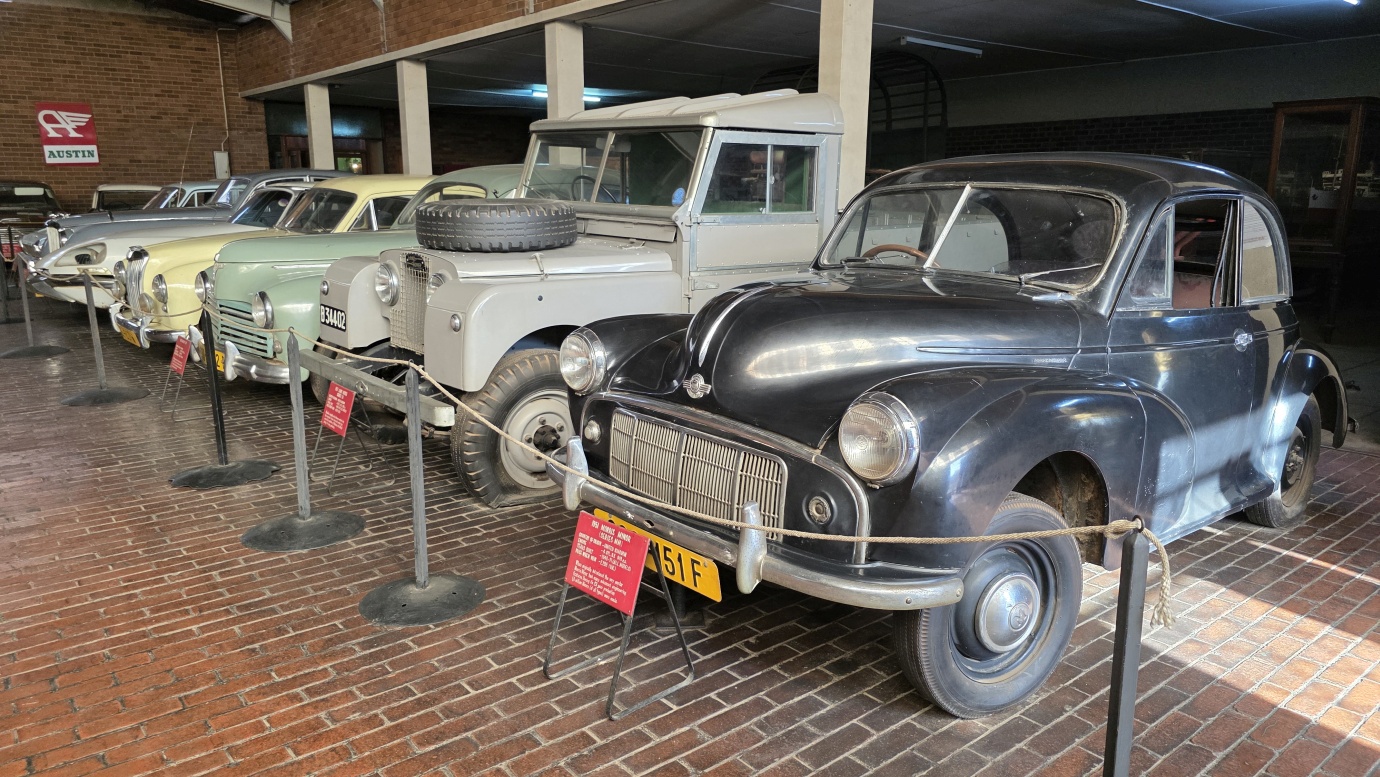
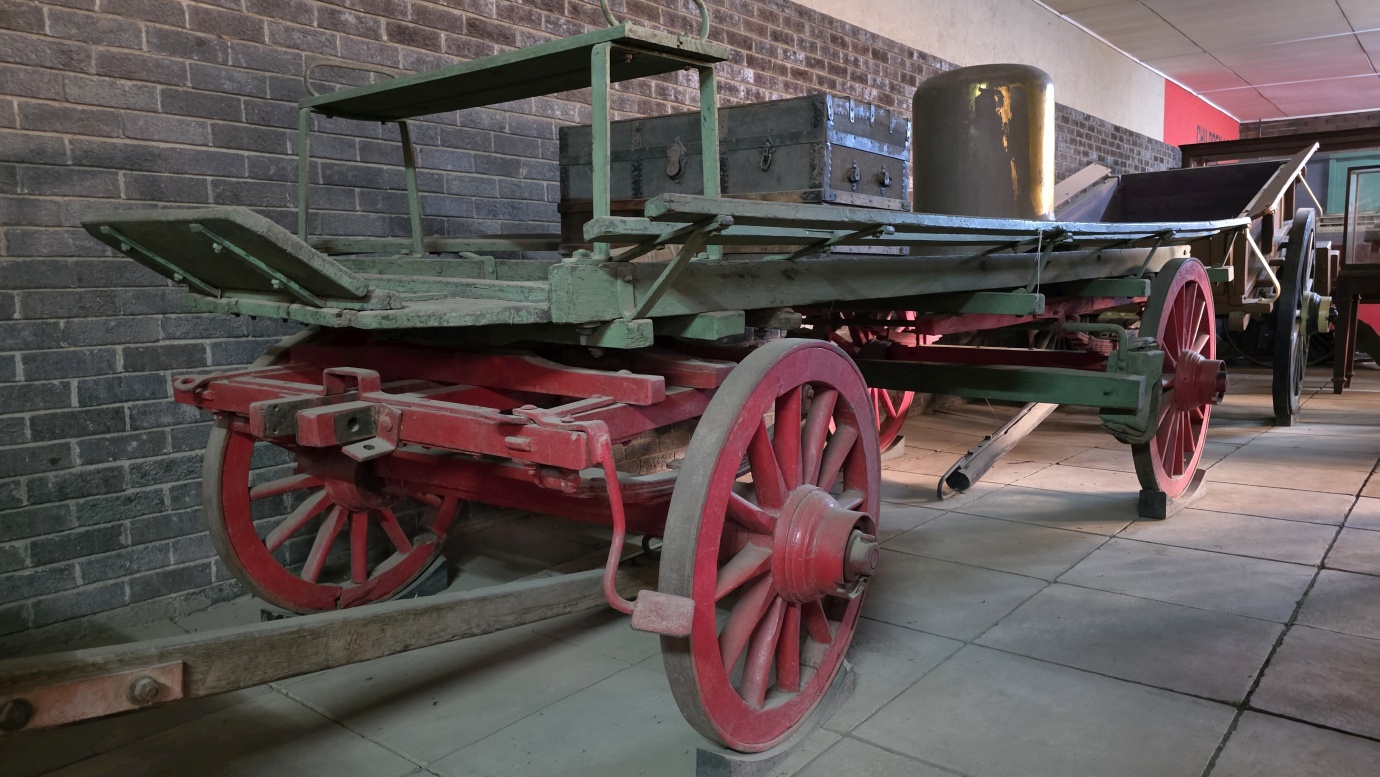
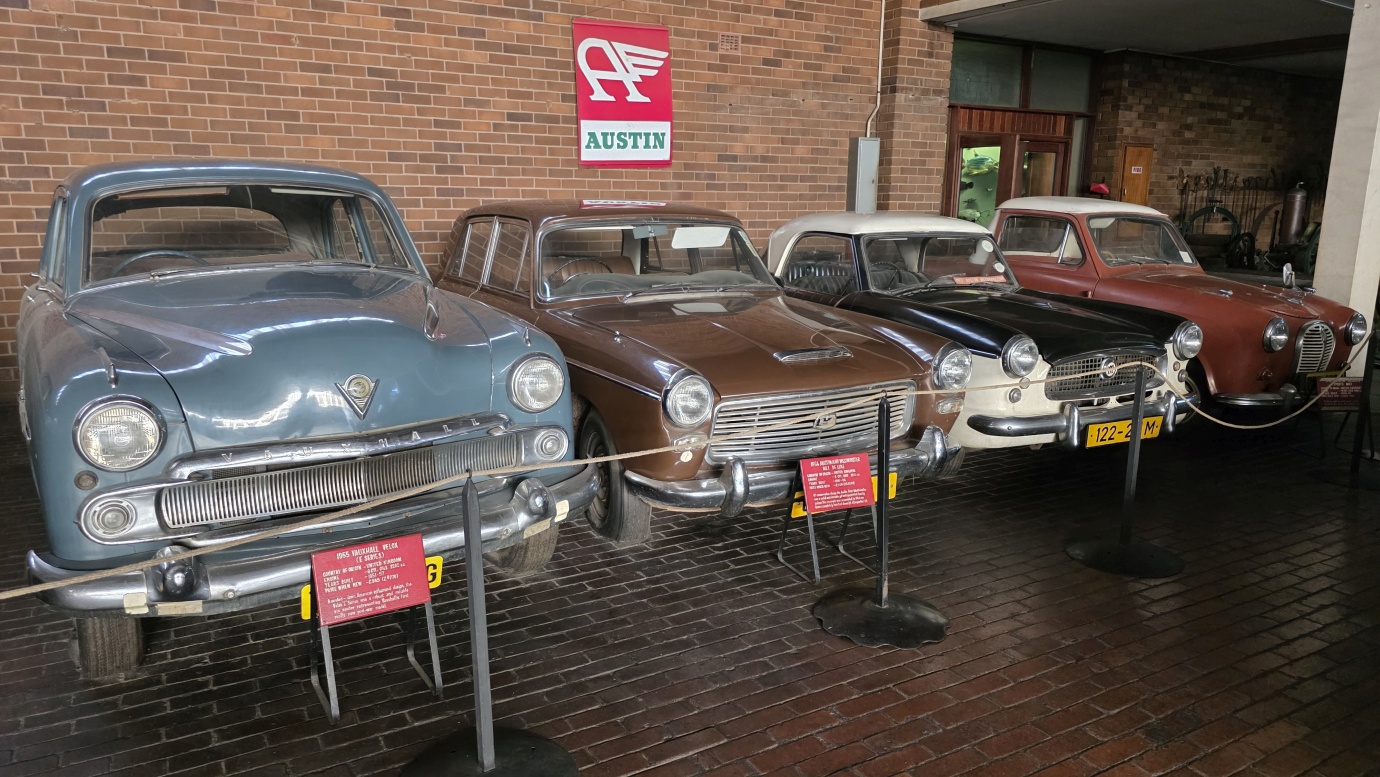
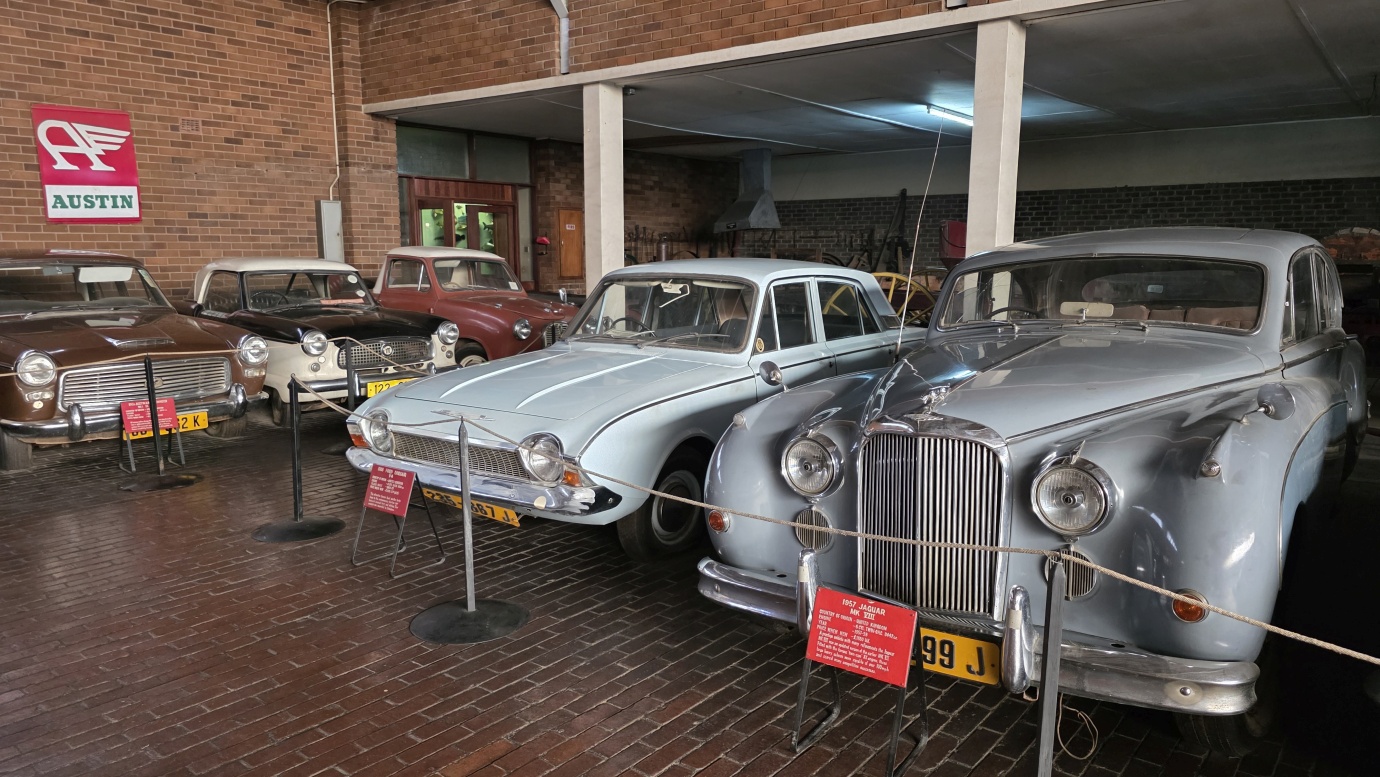
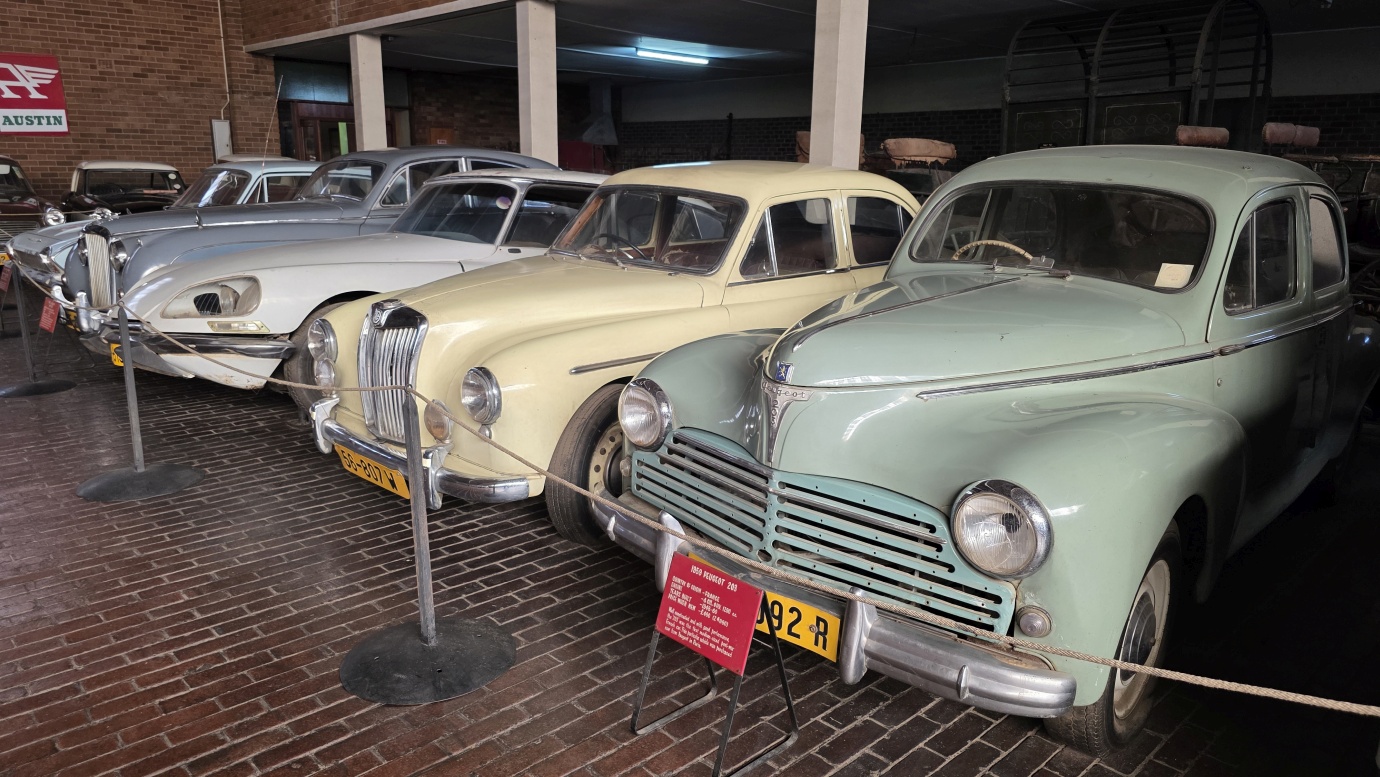
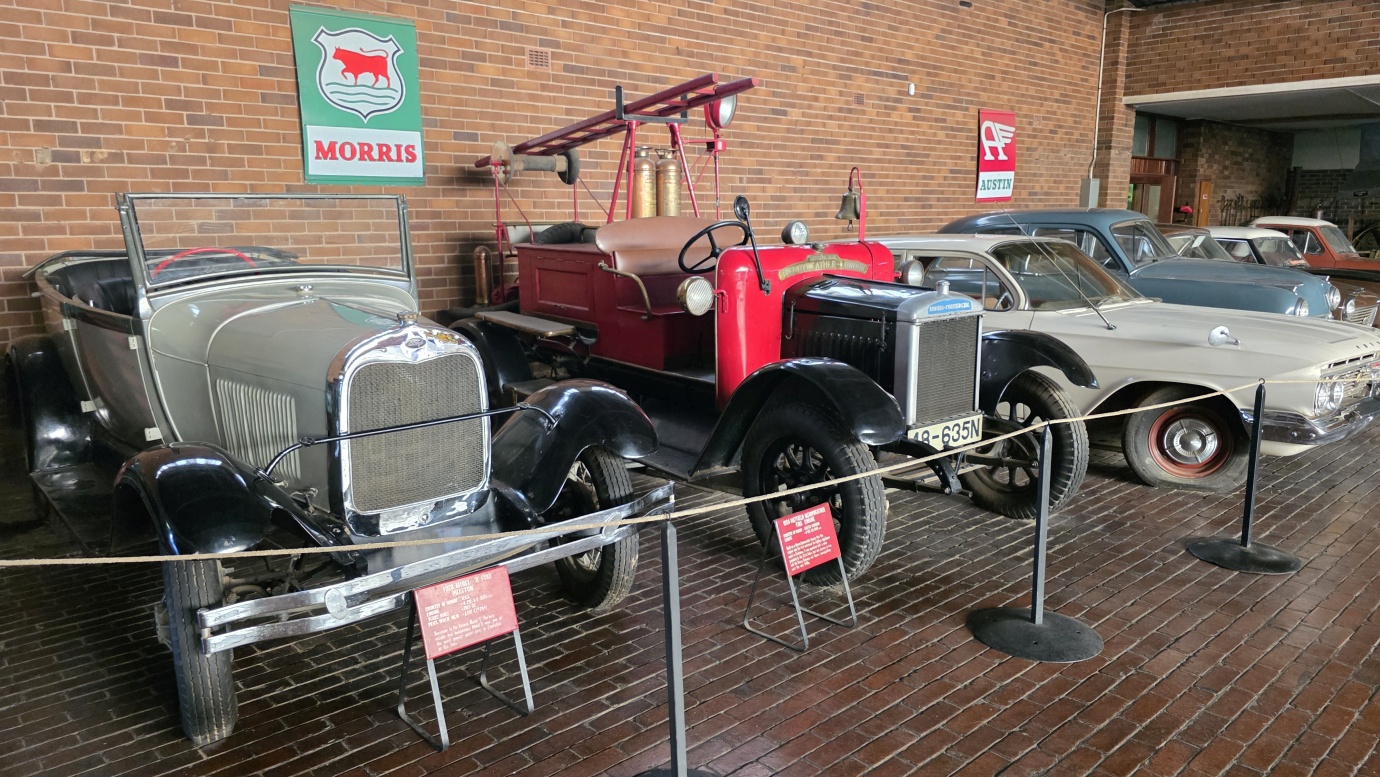
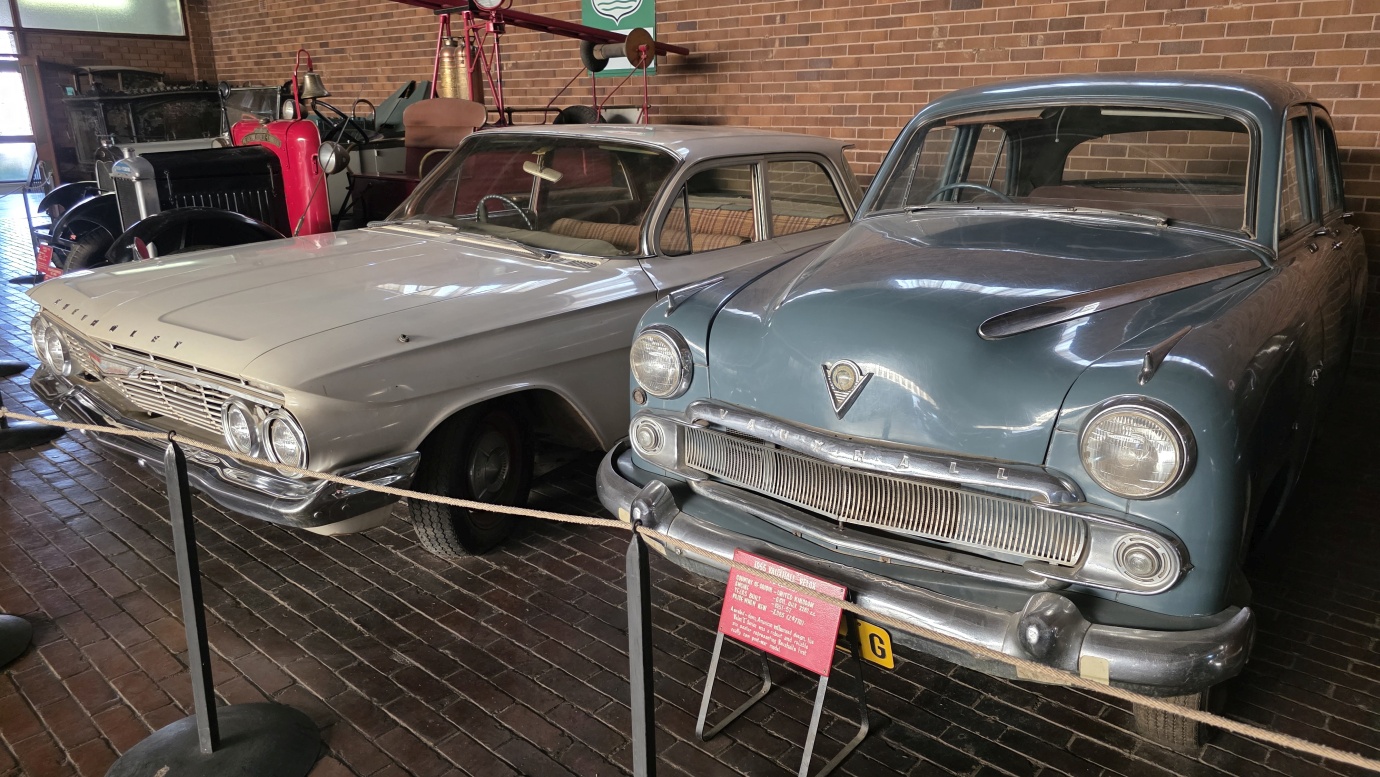
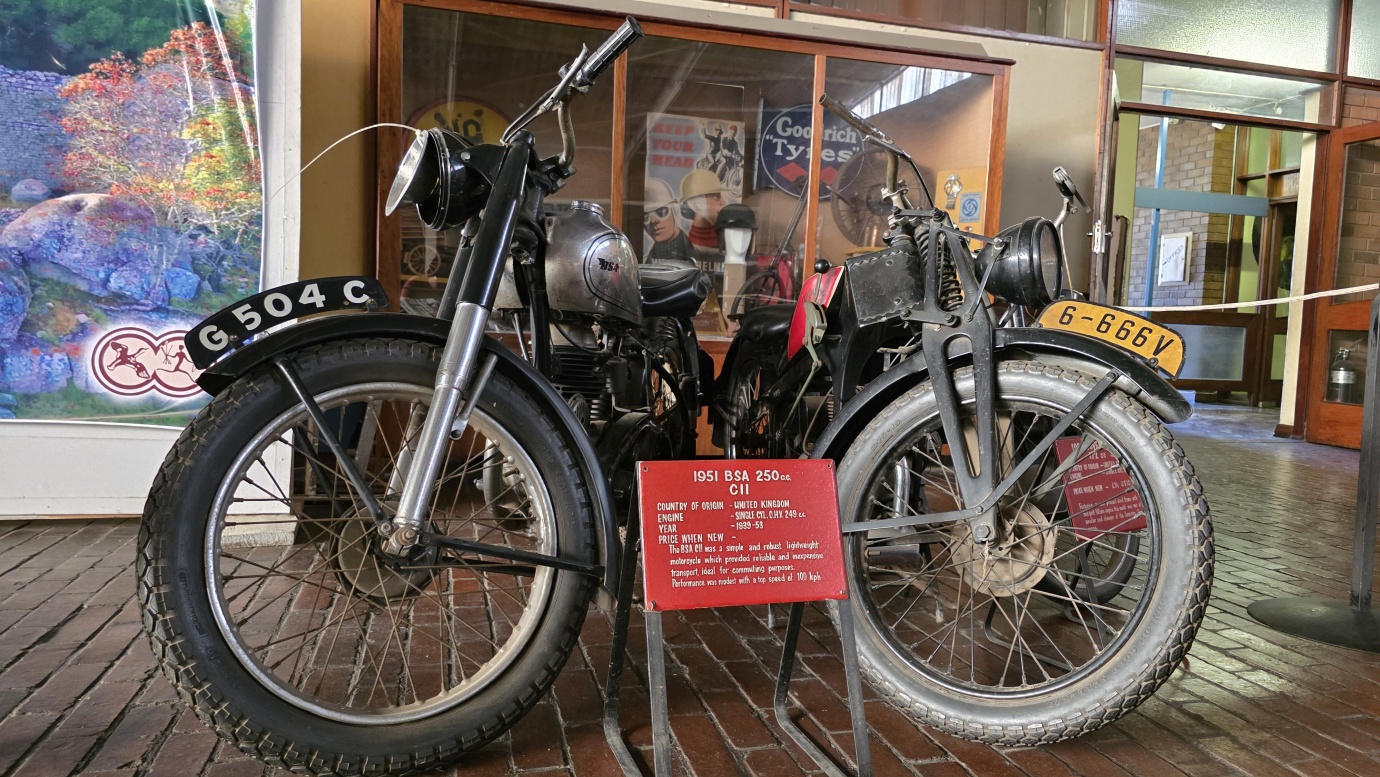
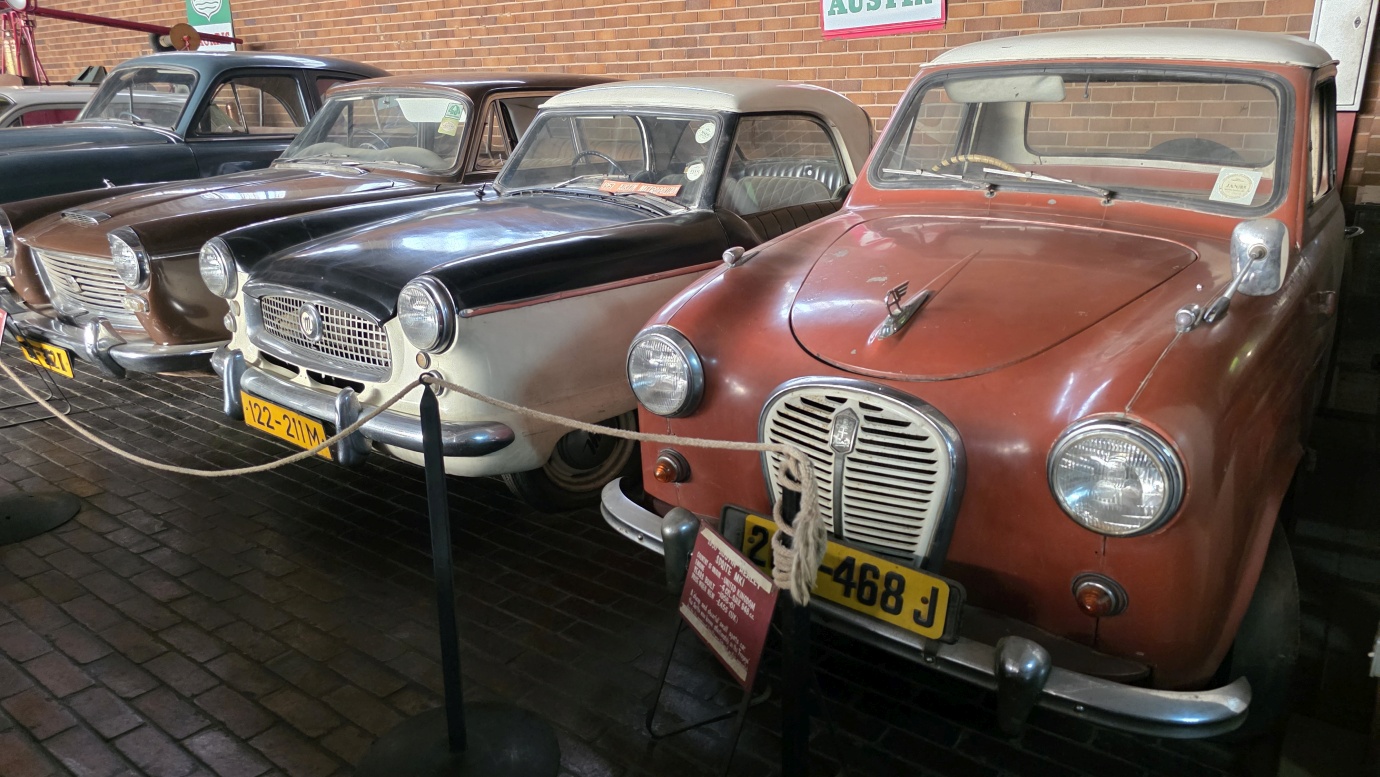
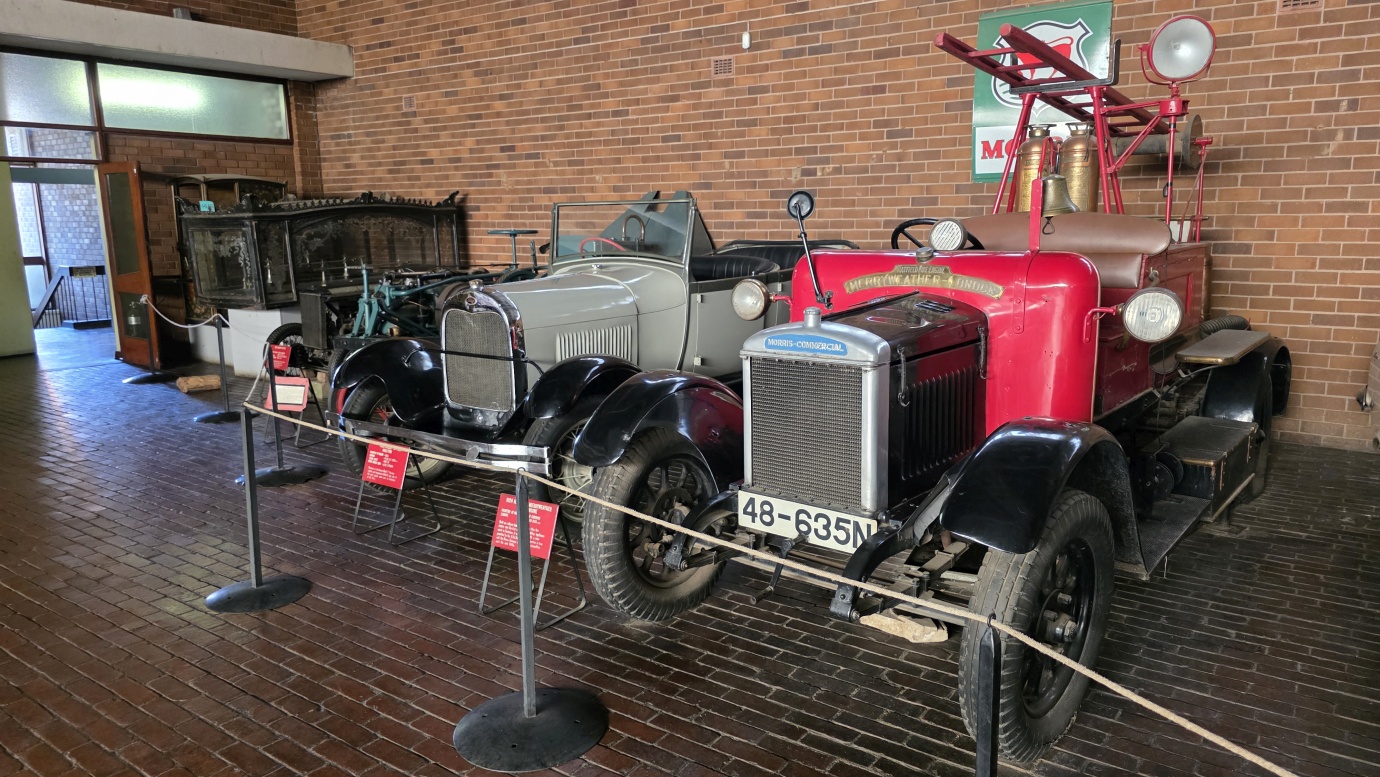
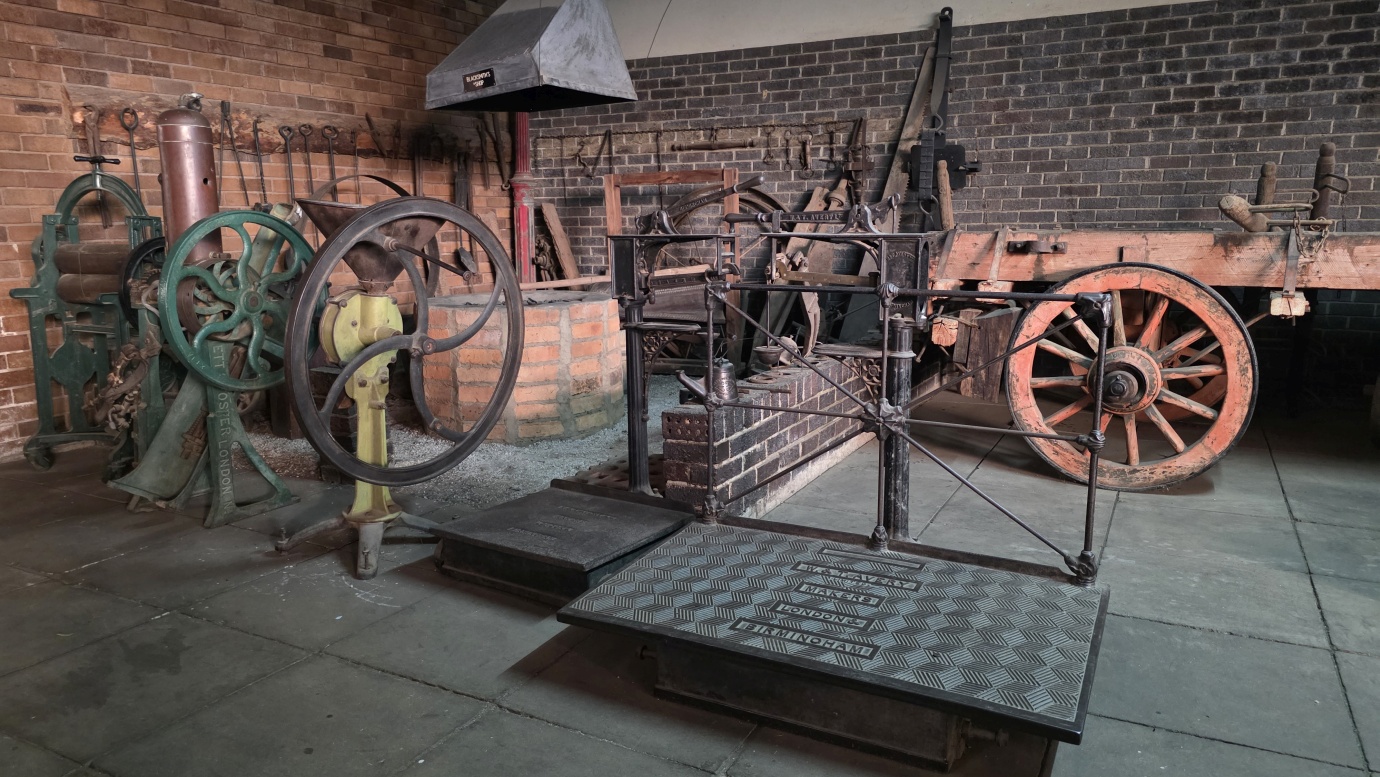
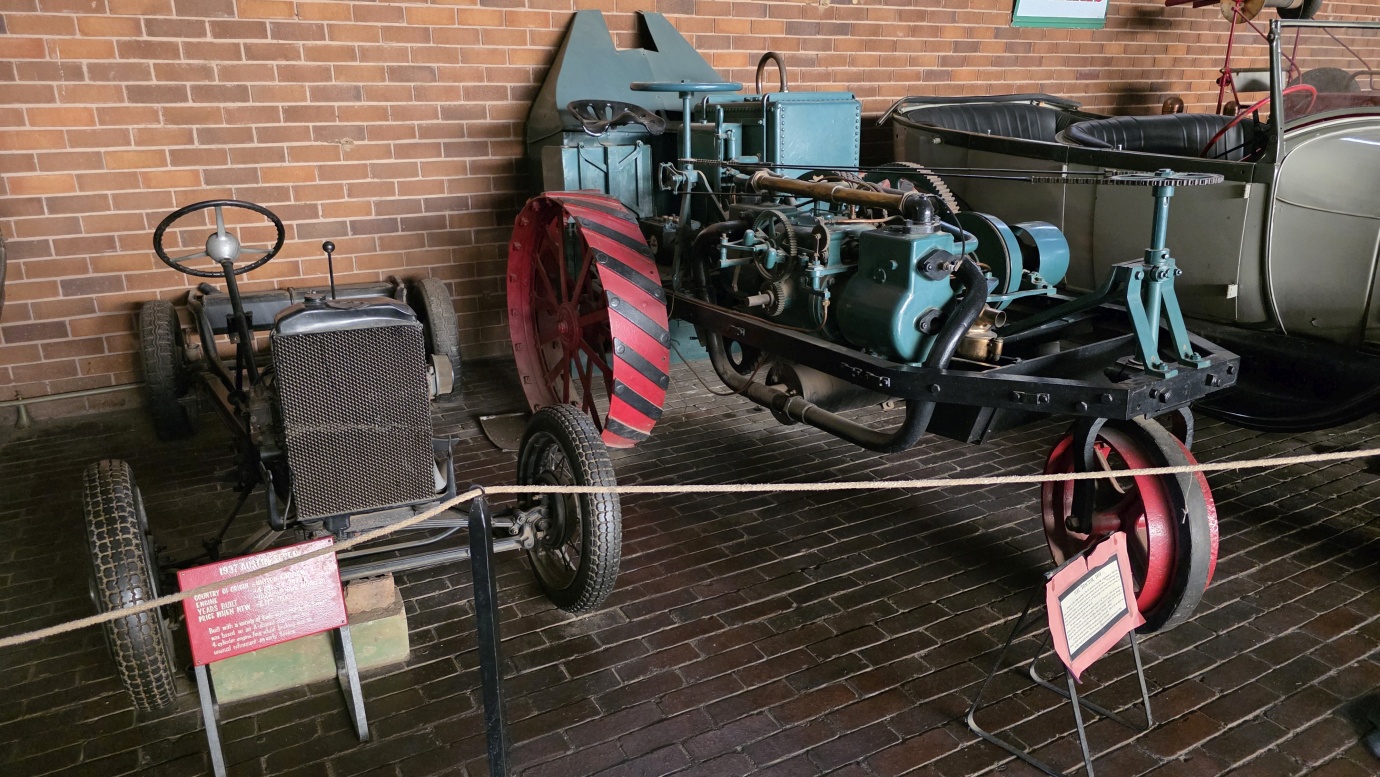
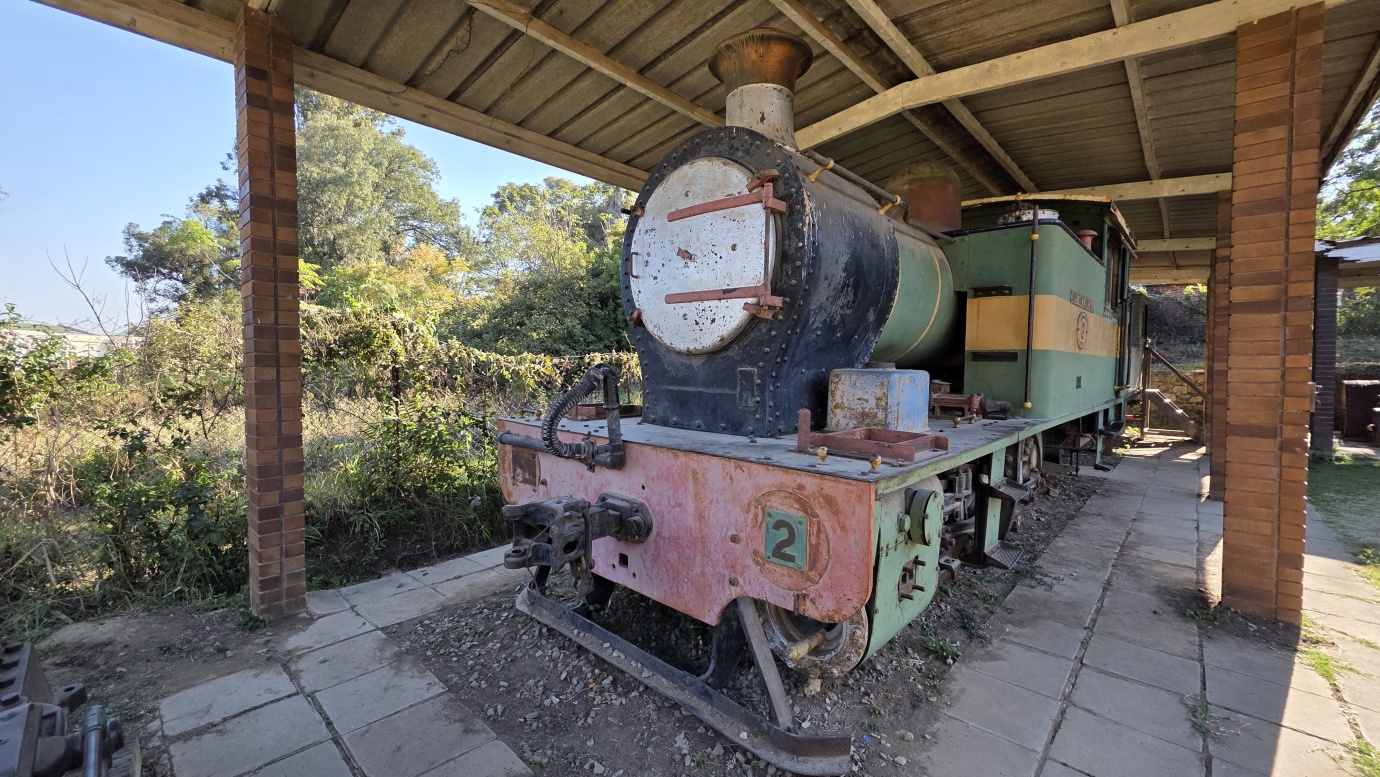
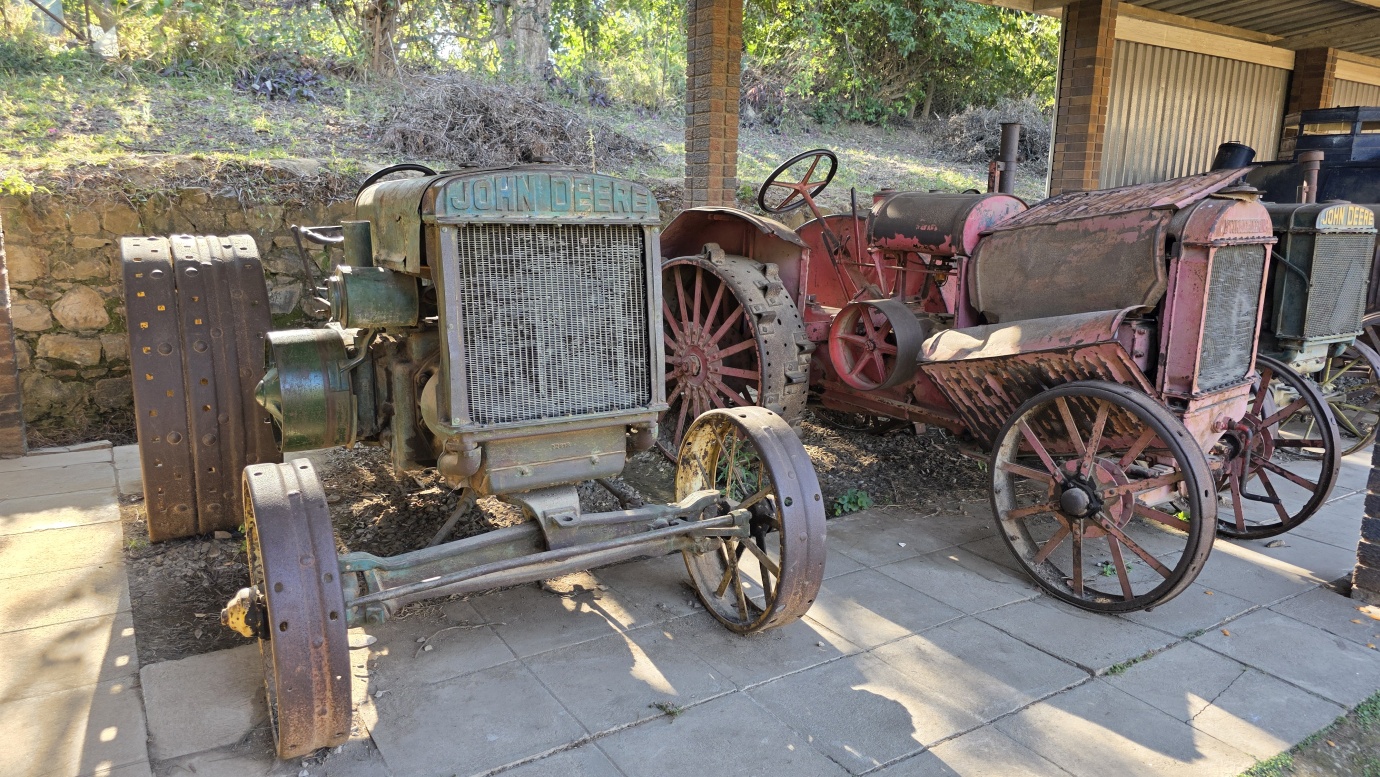
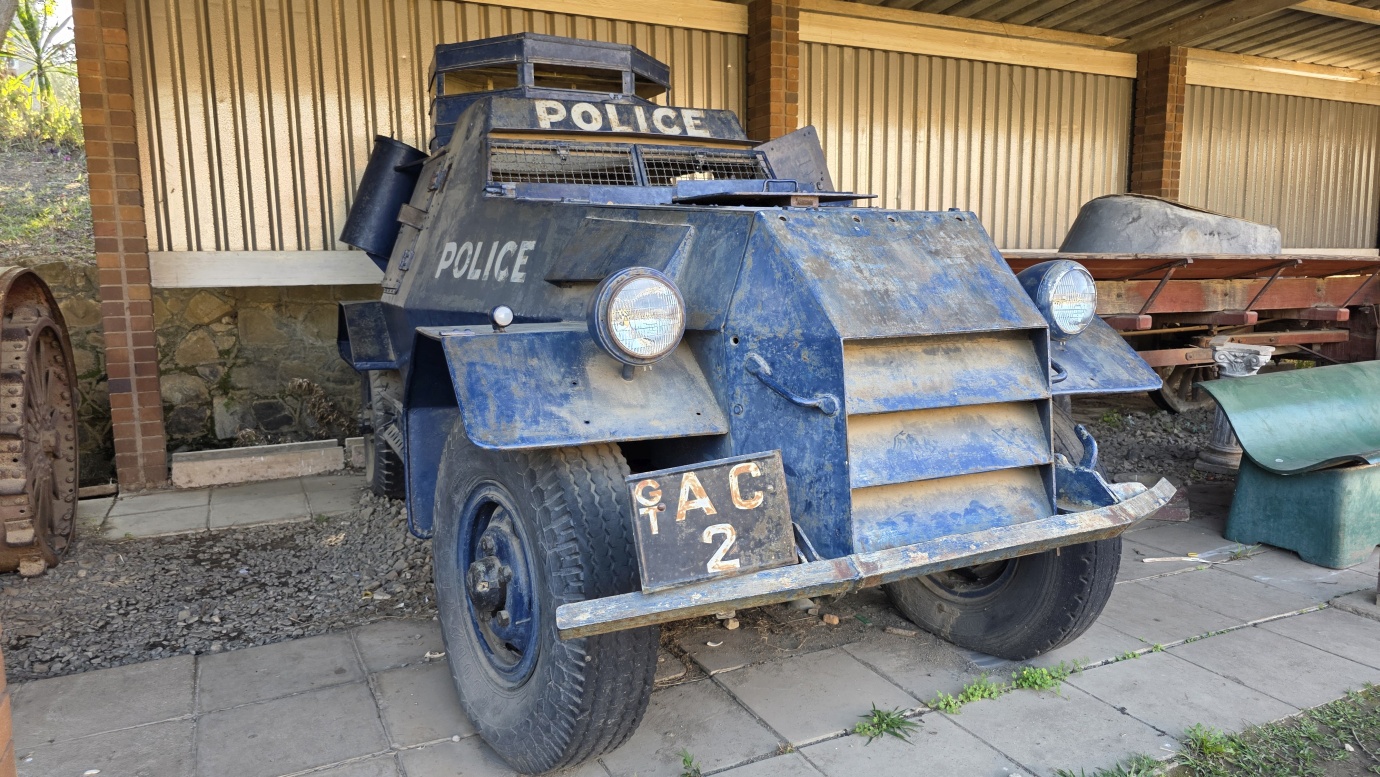
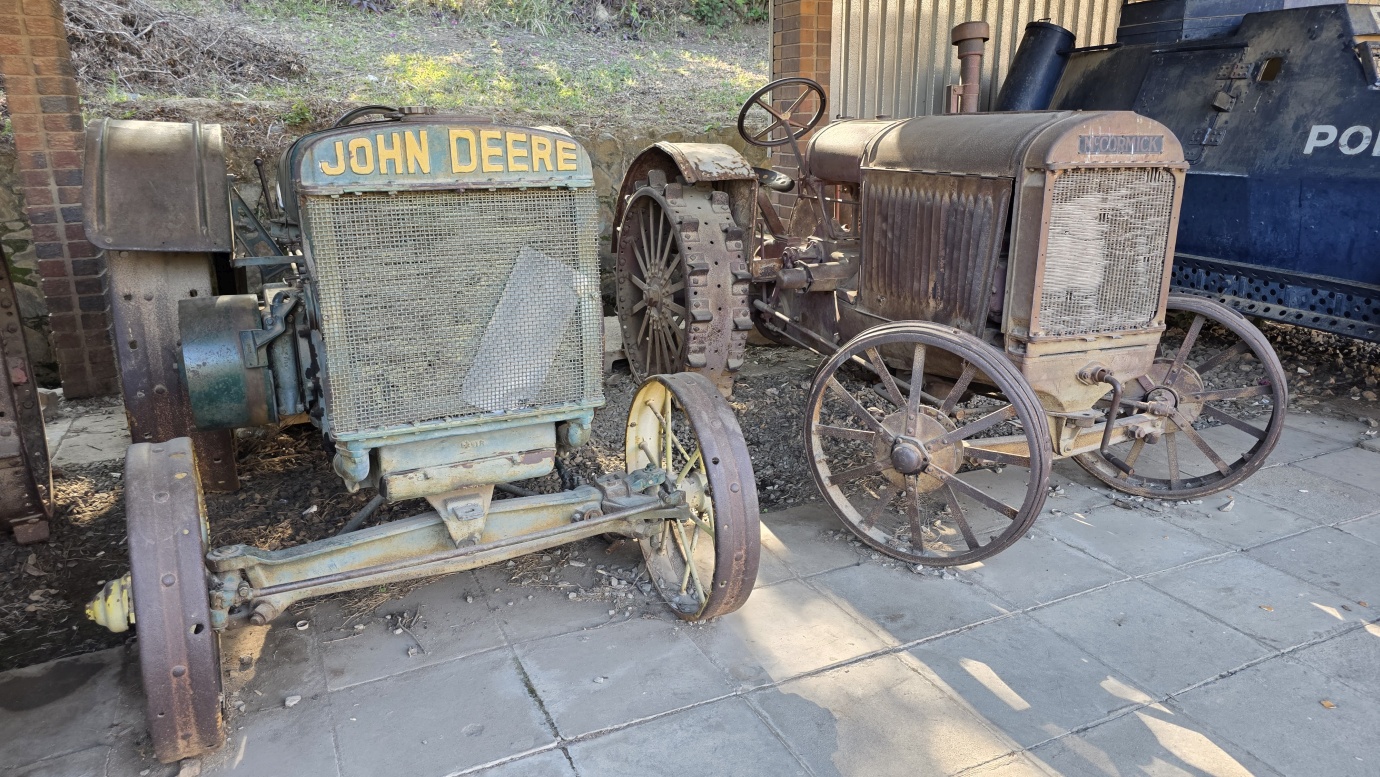
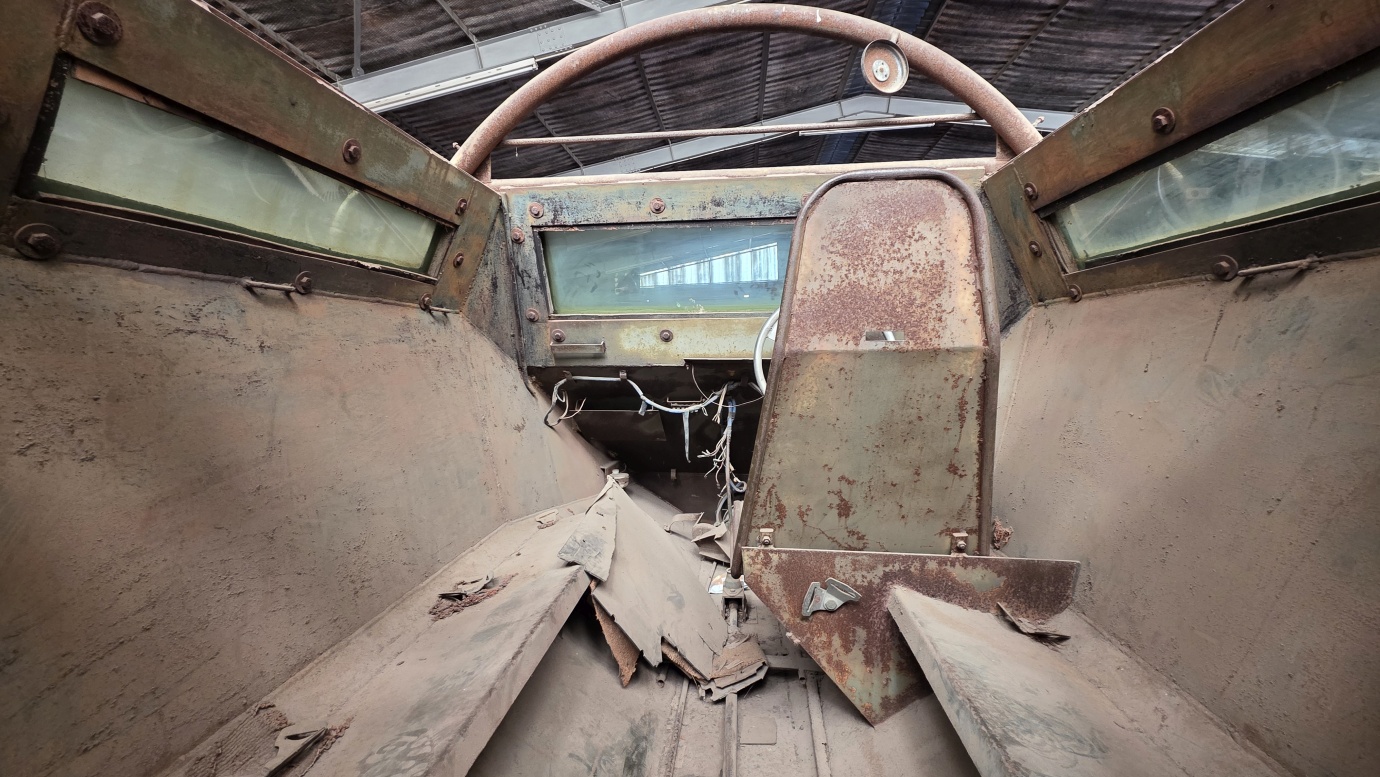
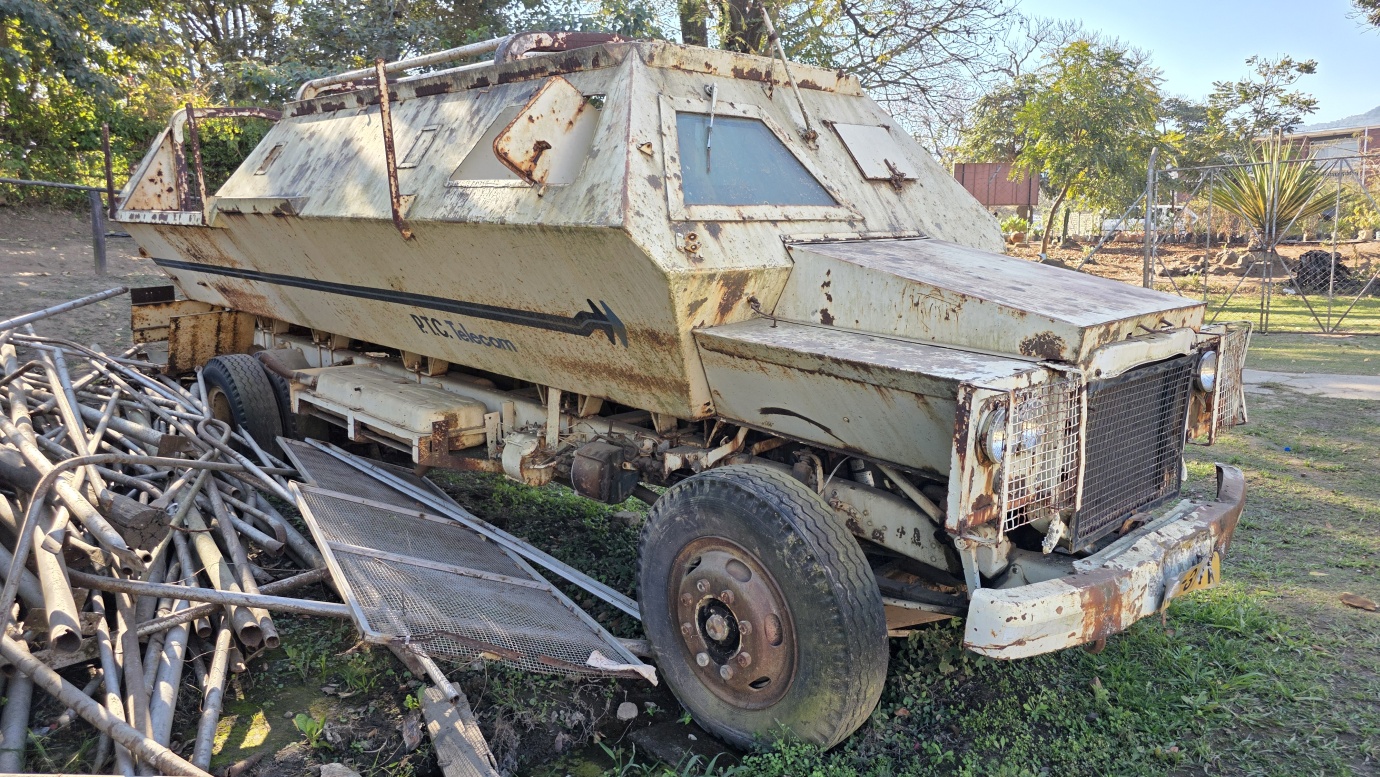
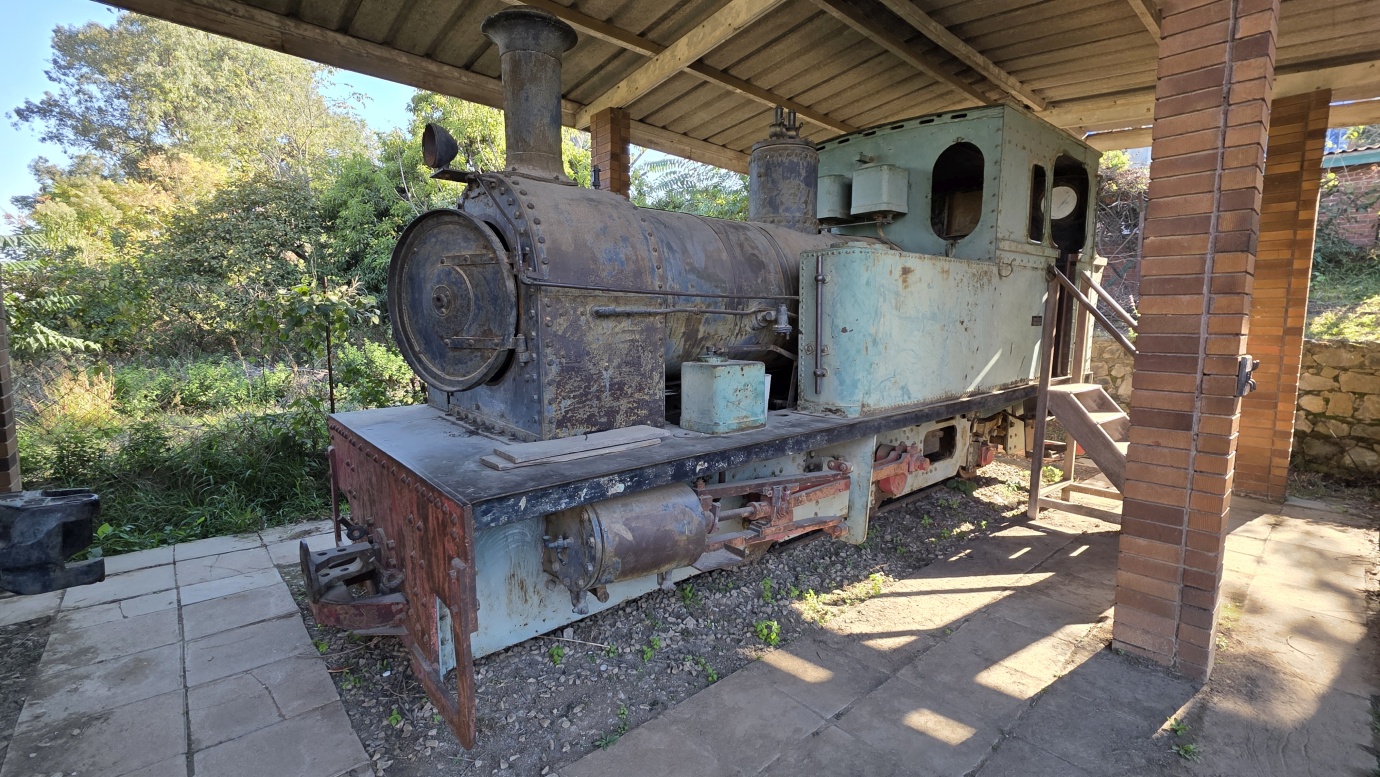
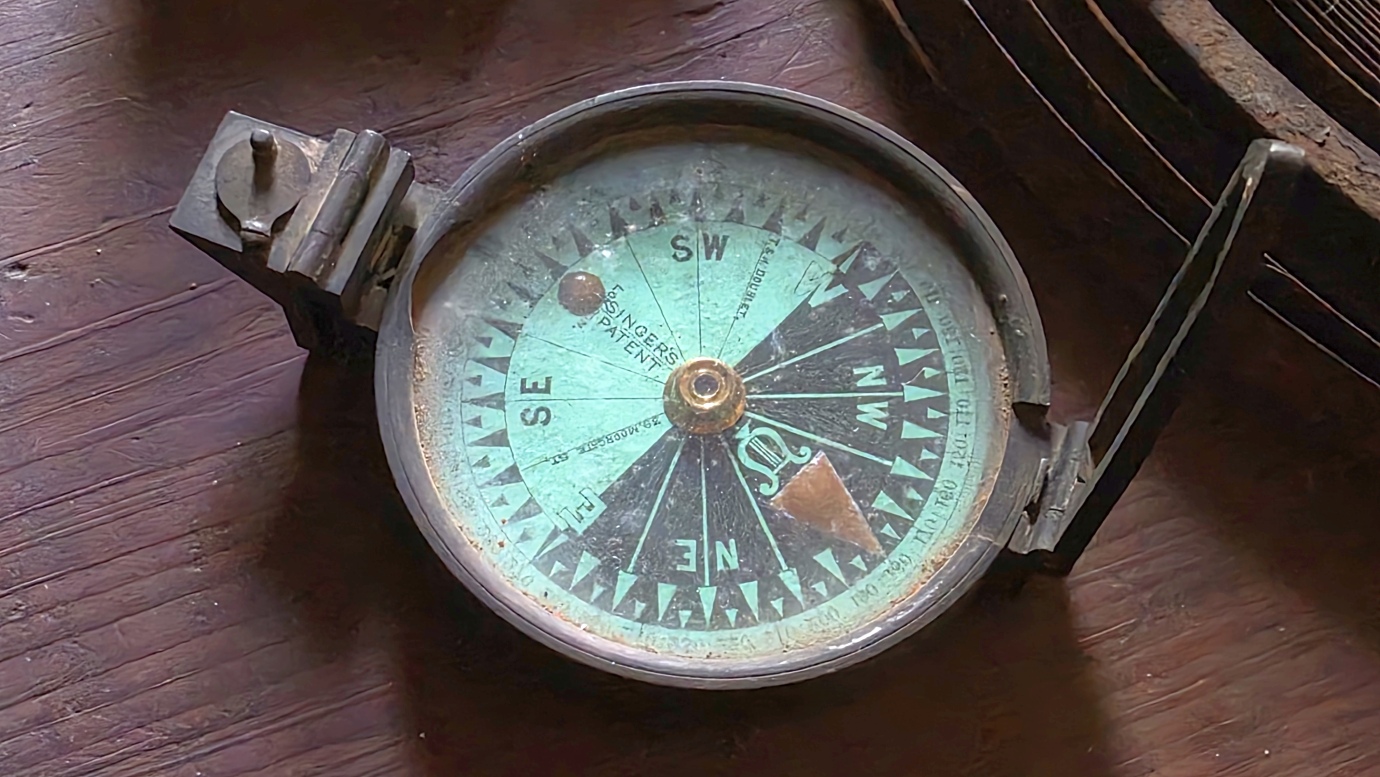
The highlight of our visit was undoubtedly the Mutare Museum (🎟️10 USD), founded in 1954 and opened to the public a decade later. Widely regarded as Zimbabwe’s premier museum of transport and antiquities, it offers a fascinating journey through the country’s history. Its greatest attraction is an impressive collection of beautifully preserved vintage cars, motorcycles, colonial-era ox-drawn wagons, steam locomotives, and agricultural machinery. Among the standout exhibits is the exceptionally rare 1896 Bow McLachlan traction engine, one of the museum’s true treasures.
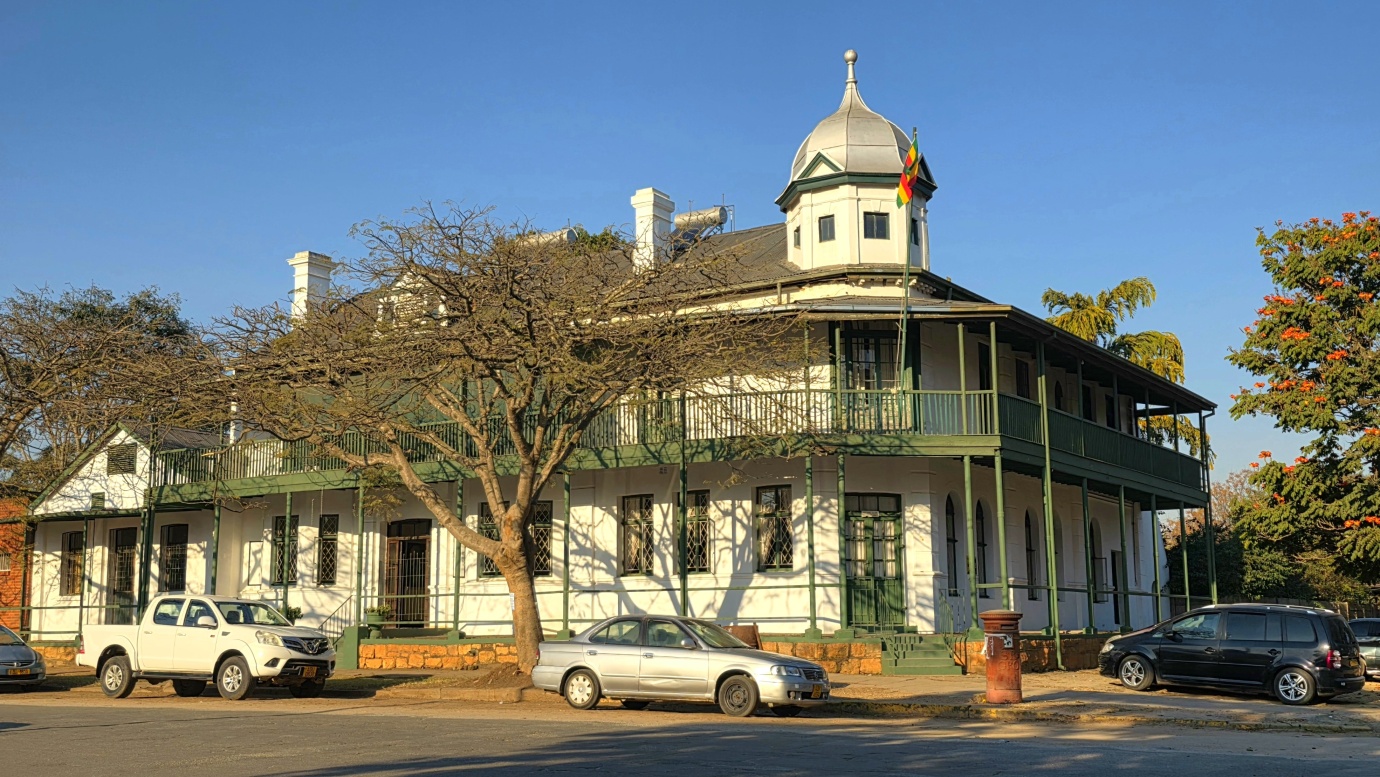
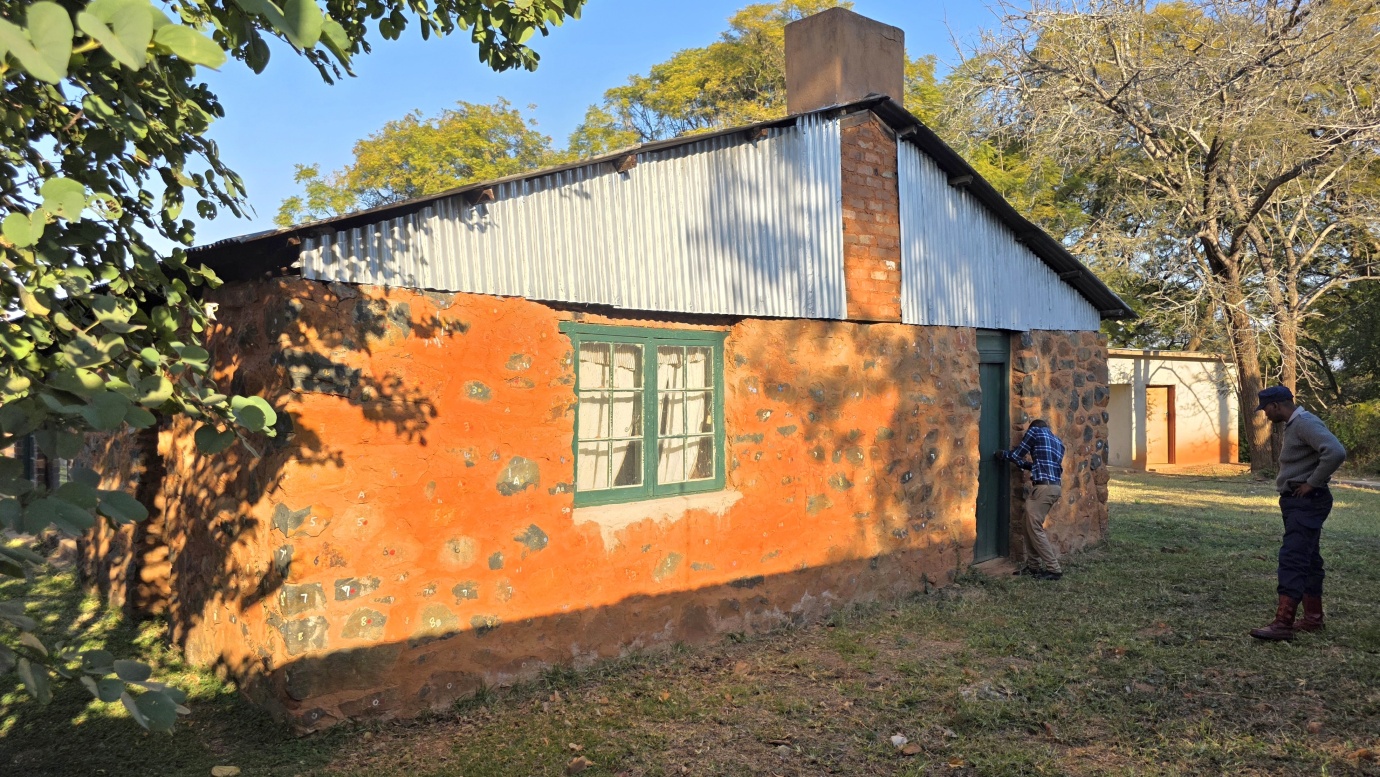
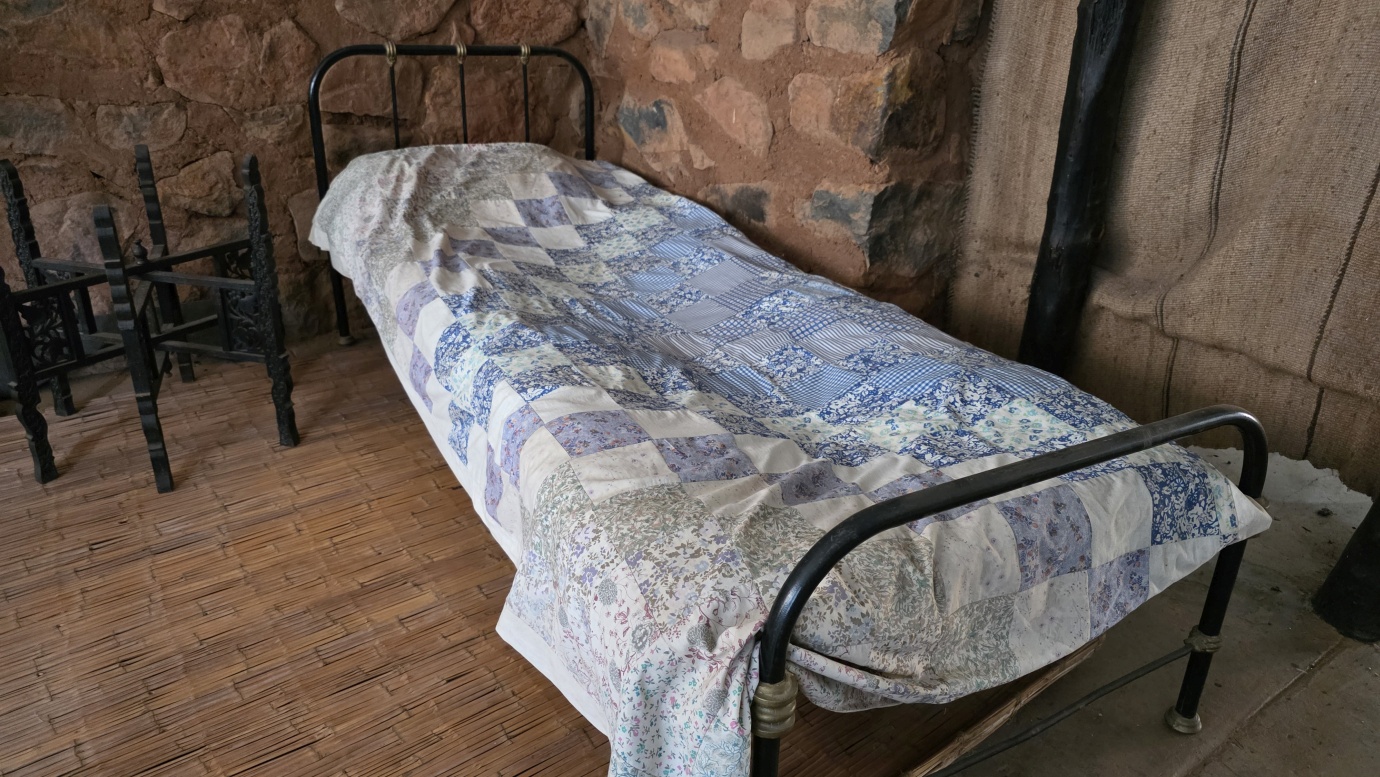
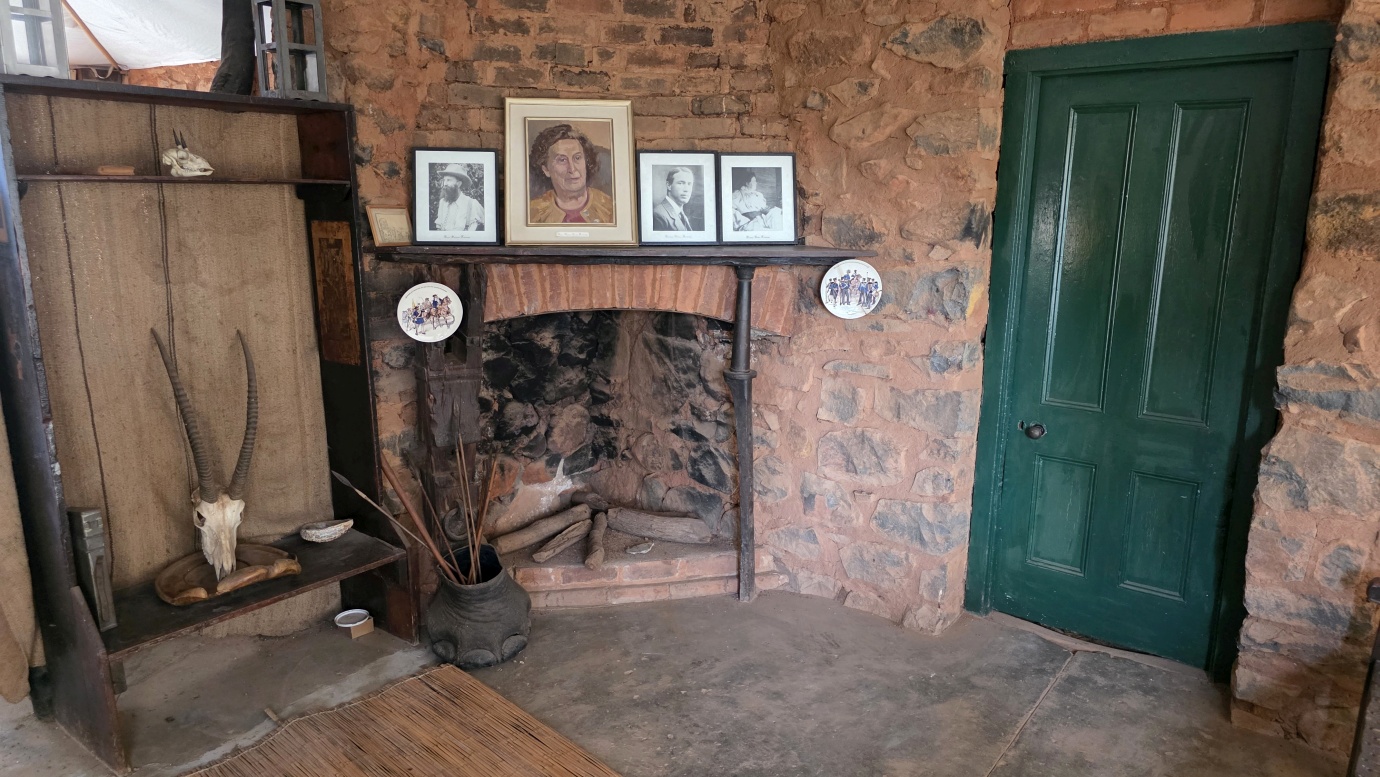
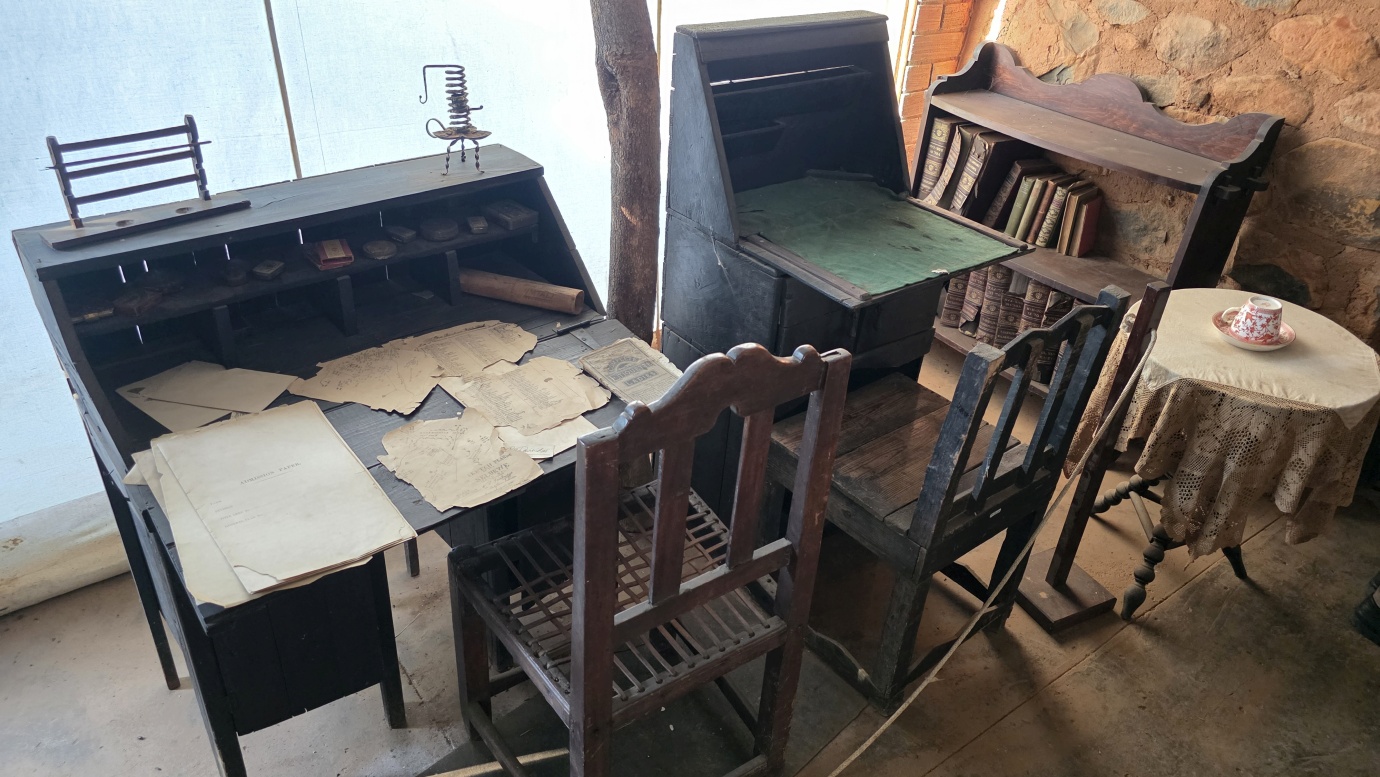
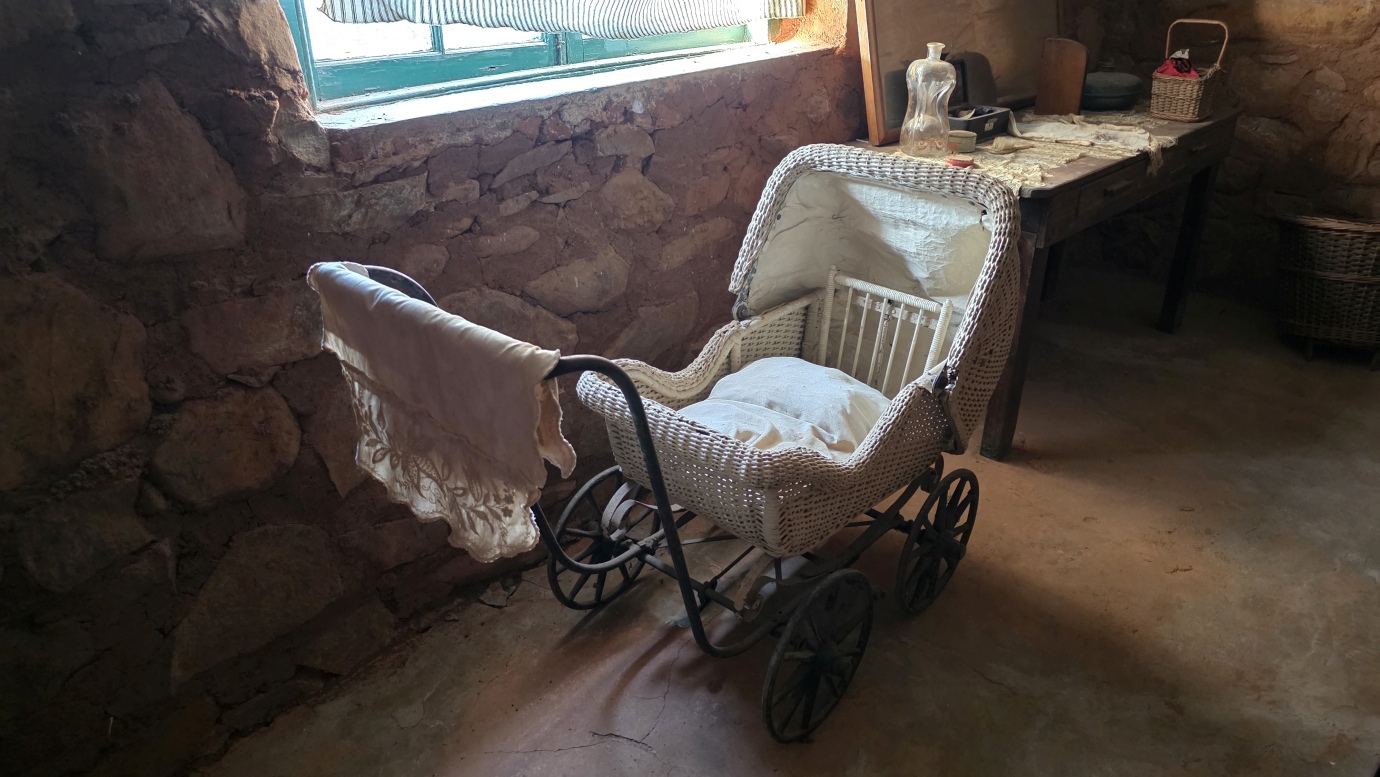
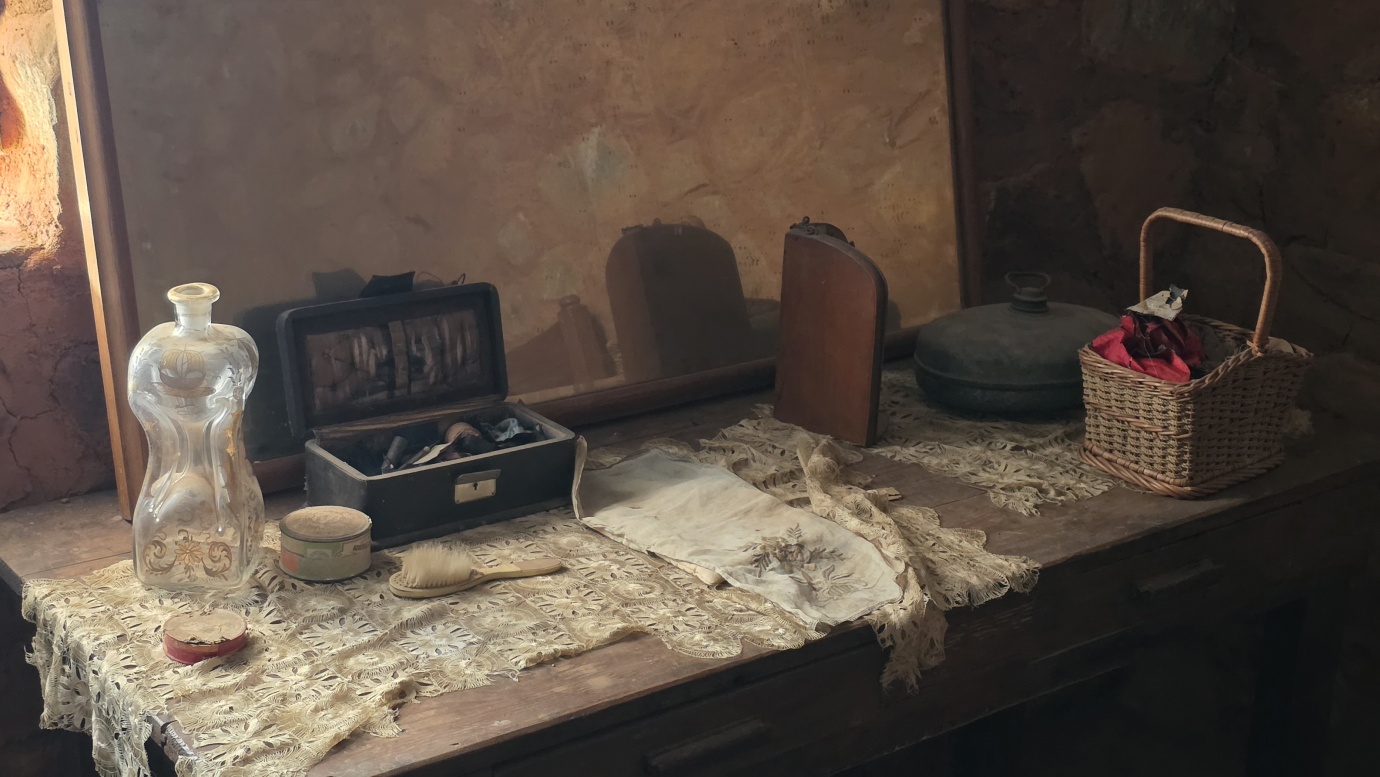
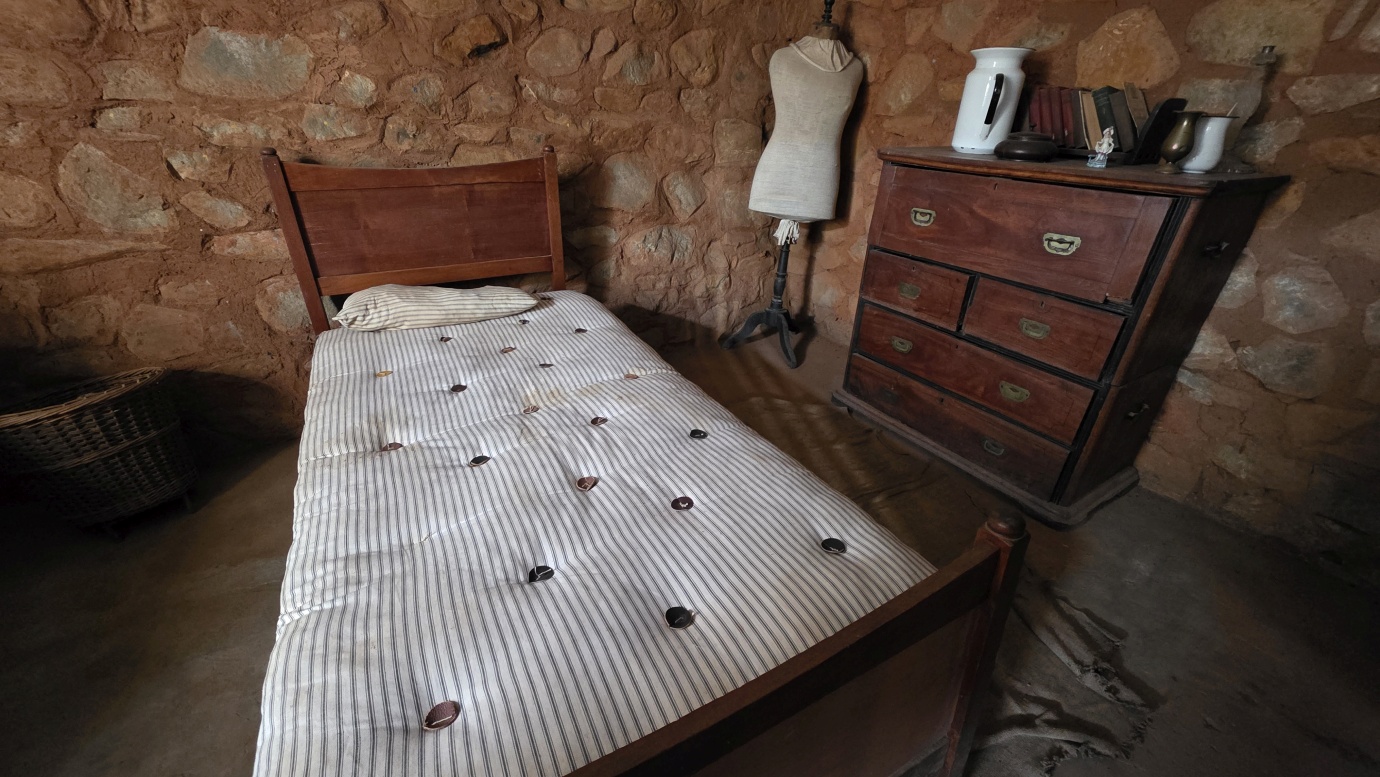
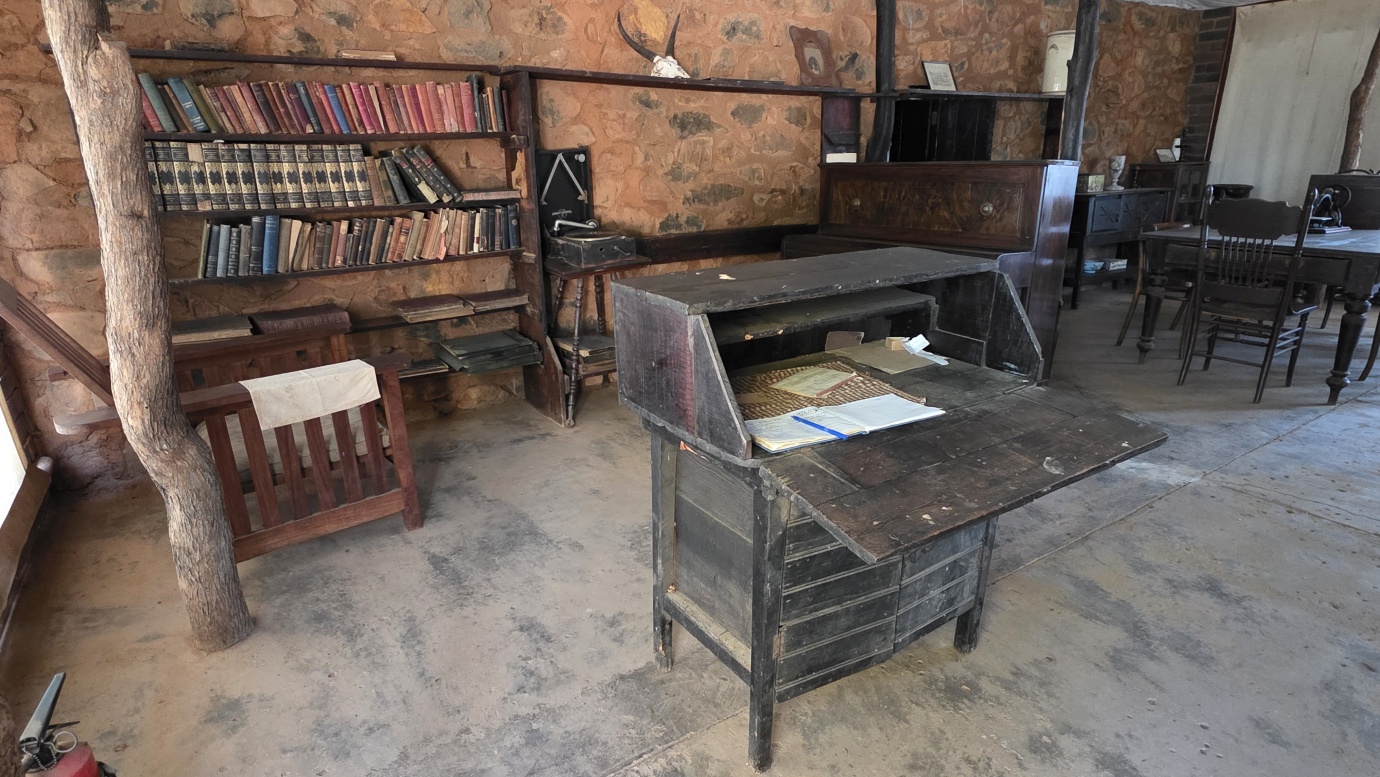
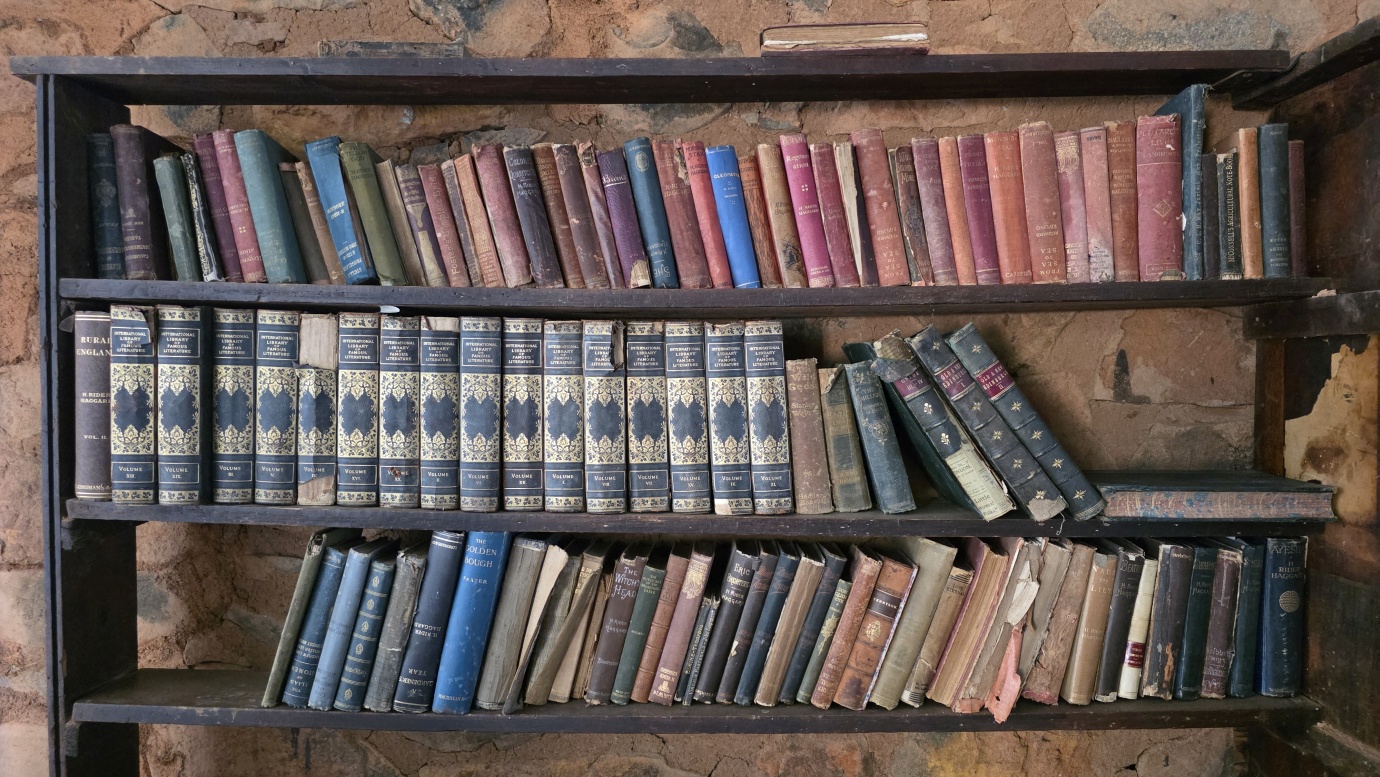
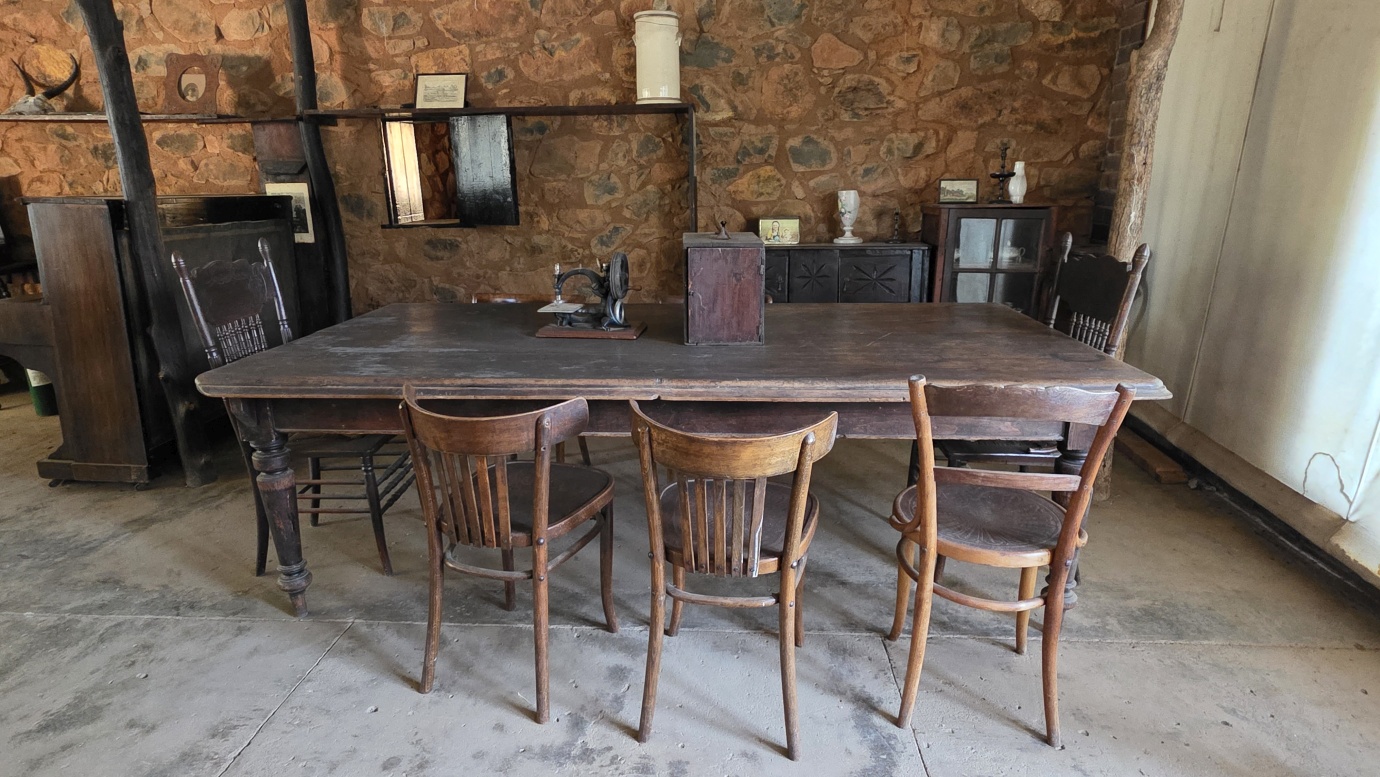
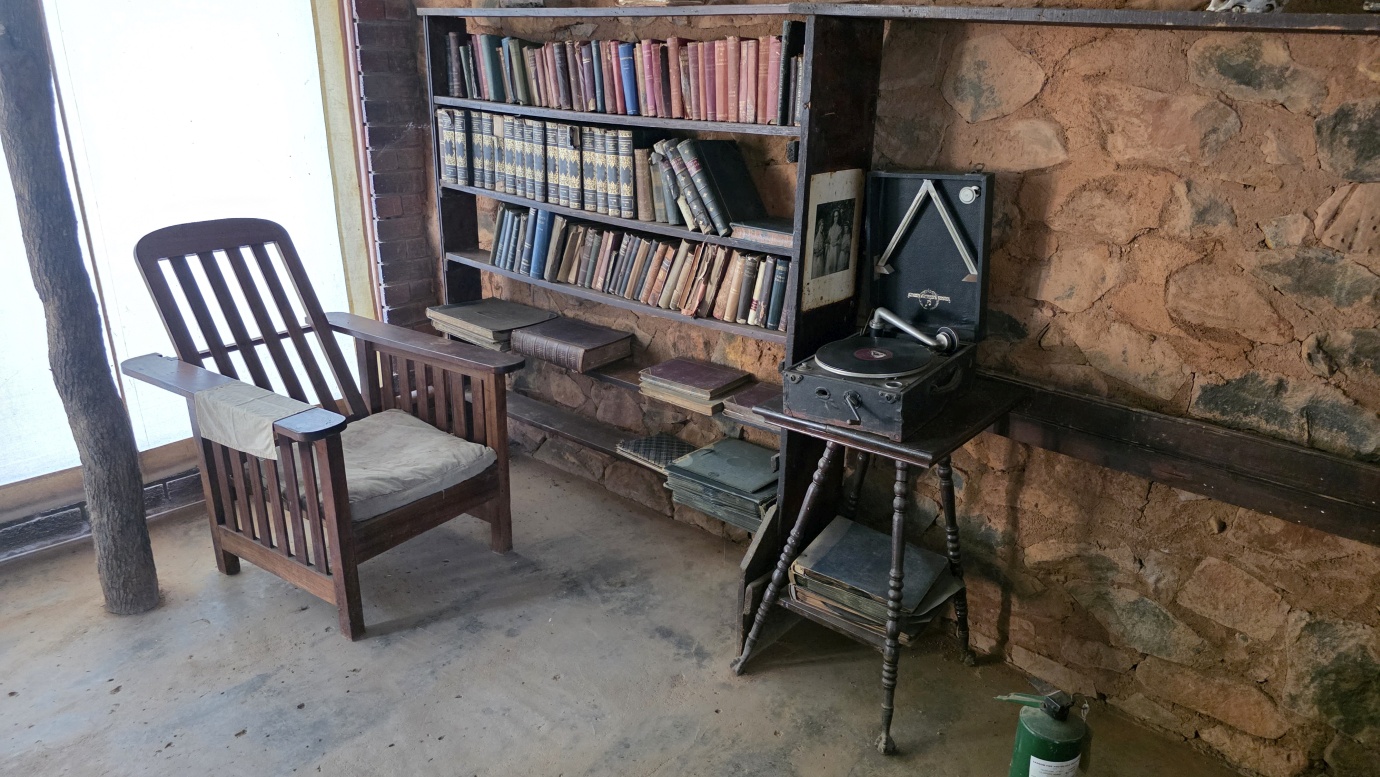
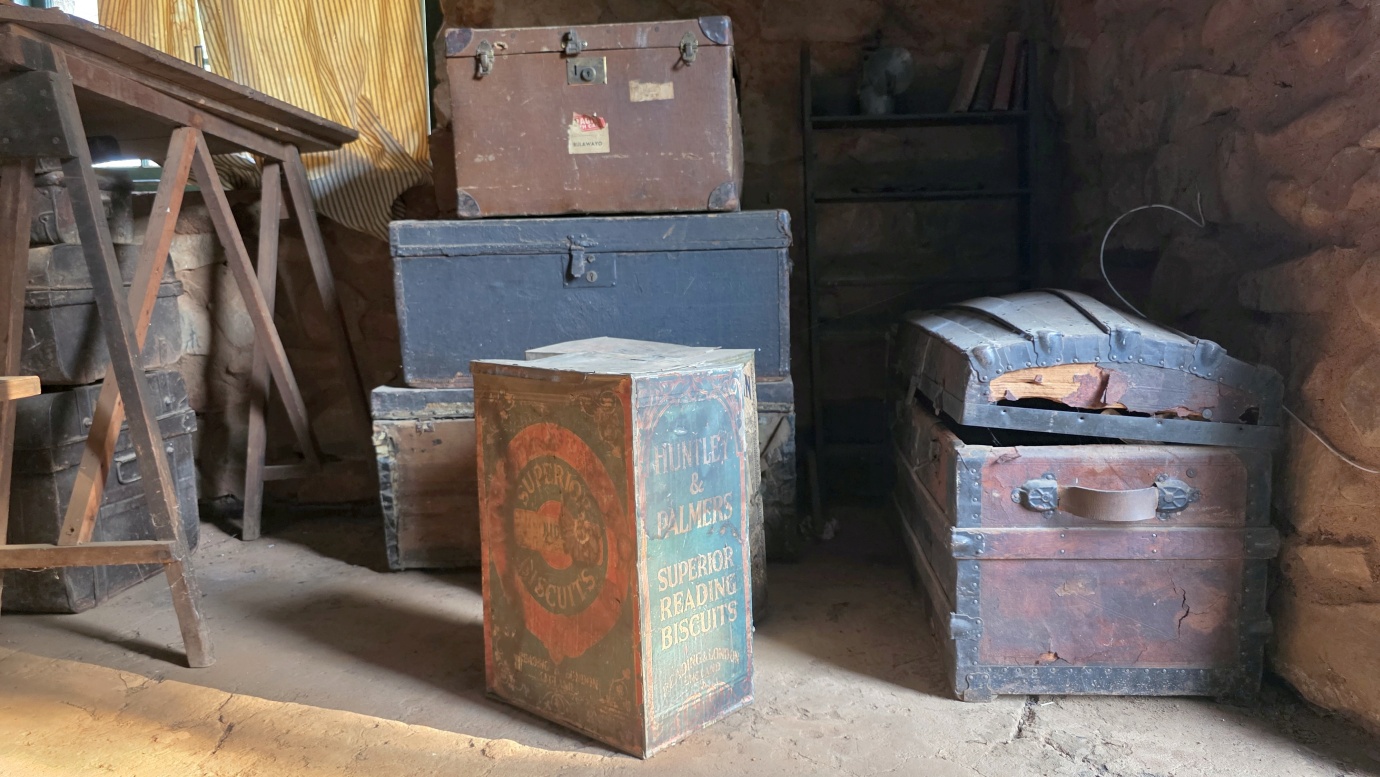
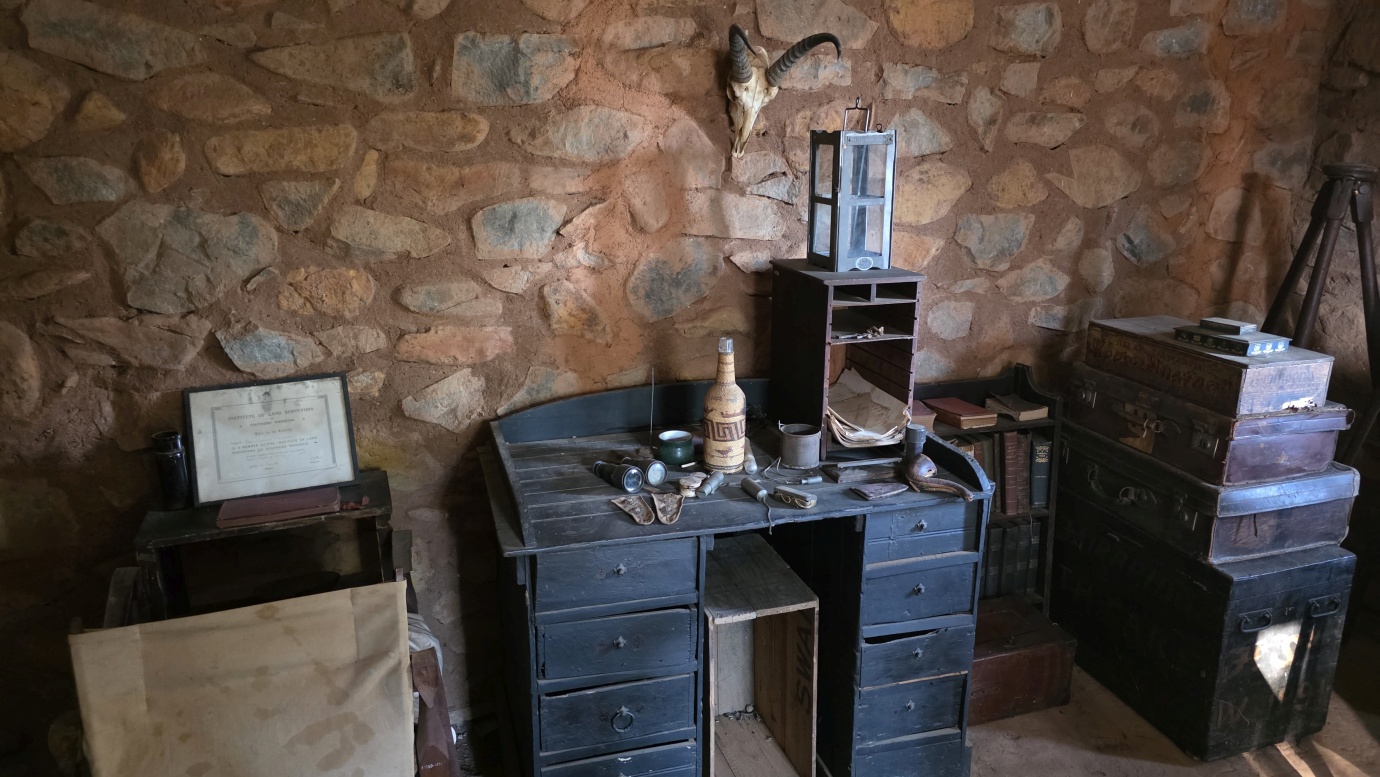
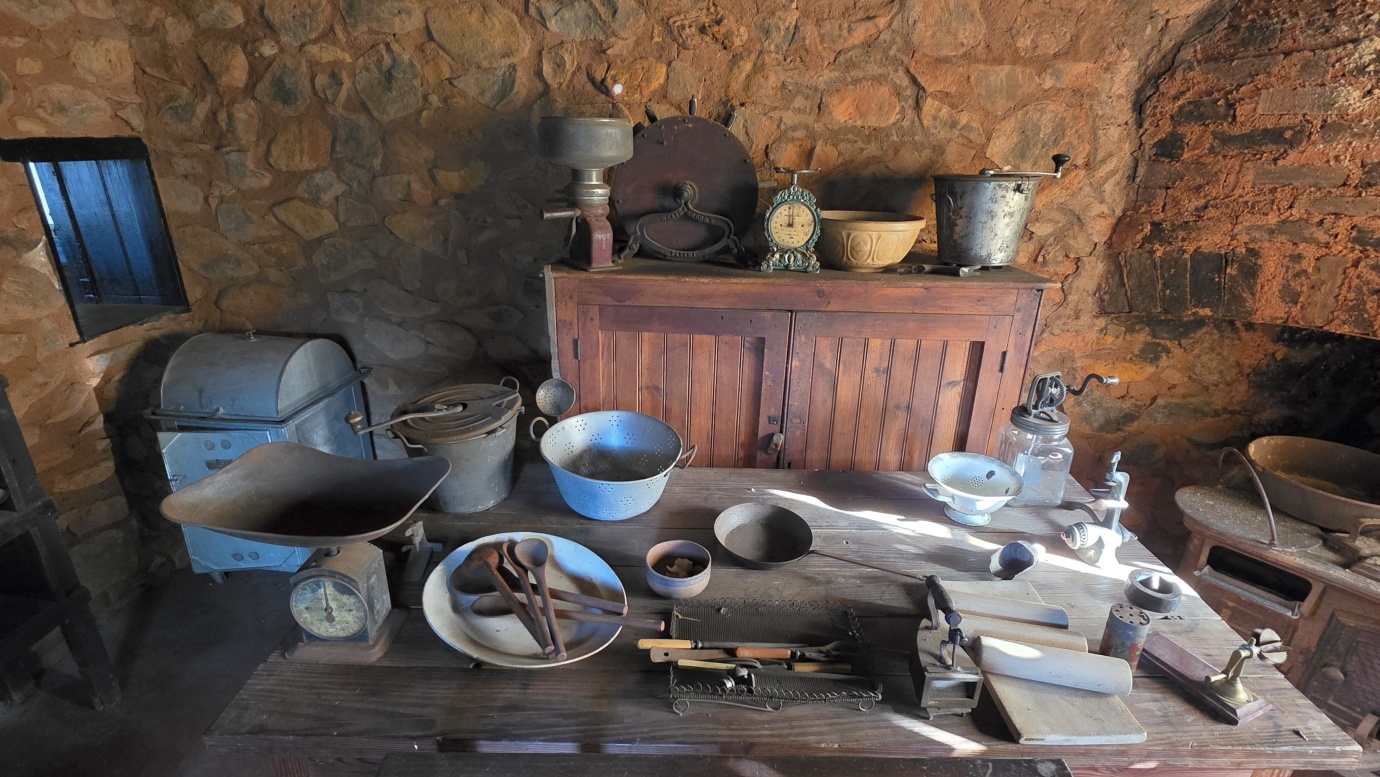
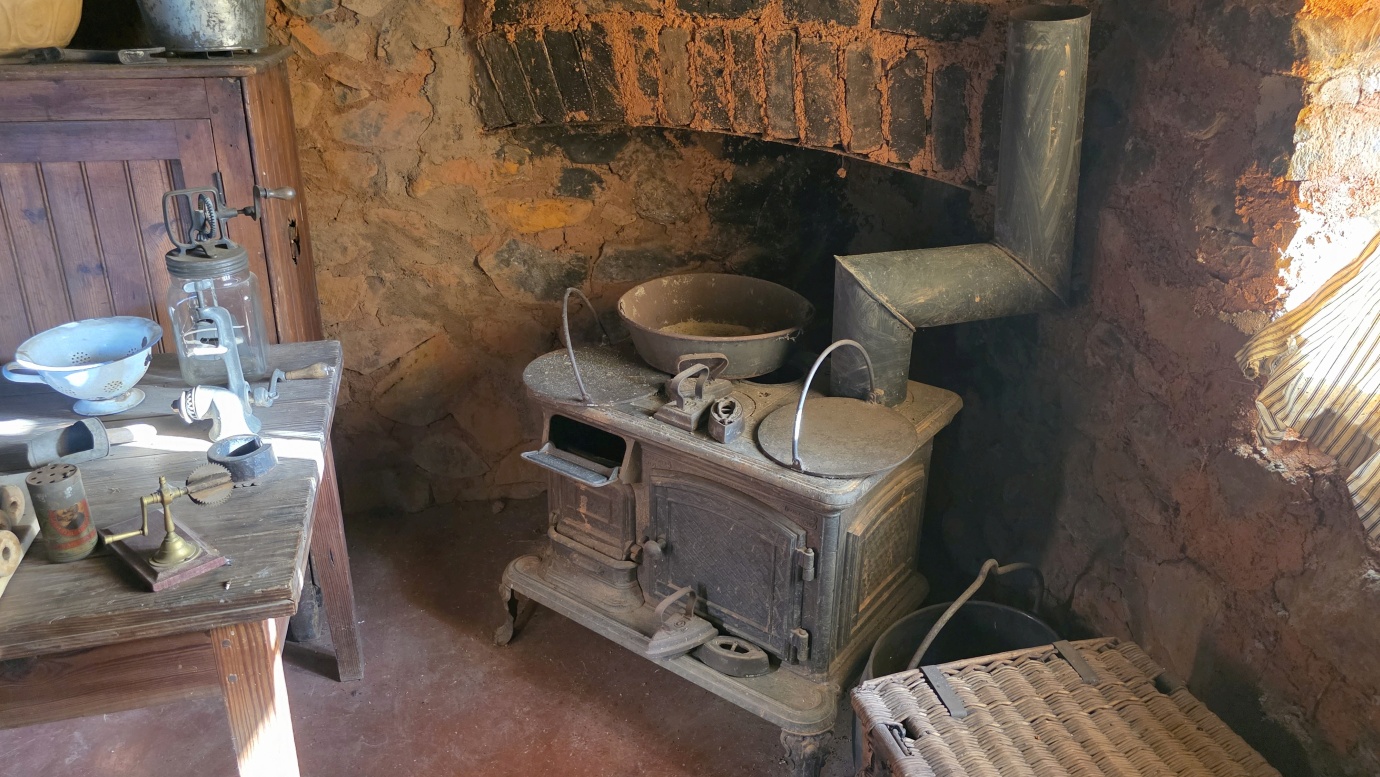
The admission ticket also includes entry to Utopia House, although we had to arrange our transport (an InDrive ride cost 5 USD, including waiting time). As the property is normally kept locked, a gatekeeper and a security guard accompanied us in a car. Built in 1897 by the town’s surveyor, Rhys Fairbridge, the stone house is recognised as the first modern residence in Mutare and has been declared a National Monument. Fairbridge named the home “Utopia” after his favourite book. During construction, financial difficulties meant that only the stone walls could be completed initially, so the gaps were temporarily filled with wooden poles and reed mats, allowing the family to live there through the rainy season. Today, the carefully restored interior recreates life between 1910 and 1920, displaying original furniture, personal belongings, and household items from the Fairbridge family, offering a fascinating glimpse into colonial life in early Mutare.
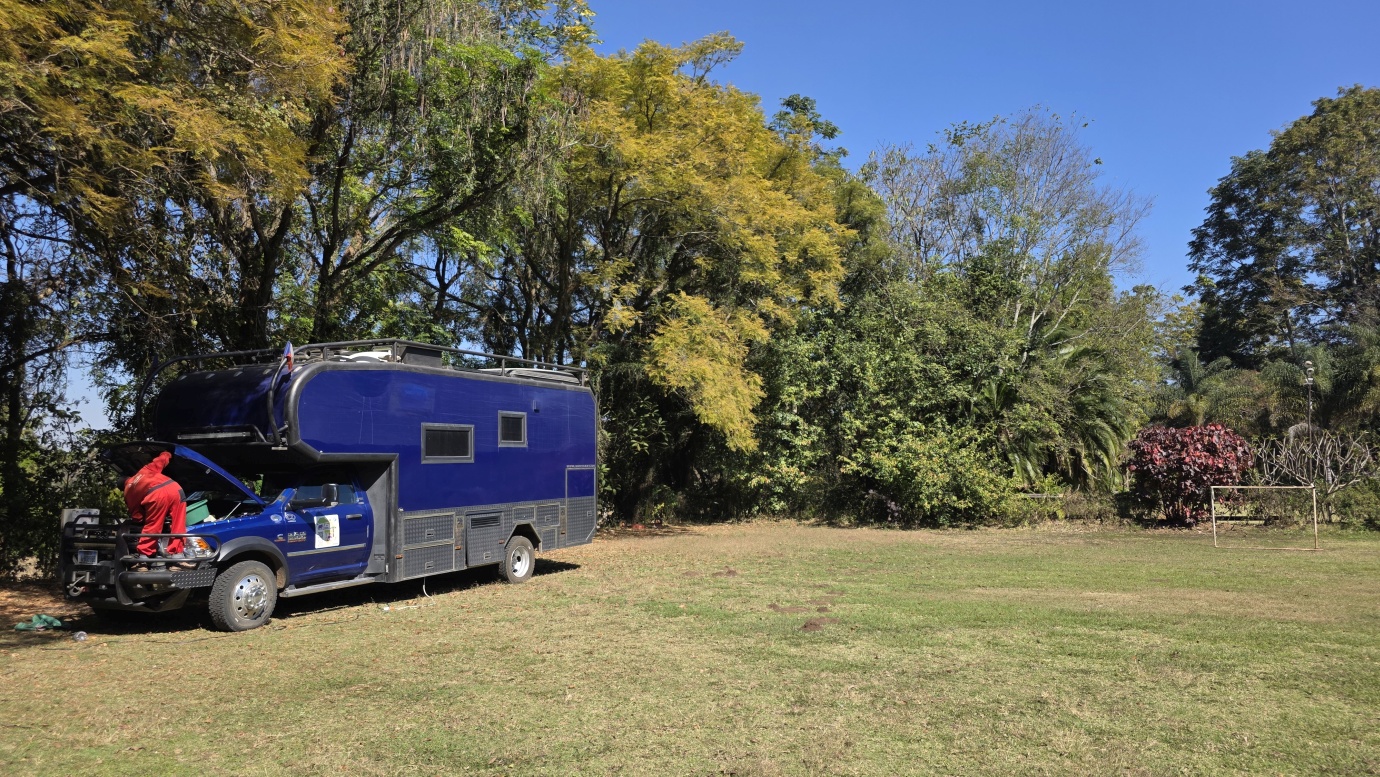
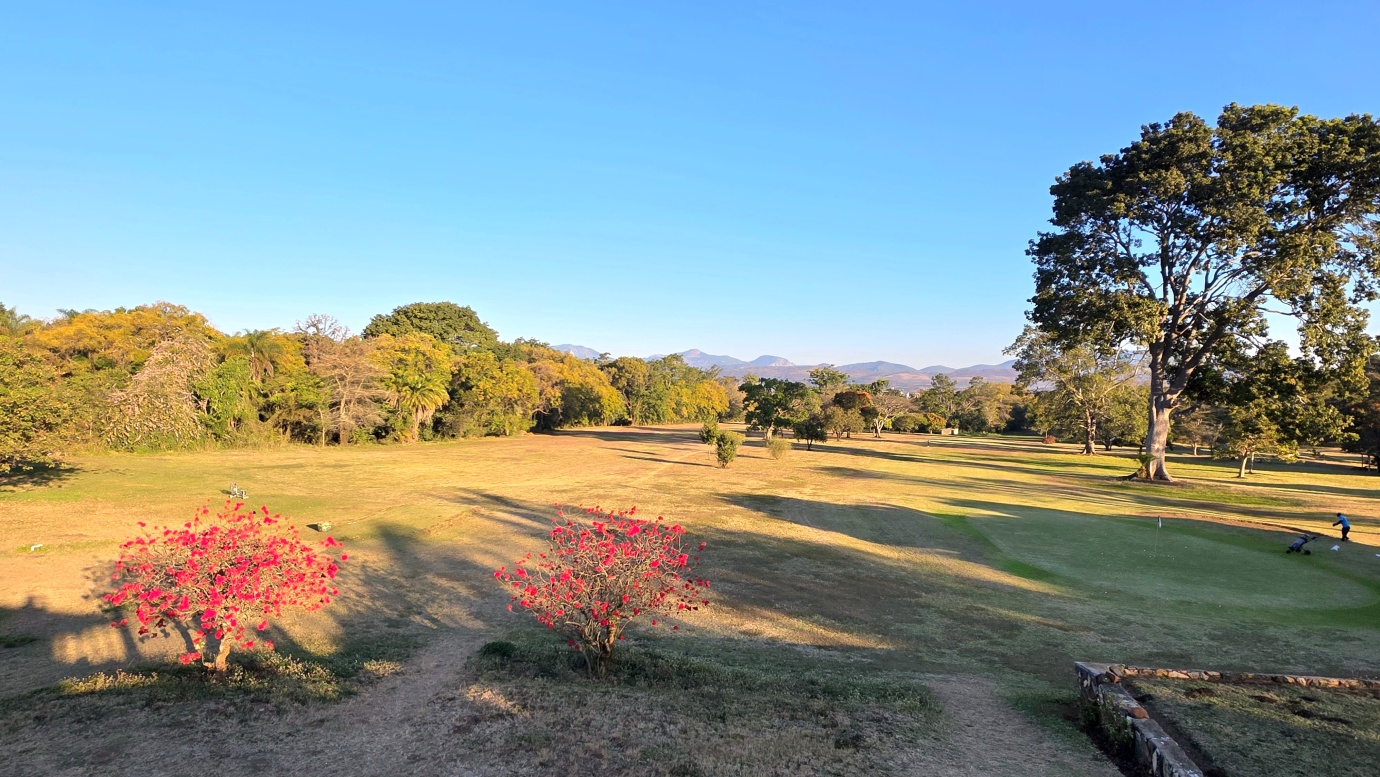
Parking location – Mutare: 18.9568741S 32.6698151E (🚻,🚿,💦,🔌,🍽️,🅿️5 USD + 5 USD/pax)