We were exhausted after the long drive on the horrific road from Gorongosa to Caia. To make matters worse, we couldn’t refuel there, as all the filling stations had been dry for quite some time. We spoke with several truck drivers about the fuel situation further north, but the answers were mixed. Rather than risk getting stranded somewhere around Nampula, we decided to leave the truck securely parked in Caia and continue by CityLink bus to Nampula (2,000 MZN / 686 km / 11.5 hours). Our driver seemed to have stepped straight out of The Fast and the Furious—for us in the truck, the same journey would have taken much longer.
The first section of the journey towards Nicoadala was just as terrible as the road we had already endured. After that, conditions gradually improved, although there were still occasional deep, unpredictable potholes and several badly deteriorated stretches of tarmac. Around 50 kilometres before Nampula, the road became rough once again.
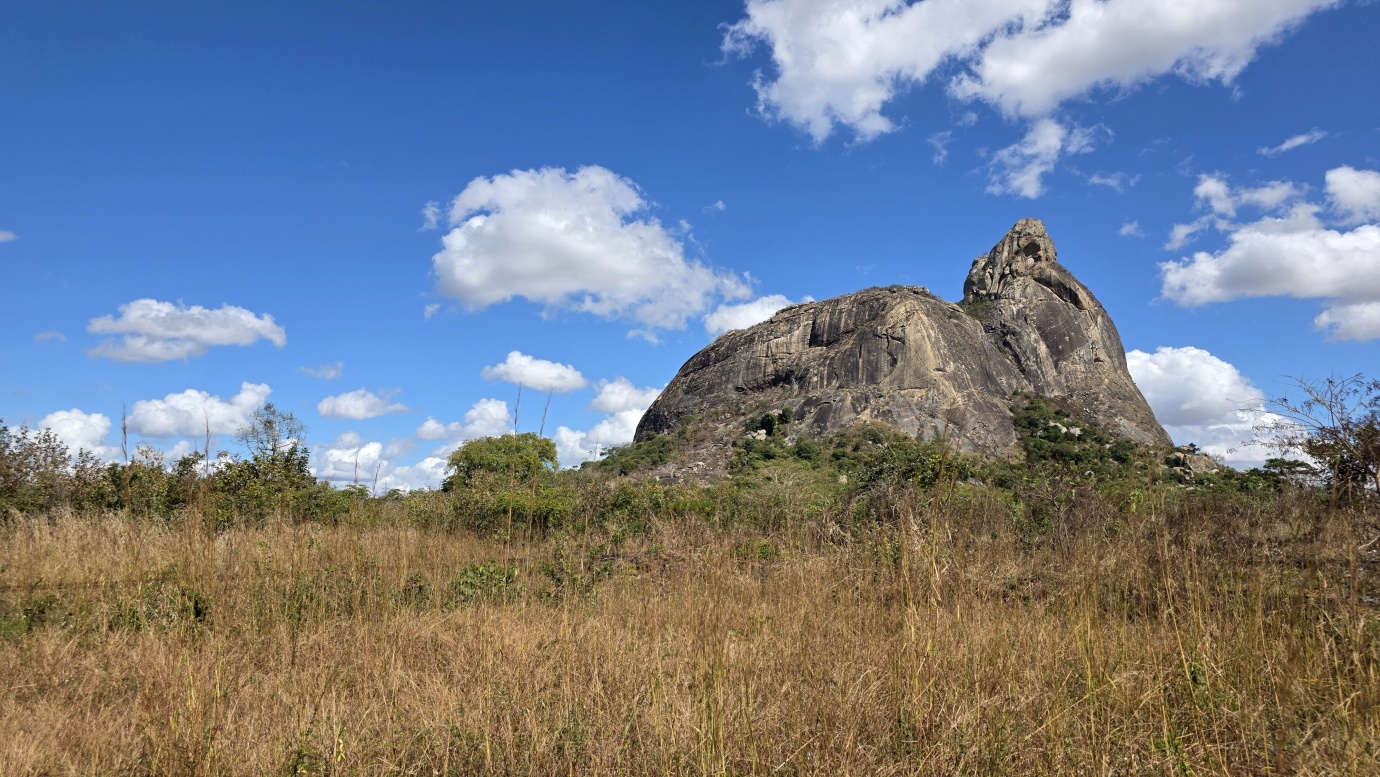
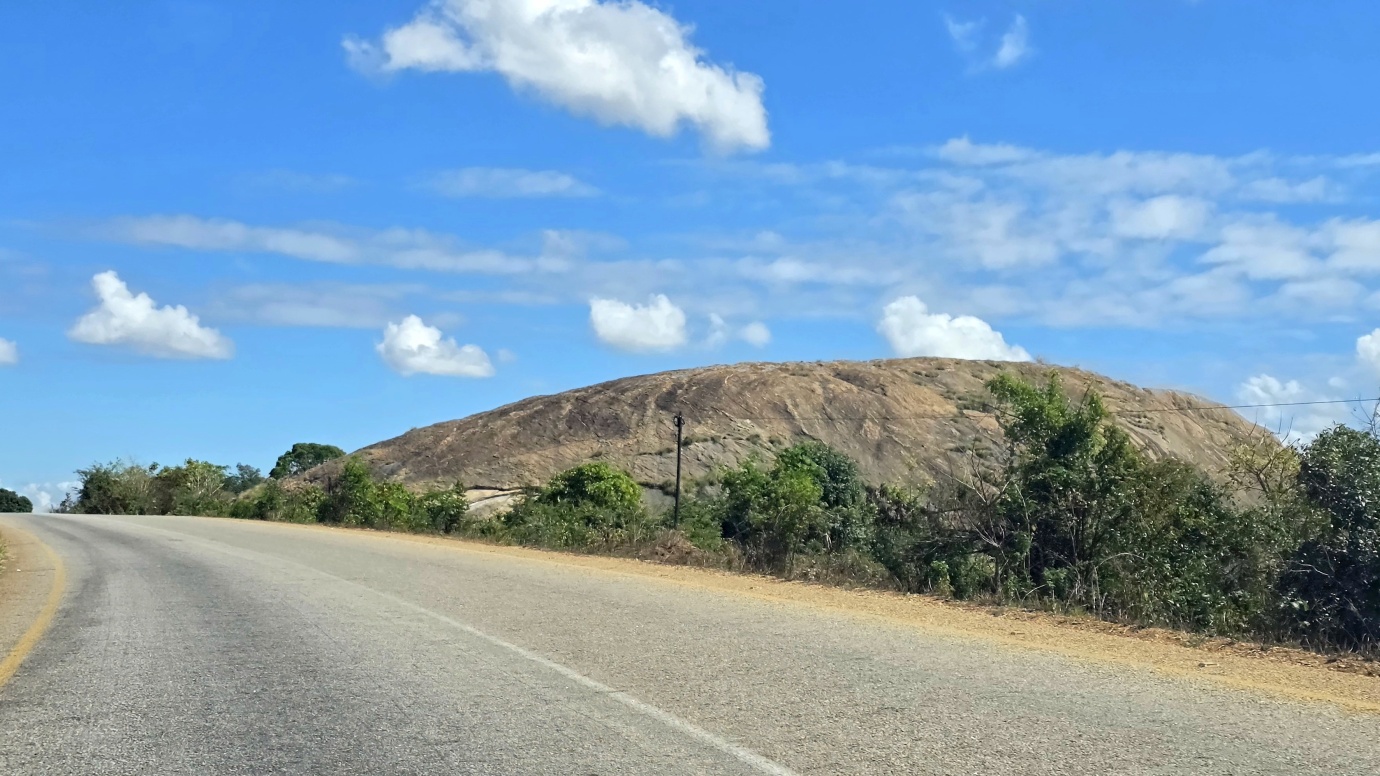
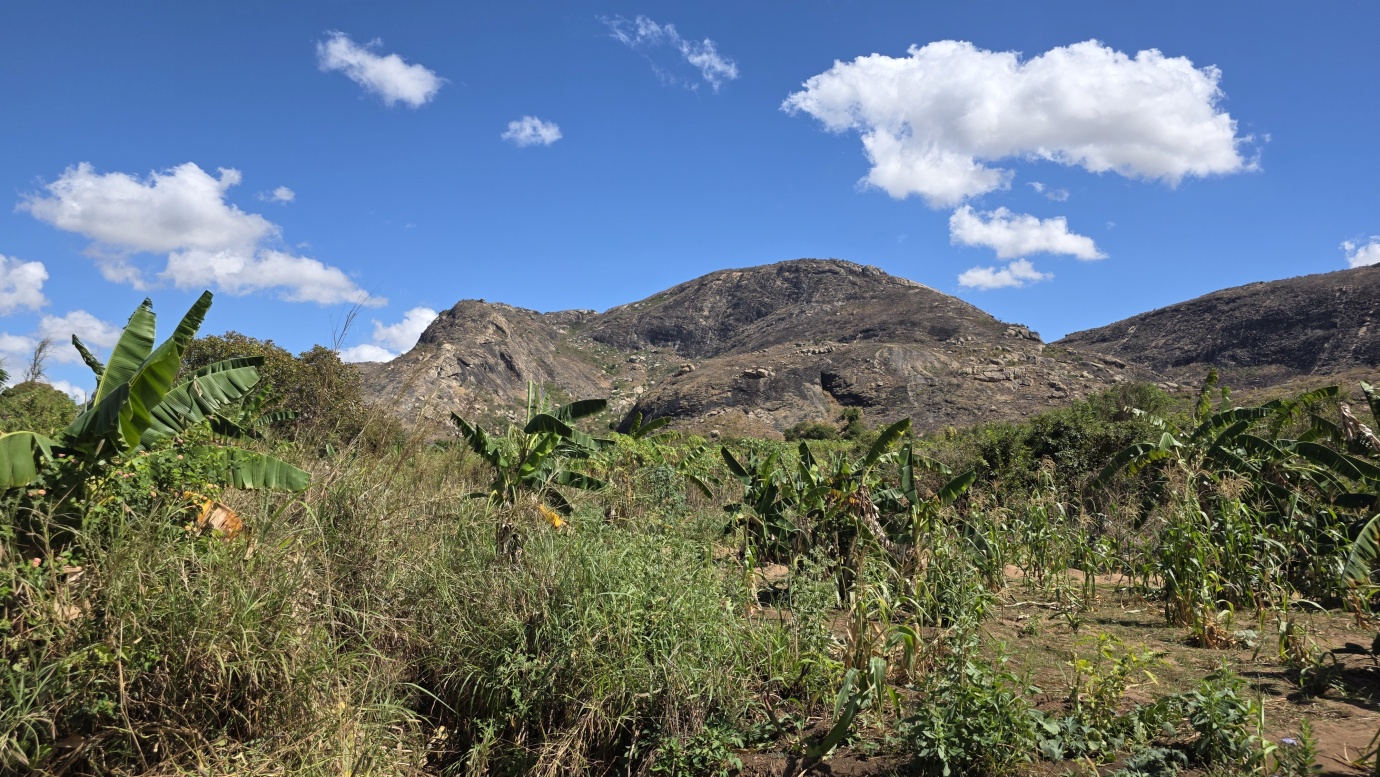
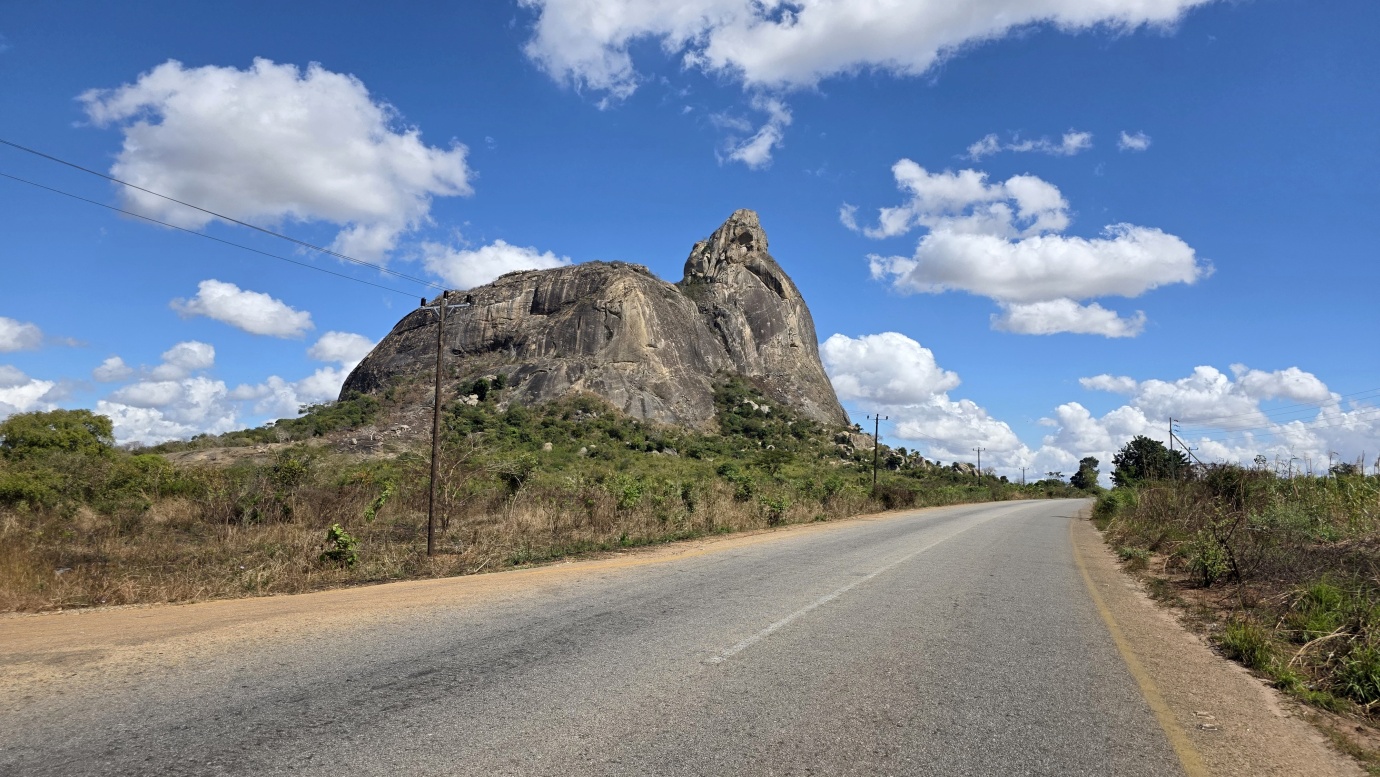
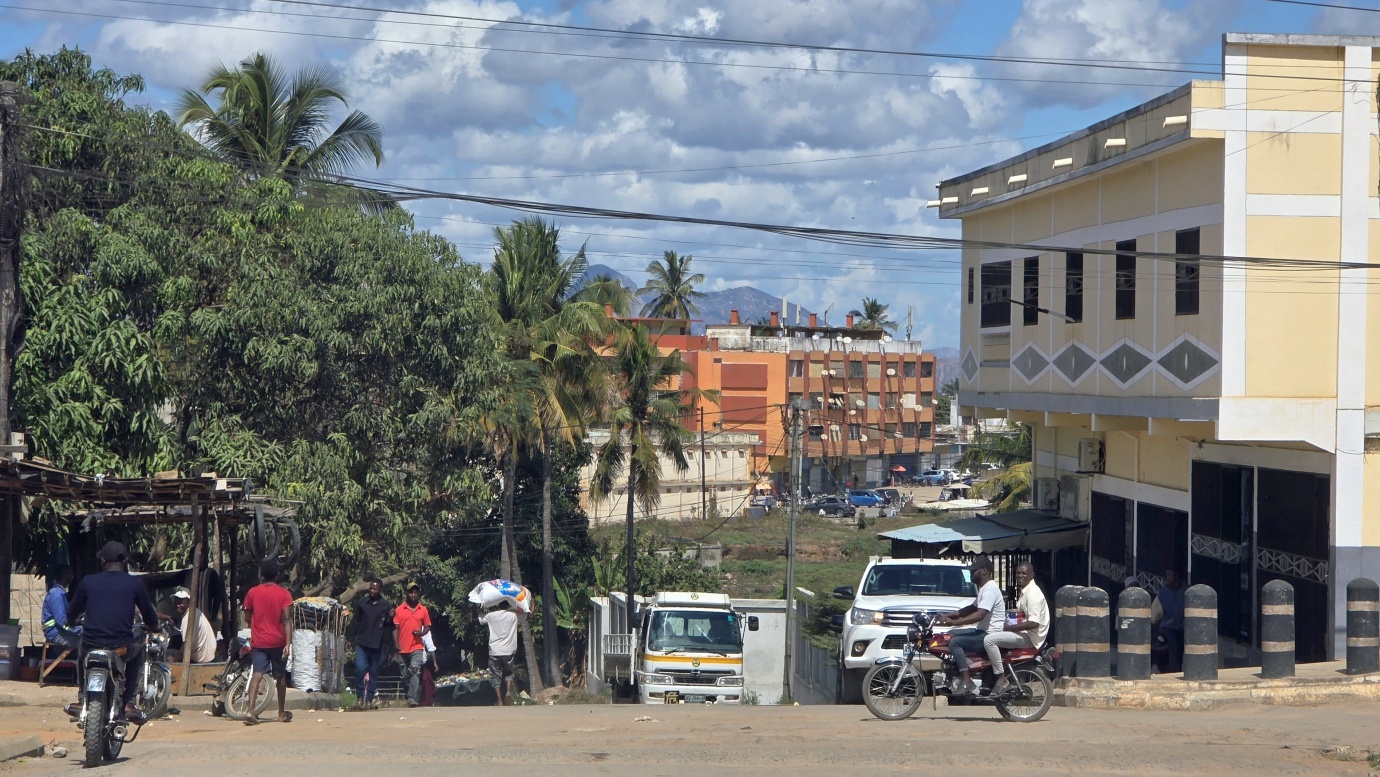
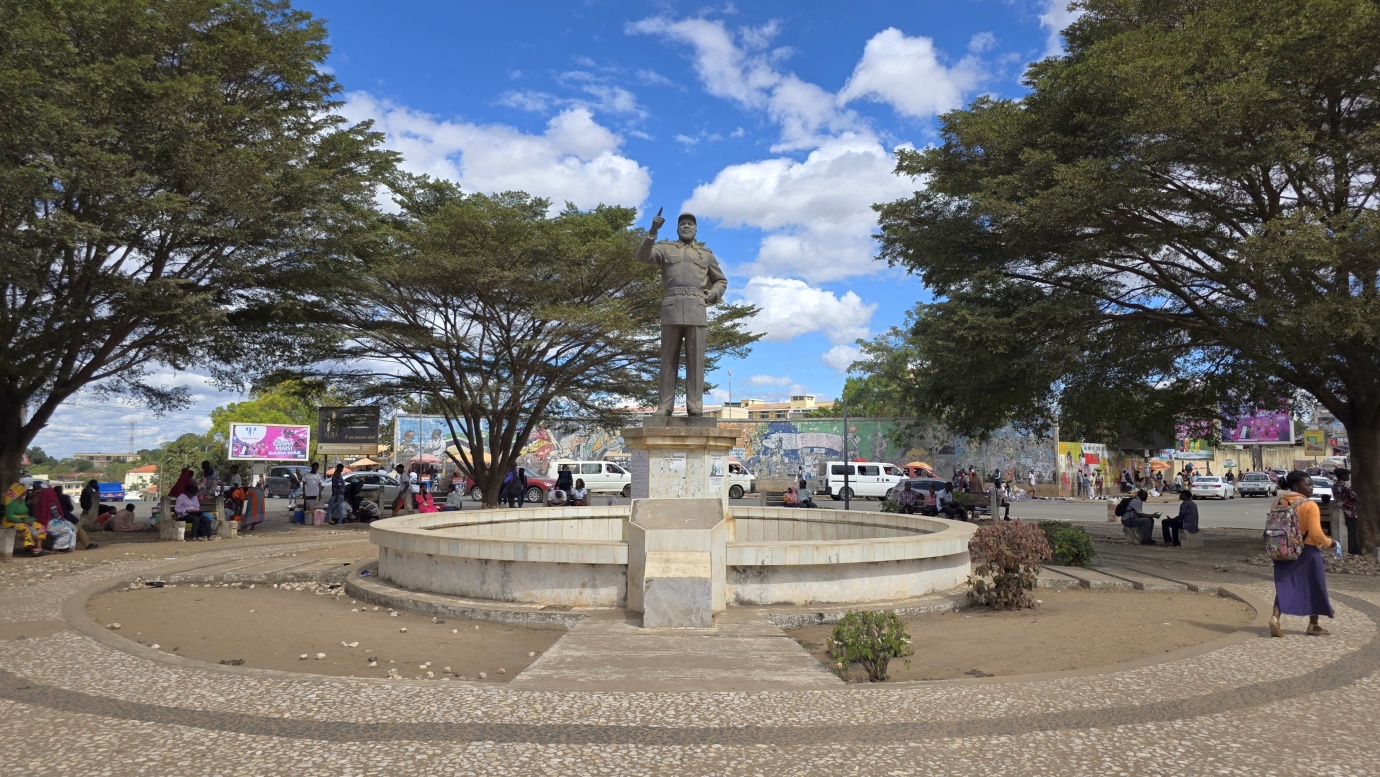
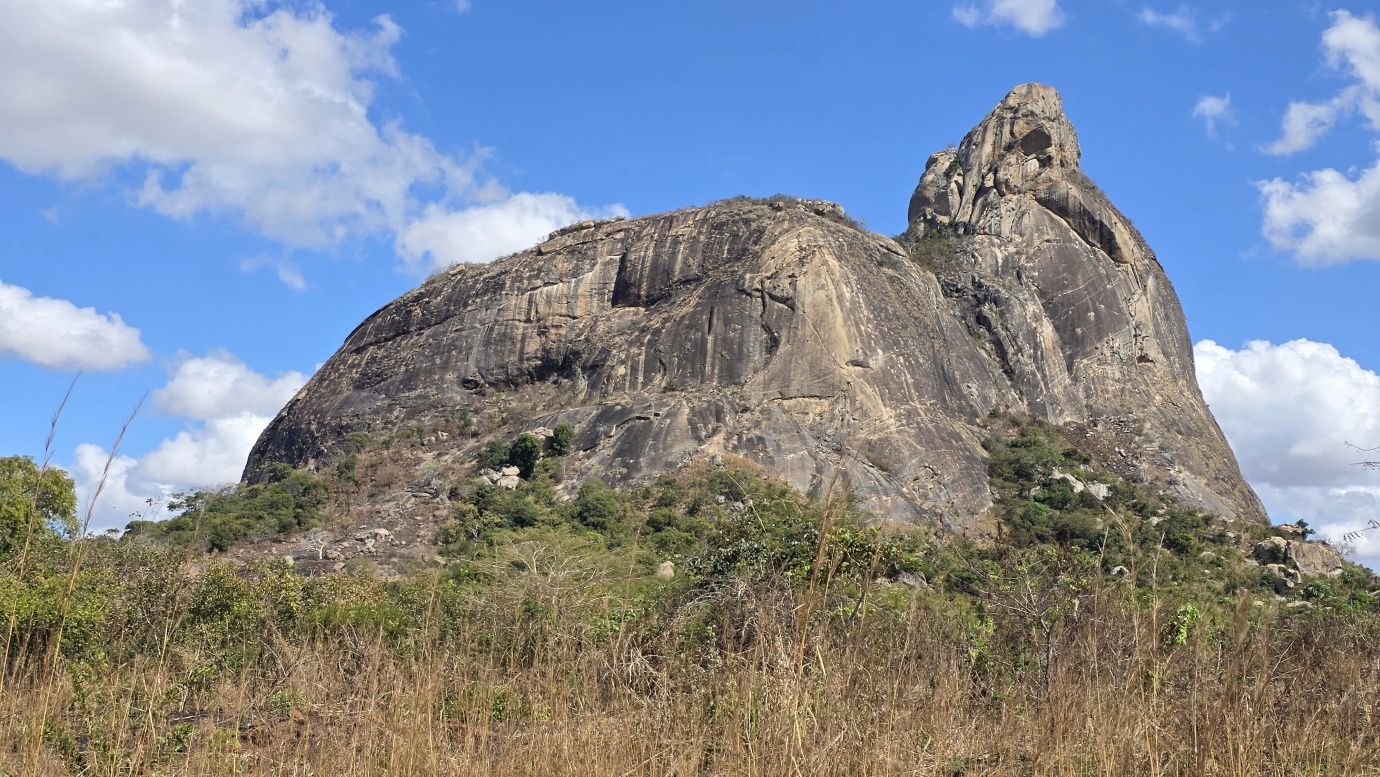
Nampula is the commercial heart of northern Mozambique. Located around 200 kilometres inland, the city is surrounded by dramatic granite inselbergs. It serves as a major economic and transport hub within the Nacala Development Corridor, linking the deep-water port of Nacala with landlocked Malawi.
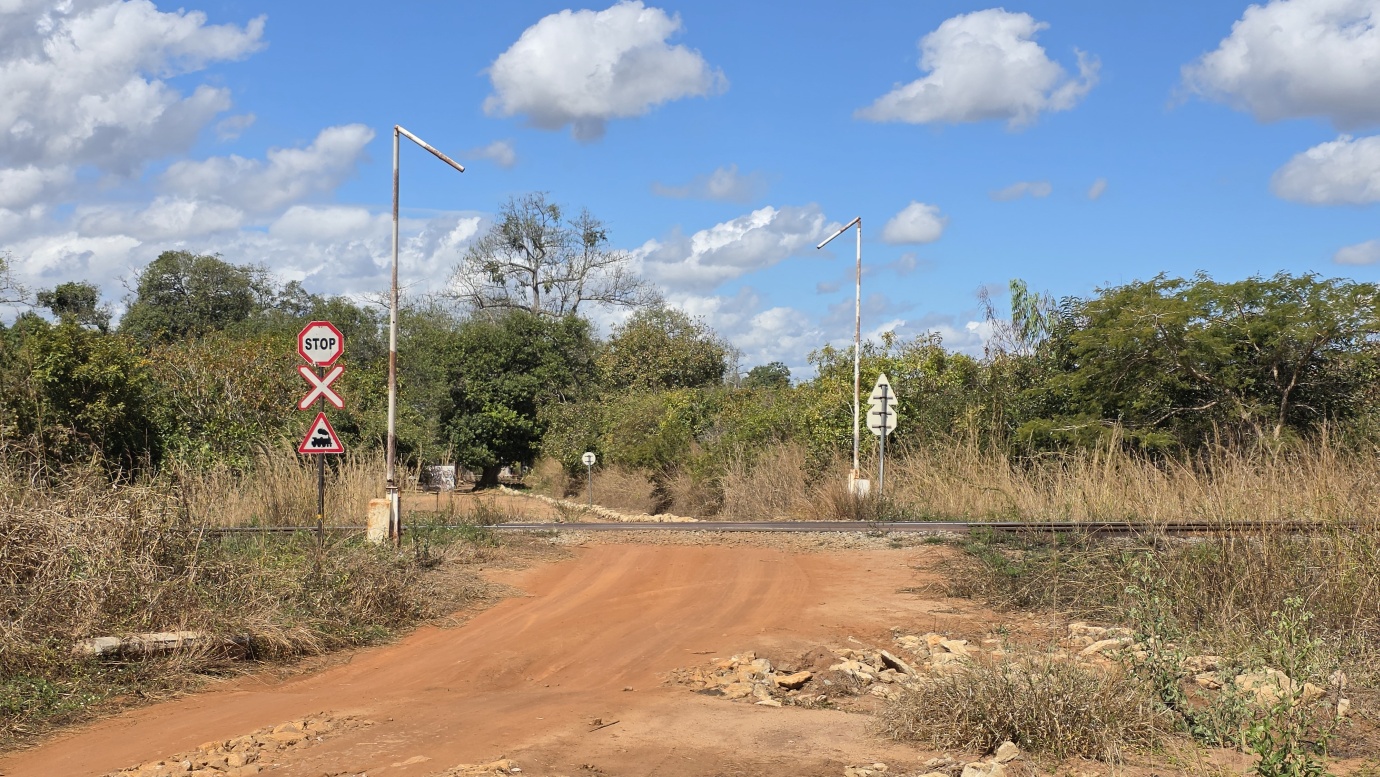
The region has been inhabited for centuries, primarily by the indigenous eMakhuwa (Makua) people. Nampula was founded by the Portuguese in 1907 and became the administrative centre of northern Mozambique during the 1930s. During the Mozambican War of Independence, it served as the headquarters of the Portuguese military in the north. The completion of the strategic railway to the port of Nacala in 1952 fuelled rapid economic growth, and the town was officially granted city status in 1956. Today, Nampula is the third-largest city in Mozambique.
For a bit of historical context, the Mozambican War of Independence began on 25 September 1964, when the Mozambique Liberation Front (FRELIMO) launched its armed struggle against Portuguese colonial rule. The conflict ended with a ceasefire on 8 September 1974 following Portugal’s Carnation Revolution, paving the way for Mozambique’s independence on 25 June 1975.
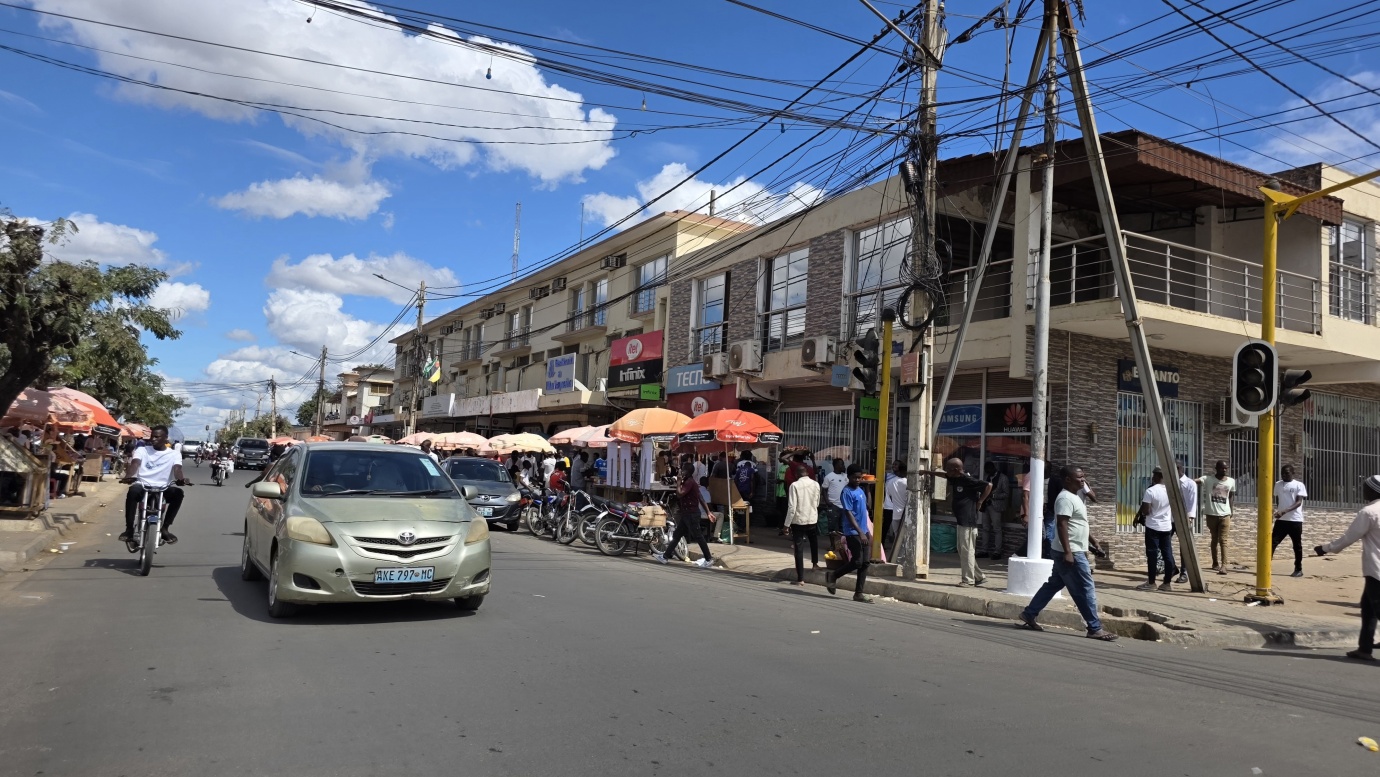
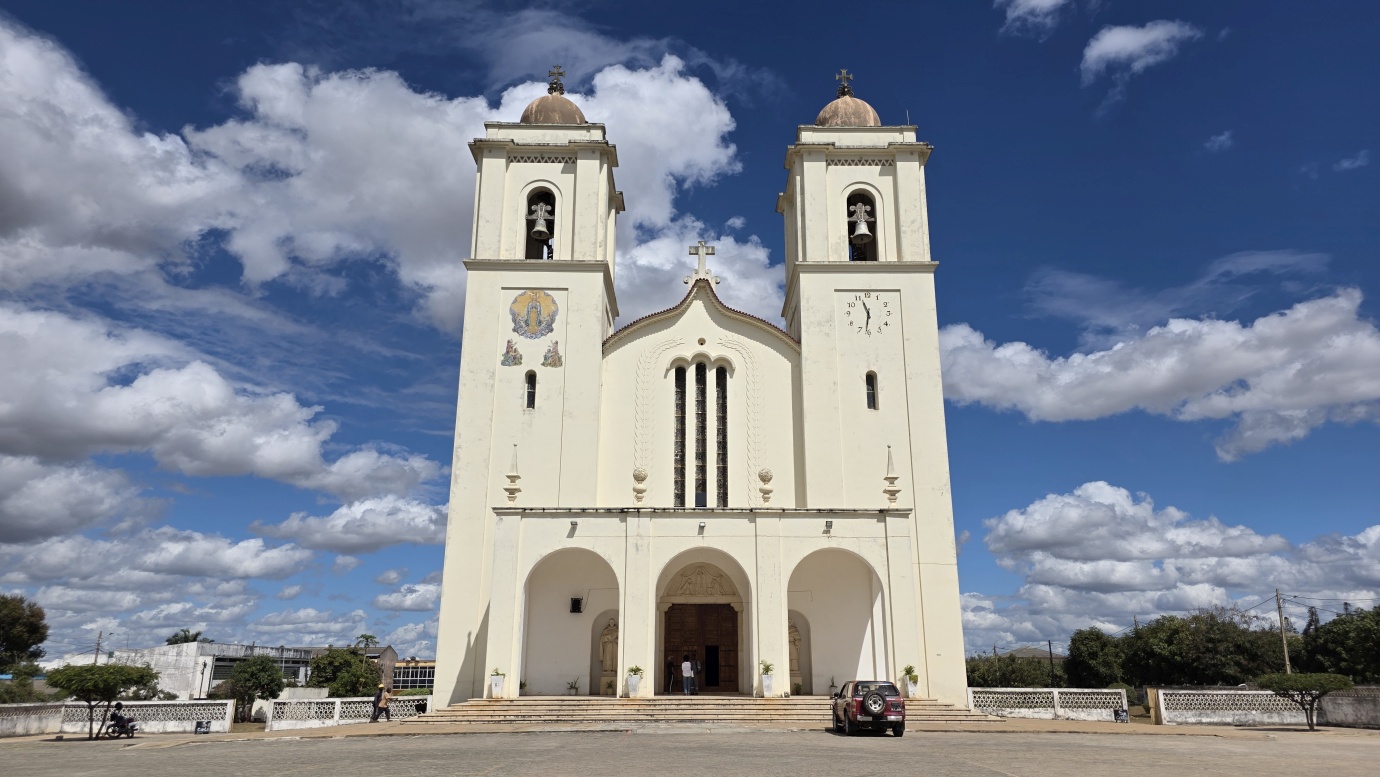
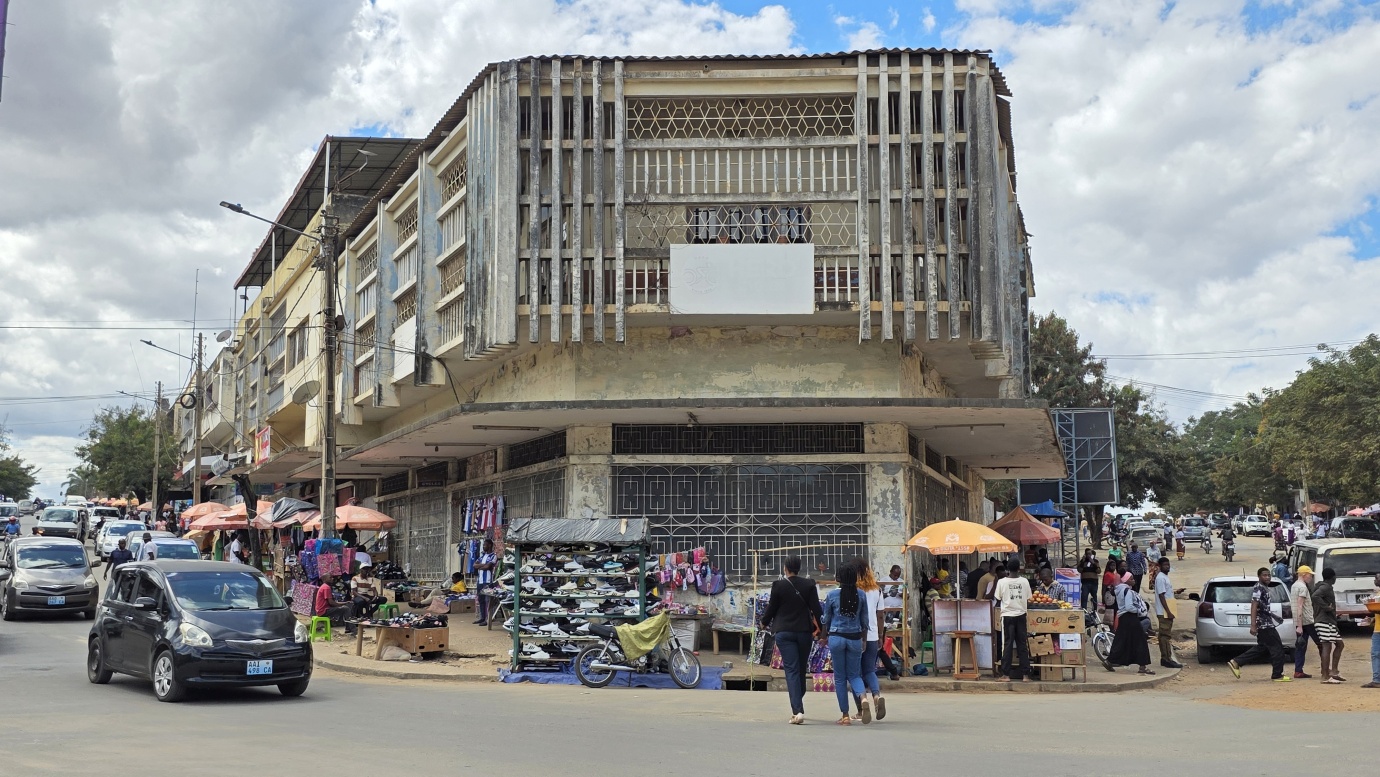
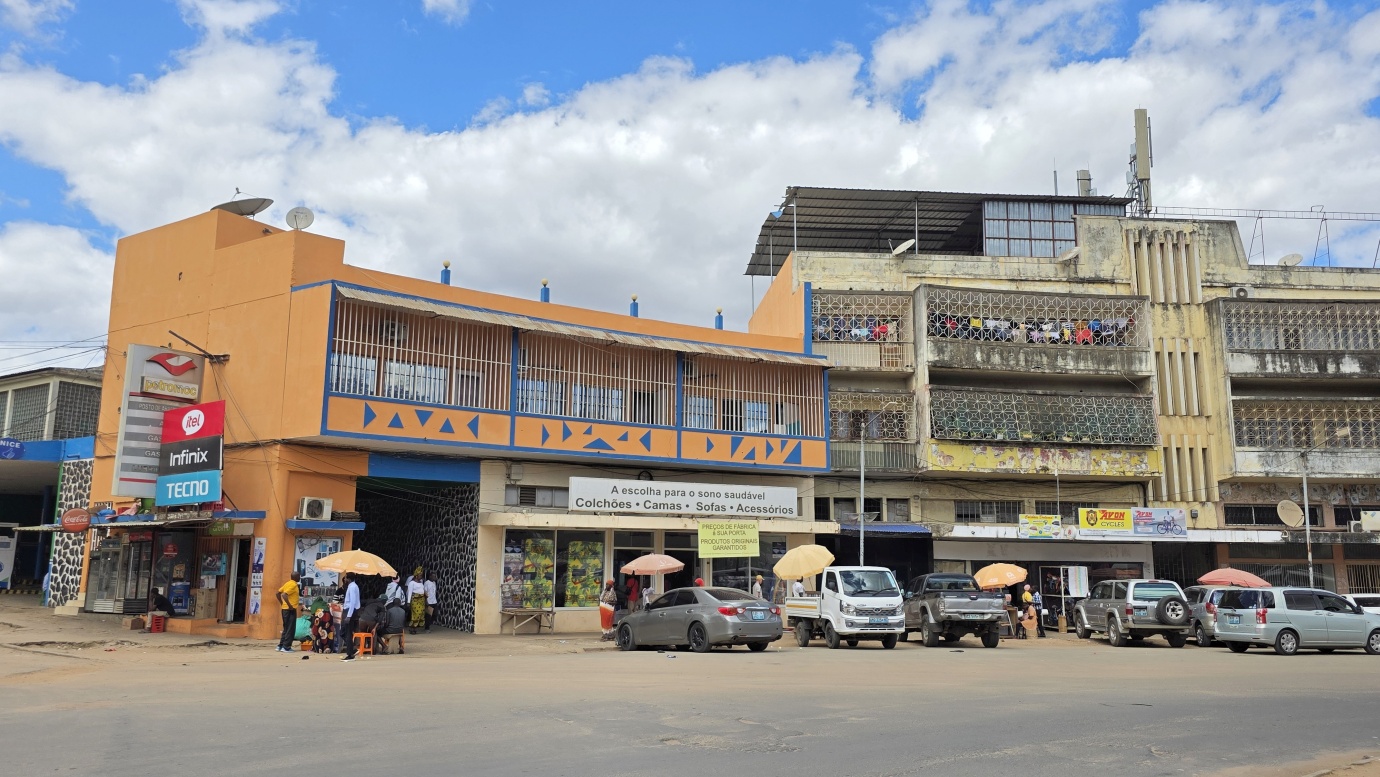
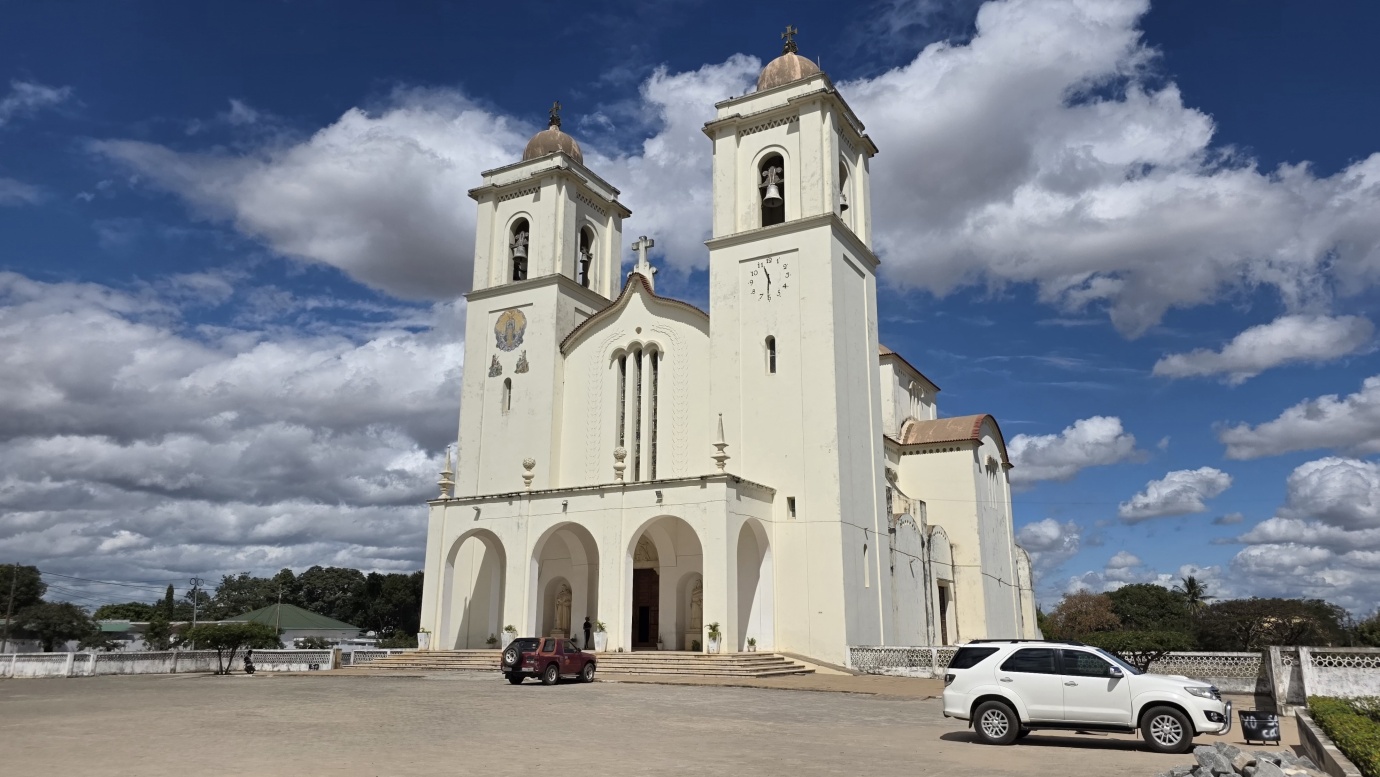
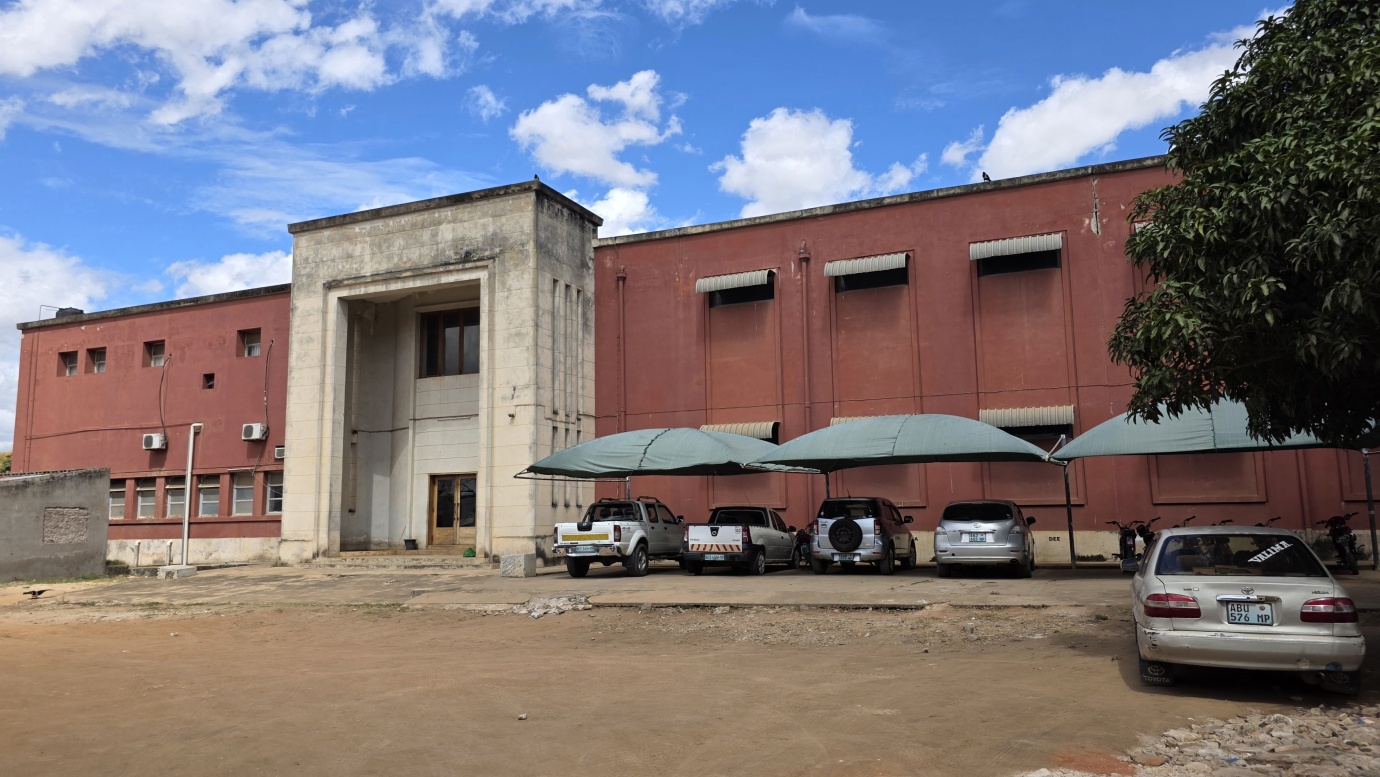
The city blends mid-20th-century Portuguese colonial architecture with modern development. Among its most notable landmarks are the Cathedral of Our Lady of Fátima (Catedral de Nossa Senhora de Fátima), built between 1941 and 1955, the National Ethnographic Museum (Museu Nacional de Etnografia), which houses traditional artefacts, clothing and weapons from Mozambique’s diverse cultures, the Government Palace, and the historic railway station.
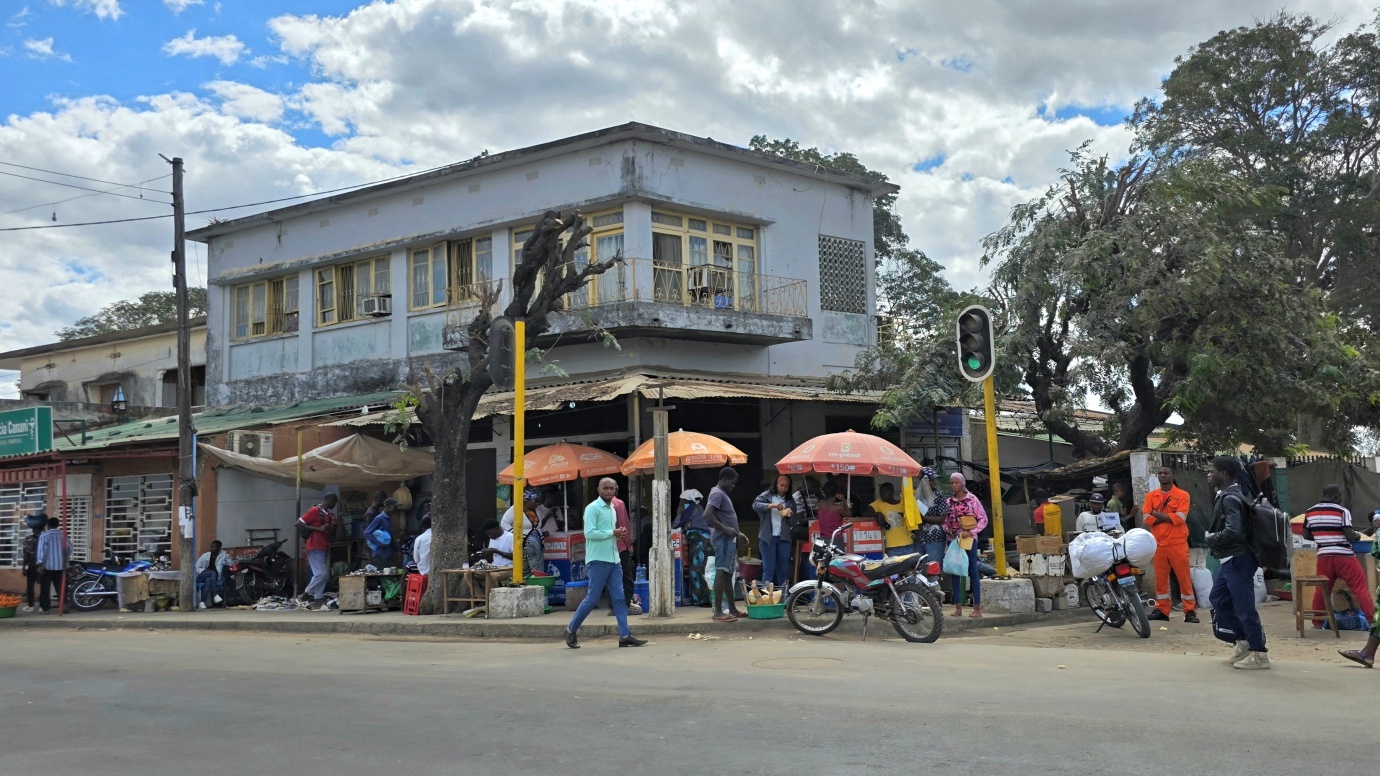
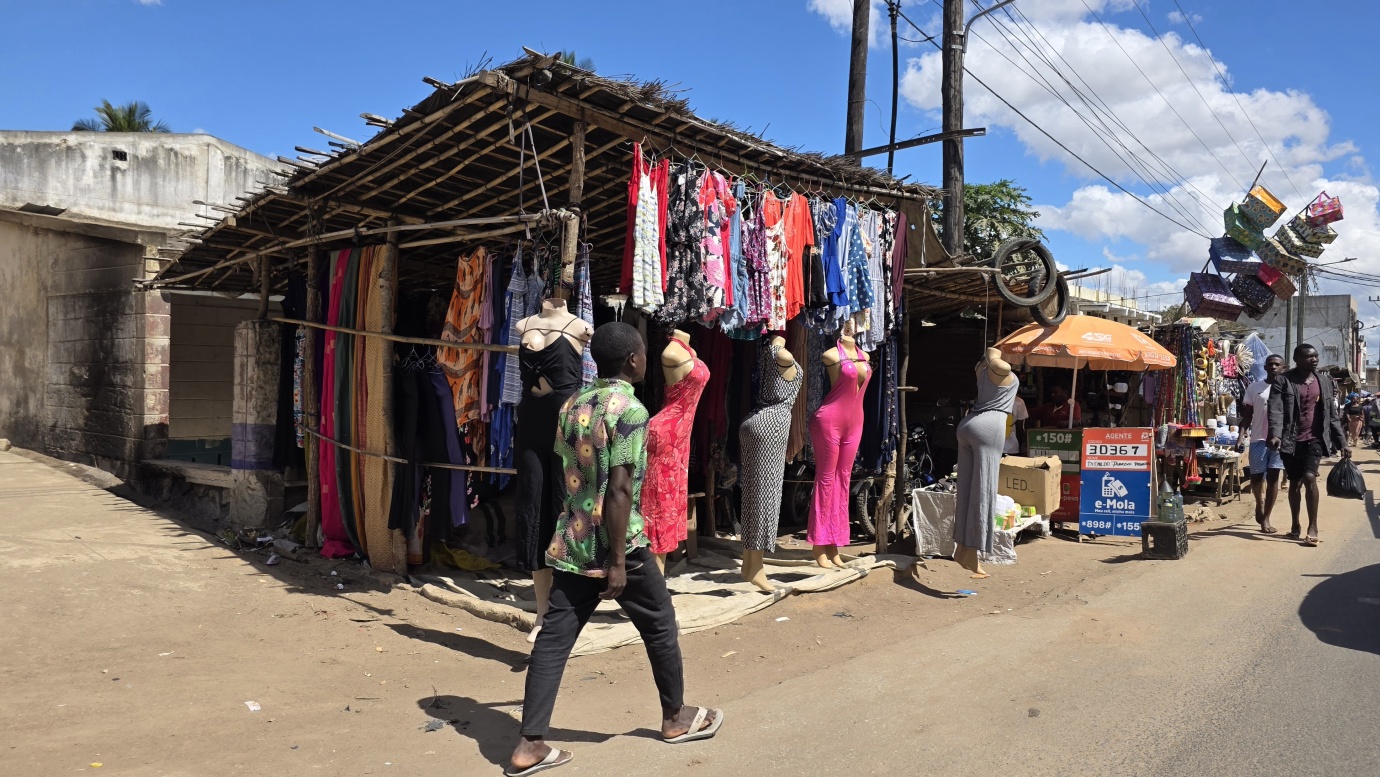
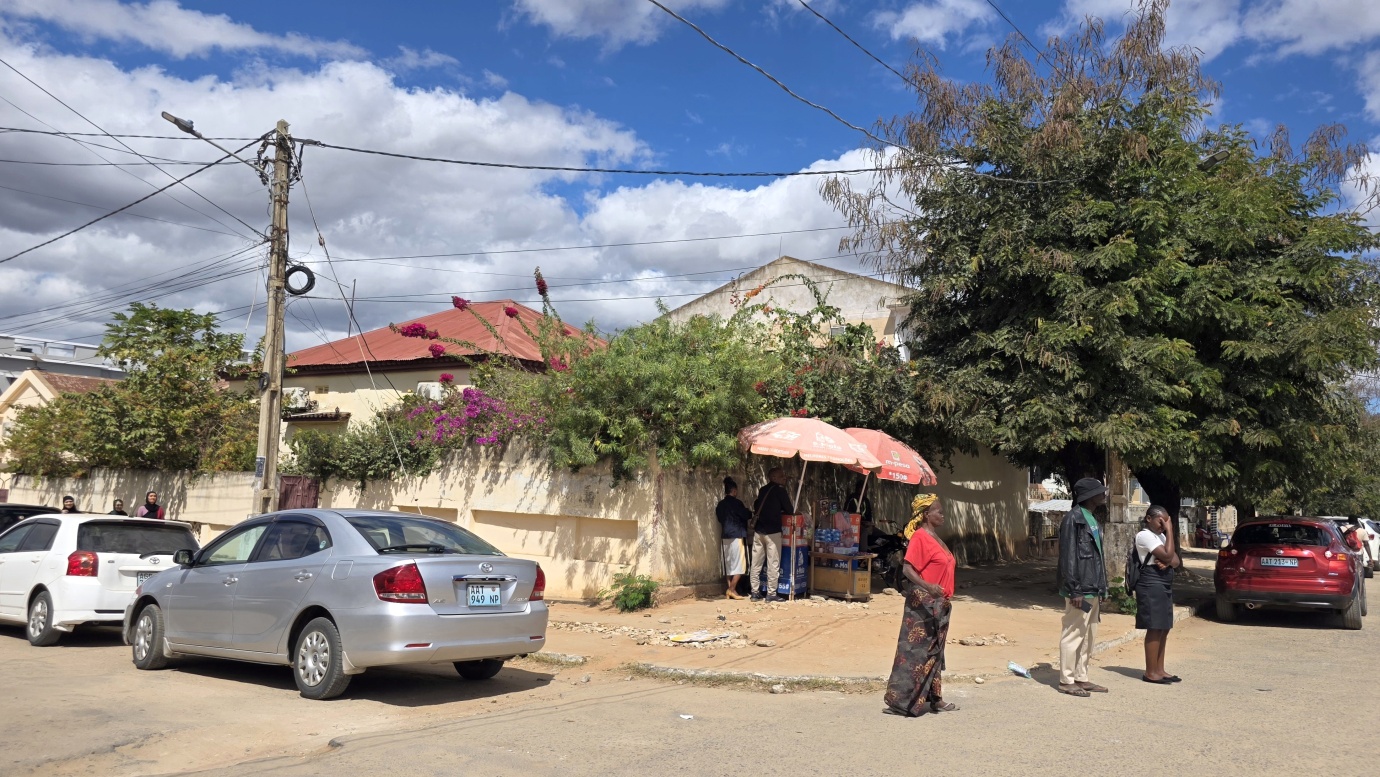
Getting around the city can seem a little chaotic, but mototaxis are everywhere and will take you almost anywhere for around 100 MZN. For dinner, we headed to the surprisingly modern Delicato Café, while we enjoyed Friday night drinks at the famous DD Pub, where a 250 ml bottle of the local 2M beer cost 100 MZN. It’s also the only place where you can sit with your laptop till late.