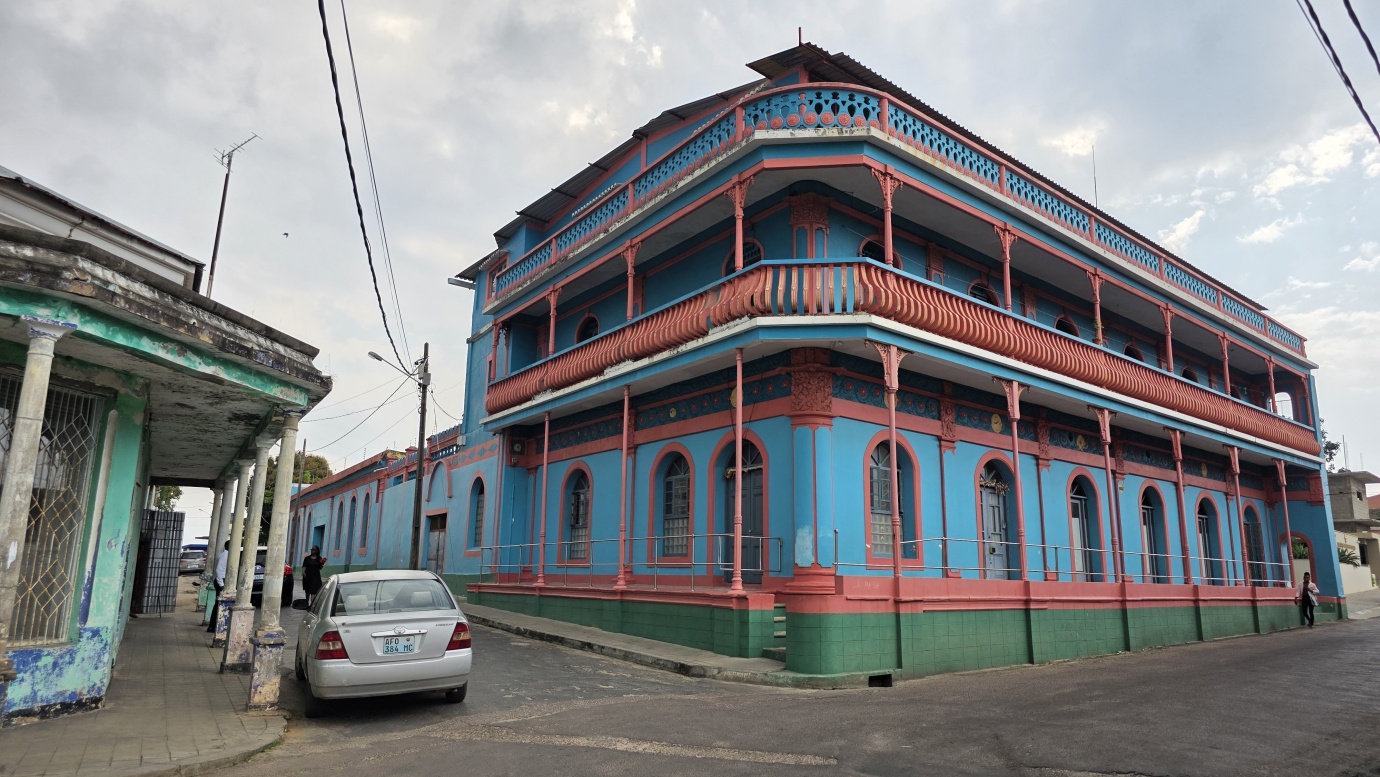
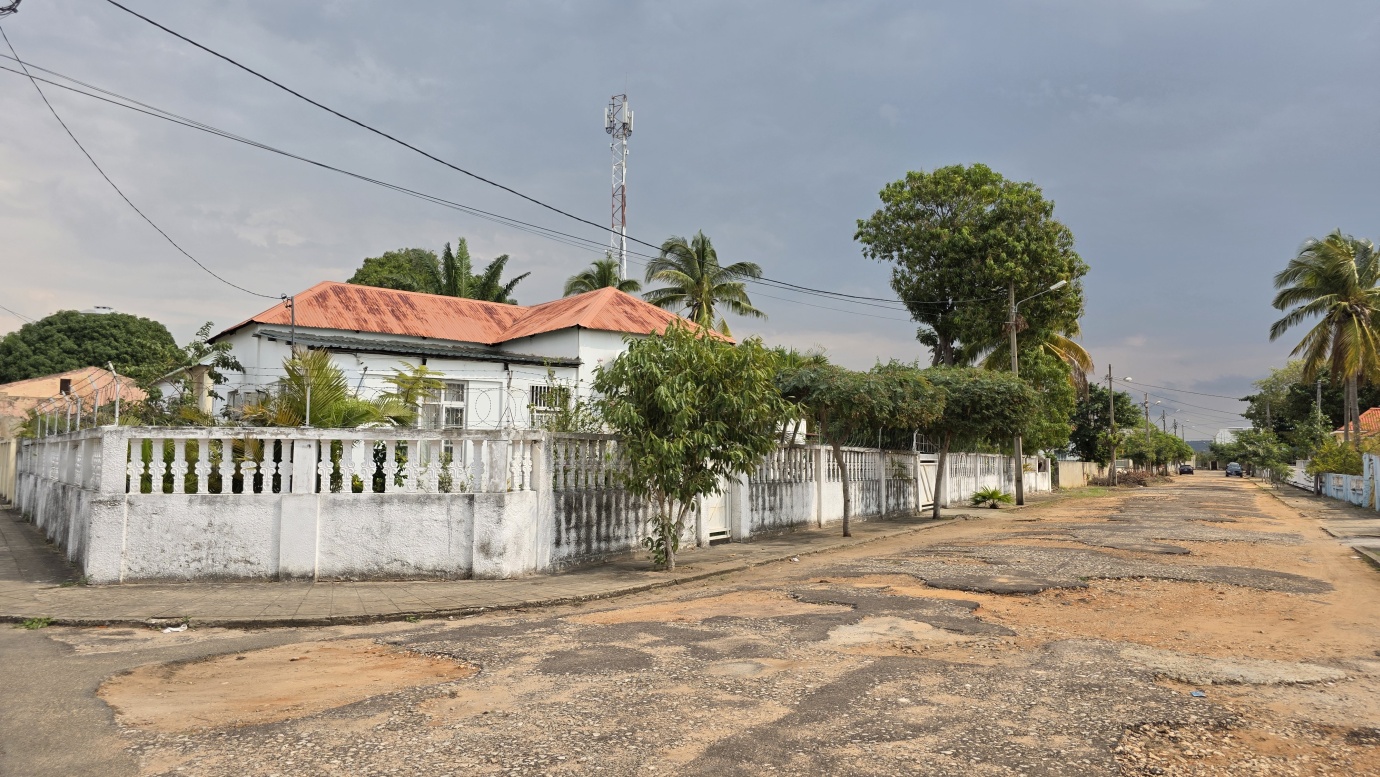
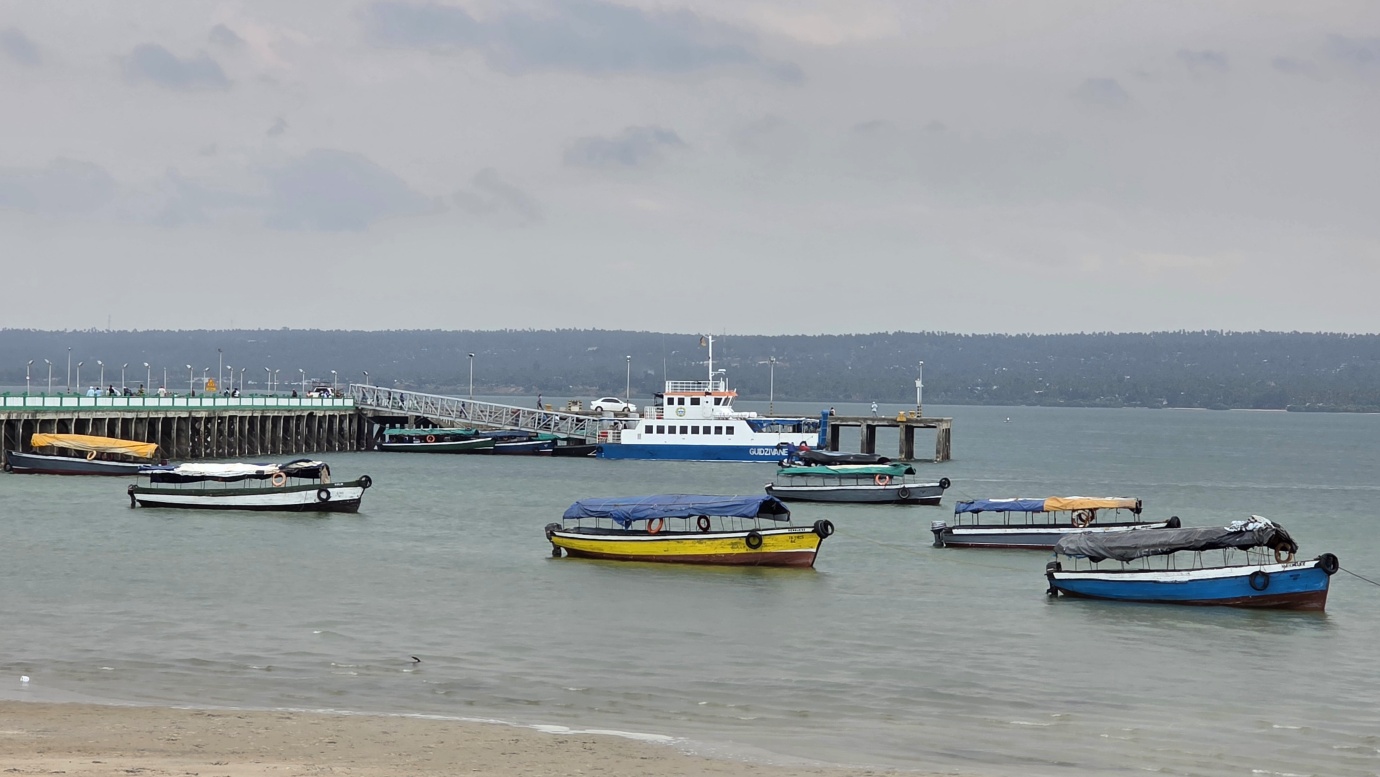
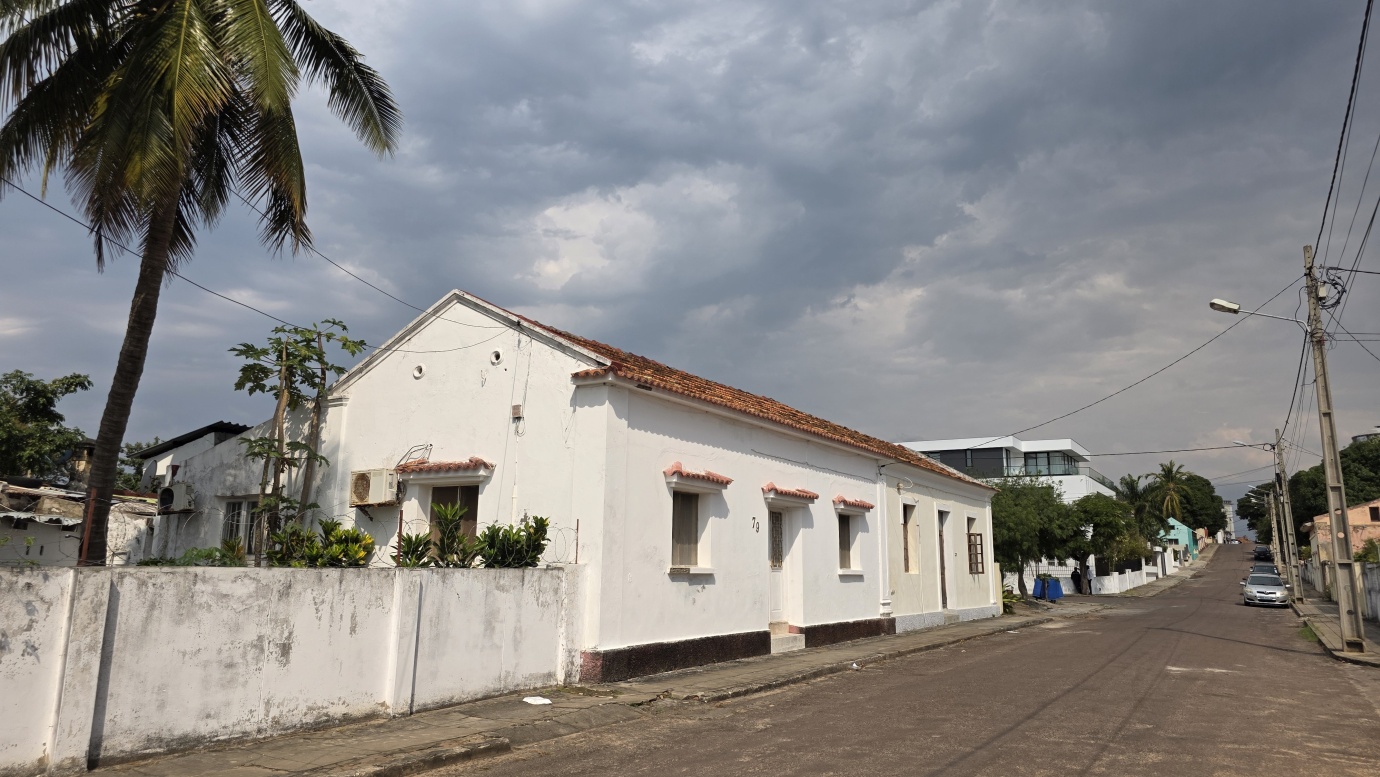
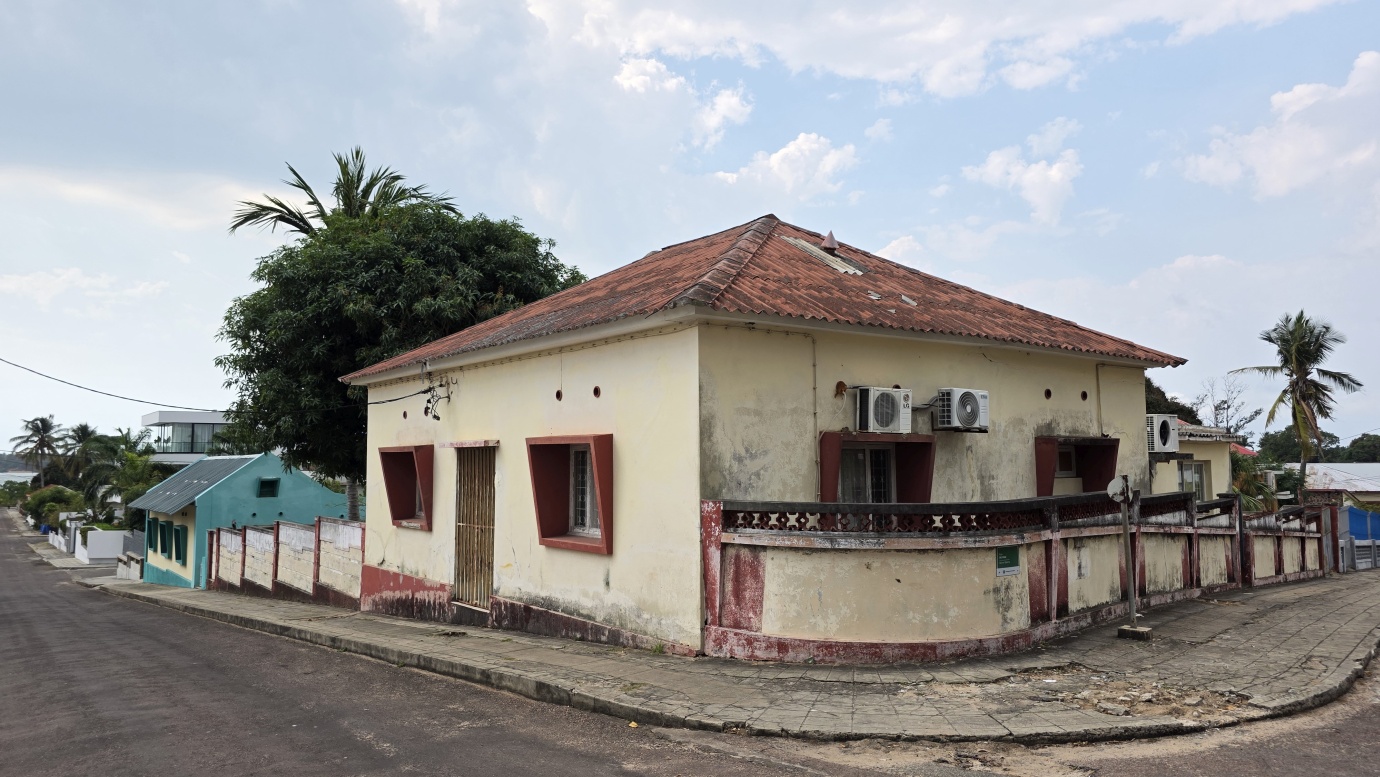
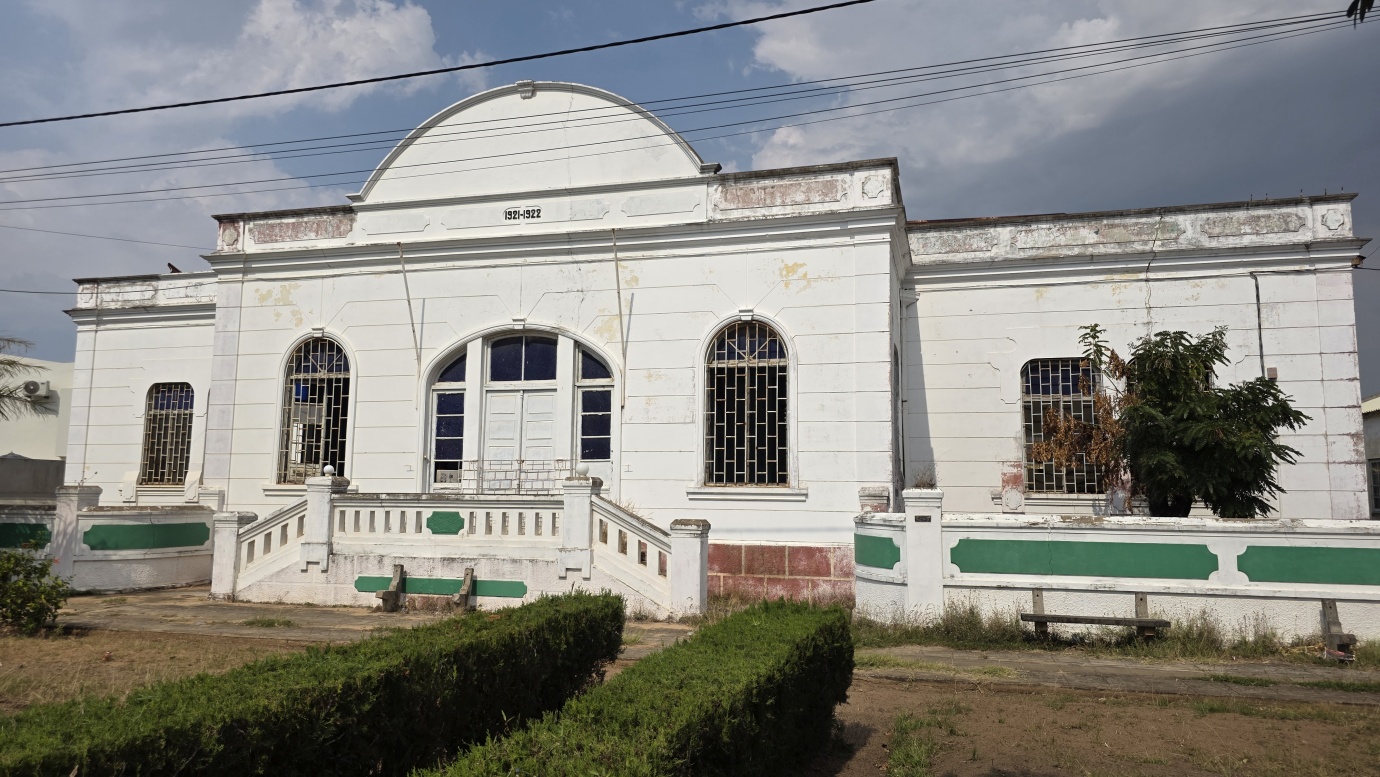
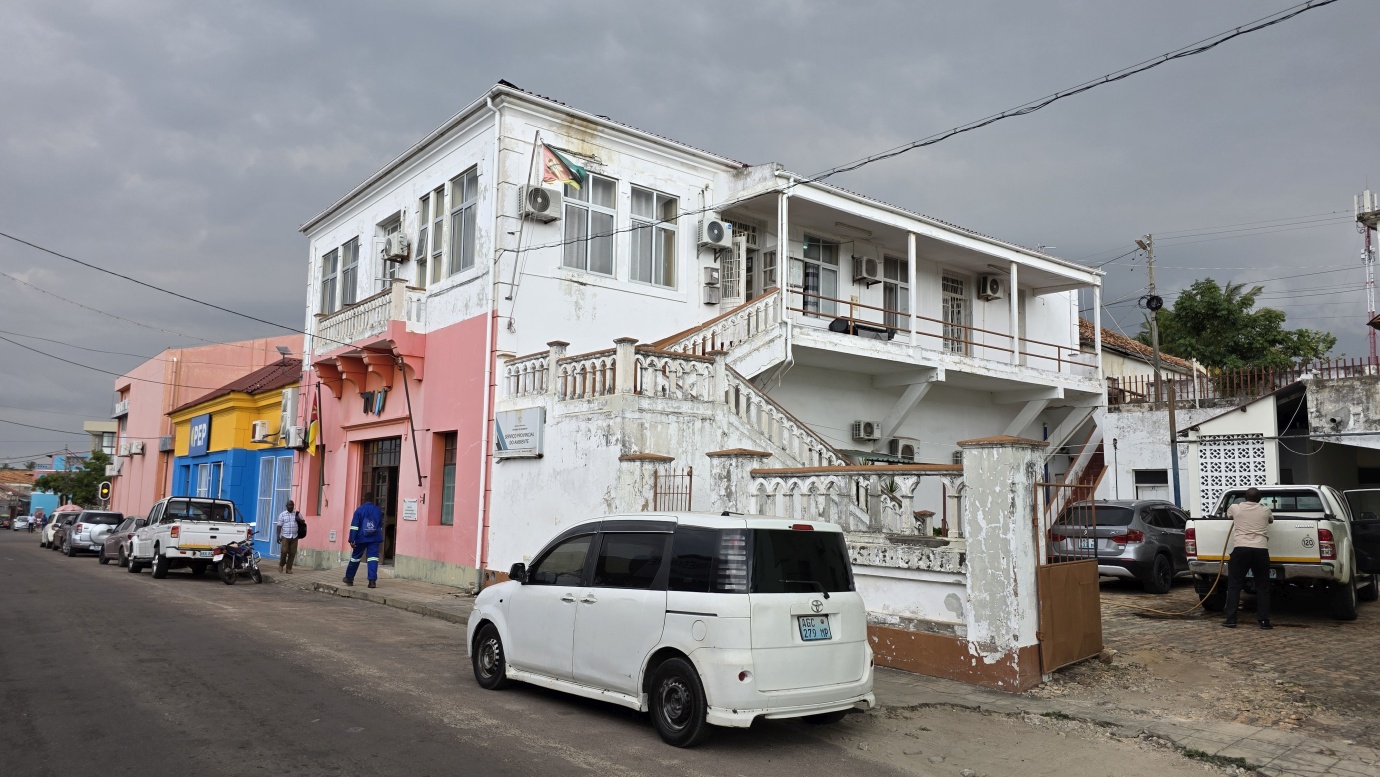
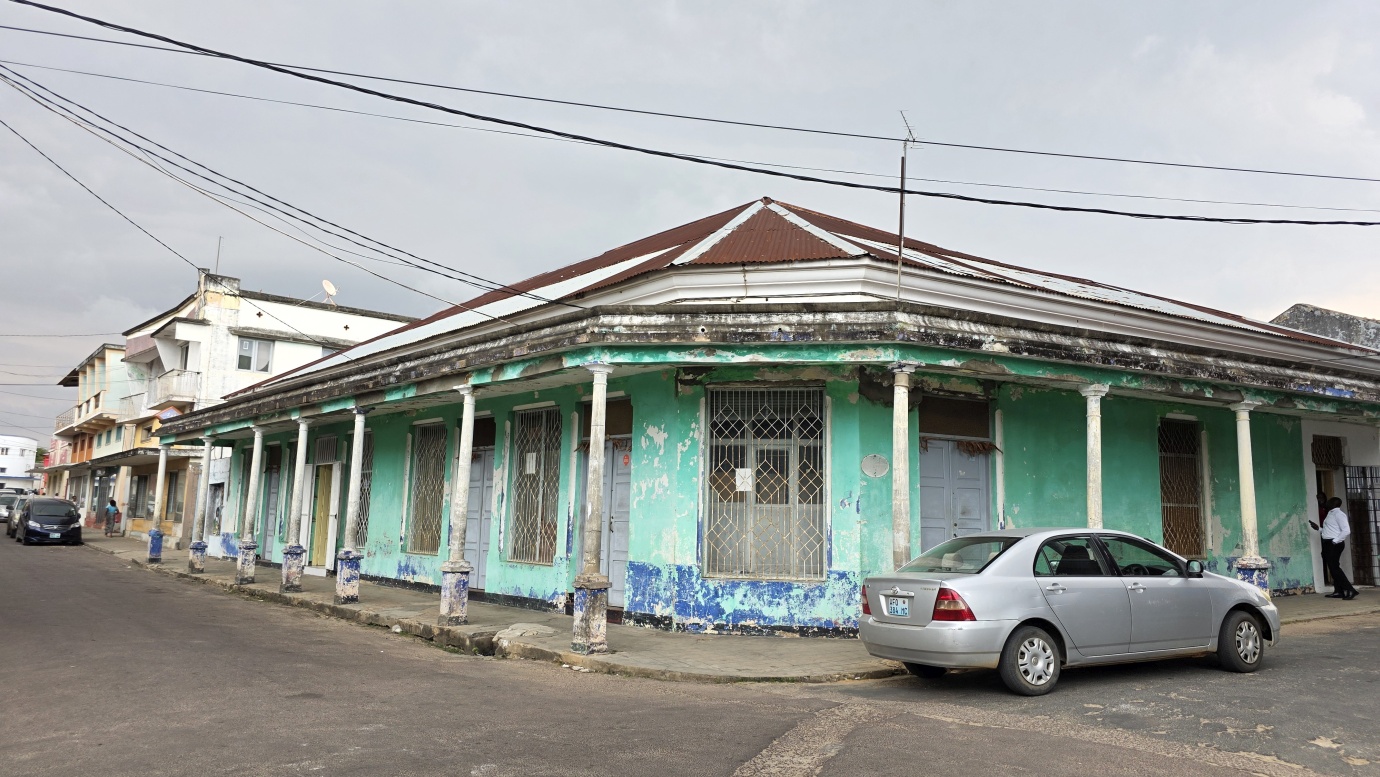
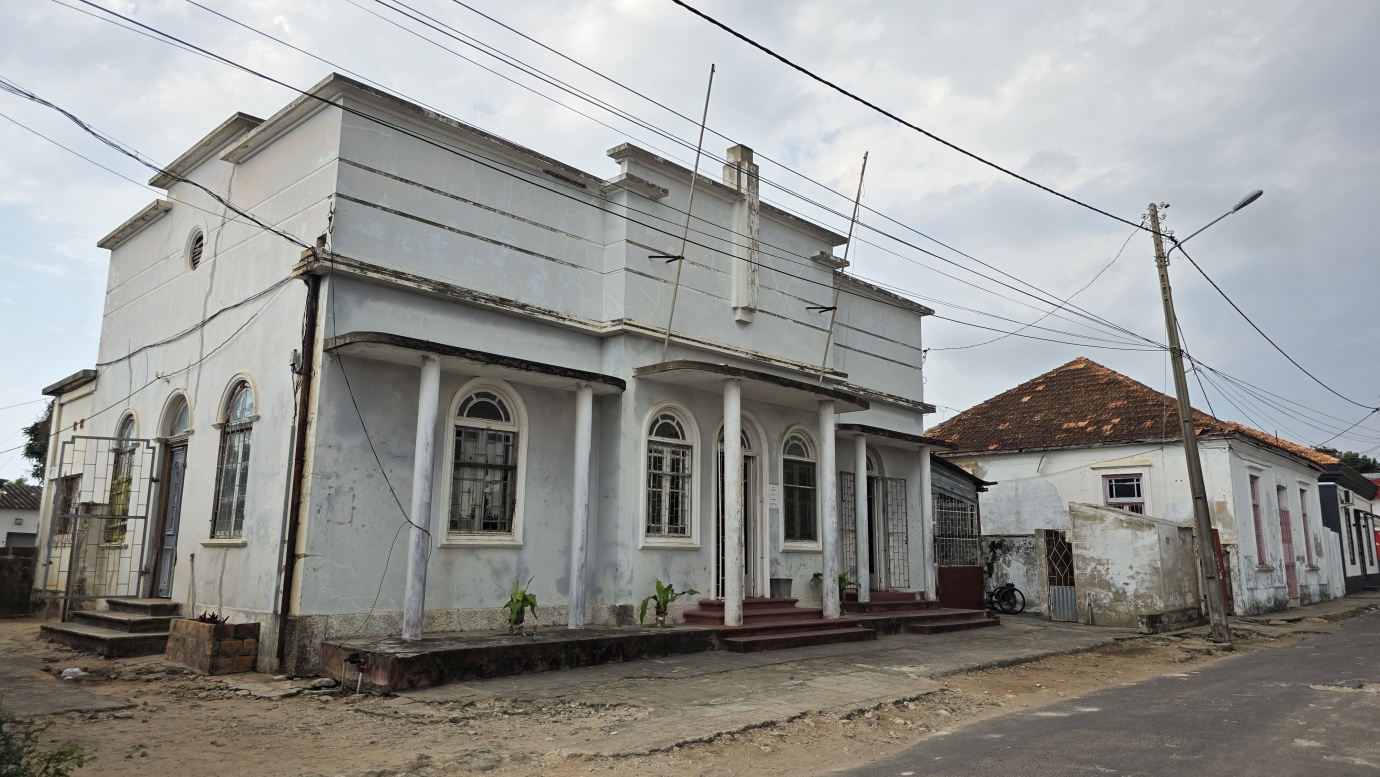
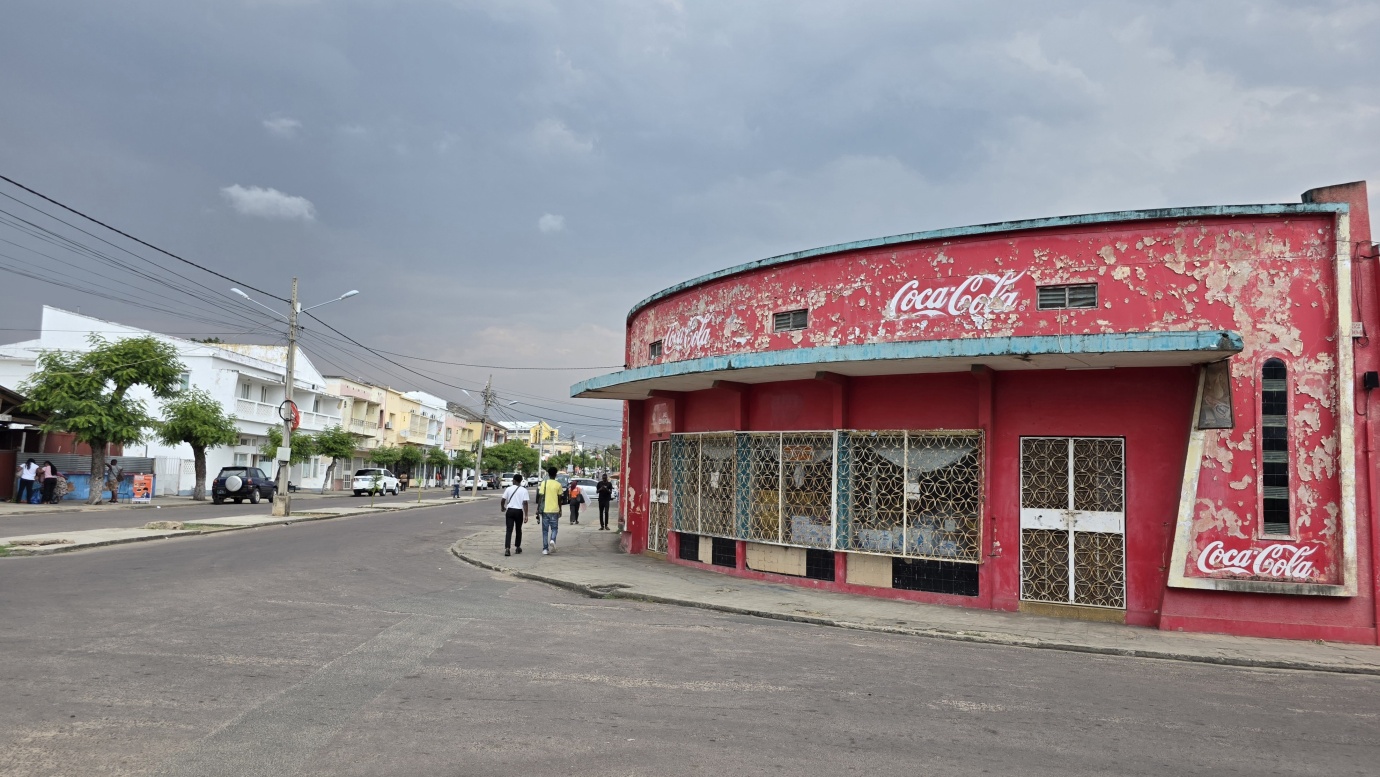
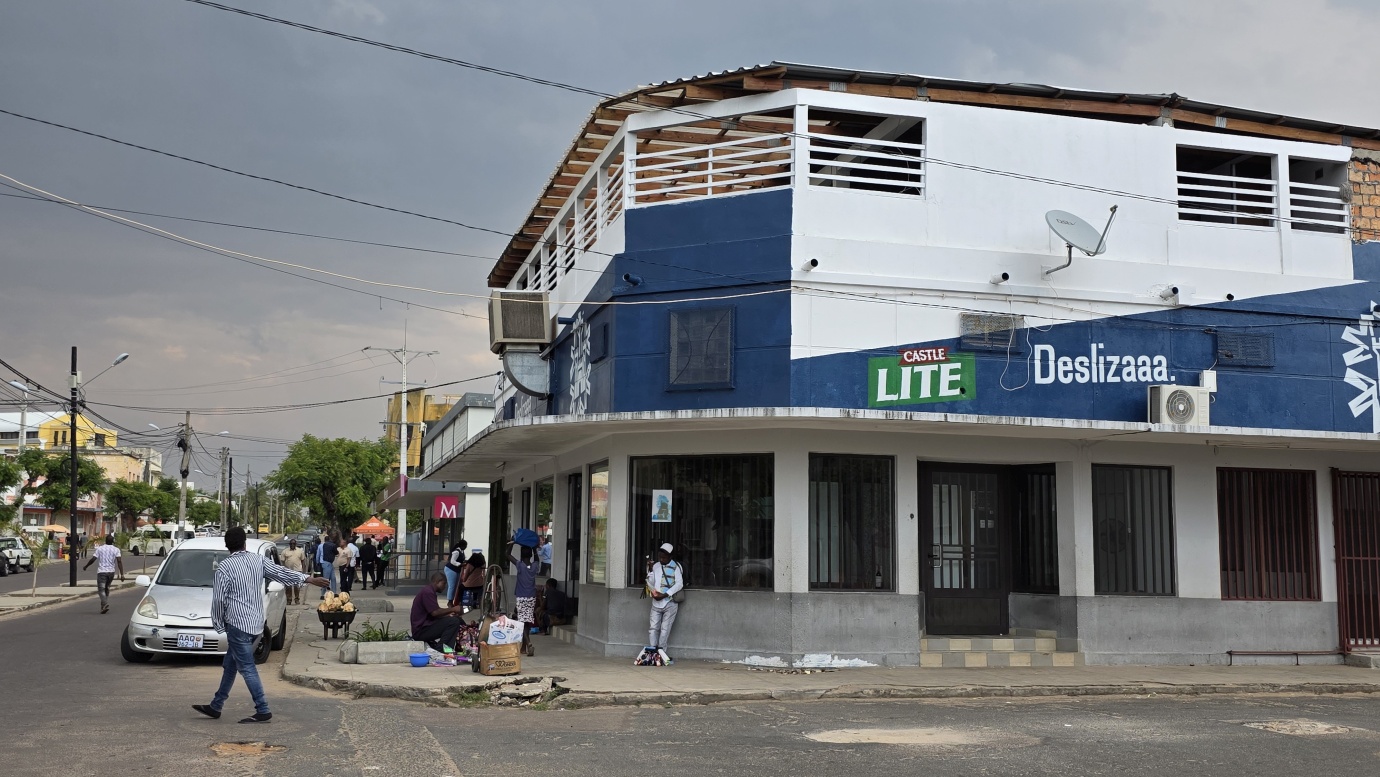
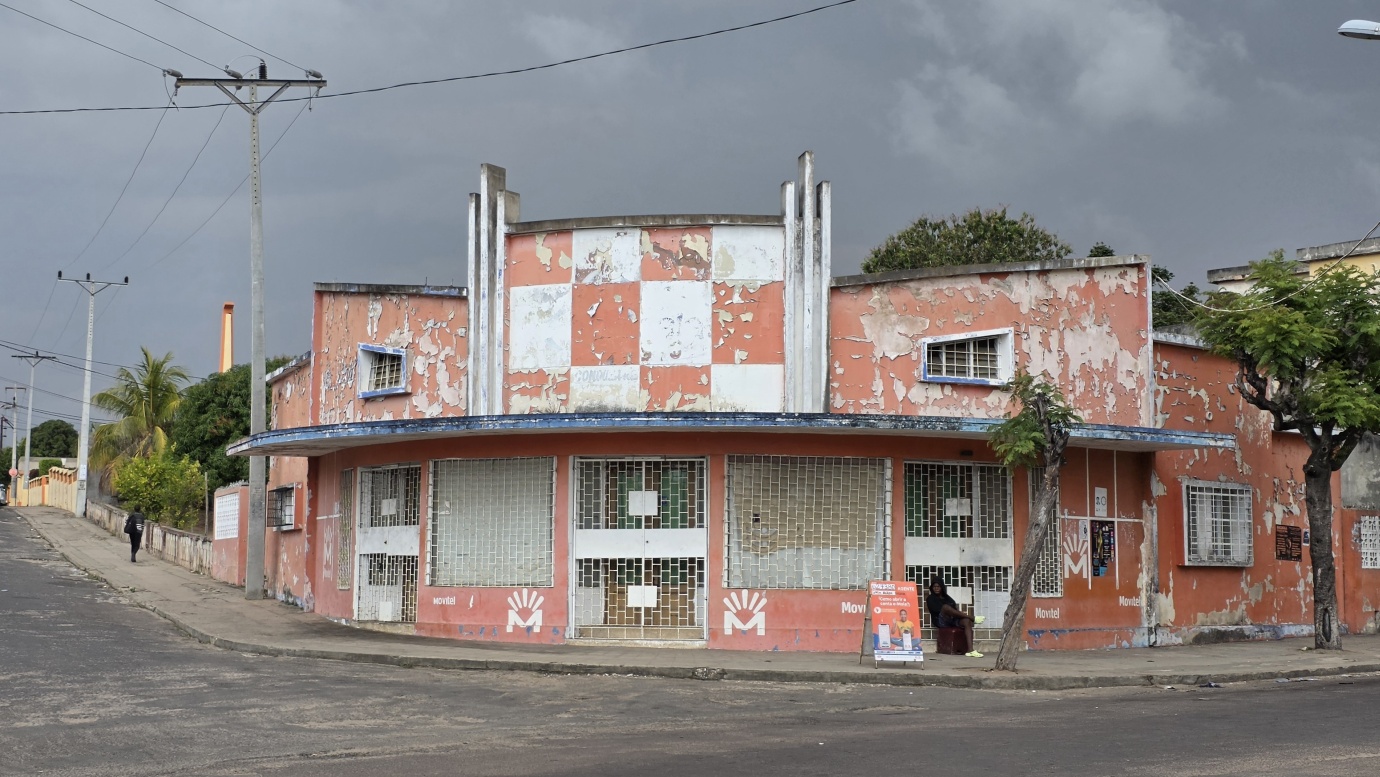
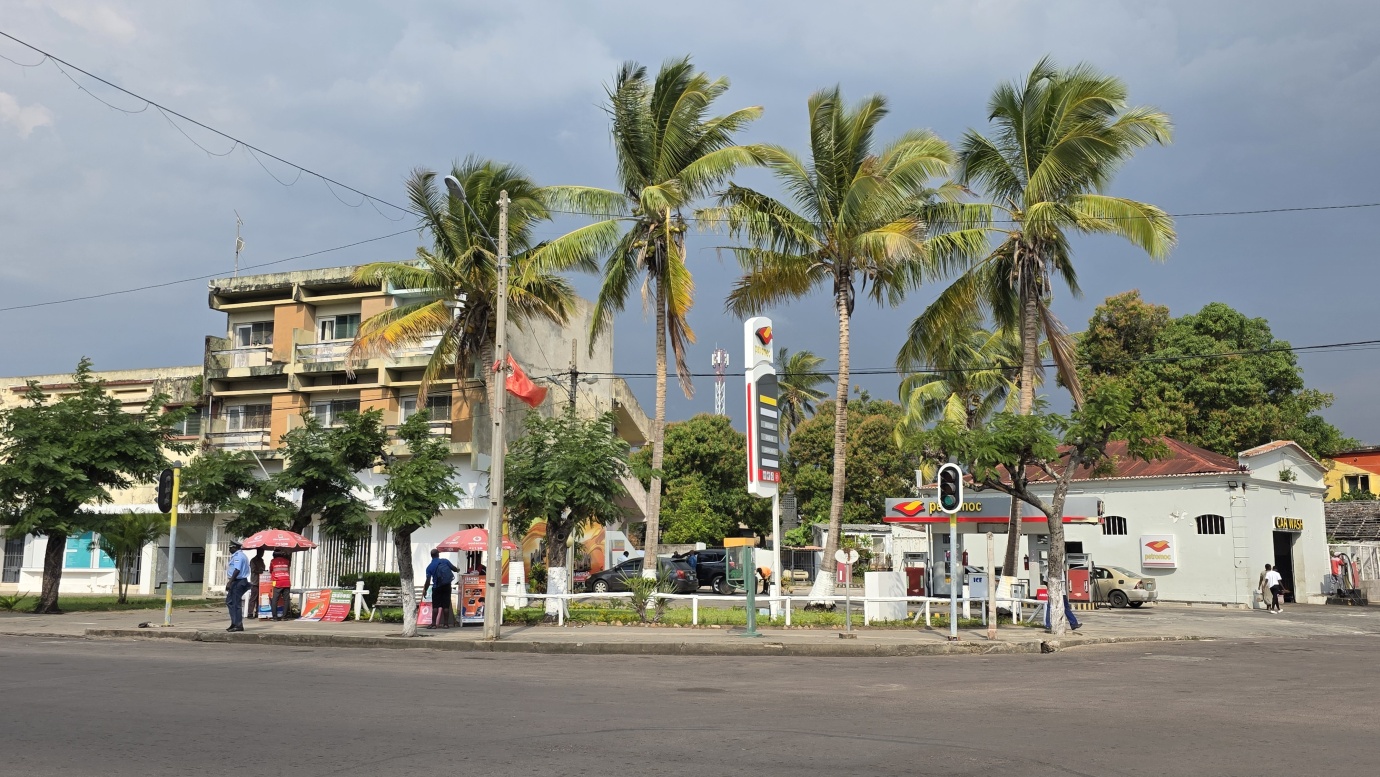
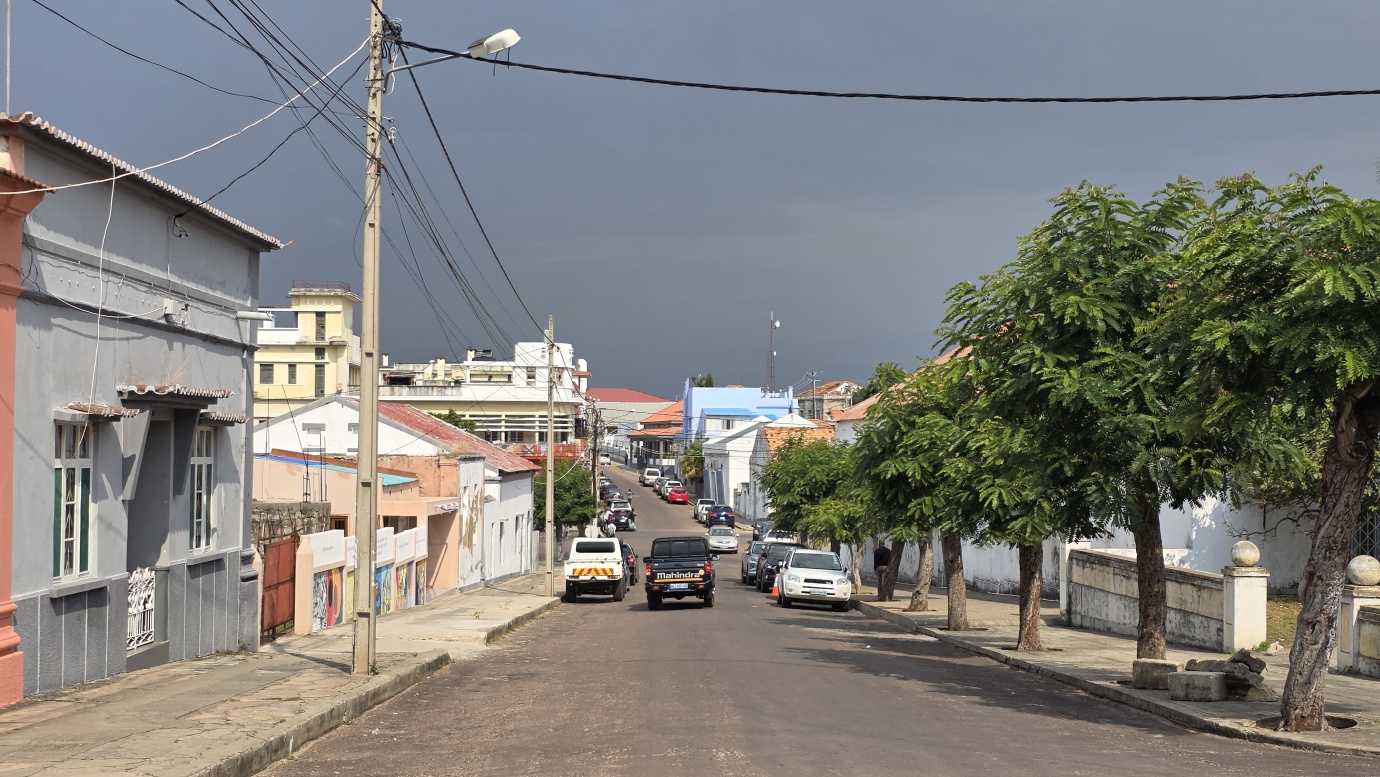
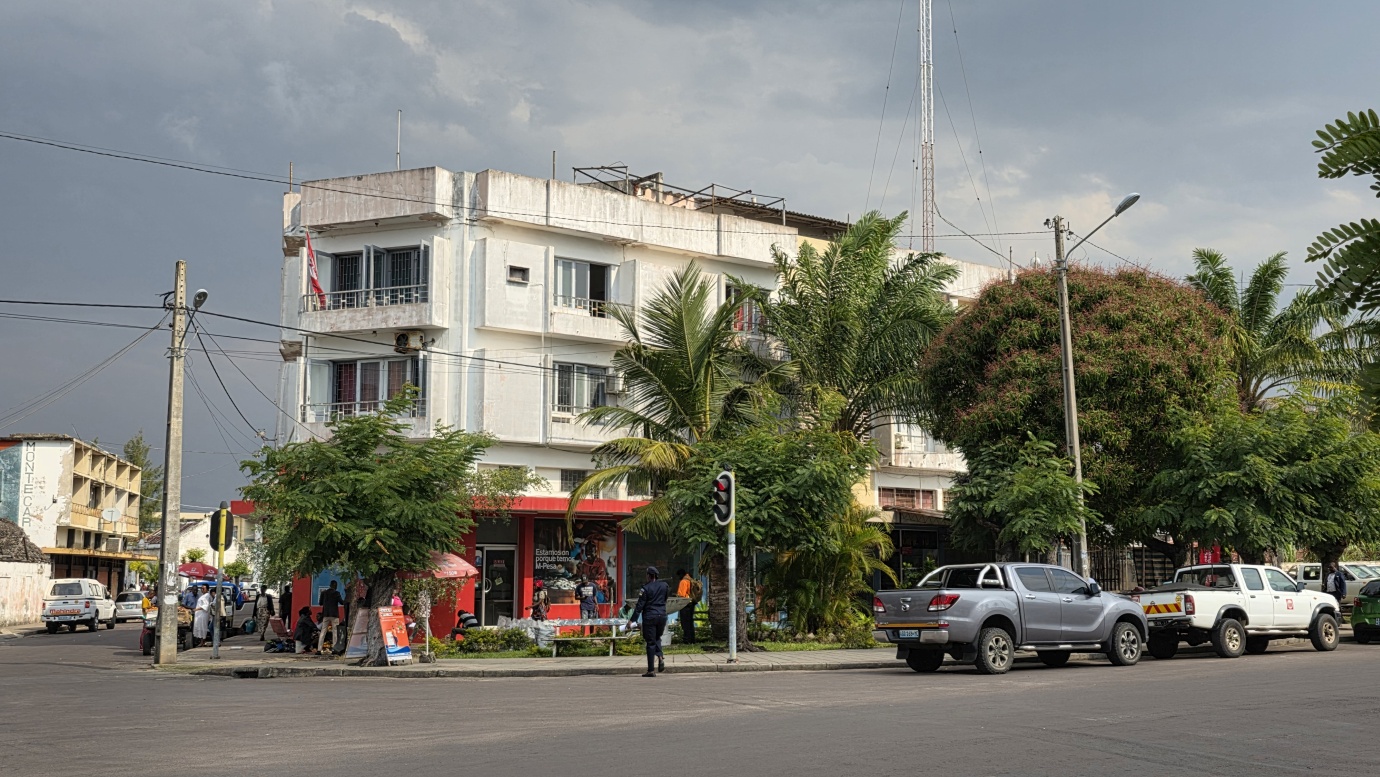
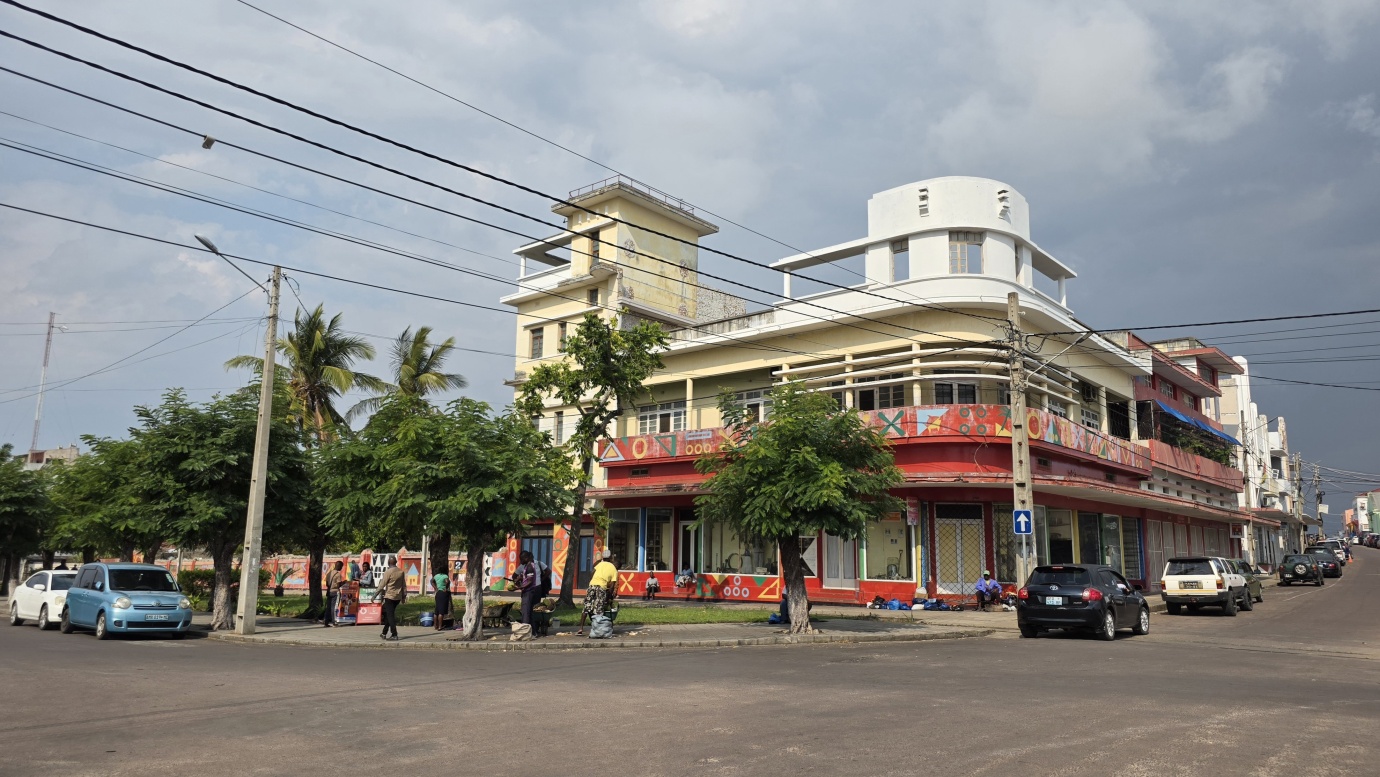
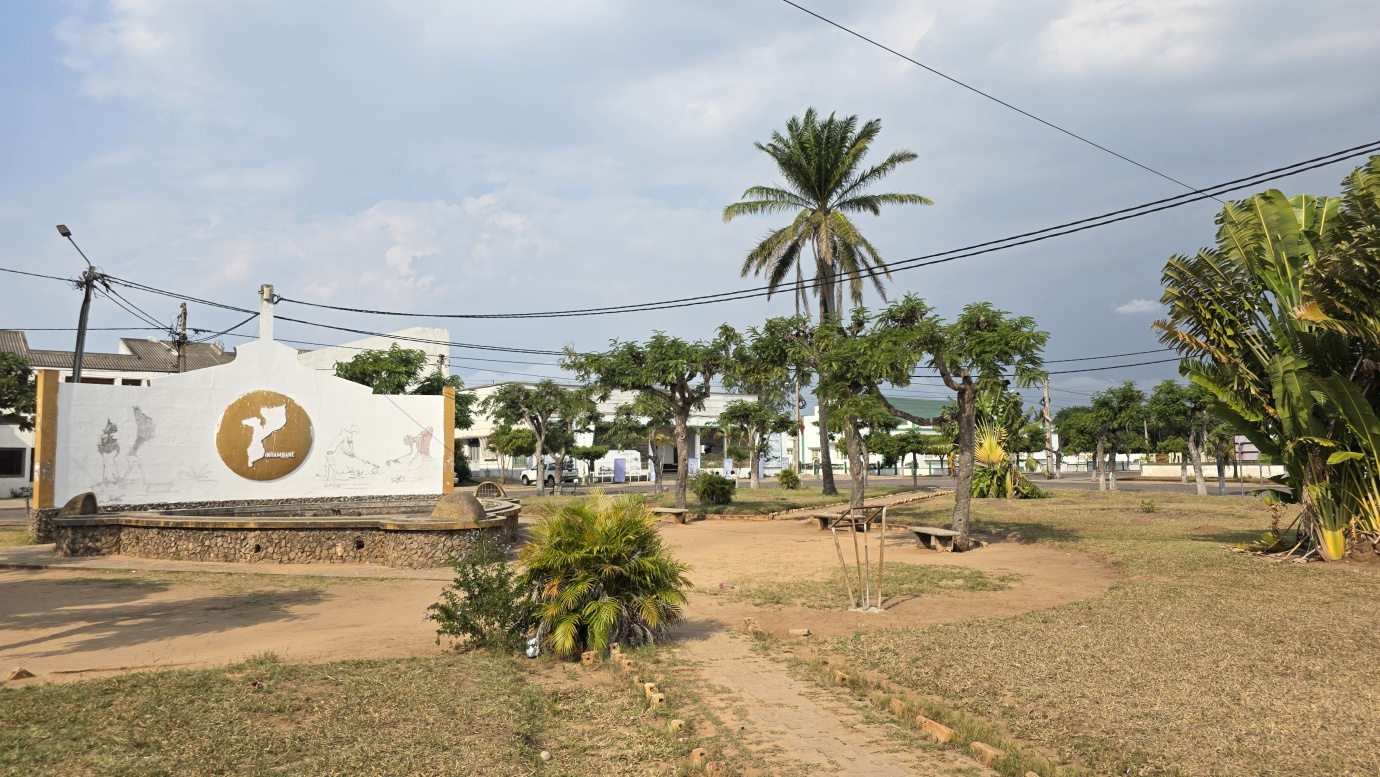
After our beach break, we made a short stop in Inhambane on our way out of the peninsula. One of Mozambique’s oldest and most historically significant coastal cities, Inhambane is surrounded by vast coconut palm and cashew plantations. Famous for its relaxed tropical atmosphere, palm-fringed streets, and beautifully weathered colonial architecture, the city was nicknamed the “Land of Good People” (Terra de Boa Gente) by Vasco da Gama in 1498, reportedly after the warm and welcoming reception he received from the local people.
Dating back to at least the 11th century, Inhambane developed into an important trading hub for Swahili, Arab, and Persian dhows, which exchanged goods such as pearls, amber, and cotton long before the arrival of the Europeans. The Portuguese established a permanent trading post here in 1534, and by the 18th century, the city had grown into a prosperous—and often notorious—centre of the ivory and slave trades.
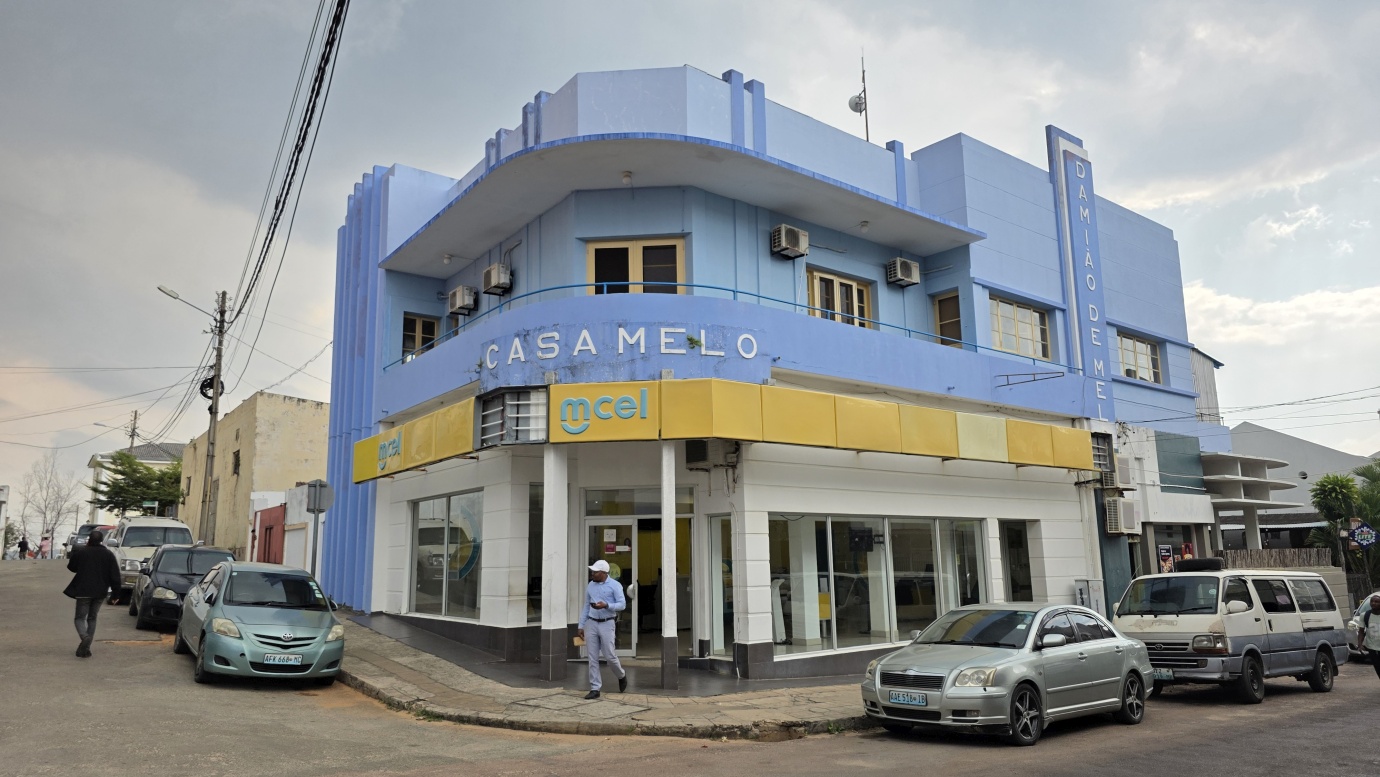
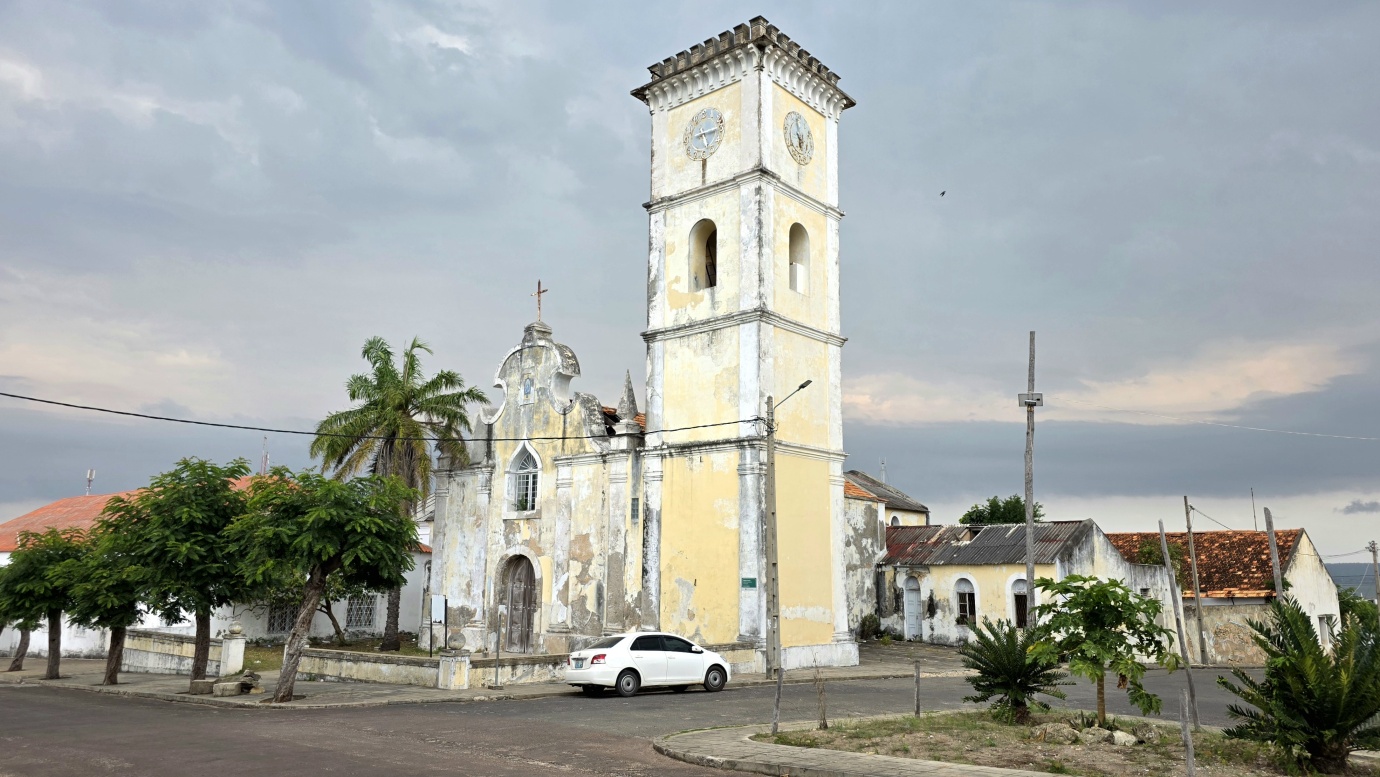
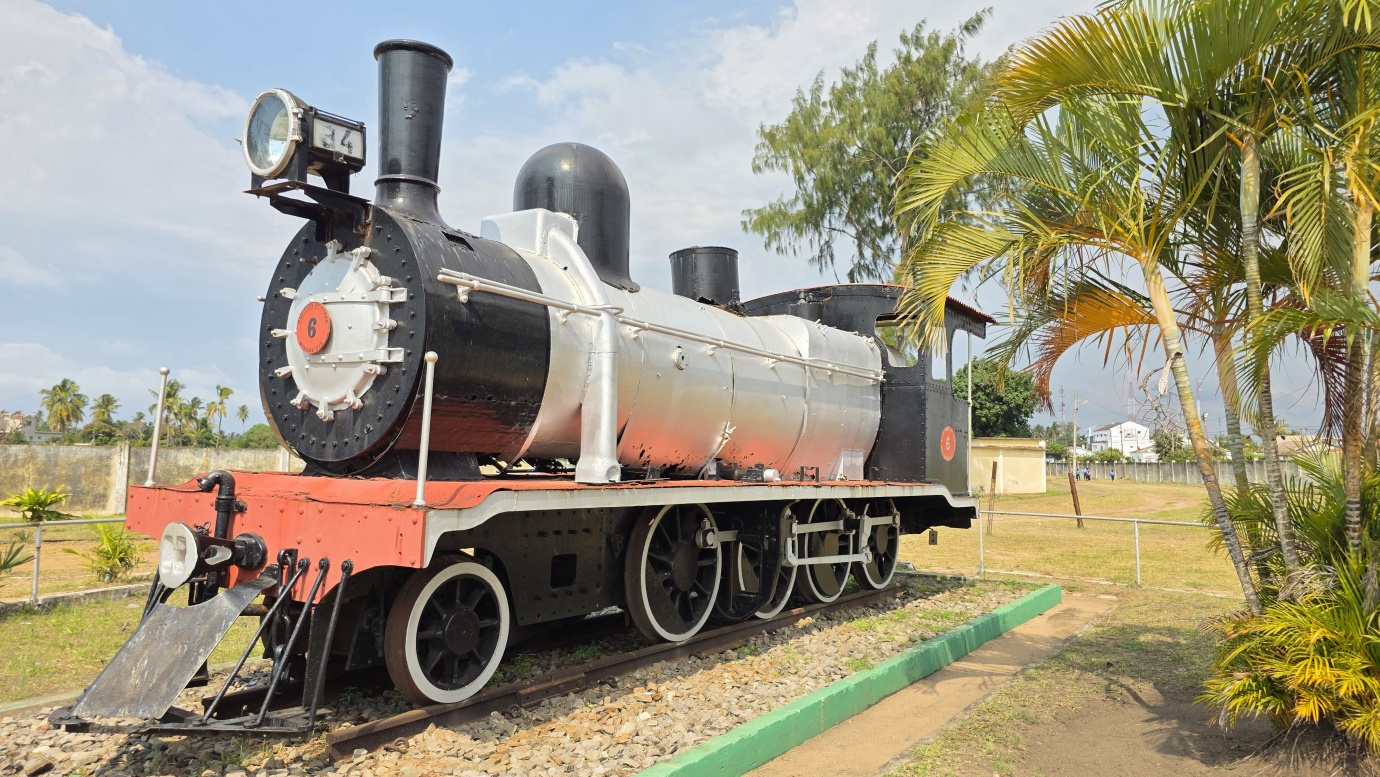
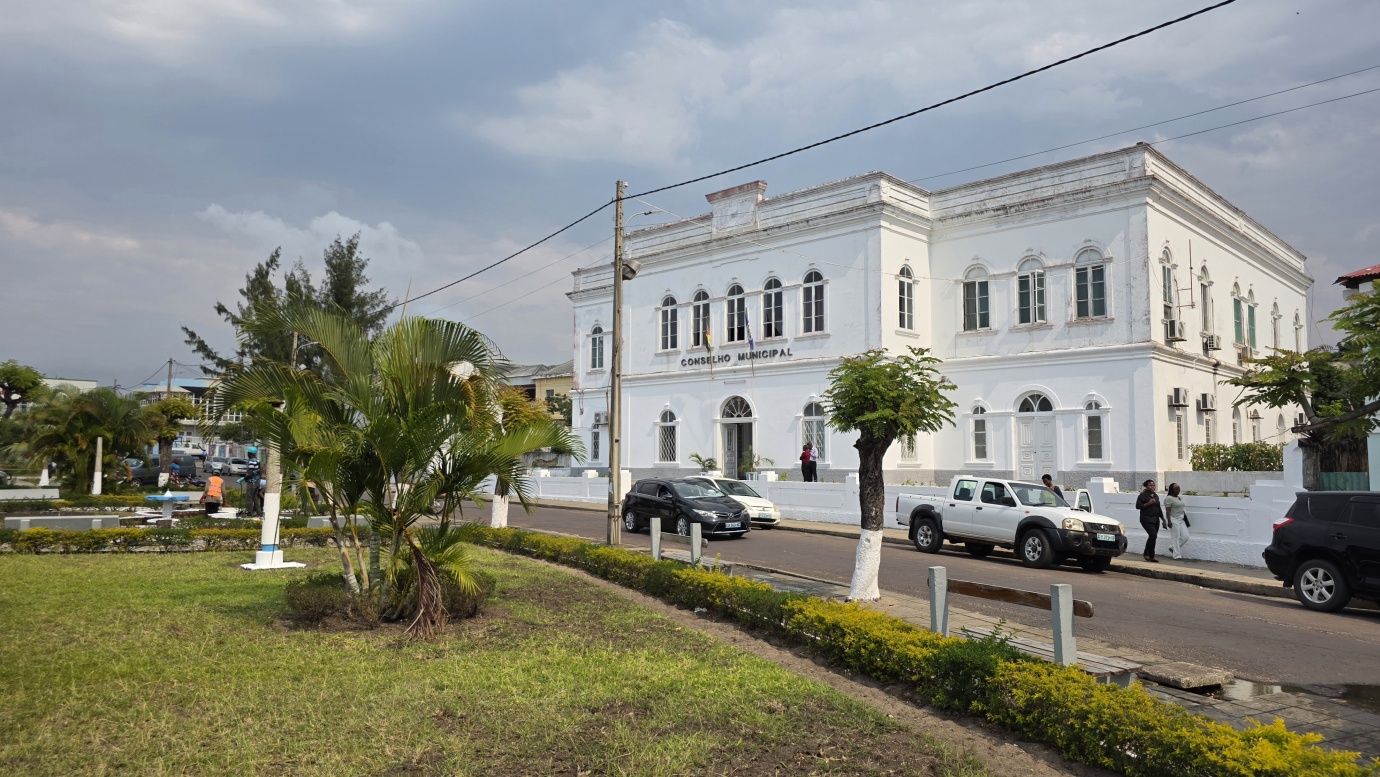
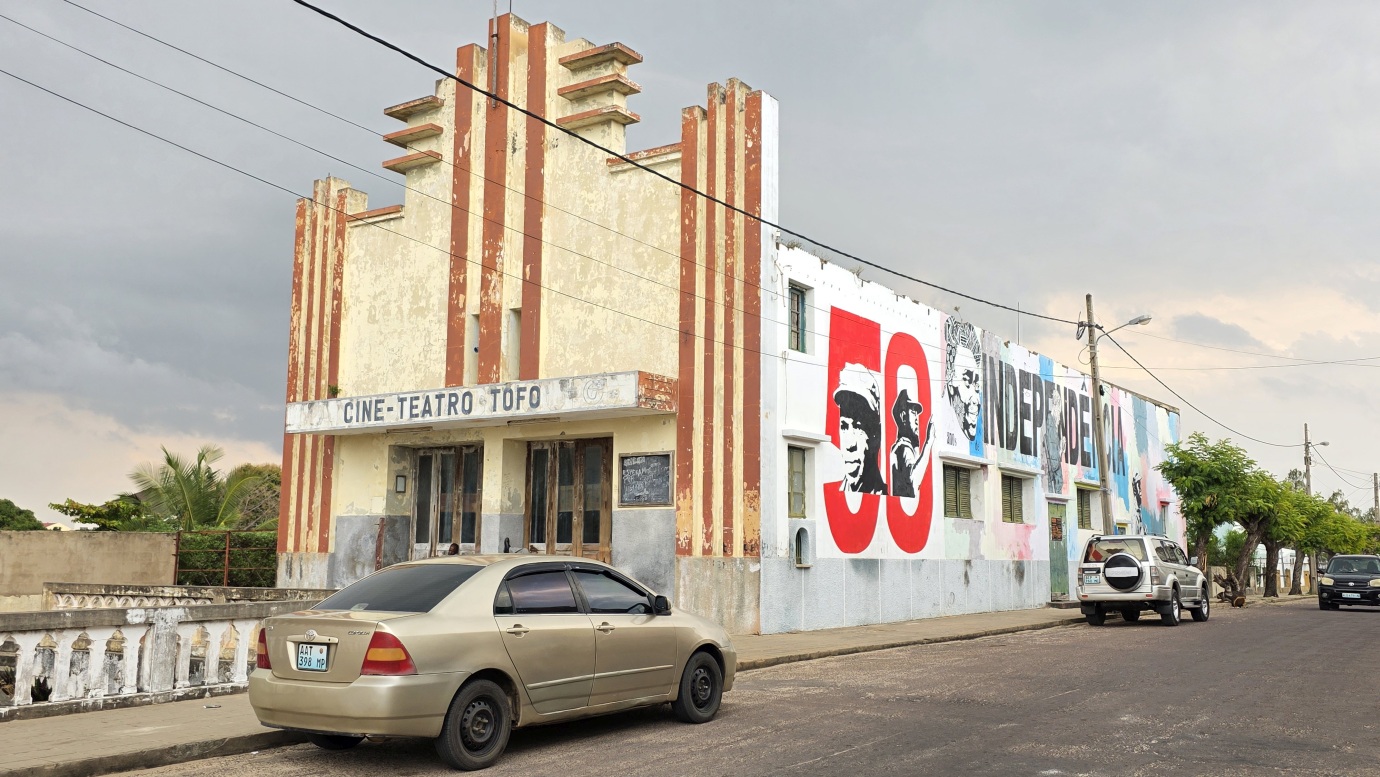
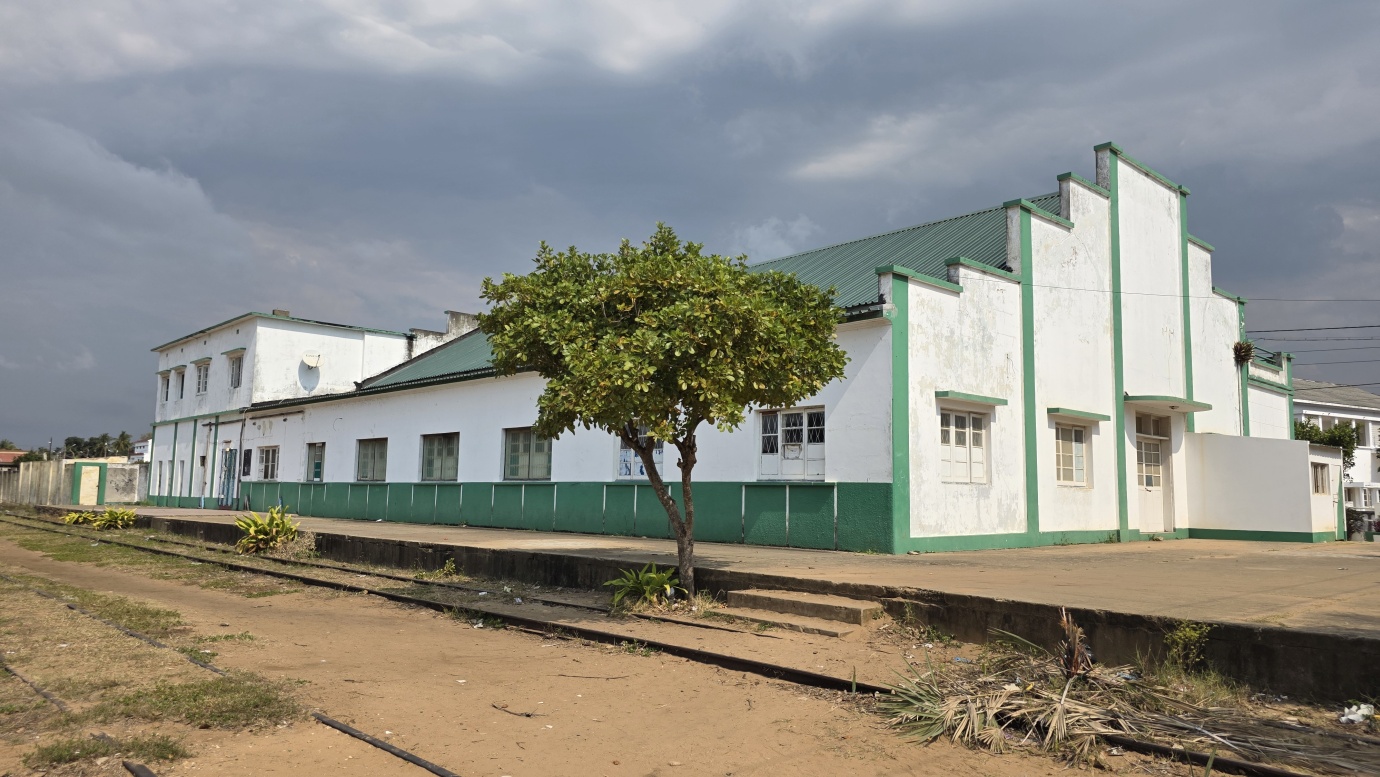
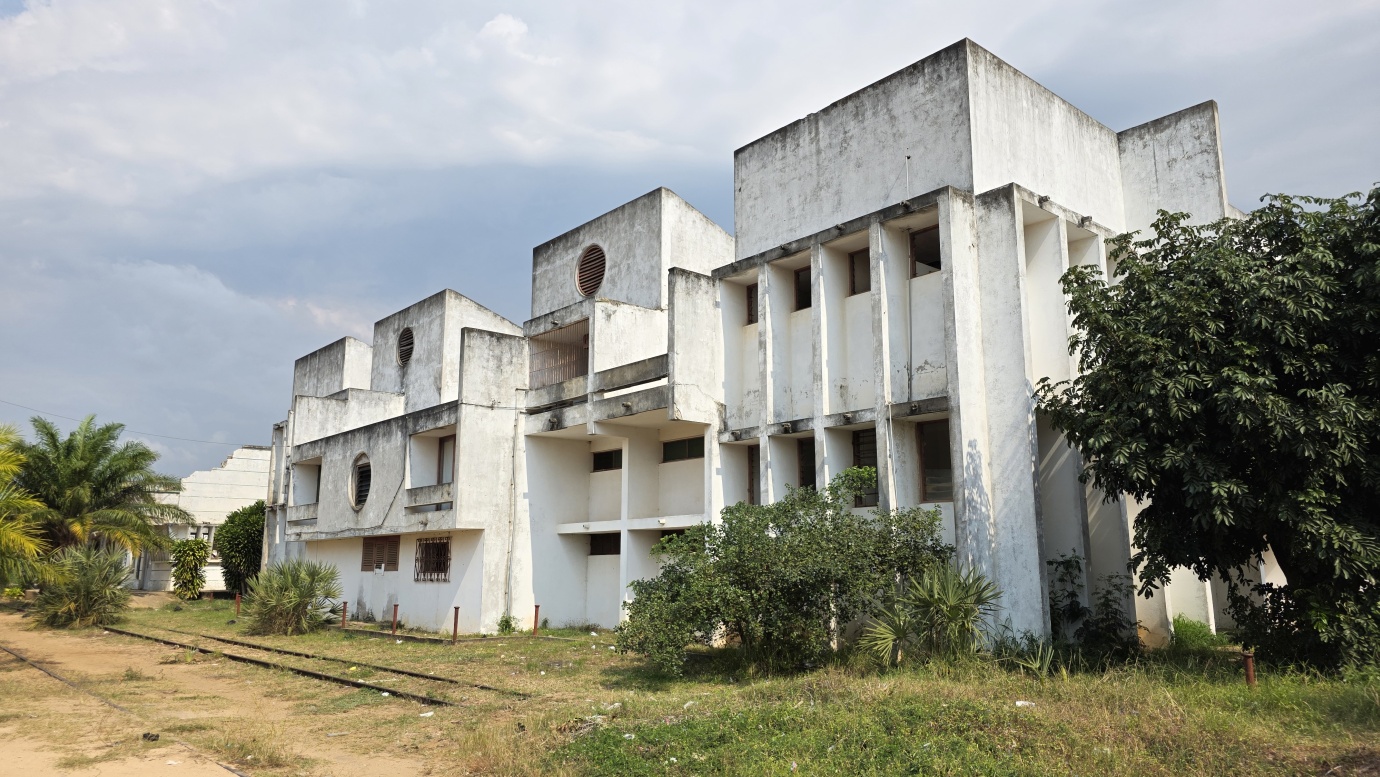
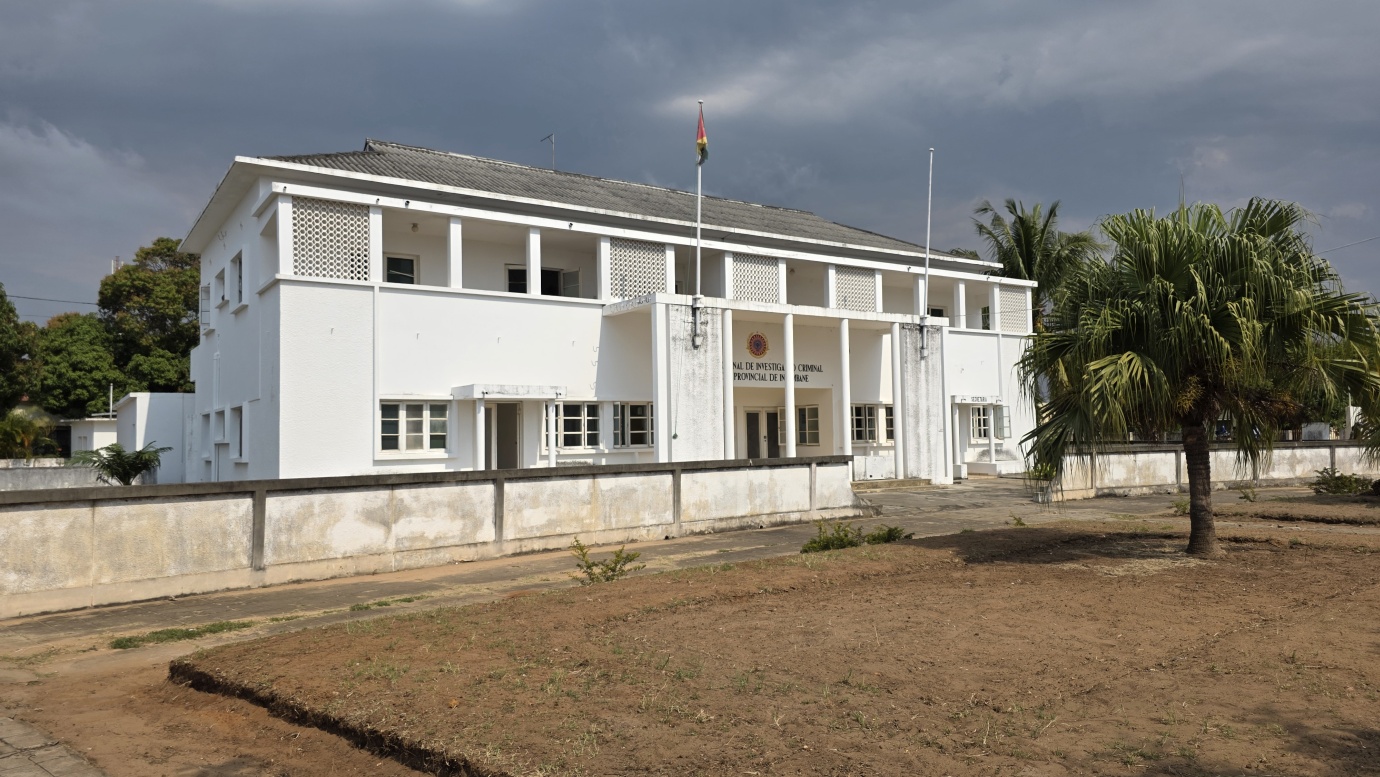
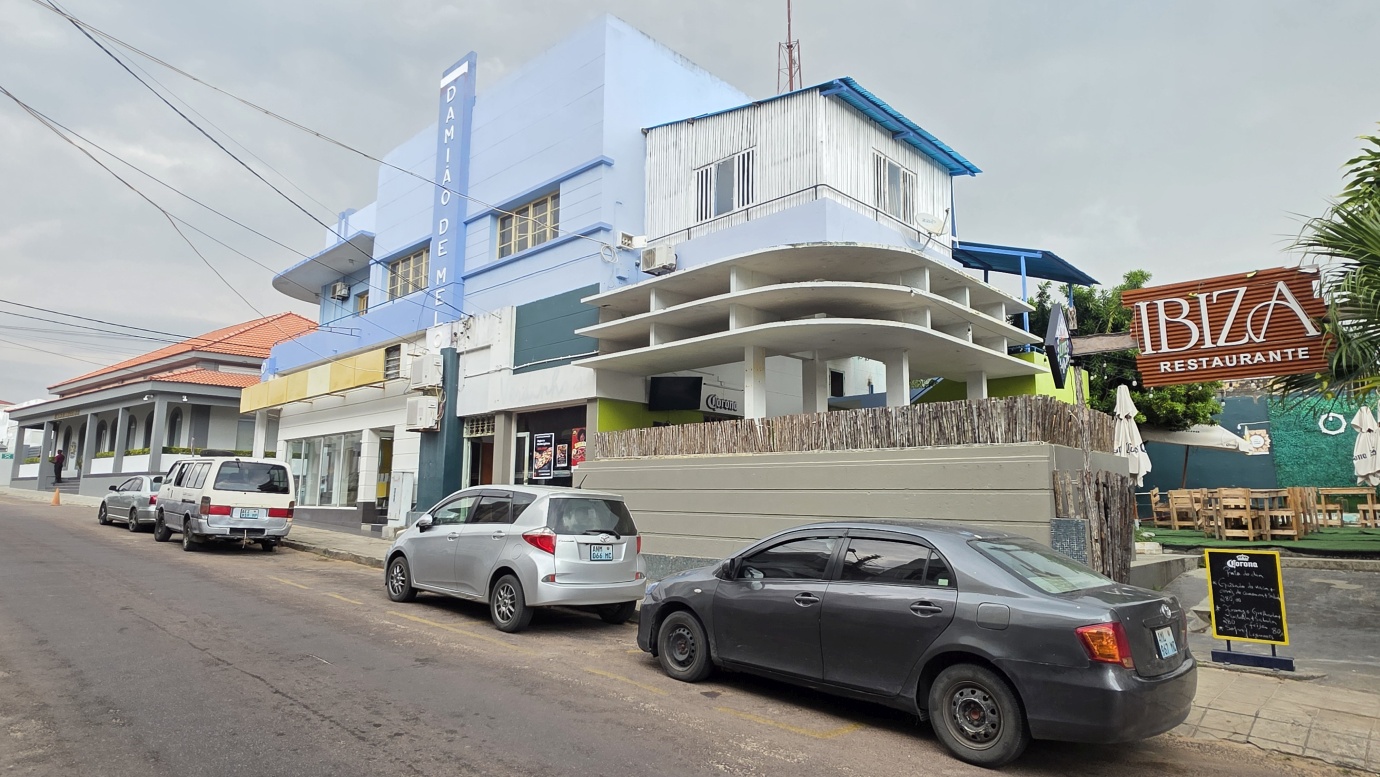
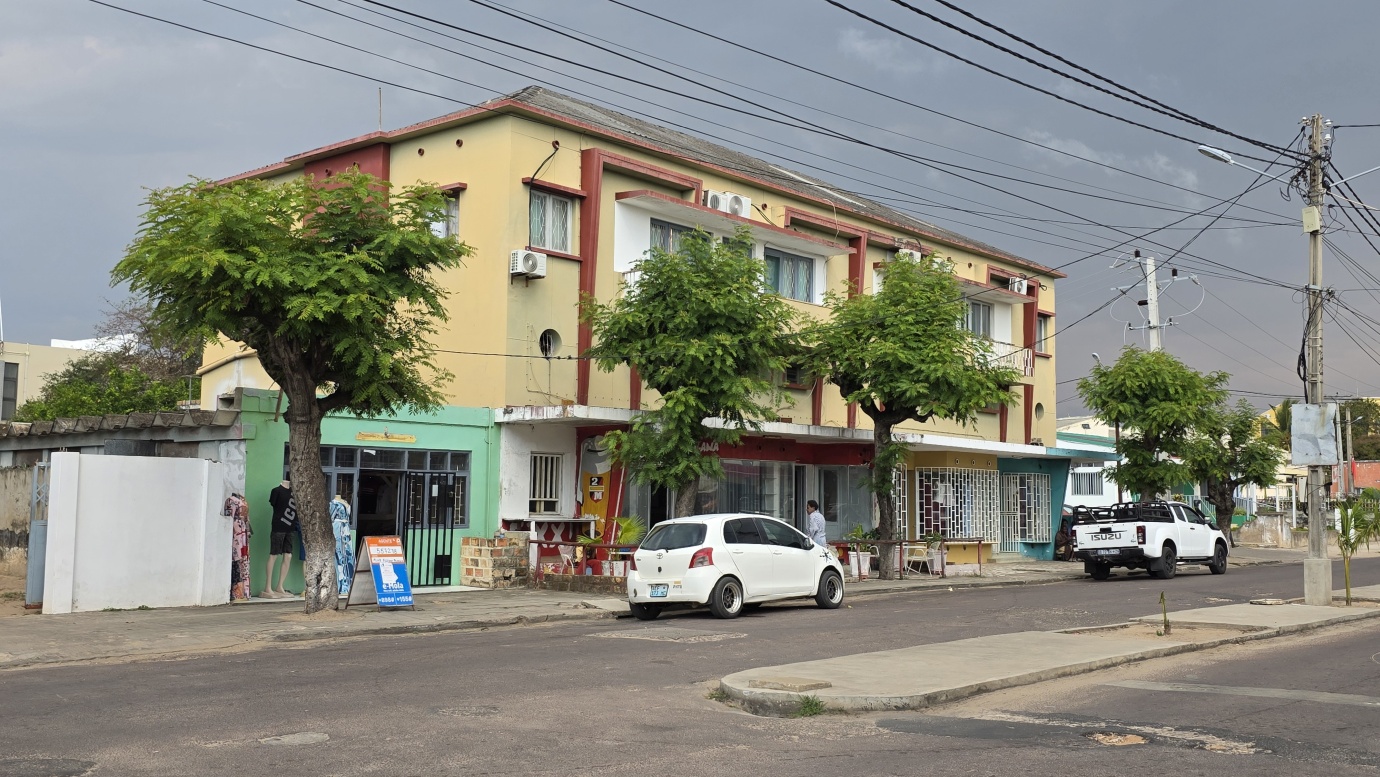
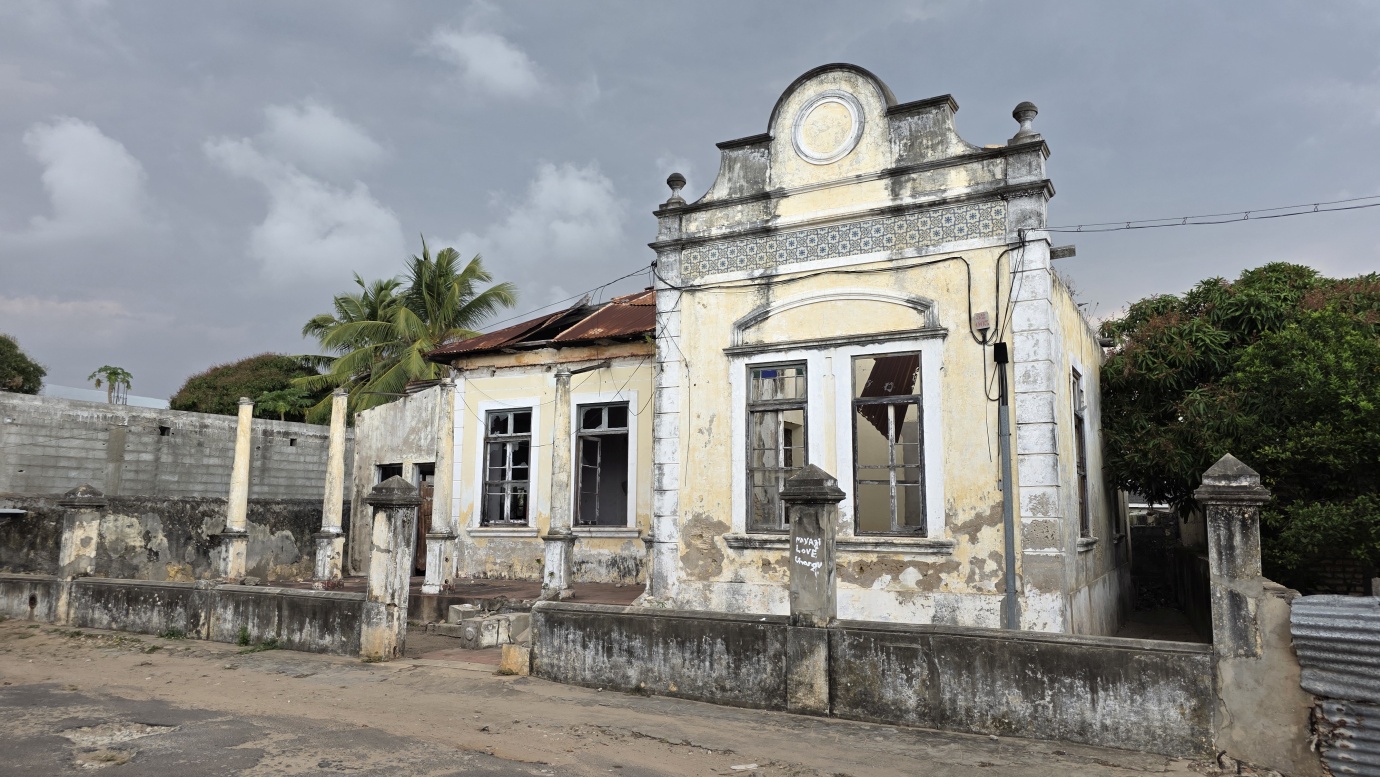
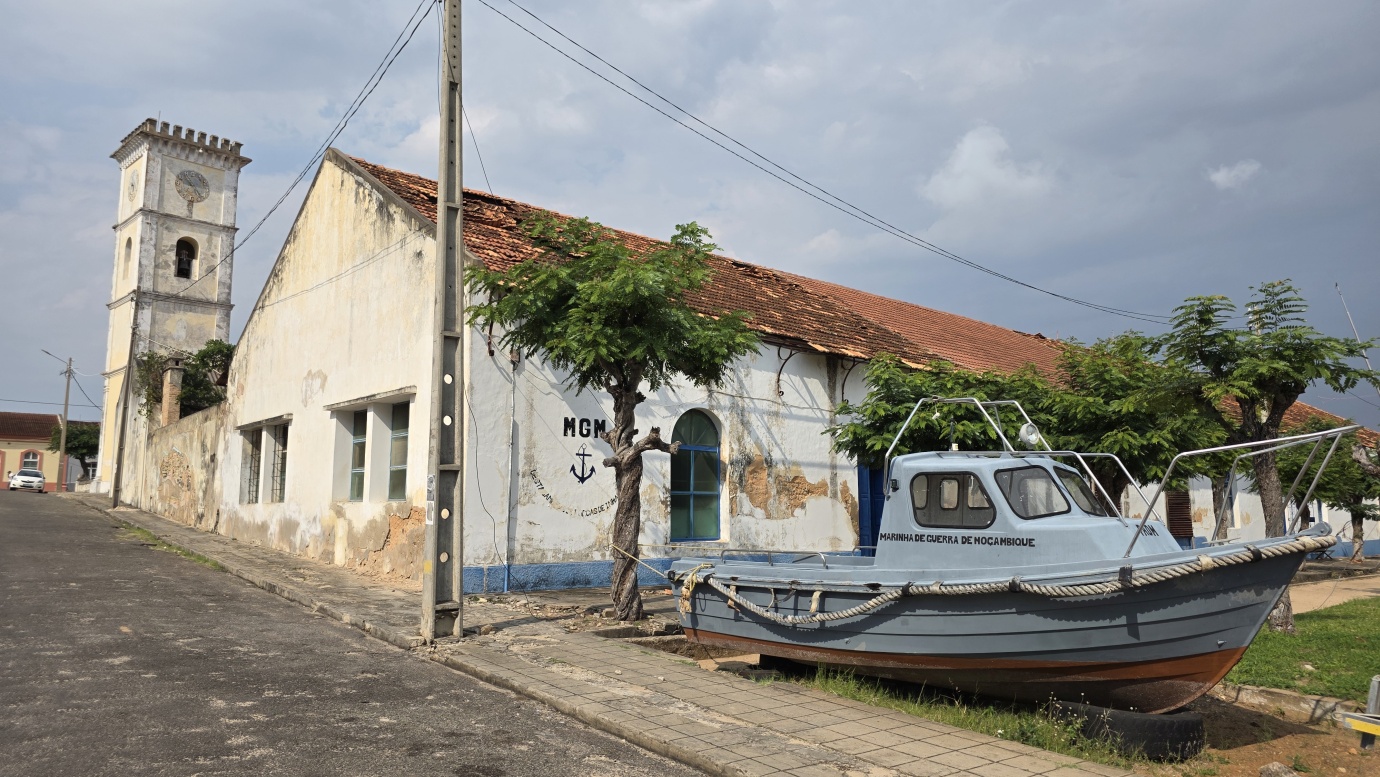
Today, Inhambane’s streets reveal a fascinating blend of African, Indian, and Portuguese influences. Mosques, historic markets, and faded colonial buildings stand side by side, creating a unique atmosphere that feels very different from the beach resorts of the surrounding peninsula. Among the city’s landmarks are the crumbling 170-year-old Cathedral of Our Lady of the Conception, the old railway station, the Tofo Theatre, and Casa Oswald Hoffman—quiet reminders of Inhambane’s long and colourful history.