

We spent a surprisingly lovely 10 days in Johannesburg, despite the city’s sometimes daunting reputation. South Africa’s largest metropolis grew from a dusty mining camp into a vast economic powerhouse following the discovery of gold in 1886. Today, the wider metropolitan area is home to an estimated 8 million people.
Located in Gauteng province at an elevation of around 1,753 metres above sea level, Johannesburg sits on the dry, grassy plateau known as the Highveld. The city enjoys a relatively mild climate, although summer often brings spectacular thunderstorms. What was once a largely barren landscape has been transformed by millions of planted trees, creating one of the world’s largest man-made urban forests.
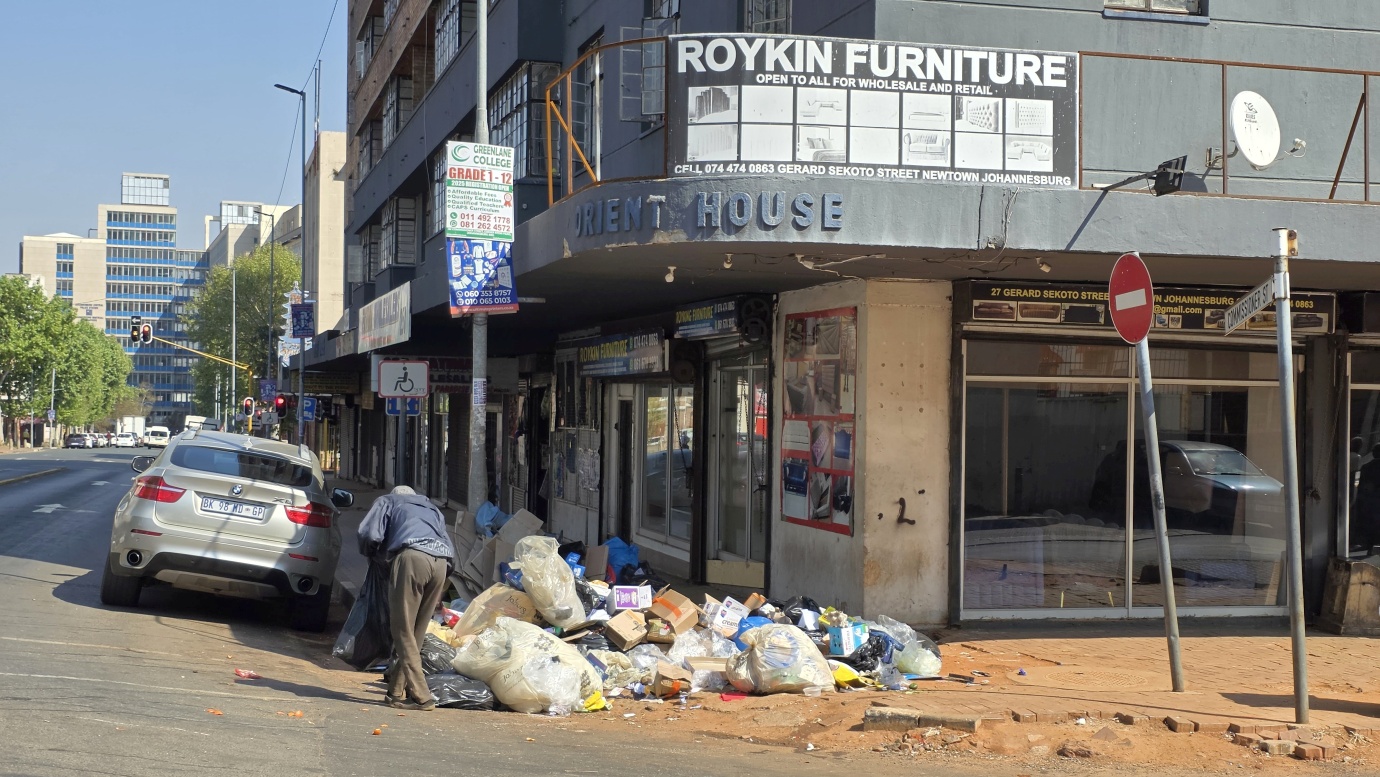
Johannesburg was founded in 1886 after gold was discovered on the farm of Langlaagte. Within months, tents and shacks transformed into a bustling settlement that rapidly developed into a major city. During the apartheid era, Johannesburg was deeply affected by racial segregation, and places such as Constitution Hill became notorious prisons. In the late 20th century, many businesses and wealthier residents moved north towards Sandton, while the old Central Business District (CBD) declined in importance. Nevertheless, the historic centre remains an important hub for government, banking and commerce.
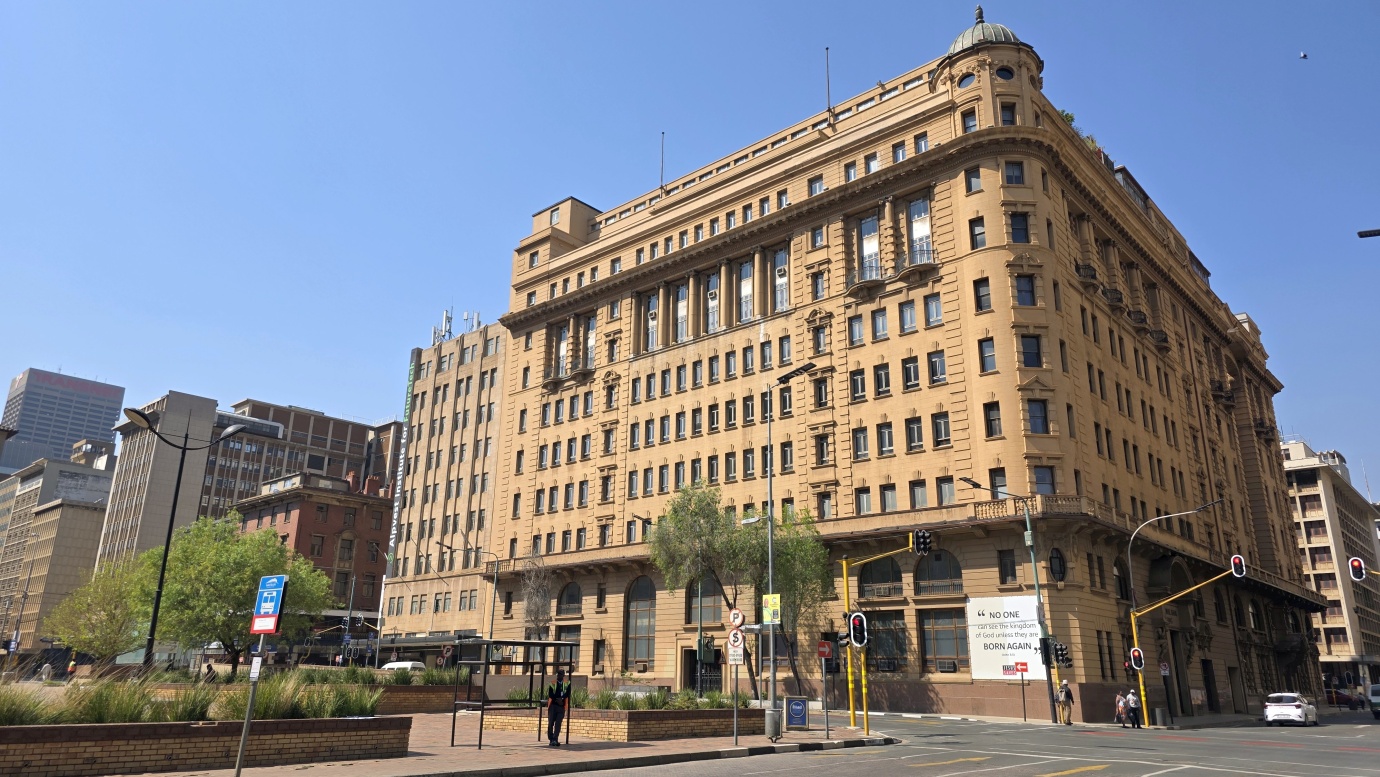
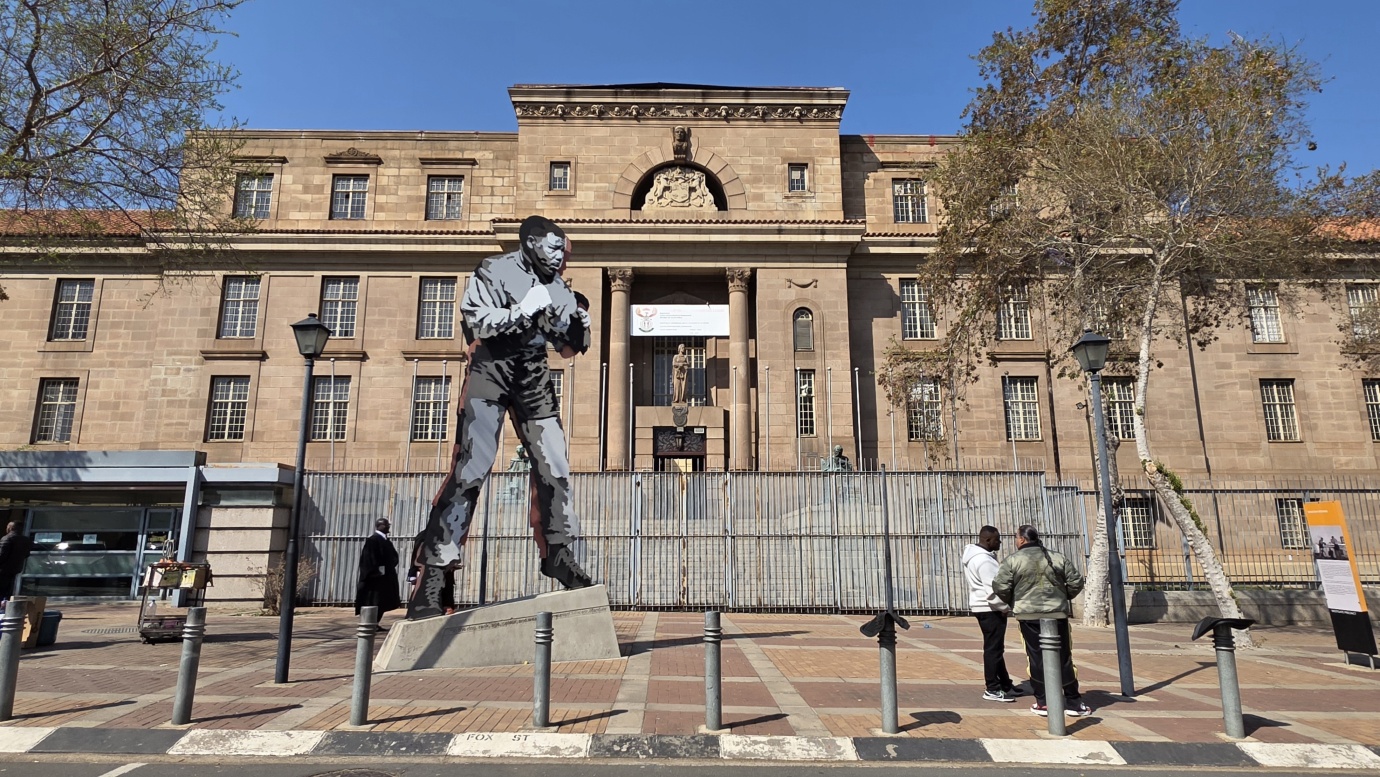
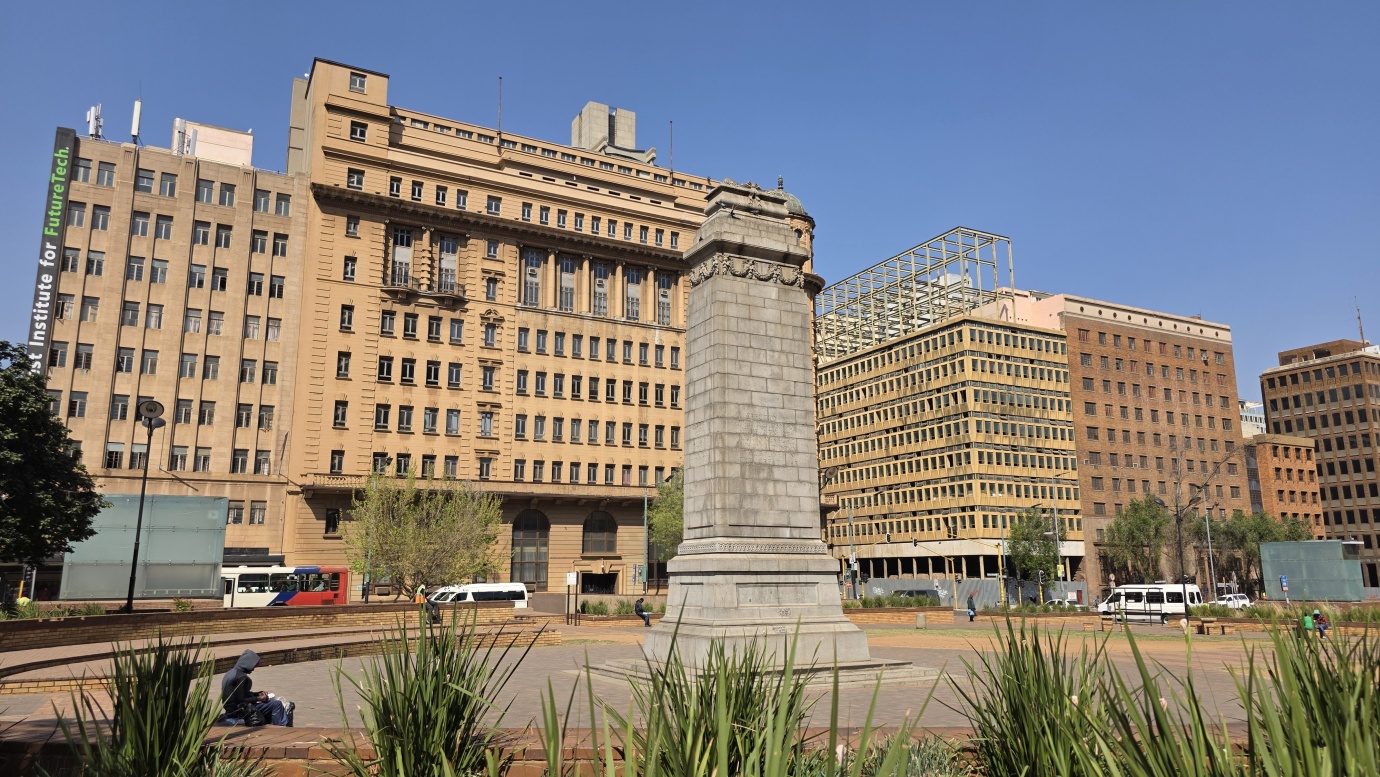
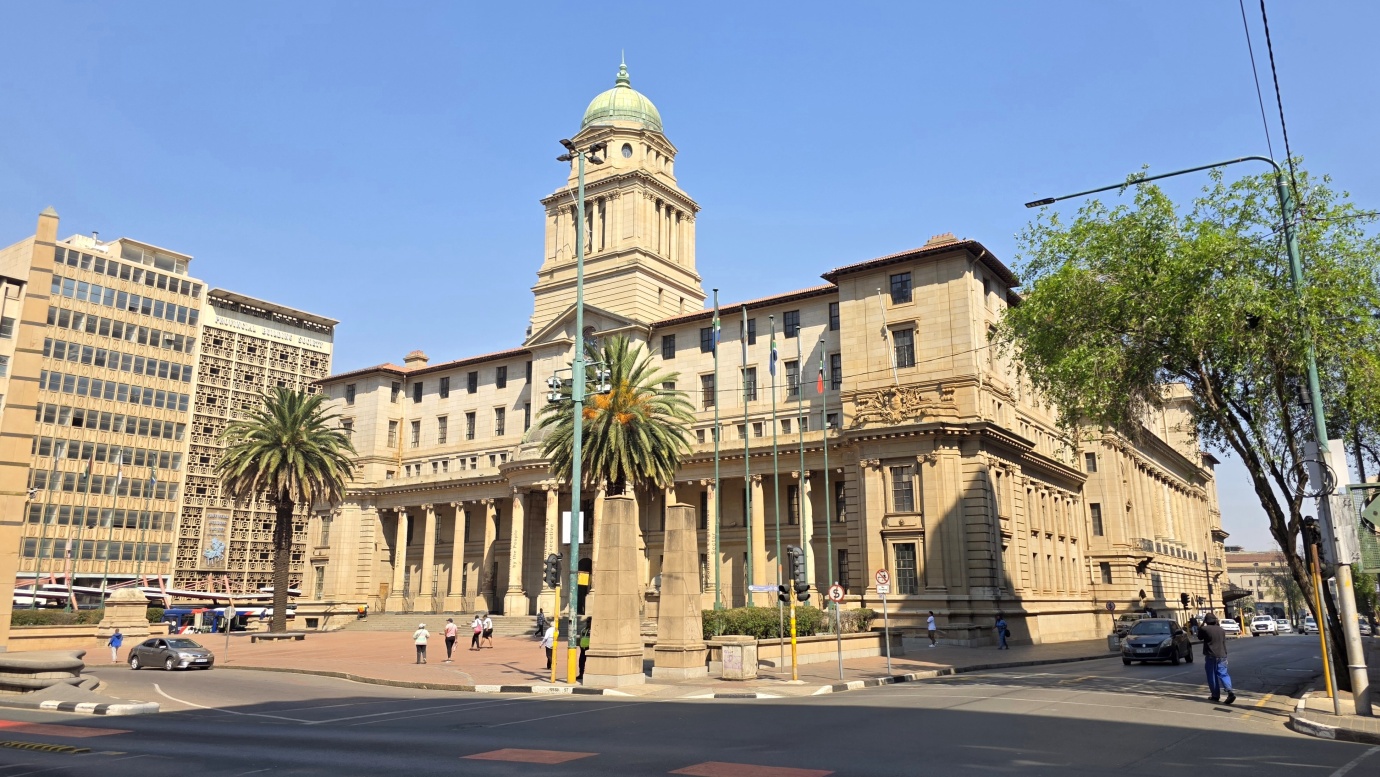
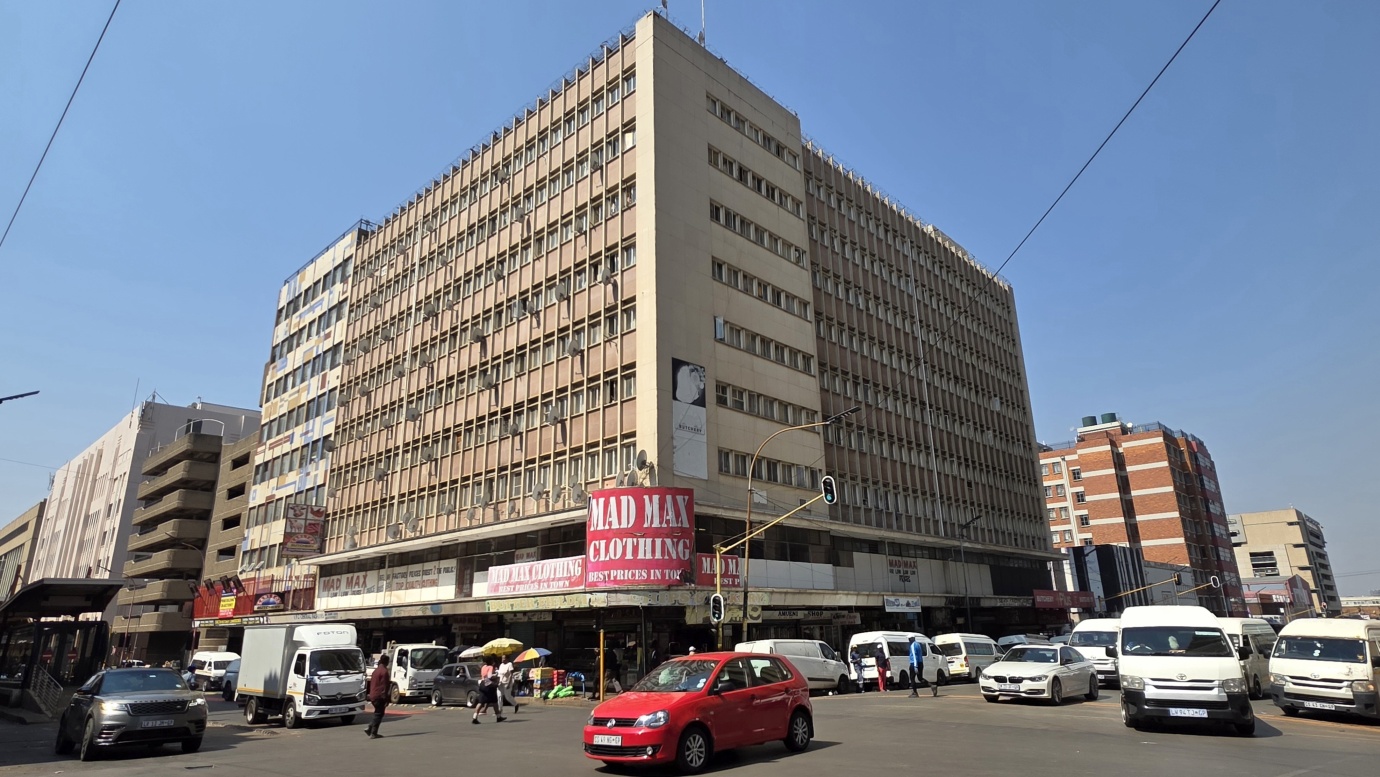
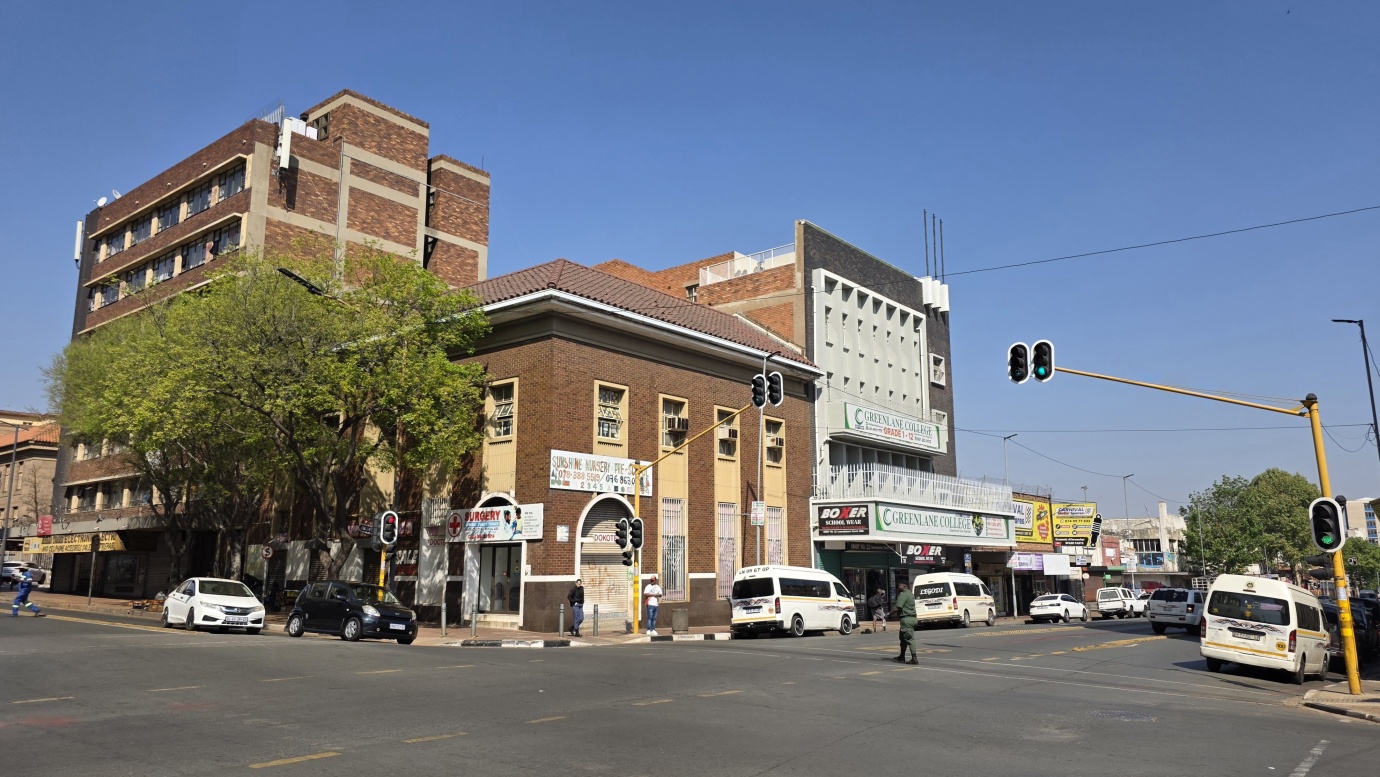
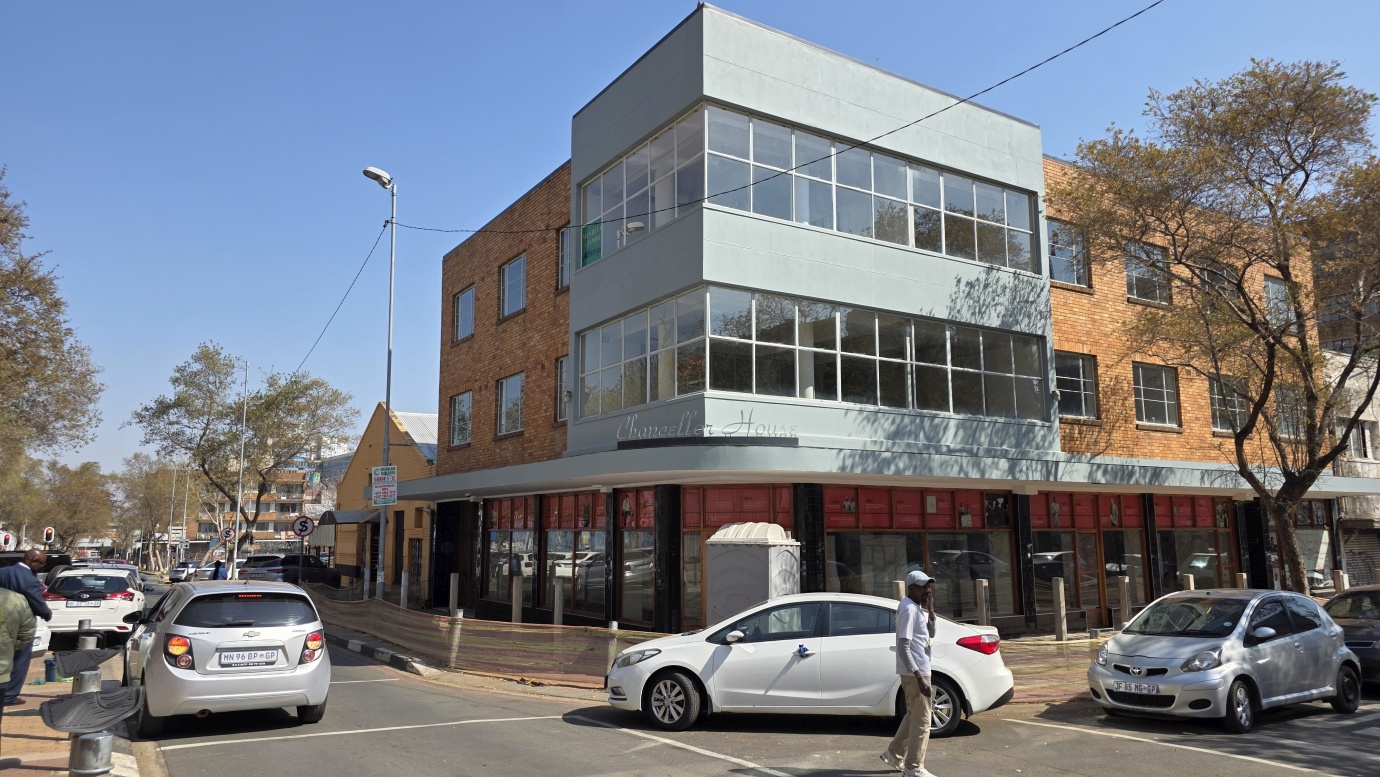
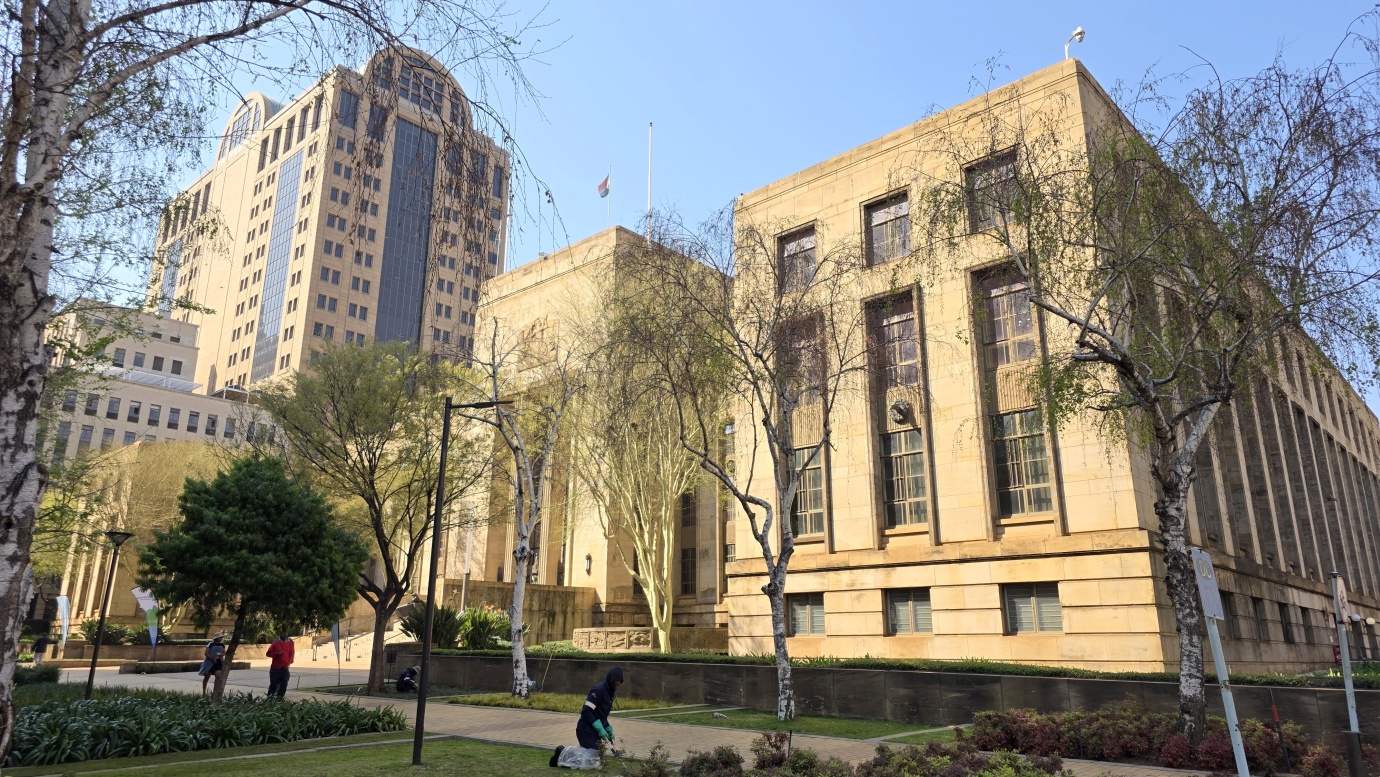
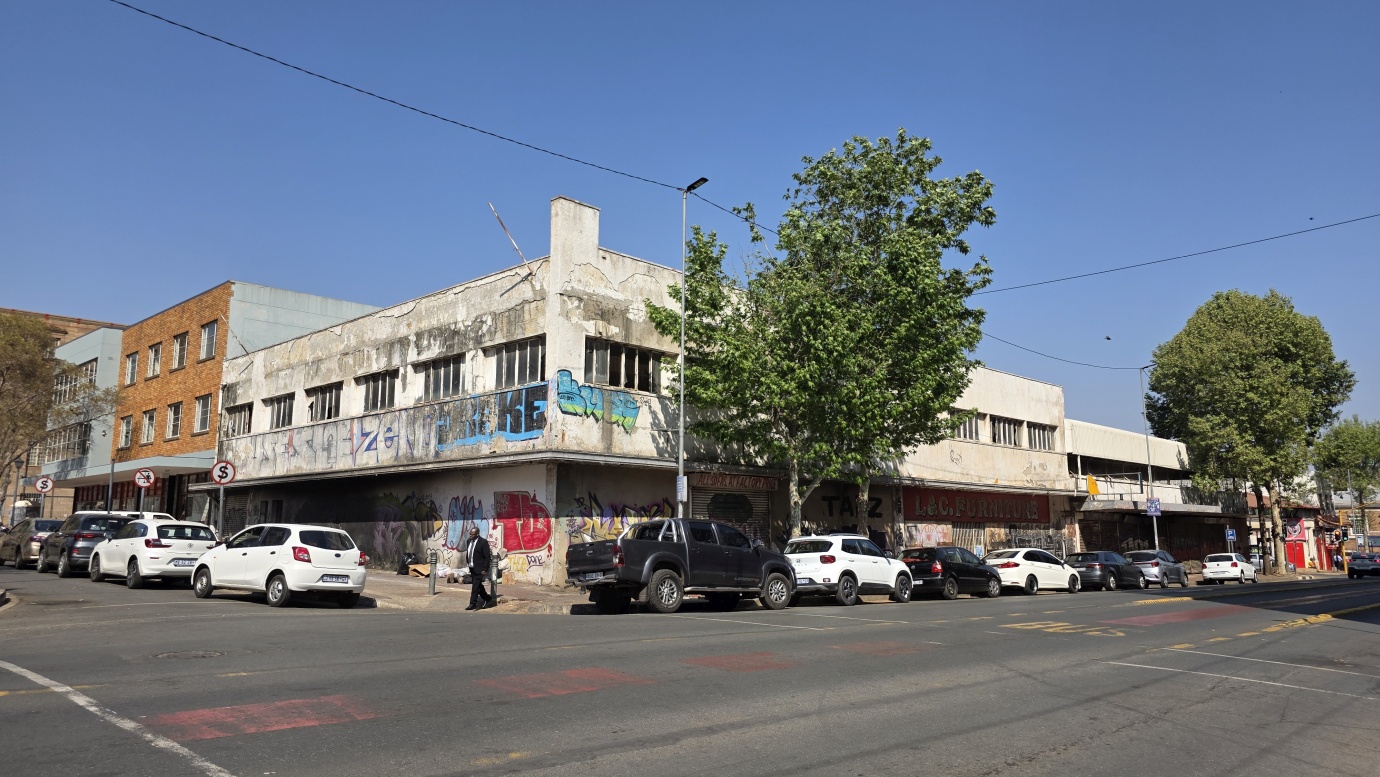
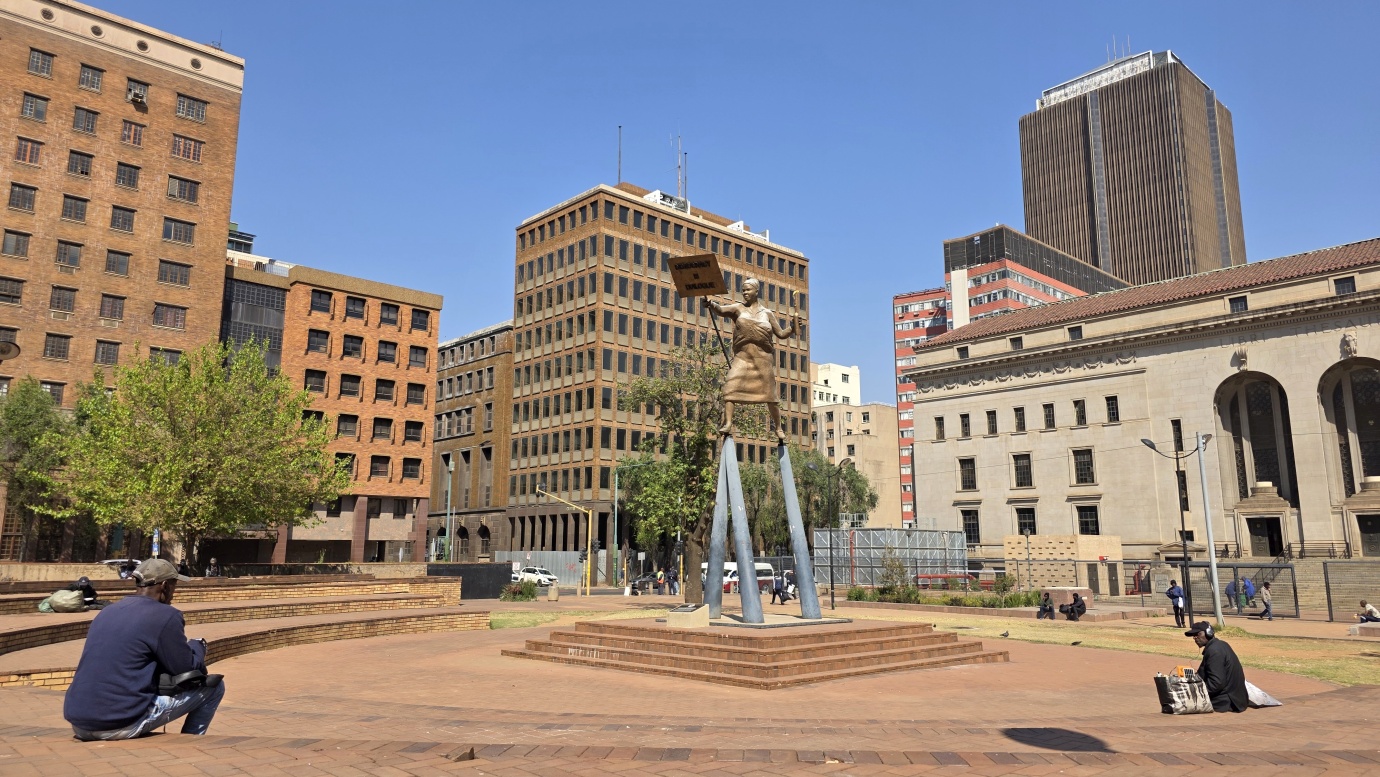
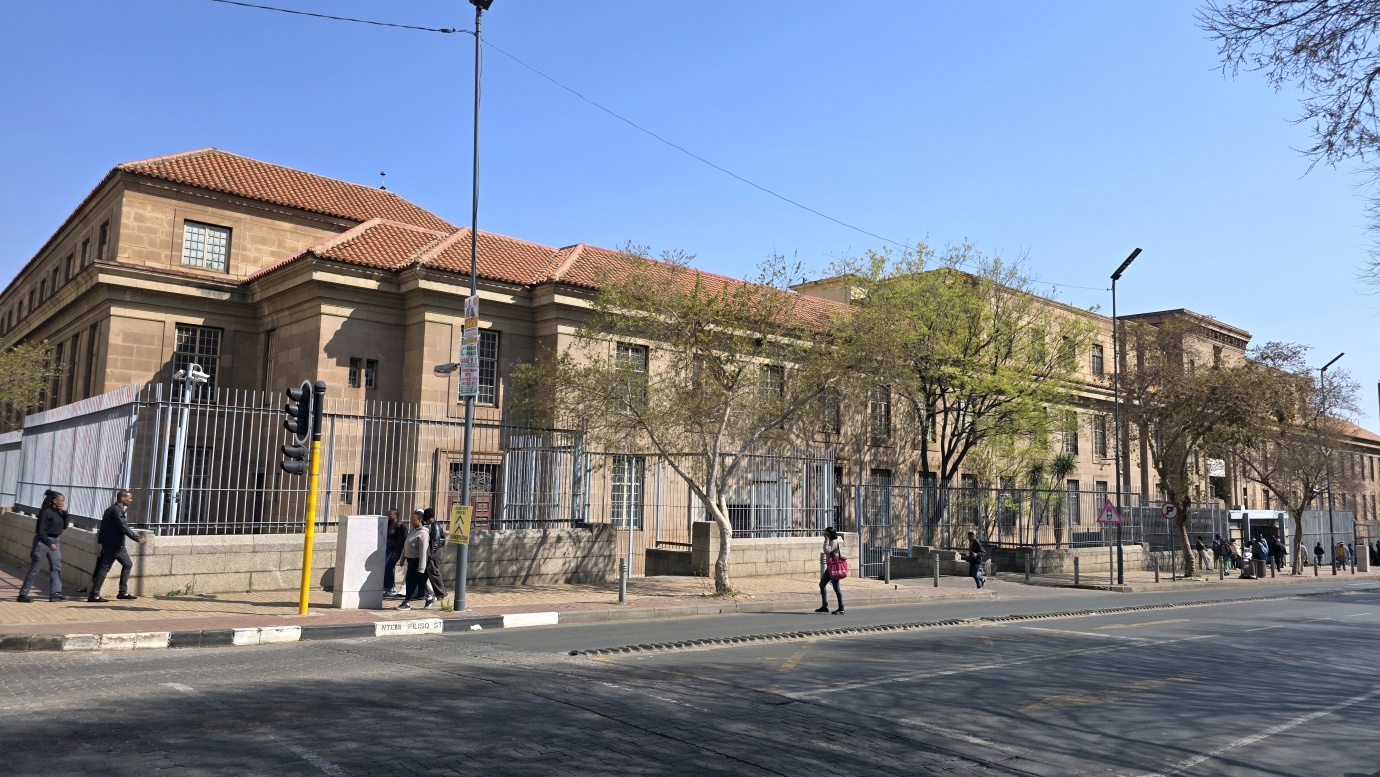
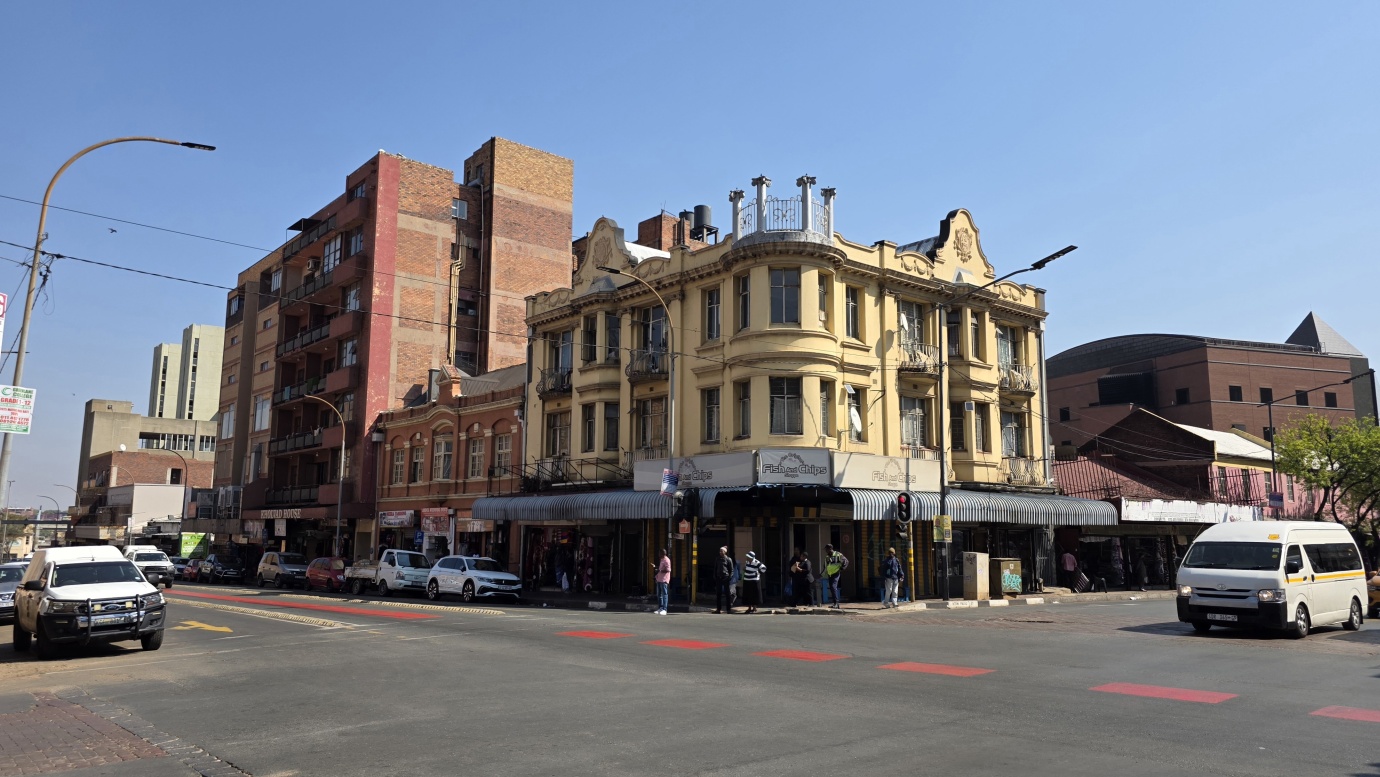
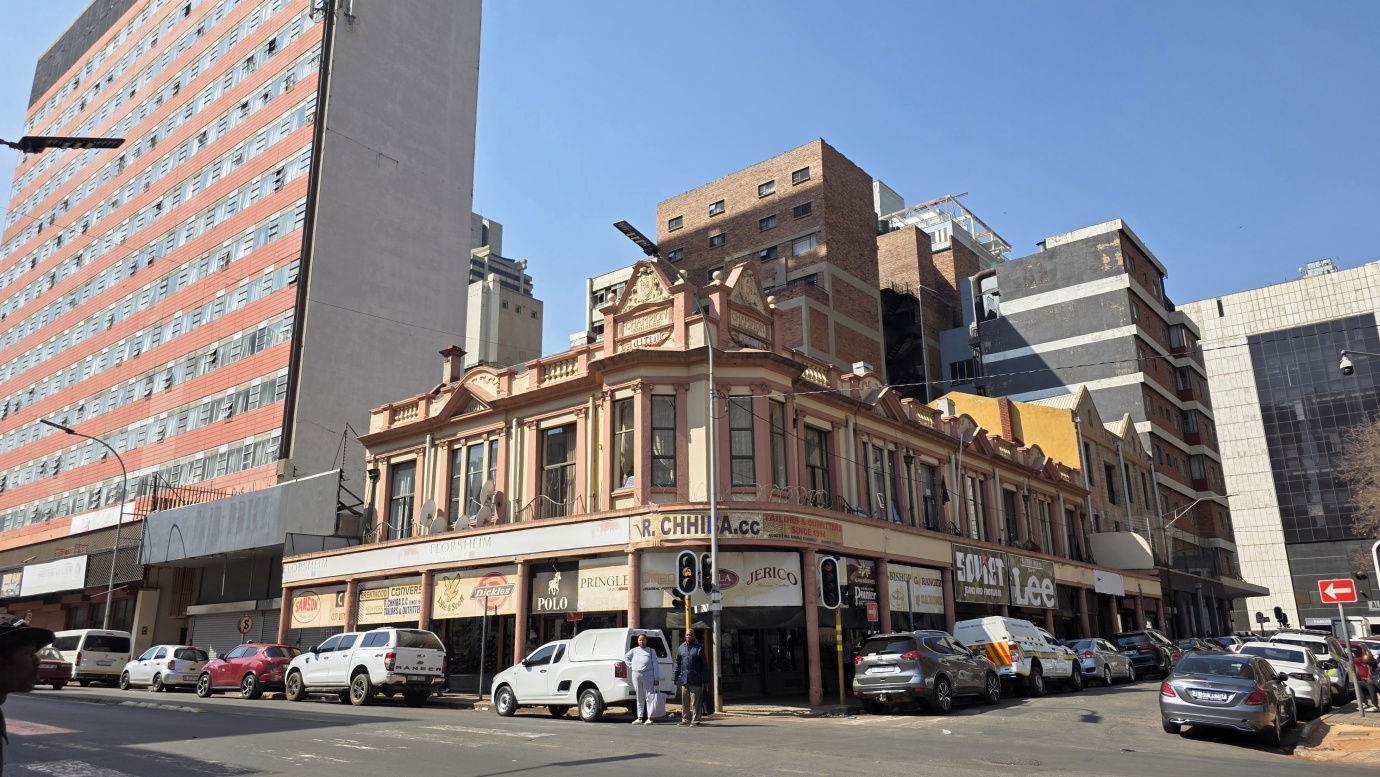
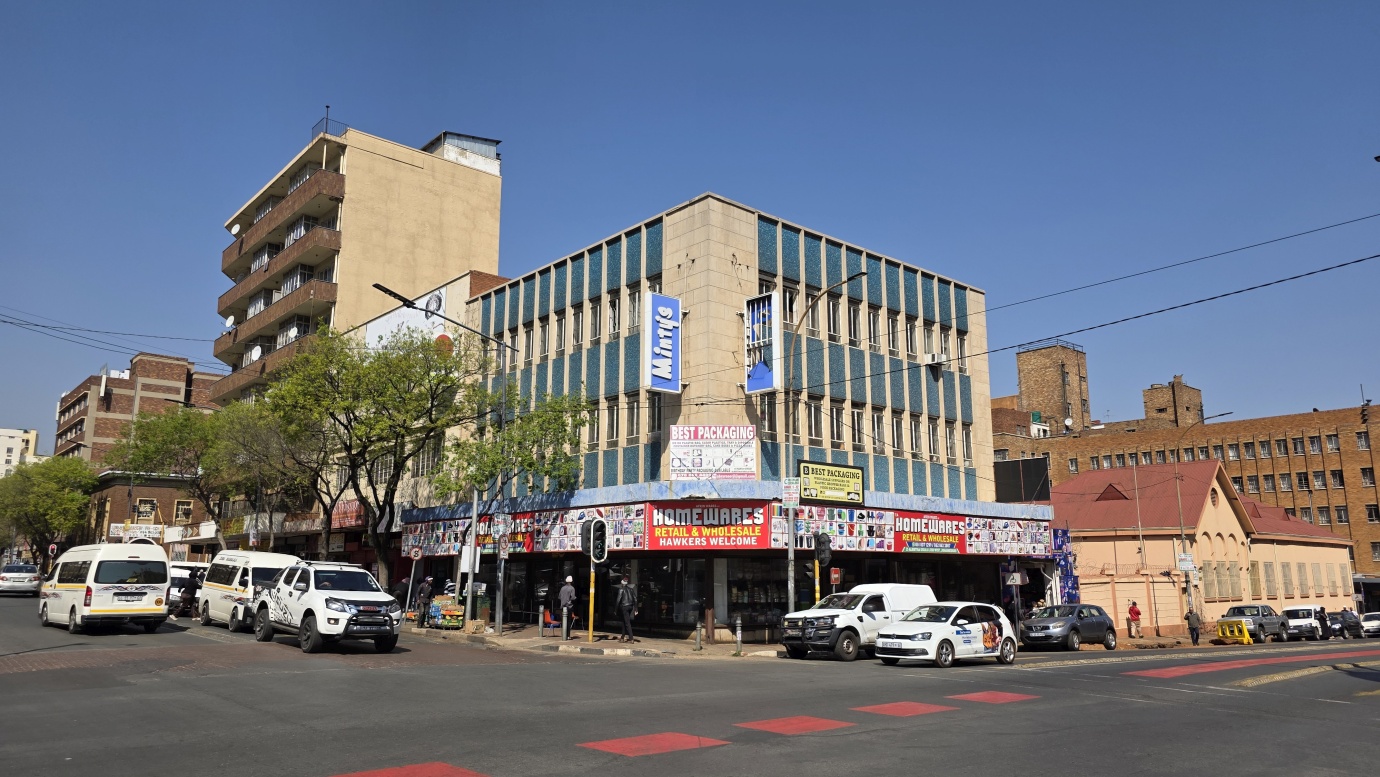
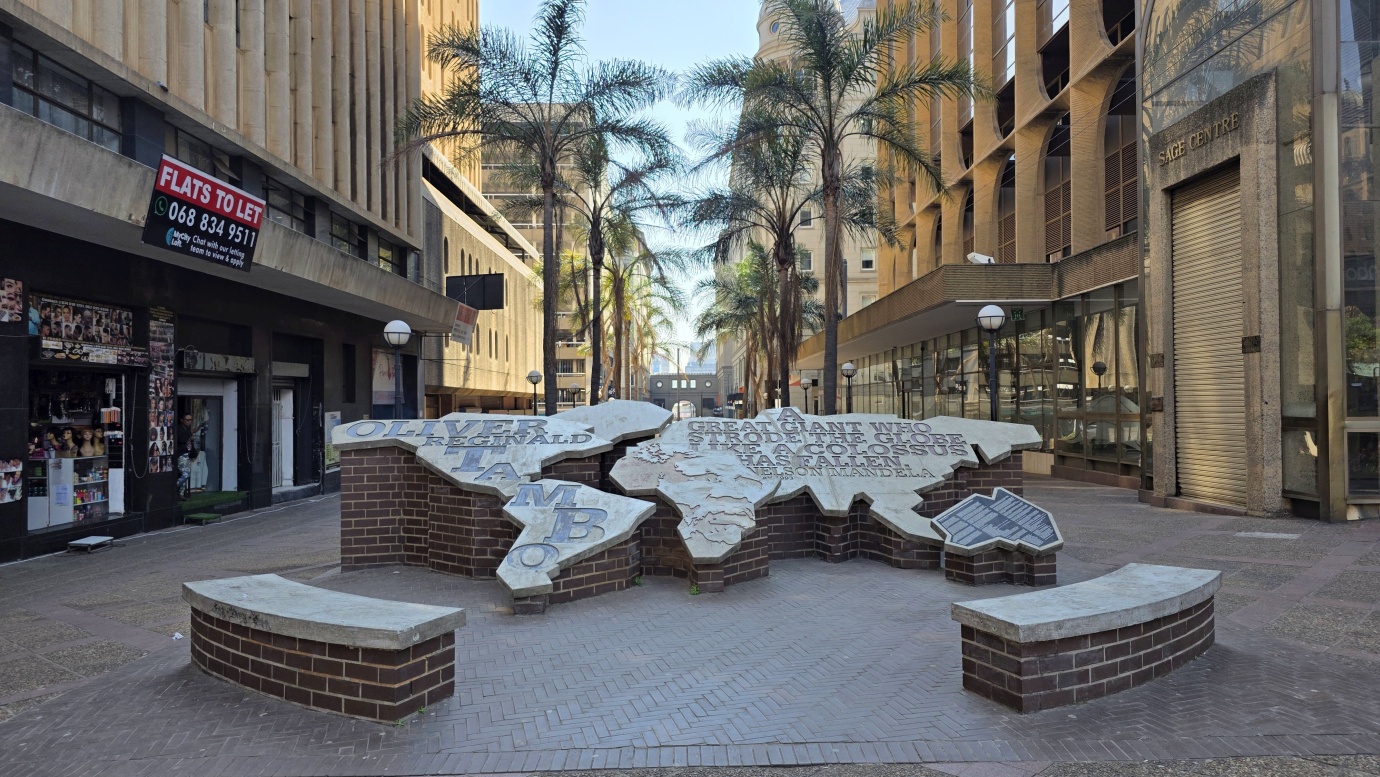
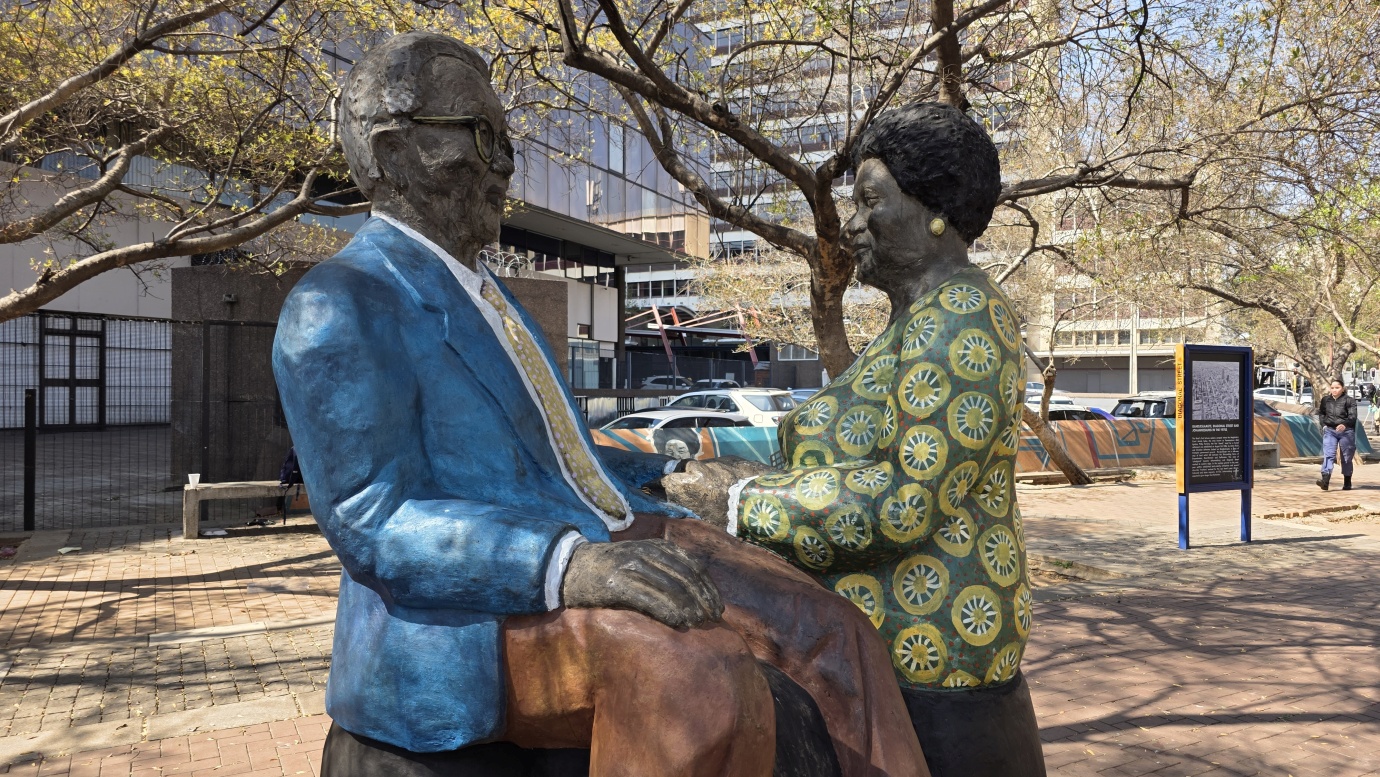
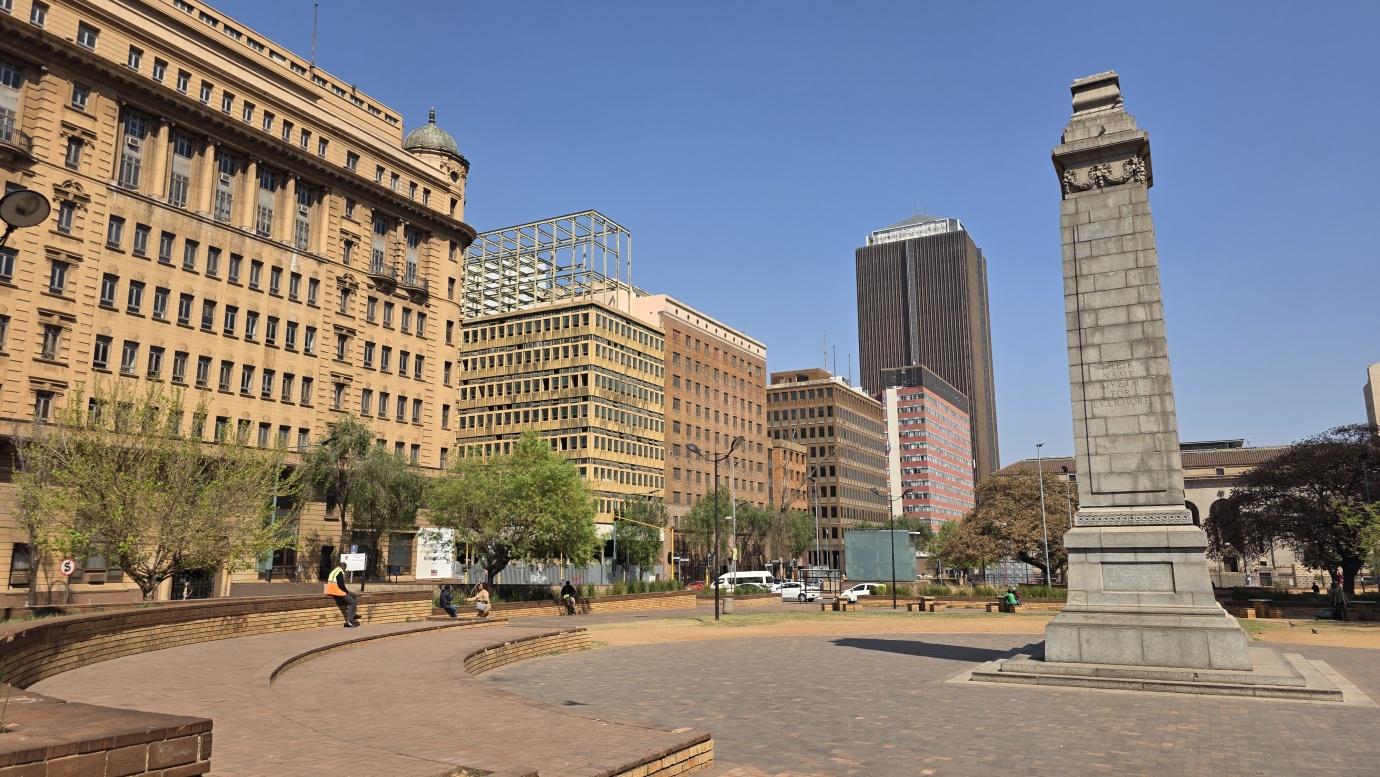
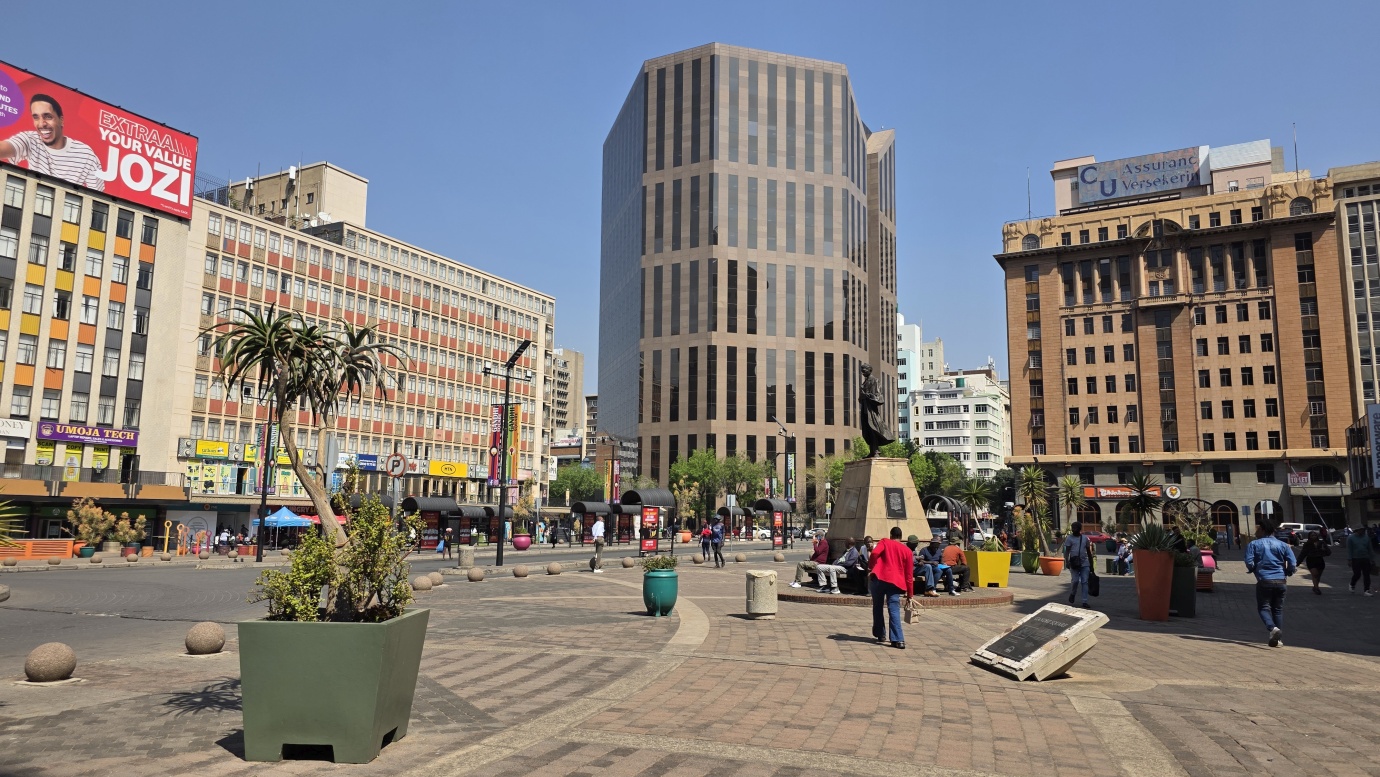
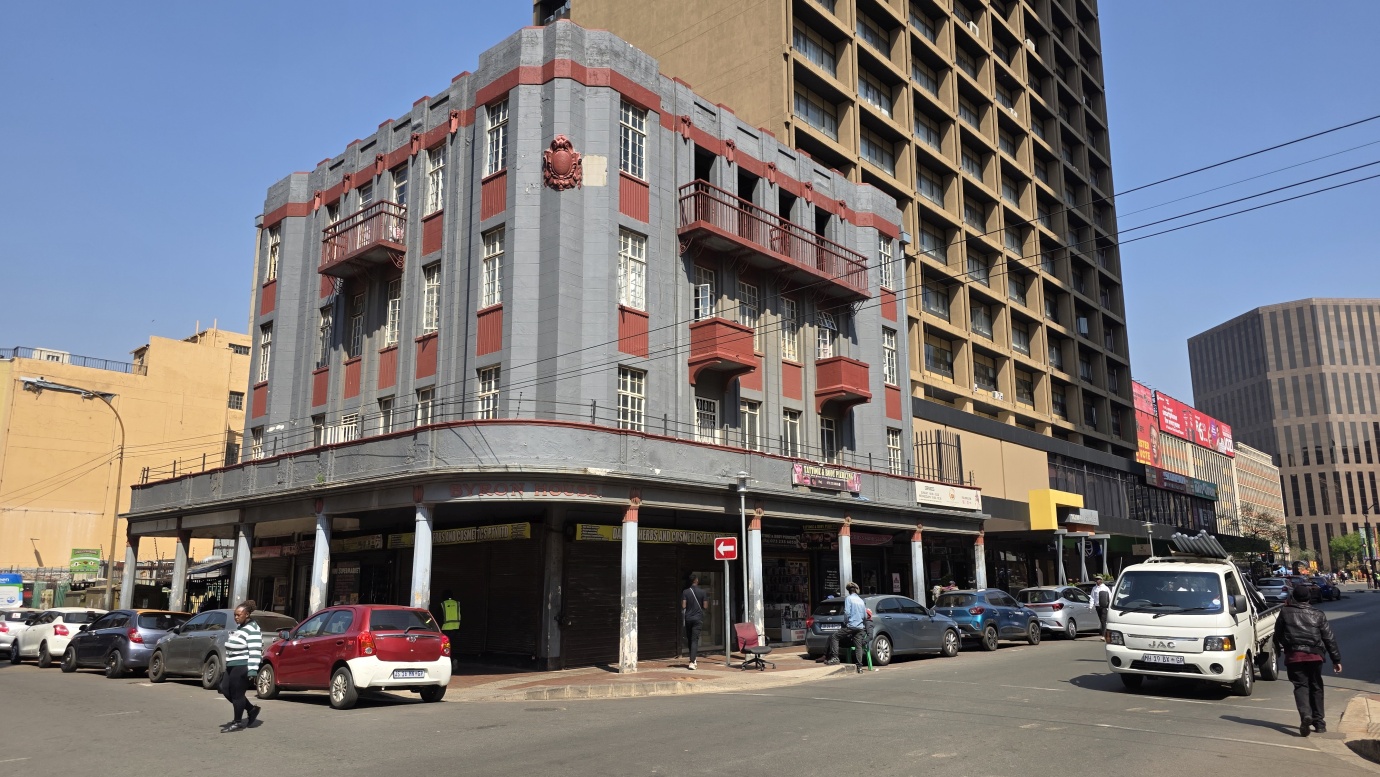
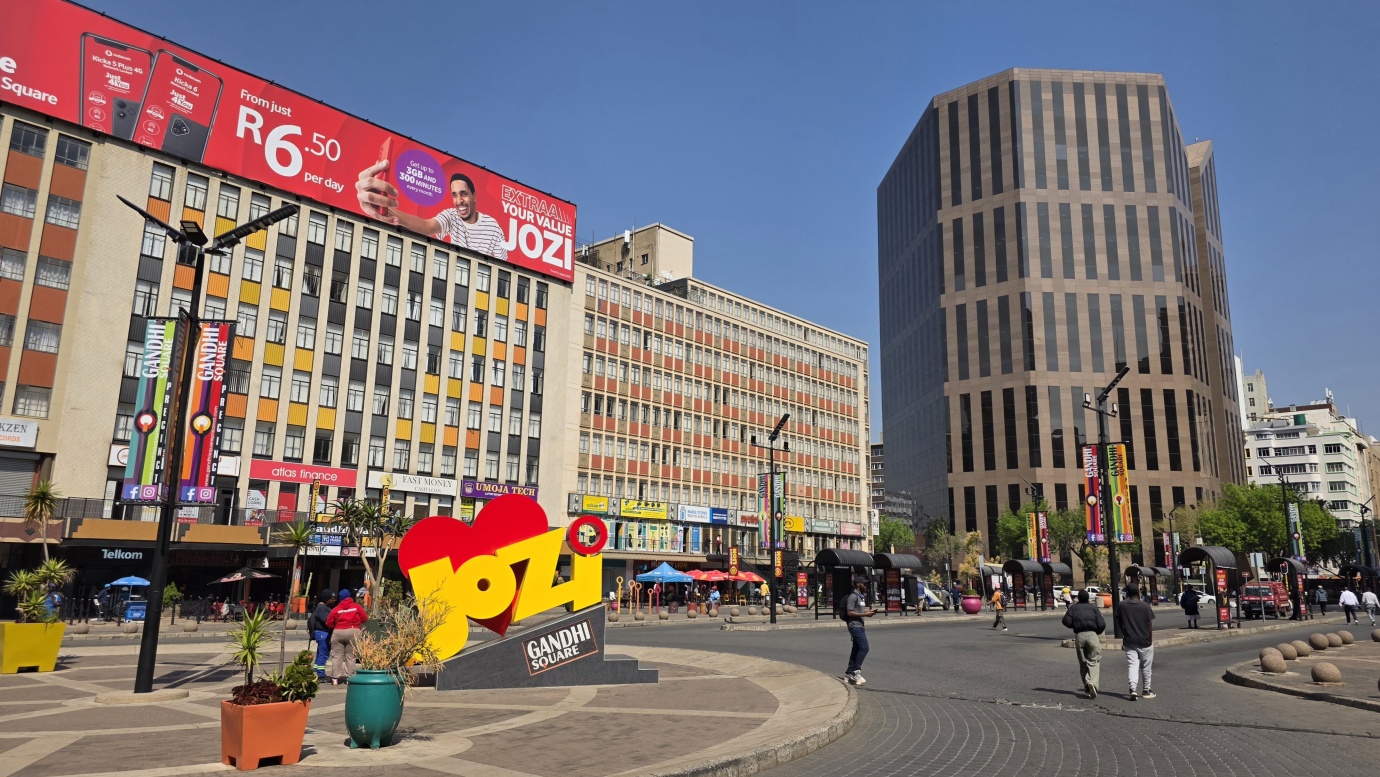
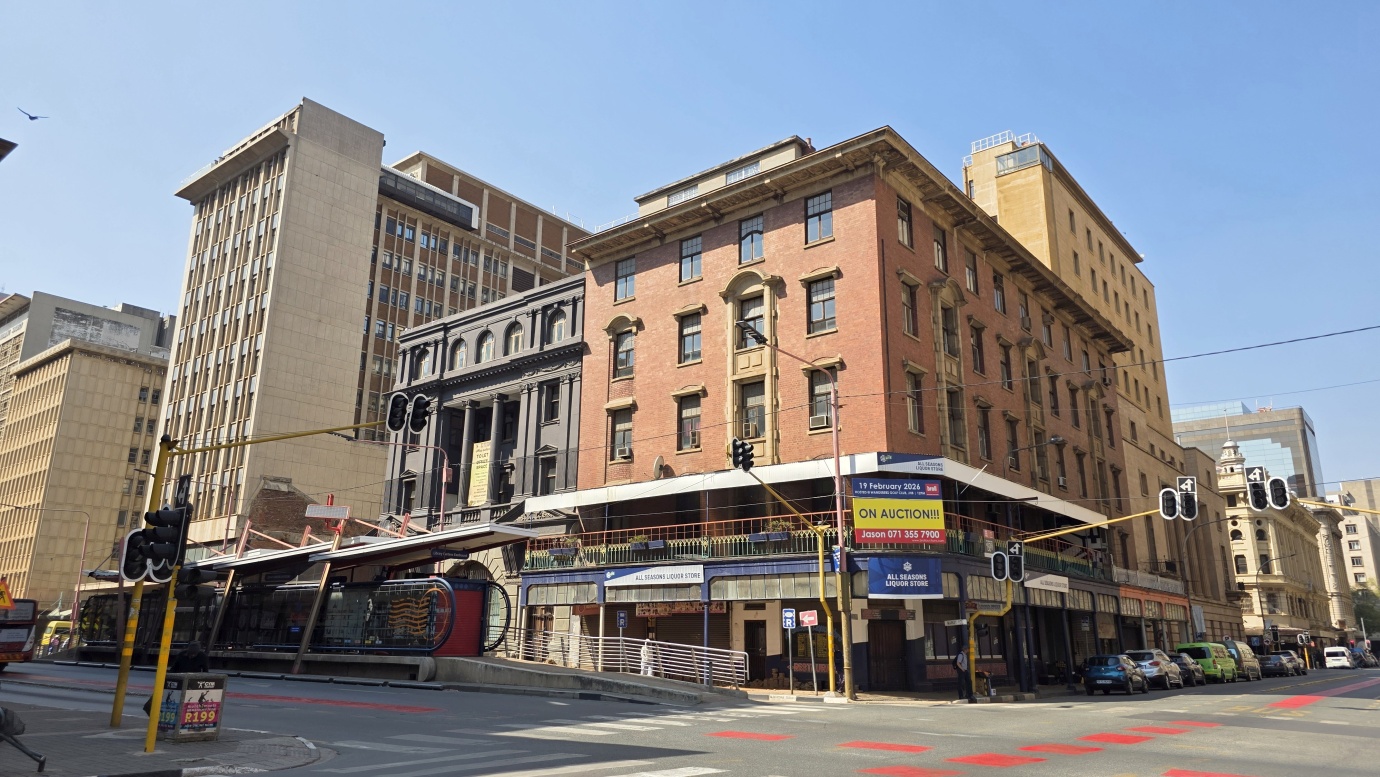
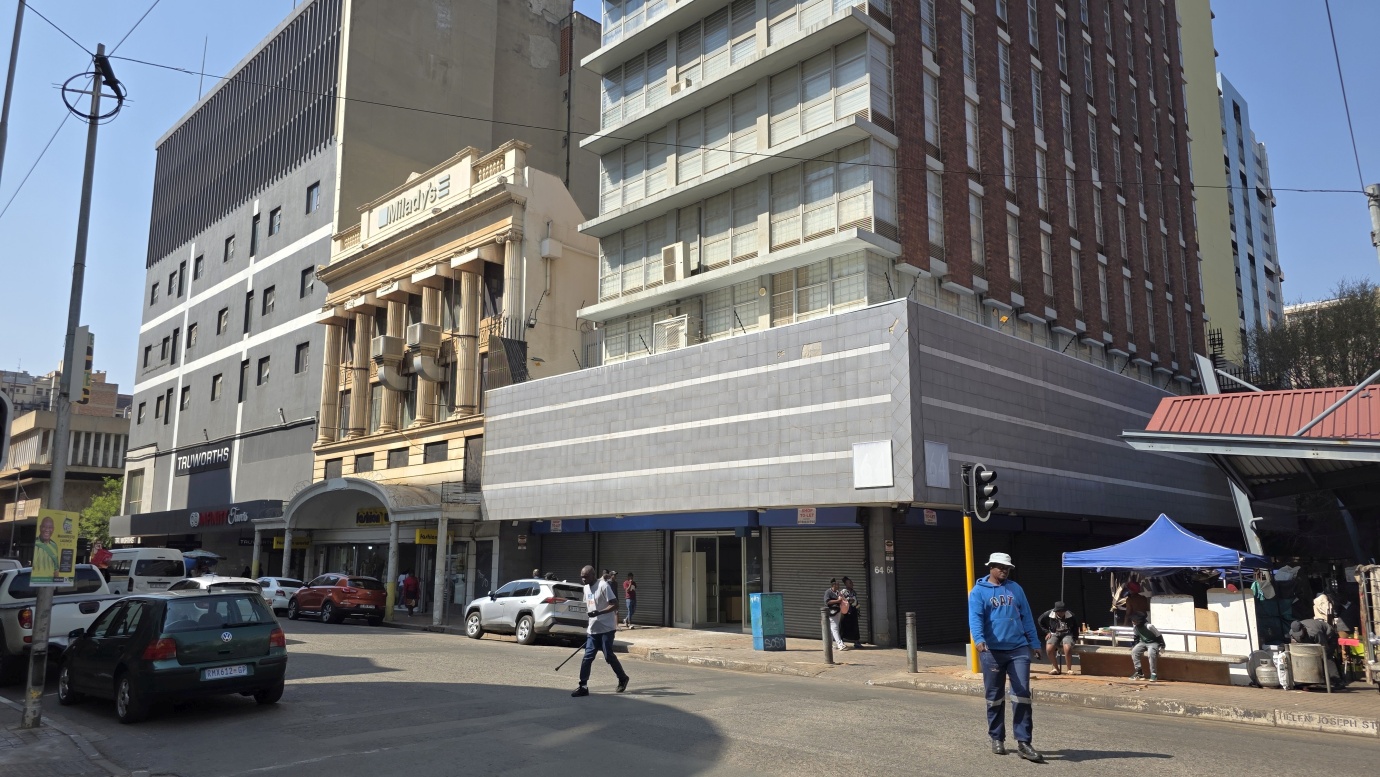
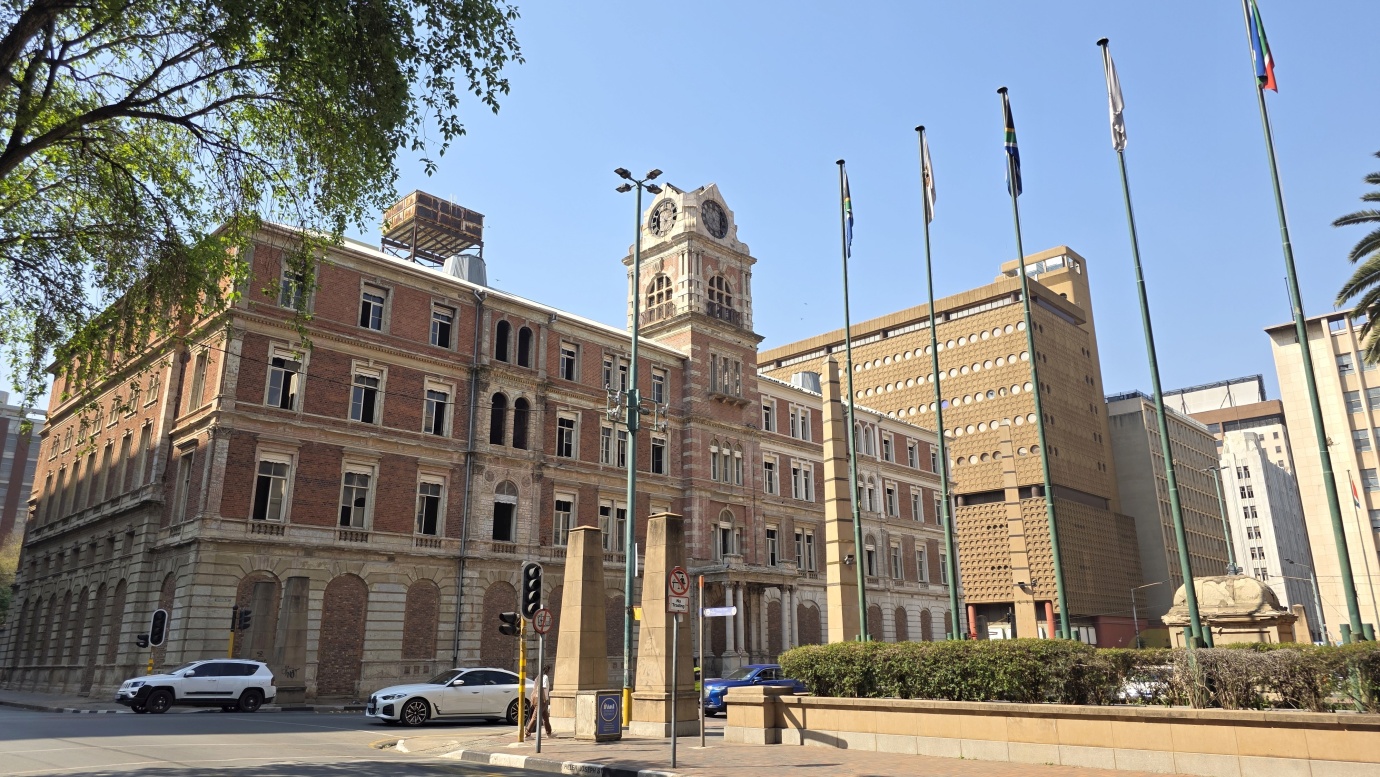
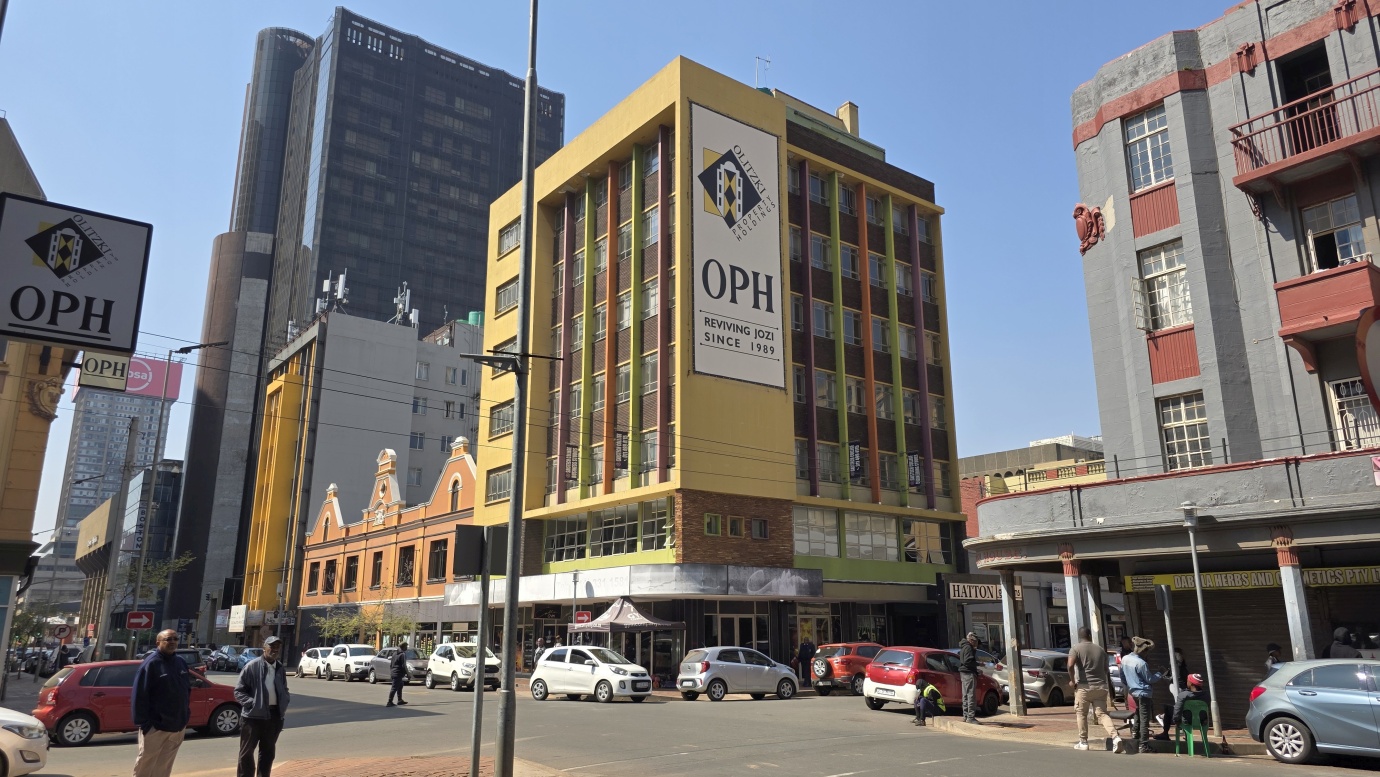
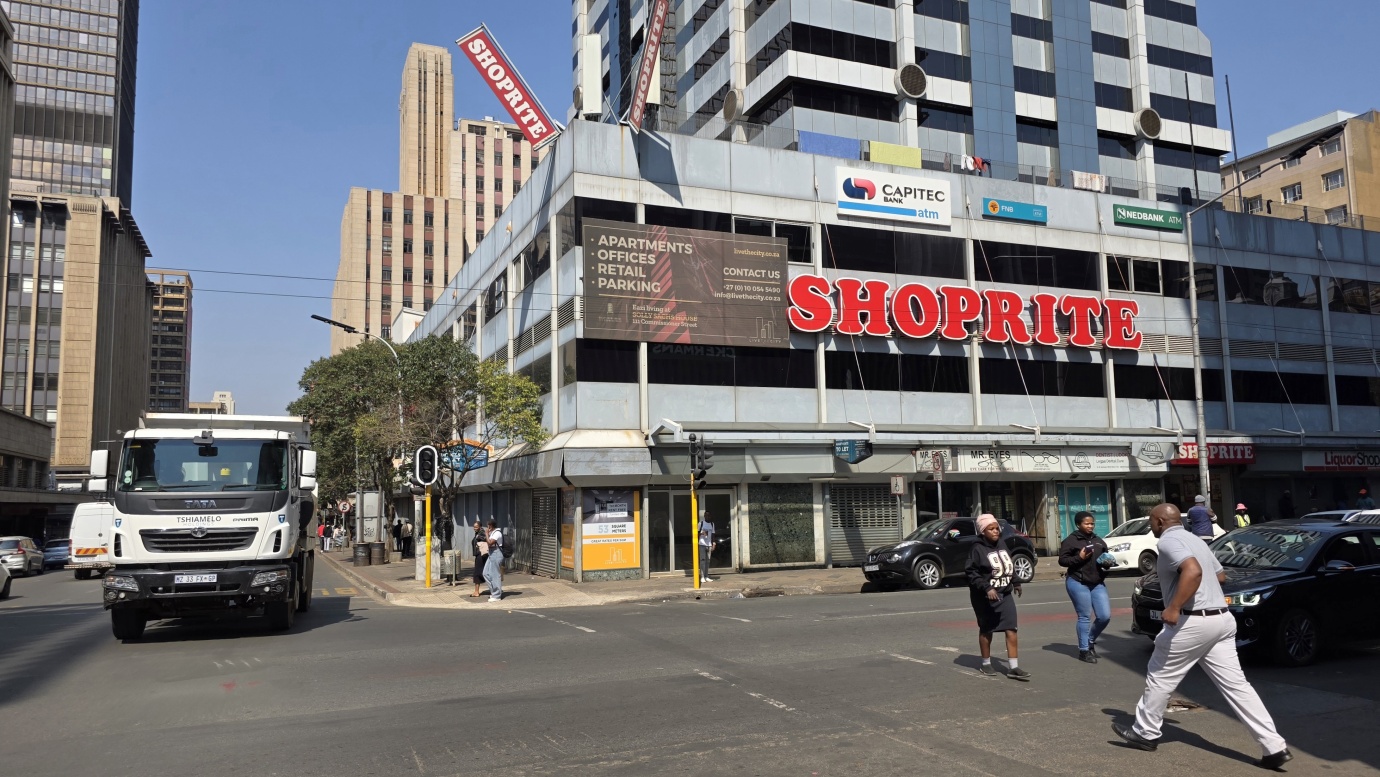
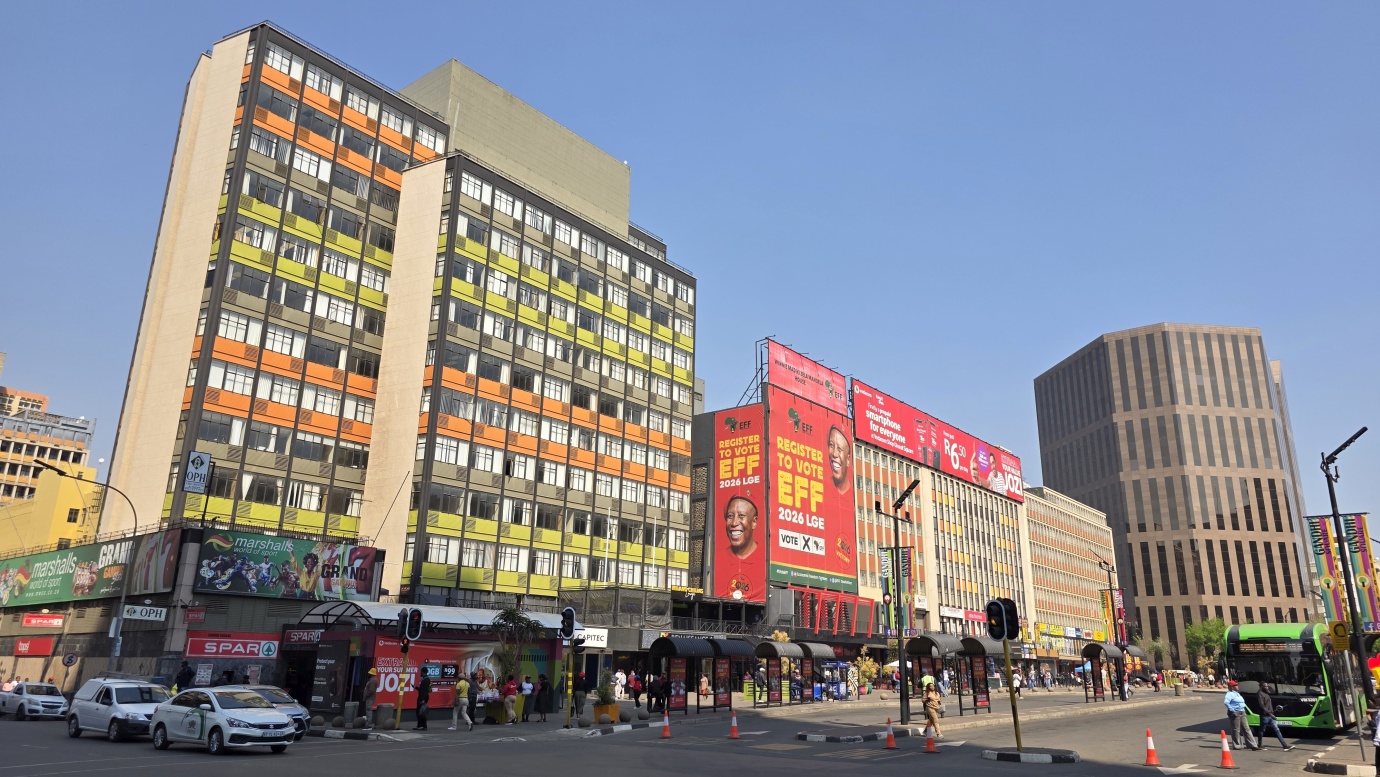
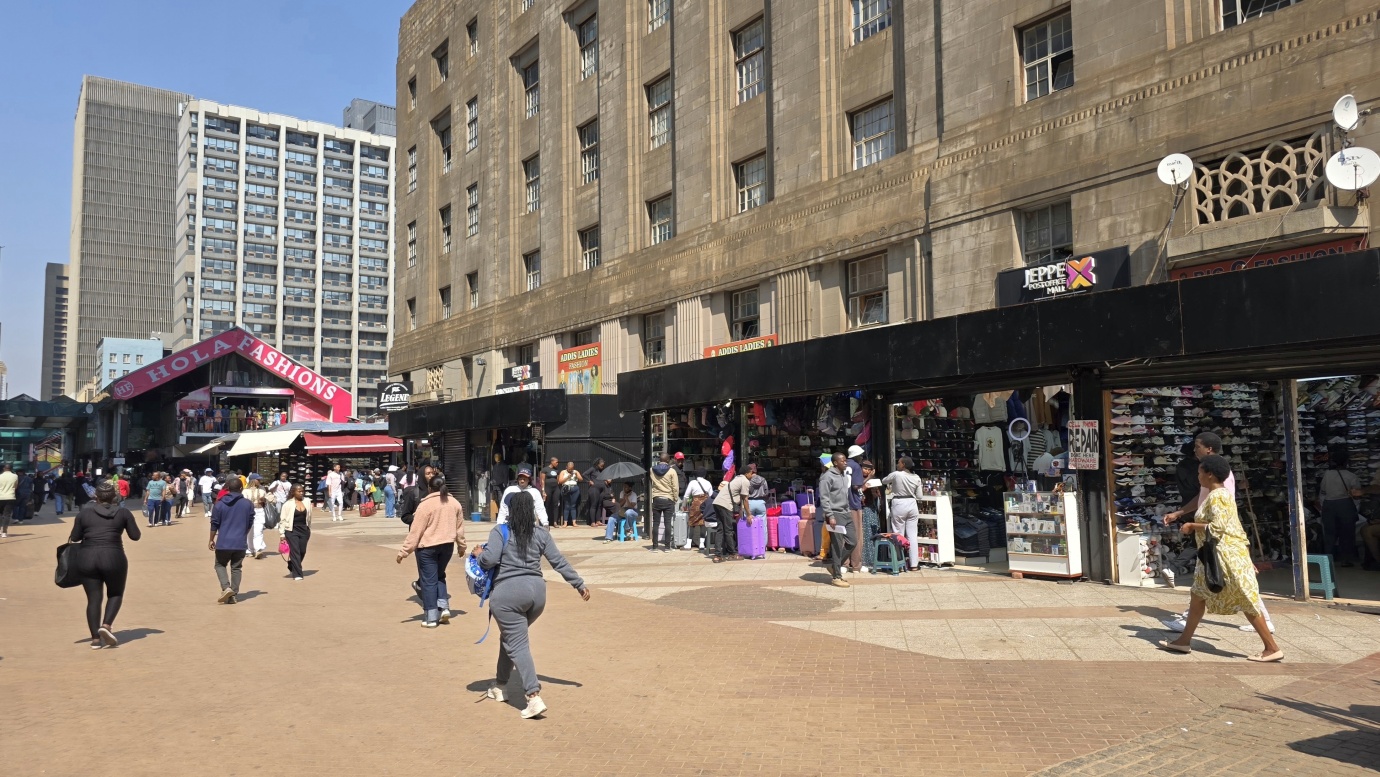
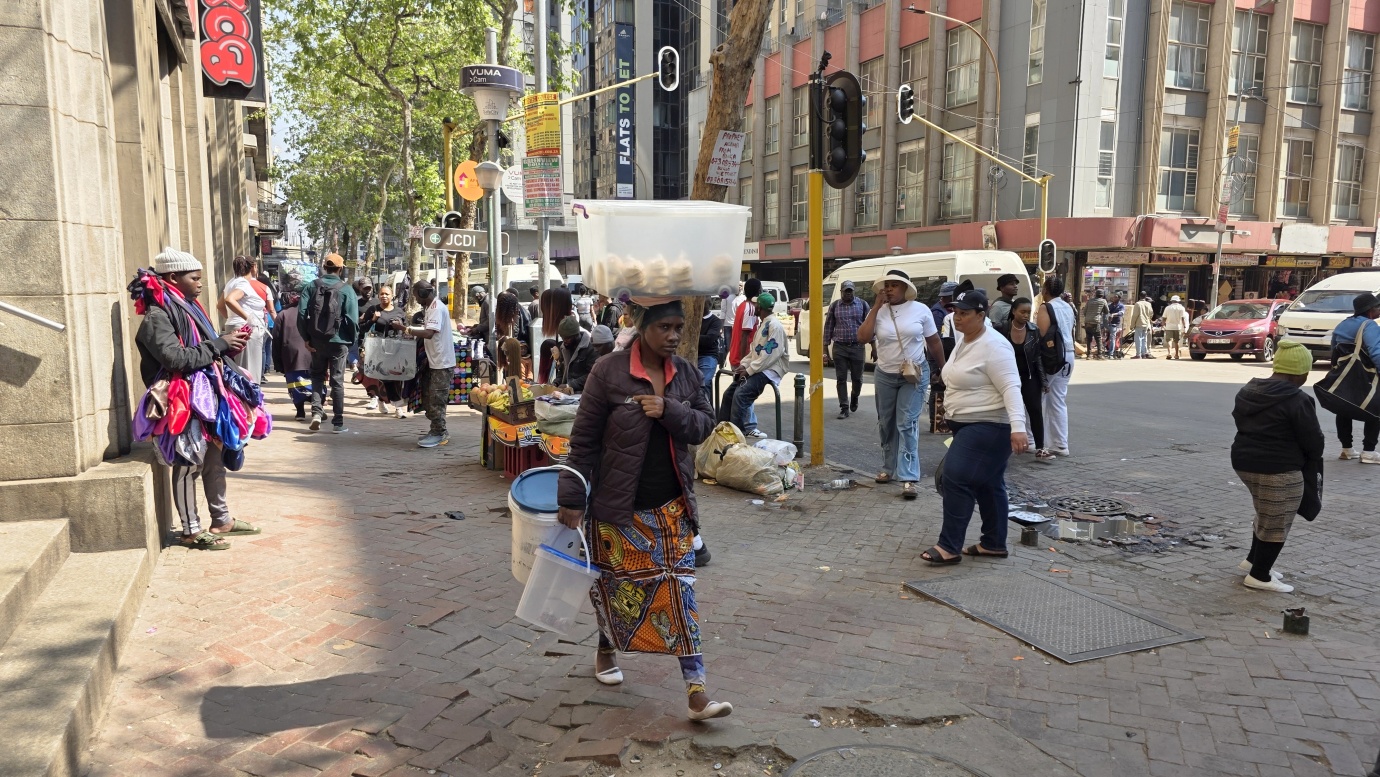
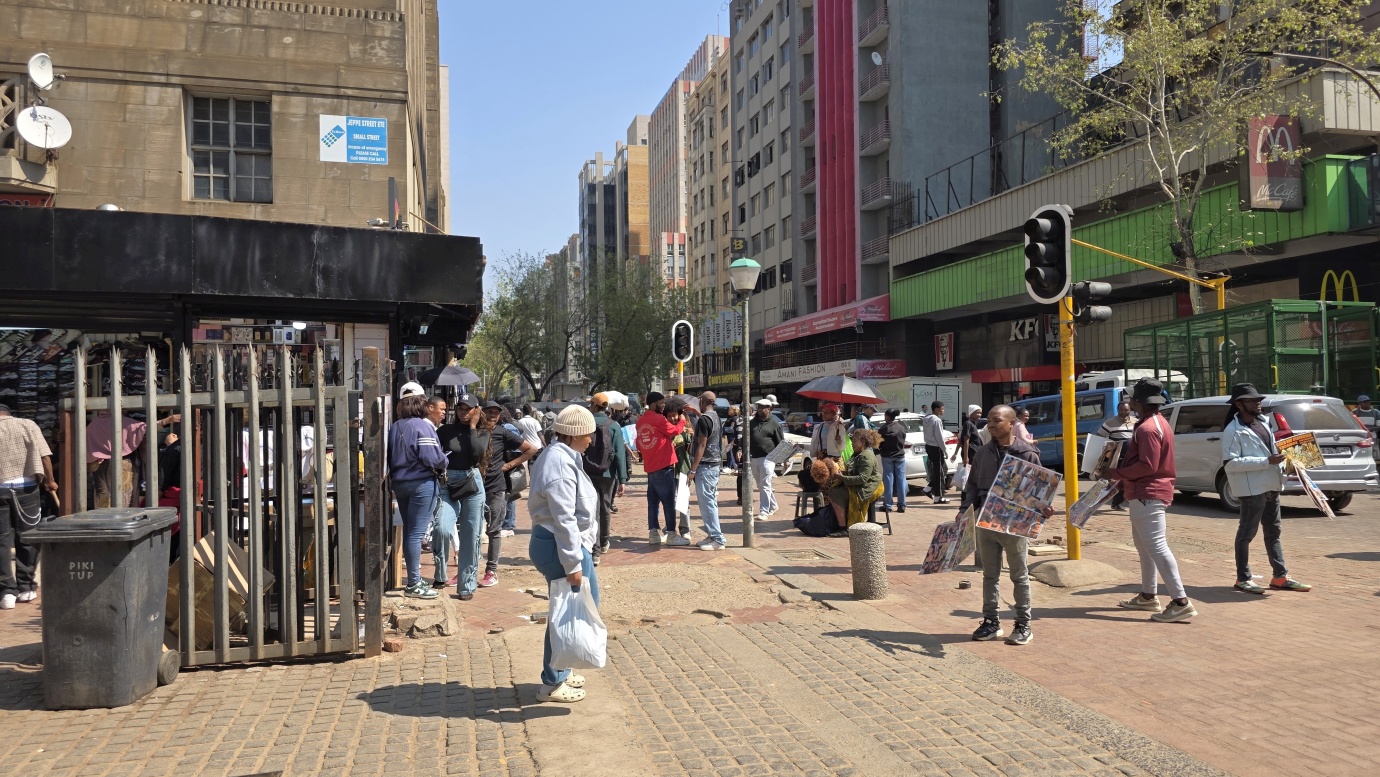
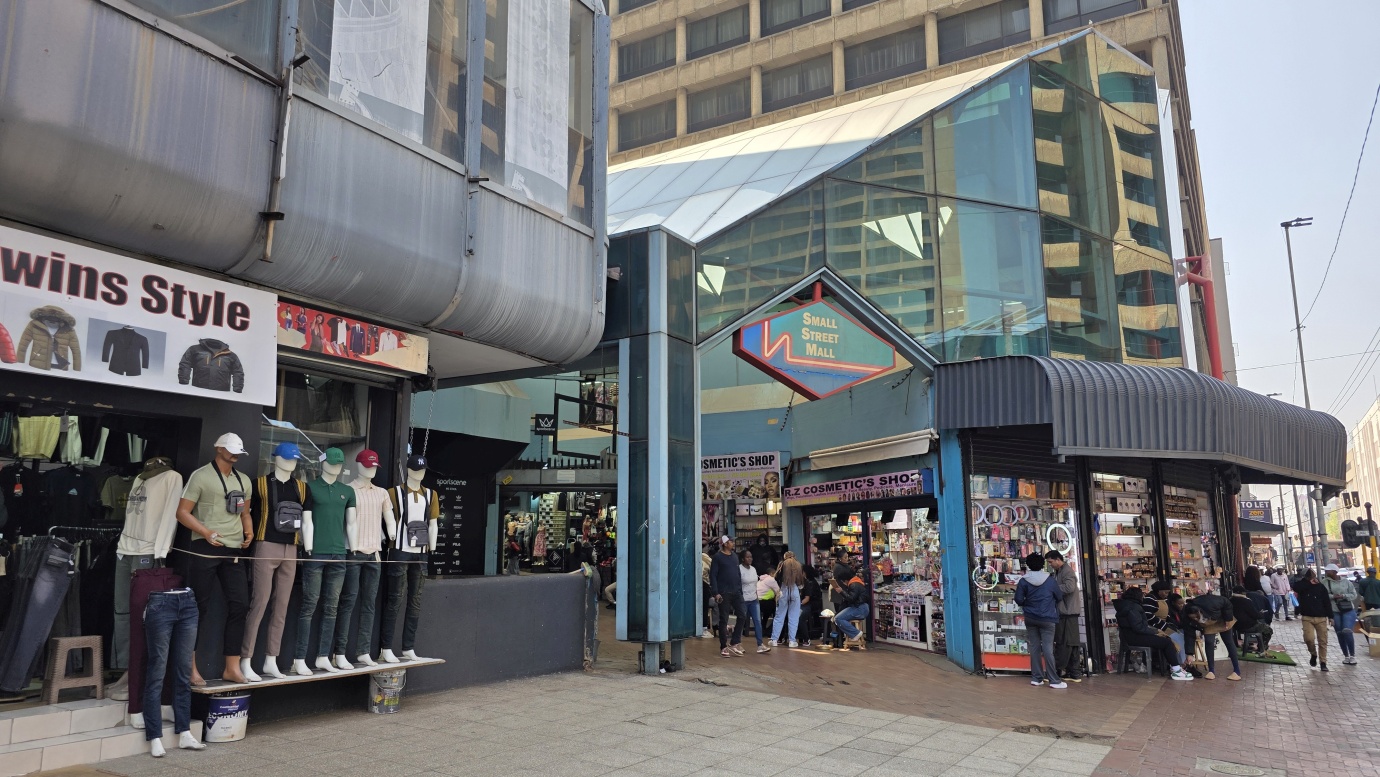
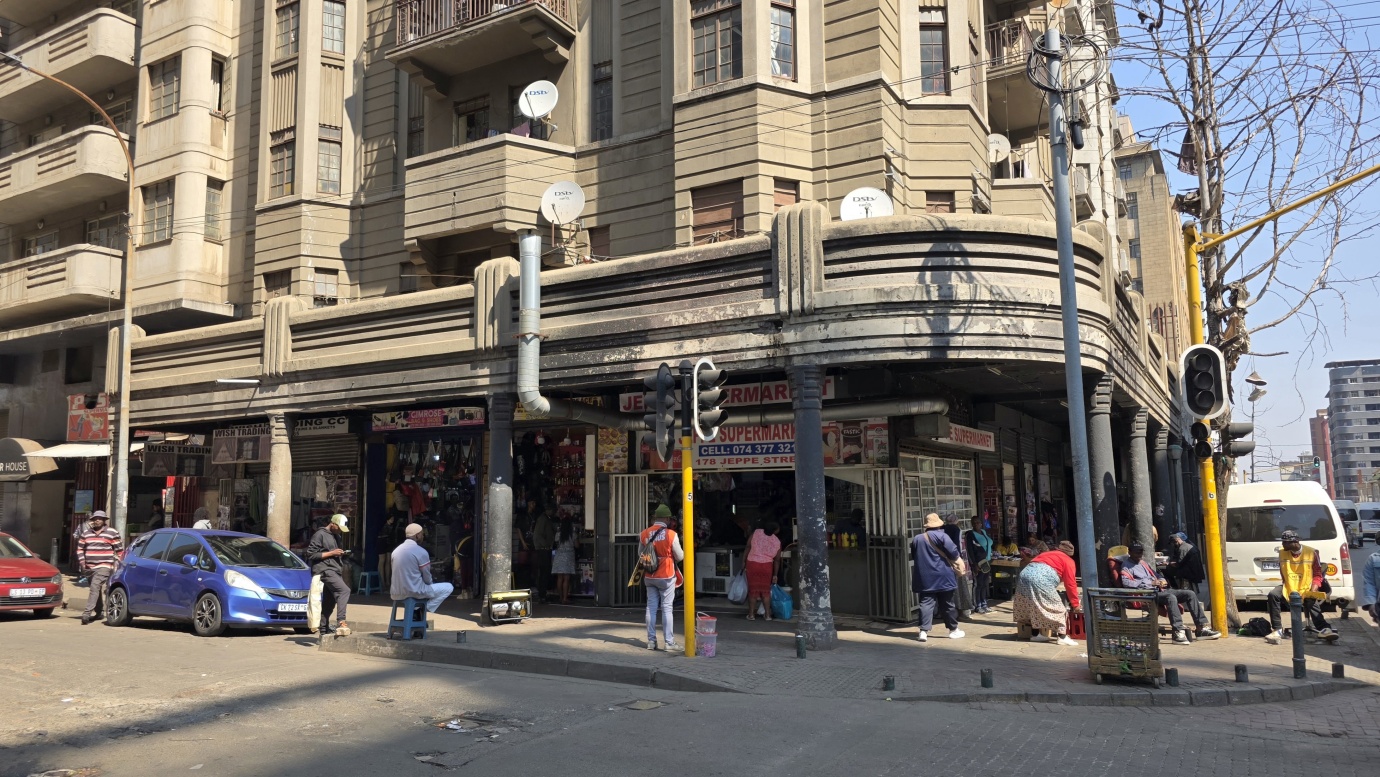
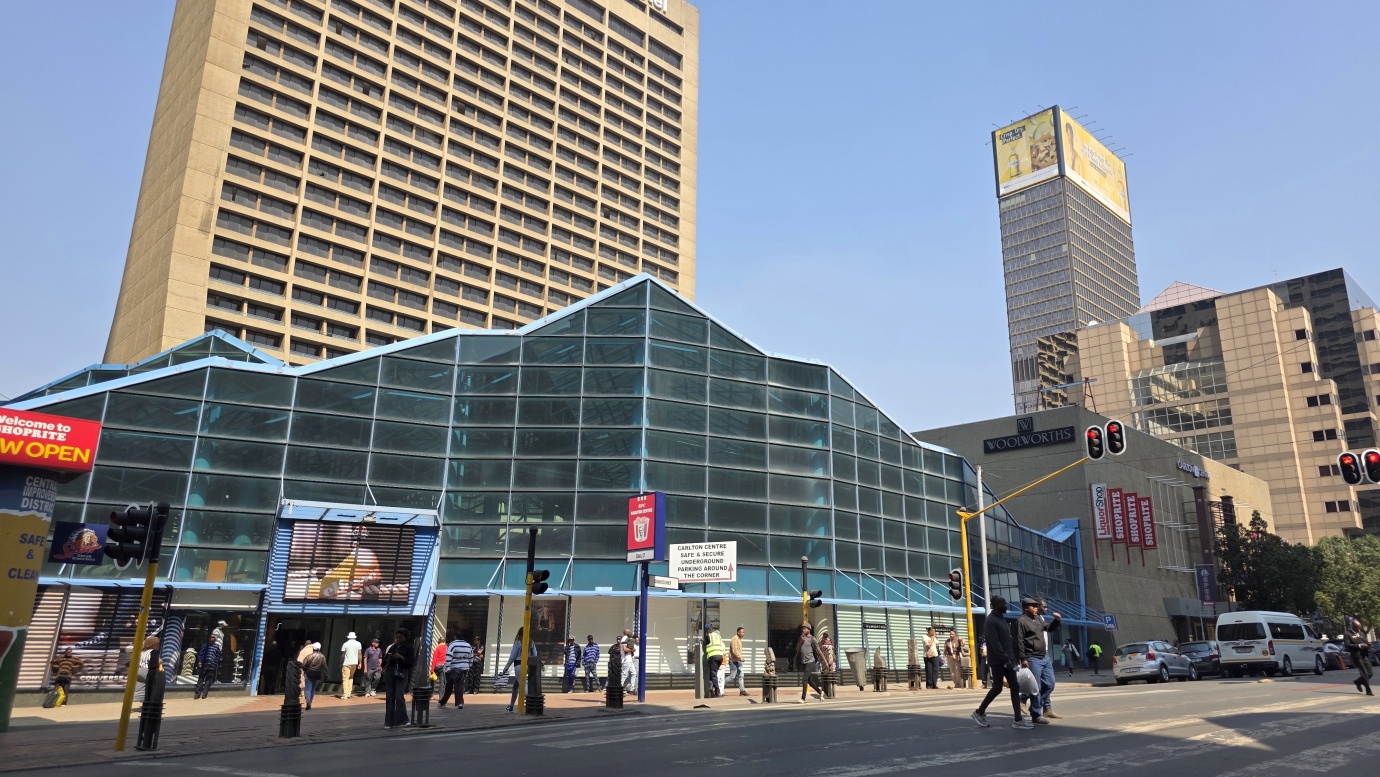
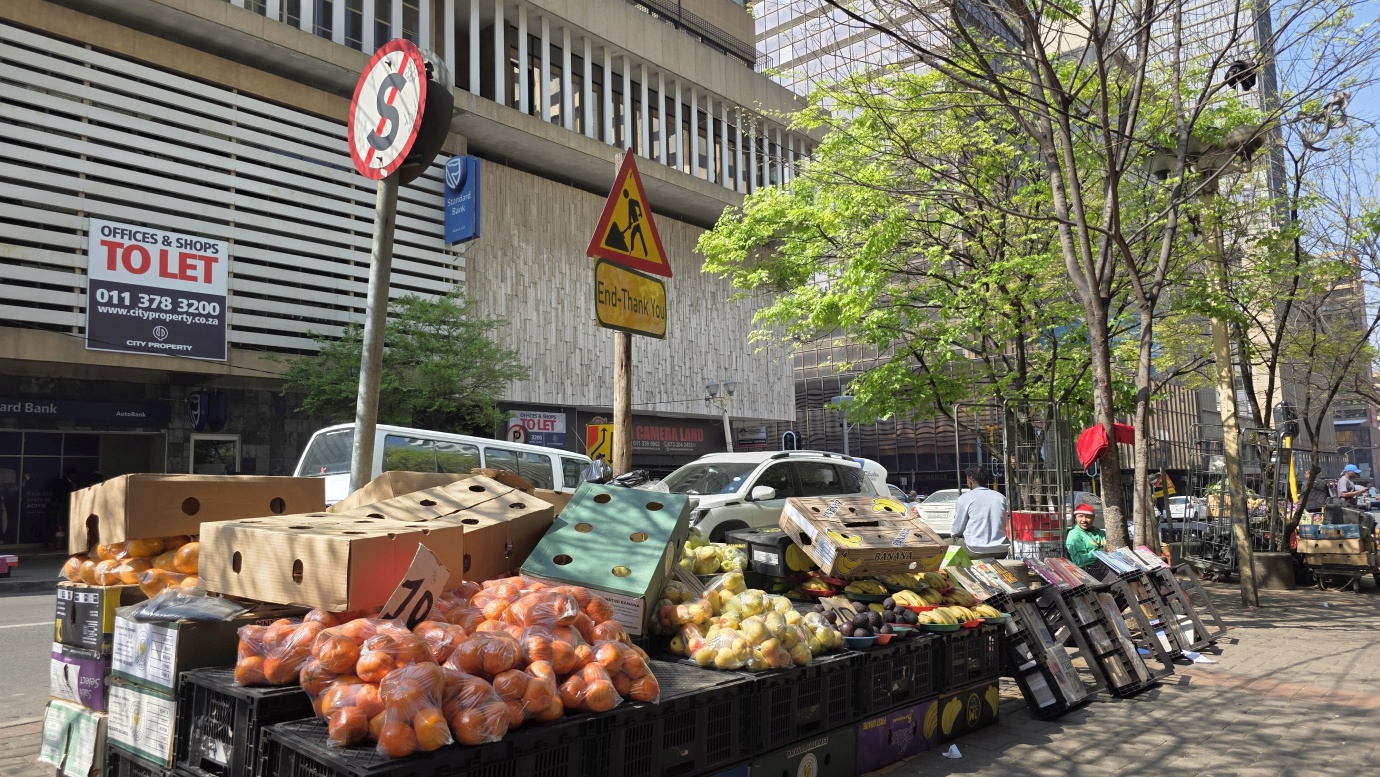
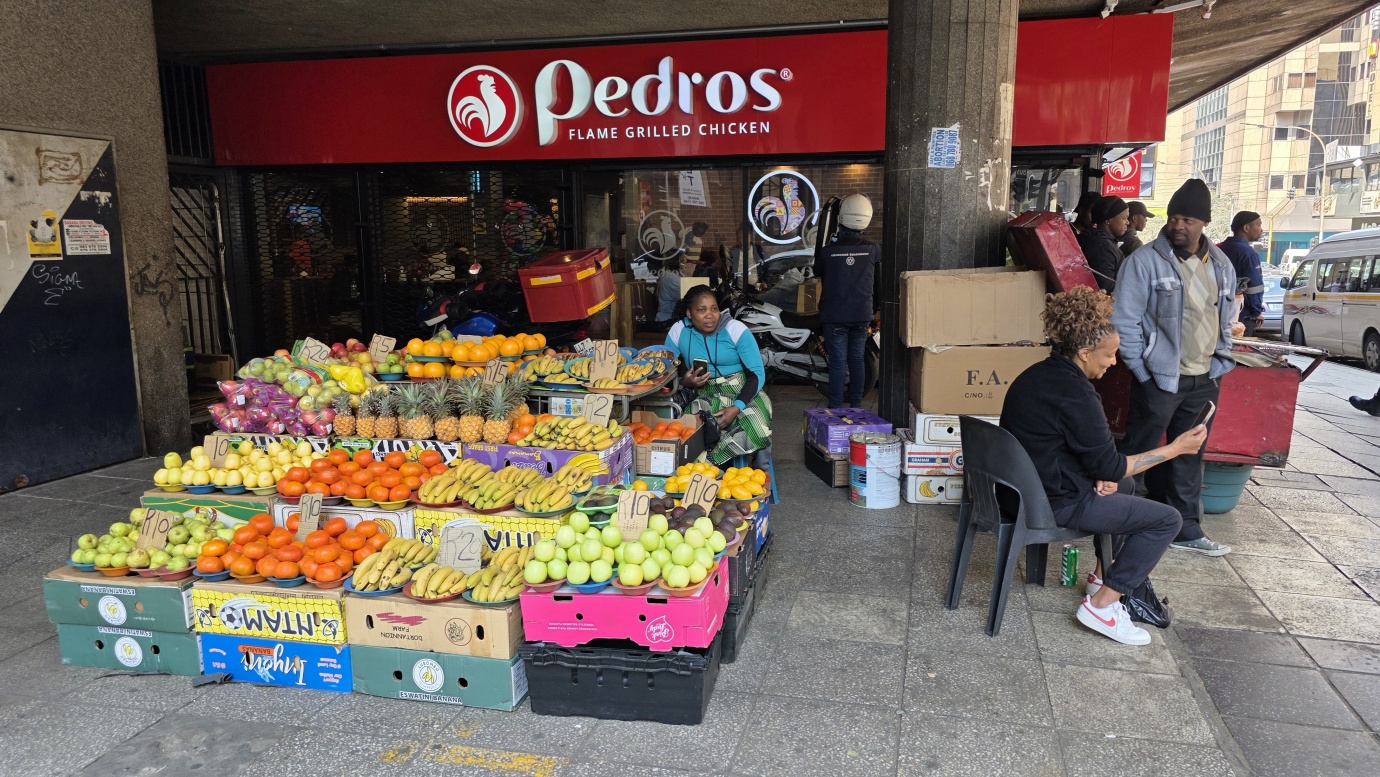
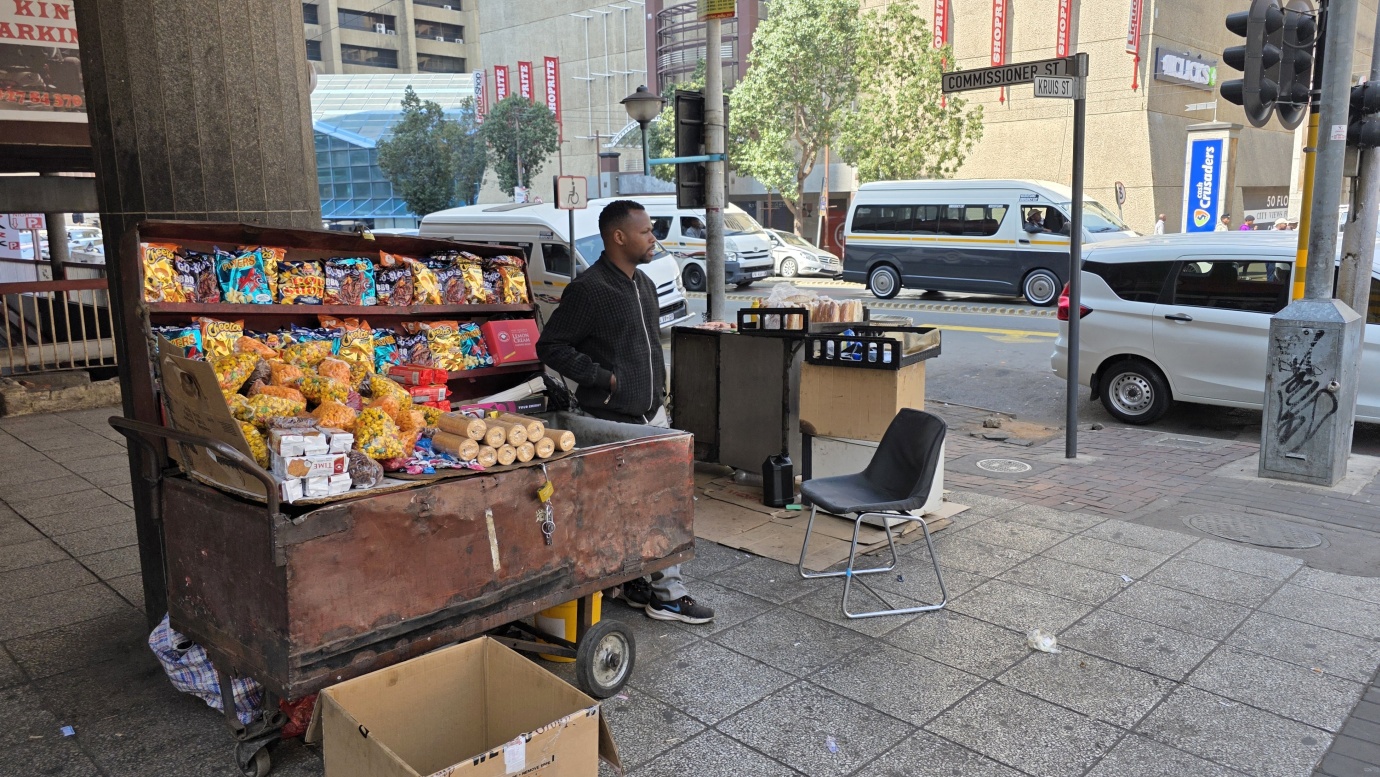
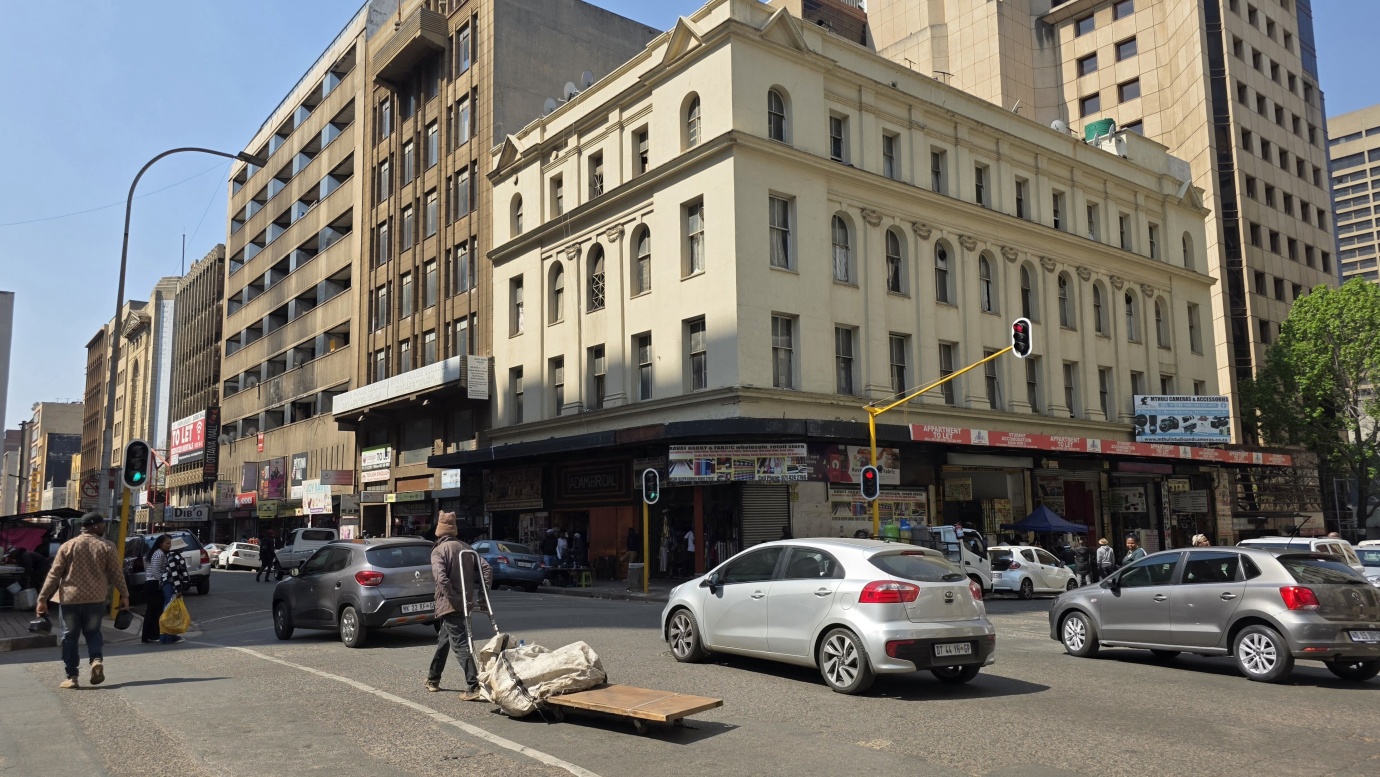
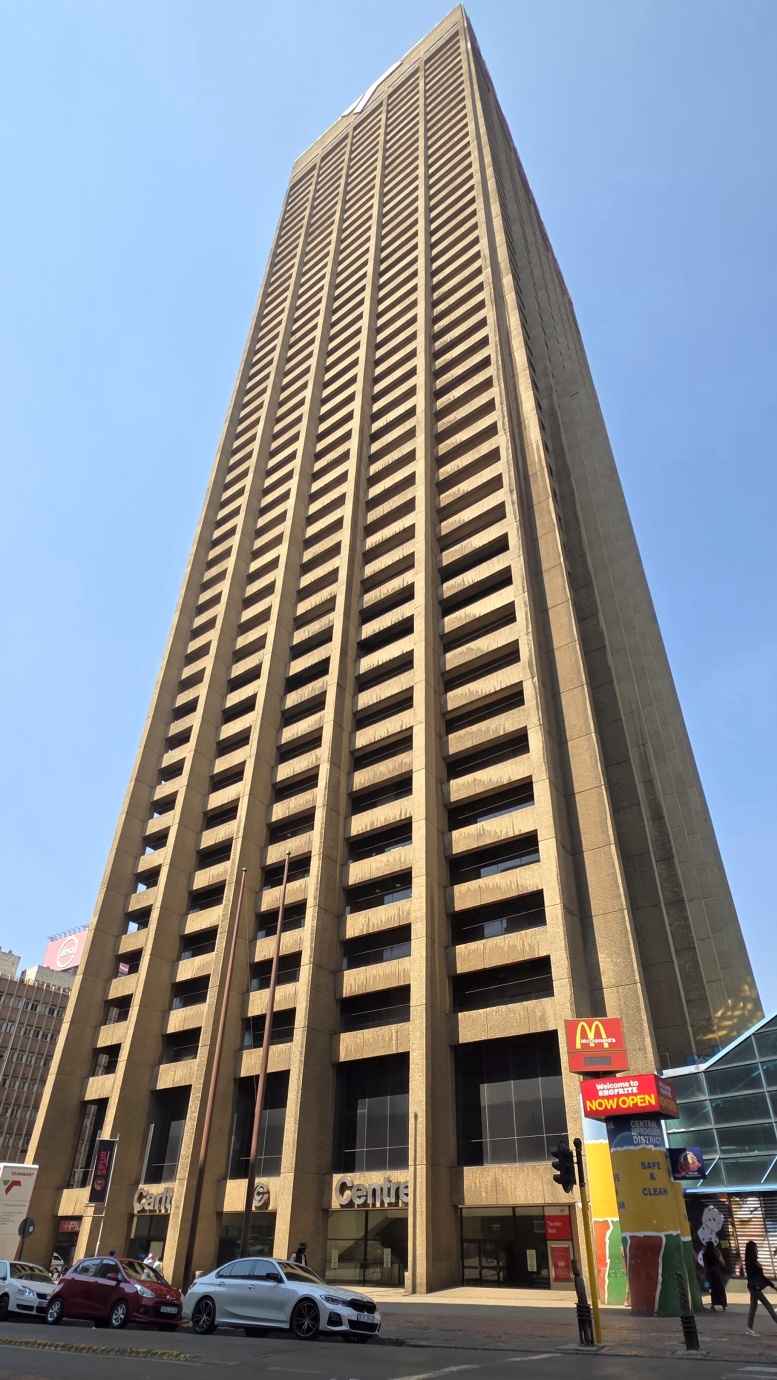
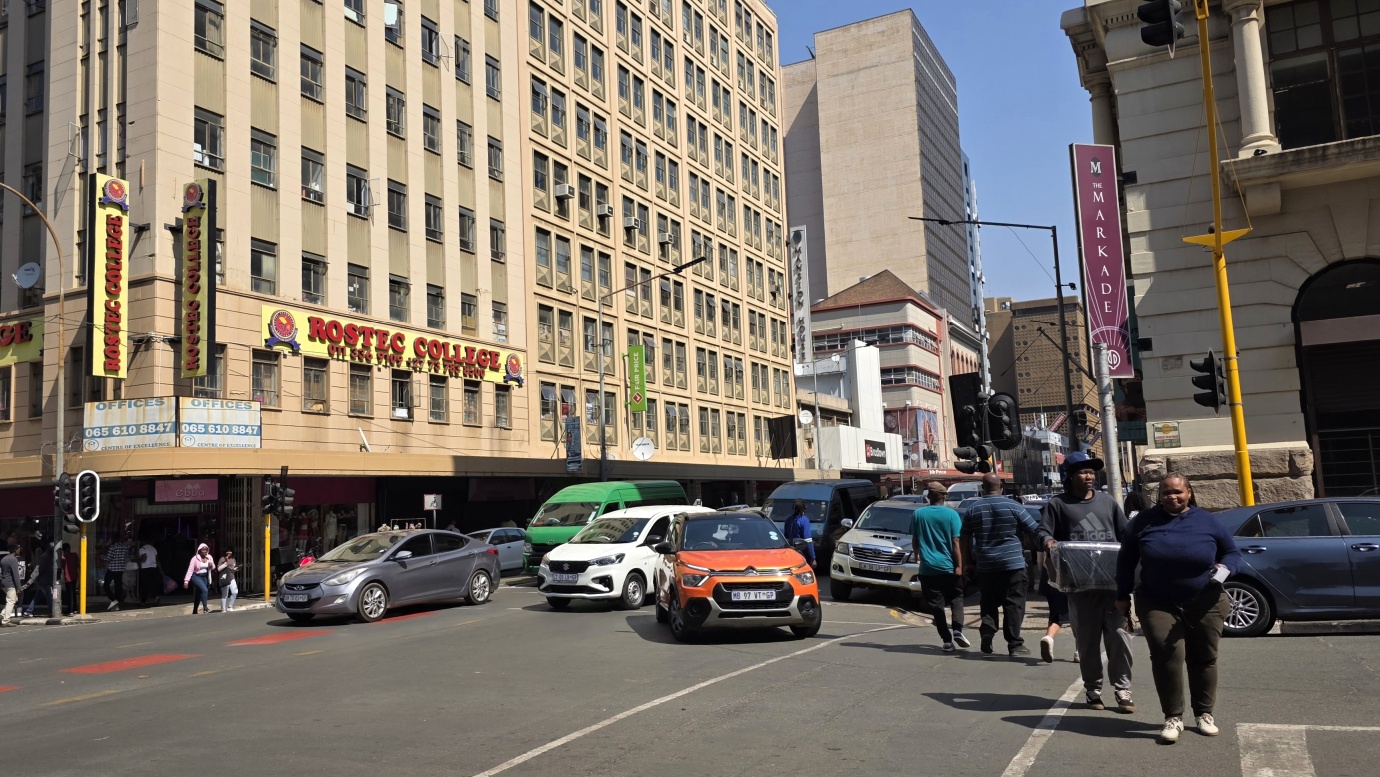
We explored the historic heart of the city on foot, starting at Anglo American’s headquarters and continuing past Chancellor House, City Hall and Kerk Street. From there, we walked through Gandhi Square and the Carlton Centre before continuing through the old downtown streets towards Jewel City and the vibrant Maboneng precinct.
Parking location – Johannesburg – Edenvale: 26.1427729S 28.1848257E (🚻,🚿,🏊,💦,🔌,🫧,🅿️200 ZAR)