

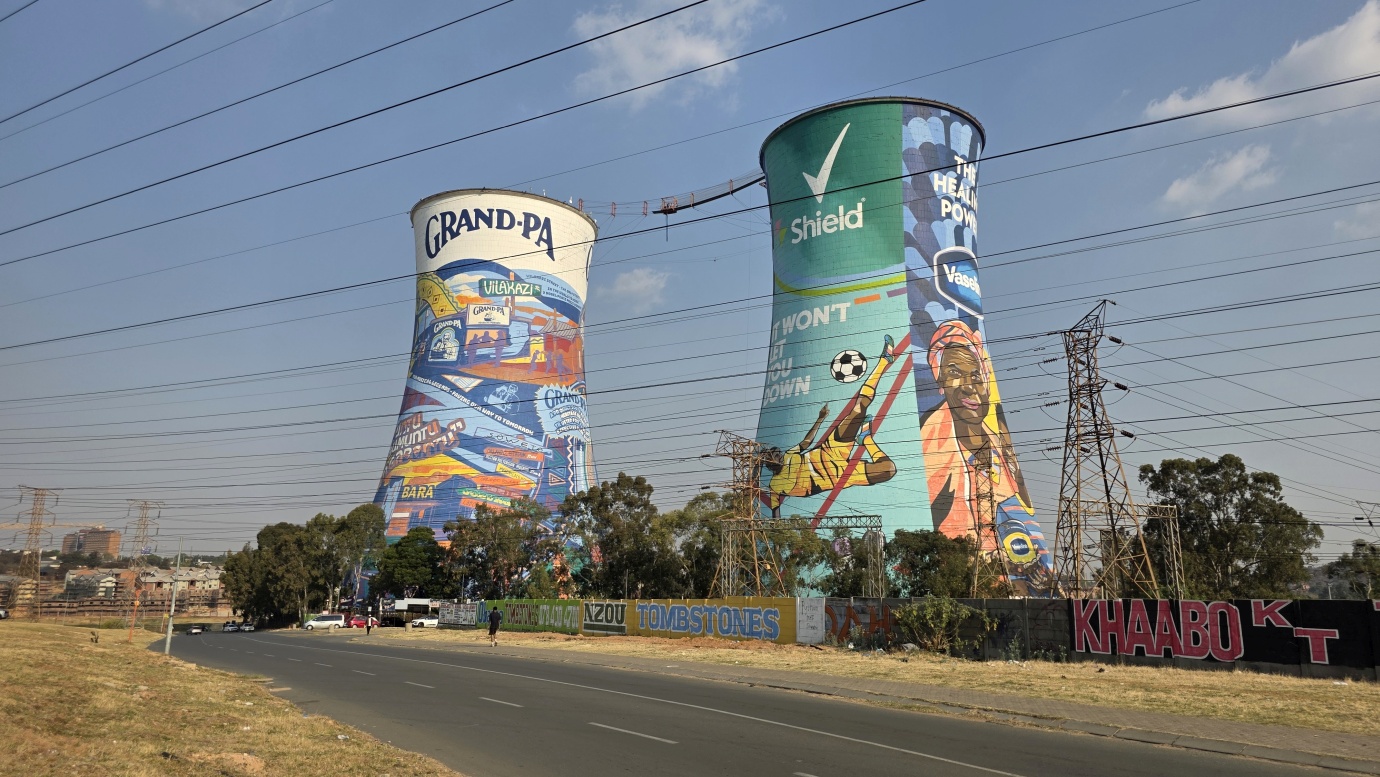
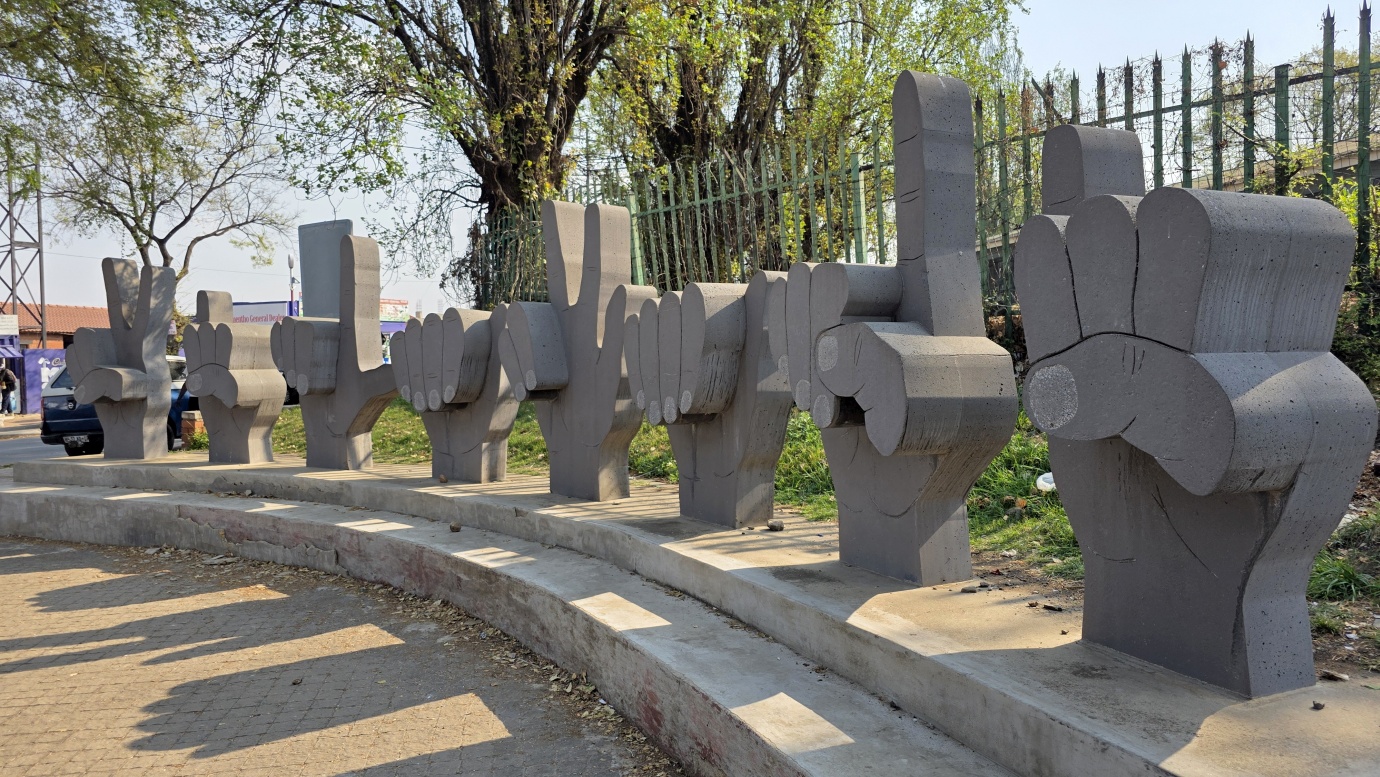
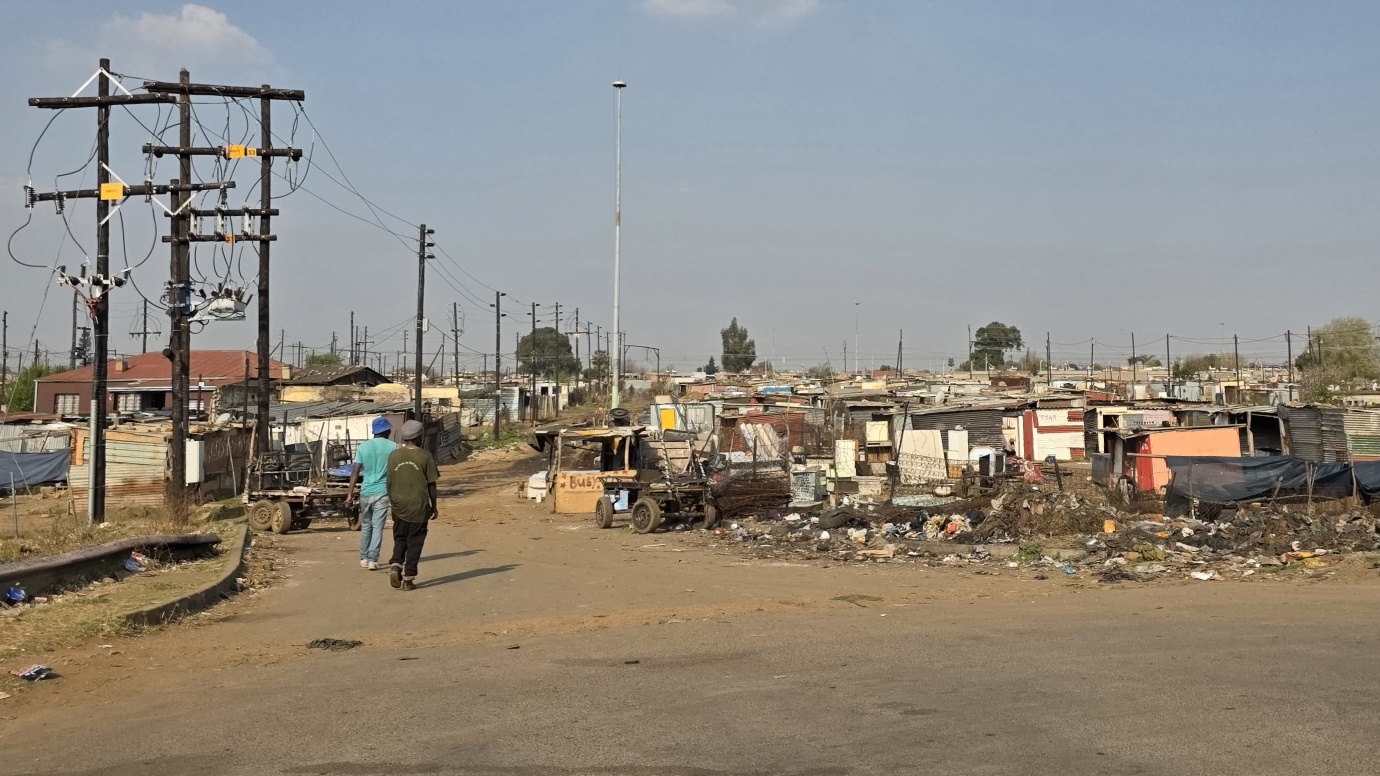
Soweto is one of Johannesburg’s most famous urban areas and a powerful symbol of resistance against apartheid. The name is derived from “South Western Townships”, and the area grew during the early 20th century as the government forcibly moved Black workers away from predominantly white areas of Johannesburg and into segregated townships on the city’s southwestern outskirts.
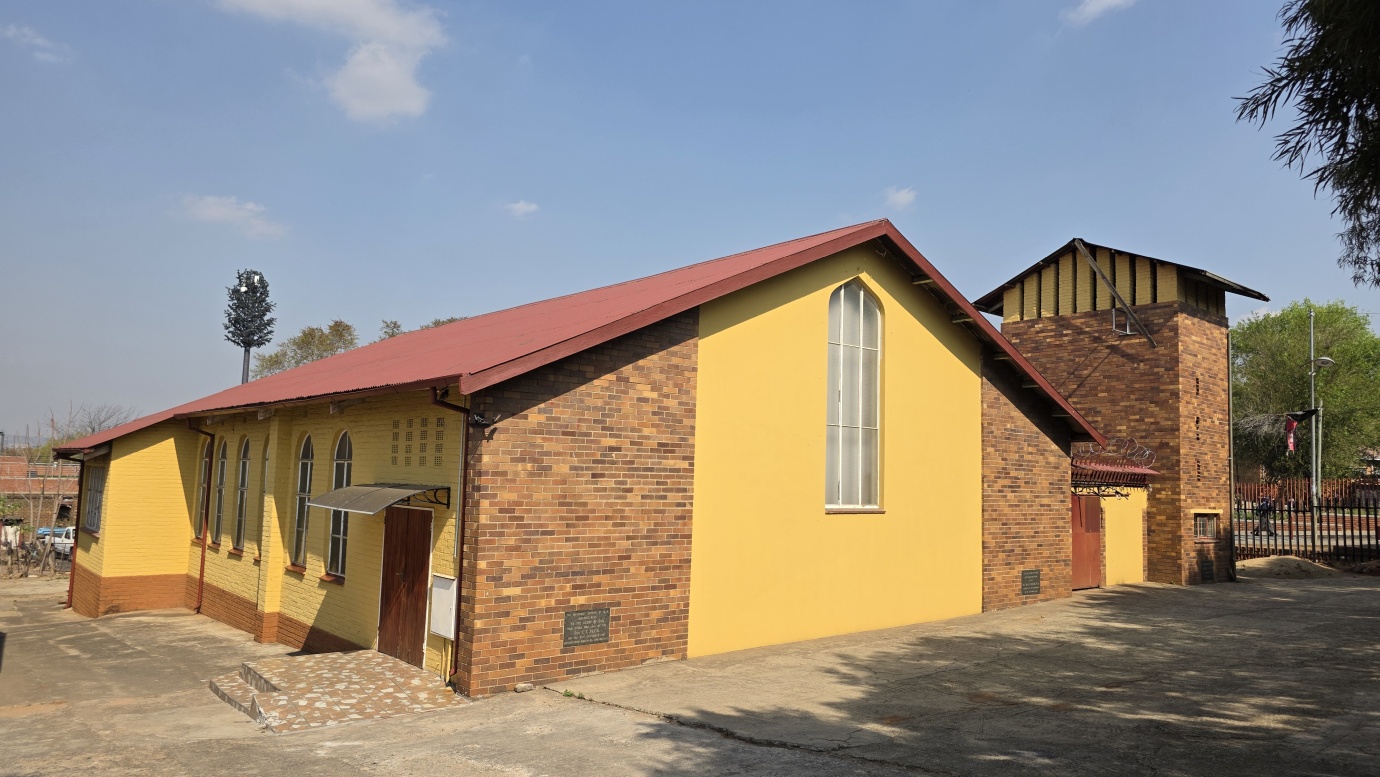
Soweto became a centre of political resistance. In 1955, the Congress of the People gathered in Kliptown, where representatives adopted the Freedom Charter, a landmark document calling for a democratic and non-racial South Africa. From 1956 onwards, large-scale, low-cost housing projects expanded rapidly as the township continued to grow.
The most defining moment came on 16 June 1976, when thousands of students took to the streets to protest against the apartheid government’s education policies, particularly the compulsory use of Afrikaans in schools. Police opened fire on the peaceful demonstrators, killing young protesters, including 13-year-old Hector Pieterson. The iconic photograph of his body being carried through the streets became one of the defining images of the struggle against apartheid and sparked protests across the country.
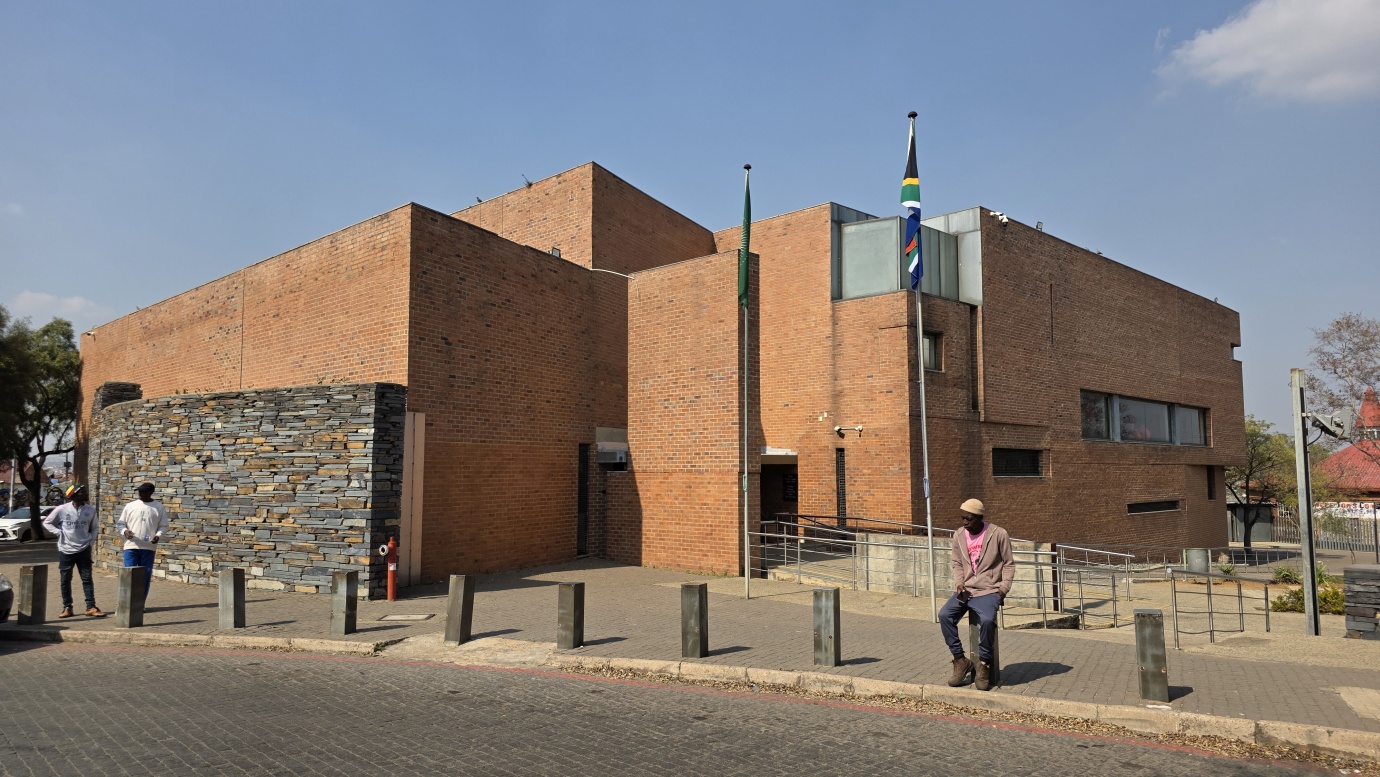
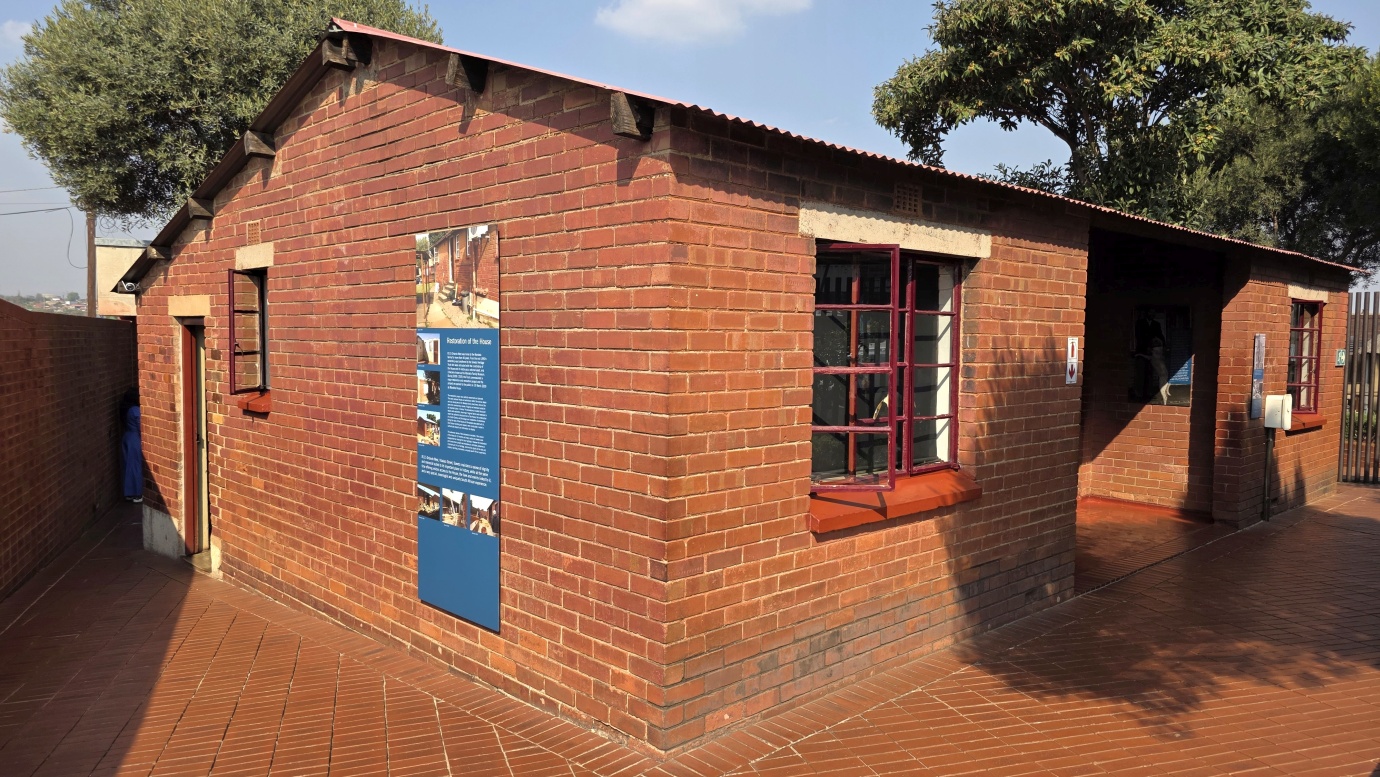
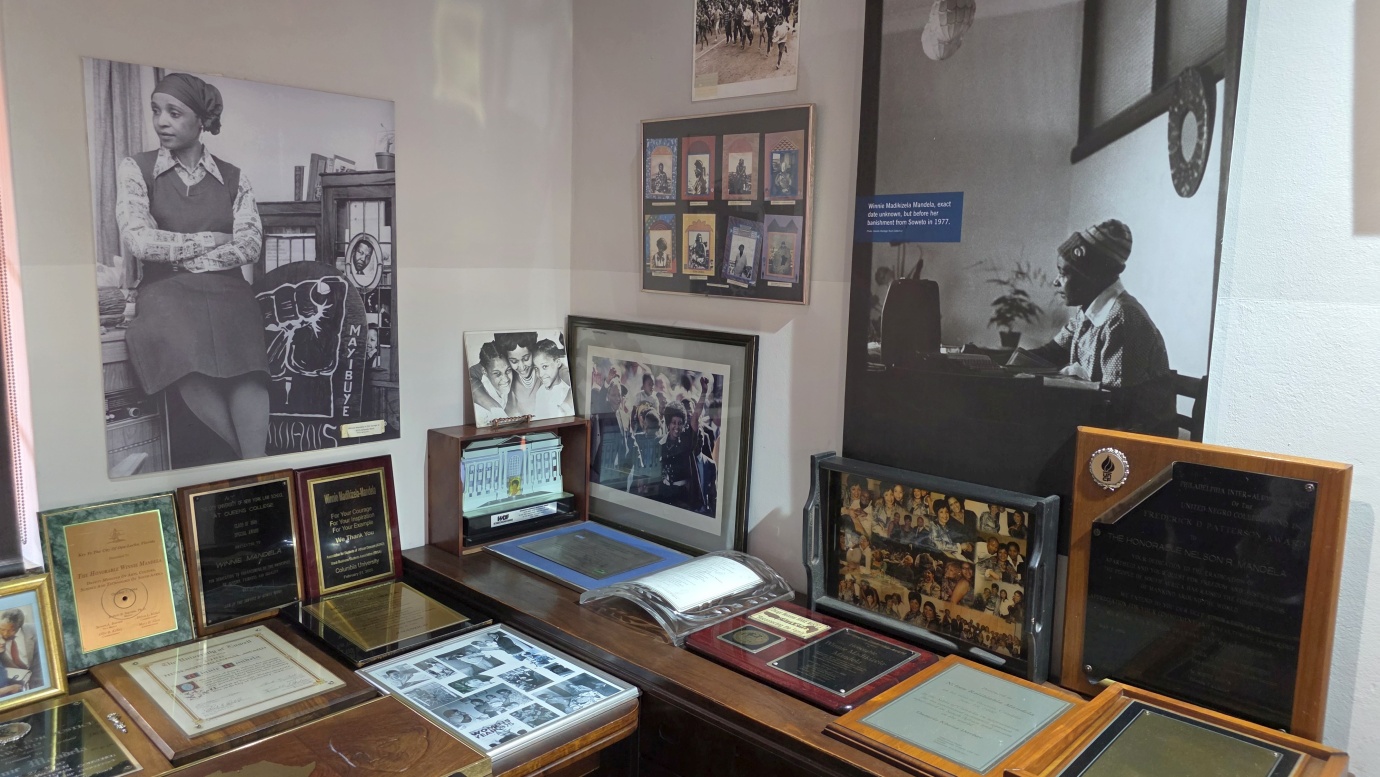
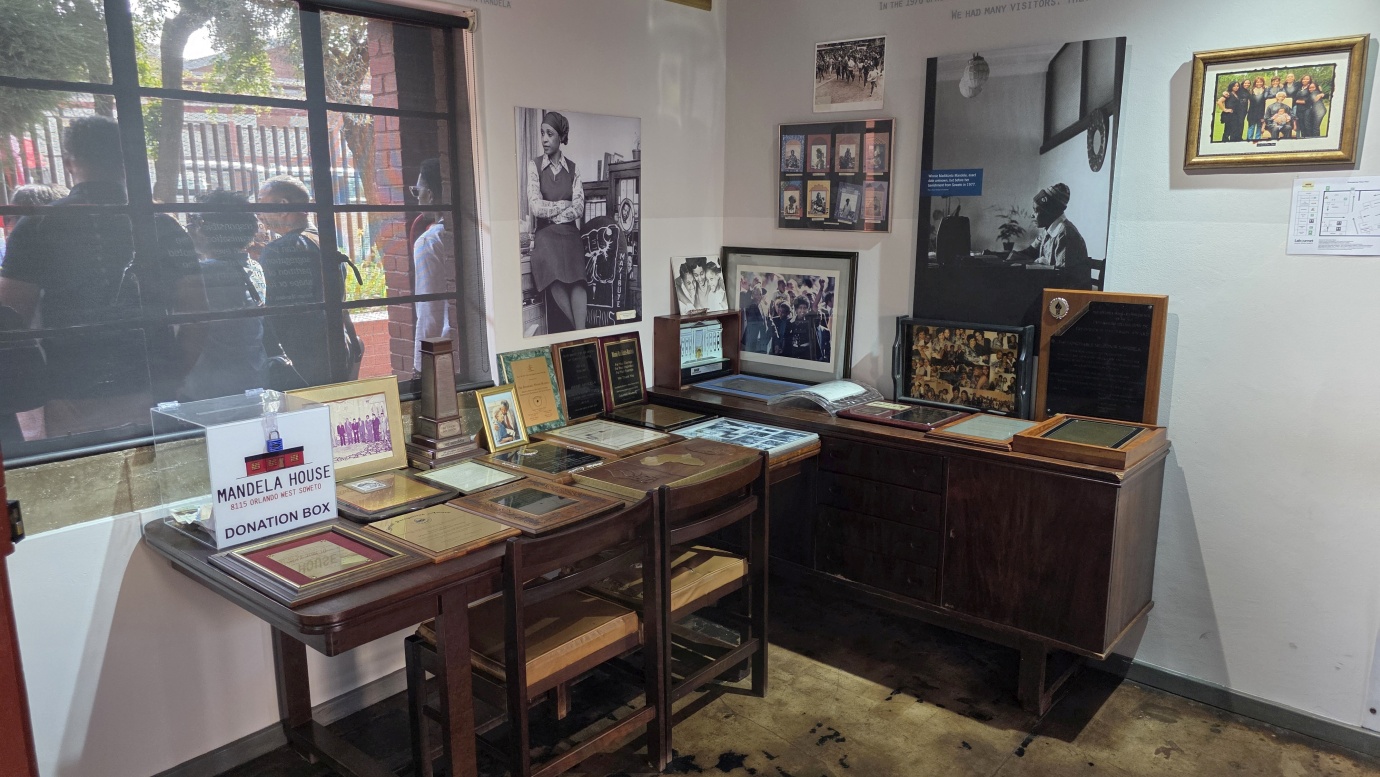
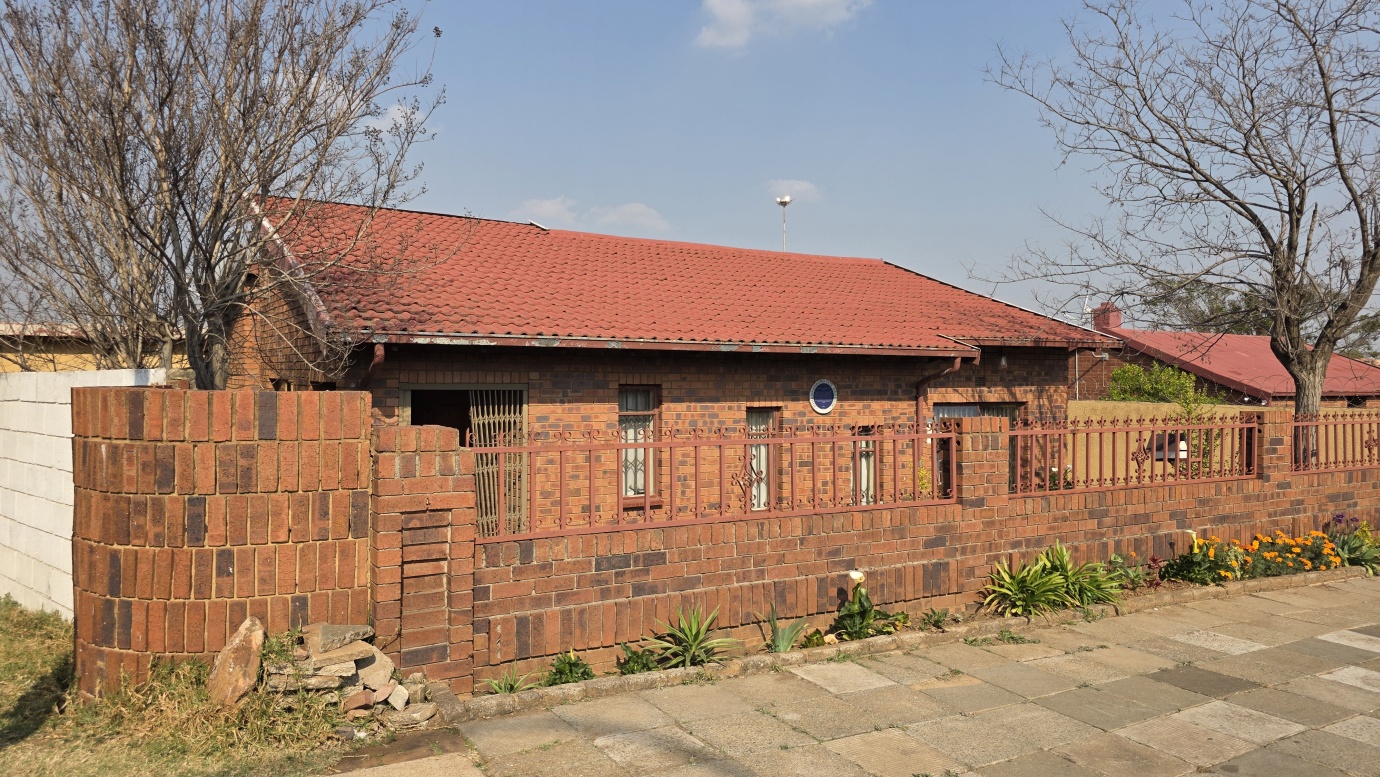
One of Soweto’s most important landmarks is Mandela House at 8115 Vilakazi Street. This modest, single-storey red-brick house was built in 1945 and became Nelson Mandela´s home from 1946 until his imprisonment in 1962. The walls still bear bullet holes and marks from petrol-bomb attacks that took place while Mandela was in prison.
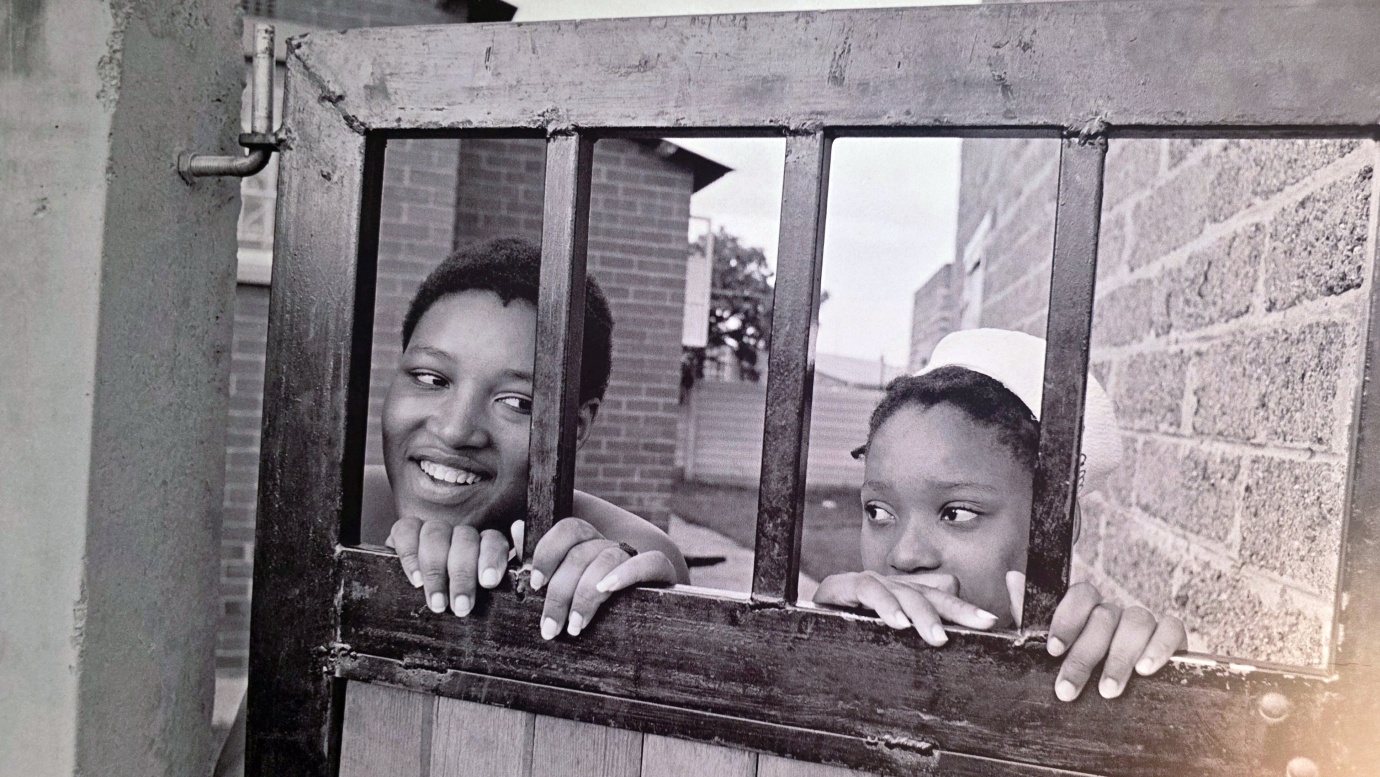
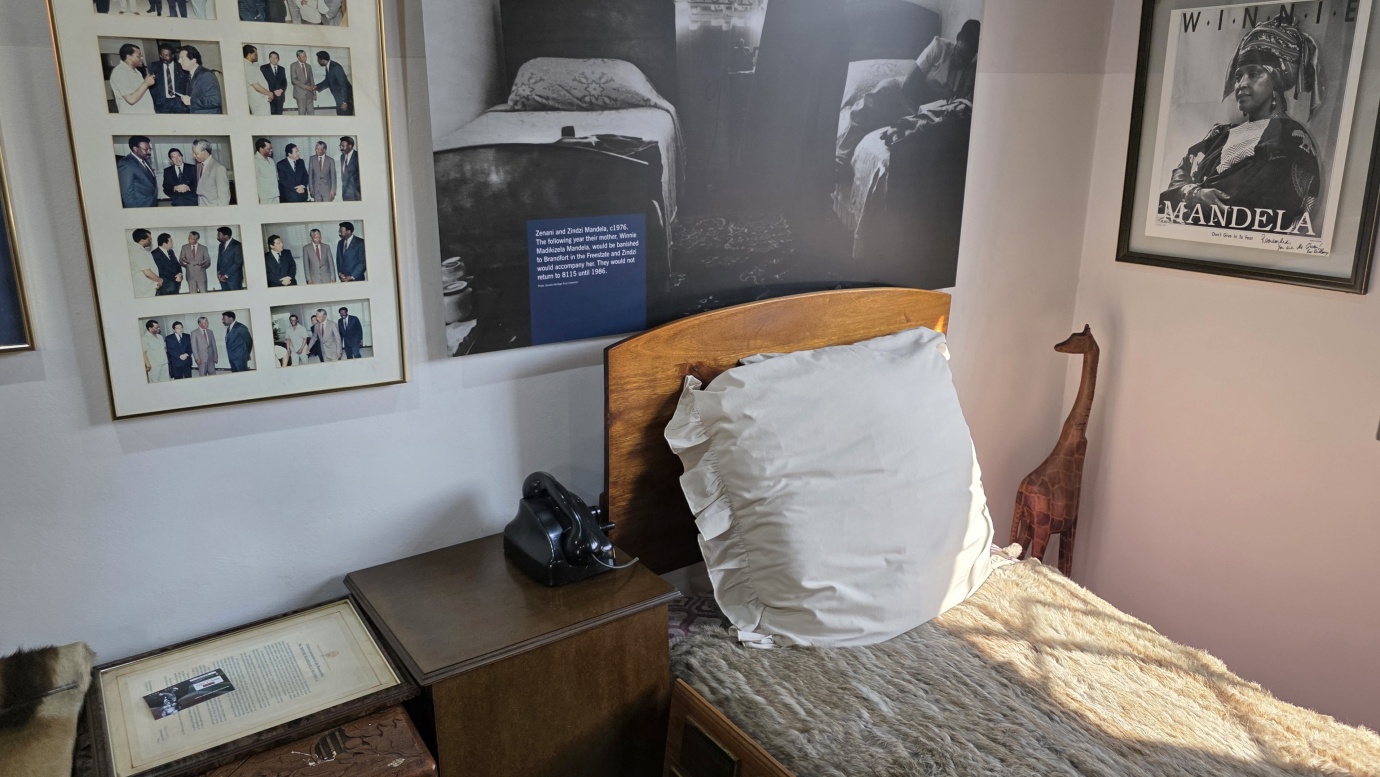
After his release in 1990, Mandela returned to the house and spent 11 days there, famously describing the feeling as being “home at last”, before moving elsewhere. Today, the house operates as the Mandela House Museum (🎟️ 190 ZAR), displaying family photographs, personal belongings, artwork and other historical objects connected to Mandela and his family.
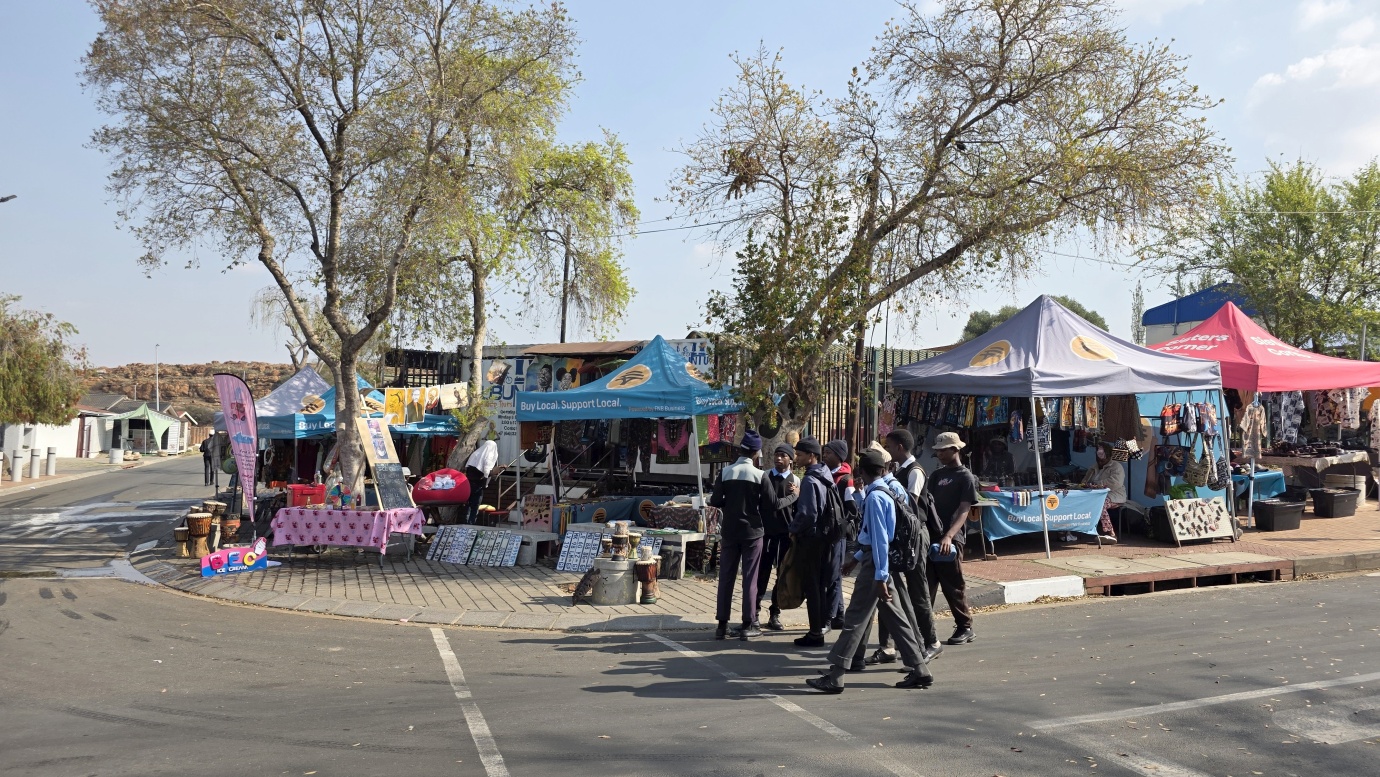
Vilakazi Street itself is historically unique, as it was also home to Archbishop Desmond Tutu, the Nobel Peace Prize laureate. It is widely recognised as the only street in the world to have been home to two Nobel Peace Prize winners.
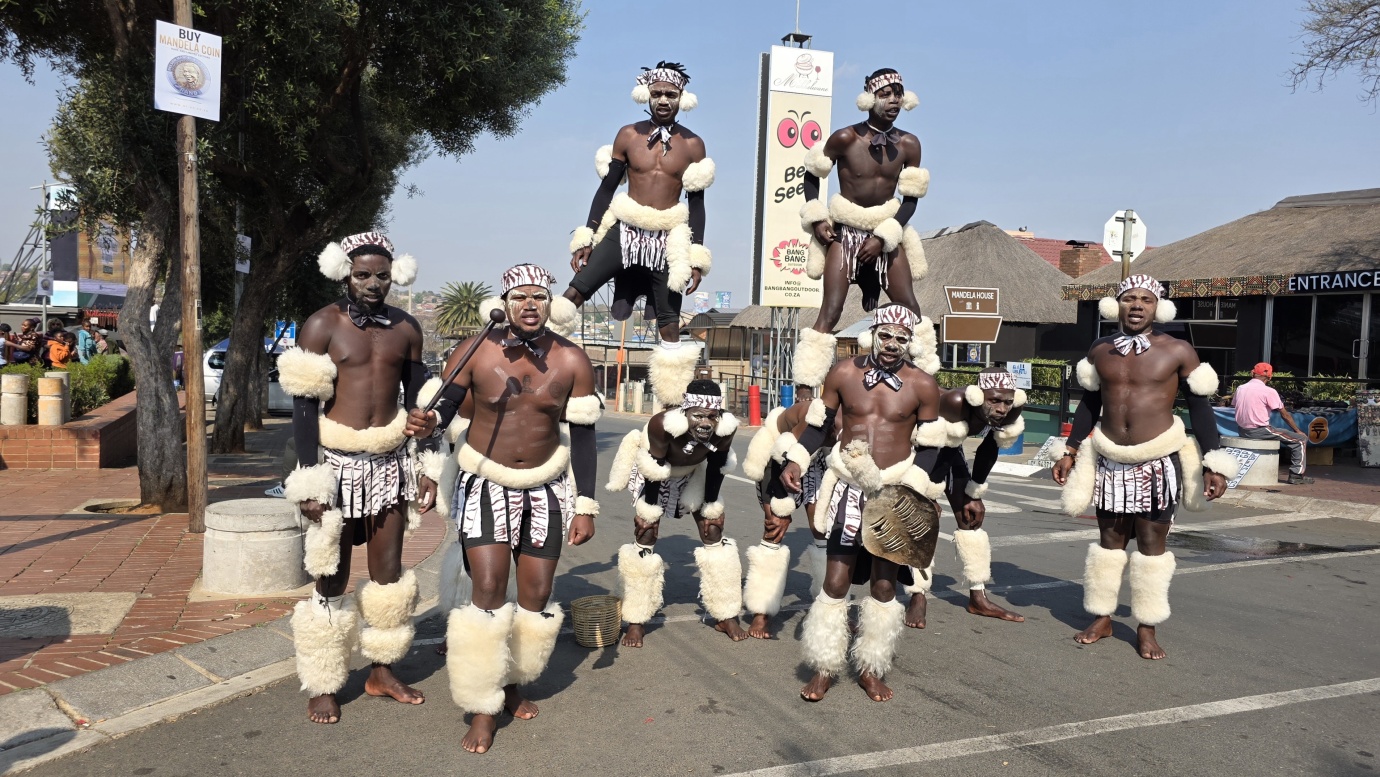
Walking through Soweto and Vilakazi Street is therefore much more than sightseeing — it is a journey through some of the most important chapters of South Africa’s struggle for freedom and democracy.
Parking location – Johannesburg – Edenvale: 26.1427729S 28.1848257E (🚻,🚿,🏊,💦,🔌,🫧,🅿️200 ZAR)