

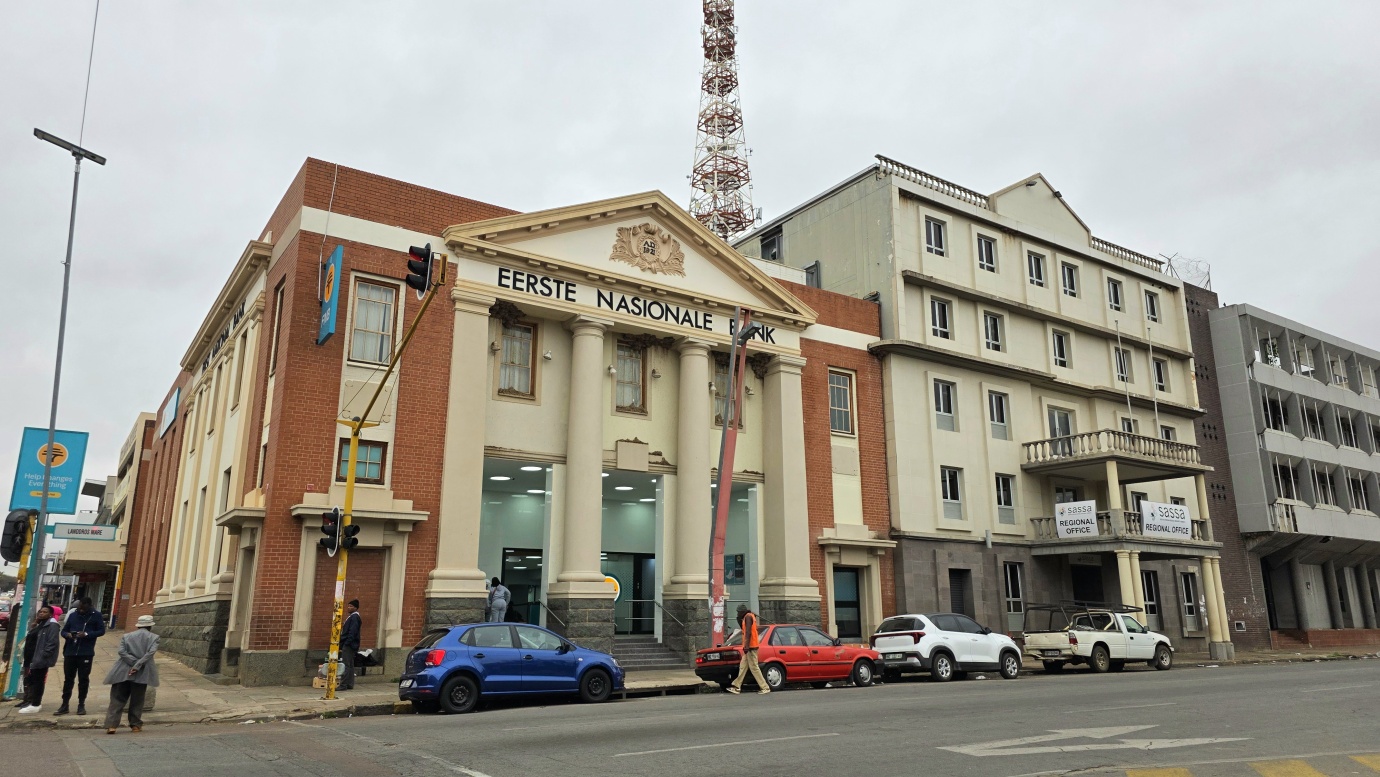
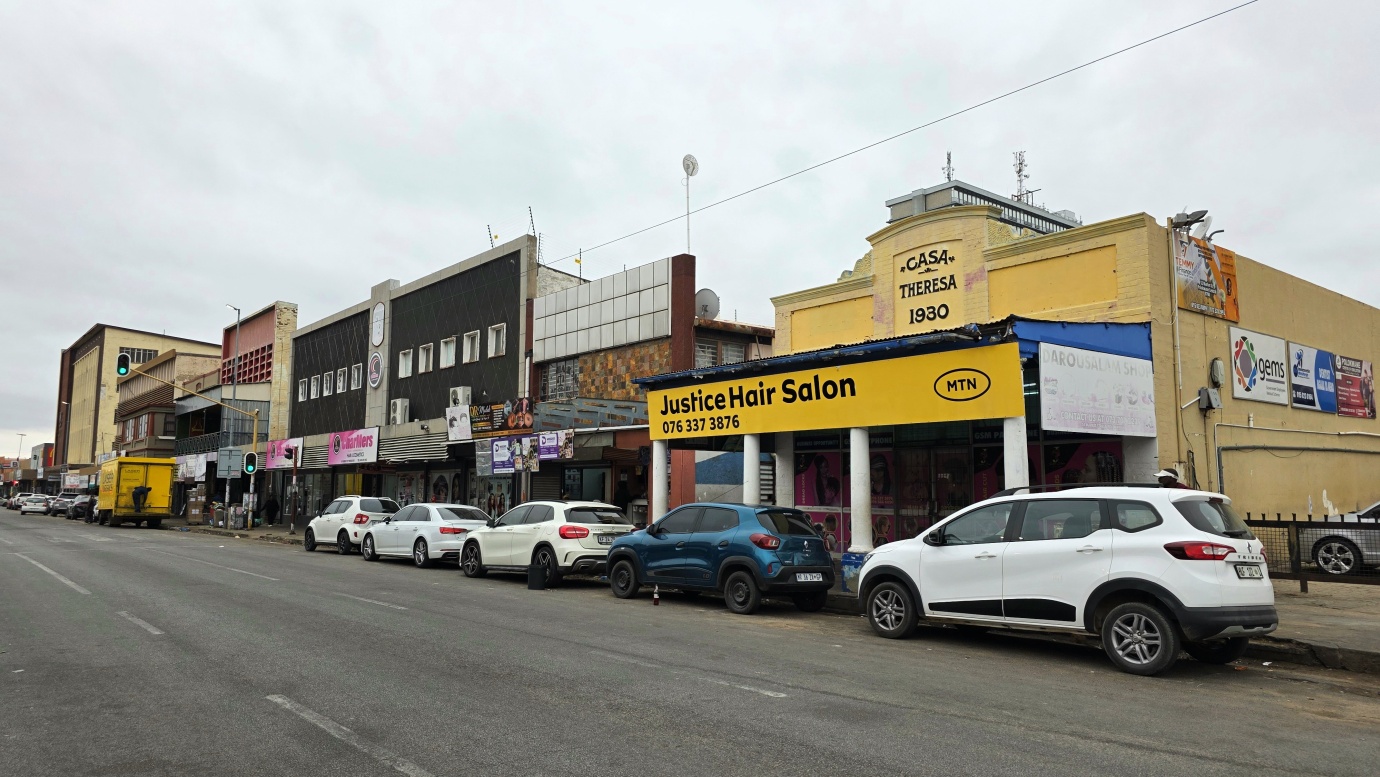
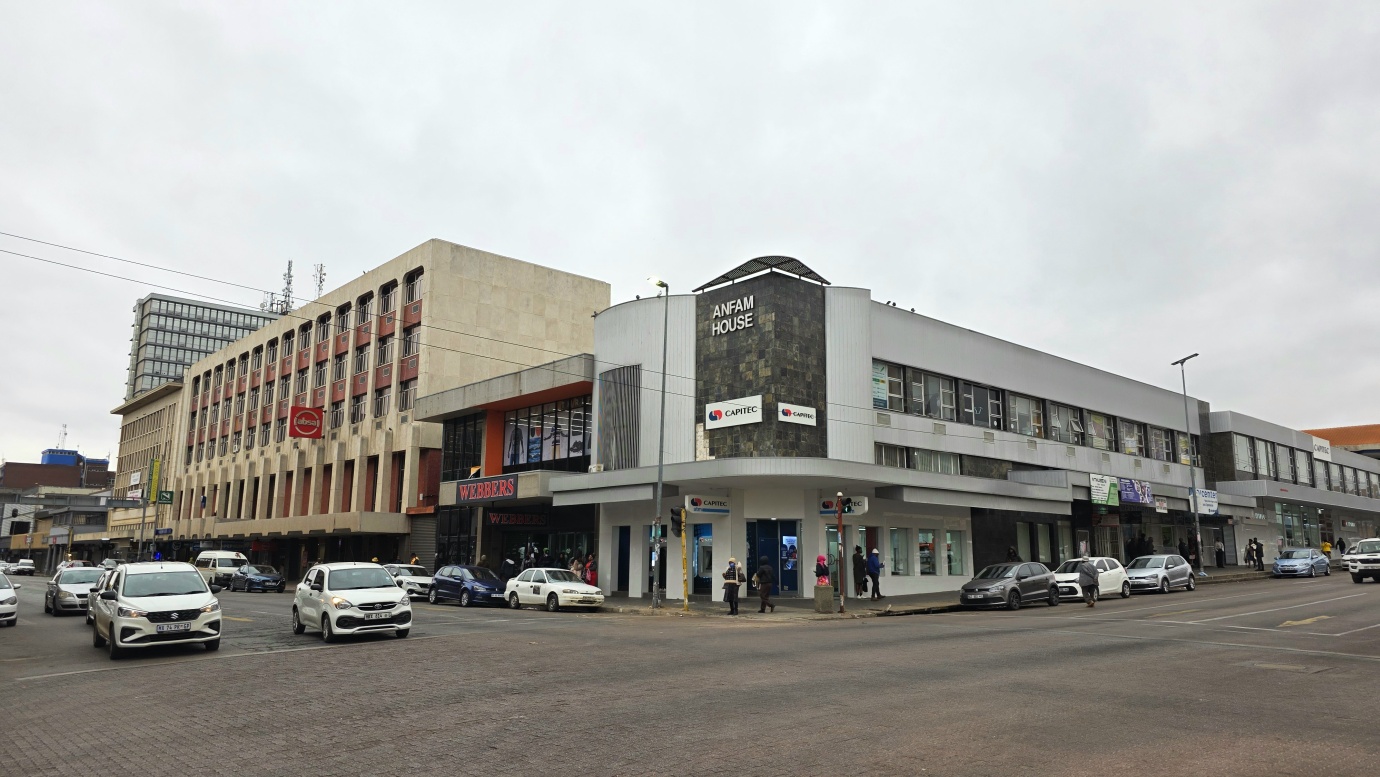
We arrived in Polokwane in the afternoon after a smooth drive from Pretoria. Unfortunately, the weather had turned rather unpleasant, with heavy clouds and hazy conditions, so there was not much we could do that day. The following morning, we drove into the city centre to take a few photos and restock our supplies at Shoprite. Polokwane itself did not offer many sights to explore, but the city has an interesting history.
Gold was discovered at Eersteling, near present-day Polokwane, in the 1870s, attracting some of the earliest economic interest to the area. Boer settlers founded the town in 1884 on the farm Sterkloop after leaving the older settlement of Schoemansdal. It was initially known as Pietersburg, a name officially adopted in 1886 in honour of Boer general Petrus Jacobus (Piet) Joubert.
During the South African War (1899–1902), Pietersburg briefly became an important Boer stronghold and served as the temporary capital of the Transvaal and Orange Free State republics before British forces occupied the town in 1901. Pietersburg was granted city status in 1992.
After South Africa’s first democratic elections in 1994, the city became the capital of the newly established Northern Transvaal Province, later renamed Limpopo. In 2005, the government officially changed its name to Polokwane, adopting the Northern Sotho name long used locally.
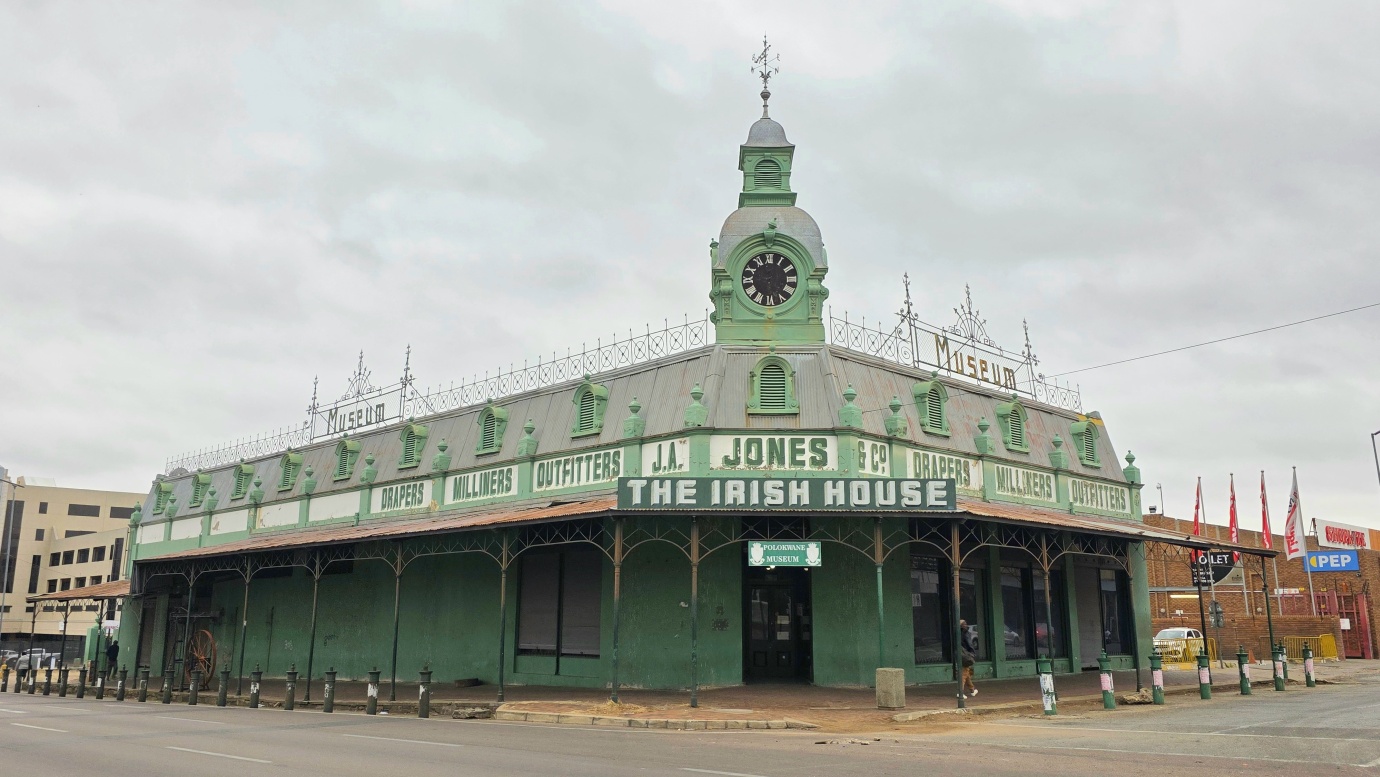
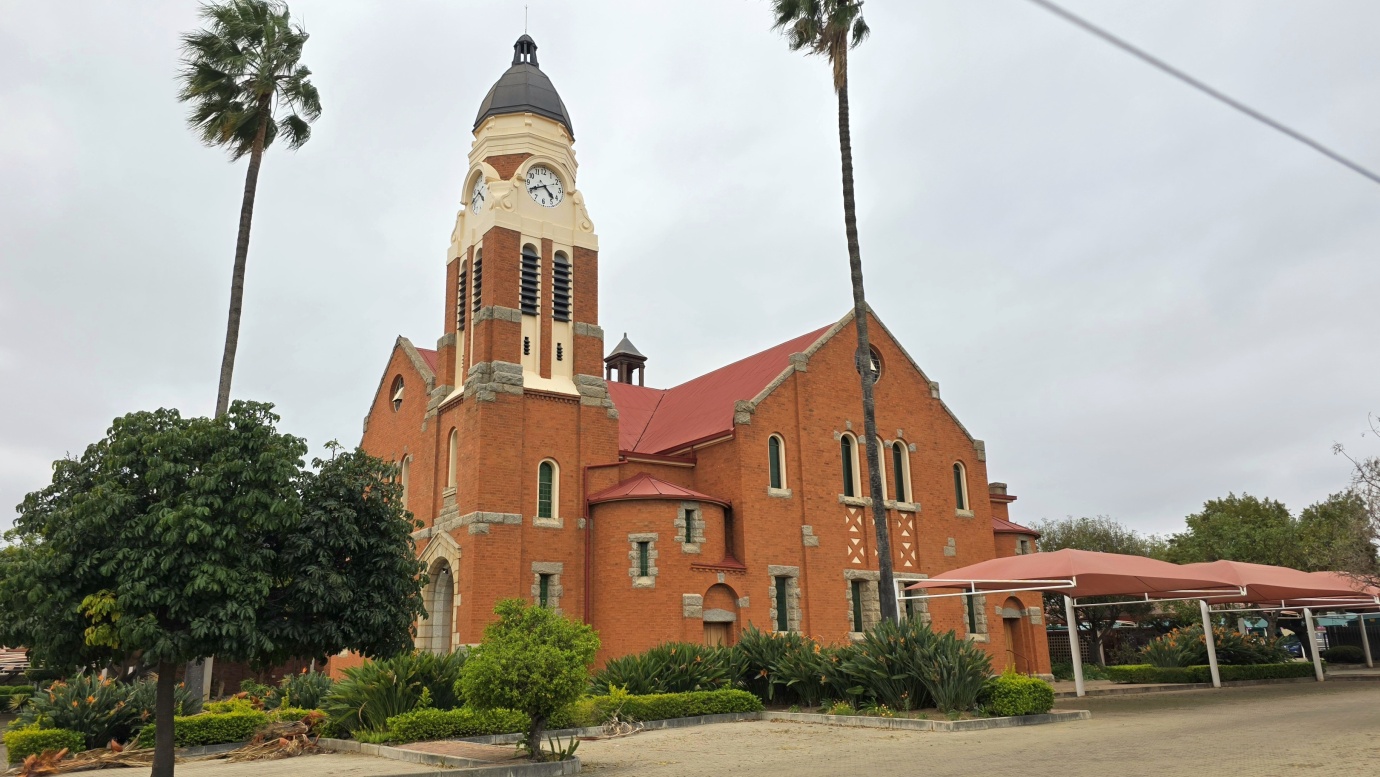
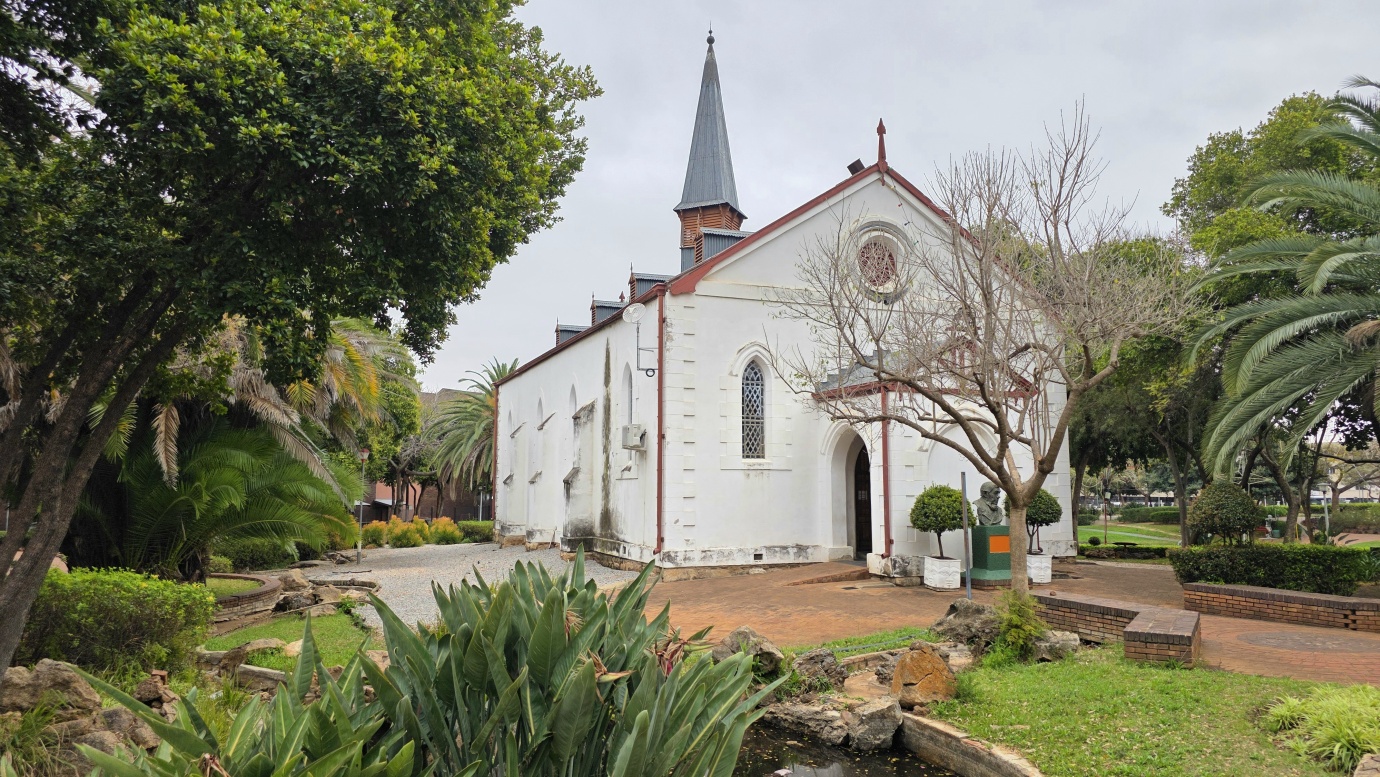
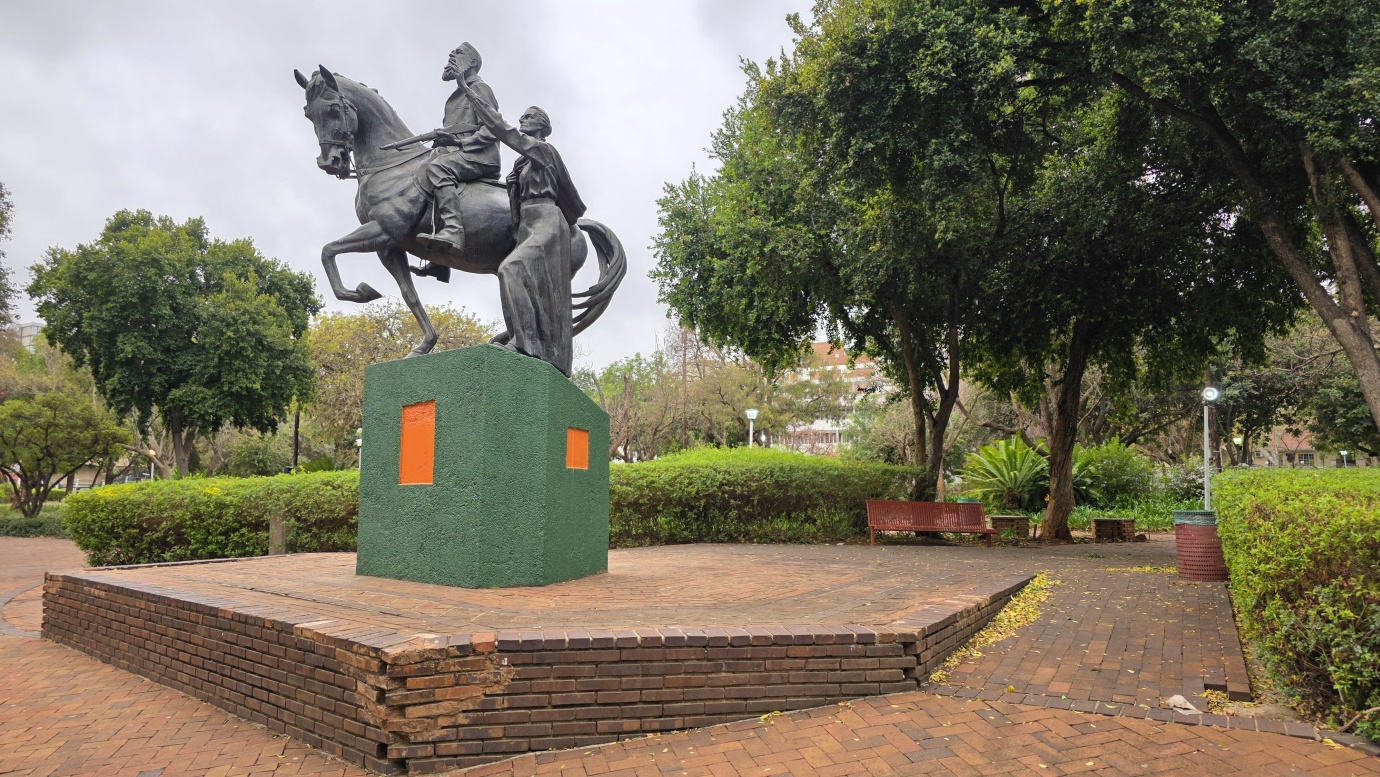
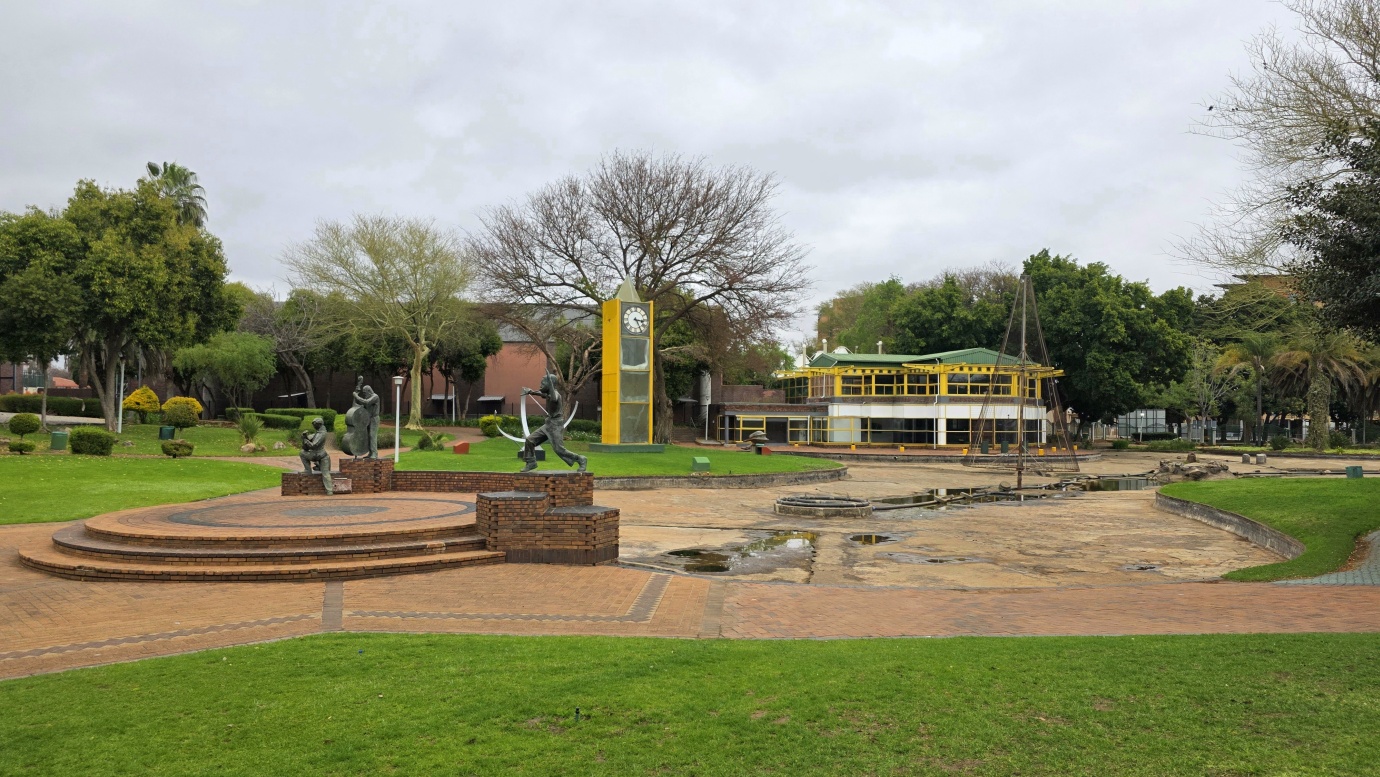
We took a short walk through the city centre and the small park around two of Polokwane’s most interesting historic buildings.
The first was the Irish House, now home to the Polokwane Museum. Located at the corner of Market Street and Thabo Mbeki Street, this late-Victorian building was originally constructed in 1886 by German immigrant August Moschke. After being destroyed by fire, it was rebuilt in 1910 and later became known as Irish House under a subsequent owner. Today, the beautifully restored national monument houses the Polokwane Museum, with exhibitions covering the history and cultures of the surrounding Limpopo region.
Nearby stands the Hugh Exton Photographic Museum, housed in a charming former Dutch Reformed church building. The museum preserves the remarkable photographic legacy of Hugh Exton, who documented life in the region between 1892 and 1945. Its collection contains more than 20,000 glass-plate negatives and black-and-white photographs, offering a fascinating glimpse into everyday life in the area more than a century ago.
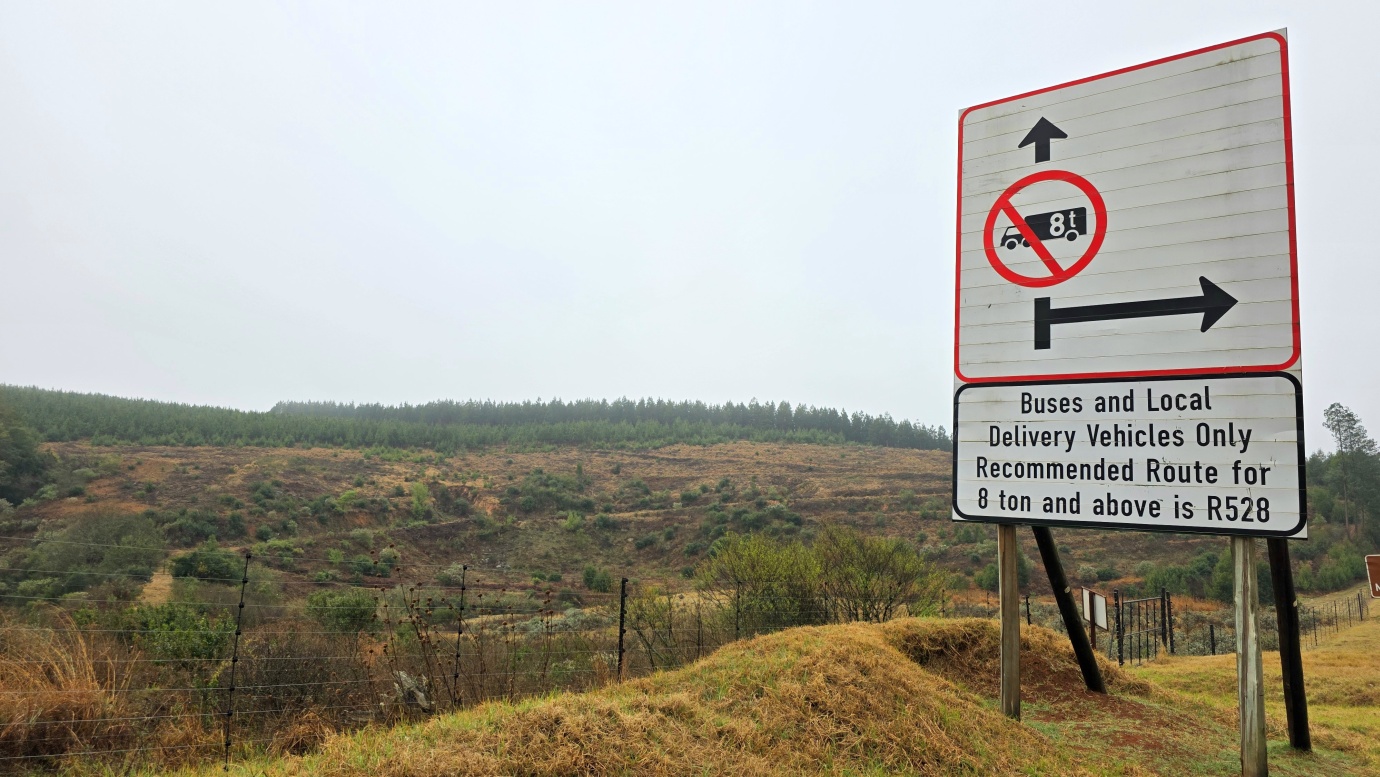
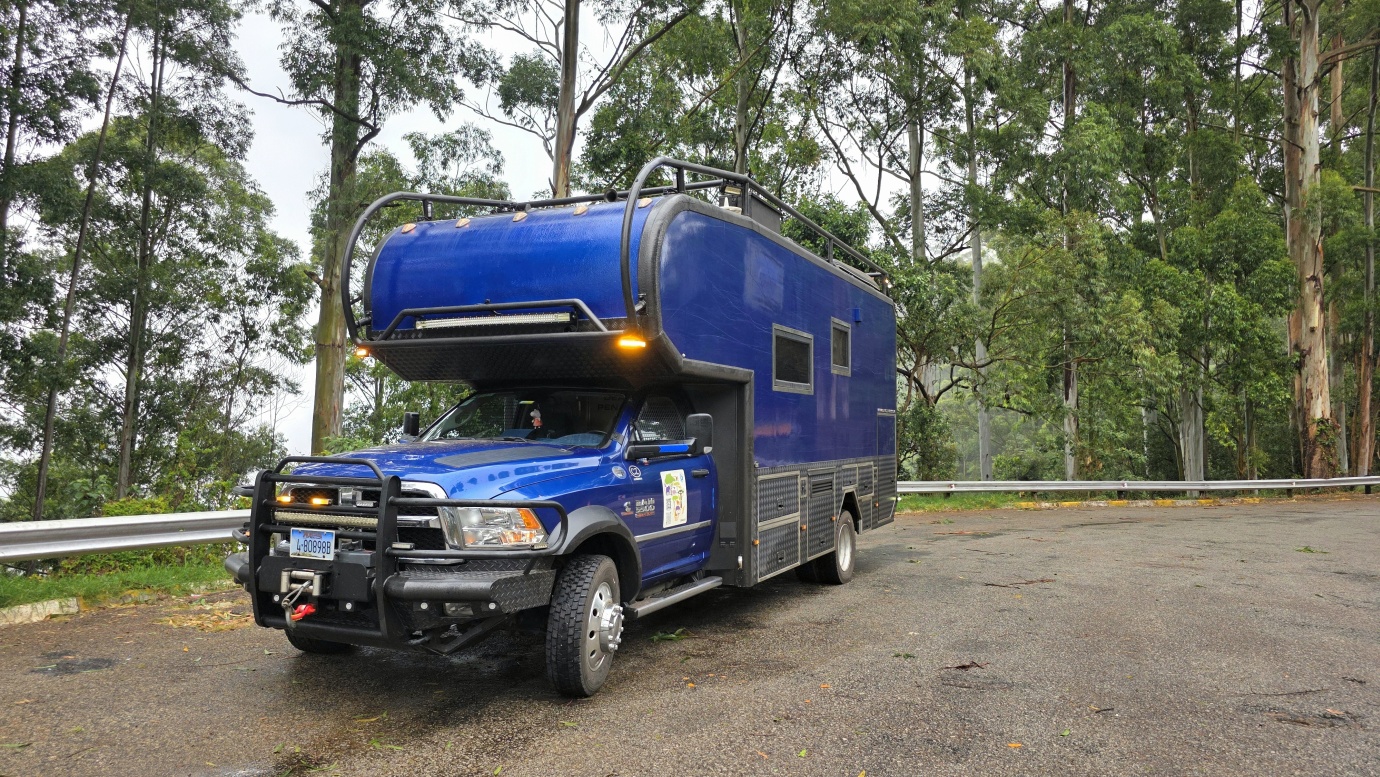
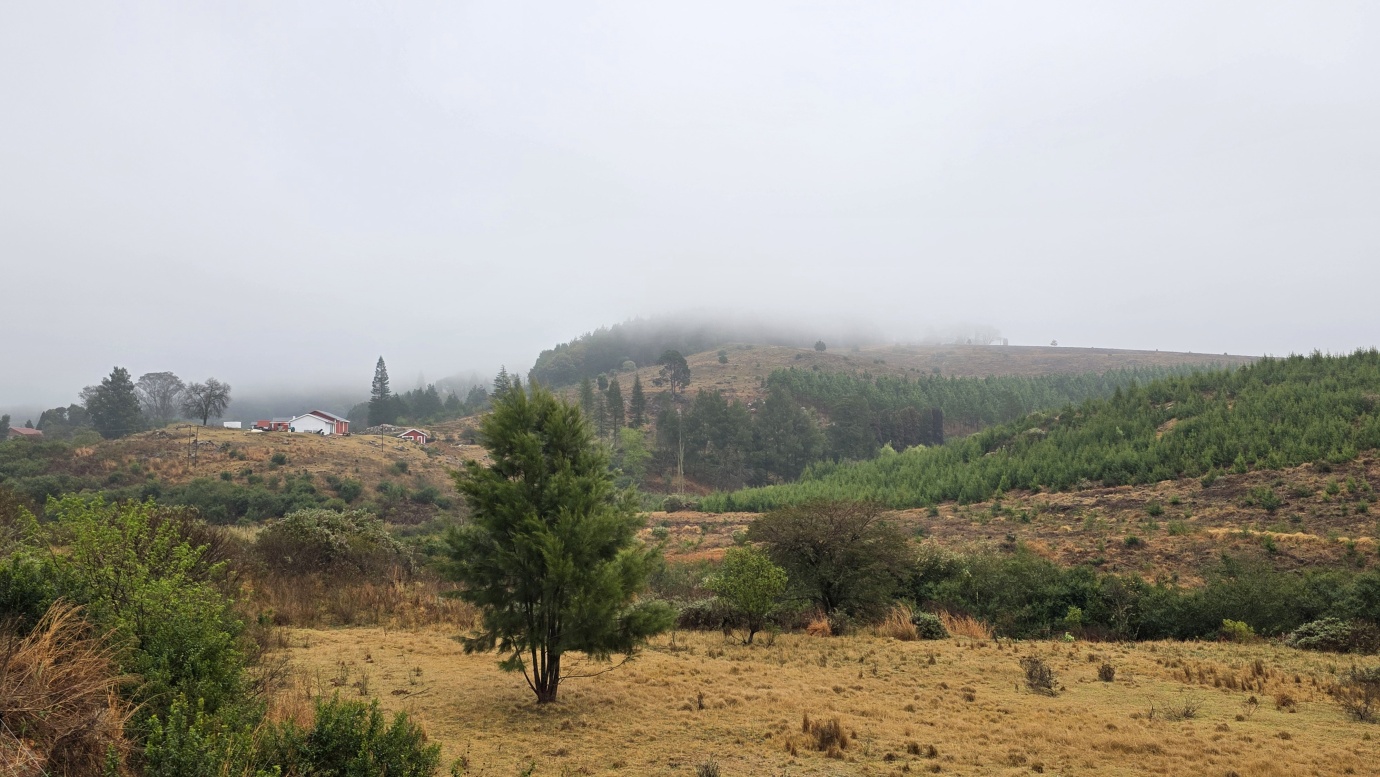
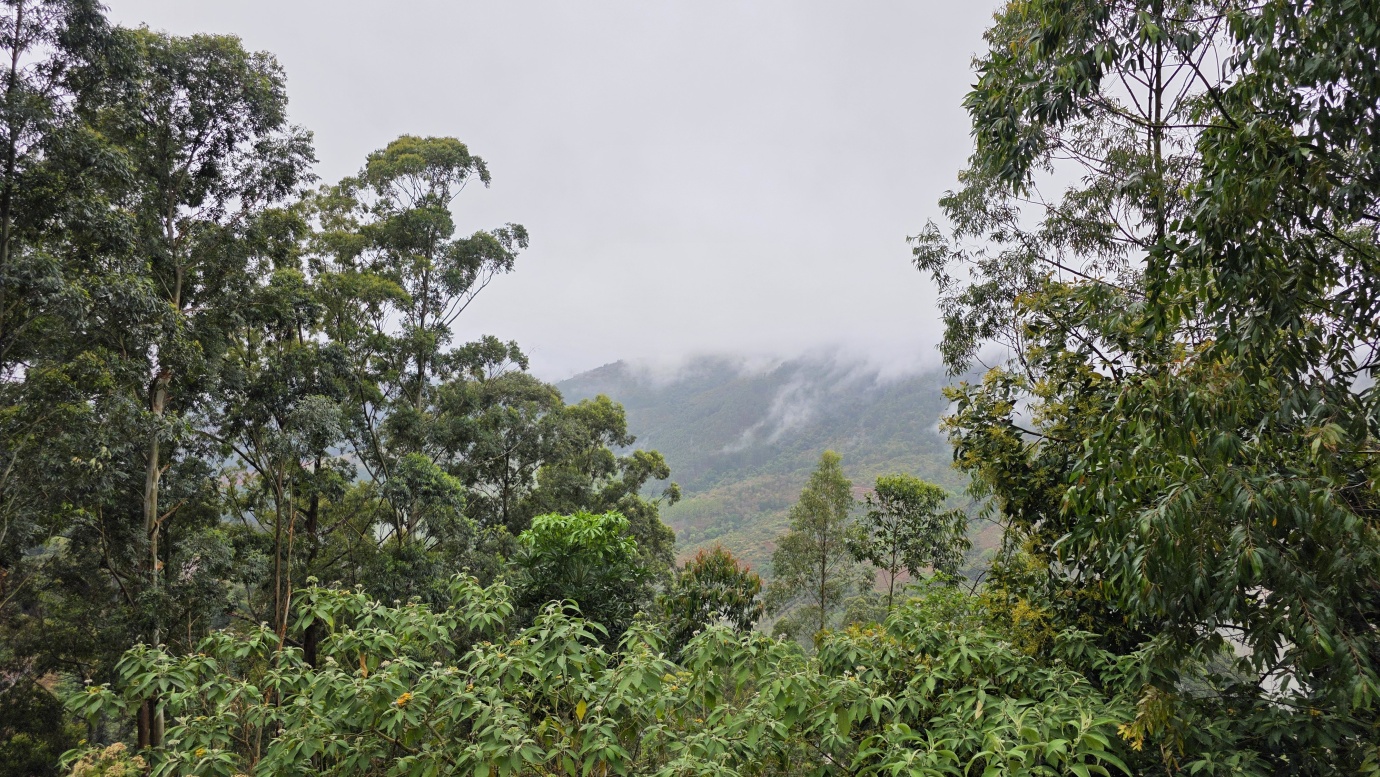
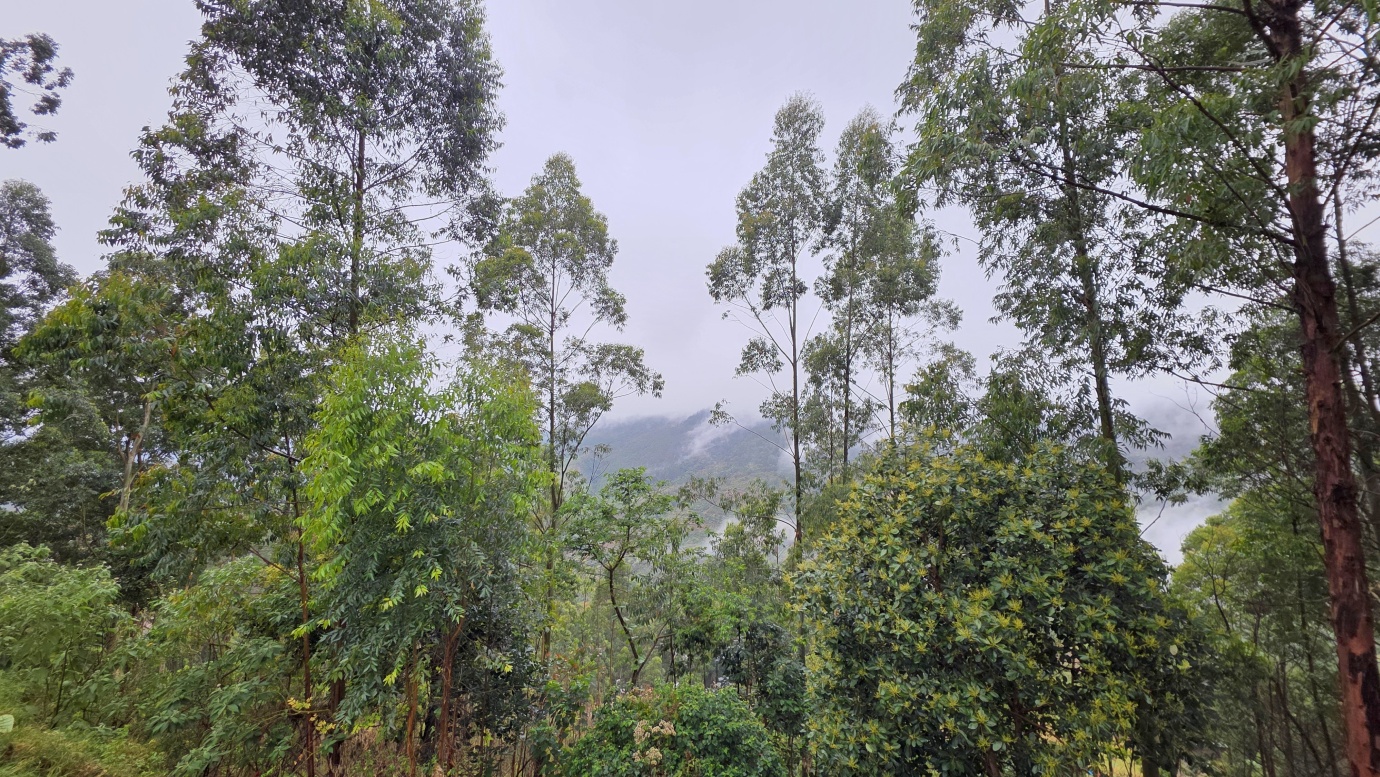
Later, we continued east along the scenic R71, passing through the mountainous area around Haenertsburg, with plans to see Debengeni Falls and continue towards Tzaneen. Unfortunately, the weather remained gloomy and misty, and the low cloud completely spoiled the views. Even the scenery that should have been one of the journey’s highlights was almost invisible, making it a frustrating day on the road.
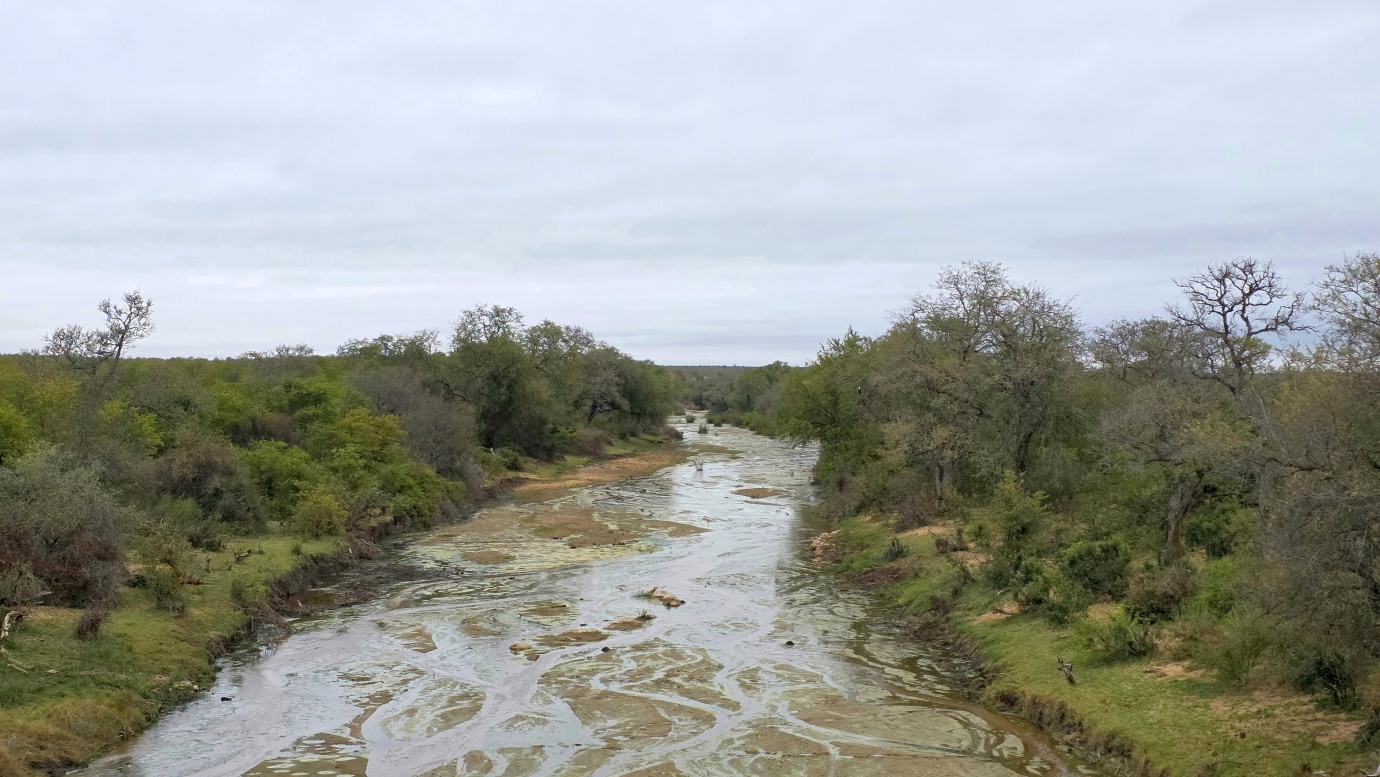
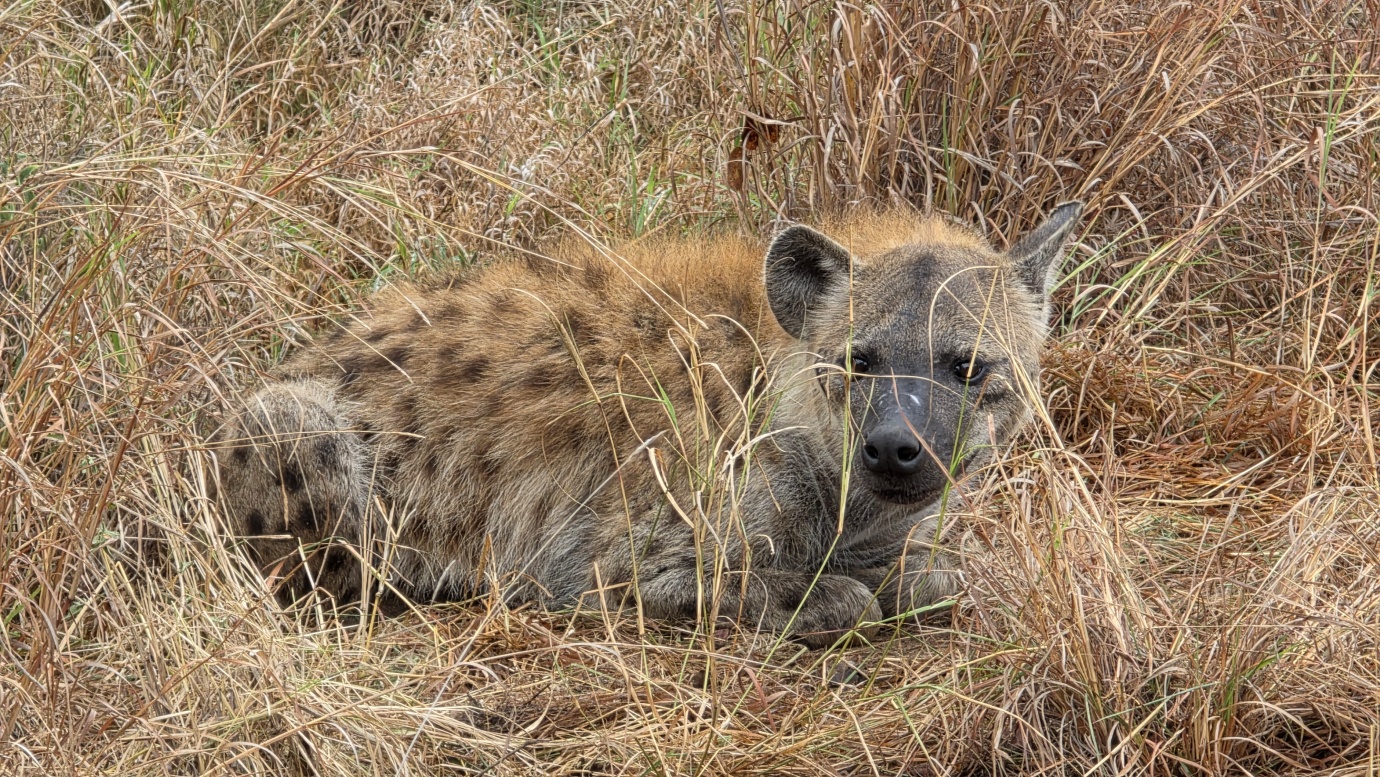
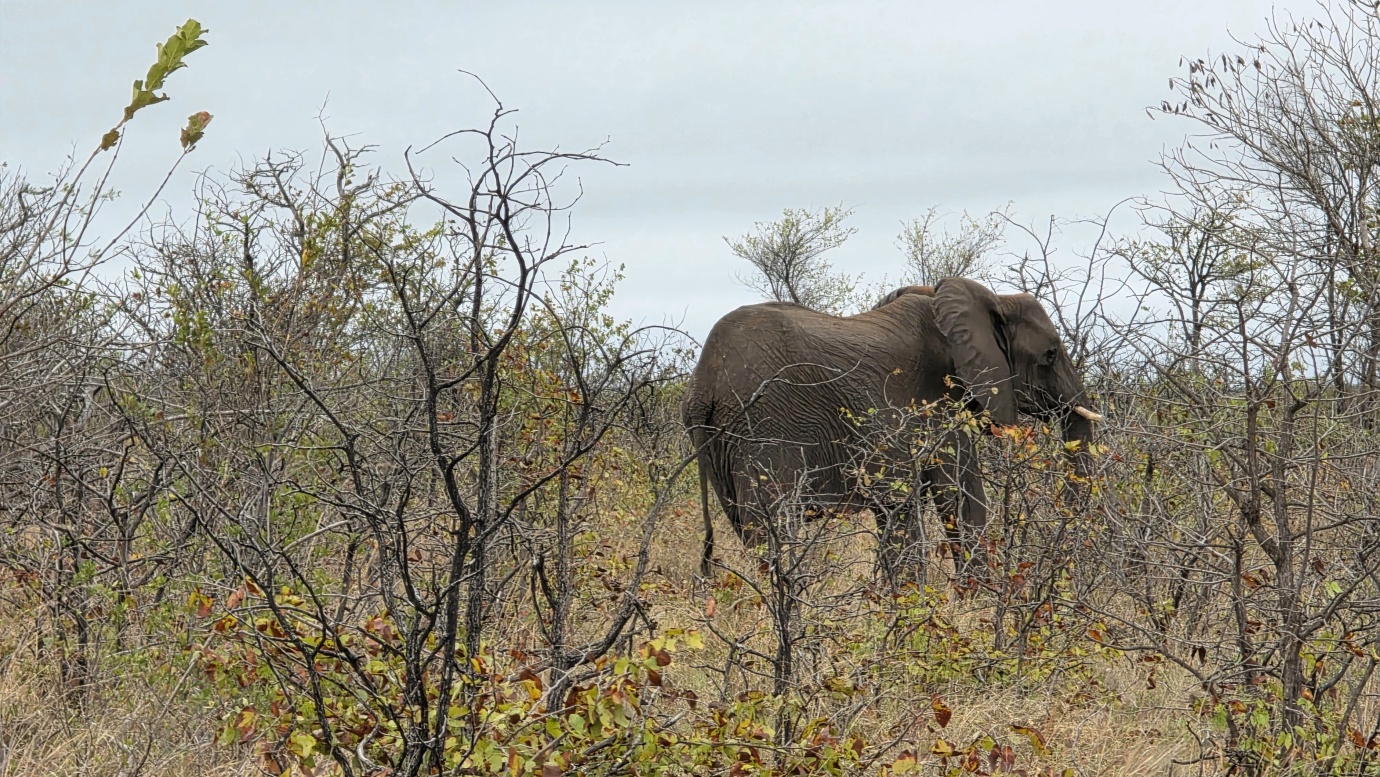
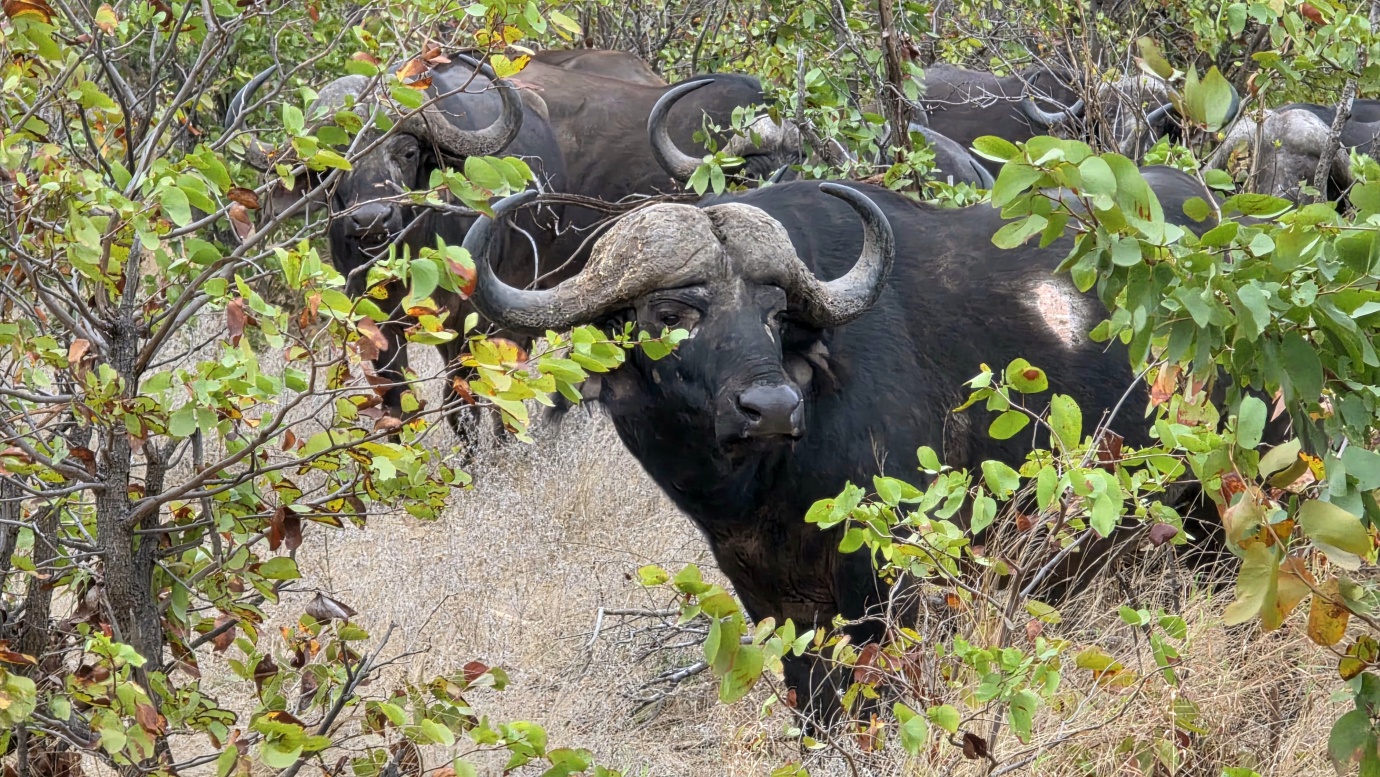
We eventually continued towards Phalaborwa and finished the day at the Phalaborwa Gate, ready to enter Kruger National Park.
Parking location – Polokwane: 23.887509S 29.541778E (🚻,🚿,🏊,💦,🔌,🍽️,🅿️150 ZAR/pax)
Parking location – Phalaborwa: 23.947673S 31.162582E (🚻,🚿,🏊,💦,🔌,🅿️100 ZAR/pax)