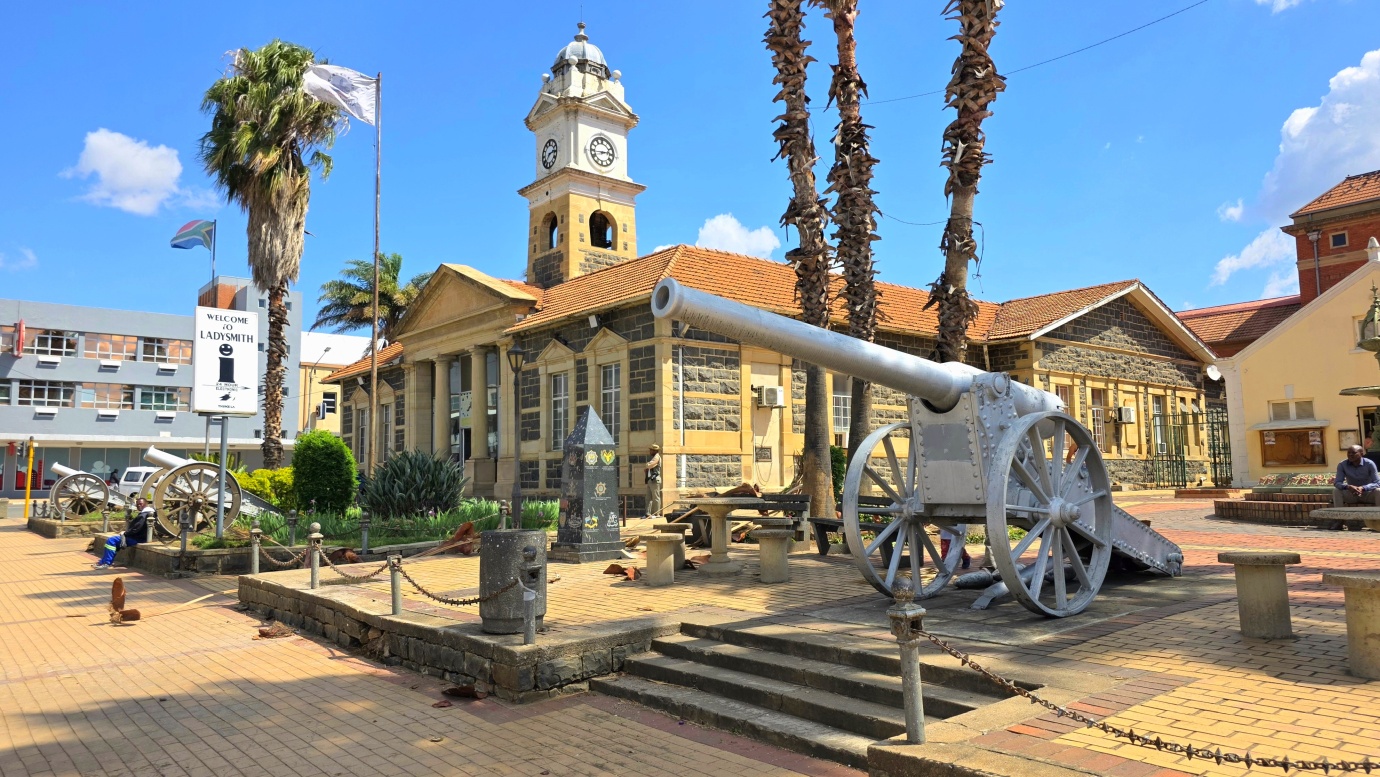
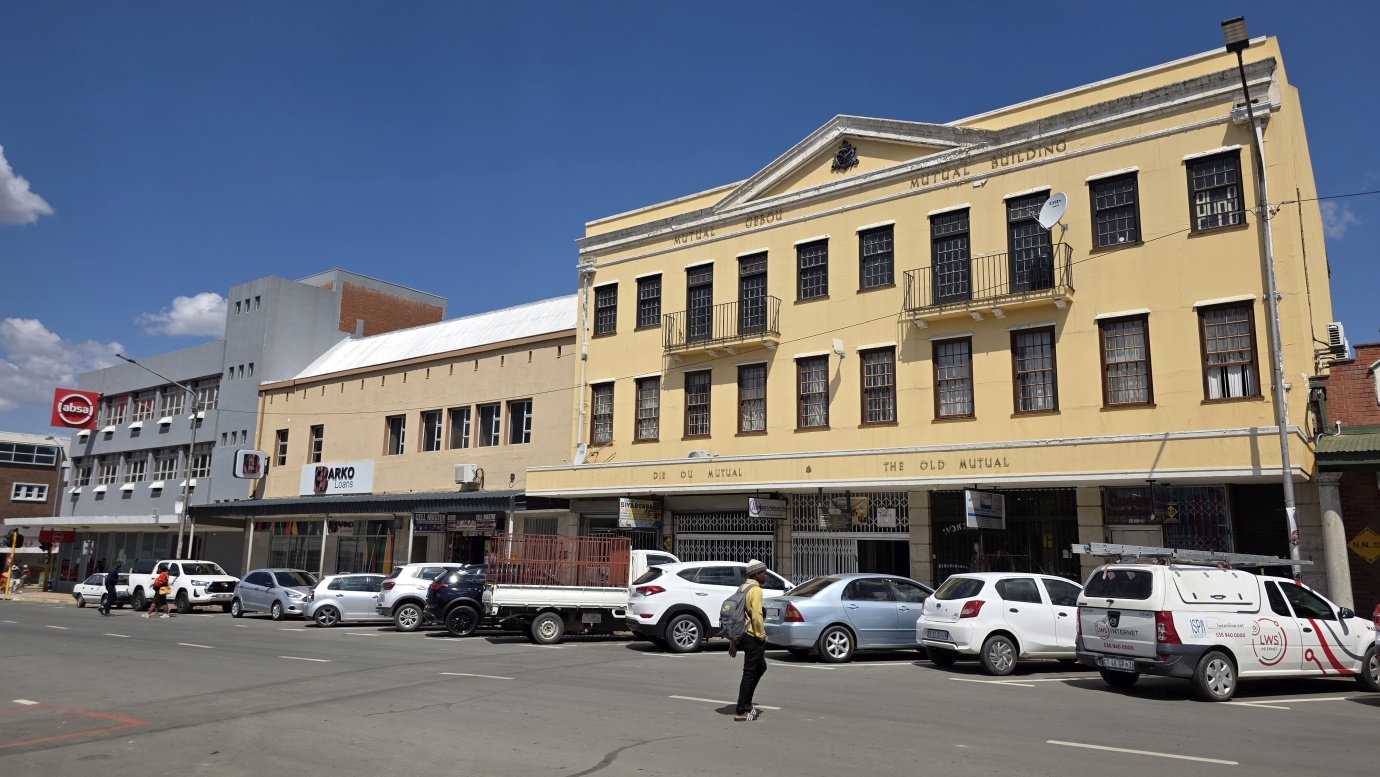
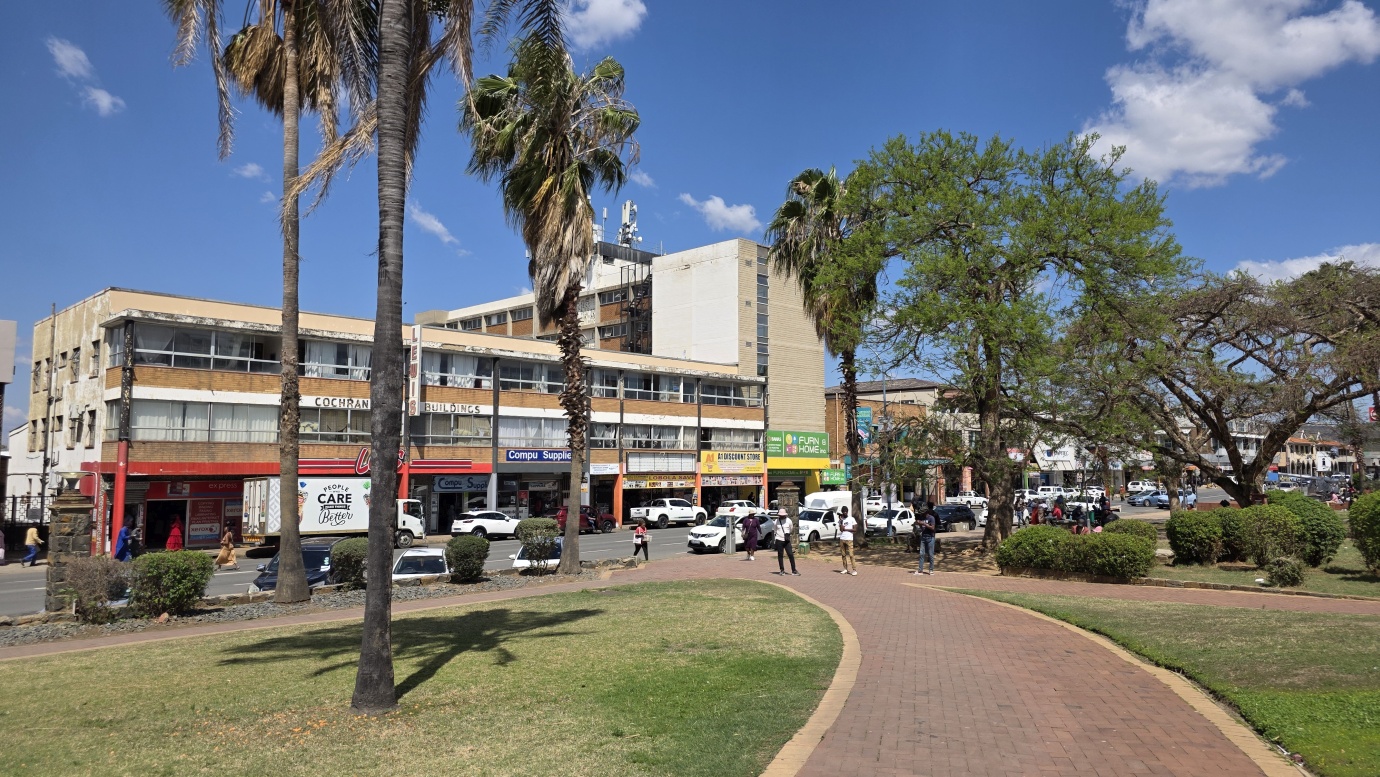
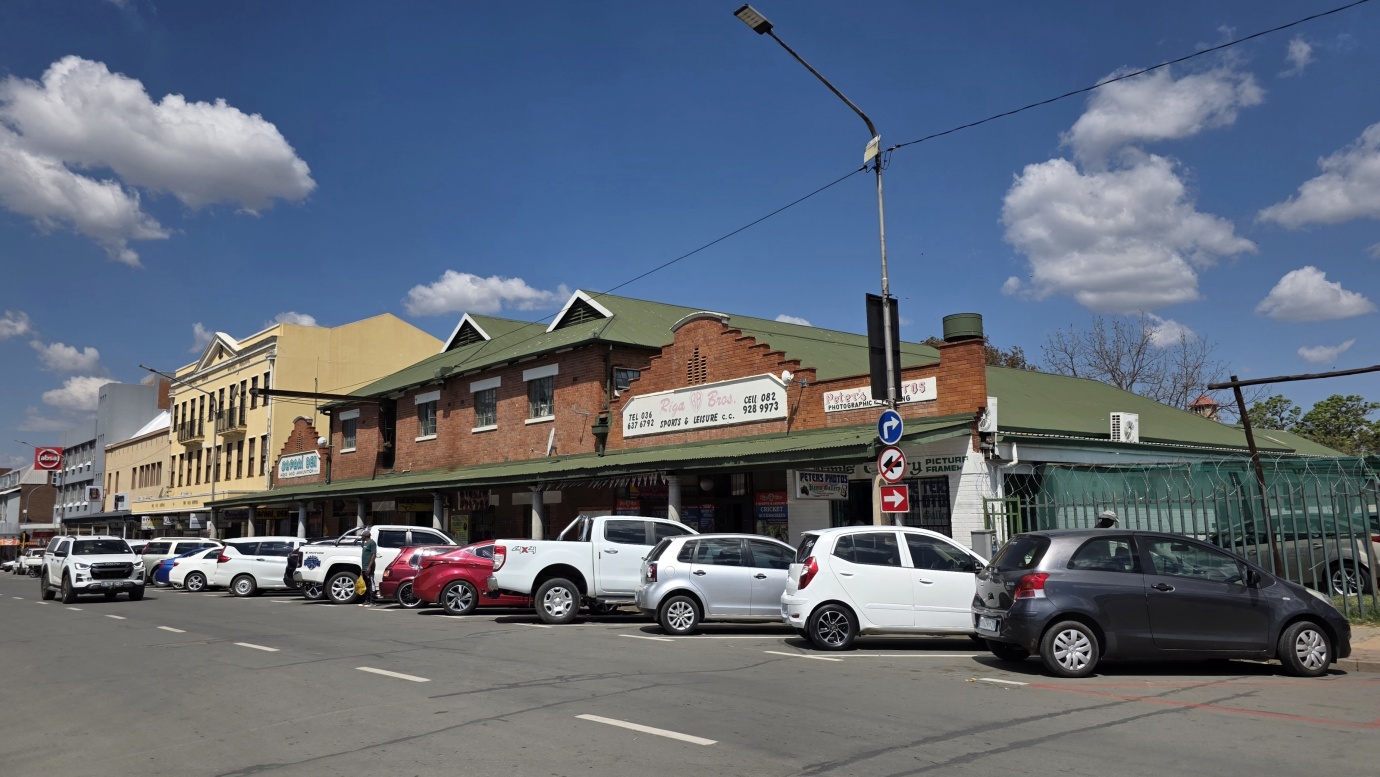
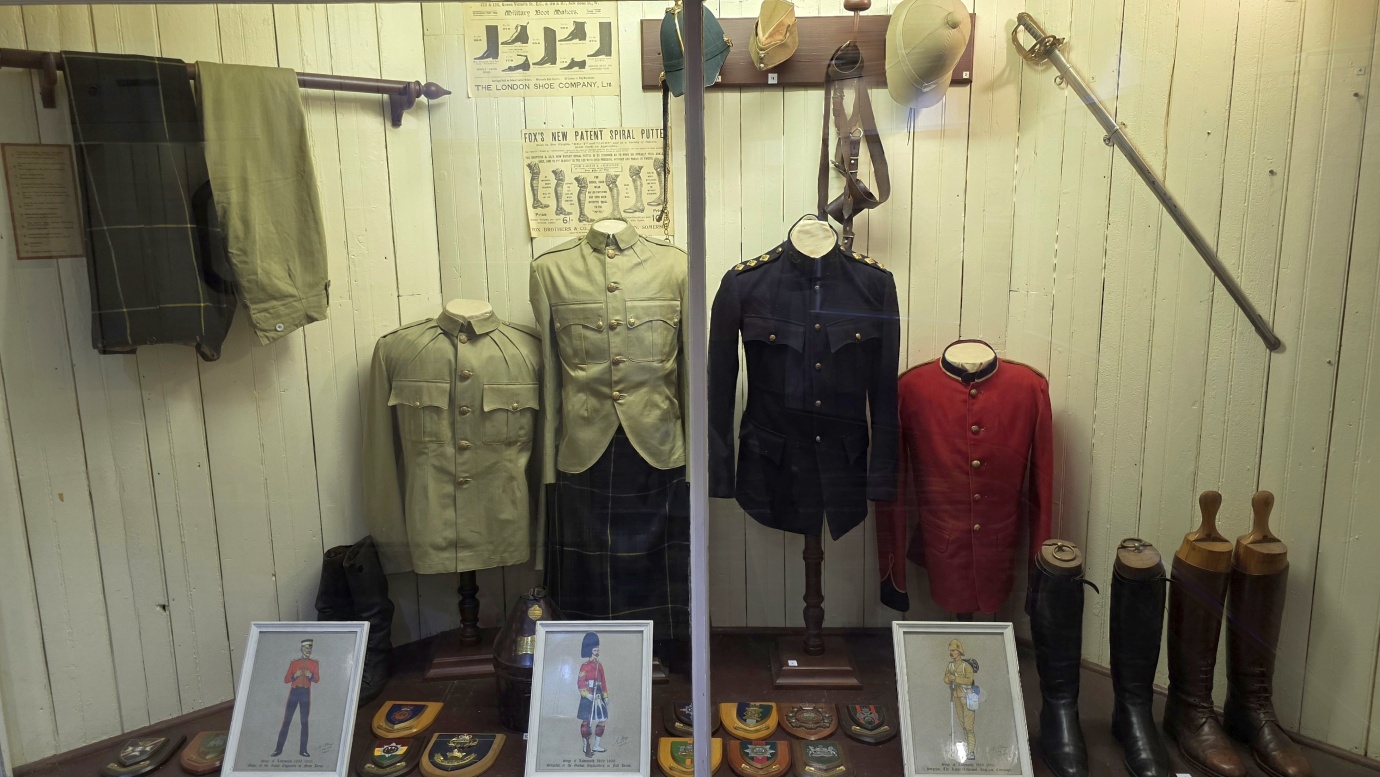
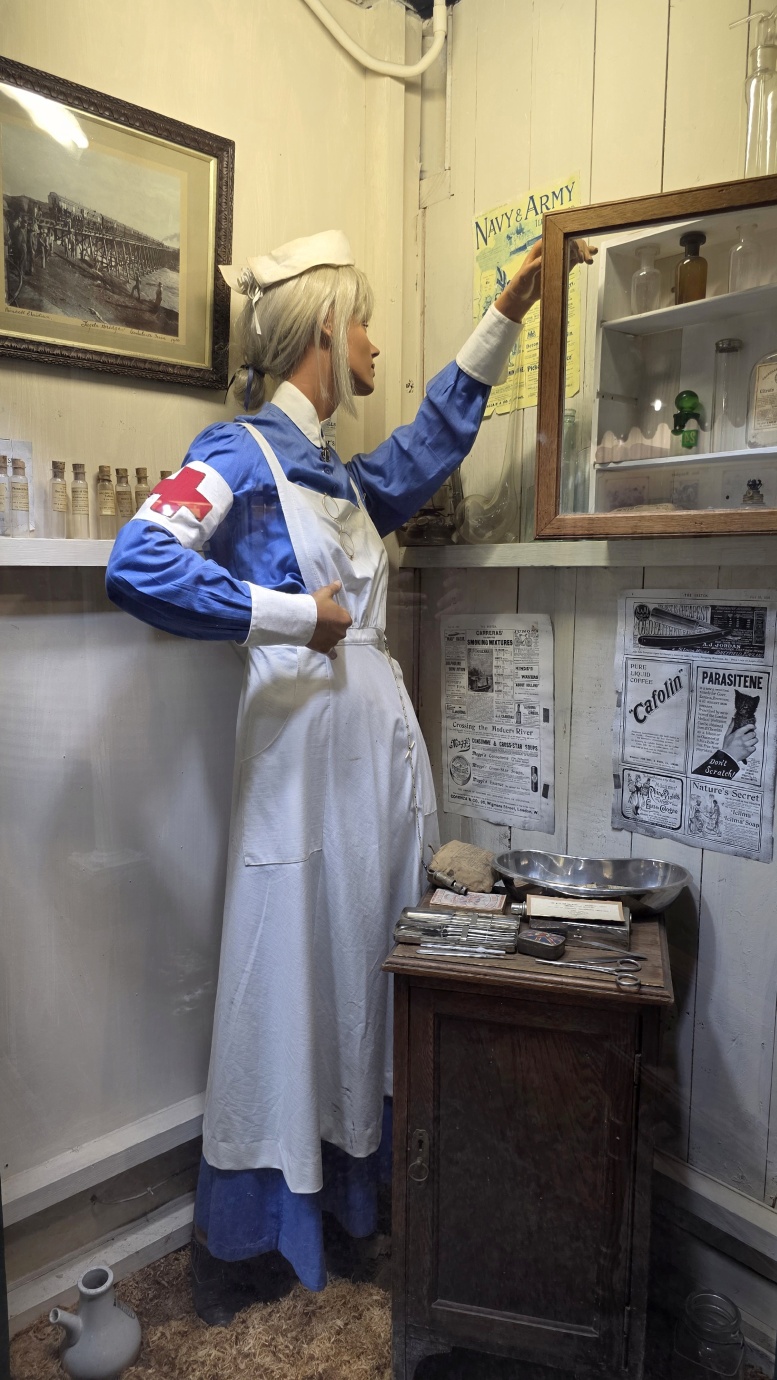
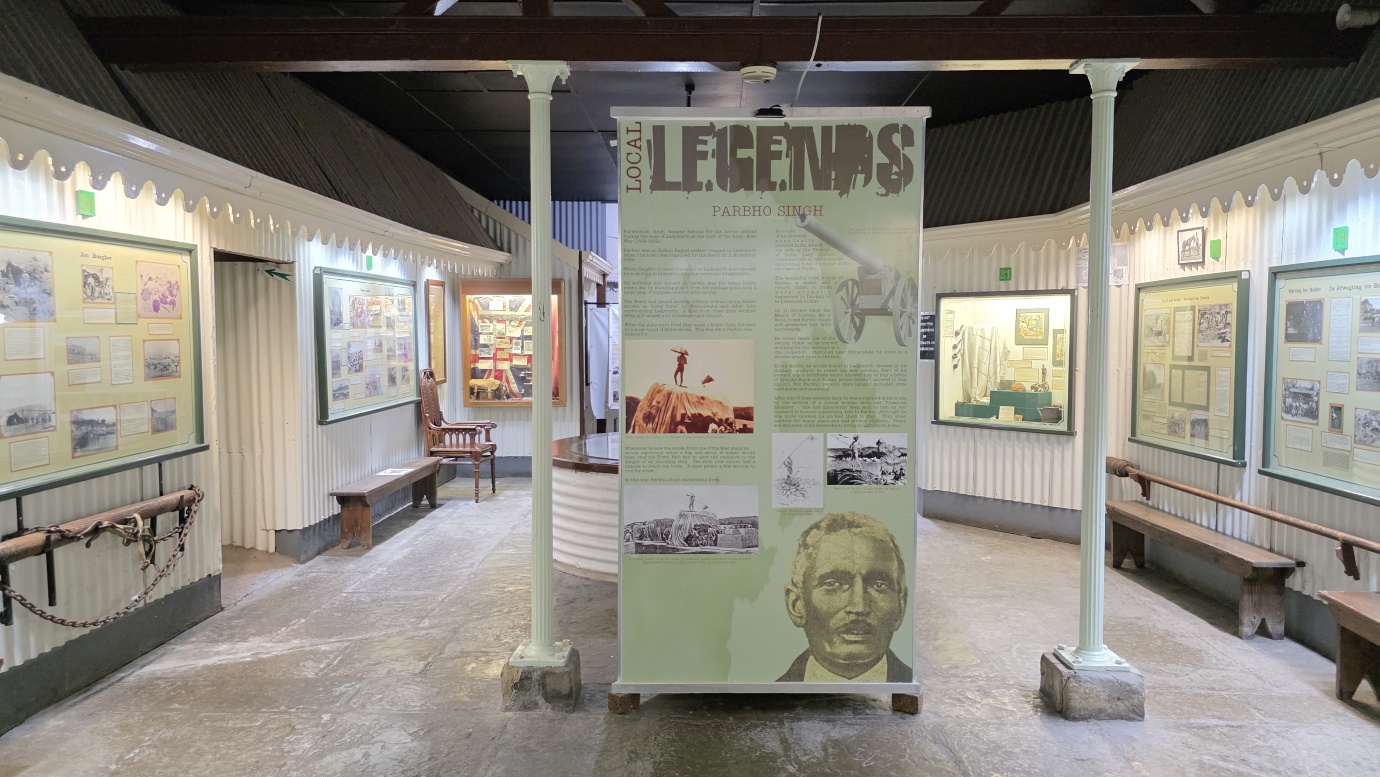
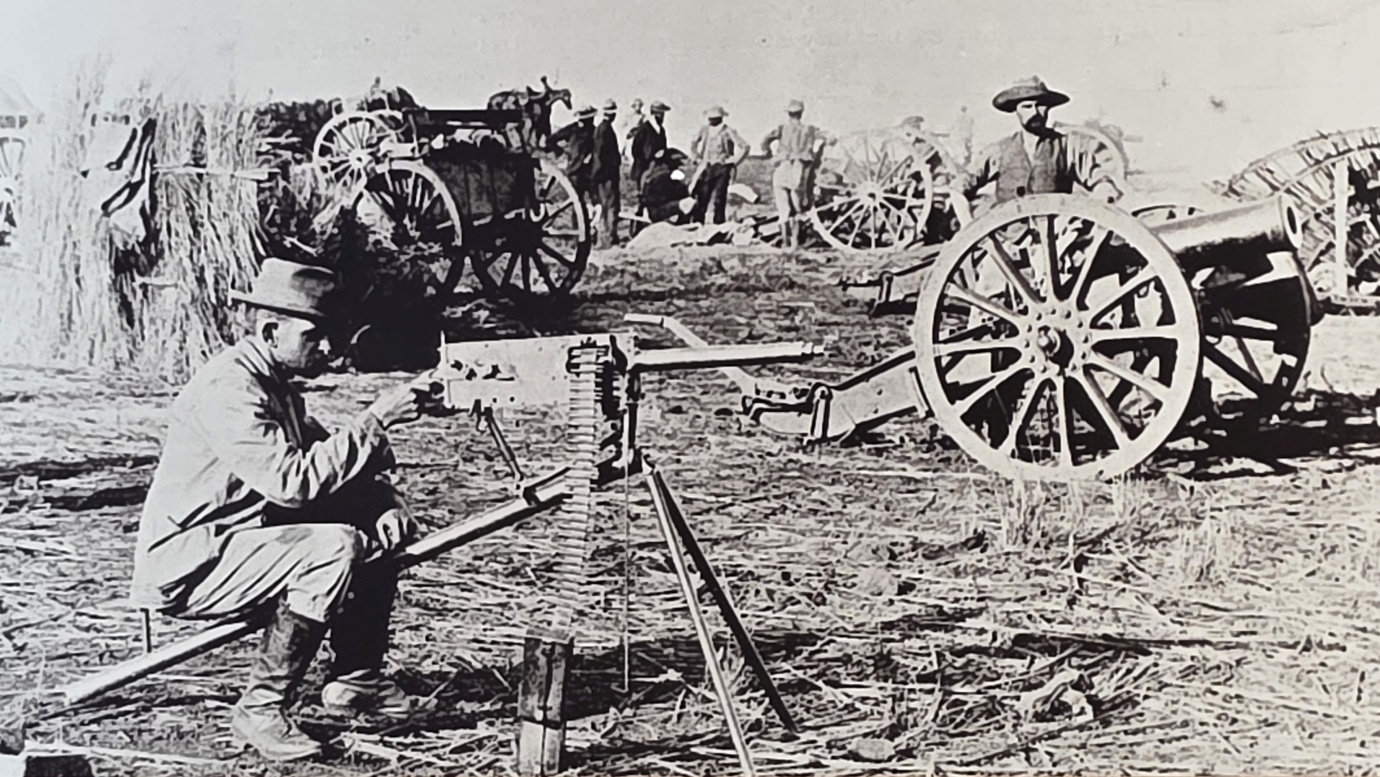
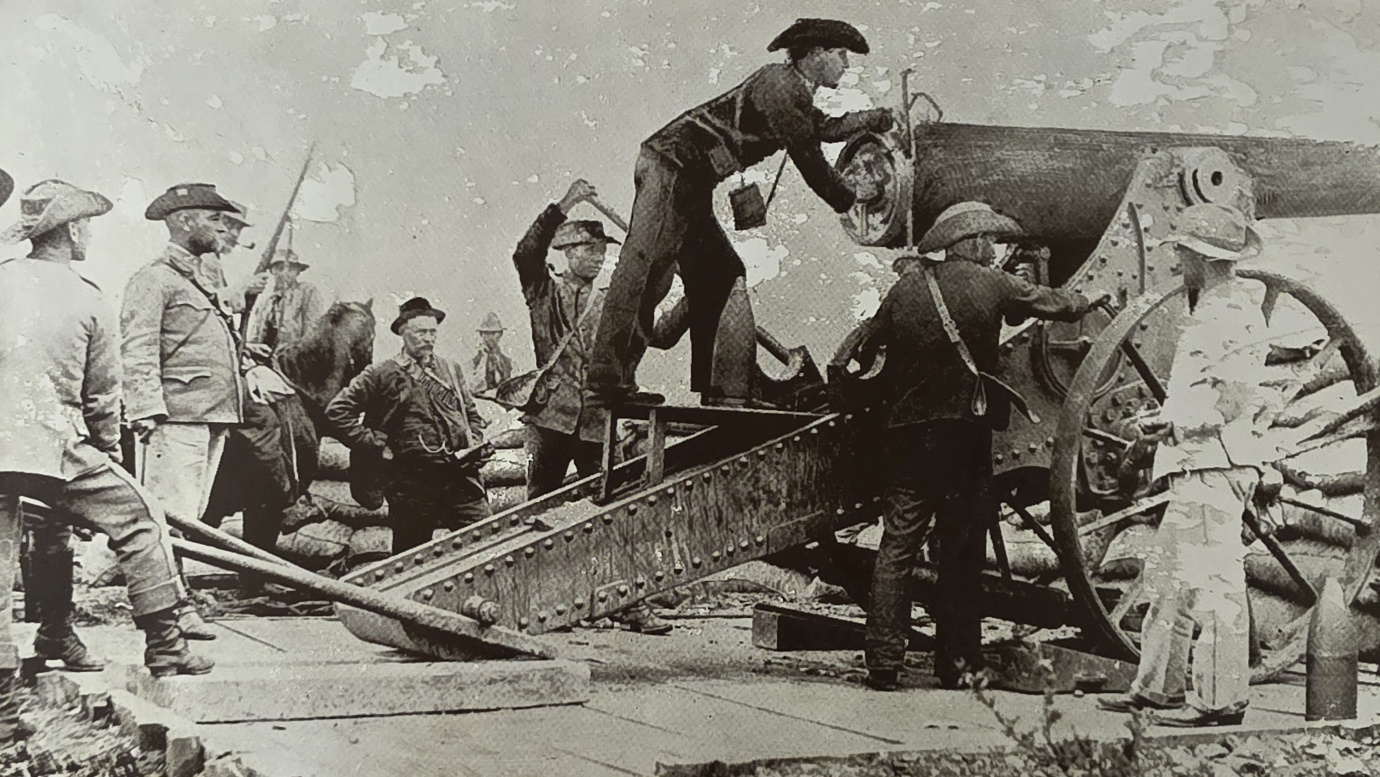
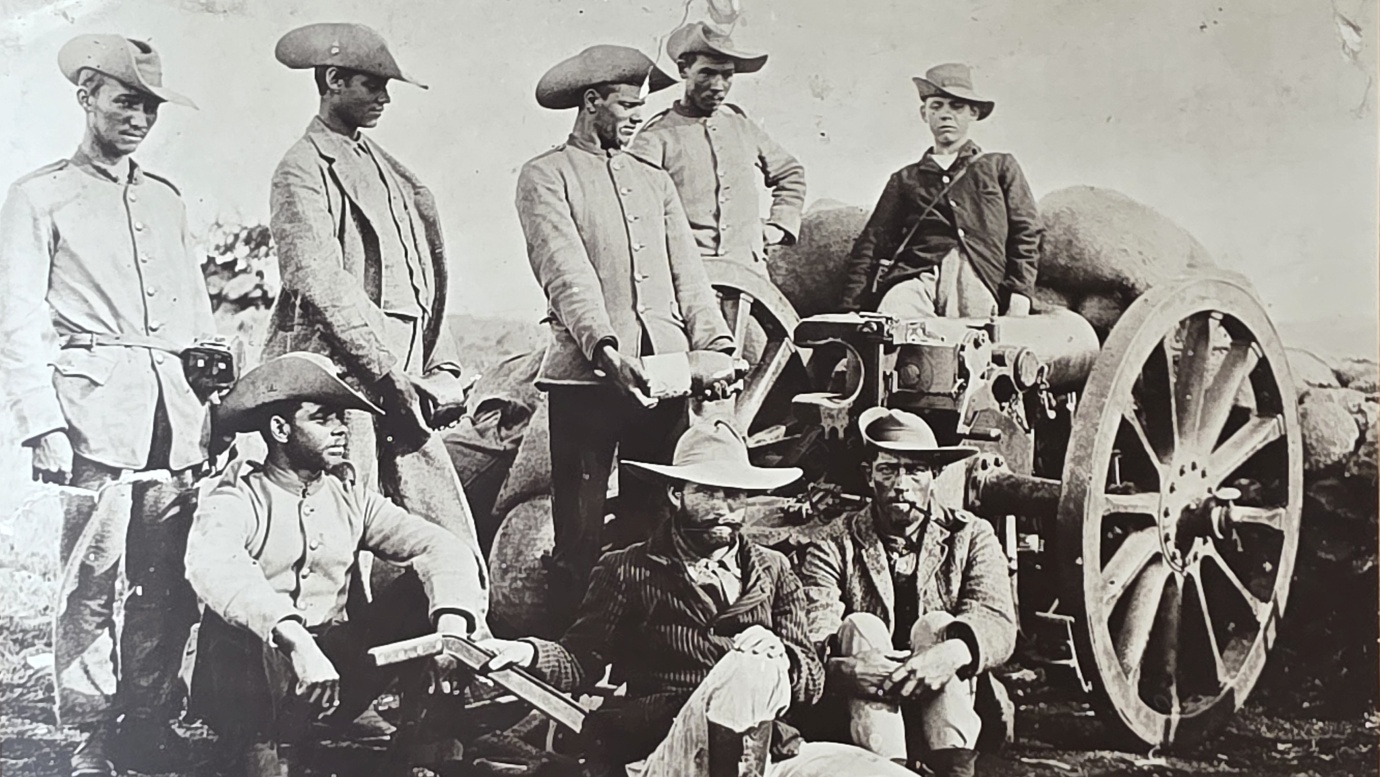
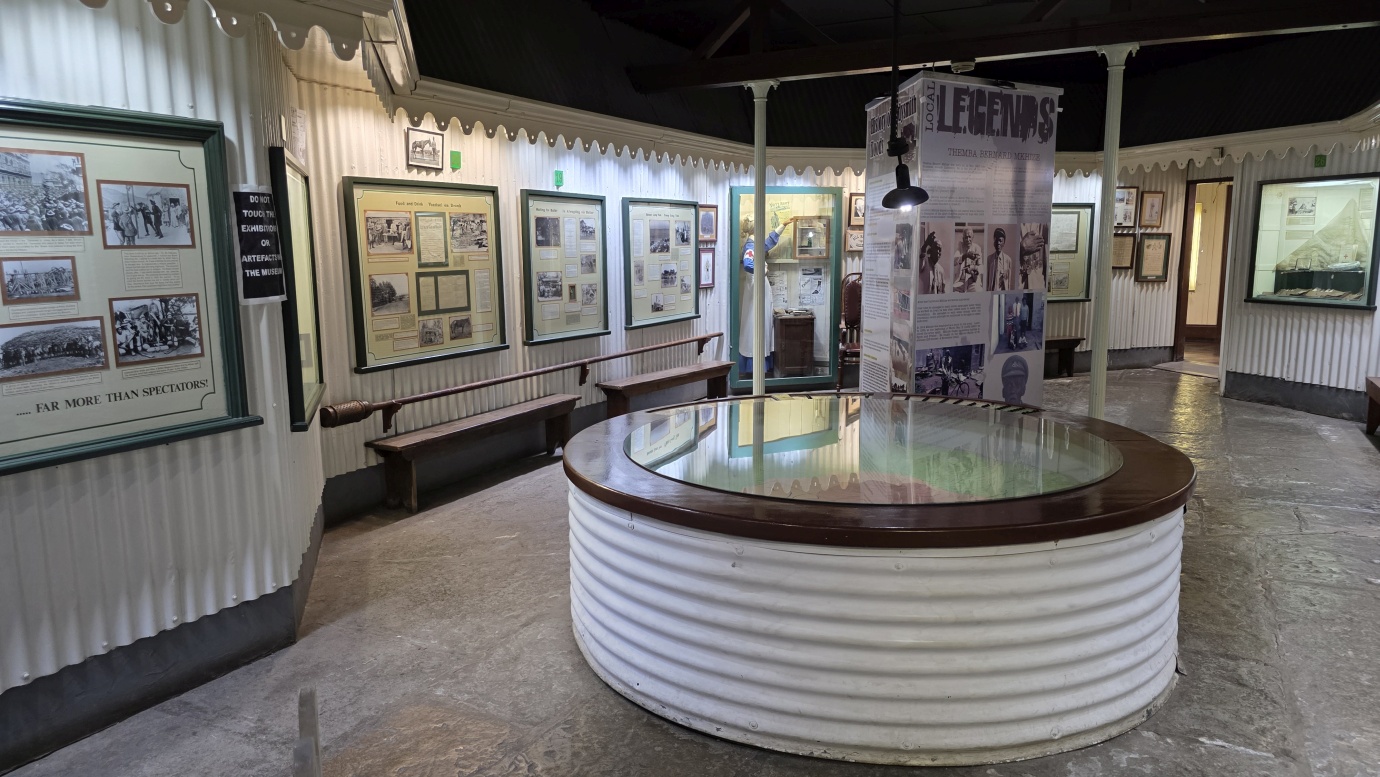
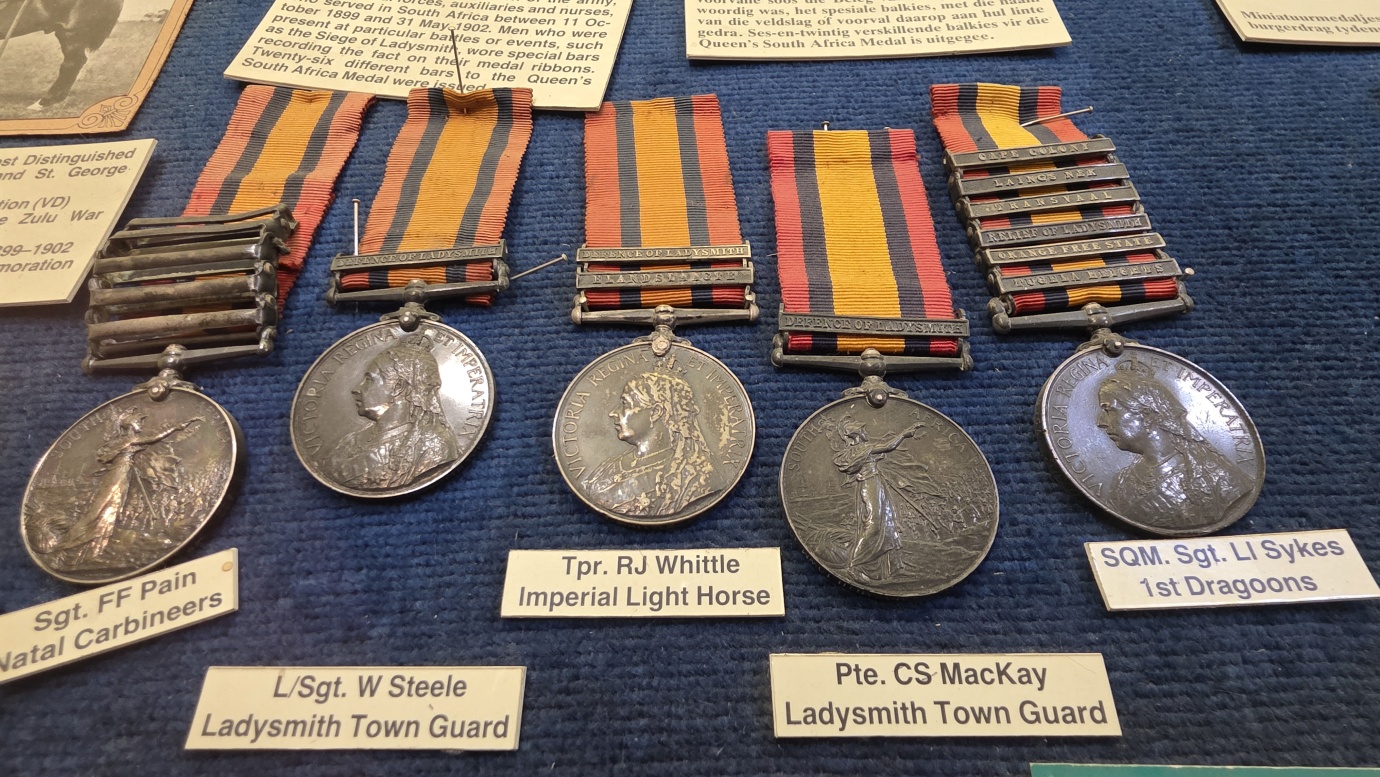
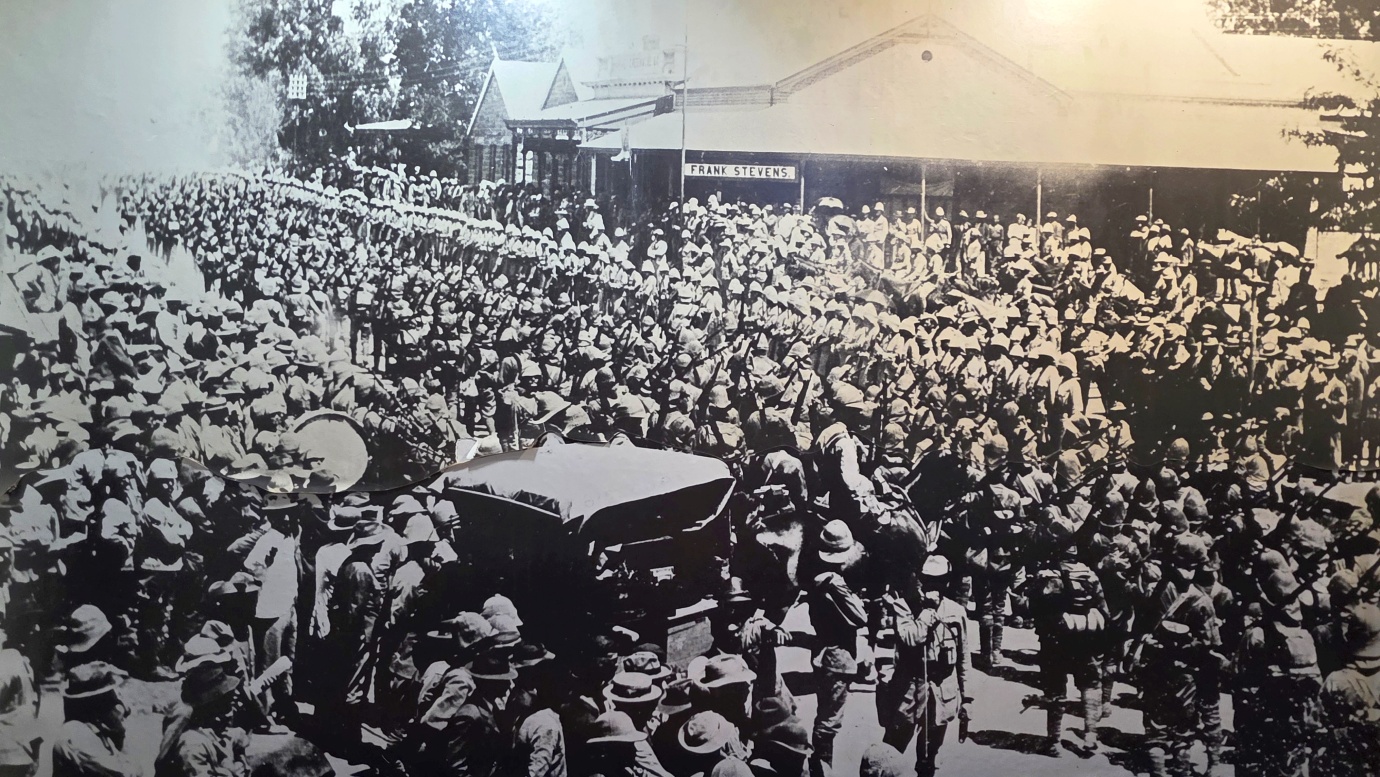
Our second historical stop of the day was Ladysmith, a historic town in northern KwaZulu-Natal that played a central role in the Anglo-Boer War. The Ladysmith Siege Museum sits next to the town hall in a building built in 1884 that originally served as a market house and later became a civilian ration post during the siege. The museum houses an impressive collection relating to the Anglo-Boer War, including uniforms, maps, photographs, weapons, personal belongings and other battlefield relics. Its archives contain around 6,000 documents, including six original diaries written during the siege, providing a fascinating insight into everyday life inside the besieged town.
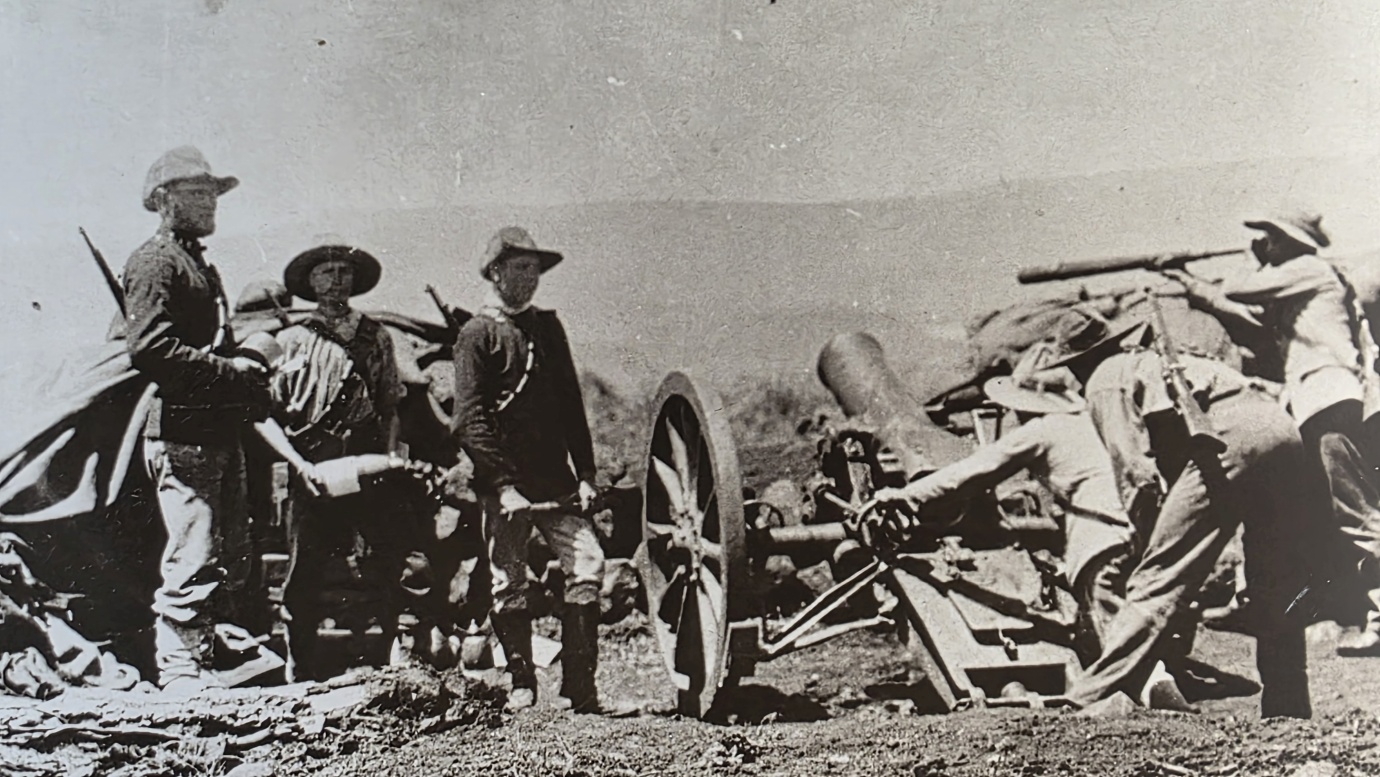
The Siege of Ladysmith lasted from 2 November 1899 until 28 February 1900. Boer forces under General Piet Joubert surrounded the town after the Battle of Ladysmith, trapping around 12,000 British troops and thousands of civilians inside. For almost four months, the population endured shortages of food and other supplies, disease, bombardment and the constant threat of attack. The siege ended when British relief forces under General Sir Redvers Buller reached Ladysmith on 28 February 1900.
Today, Ladysmith is an important gateway to the KwaZulu-Natal Battlefields Route, with some of the Anglo-Boer War’s most significant battlefields within reach. These include Spioenkop, Colenso, Vaalkrans, Platrand (Wagon Hill) and Elandslaagte.
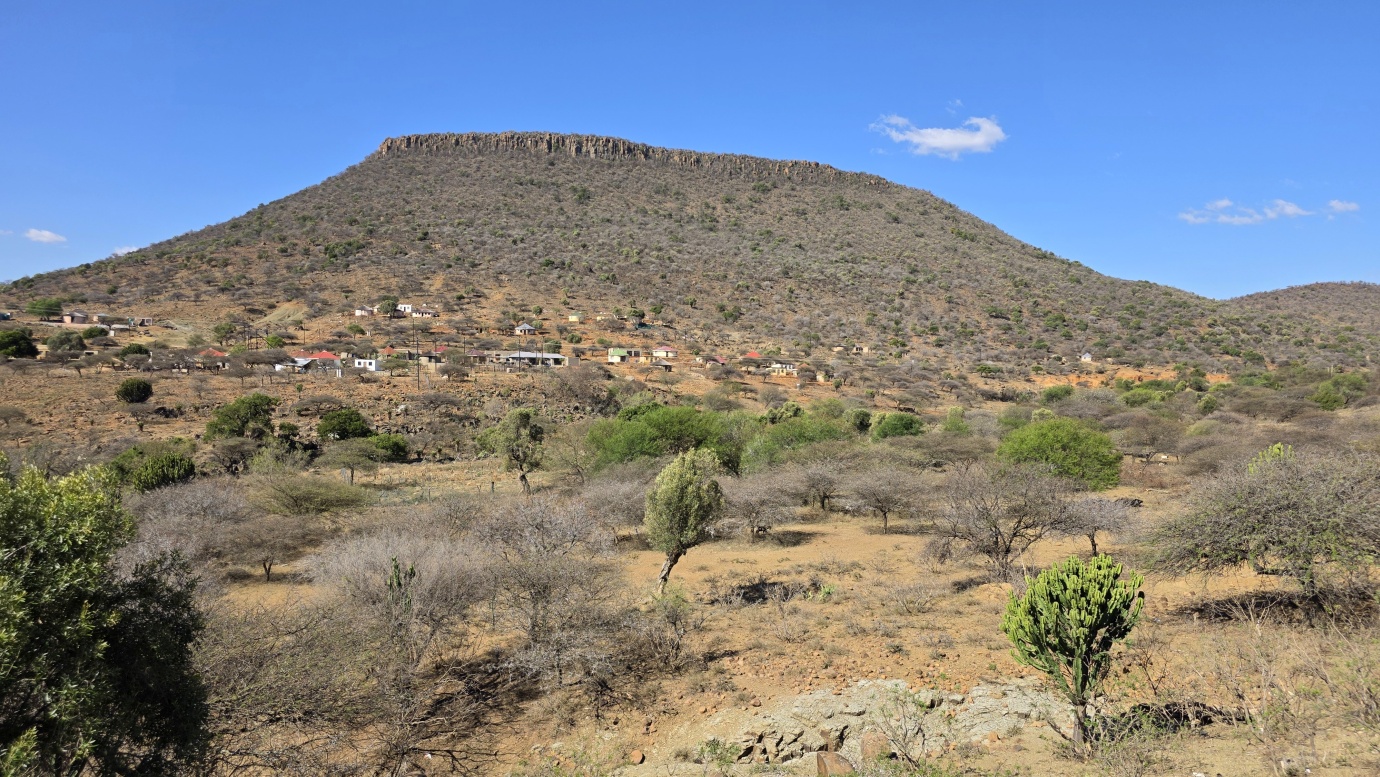
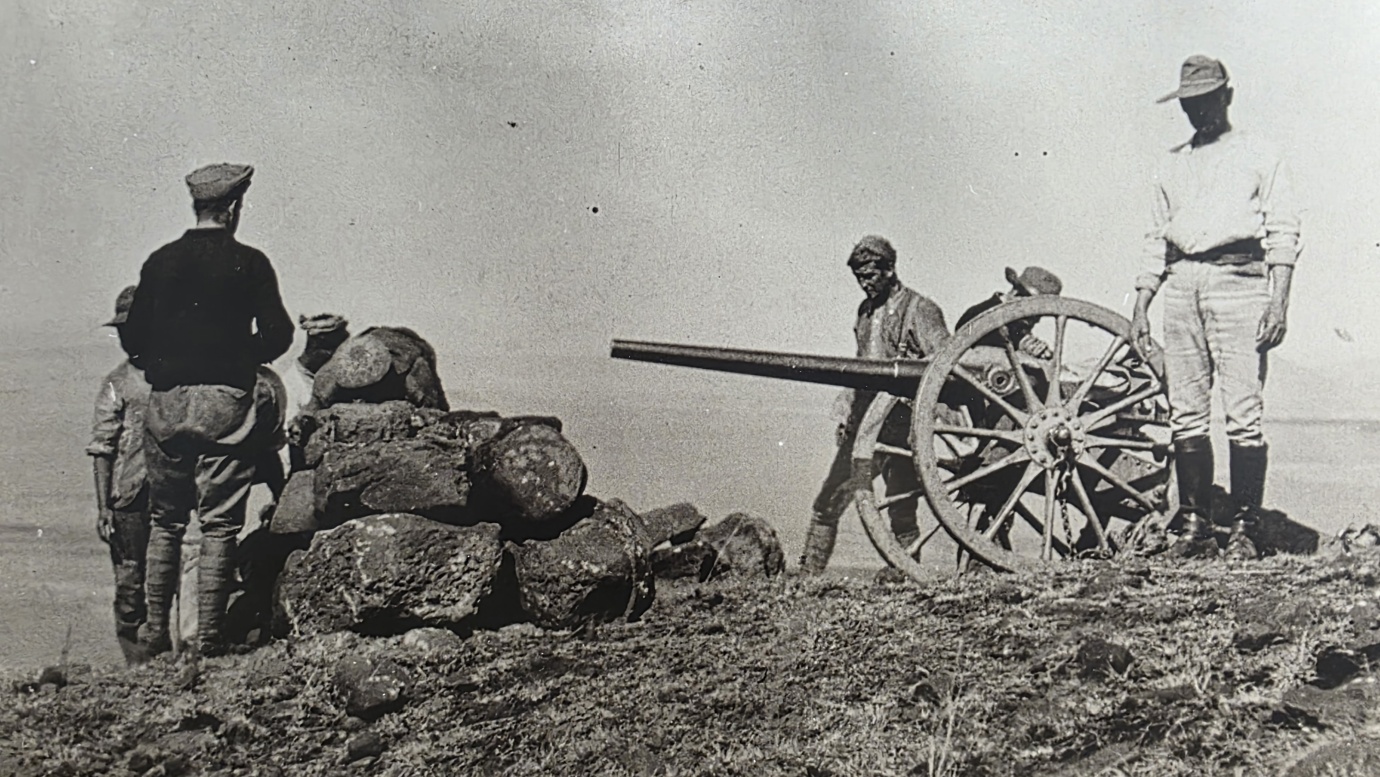
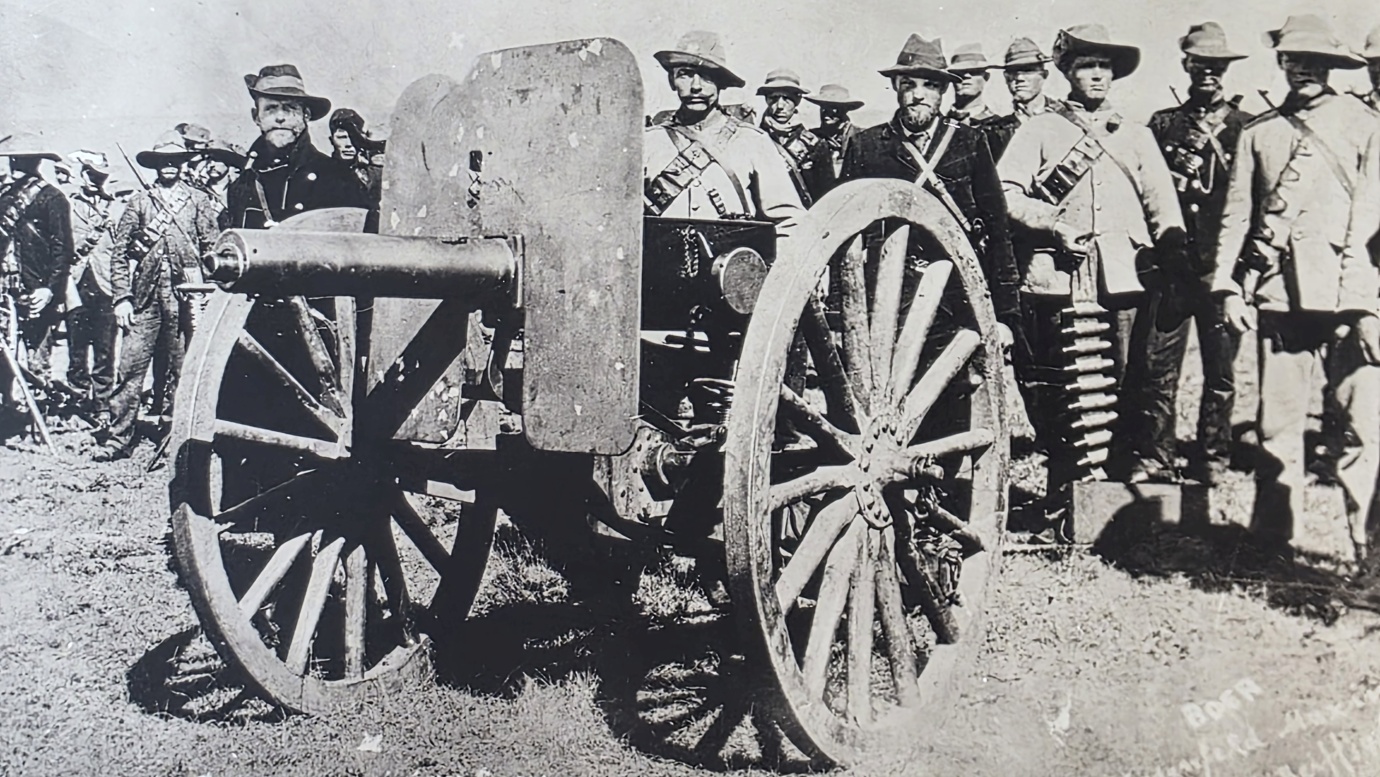
Around Ladysmith itself, several sites preserve the memory of the siege and the fighting. These include the Platrand Memorial and the cemetery at Intombi Camp, where many soldiers and civilians who died during the siege are buried. The surrounding hills also preserve the positions from which Boer artillery bombarded the town, including the locations associated with the famous Creusot guns known as “Long Toms”.