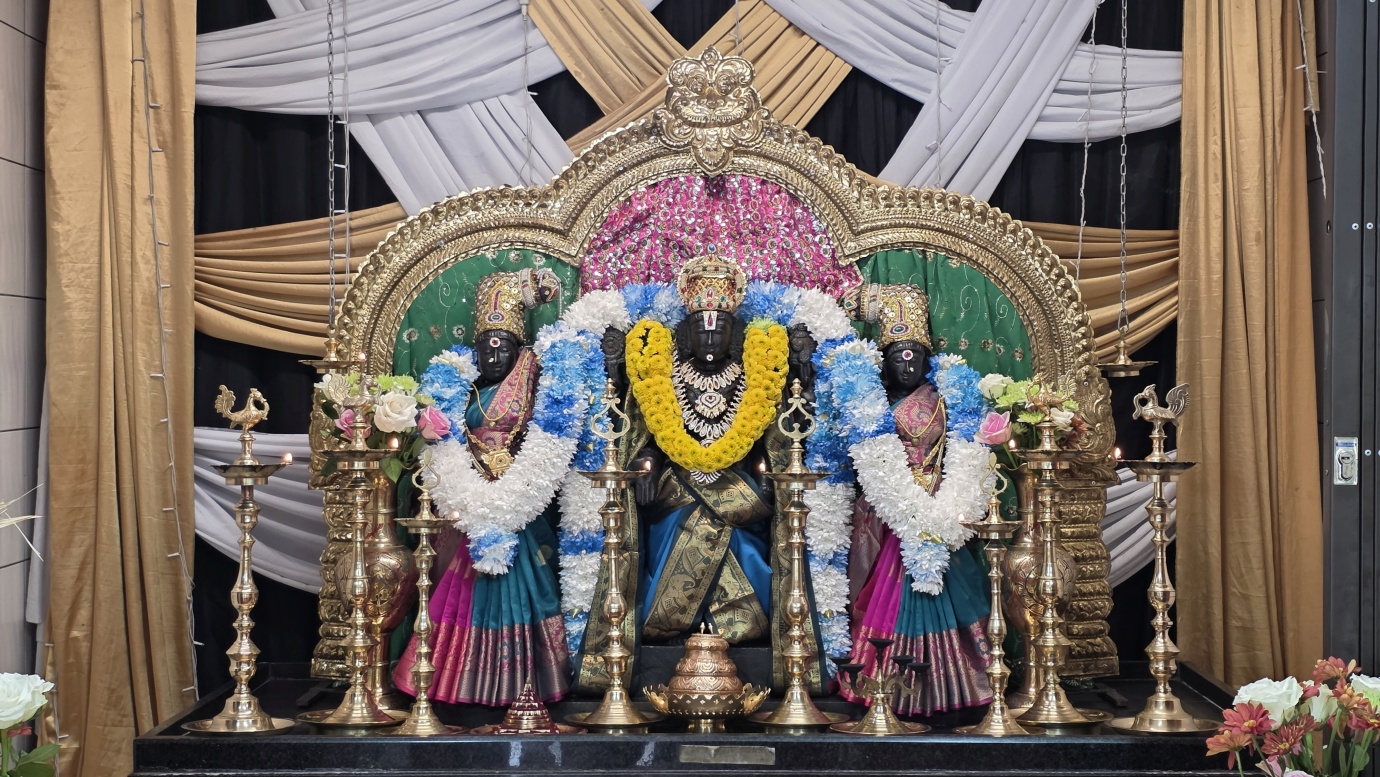
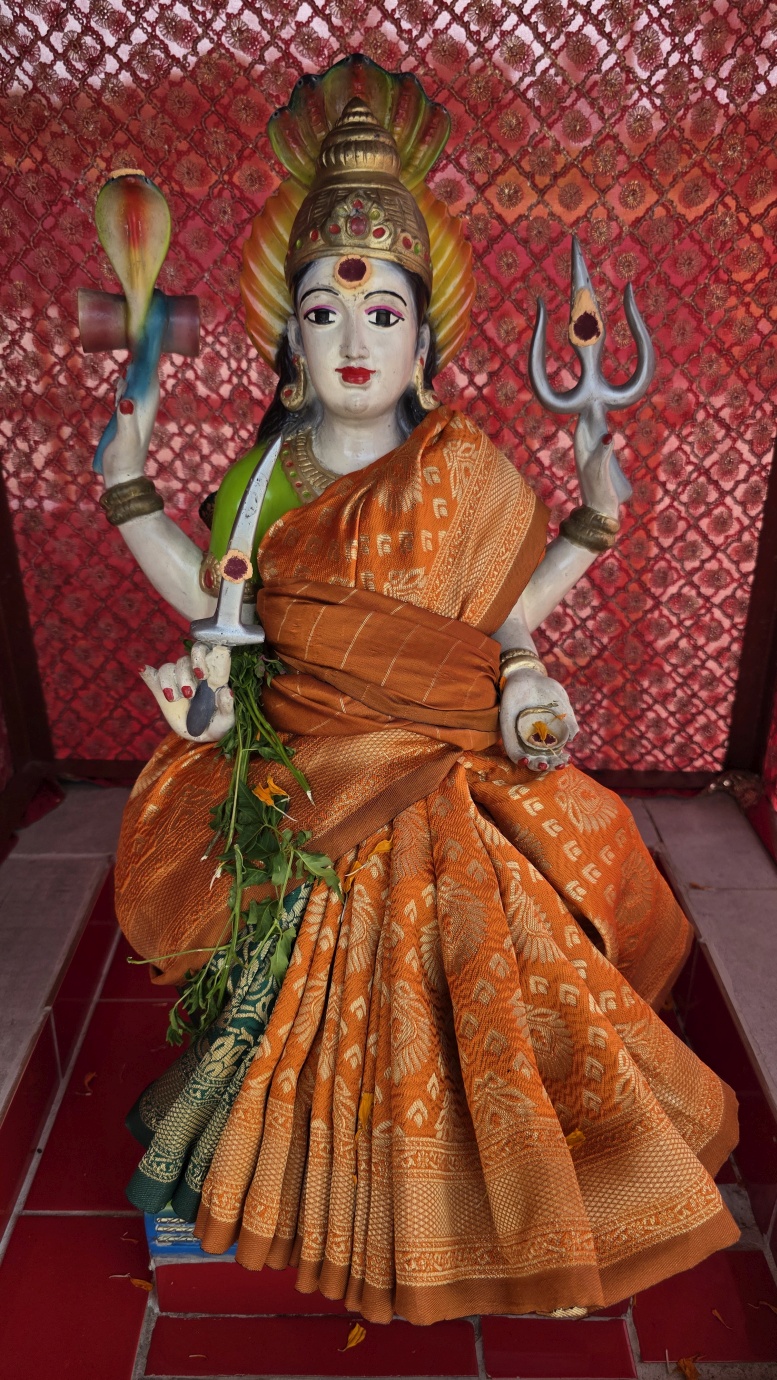
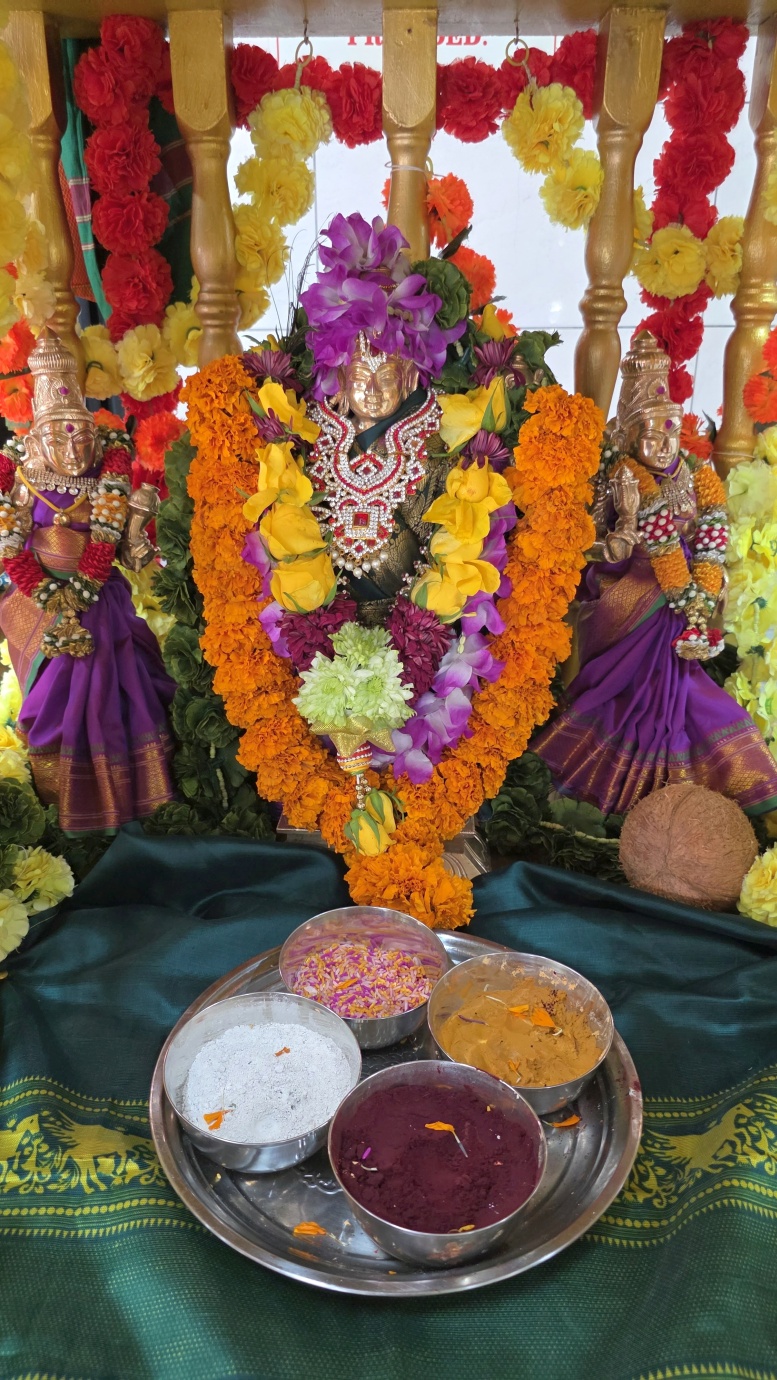
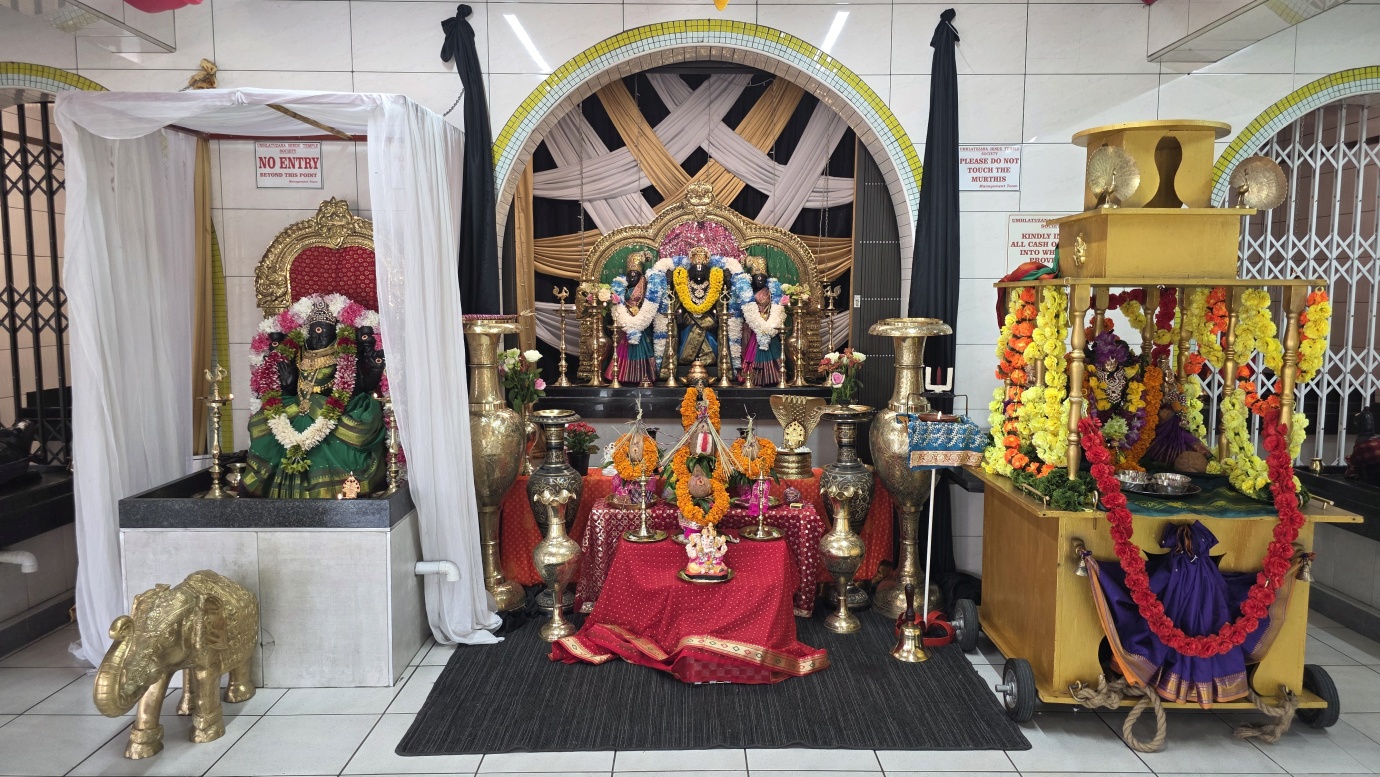
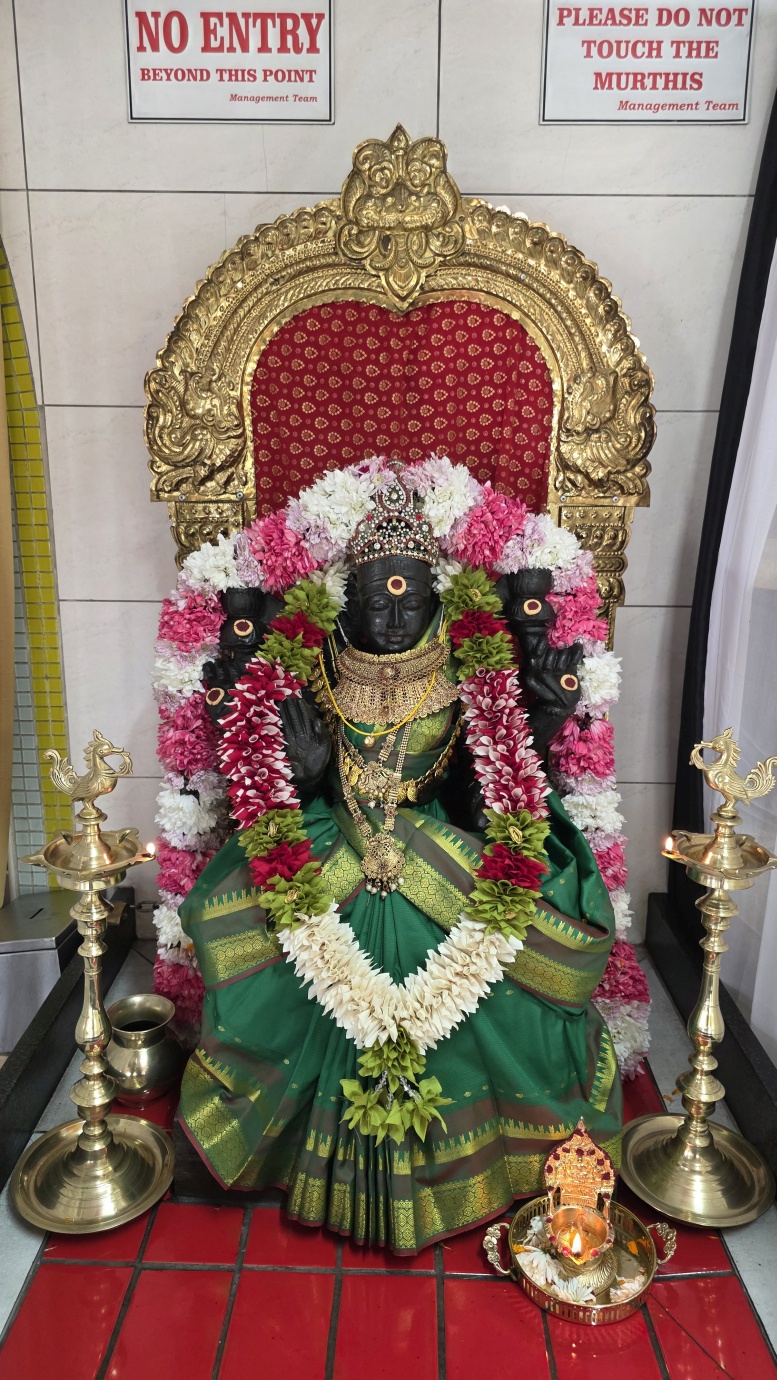
On our way to Underberg, we stopped at two culturally profound landmarks just a short distance apart in the greater Durban area: the Umhlatuzana Hindu Temple in Chatsworth and Mariannhill Monastery. Although they belong to different faiths, both places share remarkably similar stories of resilience, community, service and architectural beauty.
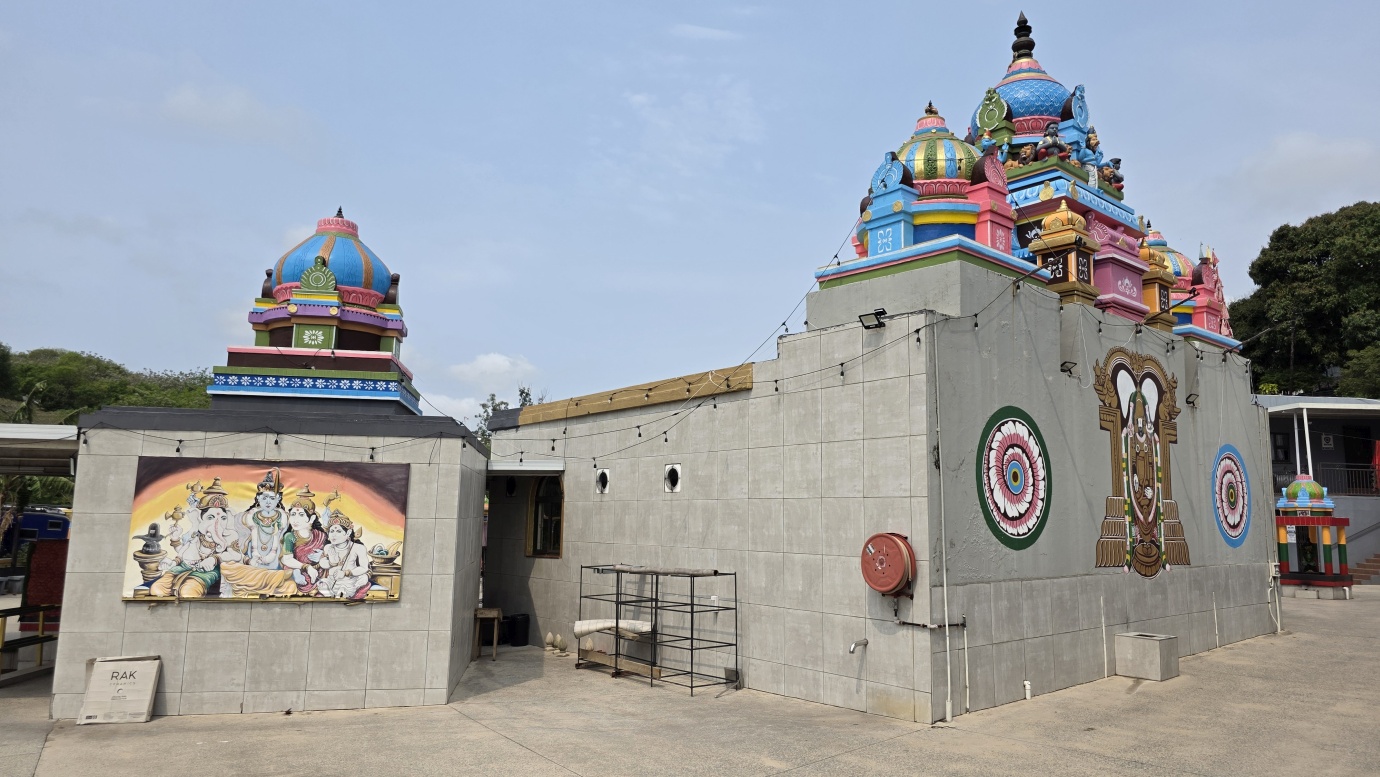
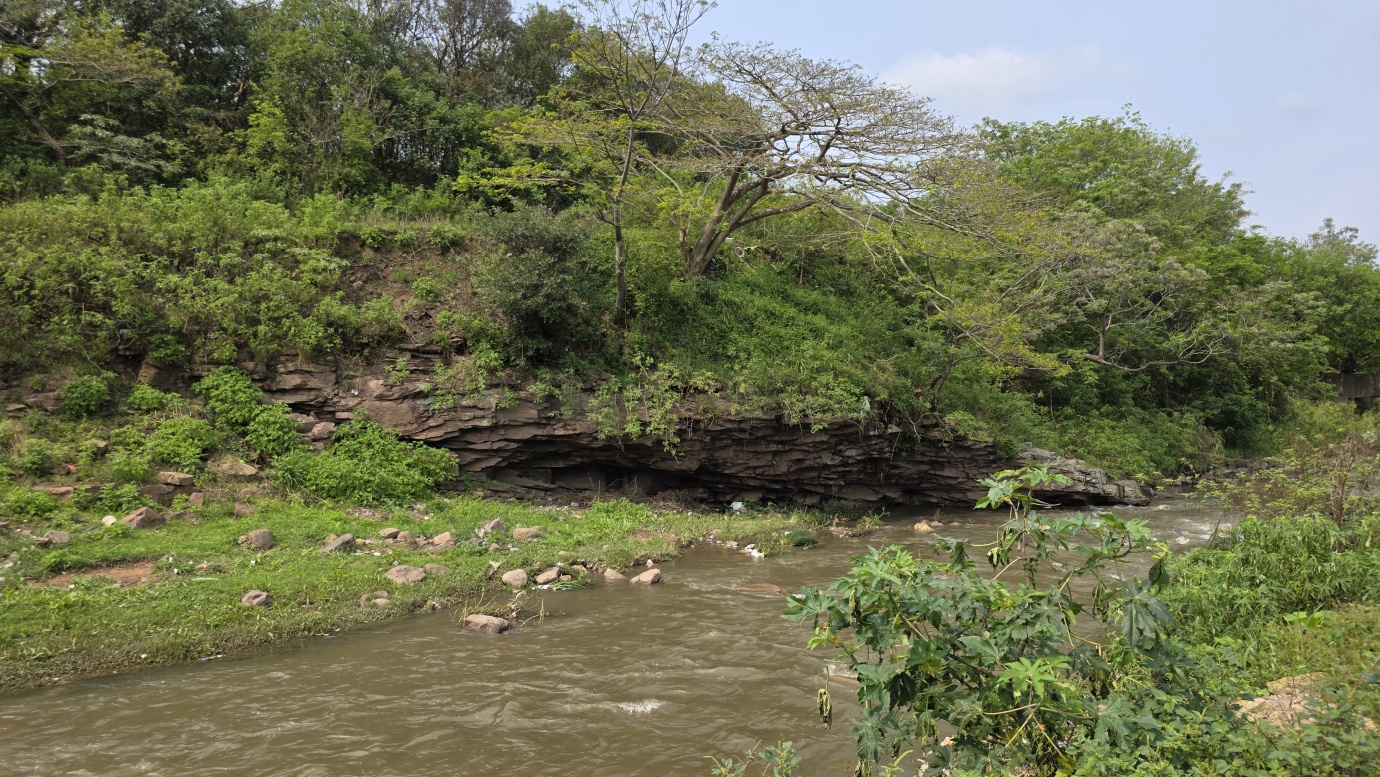
The Umhlatuzana Hindu Temple Society in Chatsworth has a history stretching back more than 70 years. Located on the banks of the Umhlatuzana River, the site was deliberately chosen for its spiritual significance, with water representing cleansing and the life-giving force of nature, much like the sacred Ganges in Hindu tradition.
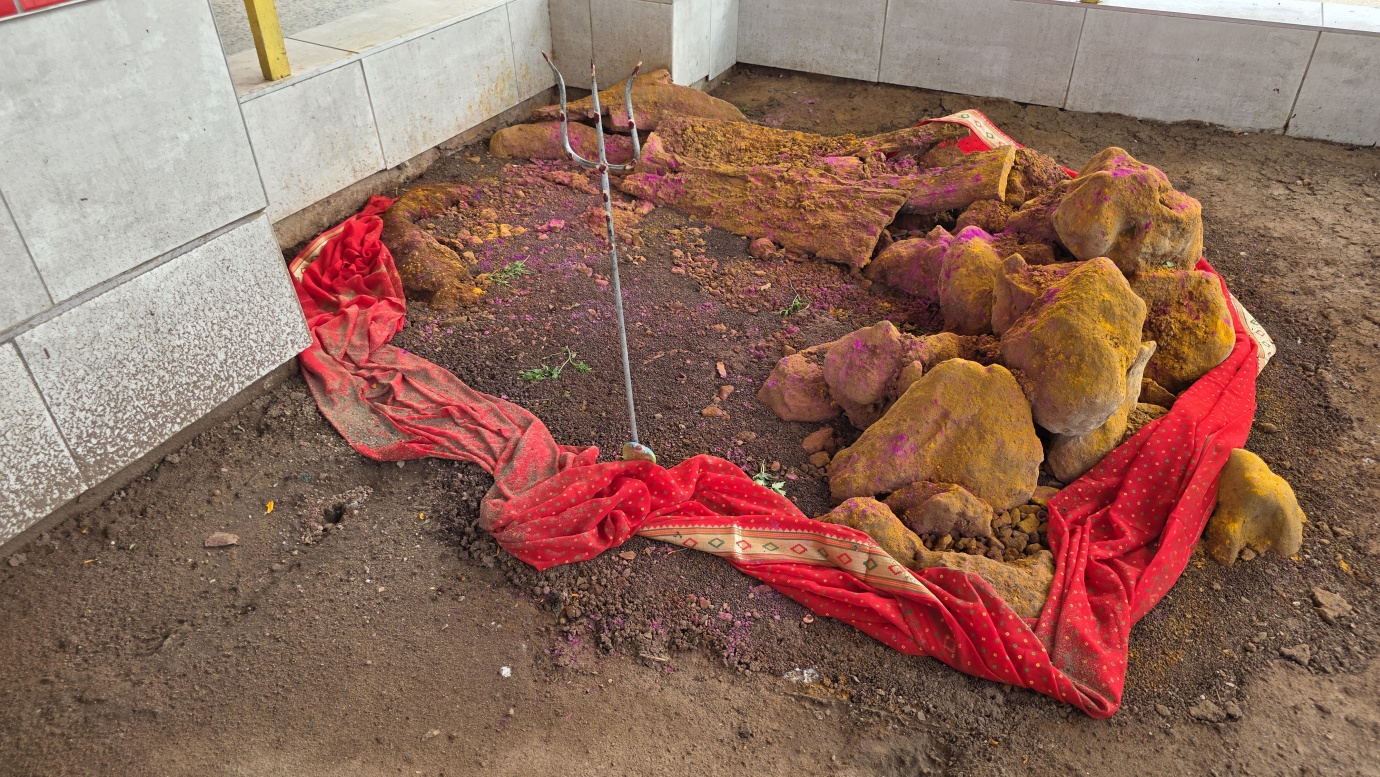
But the temple’s location also made it extremely vulnerable to flooding. The site suffered serious damage during earlier floods, including in 2017, before the catastrophic KwaZulu-Natal floods of April 2022. Torrential rain caused the Umhlatuzana River to burst its banks, sending a wall of water through the temple grounds. The iconic Amman, or Mother Temple, was destroyed, while parts of the complex, including the Navagraha shrine and other structures, were swept away. Water levels reportedly reached around five to six metres.
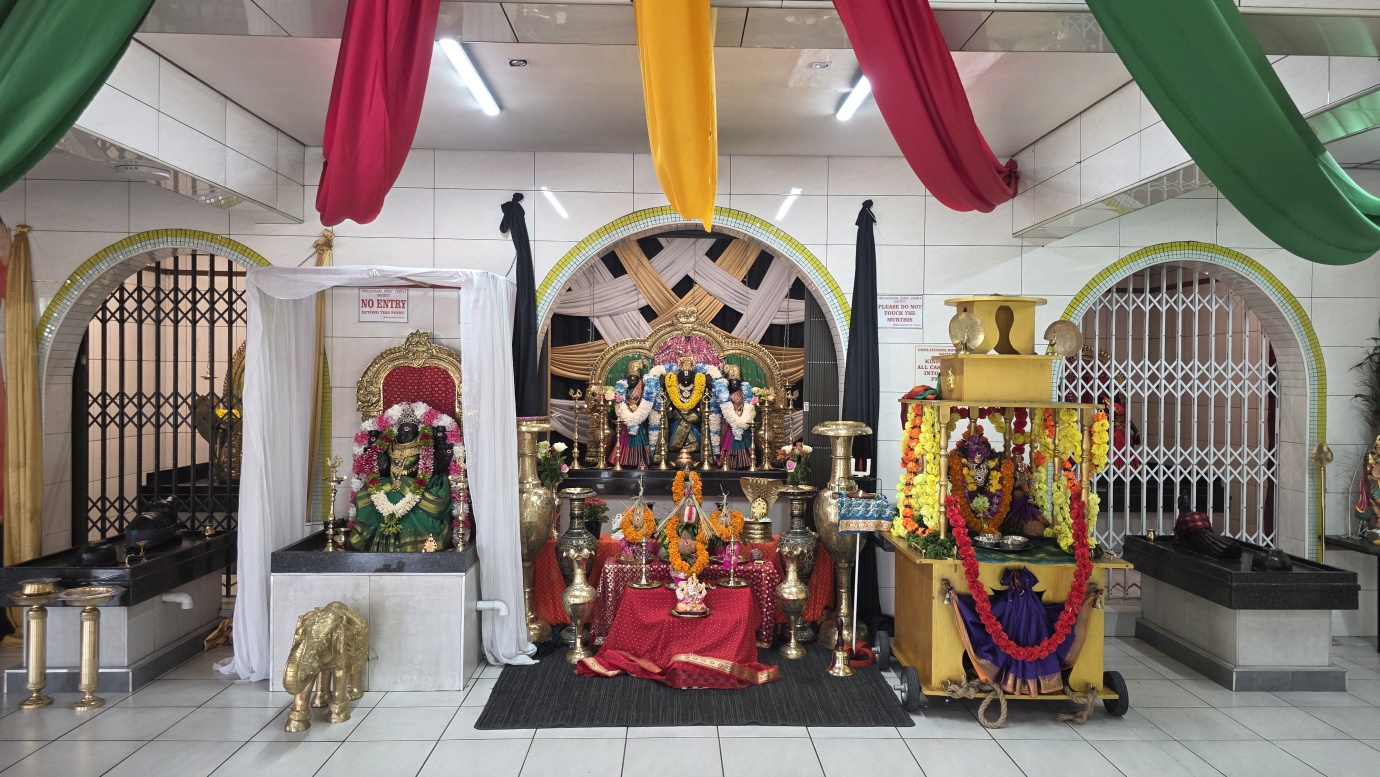
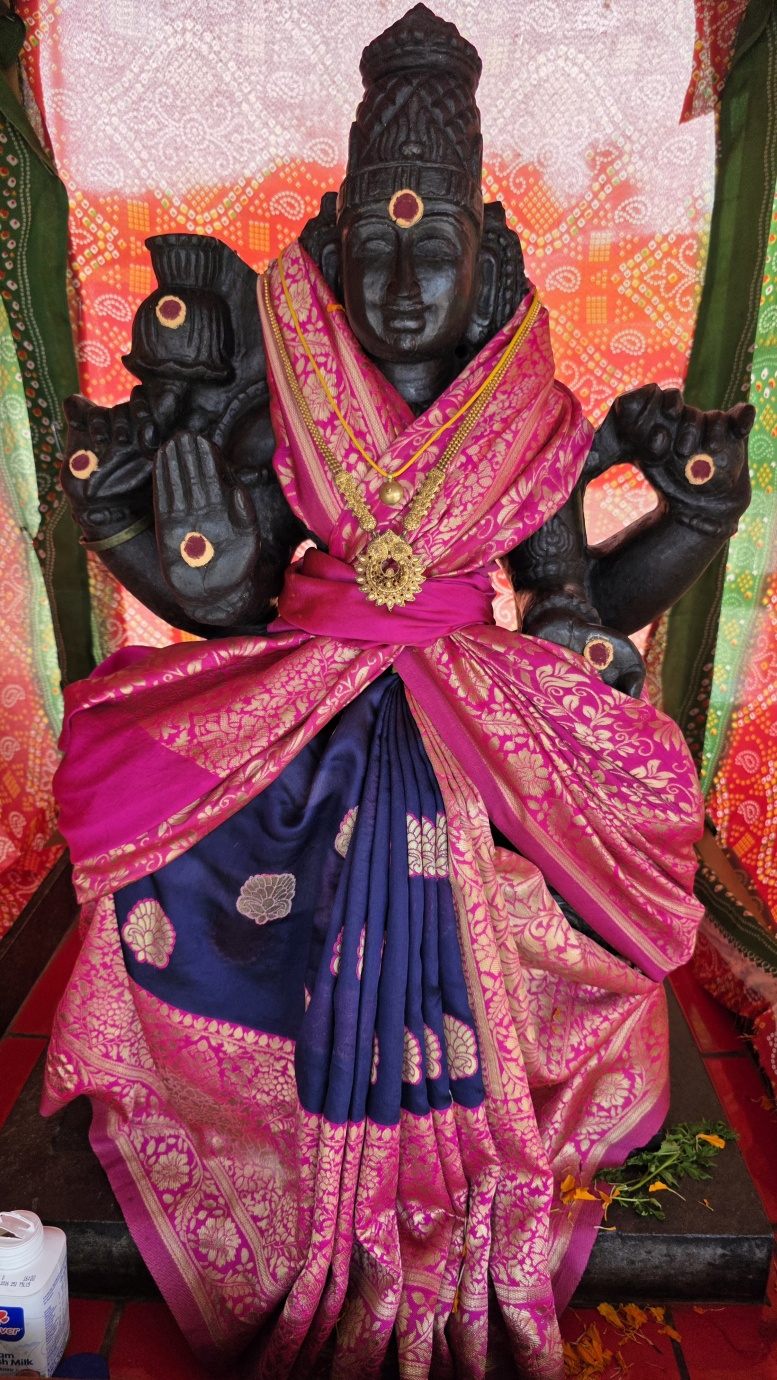
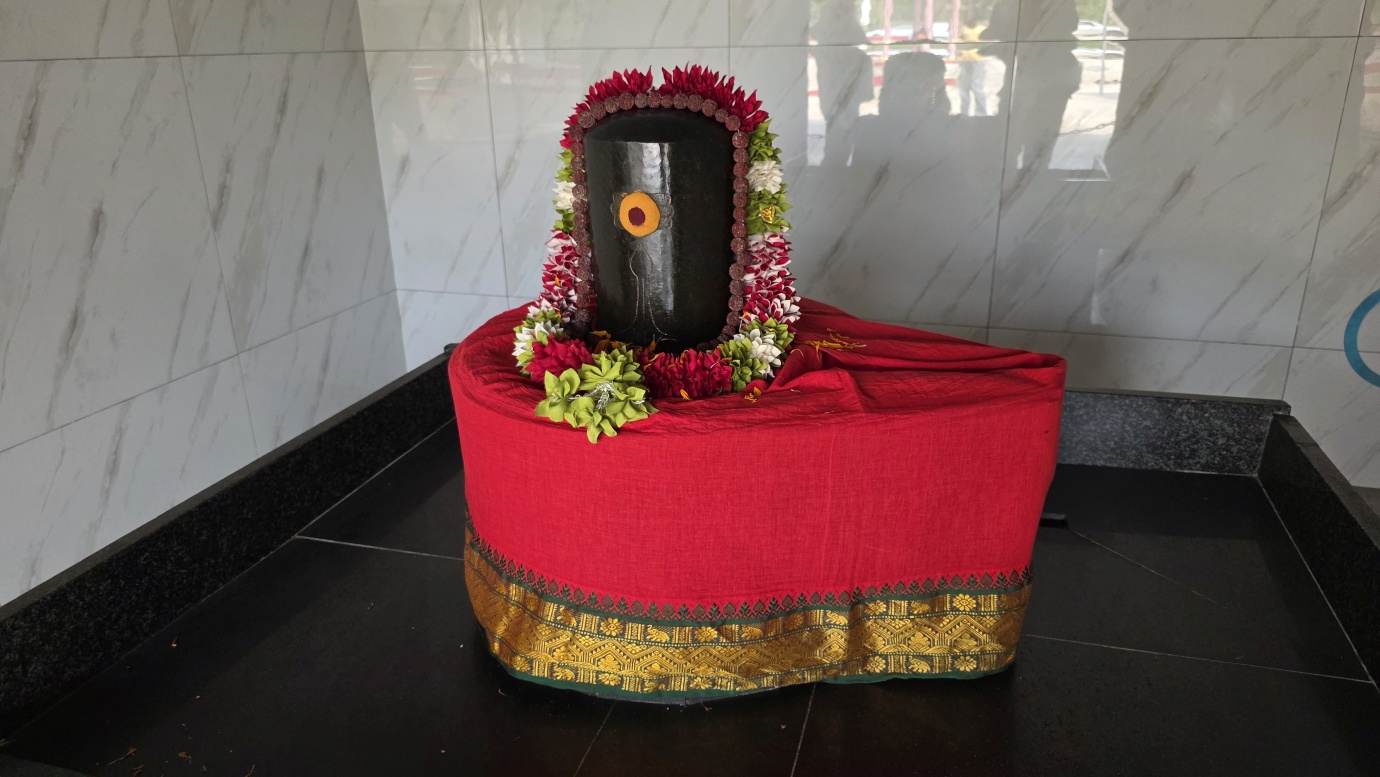
Remarkably, the solid granite deities in the Vishnu Temple remained in place, fixed to the floor, and survived the disaster. The destruction was enormous, but the community decided not to abandon this sacred ground. Instead, they began a major rebuilding effort.
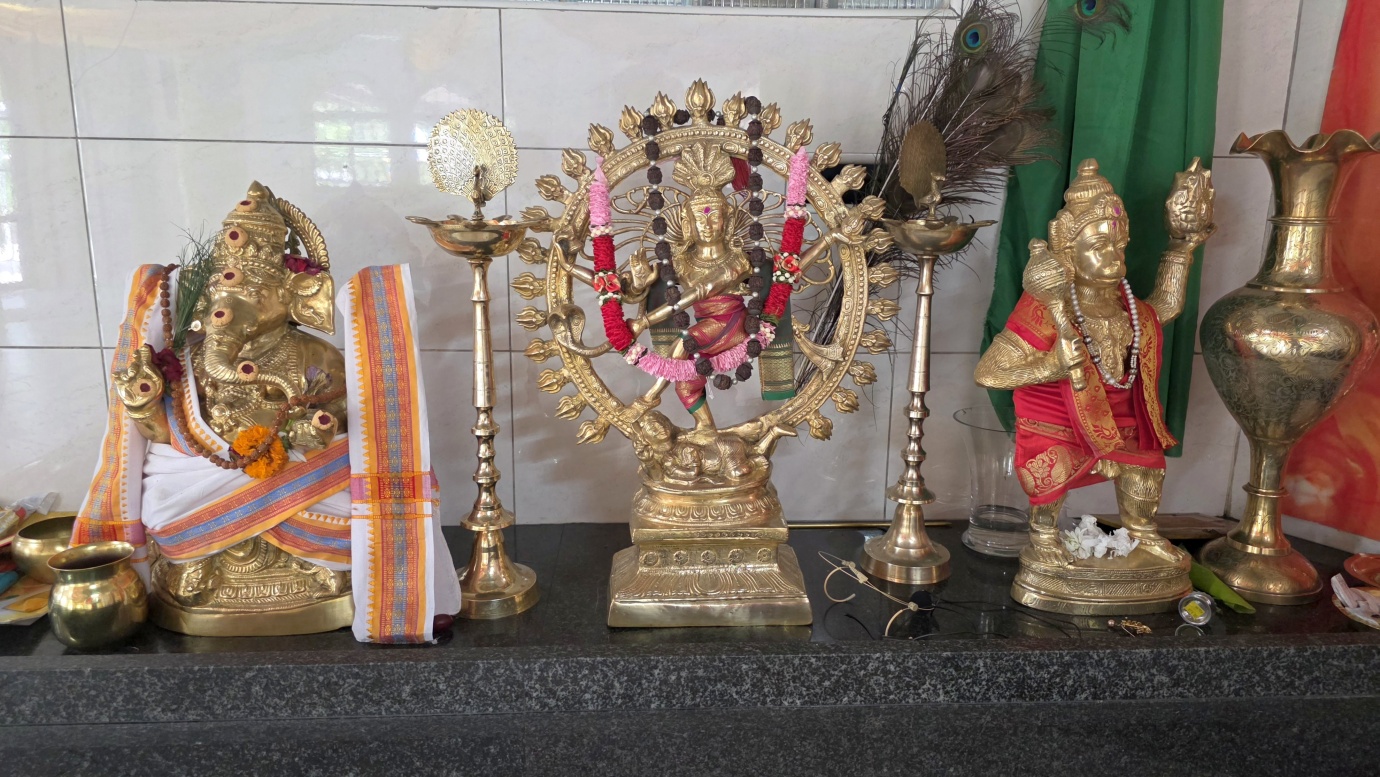
The reconstruction incorporated lessons from the disaster. They built an engineered retaining wall around the temple, raised the concrete platform, and raised the complex’s overall level to protect it from future flooding better. By our visit in September 2026, the temple had been transformed from a scene of devastation into a renewed place of worship and a powerful symbol of community resilience.
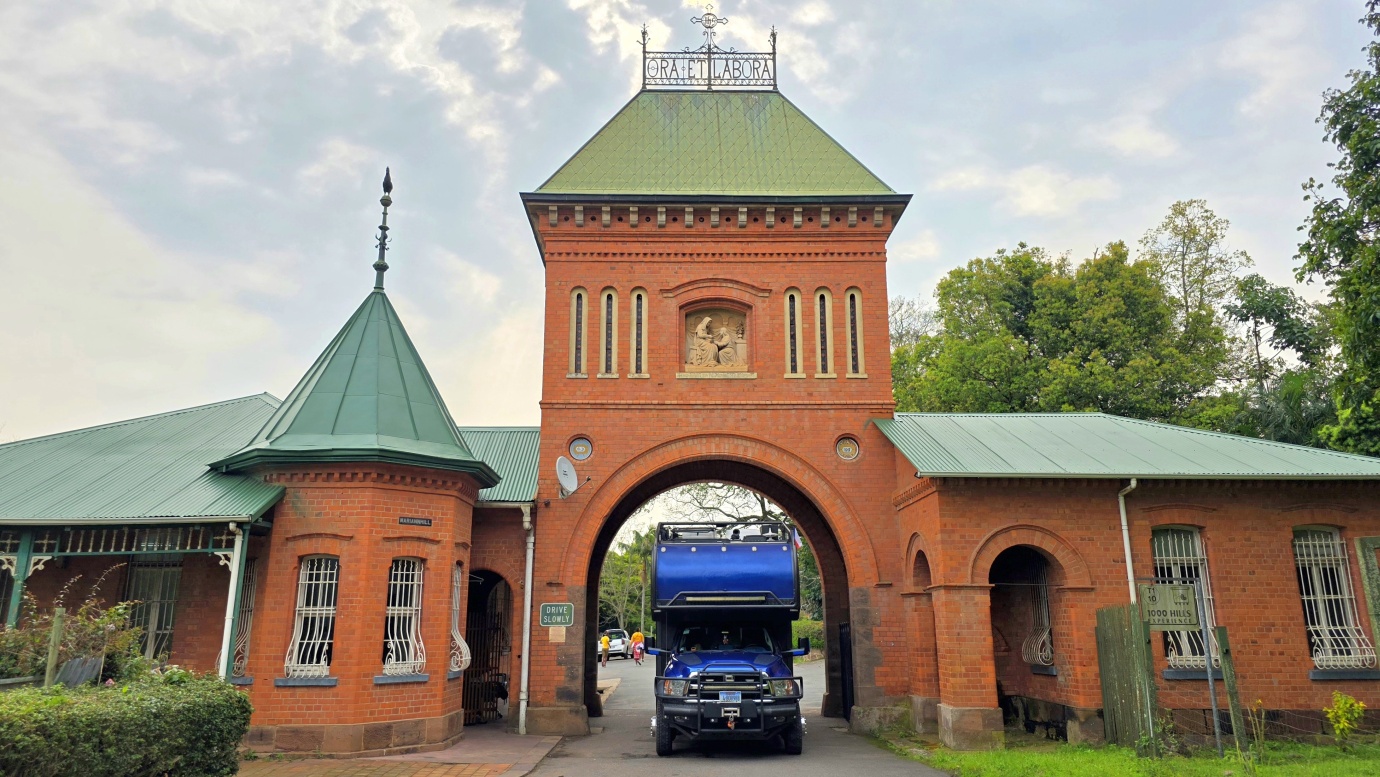
From there, we continued to Mariannhill Monastery, just outside Pinetown. The monastery was founded on 26 December 1882 by the Austrian Trappist missionary Franz Pfanner, who arrived with the ambition of combining contemplative religious life with missionary work and practical development. What began on largely undeveloped land grew into an extraordinary self-sustaining community, with farms, schools, workshops, printing facilities, and health services.
Pfanner and his monks worked closely with the local African population, establishing education and vocational training alongside their missionary activities. Carpentry, printing, farming and other practical skills became an important part of the Mariannhill model. The community expanded rapidly, with missionary stations spreading across Natal and beyond.
But Pfanner’s vision was not always compatible with the strict contemplative traditions of the Trappist order. His emphasis on missionary expansion and engagement with the outside world eventually led to his resignation as abbot. After years of discussion, Rome formally separated Mariannhill from the Trappist Order in 1909 and established it as an independent missionary congregation. It later became known as the Congregation of the Missionaries of Mariannhill, or CMM.
Mariannhill also developed a significant social role. Its missionaries became involved in education, healthcare, and training local clergy, while the monastery’s institutions continued to serve surrounding communities. During the apartheid era, Mariannhill’s institutions were also affected by the Group Areas Act, and church leaders challenged restrictions imposed on African communities.
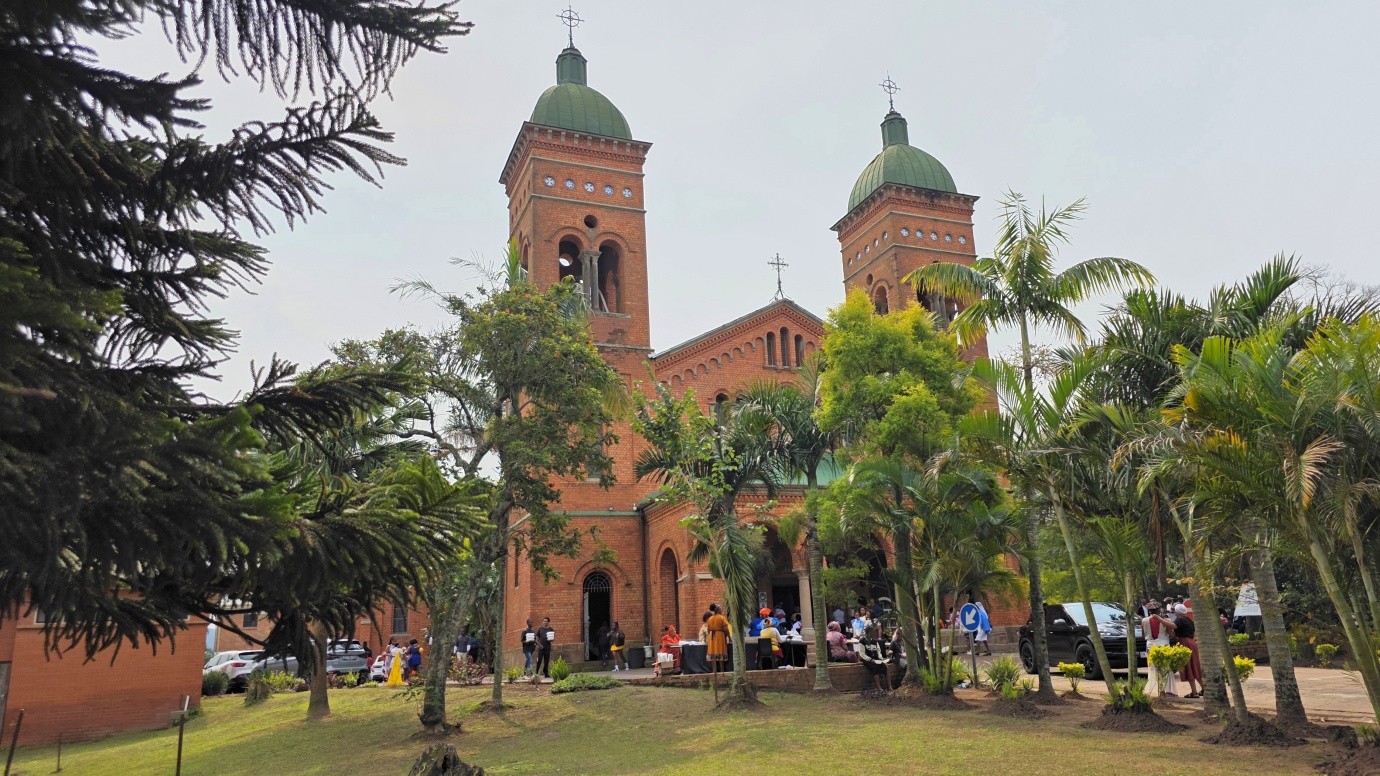
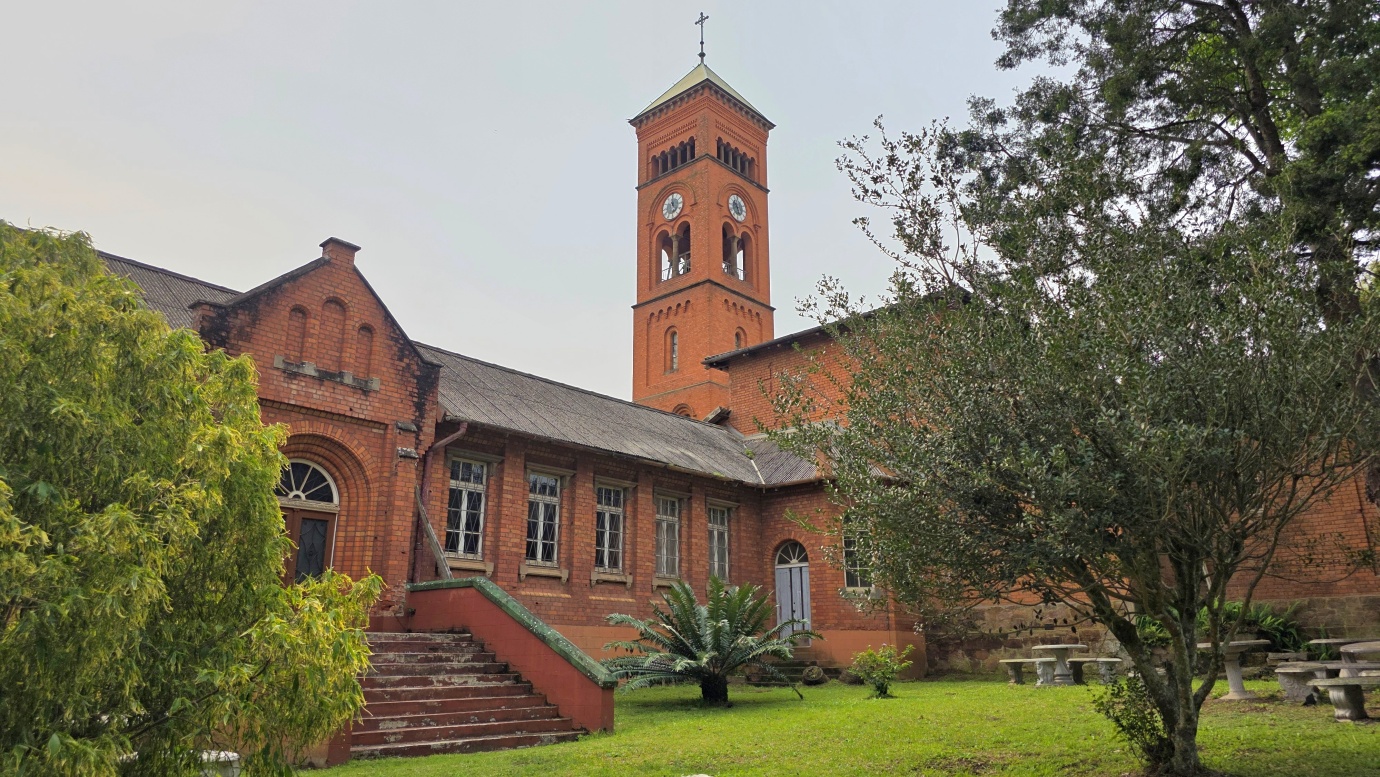
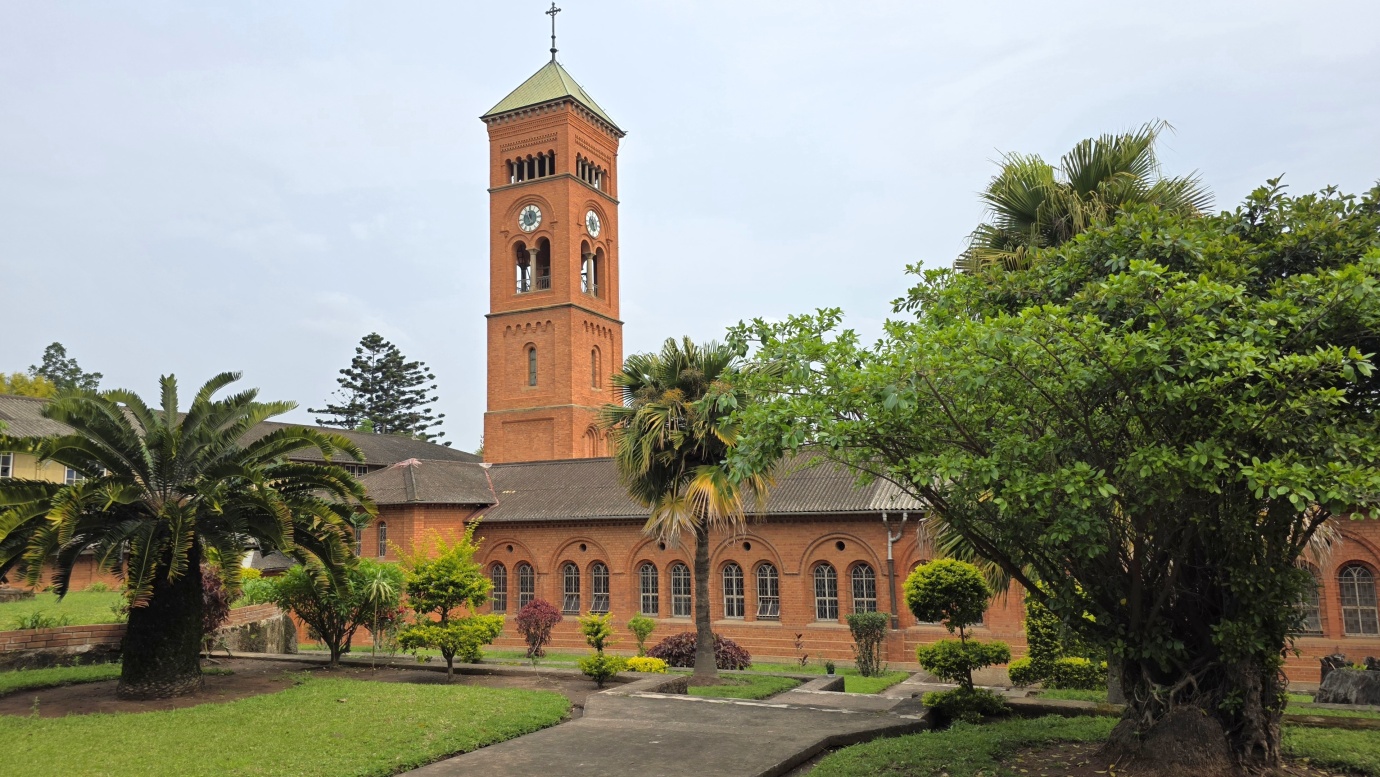
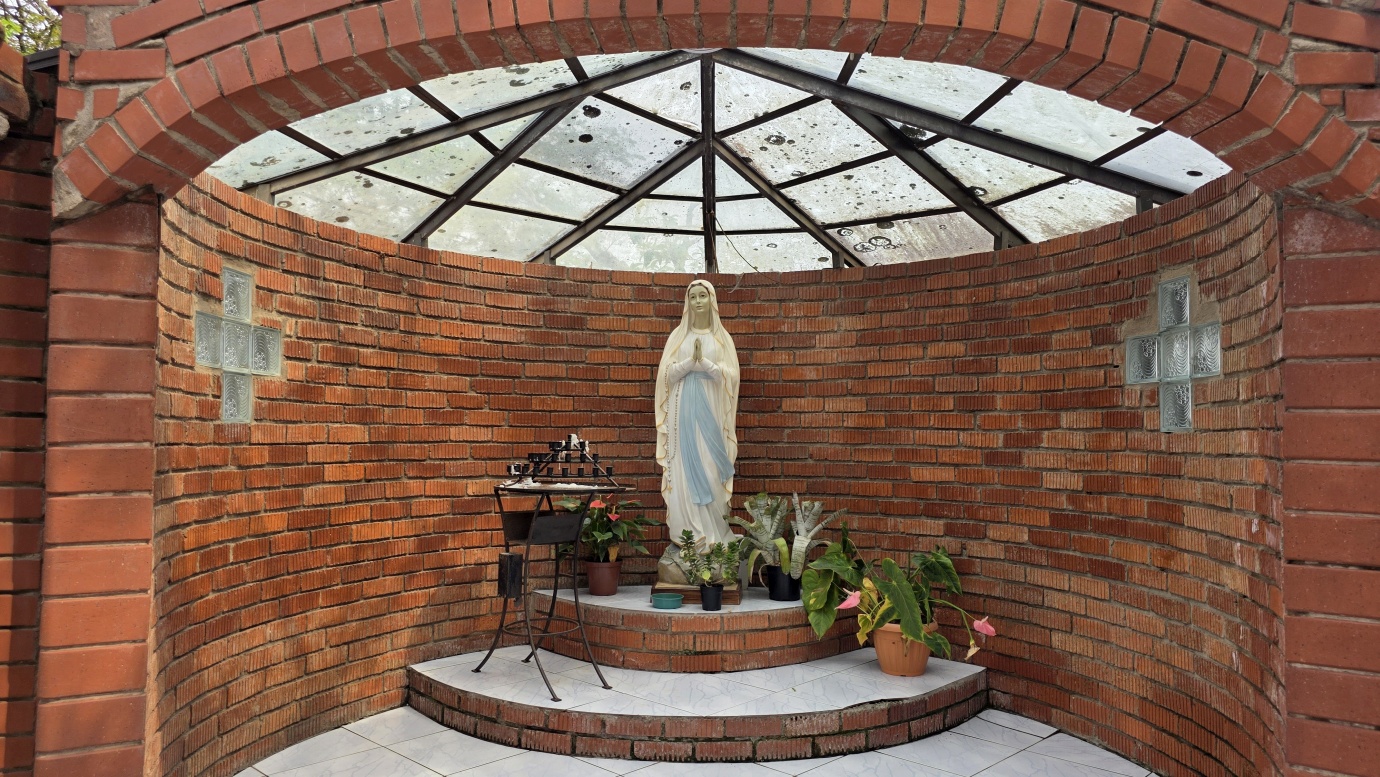
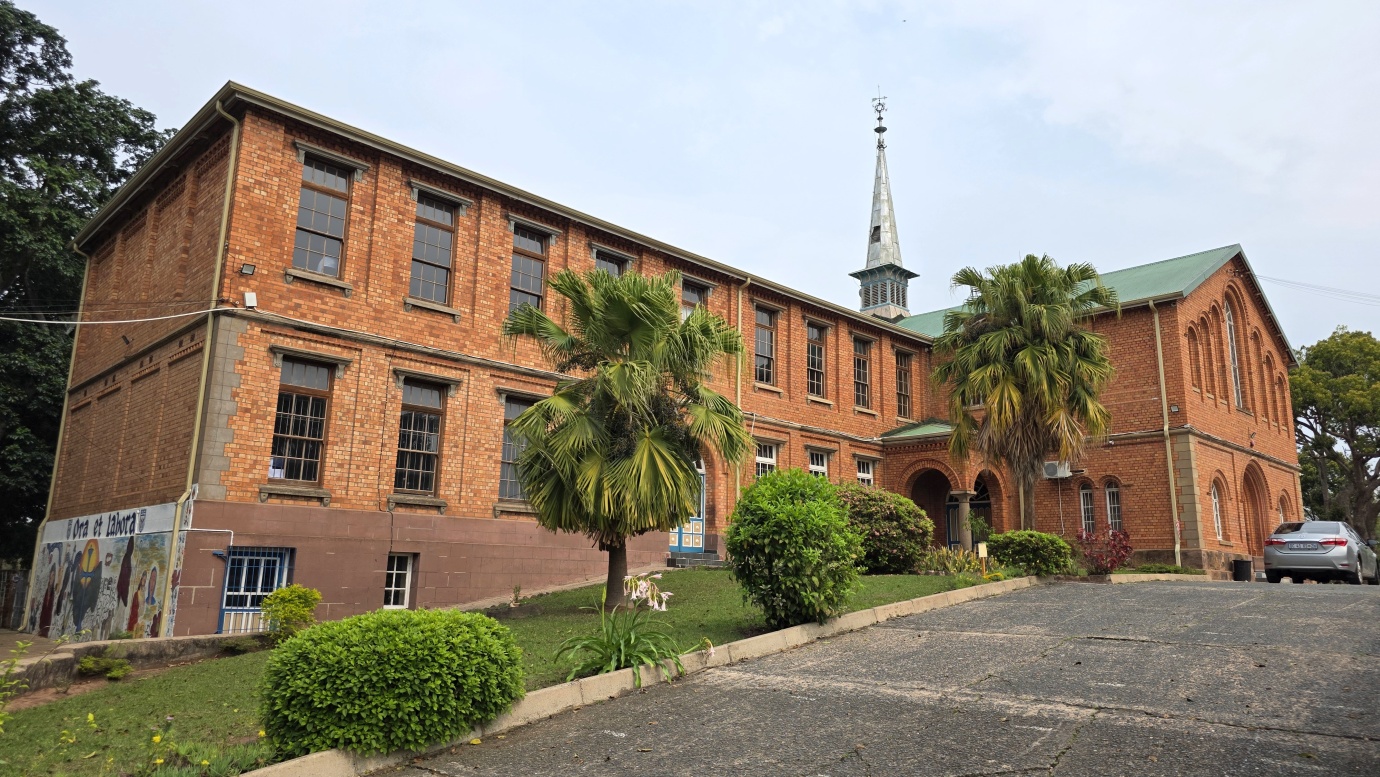
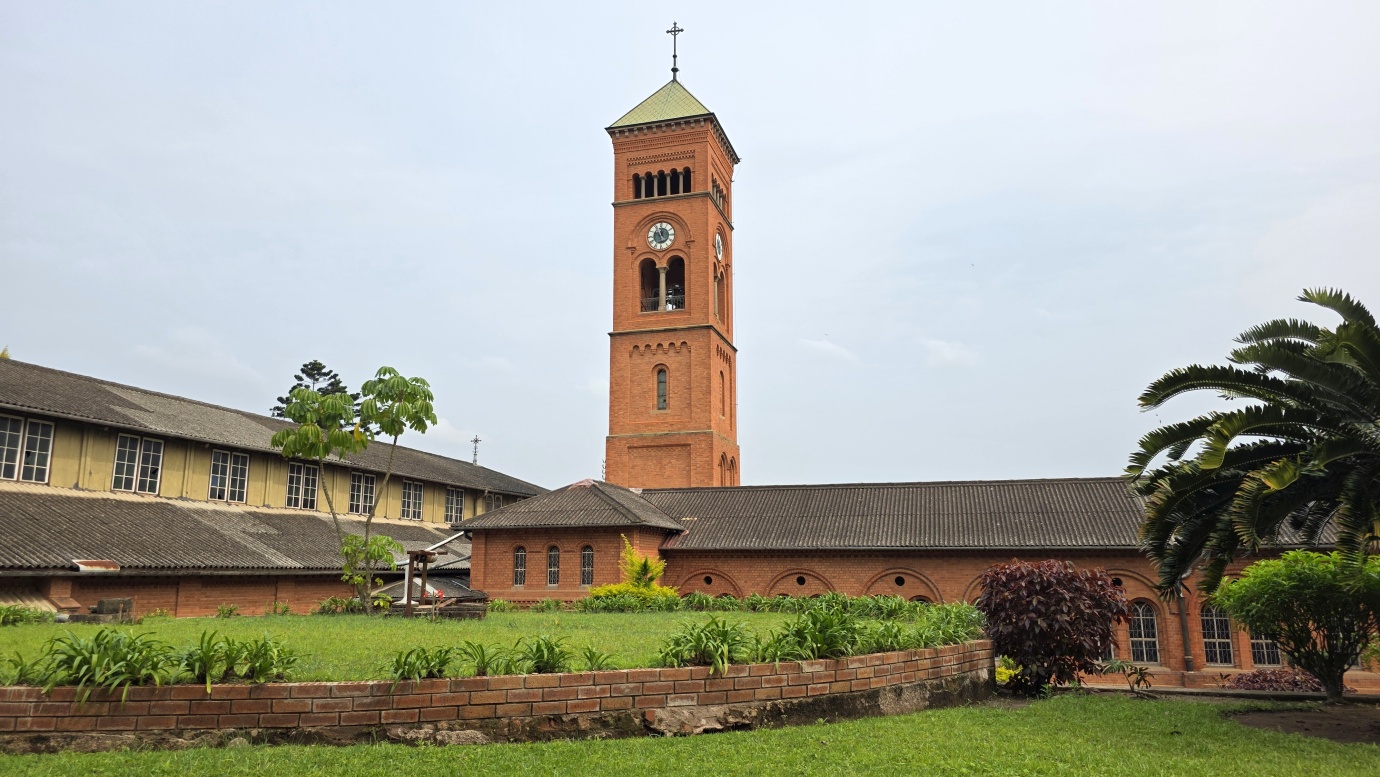
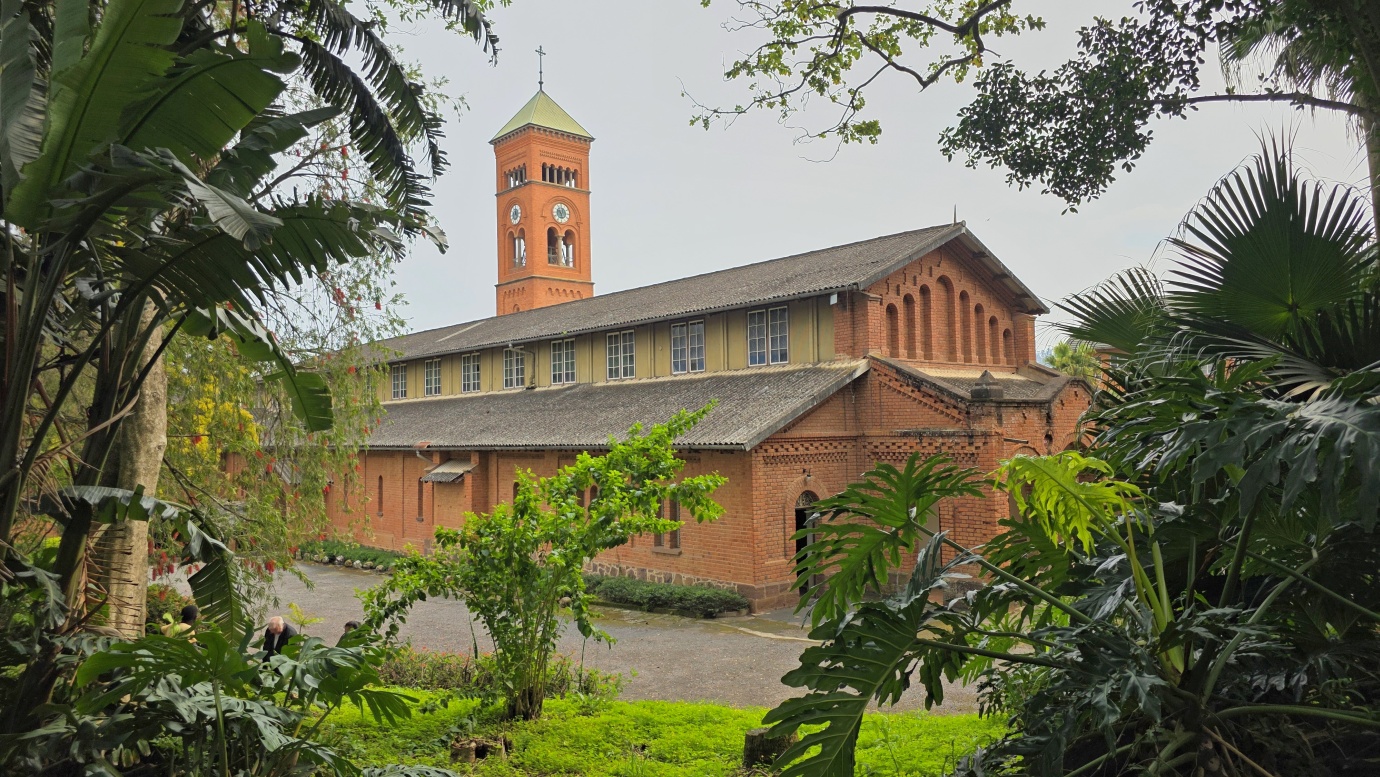
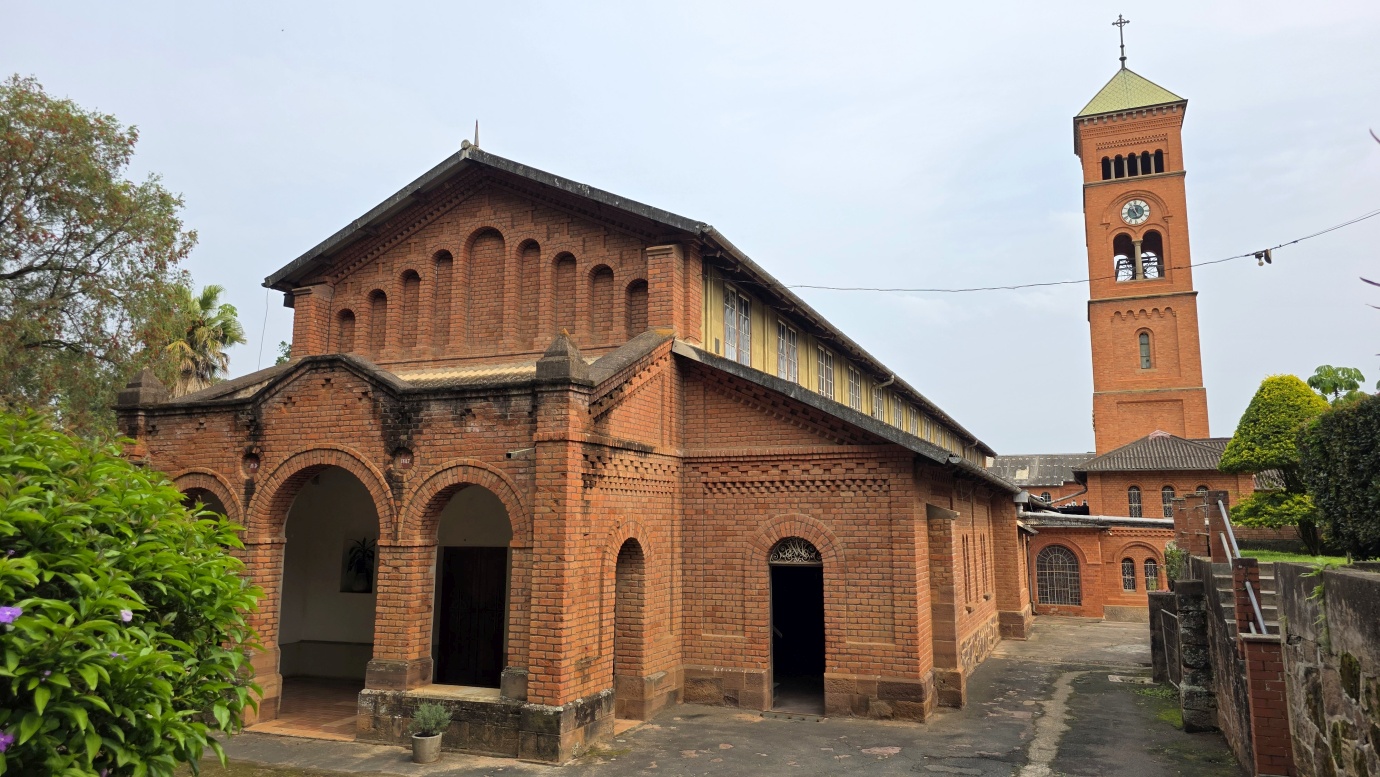
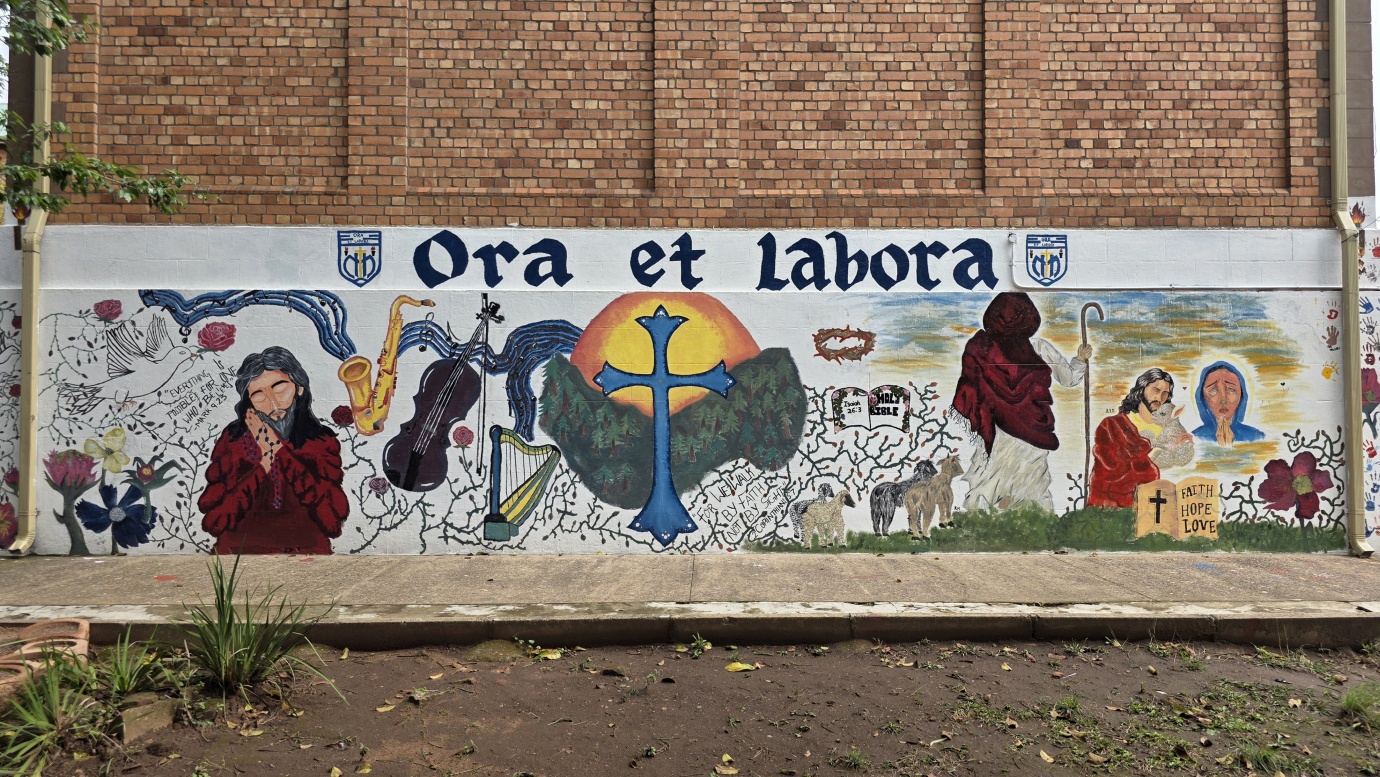
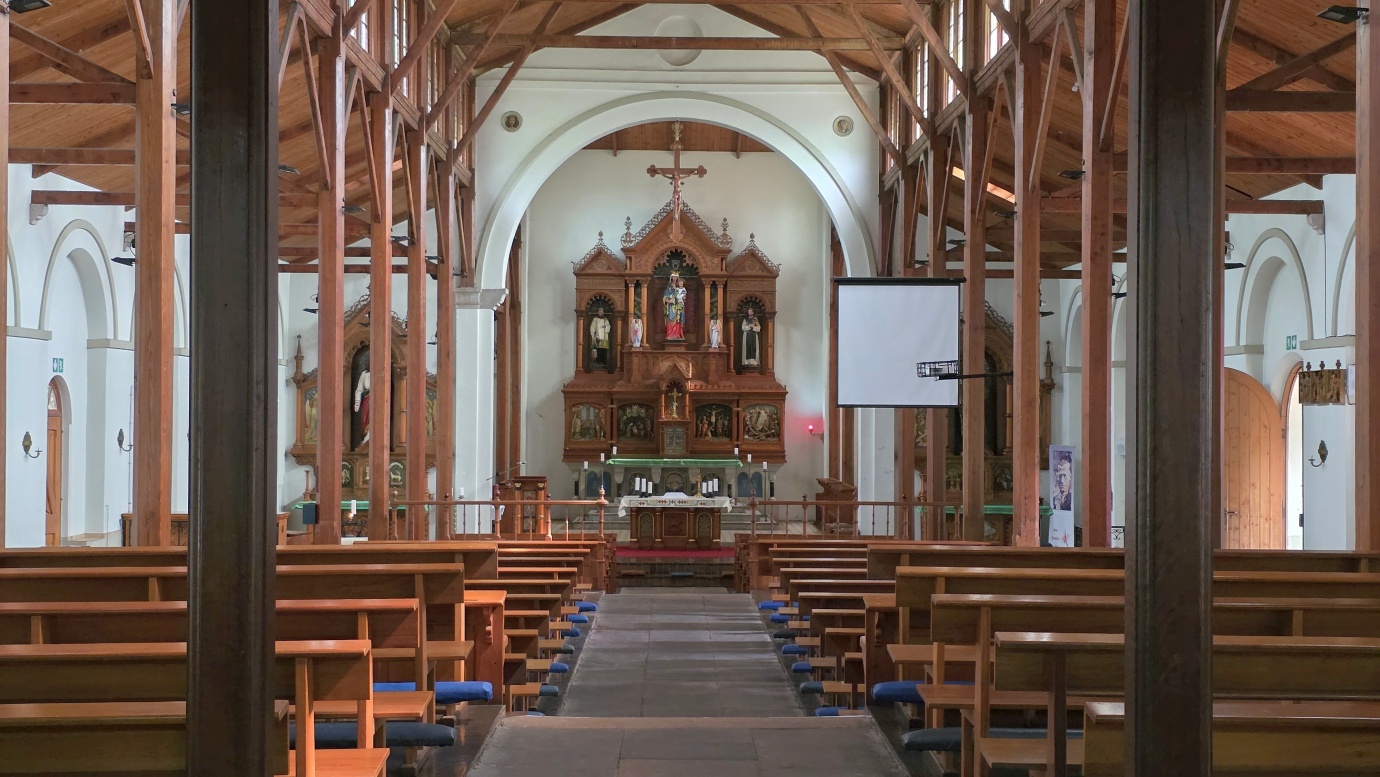
Today, Mariannhill remains an active religious community and an impressive historical complex. We met Brother Albert, who gave us a fascinating tour of the monastery, including its beautiful European-style church, red-brick architecture and remarkable interior decoration.
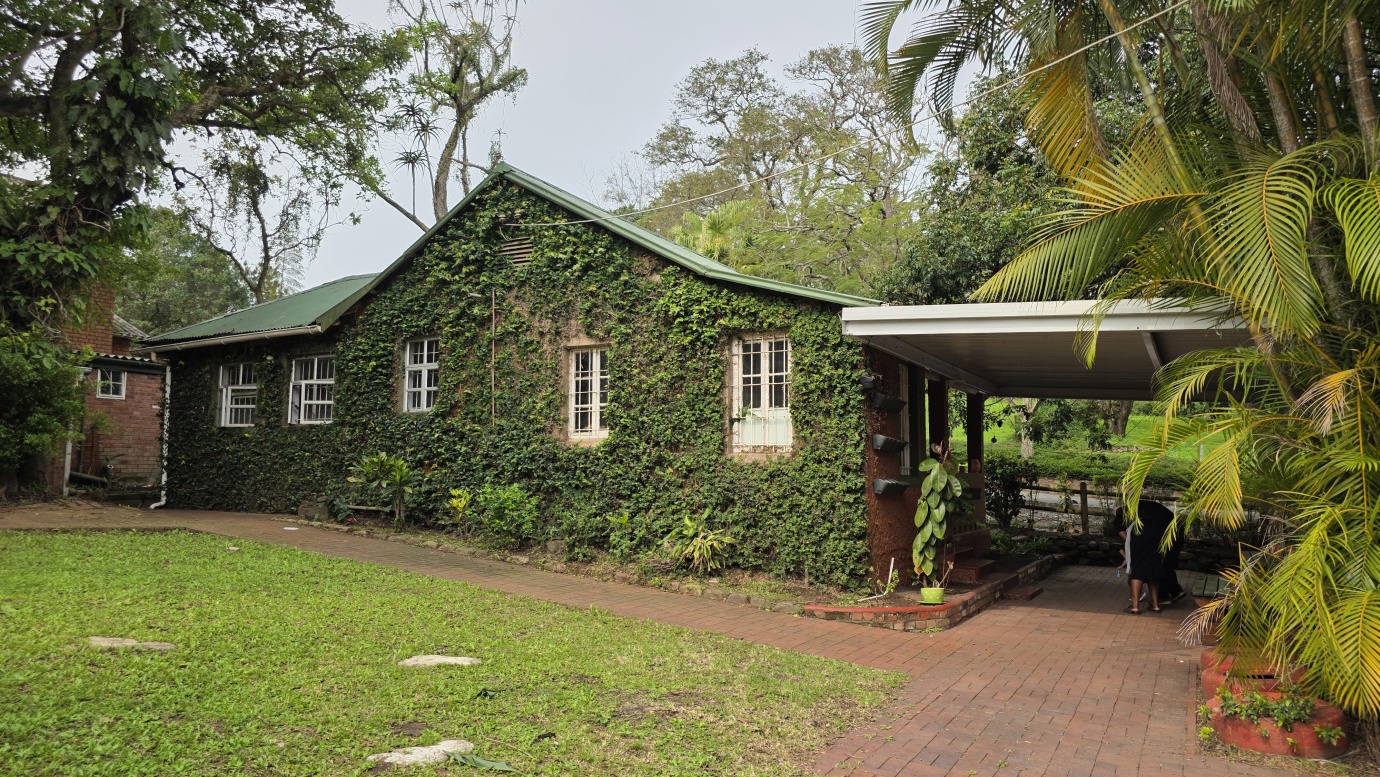
After the tour, we enjoyed the traditional Sunday cake and tea in the peaceful garden. It was a very different experience from the Hindu temple we had visited earlier. Yet, a striking connection linked the two places: both have endured difficult times, both remain deeply connected to their communities, and both show how faith can become more than a place of worship—it can become a source of identity, resilience, and service.
Umhlatuzana Hindu Temple in Chatsworth
Mariannhill Monastery