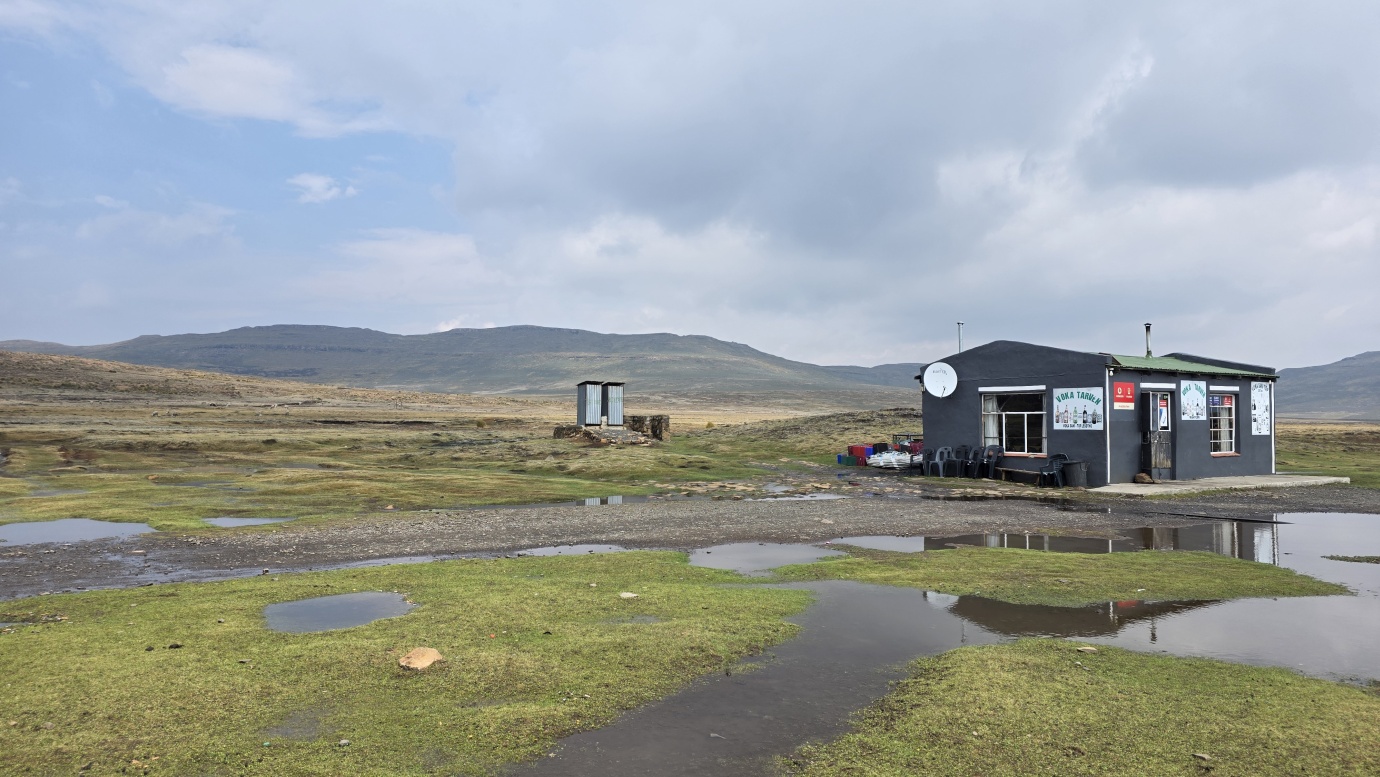
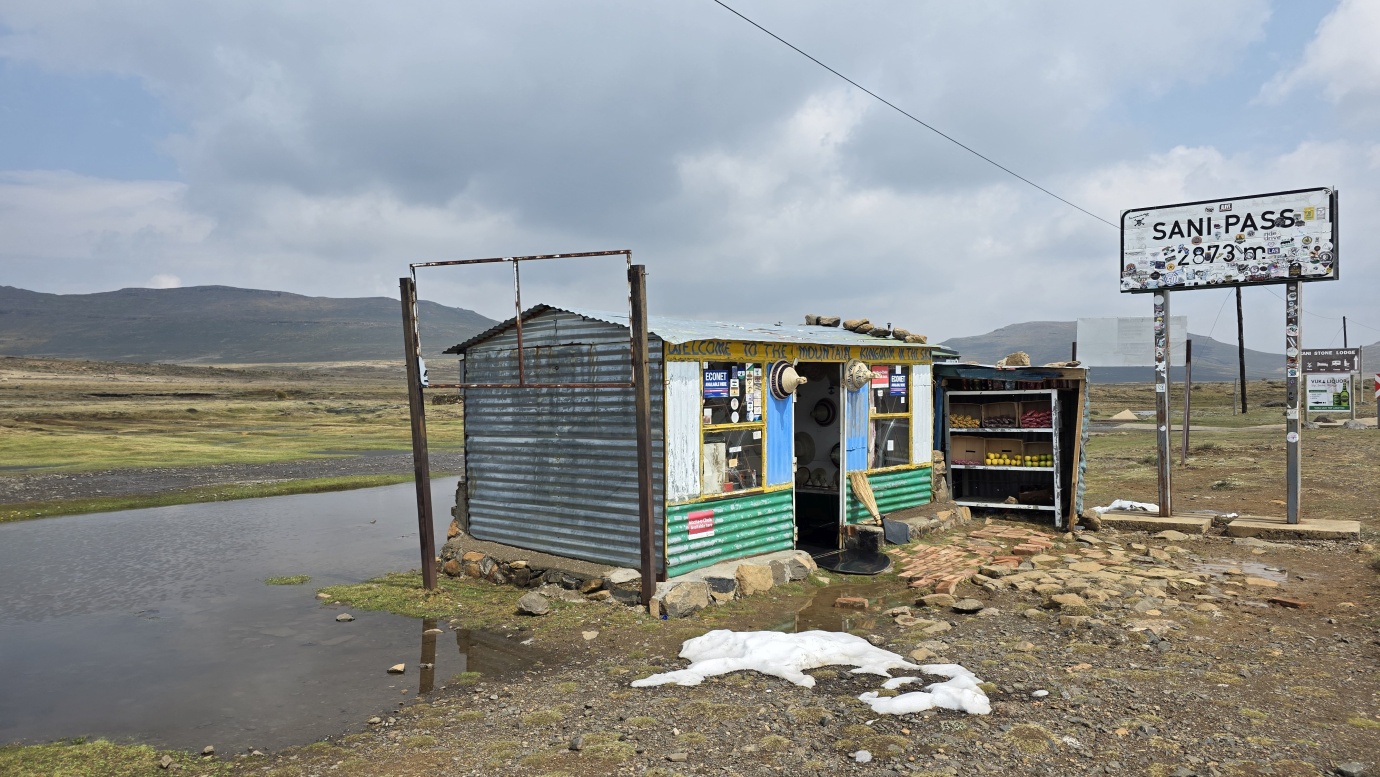
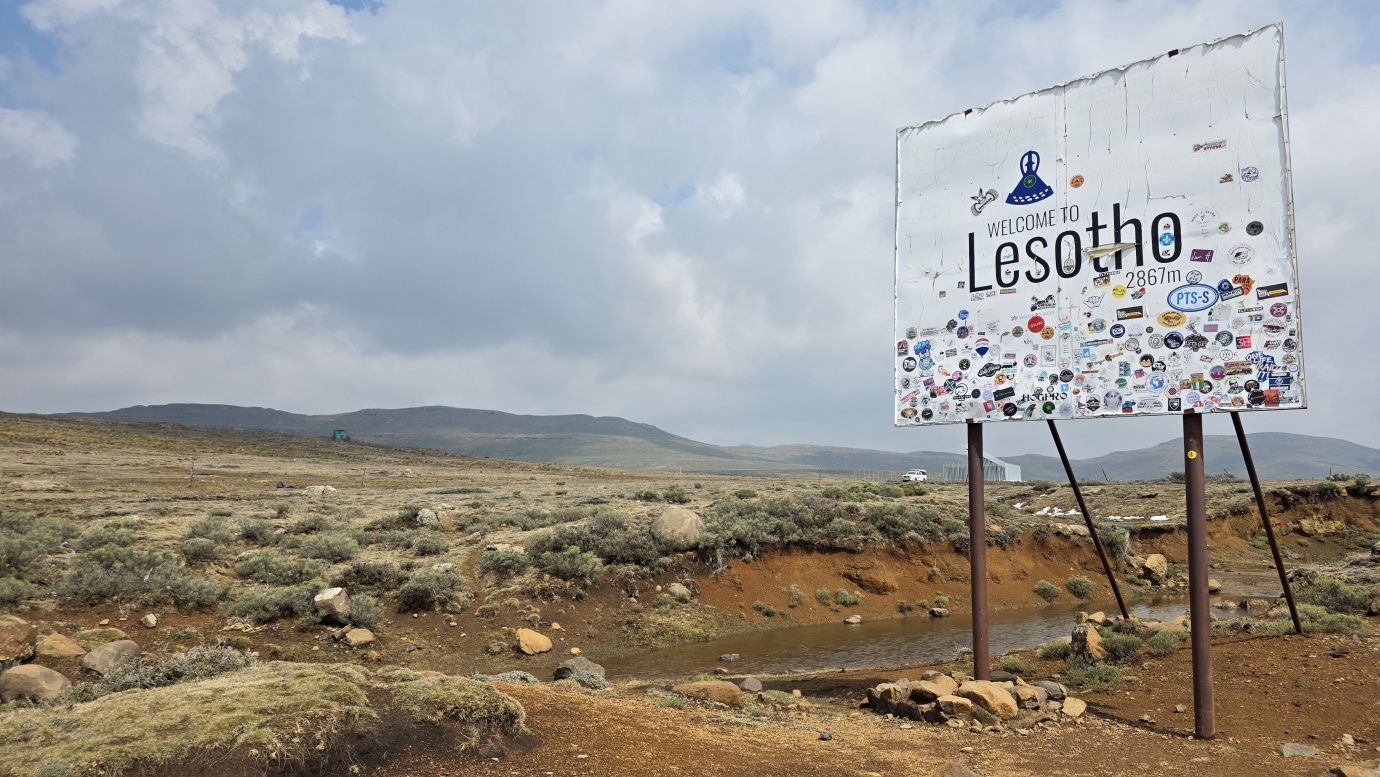
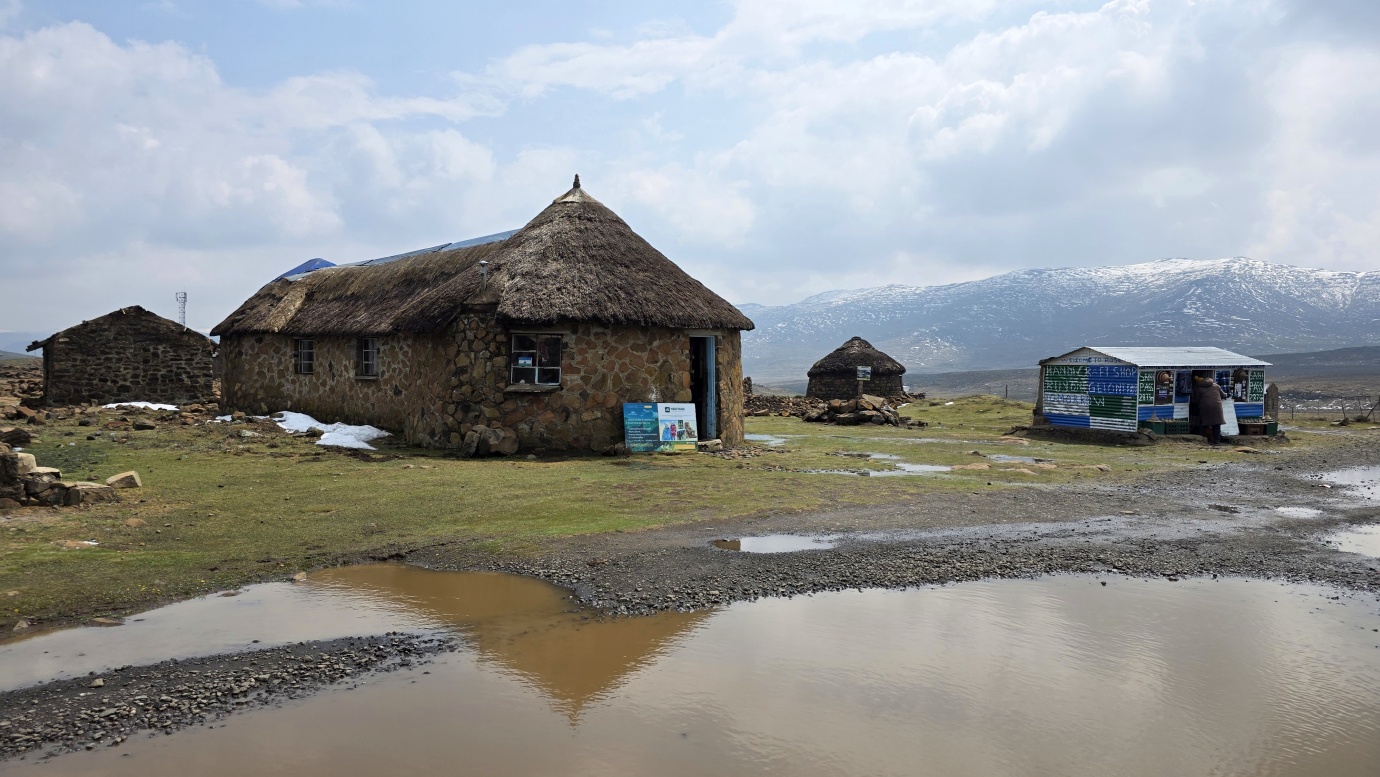
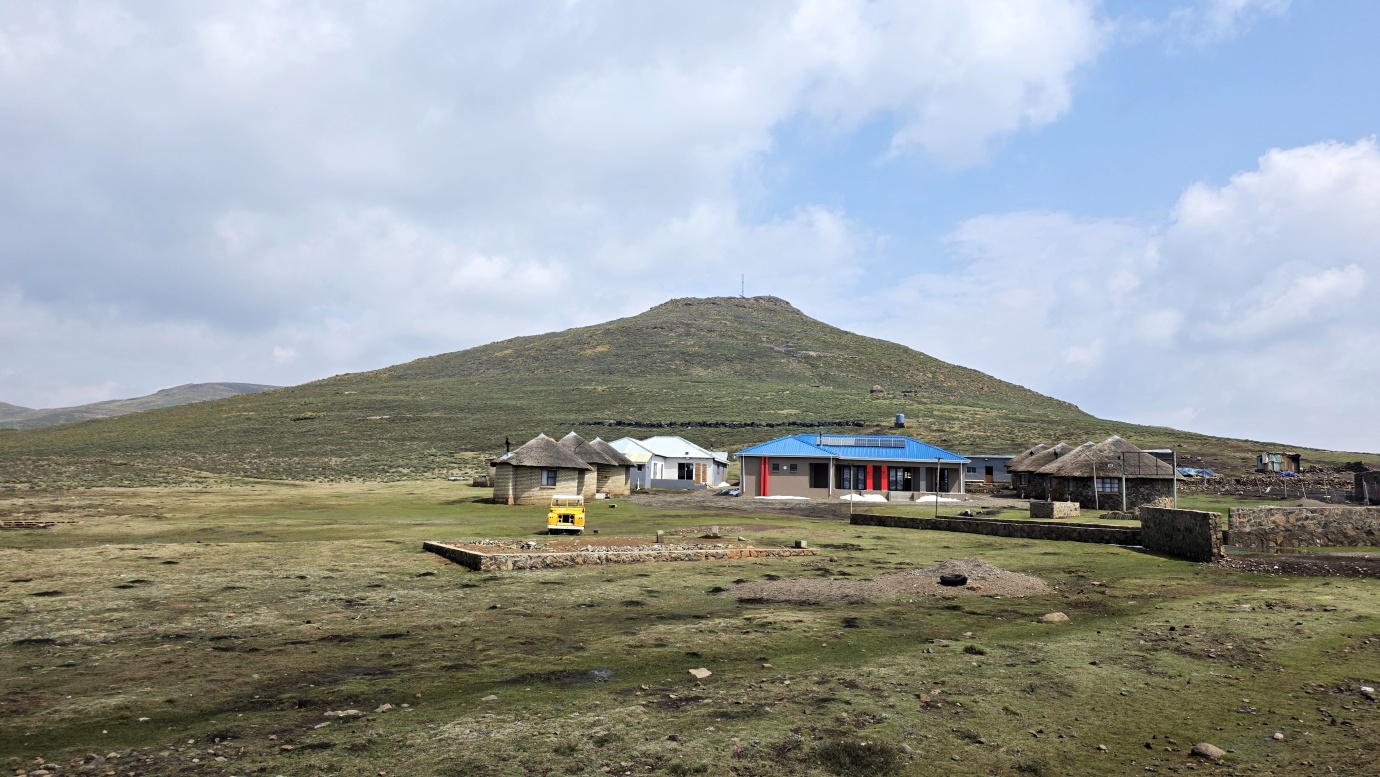
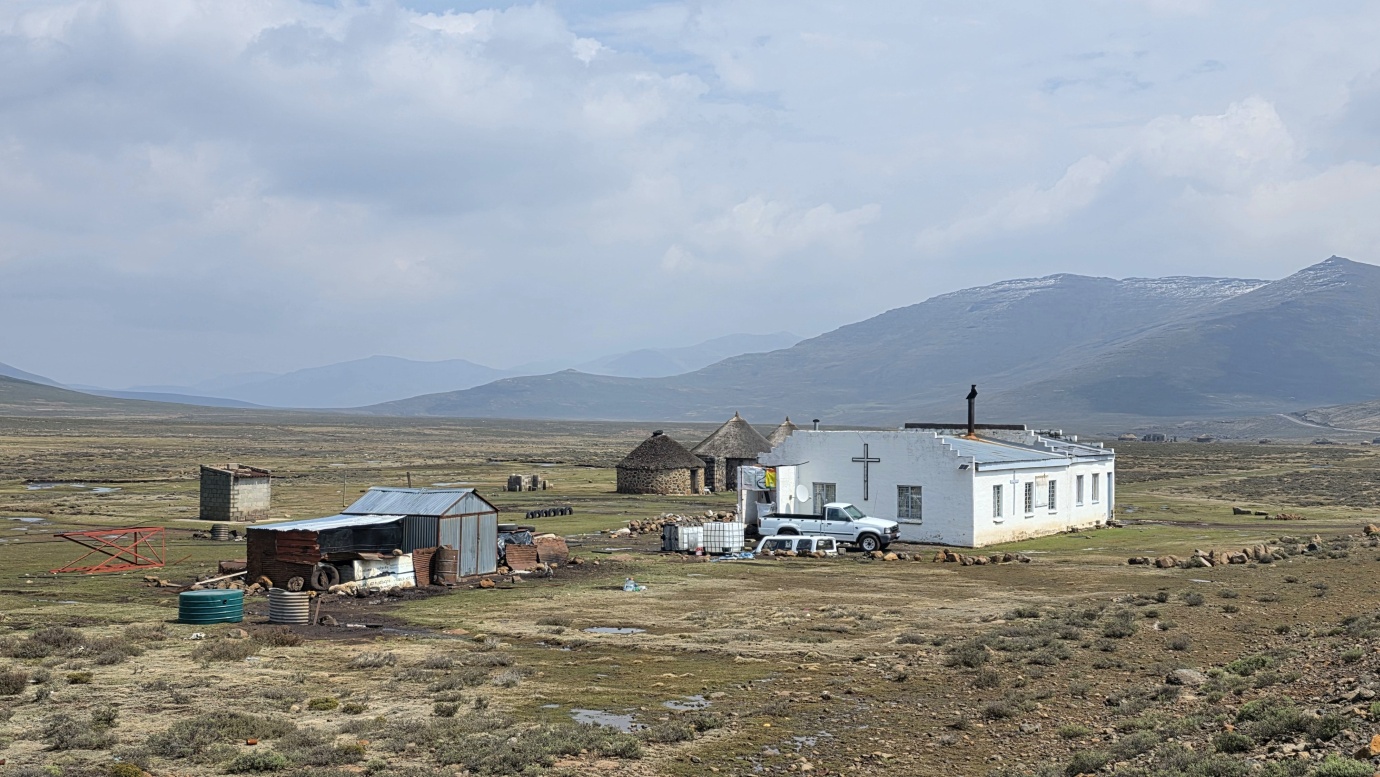
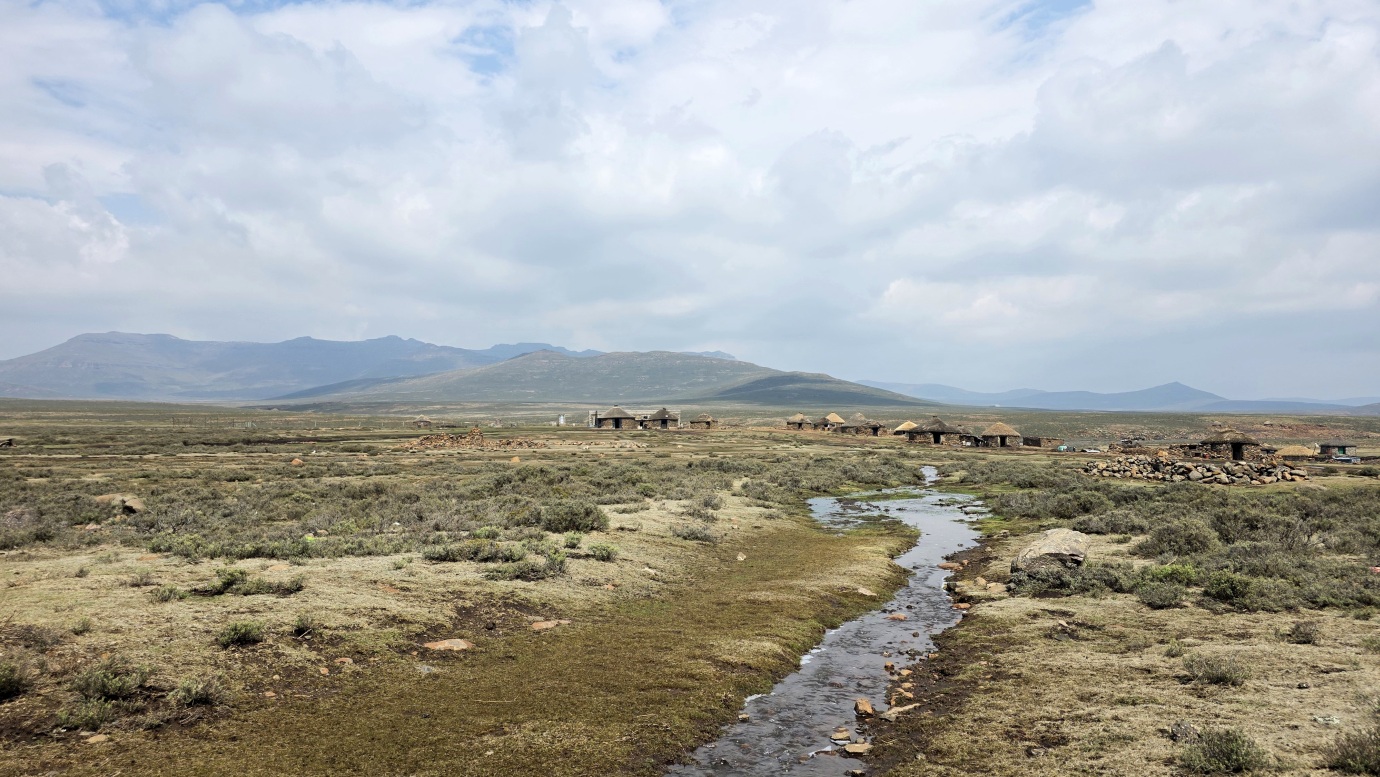
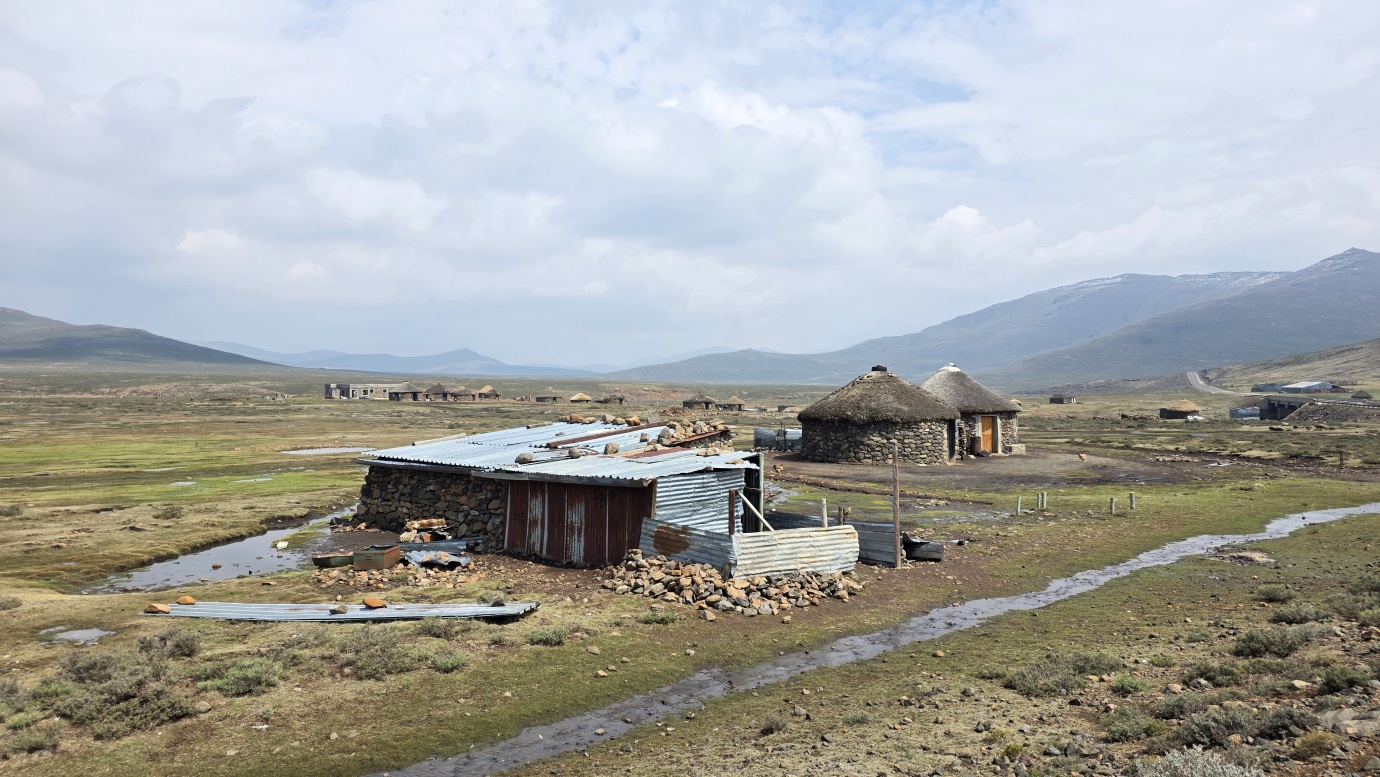
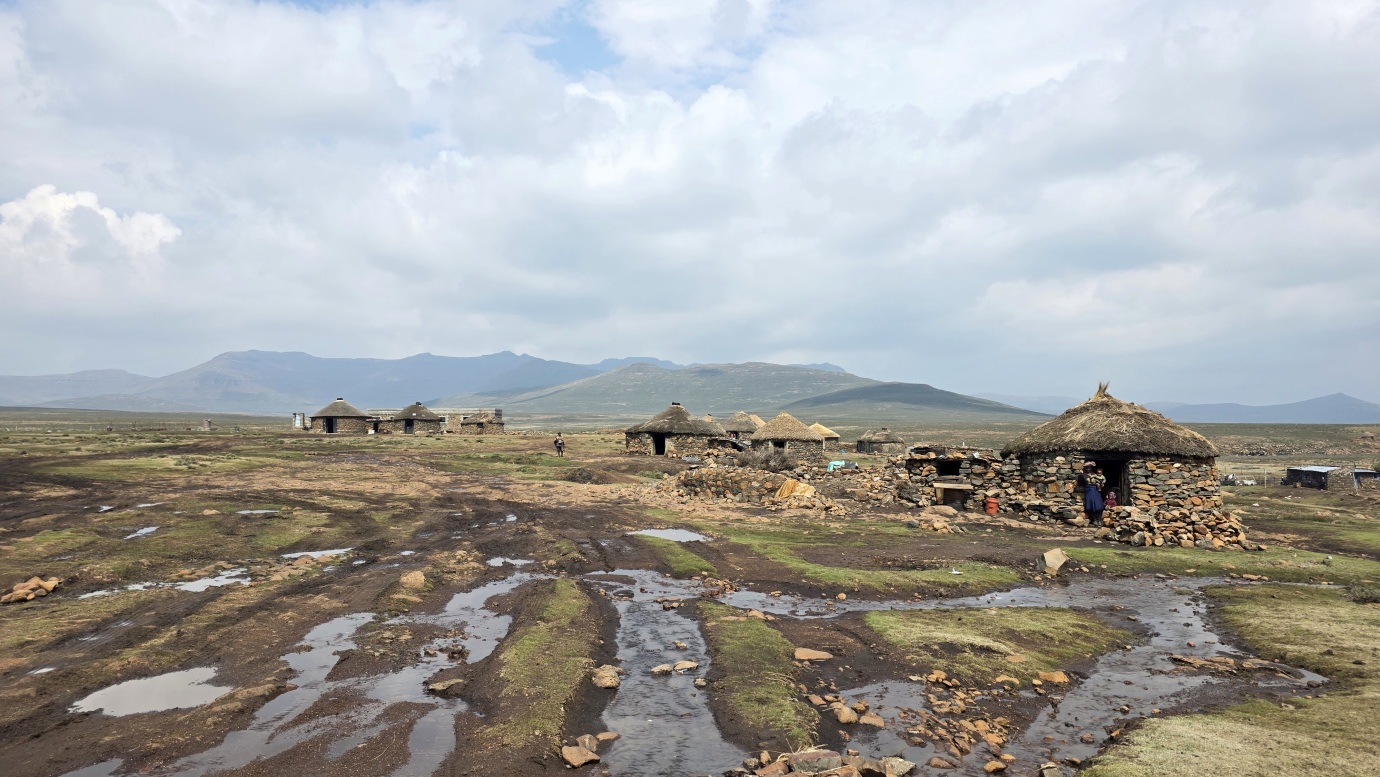
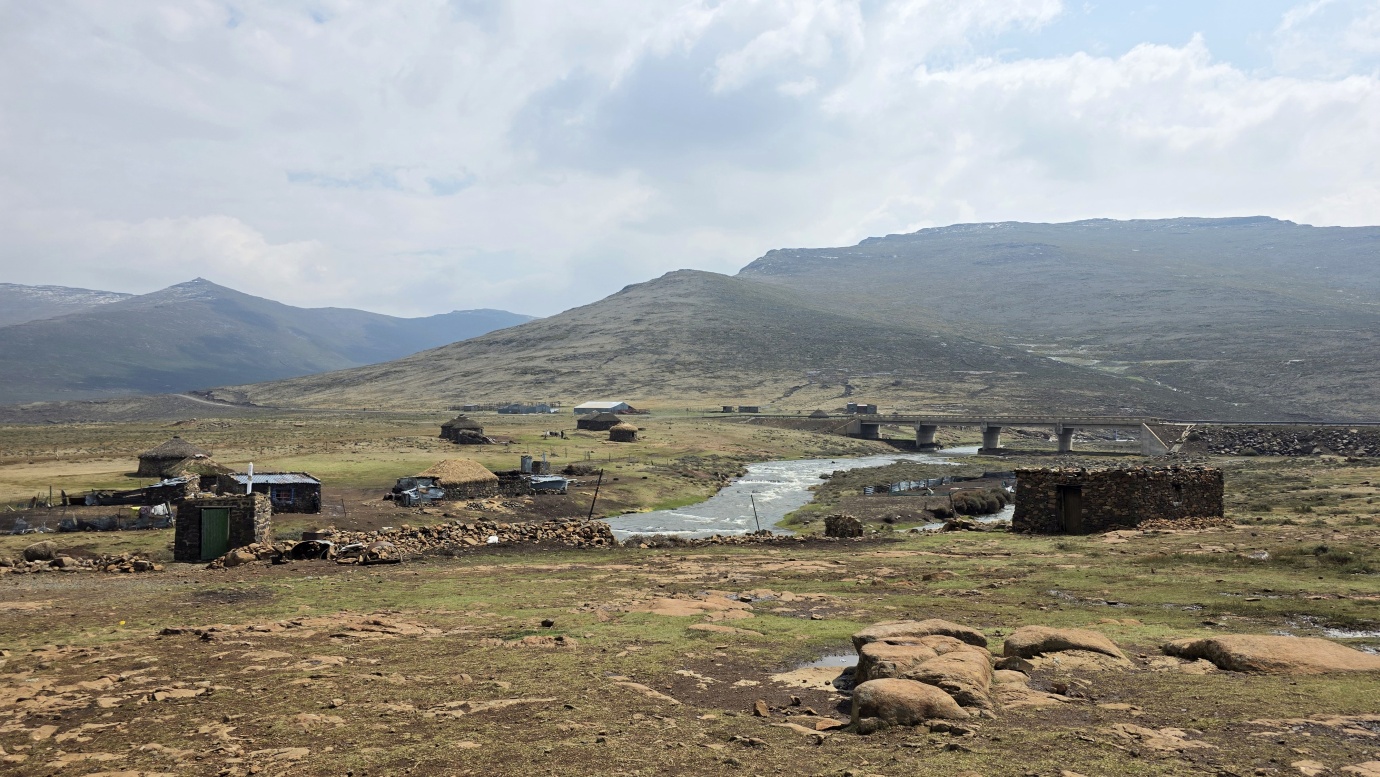
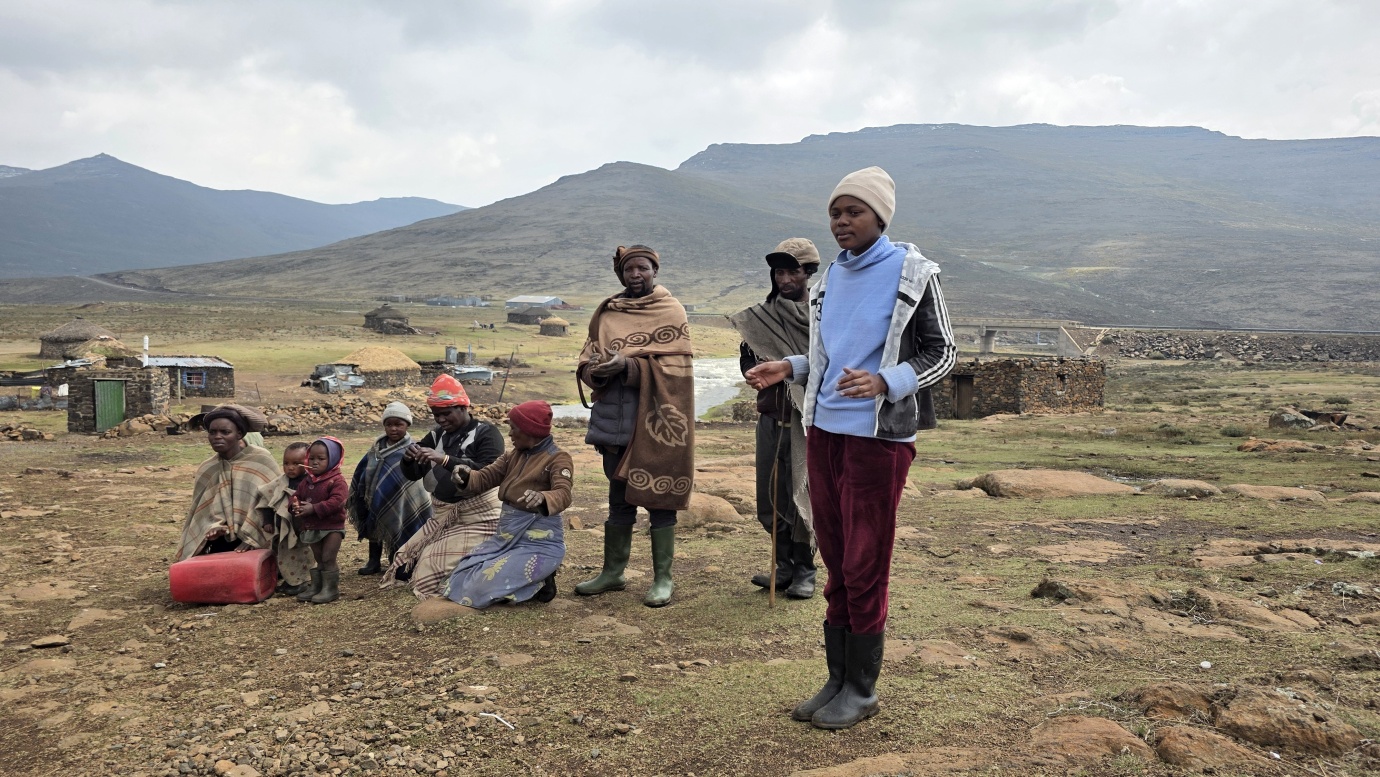
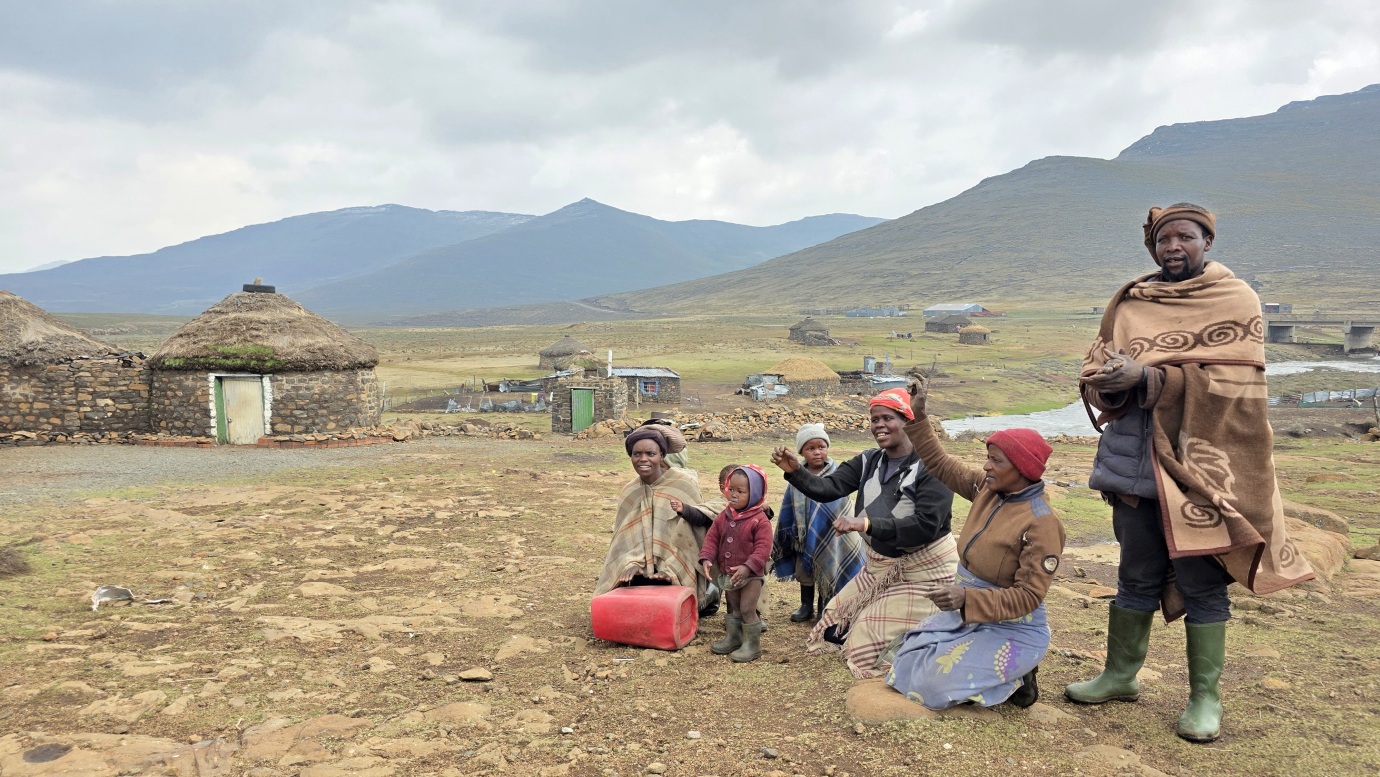
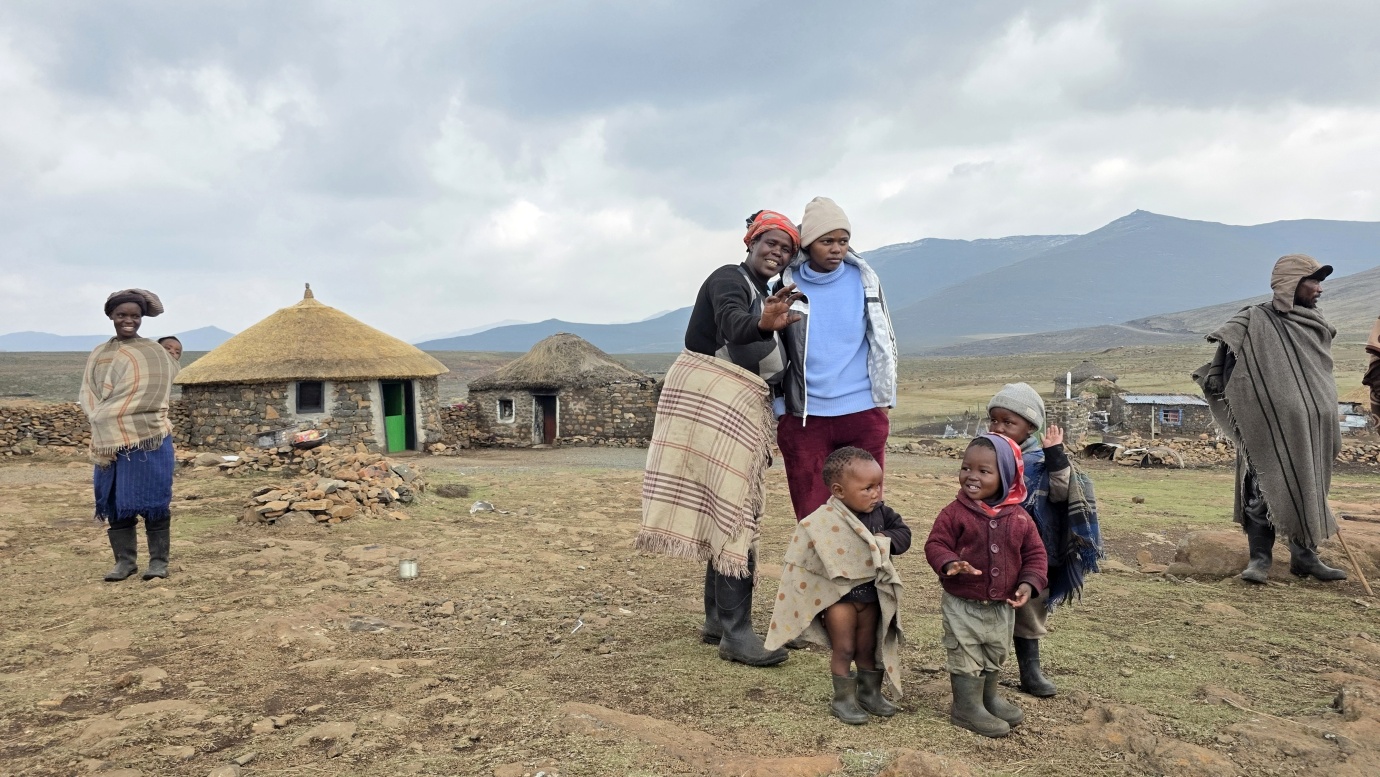
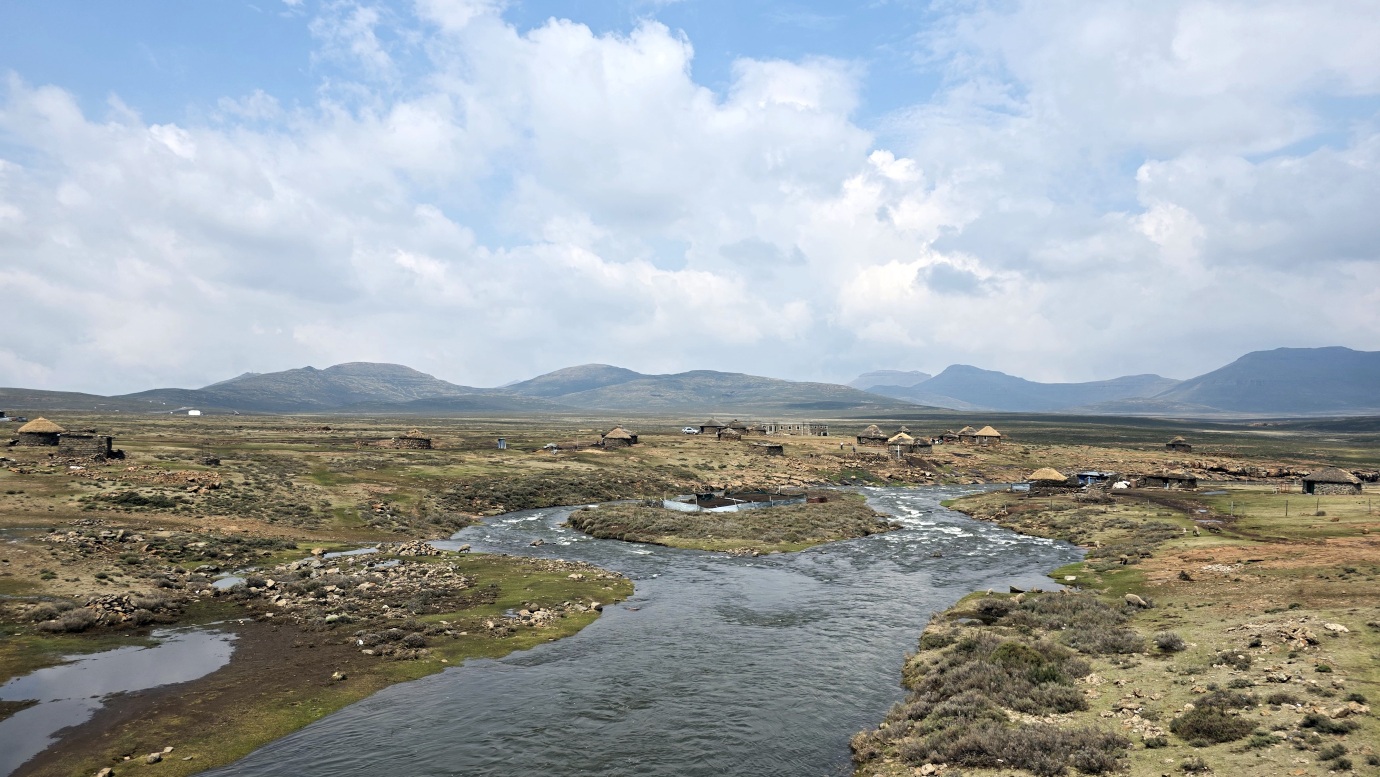
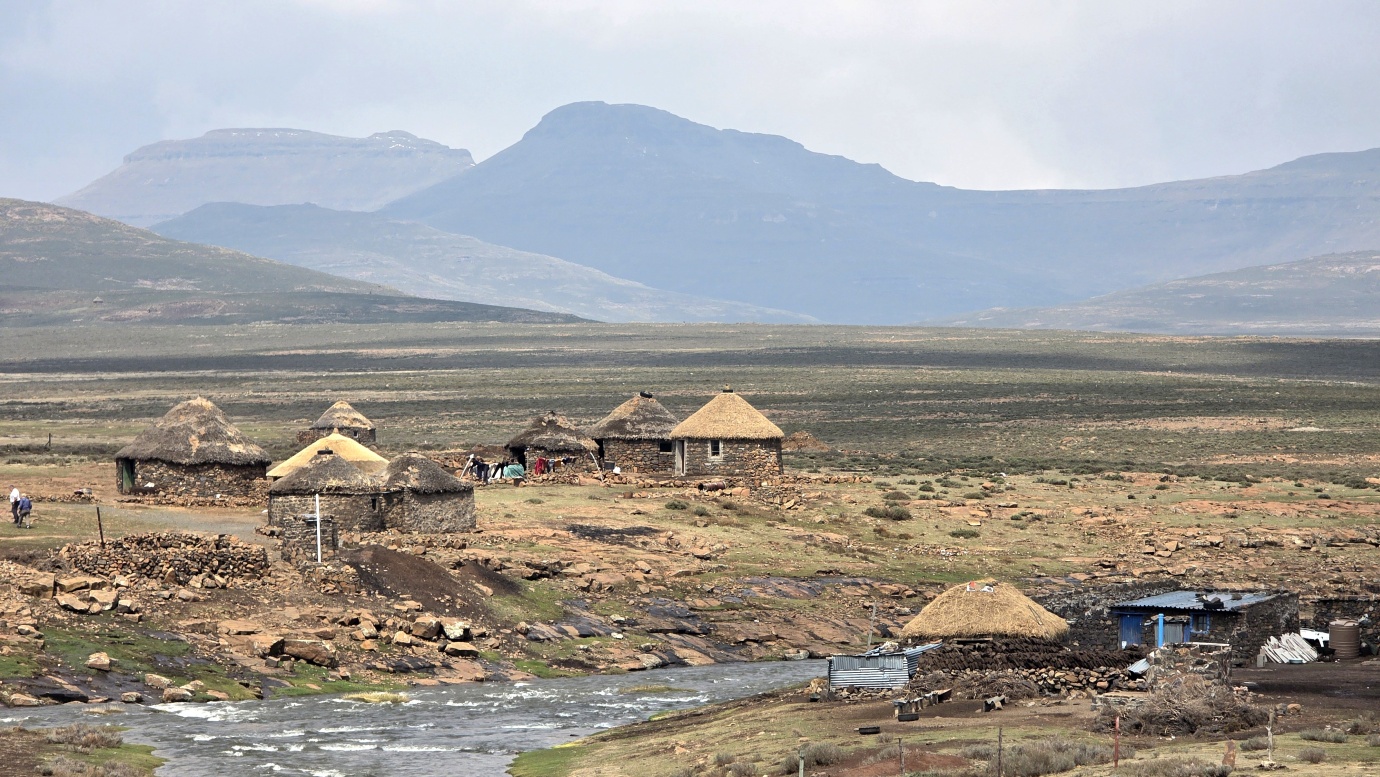
As part of our Sani Pass trip, we visited Sekiring Village, often spelt Skeering by local tour operators. This living, traditional Basotho settlement lies roughly 7 kilometres beyond the Sani Pass border post, on Lesotho’s rugged high-altitude plateau at almost 2,900 metres above sea level.
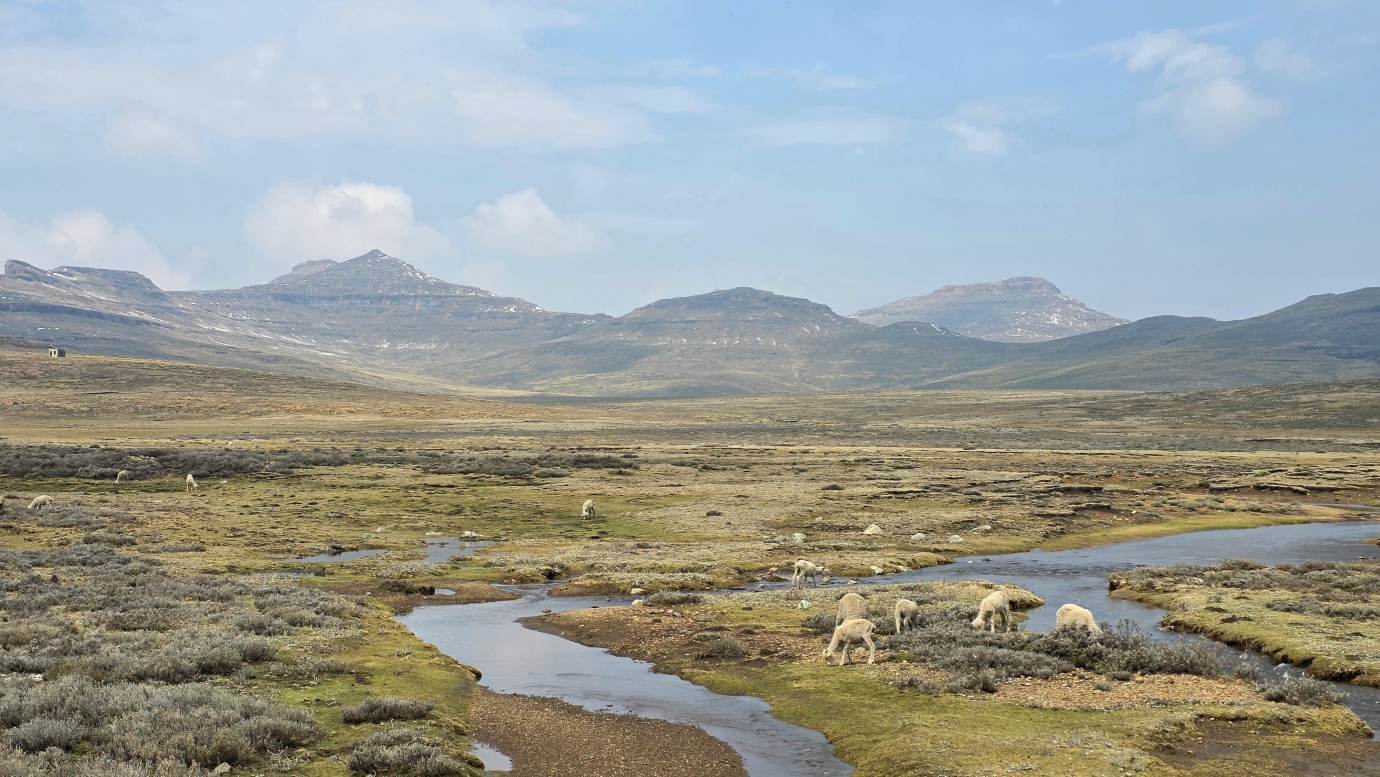
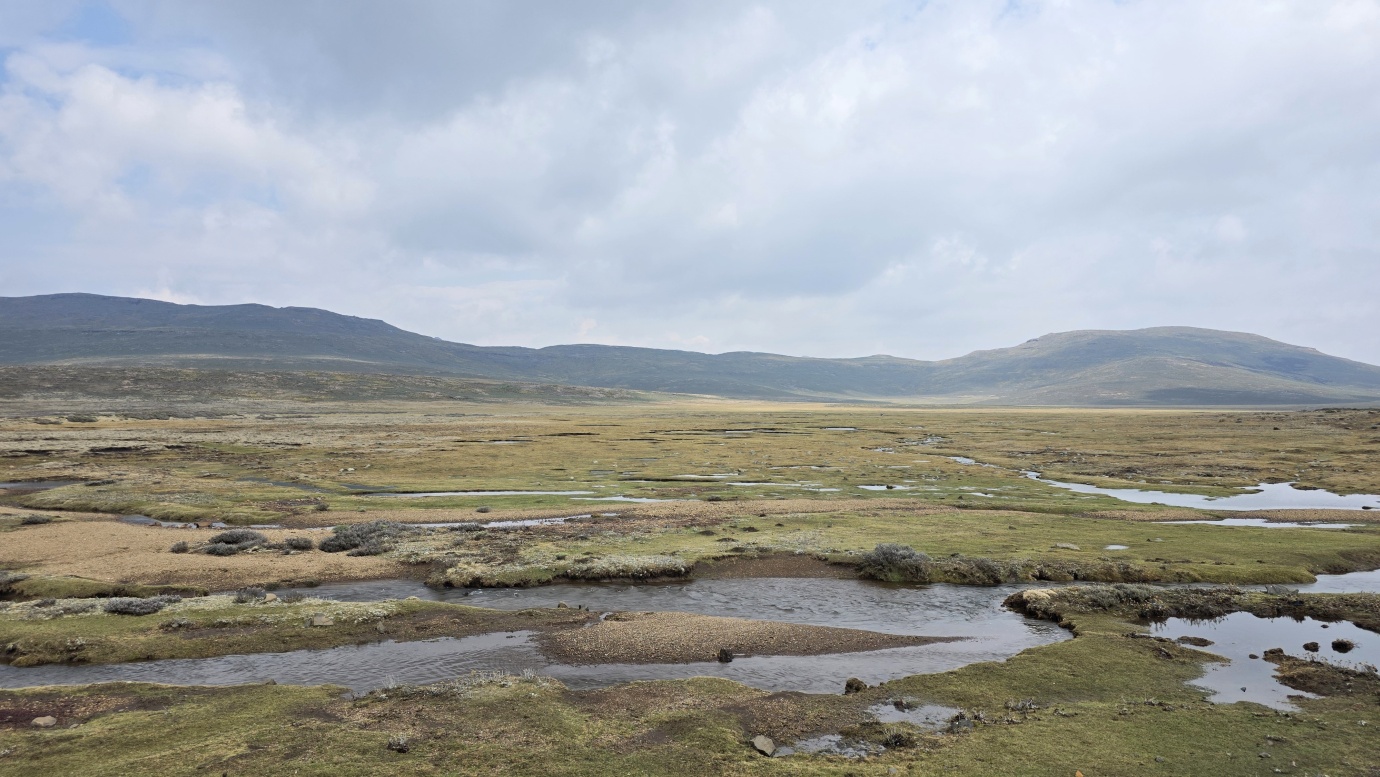
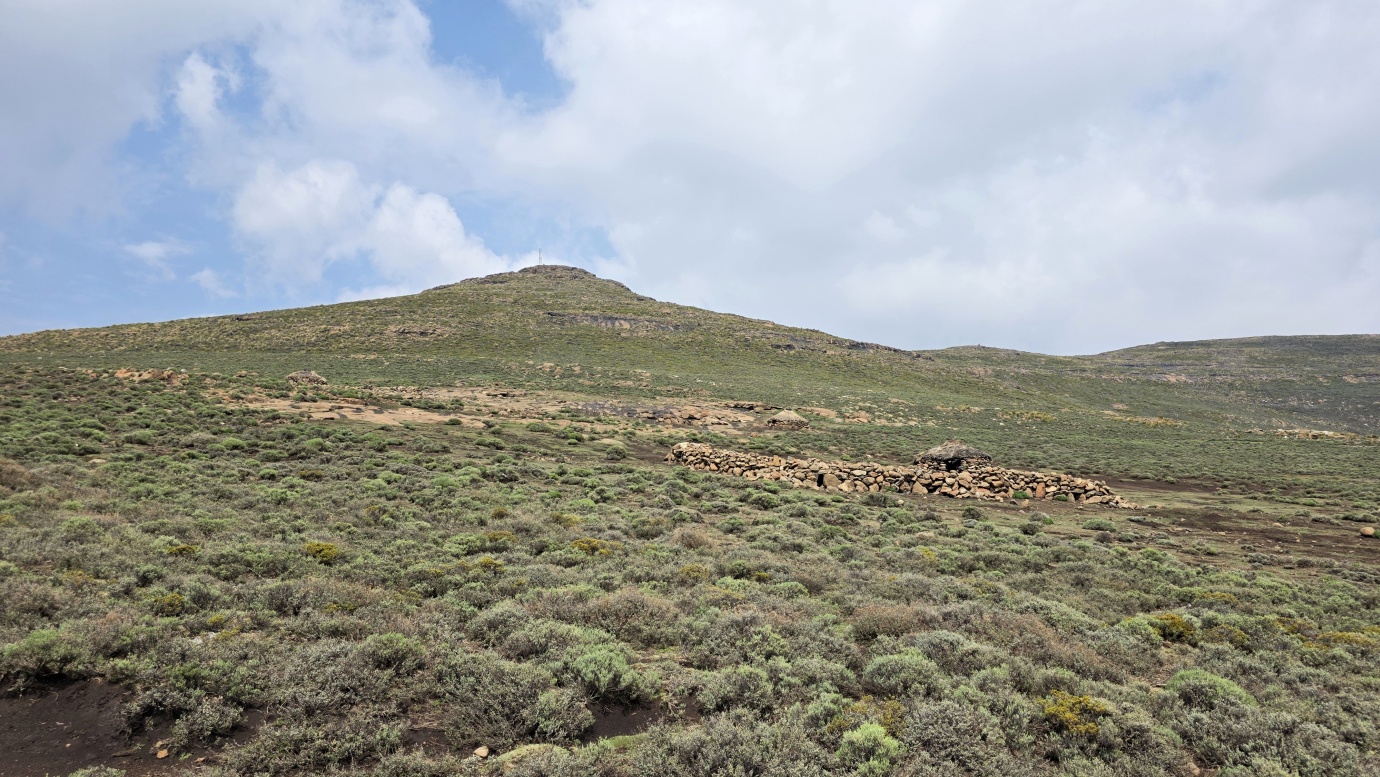
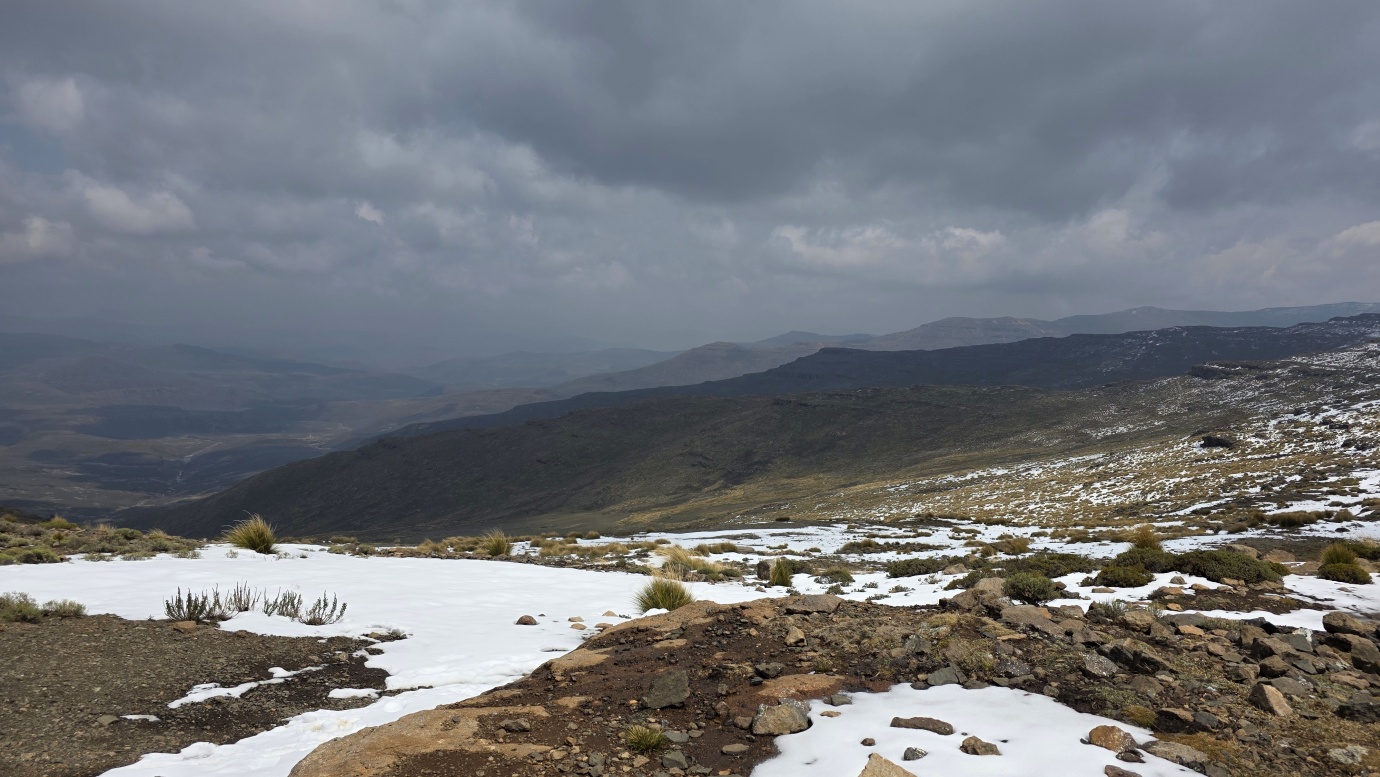
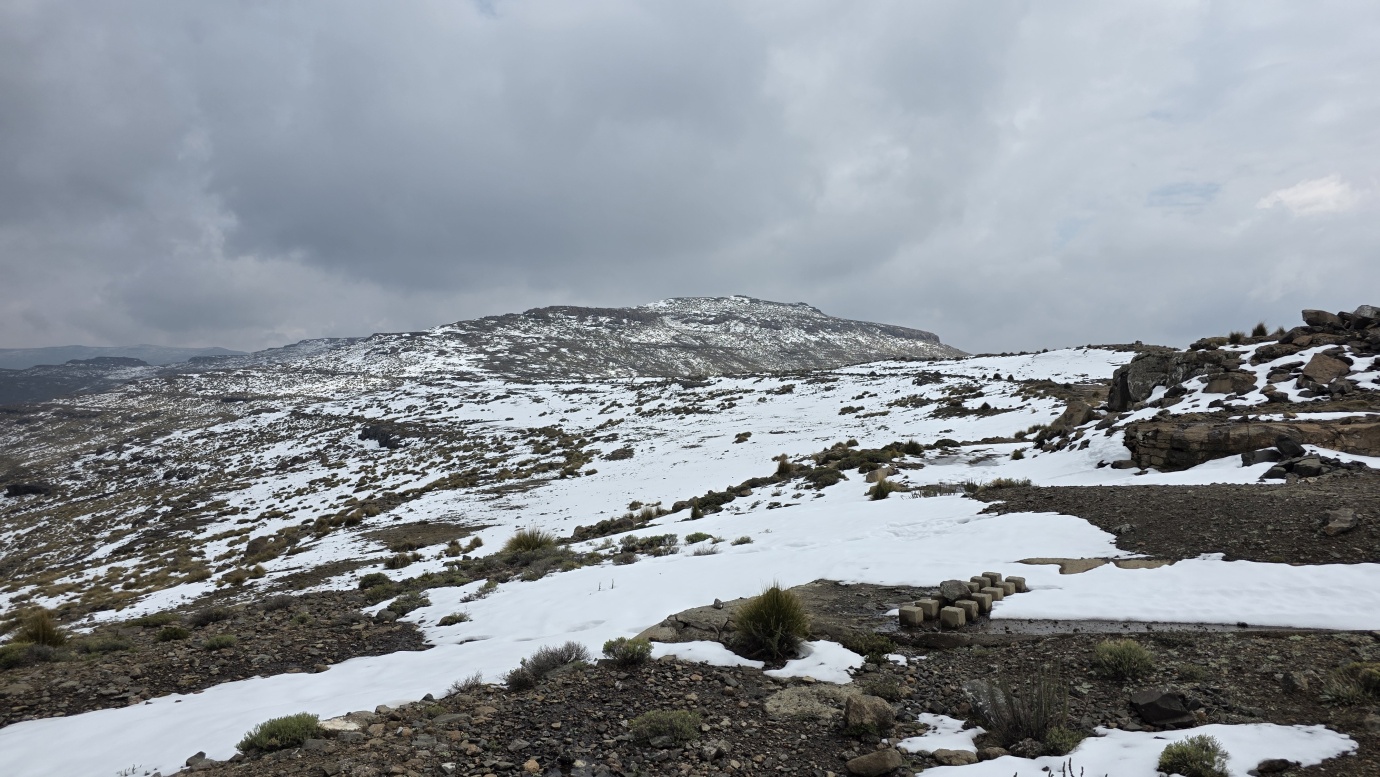
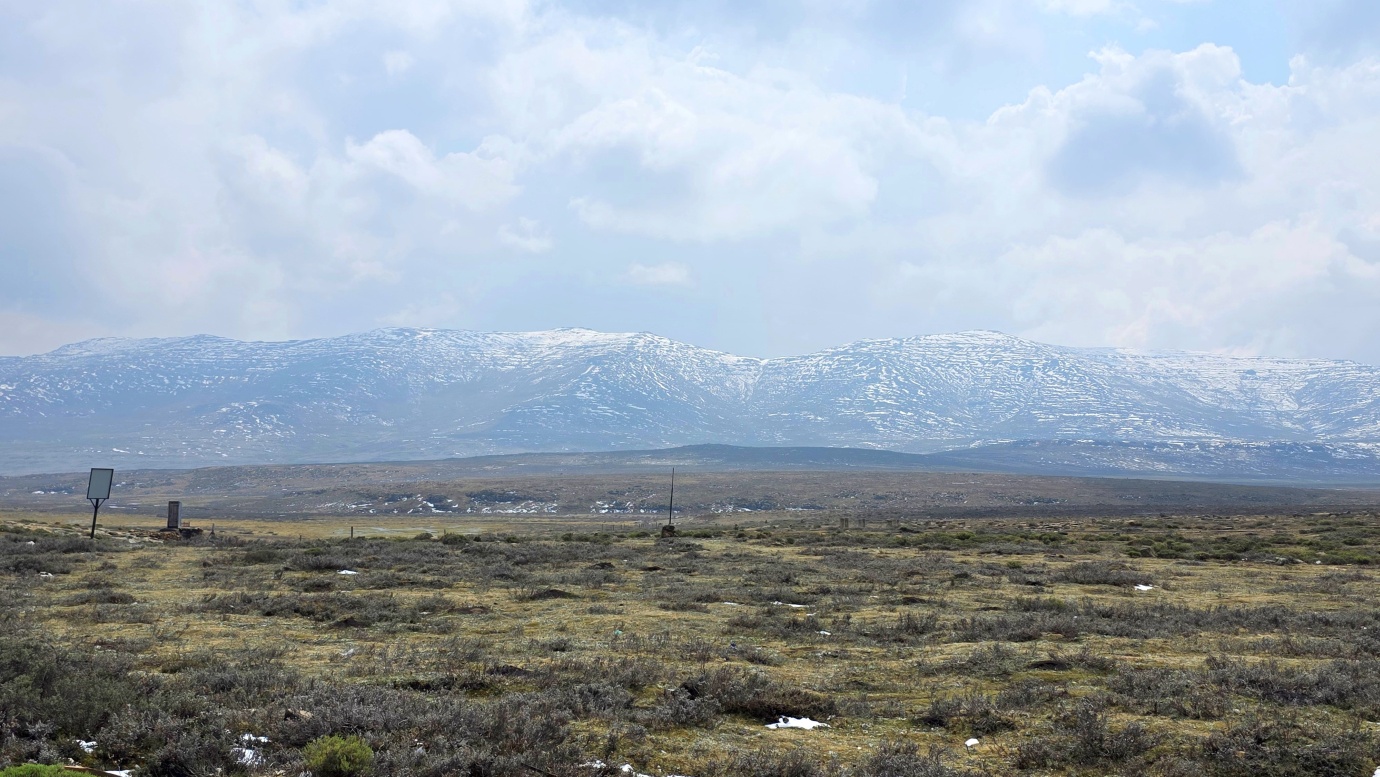
The village is an important cultural gateway, offering travellers a firsthand glimpse into the harsh but resilient lifestyle of the highland Basotho people. Nestled among the dramatic Maloti-Drakensberg Mountains, the settlement experiences an alpine climate, with the landscape changing into vast, treeless grasslands scattered with rugged rock formations. At this altitude, the weather can change rapidly. Winters bring sub-zero temperatures, heavy frost and seasonal snow, while summers can bring intense mountain sunshine followed by sudden afternoon thunderstorms.
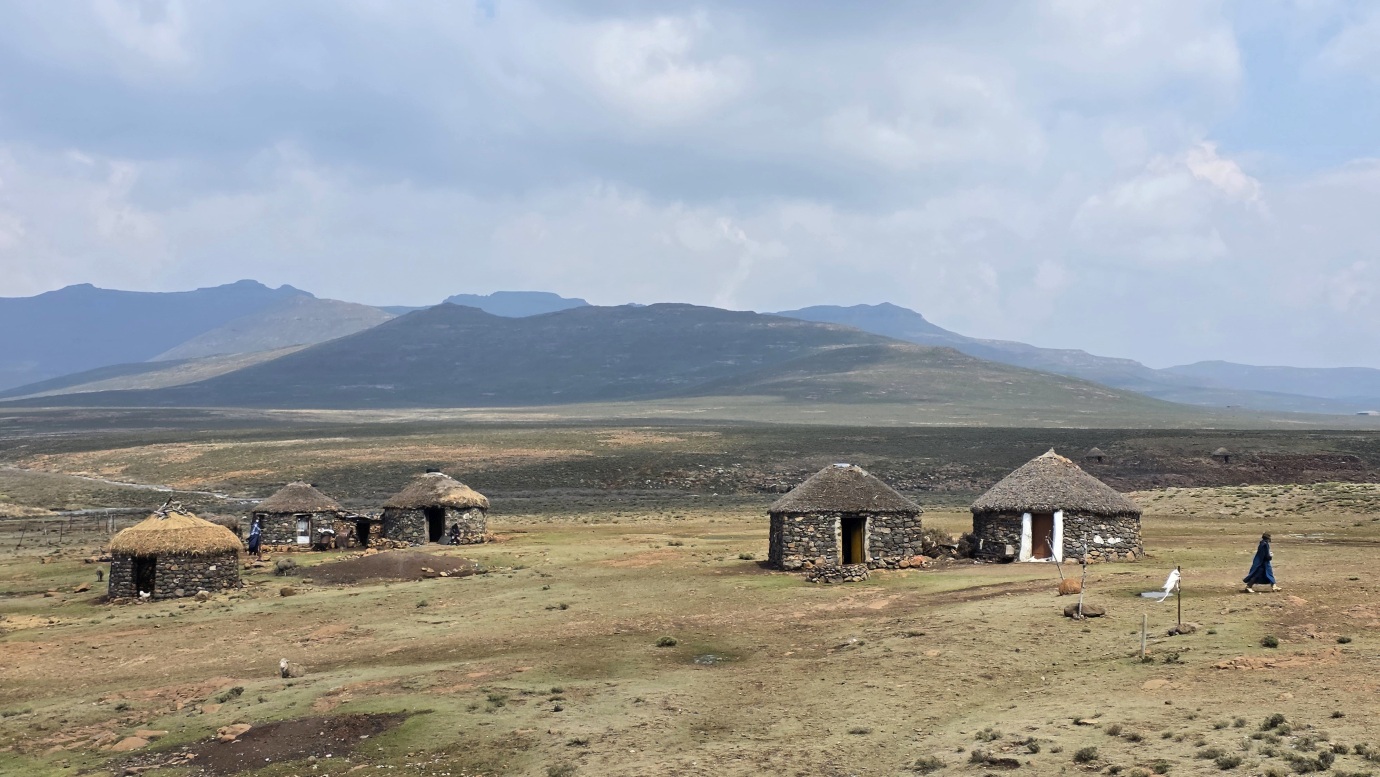
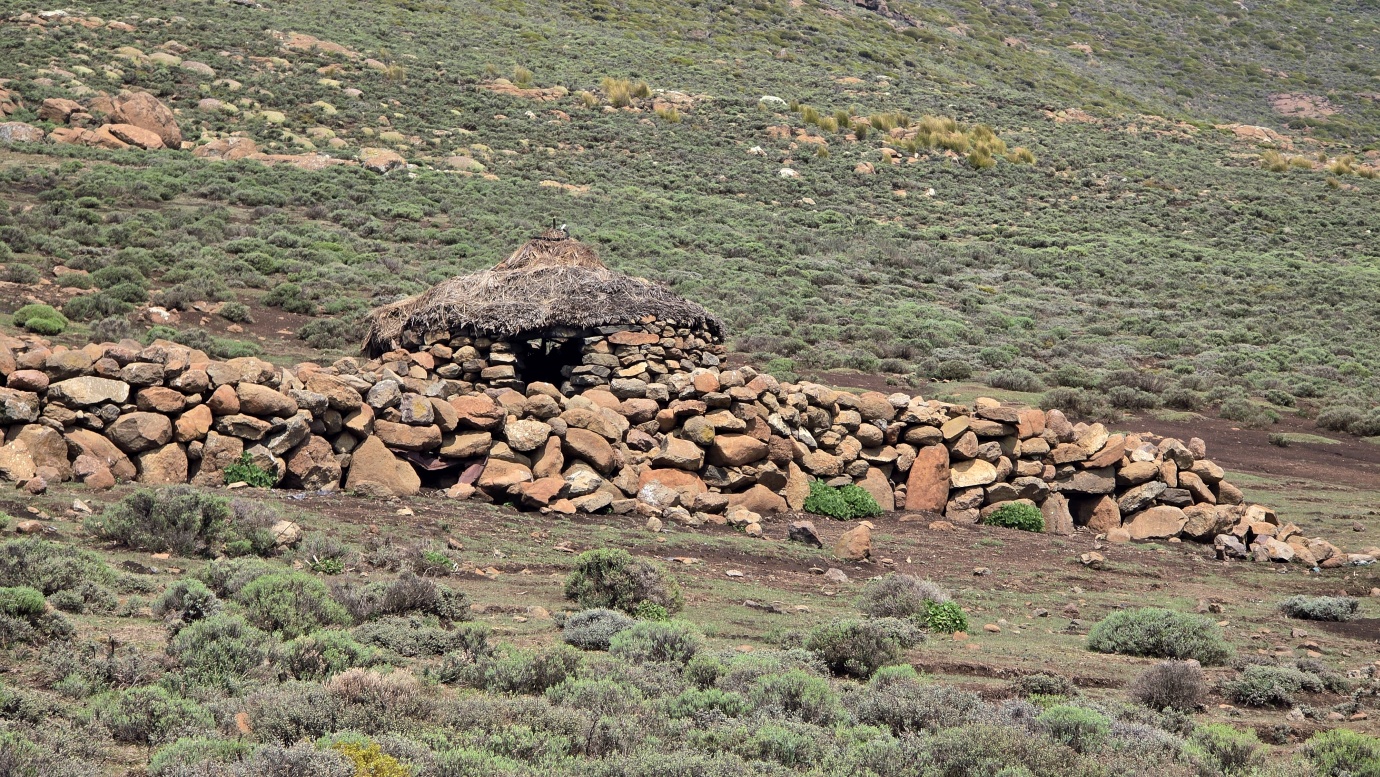
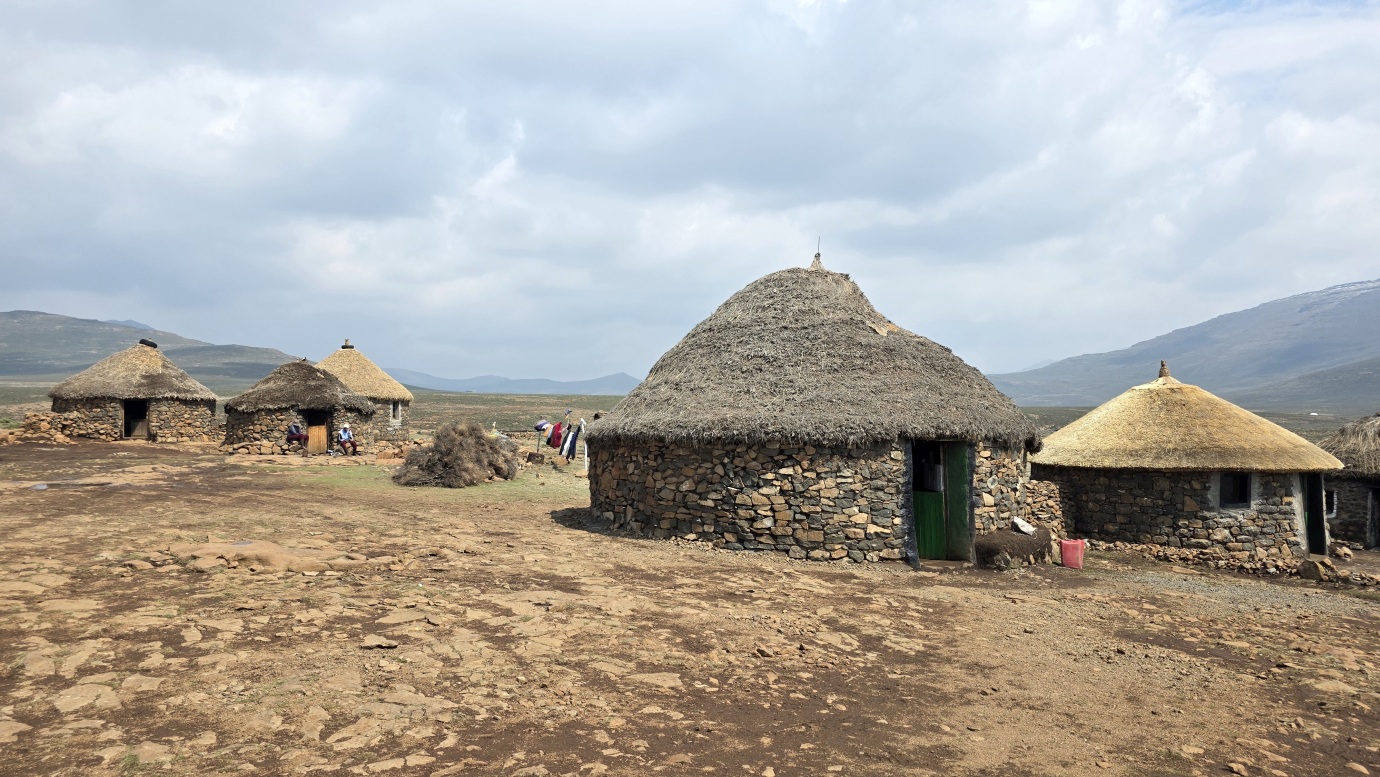
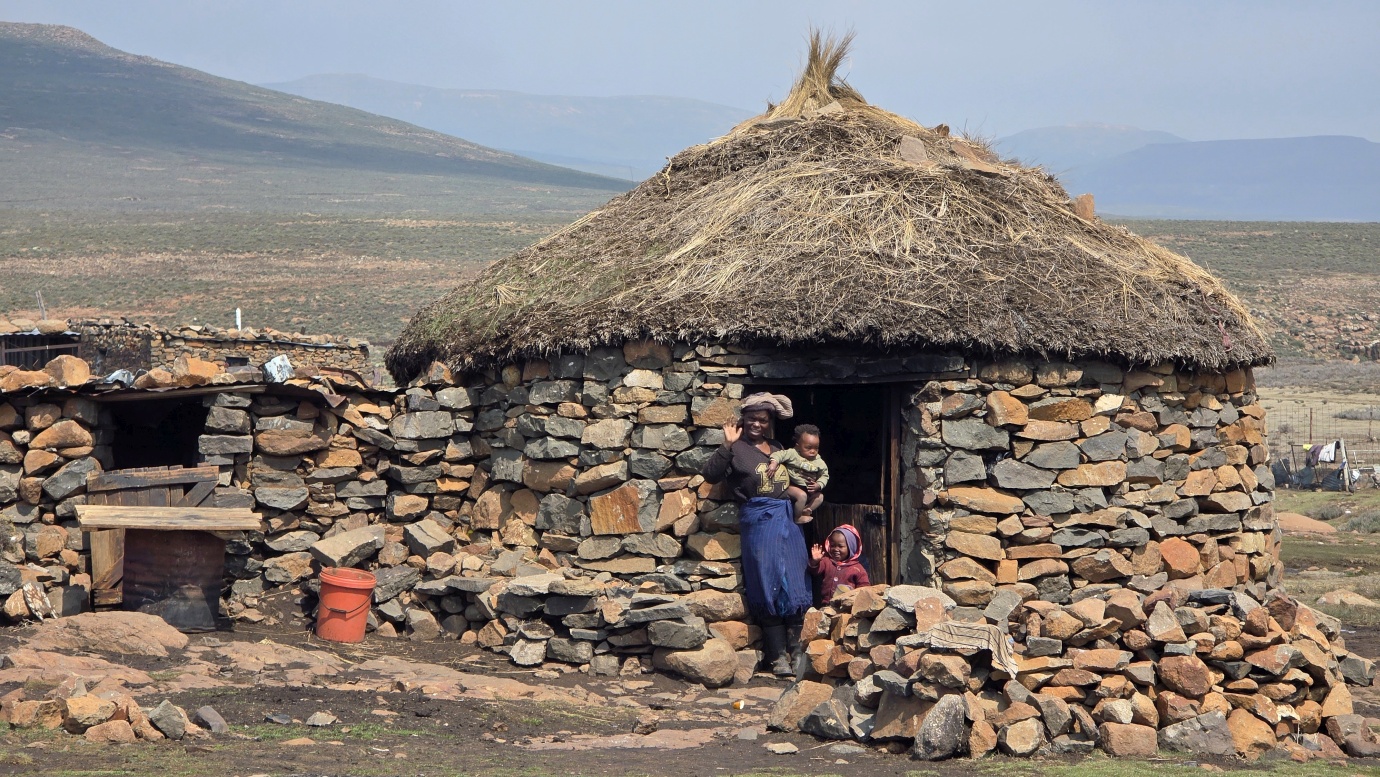
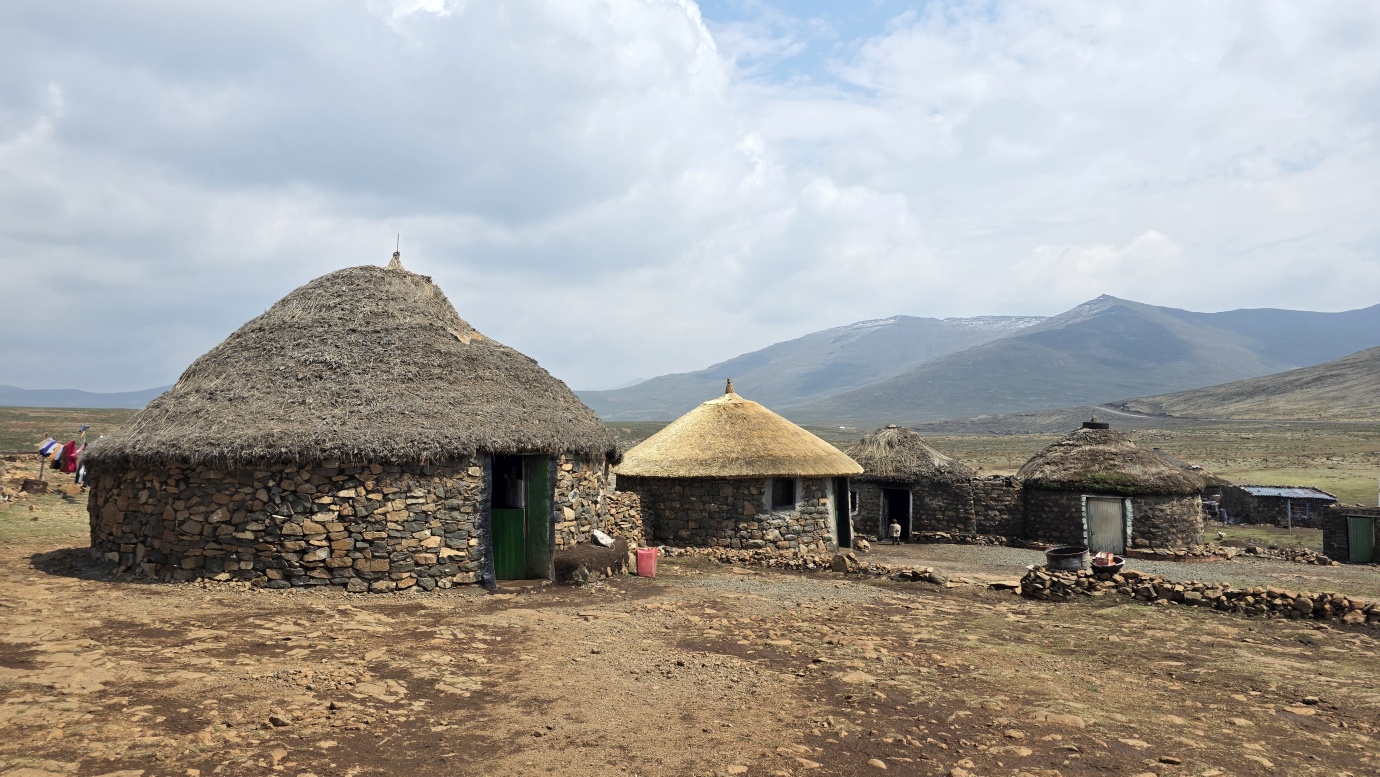
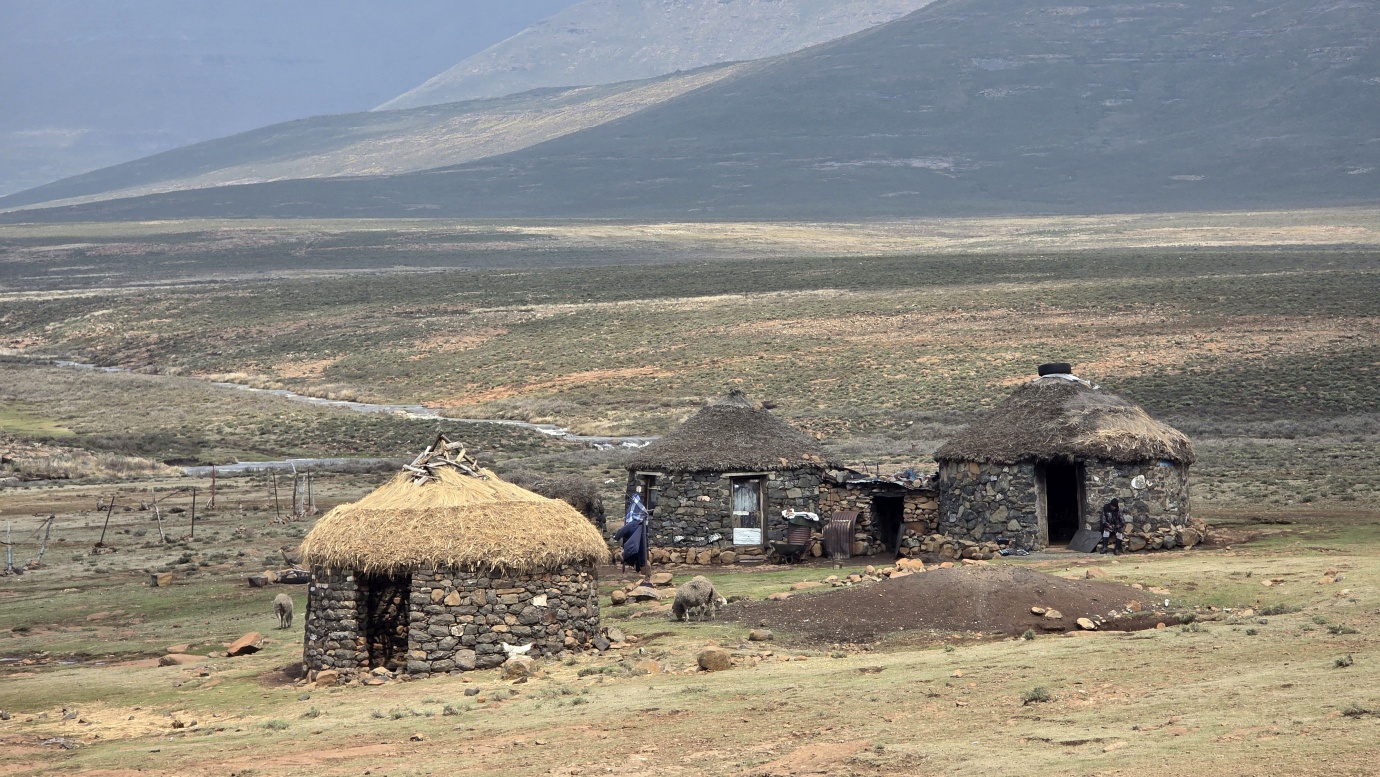
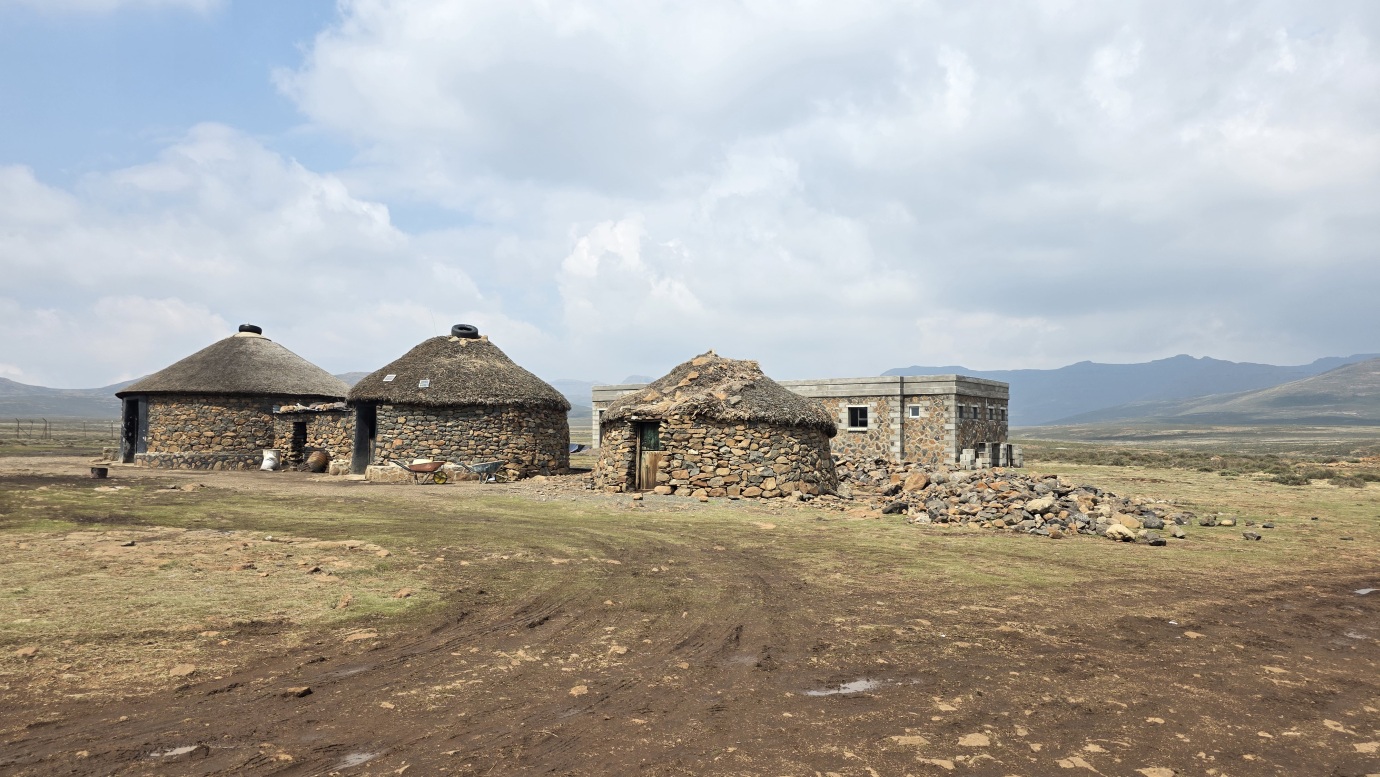
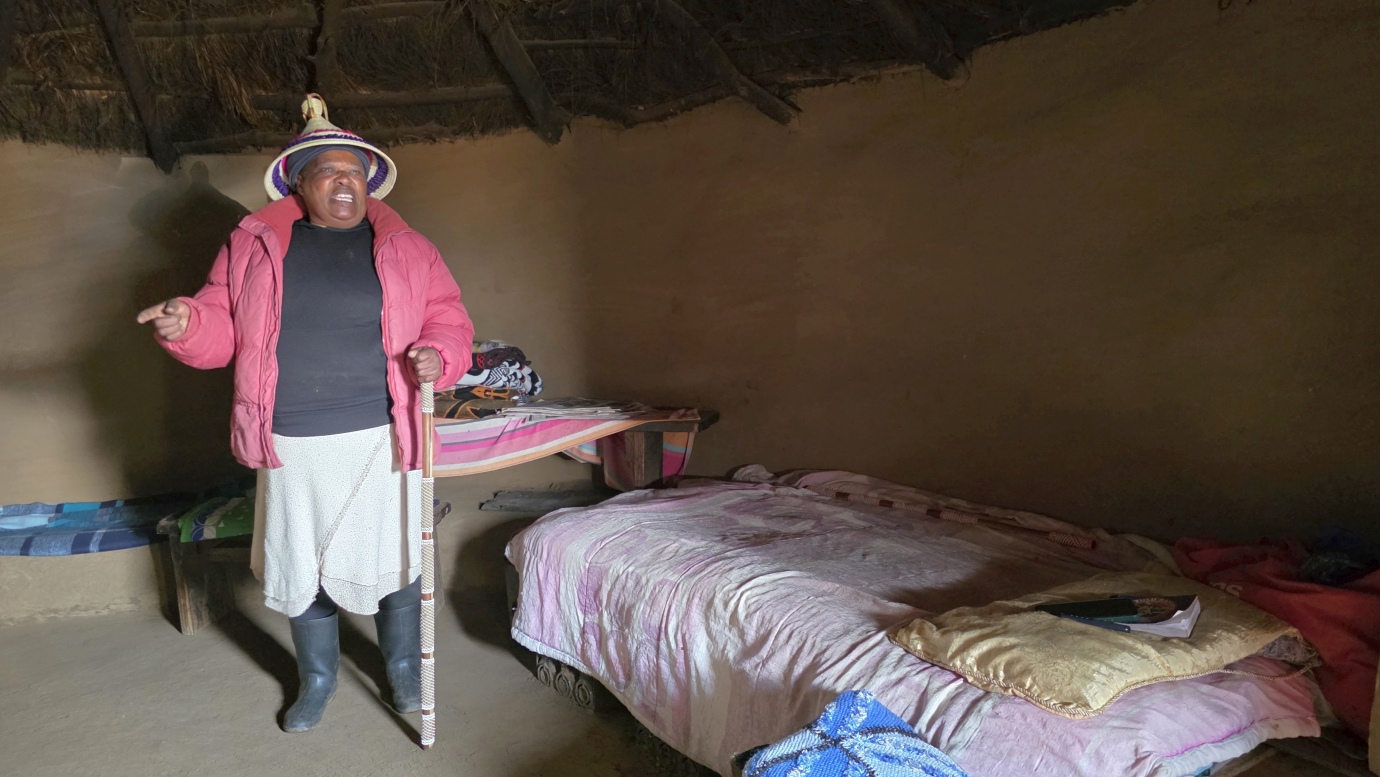
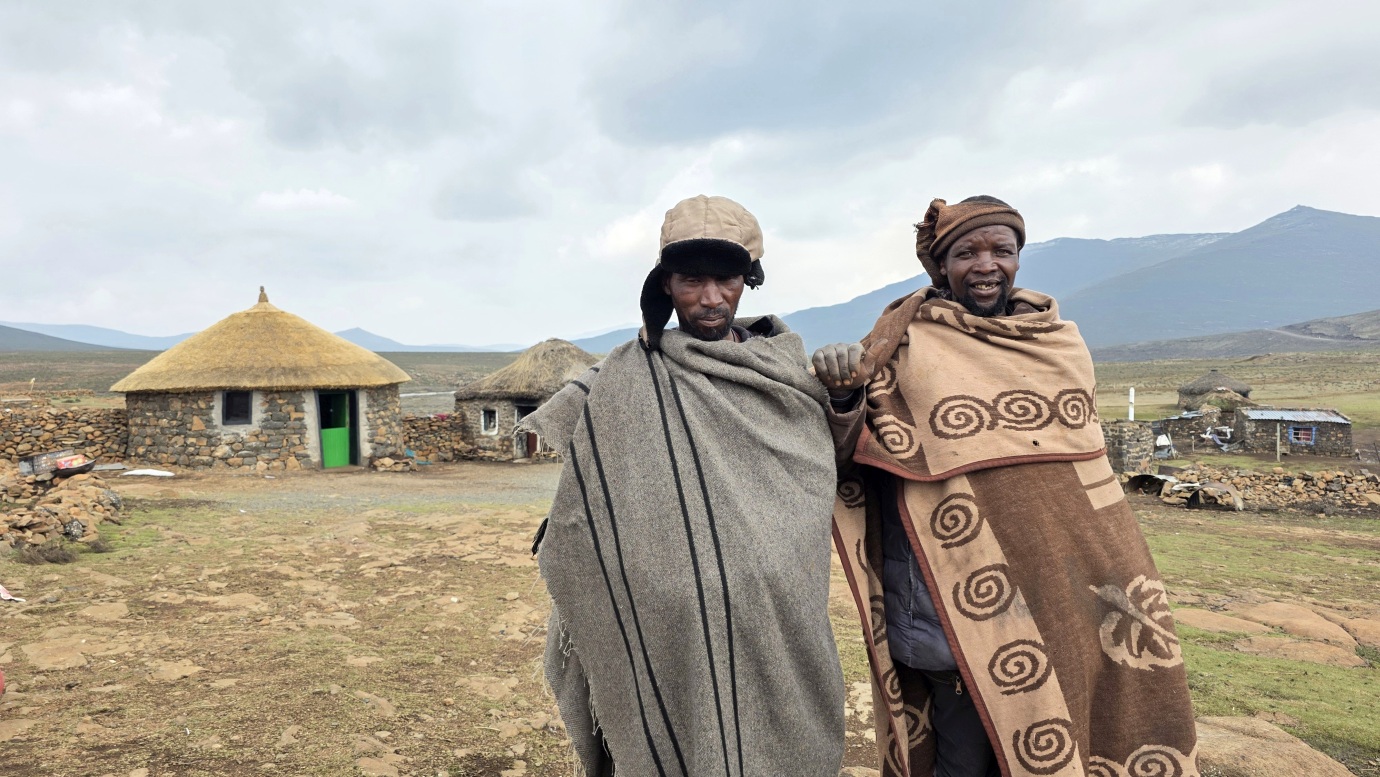
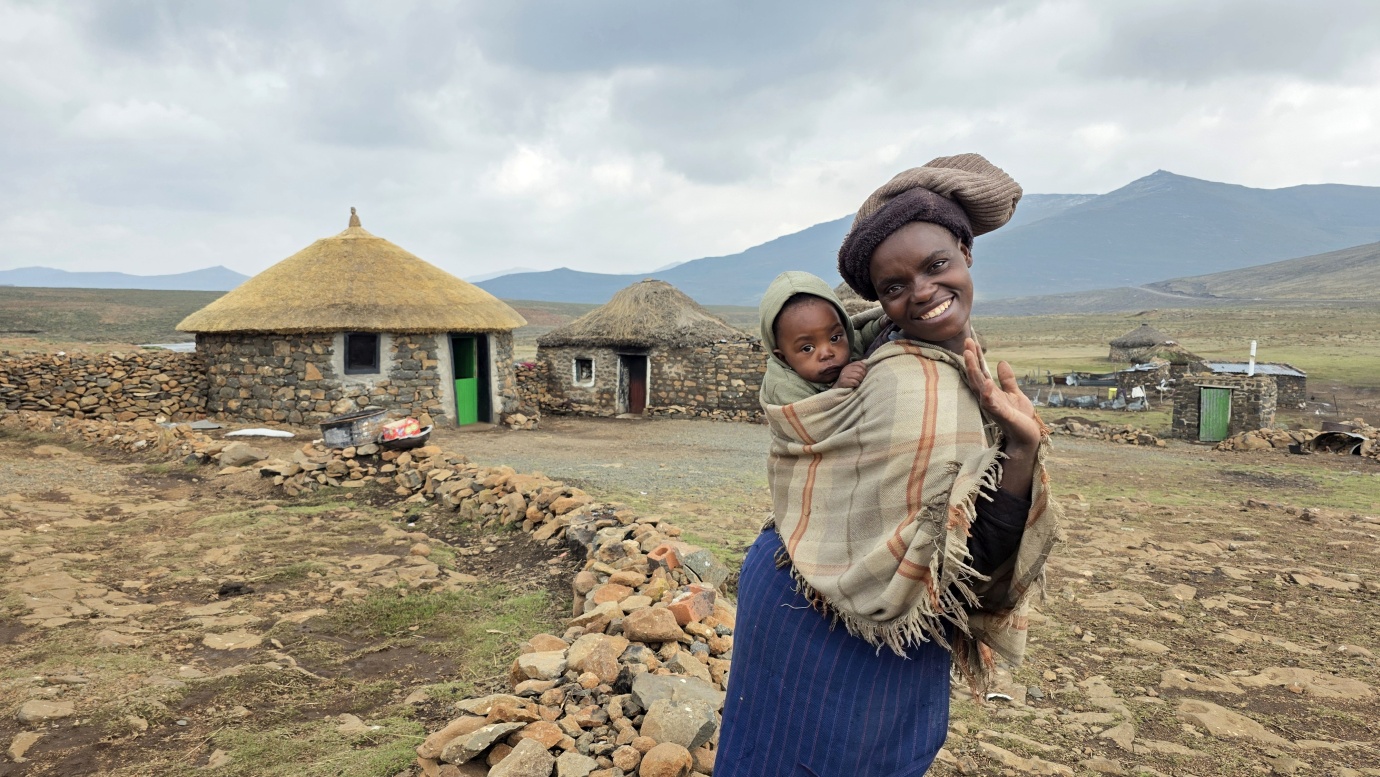
The village is made up of iconic rondavels—circular stone huts built from thick, locally quarried rock and topped with tightly thatched grass roofs. Their traditional design provides excellent insulation against the bitter mountain cold.
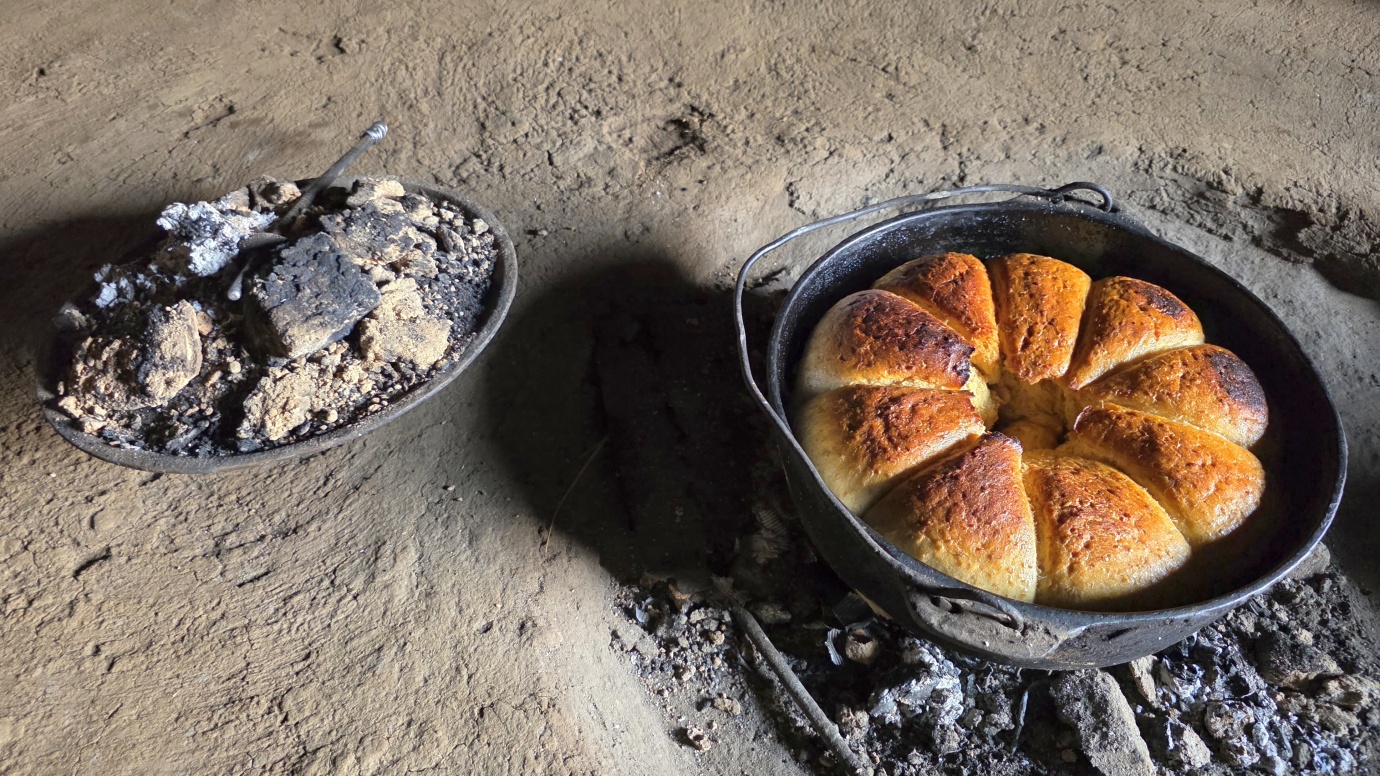
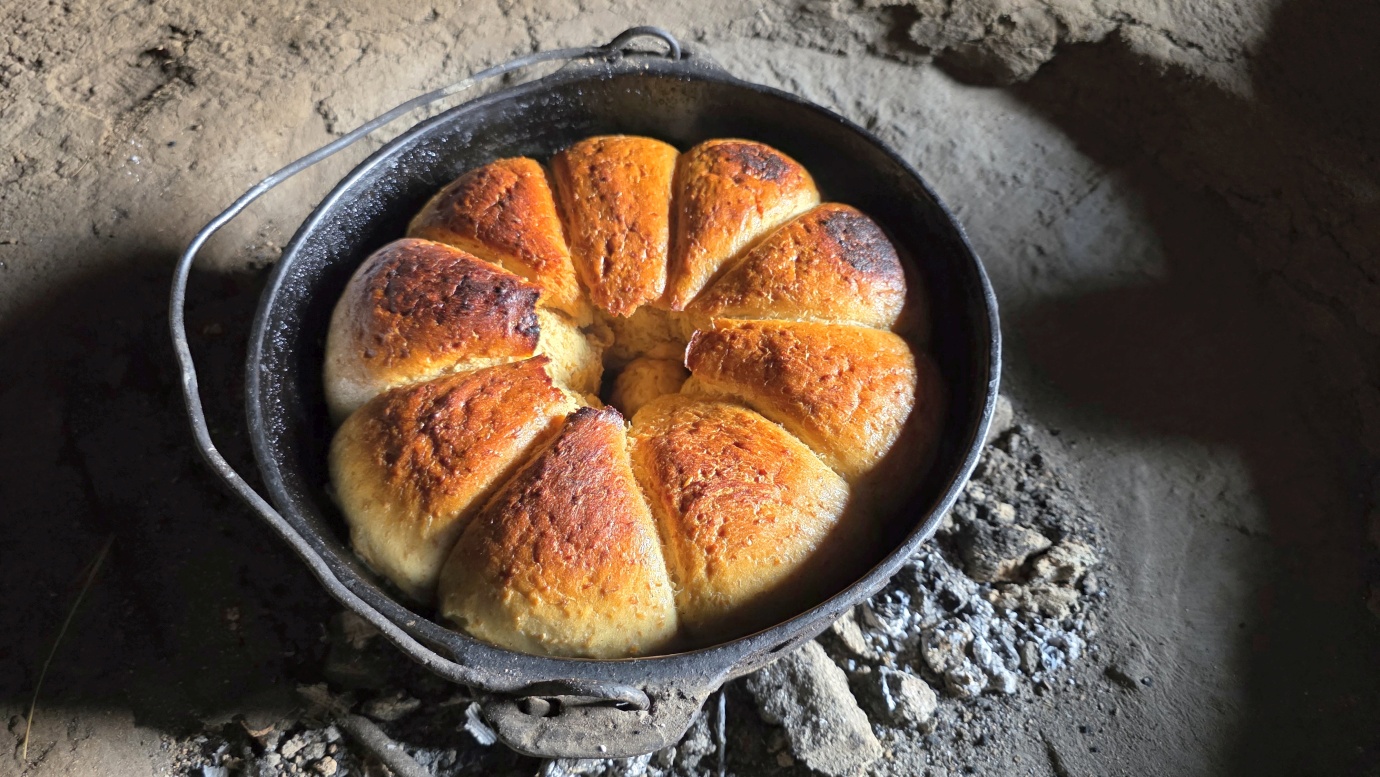
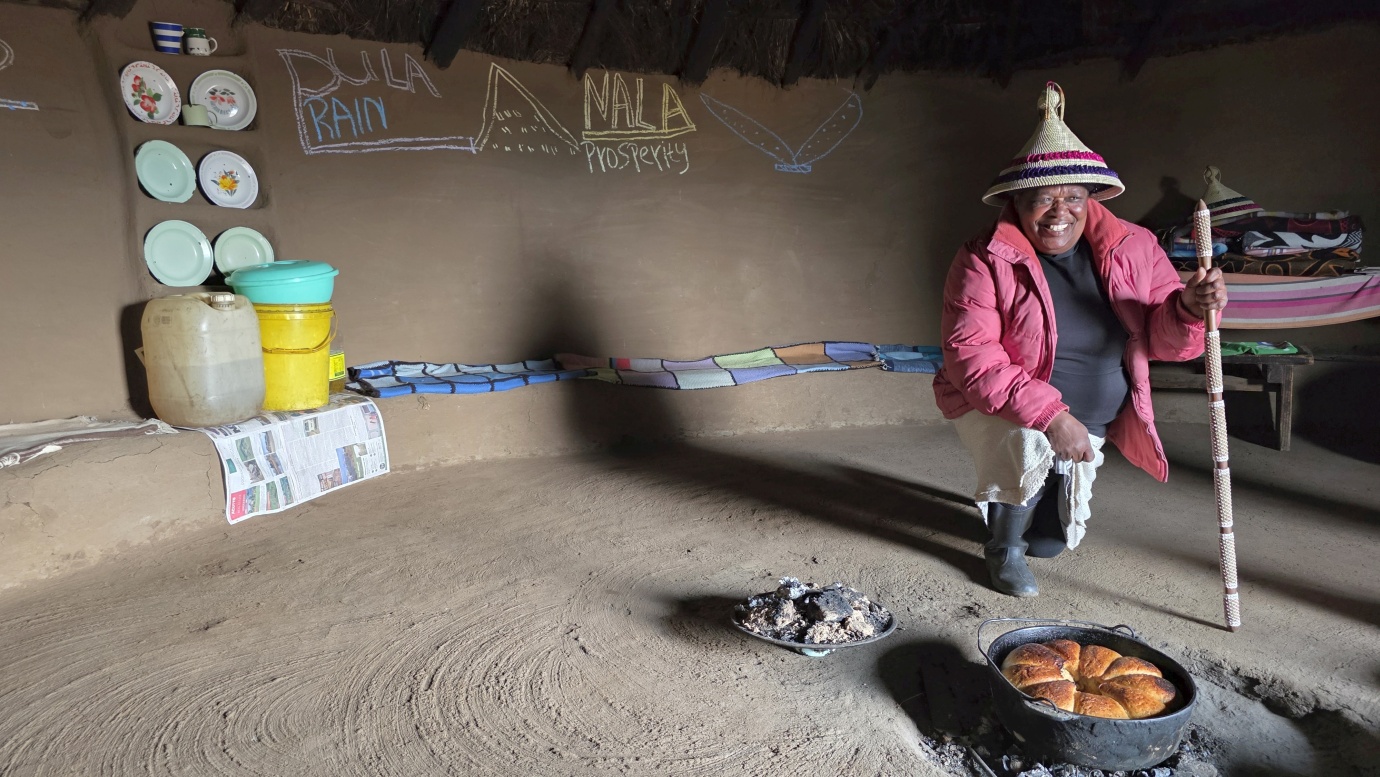
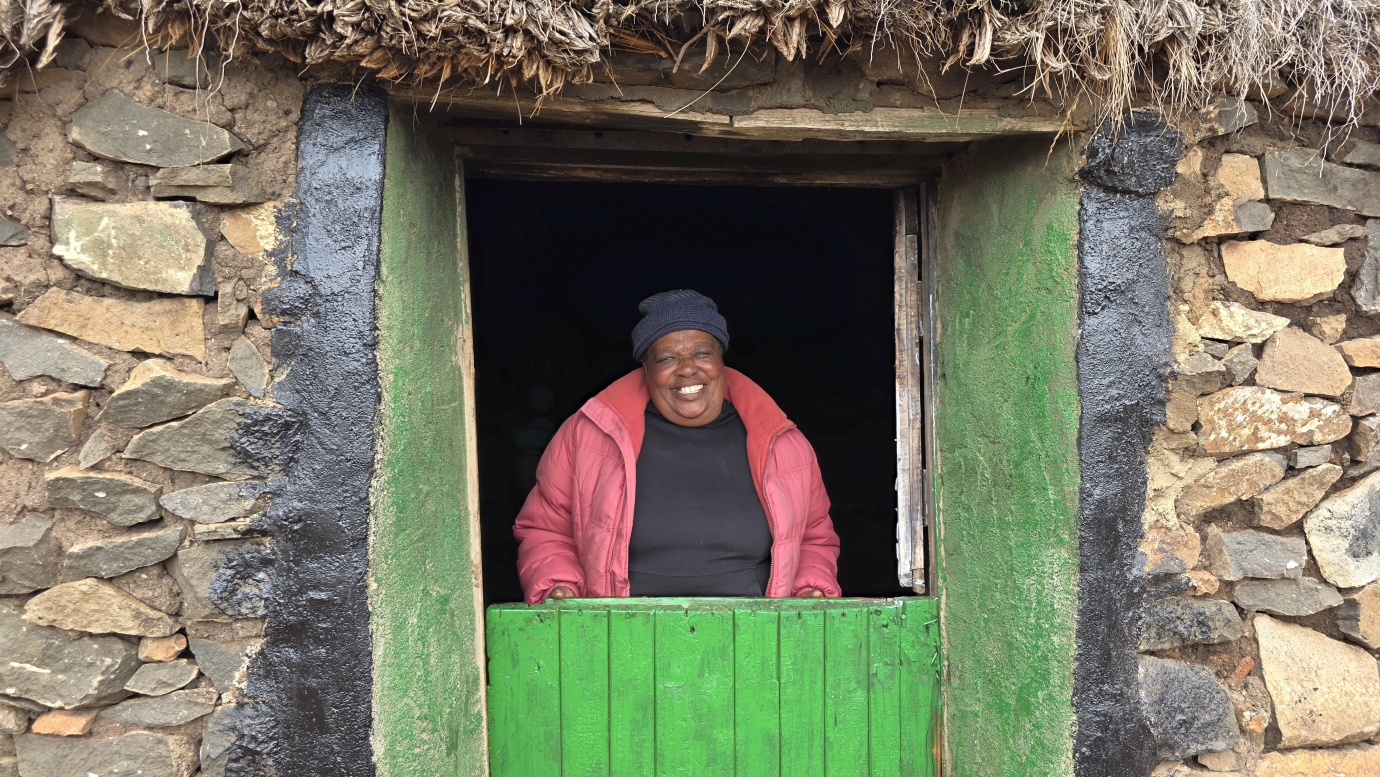
We visited the Nala hut, where we experienced genuine Basotho hospitality and tasted joala, a traditional sour sorghum-based beer, along with freshly baked pot bread. Nala had been preparing the bread since morning, baking it for about three hours in a heavy cast-iron pot over an open fire. To protect themselves from the intense alpine wind and cold, local people traditionally wear the famous Basotho blankets, made from thick wool and decorated with distinctive cultural patterns, together with the traditional conical straw hats known as mokorotlo.
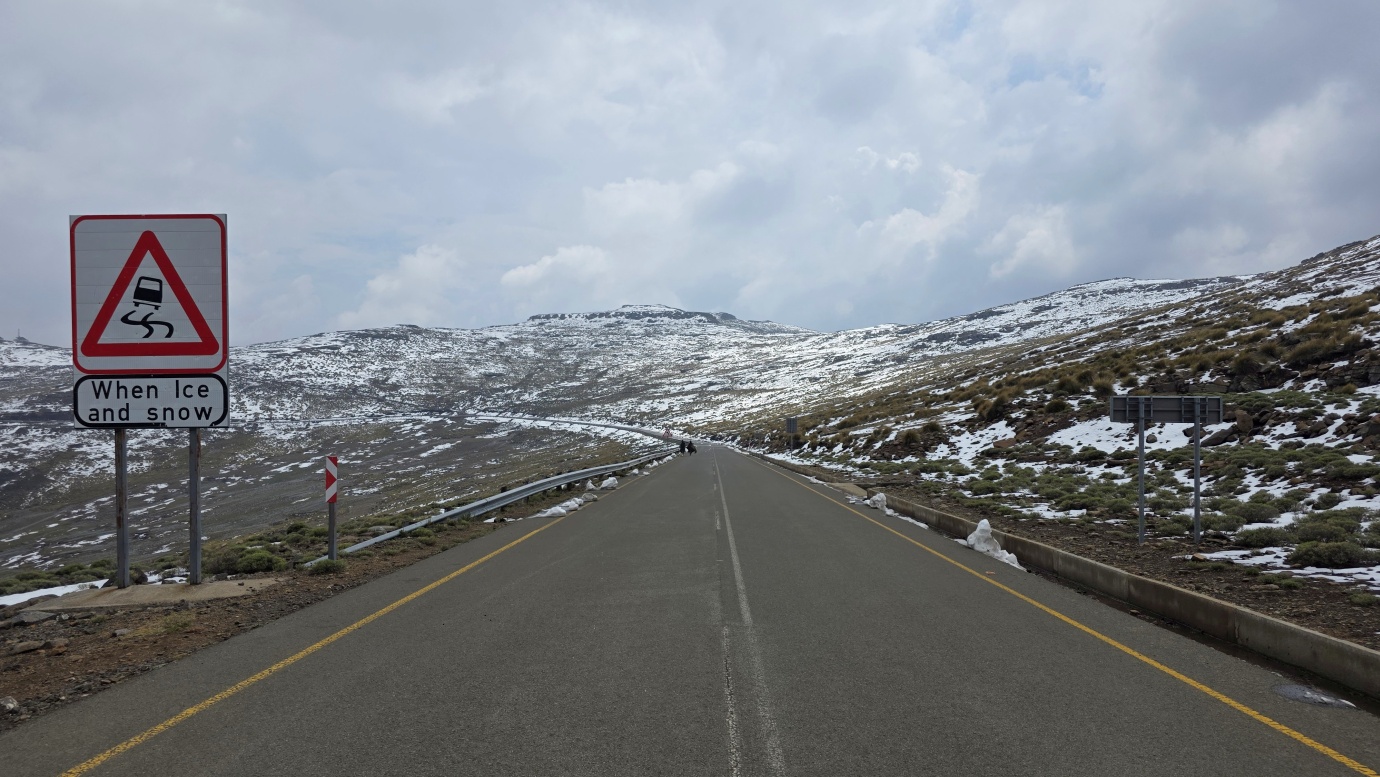
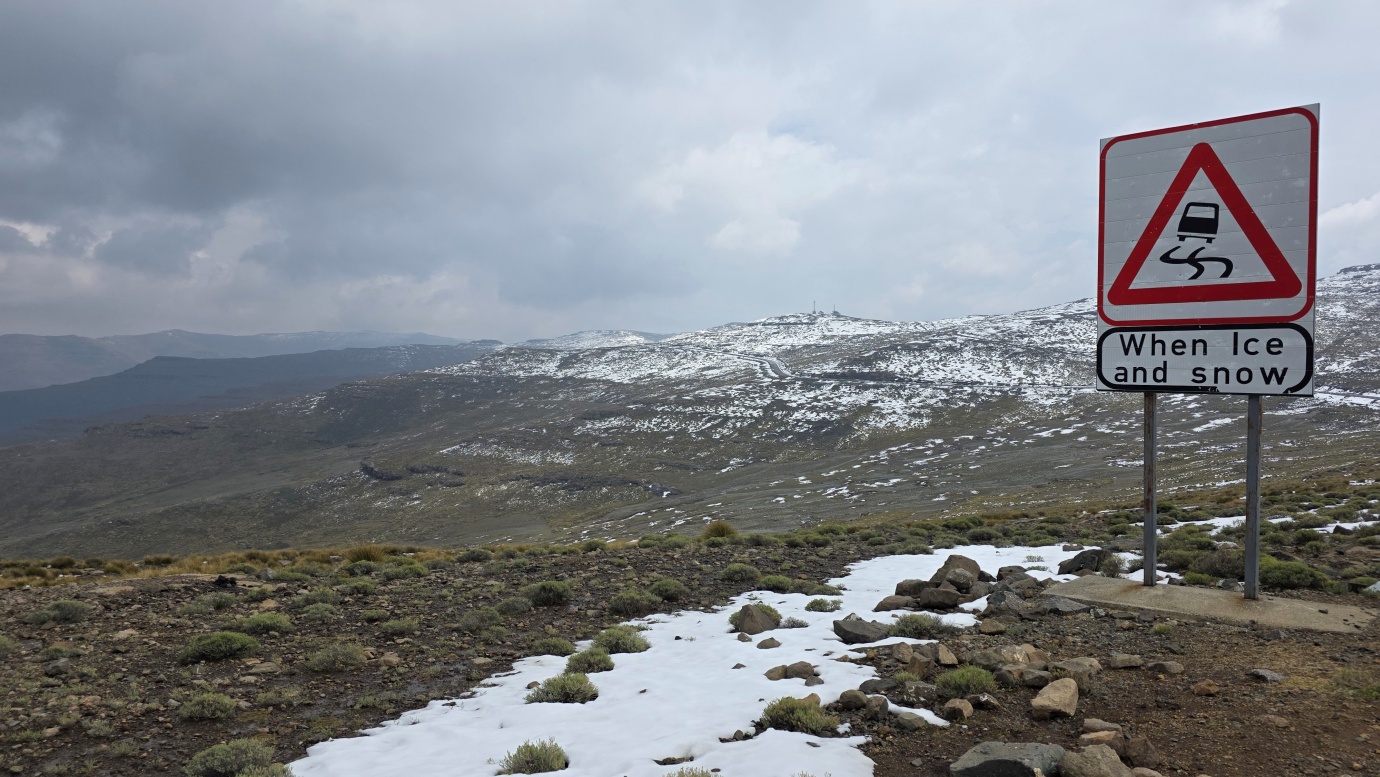
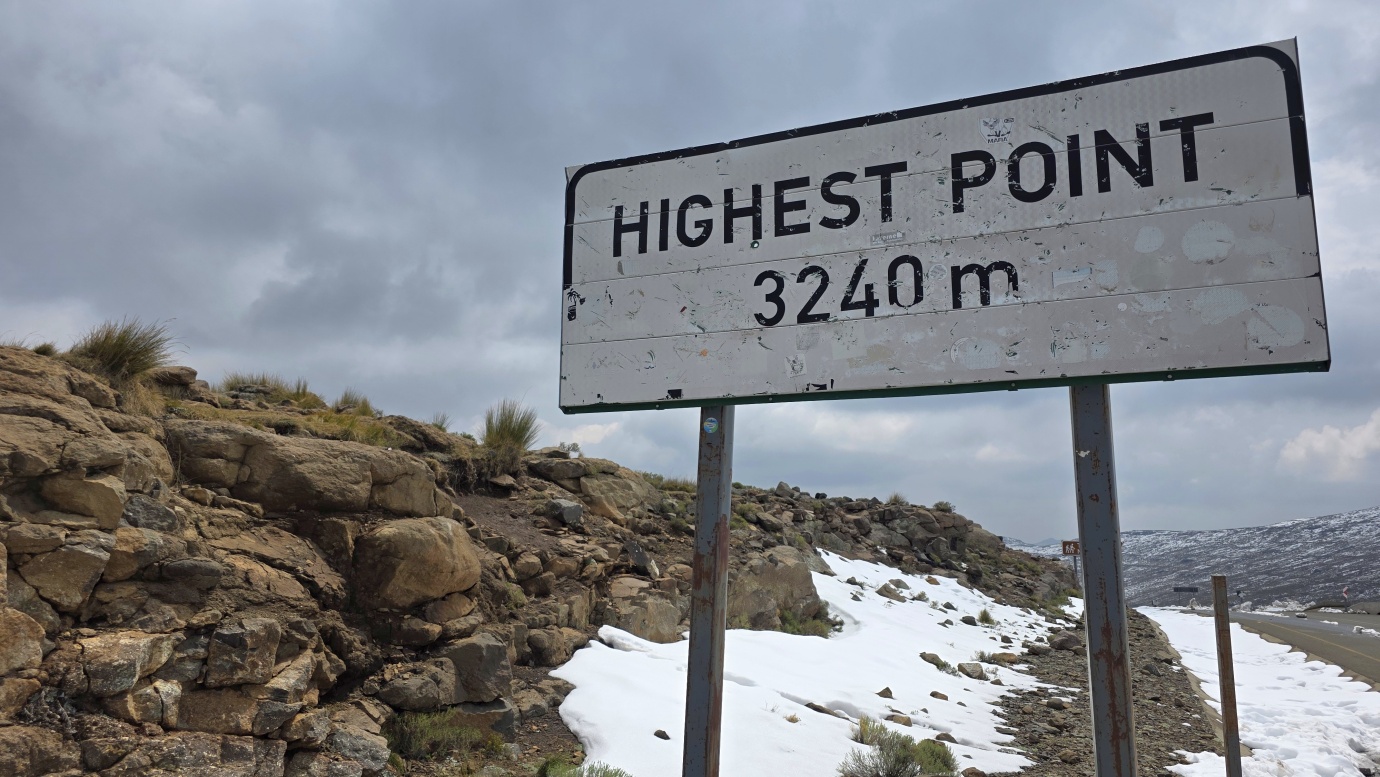
From the village, we continued deeper into the Lesotho highlands and drove towards Black Mountain Pass, also known as Kotisephola Pass on the A14. Rising to an impressive 3,242 metres above sea level, it is one of the highest mountain passes in southern Africa, connecting Underberg with Mokhotlong.