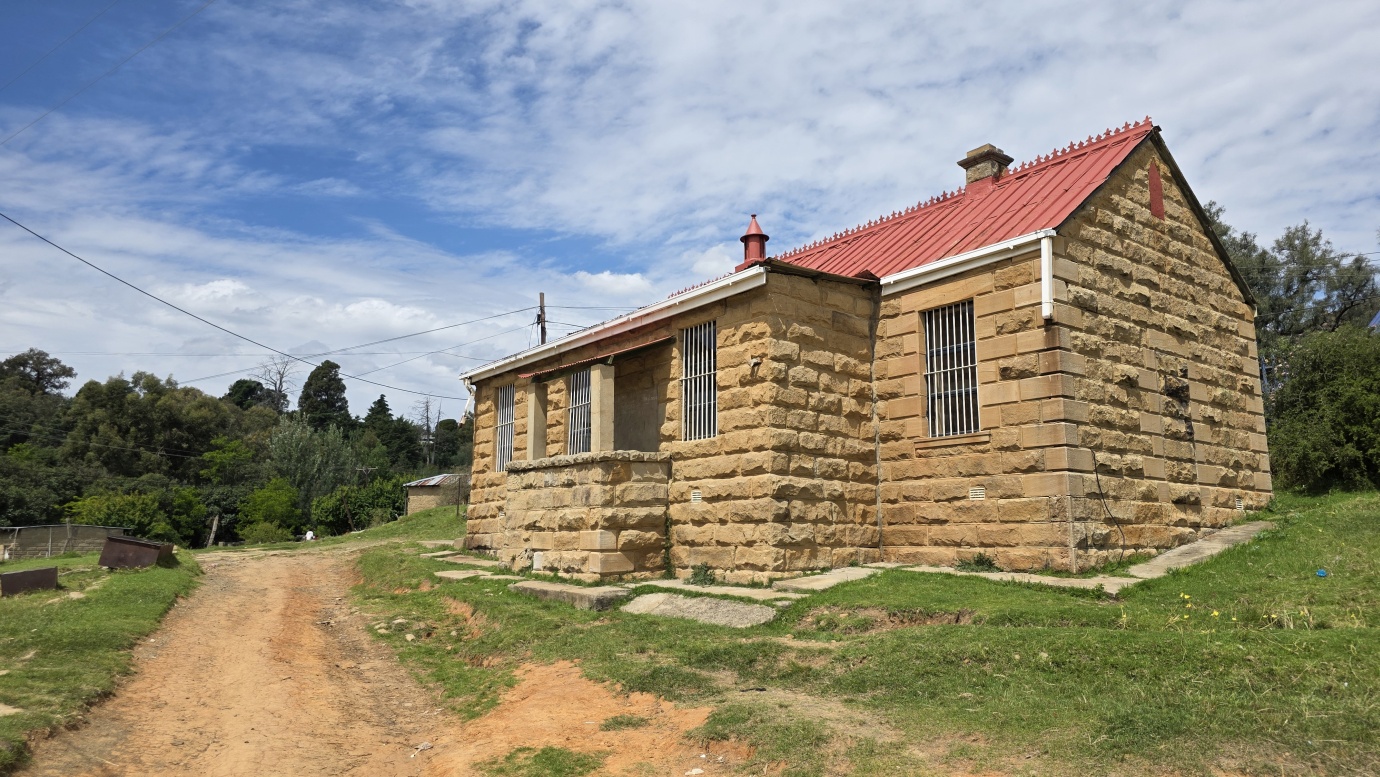
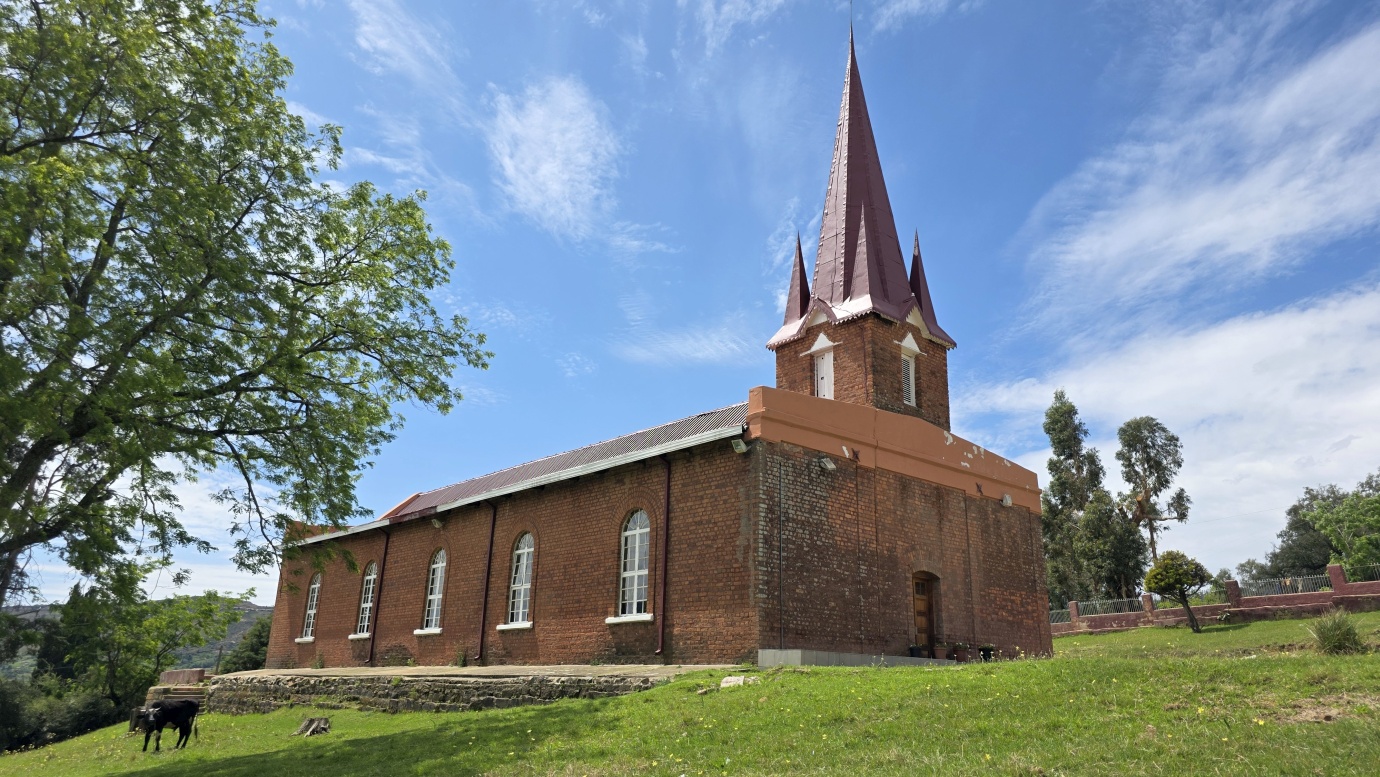
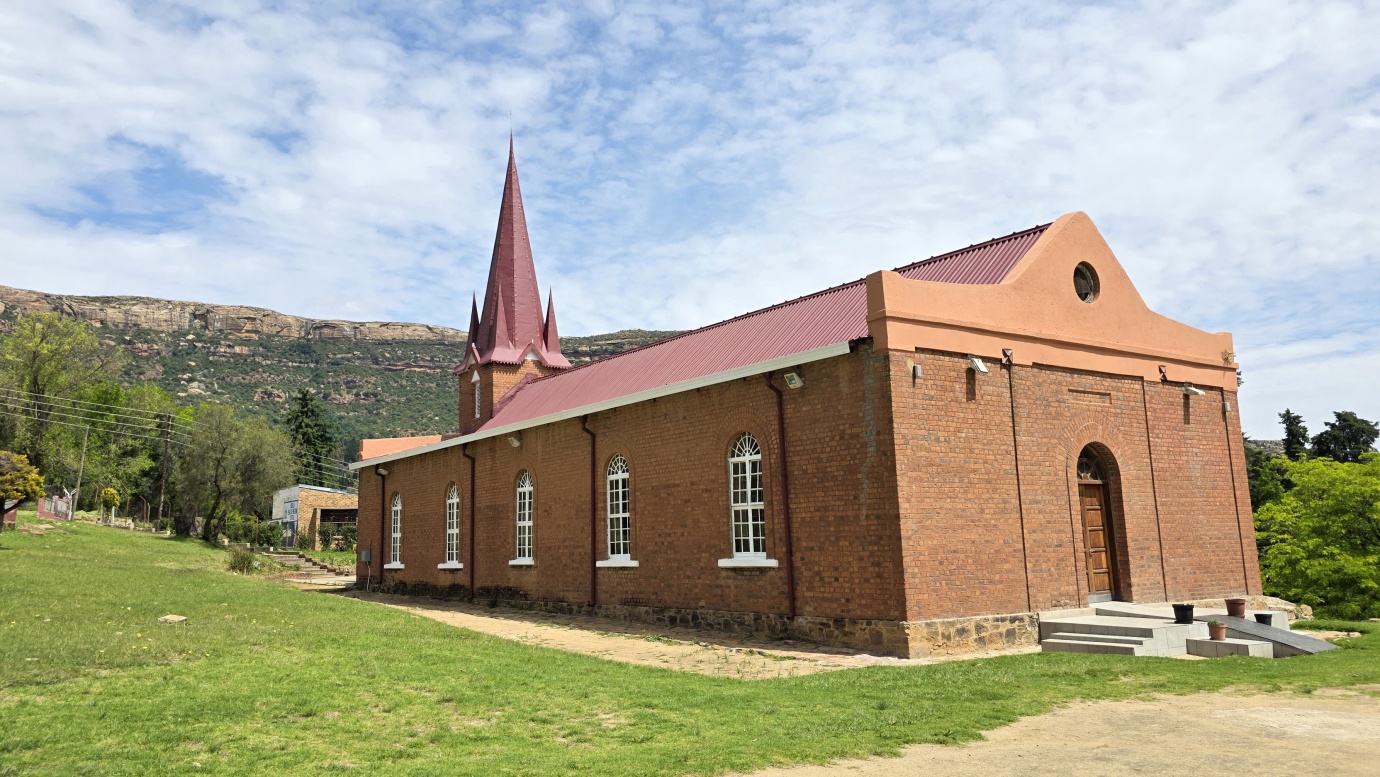
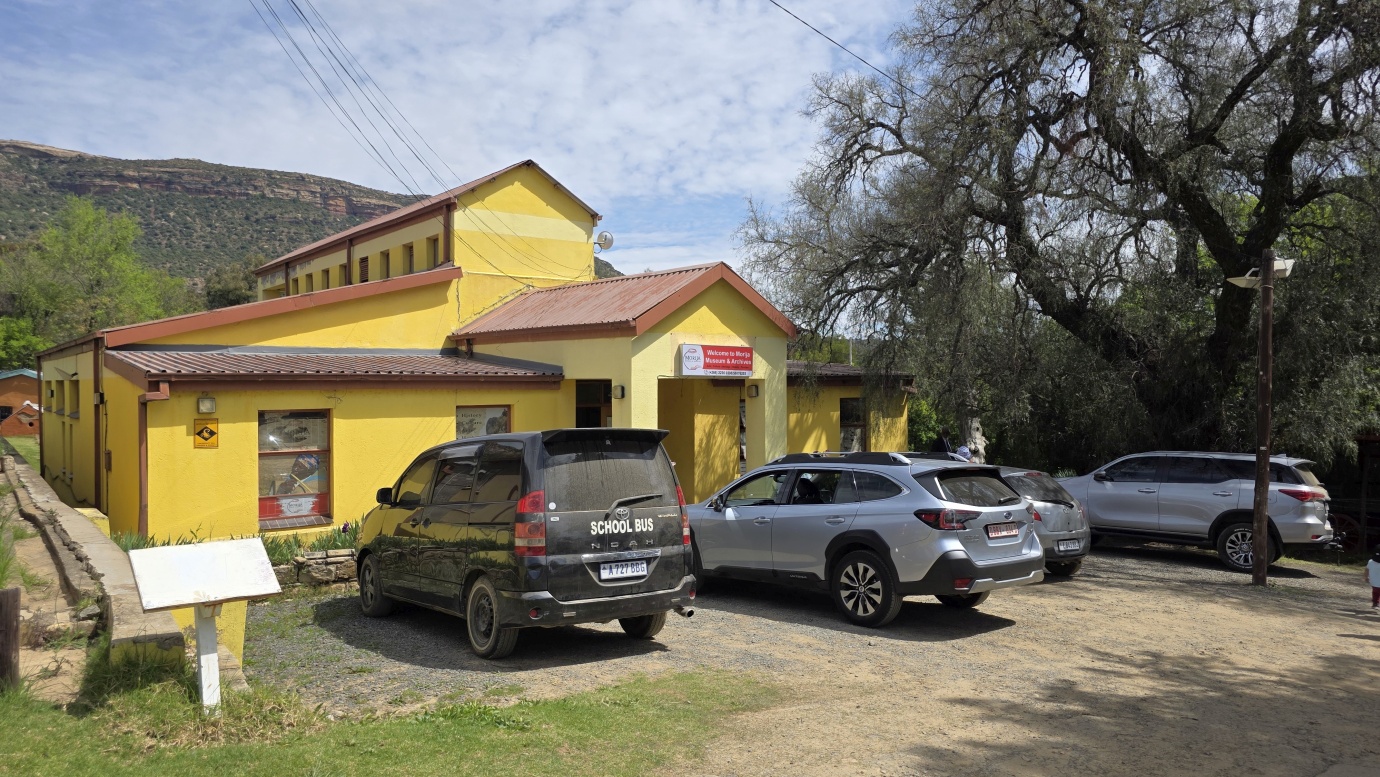
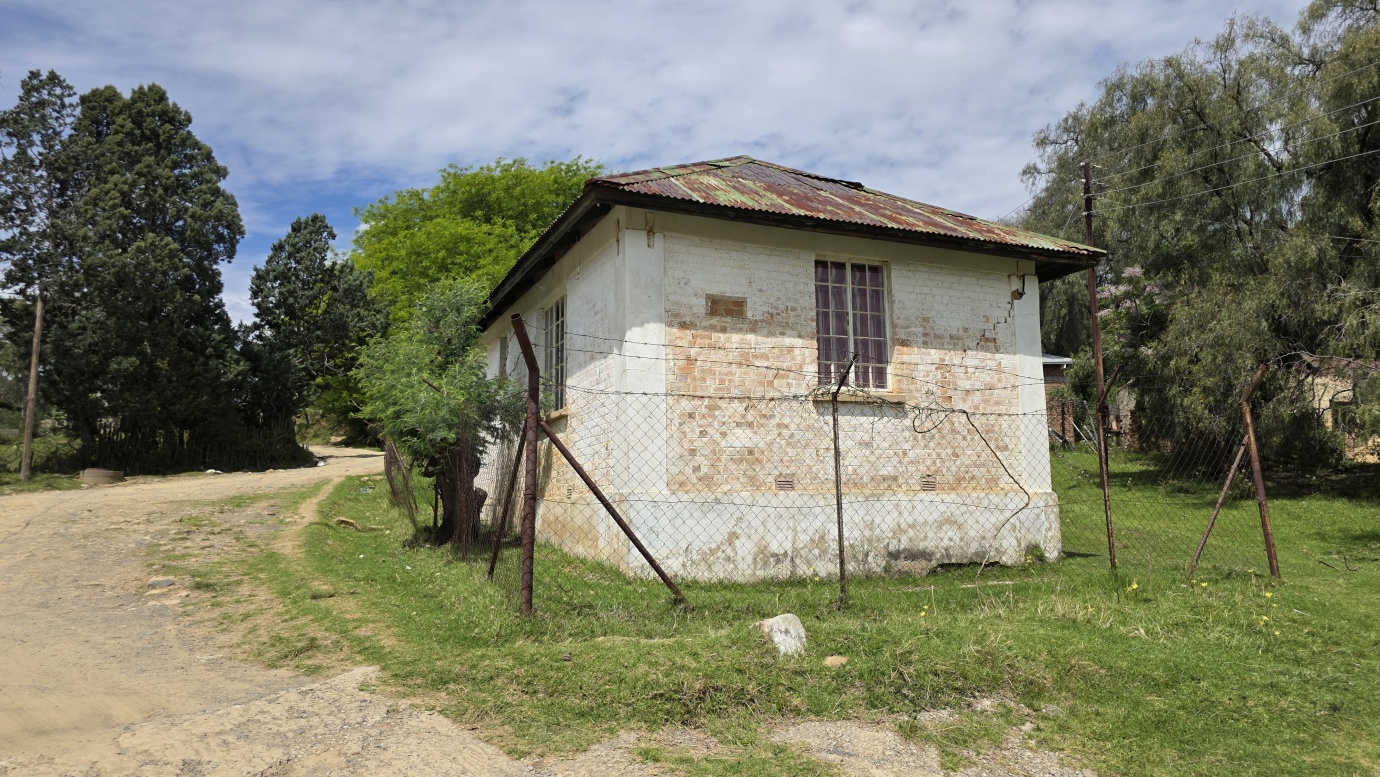
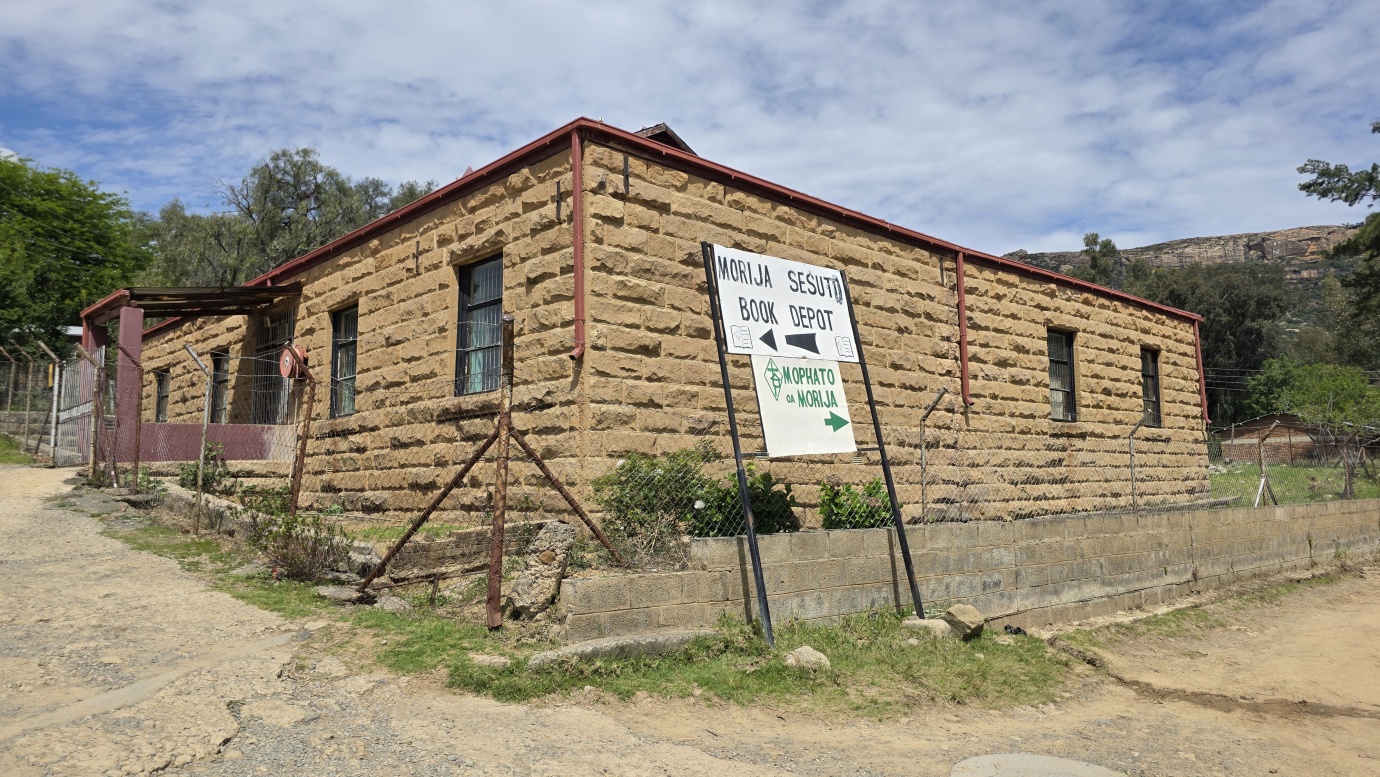
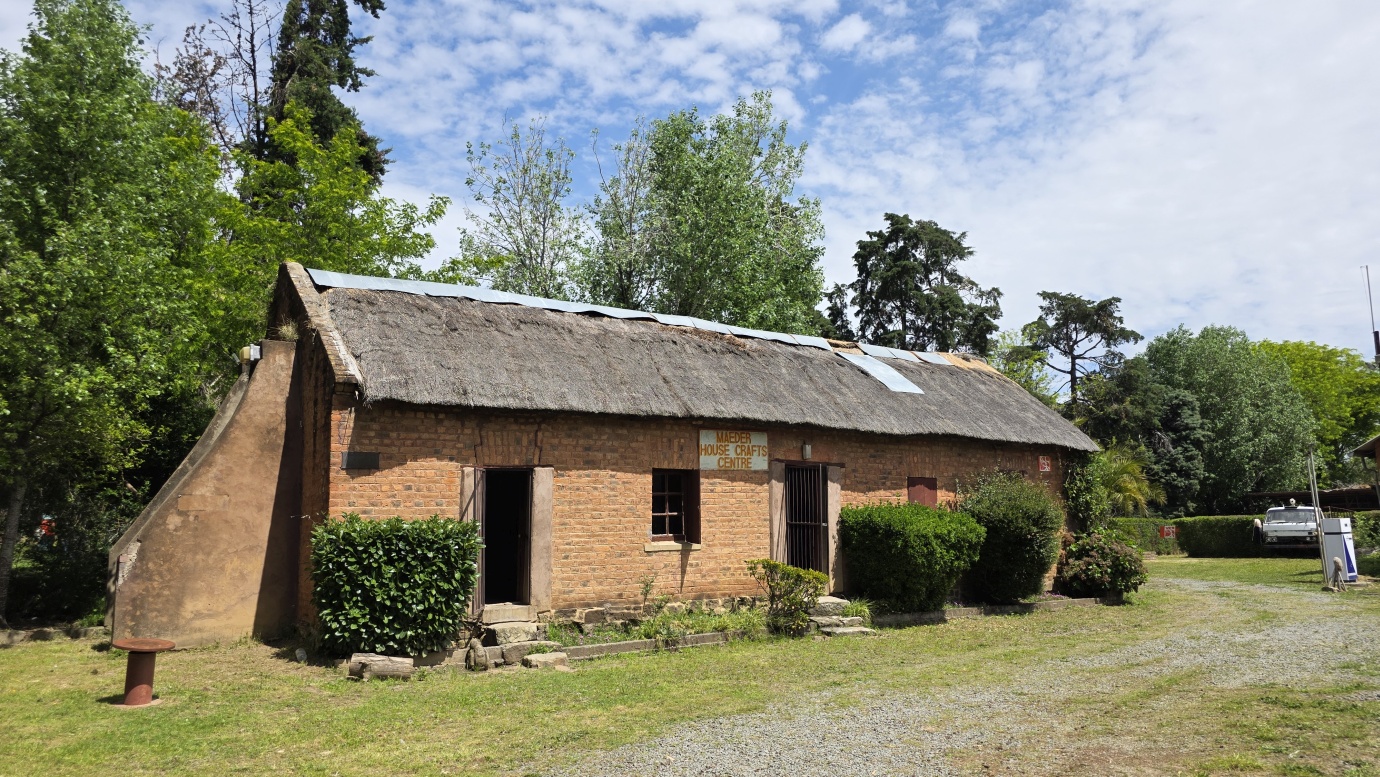
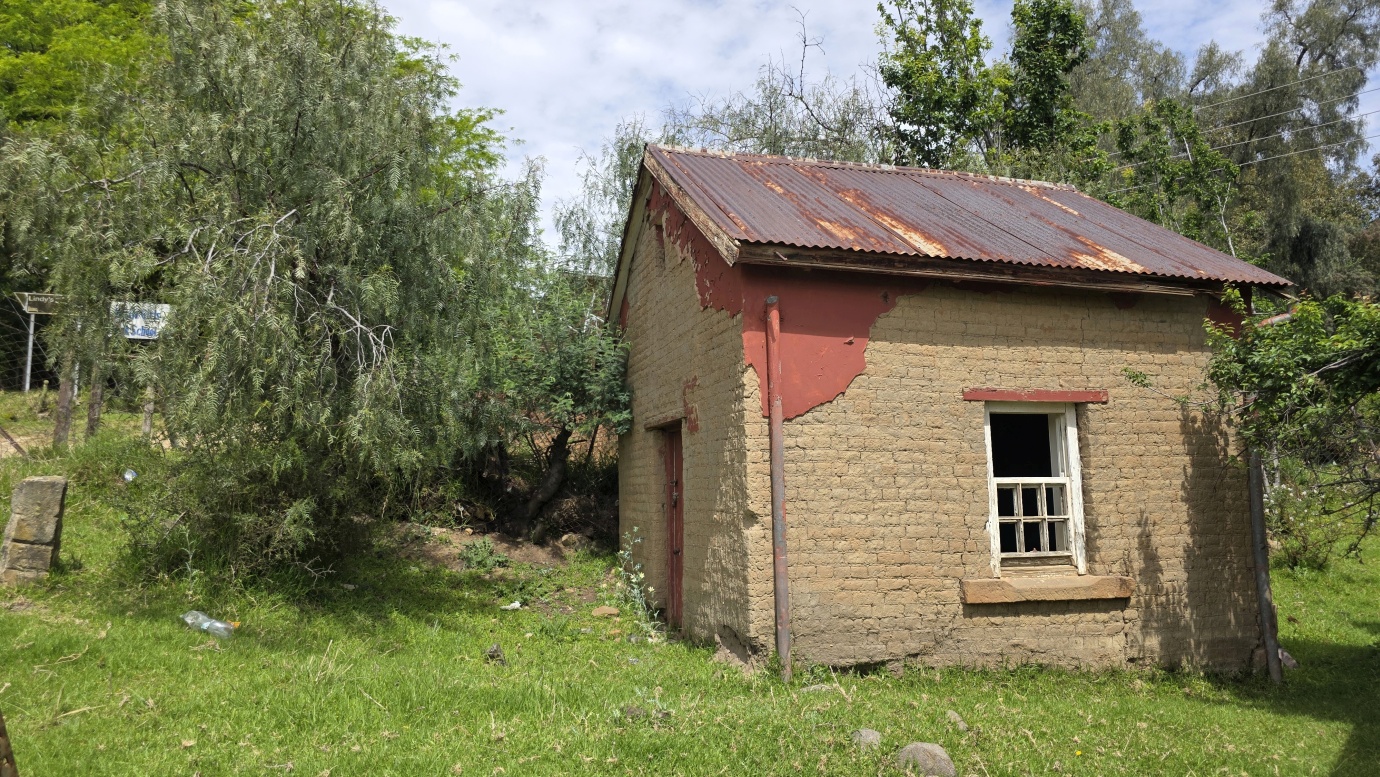
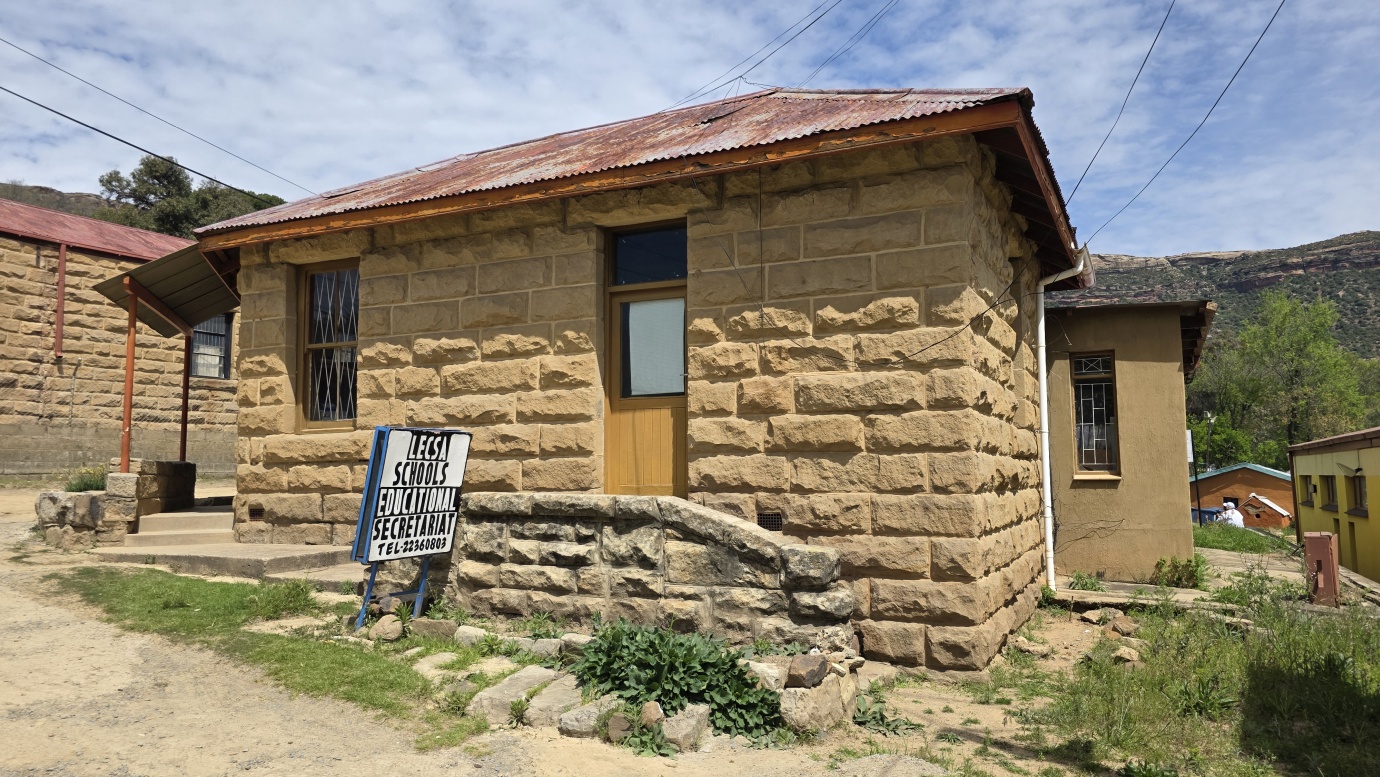
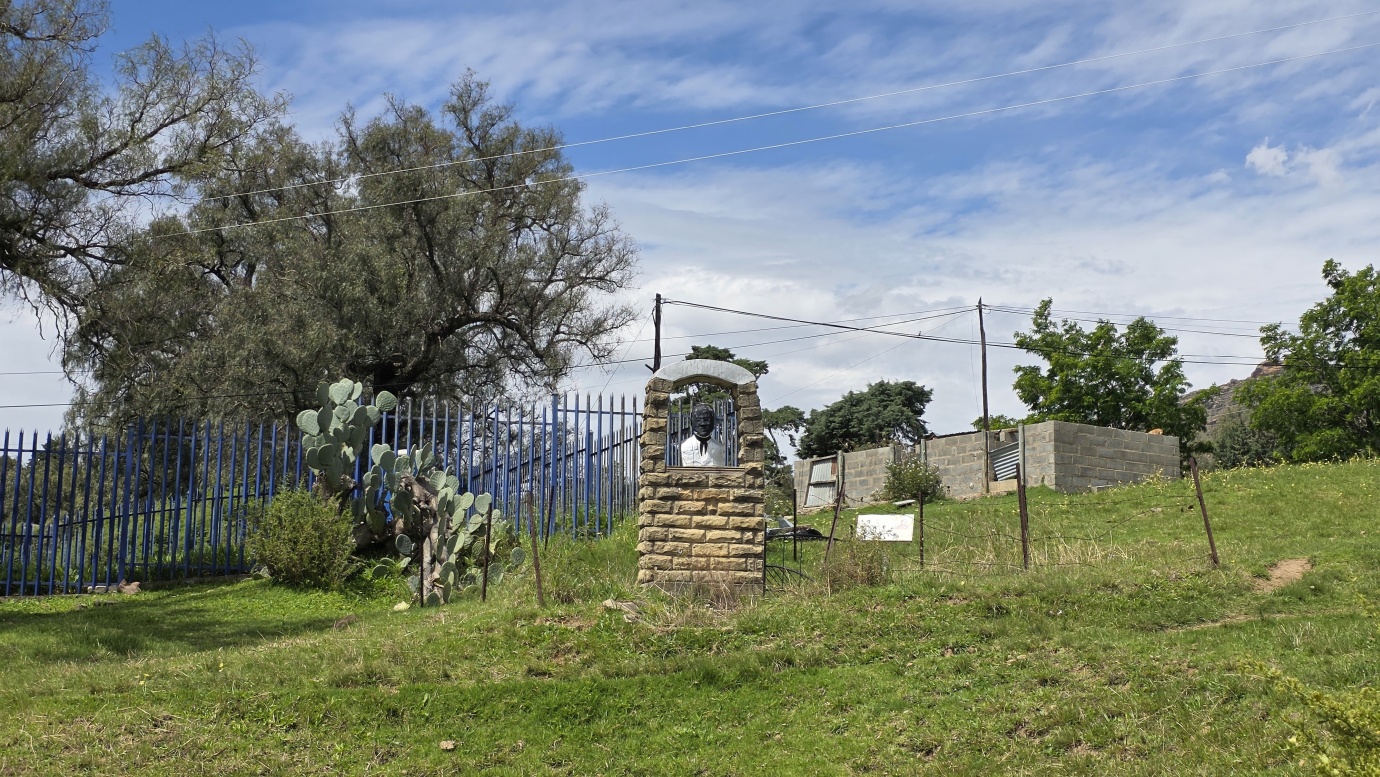
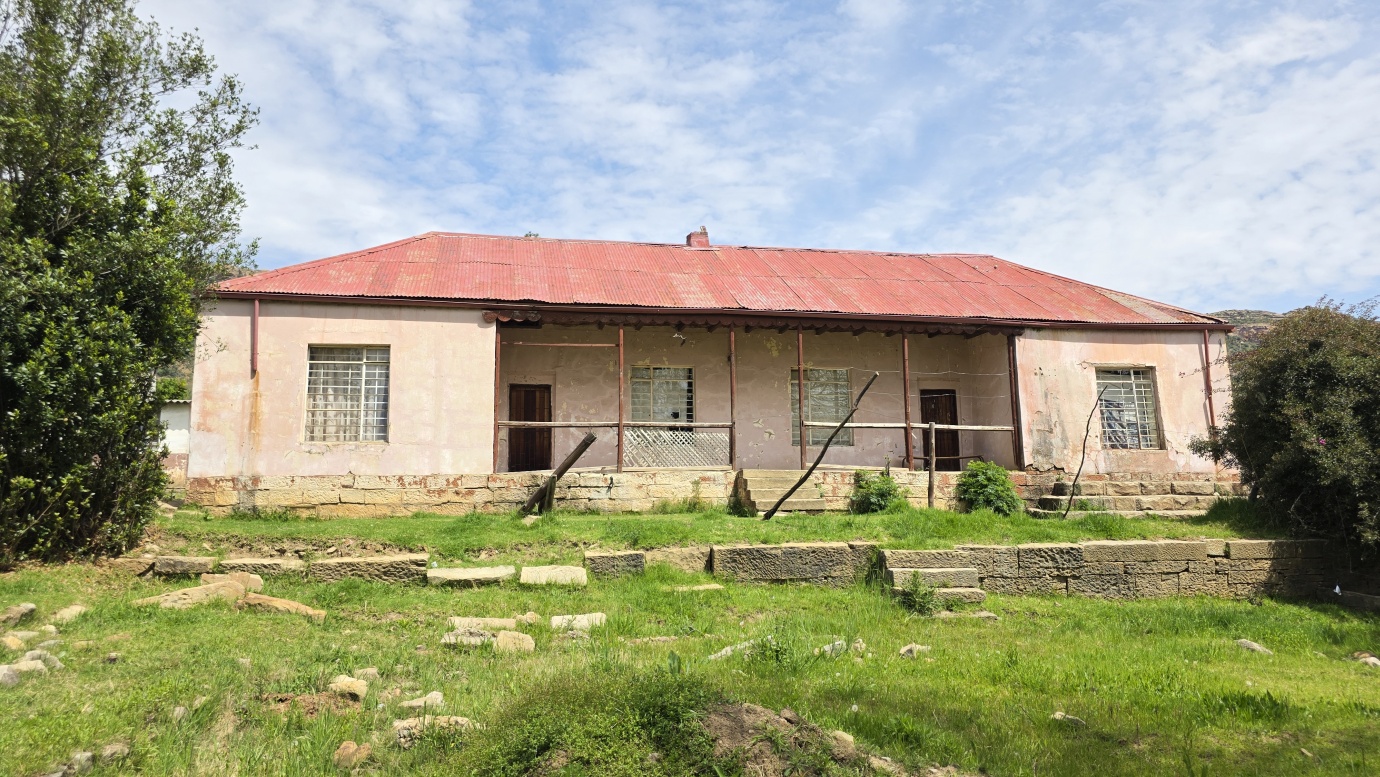
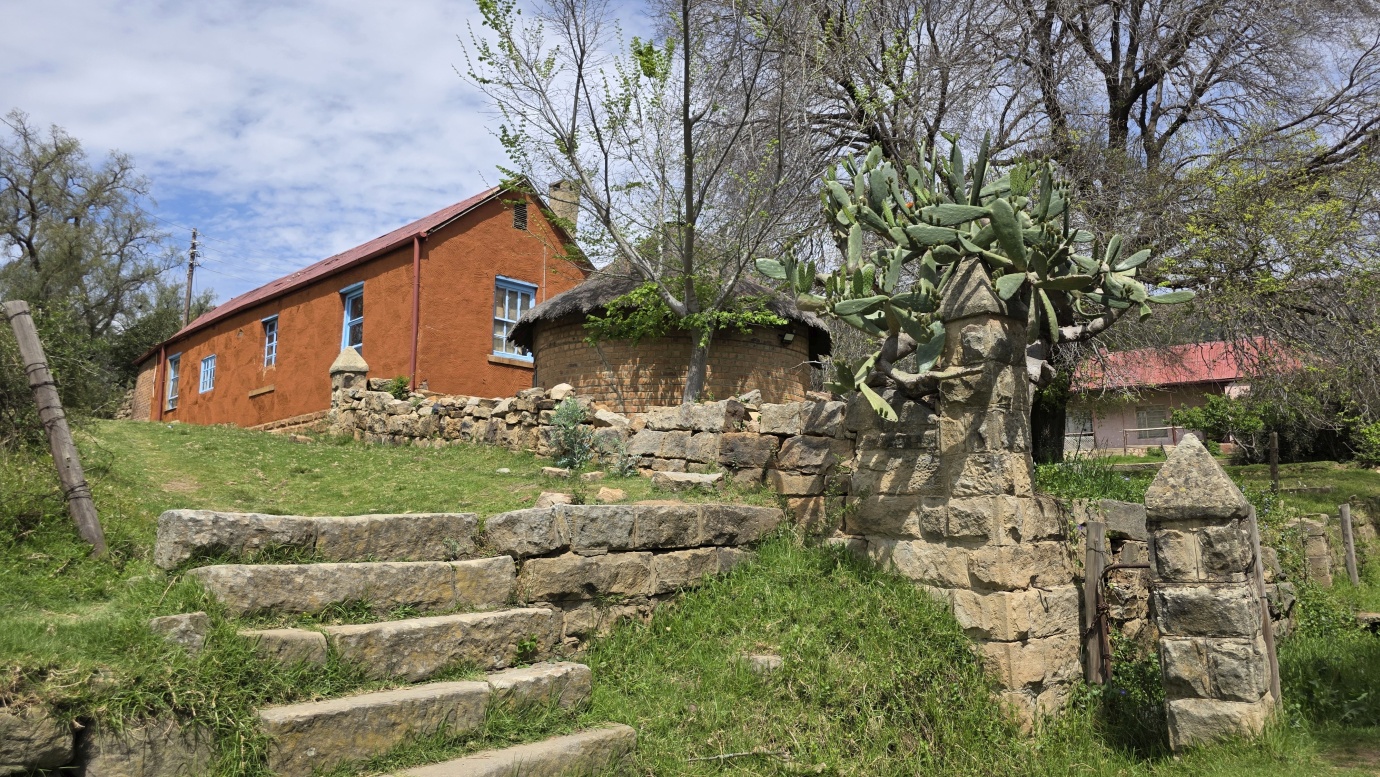
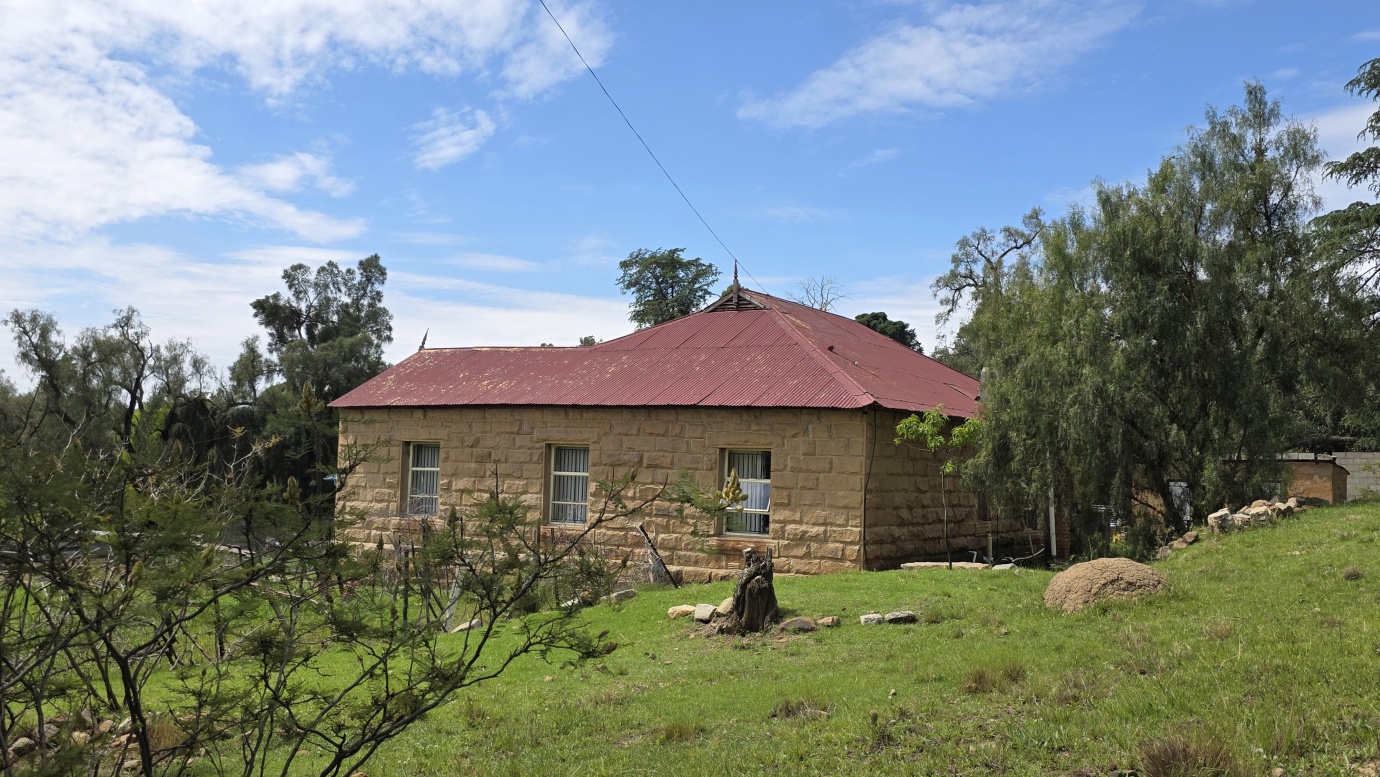
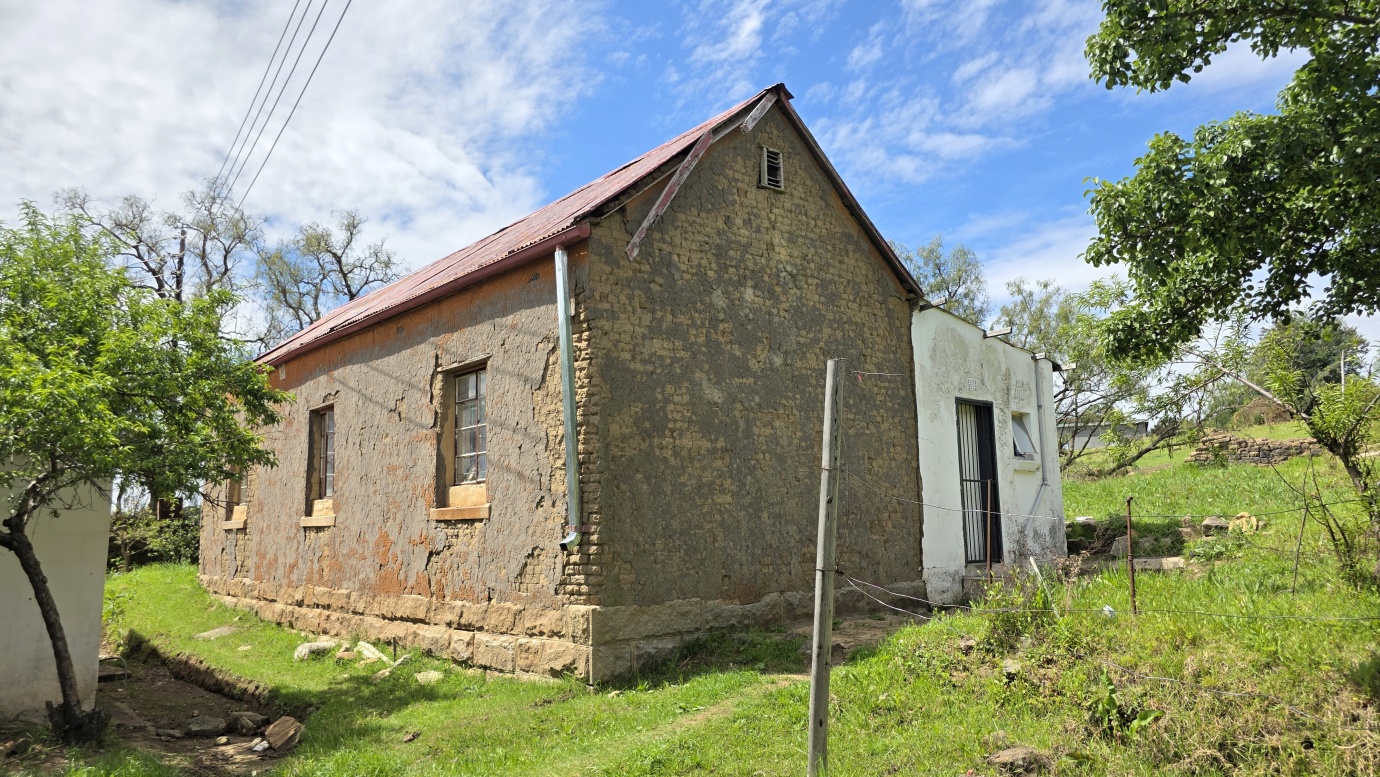
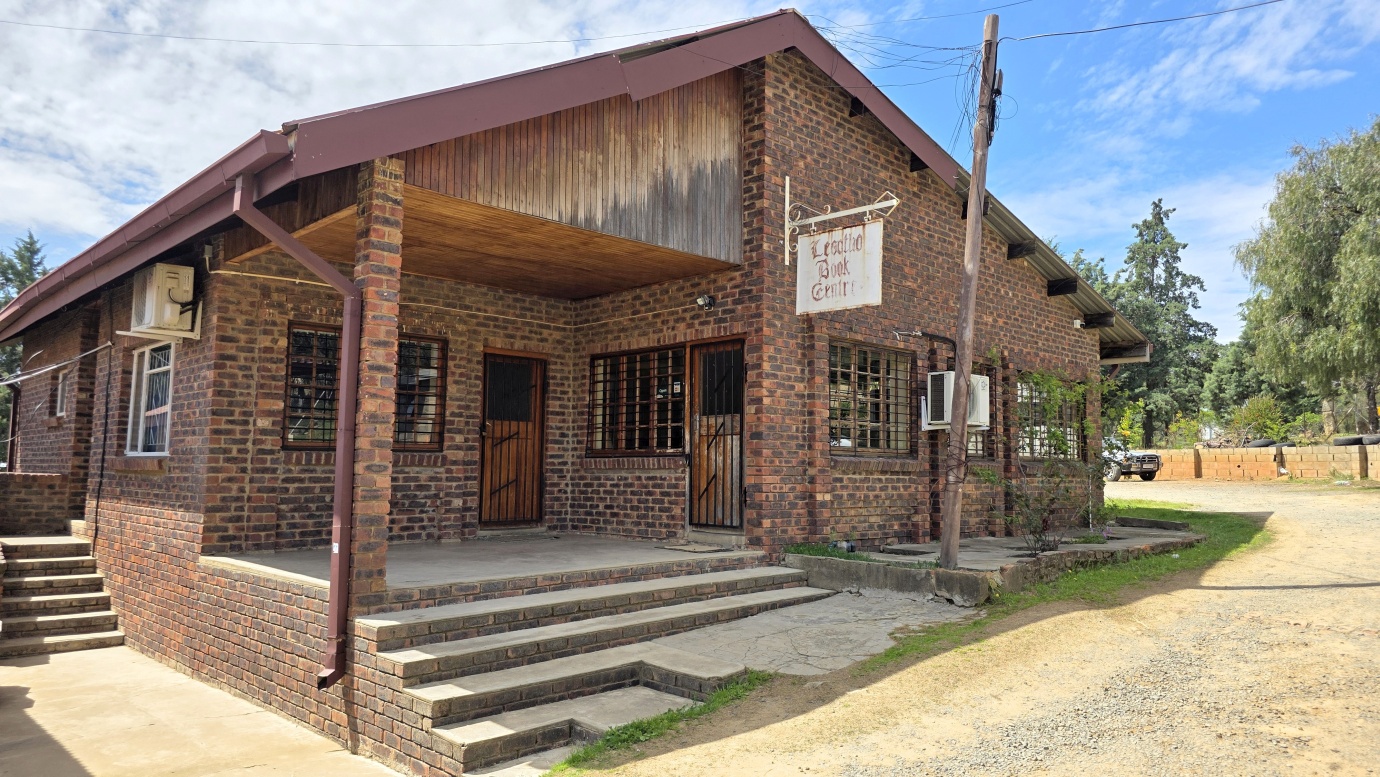
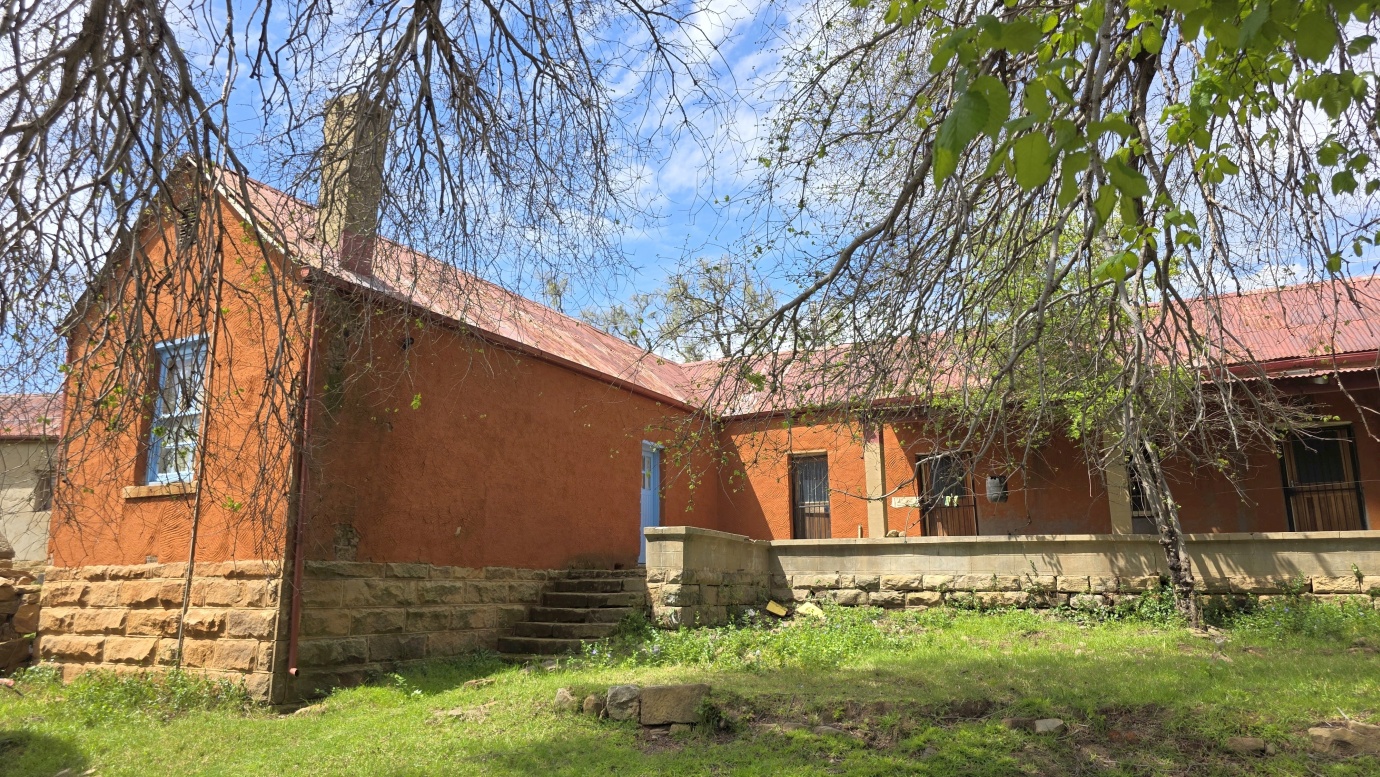
We made a short detour to Morija, the historic cultural heart of Lesotho, known as the country’s first mission station and an important centre of art, education and heritage. French Protestant missionaries from the Paris Evangelical Missionary Society established the settlement in 1833, following an invitation from King Moshoeshoe I, the founder of the Basotho nation.
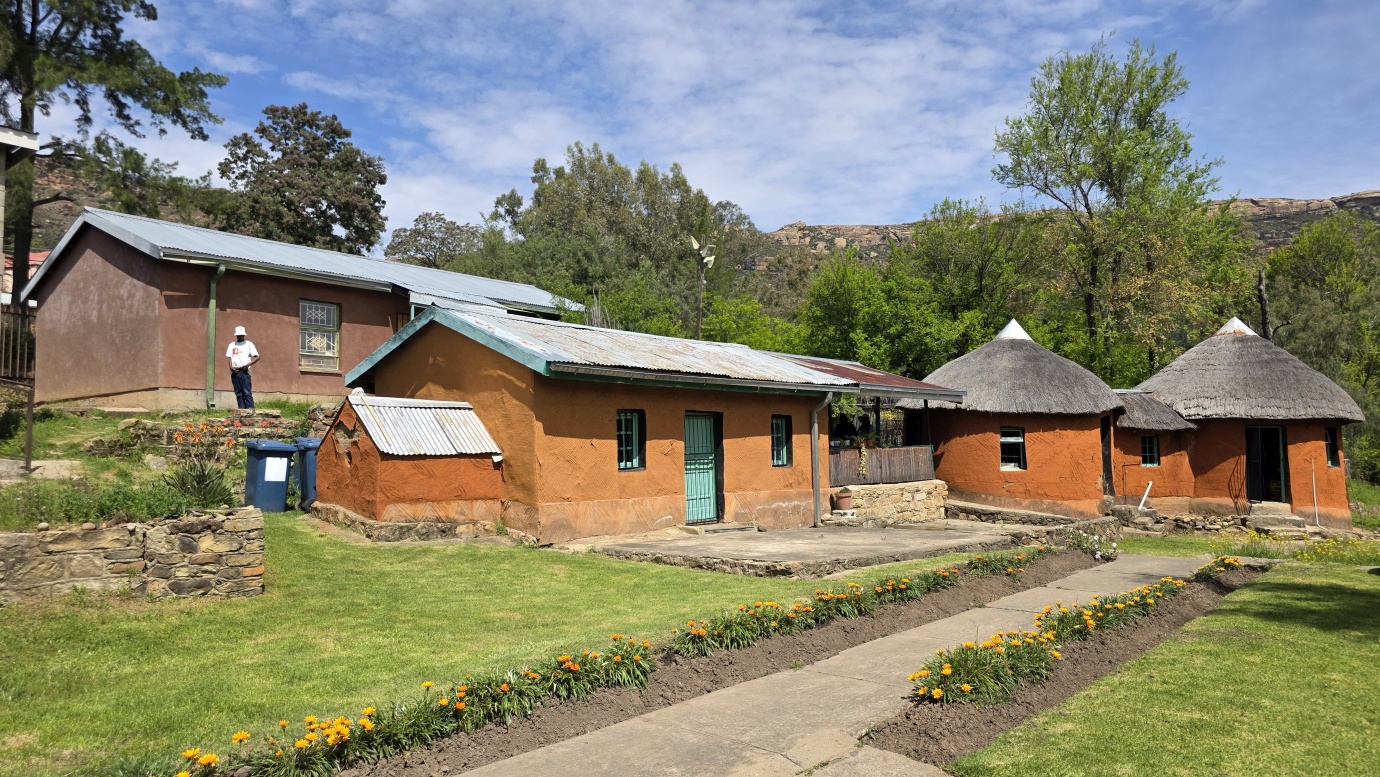
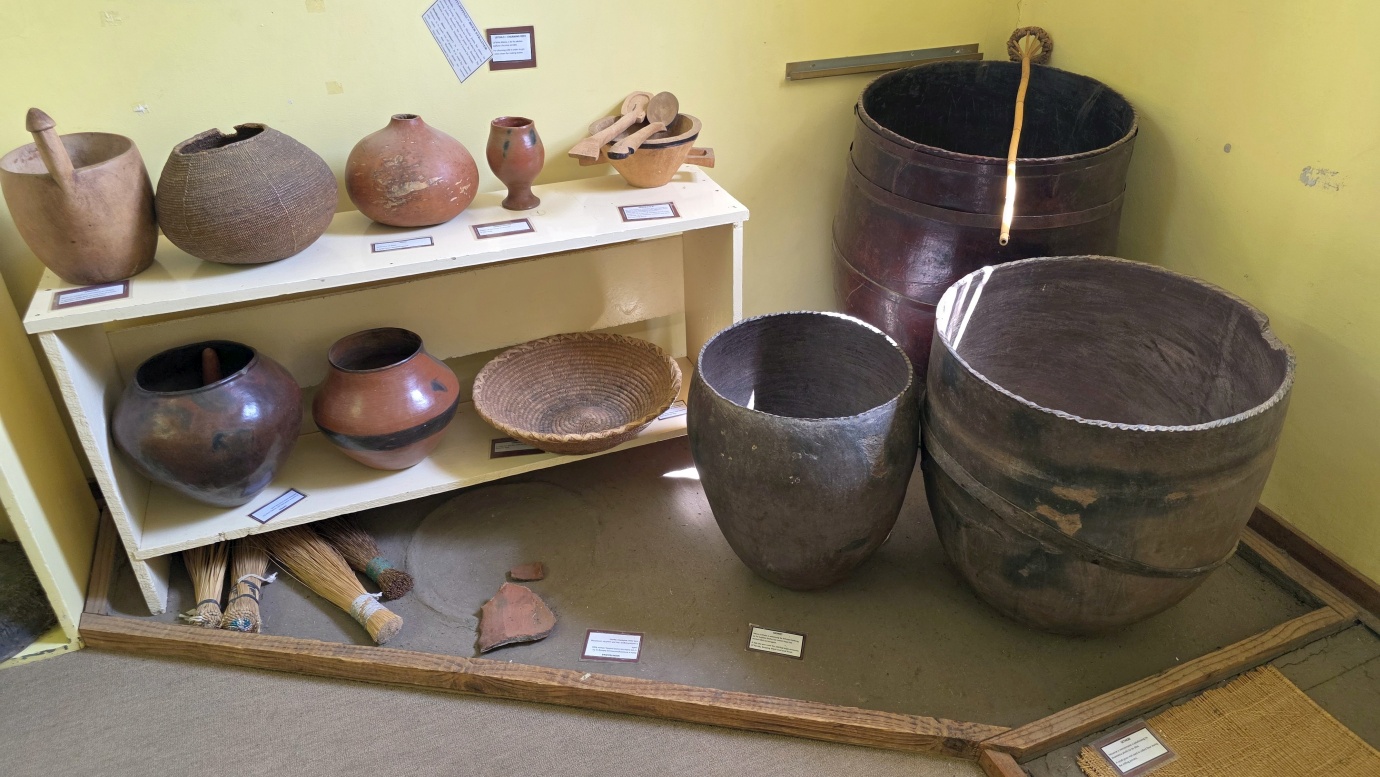
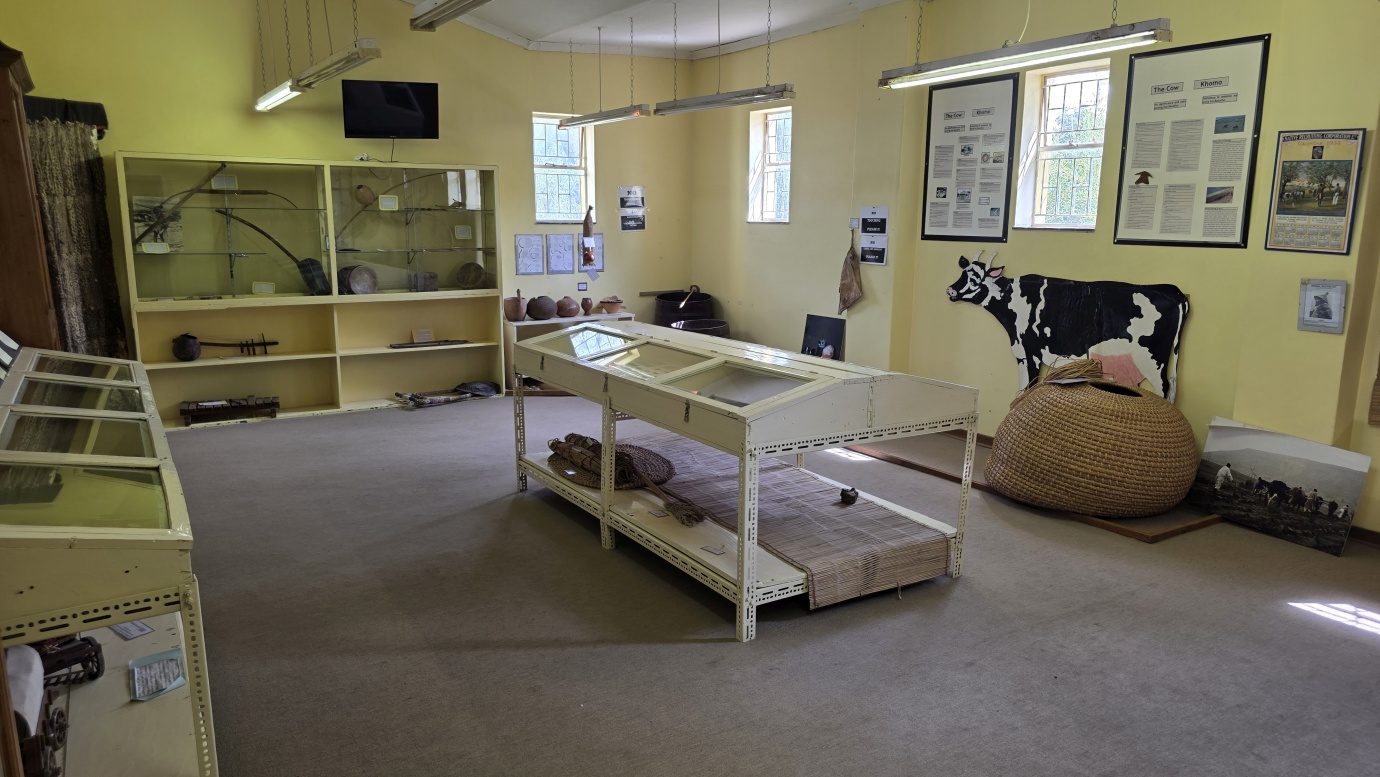
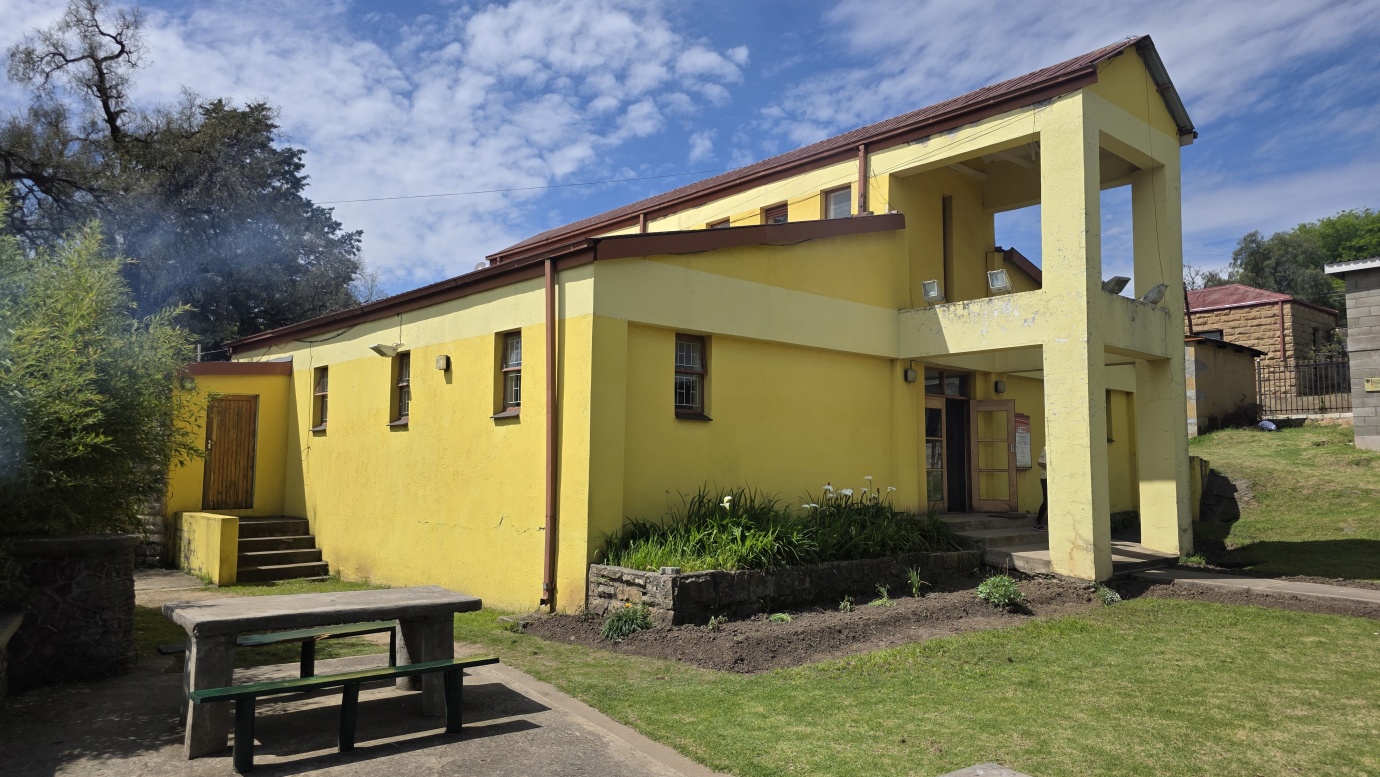
Known as the “Wellspring of Learning,” Morija later became an important intellectual centre, producing influential Basotho figures such as writer Thomas Mofolo and musician J. P. Mohapeloa. The Morija Museum, founded in 1956, is Lesotho’s oldest surviving museum and archive. Its collections include traditional Basotho artefacts, as well as geological and palaeontological specimens.
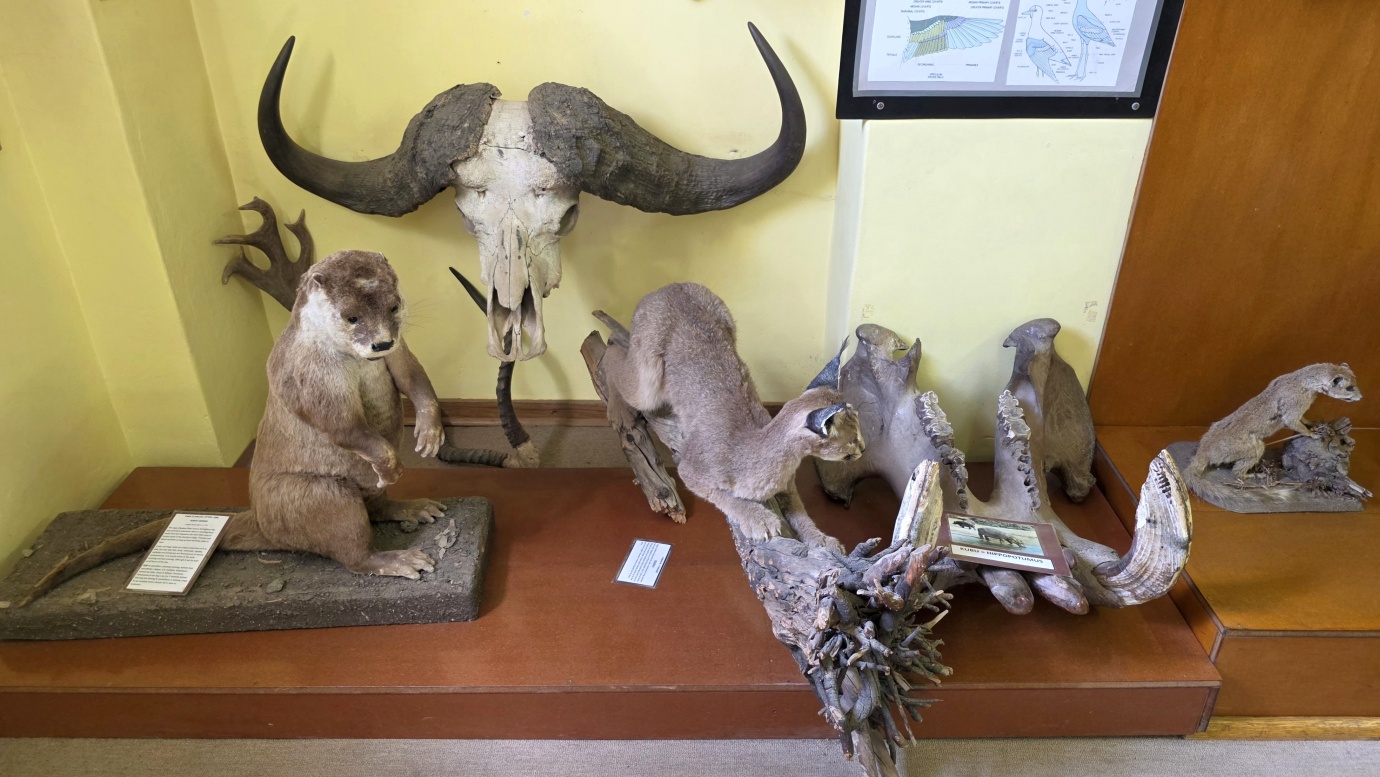
Unfortunately, this was one of those rare stops where our expectations were not met. The museum’s displays felt rather neglected and basic — in places more like a village school biology cabinet than a serious national collection — while the entrance fee of 150 LSL, or 250 LSL including the Art Gallery, felt steep for what was on offer. The staff were also rather unfriendly and seemed more interested in preparing for a party taking place on the premises than in welcoming visitors.
The nearby Archives, which reportedly hold rare 19th-century documents, missionary papers and historical records dating back to 1826, were closed during our visit.
It doesn’t happen to us often, as we usually do quite a lot of research before visiting a place. Still, Morija turned out to be one of those occasional stops that didn’t meet expectations—and, in hindsight, probably wasn’t the detour.