

Addo Elephant National Park is South Africa’s third-largest national park, about an hour’s drive northeast of Gqeberha (formerly Port Elizabeth) in the Eastern Cape. It is famous as the only conservation area in the world that protects the “Big 7″—the traditional Big Five (elephant, lion, leopard, rhino, and buffalo), plus the southern right whale and great white shark in its marine protected area.
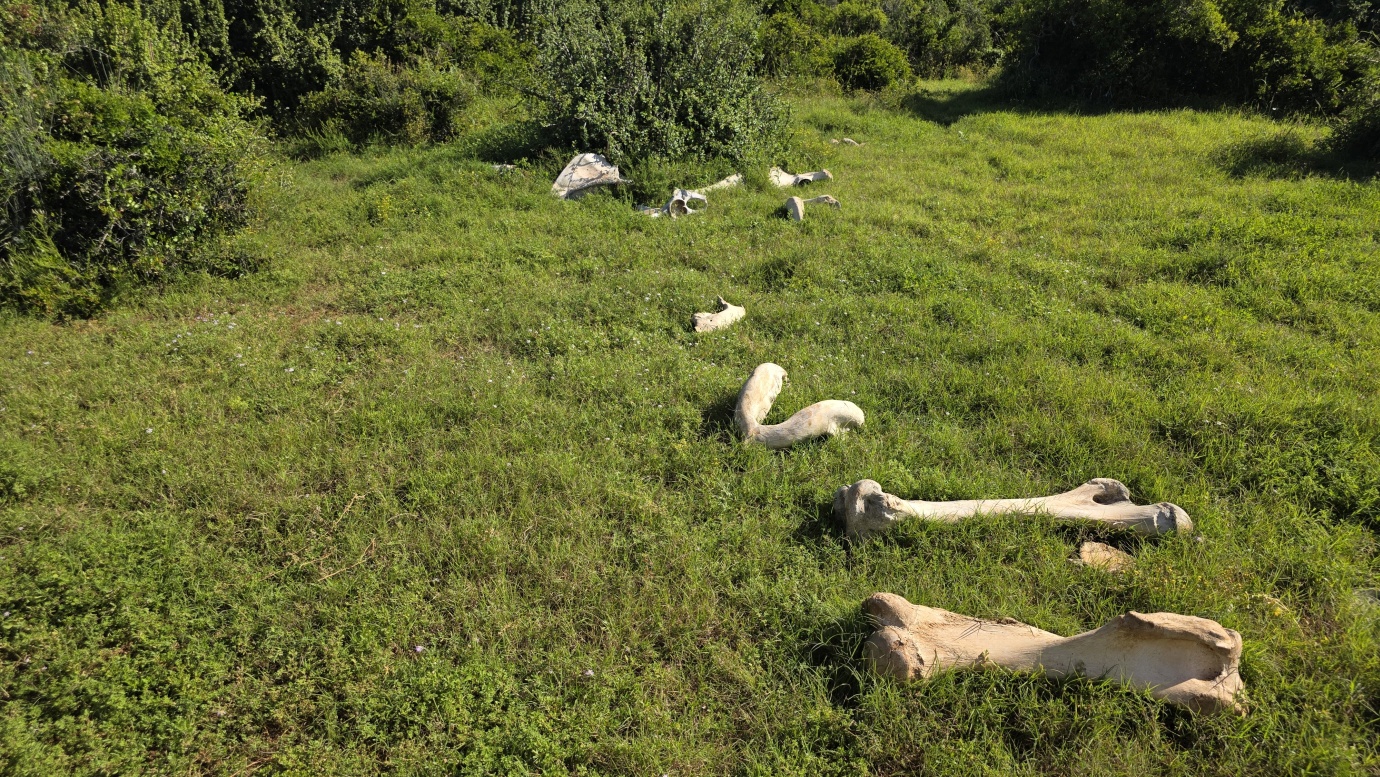
Khoekhoen communities and Xhosa groups originally inhabited the region. European farmers and ivory hunters arrived during the 18th century, and intensive hunting throughout the 18th and 19th centuries severely reduced the local elephant population. In 1919, a government-sanctioned cull led by Major P. J. Pretorius resulted in the killing of 114 elephants. By 1931, only 11 elephants remained. In response to public pressure to protect the survivors, the government proclaimed Addo Elephant National Park that same year.
In 1954, ranger Graham Armstrong introduced the famous “Armstrong Tramline fence”, built using old railway lines to contain the elephants within the reserve. Today, the park protects more than 600 elephants and represents one of South Africa’s most successful elephant conservation stories.
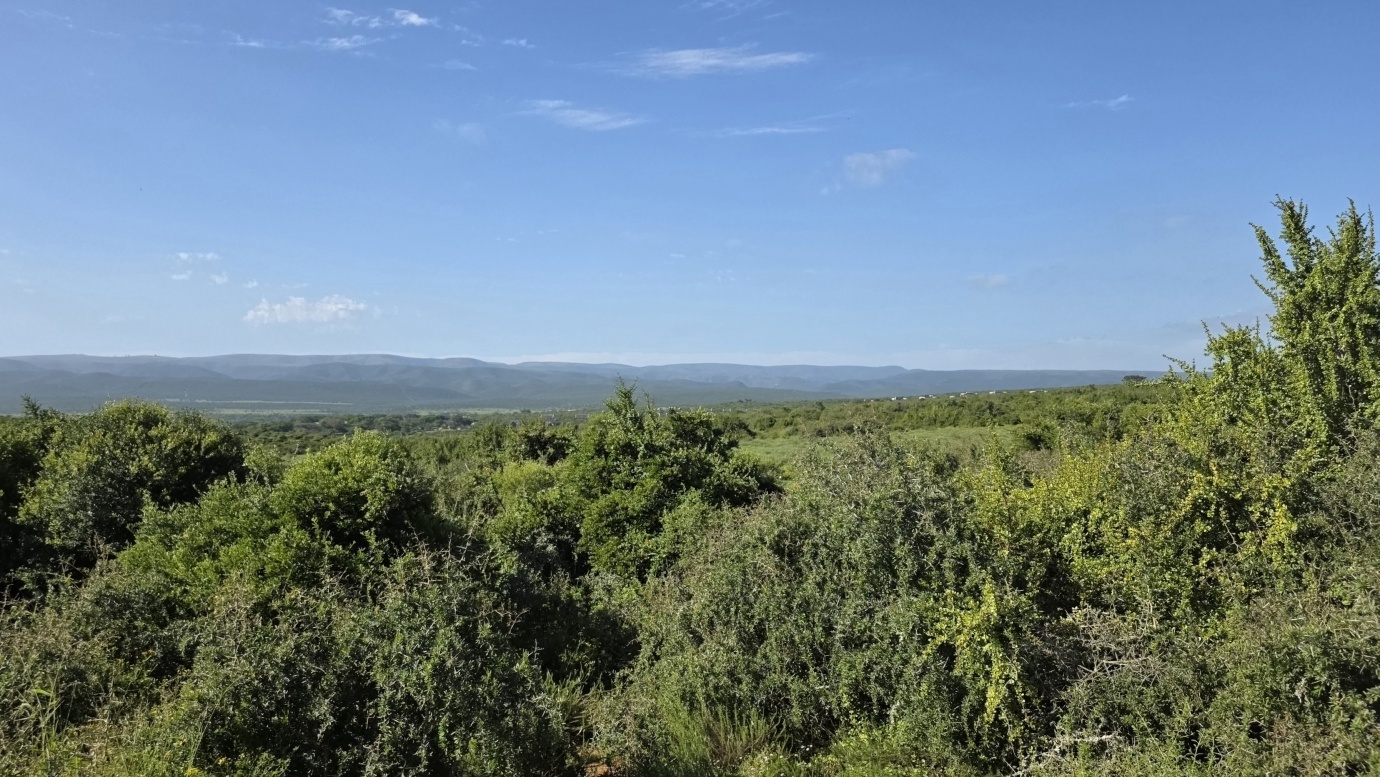
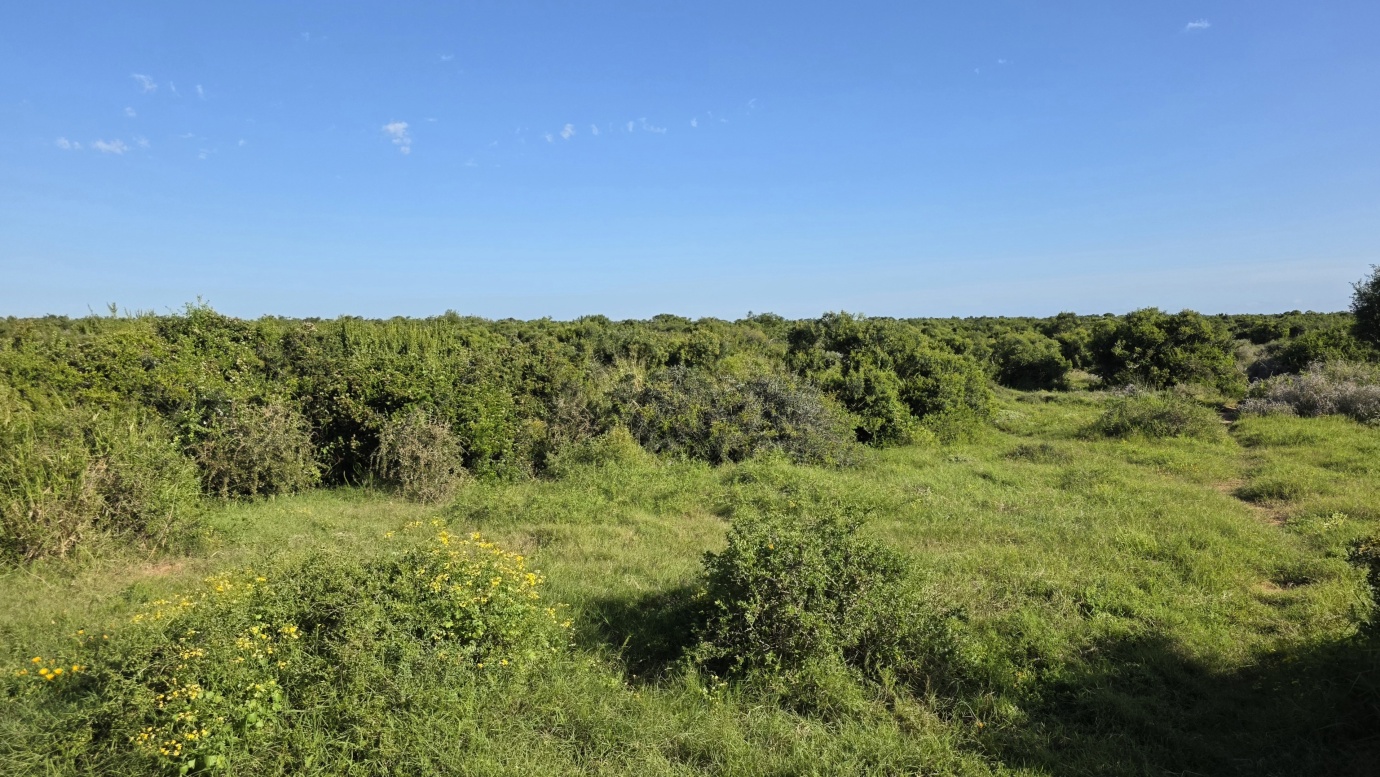
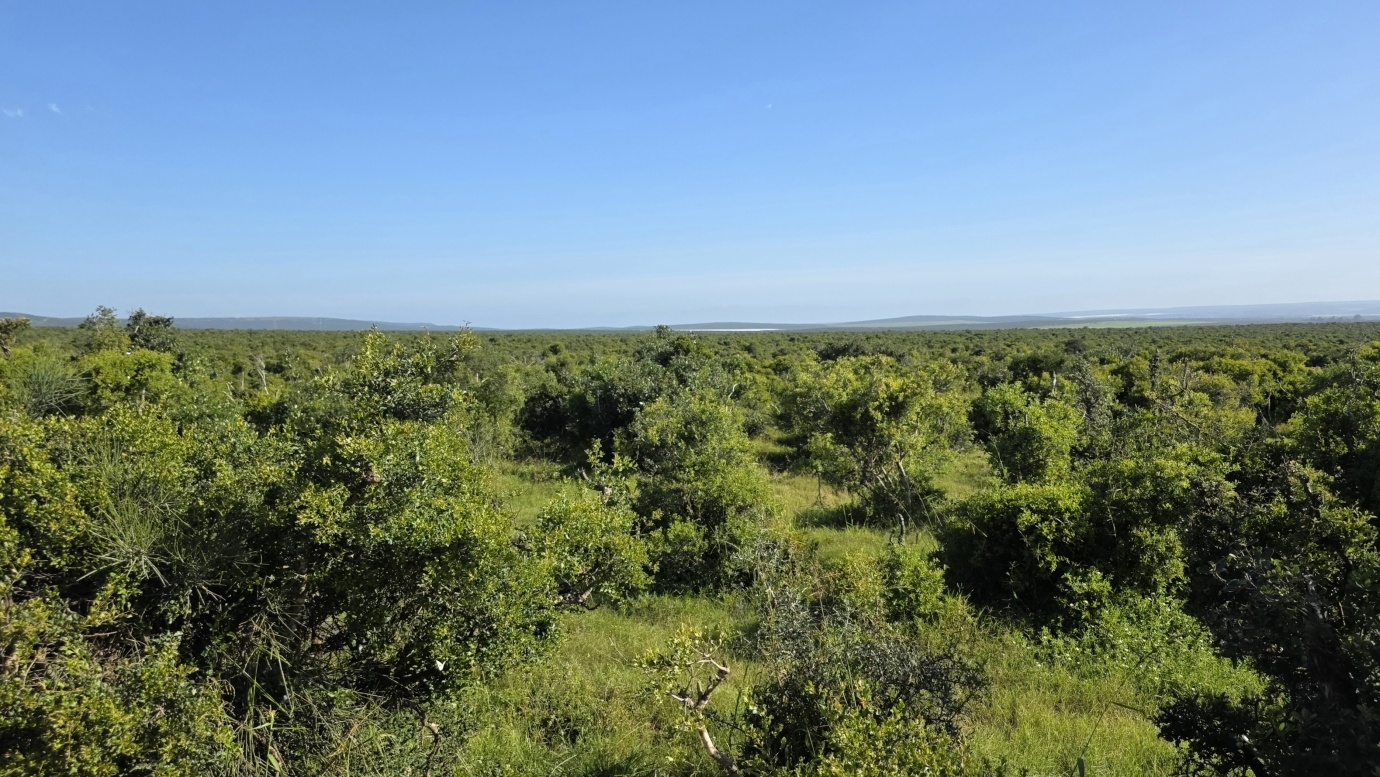
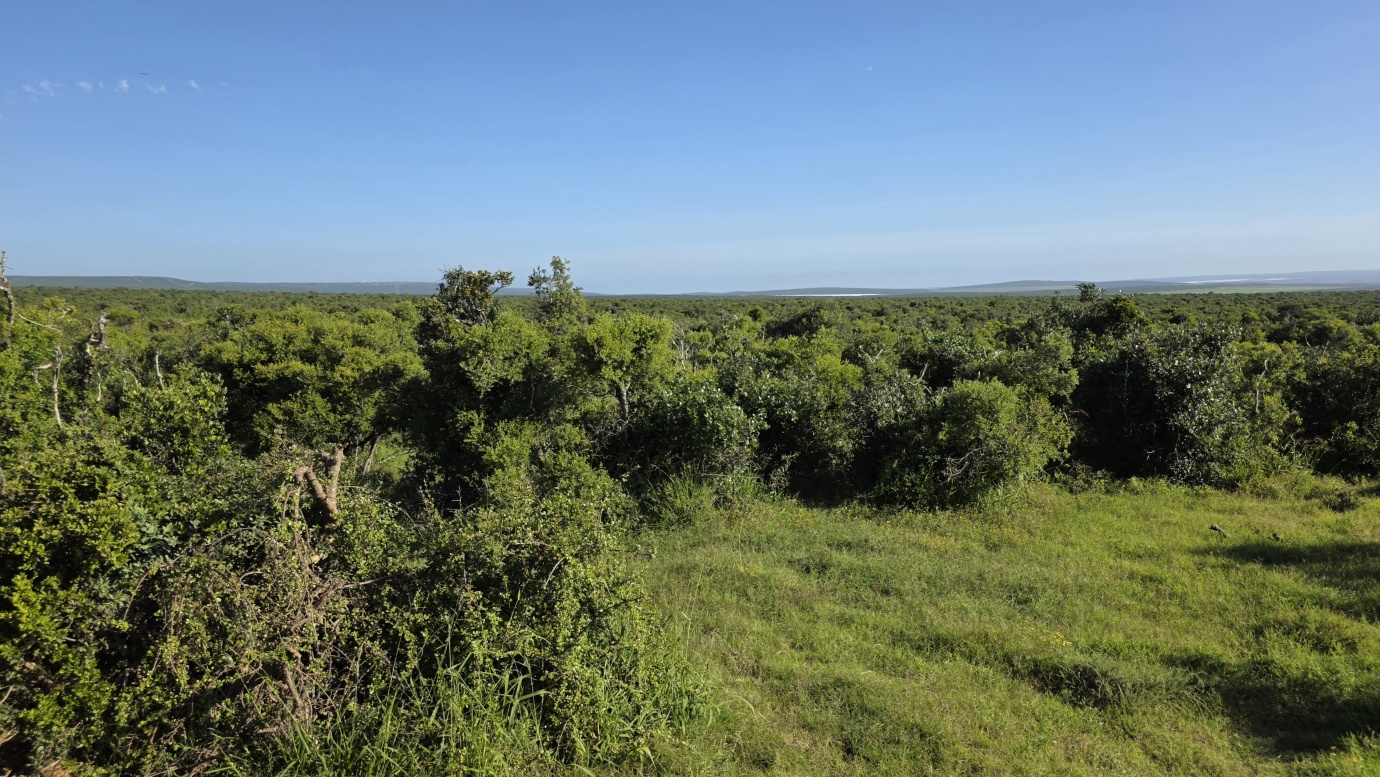
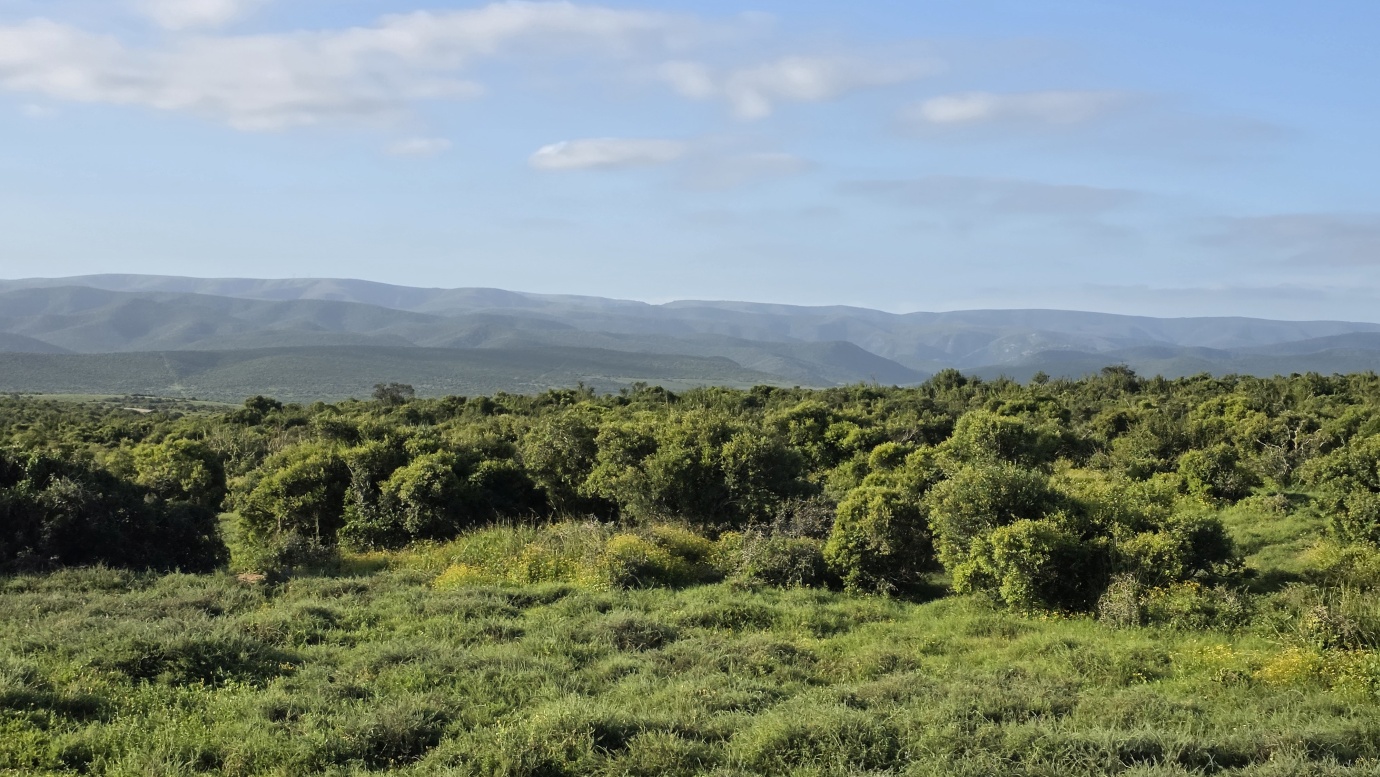
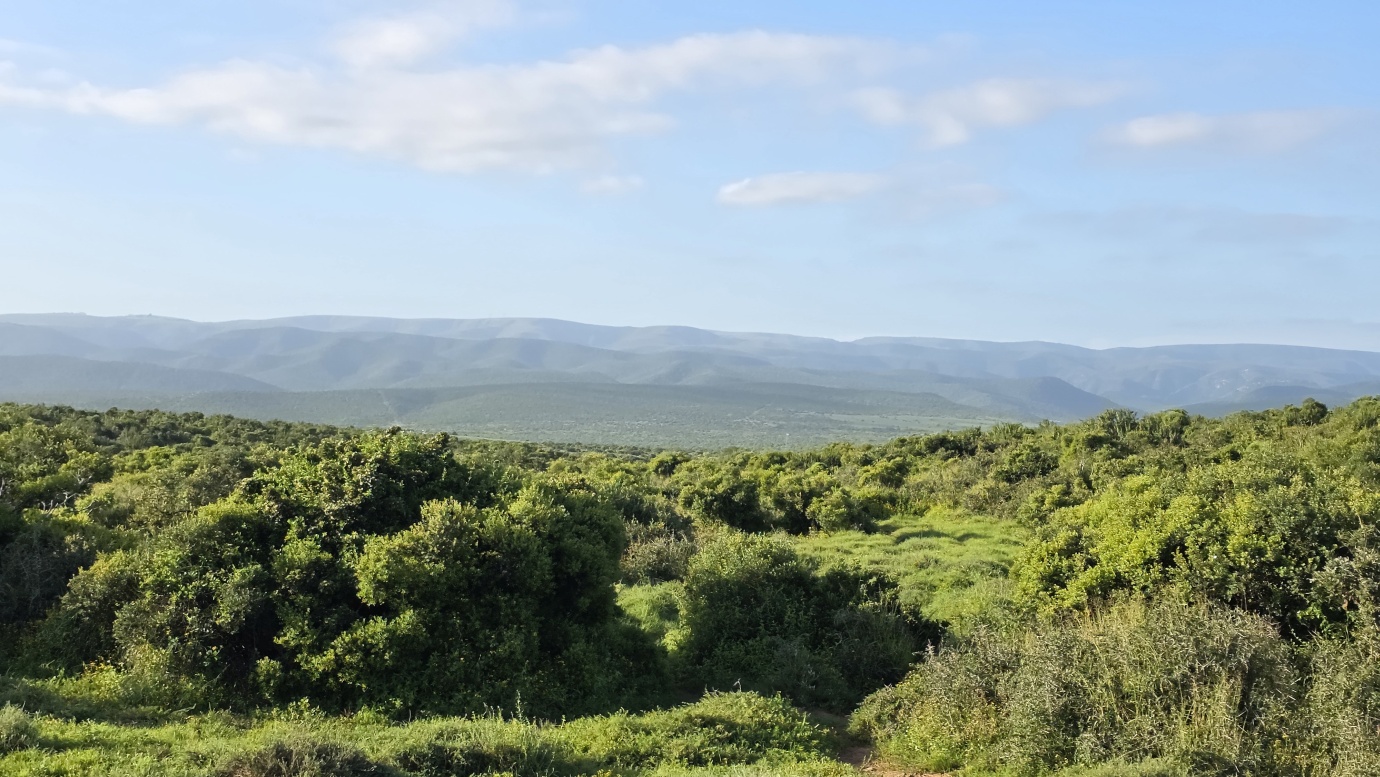
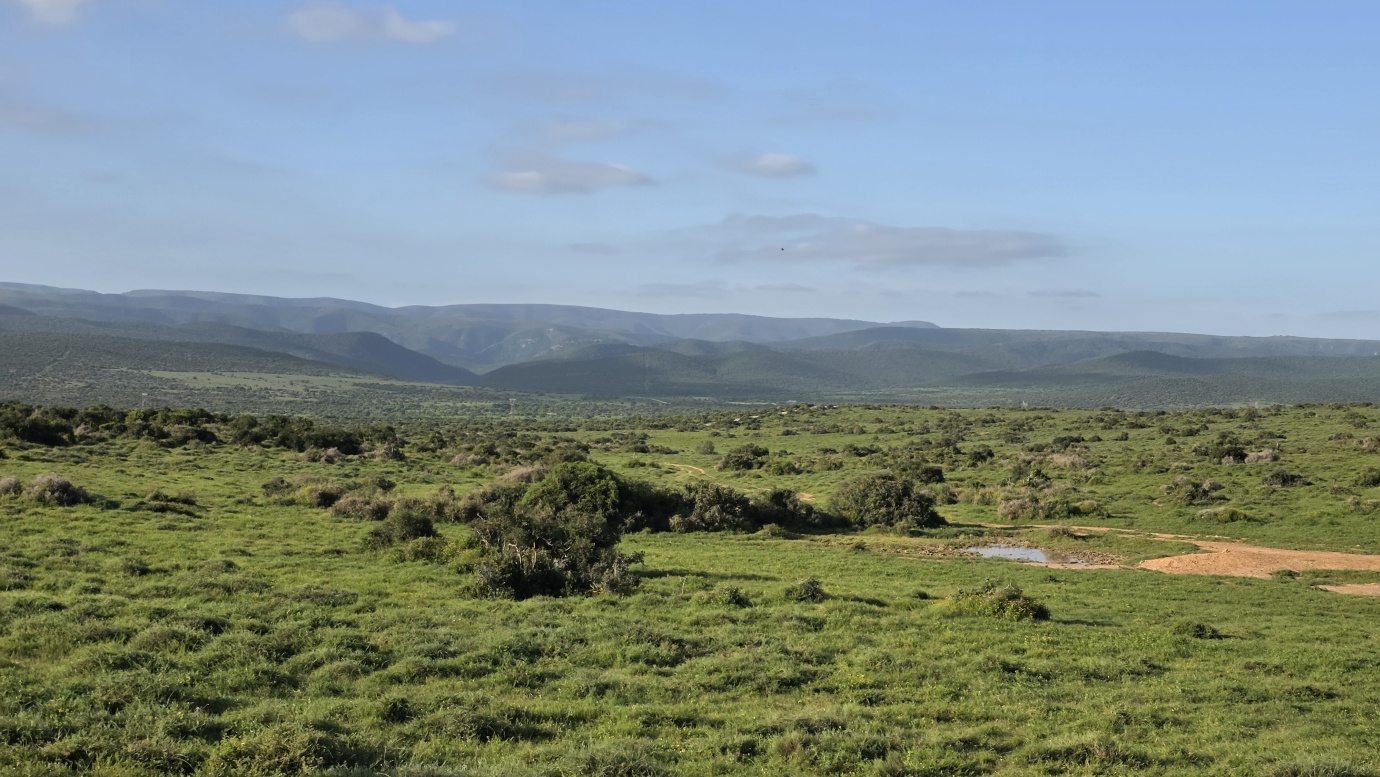
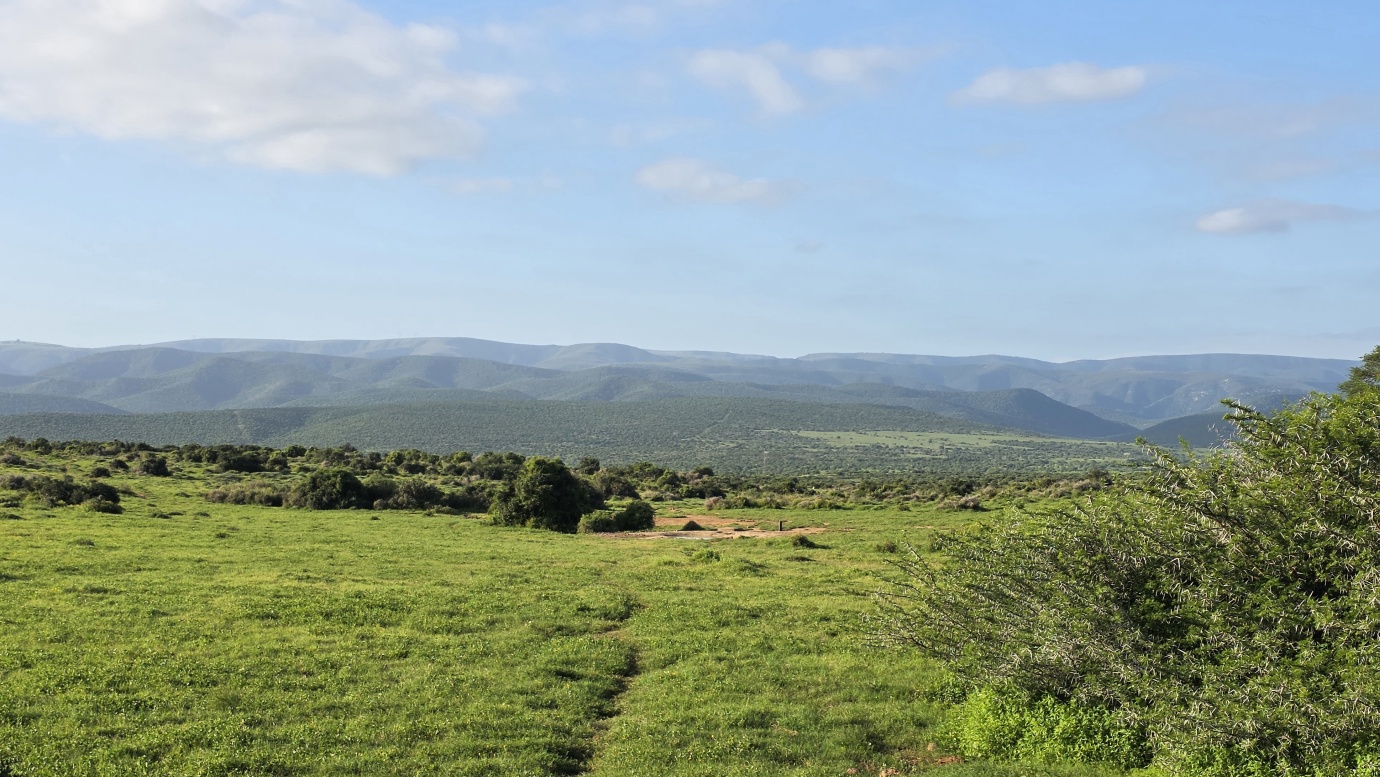
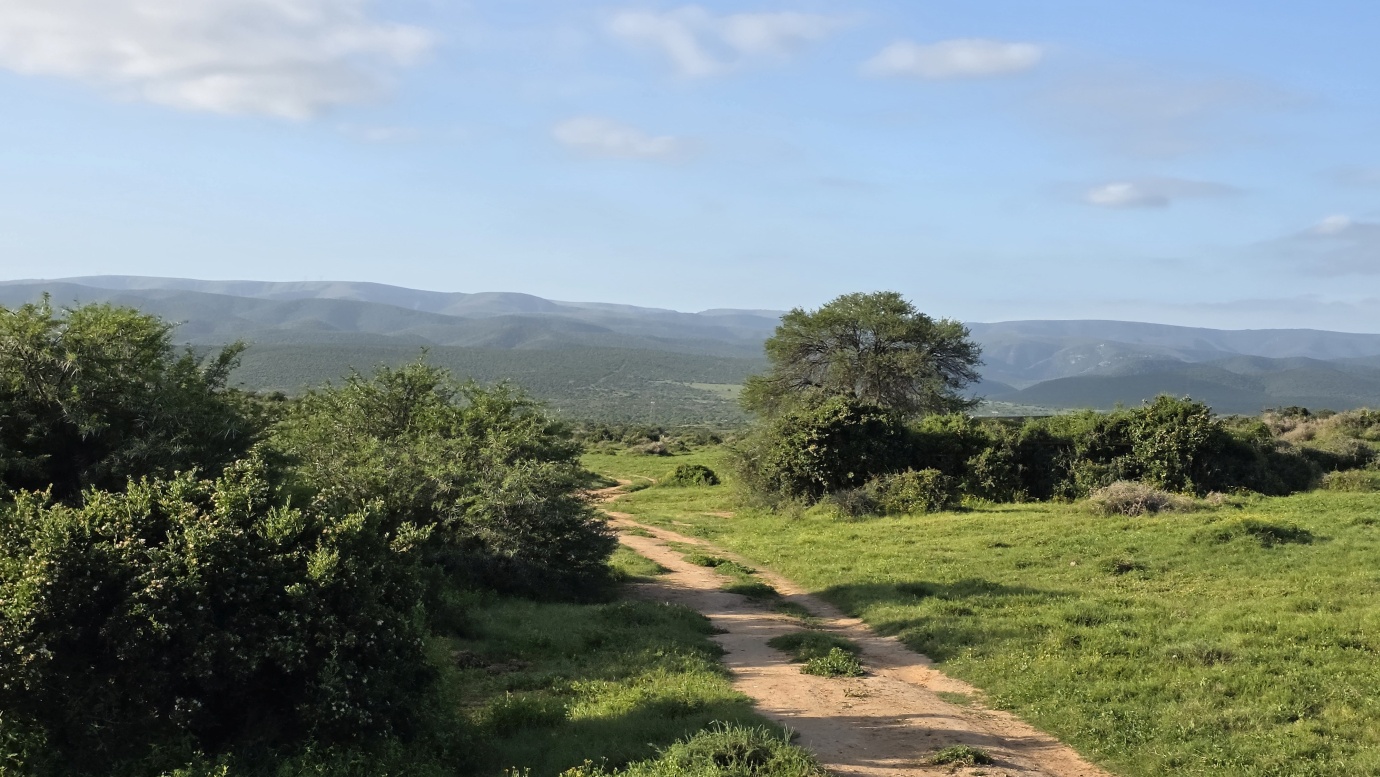
The park covers approximately 186,000 hectares, stretching from the semi-arid Nama Karoo and the rugged Zuurberg Mountains, reaching elevations of around 1,000 metres, through the dense Eastern Cape thicket known as Valley Bushveld and towards the coastal dunes of Algoa Bay.
The wider protected area also includes the Alexandria Coastal Dunefield, one of the Southern Hemisphere’s largest active coastal dune systems. Its marine component protects important seabird breeding grounds, including St Croix Island, known for its African penguin colony, and Bird Island, home to a major breeding colony of Cape gannets.
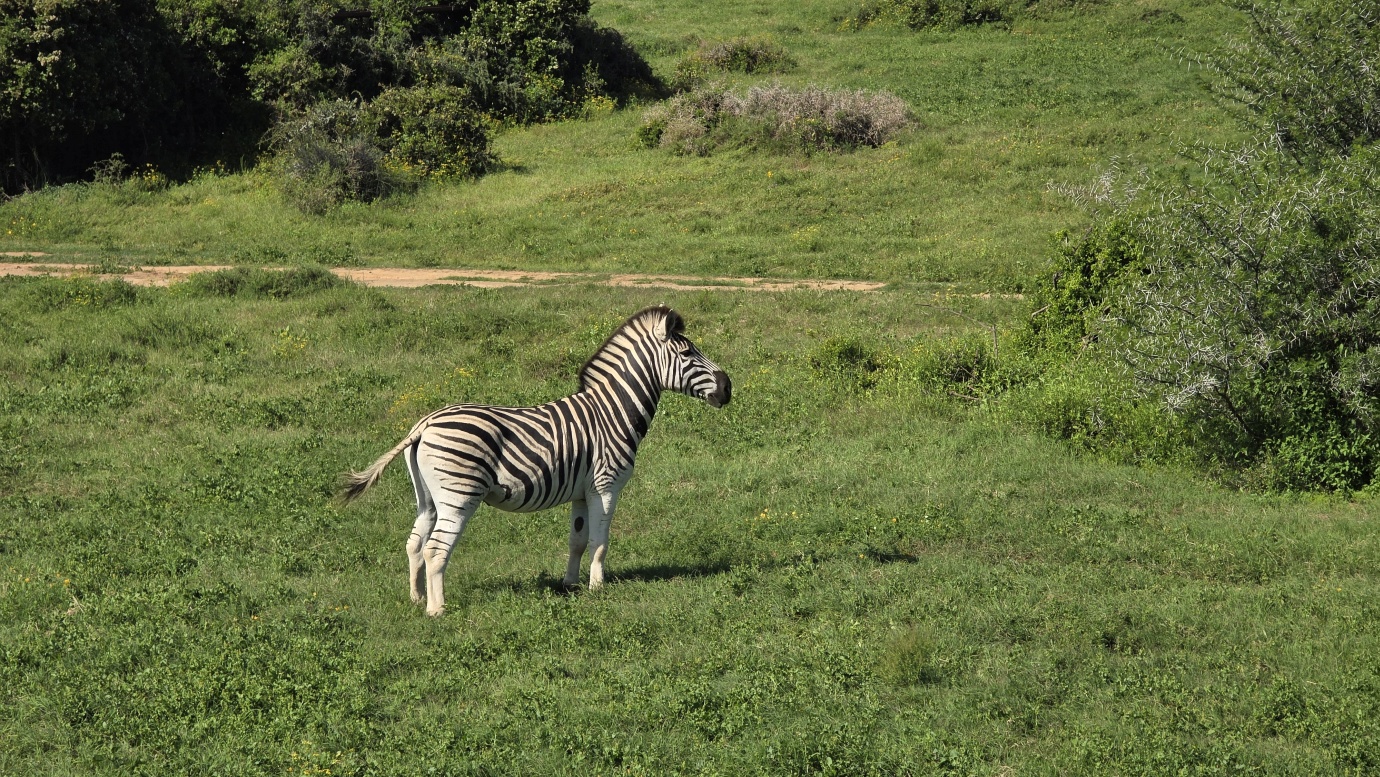
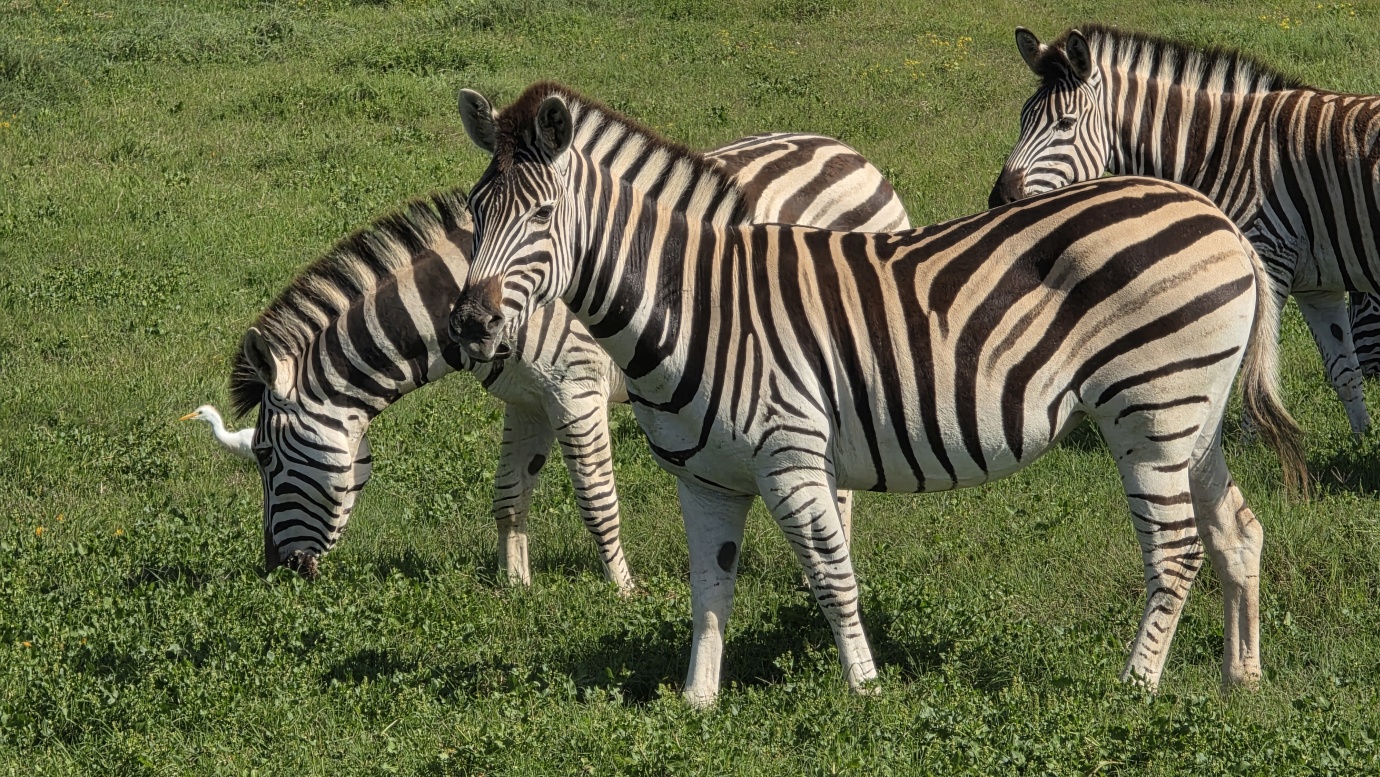
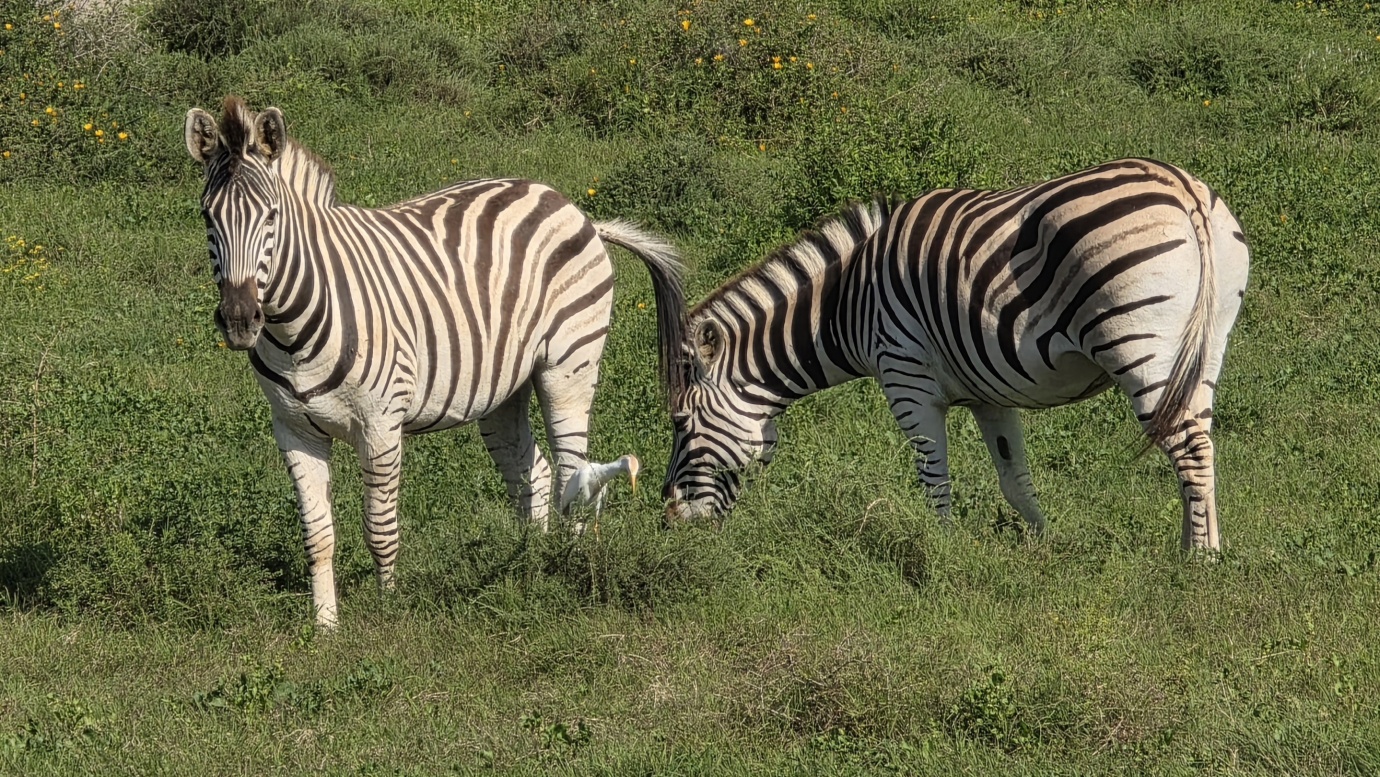
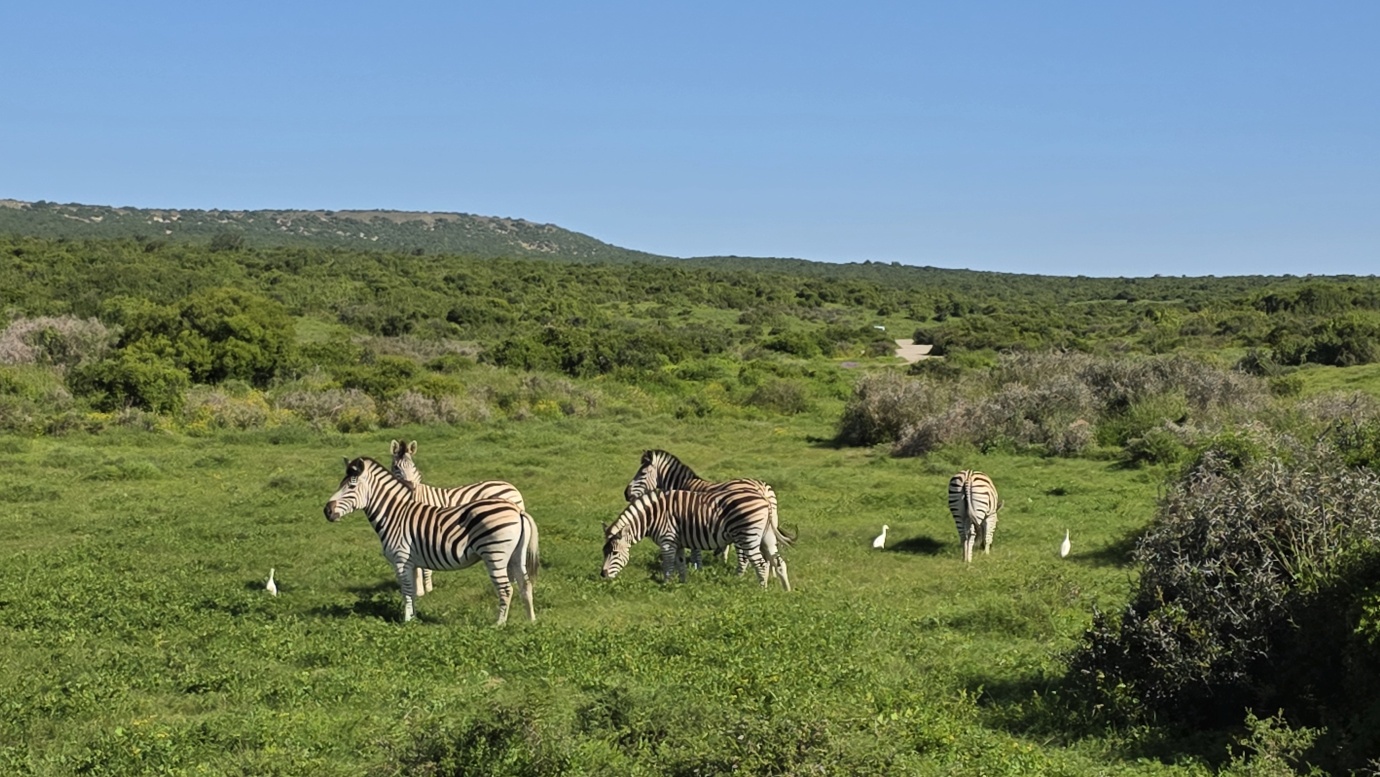
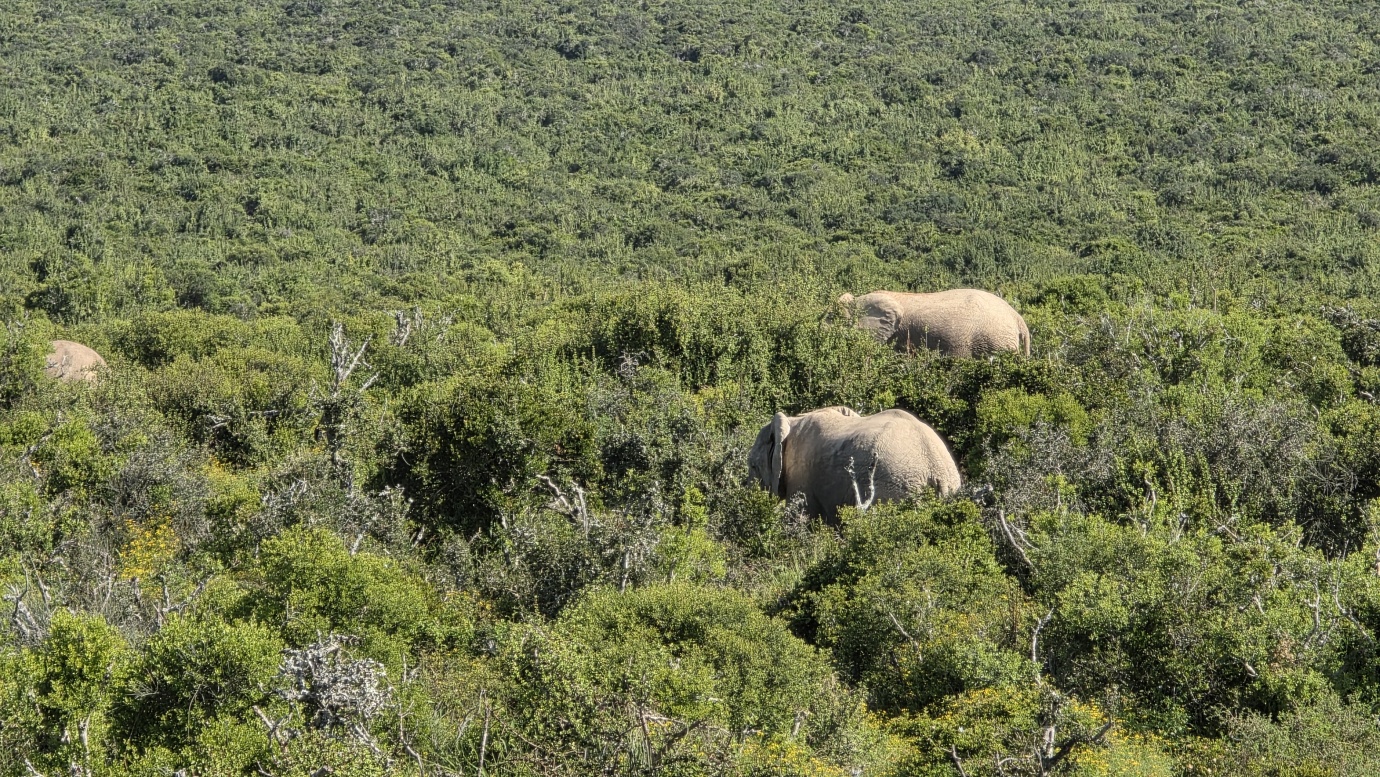
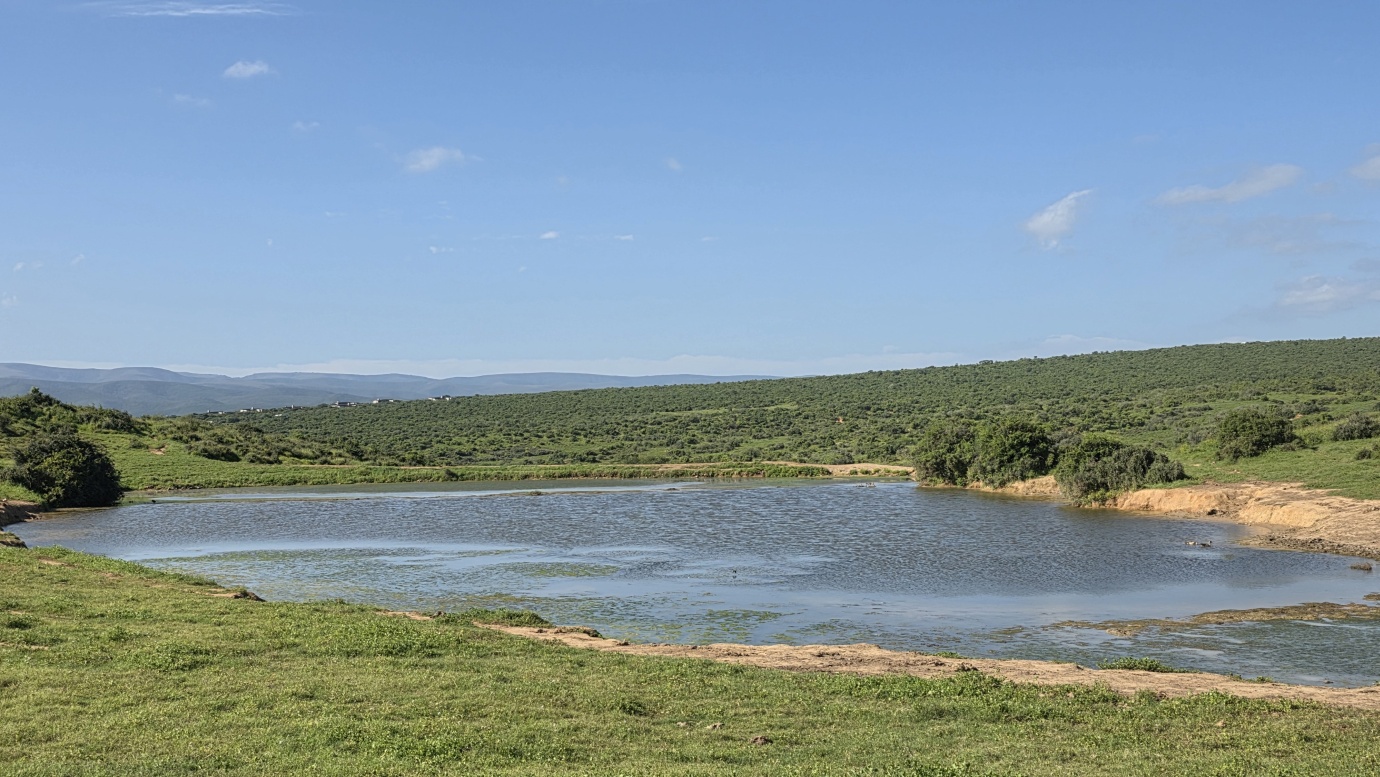
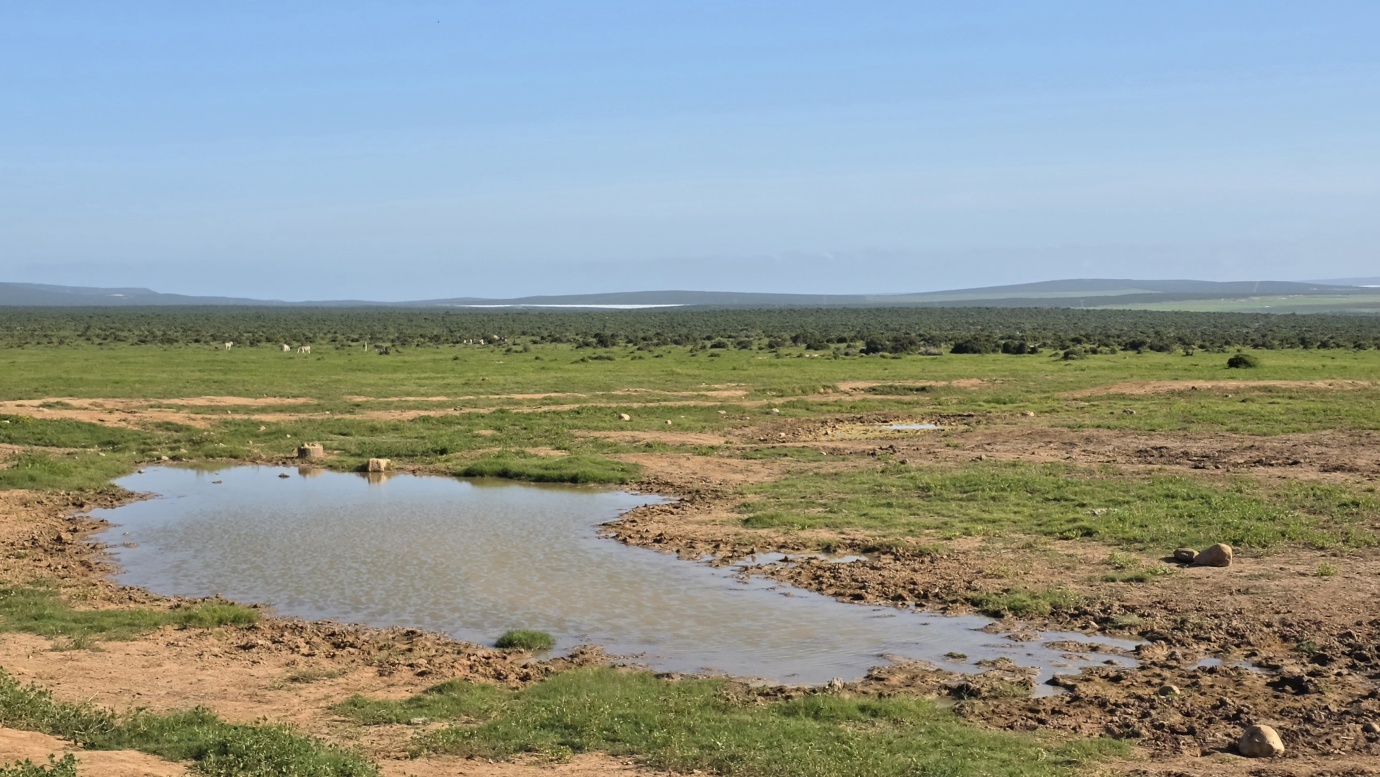
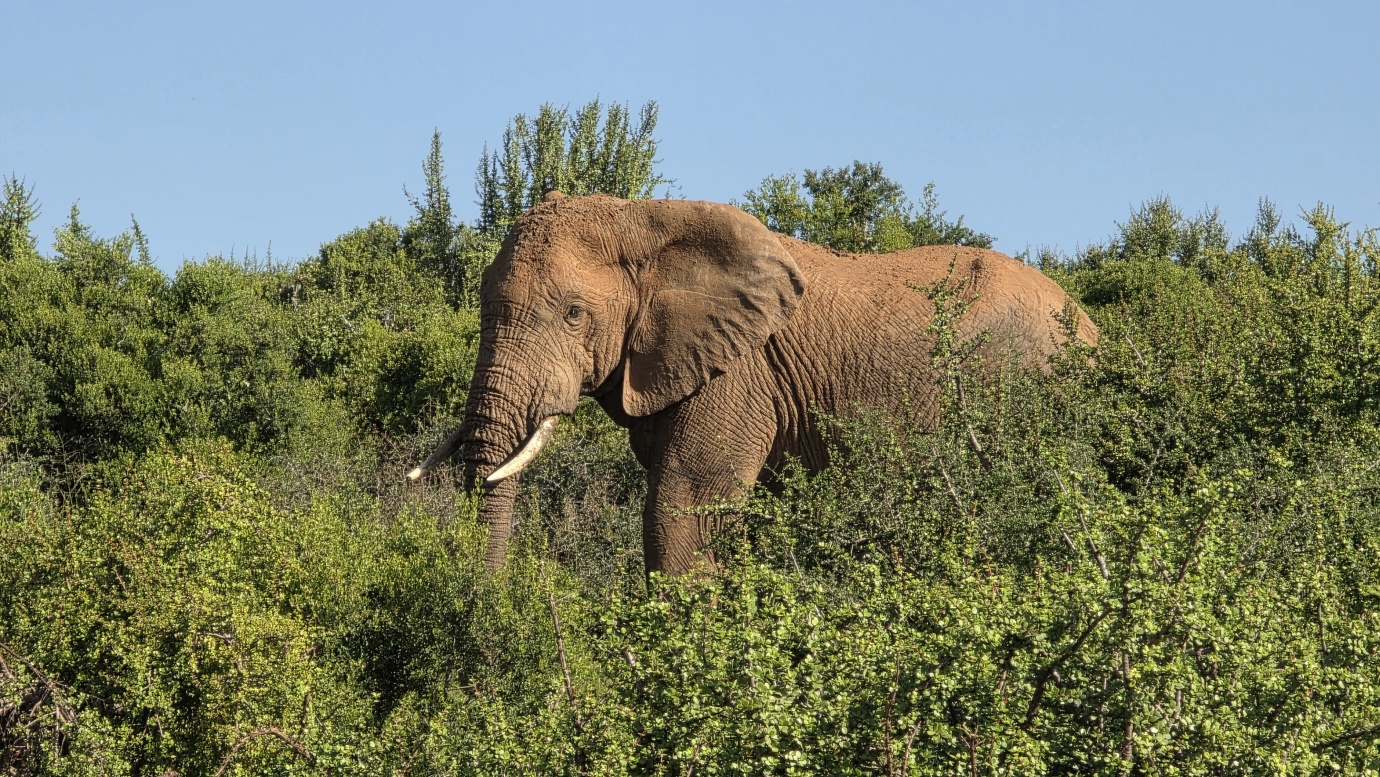
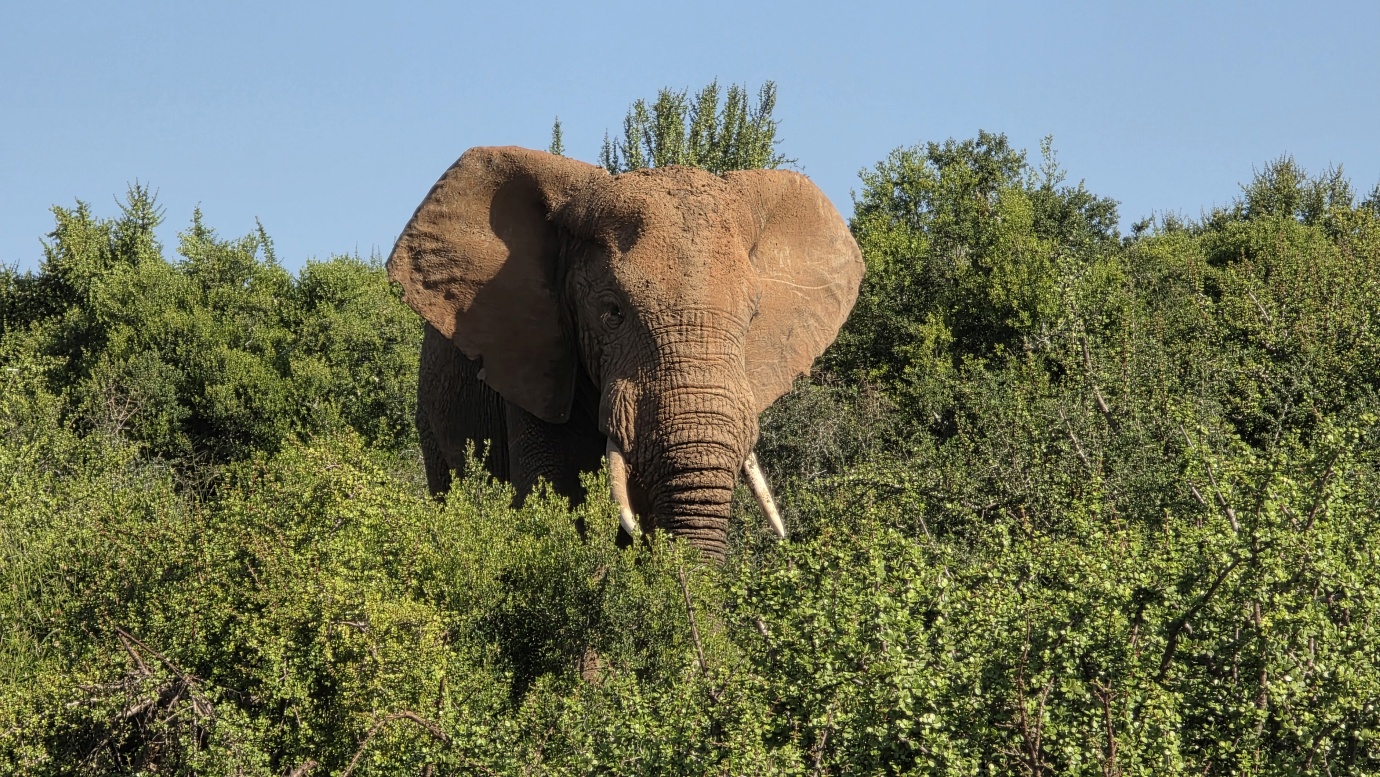
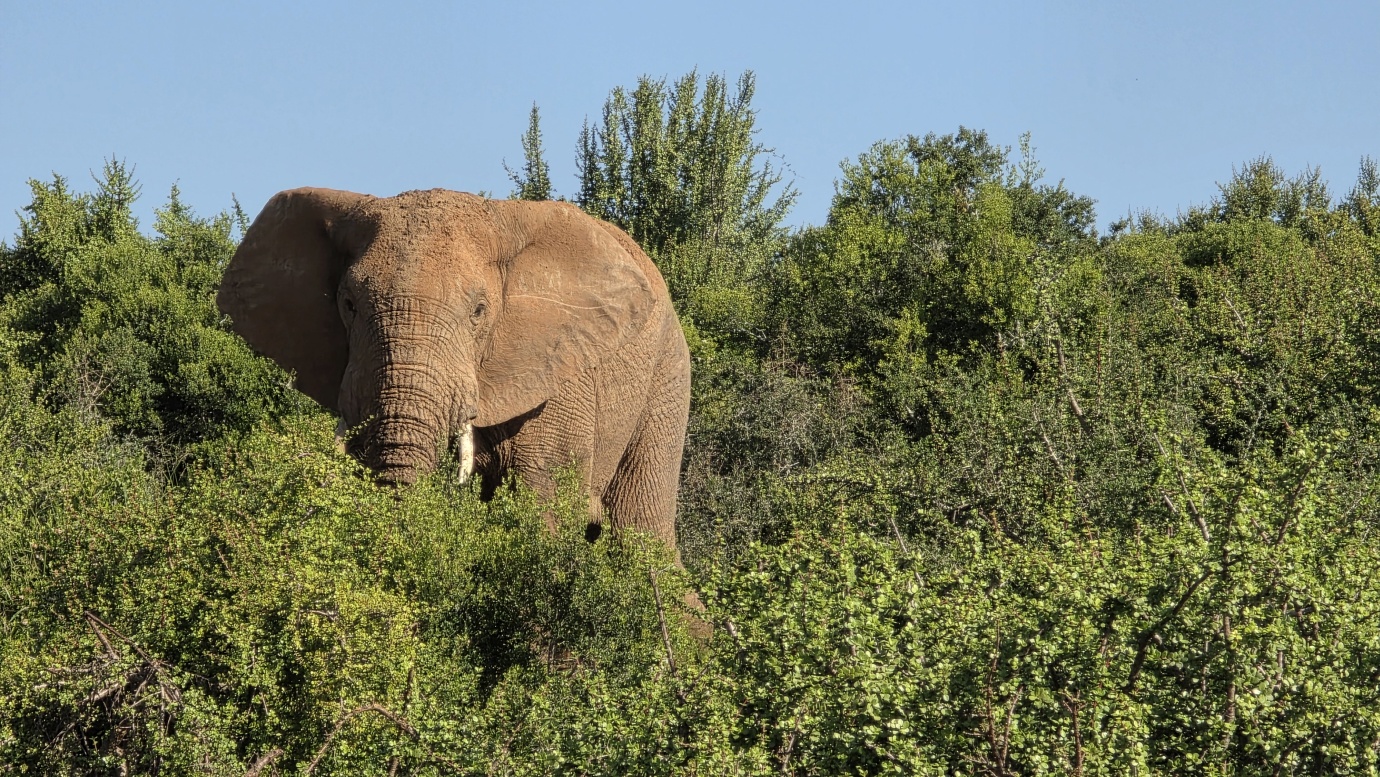
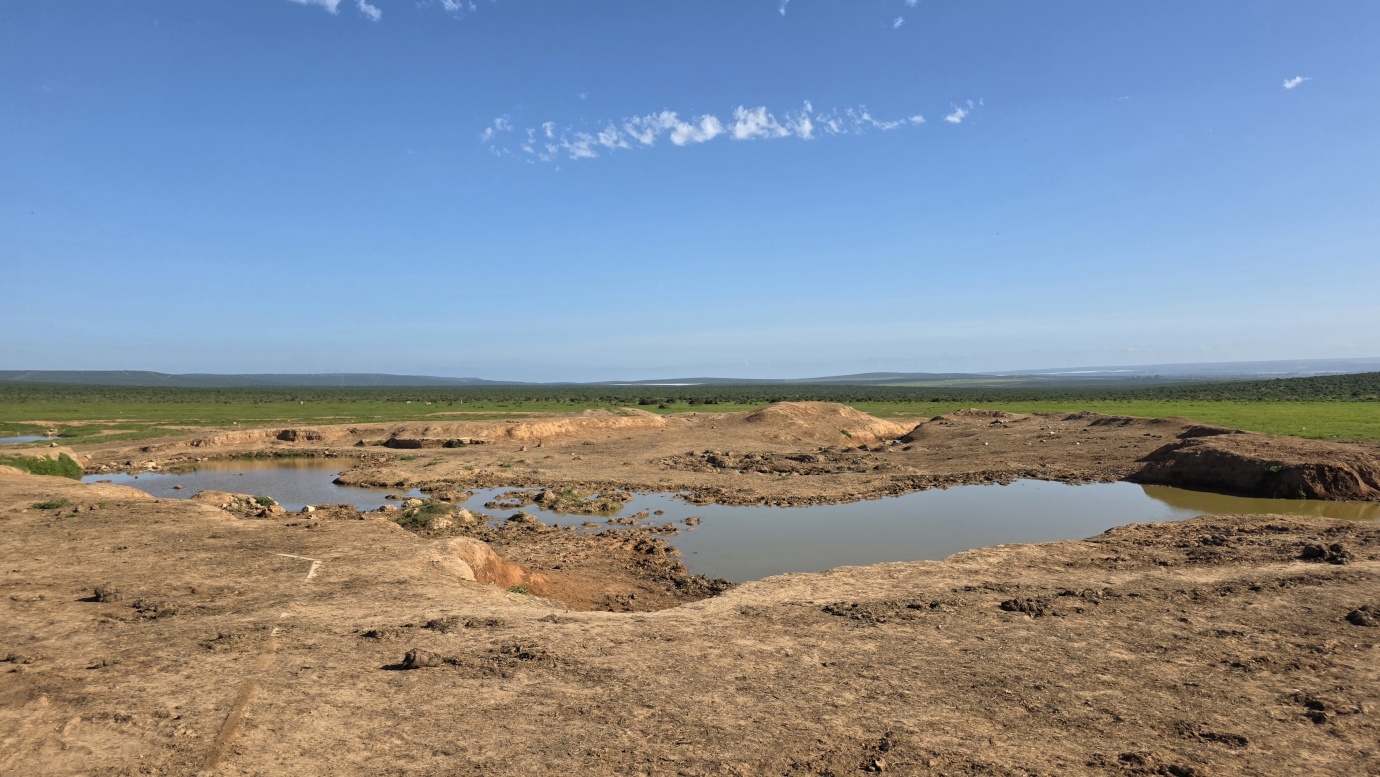
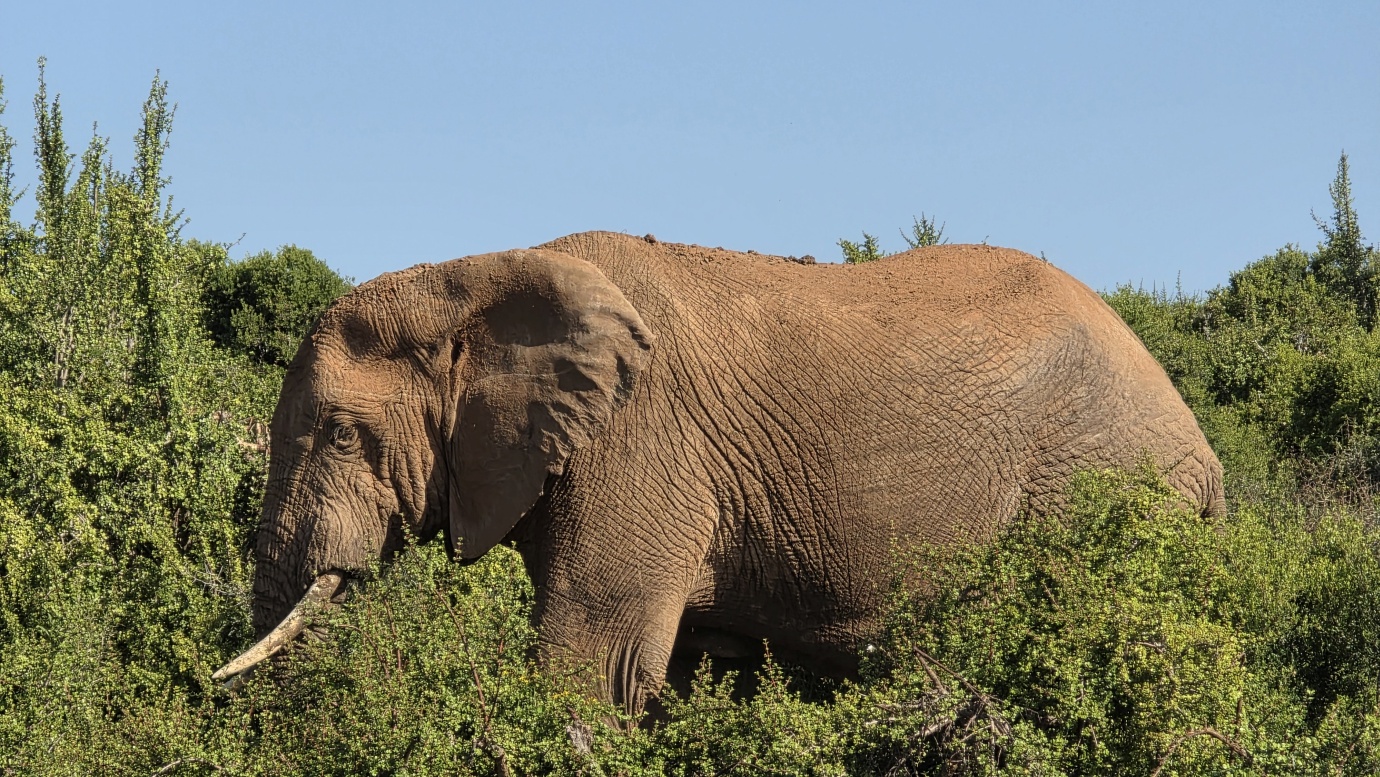
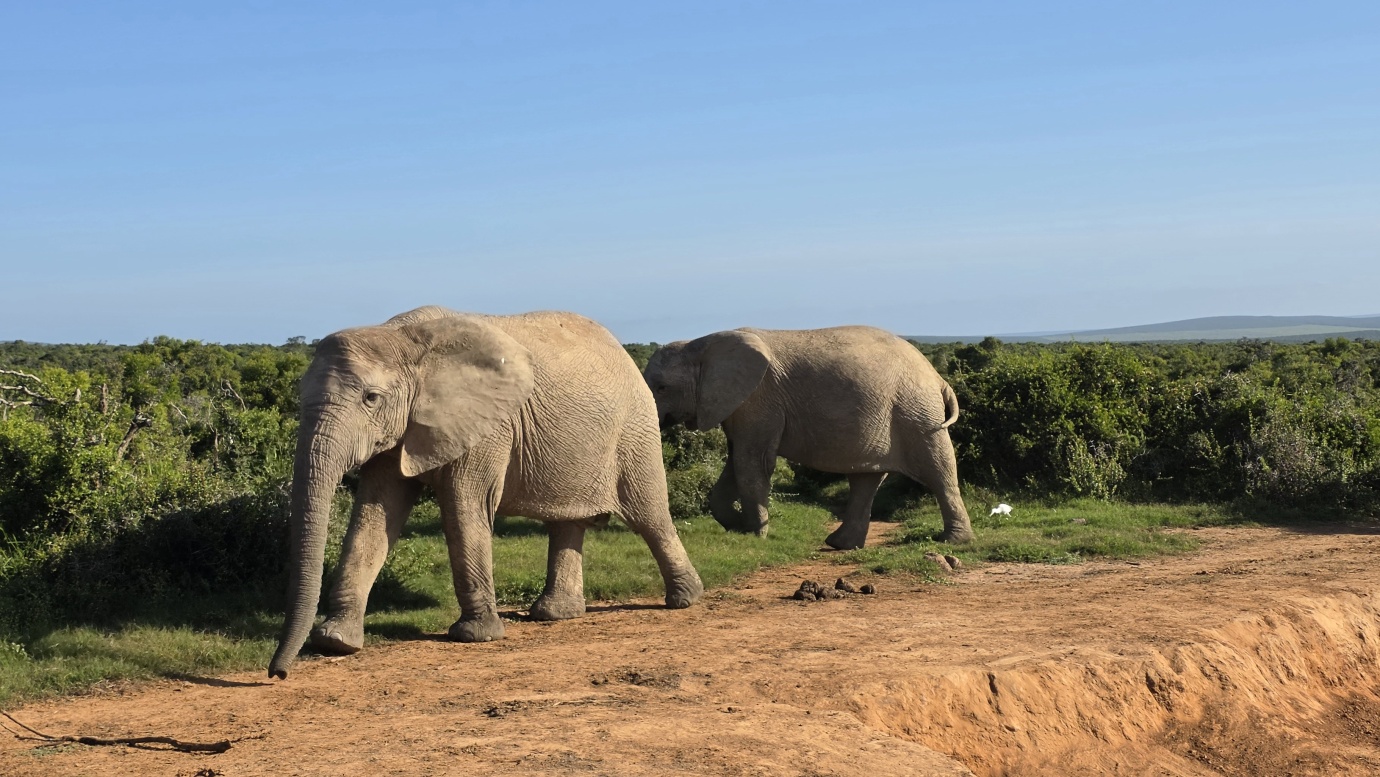
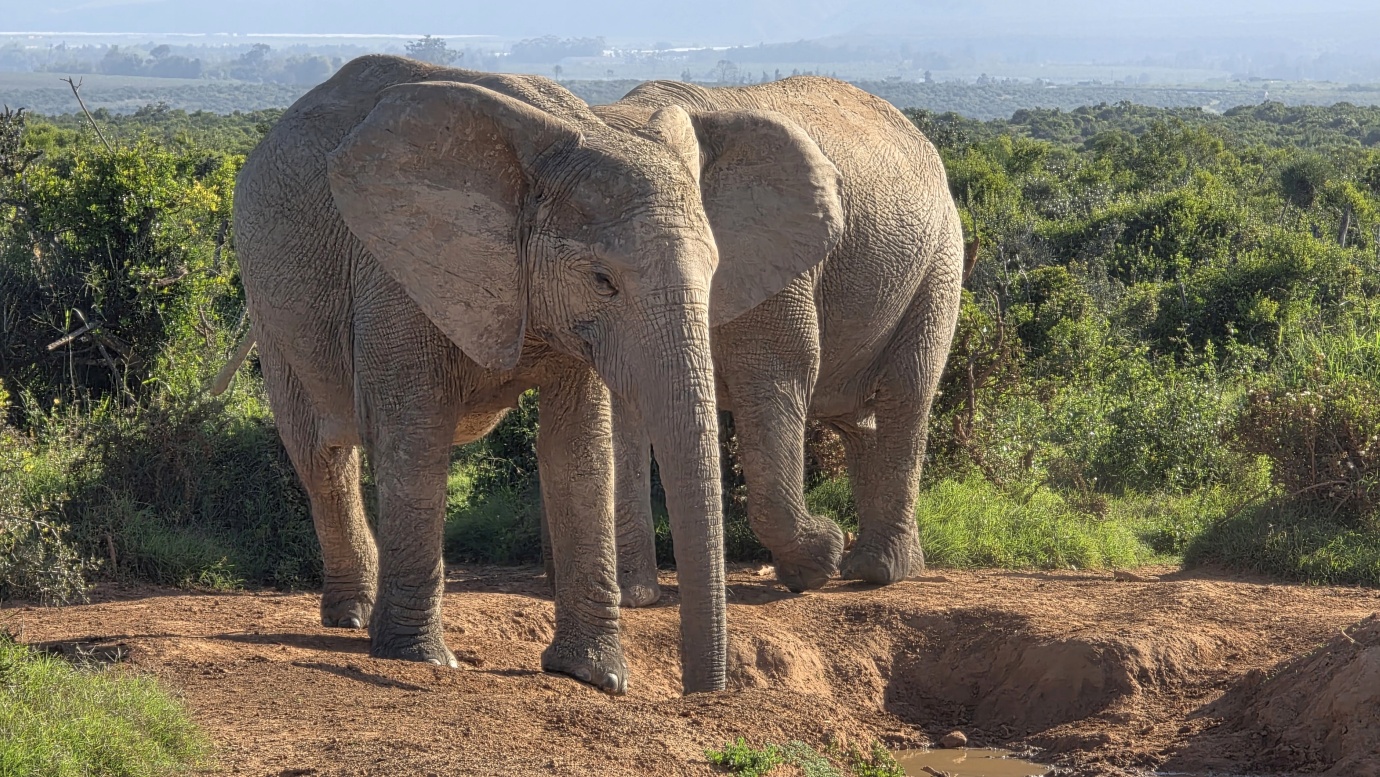
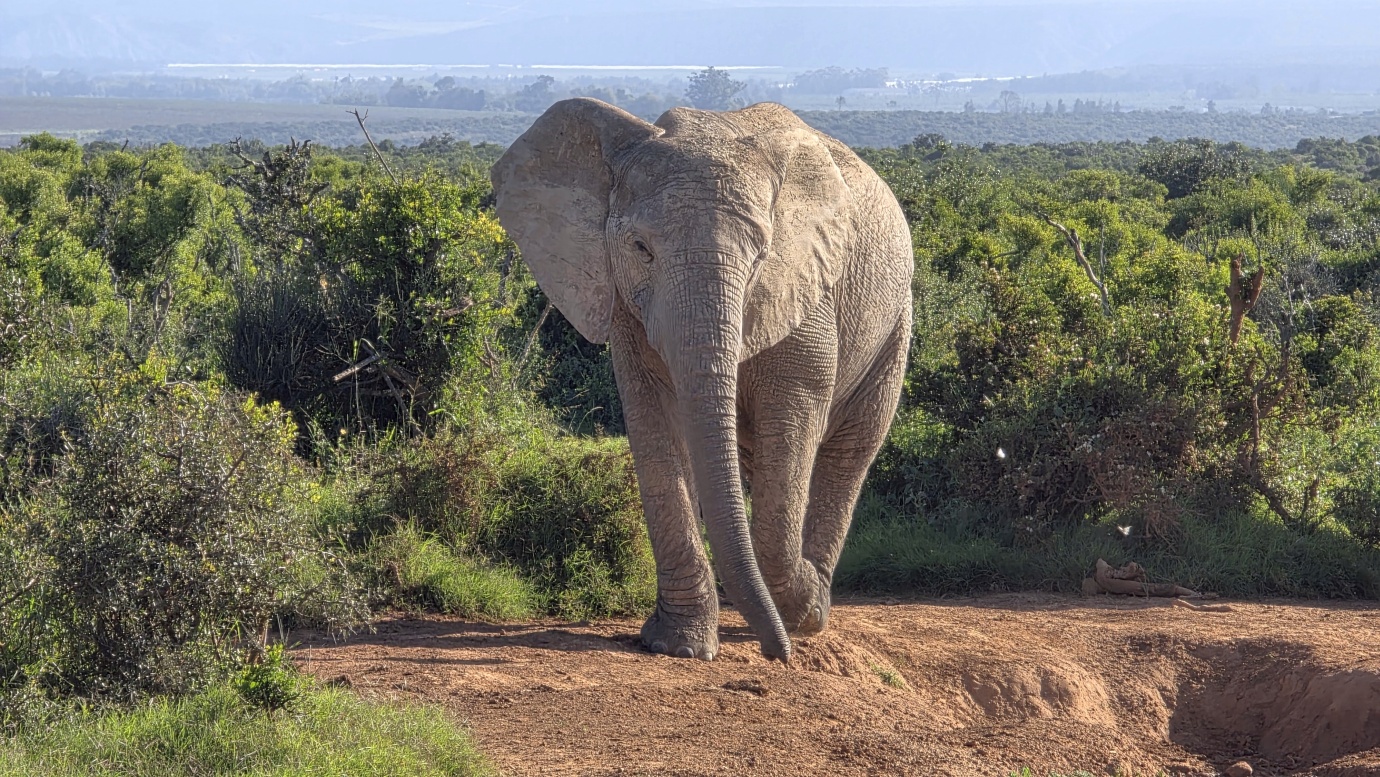
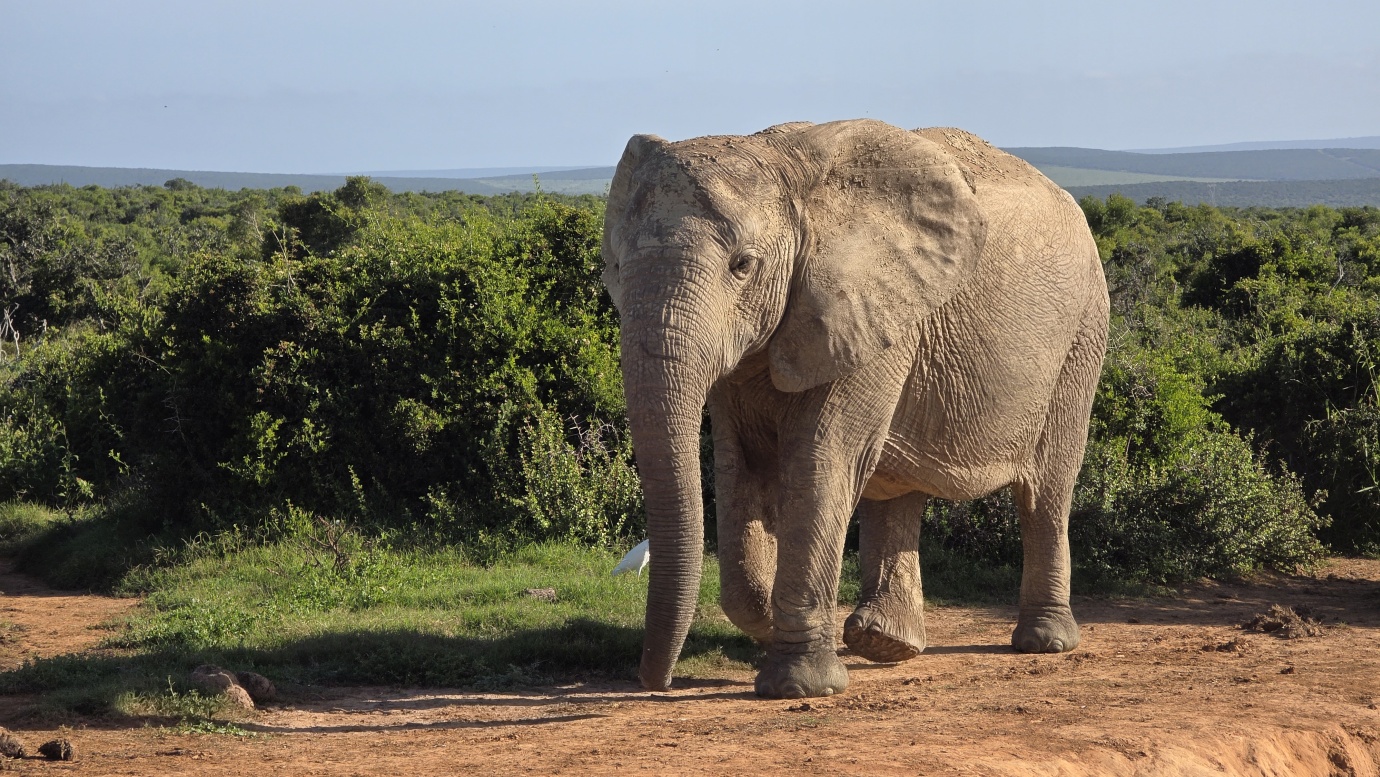
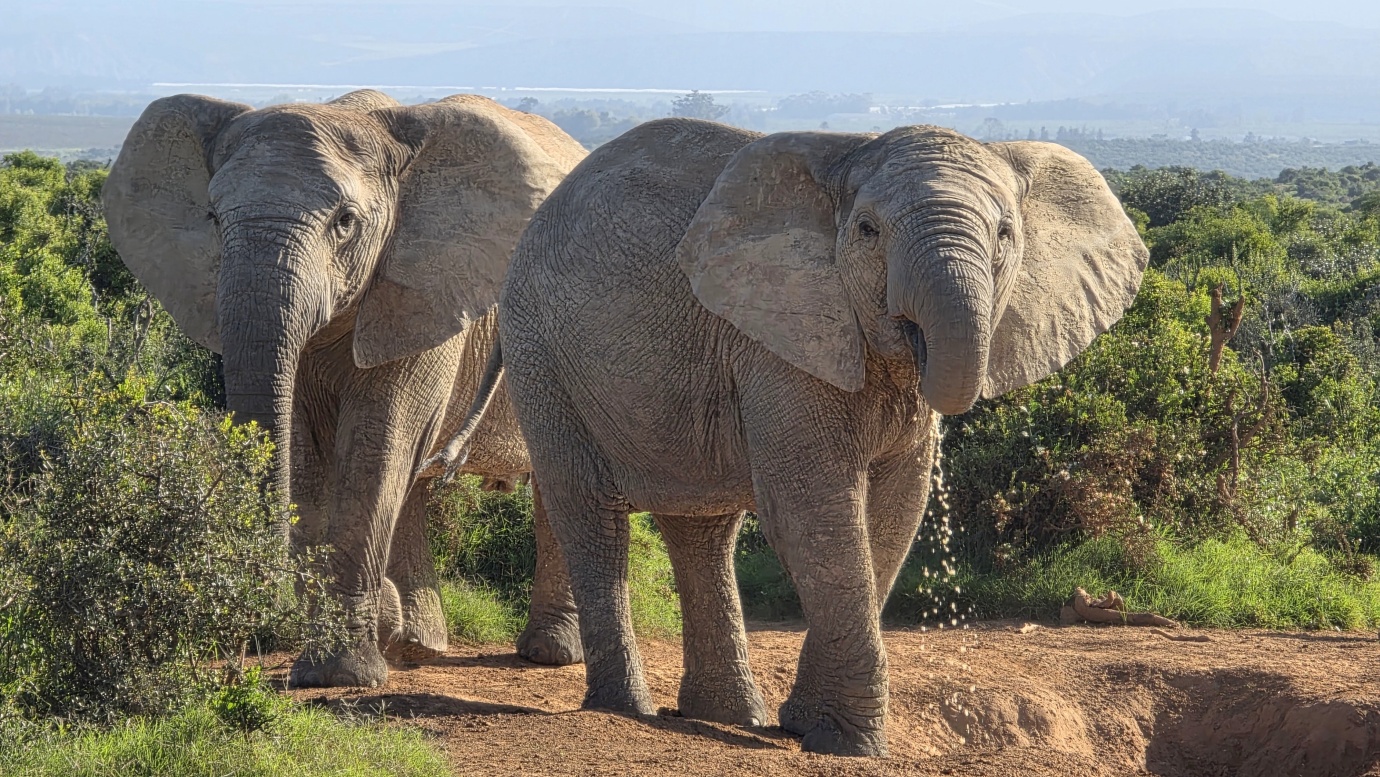
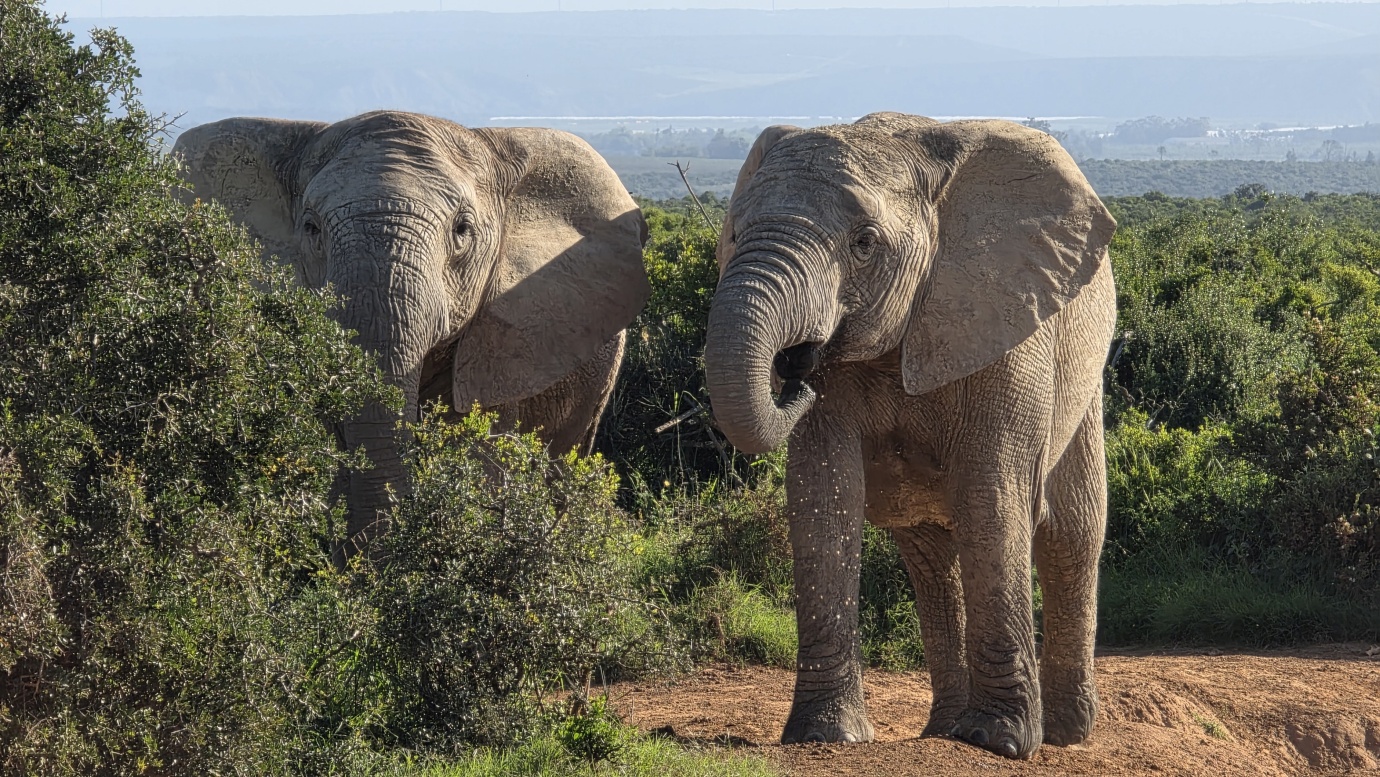
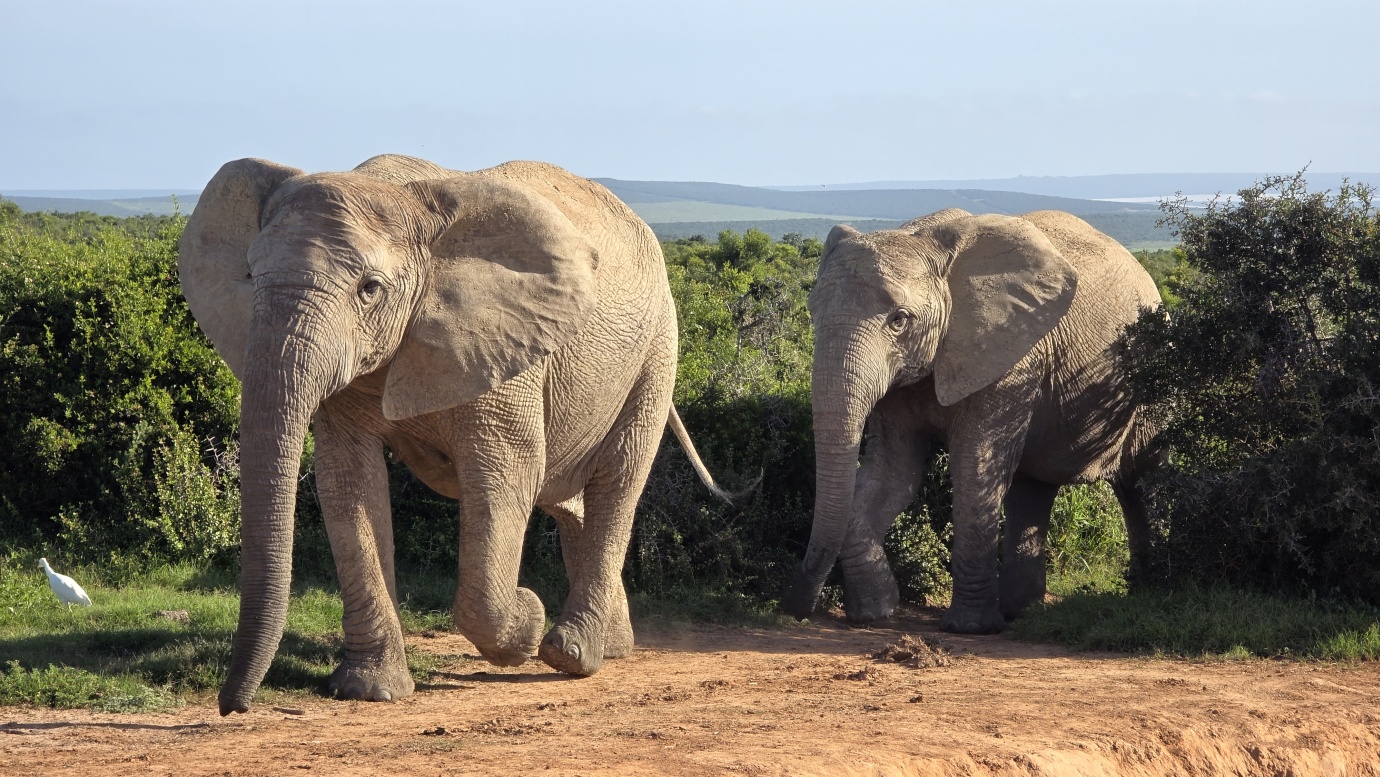
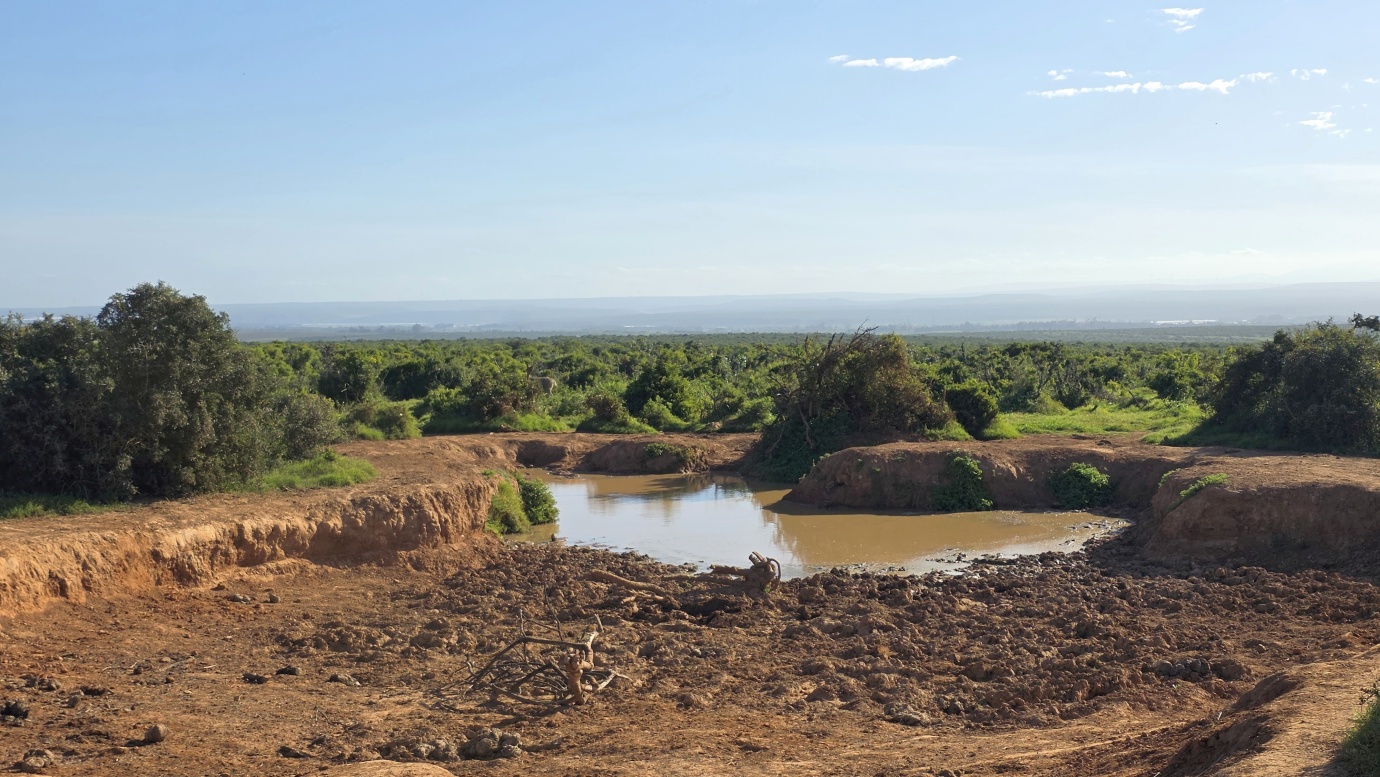
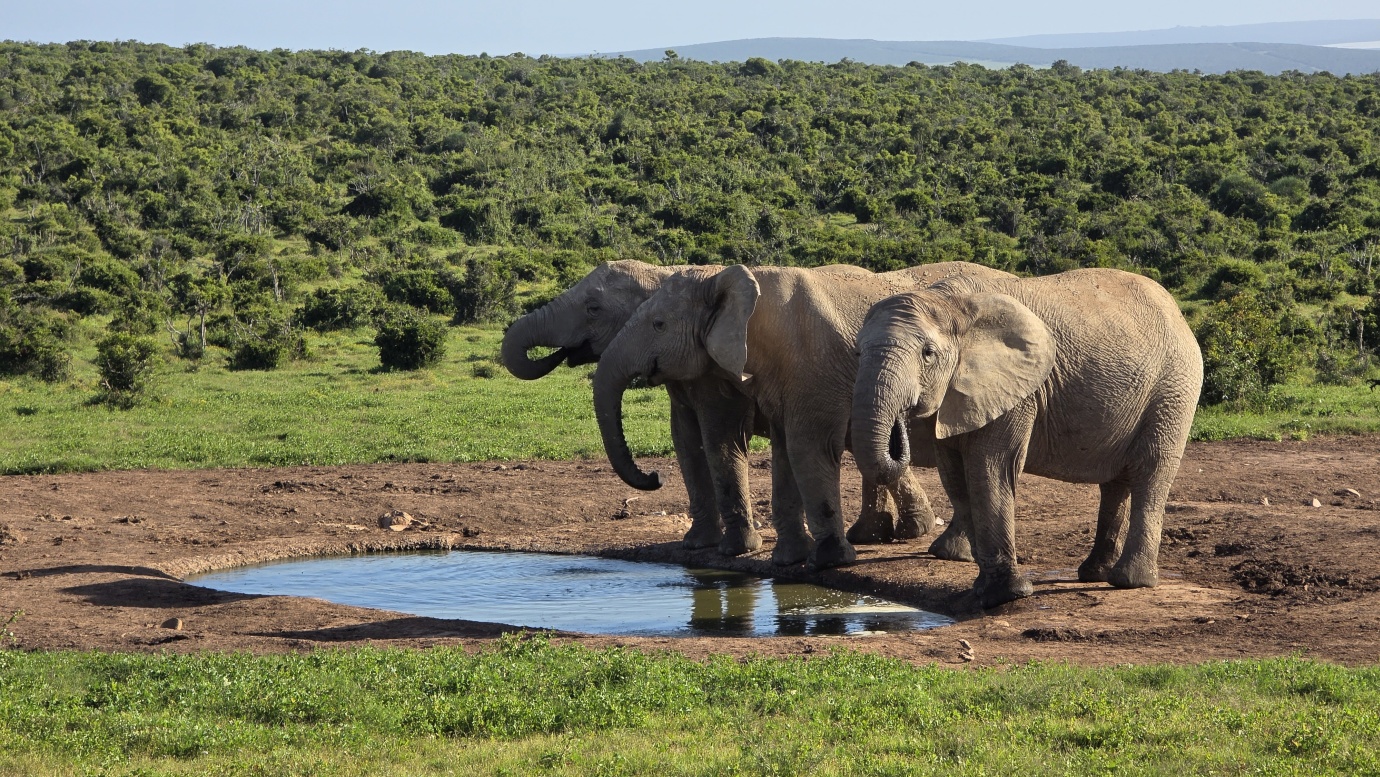
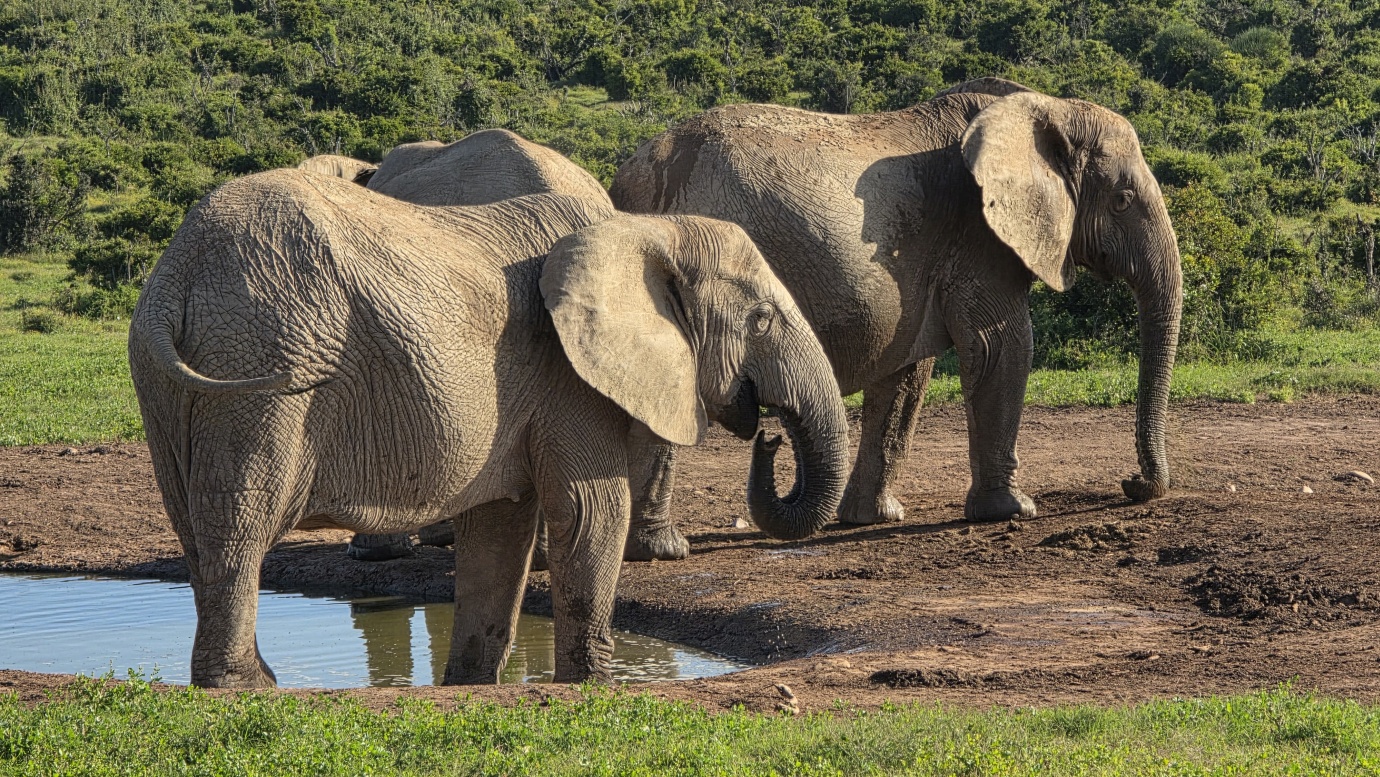
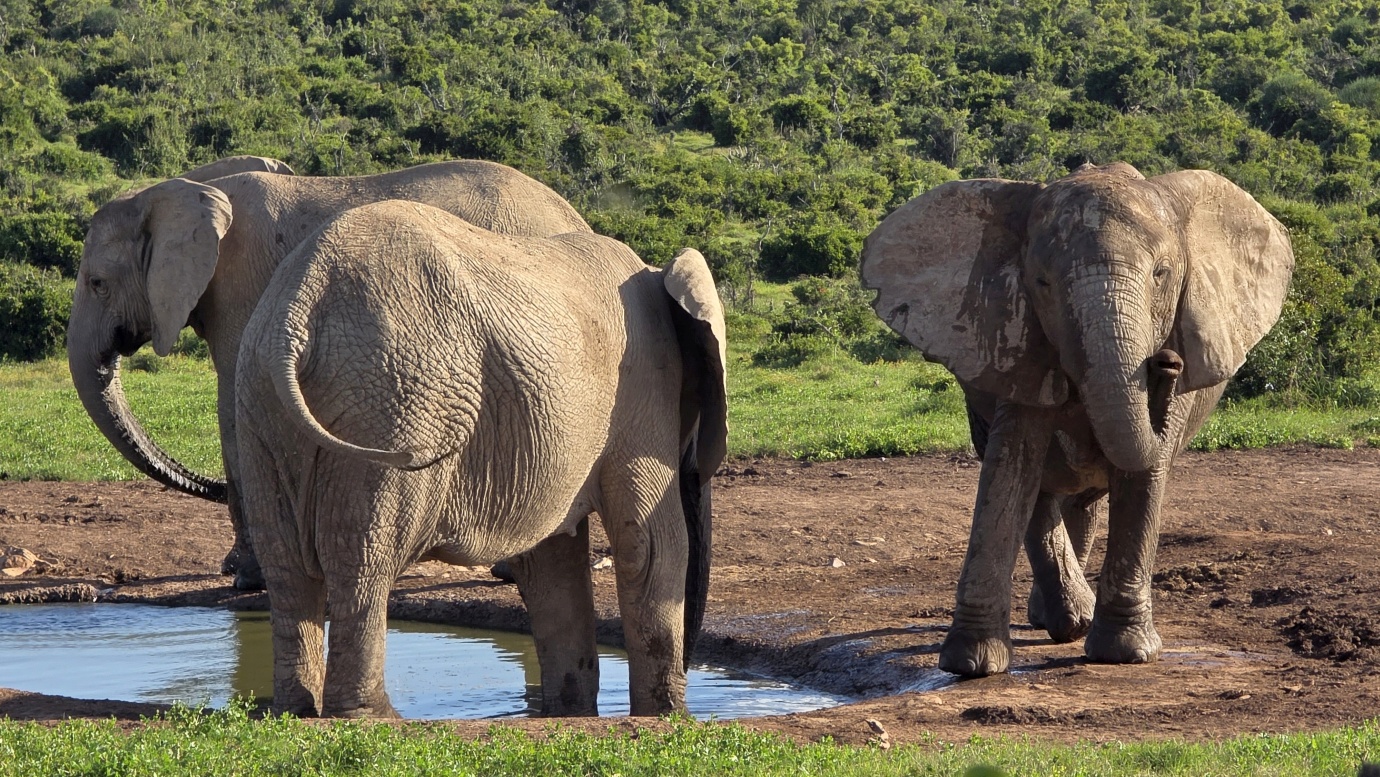
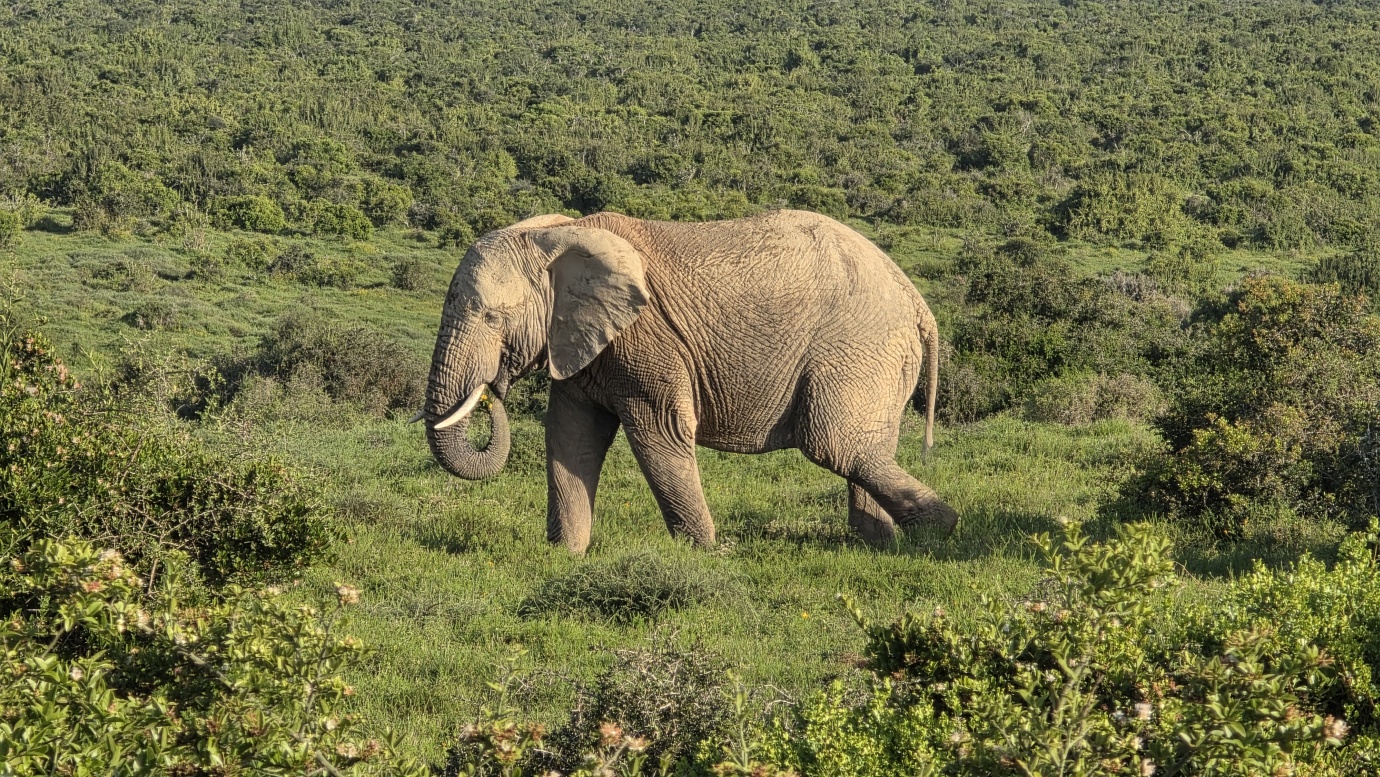
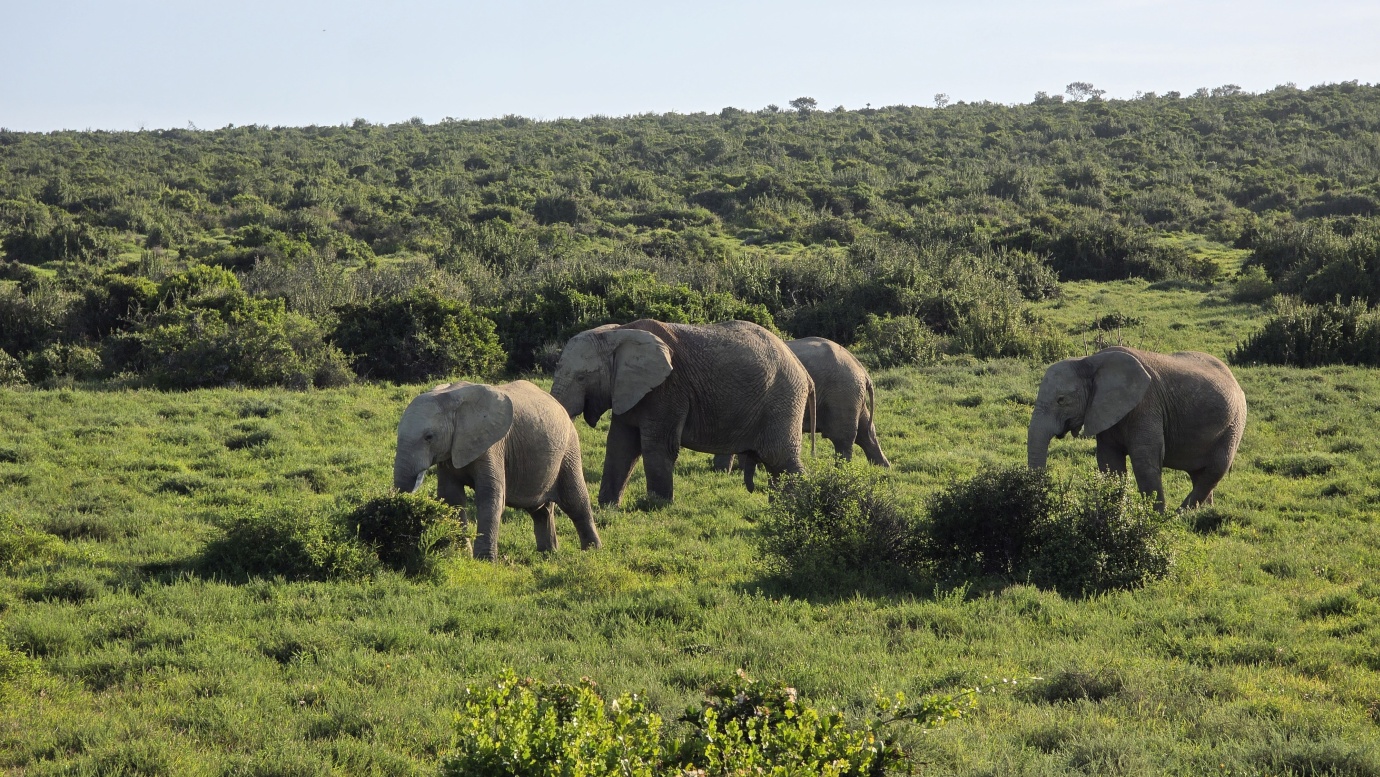
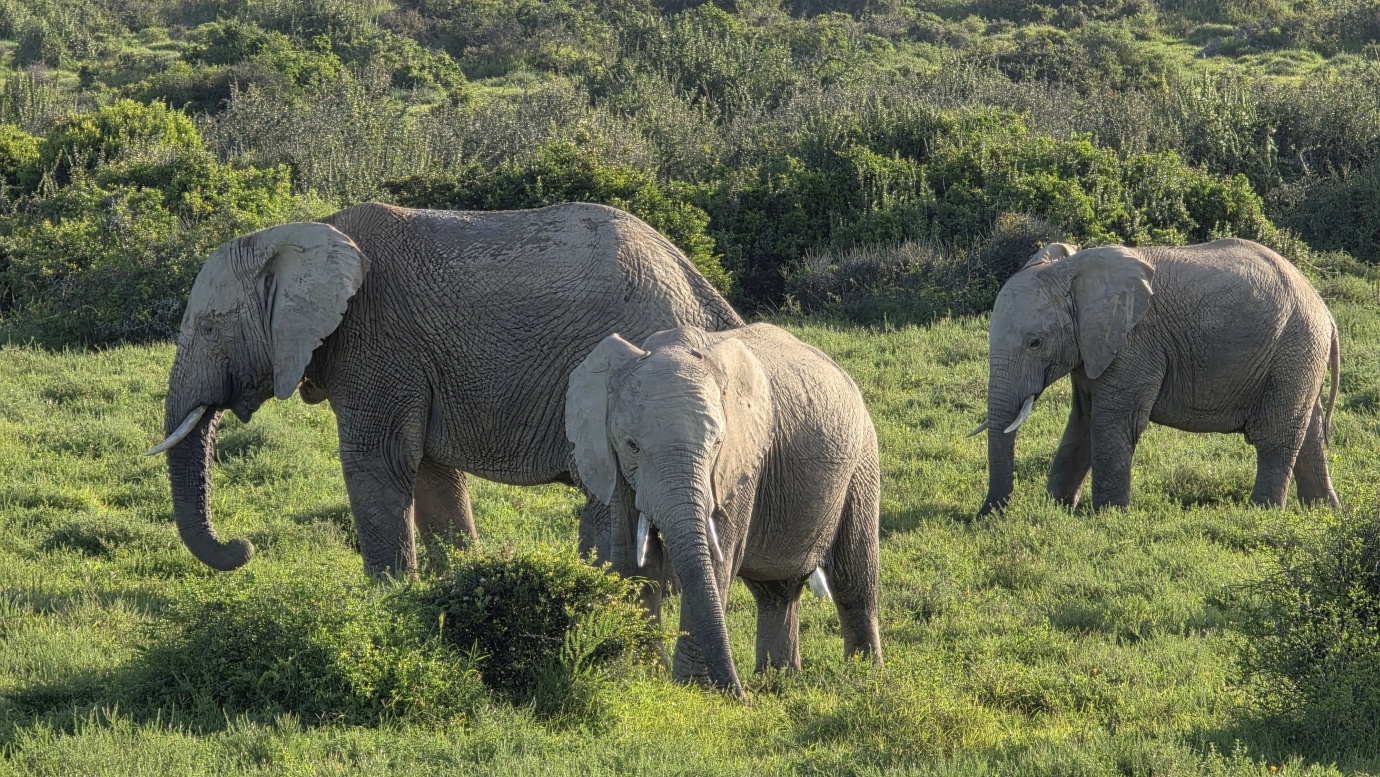
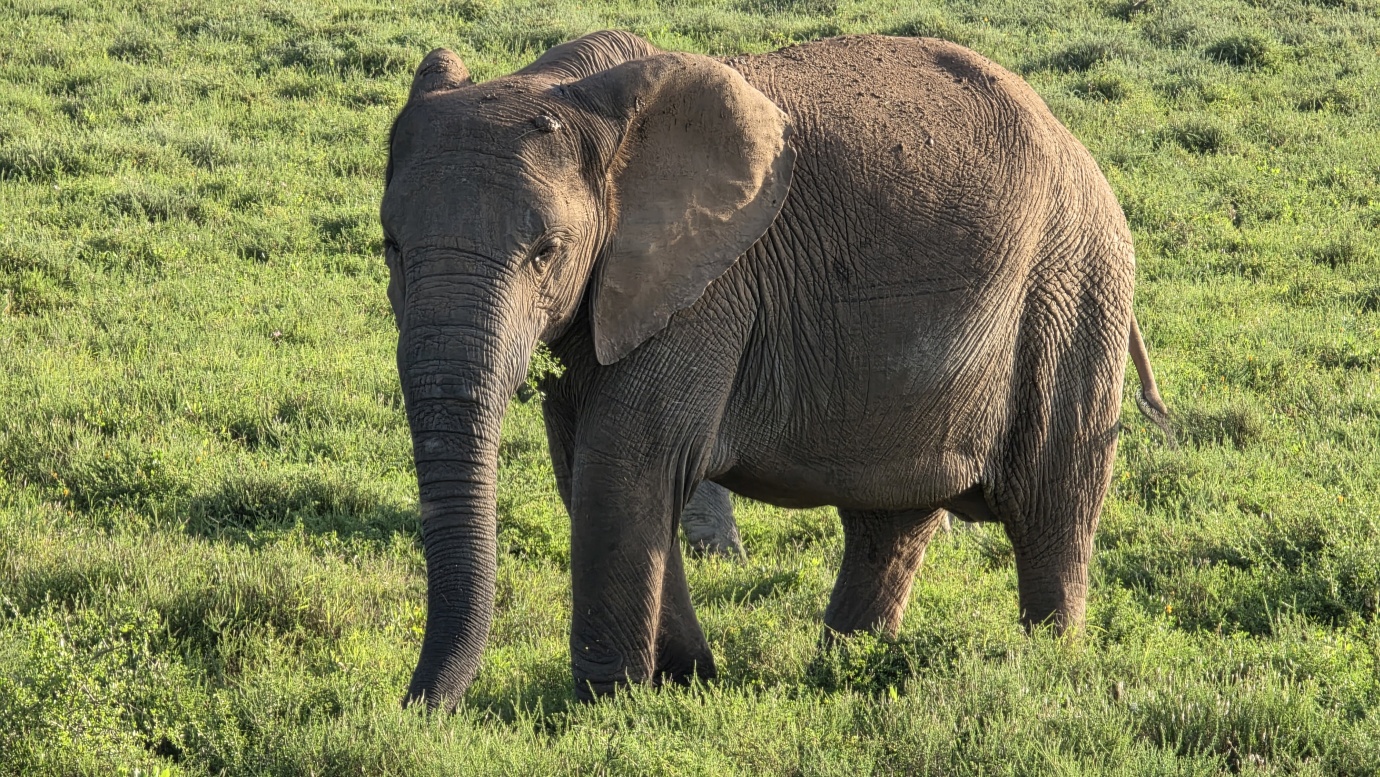
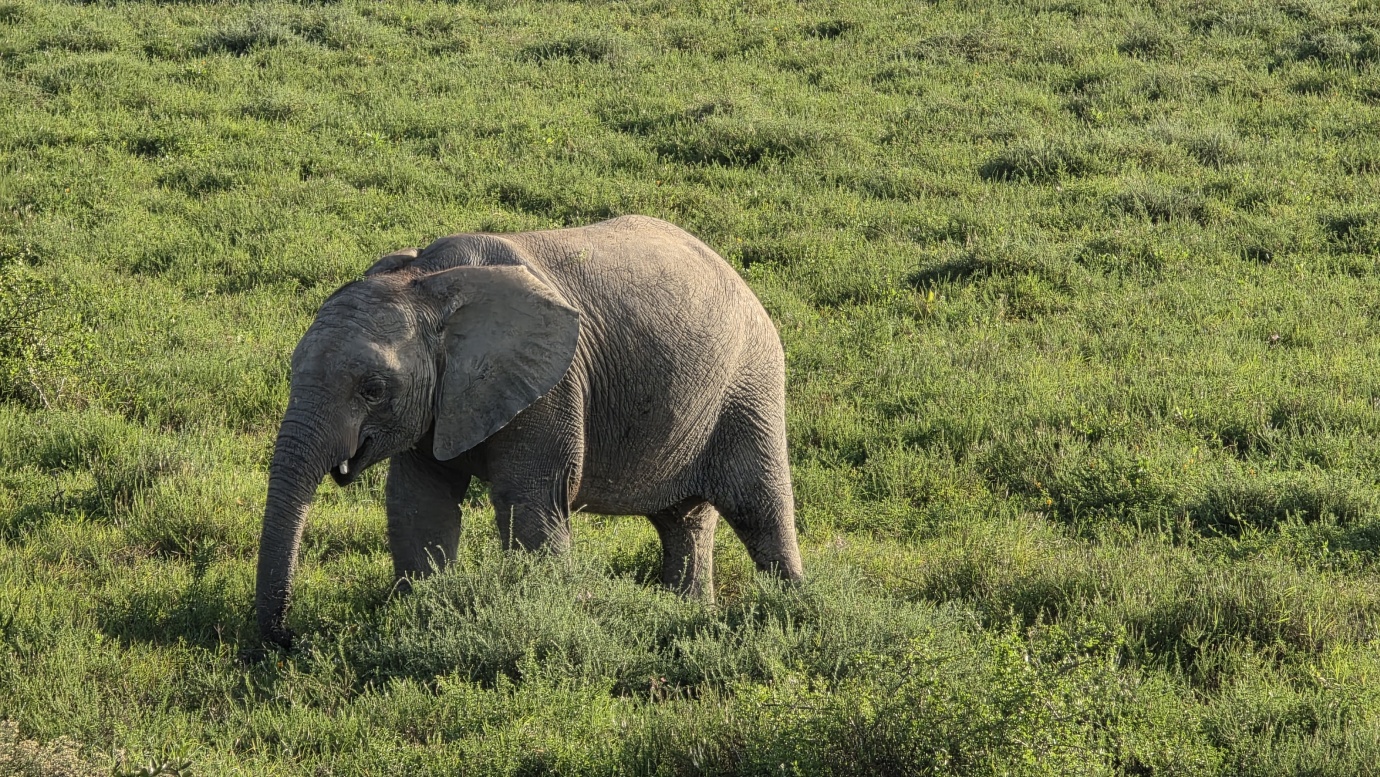
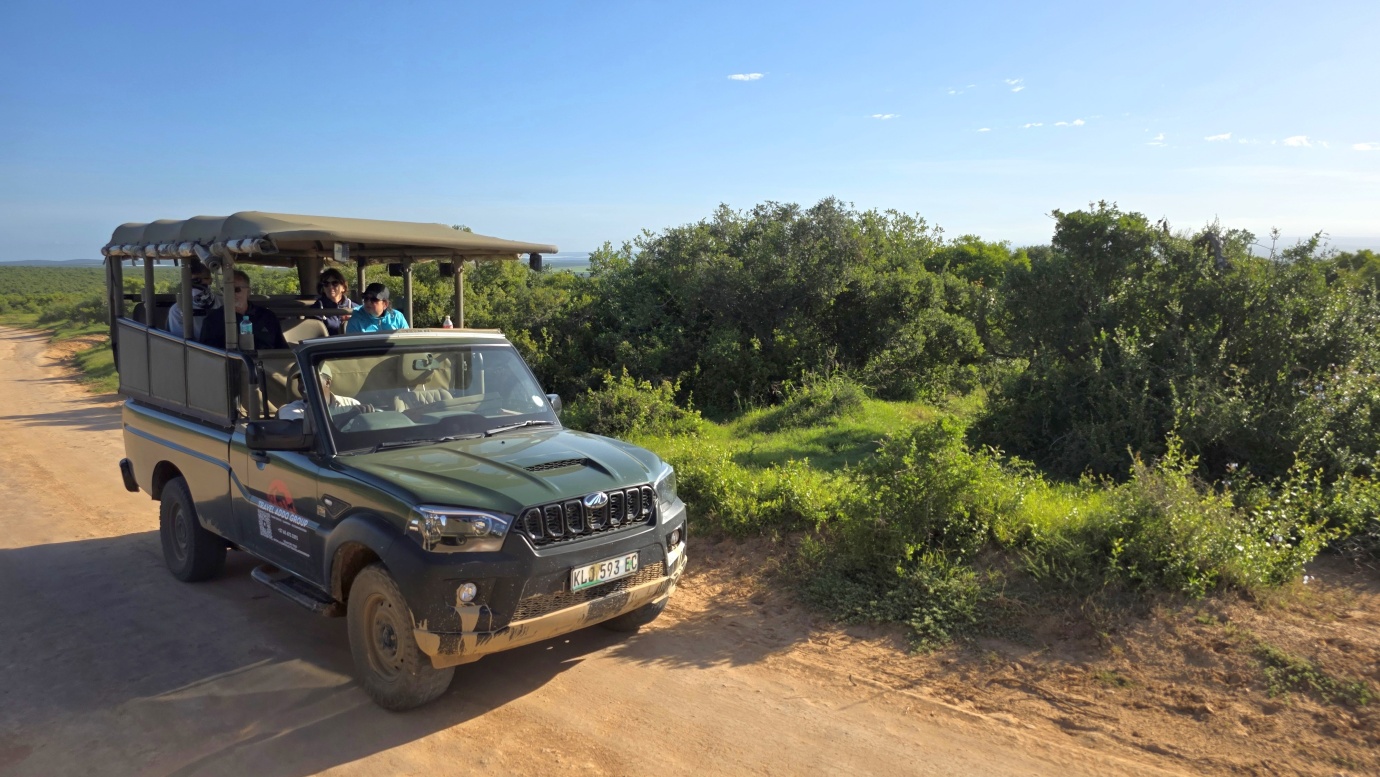
We booked the relatively expensive, two-hour afternoon game drive (🎟️492 ZAR, tour 539 ZAR), expecting good wildlife sightings as temperatures dropped and animals might become more active around waterholes. However, our experience was somewhat disappointing. We had already spotted large herds of elephants near the main road when we arrived at the park, but during the organised game drive itself, we saw only a few more elephants and a handful of zebras.
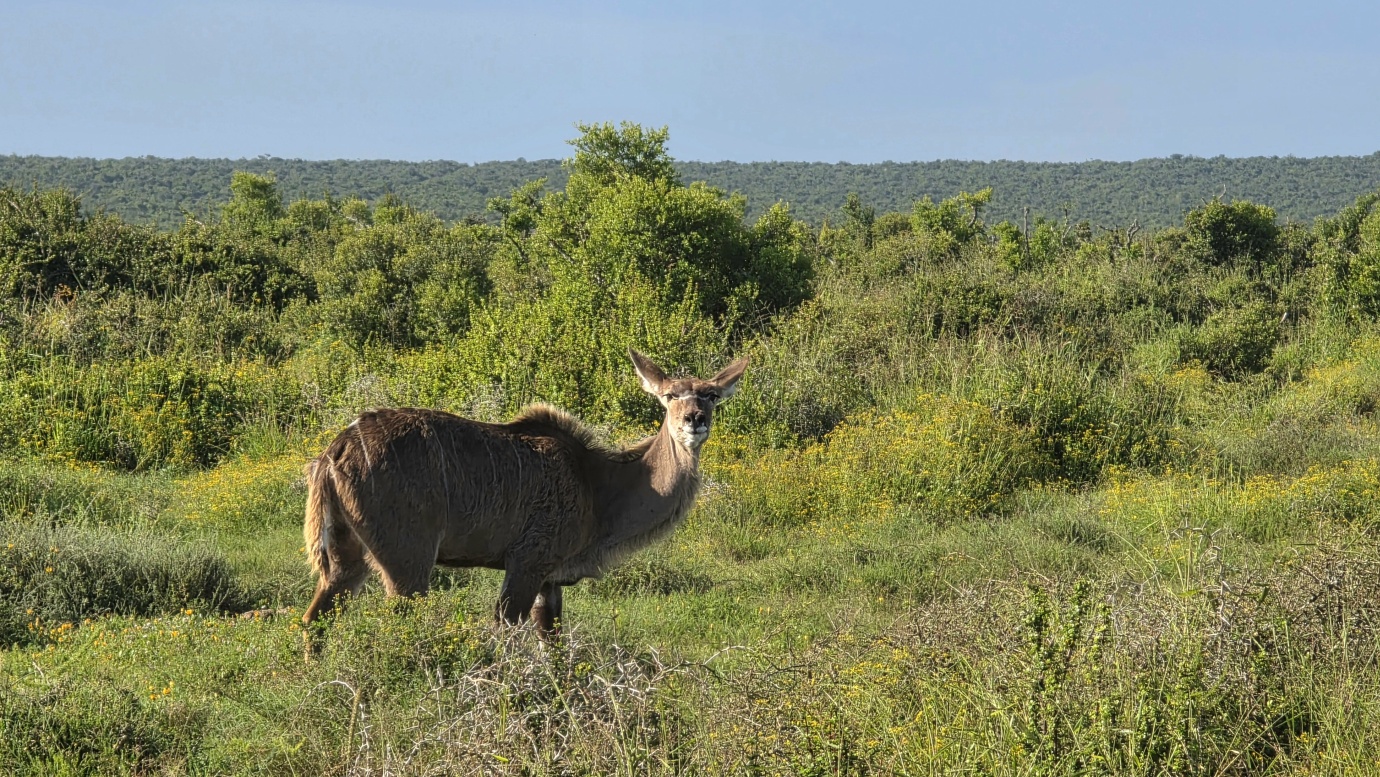
The park is also home to Cape buffalo, warthogs, kudus, red hartebeests and lions, with 6 lions reportedly living in the area. Unfortunately, we didn’t see any of them during our drive.
Parking location – Addo: 33.5385174S 25.6824132E (🚻,🚿,💦,🔌,🅿️150 ZAR/pax)