

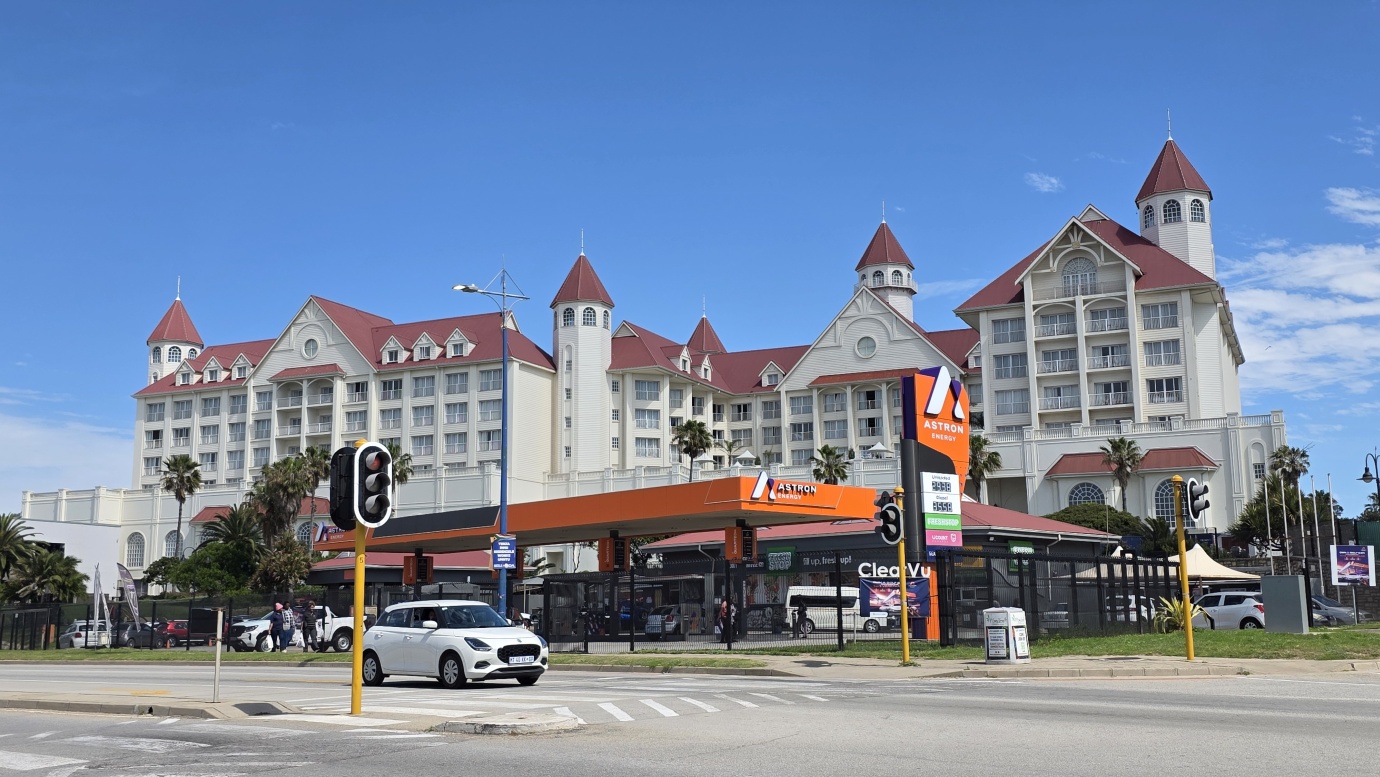
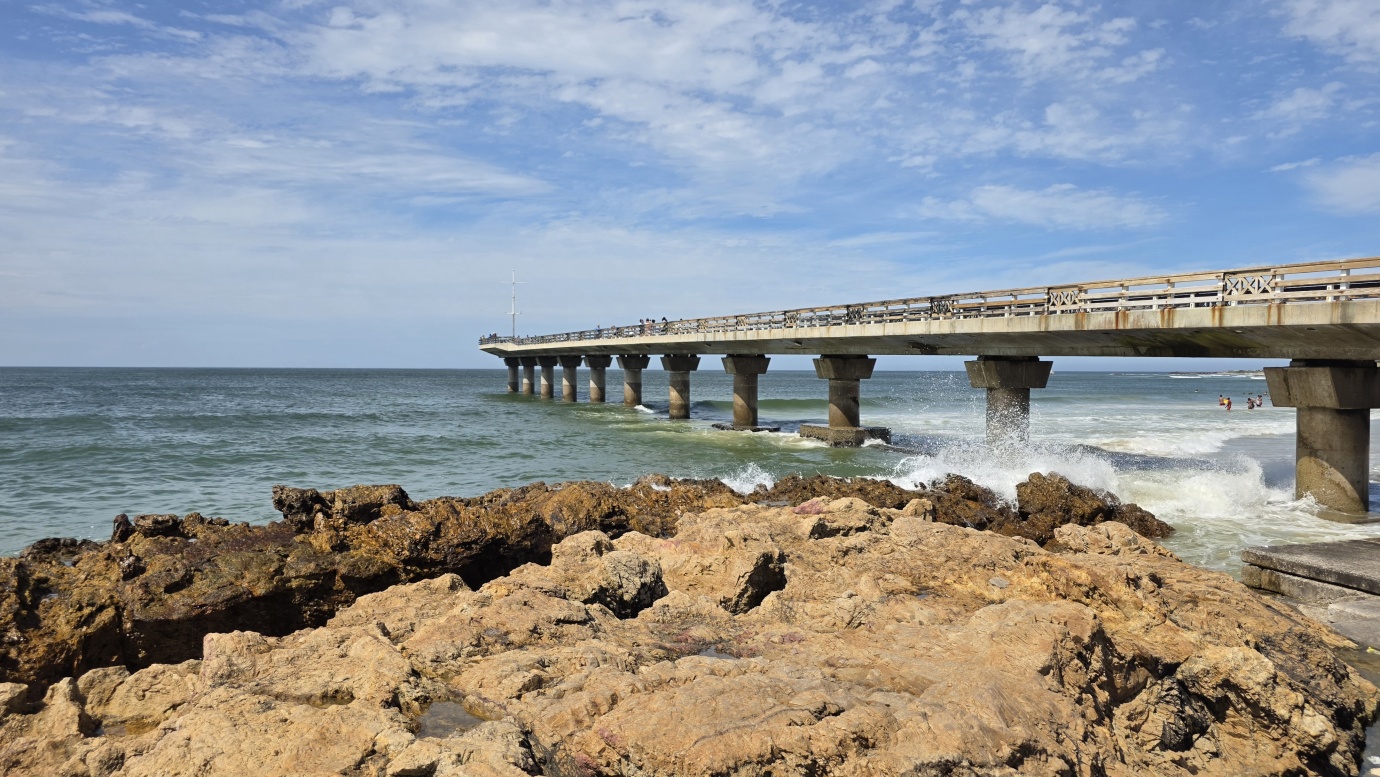
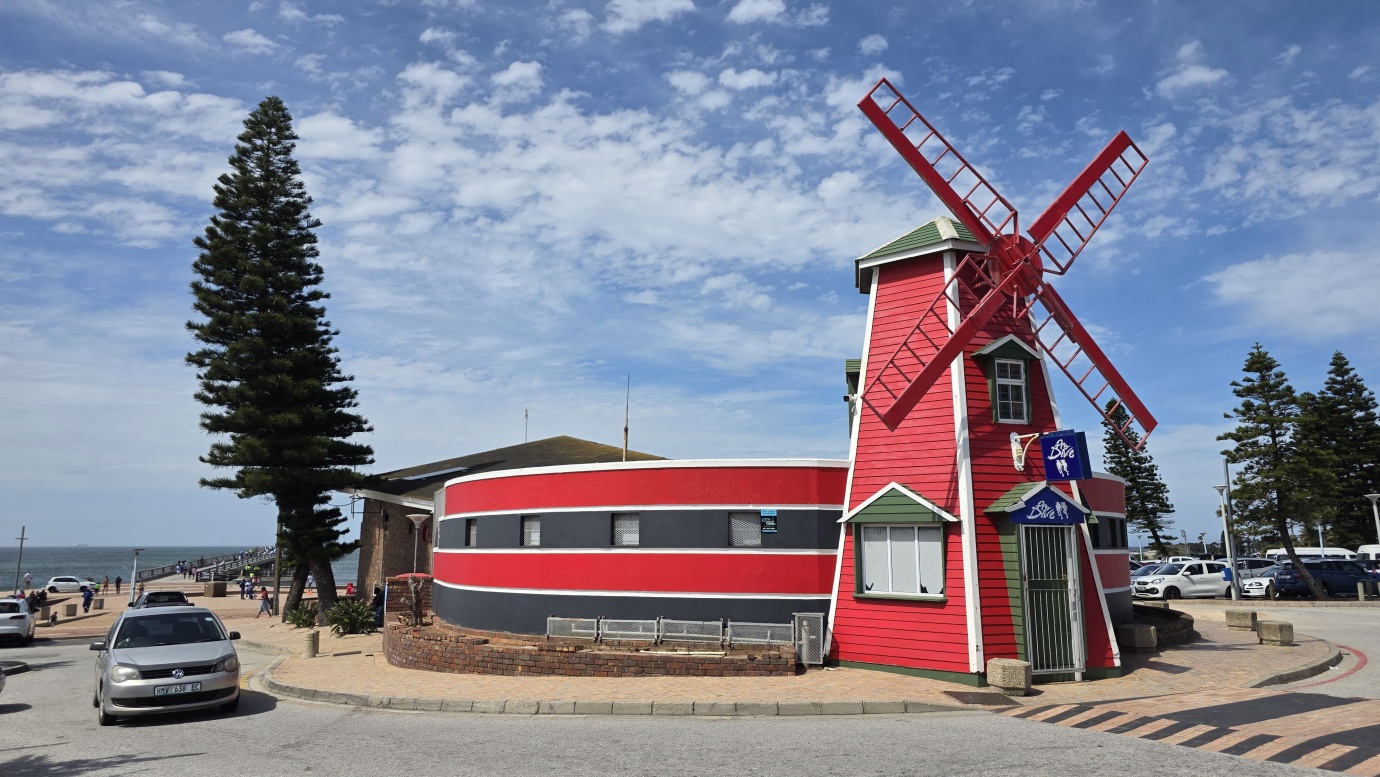
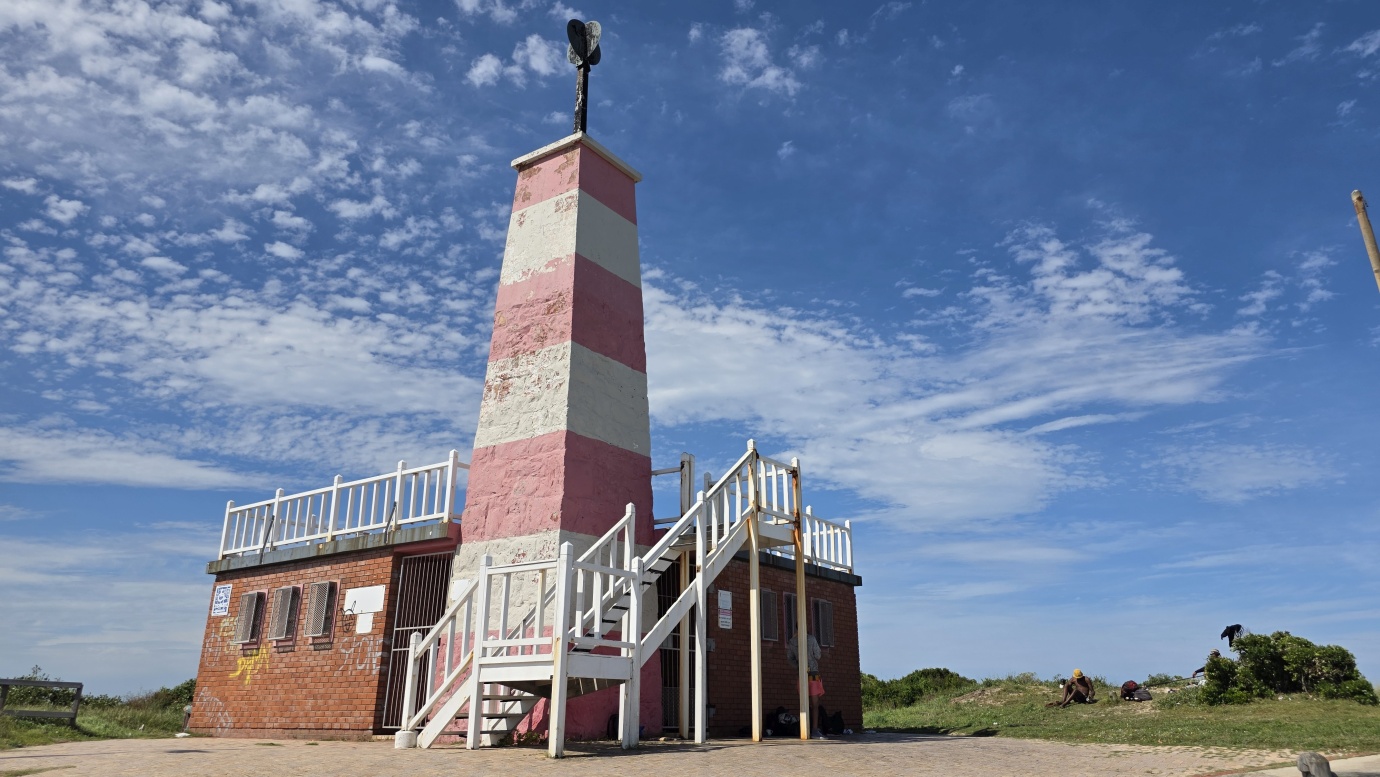
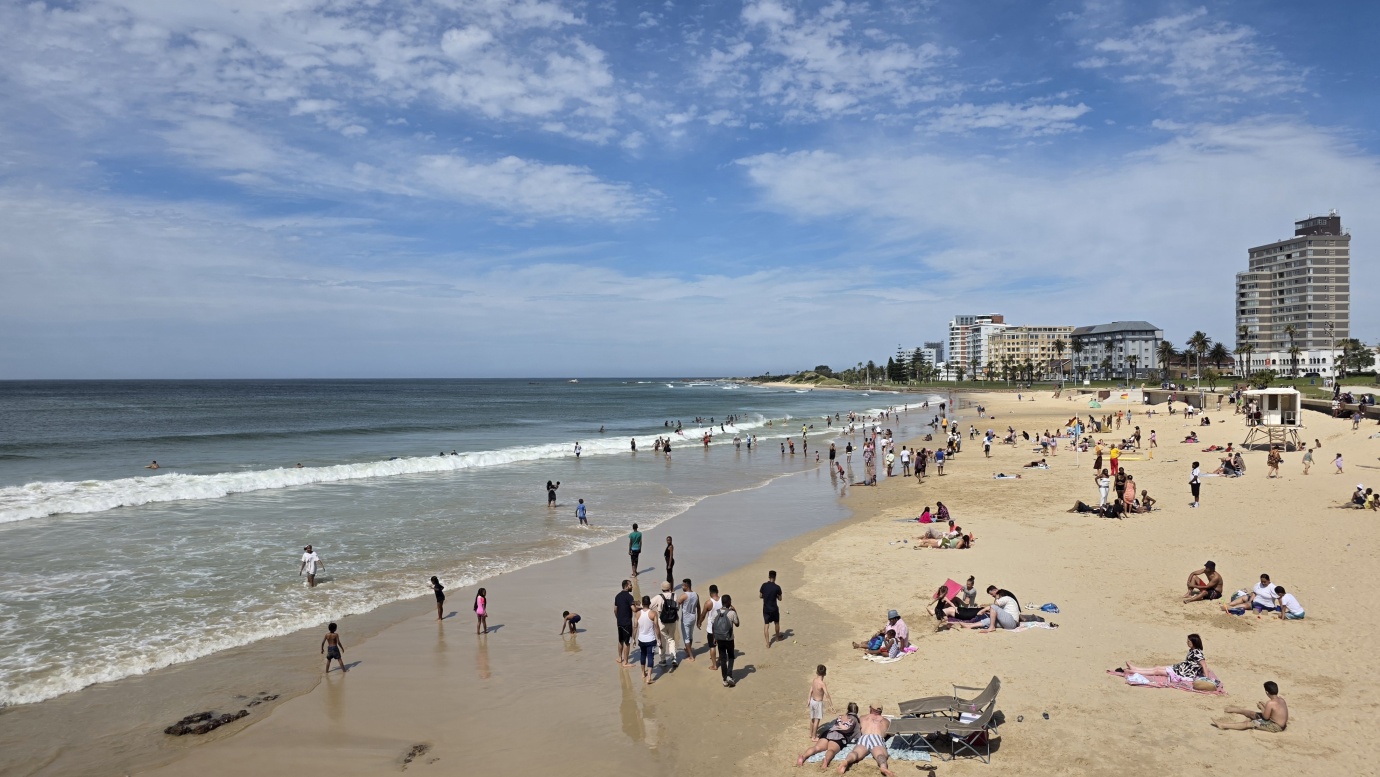
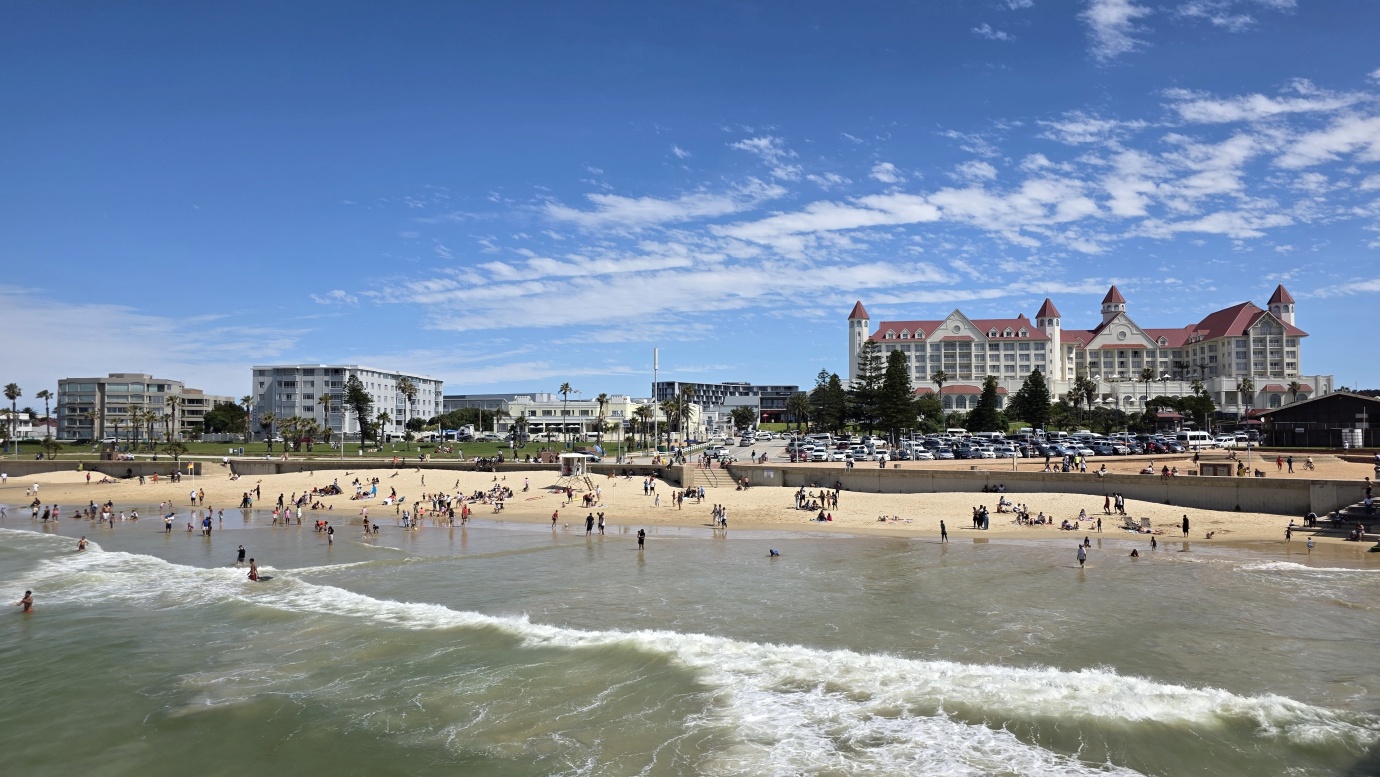
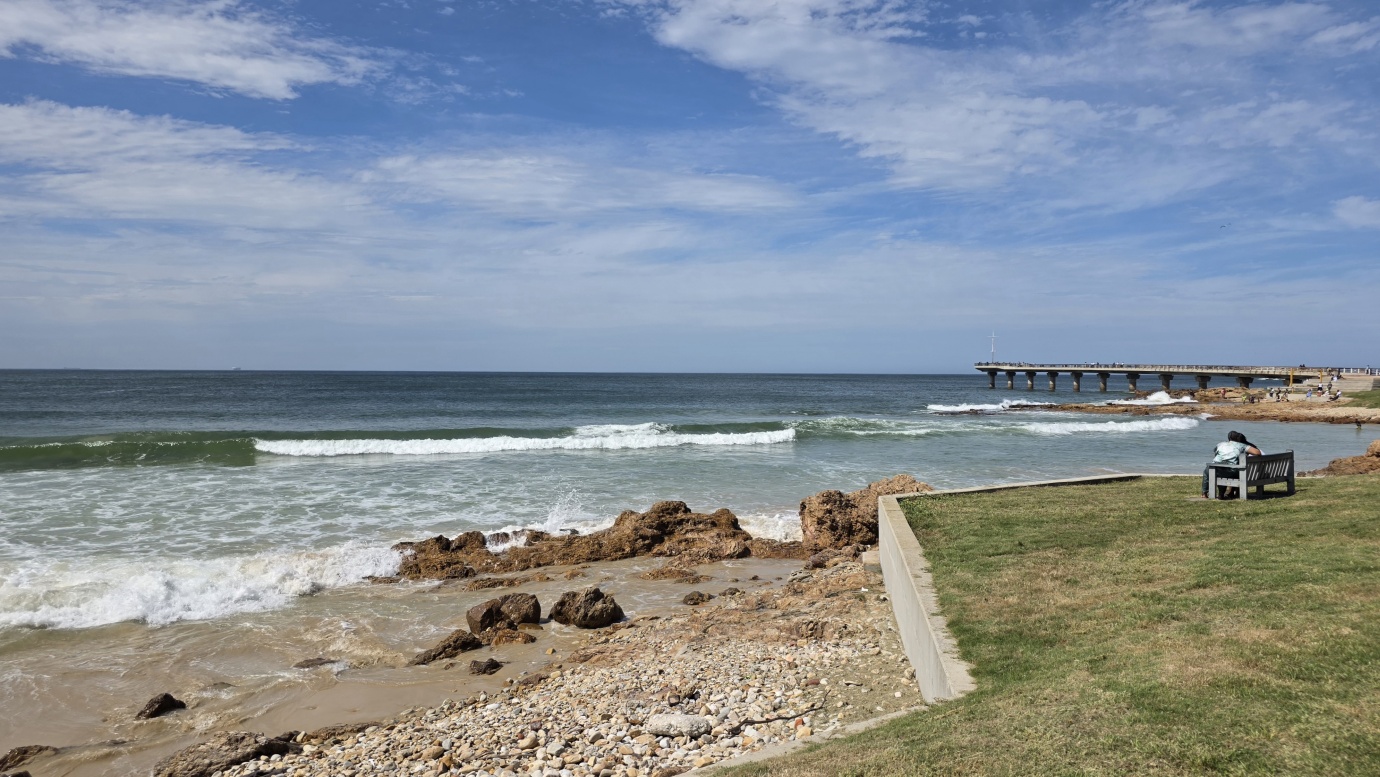
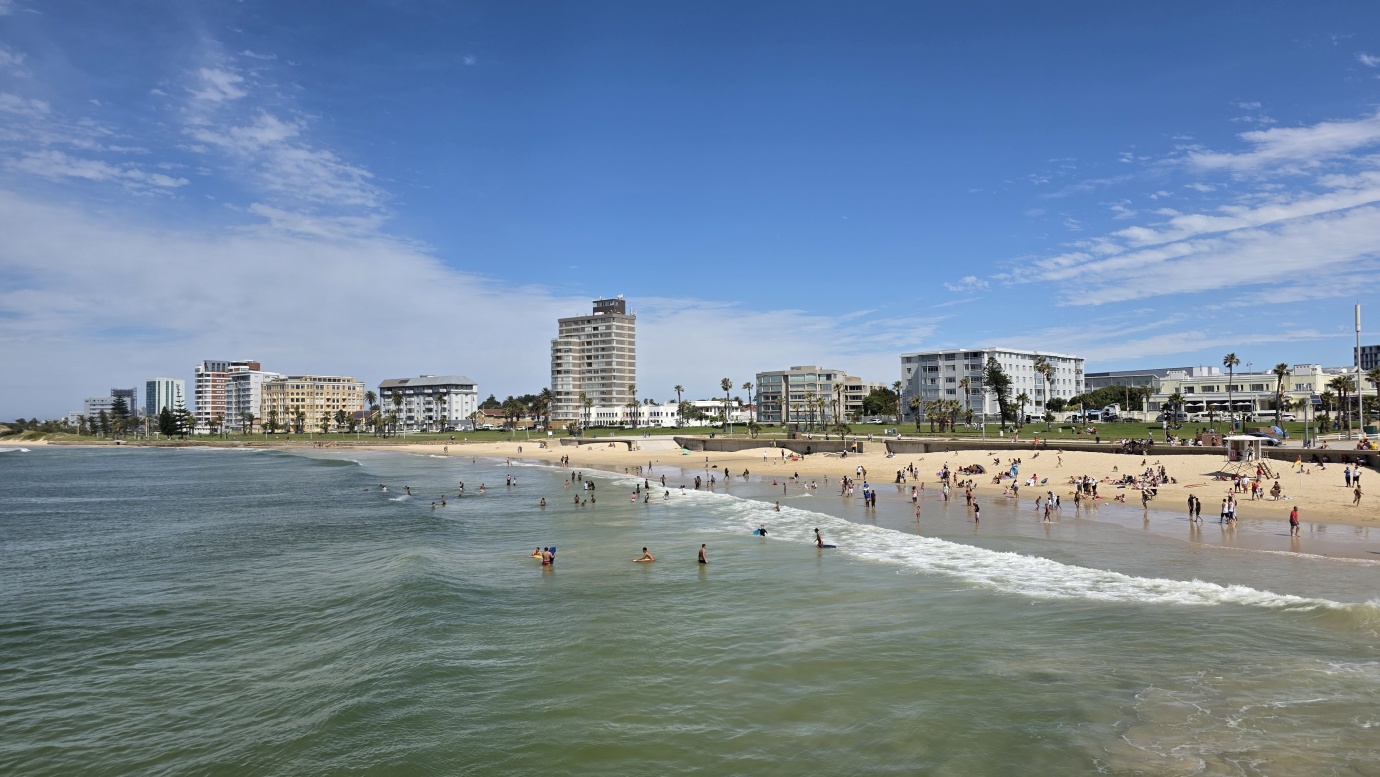
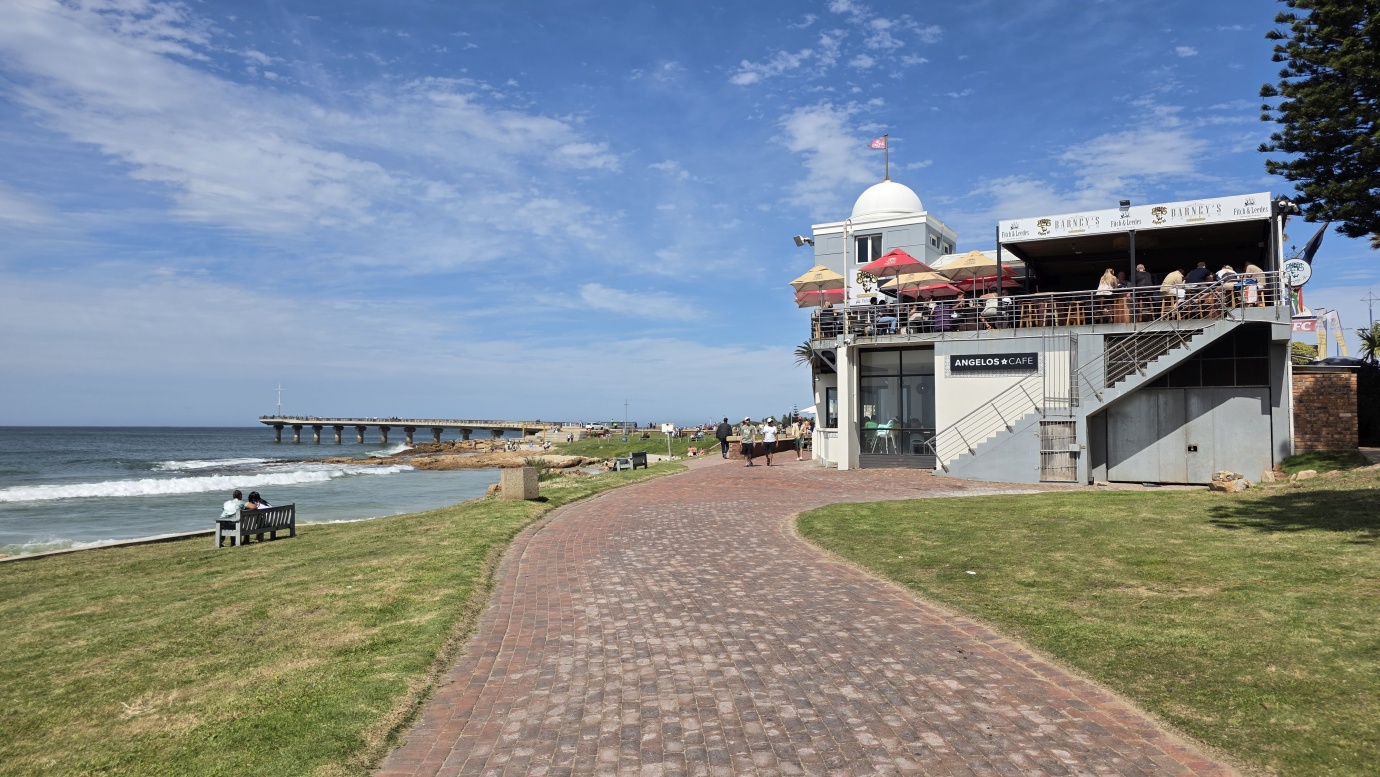
We spent two nights in Gqeberha, officially renamed from Port Elizabeth in 2021, a major coastal city in South Africa’s Eastern Cape province. Known as the “Friendly City” and sometimes the “Windy City”, it combines attractive seaside suburbs, major industrial facilities, and a historic city centre that has declined over decades.
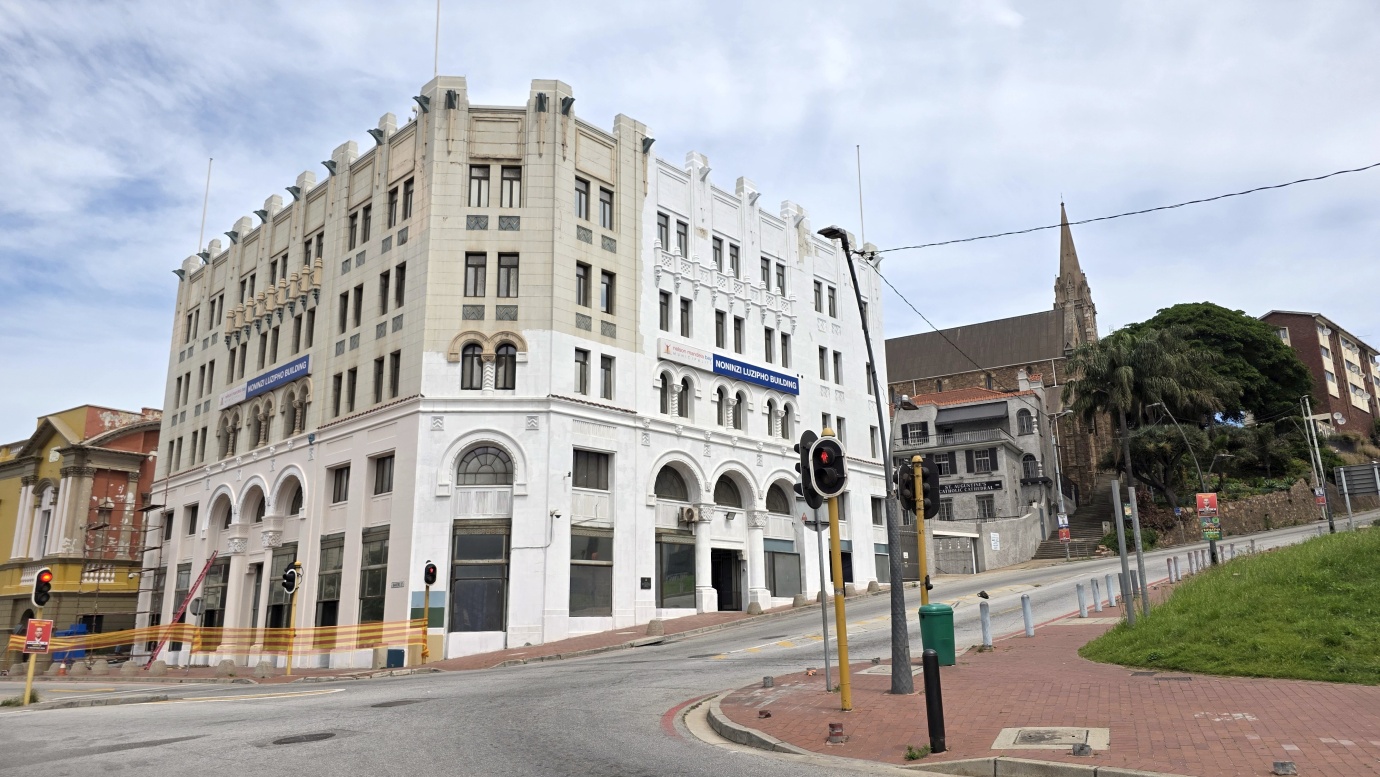
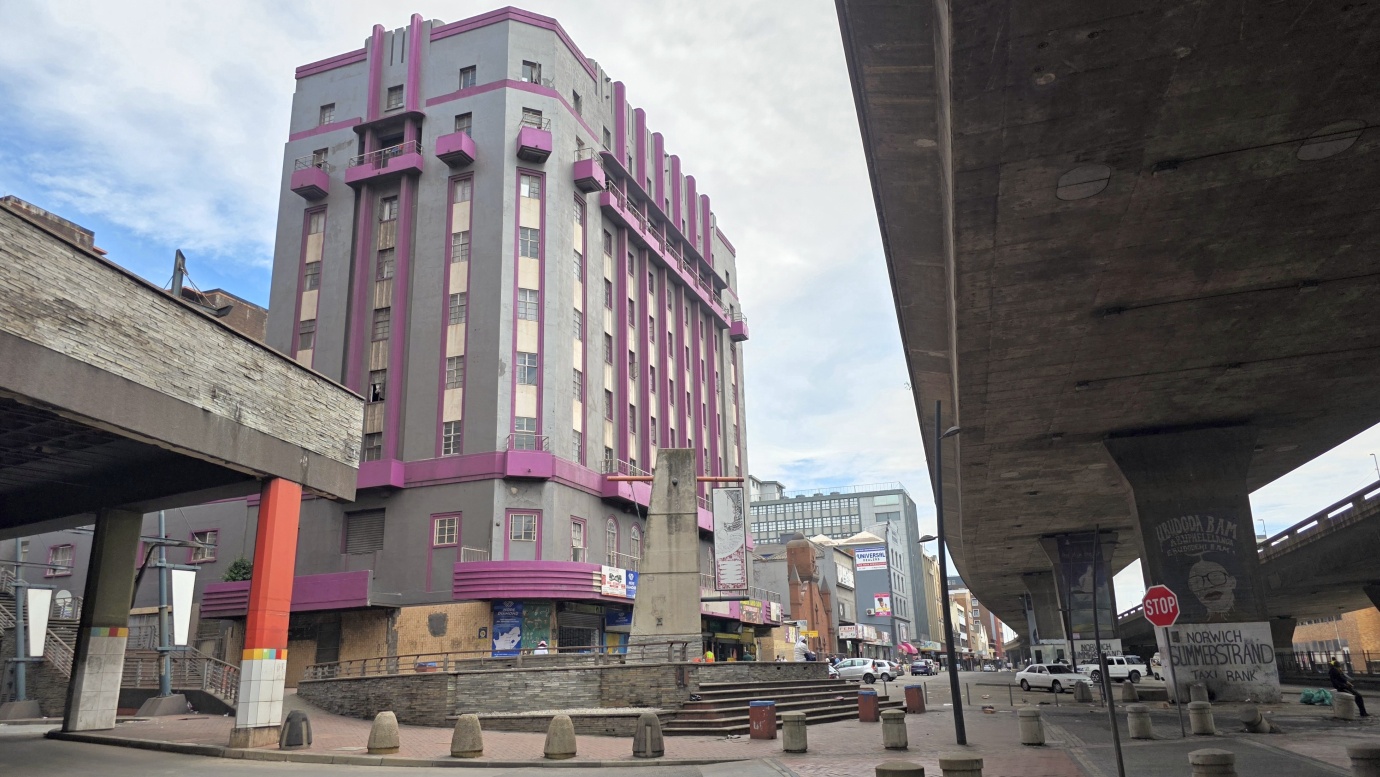
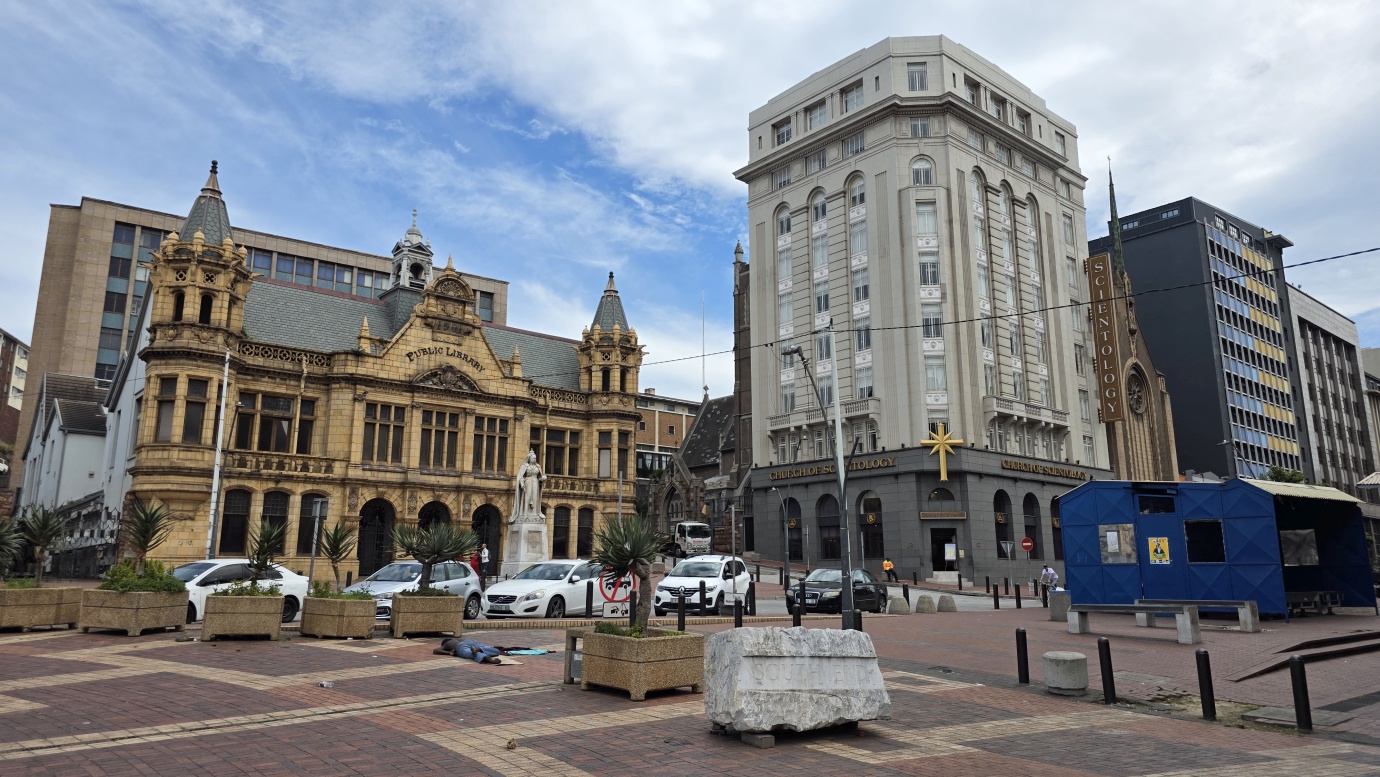
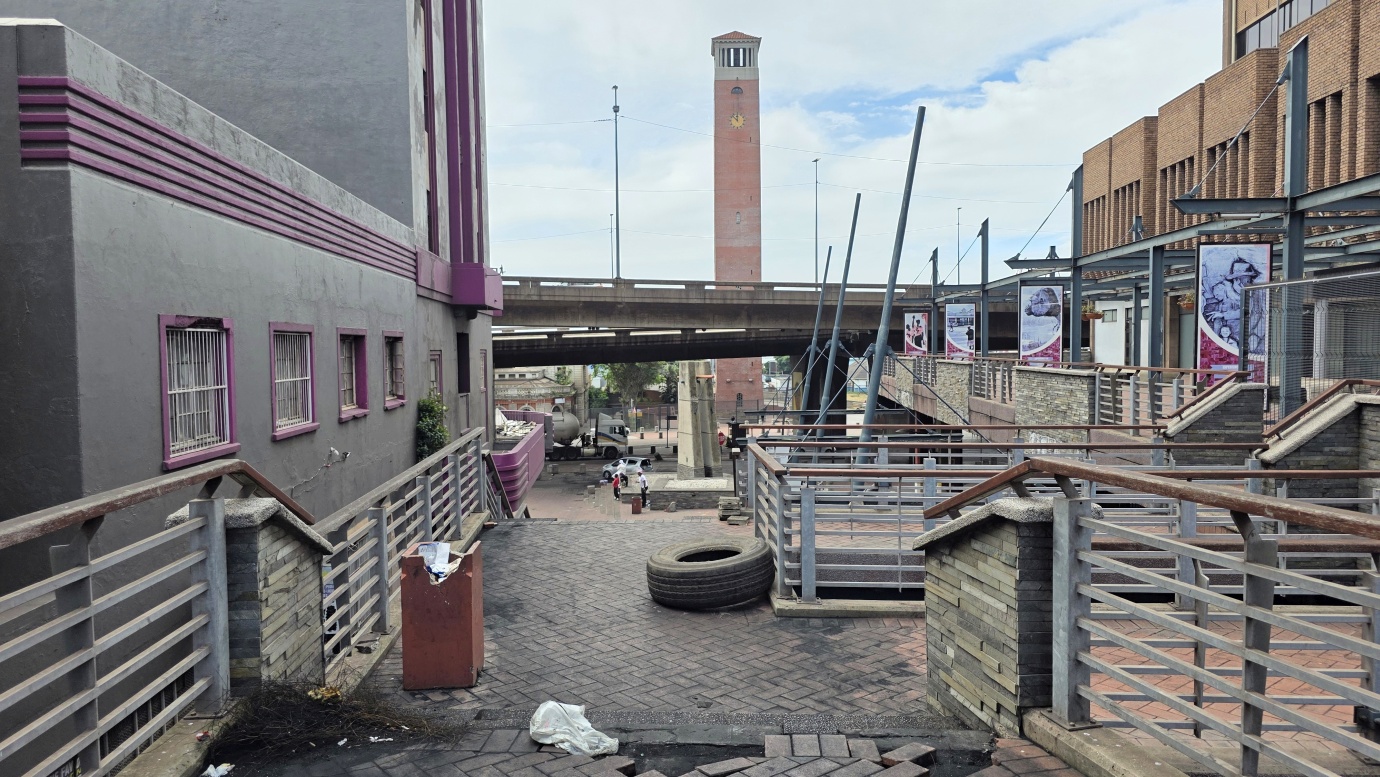
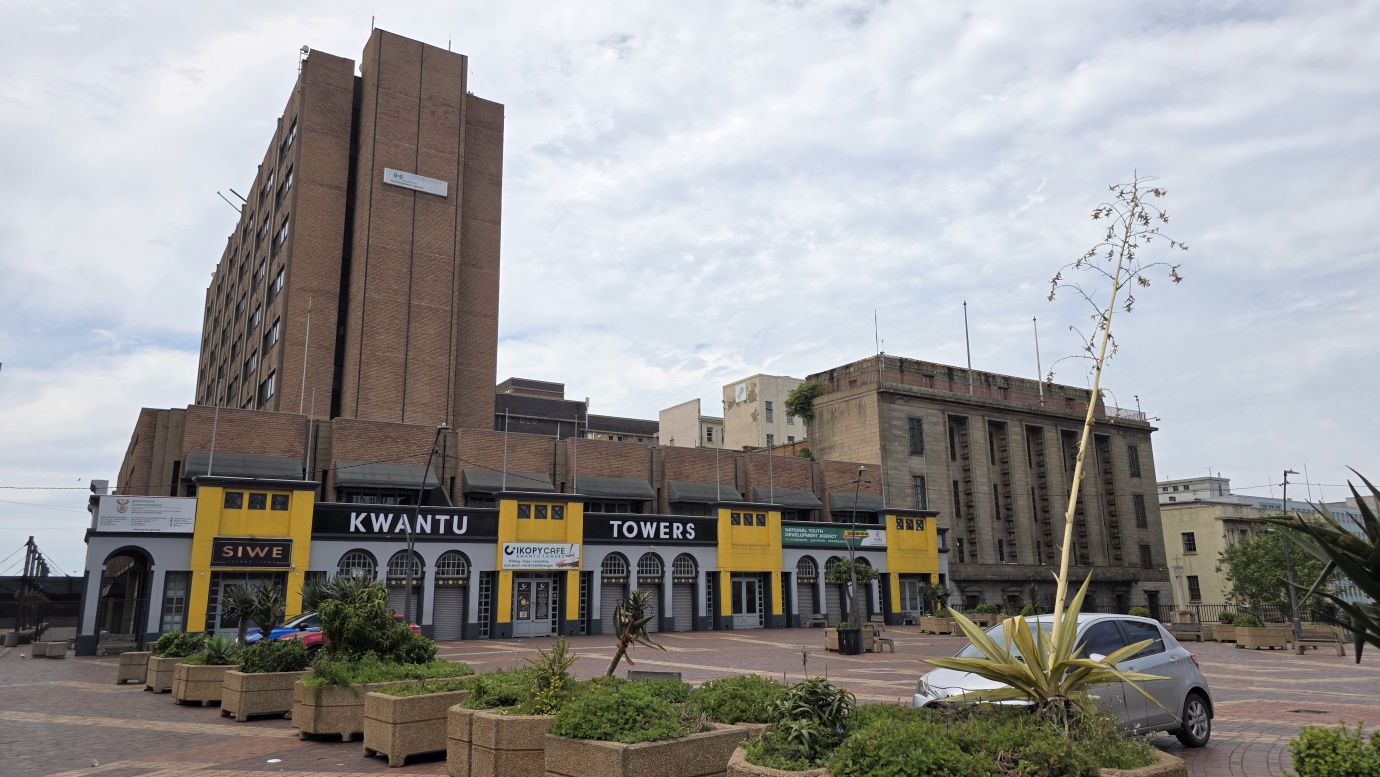
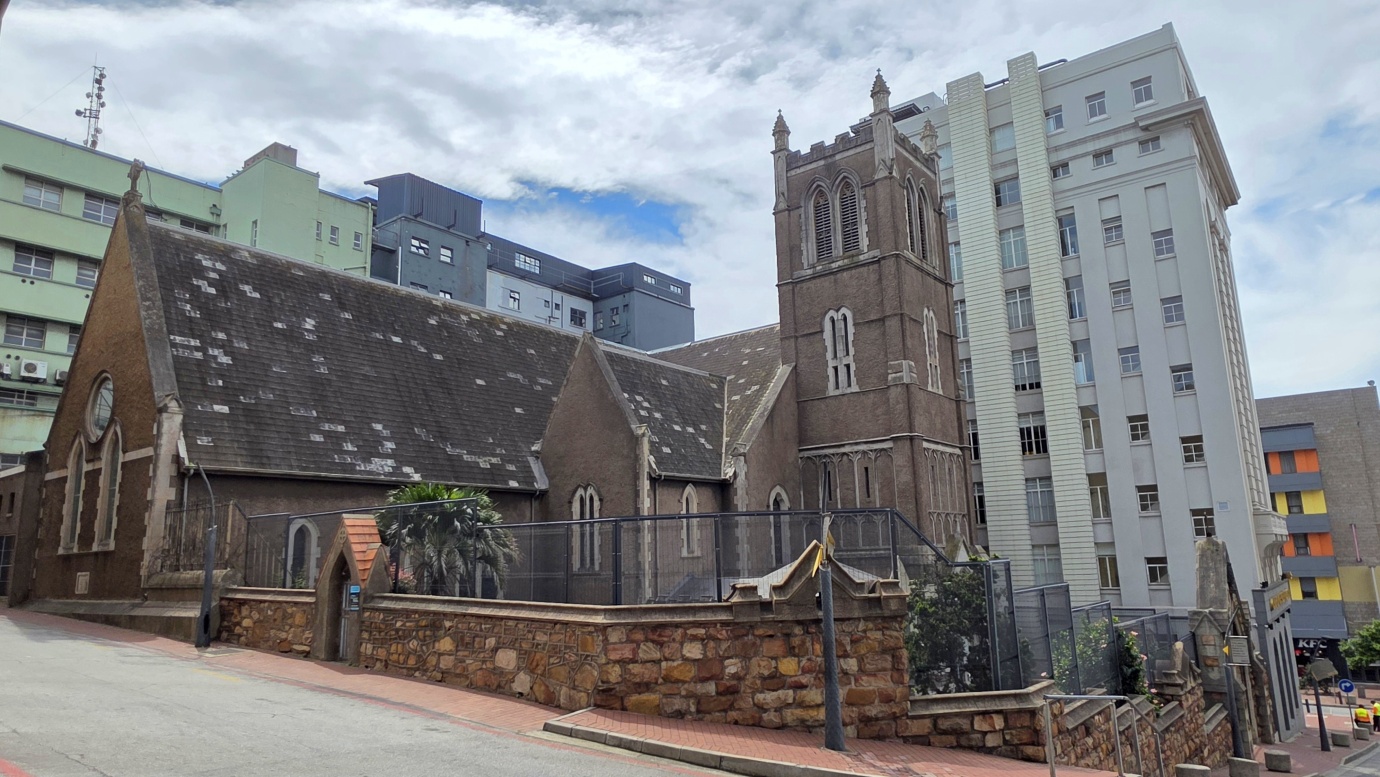
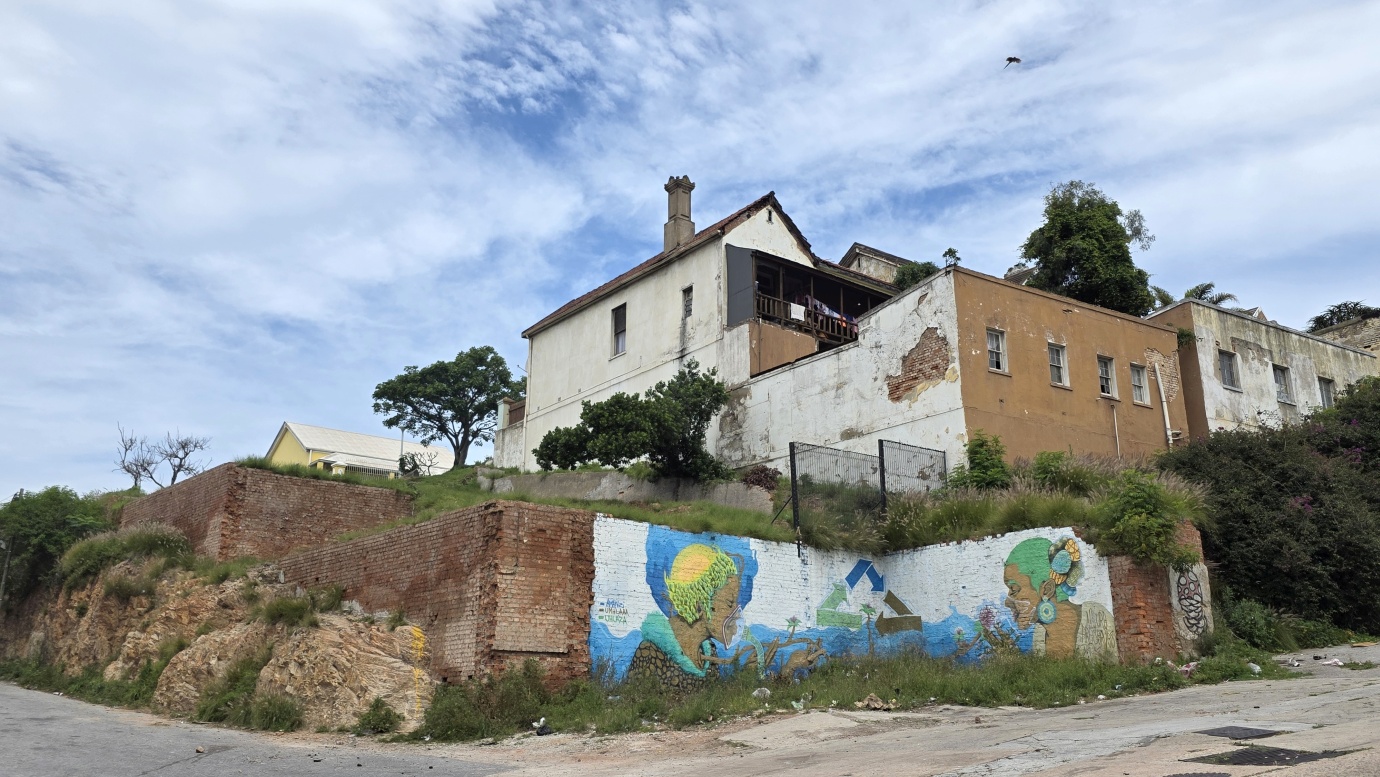
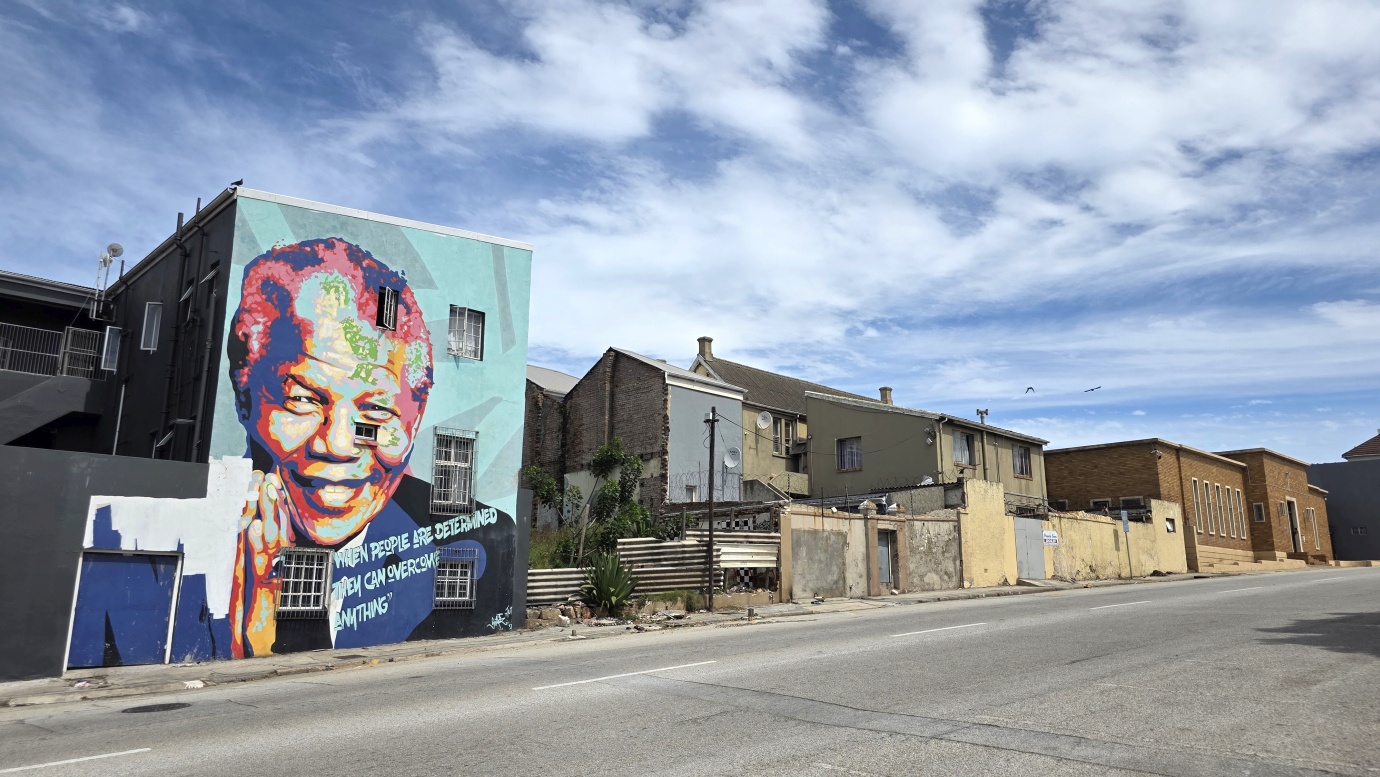
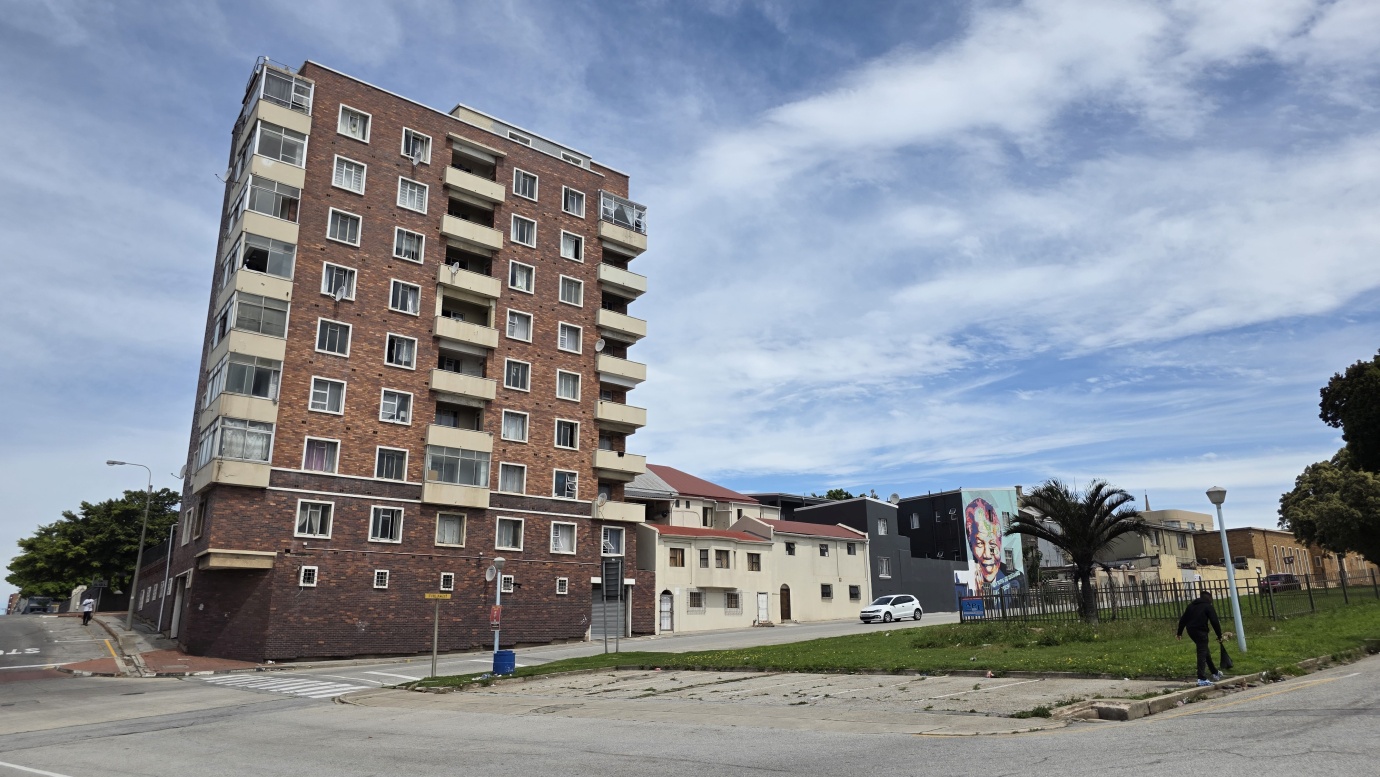
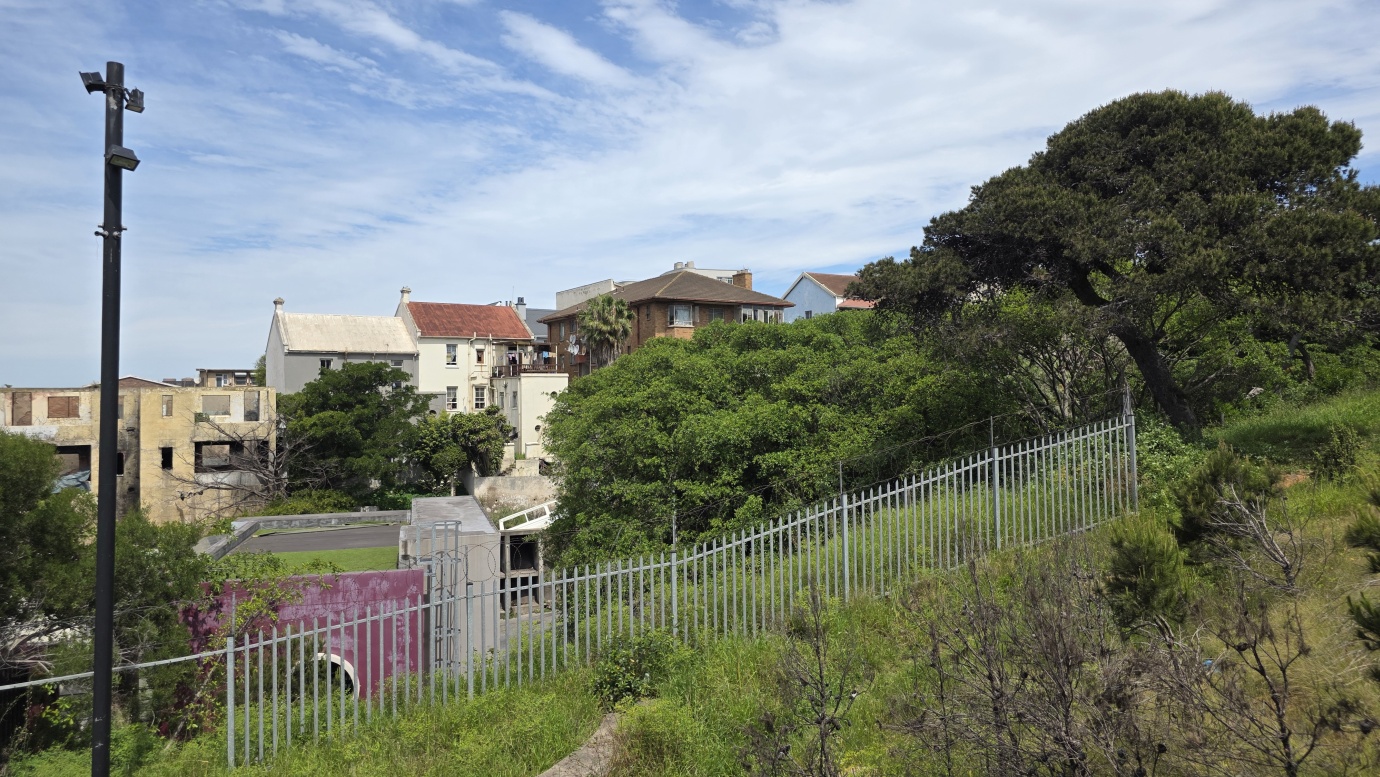
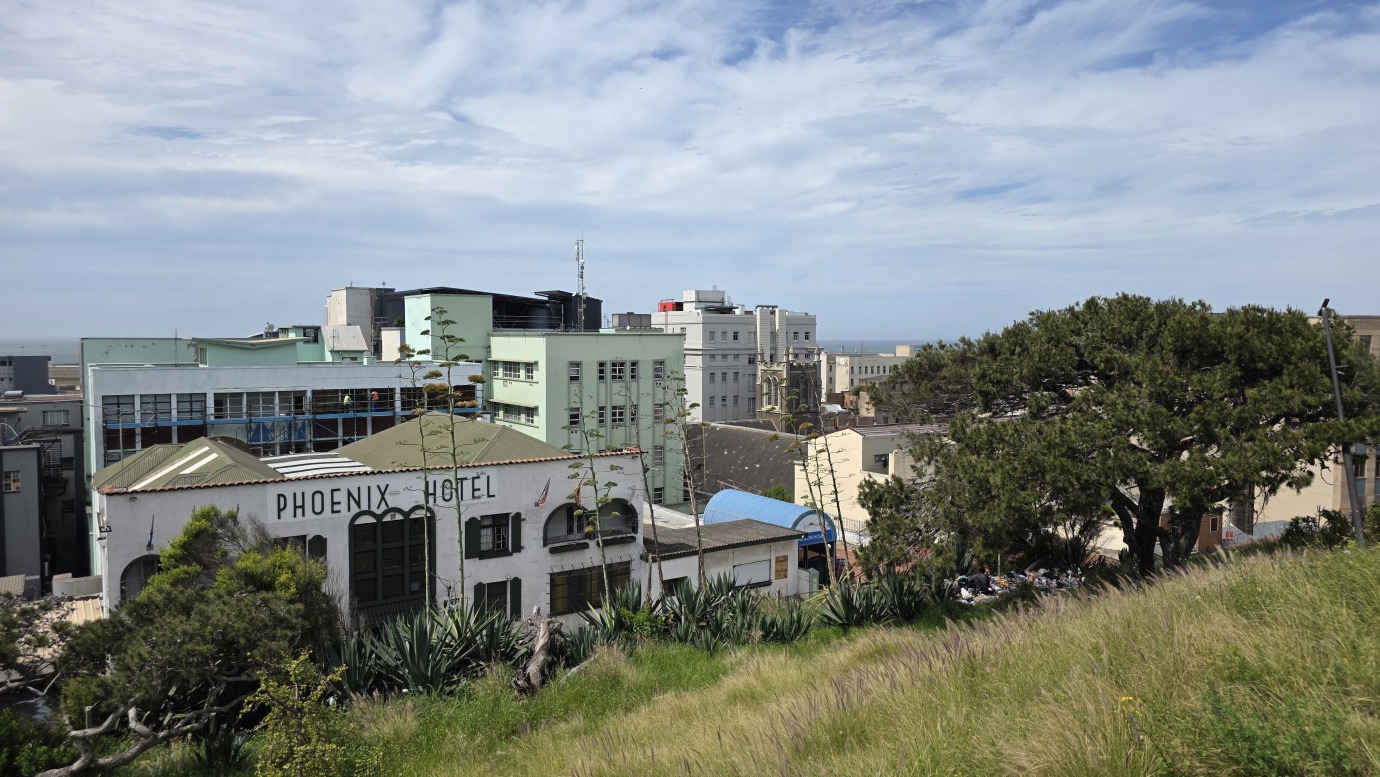
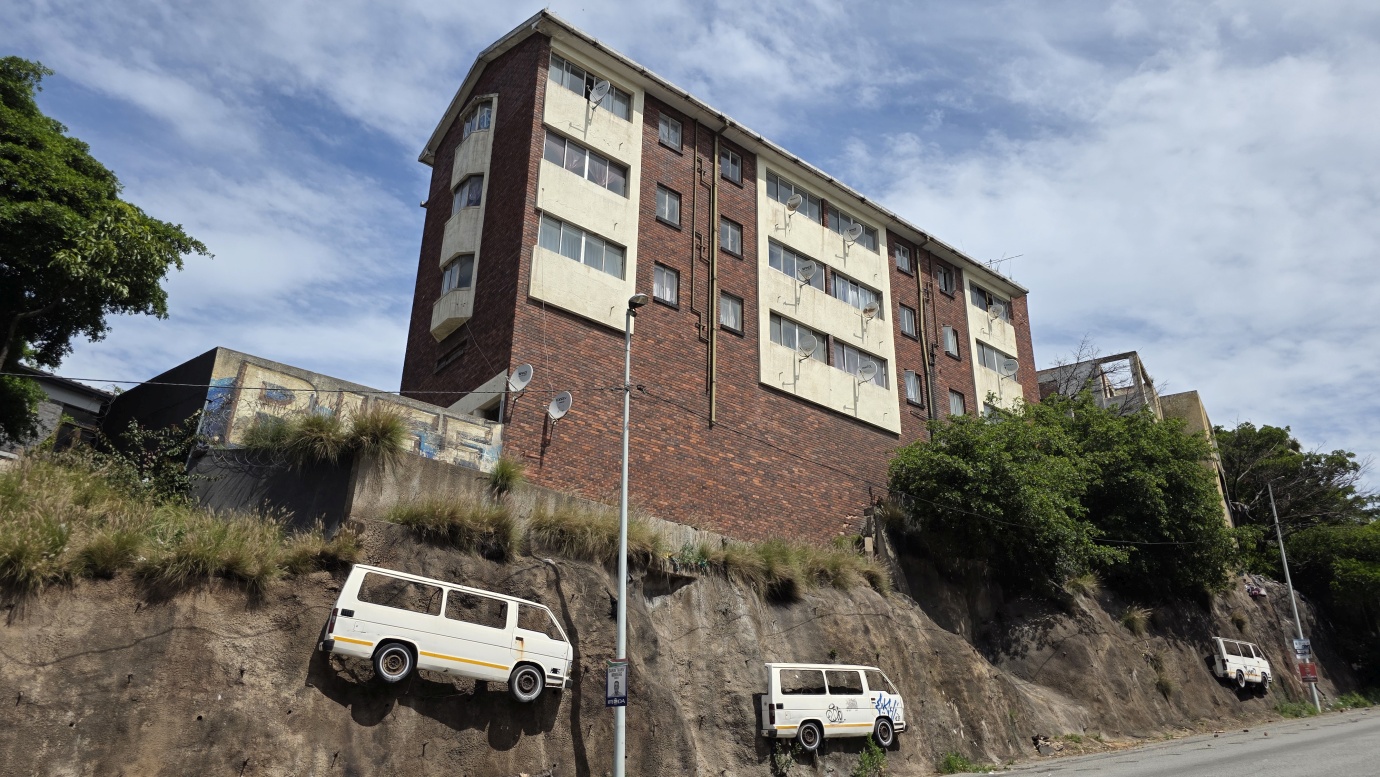
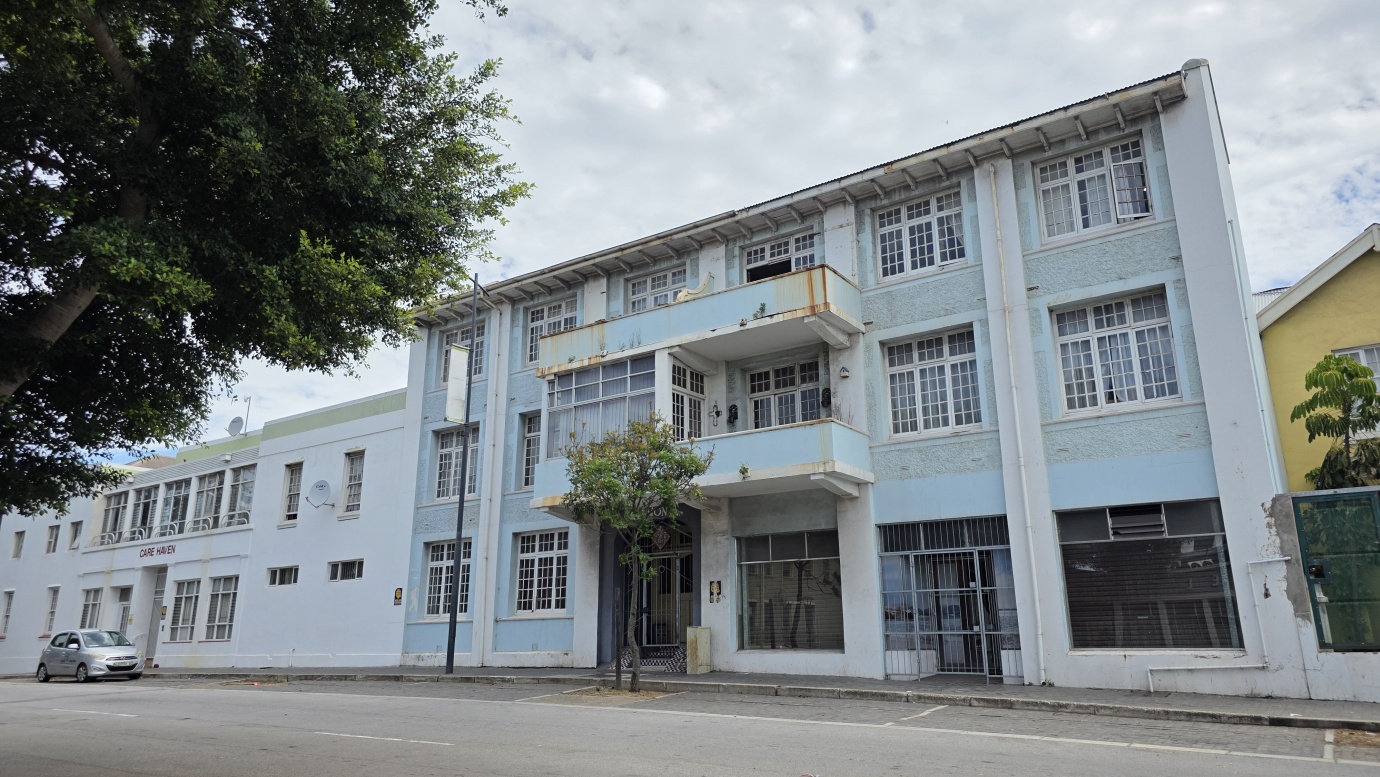
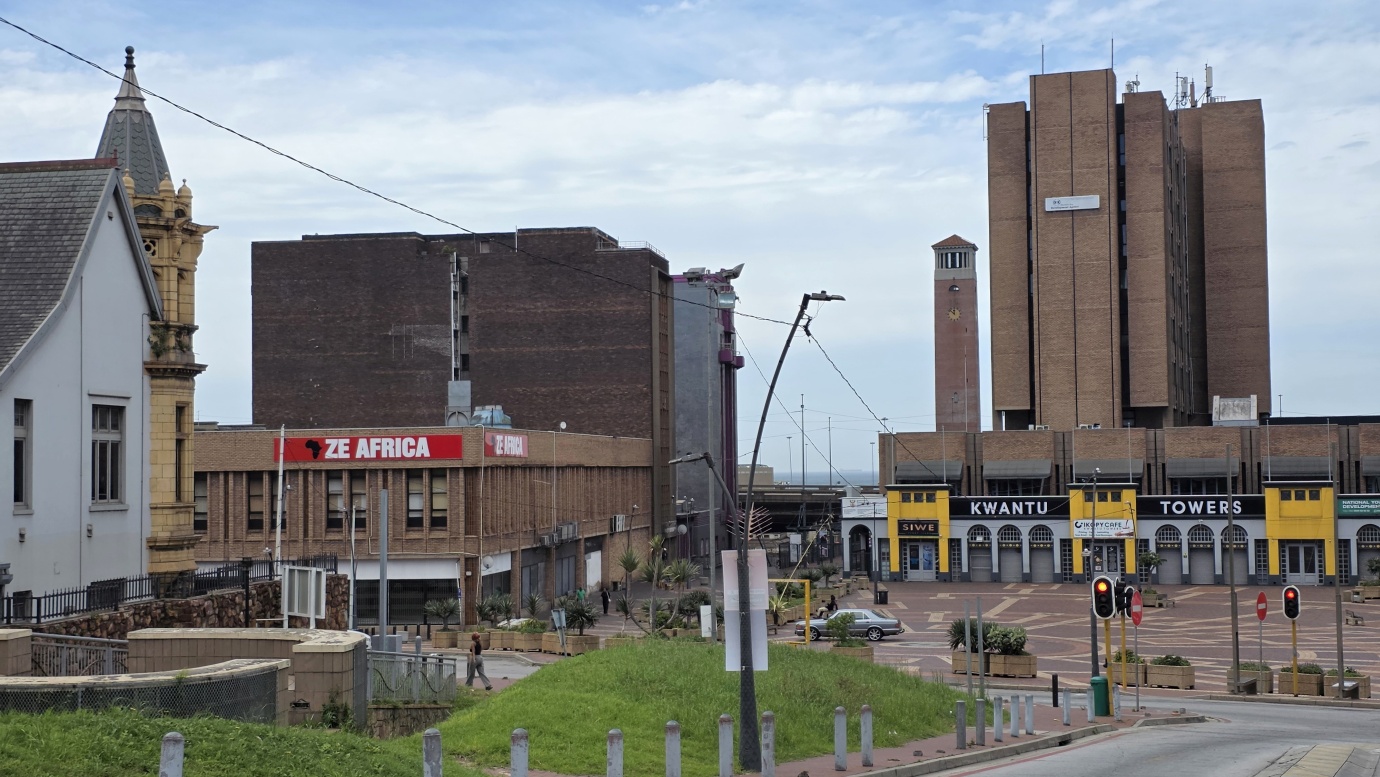
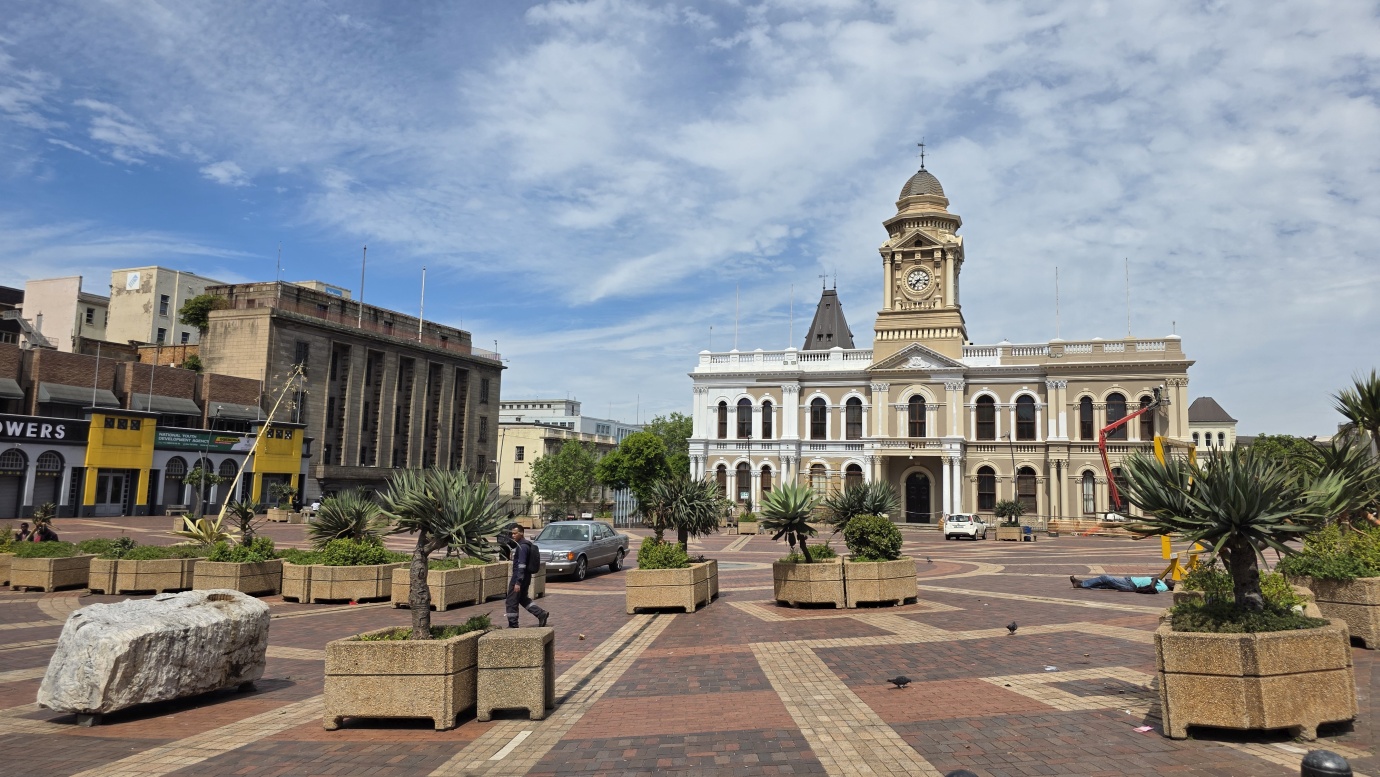
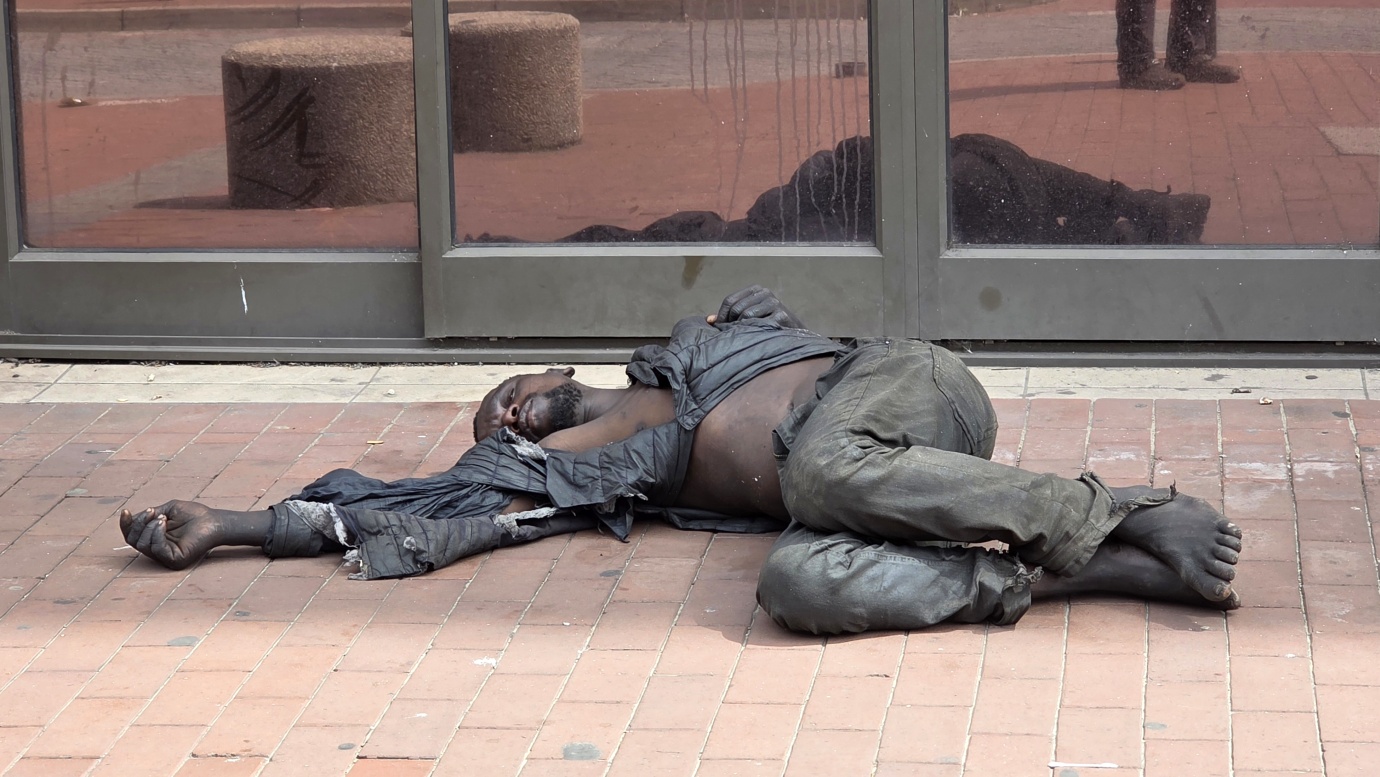
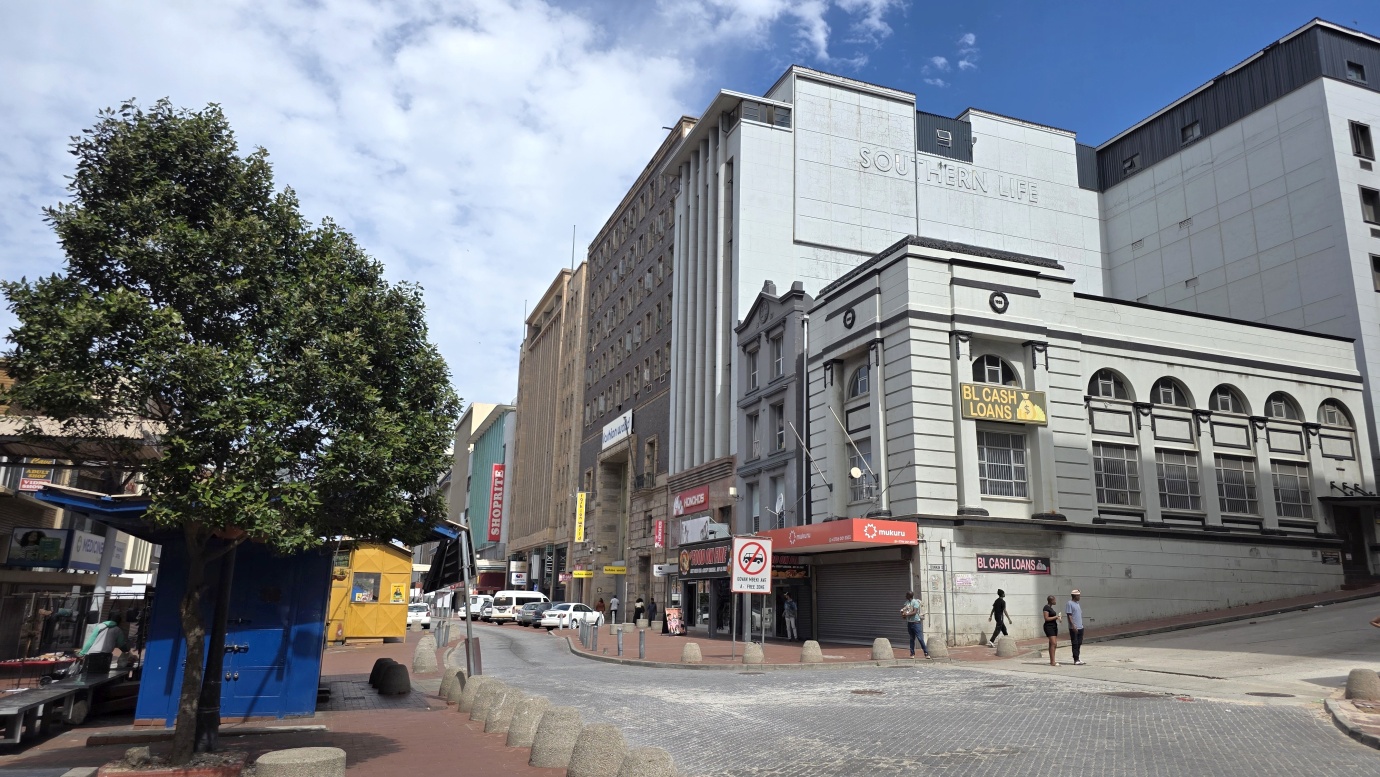
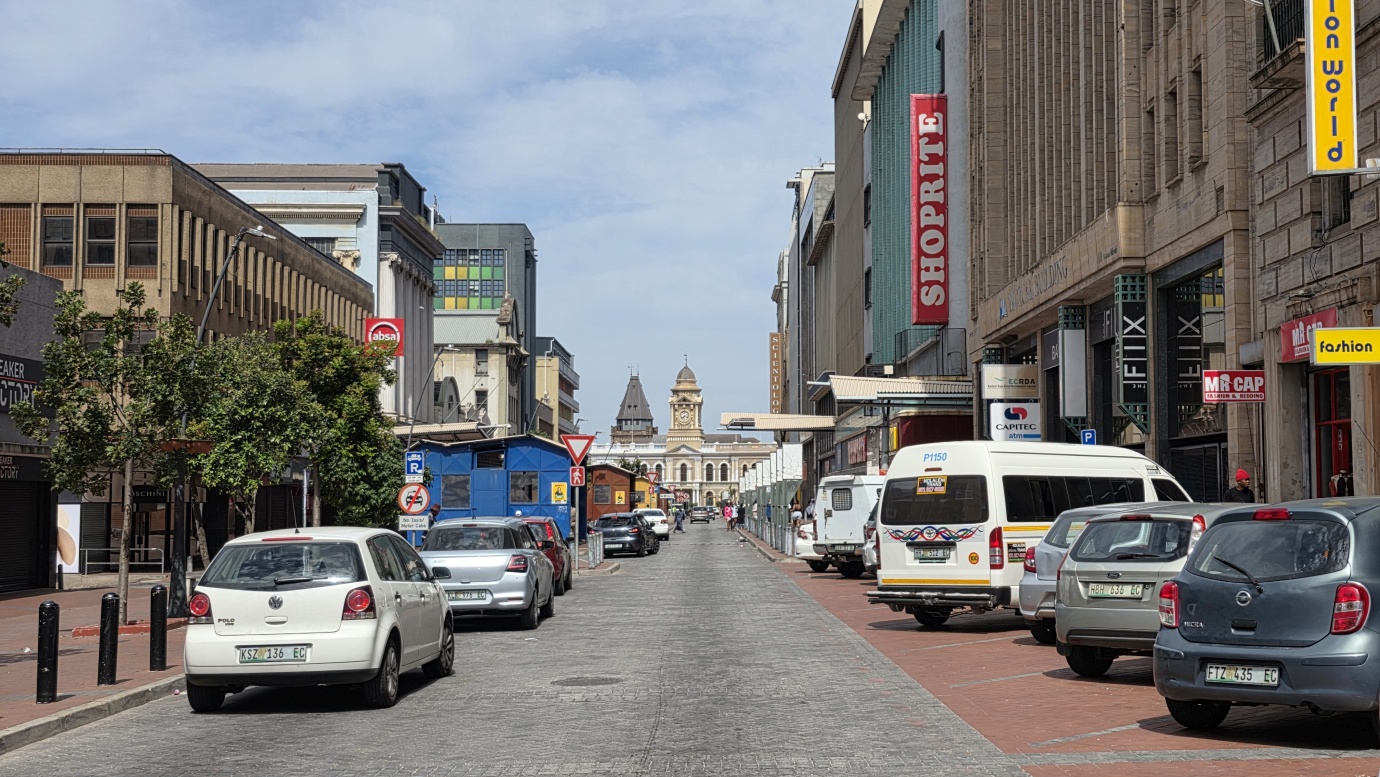
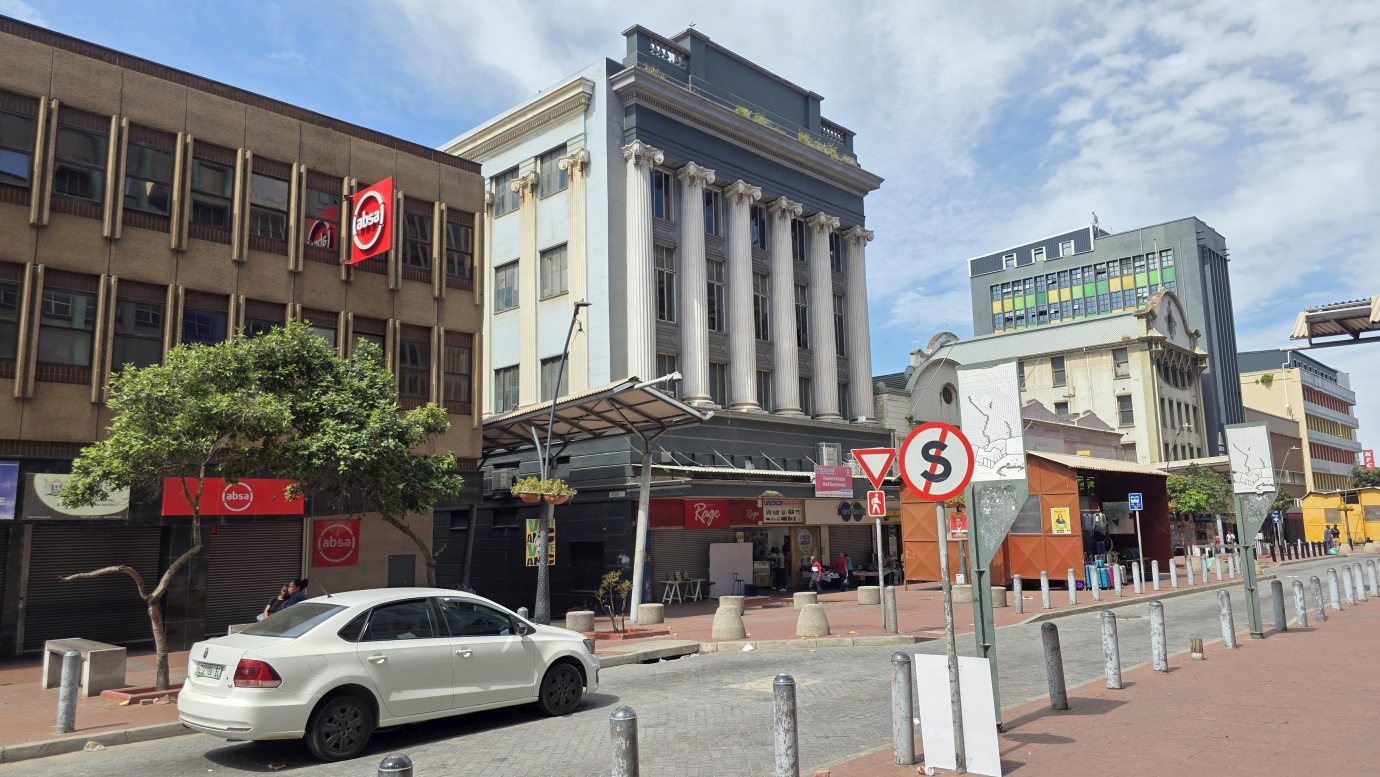
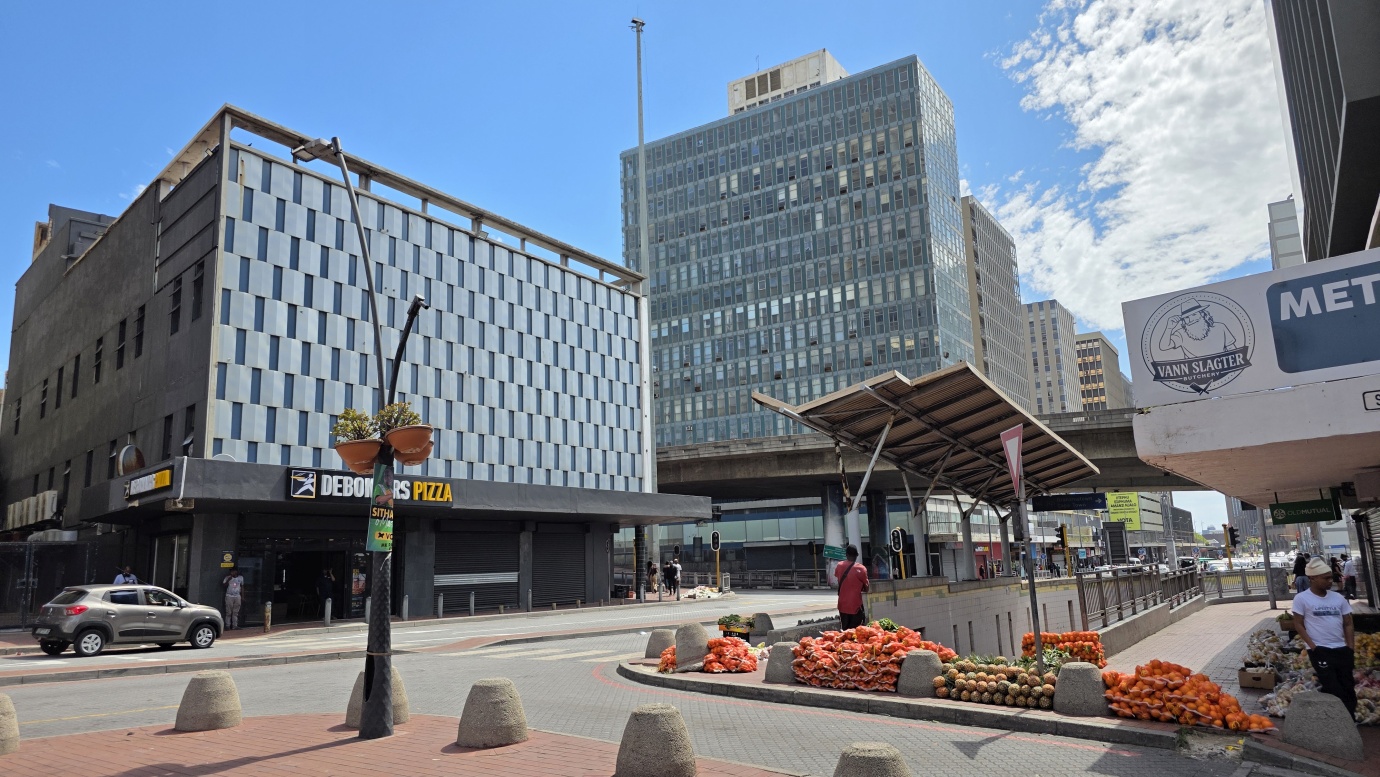
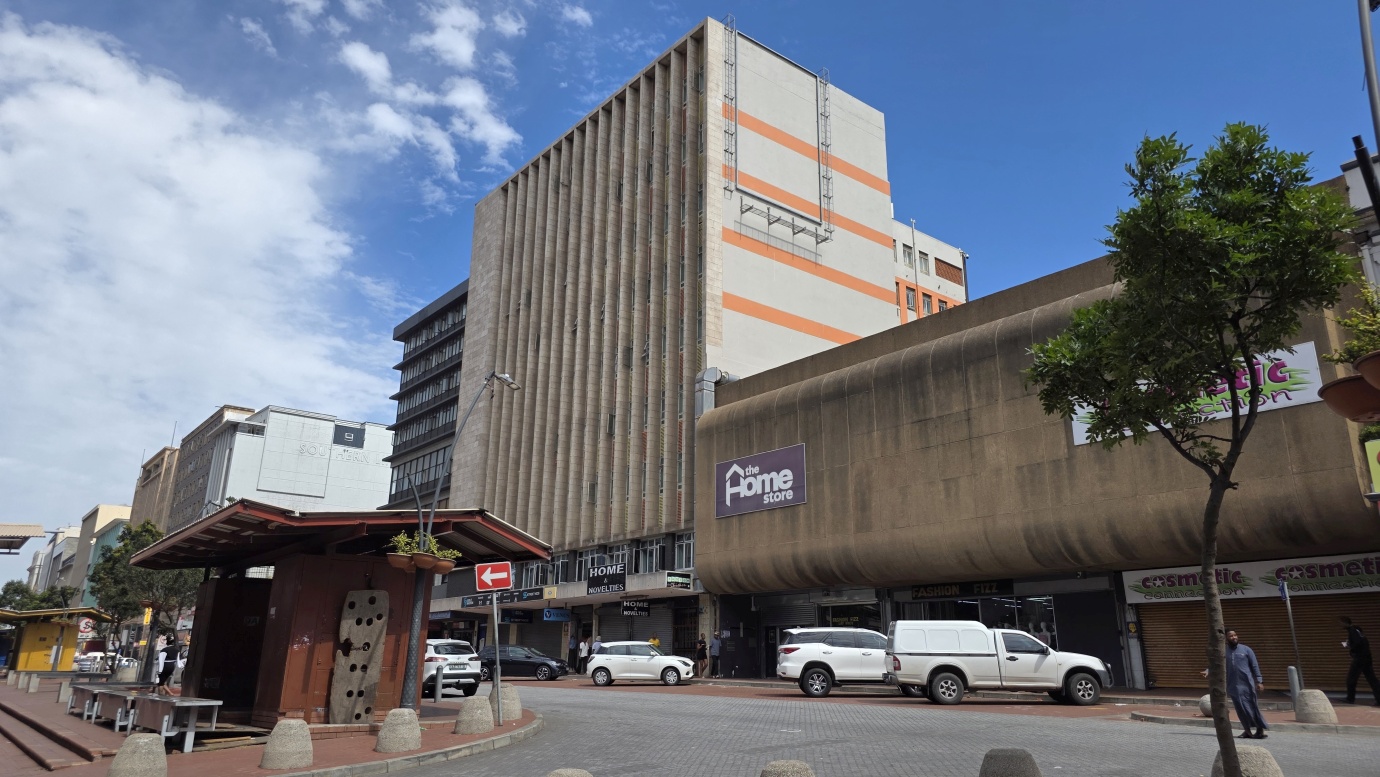
The contrast struck us particularly. While coastal areas such as Summerstrand remain popular with tourists, students and people relocating to the Eastern Cape, the historic Central Business District (CBD) suffers from deteriorating infrastructure, neglected buildings and visible urban decay. During our stay, this was the only South African city where we did not feel comfortable walking around the central business district.
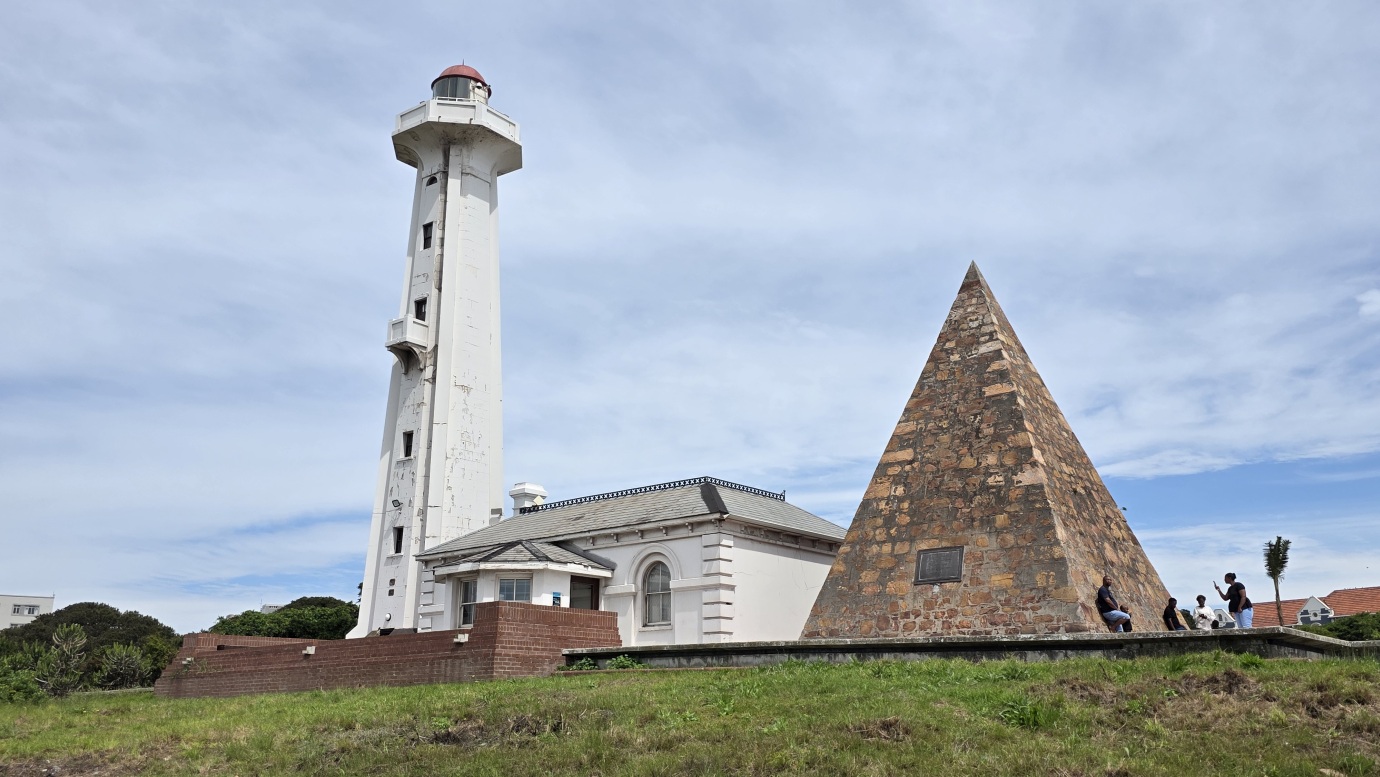
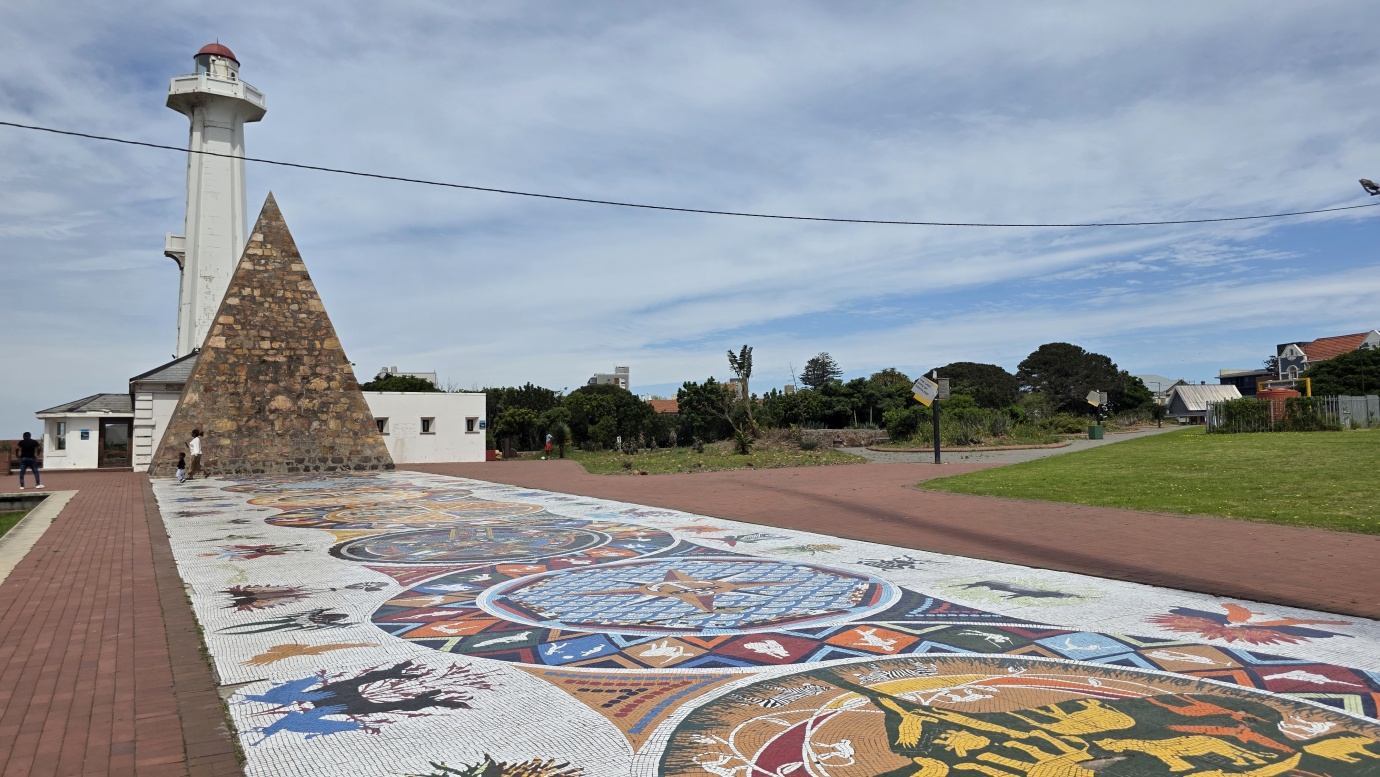
Indigenous San and Xhosa communities inhabited the area long before British settlement. In 1799, the British established Fort Frederick near Algoa Bay during the period of conflict surrounding the Cape Colony. In 1820, acting governor Sir Rufane Donkin named the settlement Port Elizabeth in memory of his late wife, Lady Elizabeth Donkin.
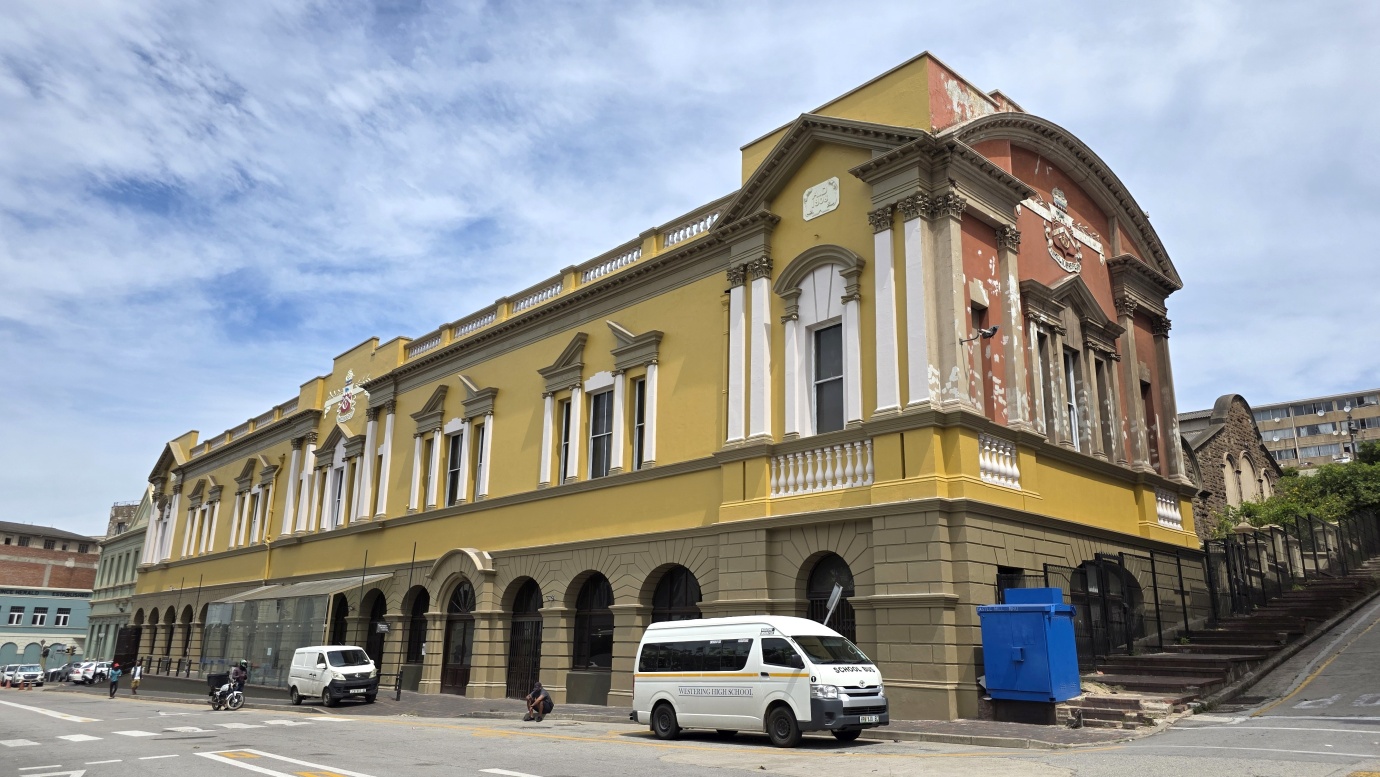
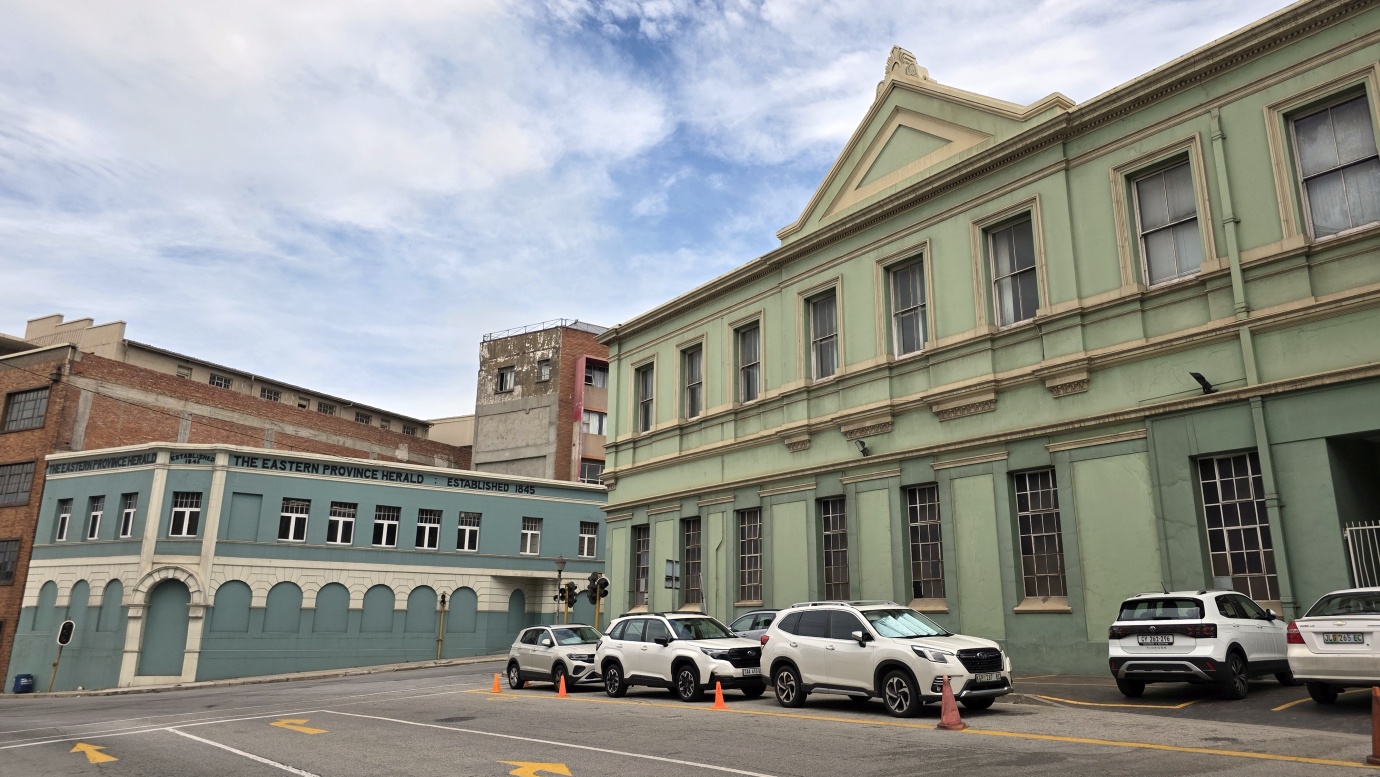
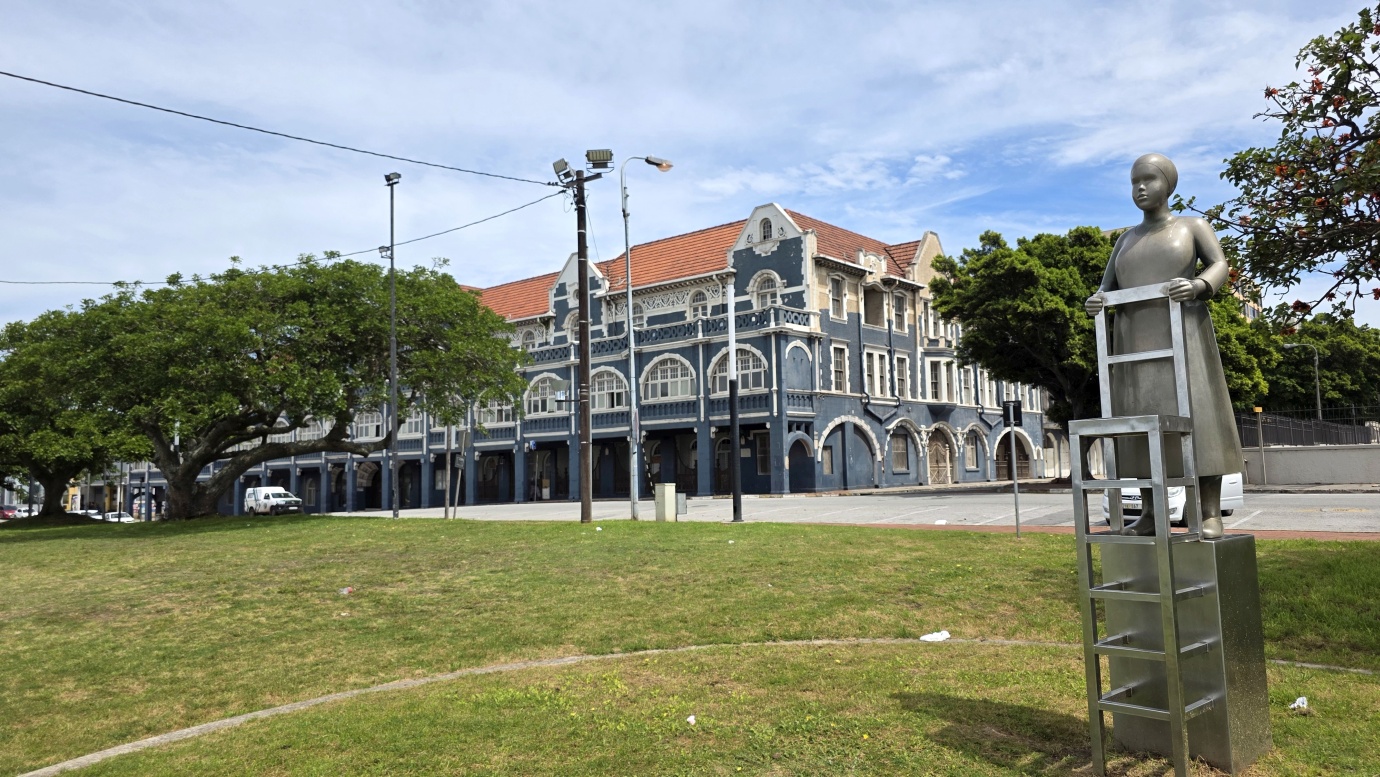
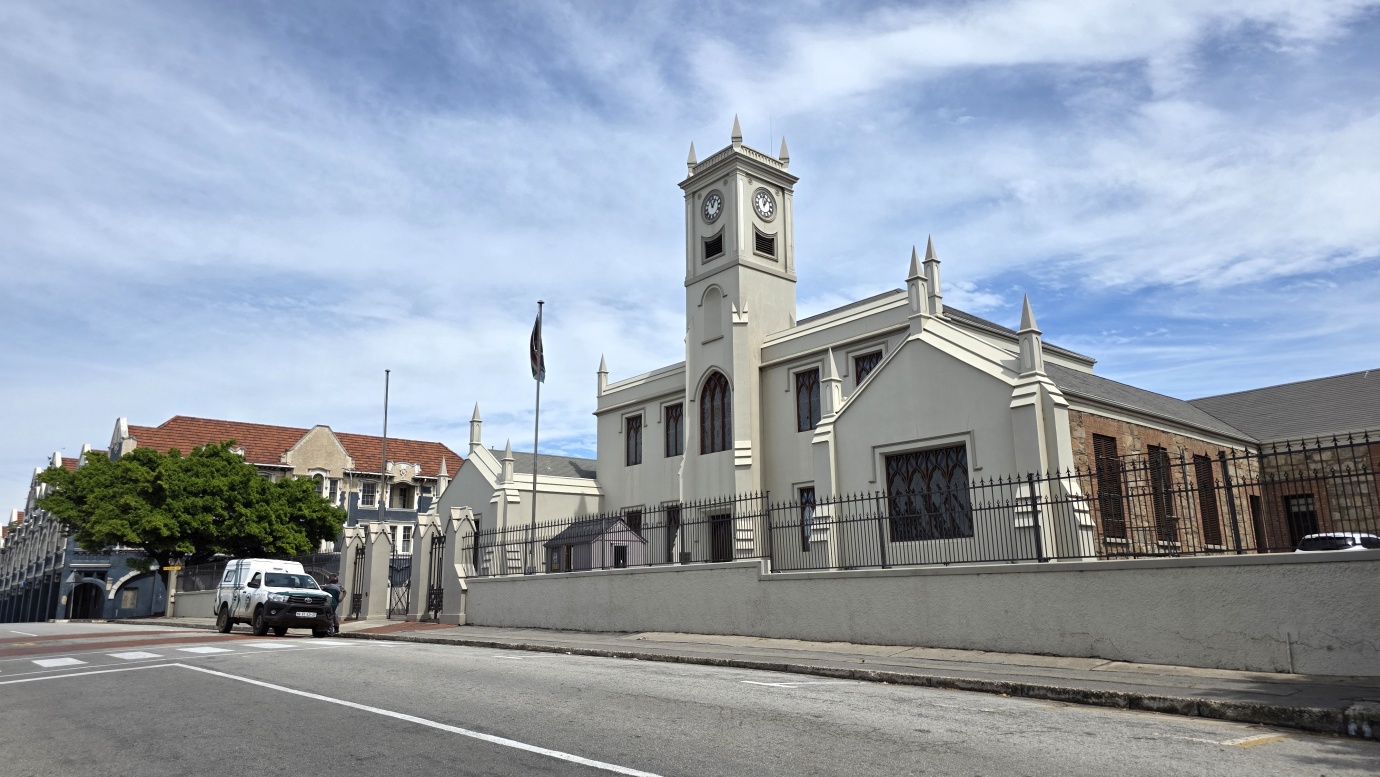
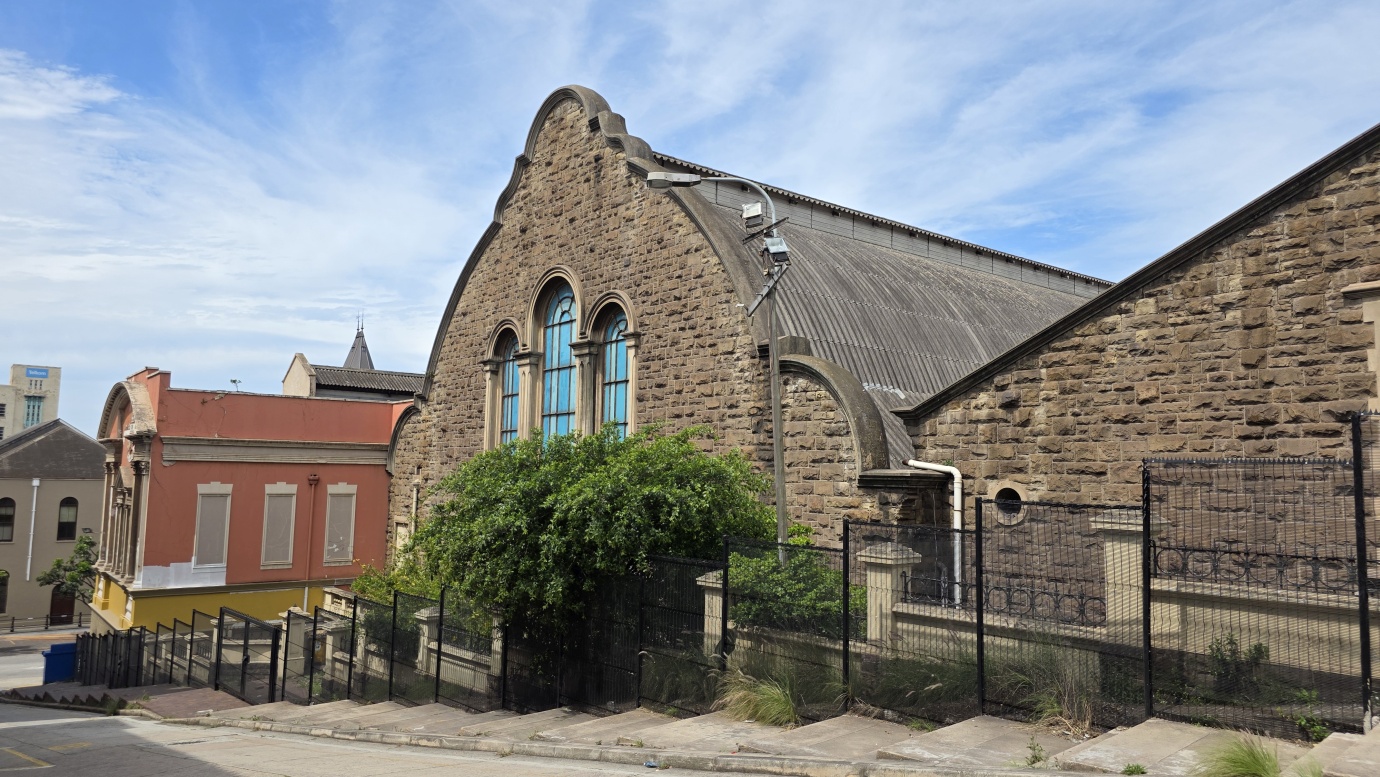
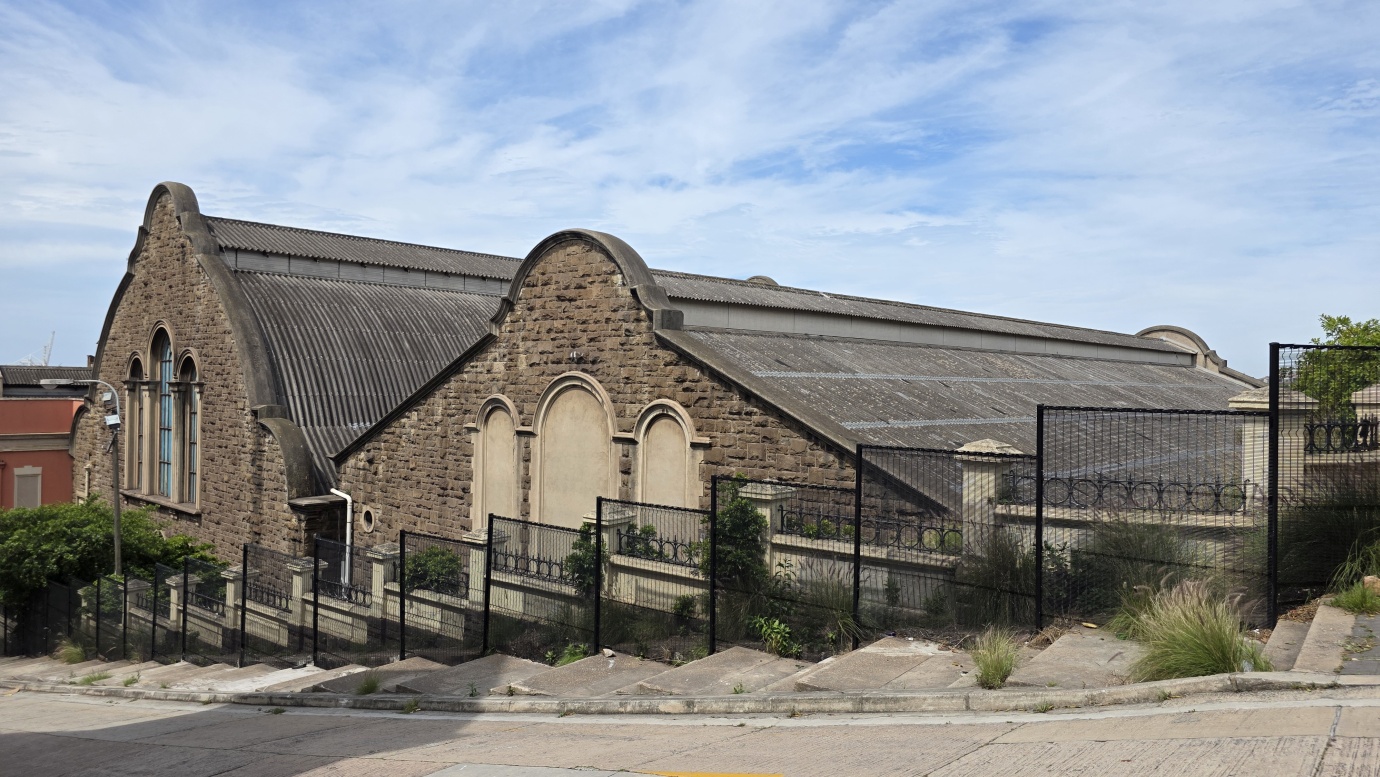
The arrival of the British settlers in 1820 helped the town expand rapidly. By the nineteenth century, it had become an important commercial port, benefiting from exports of diamonds, gold, mohair, and ostrich feathers. The prosperity generated by the ostrich-feather trade contributed to the construction of the historic Feather Market building. In the twentieth century, automotive assembly plants, including those operated by Ford and General Motors, strengthened the city’s position as one of South Africa’s major industrial centres.
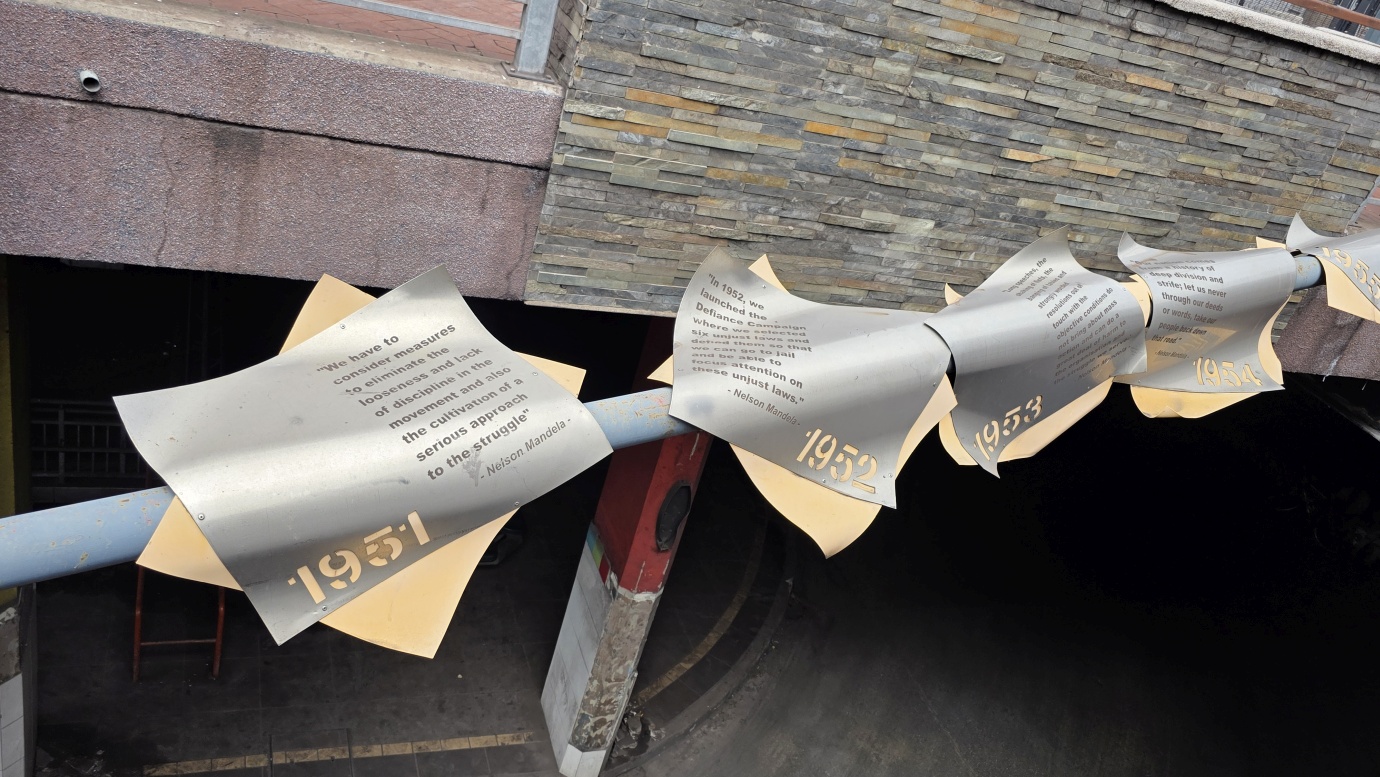
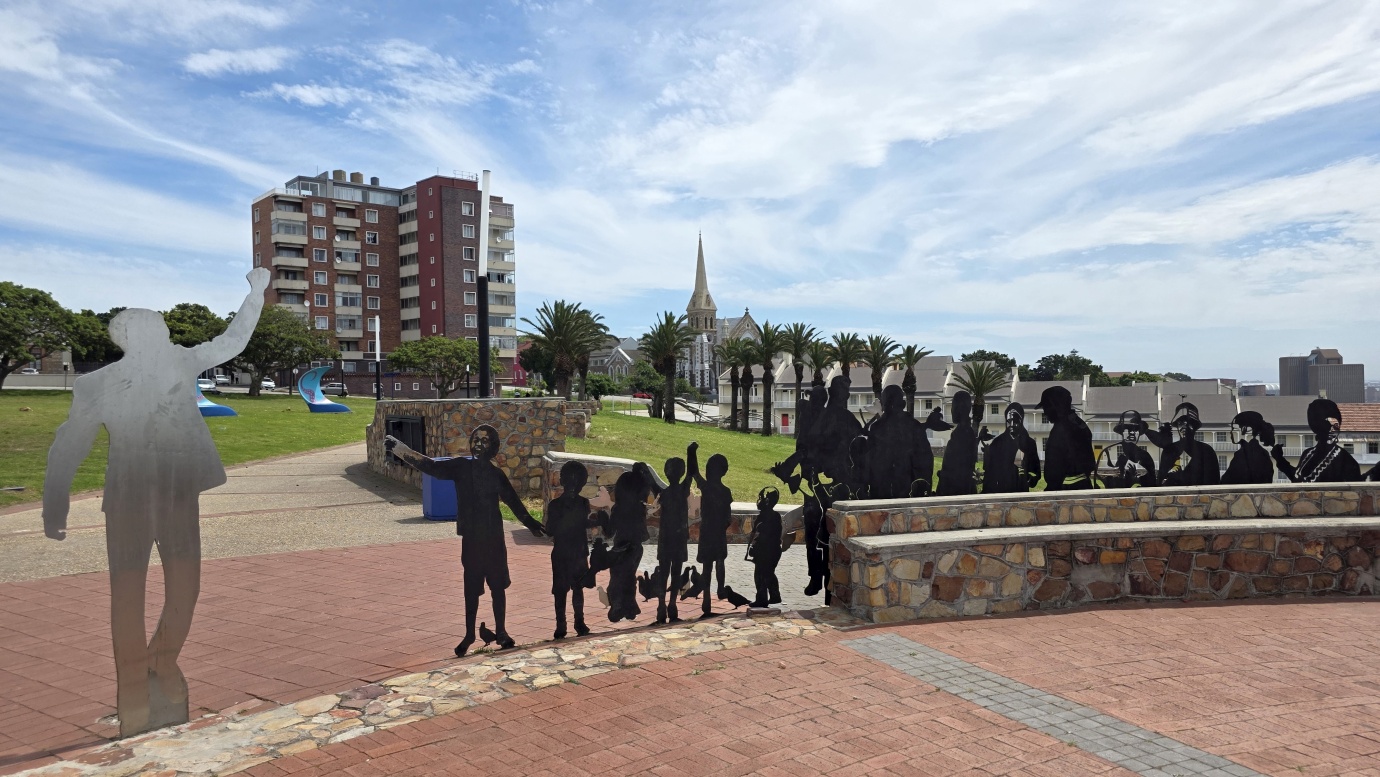
Gqeberha’s history also reflects apartheid’s devastating impact. Before the introduction of strict racial segregation, parts of the inner city were home to communities of different ethnic backgrounds, often living alongside one another according to their economic circumstances. Under apartheid, forced removals and racial zoning transformed the urban landscape.
One of the most significant examples was South End, a once-vibrant, multicultural neighbourhood that was systematically demolished. Thousands of residents were forcibly removed and relocated to racially segregated townships, including New Brighton and other settlements on the outskirts of the city. These policies destroyed established communities and contributed to the social and economic inequalities that remain visible today.
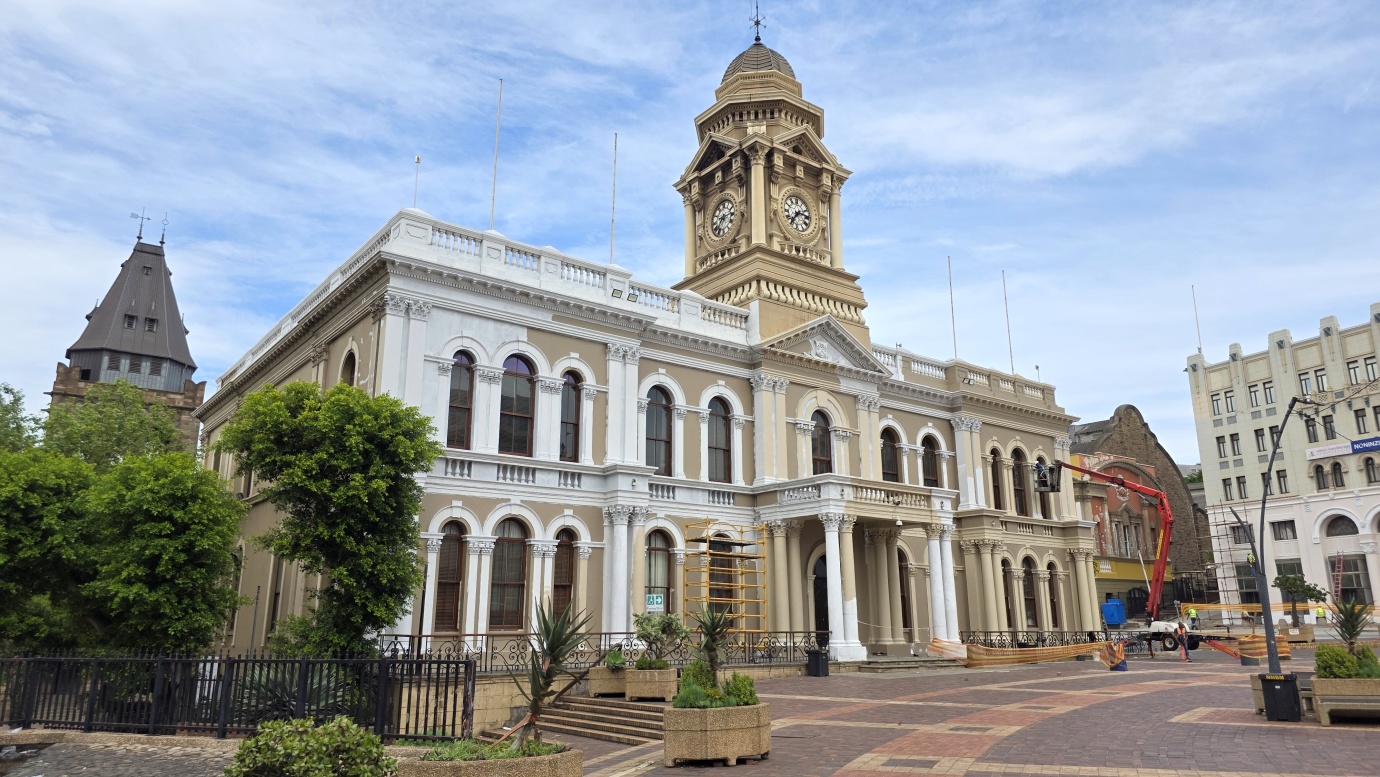
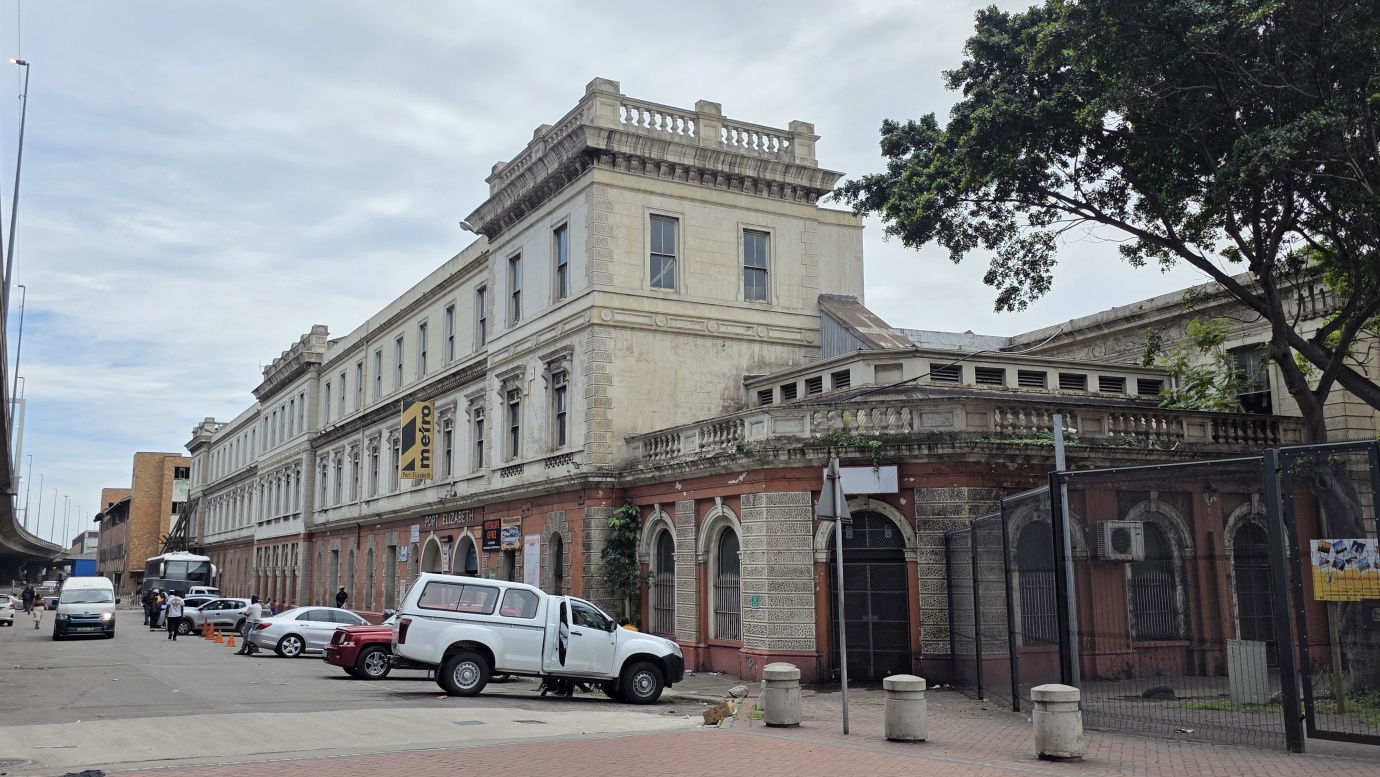
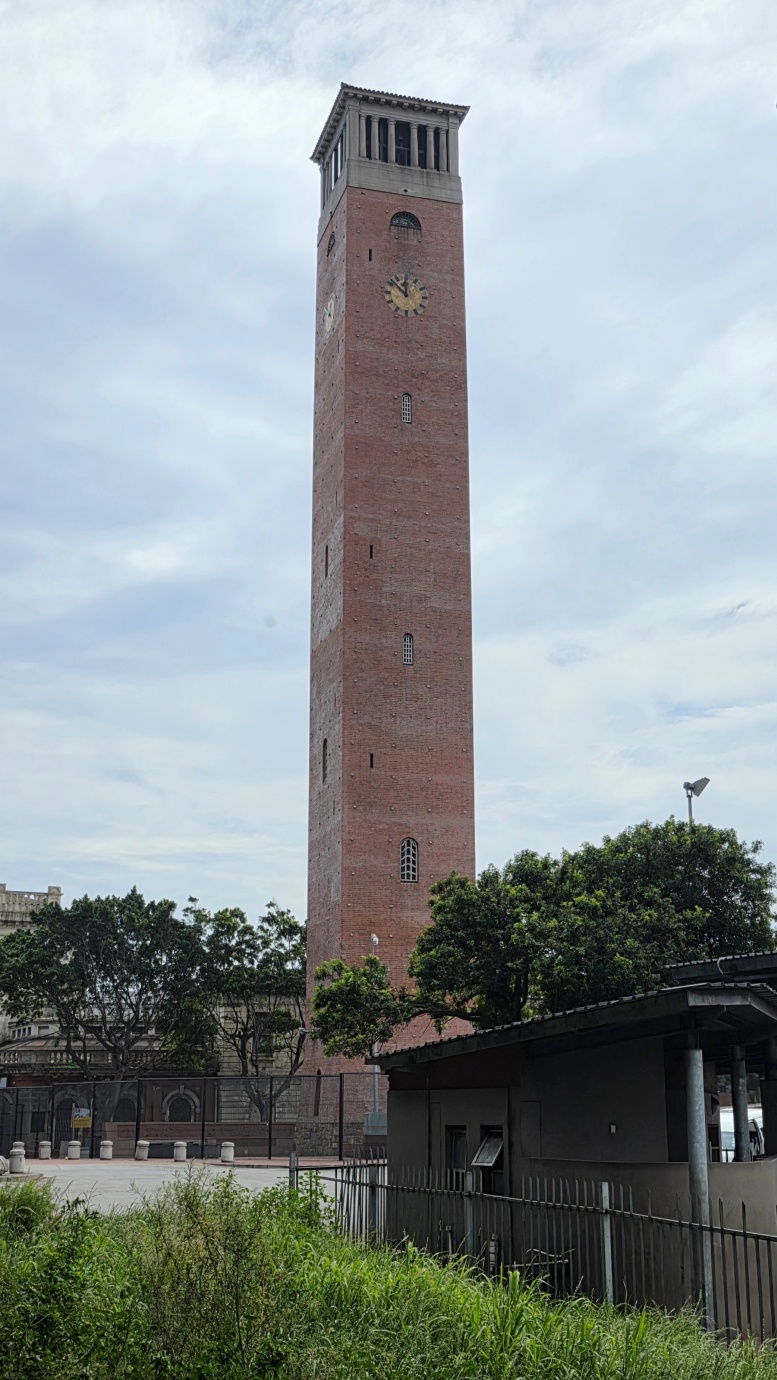
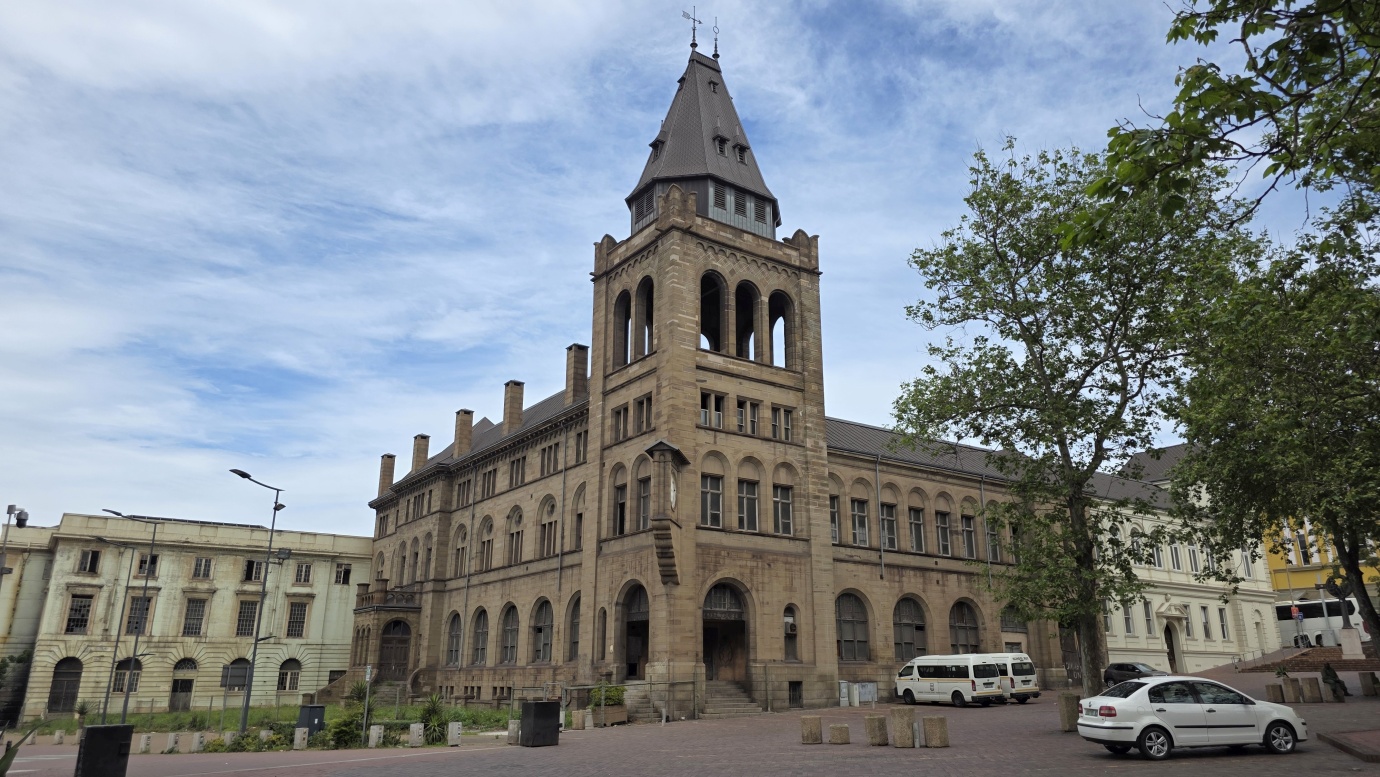
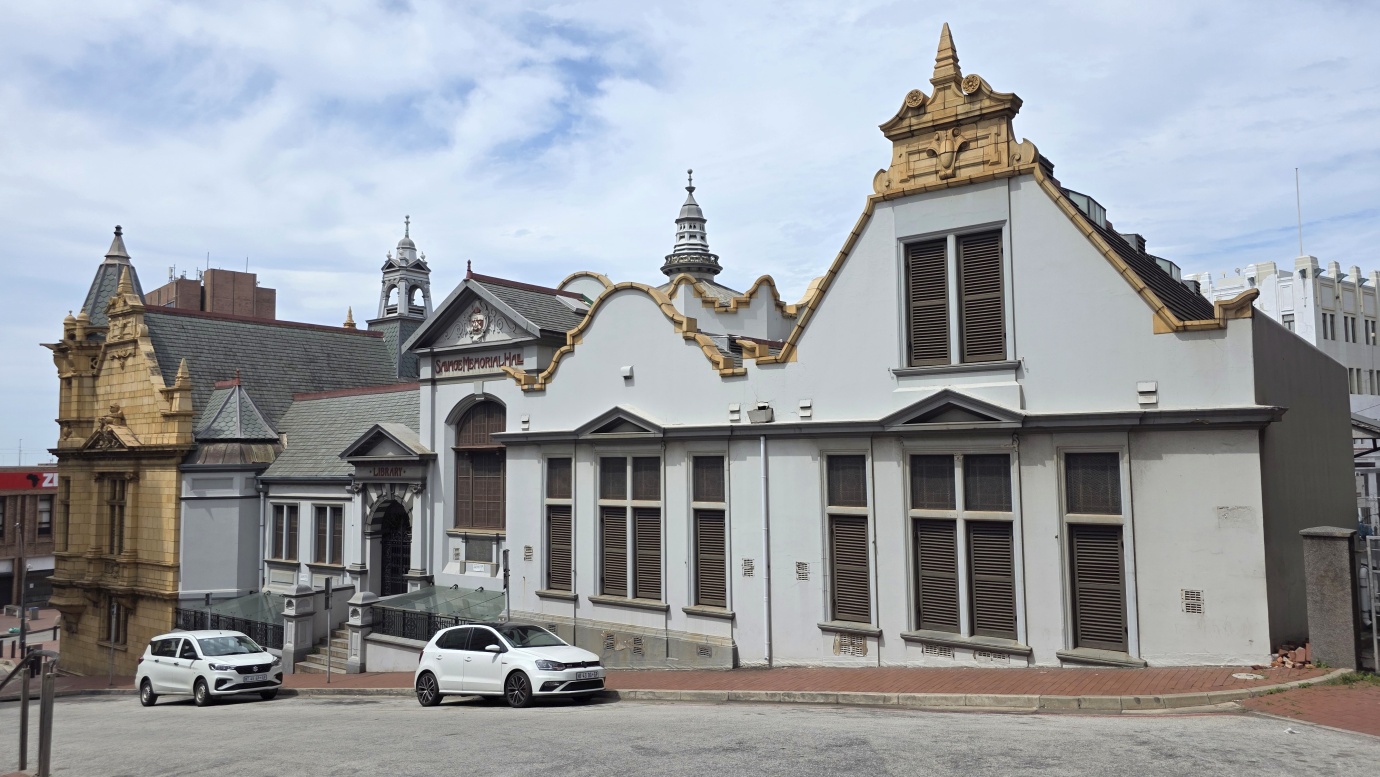
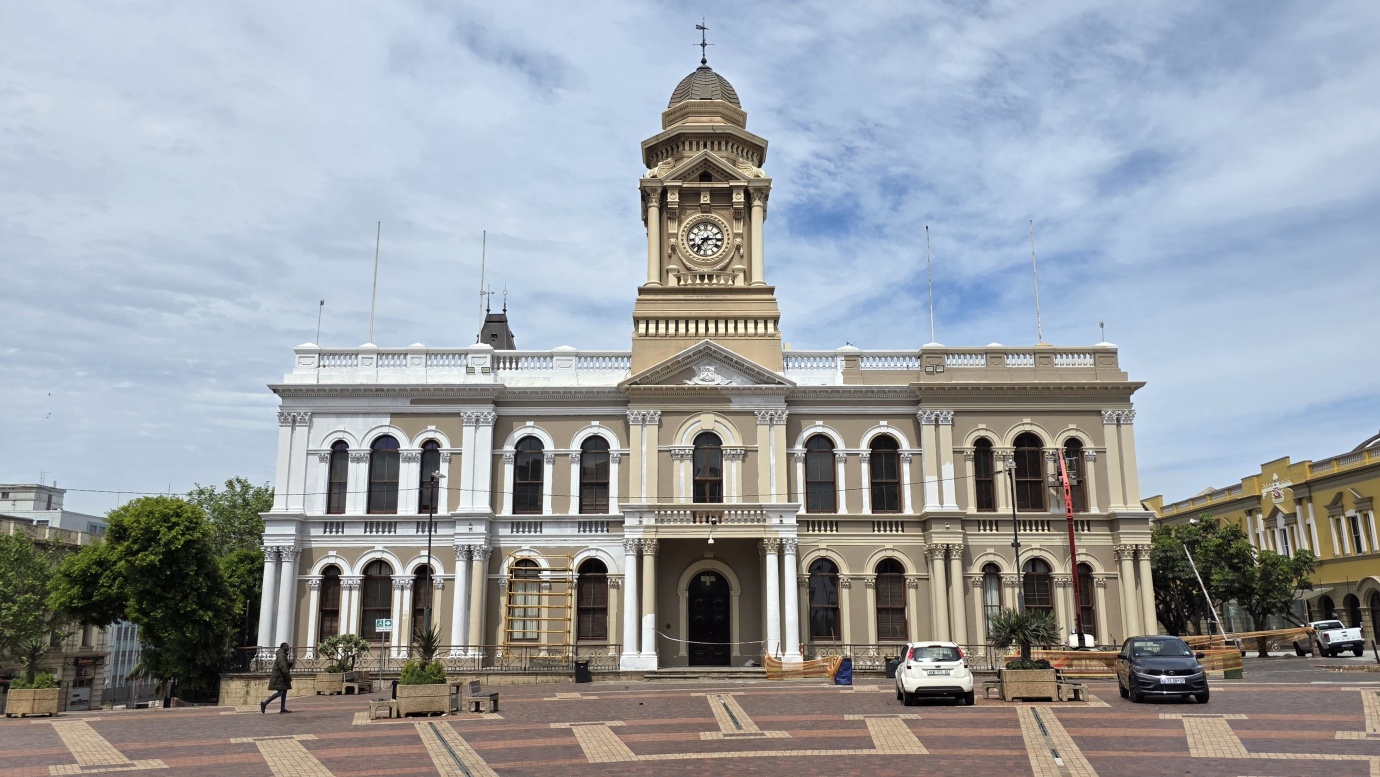
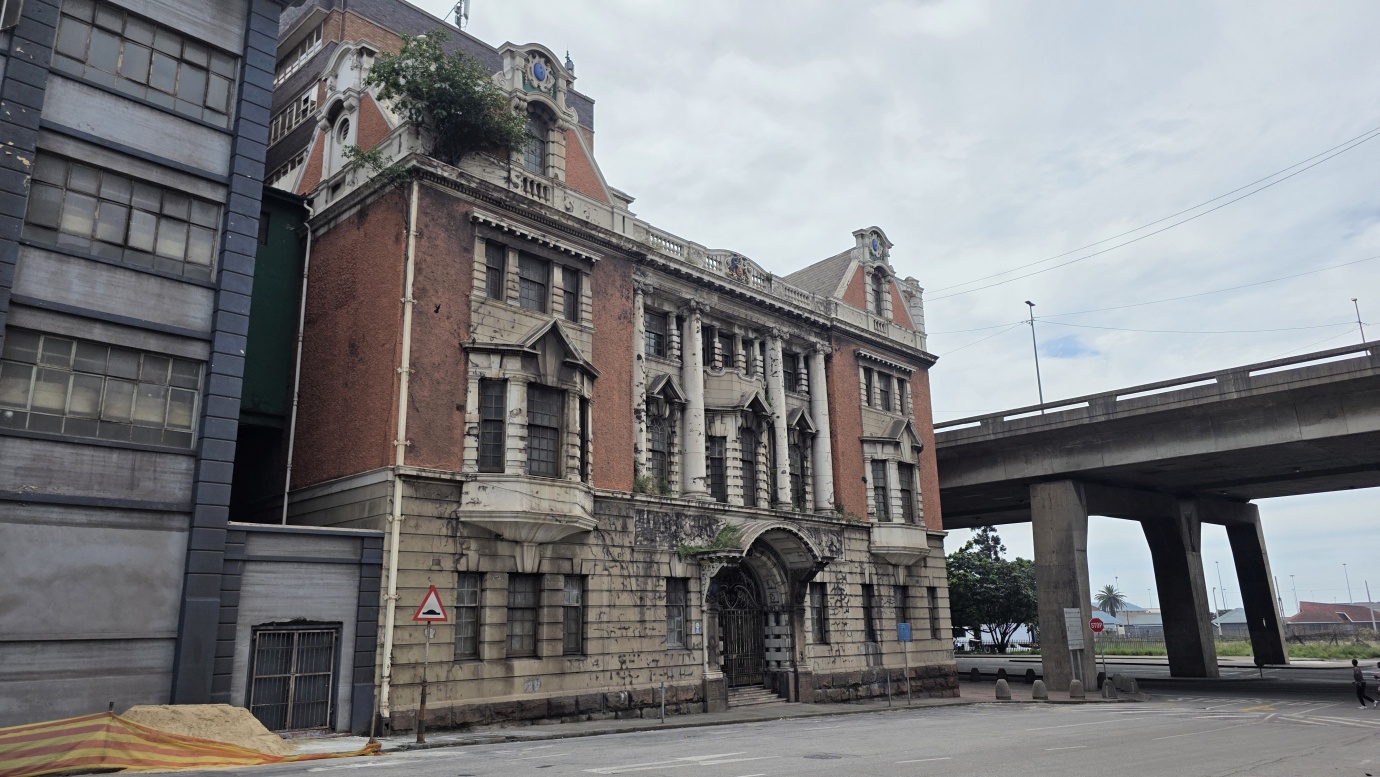
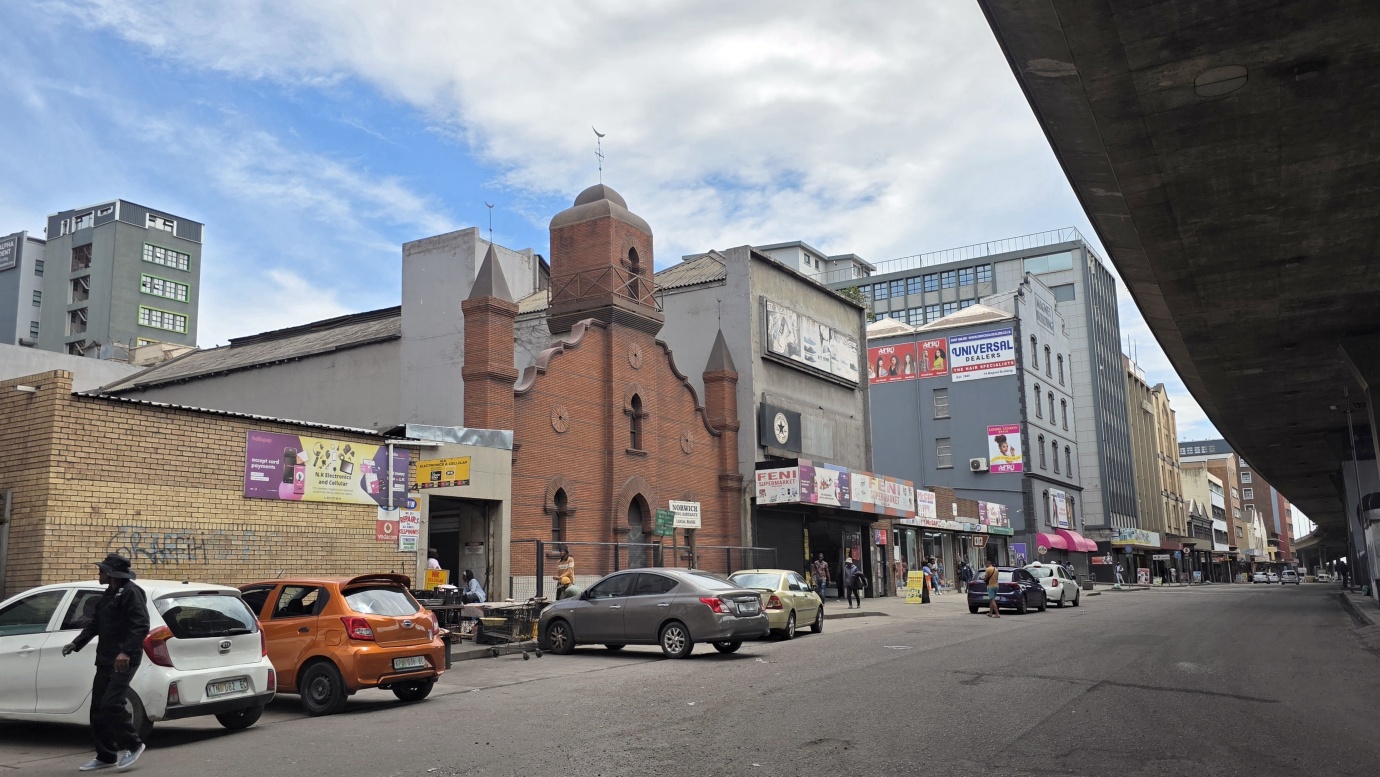
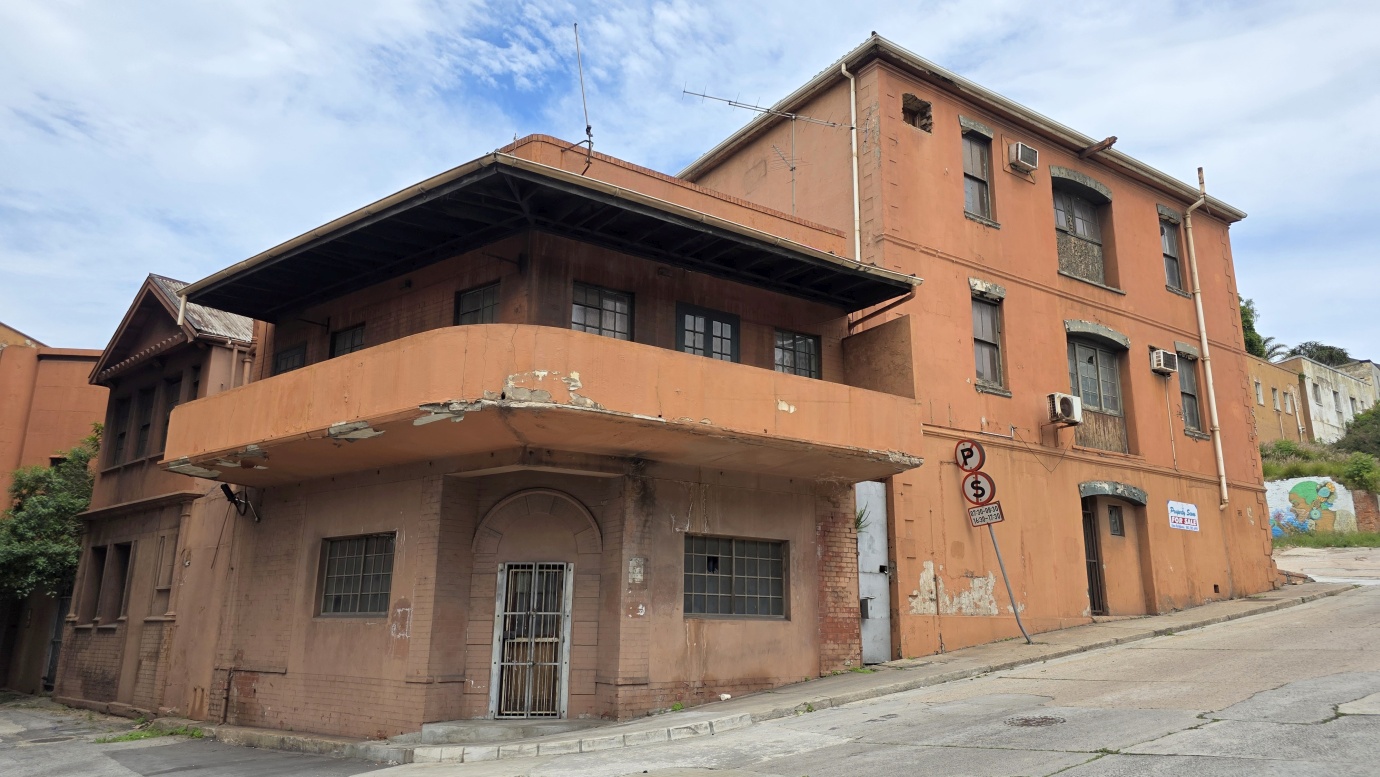
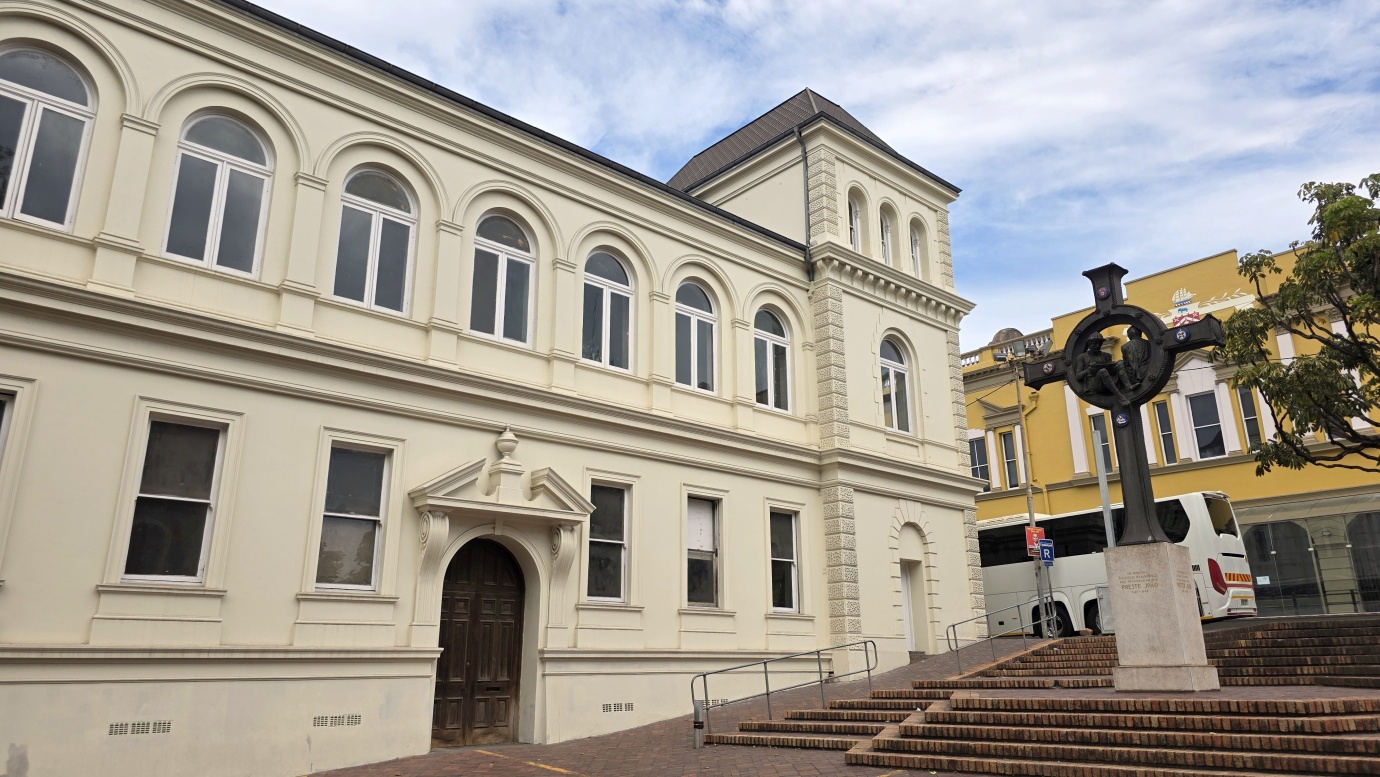
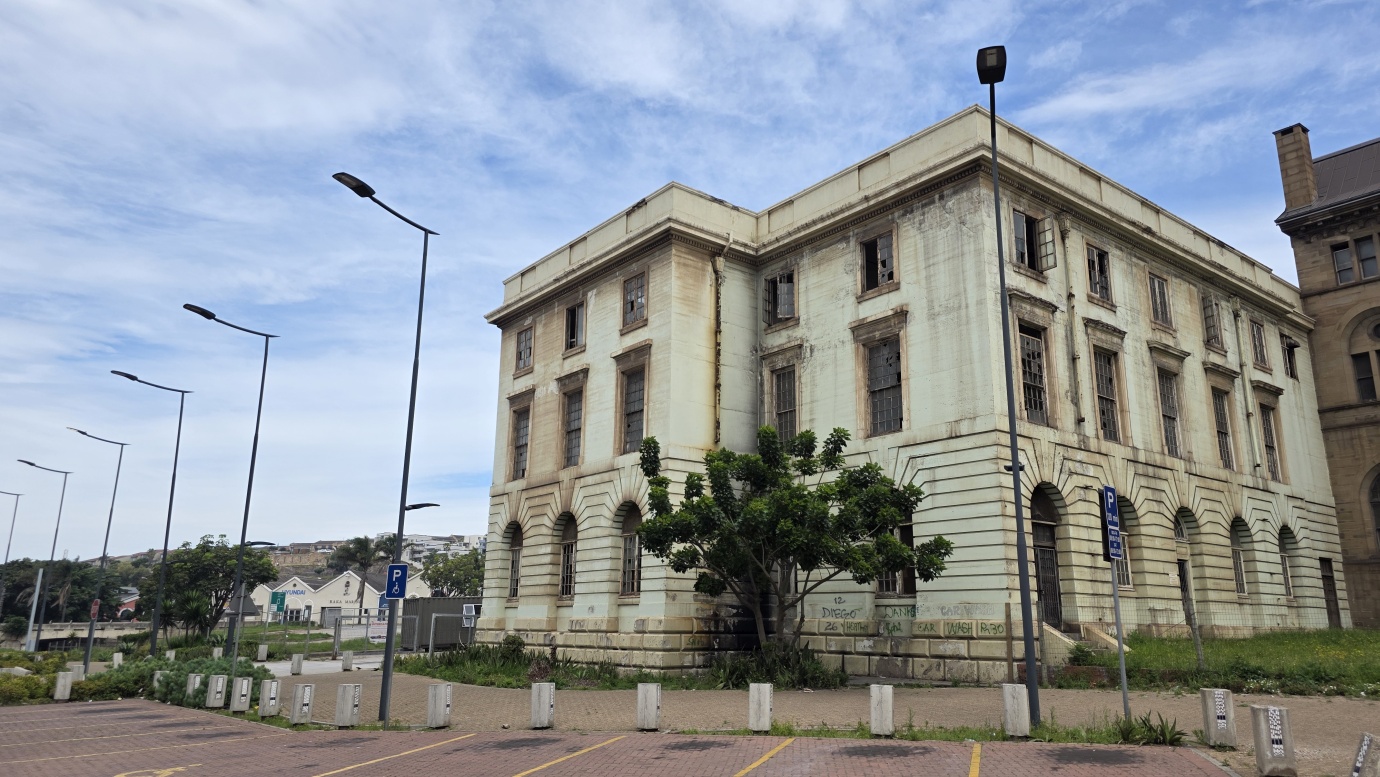
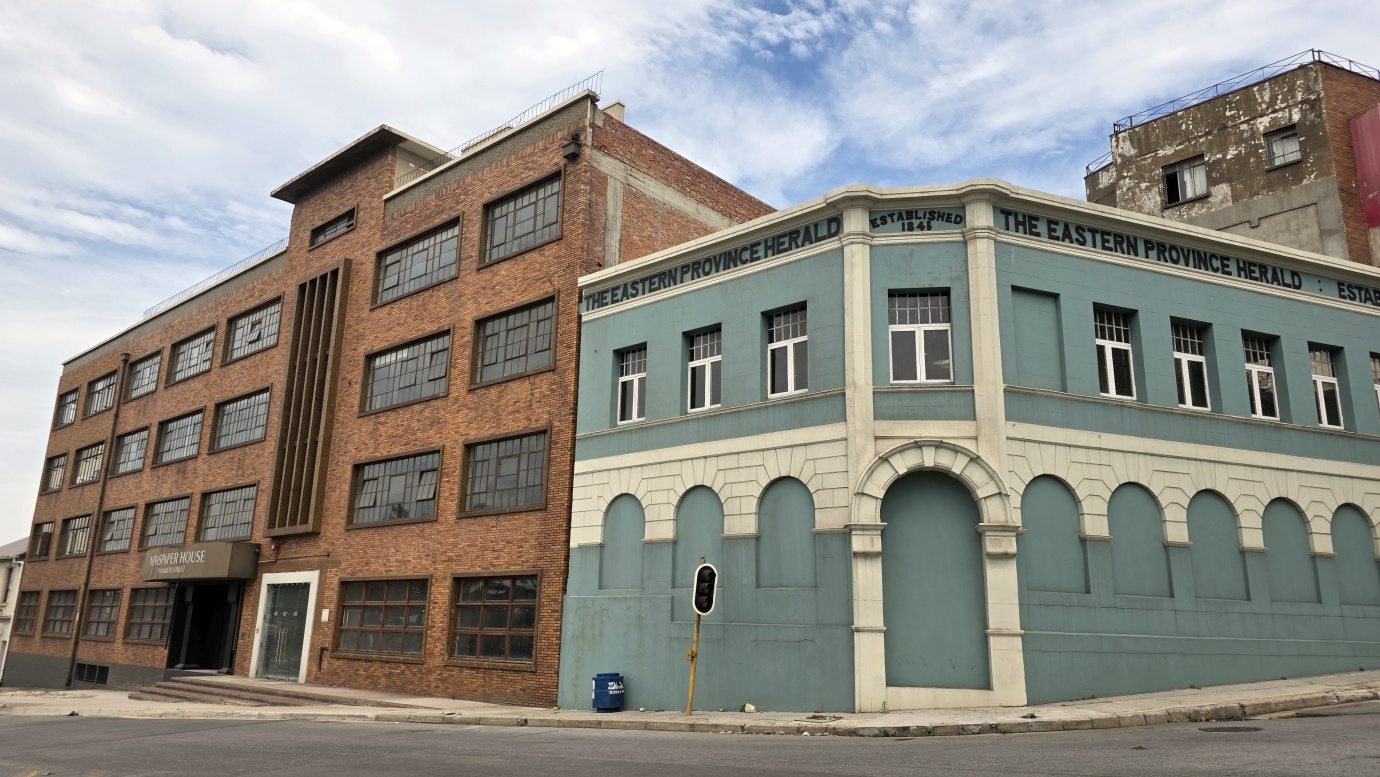
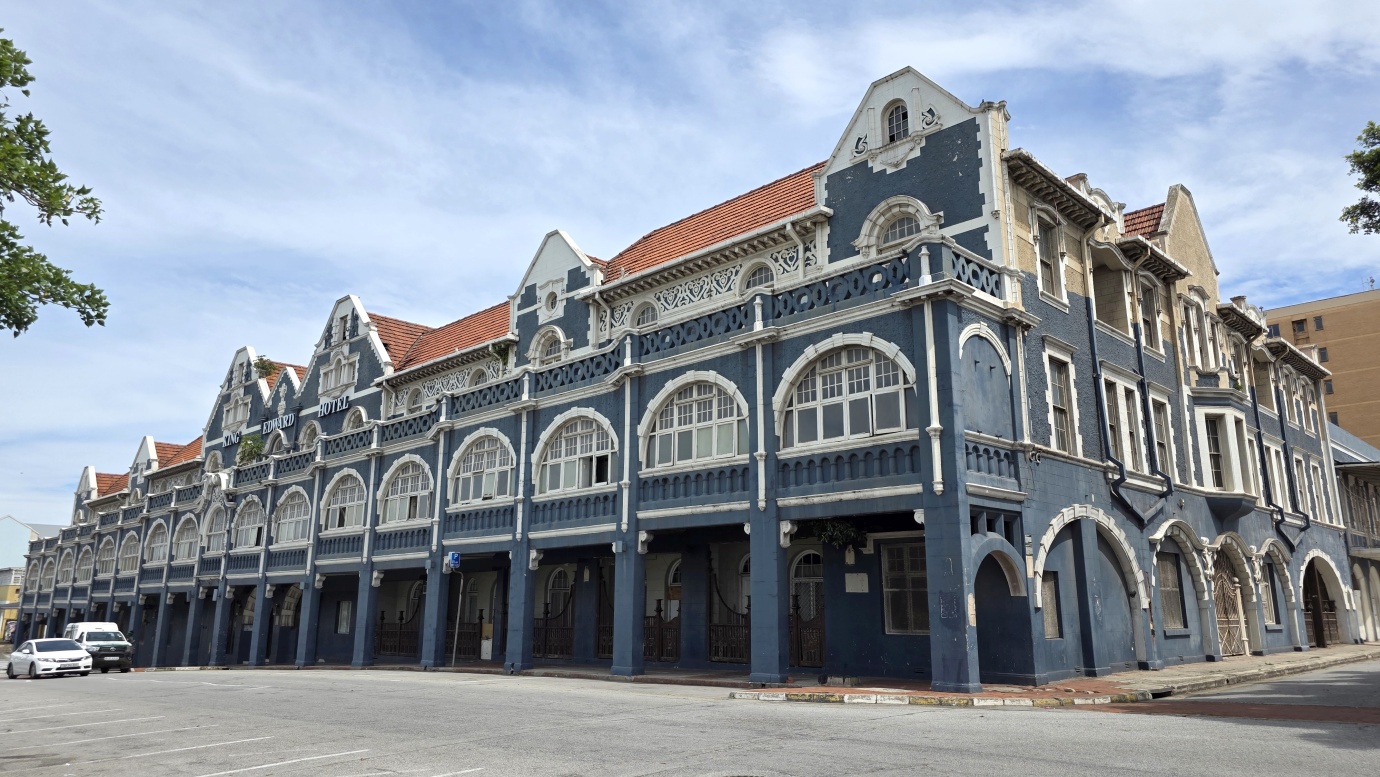
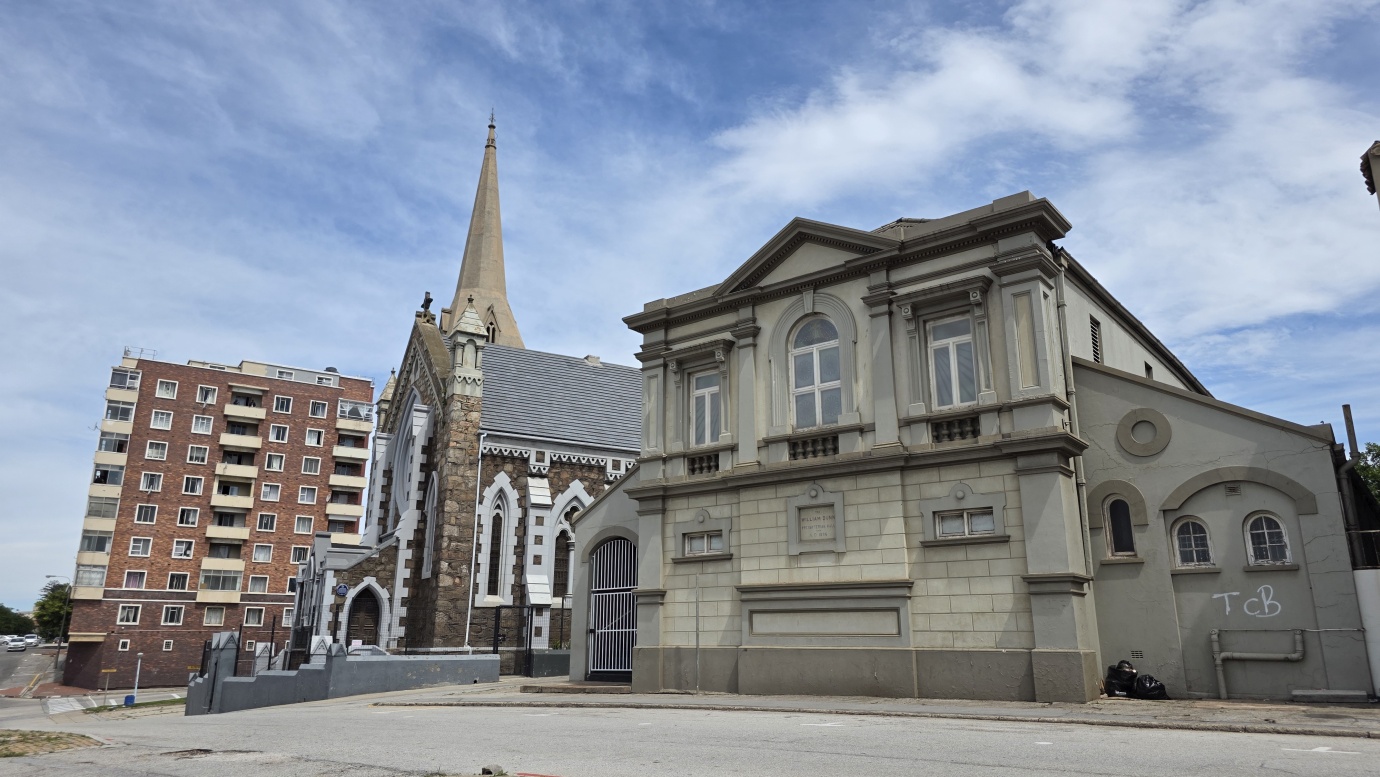
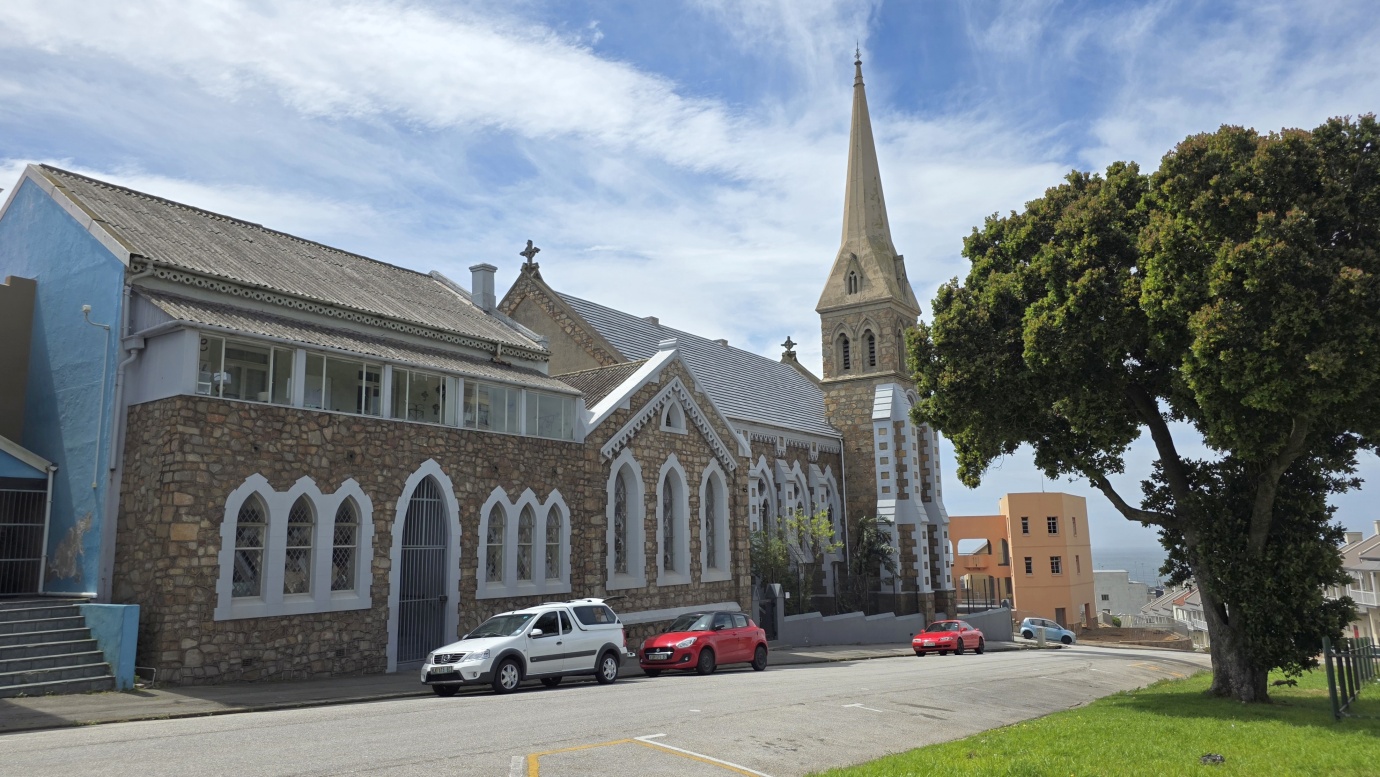
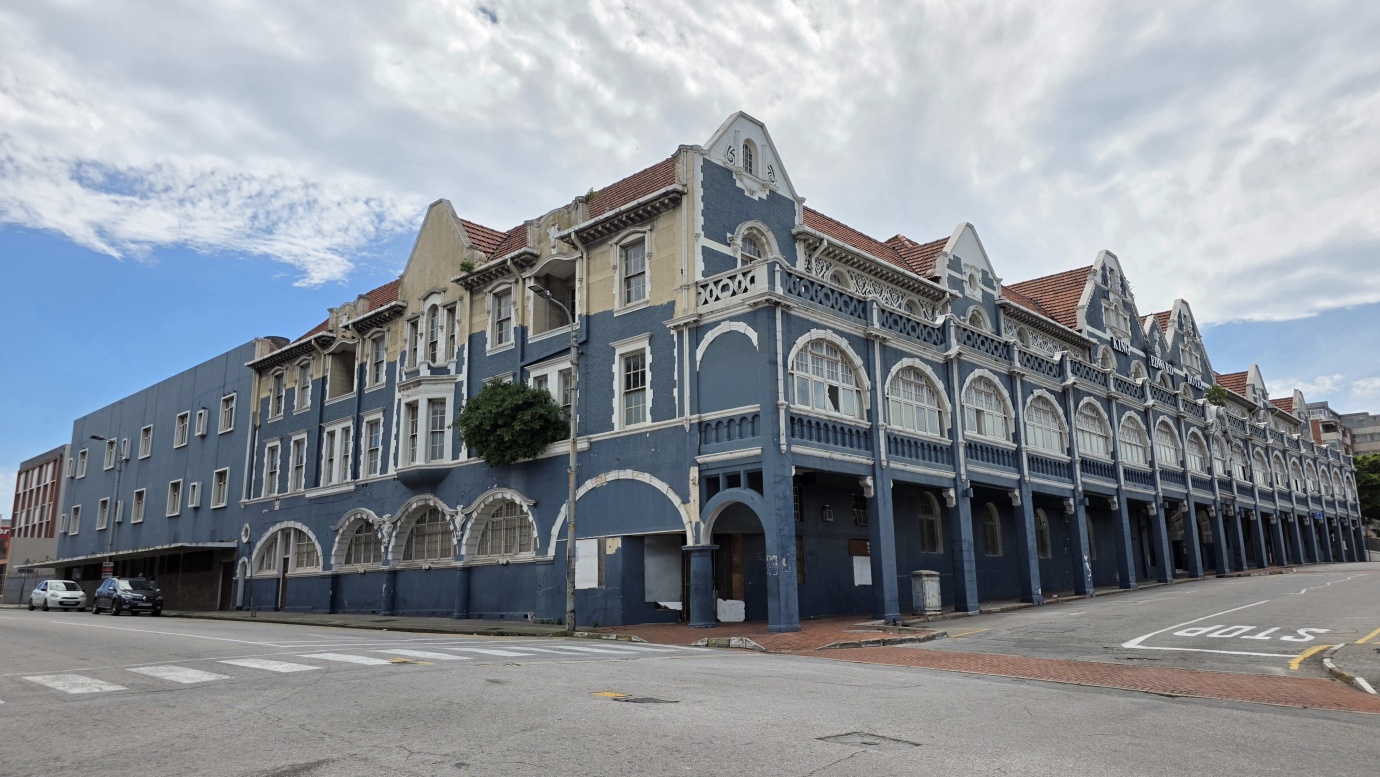
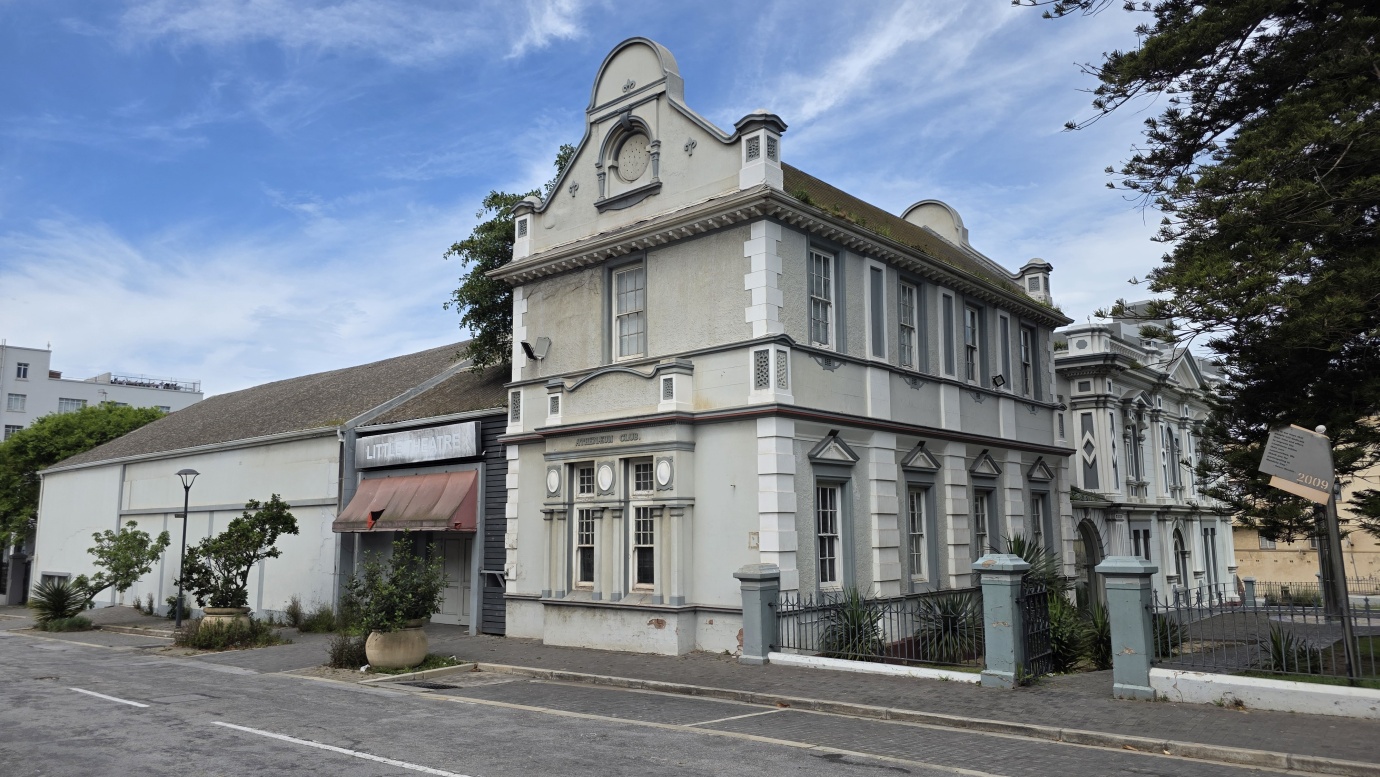
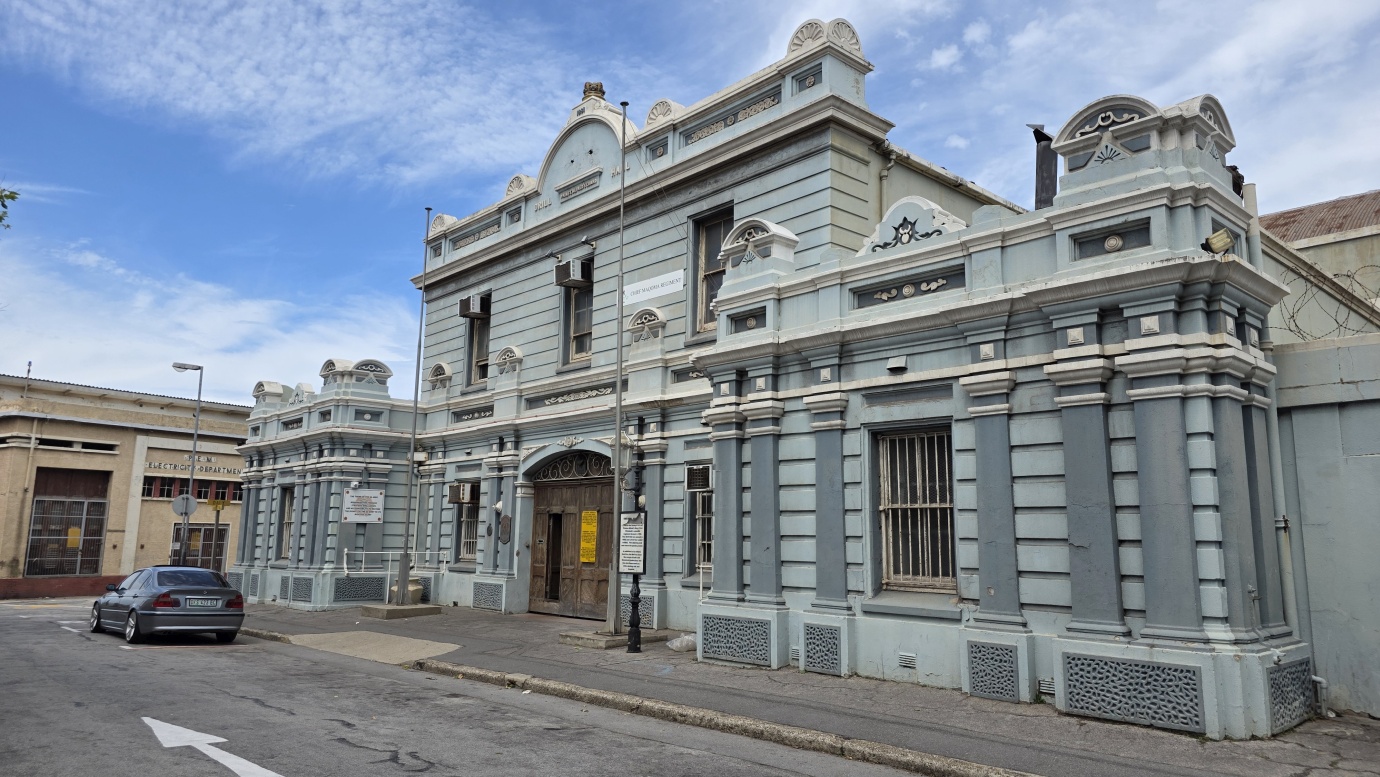
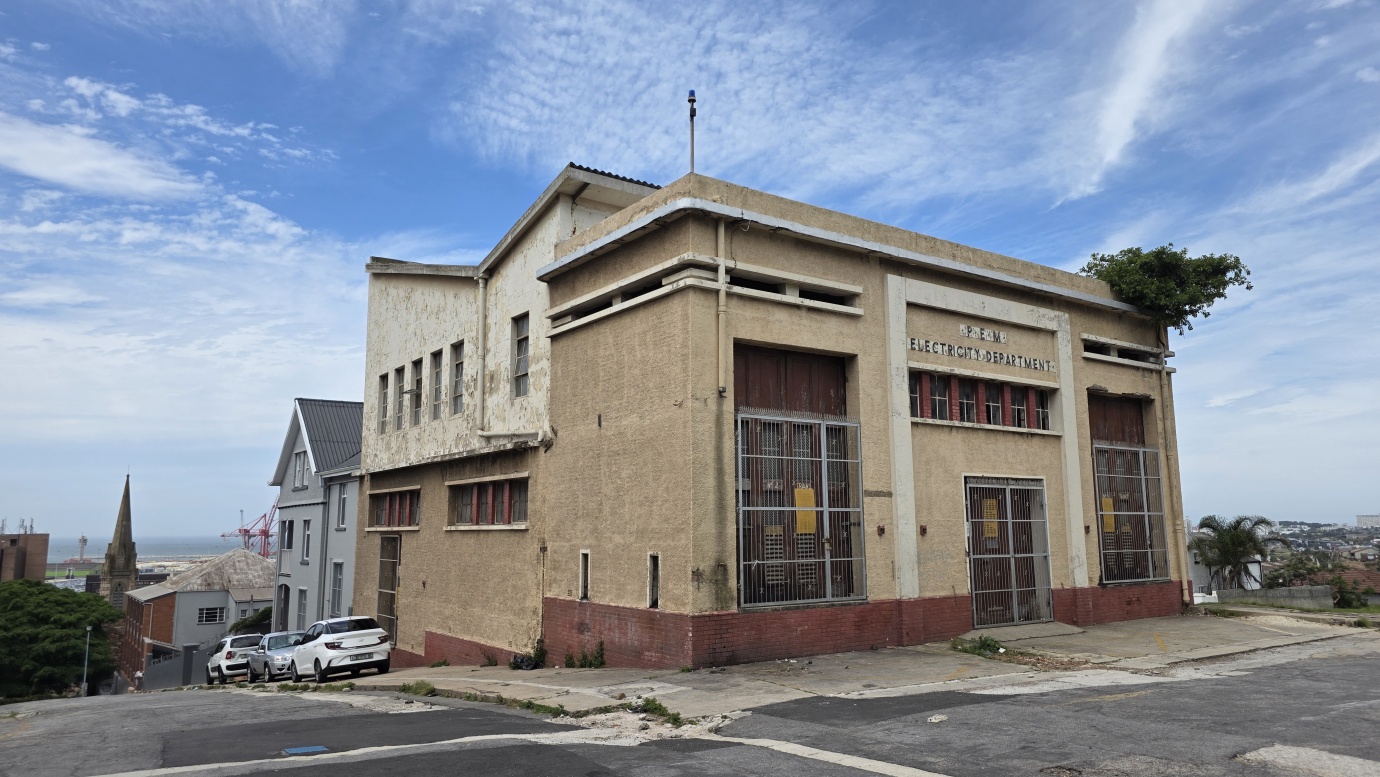
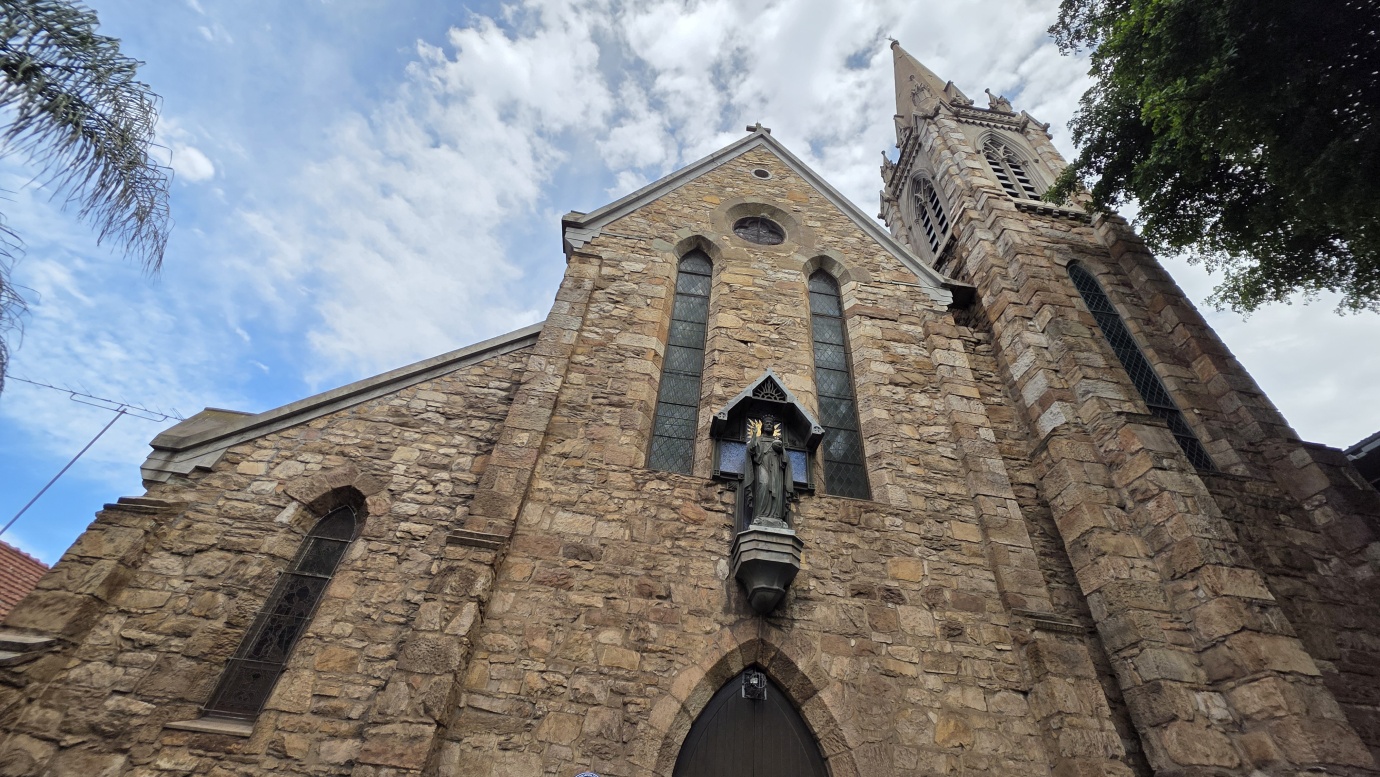
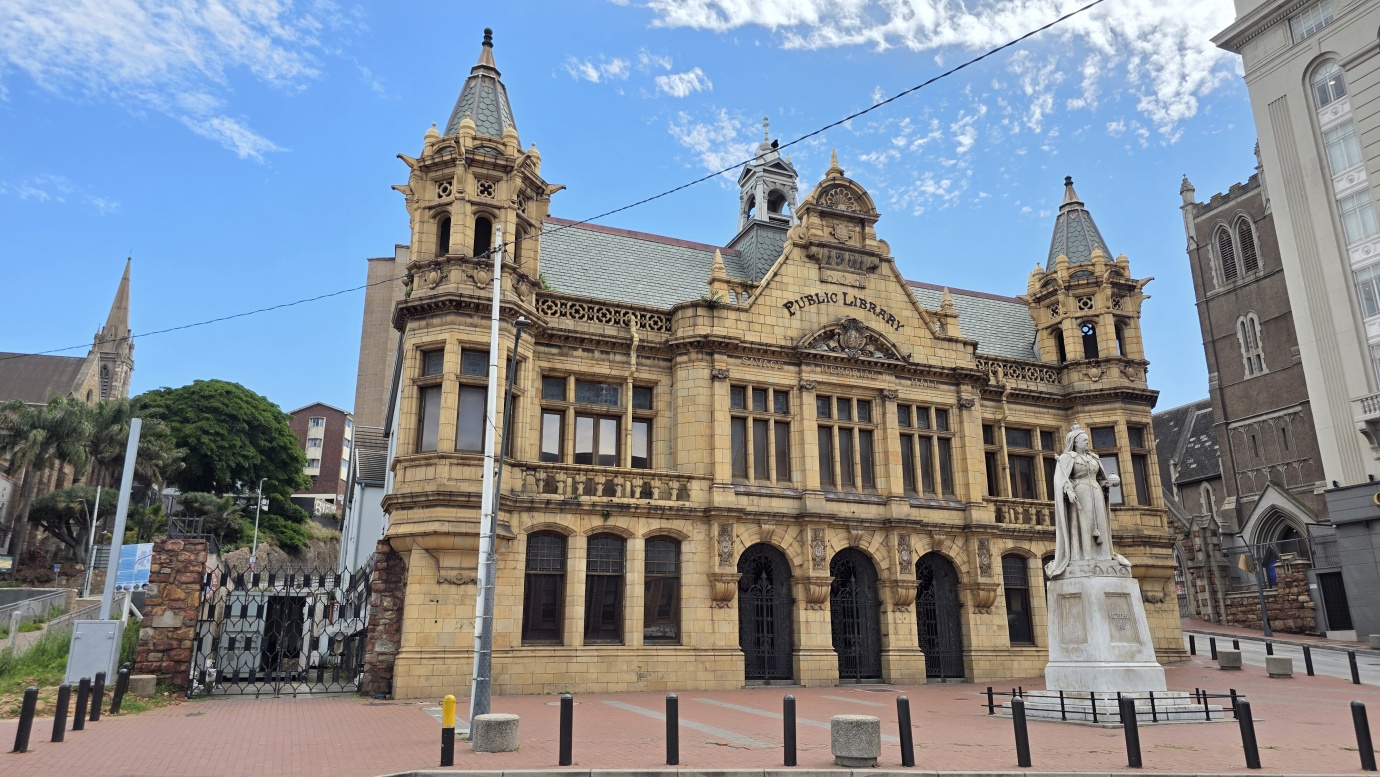
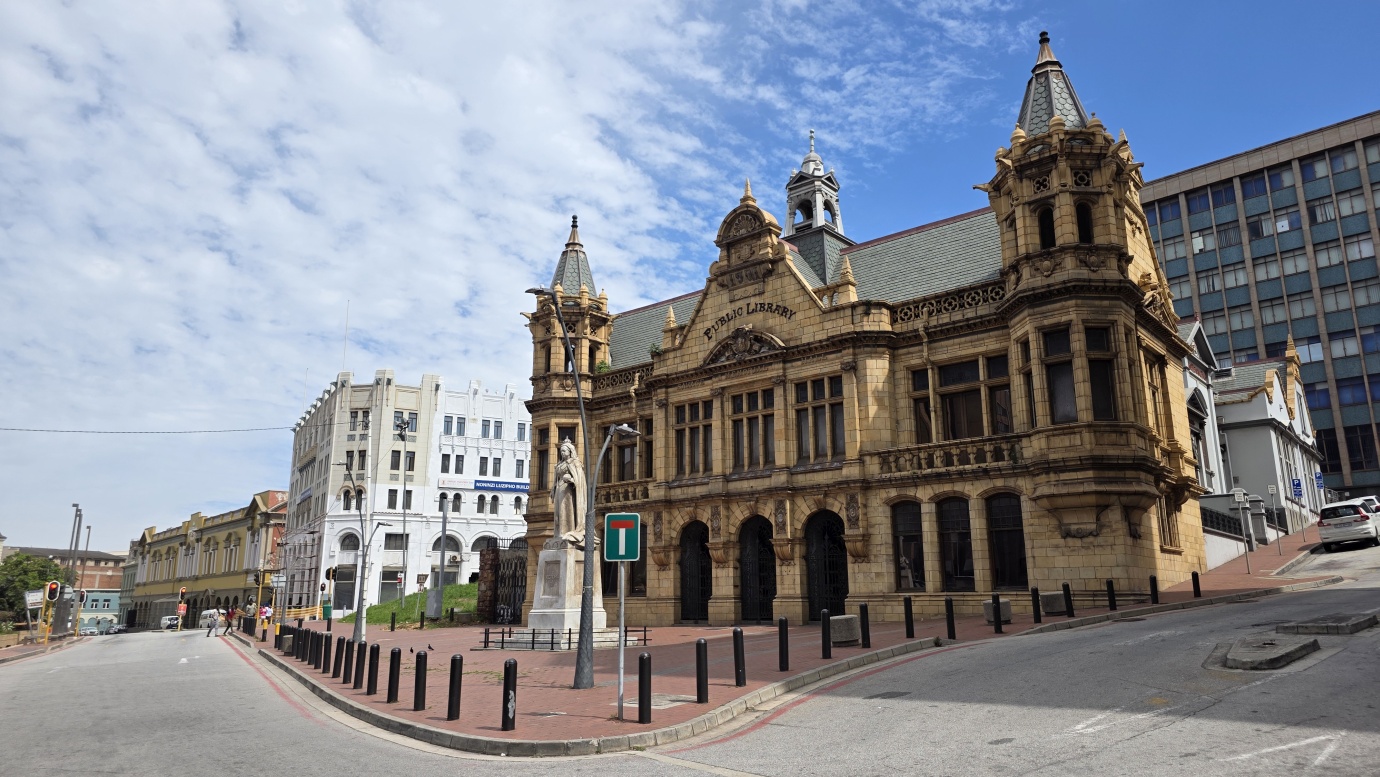
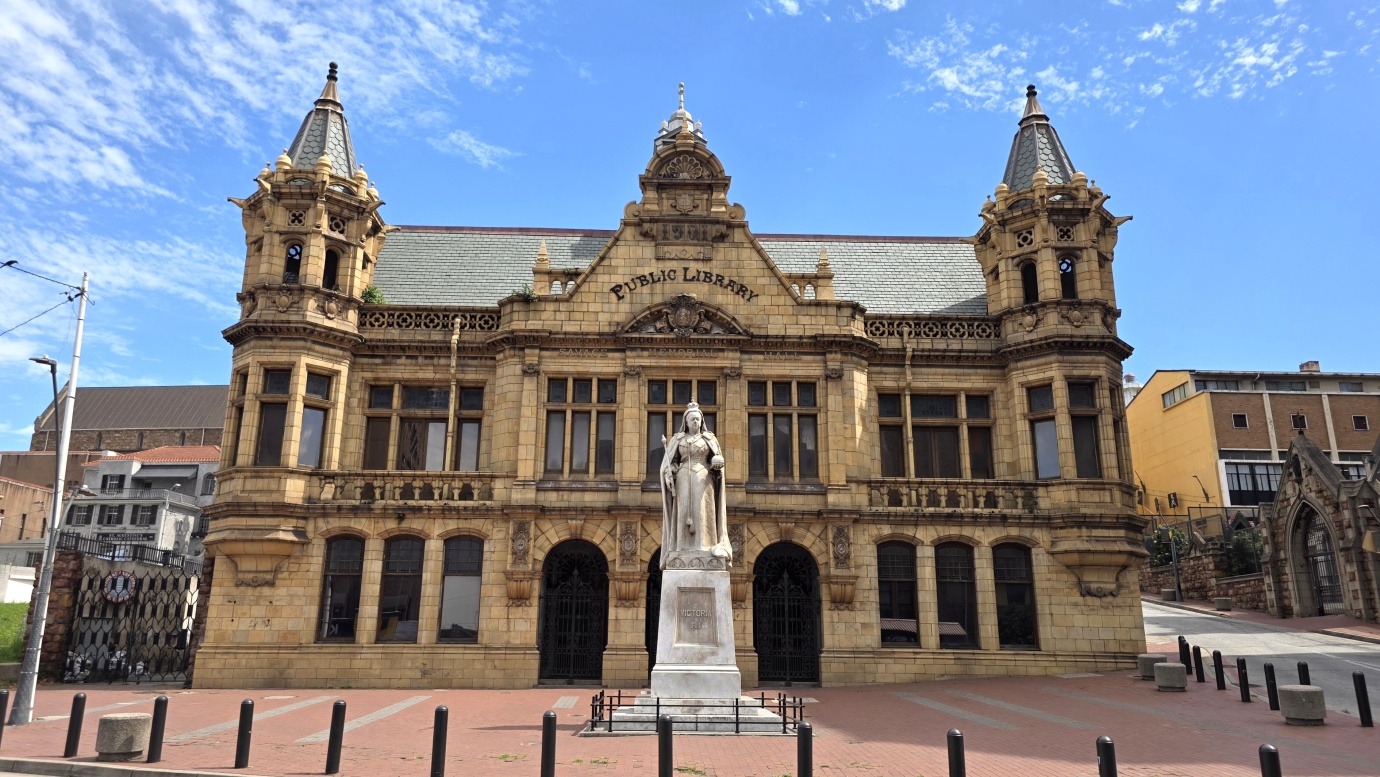
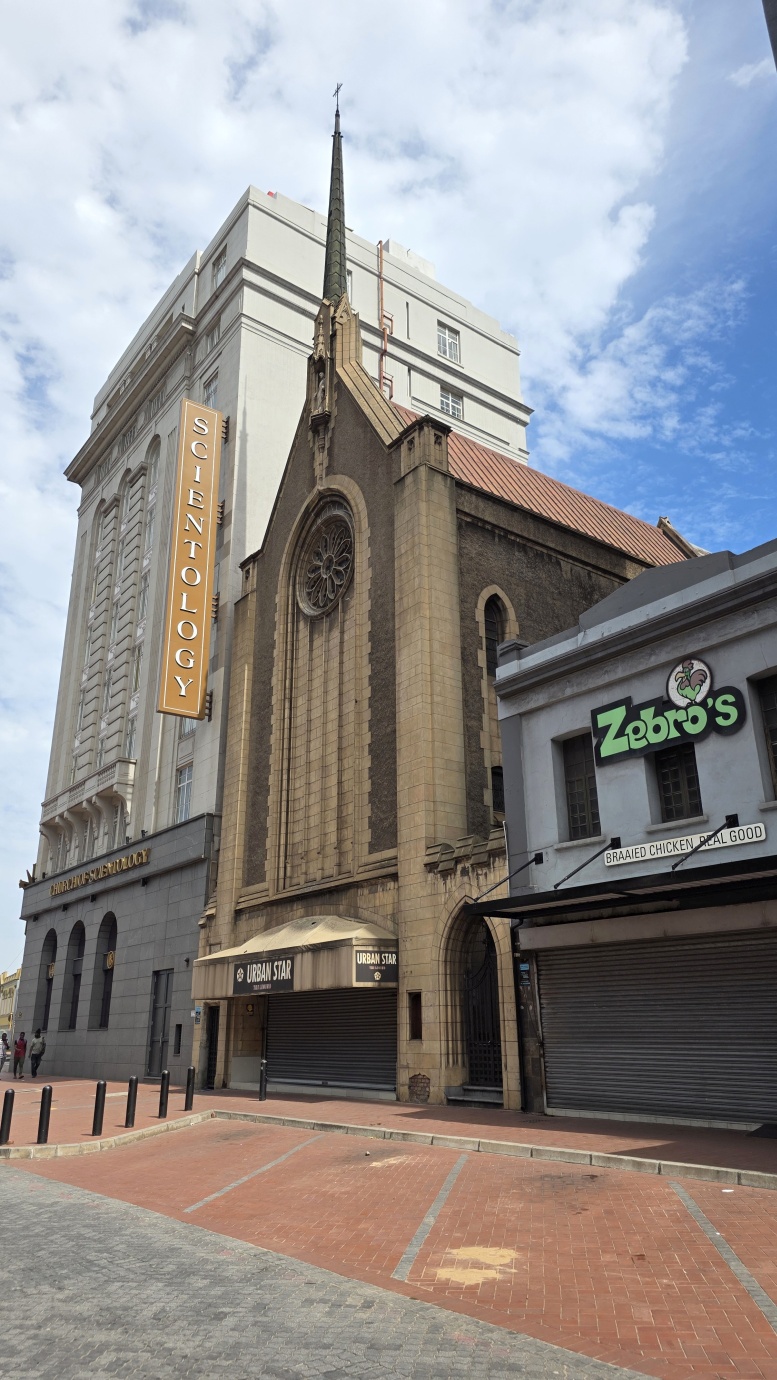
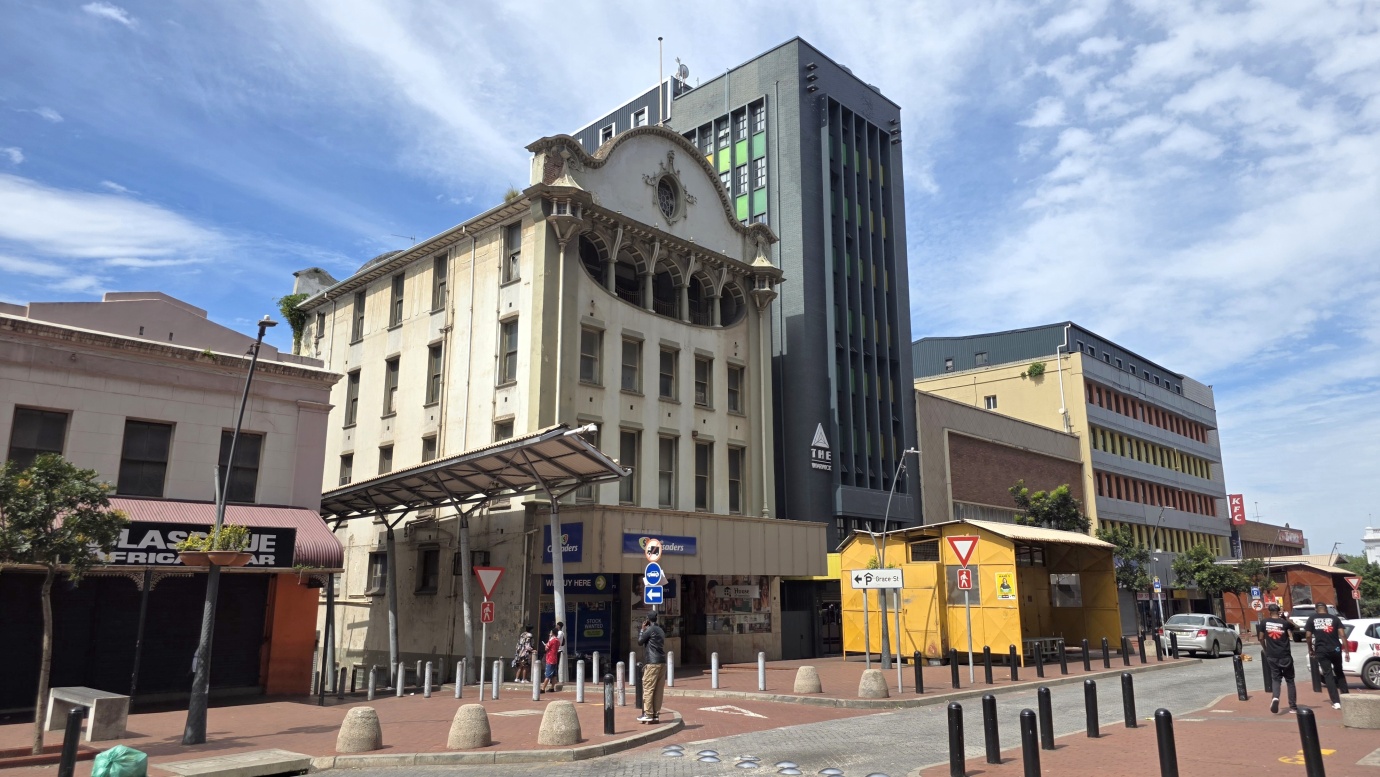
Our impression of the central district was difficult to ignore. Numerous historic buildings appeared neglected, streets were dirty, and parts of the CBD felt deserted and unsafe. Several interconnected causes drive the decline, including industrial restructuring, businesses relocating to suburban shopping centres, changes in traffic patterns following the construction of major roads, and long-standing problems with building maintenance and urban management.
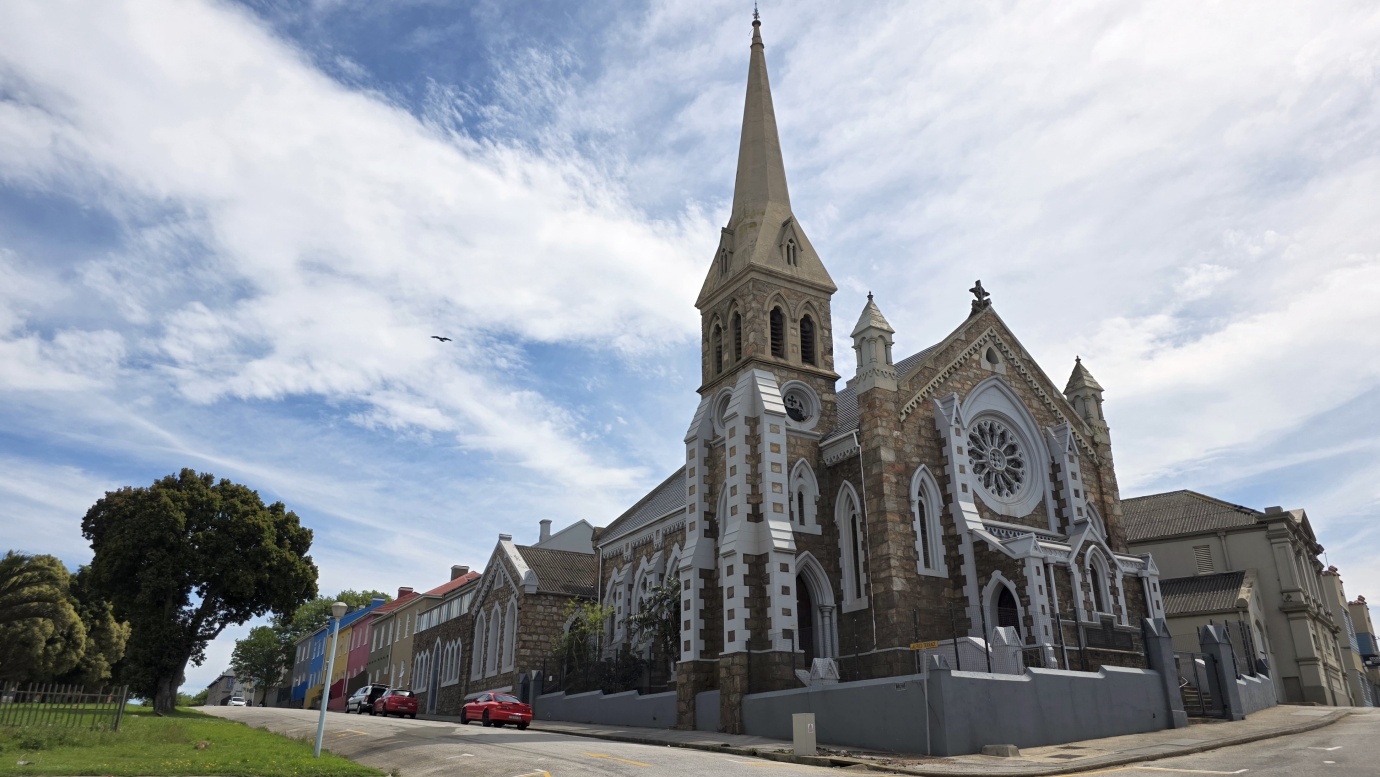
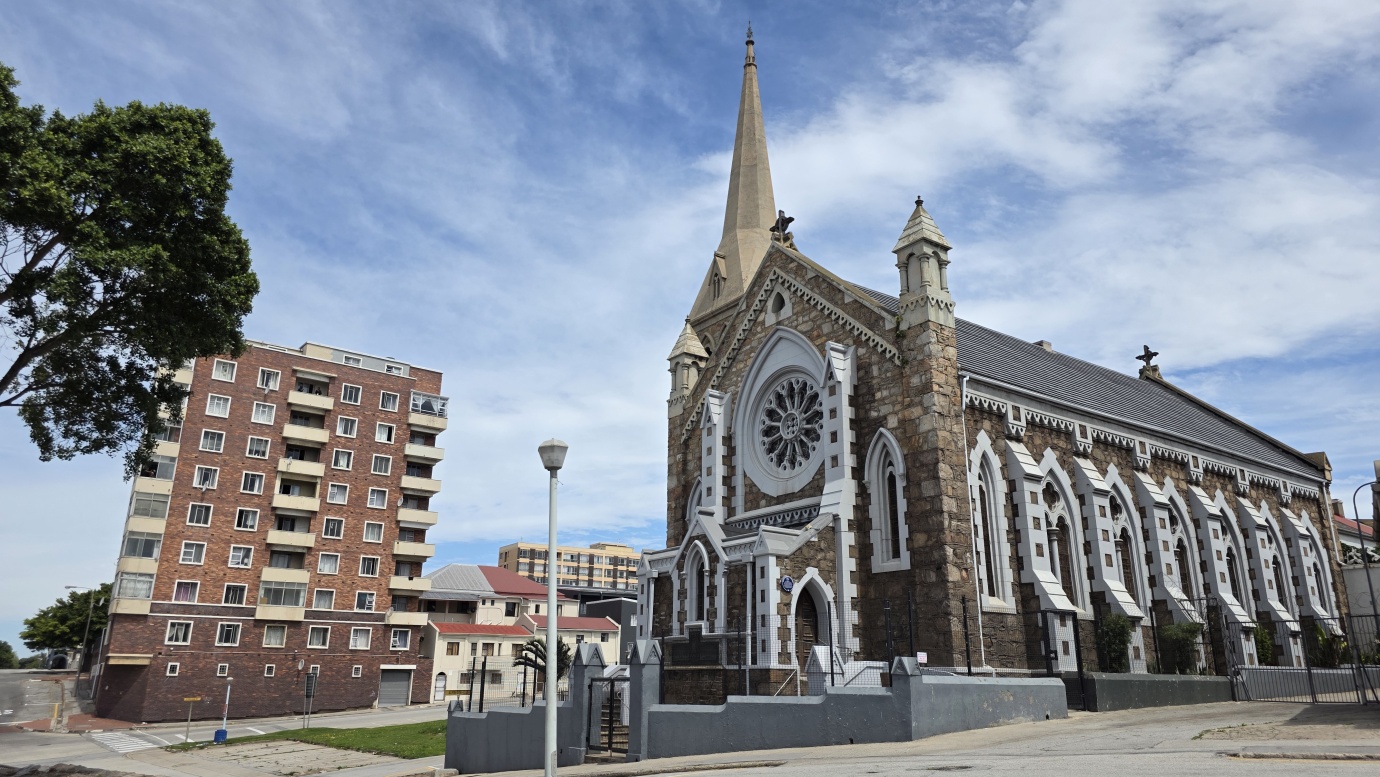
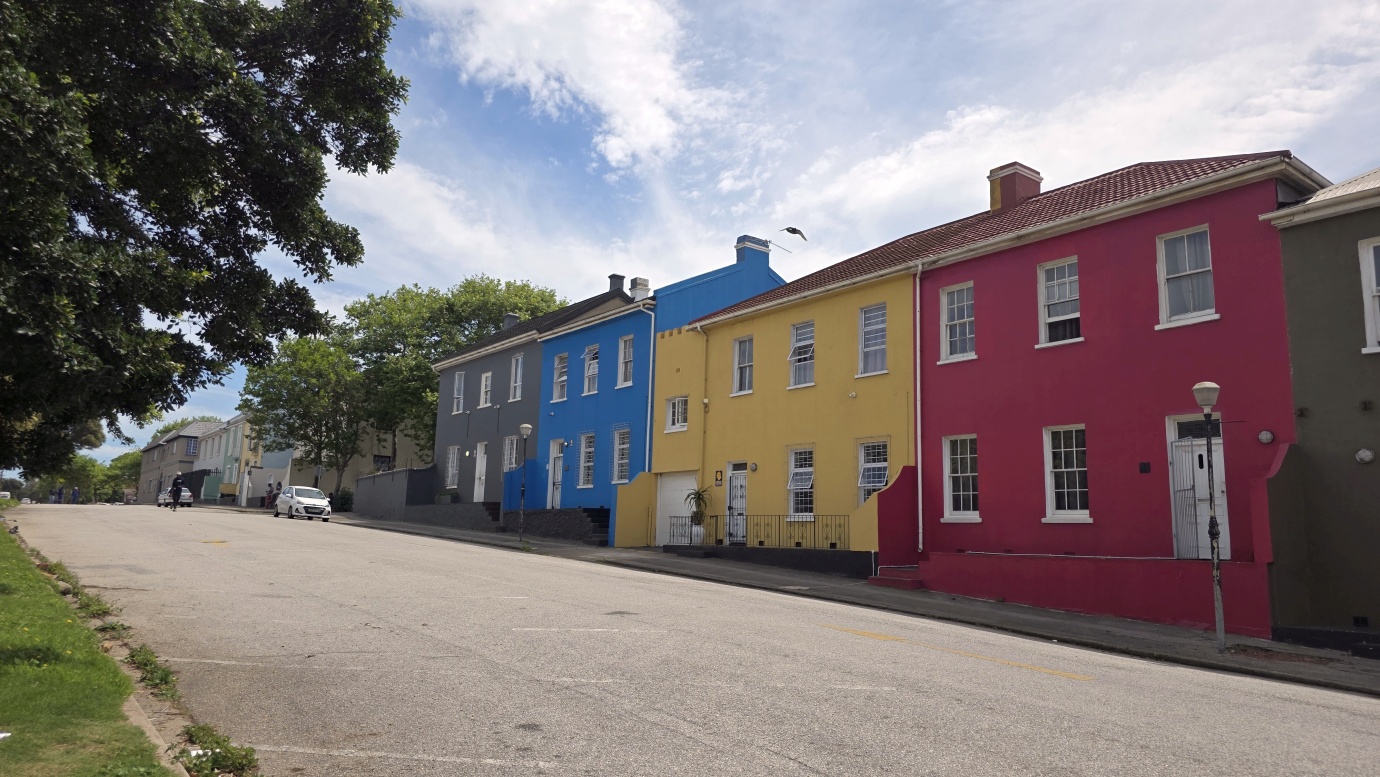
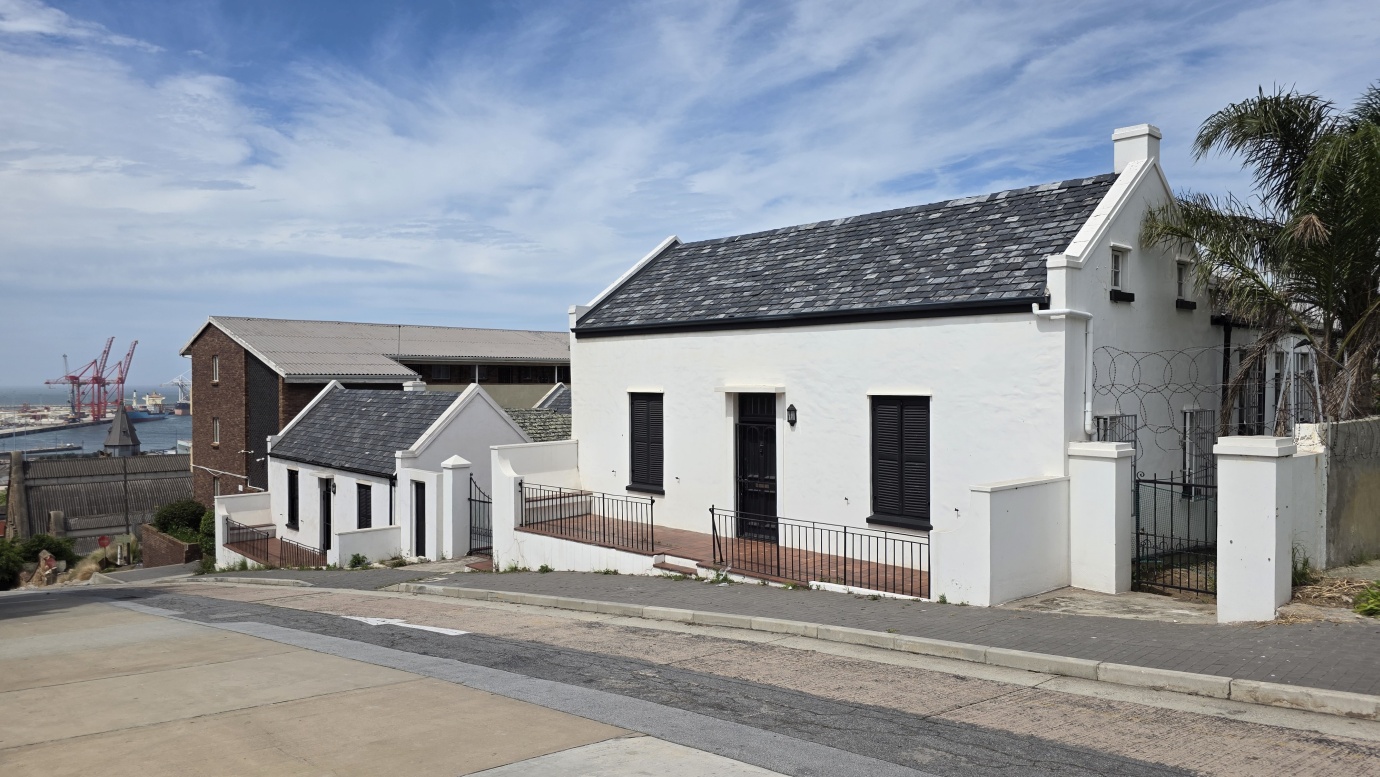
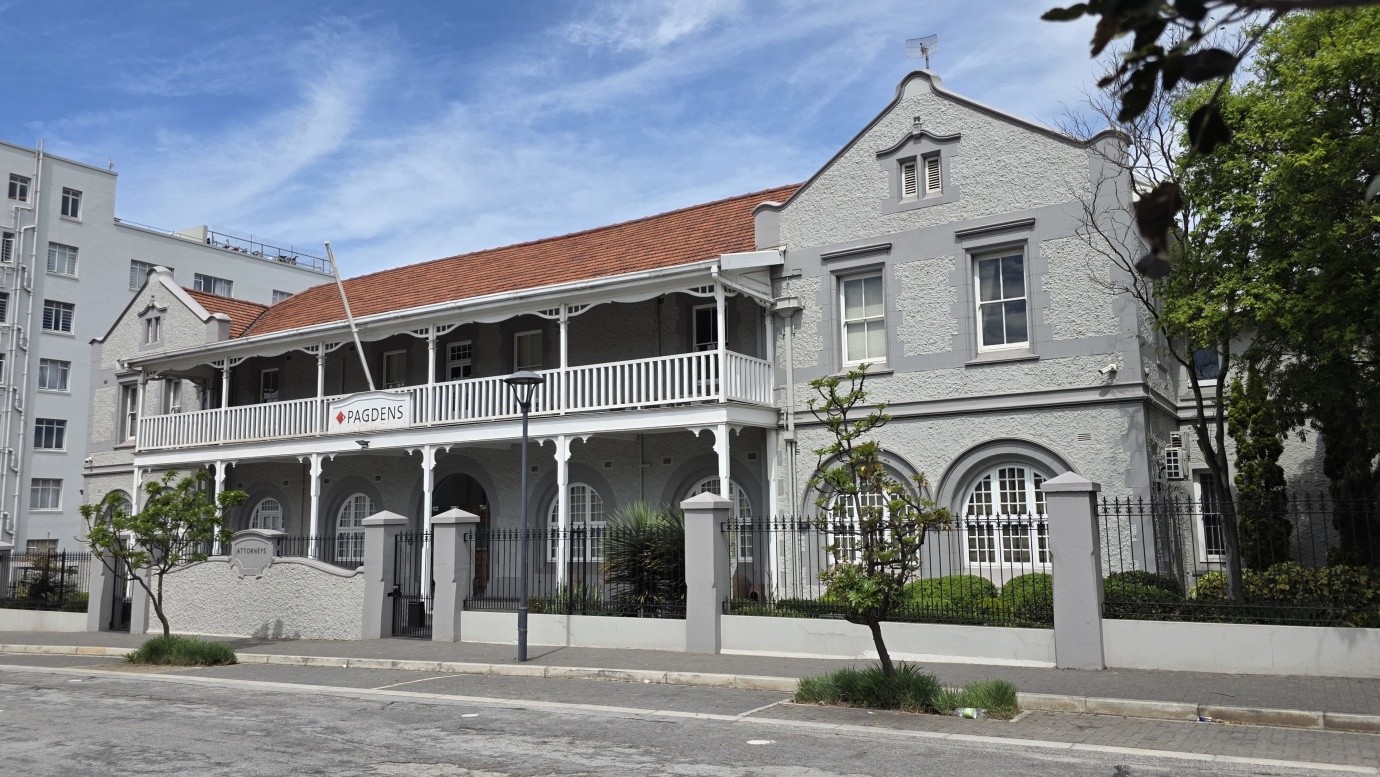
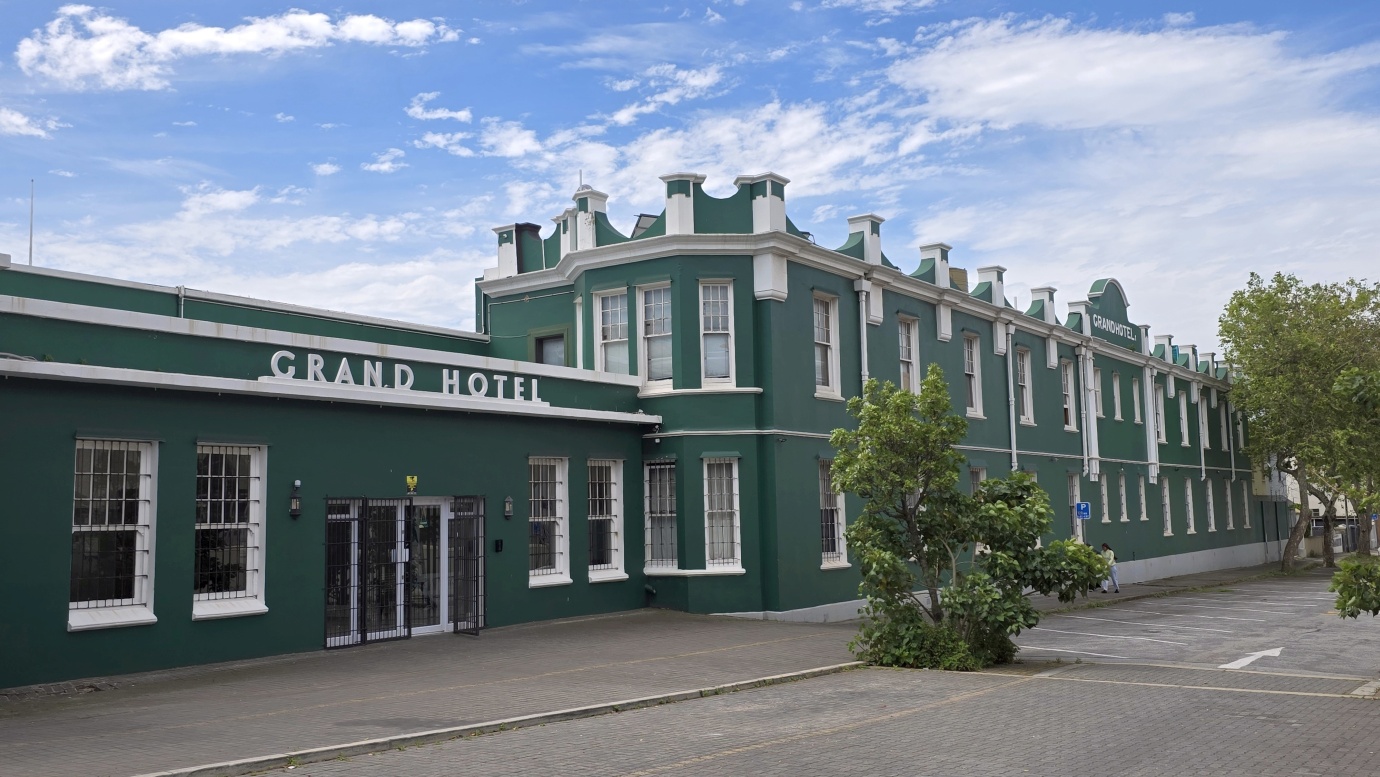
Many older commercial and Victorian-era buildings have been left vacant or fallen into disrepair. Some have reportedly been illegally occupied, while others have become difficult to maintain or secure. The result is a city centre where impressive architectural heritage stands alongside visible neglect.
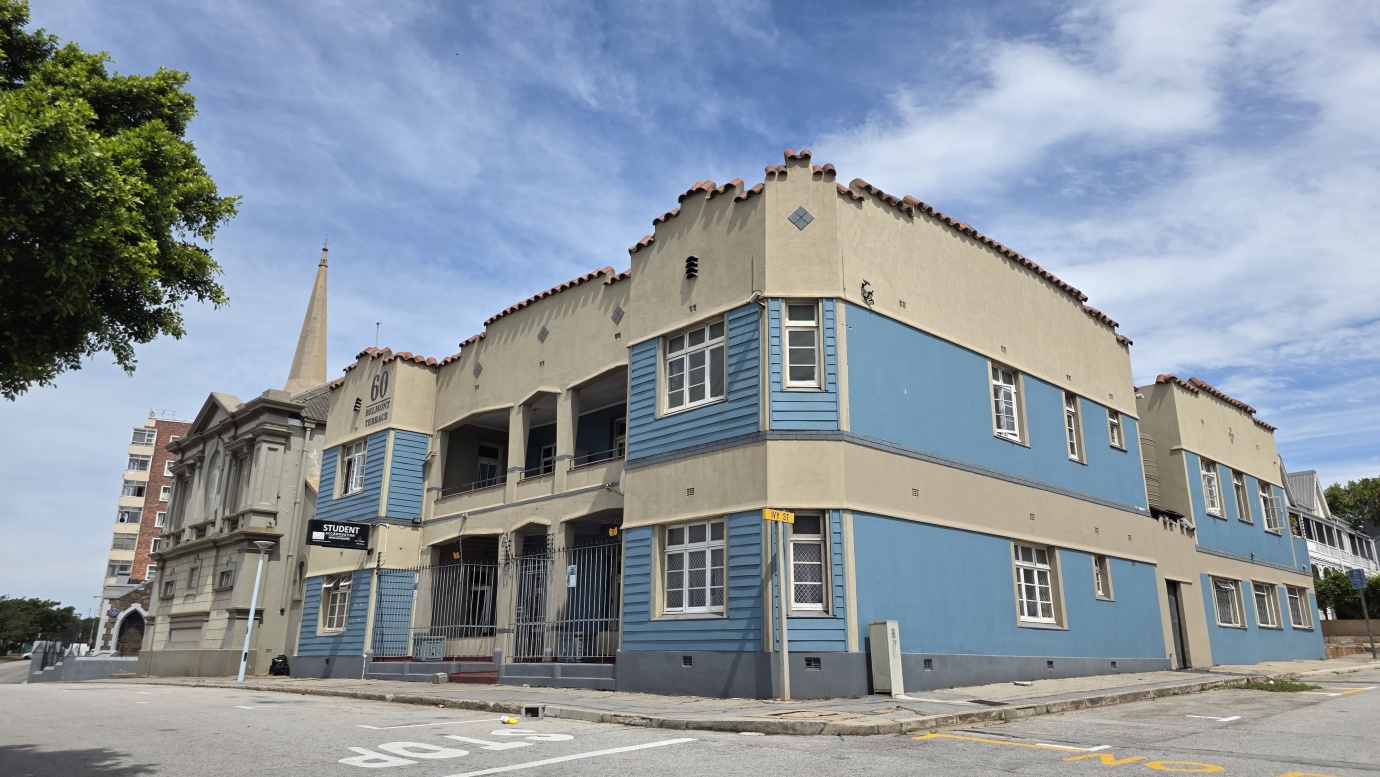
However, the historic core has not been completely abandoned. Local property owners and community organisations have worked to improve security, organise street cleaning, and encourage investment. Some older buildings are also being considered or adapted for new uses, including student accommodation serving nearby Nelson Mandela University.
Despite the CBD’s challenges, the wider metropolitan area remains an important economic centre. To the north, the Coega Special Economic Zone supports industrial development, manufacturing and investment in sectors including automotive production and energy. These projects offer employment and economic growth opportunities, but their benefits must reach the older inner city if it is to reverse its decline.
Gqeberha left us with mixed feelings. Its coastline, industrial importance, and rich history are undeniable, but its historic centre’s condition was sobering. For us, the city showed how dramatically urban fortunes can change—and how difficult it can be to preserve architectural heritage and vibrant communities when investment, maintenance, and public safety fall behind.
Parking location – Gqeberha: 34.0091451S 25.6882963E (🚻,🚿,🏊,💦,🔌,🍽️,🅿️359 ZAR/stand)