

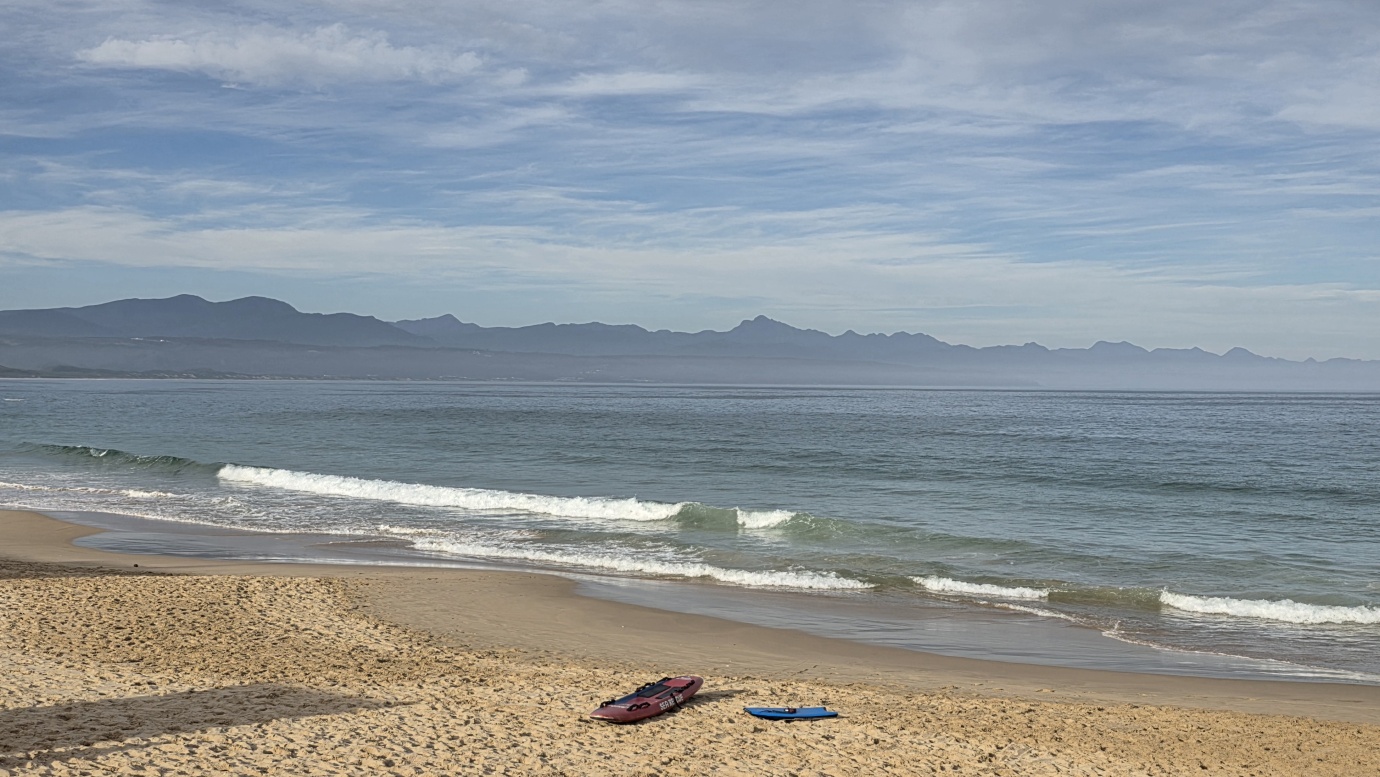
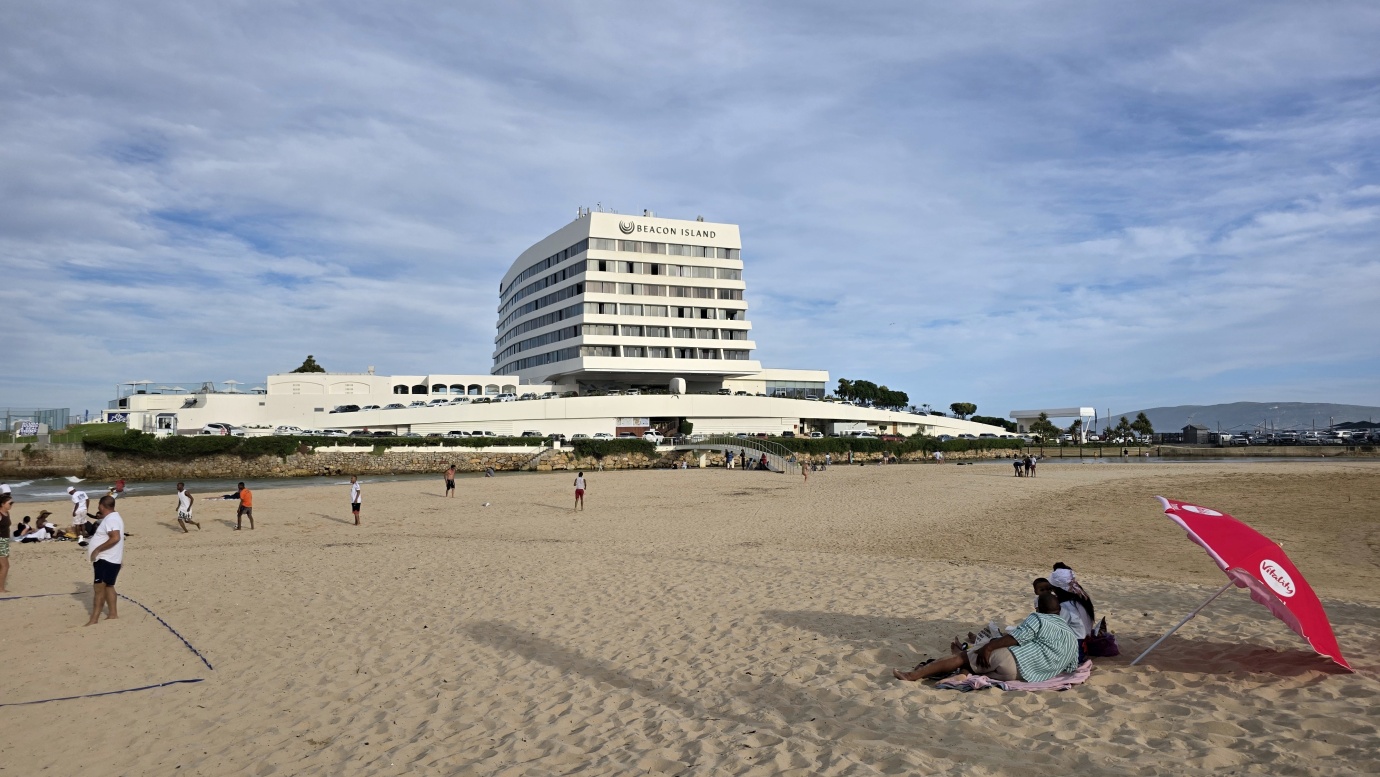
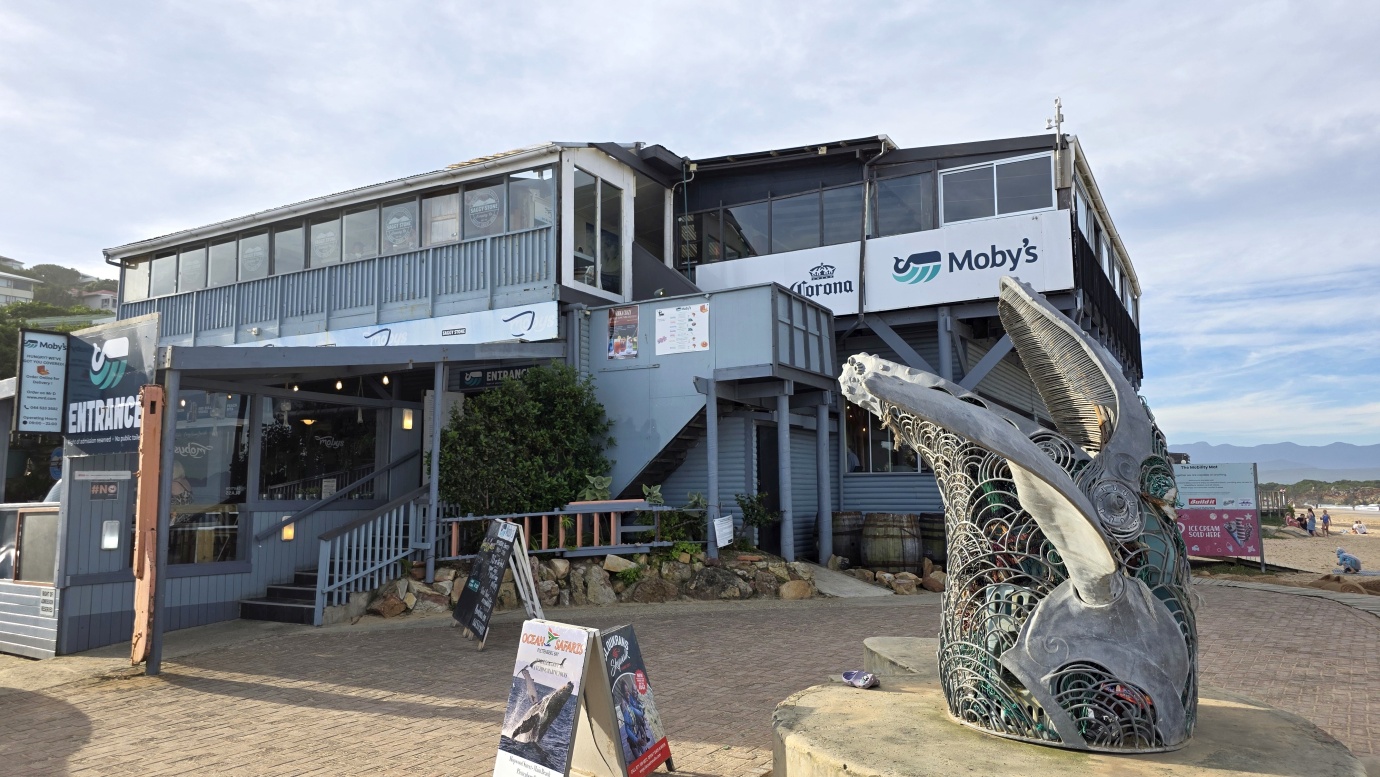
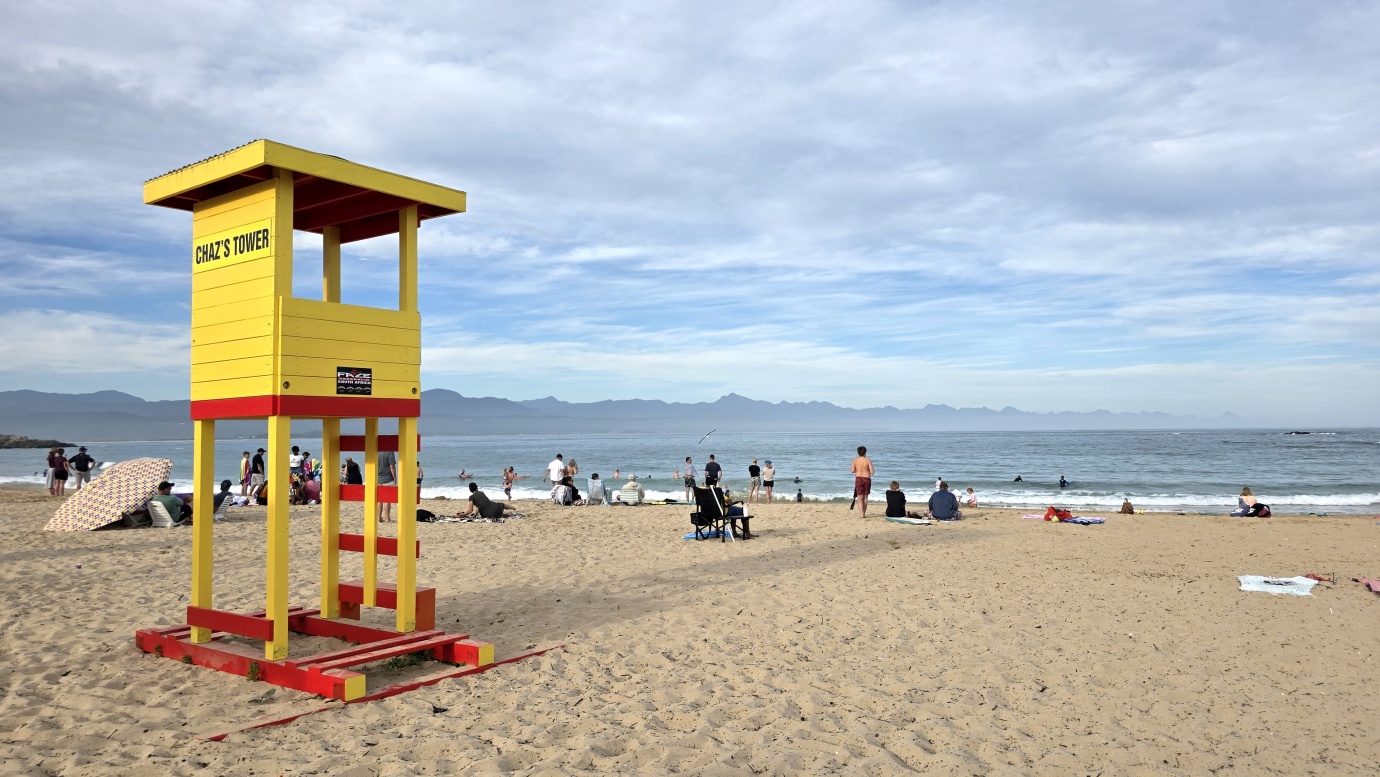
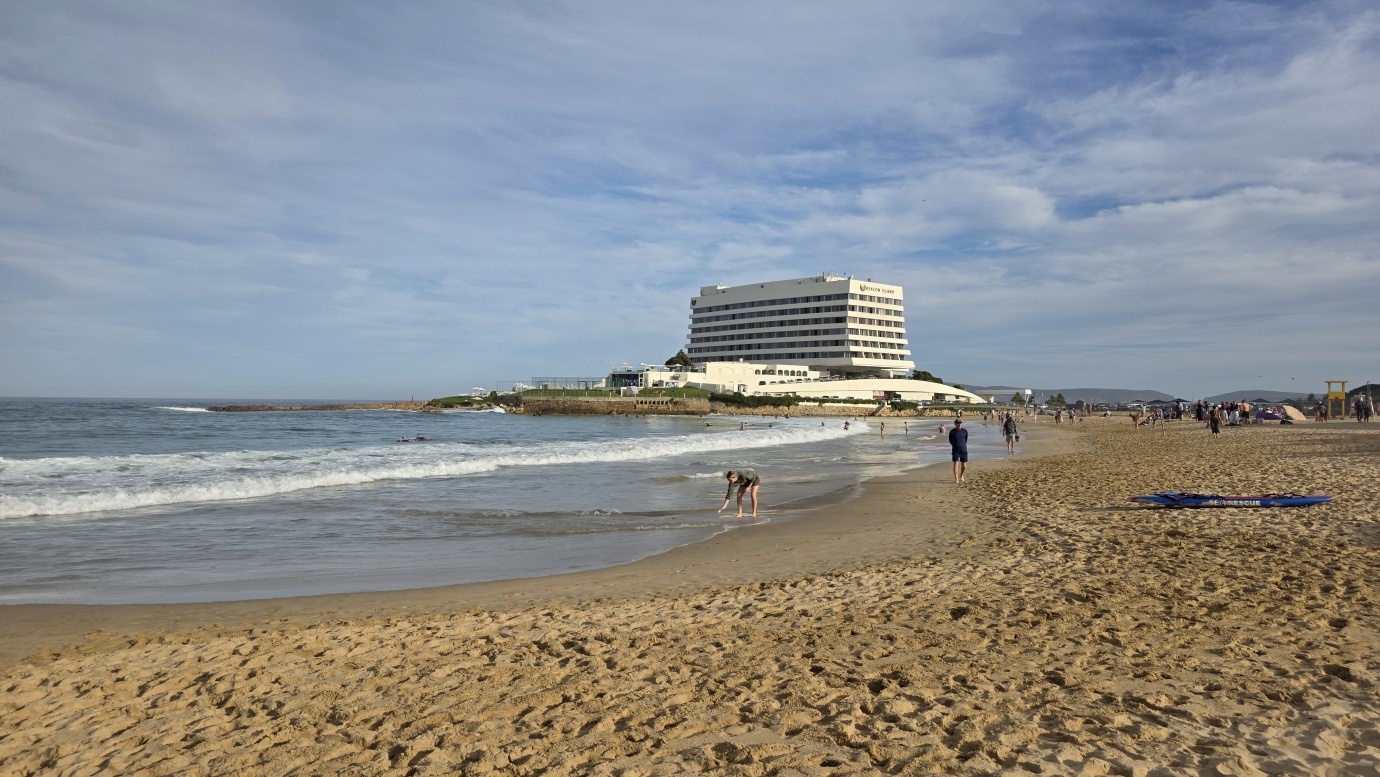
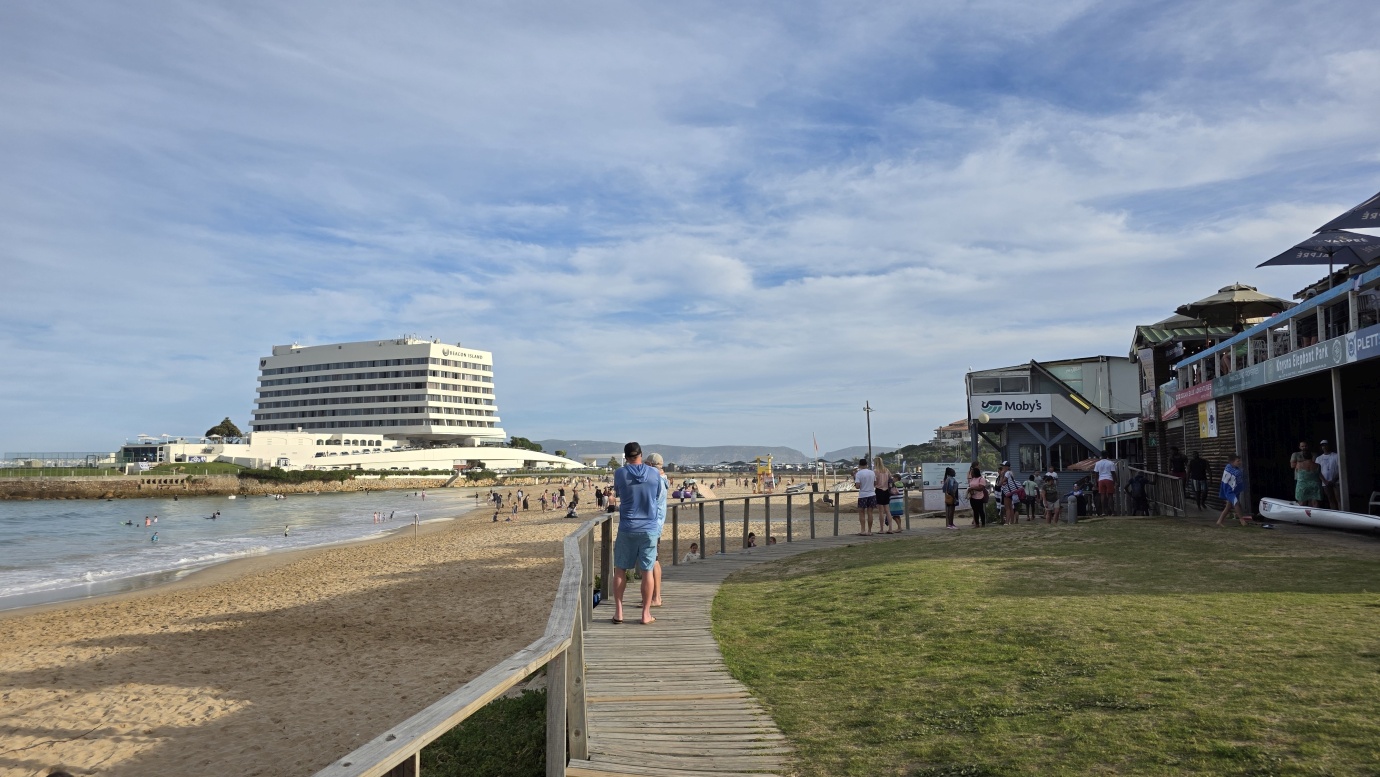
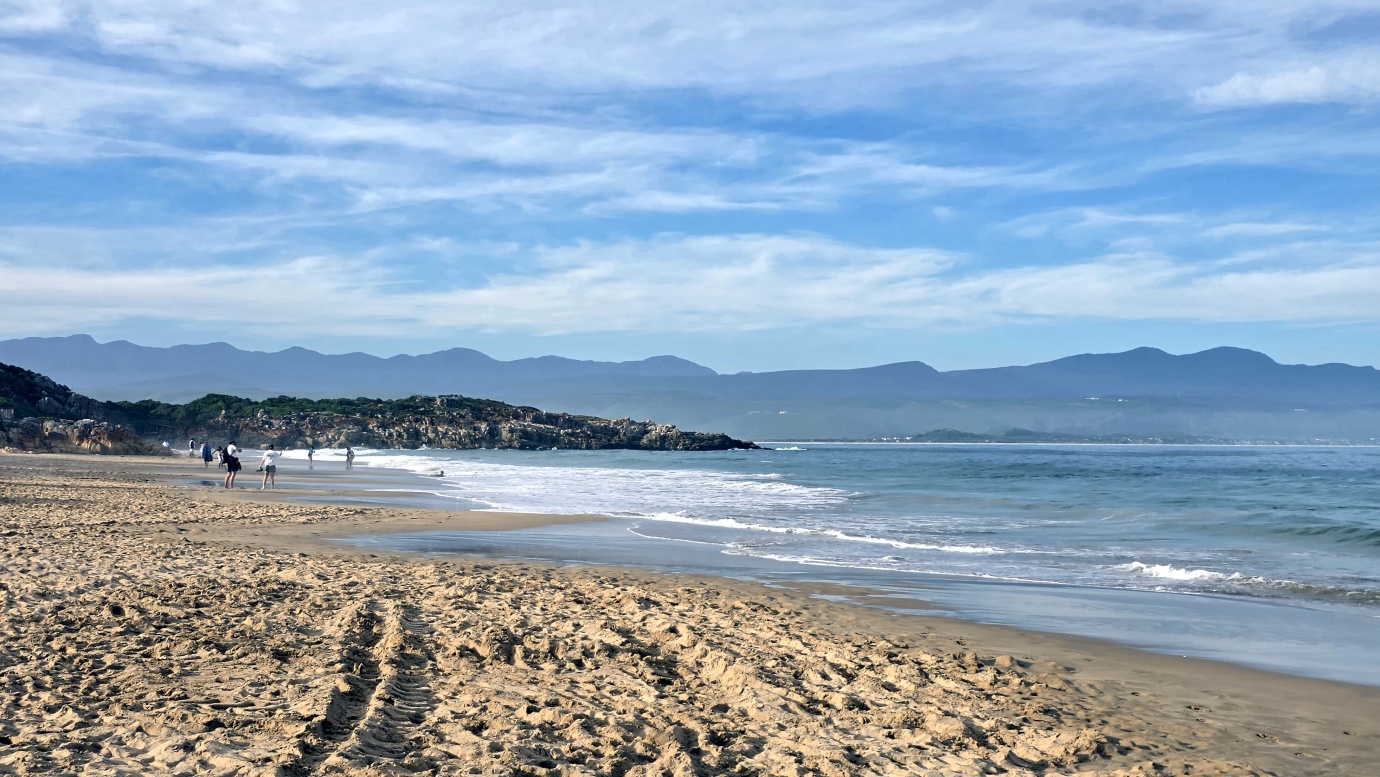
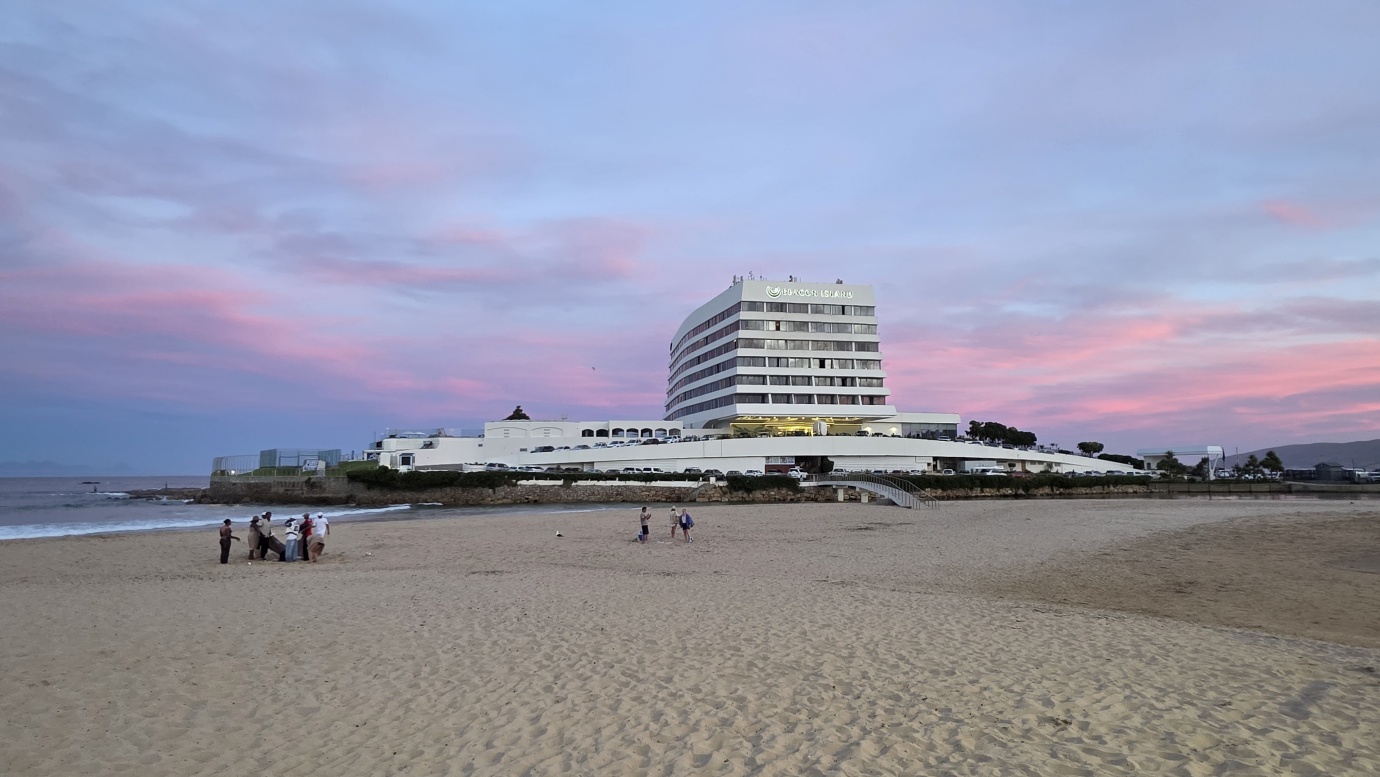
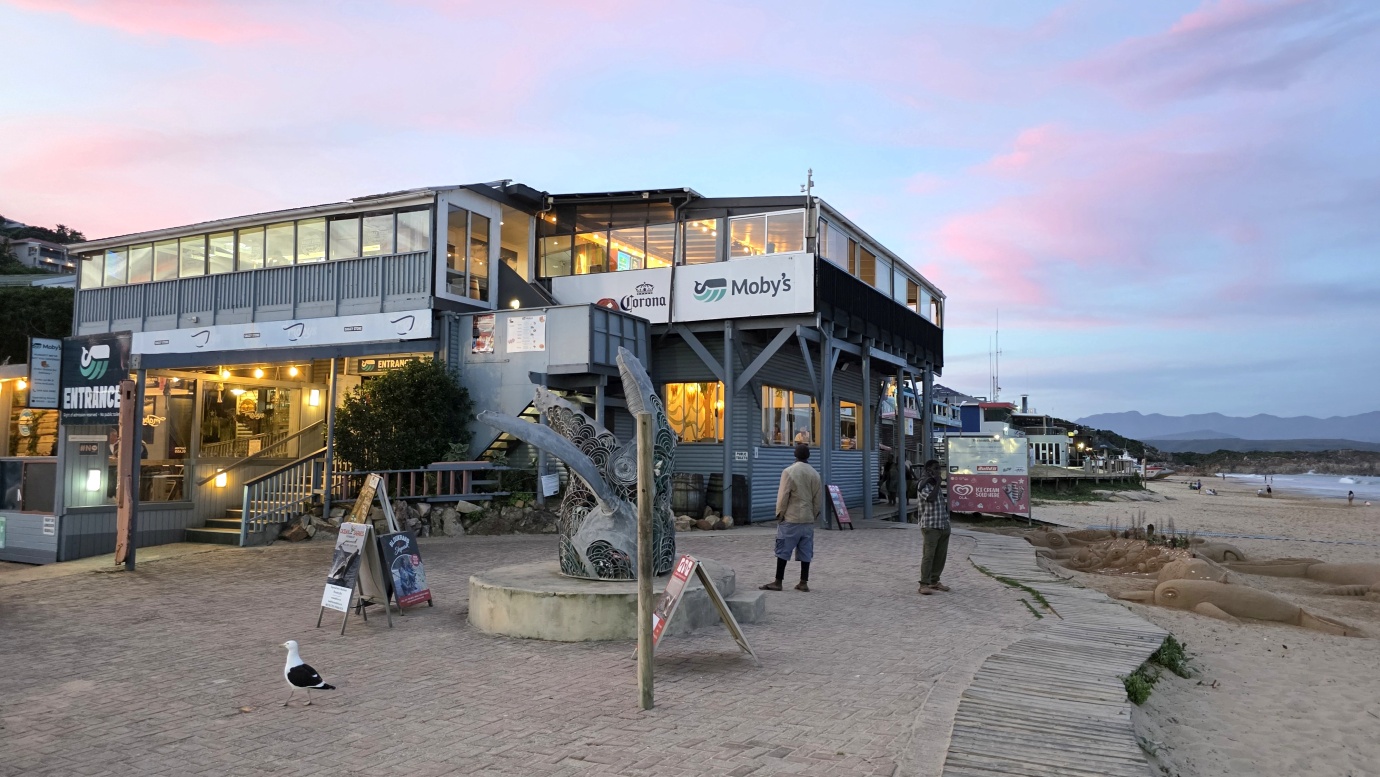
After a day of hiking, we finished with dinner on Central Beach in Plettenberg Bay, one of South Africa’s most beautiful coastal towns along the Garden Route in the Western Cape. Portuguese navigators originally named the bay Bahia Formosa (“Beautiful Bay”), a name that perfectly captures its scenic coastline.
Portuguese sailors charted the bay centuries ago, but the town received its present name in 1778, when Governor Joachim Baron van Plettenberg visited the area on behalf of the Dutch East India Company (DEIC). During his visit, he erected the Van Plettenberg Beacon, a slate-stone monument on a nearby lookout point, and the settlement was subsequently named in his honour.
In 1786, the DEIC commissioned local settler Jan Jakob Jerling to build a timber storage shed to process and export the region’s valuable timber. The first shipment left in 1788, but the operation declined after the First British Occupation began in 1795. The historic timber shed has since been preserved as a national monument, recalling the town’s early role in the timber trade.
Over the 19th and 20th centuries, Plettenberg Bay gradually transformed from a remote outpost and whaling station into a thriving coastal community and one of the Garden Route’s popular holiday destinations.
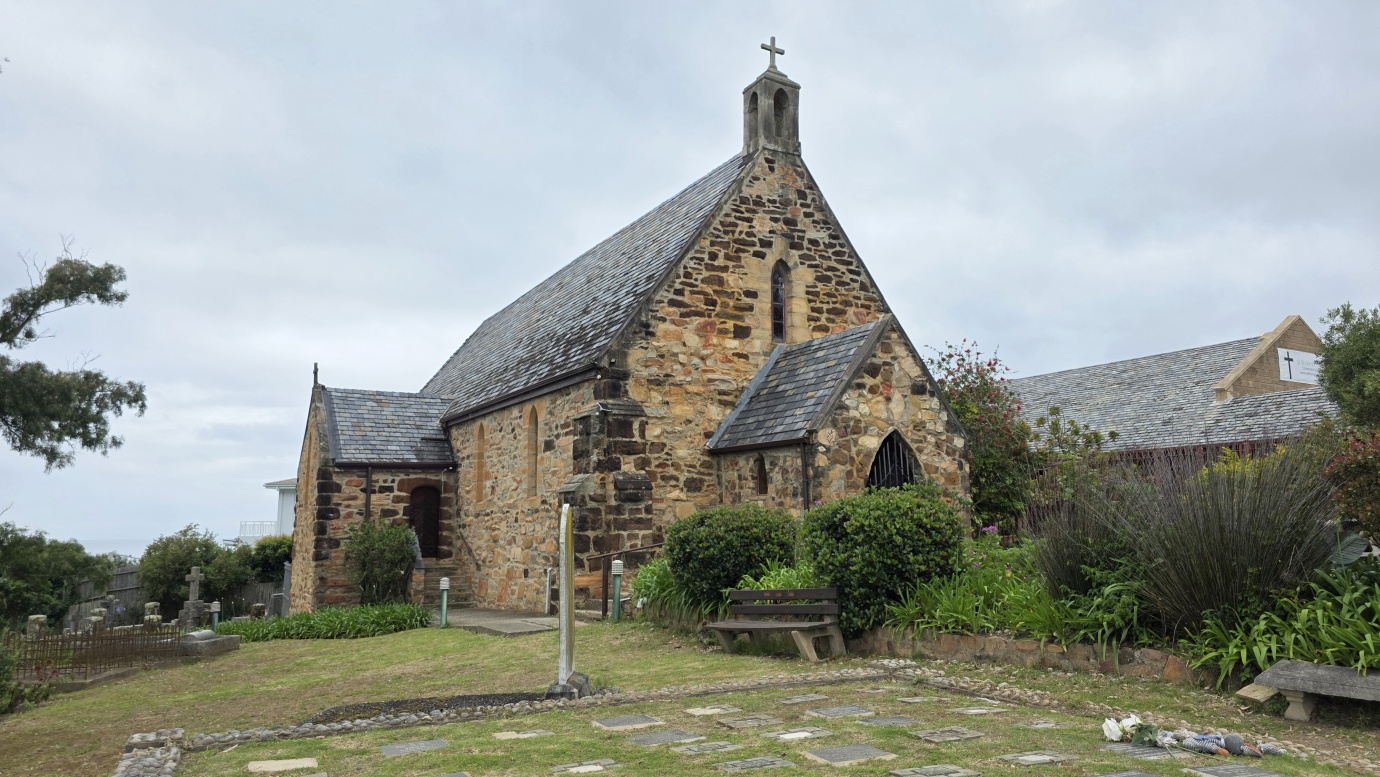
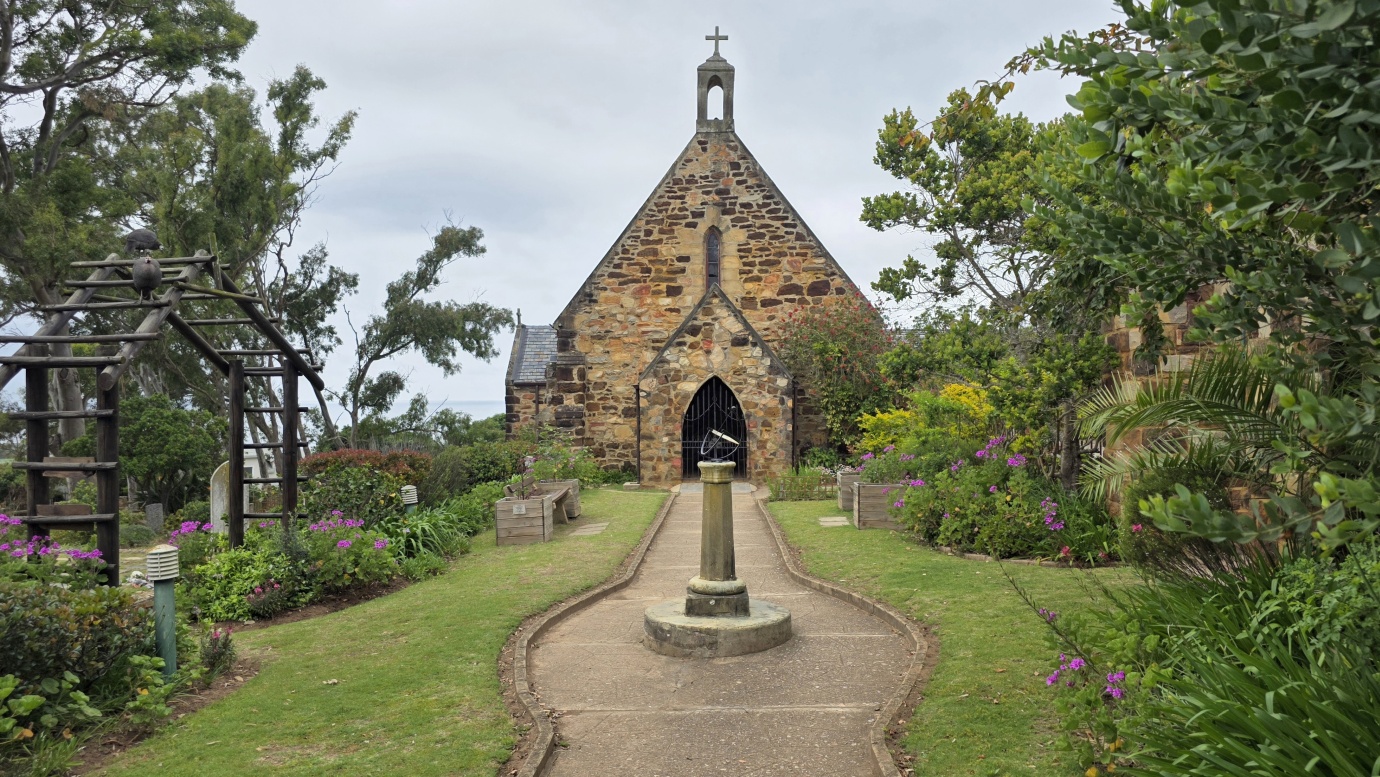
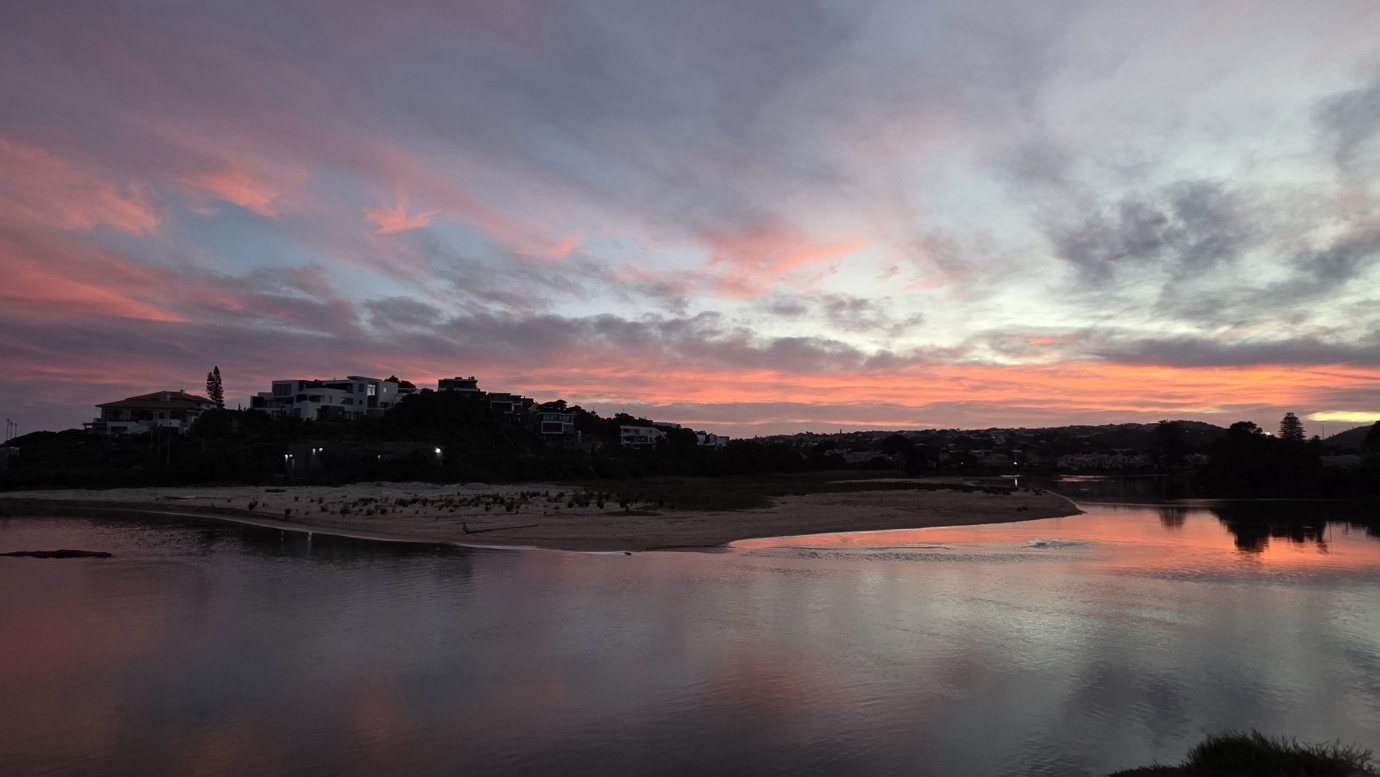
We had originally planned to spend the night in the parking area at Central Beach, but Friday evening brought too many people and vehicles for our liking. So we moved a few hundred metres uphill and found a better spot for our expedition truck. As a bonus, we were just a stone’s throw from St. Peter’s Anglican Church, which we visited the following morning.
Built between 1878 and 1881, St. Peter’s replaced an earlier wooden mission church dating from 1863, which a gale destroyed in 1875. The stone church followed architectural plans drawn up in 1850 by Sophy Grey, the wife of Bishop Robert Grey, who played an important role in developing Anglican church architecture in South Africa. Bishop William West-Jones officially consecrated the new church on 14 August 1881, and it remains one of Plettenberg Bay’s historic landmarks.
Parking location – Plettenberg Bay: 34.0572027S 23.3765141E