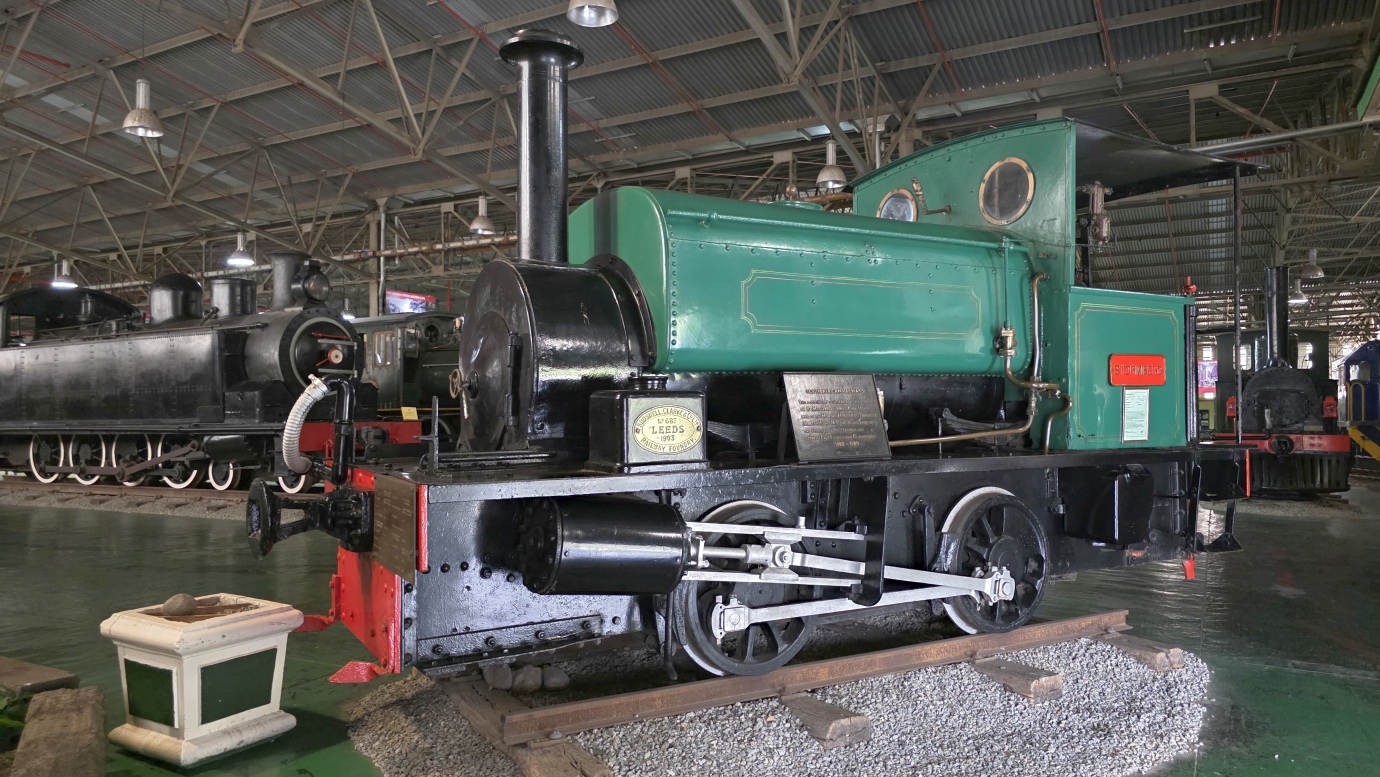
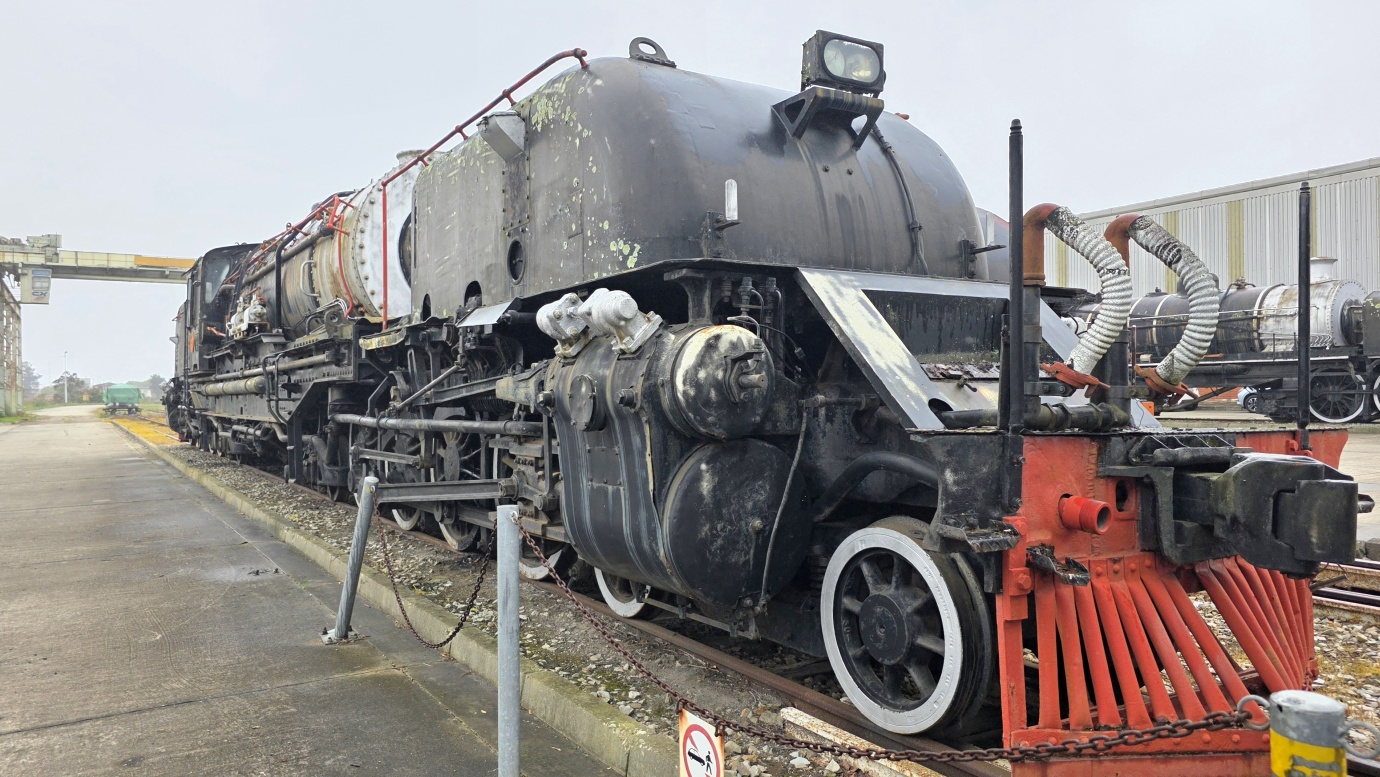
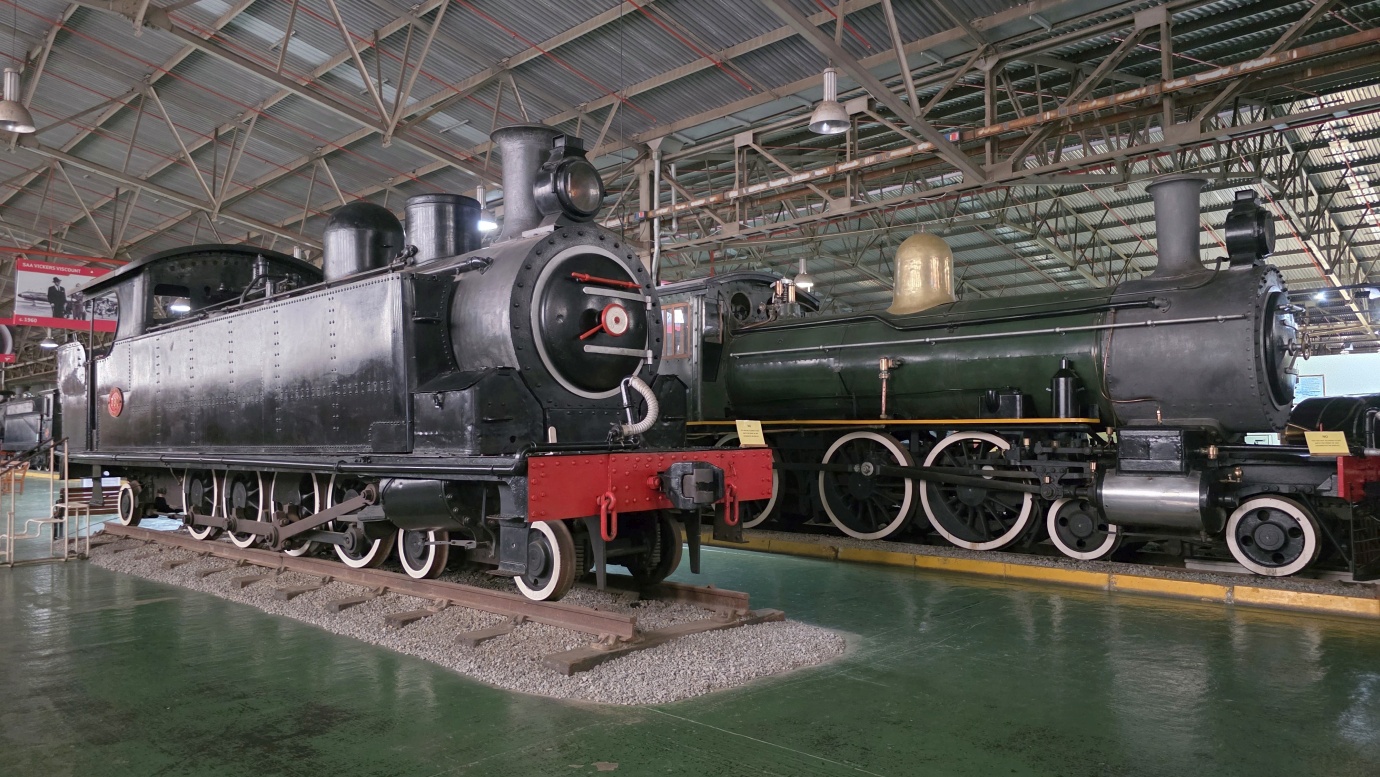
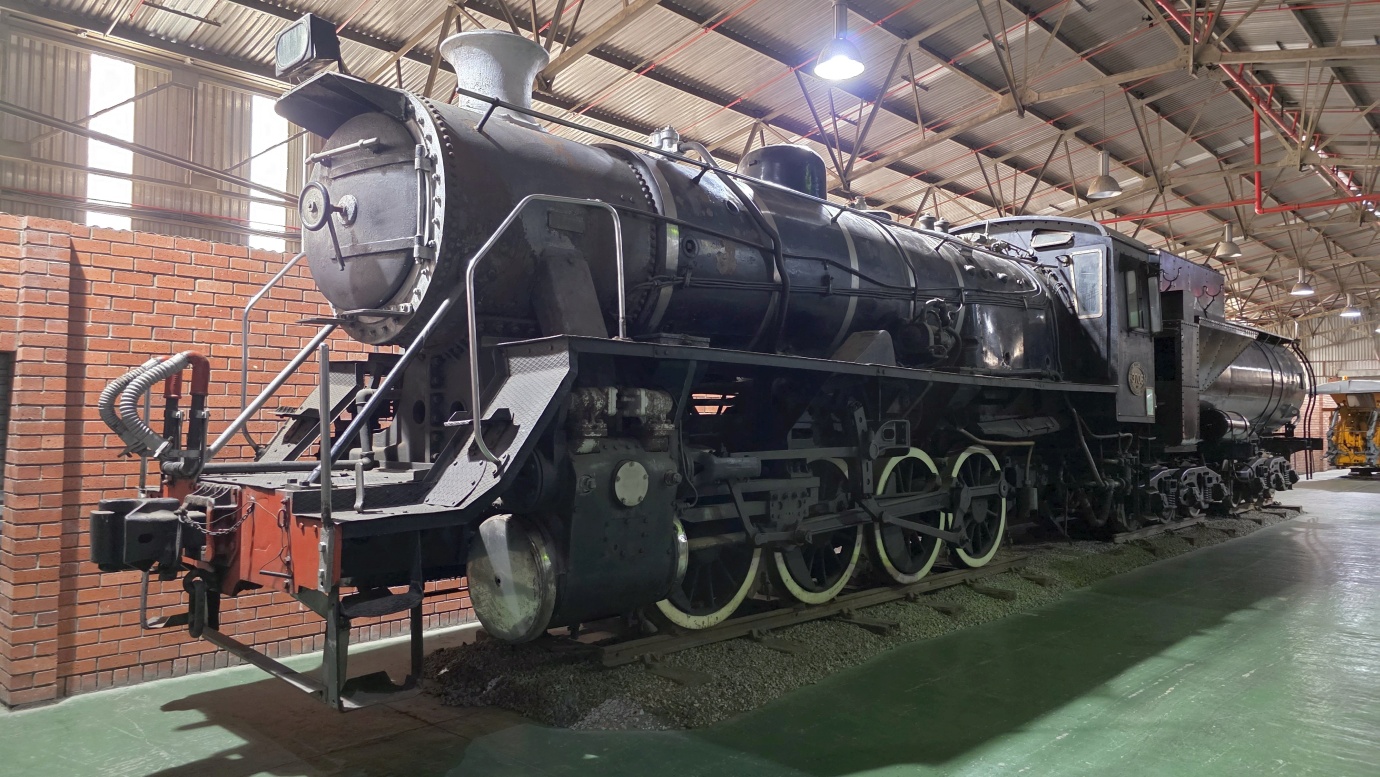
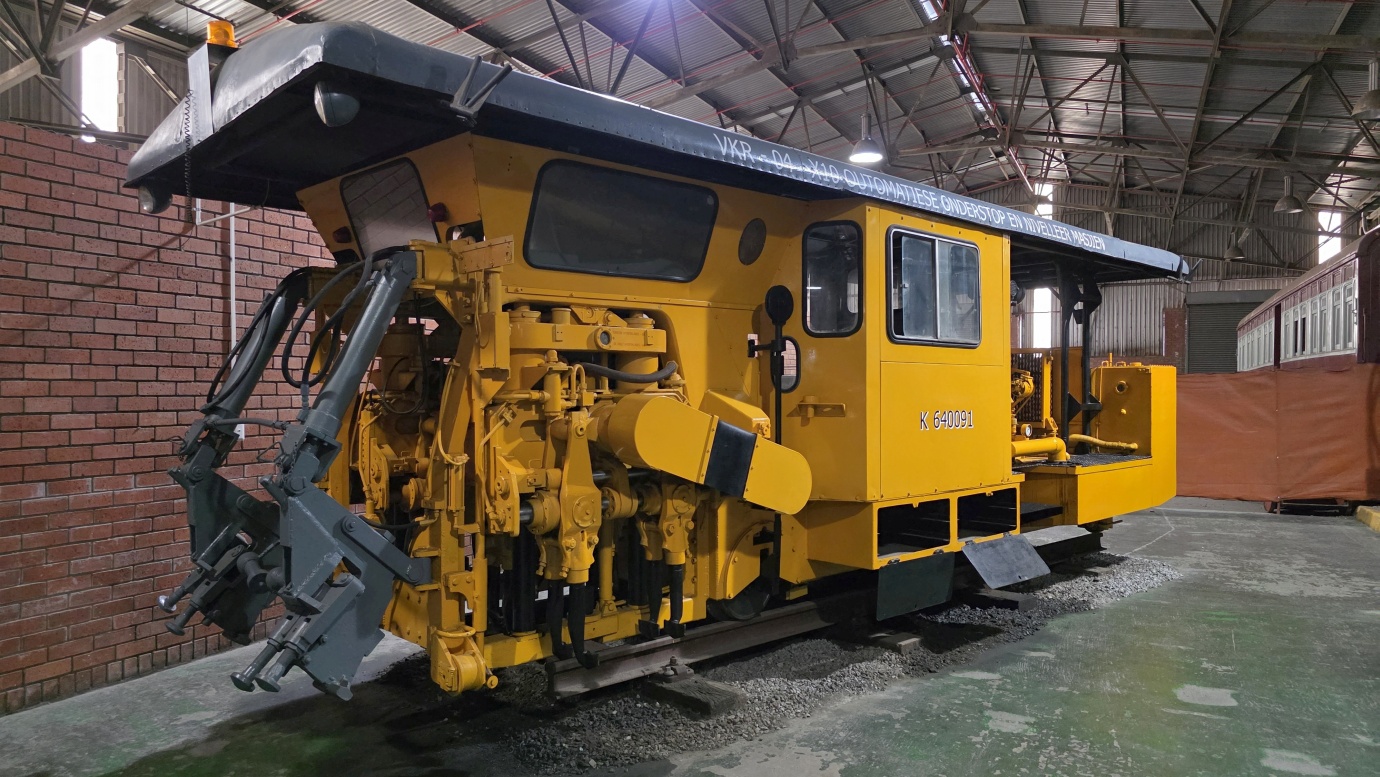
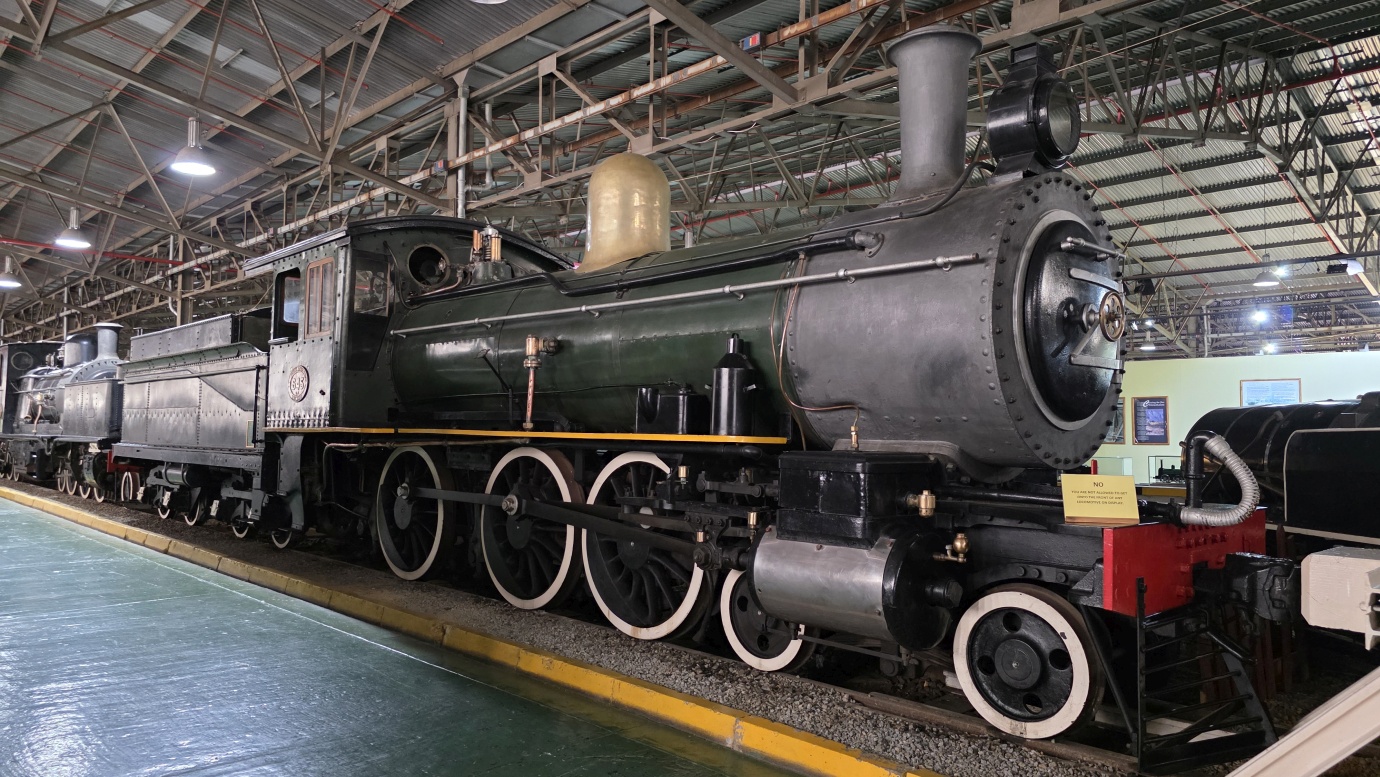
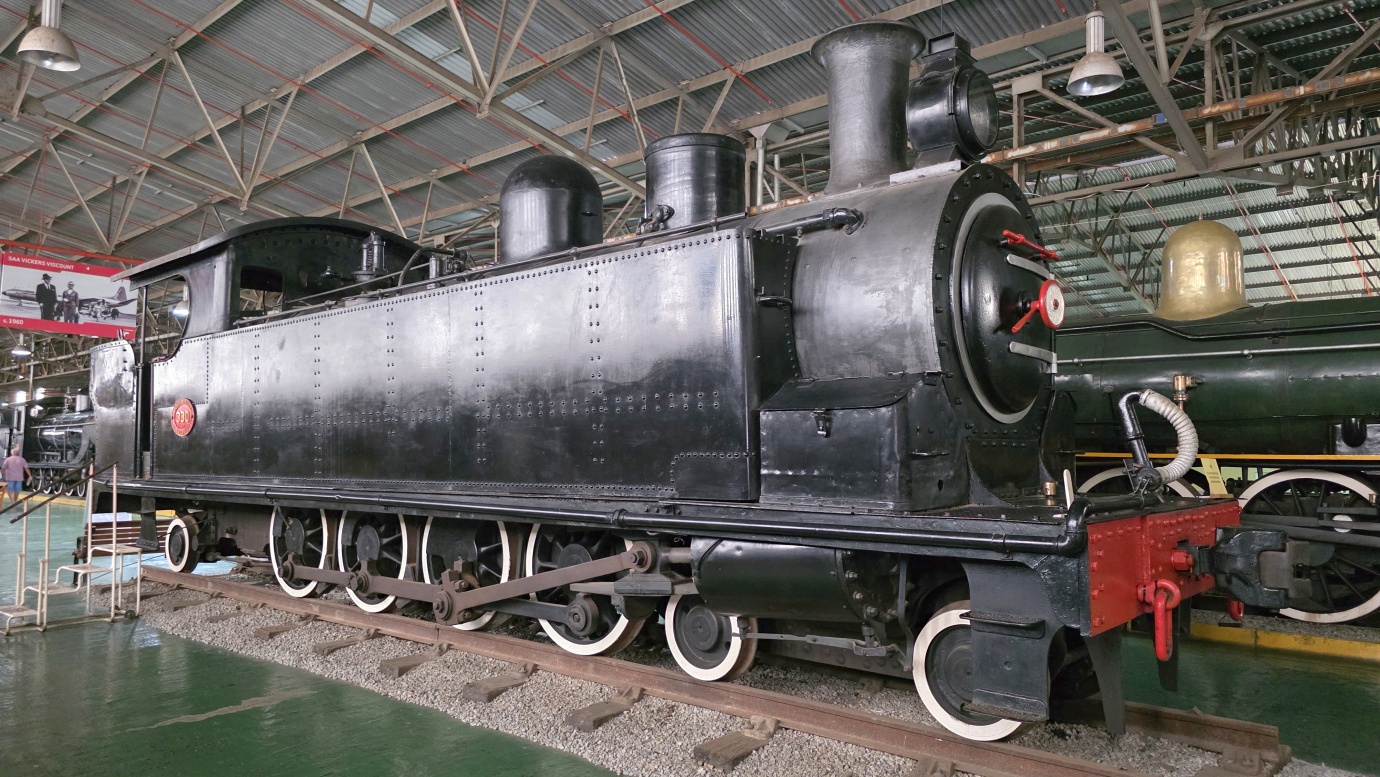
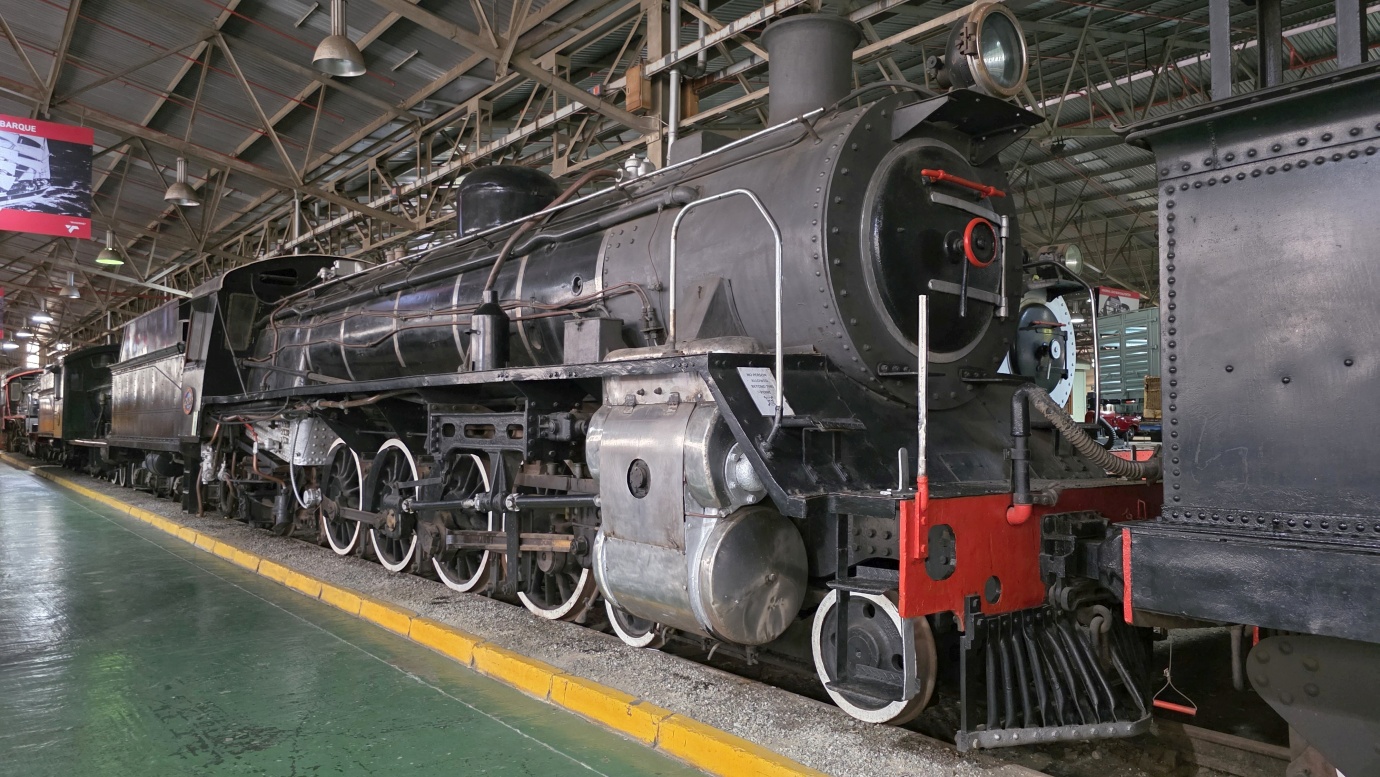
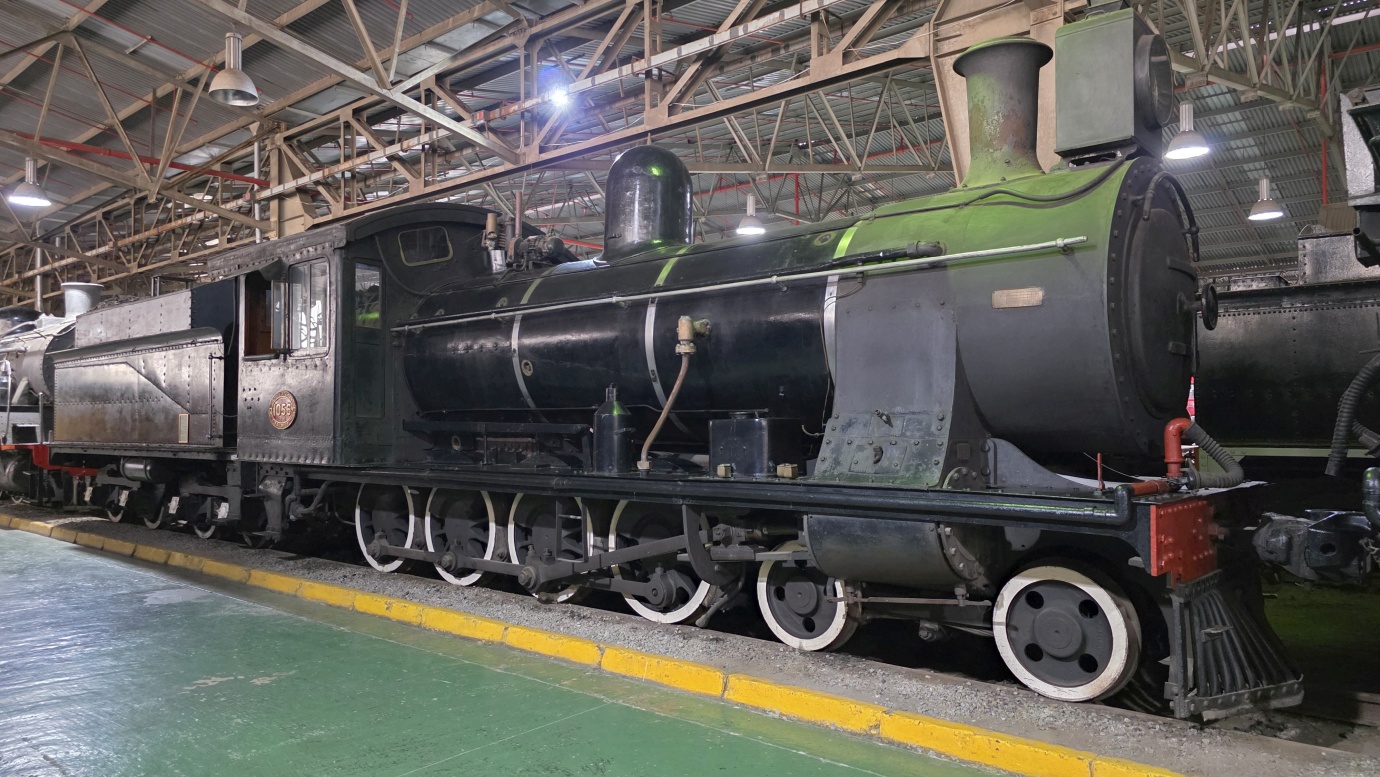
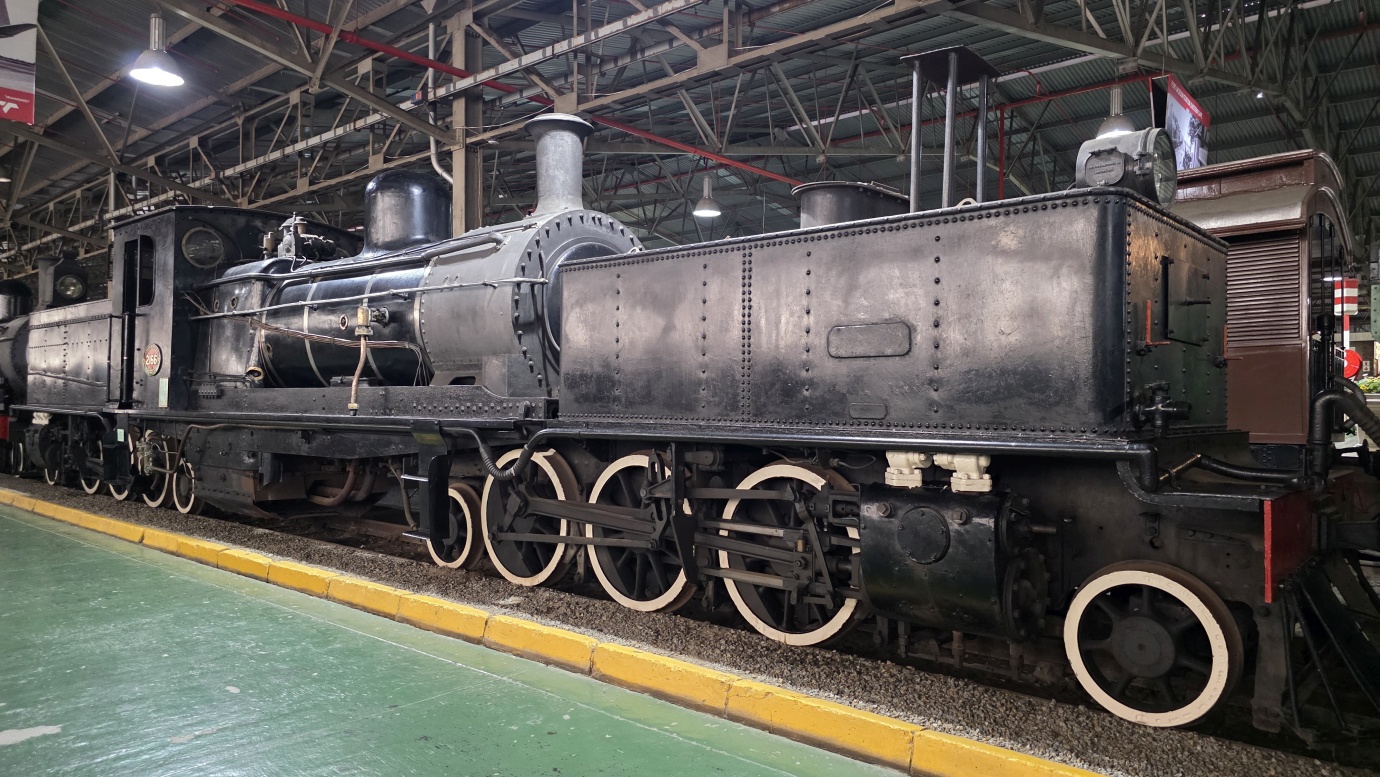
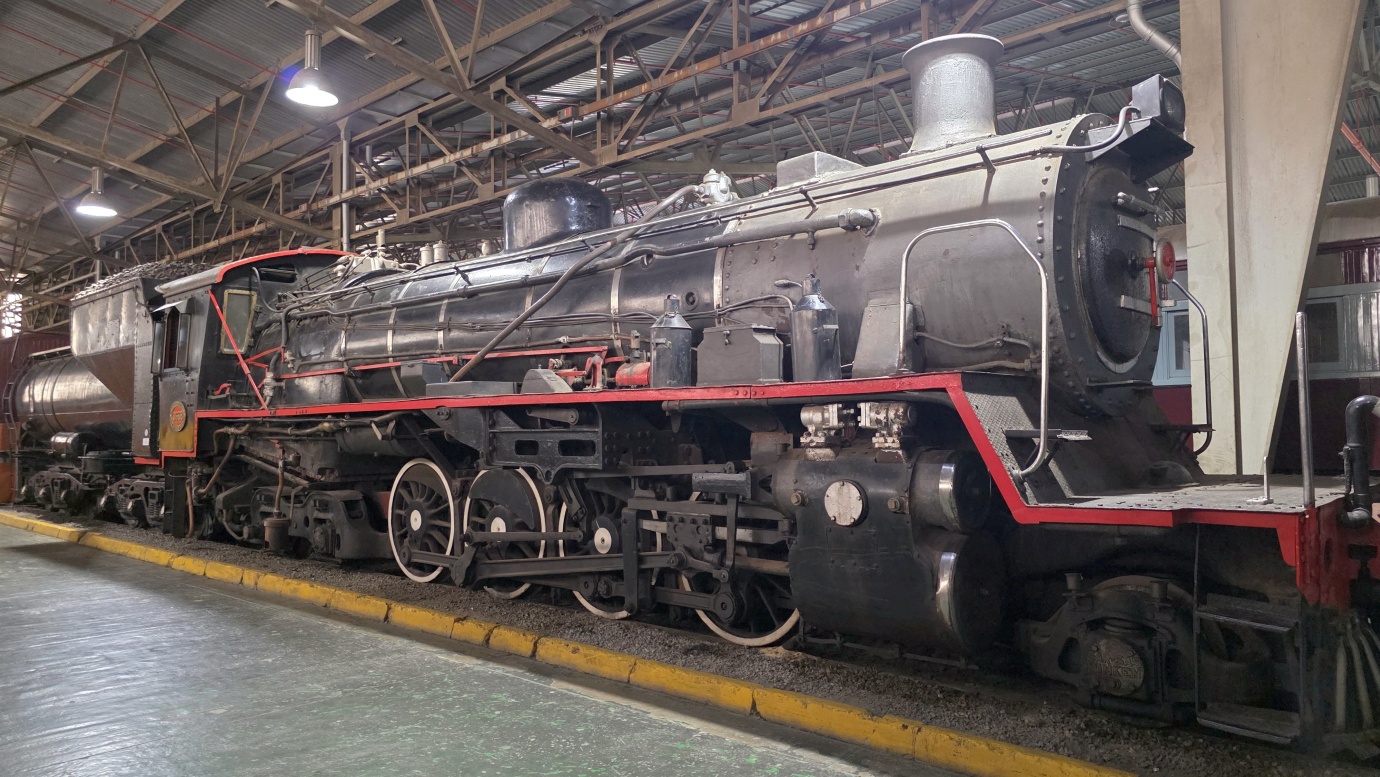
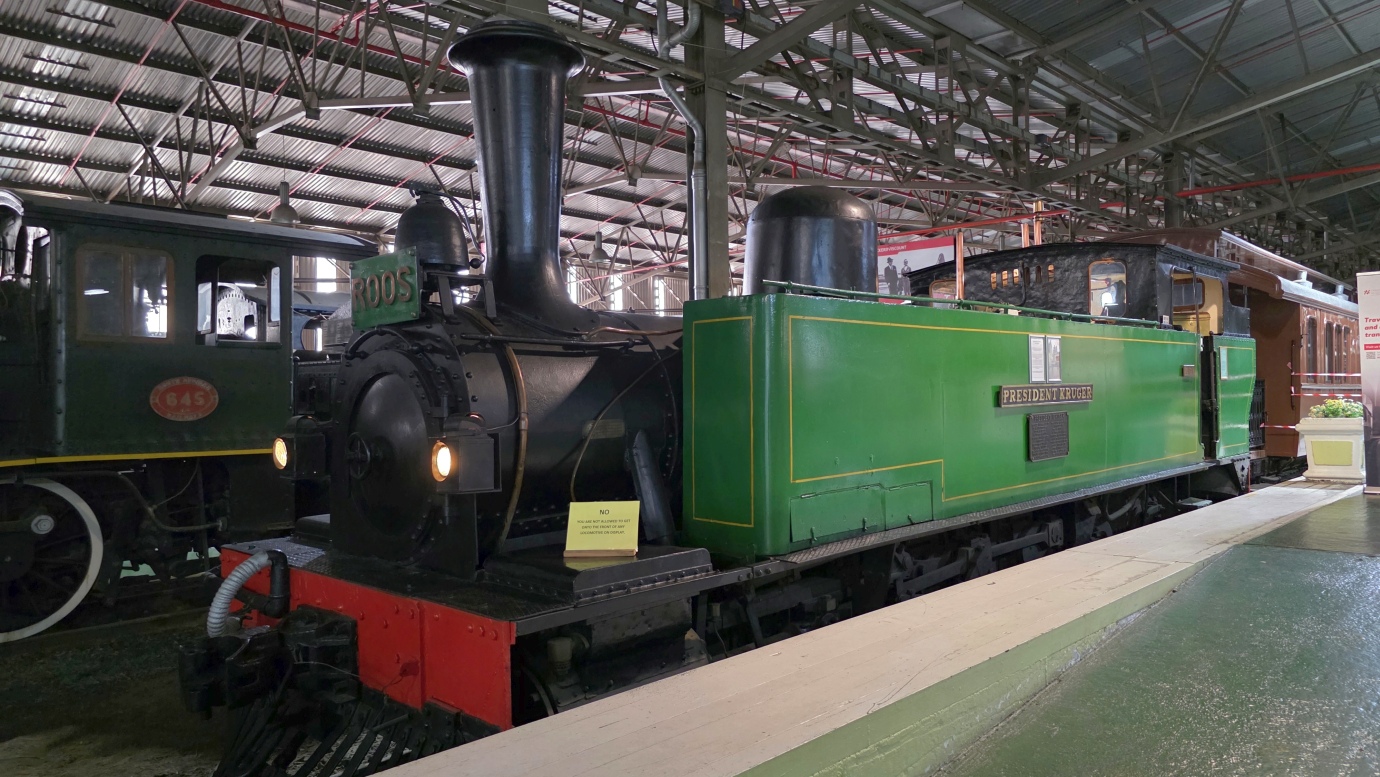
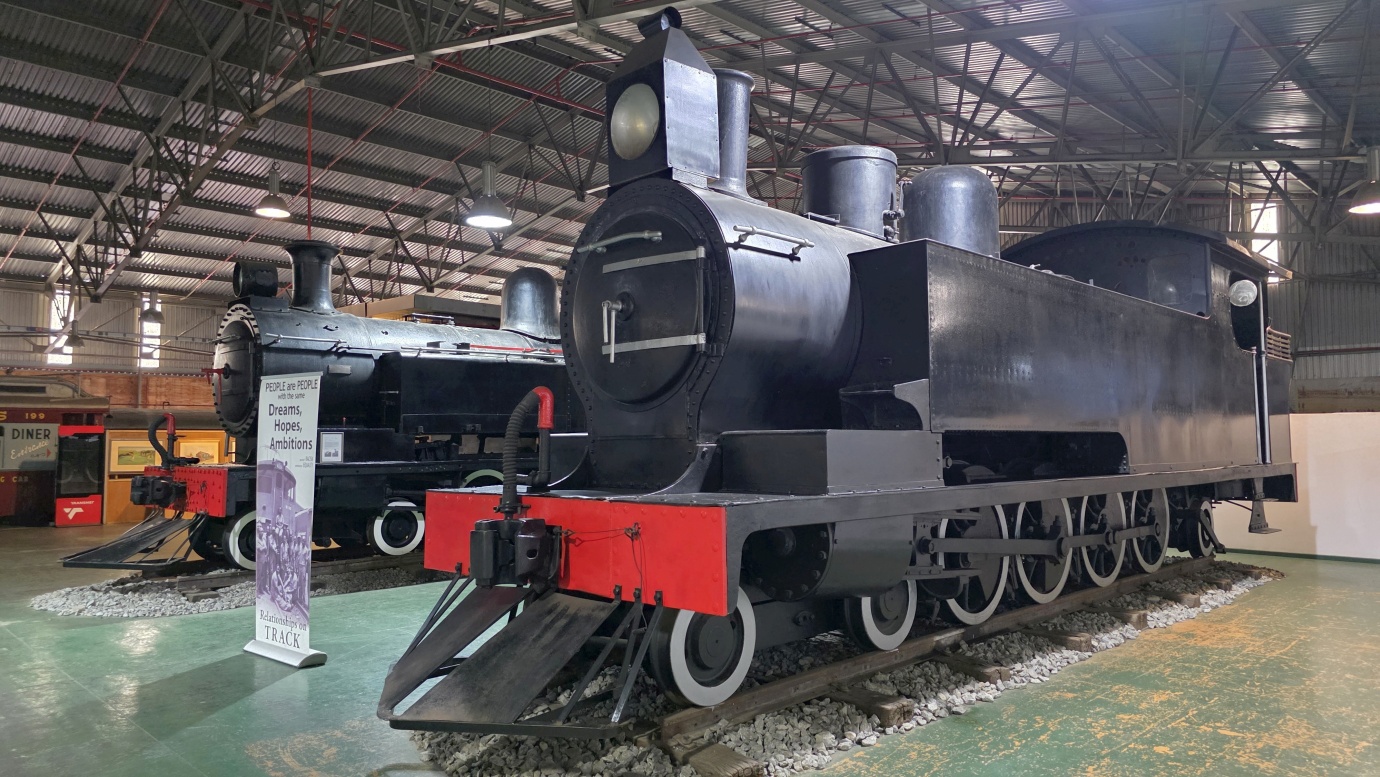
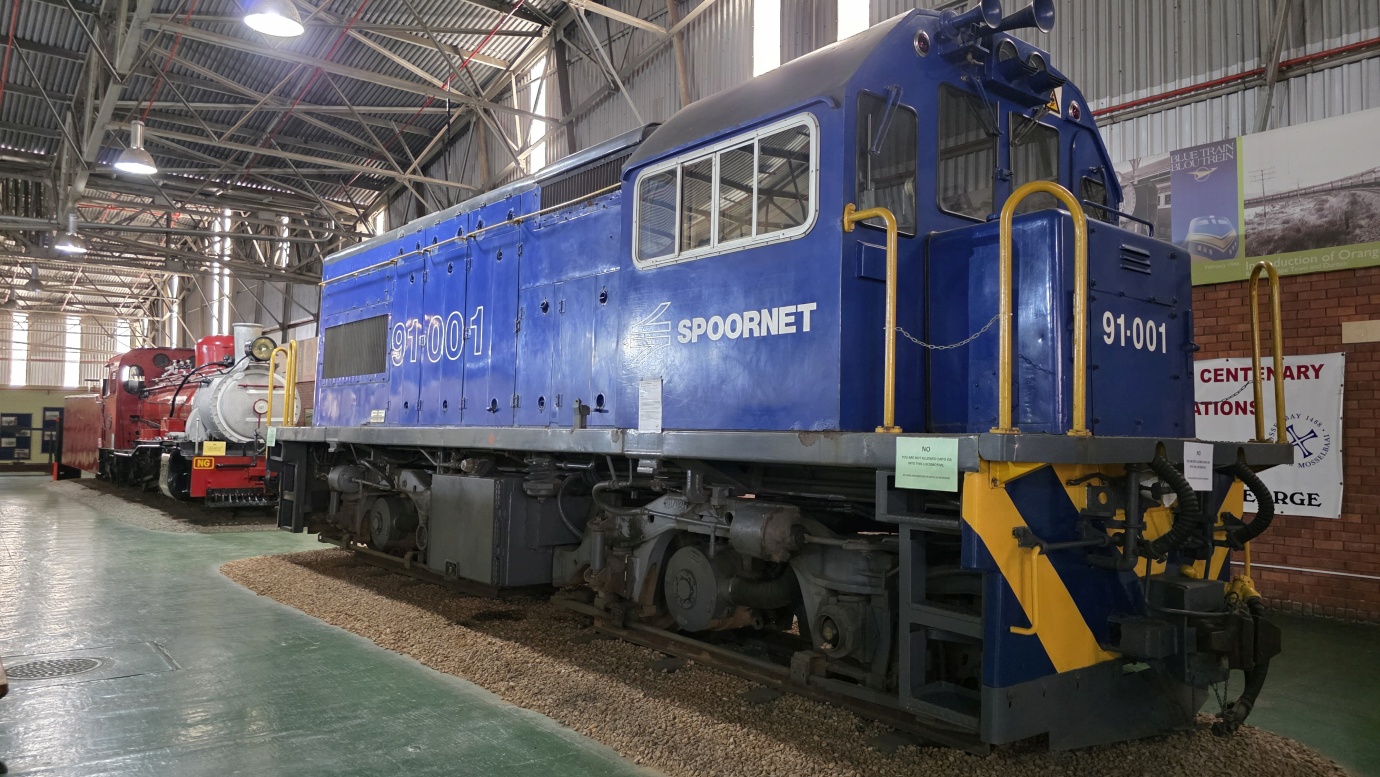
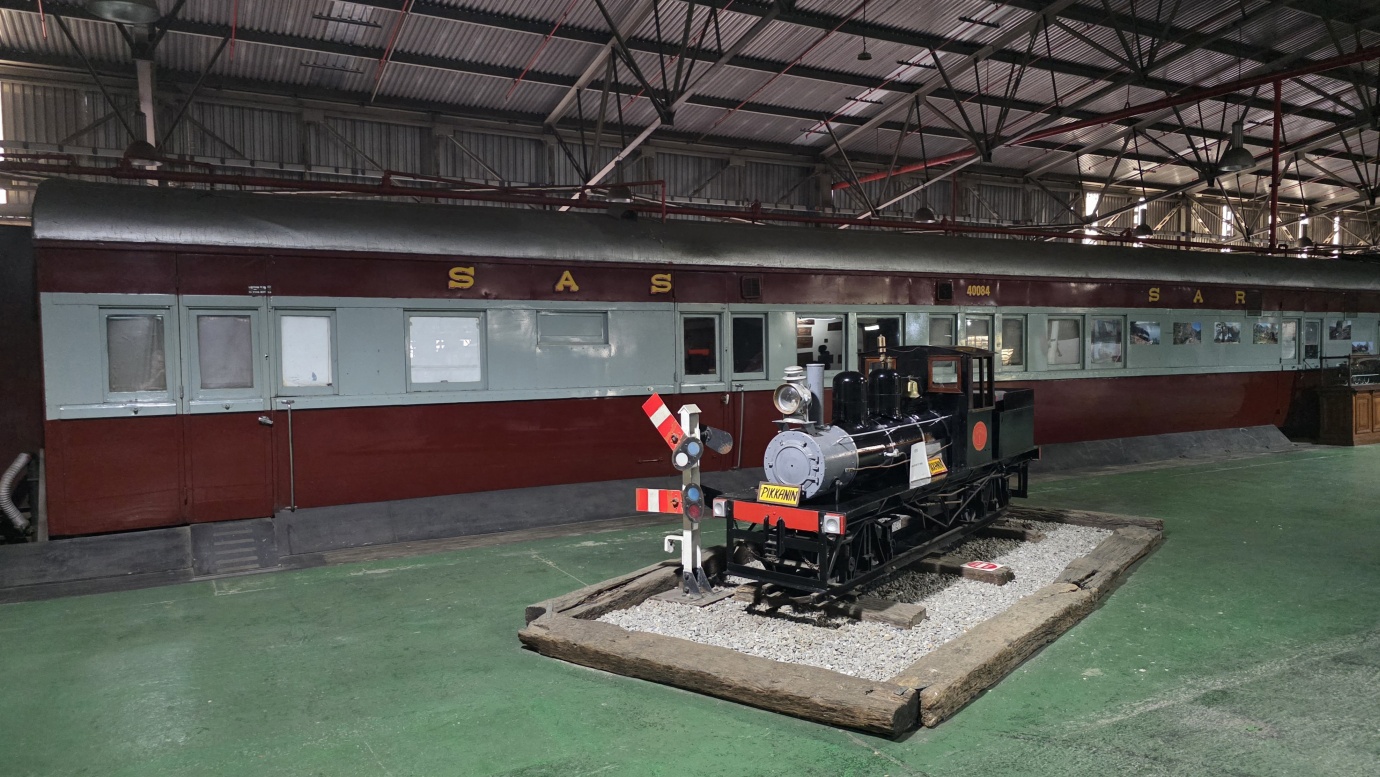
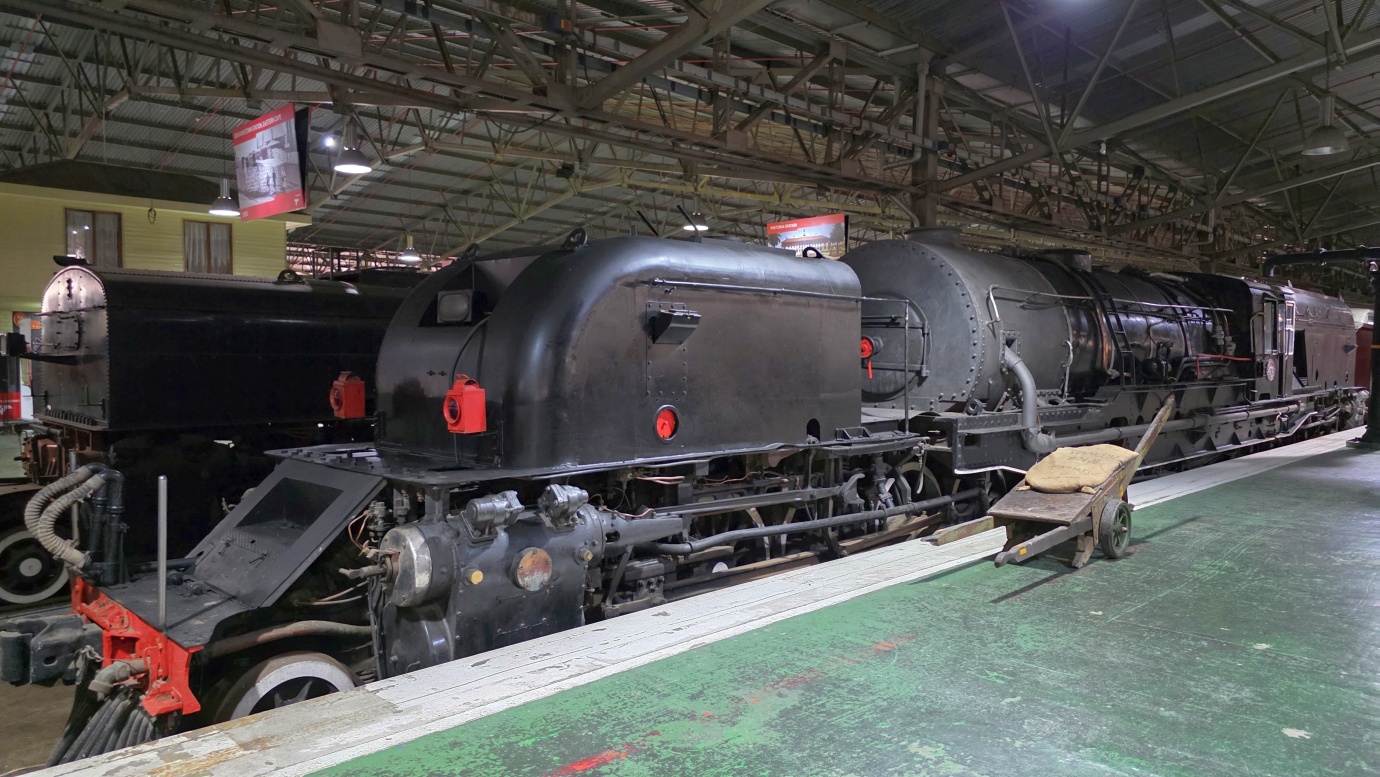
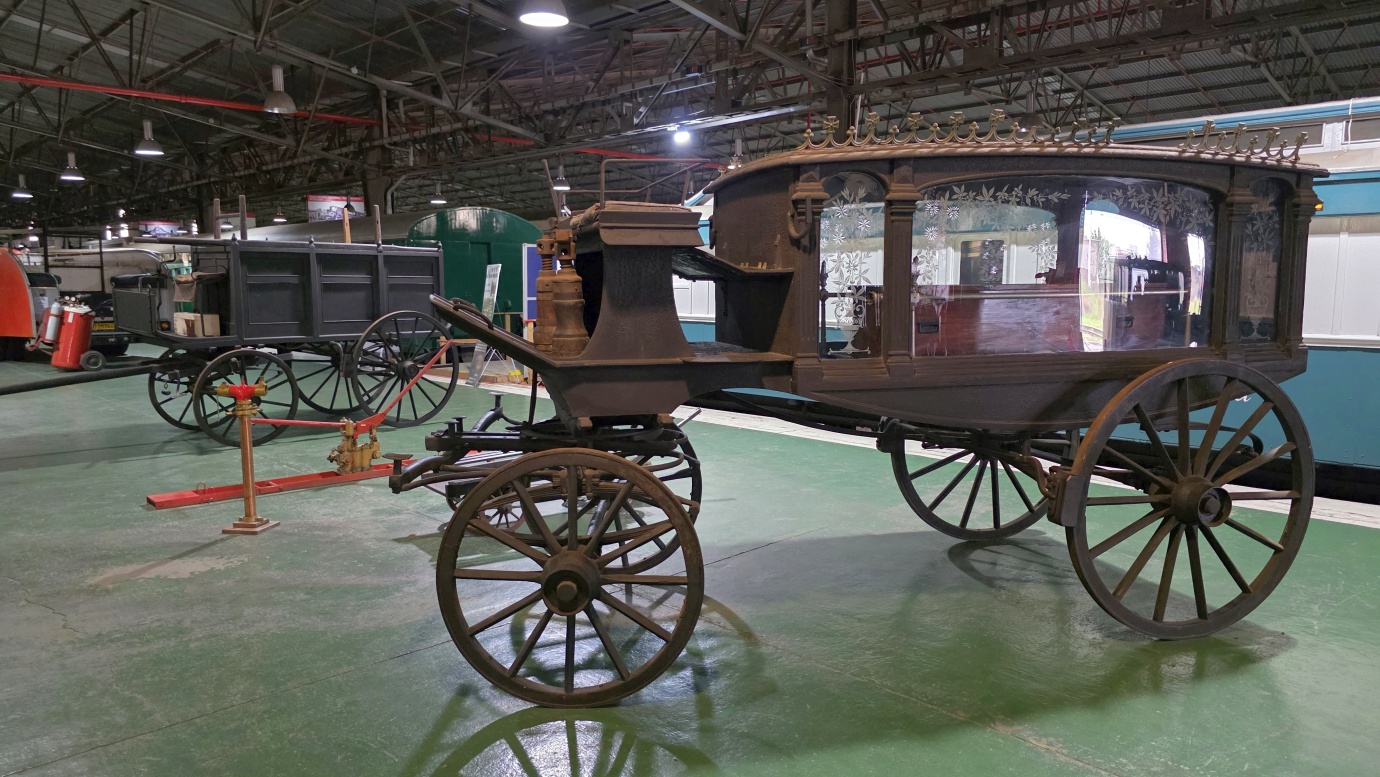
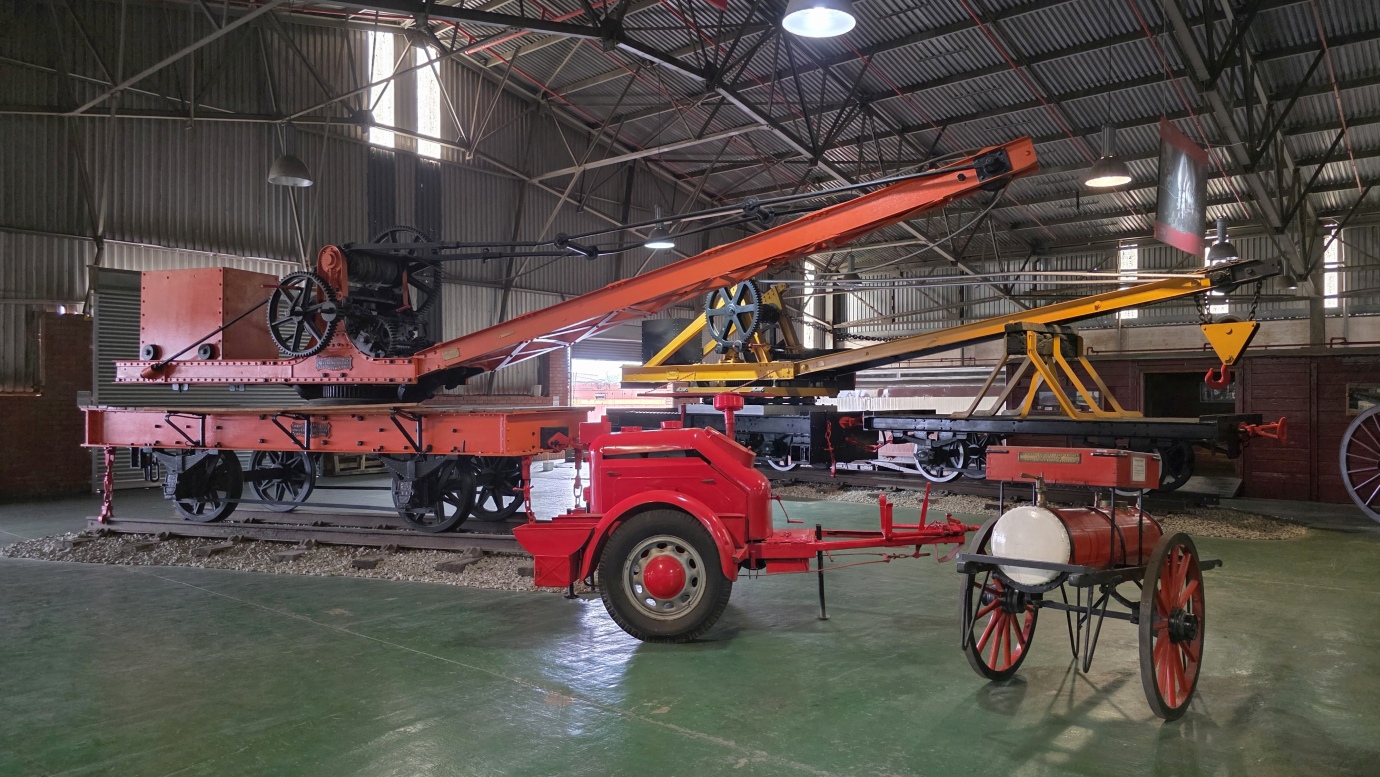
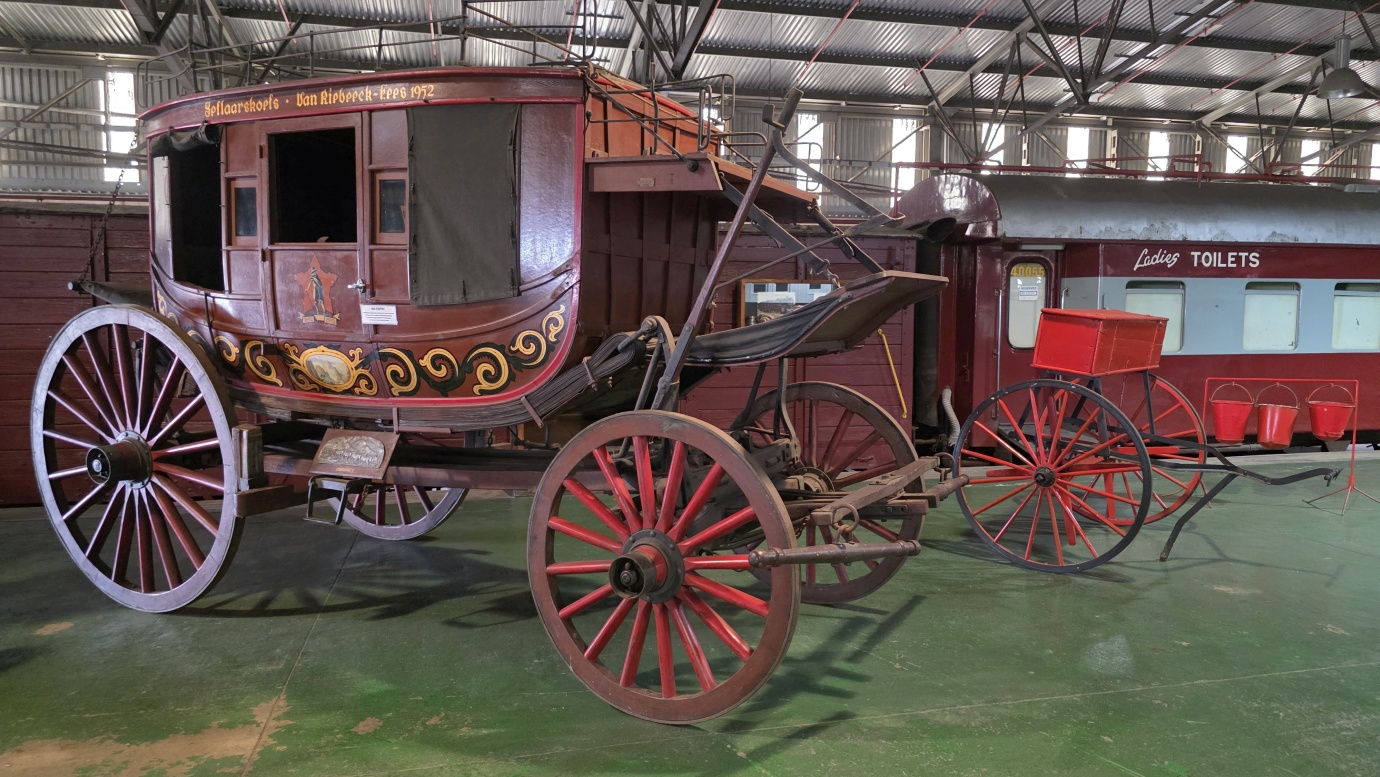
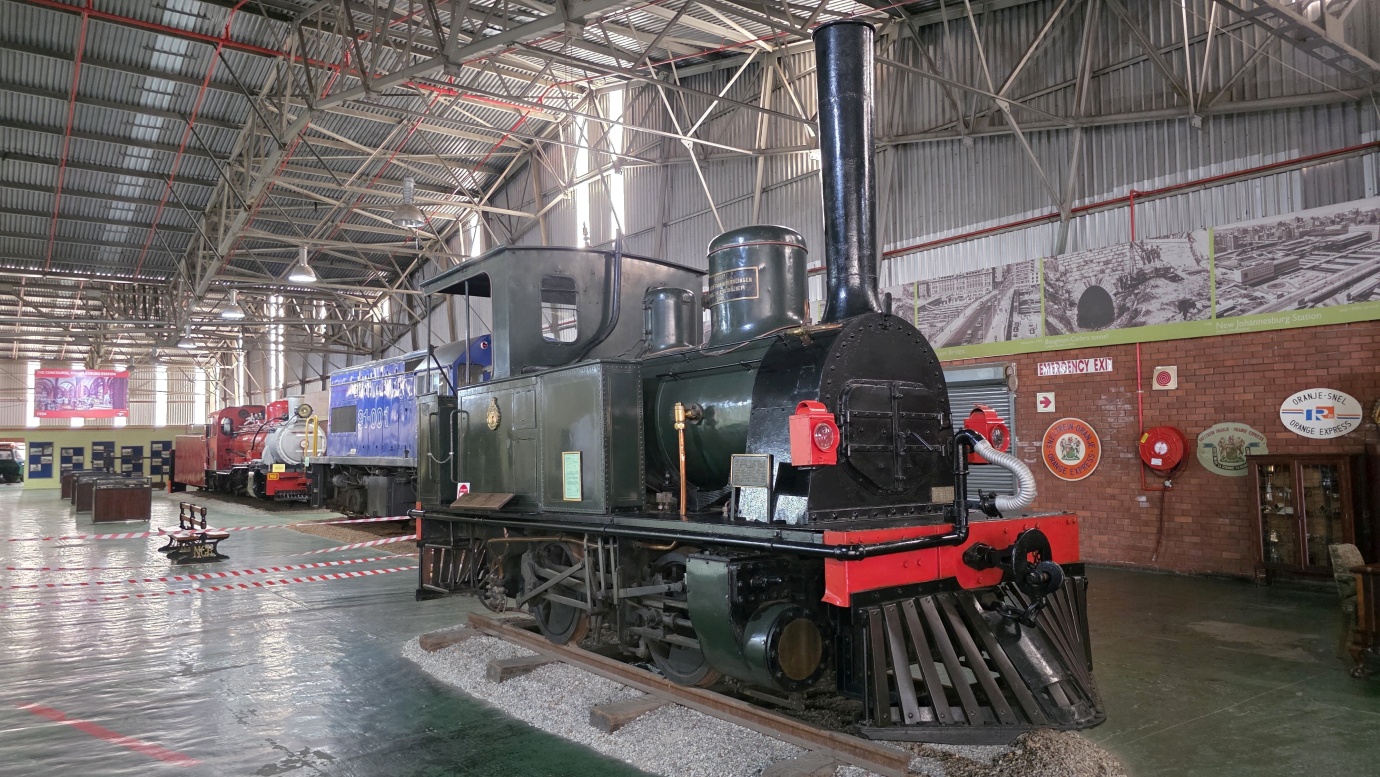
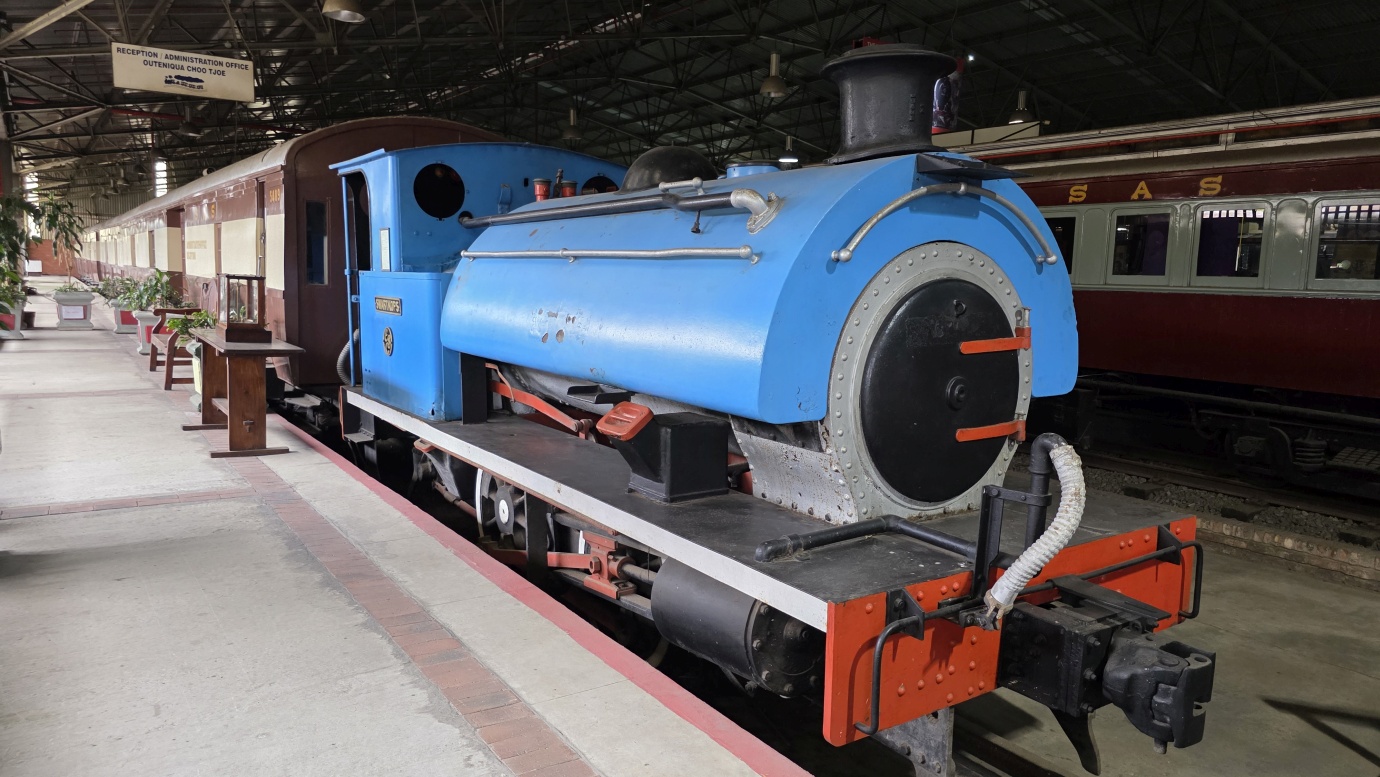
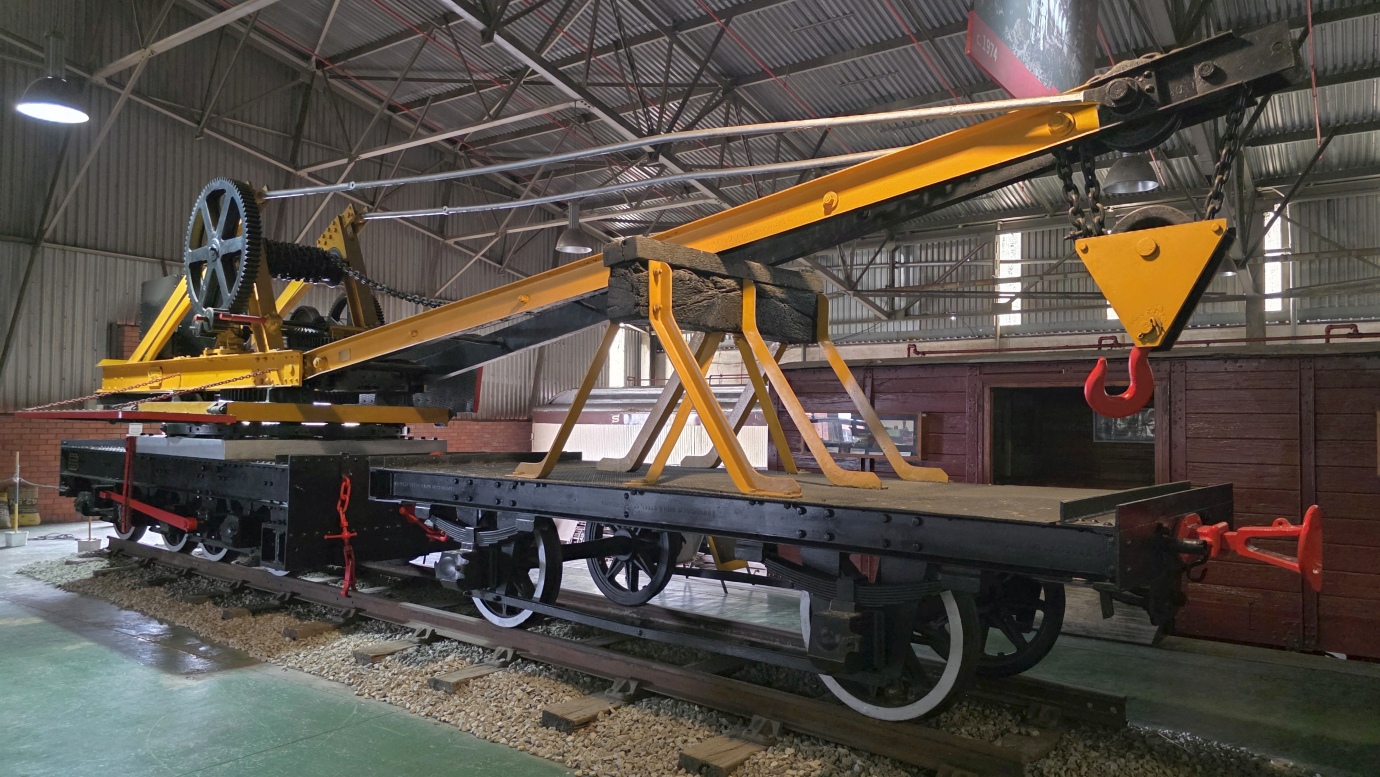
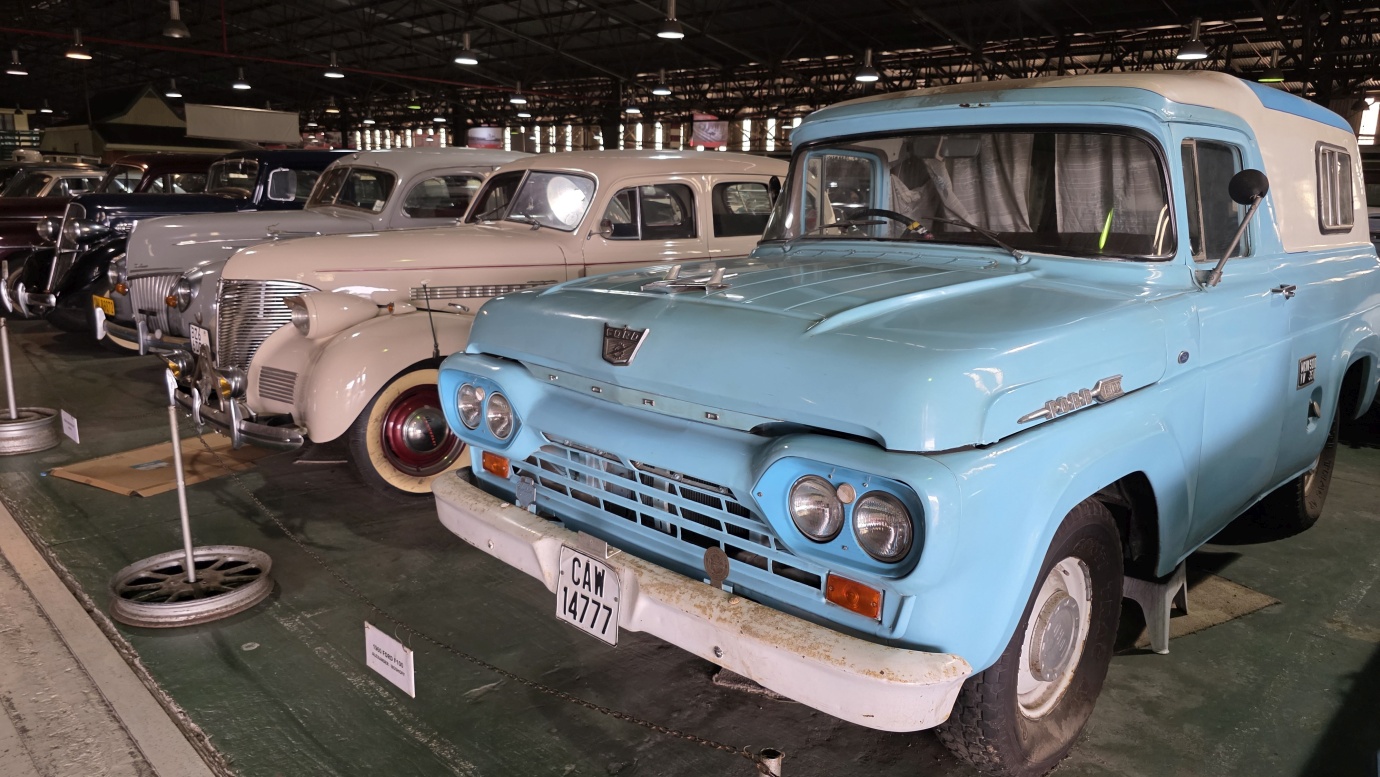
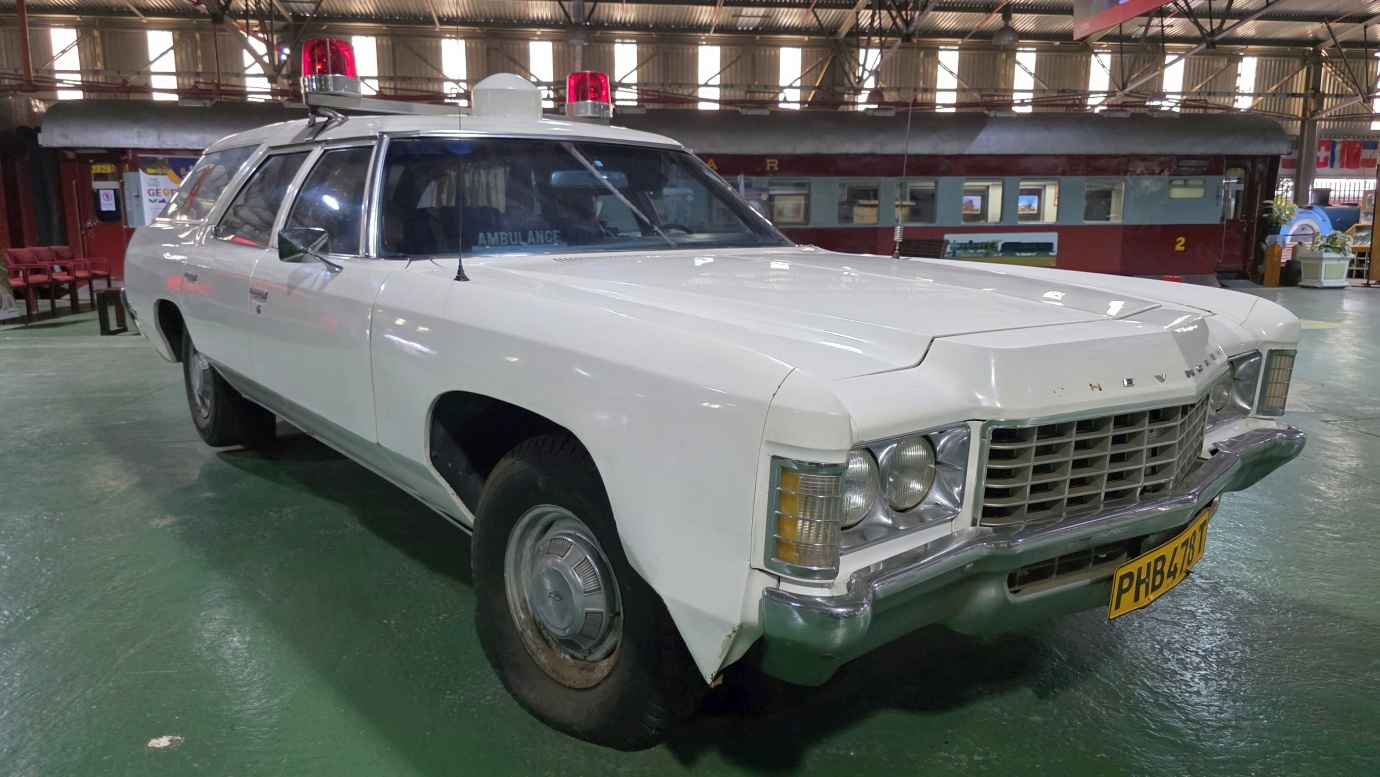
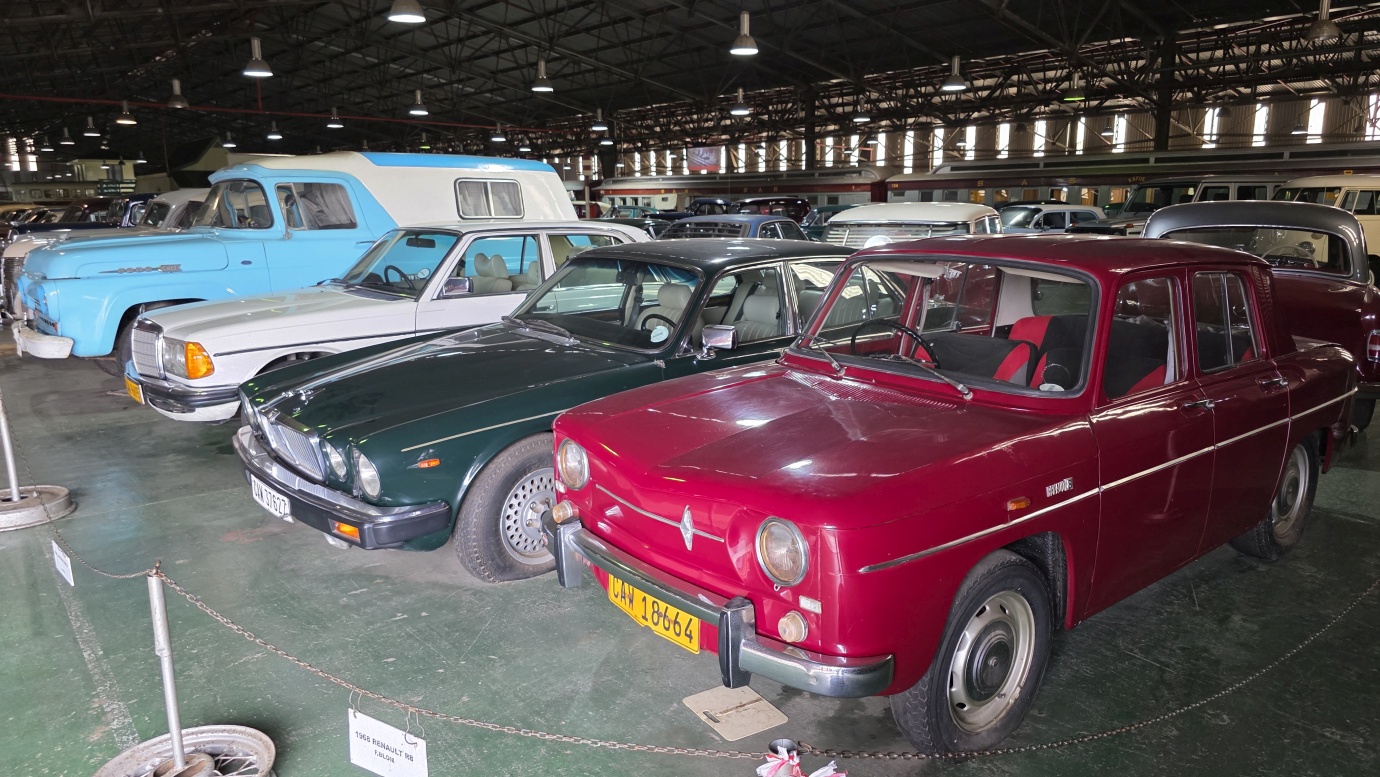
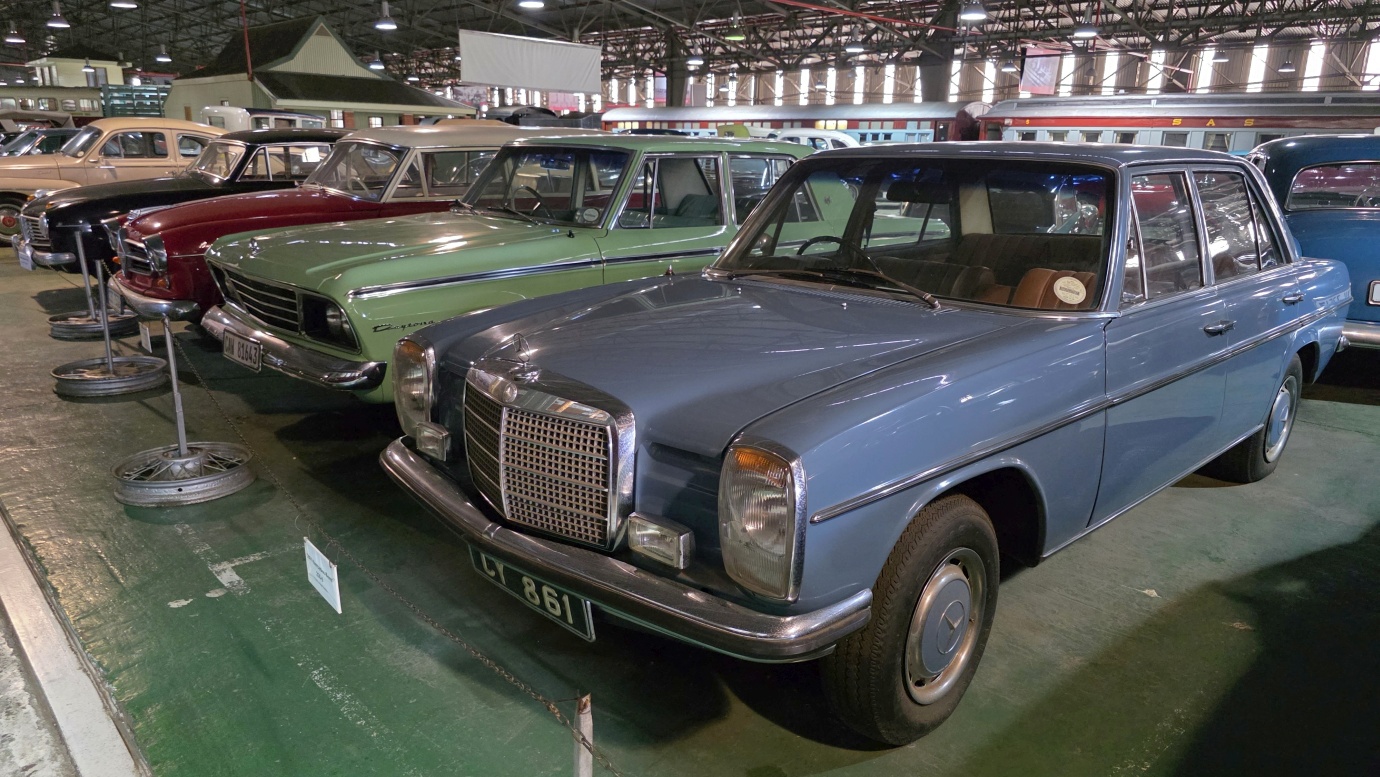
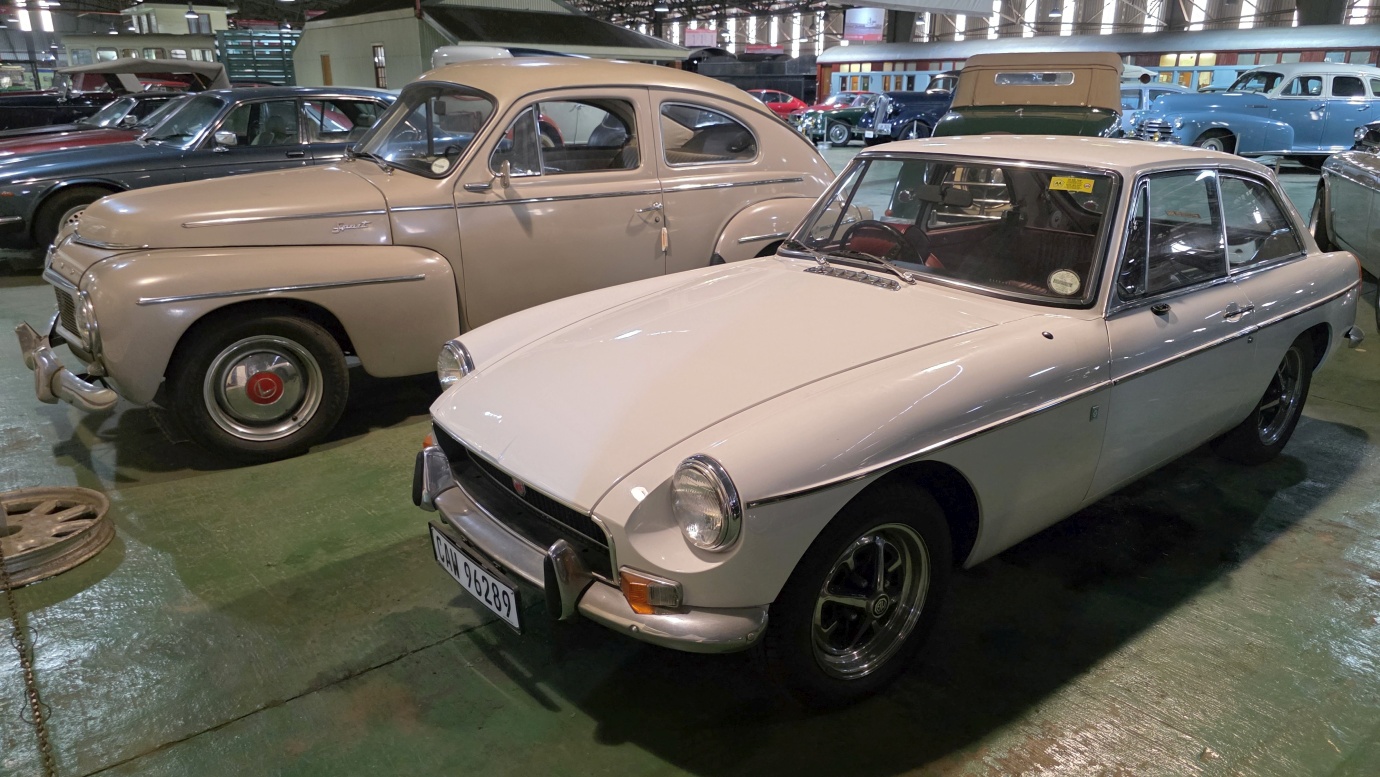
Our next stop was the Outeniqua Transport Museum in George, part of the Transnet Heritage Foundation collection and one of the most interesting places to explore South Africa’s railway heritage. Housed in a historic locomotive shed dating back to 1932, the museum brings together an impressive collection of more than 50 steam locomotives, railway carriages, vintage vehicles, and transport-related artefacts.
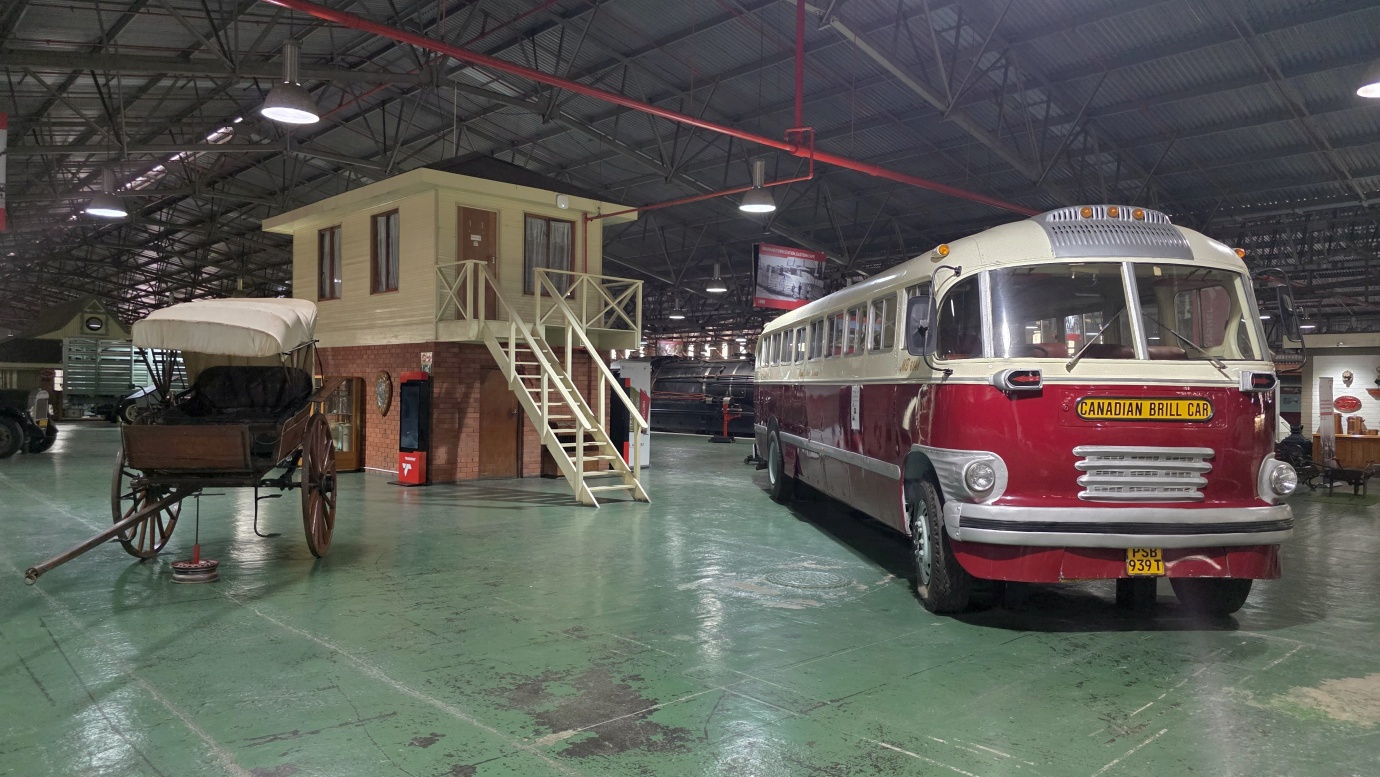
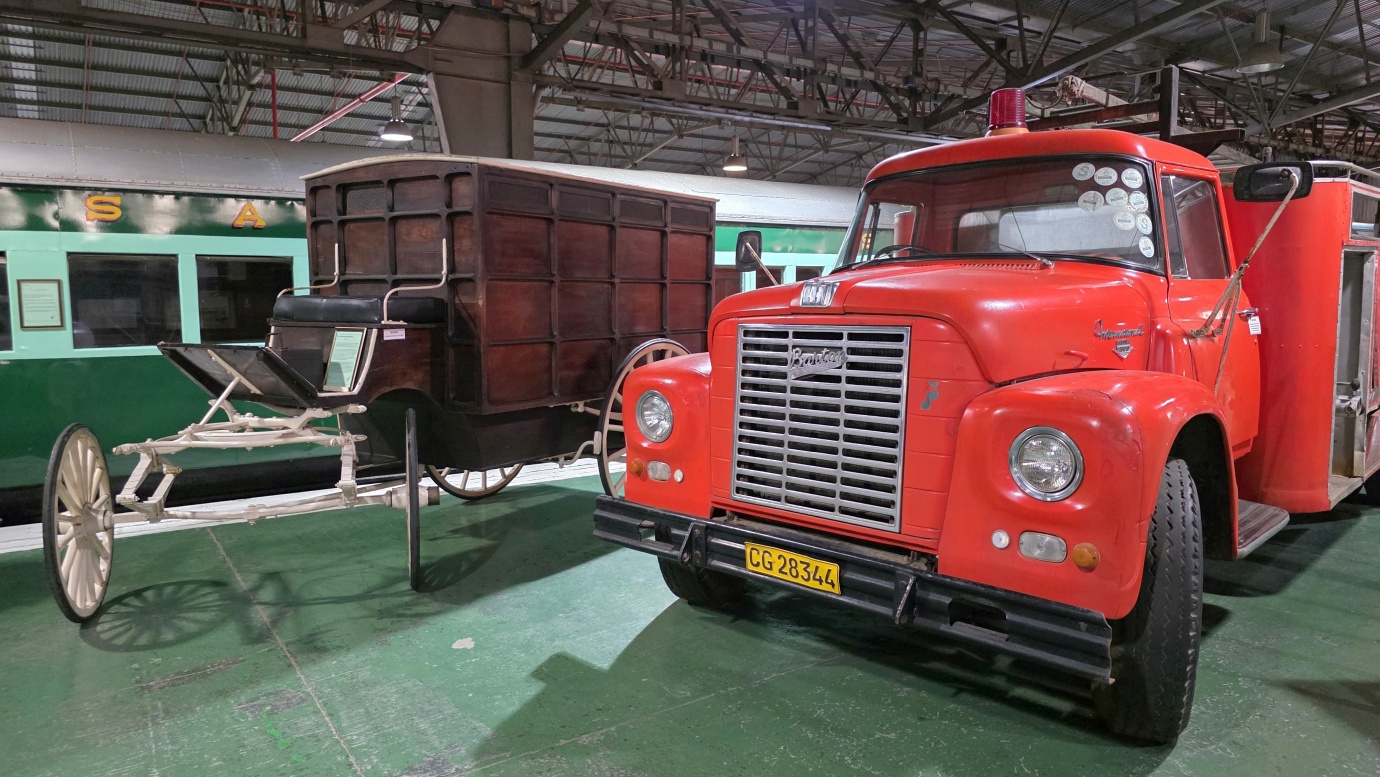
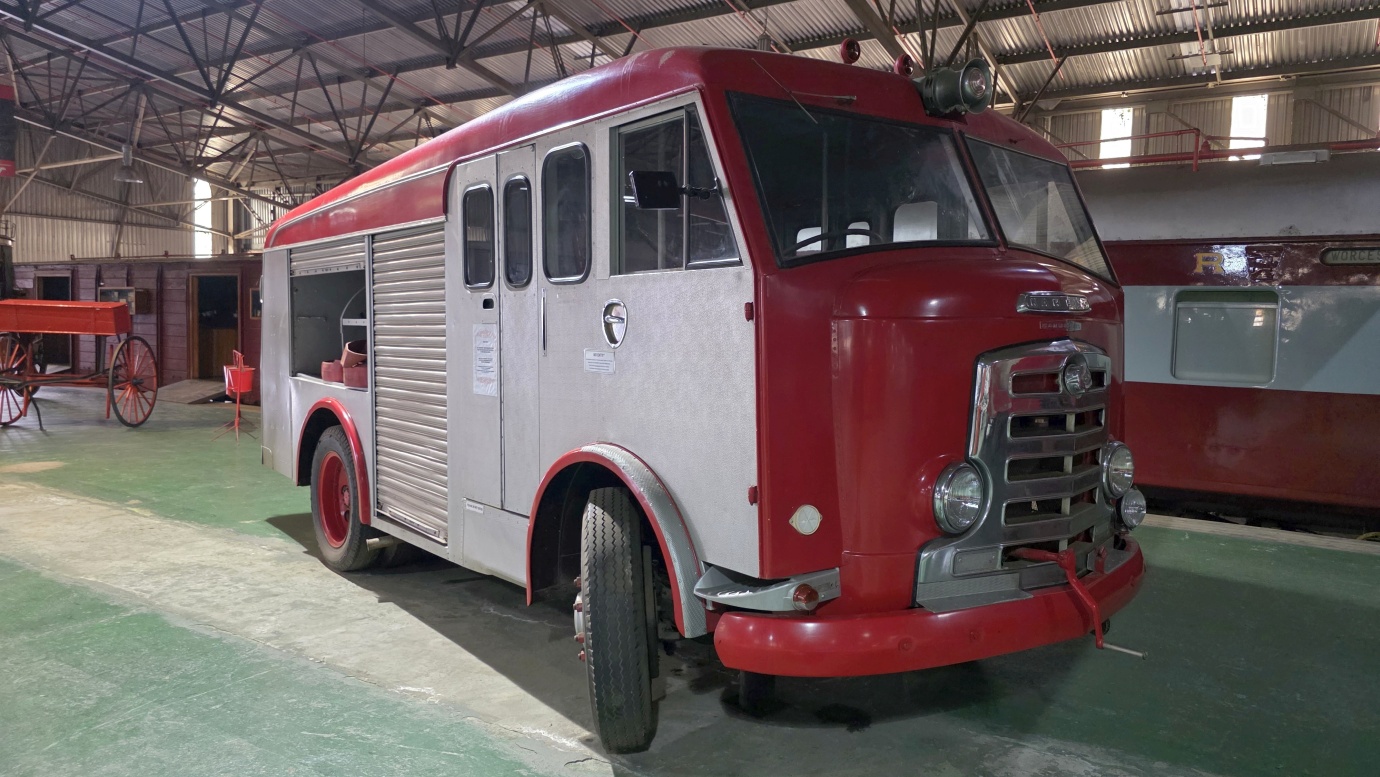
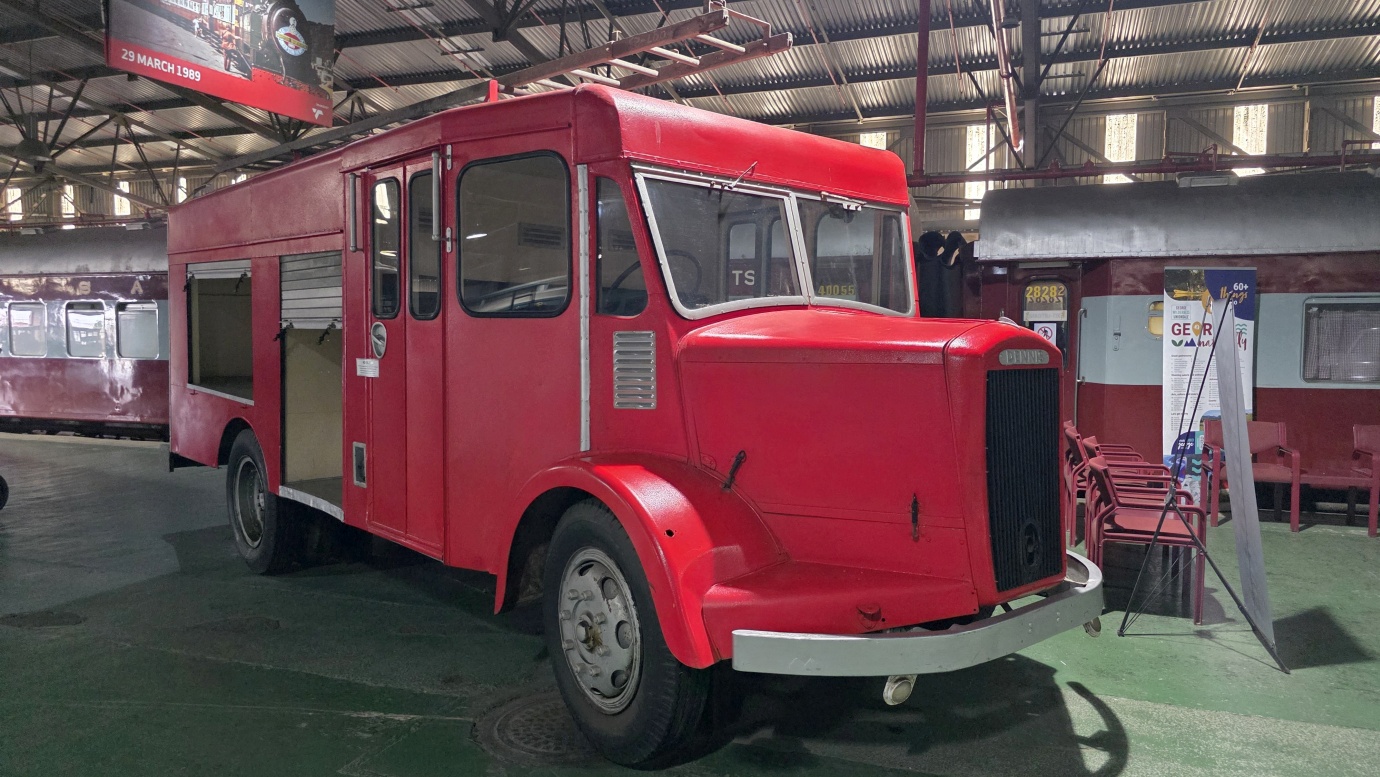
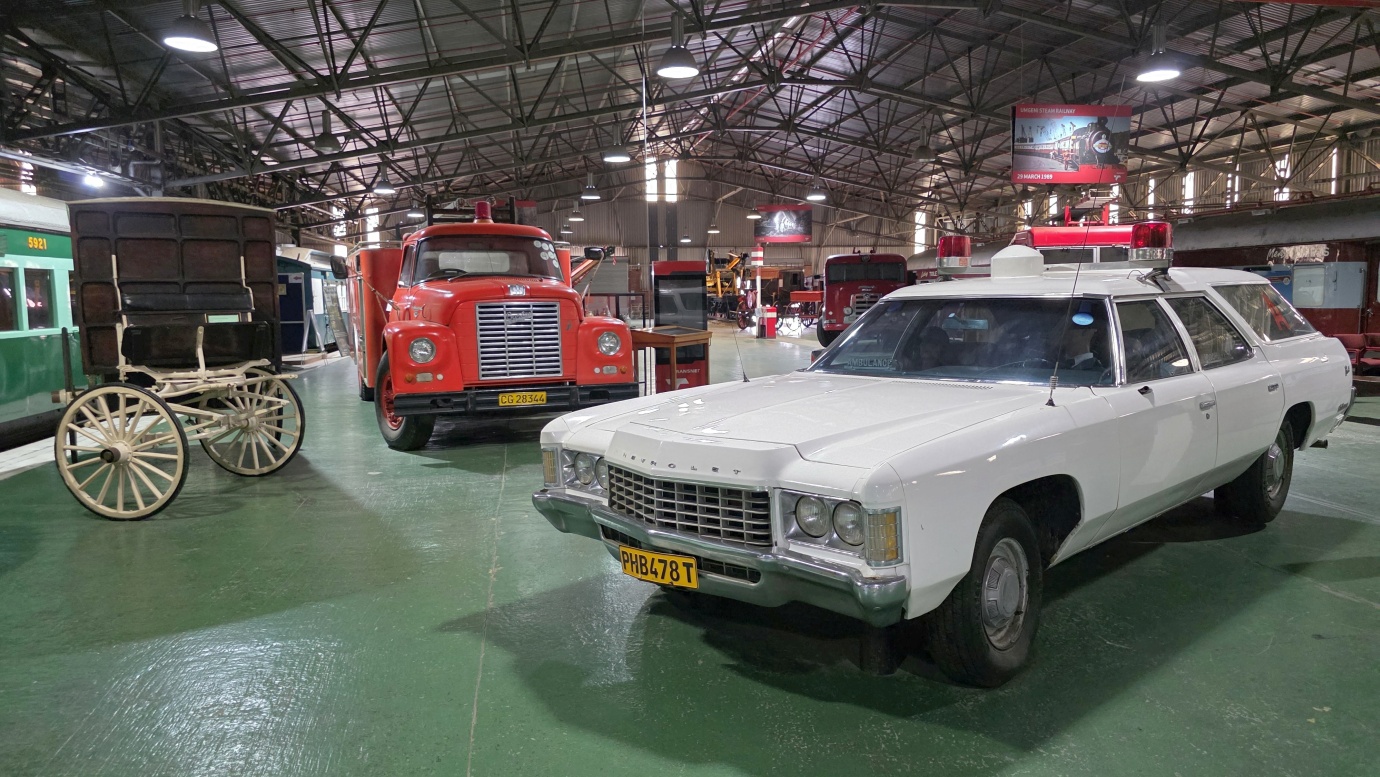
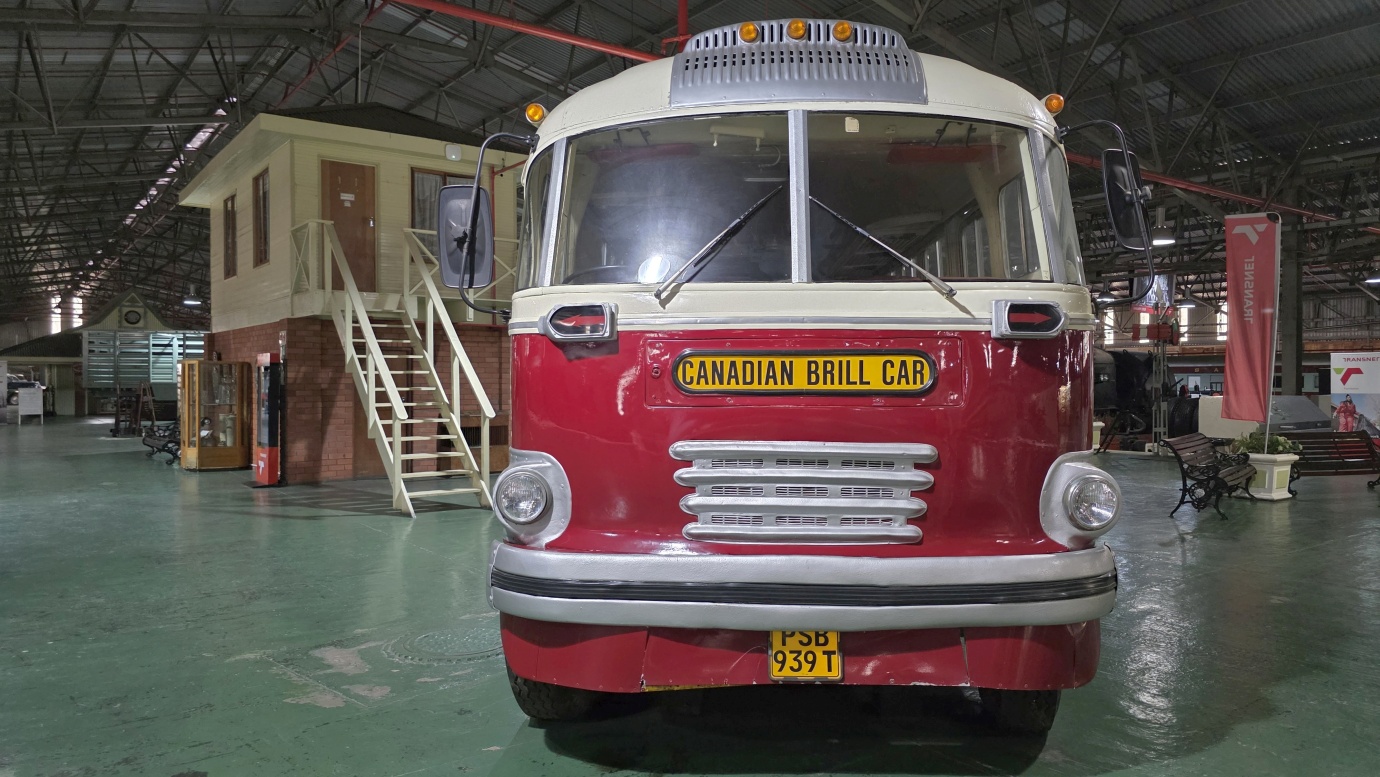
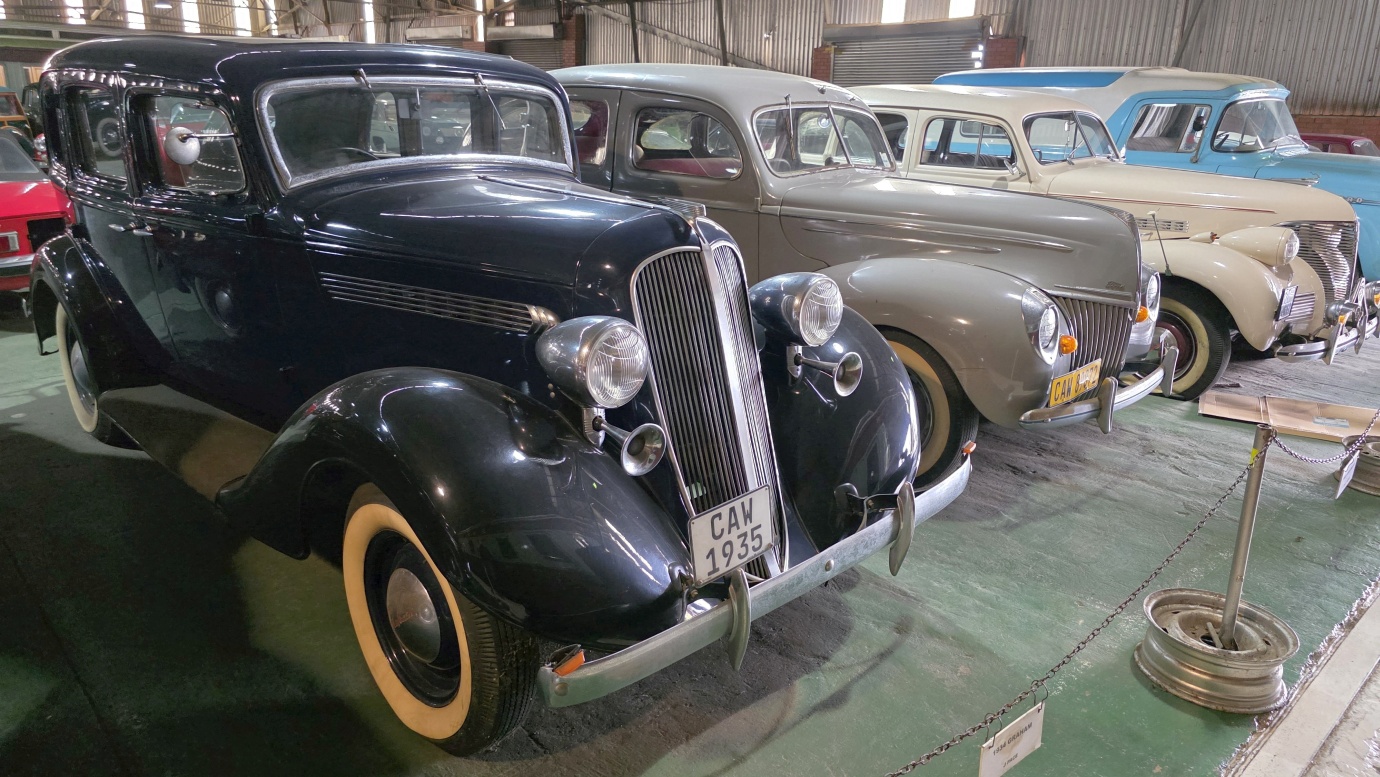
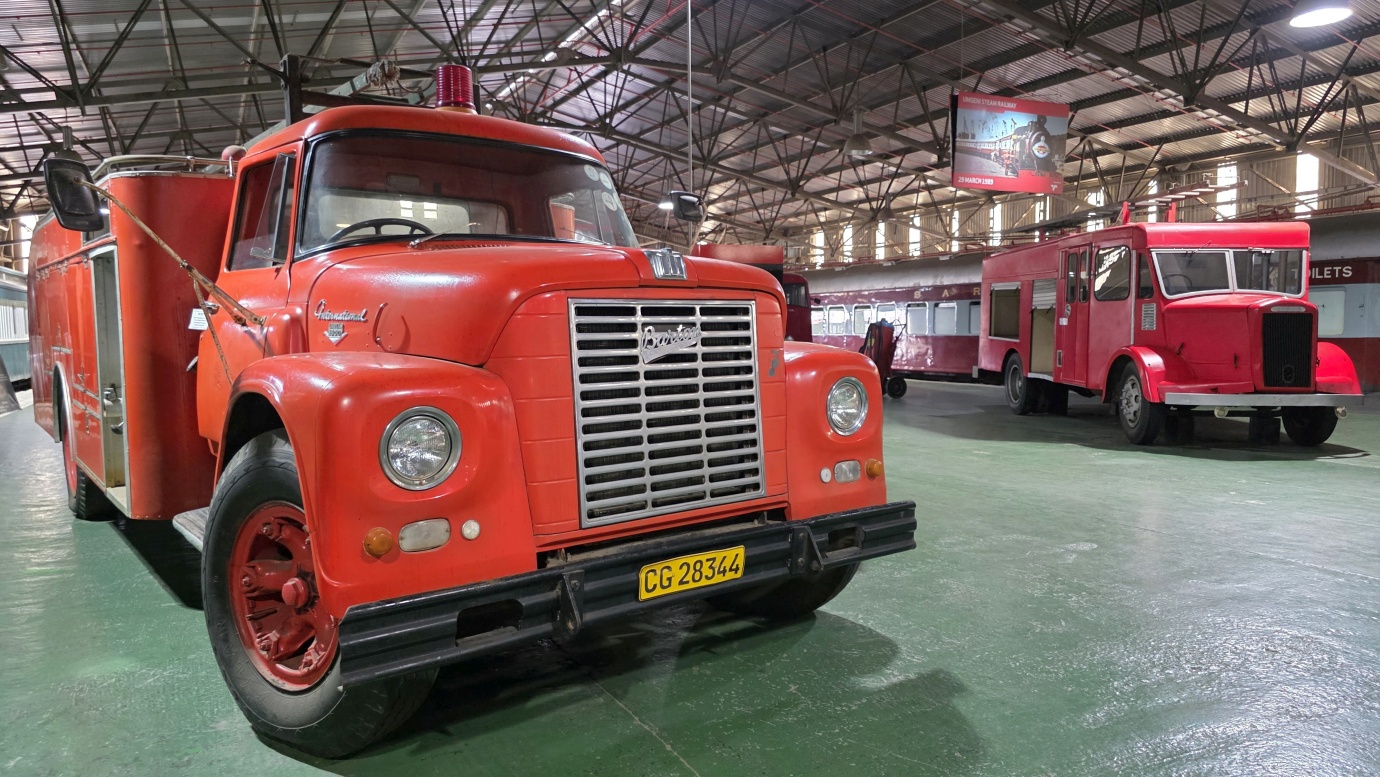
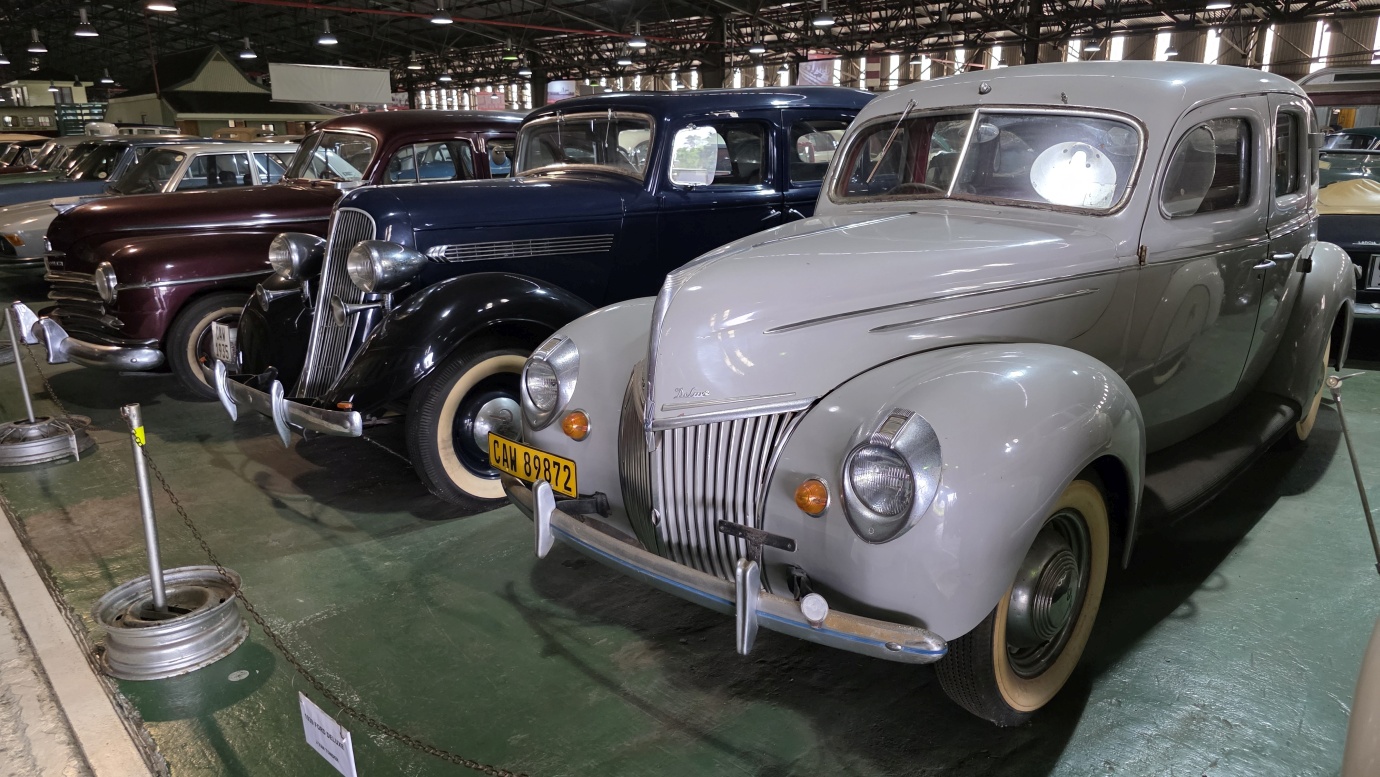
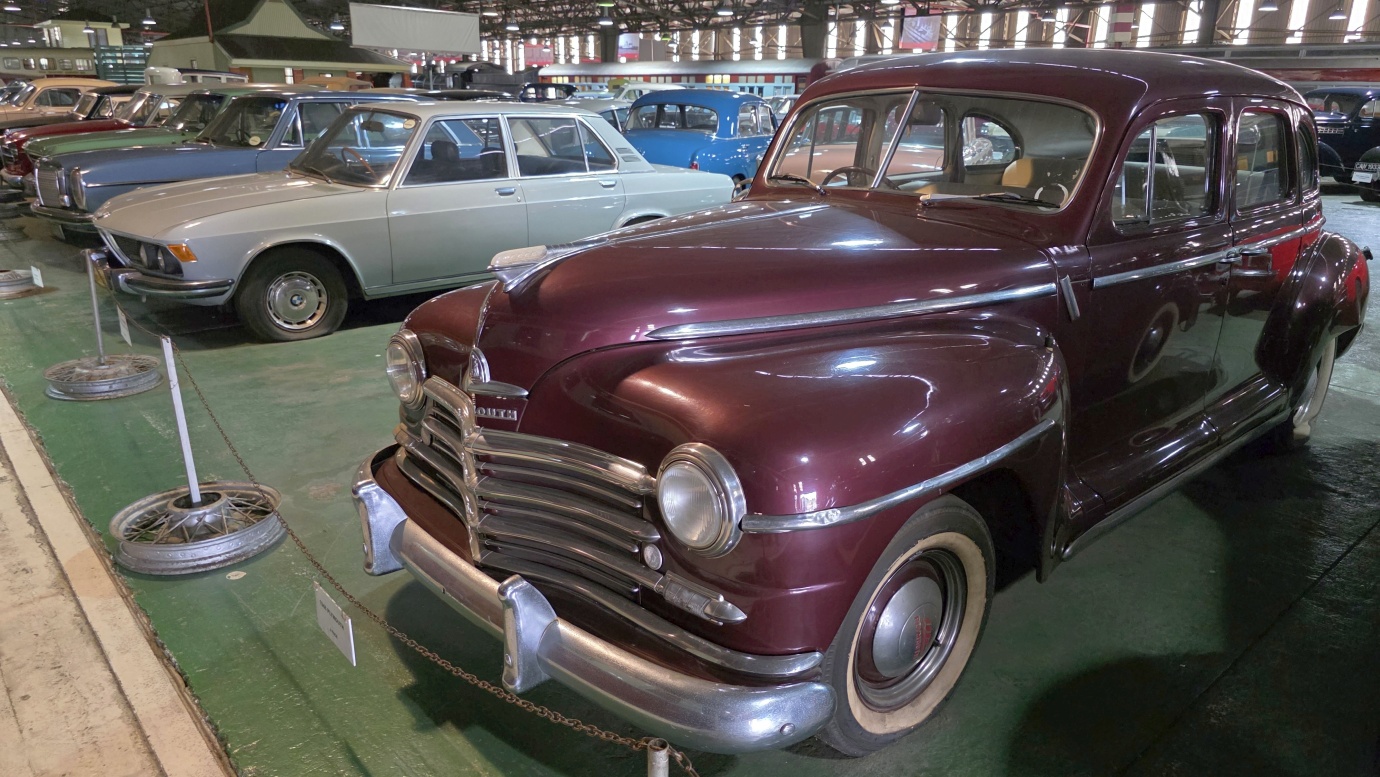
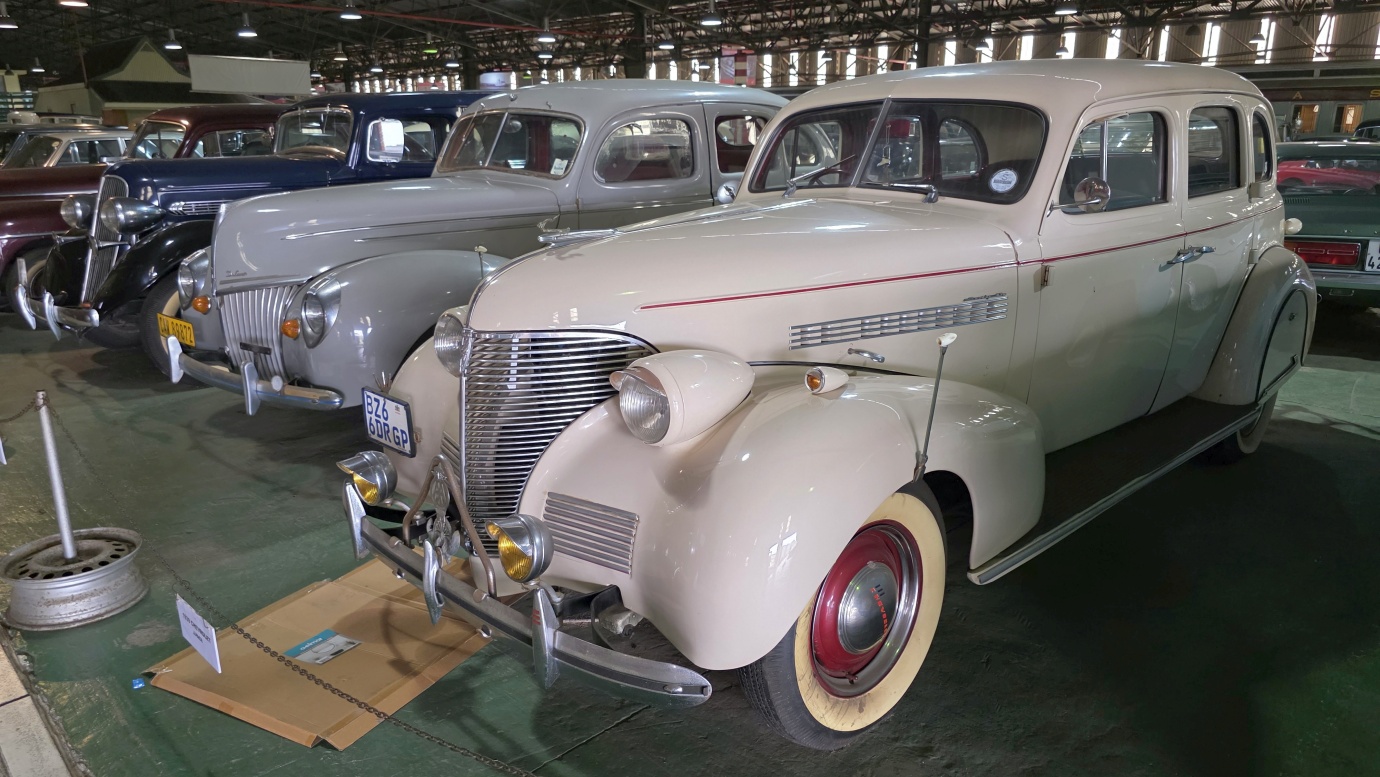
The star attractions are undoubtedly the steam locomotives, including the historic Emil Kessler, linked to Johannesburg’s early railway history, and the massive GL Garratt locomotives, impressive examples of steam engineering built to haul heavy trains over challenging terrain. The collection also extends beyond the railways, with classic cars, vintage buses, old fire engines, and other historic road vehicles illustrating the evolution of transport in South Africa.
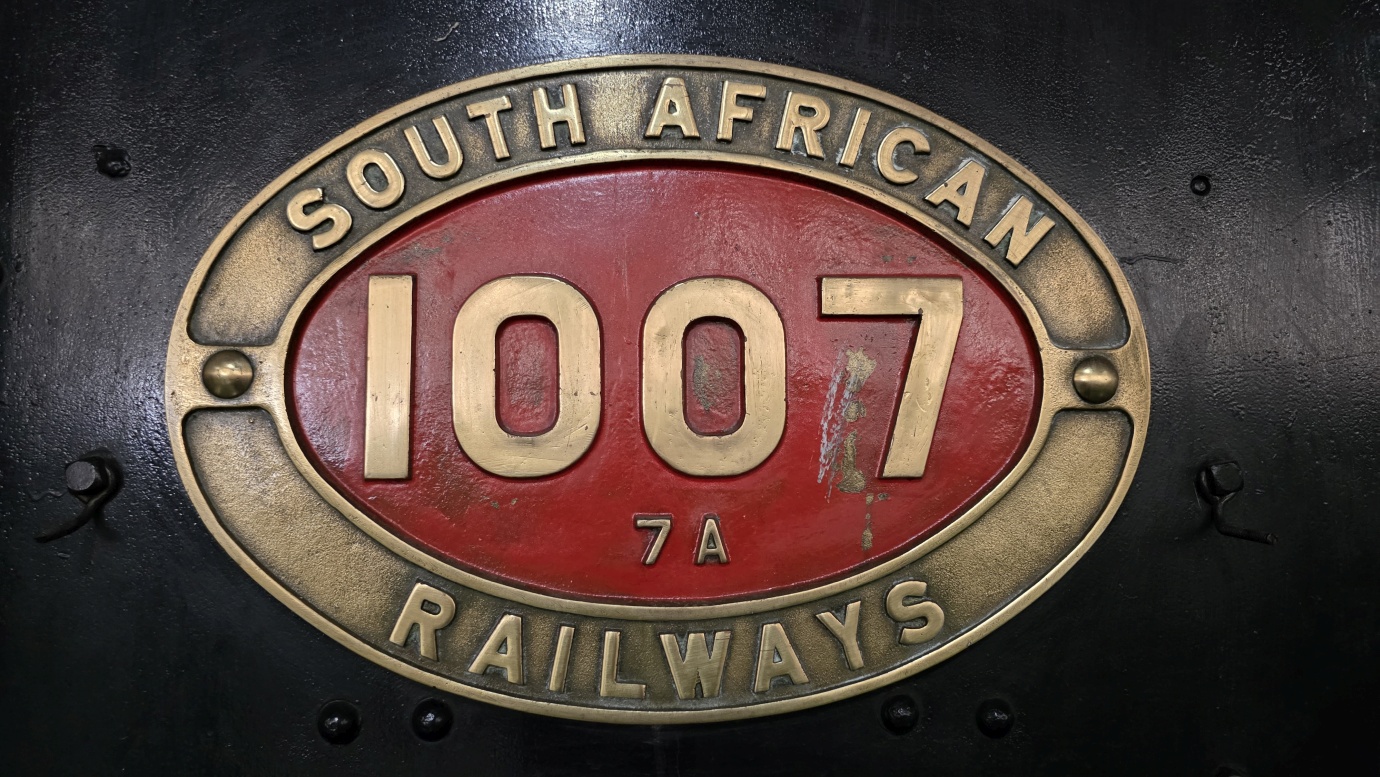
Inside, we also found an extensive assortment of railway memorabilia, including lighthouse models, railway crockery, silverware, cutlery, old number plates, manufacturers’ plates, and a historic photographic gallery documenting the golden age of South African steam trains. For anyone interested in engineering, industrial history, or classic vehicles, there is plenty to discover.
The museum also serves as the departure and arrival point for the Power Van train experience (🎟️250 ZAR), a scenic journey into the Outeniqua Mountains through tunnels and forested landscapes, with a picnic stop along the way.
However, after seeing what the experience offered, we decided to skip the train ride. It felt a little too tourist-oriented and artificially packaged for our taste, so we preferred to spend our time exploring the museum itself. The historic locomotives and authentic railway atmosphere made the stop worthwhile.