

Our last stop of the day, accompanied by heavy rain, was George, the main hub of South Africa’s Garden Route in the Western Cape. Situated on a plateau at the foot of the Outeniqua Mountains, roughly halfway between Cape Town and Gqeberha (formerly Port Elizabeth), George is an important regional centre surrounded by beautiful mountain scenery and a spectacular coastline.
The city is particularly famous as a golfing destination, with the world-renowned Fancourt Golf Estate attracting players from around the globe. It also provides convenient access to scenic destinations such as Victoria Bay and the Outeniqua Mountains. Interestingly, the surrounding area is also South Africa’s only commercial hop-growing region, with production concentrated around places such as Blanco and Herold.
George’s history dates back to when the indigenous Khoekhoen people, including the Outeniqua community, inhabited the region. In 1776–1777, the Dutch East India Company established a timber outpost here to exploit the extensive indigenous forests, which supplied valuable wood for construction and shipbuilding.
The British founded the town in 1811 and named it Georgetown in honour of King George III. It is often described as the first new town established in the Cape Colony following the British takeover. During the following years, the colonial administration gradually developed the necessary infrastructure, the local magistrate’s residence and administrative centre, between 1812 and 1815.
George was granted municipal status on 24 March 1837, but its development accelerated considerably after the opening of the historic Montagu Pass in 1847. This mountain route improved connections between the coast and the interior, helping George grow into an important transport and commercial centre.
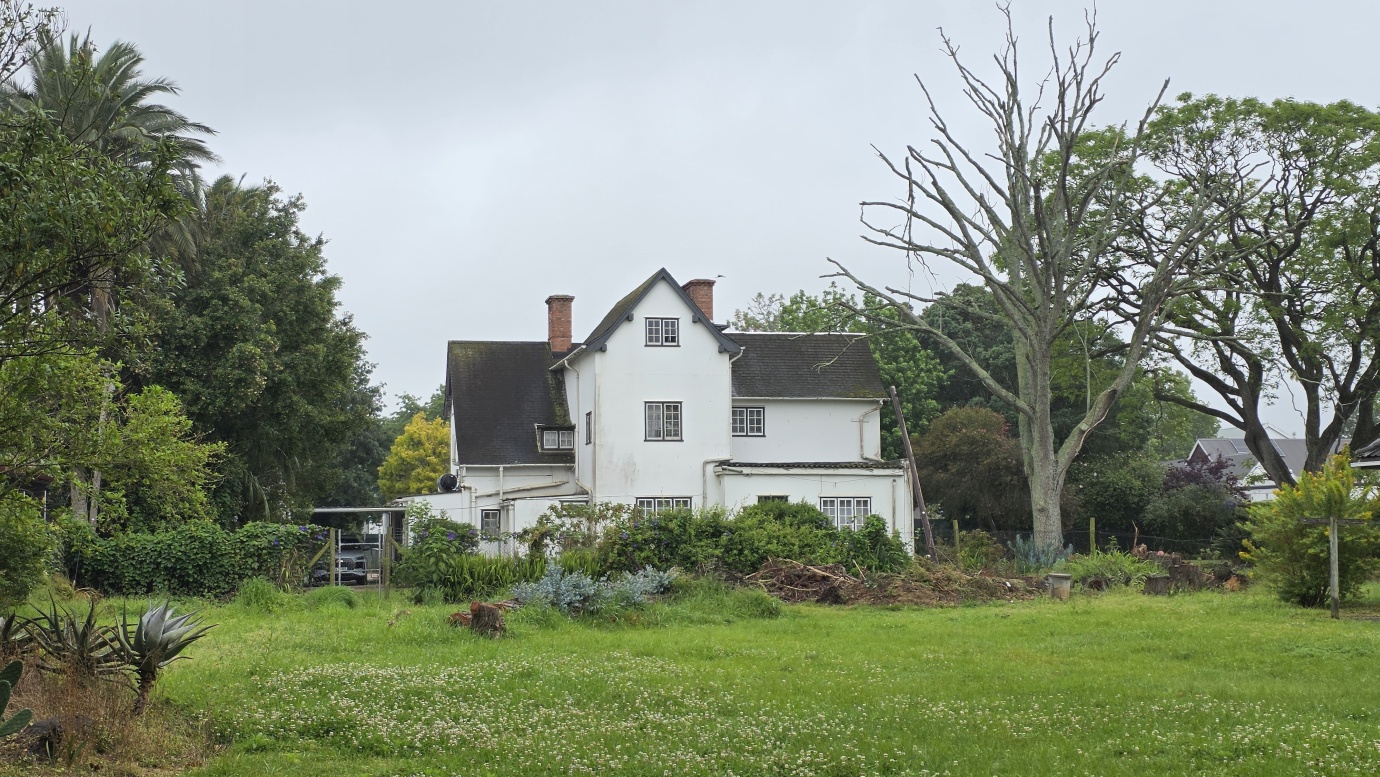
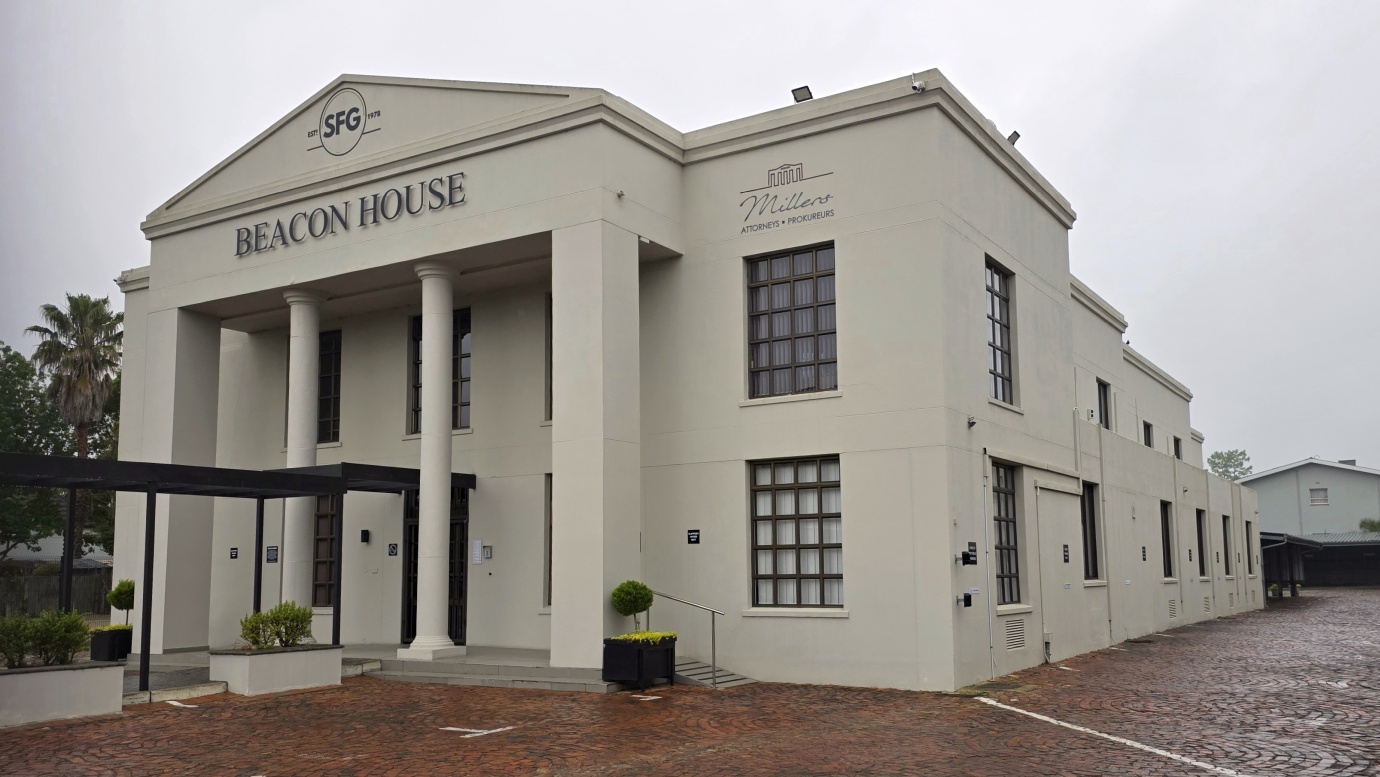
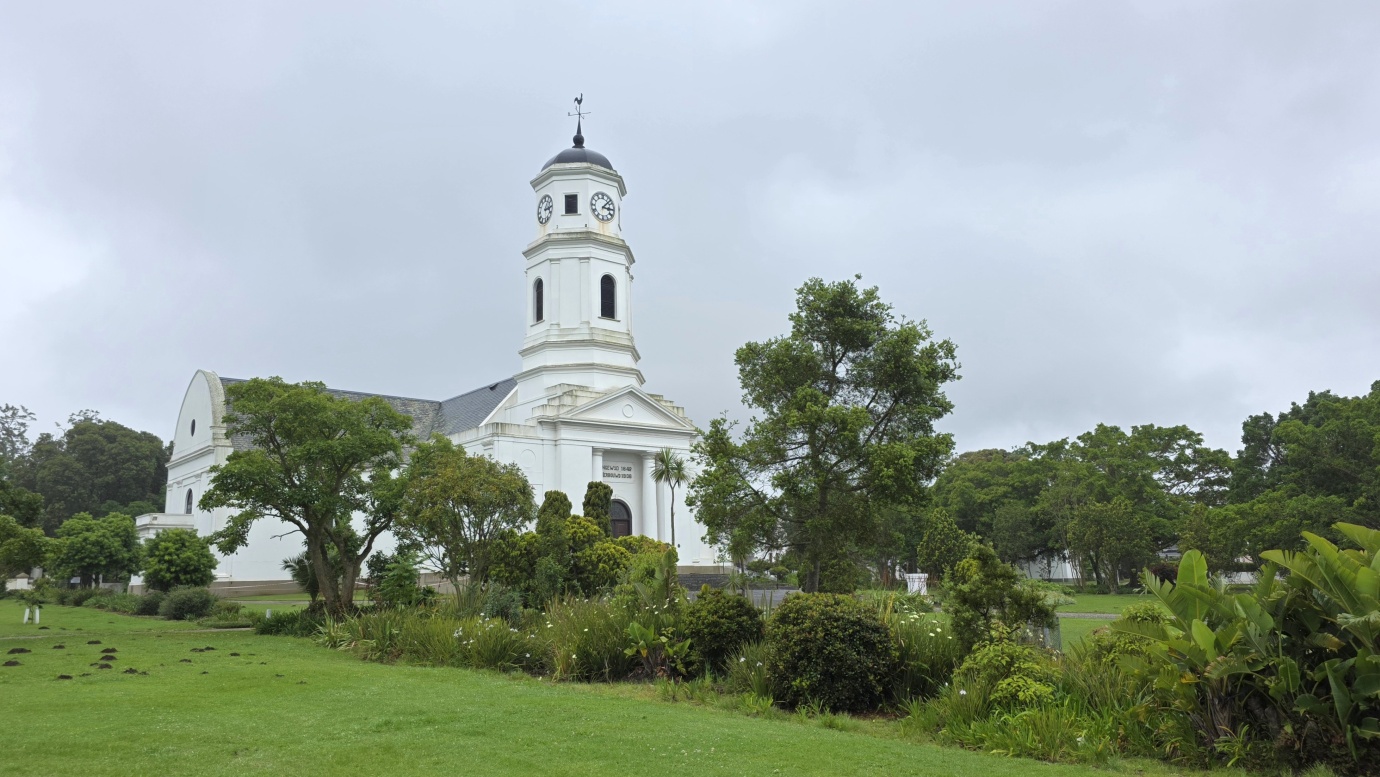
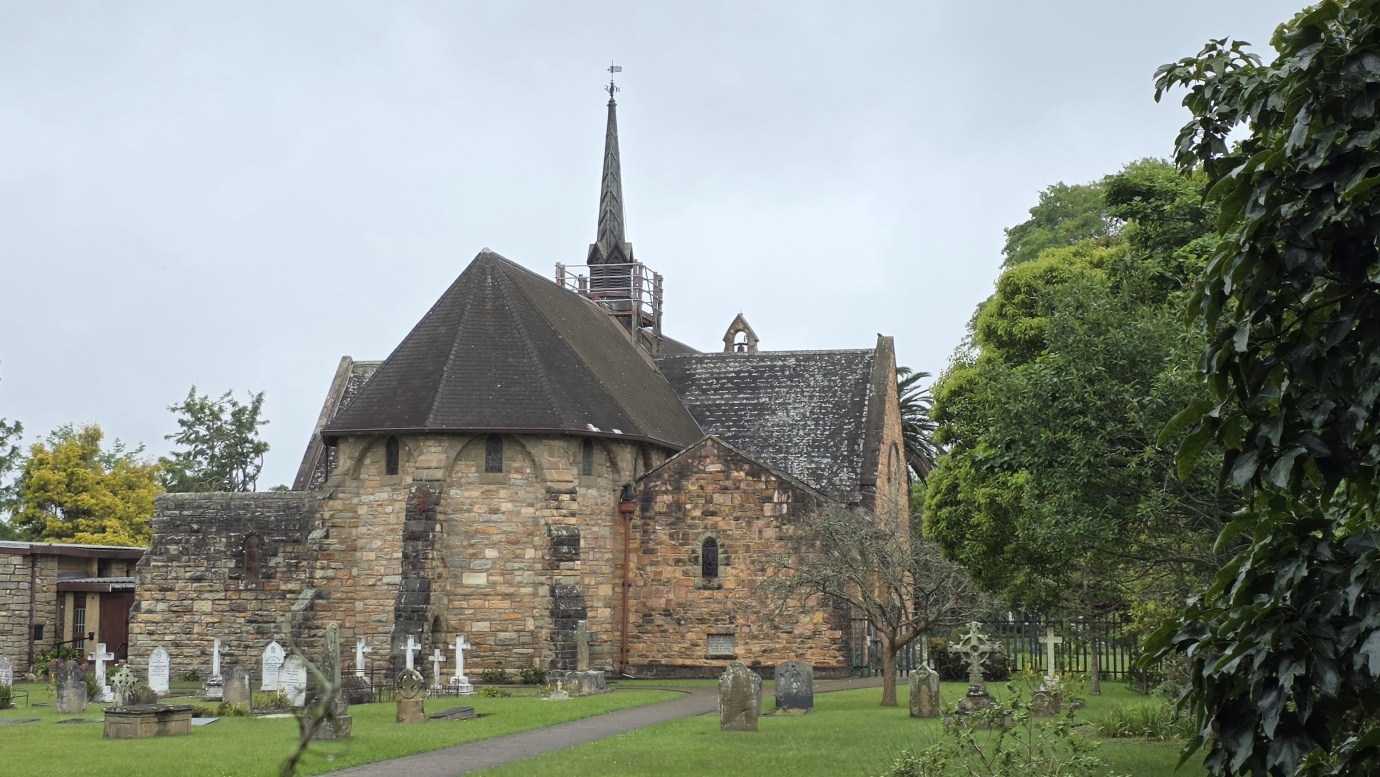
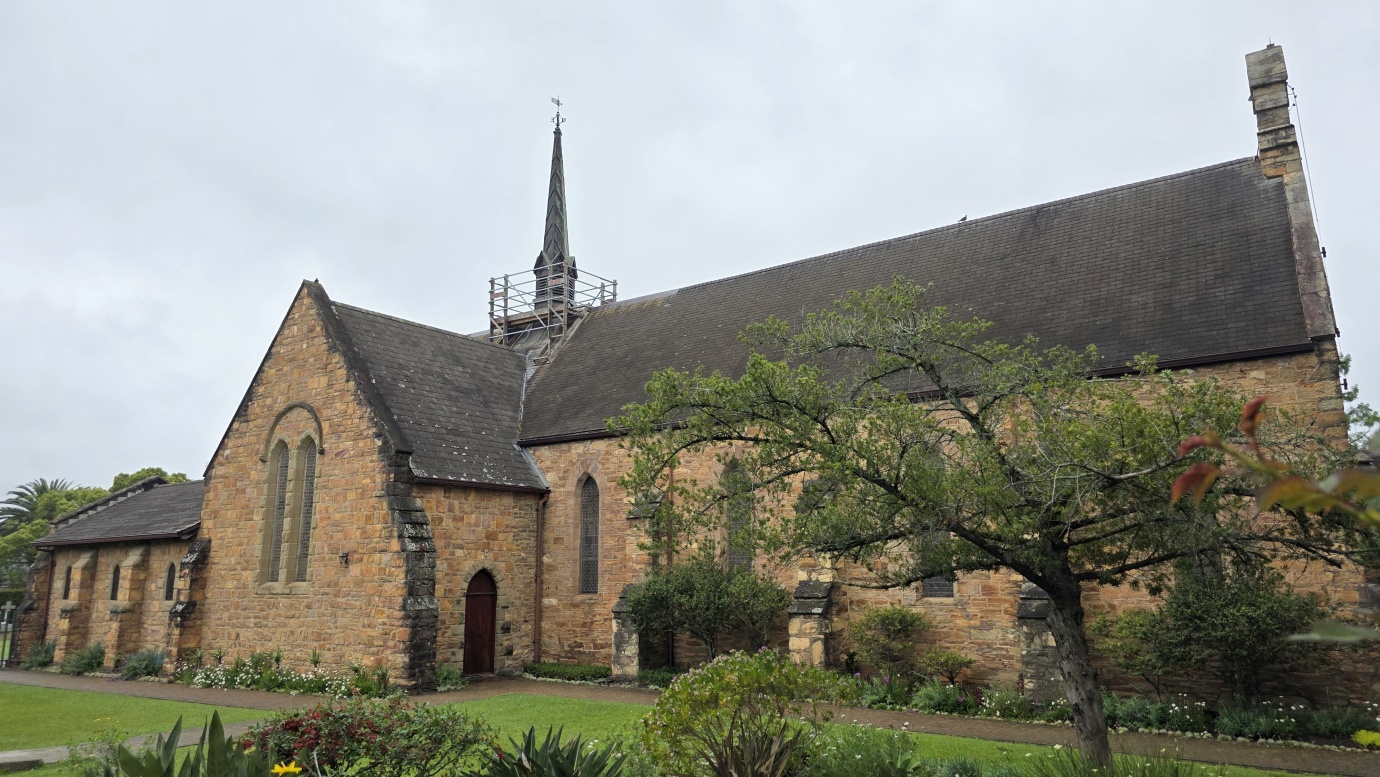
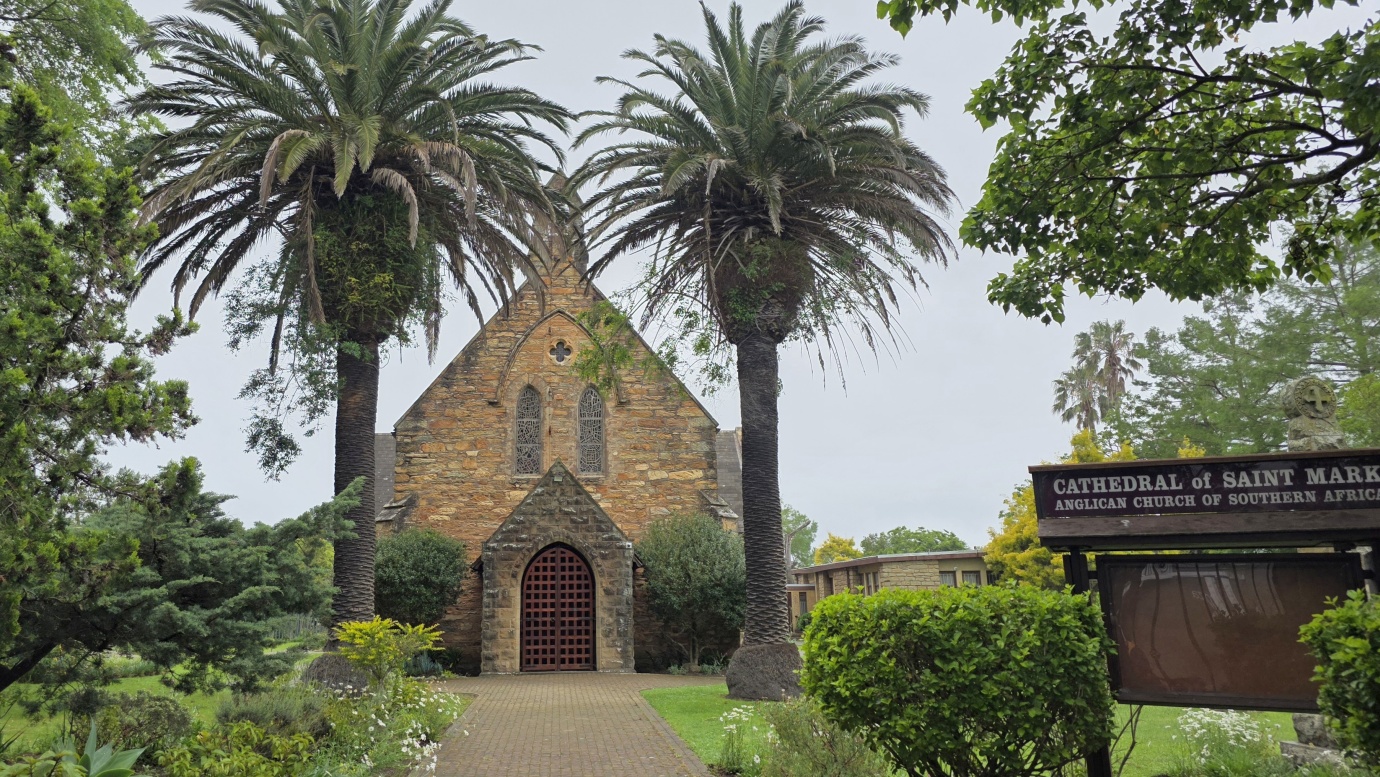
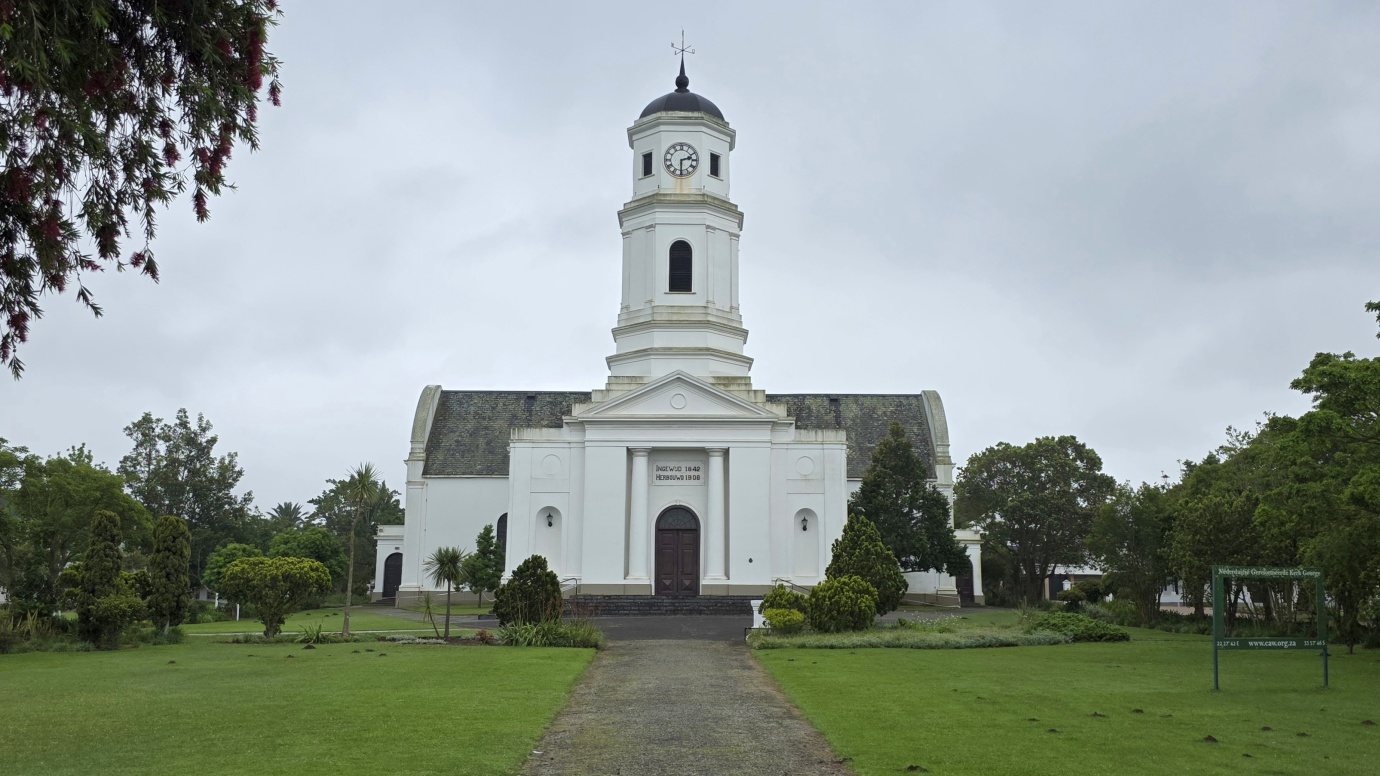
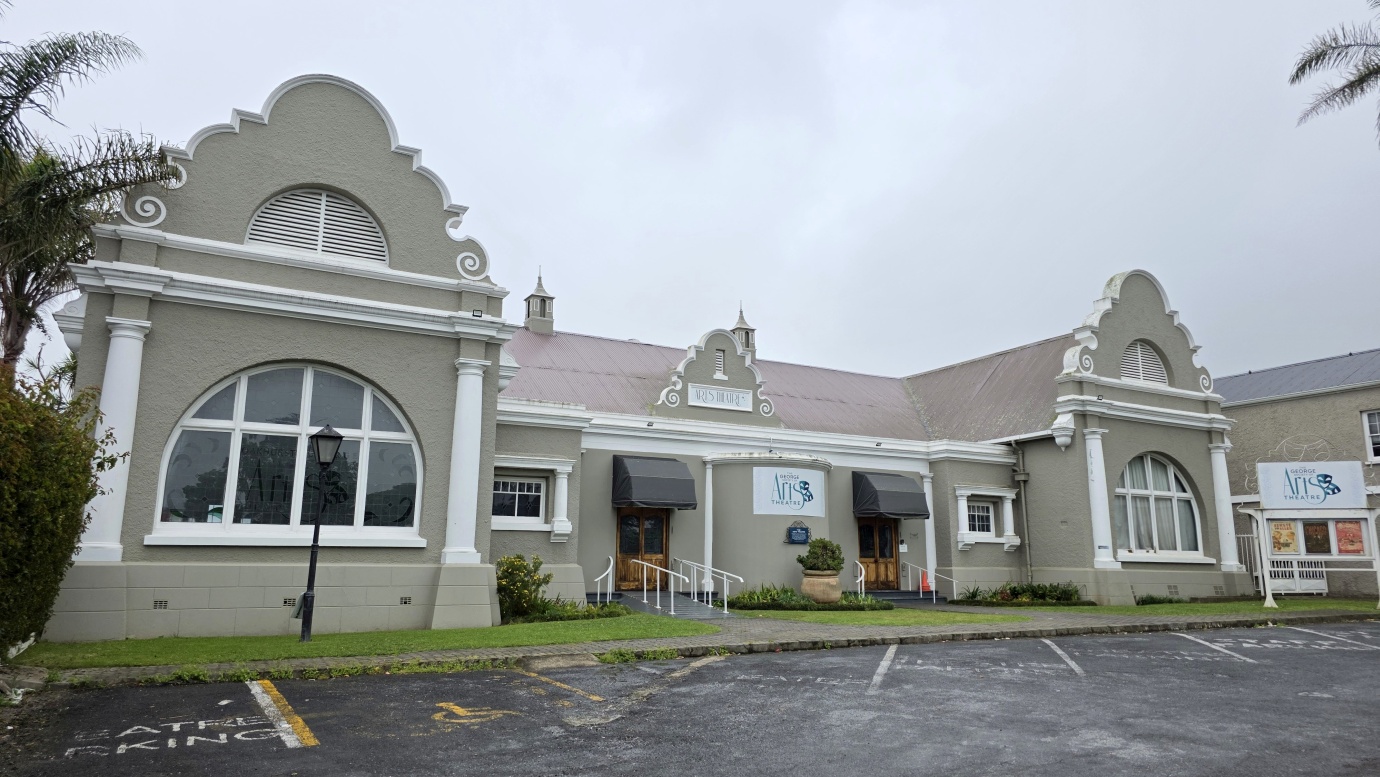
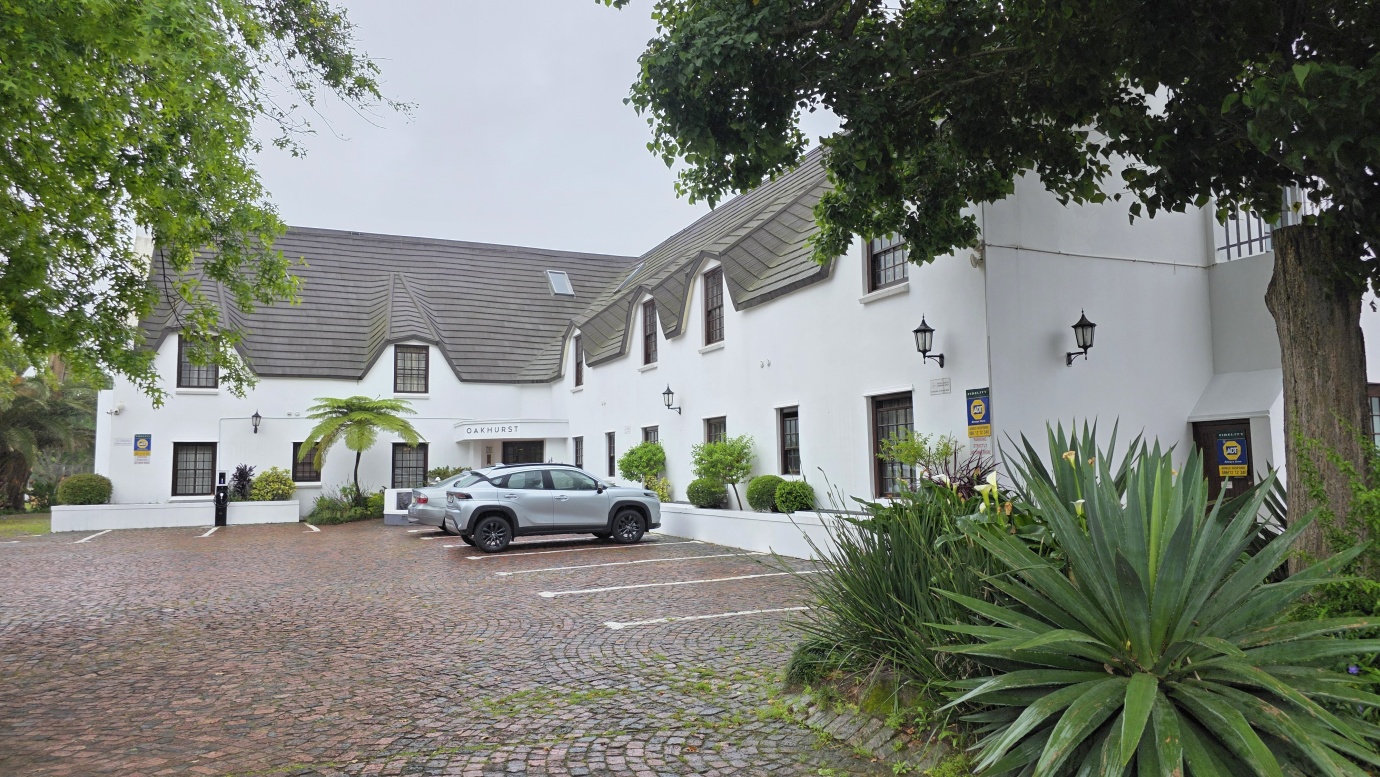
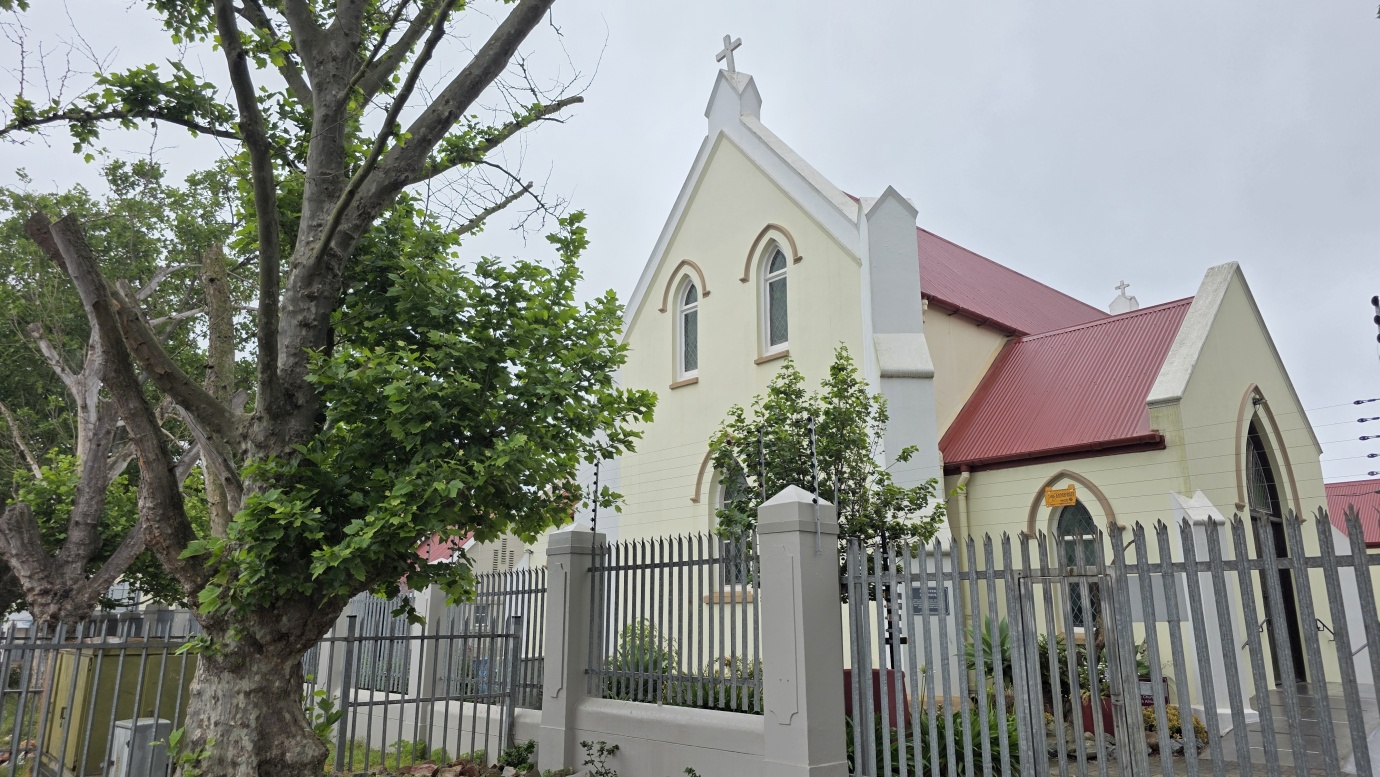
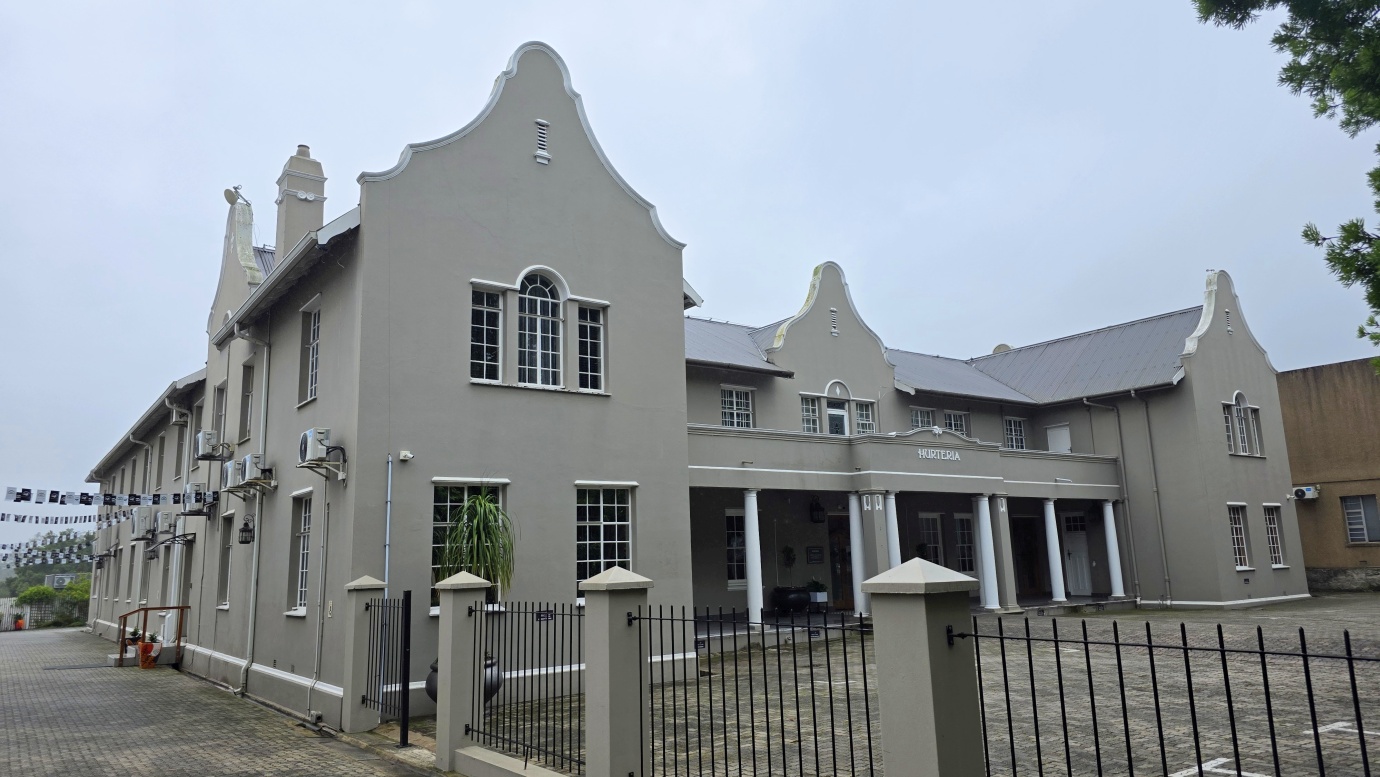
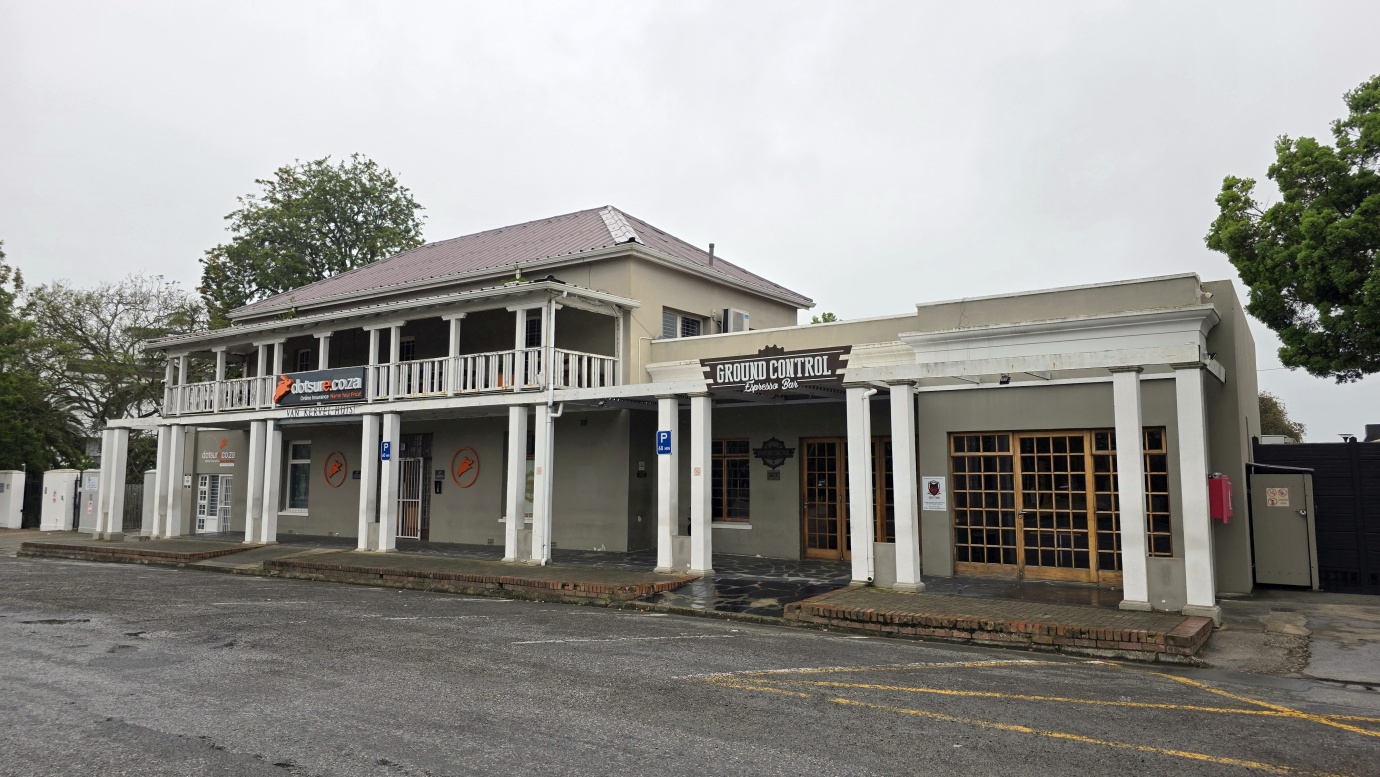
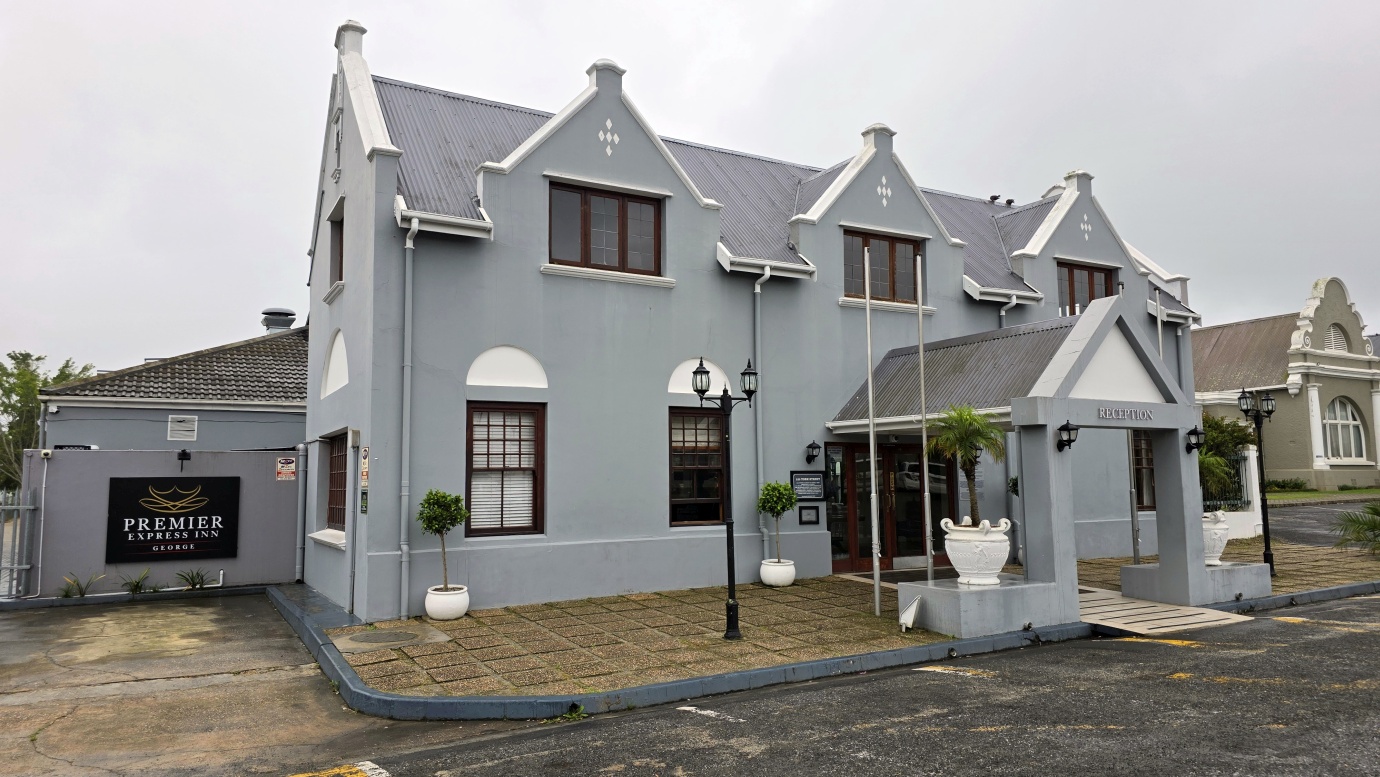
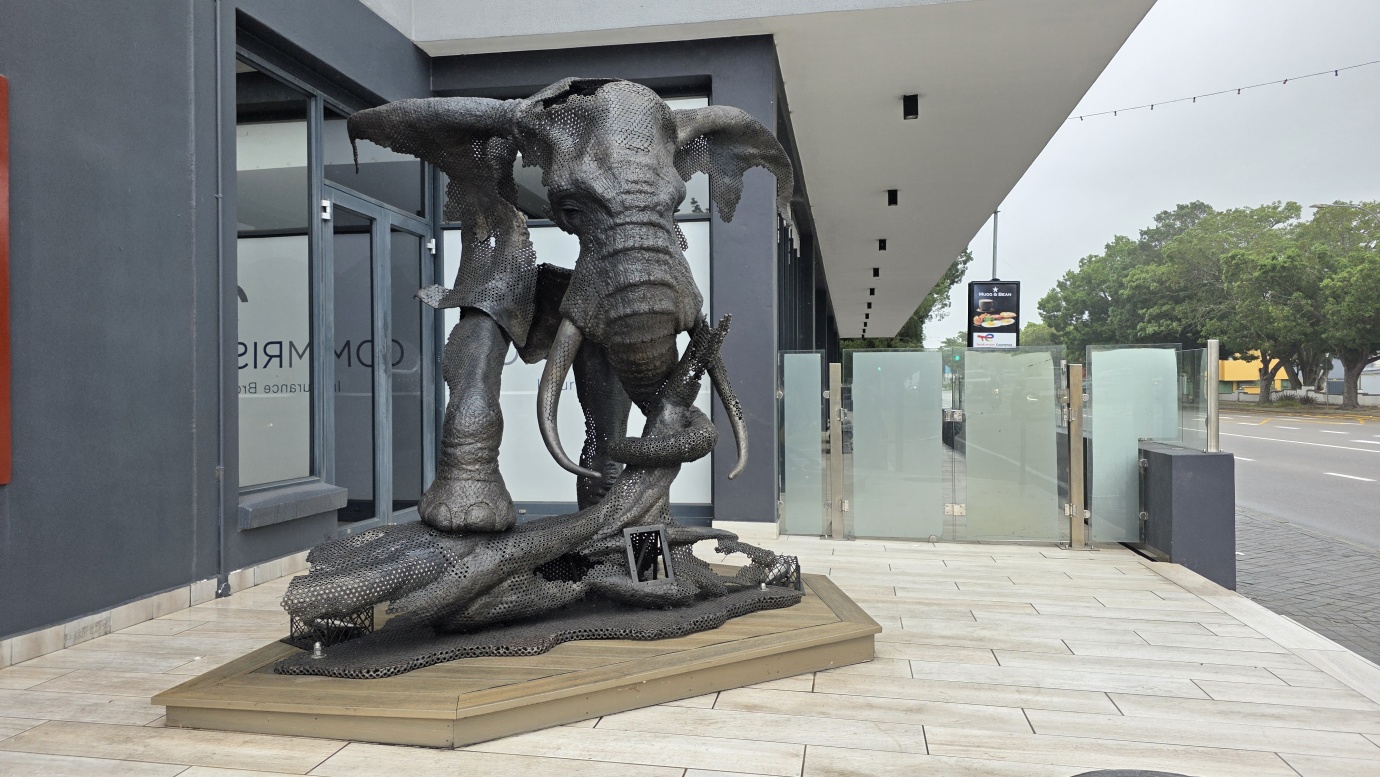
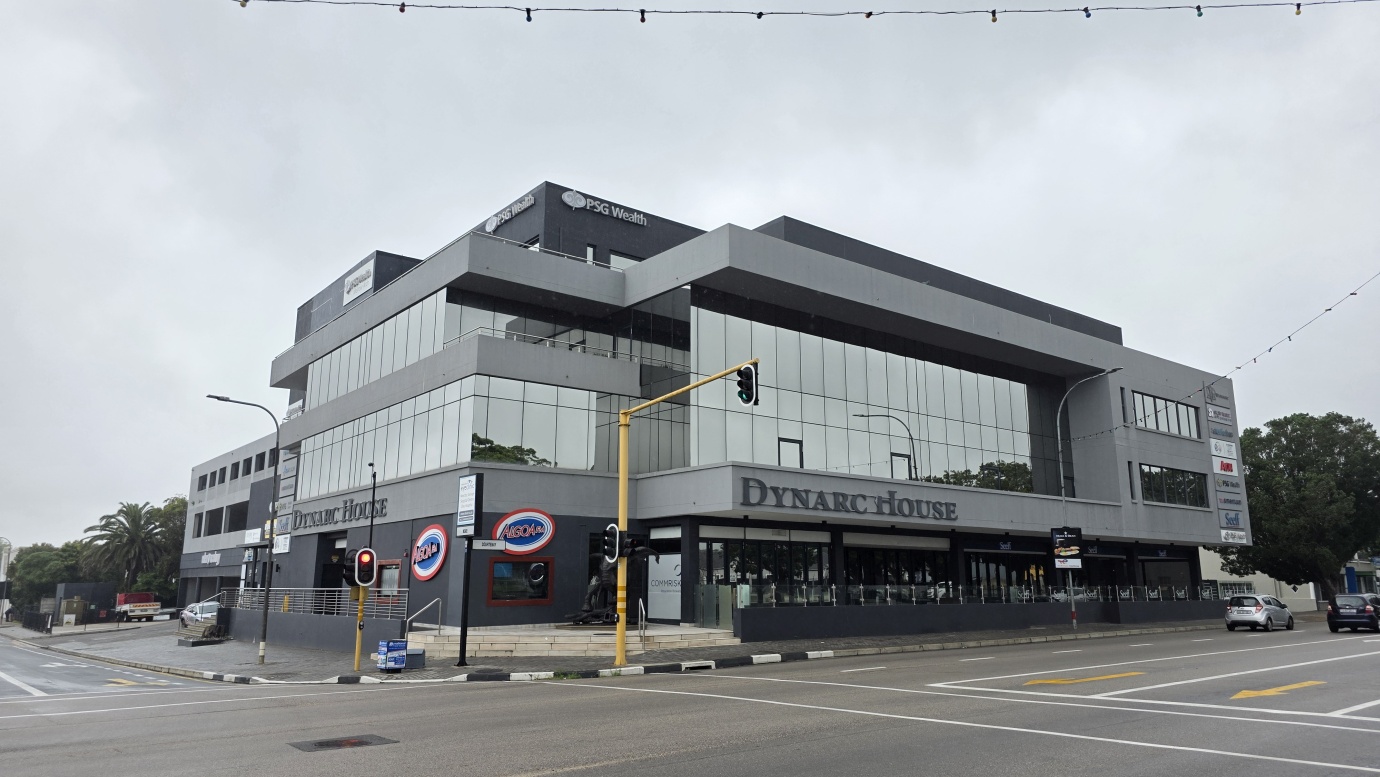
Despite the miserable weather, we tried to explore downtown on foot and catch a glimpse of some historic landmarks. Our list included the Dutch Reformed Mother Church, whose cornerstone was laid in 1832; St. Mark’s Anglican Cathedral; and the so-called slave-auction tree, remembered for its association with the town’s painful history of slavery and for the iron chain embedded in its trunk.
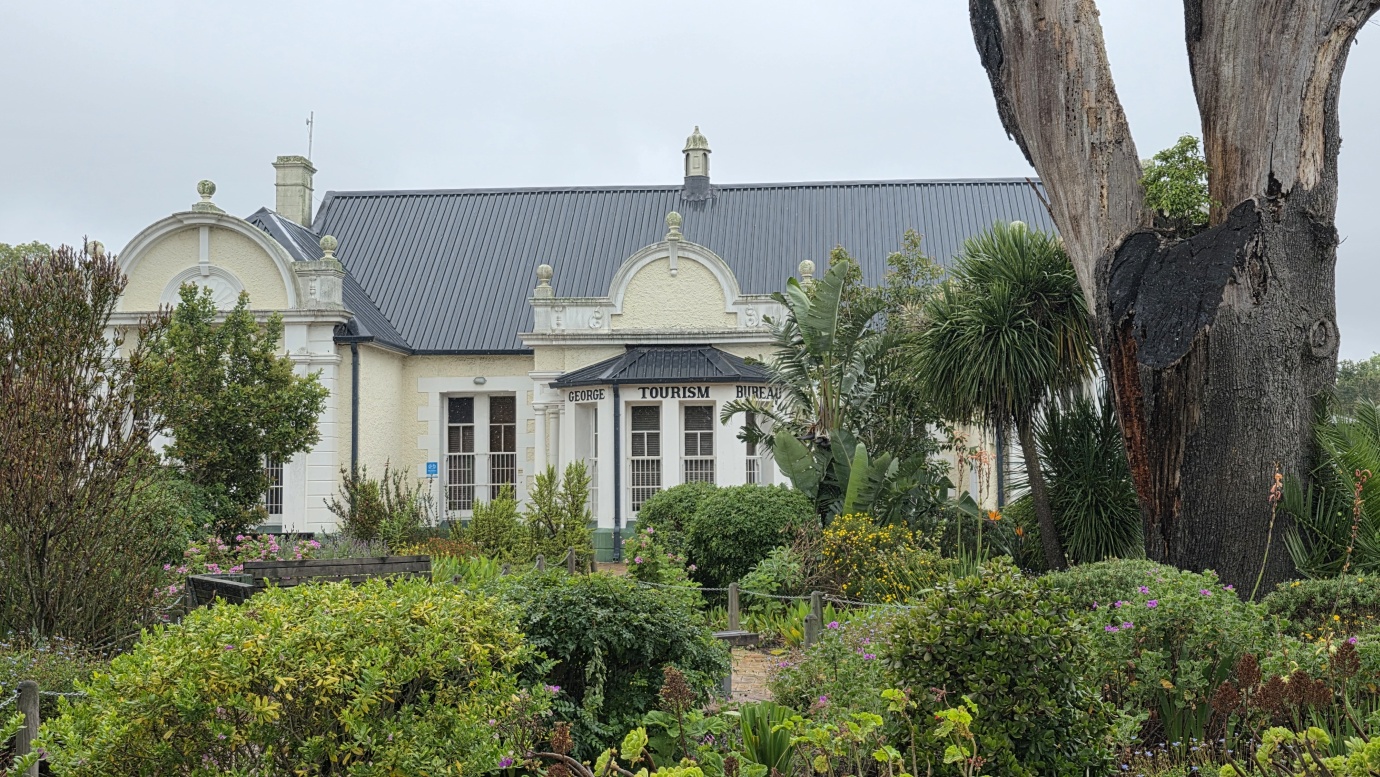
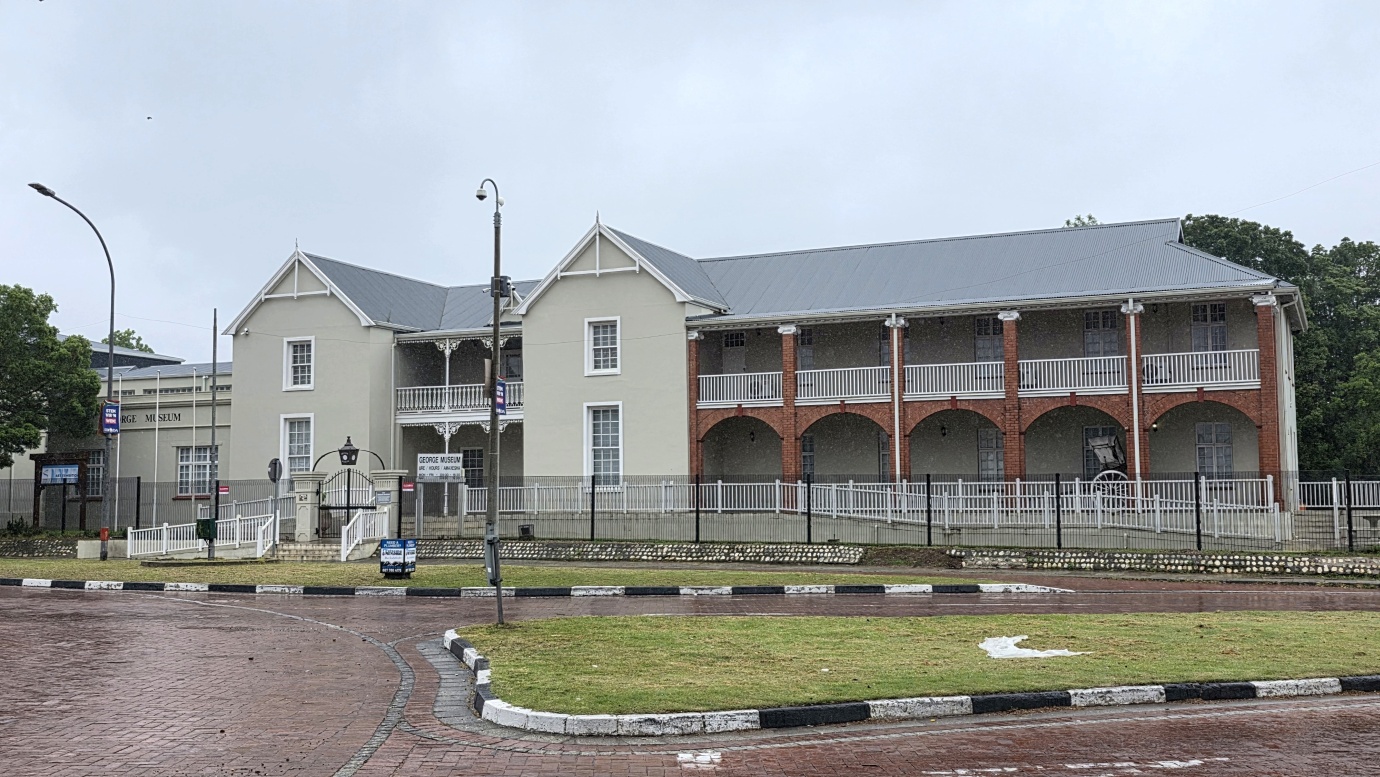
We also wanted to visit the George Museum, housed in the historic Drostdy building, which offers insight into the region’s cultural heritage and development. Unfortunately, the heavy rain made exploring the town less enjoyable, but we still got a taste of George’s greenery before continuing our journey along the Garden Route.

Parking location – George: 33.9553401S 22.3736804E (🅿️,🚻,🚿,💦,🔌,🫧)