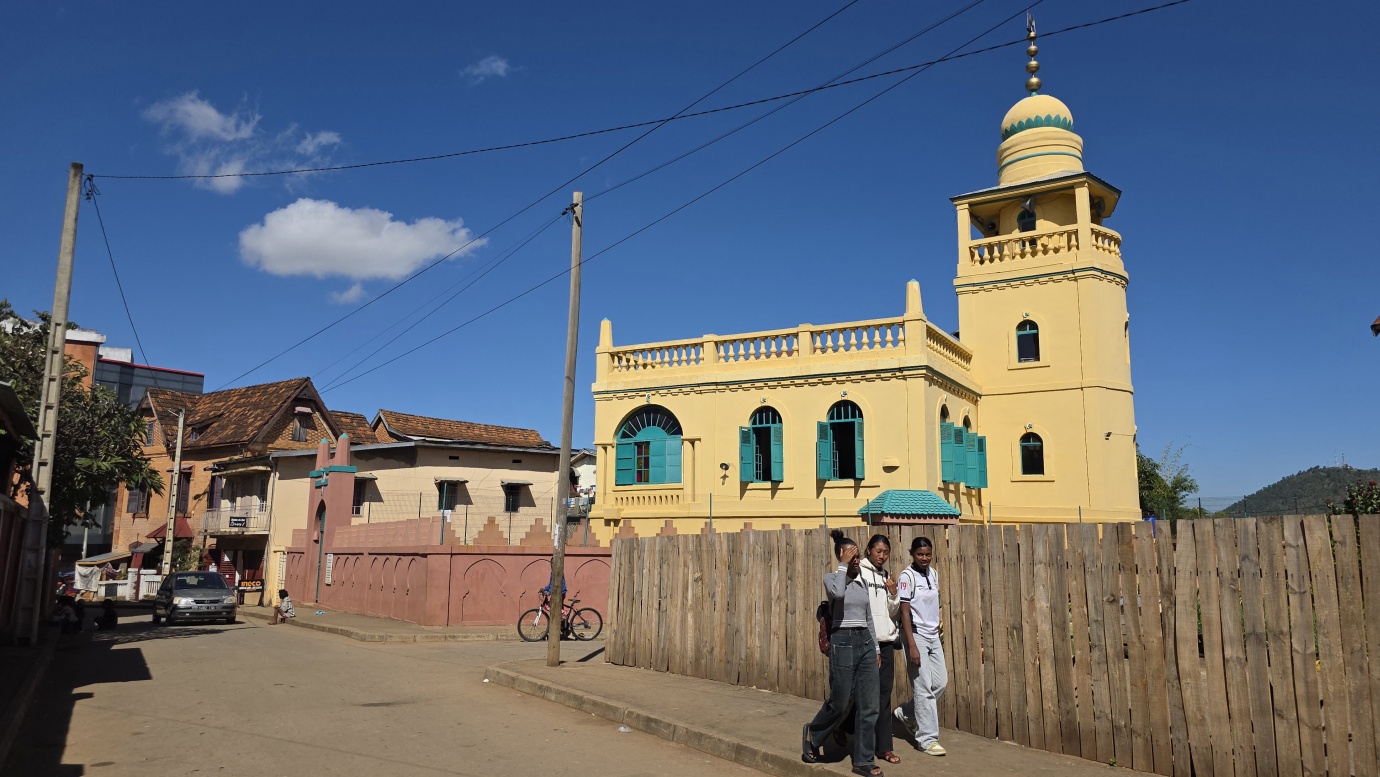
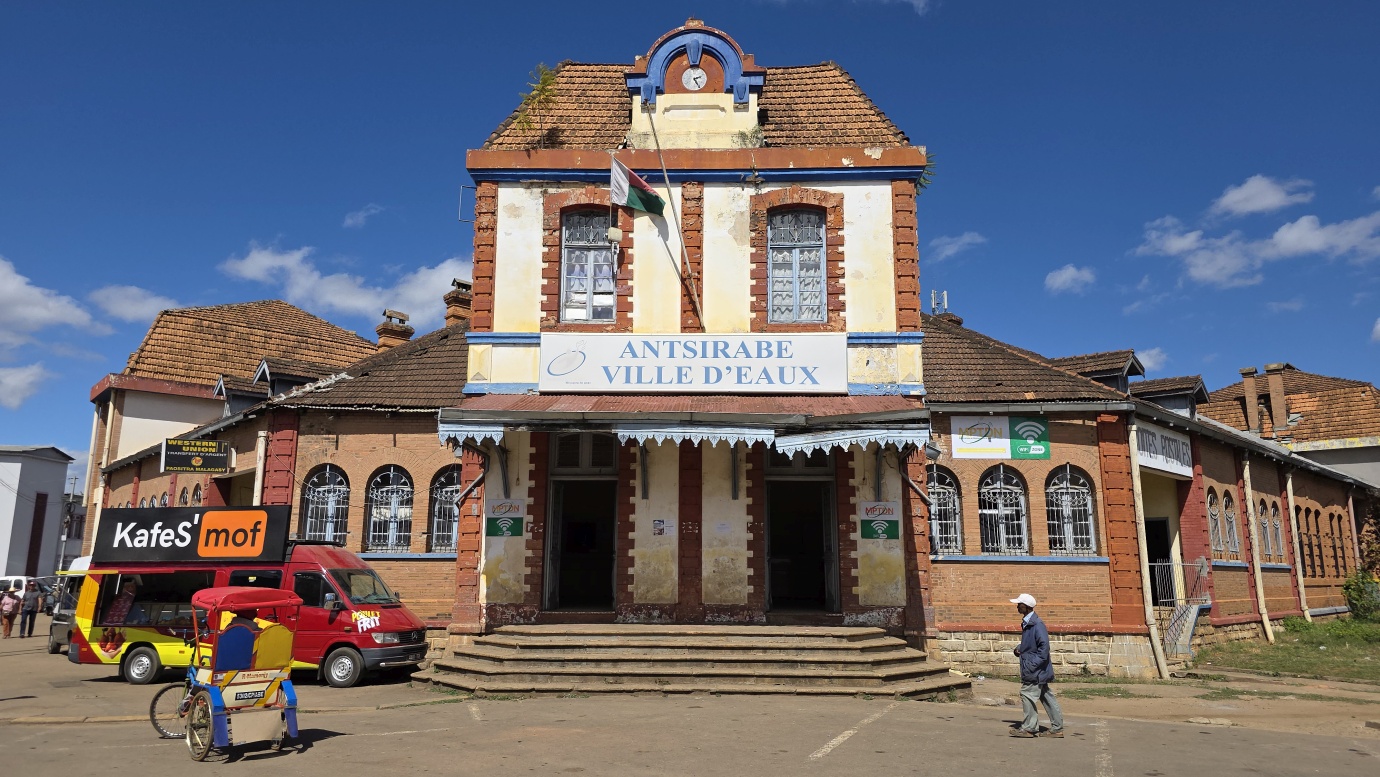
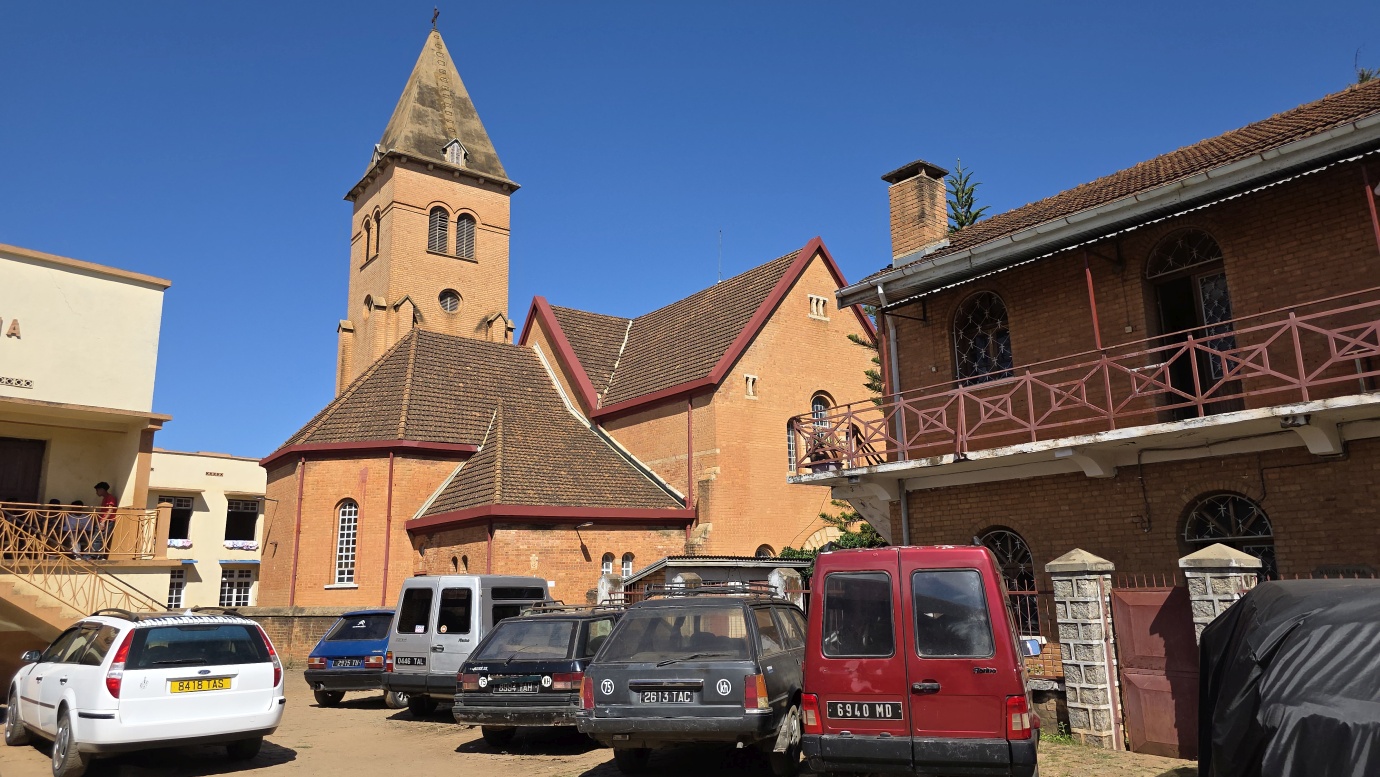
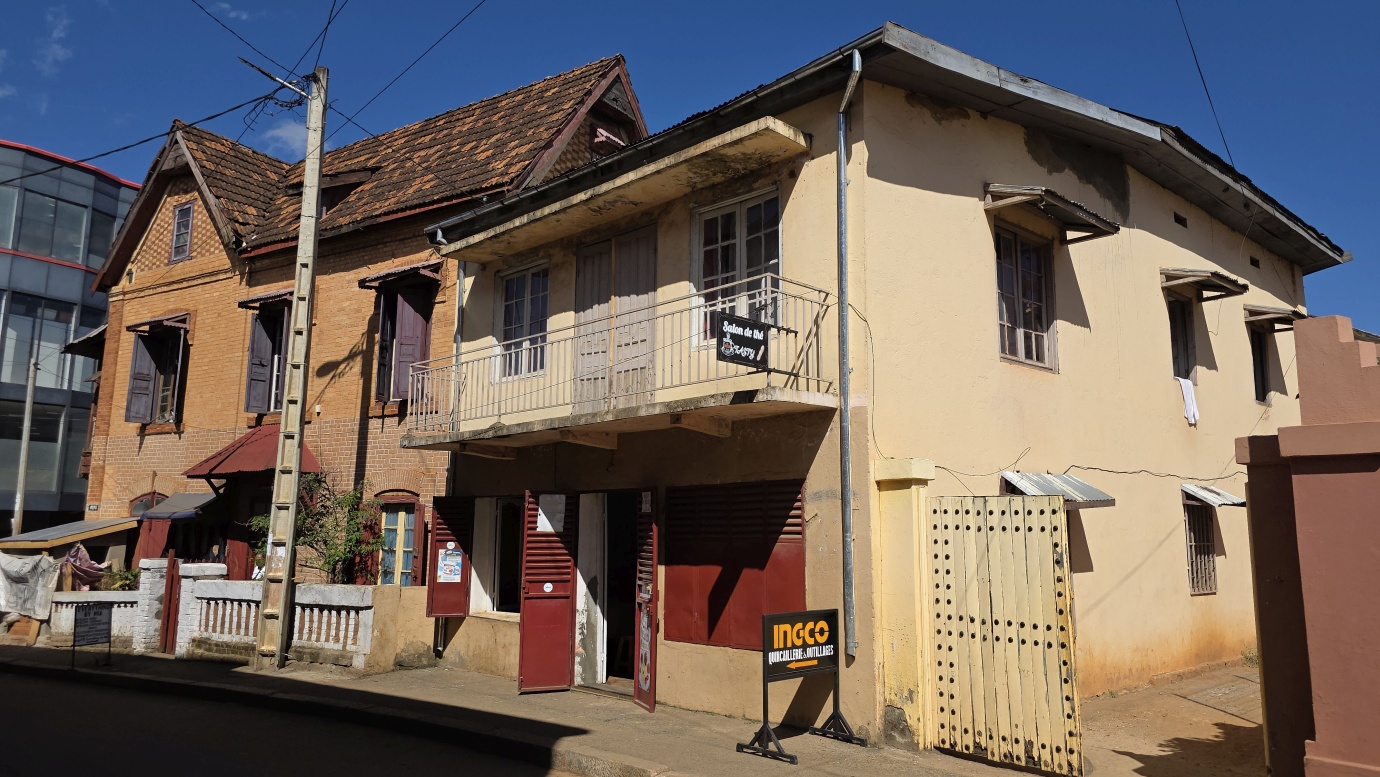
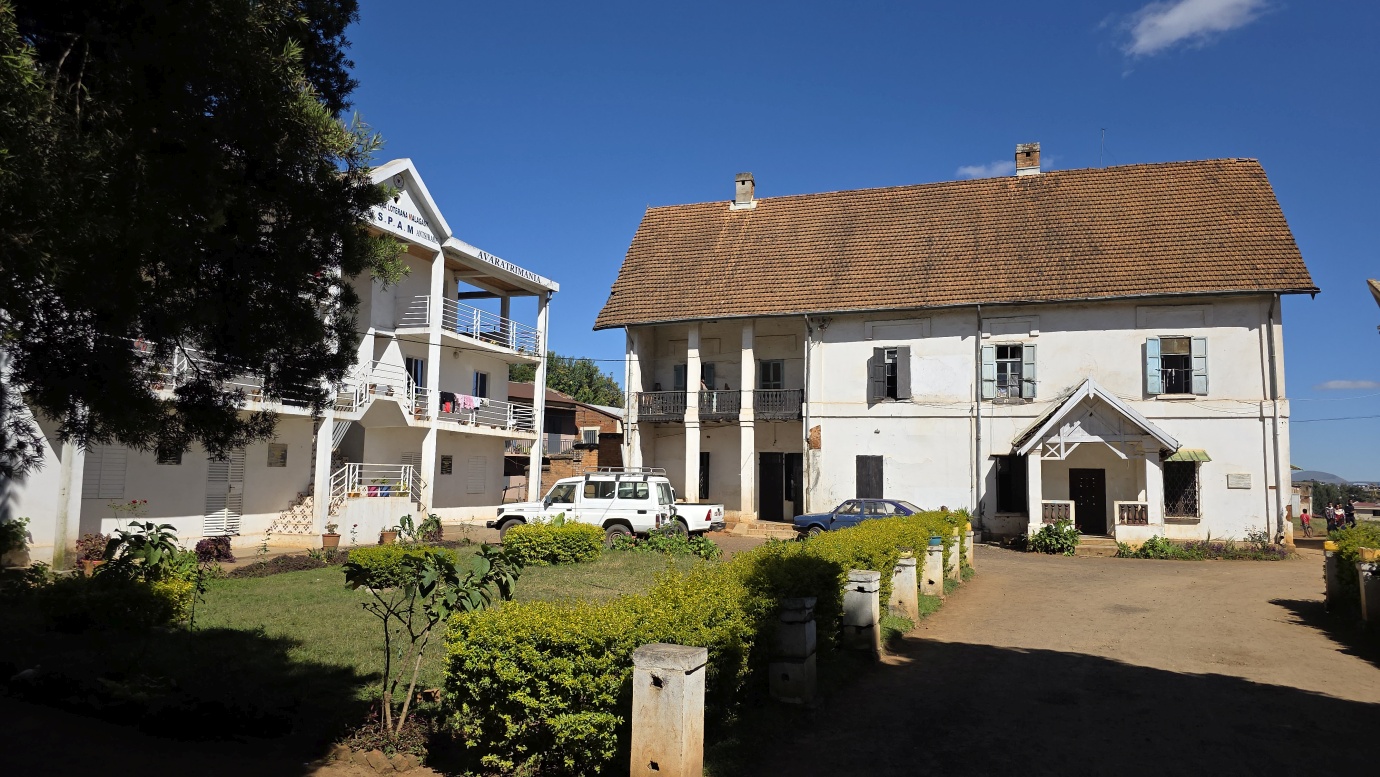
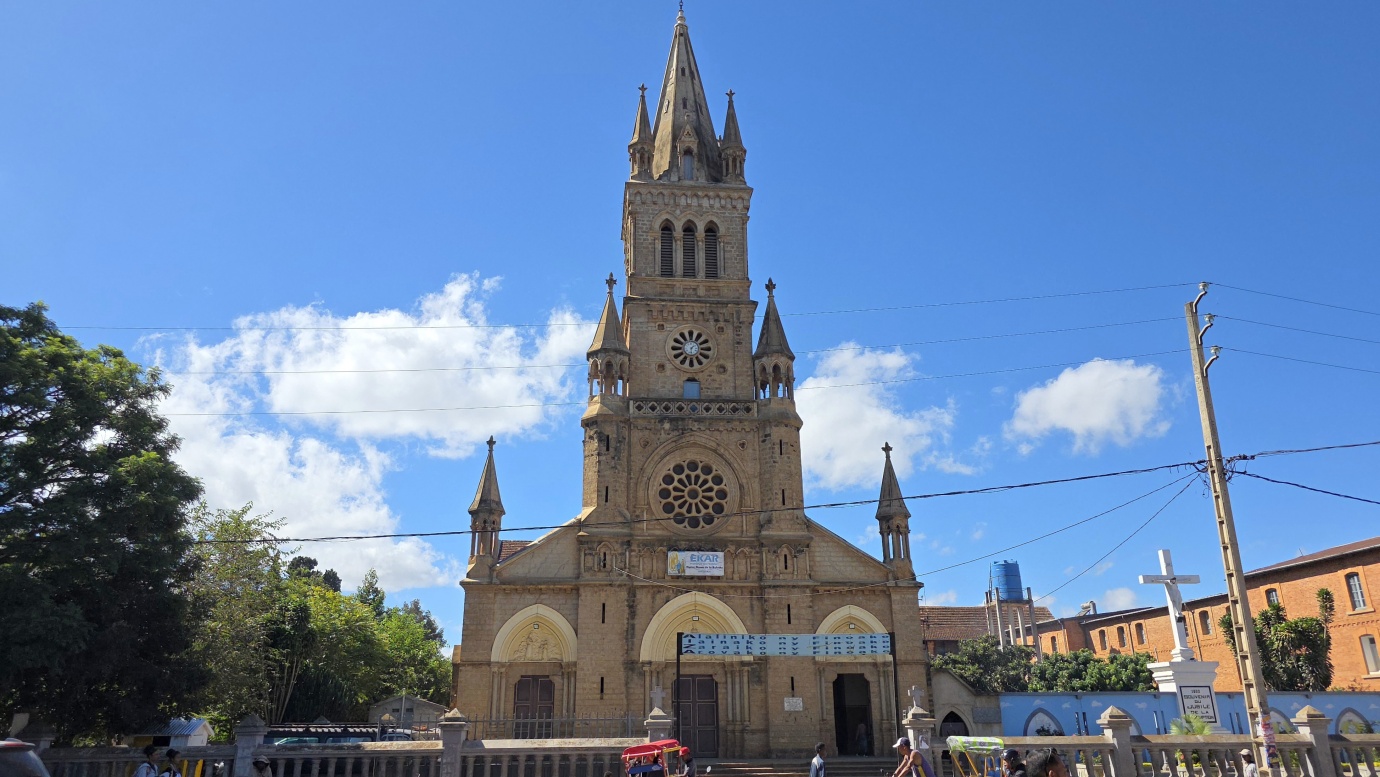
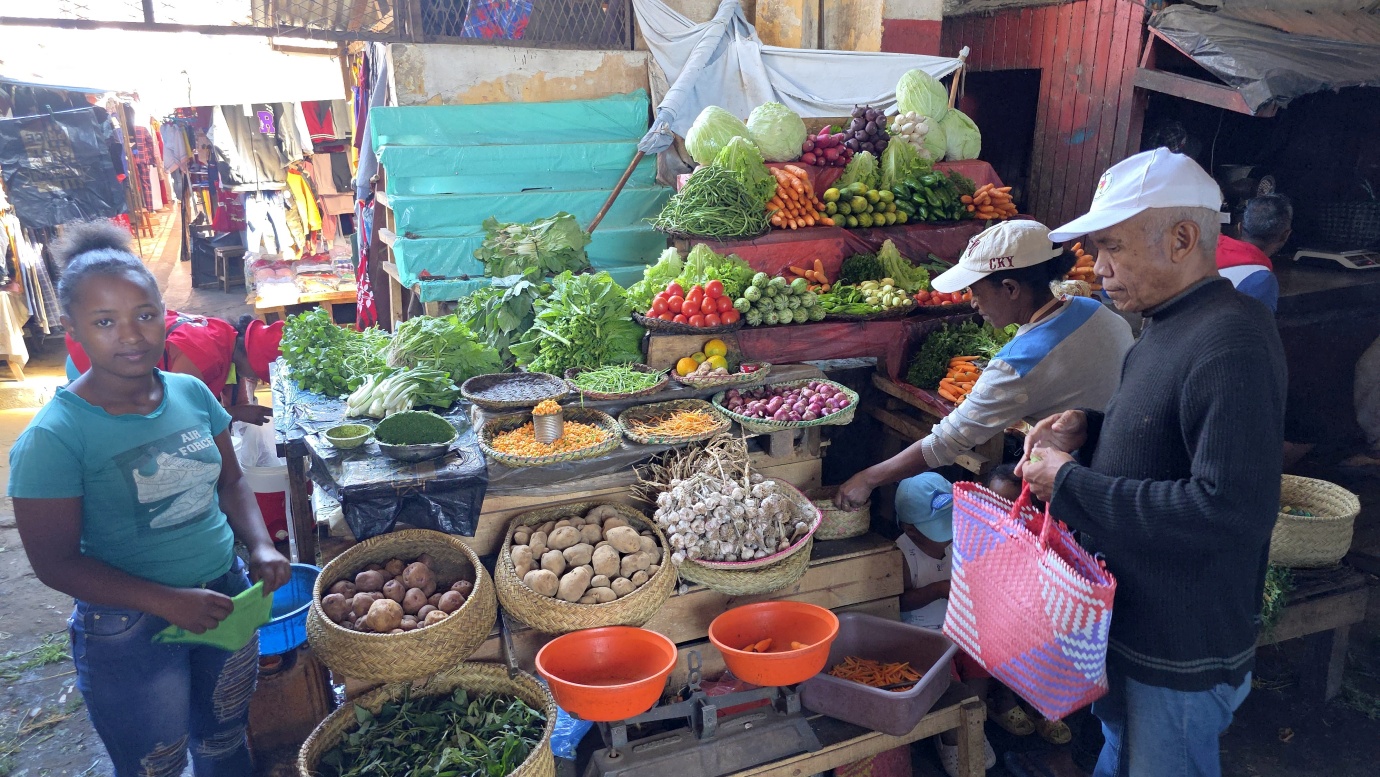
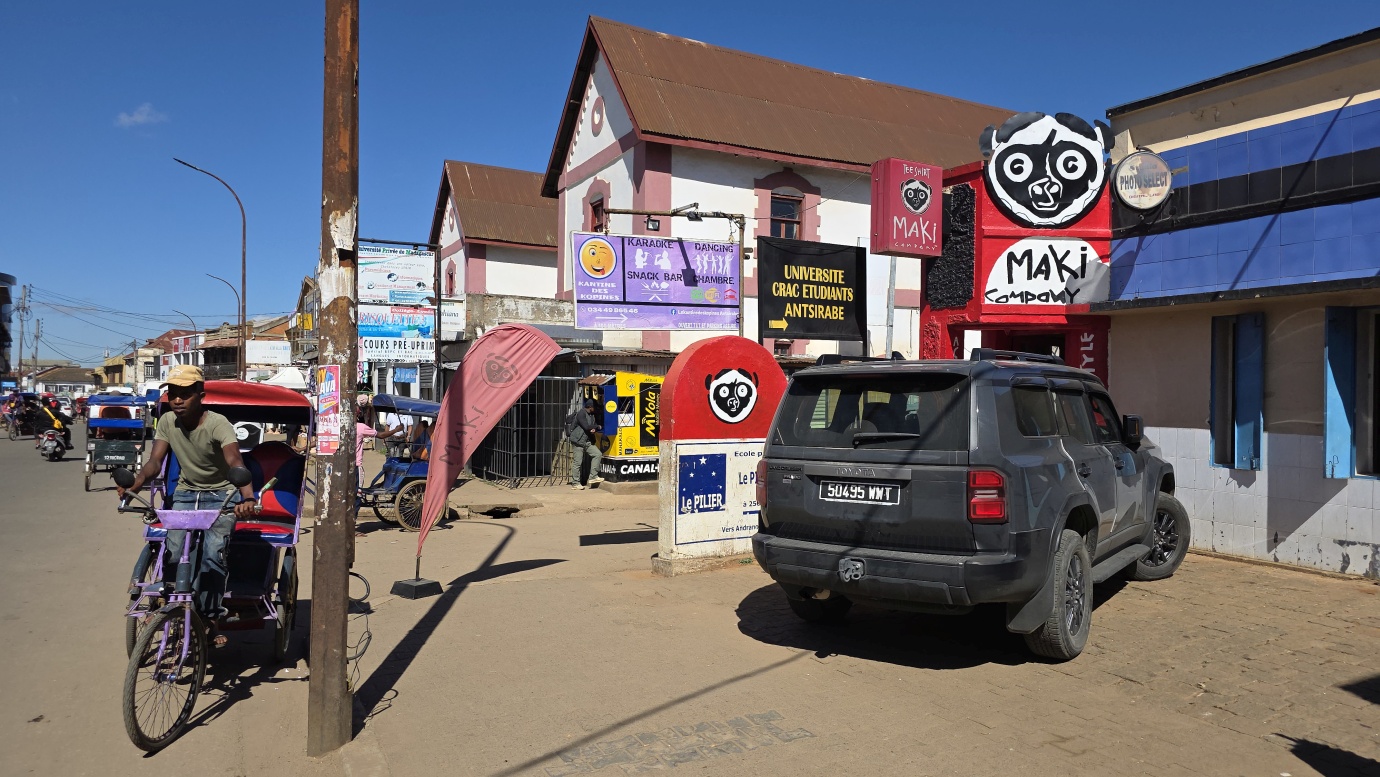
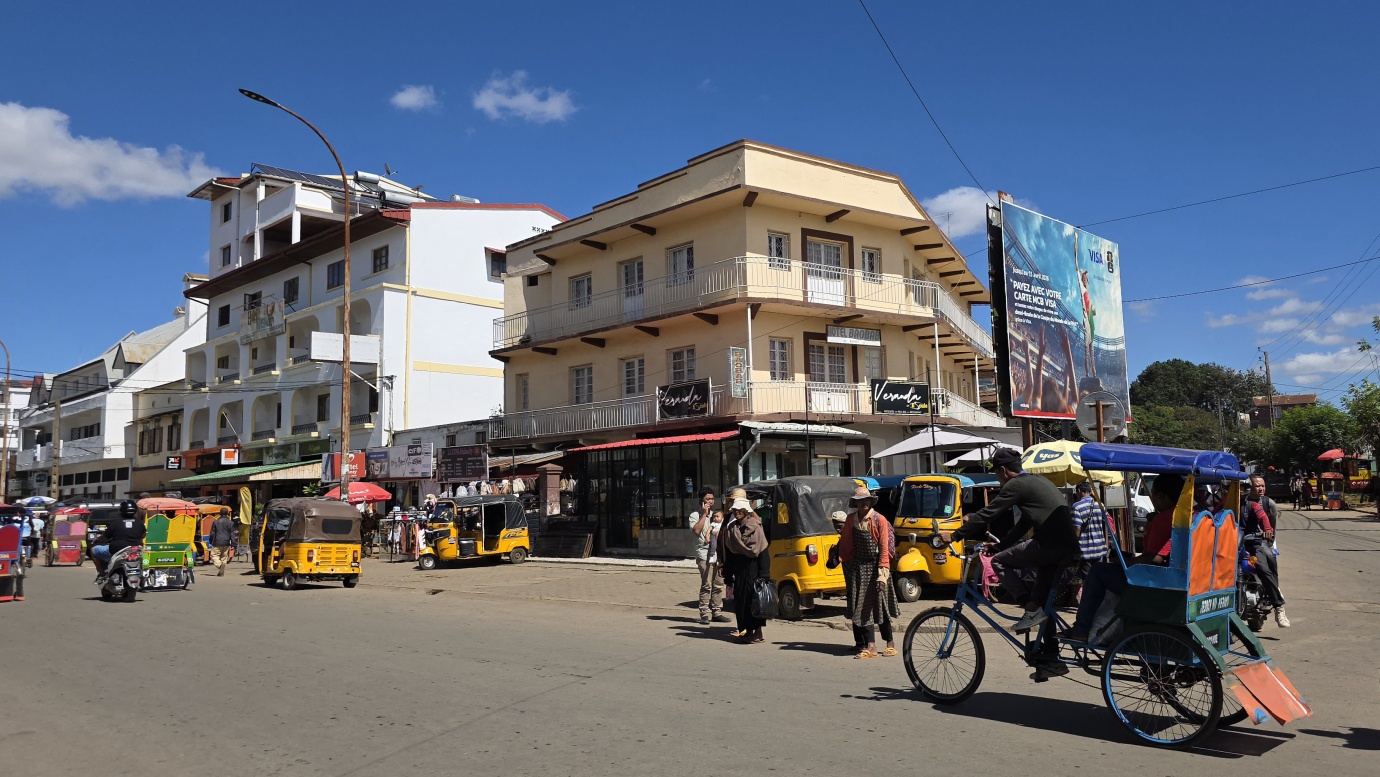
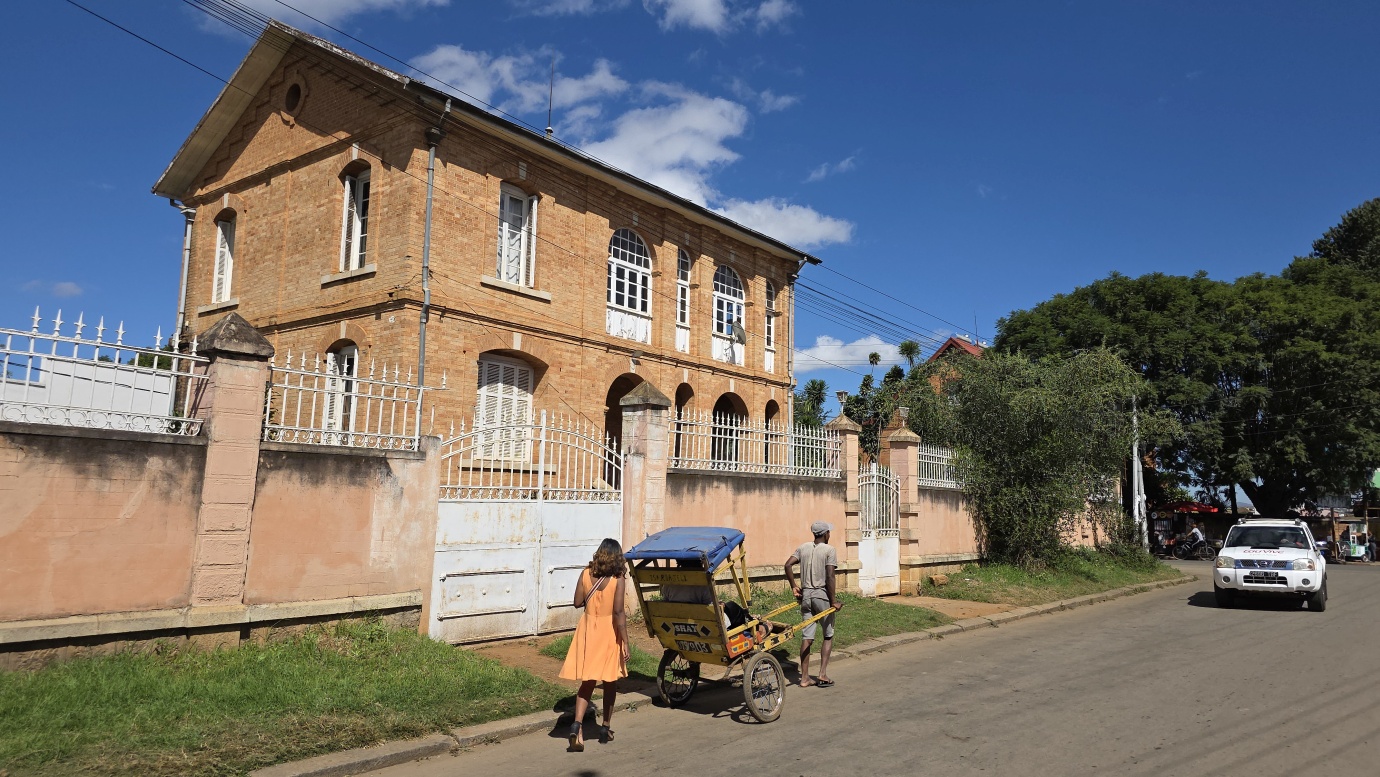
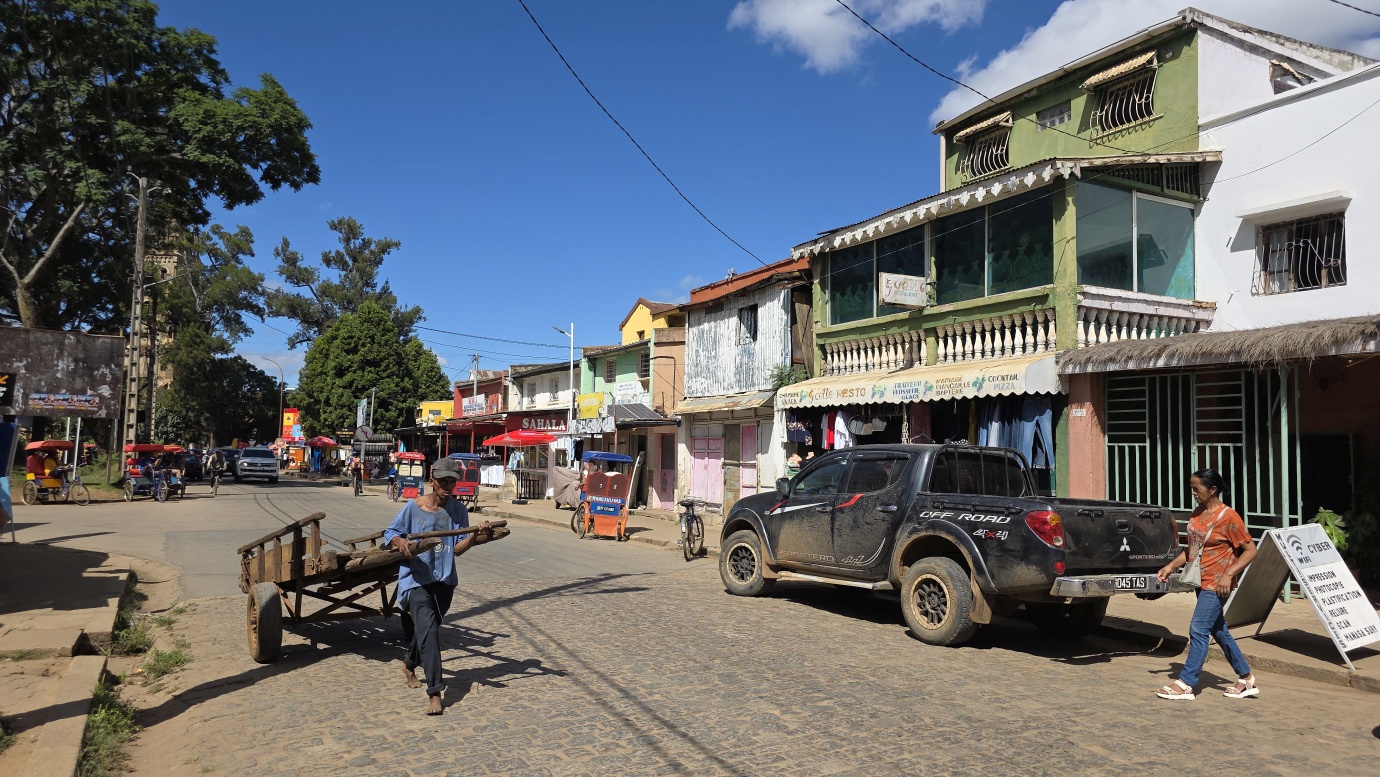
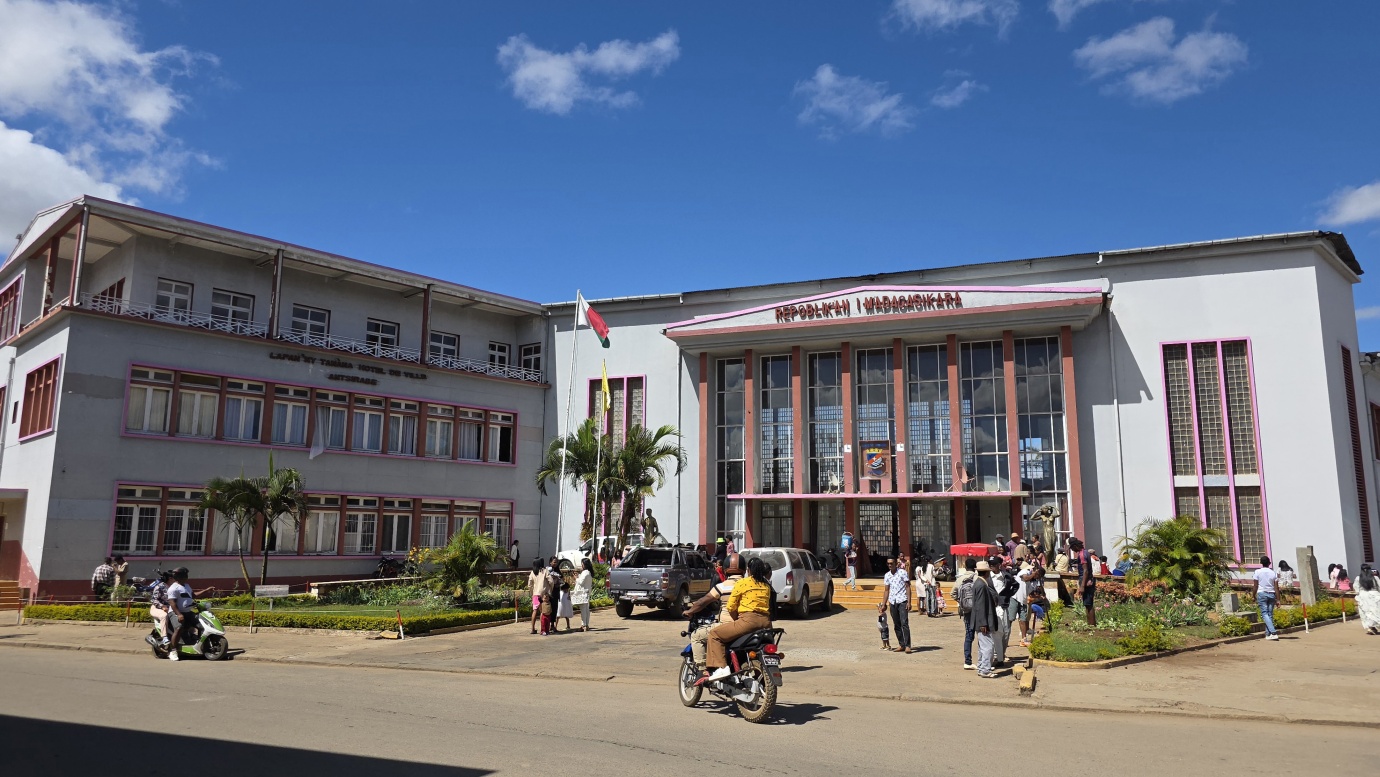
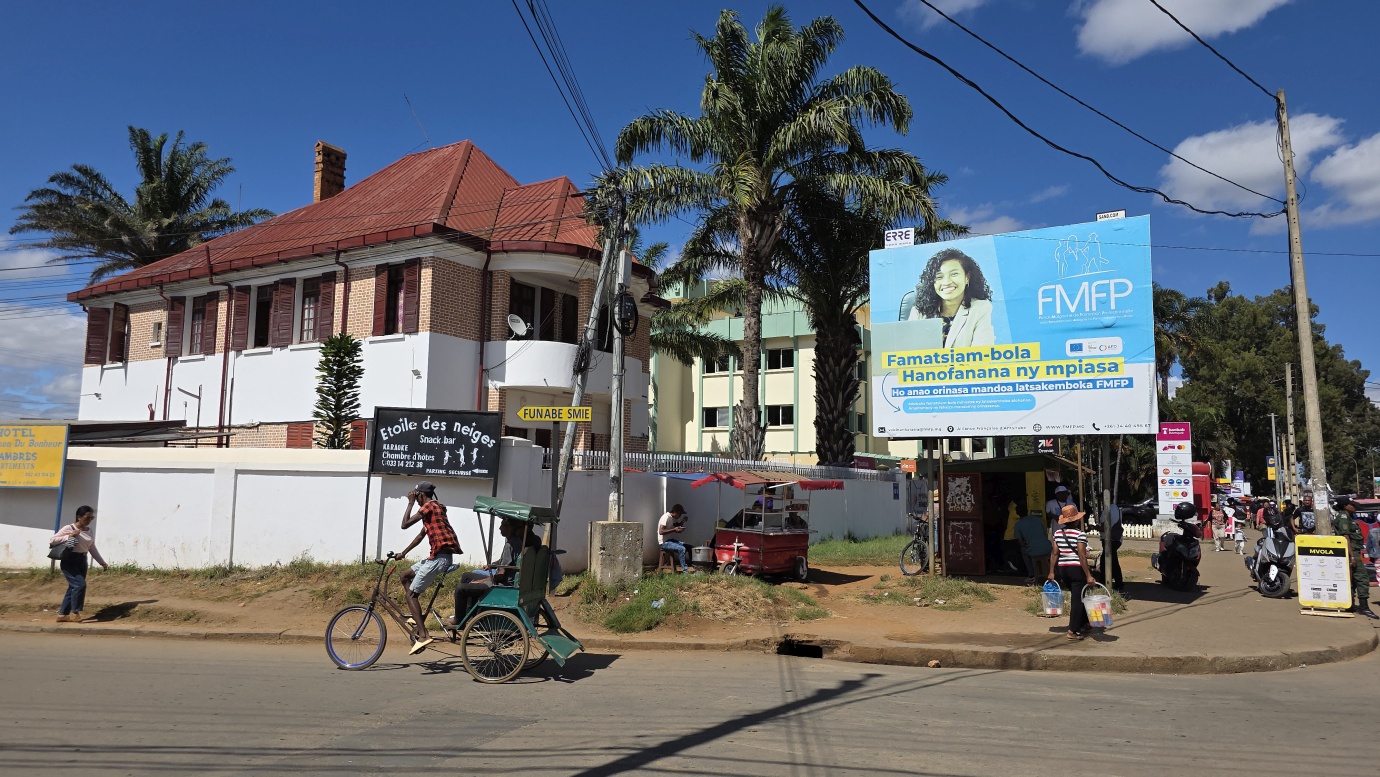
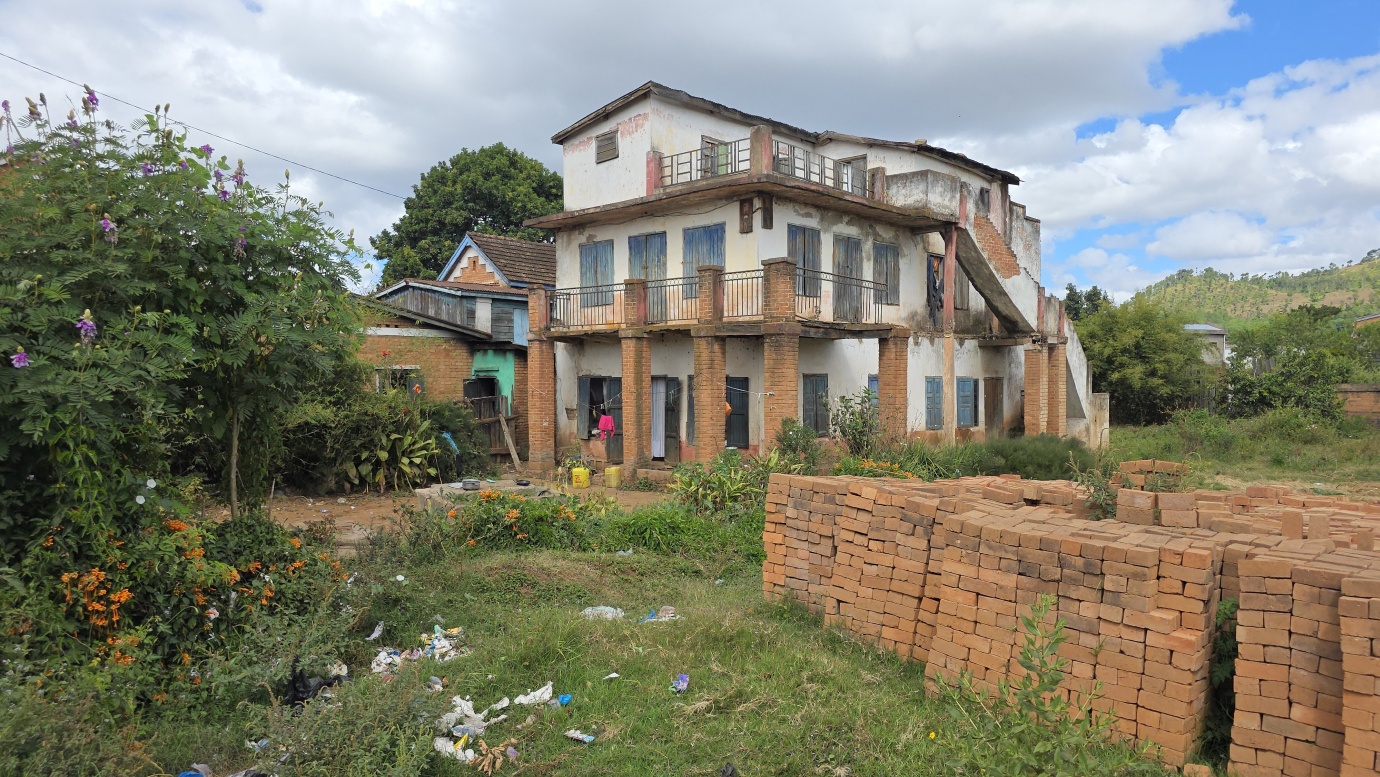
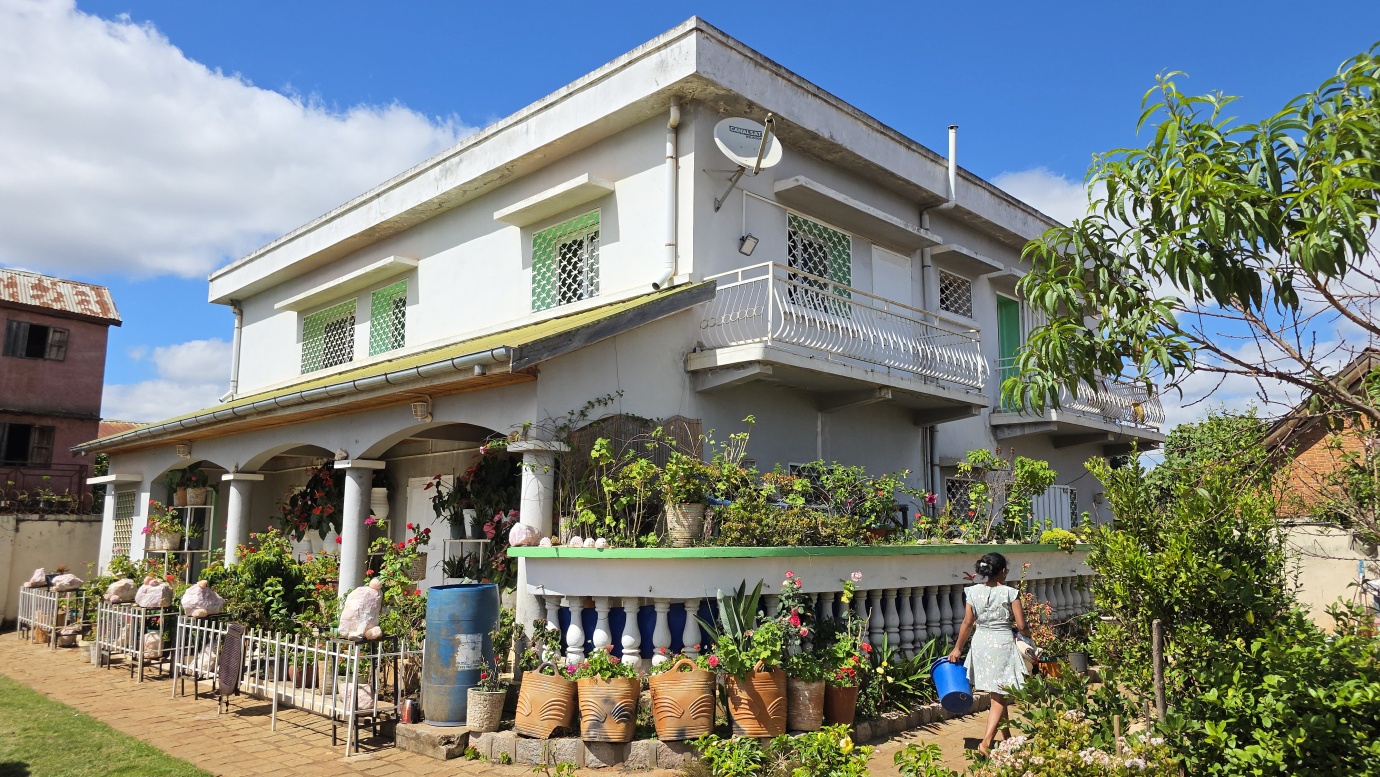
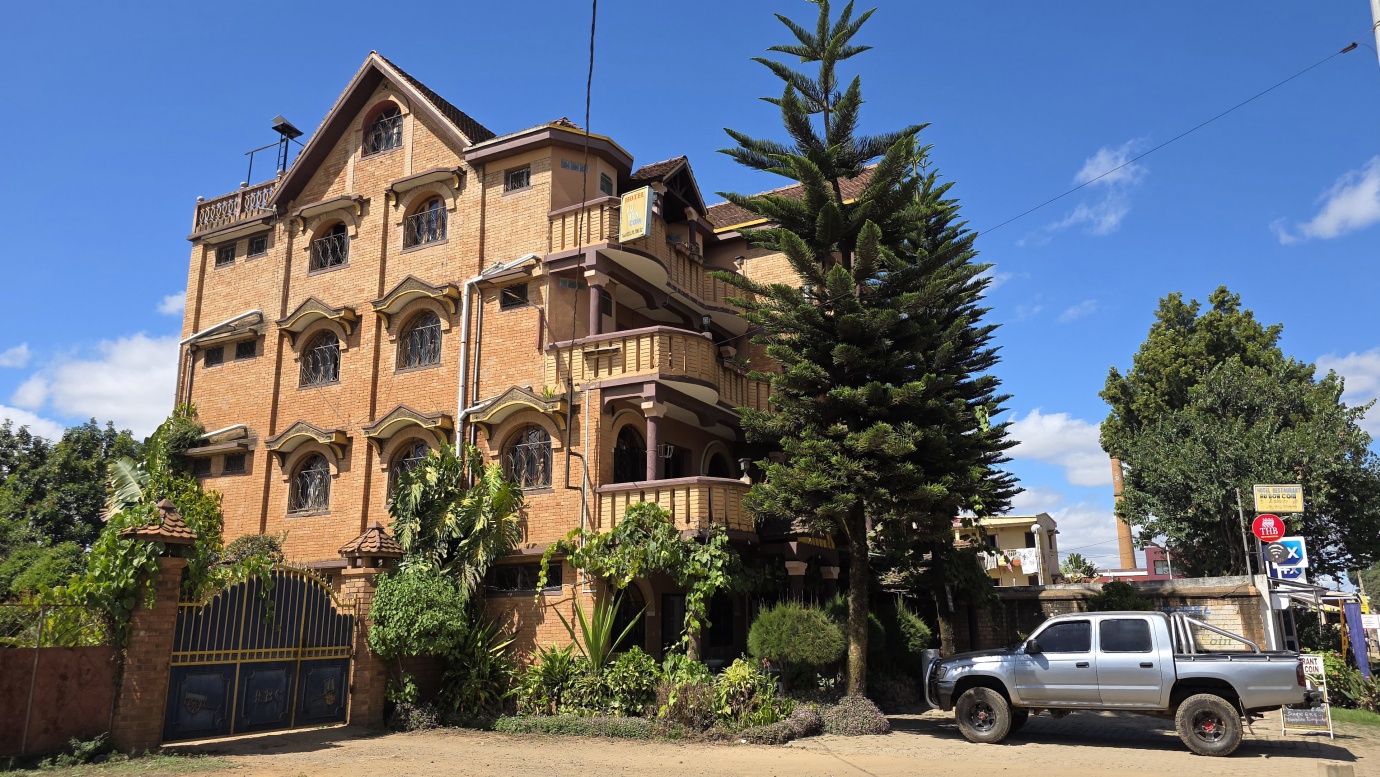
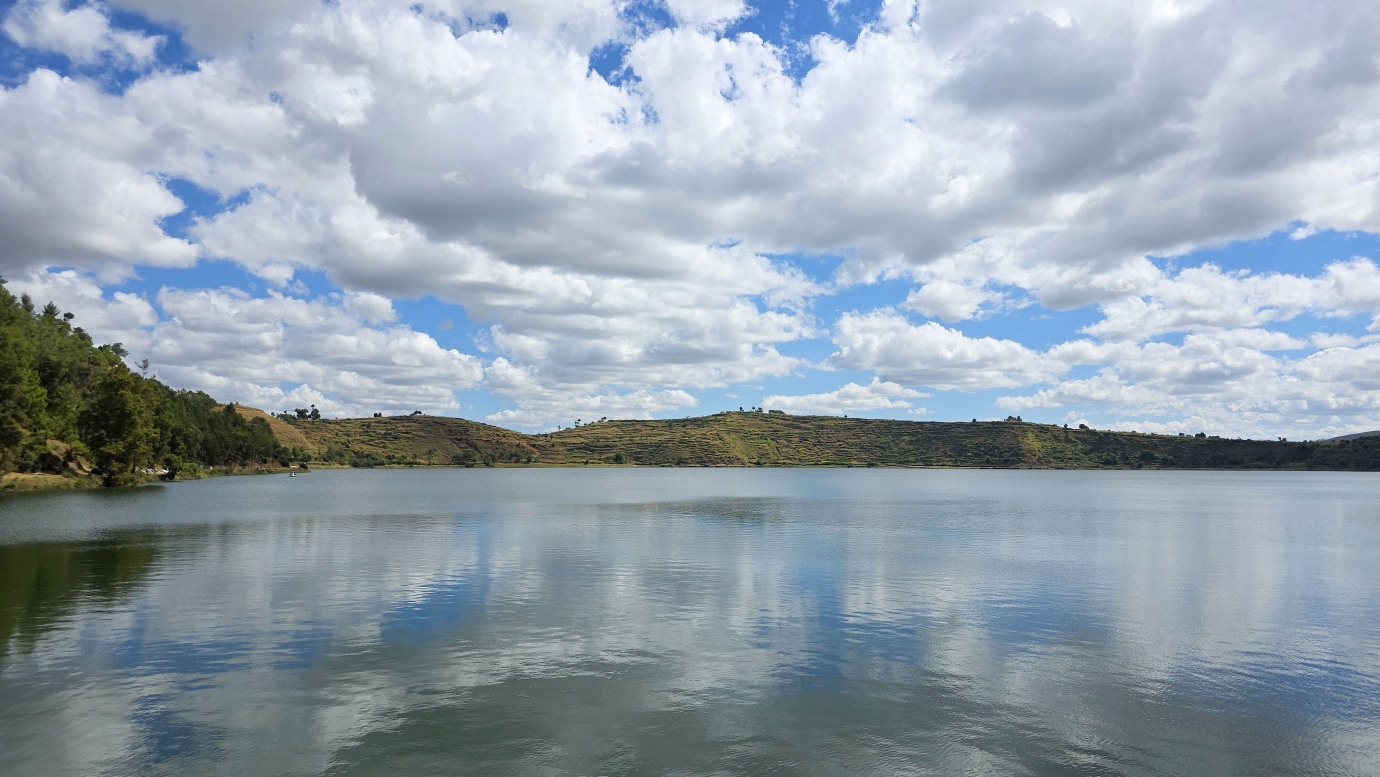
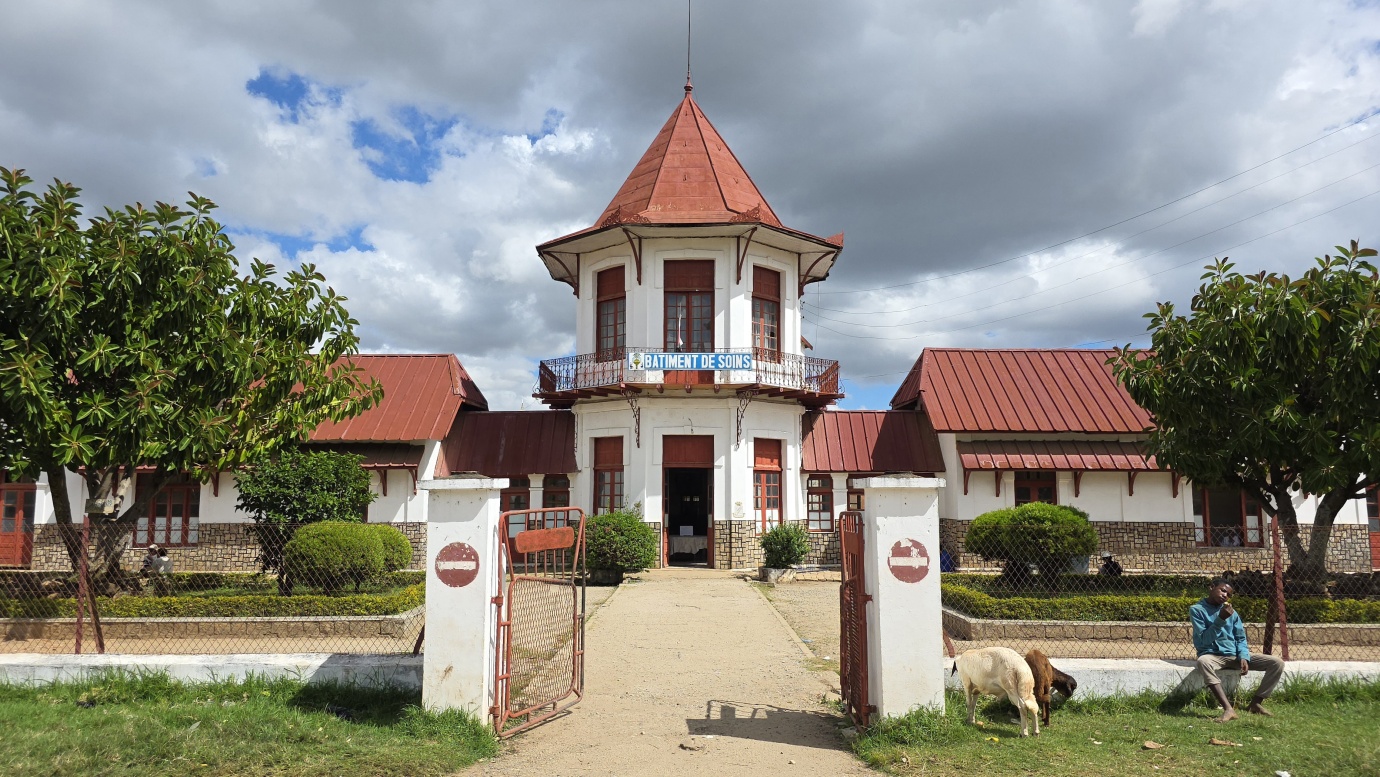
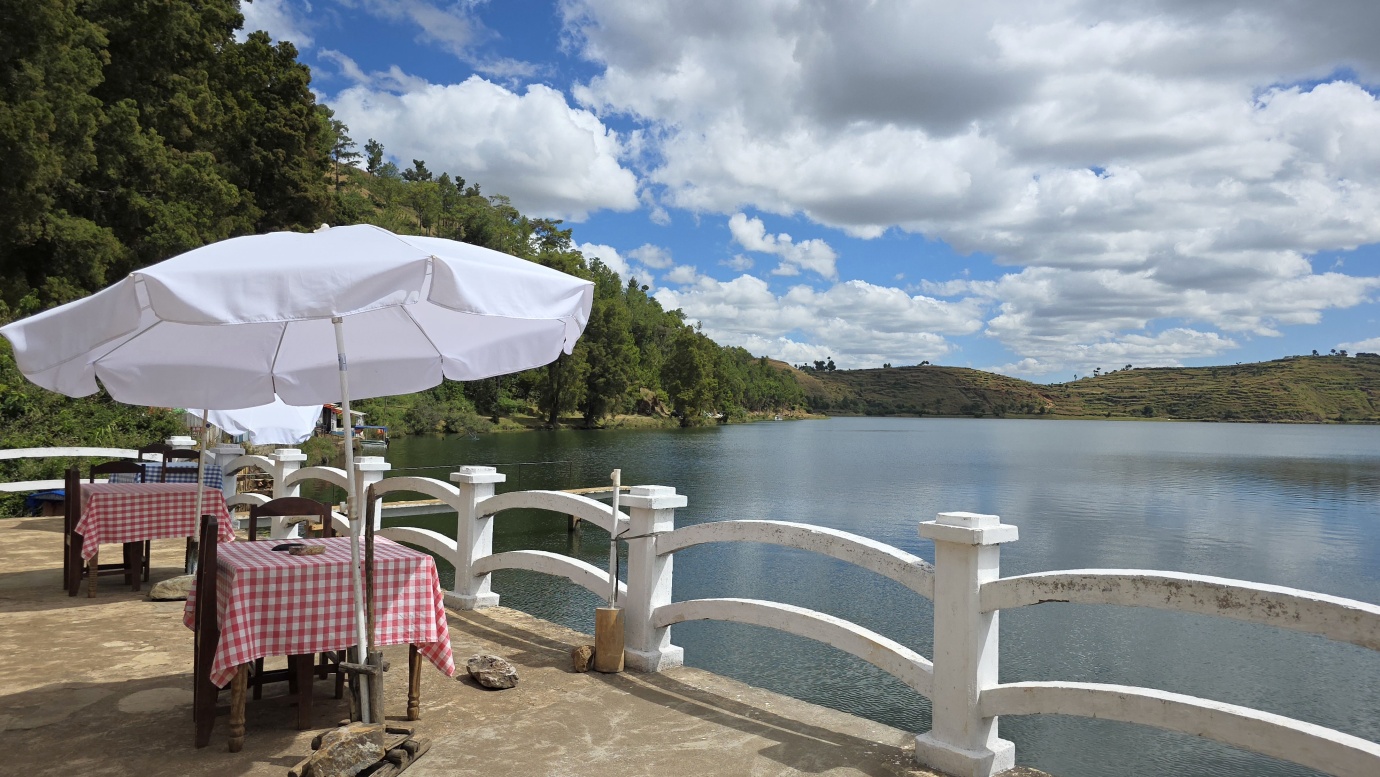
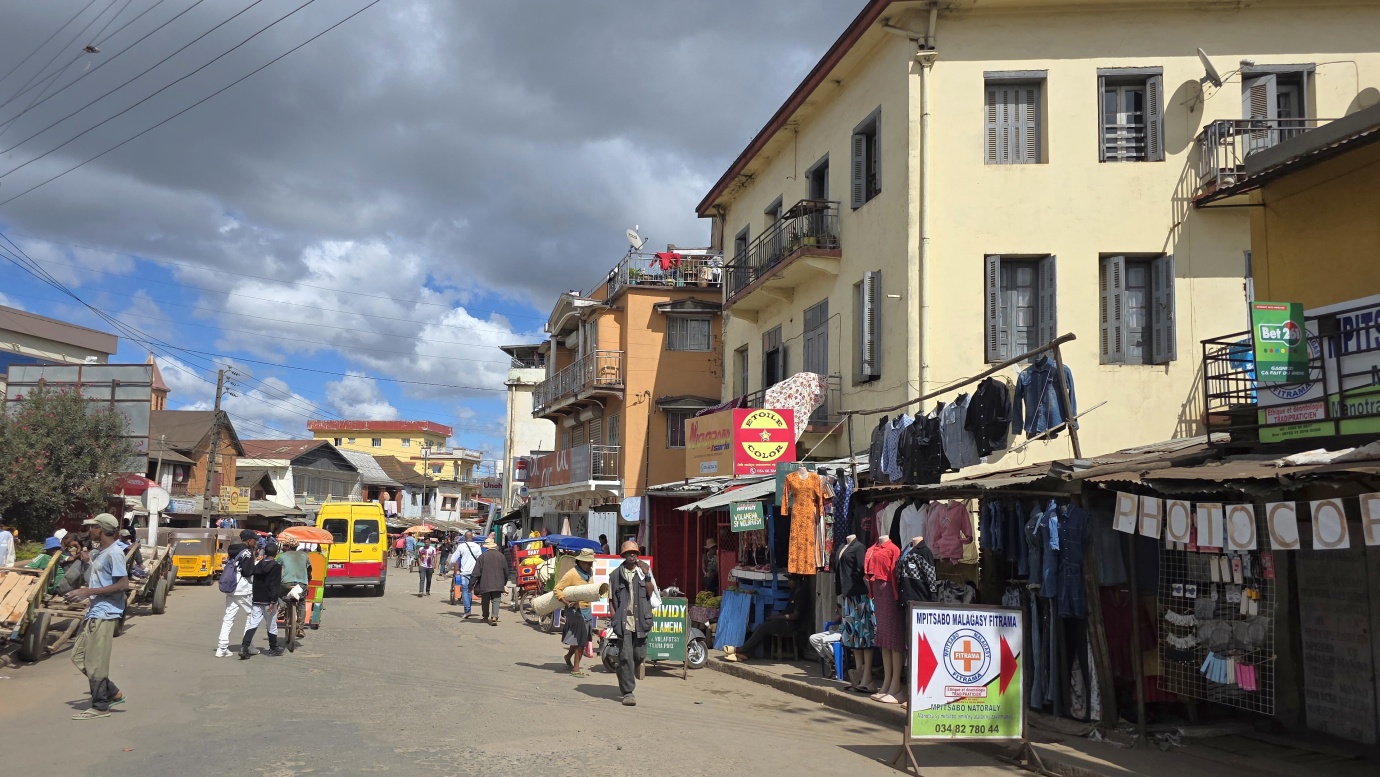
We spent a day in Antsirabe, a city founded in 1872 by Norwegian missionary T.G. Rosaas as a highland retreat. Known as the “City of Water” or the “Malagasy Vichy,” it owes its nickname to its thermal springs and refreshingly cool climate. What began as a small missionary settlement gradually evolved into a French colonial centre and, today, stands as Madagascar’s third-largest city and an important hub for industry and agriculture.
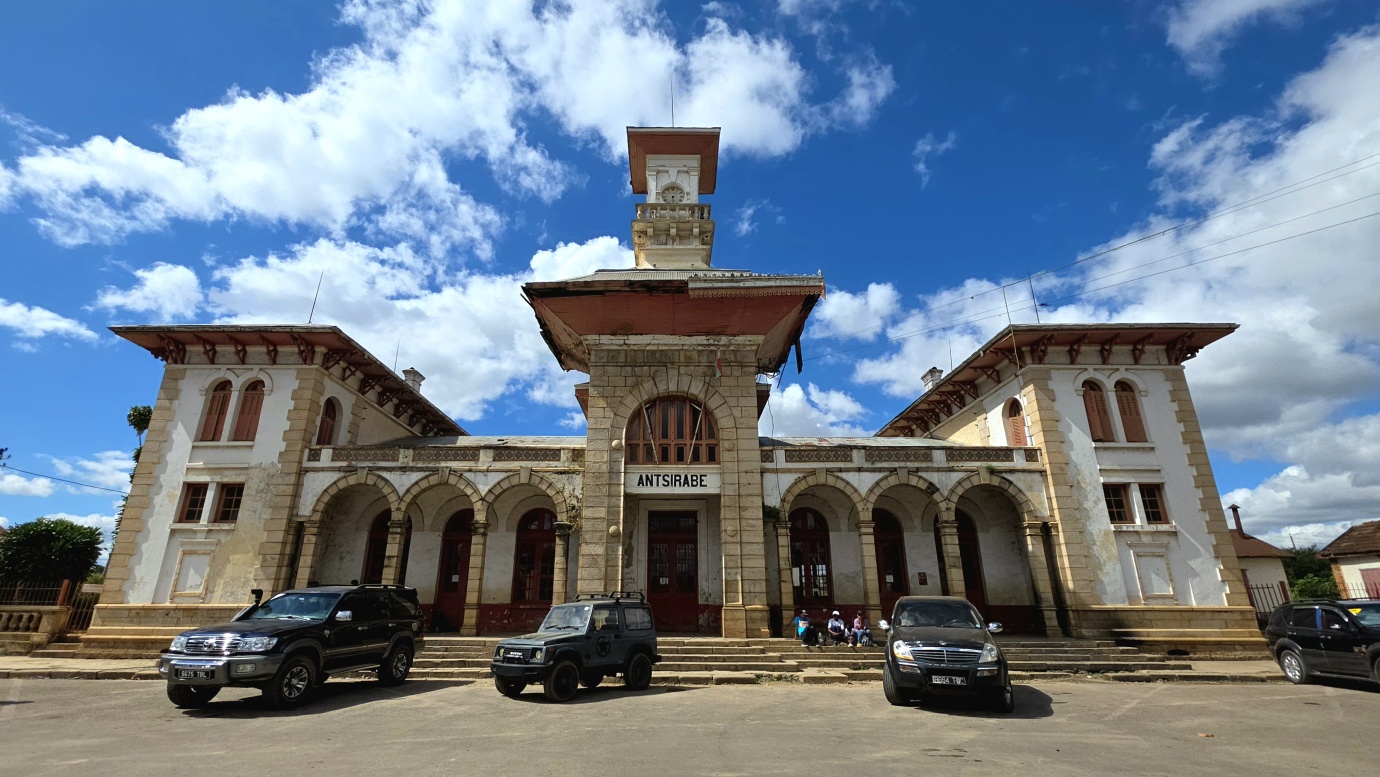
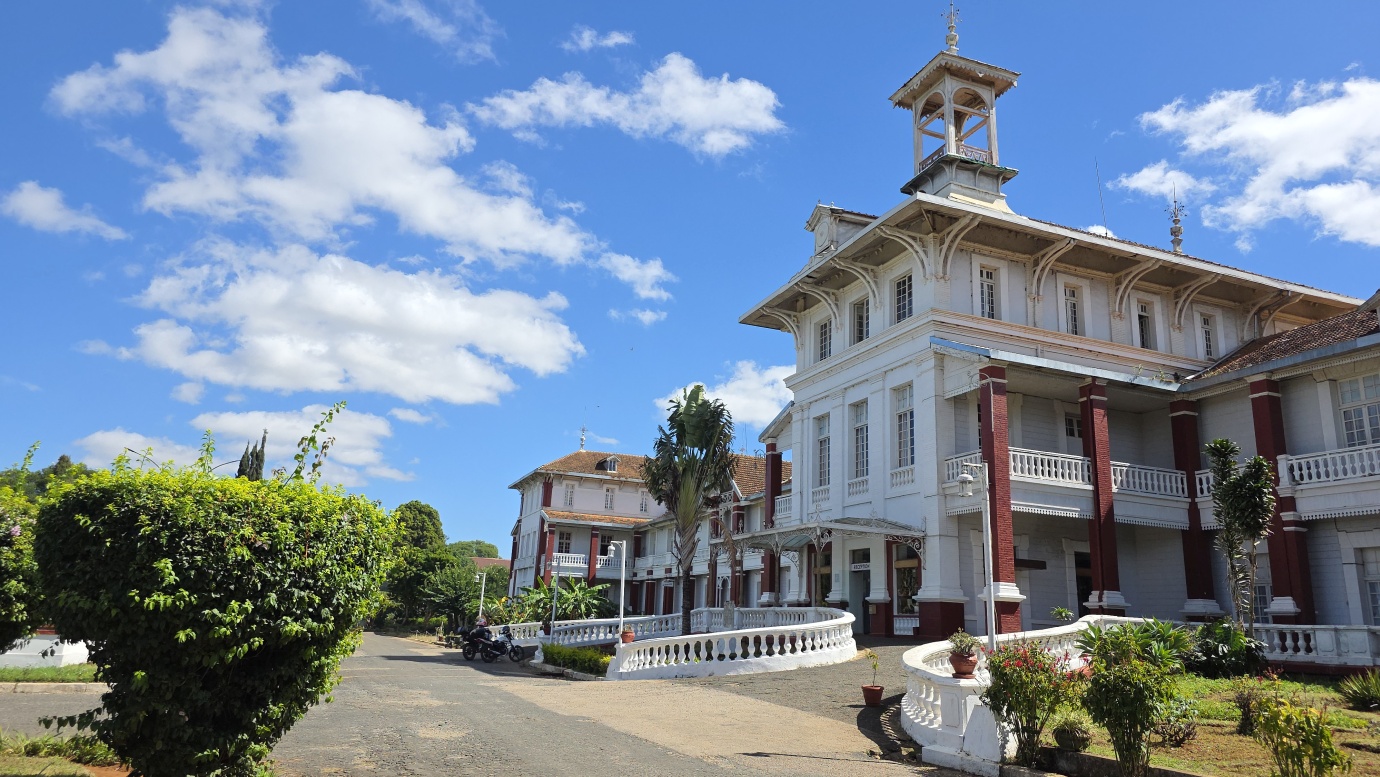
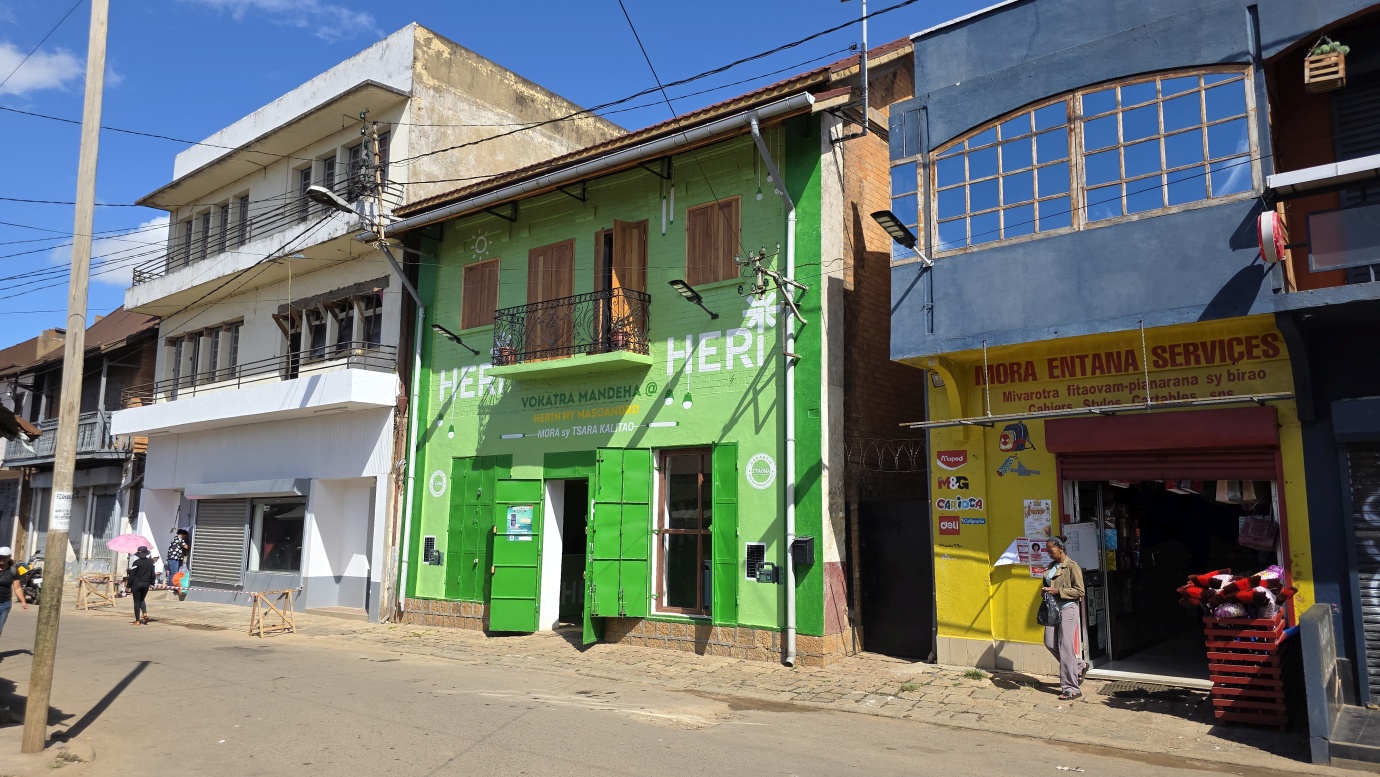
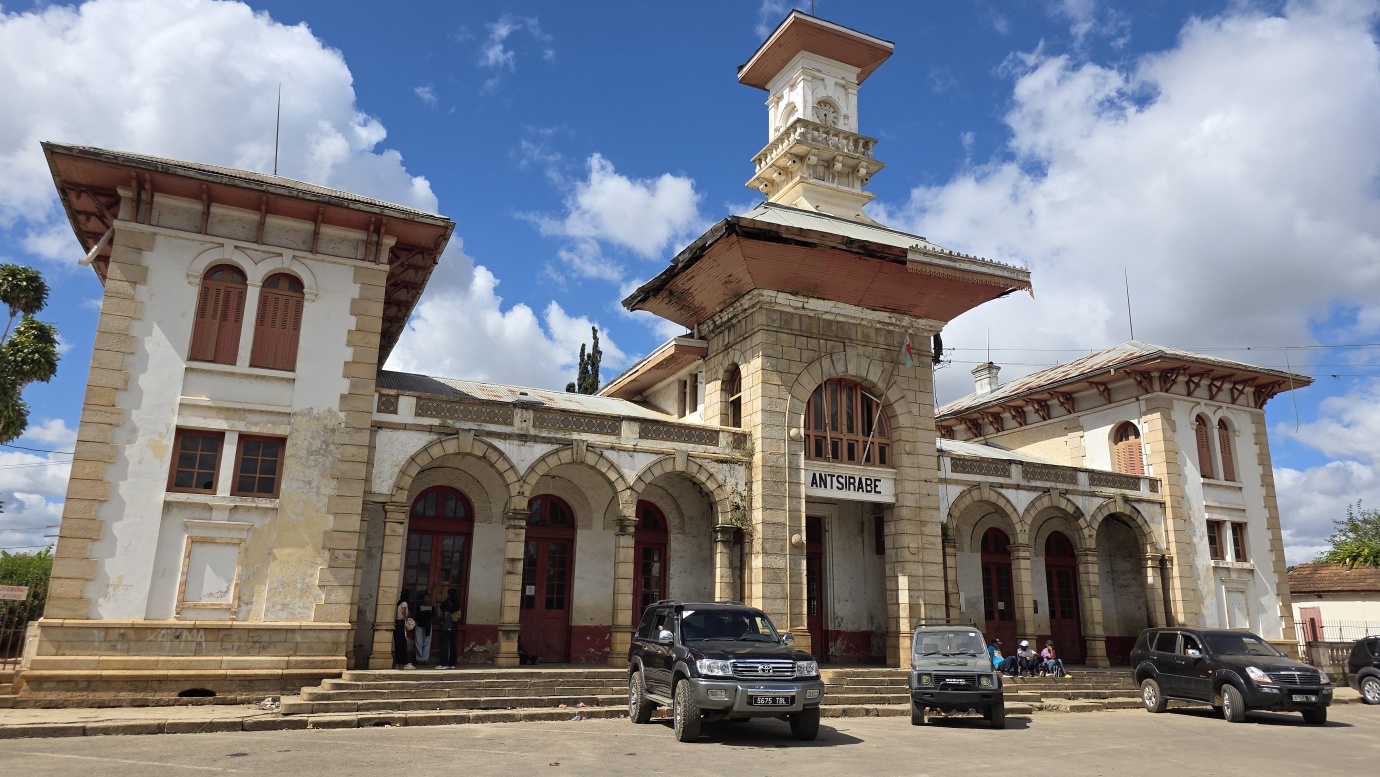
The region itself has deeper roots, once forming part of the Kingdom of Andrantsay, which flourished from the early 1600s before being absorbed into the Kingdom of Imerina. Rosaas chose this location for its climate and reputed healing waters—reflected in the name Antsirabe, often translated as “the place of much salt.” The city’s reputation as a spa destination took shape in the early 20th century, with thermal baths established in 1917 and the elegant Hôtel des Thermes opening in 1922. Under French colonial rule after 1896, Antsirabe developed into a key administrative centre, marked by infrastructure such as its railway station, built in 1923.
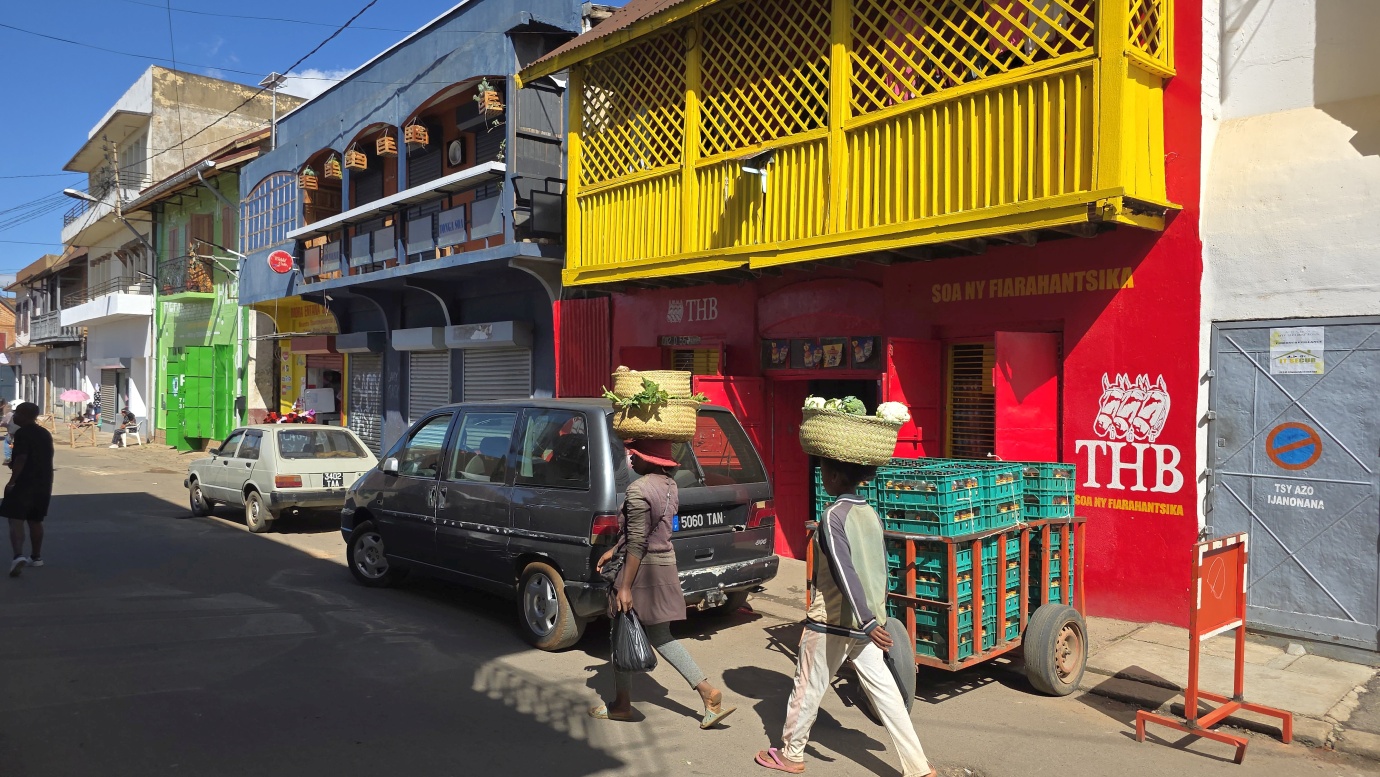
One of the more unusual chapters in its history came in 1953, when the French exiled Morocco’s future king, Hassan II, along with his father, Mohammed V, to the Hôtel des Thermes. Following Madagascar’s independence in 1960, Antsirabe shifted toward industry, becoming known for textiles, tobacco production, and the Star Brewery—producer of the popular Three Horses Beer.
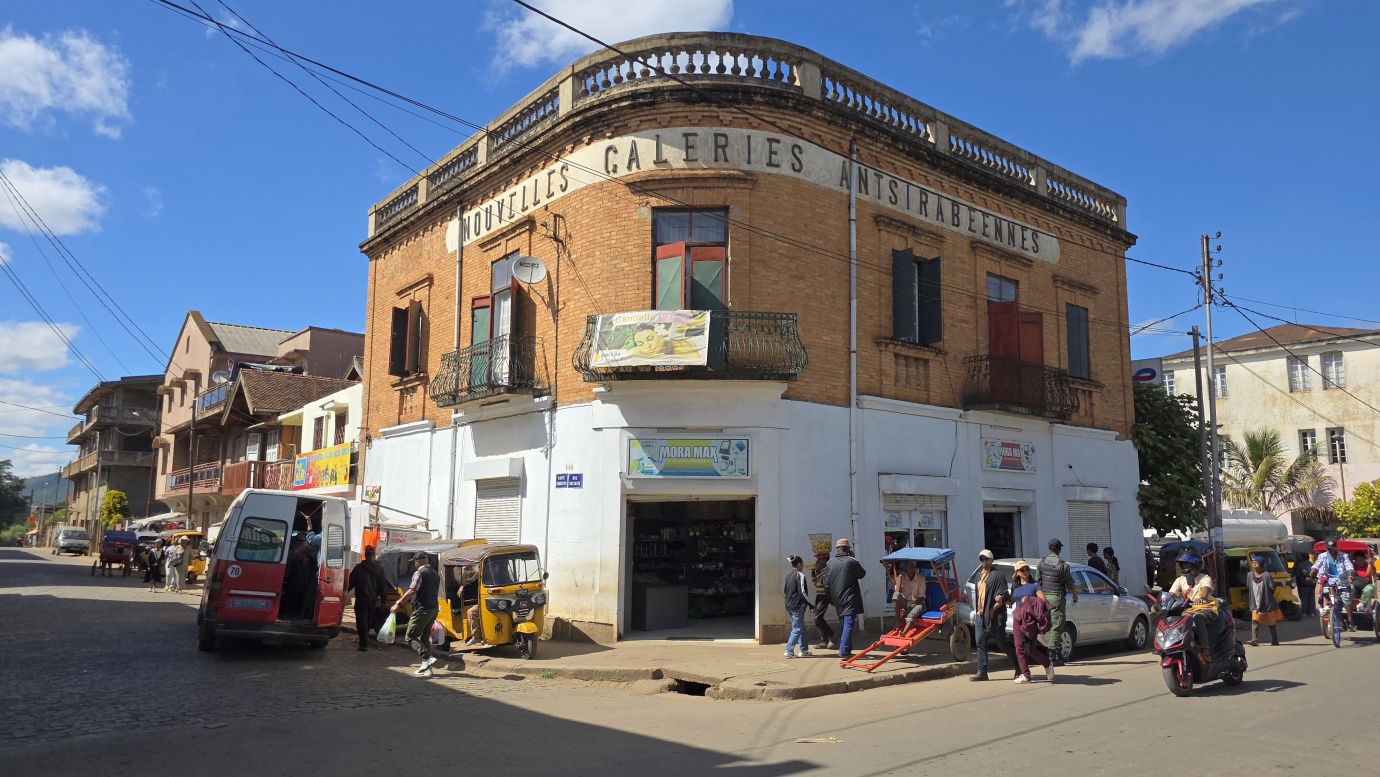
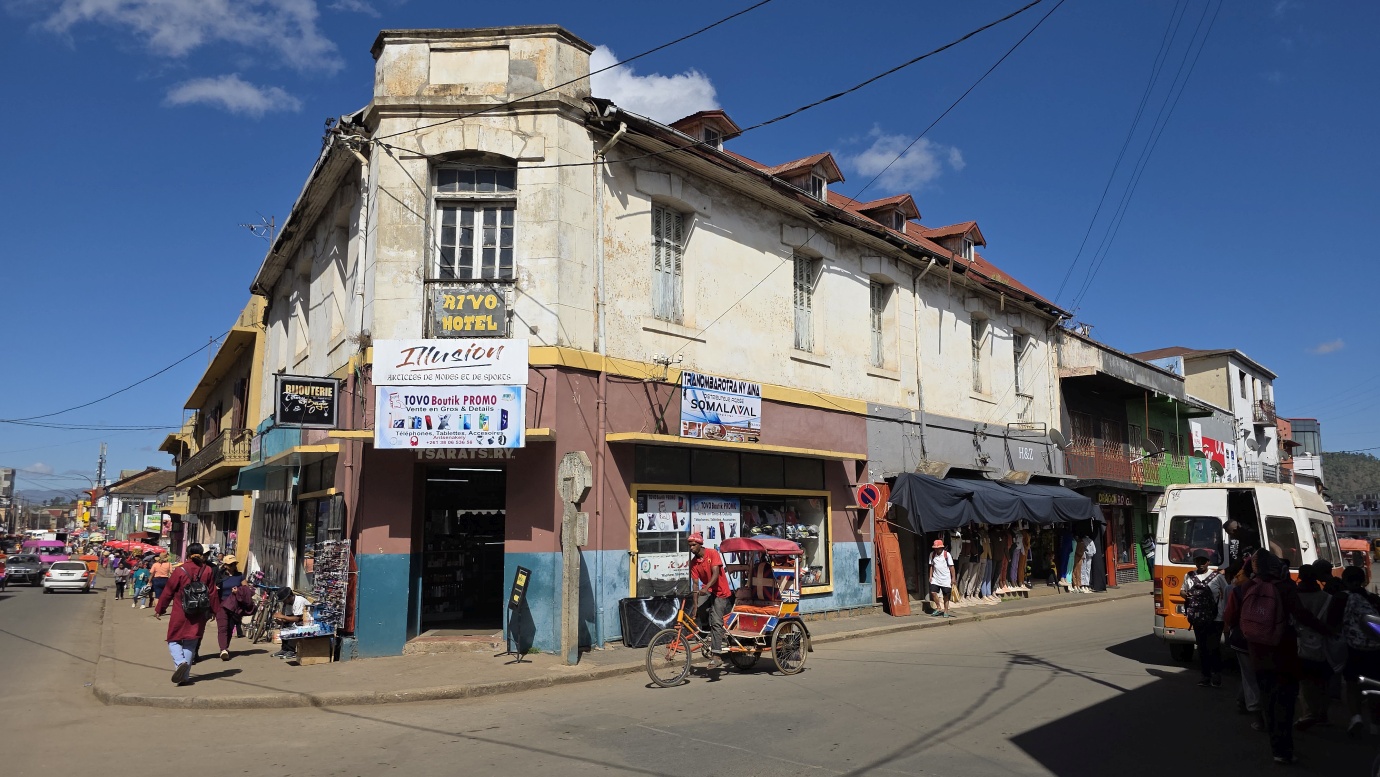
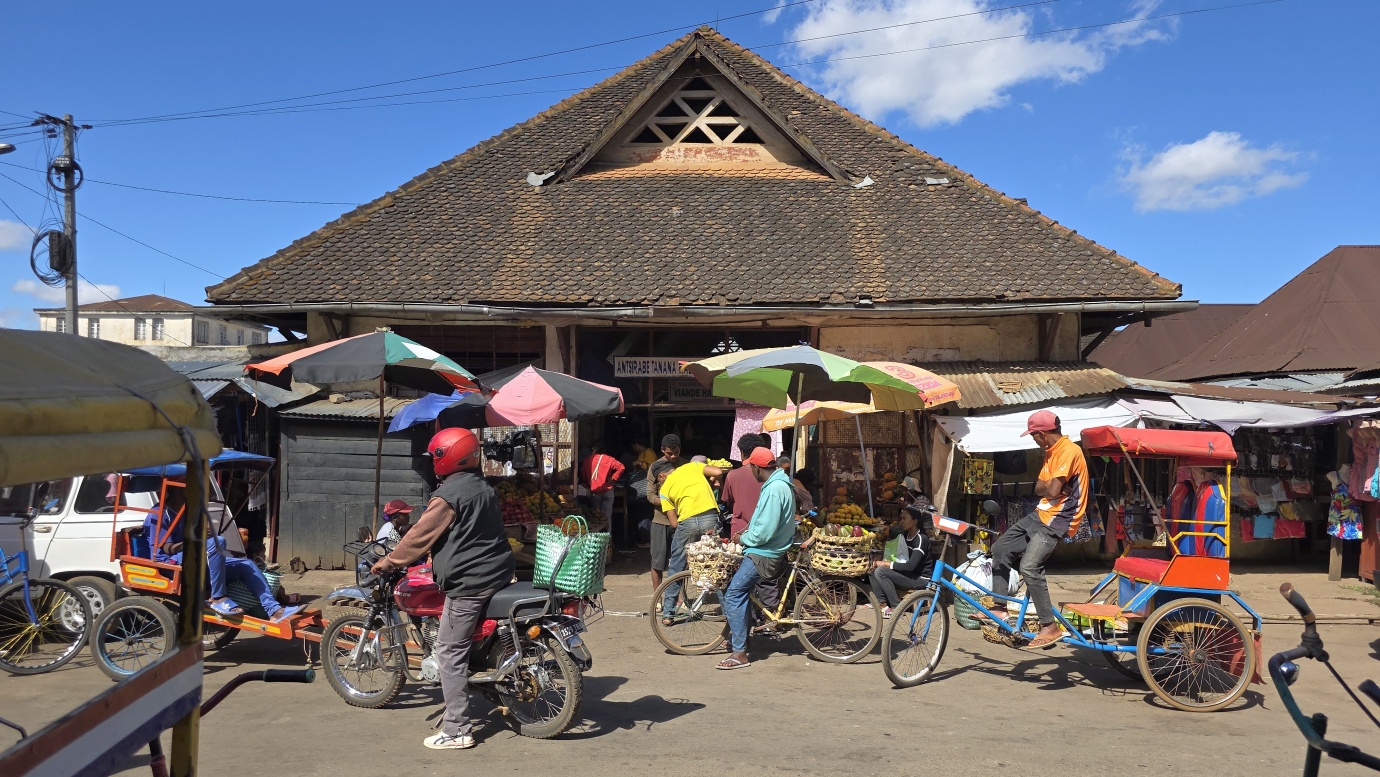
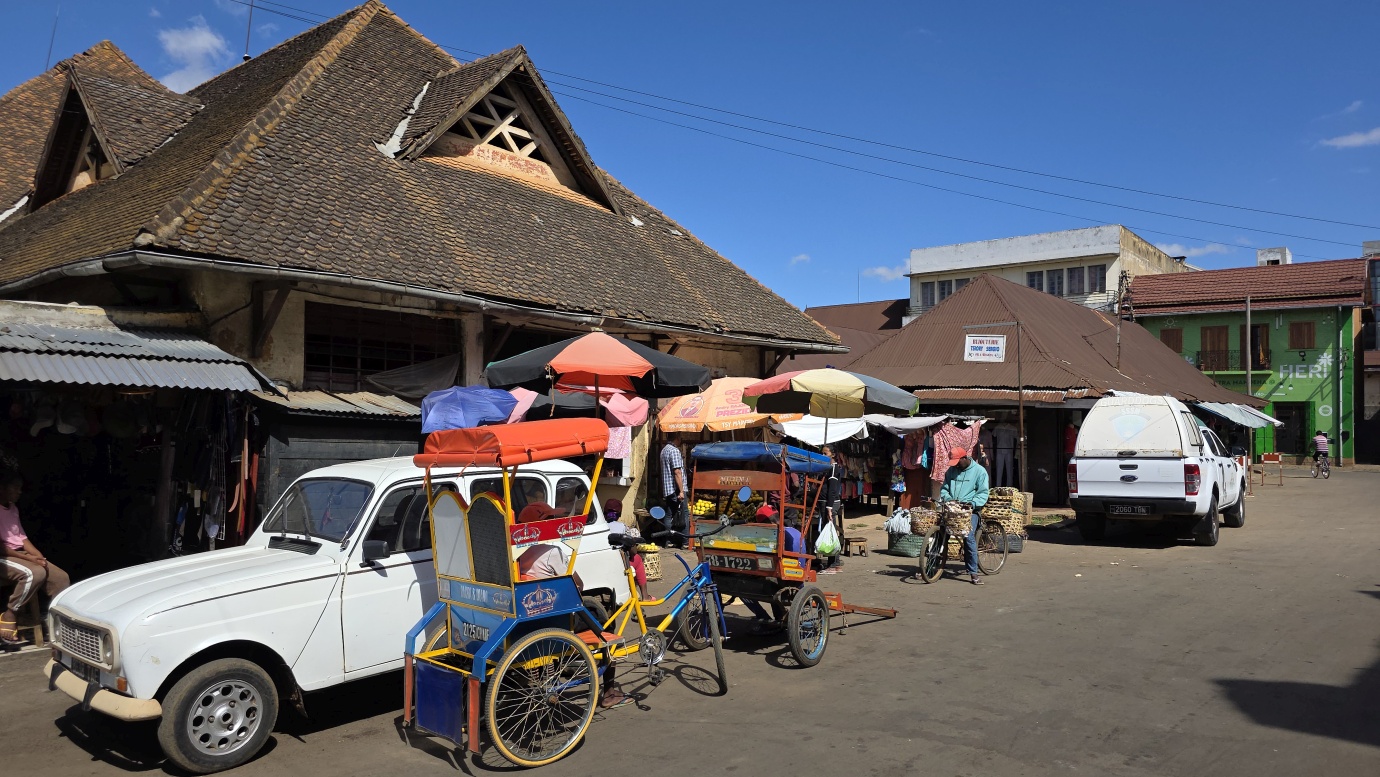
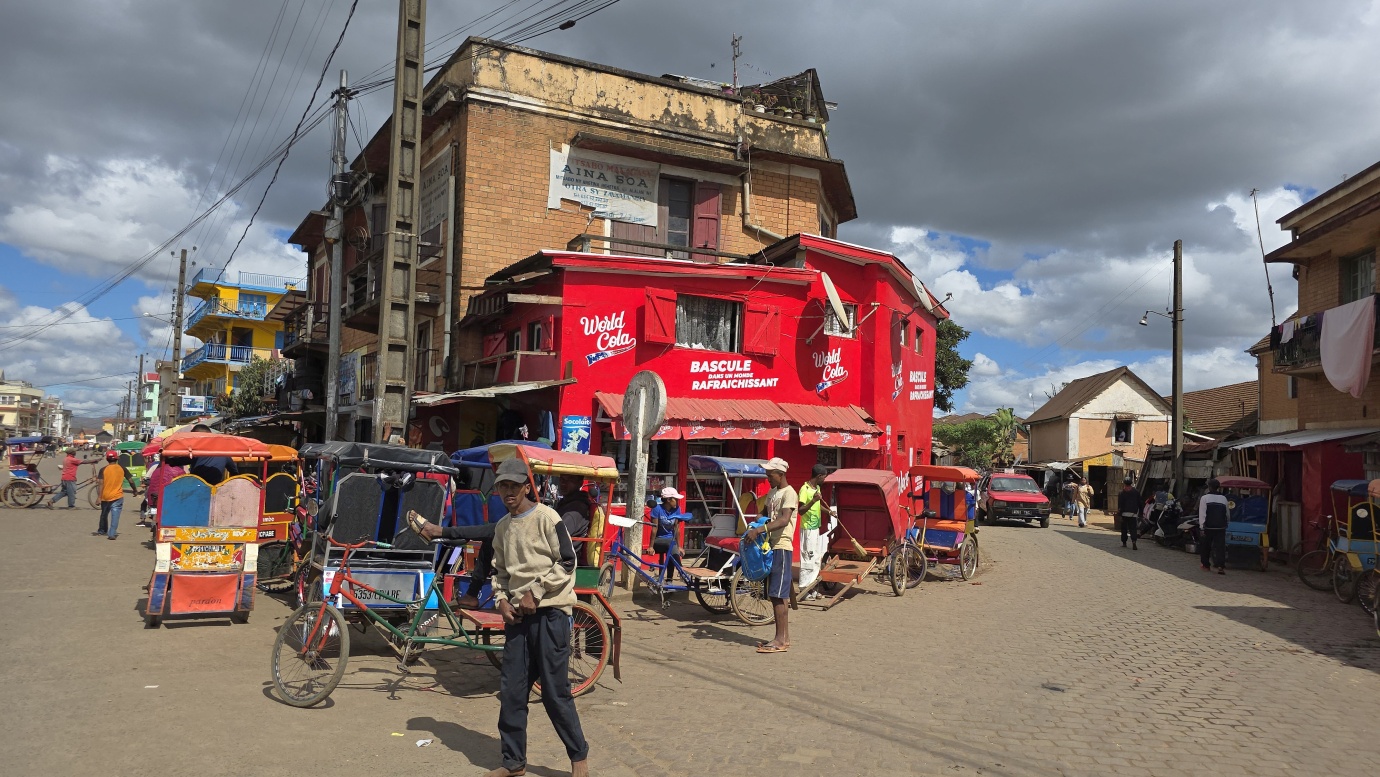
Today, the city retains a distinctive character. Pousse-pousse (rickshaws), introduced in the early 20th century, remain an iconic mode of transport. Antsirabe is also known for its textile factories, gemstone workshops, and a wide range of artisan crafts made from zebu horn, raffia, and recycled materials.