

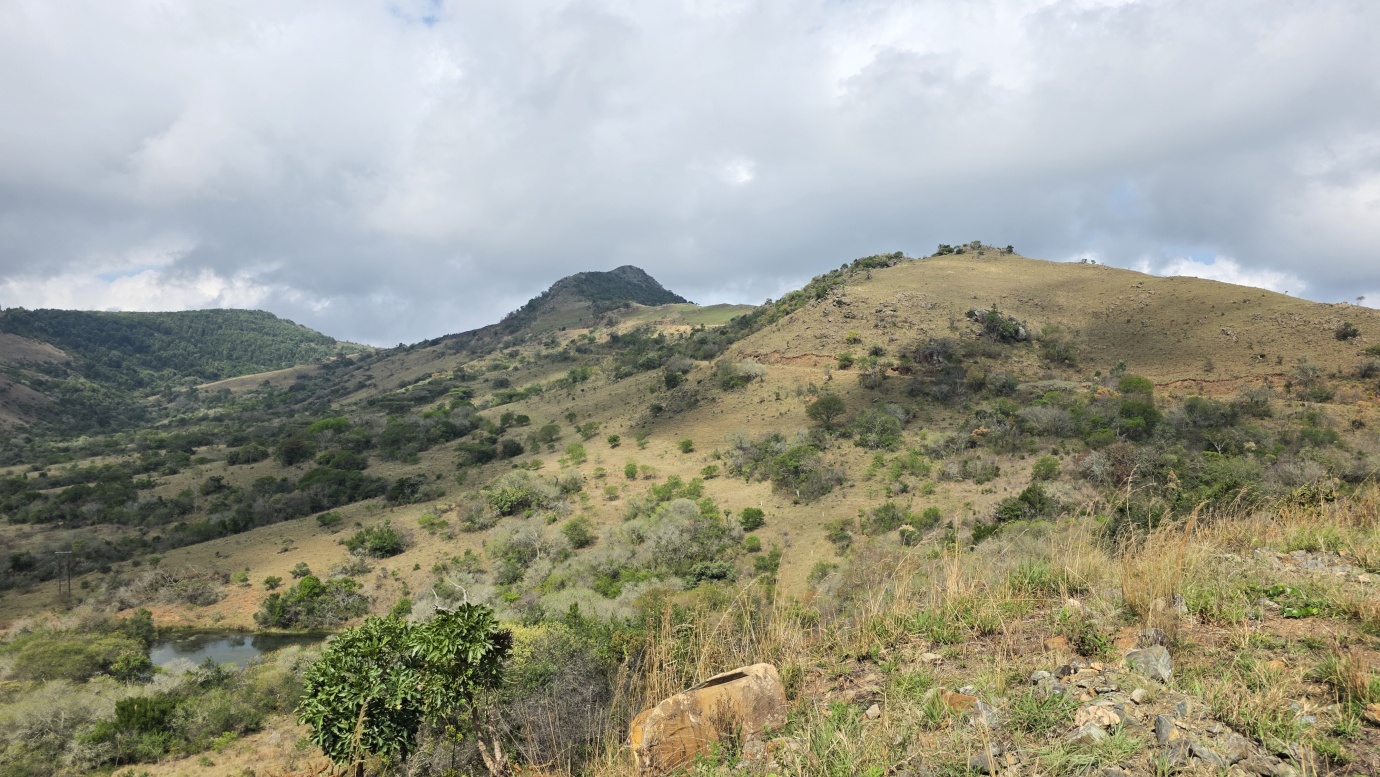
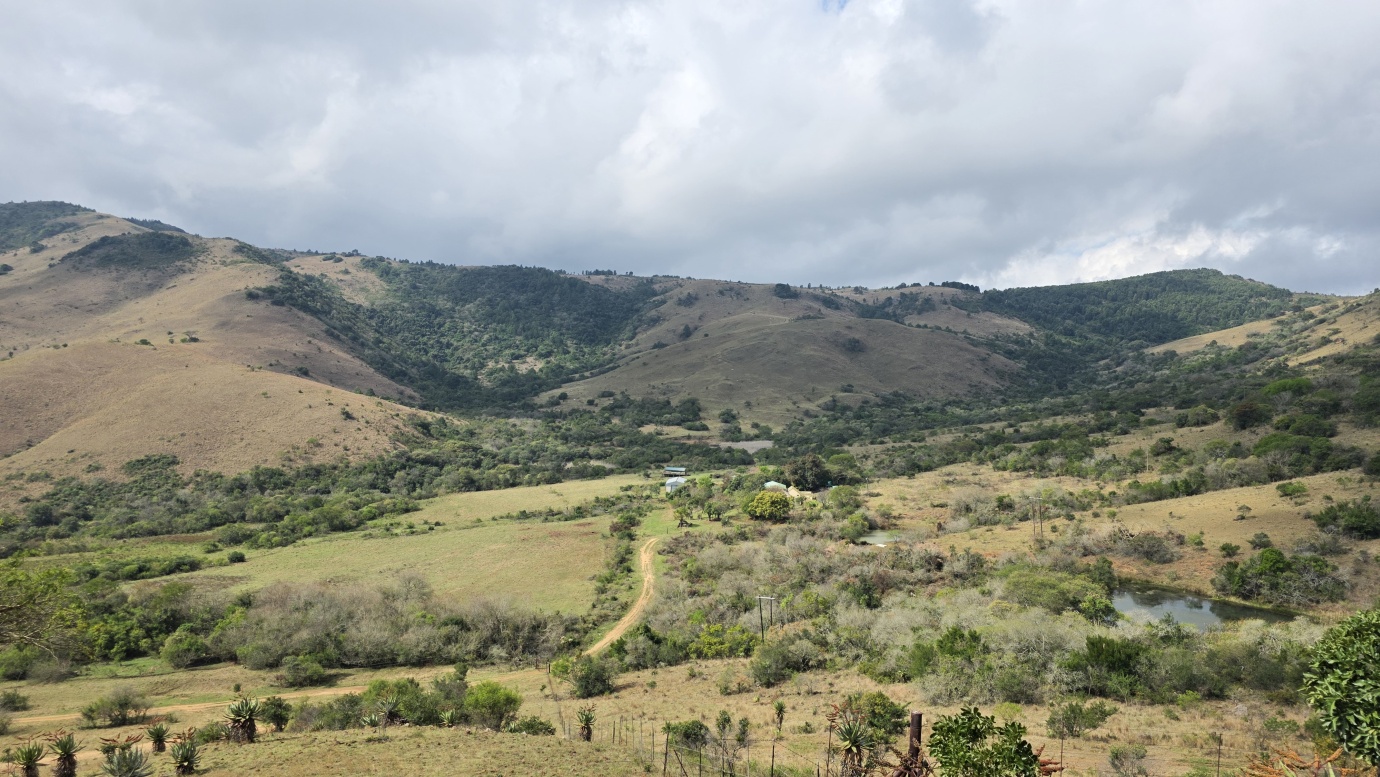
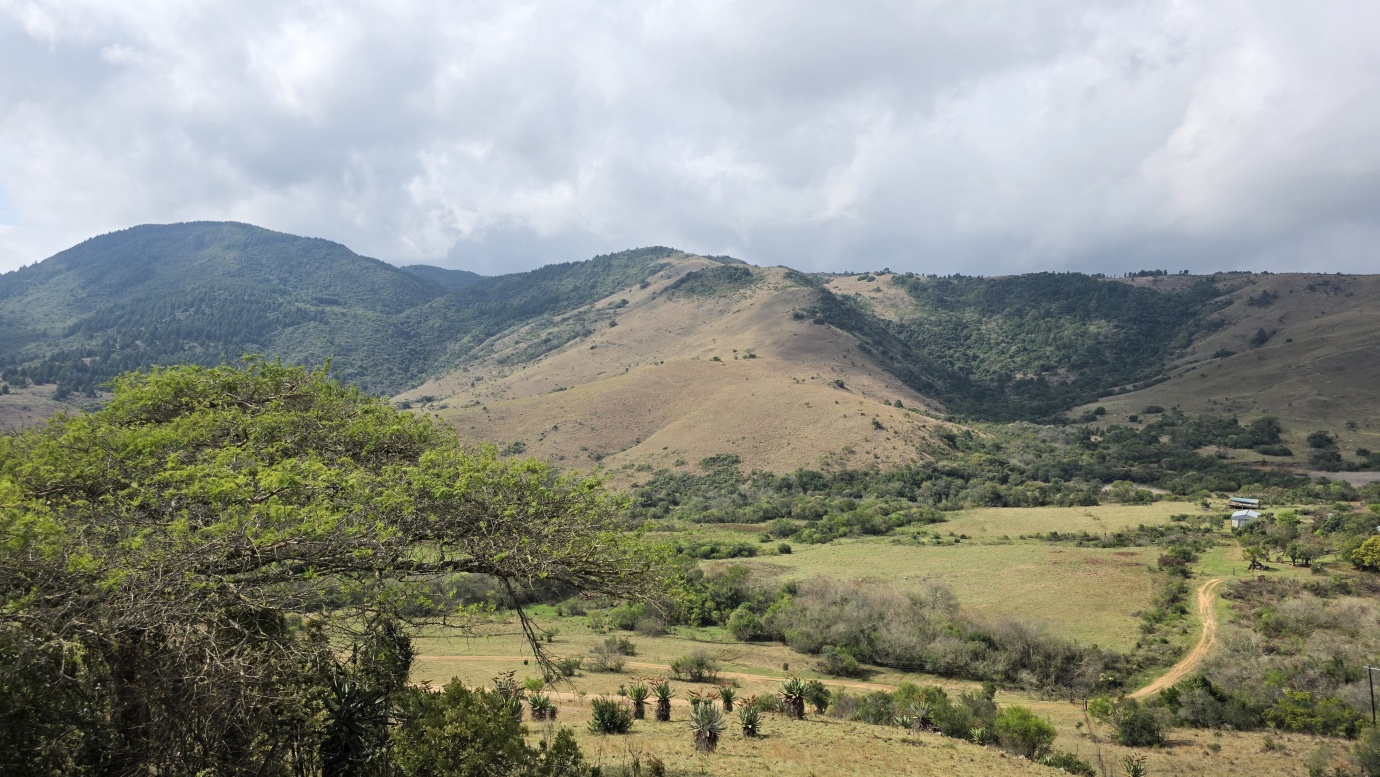
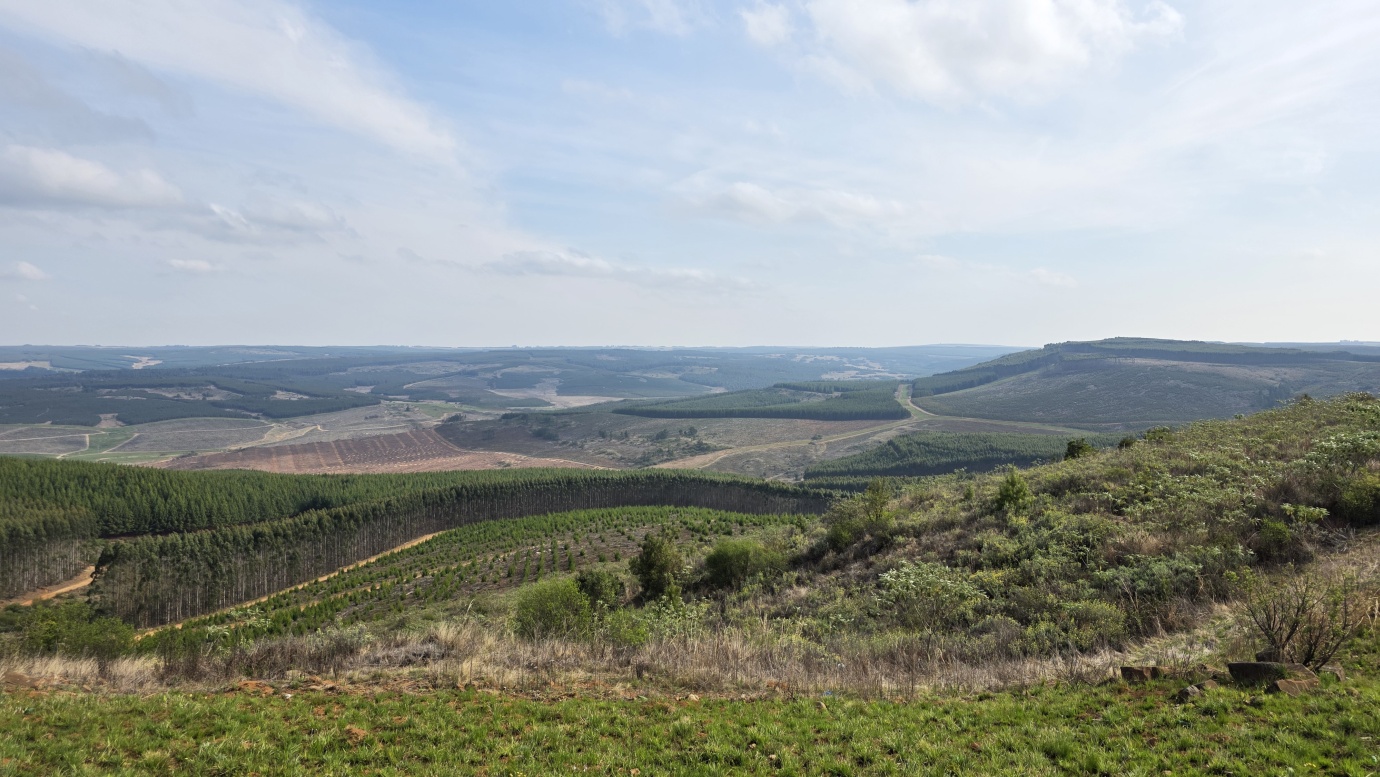
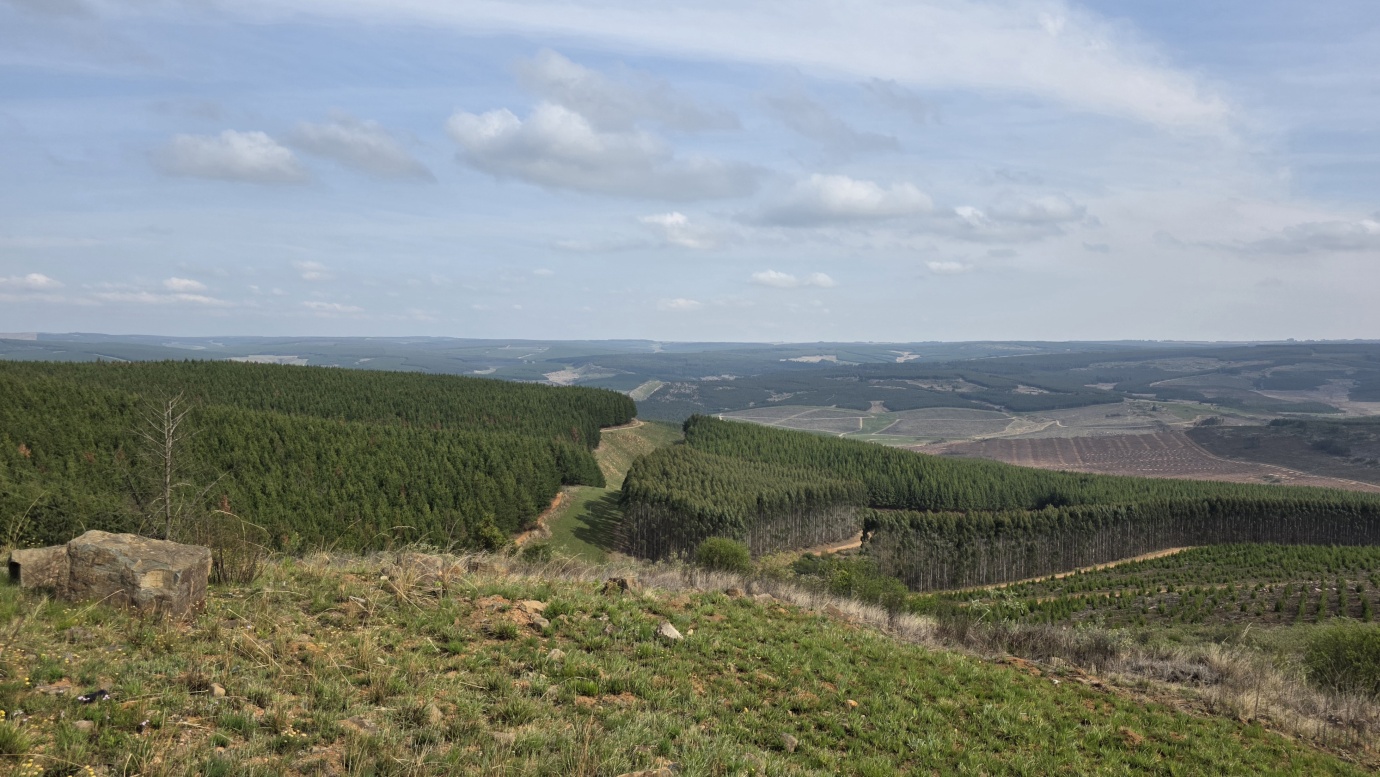
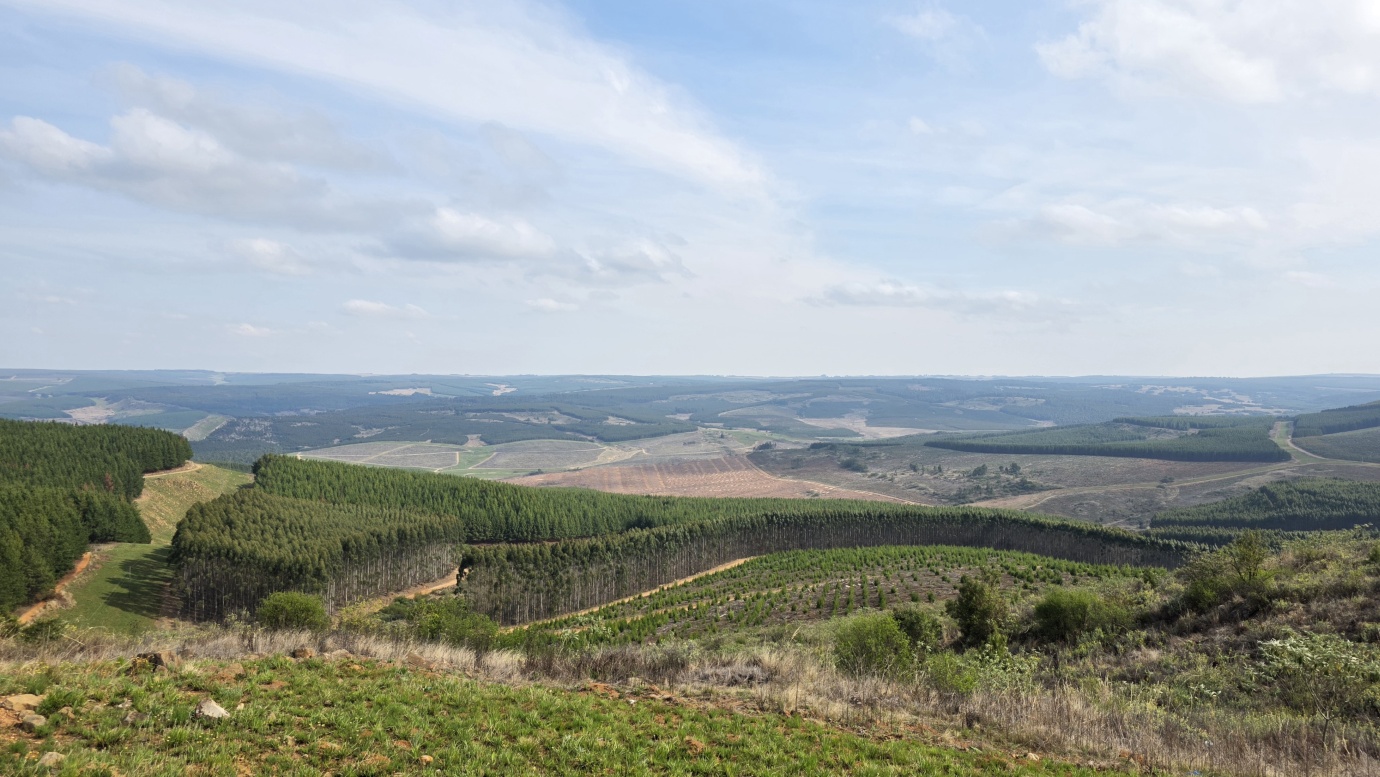
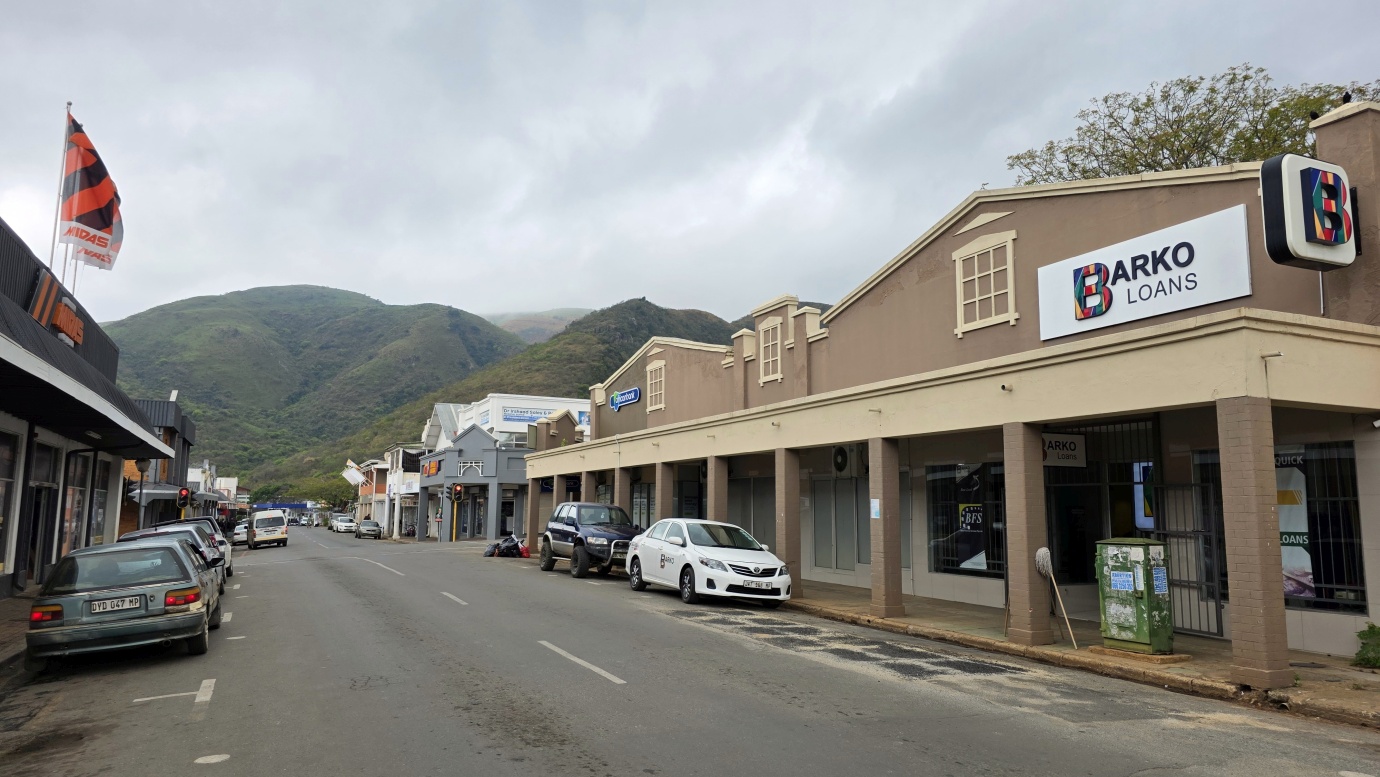
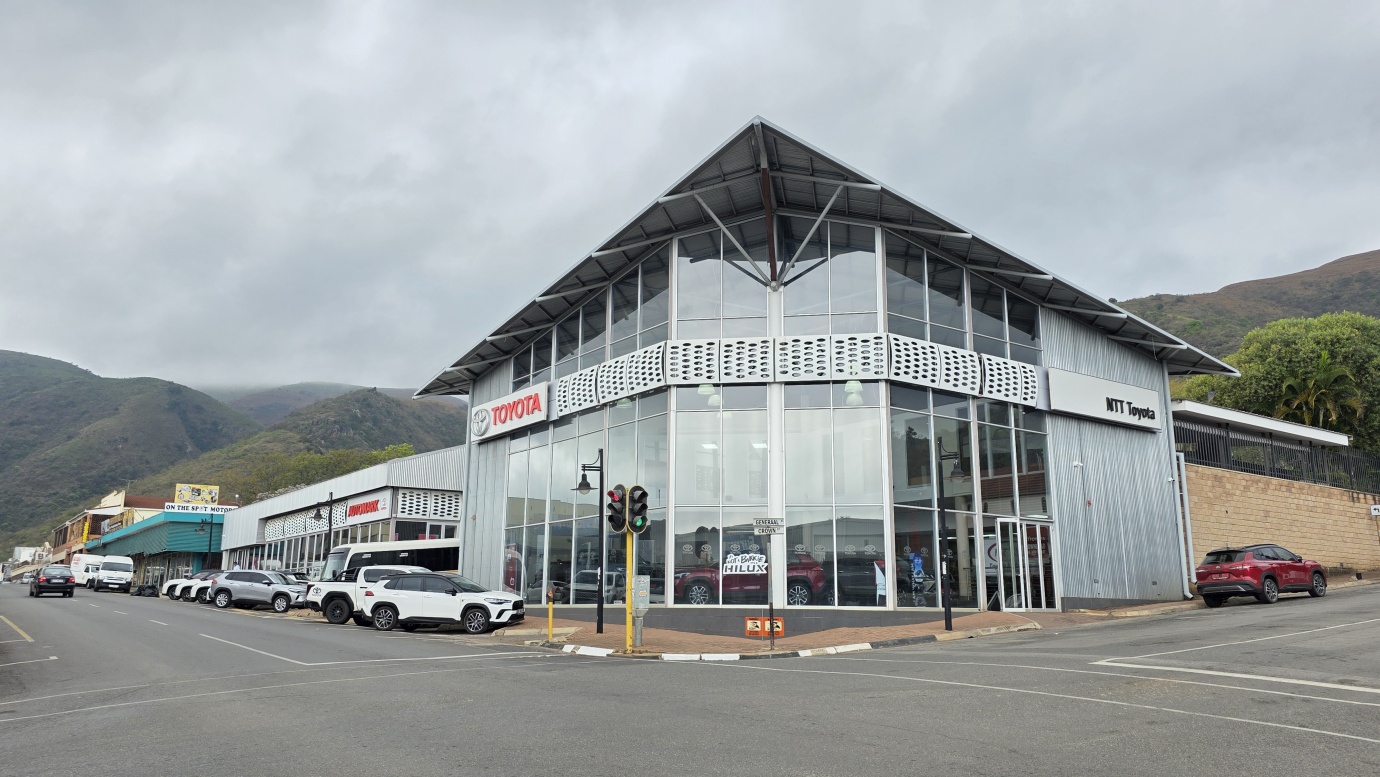
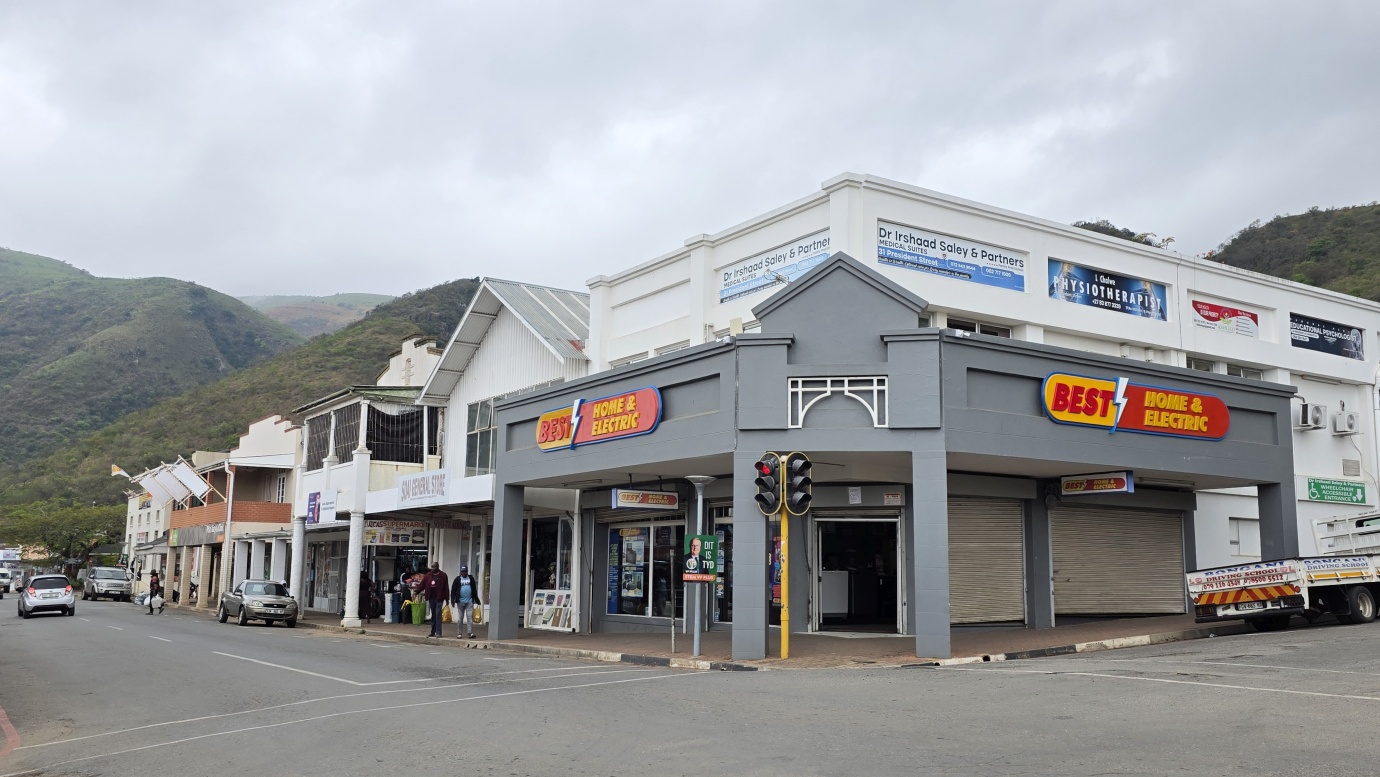
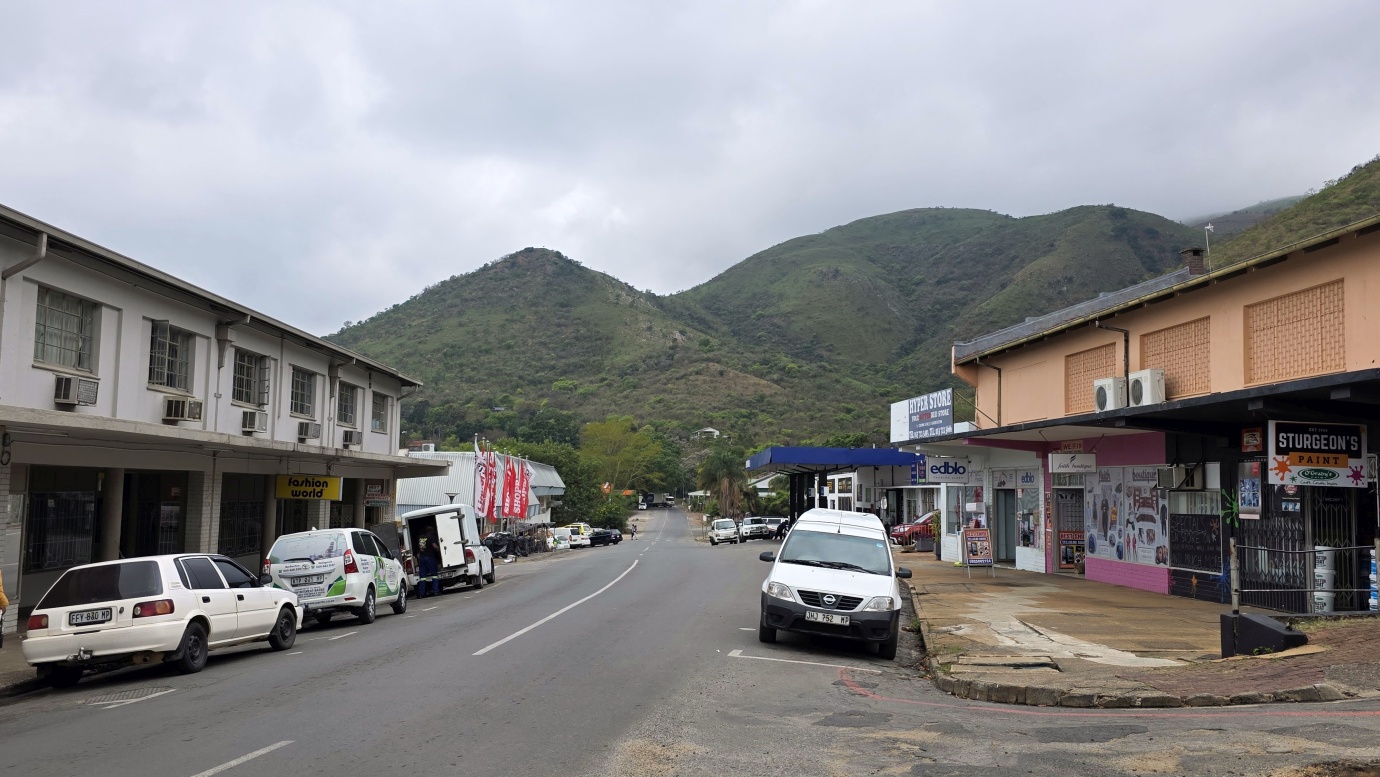
We made an overnight stop in Barberton, a historic gold-rush town nestled in the De Kaap Valley of Mpumalanga and surrounded by the dramatic Barberton Makhonjwa Mountains. The area is remarkable not only for its pioneer and mining heritage, but also for its extraordinary geology.
The Makhonjwa Mountains form part of the Barberton Greenstone Belt and contain volcanic and sedimentary rocks dating from 3.6 to 3.25 billion years ago, making them some of the oldest and best-preserved geological records of early Earth. In 2018, UNESCO declared the Barberton Makhonjwa Mountains a World Heritage Site for their exceptional record of Earth’s early environments.
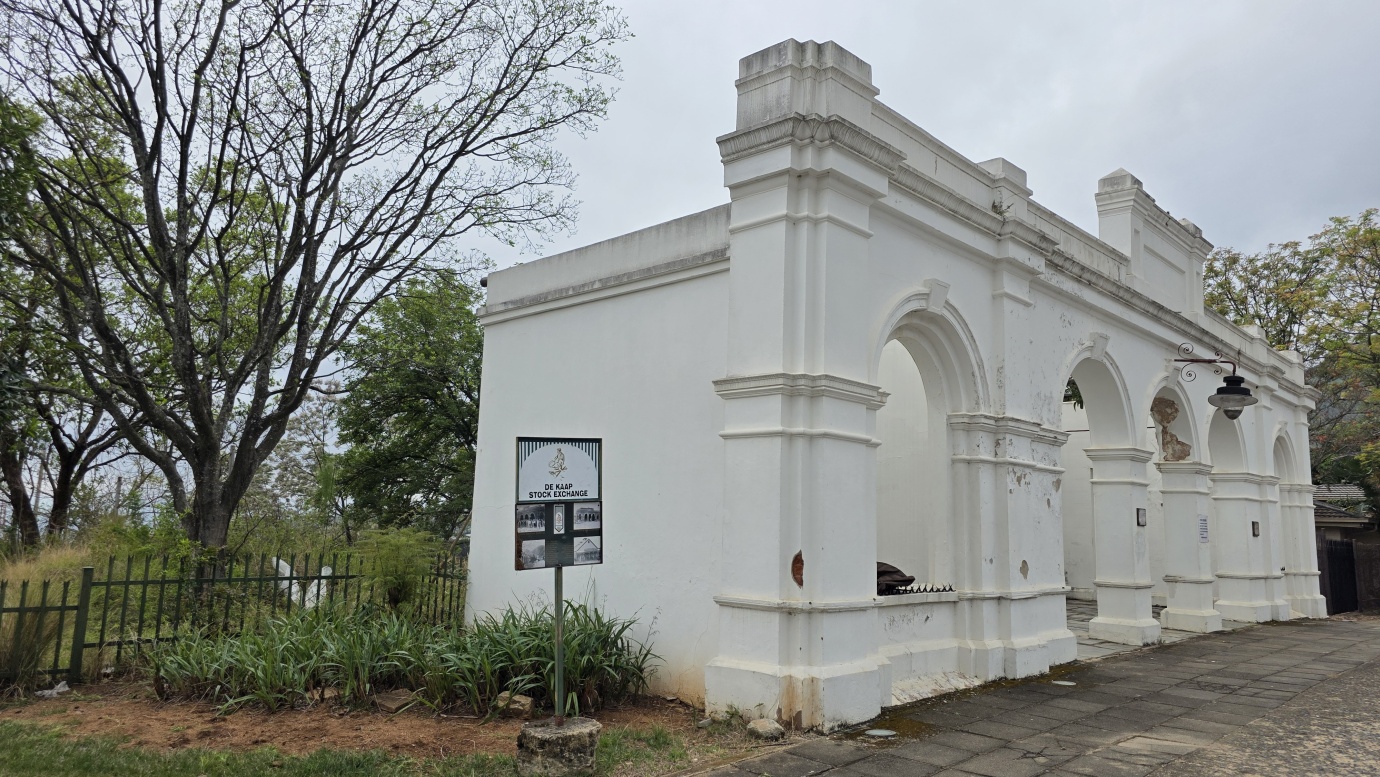
Gold was discovered in the Barberton area during the 1870s and 1880s, triggering a major gold rush. The town itself was named after Graham Hoare Barber, who discovered a rich gold-bearing reef in July 1884. Barberton quickly grew into a bustling mining centre, complete with South Africa’s second gold stock exchange and colourful characters such as the legendary Cockney Liz. The boom eventually declined as prospectors and miners moved towards the newly discovered Witwatersrand goldfields. However, gold mining in the area continued, with historic operations such as the Sheba Mine still part of Barberton’s story.
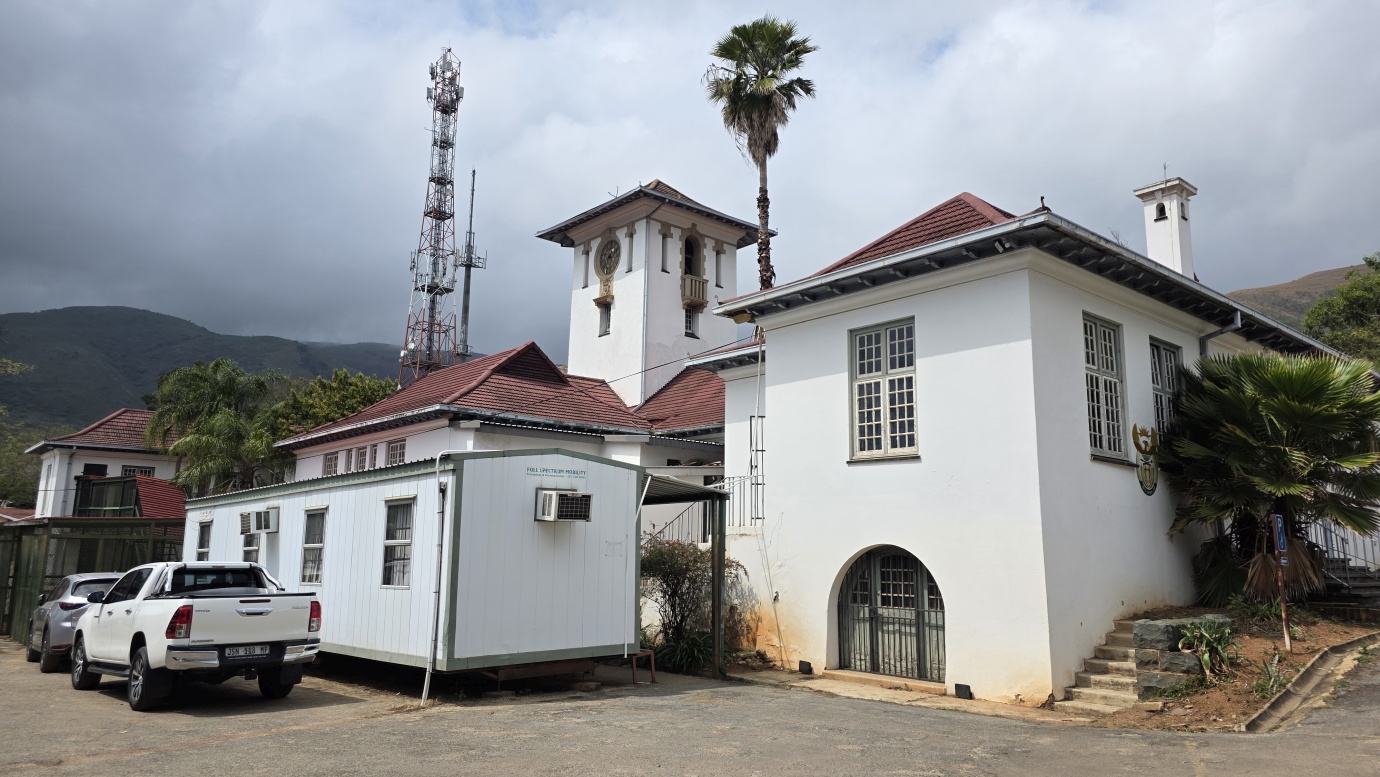
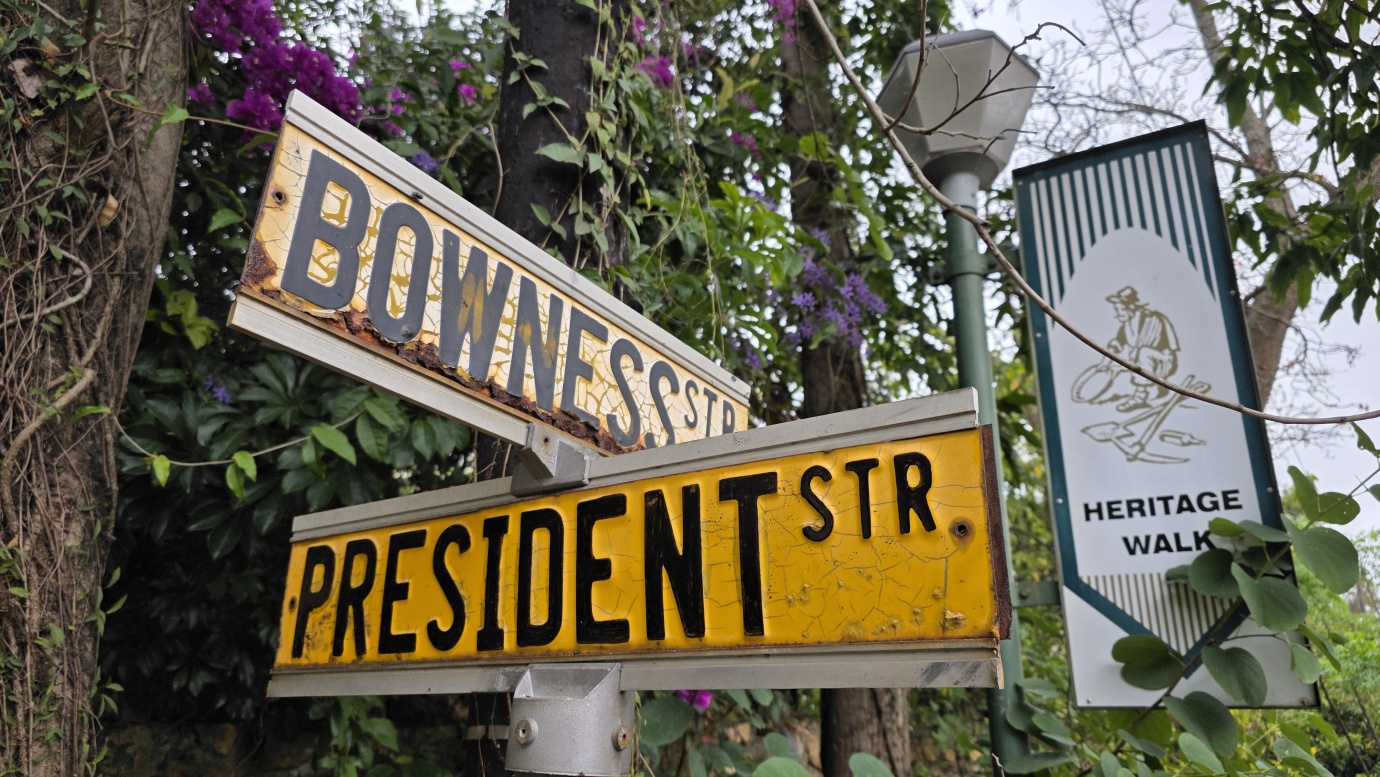
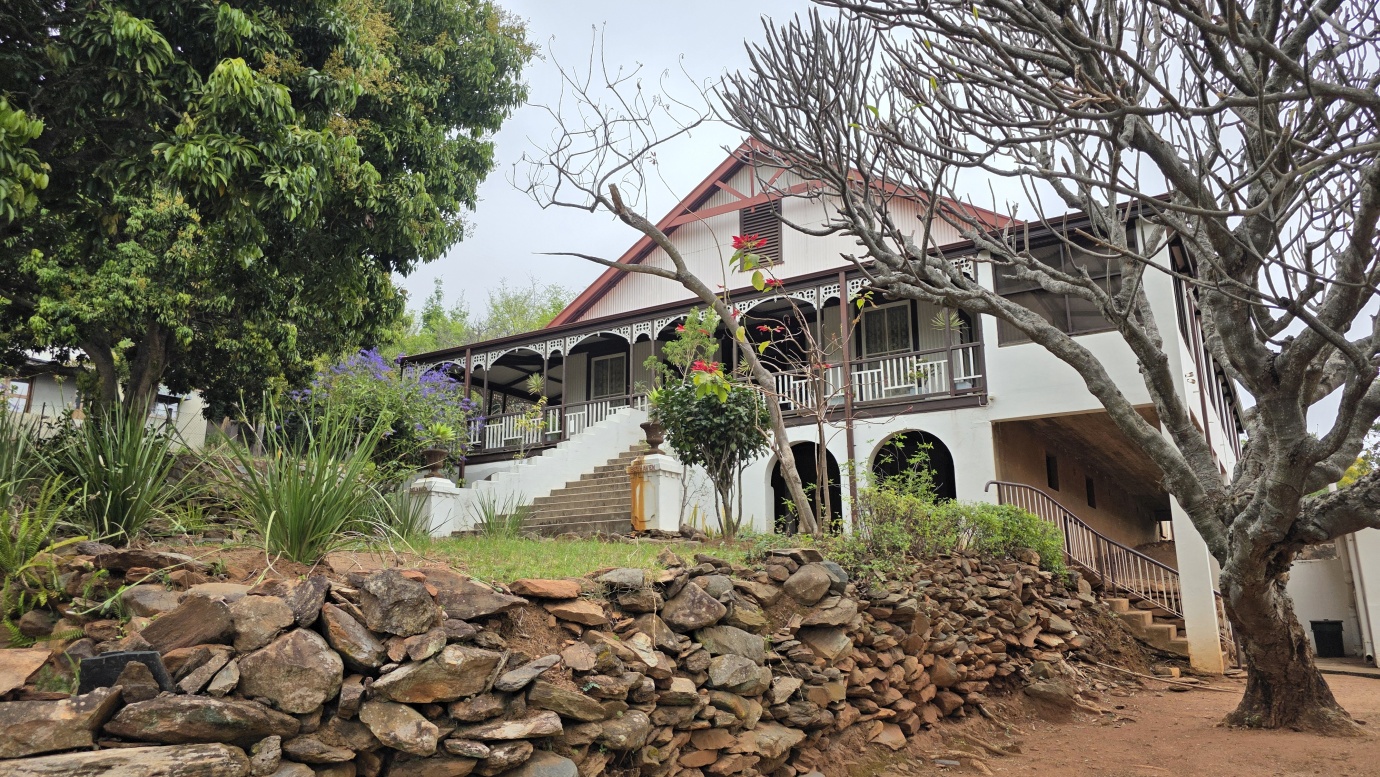
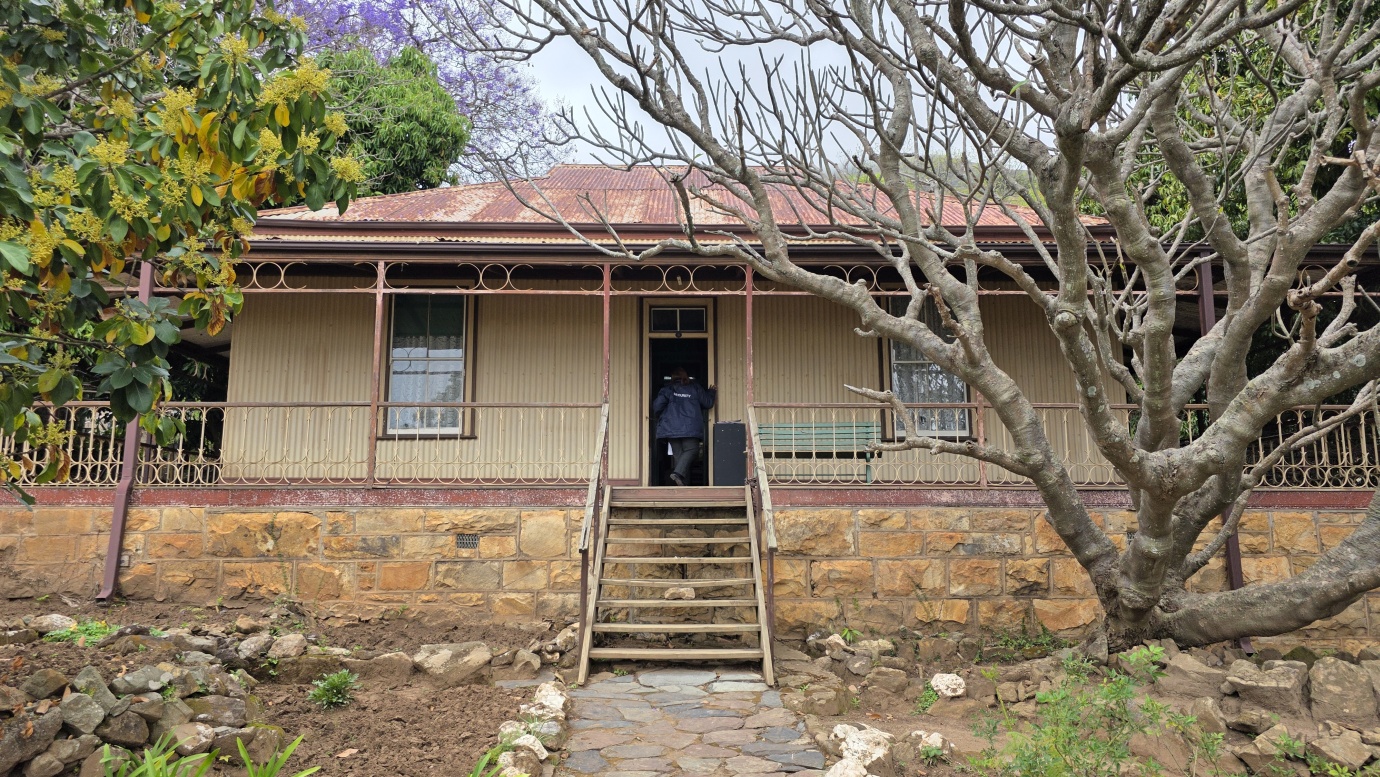
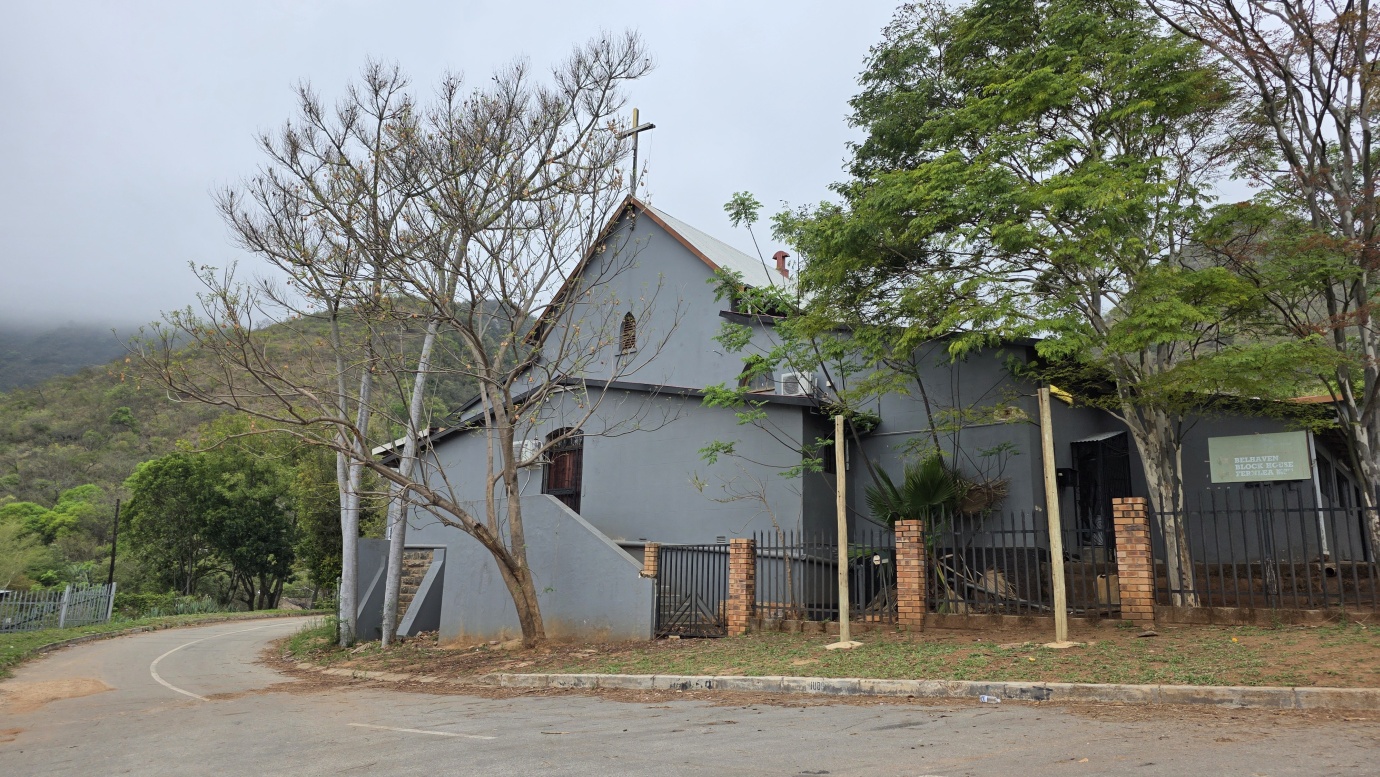
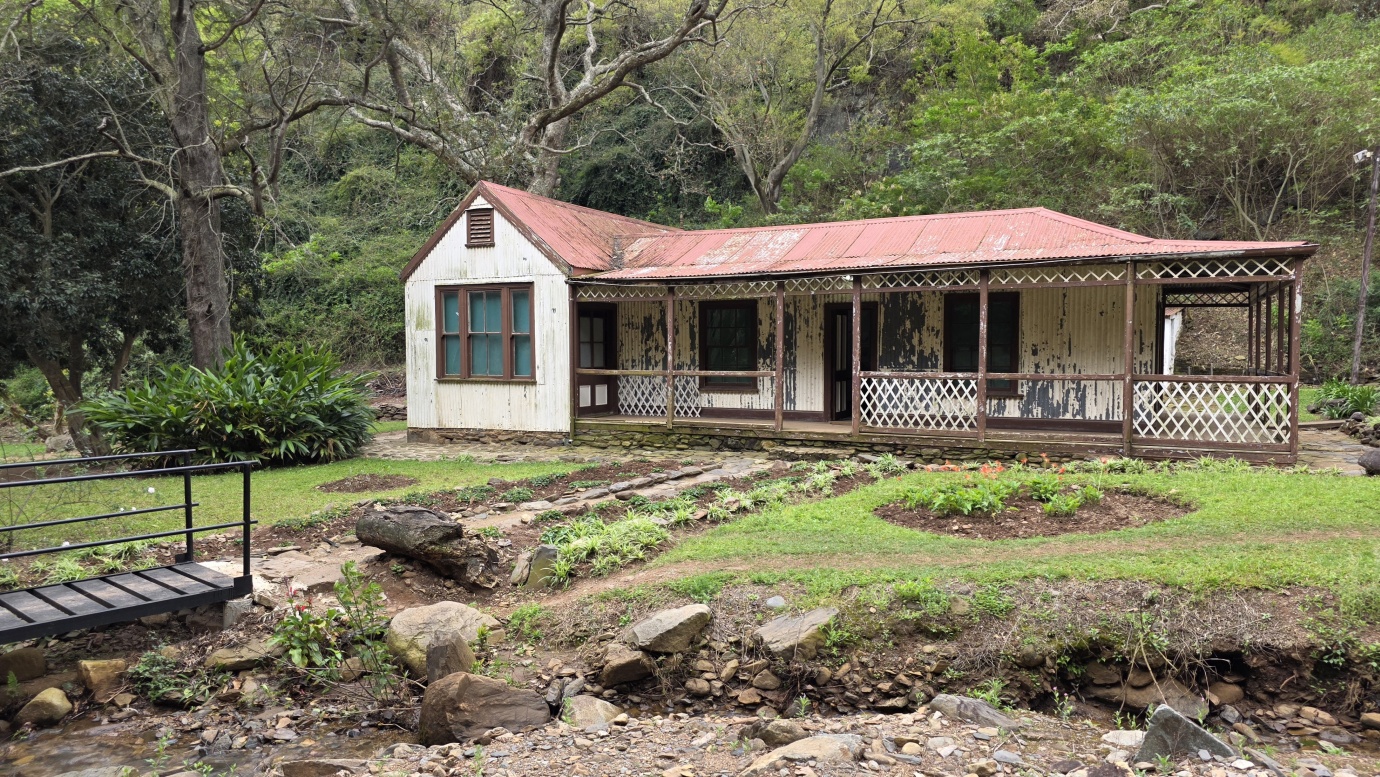
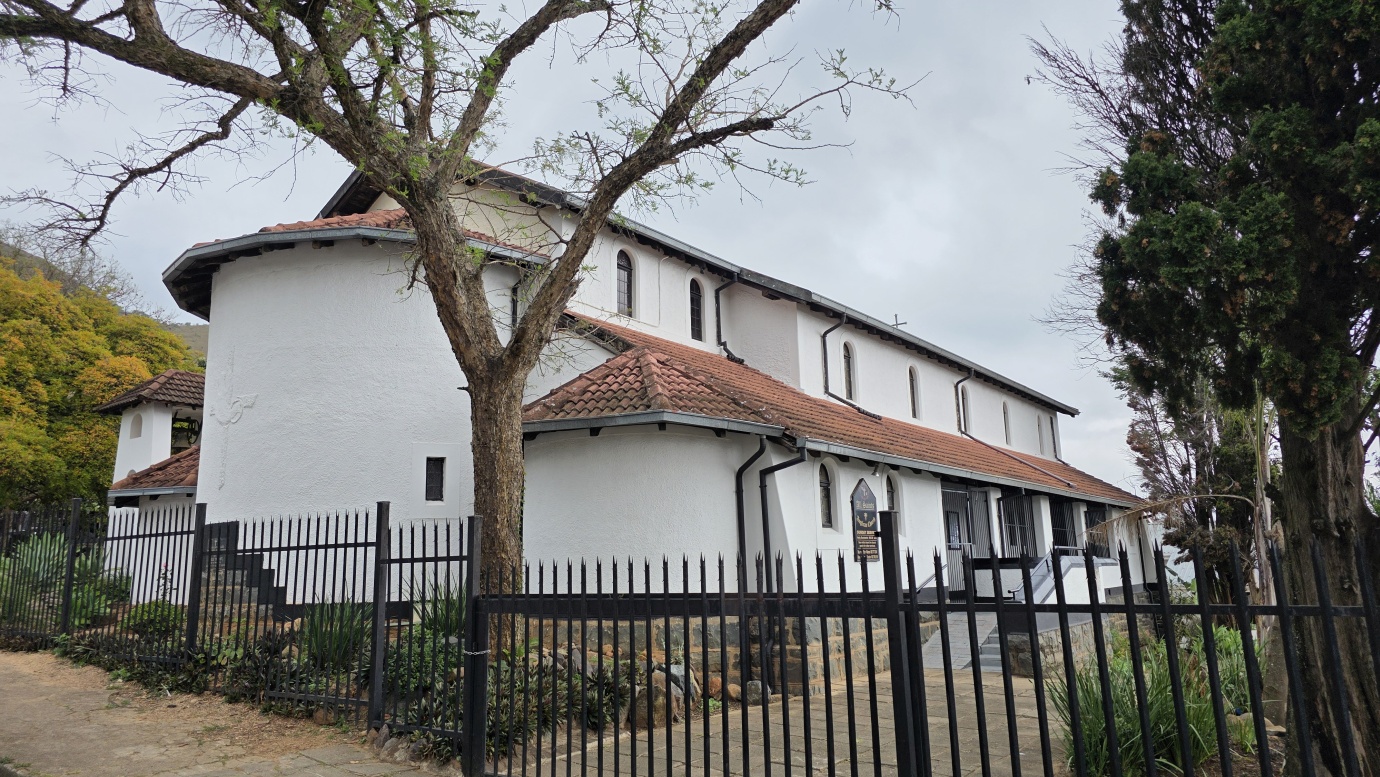
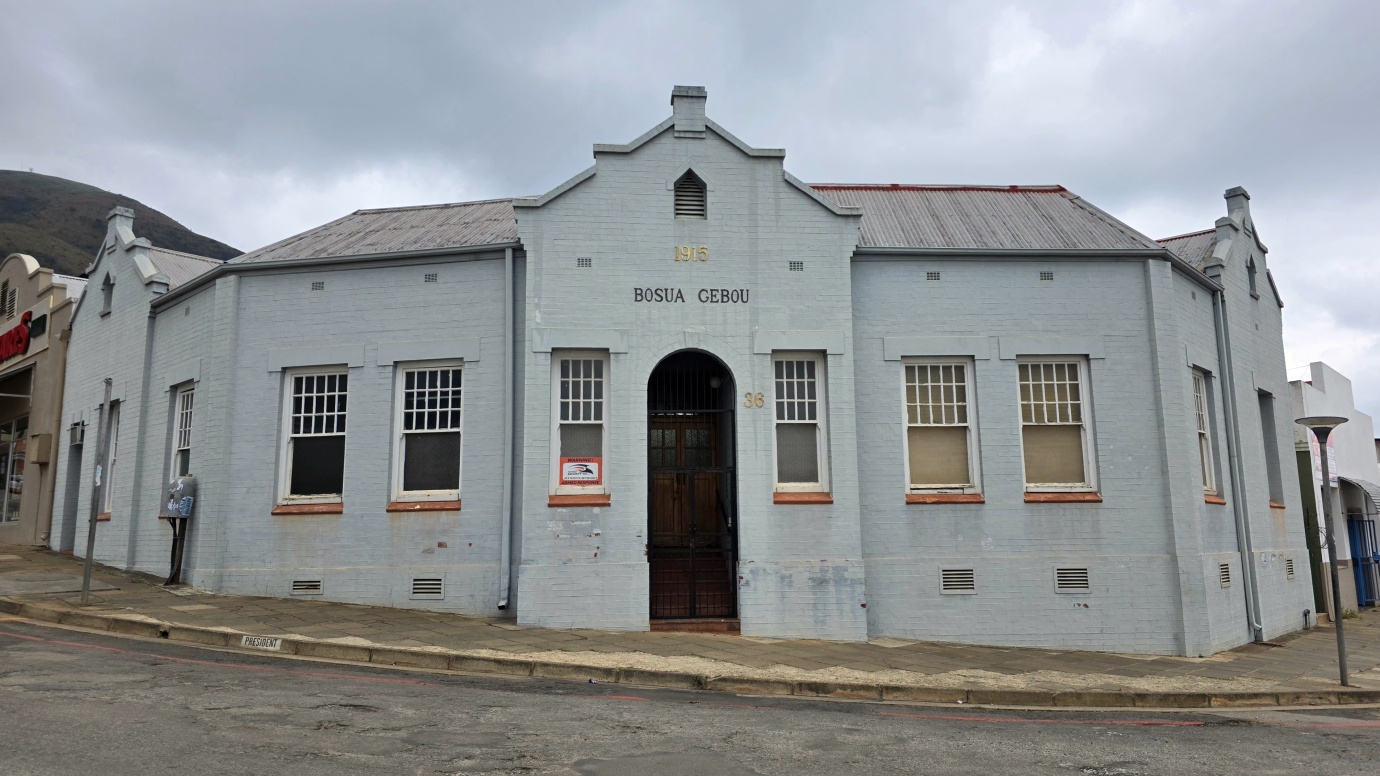
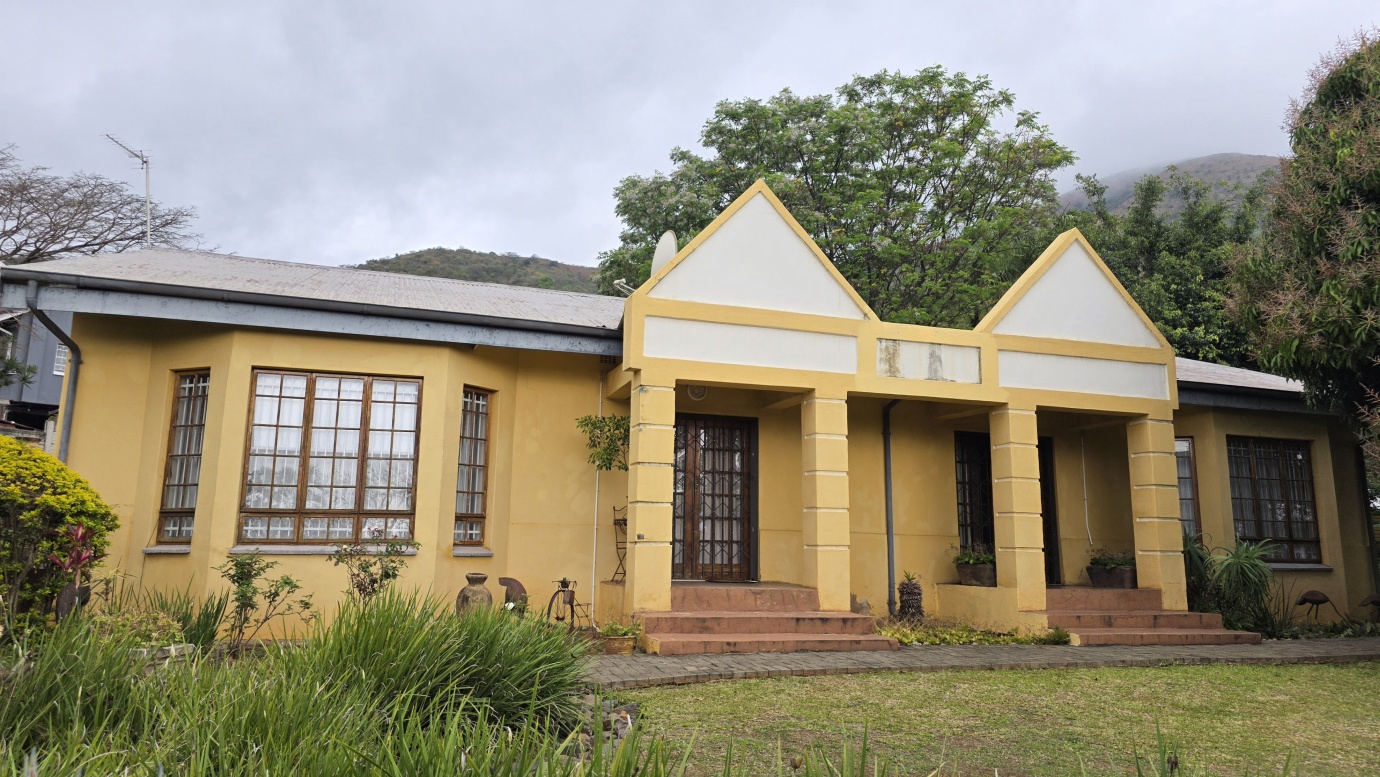
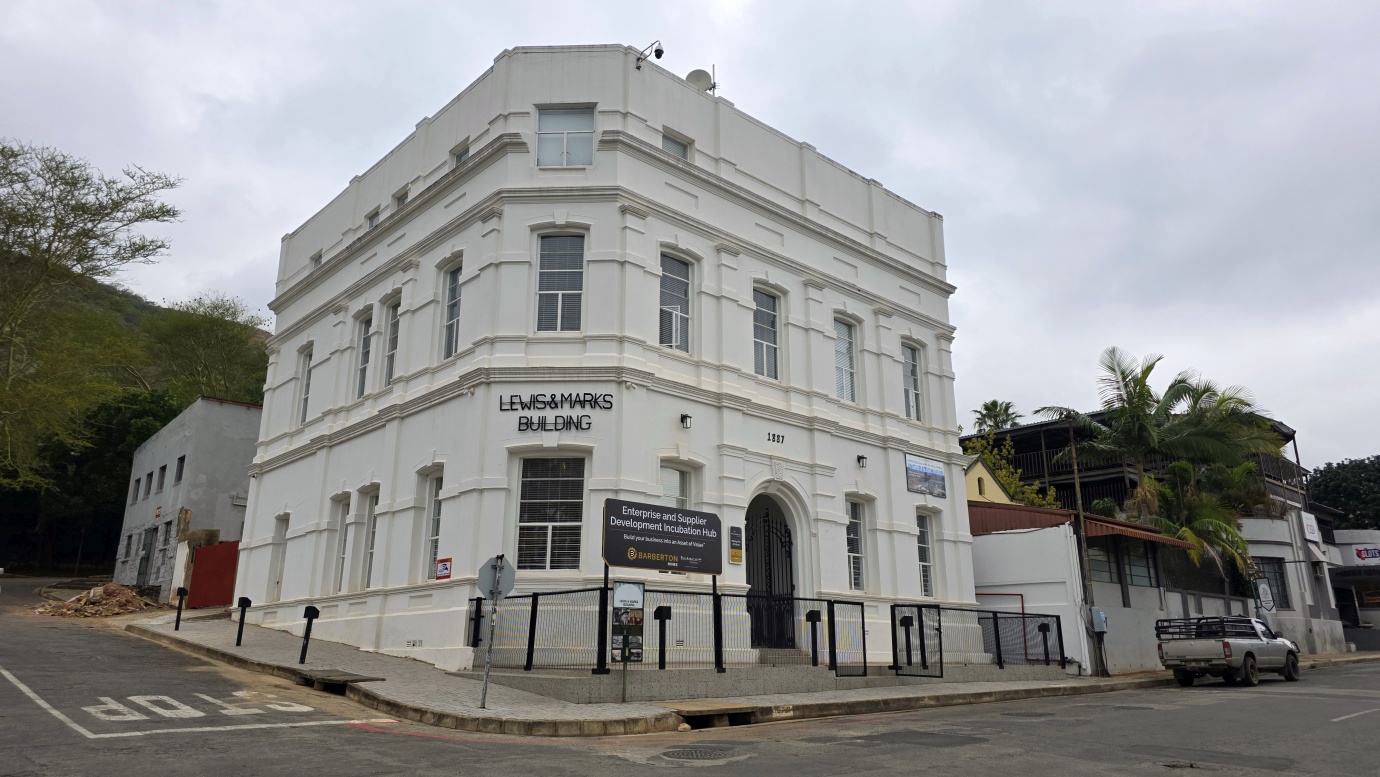
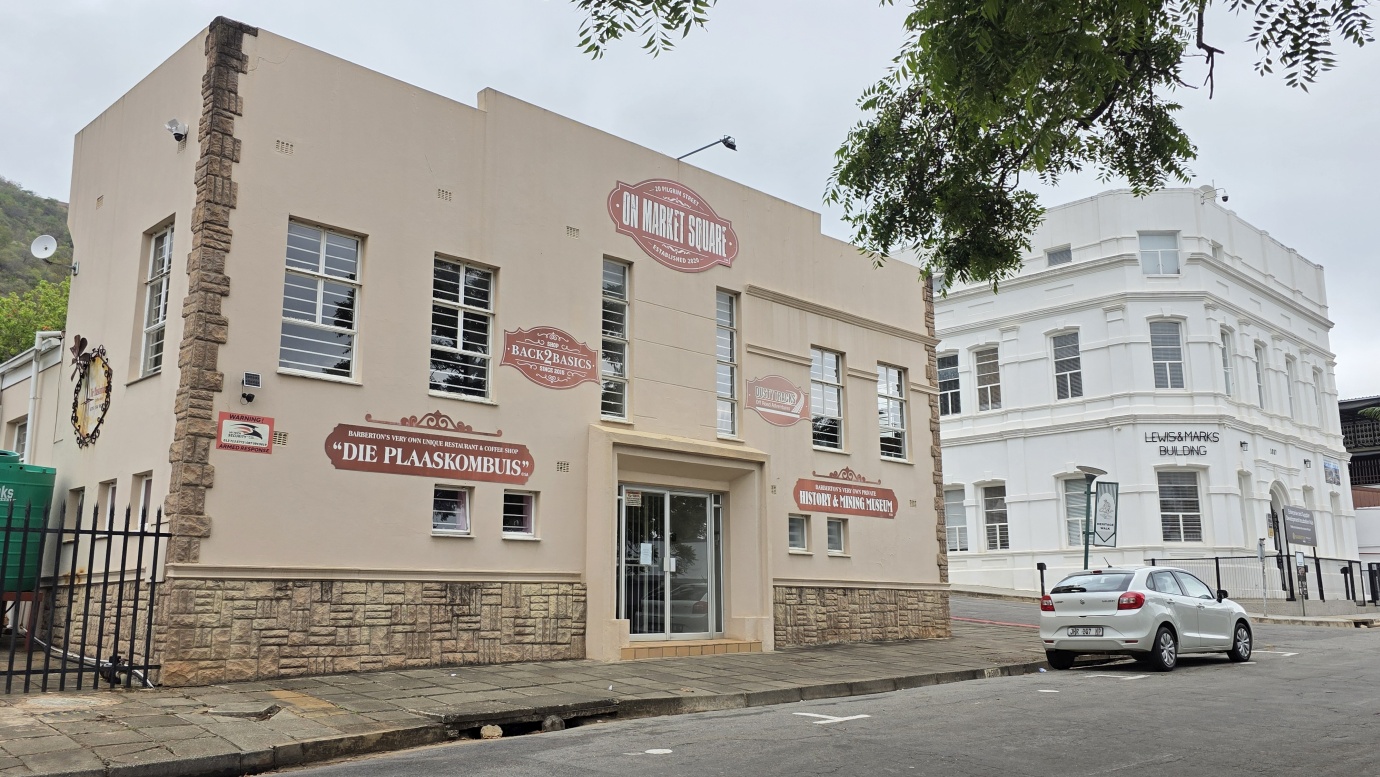
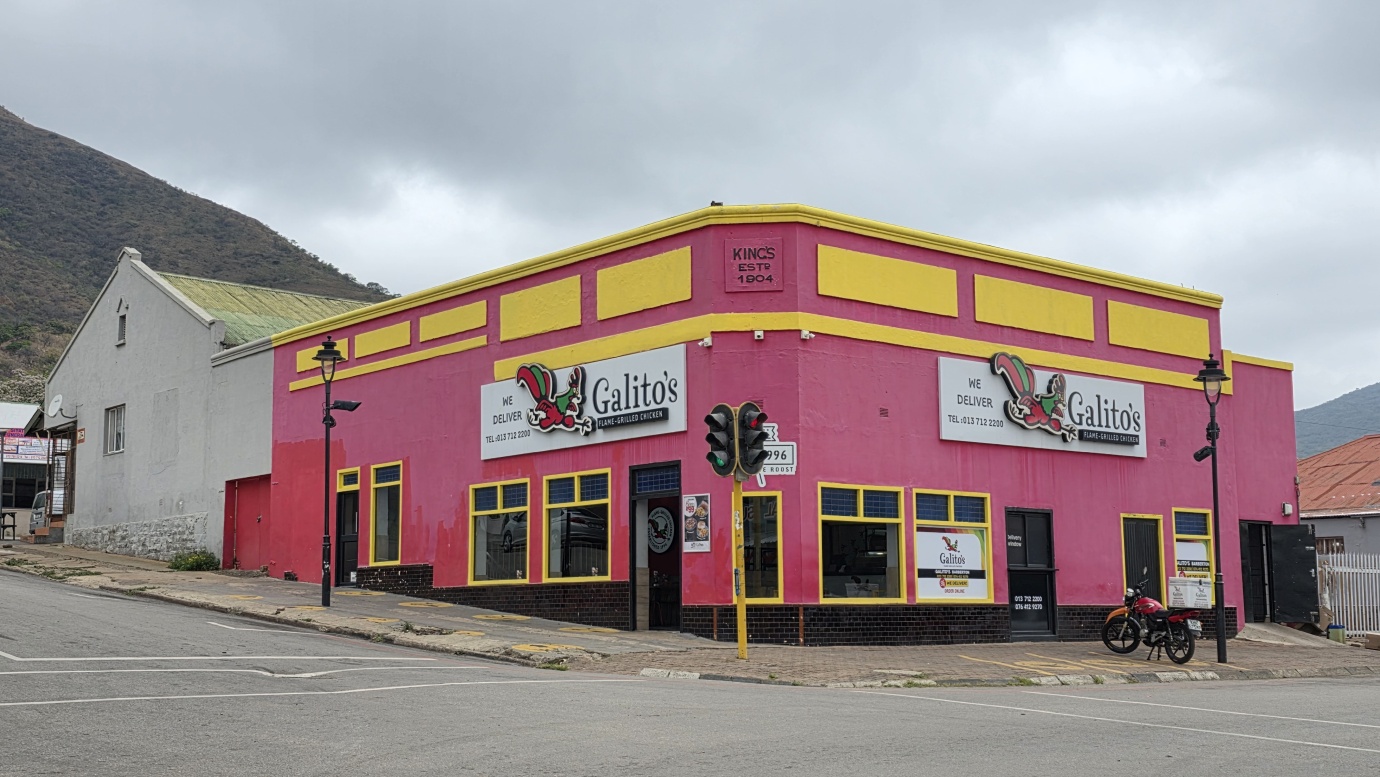
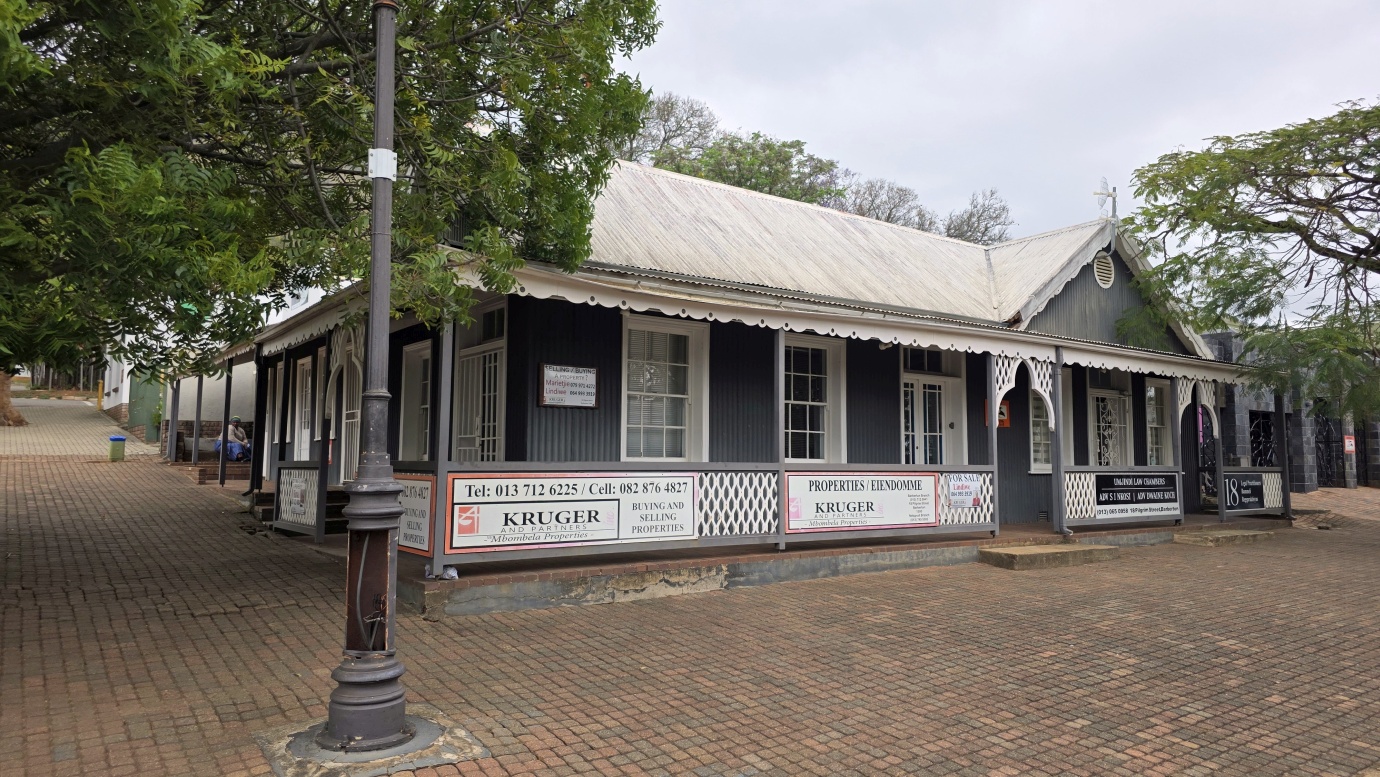
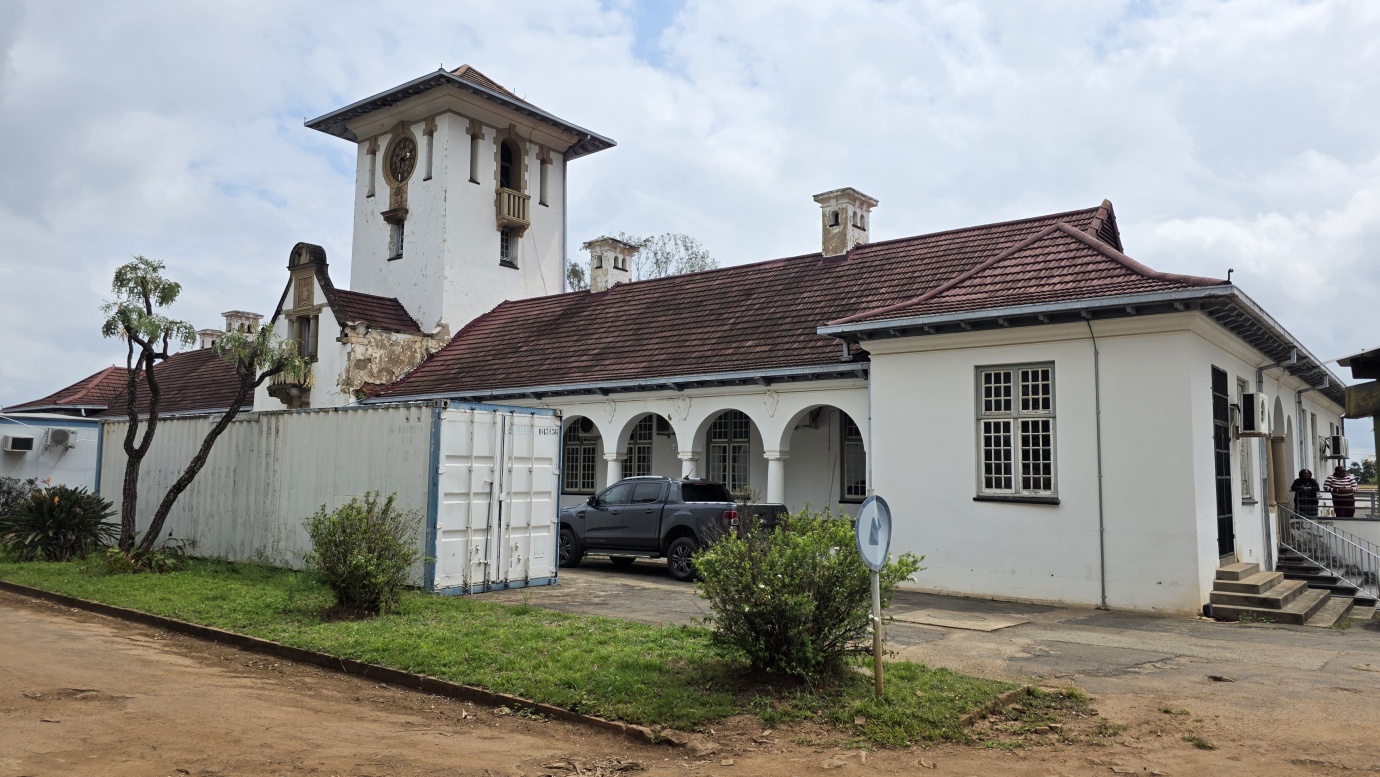
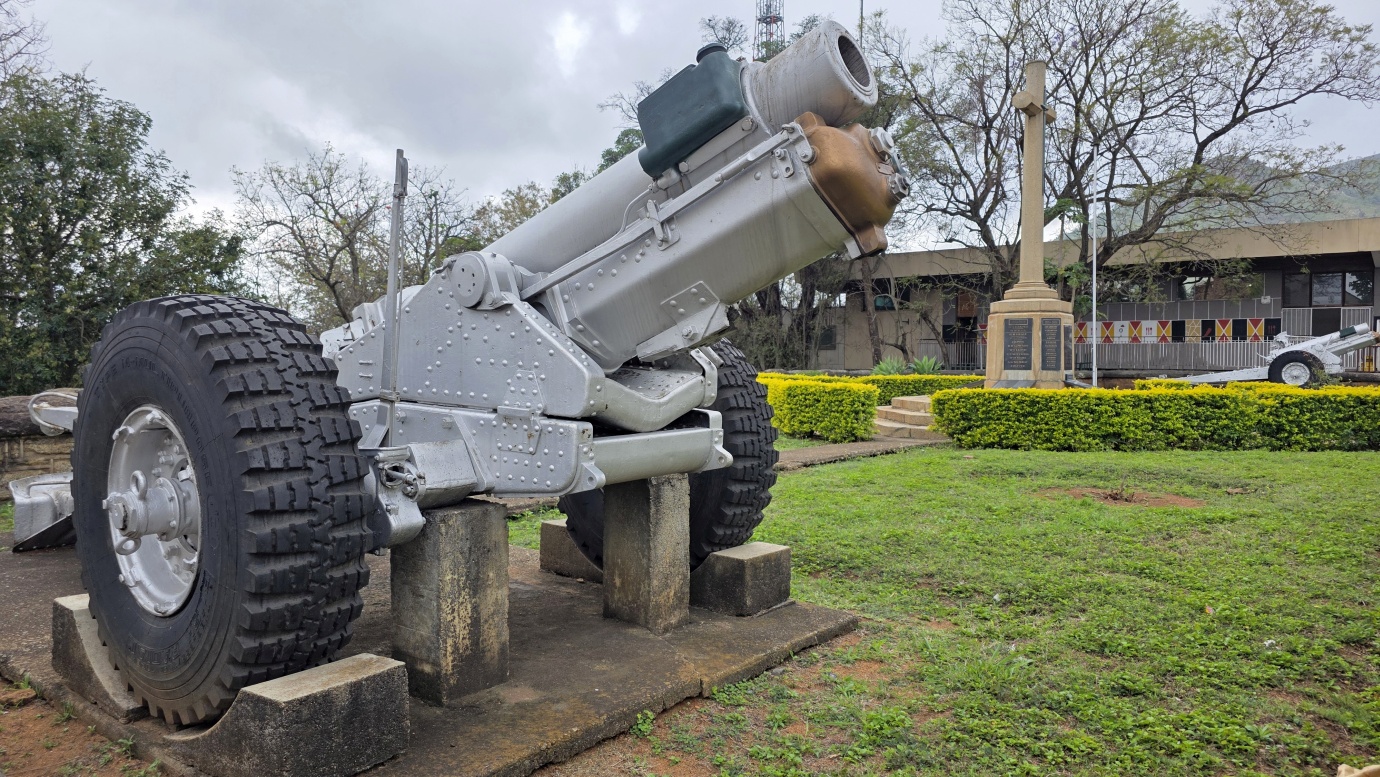
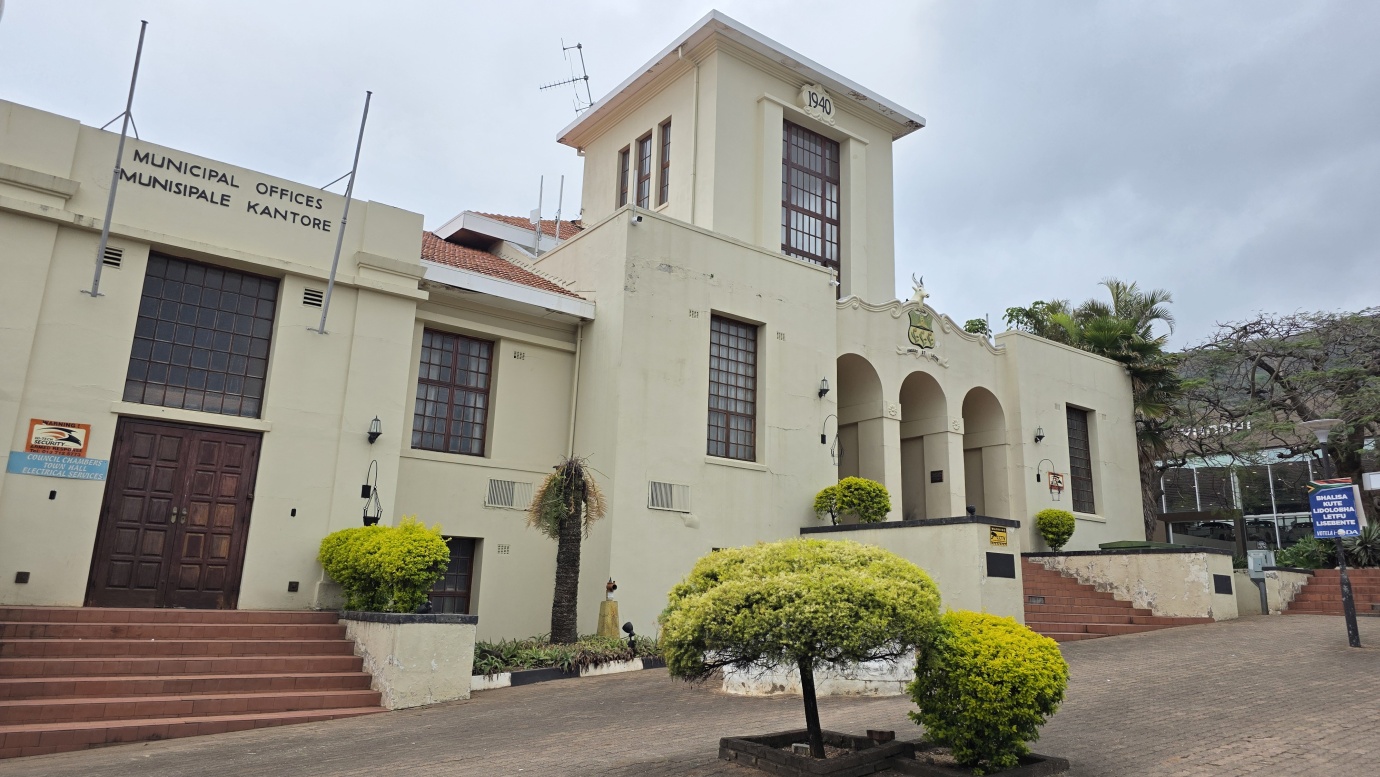
We started at the museum and followed the Heritage Walk through the town, passing a series of well-preserved 19th- and early-20th-century buildings, monuments and historic streetscapes. Among the highlights were Belhaven House Museum, a beautifully preserved 1904 Edwardian home that gives an insight into the lifestyle of a wealthy Barberton family; Stopforth House, a restored 1886 residence representing the more modest life of a working-class miner; and the Barberton Club, established in 1885 as a meeting place for the town’s influential mining community.
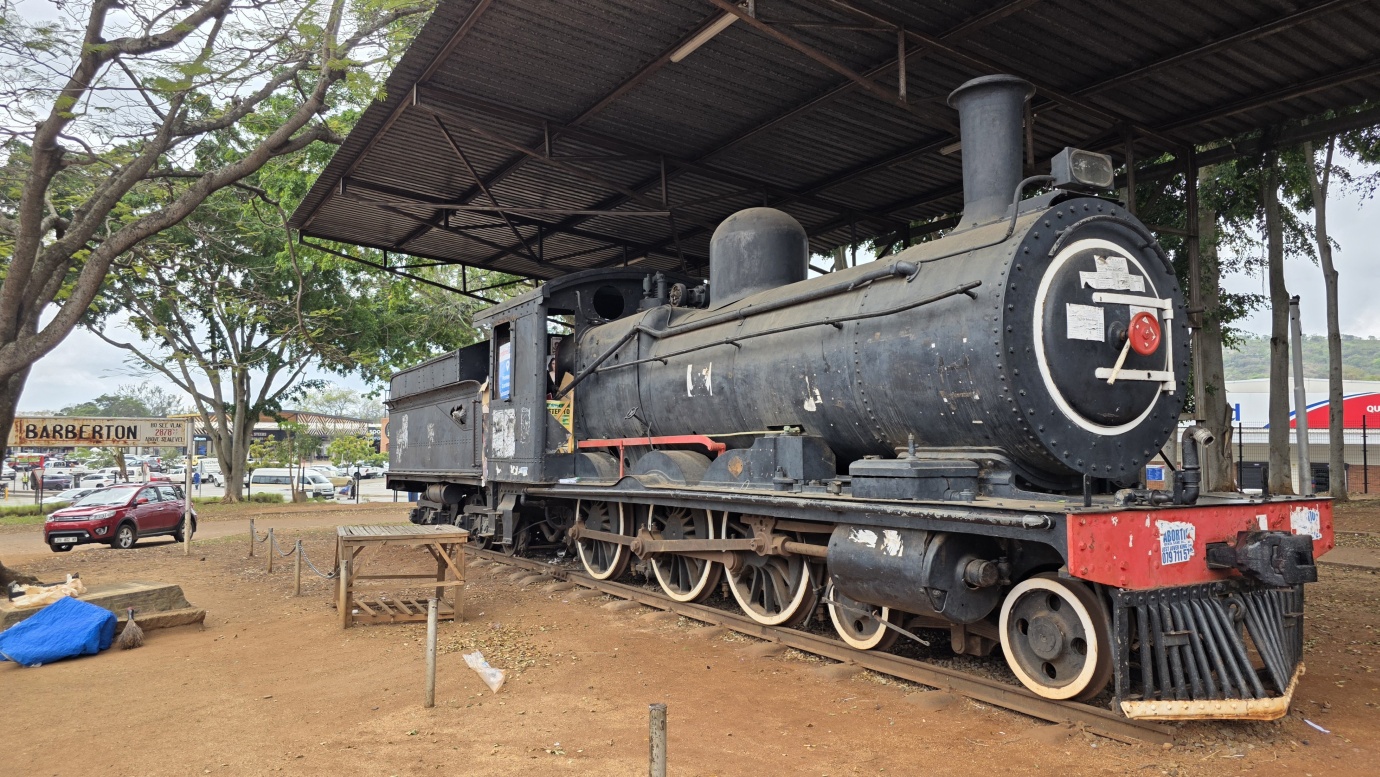
We finished our walk beside the famous Barberton steam locomotive, SAR Class 6B No. 536. Built in 1898 by Neilson, Reid & Co., the locomotive operated on the historic railway line between Barberton and Kaapmuiden from around 1899. On 13 May 1971, it was moved under its own steam from the old Barberton Railway Station to its present public display site along manually laid temporary rails. A fitting final stop in a town where the story of gold, railways and pioneering ambition is still very much alive.
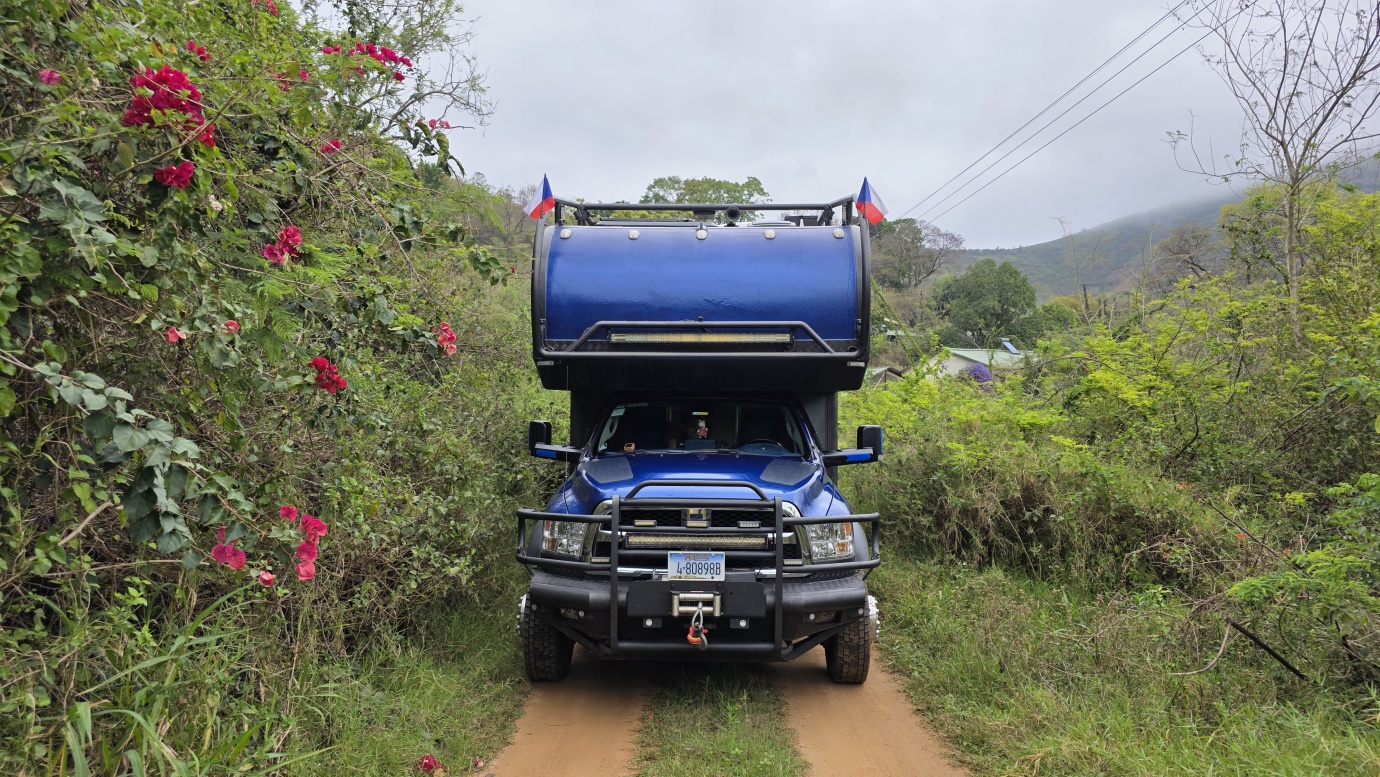
For the night, we stayed at Under the Stars Camp, where the friendly and helpful Catherine let us park next to her house, as the campsite itself isn’t really designed for vehicles of our size. She also gave us a useful map of Barberton, which helped us explore the town and its Heritage Walk.
We had a great chat with Catherine (📞+27736915646) about business, travel, and, of course, the rather scary future of humankind: a quiet, peaceful place, and a very warm welcome from a wonderful host.
Parking location – Barberton: 25.7995987S 31.0456178E (🅿️,🚻,🚿,💦,🔌)