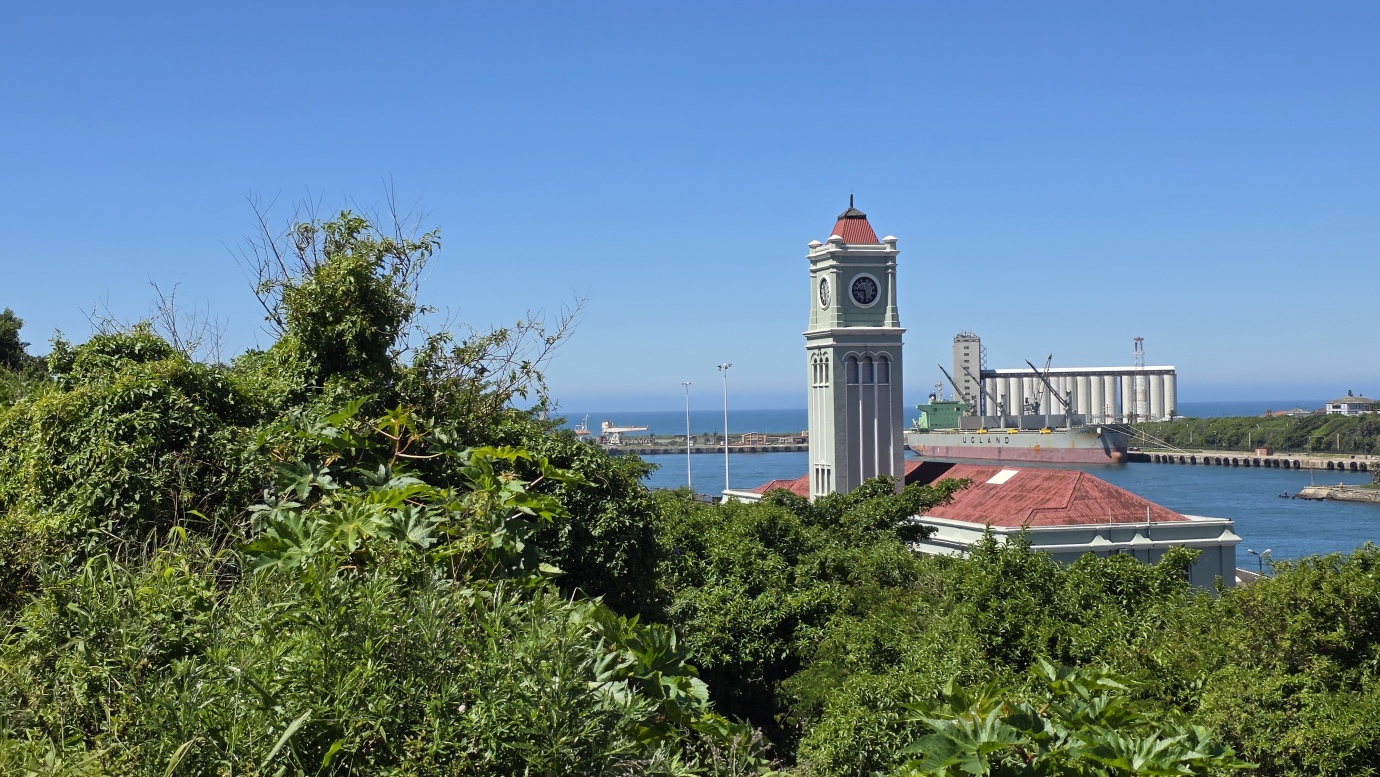
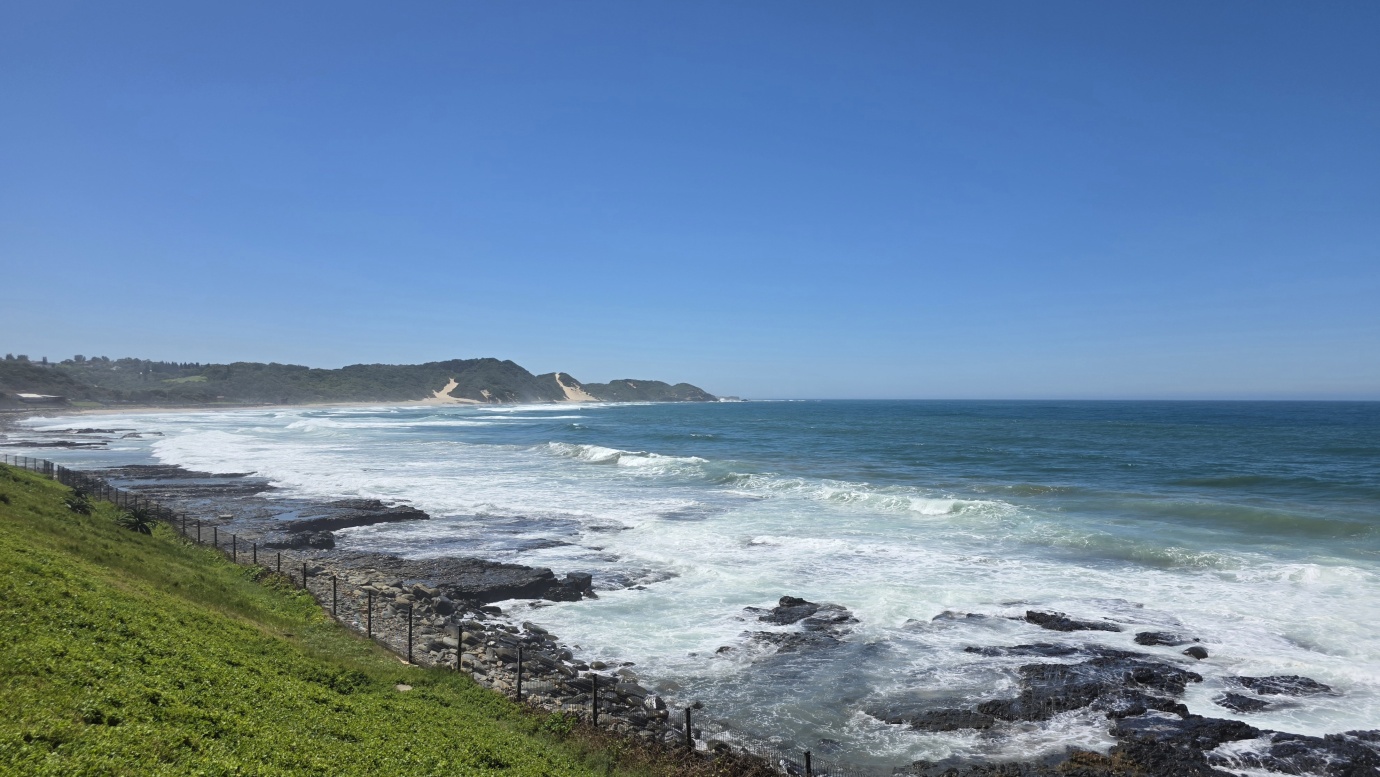
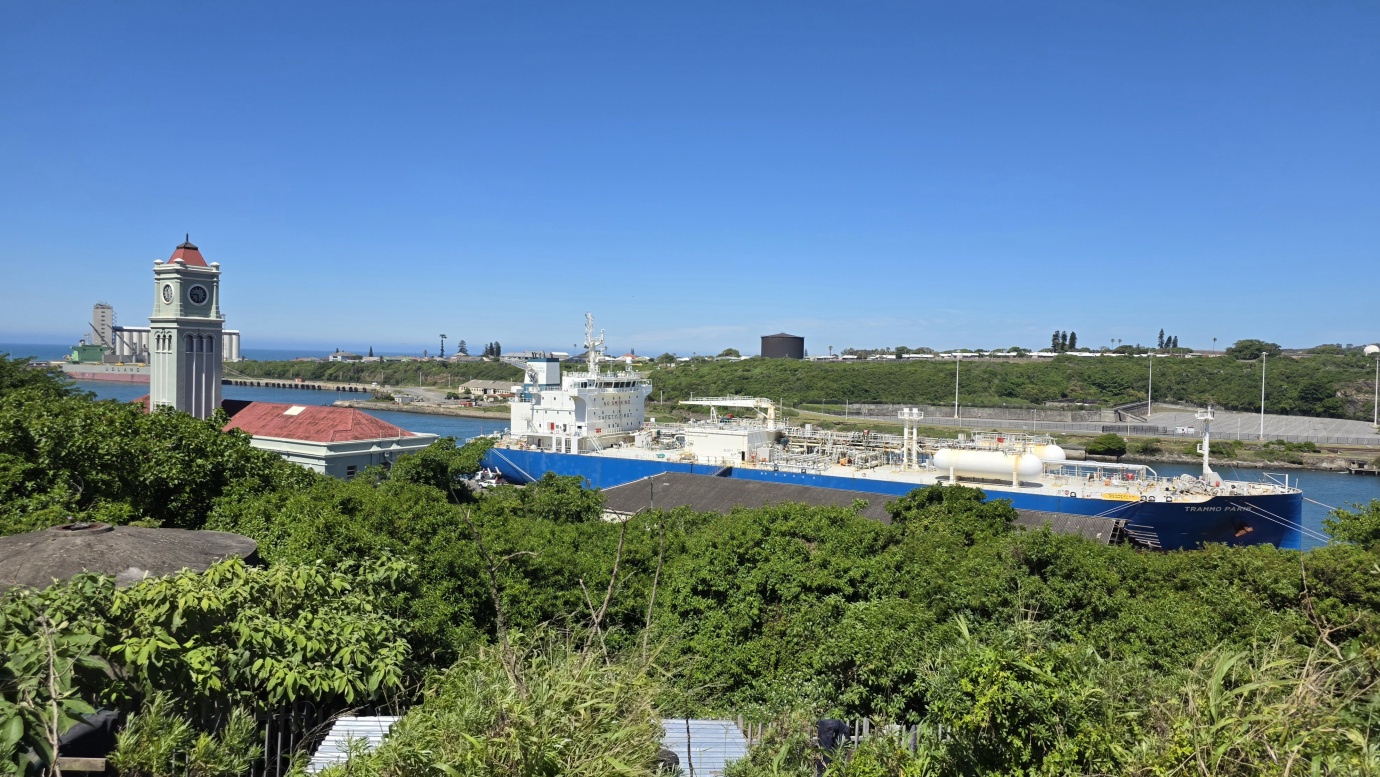
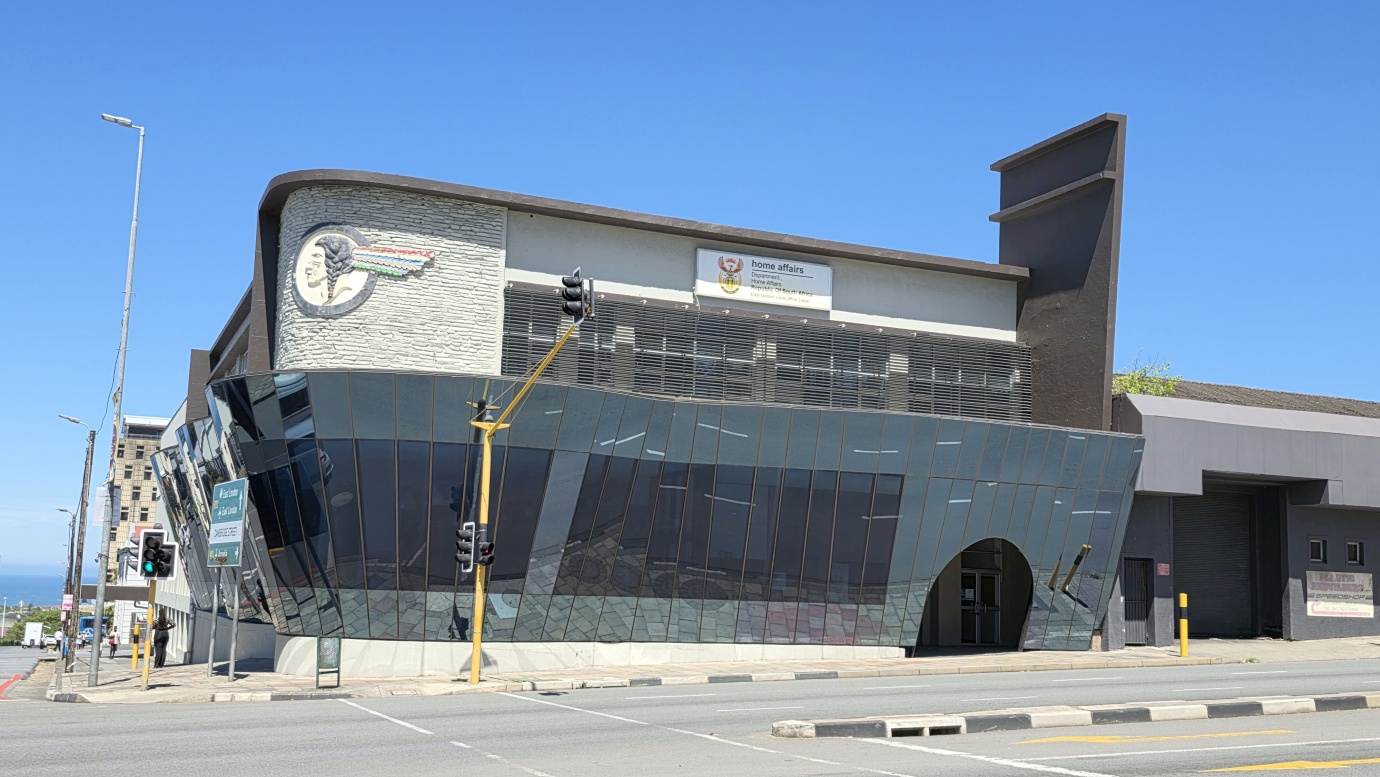
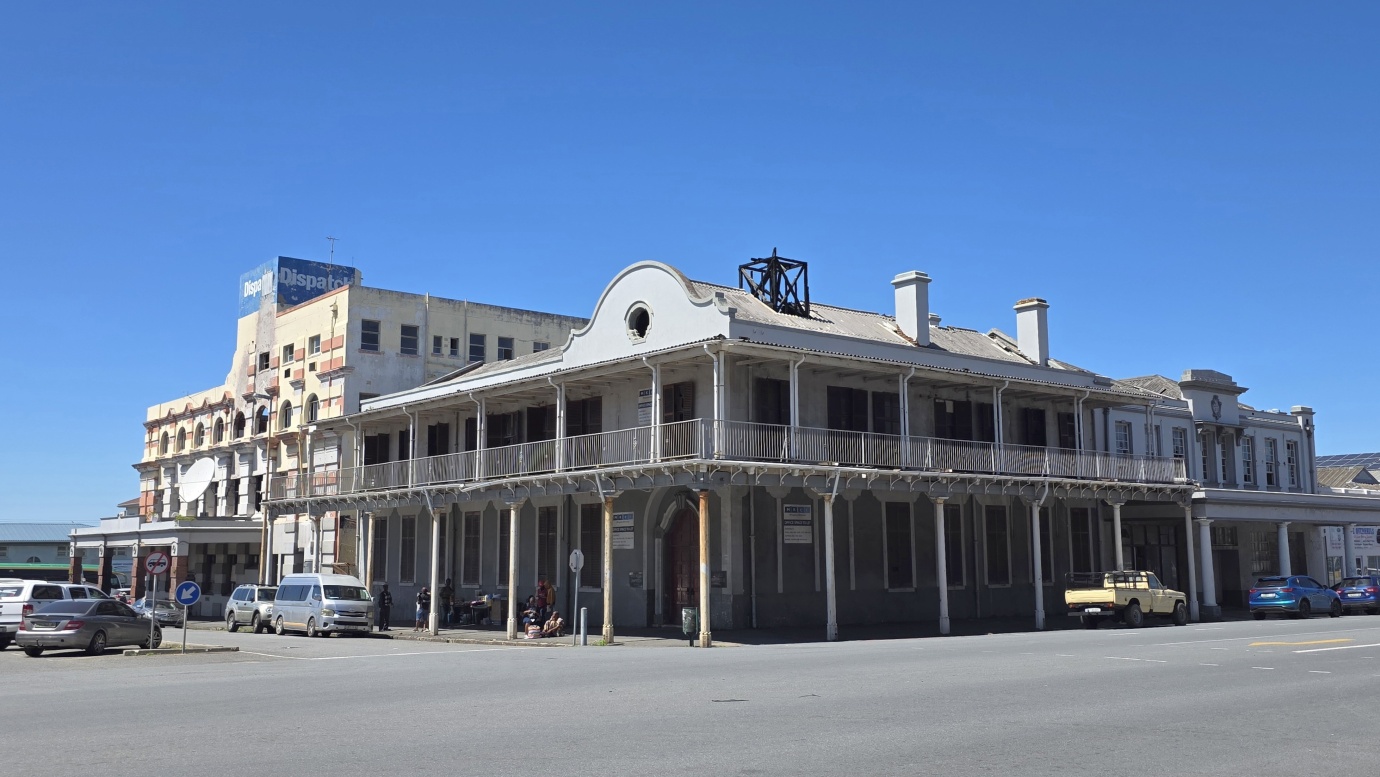
East London, officially proposed for renaming to KuGompo City, is a major port city on South Africa’s Indian Ocean coastline, situated between the Nahoon and Buffalo rivers. It is home to the country’s only river port and serves as a key logistics hub for the nearby Mercedes-Benz manufacturing plant.
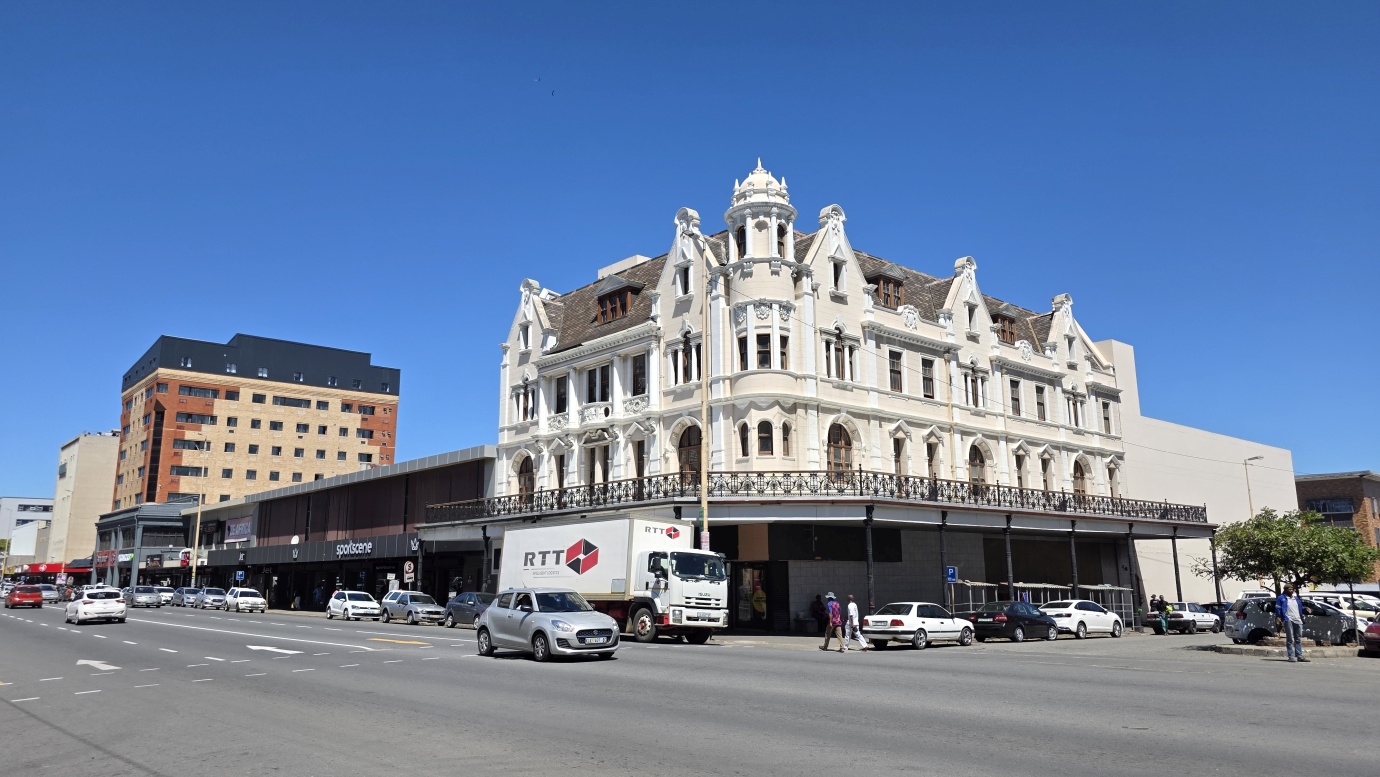
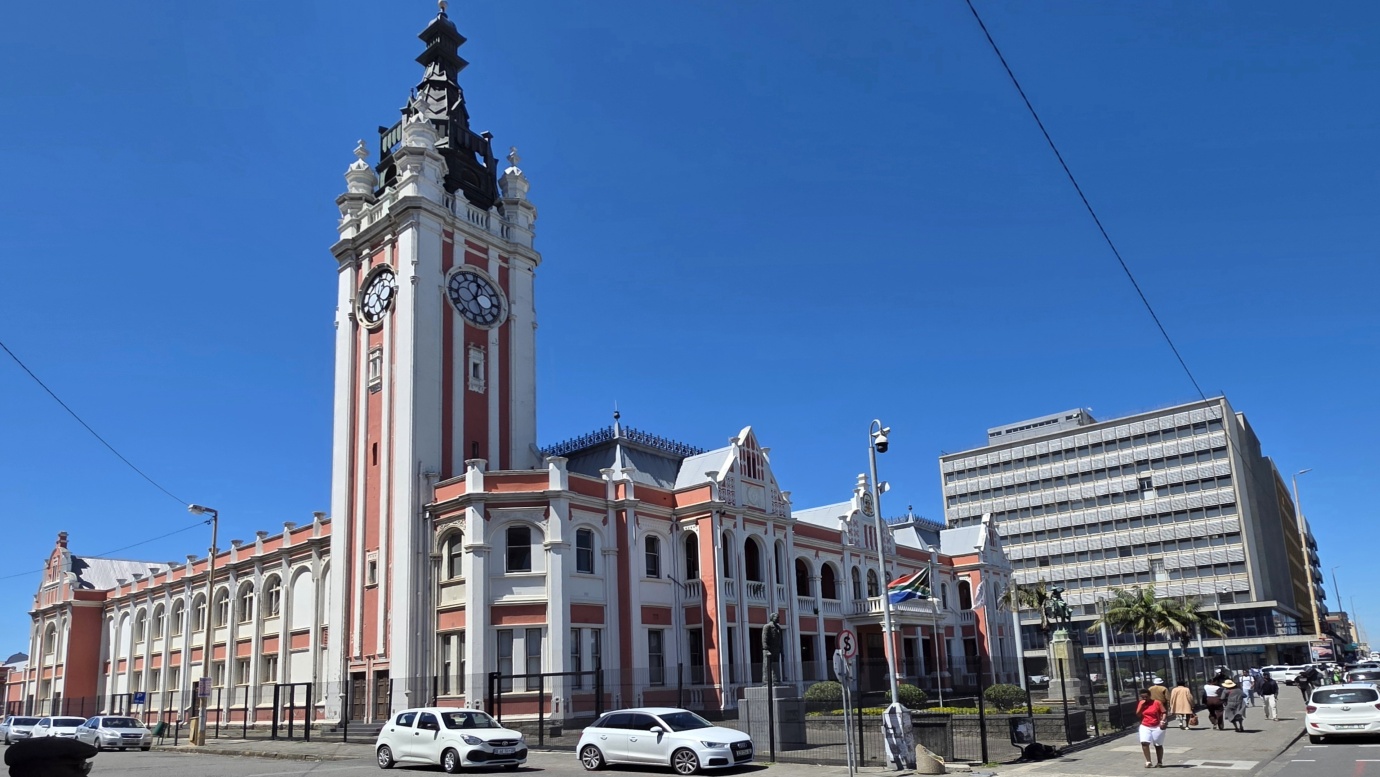
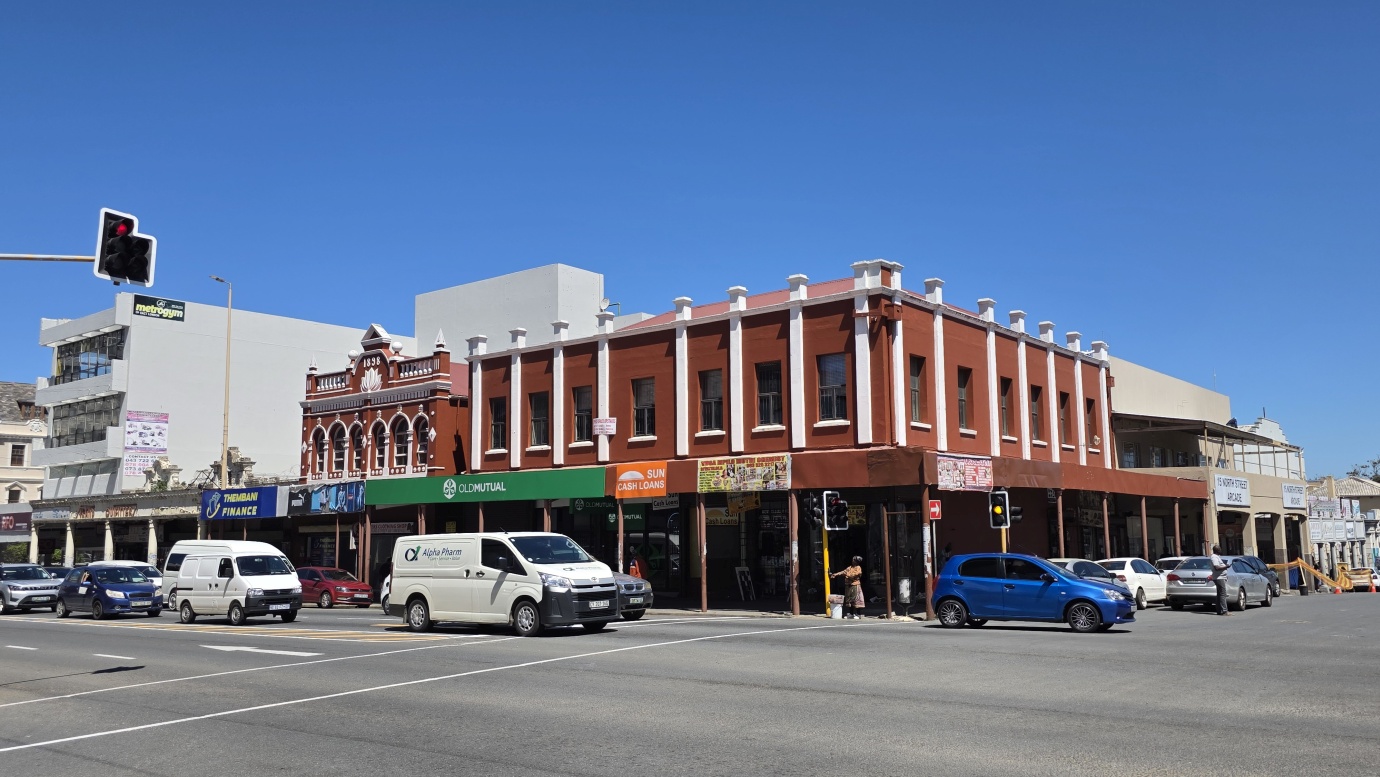
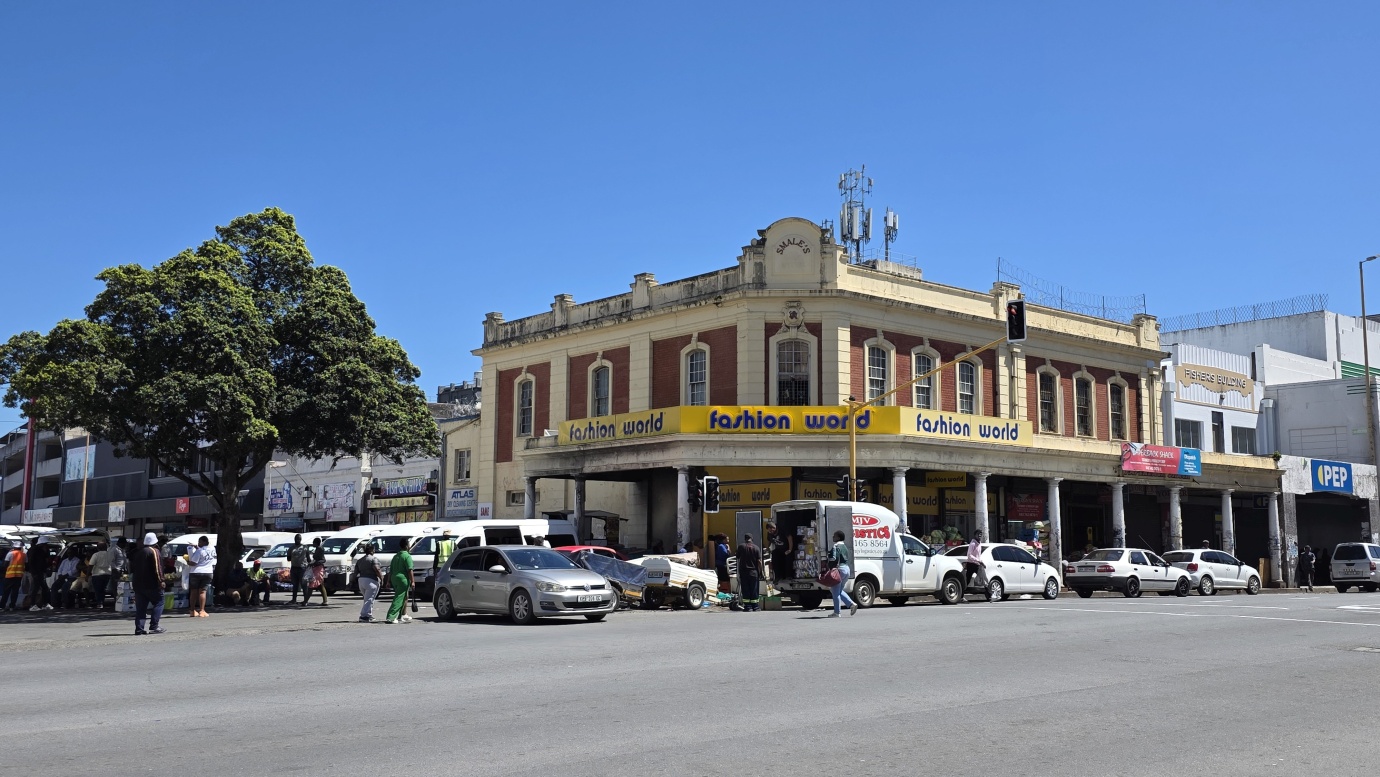
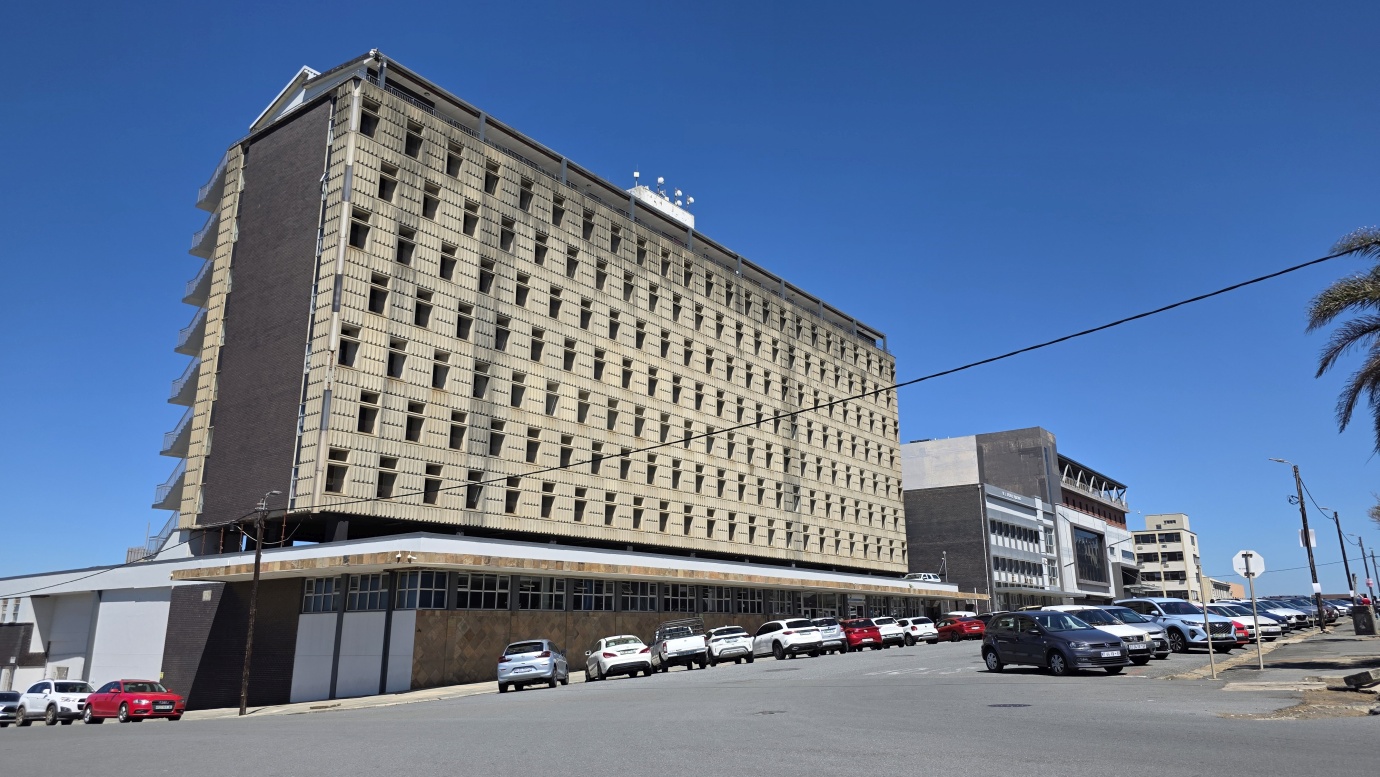
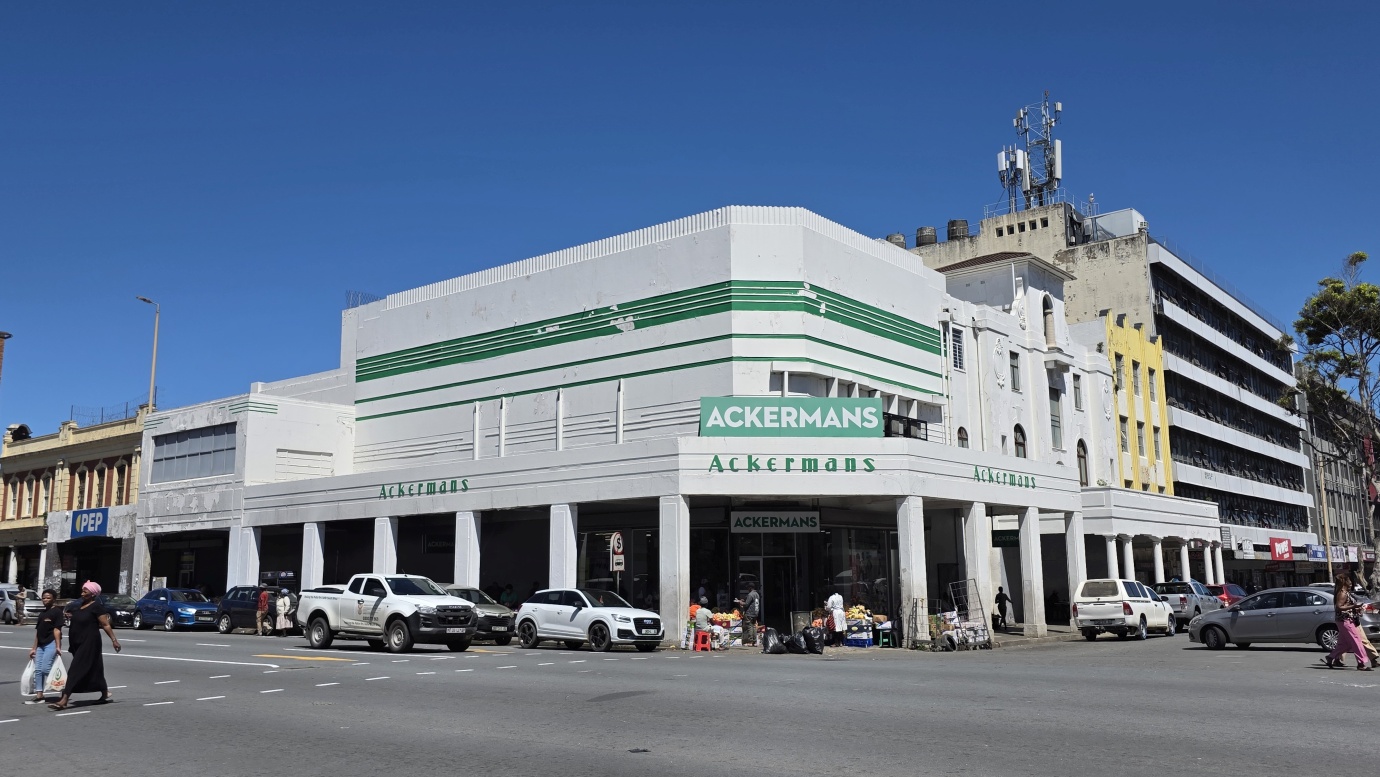
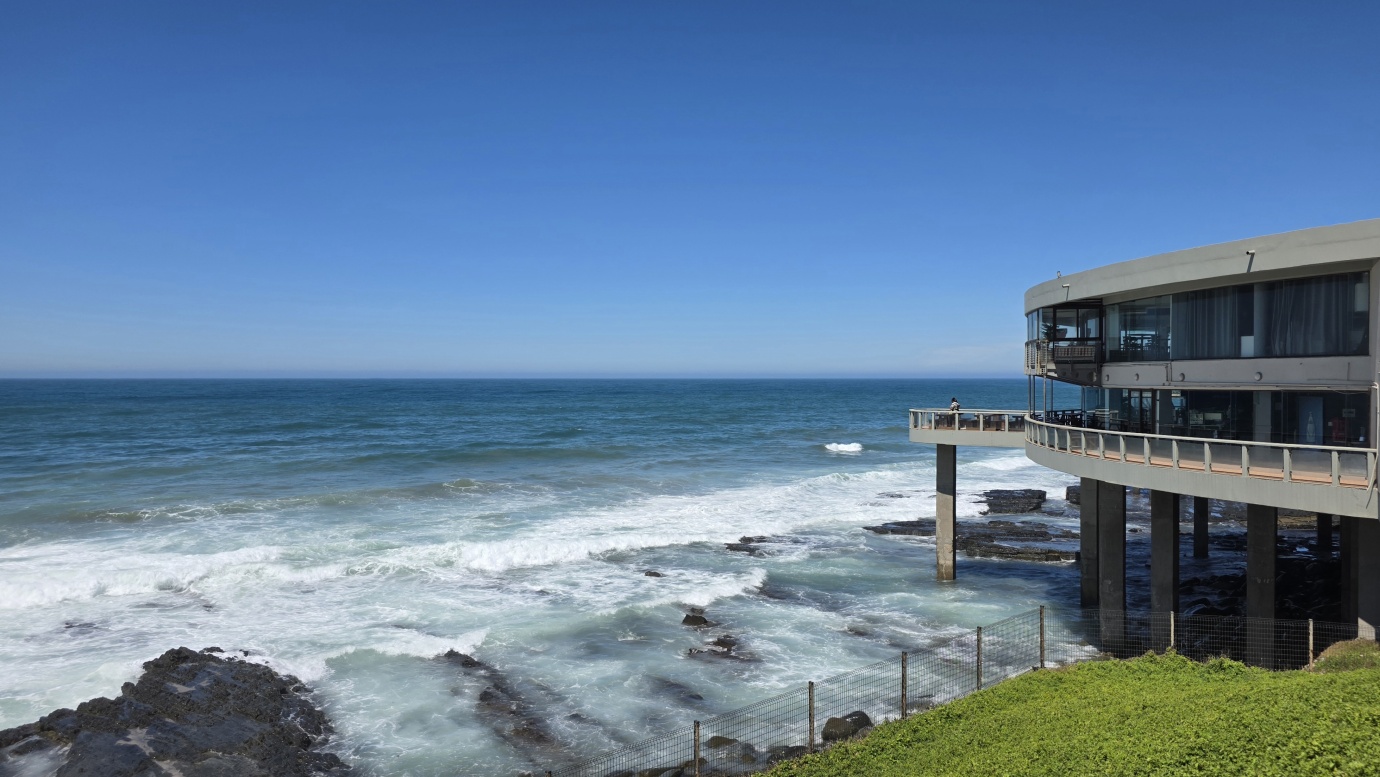
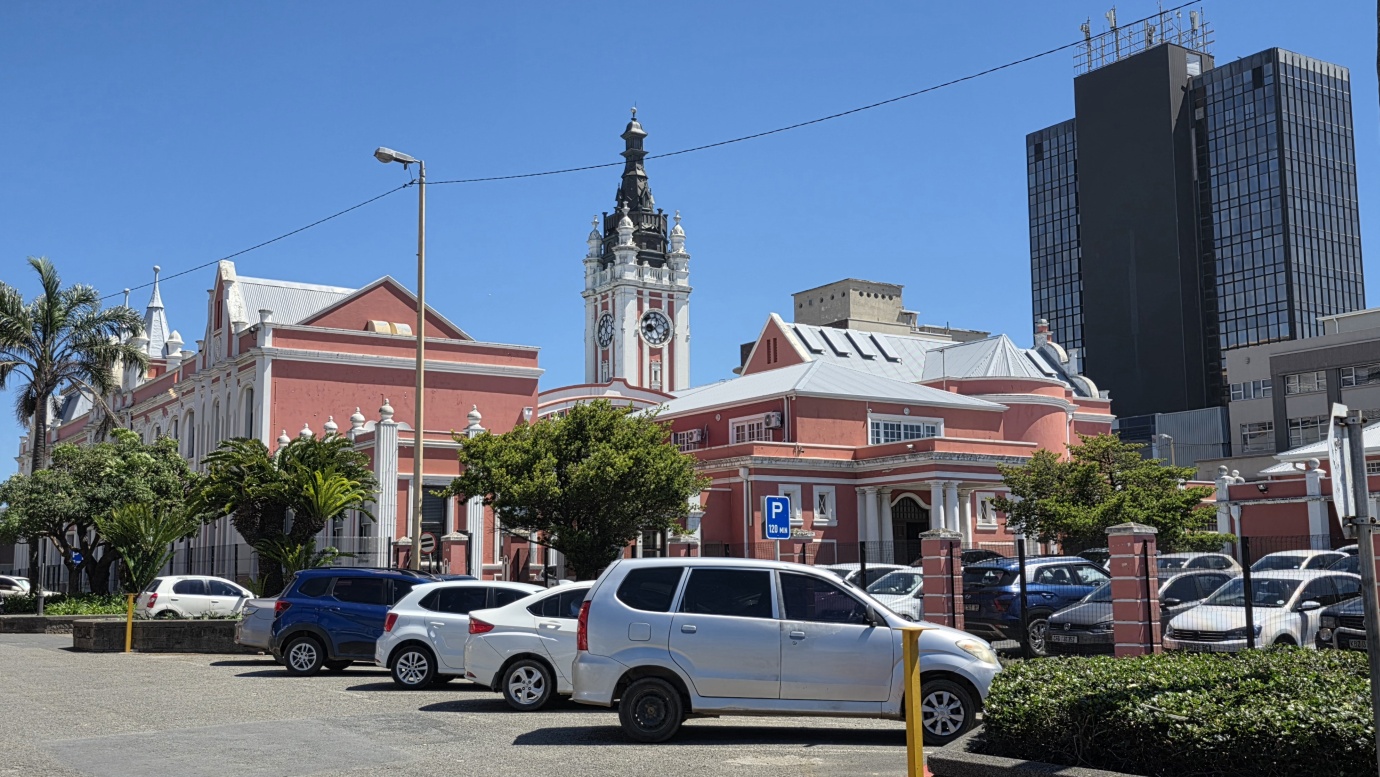
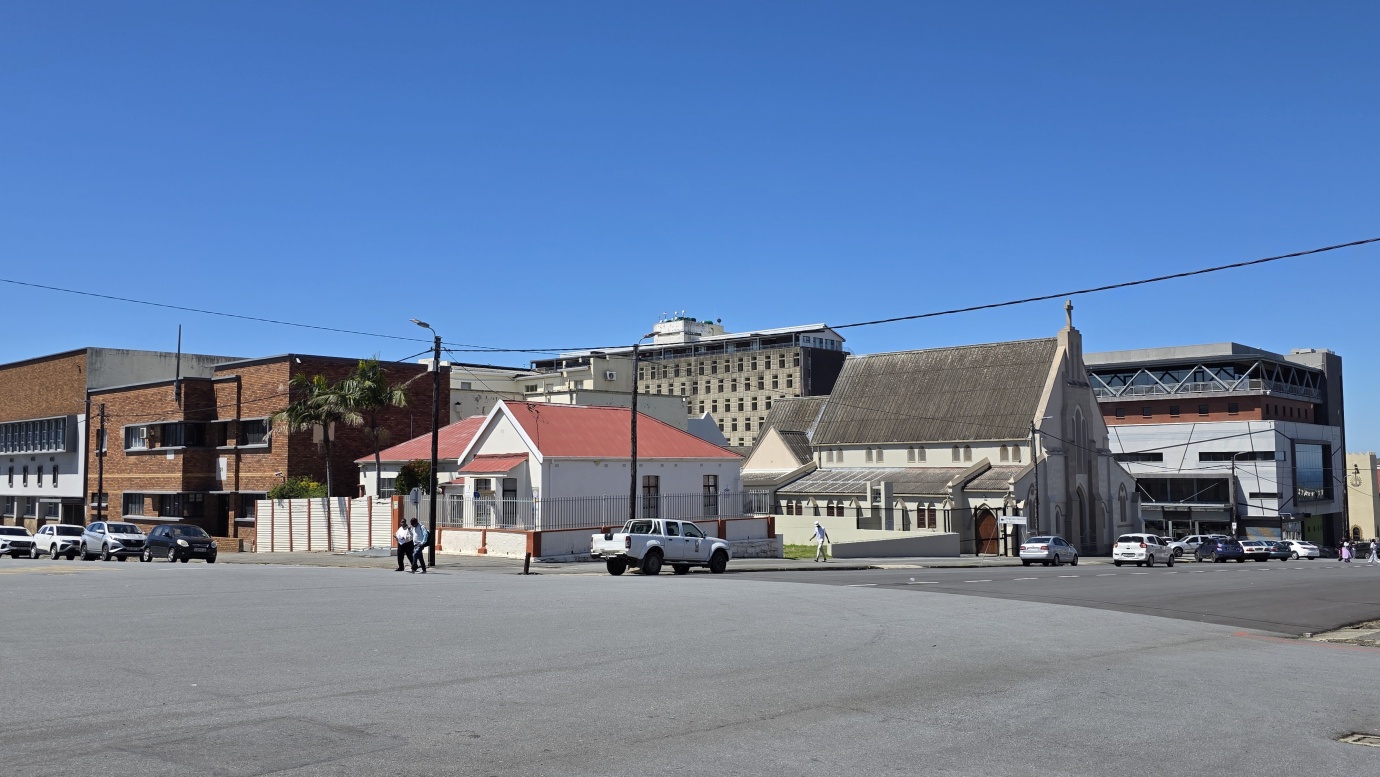
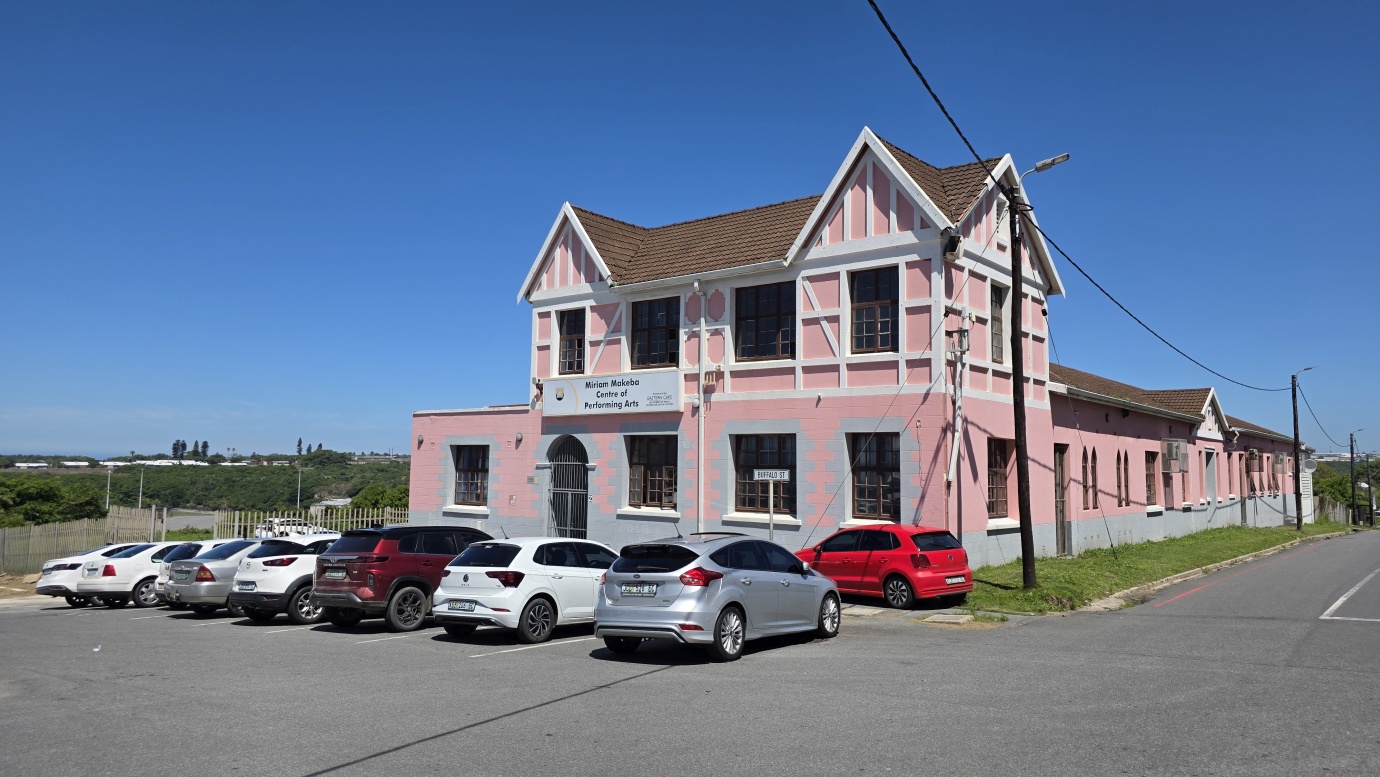
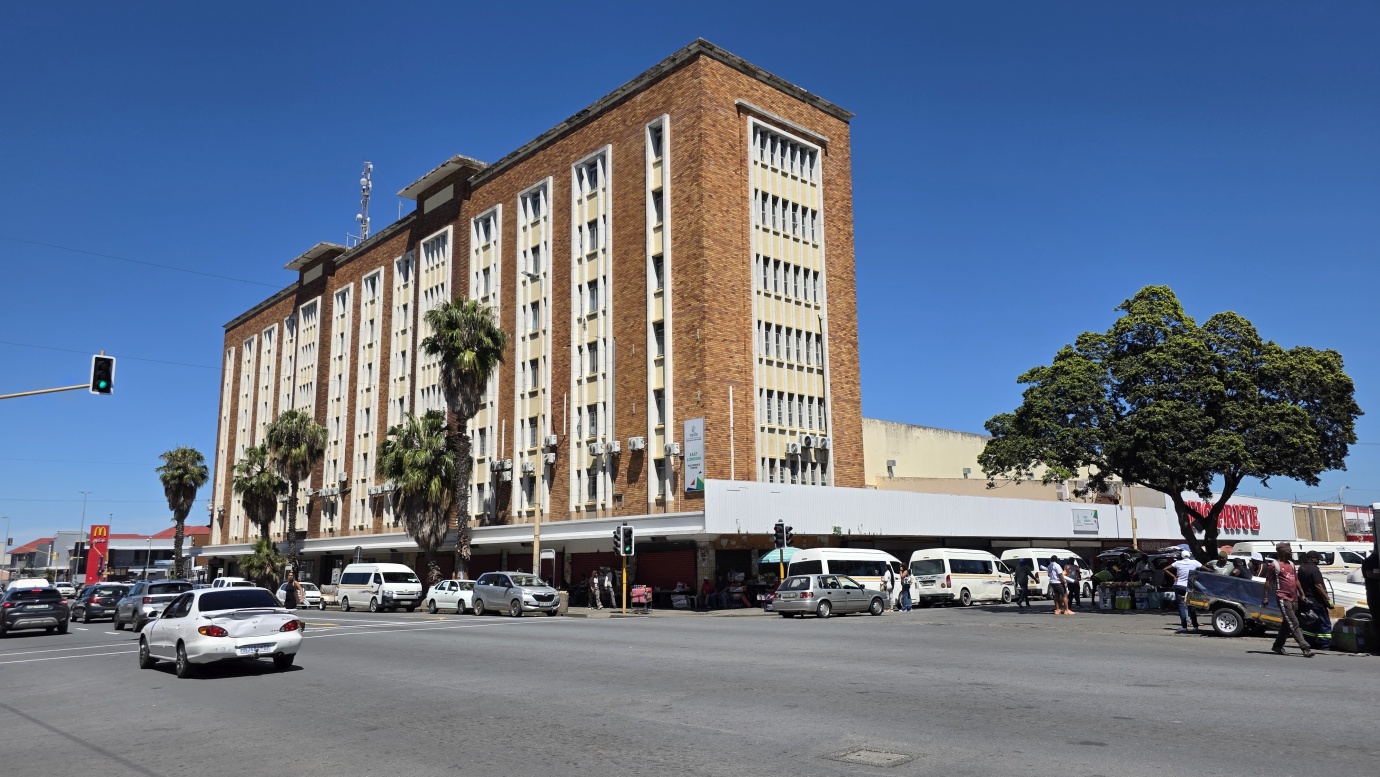
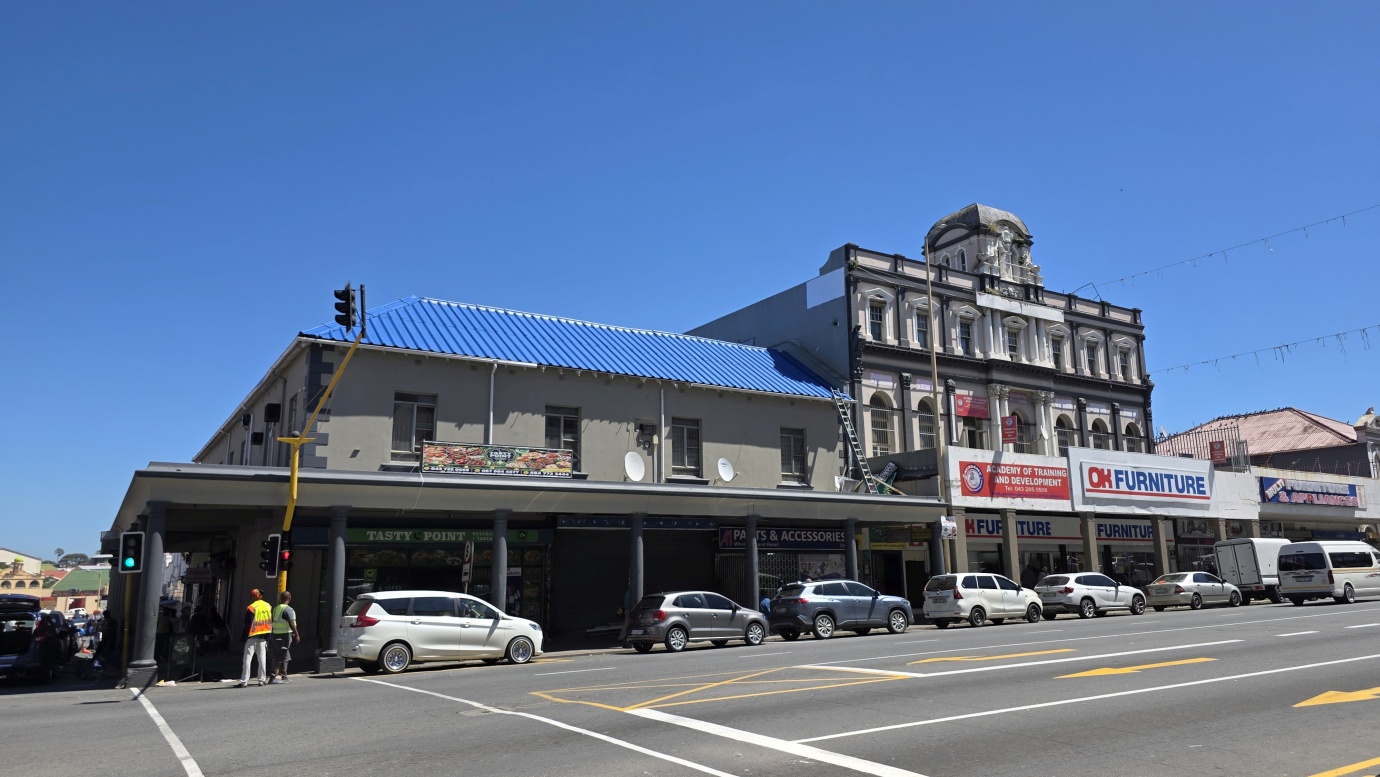
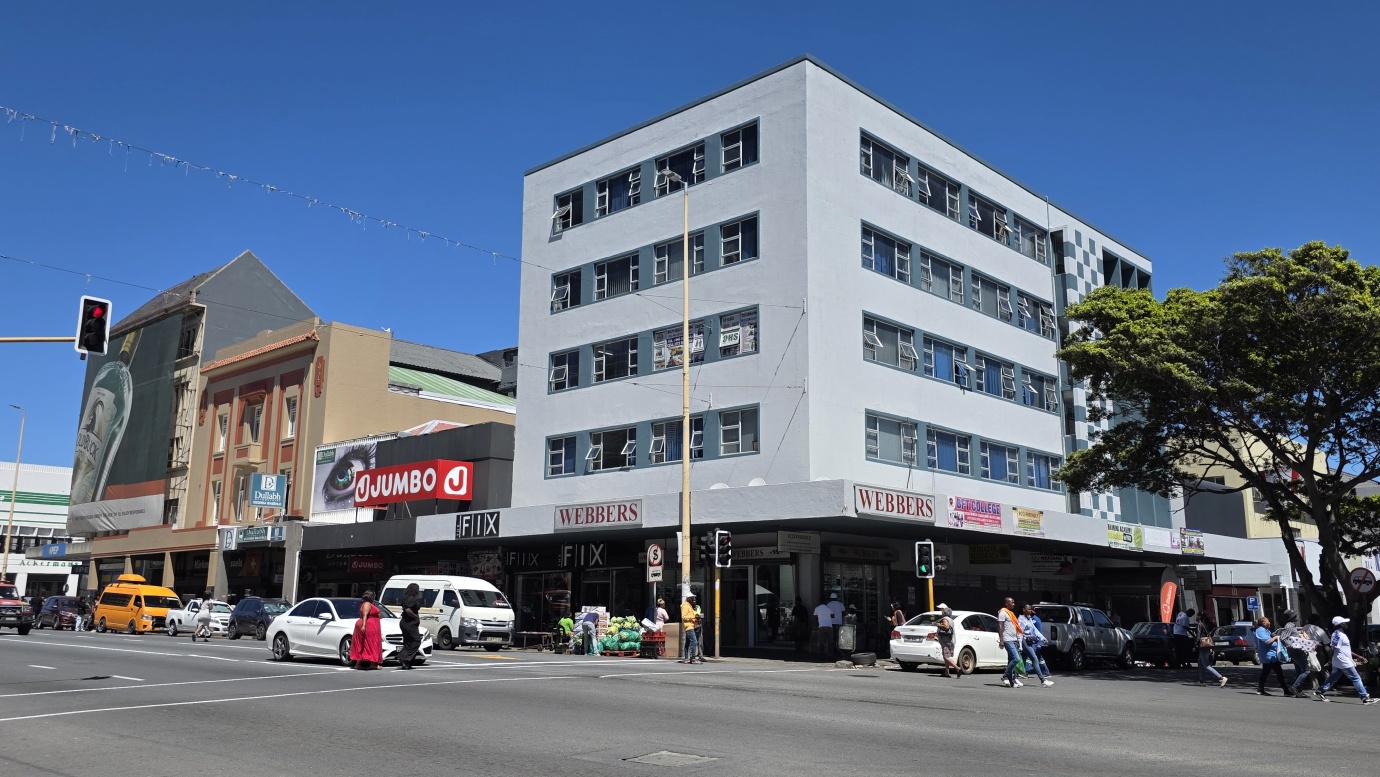
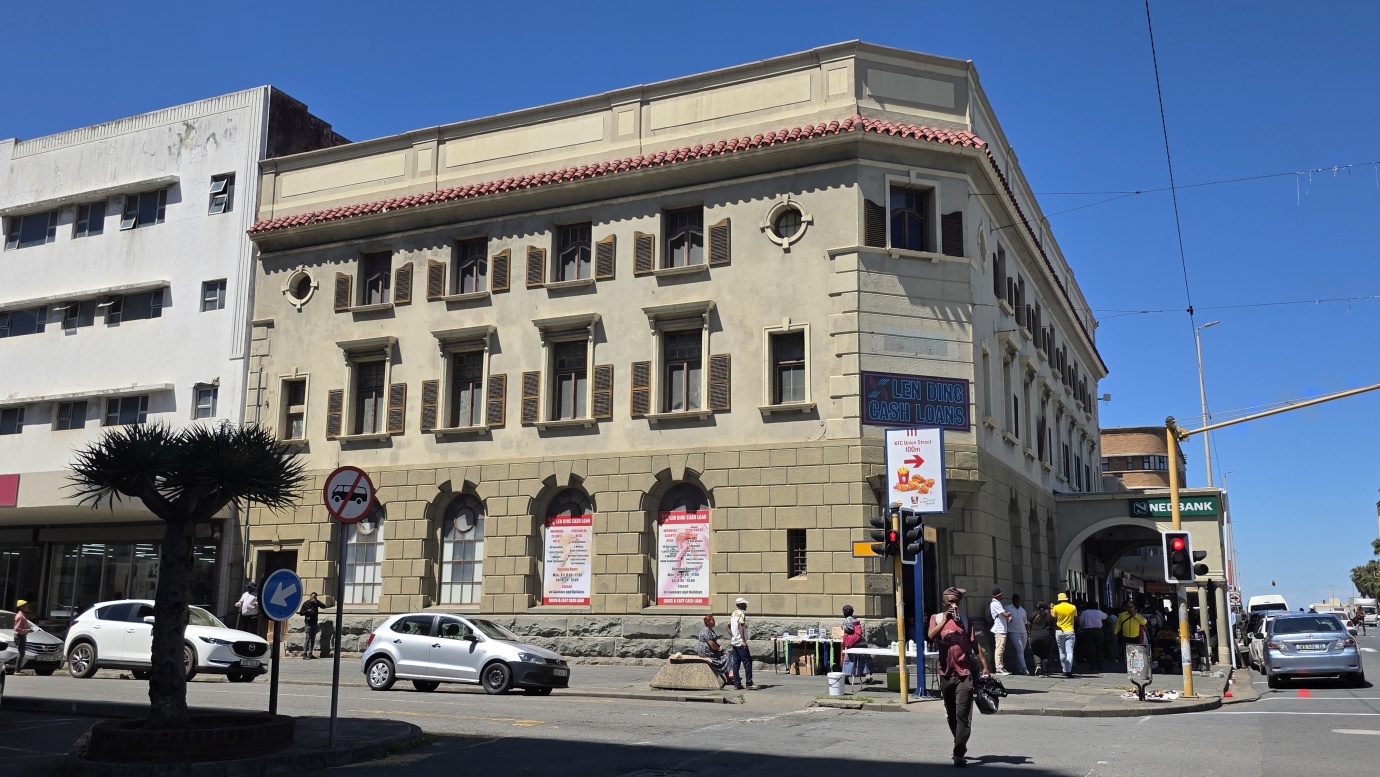
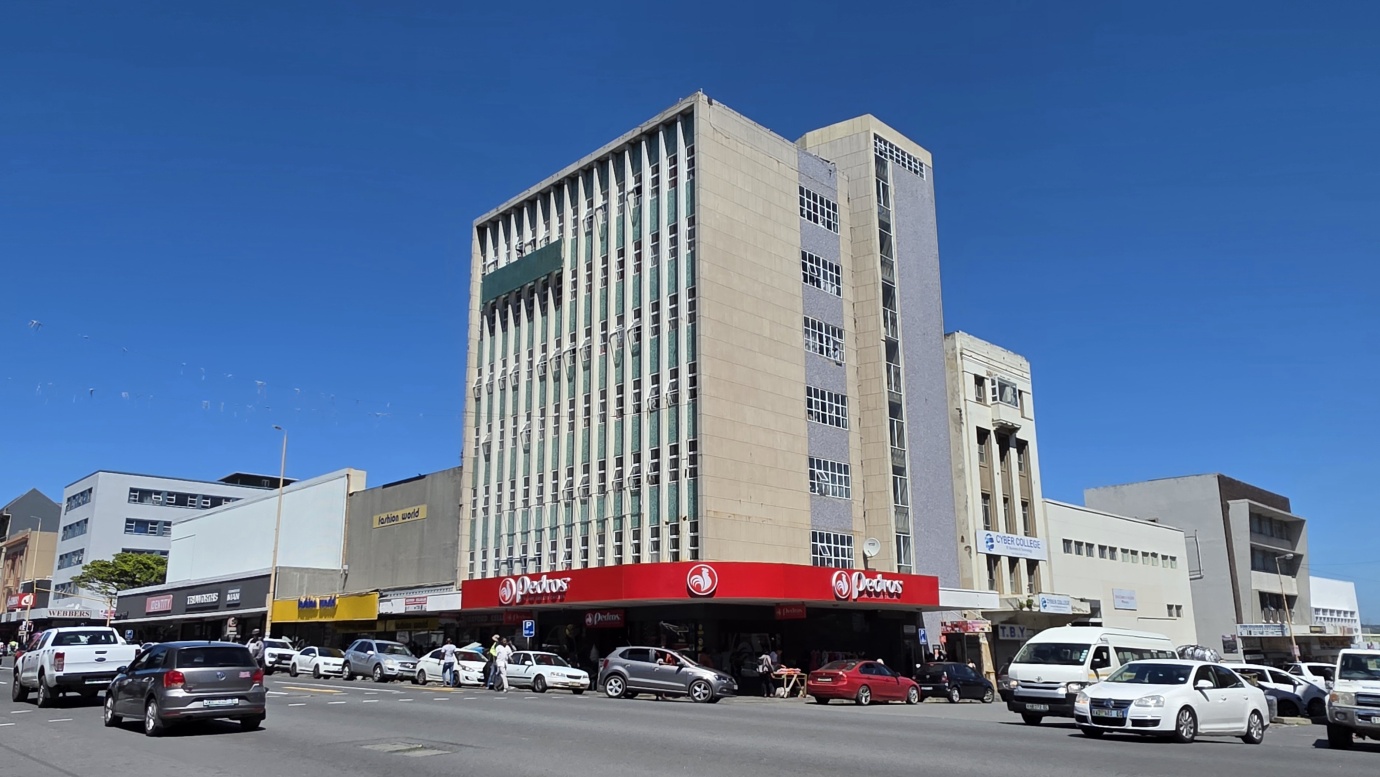
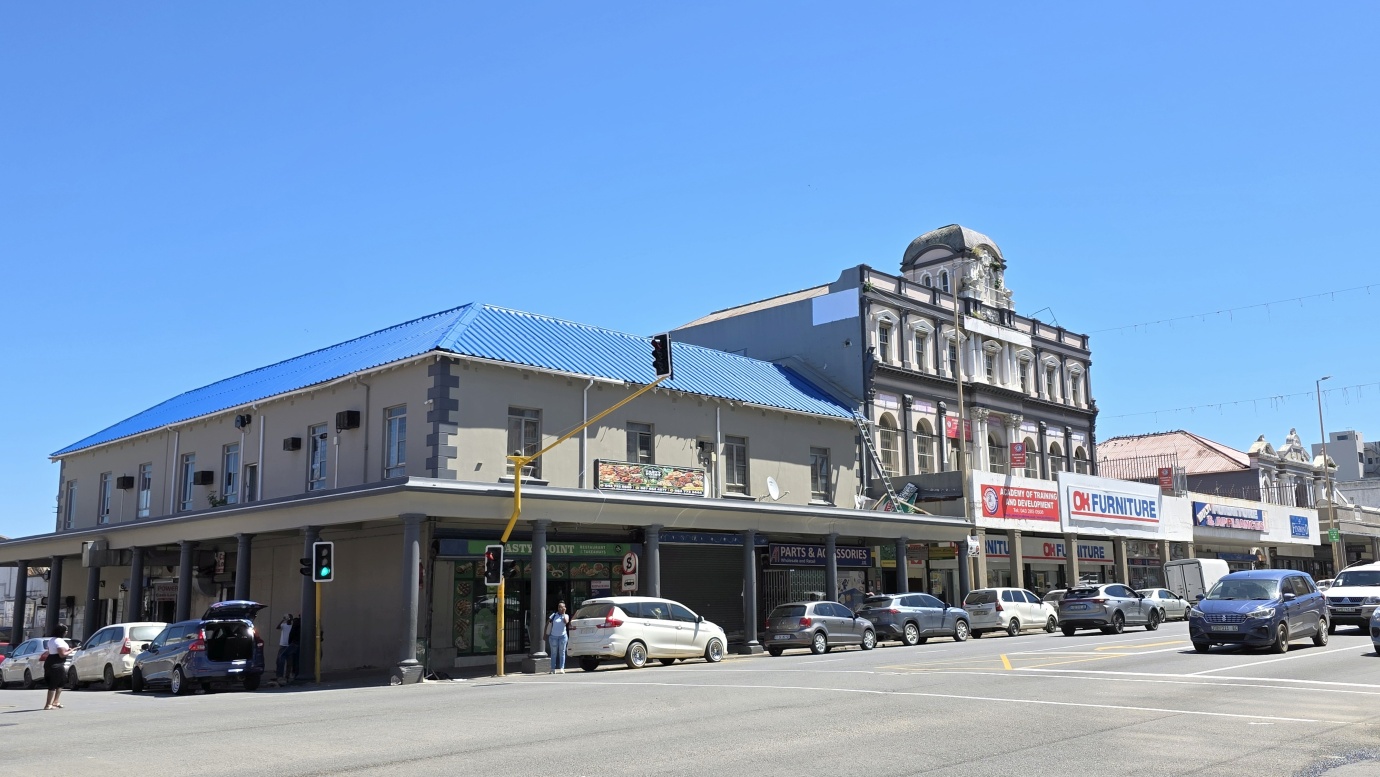
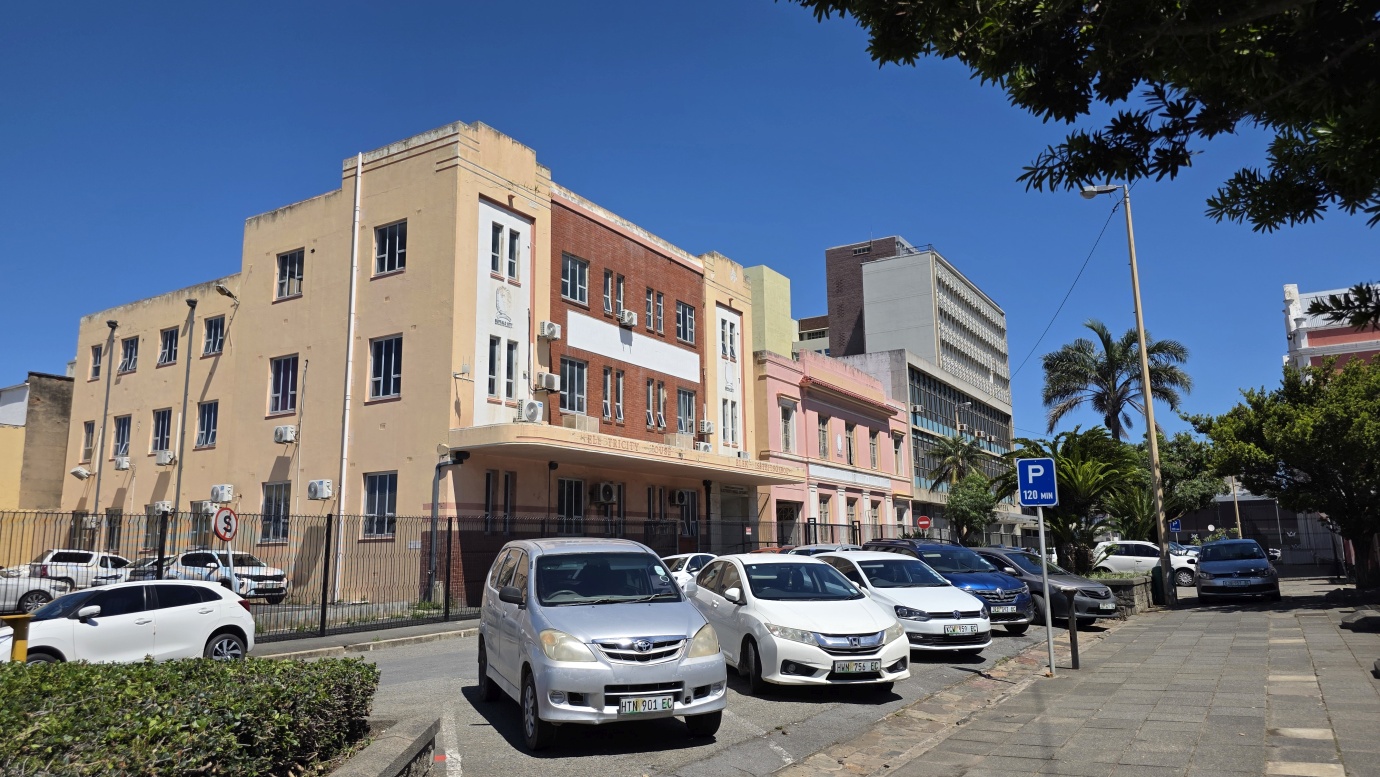
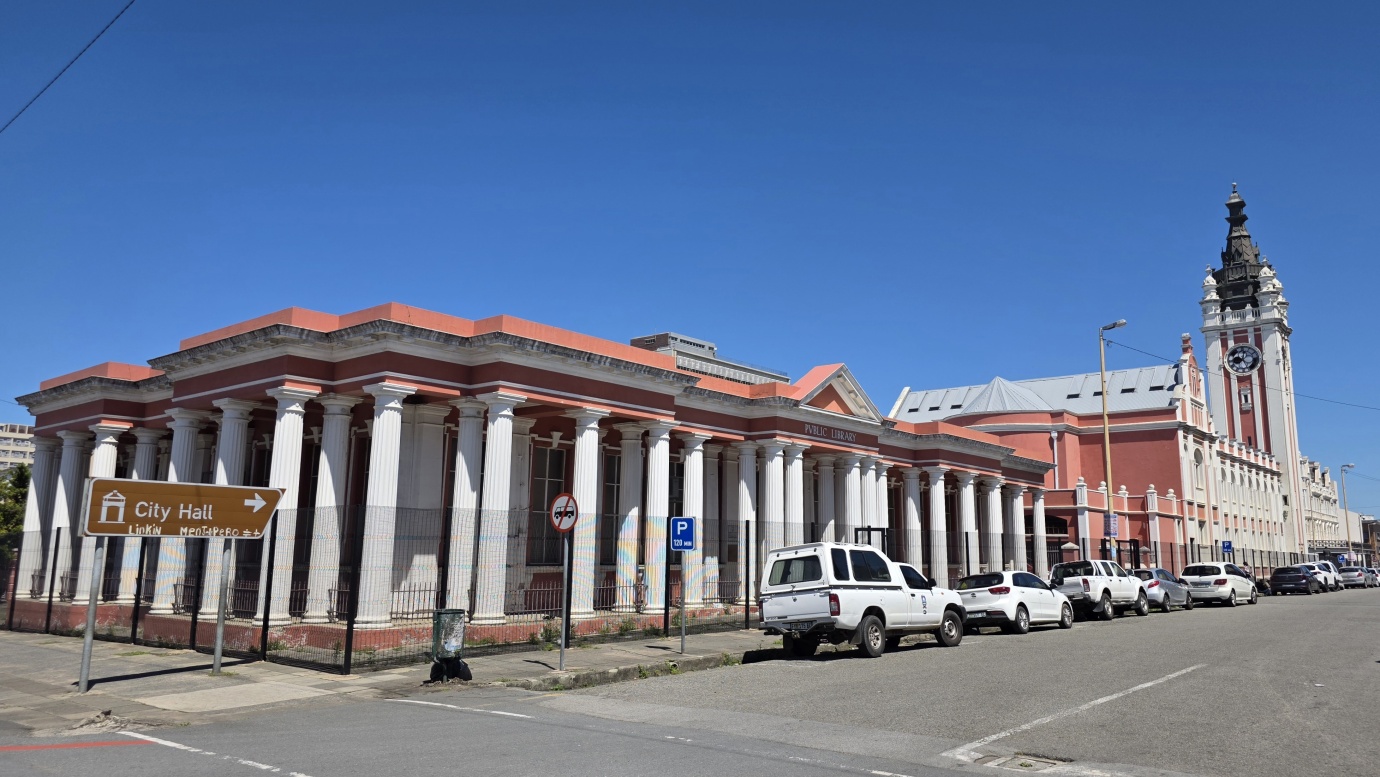
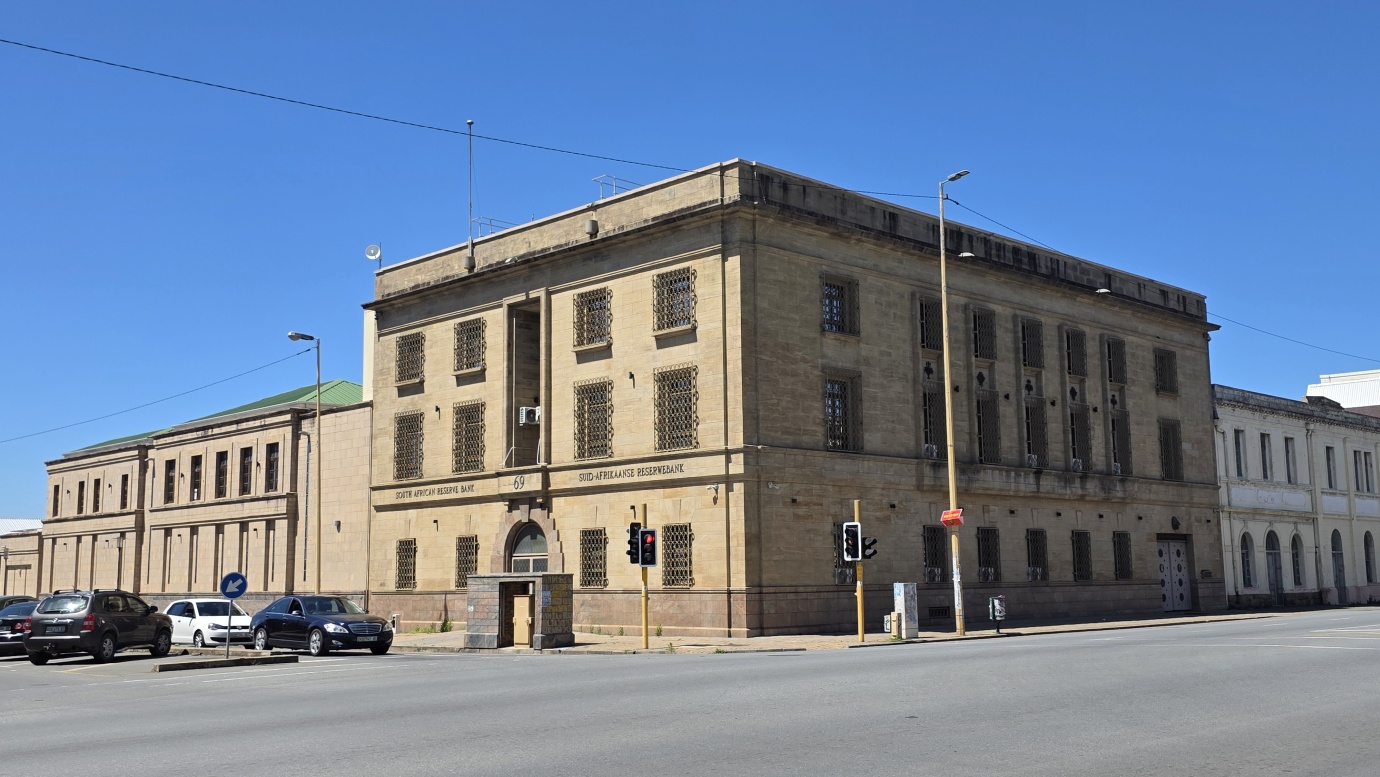
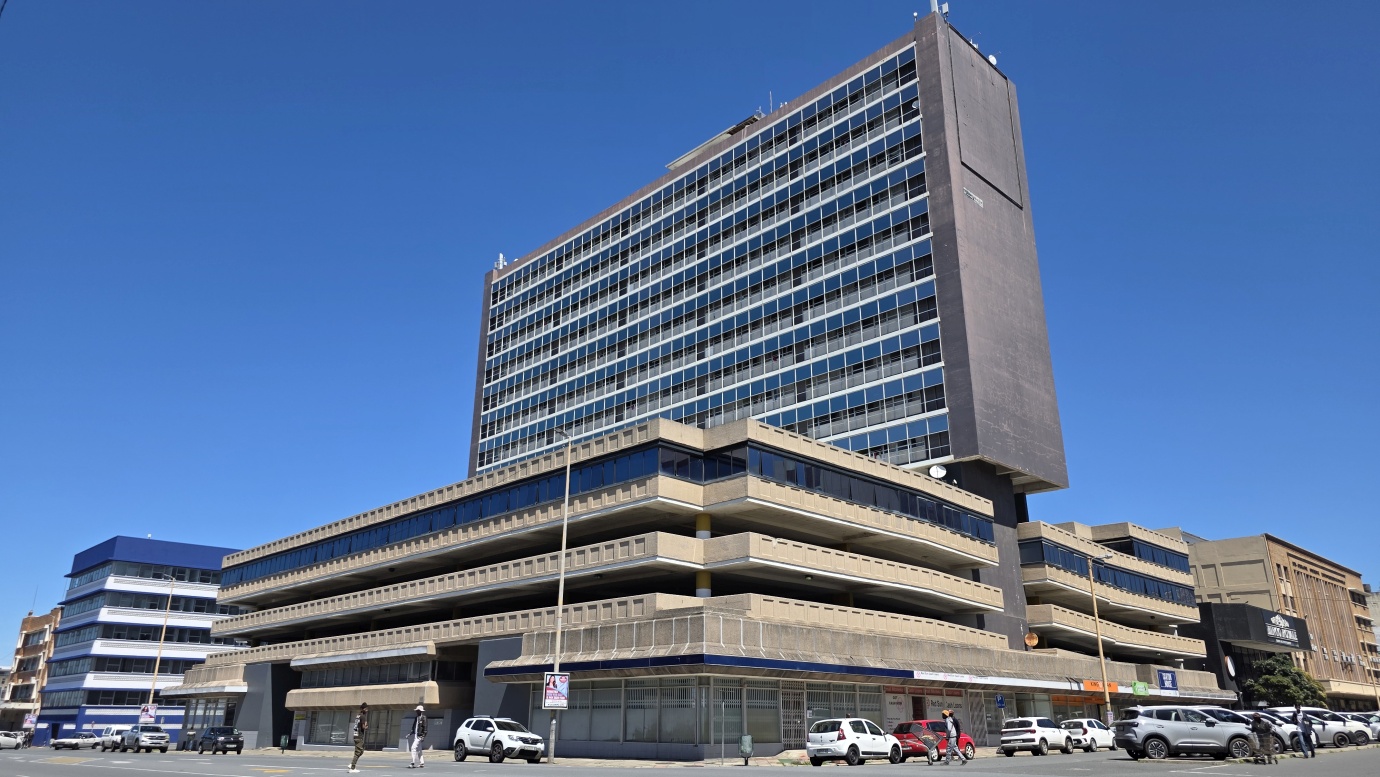
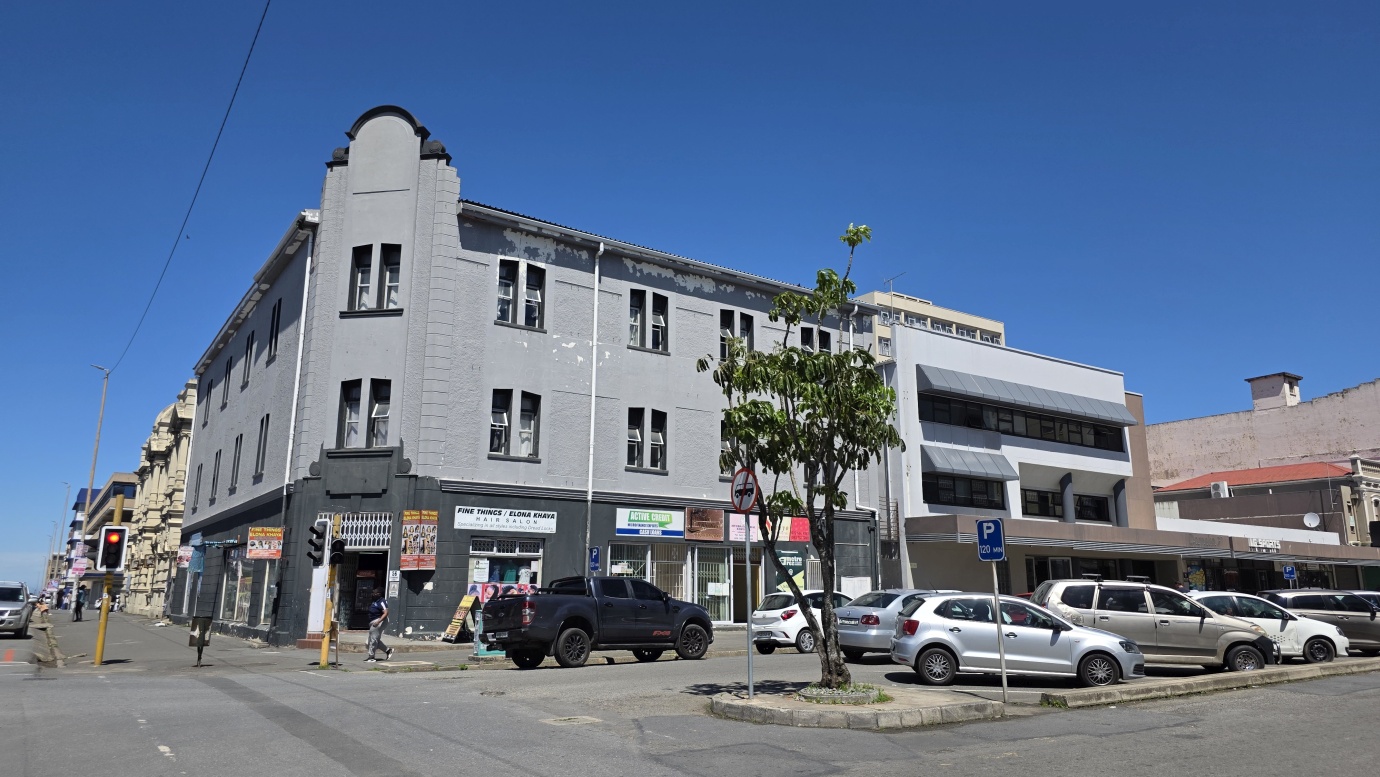
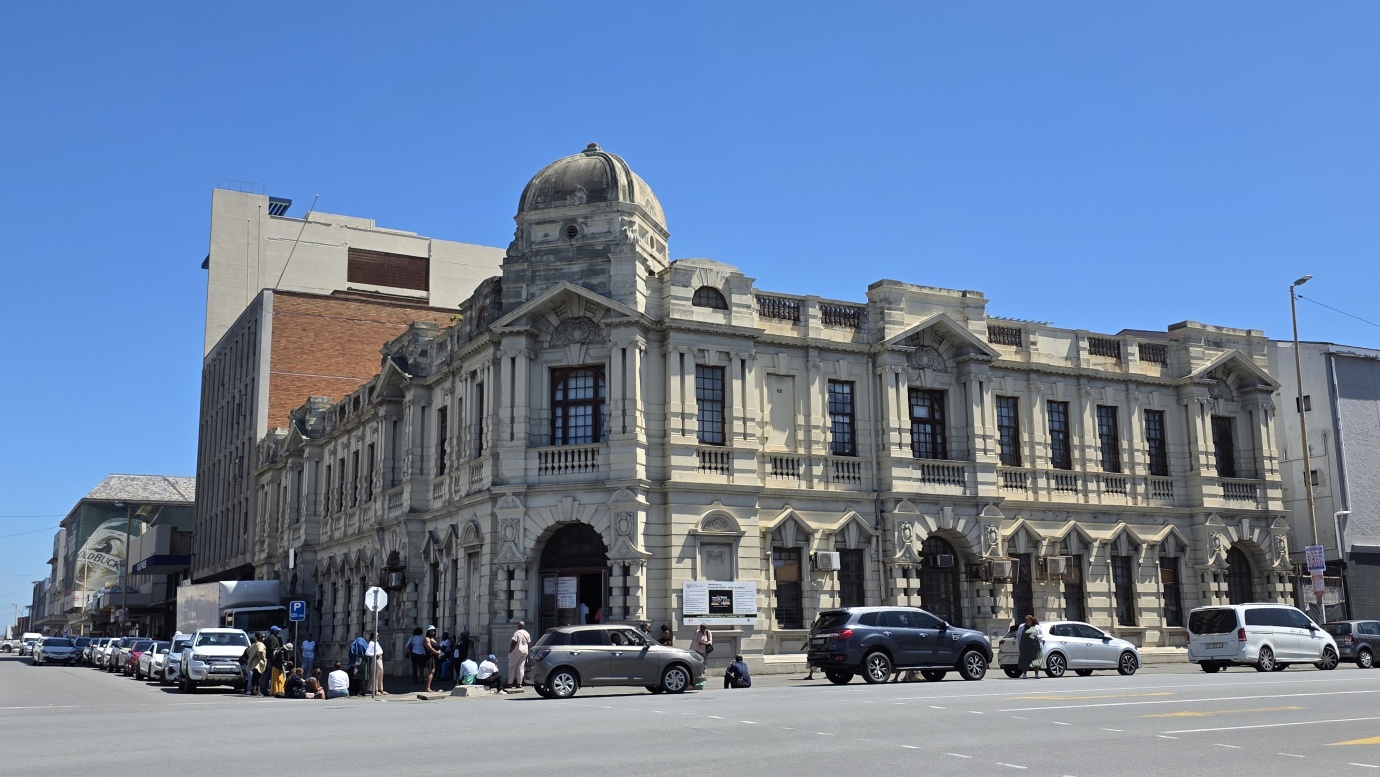
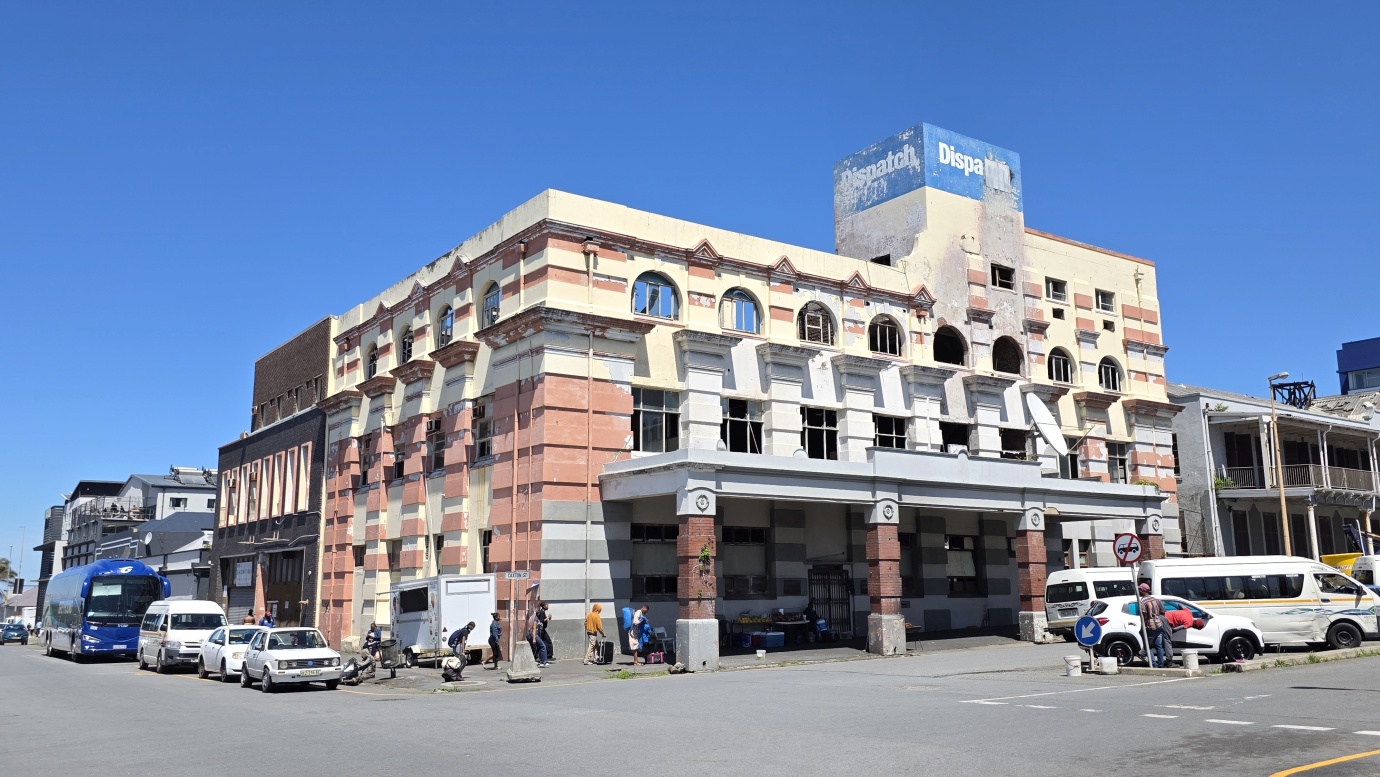
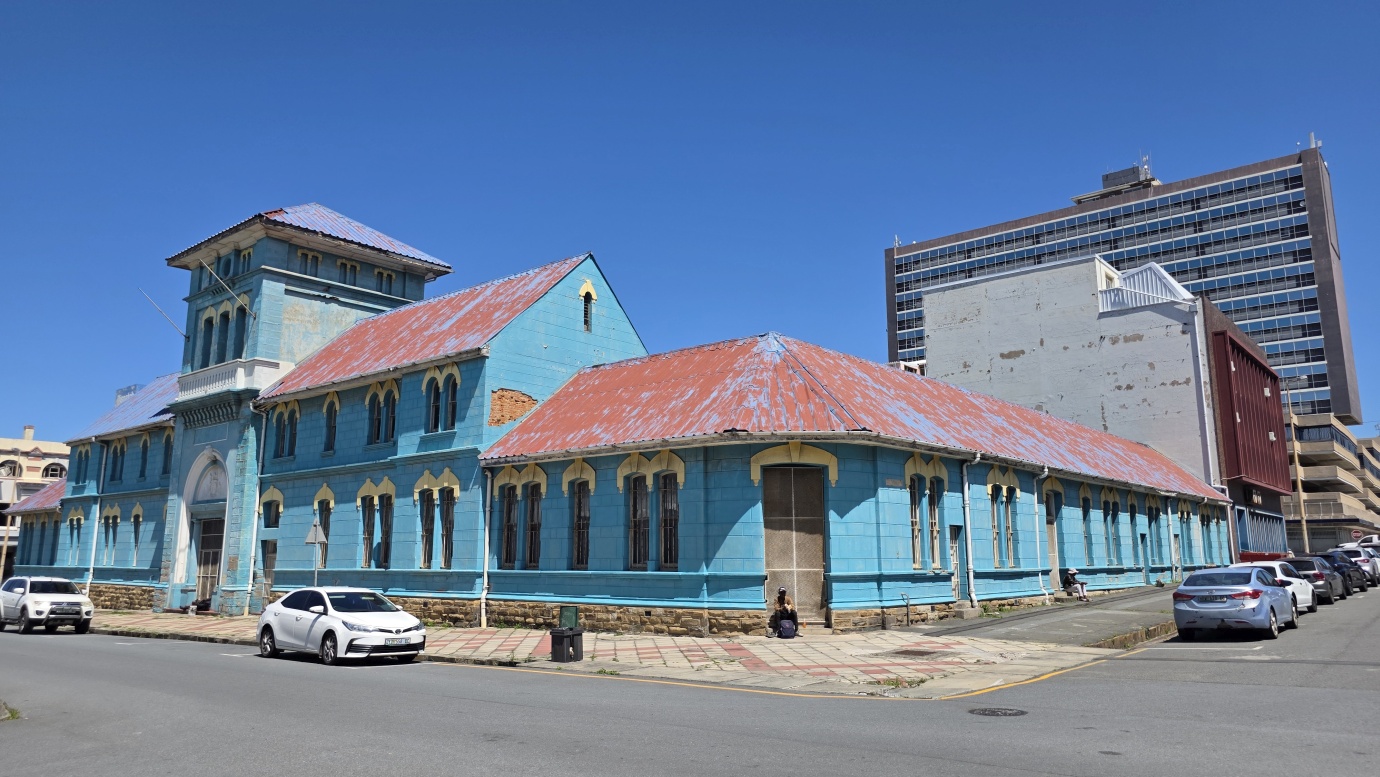
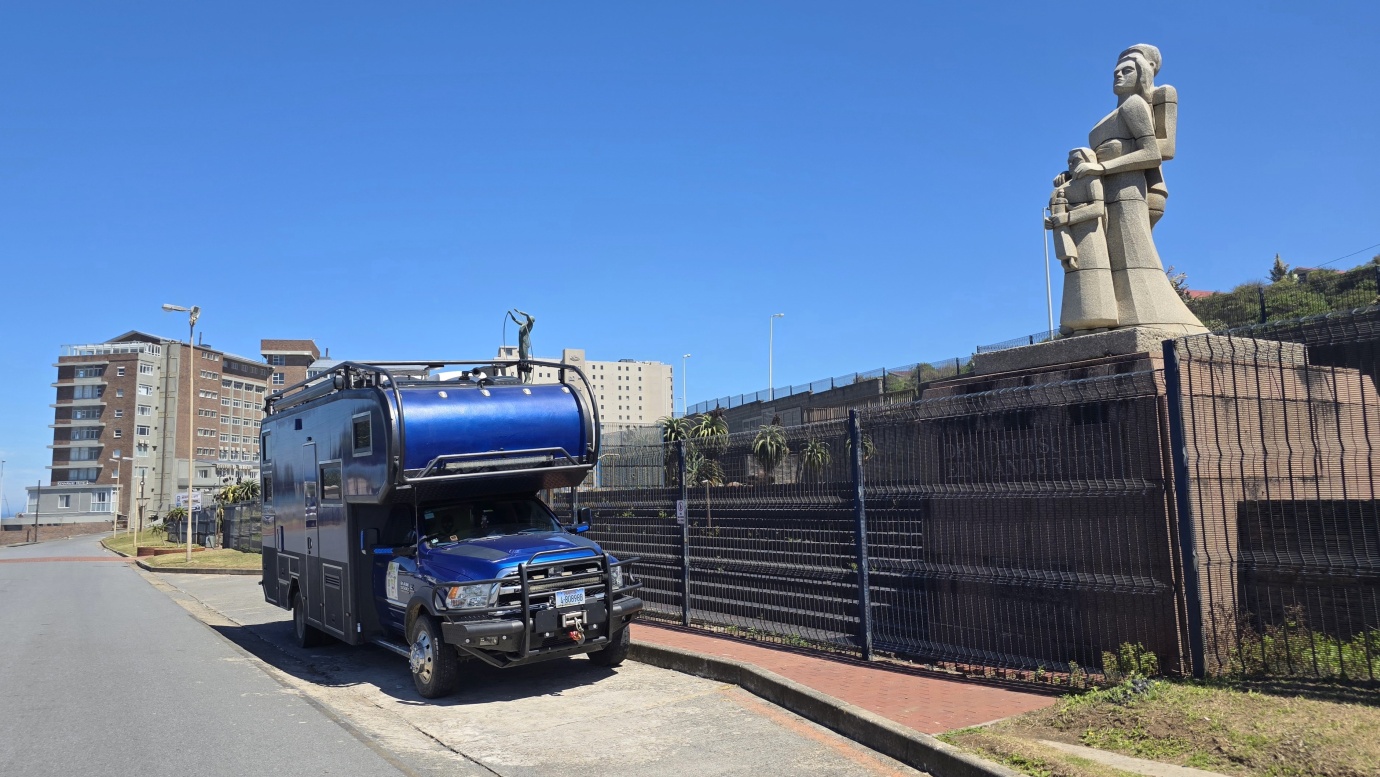
We parked our truck at the local aquarium, then took a short guided city tour with Imonti Tours to discover the city’s layered history, architectural heritage, and significant role in South Africa’s past.
The settlement’s history dates back to 1836, when John Bailie, an 1820 British Settler, surveyed the mouth of the Buffalo River. The area was initially known as Port Rex. During the Cape Frontier Wars, the harbour became an important supply base for British military operations around nearby King William’s Town, now known by its isiXhosa name, Qonce. In 1847, the British built Fort Glamorgan on the river’s western bank. Later that year, Major General Sir Harry Smith renamed the settlement East London, reinforcing British imperial influence in the region, and the Cape Colony later incorporated it.
During the late 1850s, German legionnaires and settlers arrived, leaving a distinctive cultural and architectural imprint on the surrounding region. East London grew from the consolidation of neighbouring settlements, gained town status in 1873, and was officially declared a city in 1914.
One of its most remarkable claims to fame is the East London Museum, which gained international recognition following the discovery of a living coelacanth in 1938. This extraordinary prehistoric fish had been believed extinct for millions of years. Museum curator Marjorie Courtenay-Latimer identified the specimen, making it one of the twentieth century’s most celebrated zoological discoveries.
East London also bears the scars of South Africa’s apartheid era. The Group Areas Act enforced racial segregation, while forced removals displaced communities into townships such as Duncan Village, which became an important centre of resistance. The city is also closely associated with Steve Biko, the prominent anti-apartheid activist and founder of the Black Consciousness Movement. Landmarks commemorate his legacy, including the Steve Biko Bridge and a statue in the city centre.
For motorsport enthusiasts, East London has another fascinating chapter in its history. The Prince George Circuit, which opened in 1959, hosted several South African Formula One Grand Prix races during the 1960s, briefly placing this coastal city on the international motorsport map.
Today, East London blends colonial history, German heritage, industrial importance, and the struggle for freedom. Although travellers often overlook it, its museums, historic landmarks, and complex past make it well worth exploring.