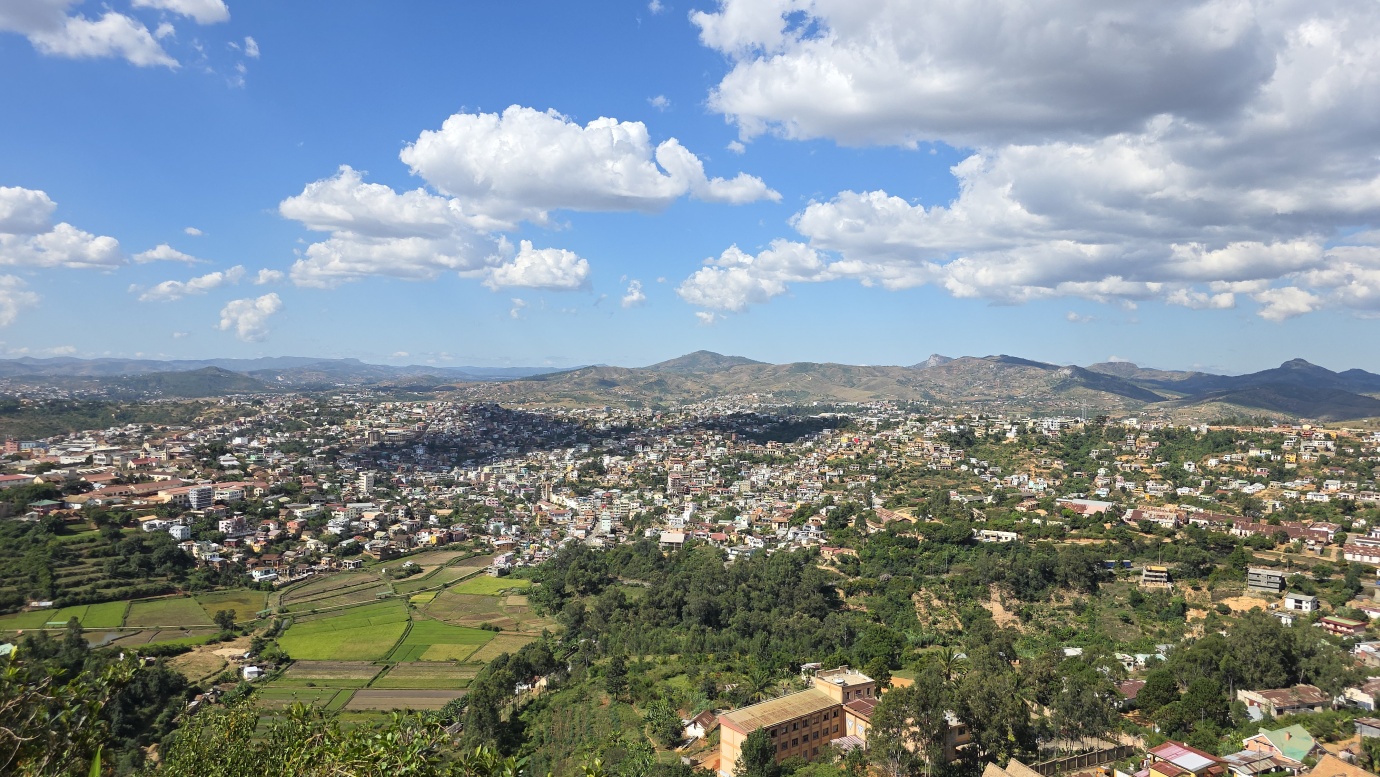
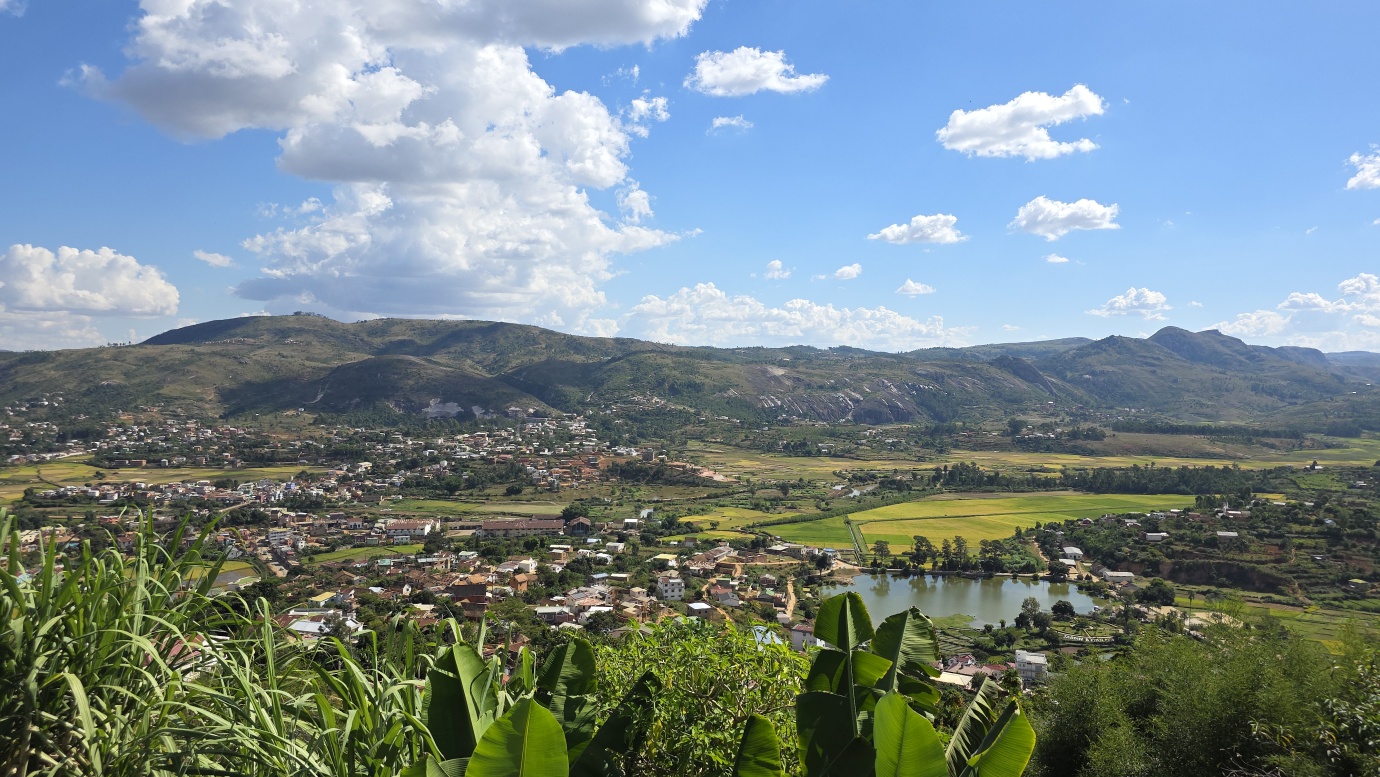
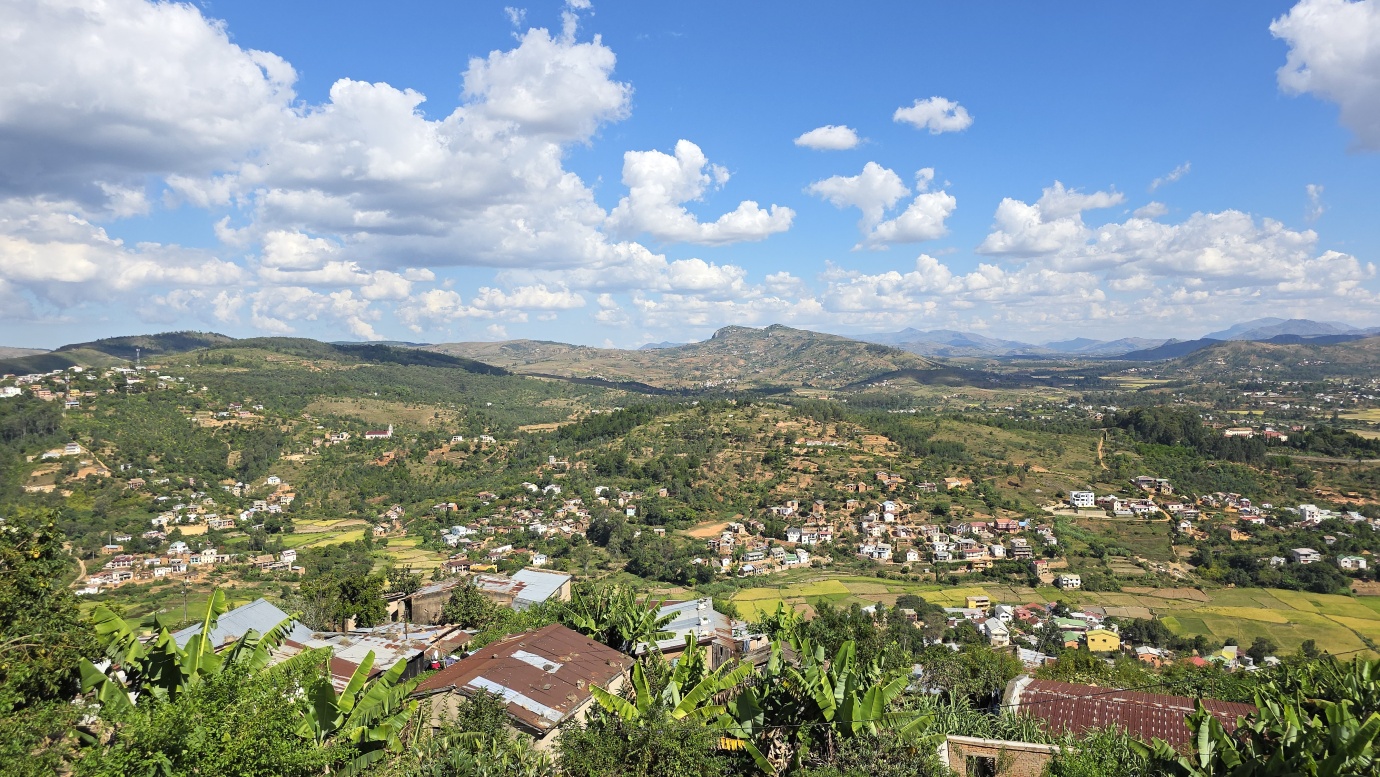
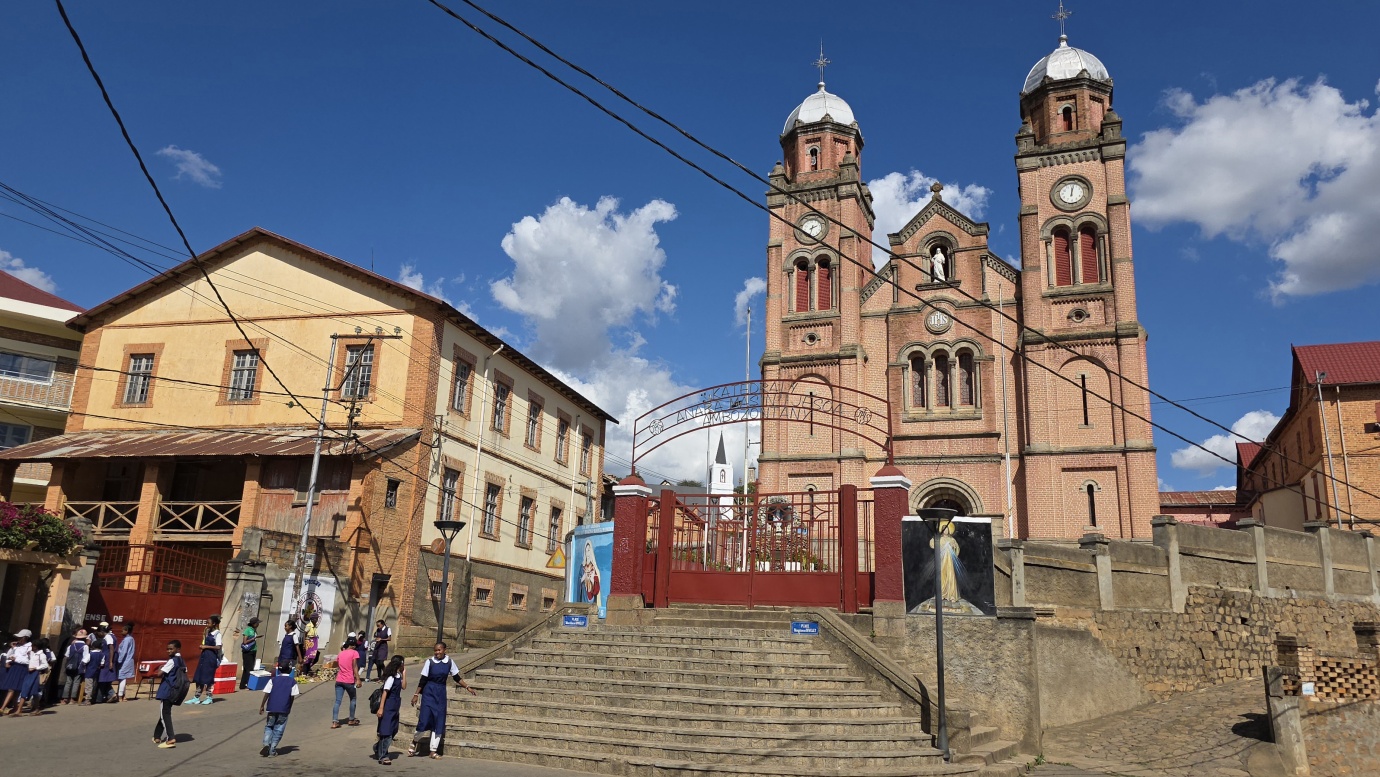
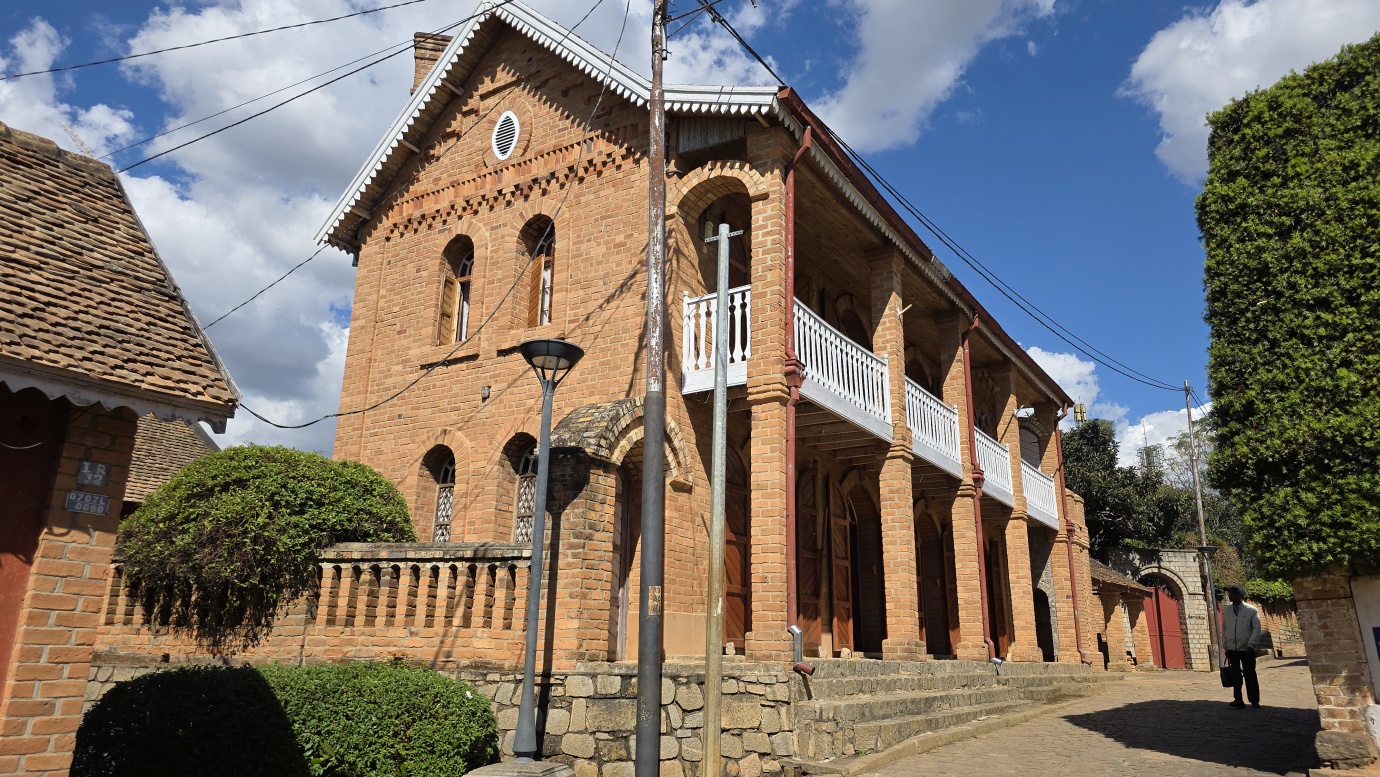
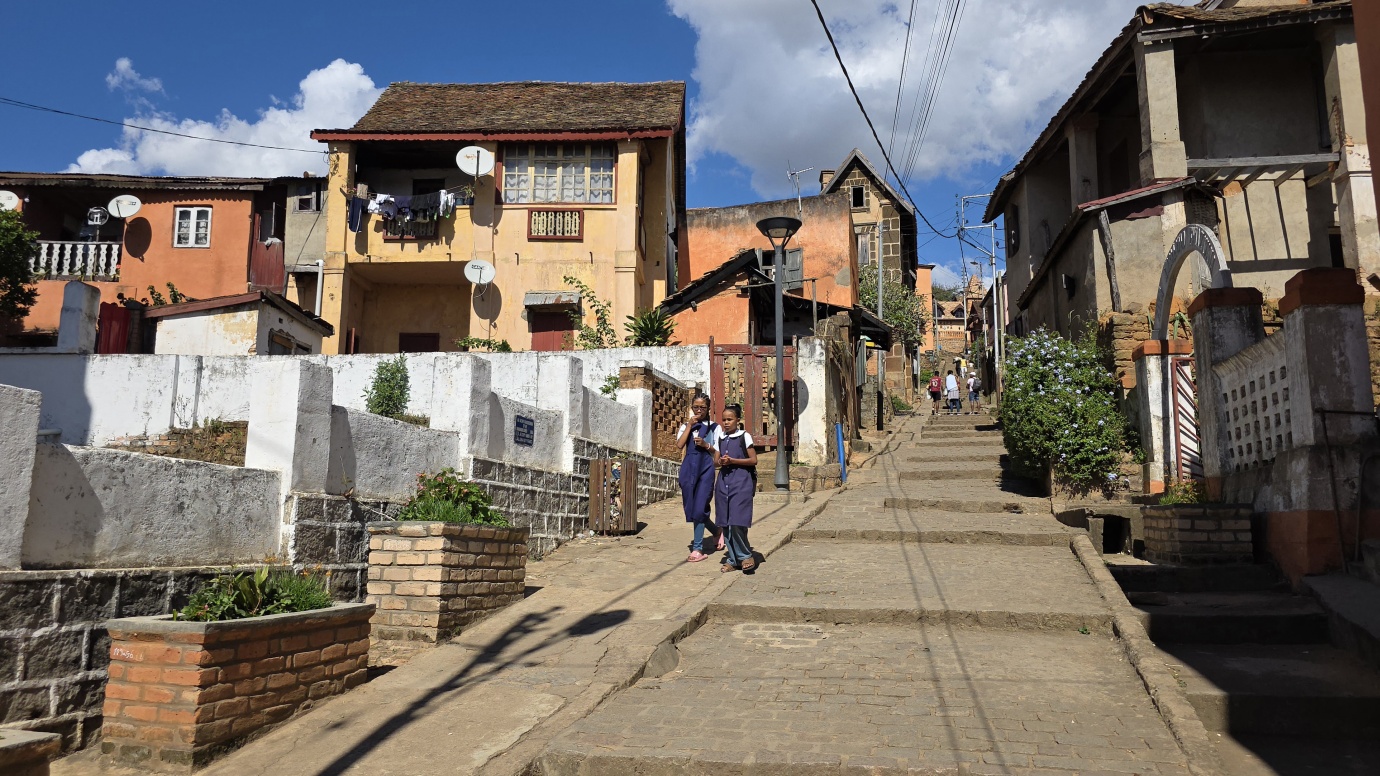
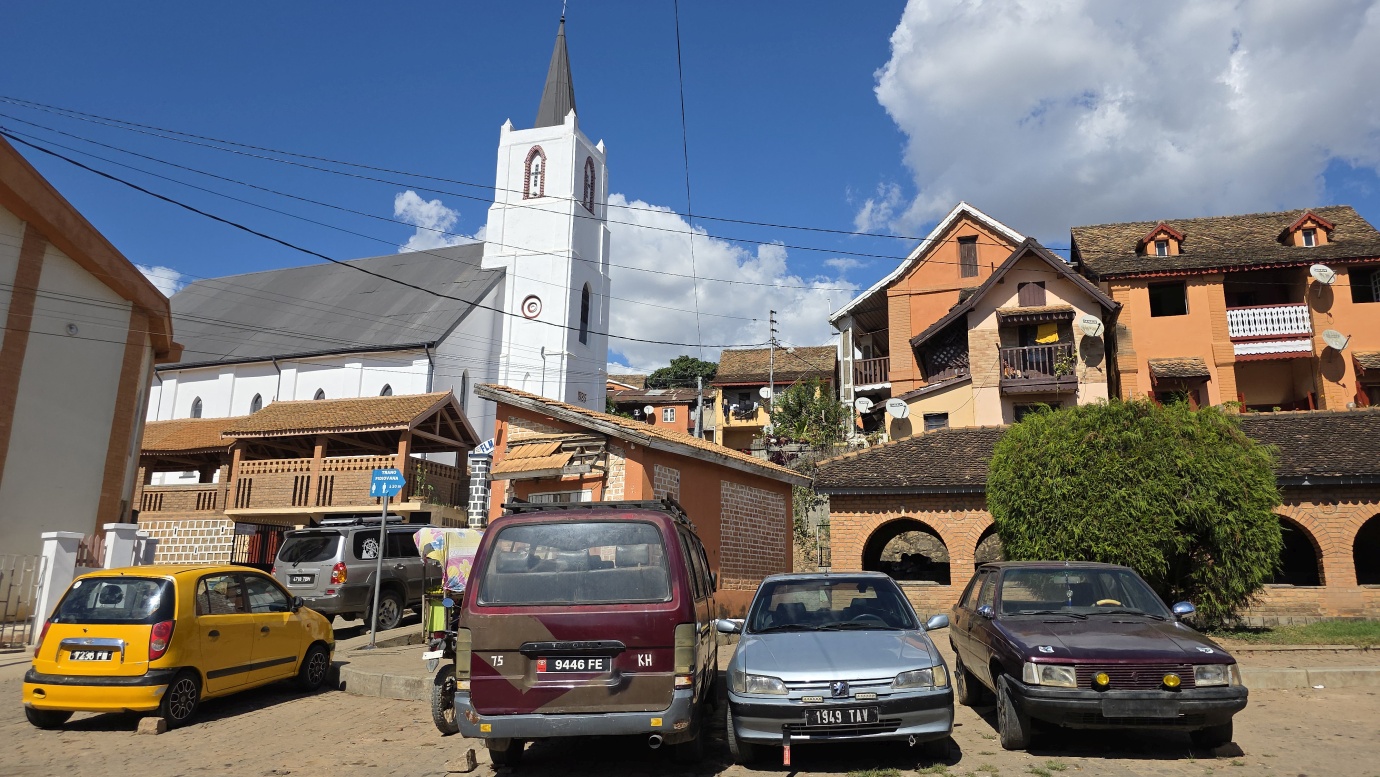
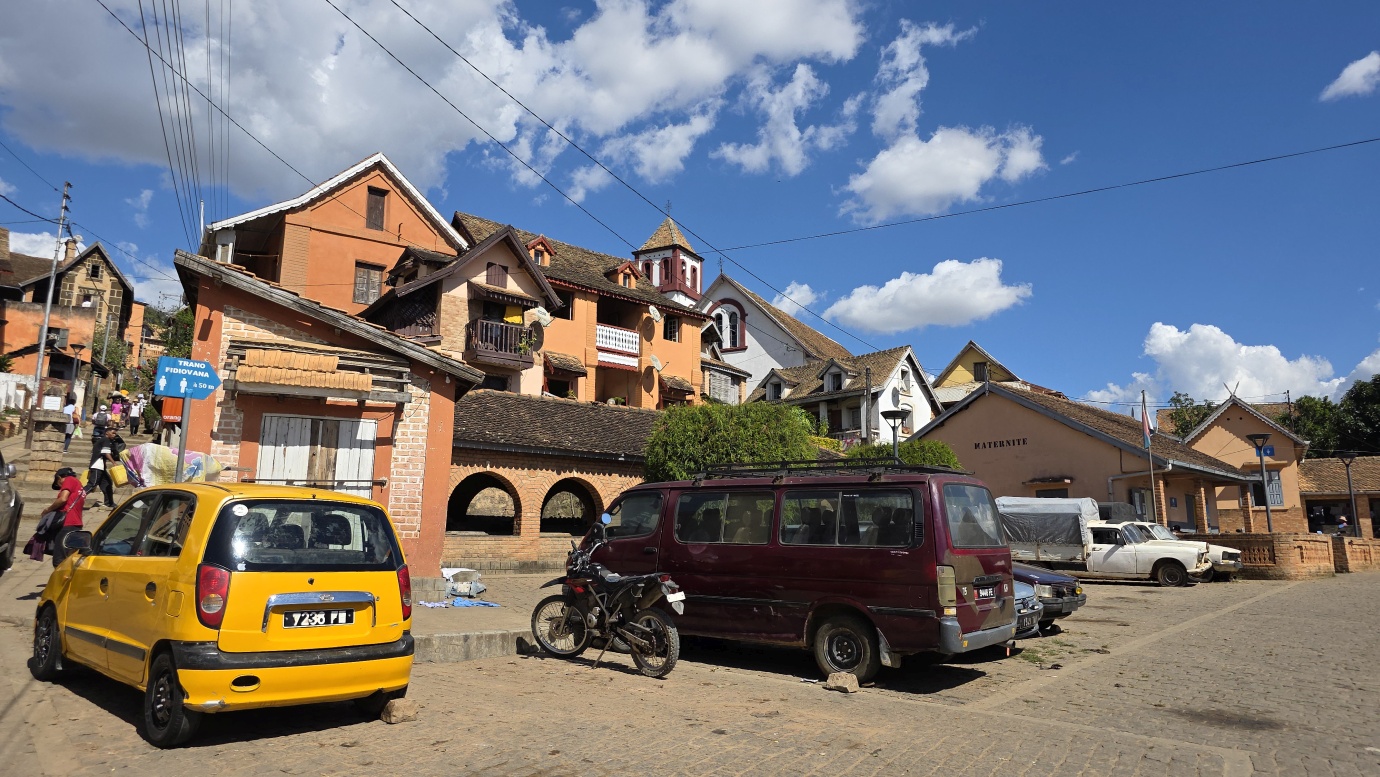
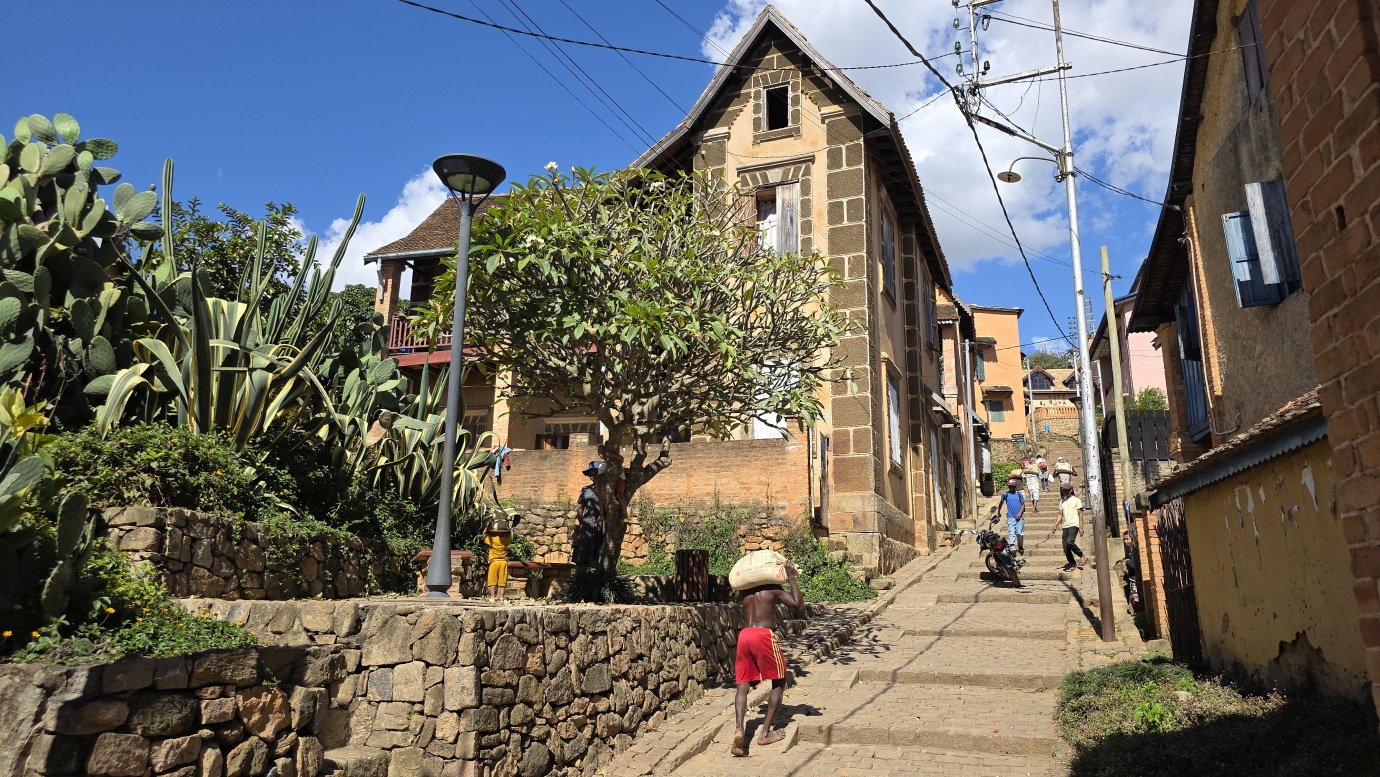
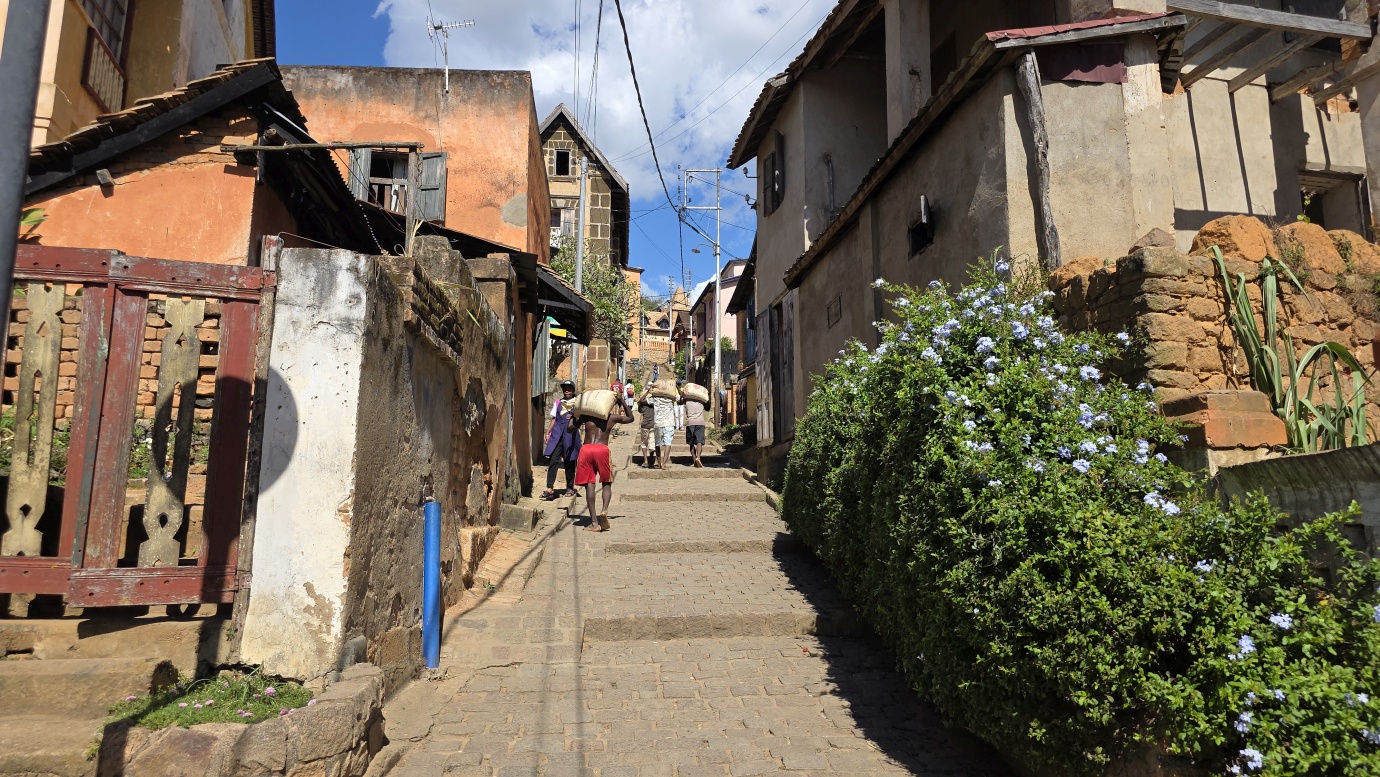
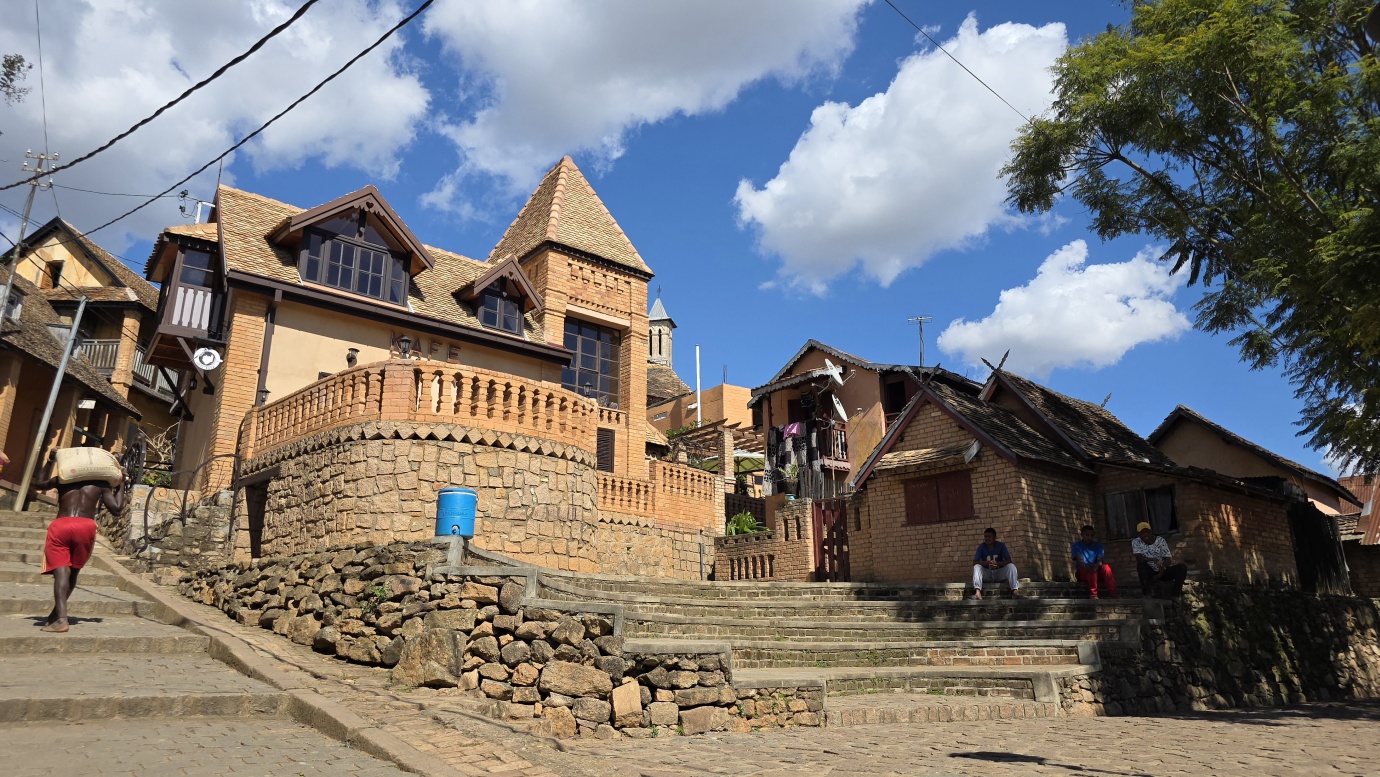
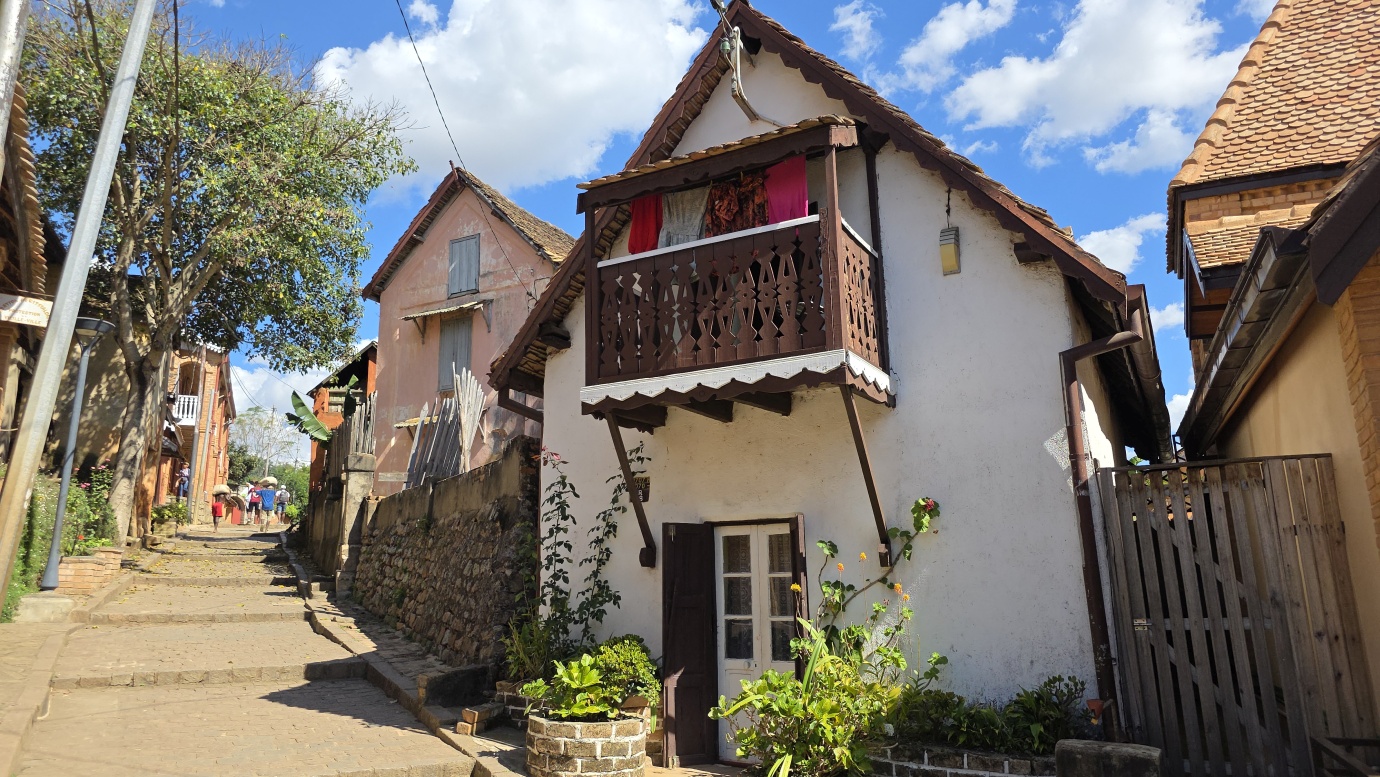
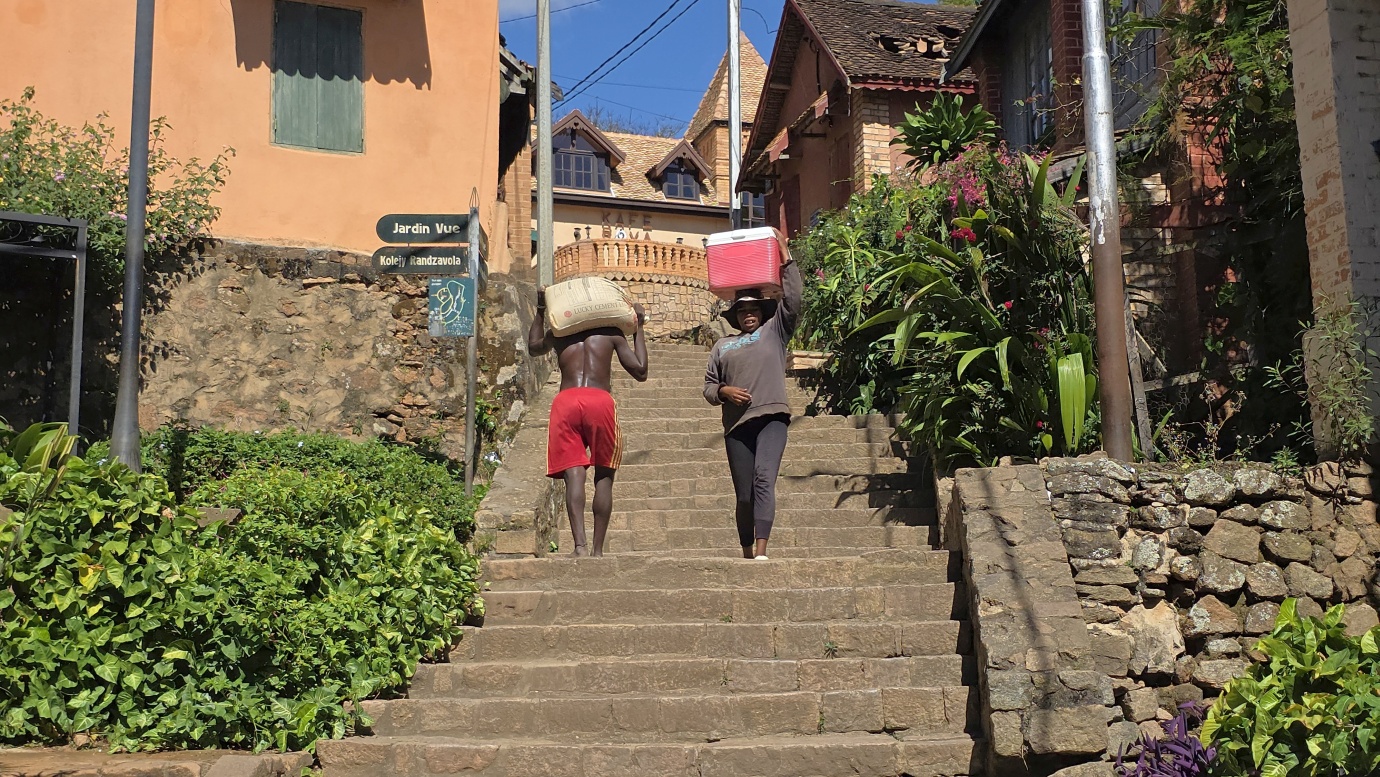
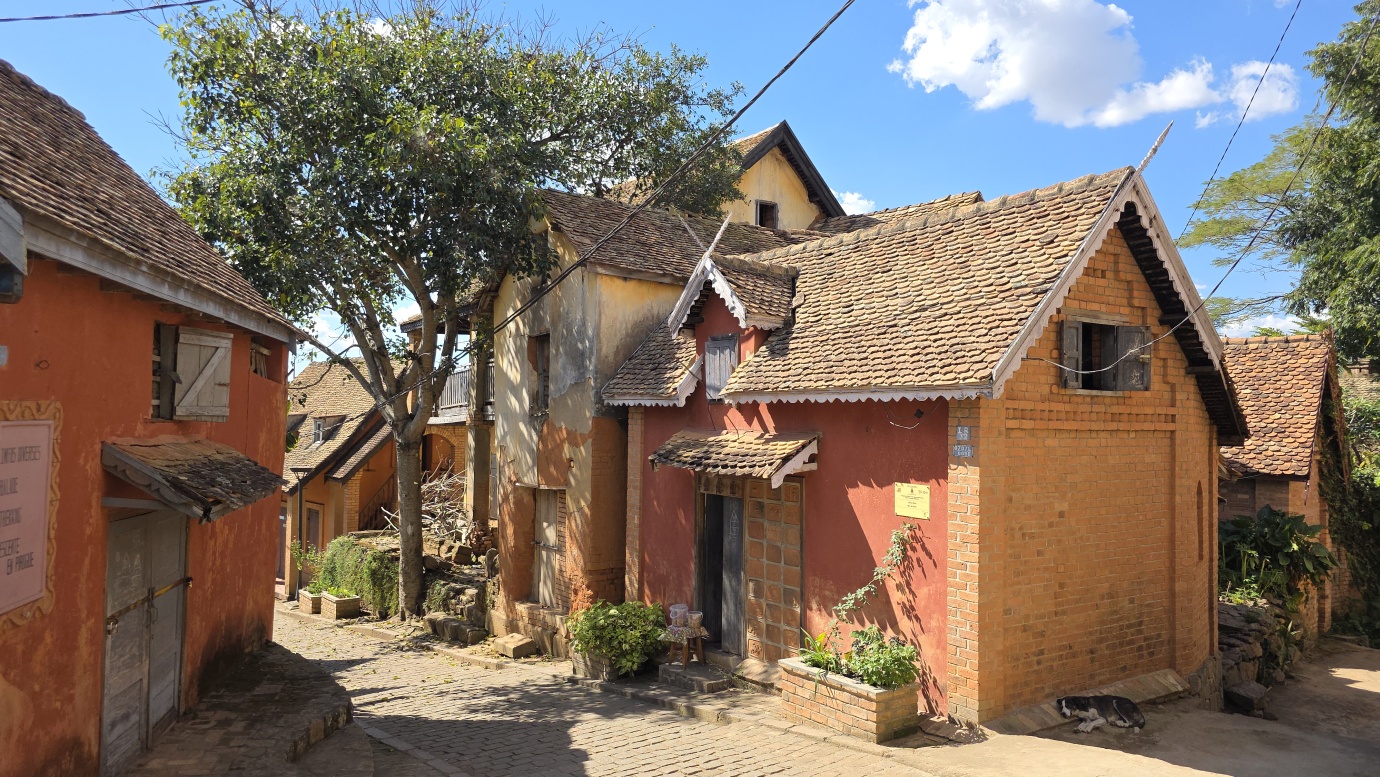
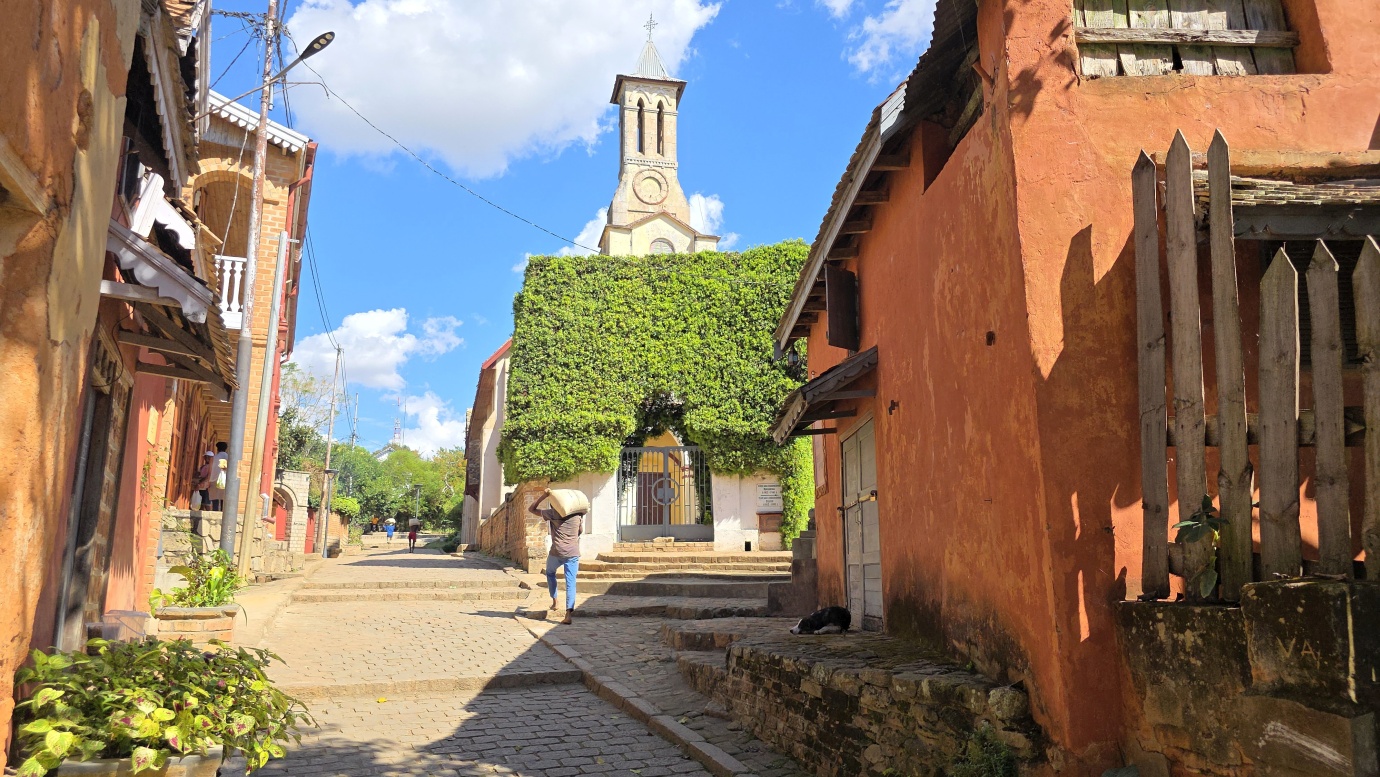
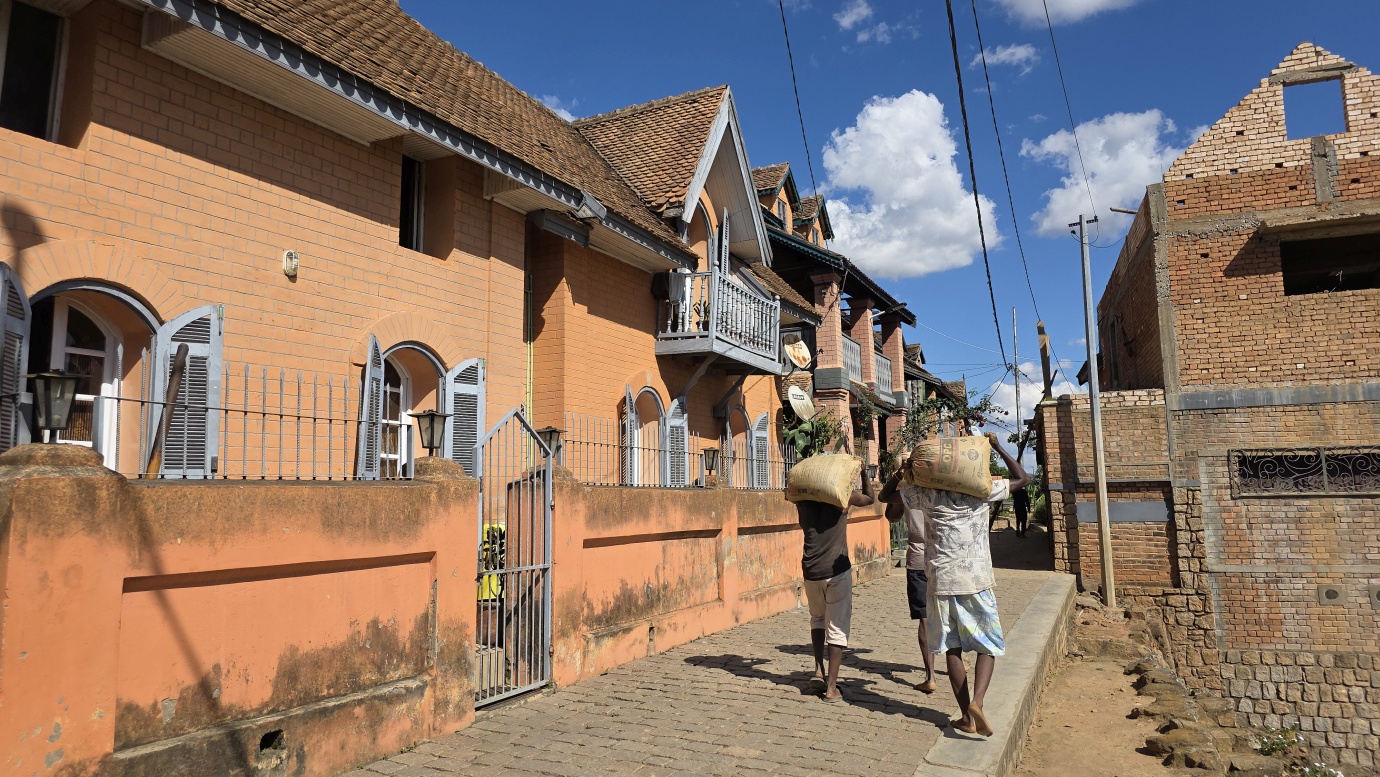
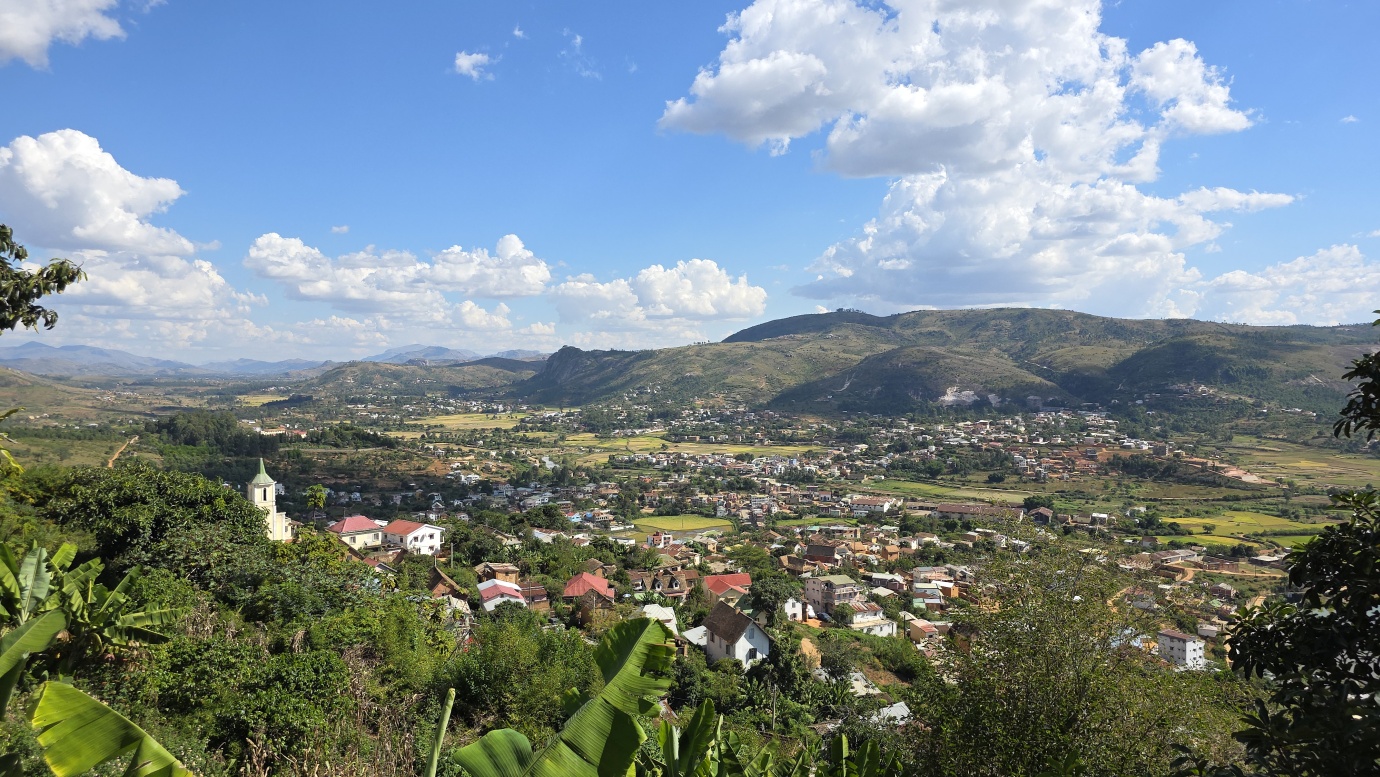
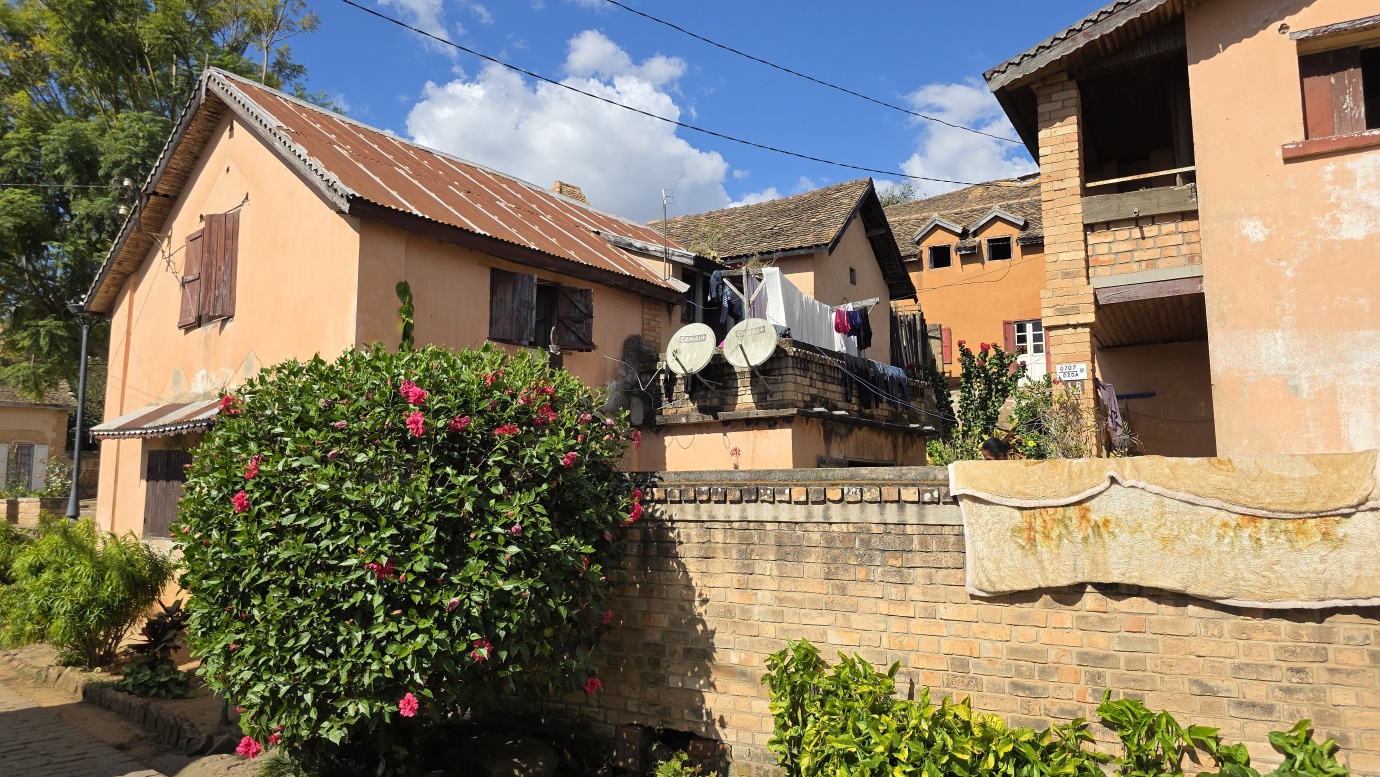
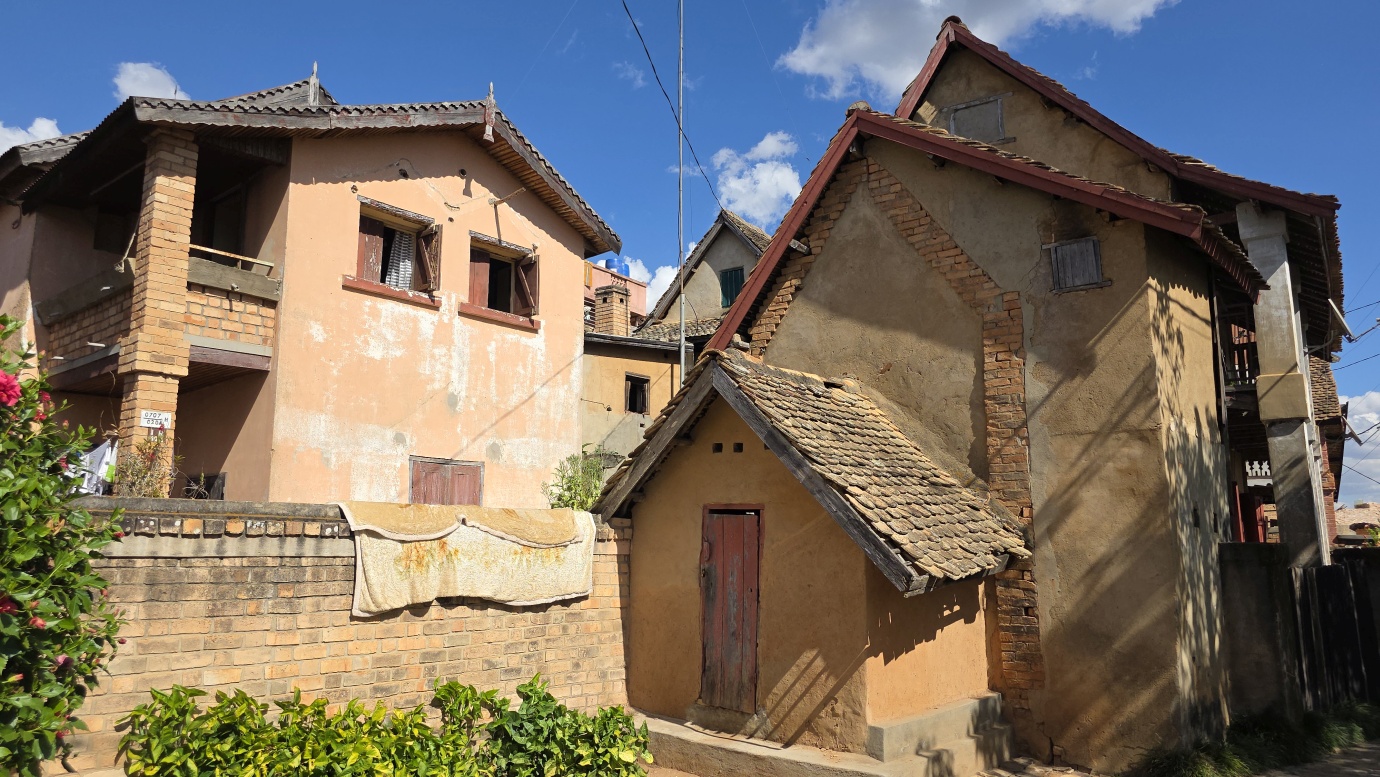
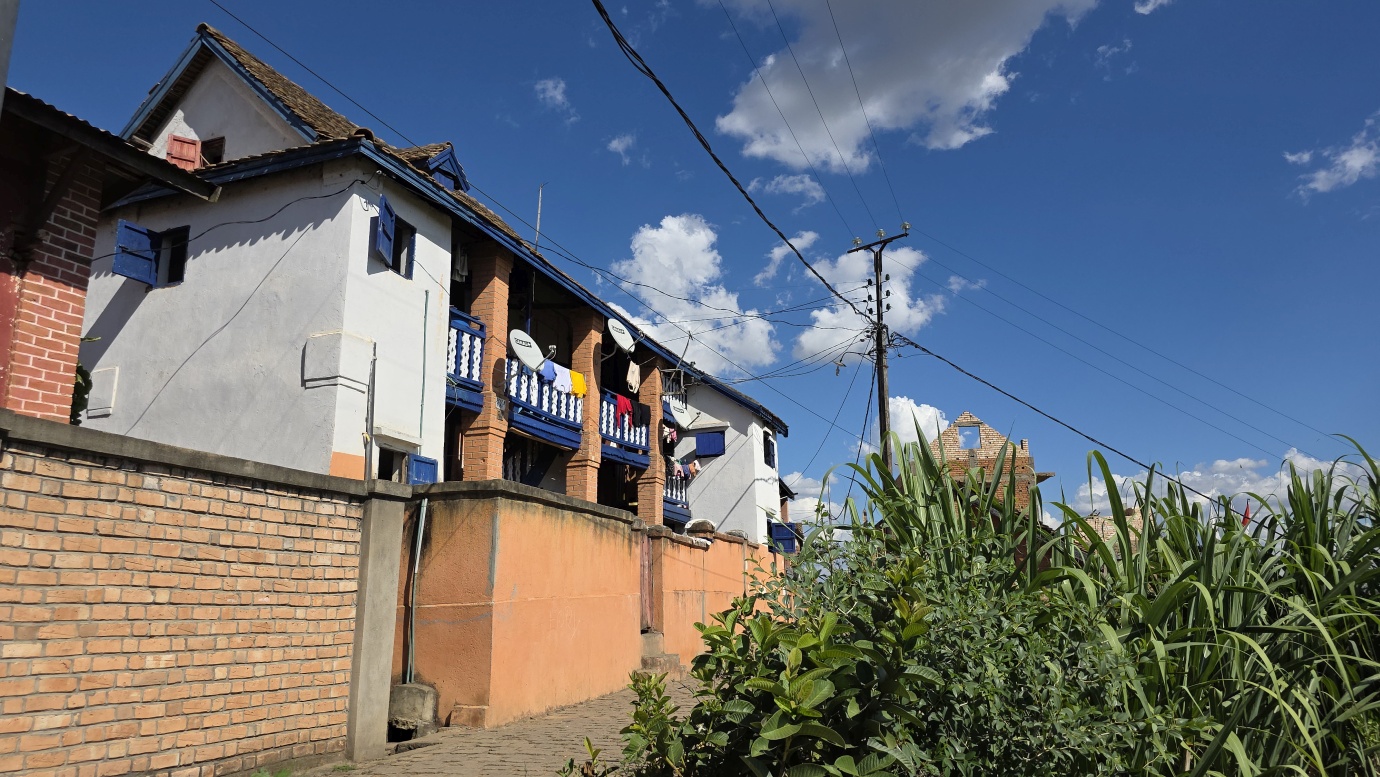
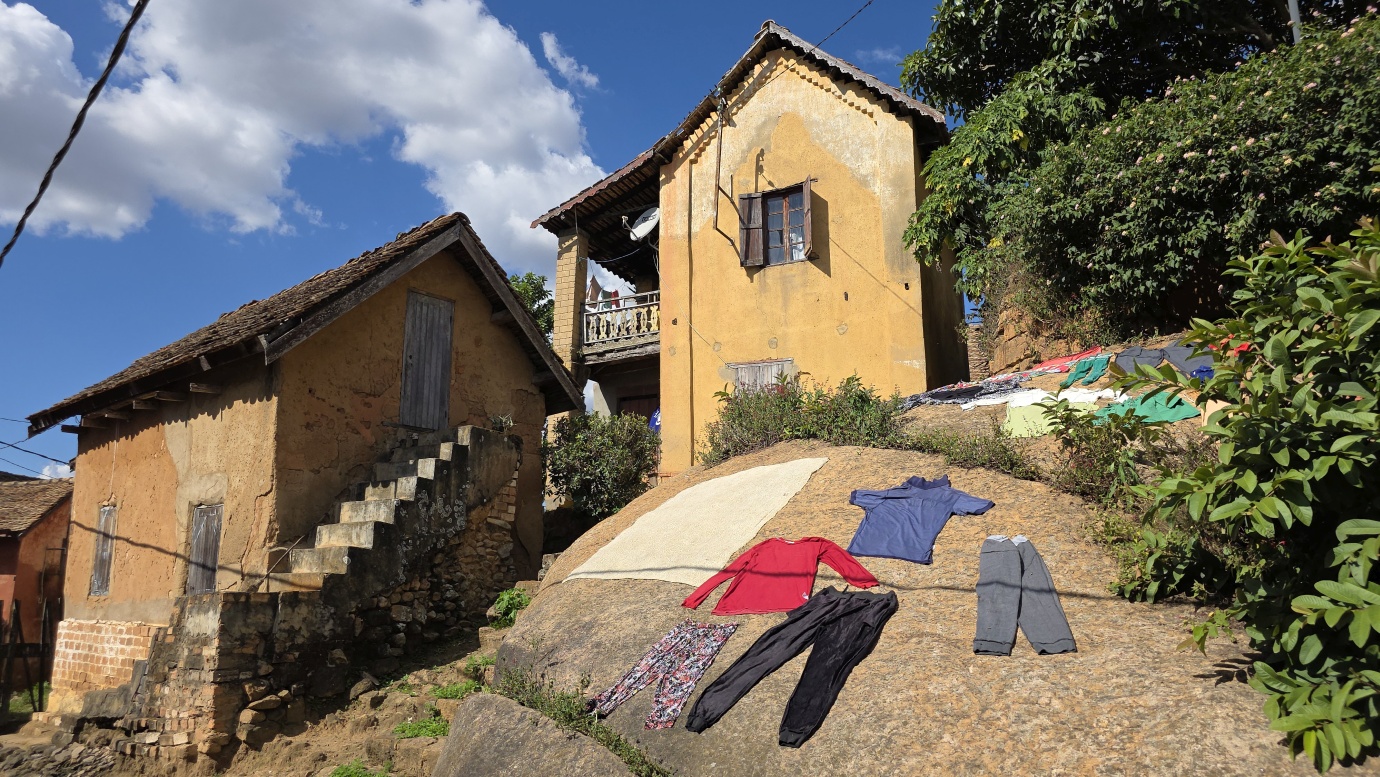
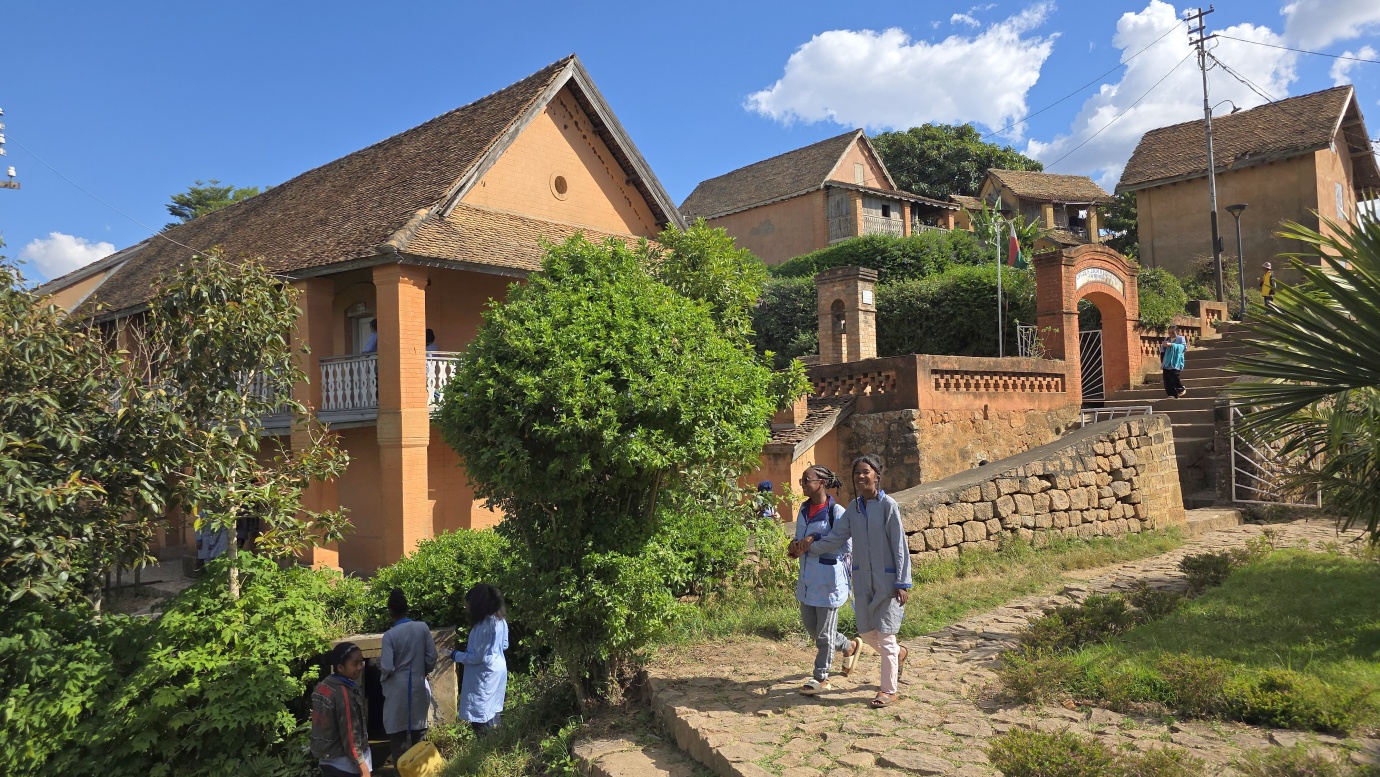
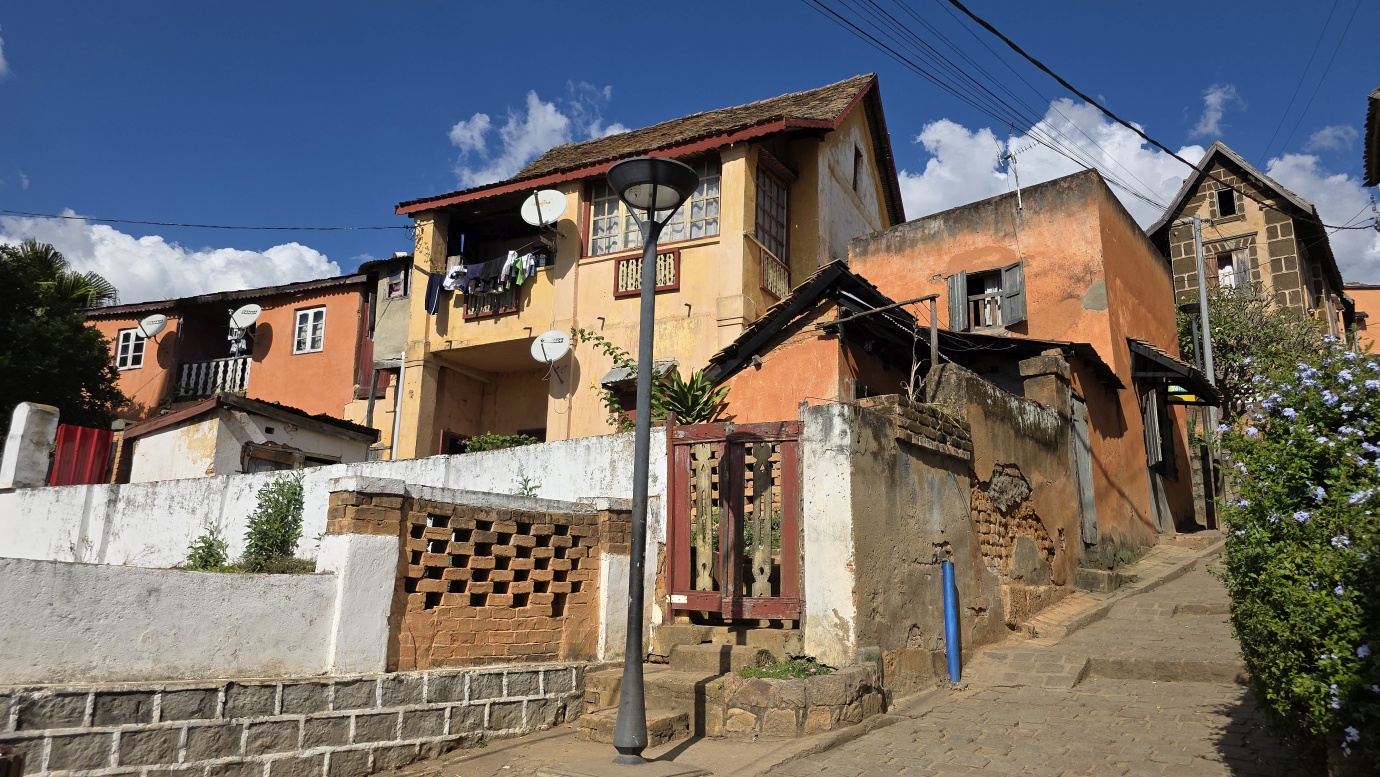
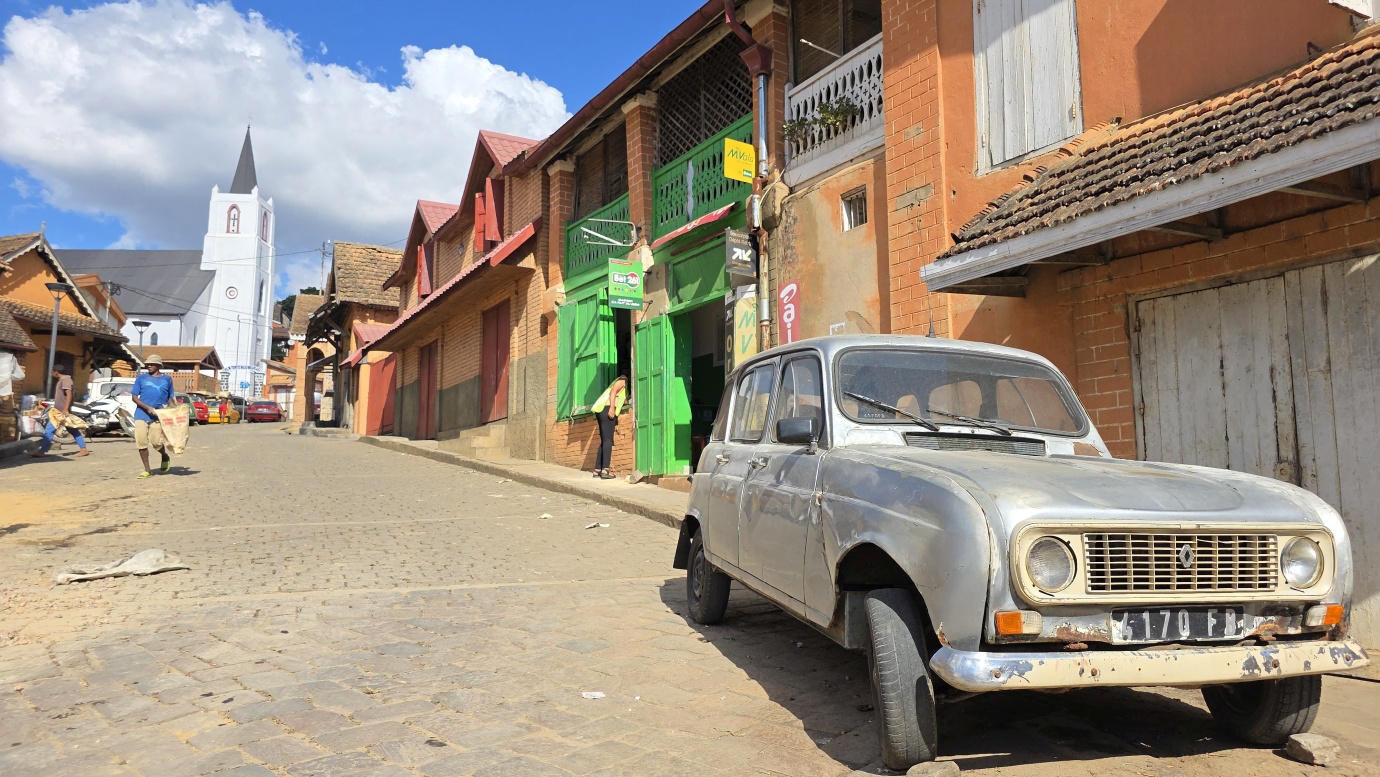
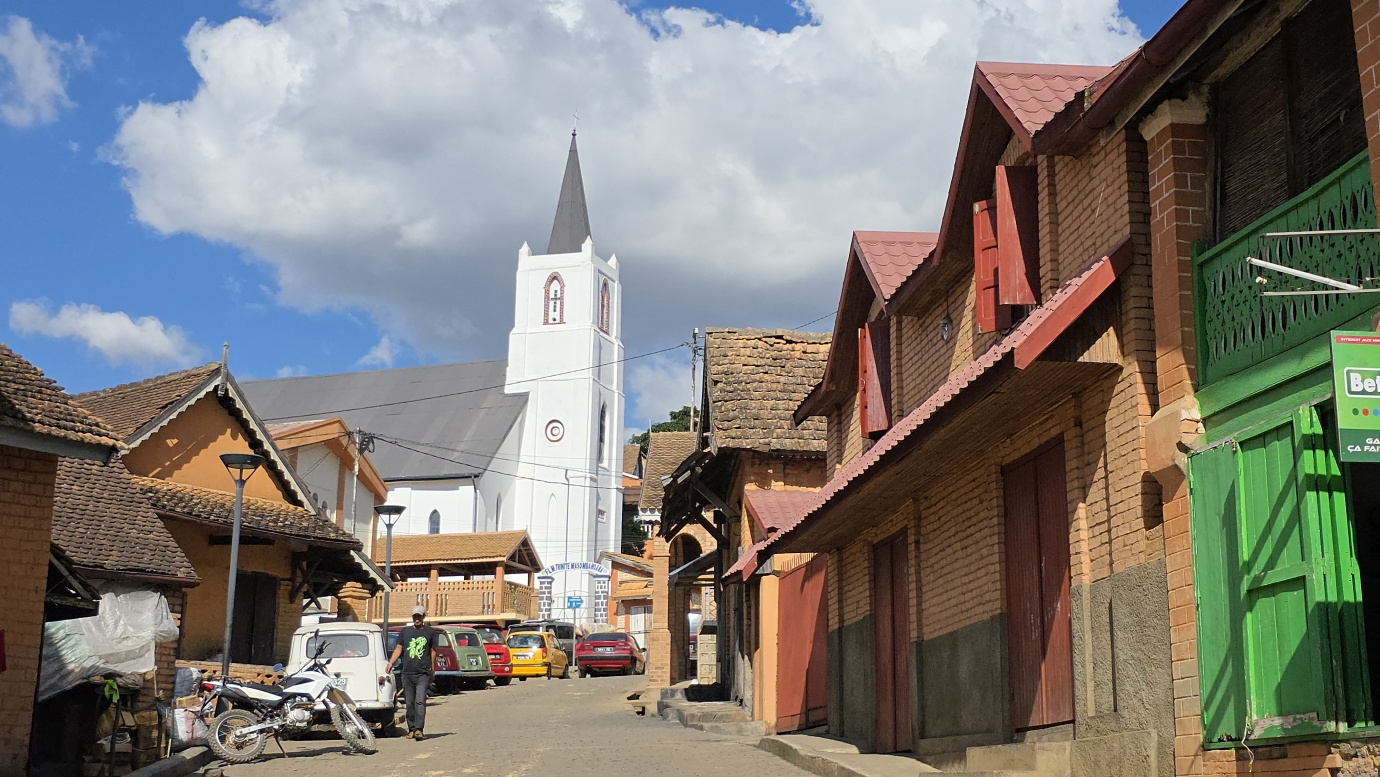
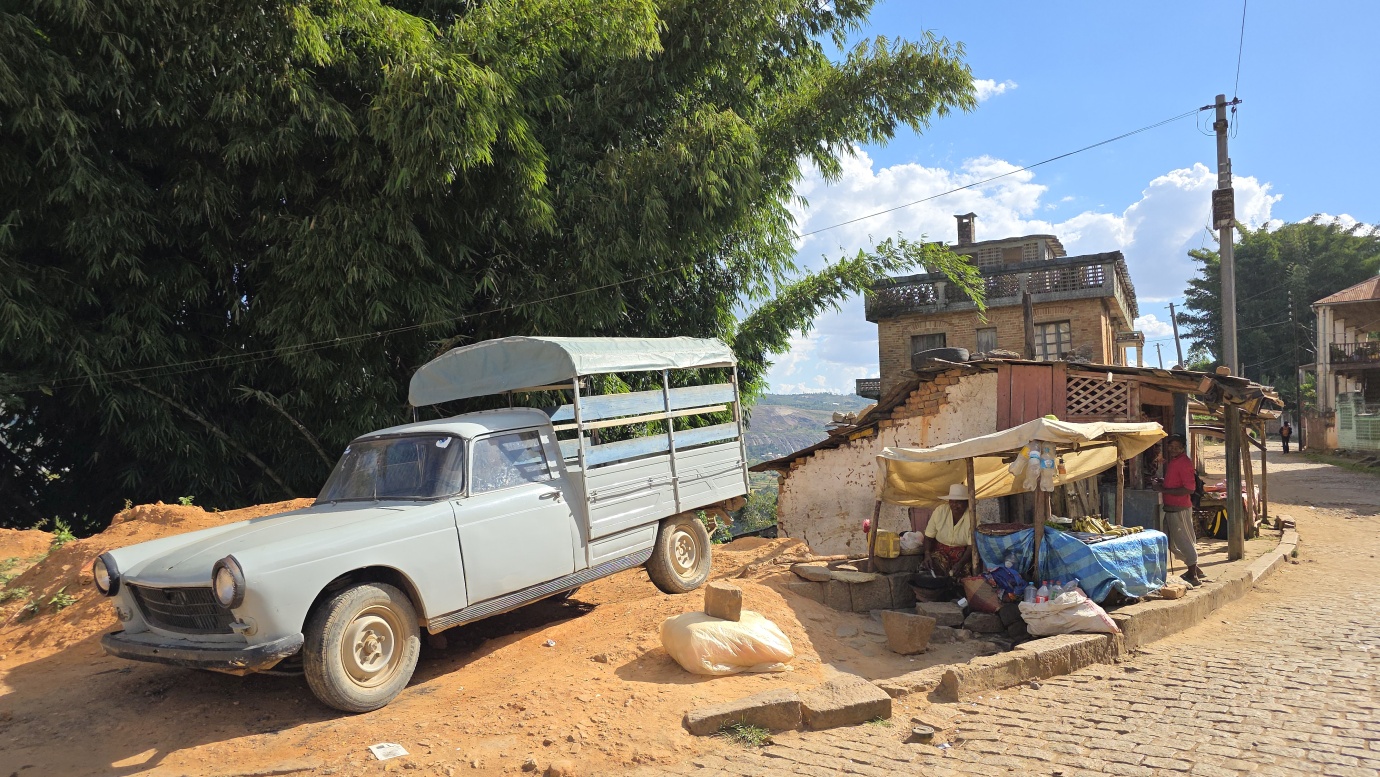
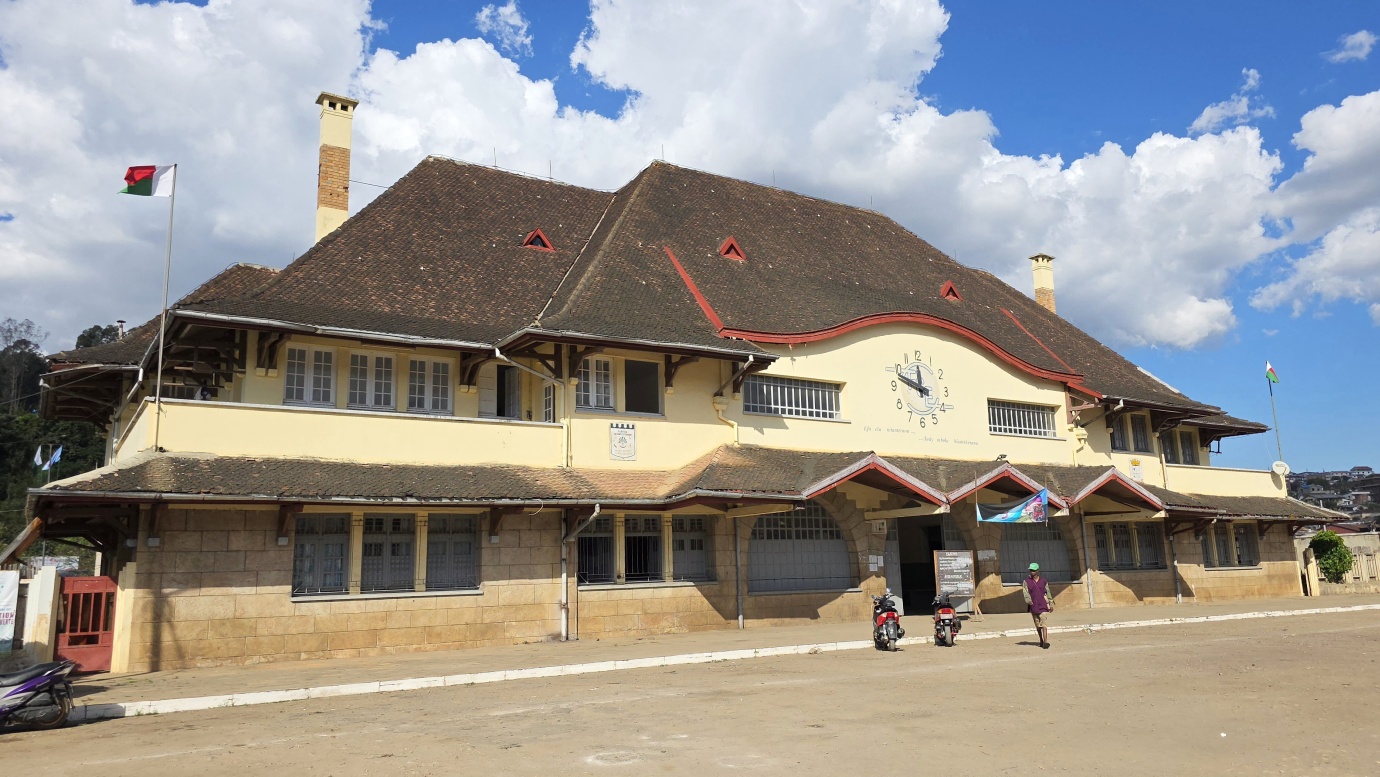
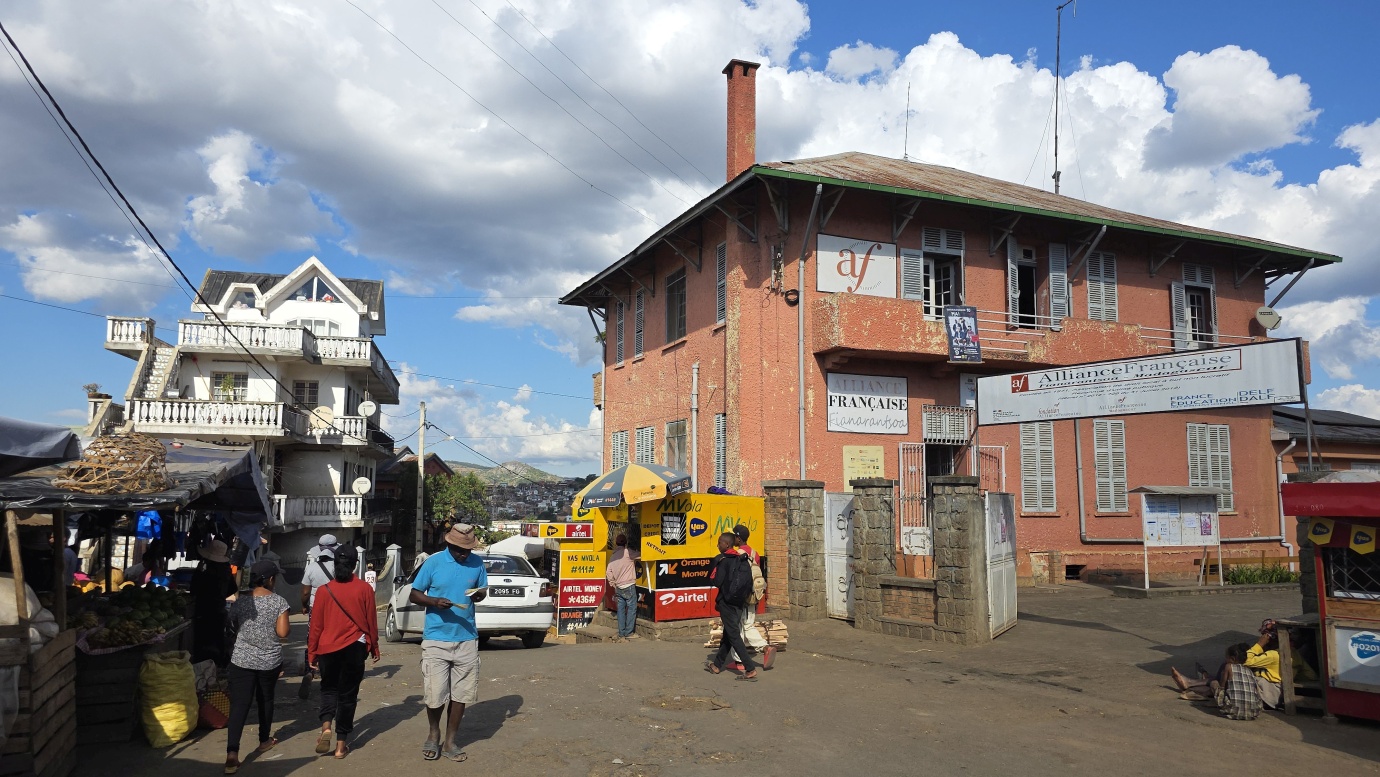
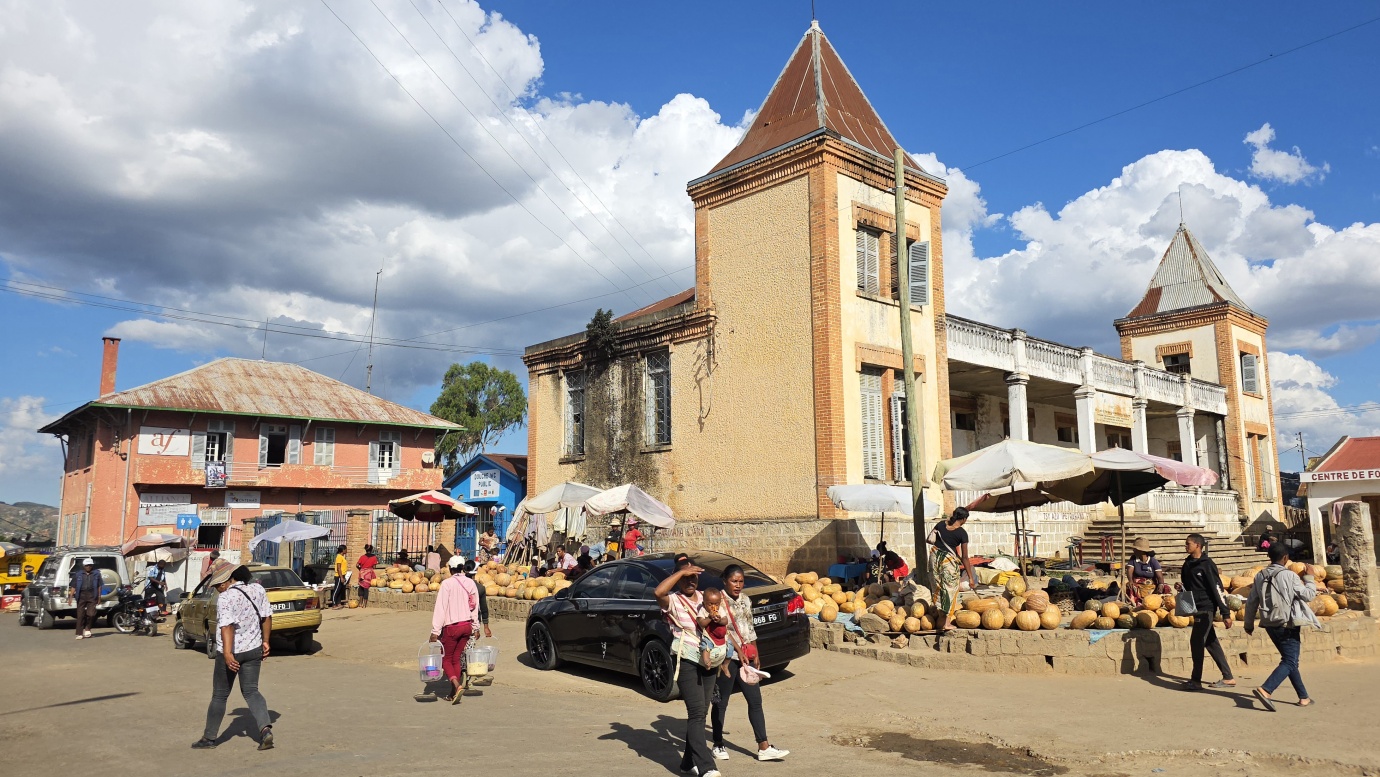
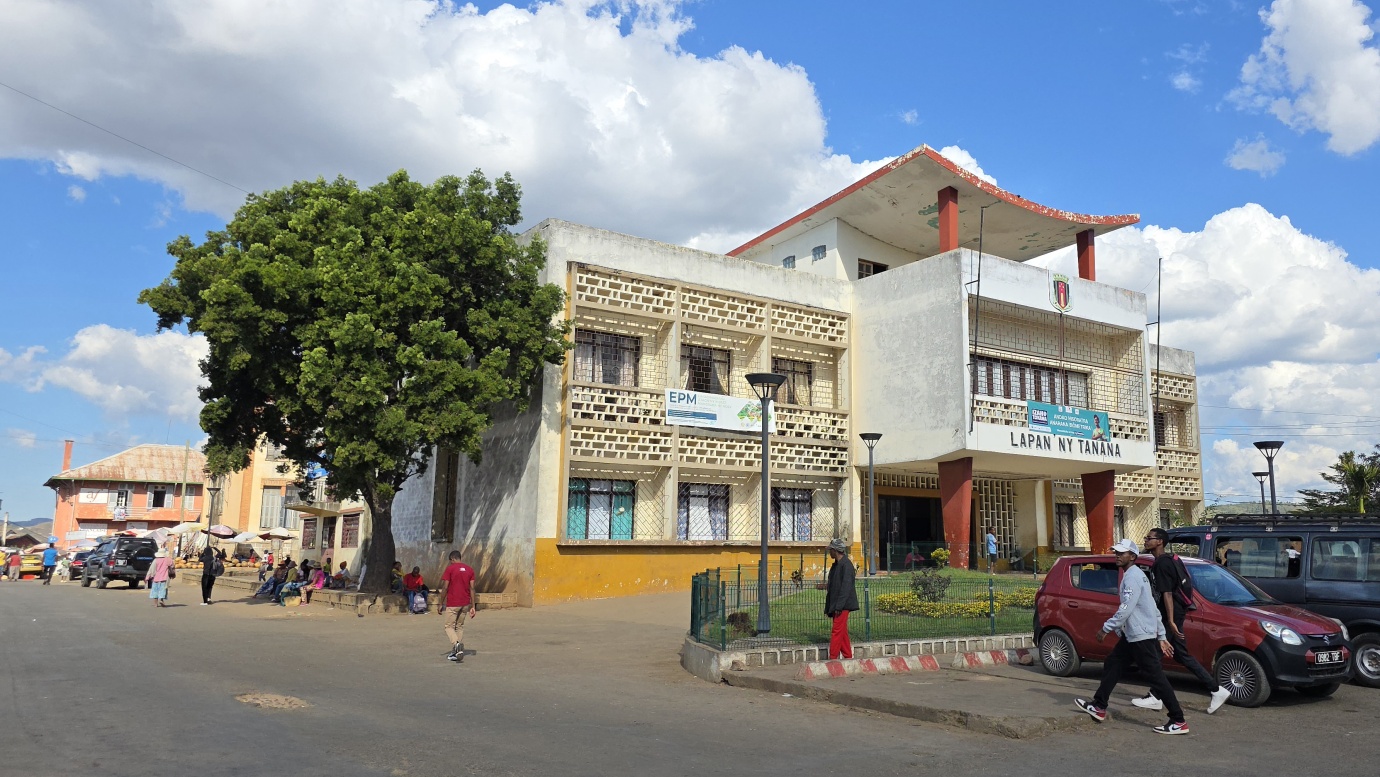
We spent one day in Fianarantsoa, a major highland city in east-central Madagascar, situated at approximately 1,200 meters above sea level on the eastern escarpment. Known as the intellectual capital and as the “place where one learns the good,” it is distinguished by its unique three-tiered layout—Upper, Middle, and Lower Town—surrounded by rice paddies, vineyards, and rolling hills.
Founded in 1830 by Governor Rafaralahindranaly under the order of Queen Ranavalona I, Fianarantsoa was established as a southern stronghold, modelled after the structural design of Antananarivo. The Upper Town (Haute Ville) was reserved for officials, while the lower levels housed markets and residents—a distinctive urban structure that remains visible today. During the French colonial era, the city’s role as an administrative centre was further strengthened. The inauguration of the Fianarantsoa–Manakara railway line in 1935 significantly accelerated regional trade.
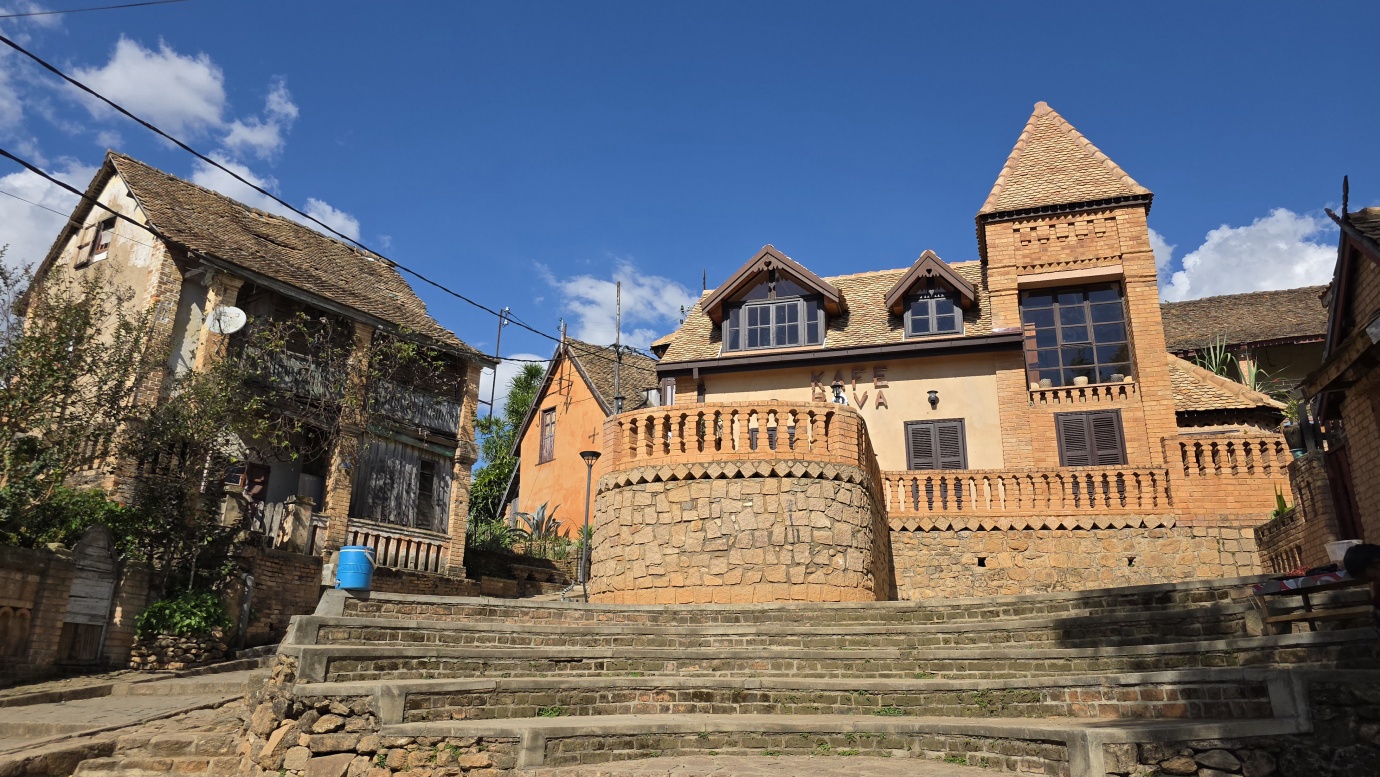
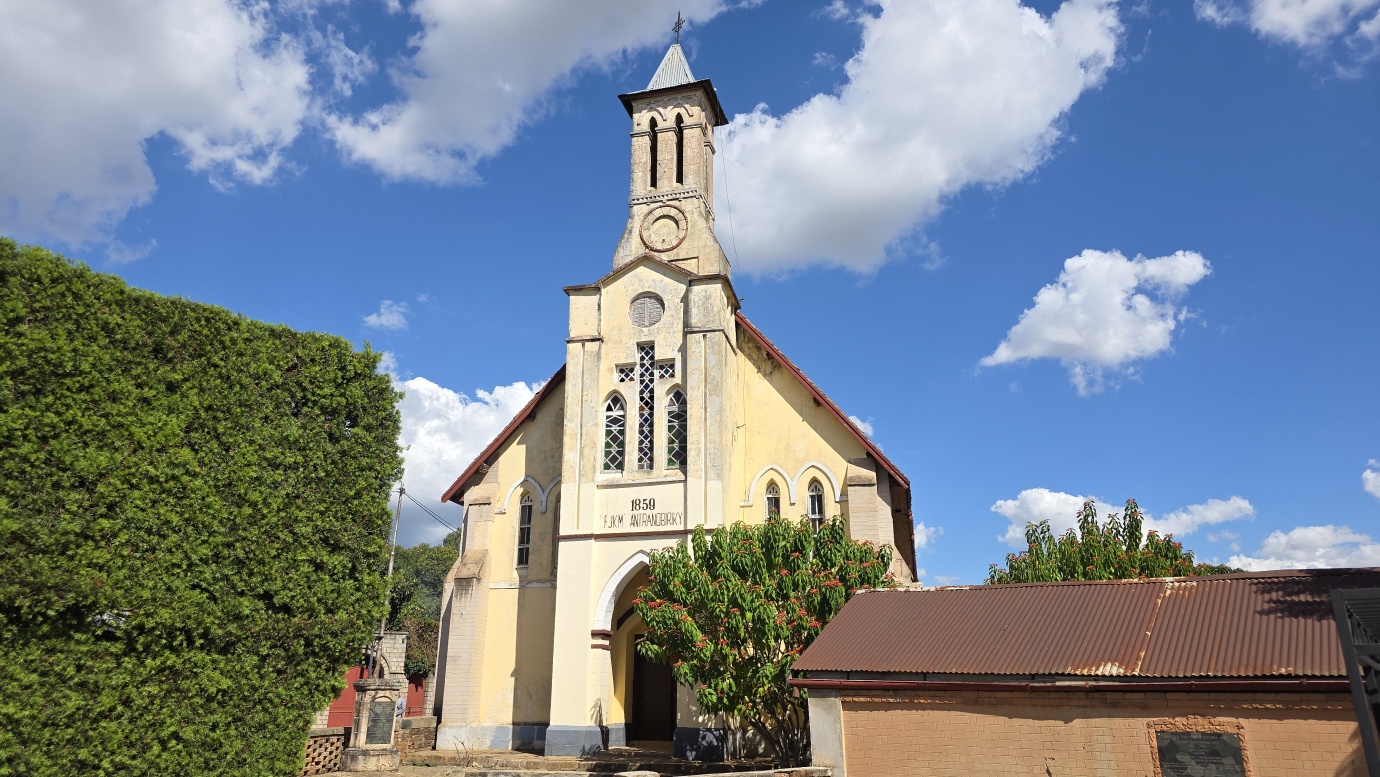
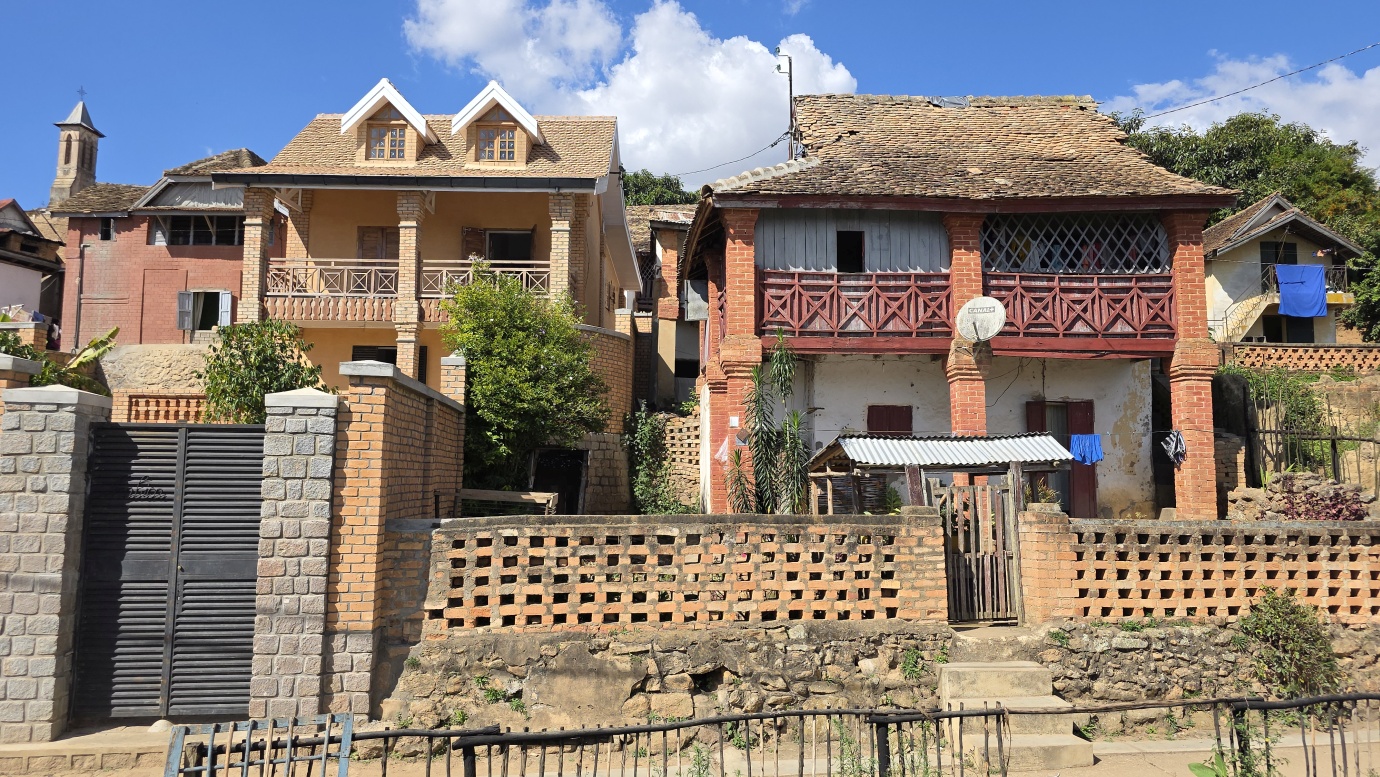
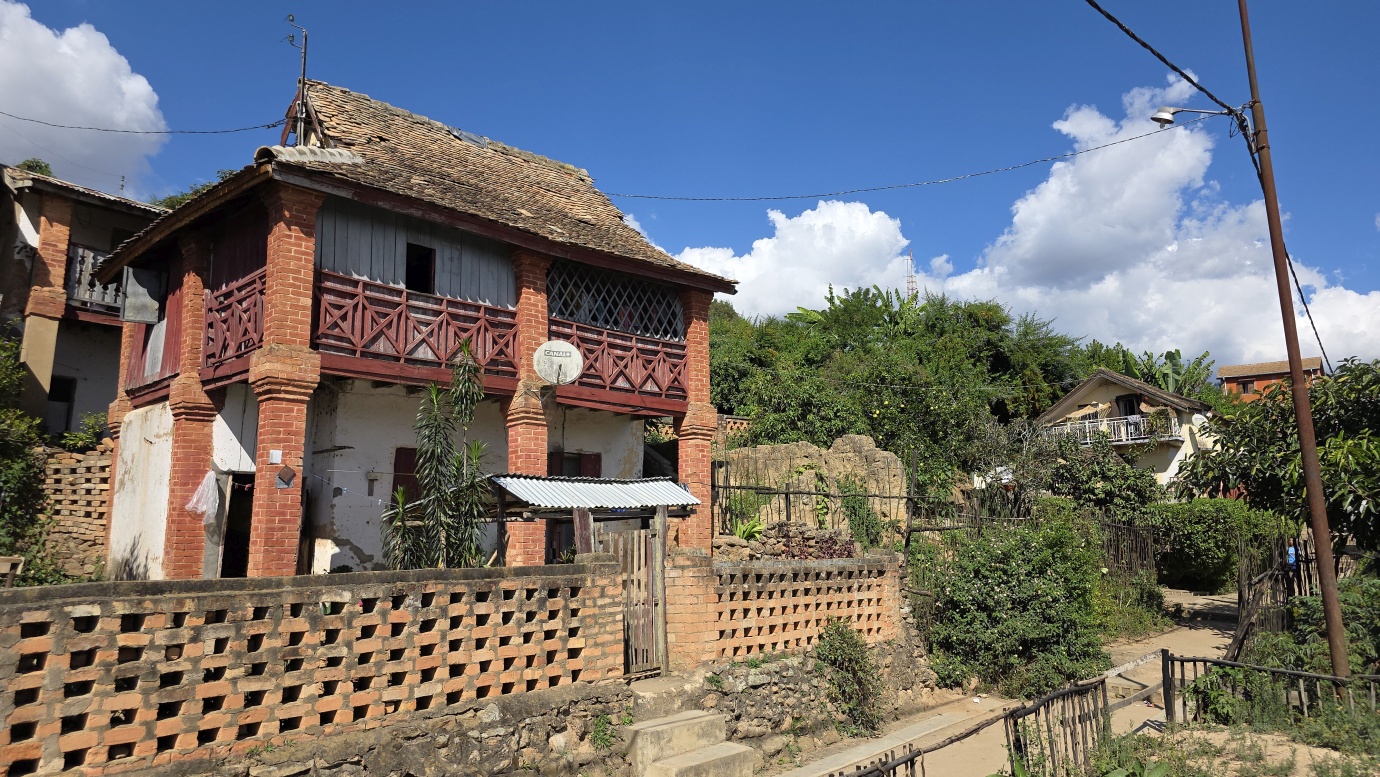
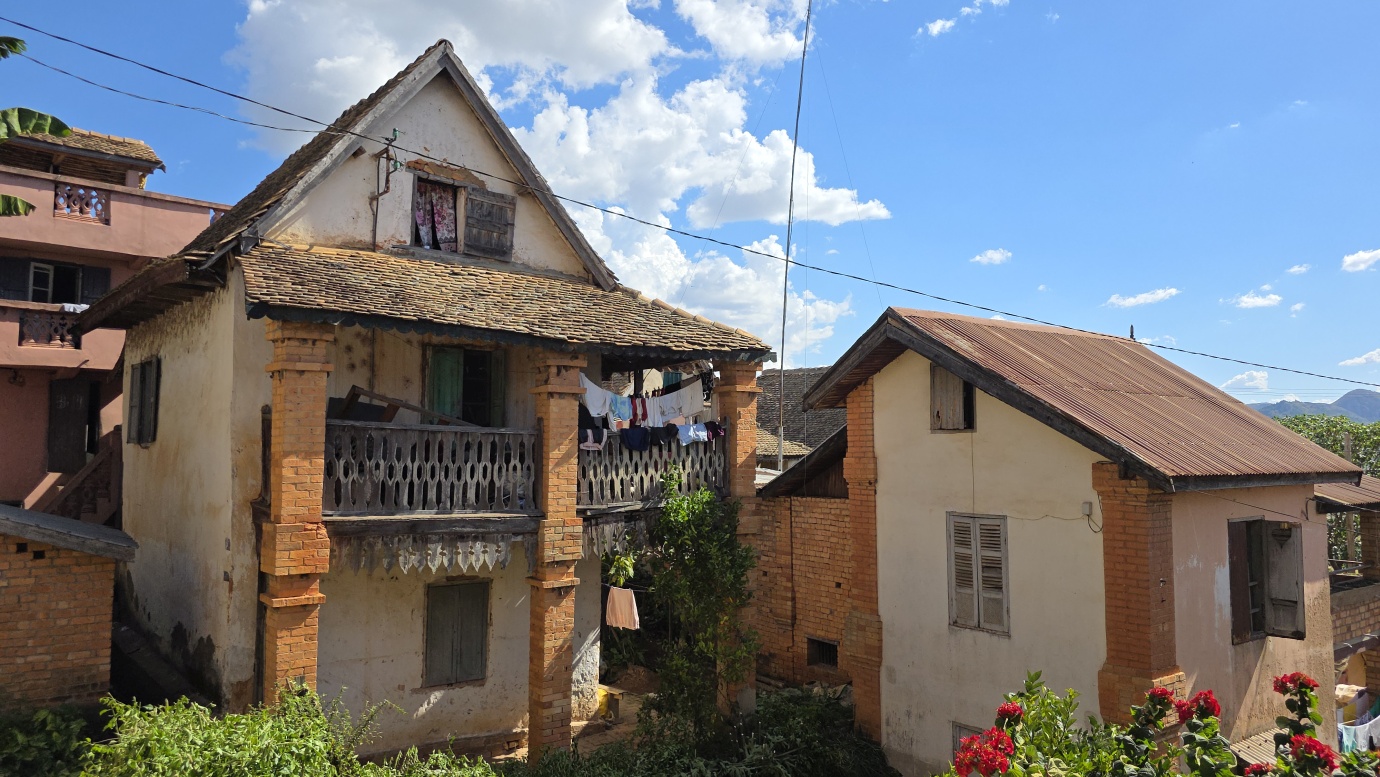
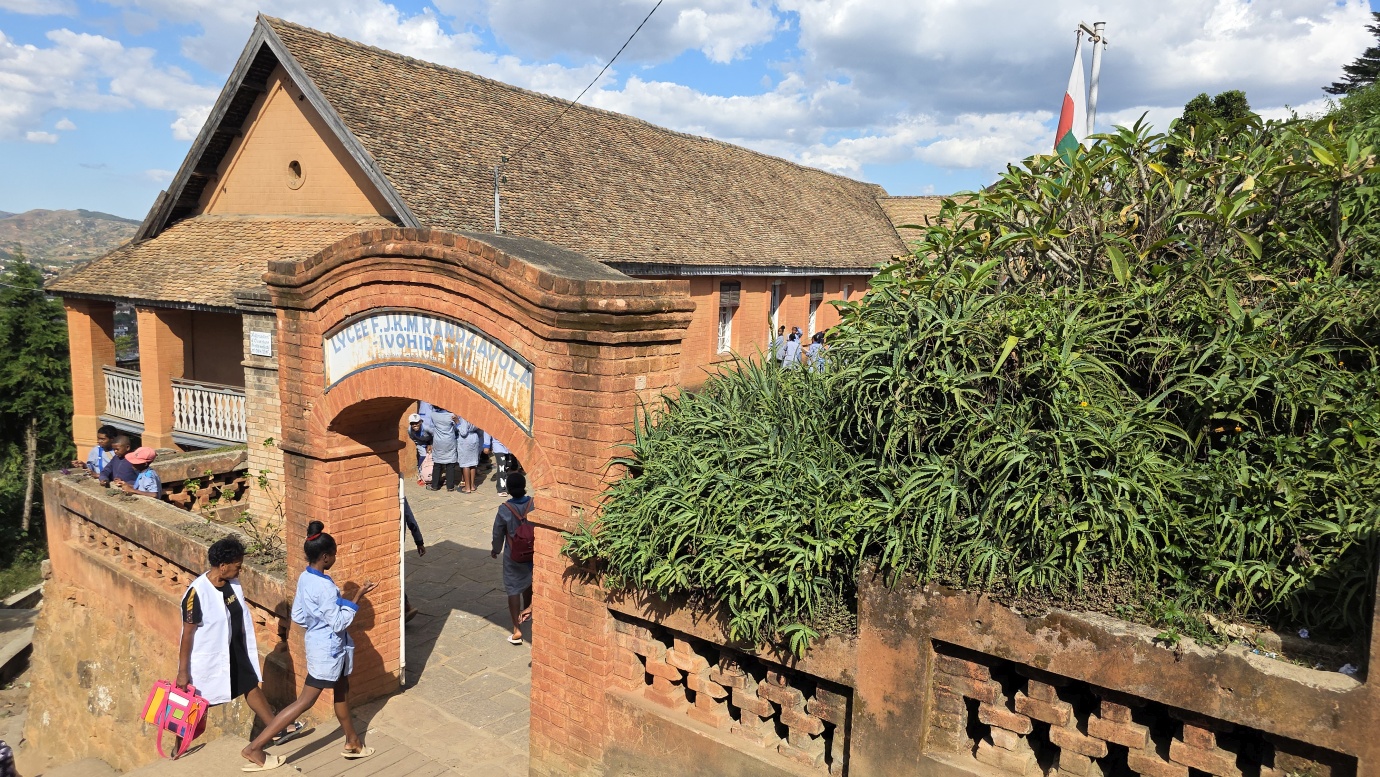
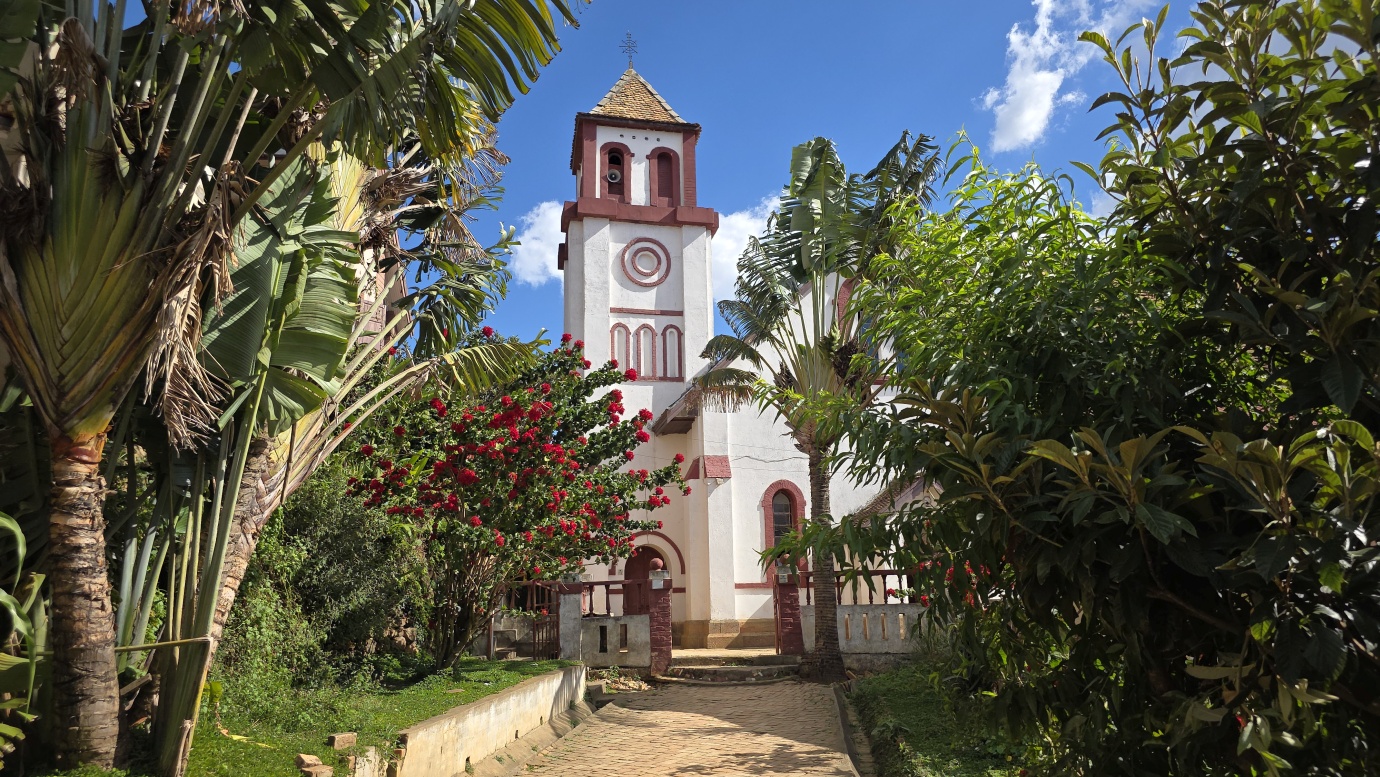
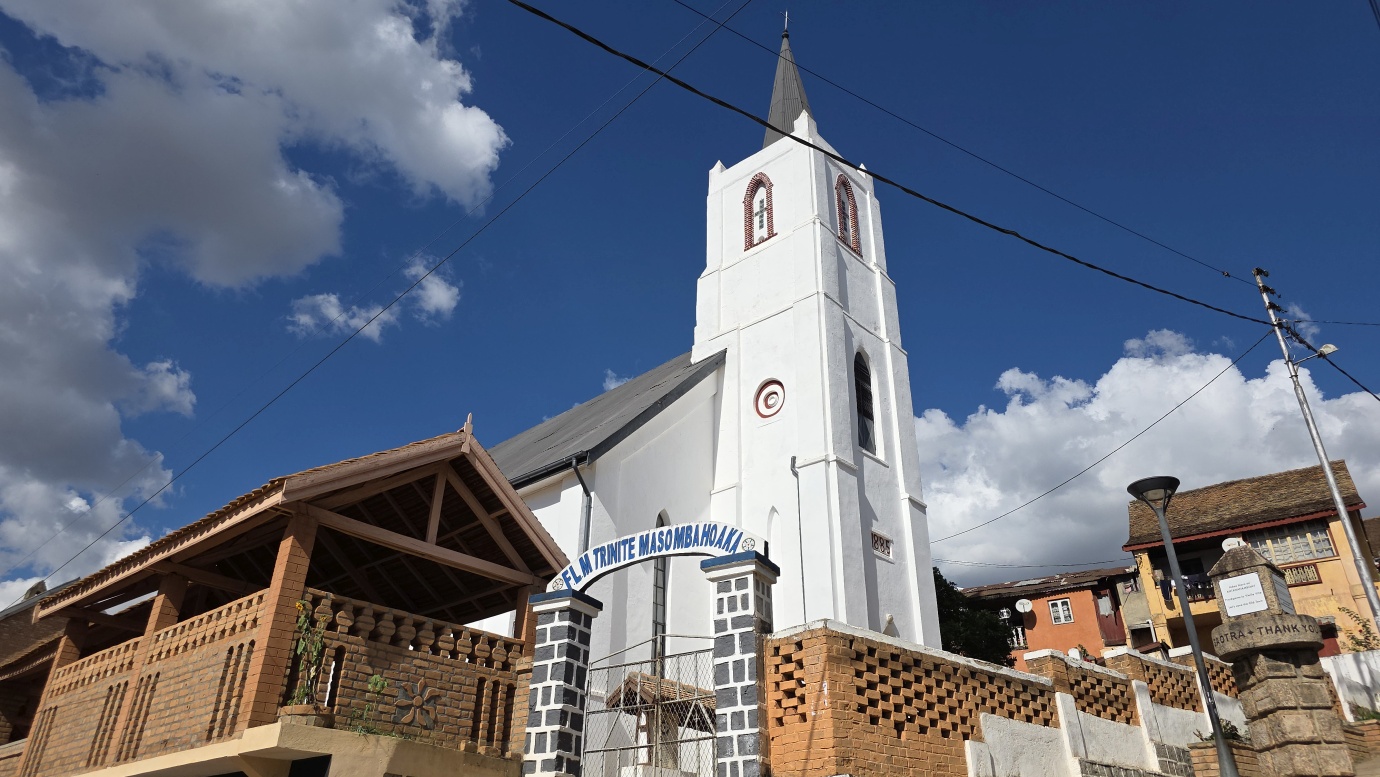
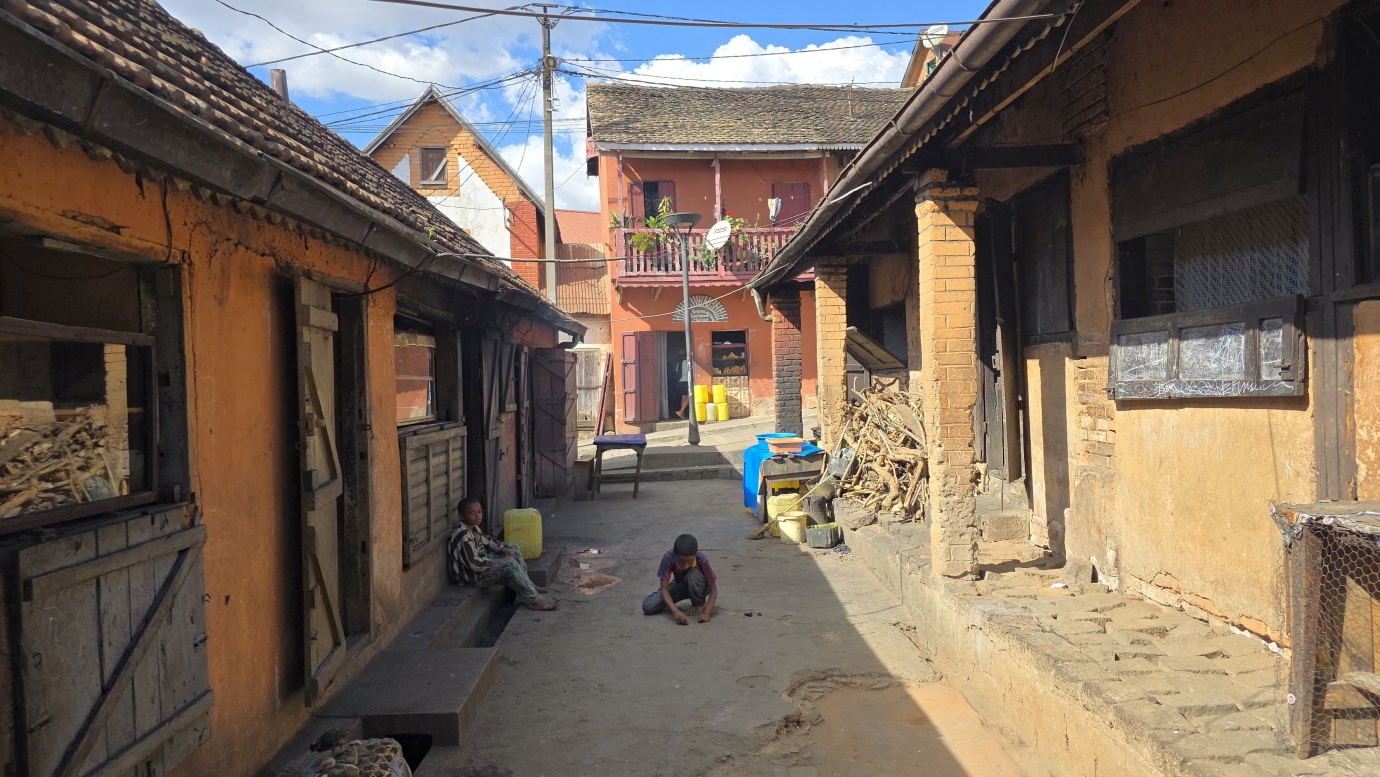
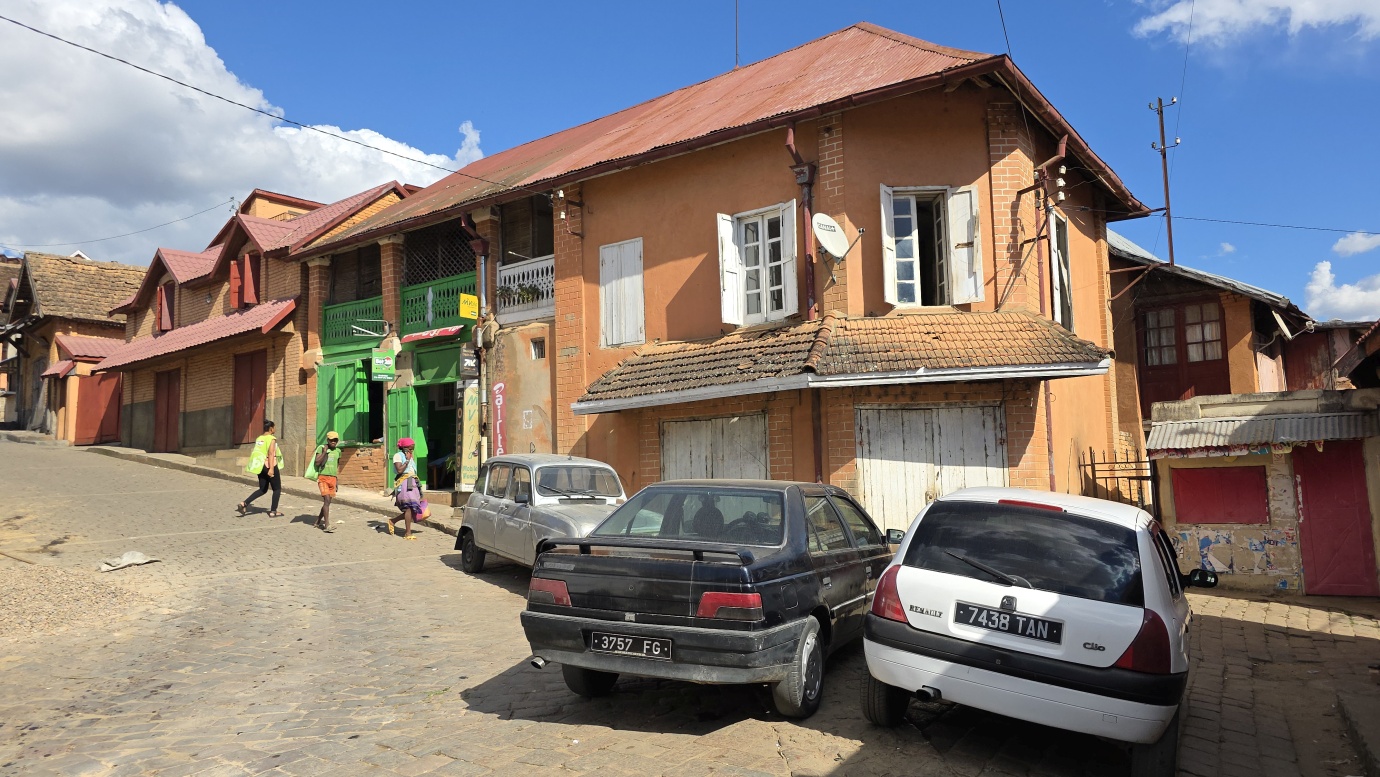
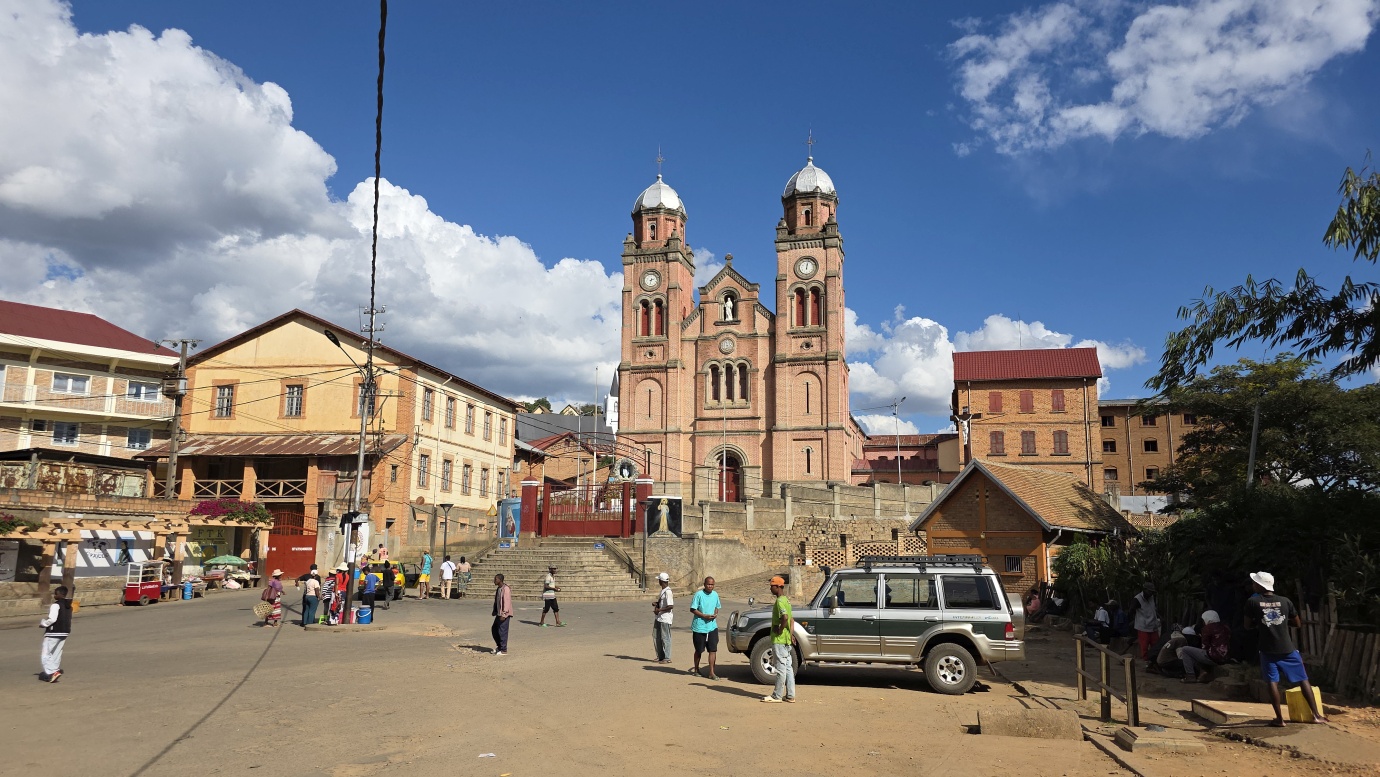
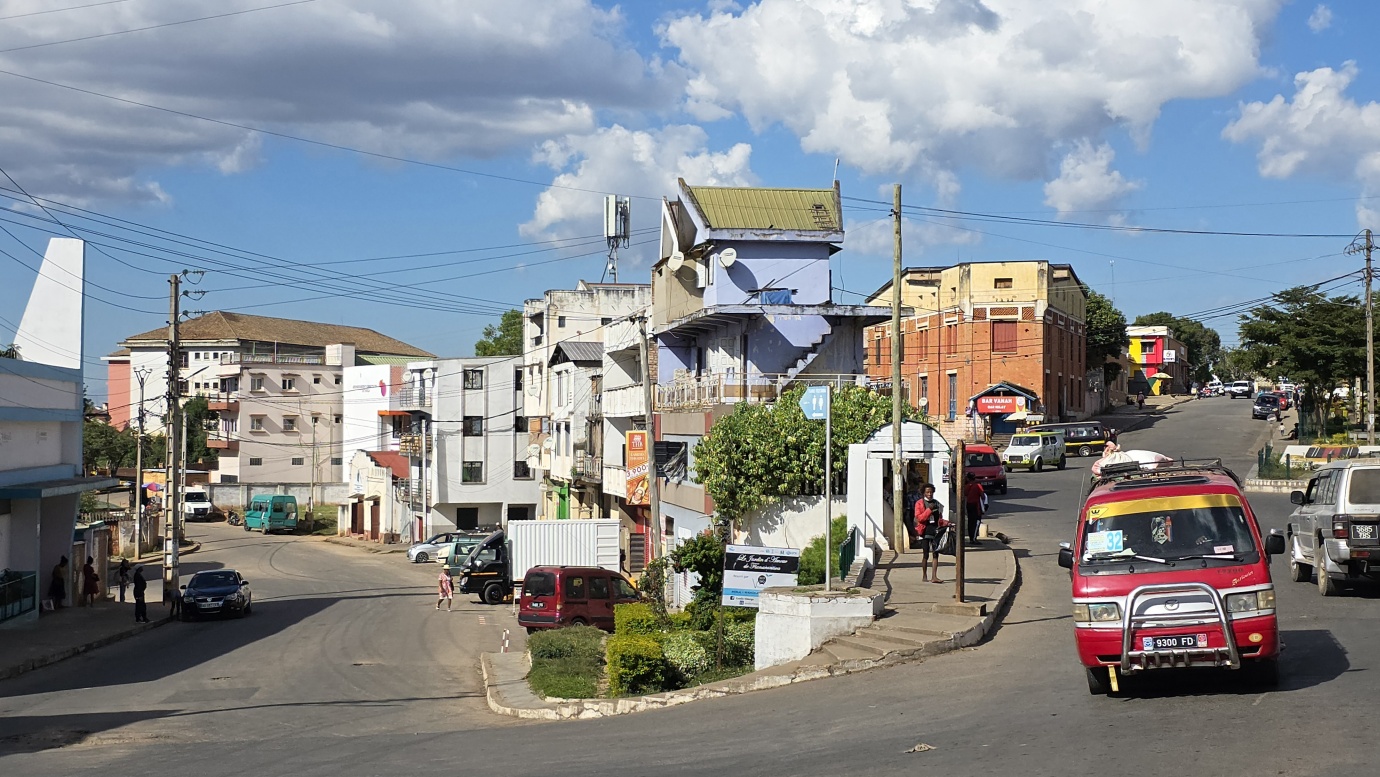
During our visit, we explored the Old Town (🎟️ 10,000 MGA), accompanied by a mandatory local guide (30,000 MGA). Highlights included the ruins of the Rova (the queen’s palace), the historic Antranobiriky Church (1859), the Cathedral of Saint-Nom-de-Jésus—built between 1871 and 1890—and the bustling city centre that developed around the railway station.