

The journey from the Machipanda border to Gorongosa National Park covered 231 kilometres and took us a frustrating six hours. Most of the drive followed the excellent EN6 highway to Inchope through Chimoio, where you’ll find the ideal place to refuel or stock up on groceries at Shoprite.
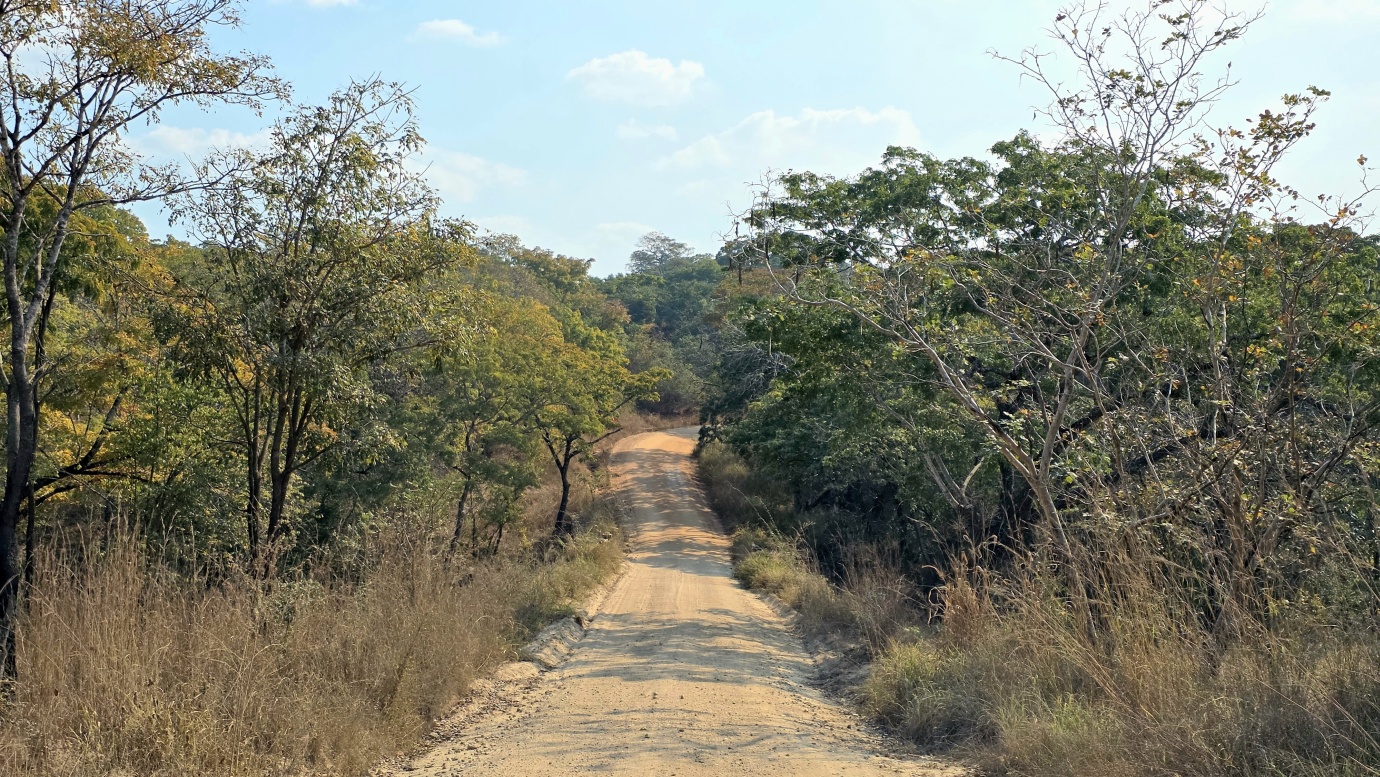
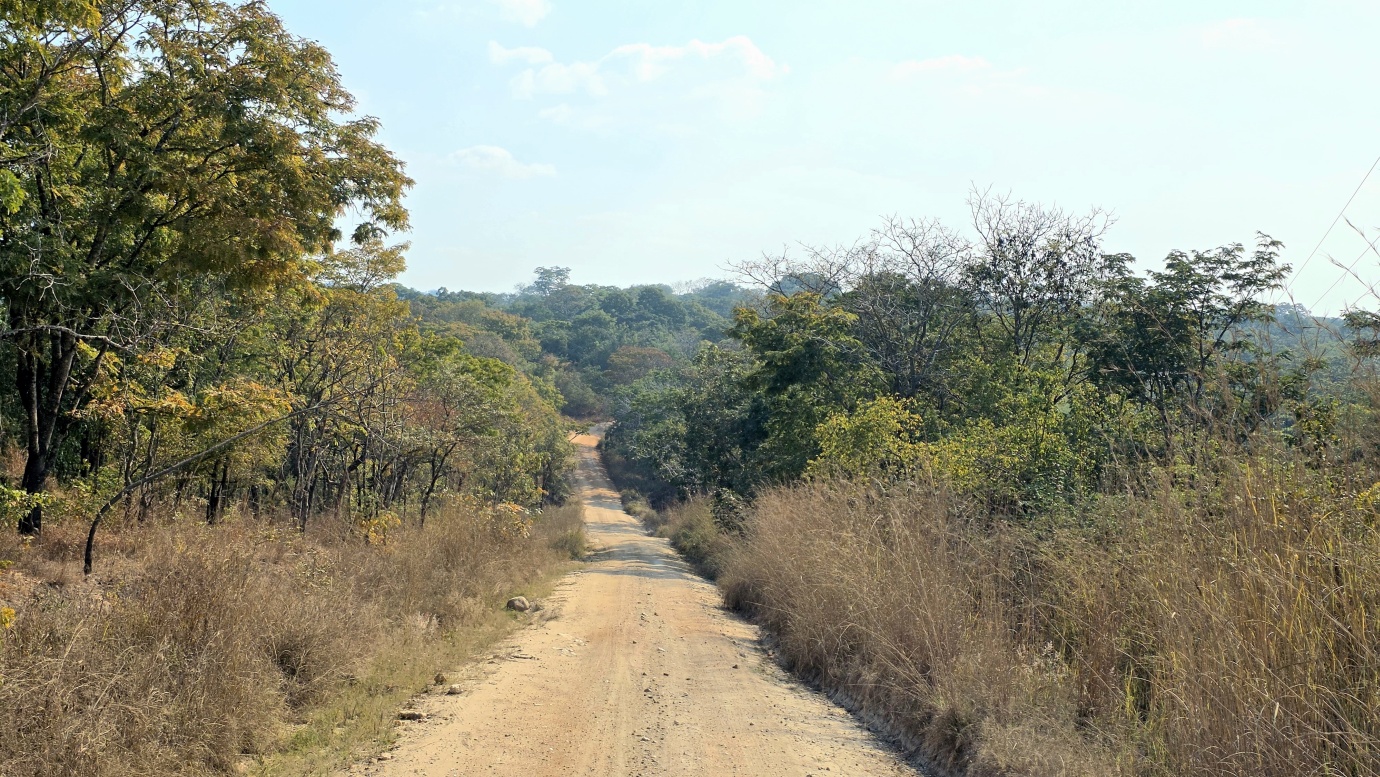
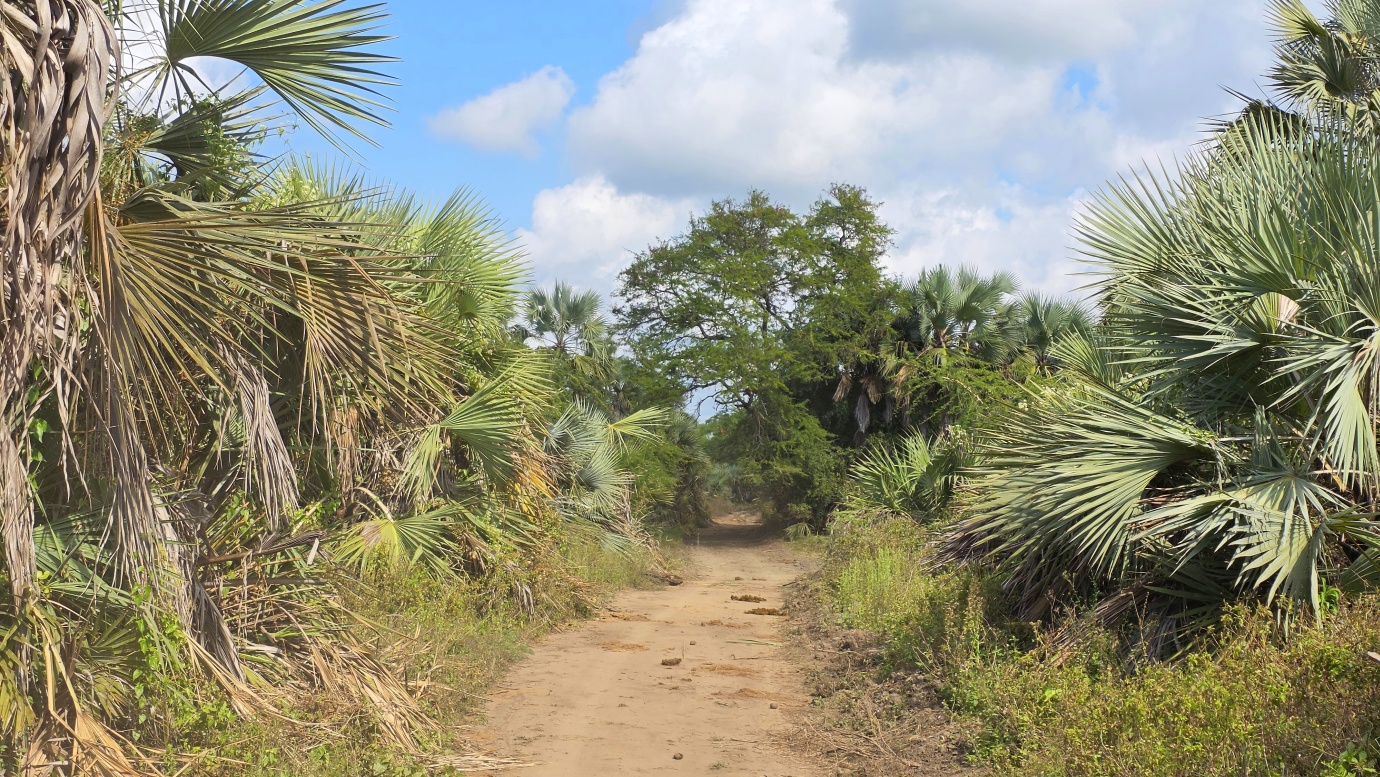
From there, we continued along the EN1 before turning onto an 11-kilometre dirt road leading to the park entrance. Despite its short length, the road was in terrible condition, with deep corrugations (washboarding) that forced us to crawl along. After completing our registration at the entrance gate, we still had another 18 kilometres to reach Chitengo Camp. Surprisingly, this section was even worse. The final 29 kilometres of the journey alone took us nearly two and a half hours, accounting for almost half of our total travel time.
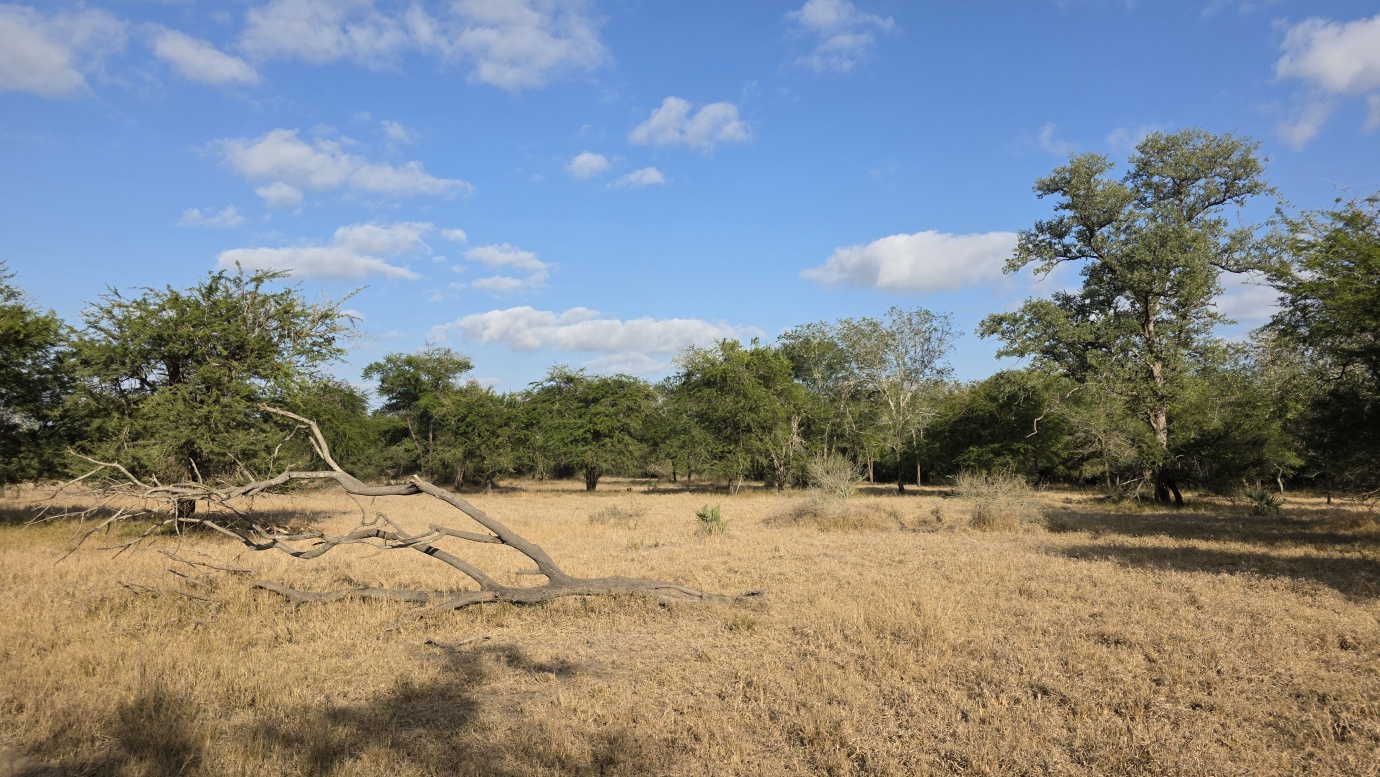
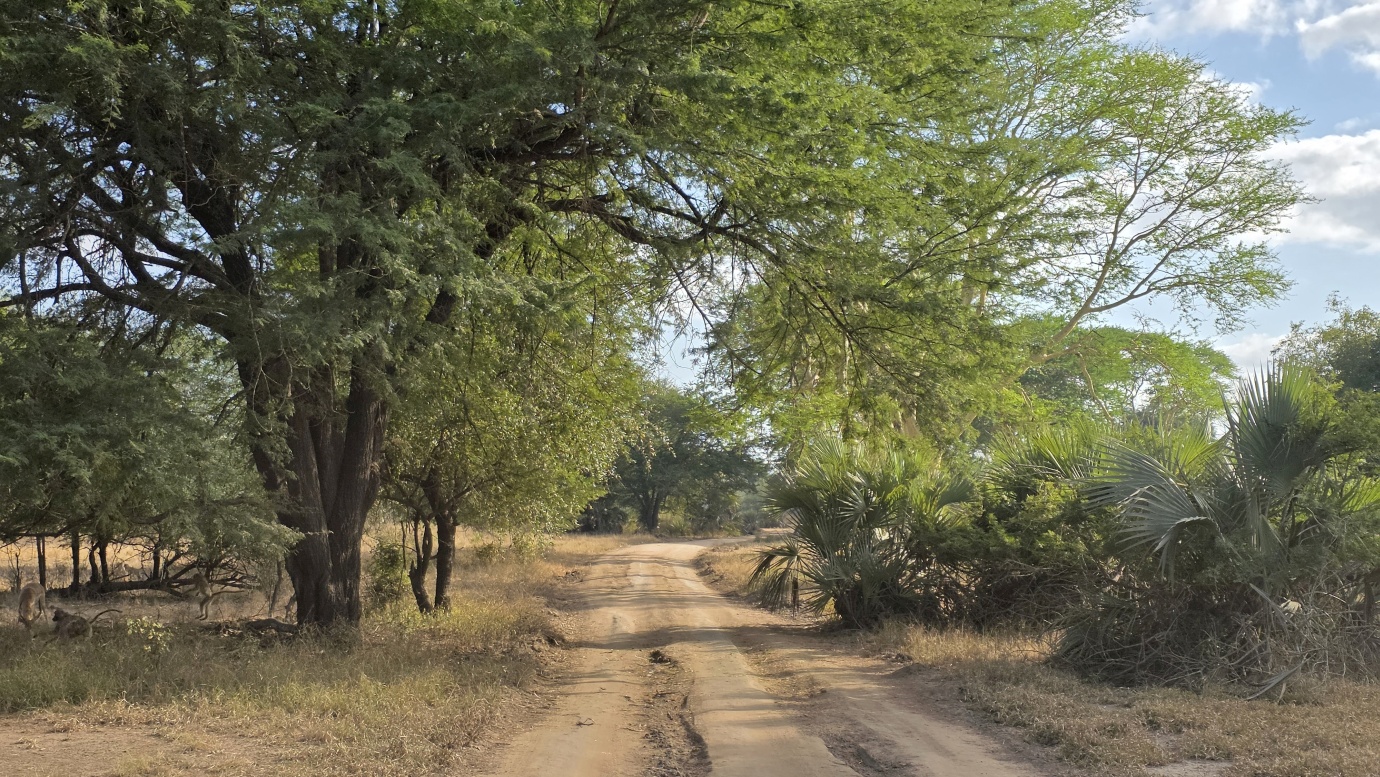
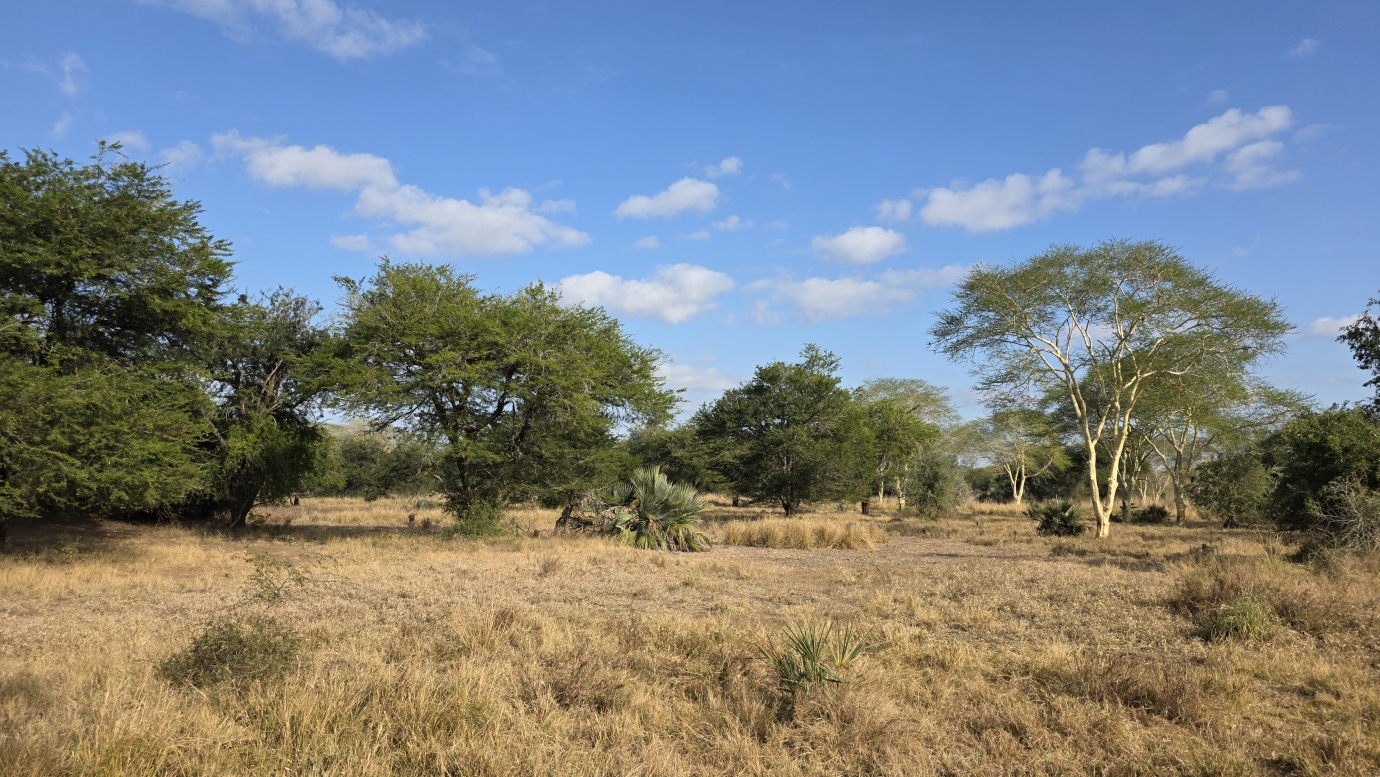
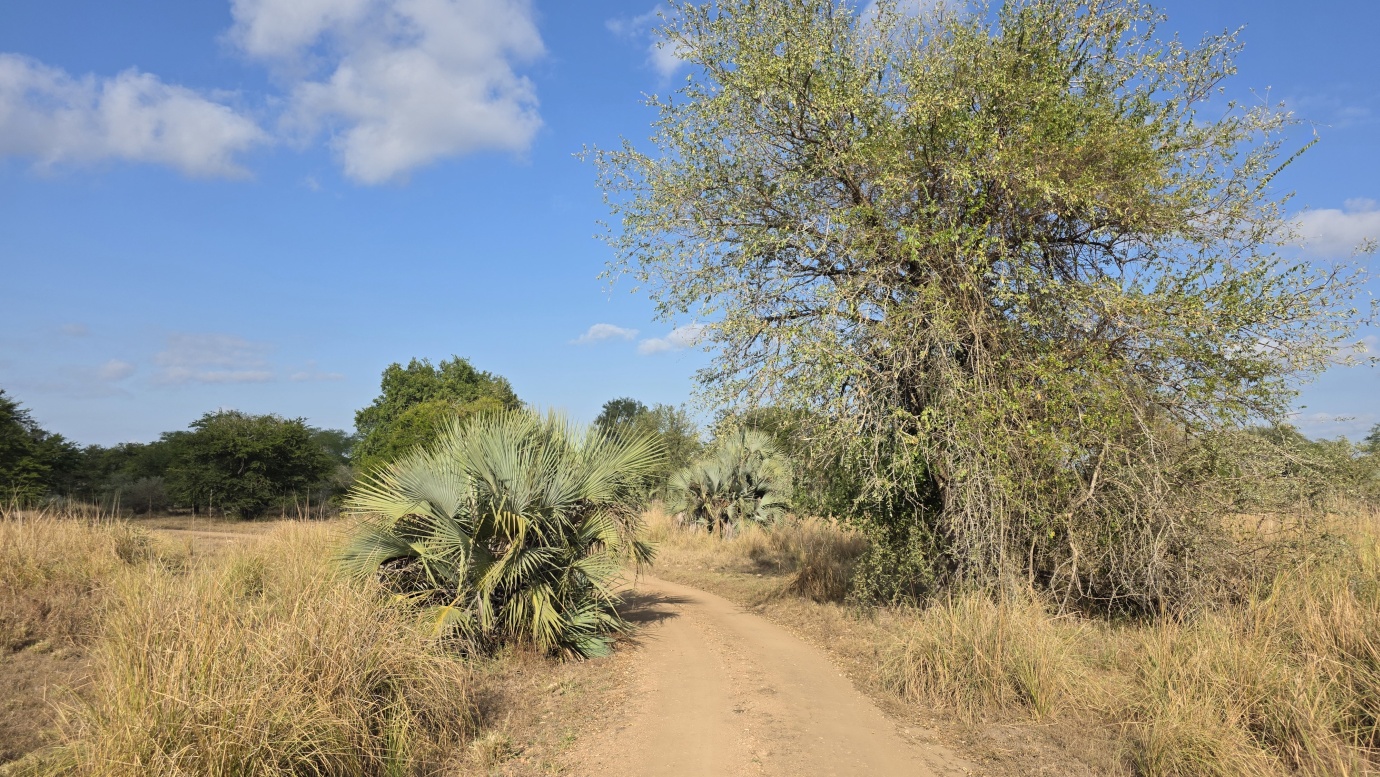
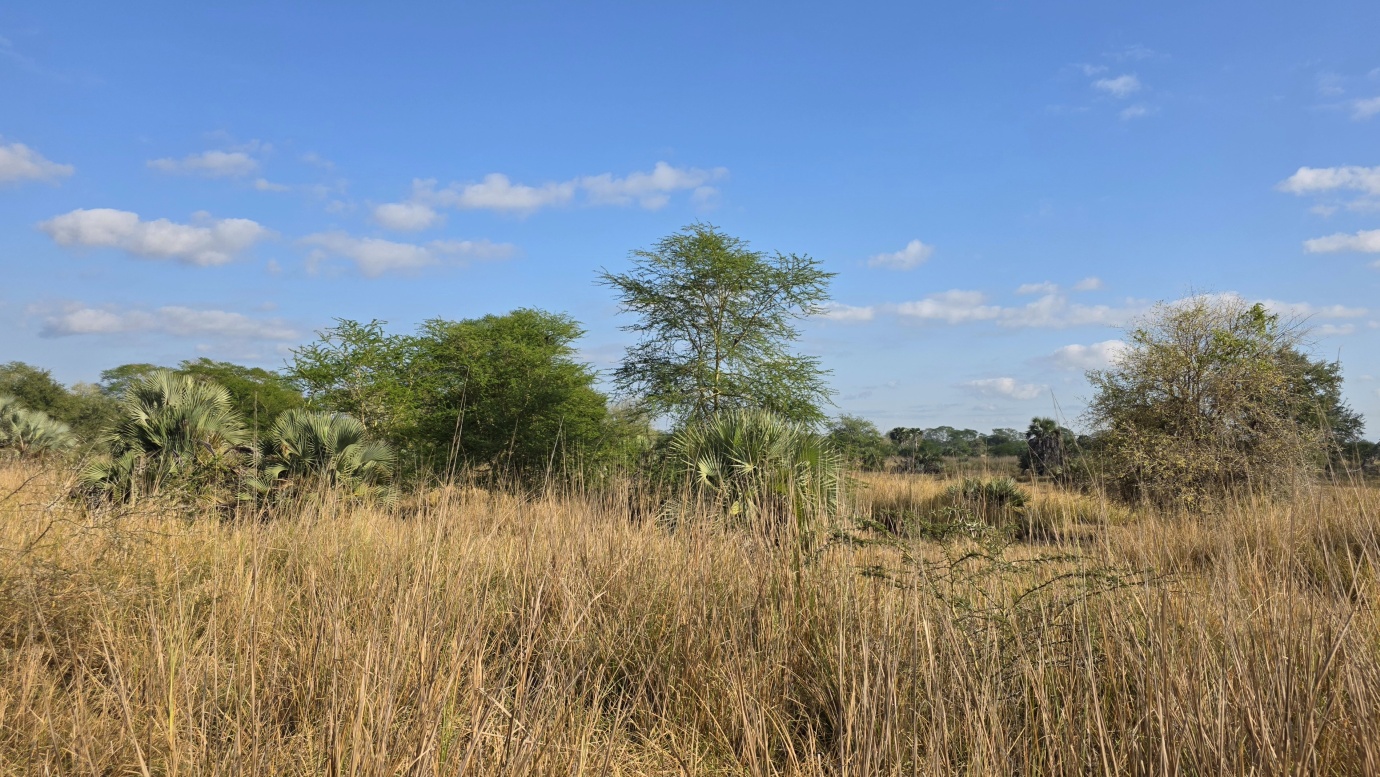
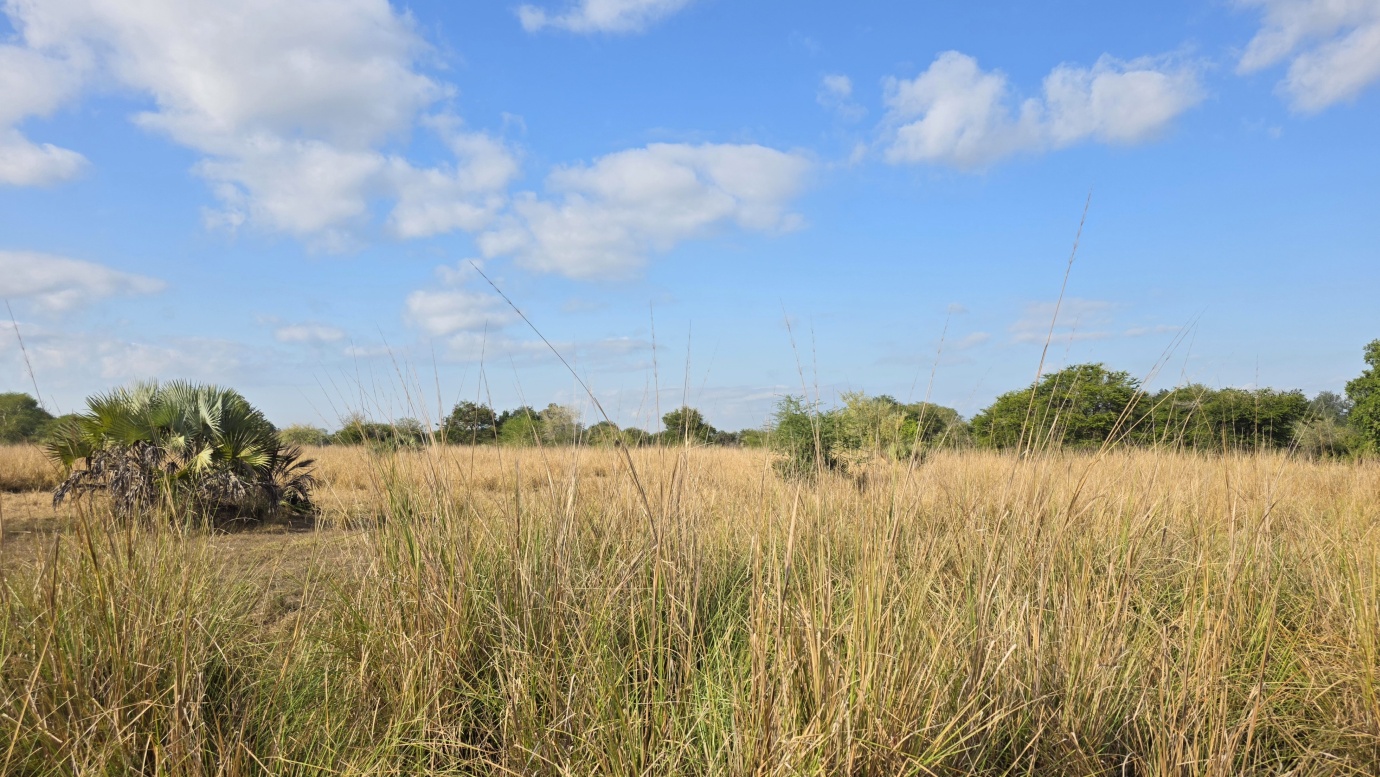
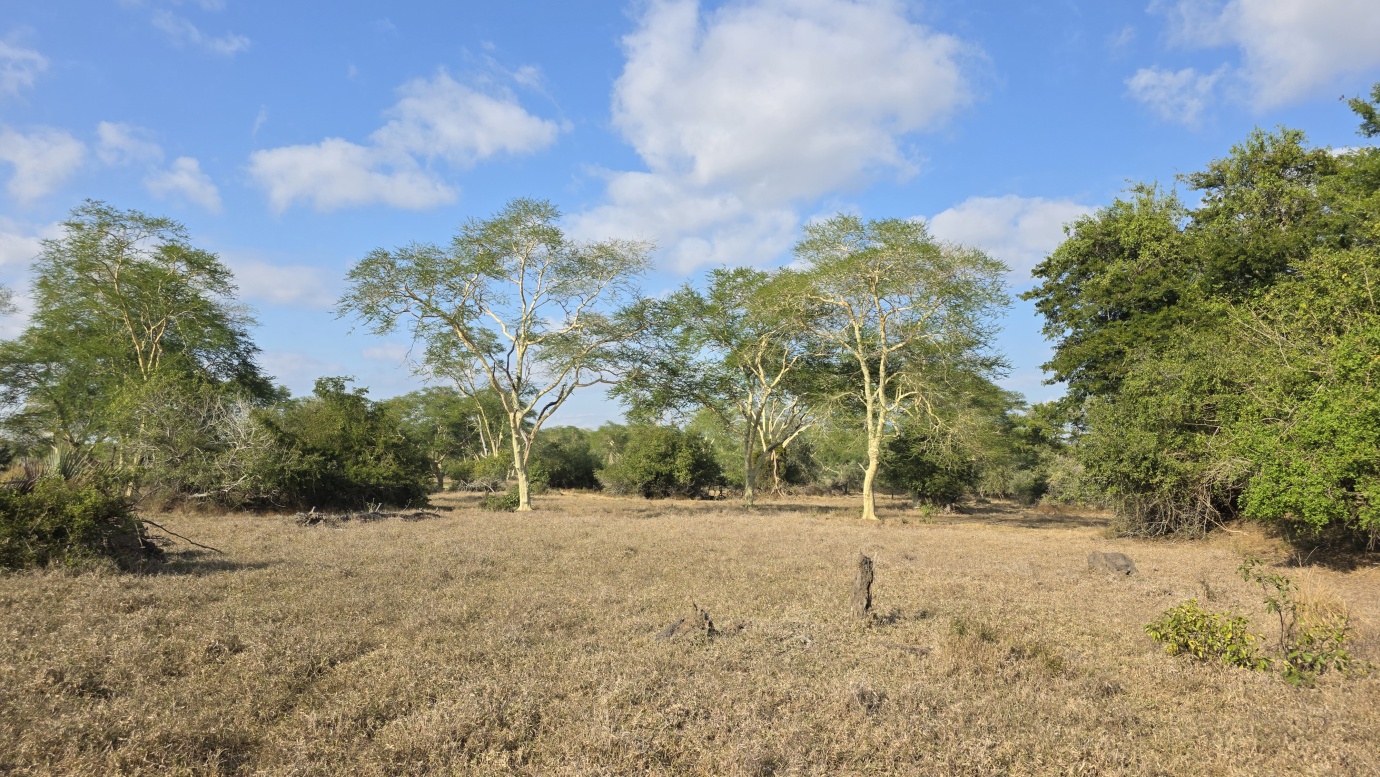
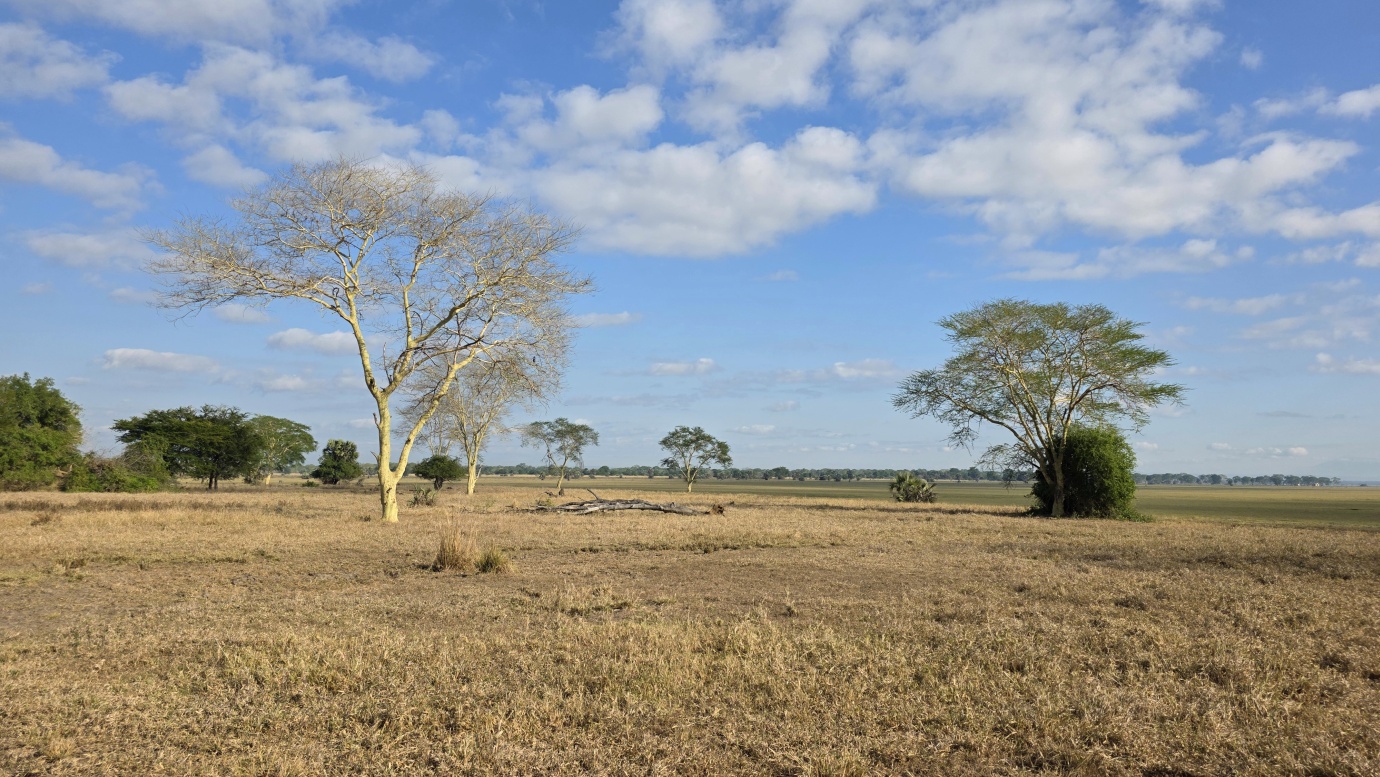
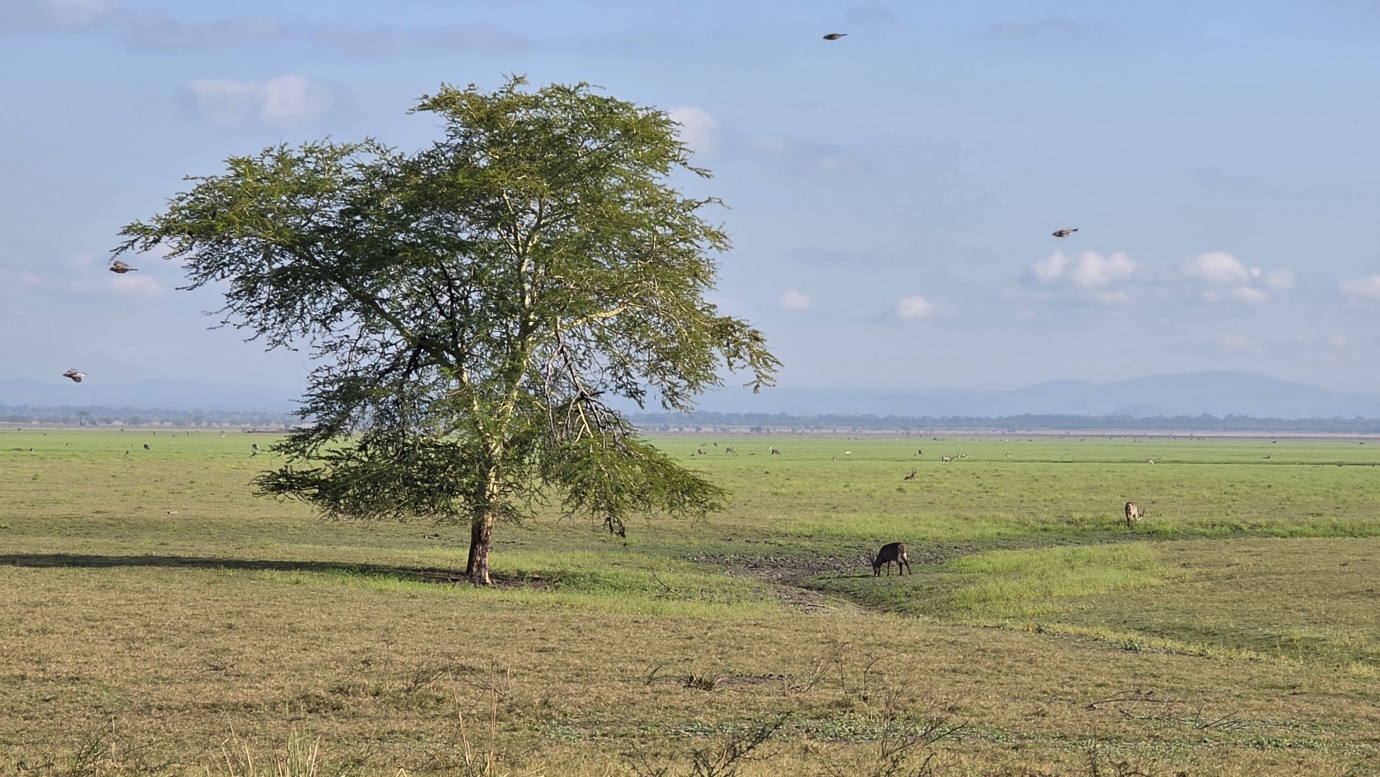
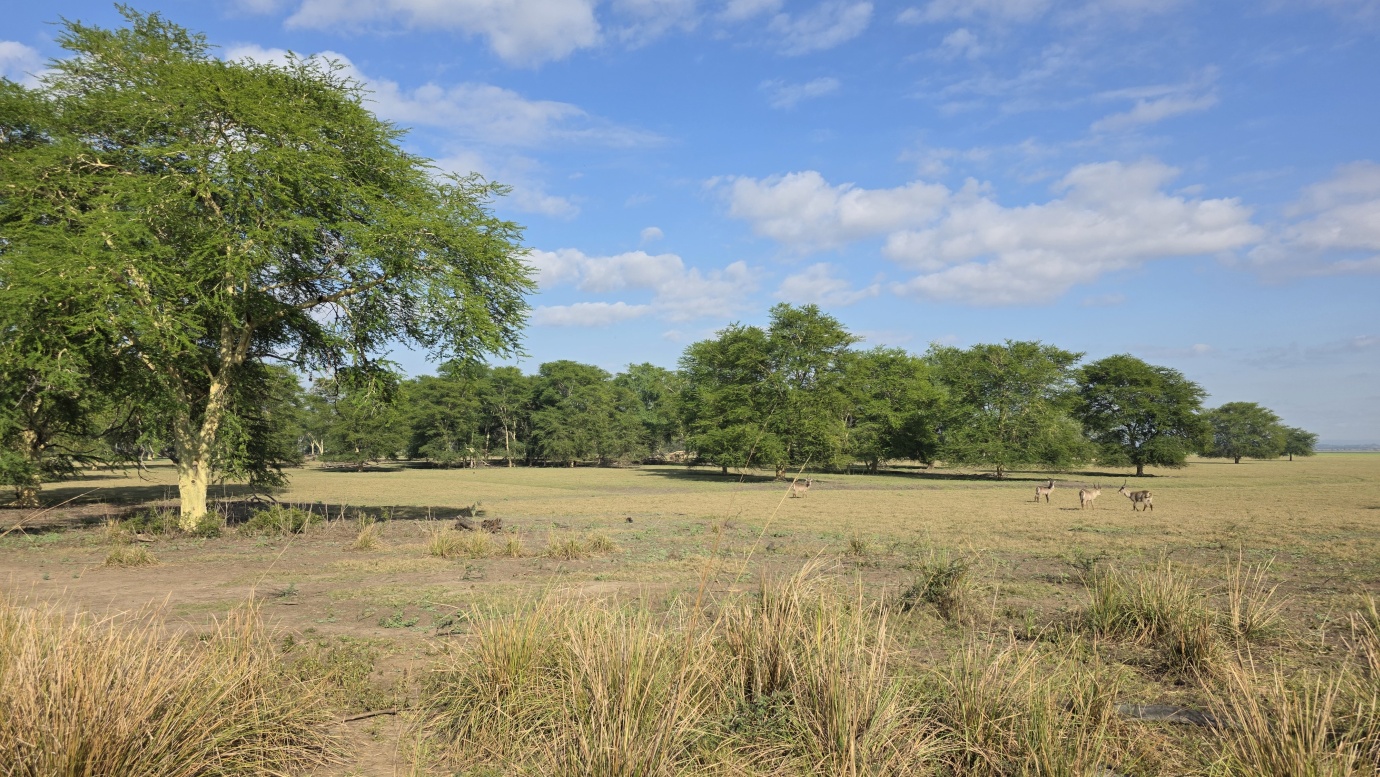
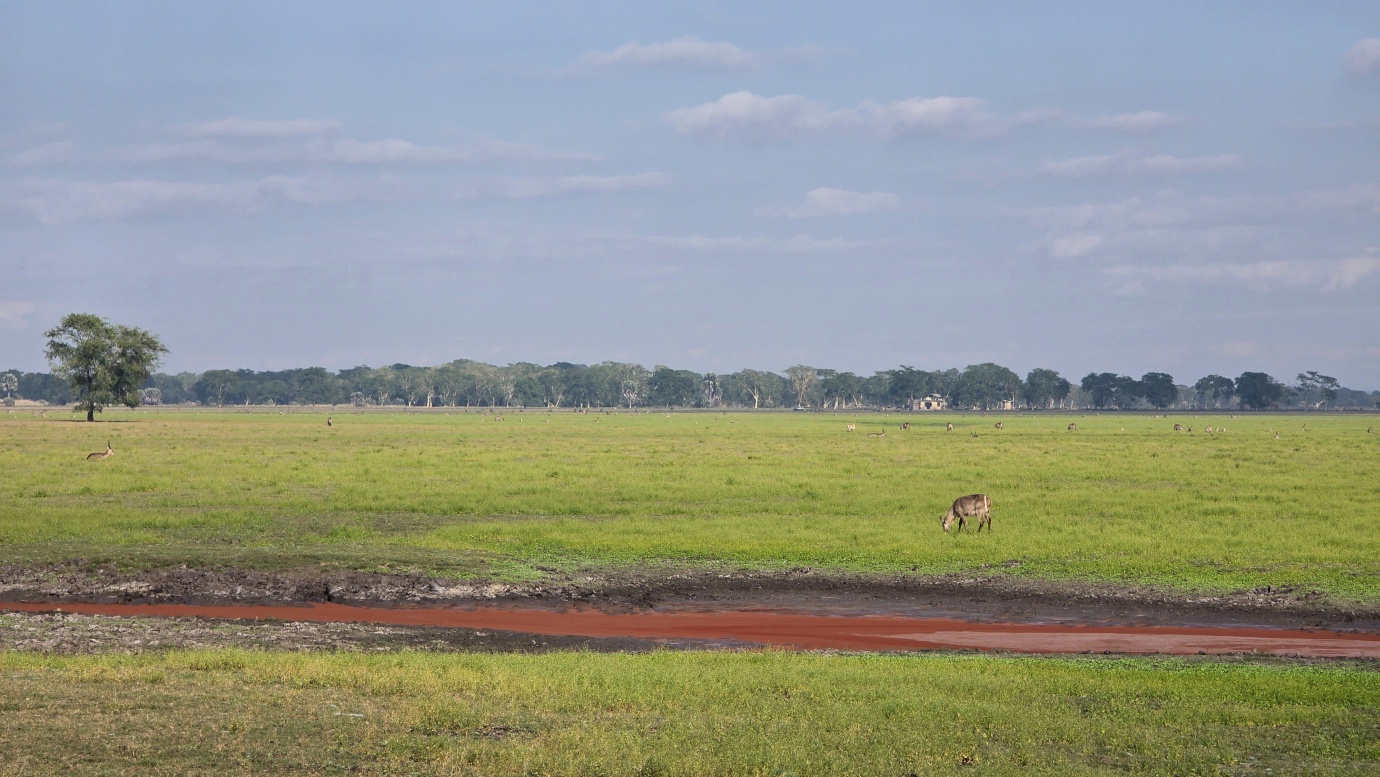
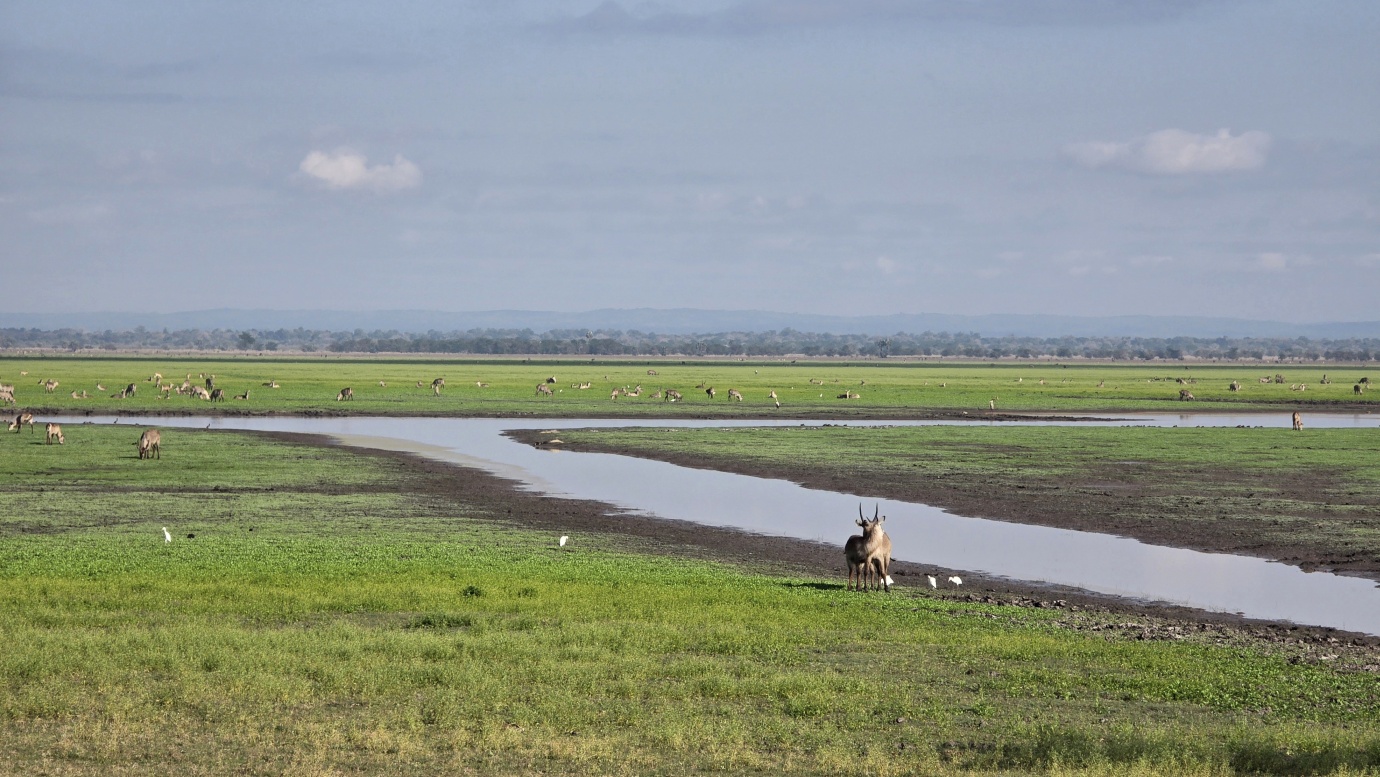
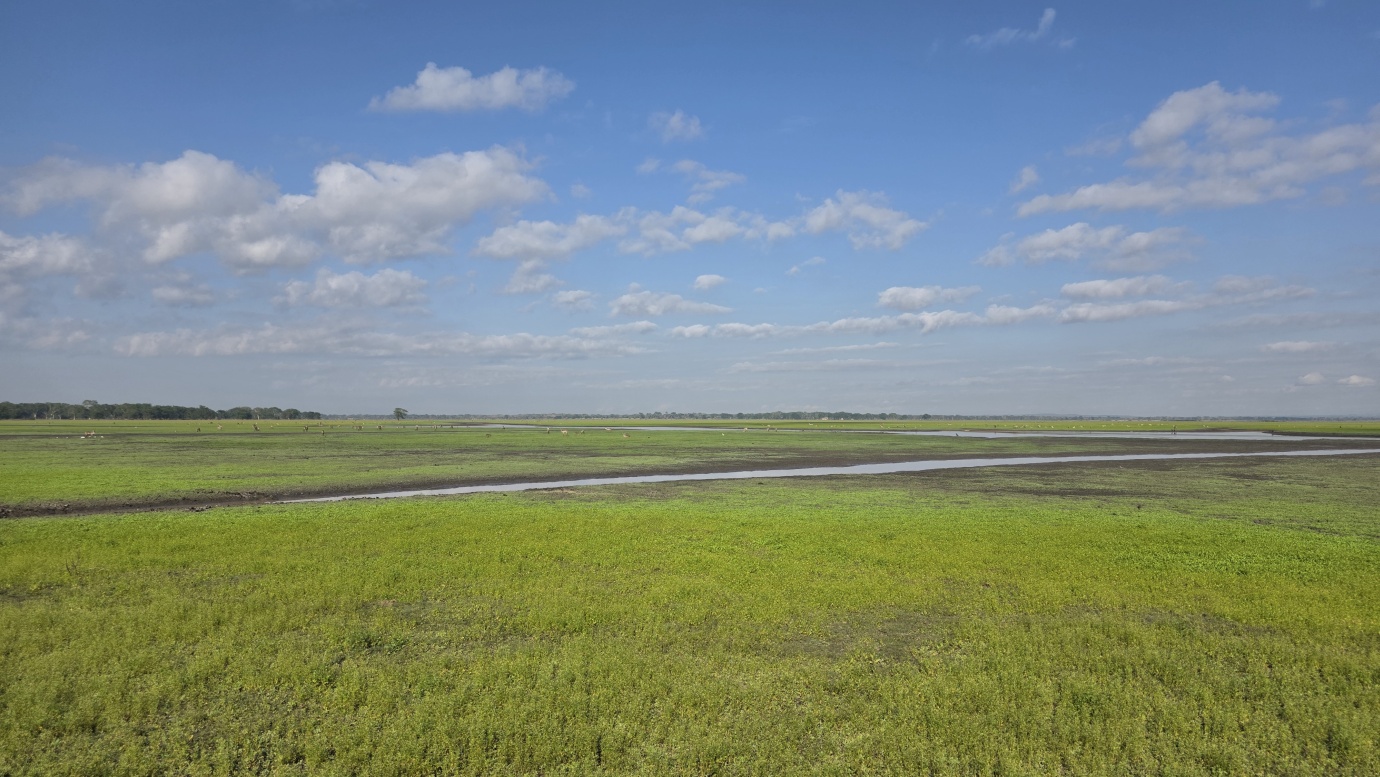
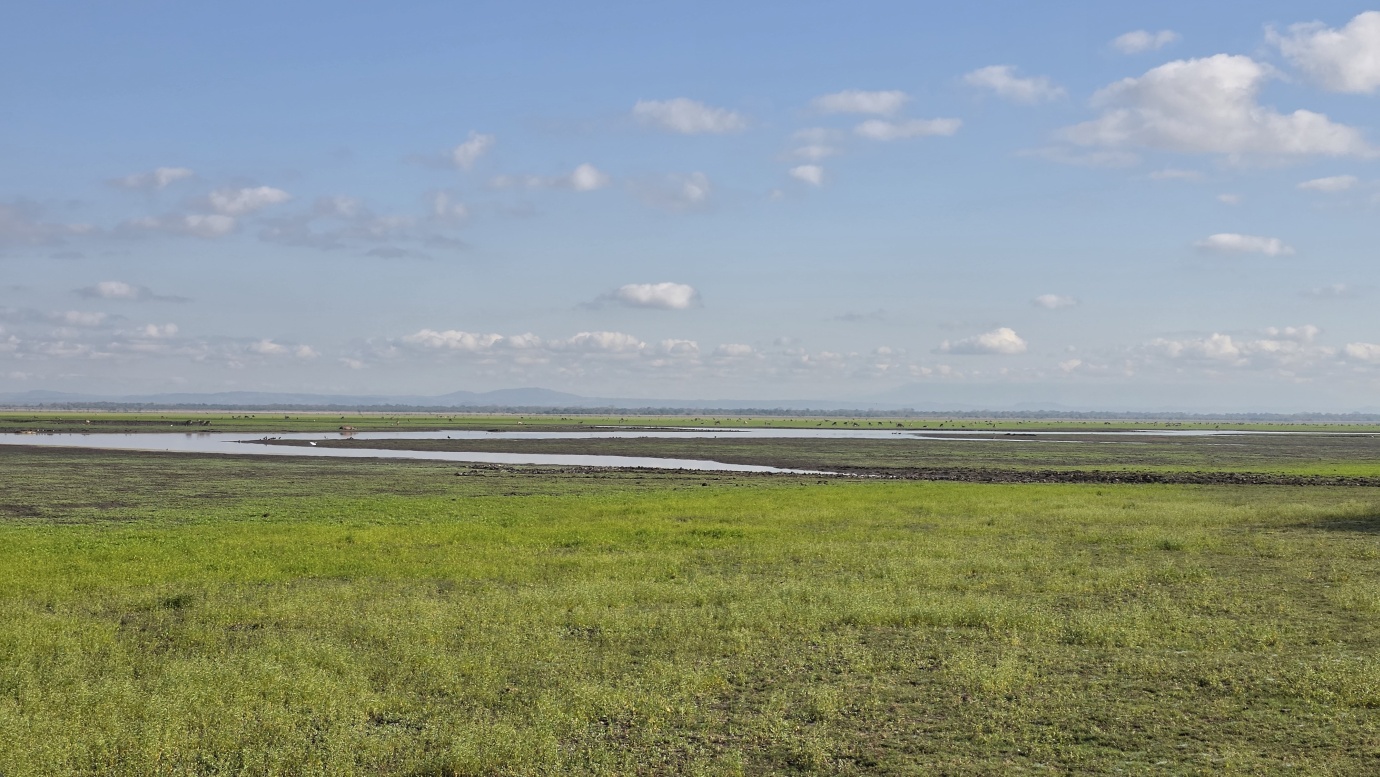
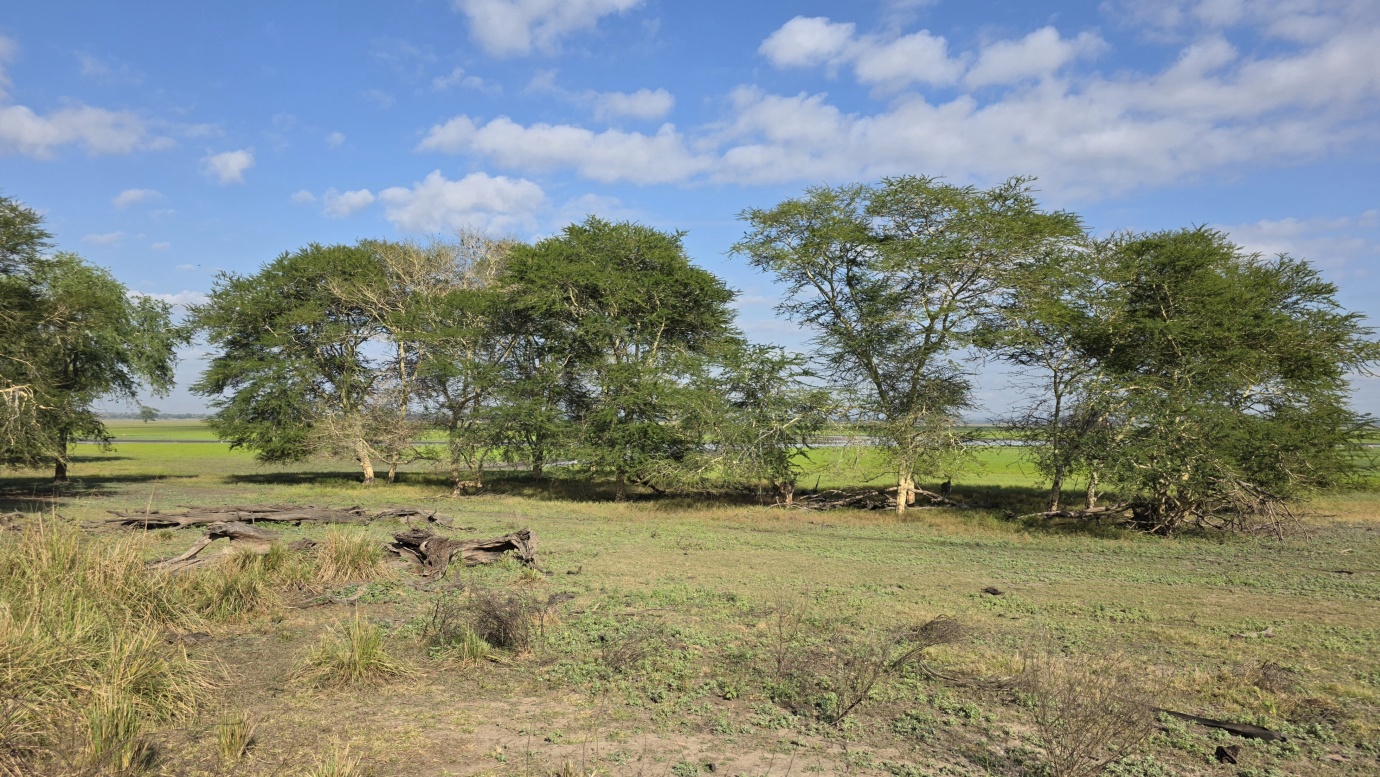
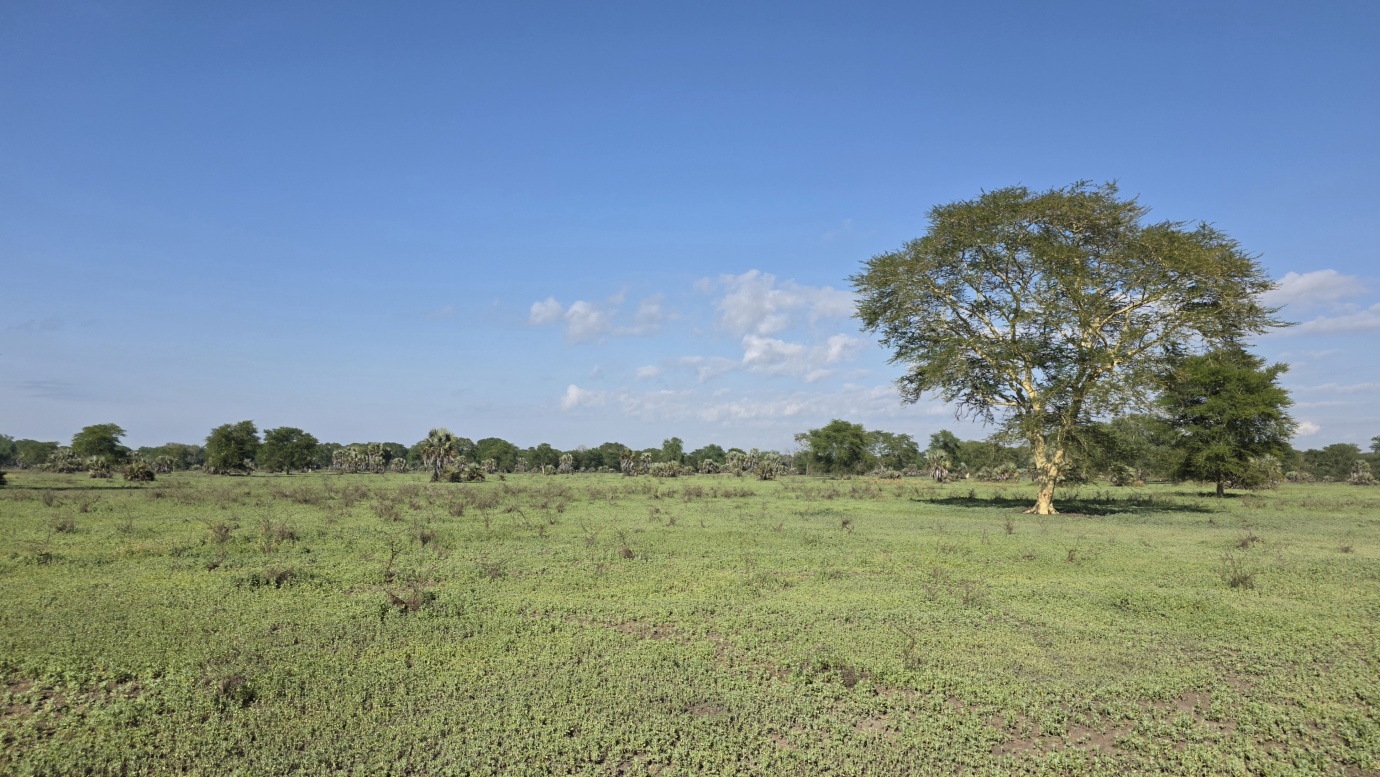
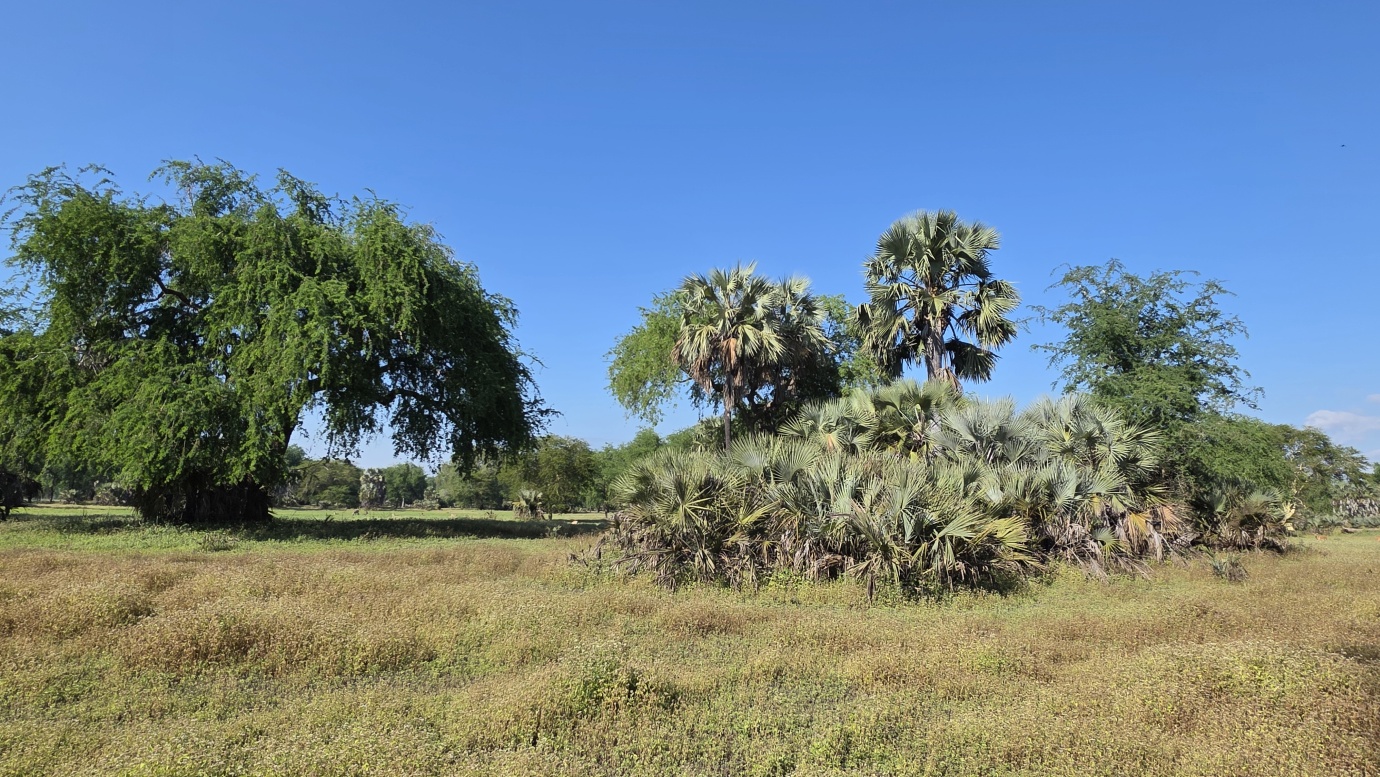
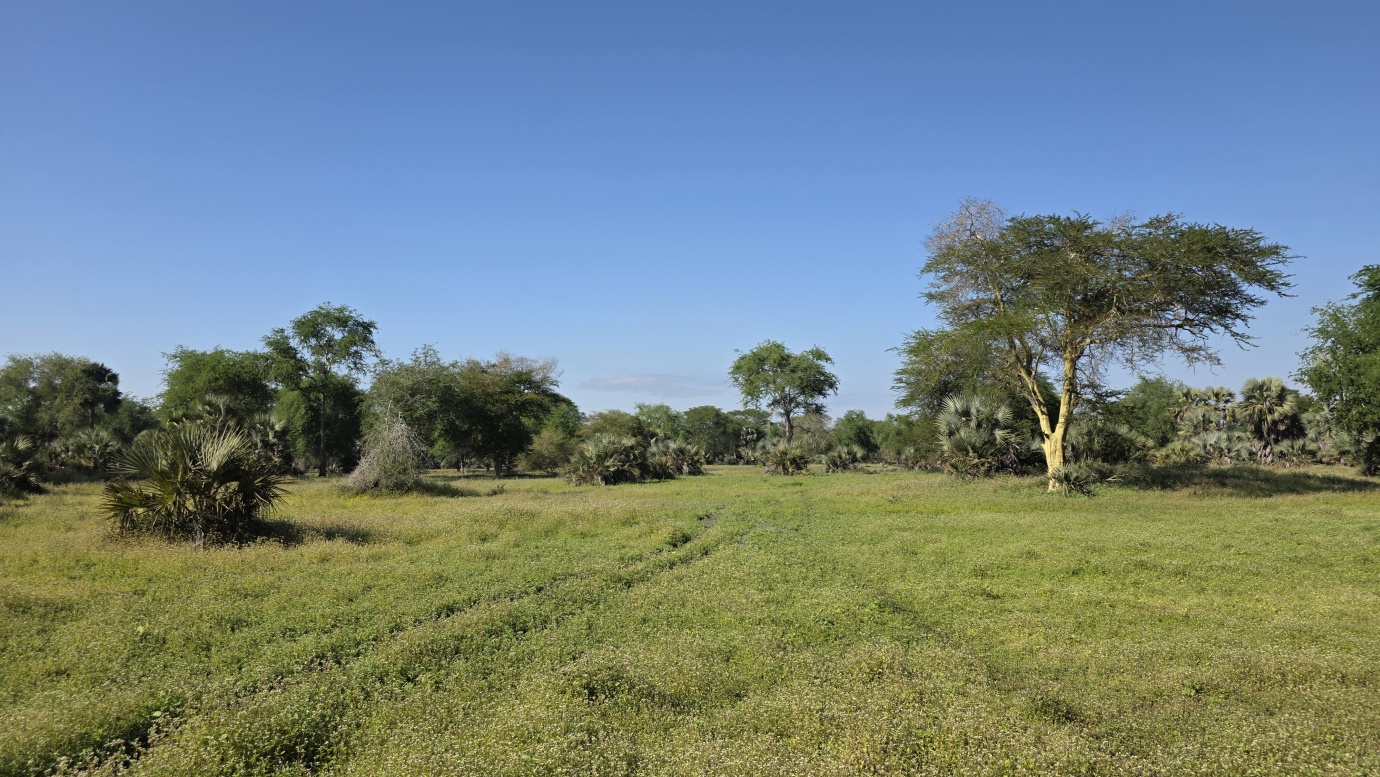
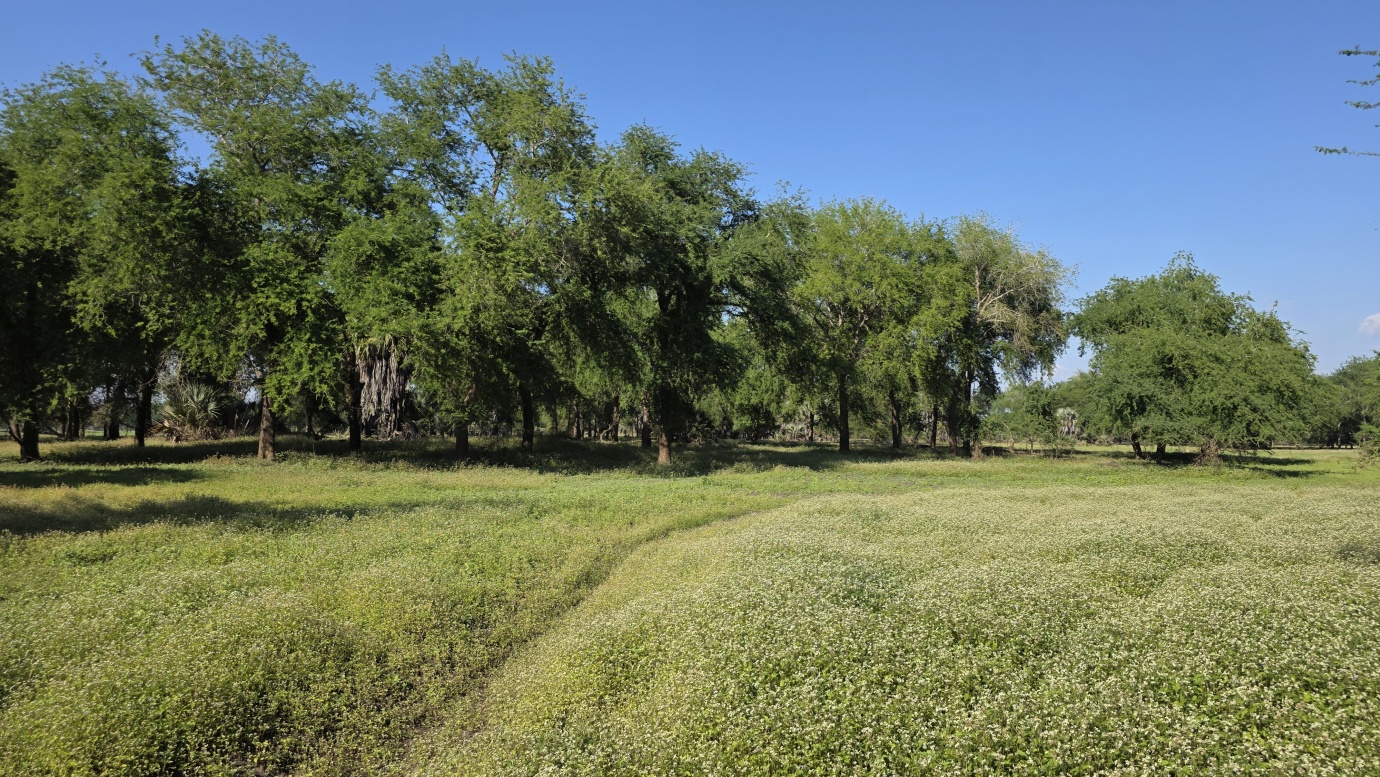
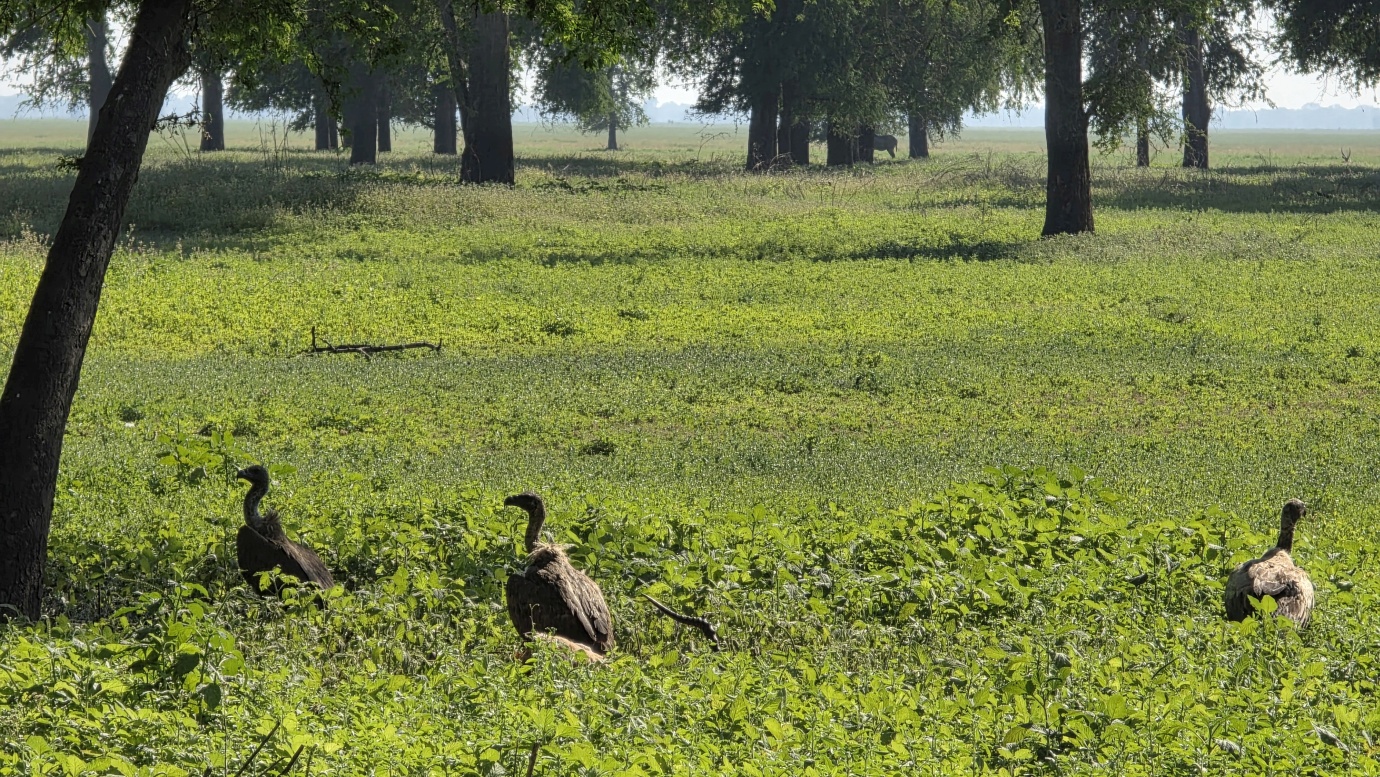
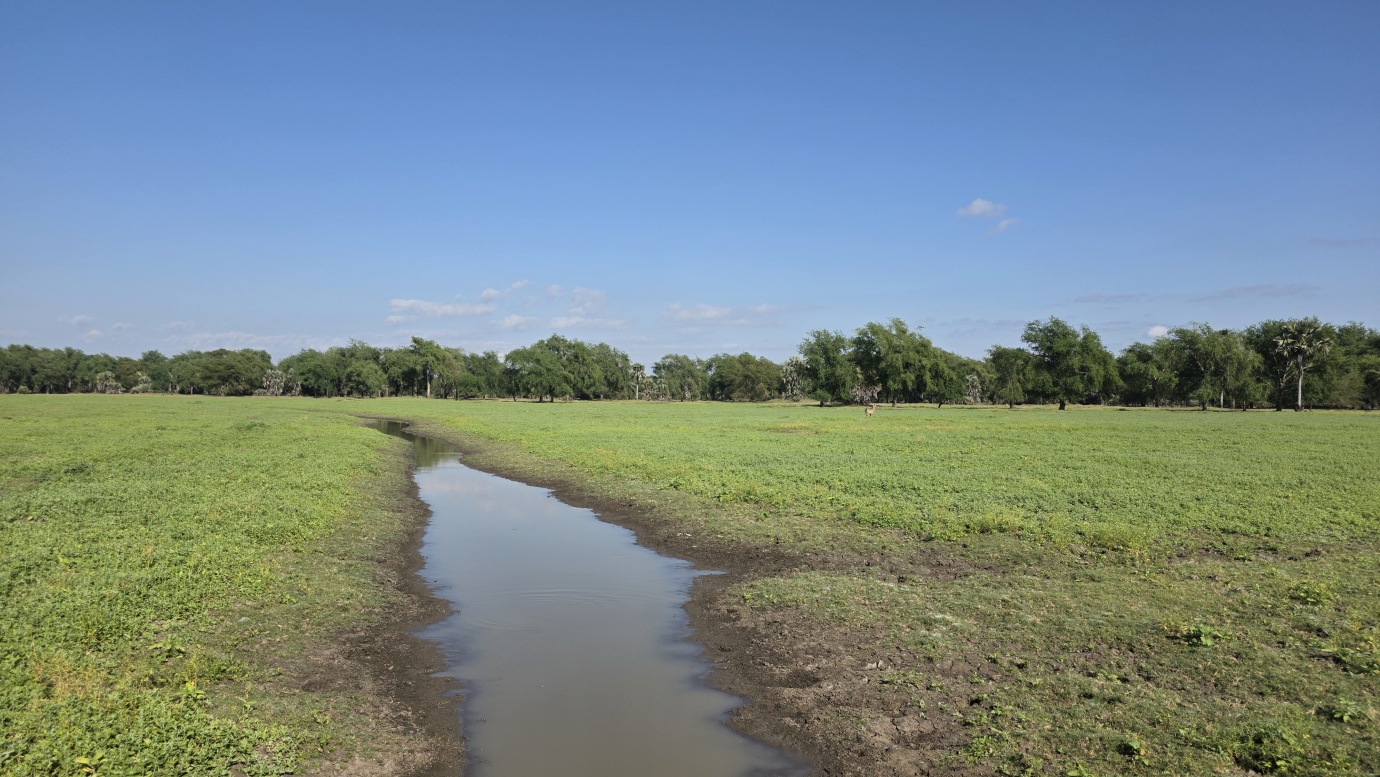
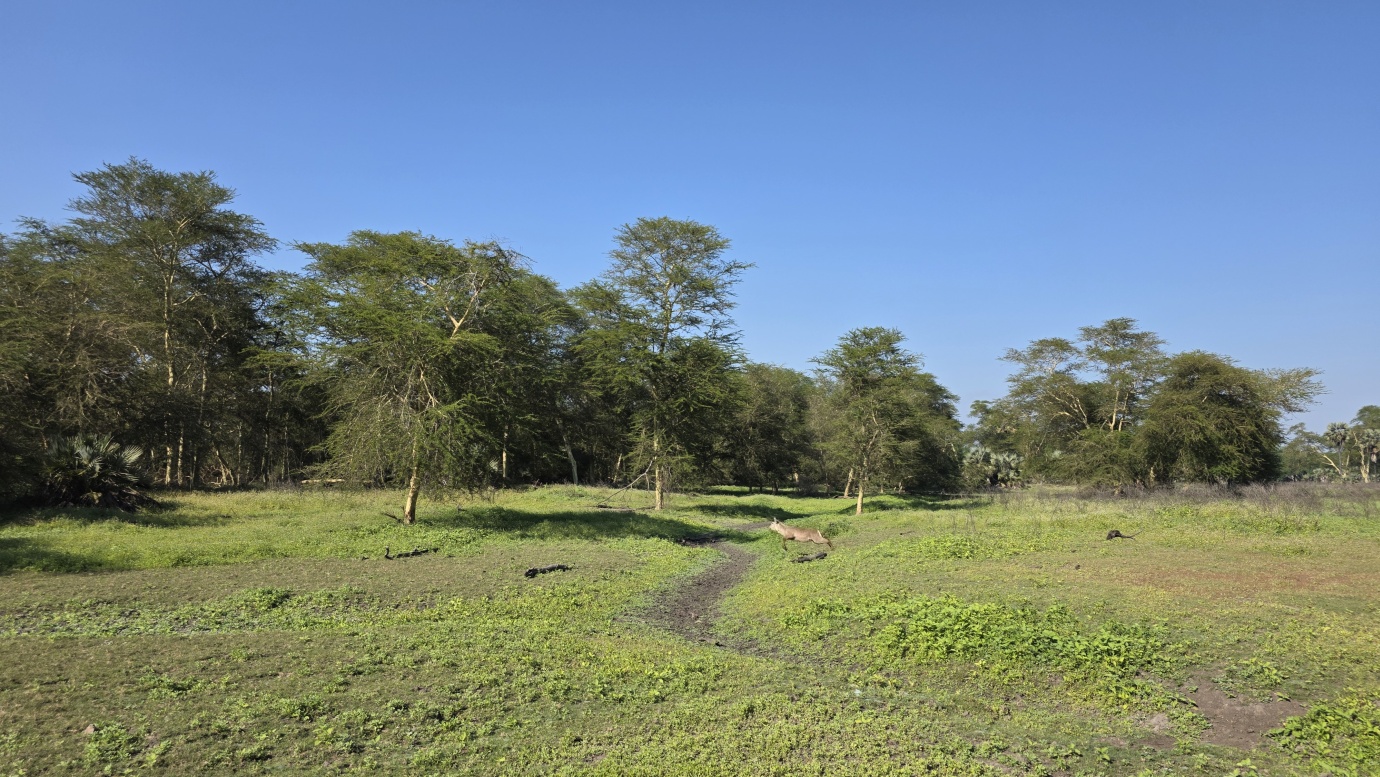
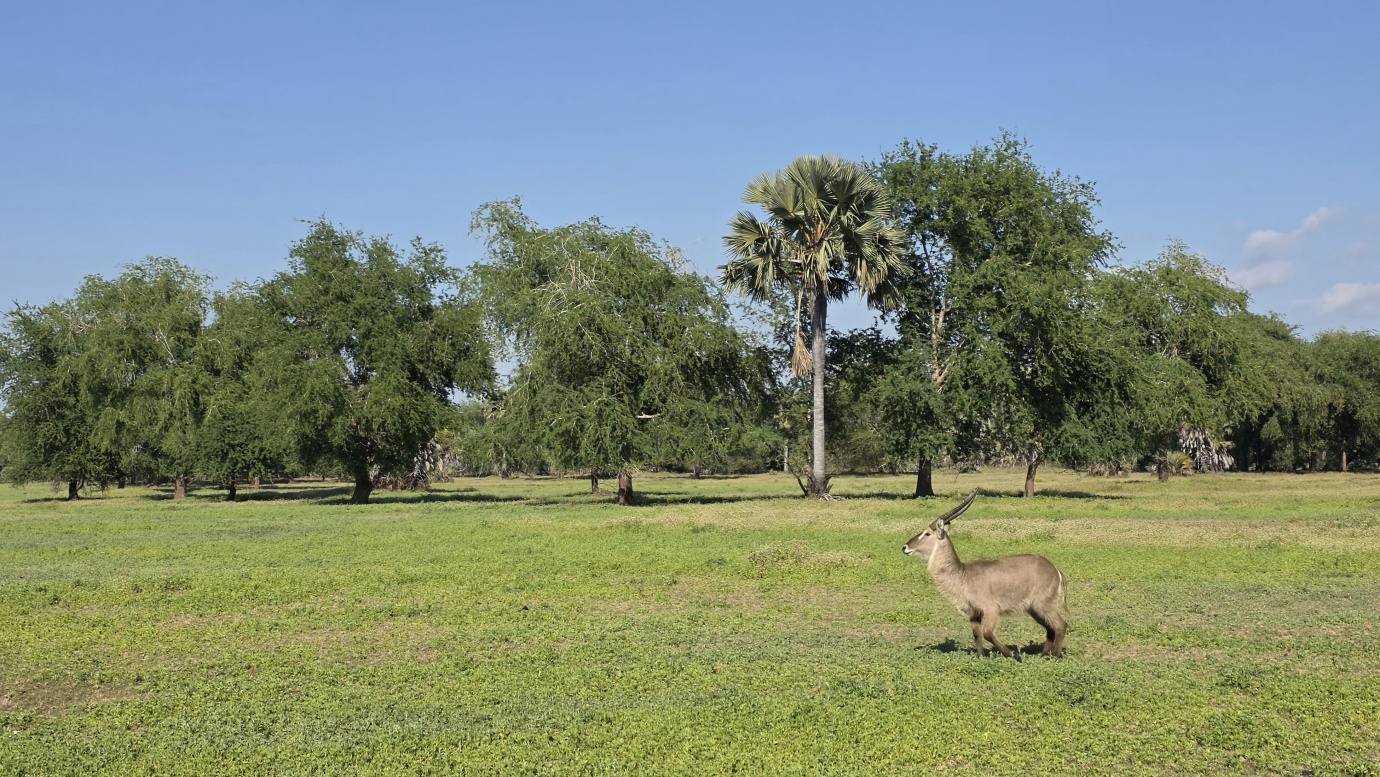
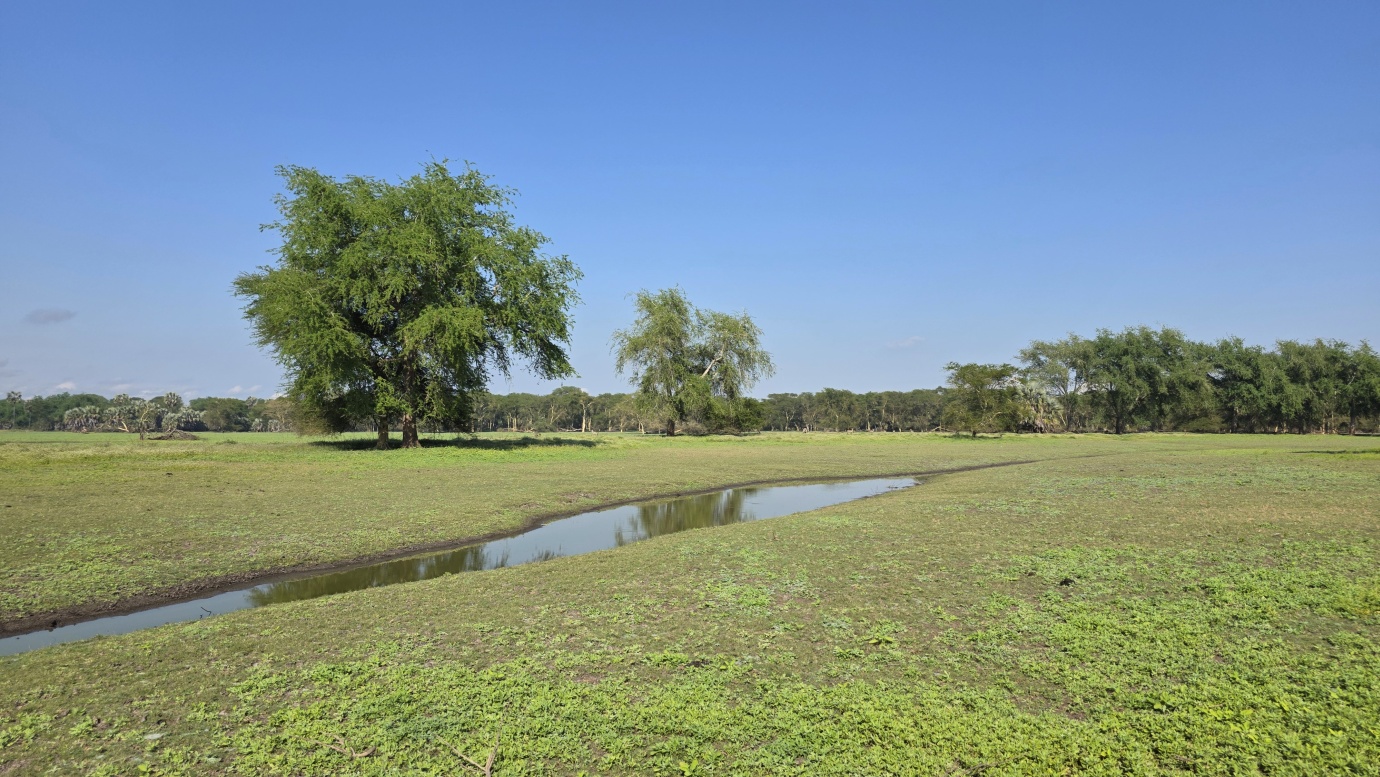
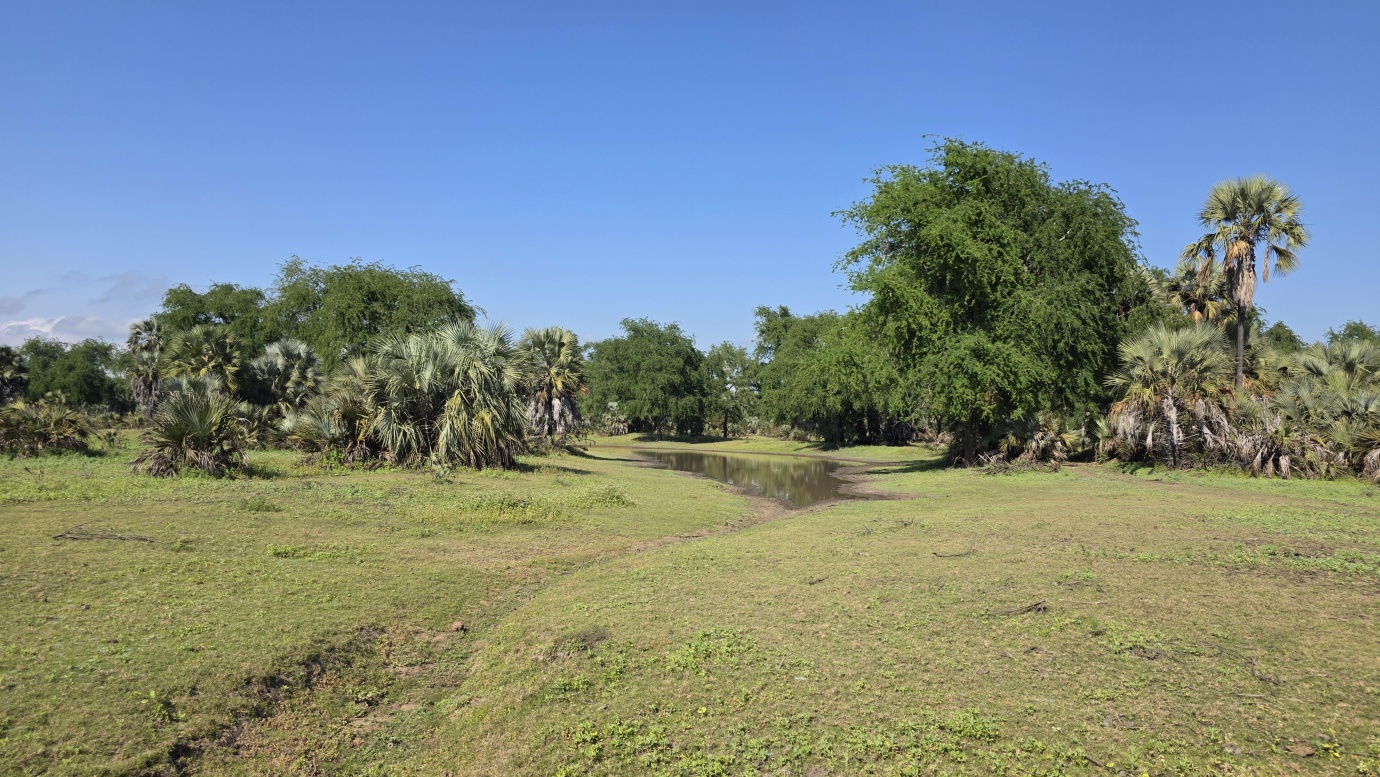
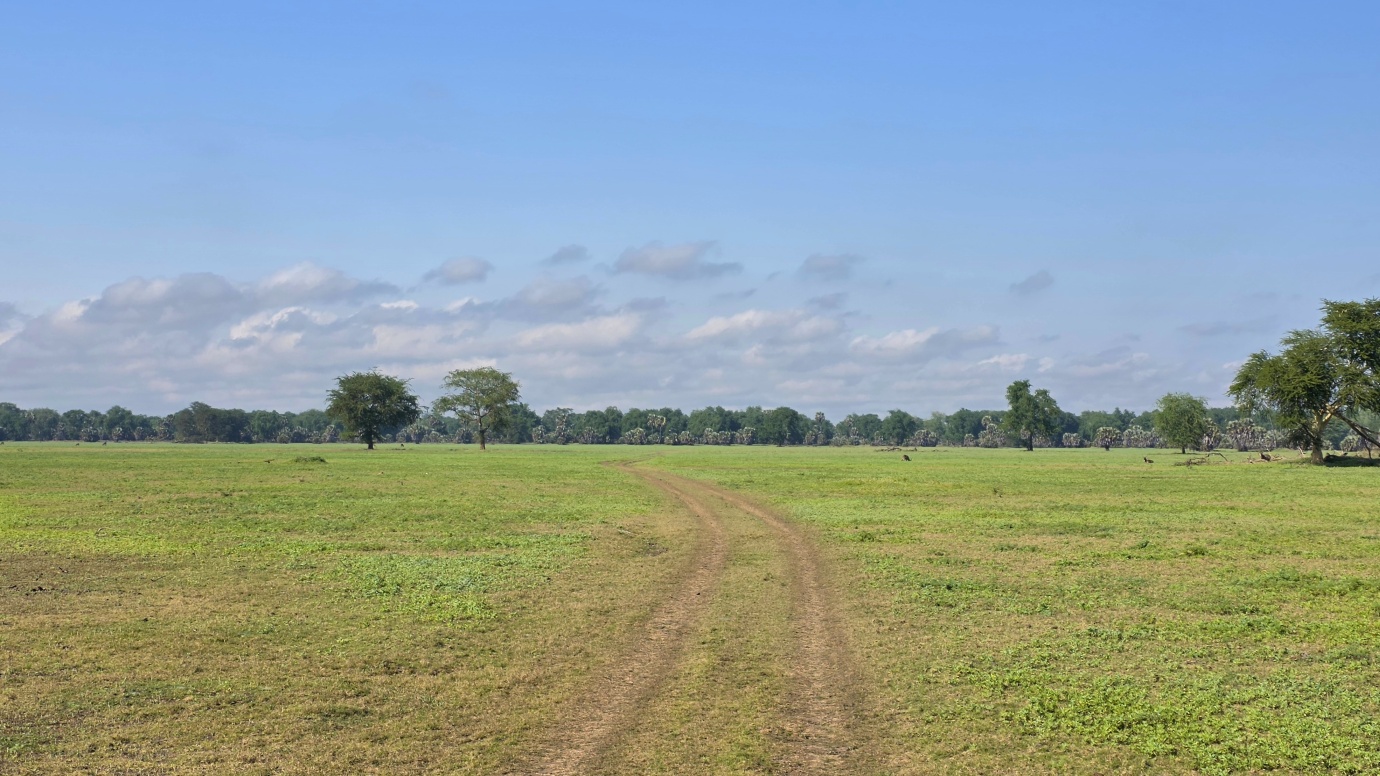
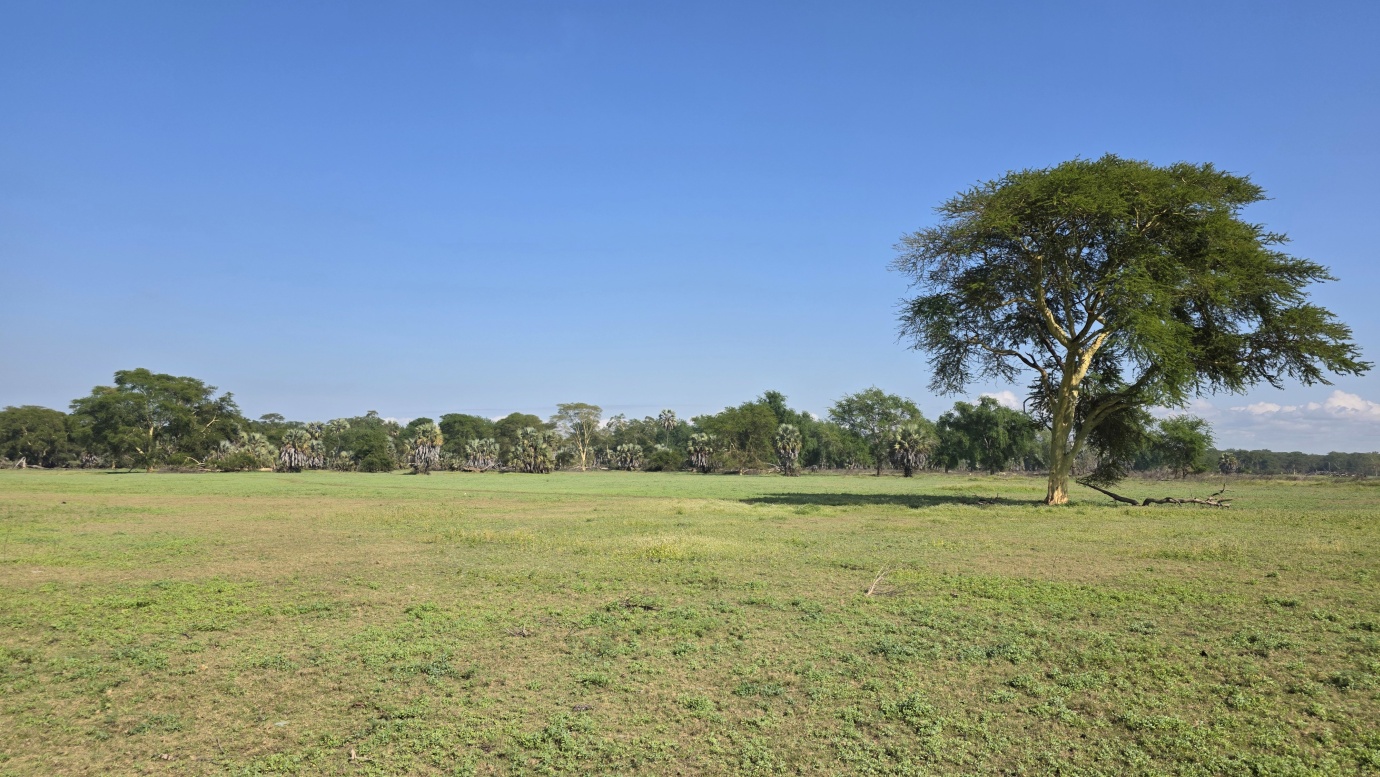
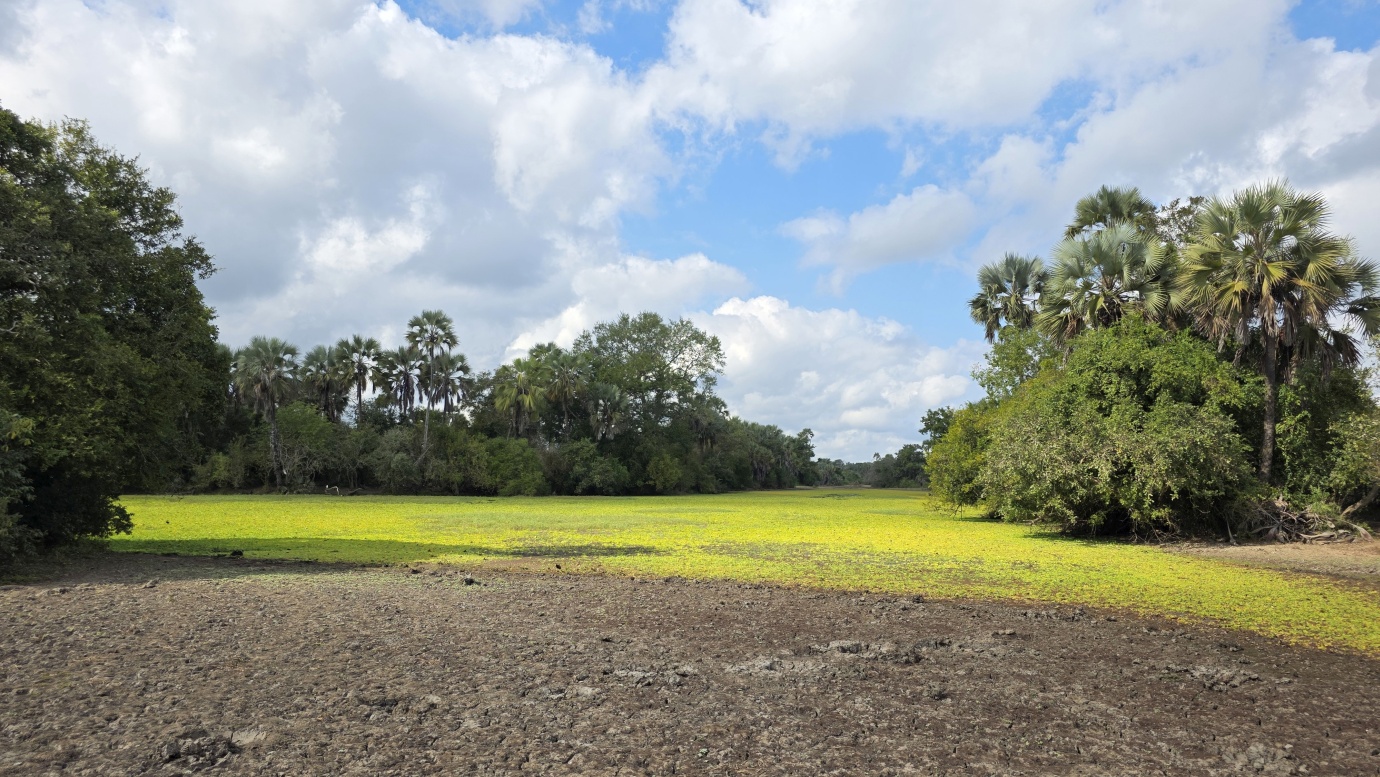
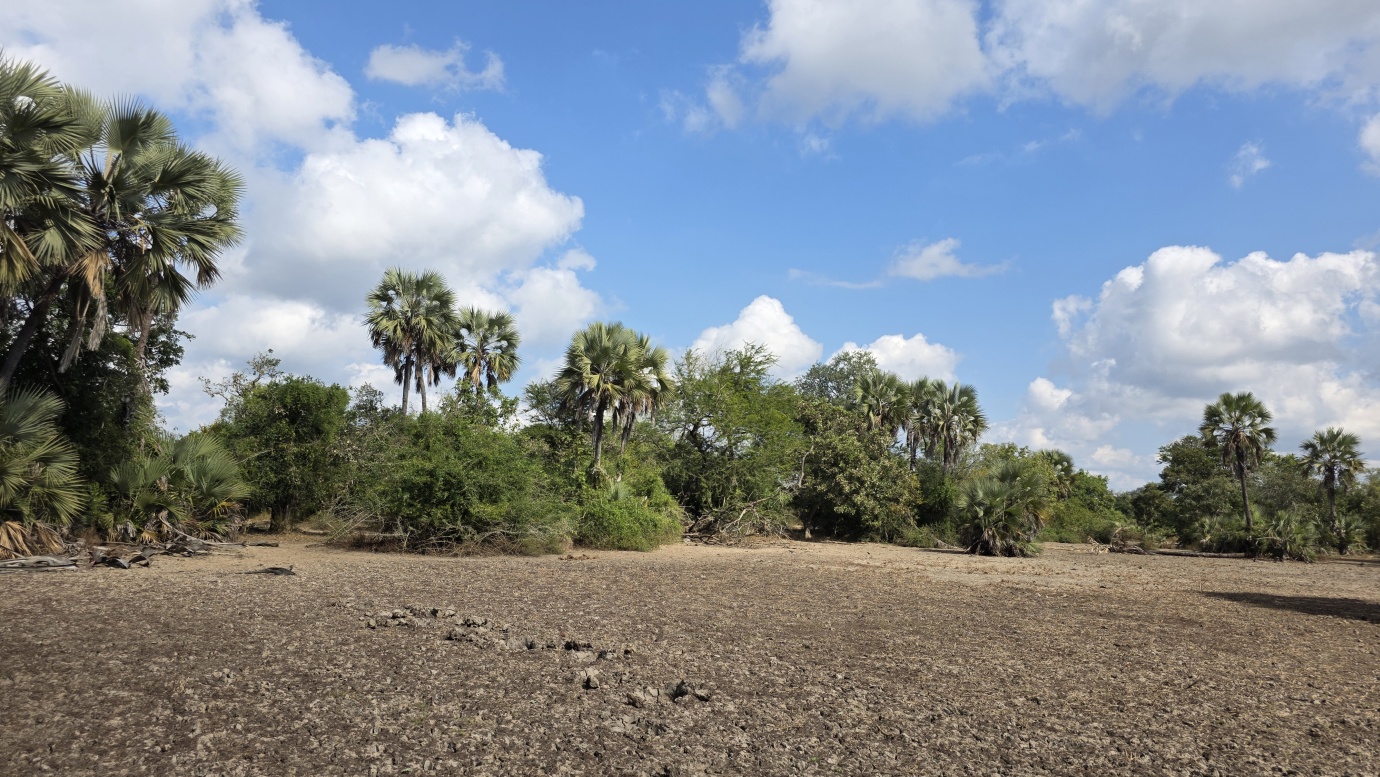
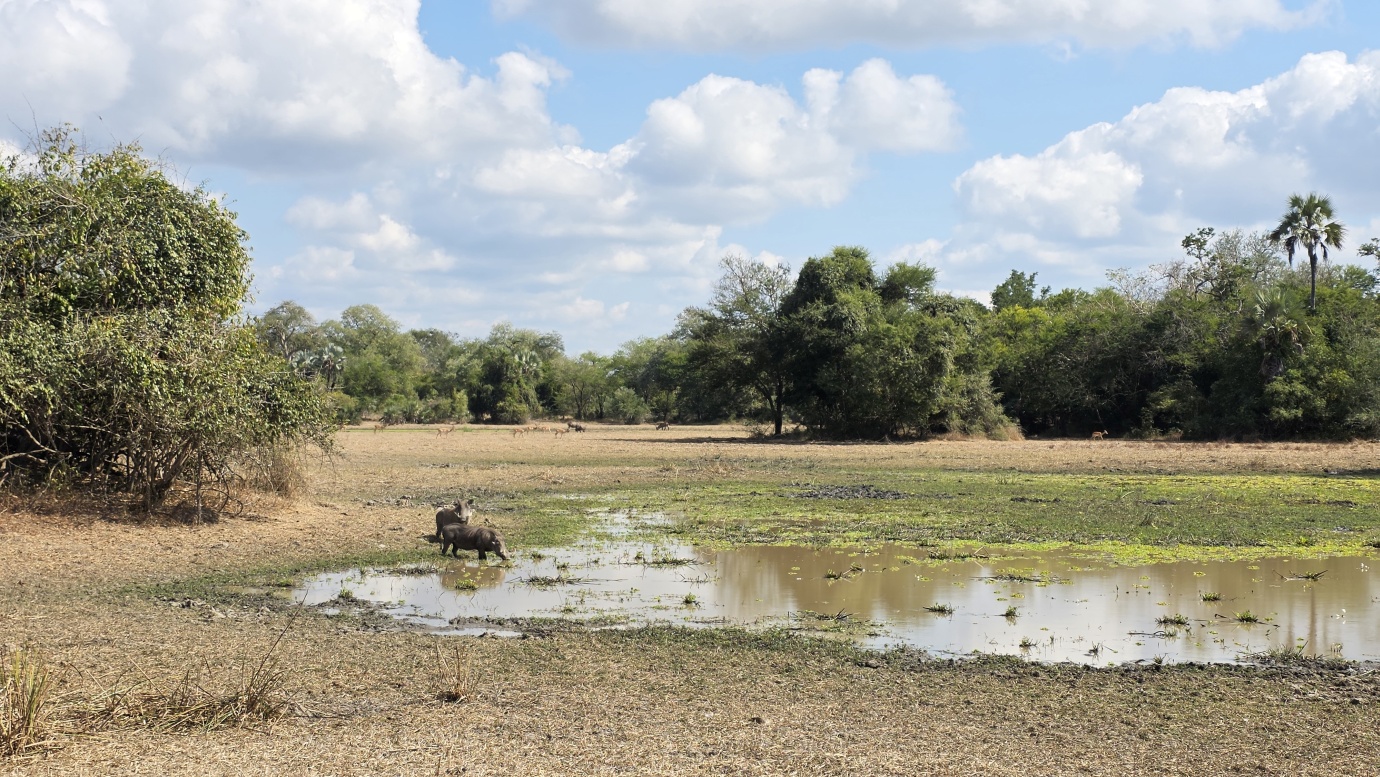
Located at the southern end of the Great Rift Valley, Gorongosa National Park covers more than 3,100 square kilometres and is one of Africa’s most ecologically diverse protected areas. Its landscapes range from open savannas and acacia woodlands to seasonal floodplains, palm forests, and the lush montane forests of Mount Gorongosa.
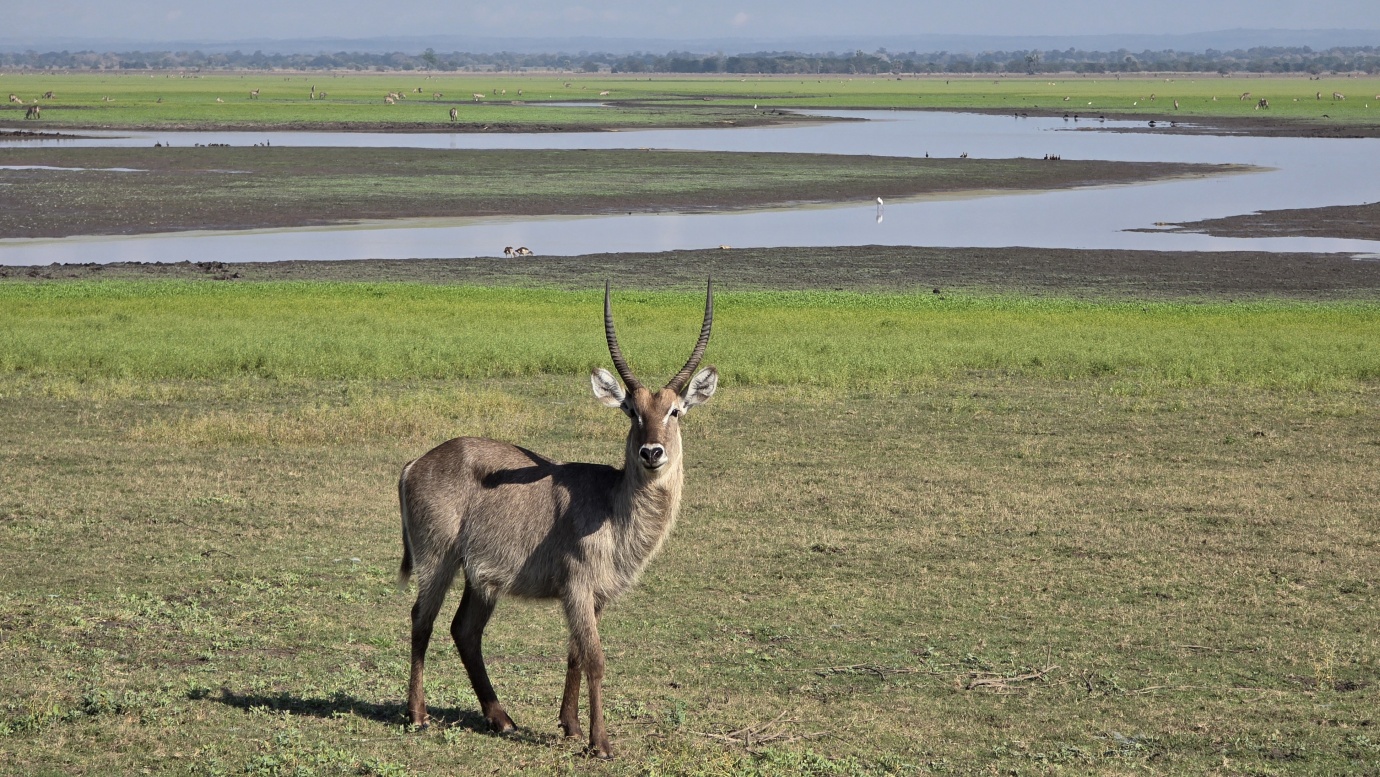
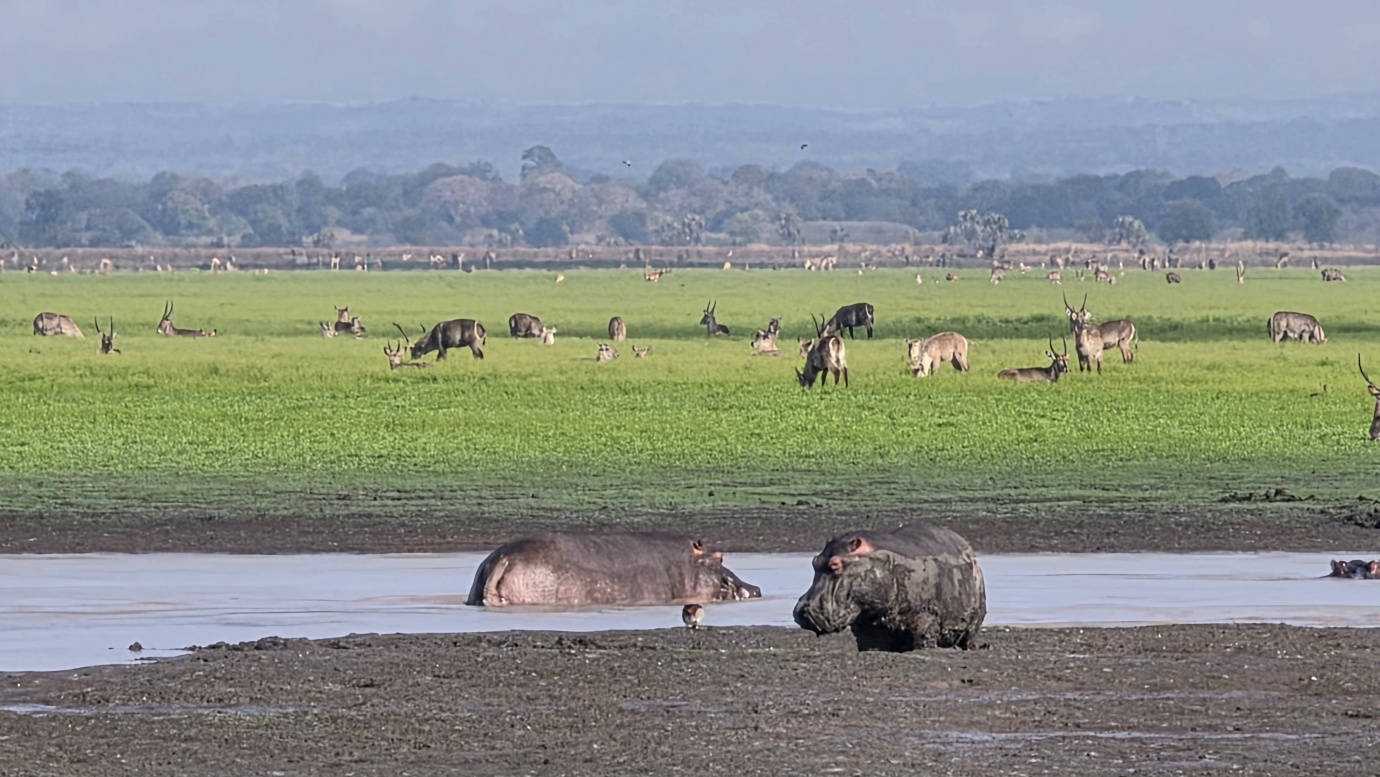
The park’s unique ecosystem is shaped by the close relationship between Mount Gorongosa—the region’s primary water catchment—and the surrounding Rift Valley. Seasonal rains flowing from the mountain feed Lake Urema and the vast floodplains, creating an exceptionally rich wetland ecosystem that supports remarkable biodiversity. Home to more than 450 bird species, Gorongosa is renowned for its extraordinary variety of flora and fauna, where the ecosystems of Southern and East Africa meet.
Originally established by the Portuguese as a 1,000-square-kilometre hunting reserve in 1920, the protected area was expanded to 3,200 square kilometres in 1935 and officially declared a national park in 1960. During the 1960s, Gorongosa became one of Africa’s premier safari destinations, with modern facilities centred around Chitengo Camp. Tragically, the Mozambican Civil War (1977–1992) devastated the park. Widespread poaching and military activity wiped out around 95% of its large mammals, pushing many species to the brink of local extinction.
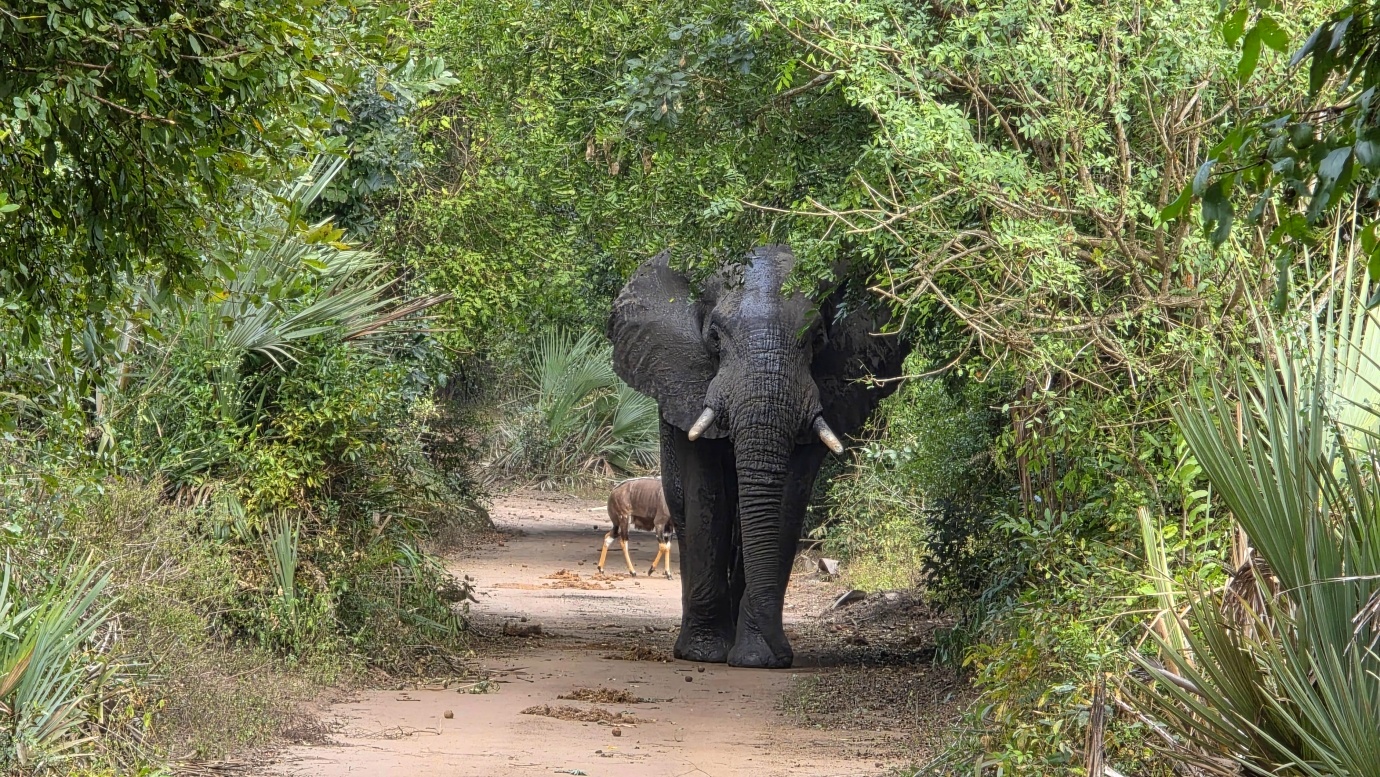
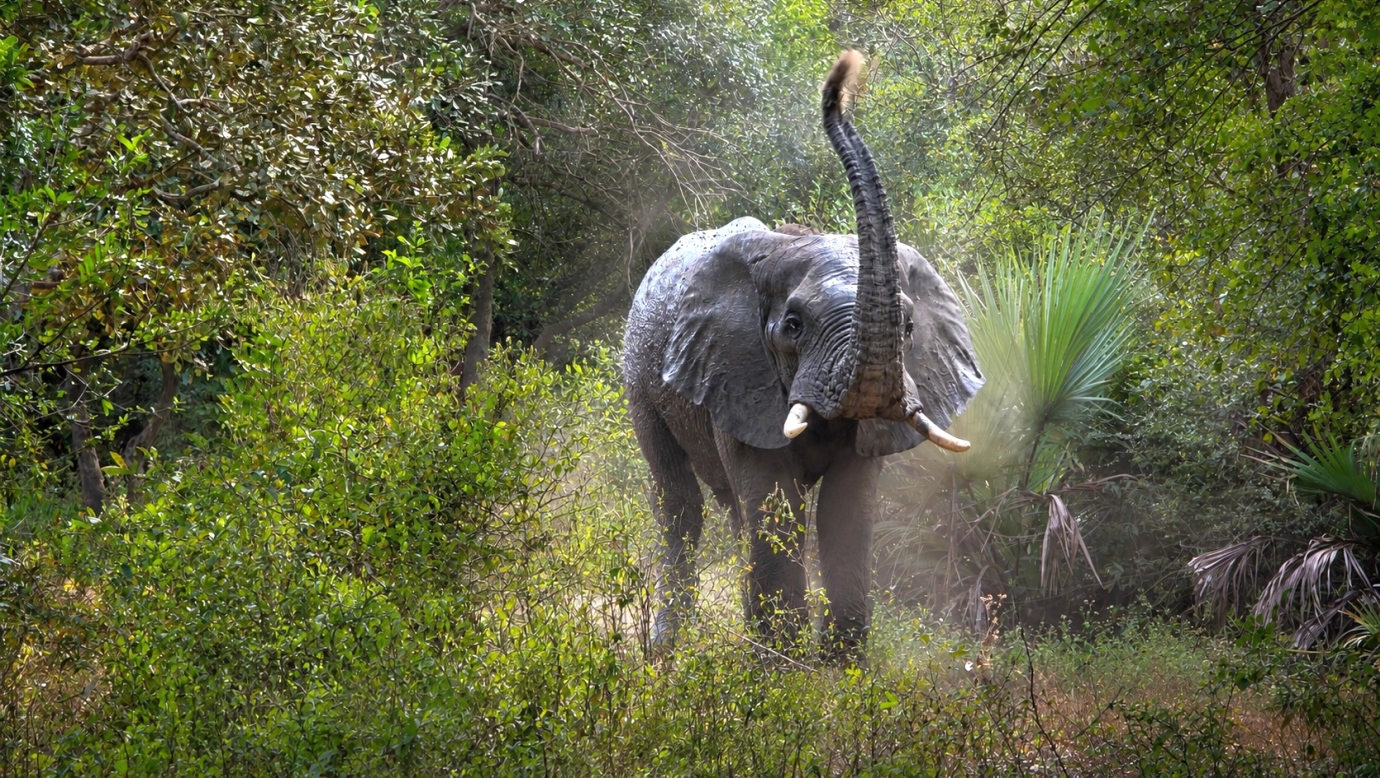
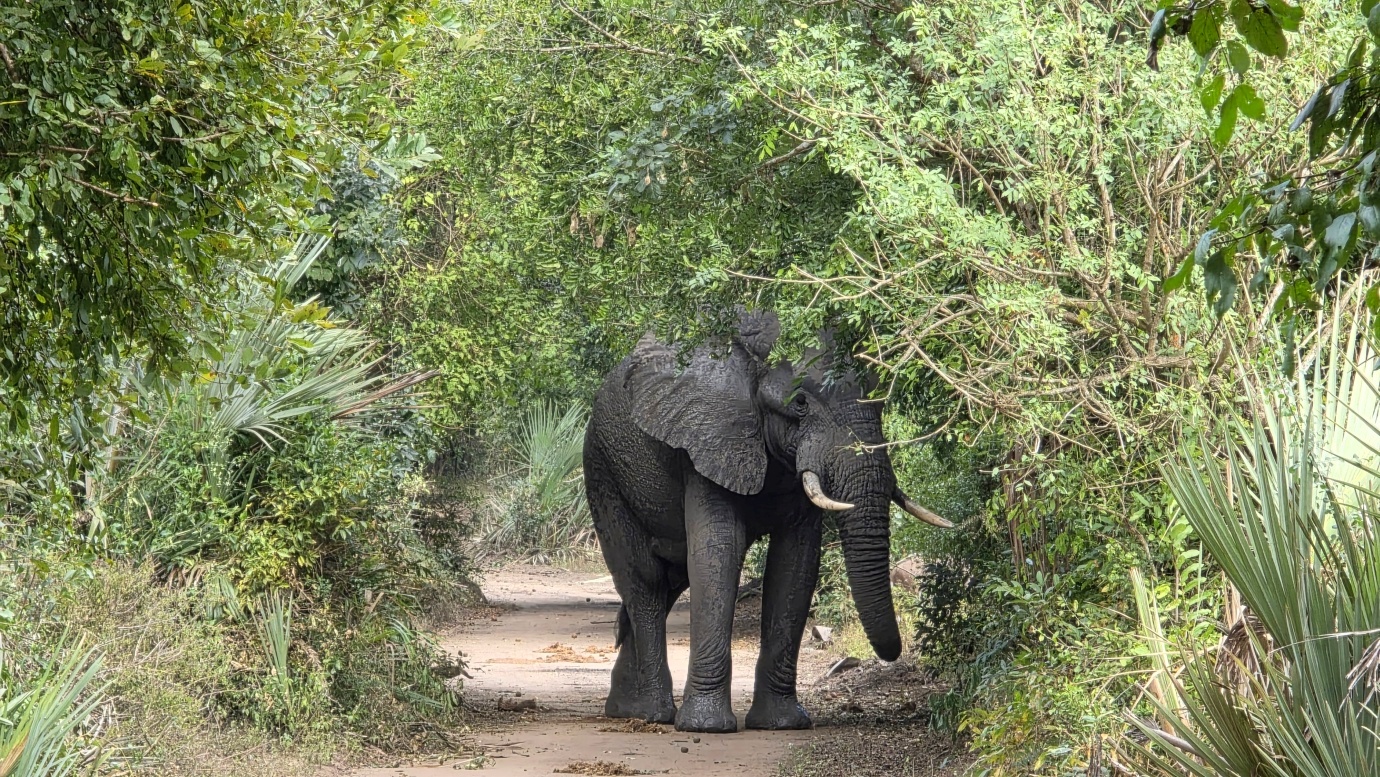
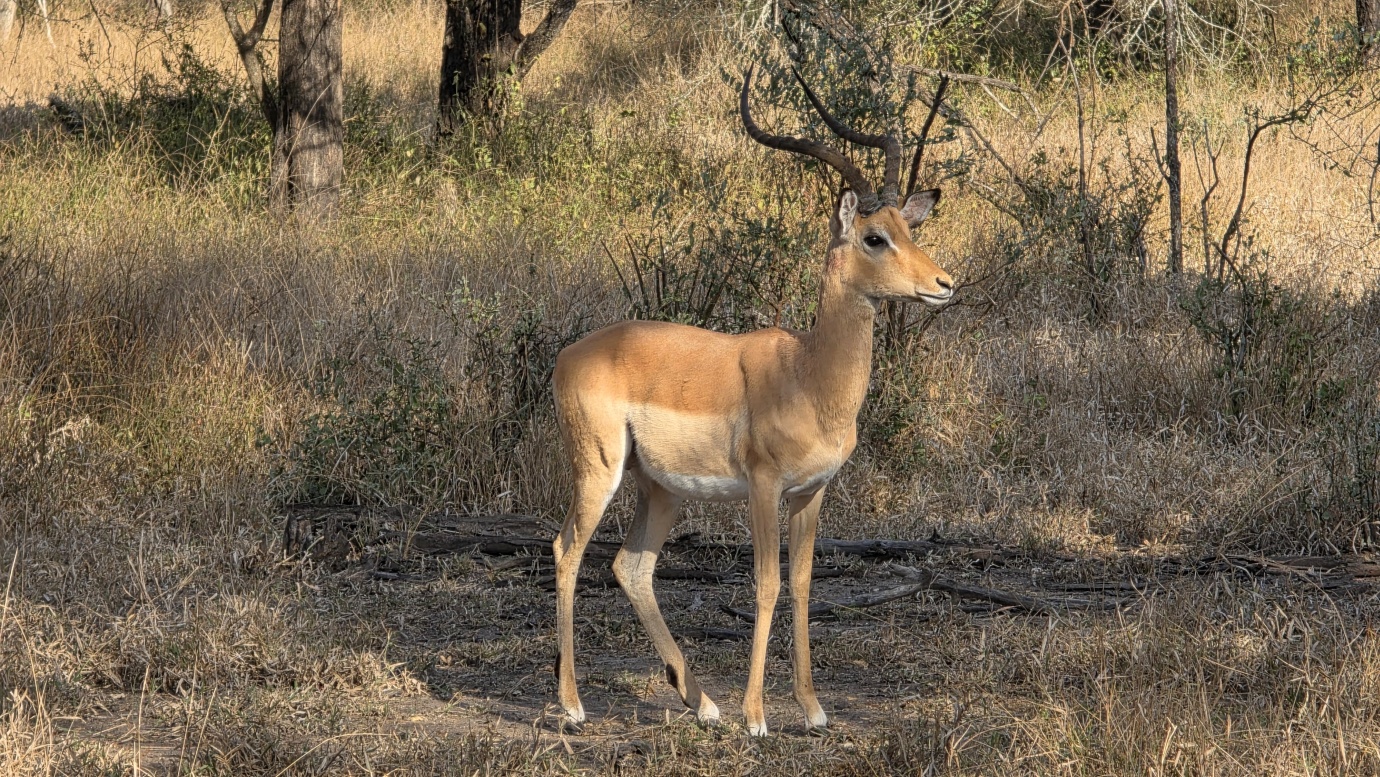
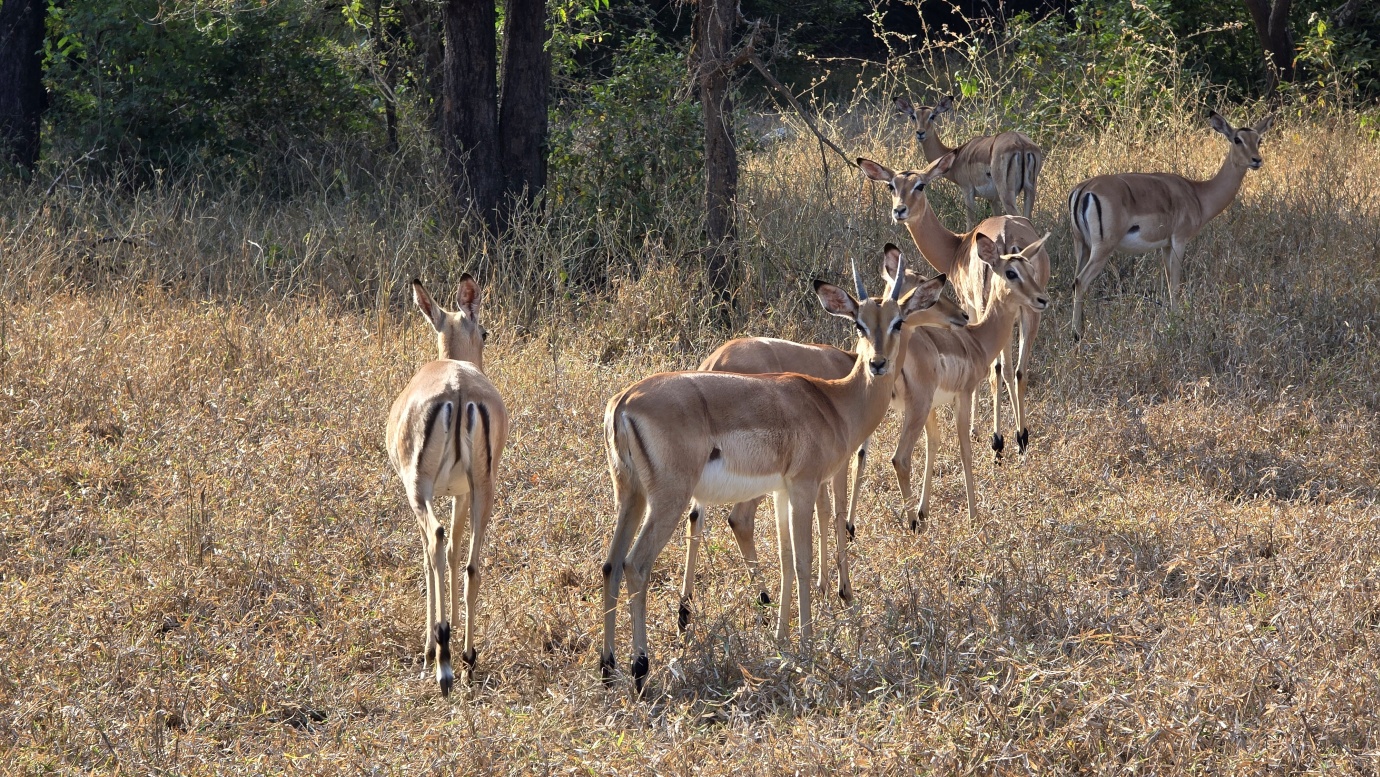
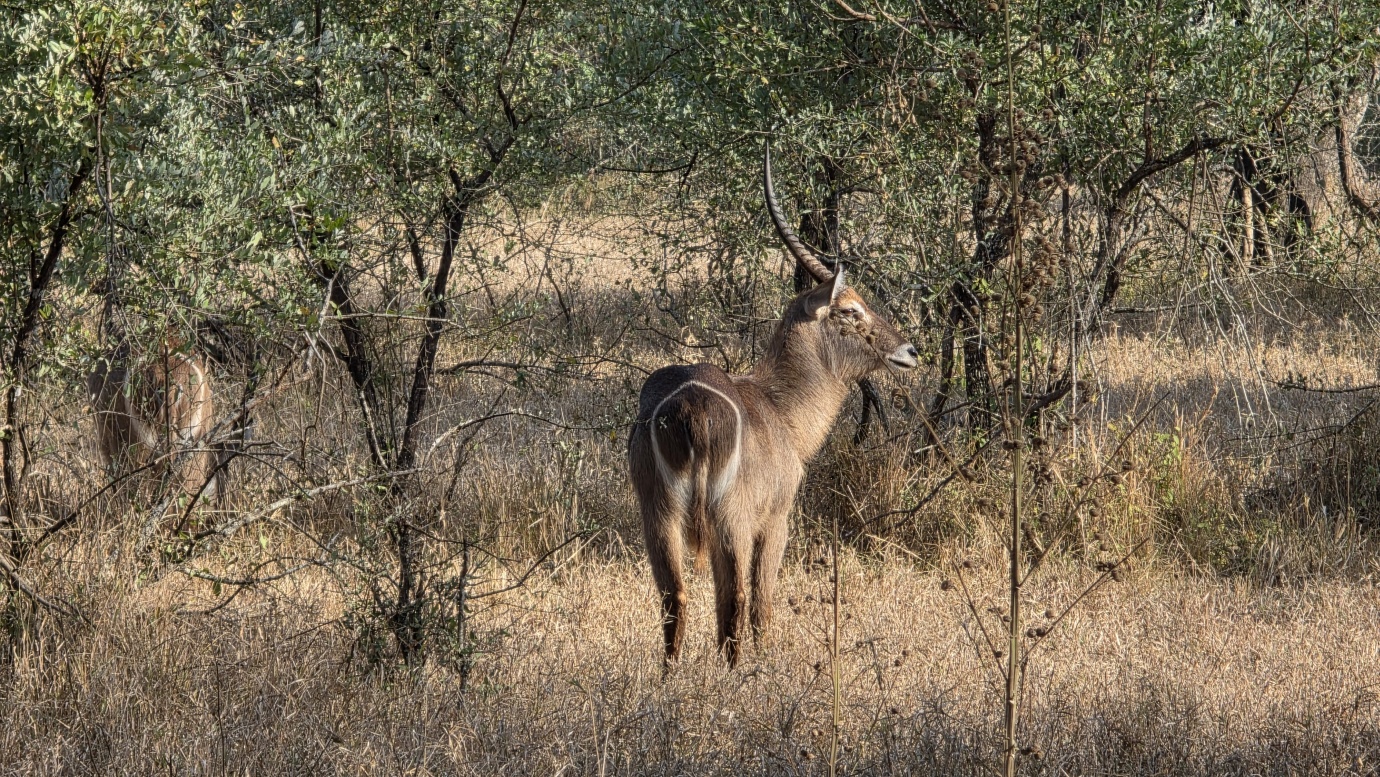
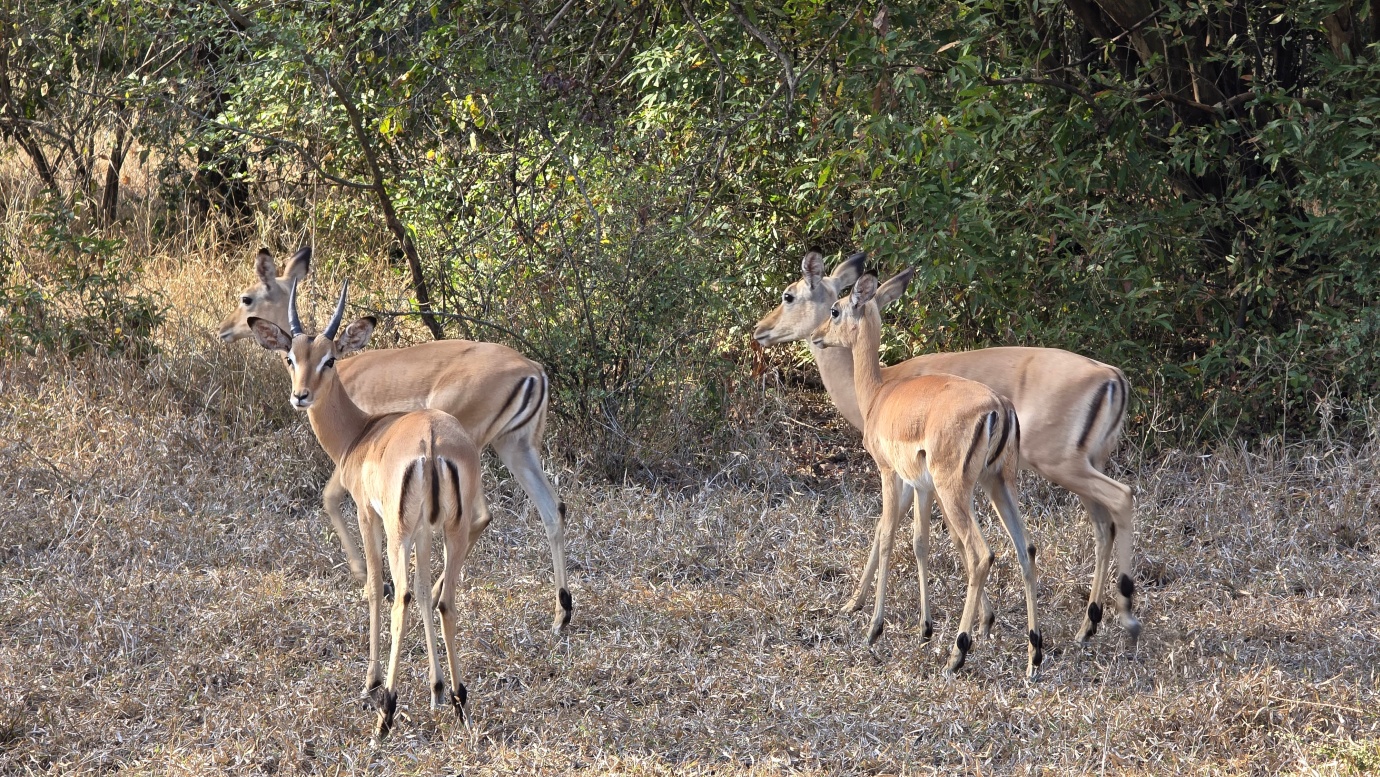
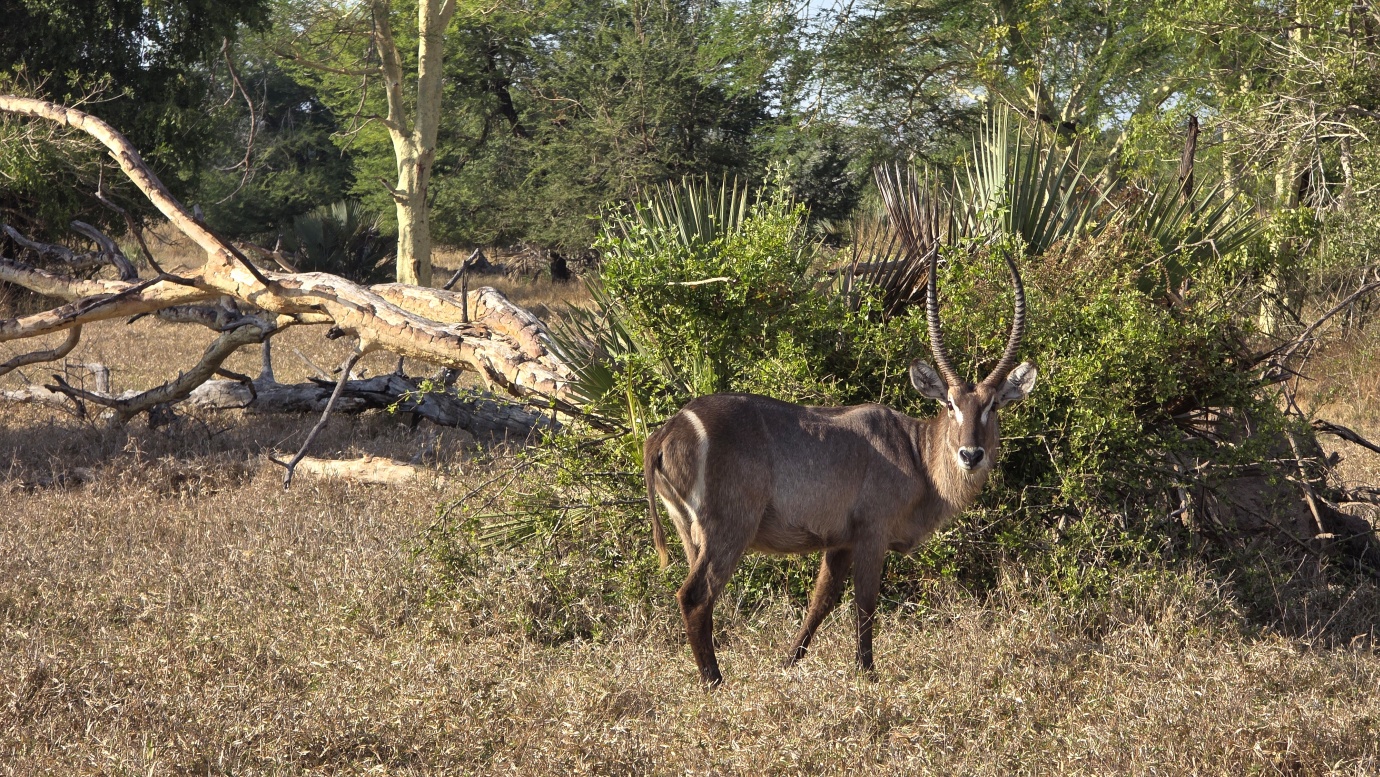
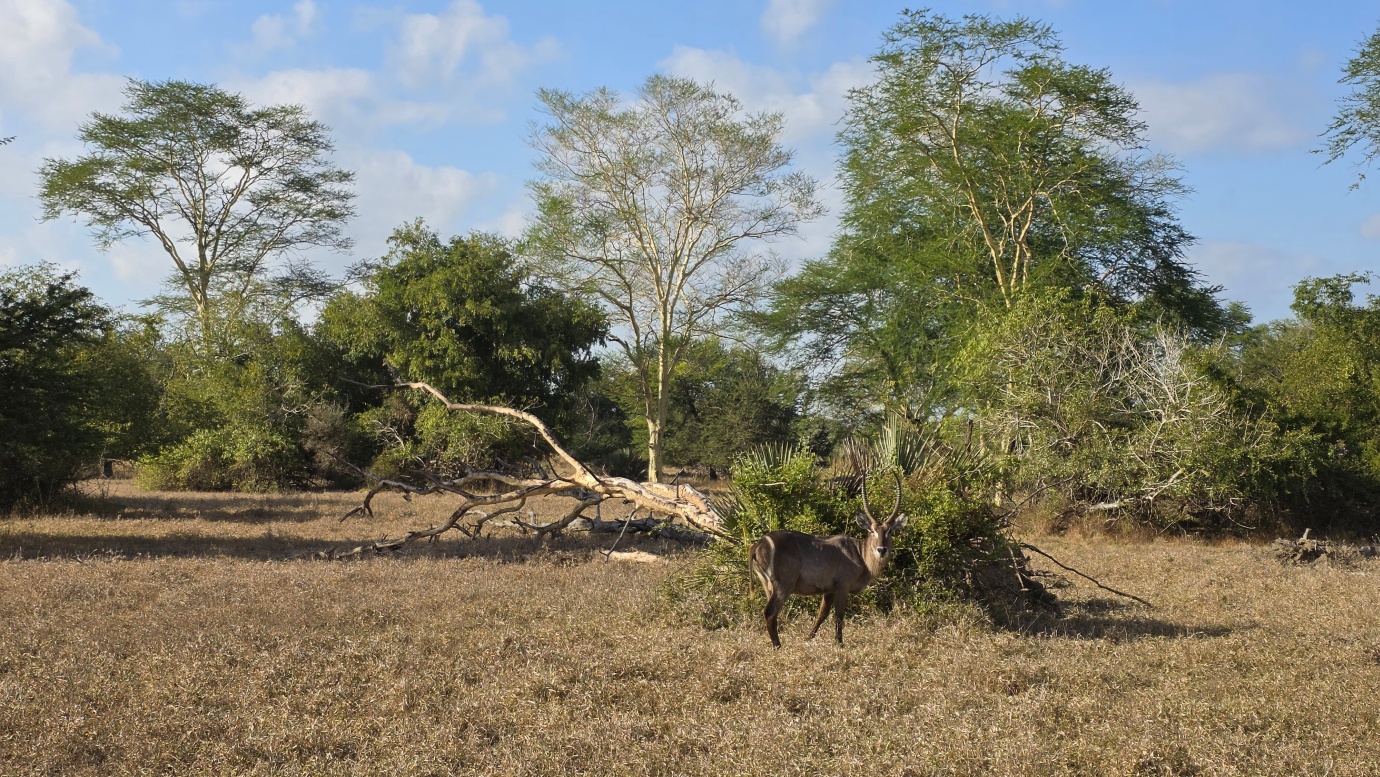
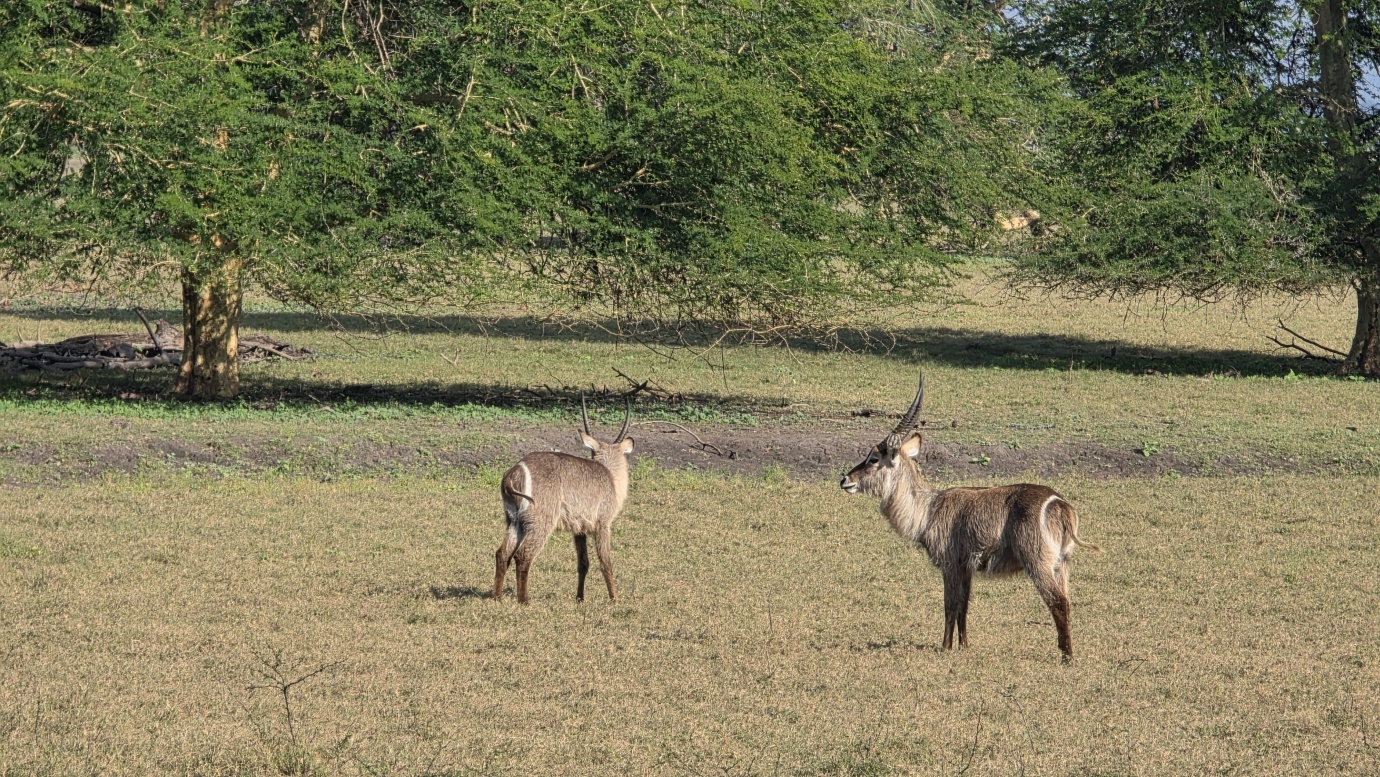
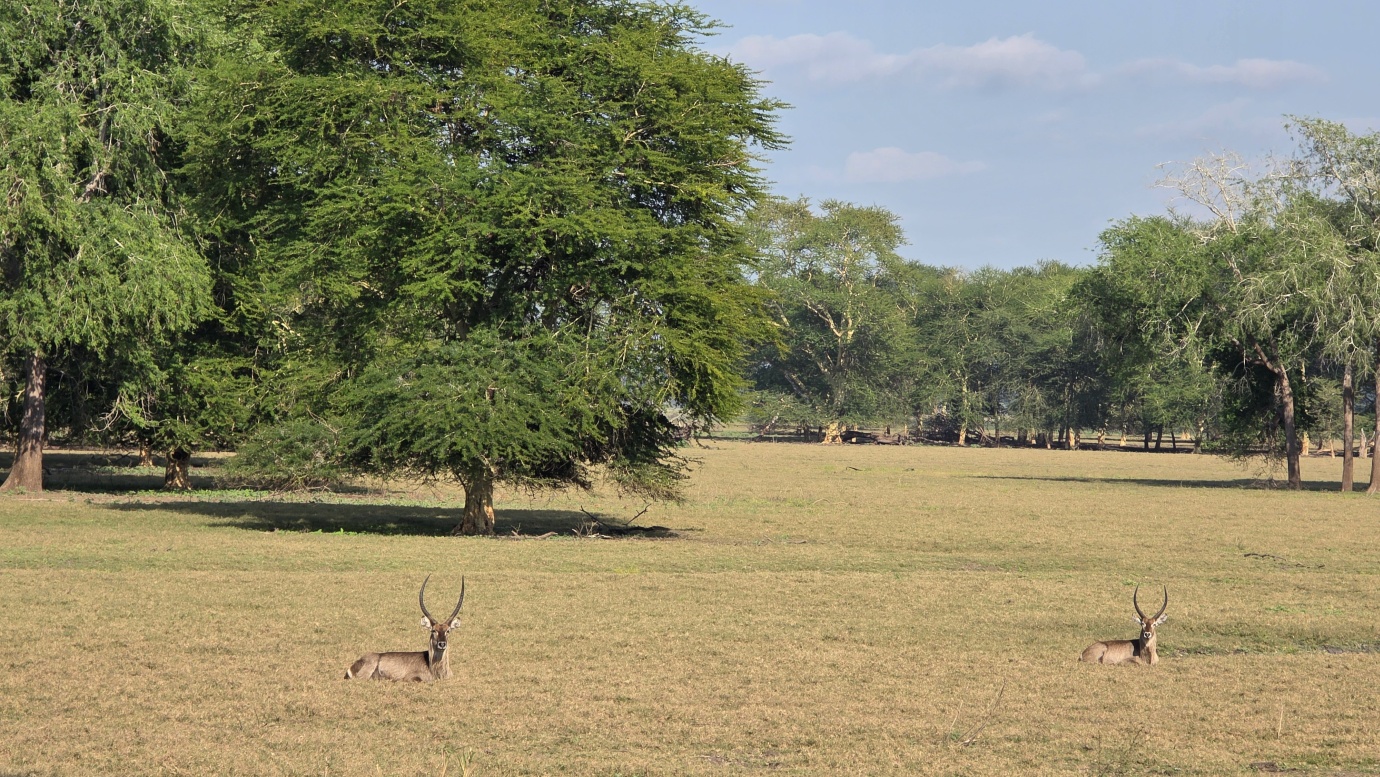
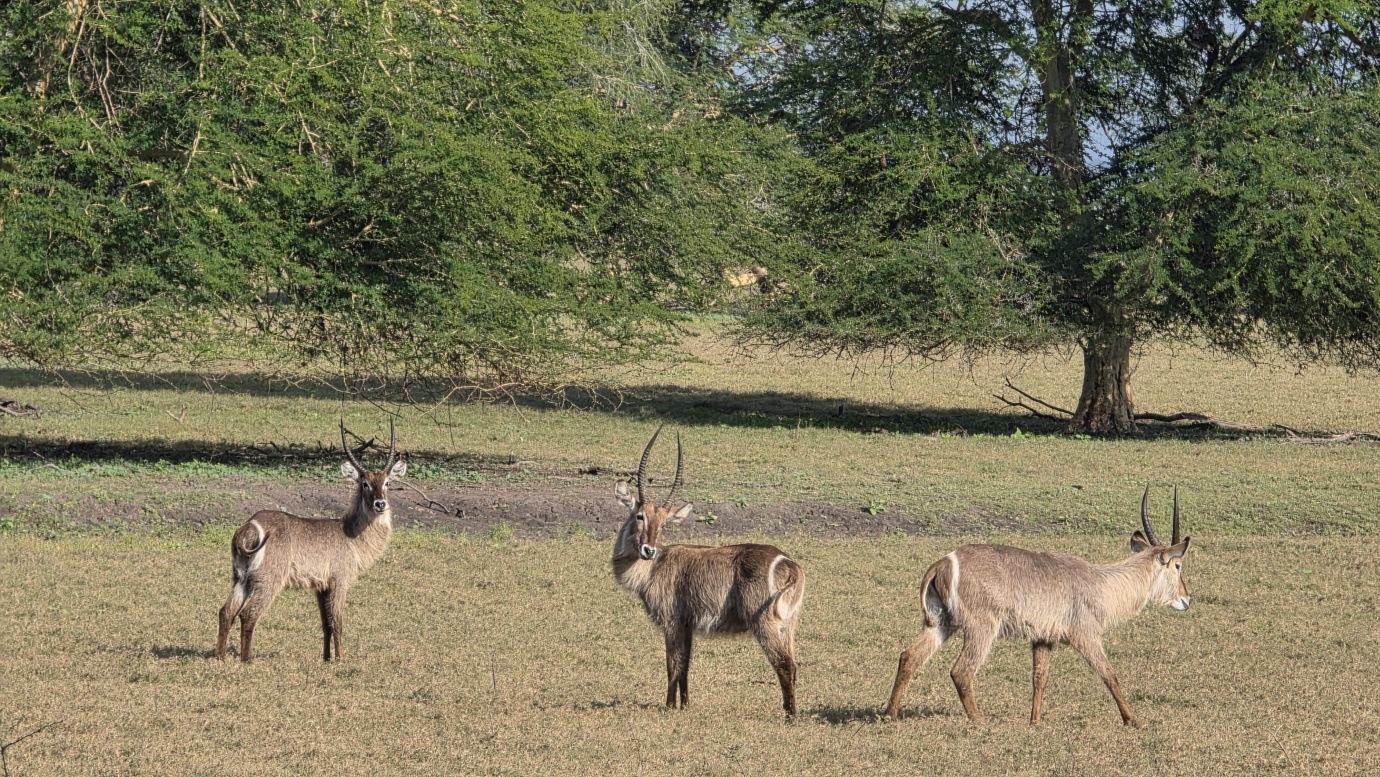
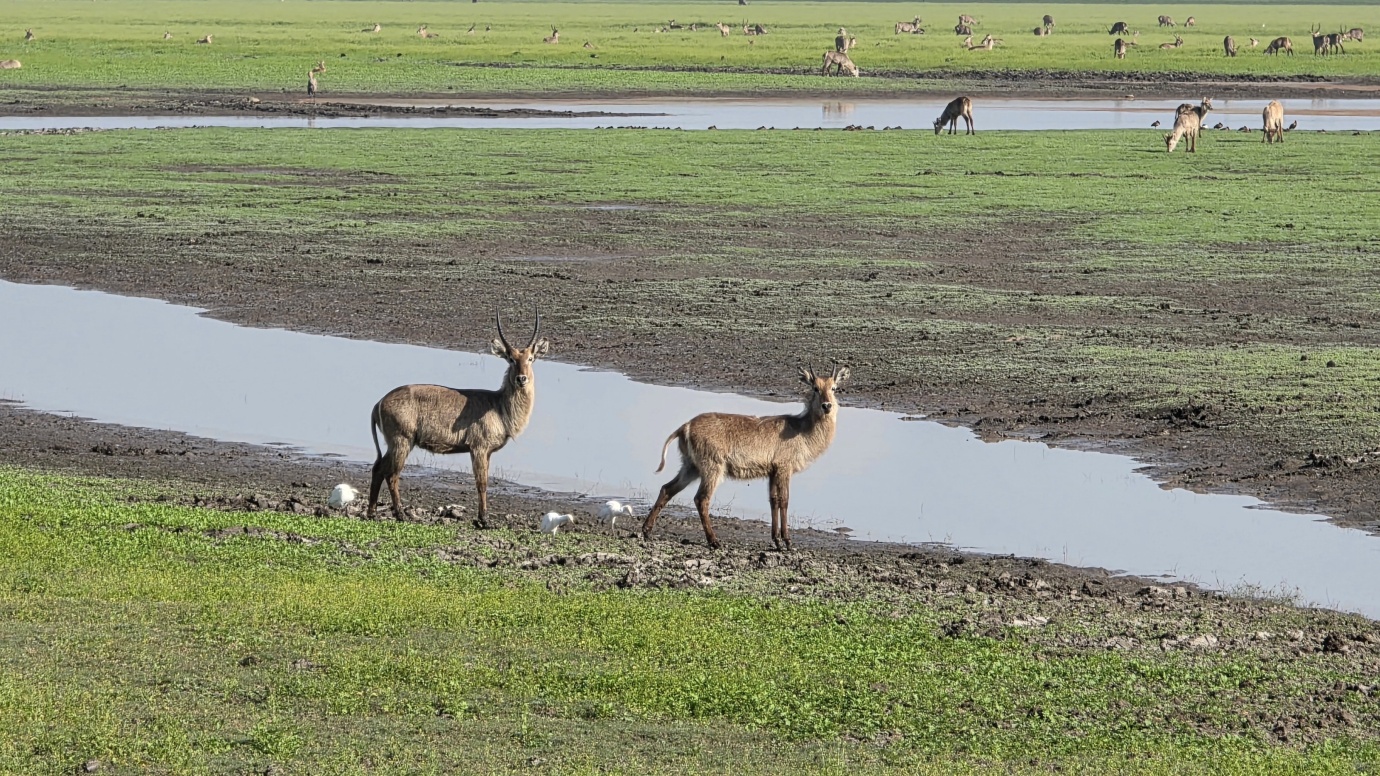
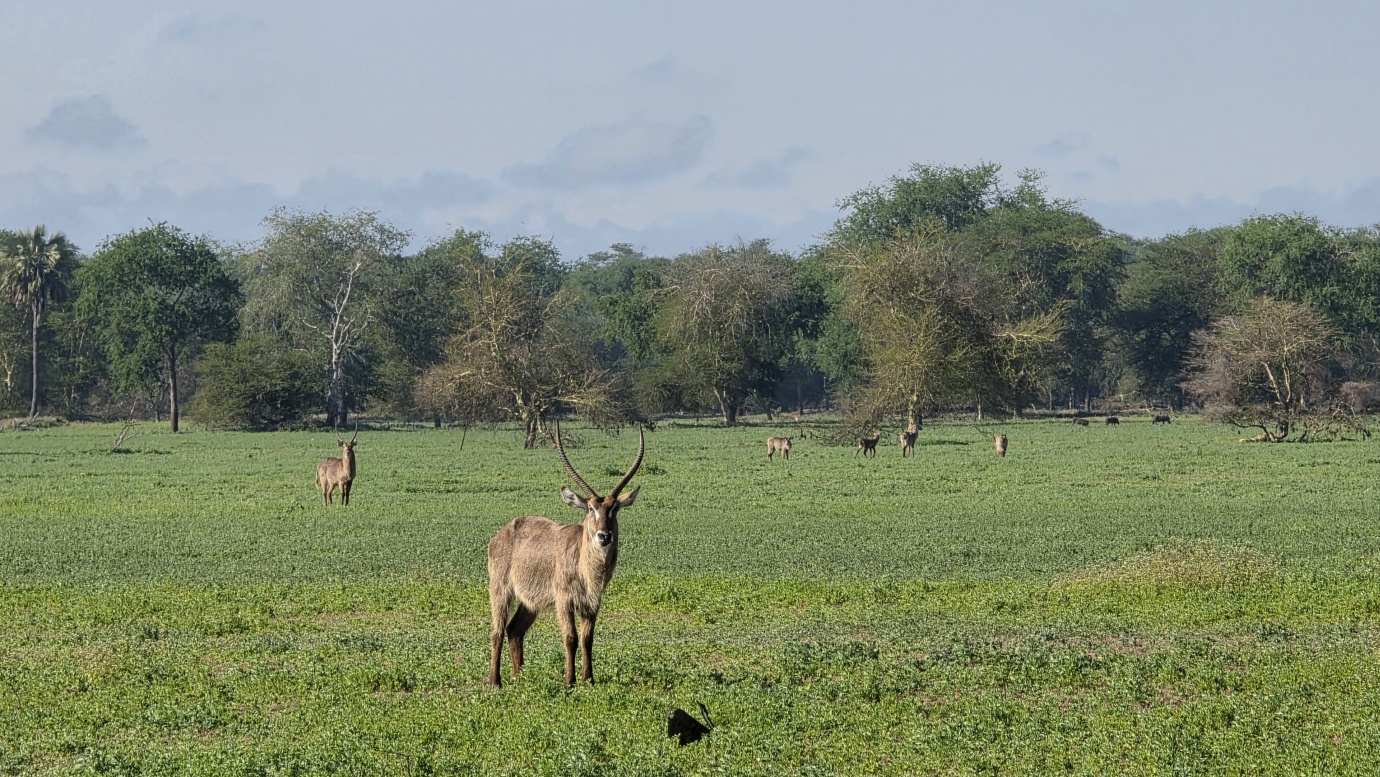
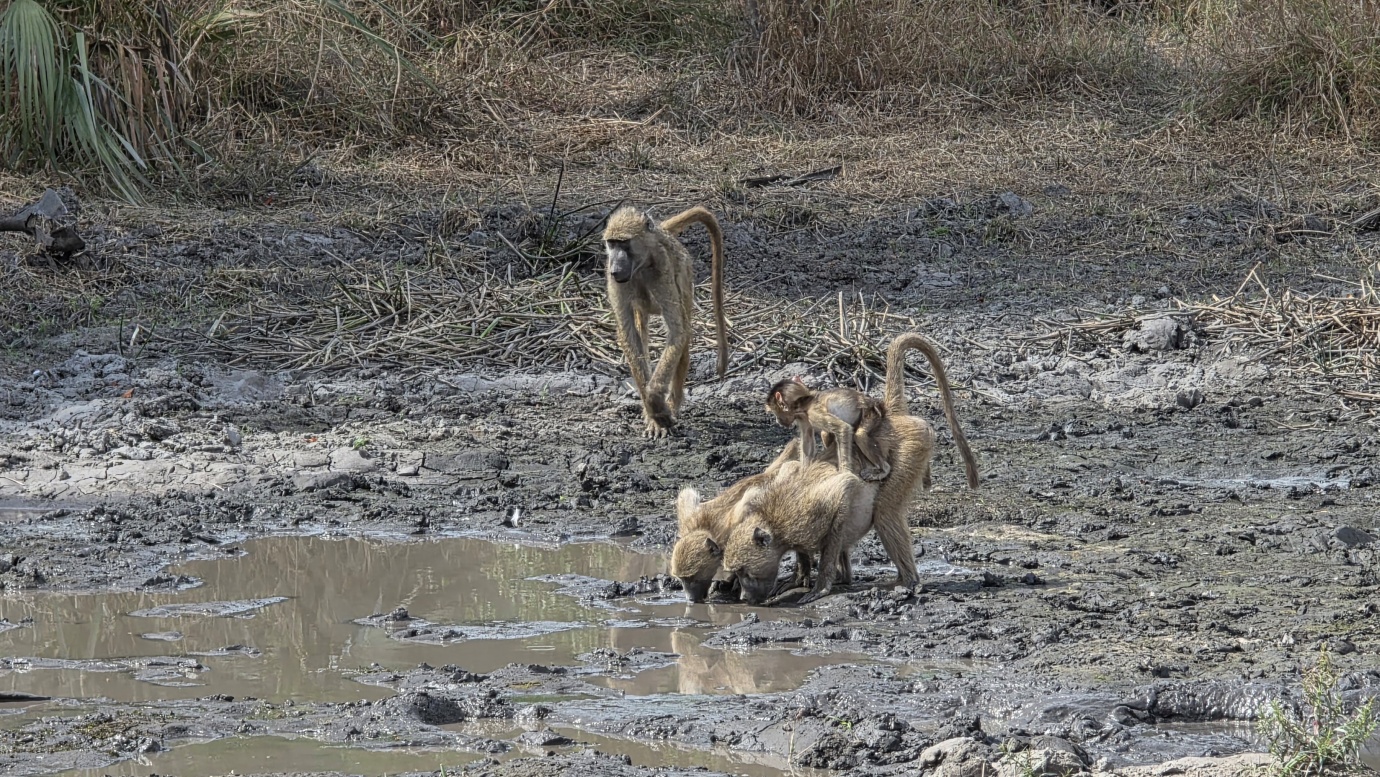
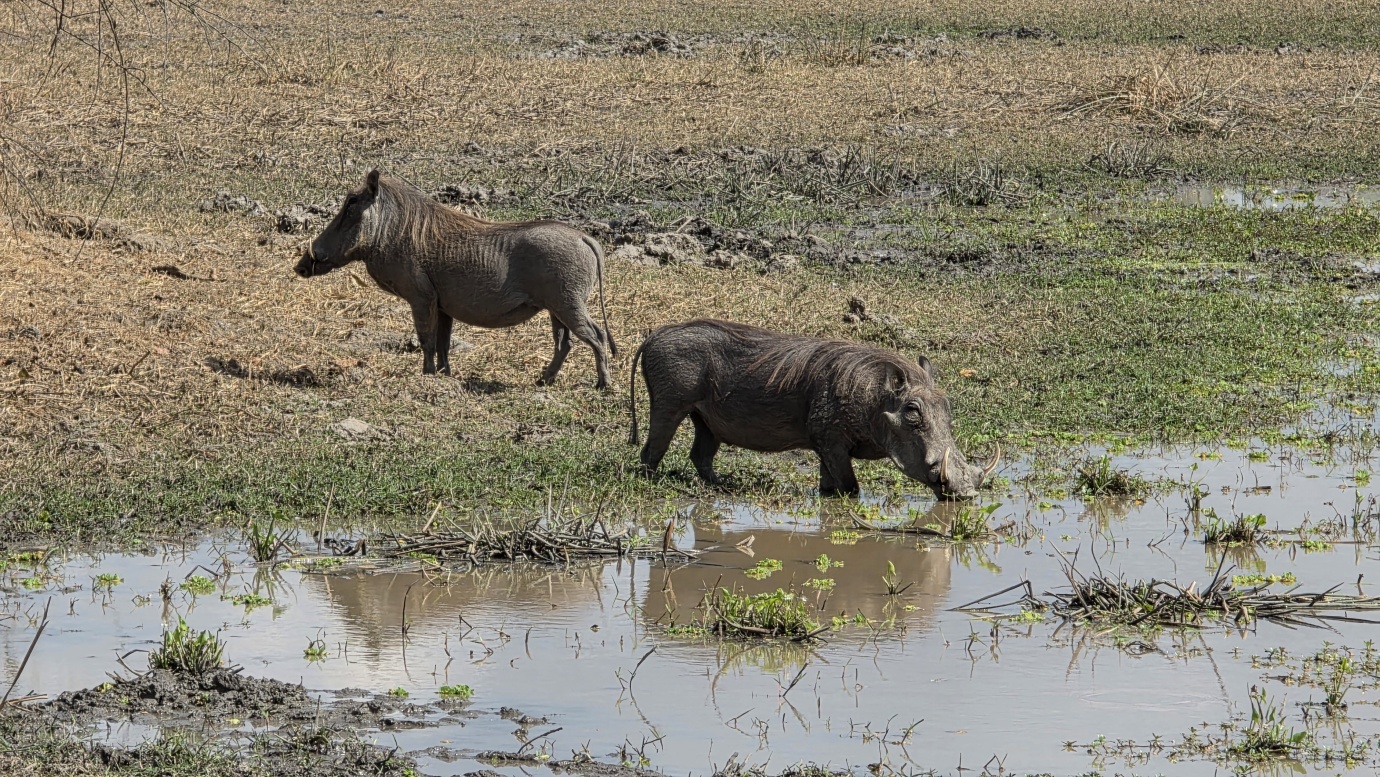
A remarkable turnaround began in 2008, when the Government of Mozambique and the Carr Foundation launched the long-term Gorongosa Restoration Project. Today, Gorongosa is celebrated as one of Africa’s greatest conservation success stories. Wildlife populations have recovered to more than 100,000 large animals, including healthy herds of elephants, buffaloes, zebras, and flourishing populations of lions and endangered African wild dogs.
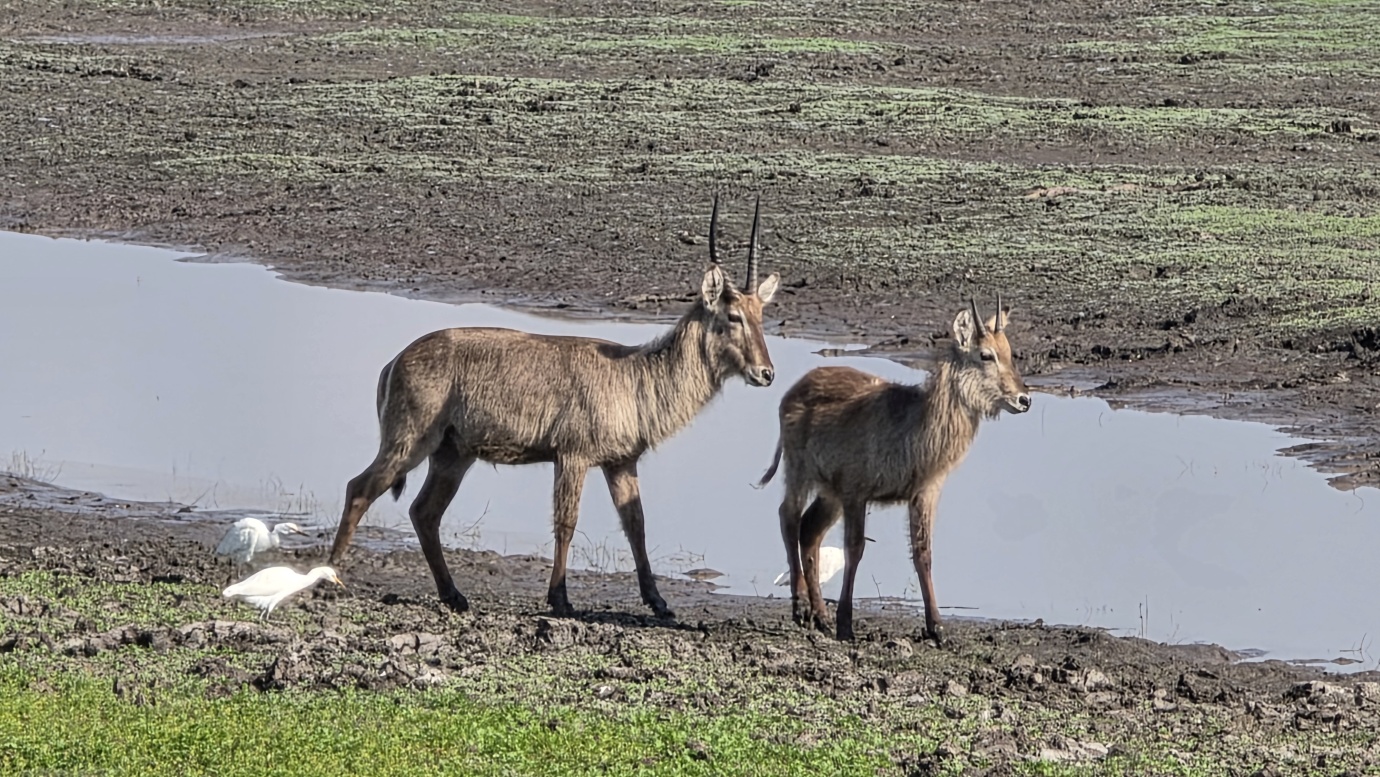
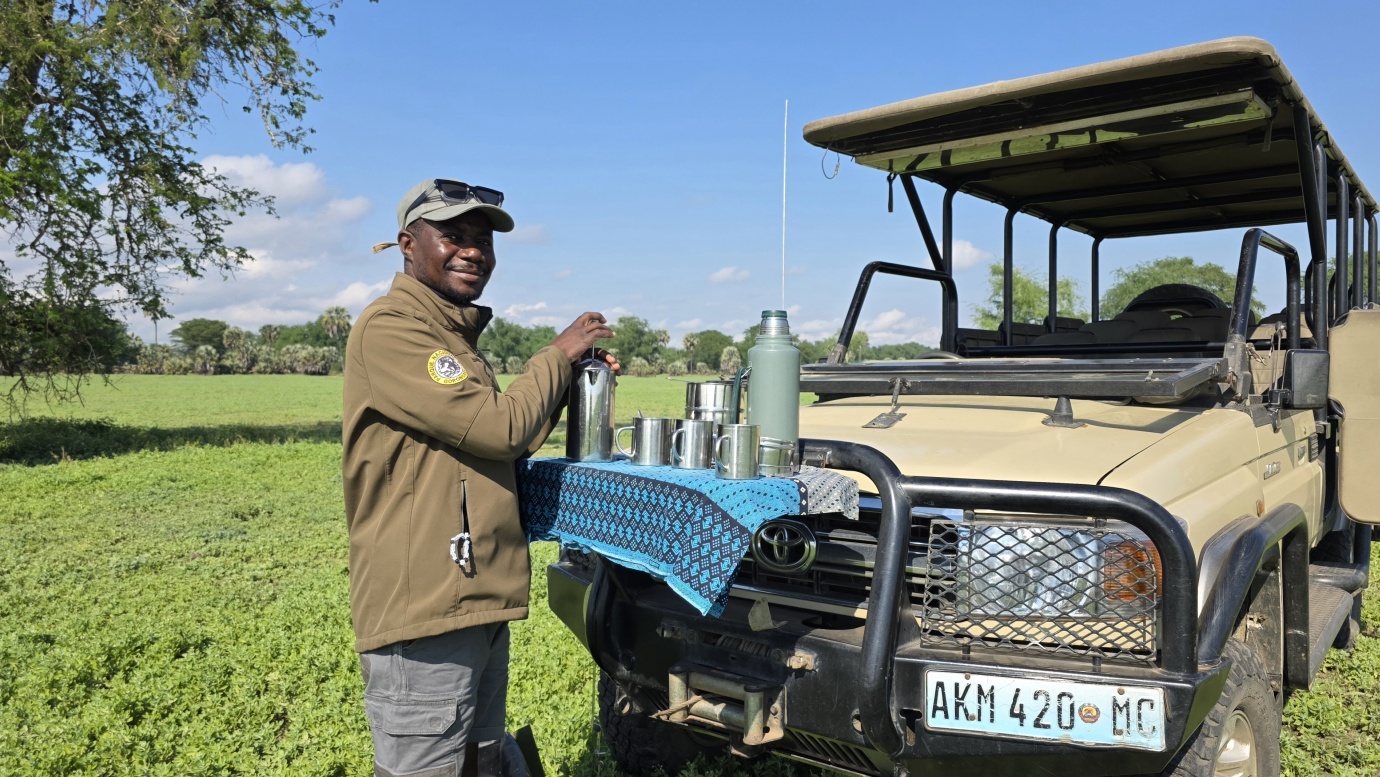
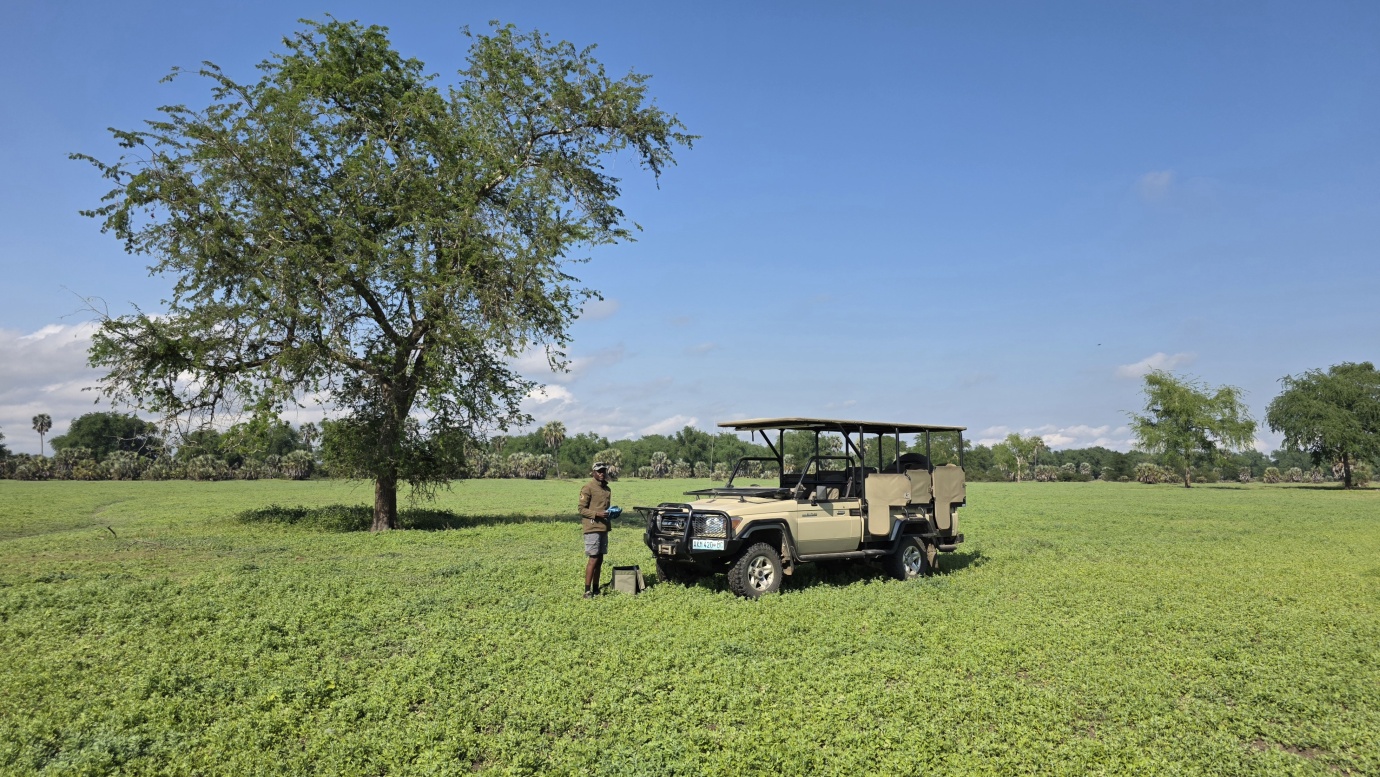
Although we arrived late in the evening, we still managed to enjoy dinner at the restaurant in Chitengo Lodge before booking our game drive for the following morning. To make the most of the soft morning light for photography, we arranged a slightly later departure from 8:00 AM until 11:30 AM. The game drive cost 60 USD per person, while park entrance was 20 USD per person and camping at Chitengo Camp was another 20 USD per person.
Parking location – Chitengo Camp: 18.9790237S 34.3518206E (🚻,🚿,🏊,💦,🔌,🍽️,🅿️20 USD/pax)