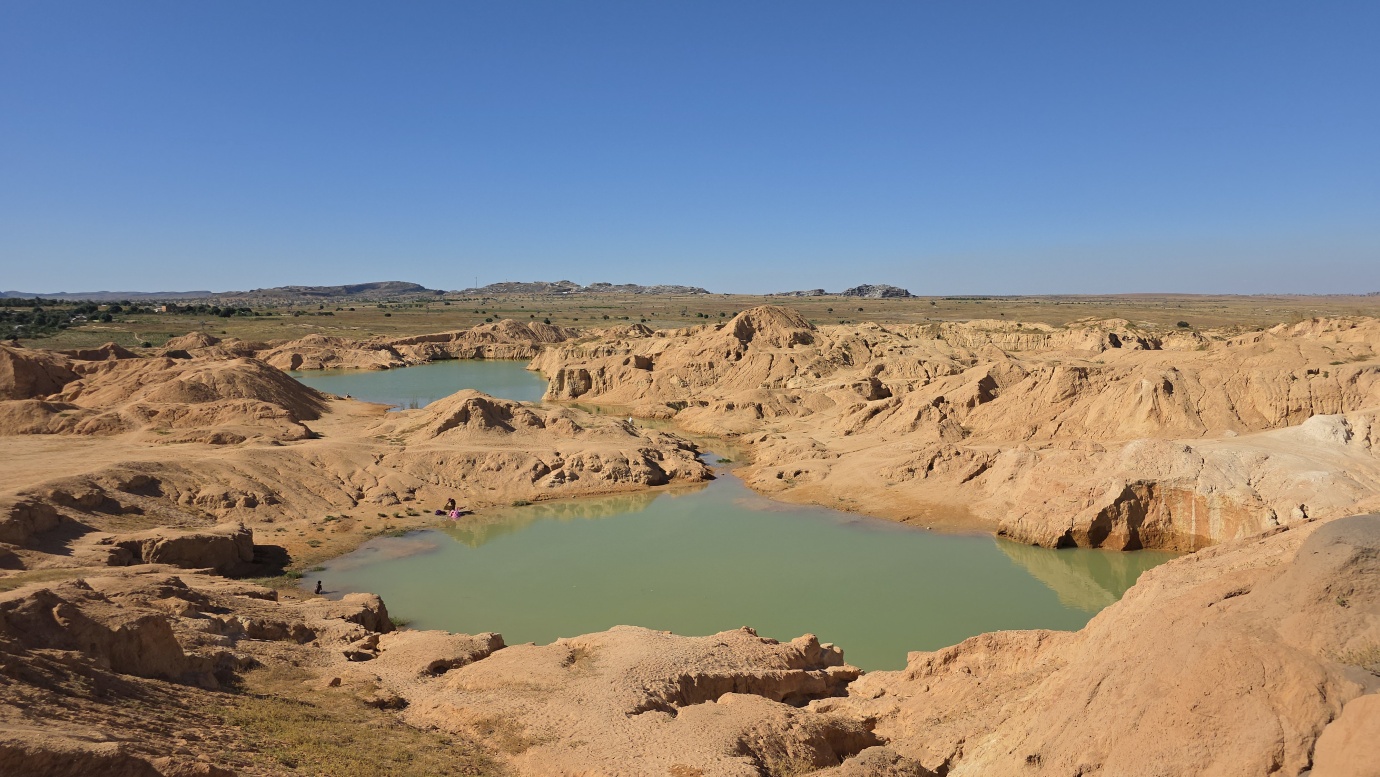
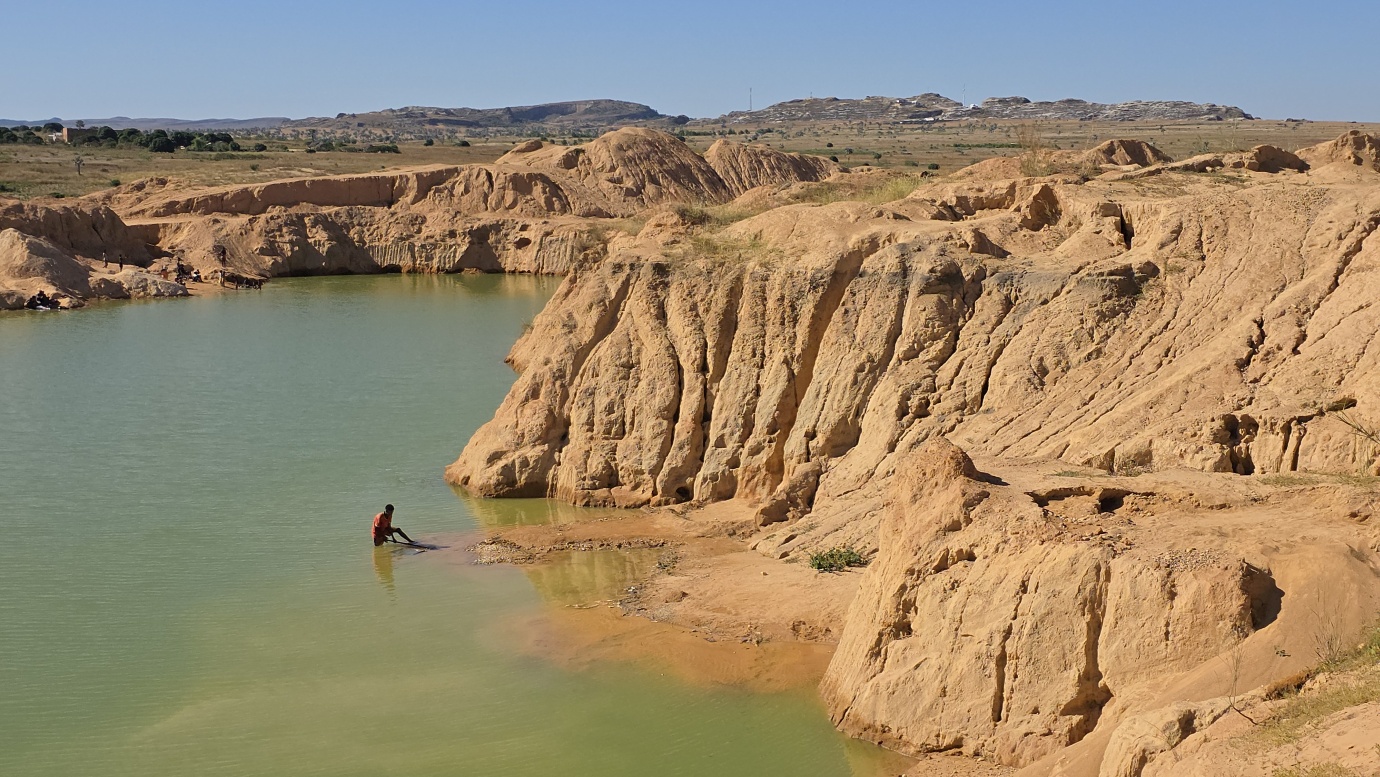
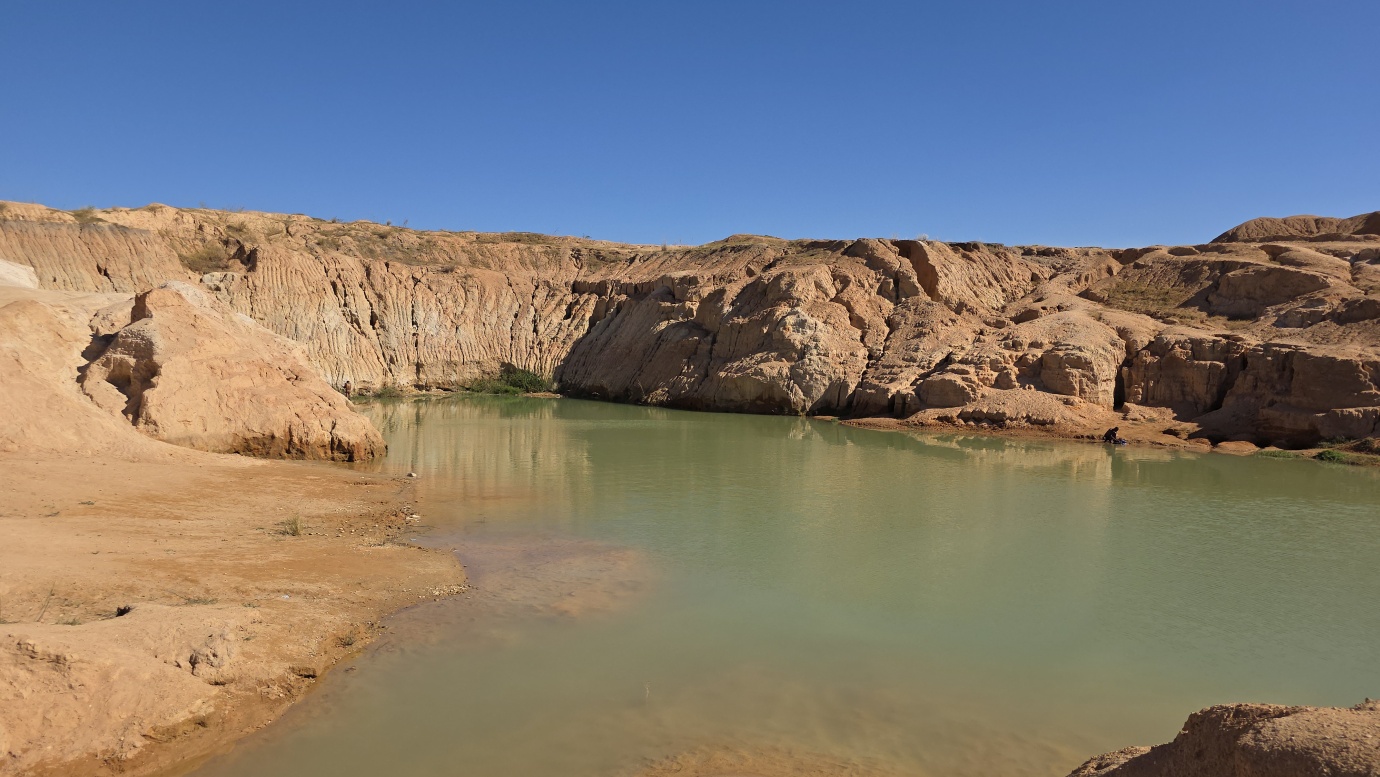
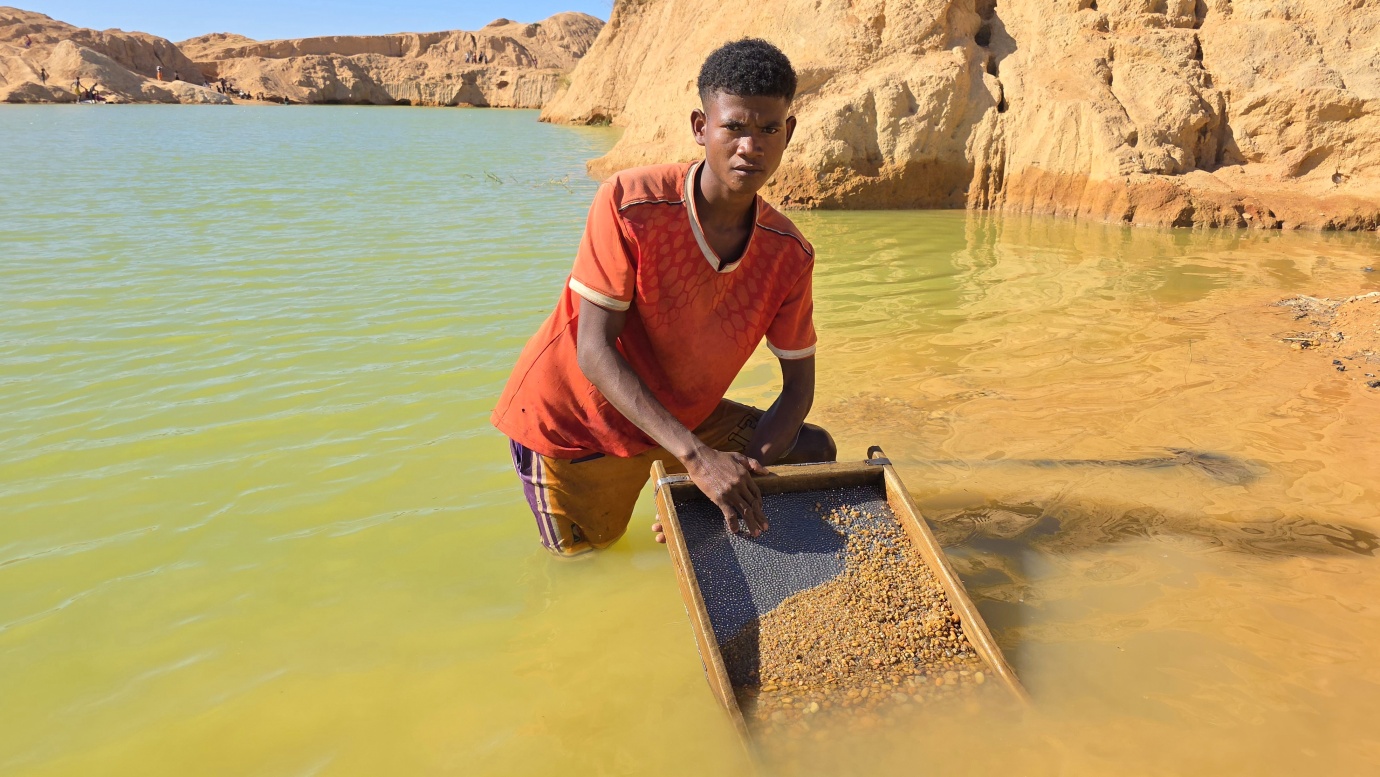
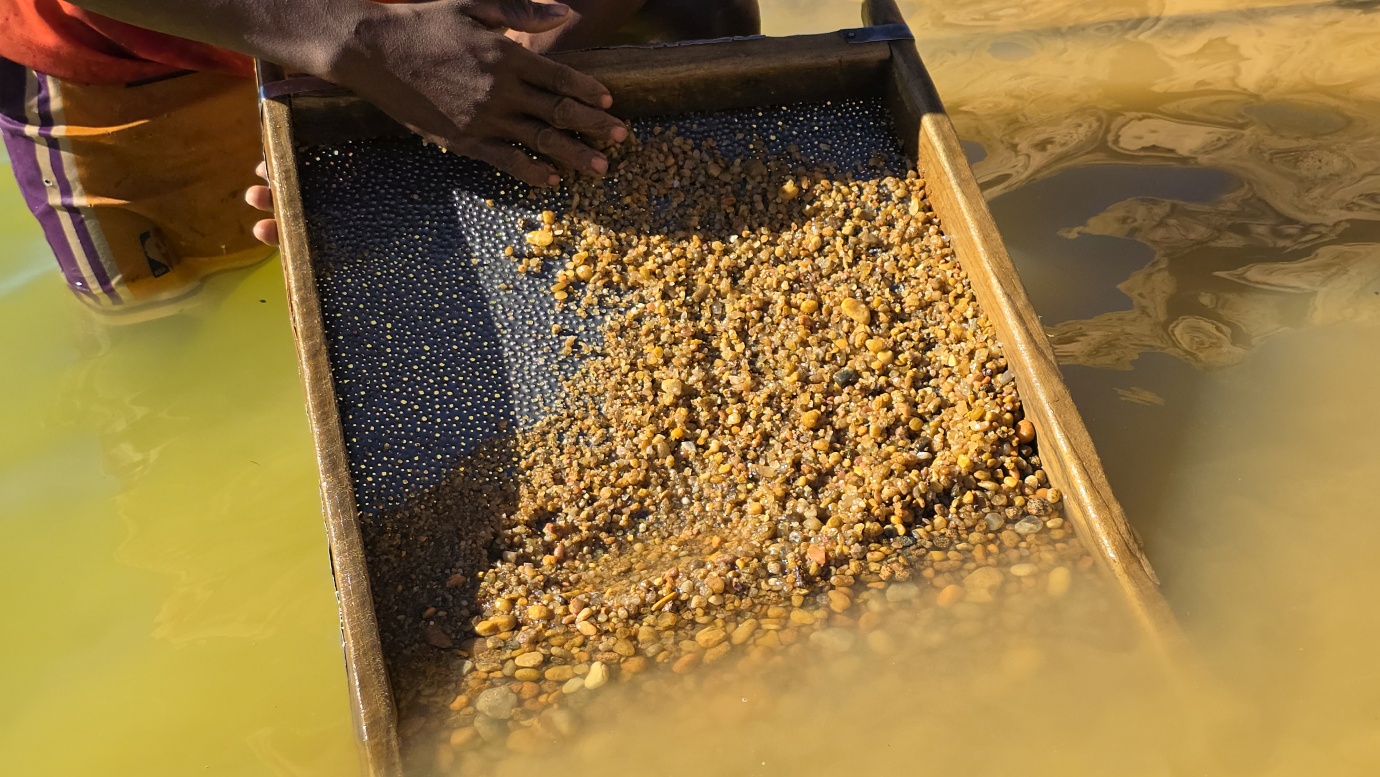
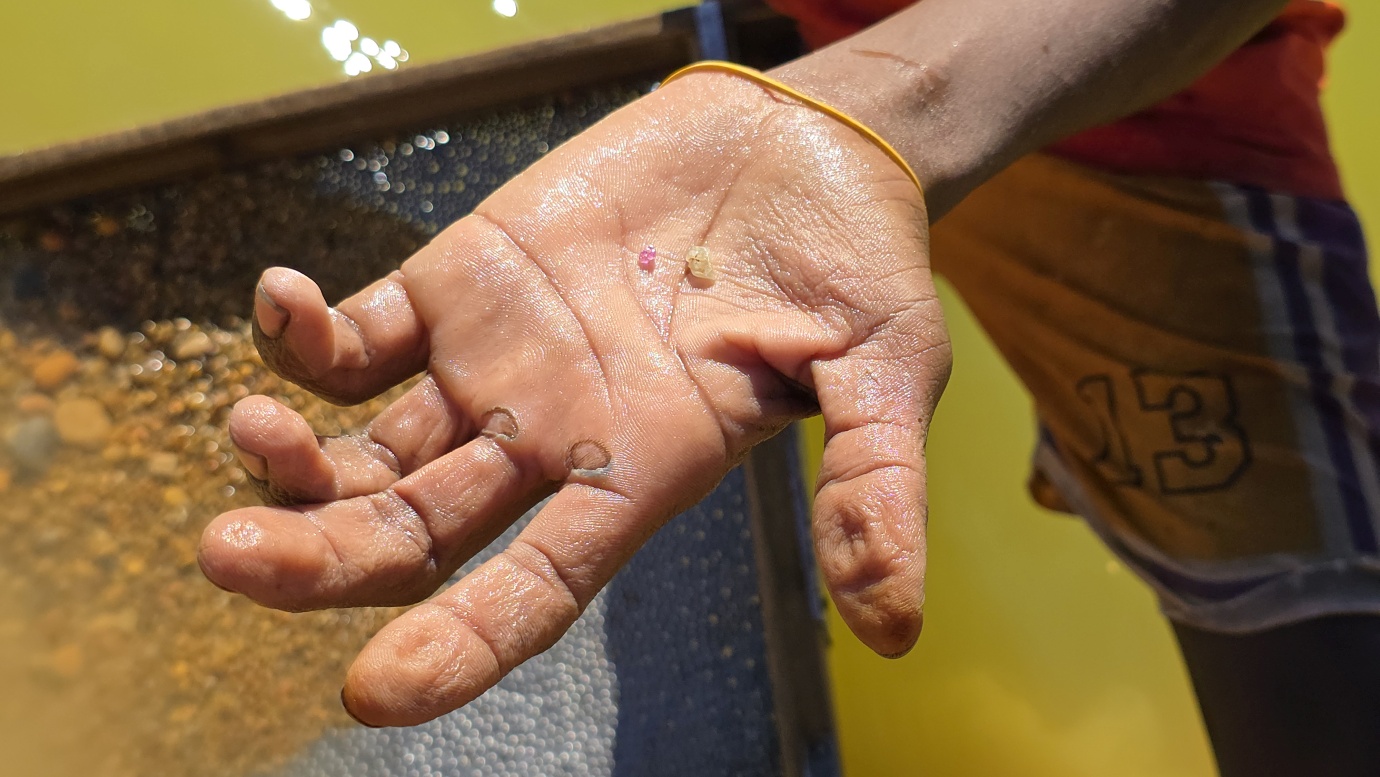
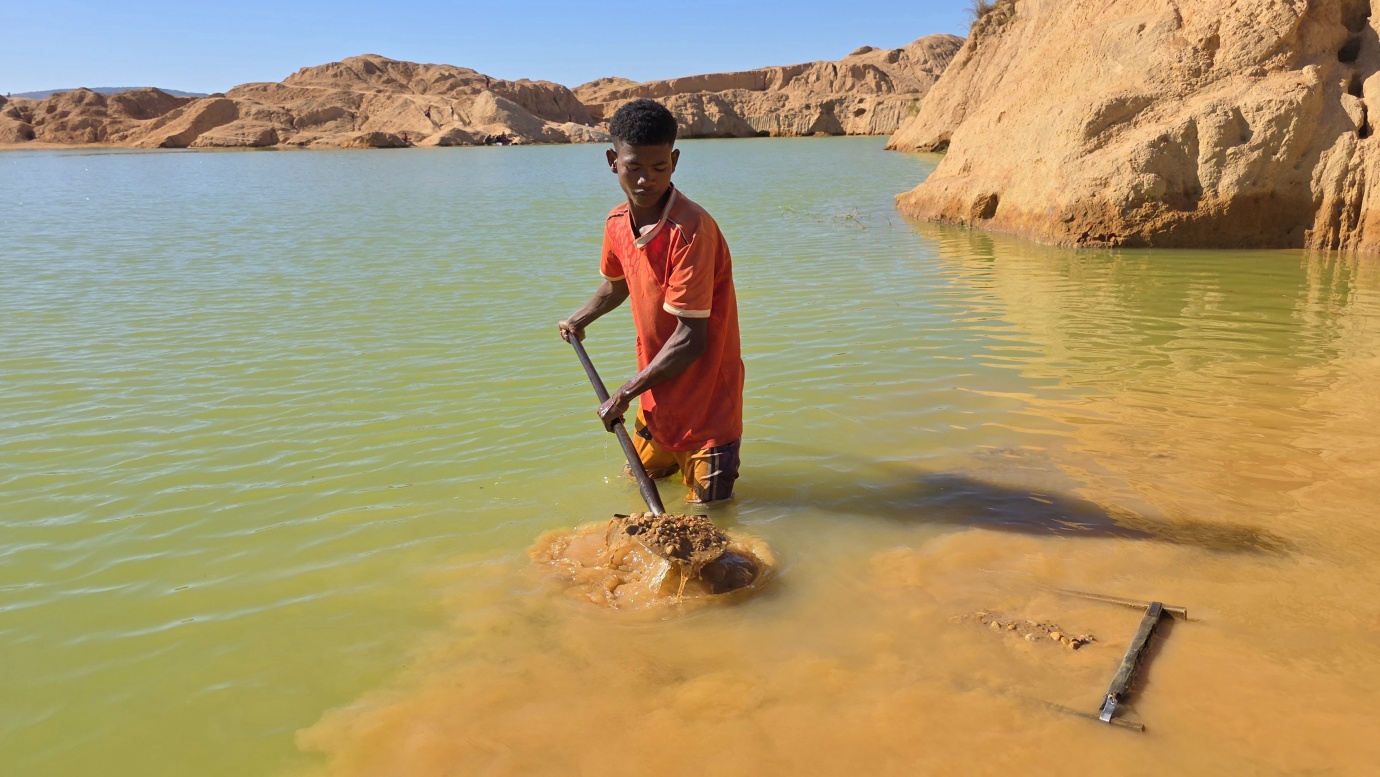
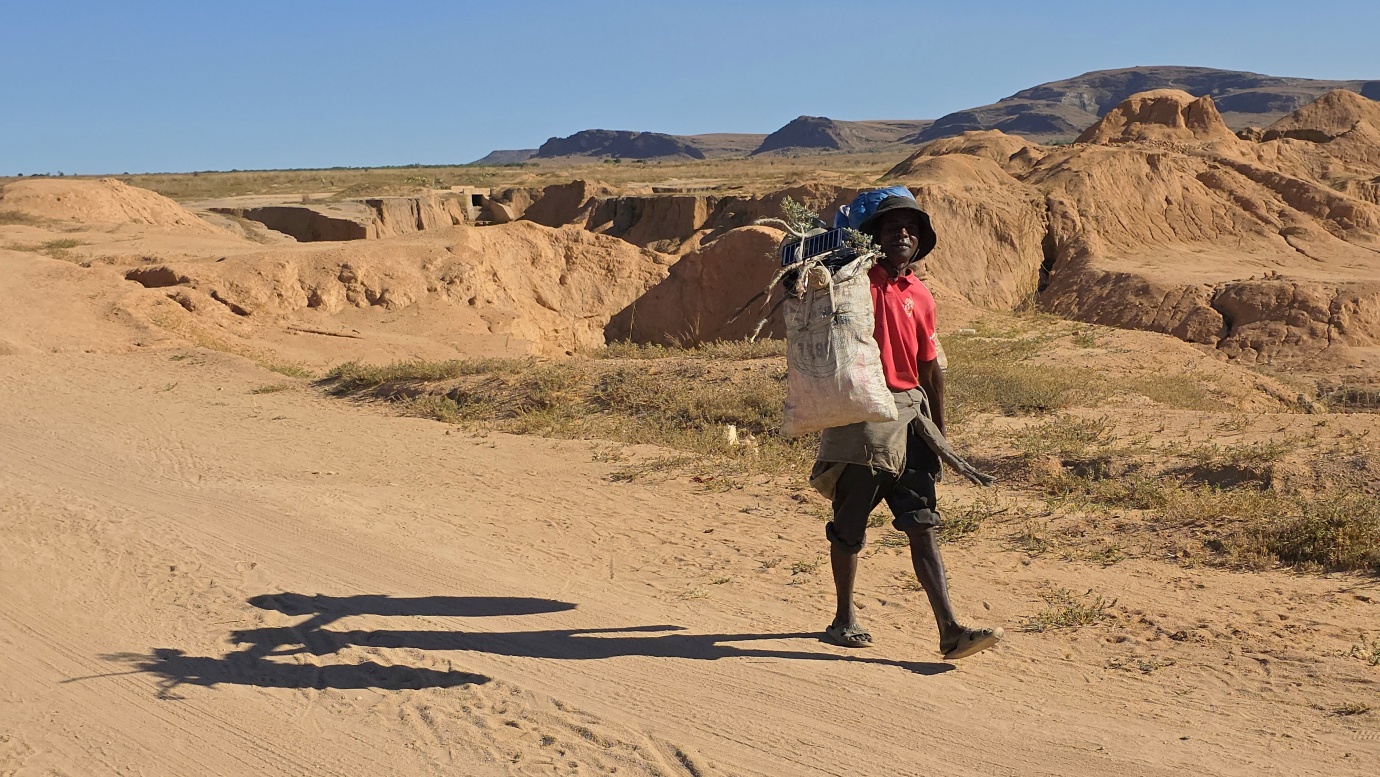
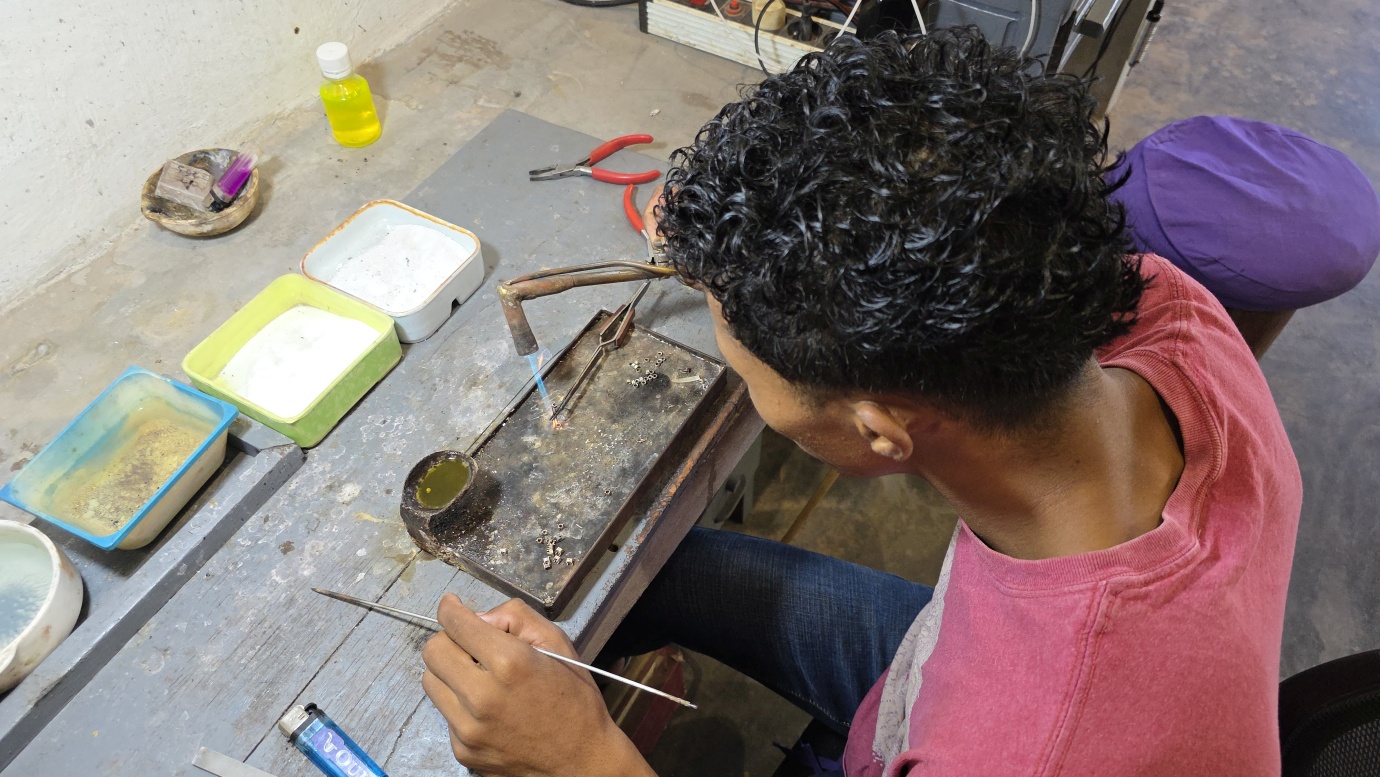
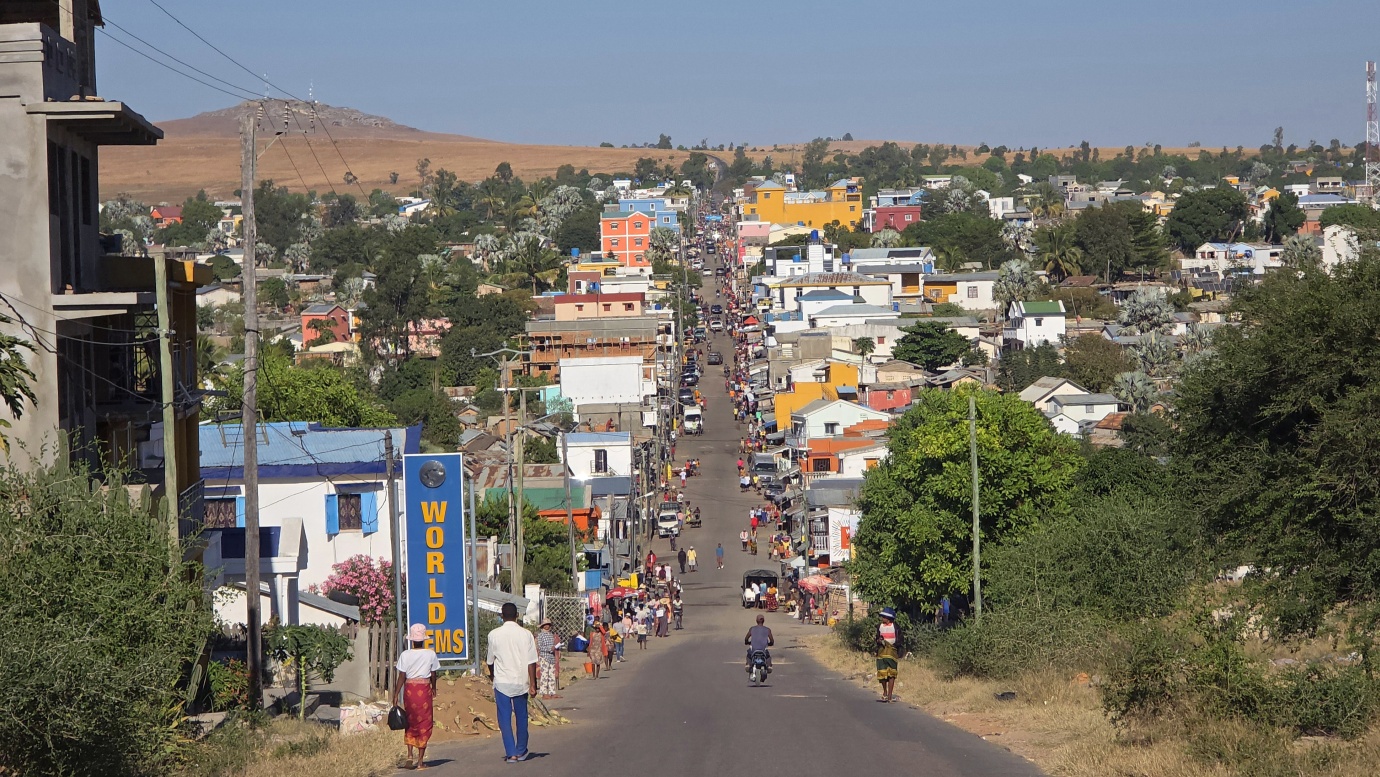
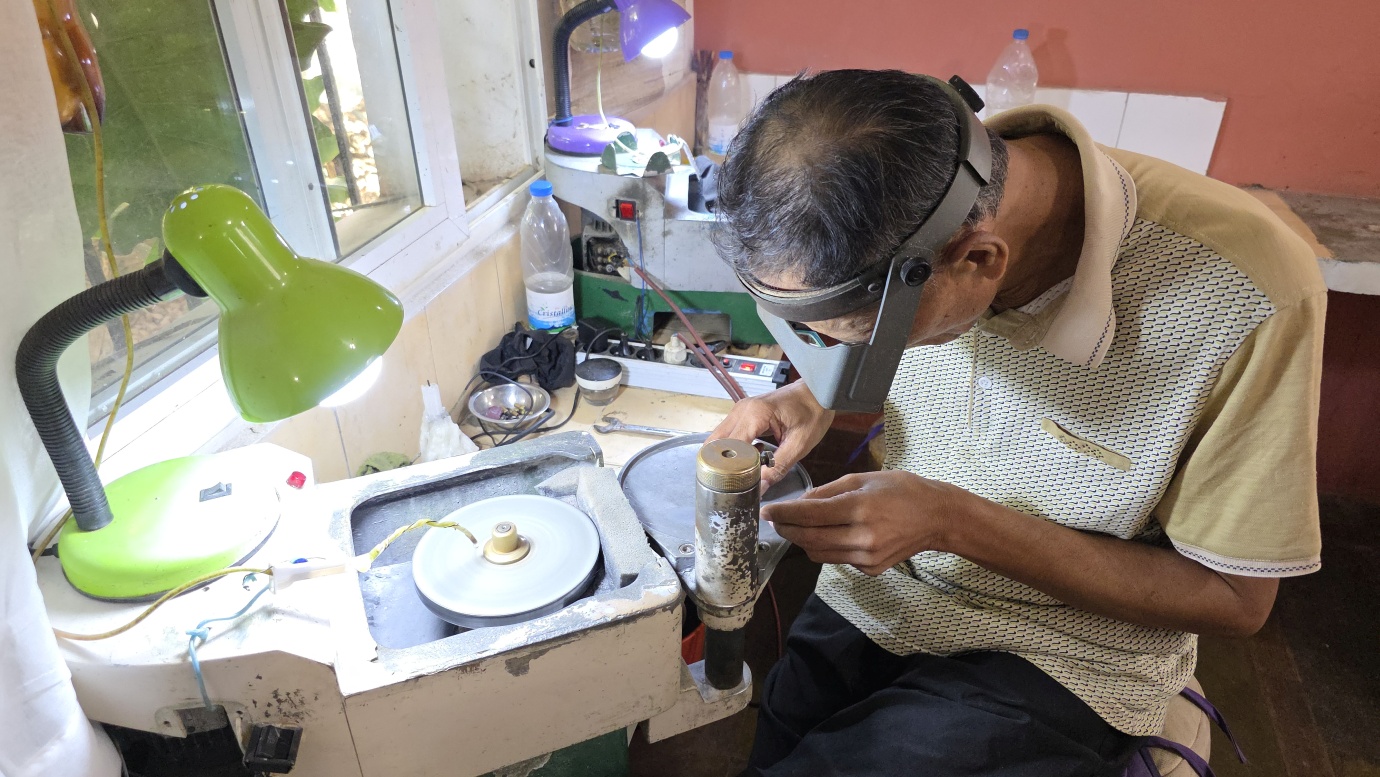
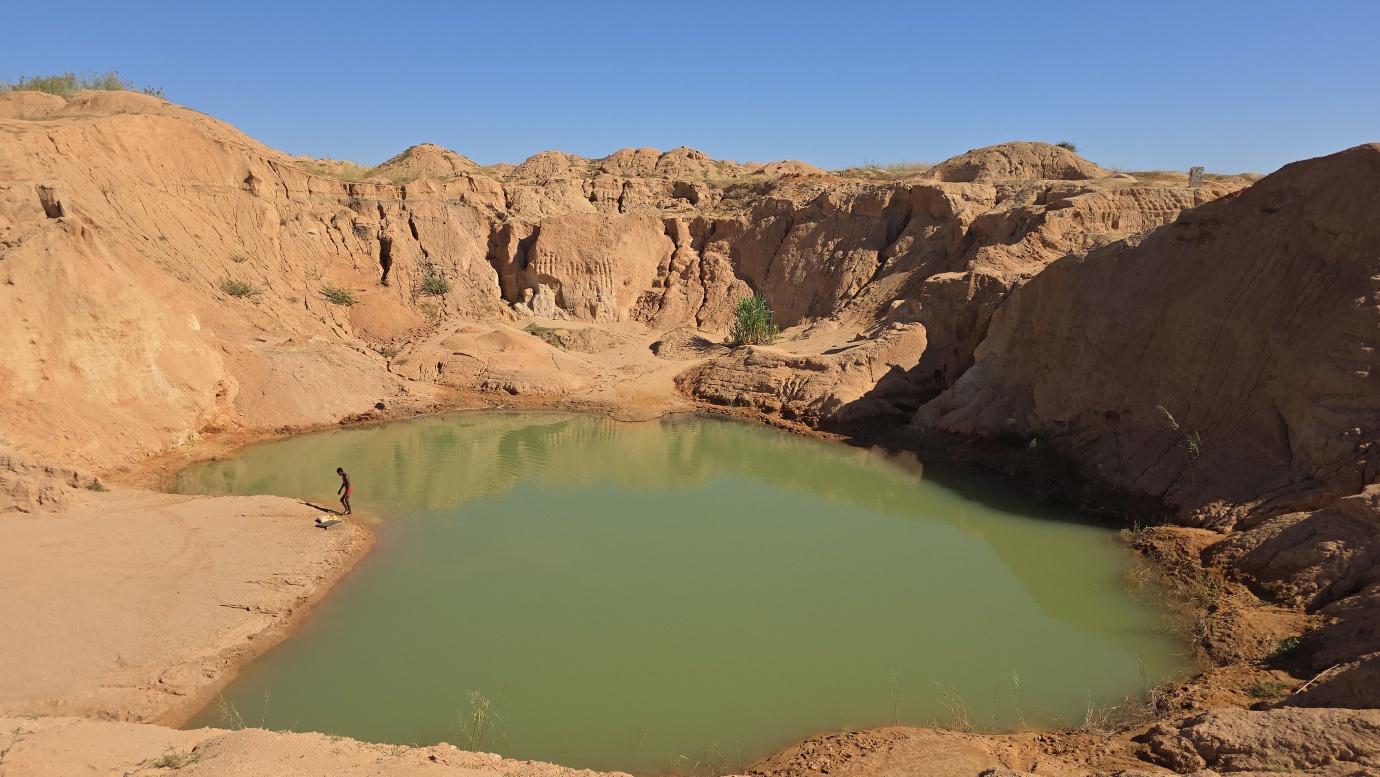
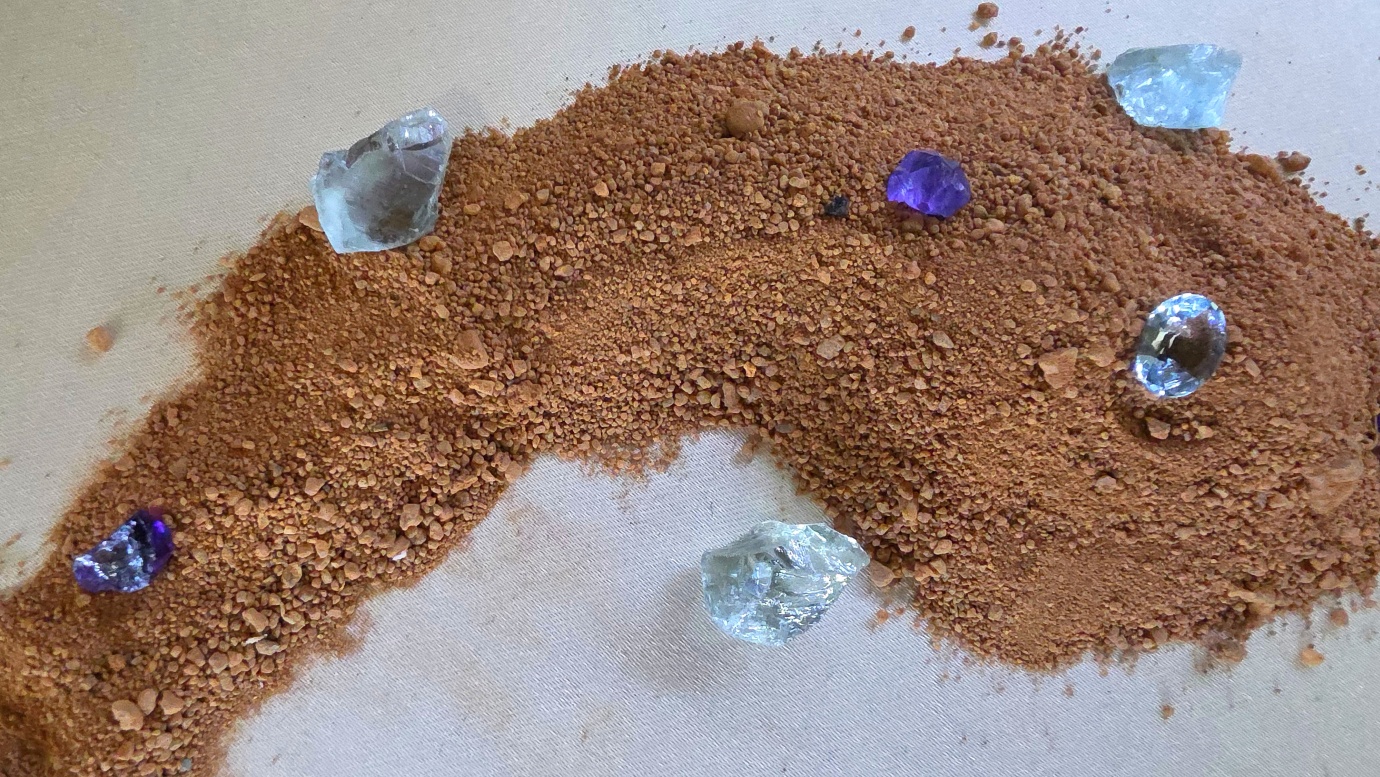
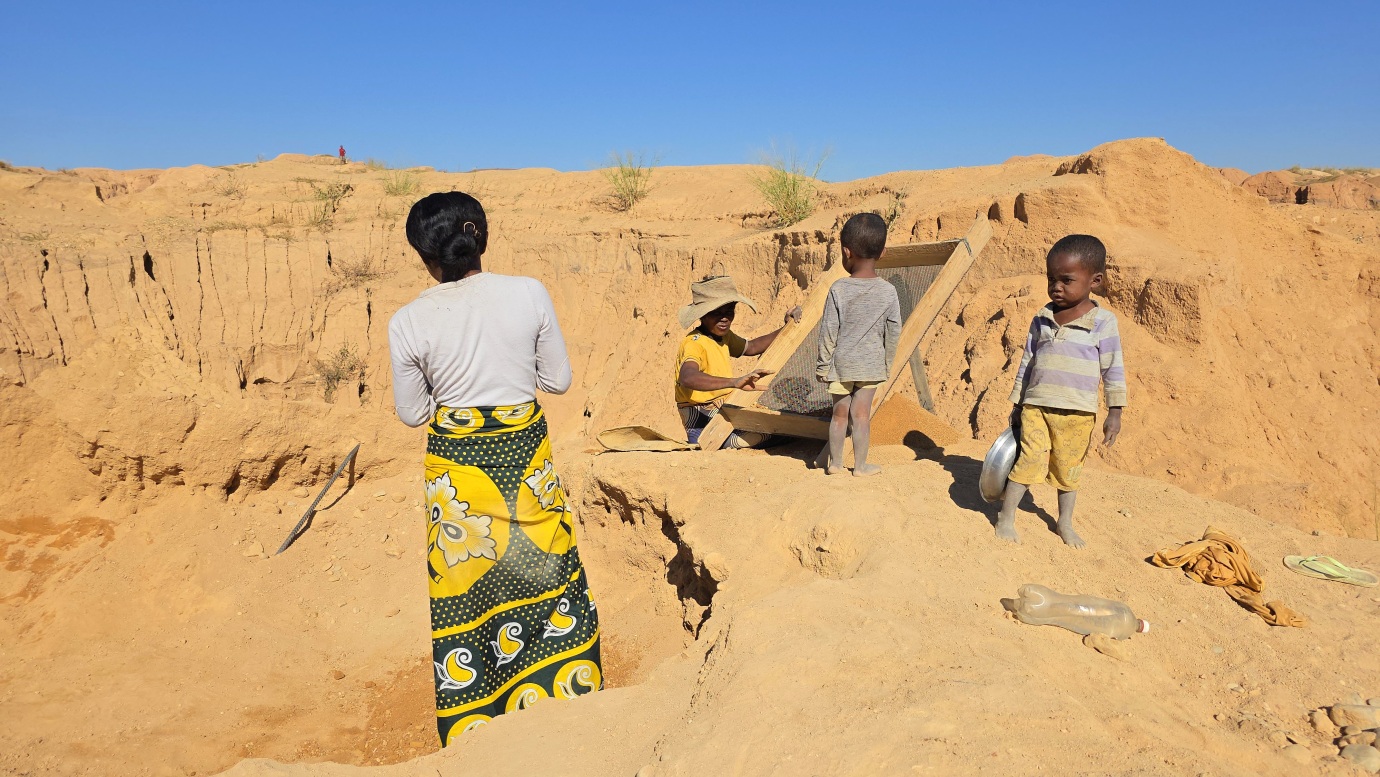
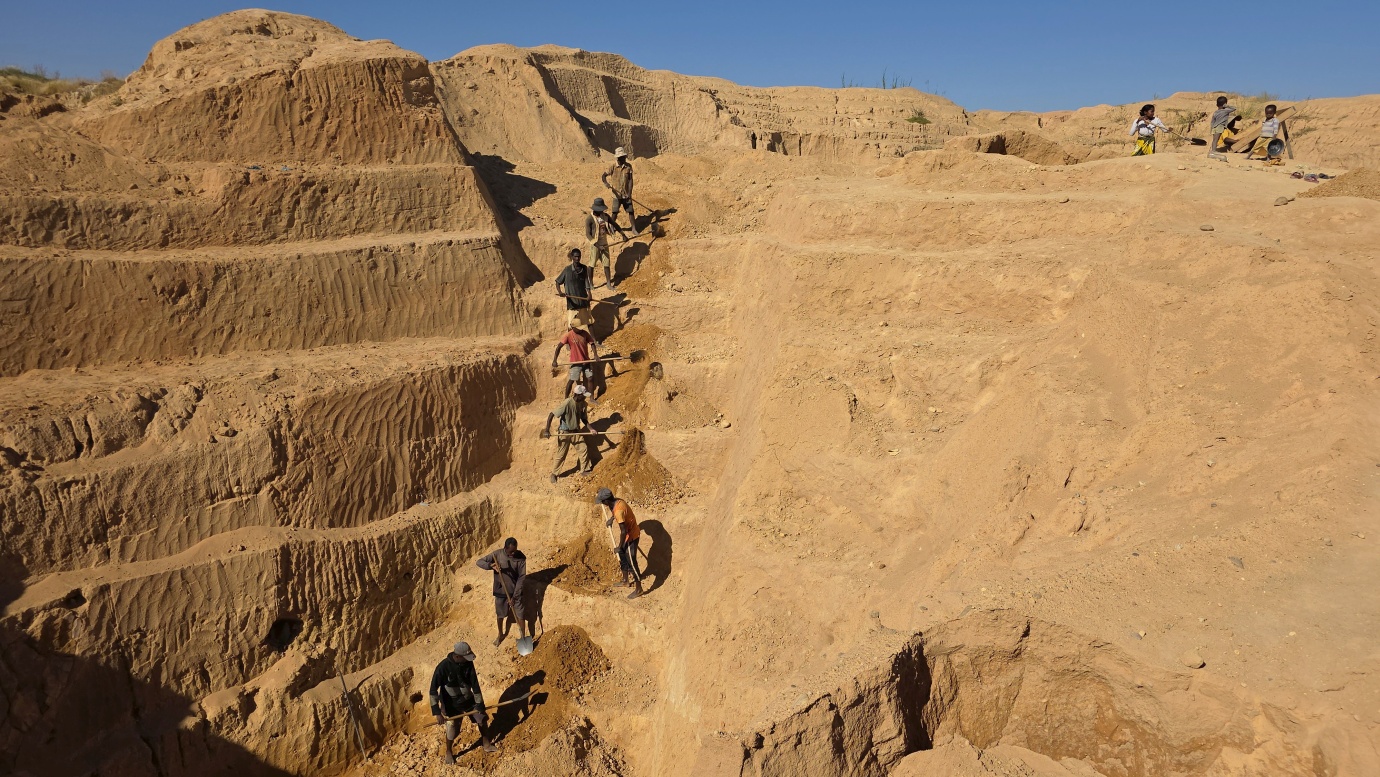
Our journey also took us through Ilakaka, a town whose name has become synonymous with sapphires. Once a quiet rural hamlet, Ilakaka was transformed almost overnight after major sapphire discoveries in 1998, rapidly evolving into what is now widely known as the “sapphire capital of the world.”
Since the late 1990s, Ilakaka has supplied a substantial share of the global sapphire market, drawing thousands of miners, traders, and fortune-seekers from across Madagascar and beyond. What emerged was a booming but largely unregulated frontier town, shaped by opportunity, hardship, and high-risk extraction.
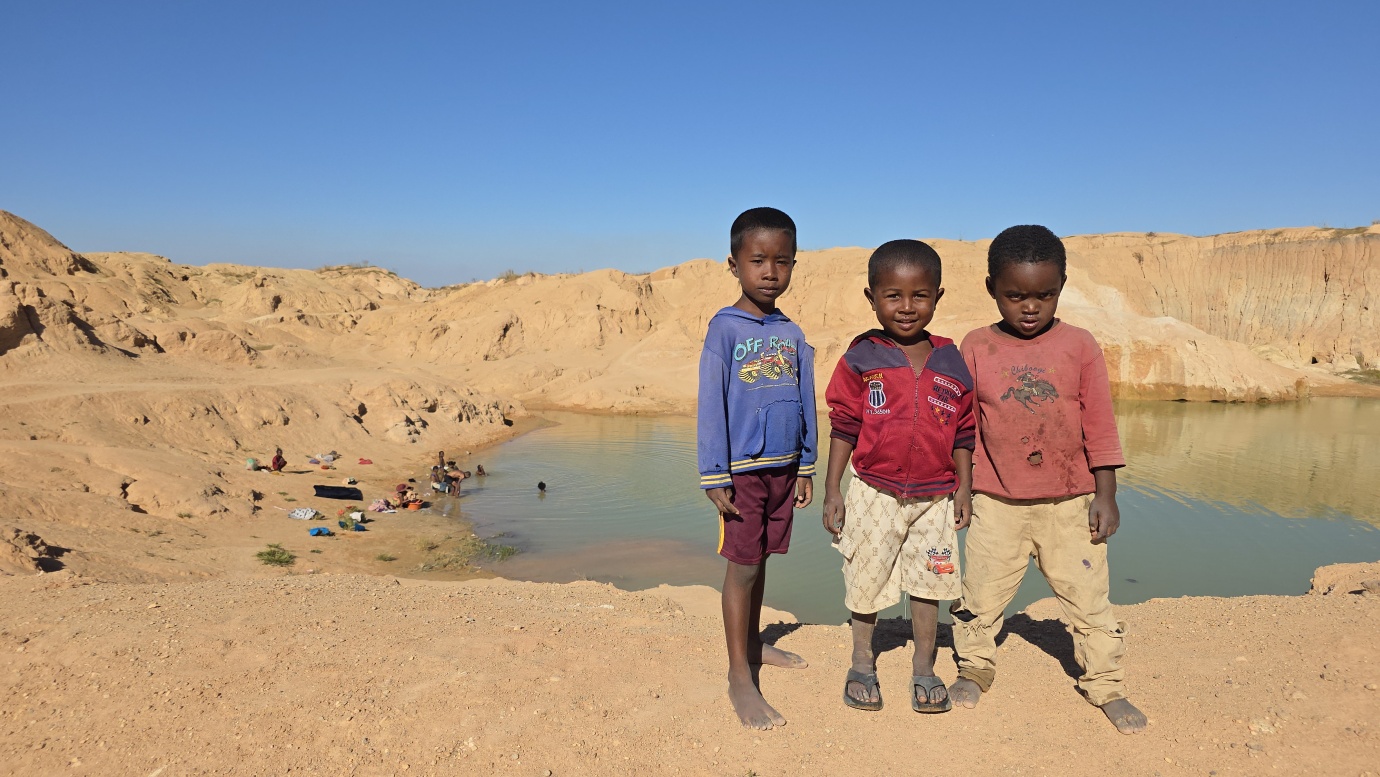
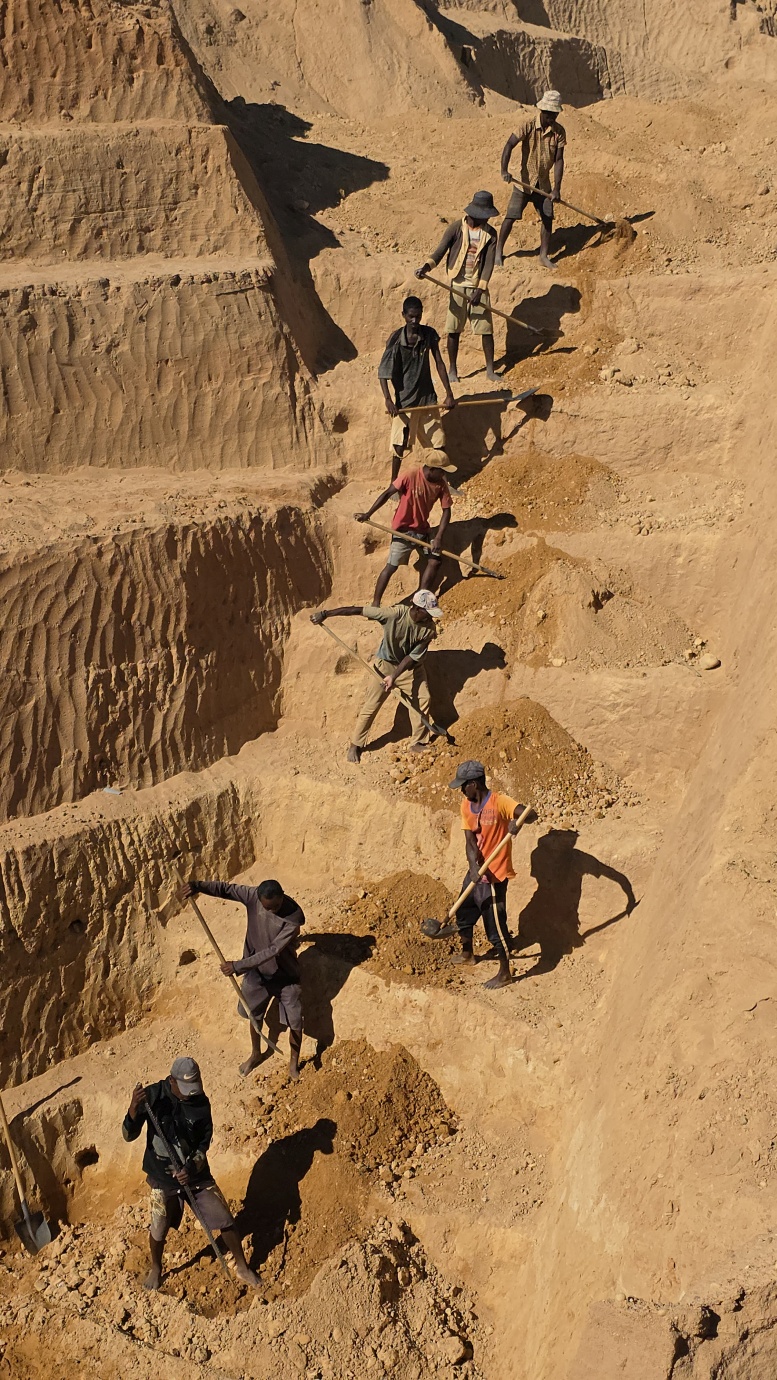
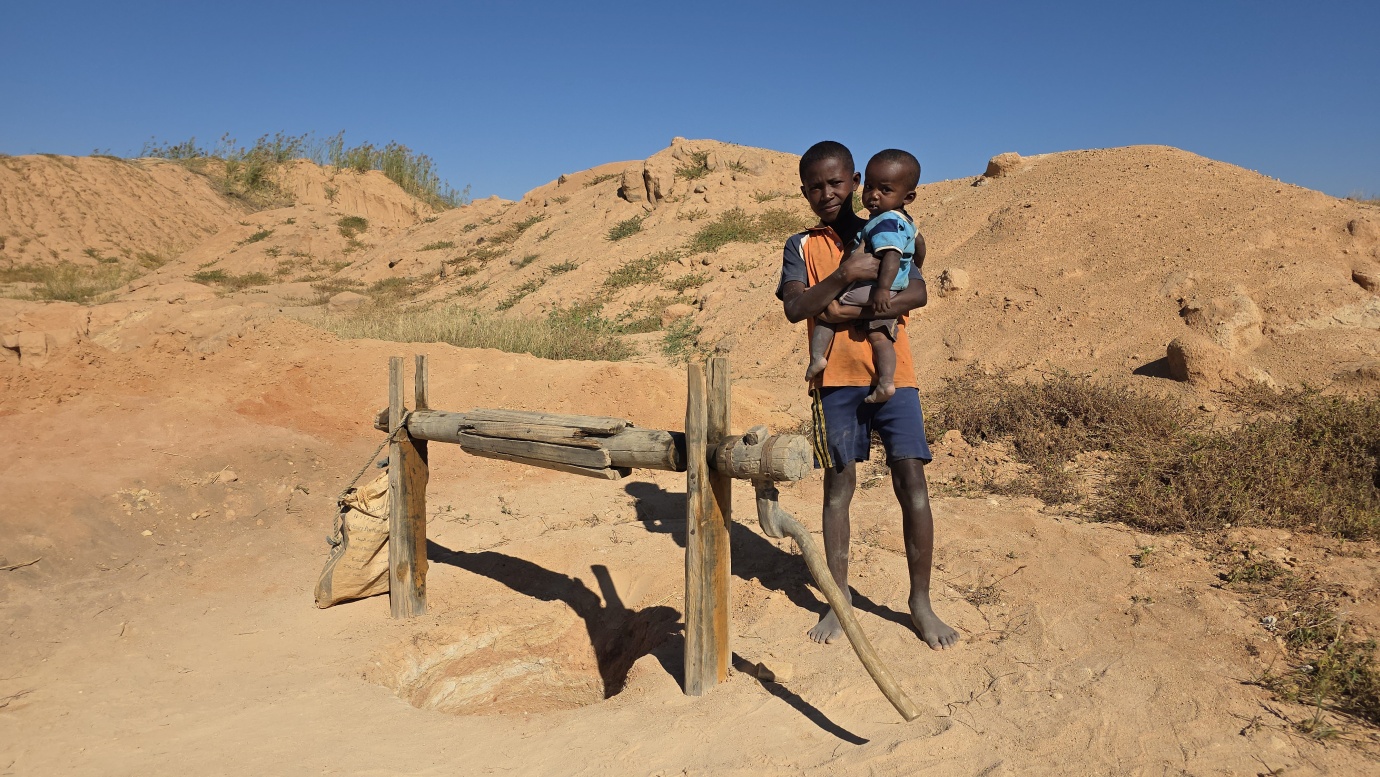
Mining here is often intensely manual and dangerous. Workers dig narrow pits and shafts to depths of 30 to 60 meters, often with minimal equipment or safety measures. Collapsing tunnels, hazardous working conditions, and violent crime are all part of the daily reality. In some cases, child labour has also been reported, reflecting the darker side of this gemstone economy.
Although Ilakaka’s sapphire wealth has generated enormous international trade, much of the local population sees only modest financial returns. Foreign buyers—particularly from Sri Lanka, Thailand, and China—dominate much of the trade, purchasing rough stones for export and cutting abroad. Meanwhile, many miners and labourers earn only low daily wages (20,000 MGA) despite the immense value of the gems they help uncover.
Today, while some of the richest surface deposits have been exhausted, mining continues deeper underground, becoming increasingly risky as accessible reserves diminish. Ilakaka remains a fascinating yet sobering example of how sudden natural resource wealth can reshape an entire region—bringing both economic opportunity and profound social challenges.