Getting from Nampula to the half-forgotten island was surprisingly complicated. Rather than spending another eight hours changing between crowded minibuses, we hired a taxi for 5,500 MZN (176 km / 3 hours), which proved to be well worth the extra cost.
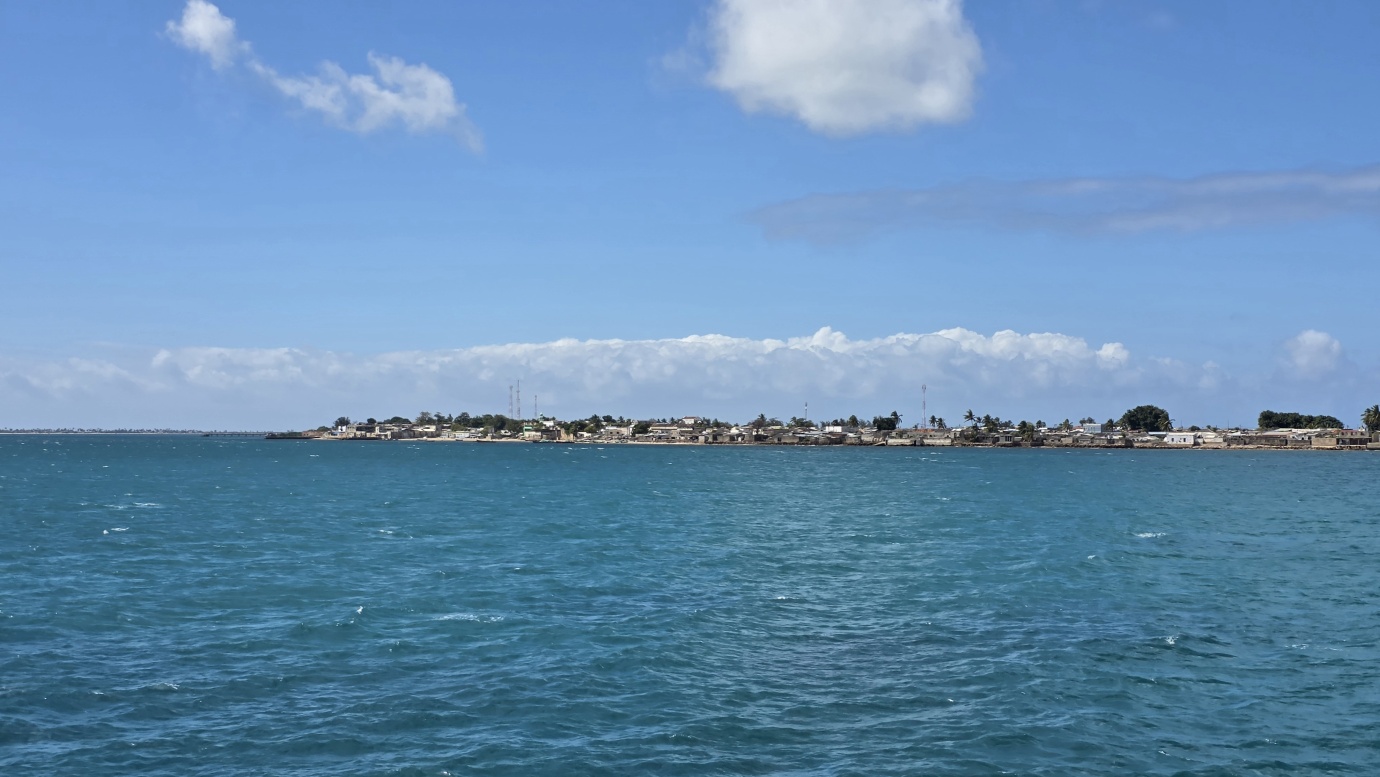
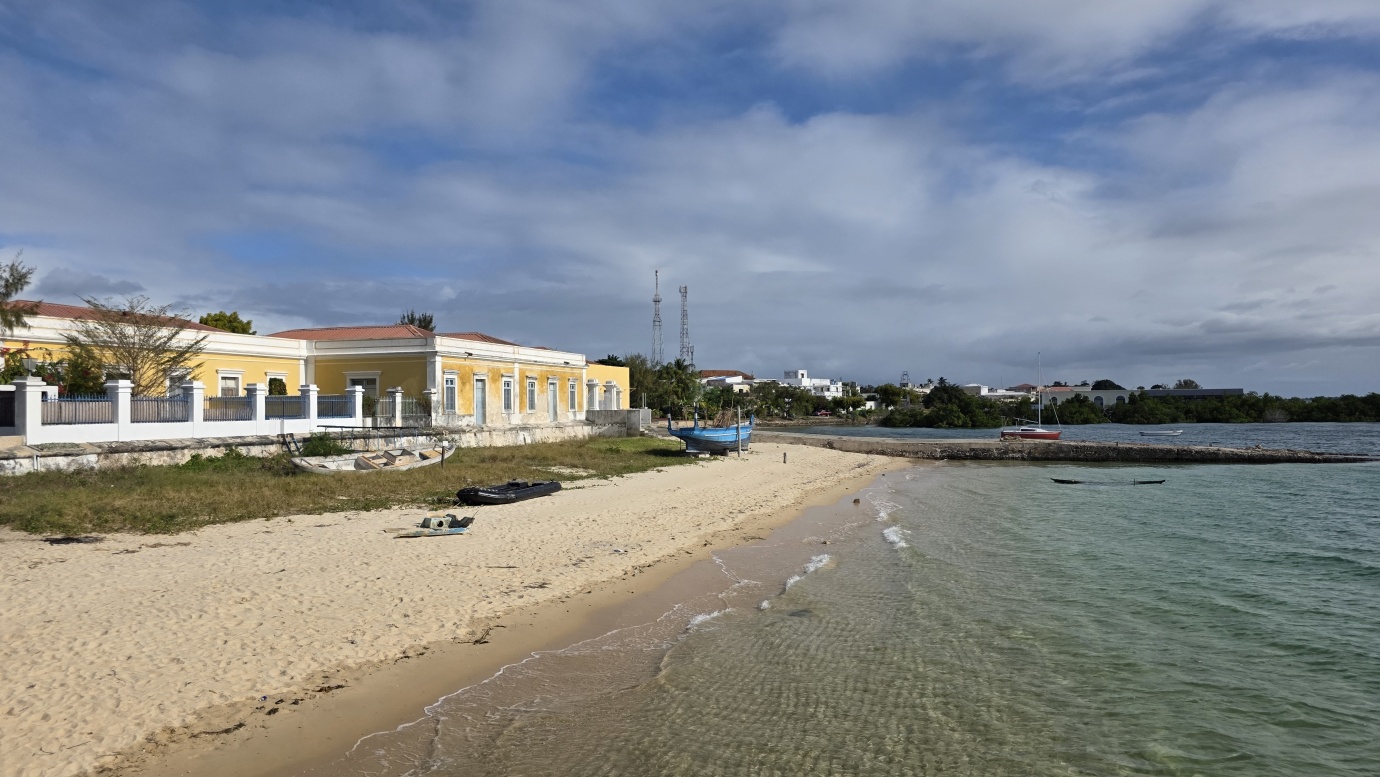
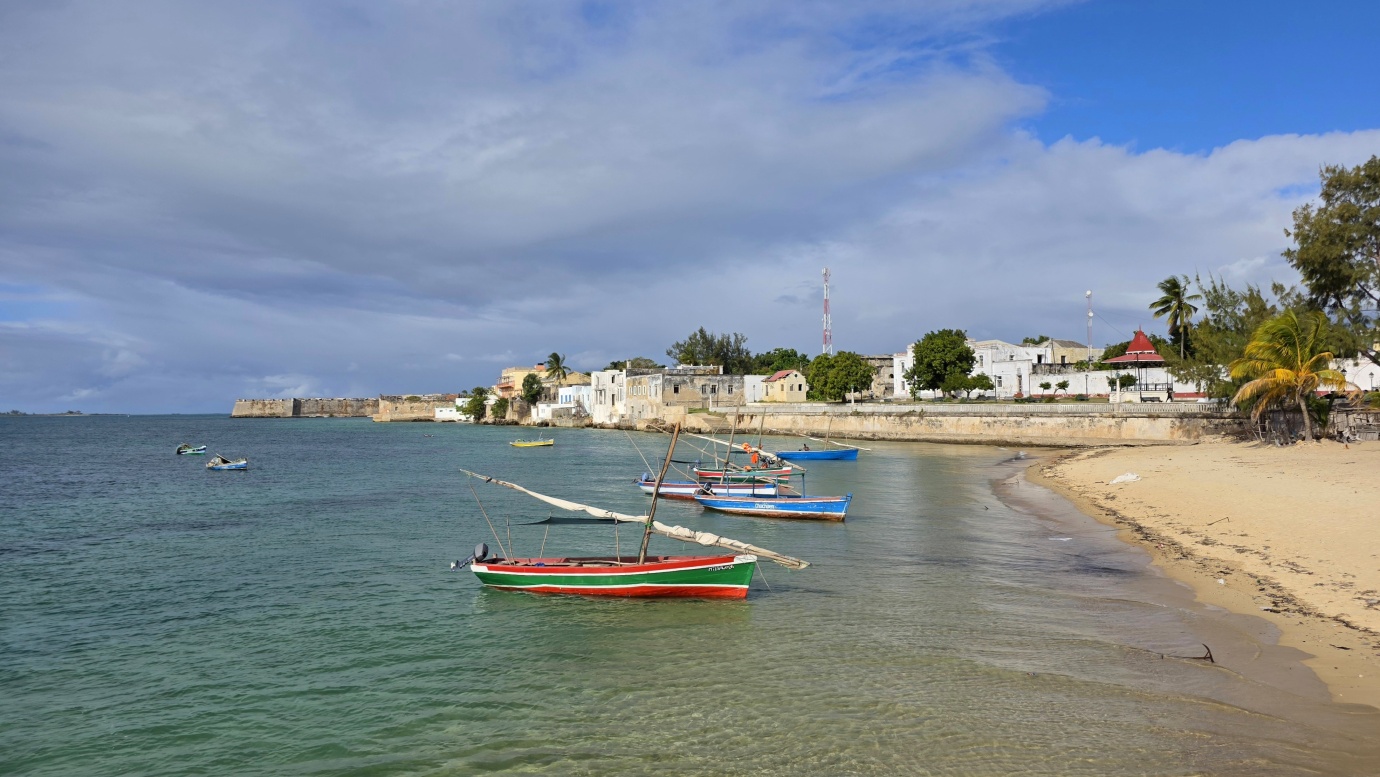
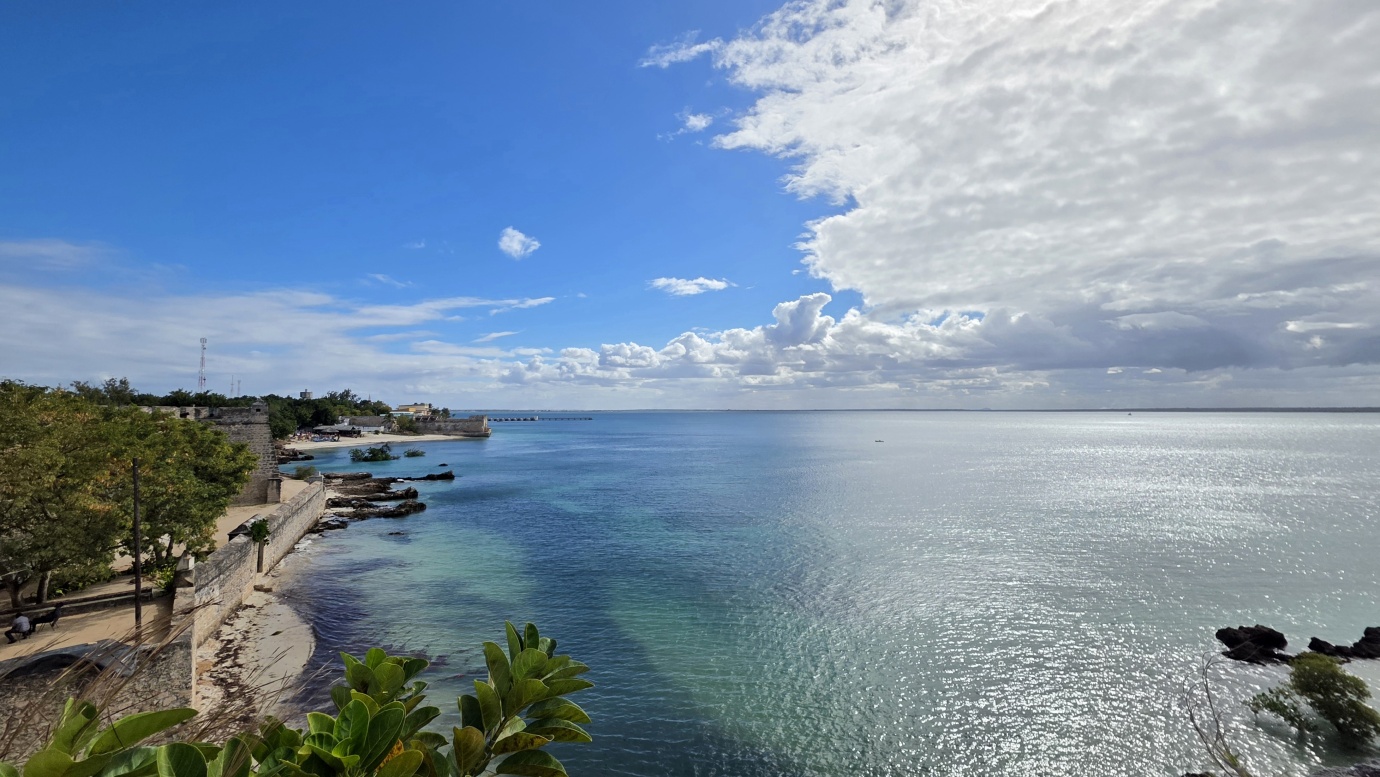
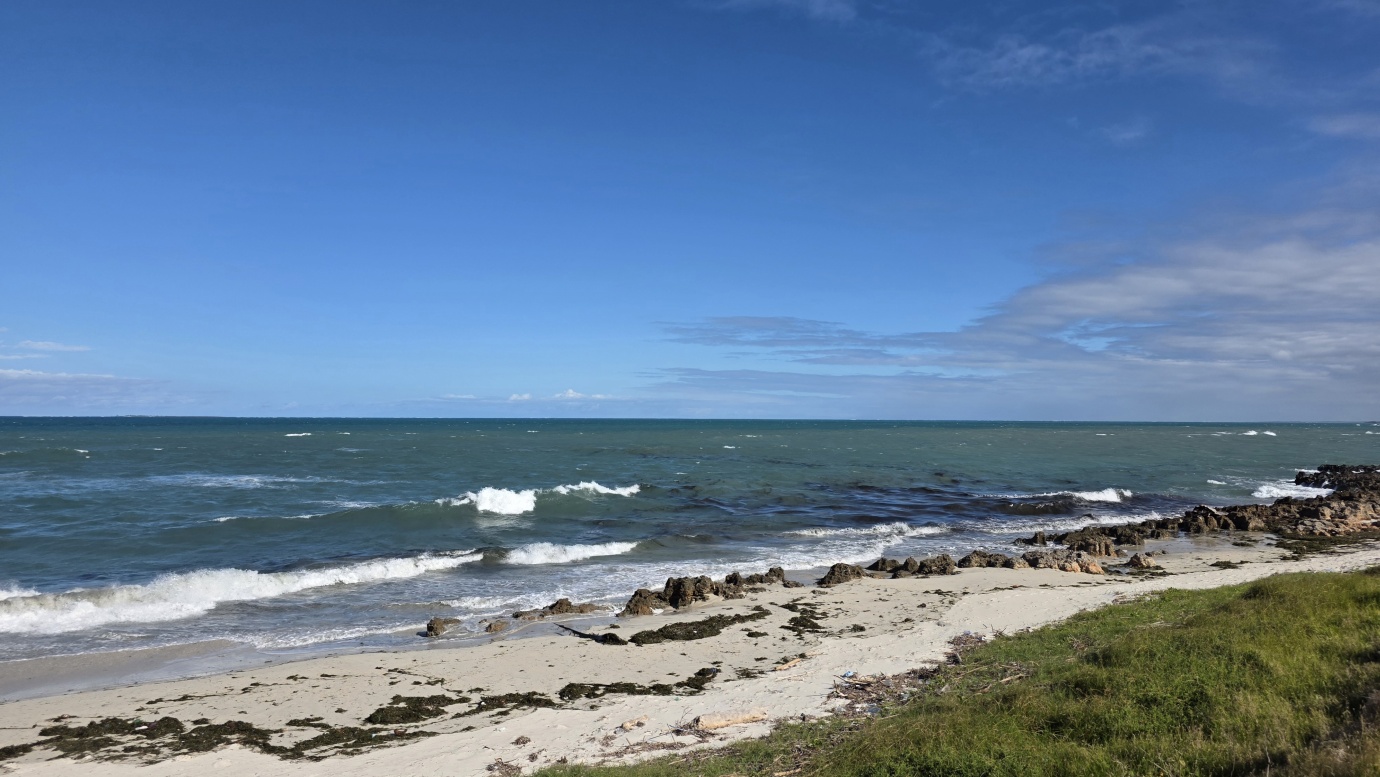
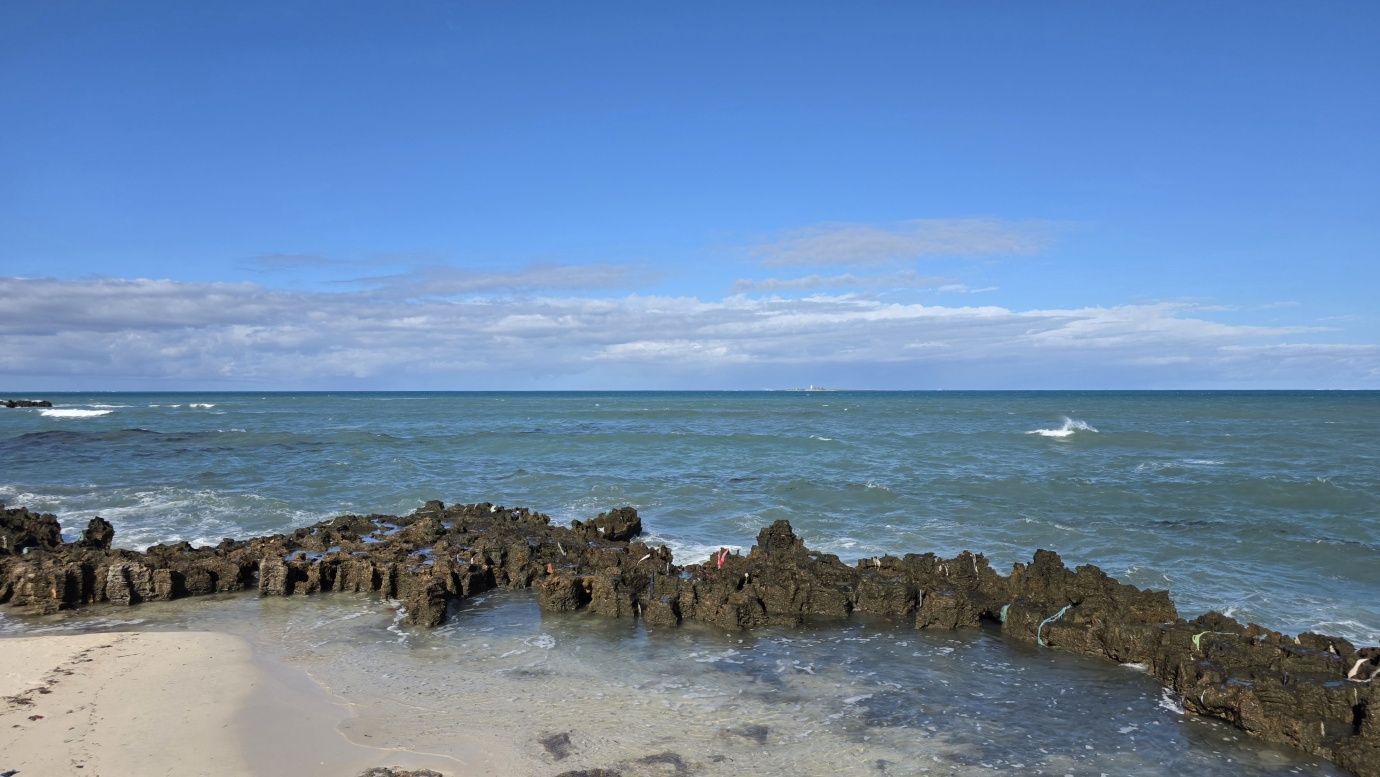
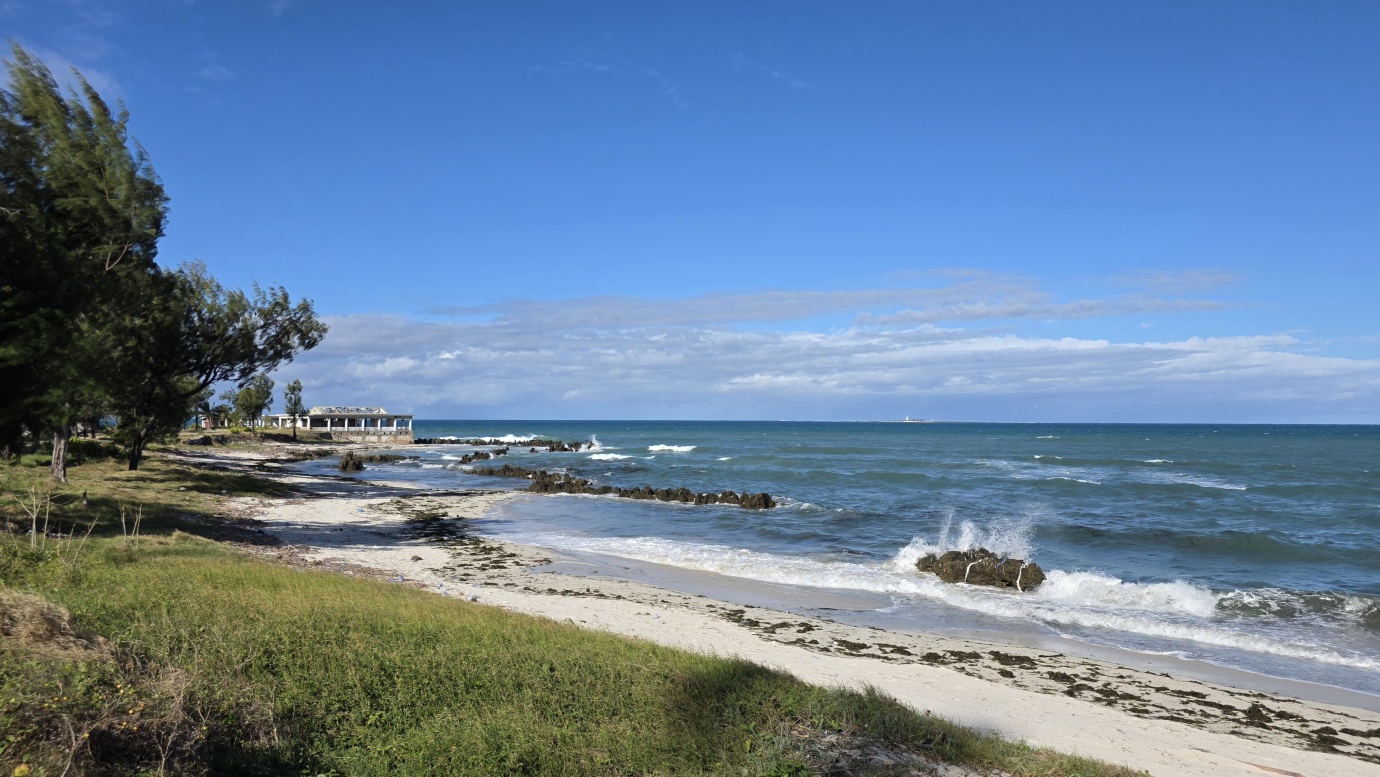
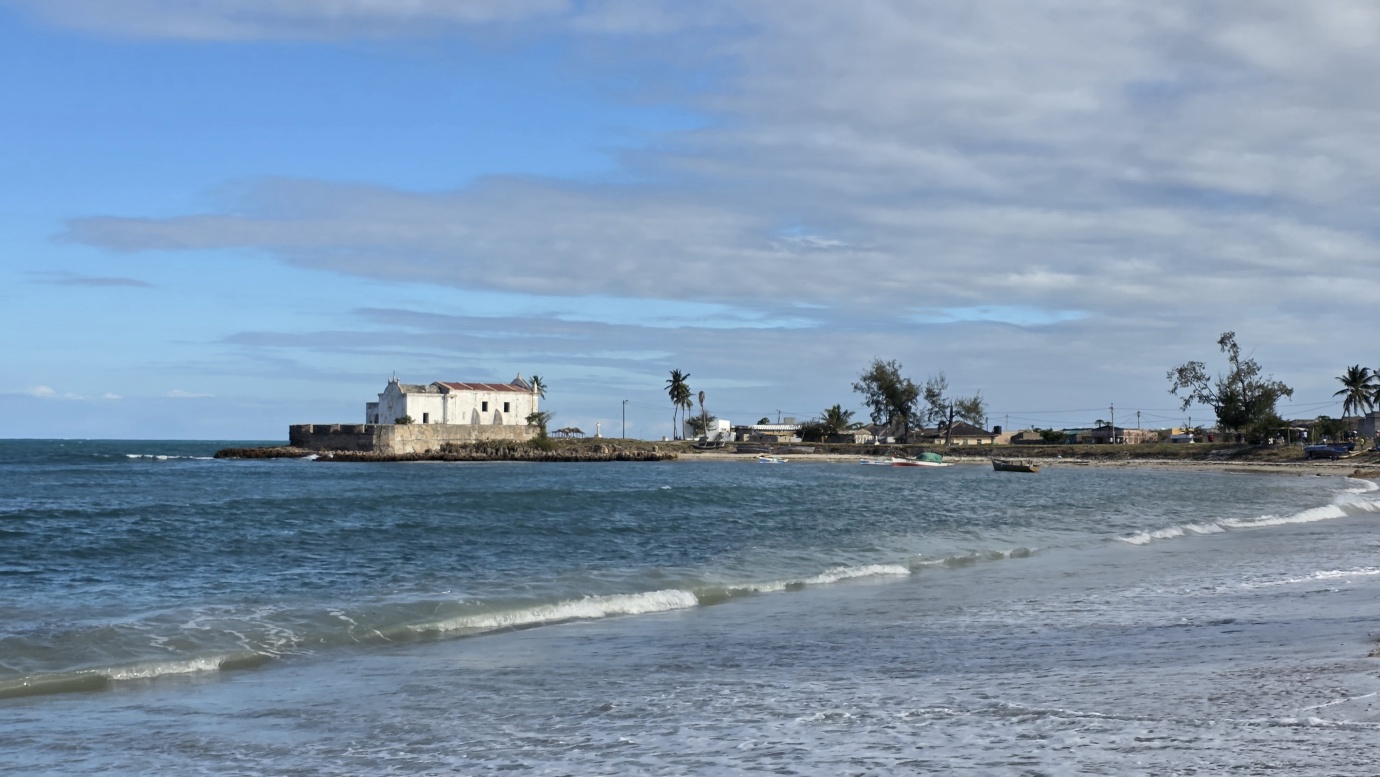
The Island of Mozambique (Ilha de Moçambique) is the country’s former colonial capital, located just off the northern coast in Mossuril Bay, between the Mozambique Channel and the Indian Ocean. Measuring only 3 kilometres in length and around 500 metres in width, the island is a remarkable blend of Swahili, Arab, Indian and Portuguese influences. It is also the place that gave the entire country its name.
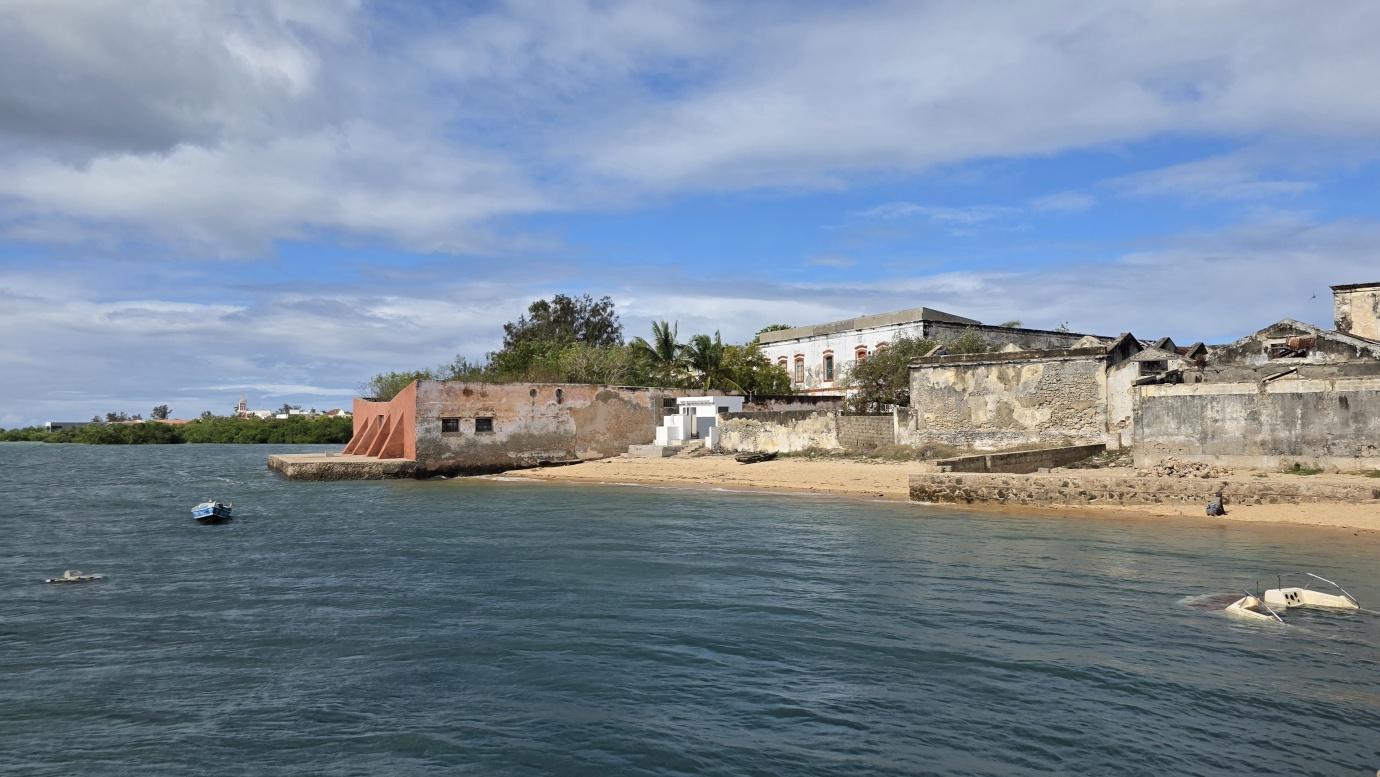
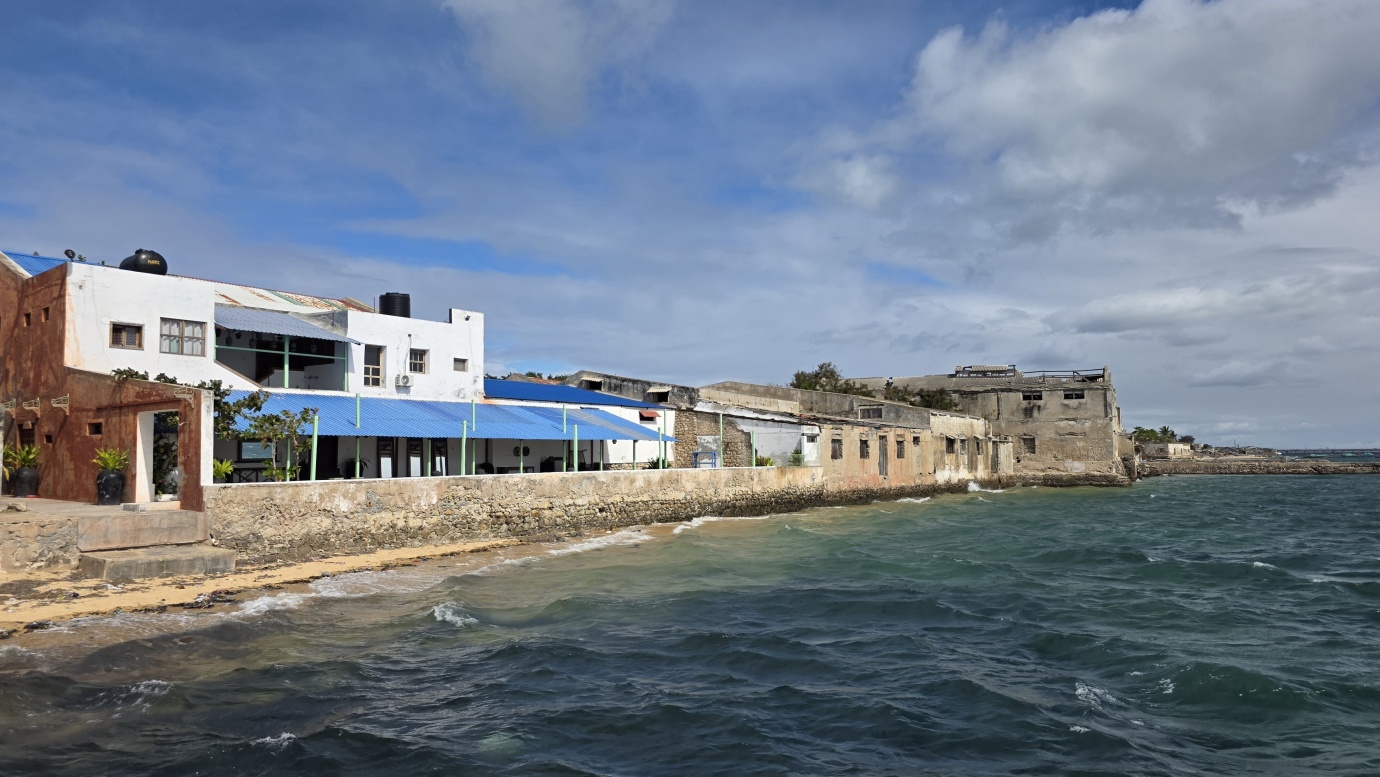
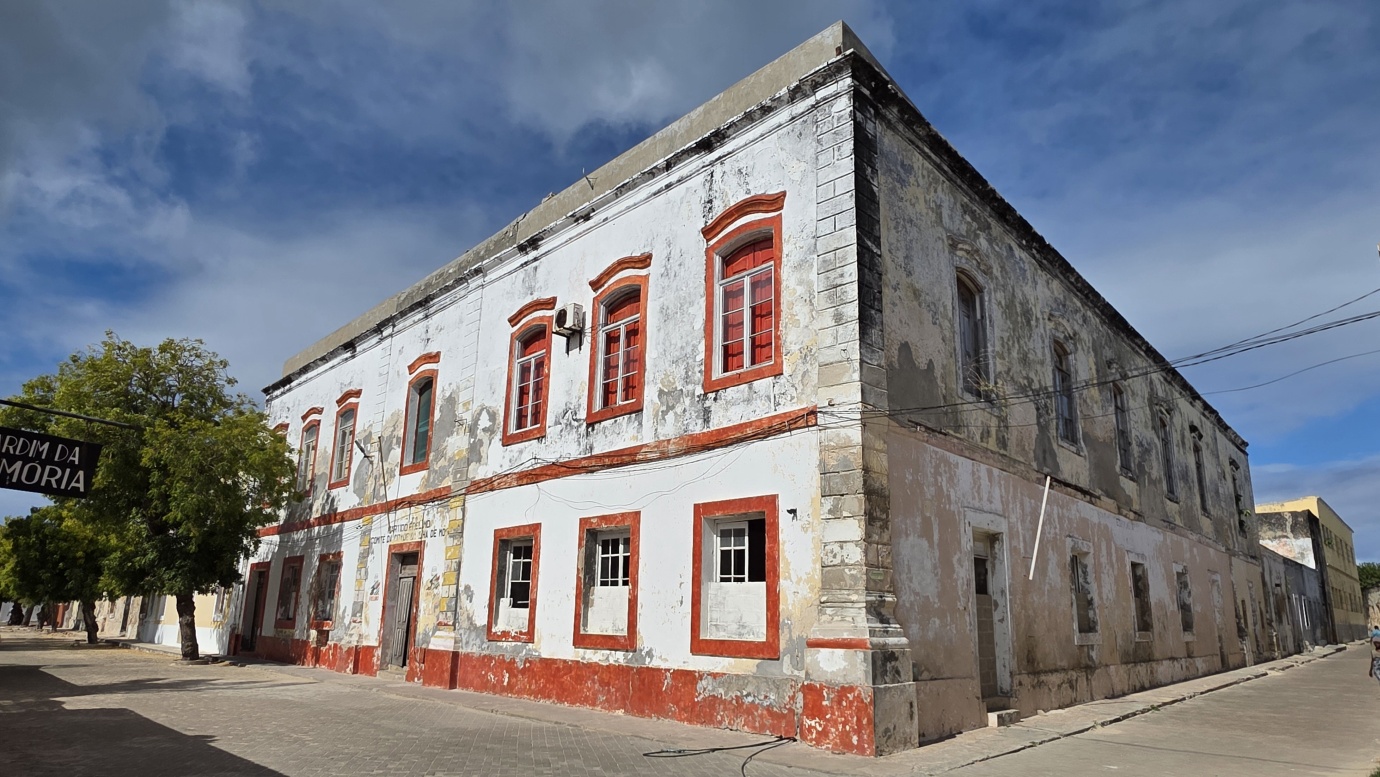
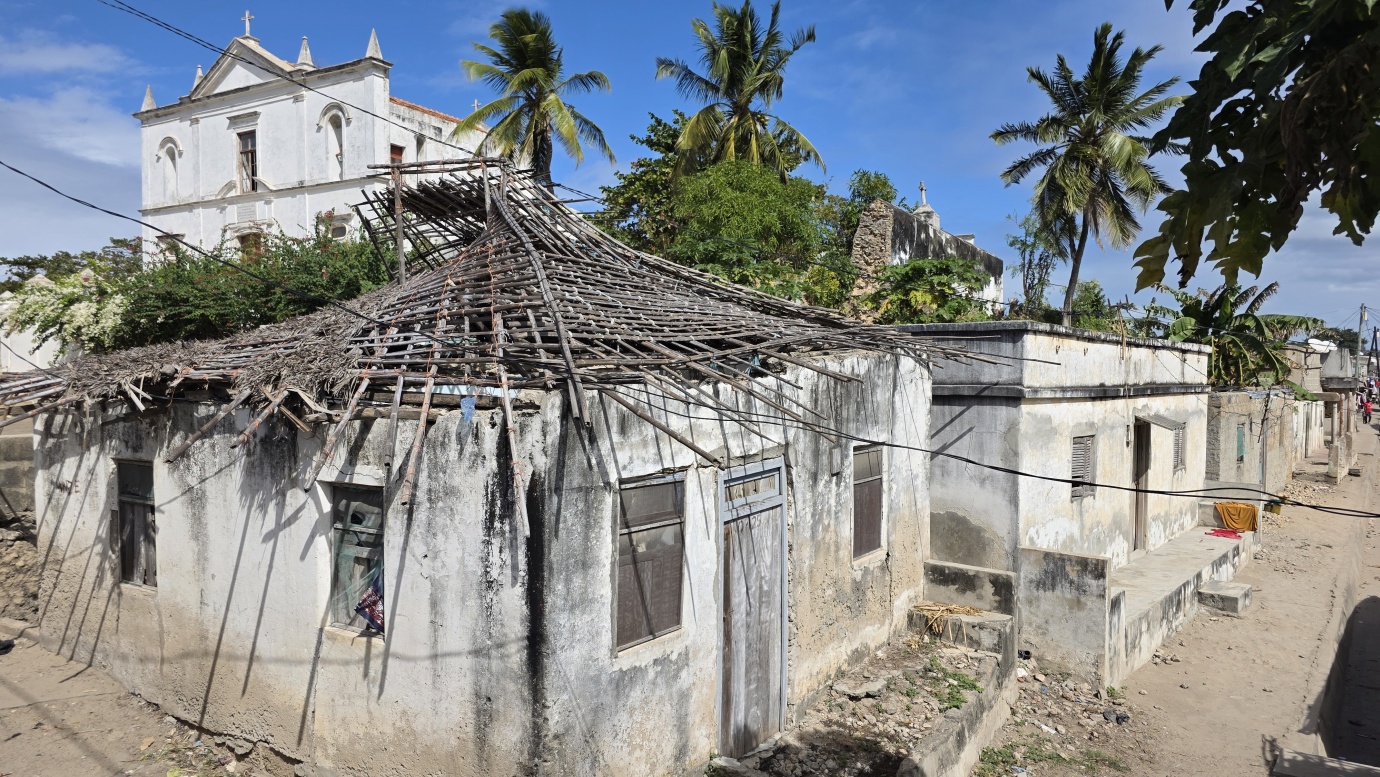
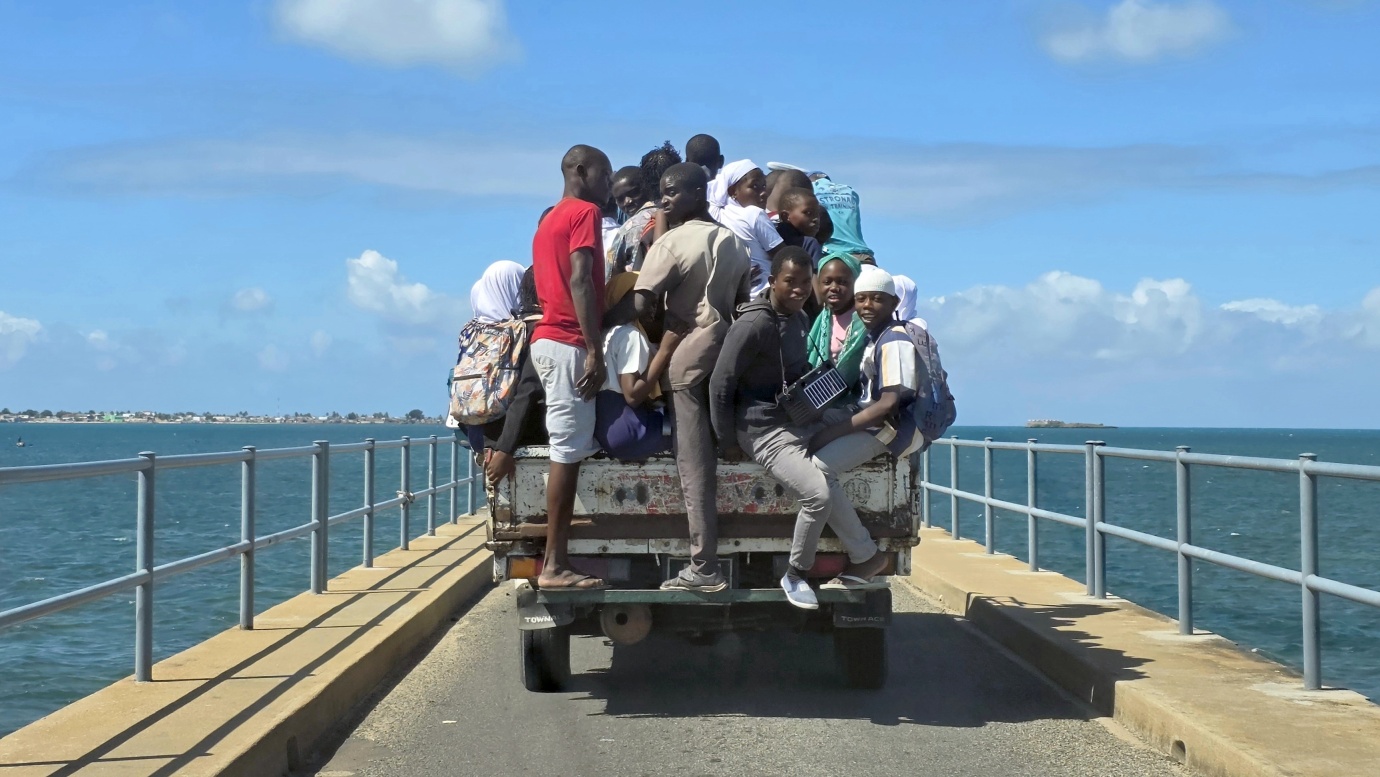
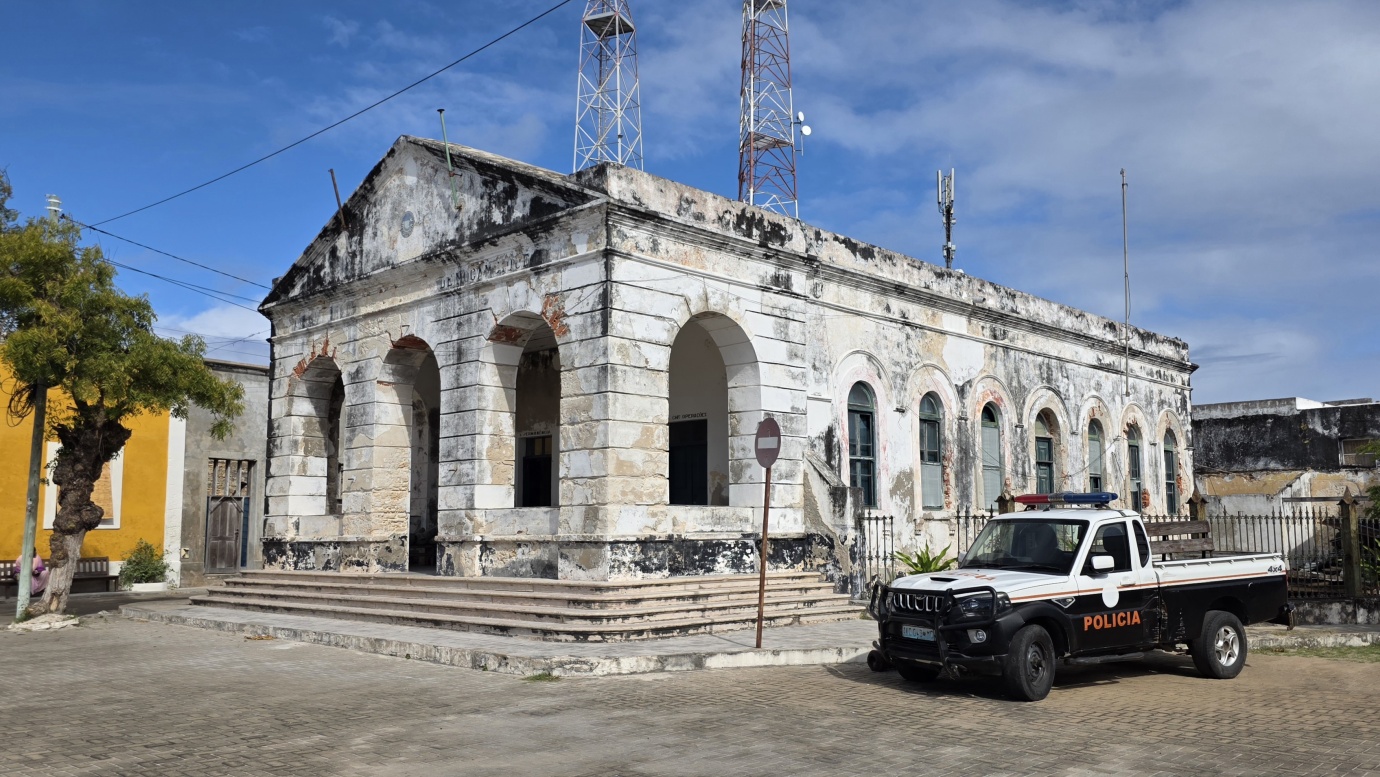
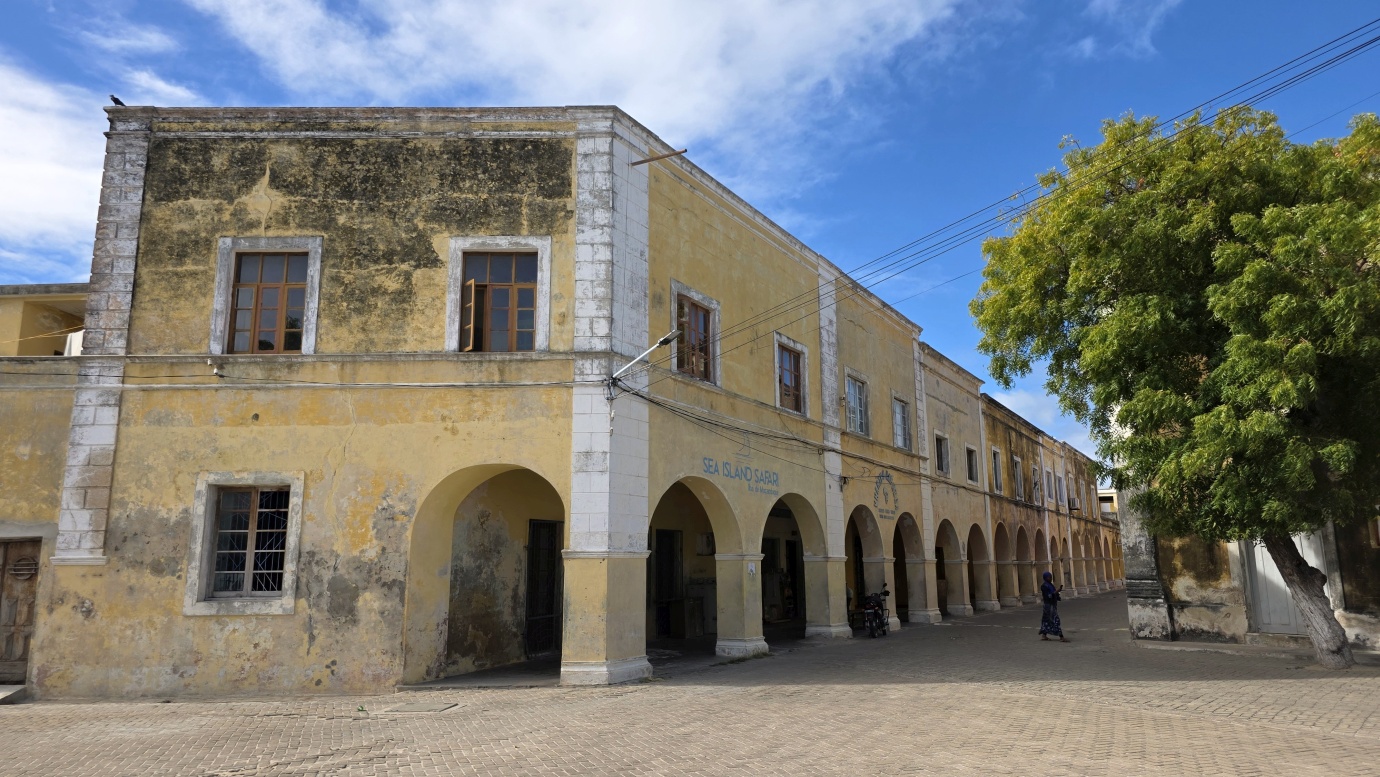
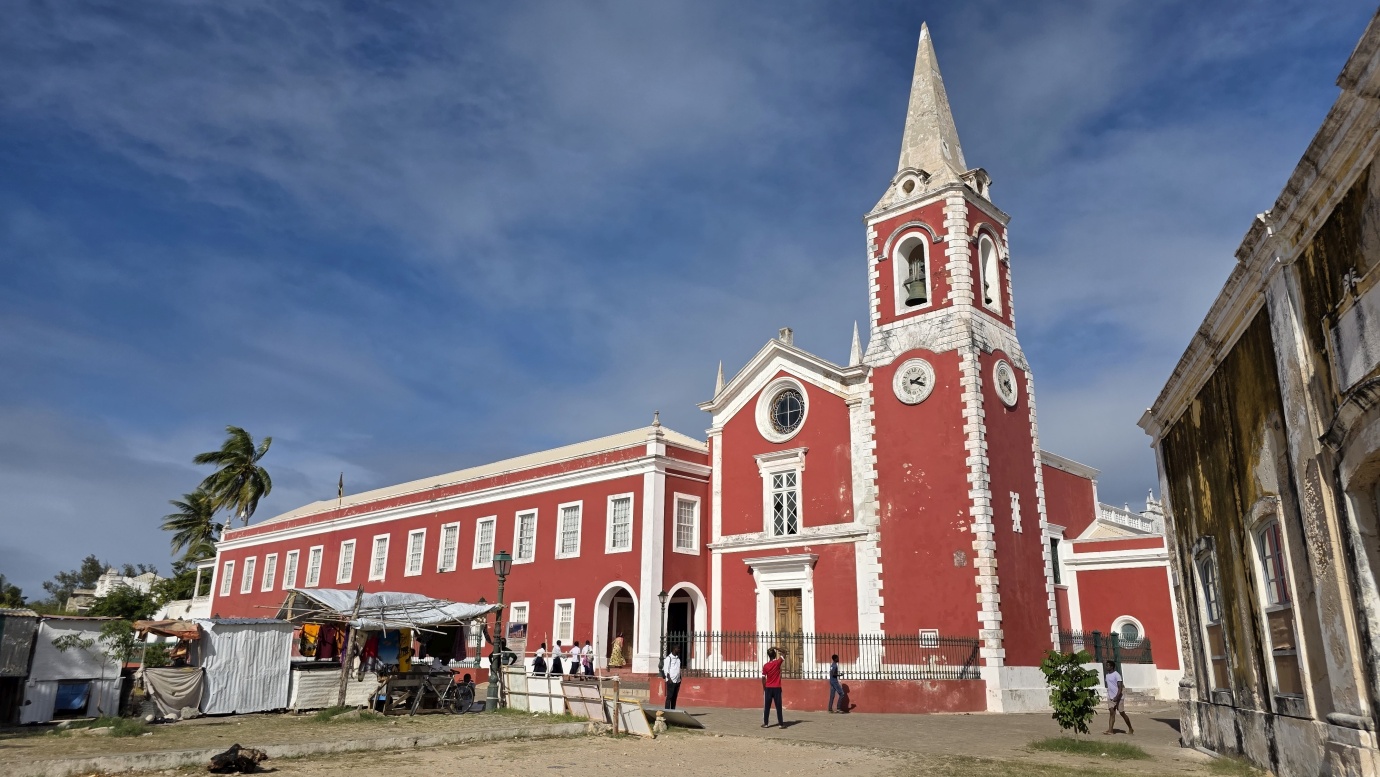
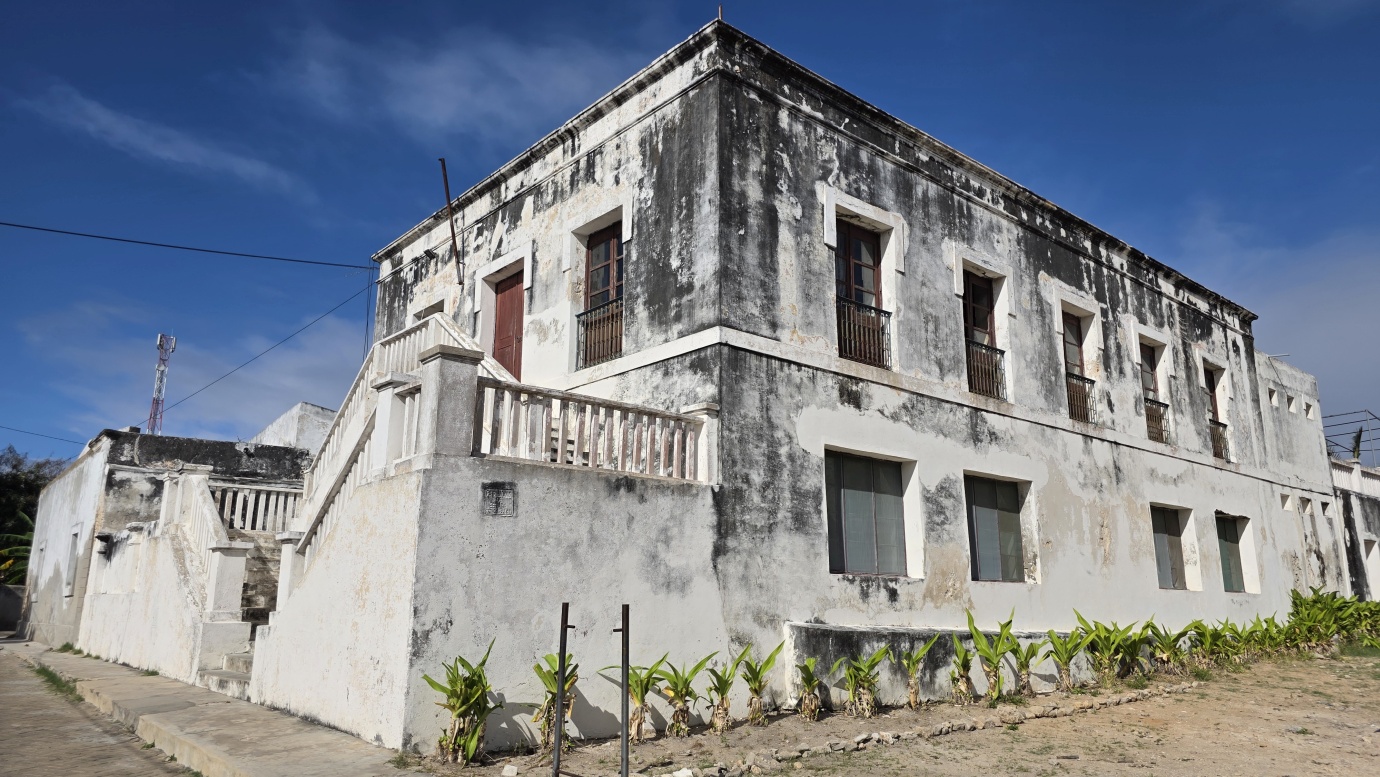
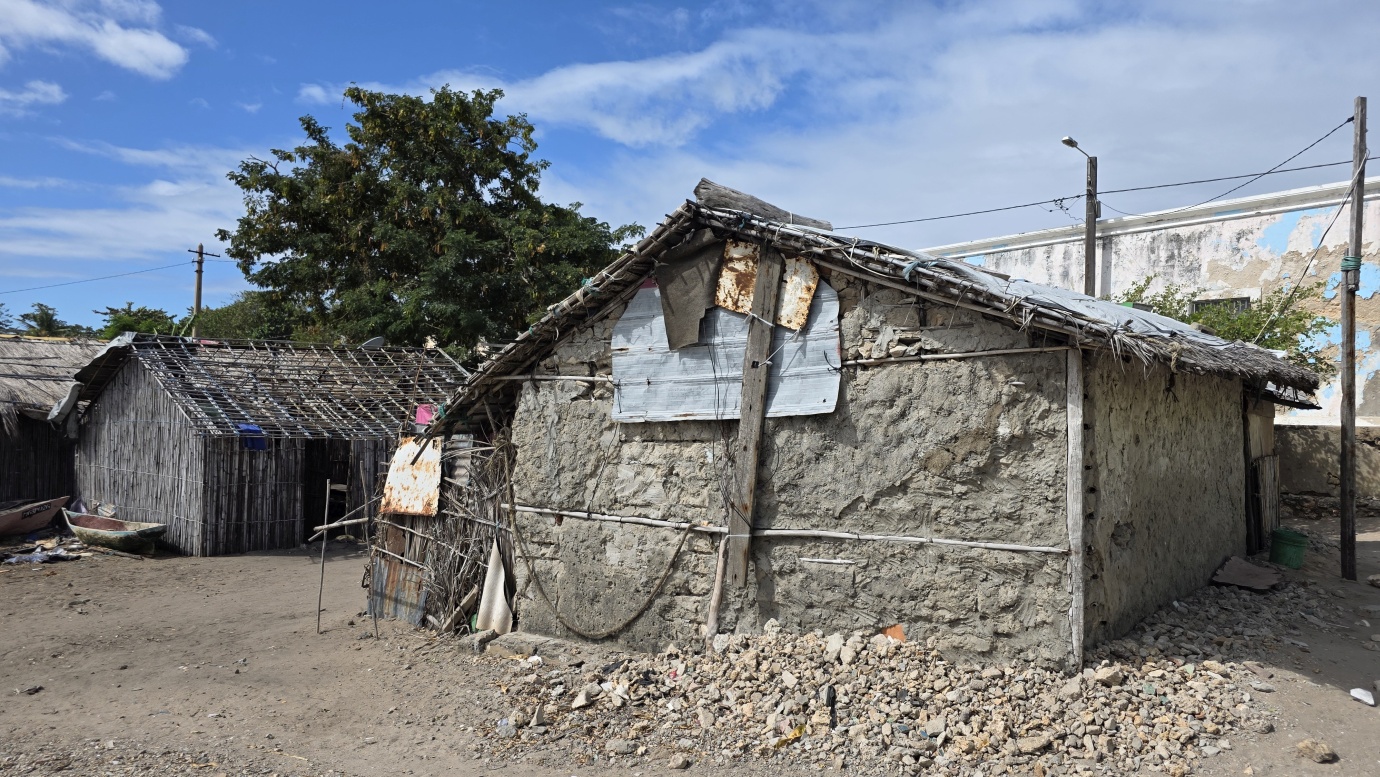
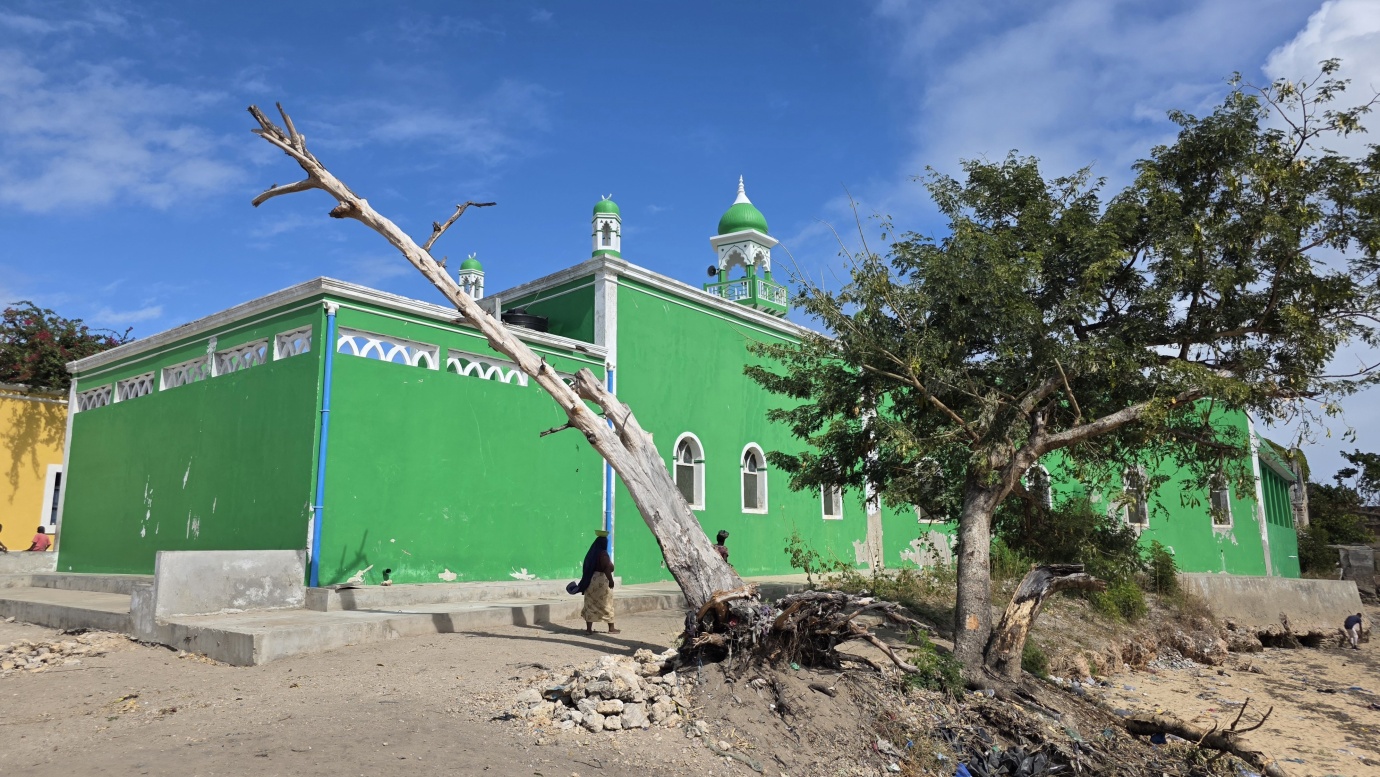
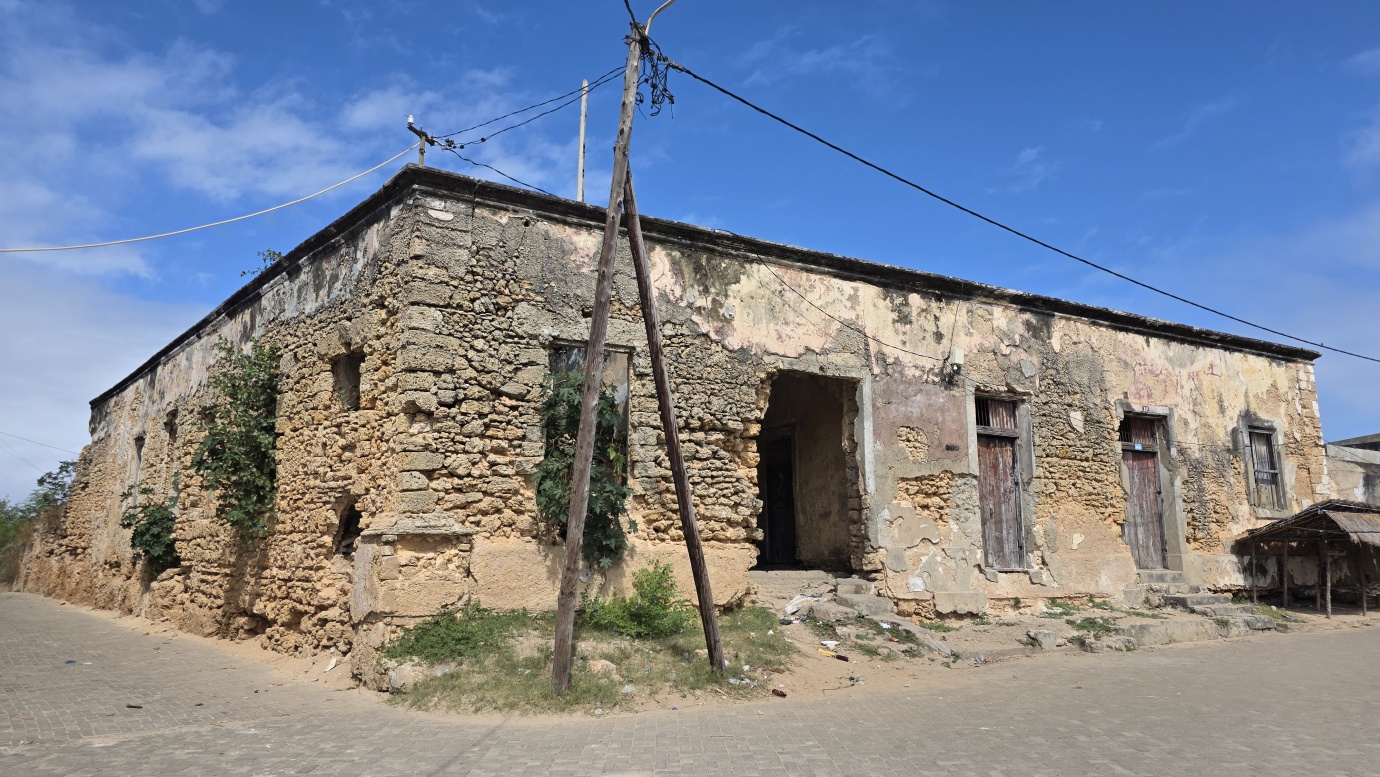
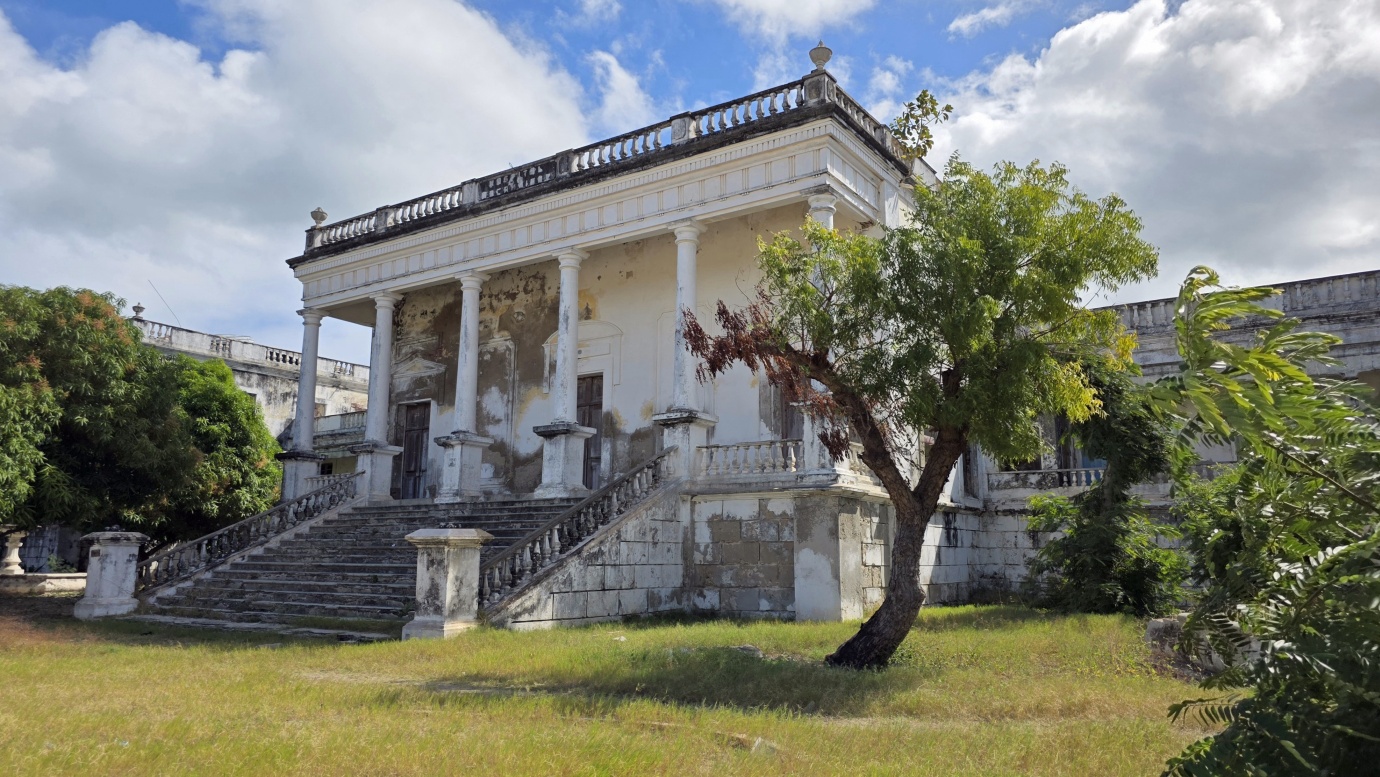
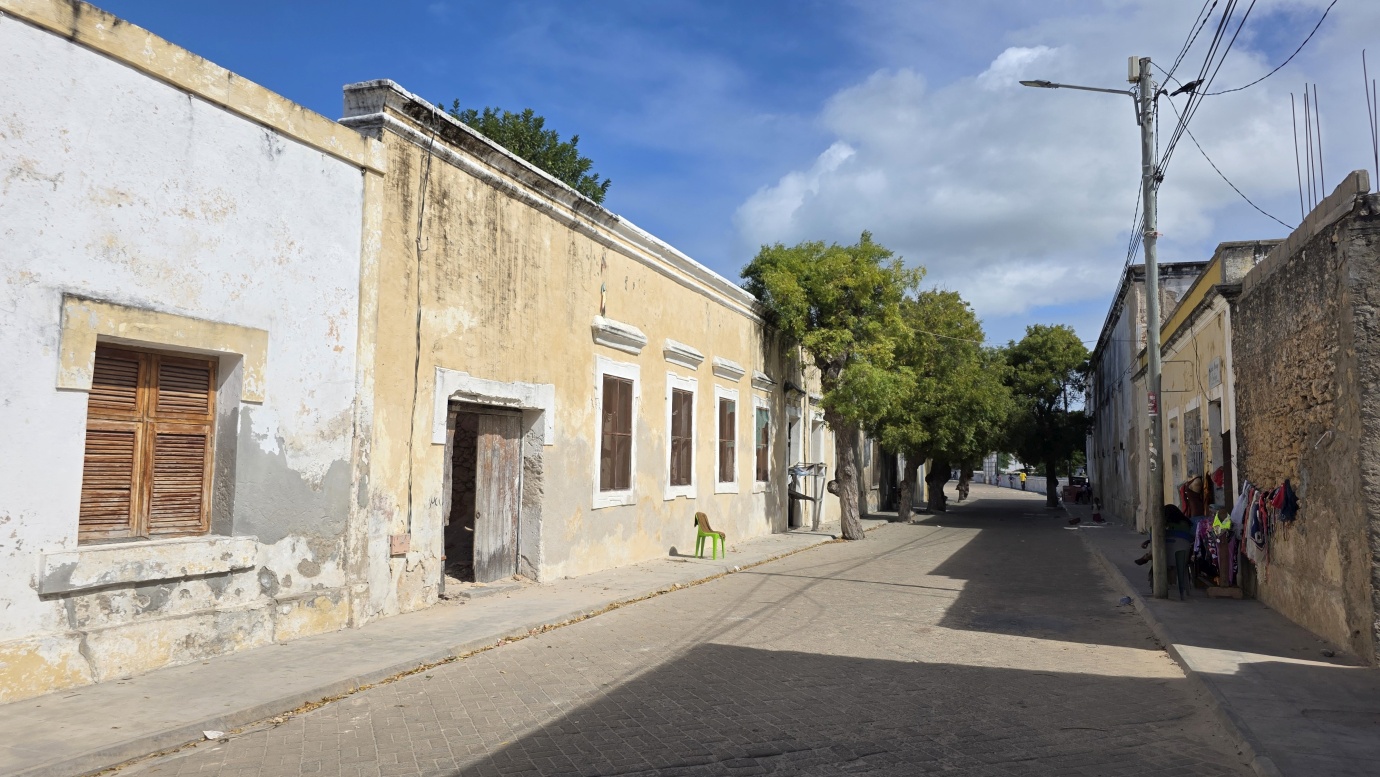
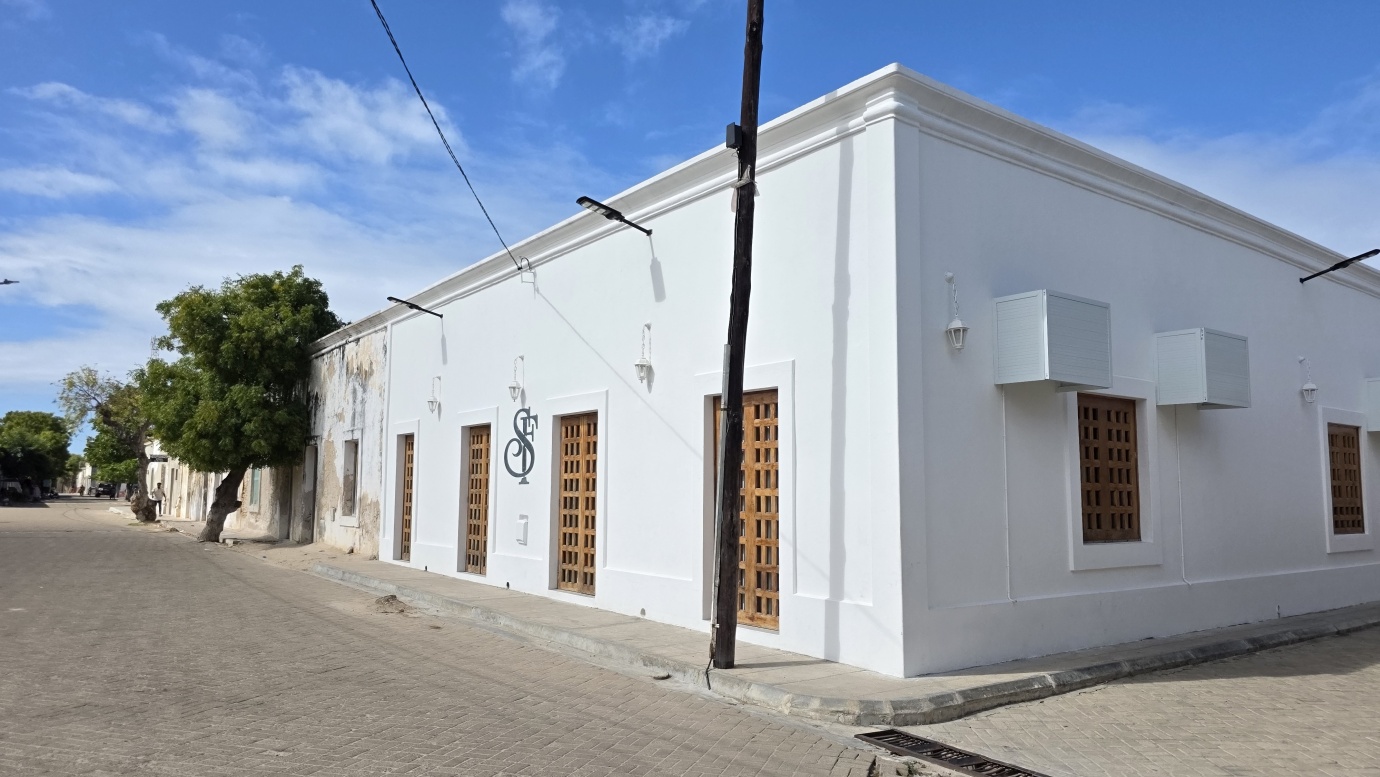
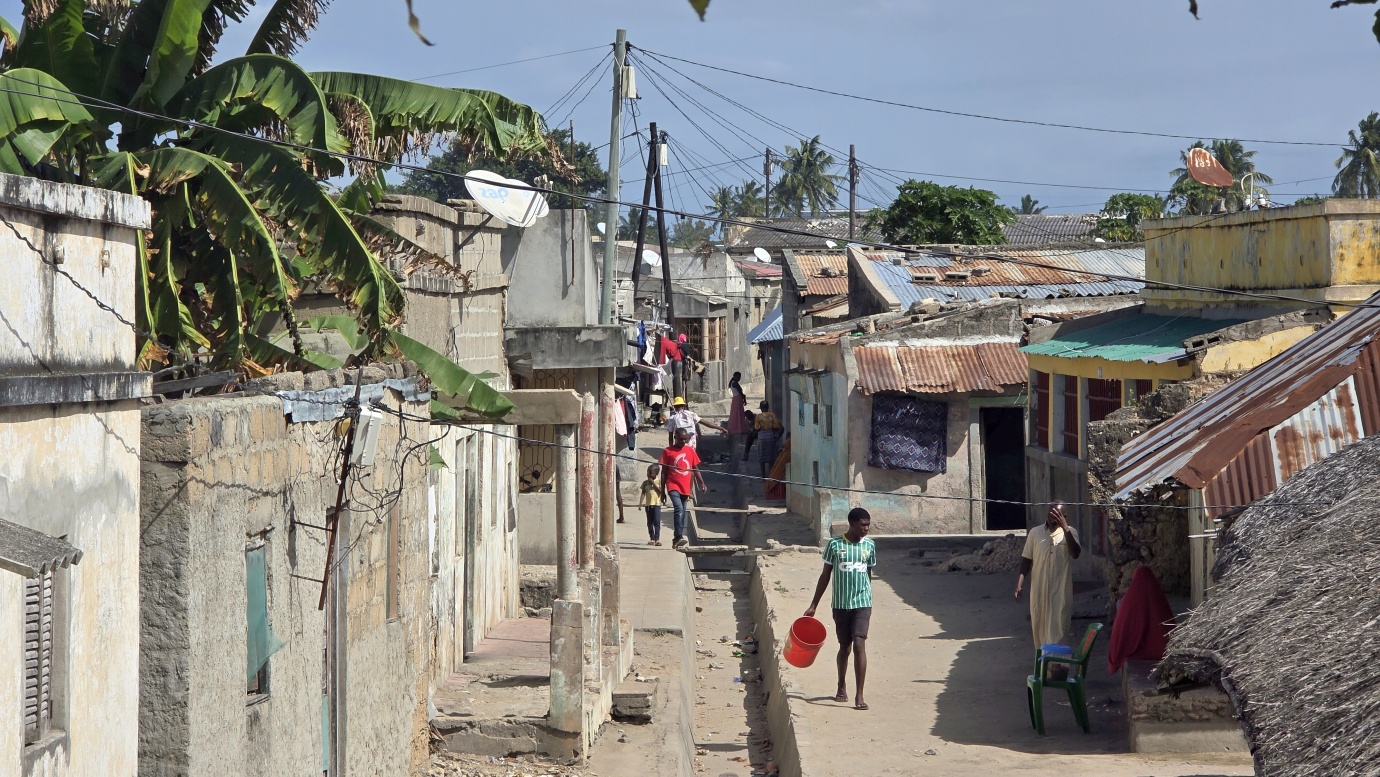
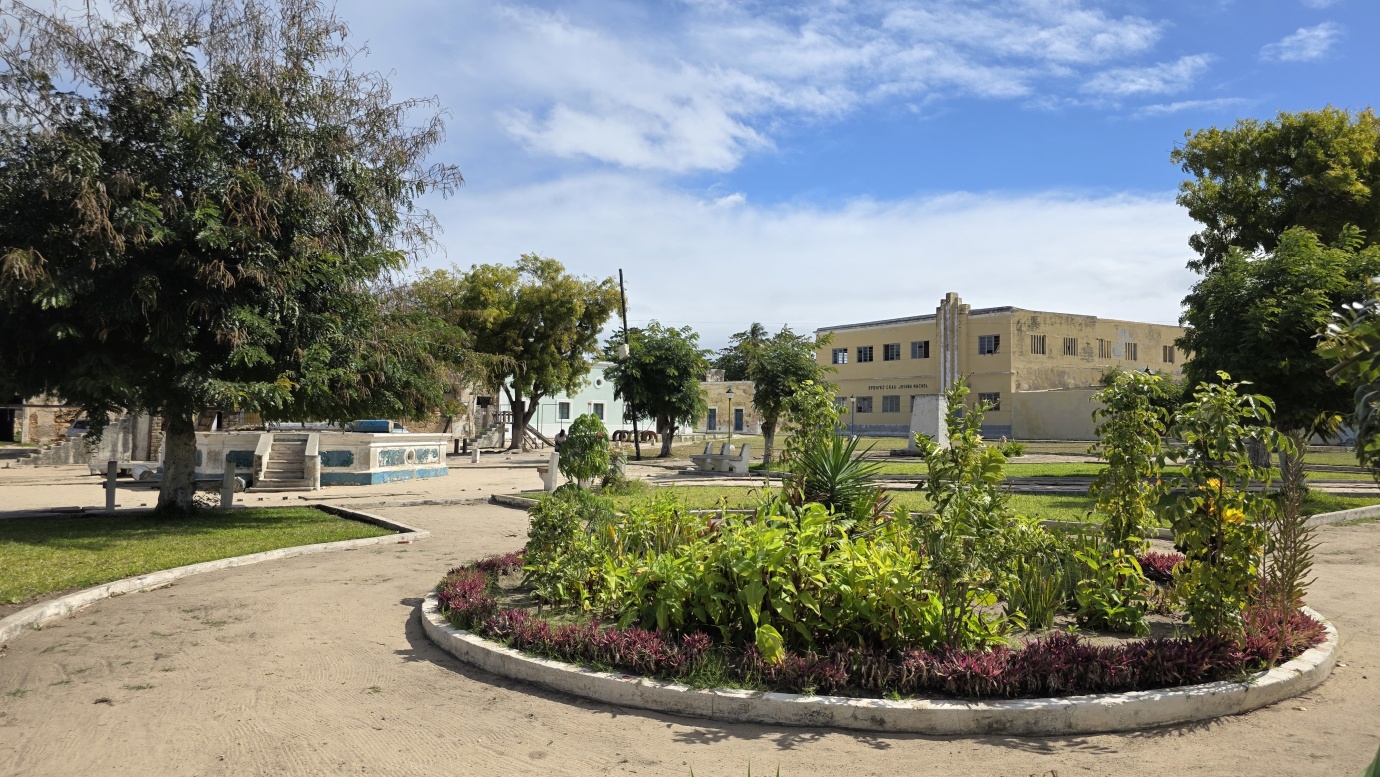
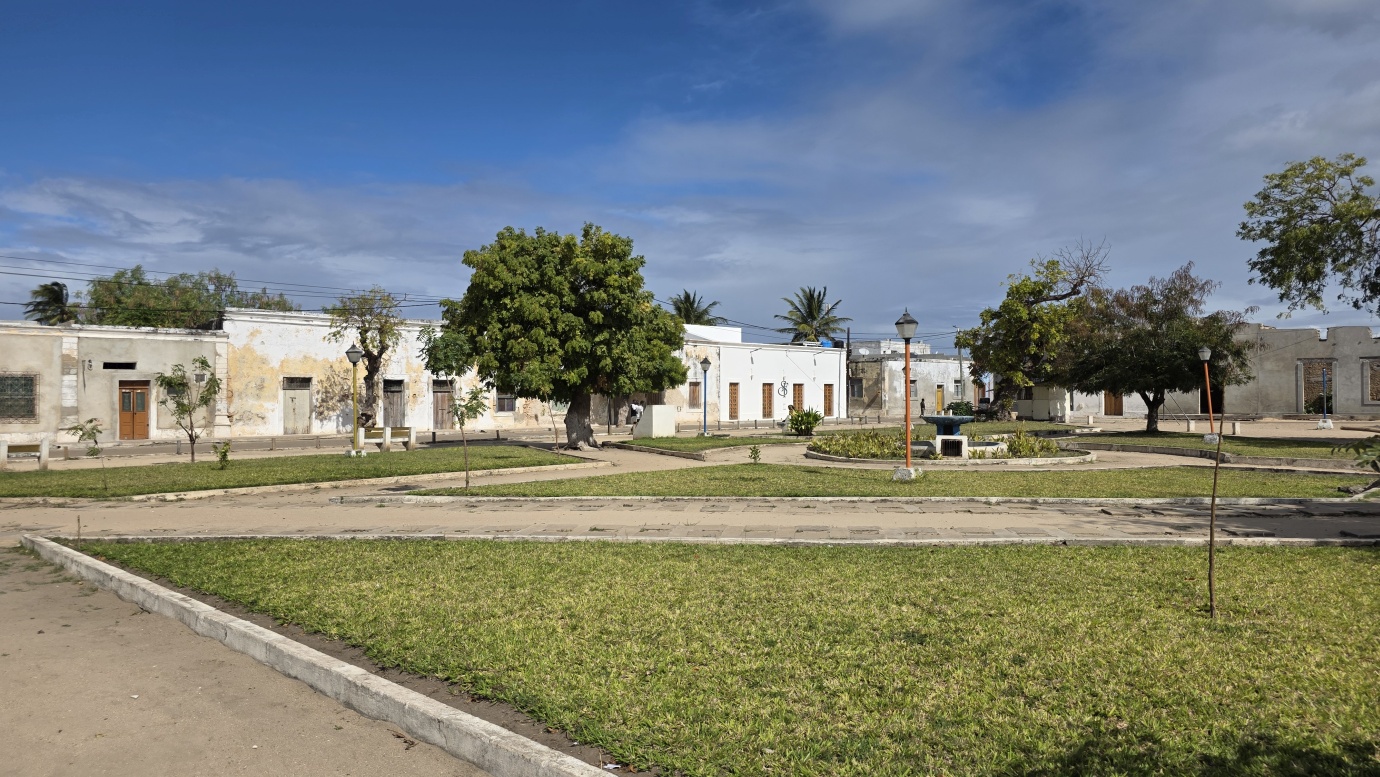
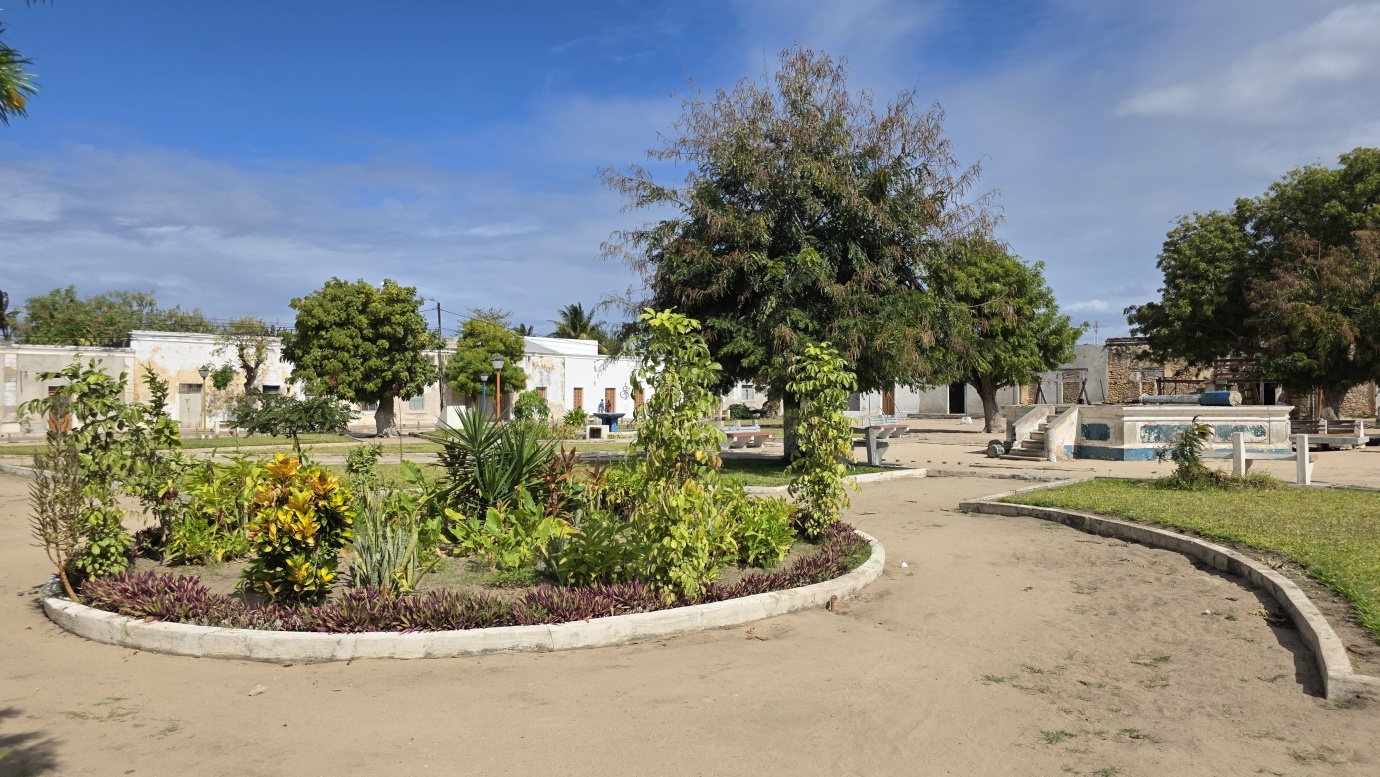
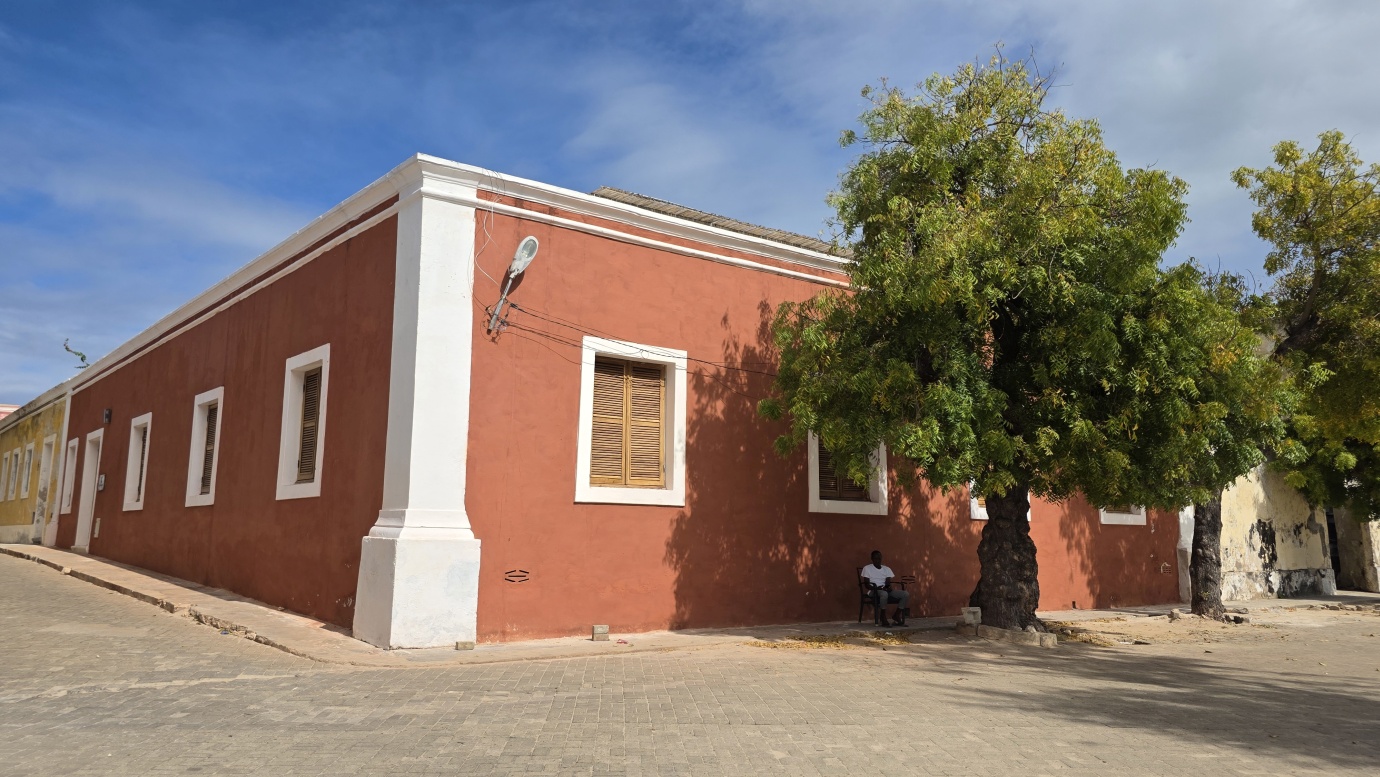
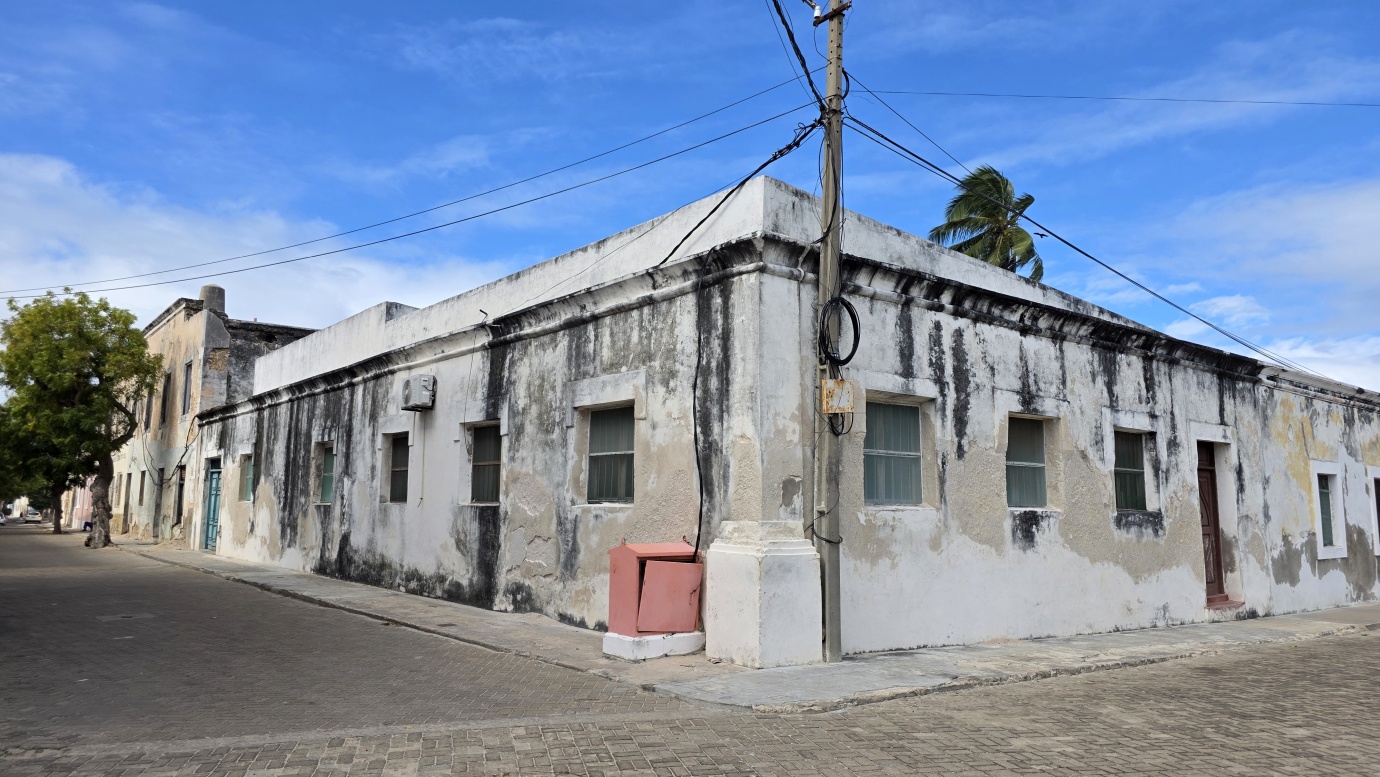
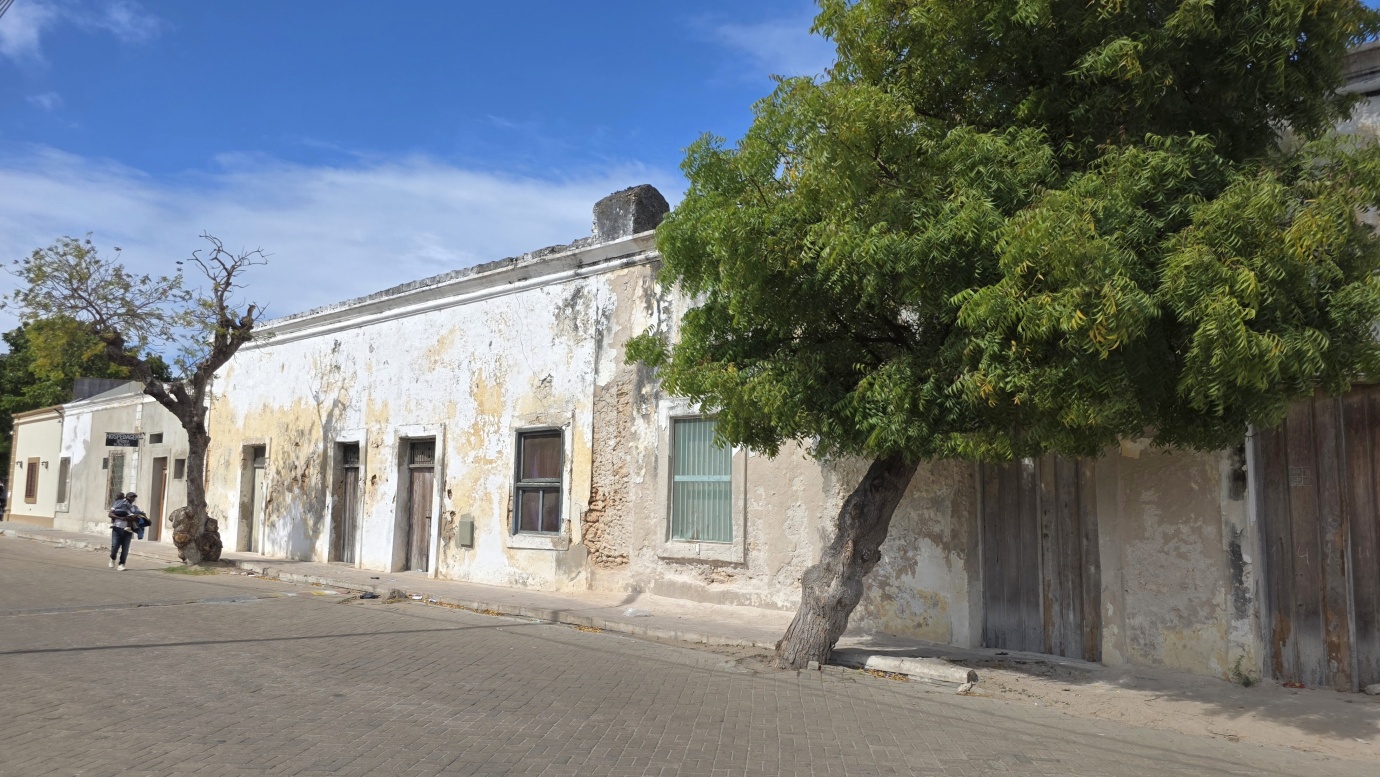
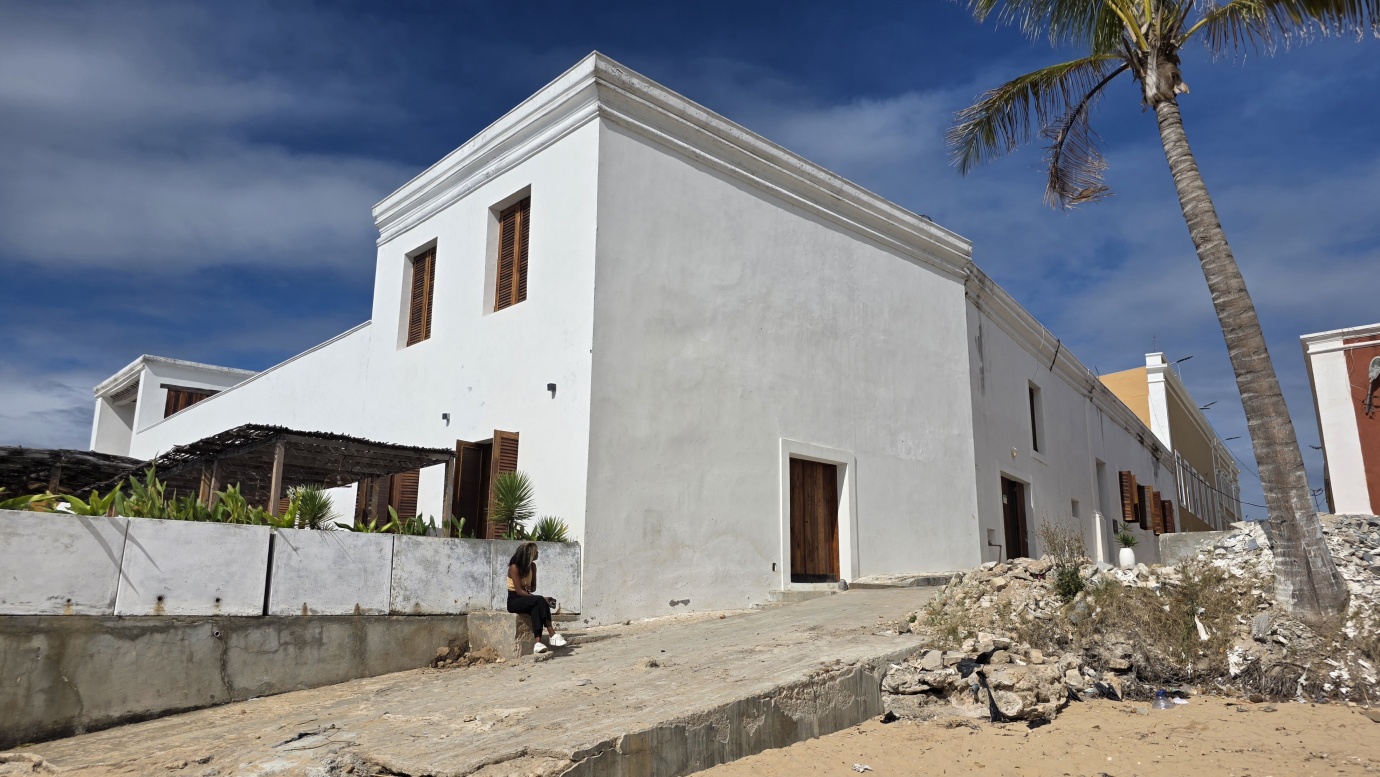
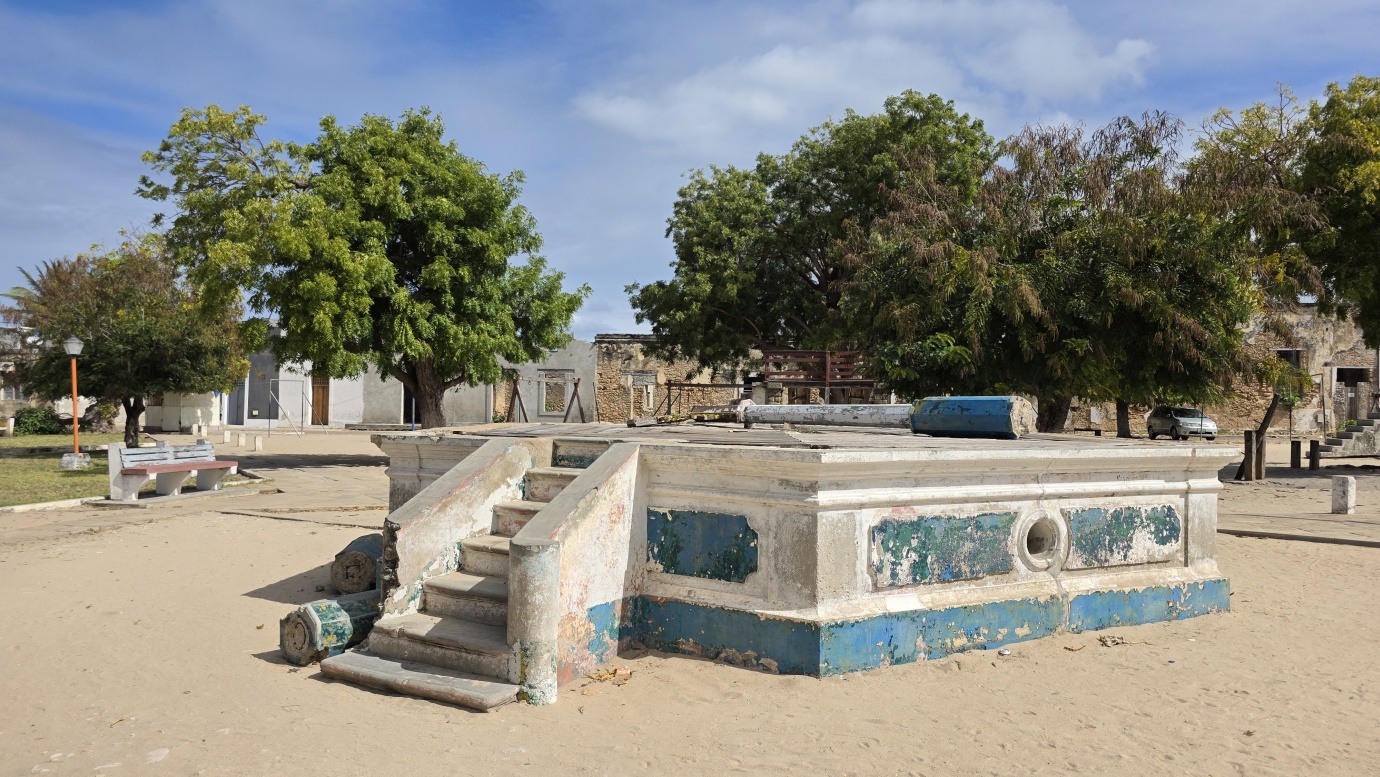
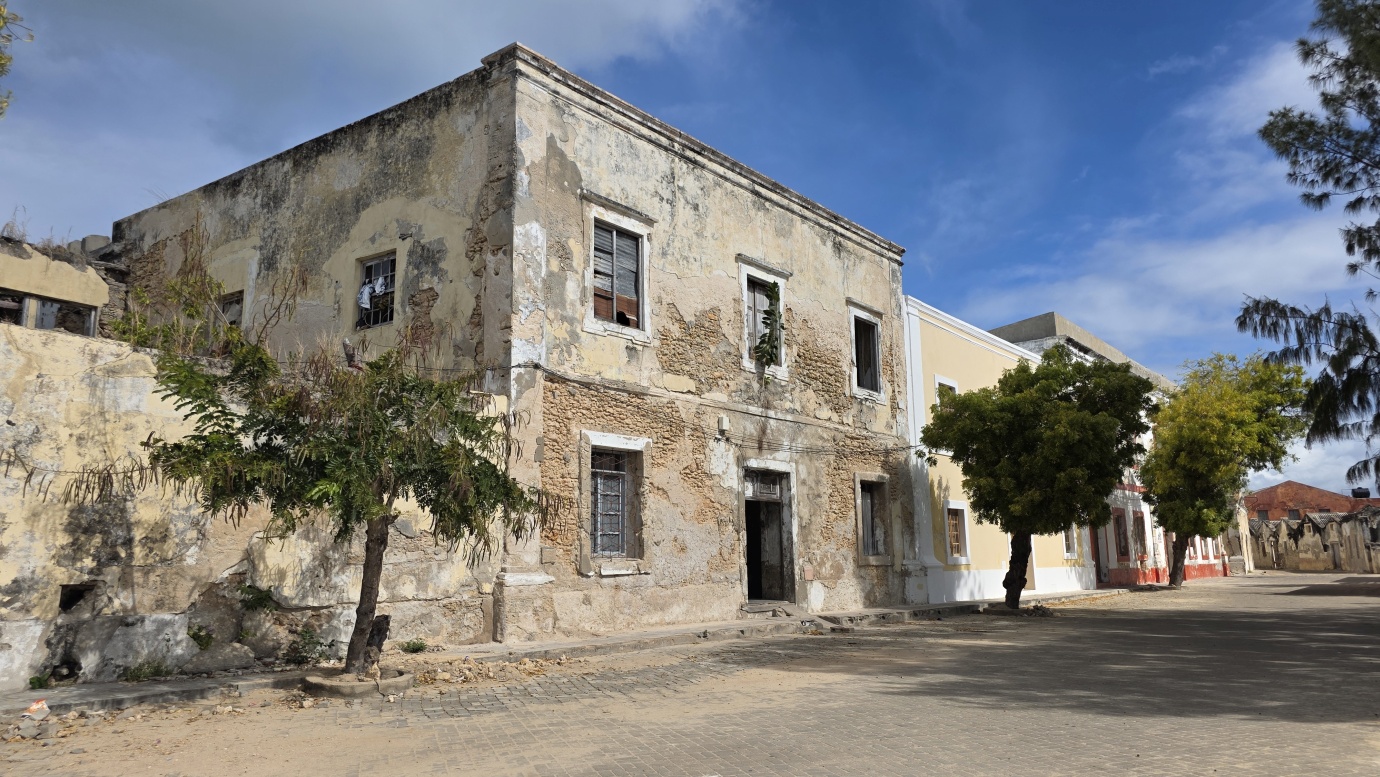
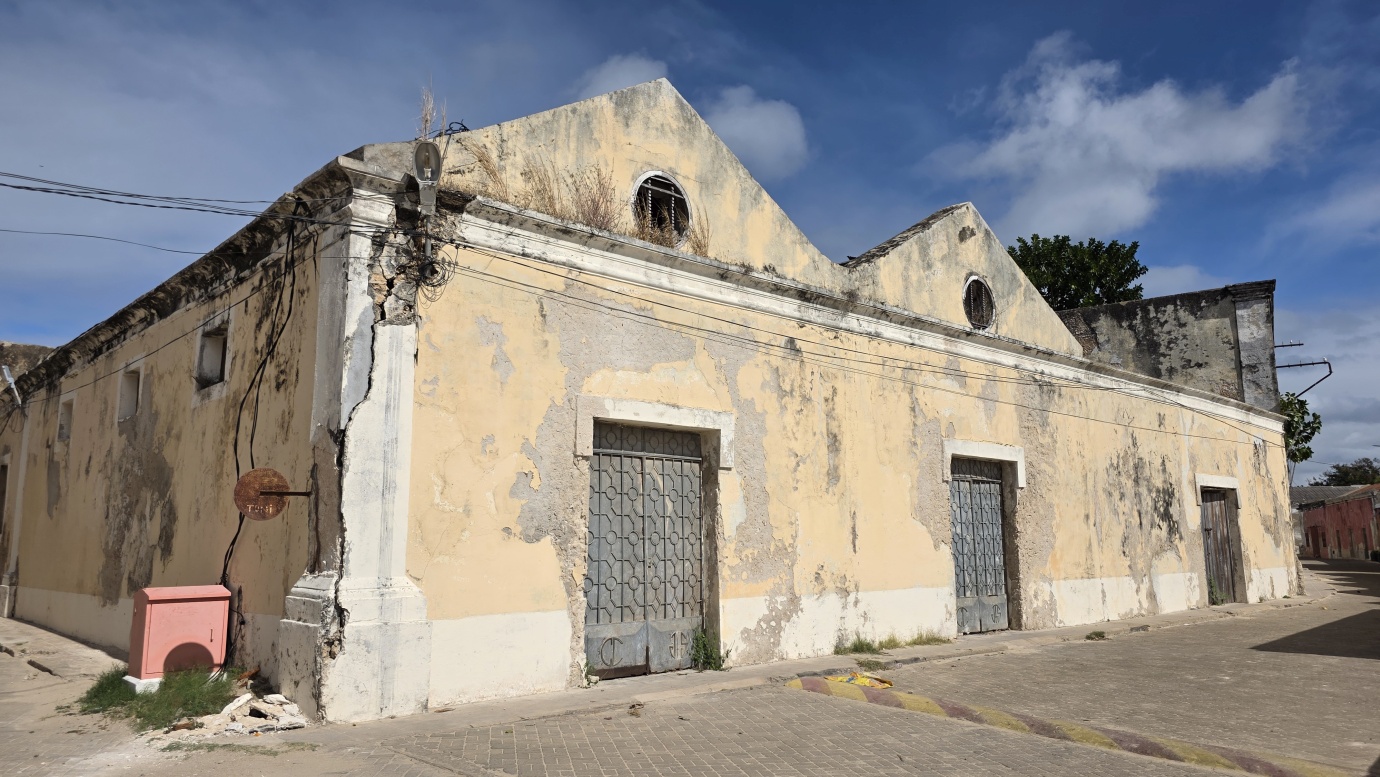
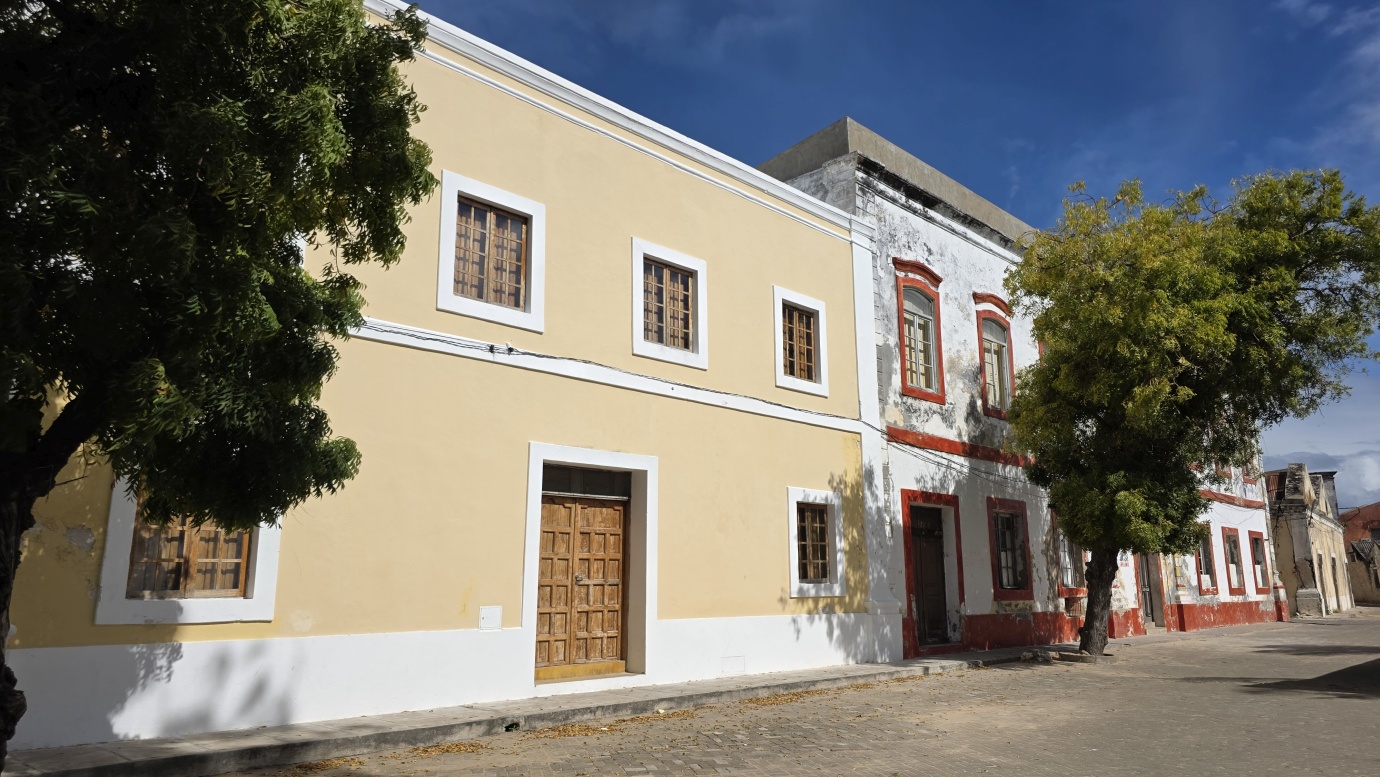
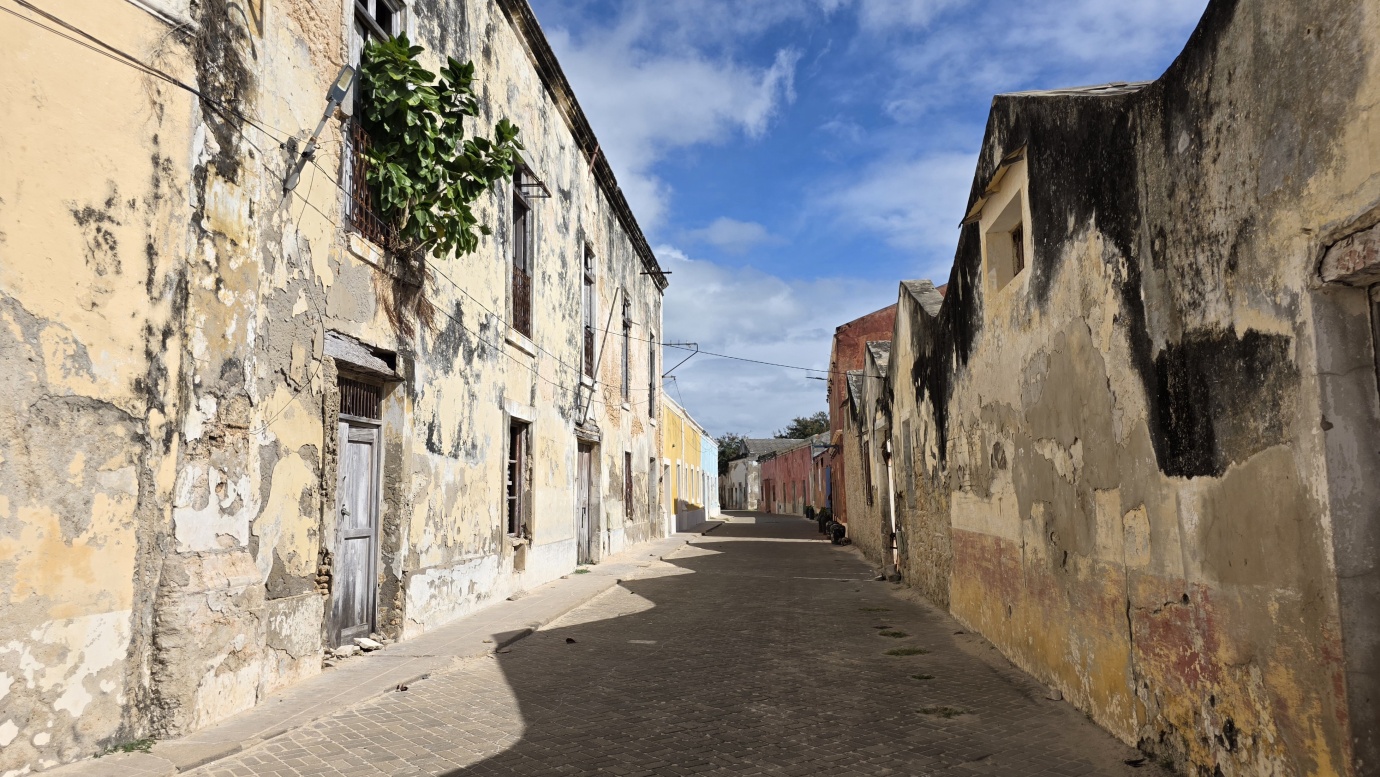
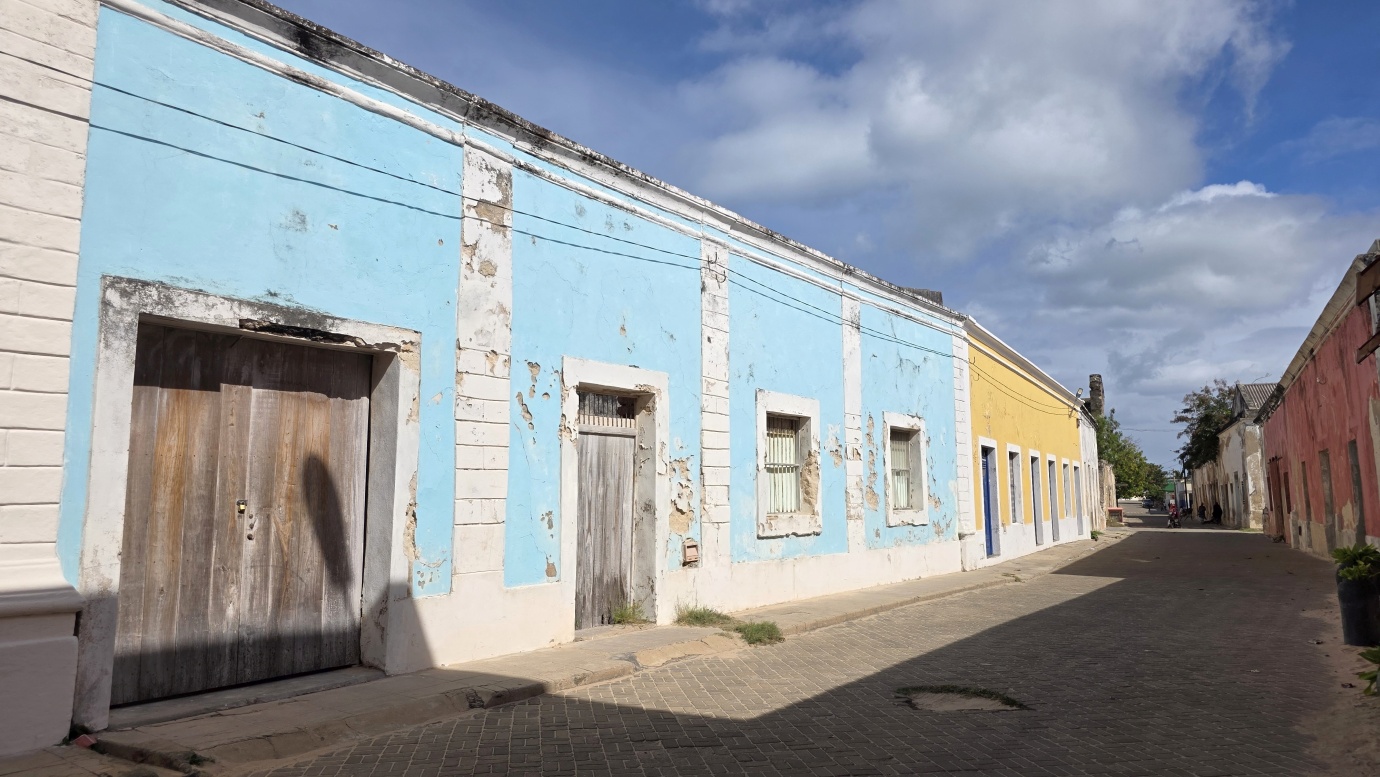
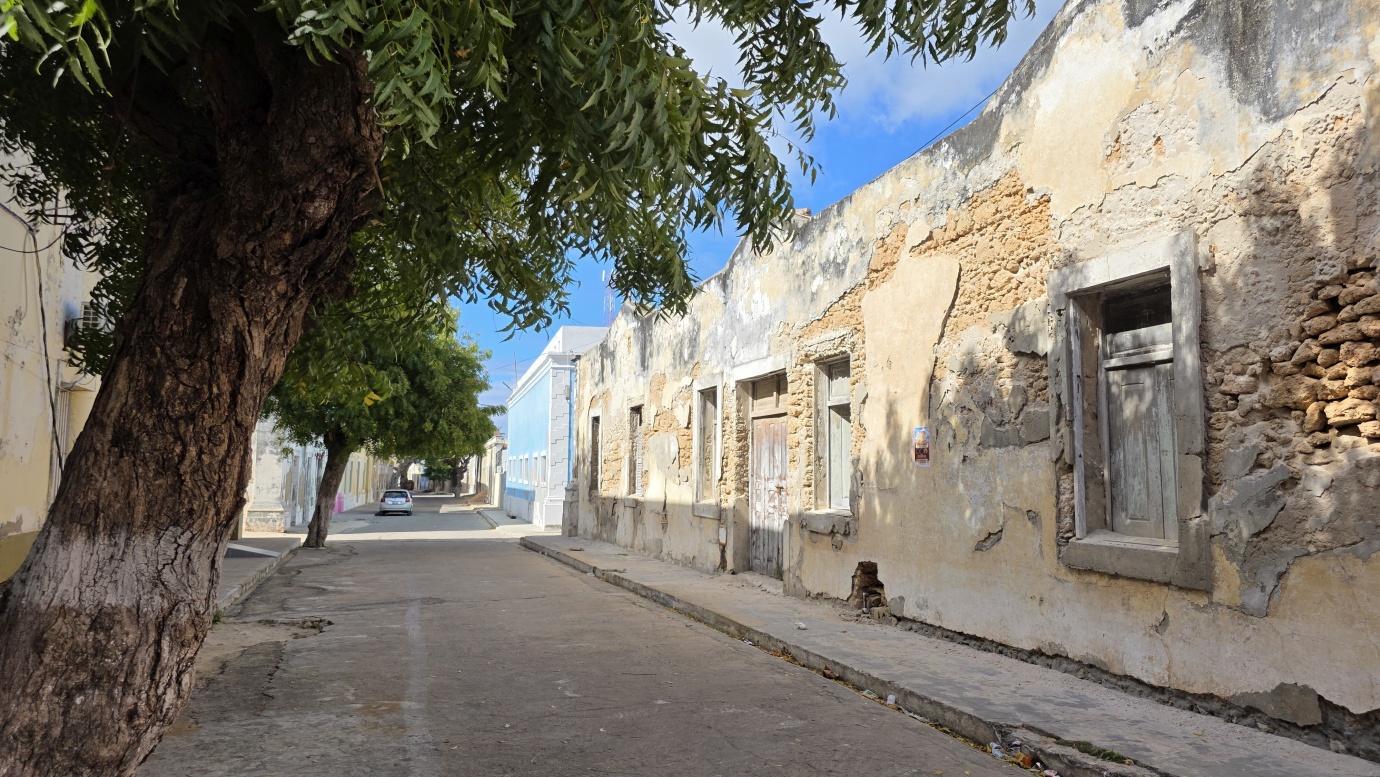
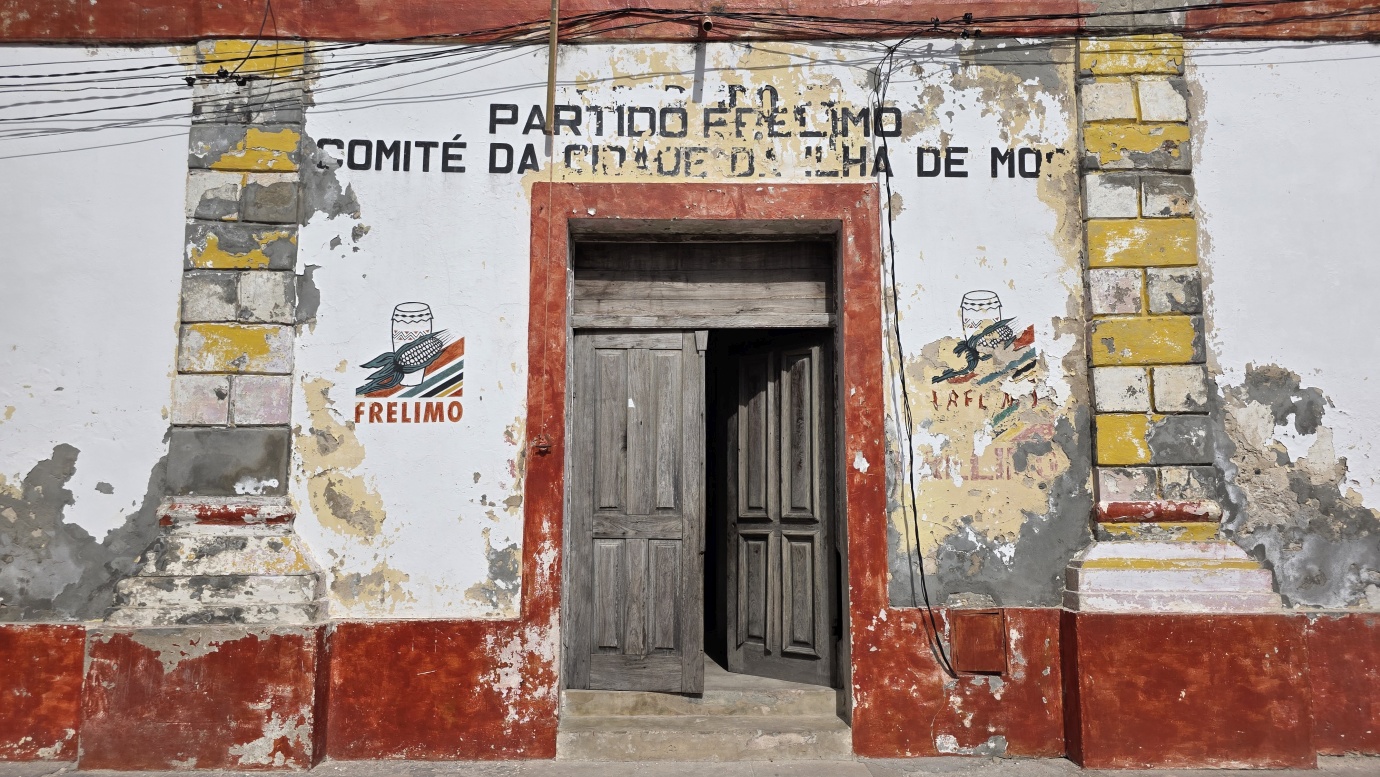
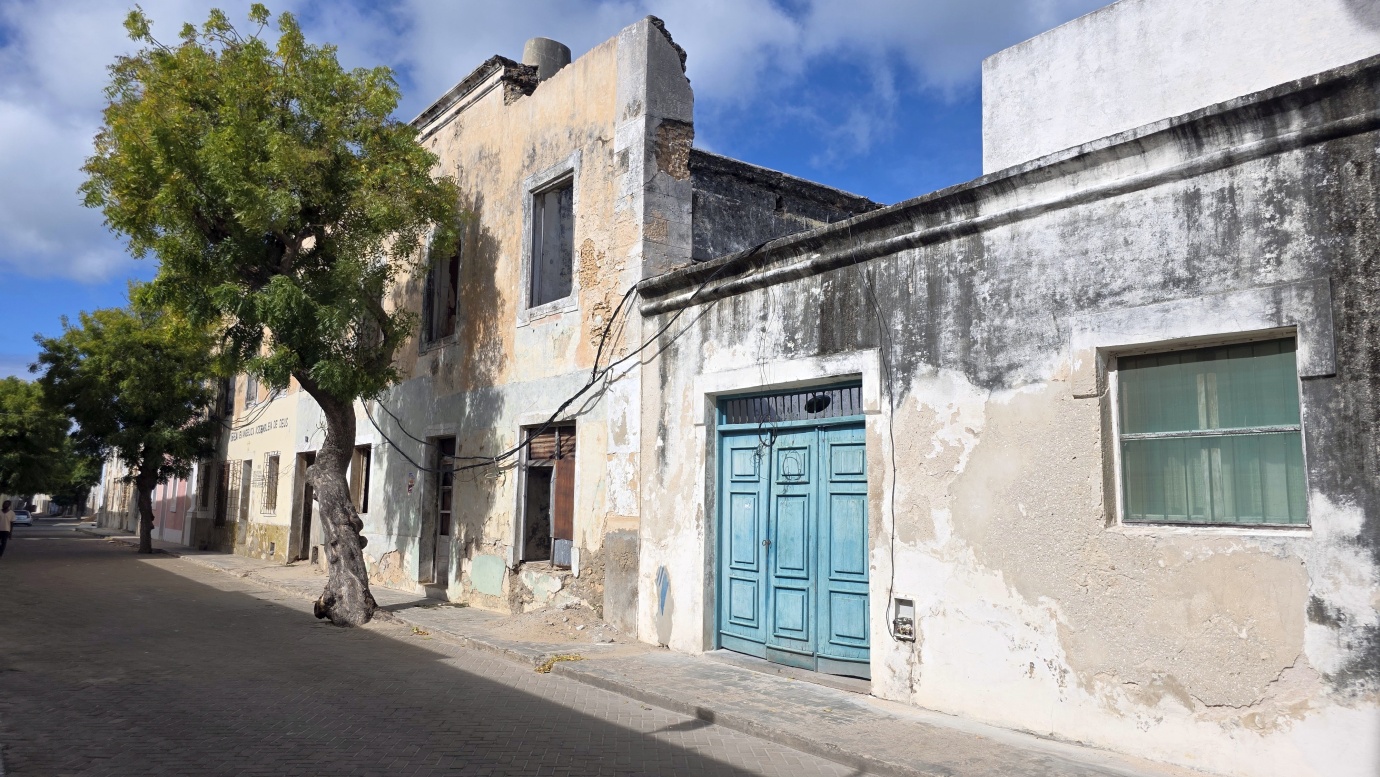
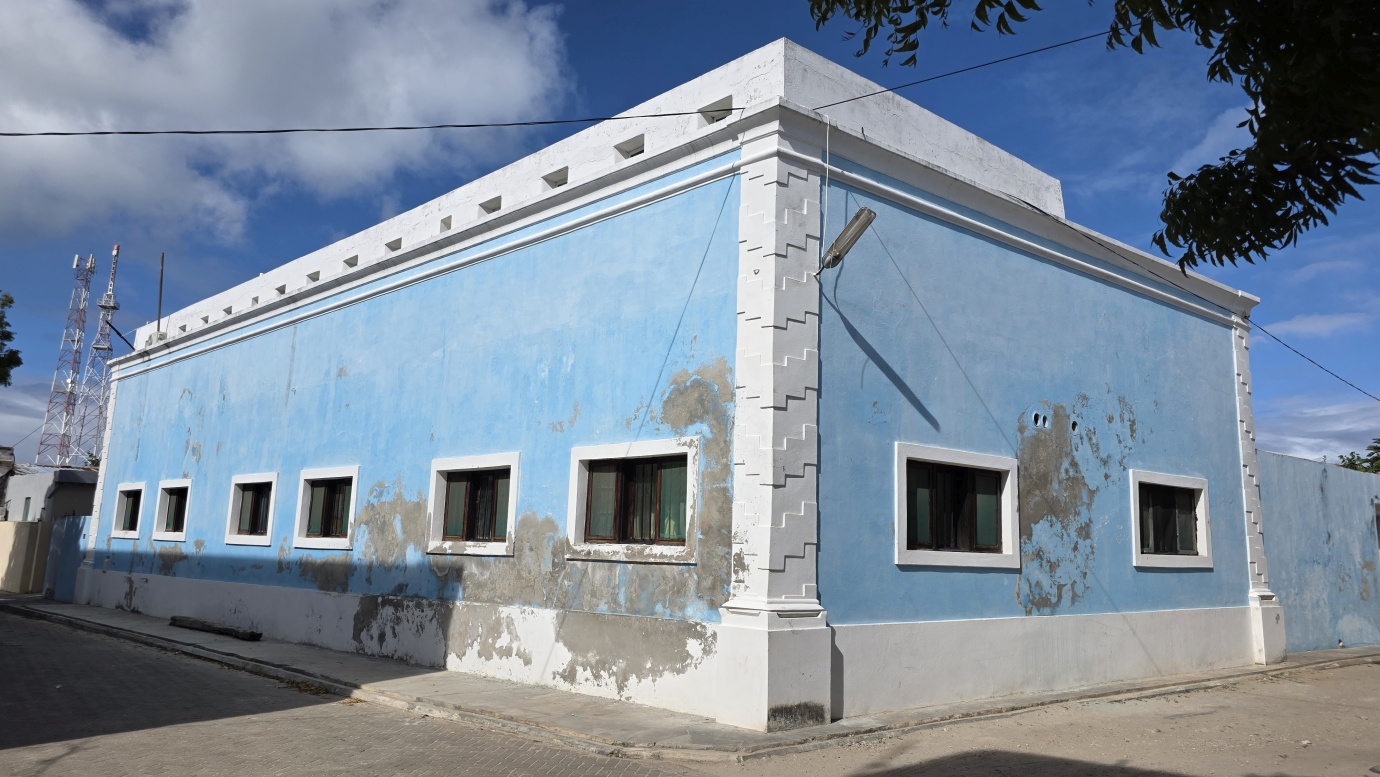
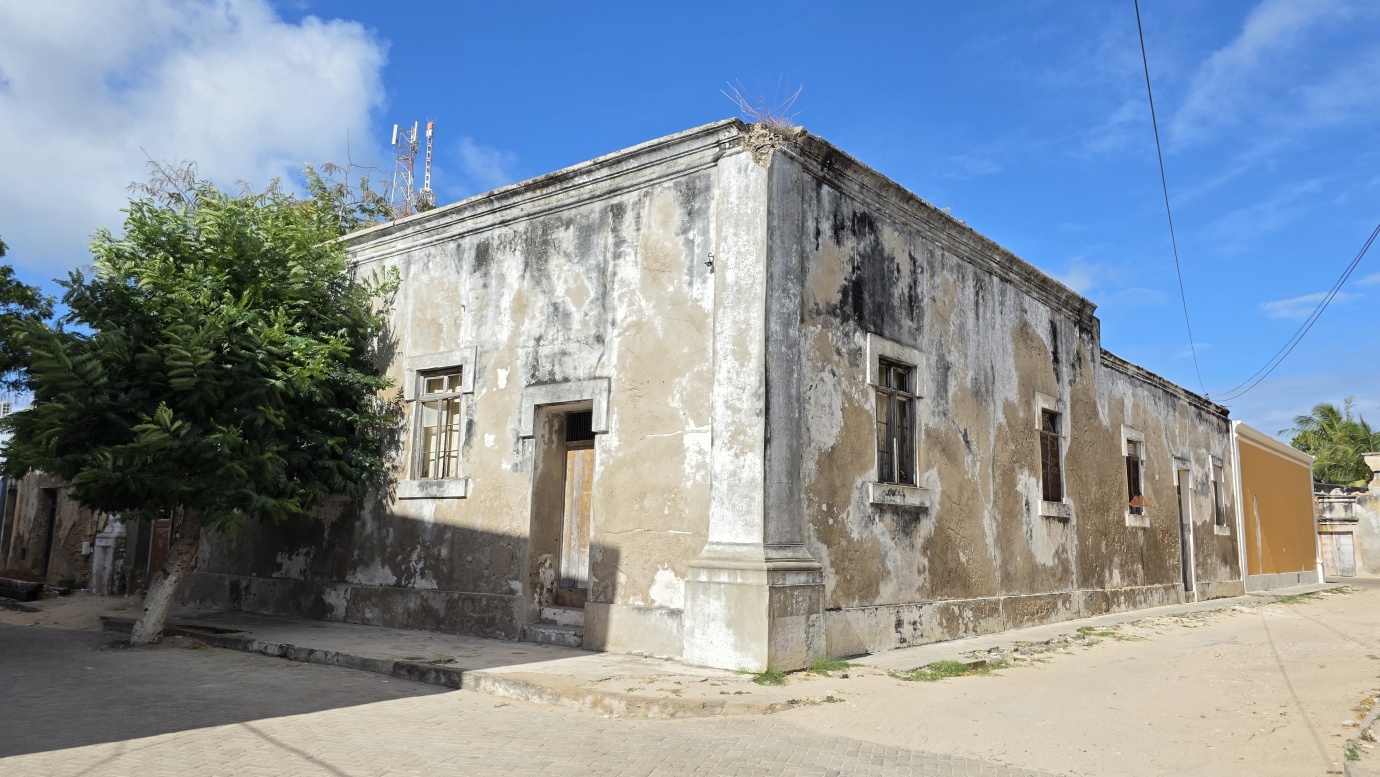
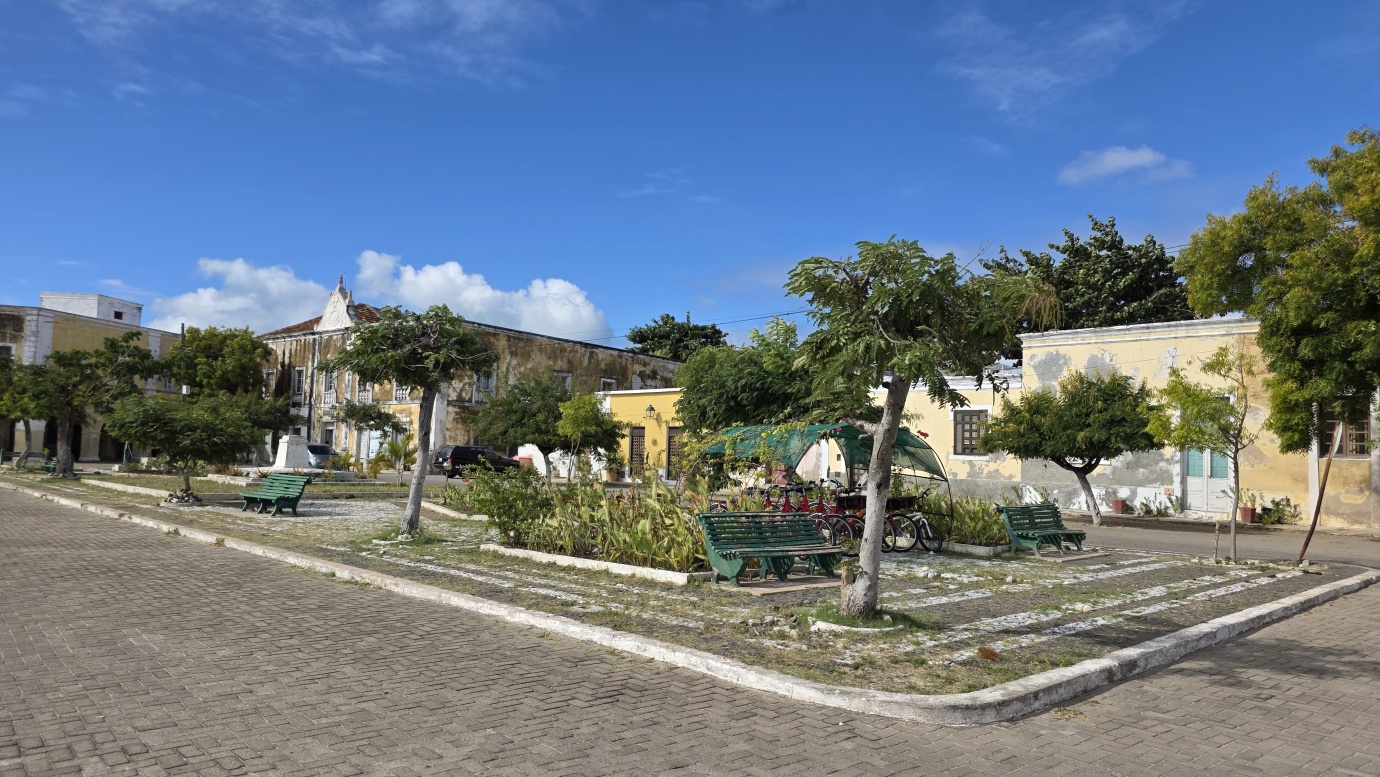
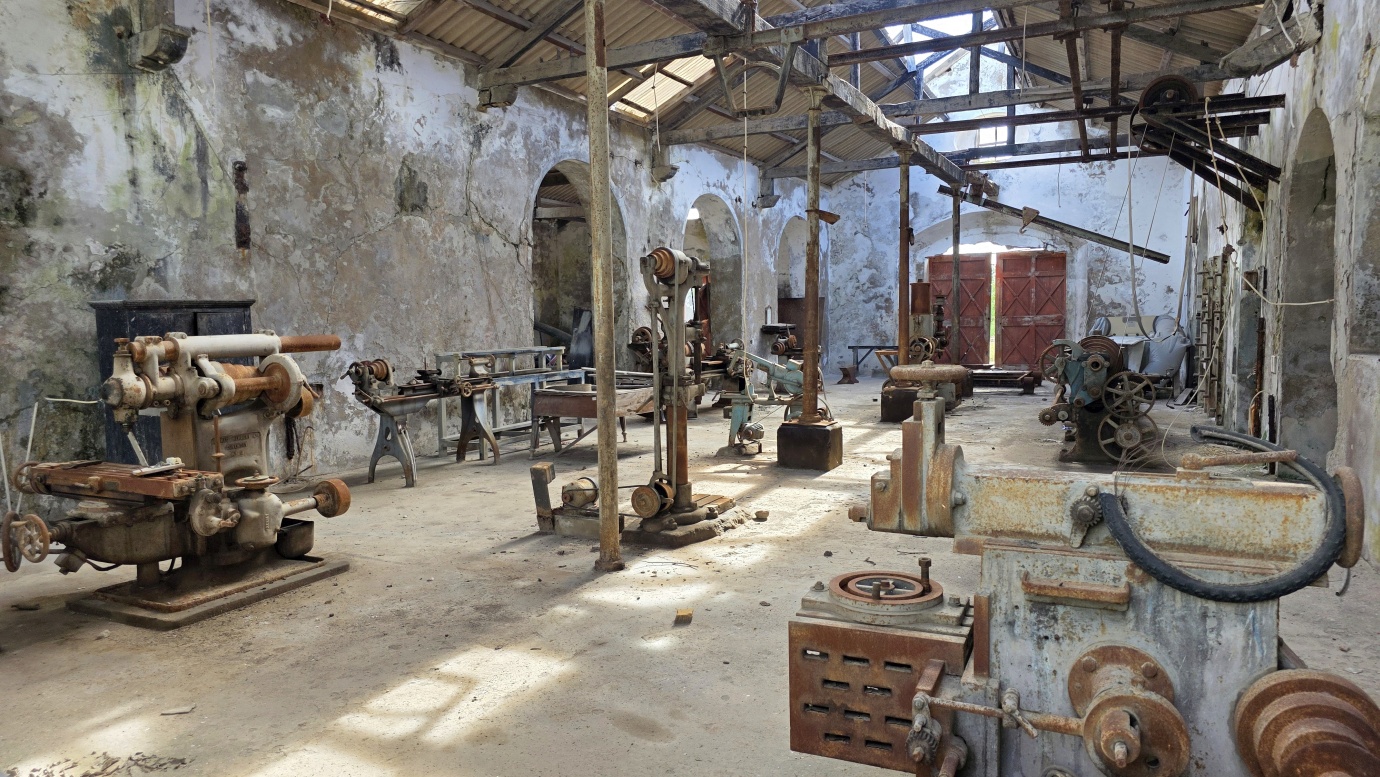
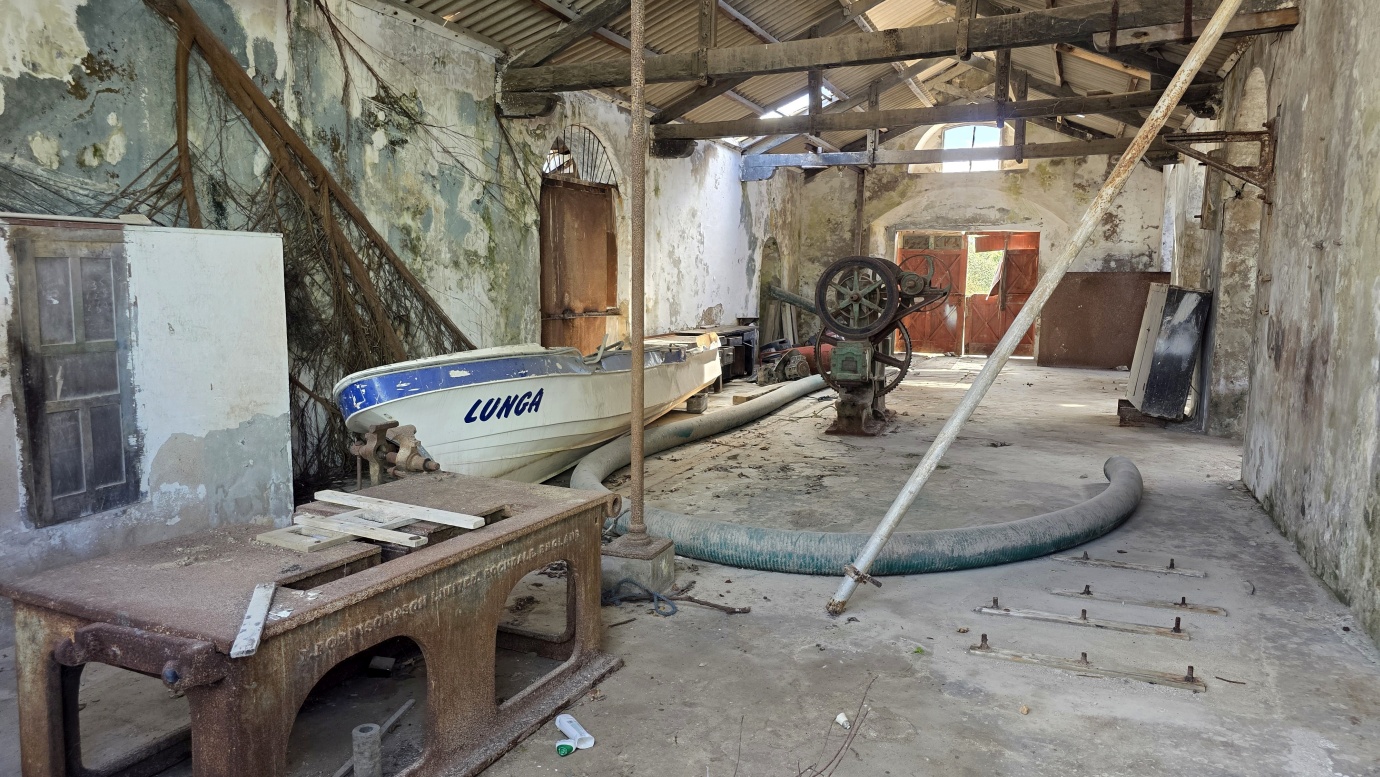
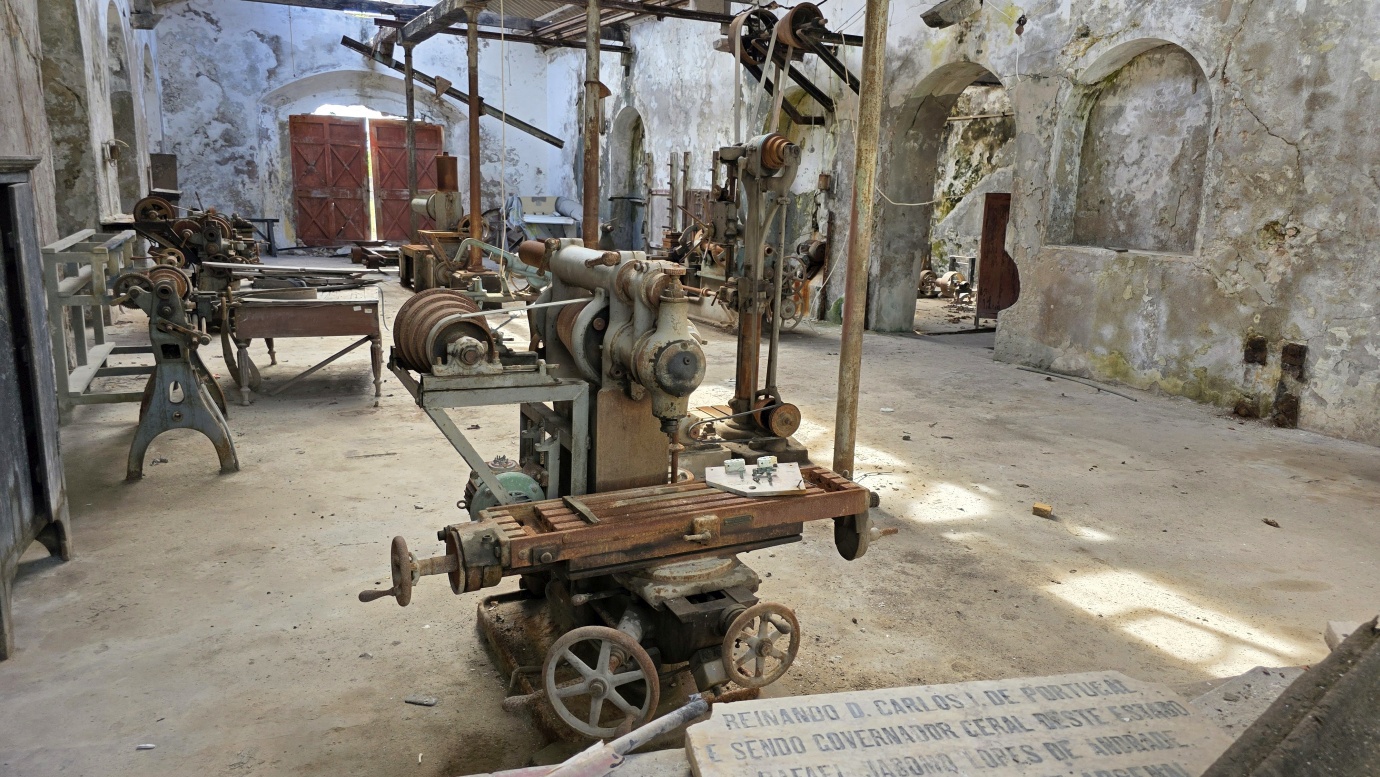
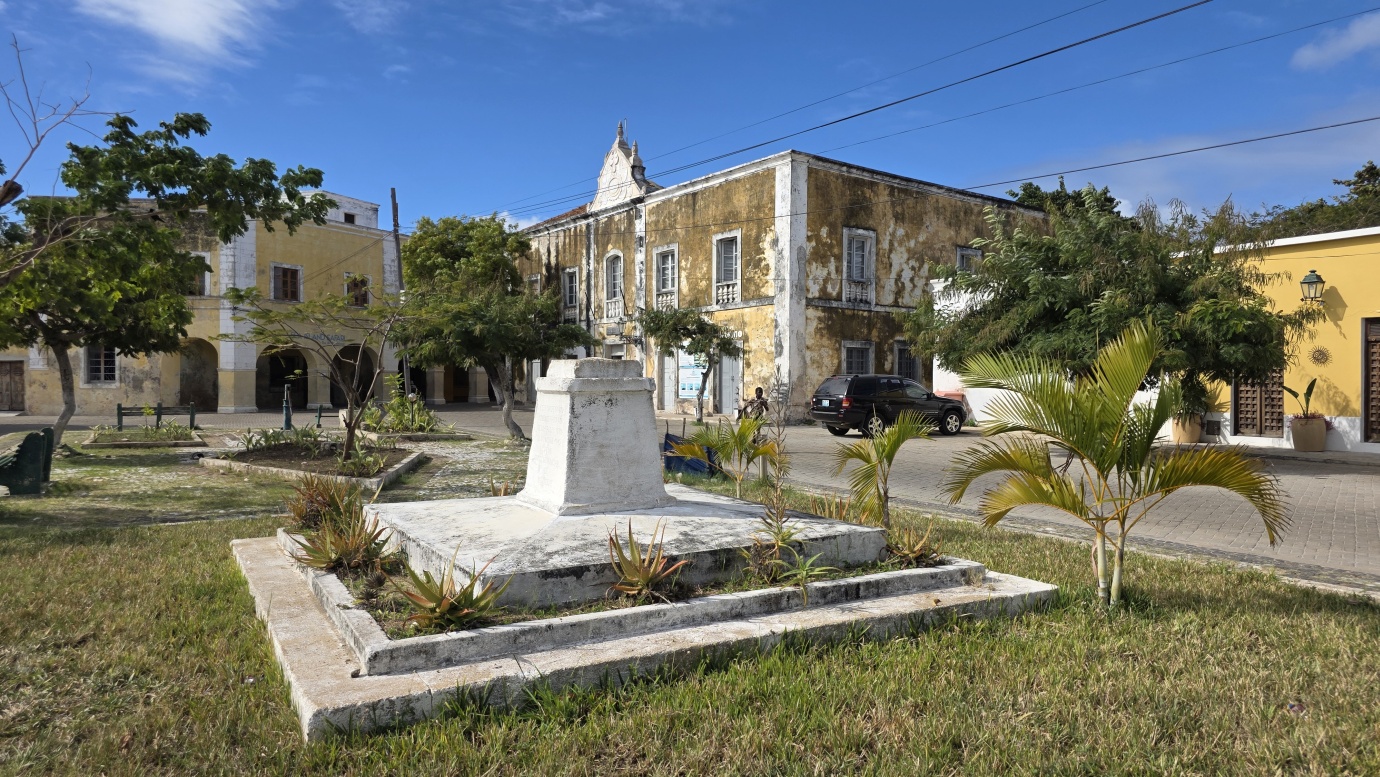
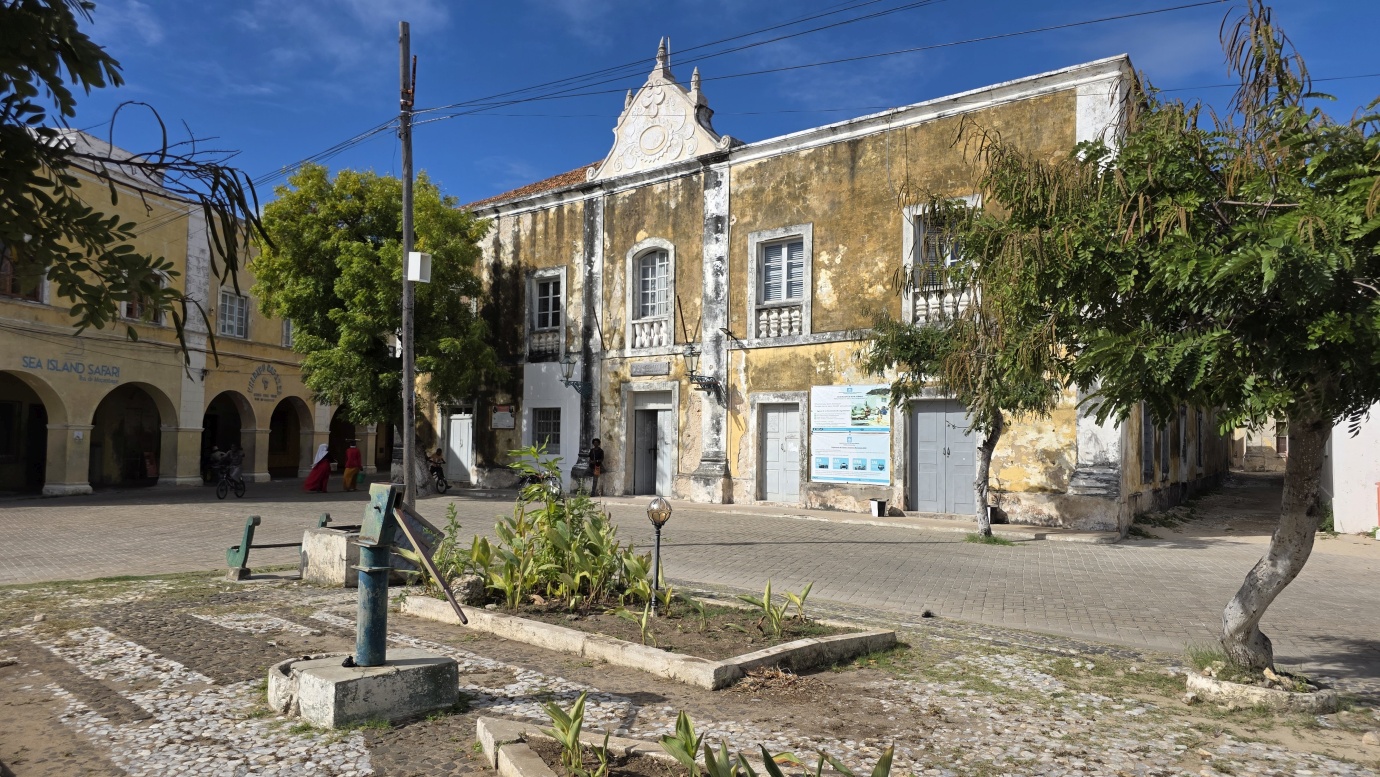
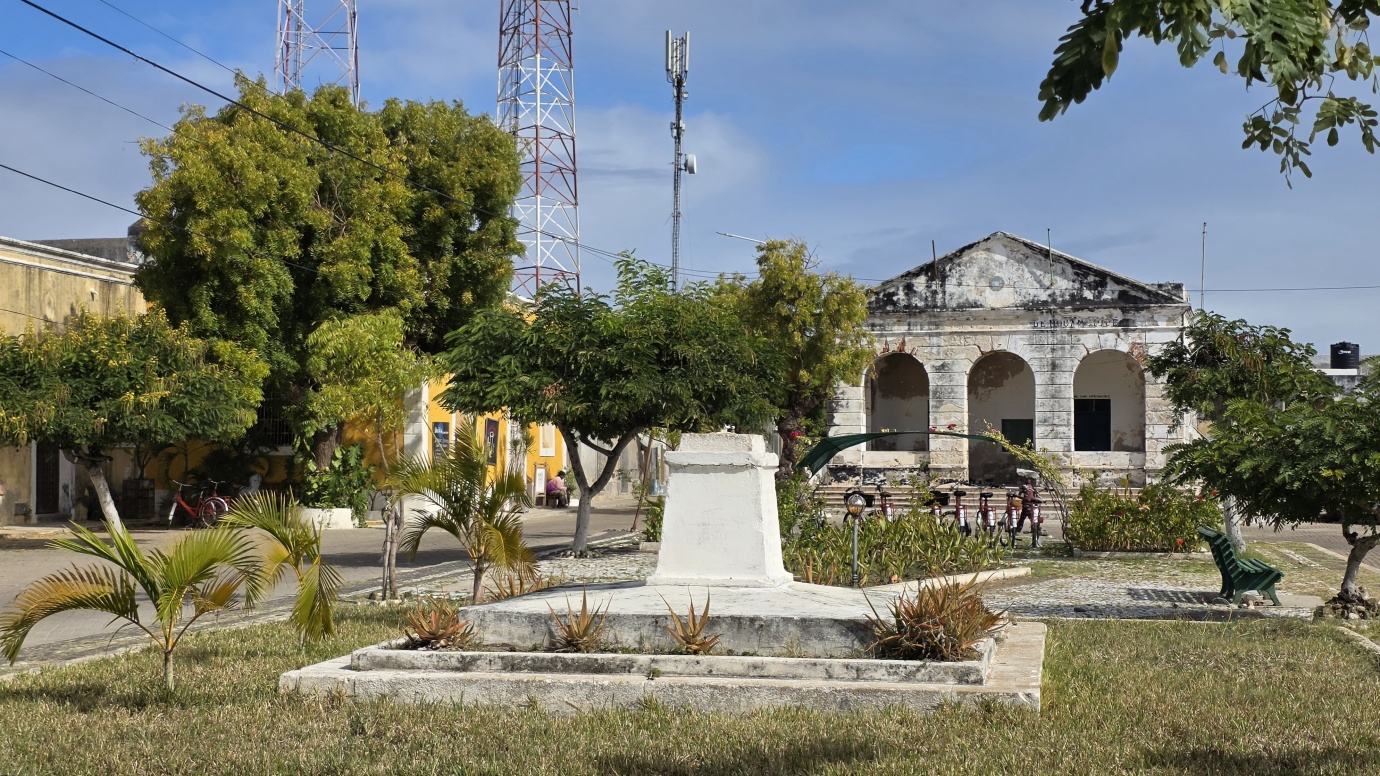
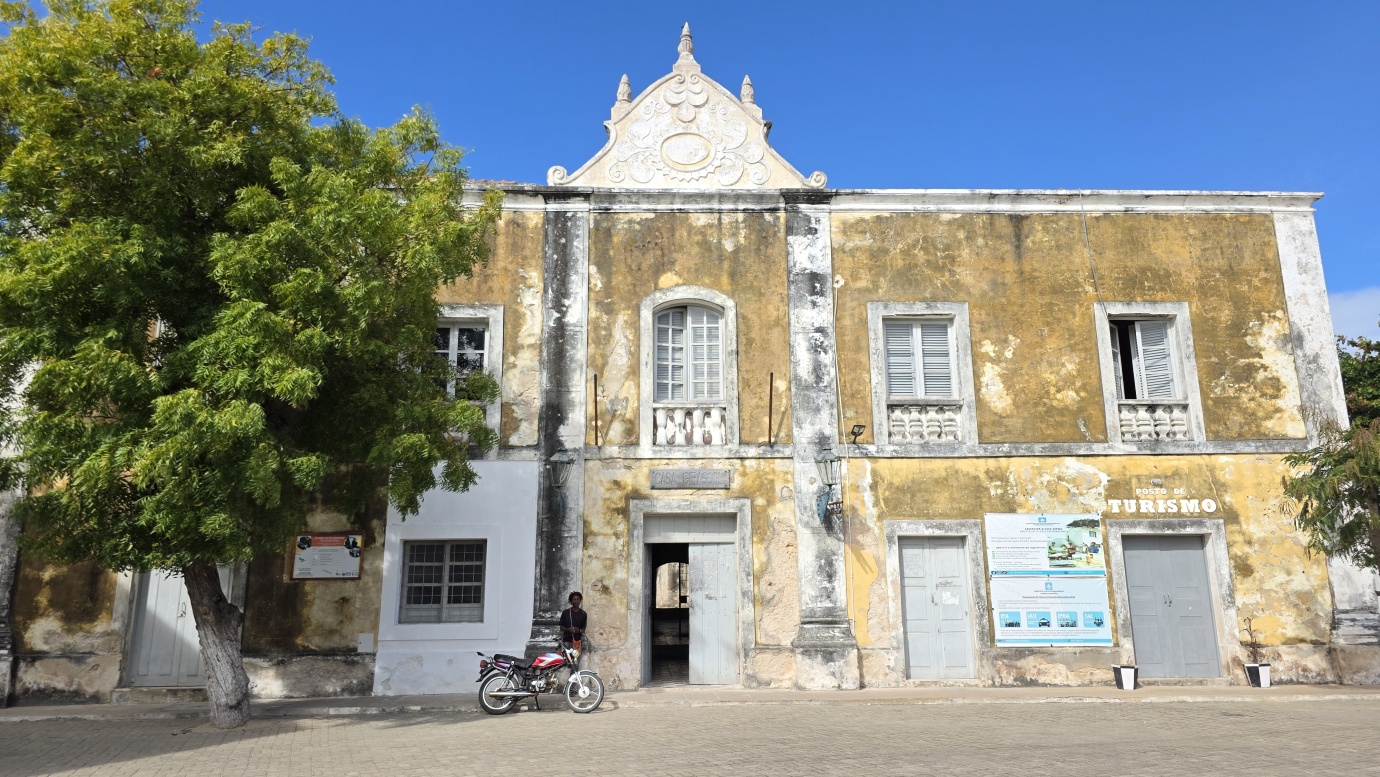
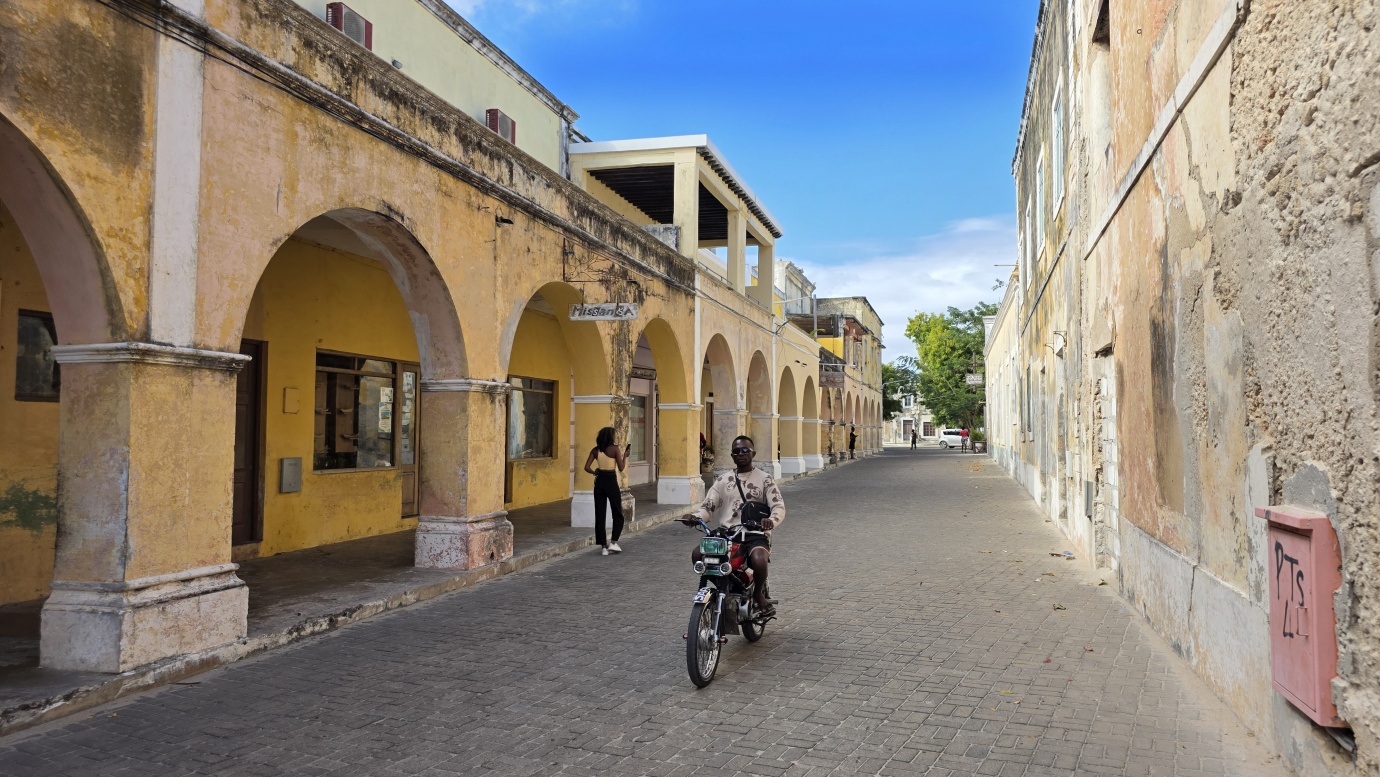
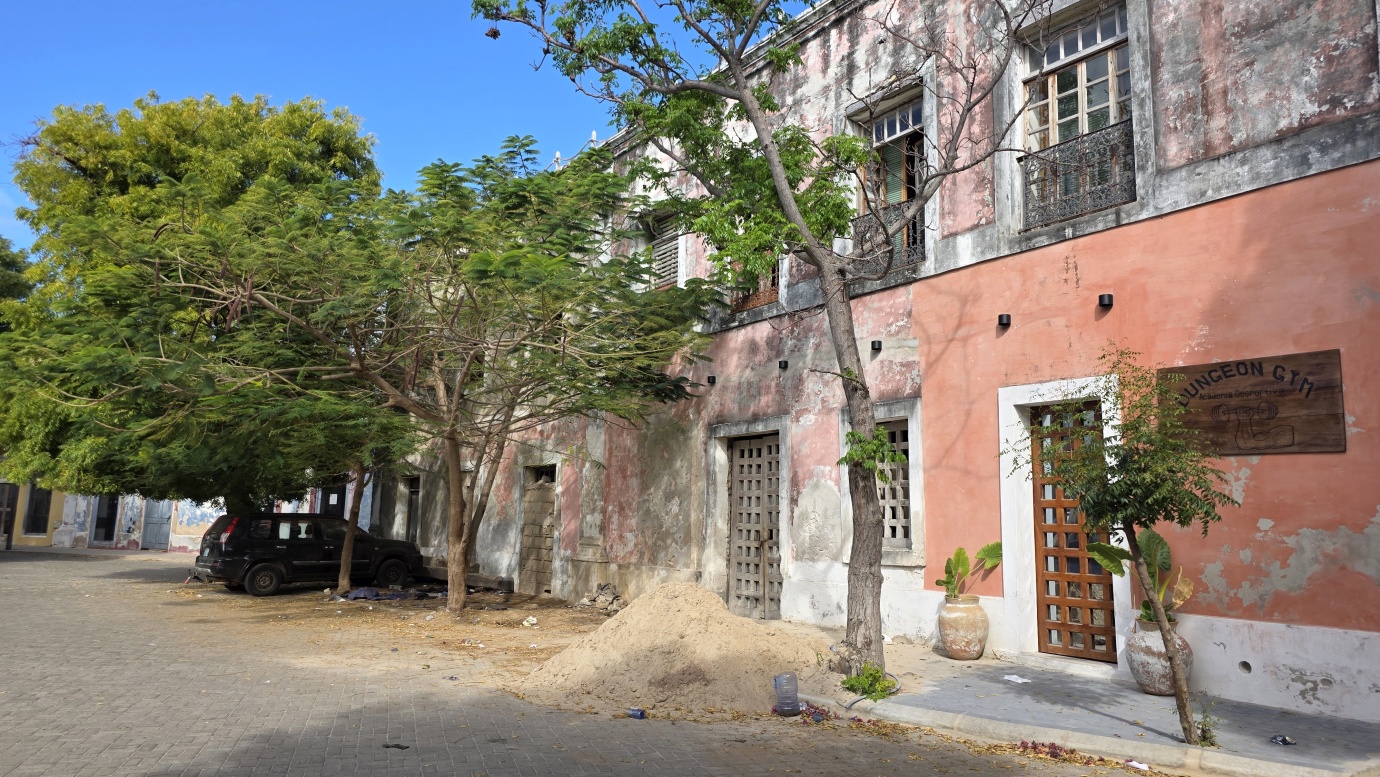
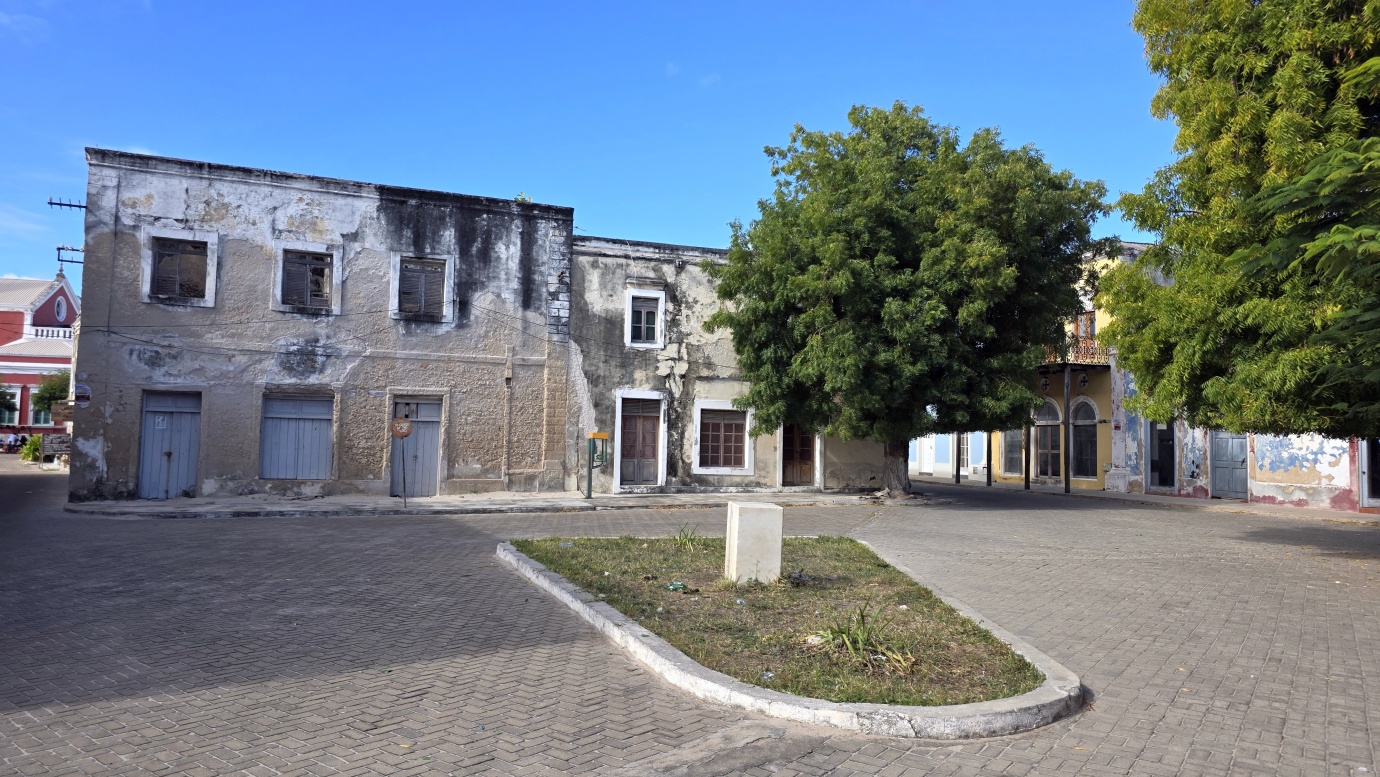
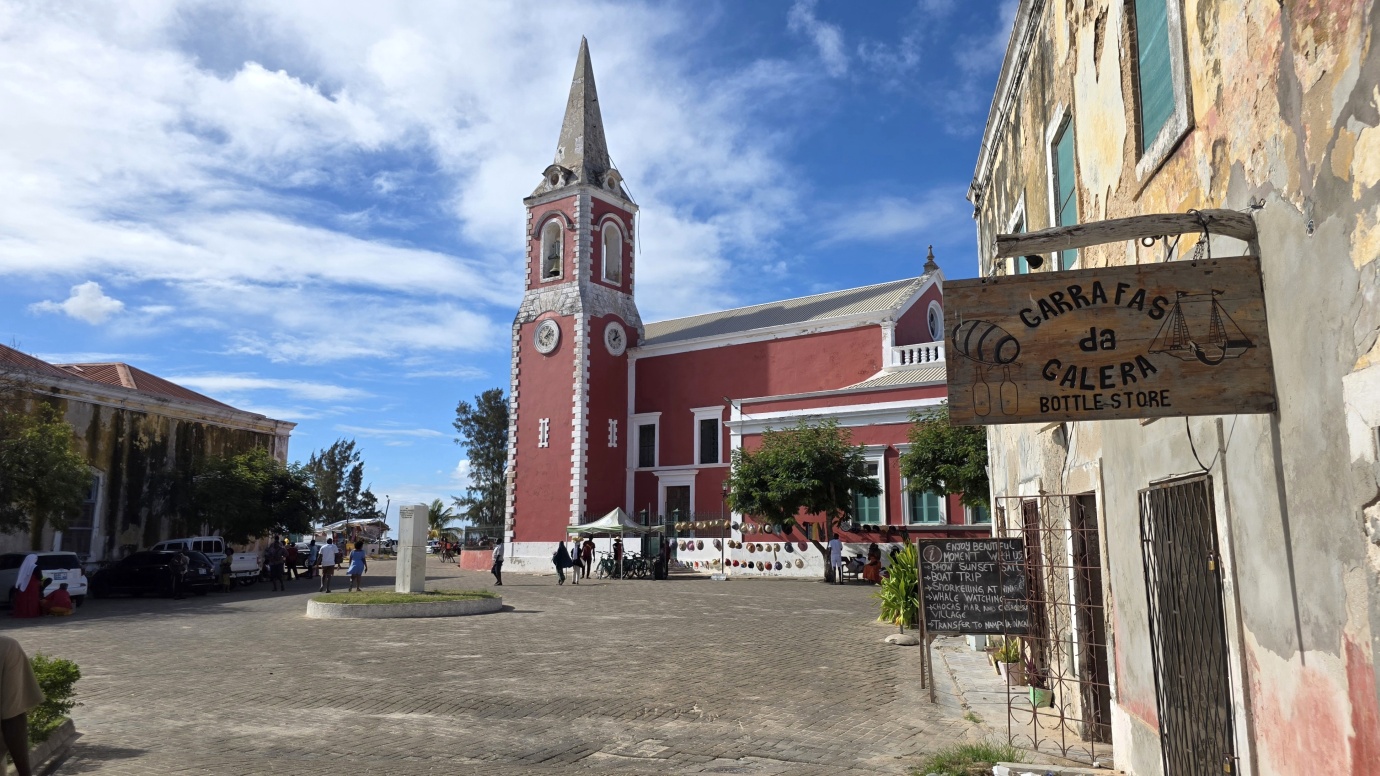
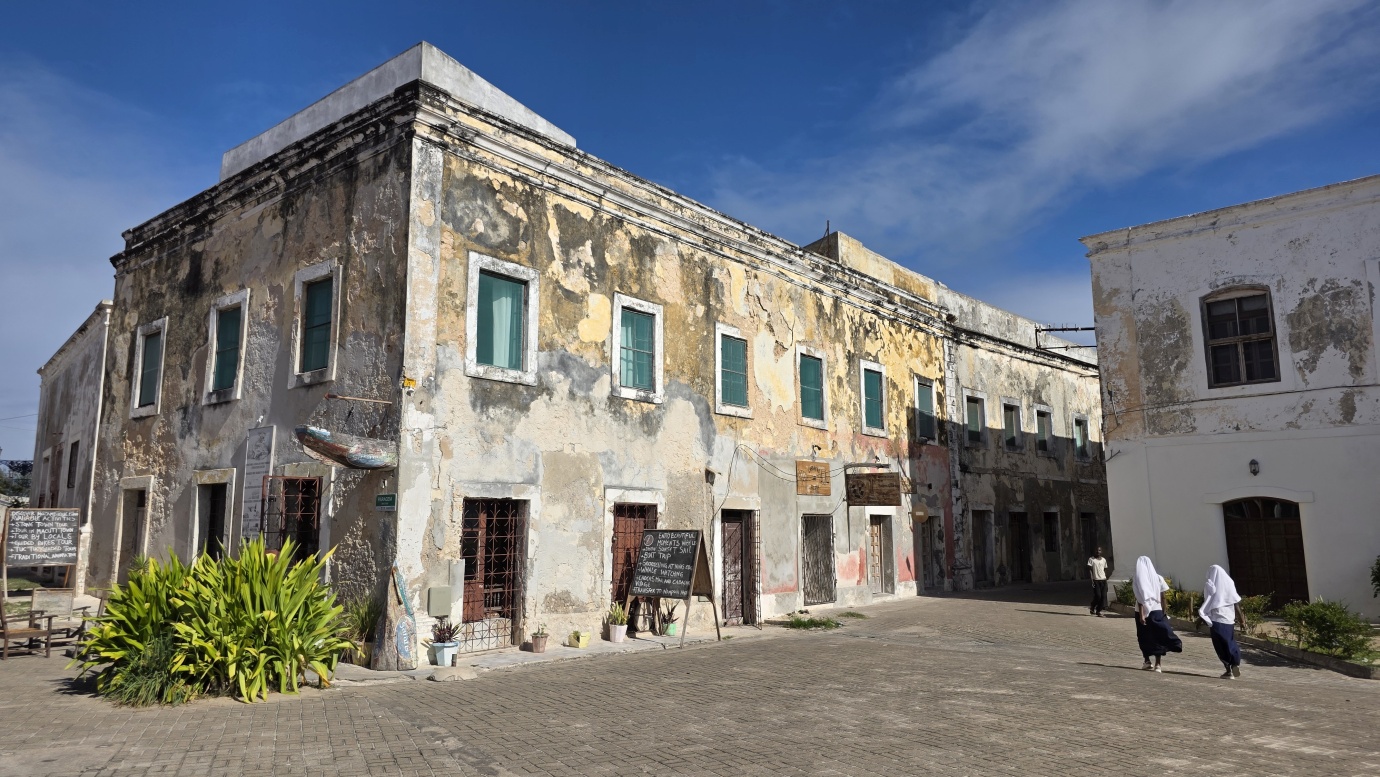
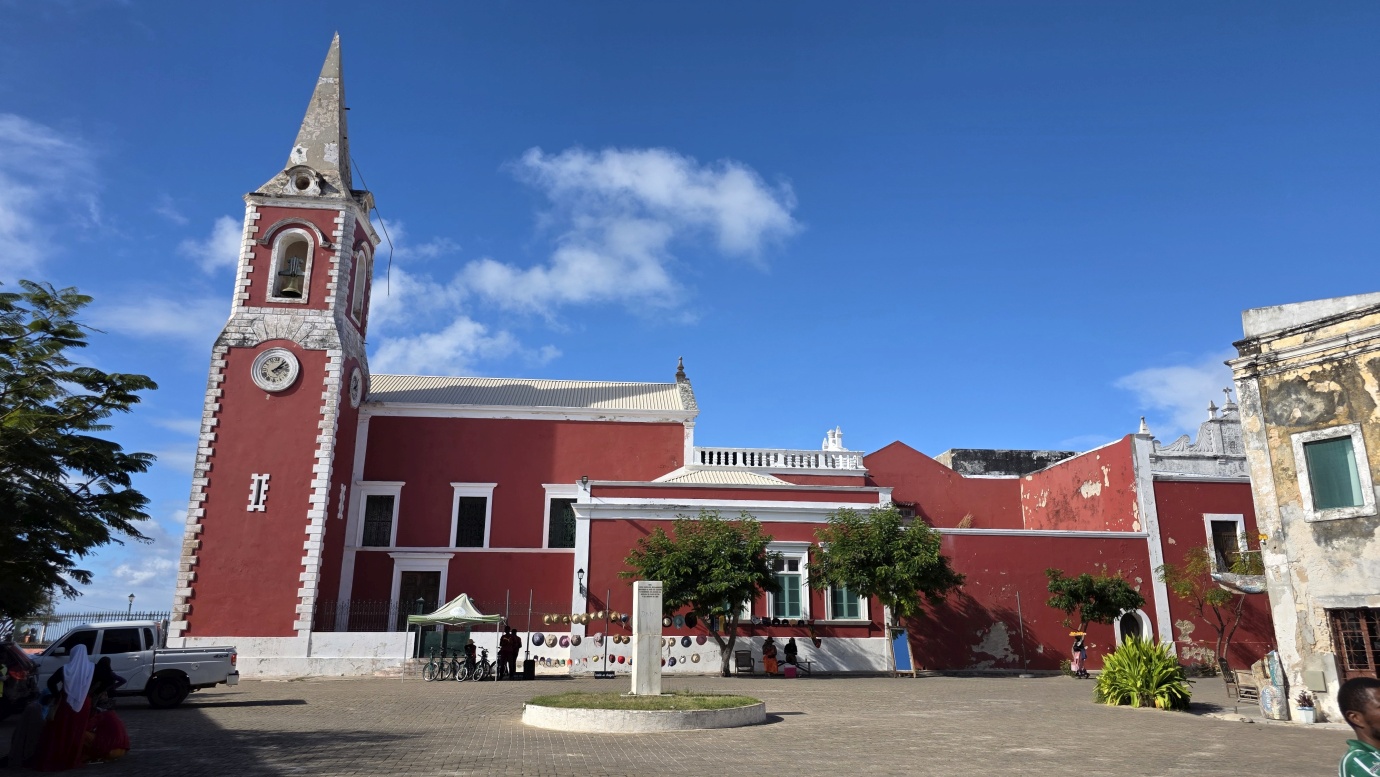
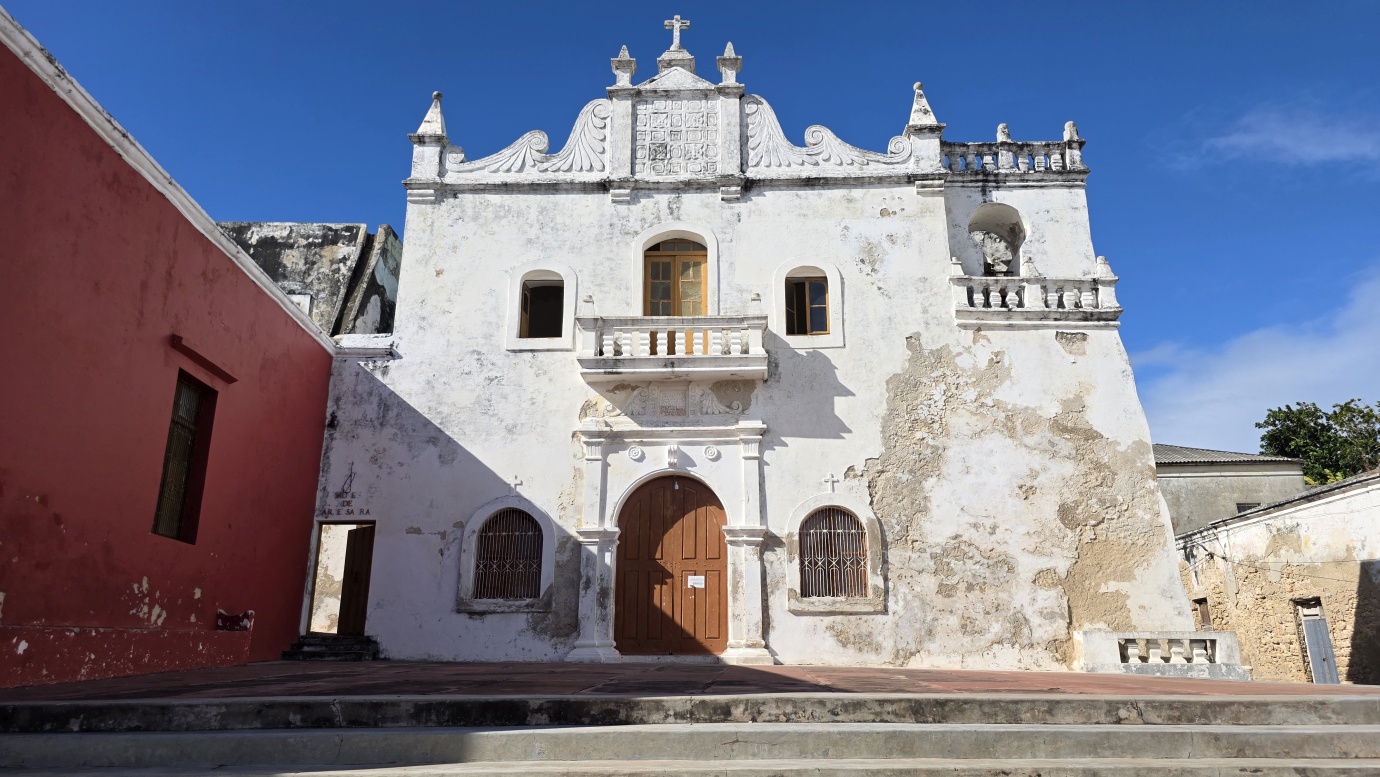
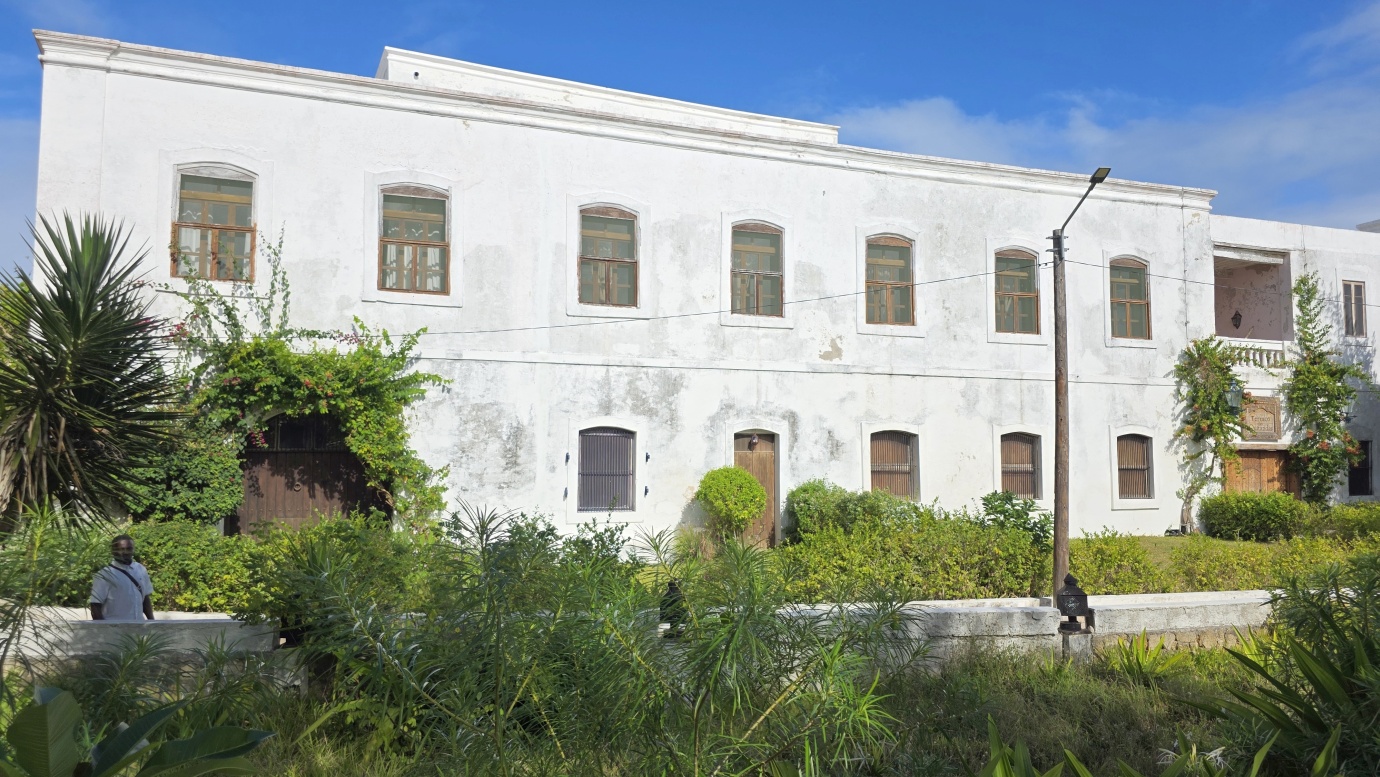
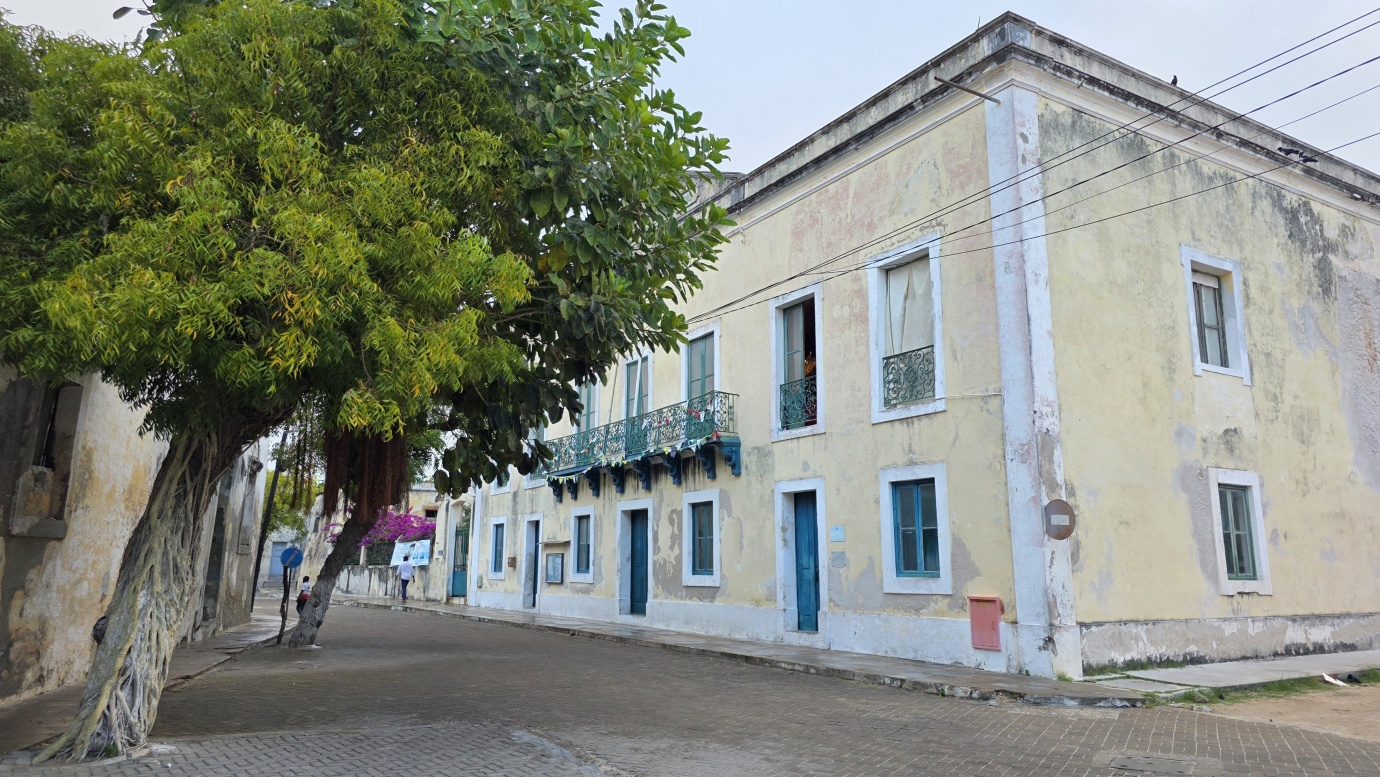
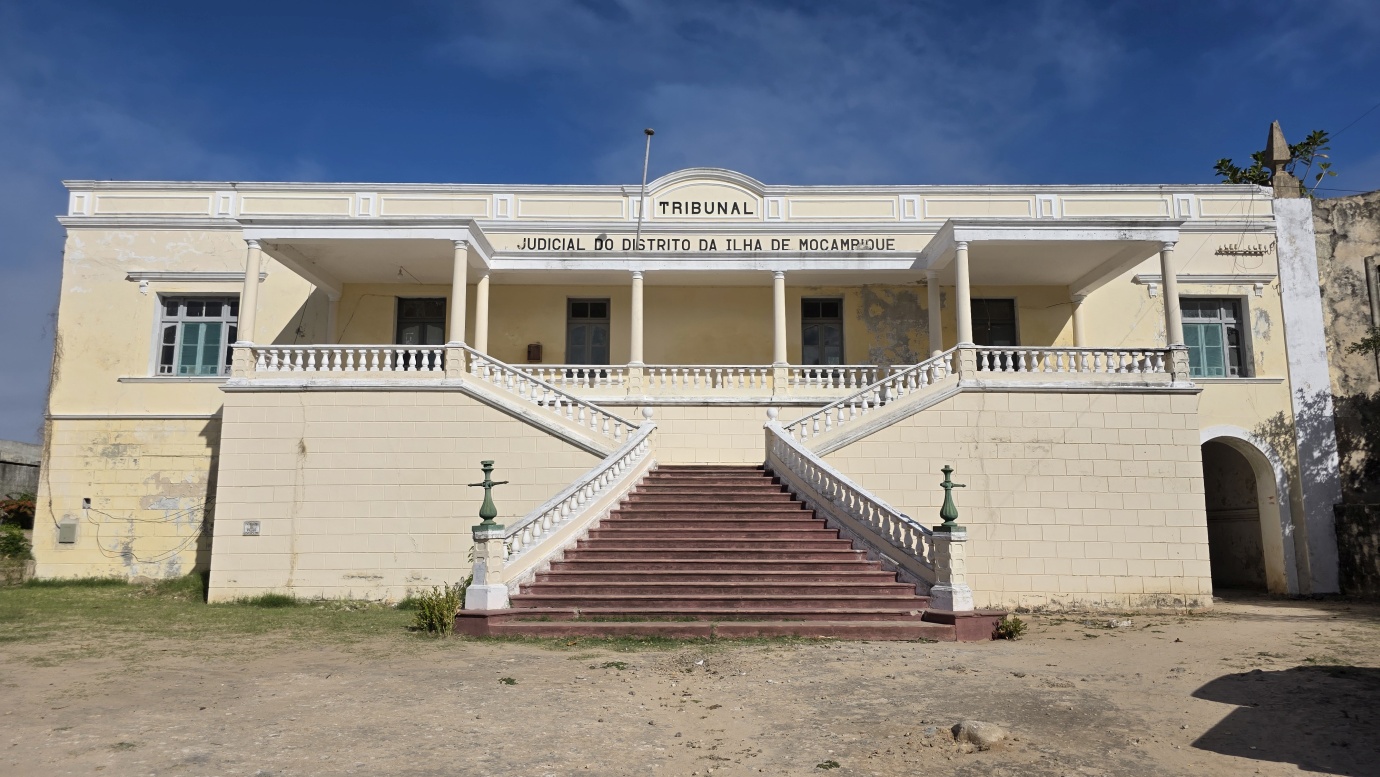
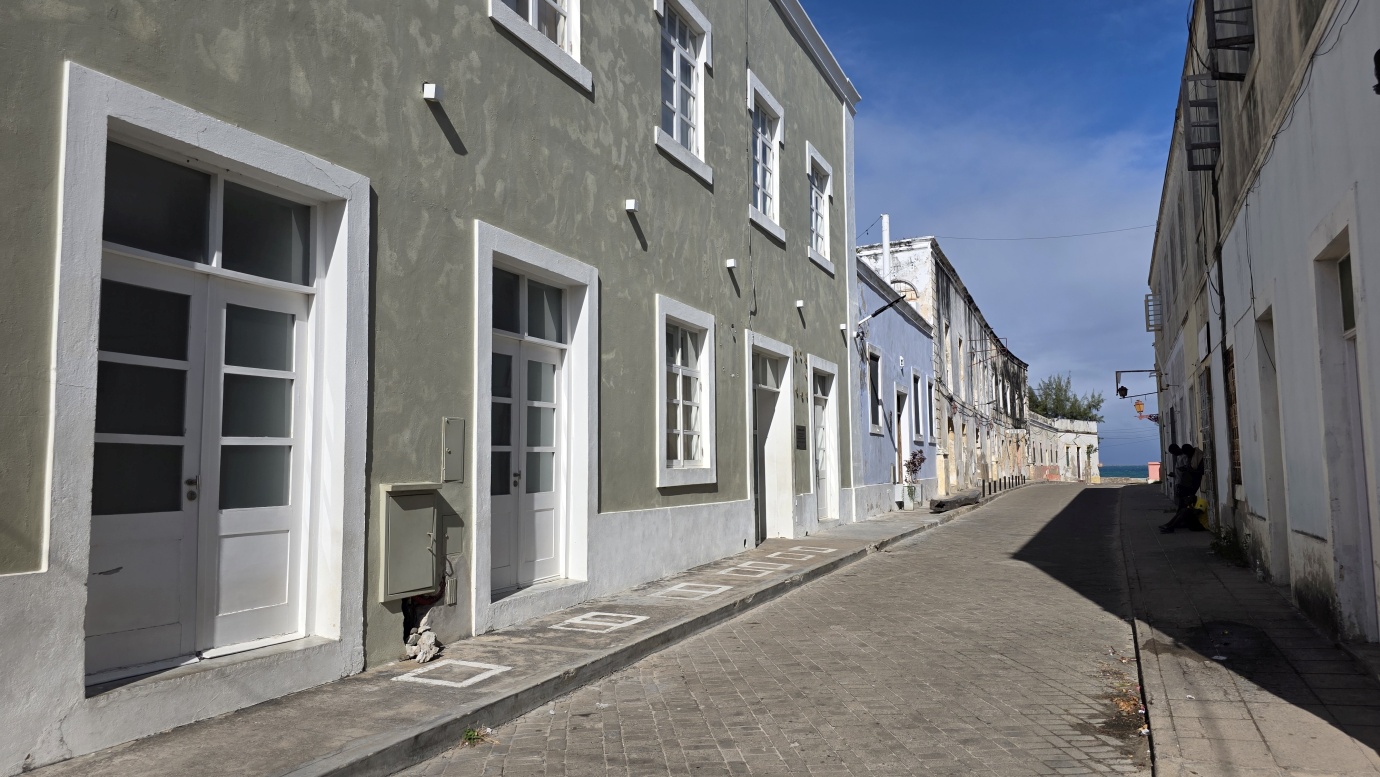
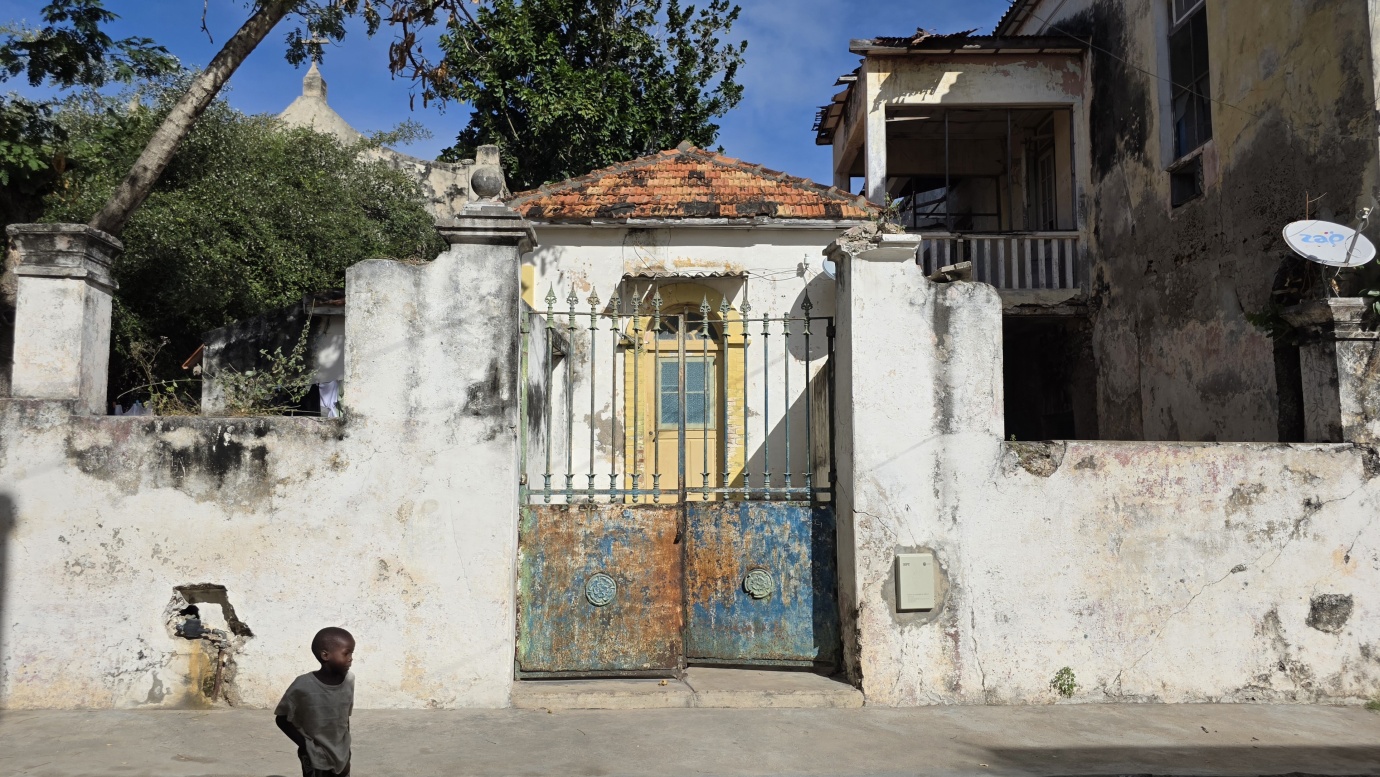
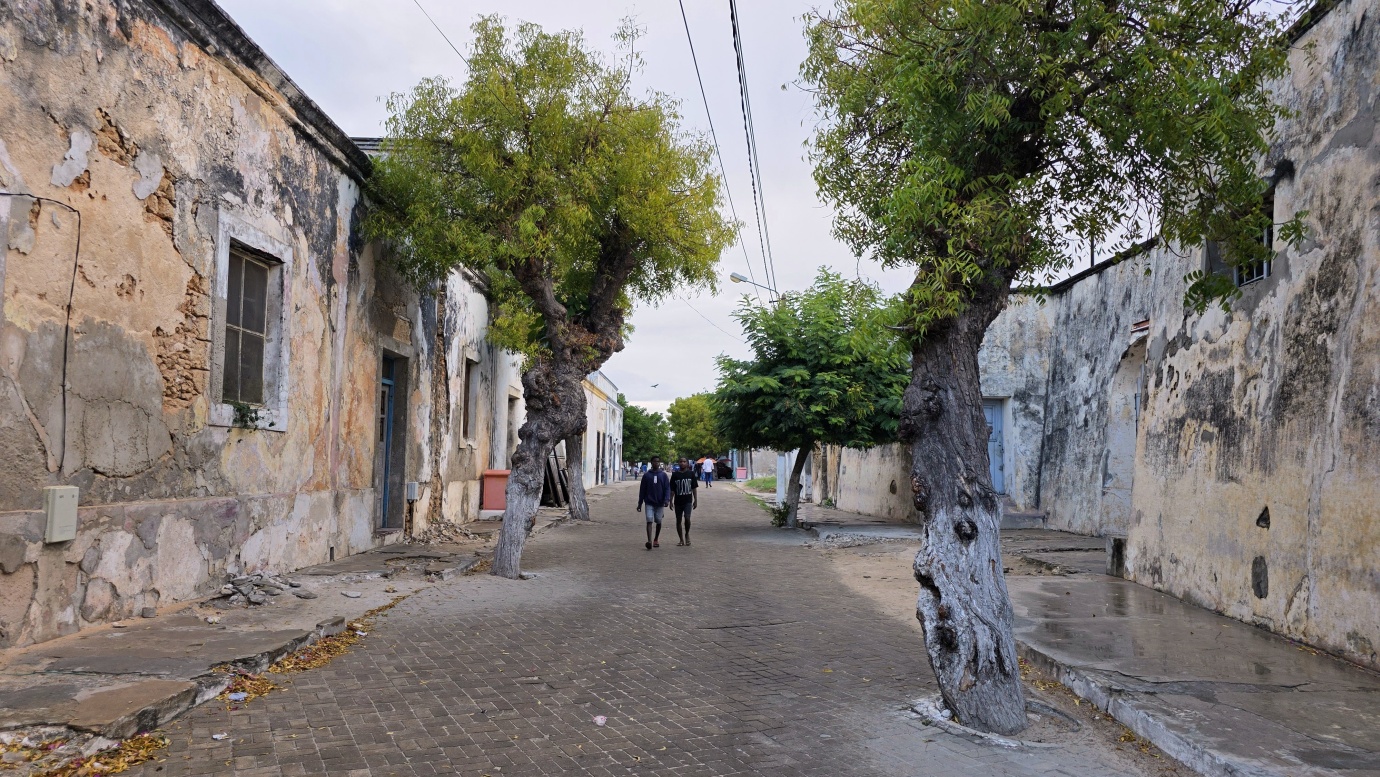
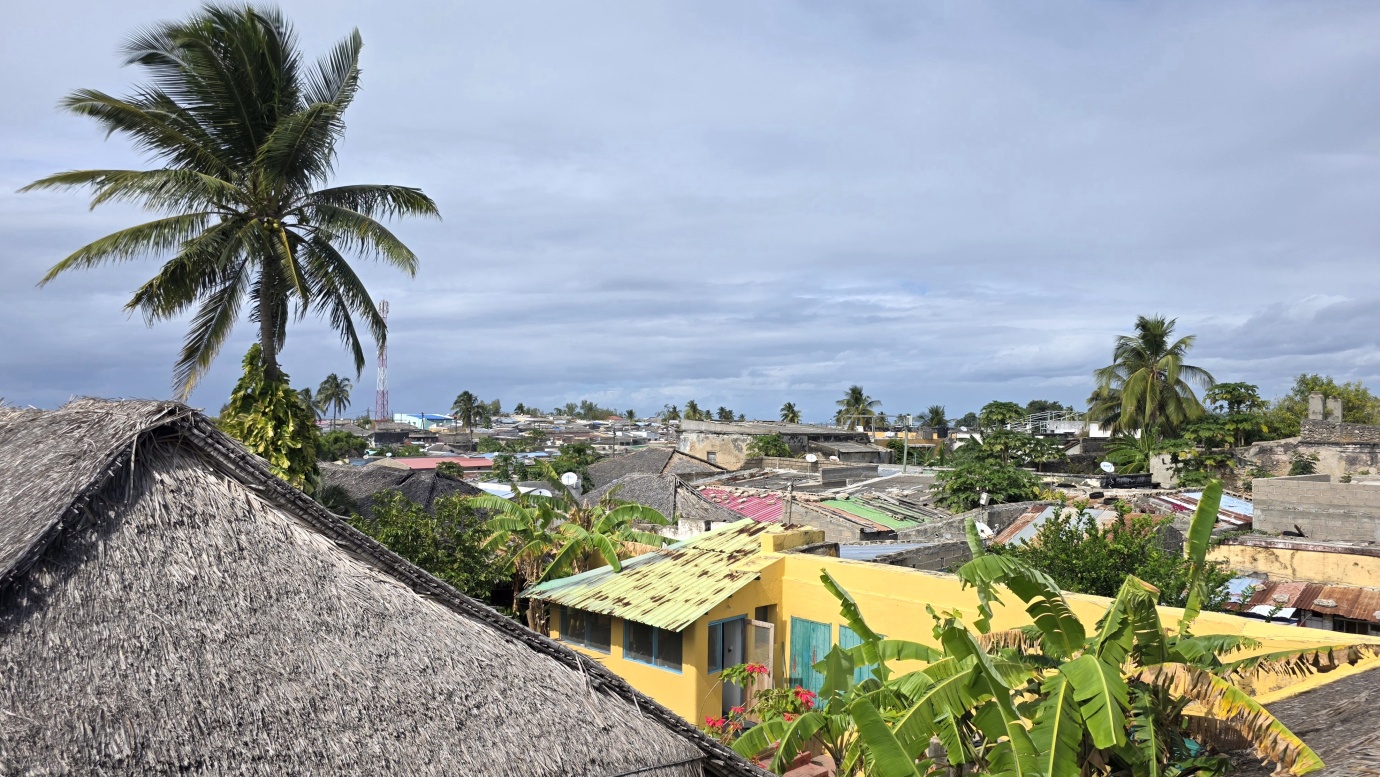
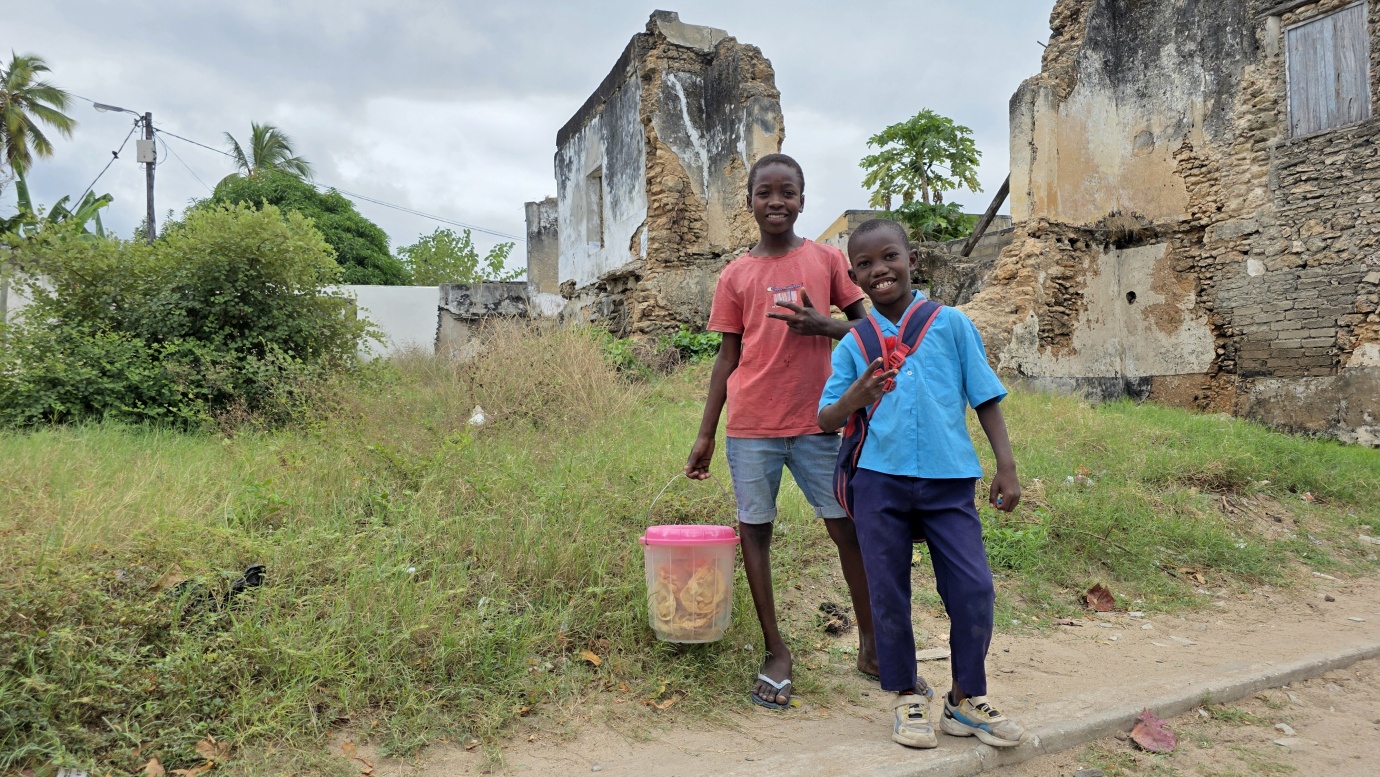
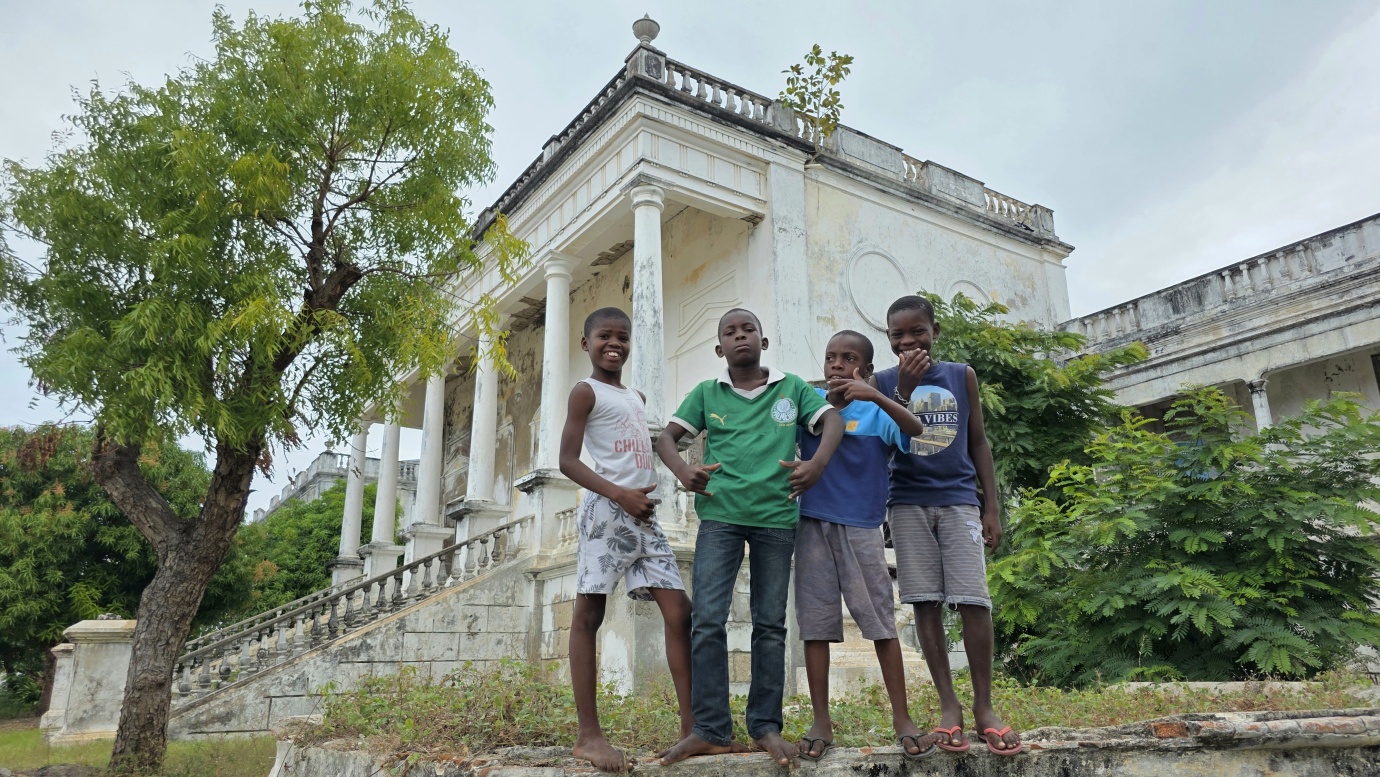
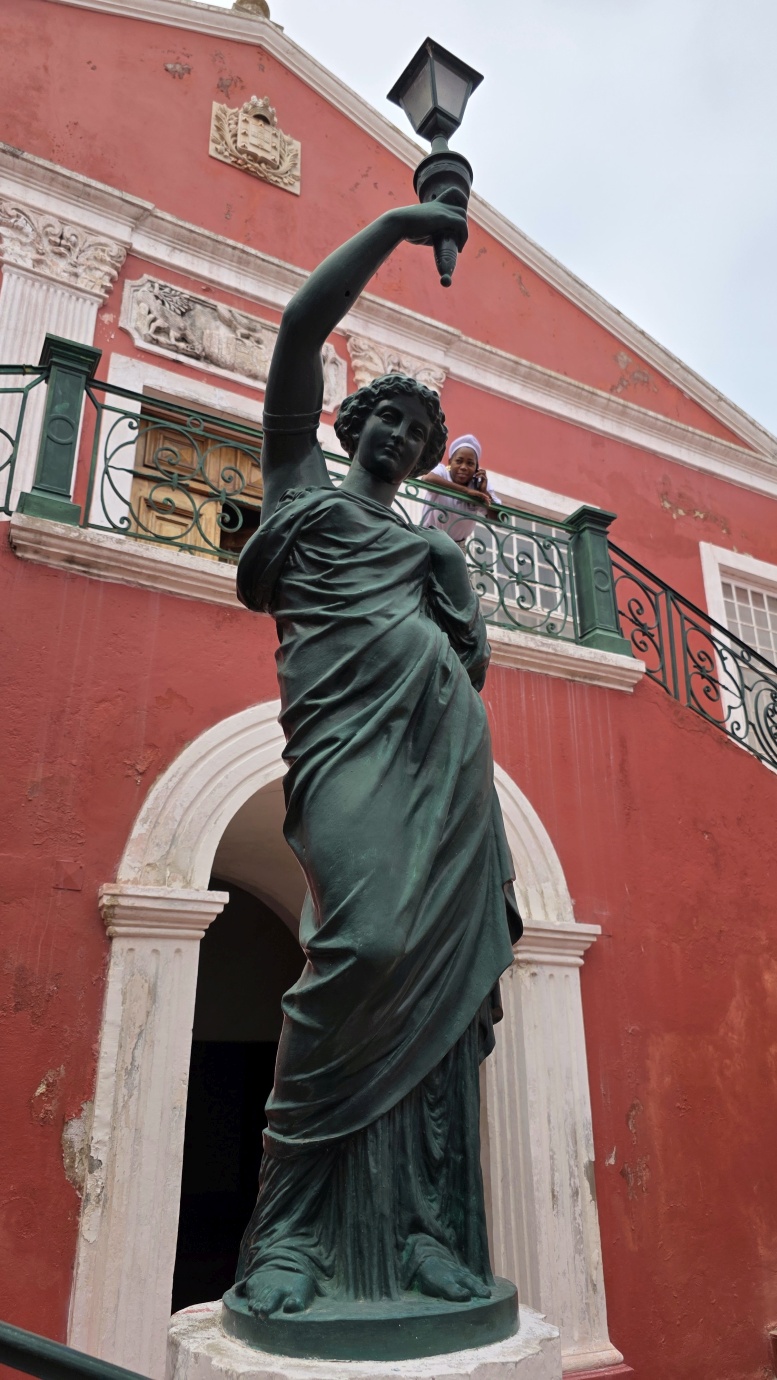
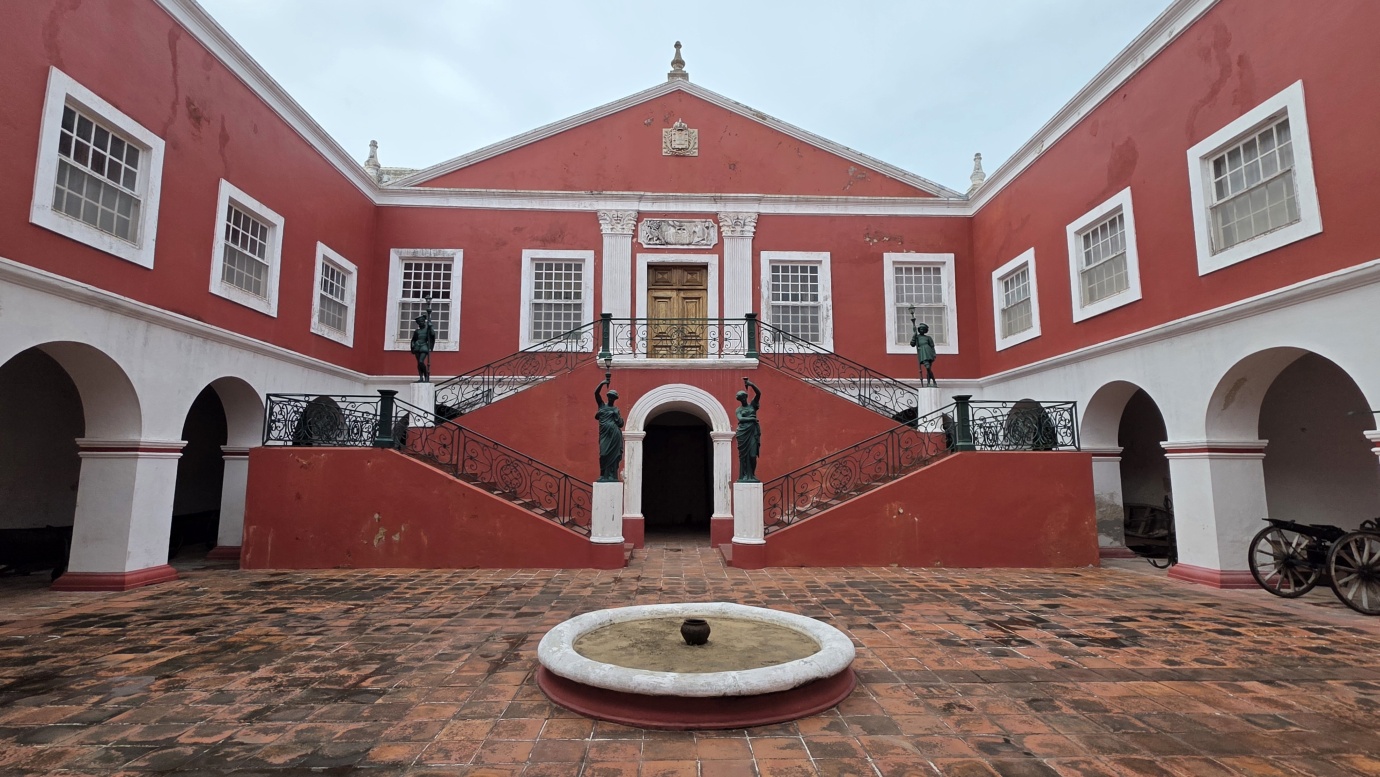
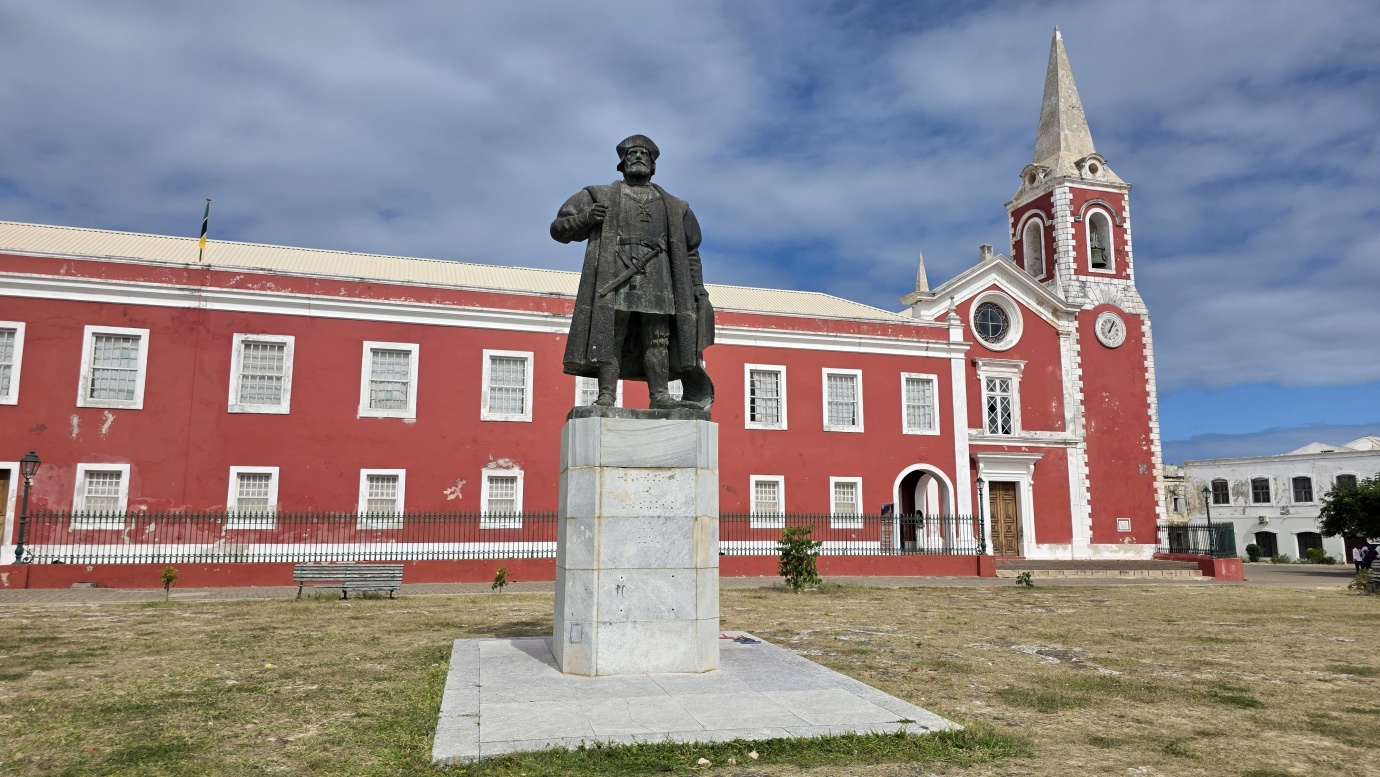
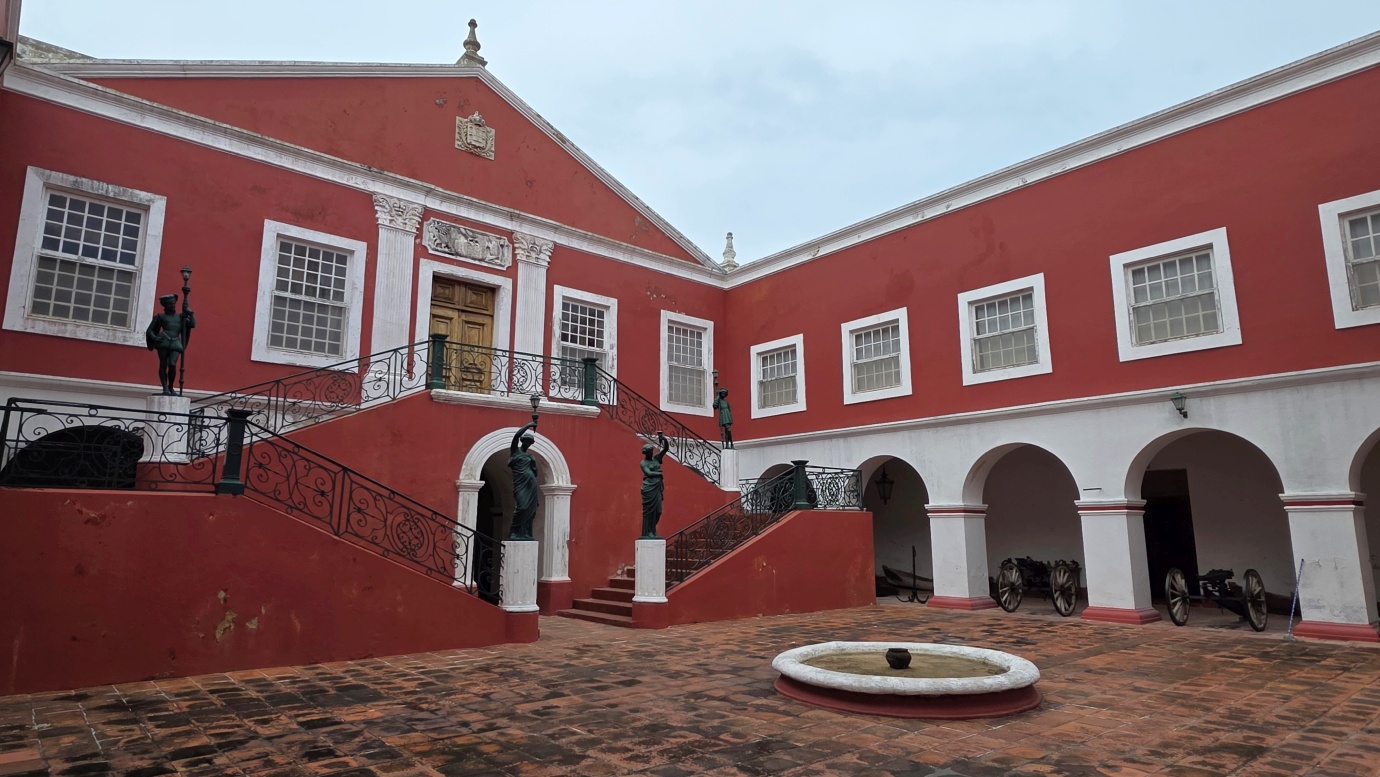
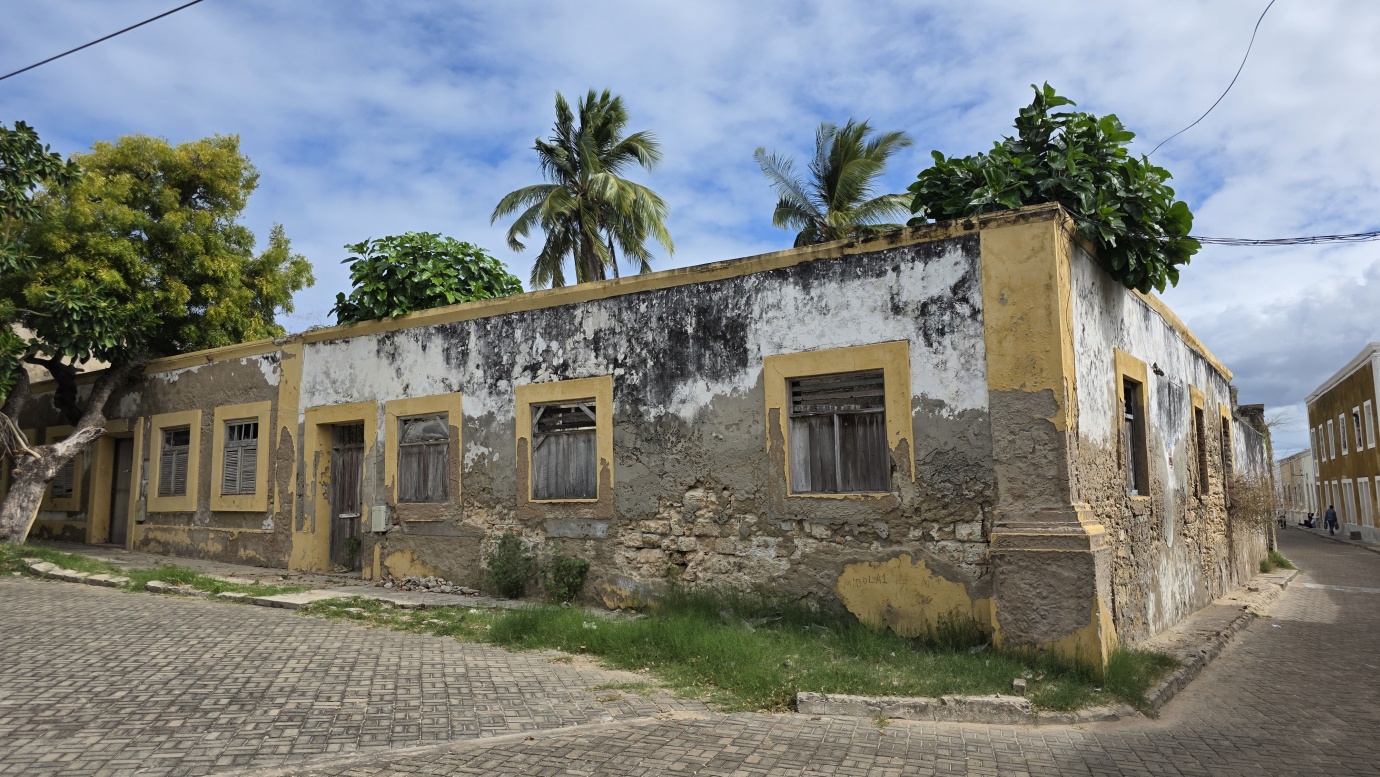
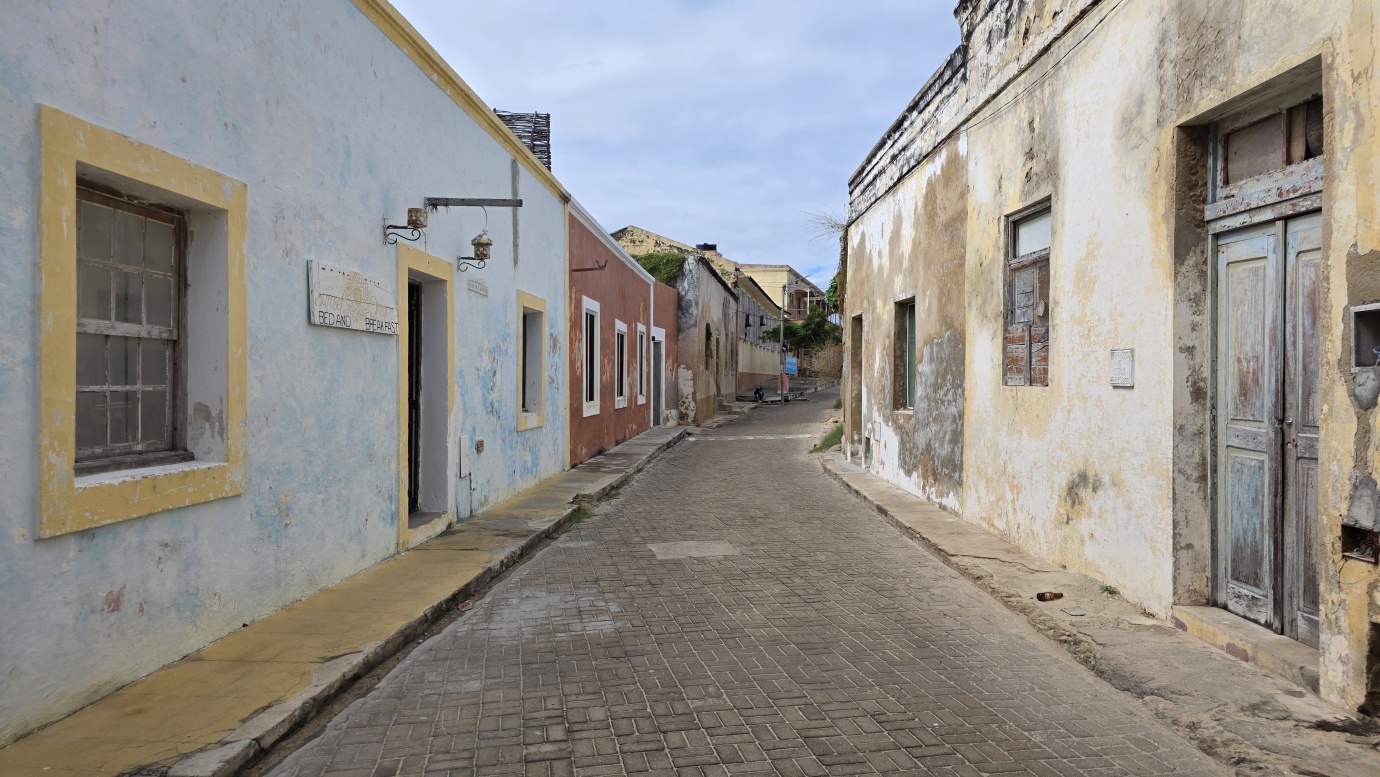
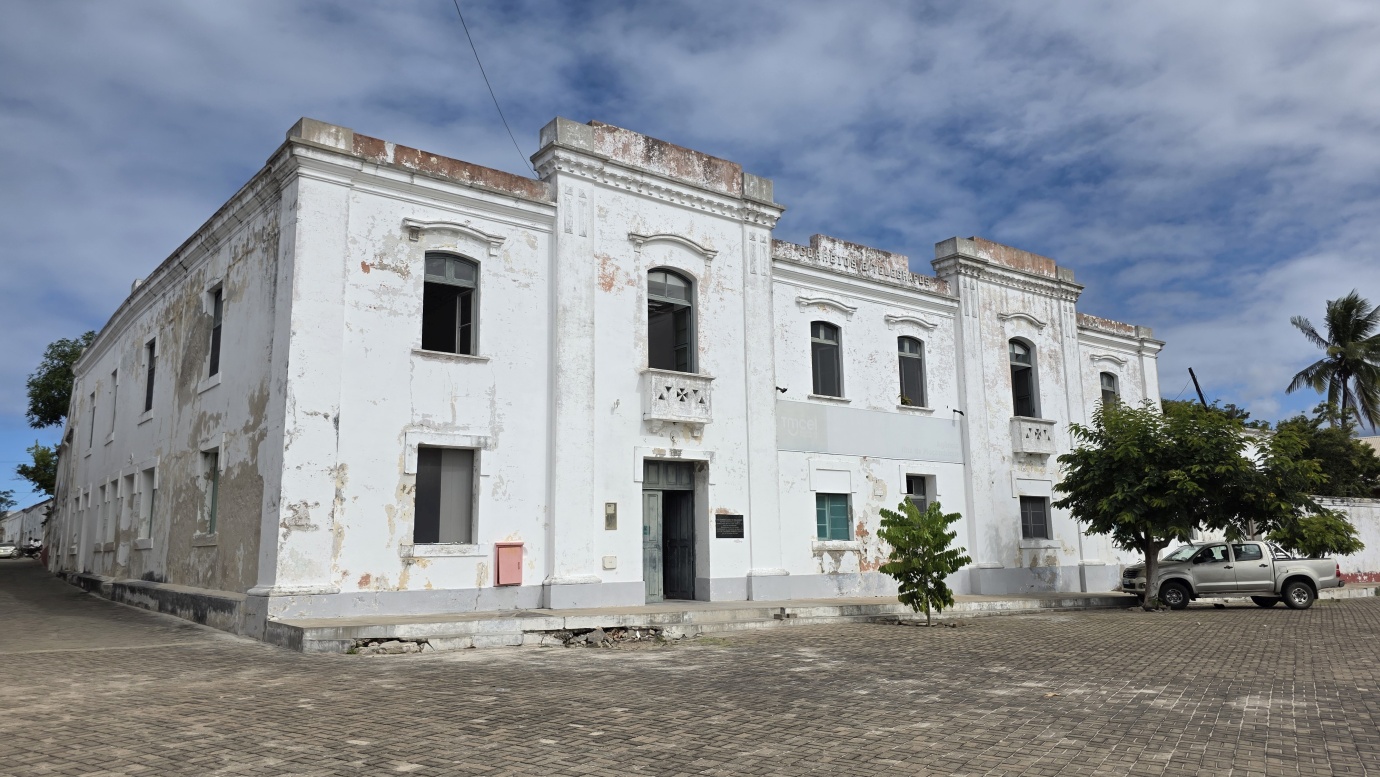
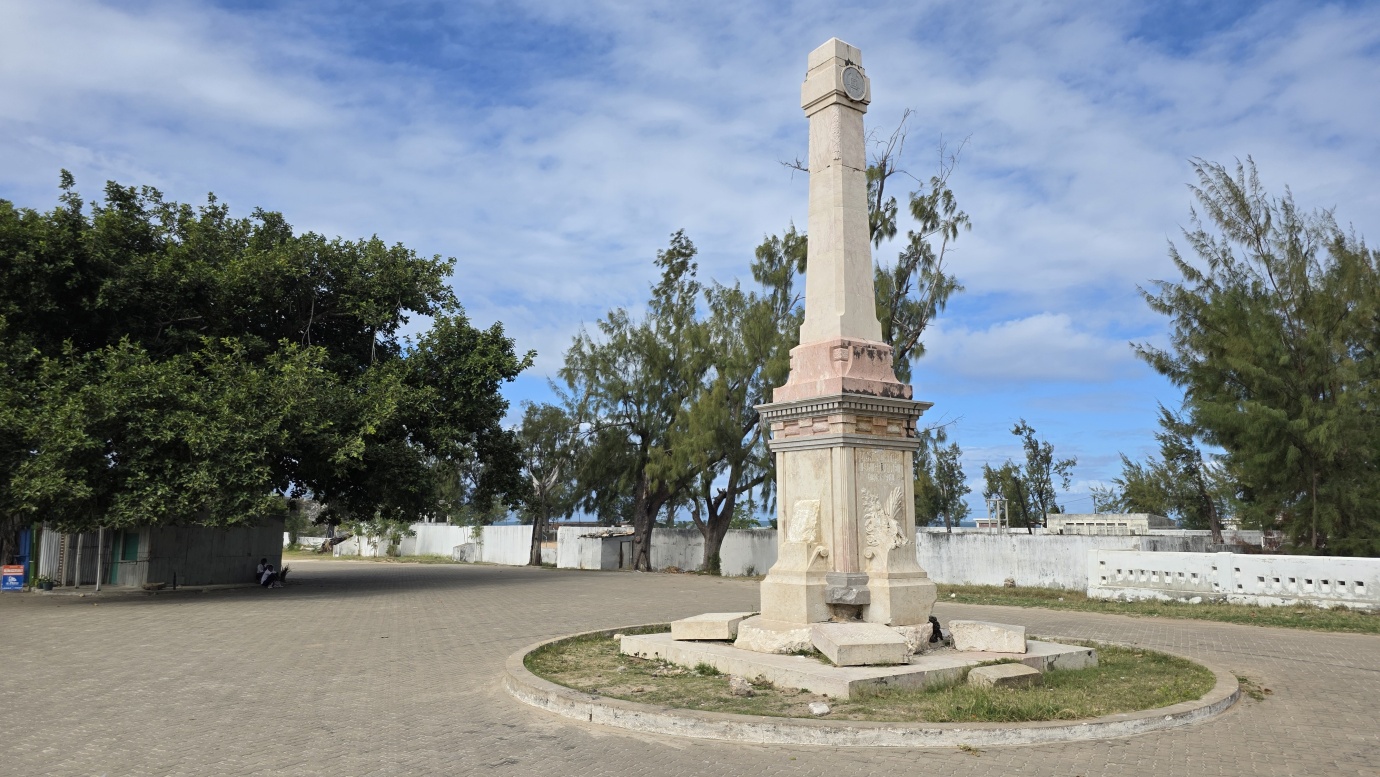
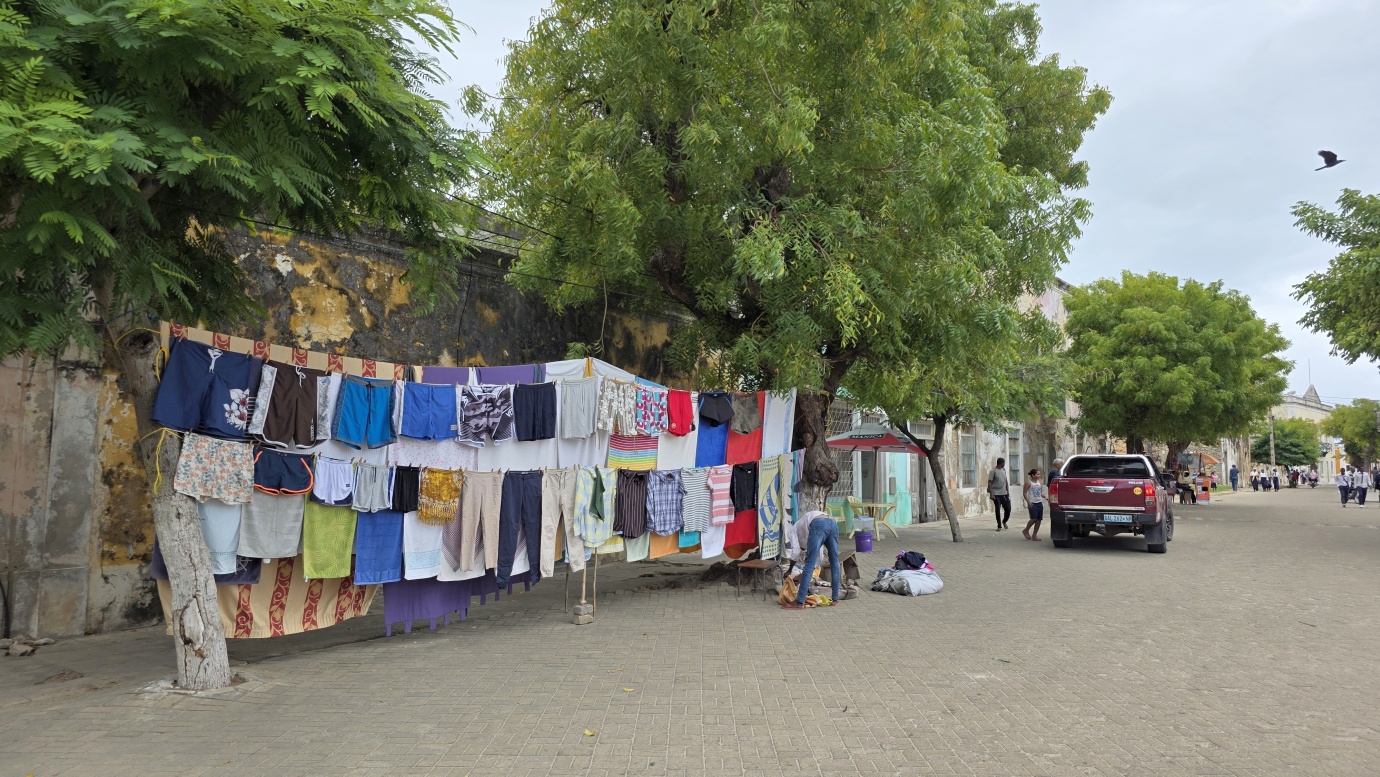
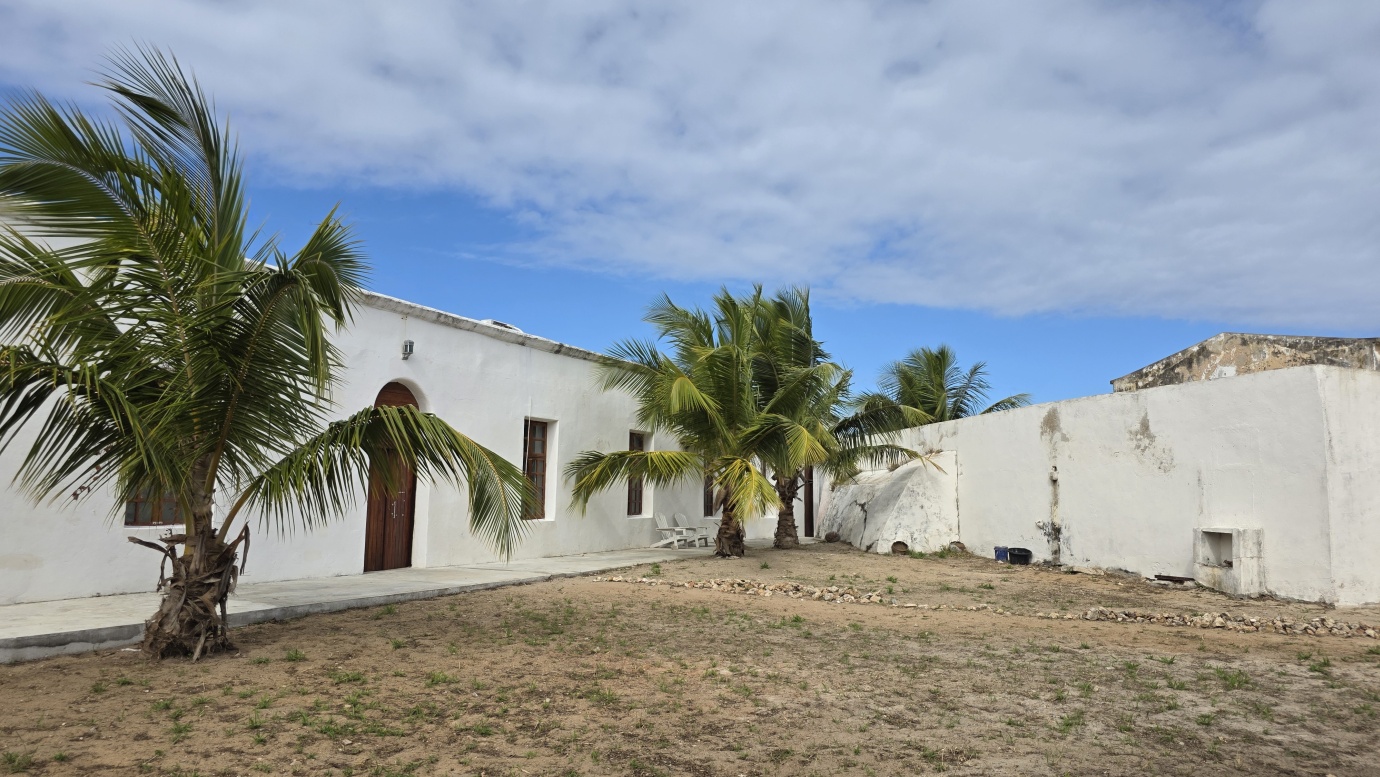
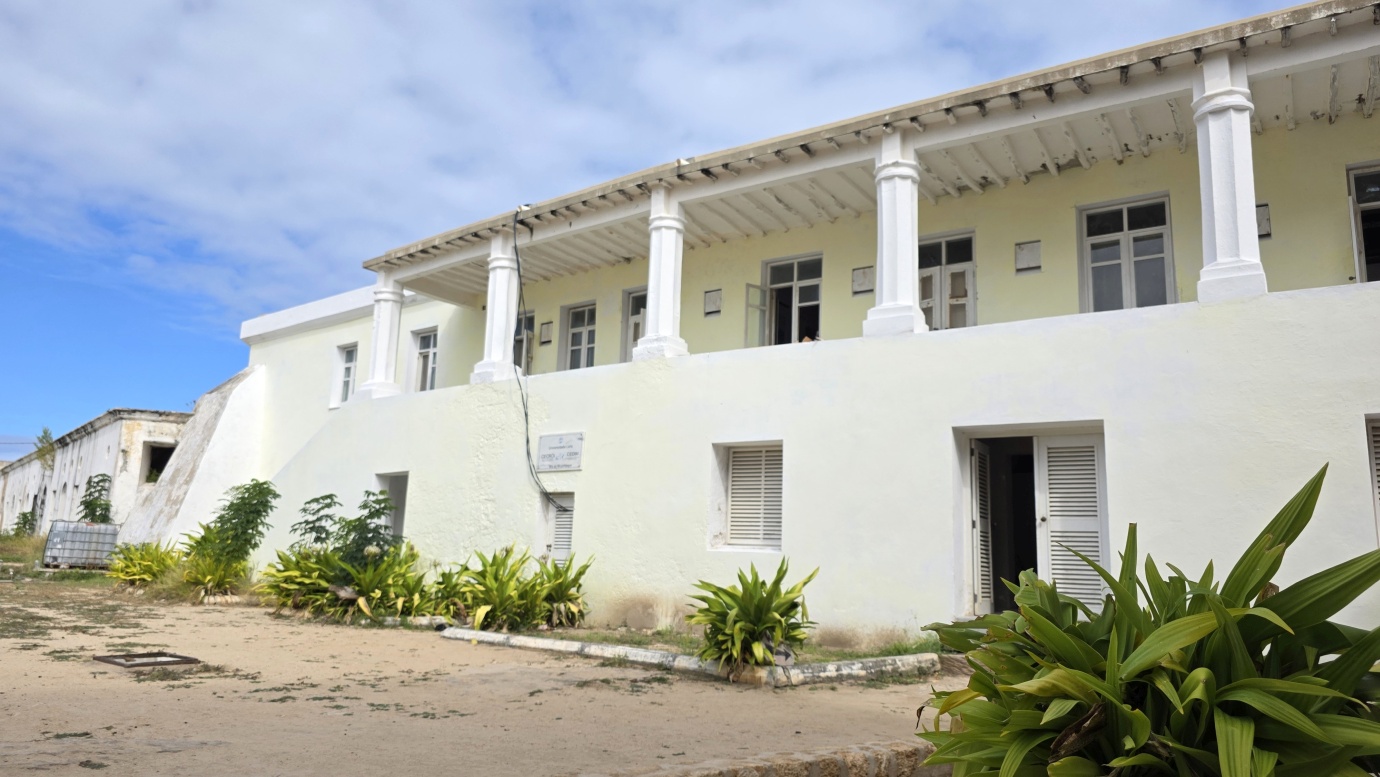
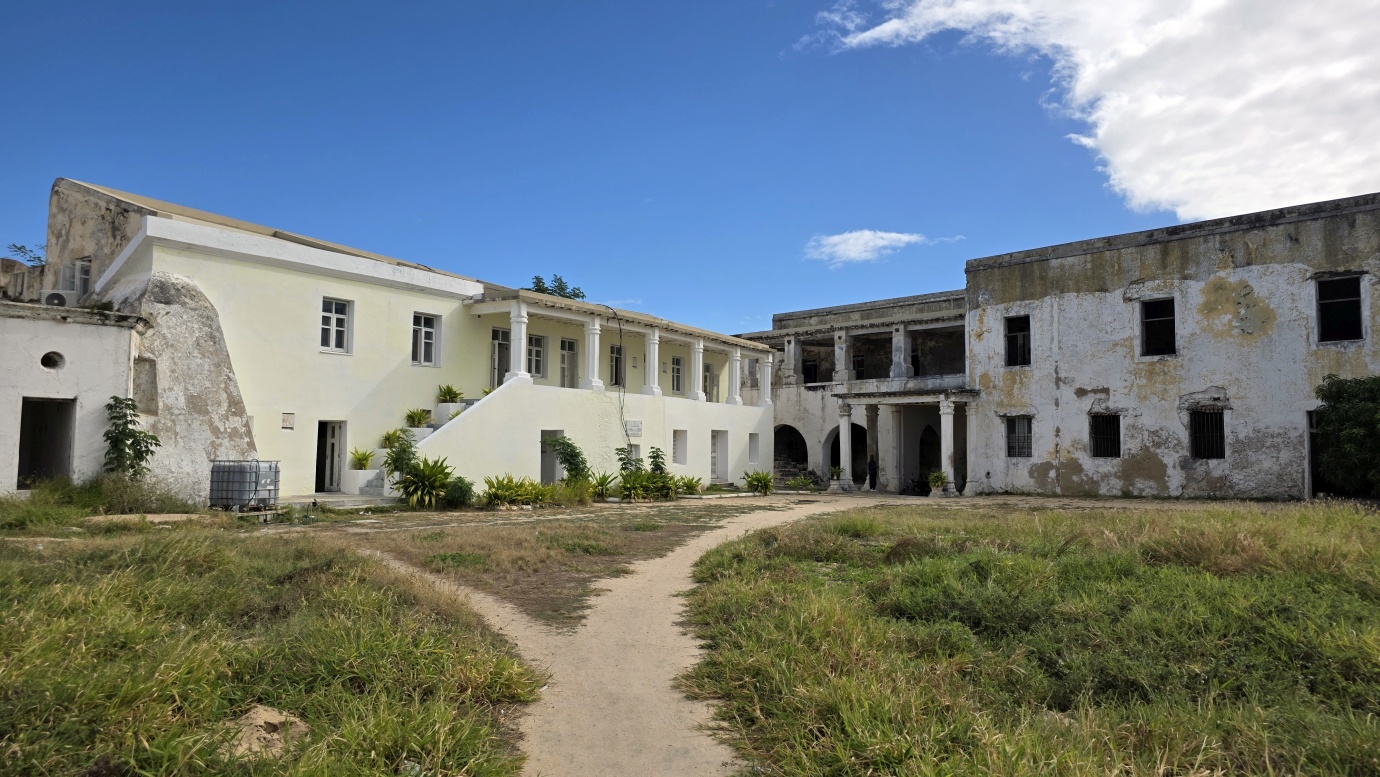
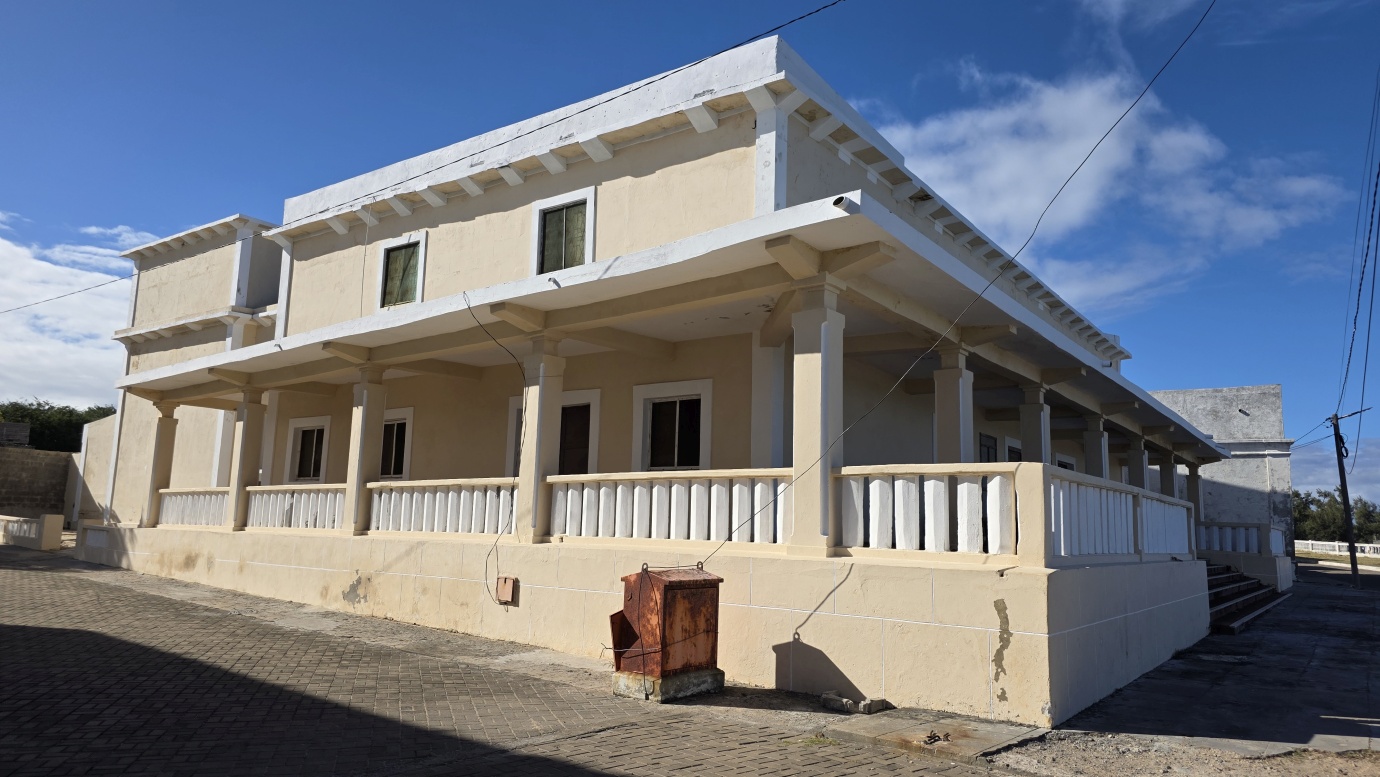
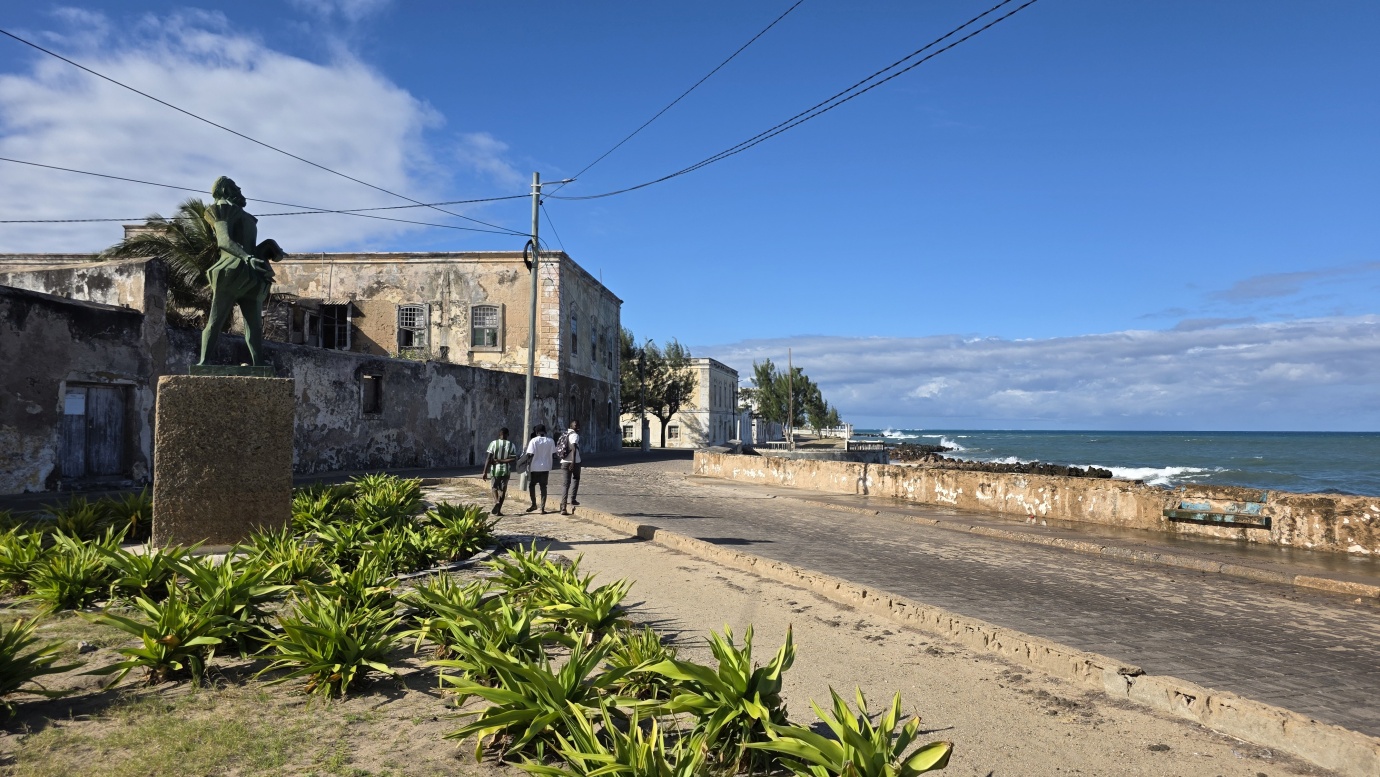
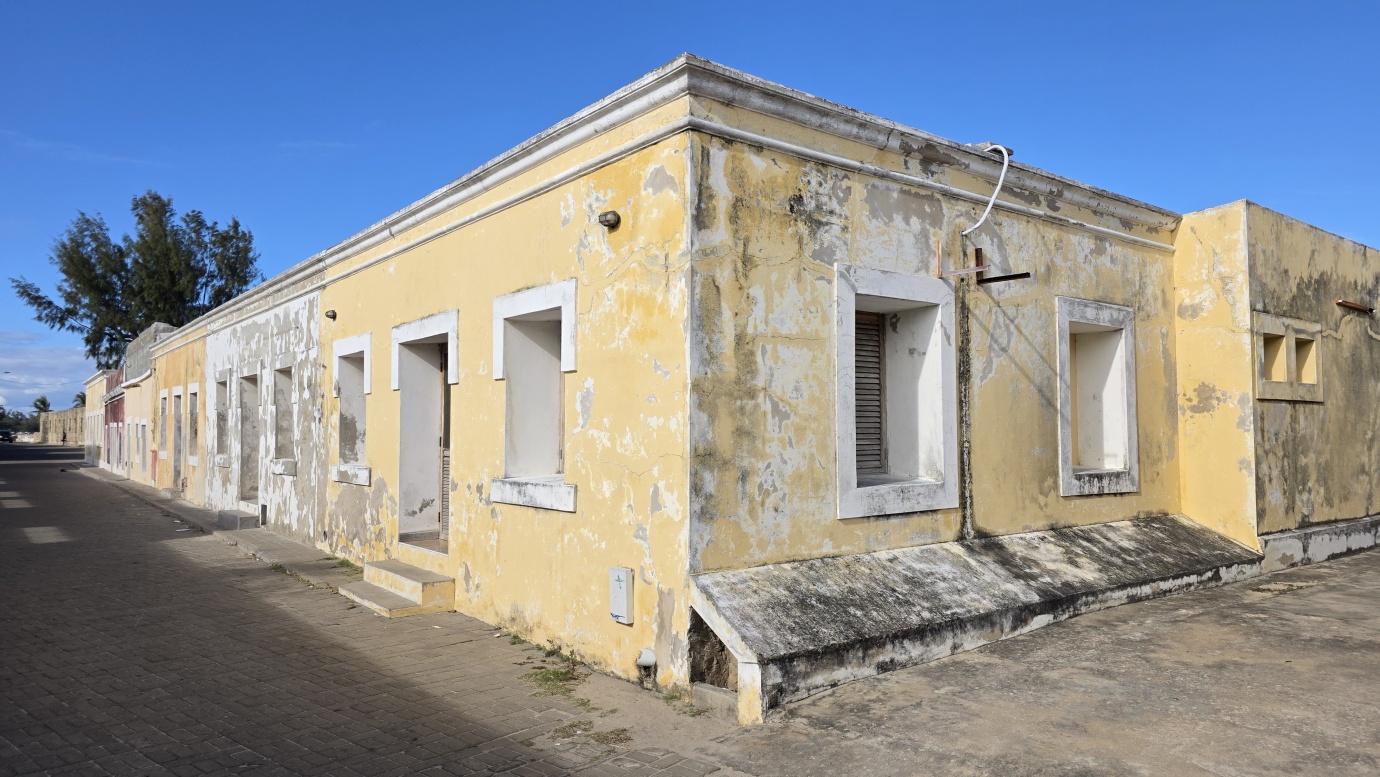
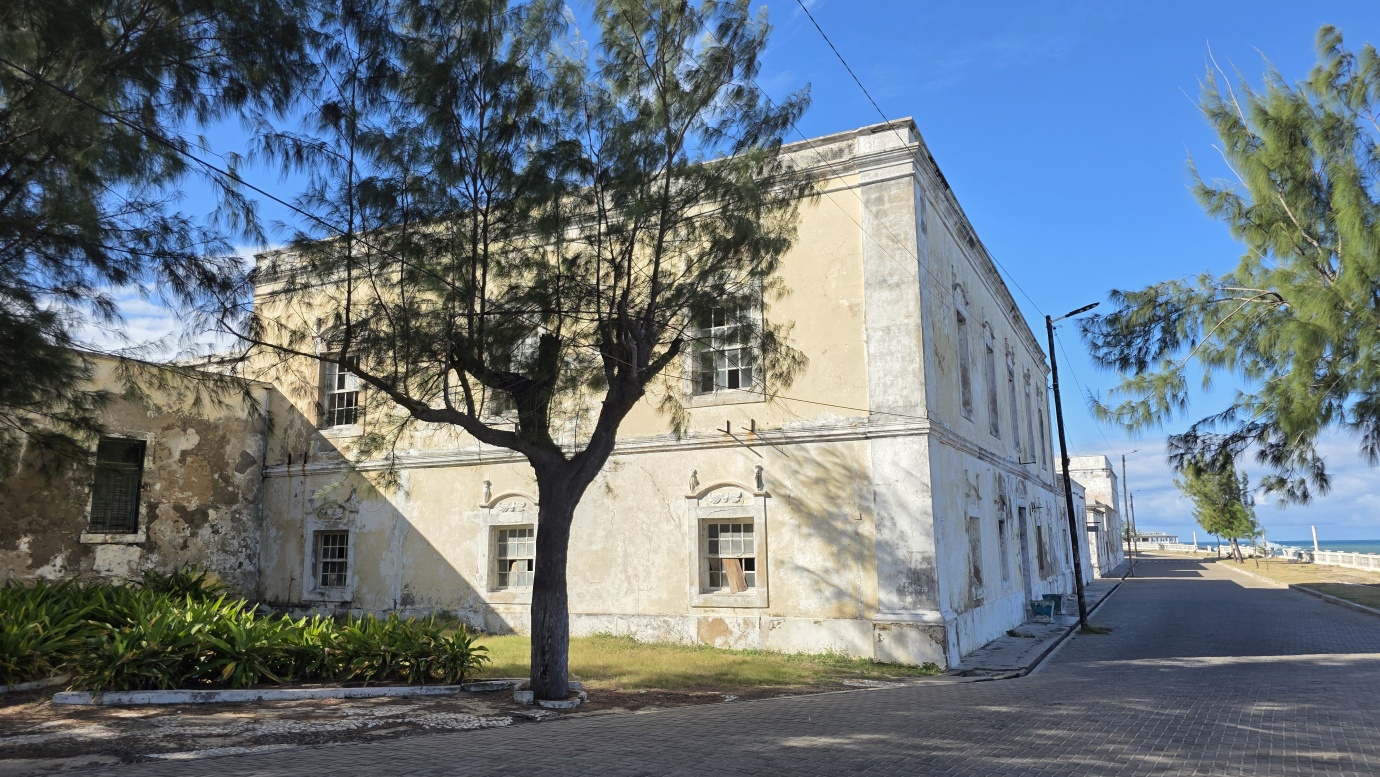
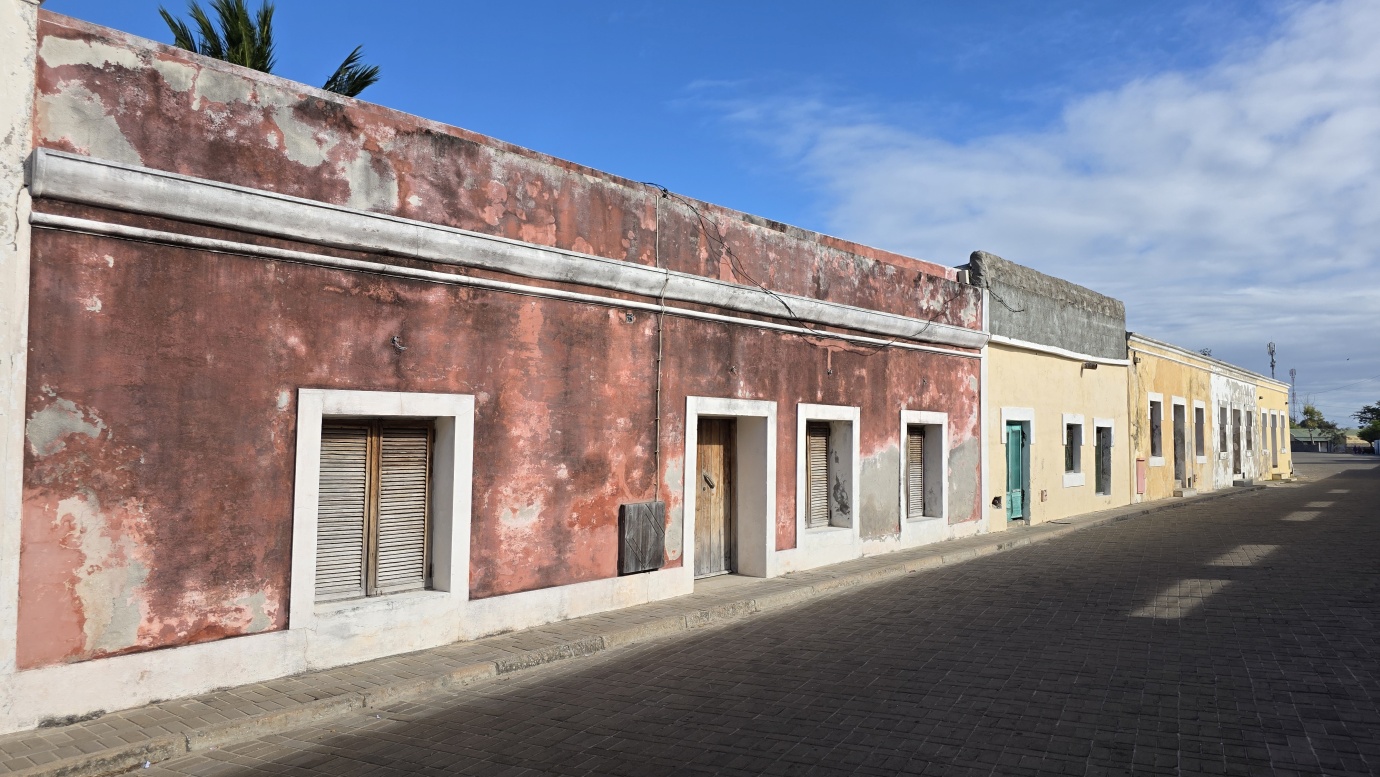
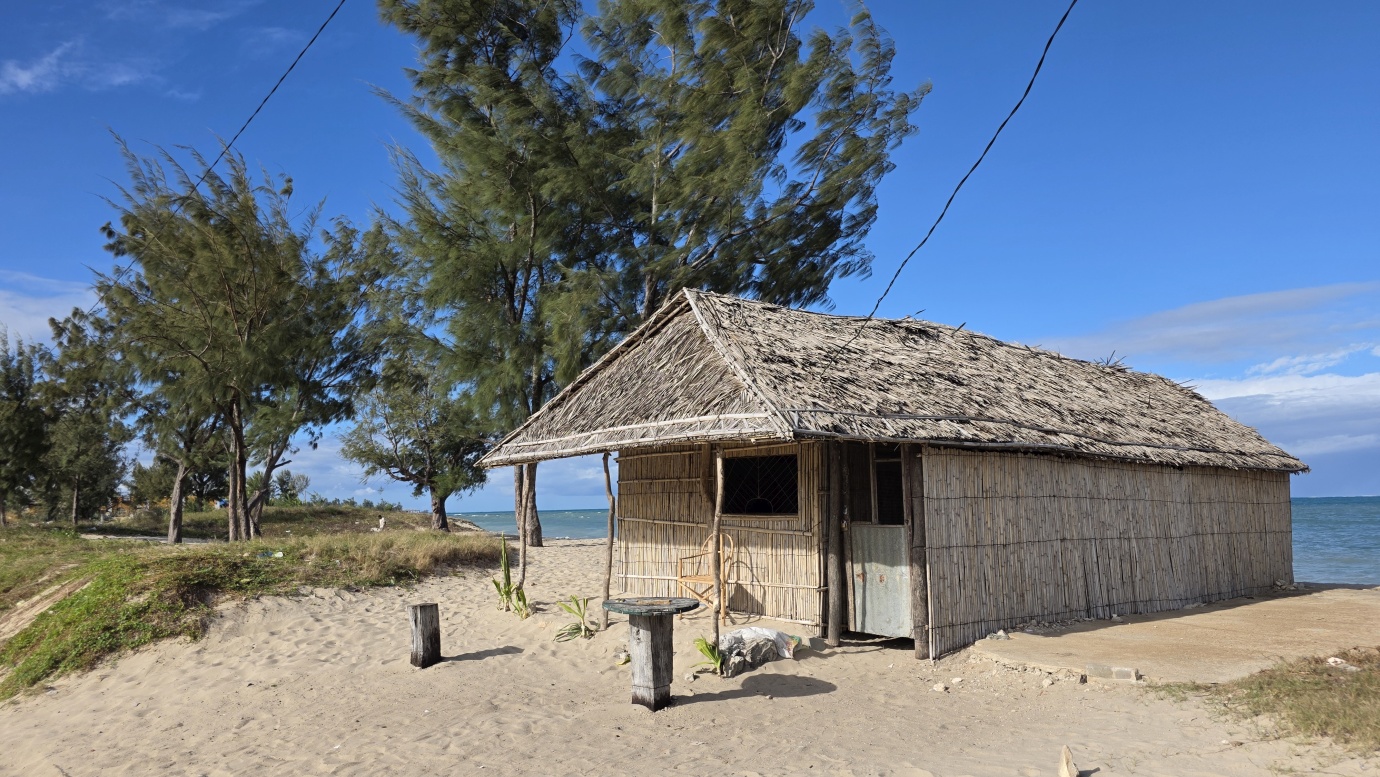
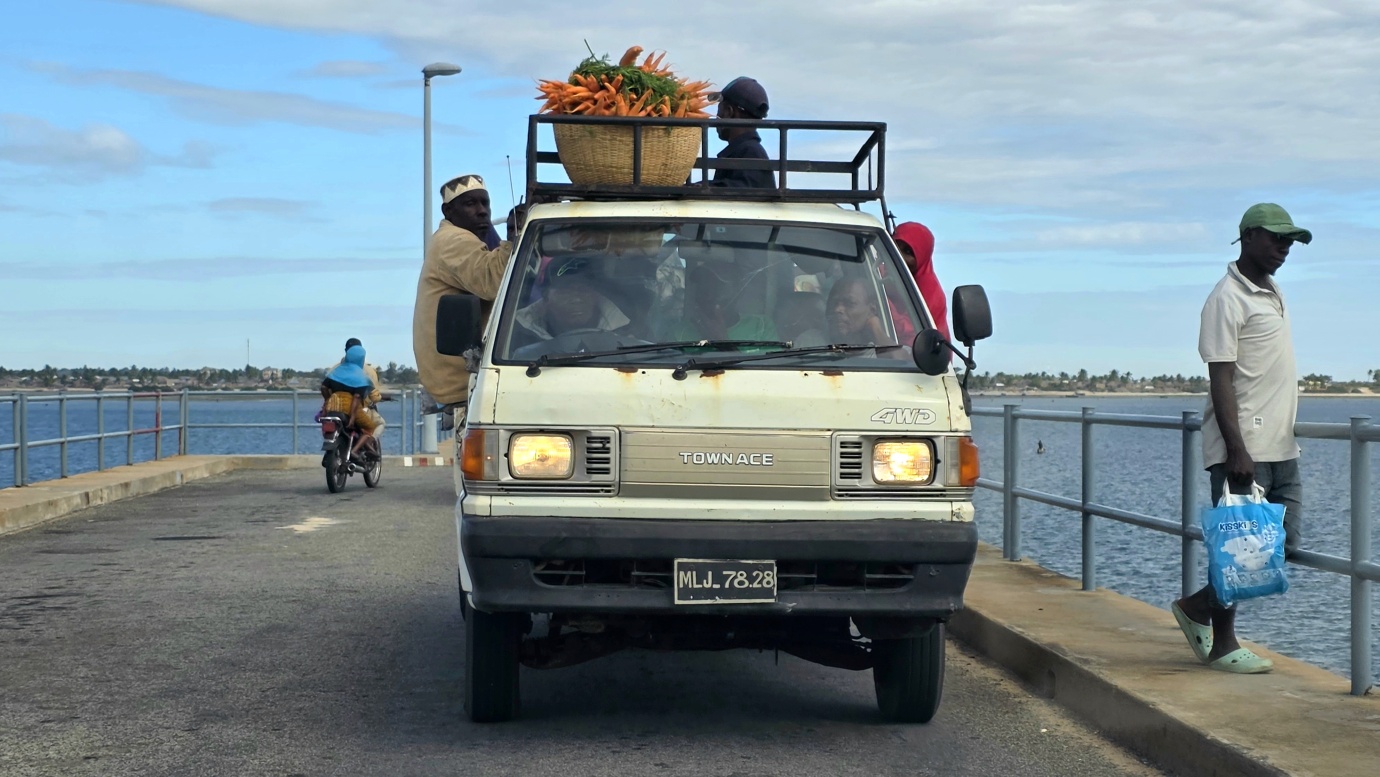
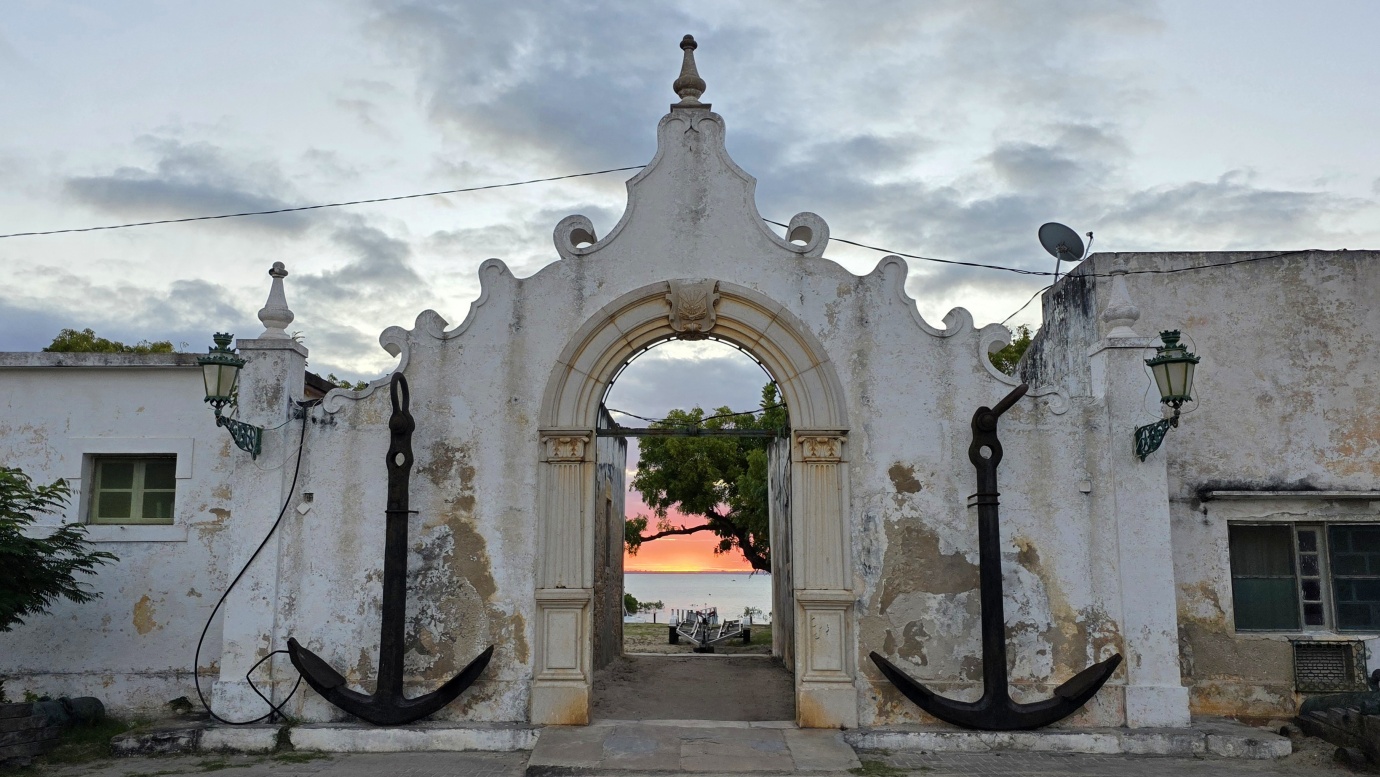
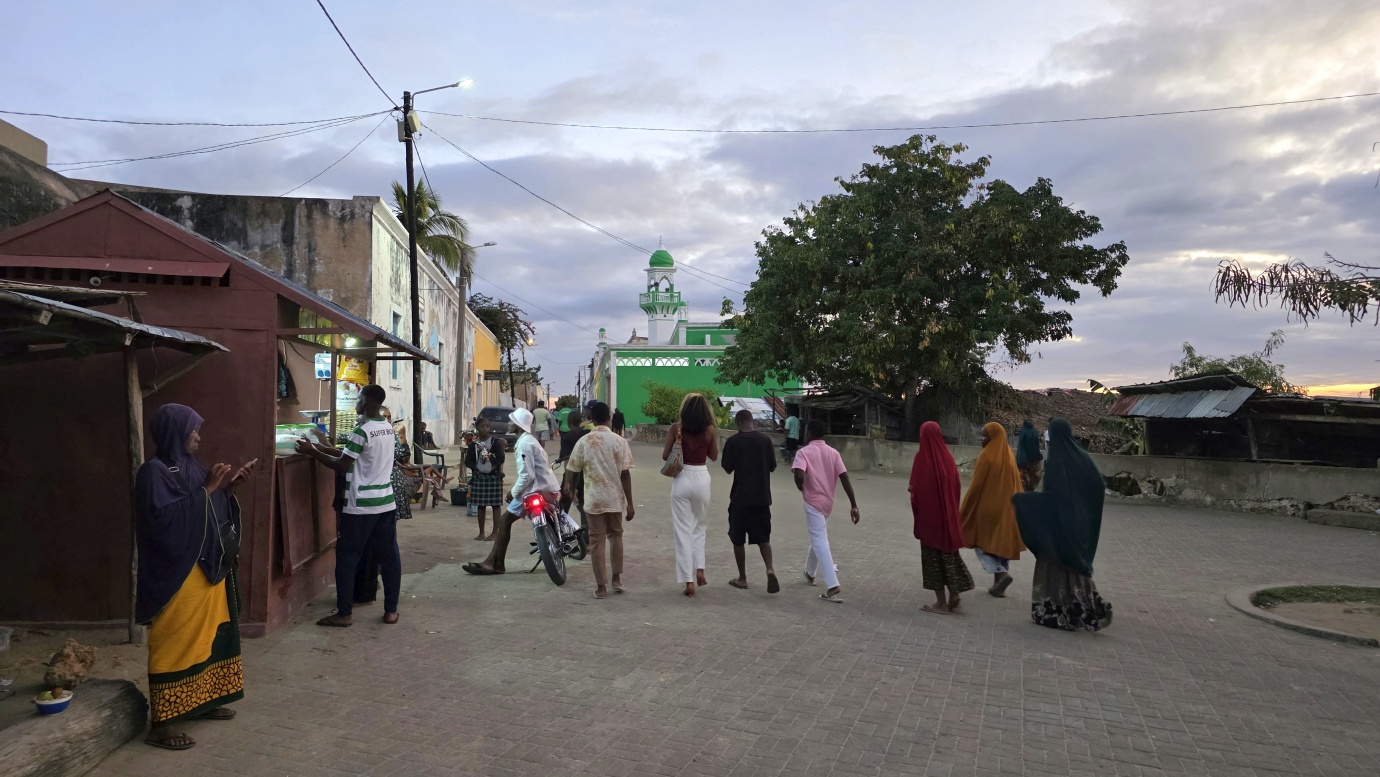
We arrived via the single-lane, 3.8-kilometre bridge connecting the coral island to the mainland and drove directly into Stone Town, a fascinating maze of grand 16th-century Portuguese colonial buildings, baroque churches, and the former Governor’s Palace (🎟️200 MZN). In contrast, the southern part of the island, known as Makuti Town, is home to the majority of the local population and is characterised by traditional houses with makuti (palm-thatched) roofs.
Originally an important Swahili and Arab trading settlement, the island was named after Ali Musa Mbiki (Sultan Musa Ben Mbiki), the local ruler who lived here when Vasco da Gama first arrived in 1498. The Portuguese established a permanent settlement in 1507, transforming the island into the capital of Portuguese East Africa and one of the most important maritime stopovers on the route between Europe and Asia.
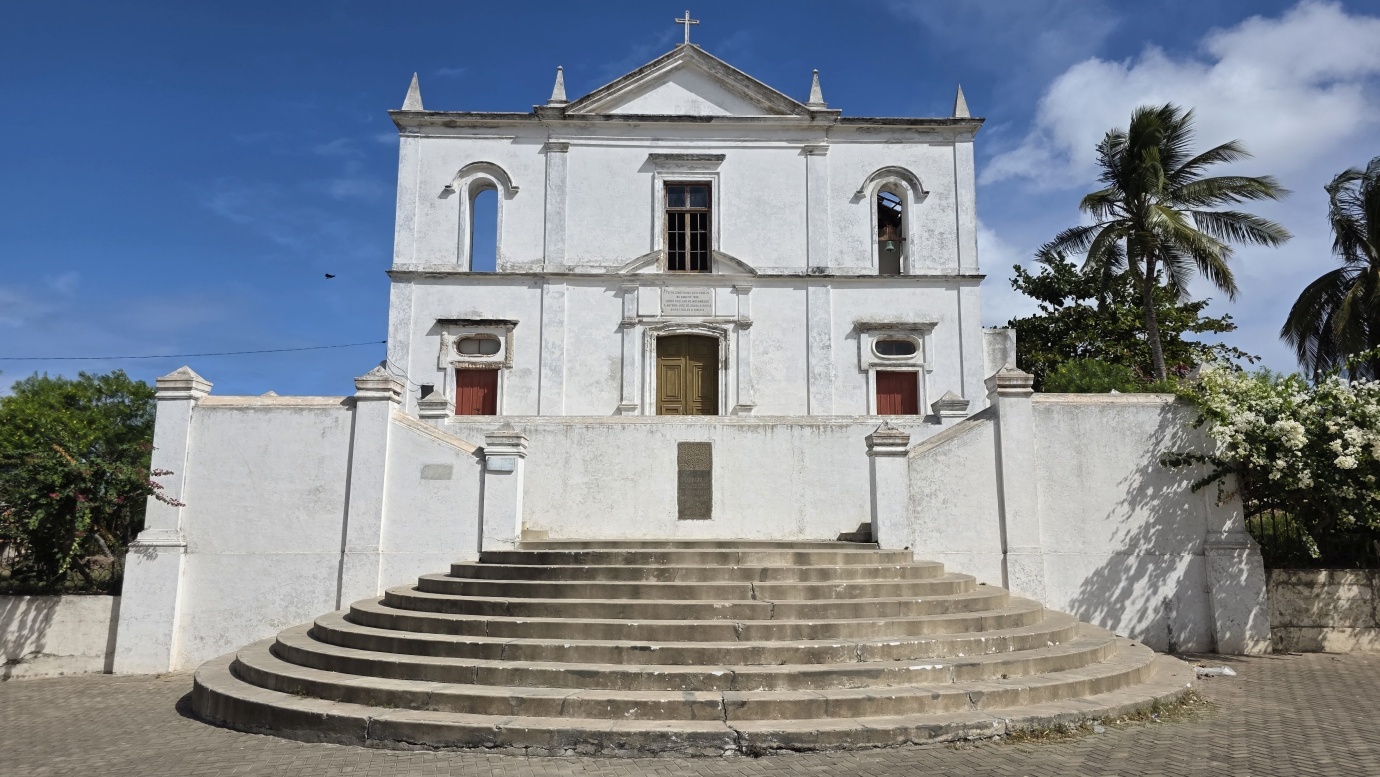
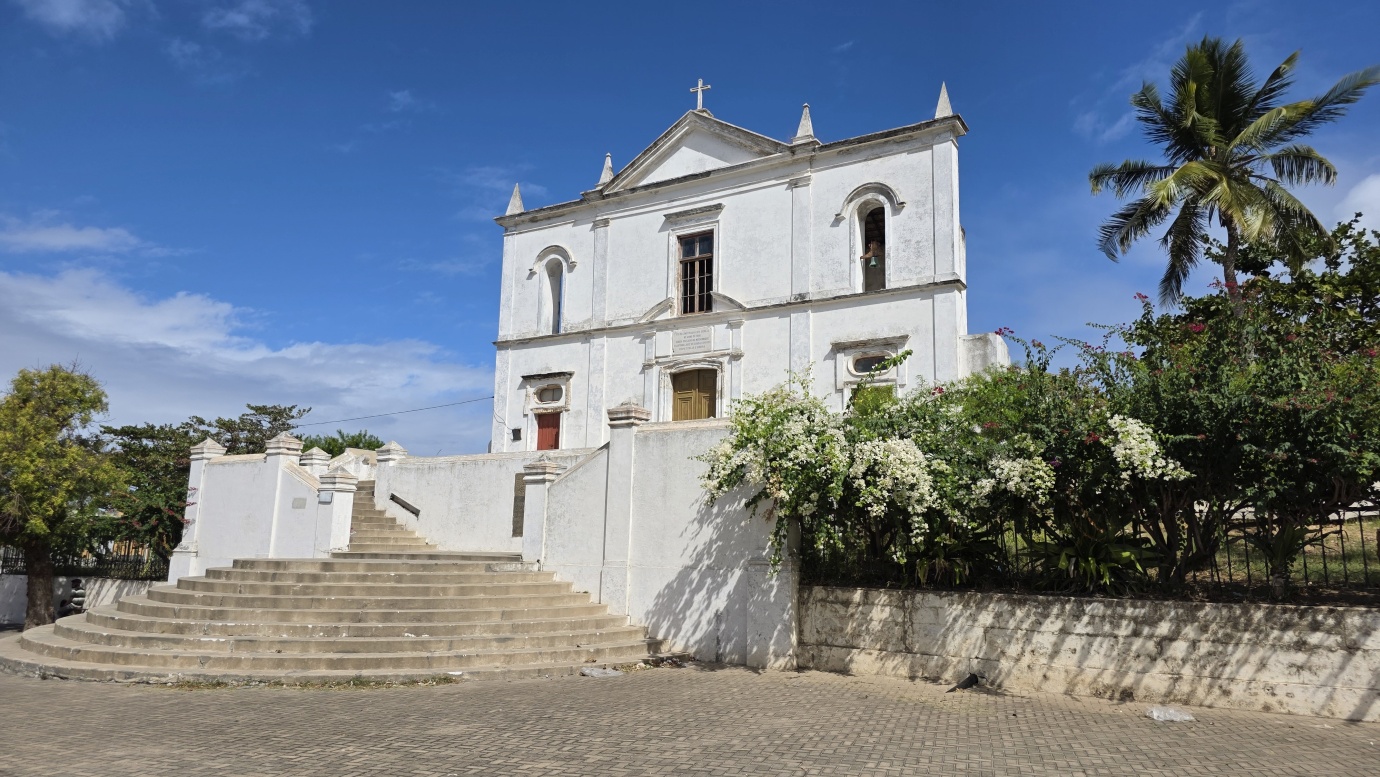
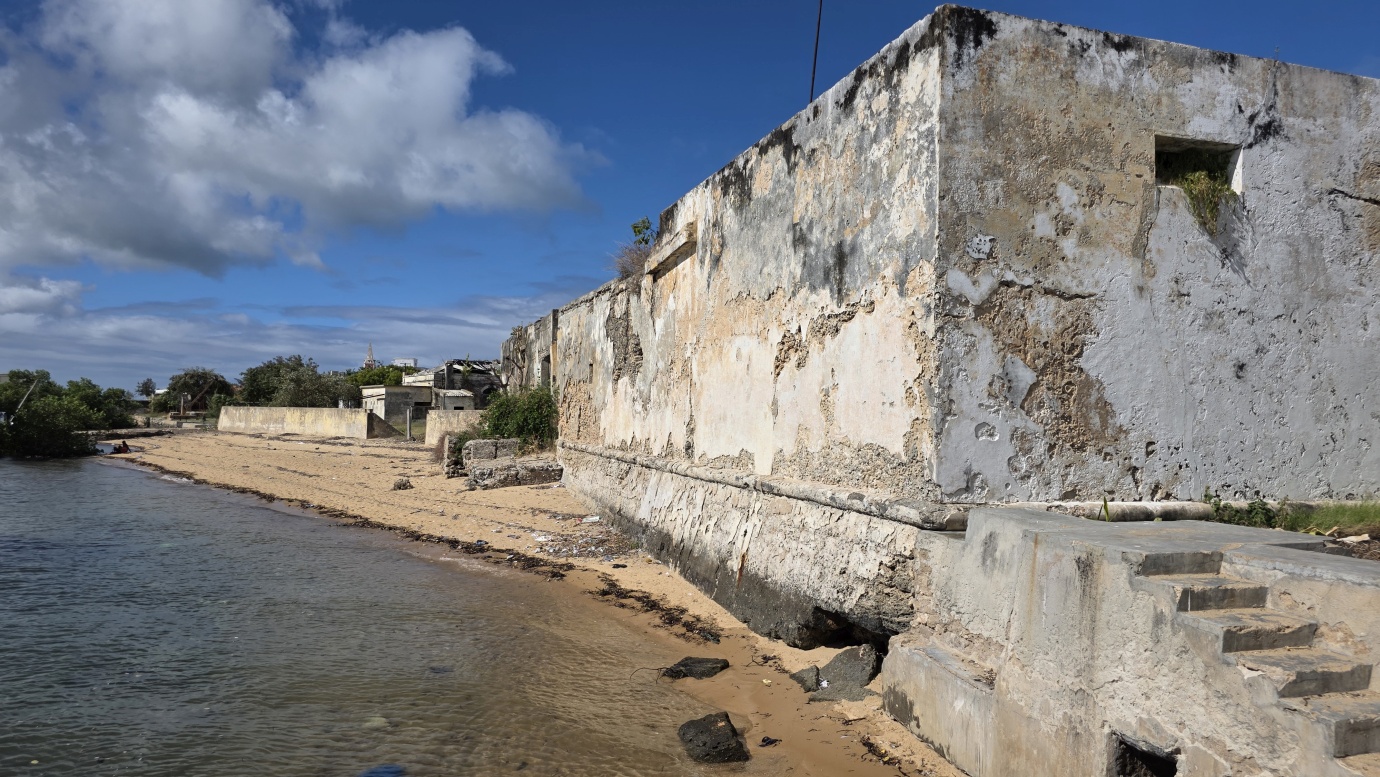
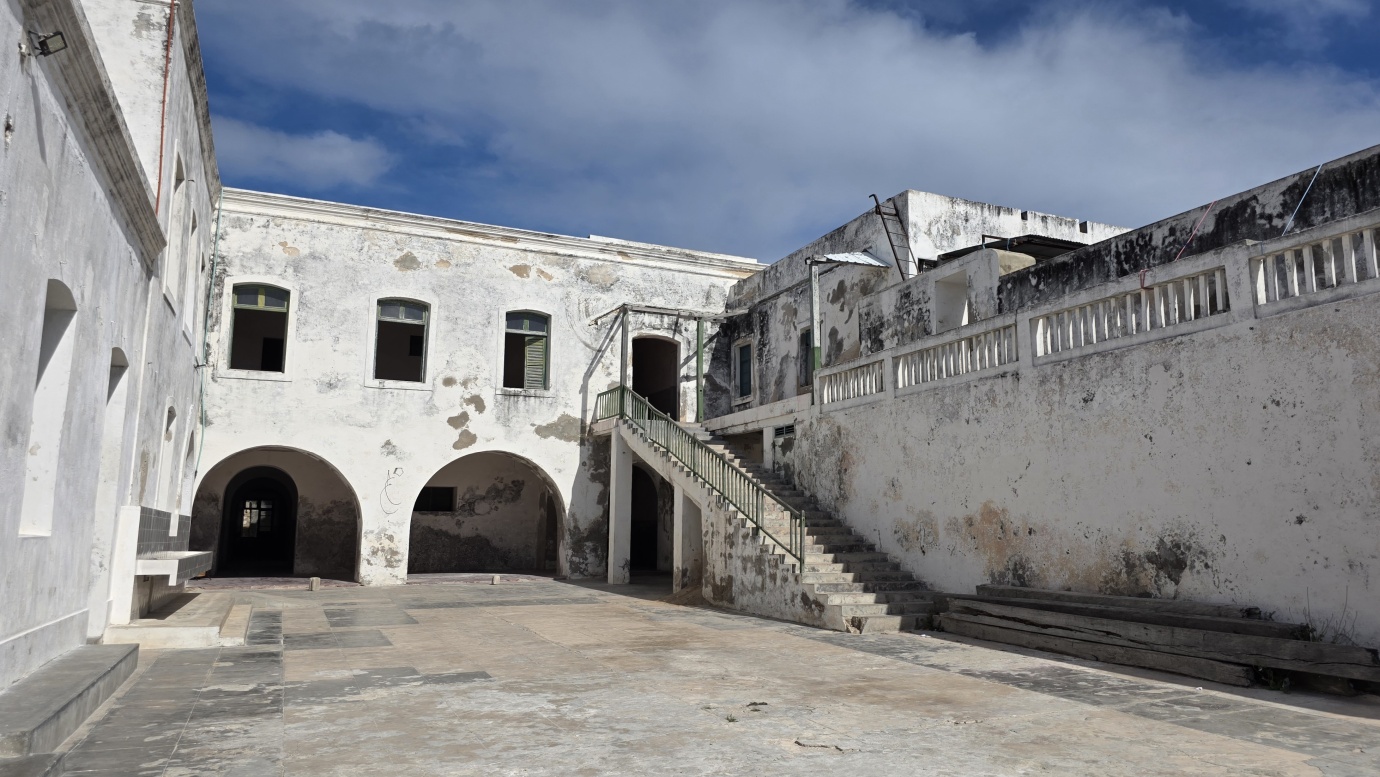
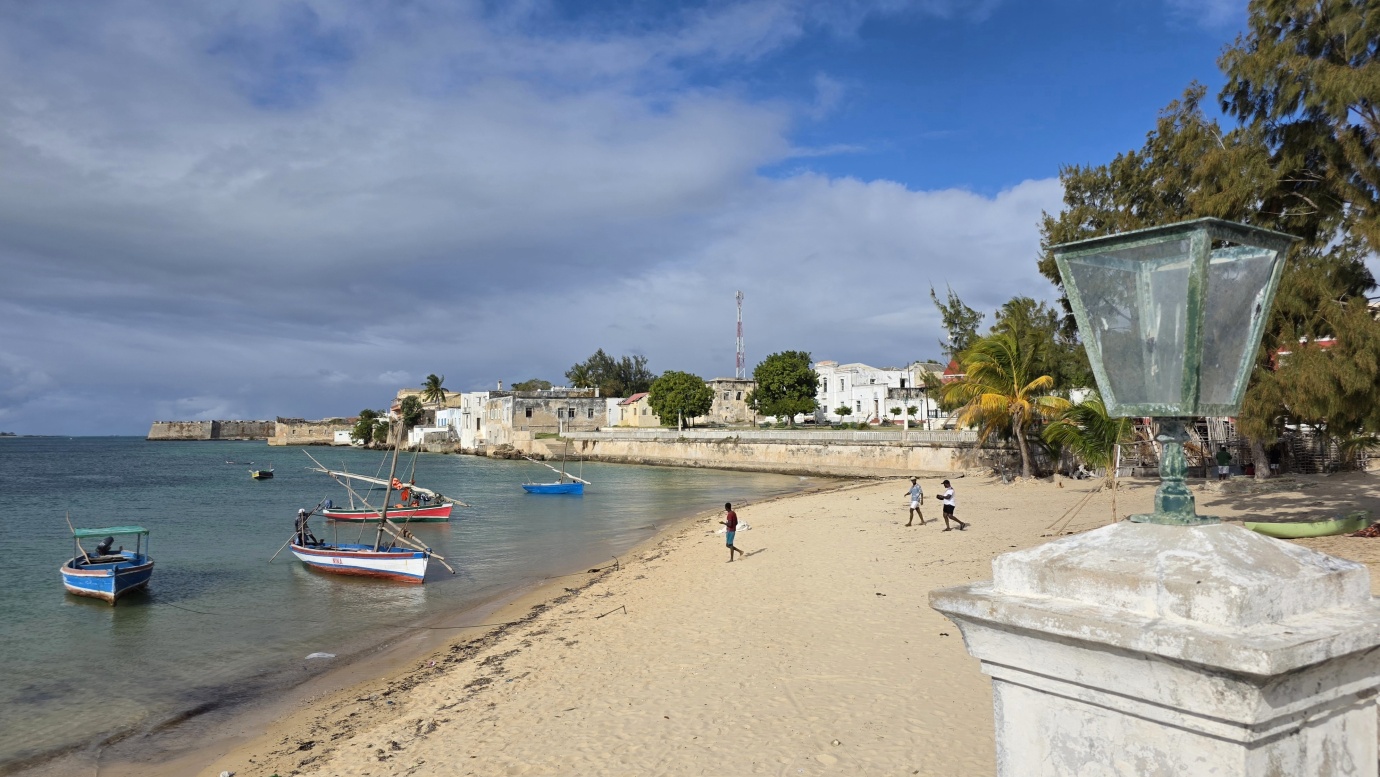
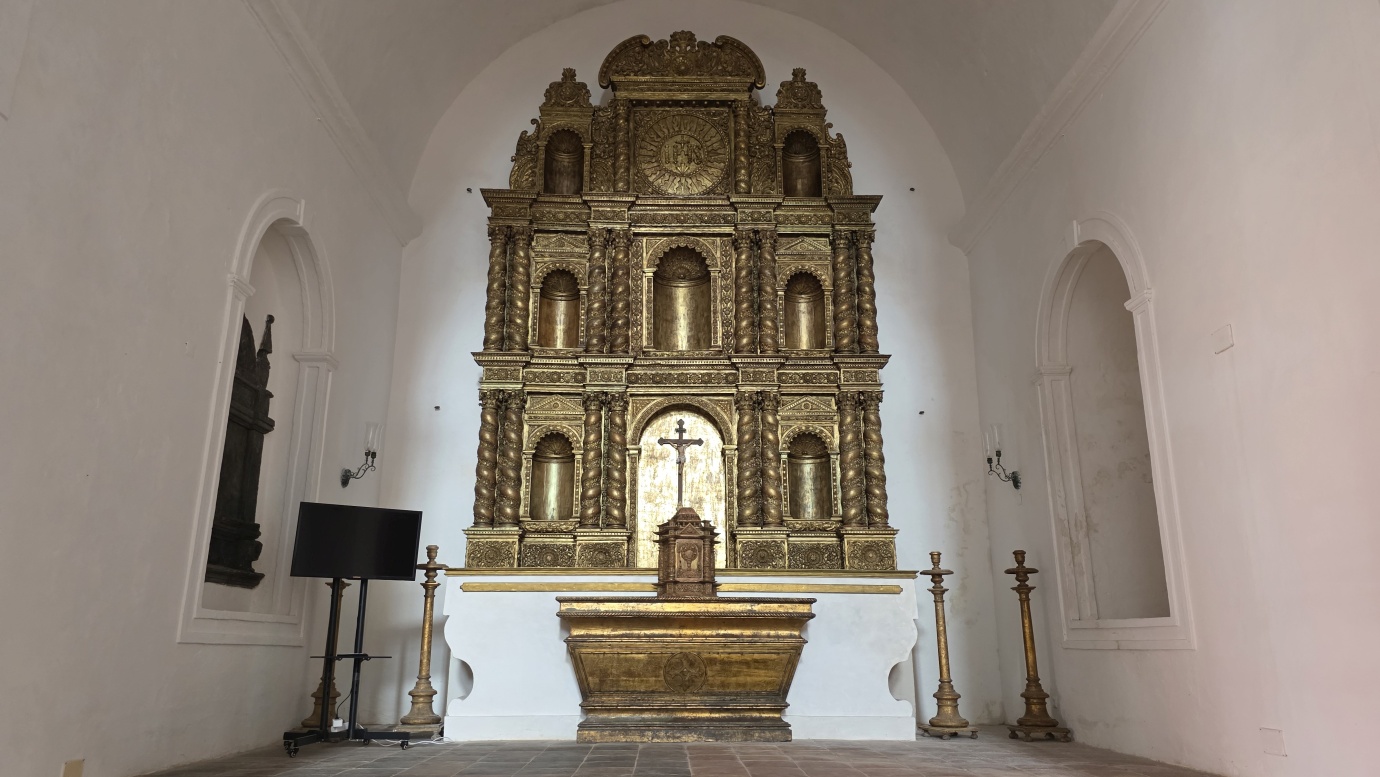
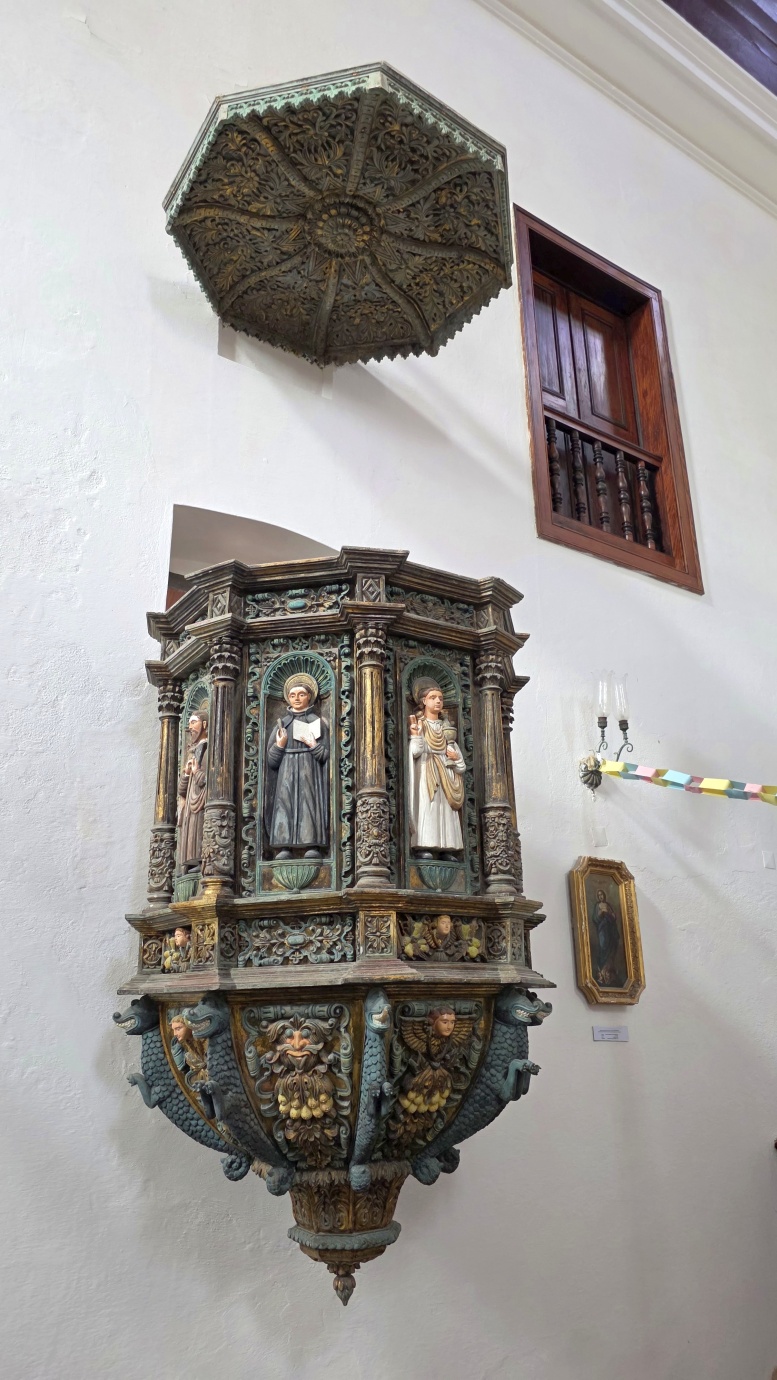
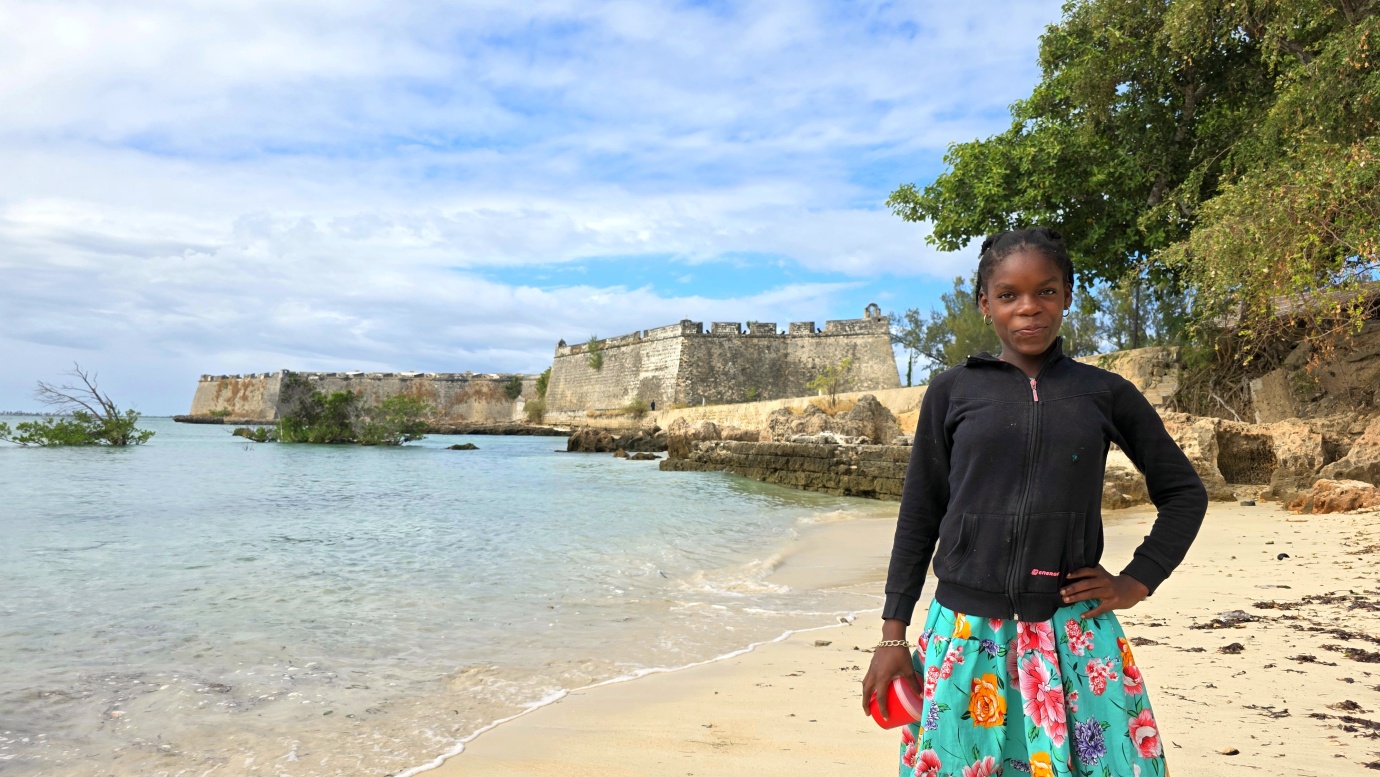
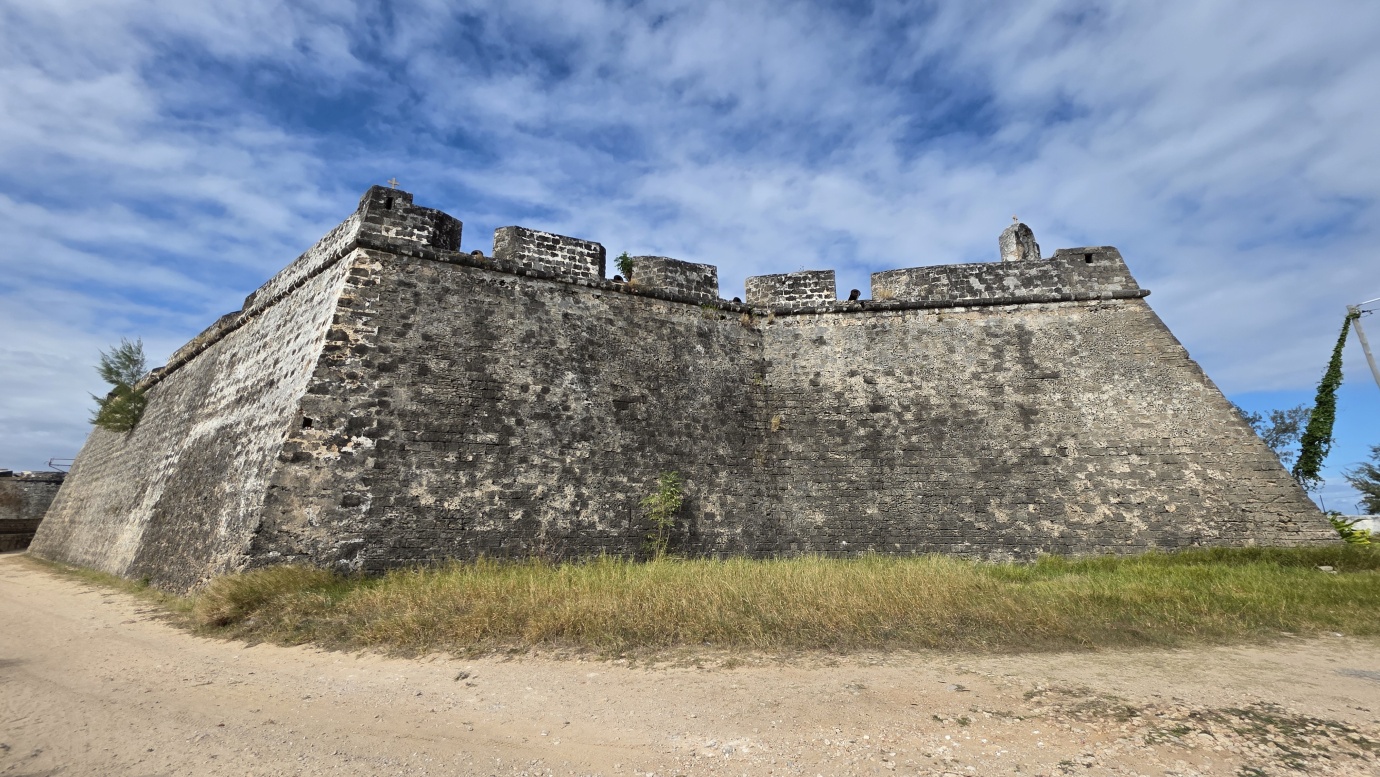
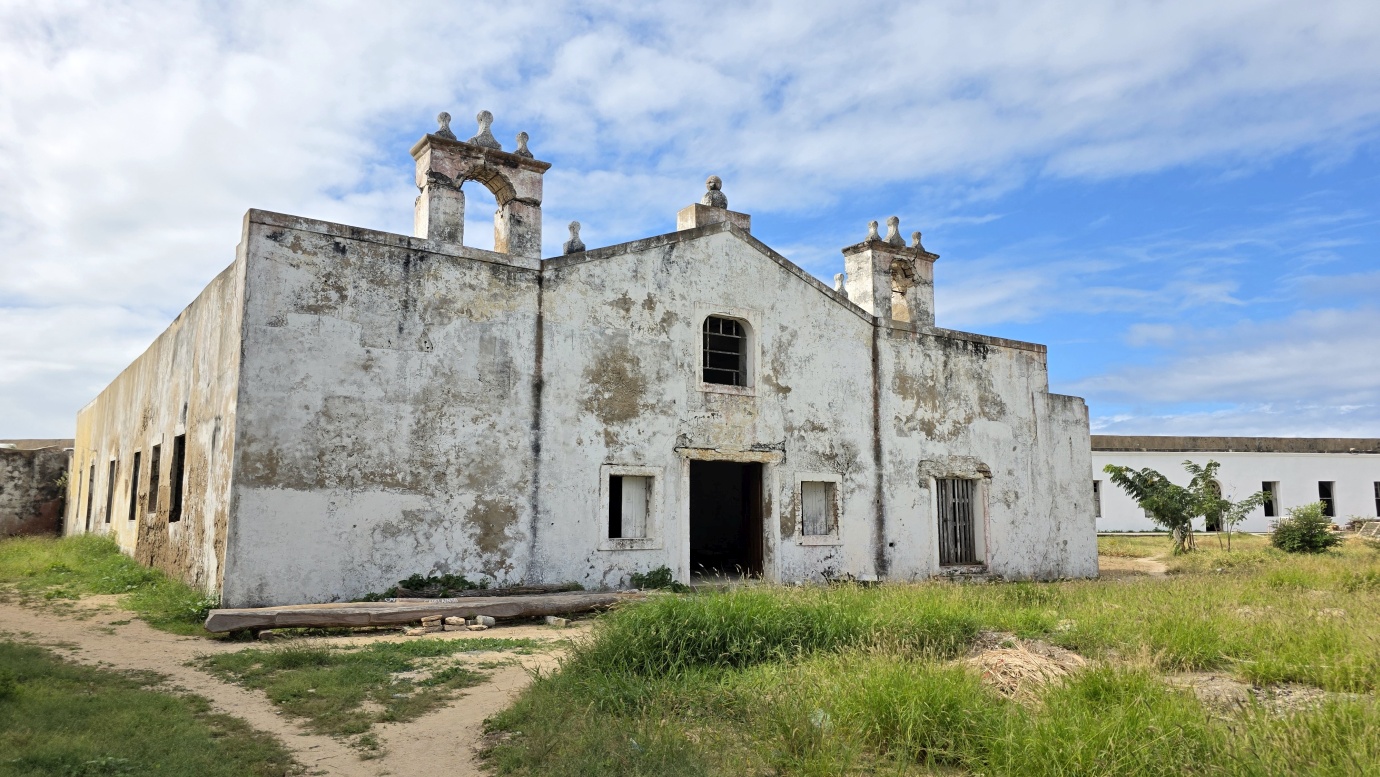
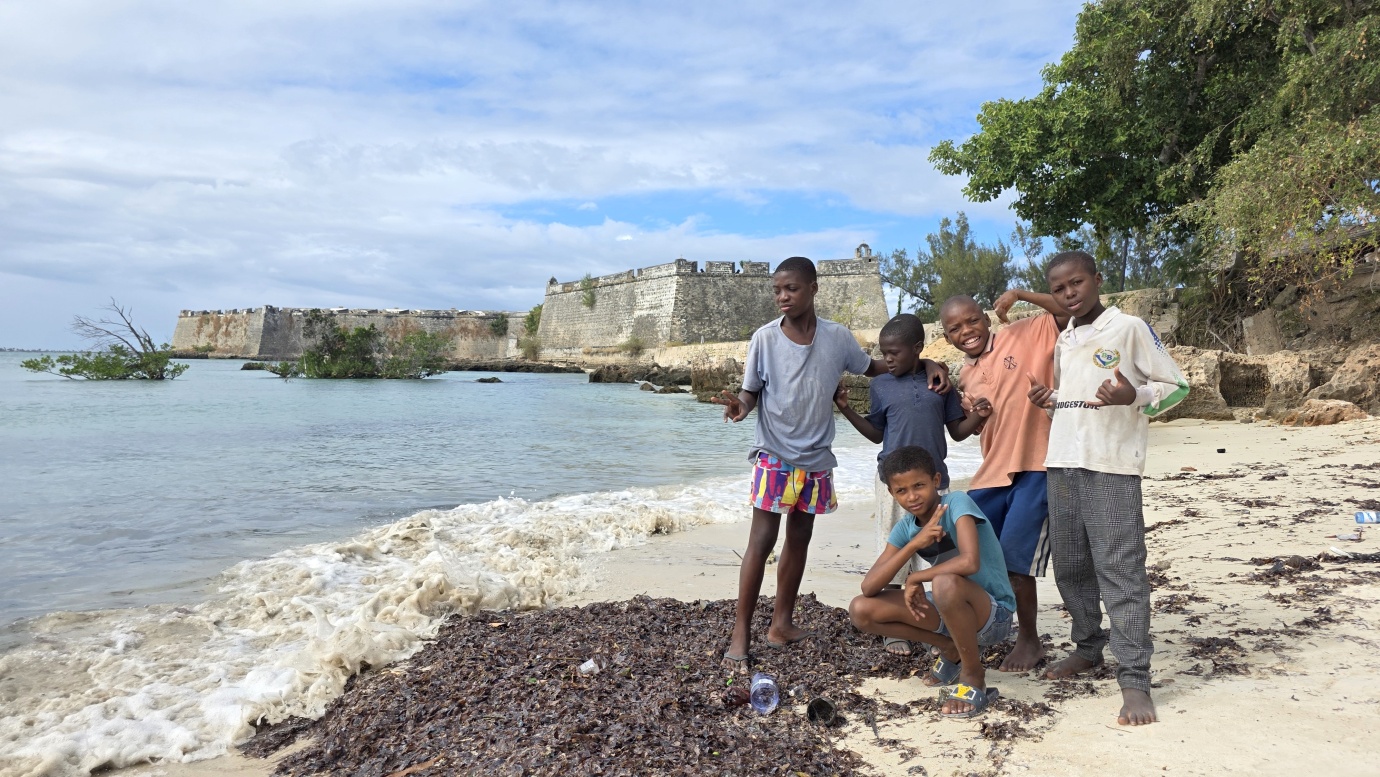
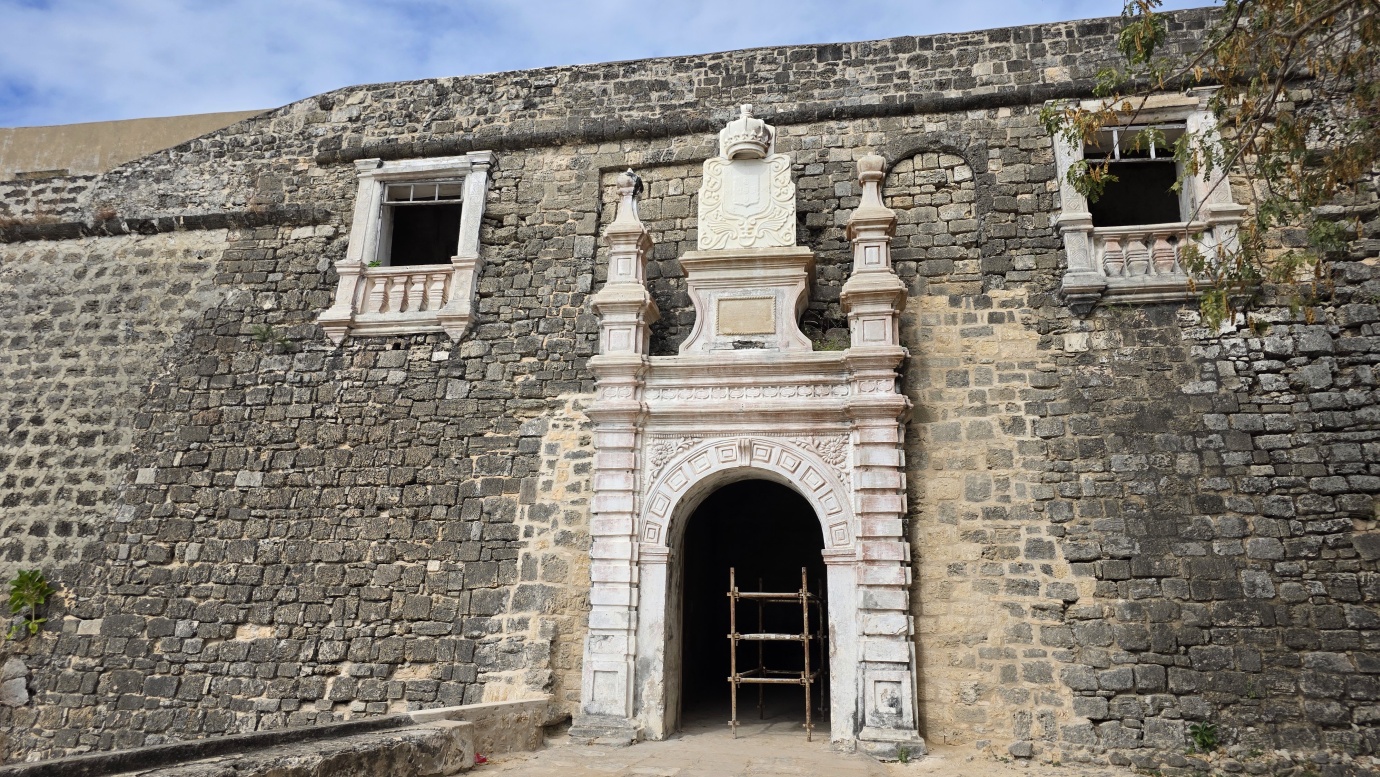
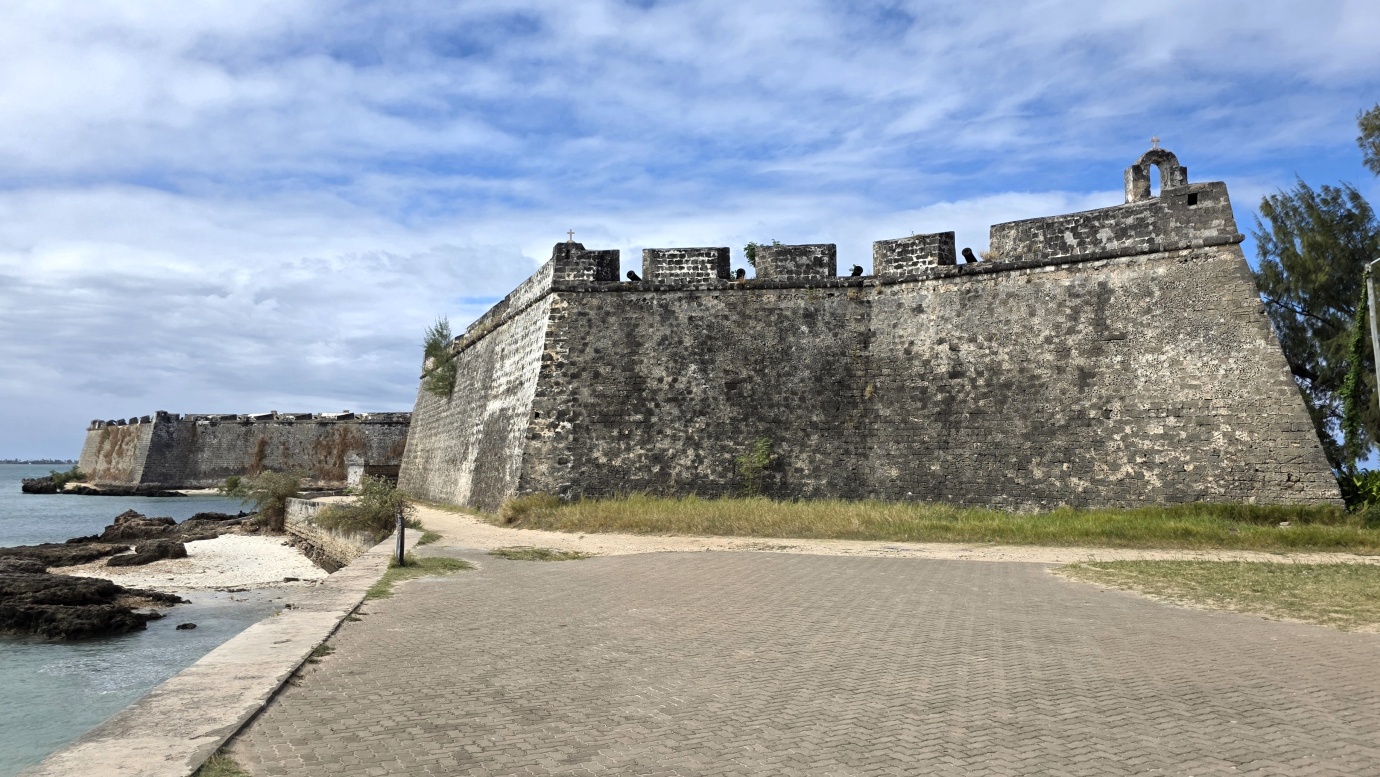
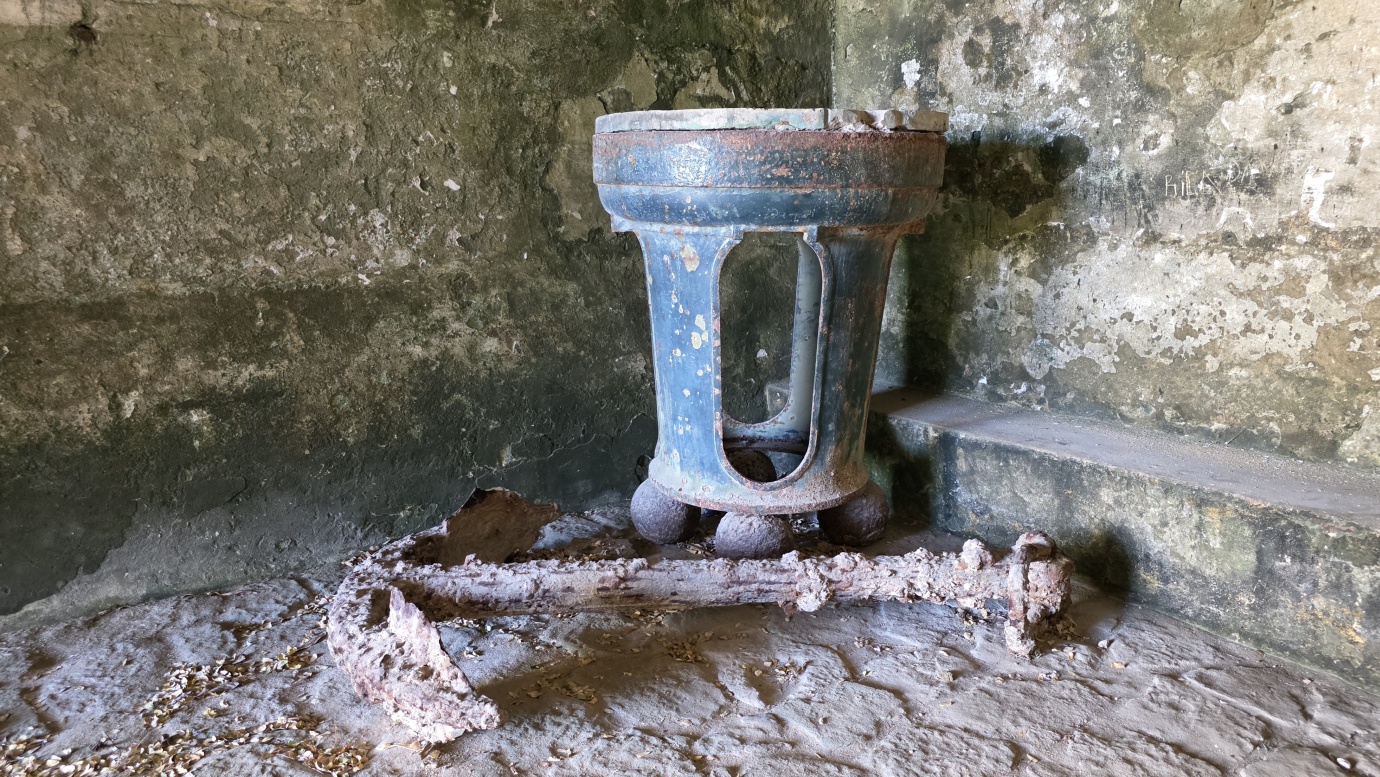
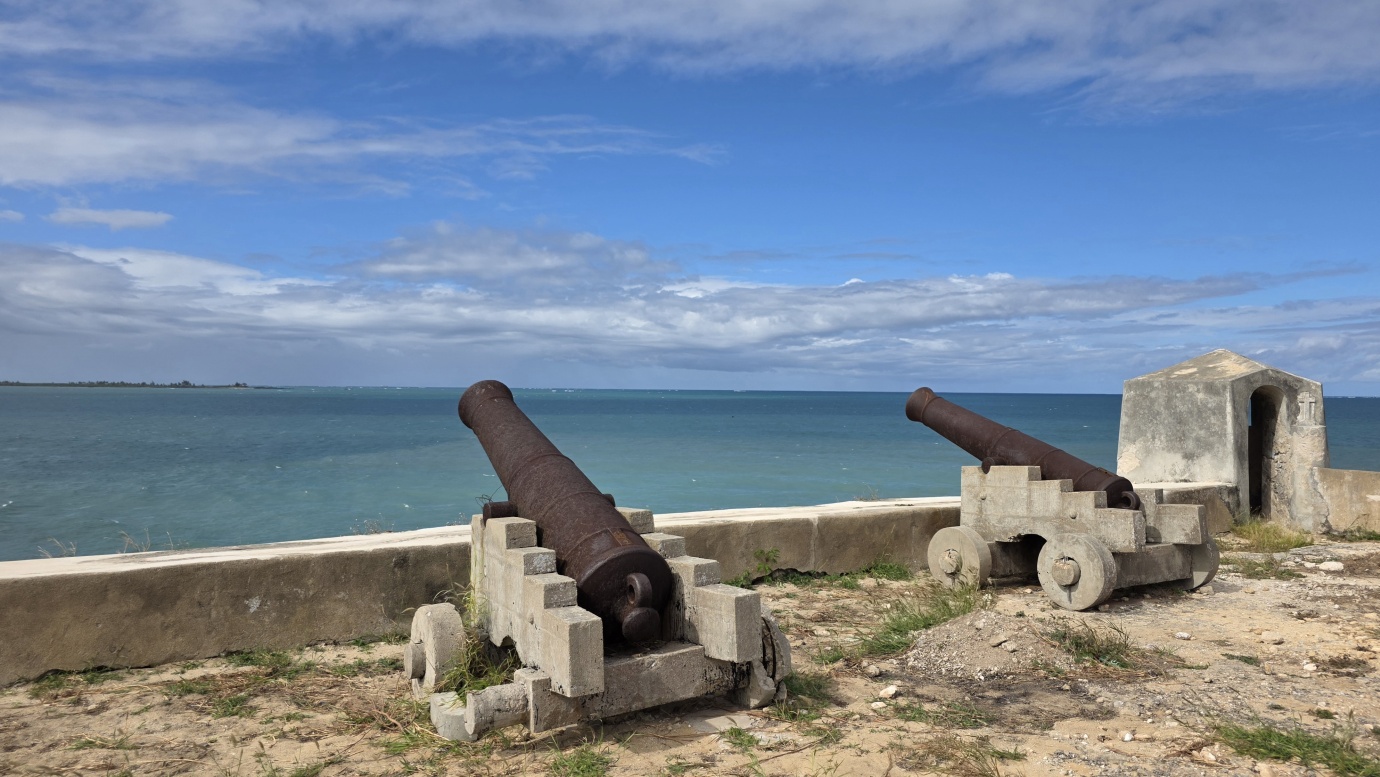
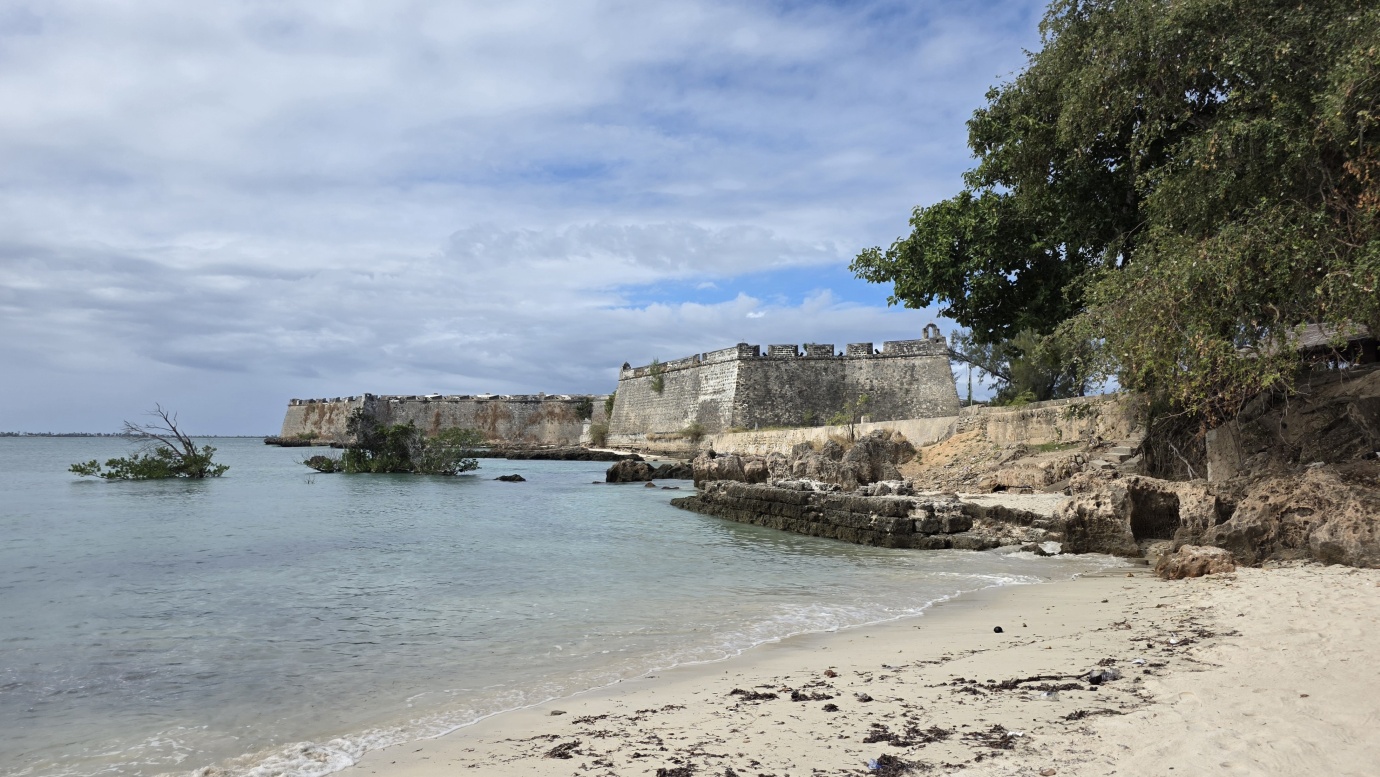
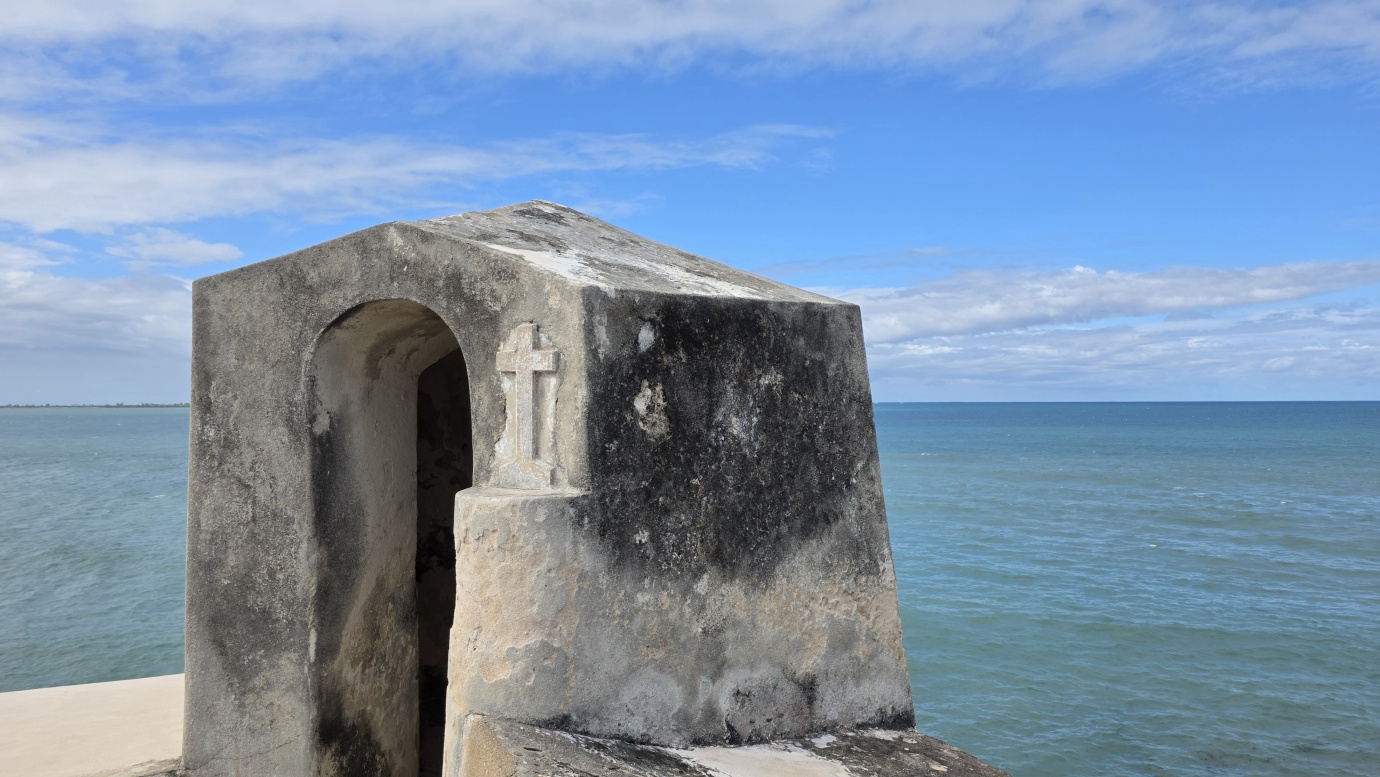
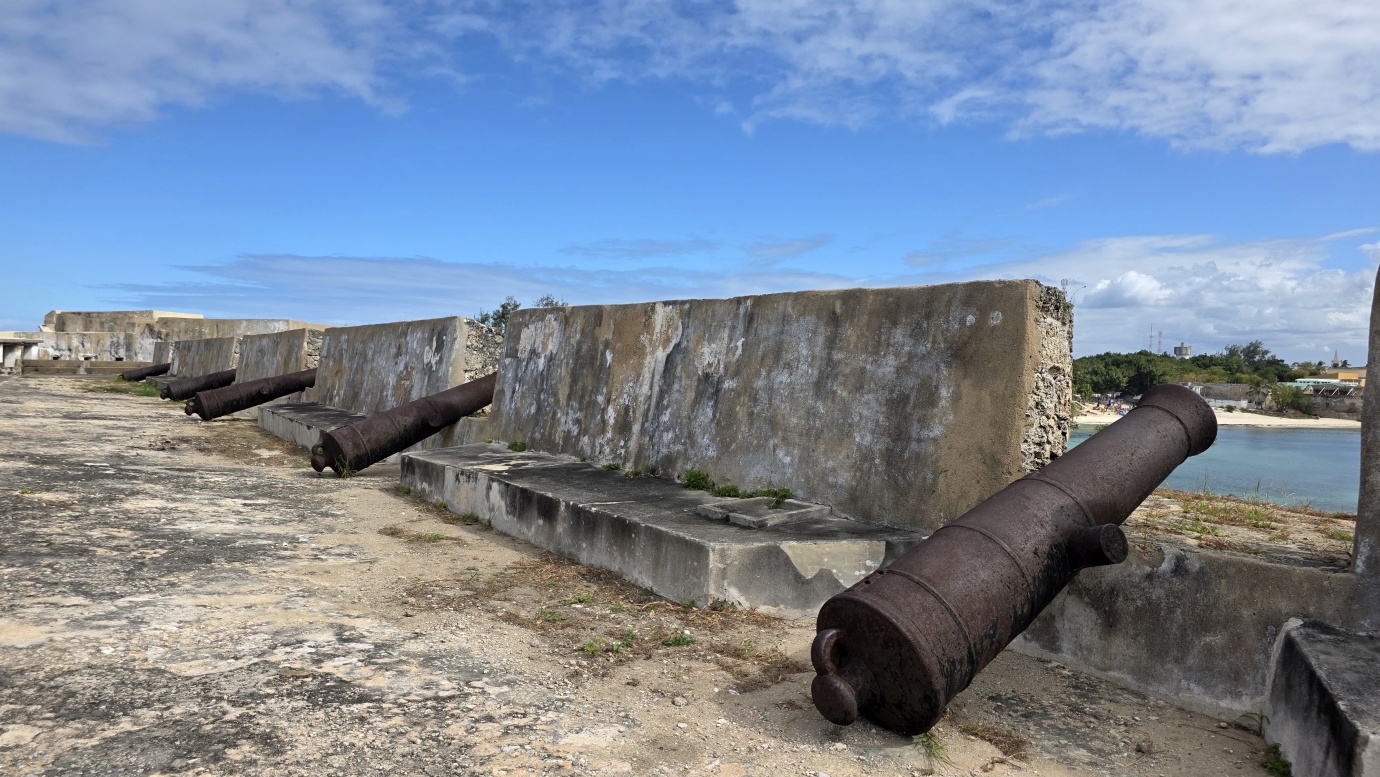
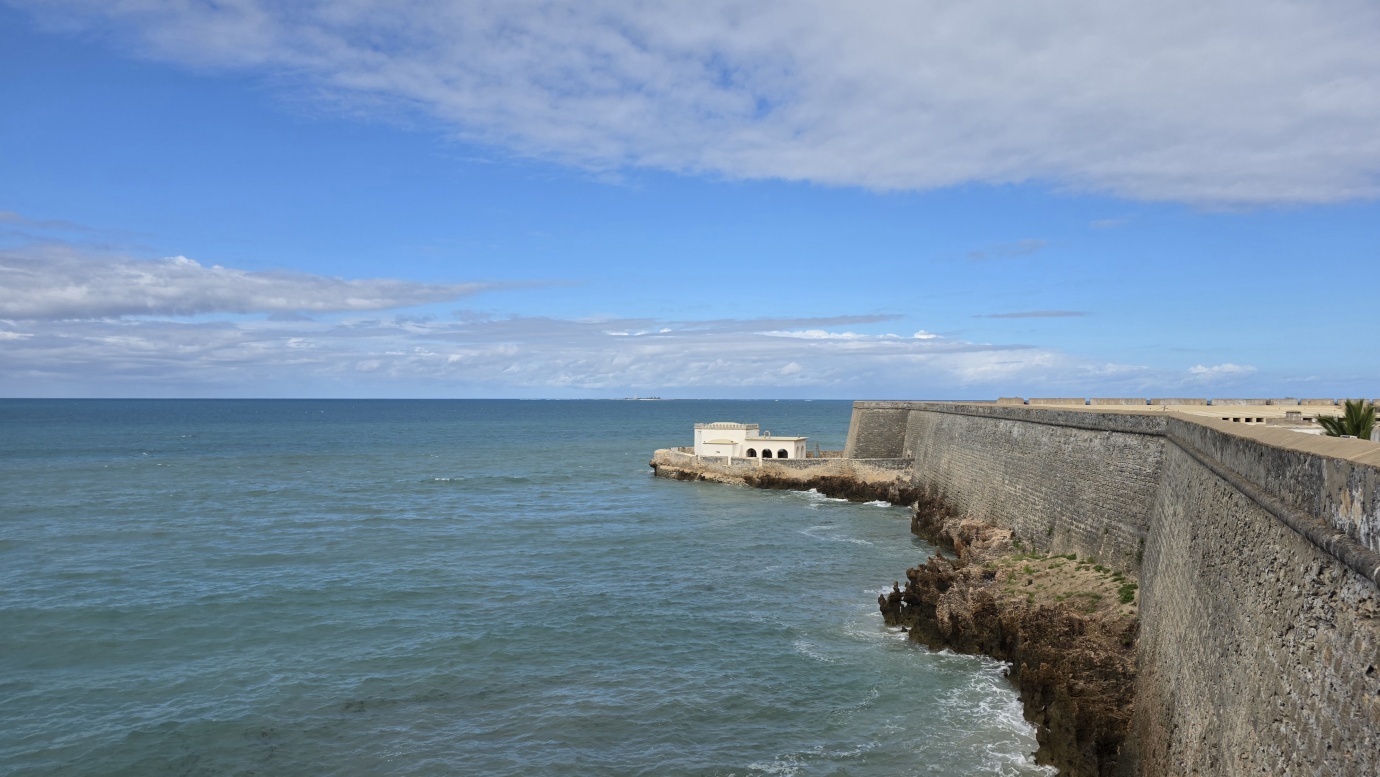
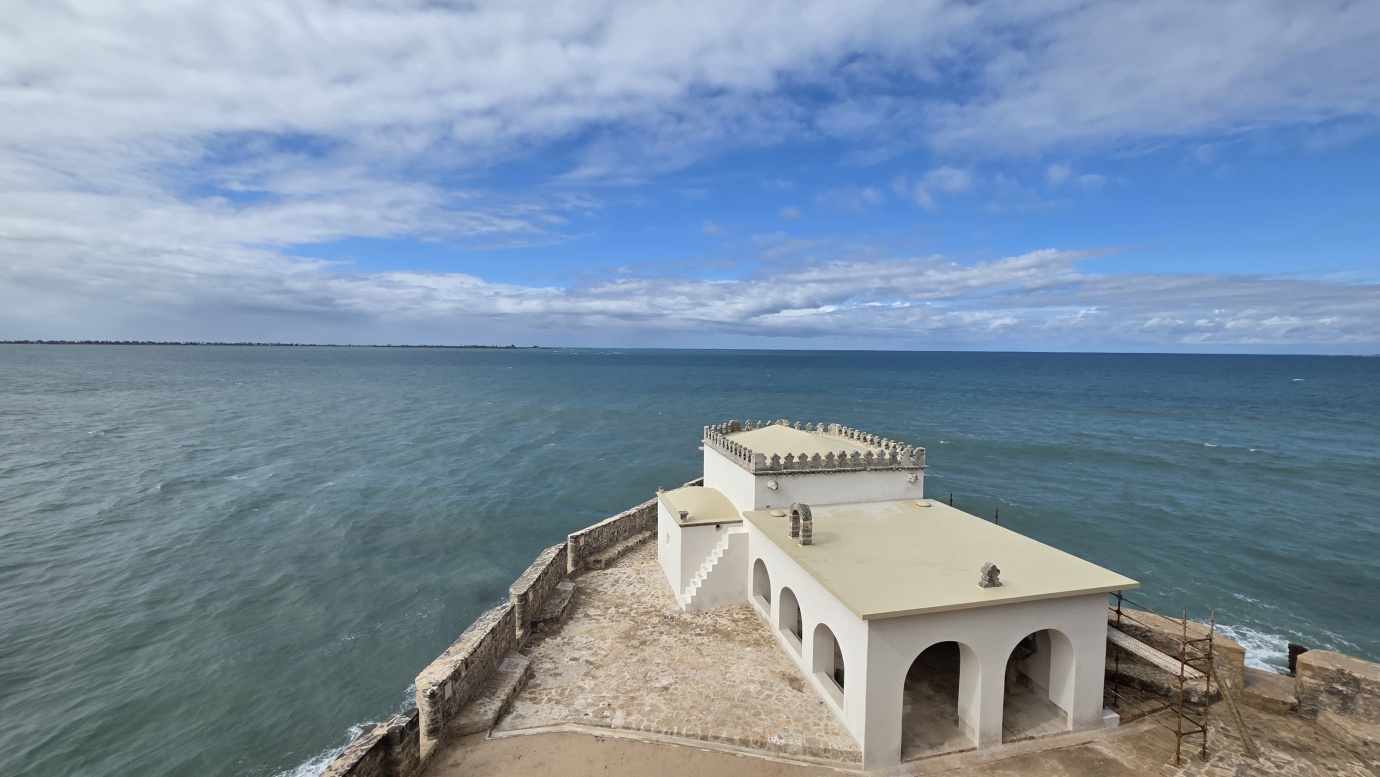
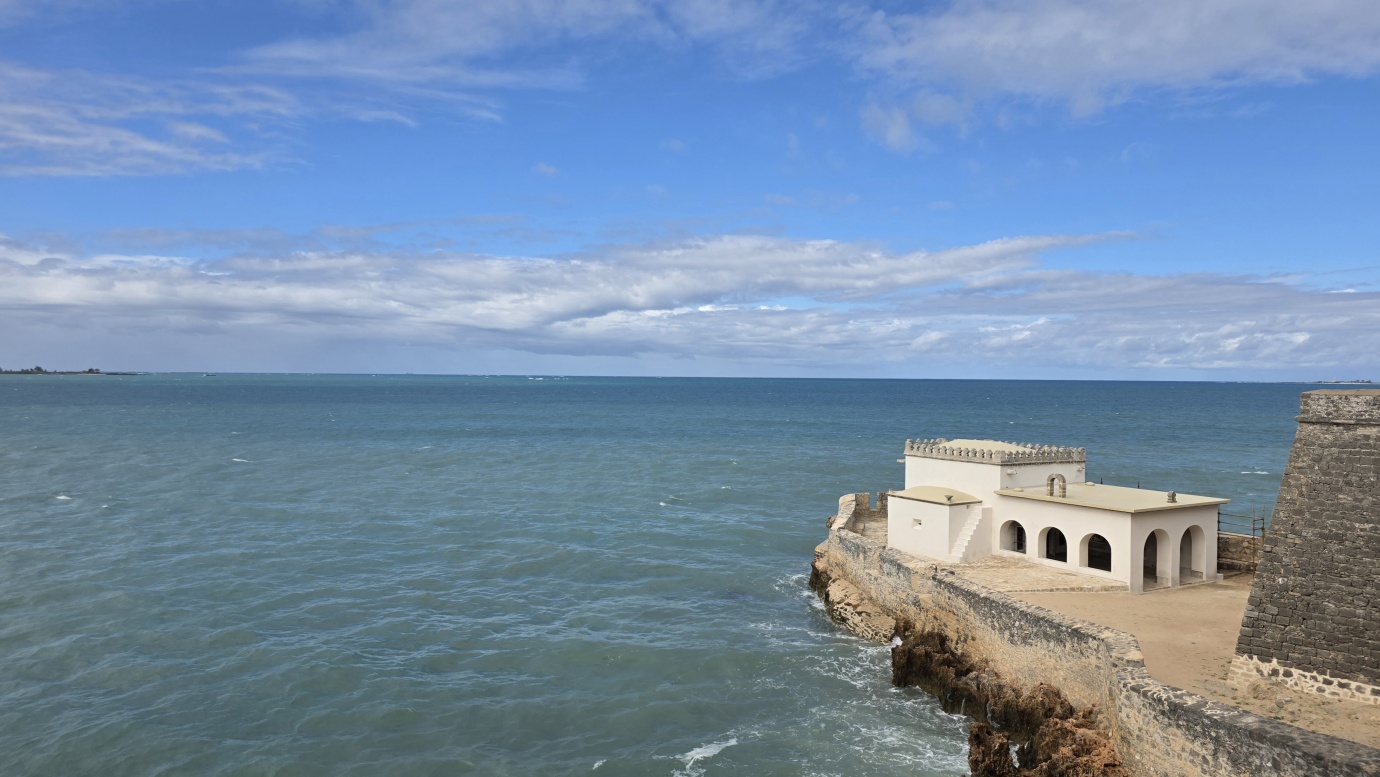
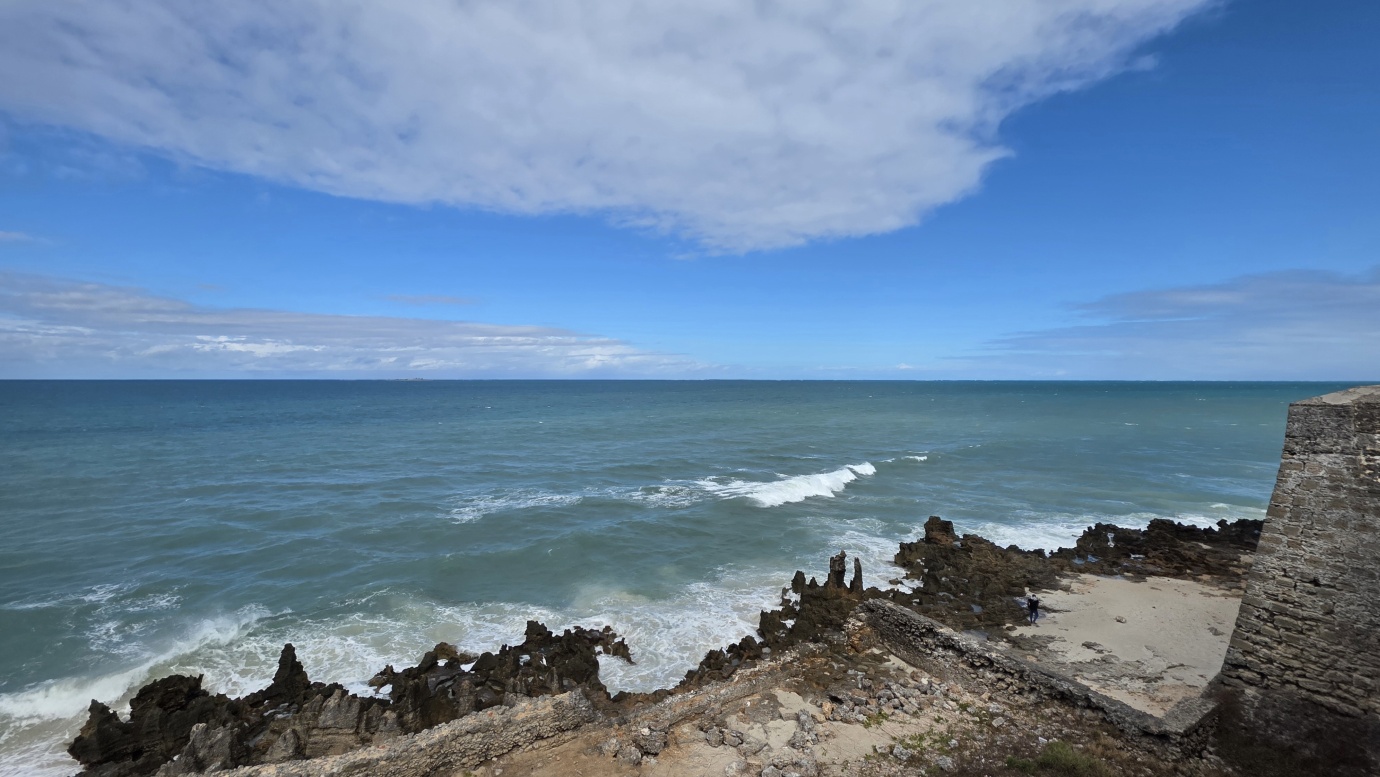
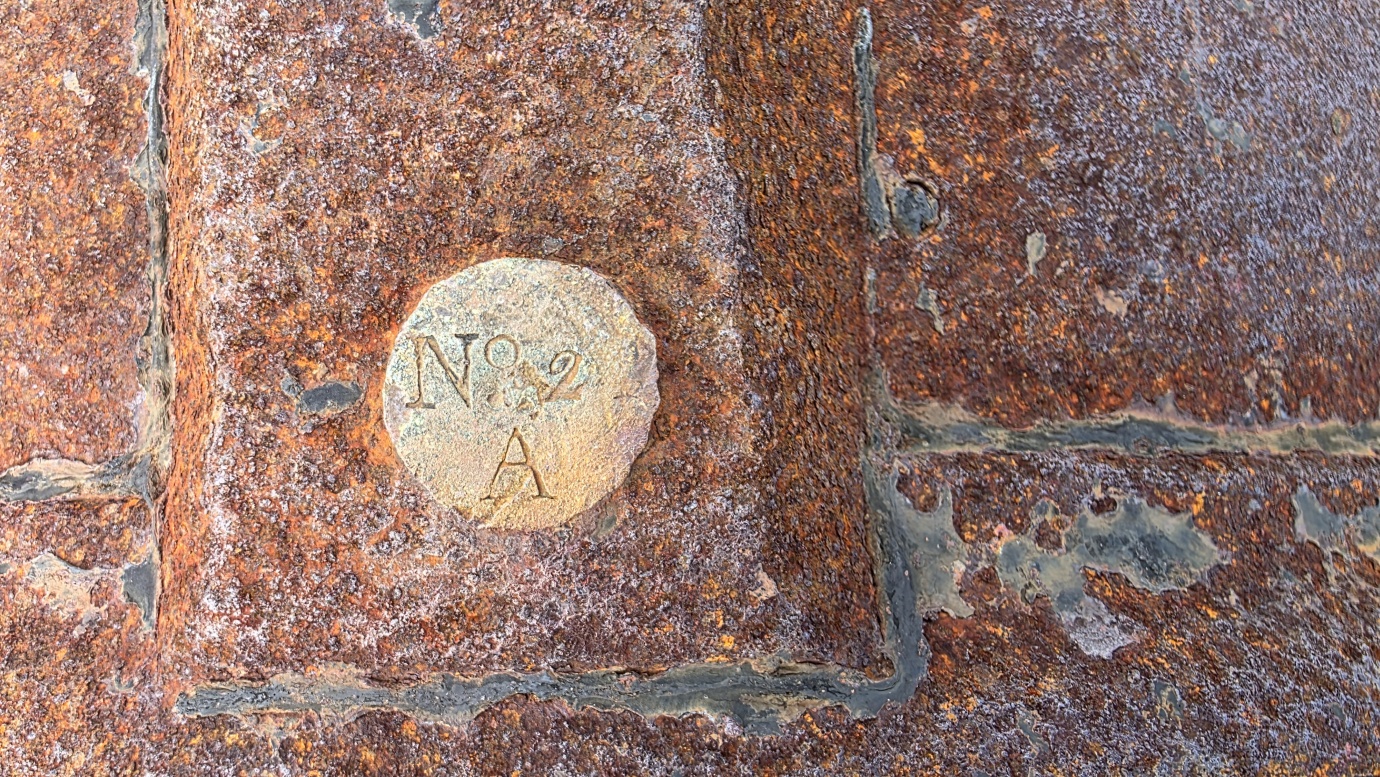
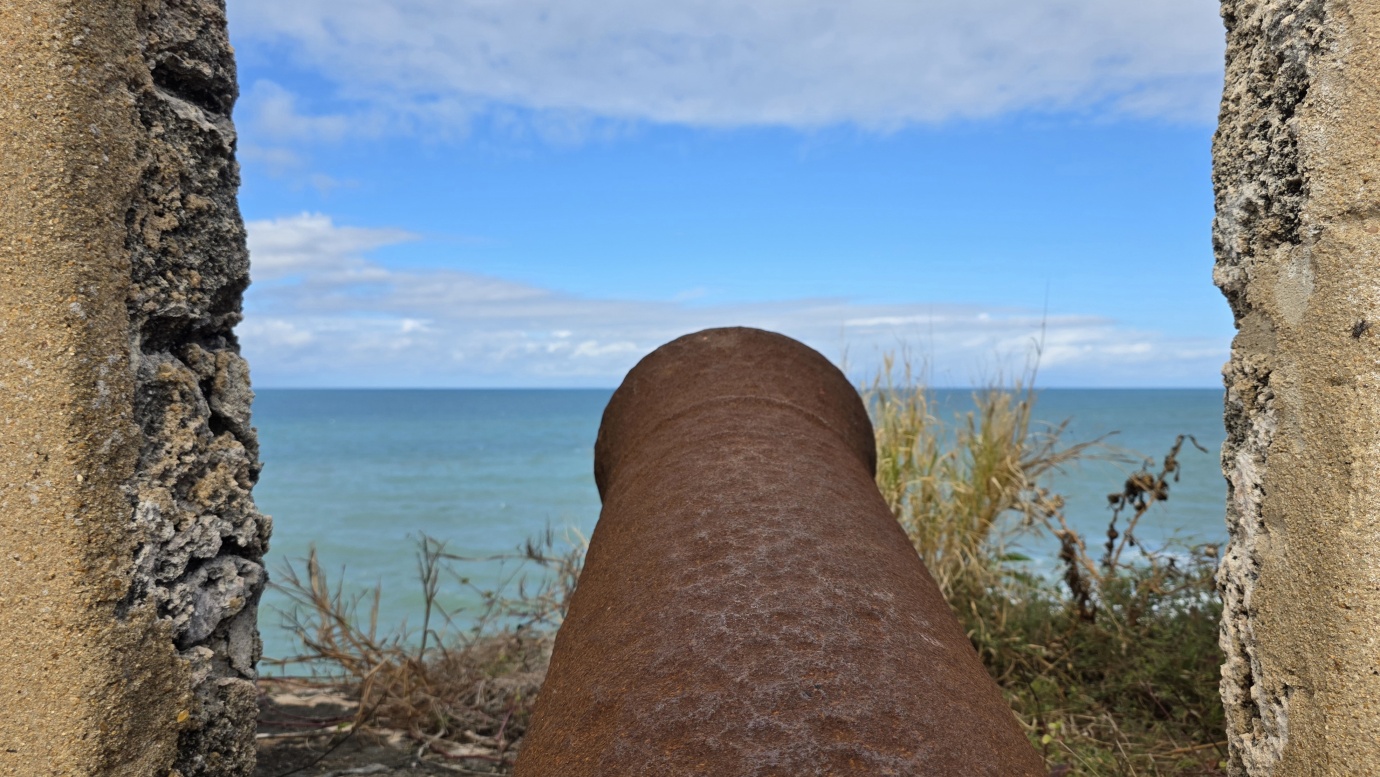
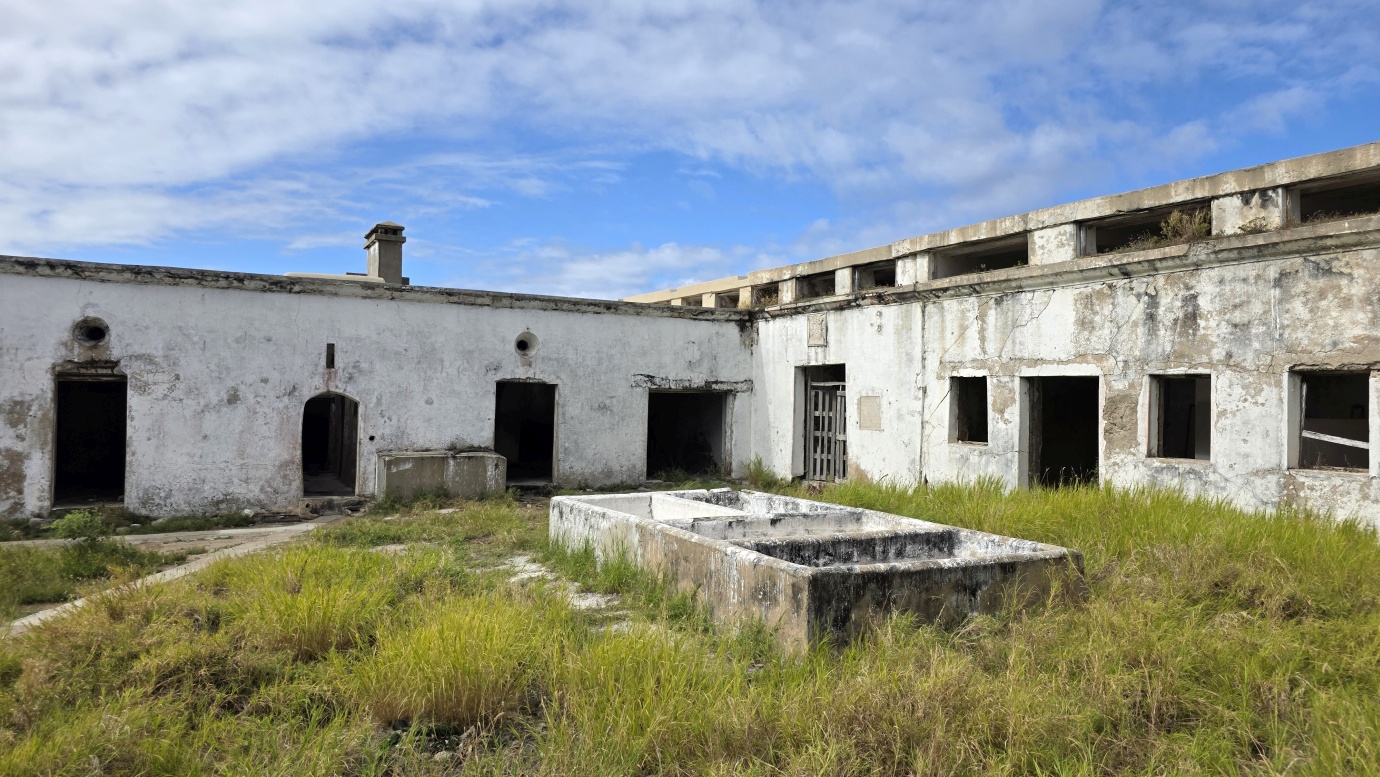
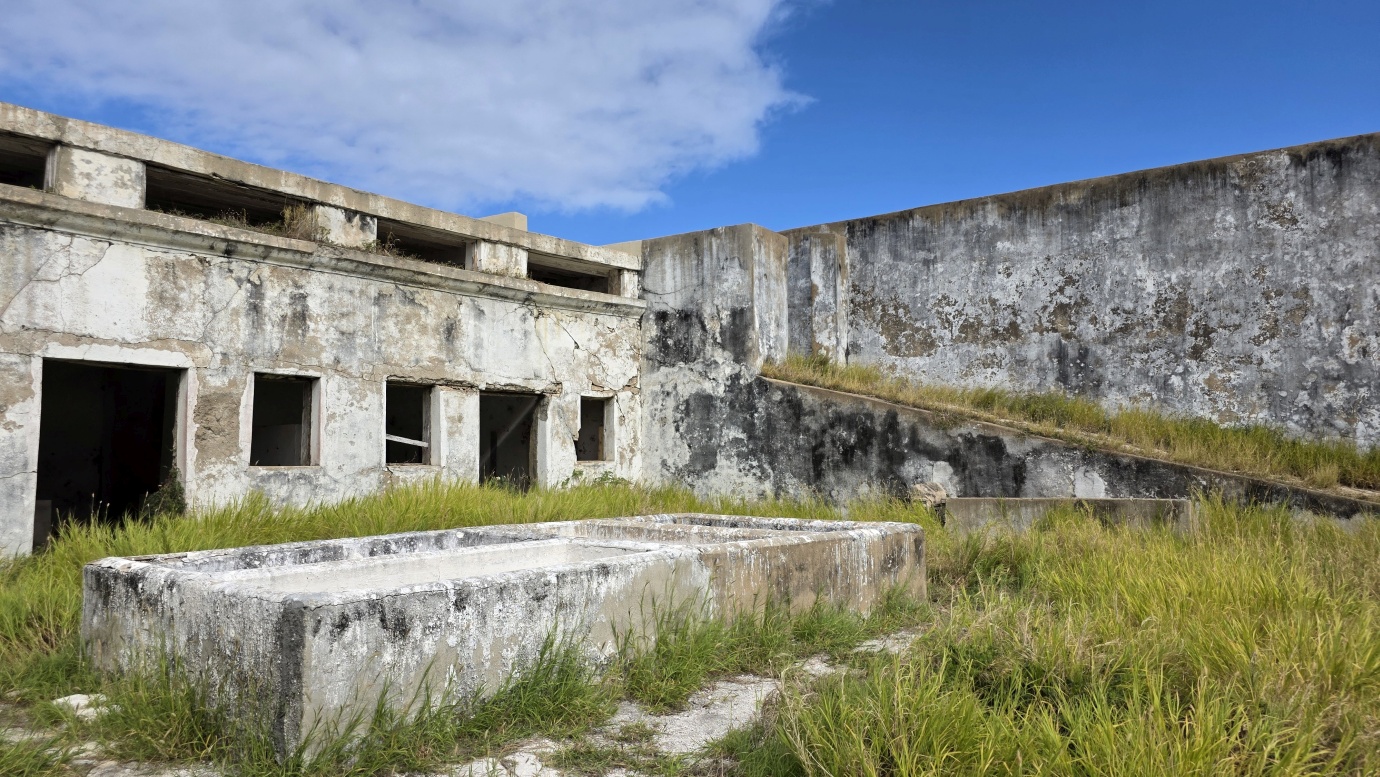
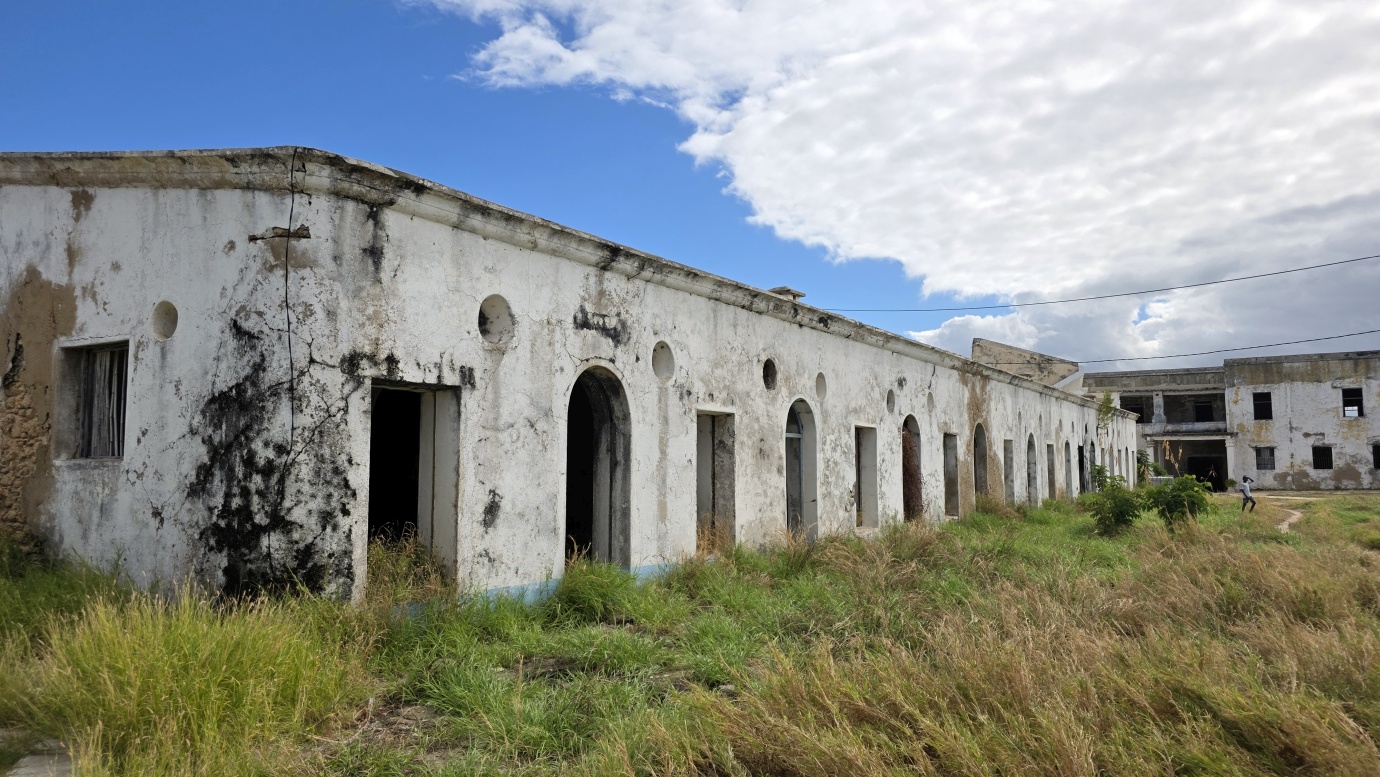
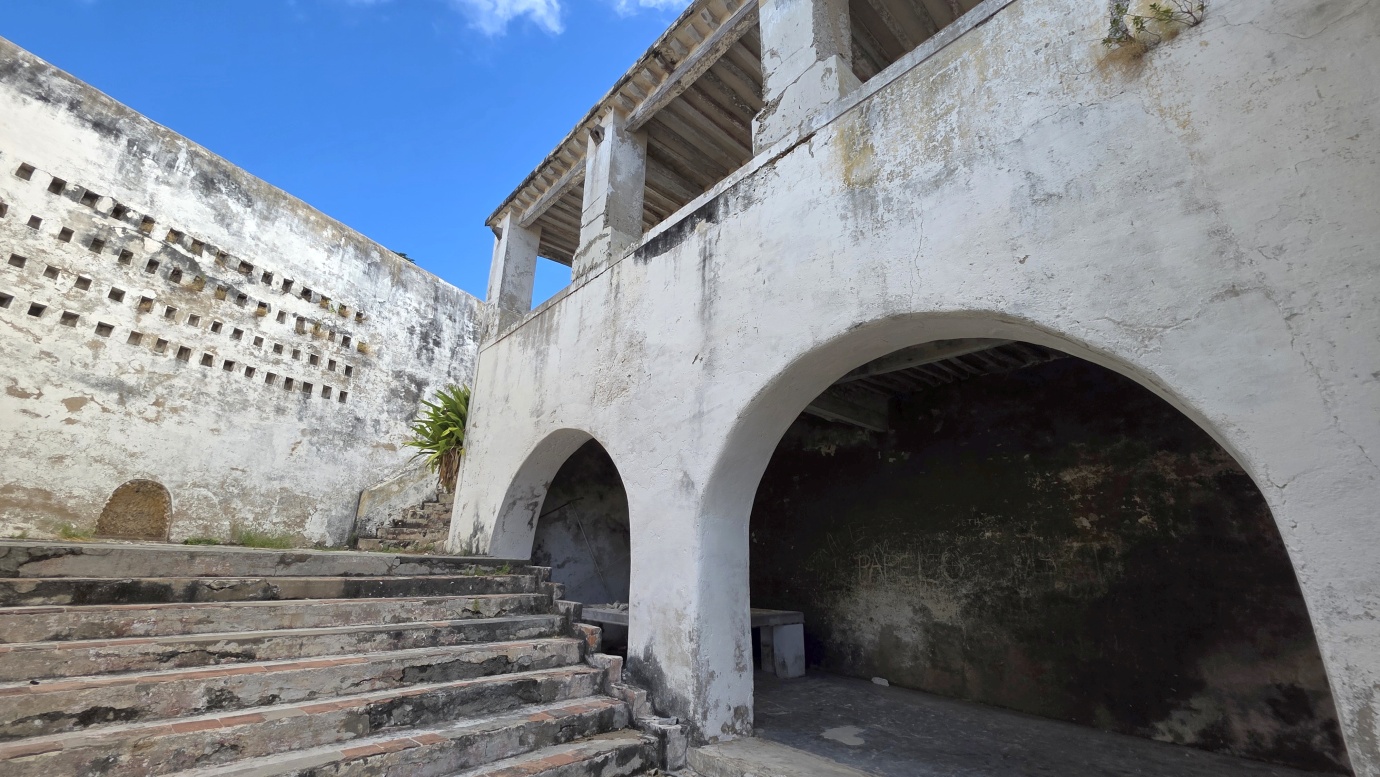
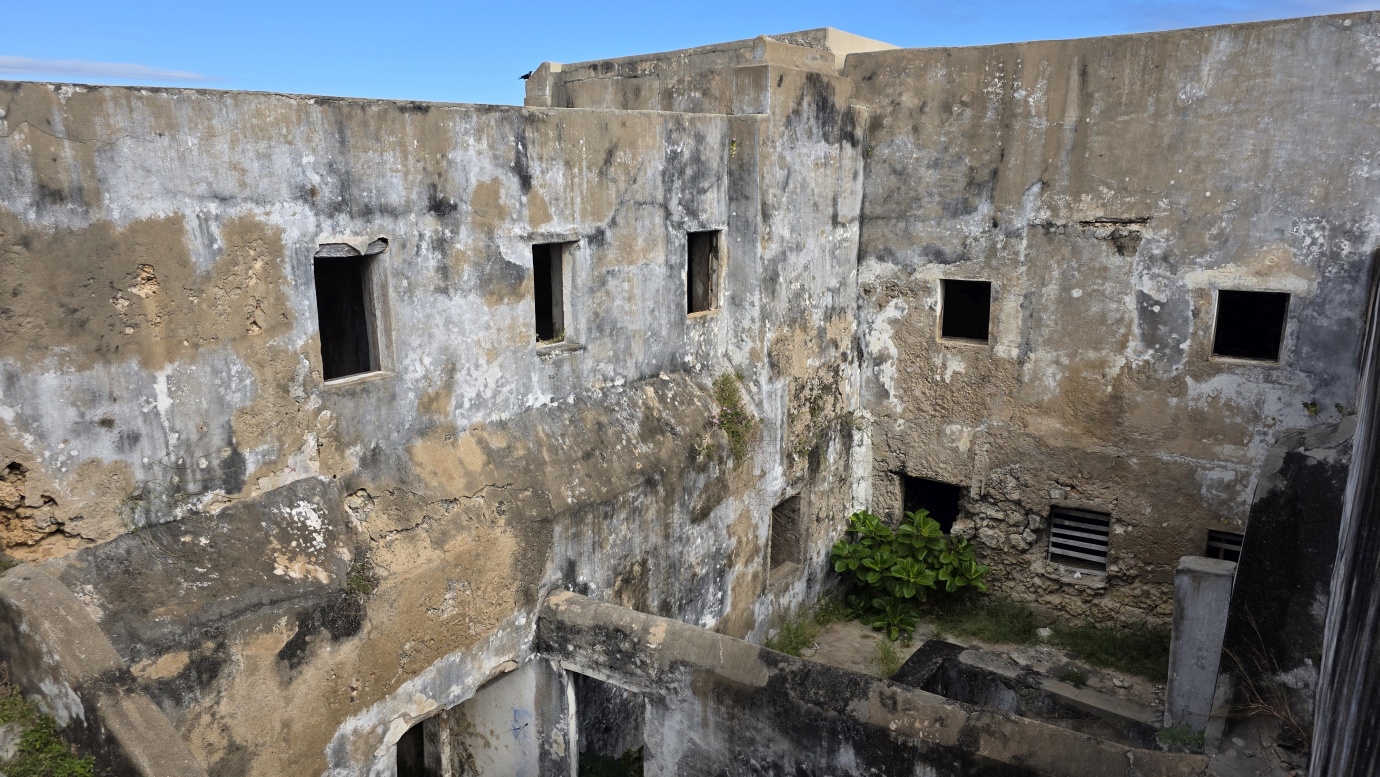
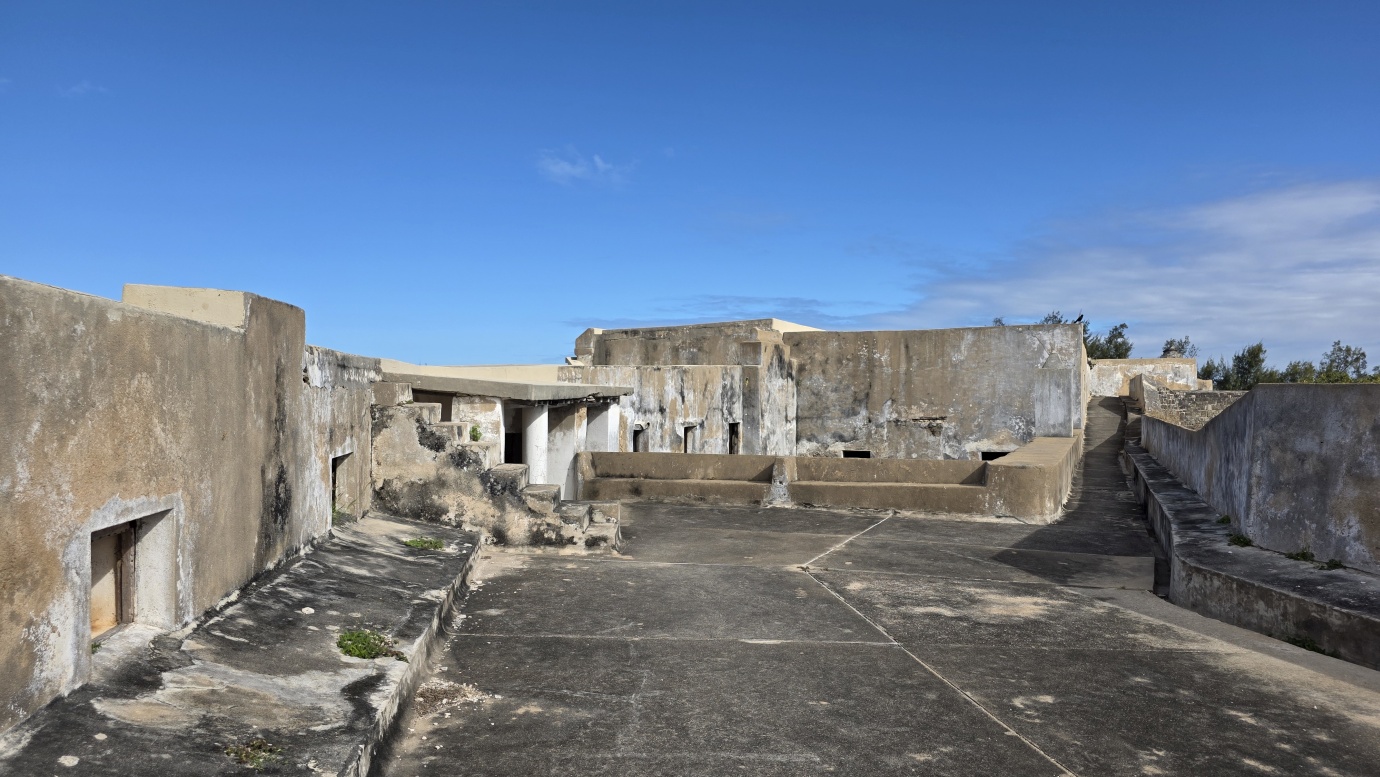
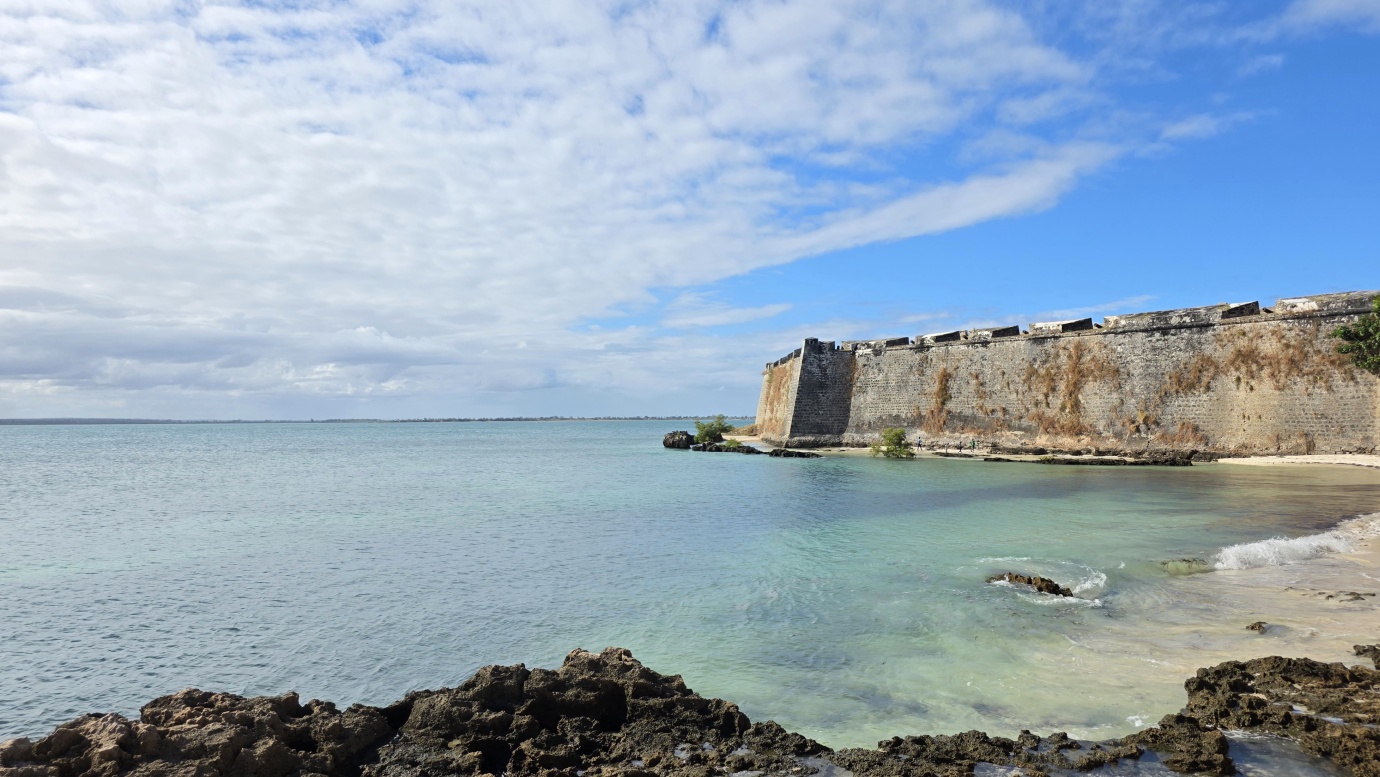
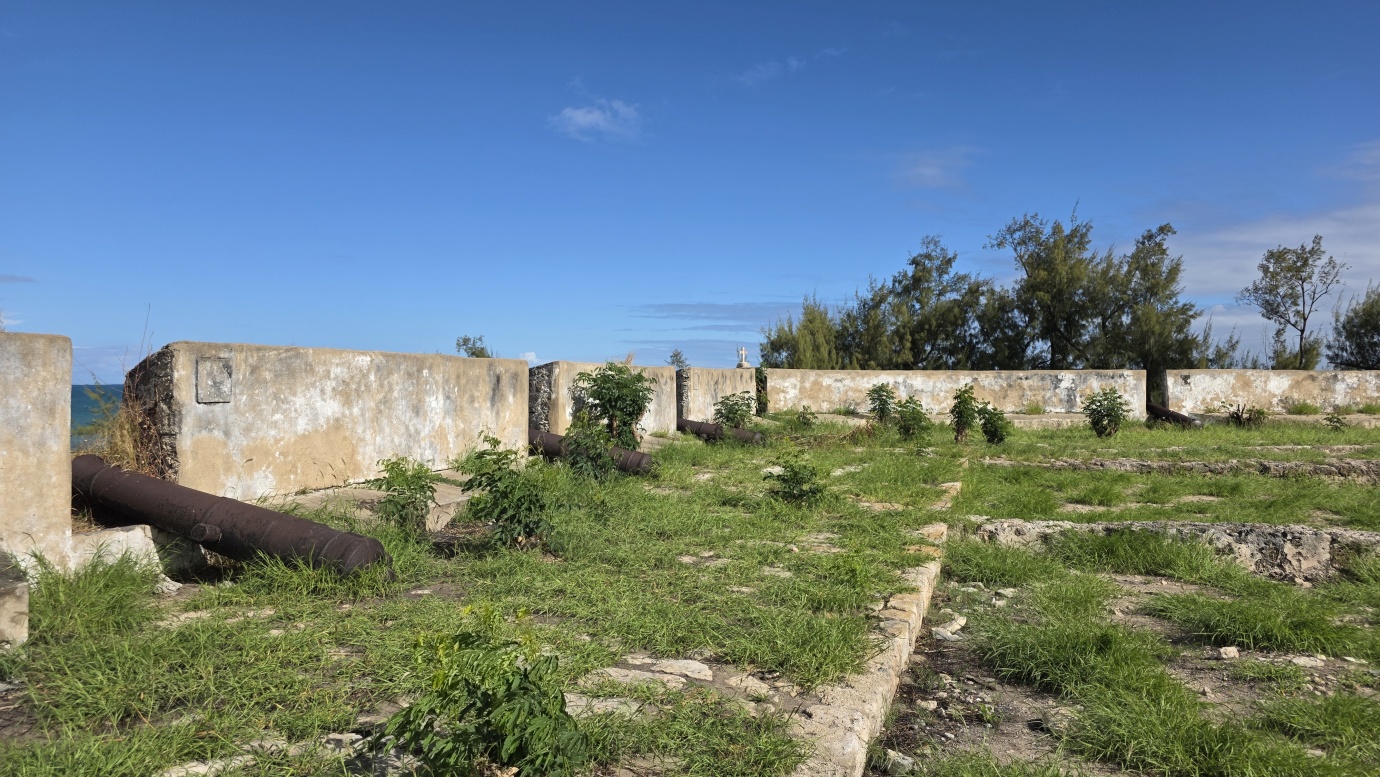
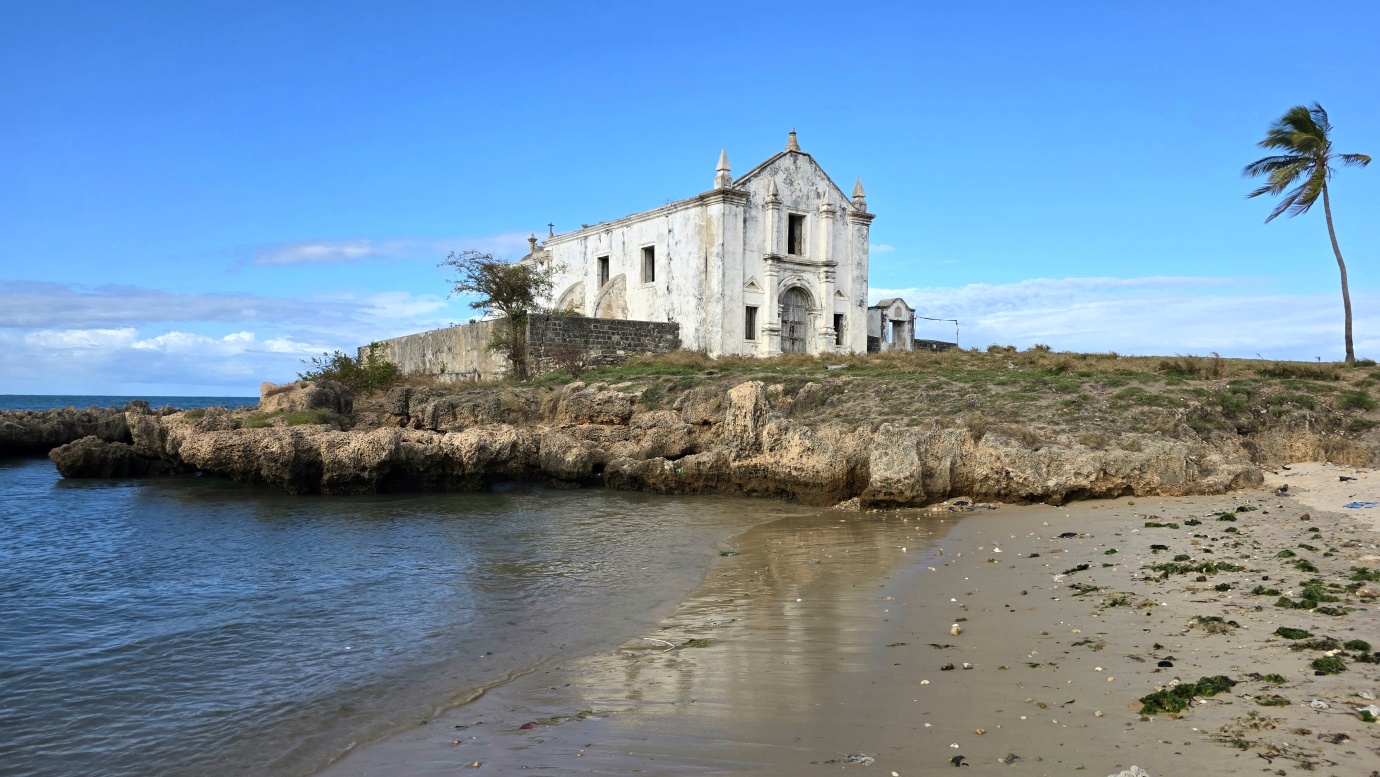
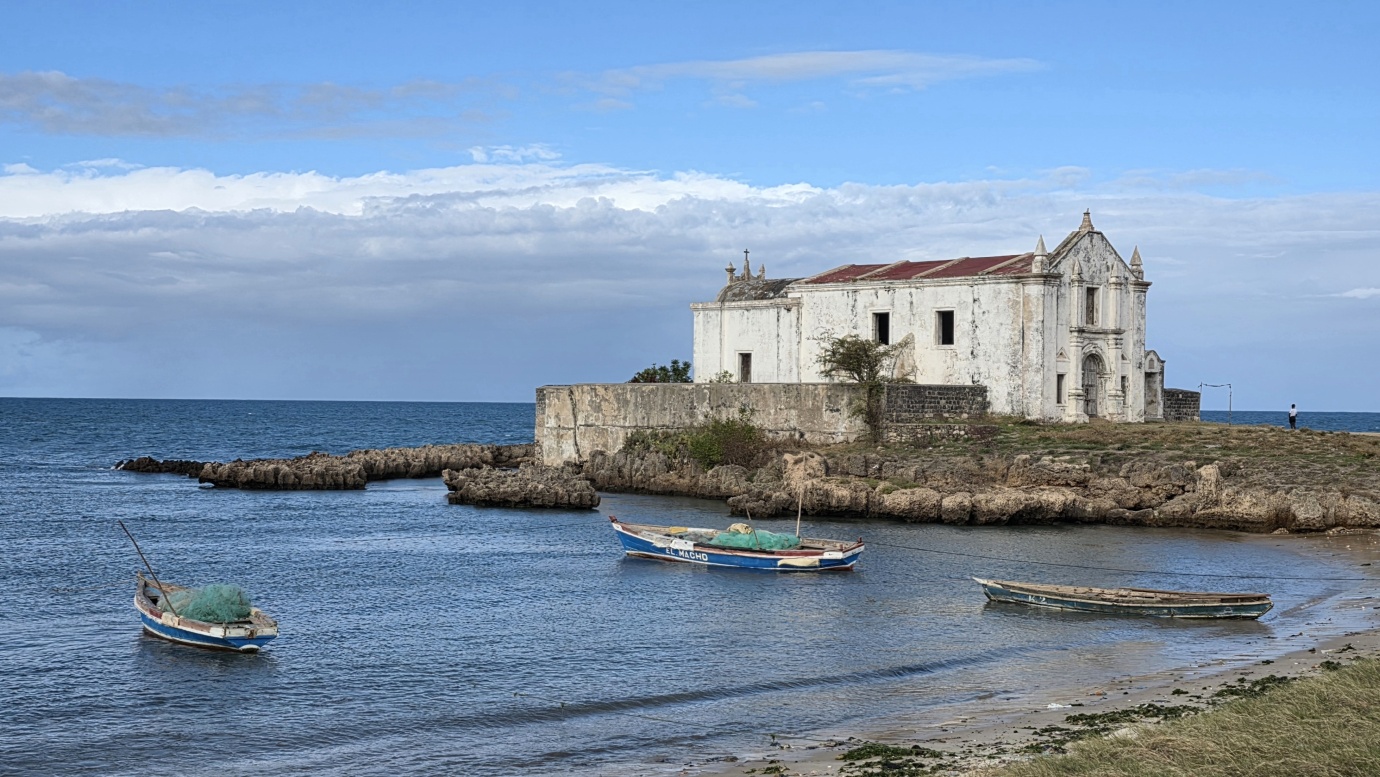
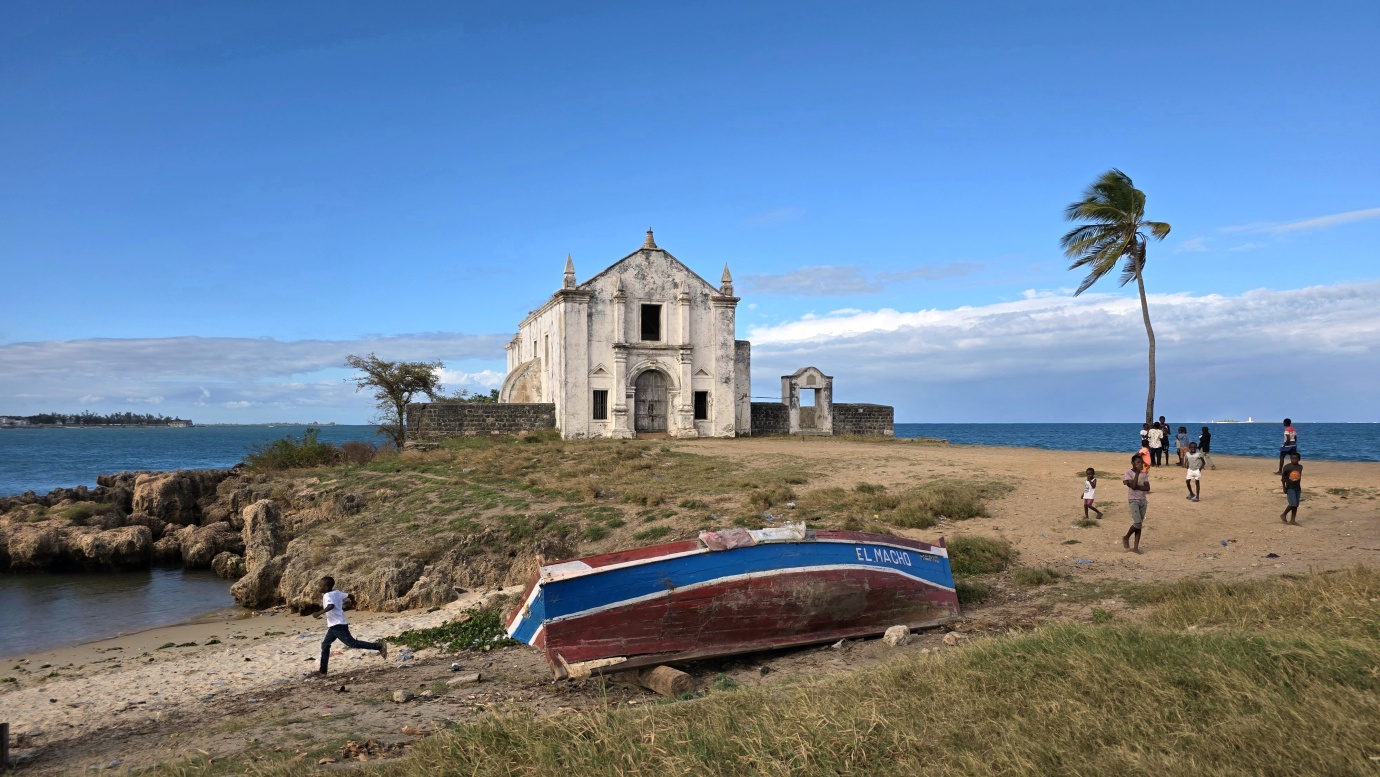
To defend this strategic harbour, the Portuguese constructed the mighty Fortaleza de São Sebastião (🎟️200 MZN), which remains the oldest complete fort still standing in sub-Saharan Africa. The island is also home to the Chapel of Nossa Senhora de Baluarte, built in 1522 and widely regarded as the oldest surviving European building in the Southern Hemisphere.
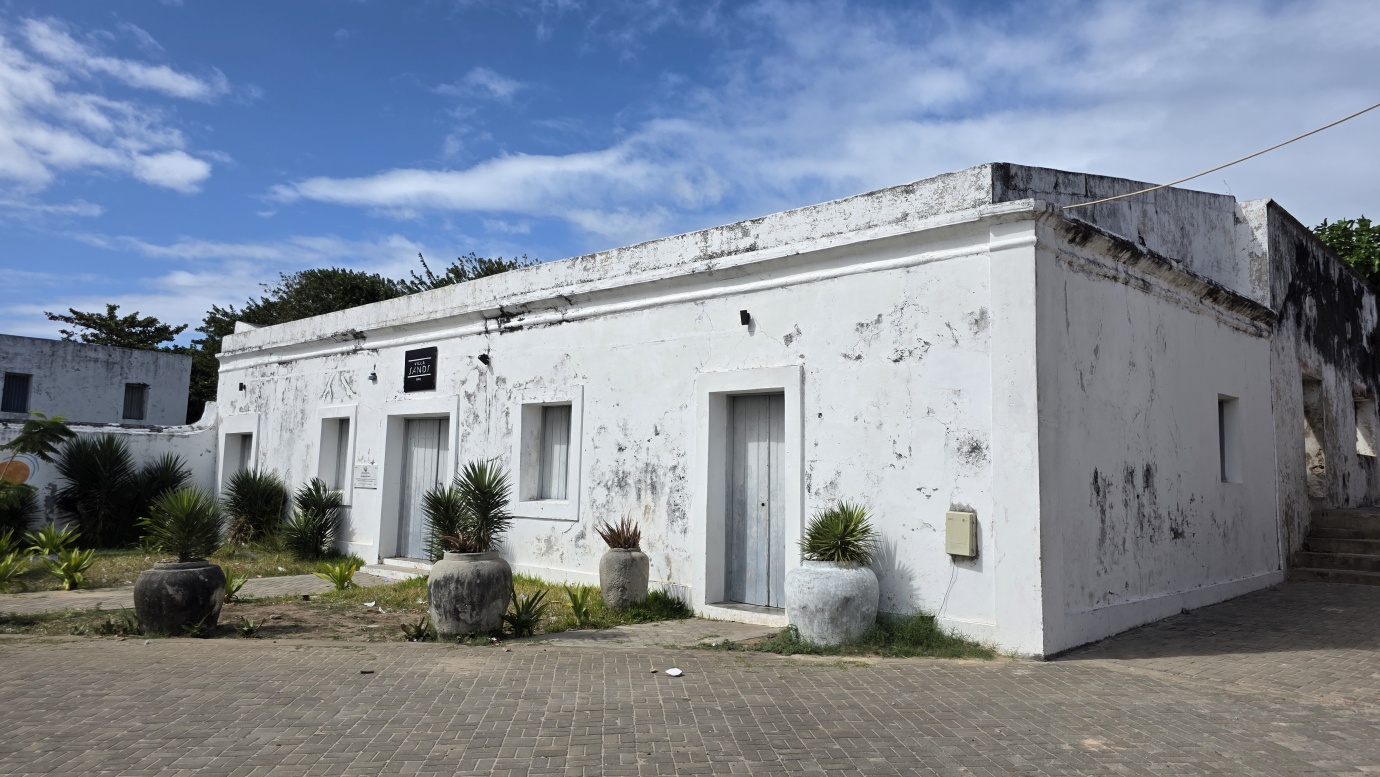
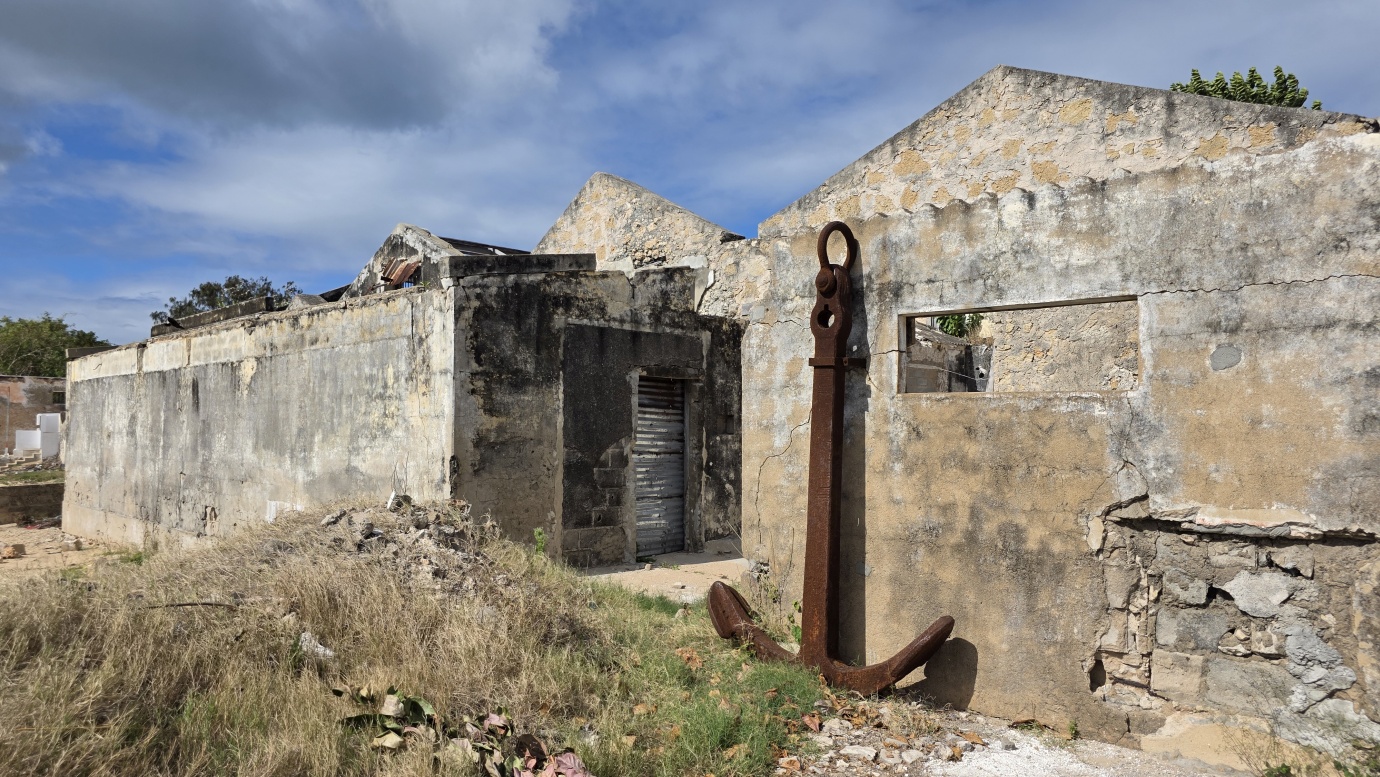
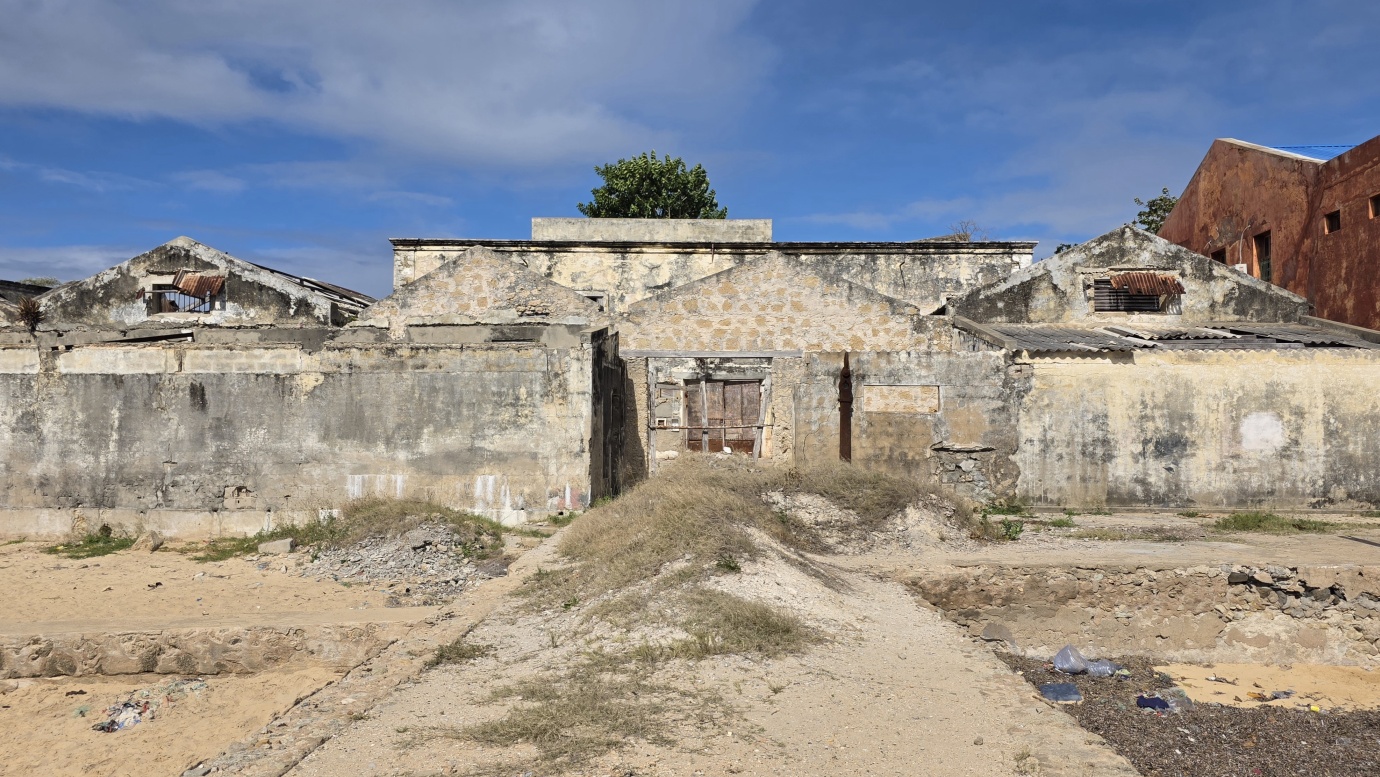
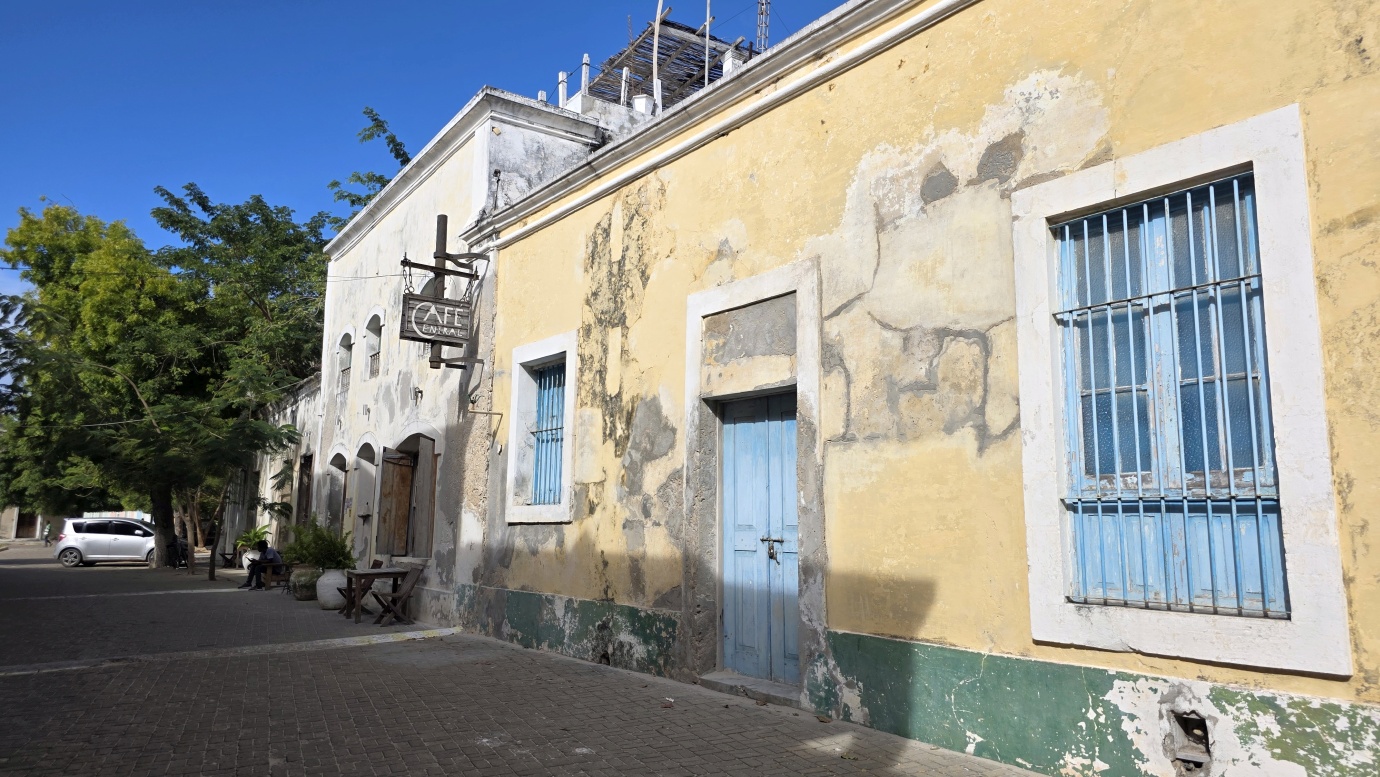
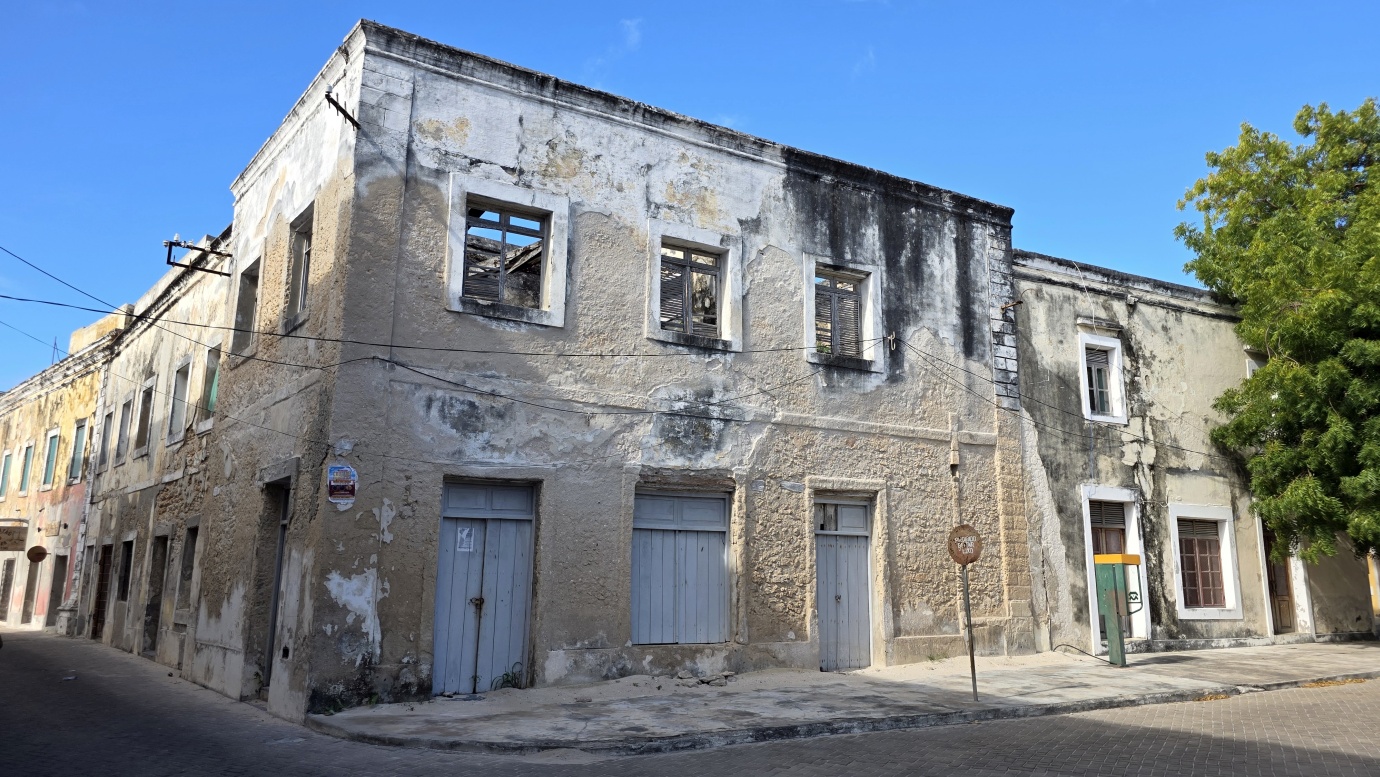
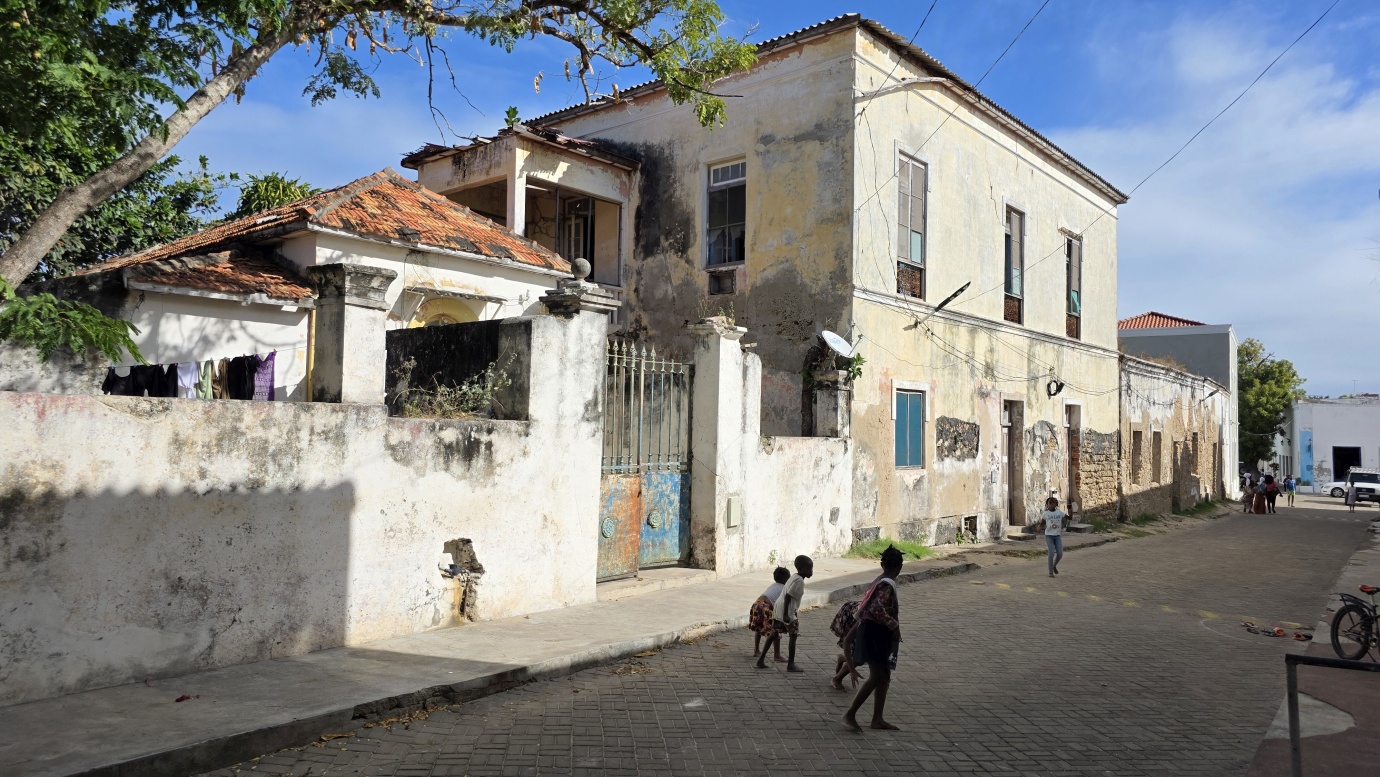
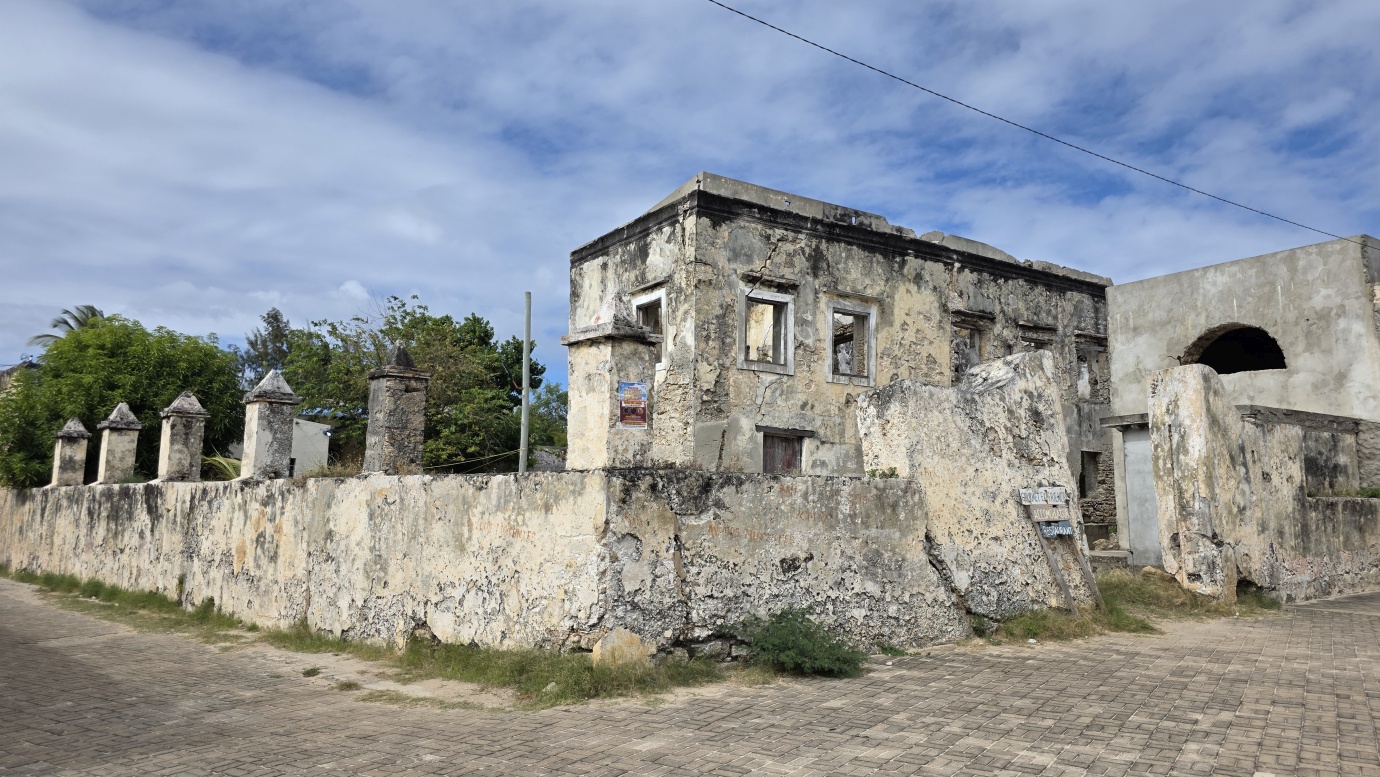
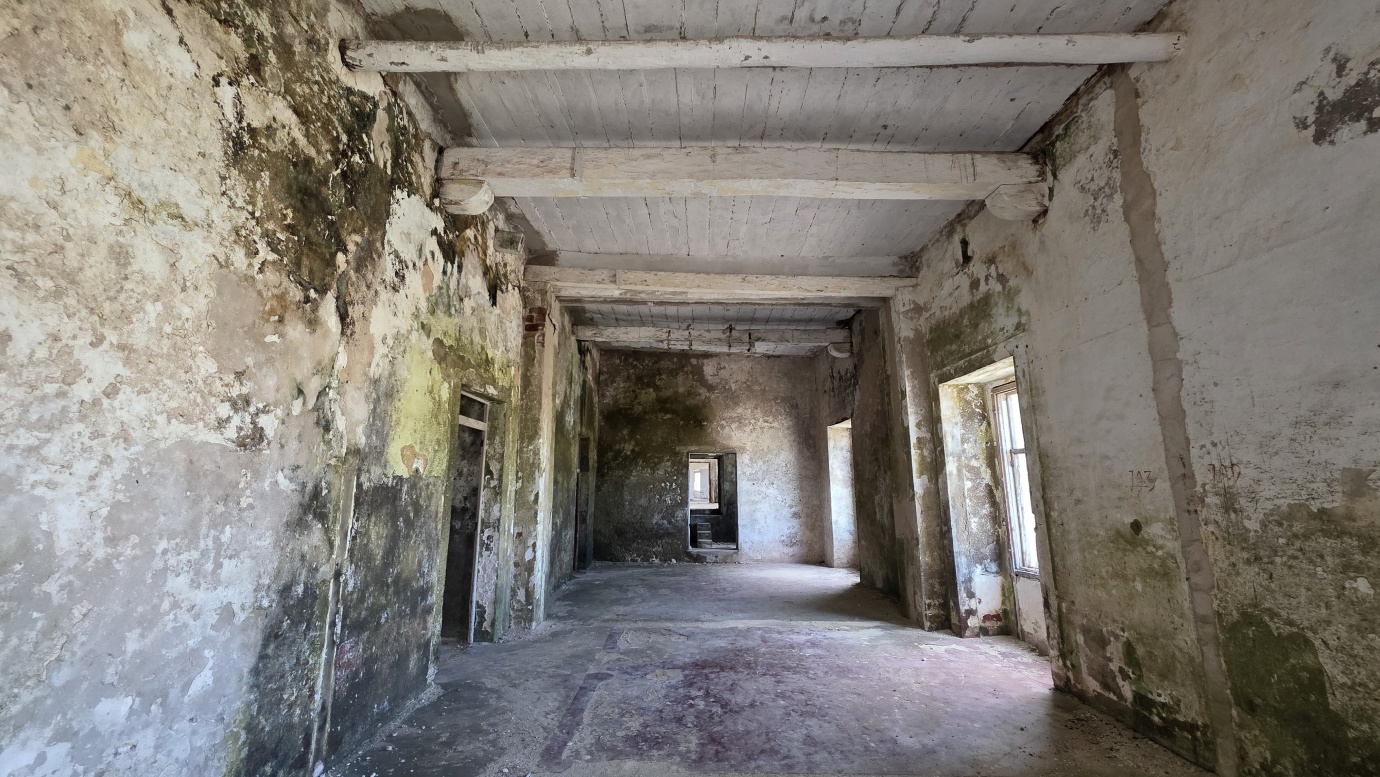
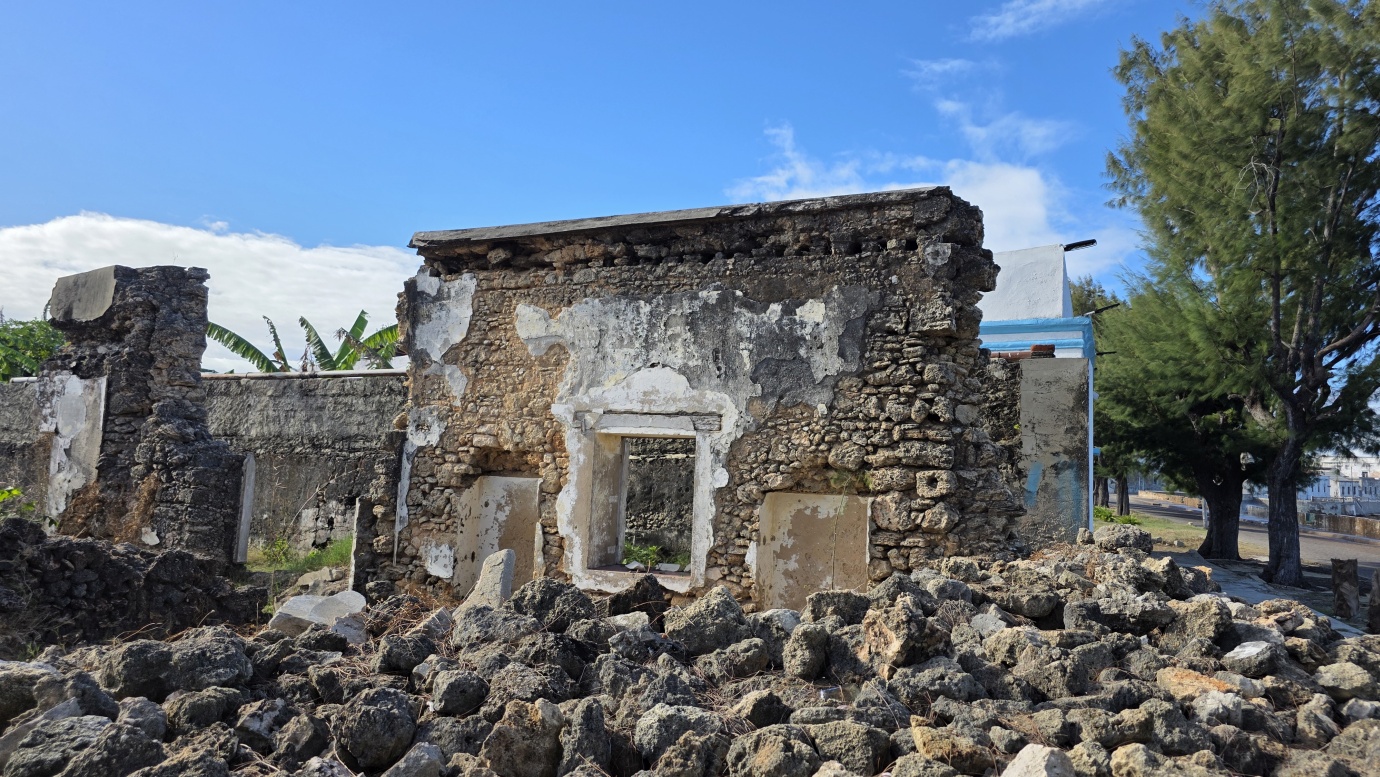
For centuries, Ilha de Moçambique stood at the crossroads of global trade, with ships carrying gold, ivory, spices and, tragically, enslaved people passing through its harbour. The opening of the Suez Canal in 1869 dramatically altered international shipping routes, and as the island’s importance declined, the colonial capital was eventually transferred south to Lourenço Marques (now Maputo) in 1898. Today, the island is a UNESCO World Heritage Site, celebrated for its extraordinary history, even as many of its once-grand buildings continue to crumble with age.
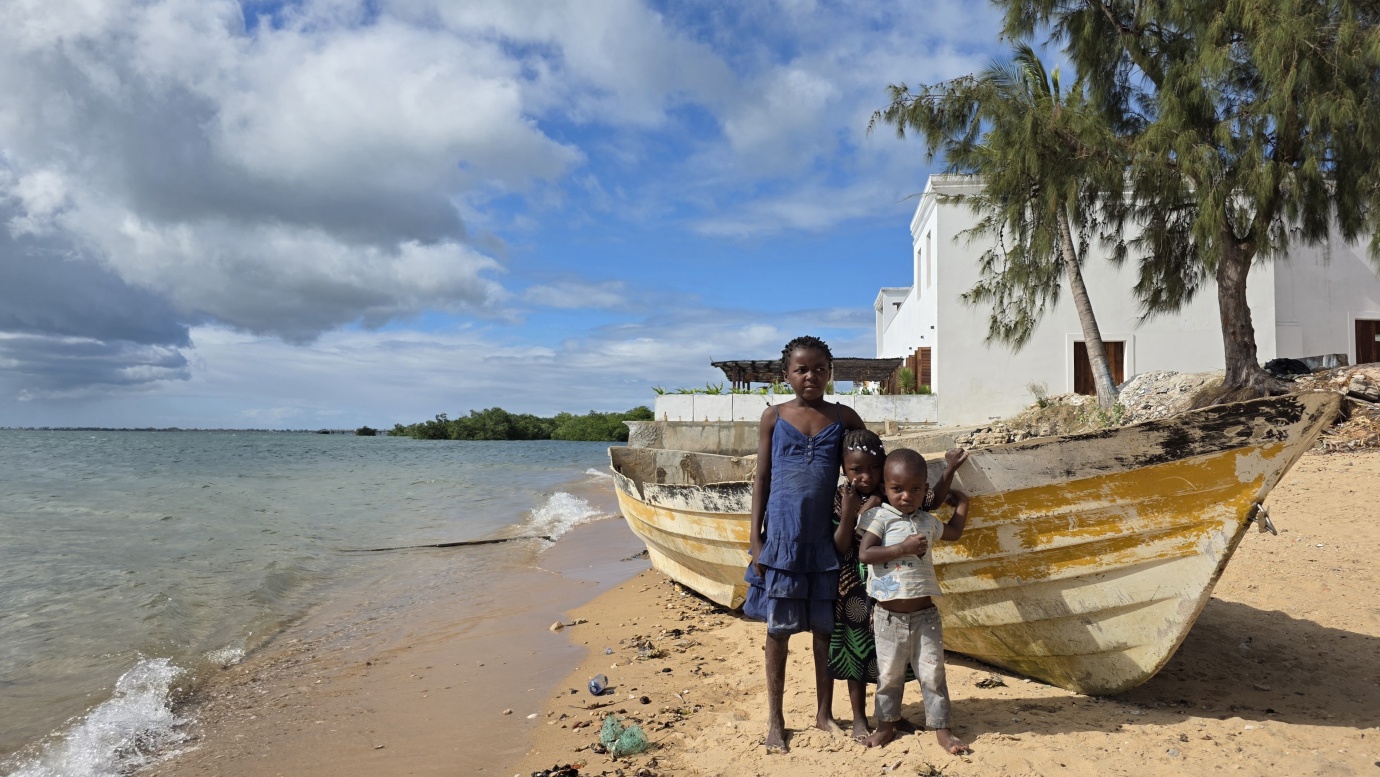
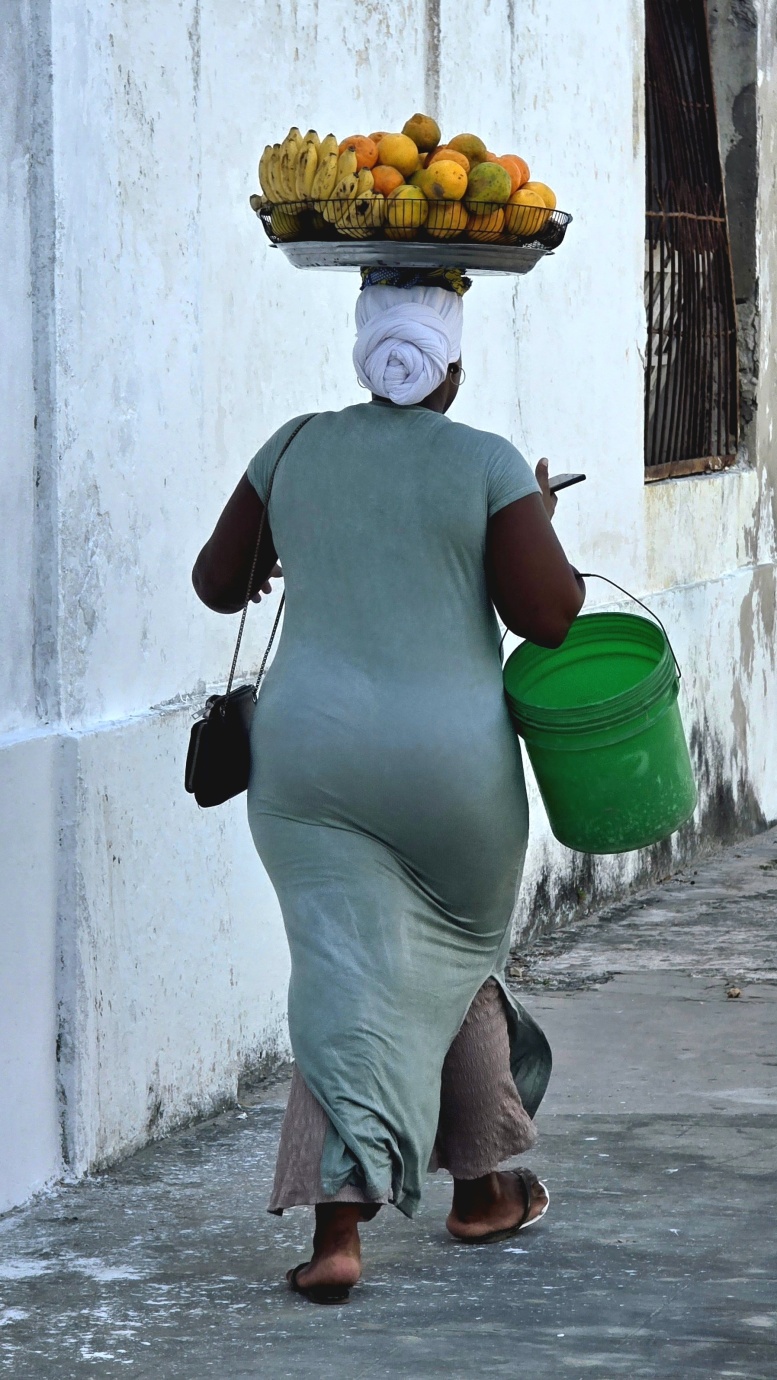
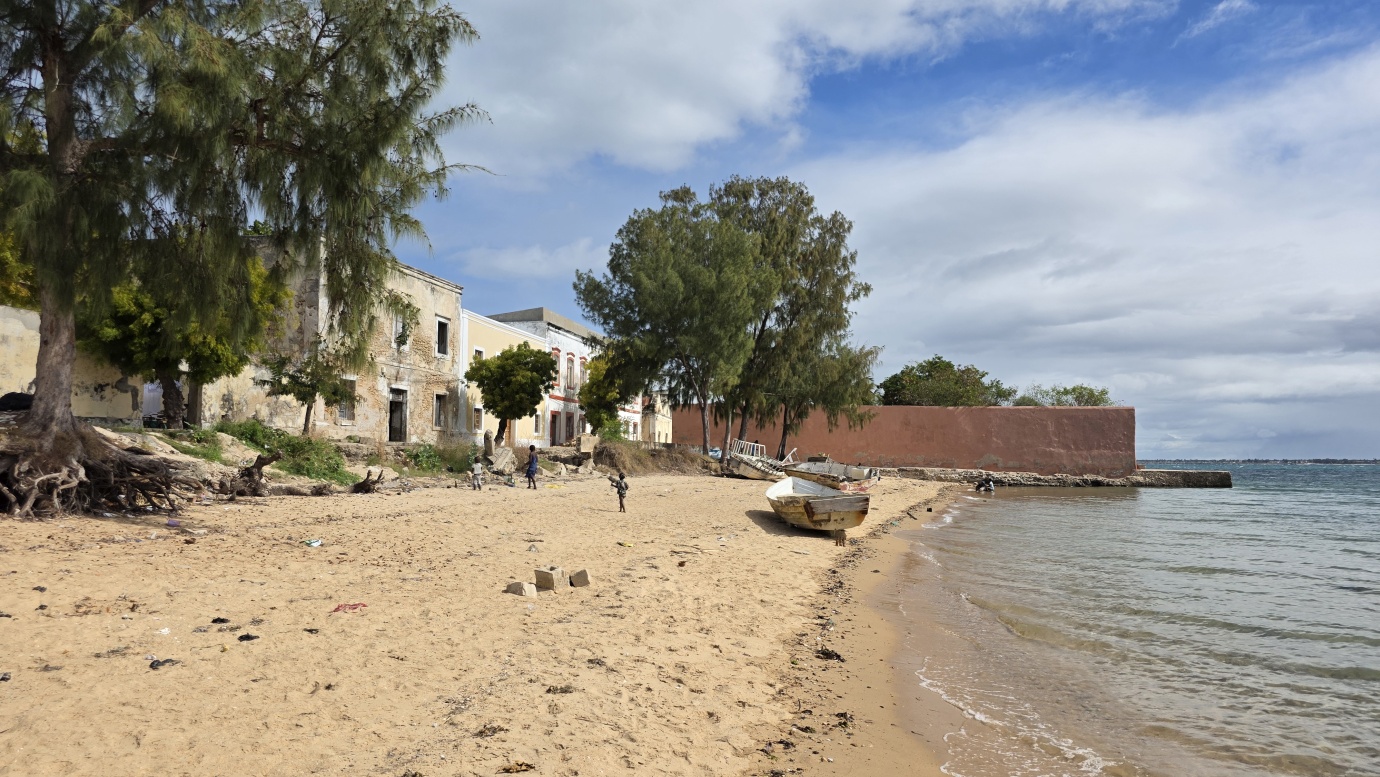
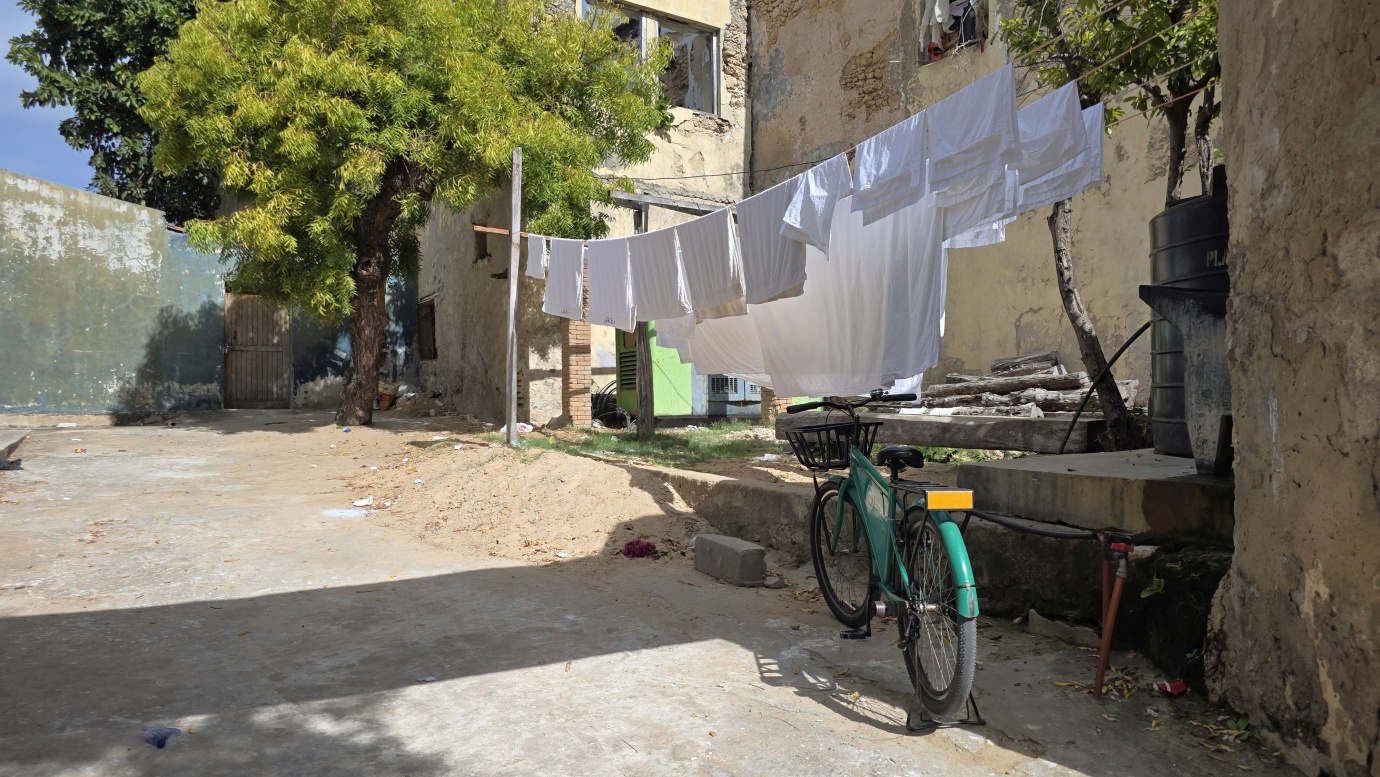
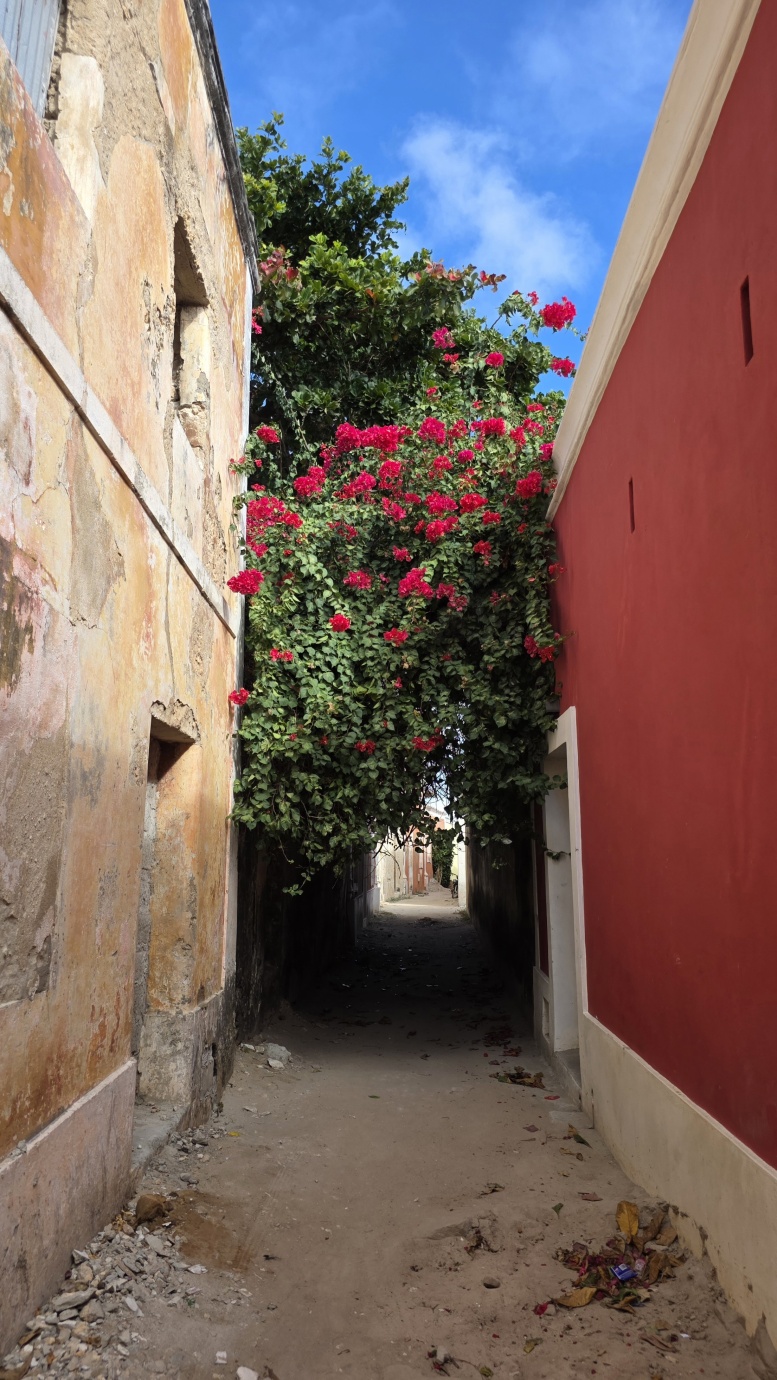
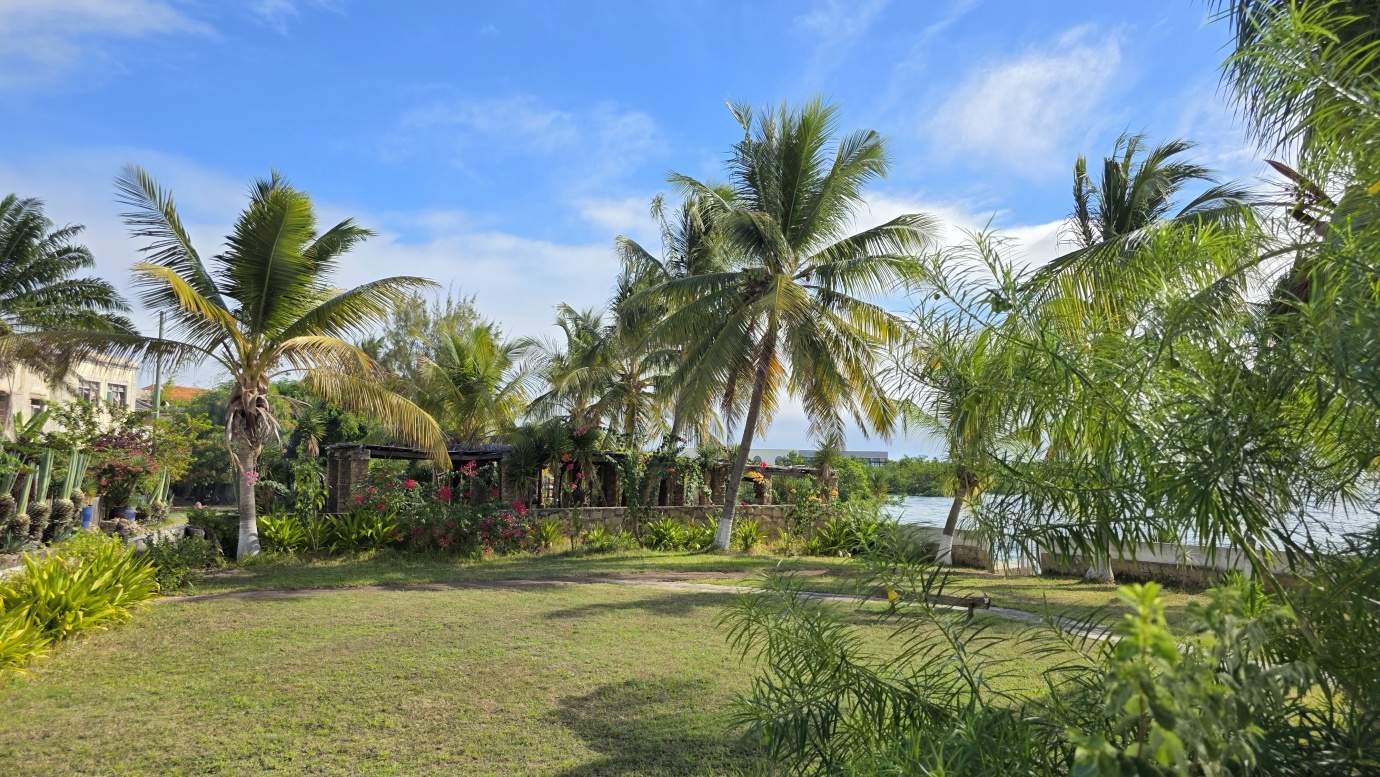
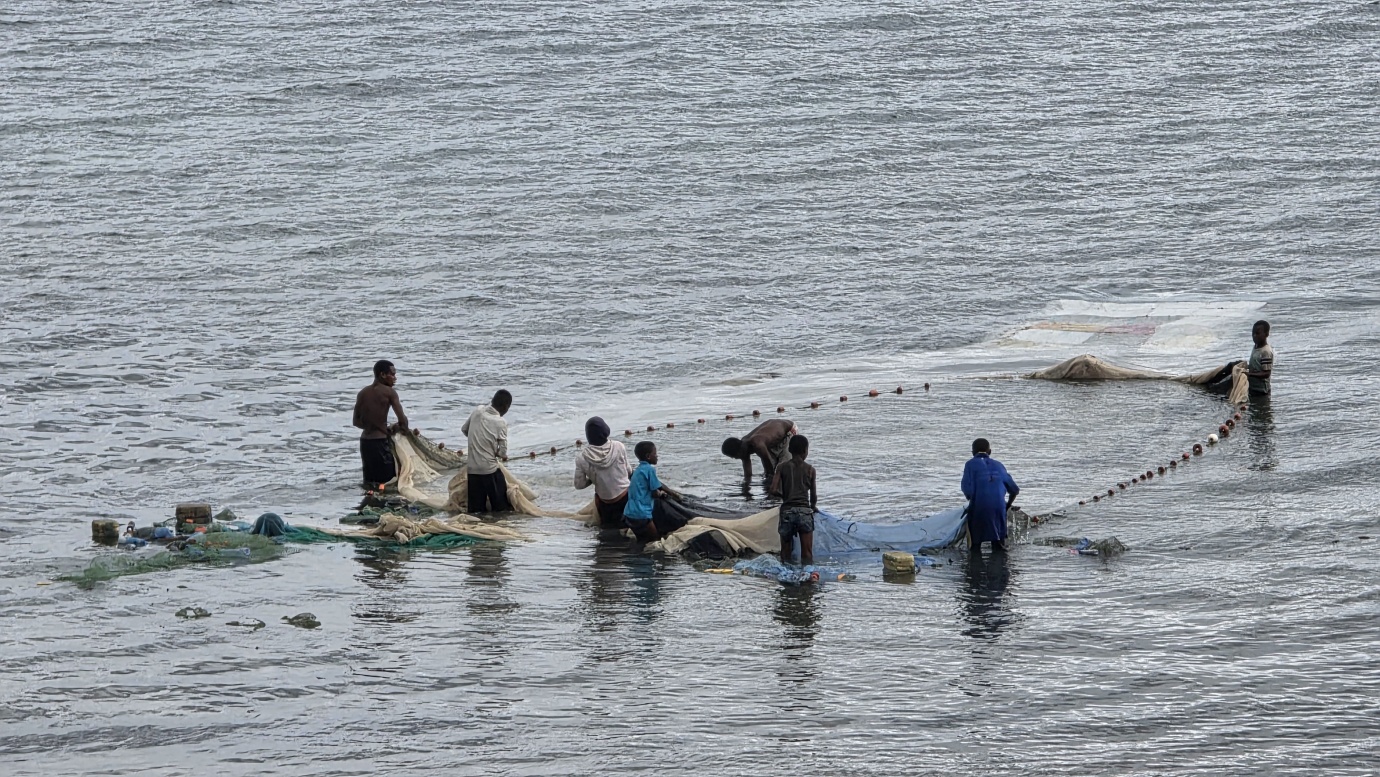
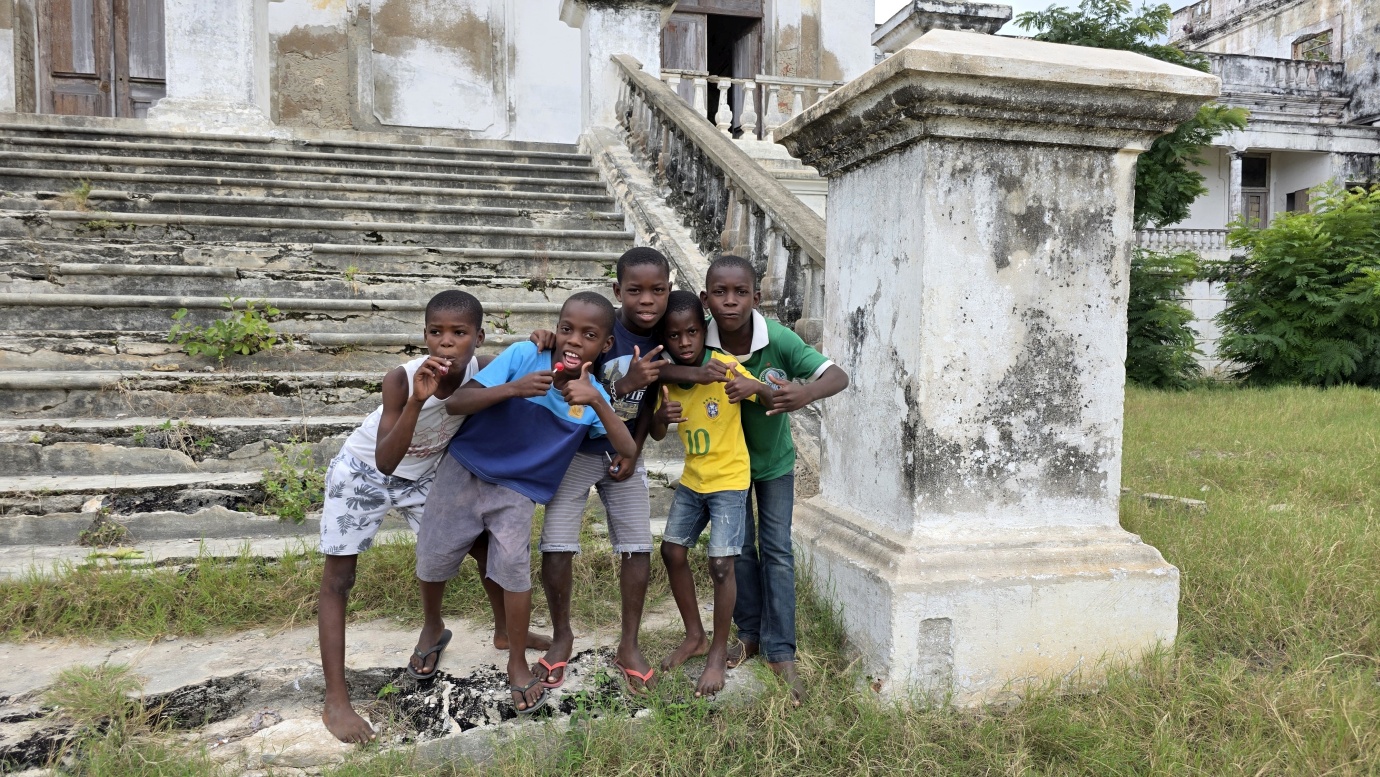
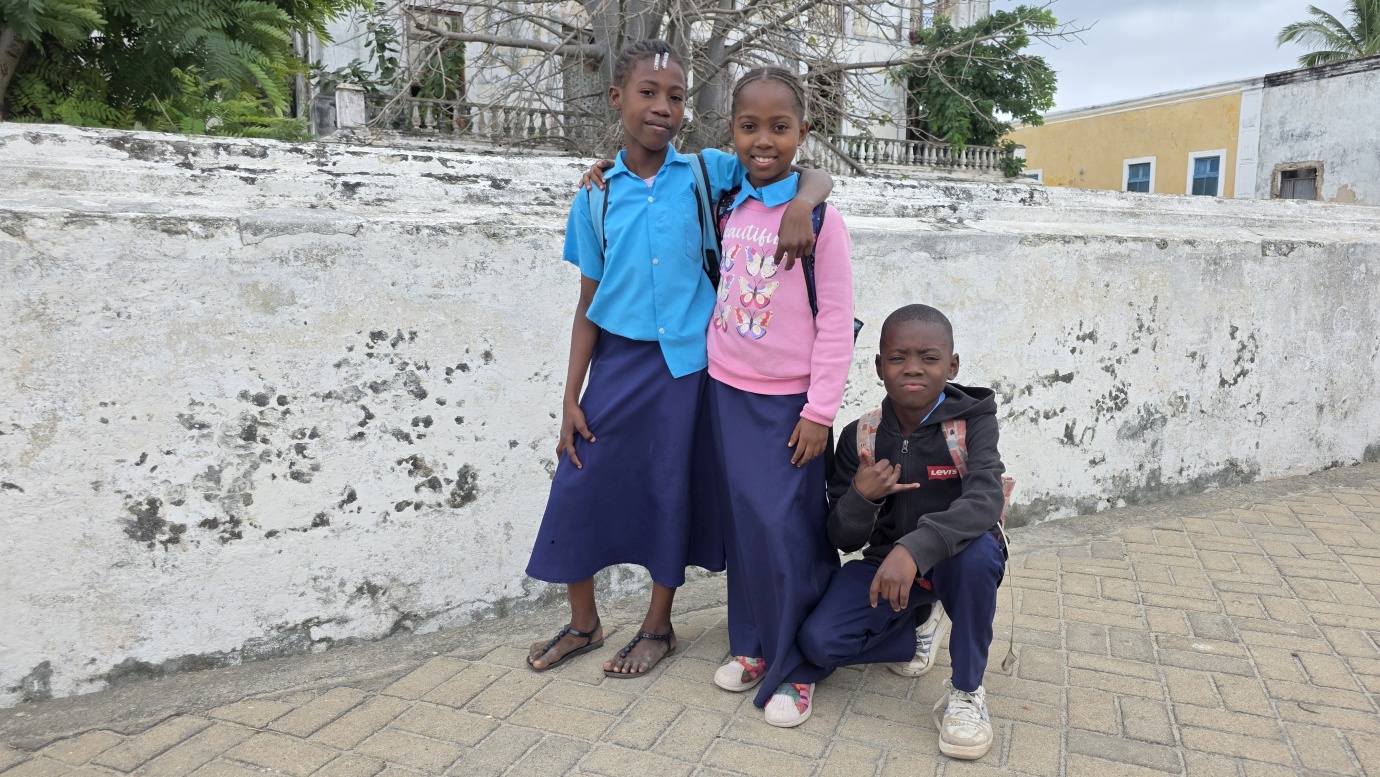
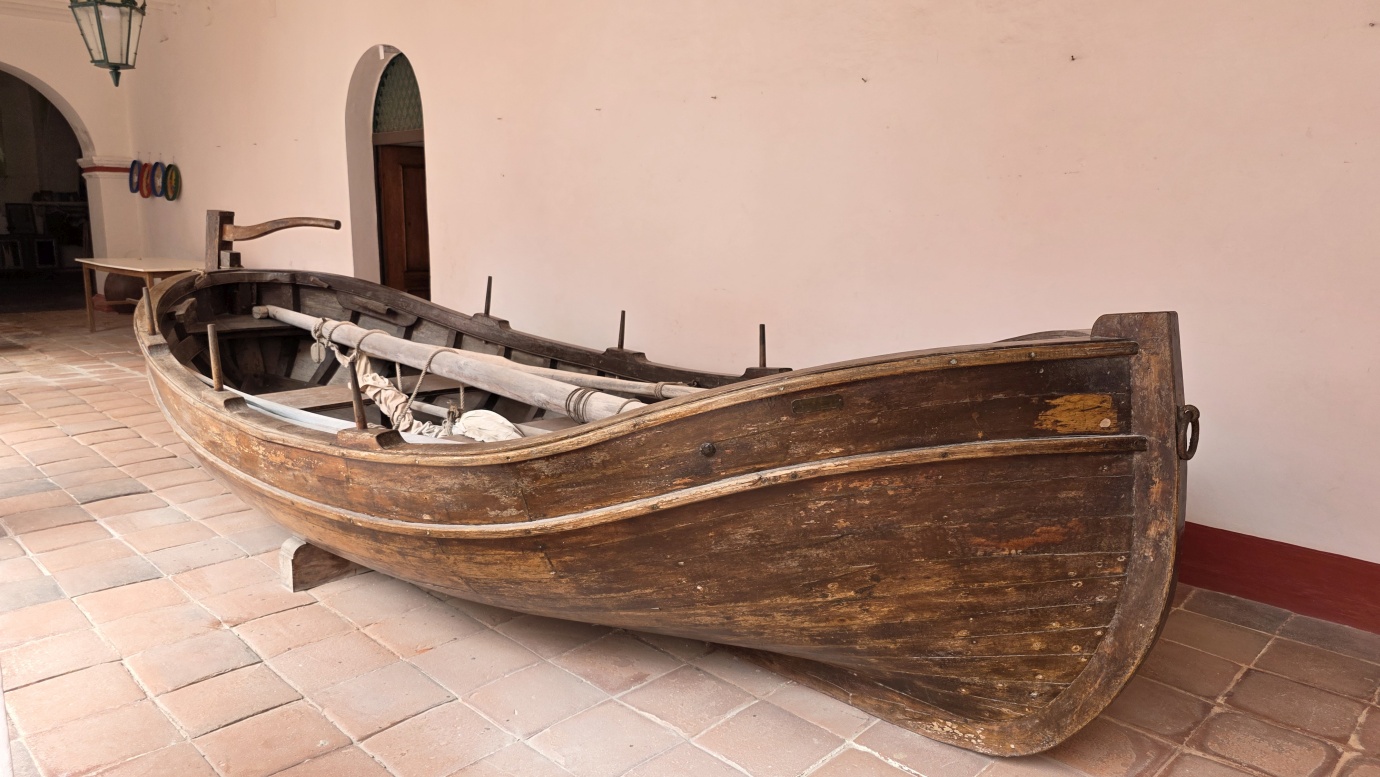
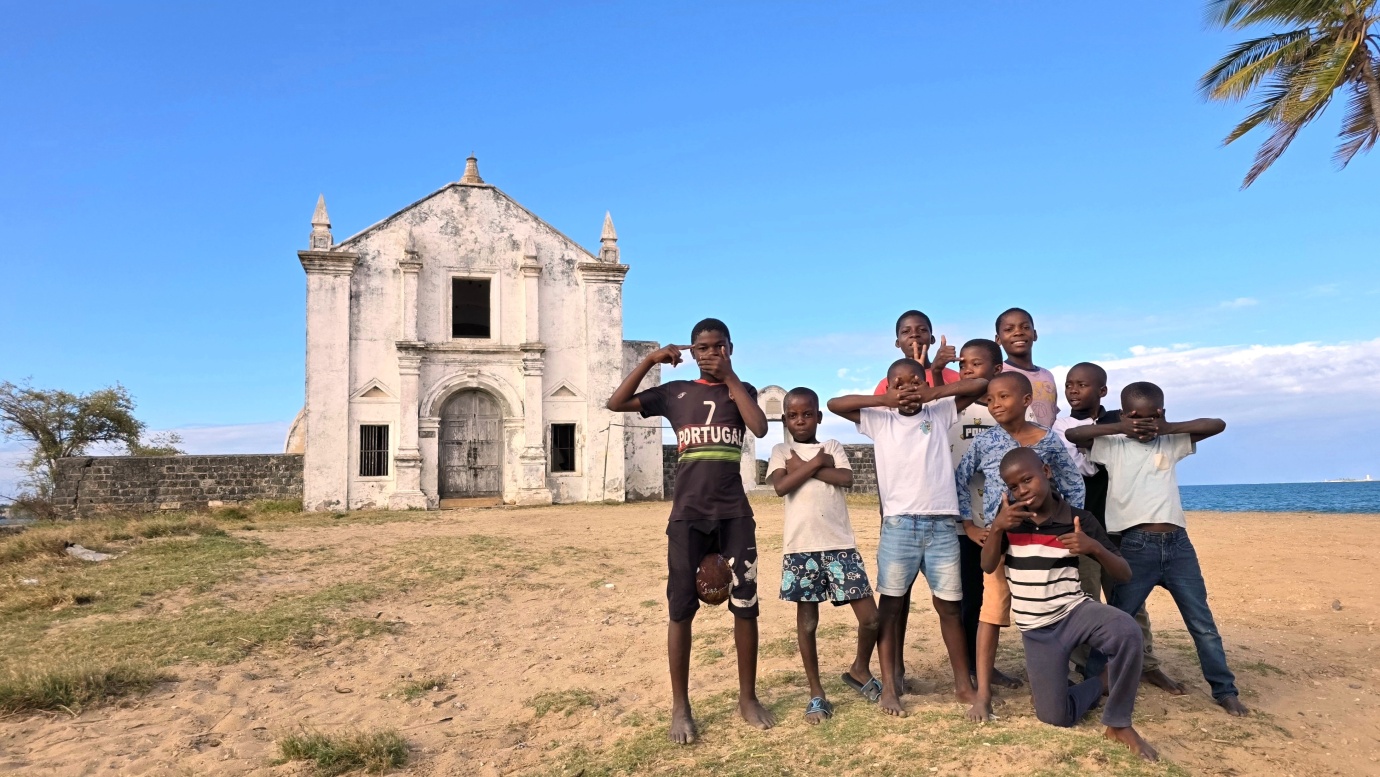
Despite its rich past, the atmosphere today is wonderfully laid-back. Narrow streets are filled with children playing football, fishermen repairing their boats and locals chatting in the shade of centuries-old buildings. A handful of charming boutique hotels, cosy cafés and excellent seafood restaurants make it an enjoyable place to spend a few days. Simply wandering through the historic streets, watching colourful dhows sail across the bay and soaking up the unique blend of African, Arab and Portuguese cultures is one of the highlights of travelling through northern Mozambique.
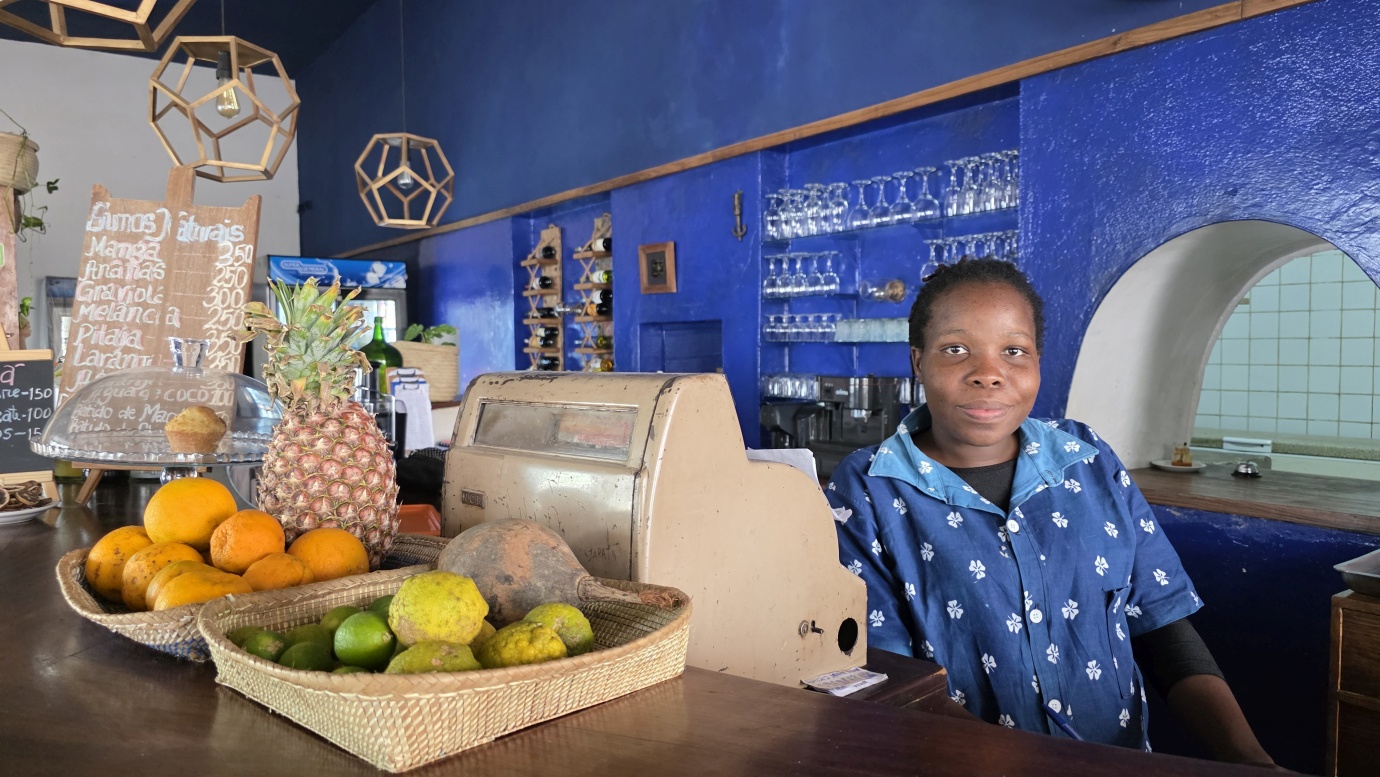
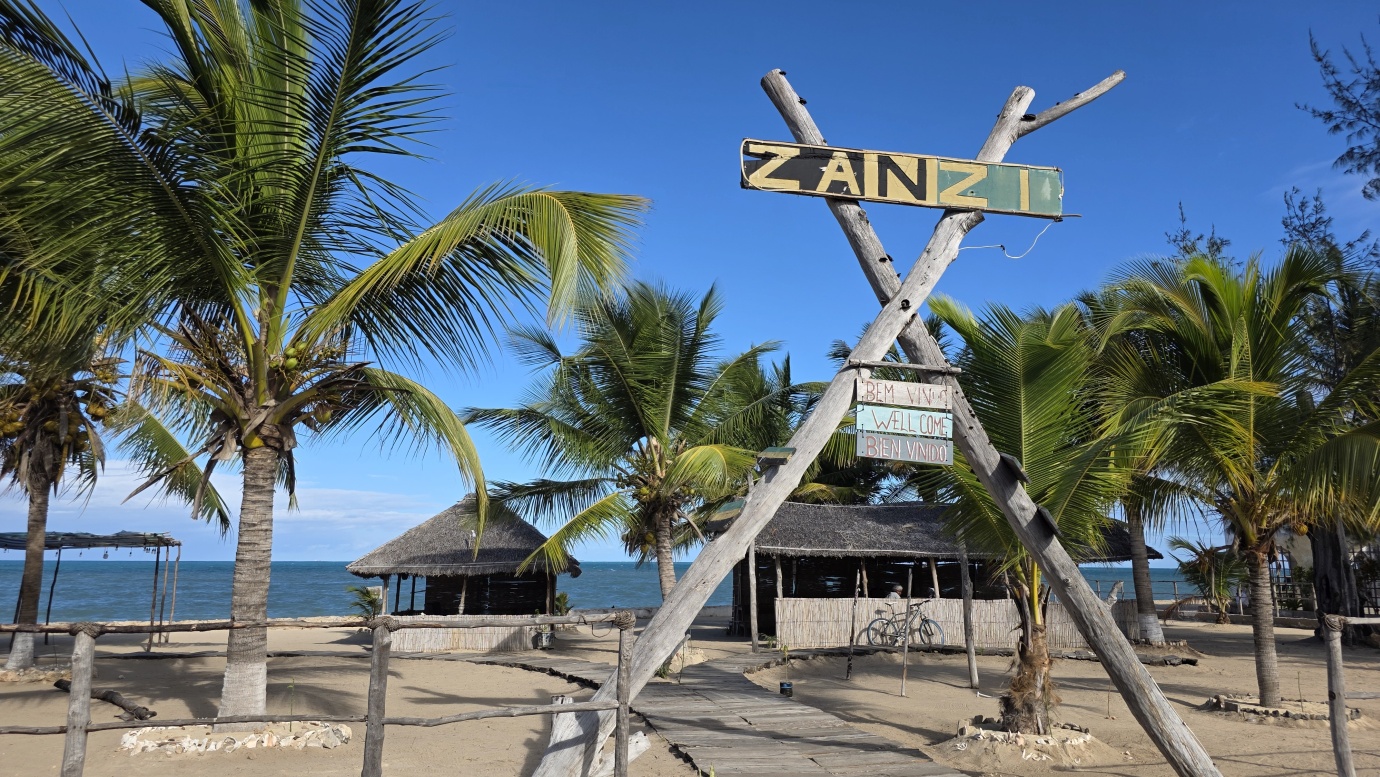
And, as in so many places these days, tourism has never fully recovered from the COVID-19 pandemic and has been dealt another blow by the security crisis in northern Mozambique and in the Gulf region. As a result, only a handful of the island’s once-charming restaurants and bars have managed to survive. During our stay, we ended up having all our meals at Ancora d’Ouro and enjoying evening drinks at Flor de Rosa, both of which we can happily recommend.