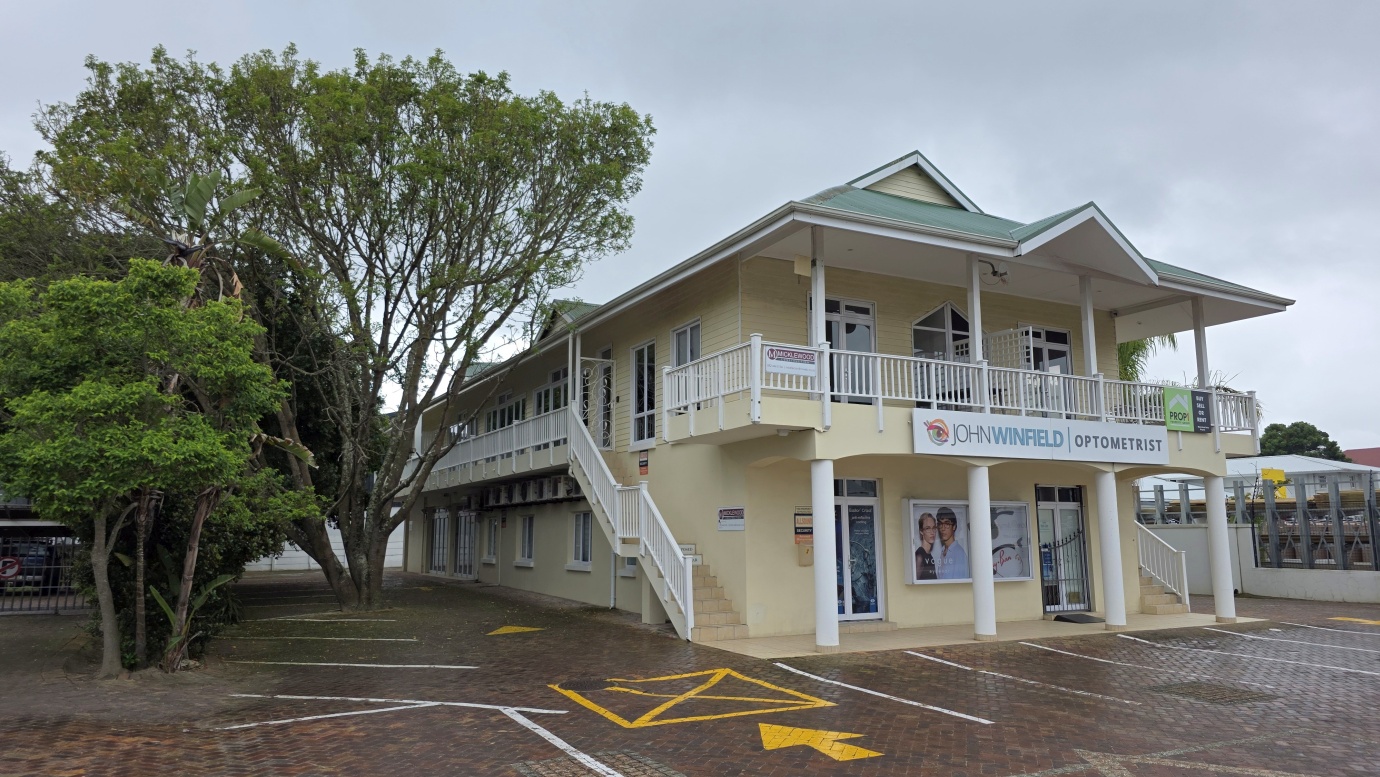
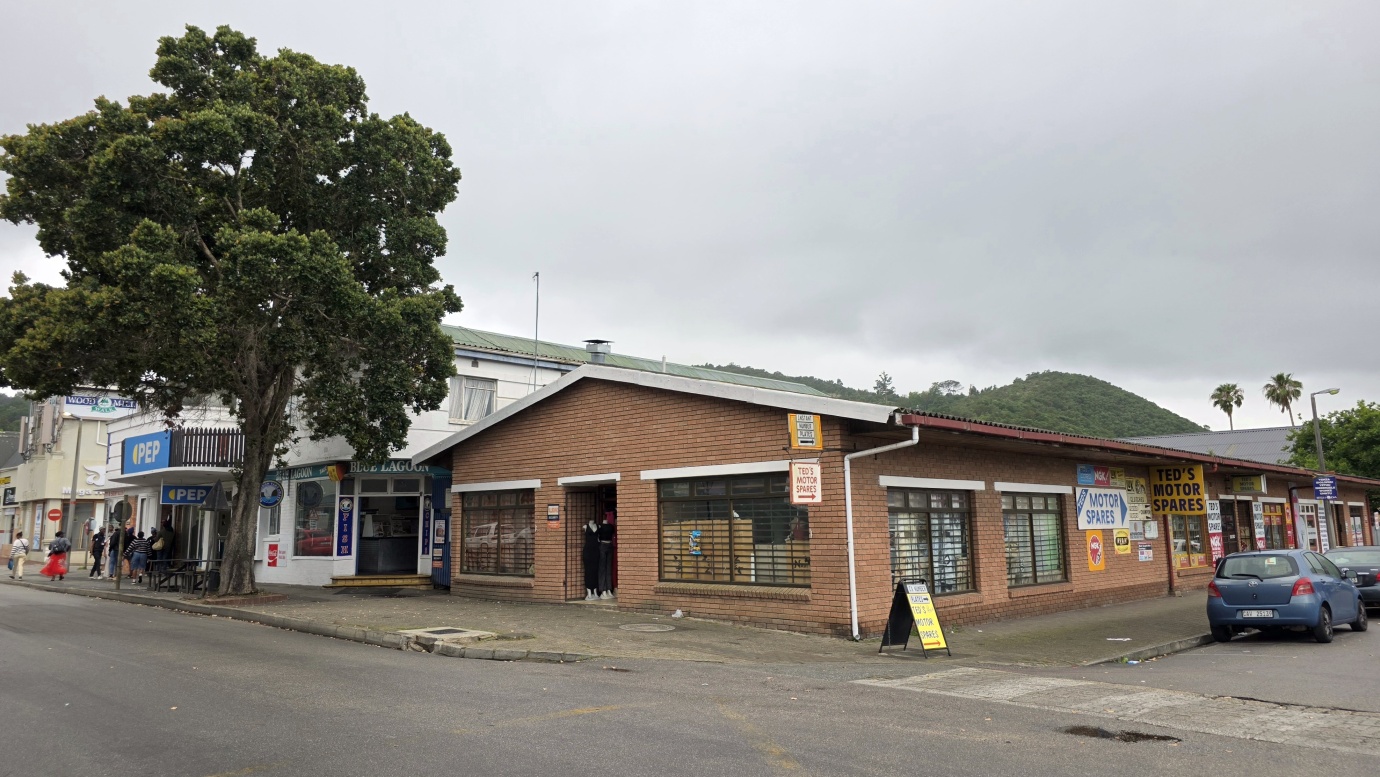
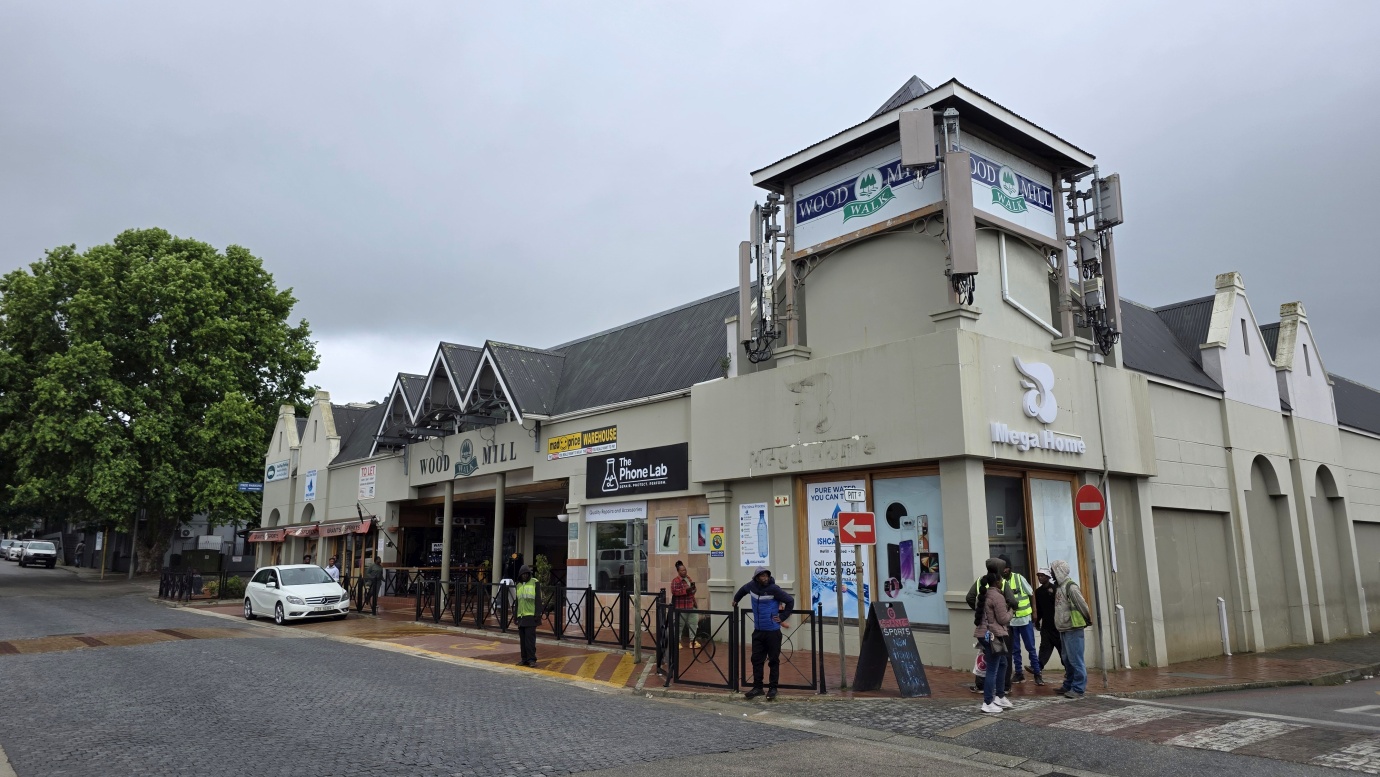
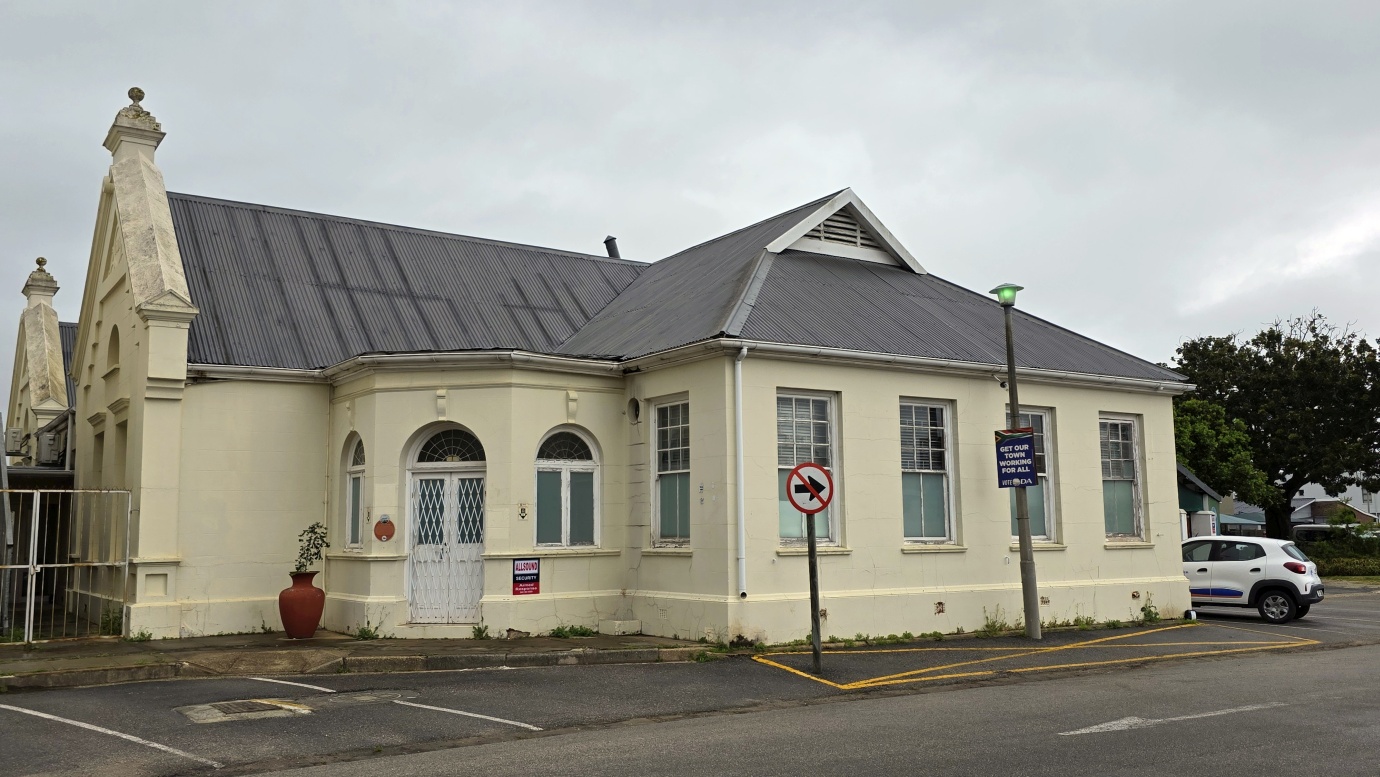
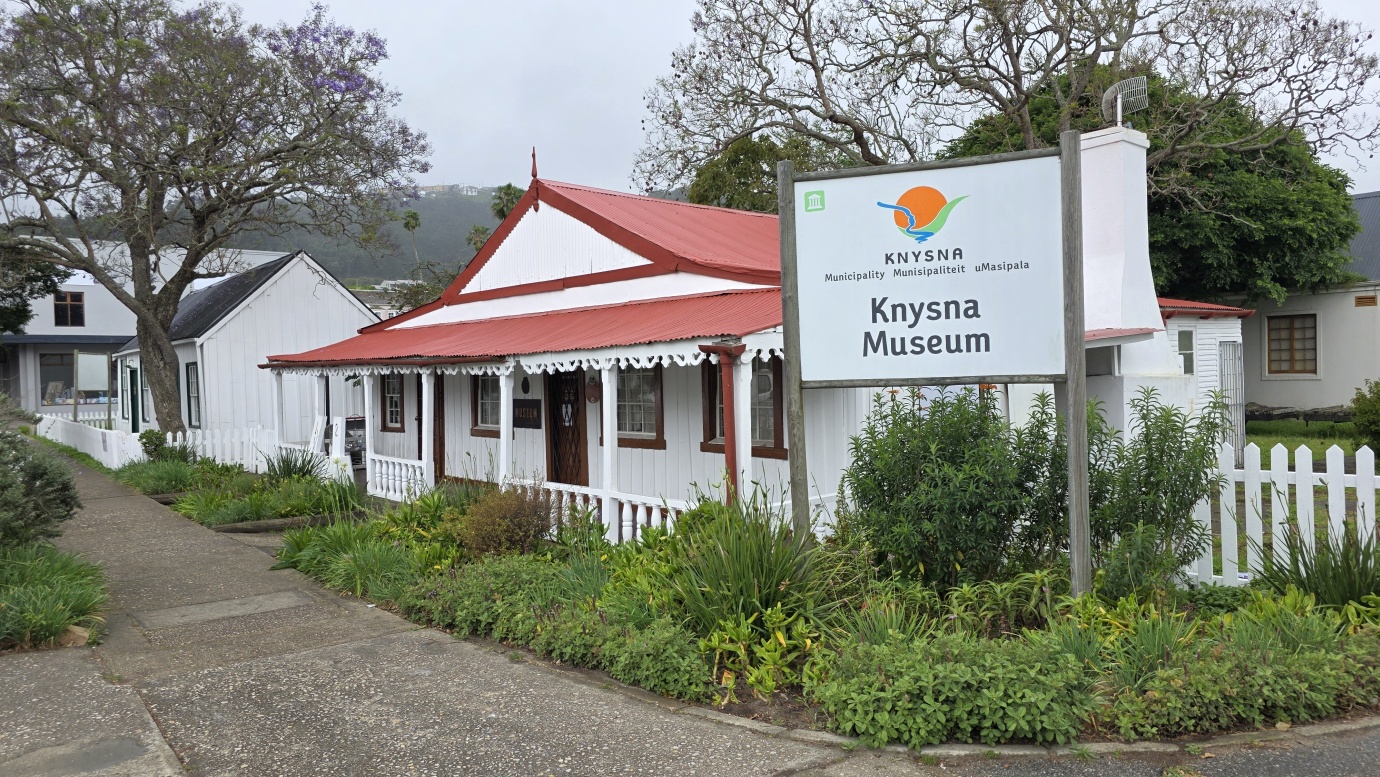
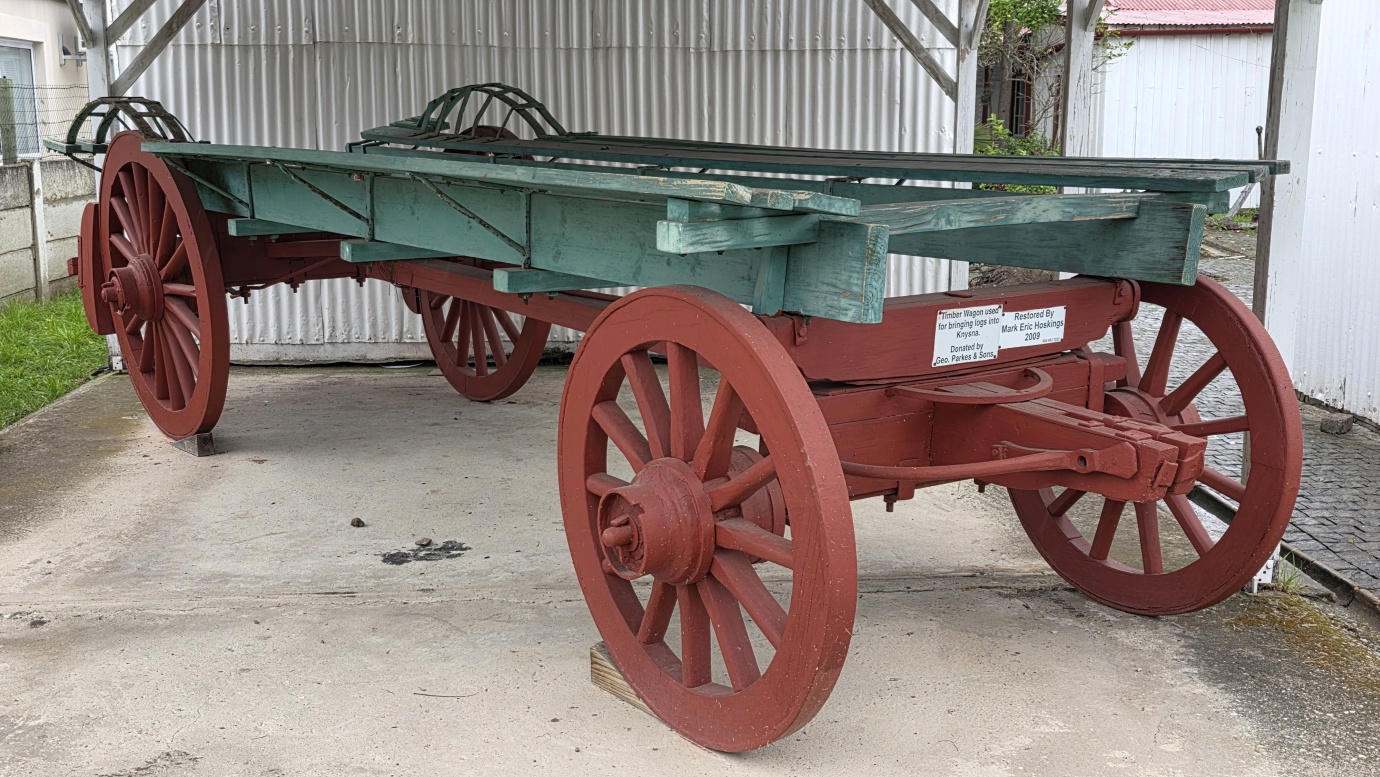
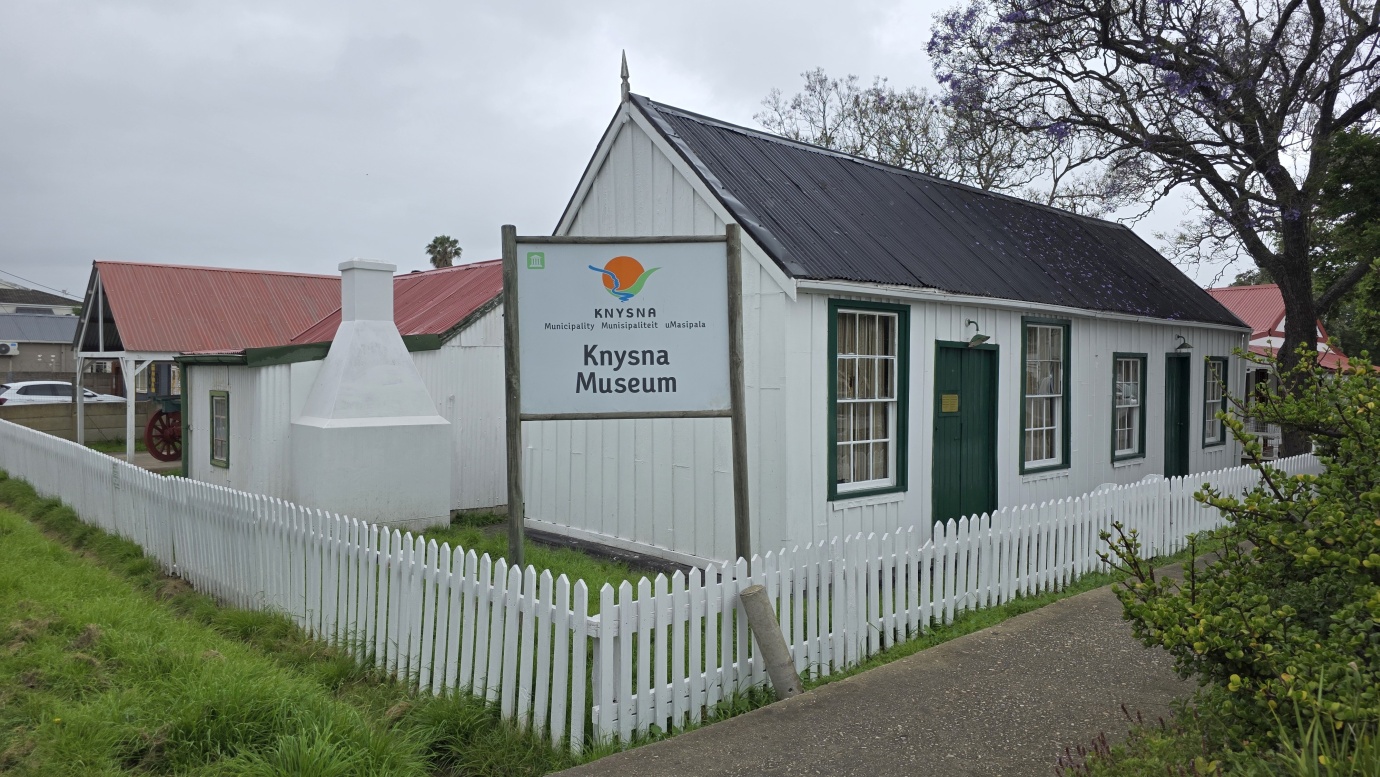
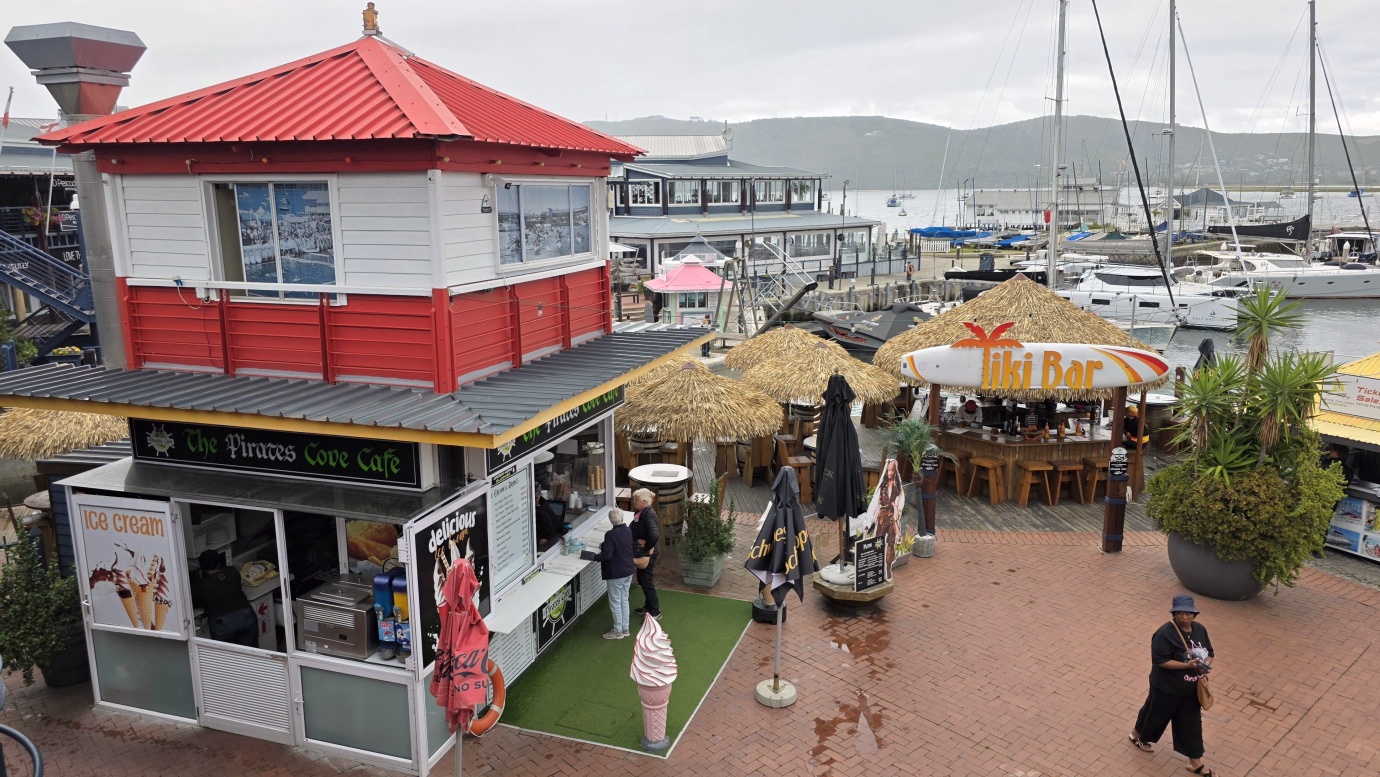
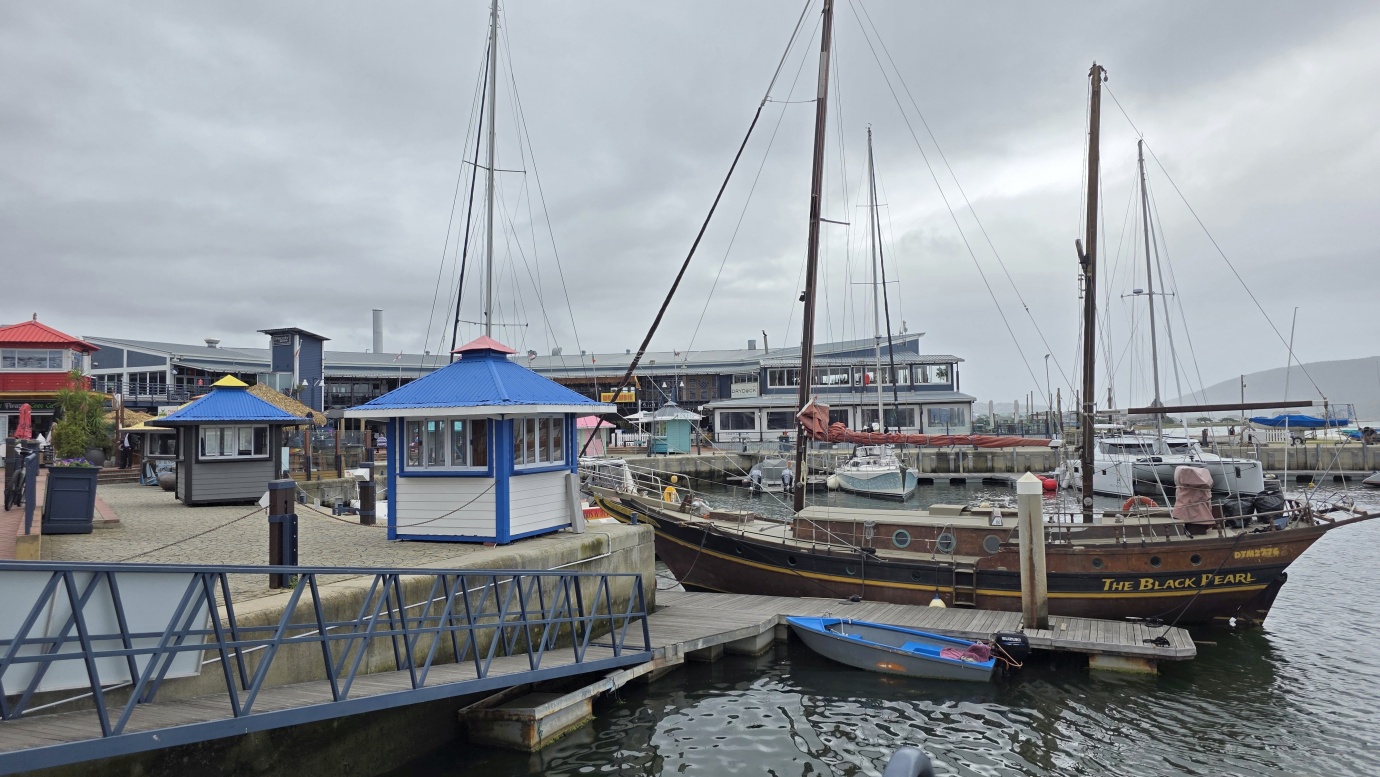
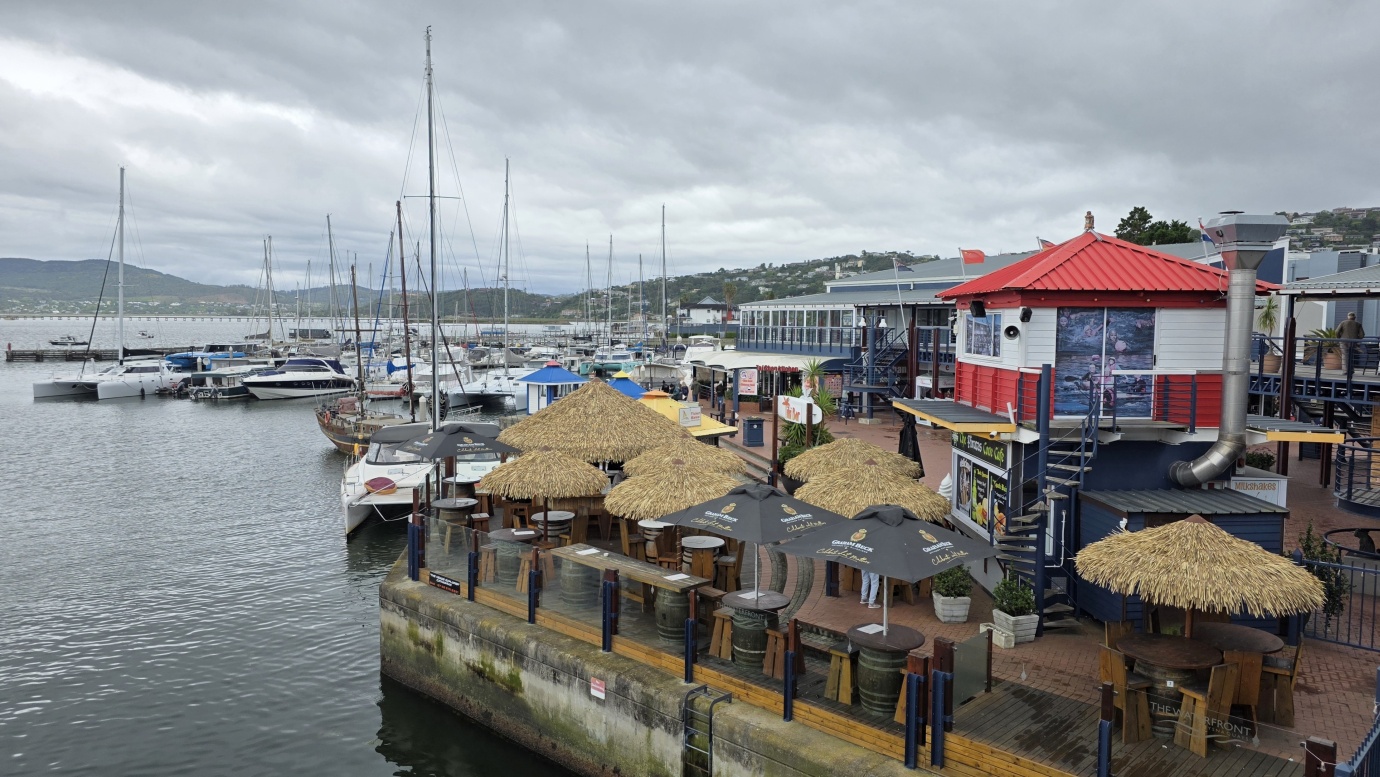
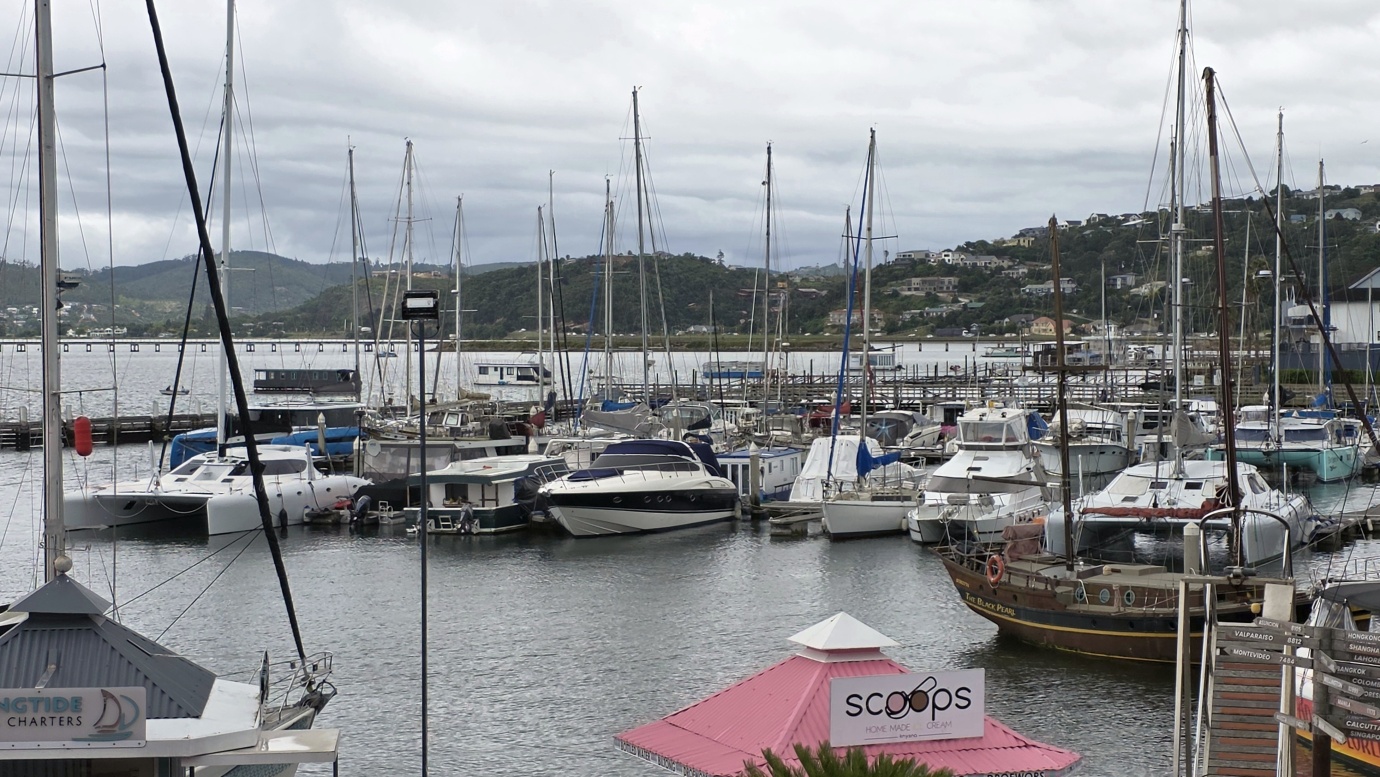
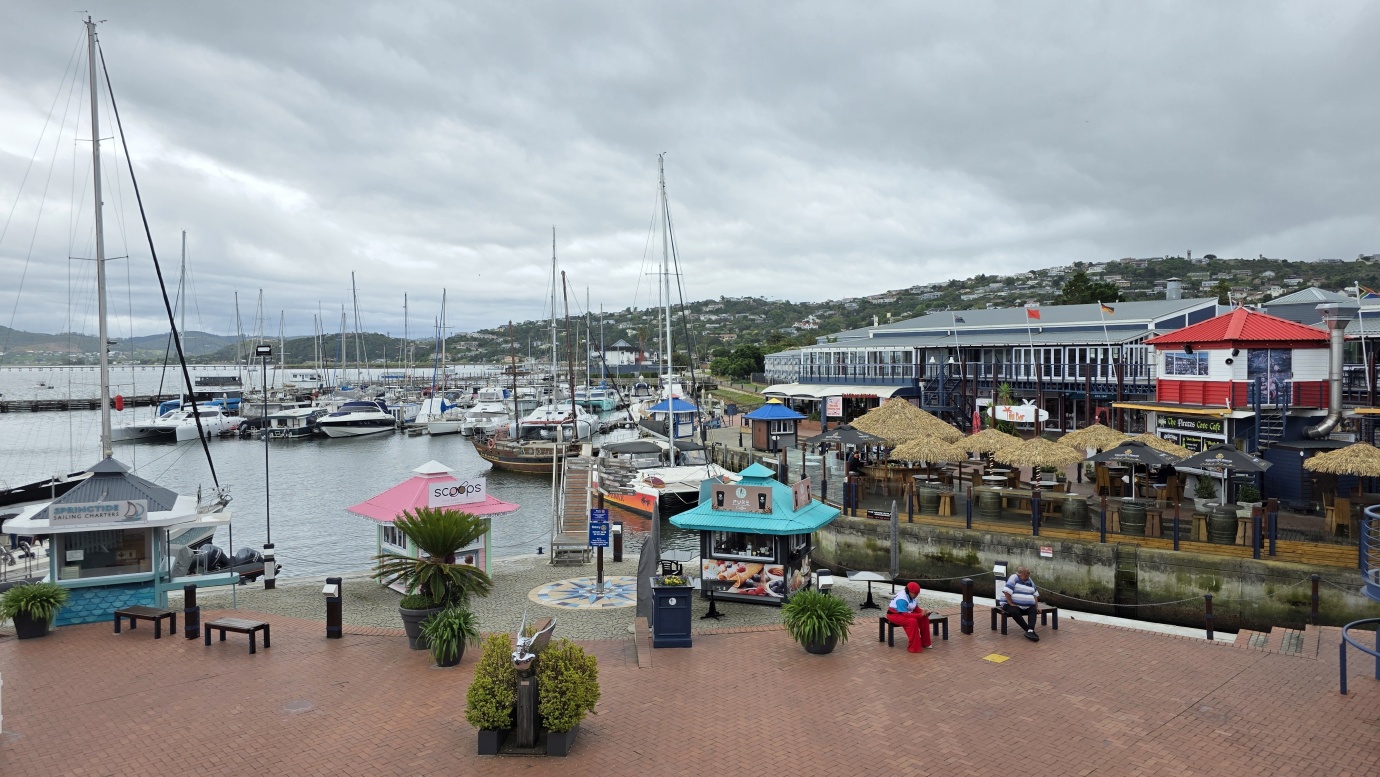
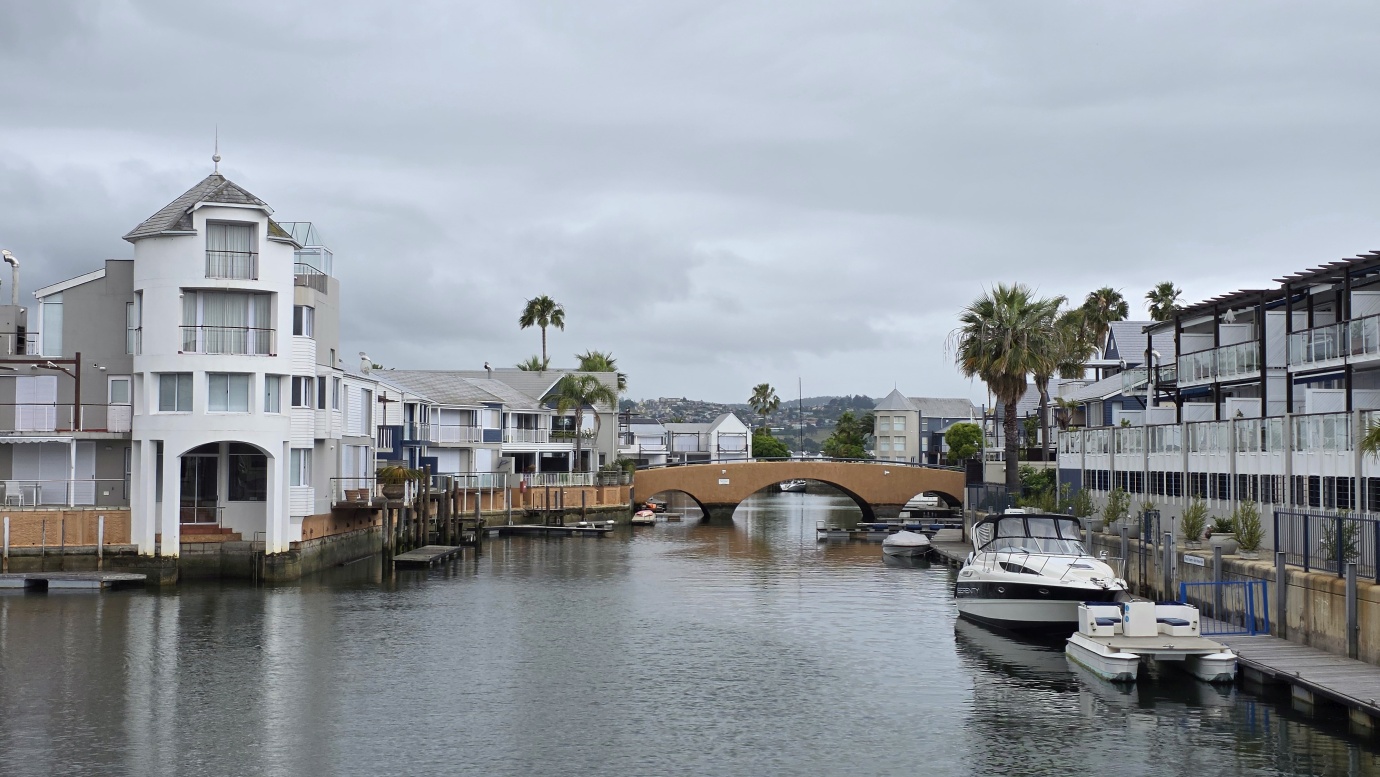
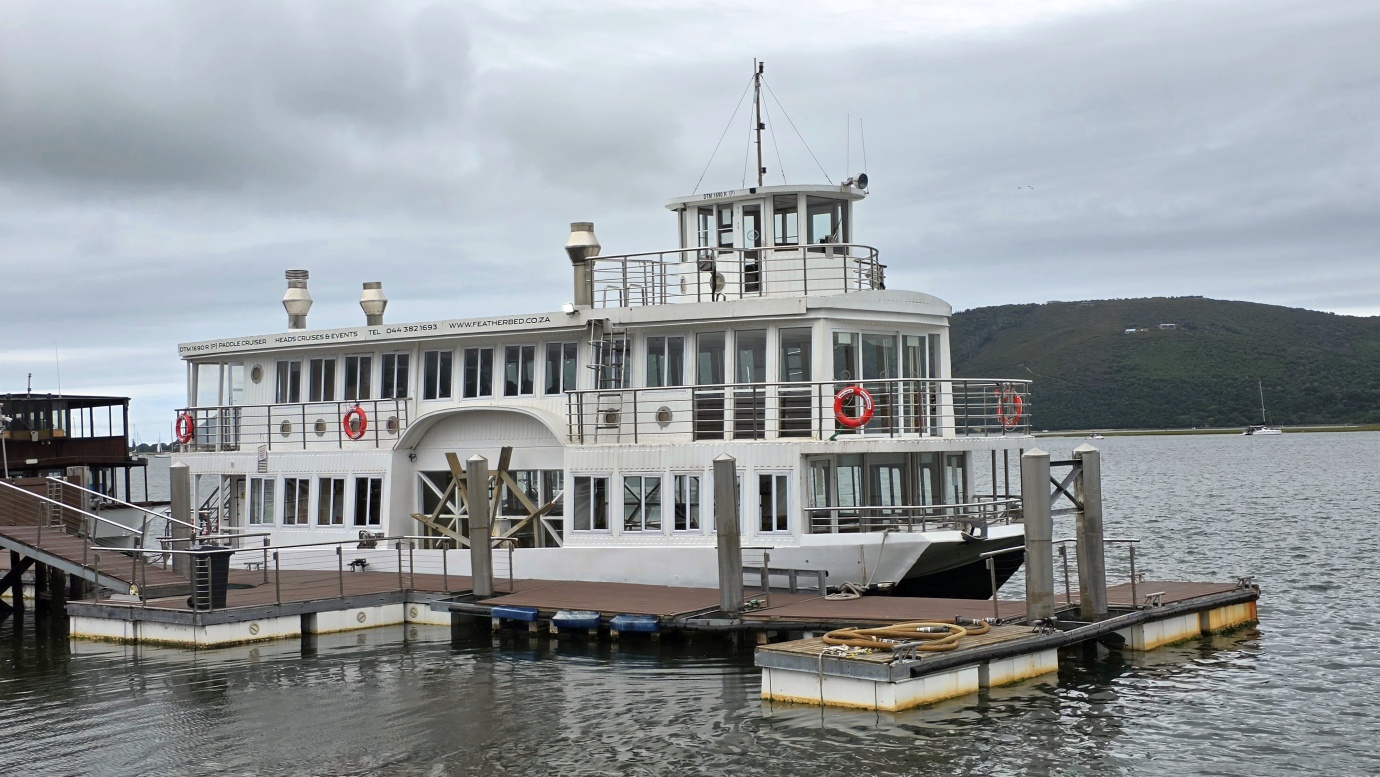
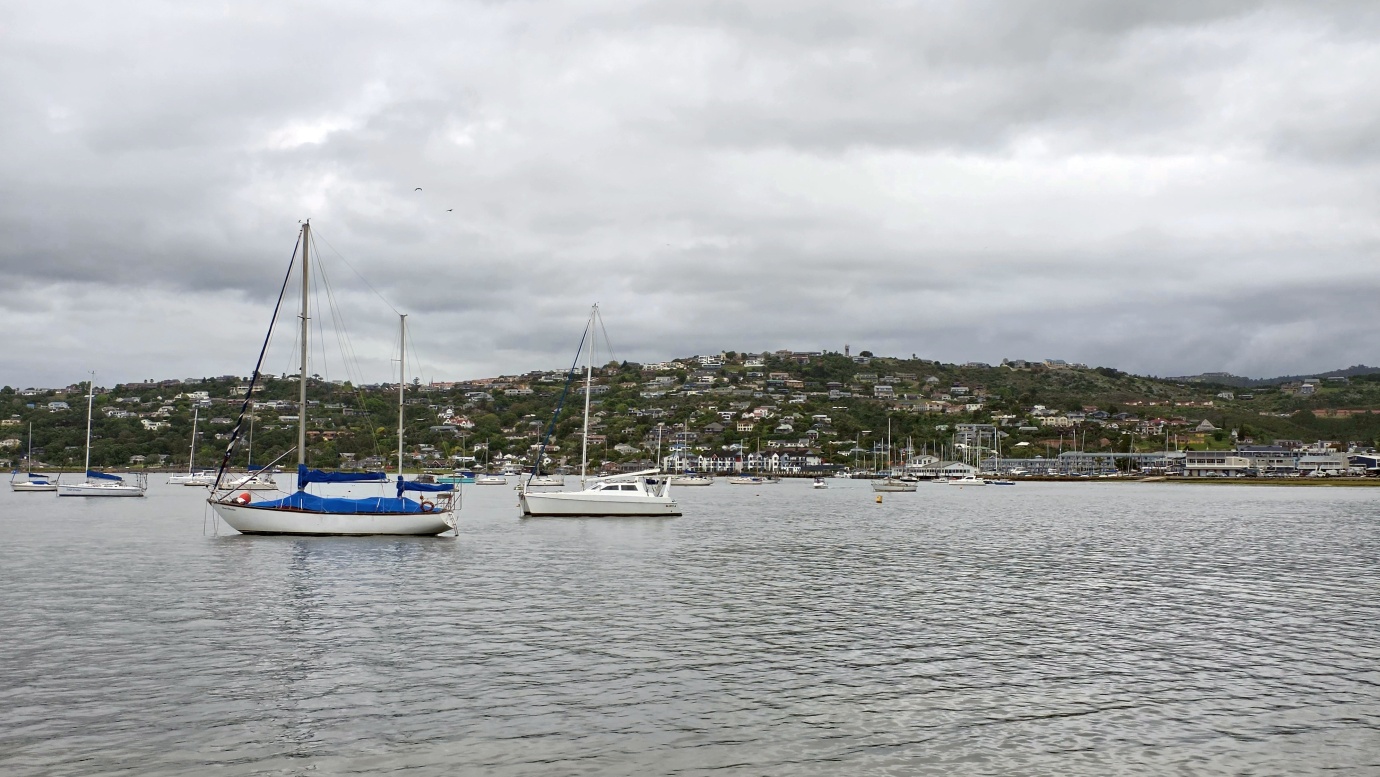
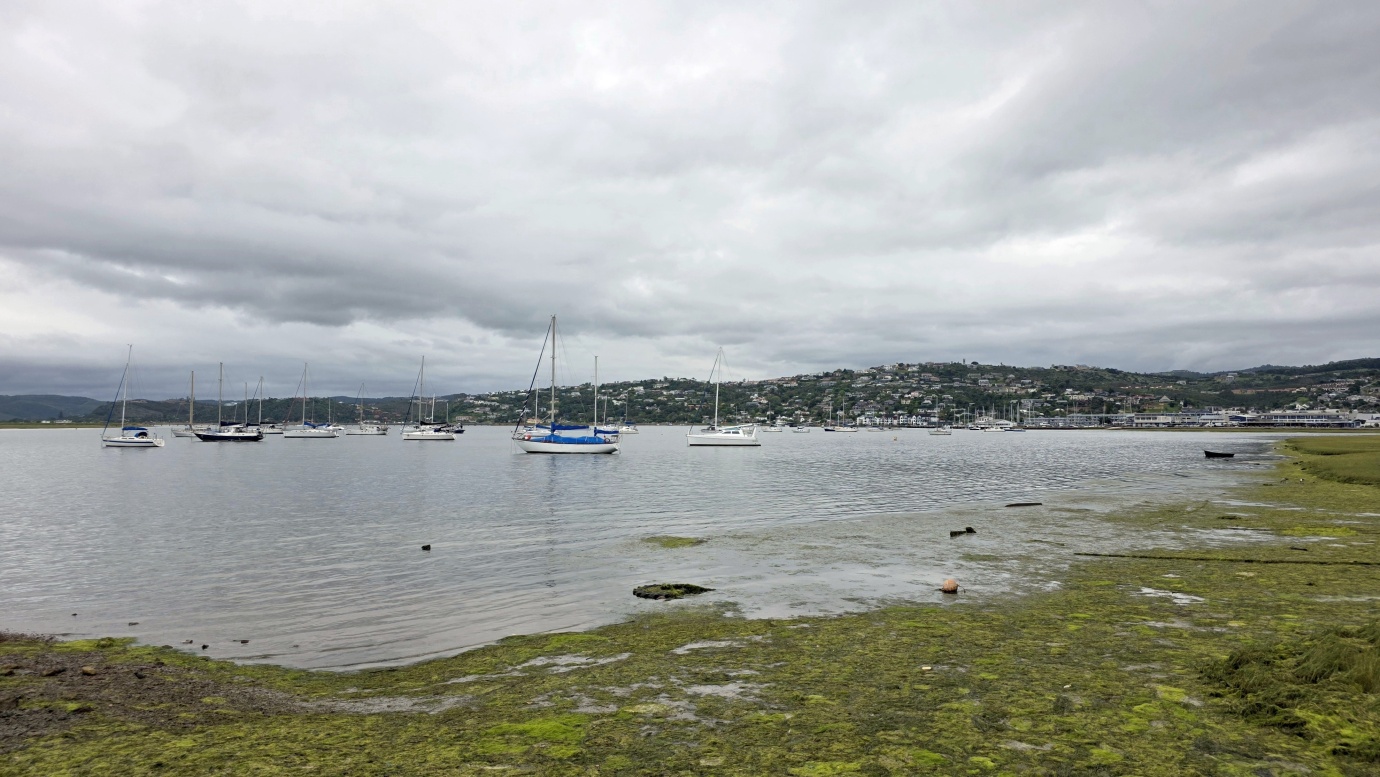
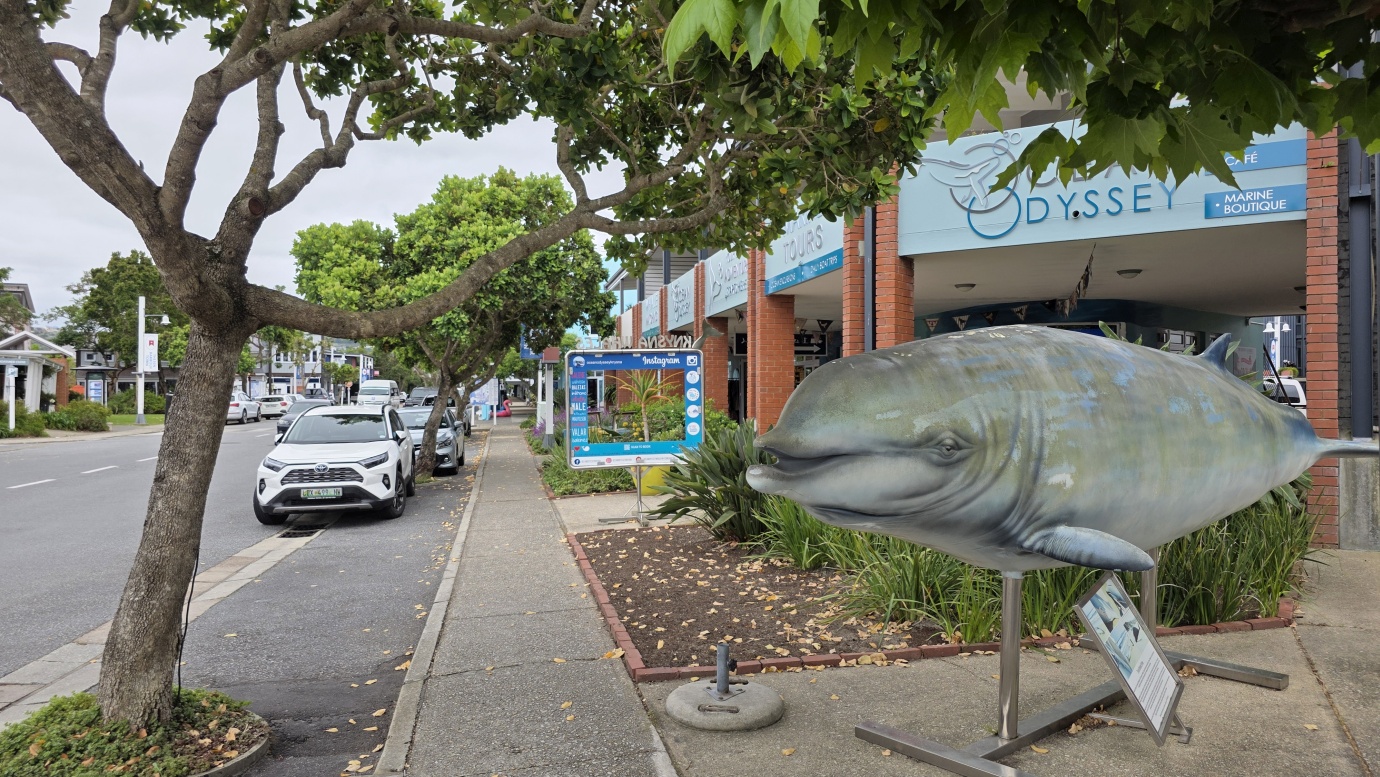
Bad weather followed us to Knysna, another scenic coastal town along the famous Garden Route. The town lies around an approximately 11-kilometre-long lagoon that opens into the Indian Ocean through two dramatic sandstone cliffs known as the Knysna Heads. Framed by the Outeniqua Mountains and the ocean, Knysna enjoys a mild climate and spectacular natural surroundings, though we weren’t lucky enough to enjoy them in good weather.
Often described as the “jewel of the Garden Route”, Knysna is surrounded by South Africa’s largest indigenous forest, home to magnificent yellowwood and stinkwood trees, the colourful Knysna turaco, and the endangered Knysna seahorse (Hippocampus capensis), which inhabits the local estuary. The town’s economy has traditionally relied on timber and fine furniture making, while tourism and aquaculture, particularly oyster farming, remain important today. Knysna is also famous for major events such as the annual Knysna Oyster Festival and the spectacular Simola Hillclimb.
The region’s human history stretches back more than 300,000 years, with evidence of early Stone Age communities followed by indigenous Khoikhoi inhabitants, including the Houtunqua people associated with the Outeniqua region. The name Knysna is believed to have Khoikhoi origins, although its precise meaning remains uncertain; interpretations include references to wood or fern leaves.
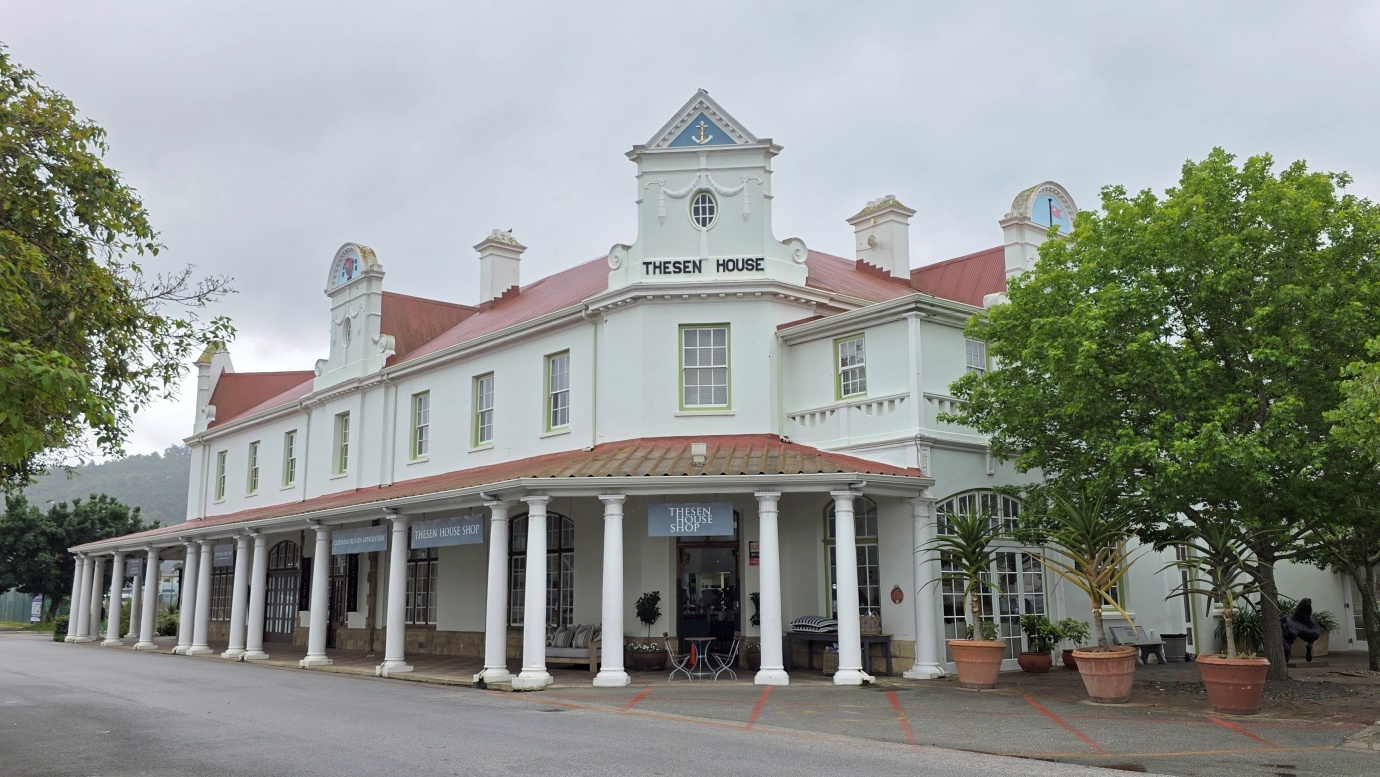
European settlement expanded in the 18th century, with Dutch-speaking settlers moving into the region around 1760. In 1770, Stephanus Terblans was granted the Melkhoutkraal farm. However, George Rex, a wealthy British settler, is generally regarded as the founder of modern Knysna; he purchased the property in 1804 and recognised the lagoon’s potential for timber trading and maritime transport.
Knysna’s maritime era began in earnest in 1817, when the British transport ship Emu successfully navigated the treacherous entrance between the Heads. The harbour subsequently became an important export point for timber and other goods, operating officially from 1818 until 1954.
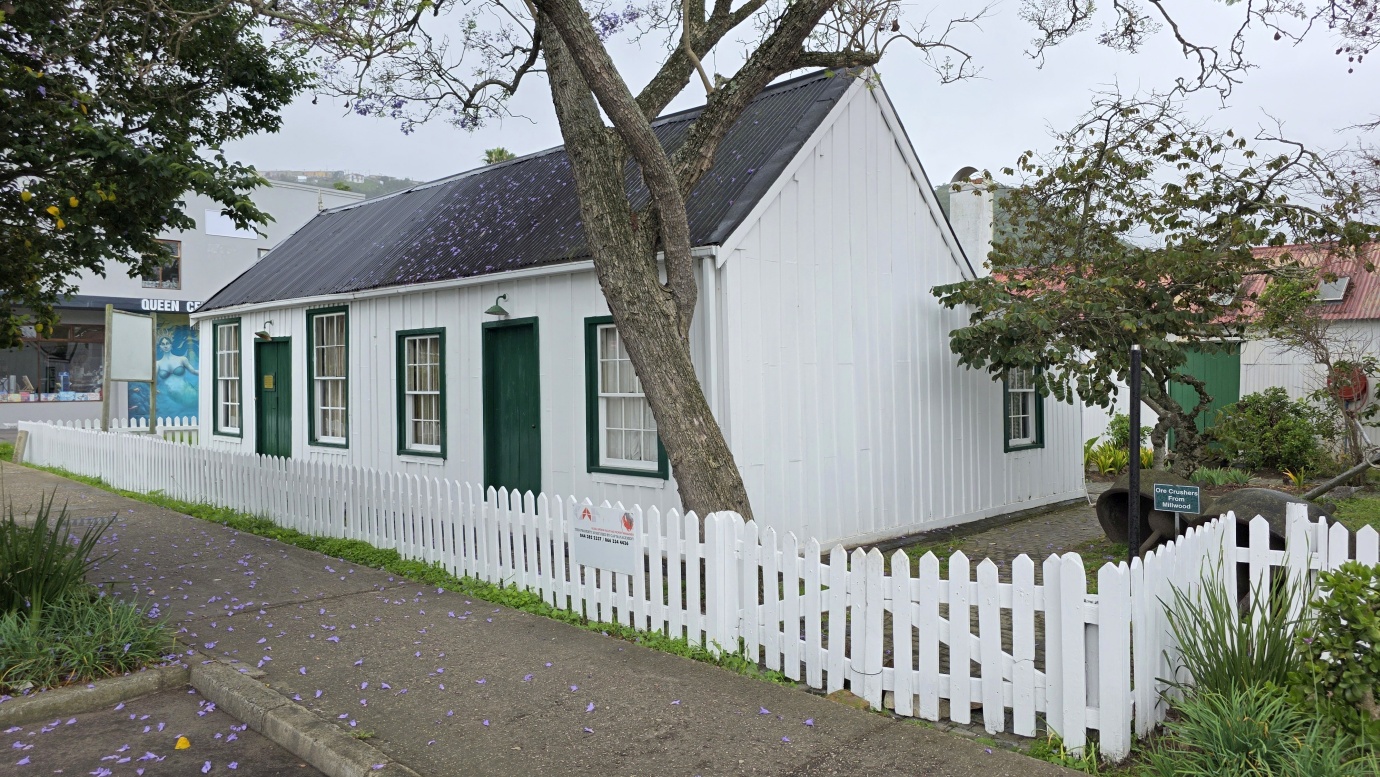
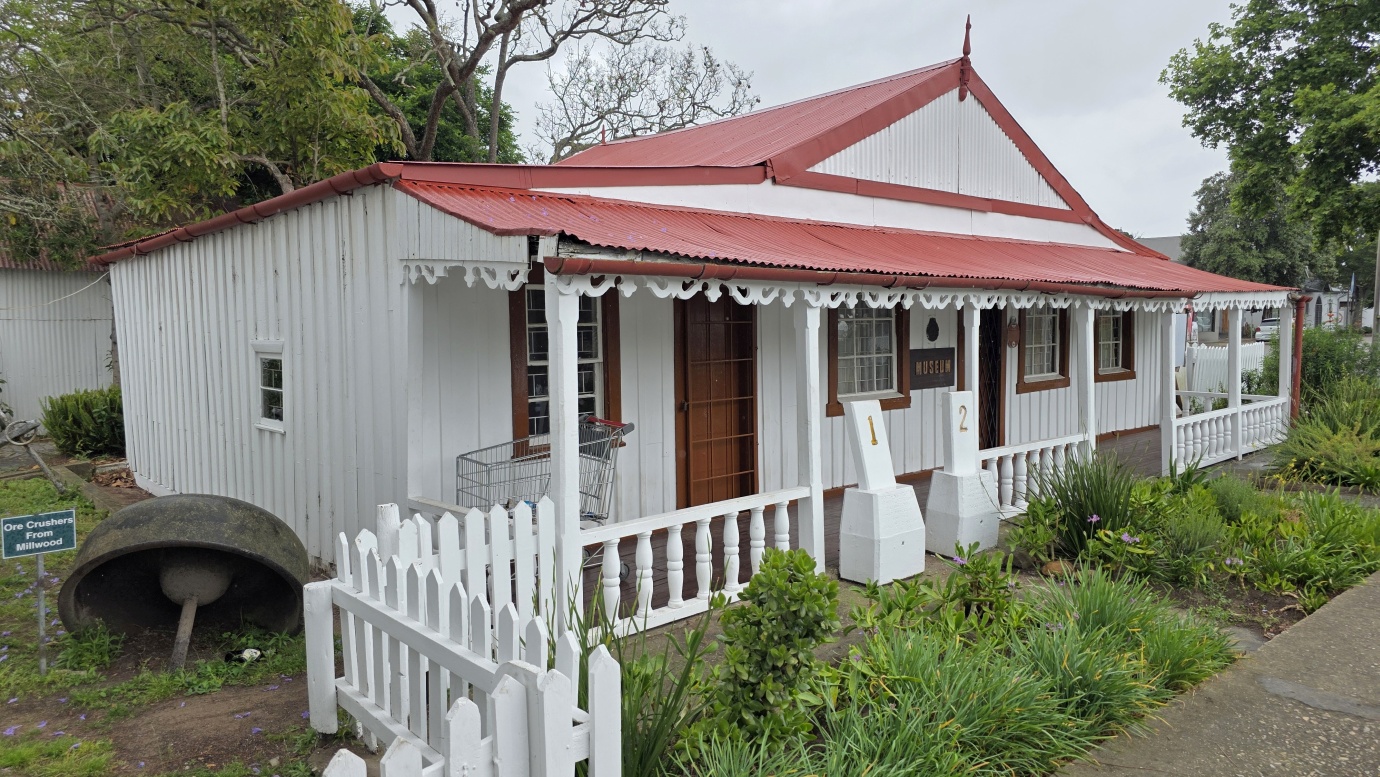
The region also experienced a brief gold rush during the late 19th century. Discoveries near Millwood and Jubilee Creek attracted prospectors in 1878 and again in 1885, bringing a short-lived mining boom to the surrounding forests before timber and agriculture once more became the main economic activities.
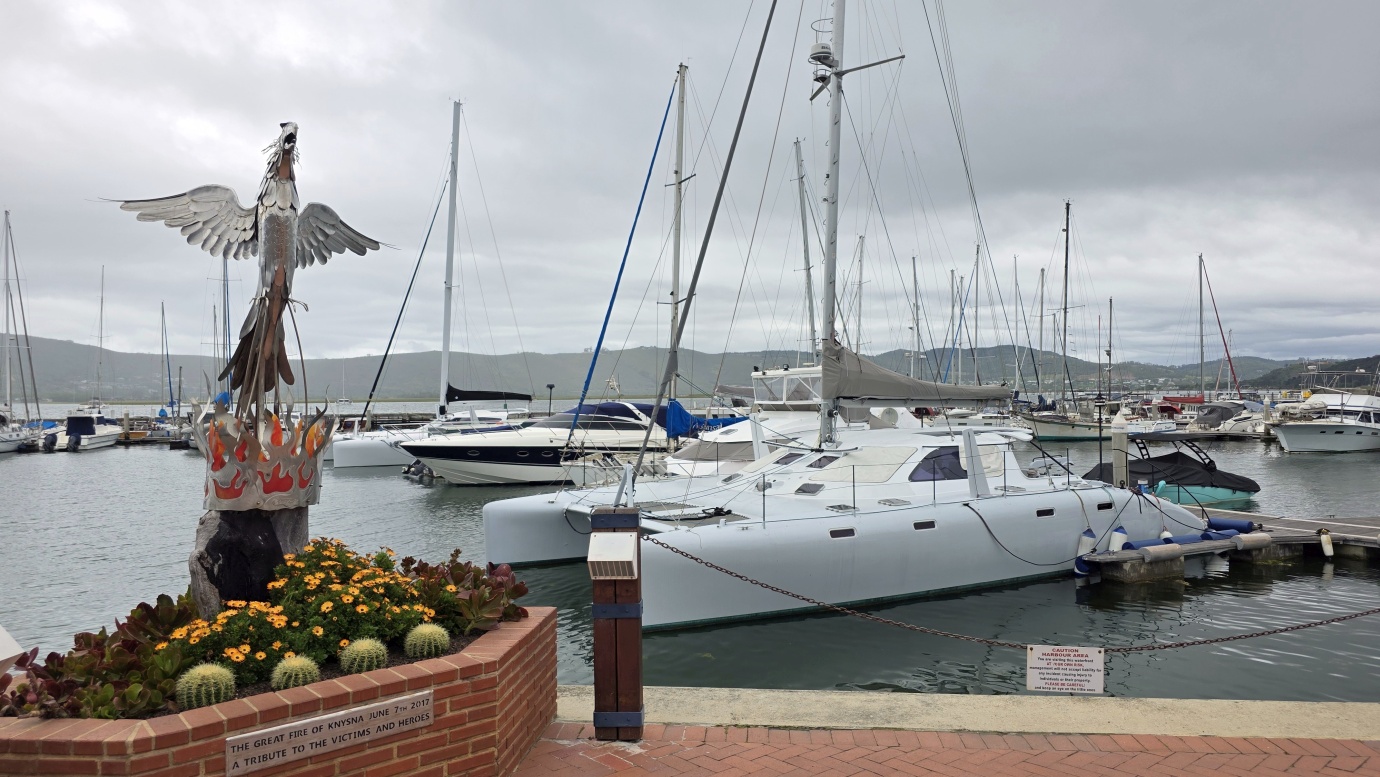
More recently, Knysna faced one of the darkest moments in its history in June 2017, when devastating wildfires, fuelled by exceptionally dangerous weather conditions, swept through the region. Thousands of residents were evacuated, homes were destroyed, and vast areas of vegetation were affected. The disaster left a lasting mark on the community and the surrounding landscape.
Despite the gloomy weather during our visit, Knysna’s dramatic coastal scenery, ancient forests, maritime heritage, and distinctive local culture made it another fascinating stop on our Garden Route journey.