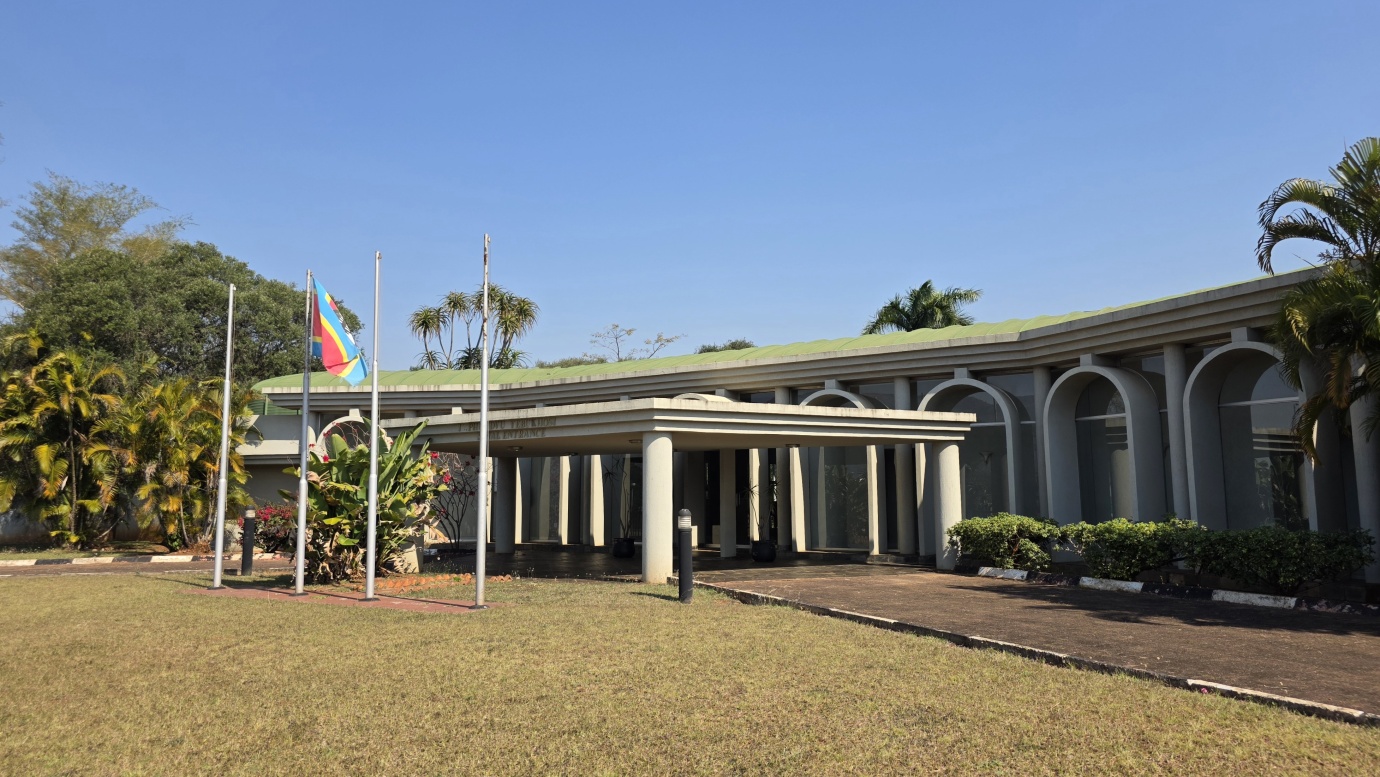
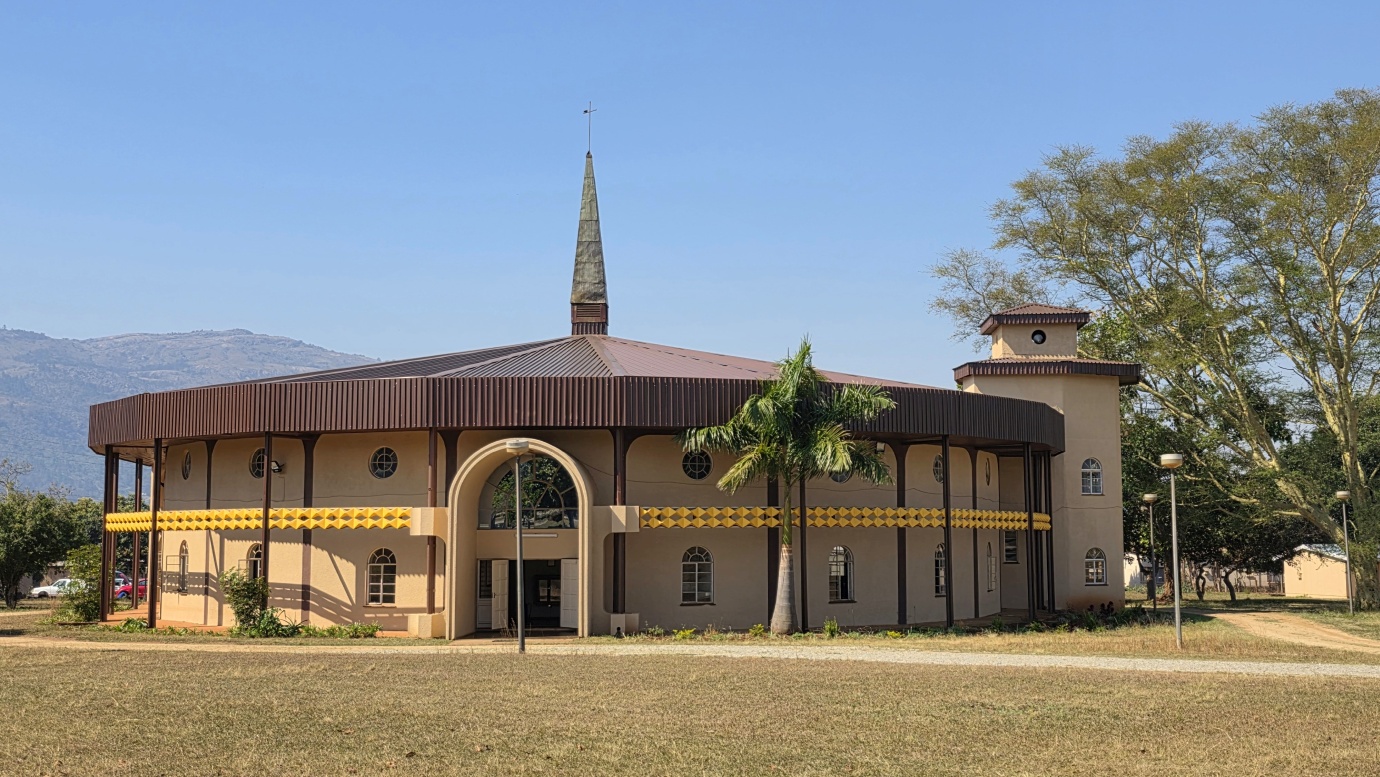
We made a short stop in Lobamba, Eswatini’s traditional, spiritual and legislative capital, beautifully situated in the Ezulwini Valley. It is home to the country’s Parliament and the Queen Mother’s official residence, making Lobamba the nation’s cultural heart.
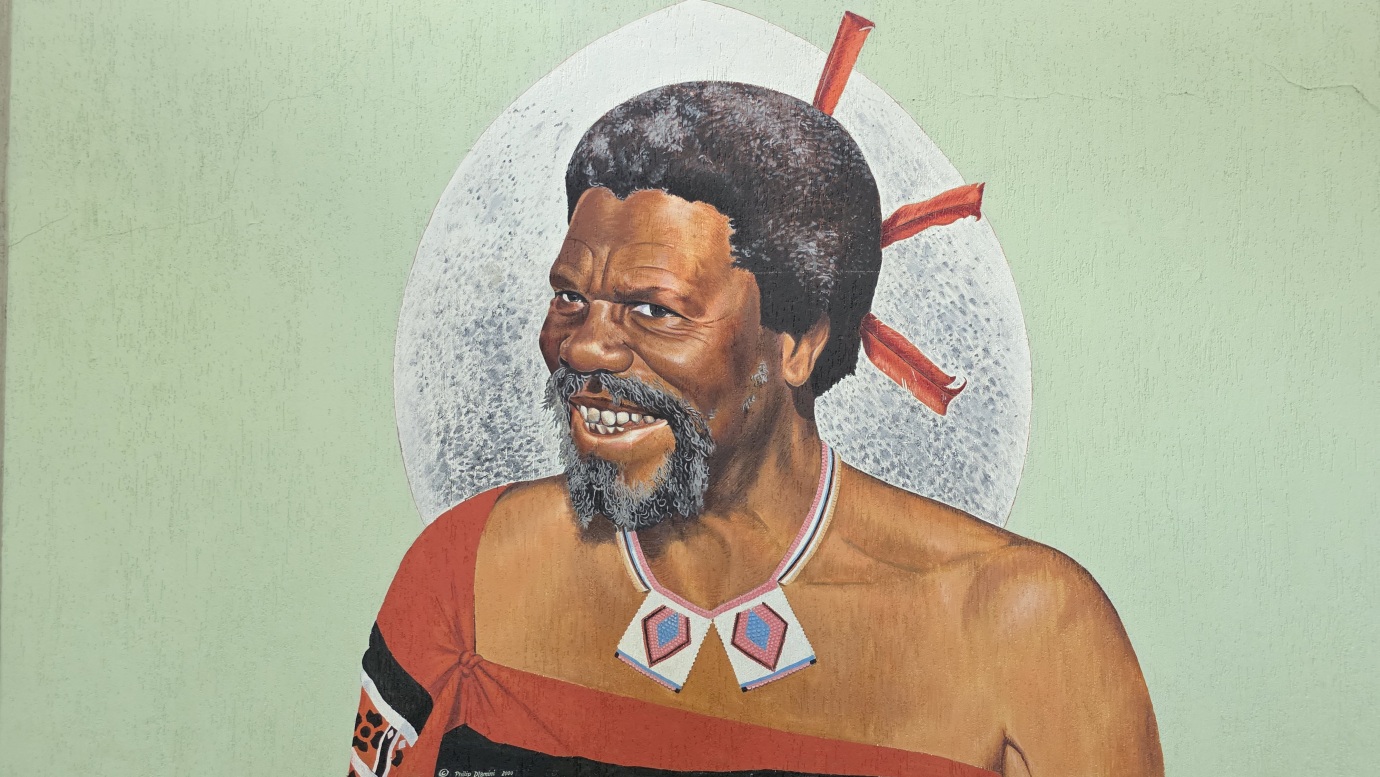
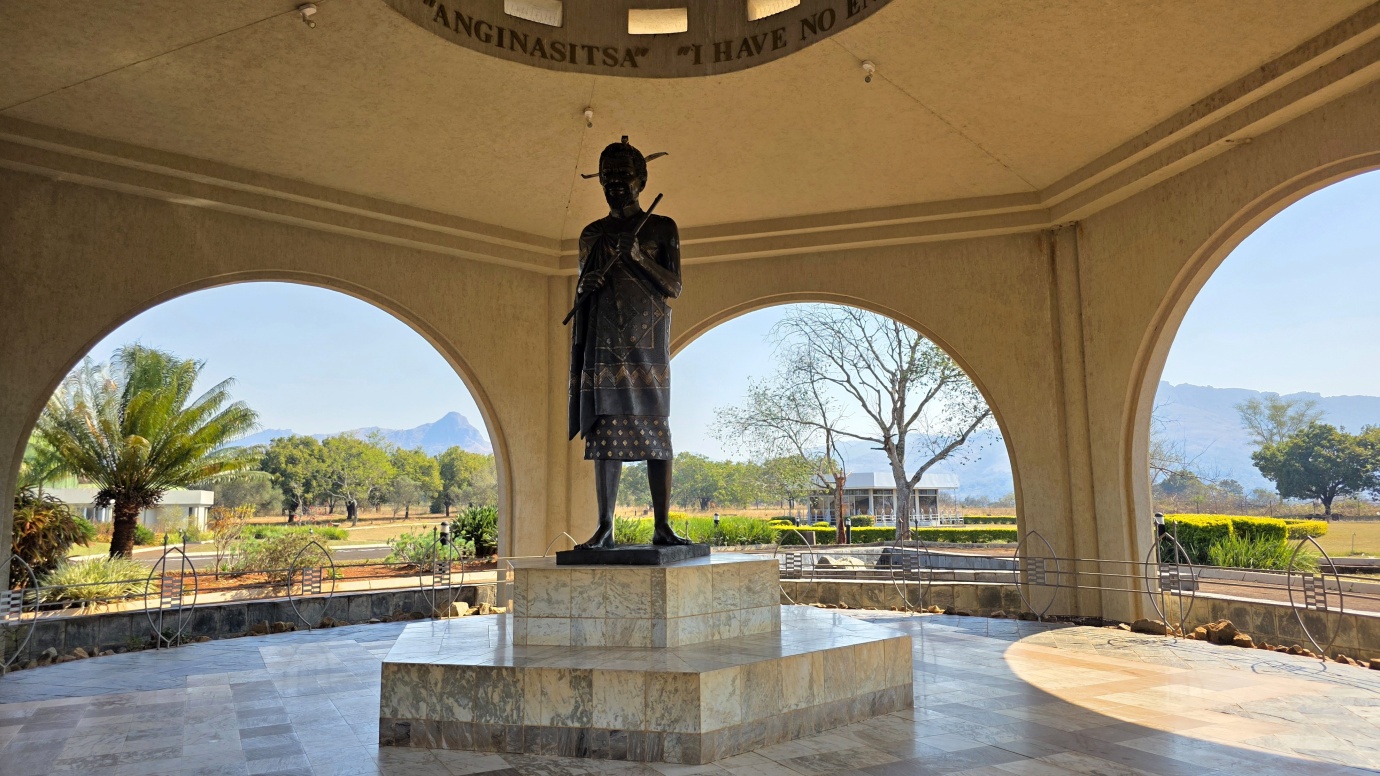
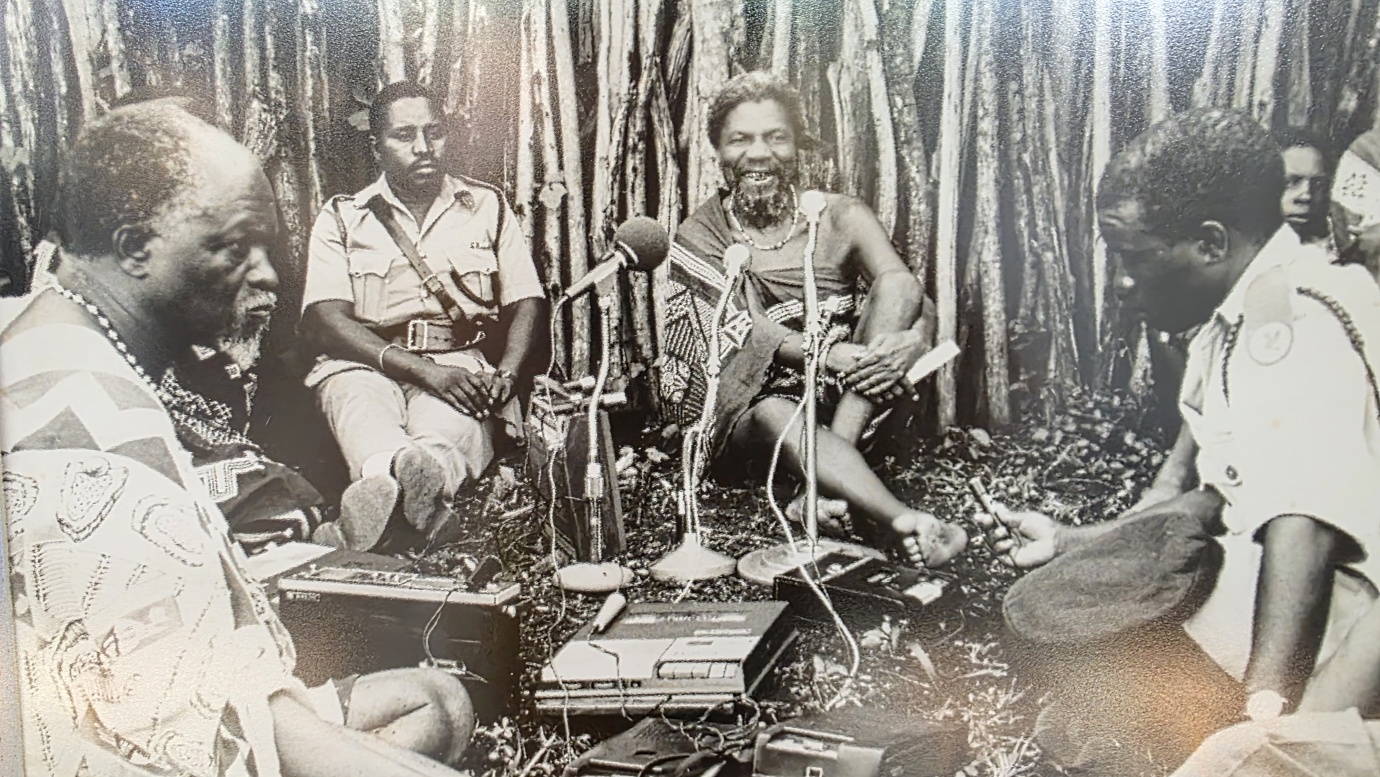
The area has been at the centre of Eswatini’s monarchy and traditional governance for more than two centuries, preserving a cultural landscape largely untouched by Western colonial influence. Lobamba is closely associated with the legacy of King Sobhuza II, who led the country to independence from the United Kingdom and whose exceptionally long reign played a defining role in shaping modern Swazi identity. Eswatini’s traditional system places both the King and Queen Mother at the heart of national life, with the royal kraal serving as an important centre for national unity and sacred ceremonies.
Ludzidzini Royal Village is the Queen Mother’s official residence and the main setting for Umhlanga, the famous Reed Dance. Held every year in late August or early September, the spectacular ceremony brings together tens of thousands of unmarried women, who gather to cut reeds and present them to the Queen Mother in a celebration of Swazi culture and tradition.
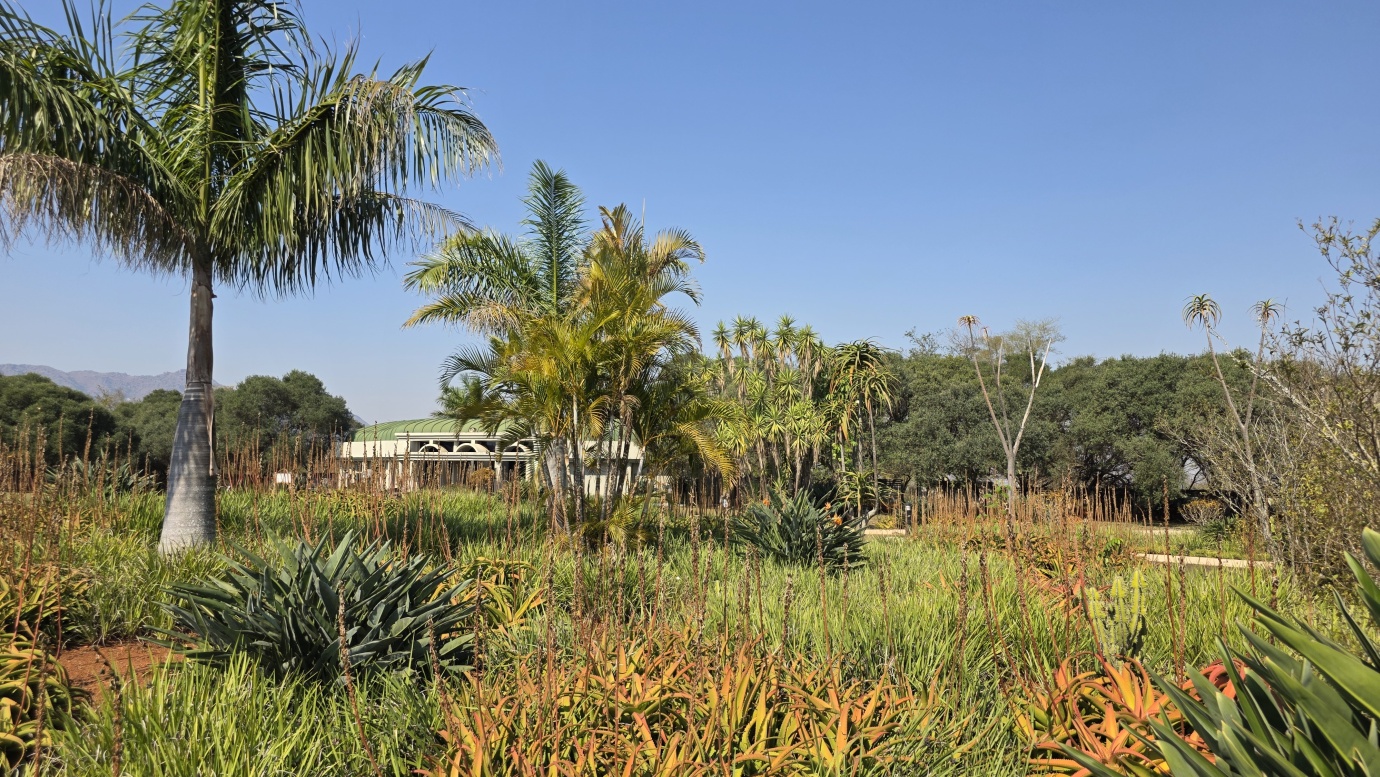
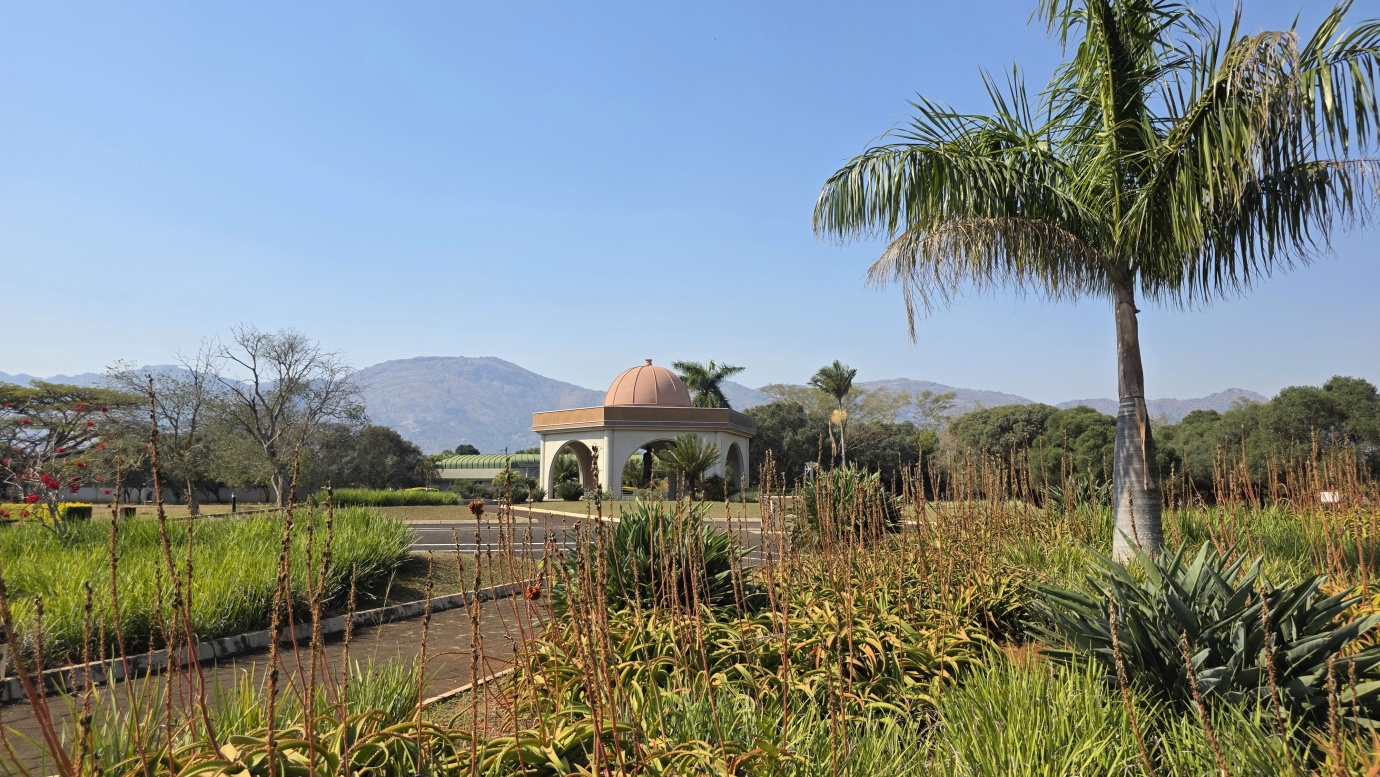
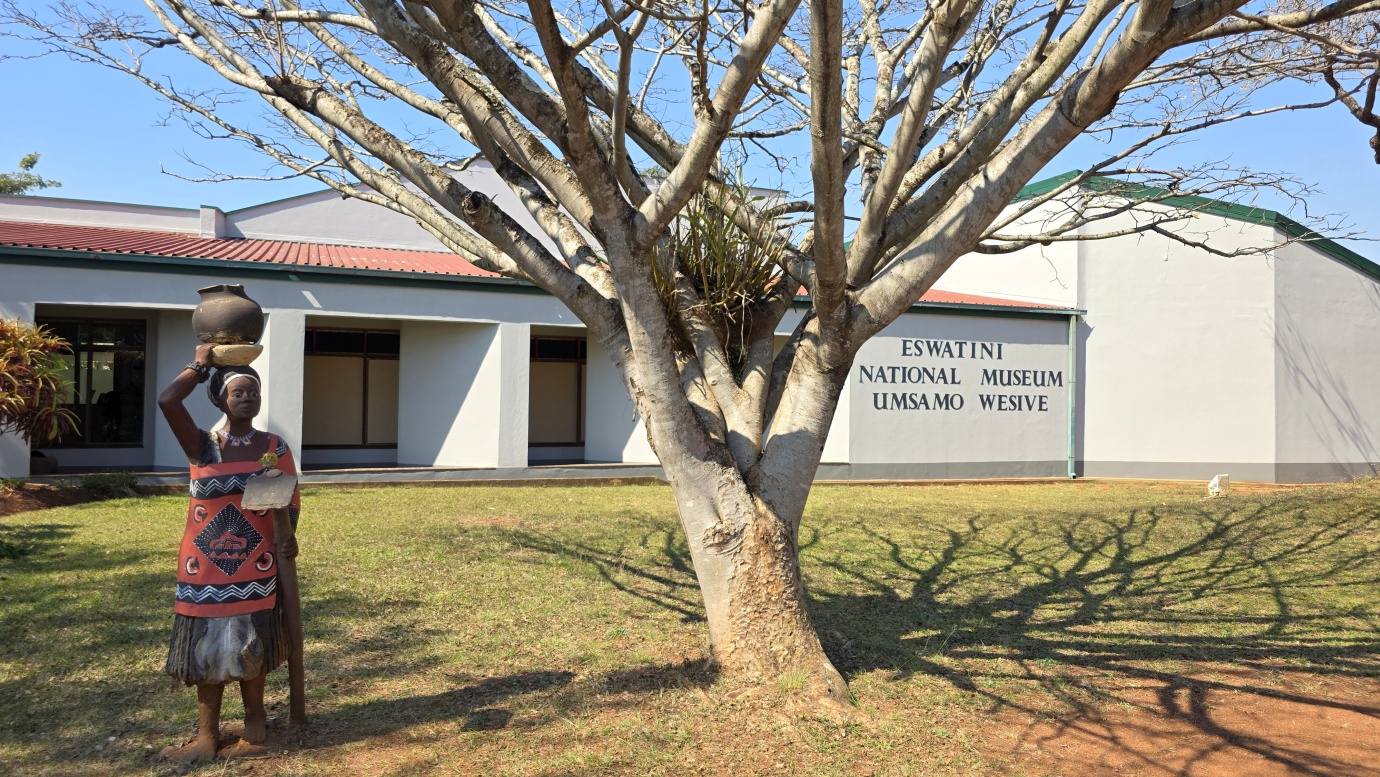
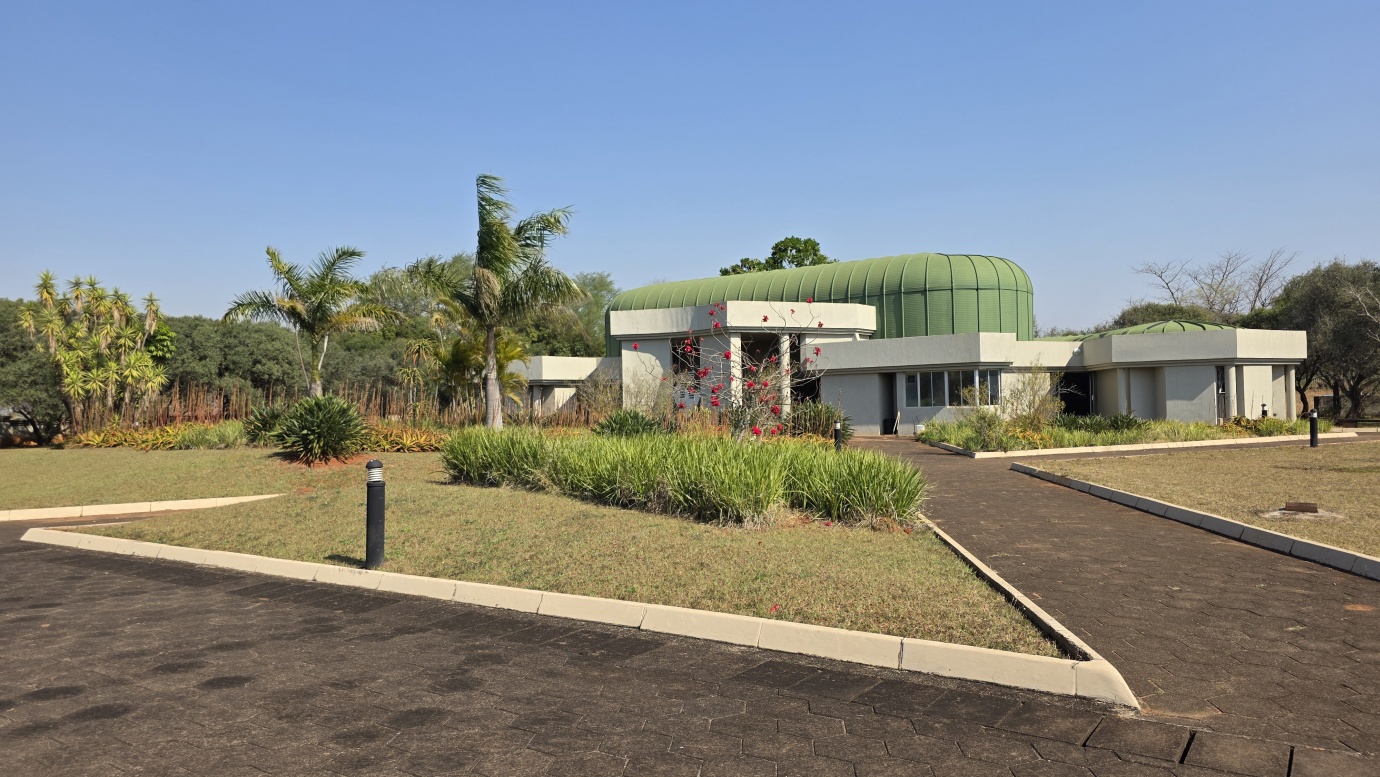
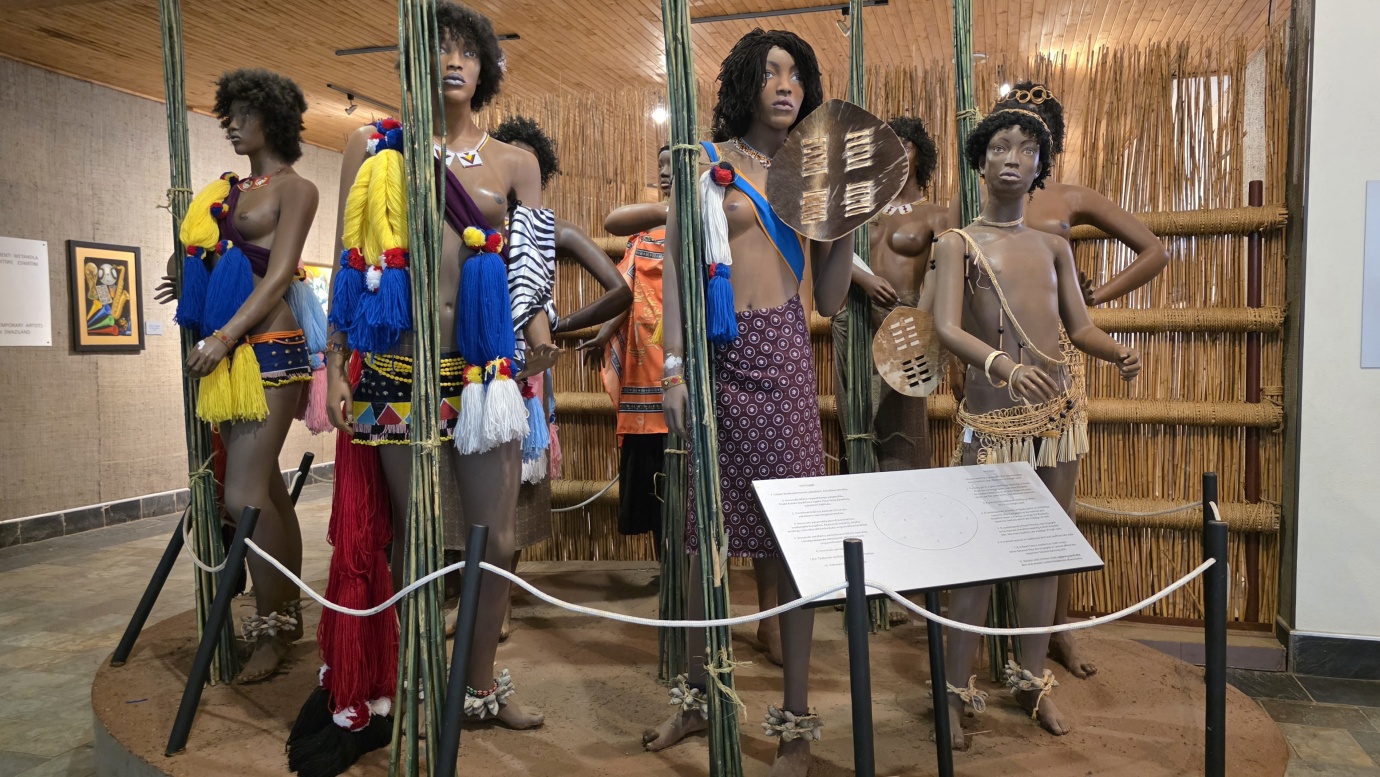
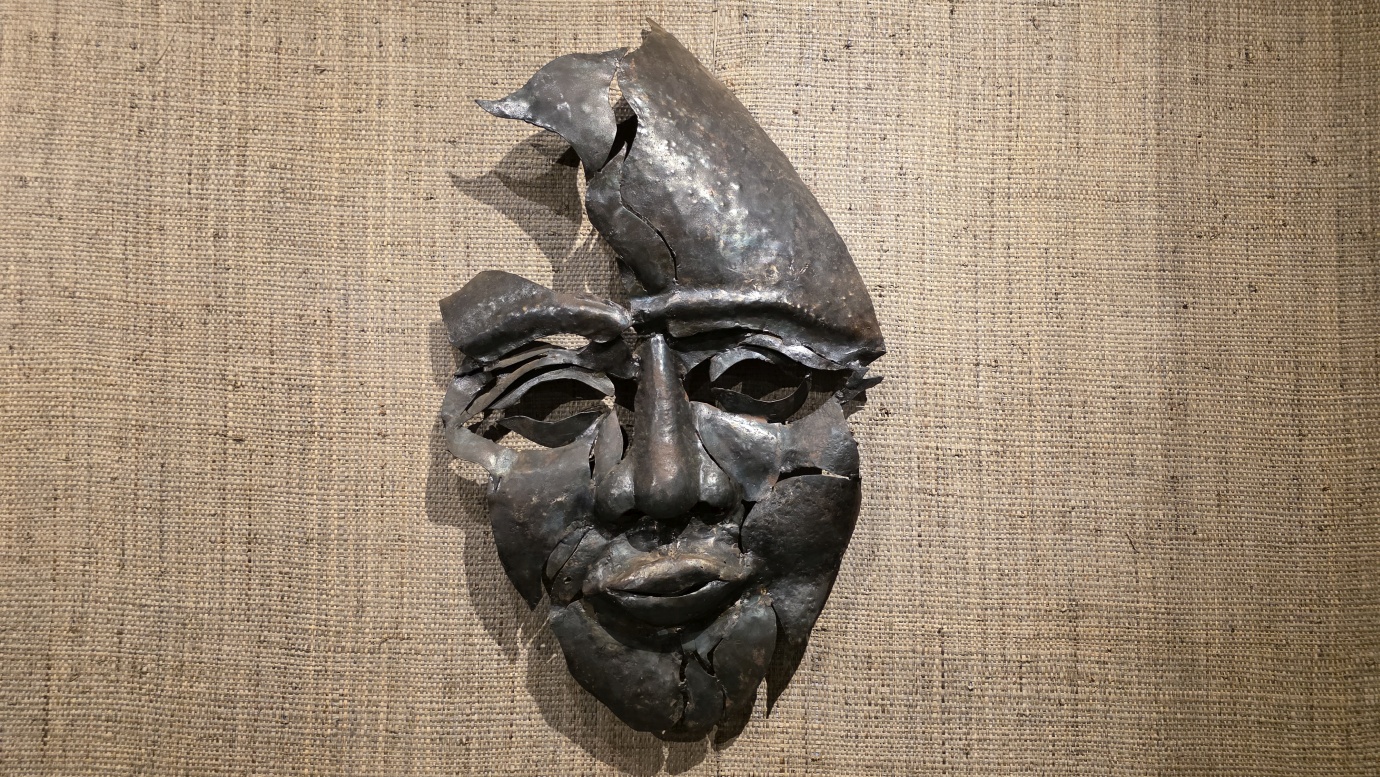
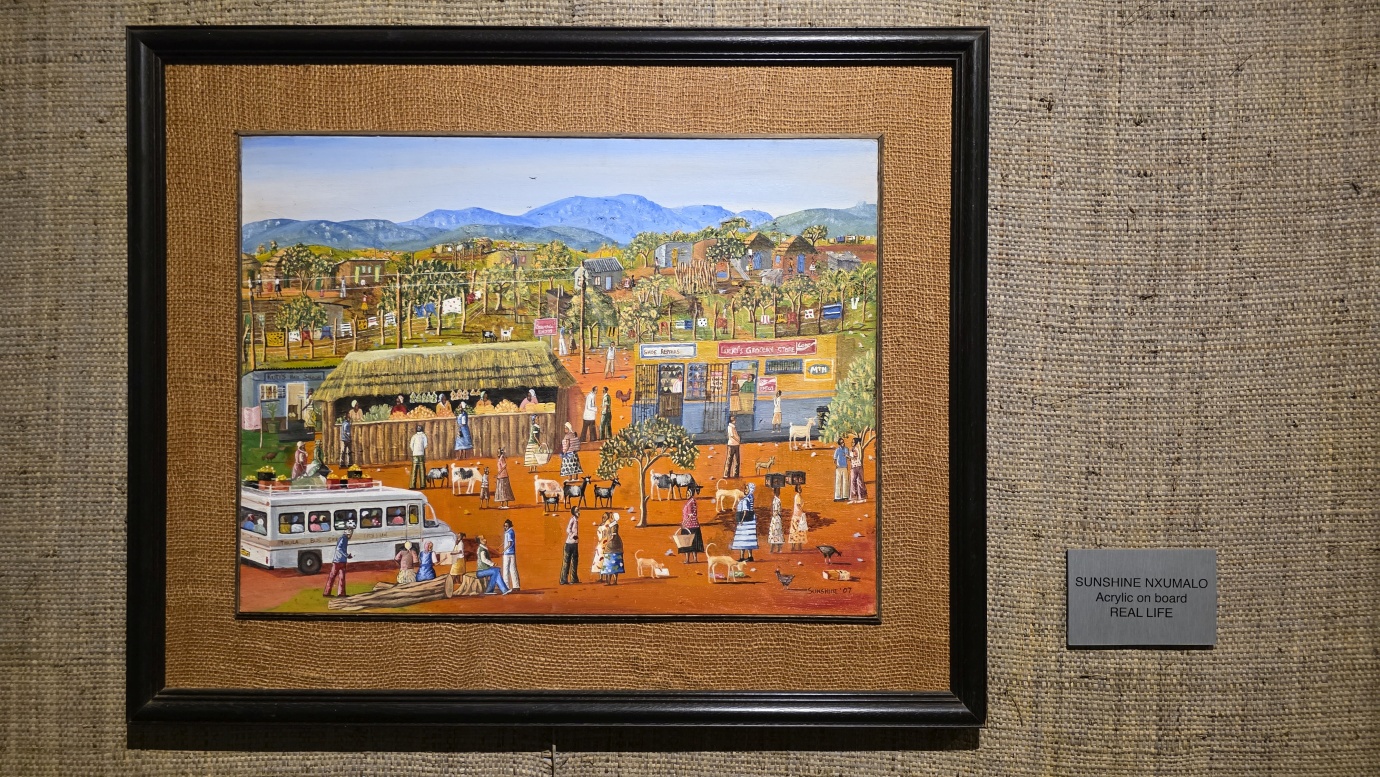
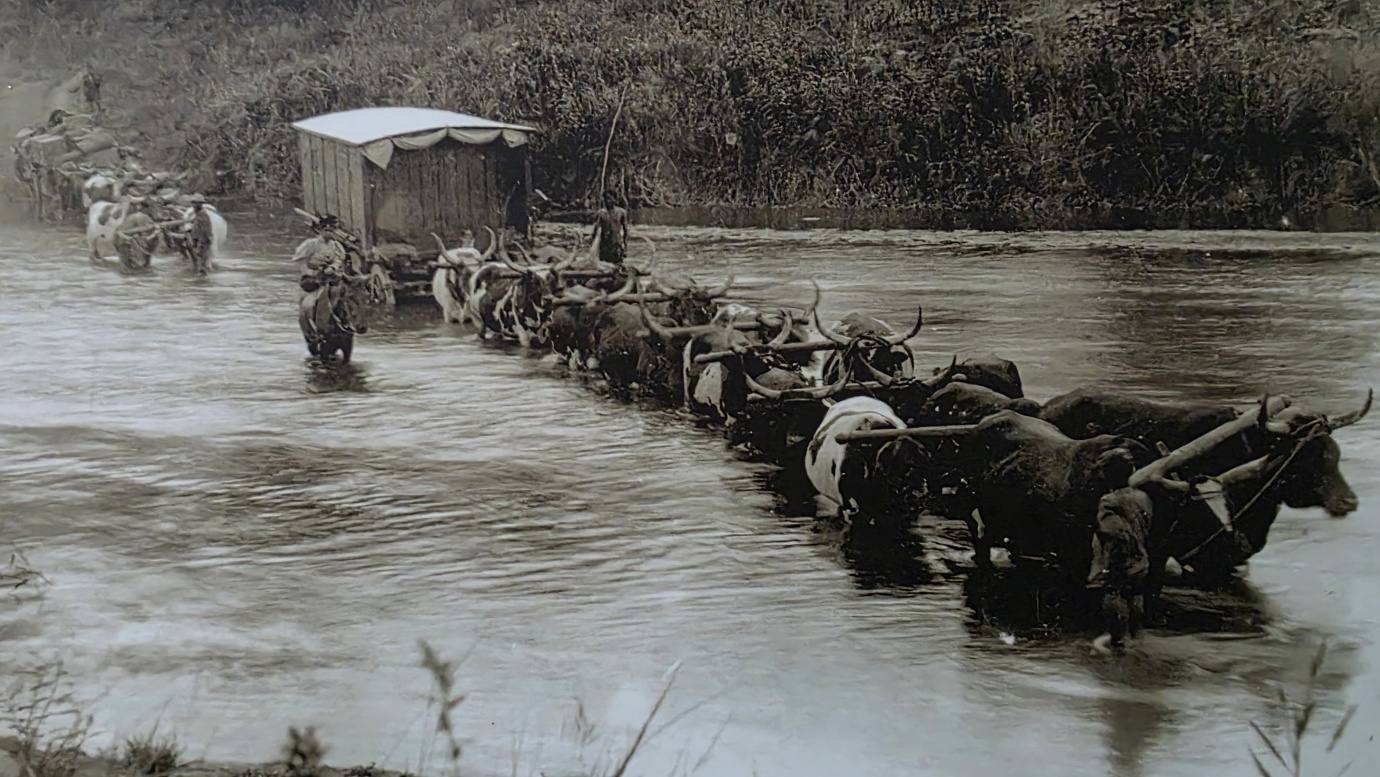
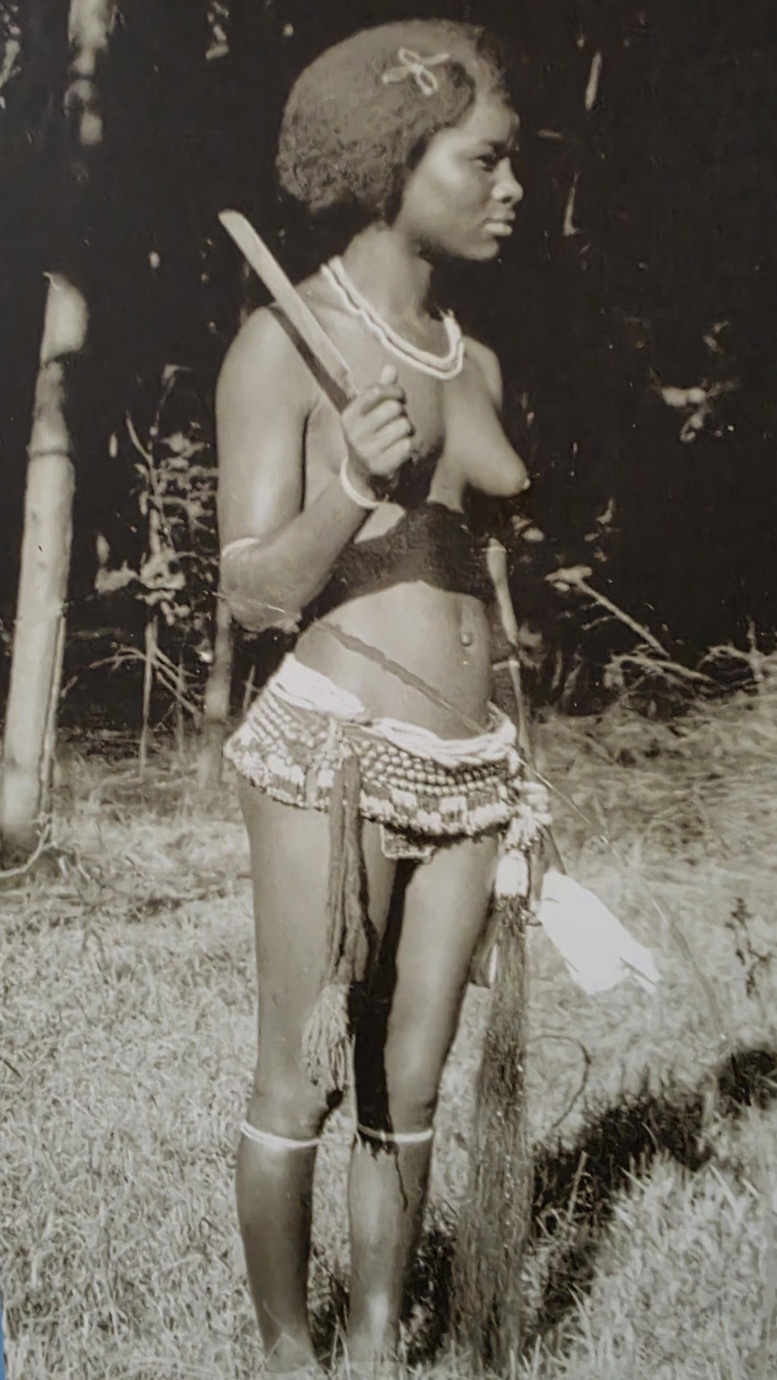
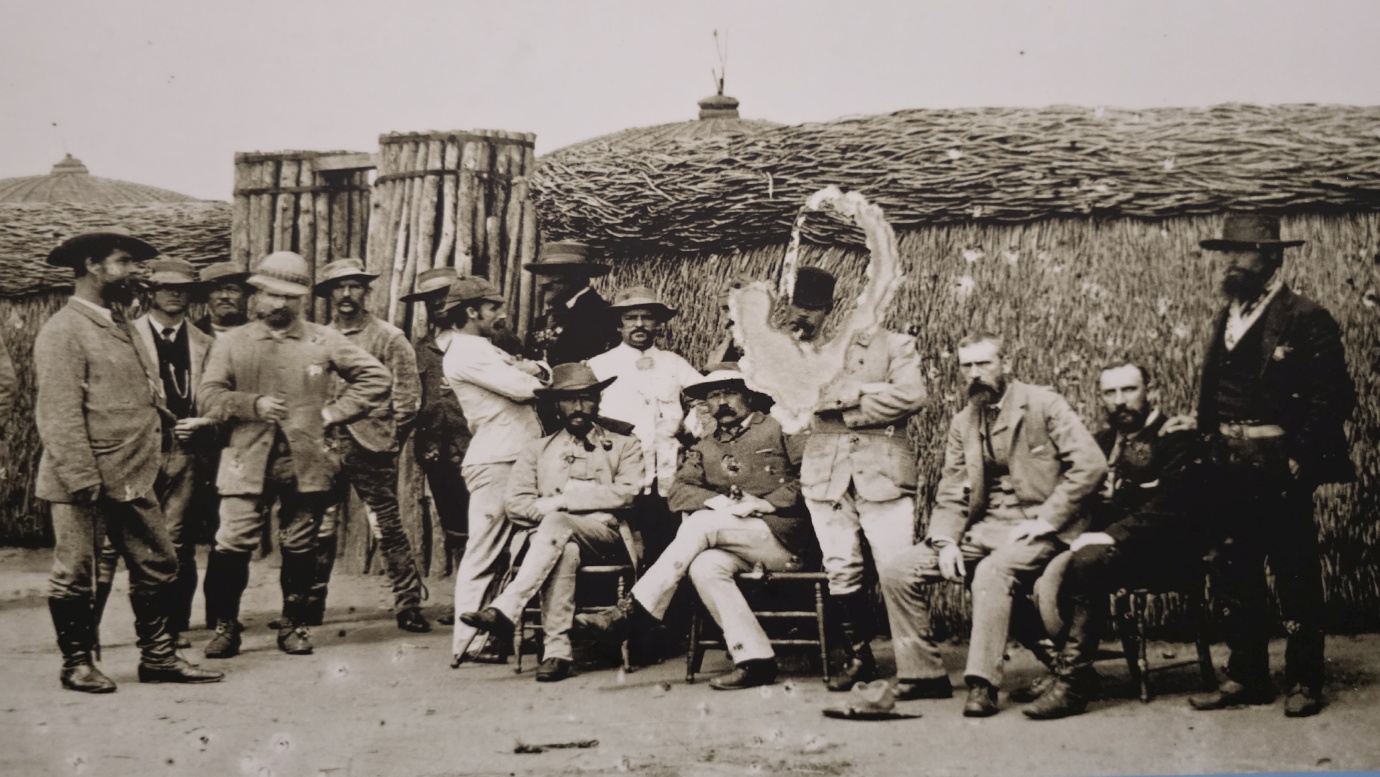
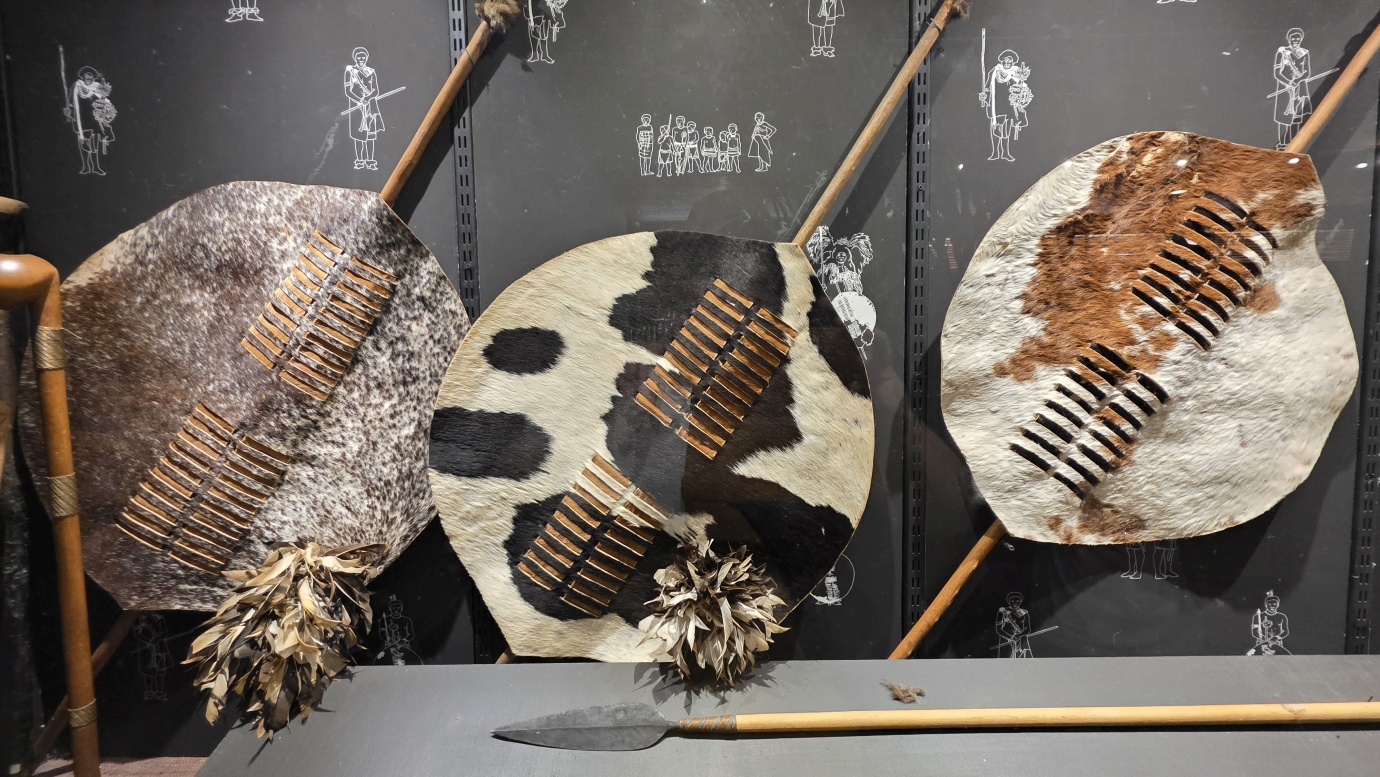
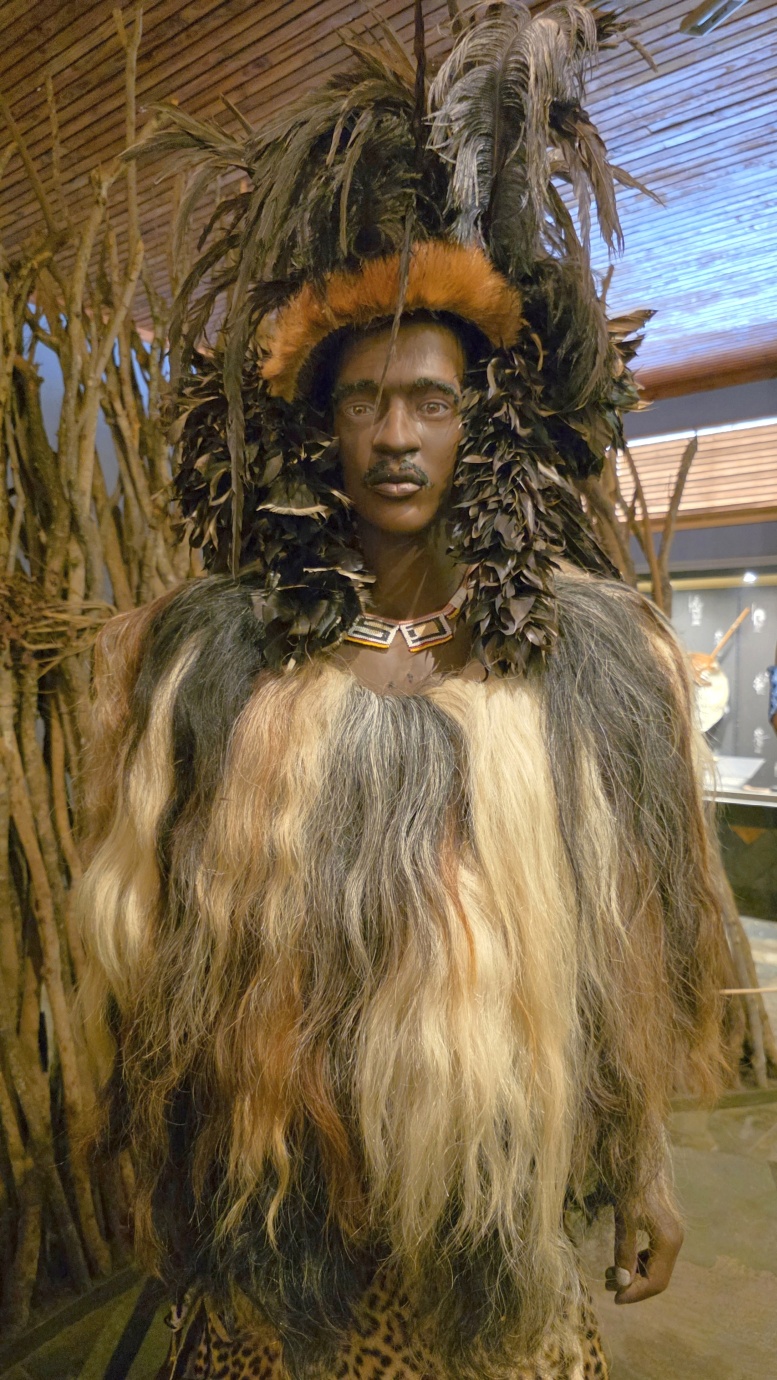
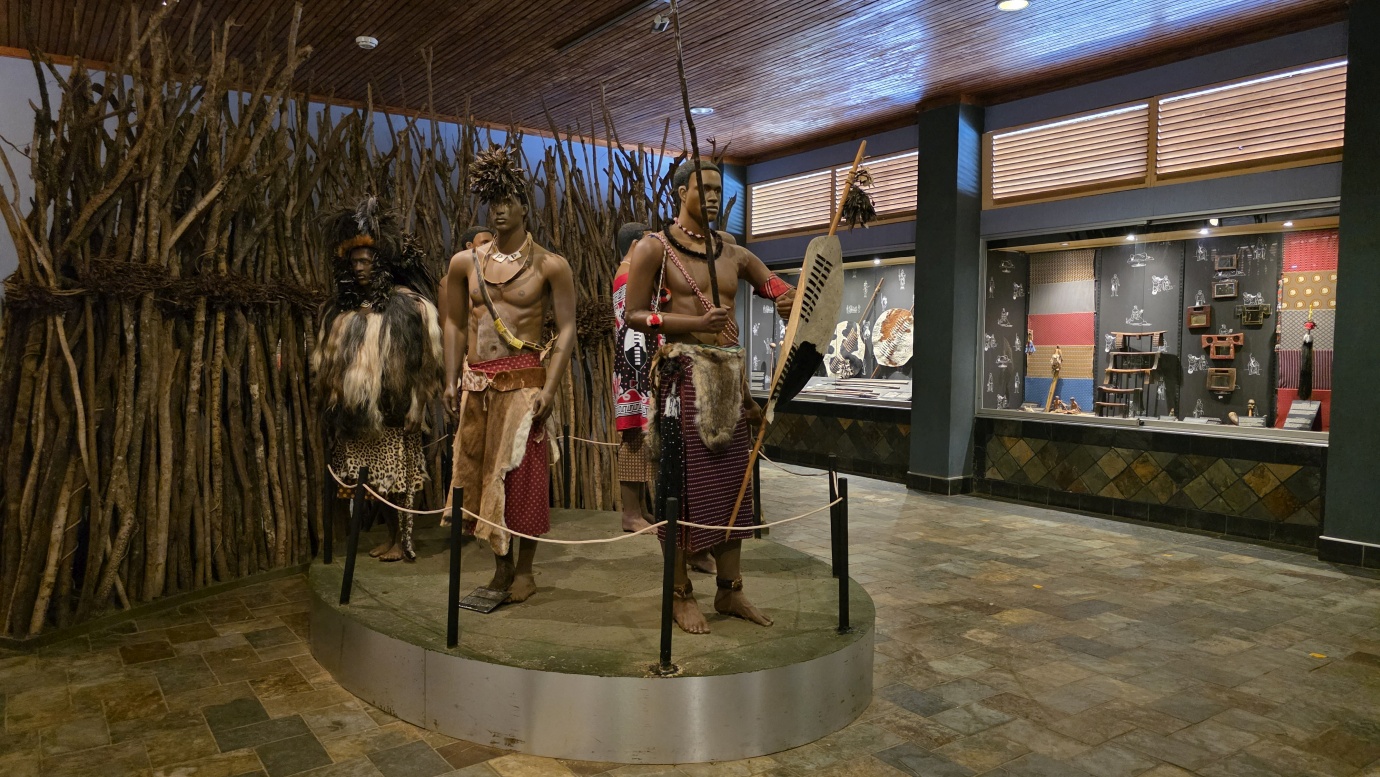
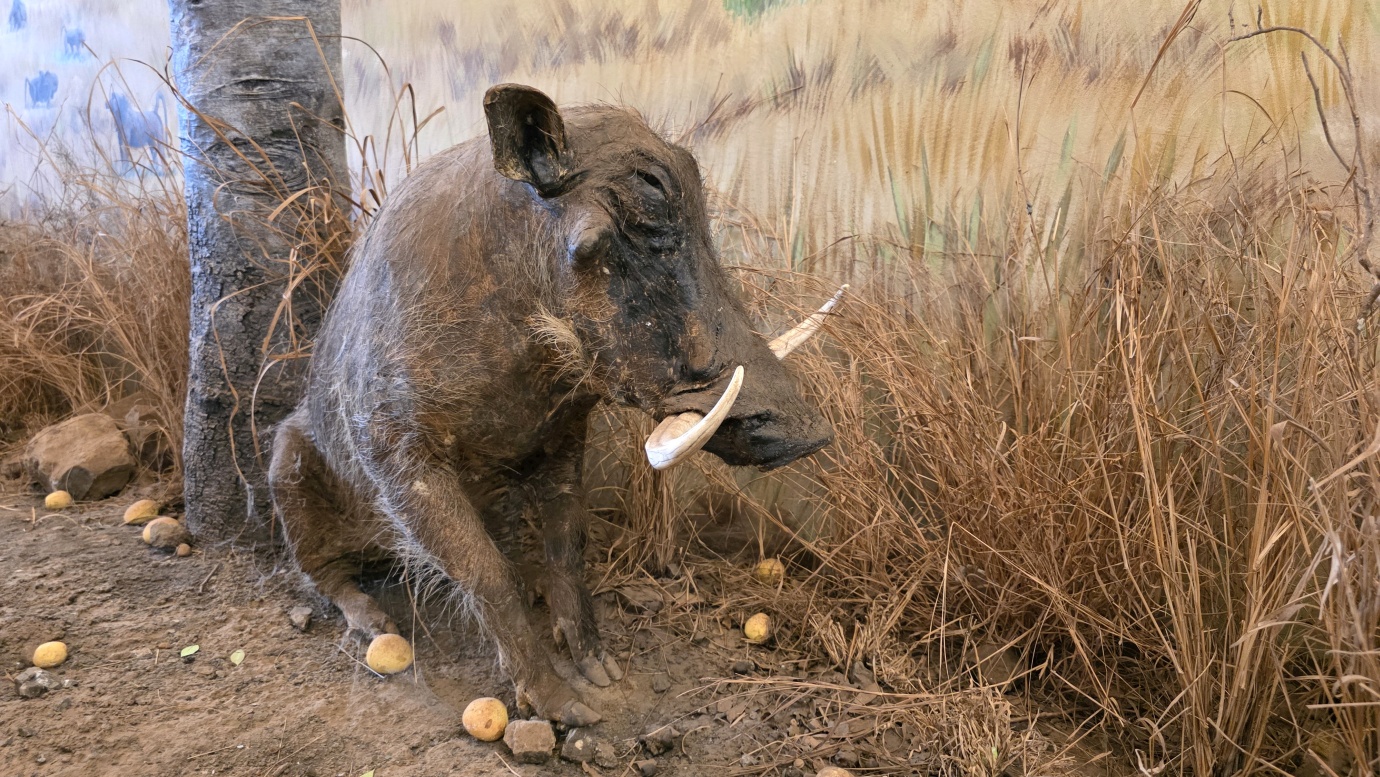
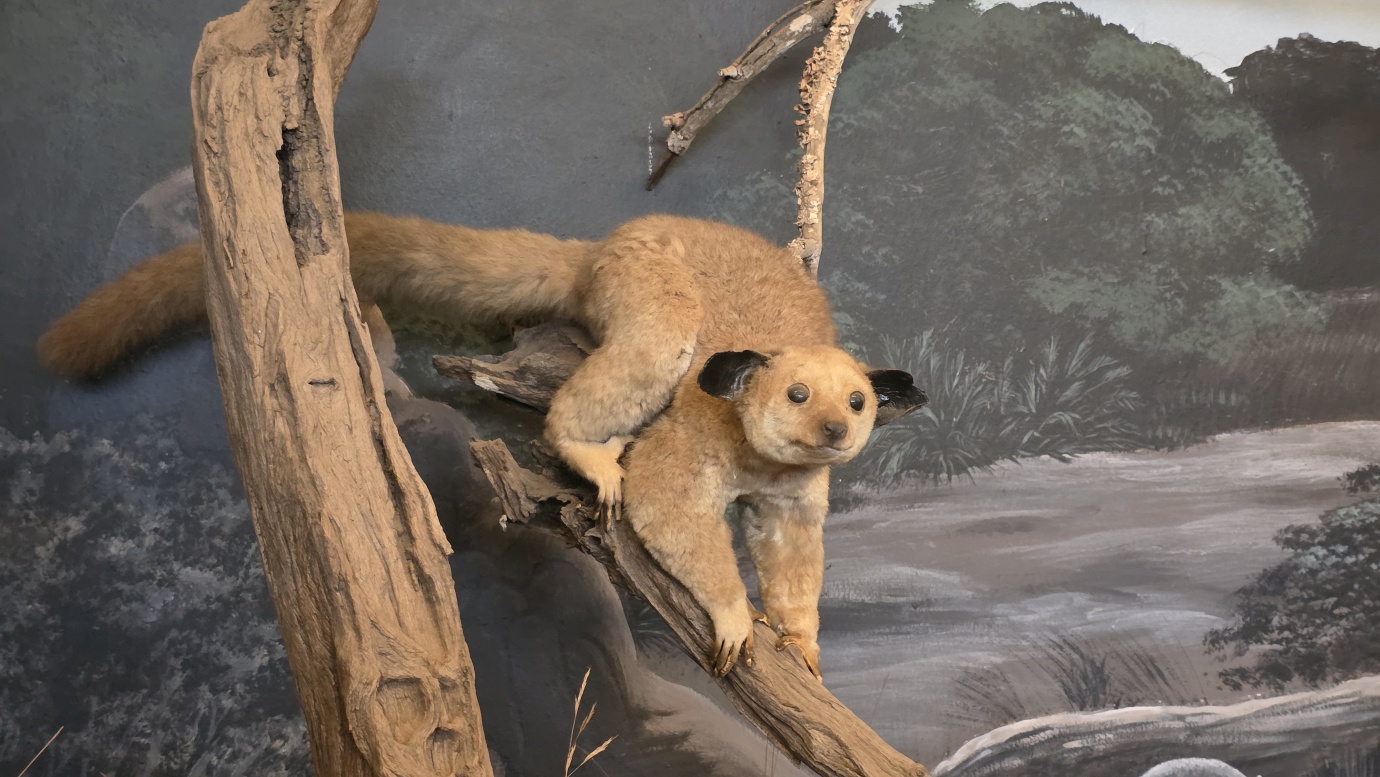
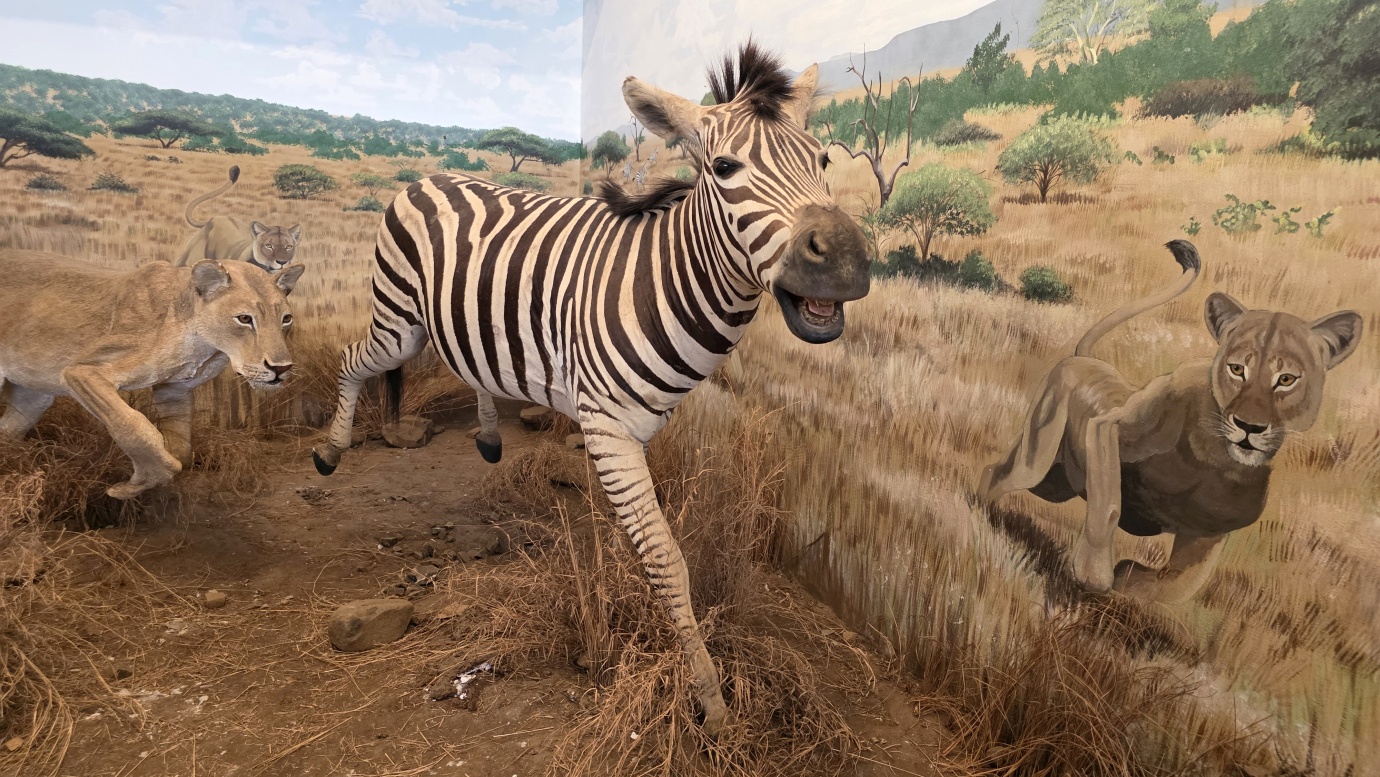
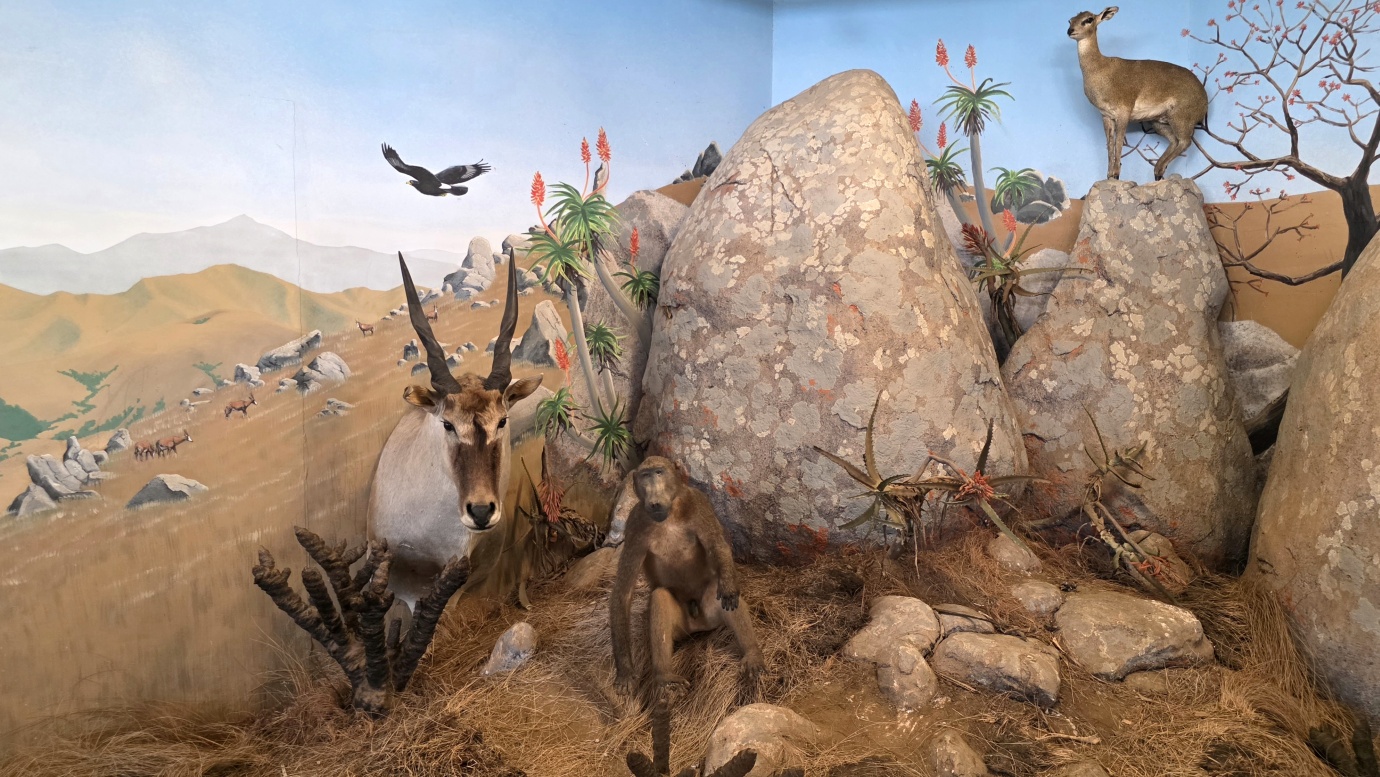
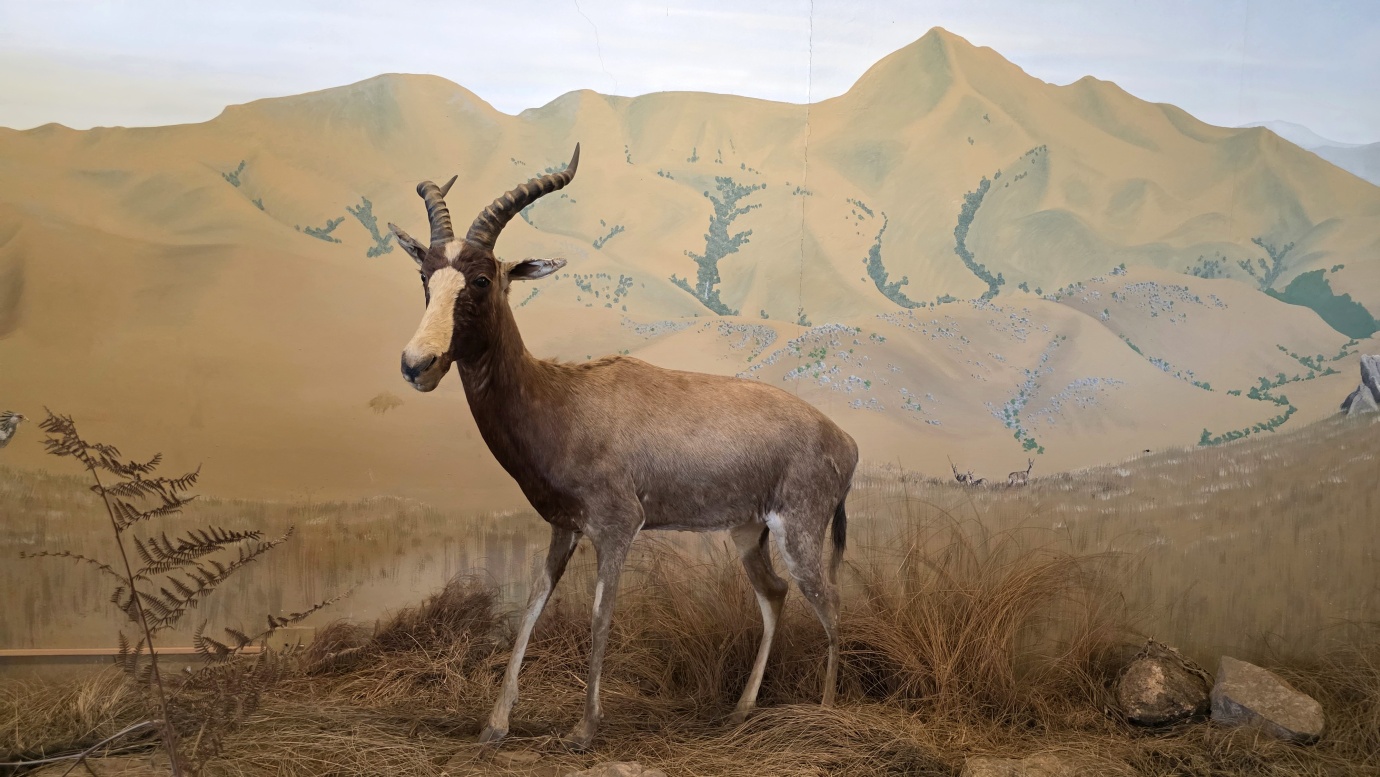
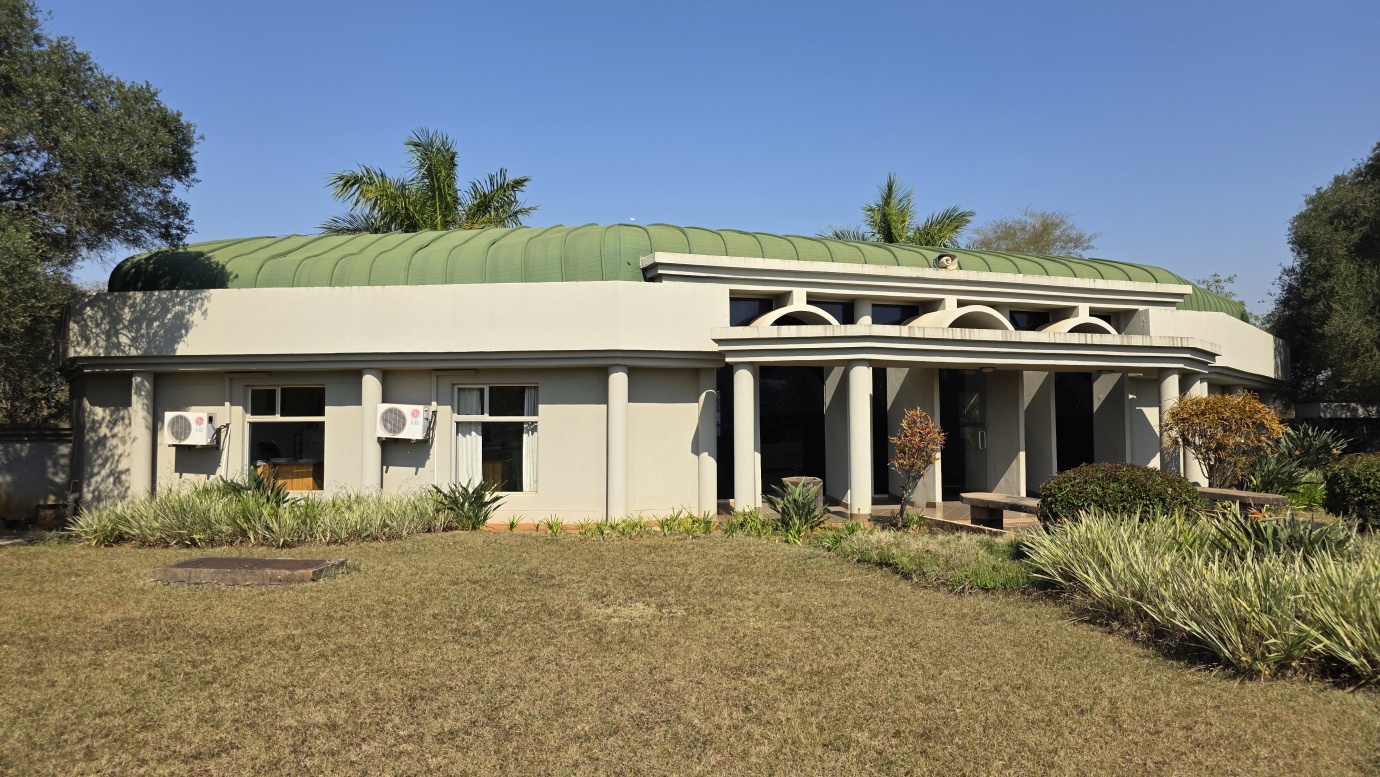
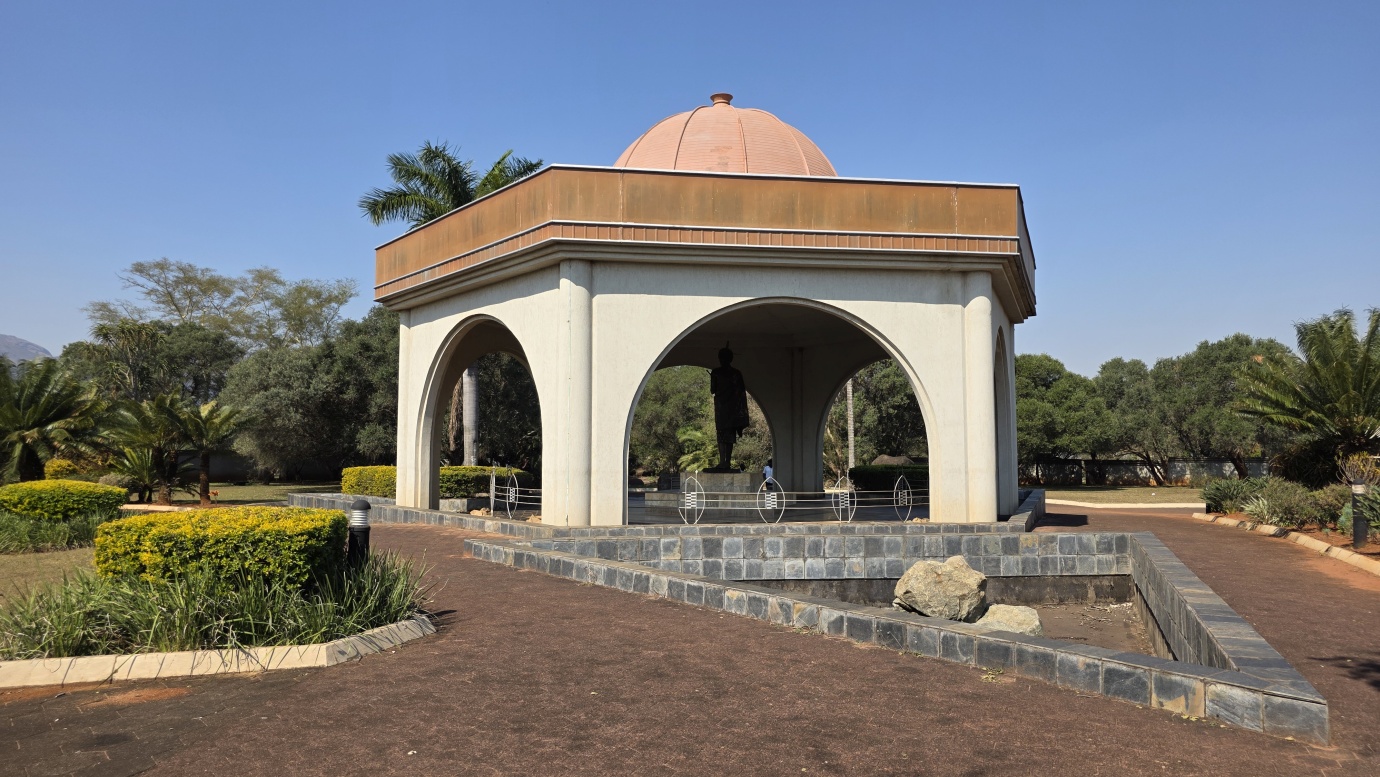
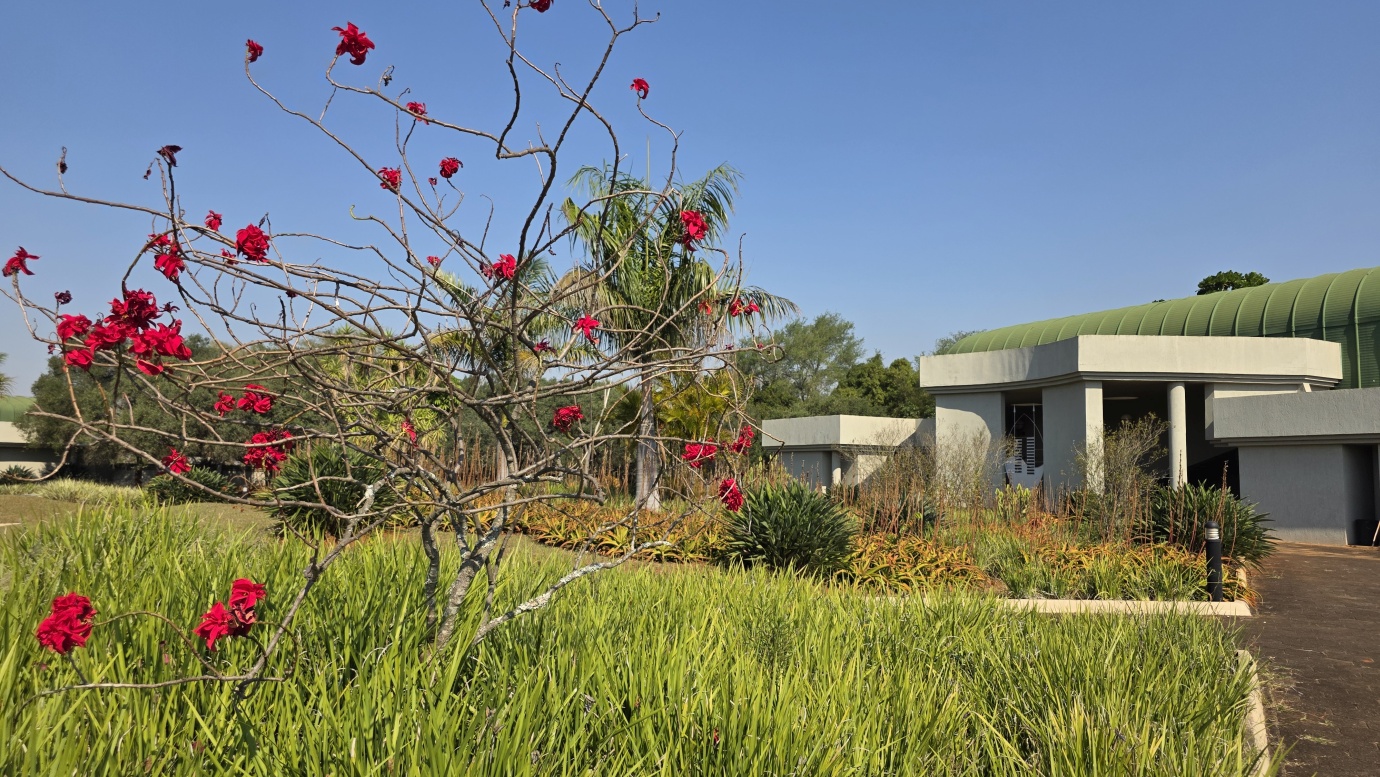
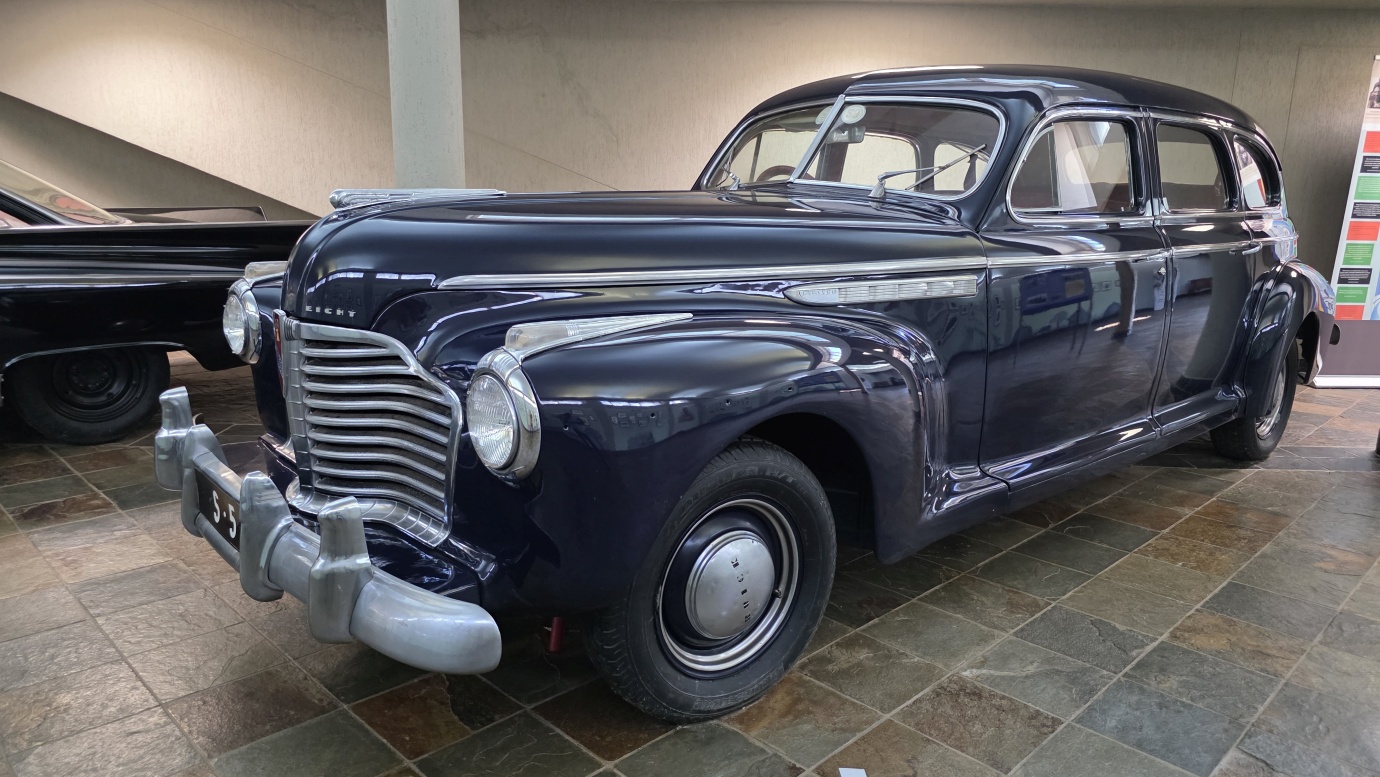
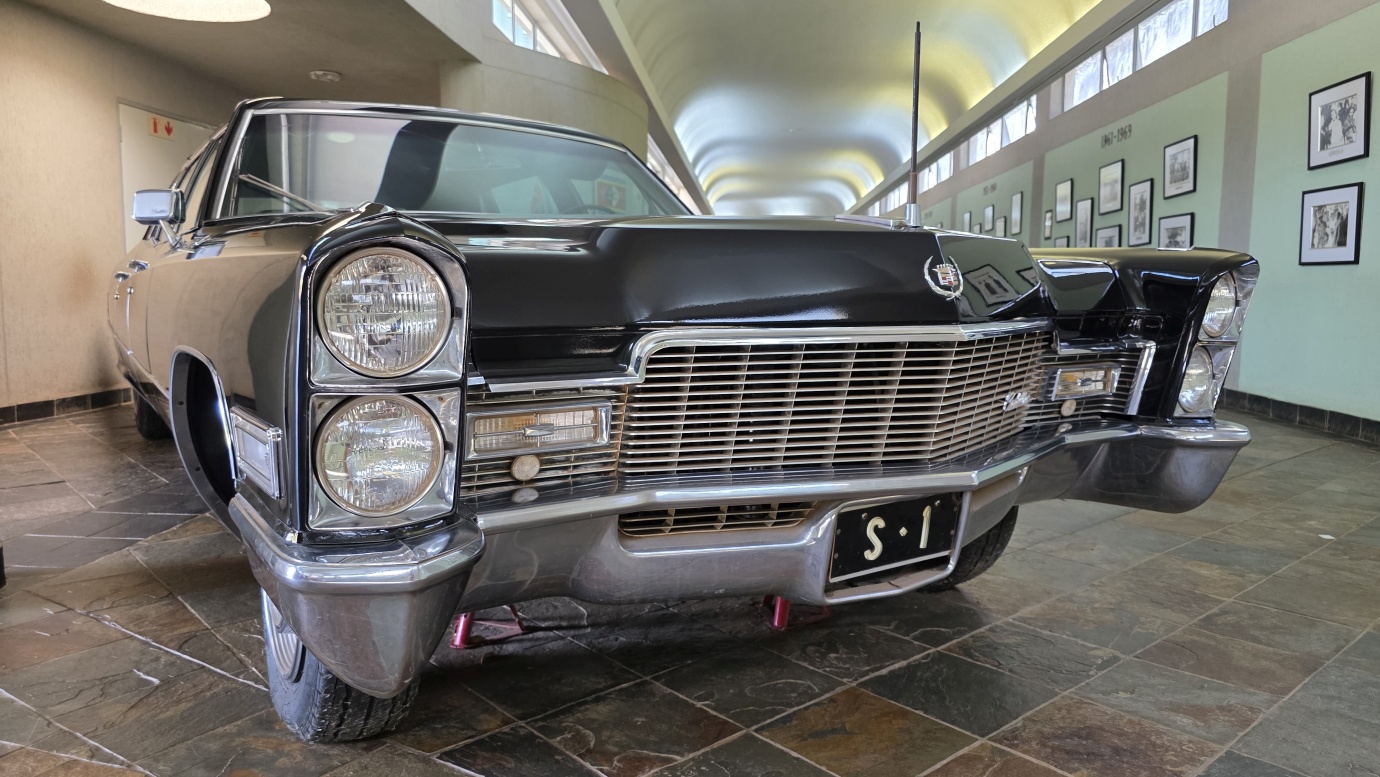
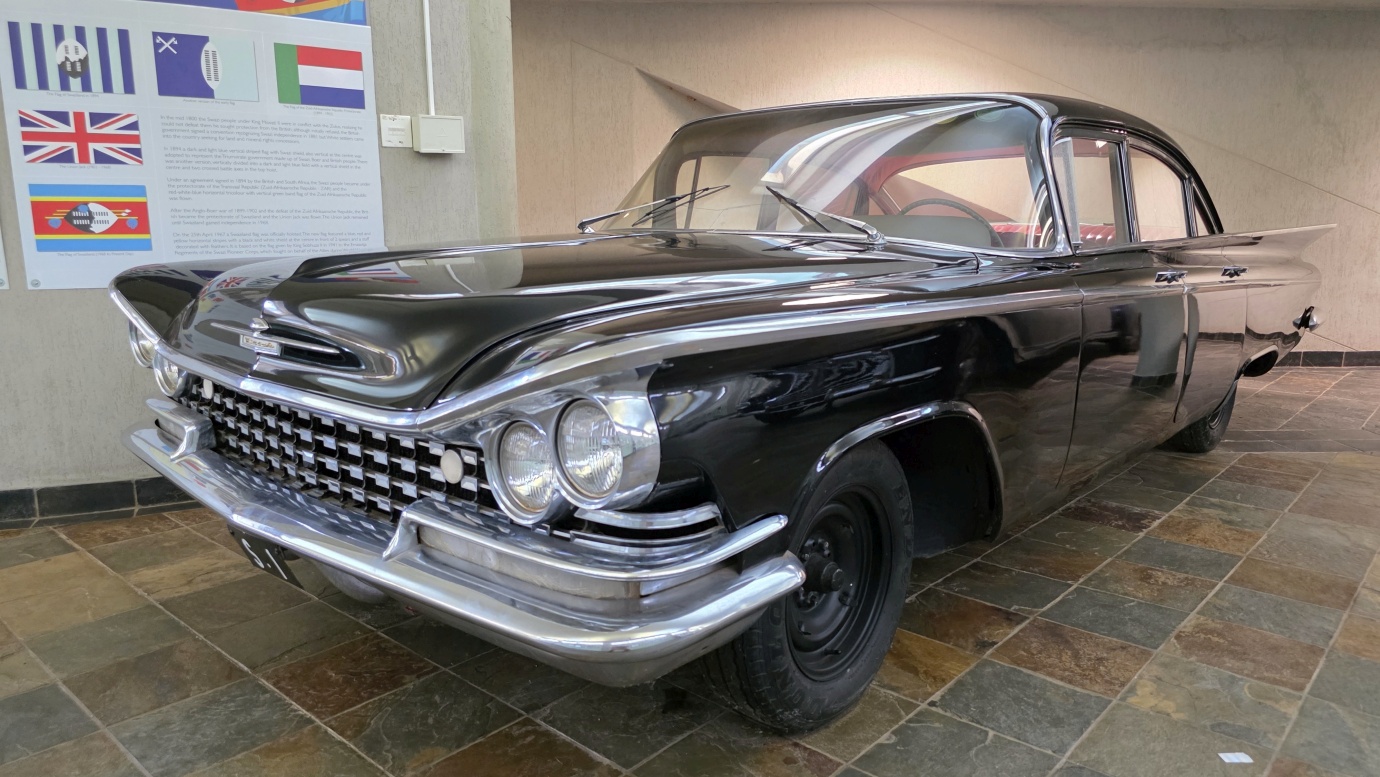
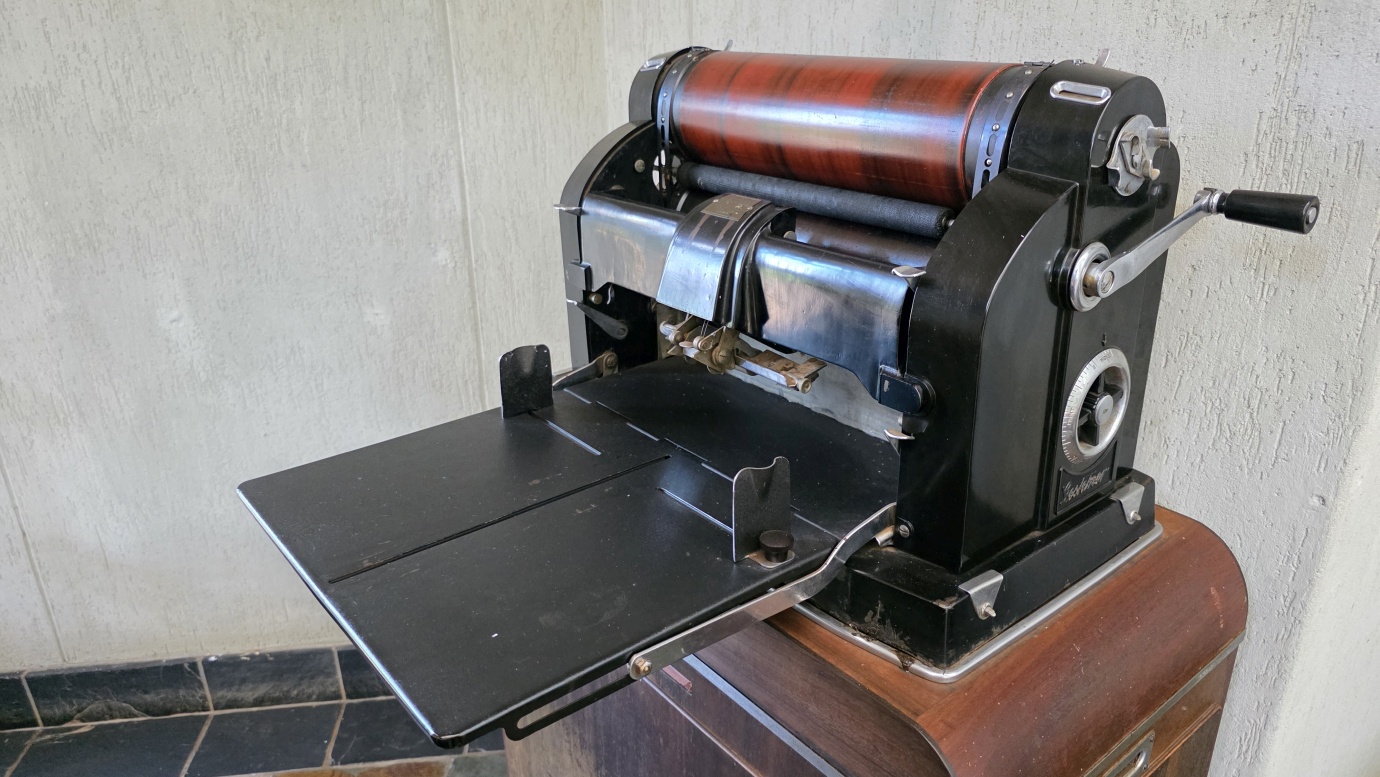
We also visited the National Museum (🎟️ 150 ZAR), which offers a fascinating insight into Eswatini’s history and culture, with tribal artefacts, natural-history displays, archaeological discoveries and traditional exhibits. From there, we walked across to the King Sobhuza II Memorial Park, a peaceful tribute to the country’s revered former monarch, featuring monuments and exhibitions dedicated to his life and remarkable reign.