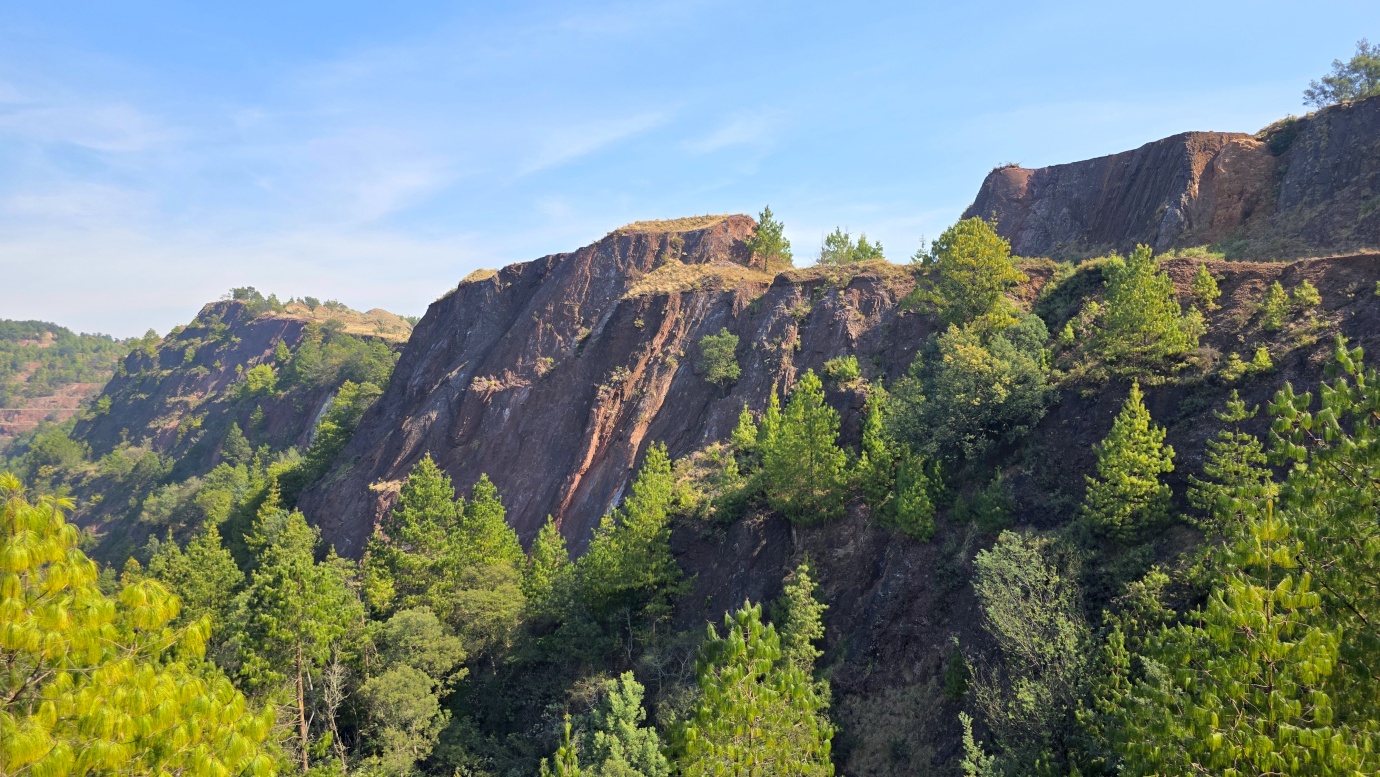
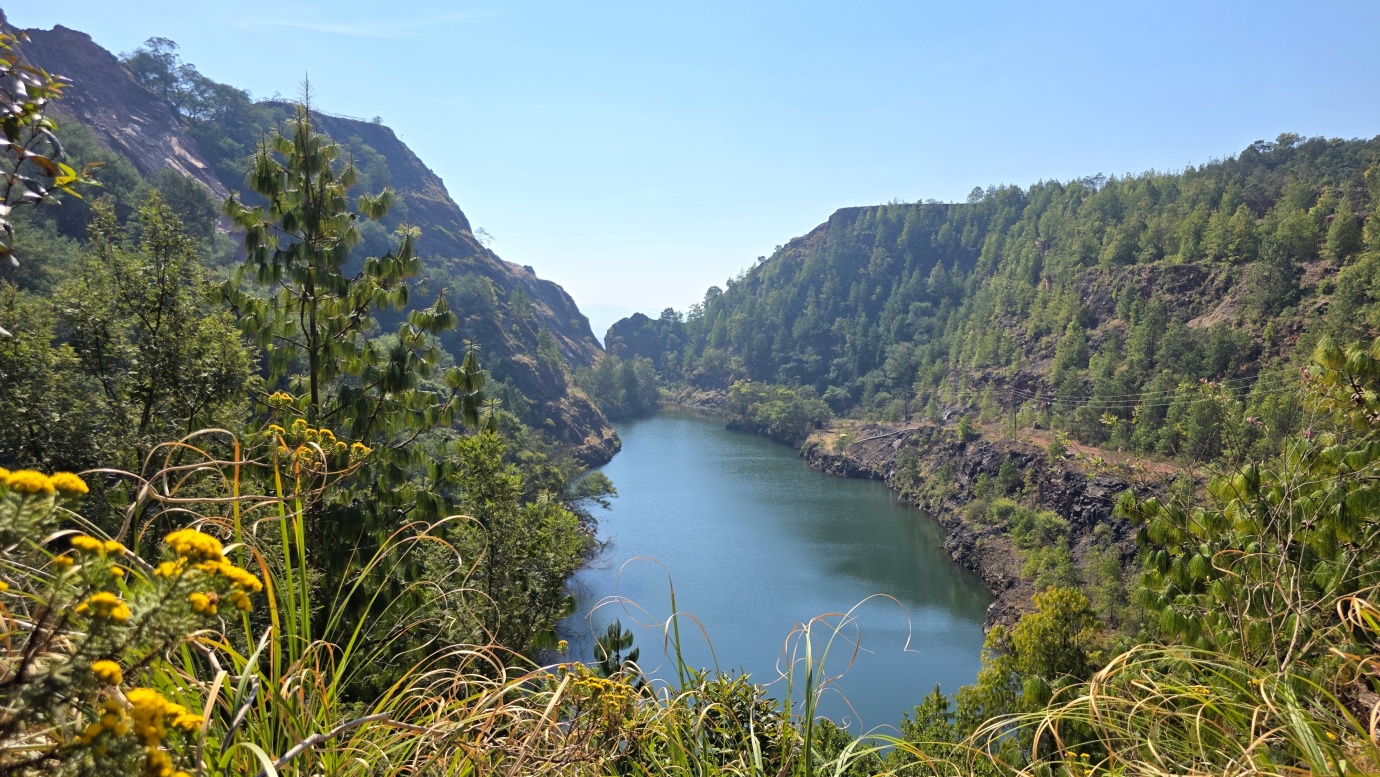
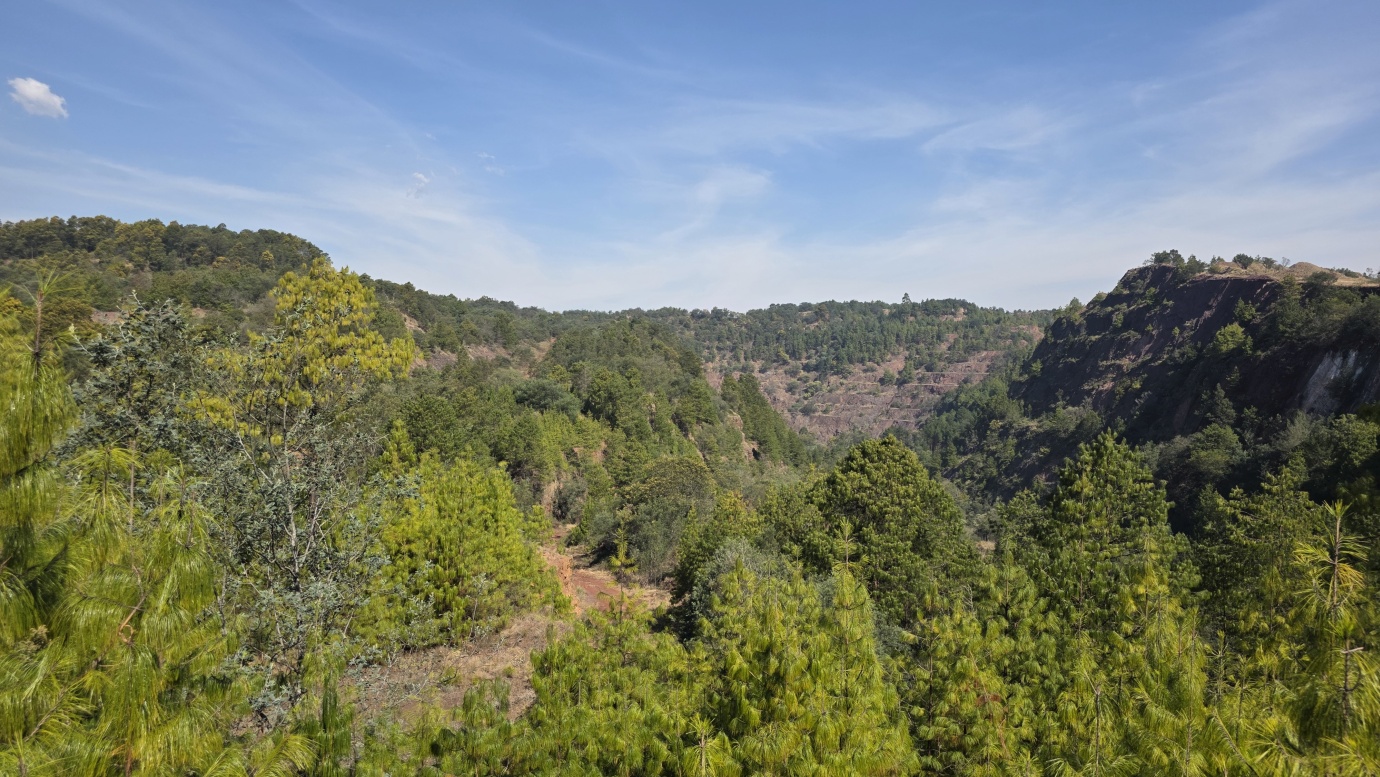
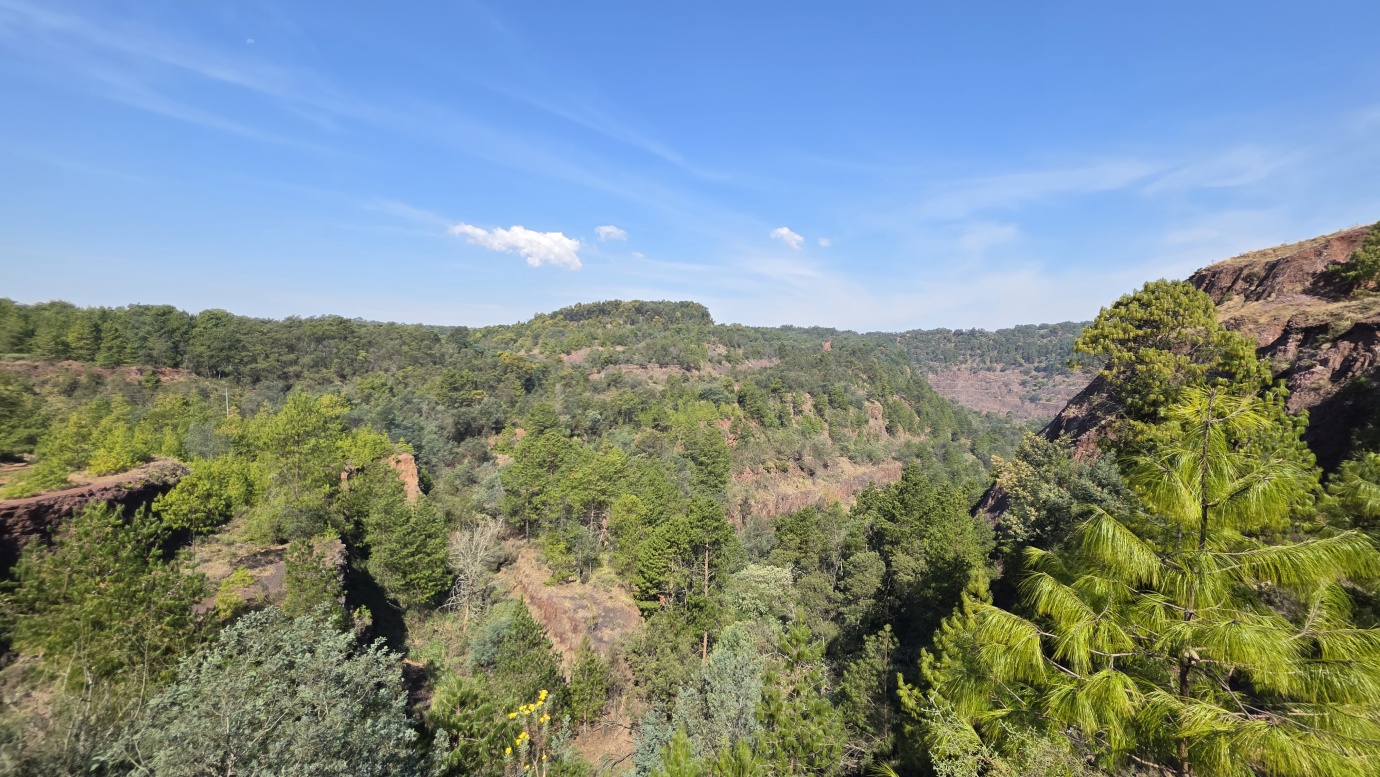
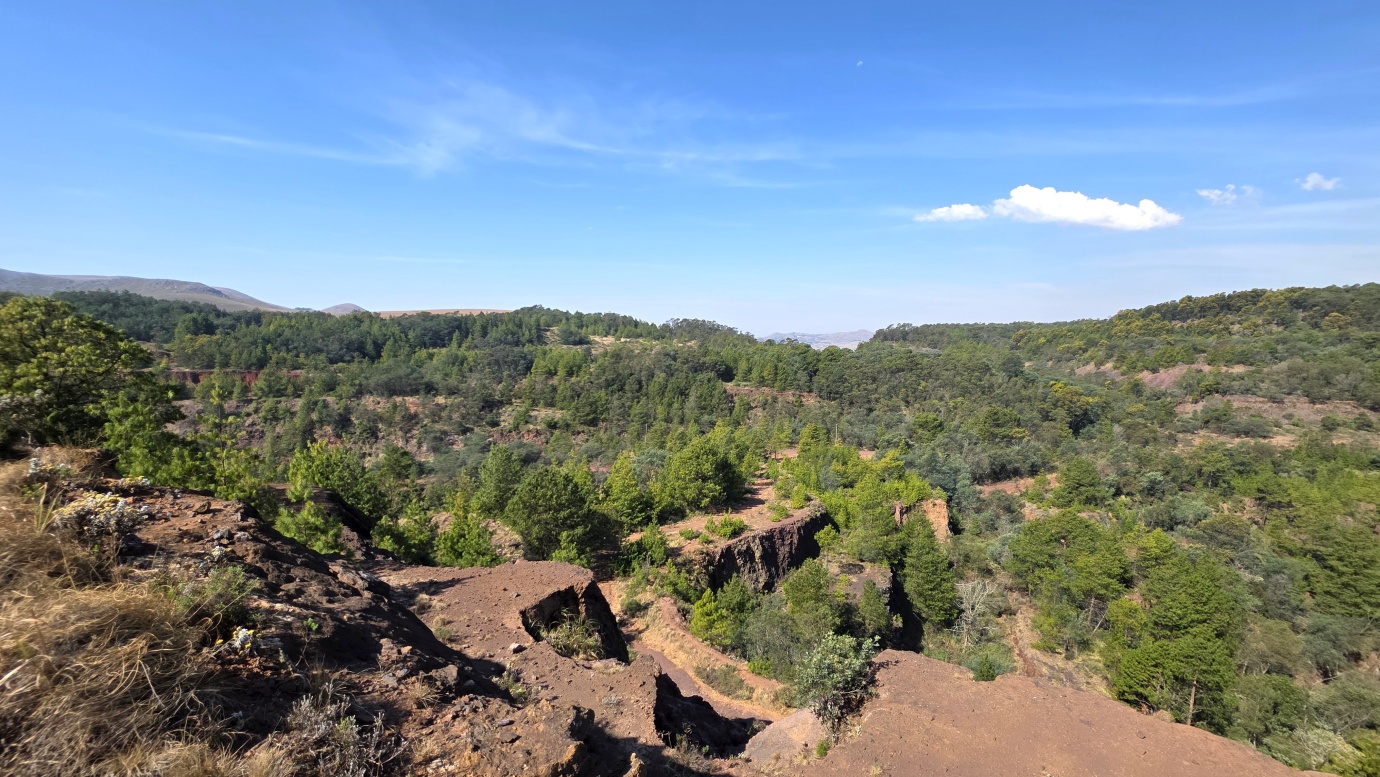
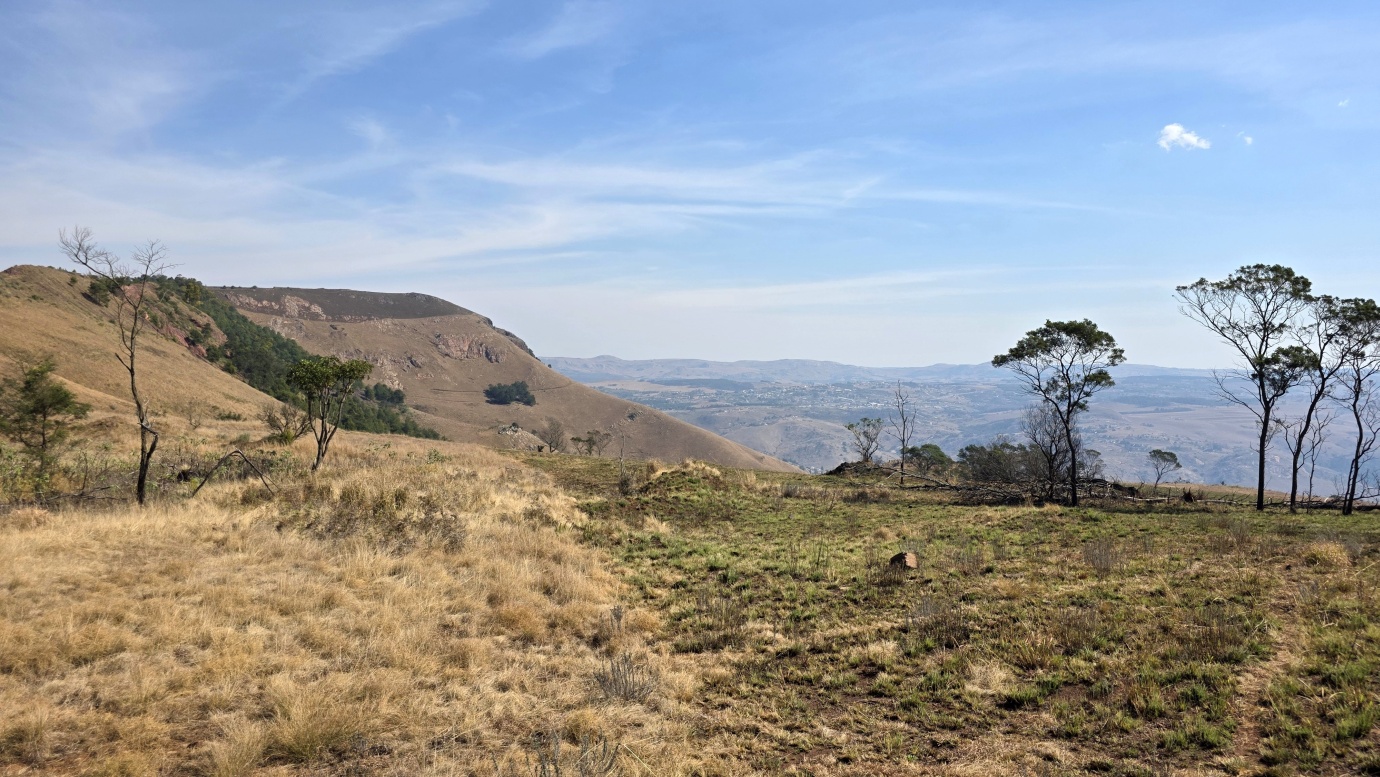
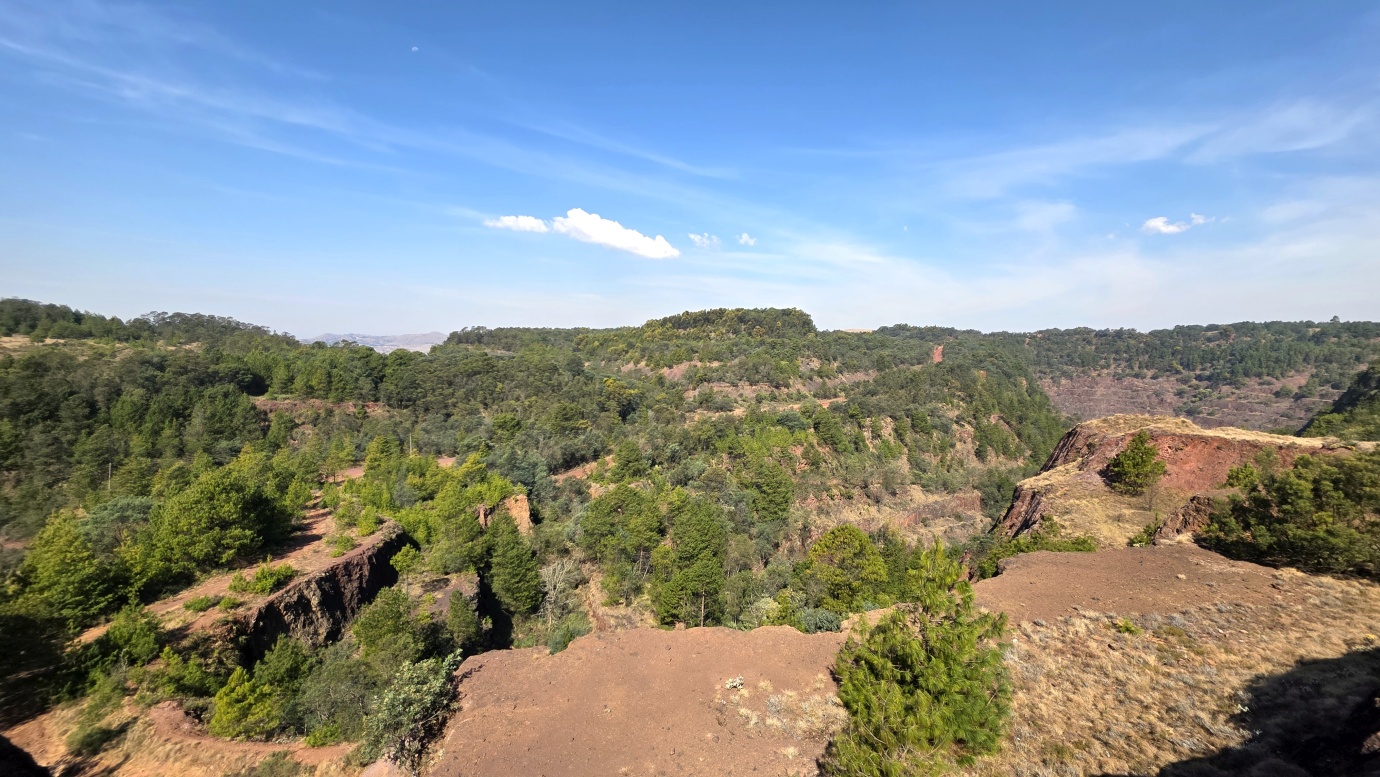
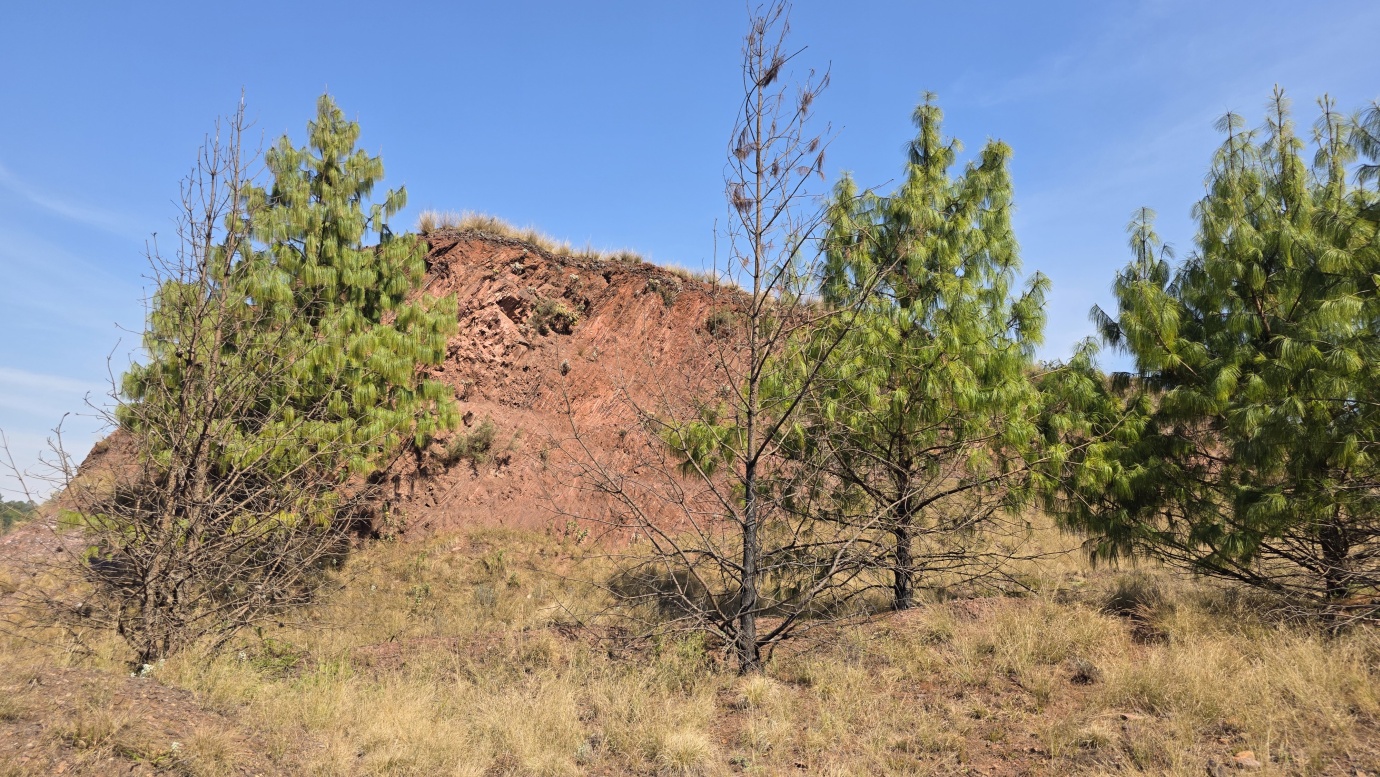
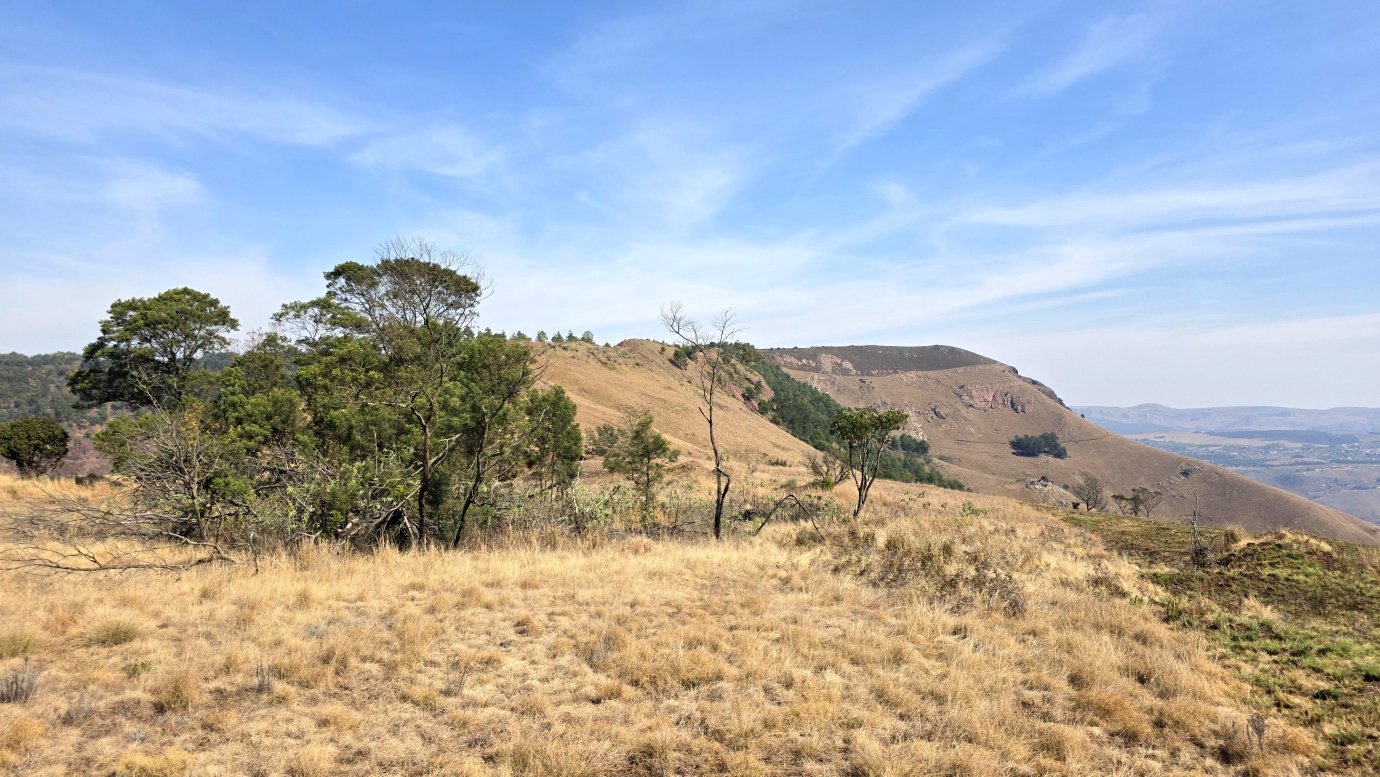
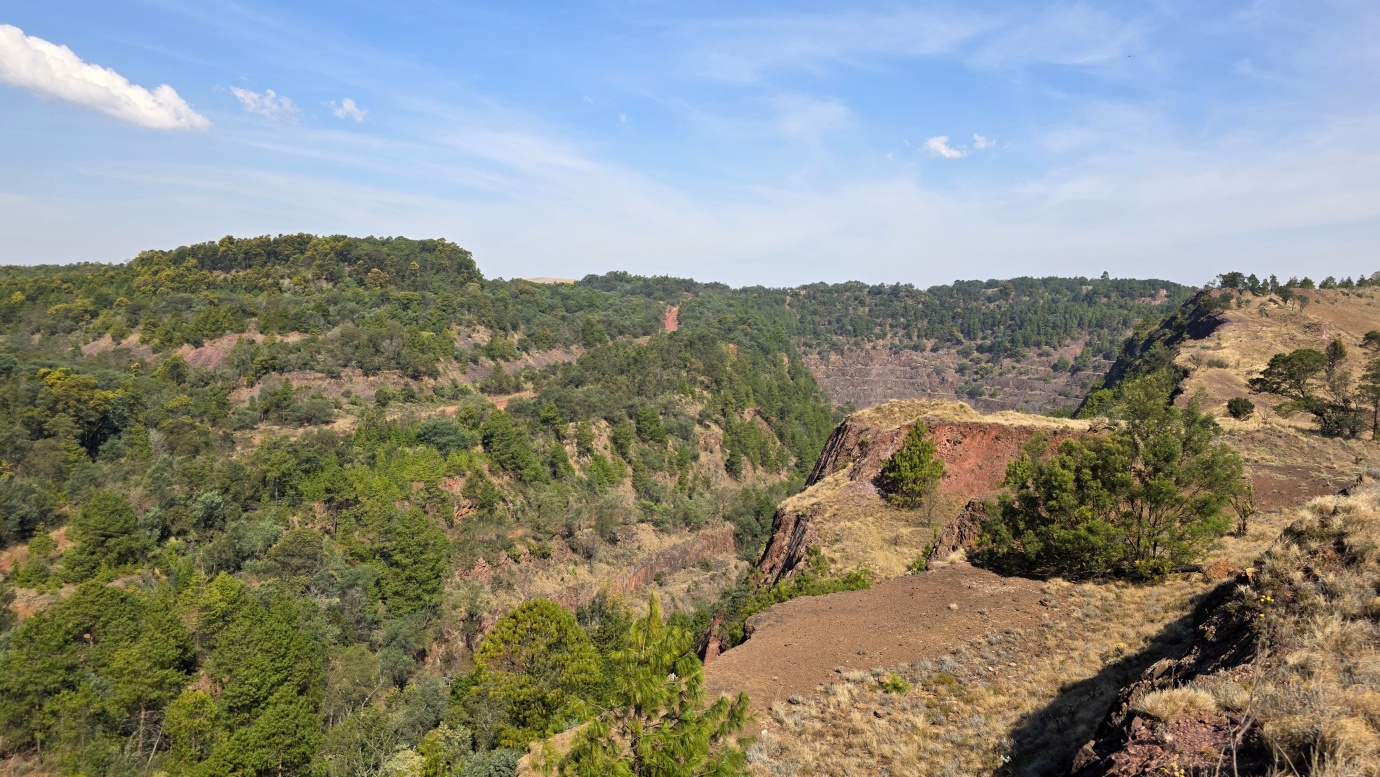
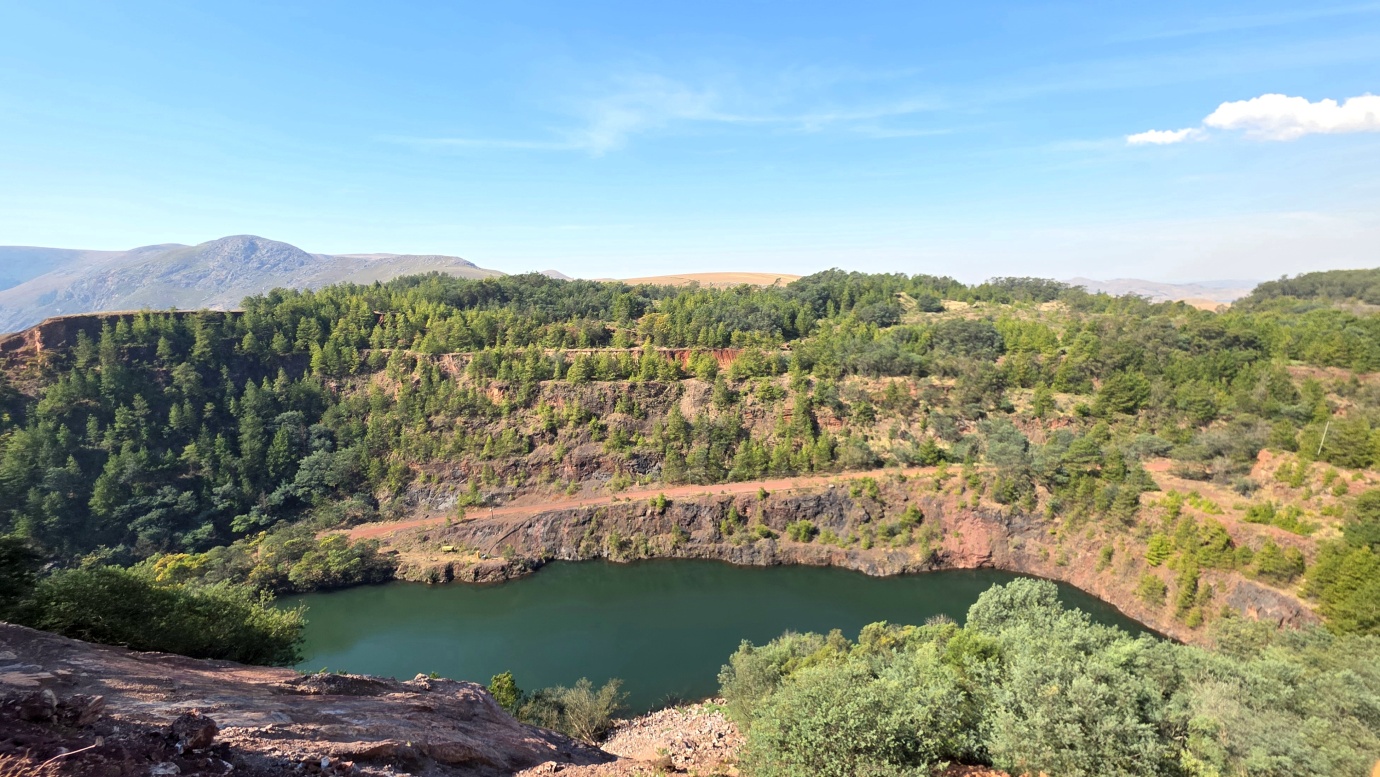
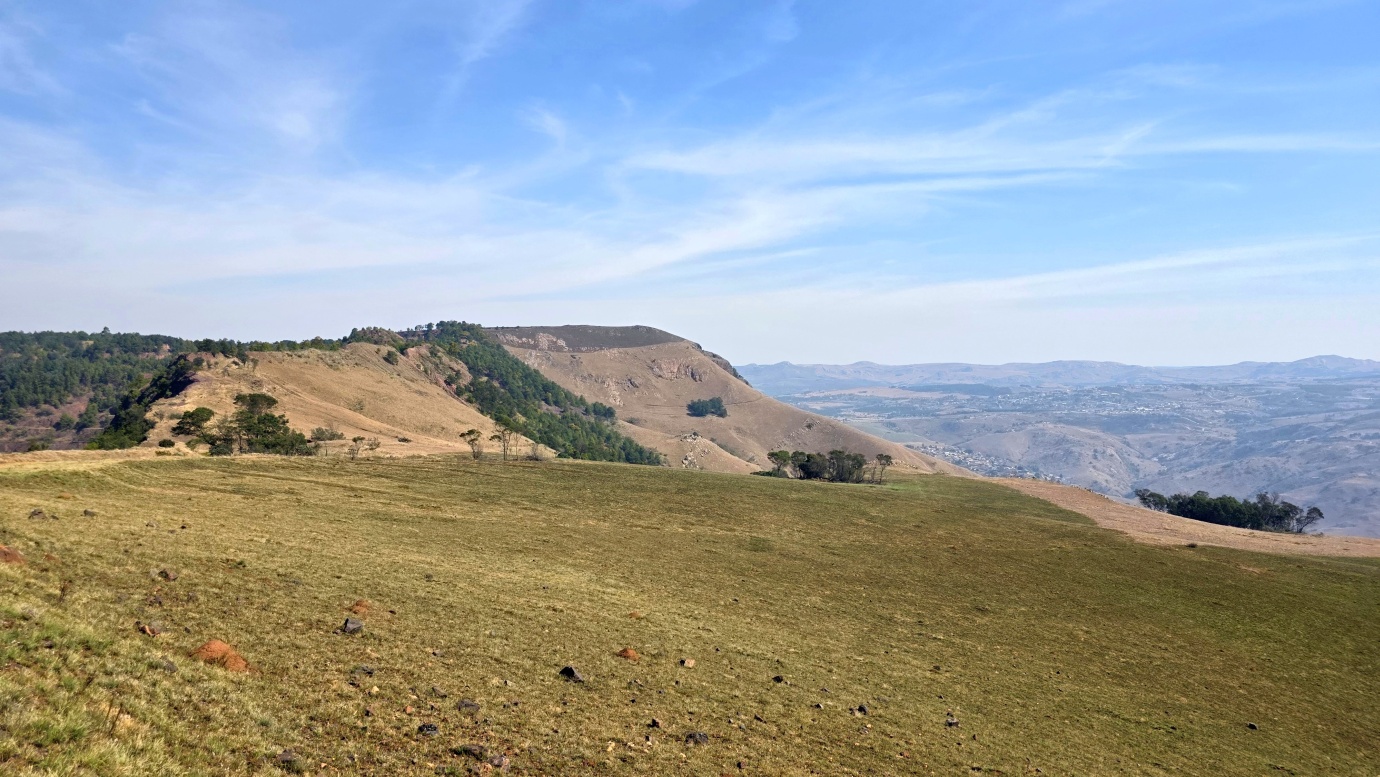
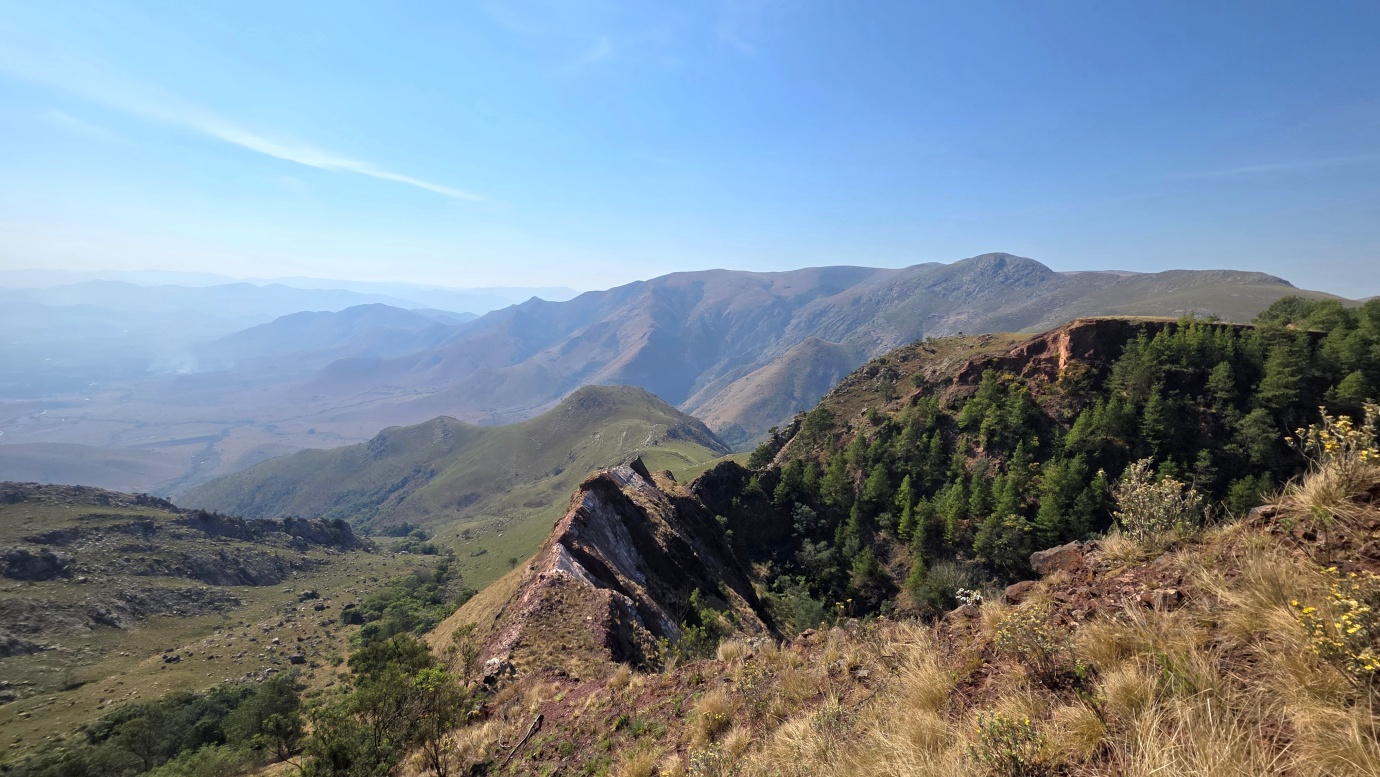
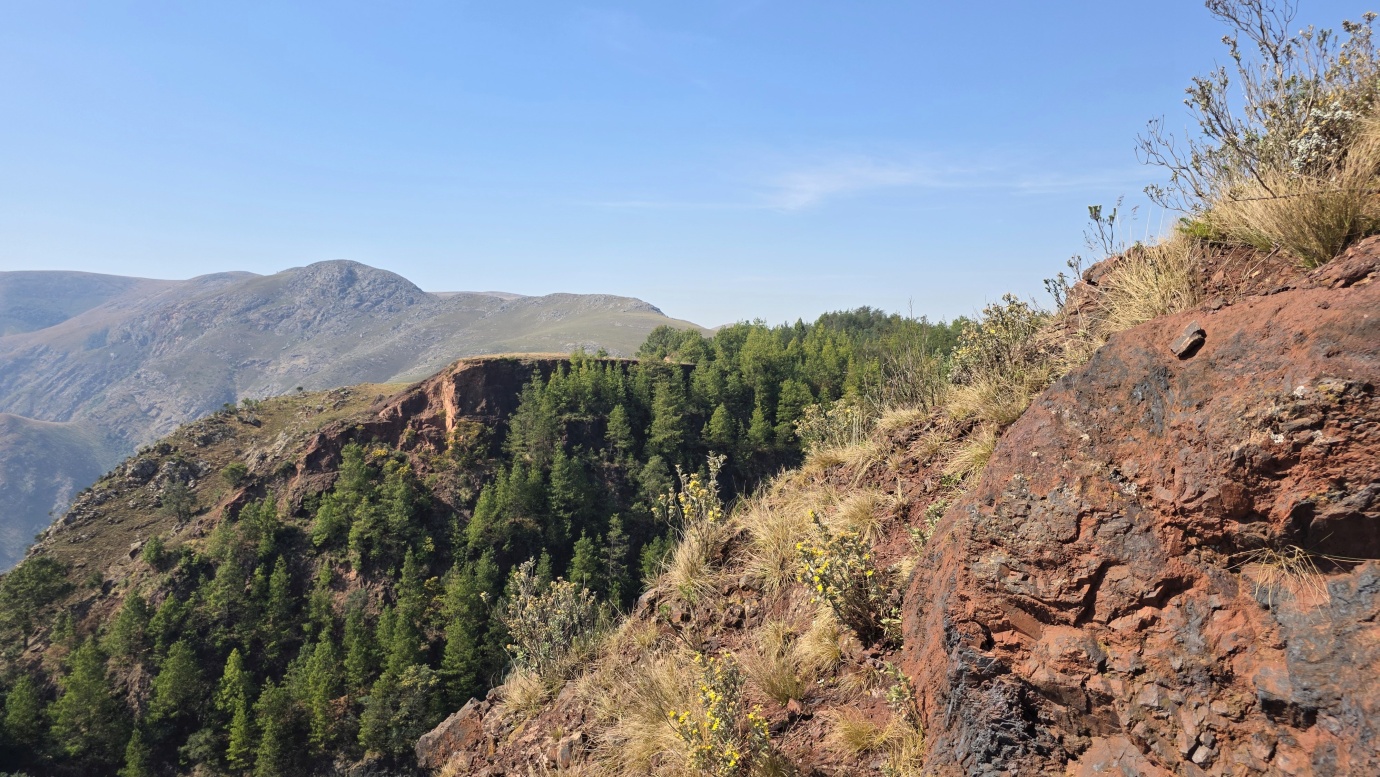
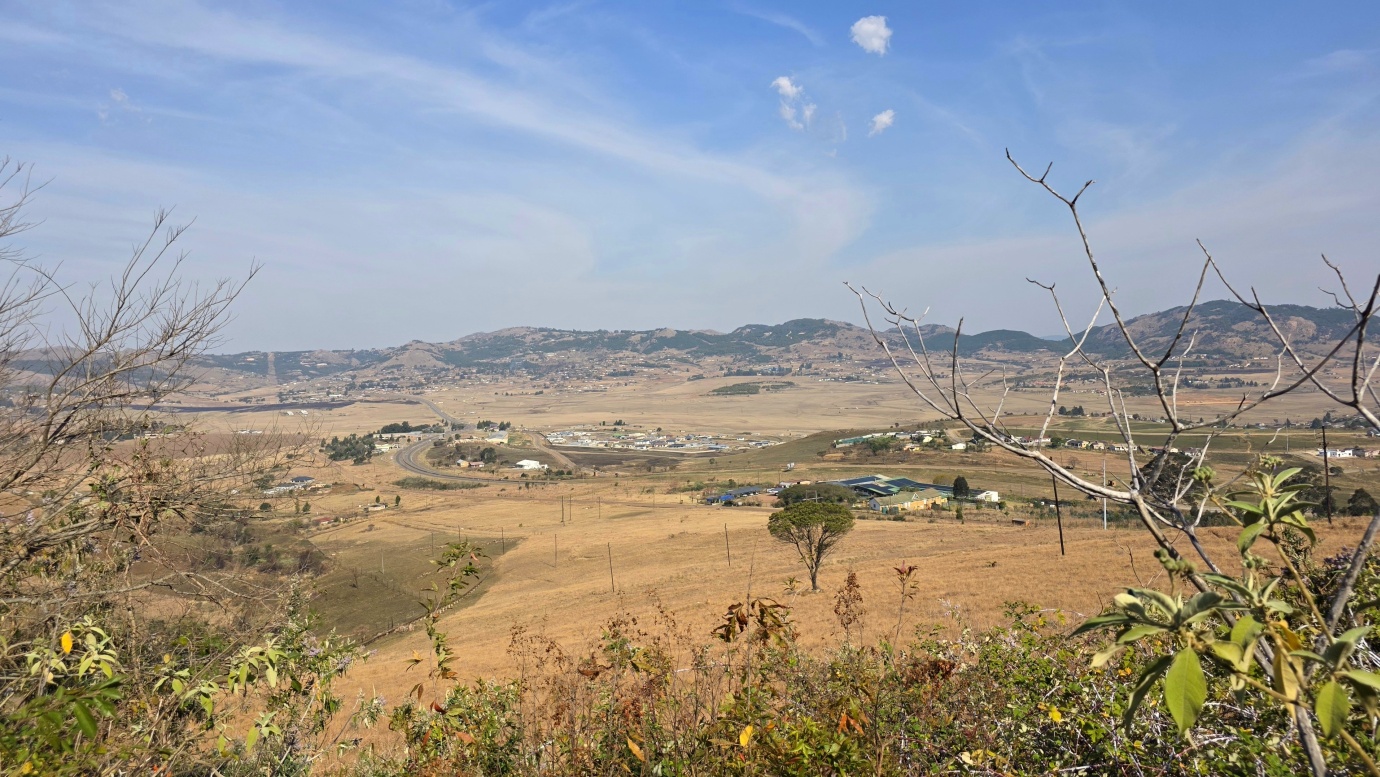
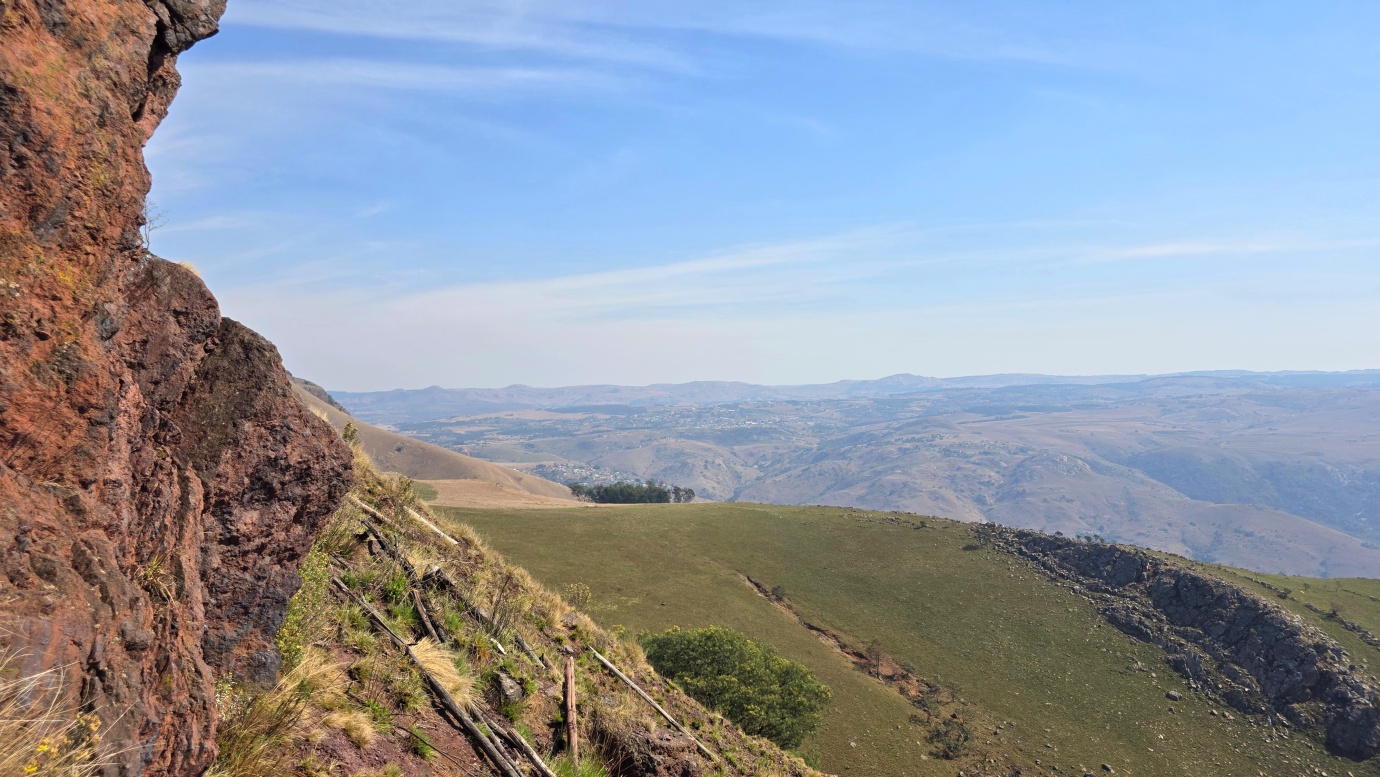
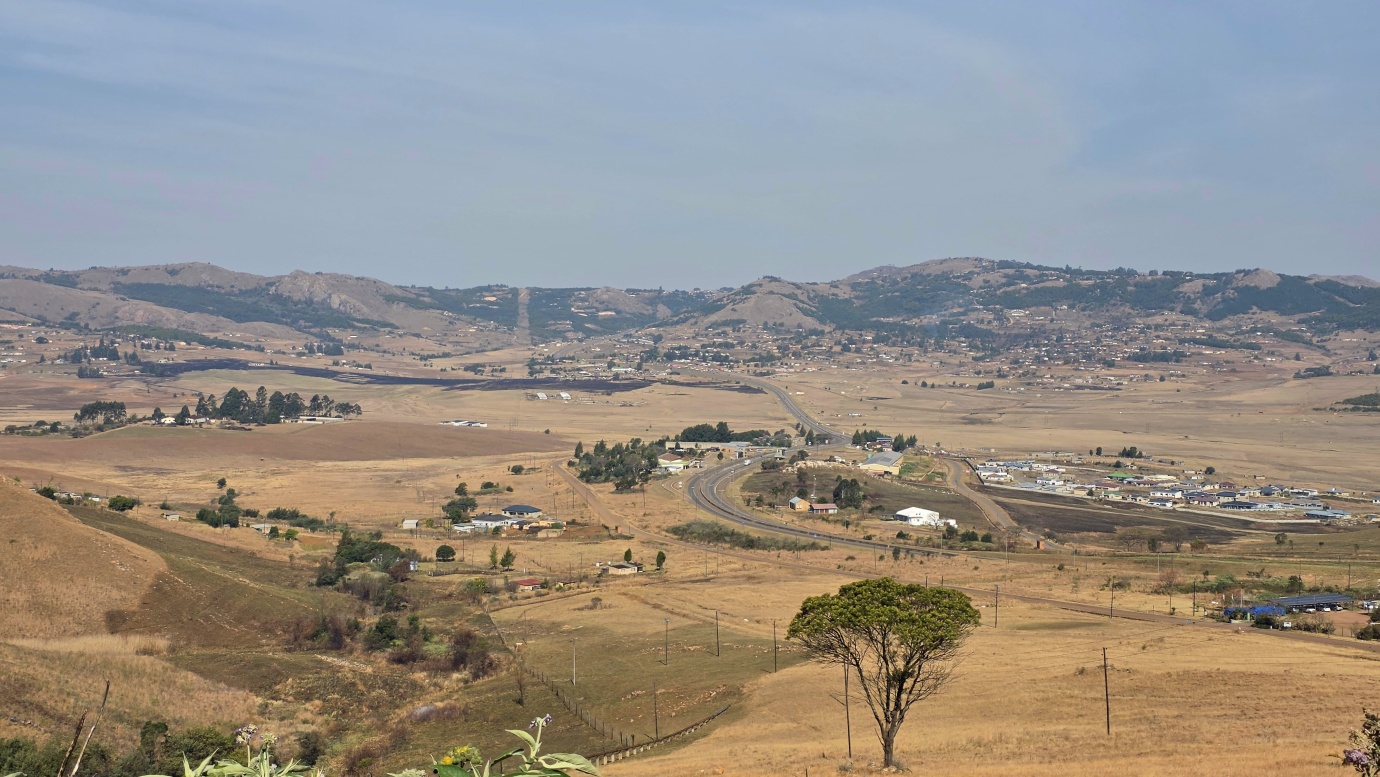
The Ngwenya Mine (🎟️70 SZL) is widely recognised as one of the world’s oldest known mining sites, with evidence of human activity dating back more than 40,000 years. Its extraordinary history spans three distinct eras—from Middle Stone Age pigment extraction, through Iron Age iron smelting, to large-scale modern open-cast mining.
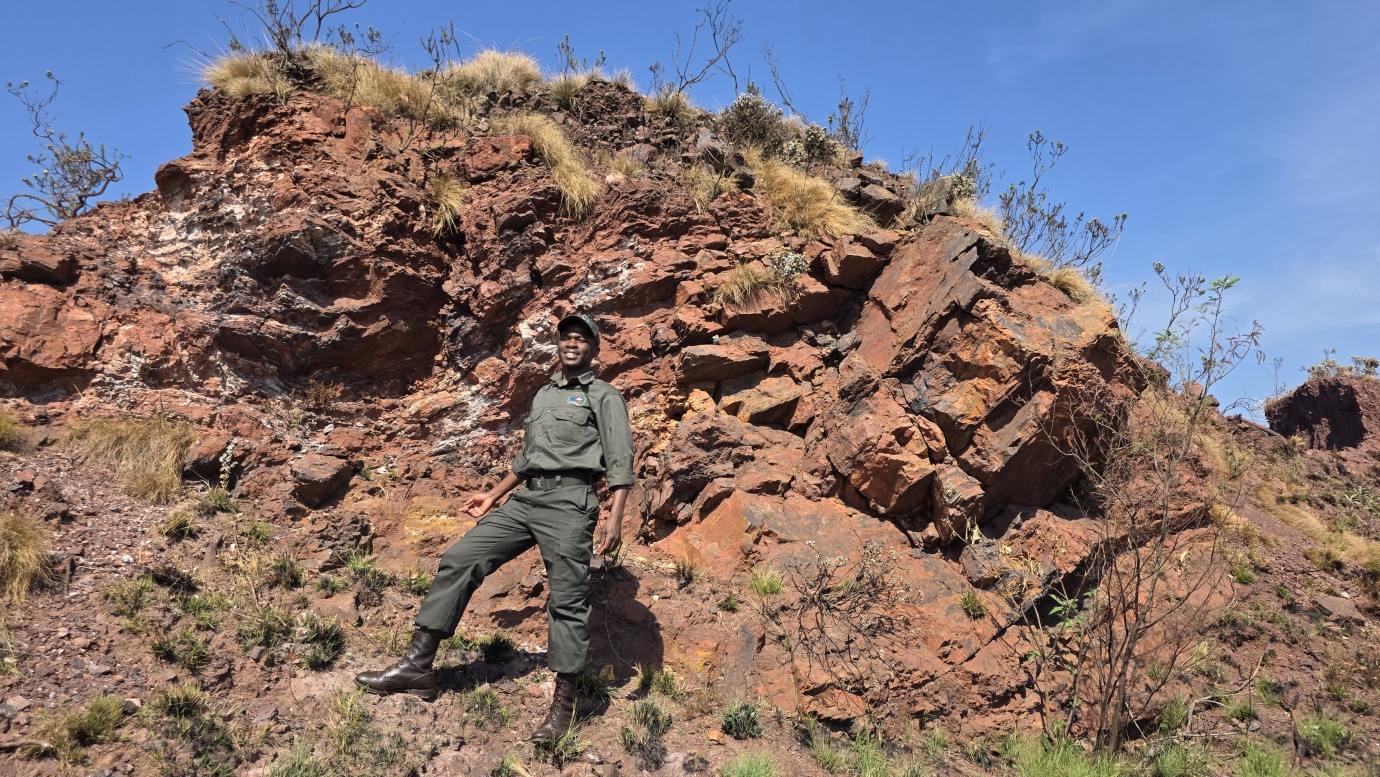
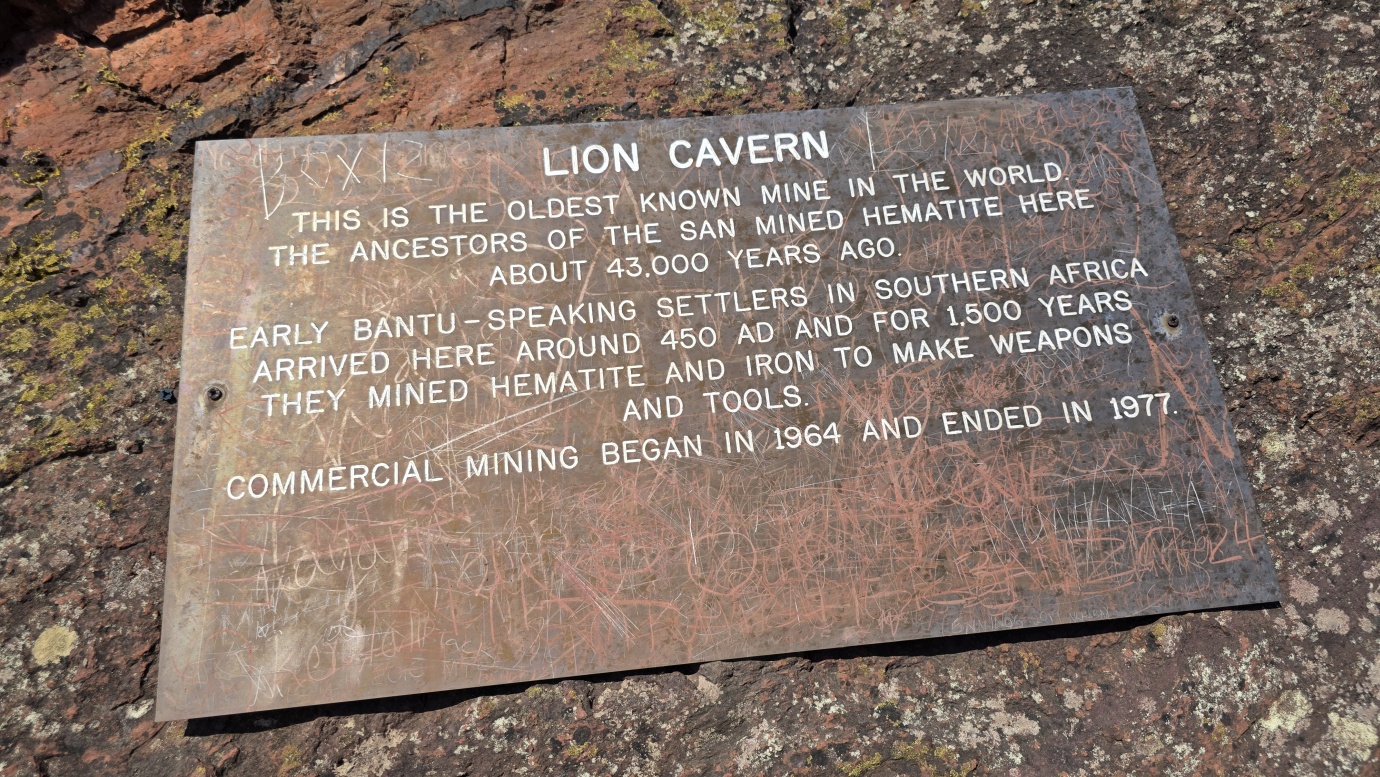
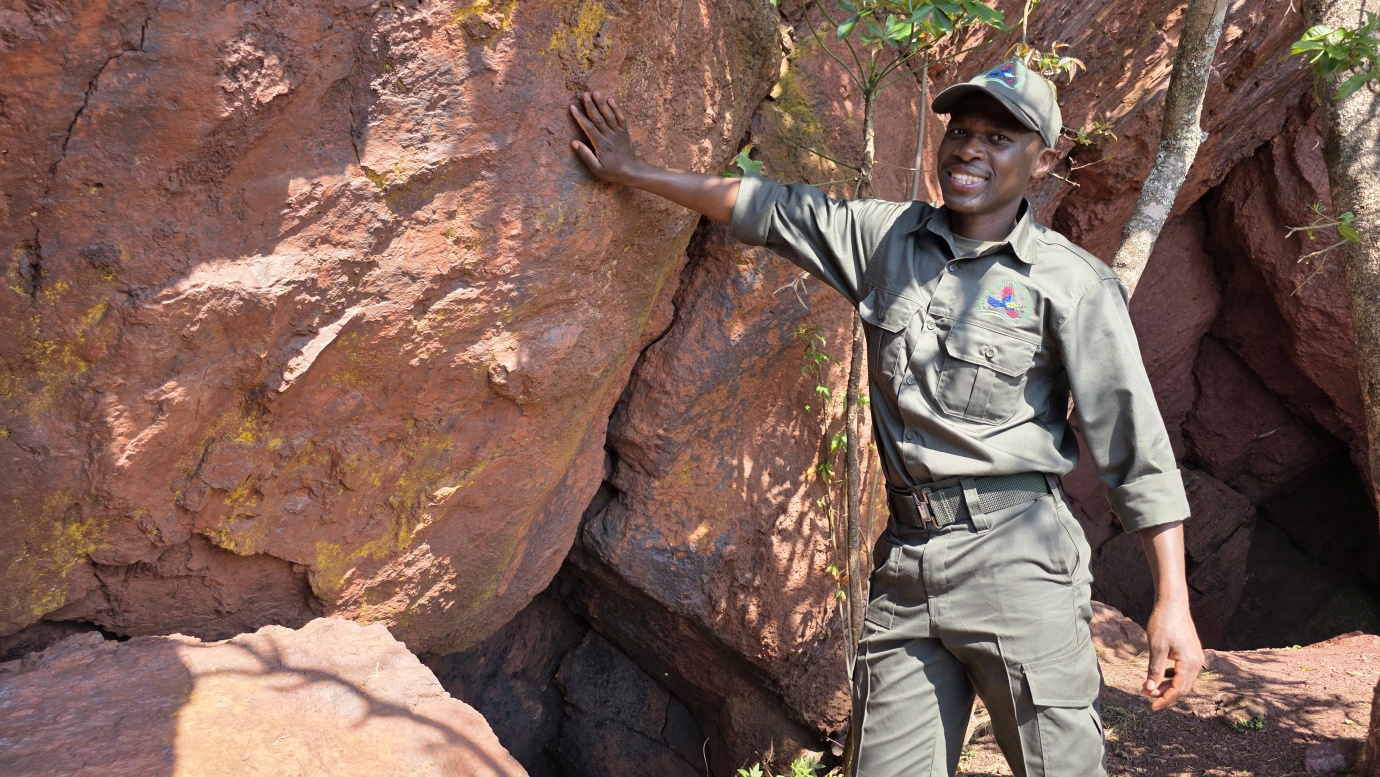
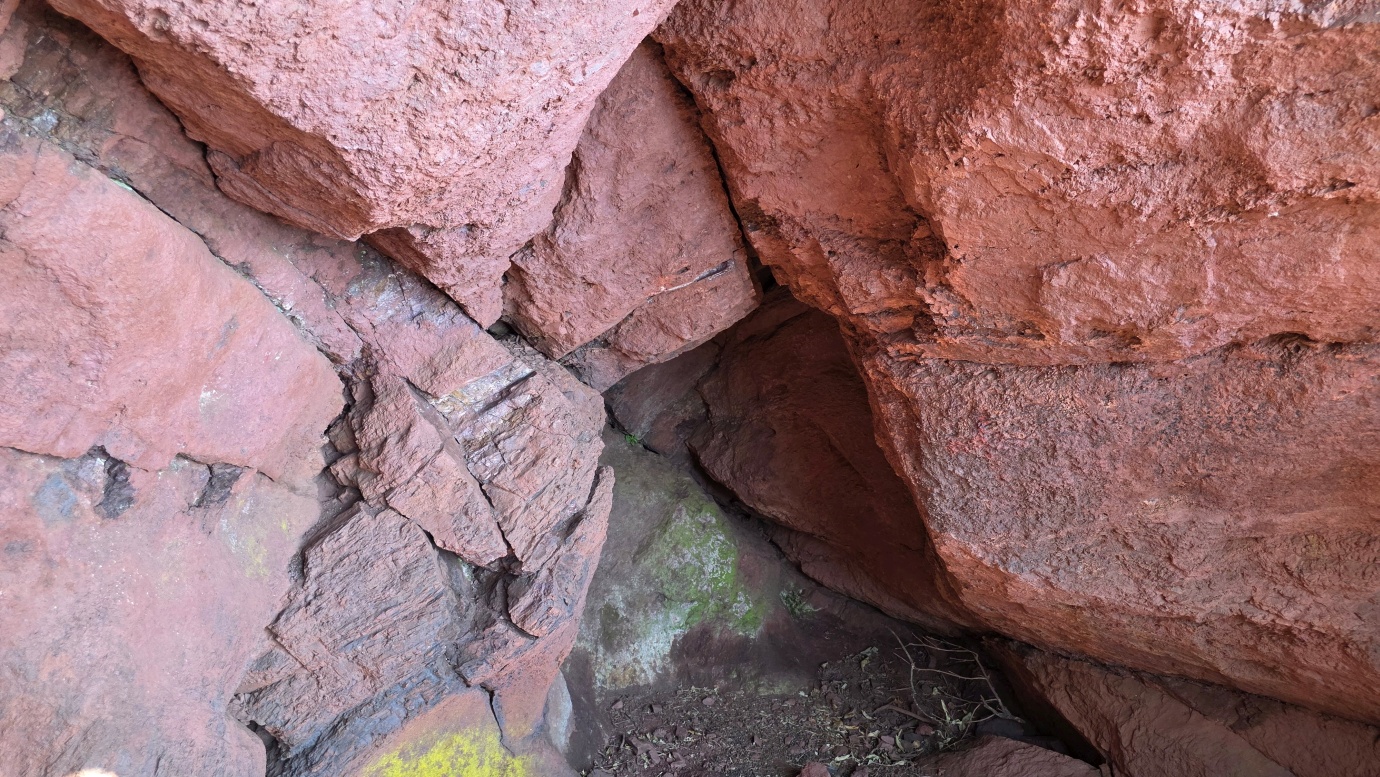
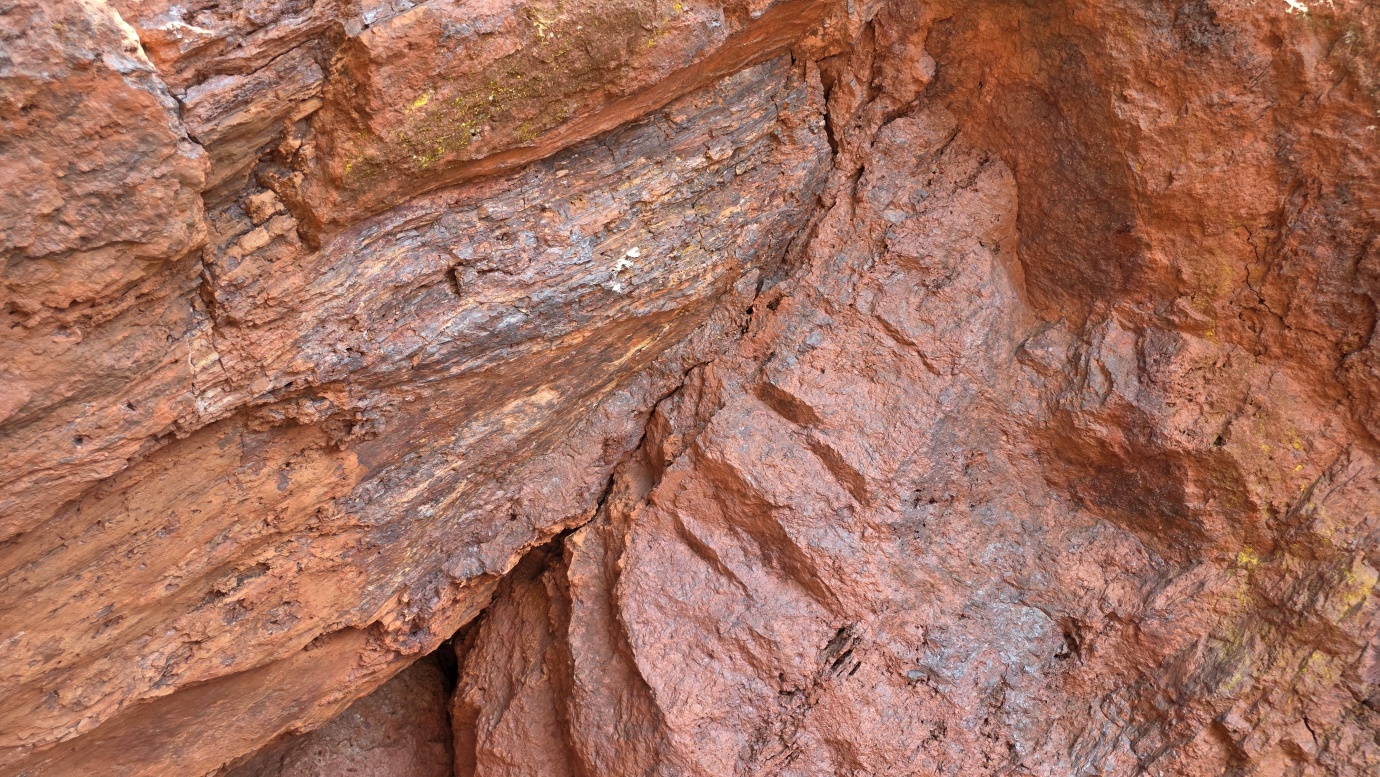
The earliest known mining activity dates to around 43,000–48,000 years ago, when Middle Stone Age communities extracted red haematite and sparkling specularite from the site now known as Lion Cavern. They were not mining for metal tools; instead, they ground the iron-rich ore into red ochre and glittering powder, probably used for body decoration, ceremonial purposes and rock art.
Archaeologists have discovered heavy dolerite hammers, picks and choppers believed to have been used by these ancient miners, providing remarkable evidence of some of the earliest known mining technology.
Around 400 AD, Bantu-speaking pastoralist communities arrived in the region from north of the Limpopo River. With knowledge of metallurgy, they began exploiting the ore to produce iron. Ngwenya iron was smelted into tools and weapons, which were traded across the region and helped drive the transition from Stone Age to Iron Age technology.
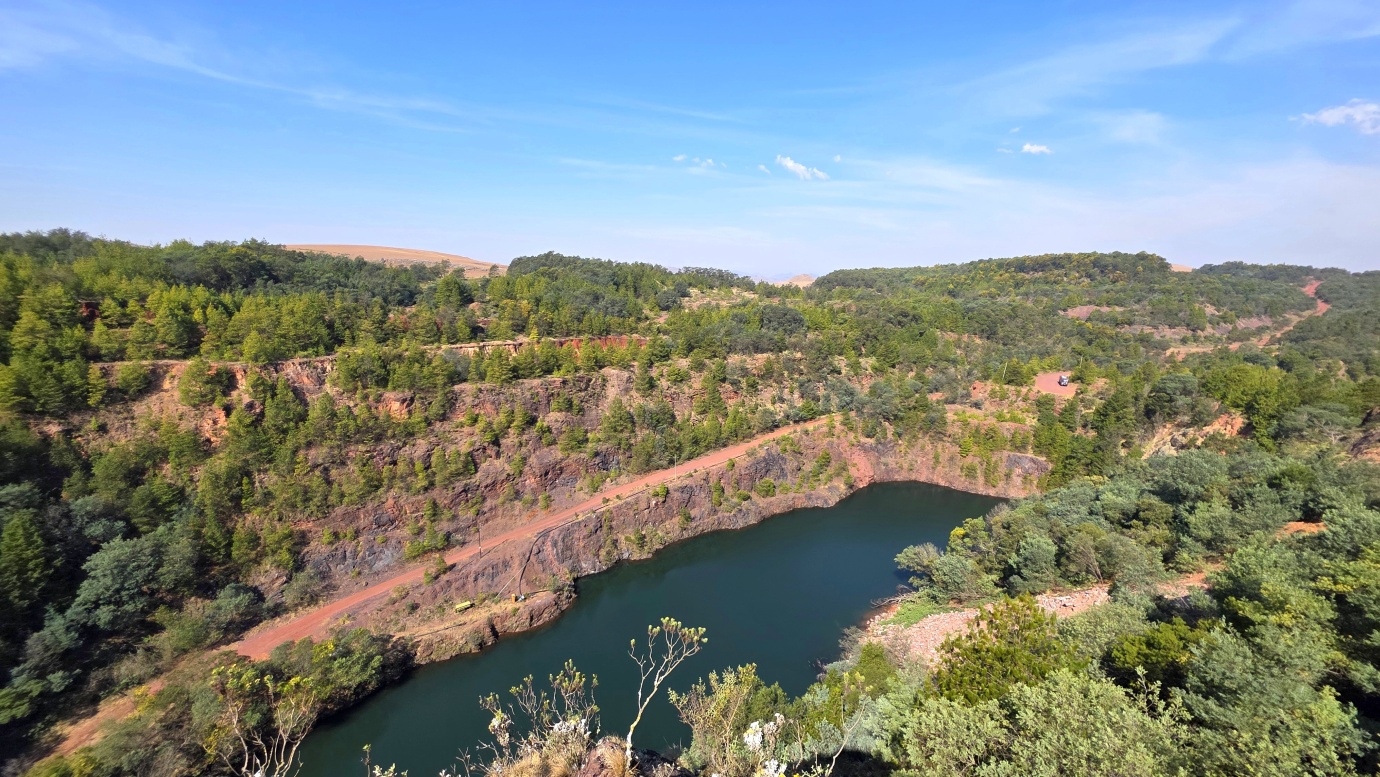
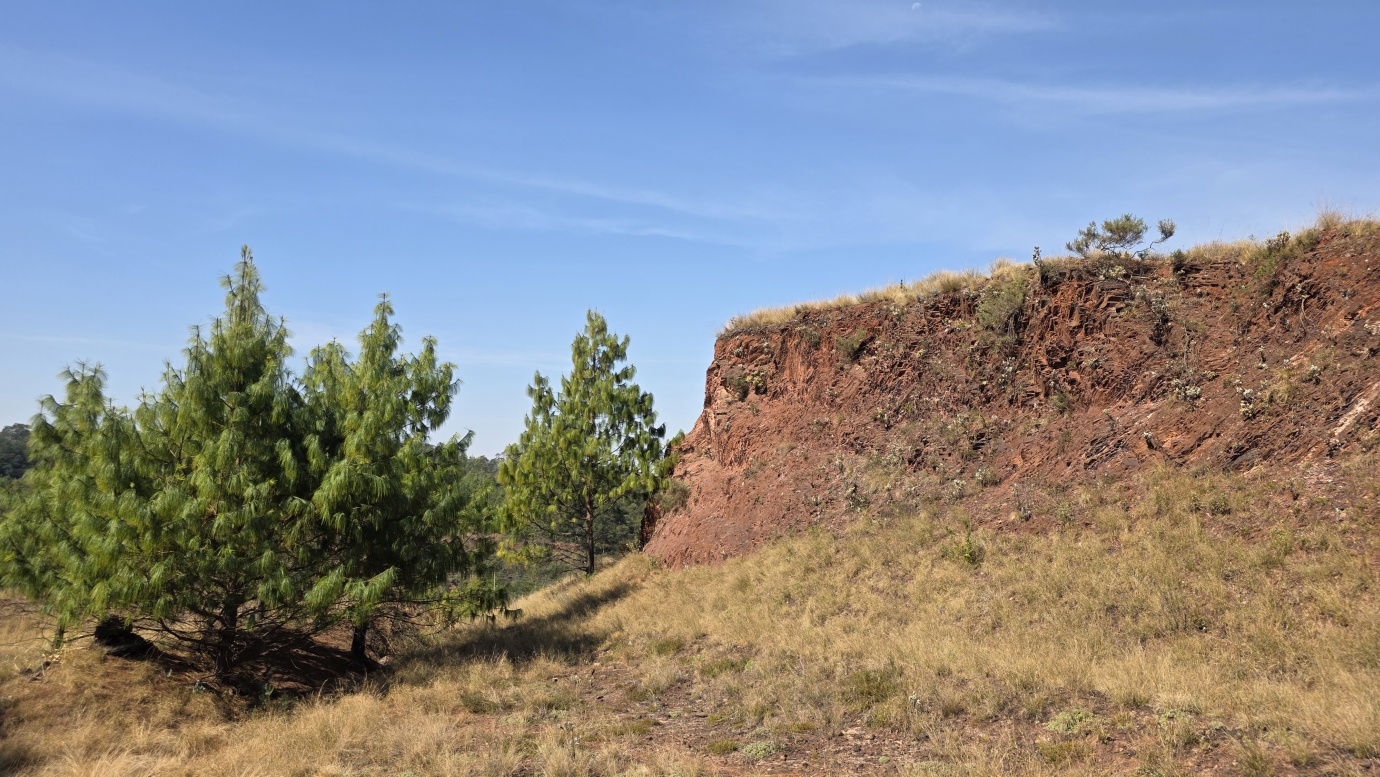
Large-scale commercial open-cast mining began in the 20th century under the Swaziland Iron Ore Development Company, associated with Anglo American. Millions of tonnes of high-grade haematite were extracted and exported, primarily to Japan. A dedicated railway connected the mine to the port of Maputo in Mozambique, supporting a major long-term supply contract with Japanese steel mills from 1964.
Mining operations eventually halted in 1977, as the richest deposits were depleted and logistical difficulties increased. There were later attempts to revive large-scale open-cast extraction, notably by the Indian company Salgaocar in 2011, but the project ultimately ended amid economic and environmental challenges.
Today, Ngwenya Mine stands as a remarkable testament to the extraordinarily long relationship between people and this landscape’s mineral wealth—from prehistoric ochre miners to modern industrial operations.