

We spent one intensive day exploring Pretoria, the administrative capital of South Africa, located in the northern part of Gauteng province. The city lies about 50 kilometres north of Johannesburg, in a transition zone between the Highveld’s high plateau and the lower bushveld plains, and stretches along both sides of the Apies River. Pretoria is famously known as the “Jacaranda City”, thanks to the tens of thousands of purple-flowering jacaranda trees that line its streets.
Pretoria was founded in 1855 by Marthinus Wessels Pretorius and named after his father, Andries Pretorius, a famous Voortrekker leader. In 1860, it became the capital of the South African Republic (ZAR), and in 1910 it became the administrative capital of the newly established Union of South Africa. Pretoria also played an important role in the history of the Anglo-Boer War: the Peace of Vereeniging, which ended the war in 1902, was signed at Melrose House.
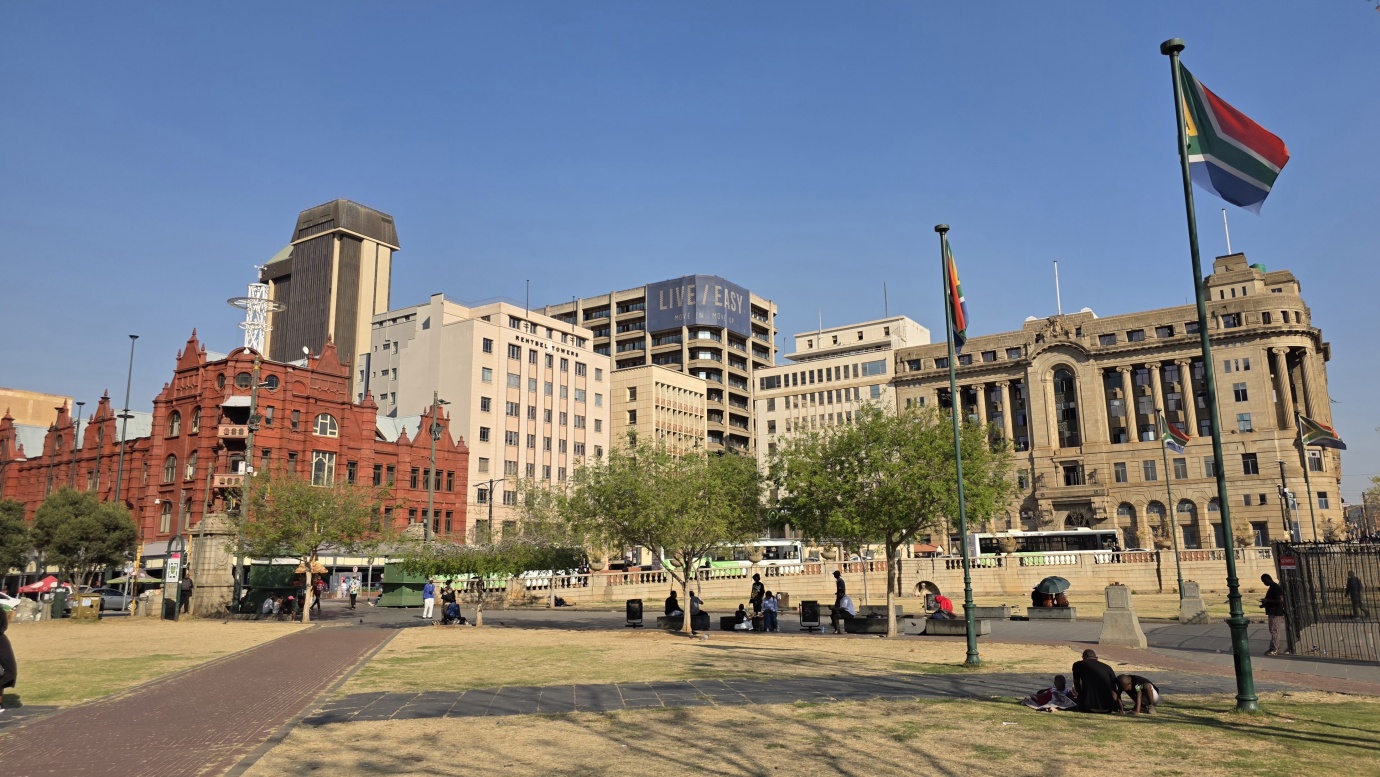
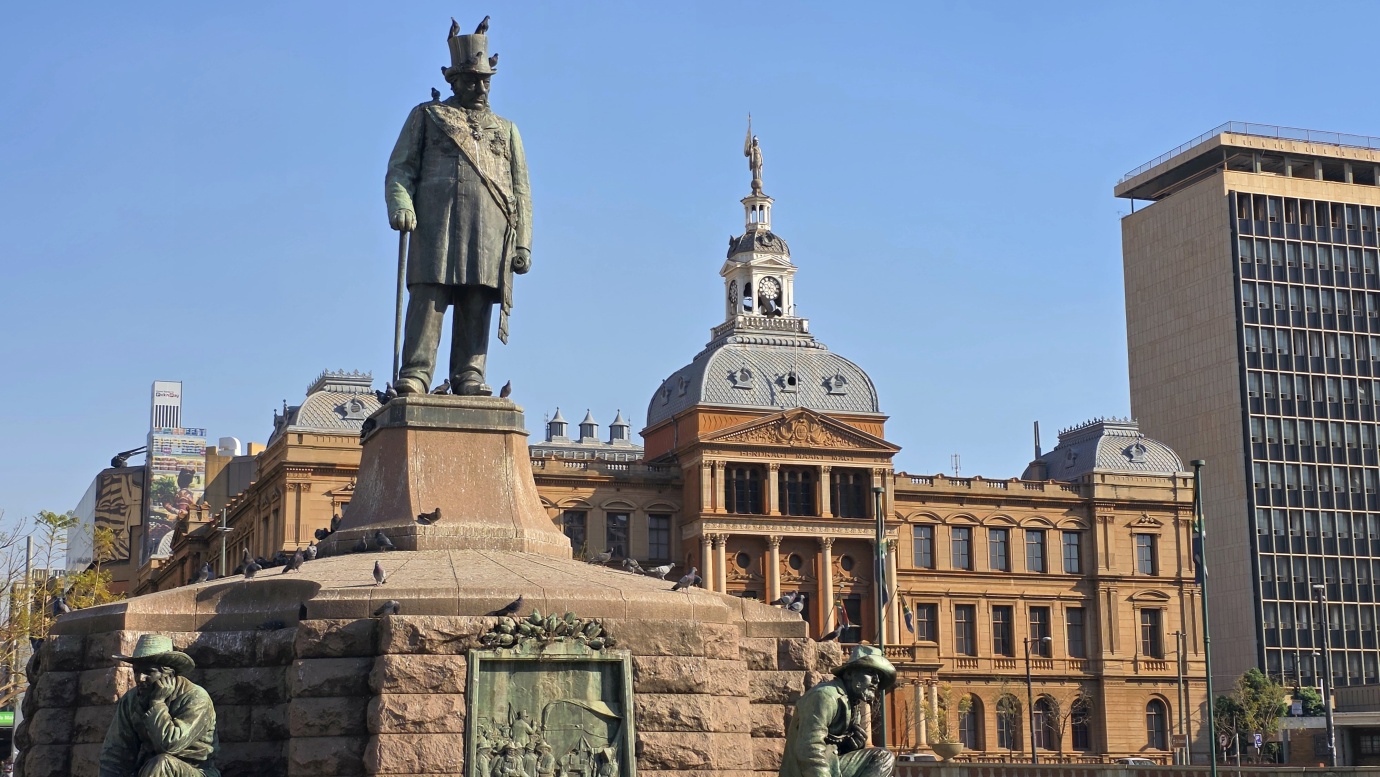
We started our sightseeing in Church Square, the historic heart of Pretoria. The square was originally laid out in the mid-19th century by city founder Marthinus Pretorius as a marketplace and churchyard. It is surrounded by some of the city’s most important historic buildings.
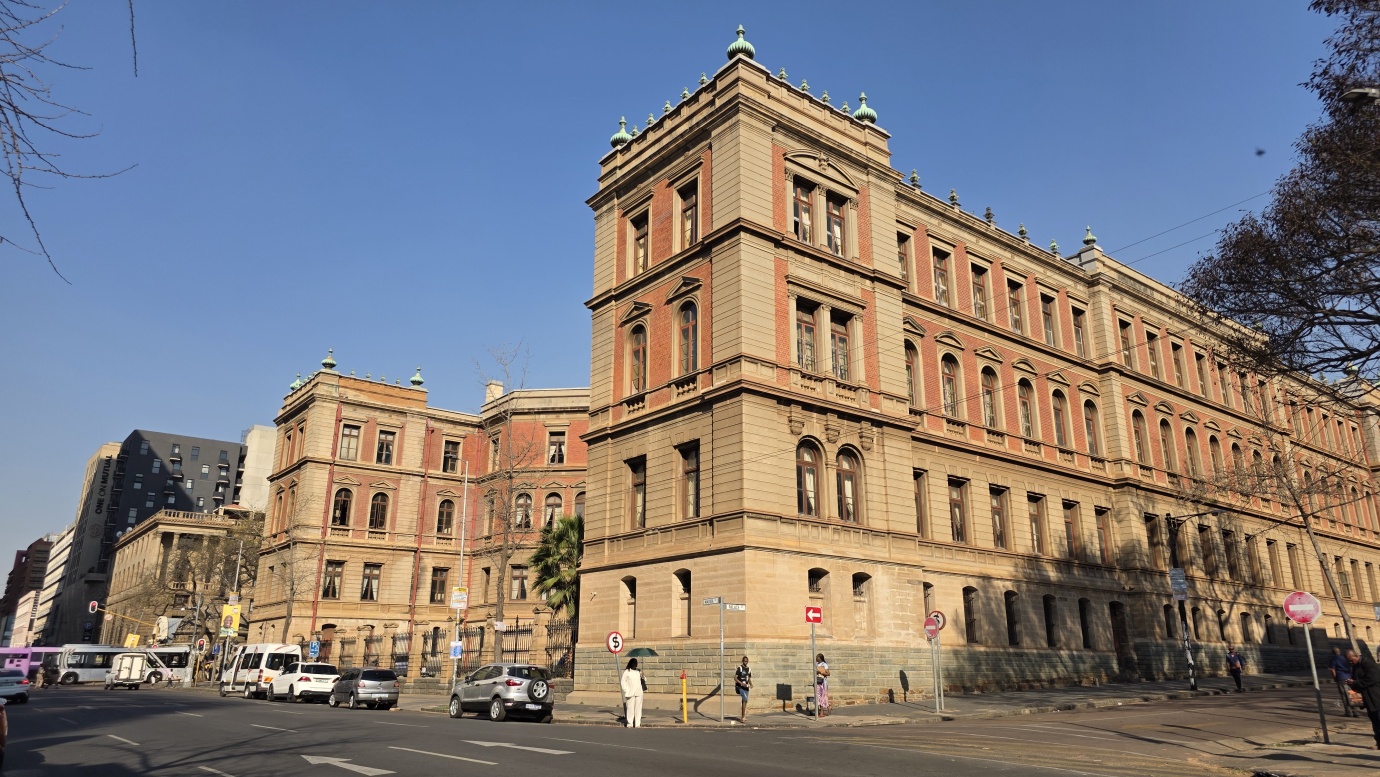
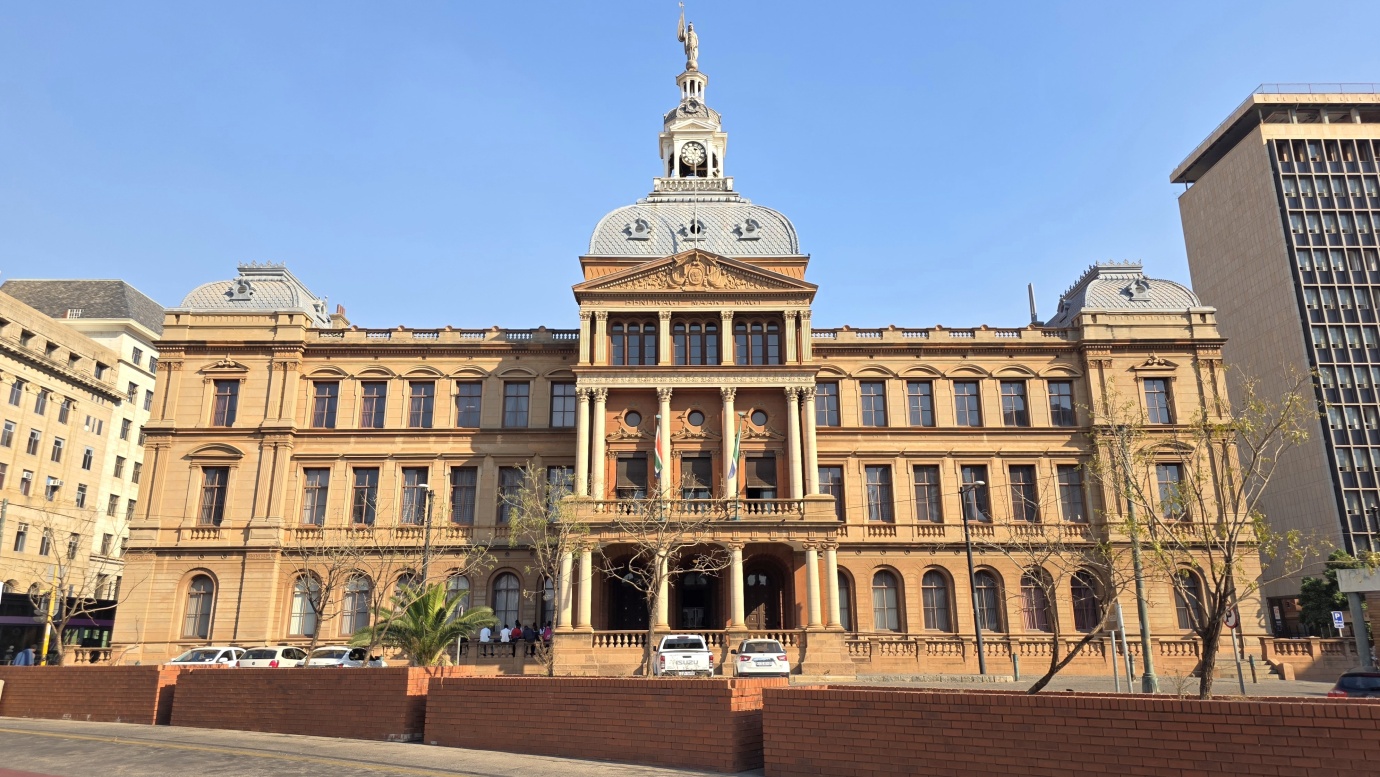
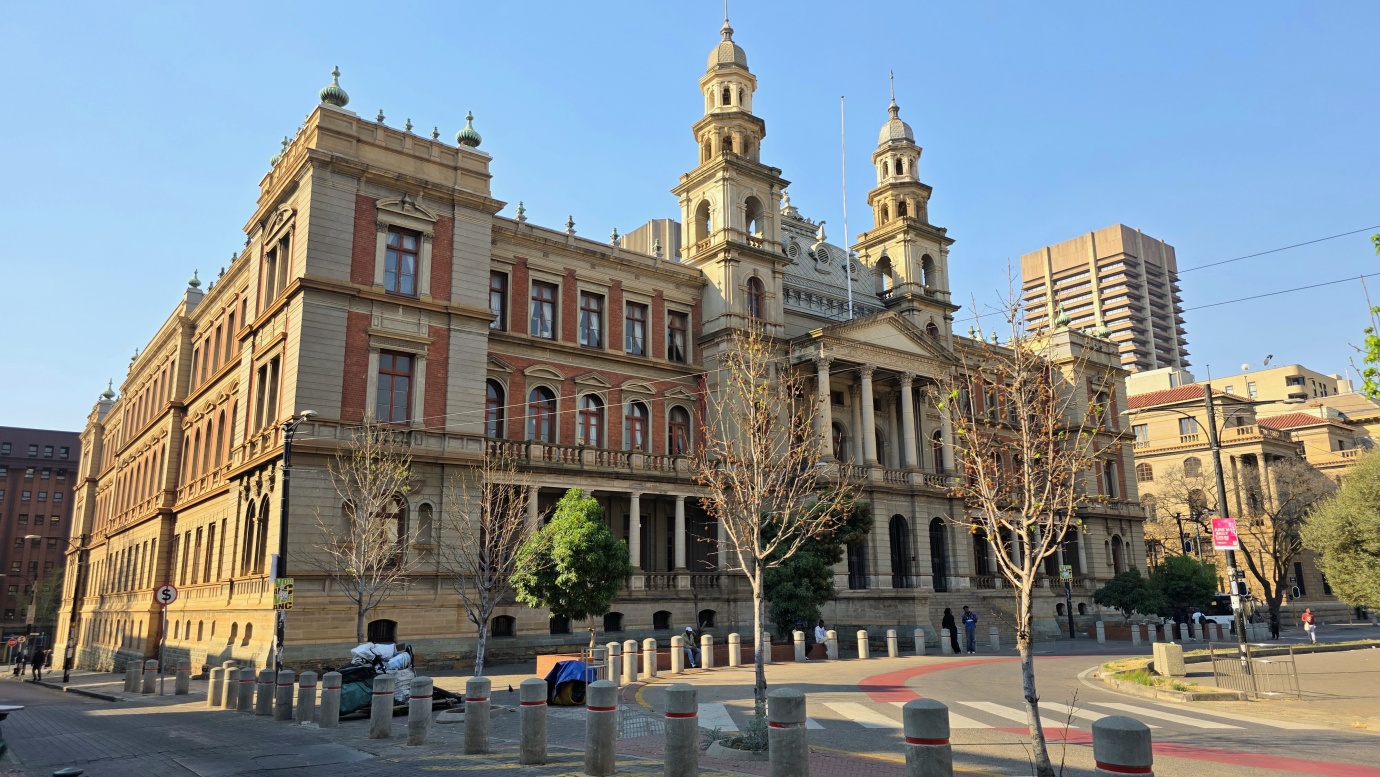
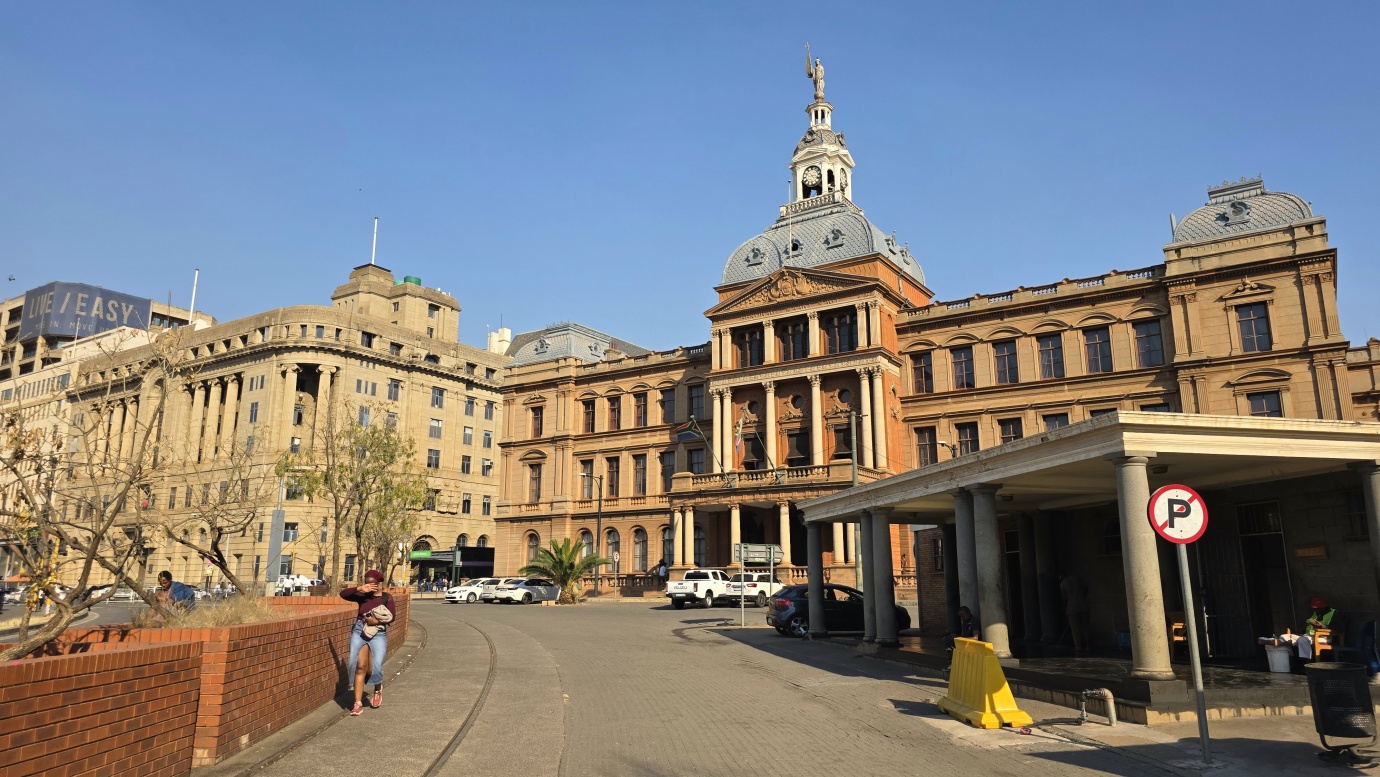
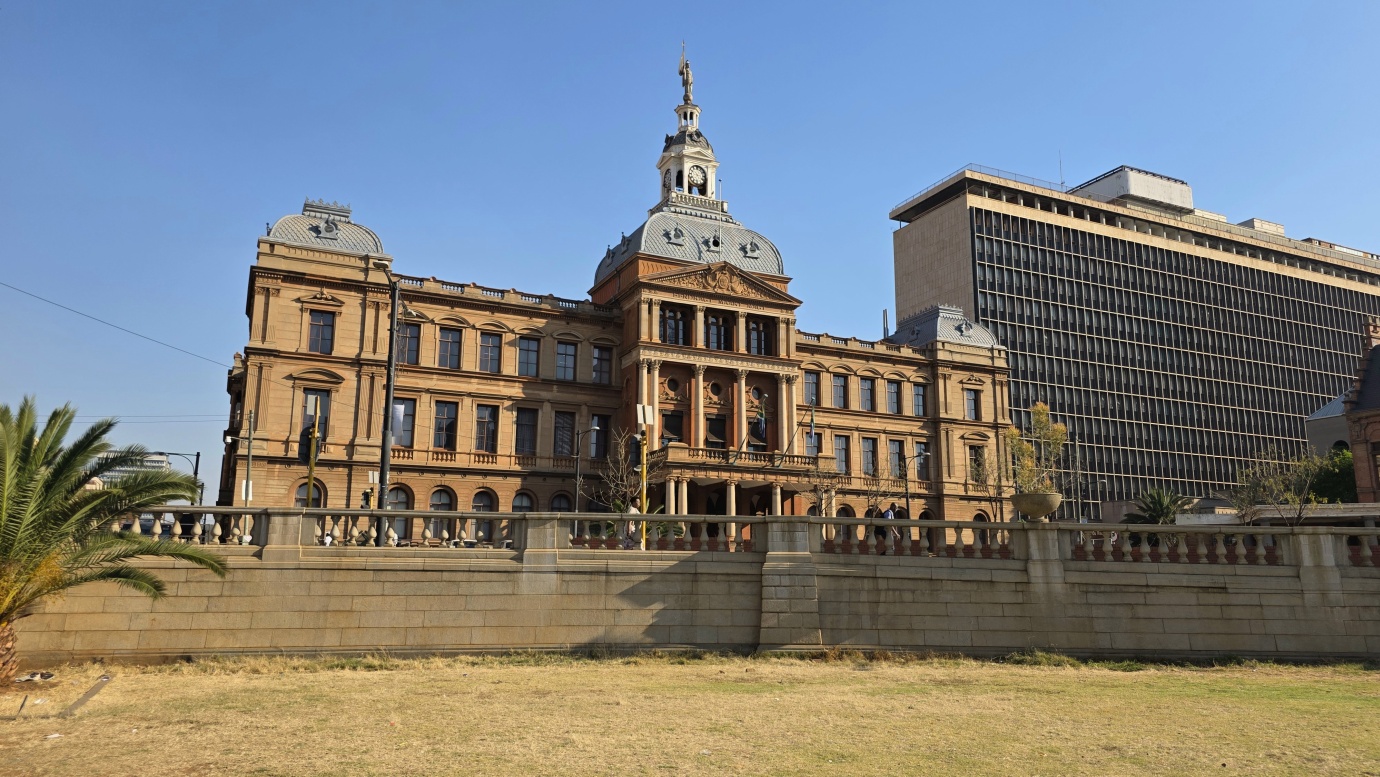
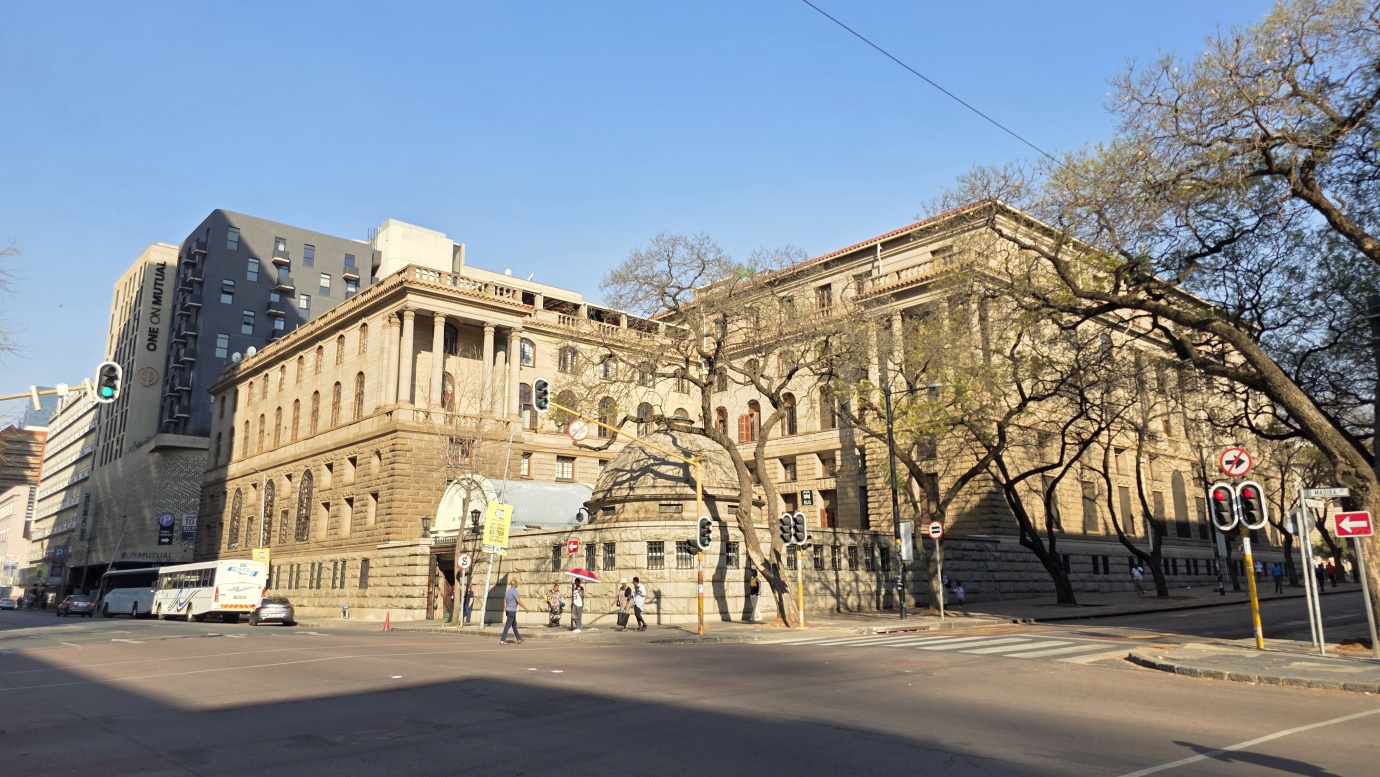
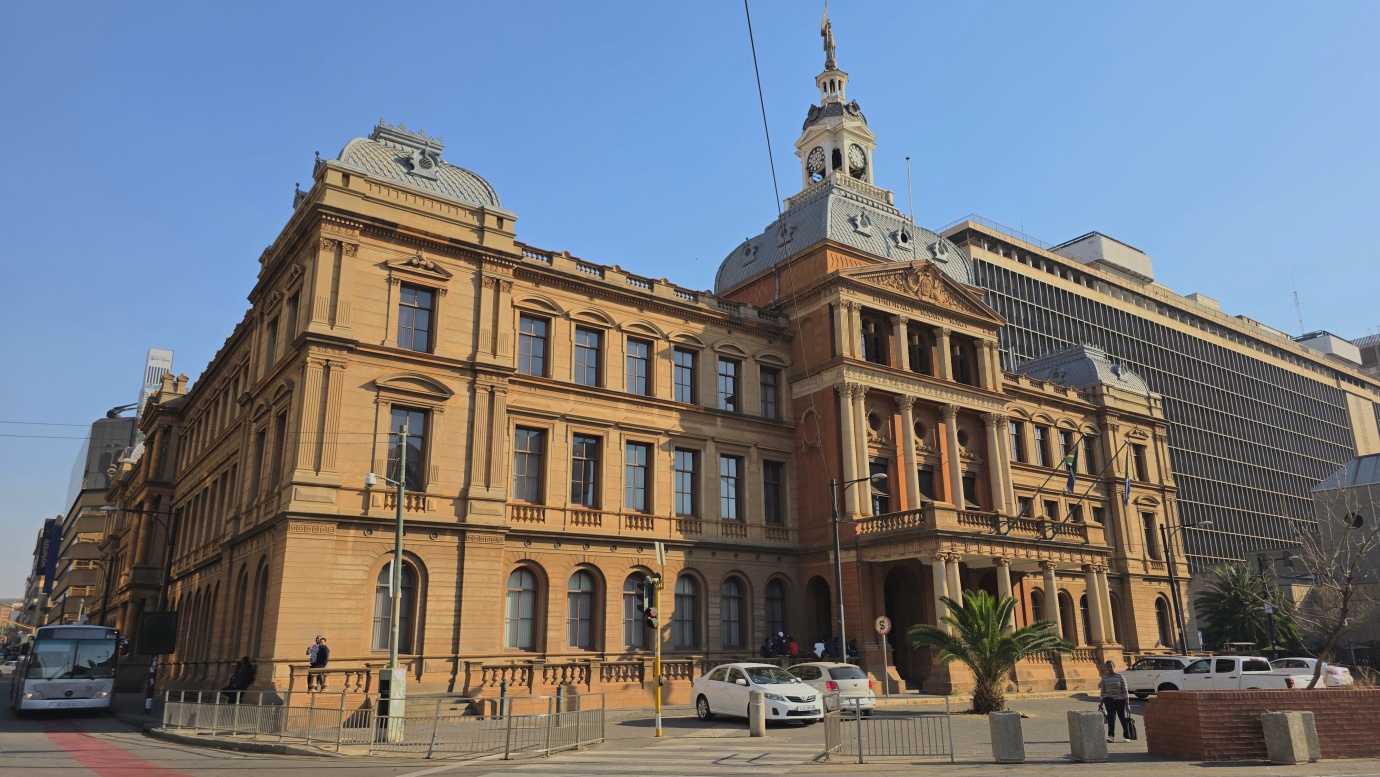
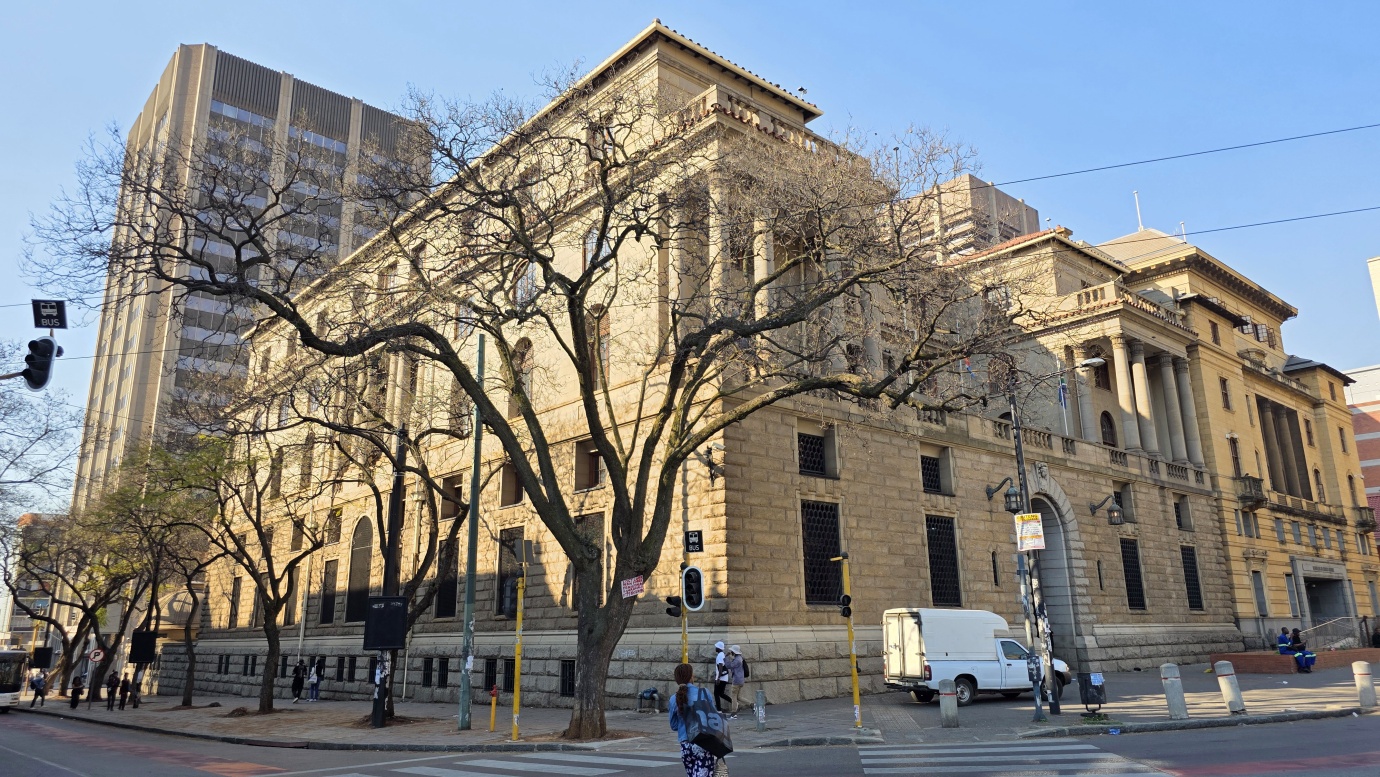
The Palace of Justice, built in a grand Neo-Renaissance style, dominates the square’s northern side. It is particularly famous for hosting the Rivonia Trial in 1963–1964, during which Nelson Mandela and his fellow defendants were sentenced to life imprisonment. Ou Raadsaal (The Old Council Chamber), on the southwestern corner, was built in the Italian Renaissance style and served as the parliament and government offices of the former South African Republic under President Paul Kruger.
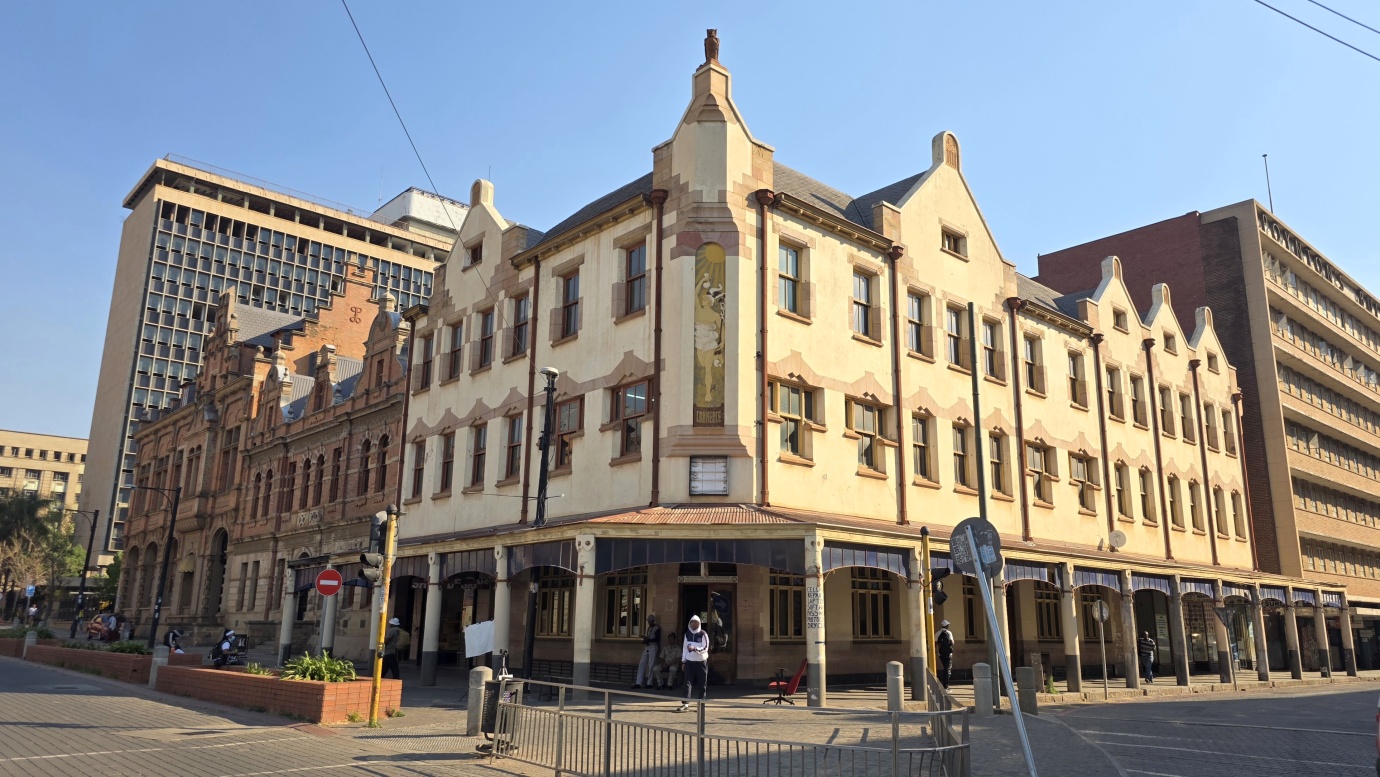
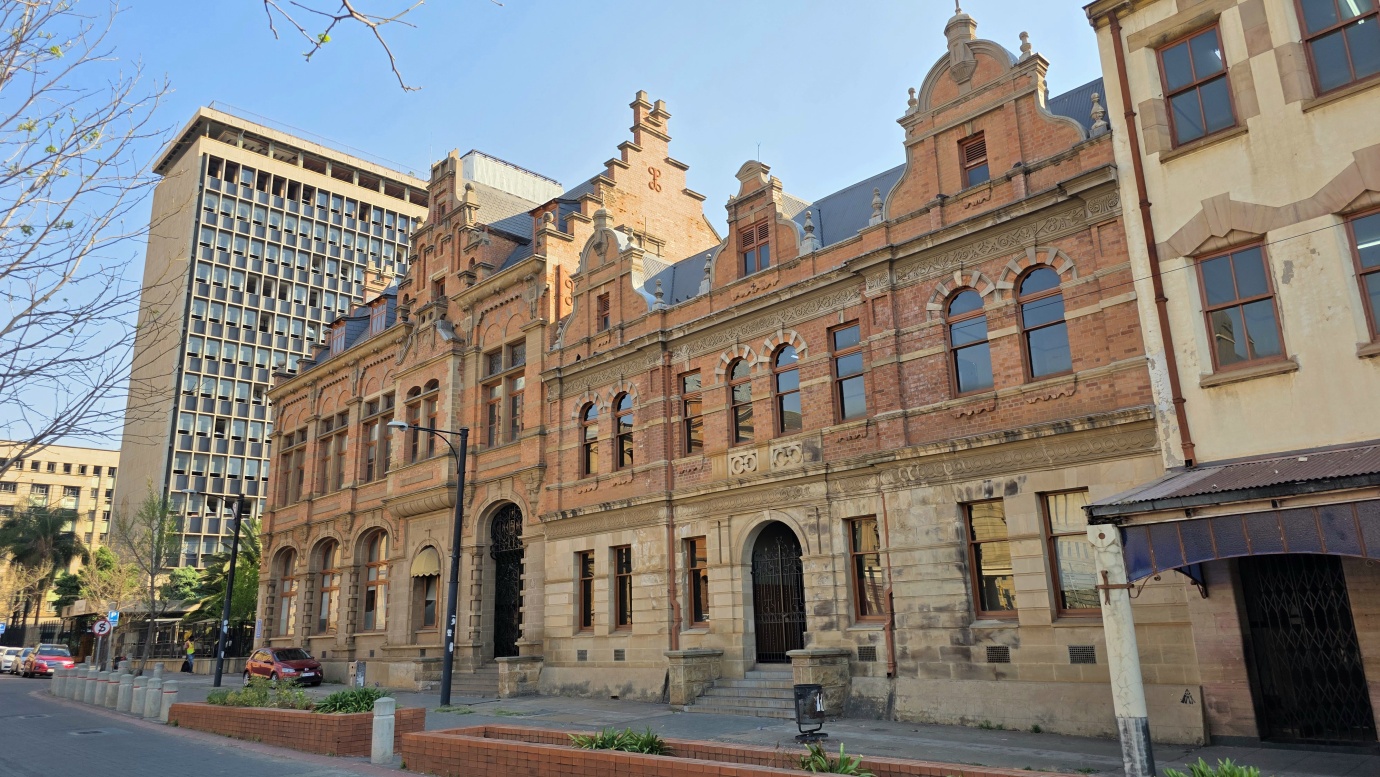
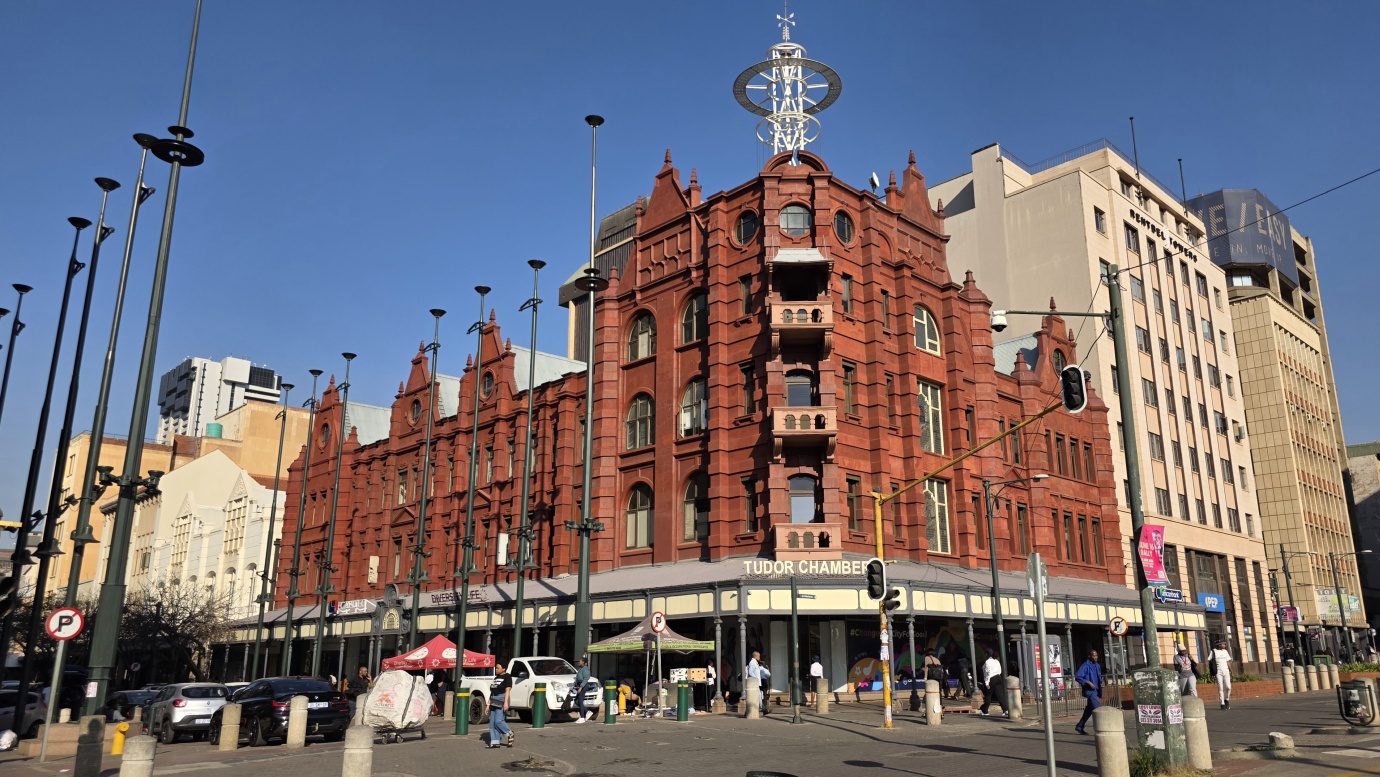
Another striking building is Tudor Chambers, completed in 1903. Its red bricks were imported from Scotland, while its distinctive architecture combines Art Nouveau and revivalist elements. It originally housed prestigious offices during Pretoria’s early years as the capital.
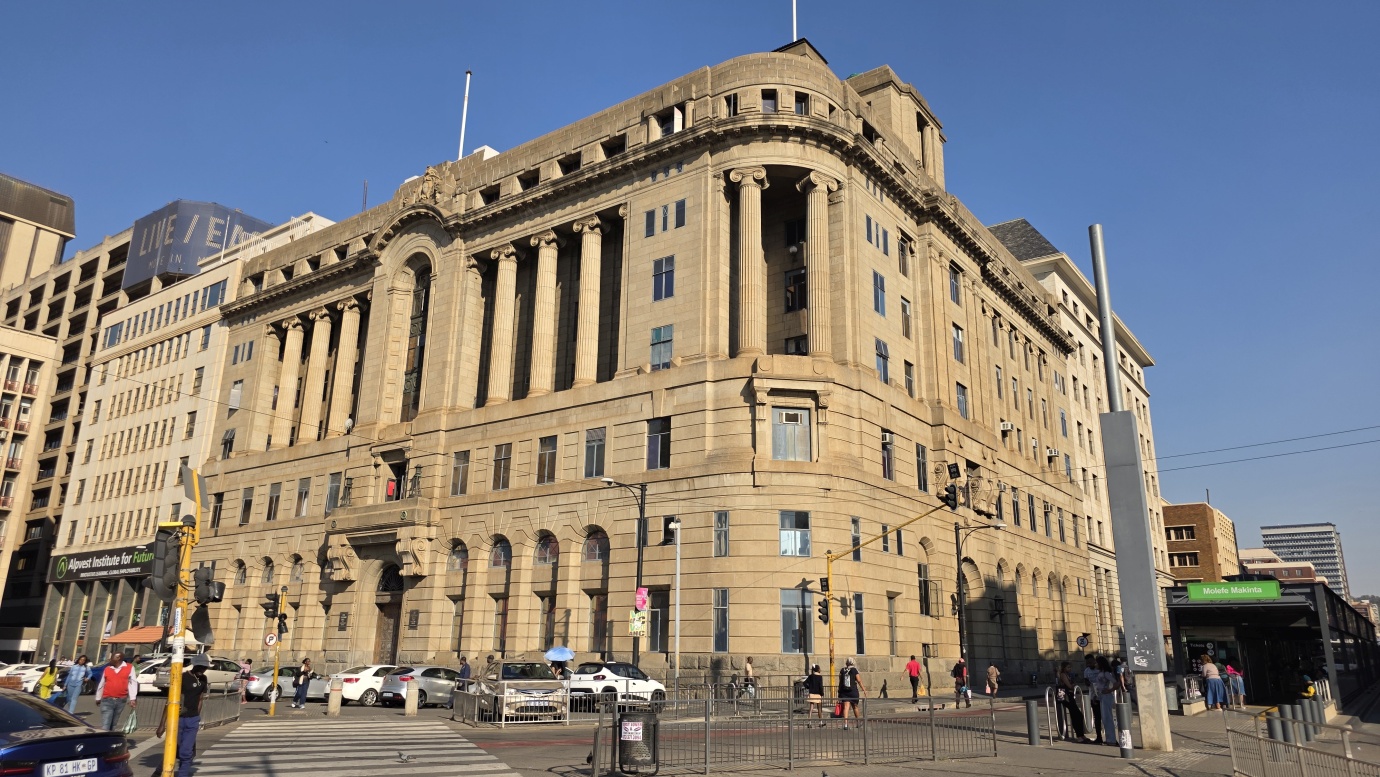
The General Post Office is another impressive early-20th-century civic building forming part of the architectural ensemble around the square. Café Riche, housed in the former Reserve Investment Building, is another historic gem, featuring delicate façade reliefs by artist Anton van Wouw and an owl sculpture by Charles Marega.
At the centre of the square stands the bronze Paul Kruger Statue, although it is currently surrounded by fencing. The former president of the South African Republic is depicted together with four statues of anonymous Boer citizen-soldiers. The square takes its name from the succession of three churches that once stood at its centre. The final church, the Verenigde Kerk, was demolished in 1904, leaving the open public plaza that exists today.
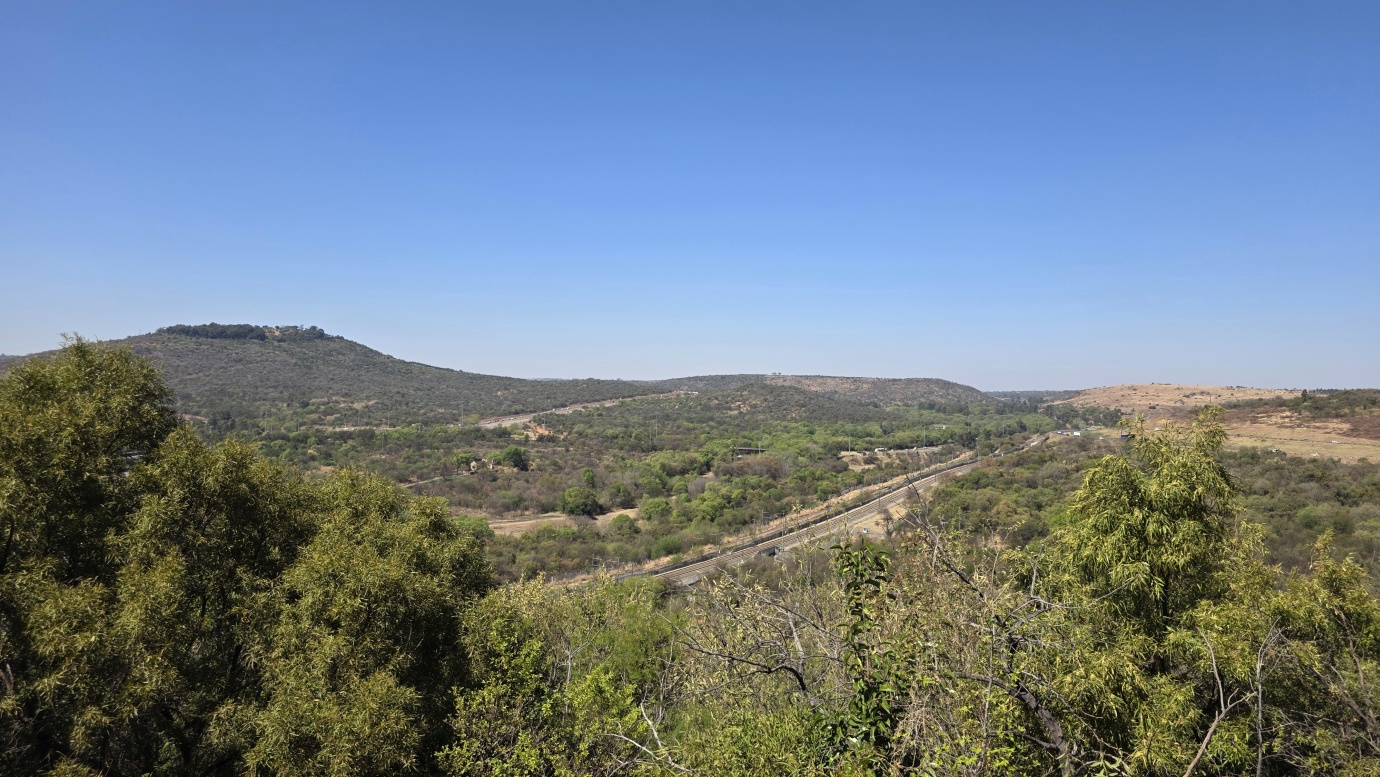
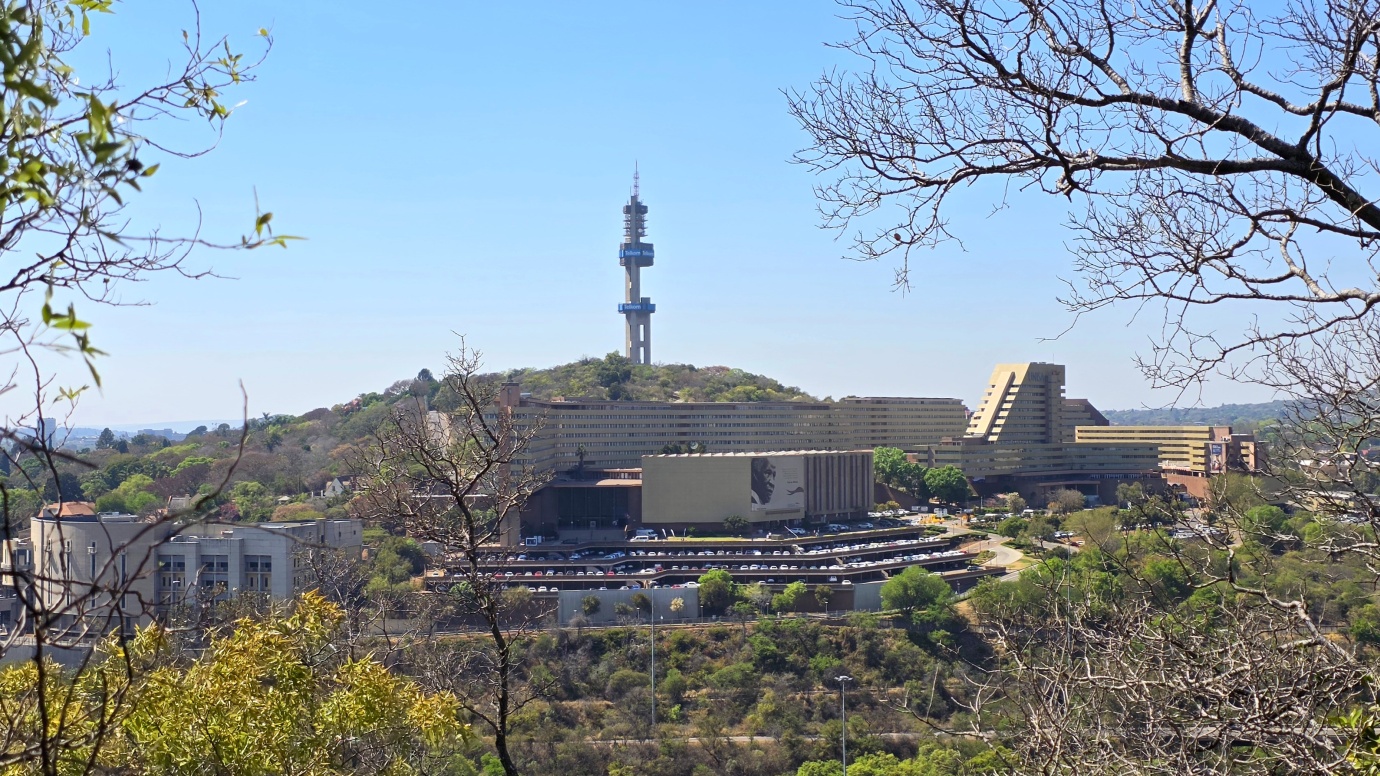
We then drove to Freedom Park and the Voortrekker Monument, which stand on opposing hills and create a powerful visual and historical dialogue about South Africa’s complex past.
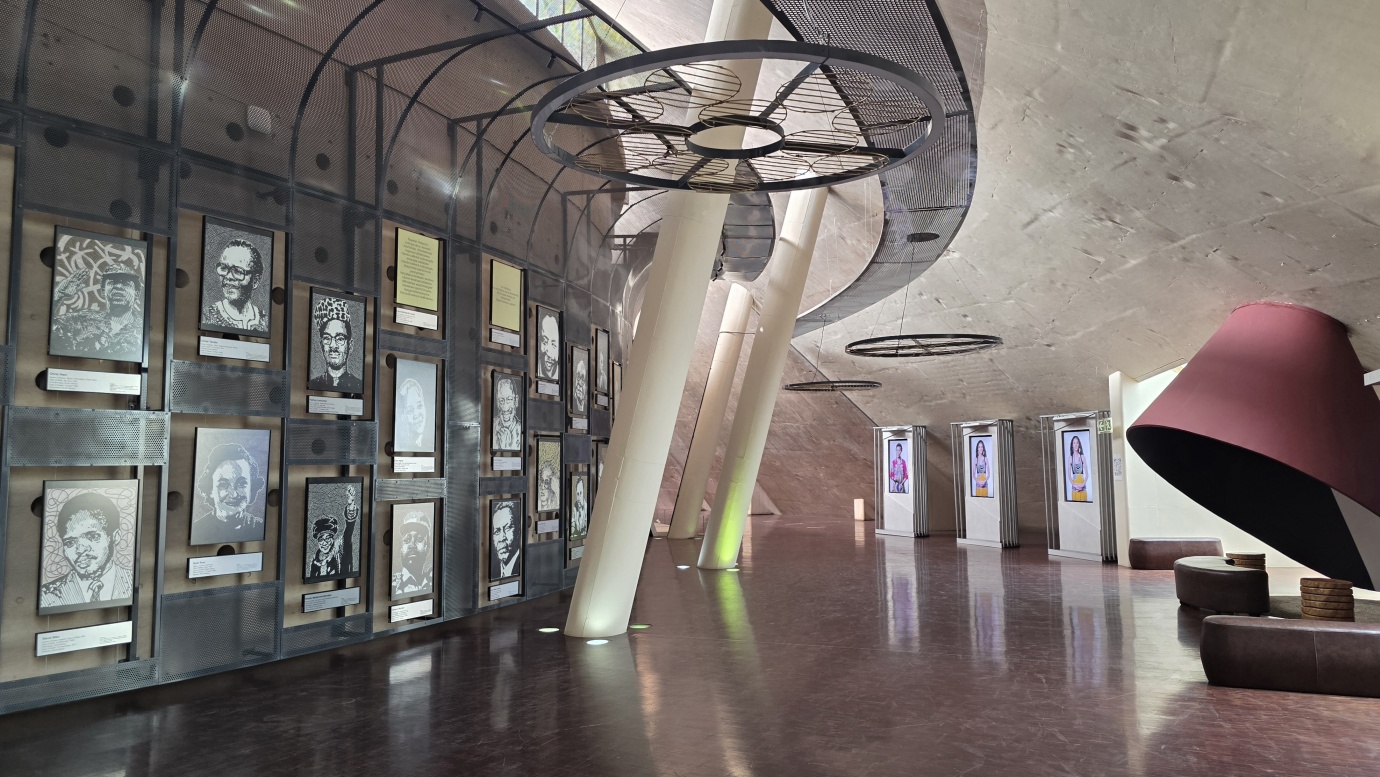
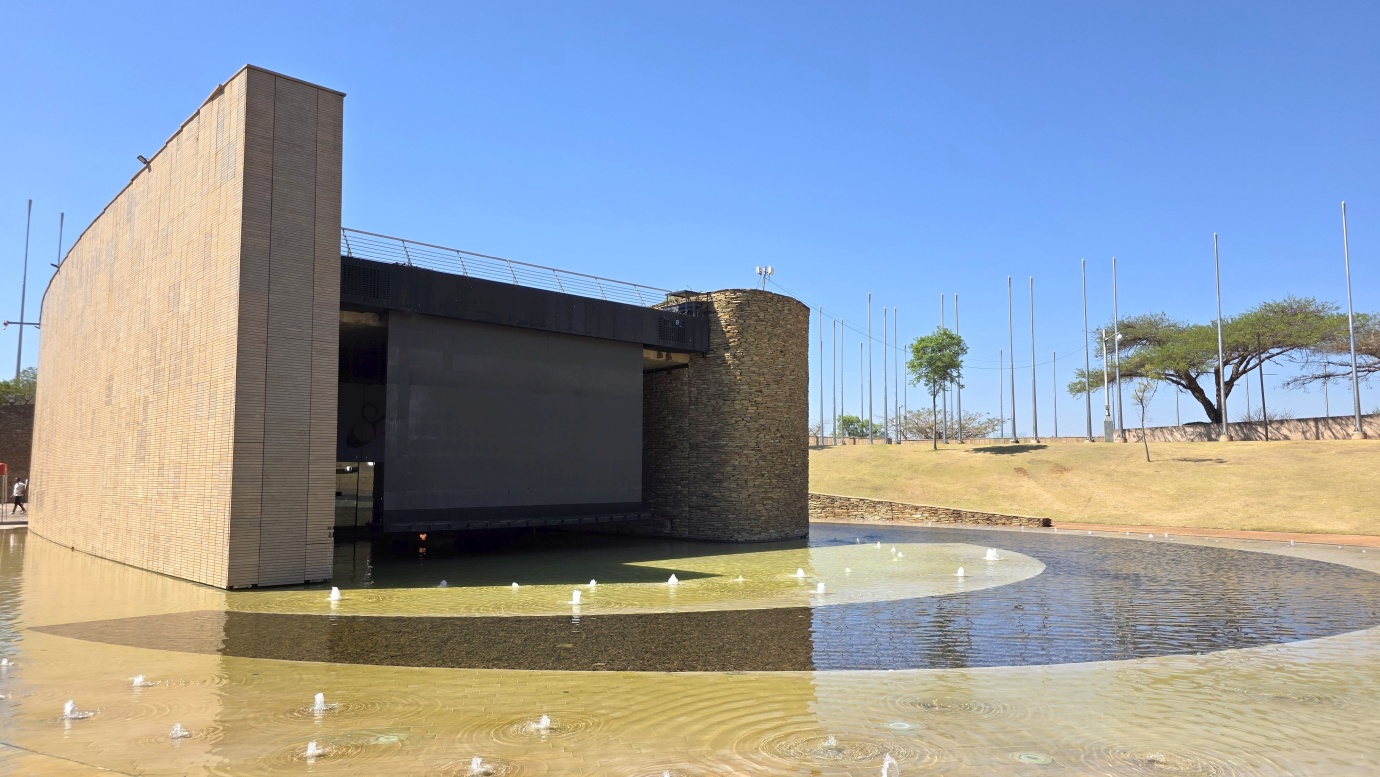
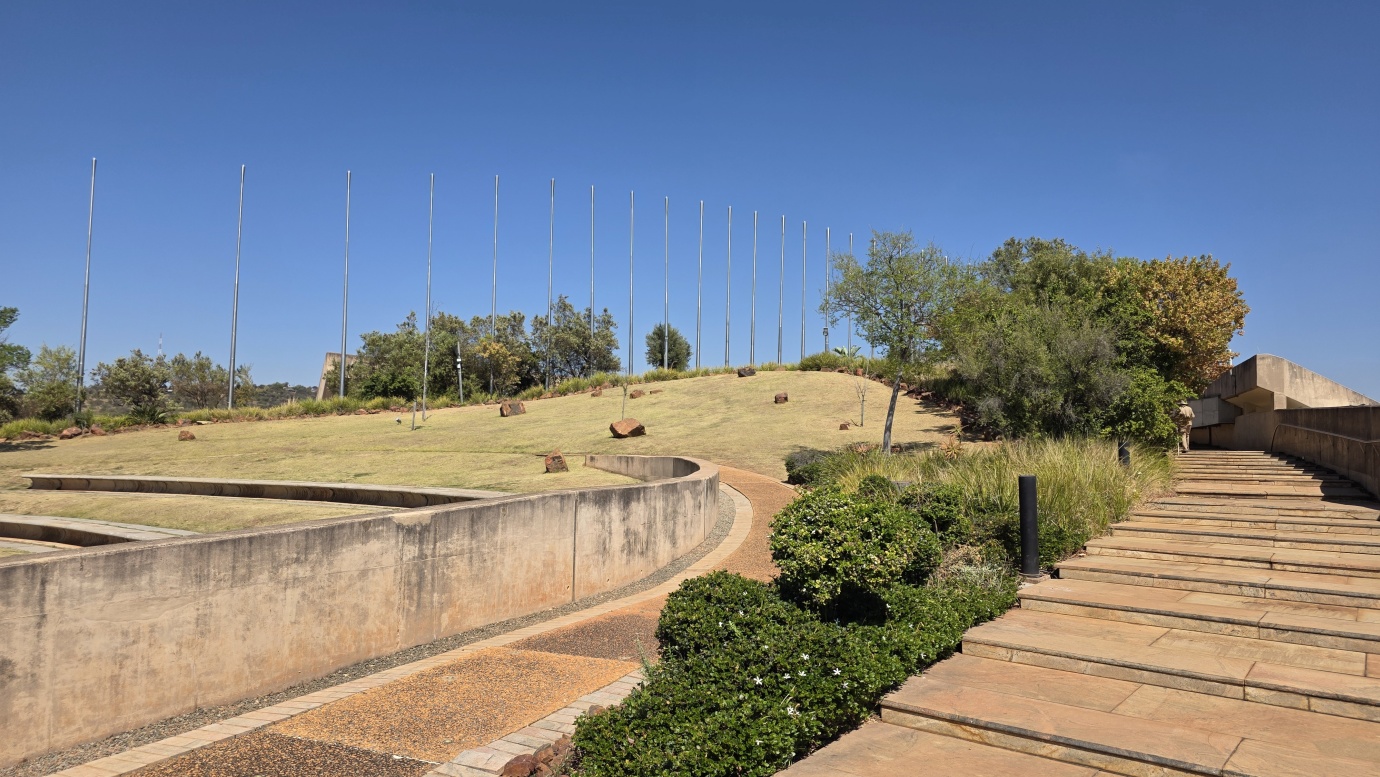
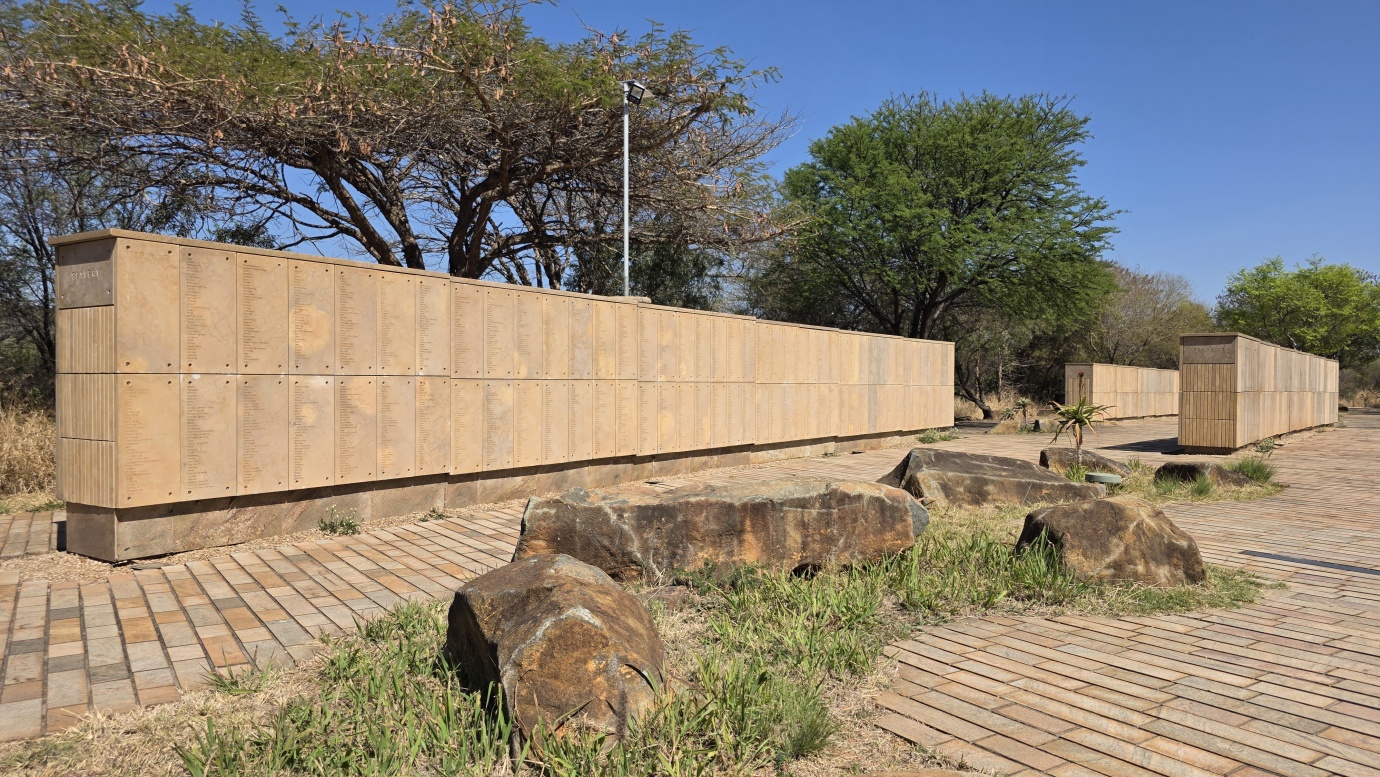
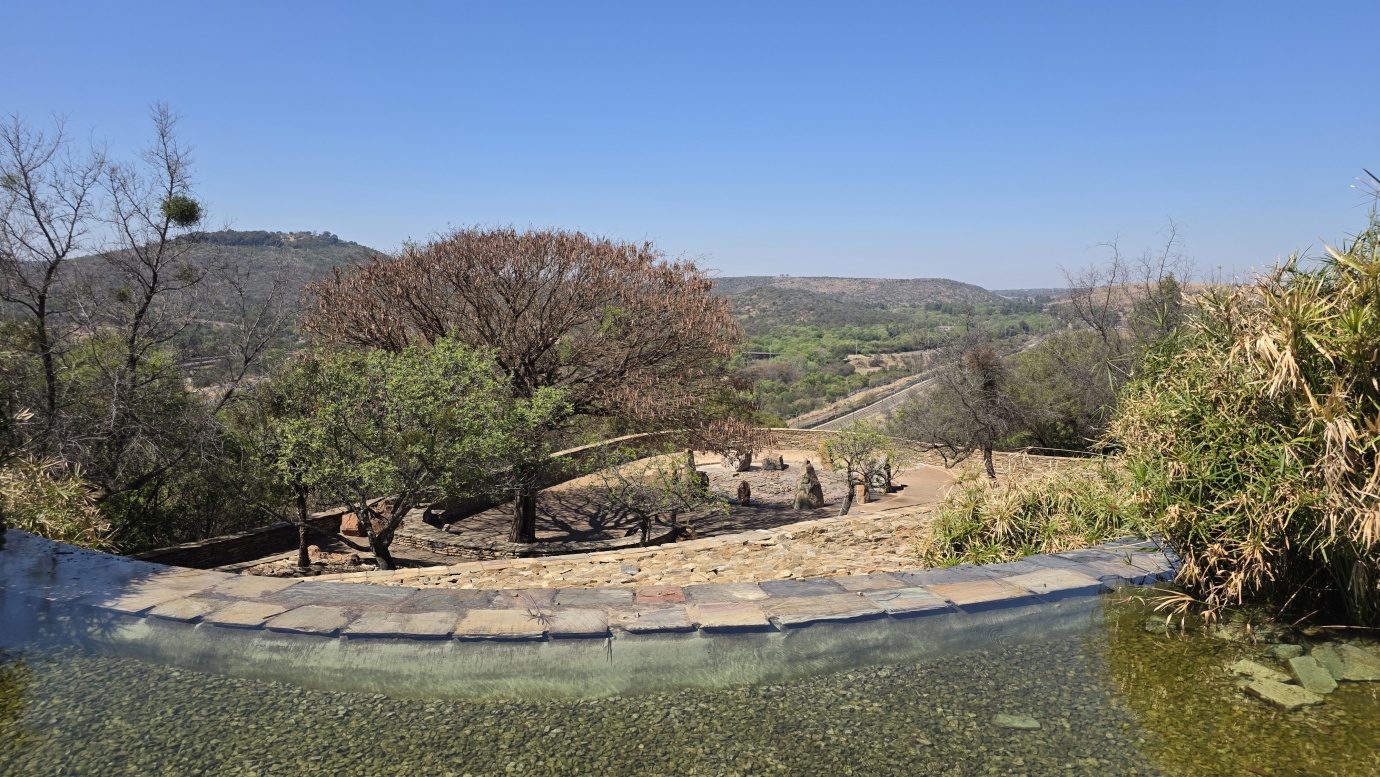
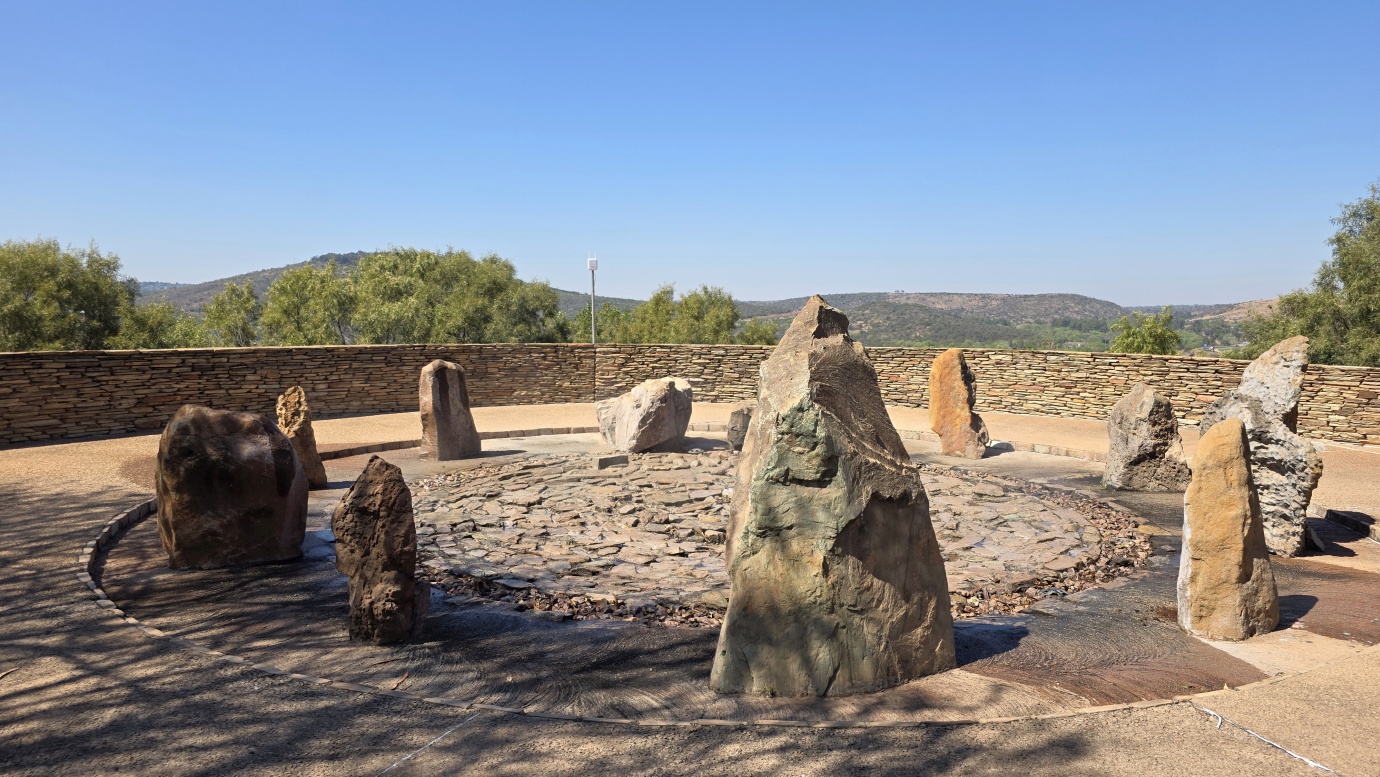
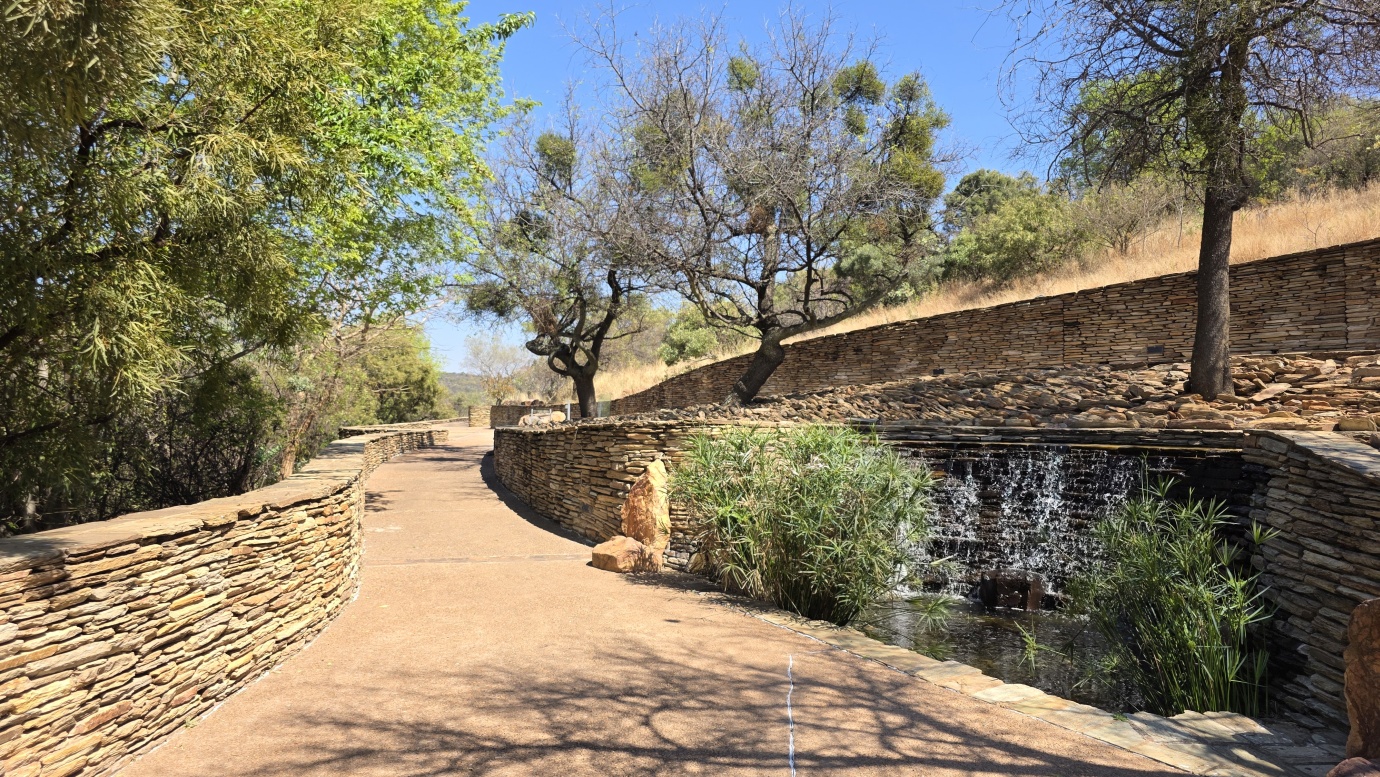
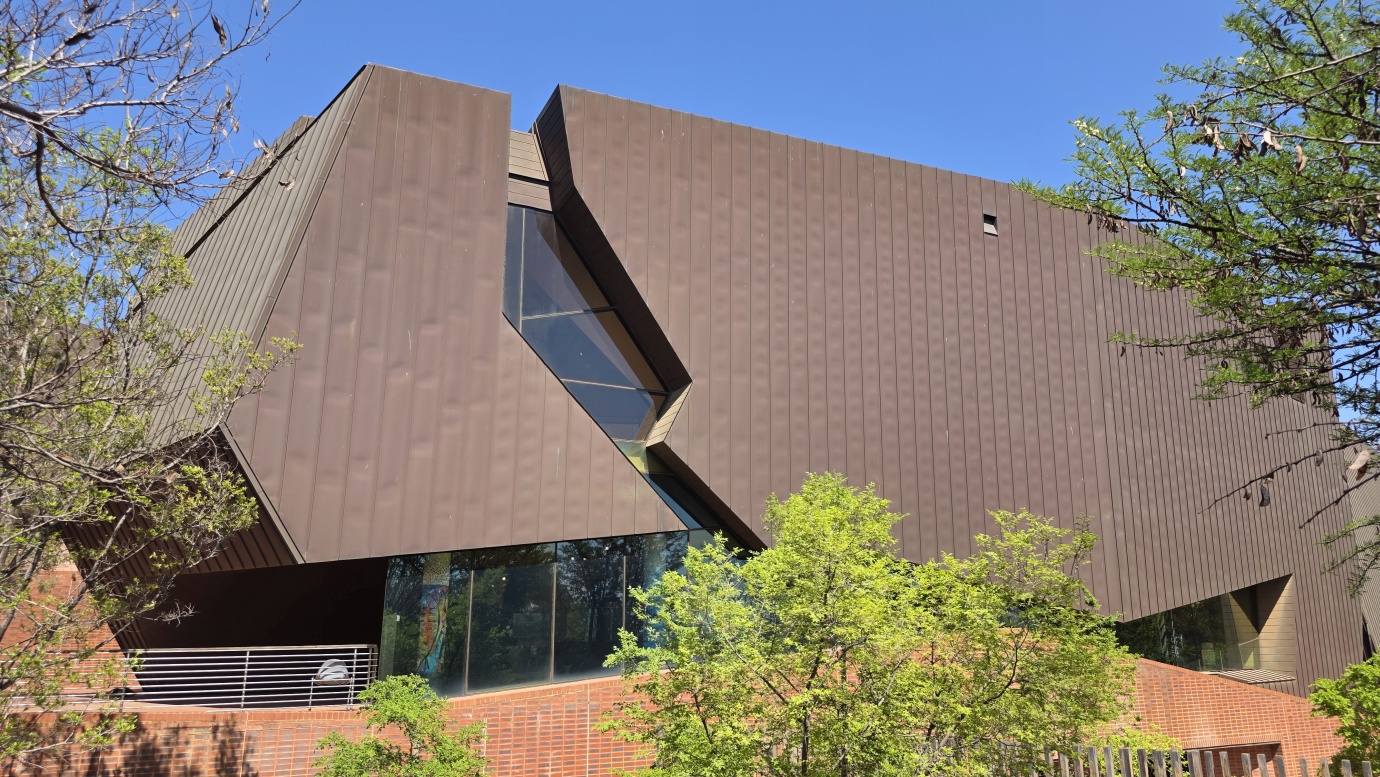
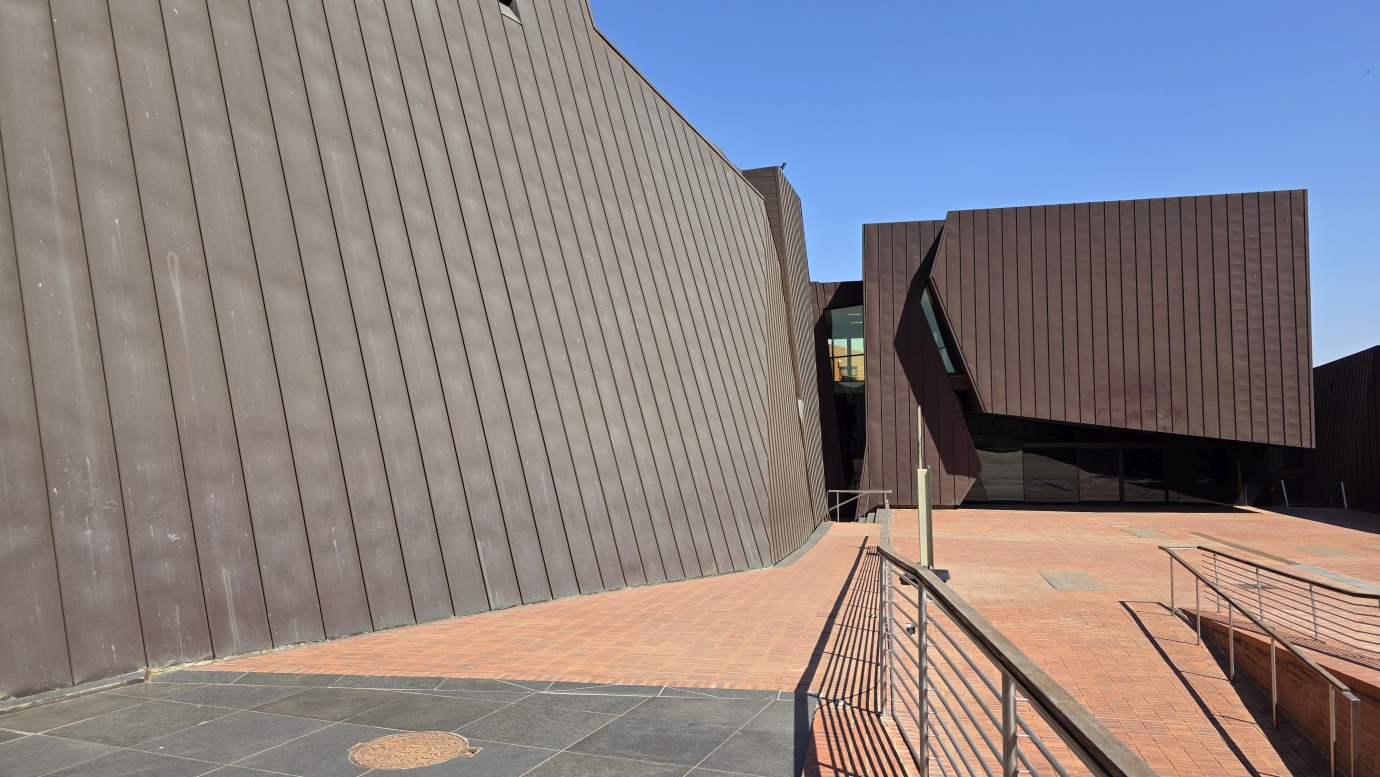
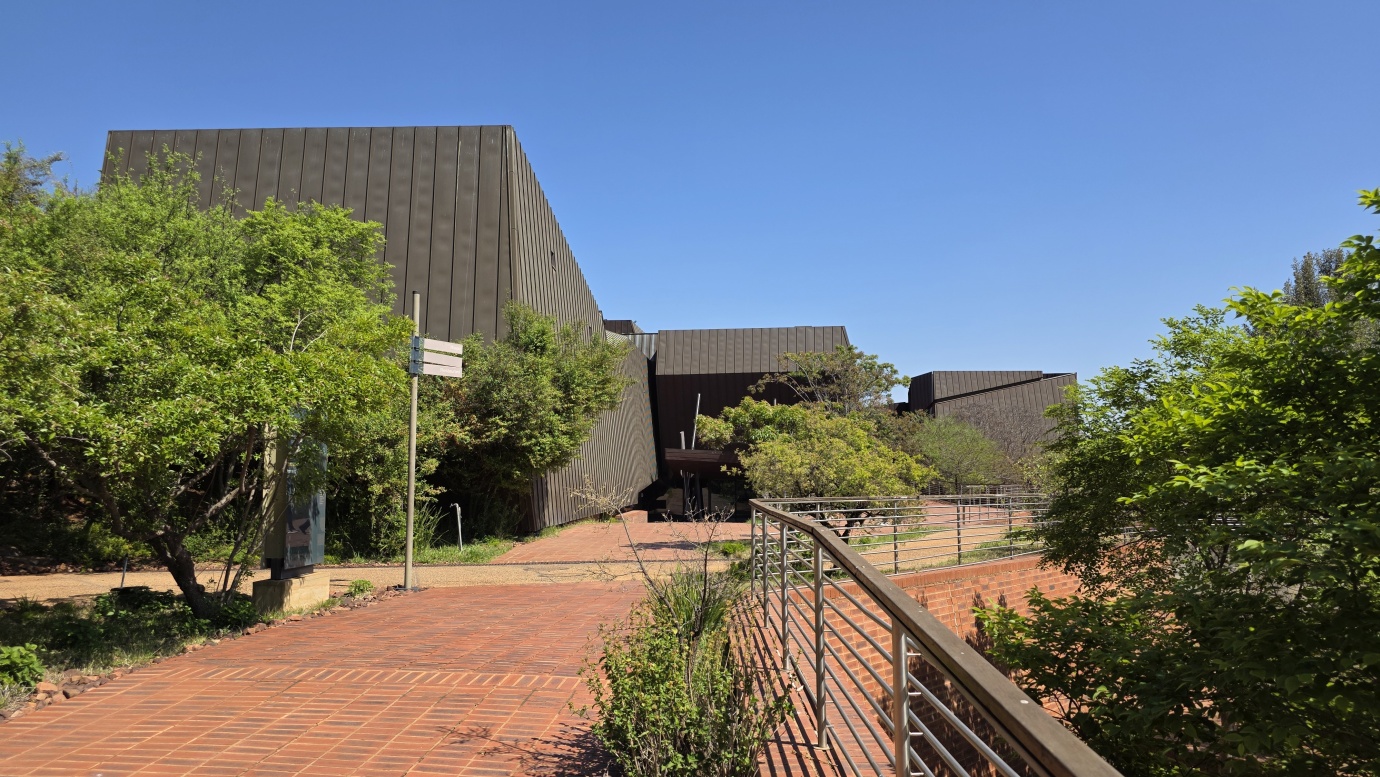
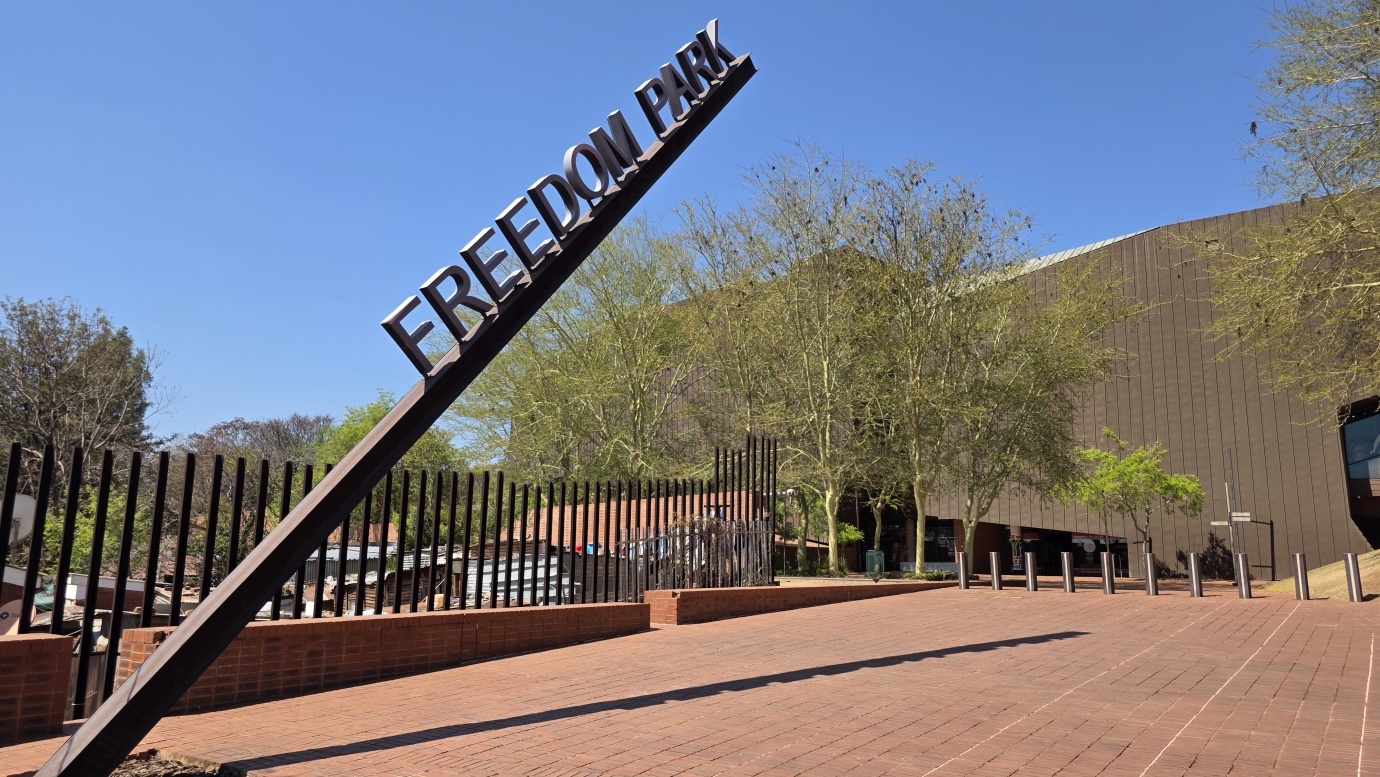
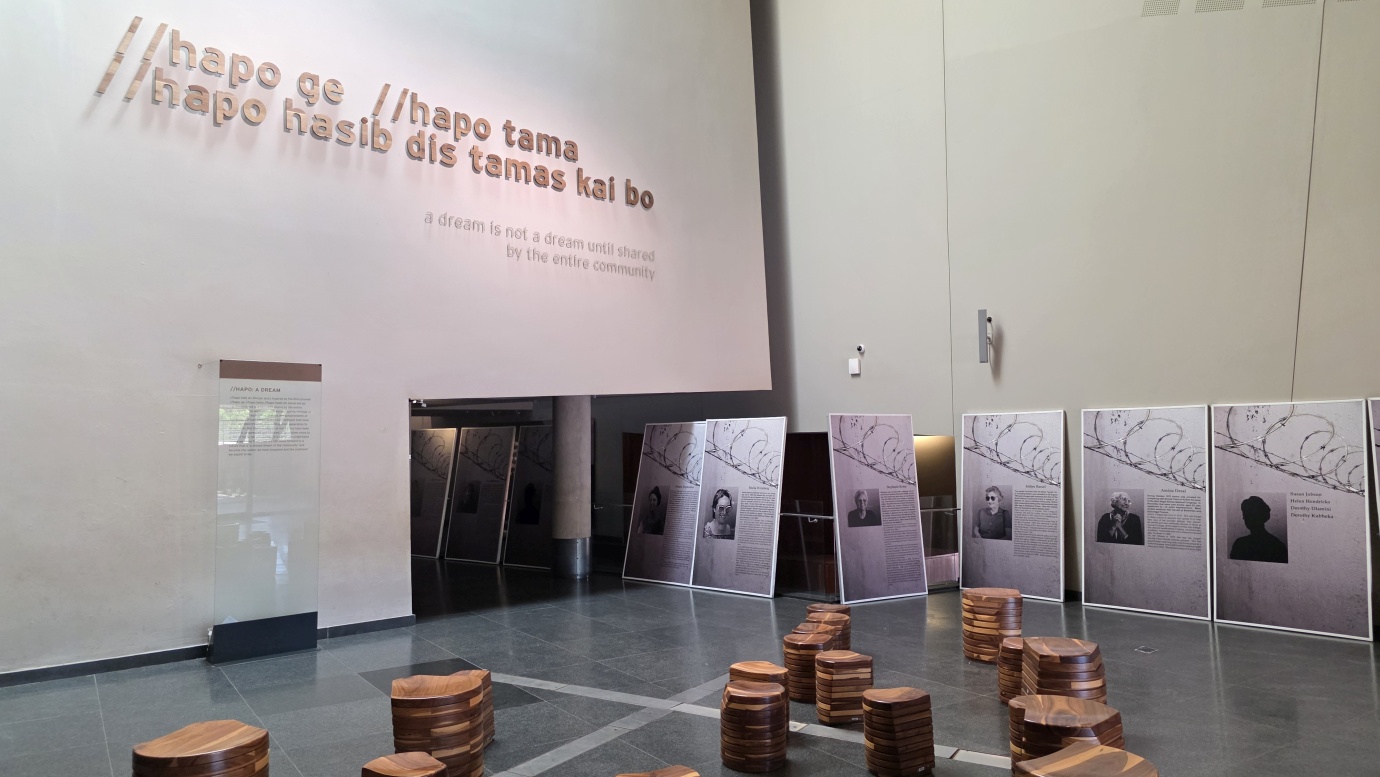
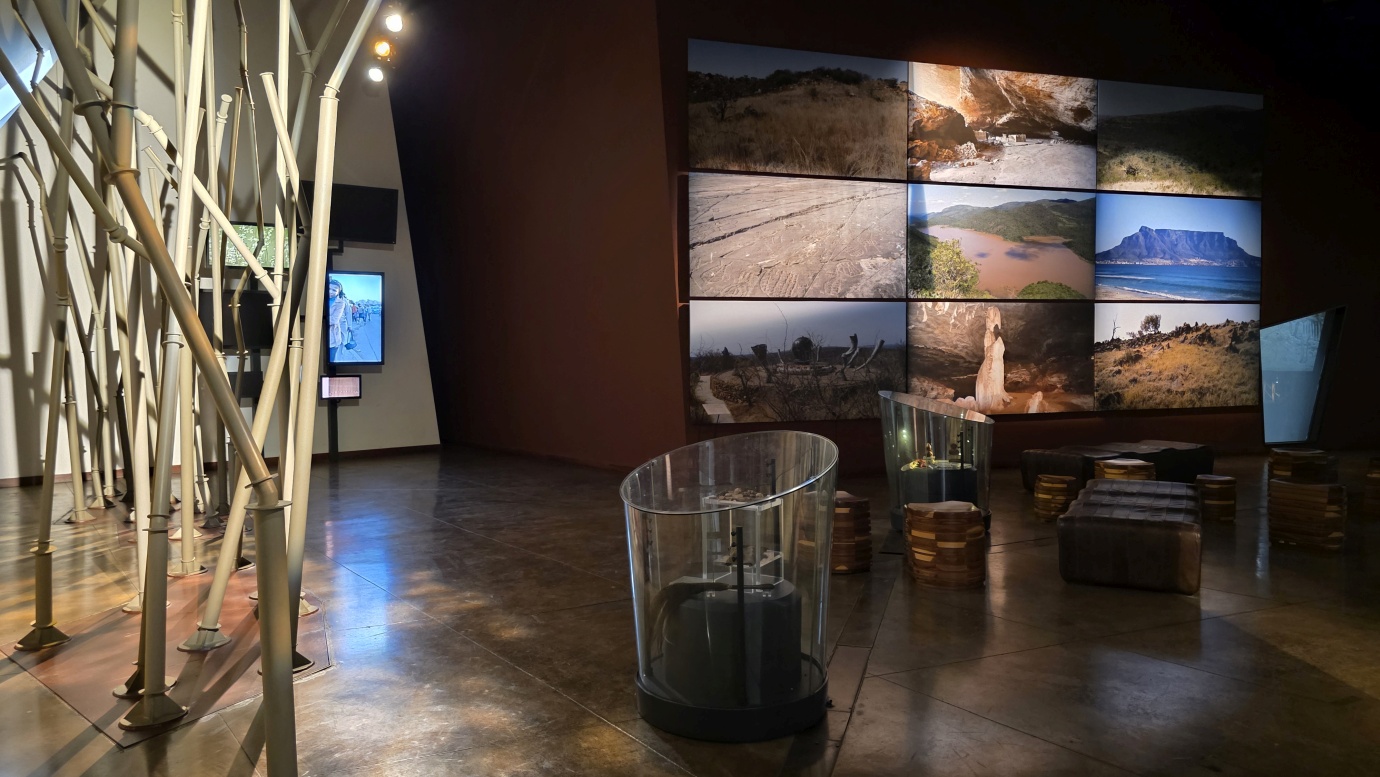
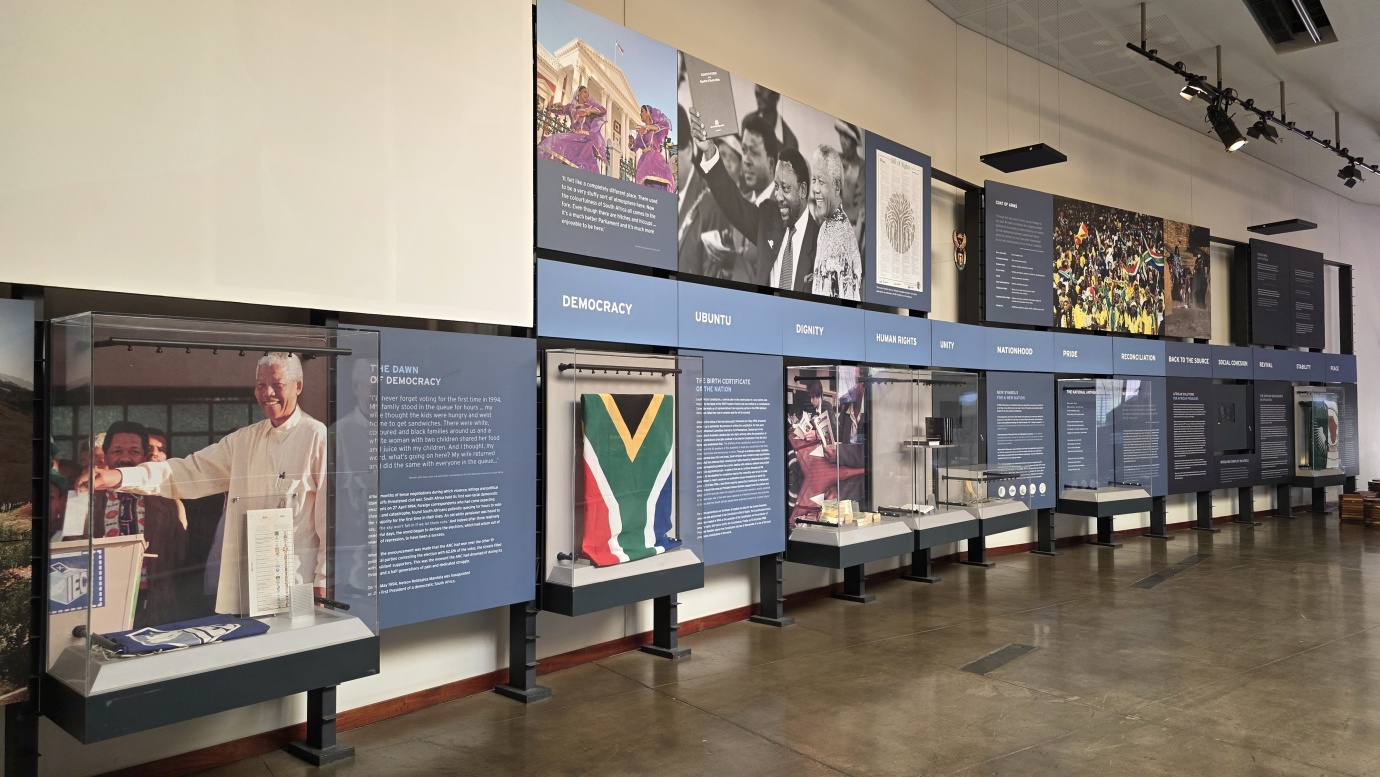
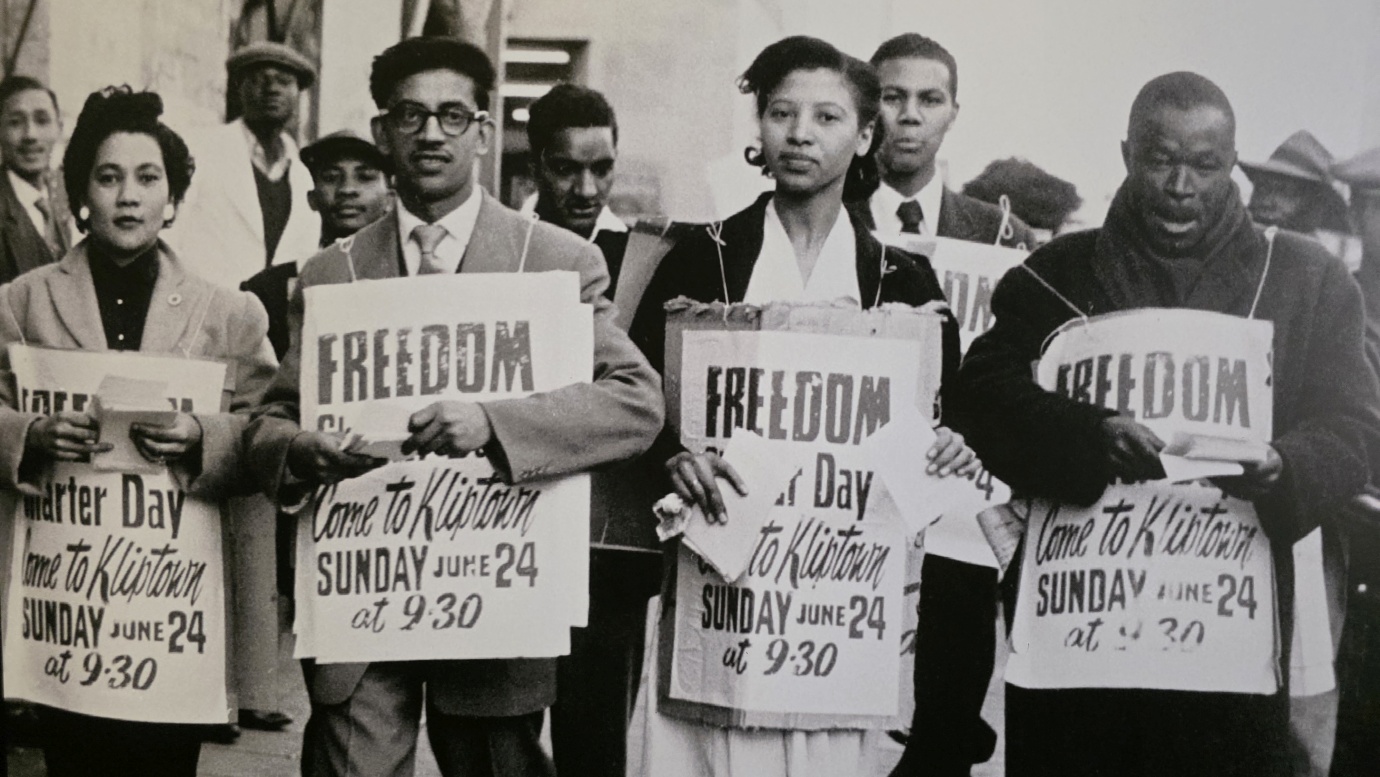
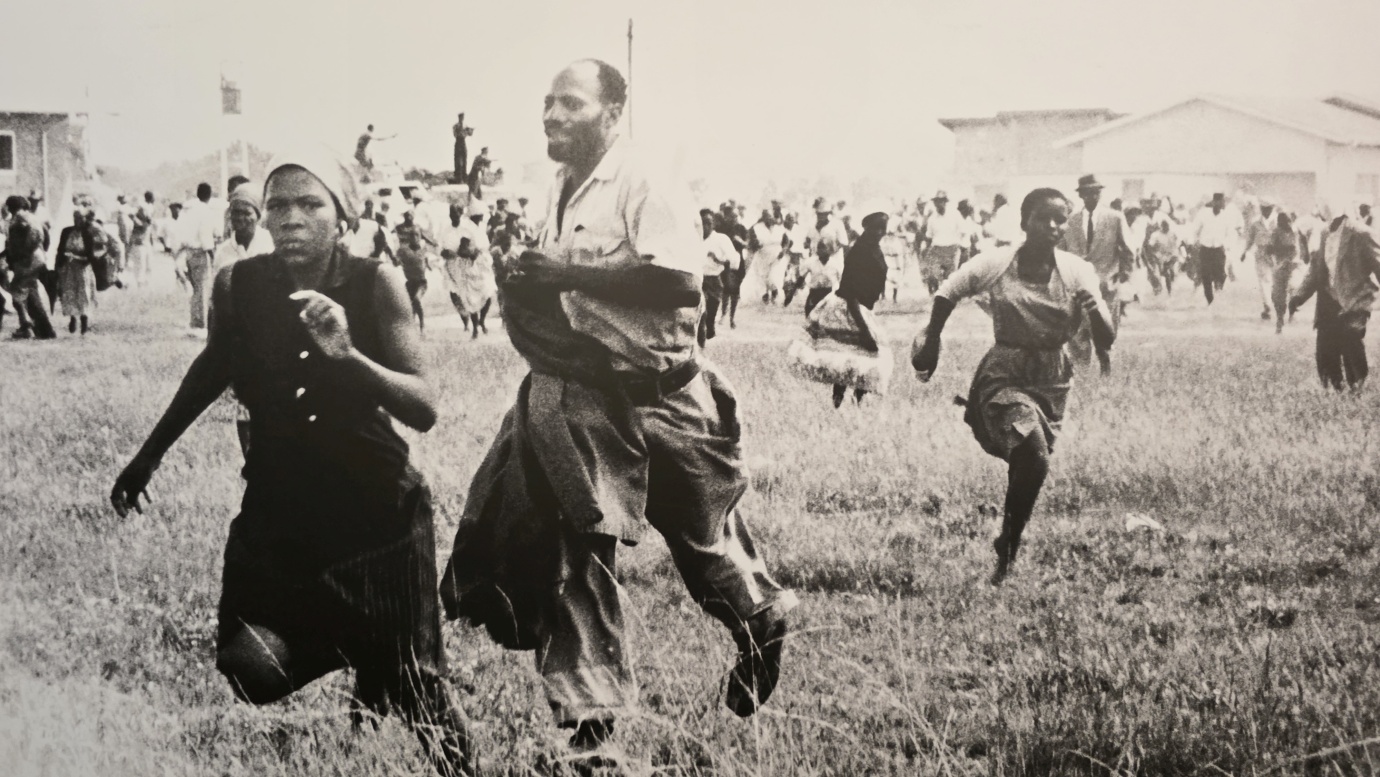
Located on Salvokop Hill, Freedom Park is a post-apartheid heritage site and memorial that opened in December 2007. It honours those who lost their lives in the conflicts and struggles that shaped South Africa’s history.
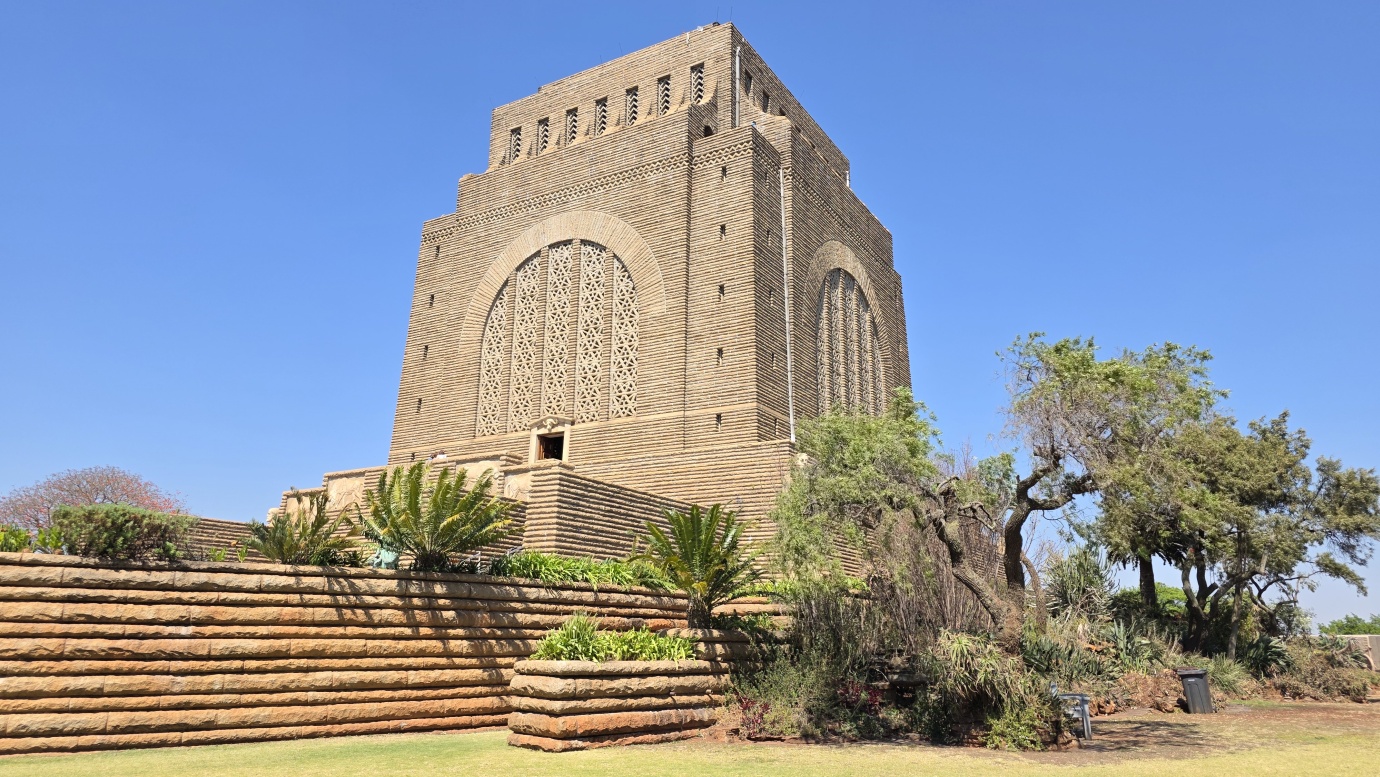
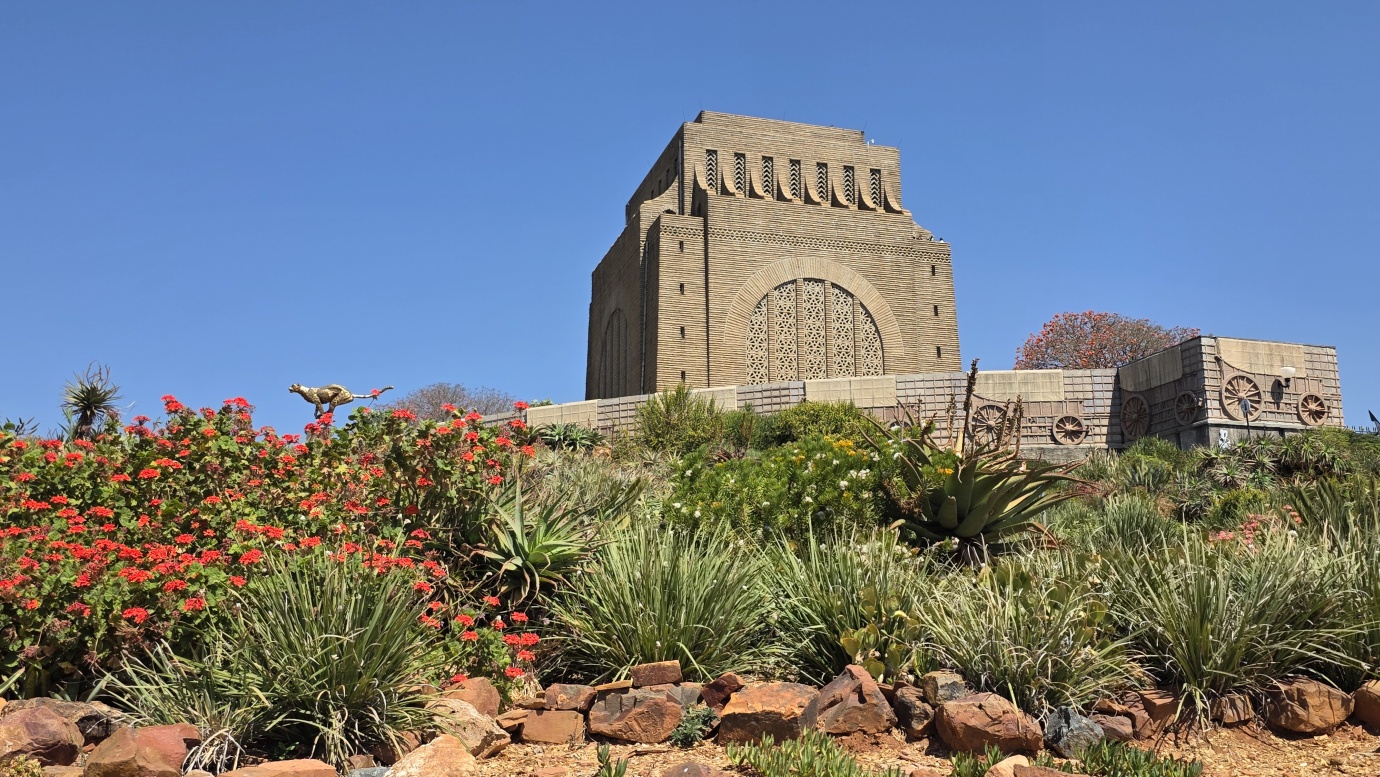
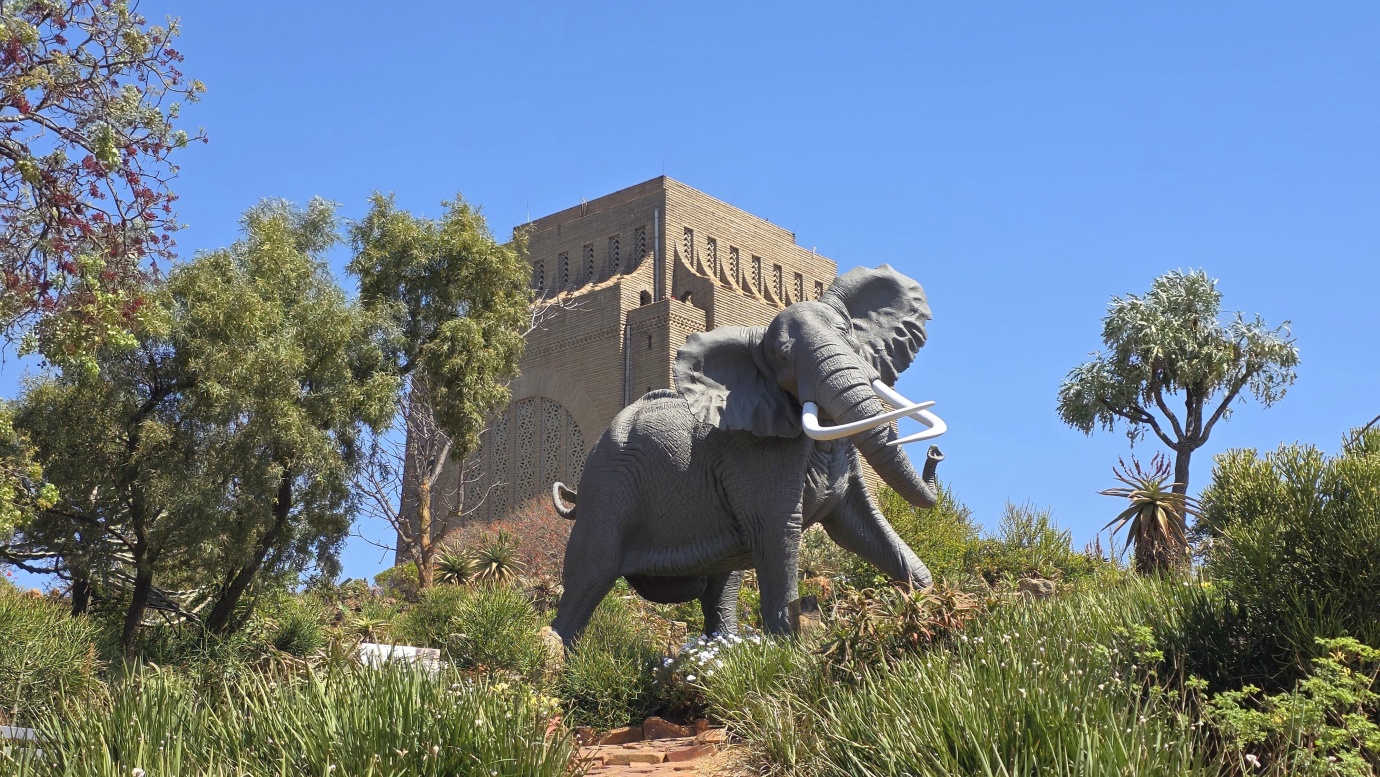
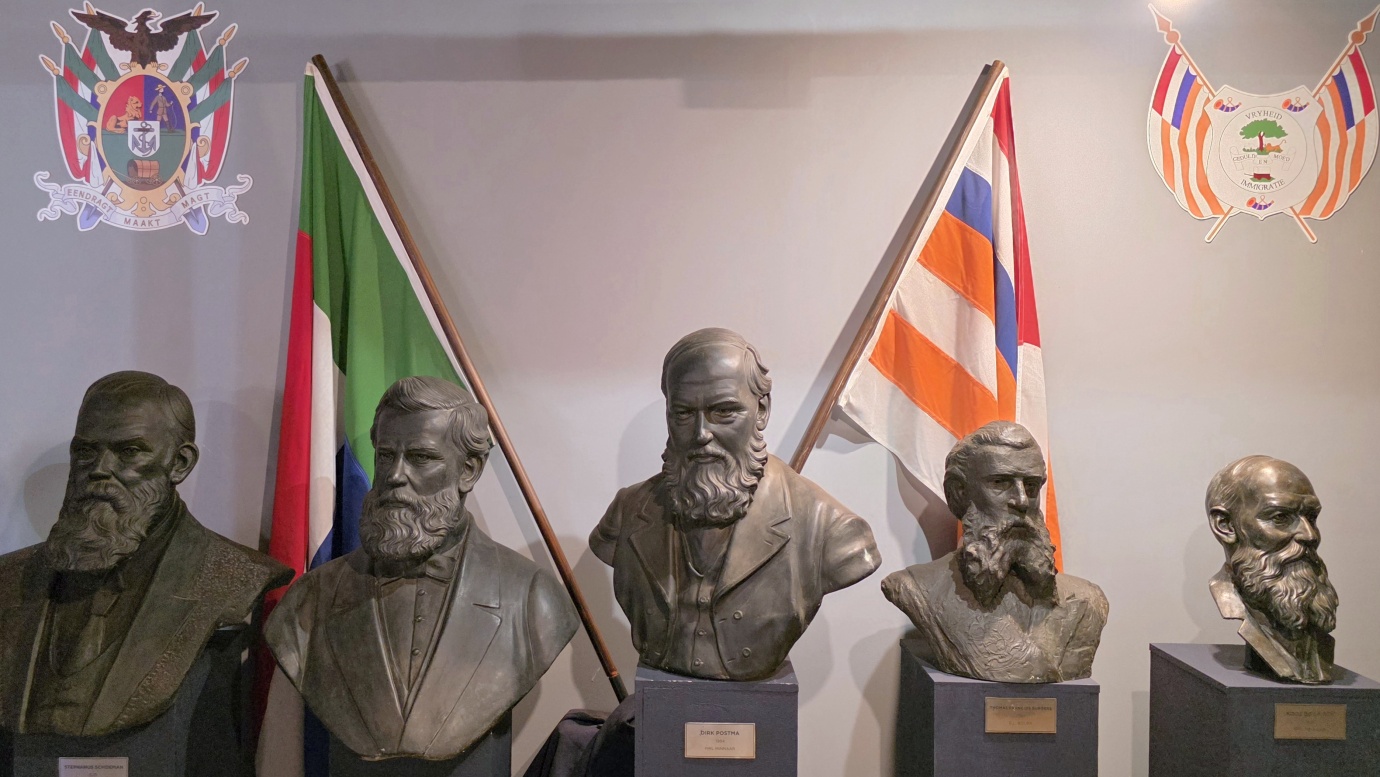
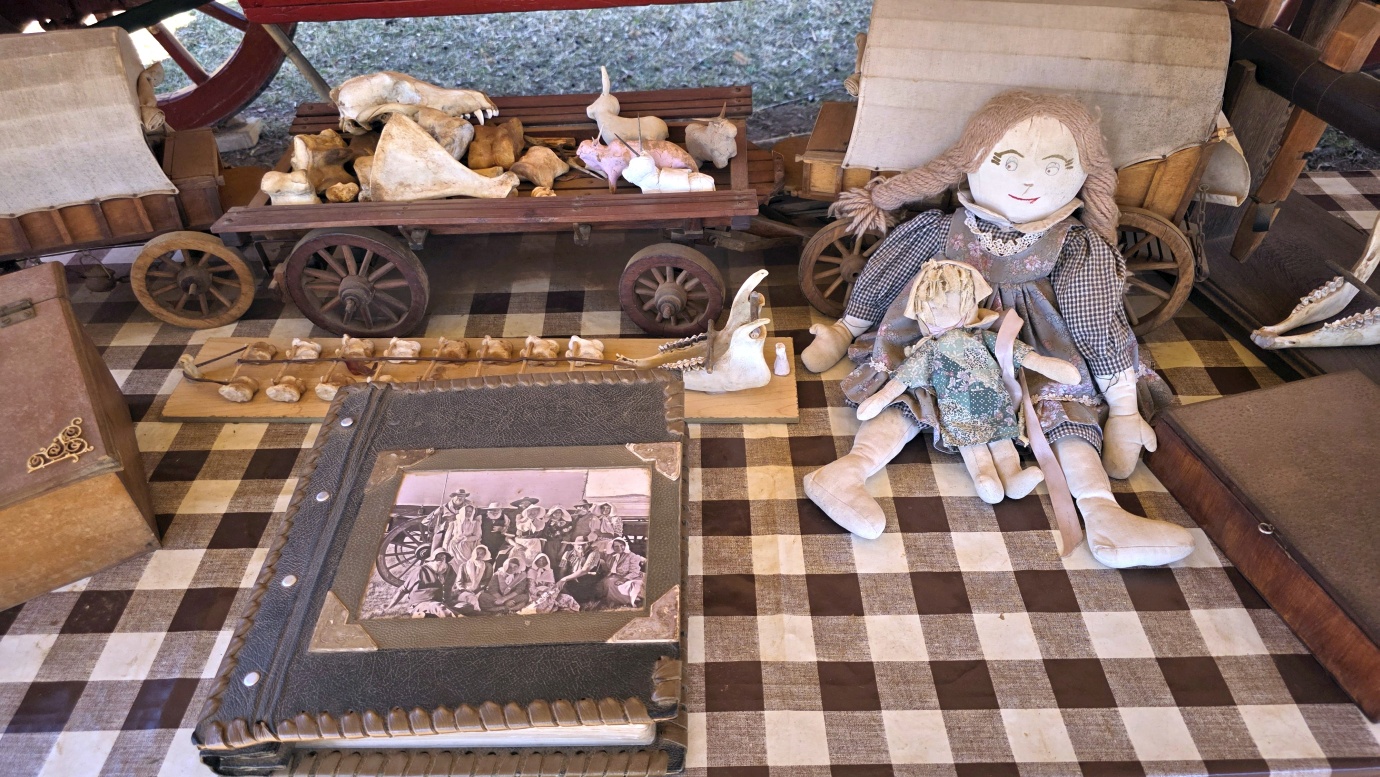
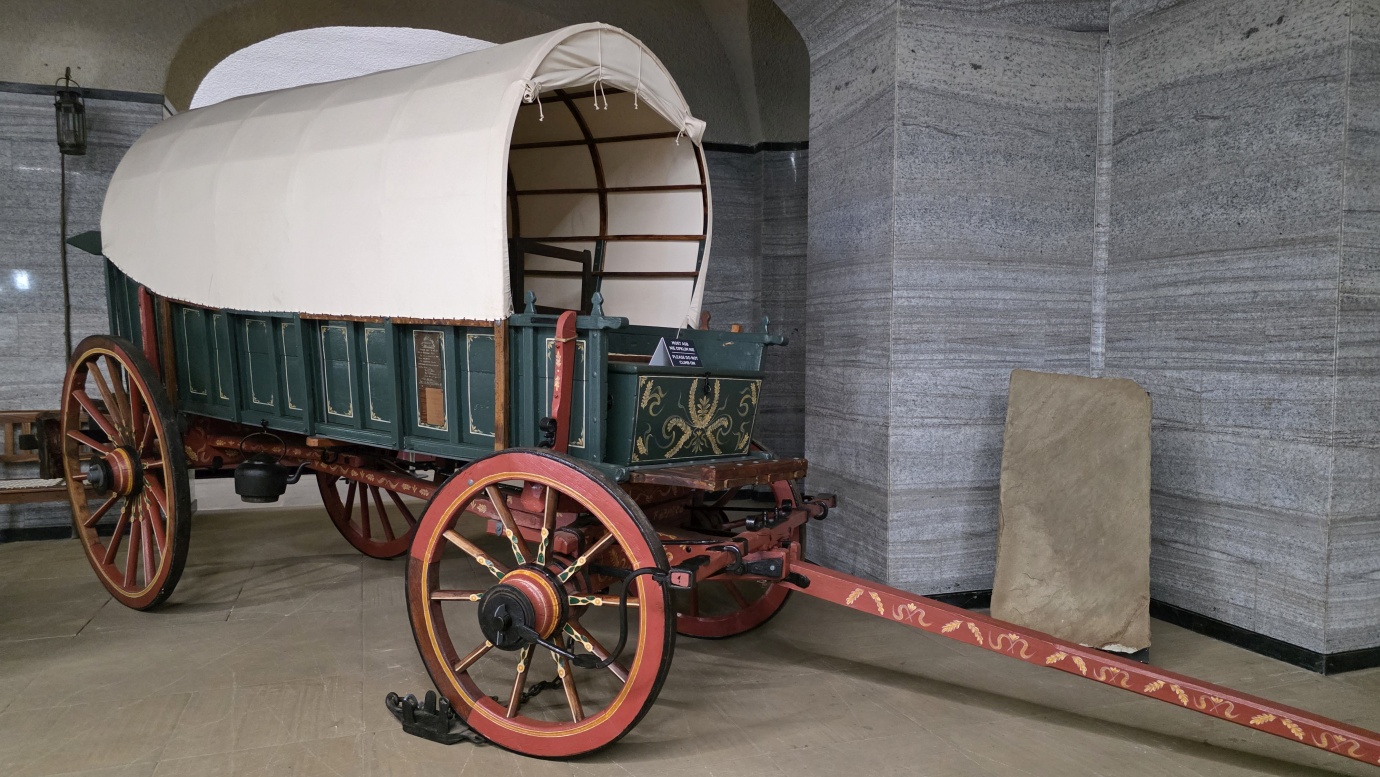
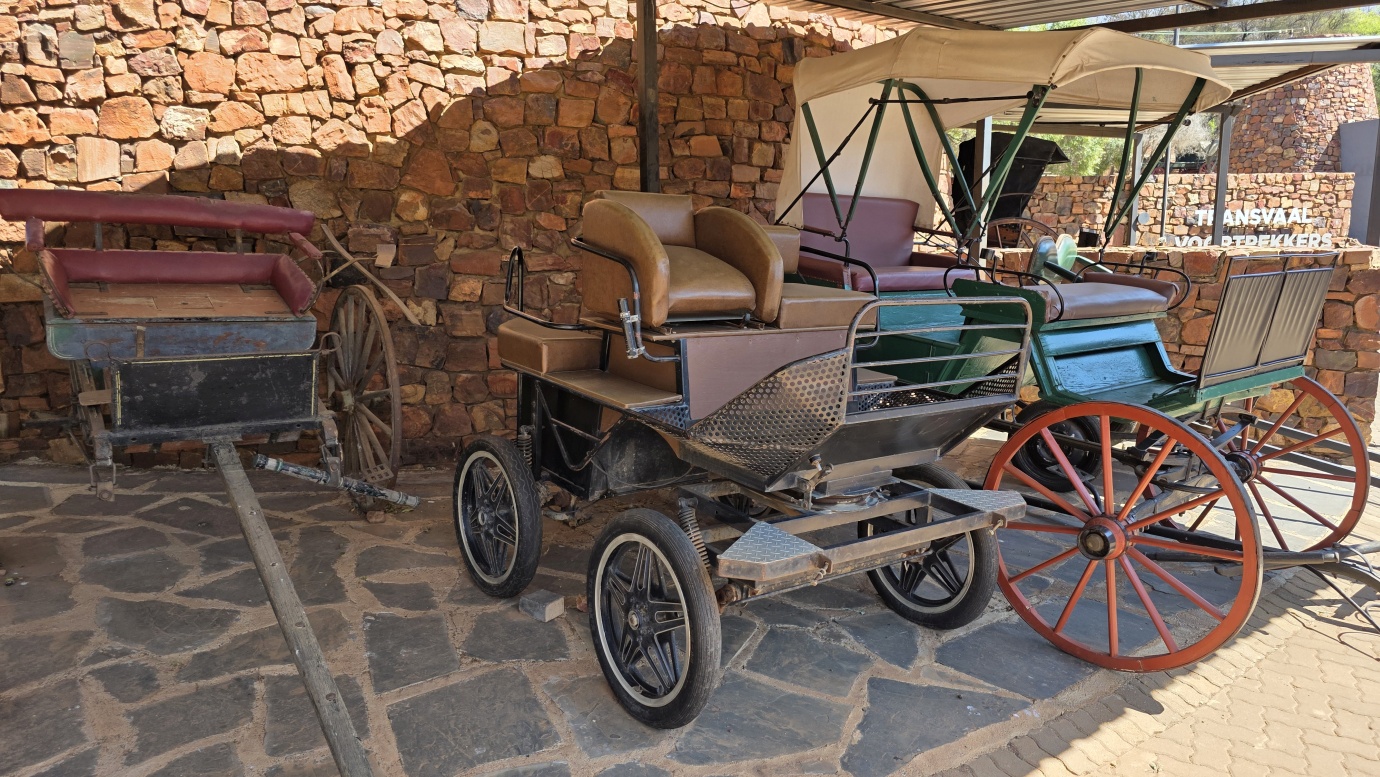
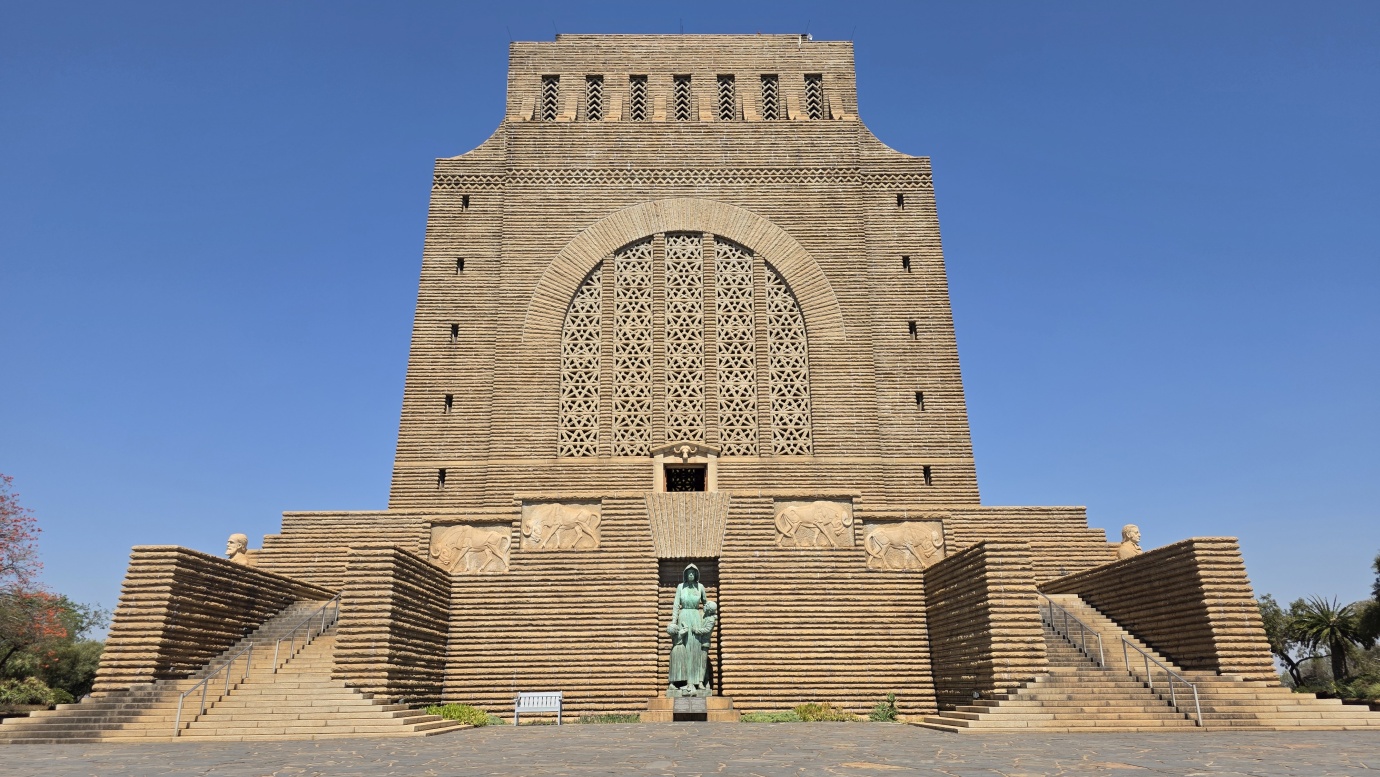
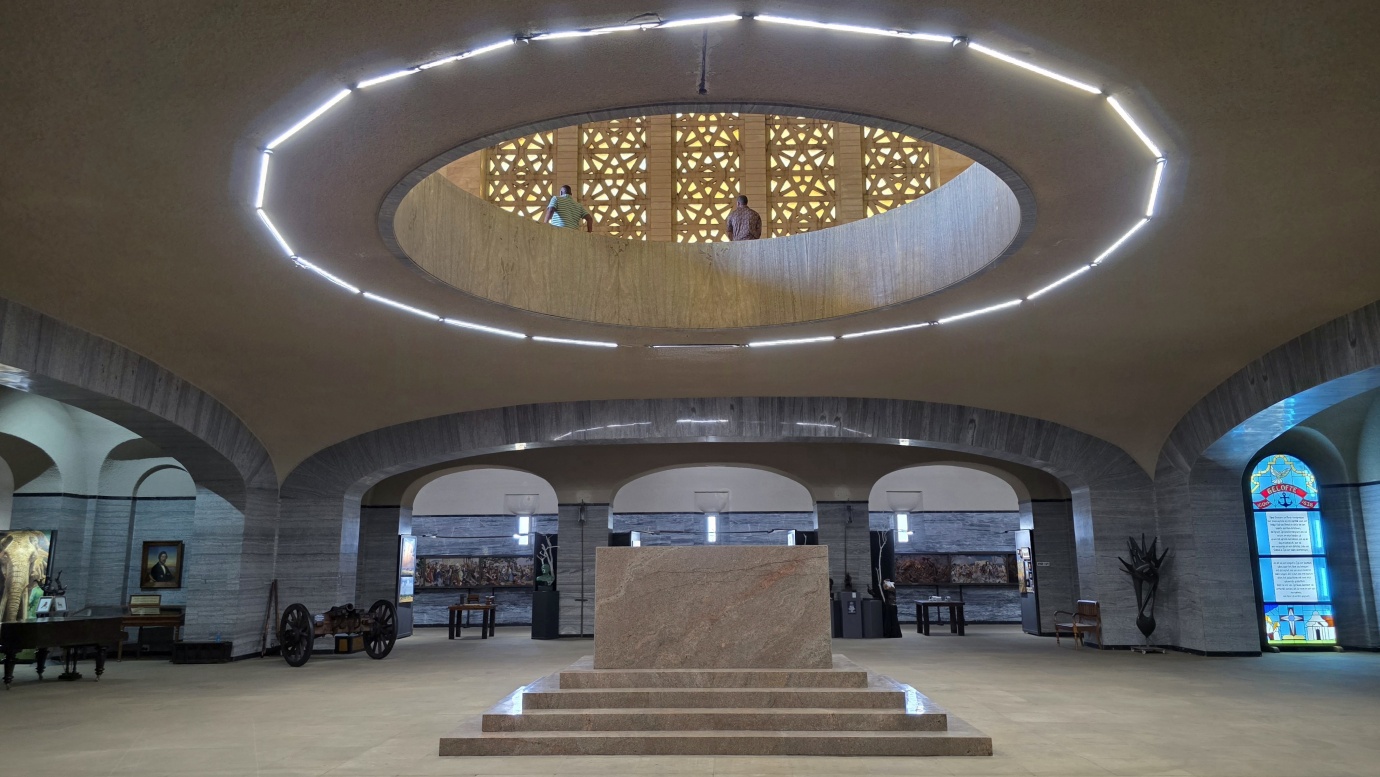
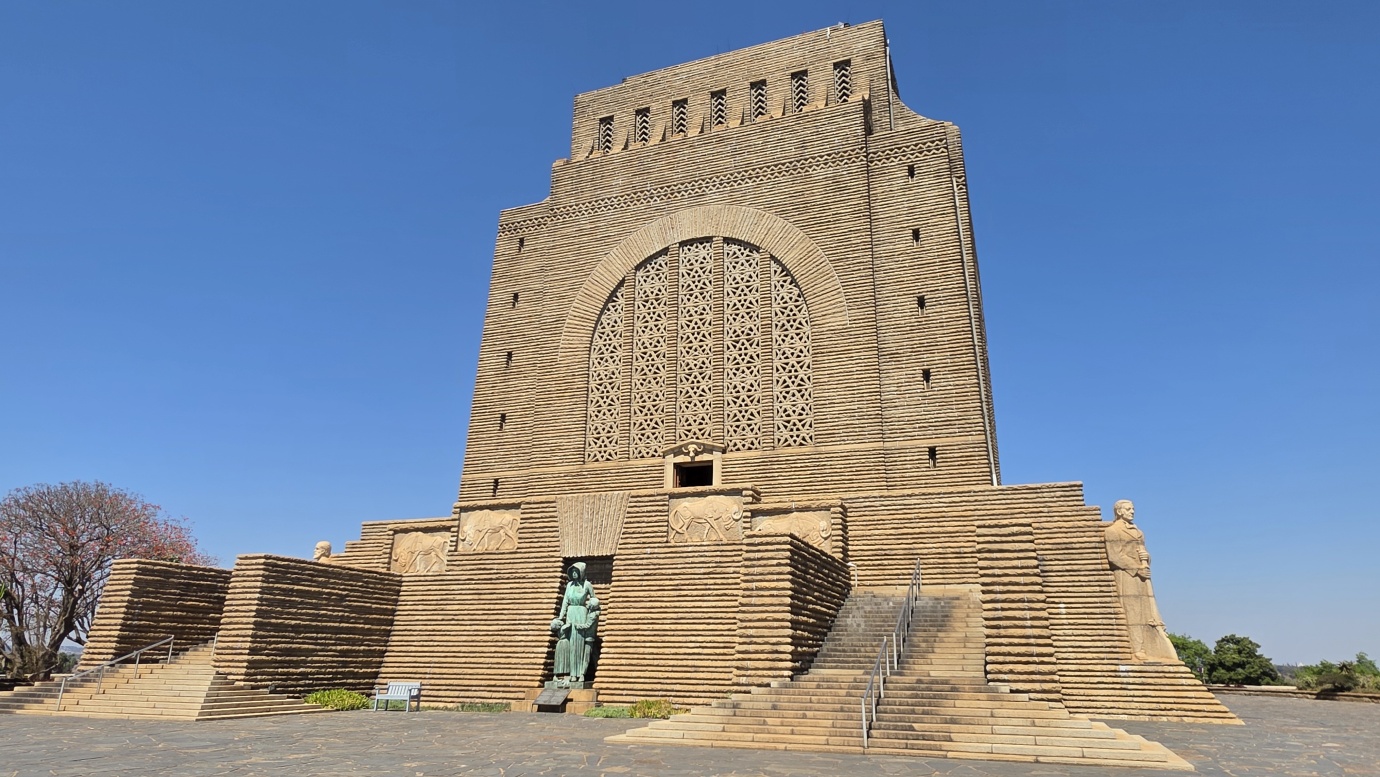
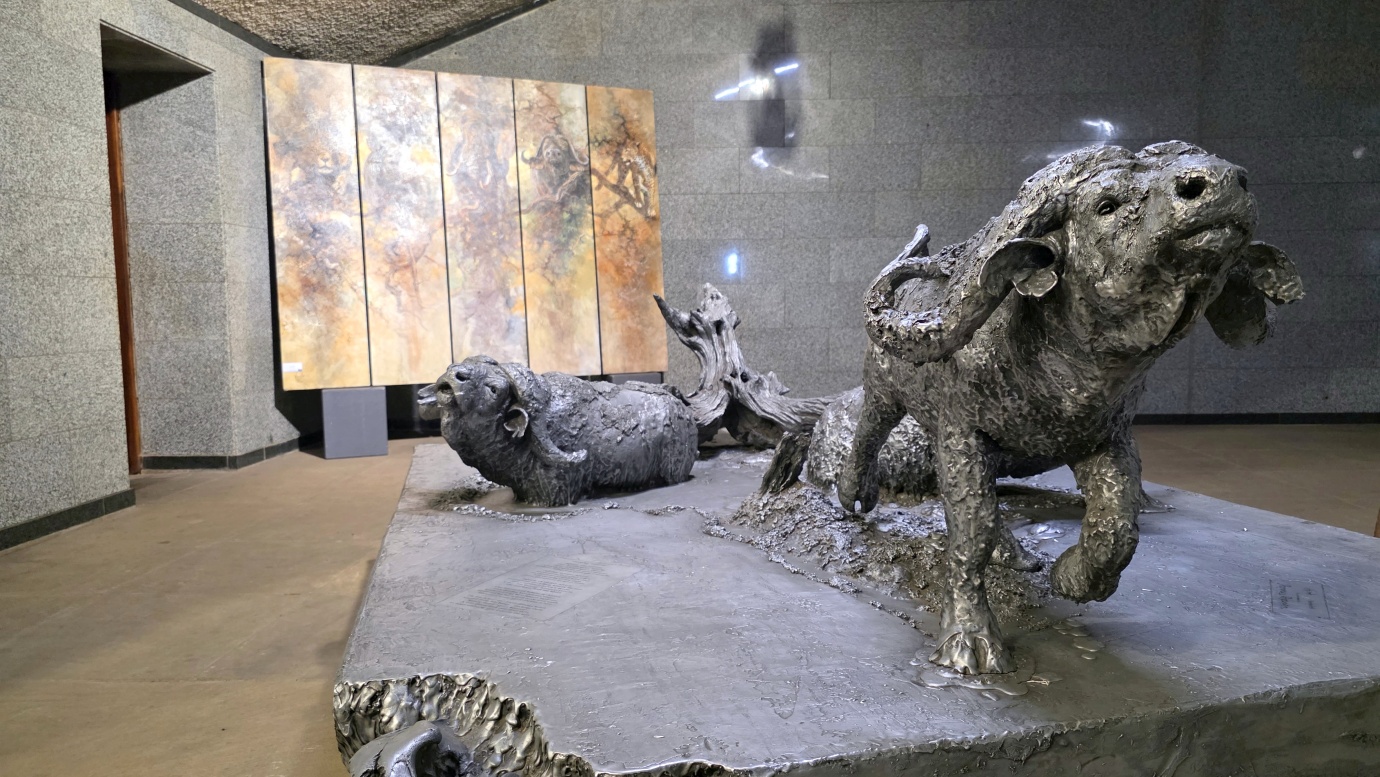
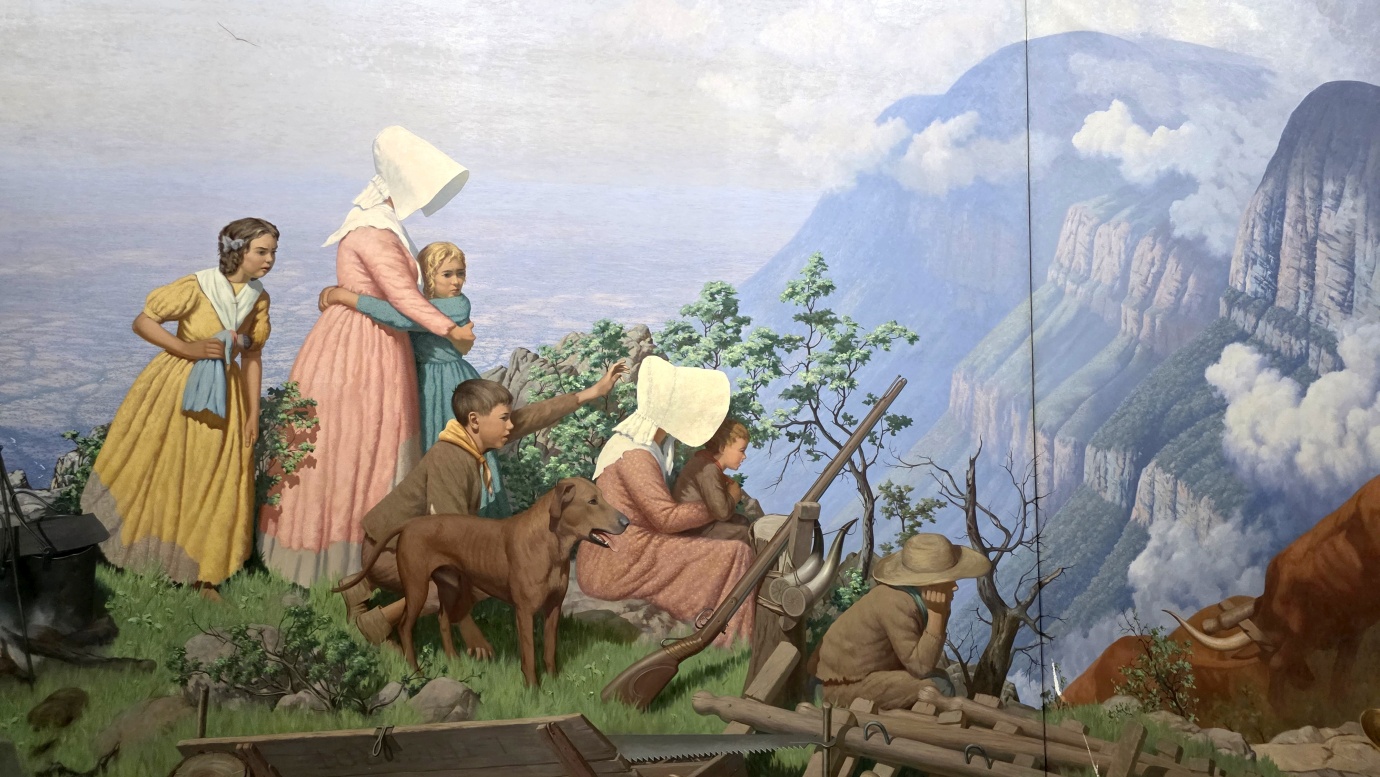
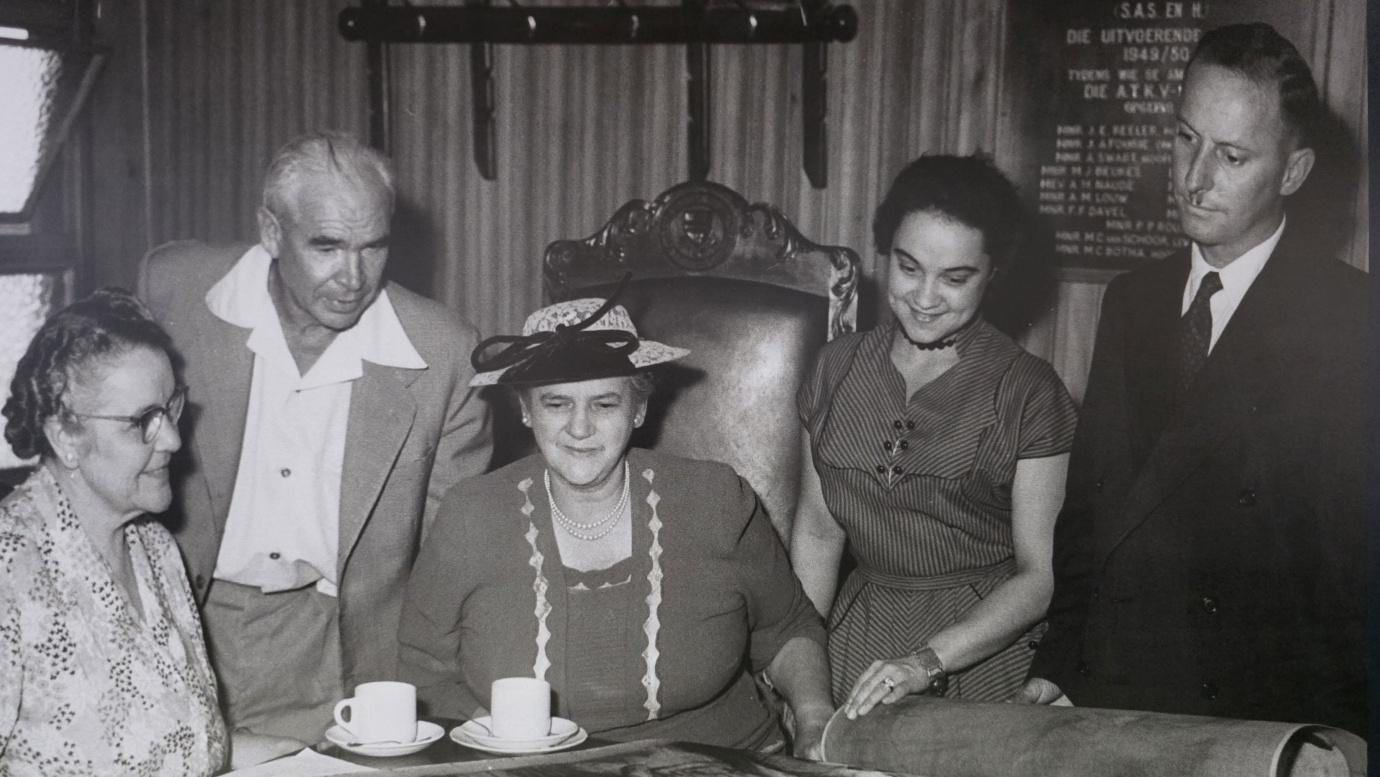
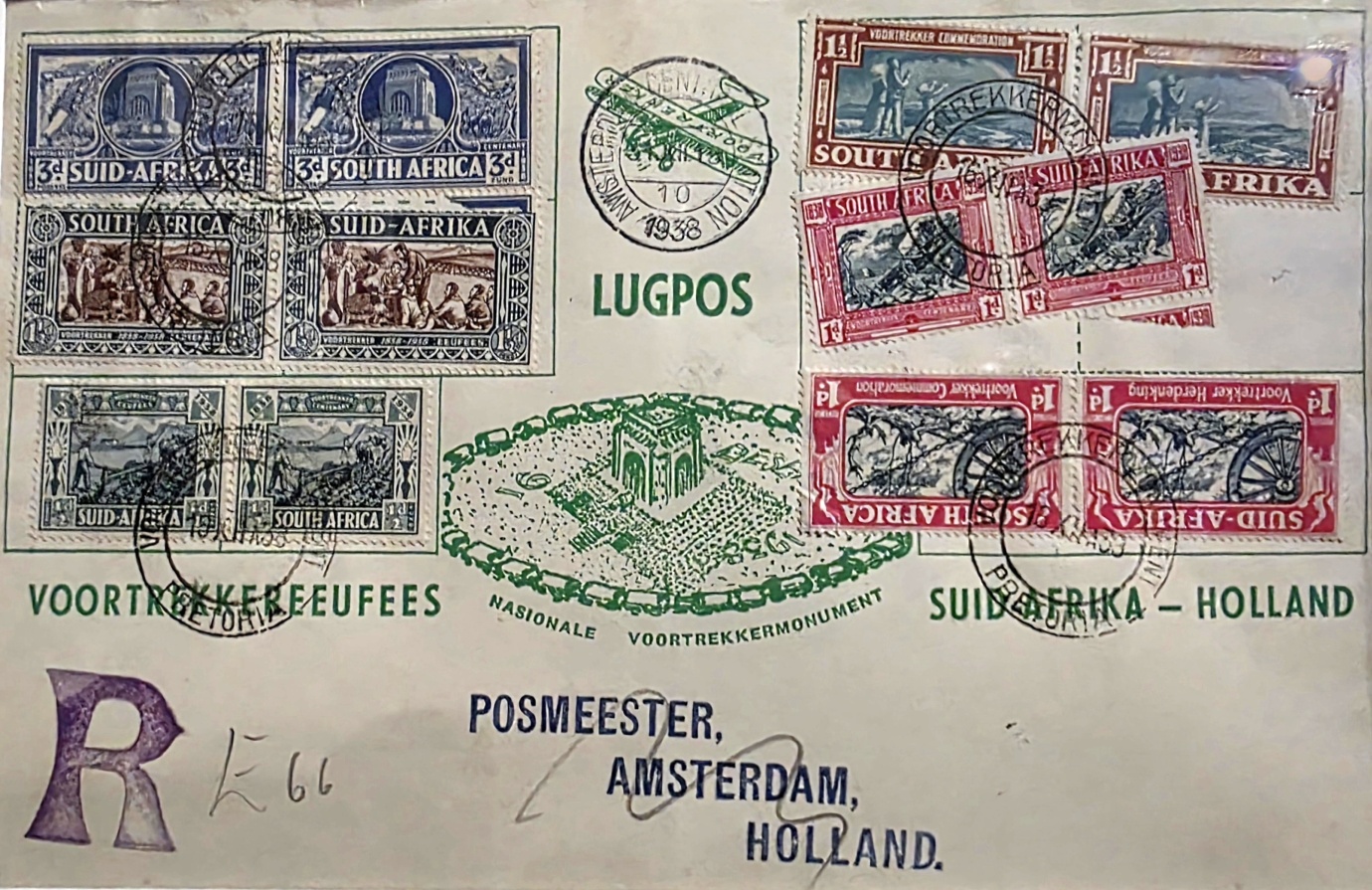
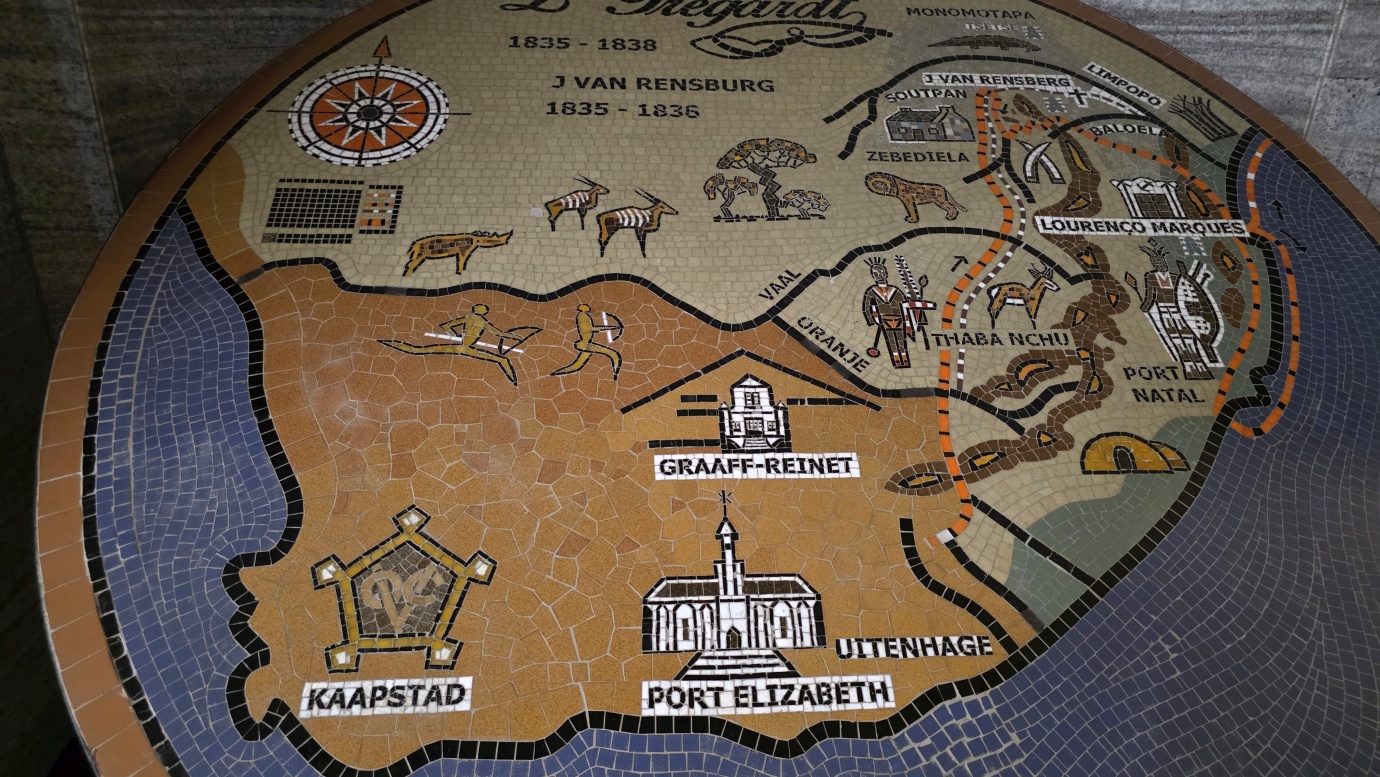
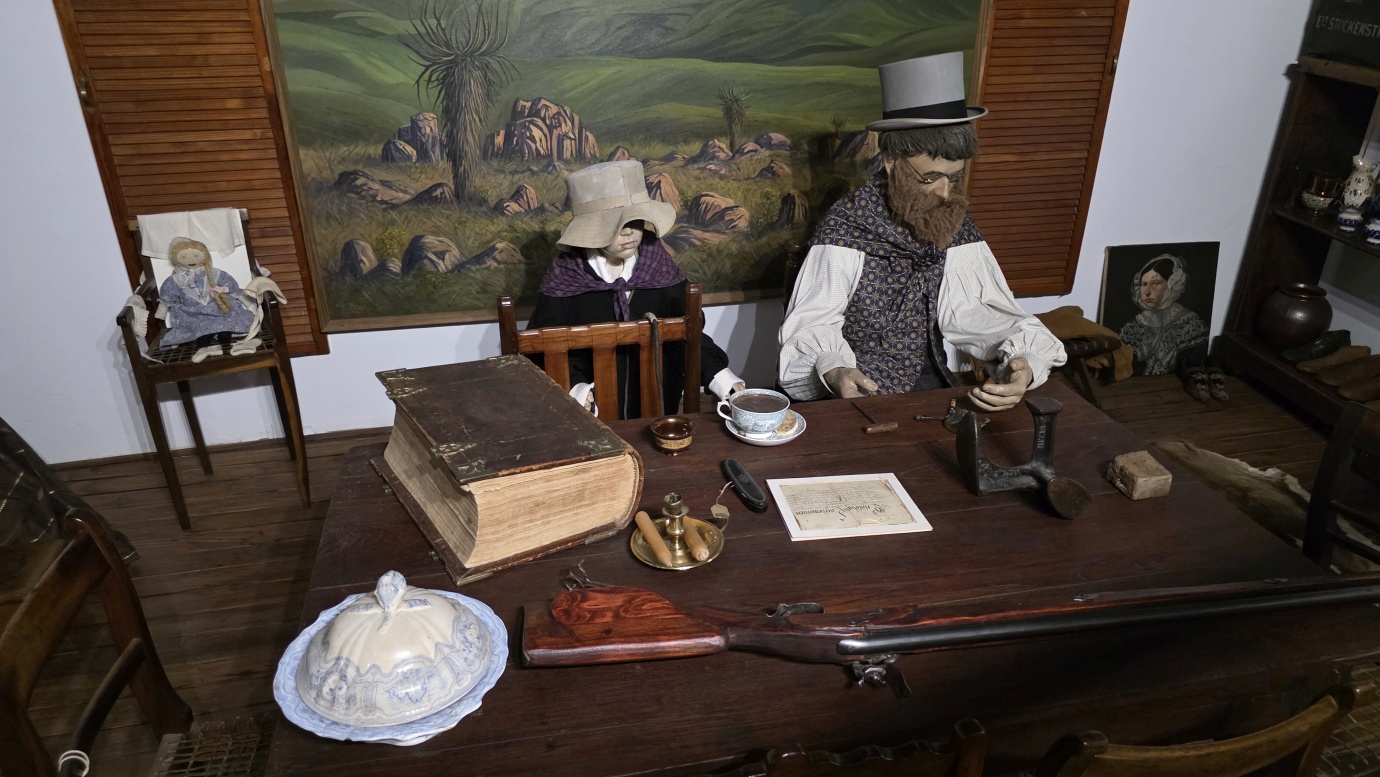
Just south of Freedom Park, on another prominent hilltop, stands the imposing Voortrekker Monument. This massive granite structure was inaugurated in December 1949 to commemorate the Afrikaner pioneers, or Voortrekkers, who left the Cape Colony during the Great Trek.
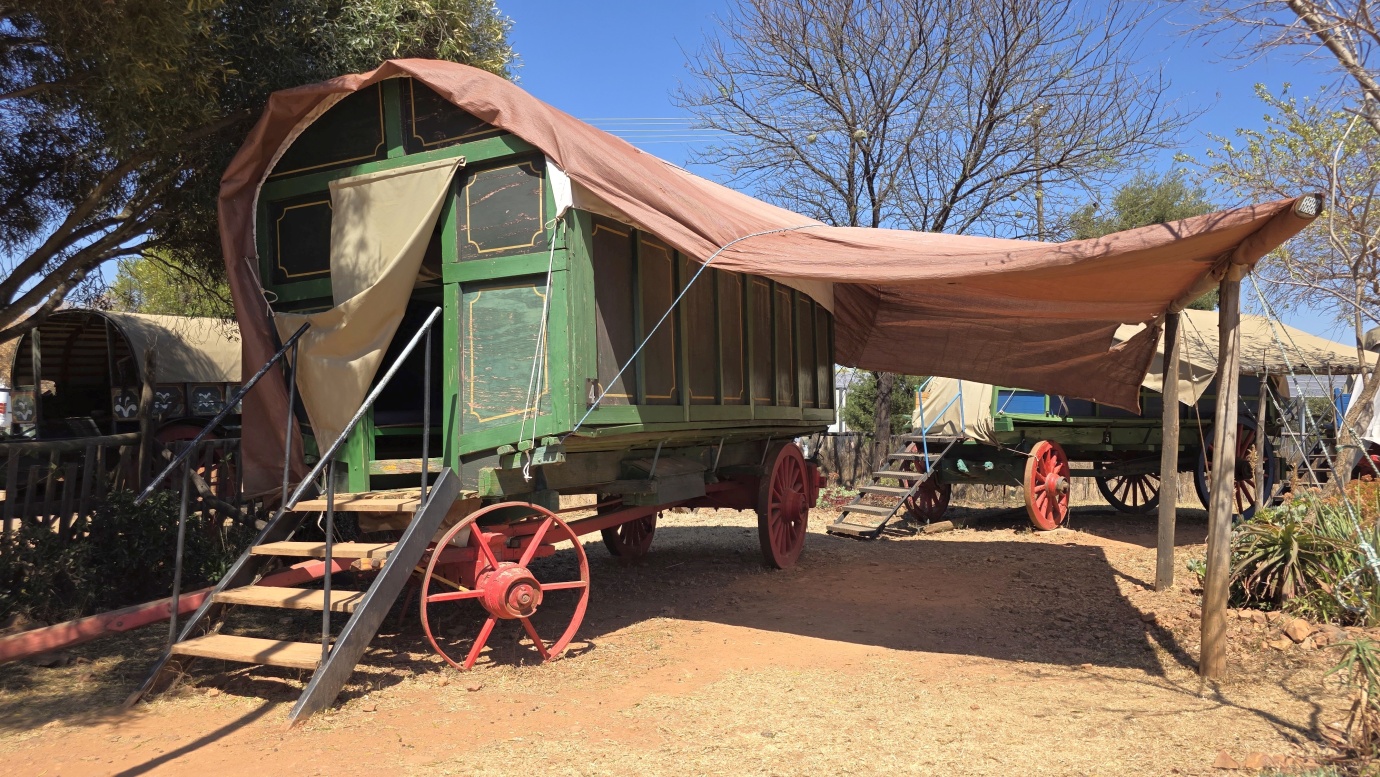
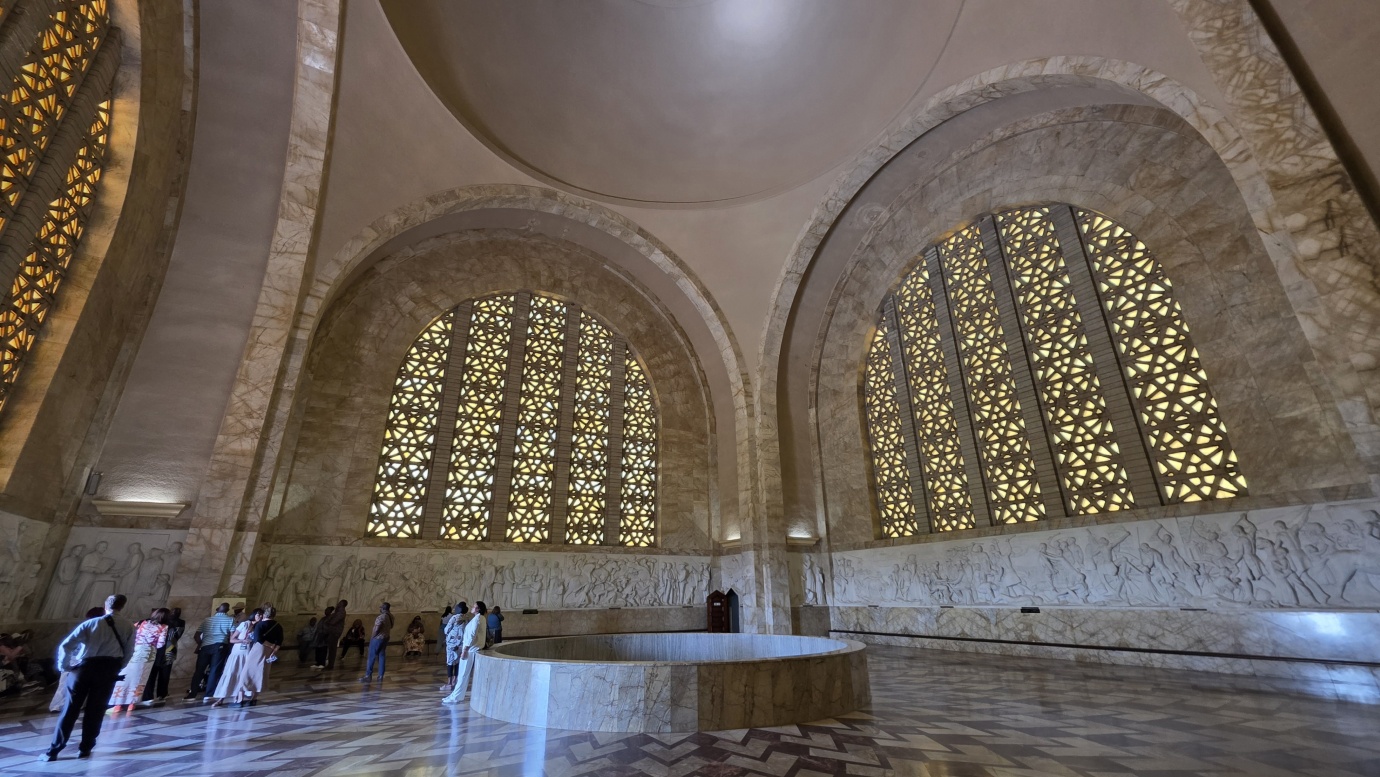
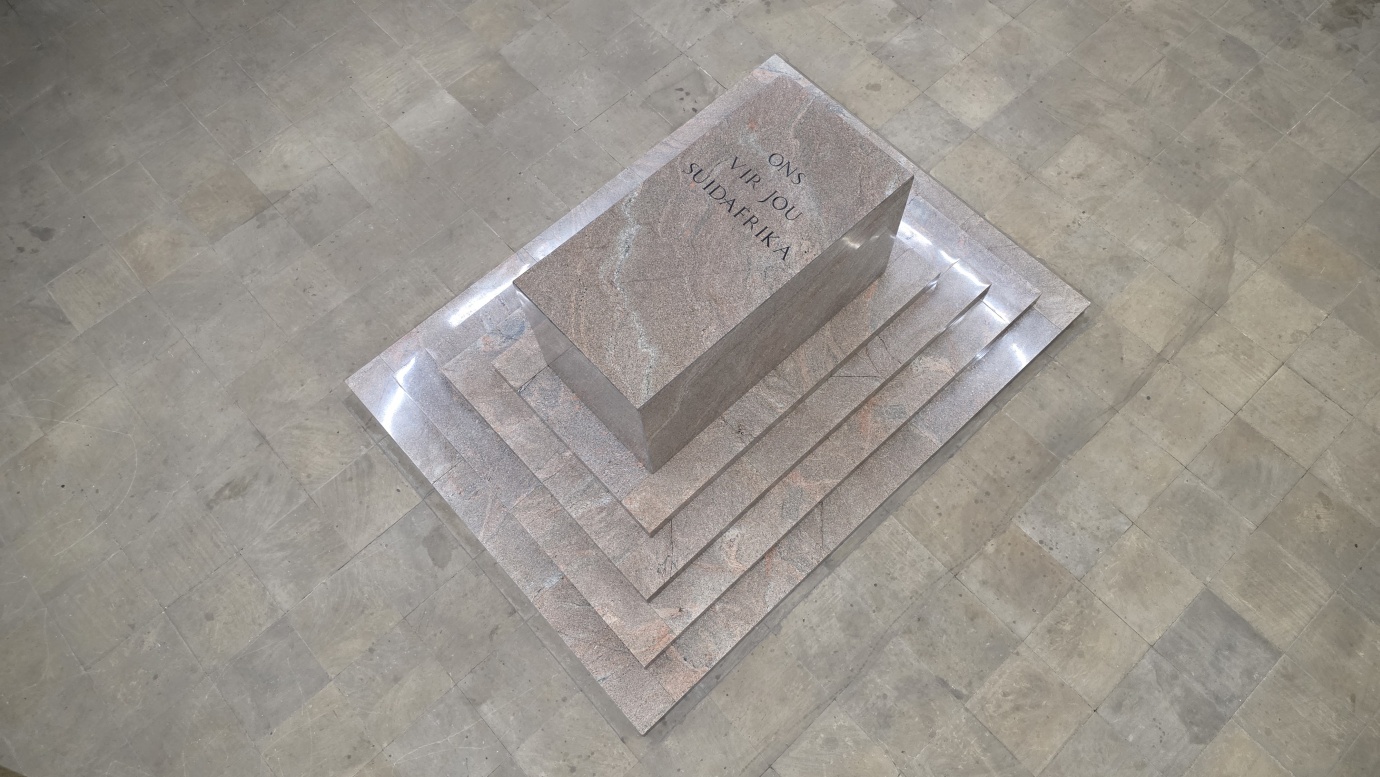
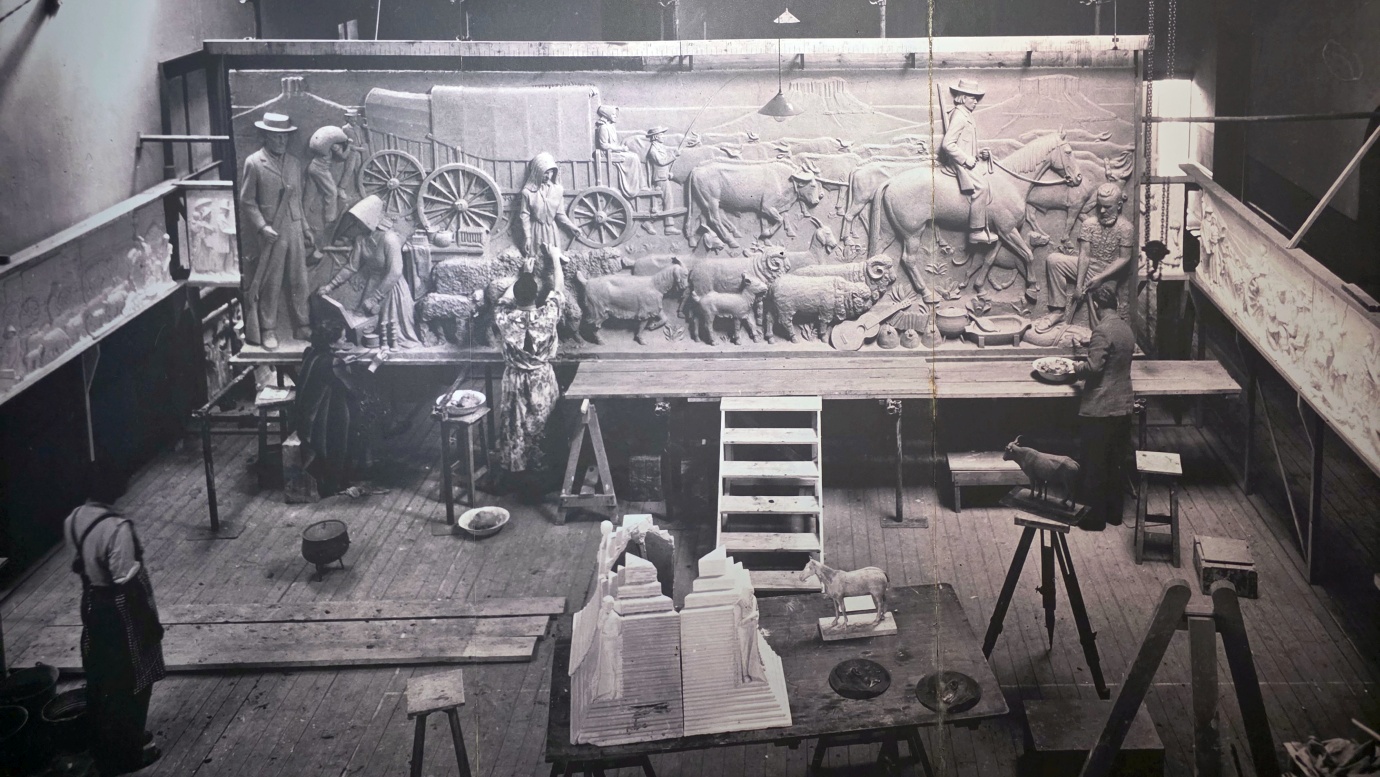
The monument features a dramatic ring of 64 granite ox-wagons, the Hall of Heroes with its sweeping marble bas-relief historical frieze, and a central cenotaph. One of its most symbolic features is its alignment with the sun: every year at precisely noon on 16 December, a shaft of sunlight enters the monument and illuminates the words “Ons vir jou, Suid-Afrika” (“We for you, South Africa”) on the cenotaph.
Together, Freedom Park and the Voortrekker Monument offer two very different perspectives on South Africa’s history, making their opposite location particularly meaningful.
Parking location – Pretoria: 25.7606706S 28.2139491E (🚻,🚿,🏊,💦,🔌,🅿️200 ZAR)