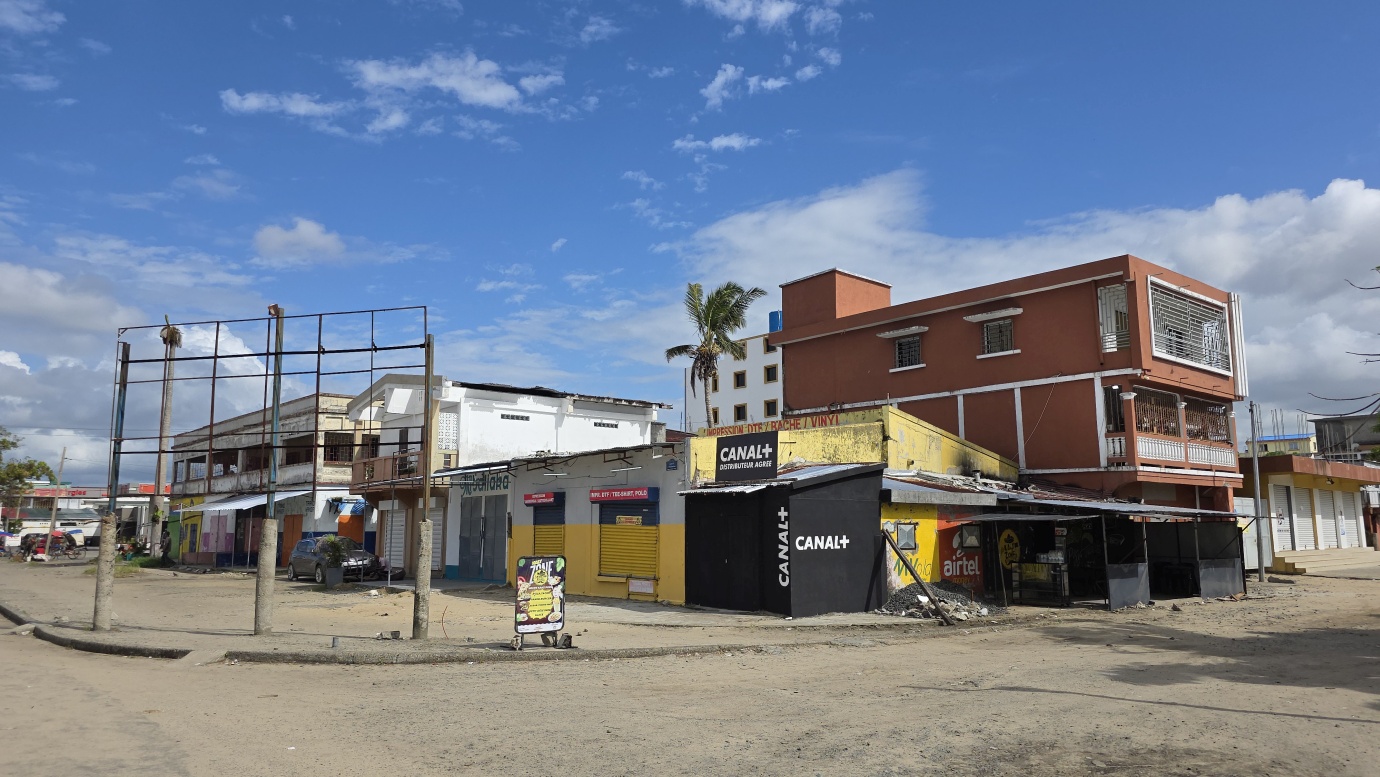
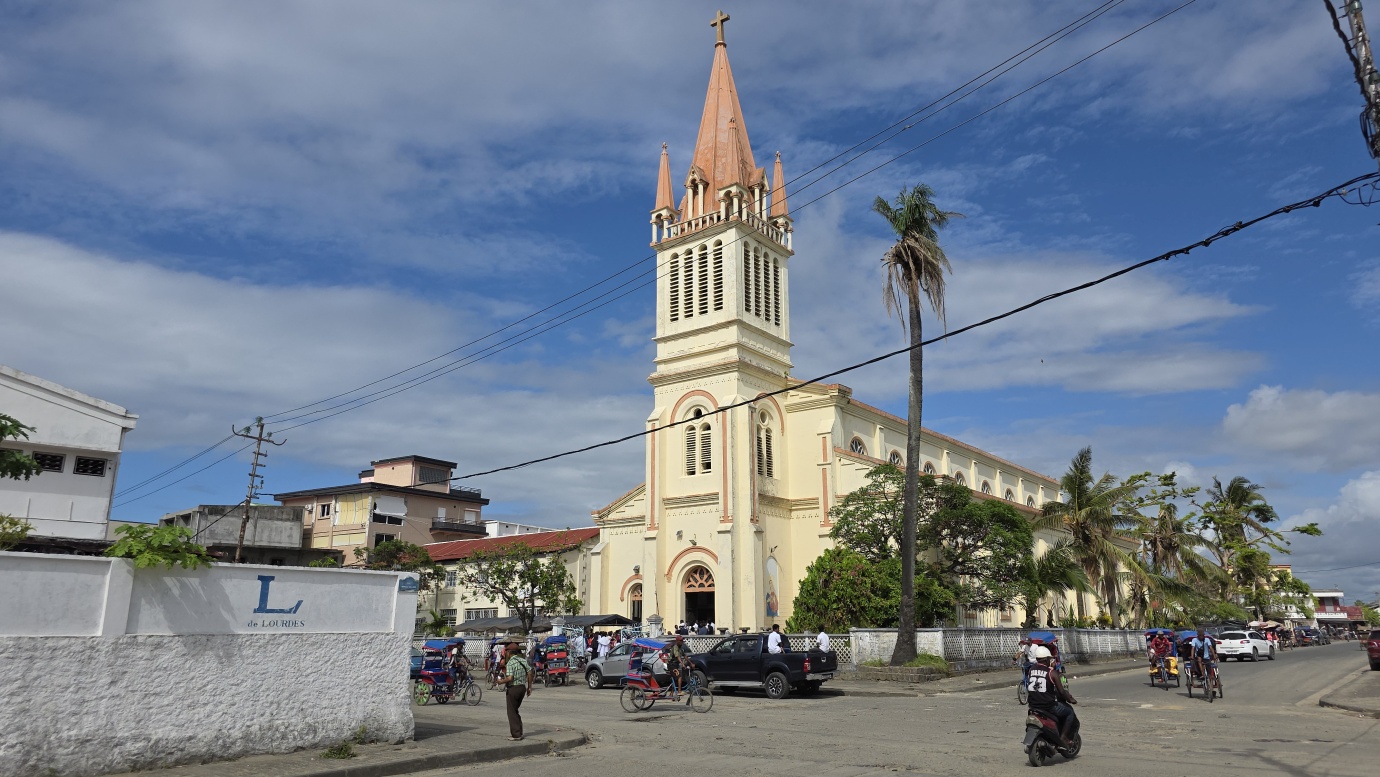
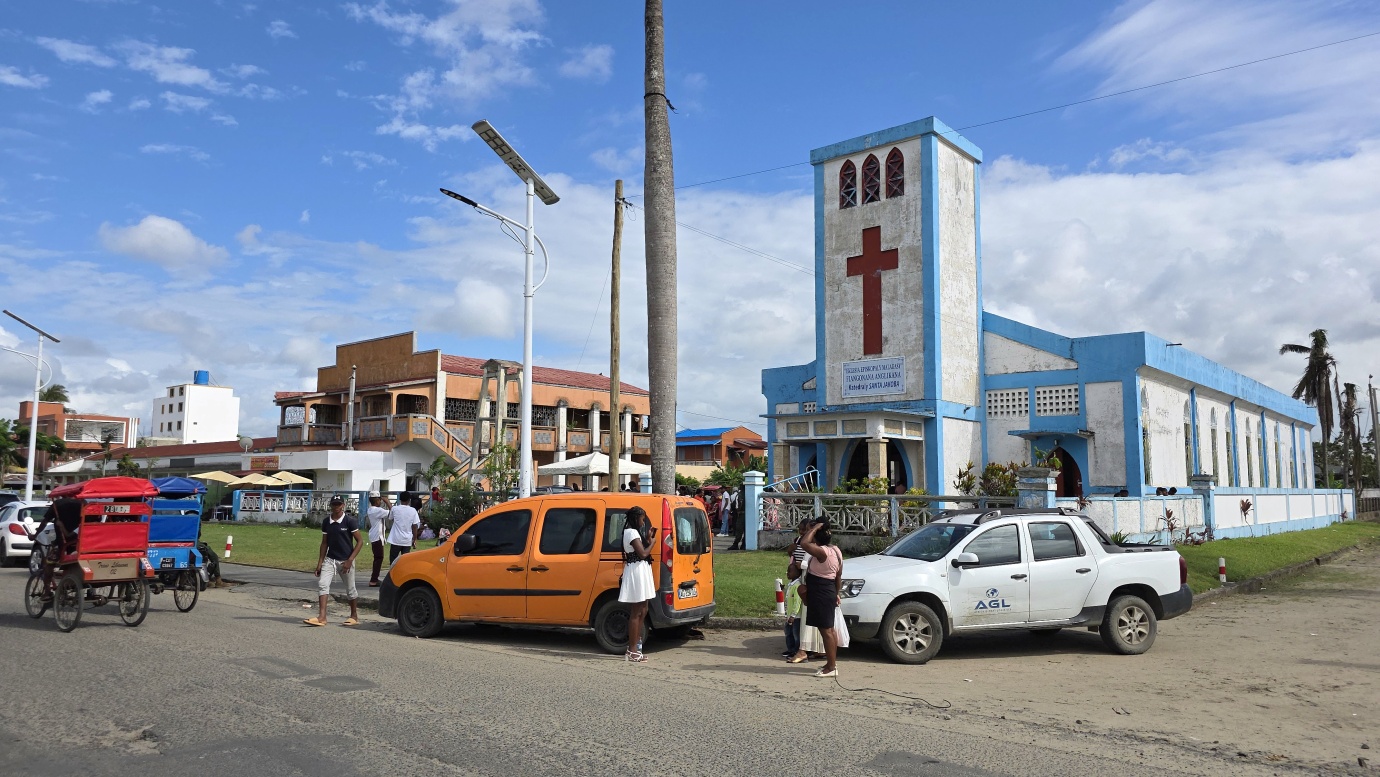
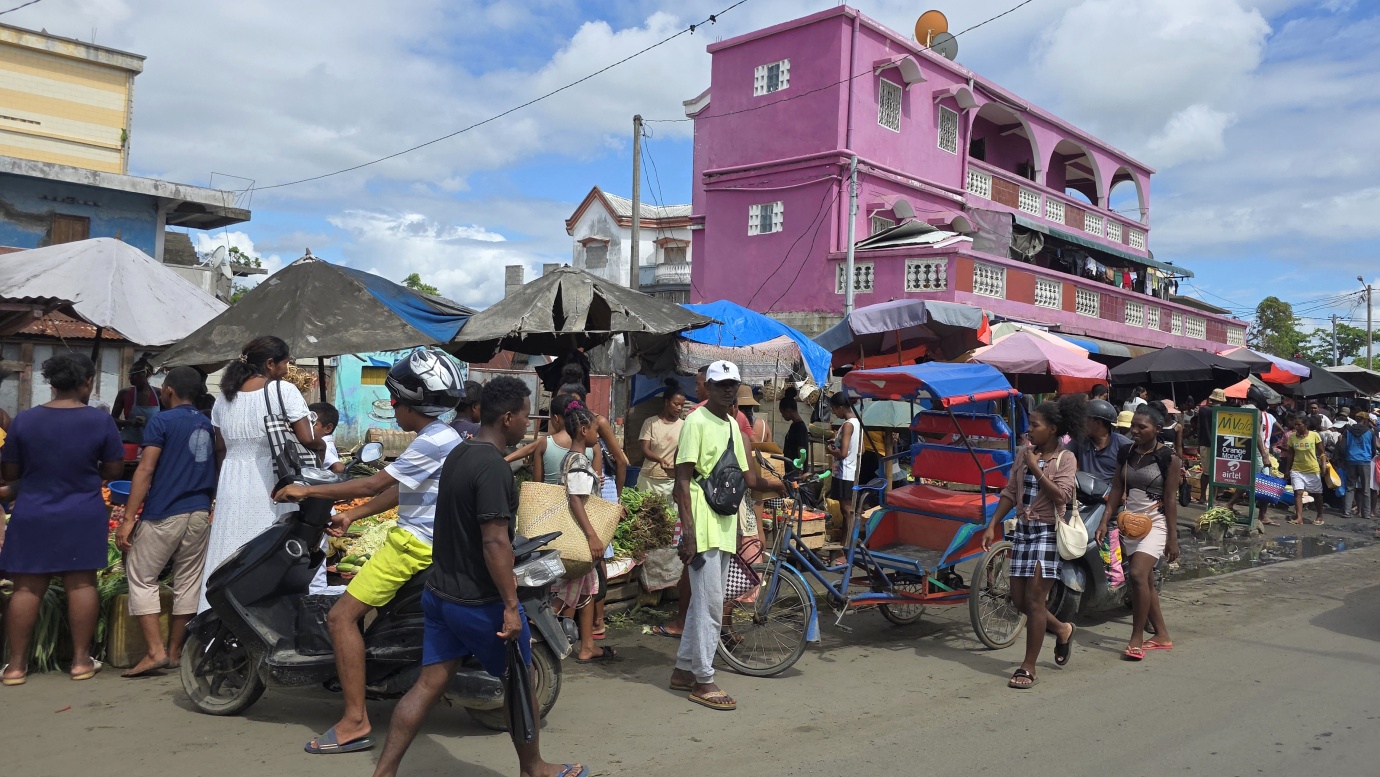
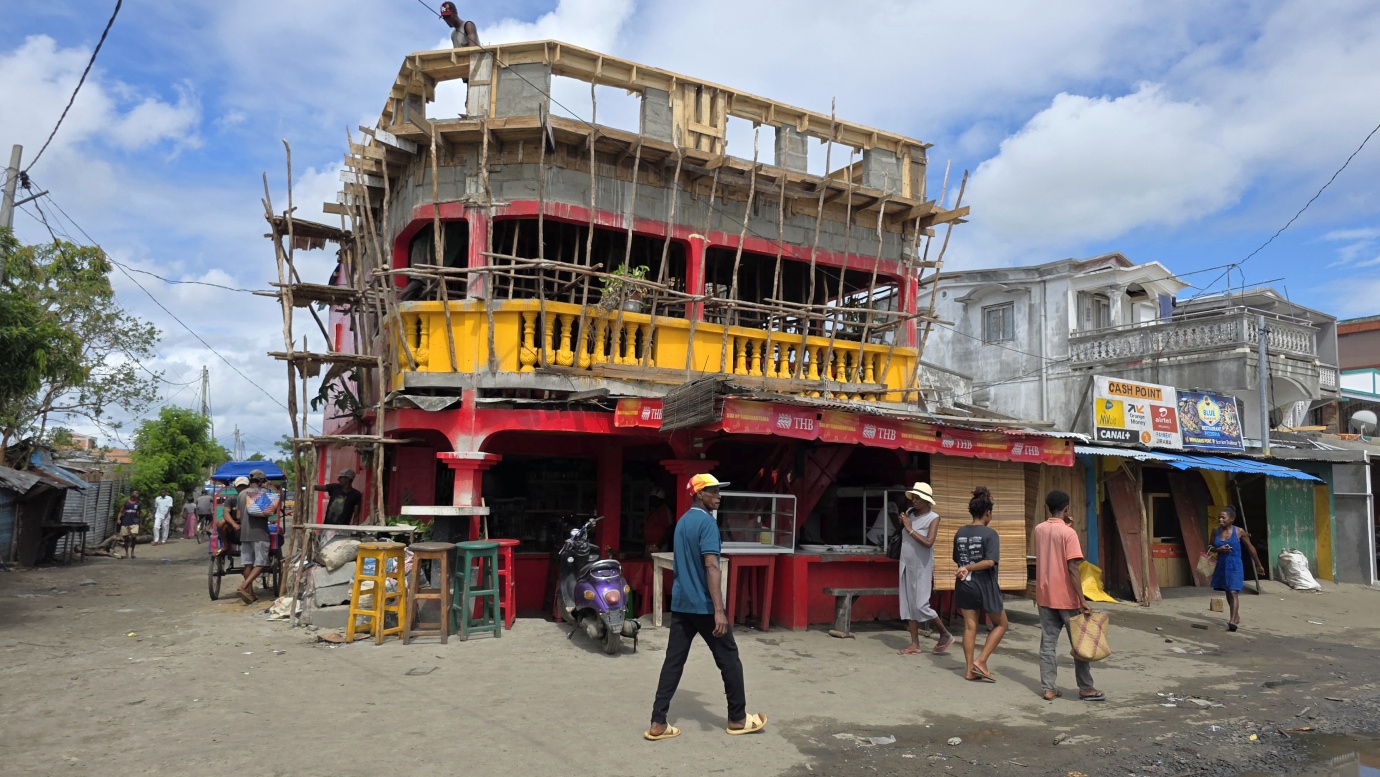
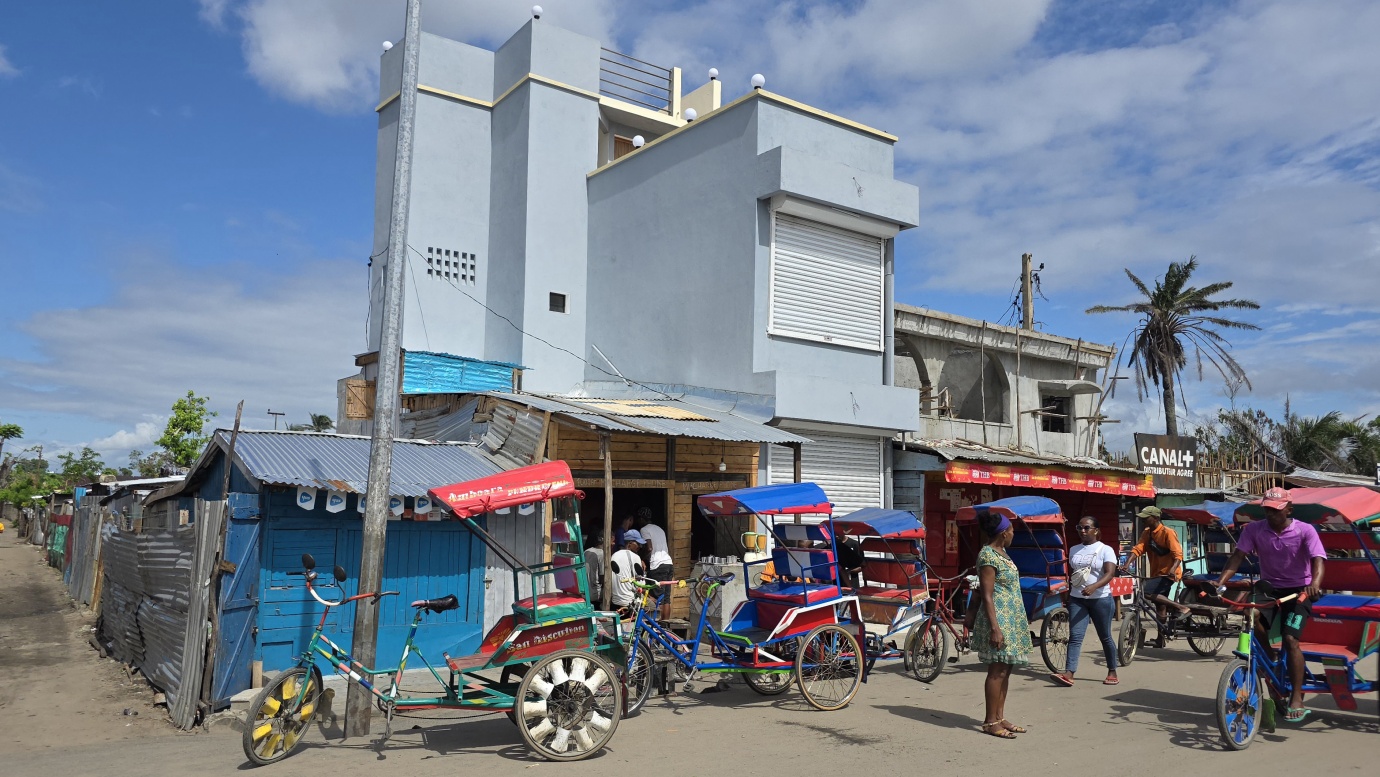
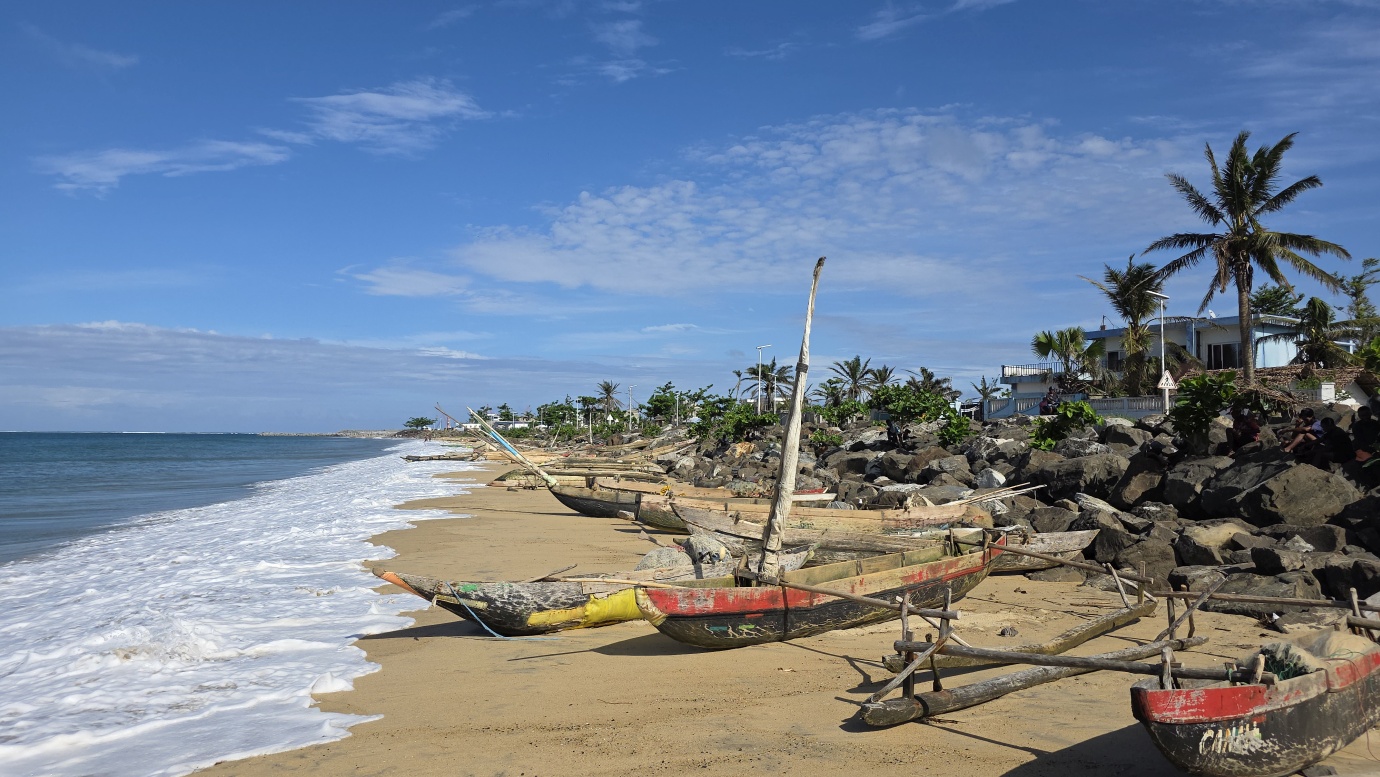
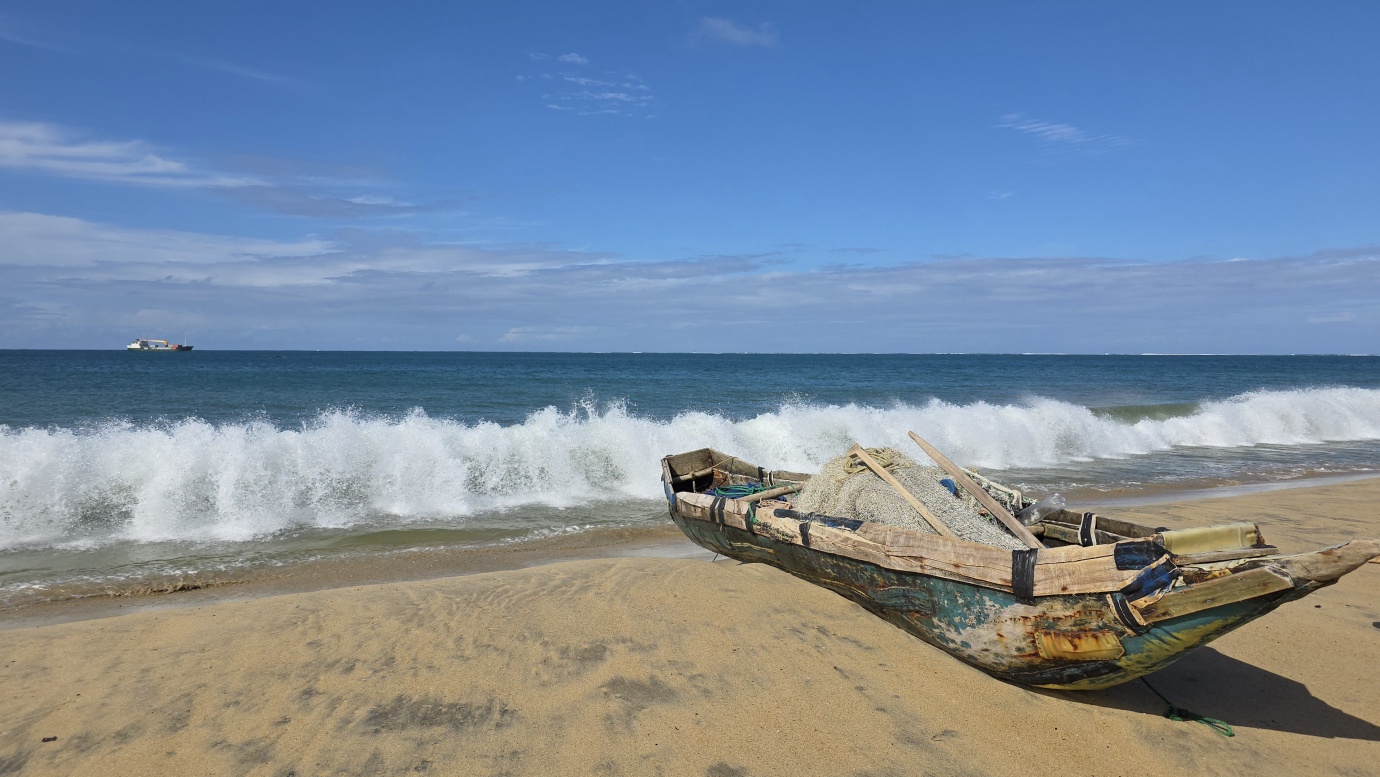
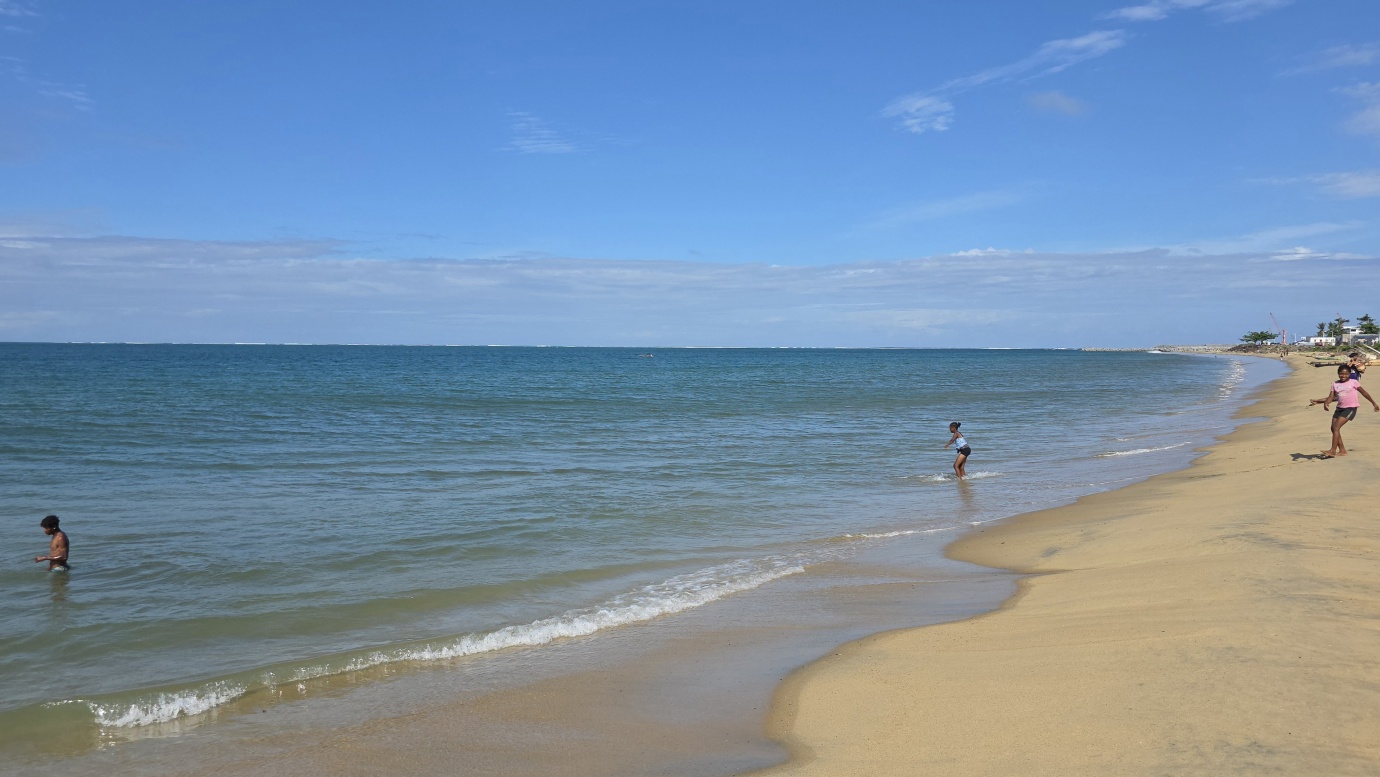
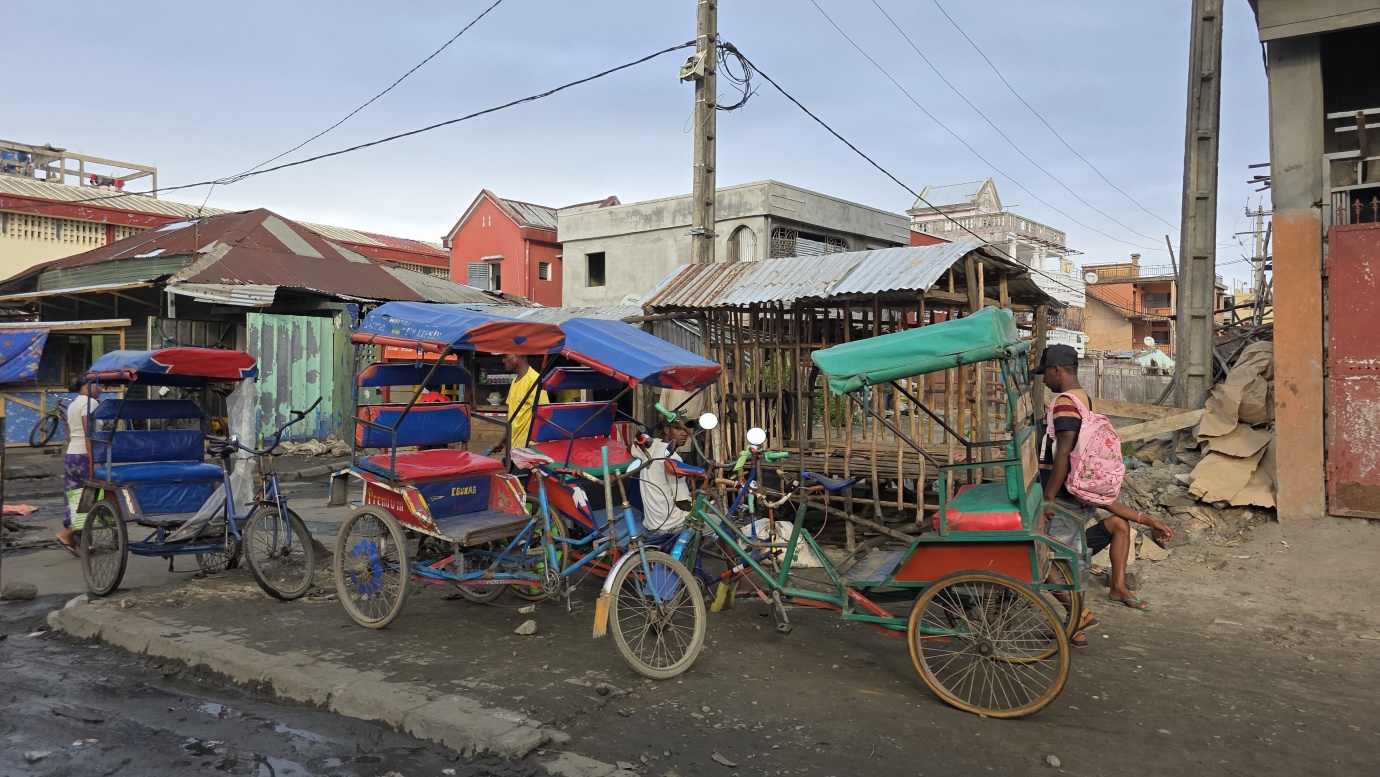
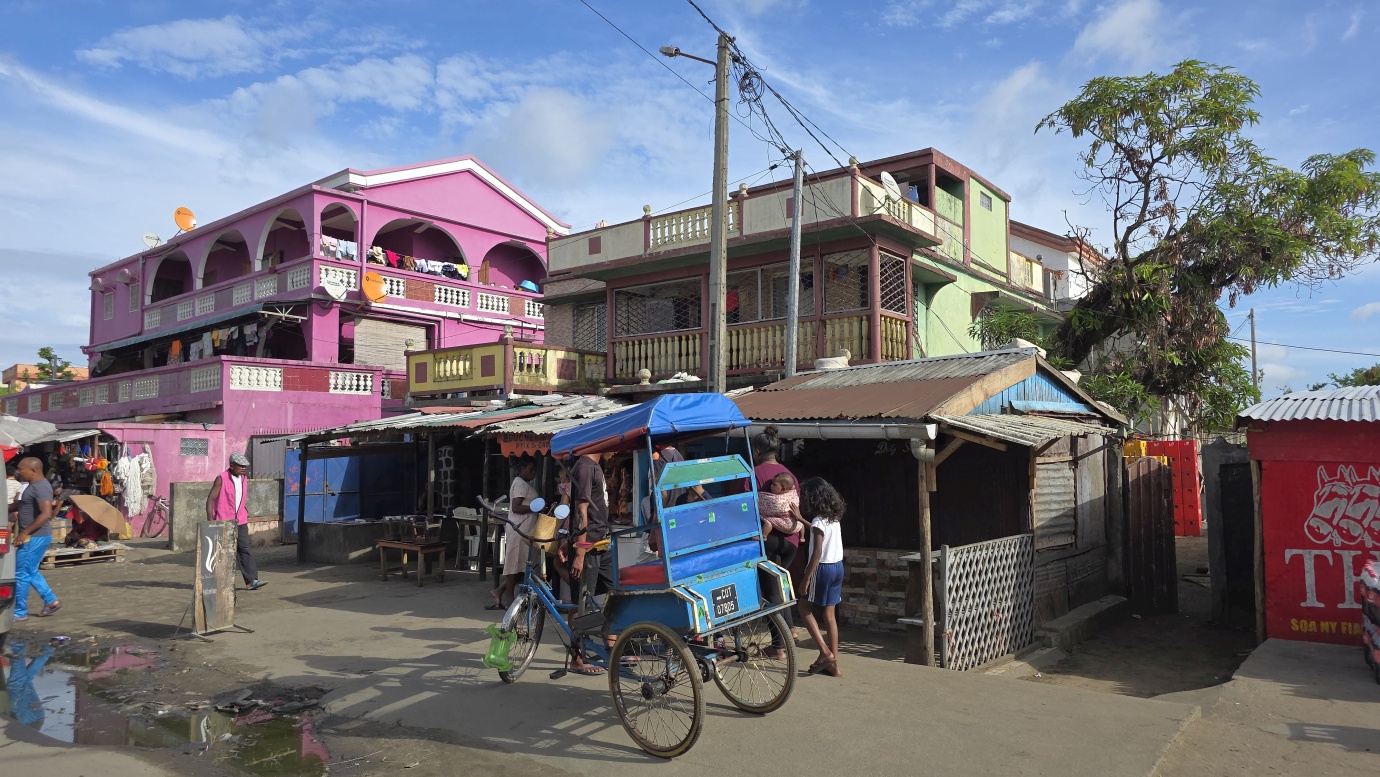
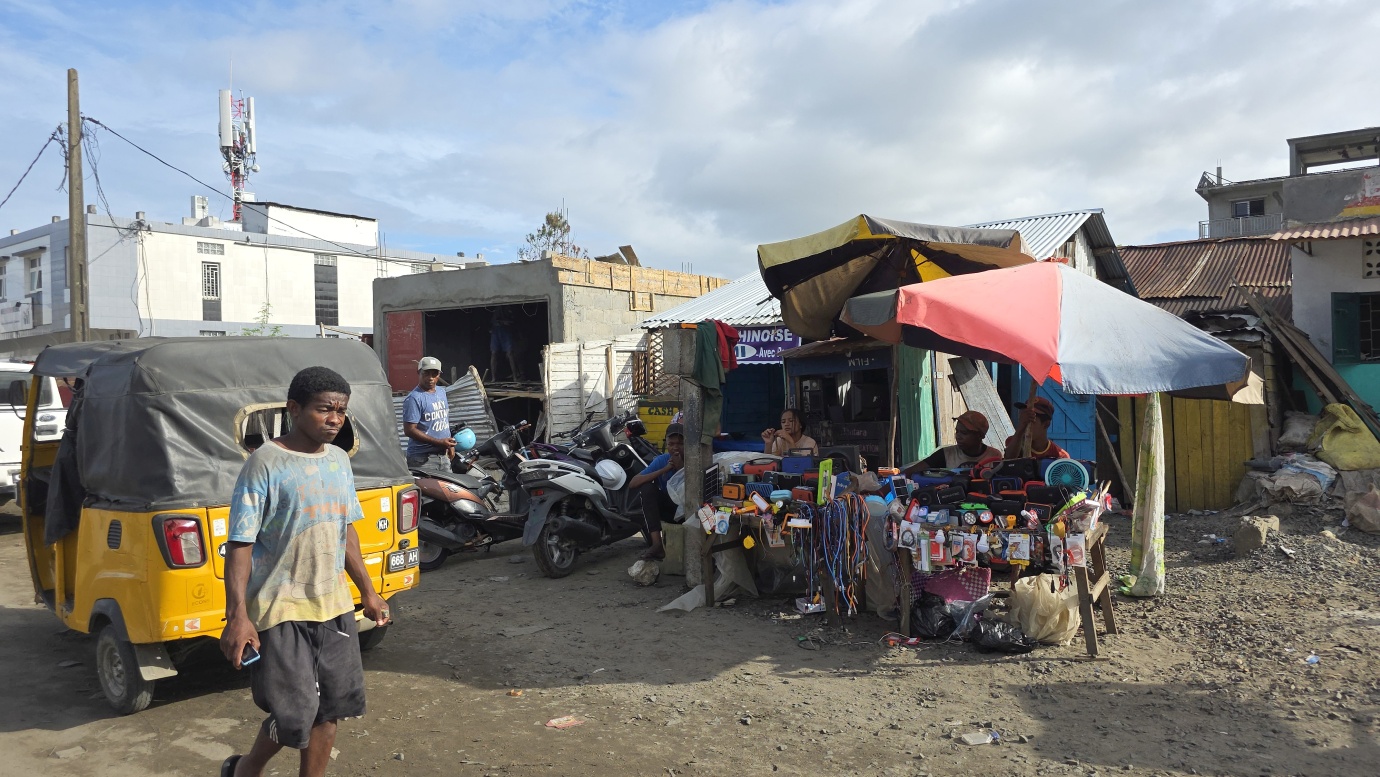
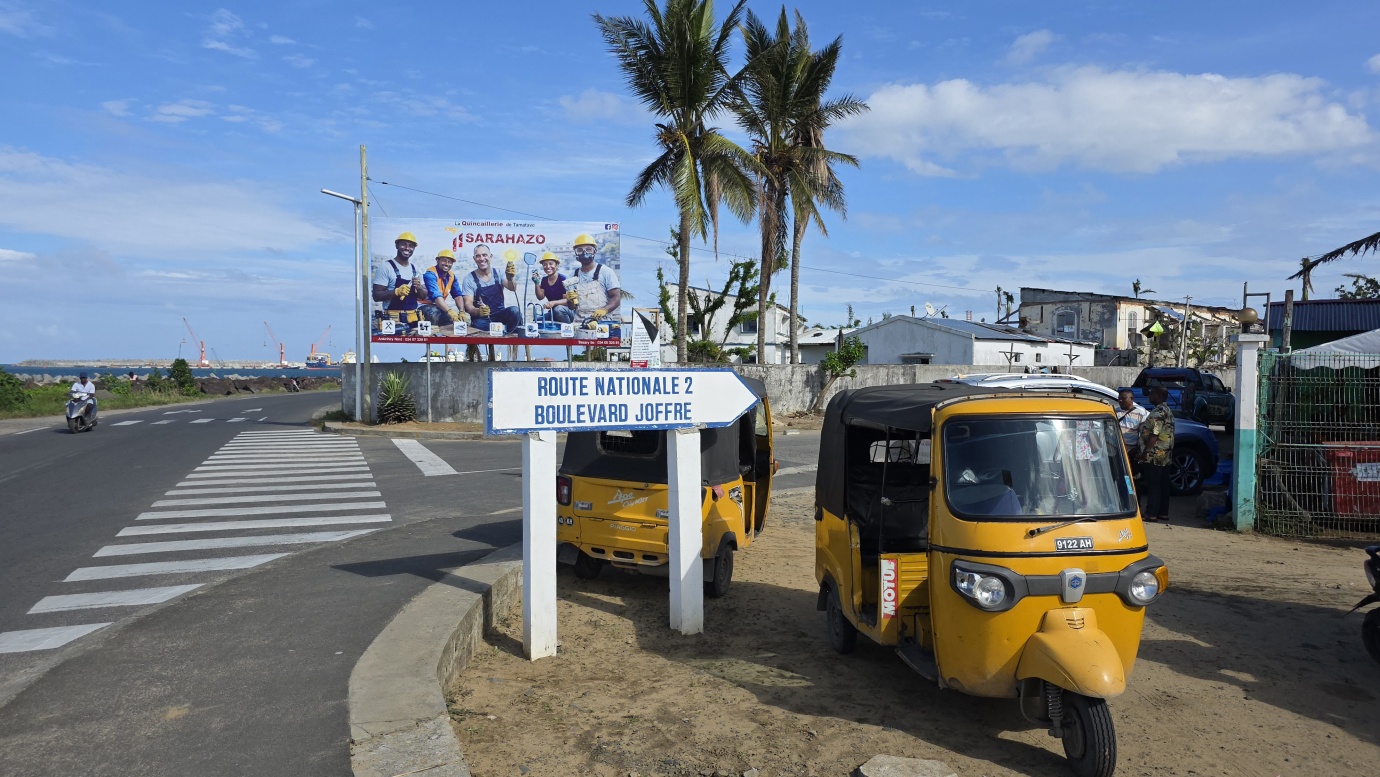
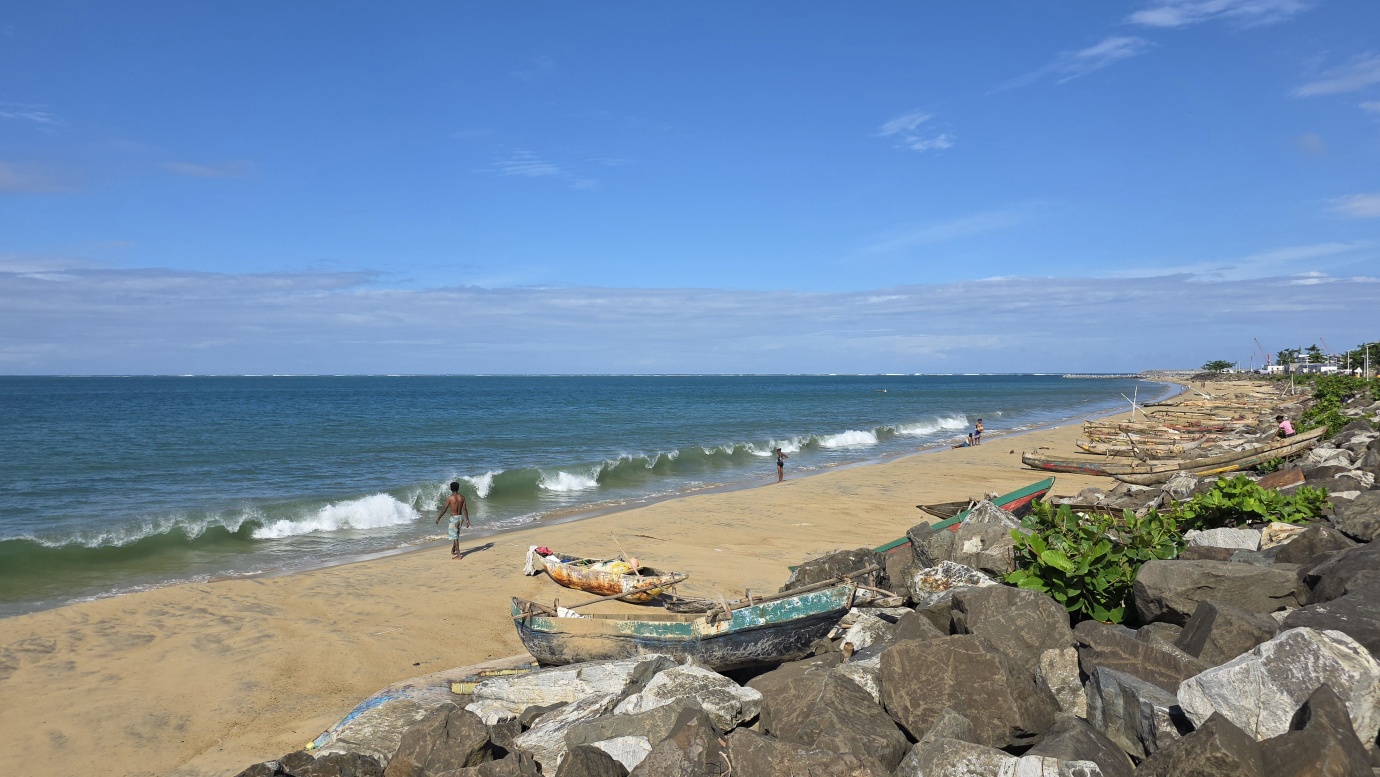
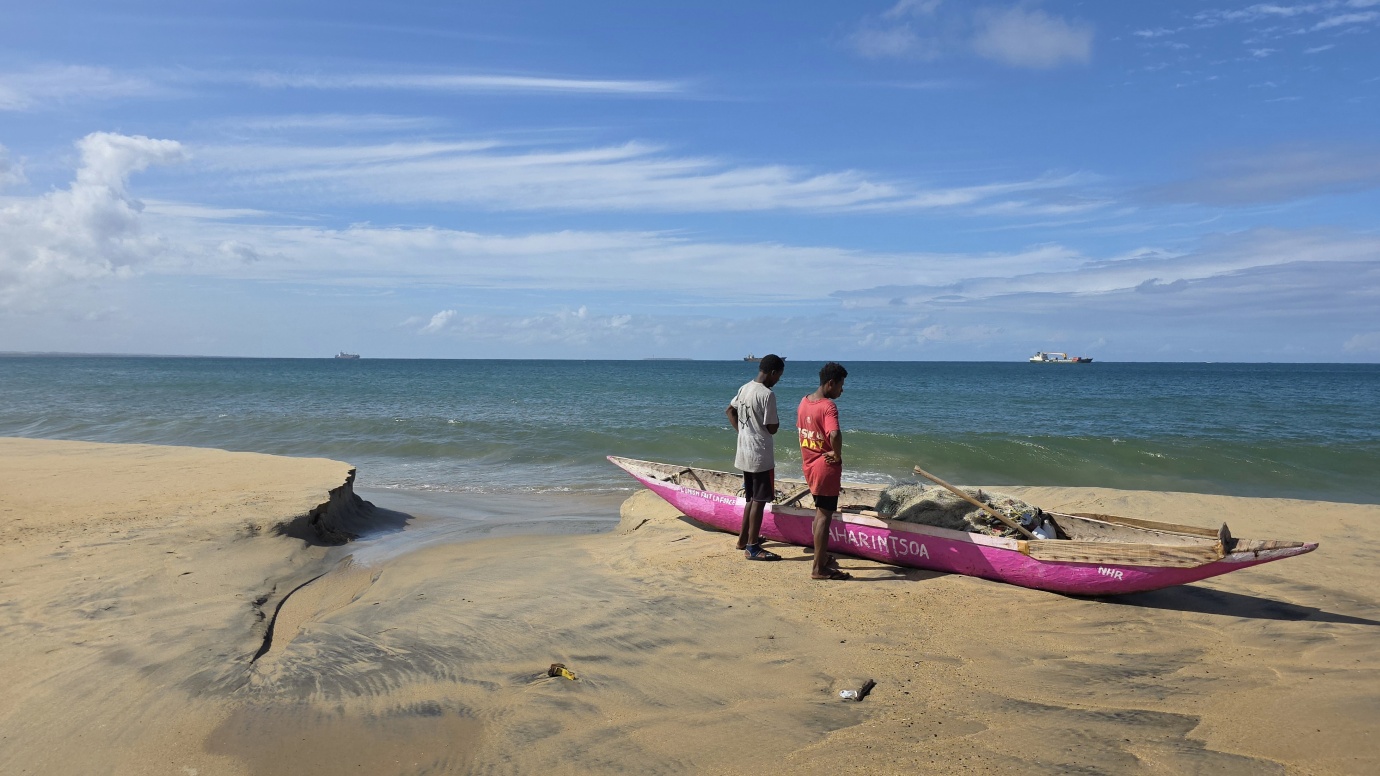
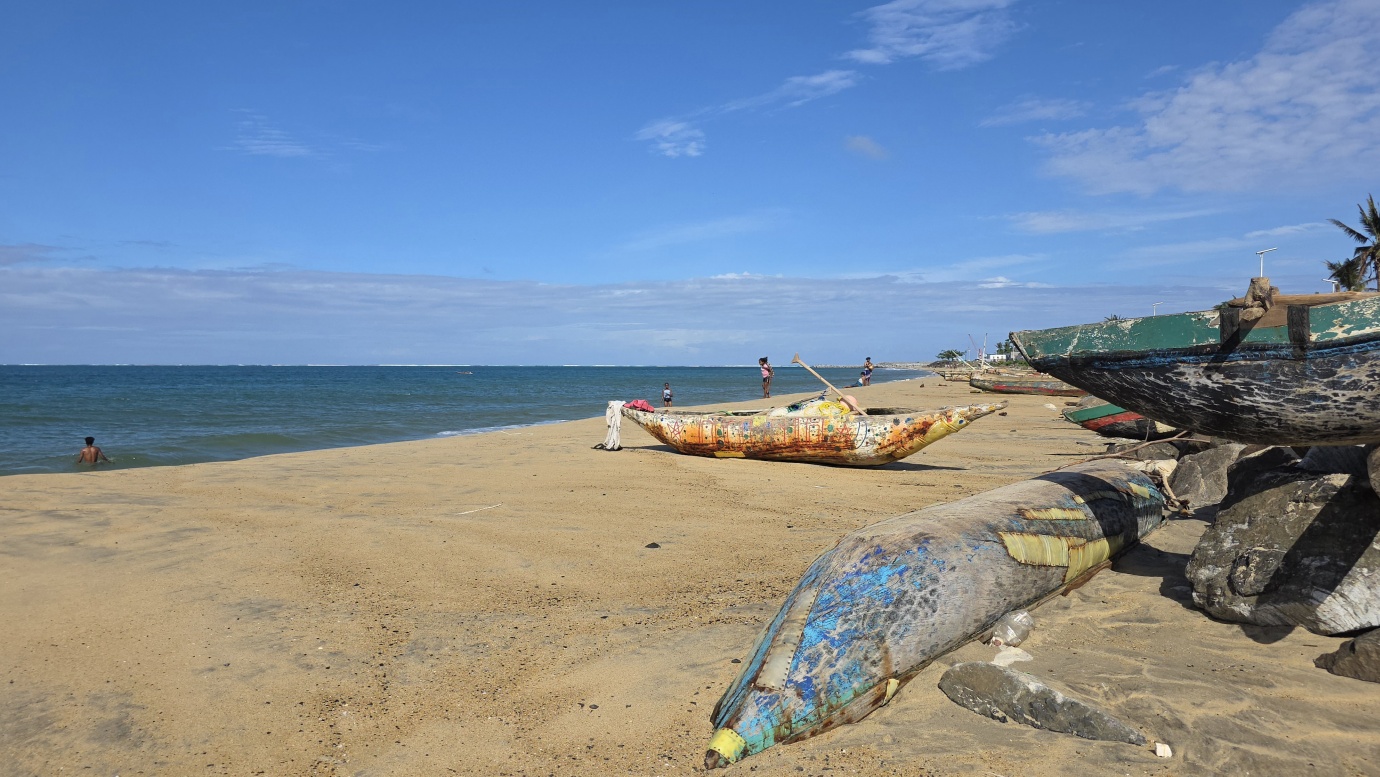
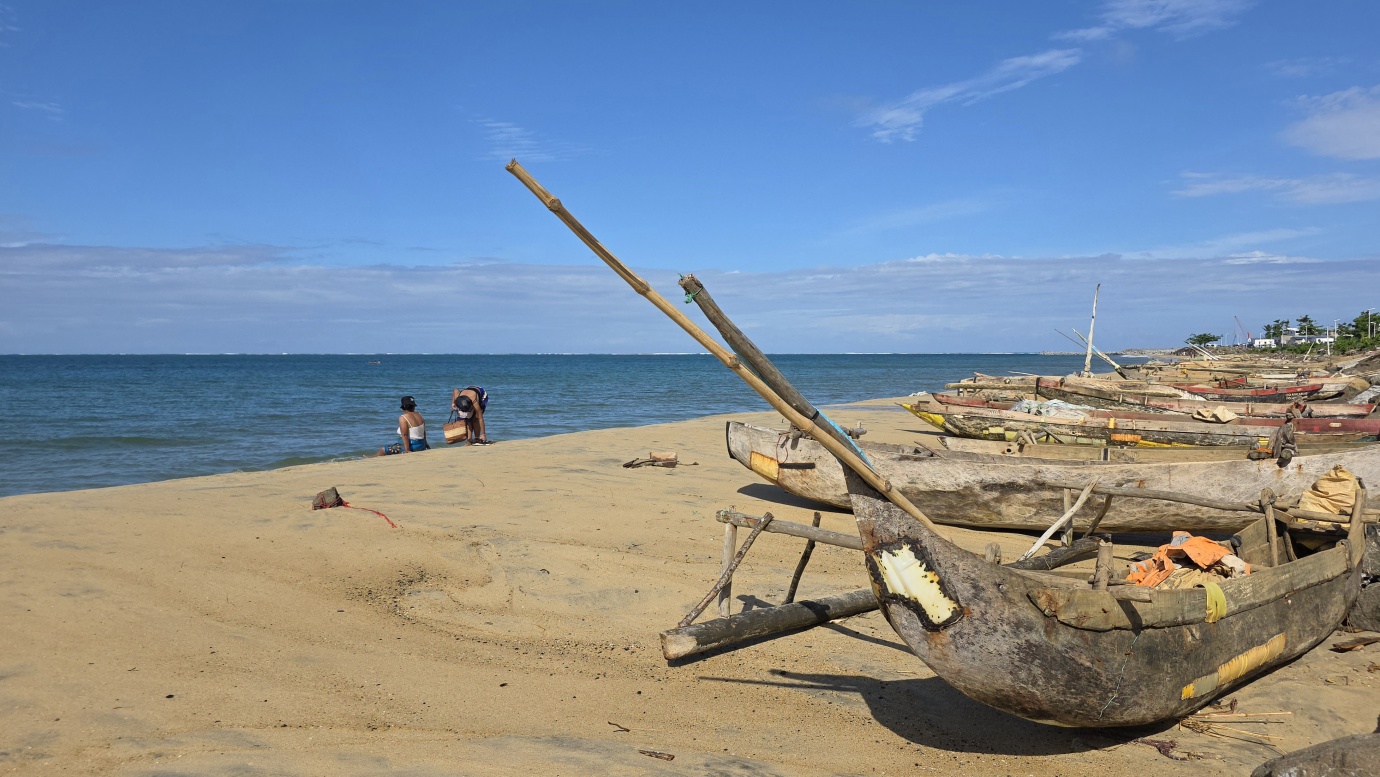
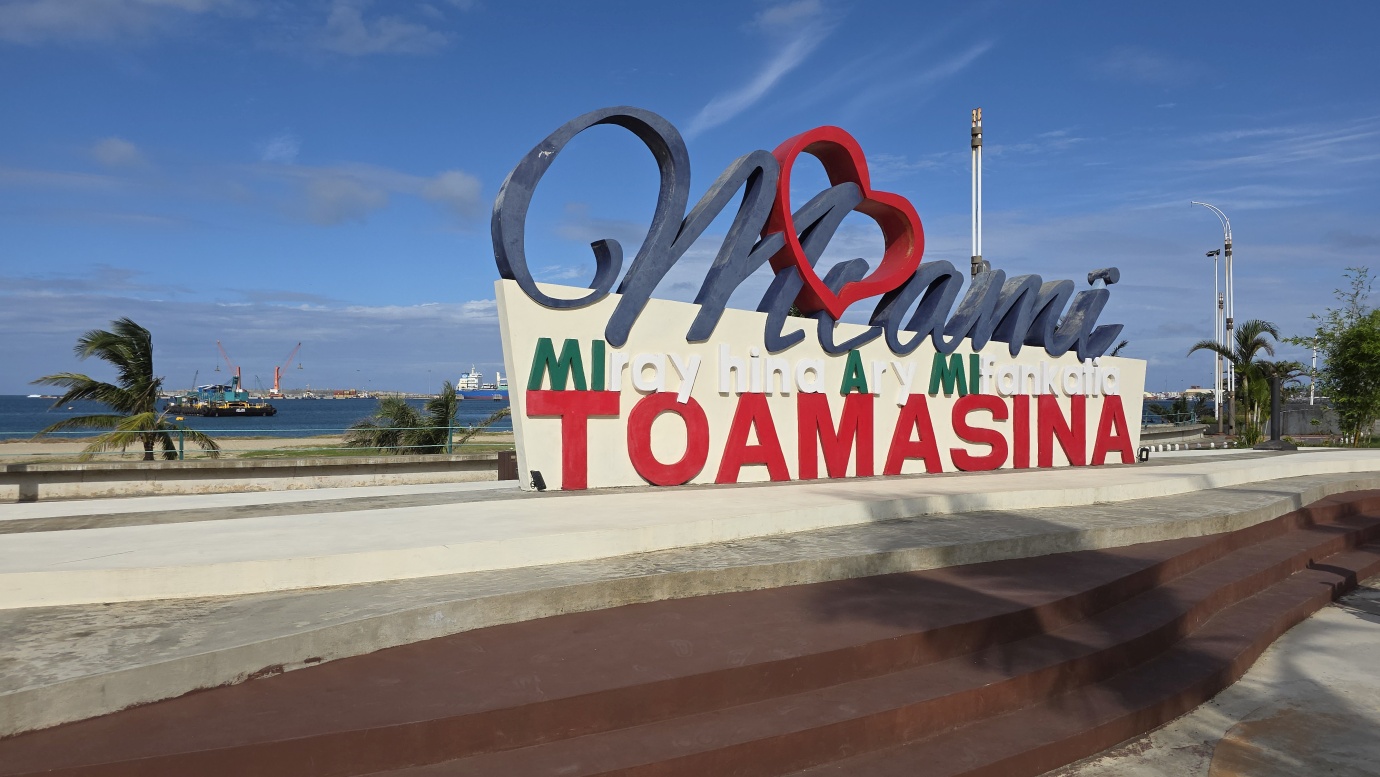
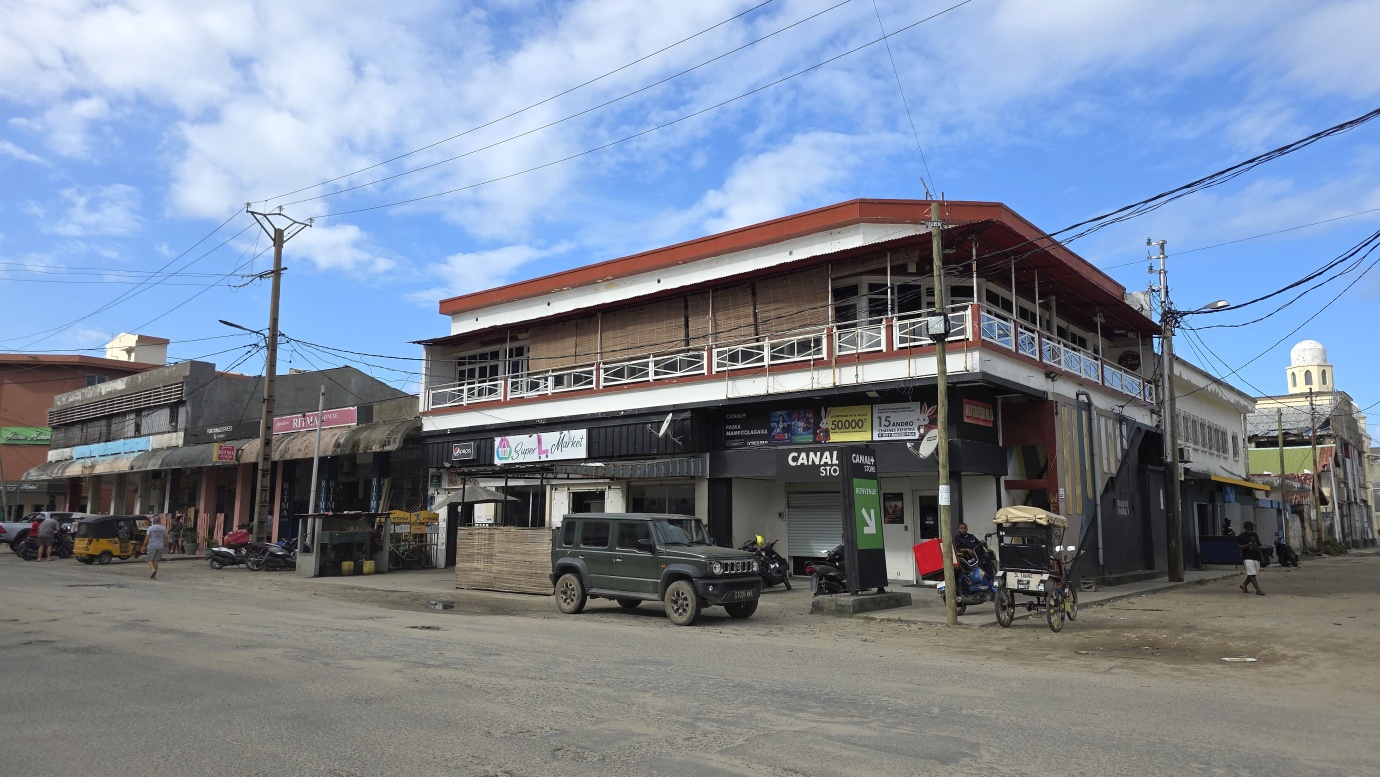
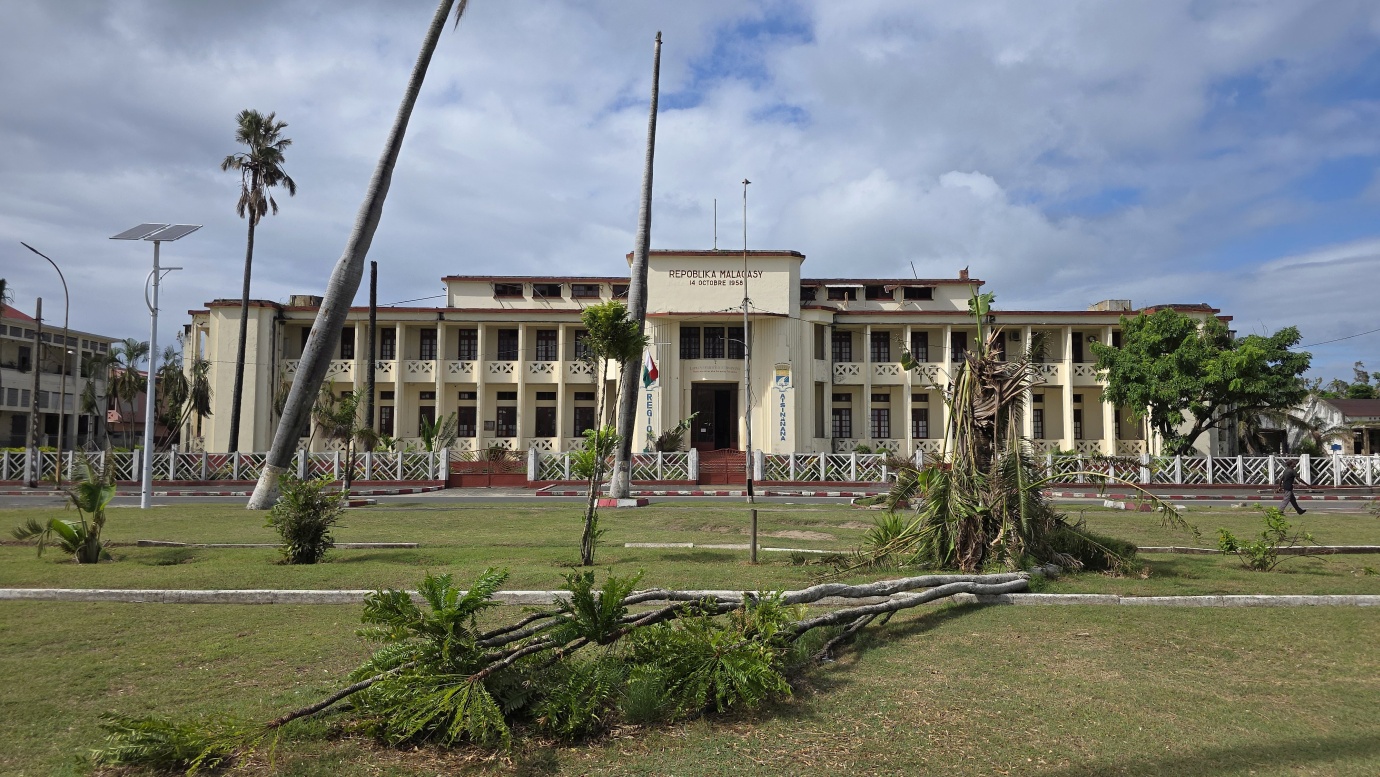
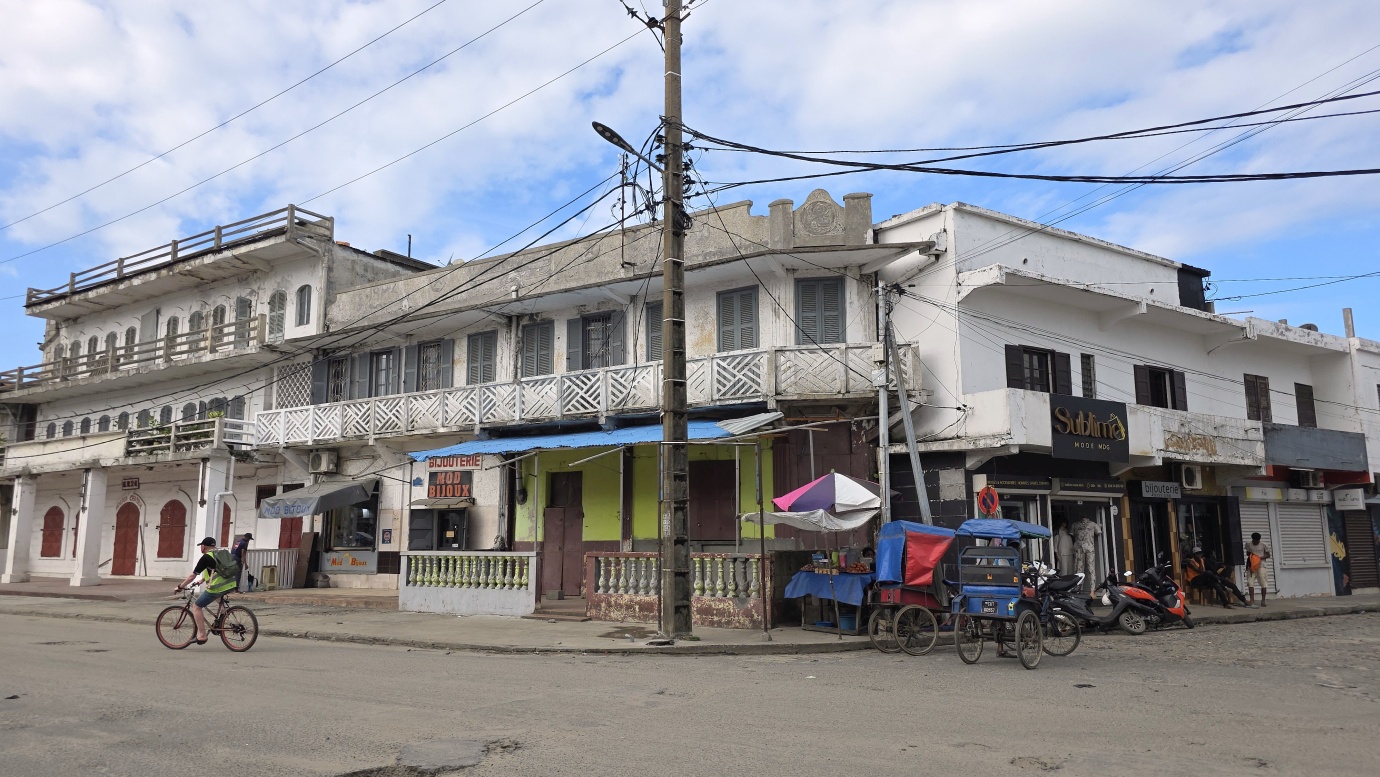
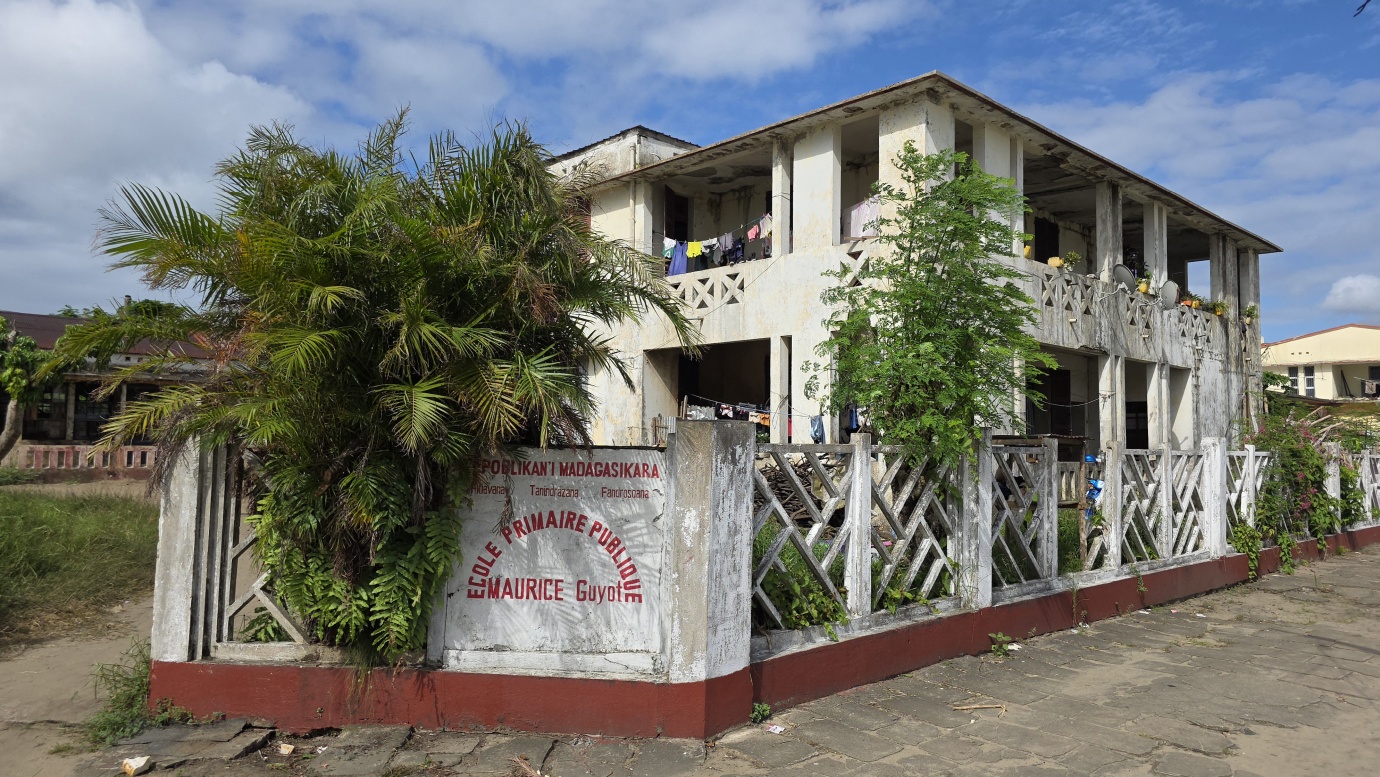
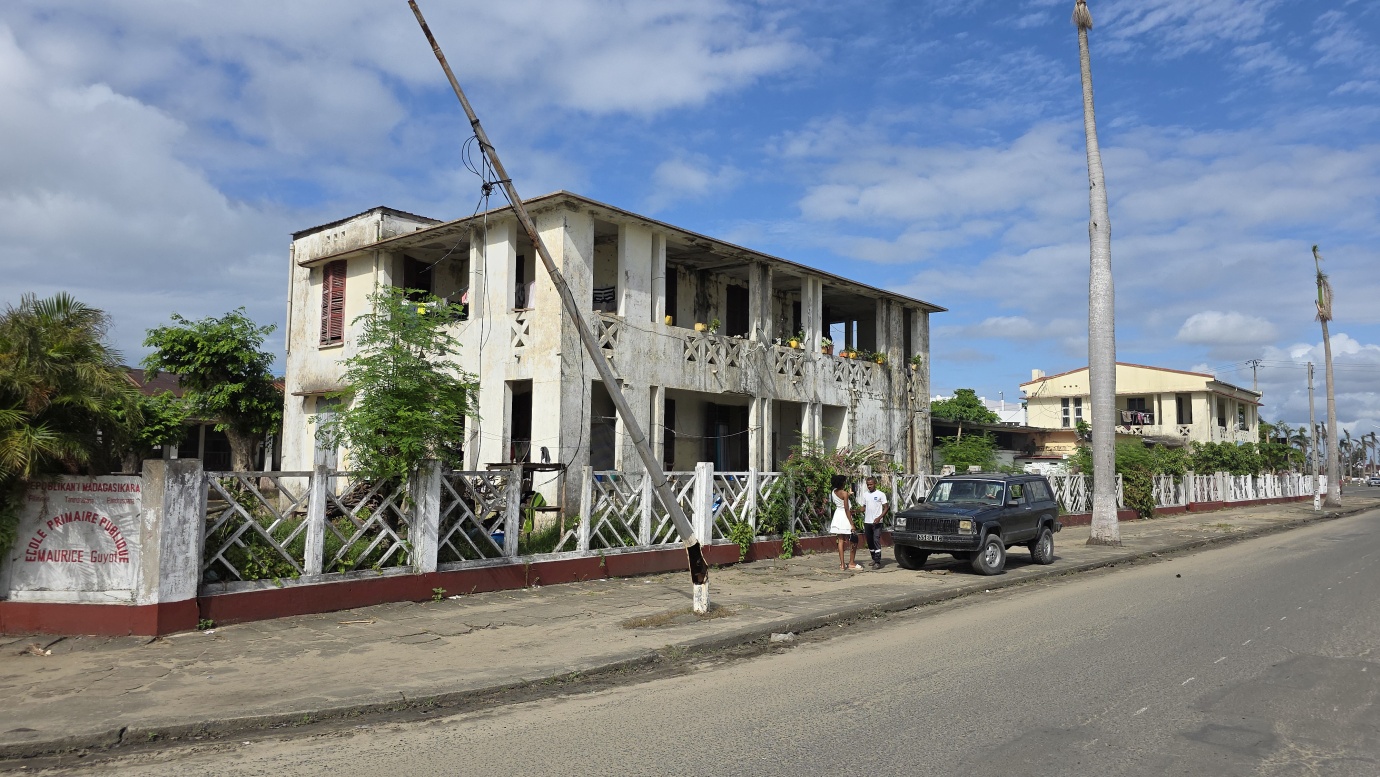
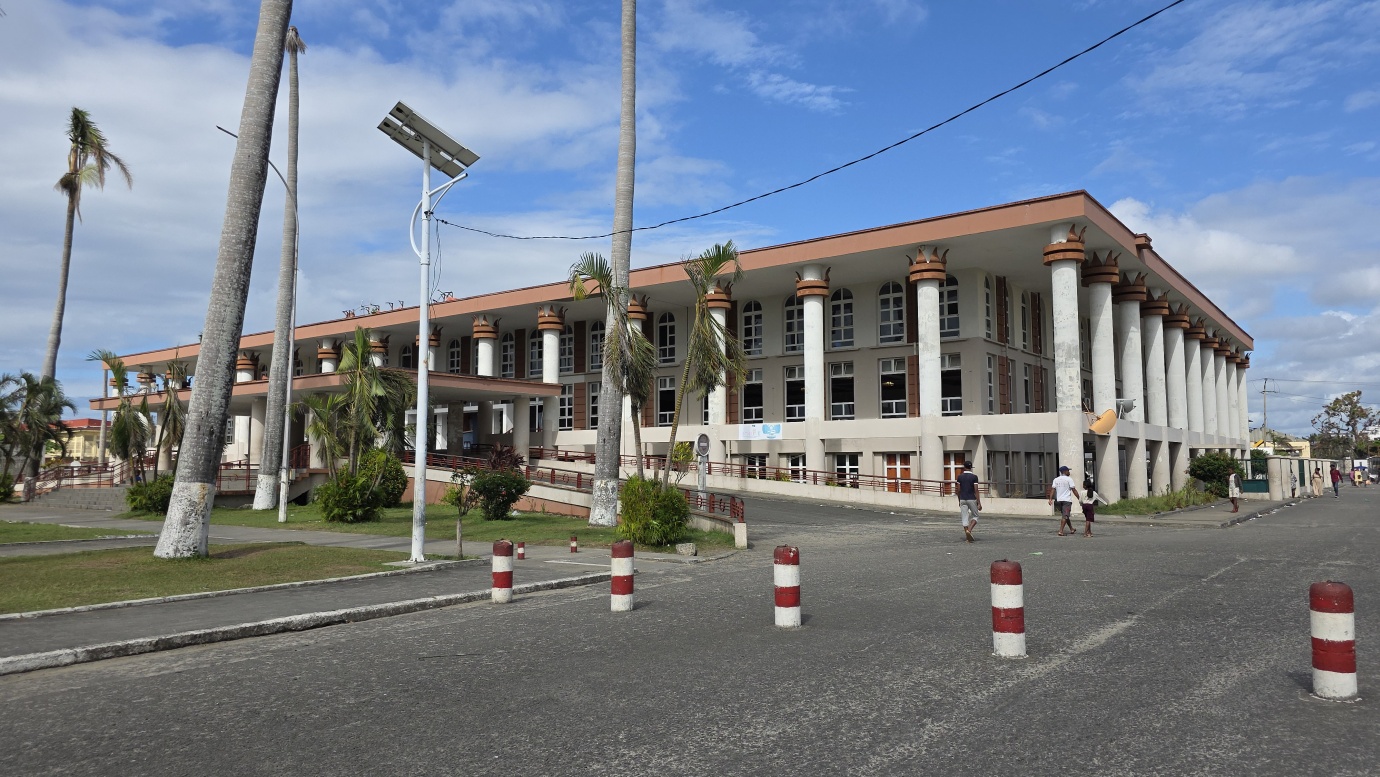
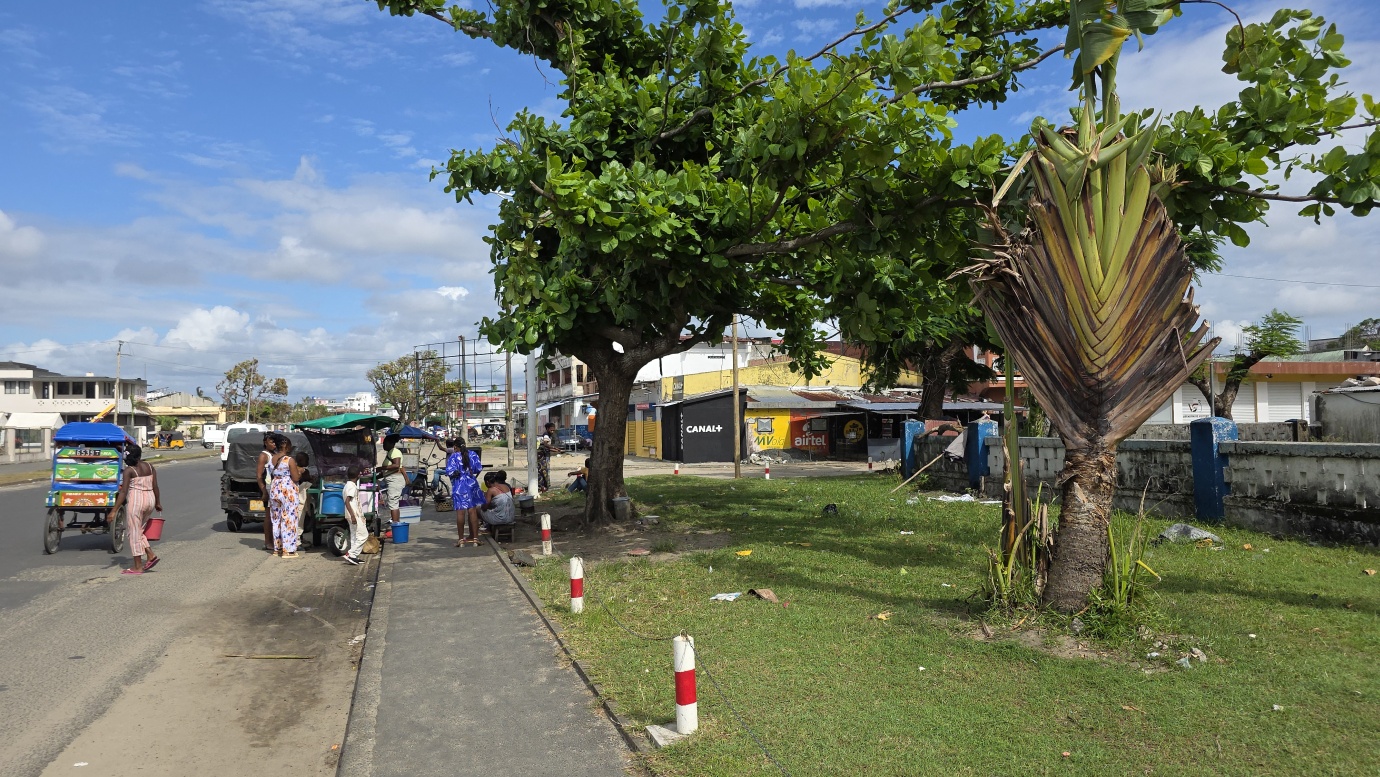
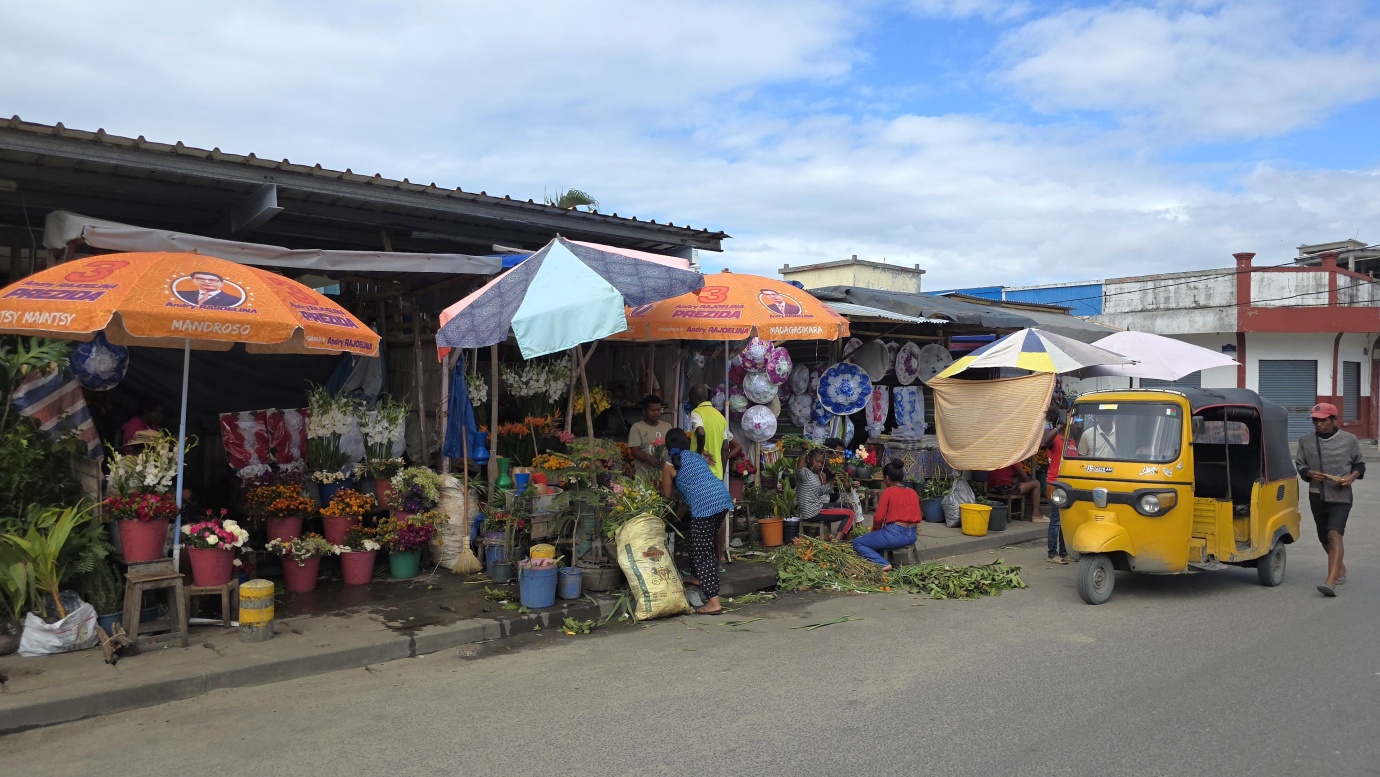
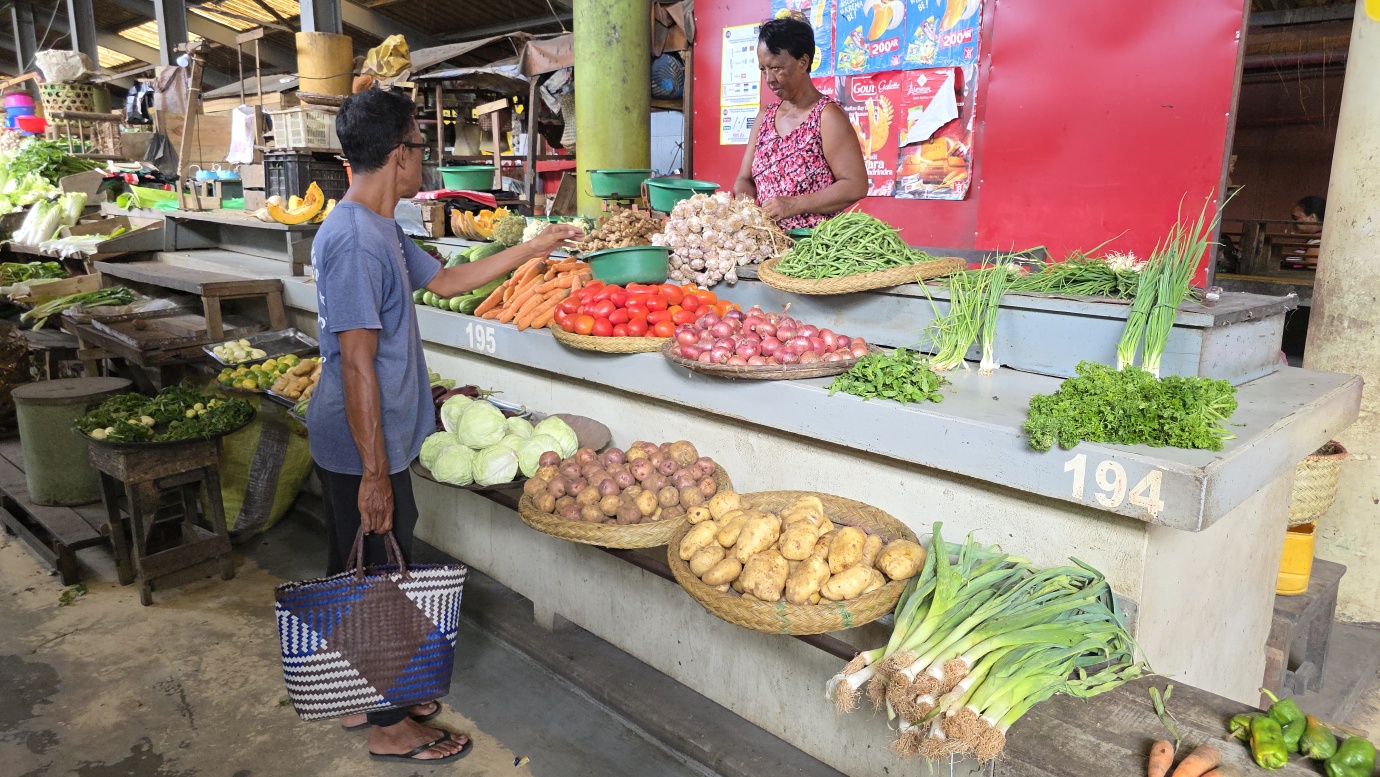
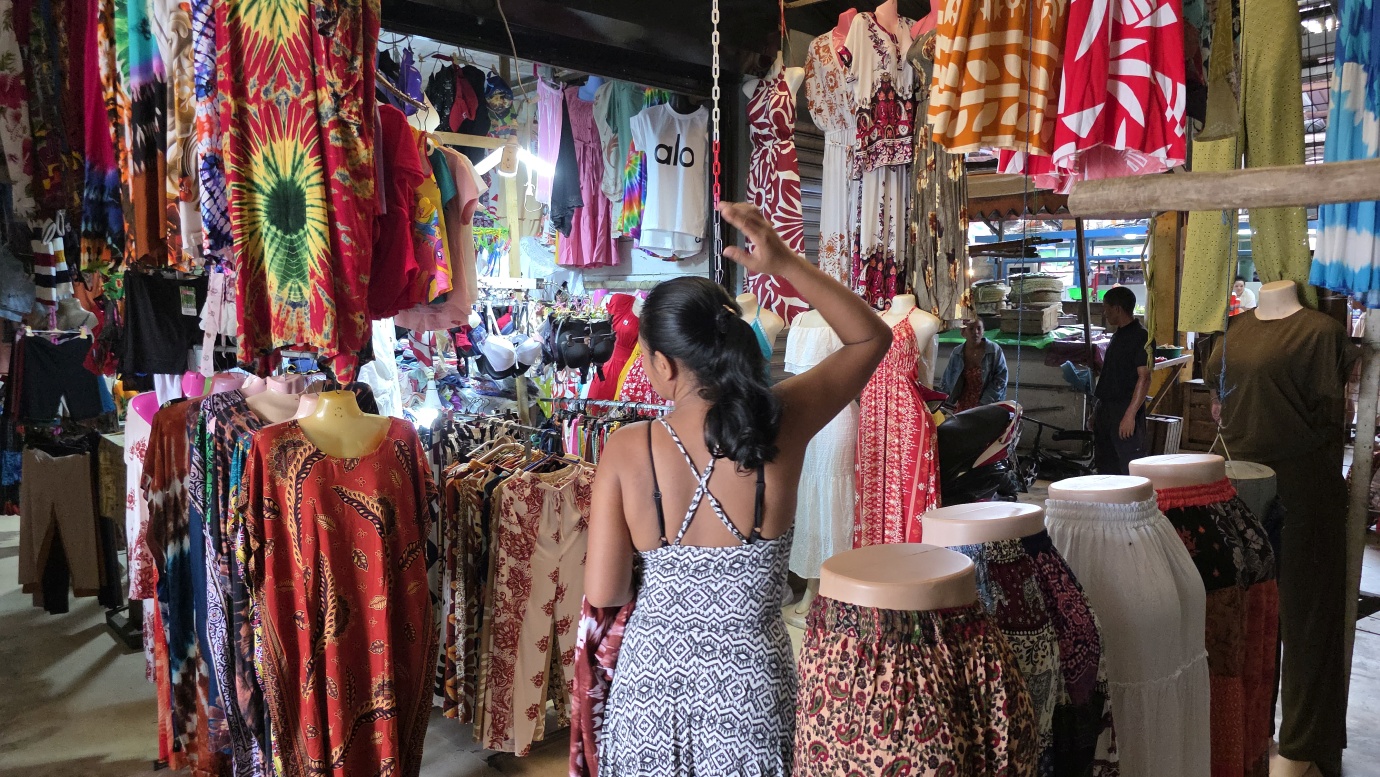
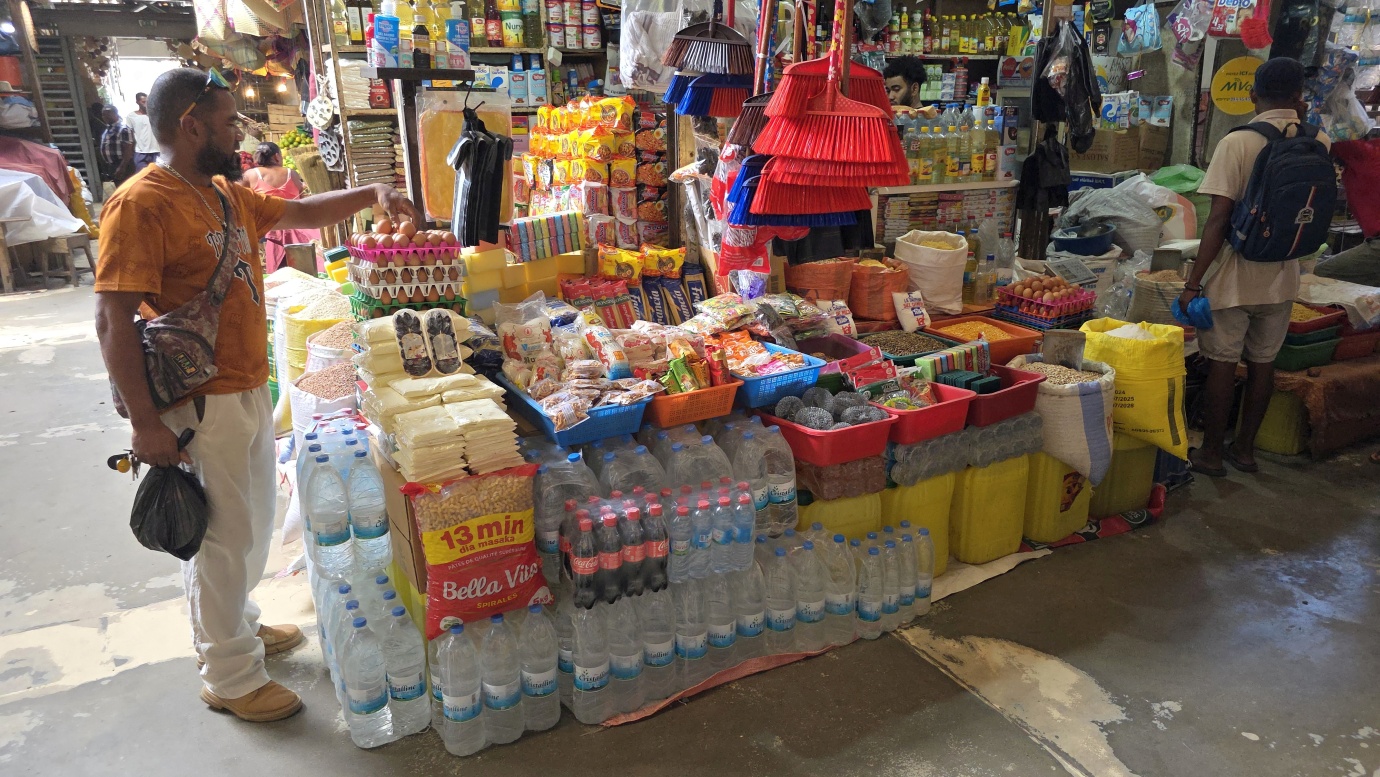
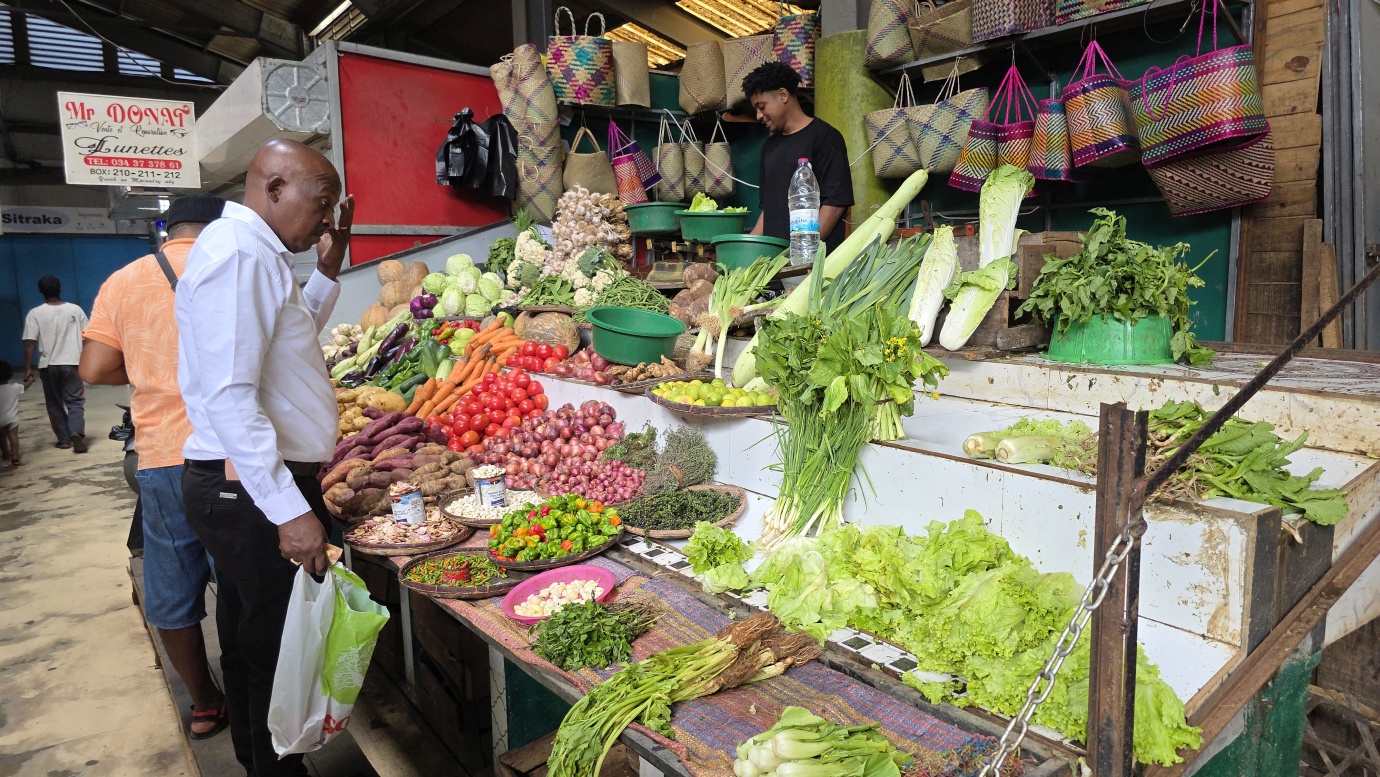
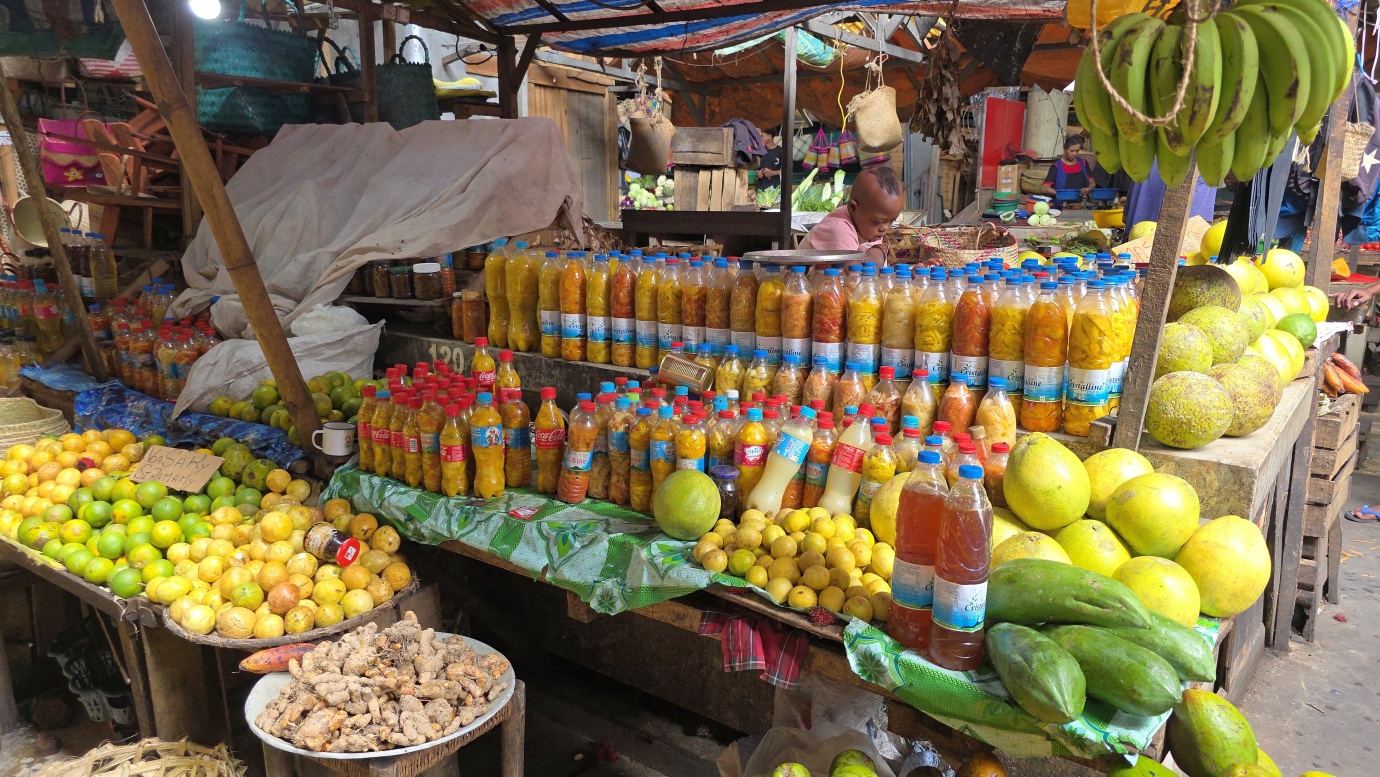
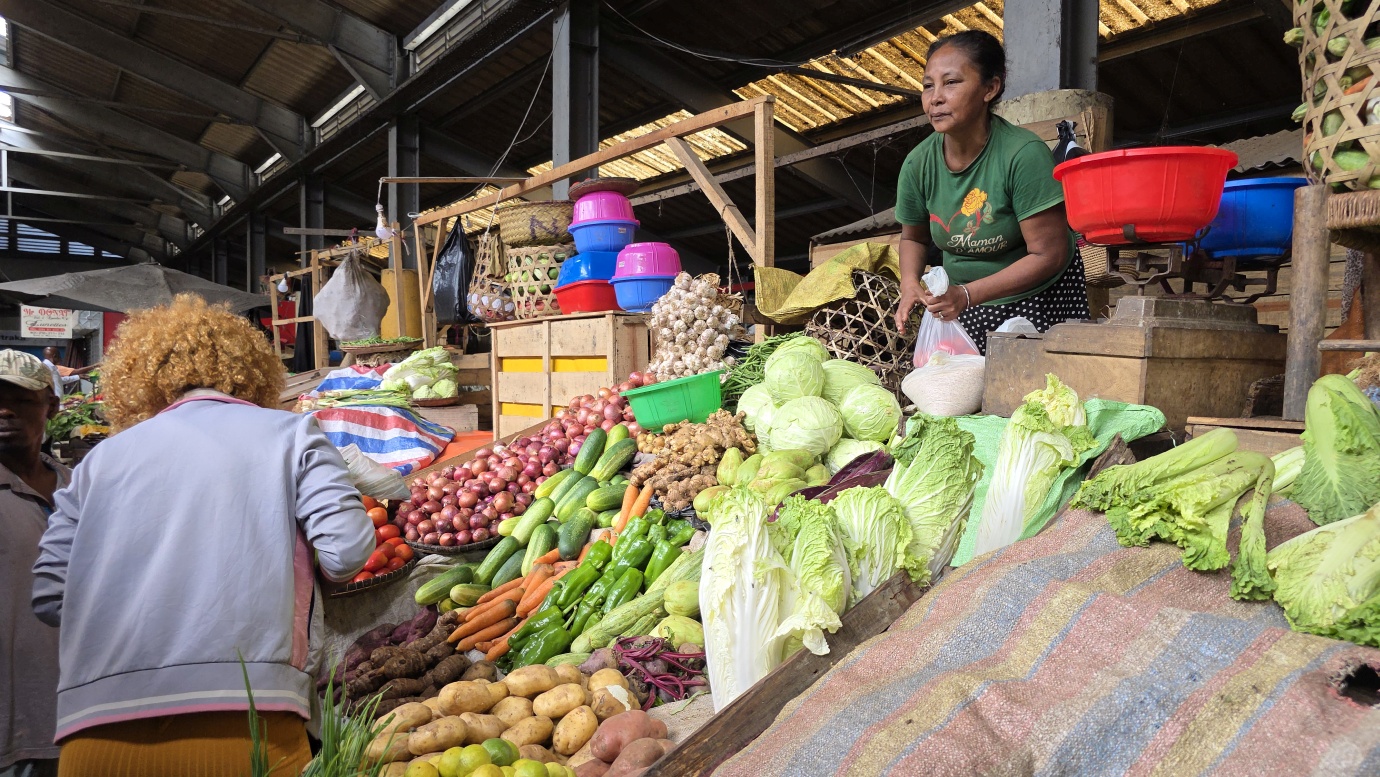
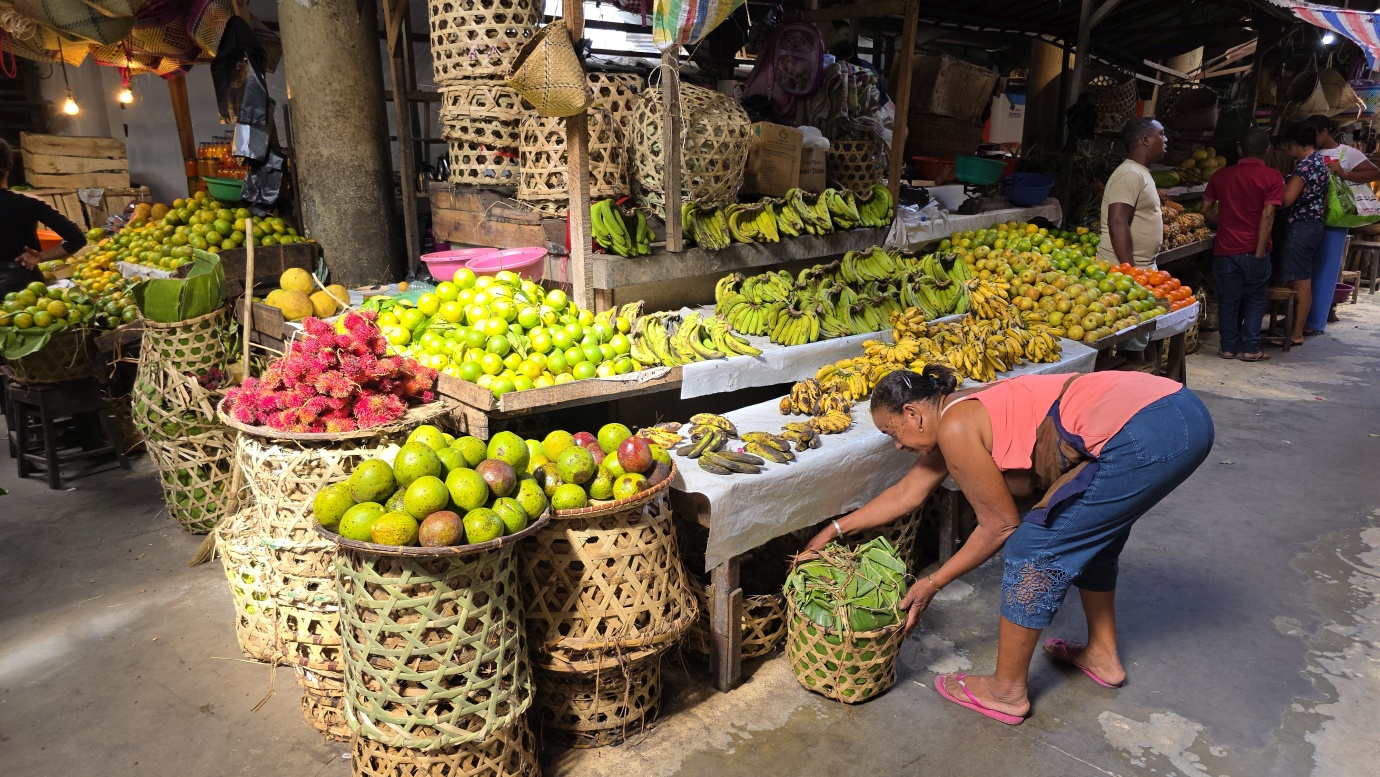
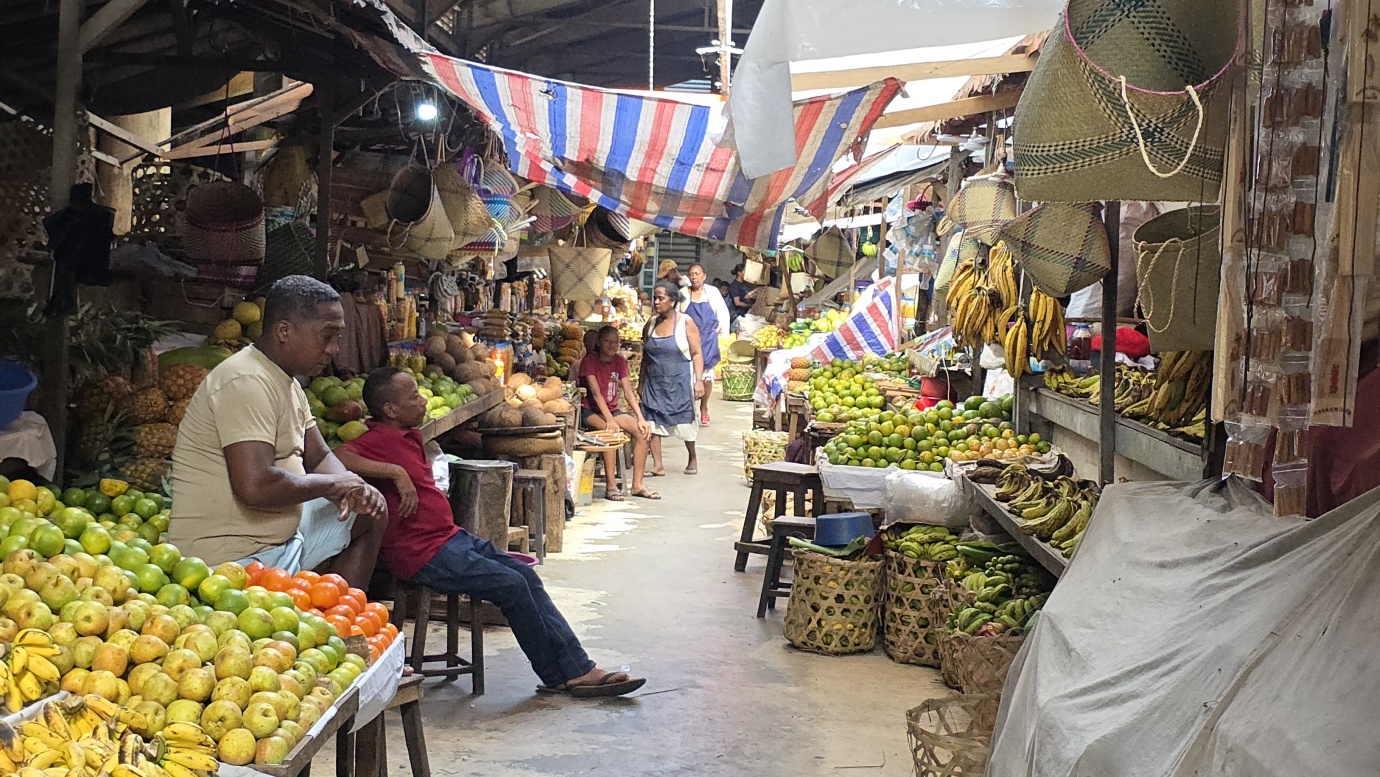
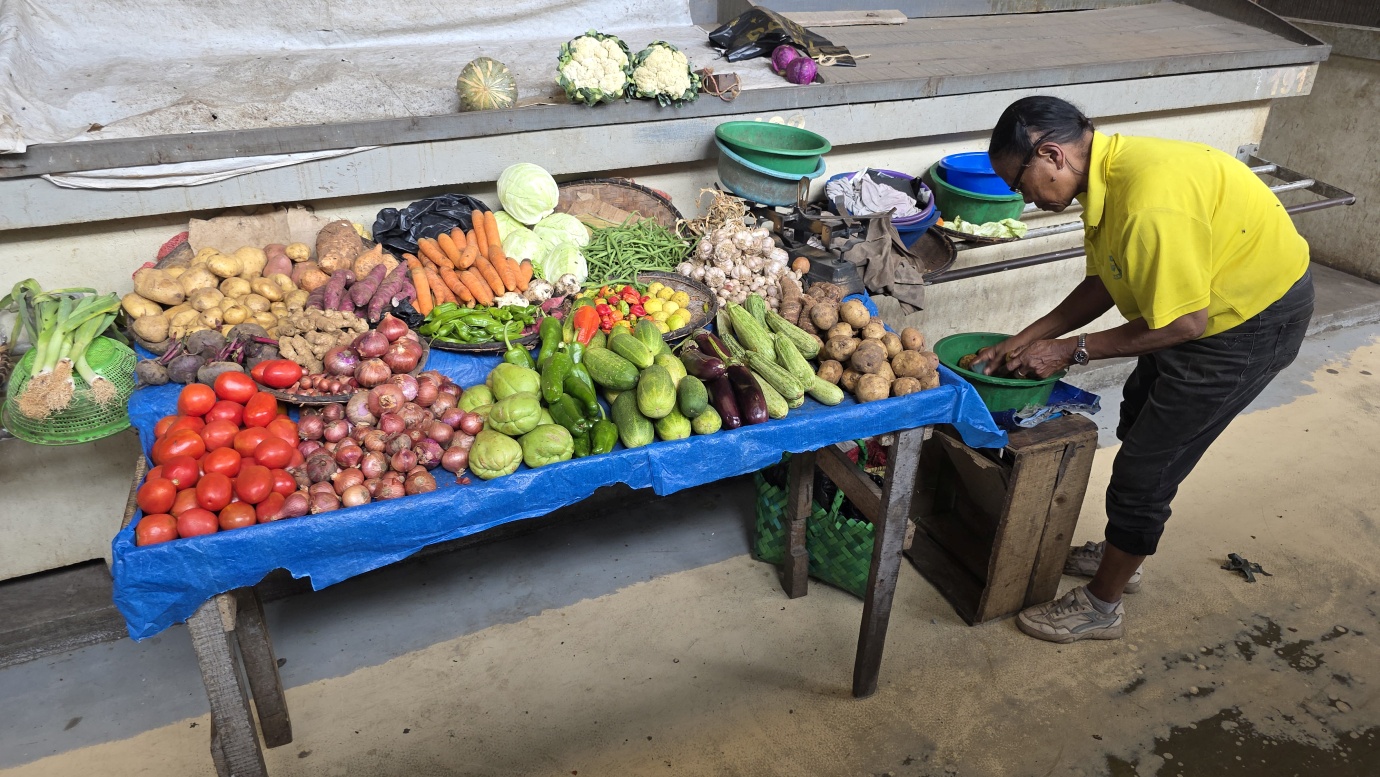
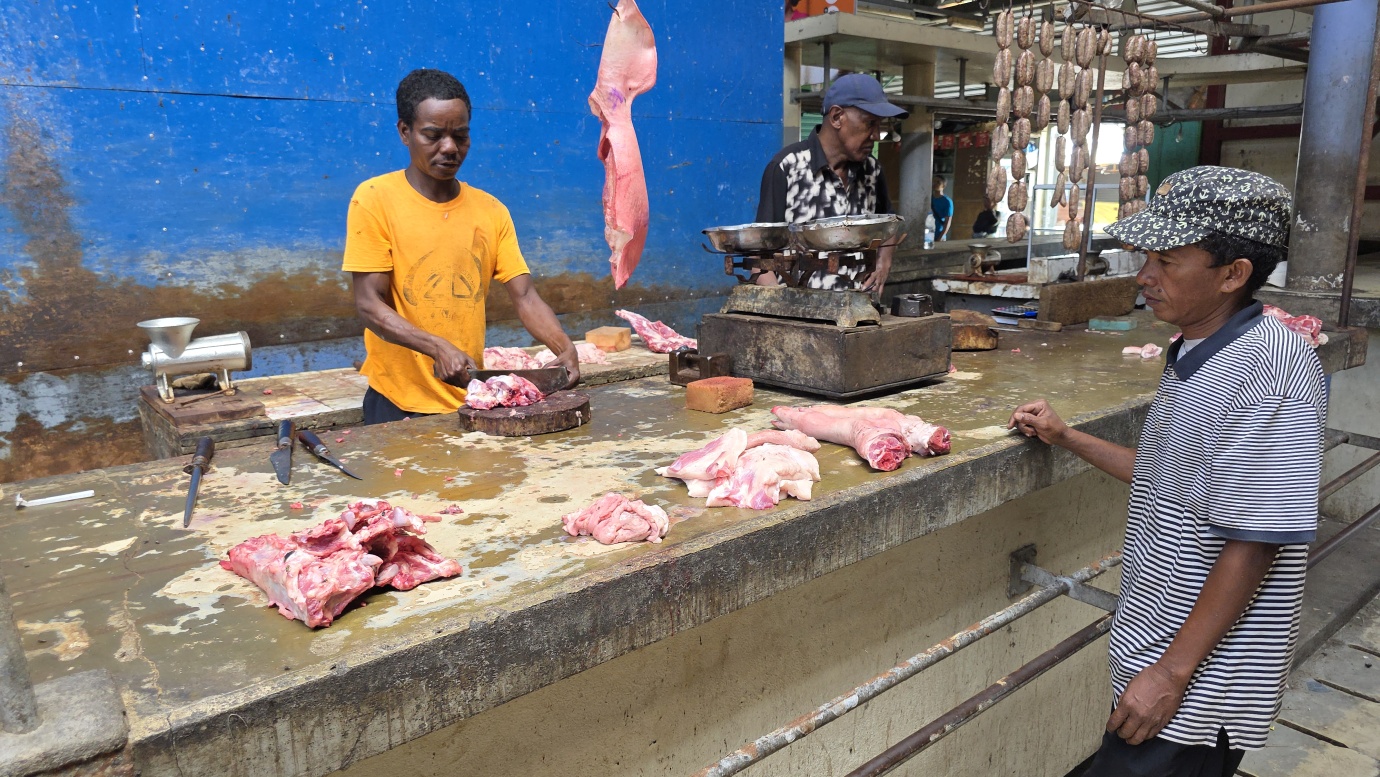
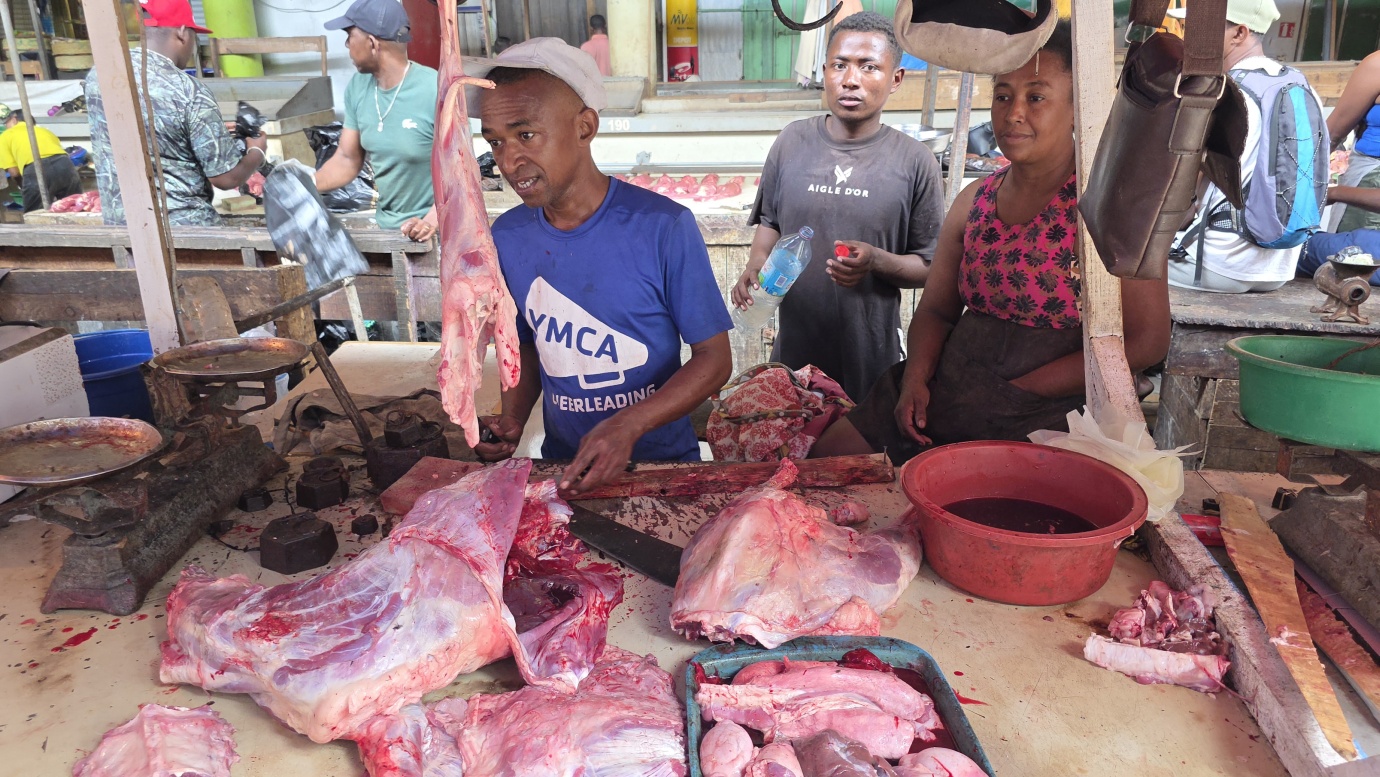
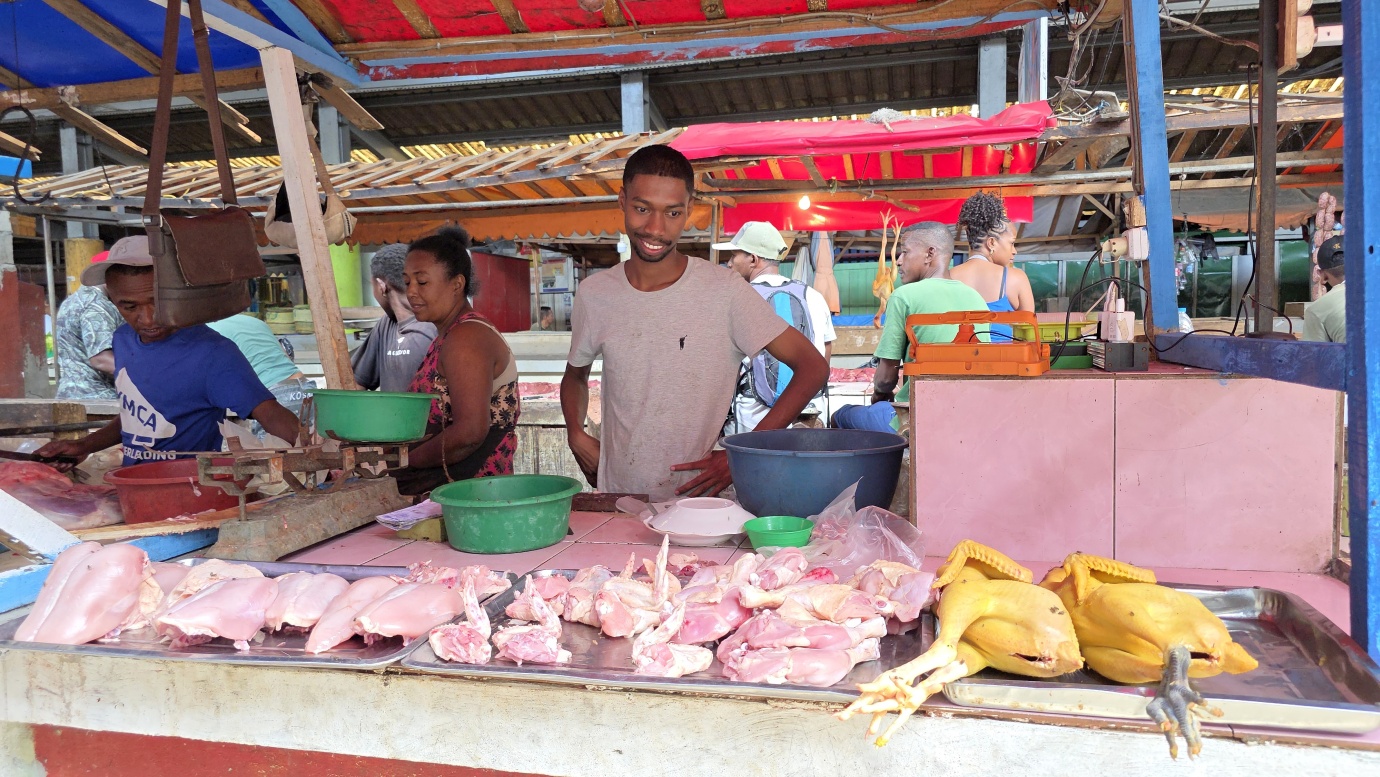
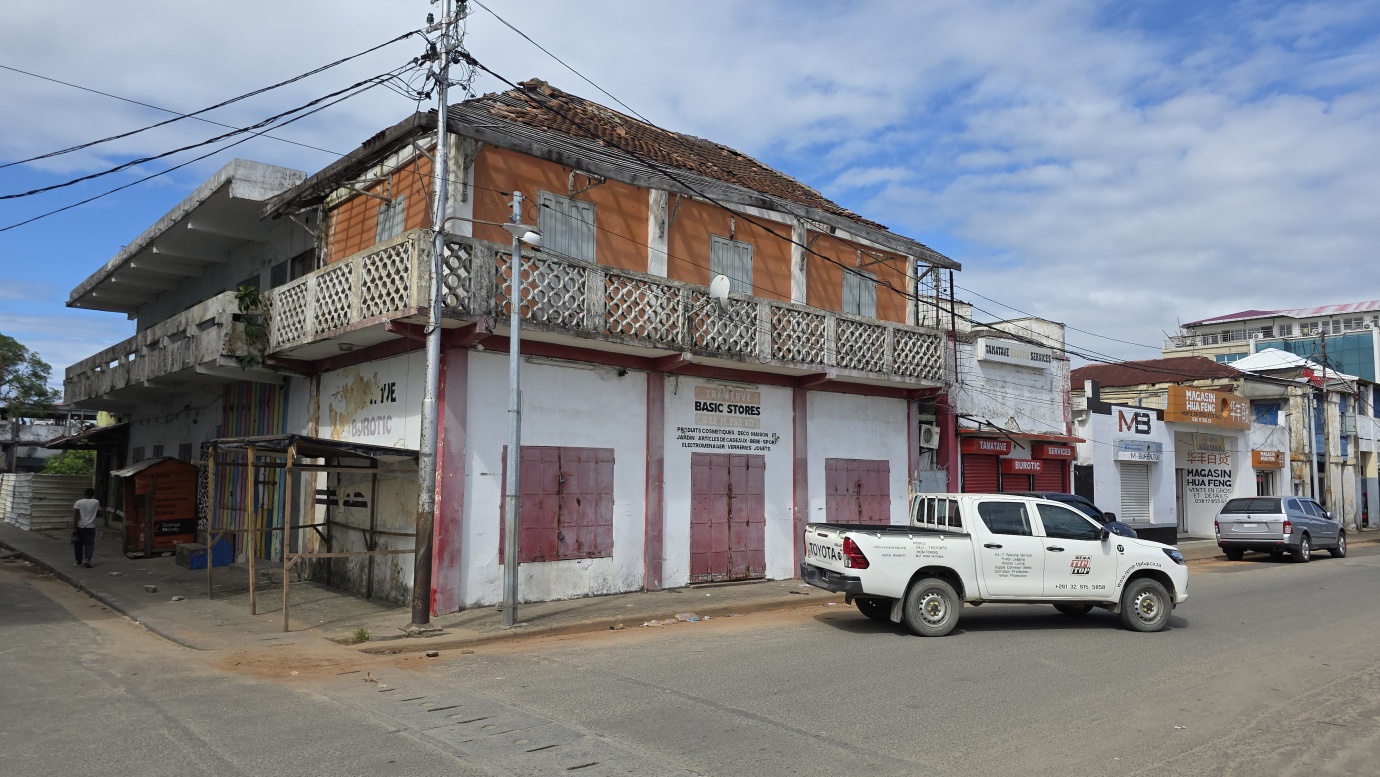
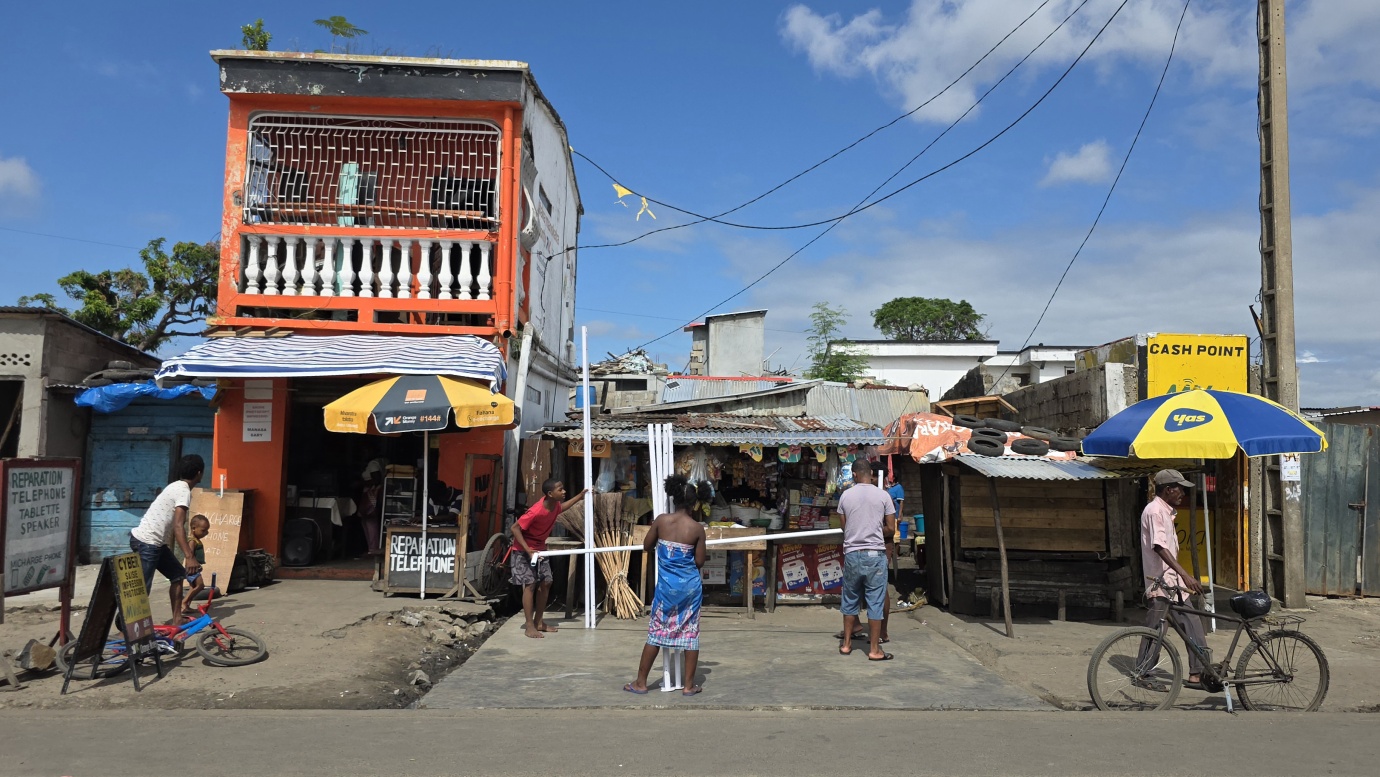
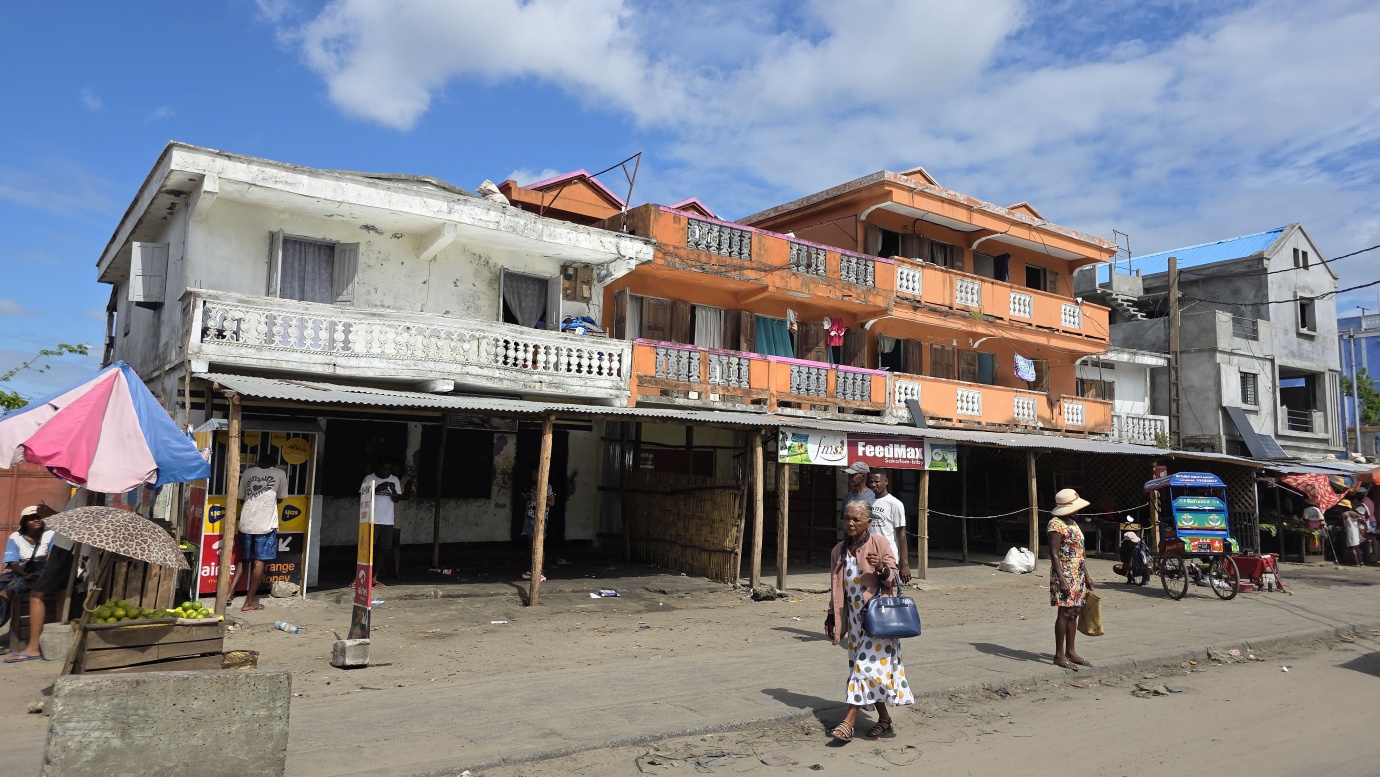
The next afternoon and night, we spent in Toamasina (historically Tamatave). It is Madagascar’s primary seaport and the nation’s second-largest city, serving as its commercial gateway. Founded in the 18th century, it became a major trading hub in 1817 under King Radama I and was later developed by French colonists. It is known for its colonial architecture, “Bazary Be” market, and tropical, cyclone-prone climate.
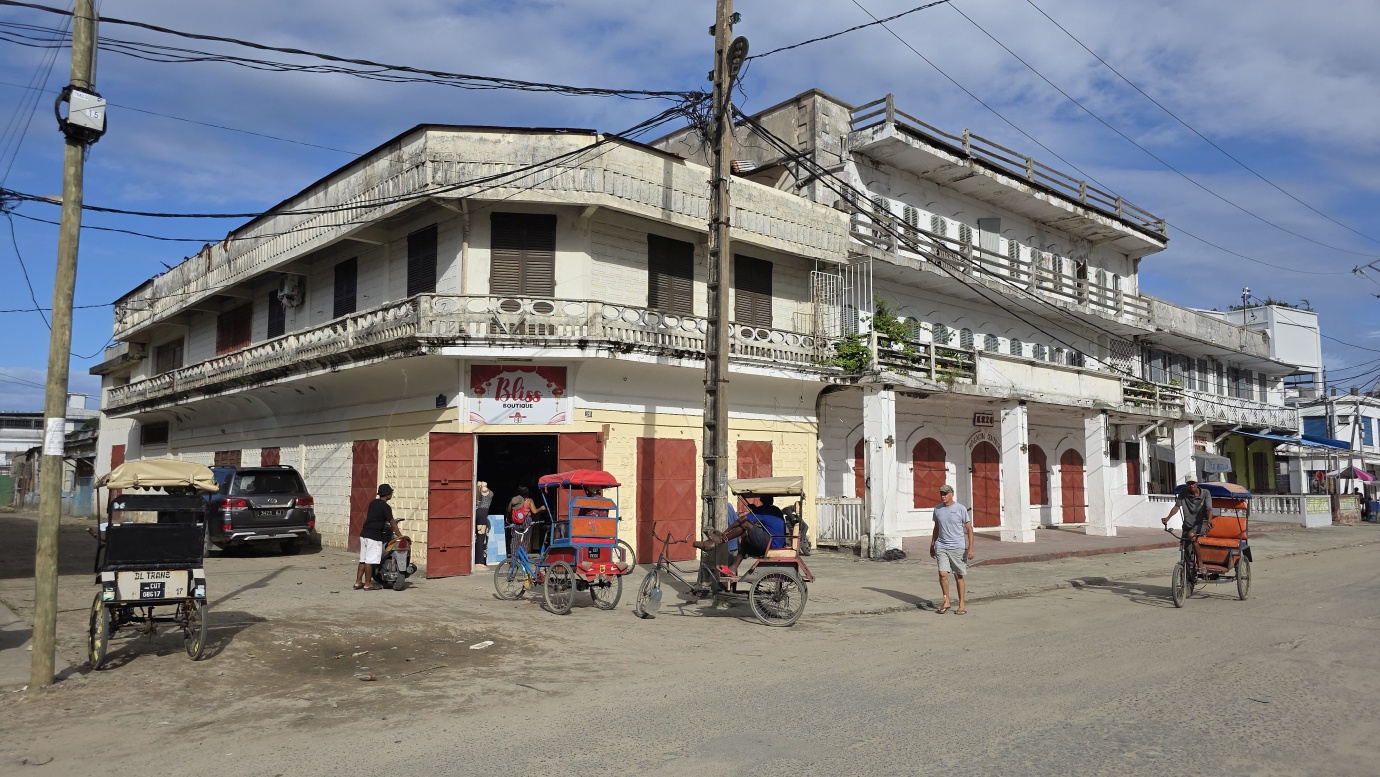
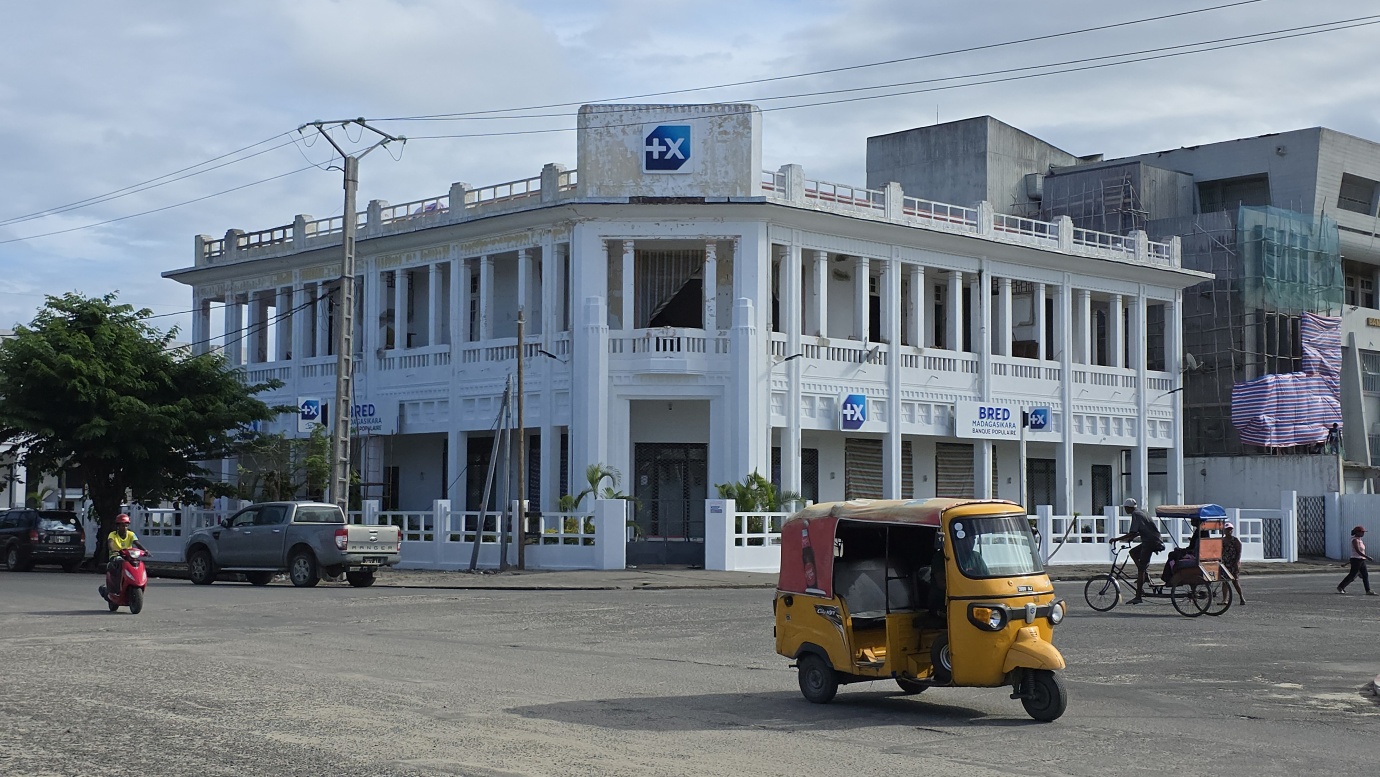
Originally known as “Port-Aux-Prunes” (Plum Port) in the 17th century, it developed into a bustling trading post in the 18th century. In 1817, under King Radama I, Toamasina was established as a key trade hub, especially for goods moving between the interior of Madagascar and foreign countries. Taken by French colonists in the late 19th century, it became a strategic base for expansion into the interior, resulting in a distinct architectural mix of colonial buildings on stilts.
During the 19th and early 20th centuries, it was a hub for trade in vanilla, gold dust, and hides. The city was severely damaged by a cyclone in 1927 and was rebuilt to become a modern commercial centre. Owing to its swampy soil, the town frequently suffered from epidemics, including plagues in 1898 and 1900, prompting improvements in the colonial period.
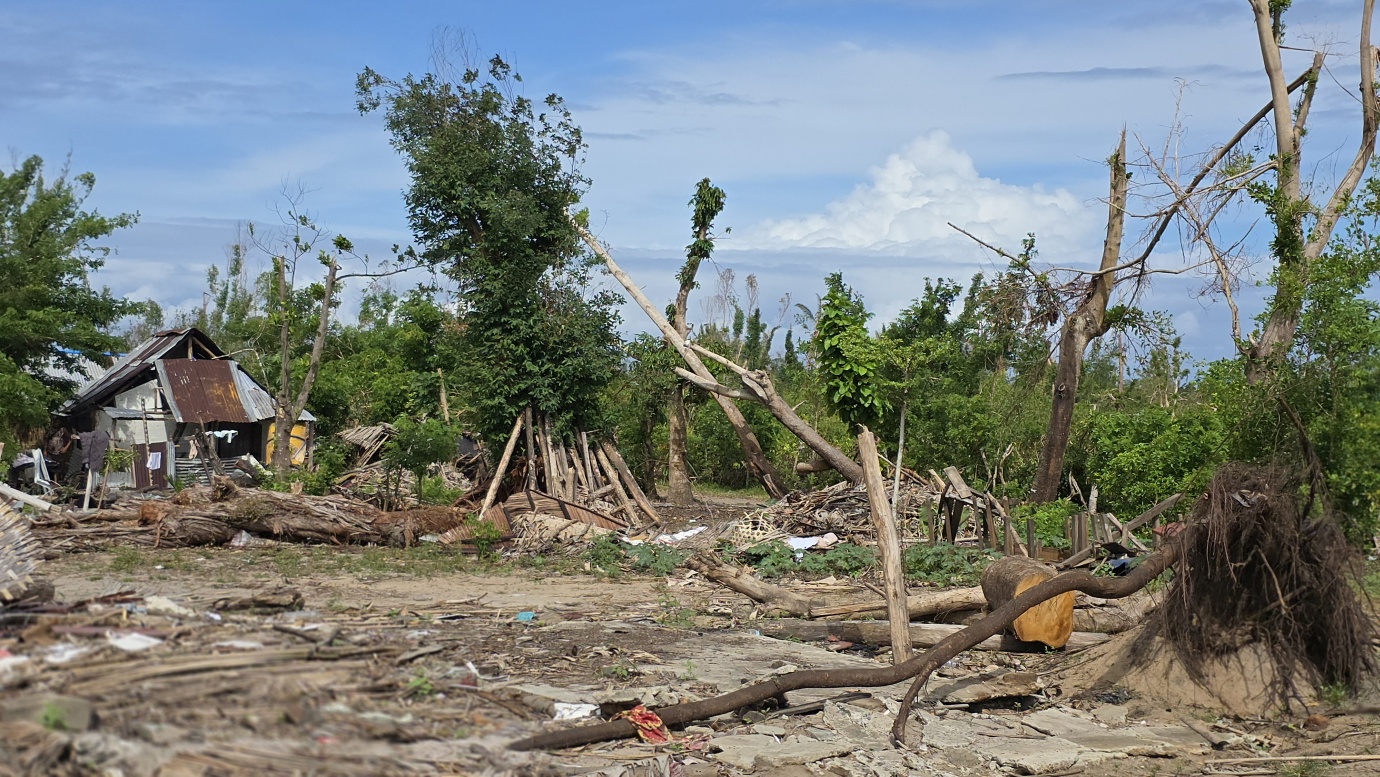
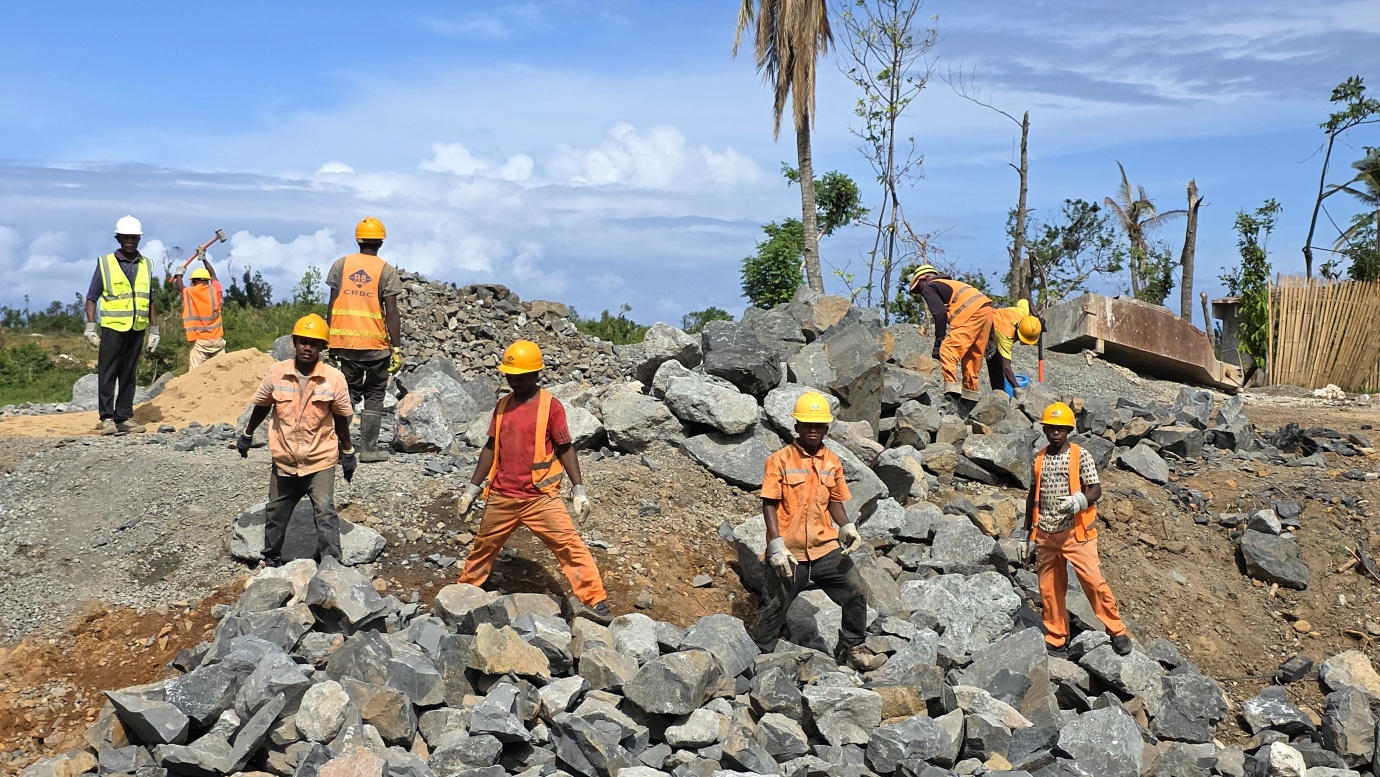
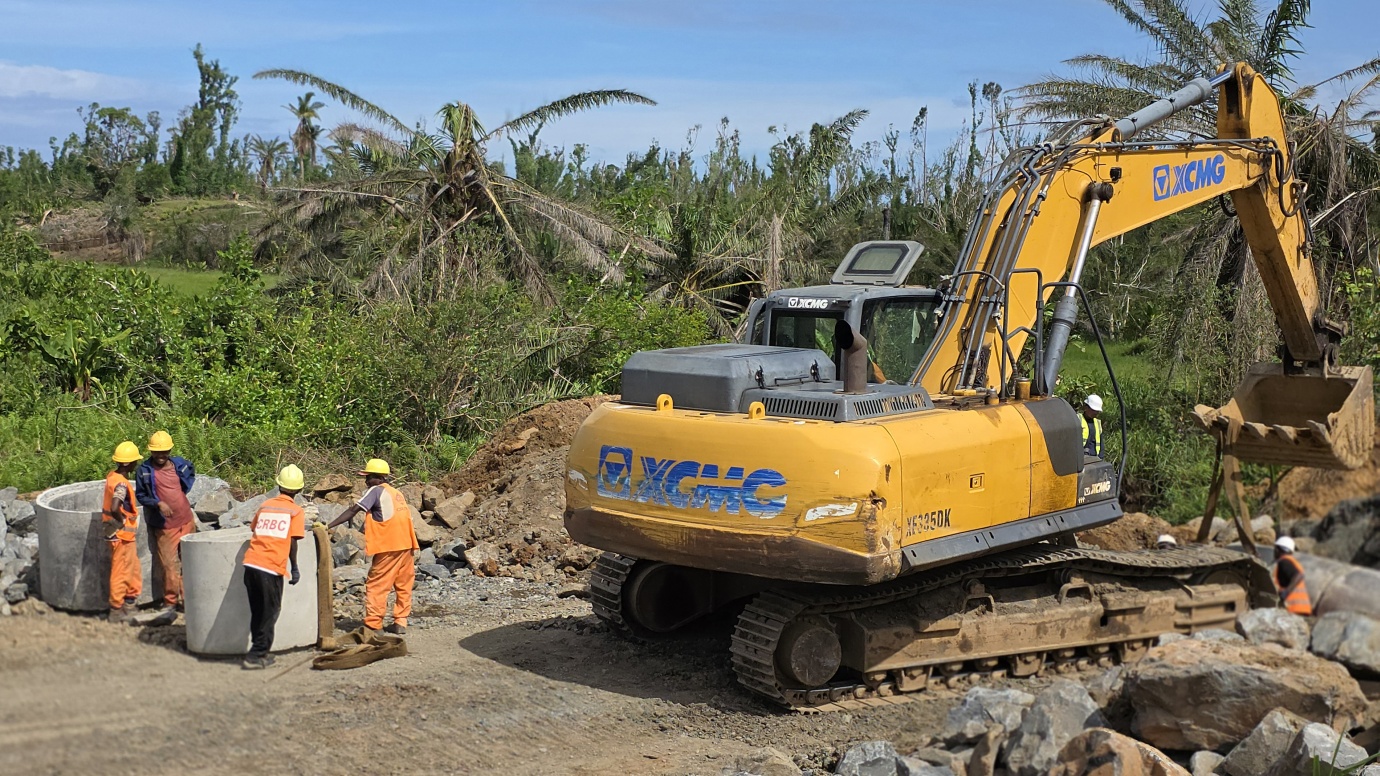
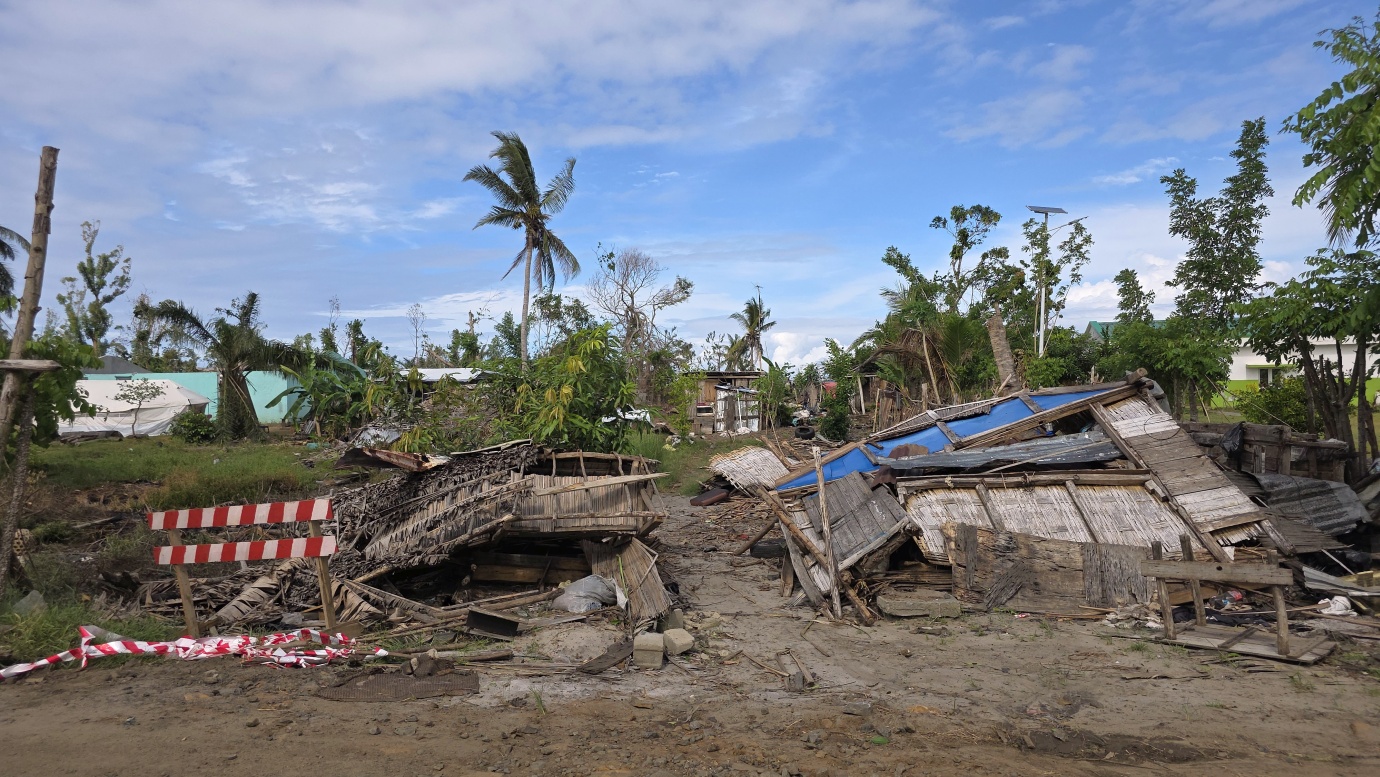
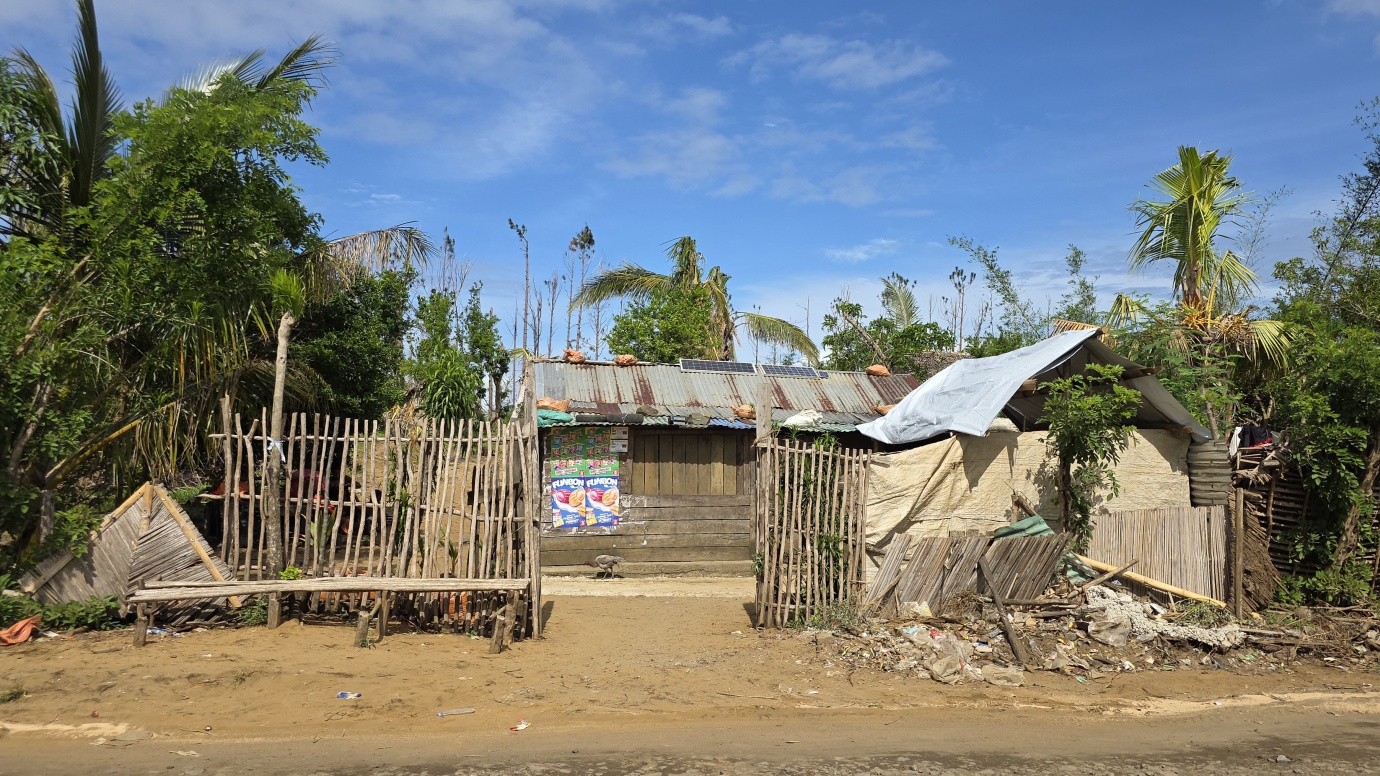
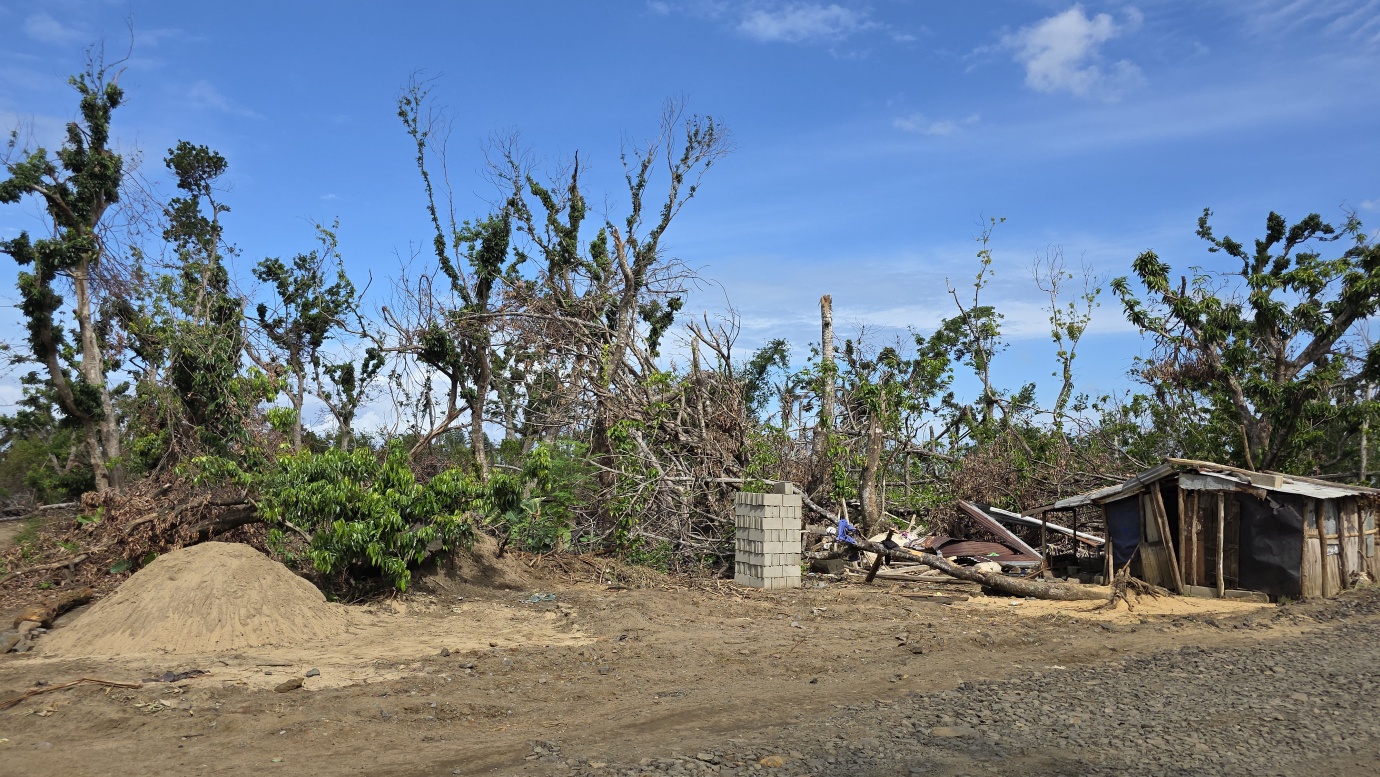
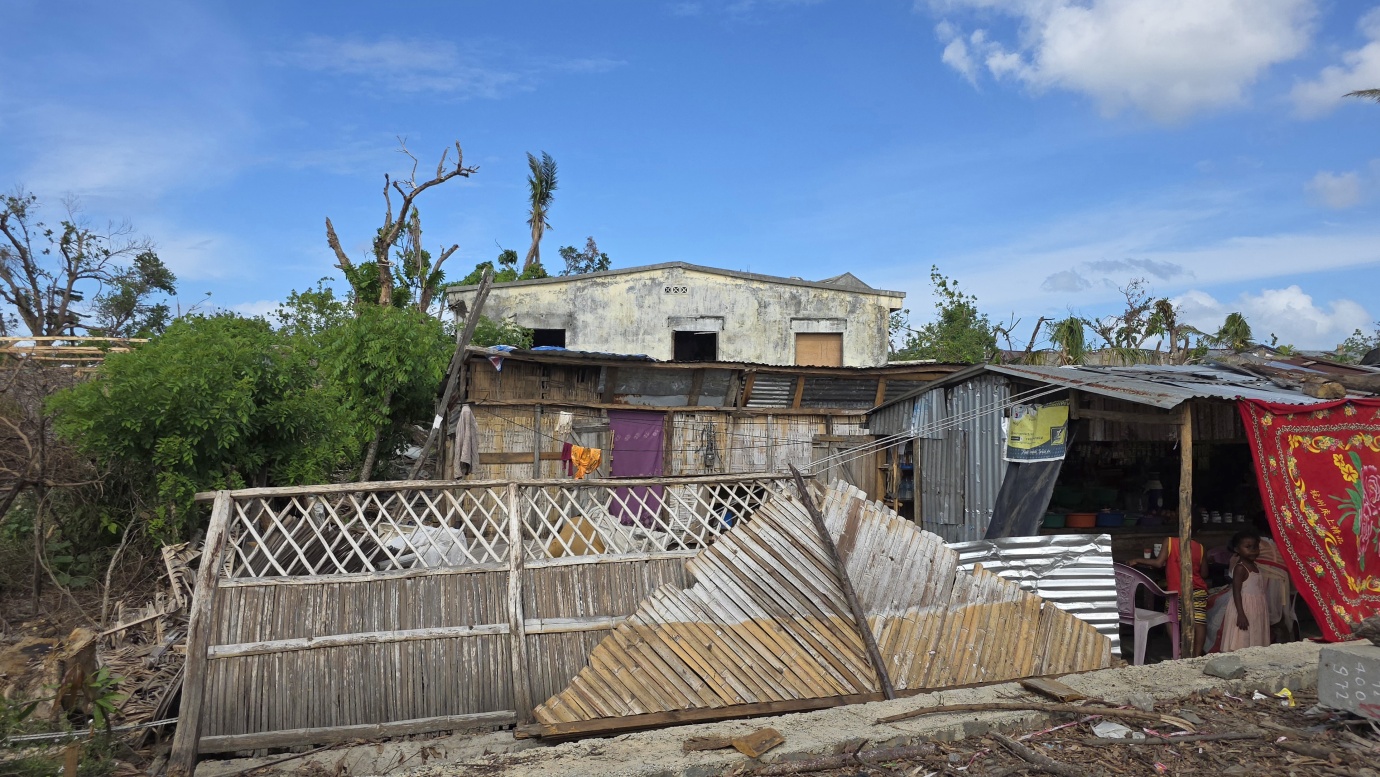
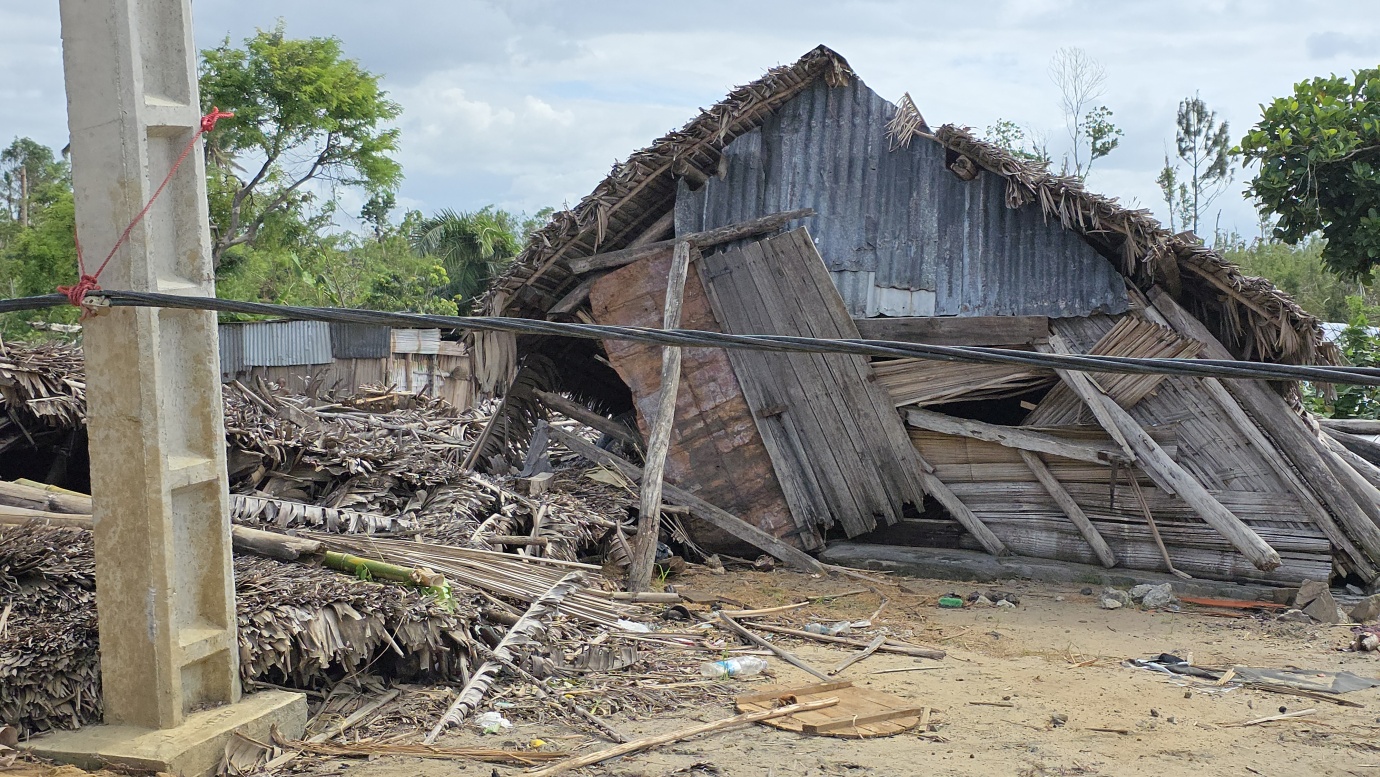
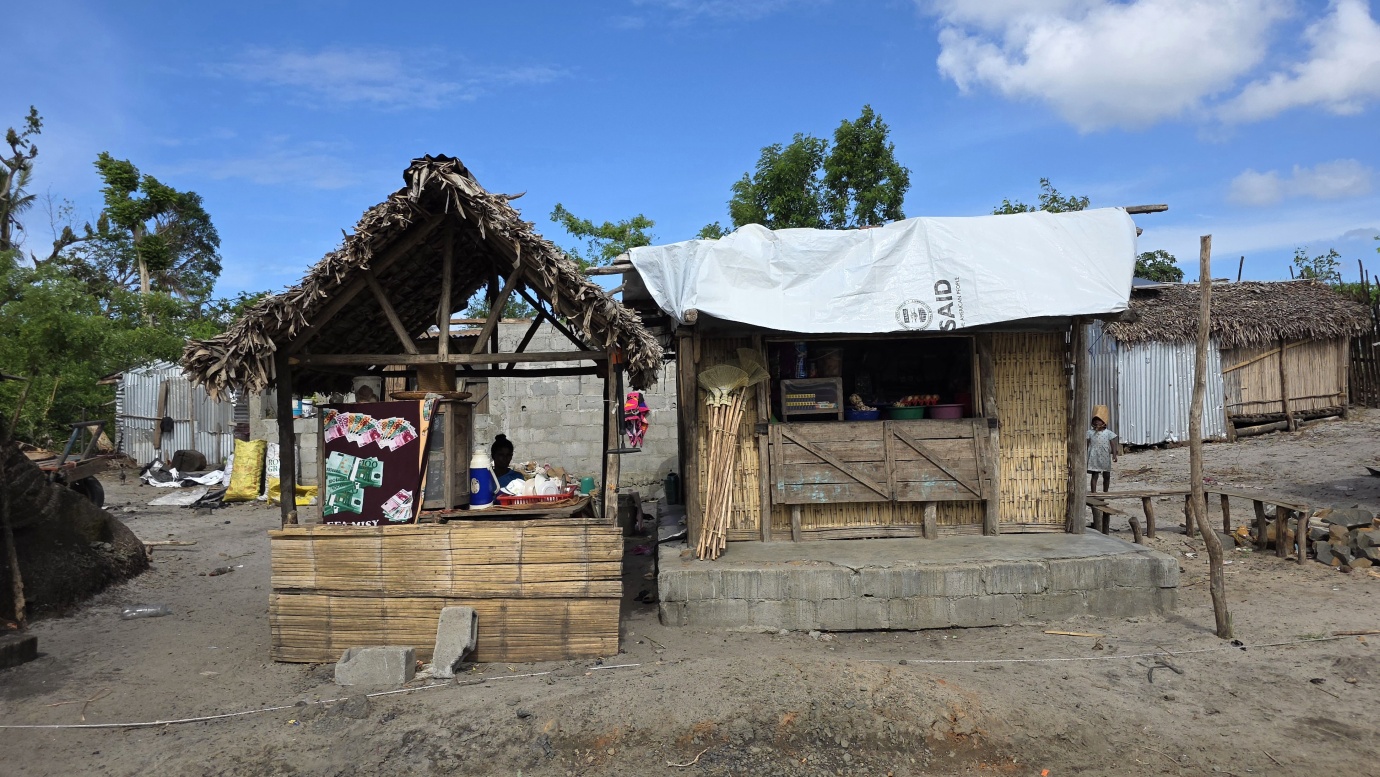
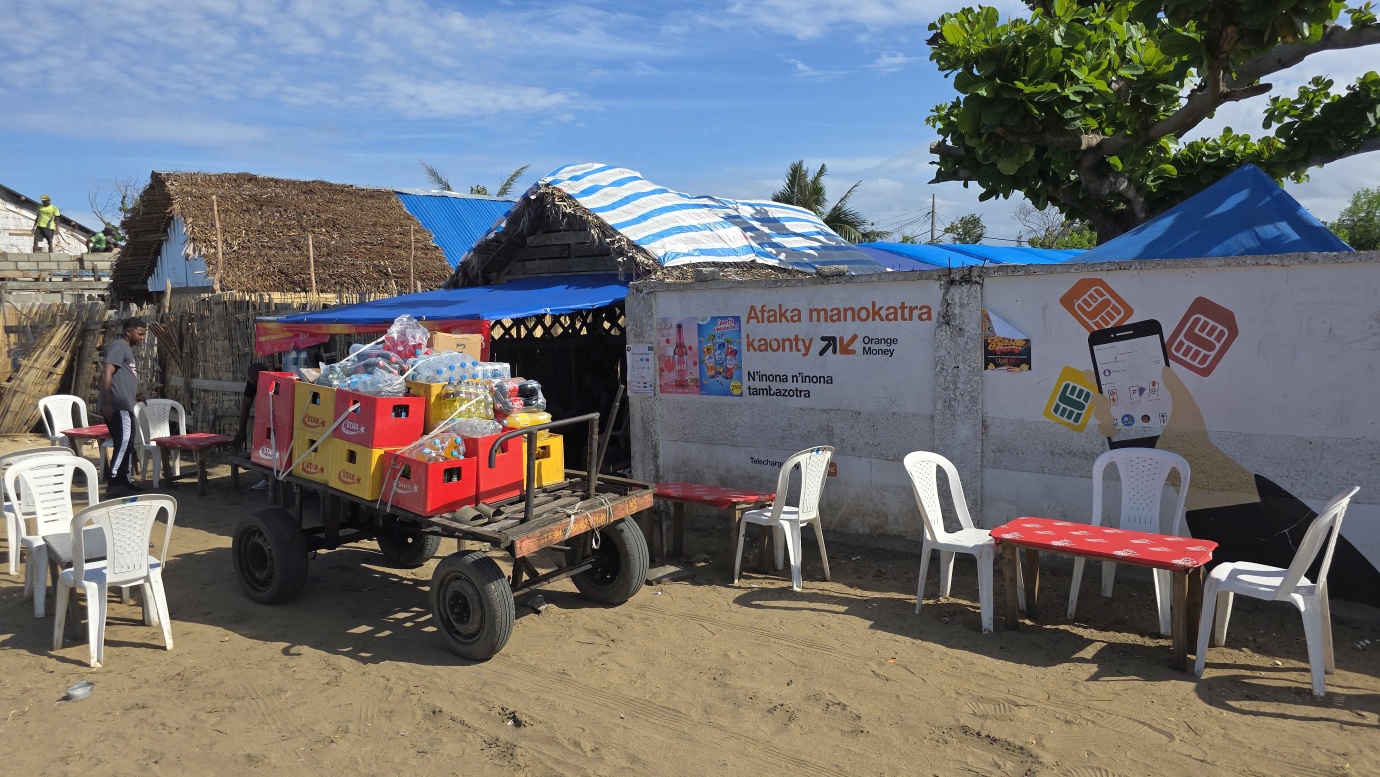
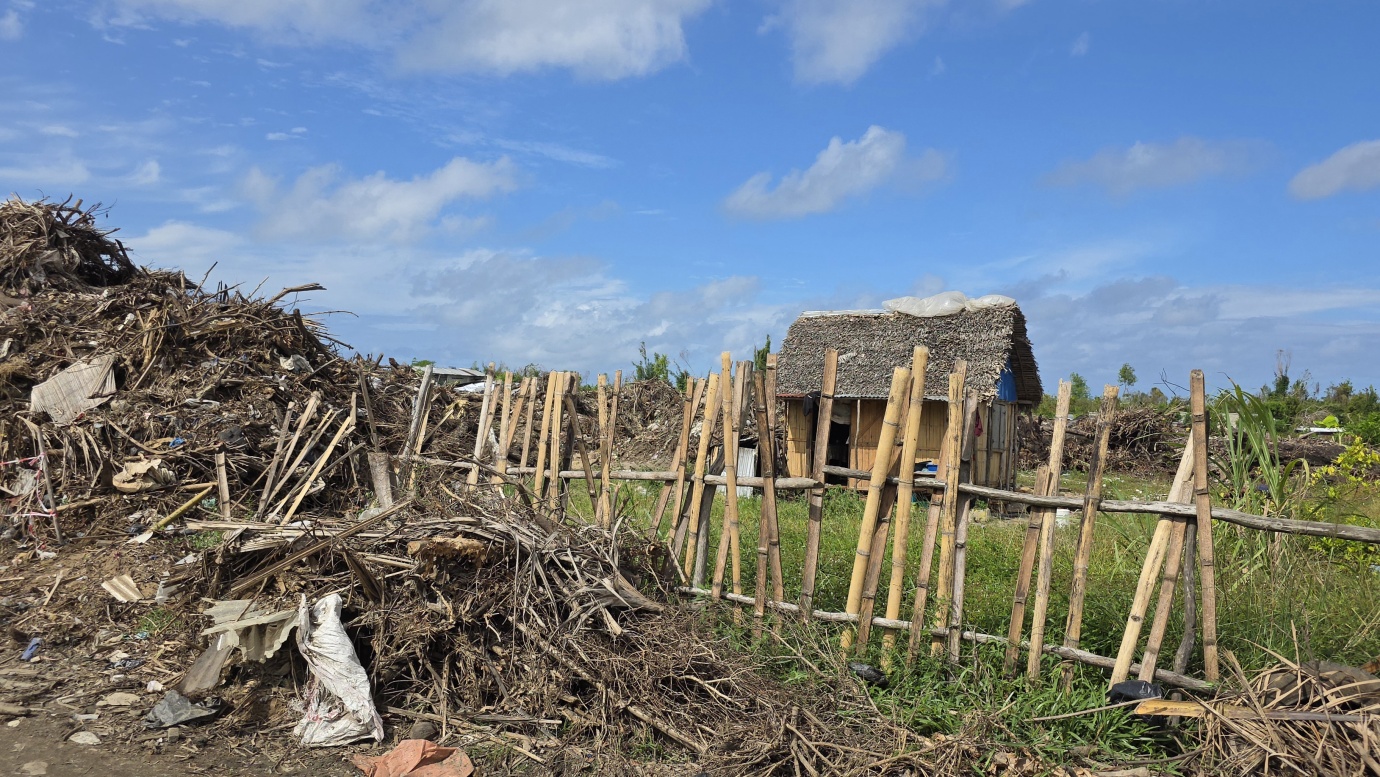
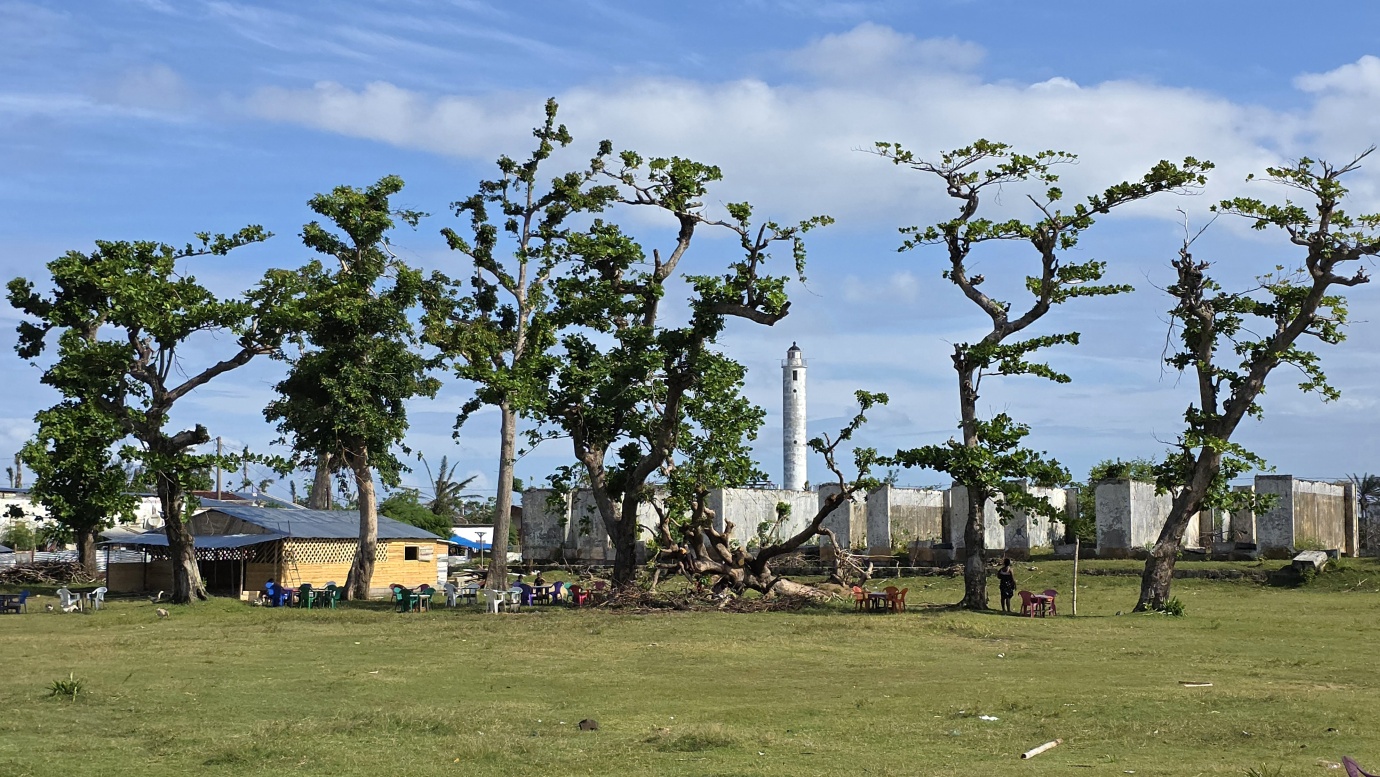
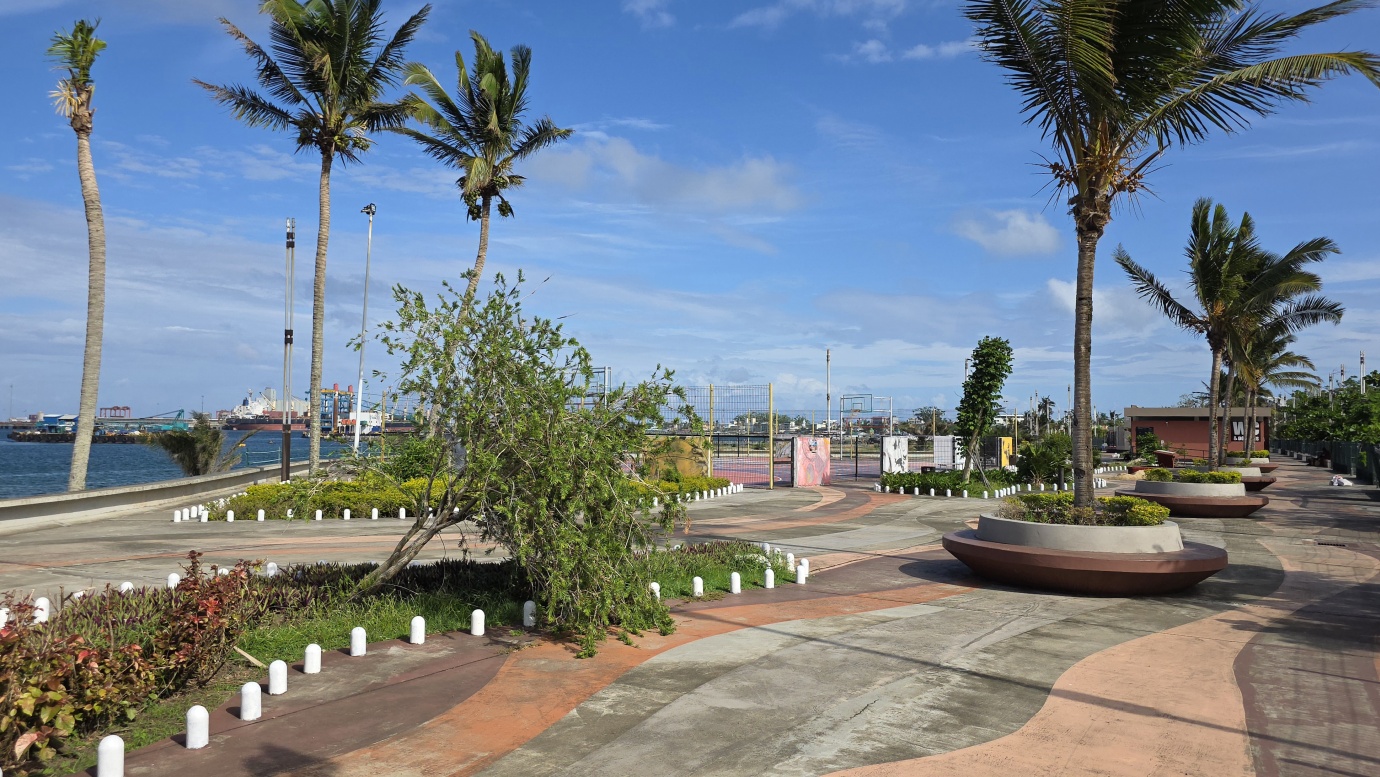
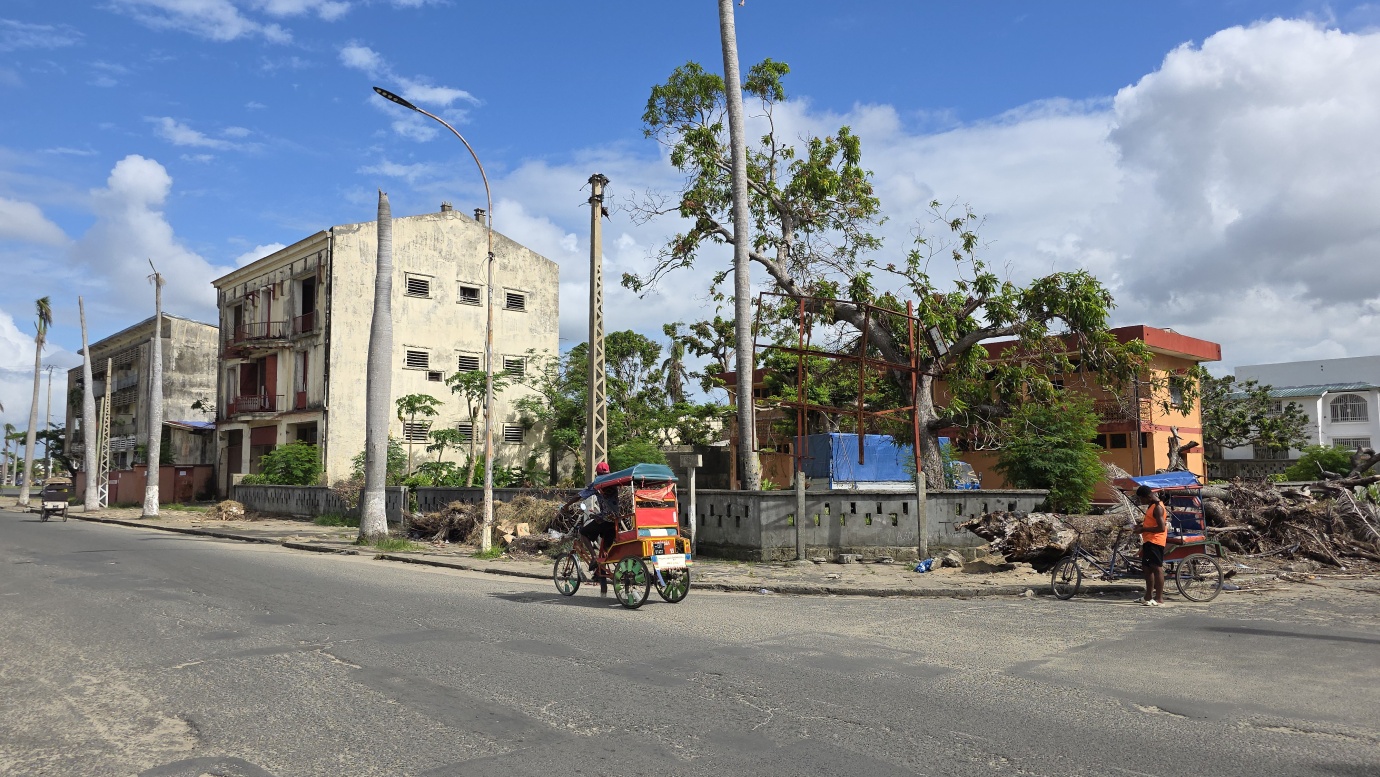
Some of its beauty was taken away by tropical cyclone Gezani, which struck Eastern Madagascar on February 10, 2026, as a powerful Category 4 storm, following a previous storm, Fytia. Gezani caused devastating, widespread damage with winds of speeds exceeding 250 km/h and severe flooding, destroying over 49,000 homes, damaging 70% of the infrastructure in Toamasina, and leaving over 16,000 people displaced.
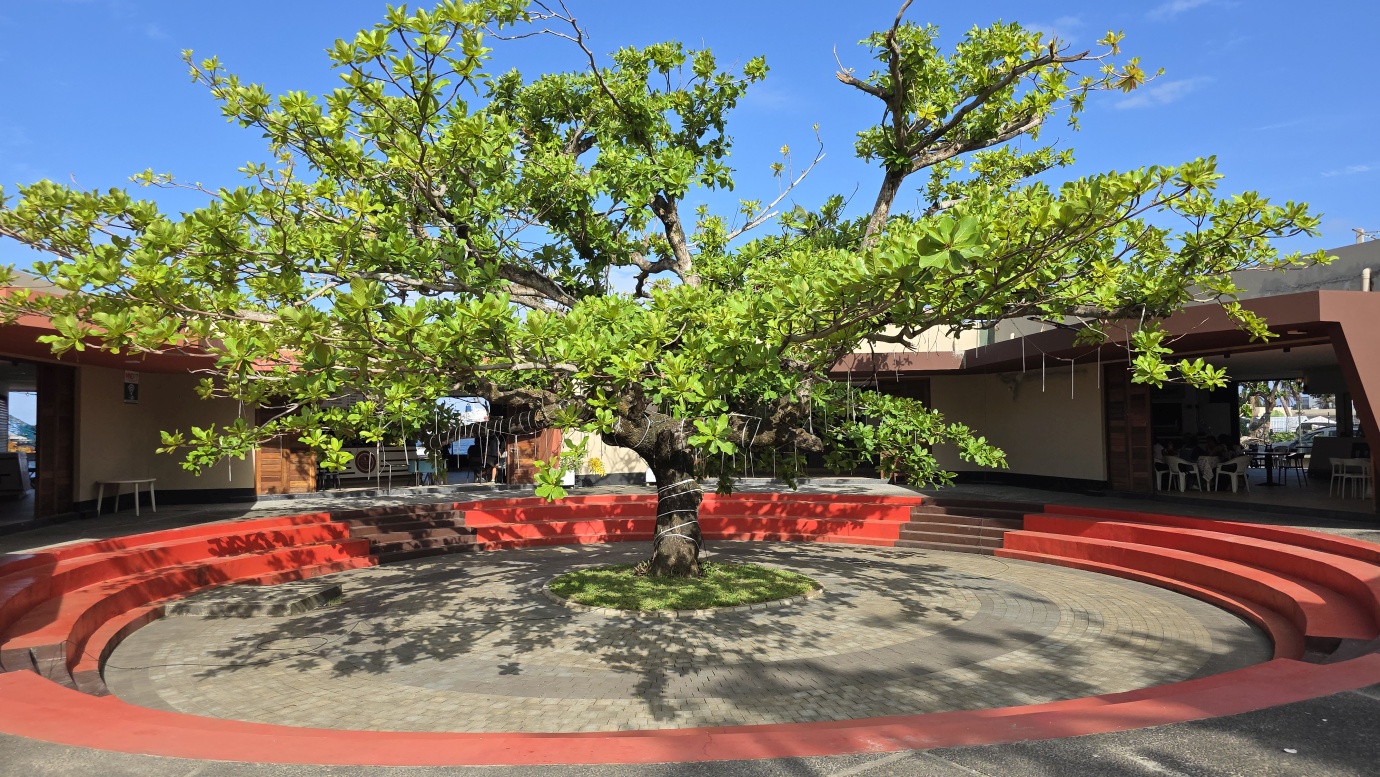
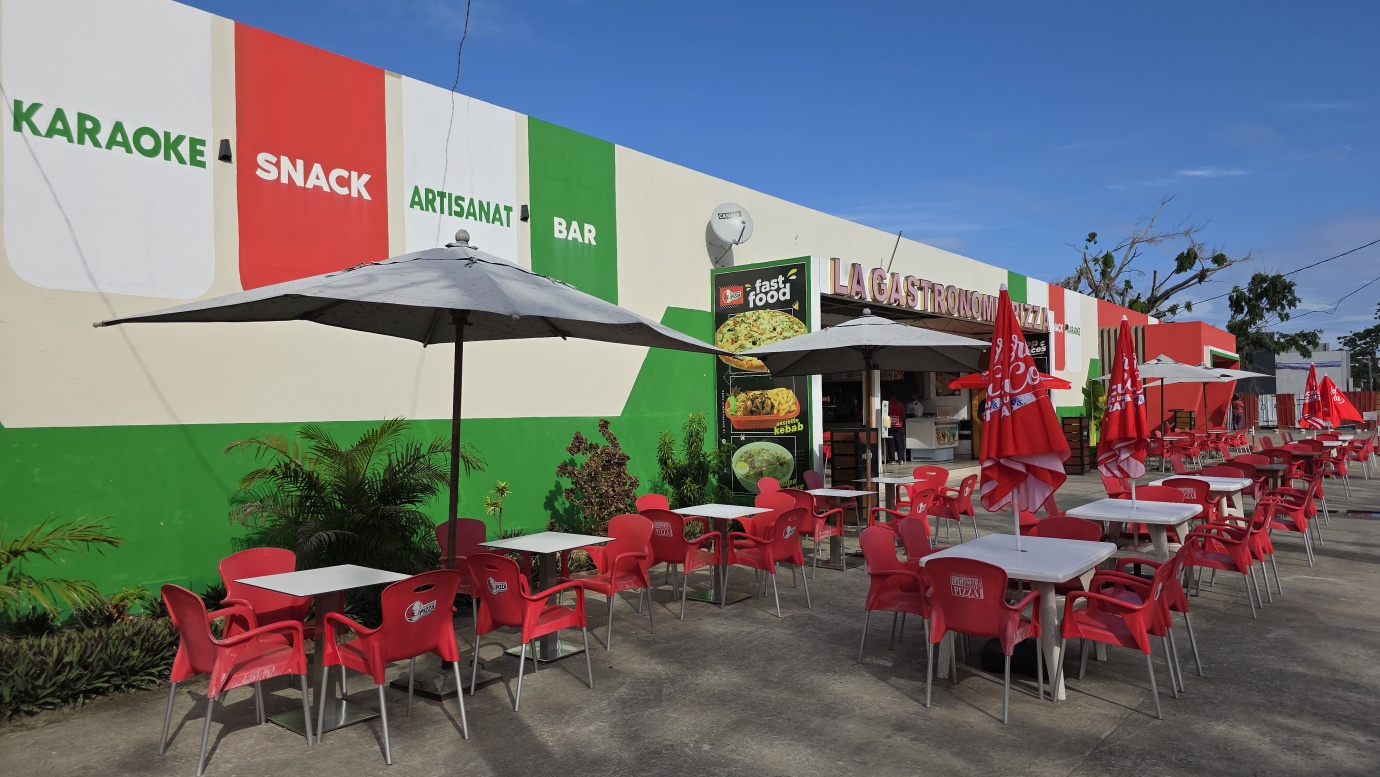
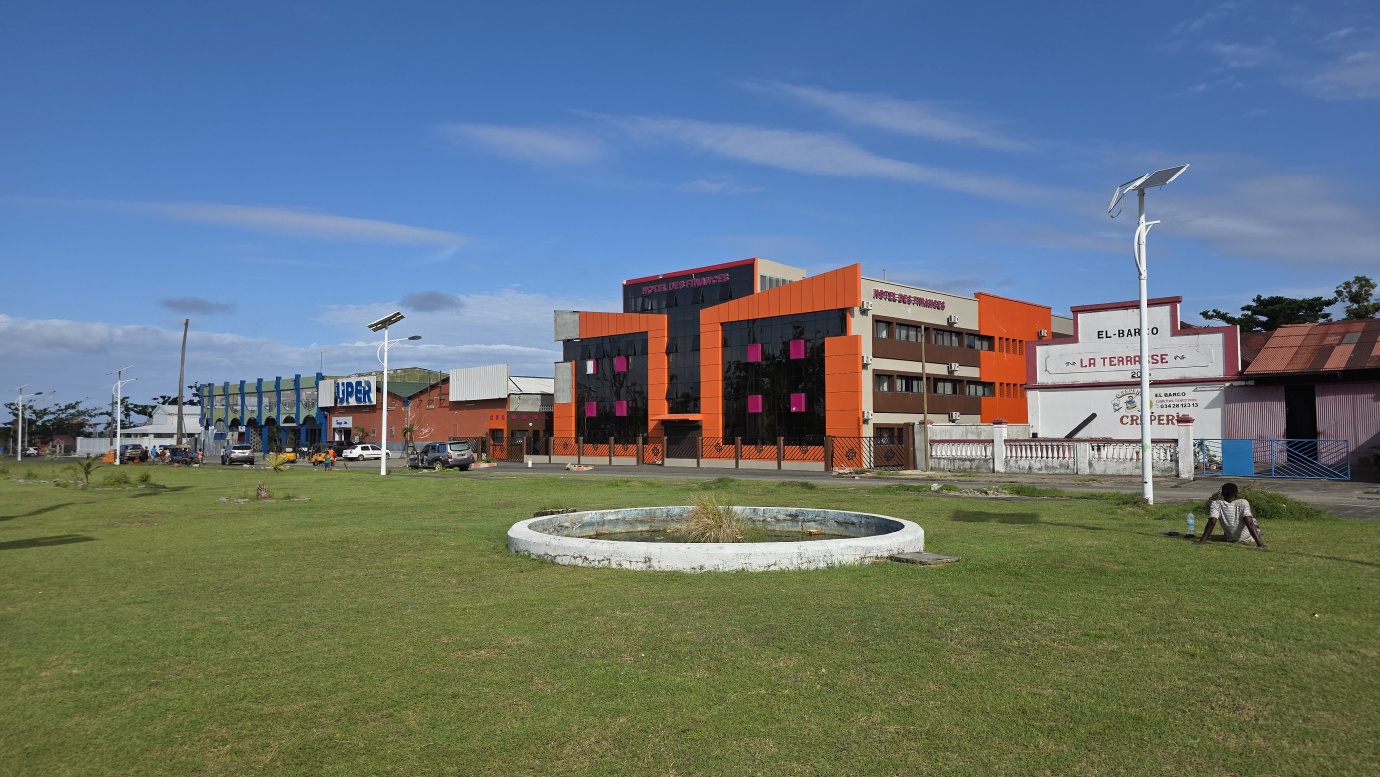
But it’s still lively in the evening despite what happened just a month ago. After dinner at La Braise Coté Cour, you can hit La Terrasse for a beer, and then move next door to the late-night lively spot Taxi Be.