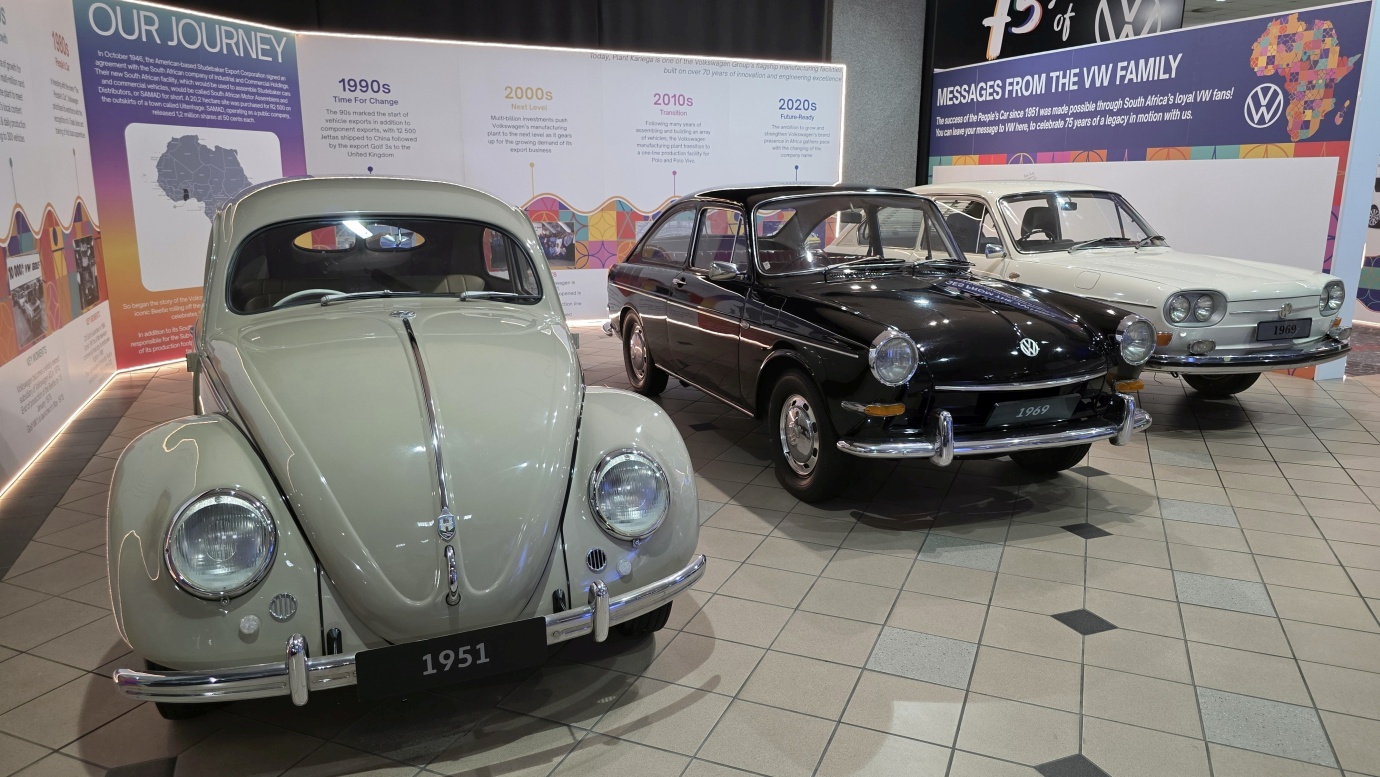
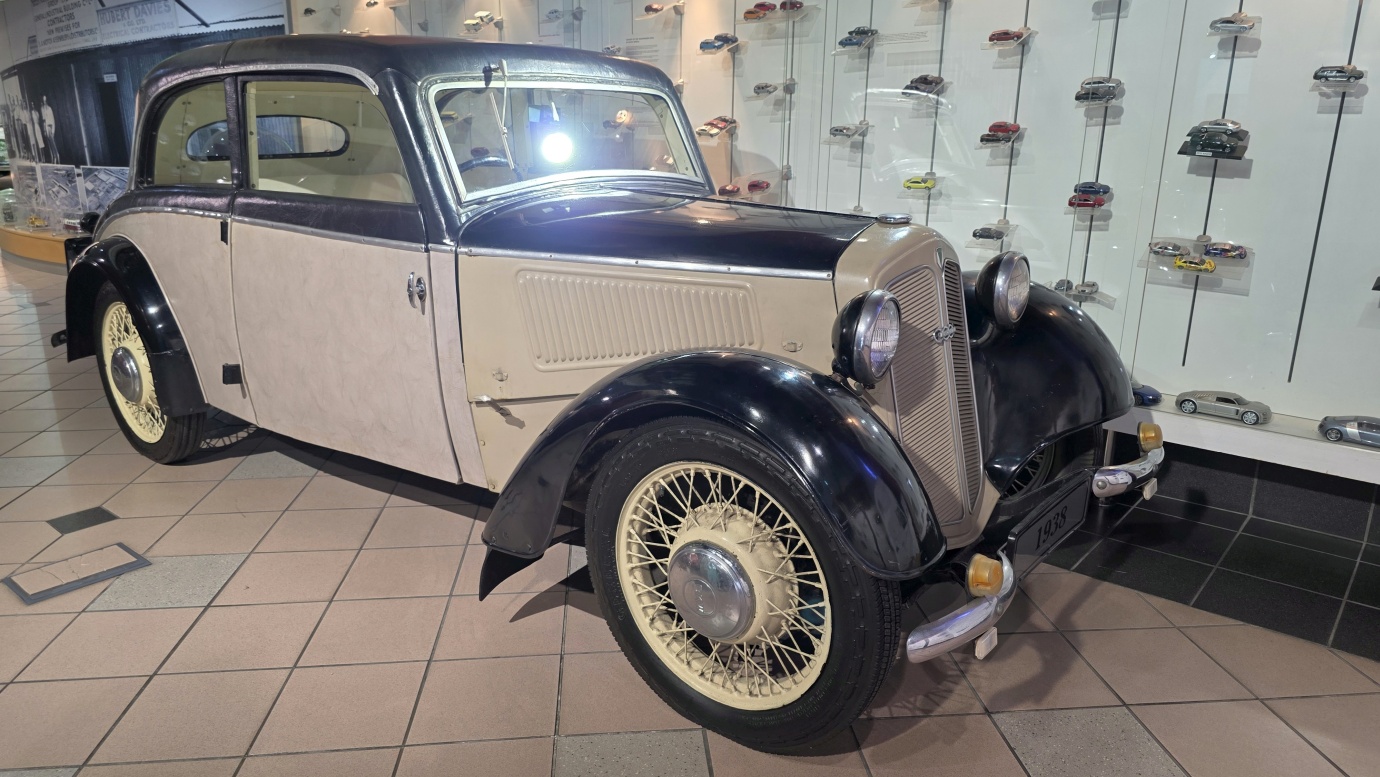
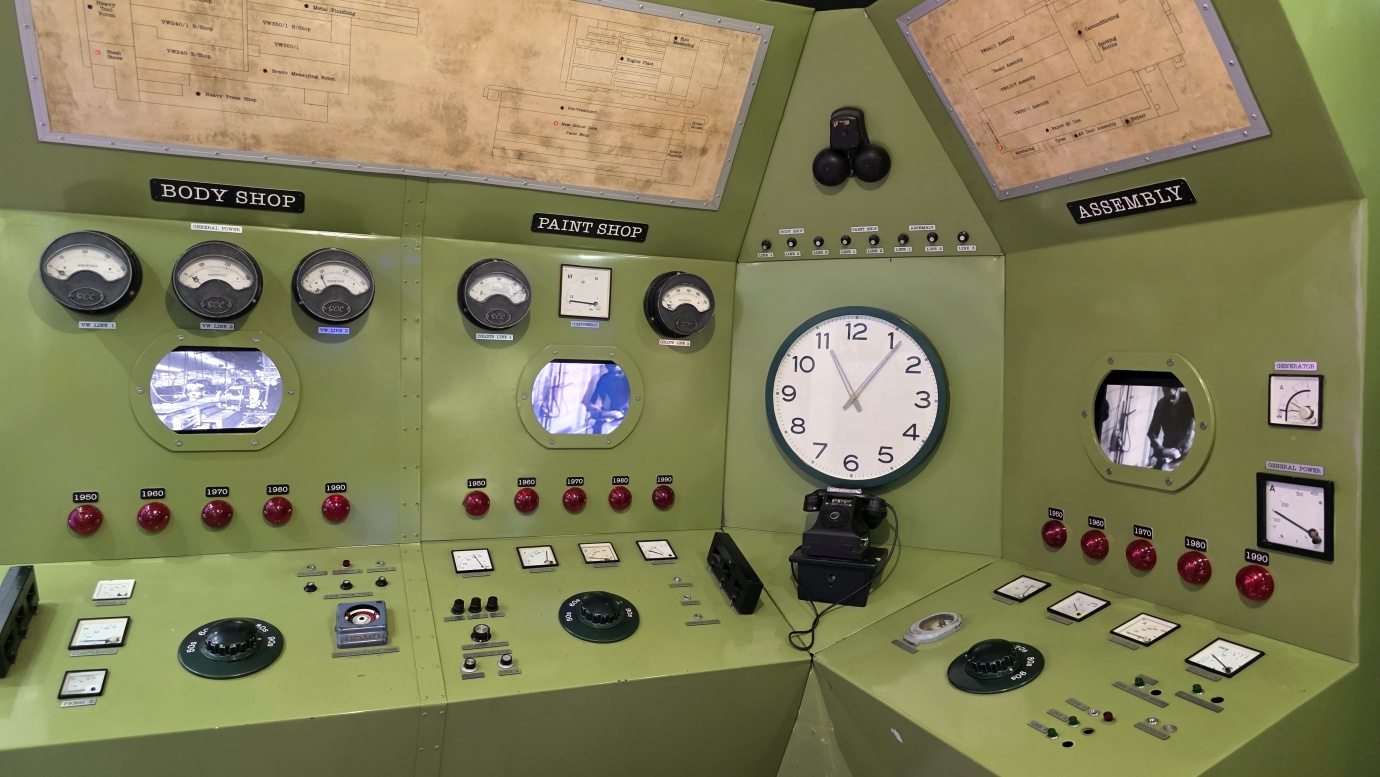
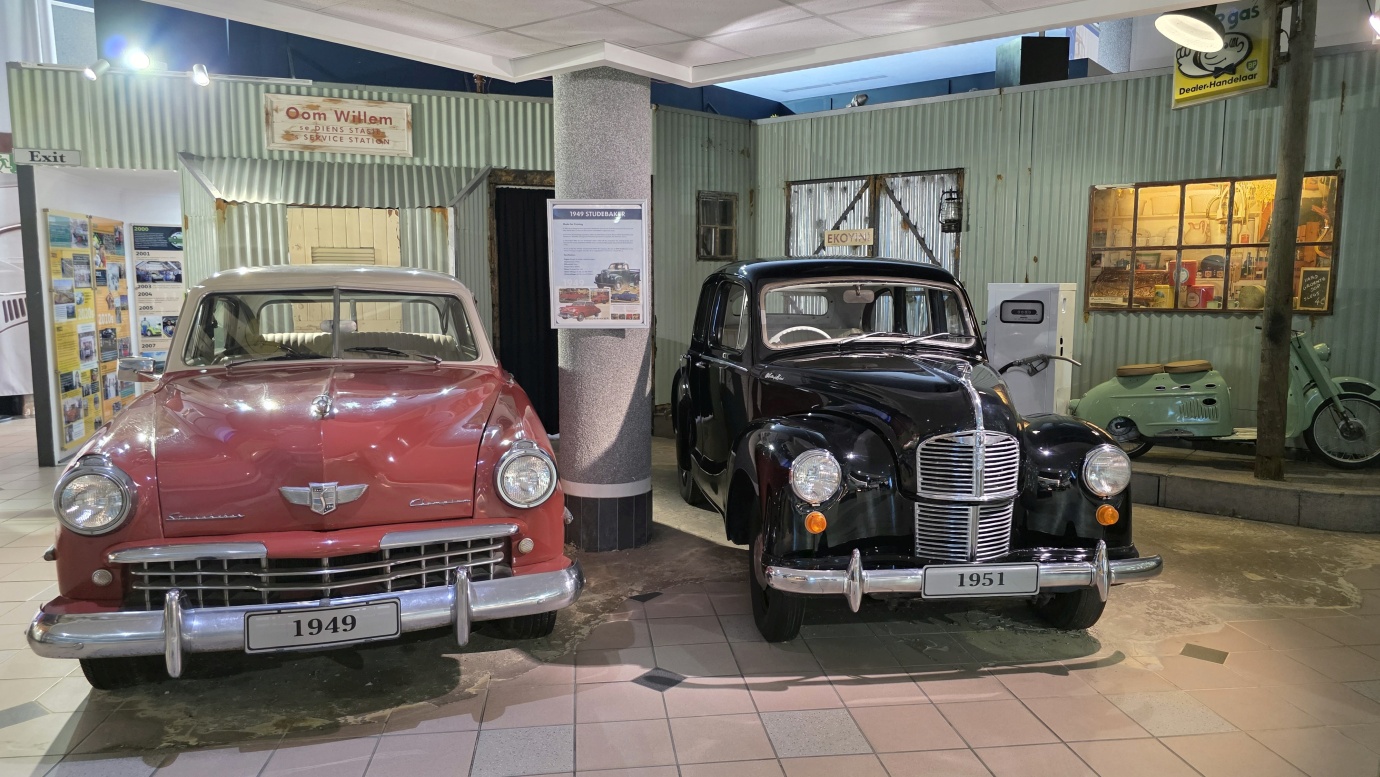
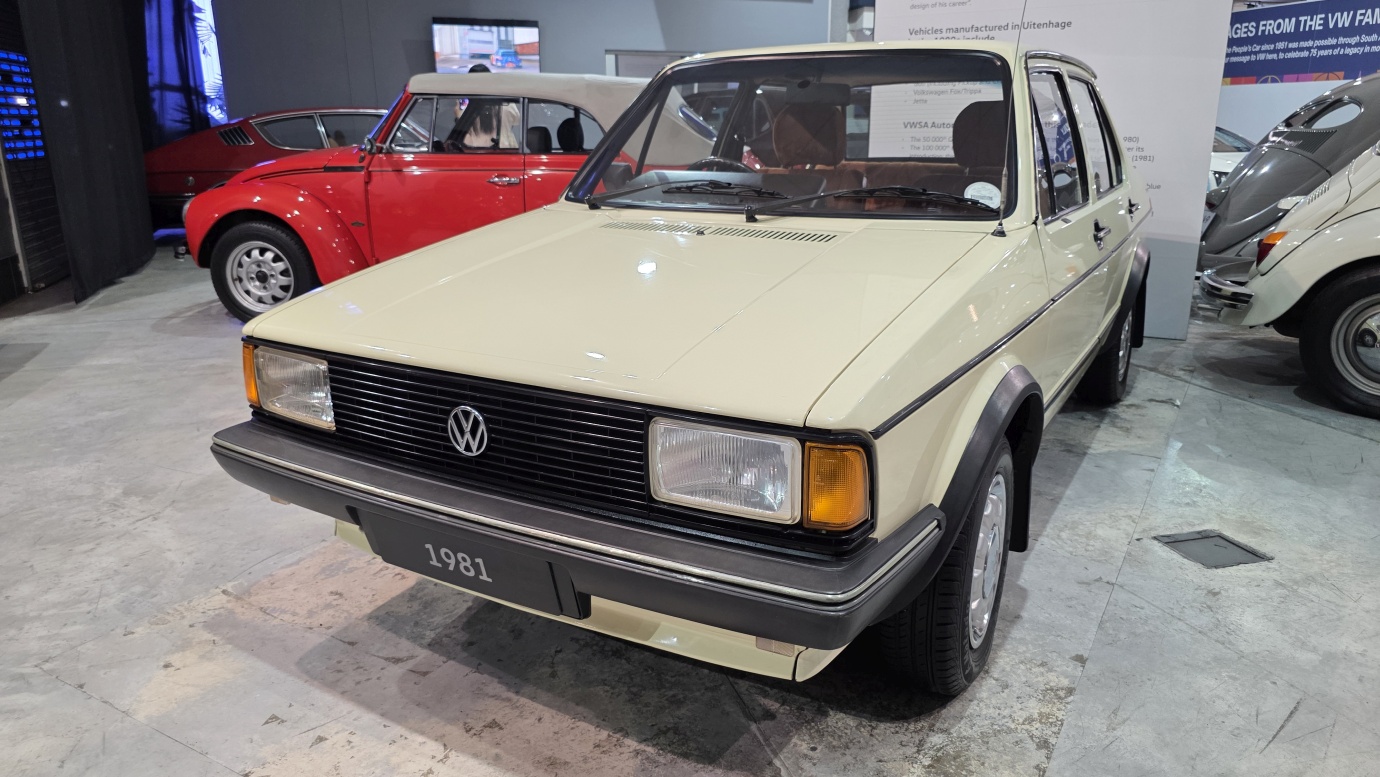
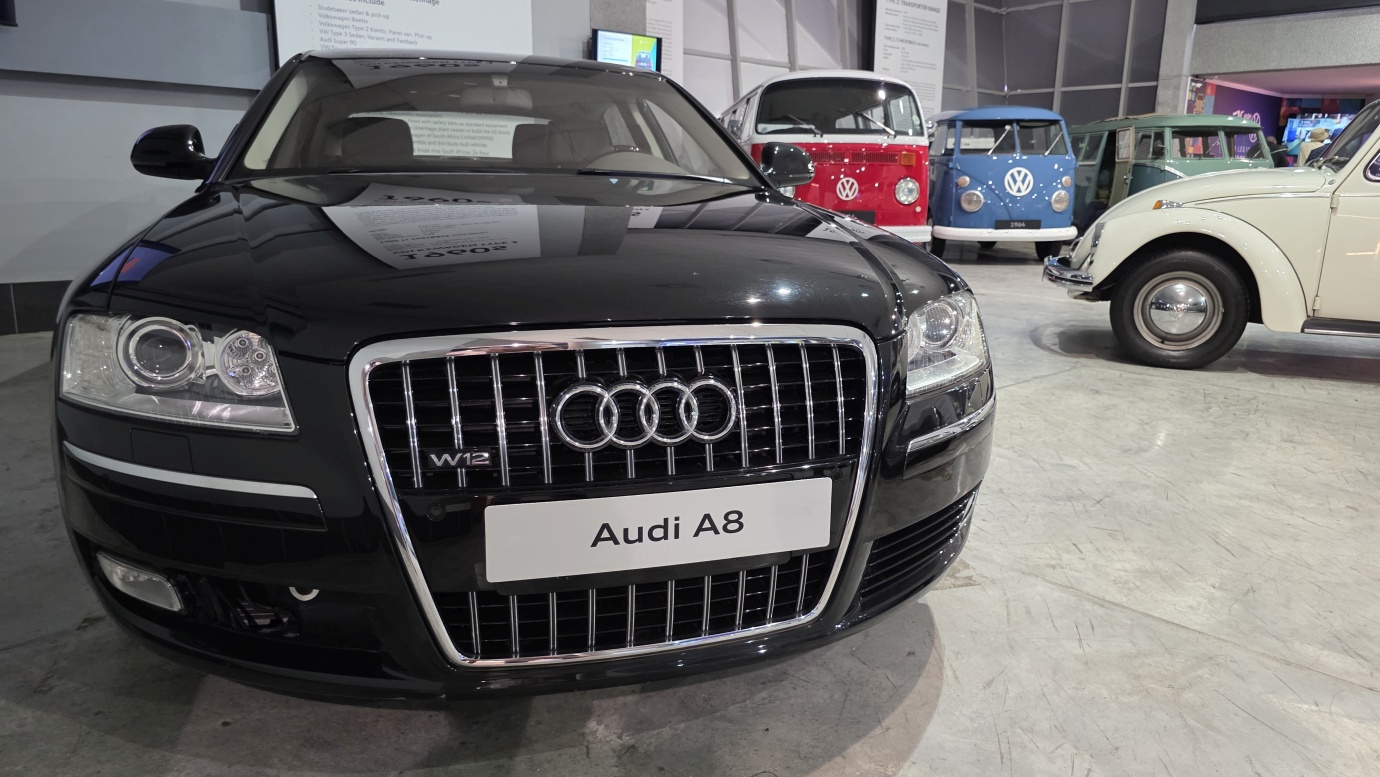
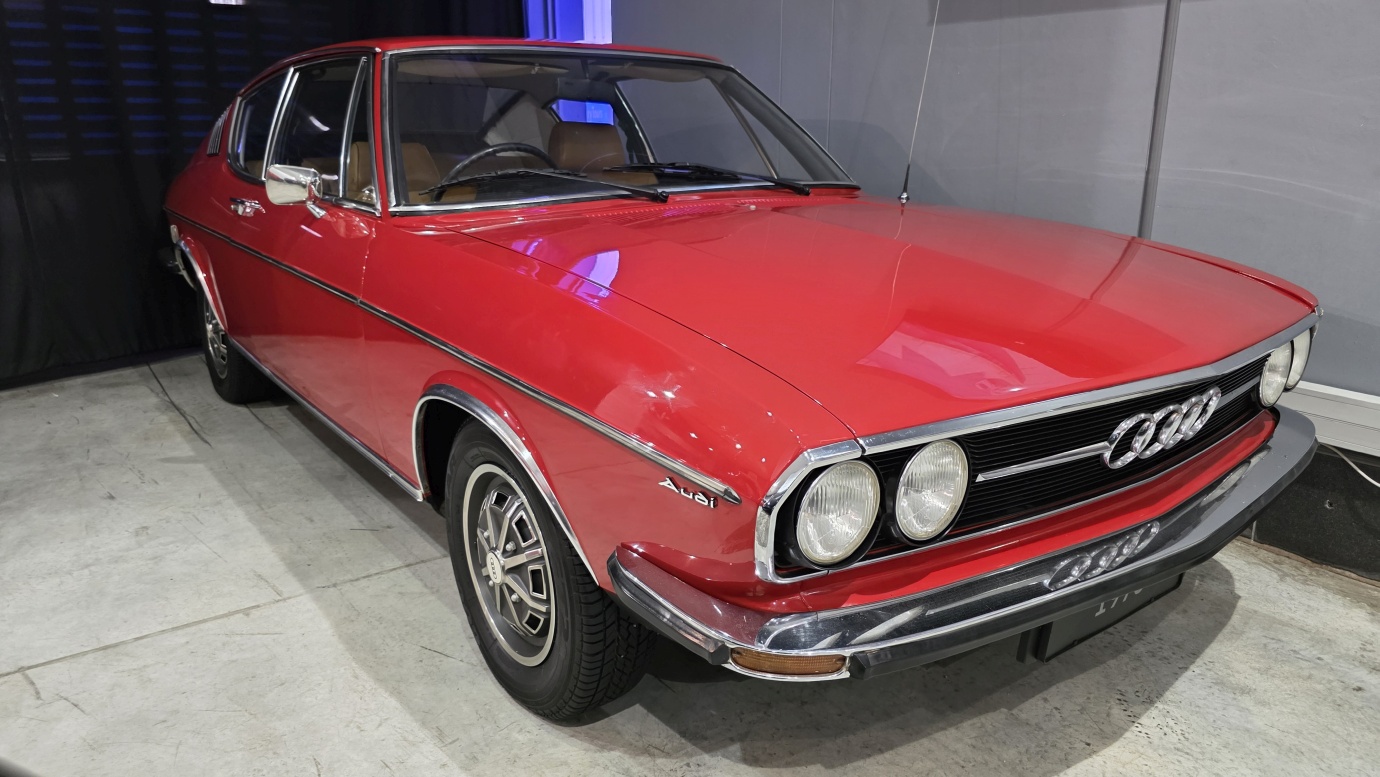
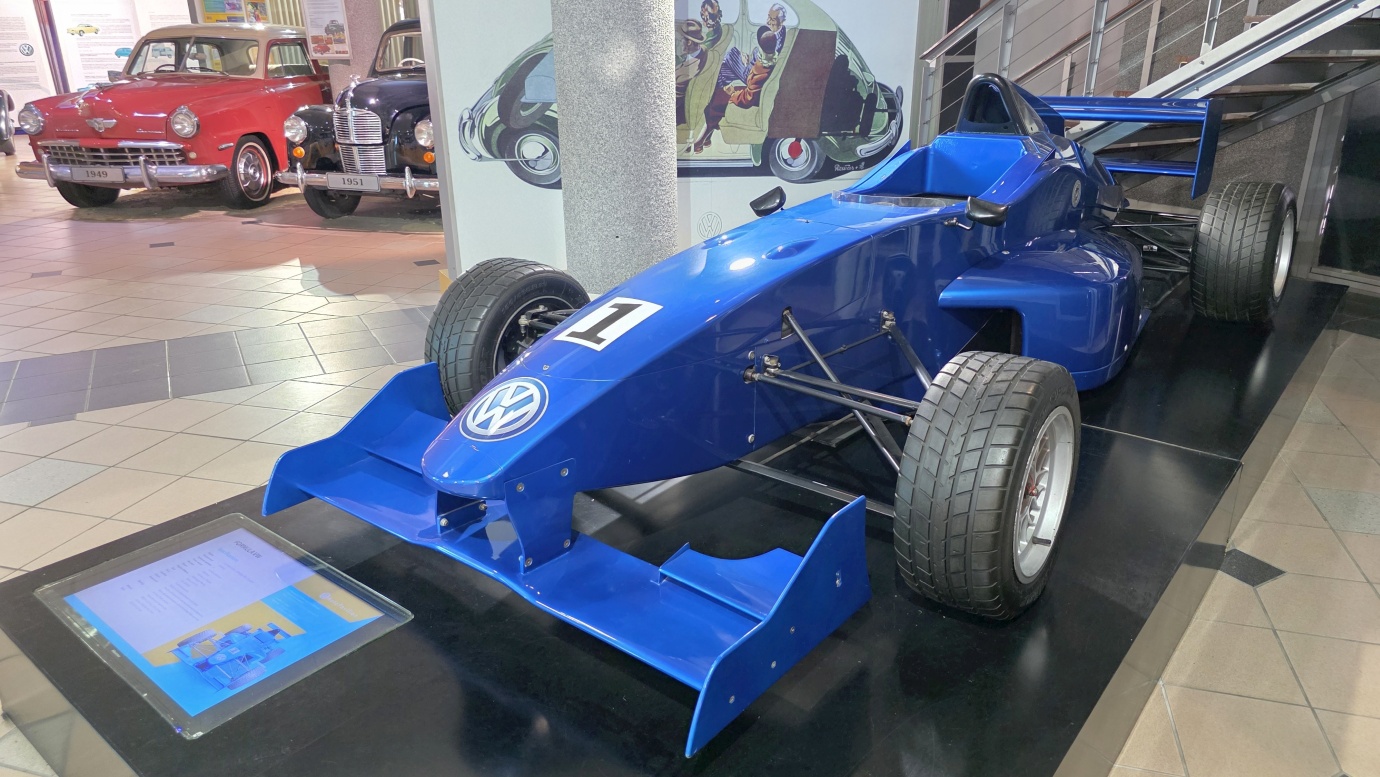
We drove about 45 minutes from Port Elizabeth (Gqeberha) to the Volkswagen AutoPavilion, an ultra-modern heritage centre and automotive museum at the main entrance to Volkswagen Group Africa’s manufacturing plant in Kariega, formerly Uitenhage. Opened in March 2004, the AutoPavilion is one of only five official Volkswagen discovery centres worldwide and the only one on the African continent.
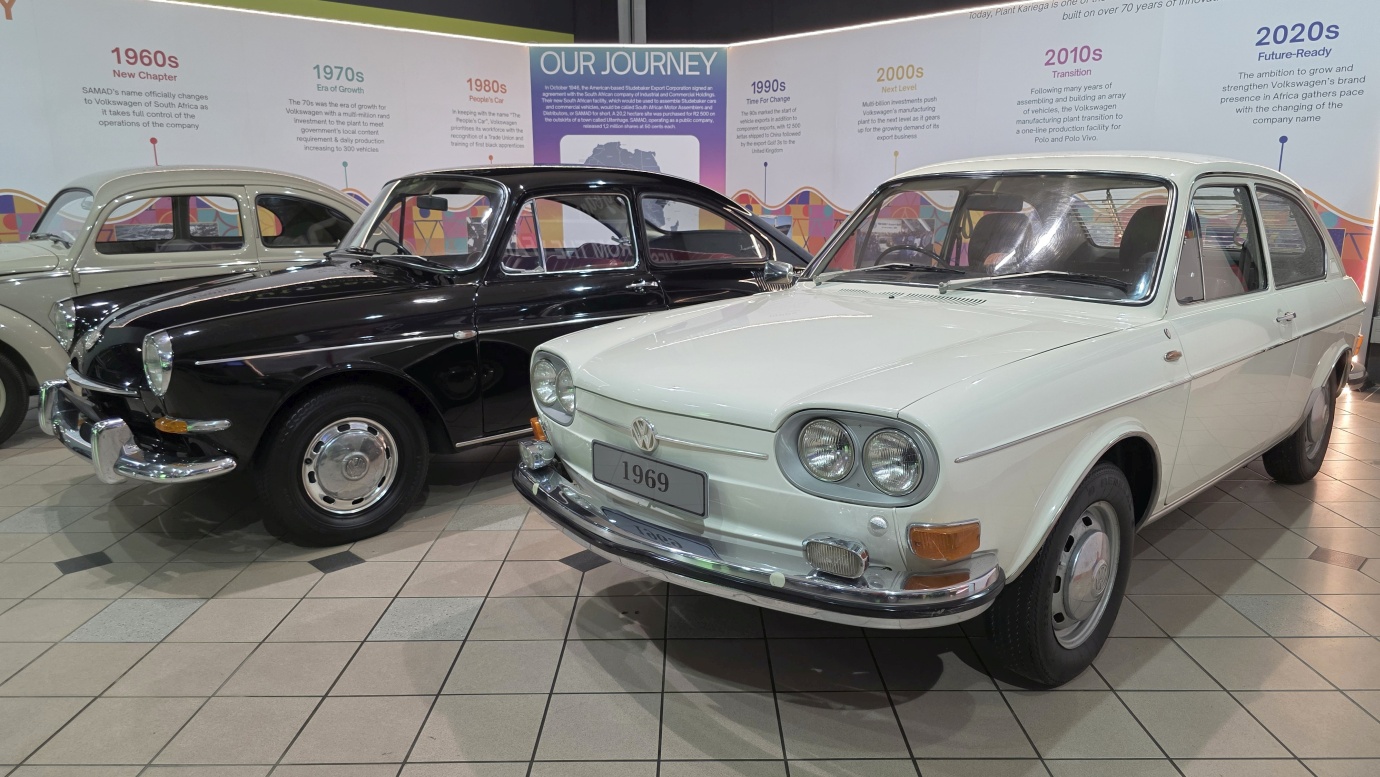
The facility’s history is closely intertwined with South Africa’s automotive heritage. The manufacturing plant first opened in 1946 as South African Motor Assemblers and Distributors (SAMAD), assembling vehicles from various international brands. After an agreement with Volkswagenwerk in Germany, the Uitenhage plant rolled off the line on 31 August 1951, producing the first locally assembled Volkswagen Beetle. In 1966, the plant was formally renamed Volkswagen of South Africa (VWSA). The modern AutoPavilion later replaced an older, simpler museum collection, creating a state-of-the-art space that celebrates Volkswagen’s remarkable journey and its contribution to South African industry.
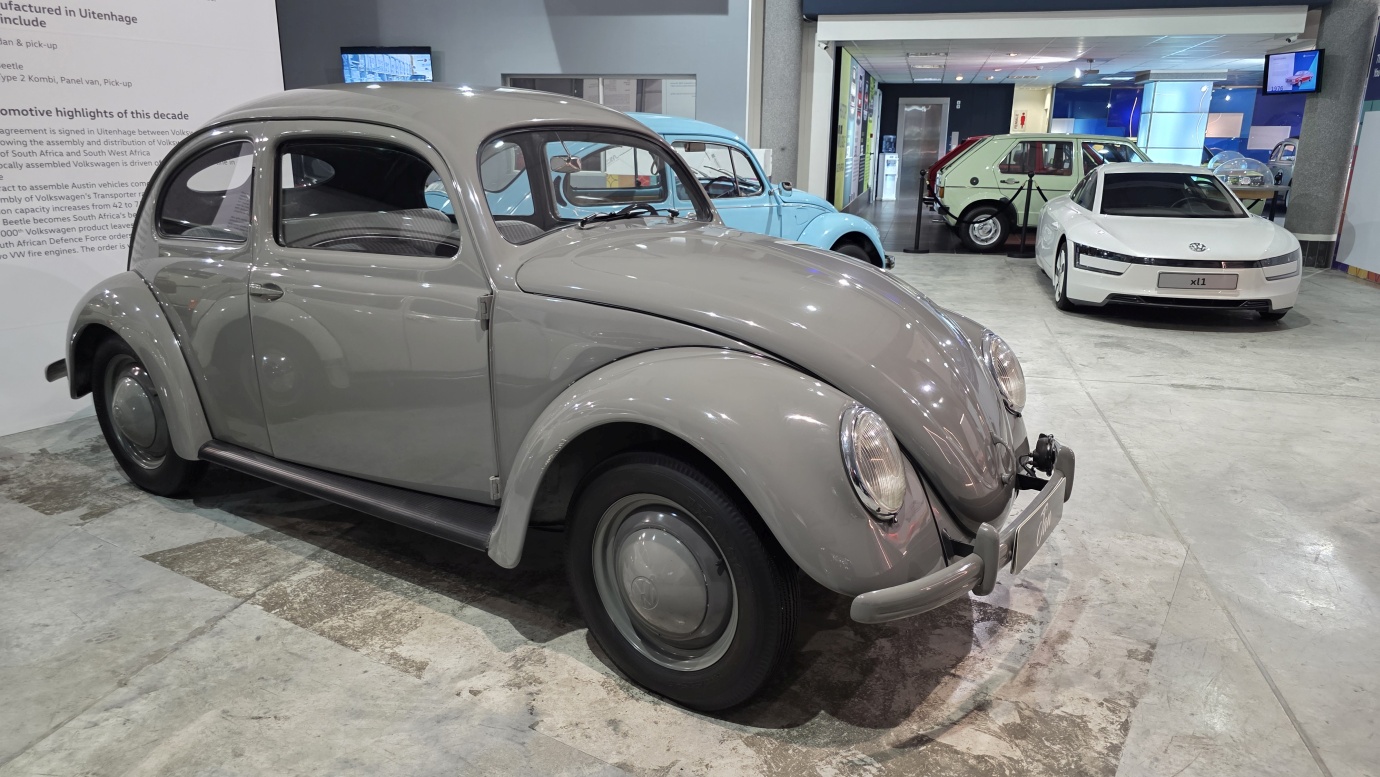
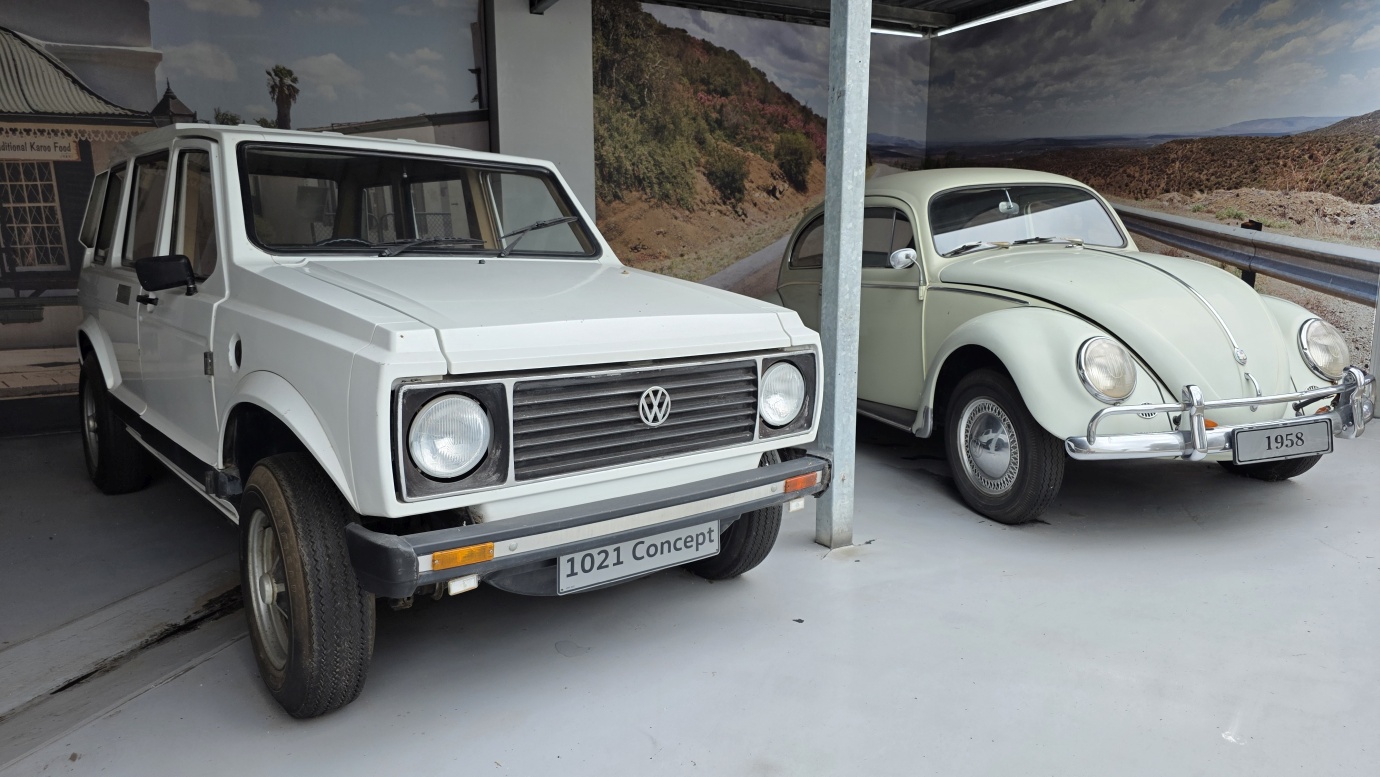
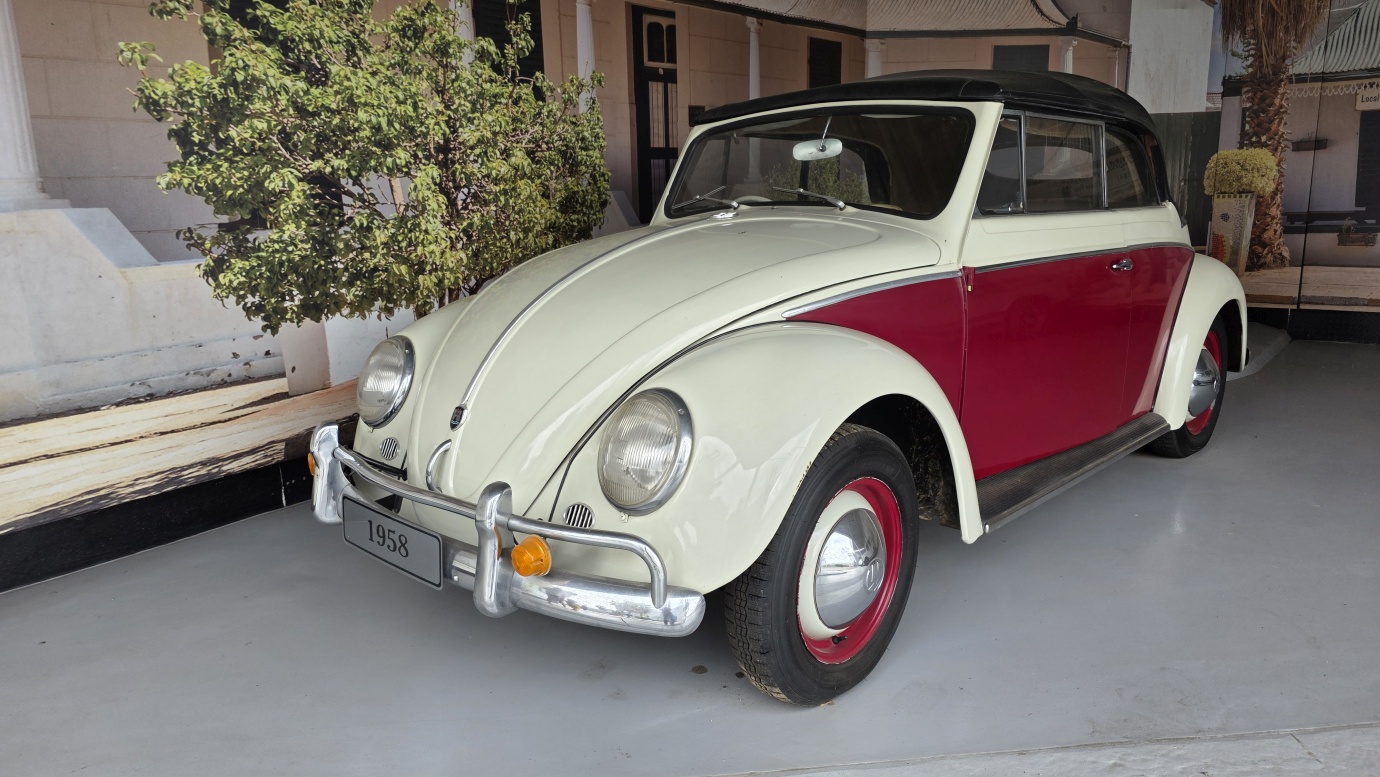
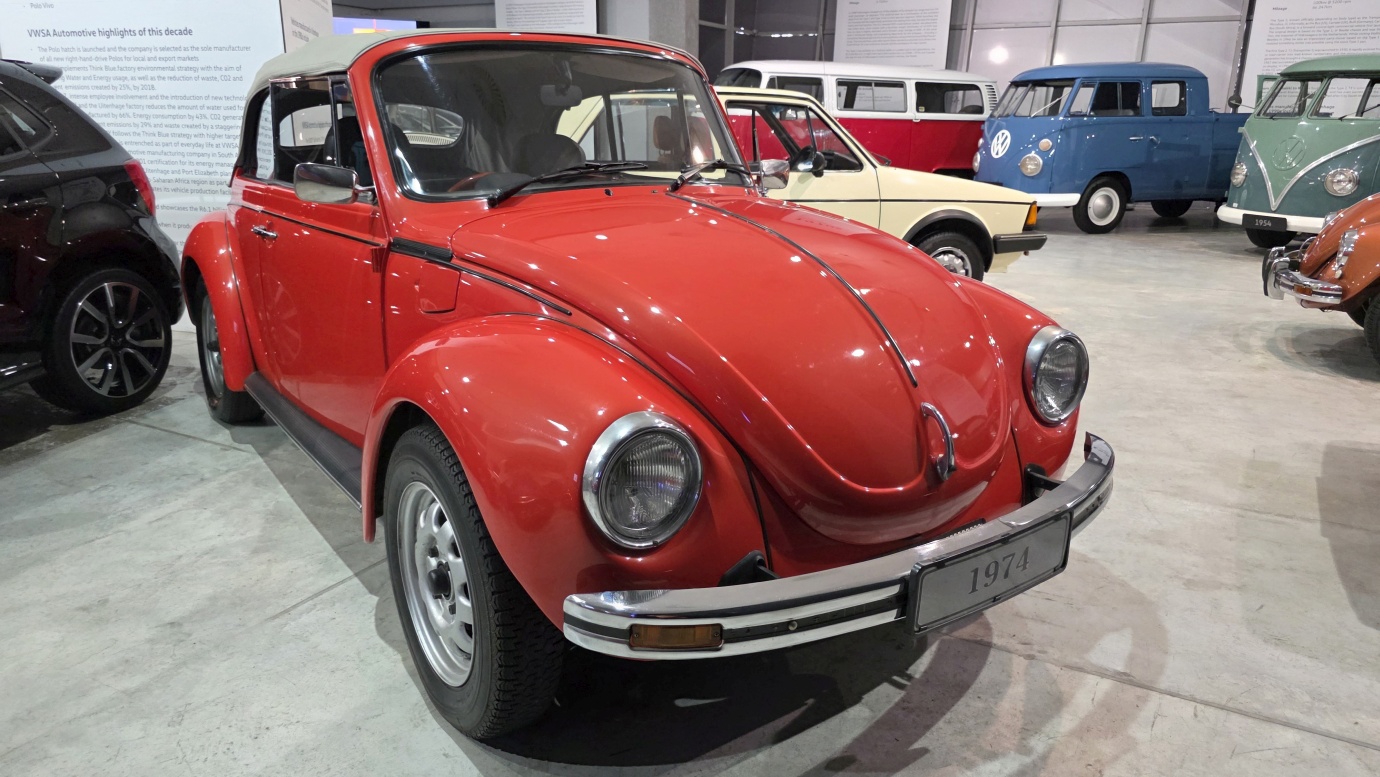
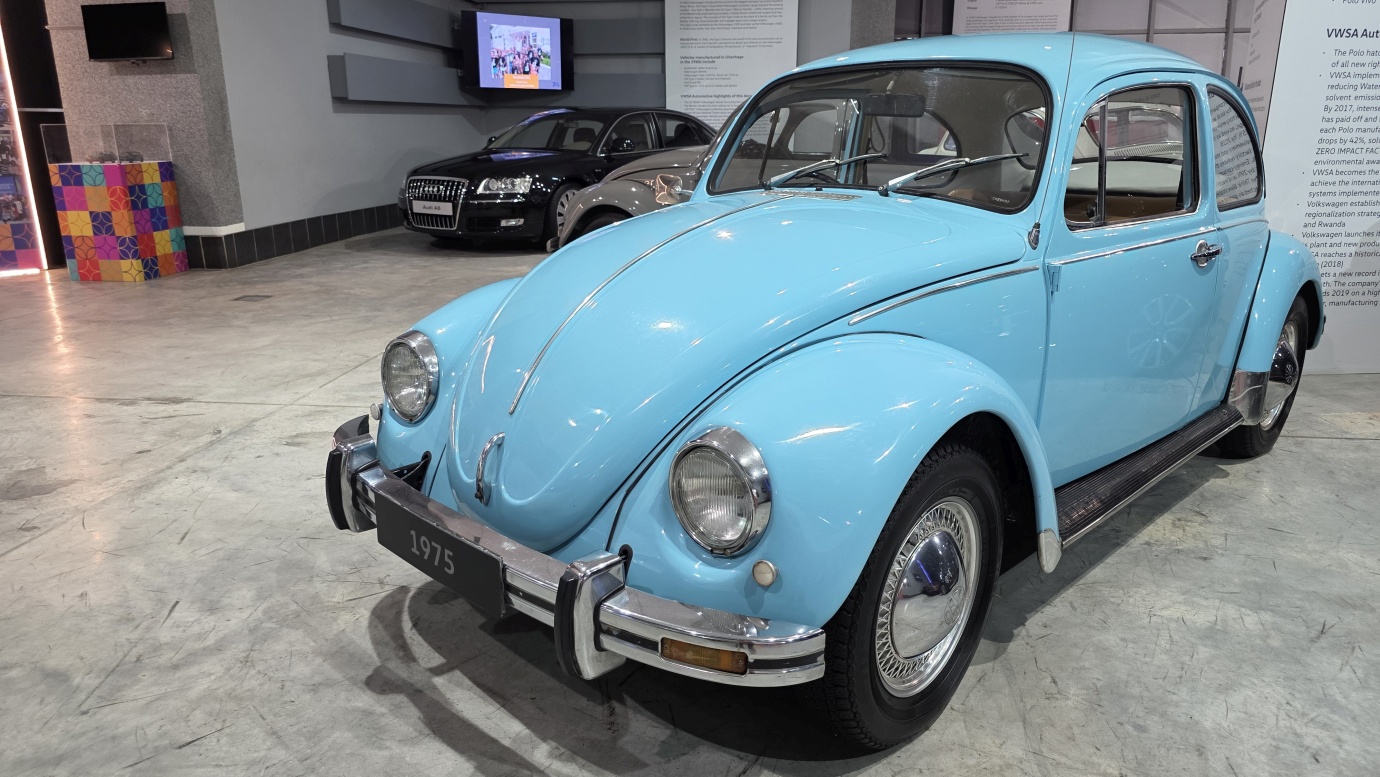
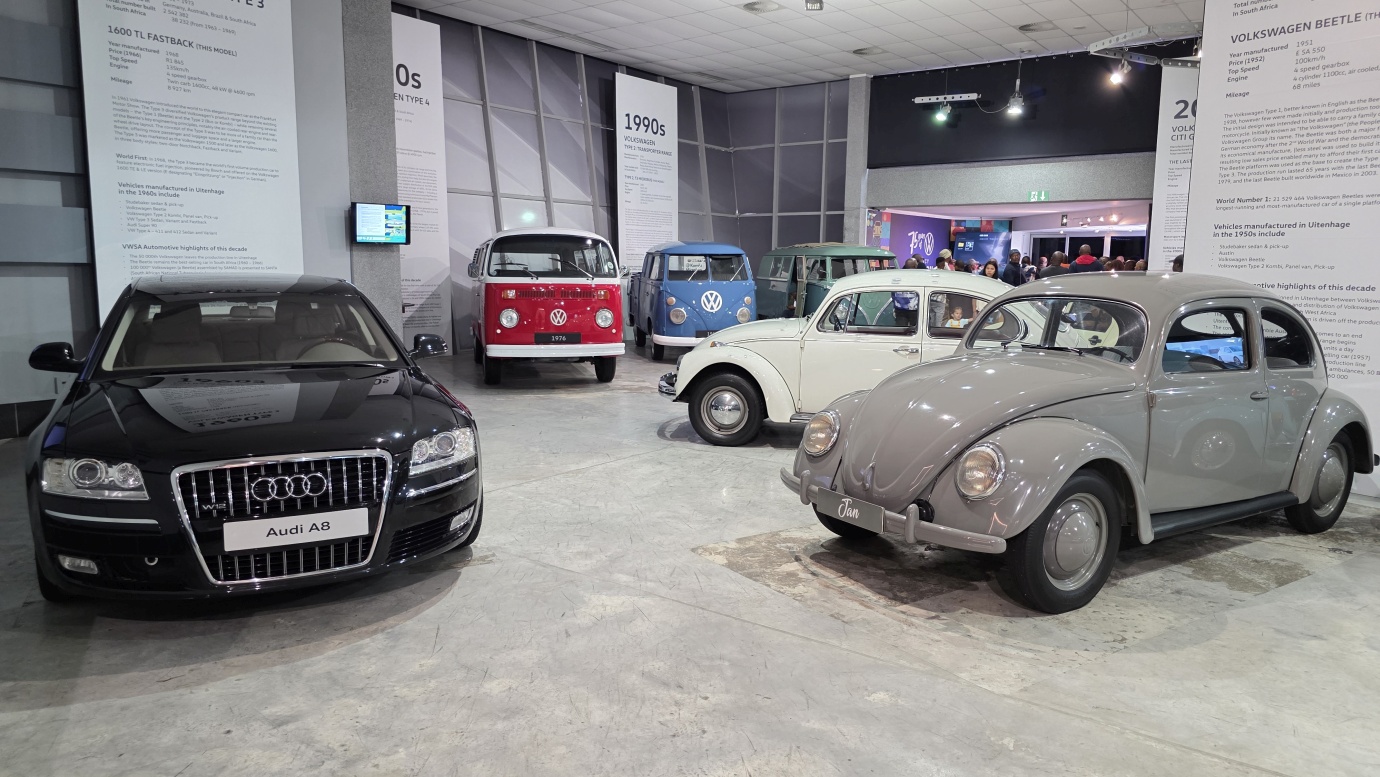
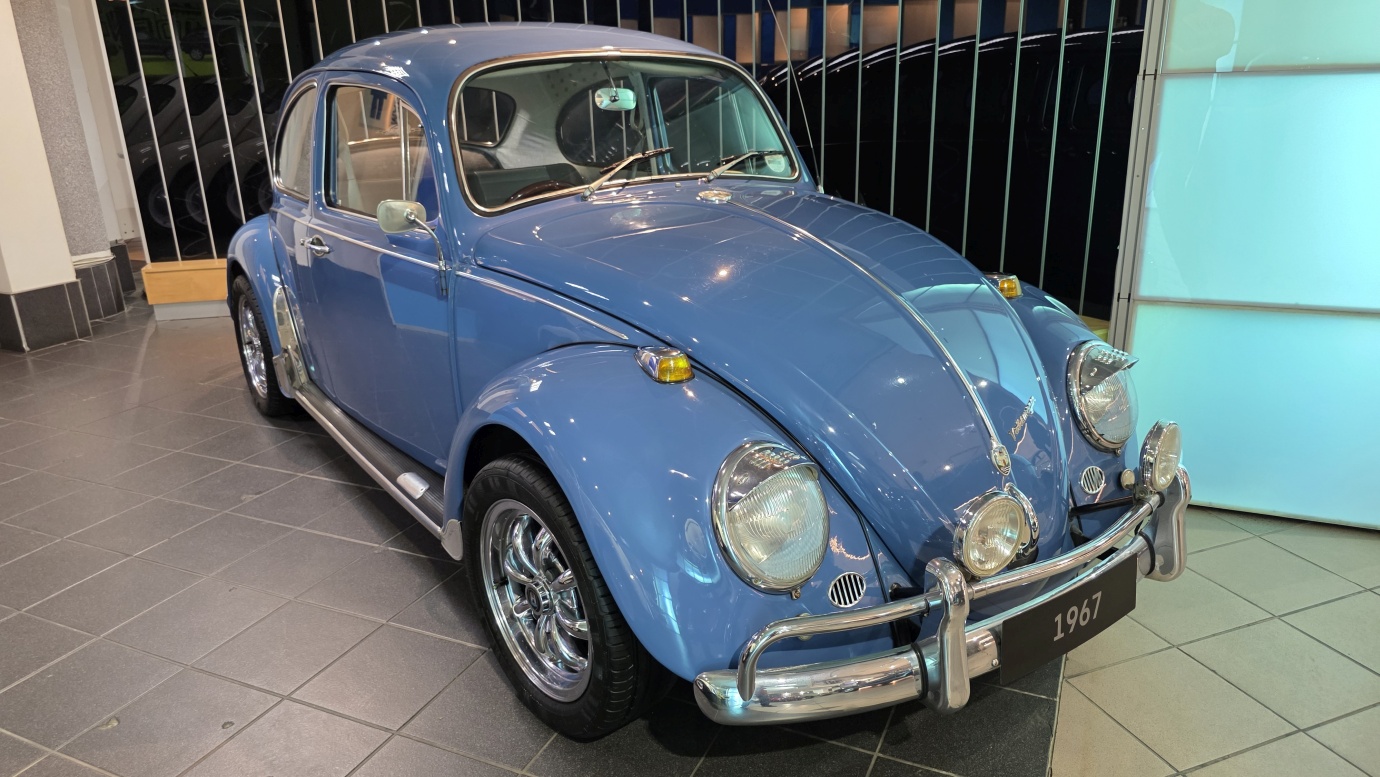
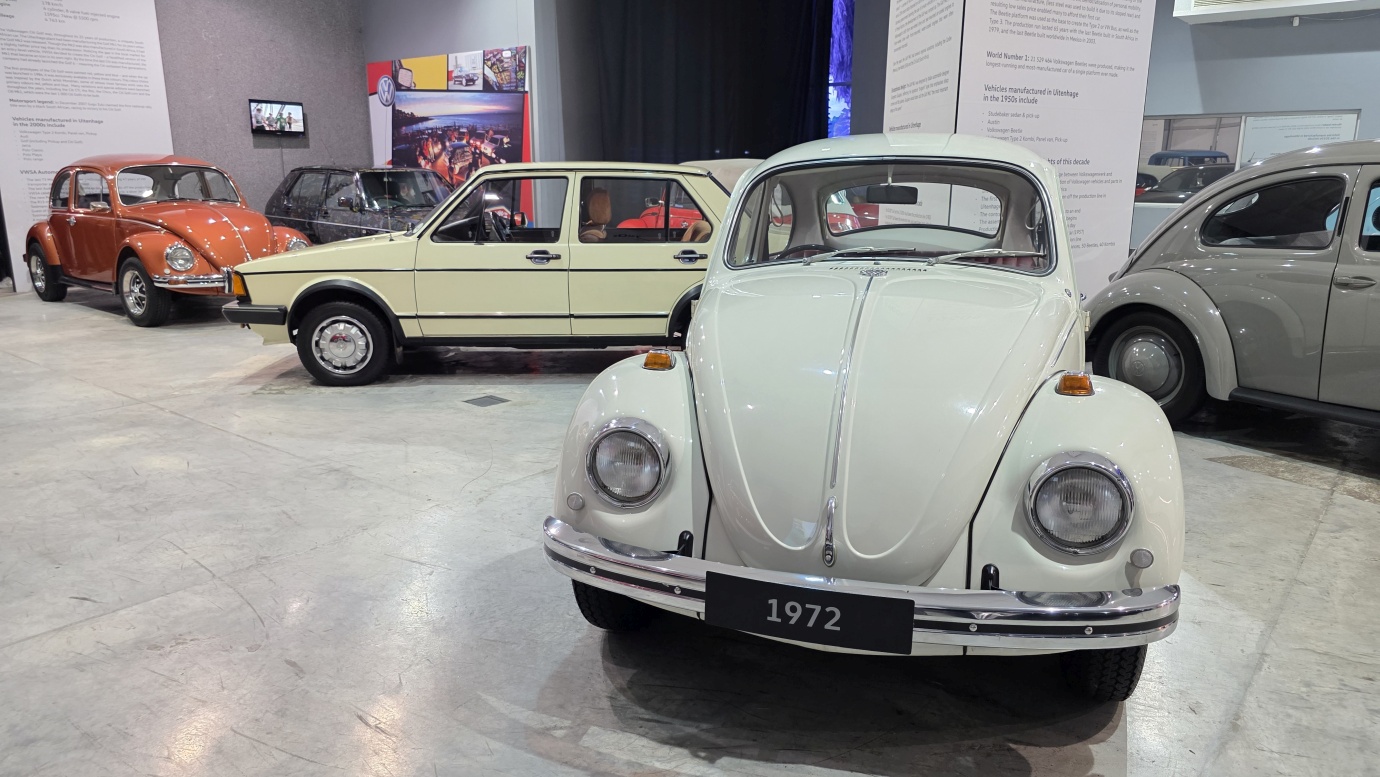
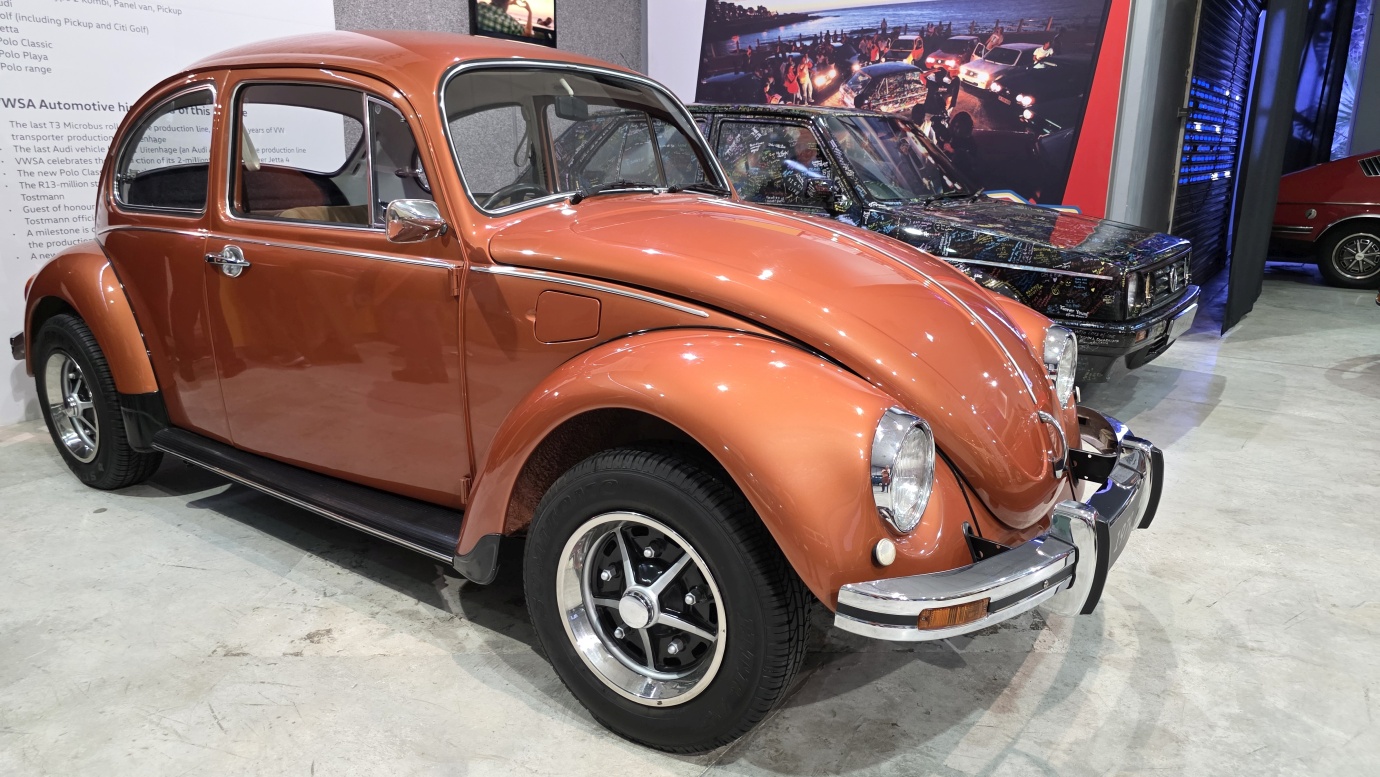
Inside, the museum showcases a rotating collection of around 50 historic, record-breaking and experimental vehicles. Highlights include the two bookends of local Beetle production, marking the beginning and end of an era. One is Matti, the very last metallic-bronze Beetle to roll off the local Uitenhage production line on 18 January 1979. Following a serious transport accident in 2006, the car was painstakingly recreated to preserve its place in automotive history.
Another crown jewel is Jan, a 1949 split-window Beetle built in Wolfsburg, Germany. Discovered through a national competition in 1971, Jan is recognised as South Africa’s oldest known Beetle. Volkswagen’s product engineers meticulously restored it to its original factory specification, preserving a remarkable piece of the brand’s early history.
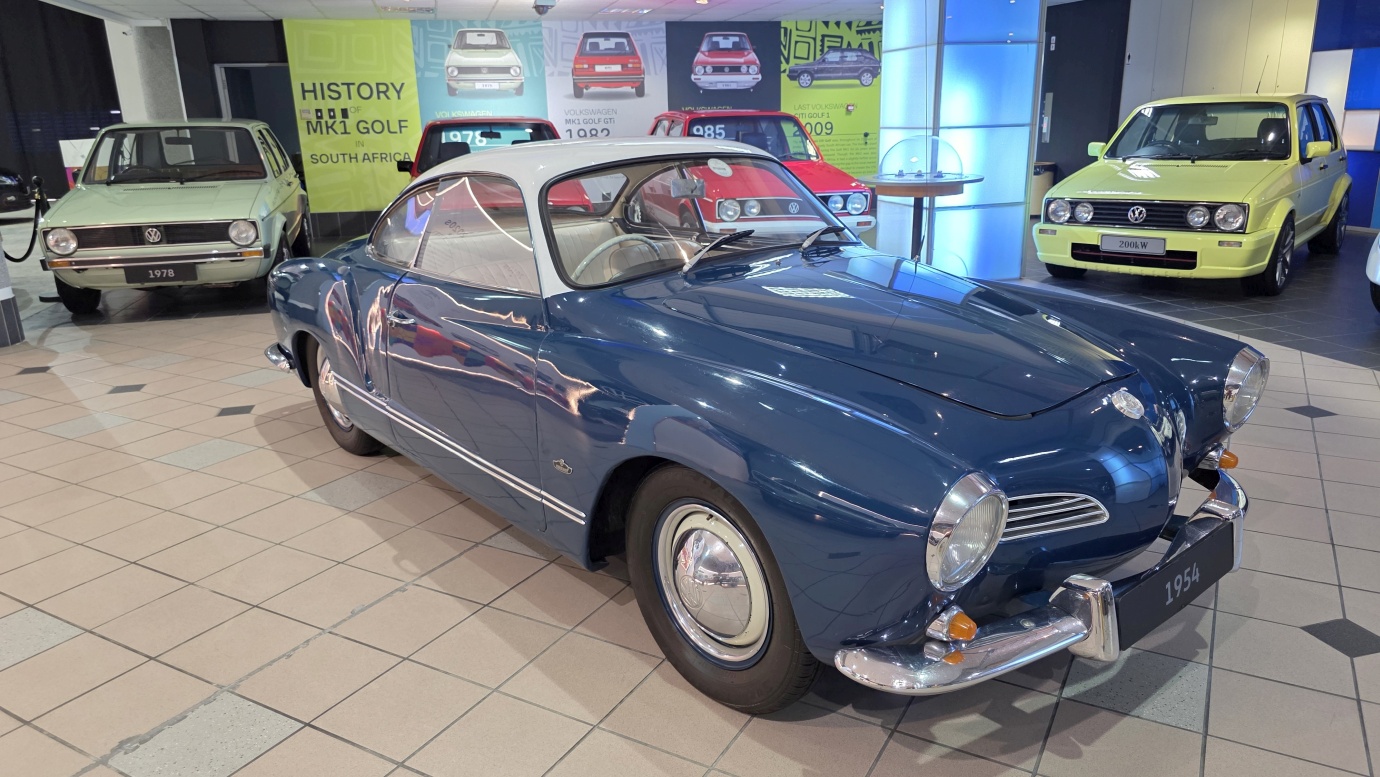
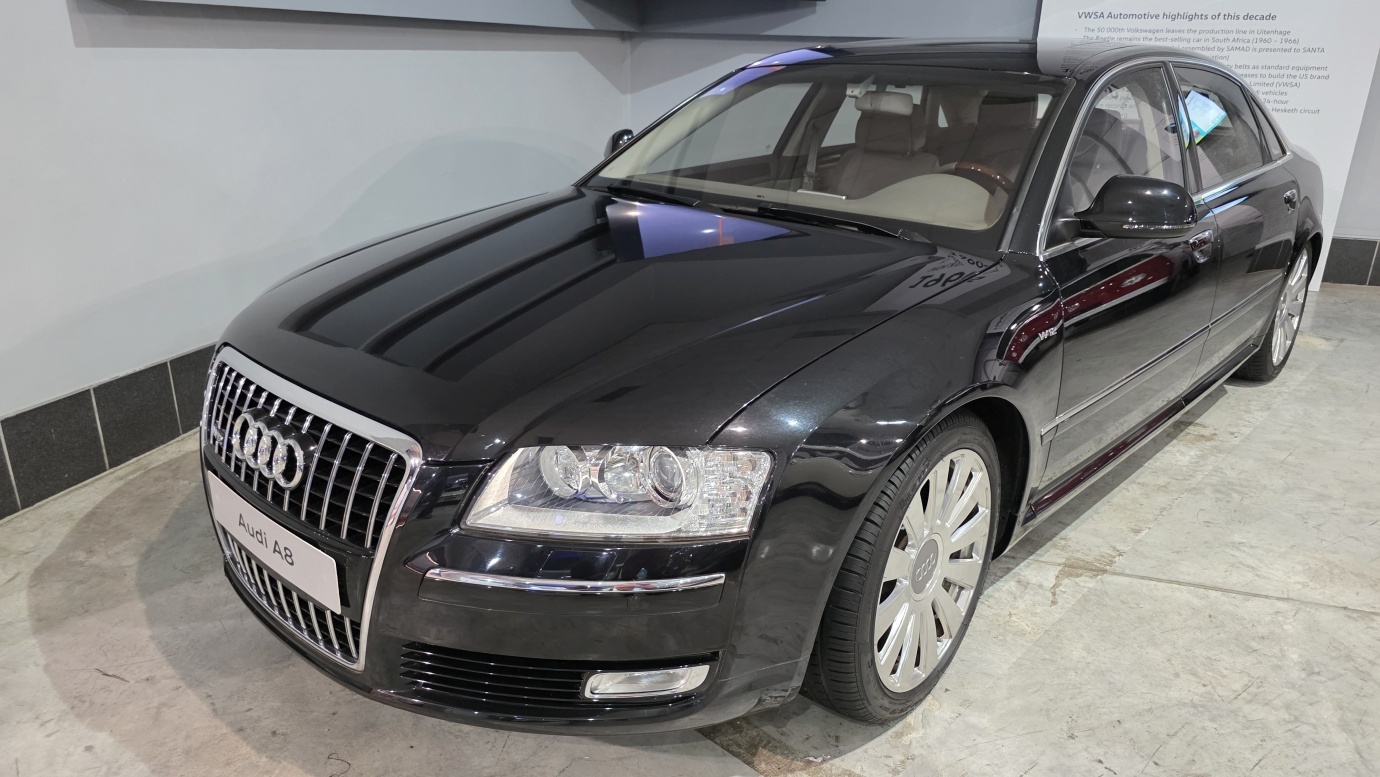
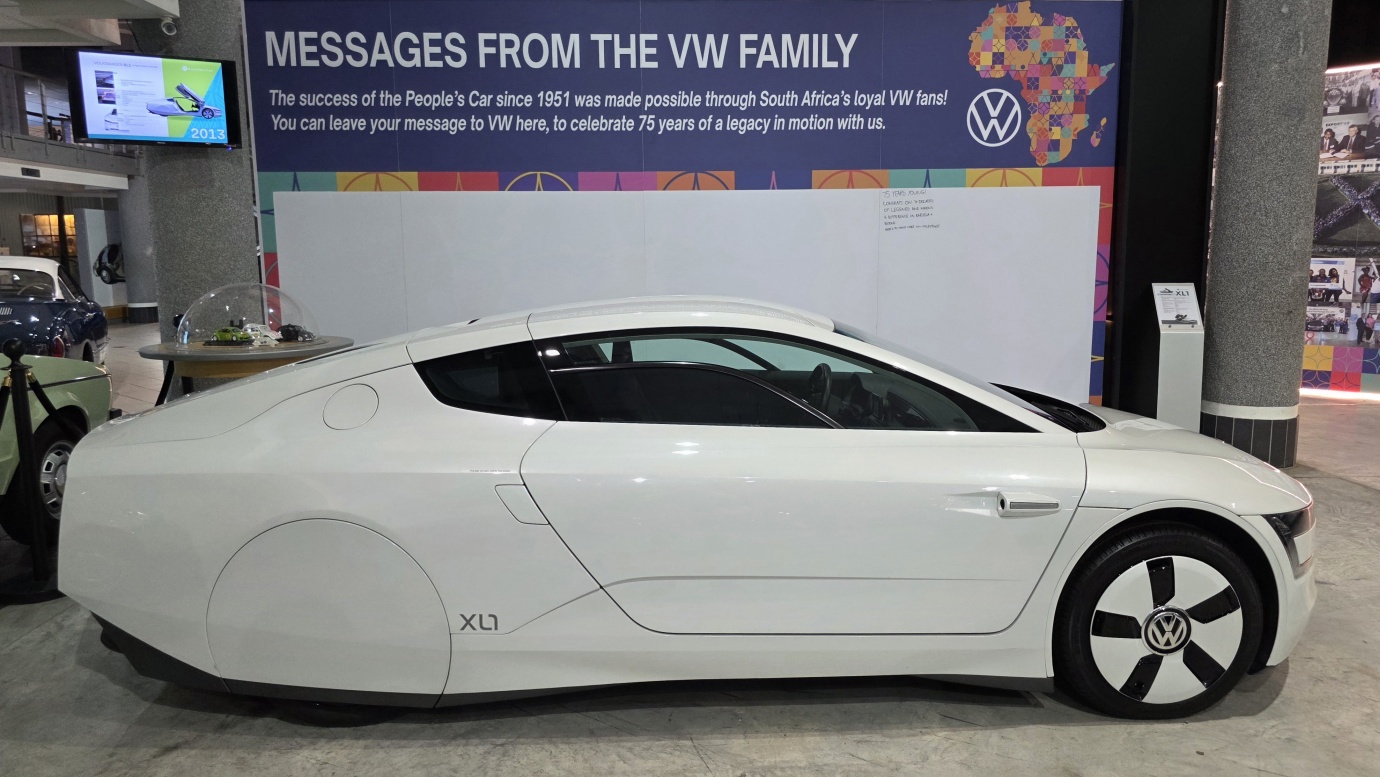
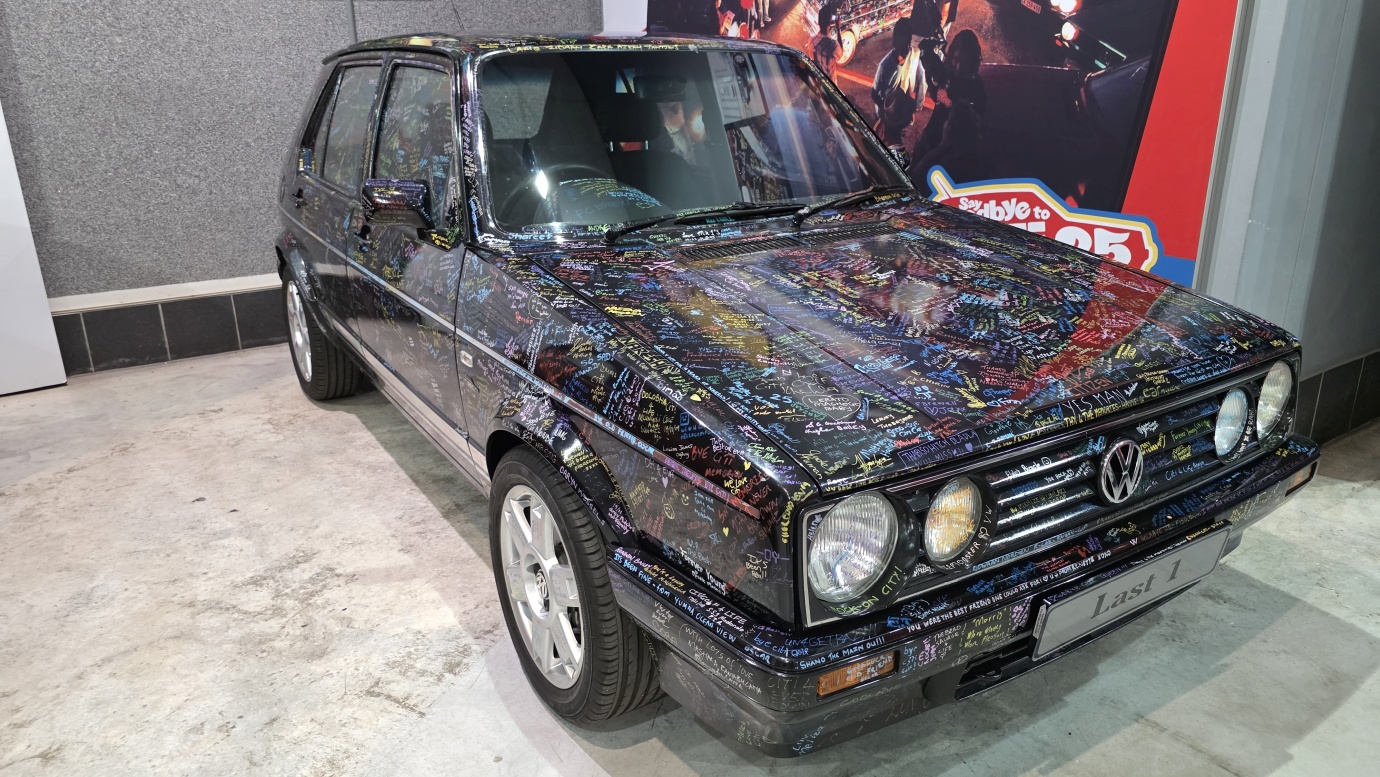
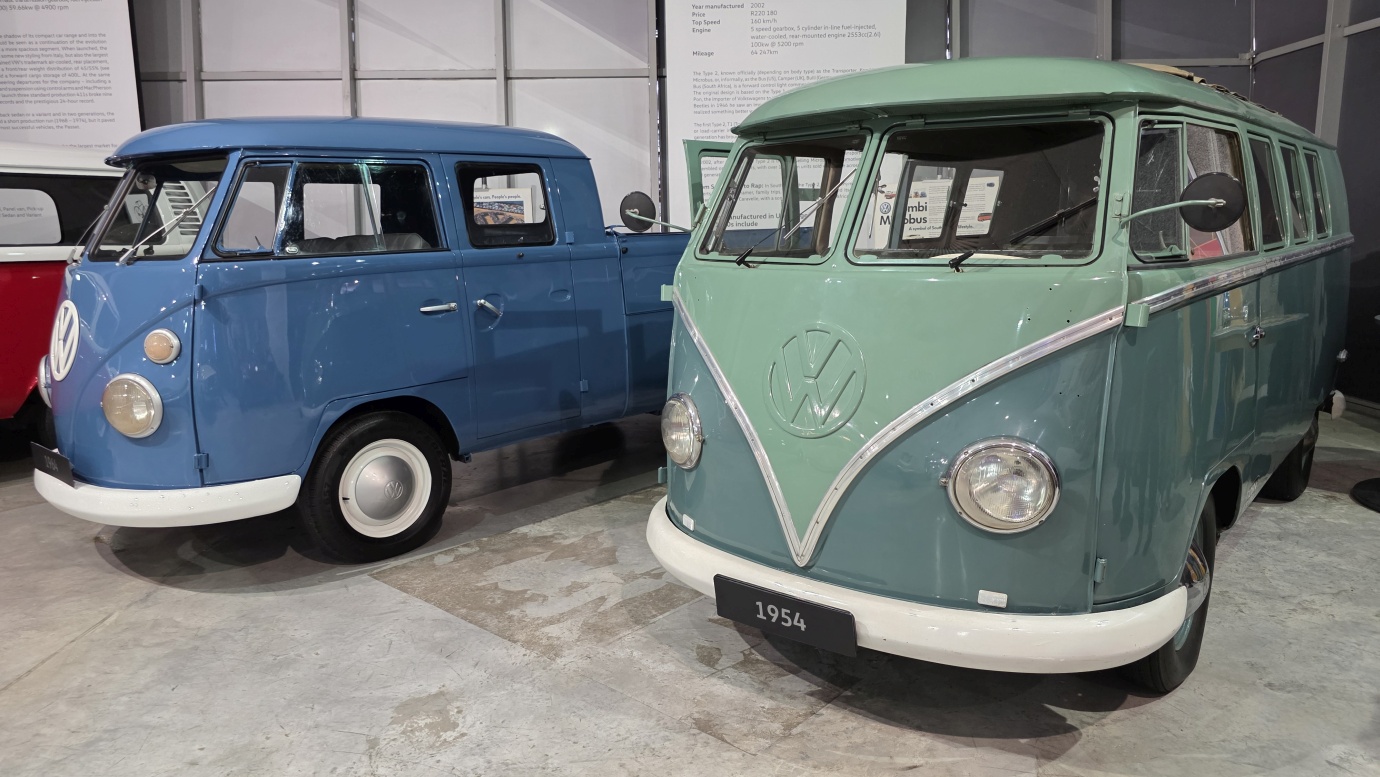
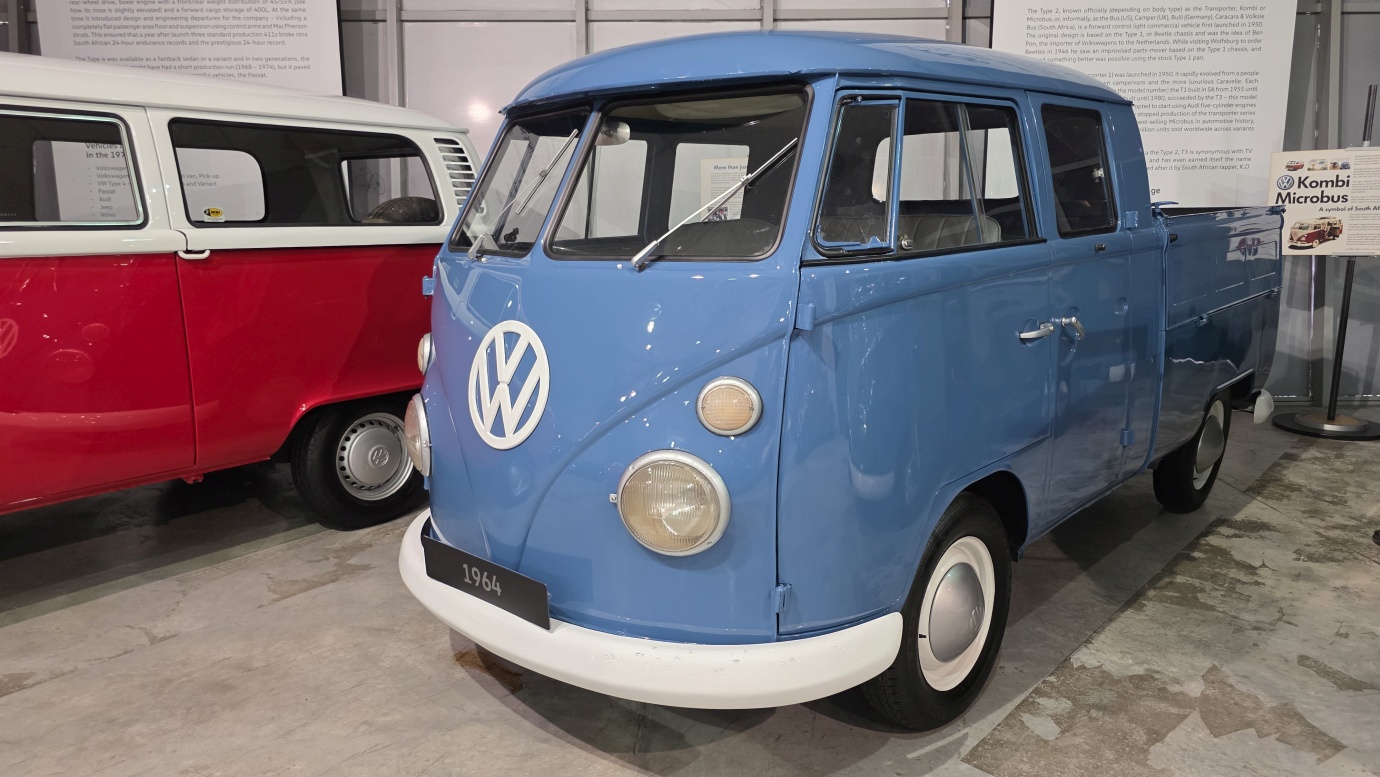
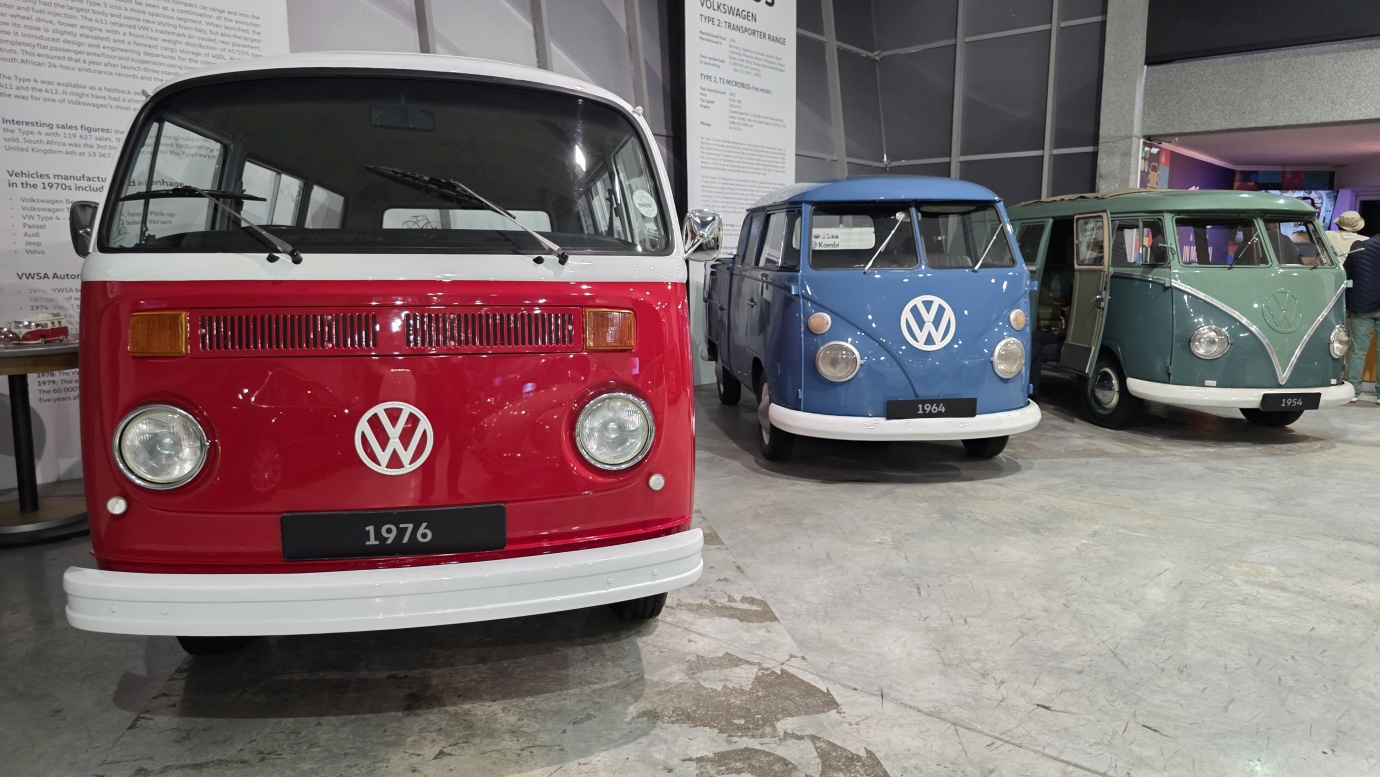
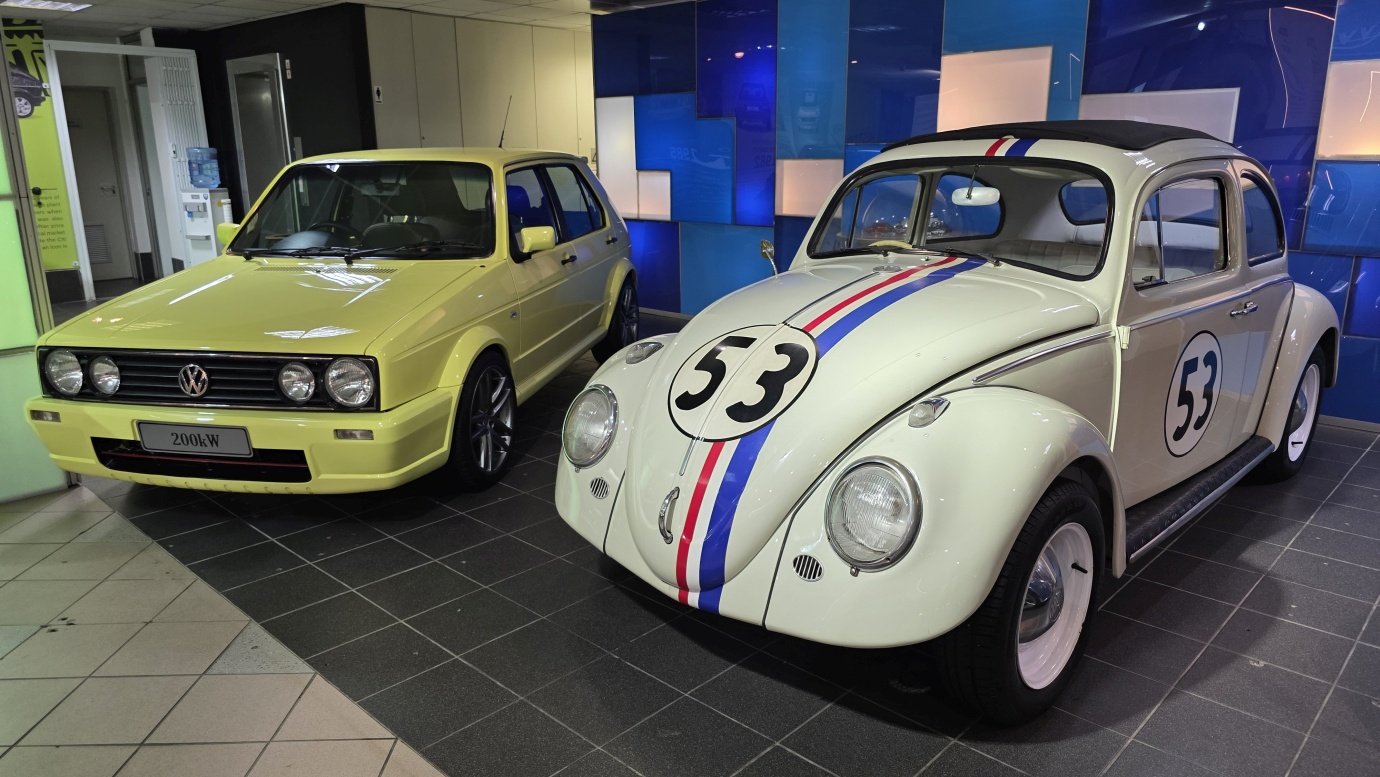
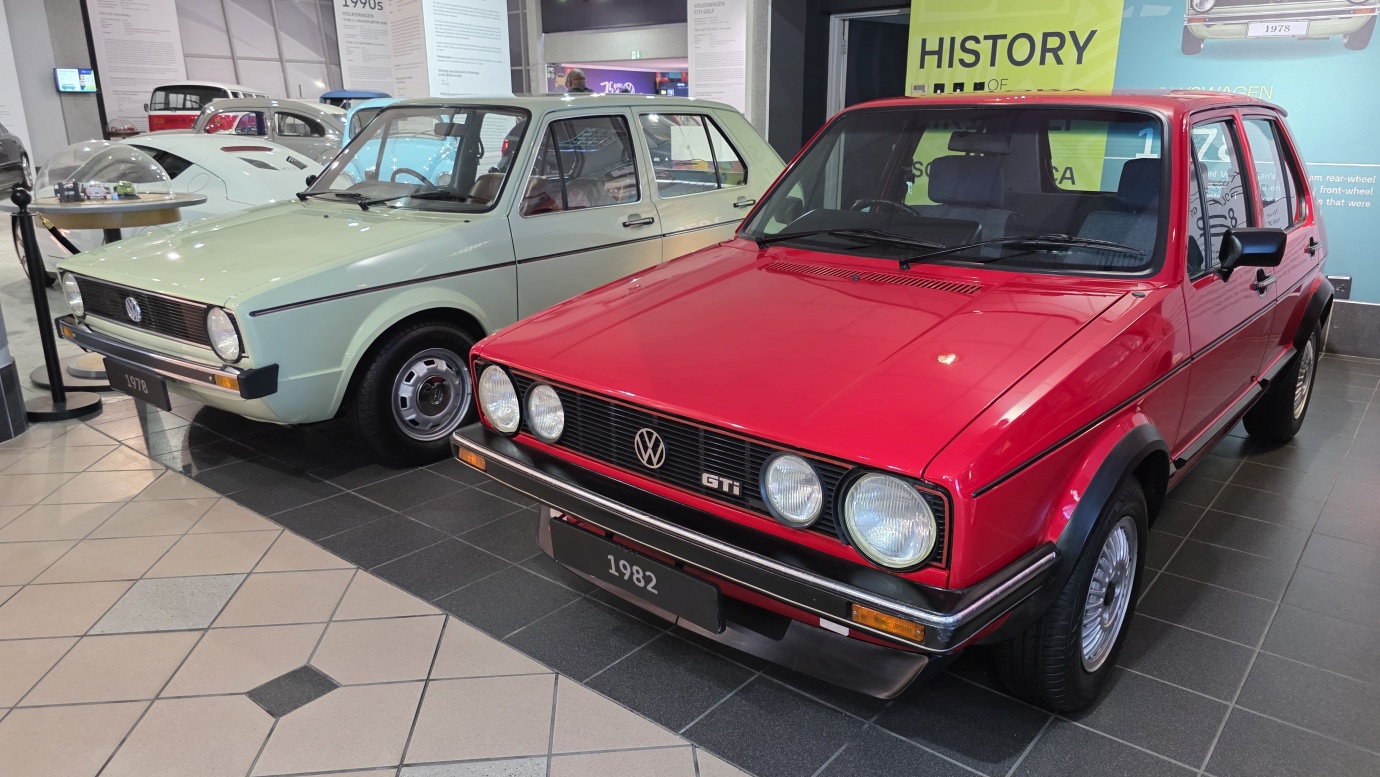
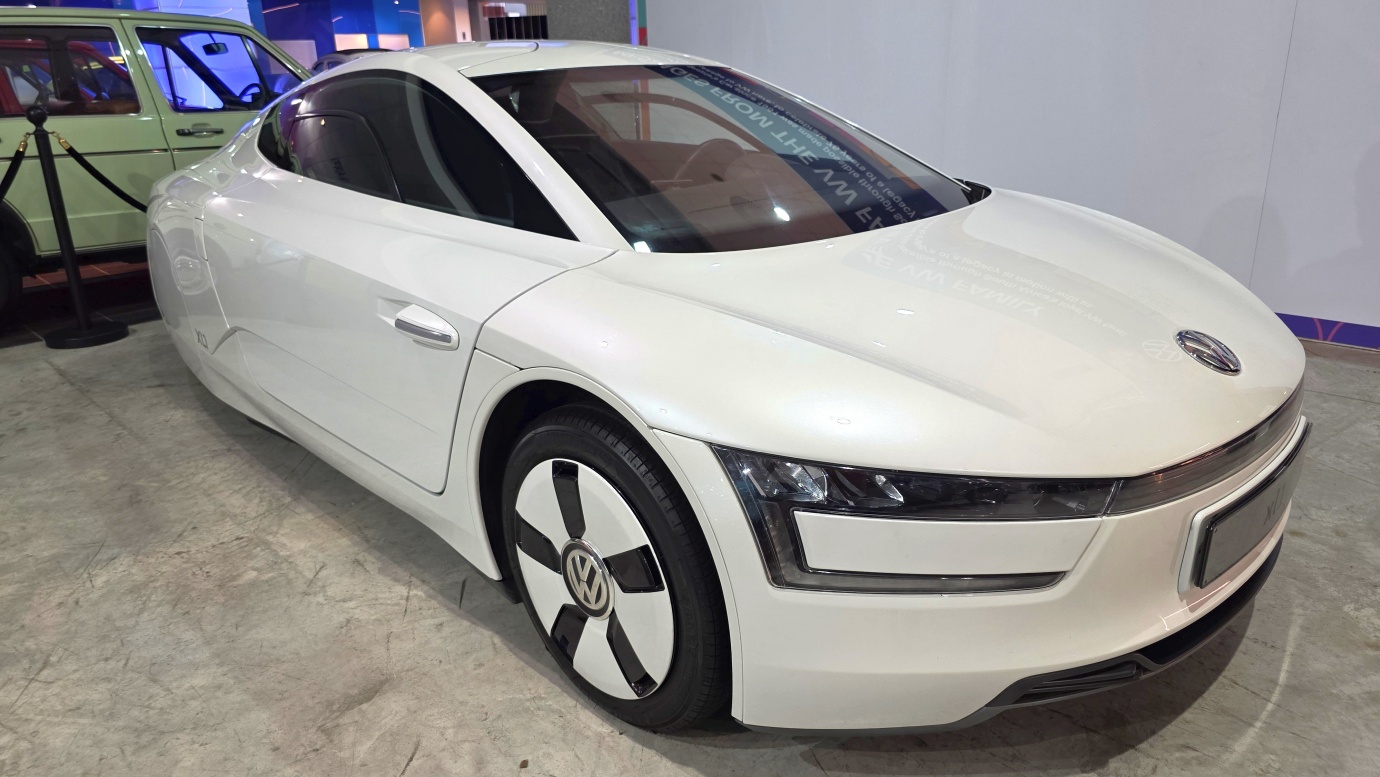
The collection also celebrates the legendary Citi Golf, a colourful South African motoring icon produced from 1984 to 2009, alongside classic Type 2 Hippie Kombis and the formidable Audi Sport quattro S1, one of the most recognisable rally cars of its era. Visitors can also discover rare prototypes that never reached full production, as well as the technologically advanced Volkswagen XL1, an exceptionally rare hybrid designed for outstanding fuel efficiency.
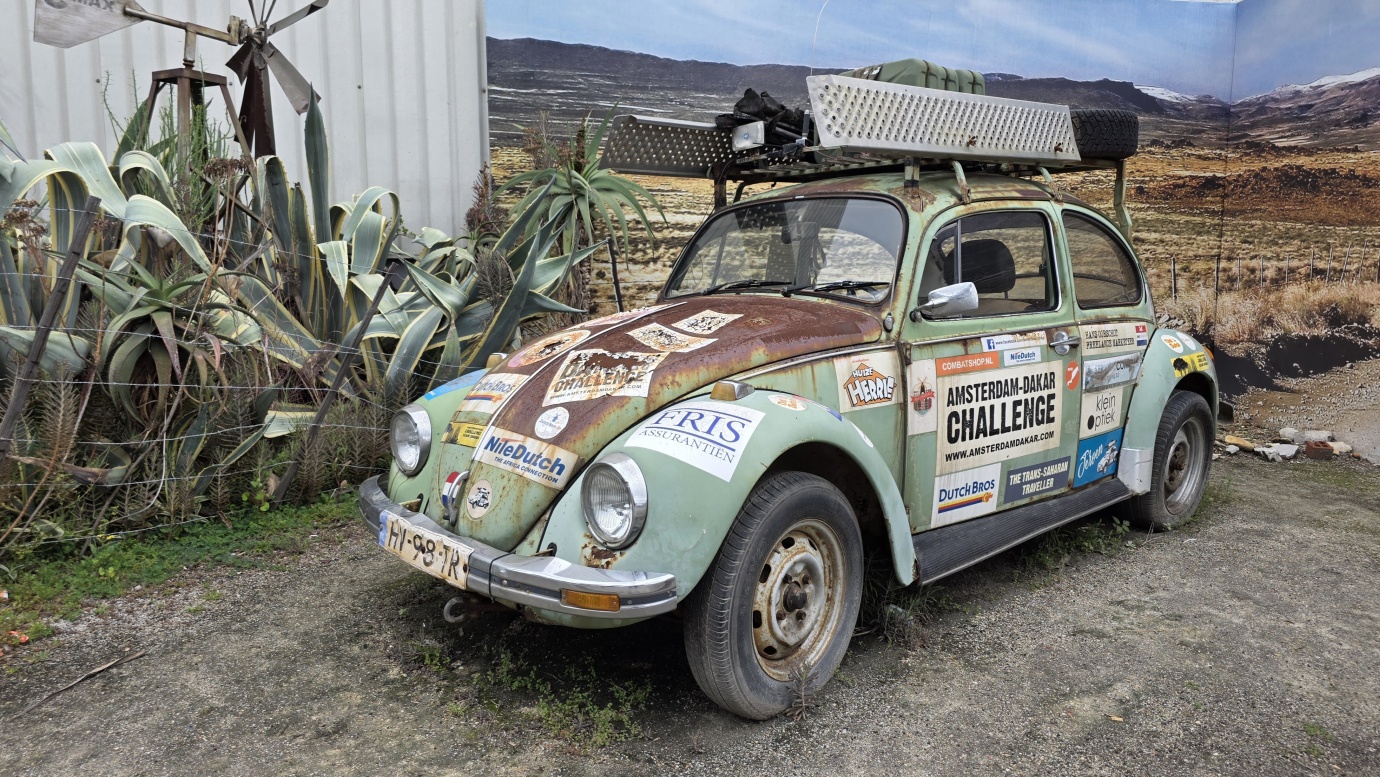
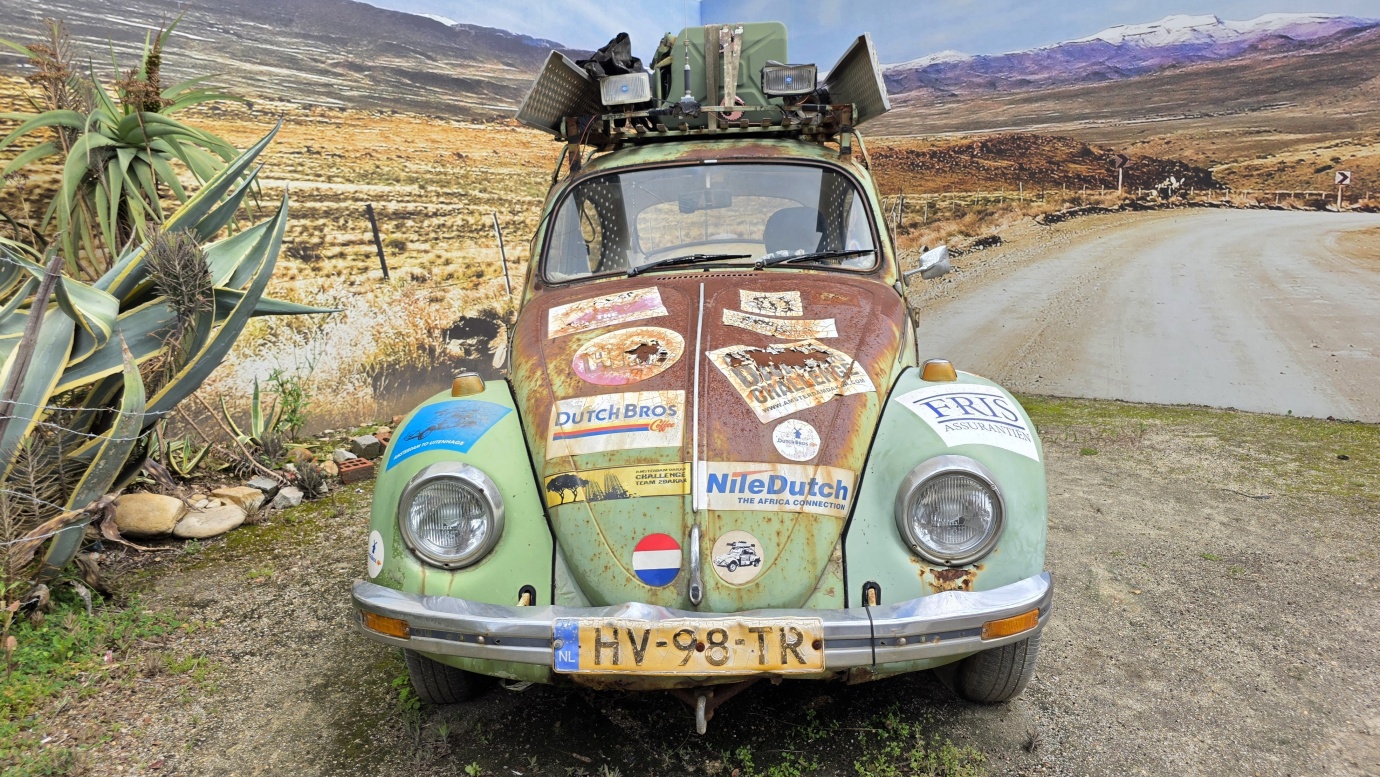
Yet one of the most memorable exhibits is not inside the museum at all. Parked outside is Jeroen, a Volkswagen Beetle with a remarkable expedition story. Driven by its owner, Jos, the car completed an arduous four-month journey across the Trans-Saharan desert before arriving at the Volkswagen factory in April 2013. Rather than being restored to showroom condition, Jeroen has been preserved in its authentic, weathered state, proudly displaying the scars of its adventures.
More than just an old car, Jeroen is a living testament to the original Beetle’s durability, simplicity and ingenious engineering. Its presence outside the AutoPavilion feels particularly fitting: while the museum celebrates Volkswagen’s industrial achievements and automotive milestones, this dusty desert veteran shows what these humble machines could do when taken far beyond the ordinary roads they were designed for.