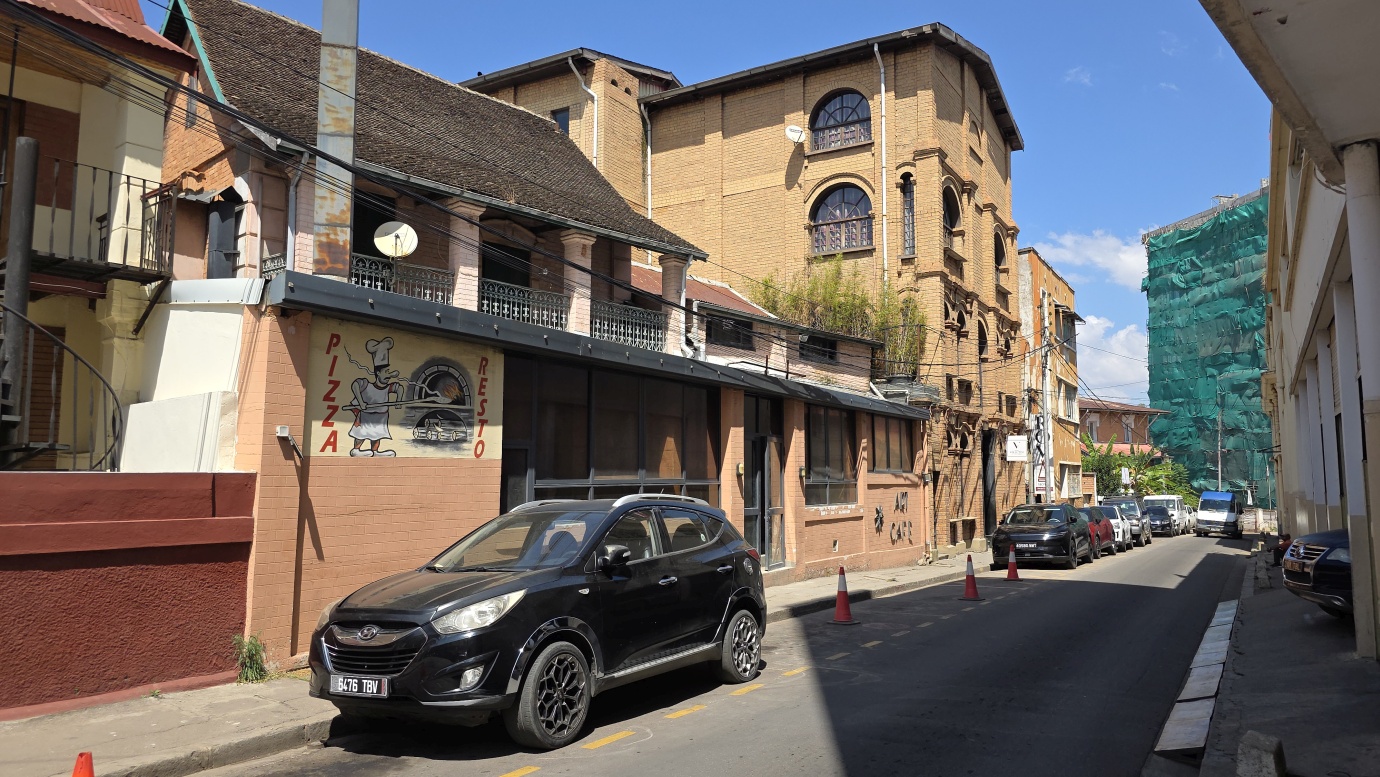
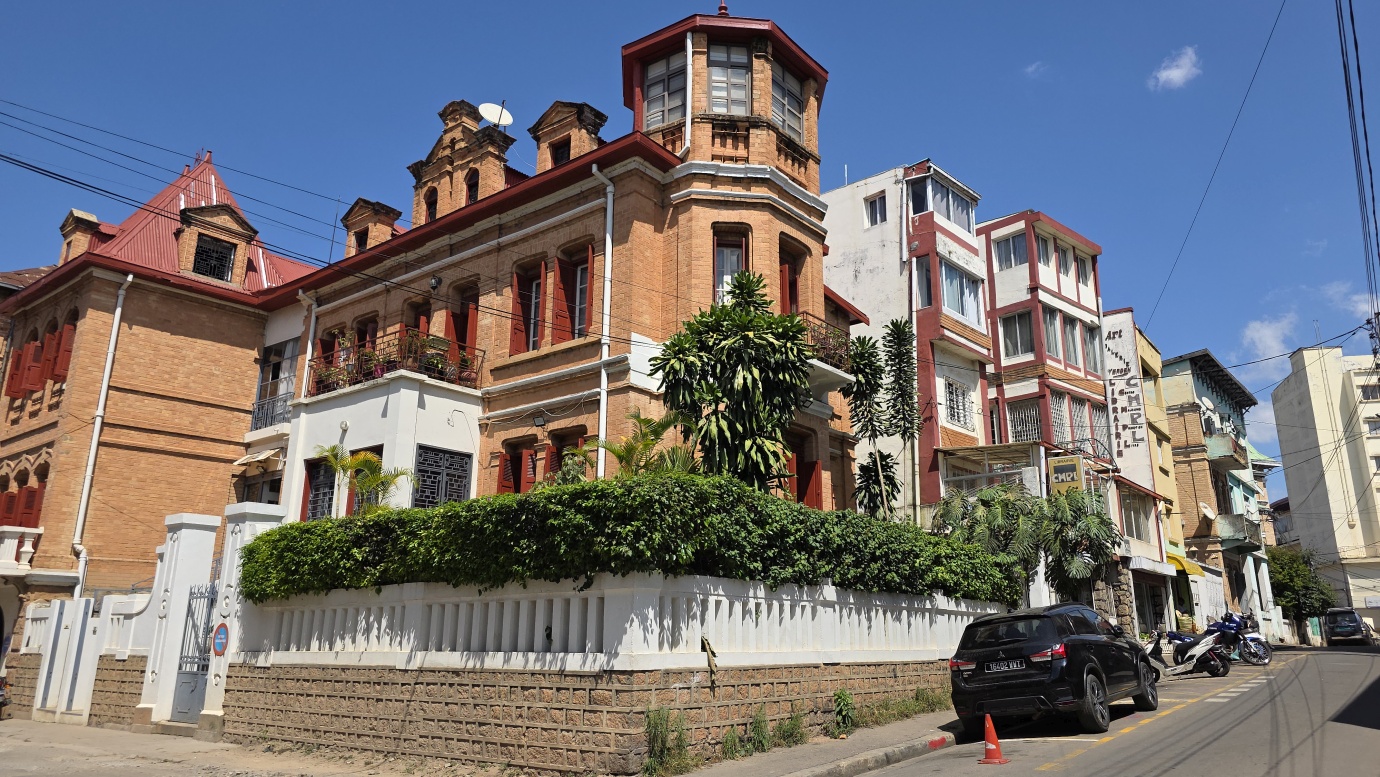
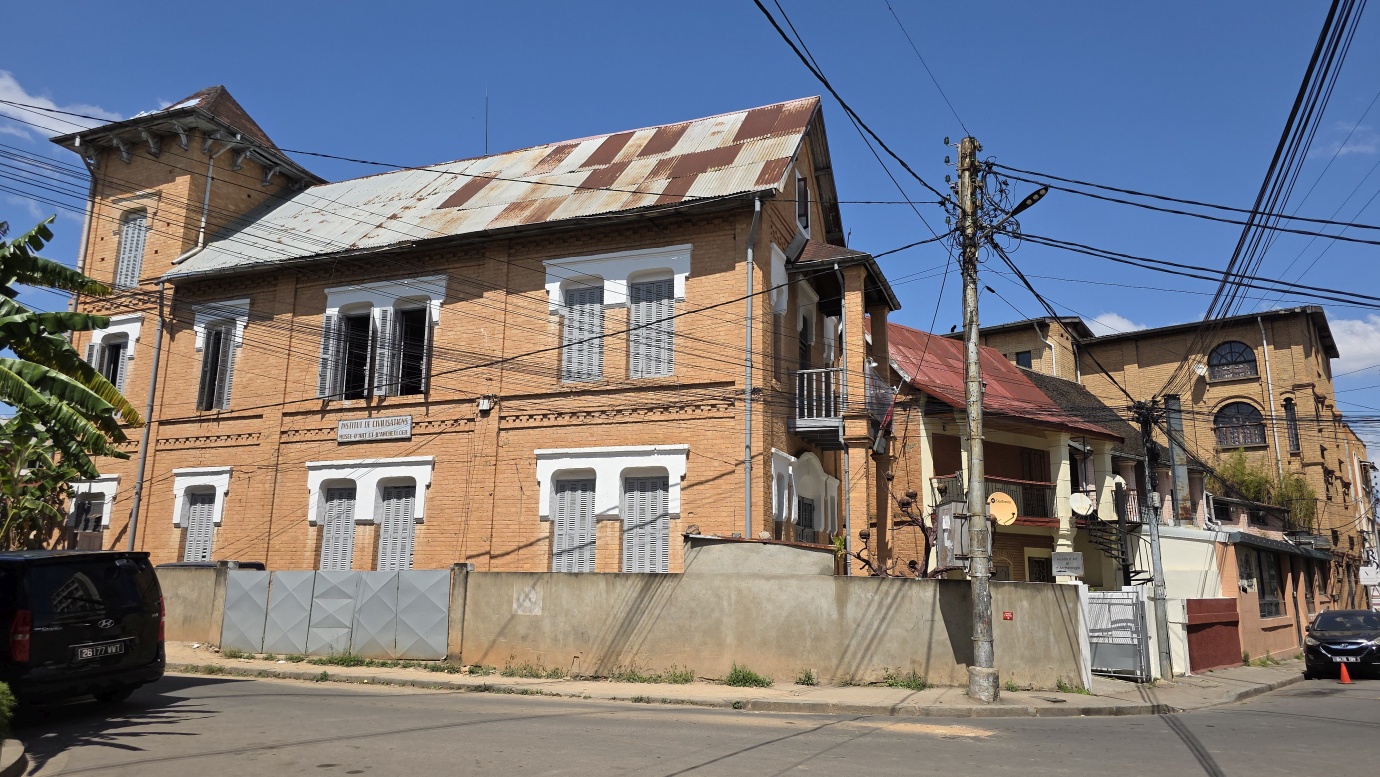
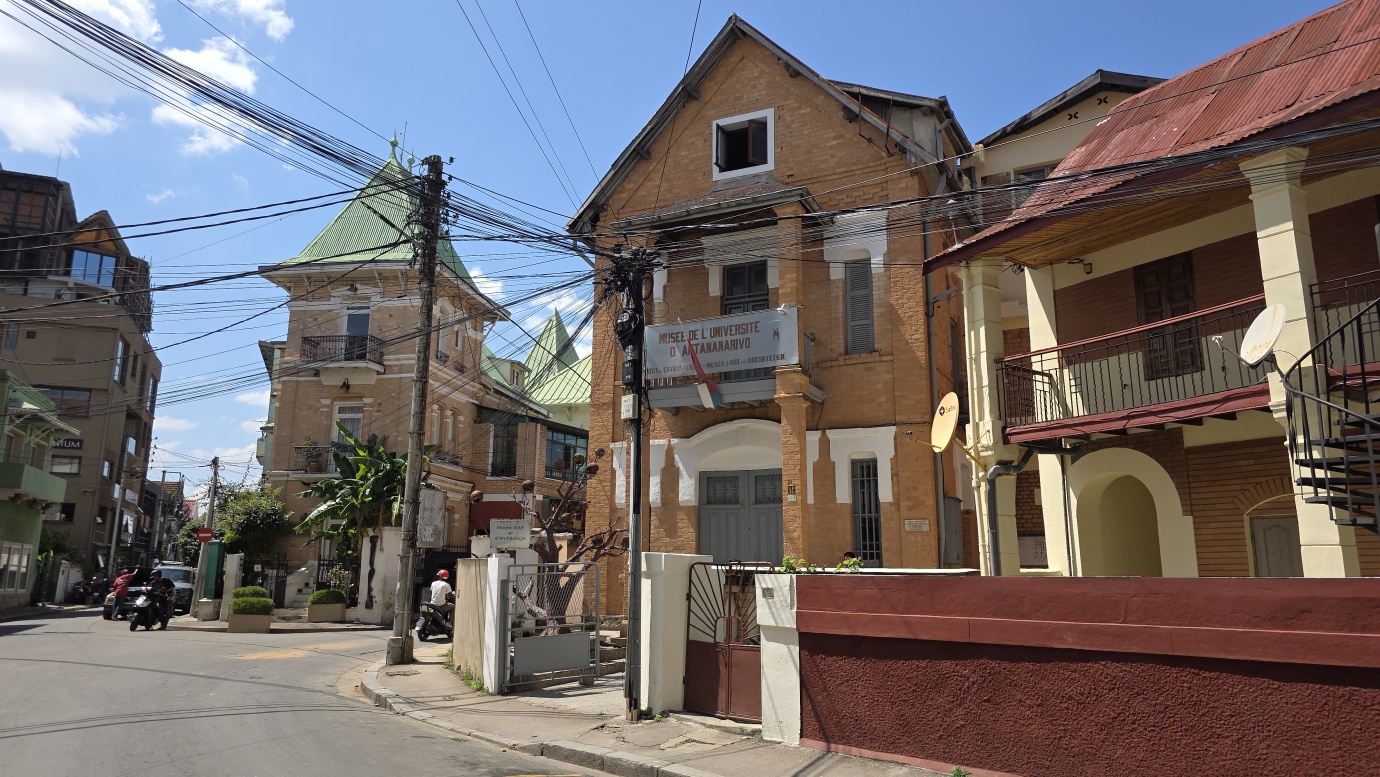
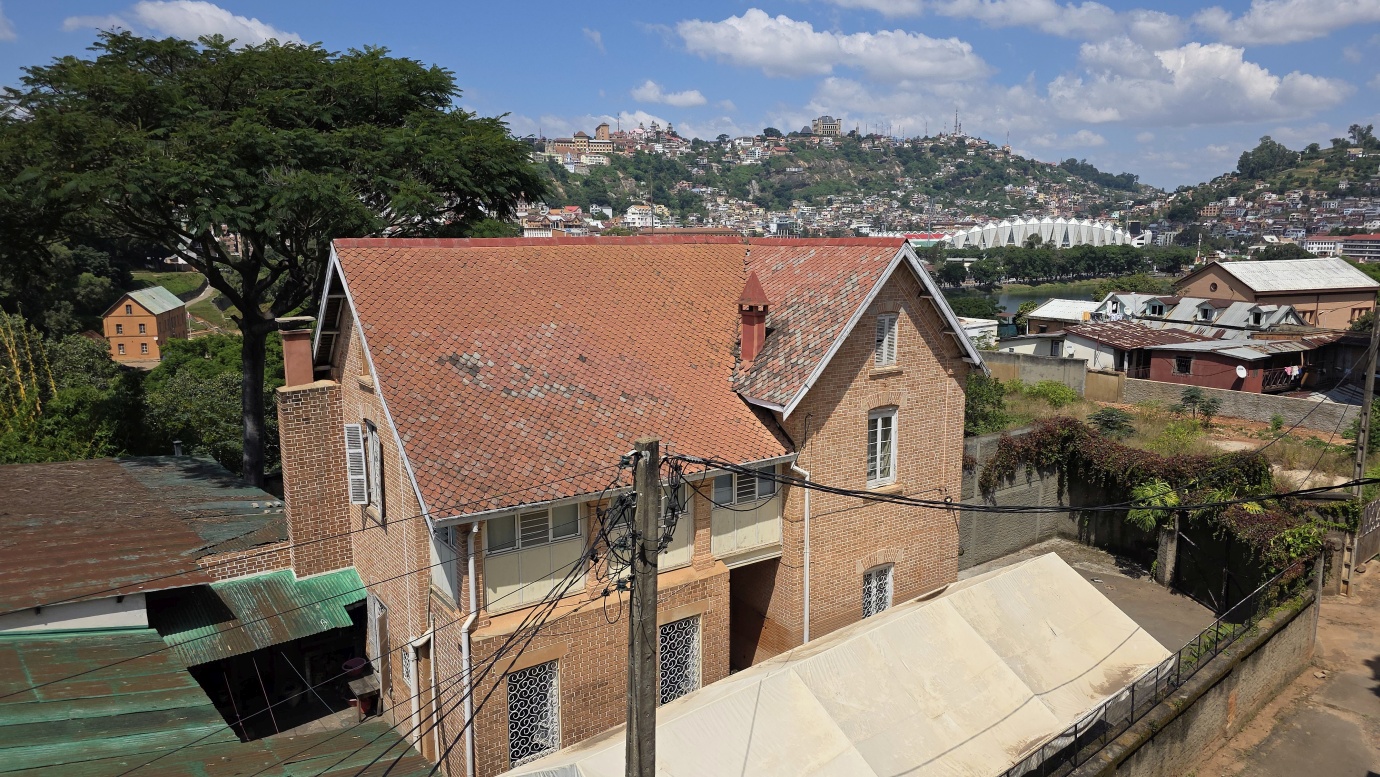
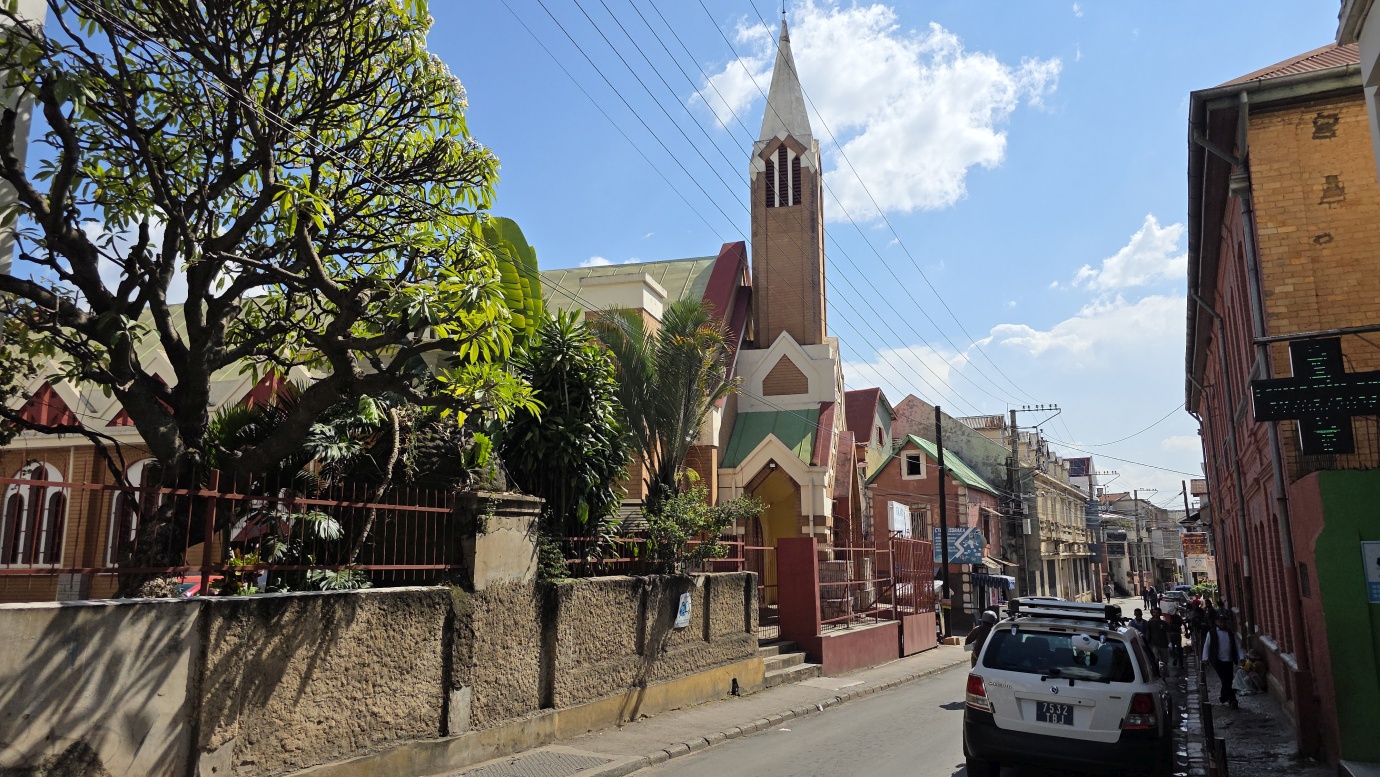
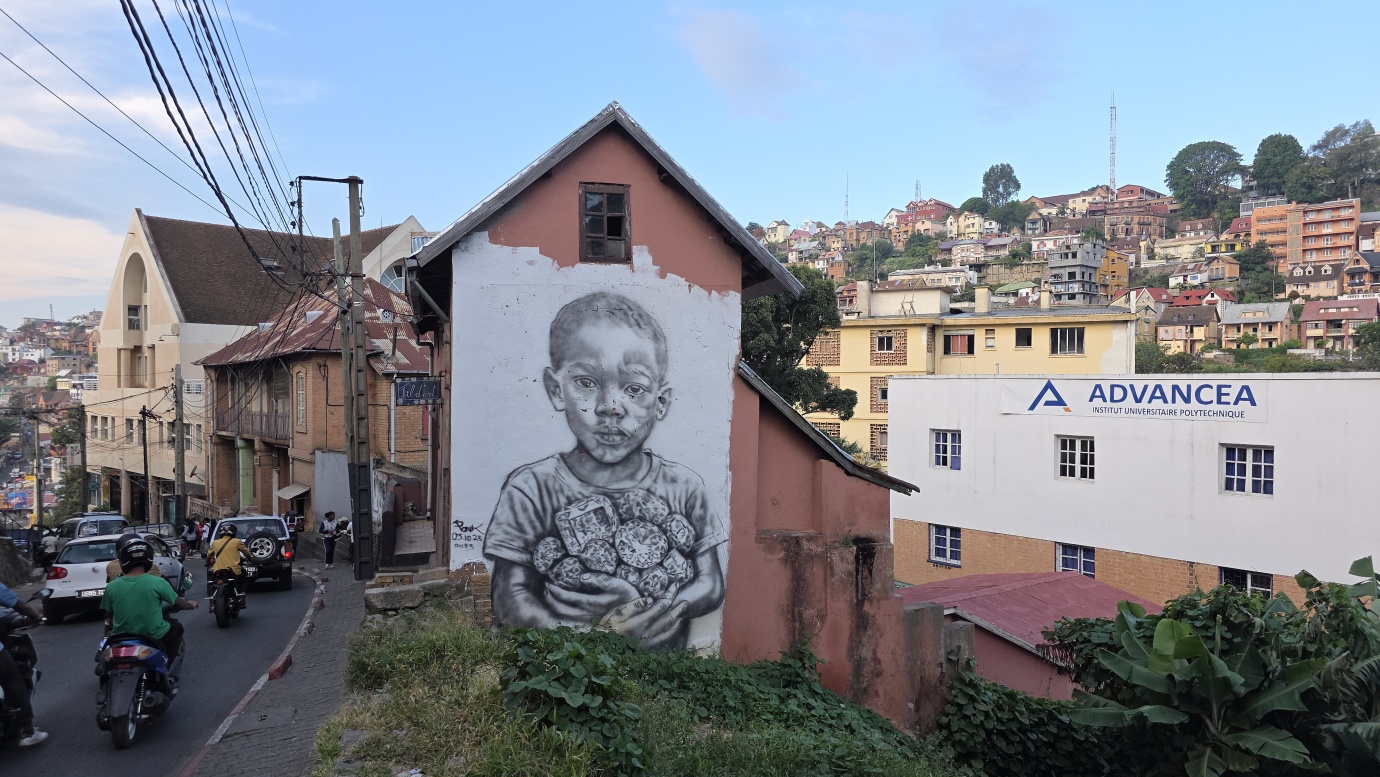
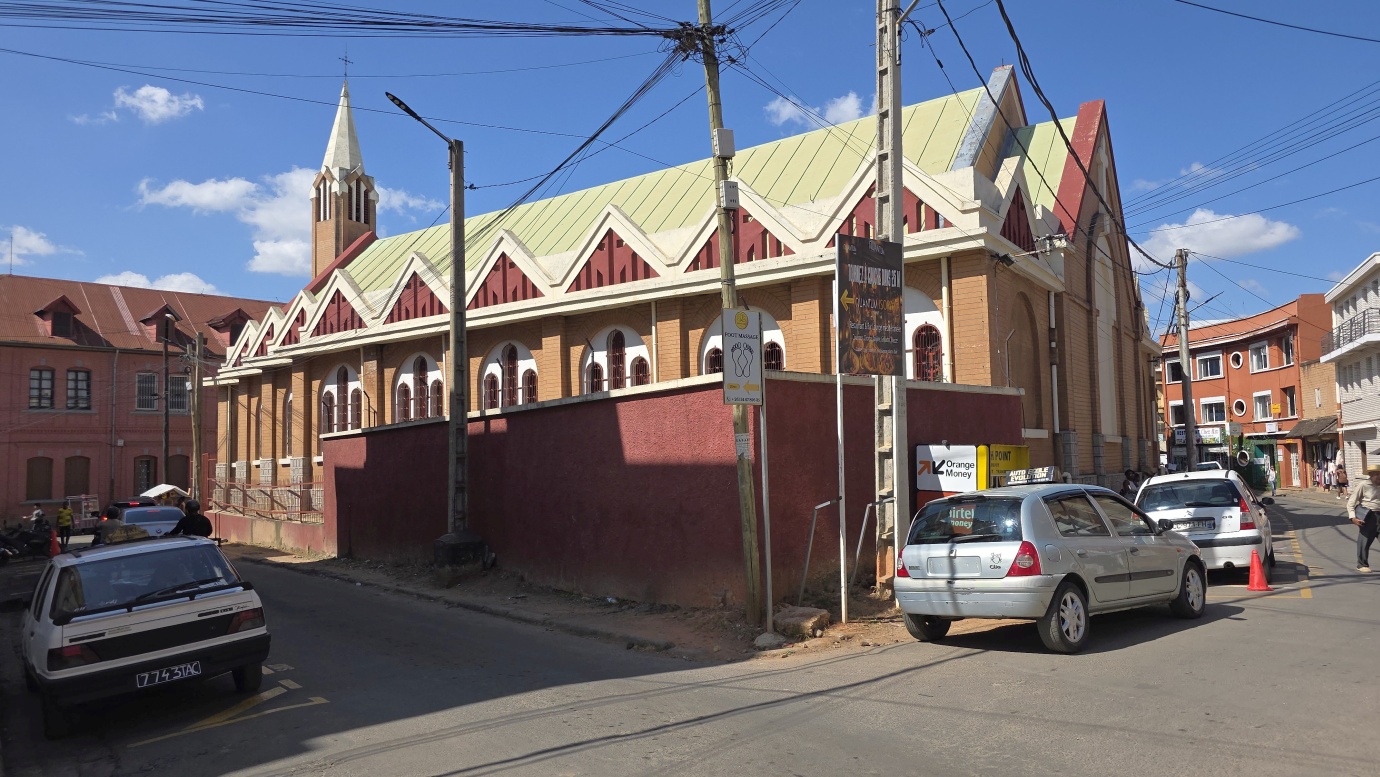
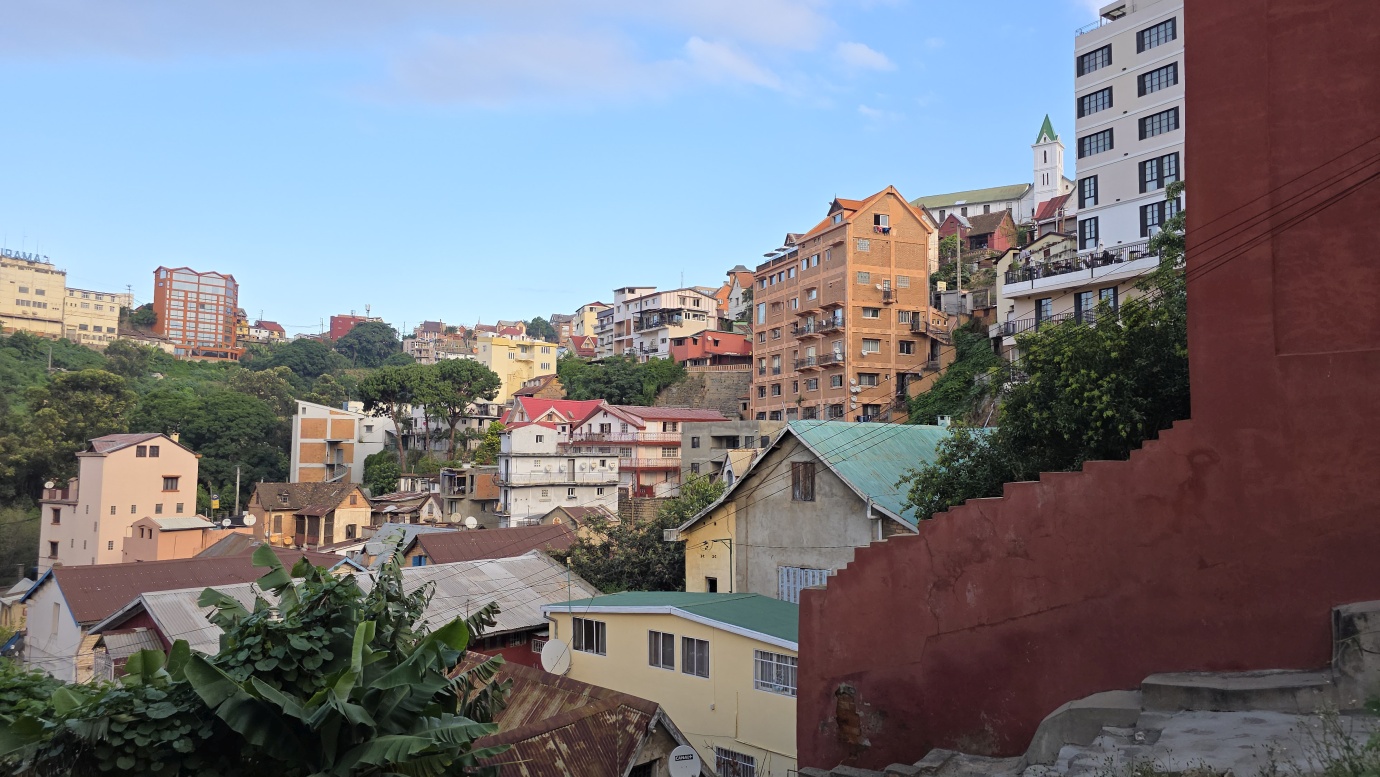
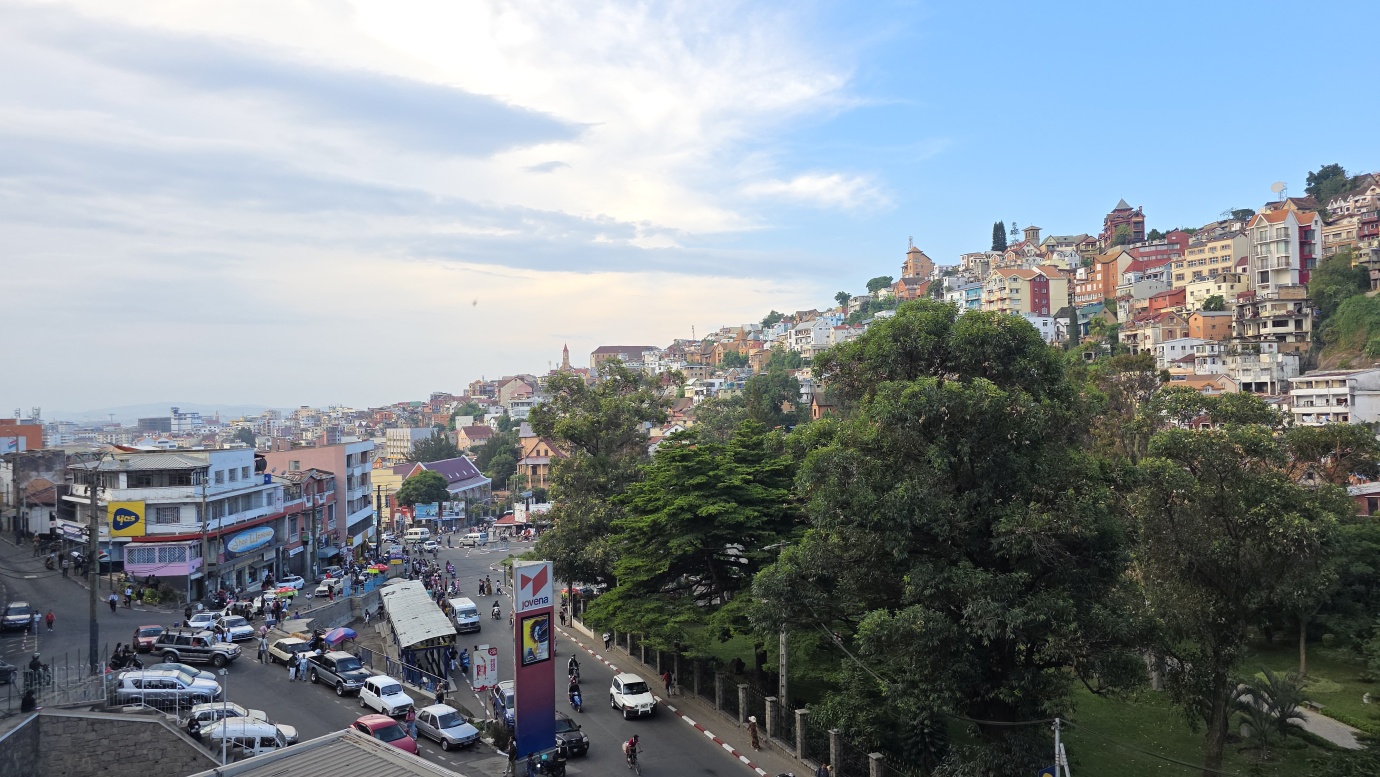
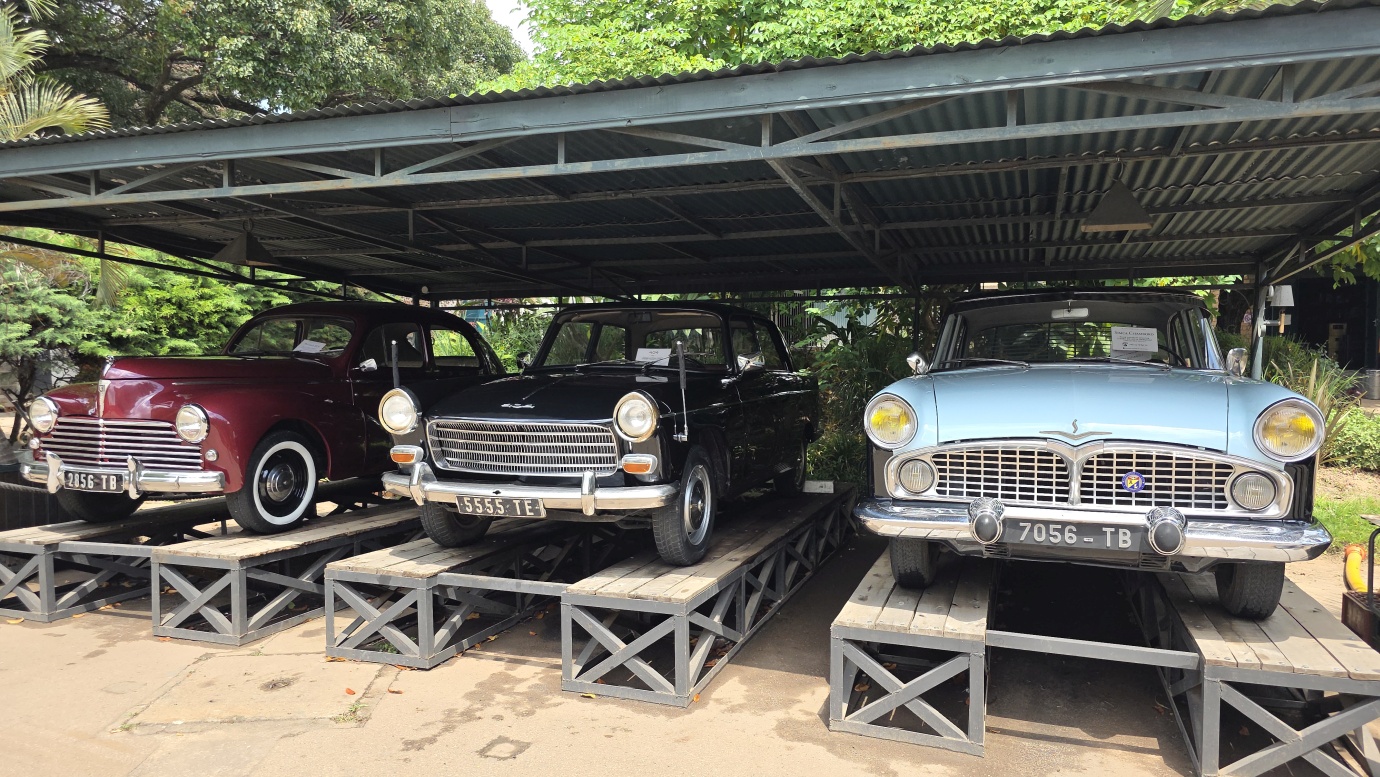
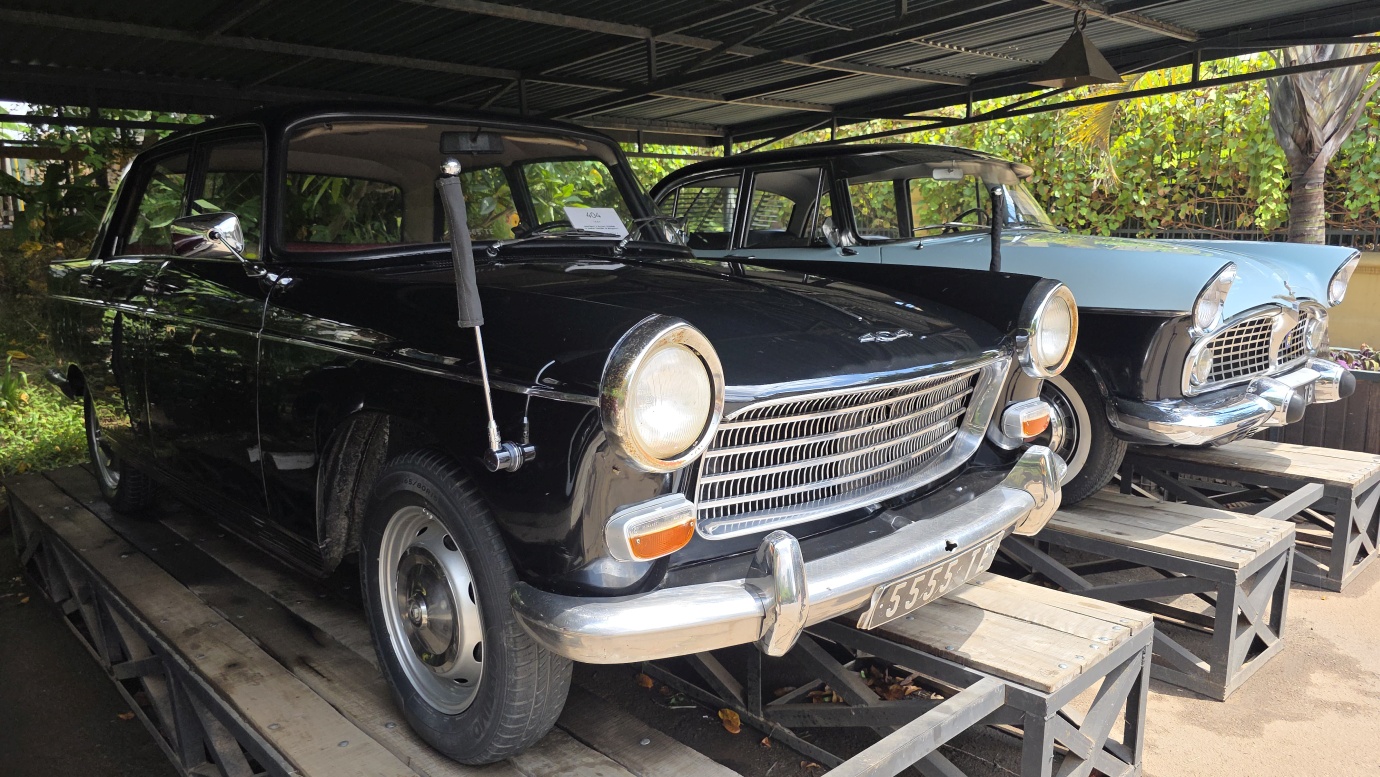
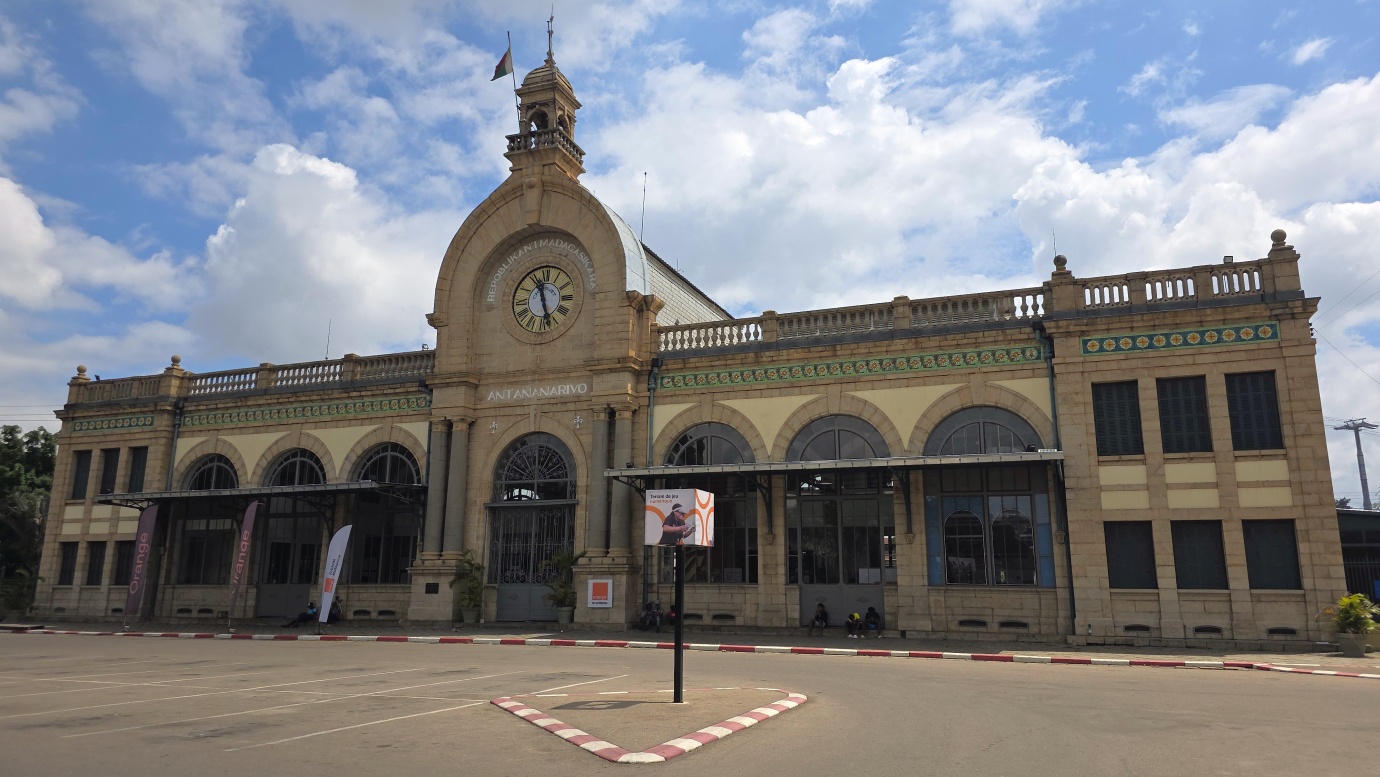
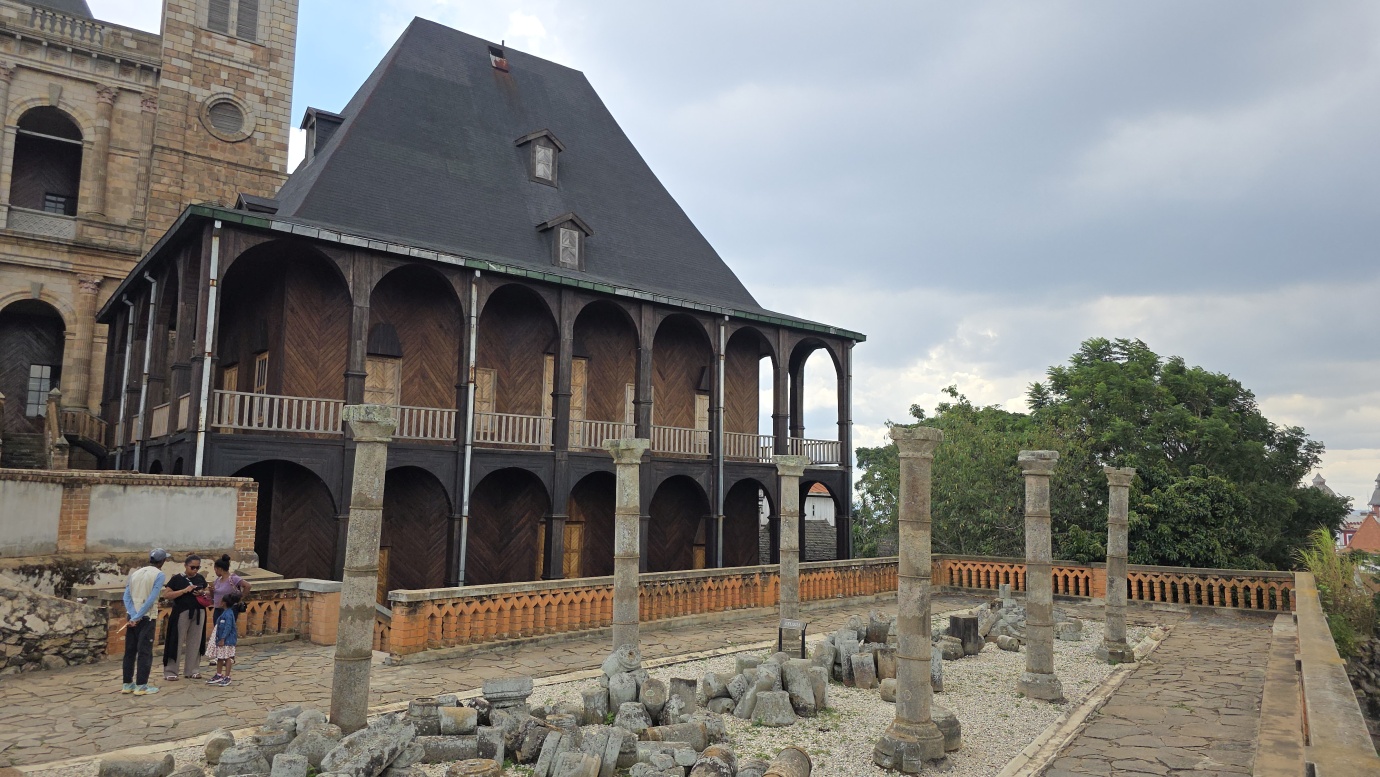
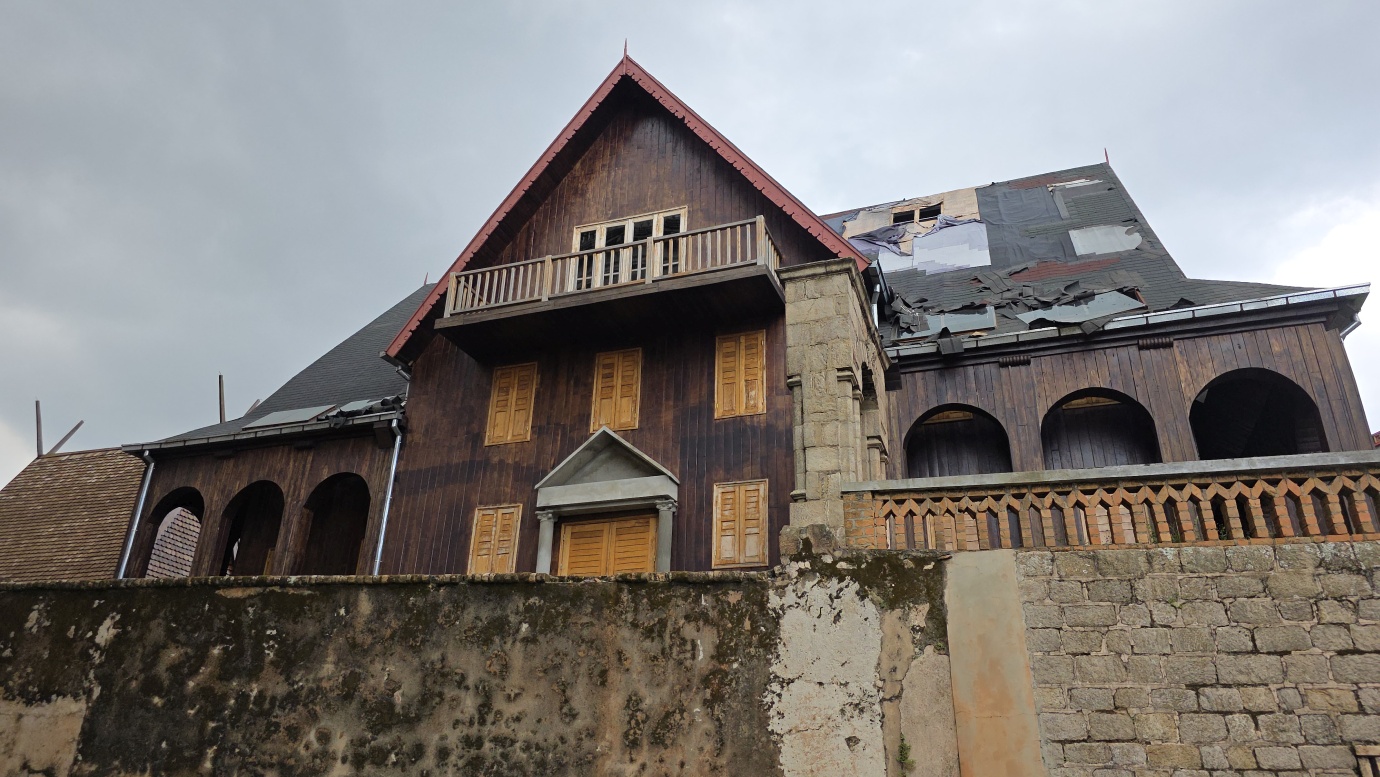
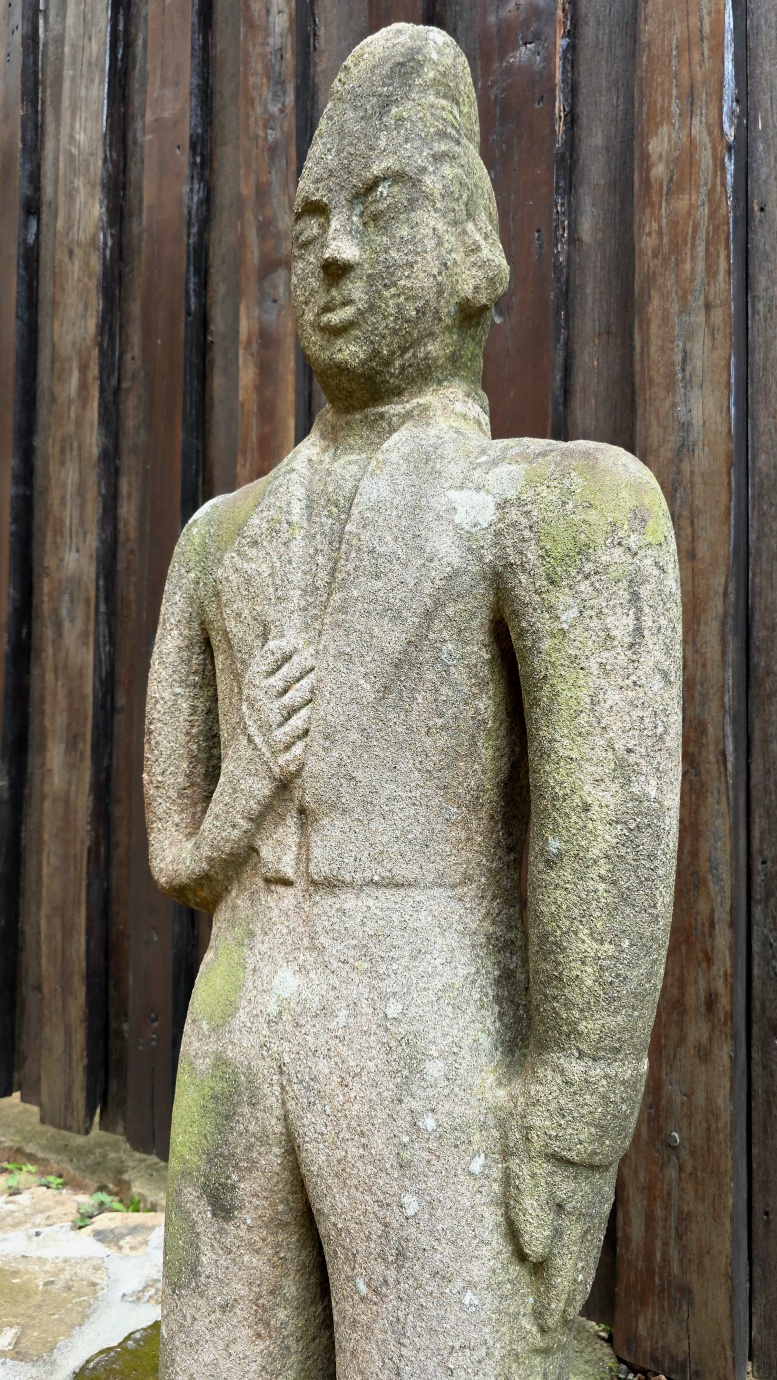
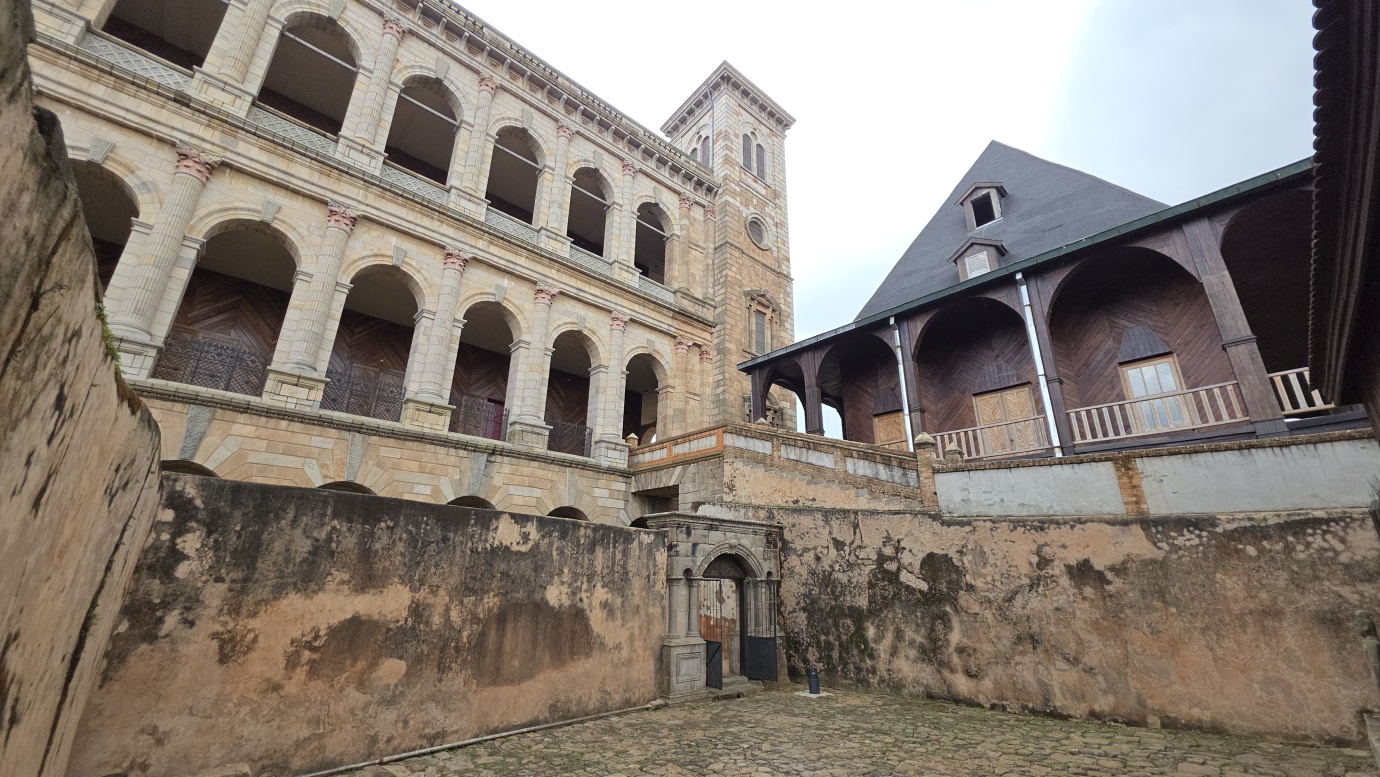
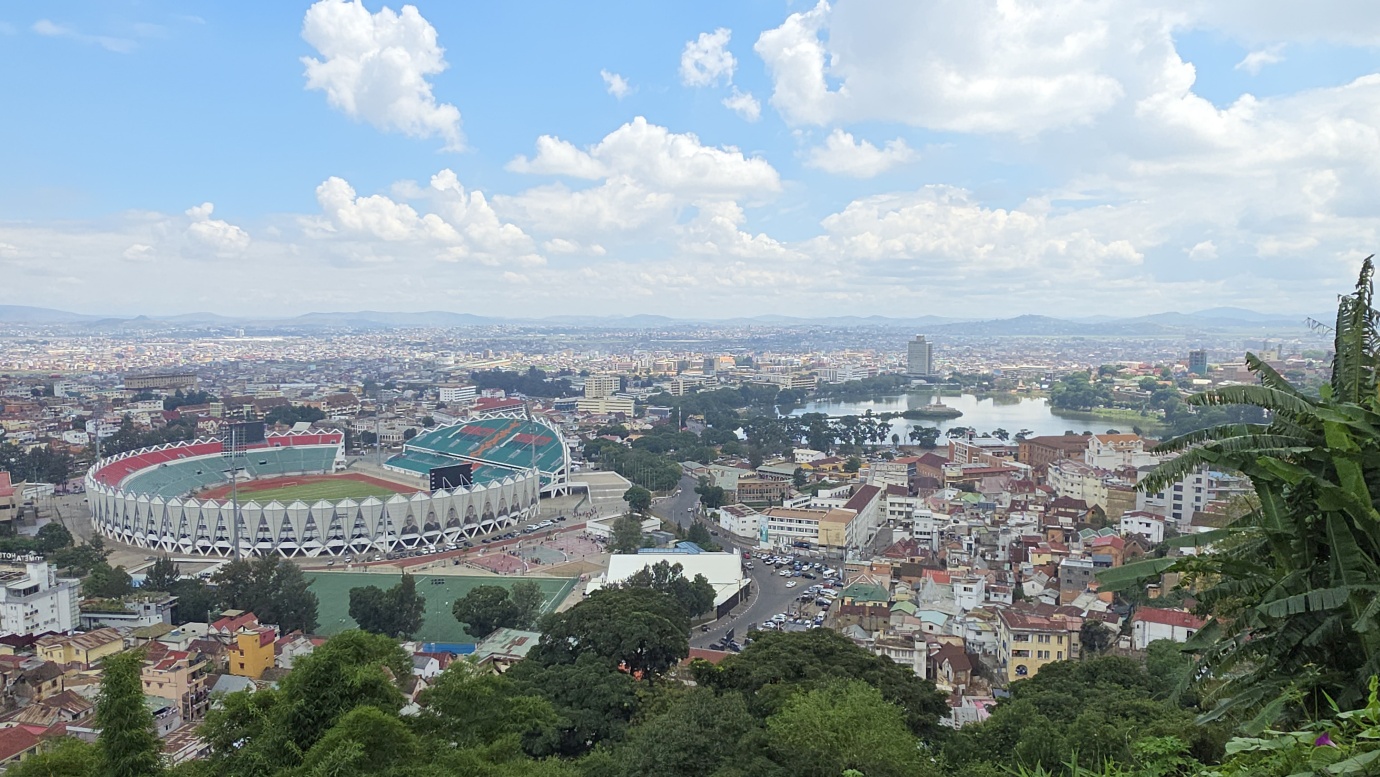
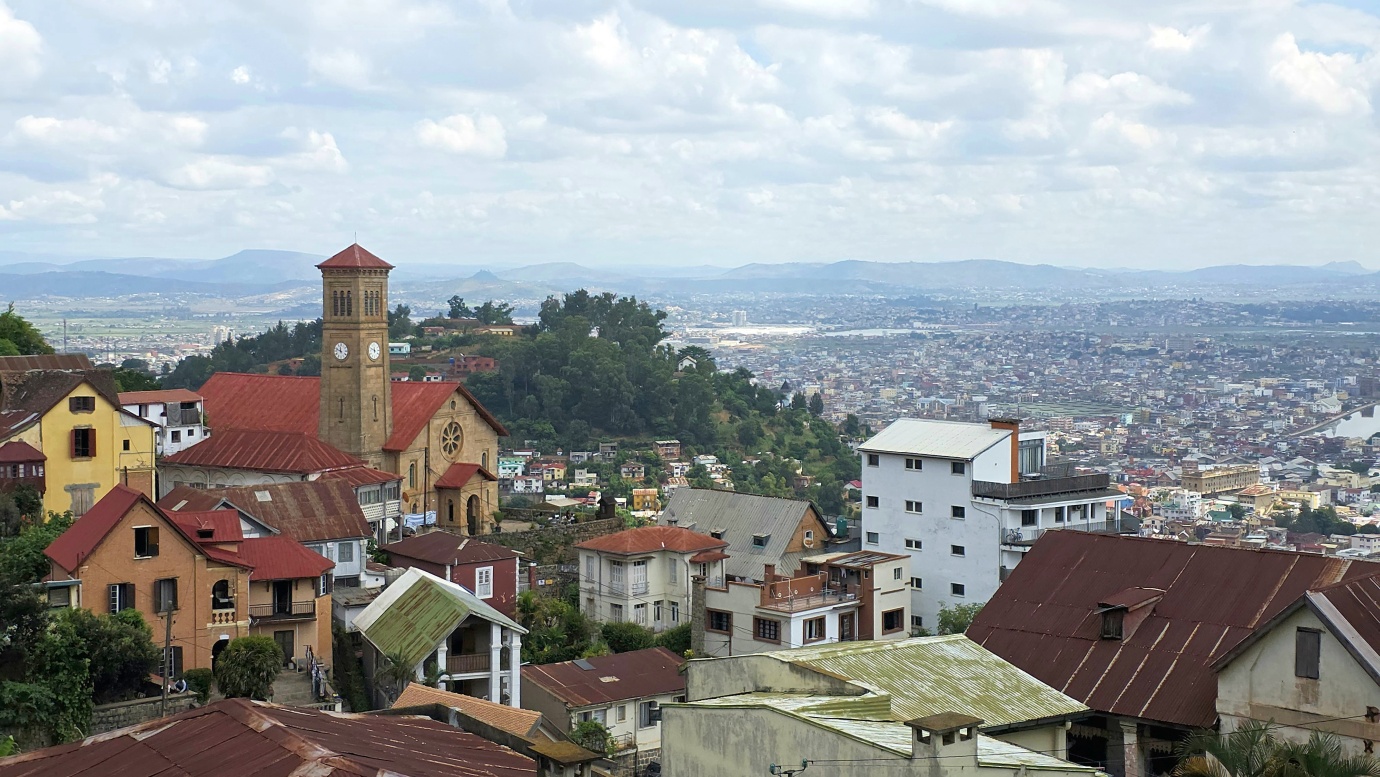
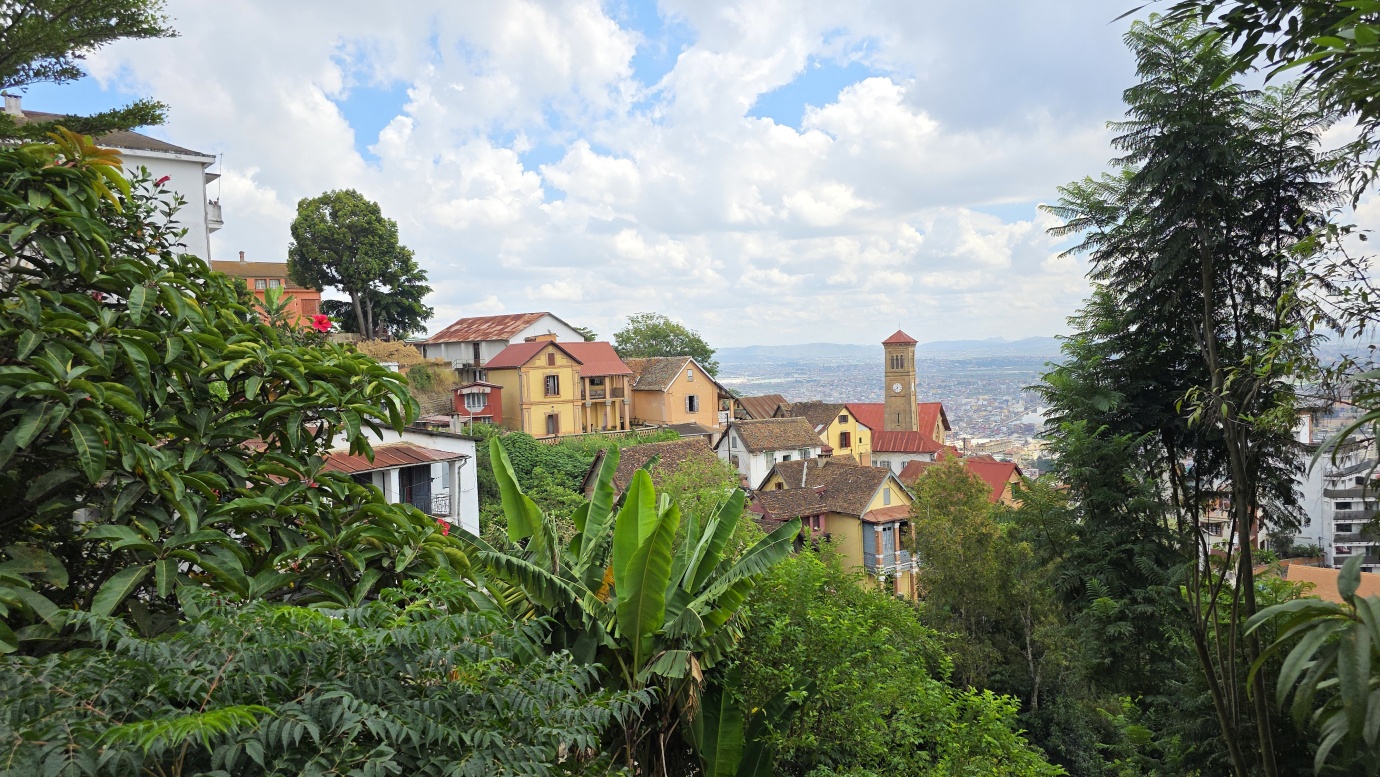
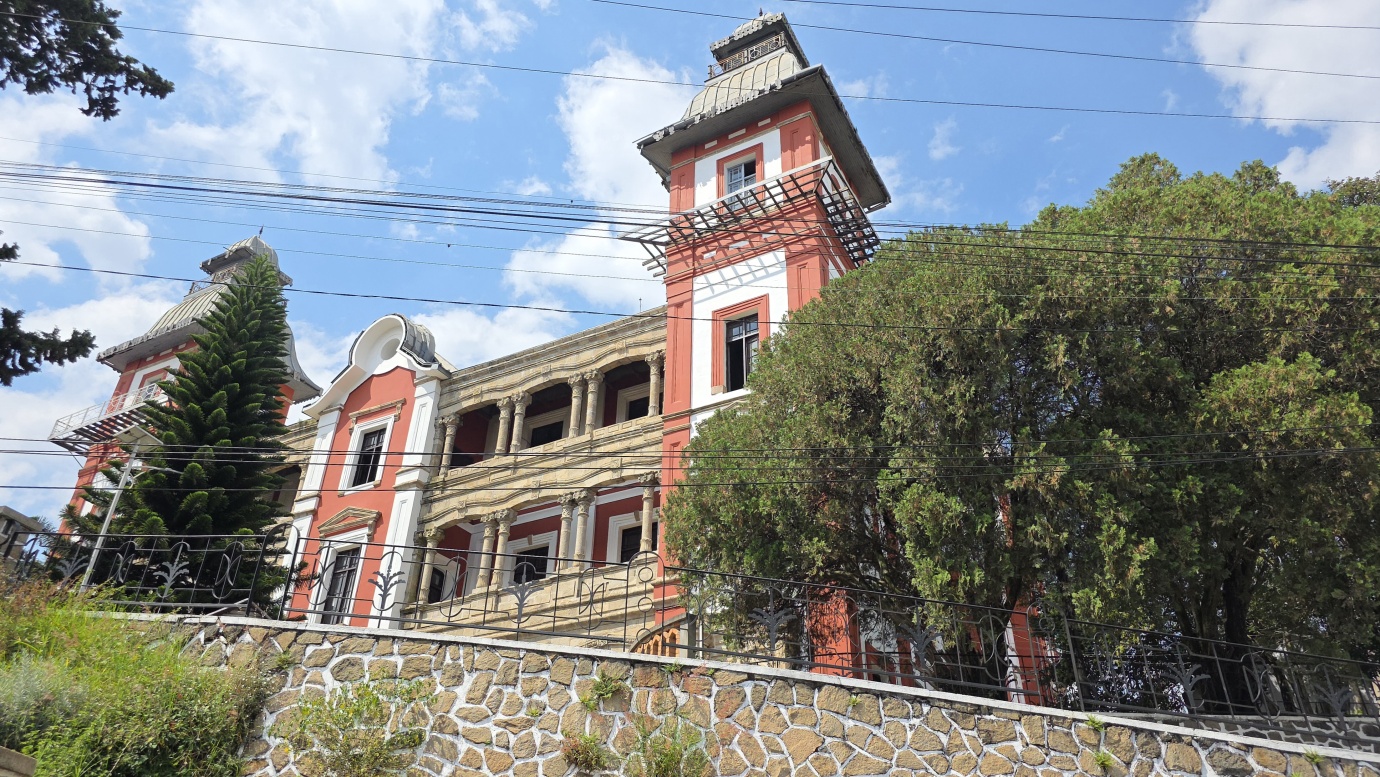
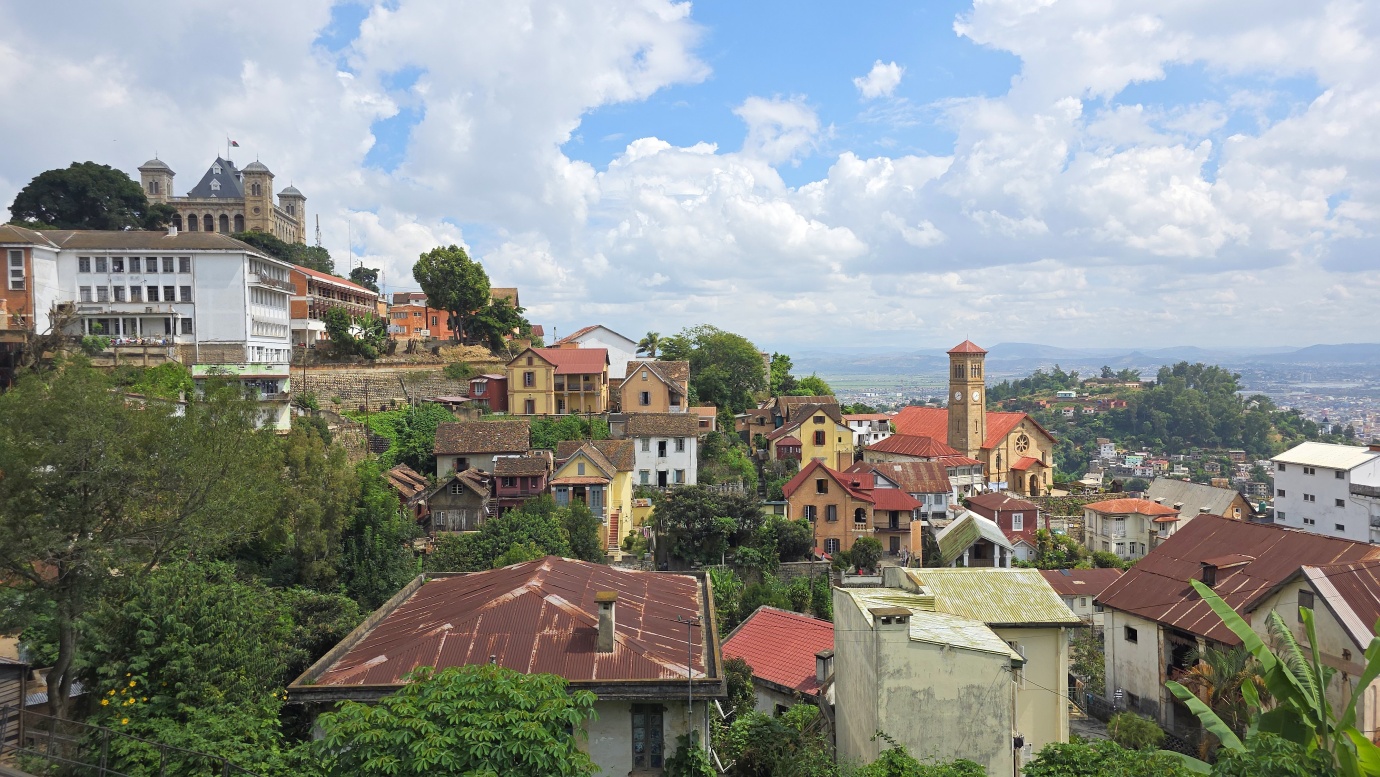
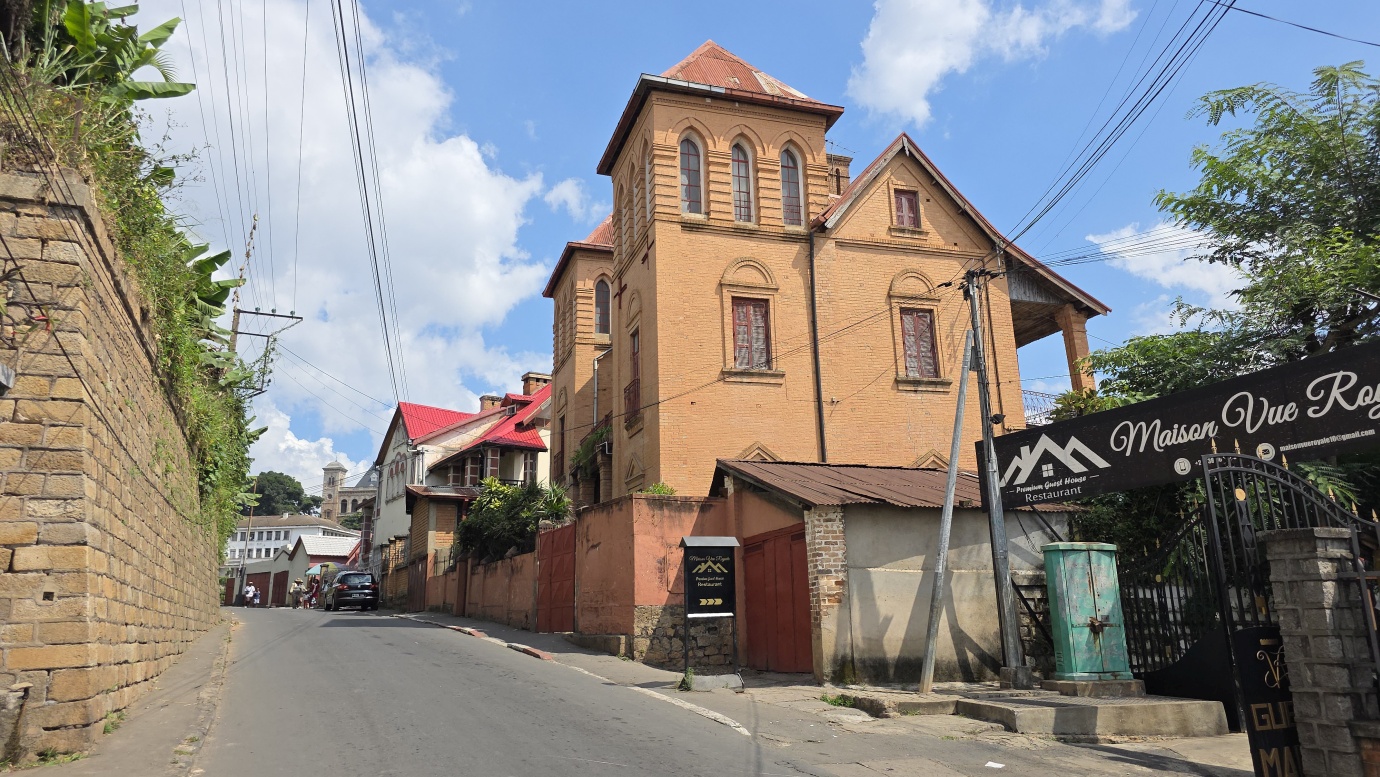
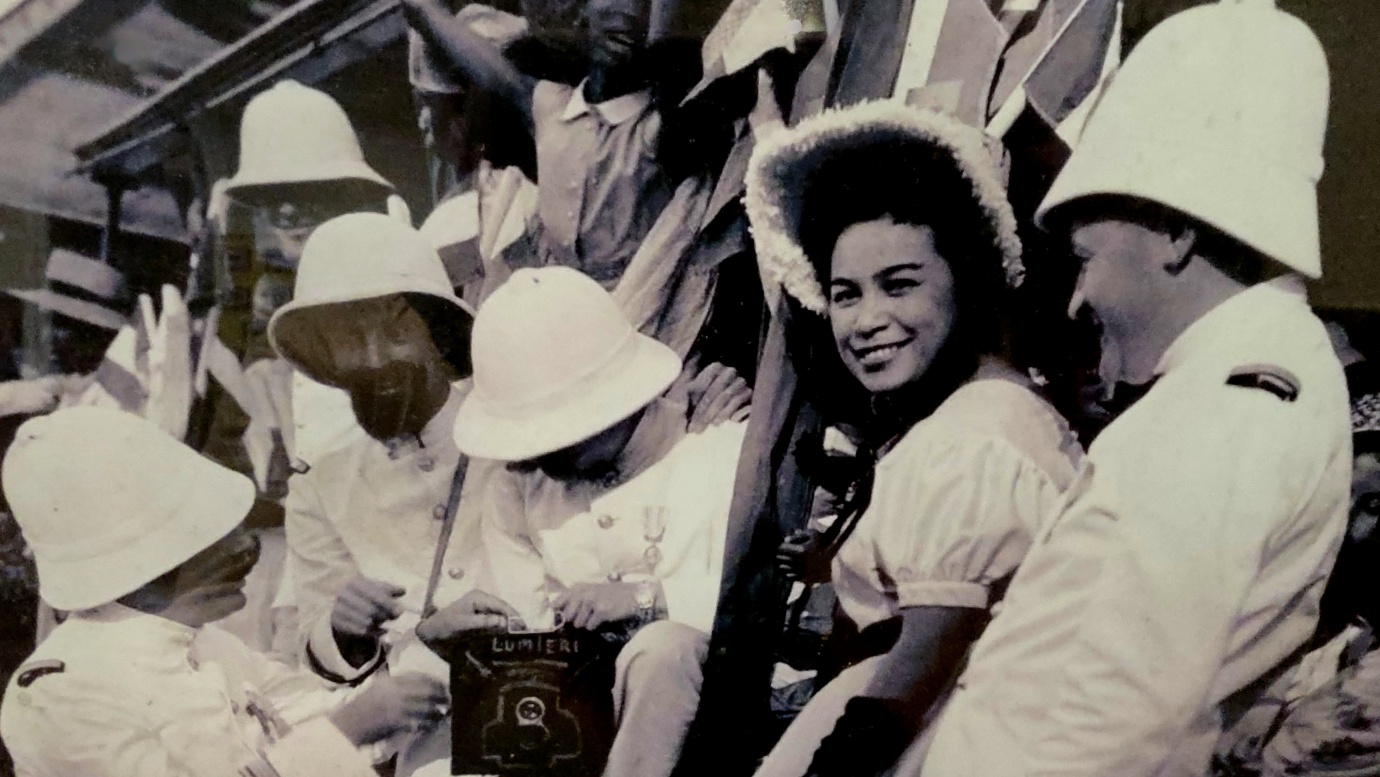
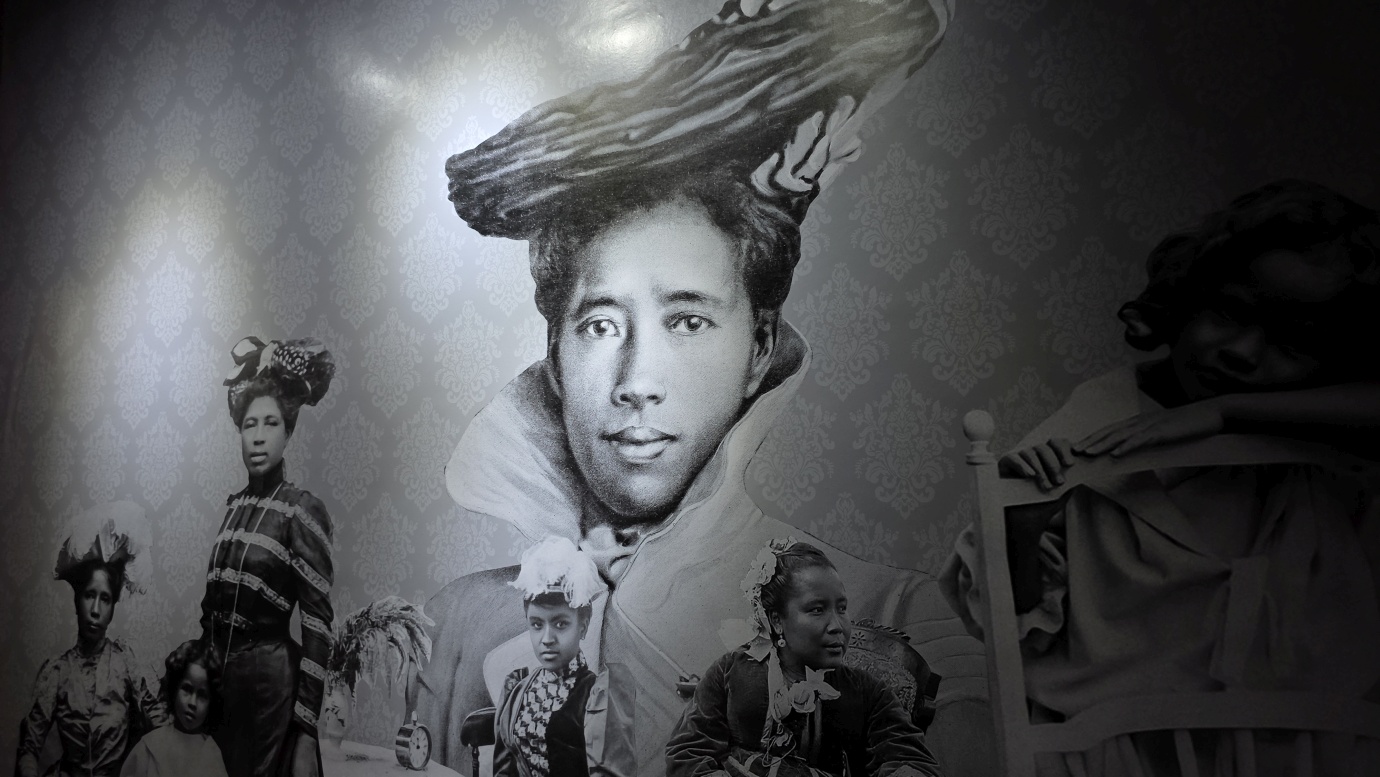
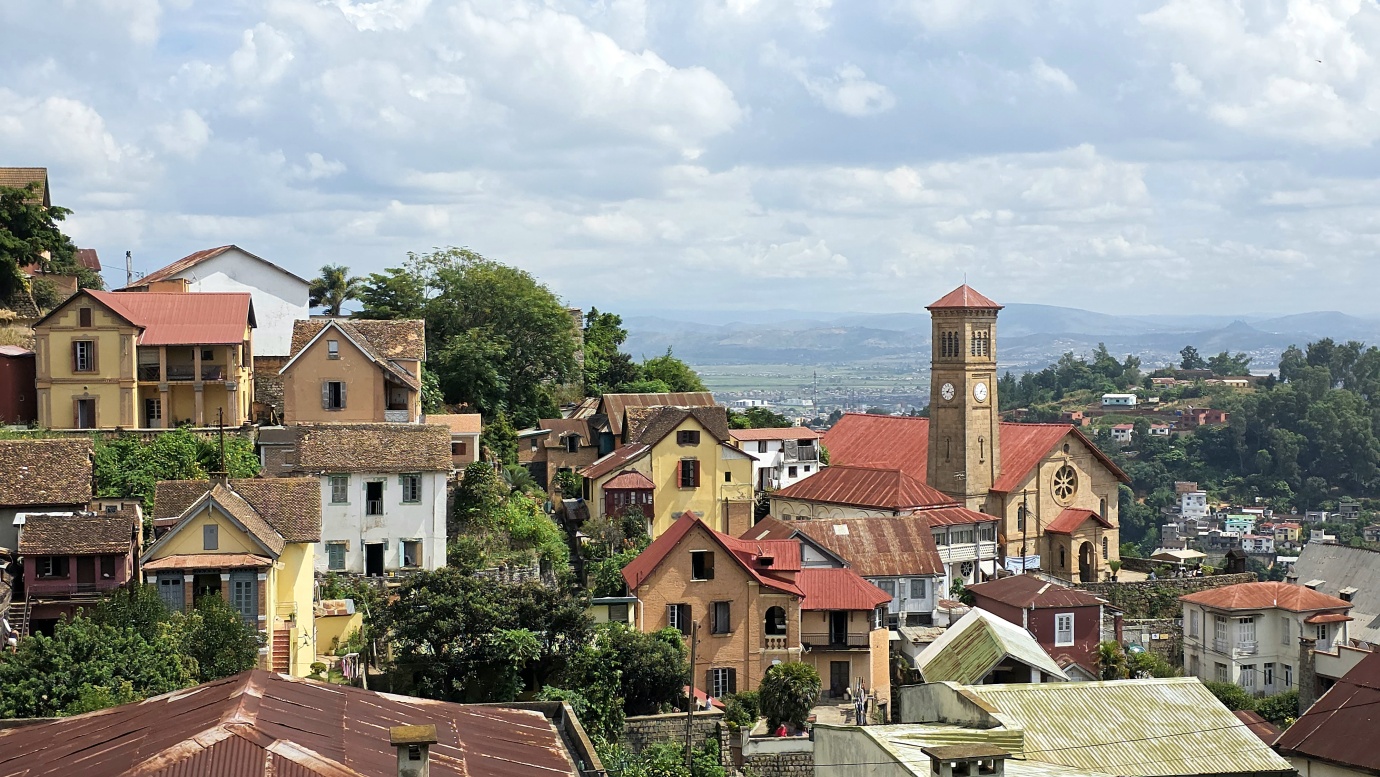
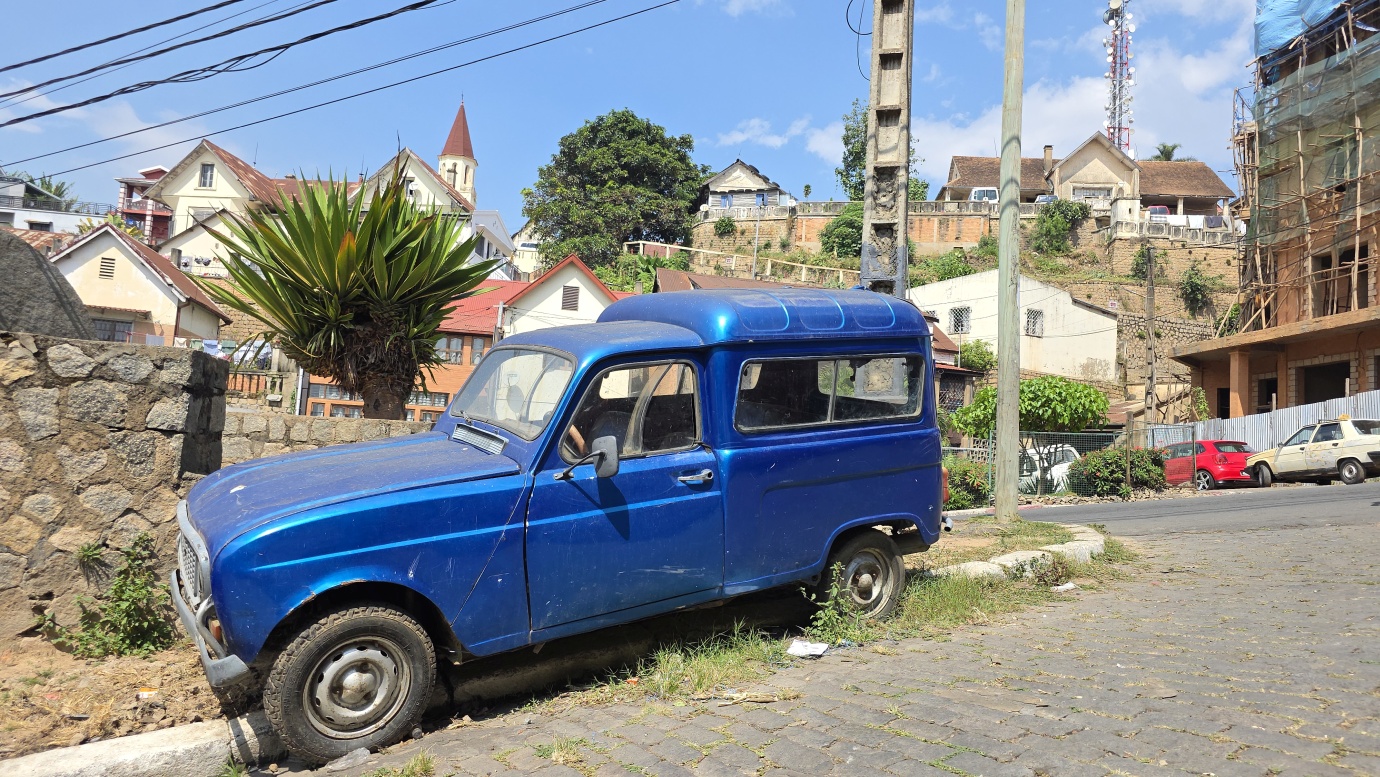
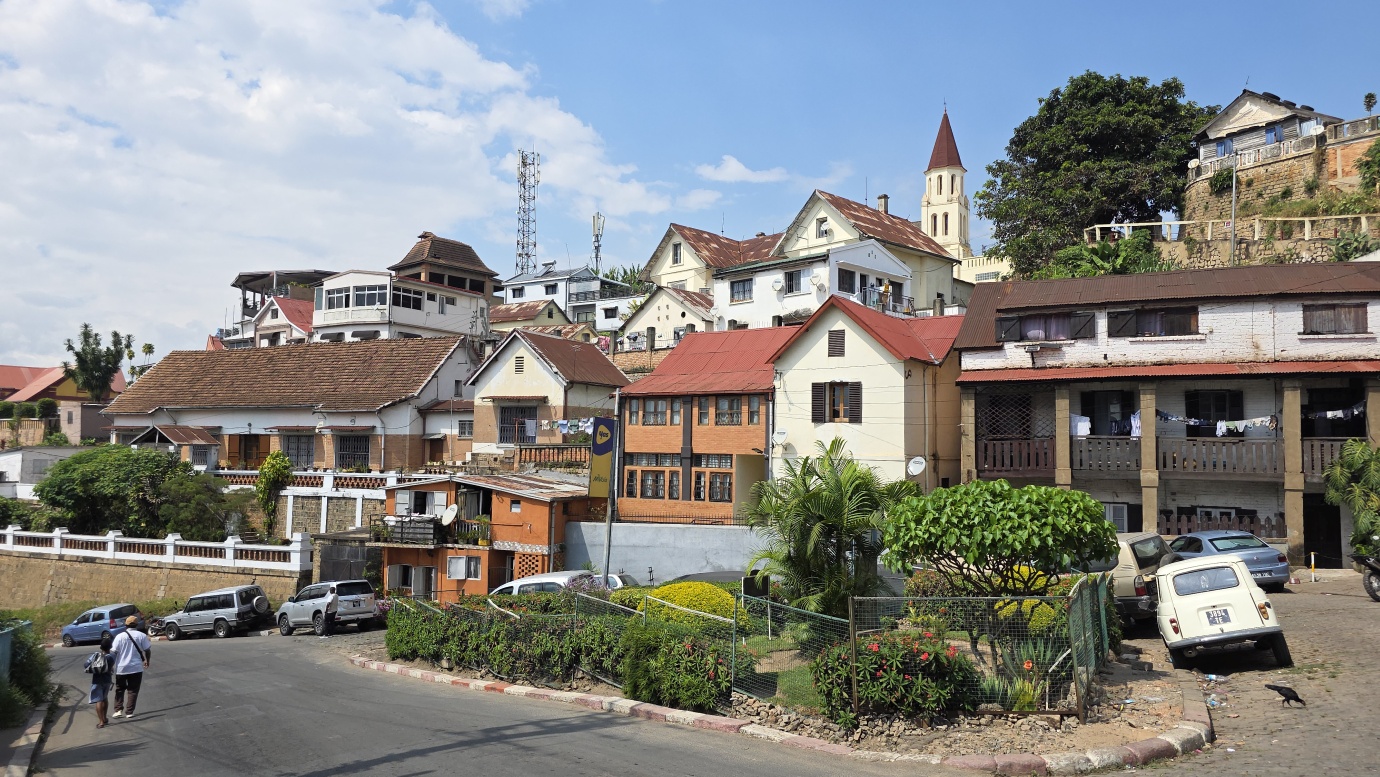
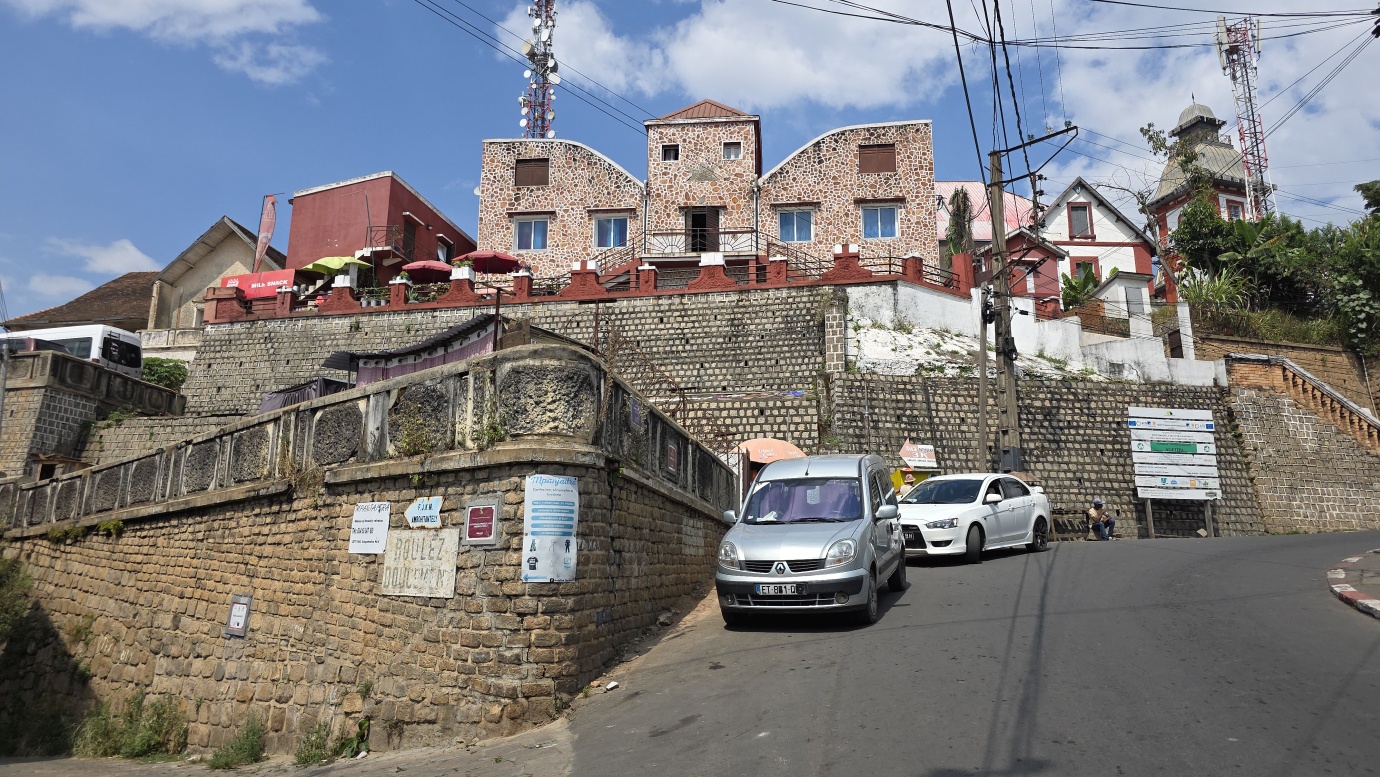
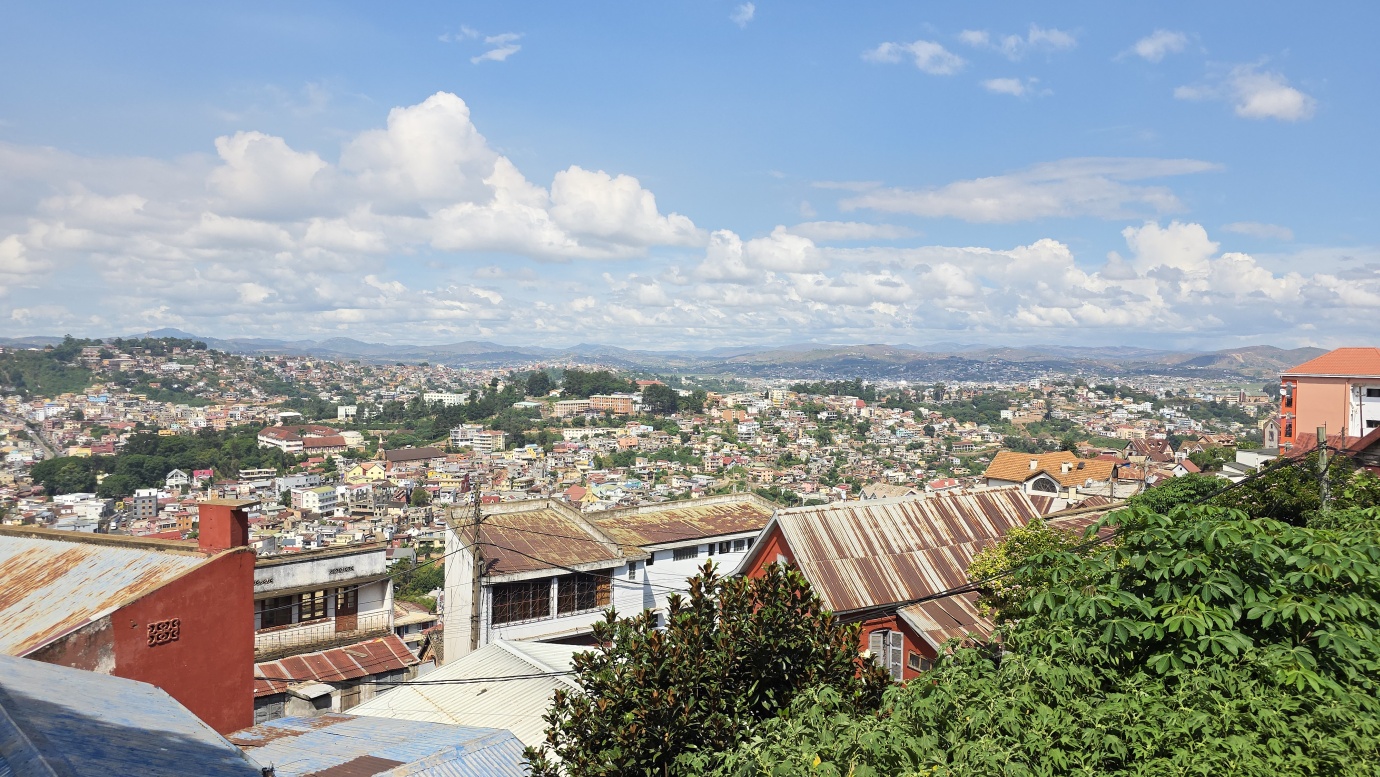
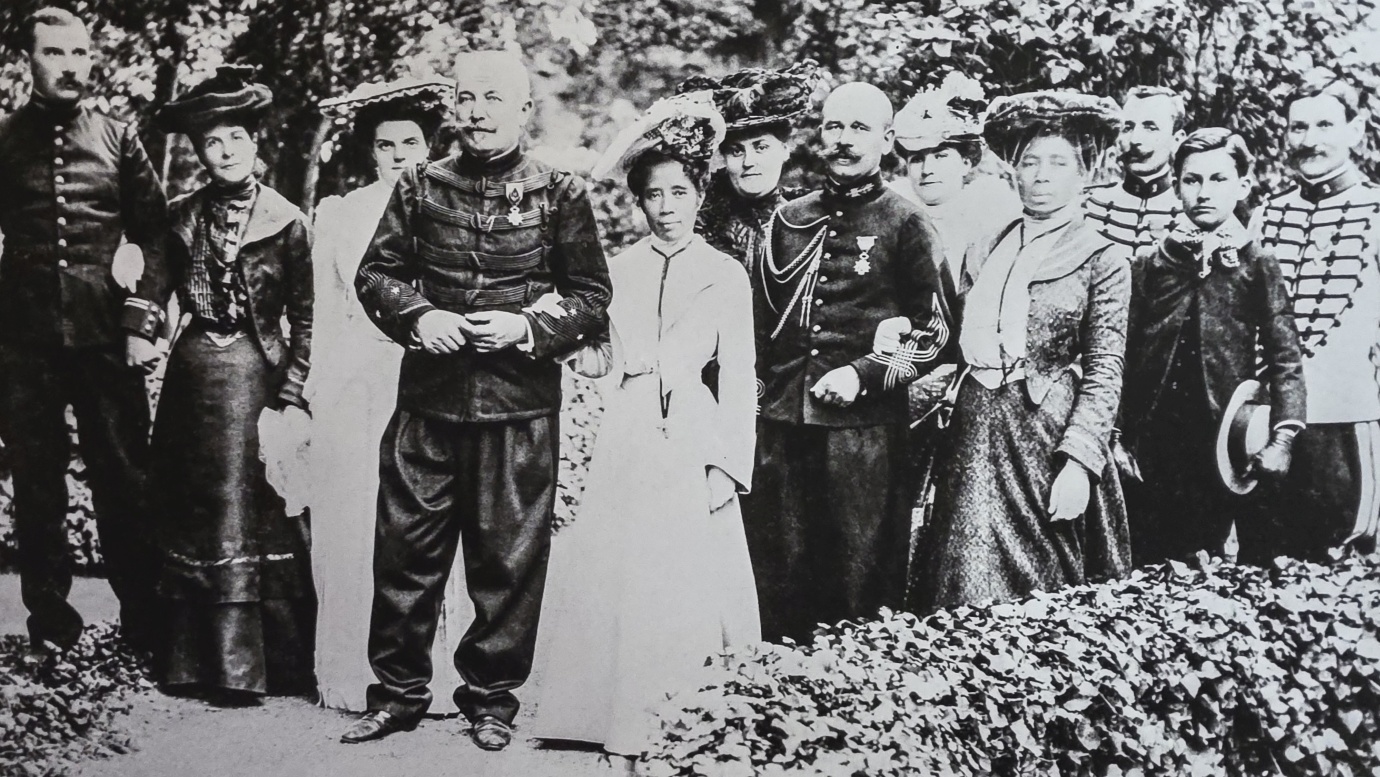
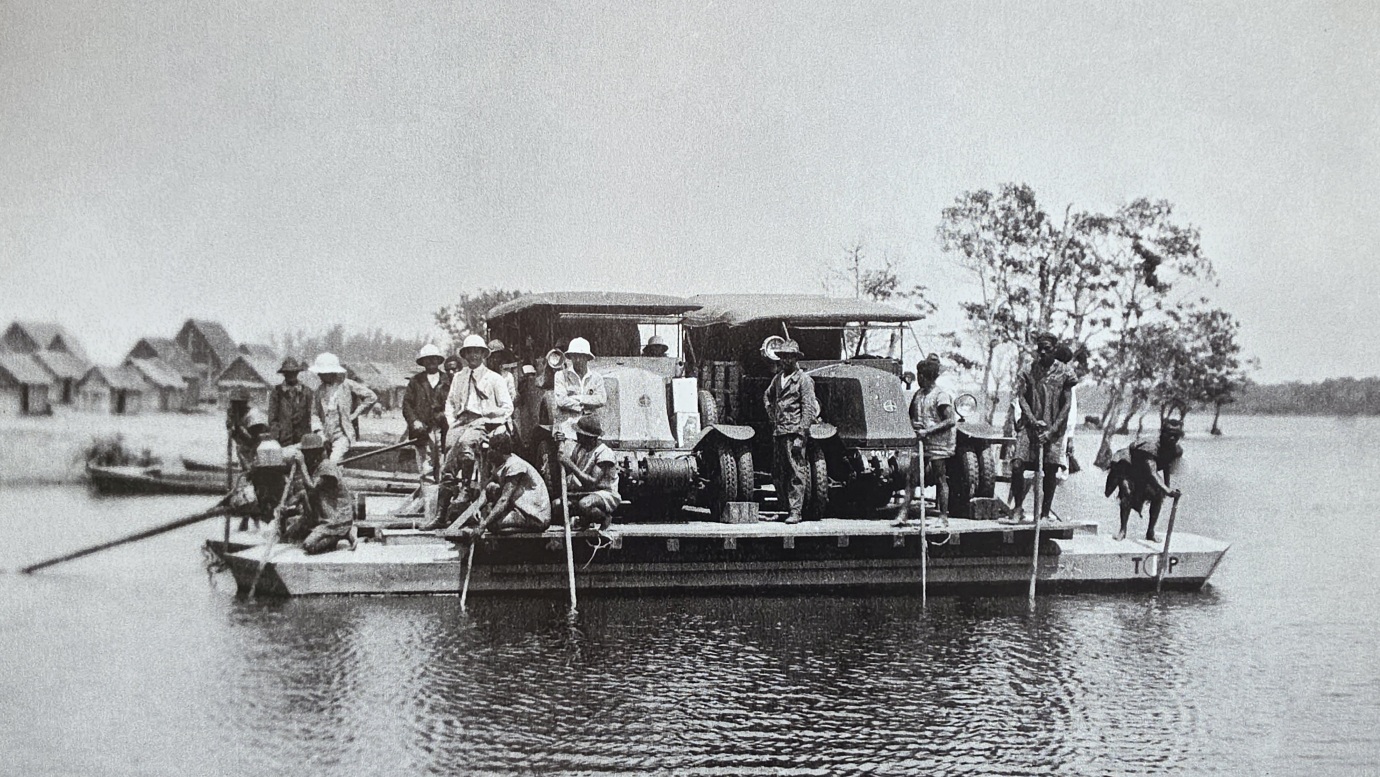
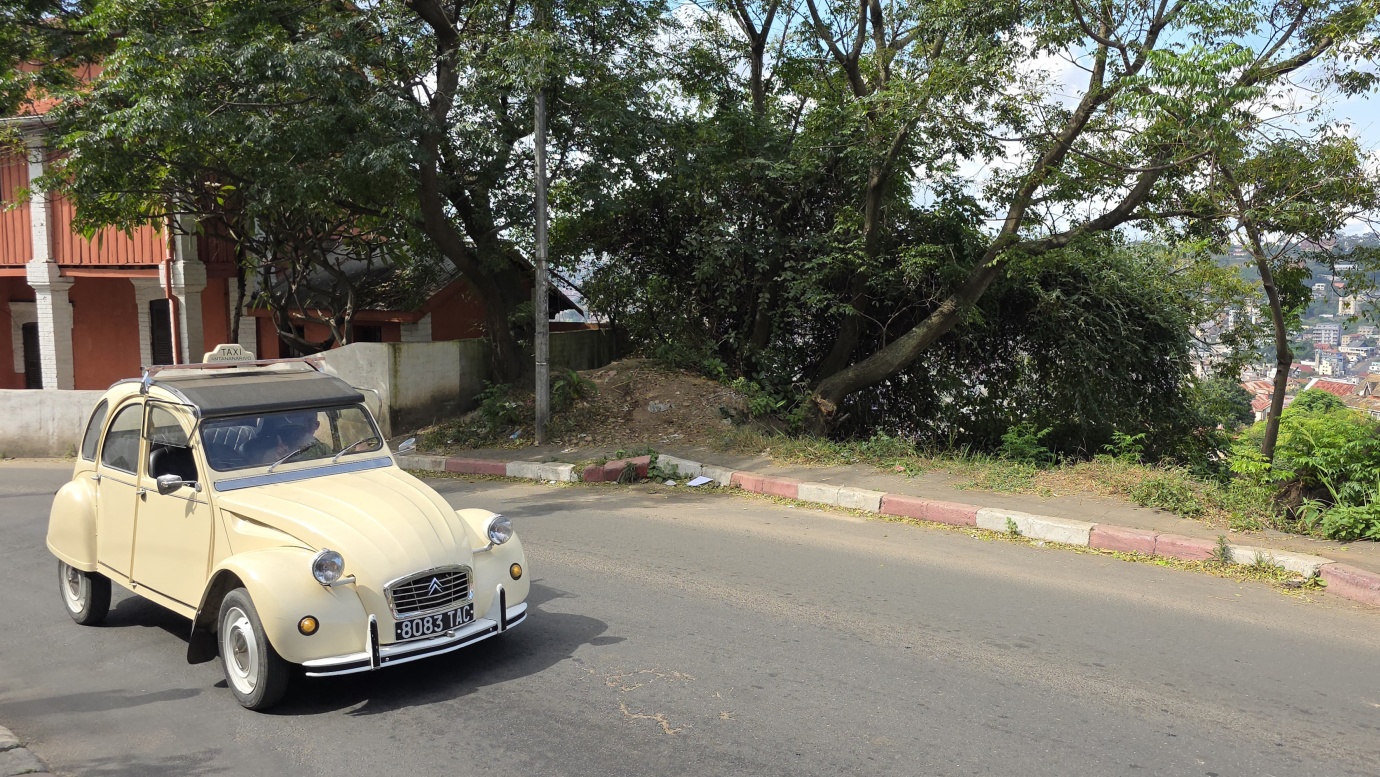
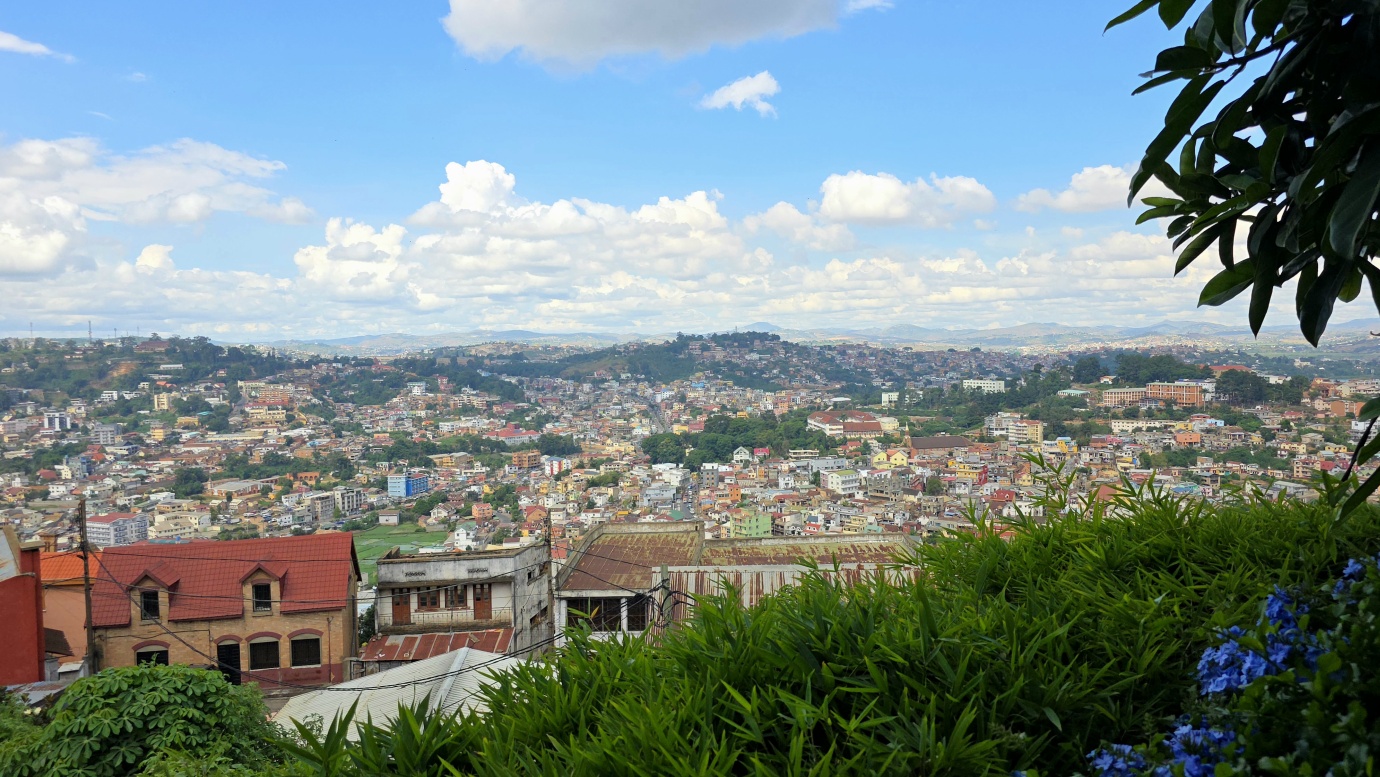
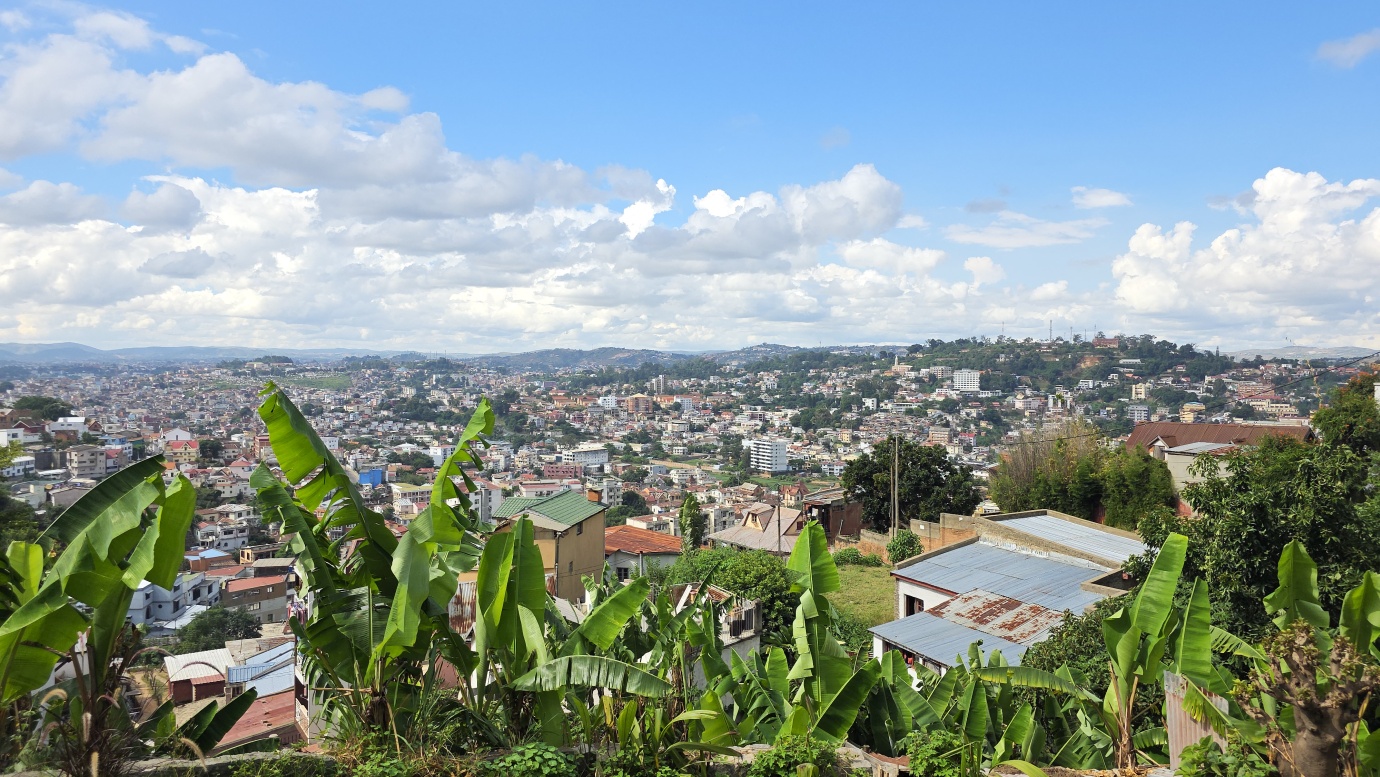
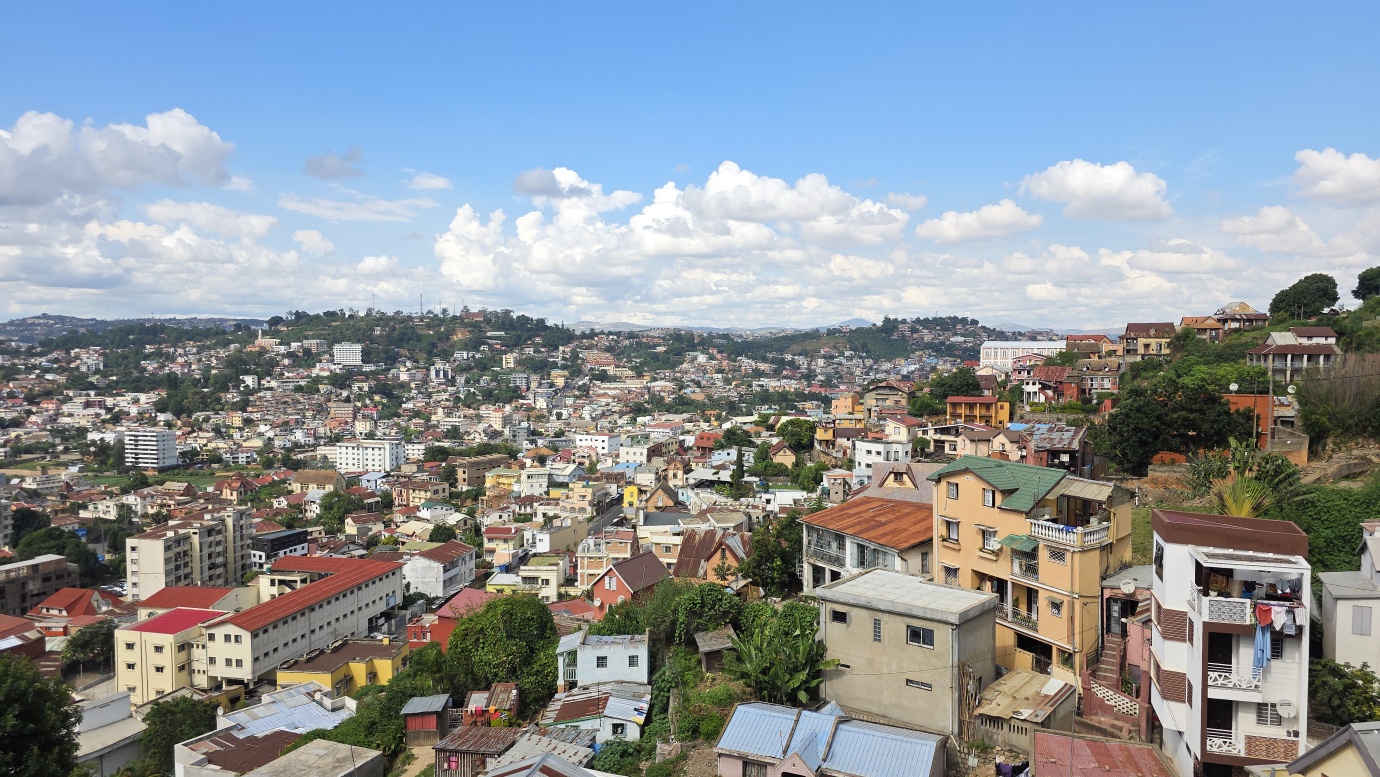
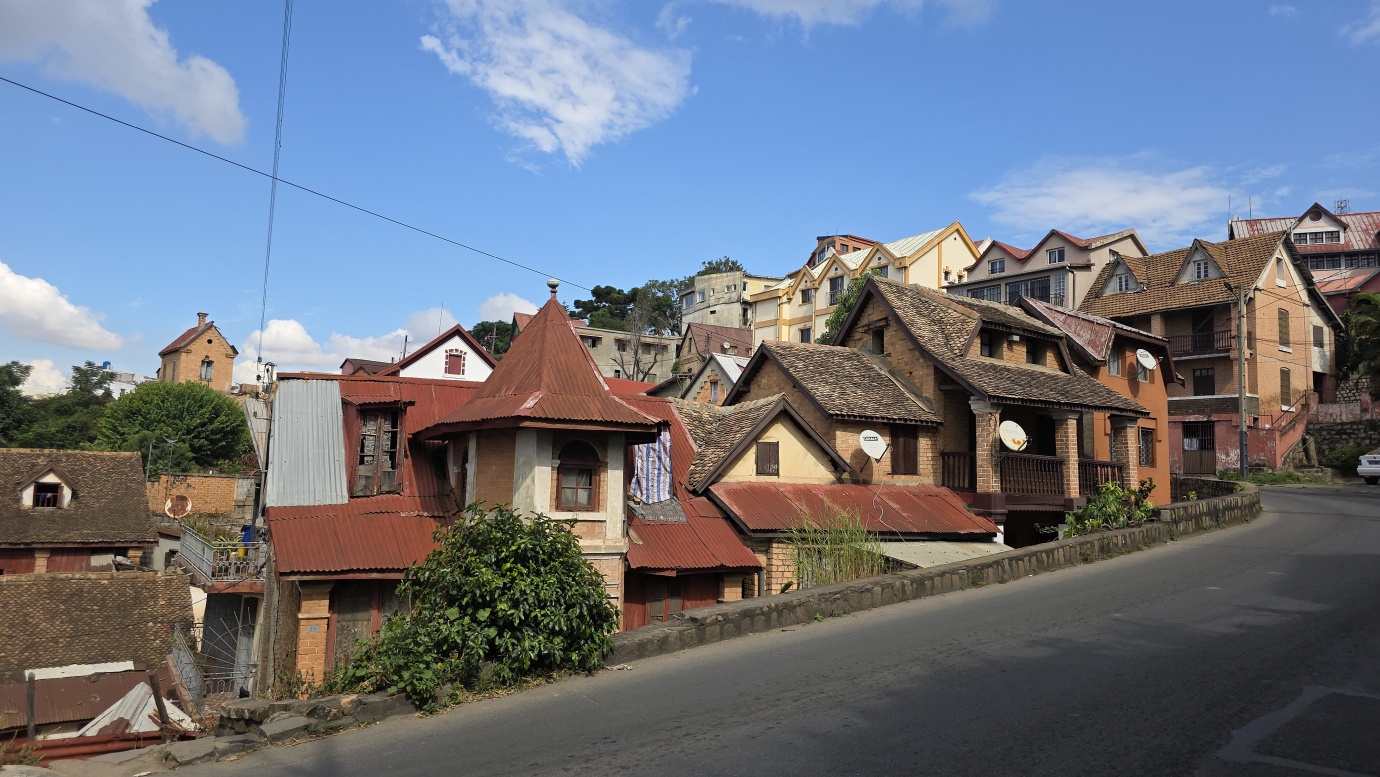
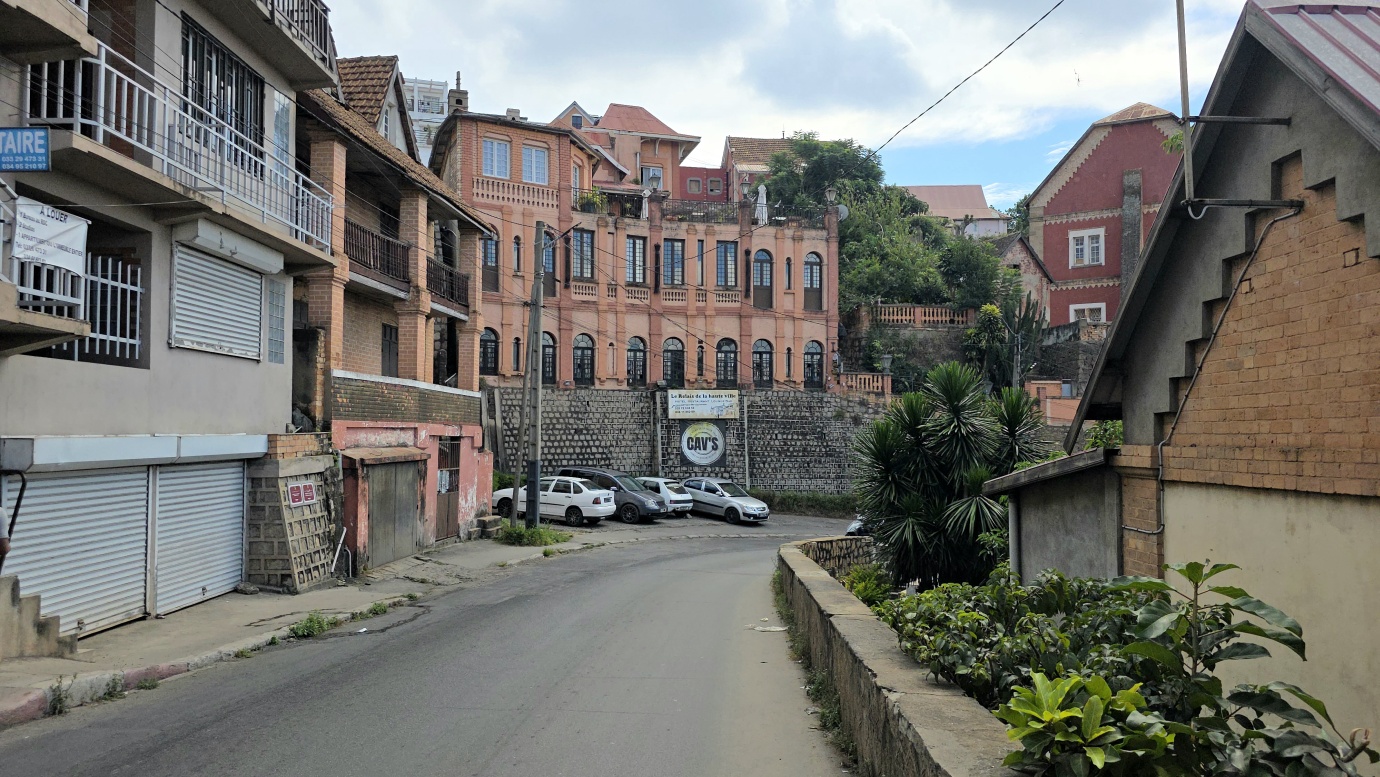
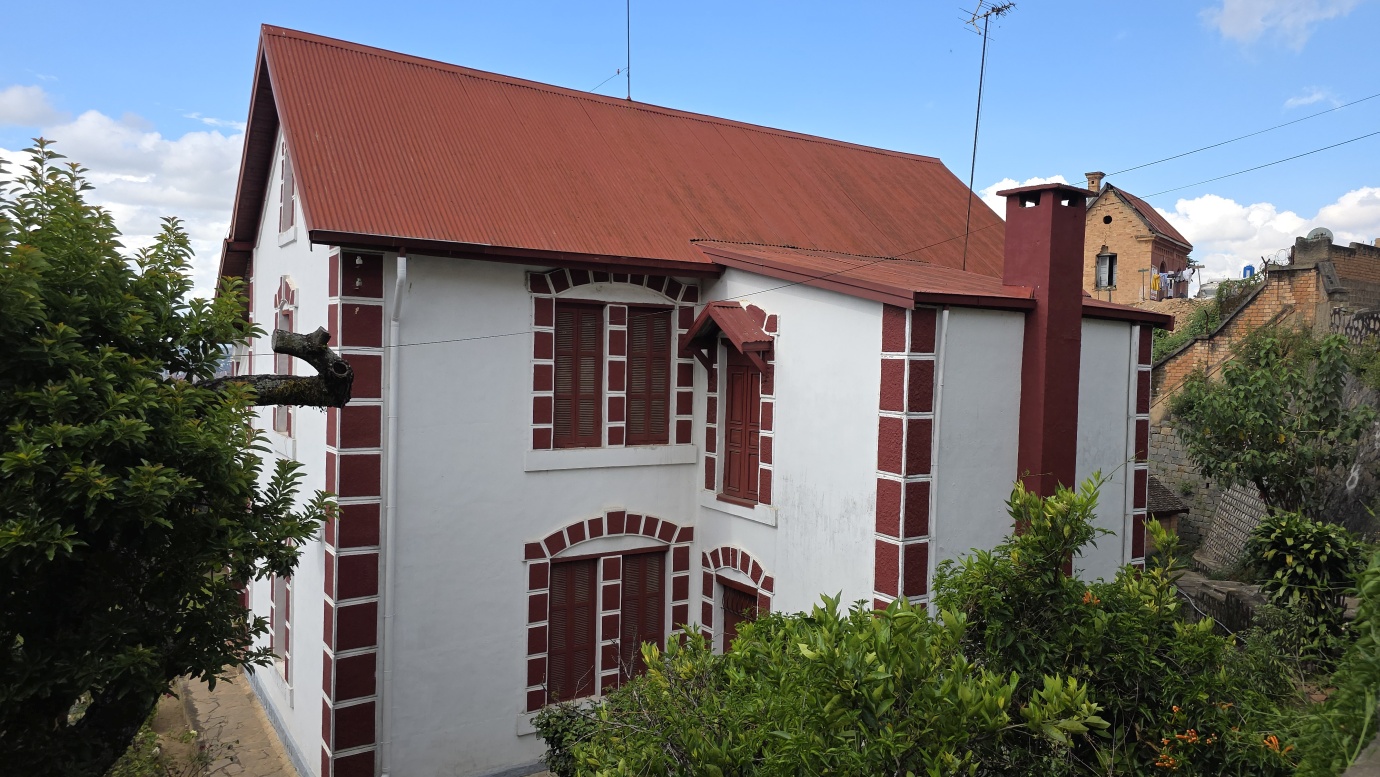
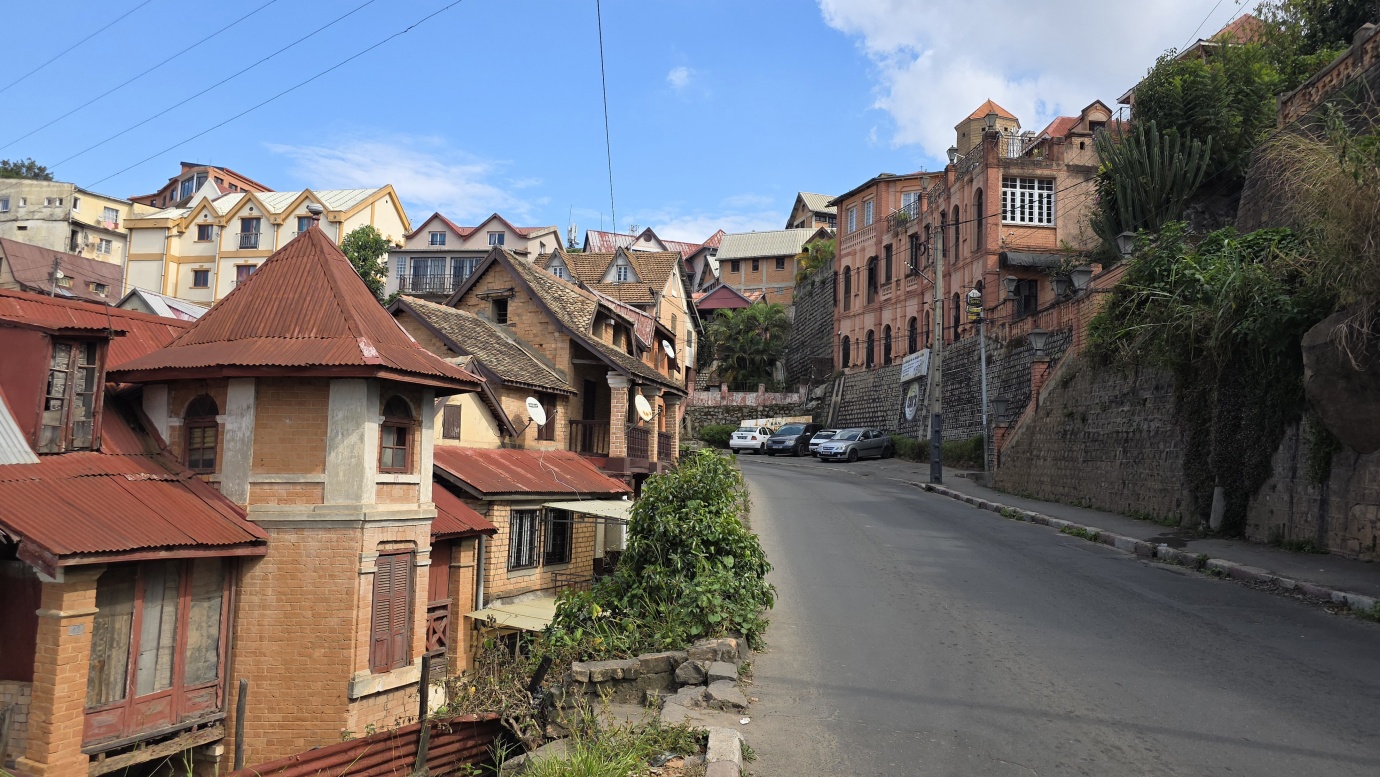
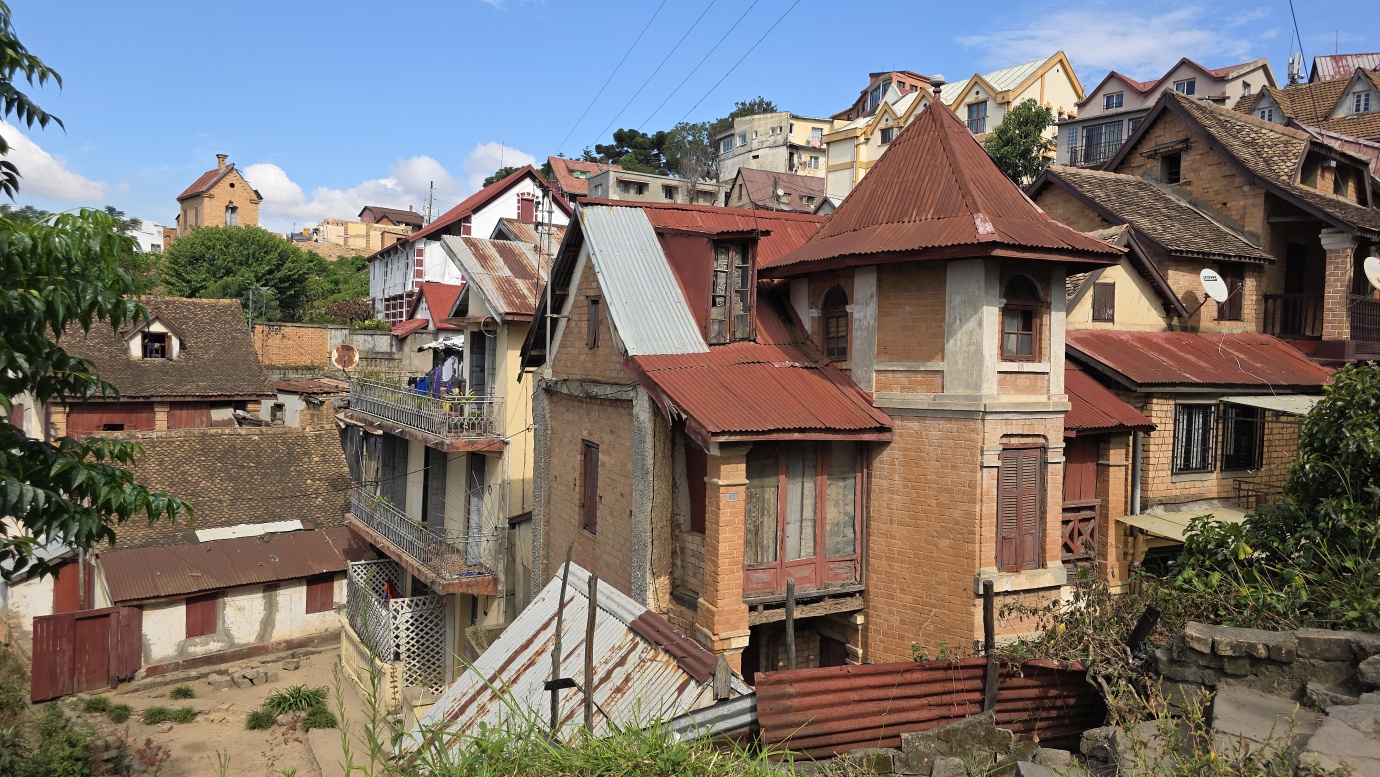
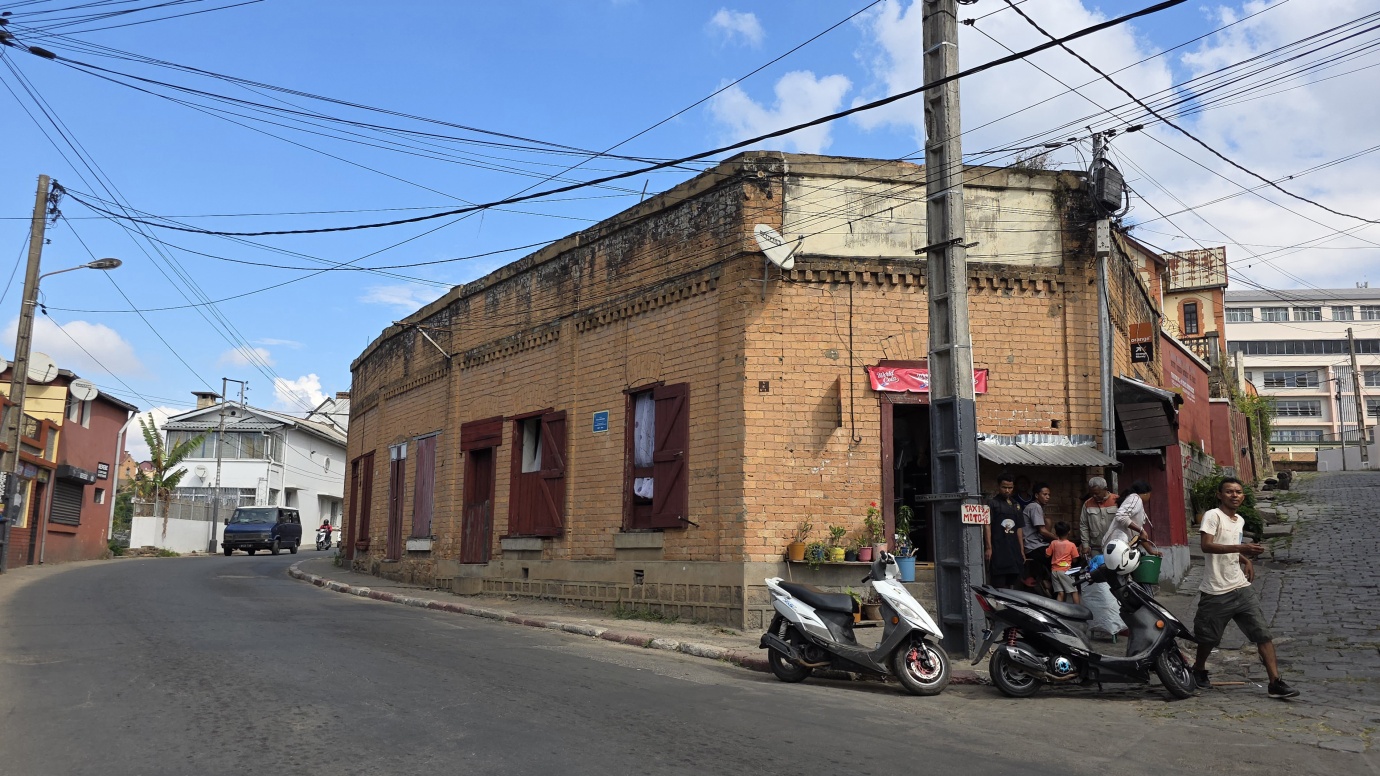
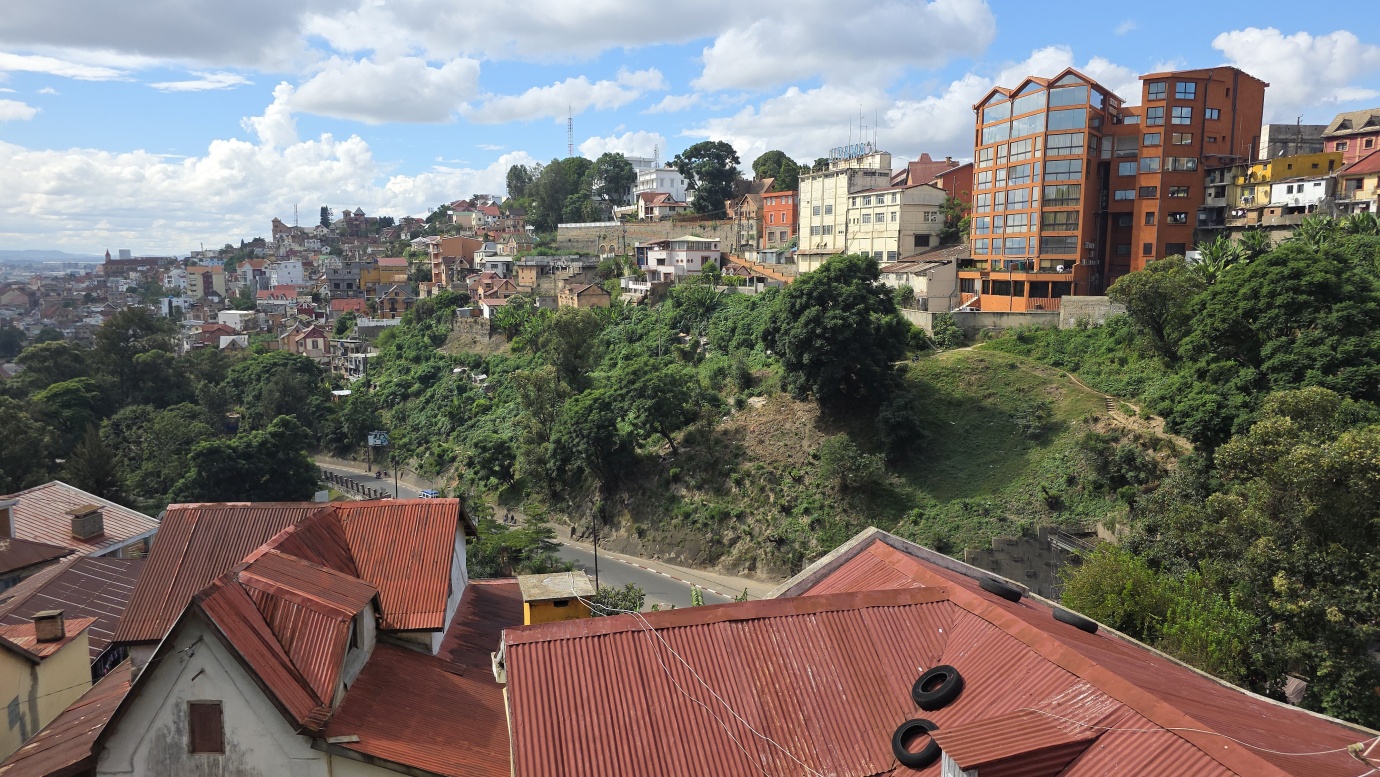
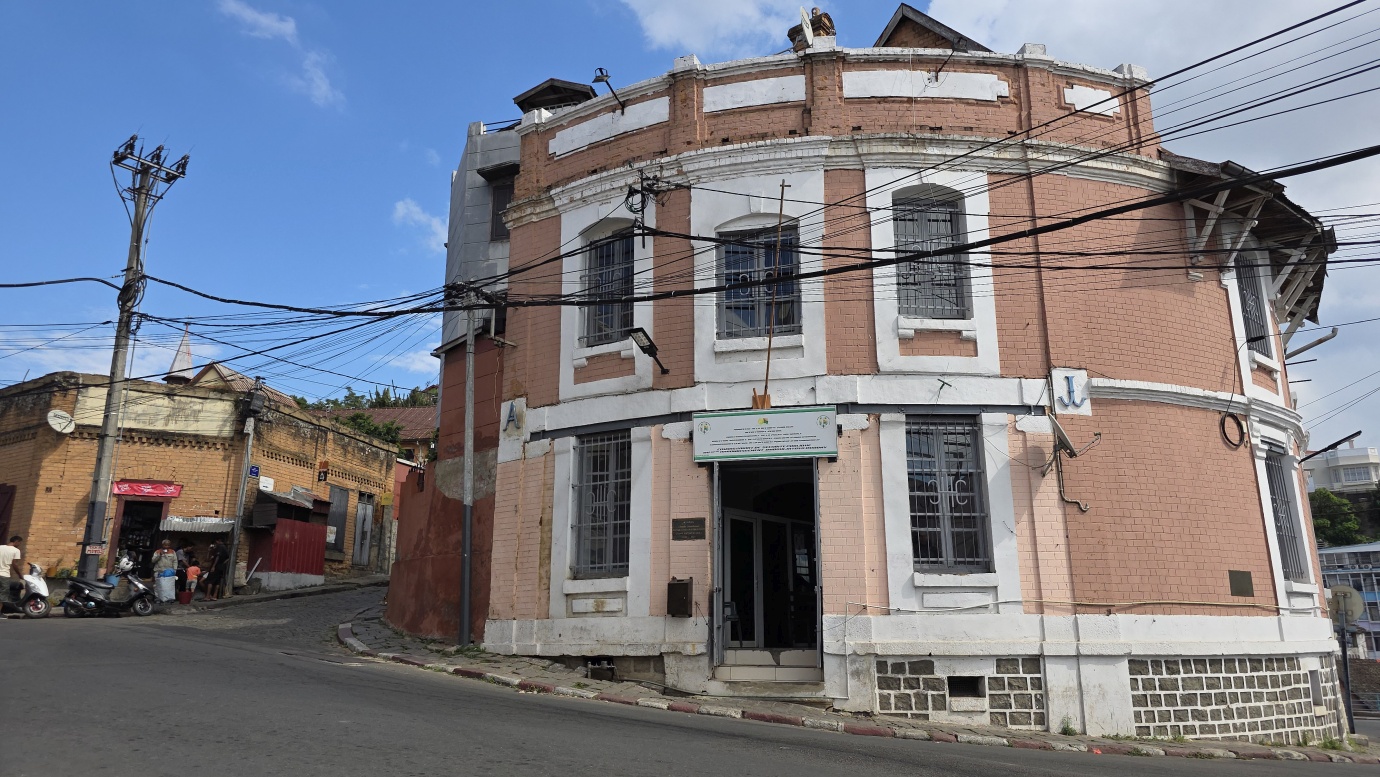
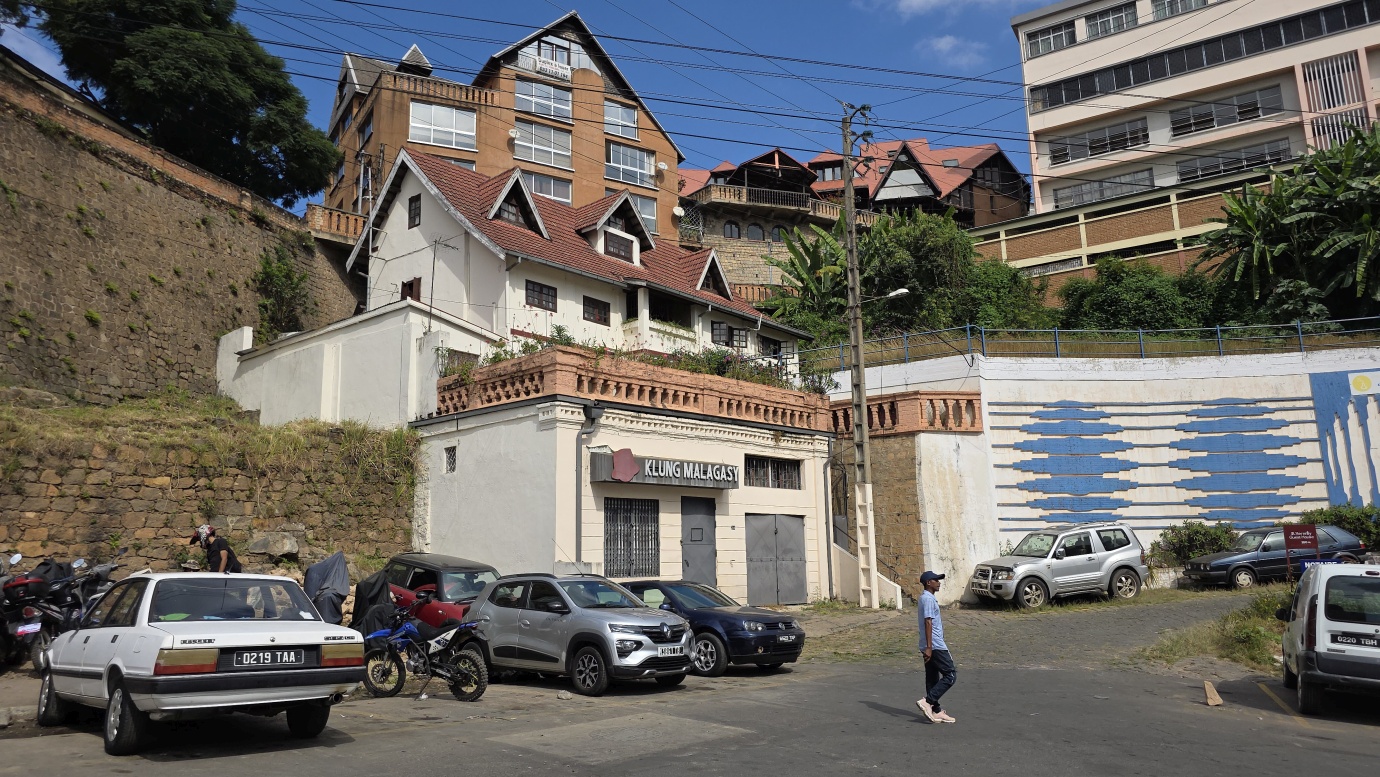
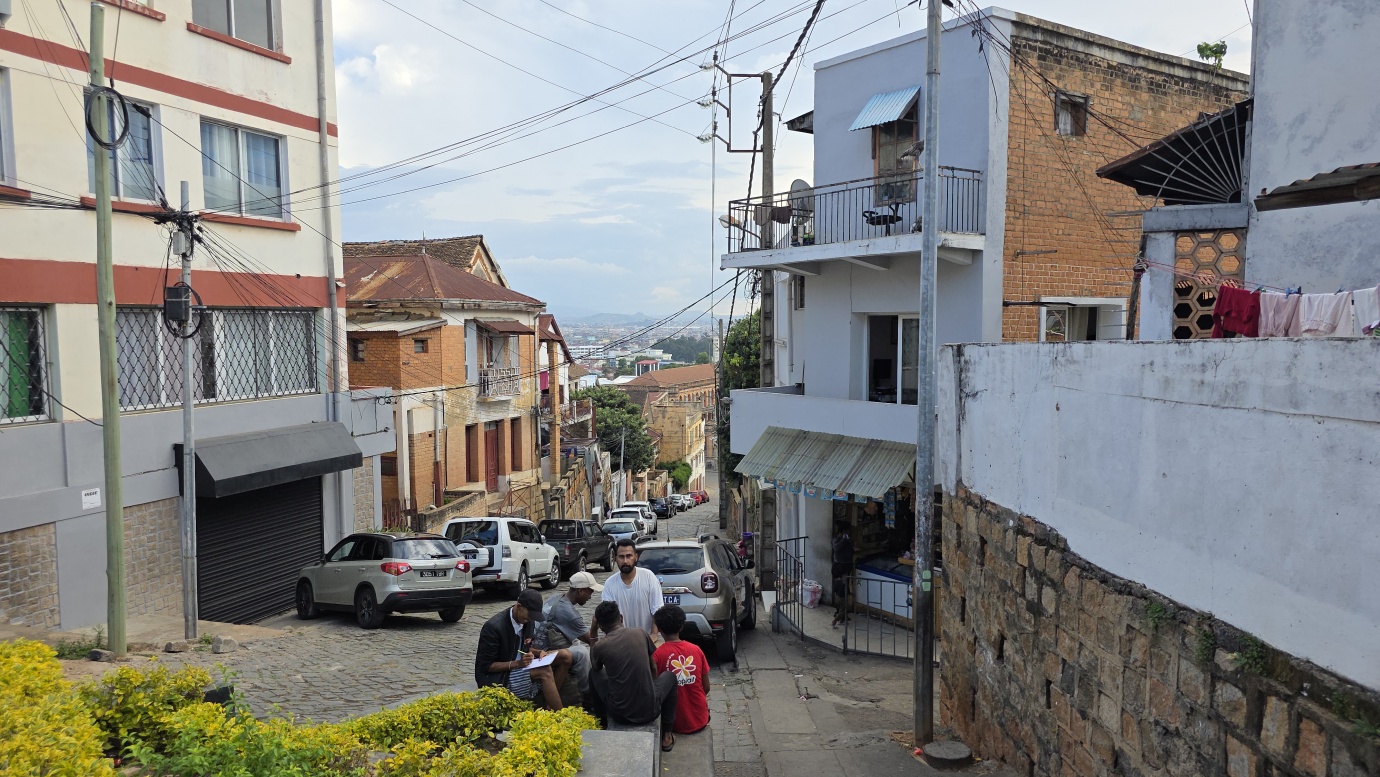
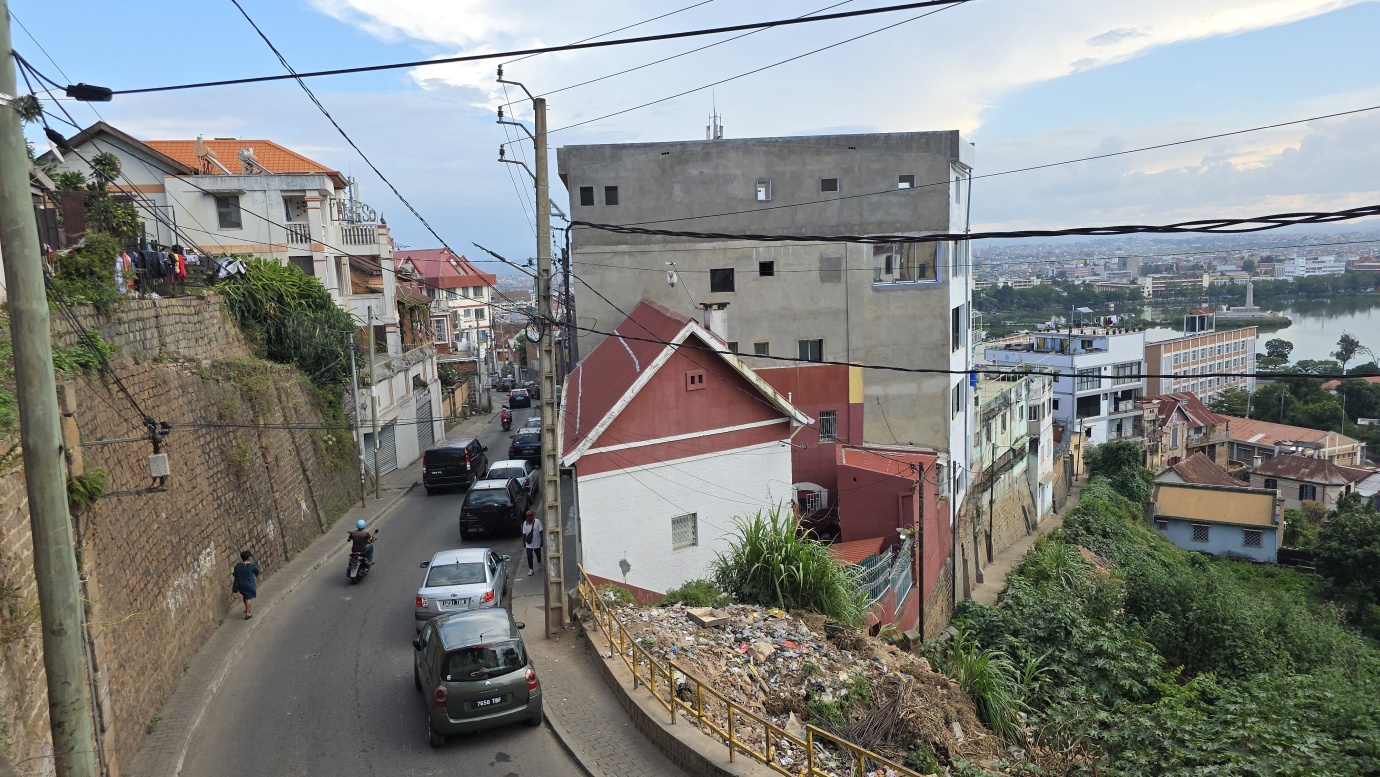
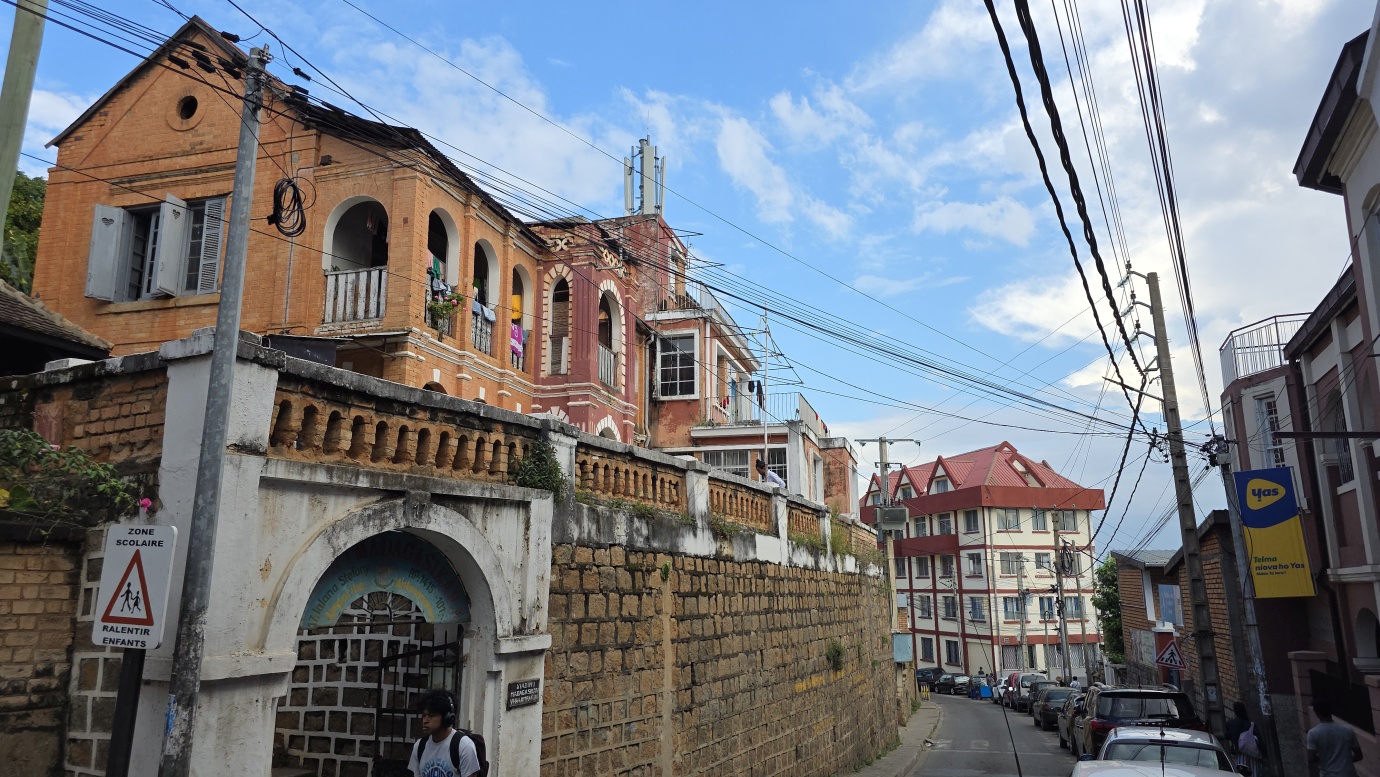
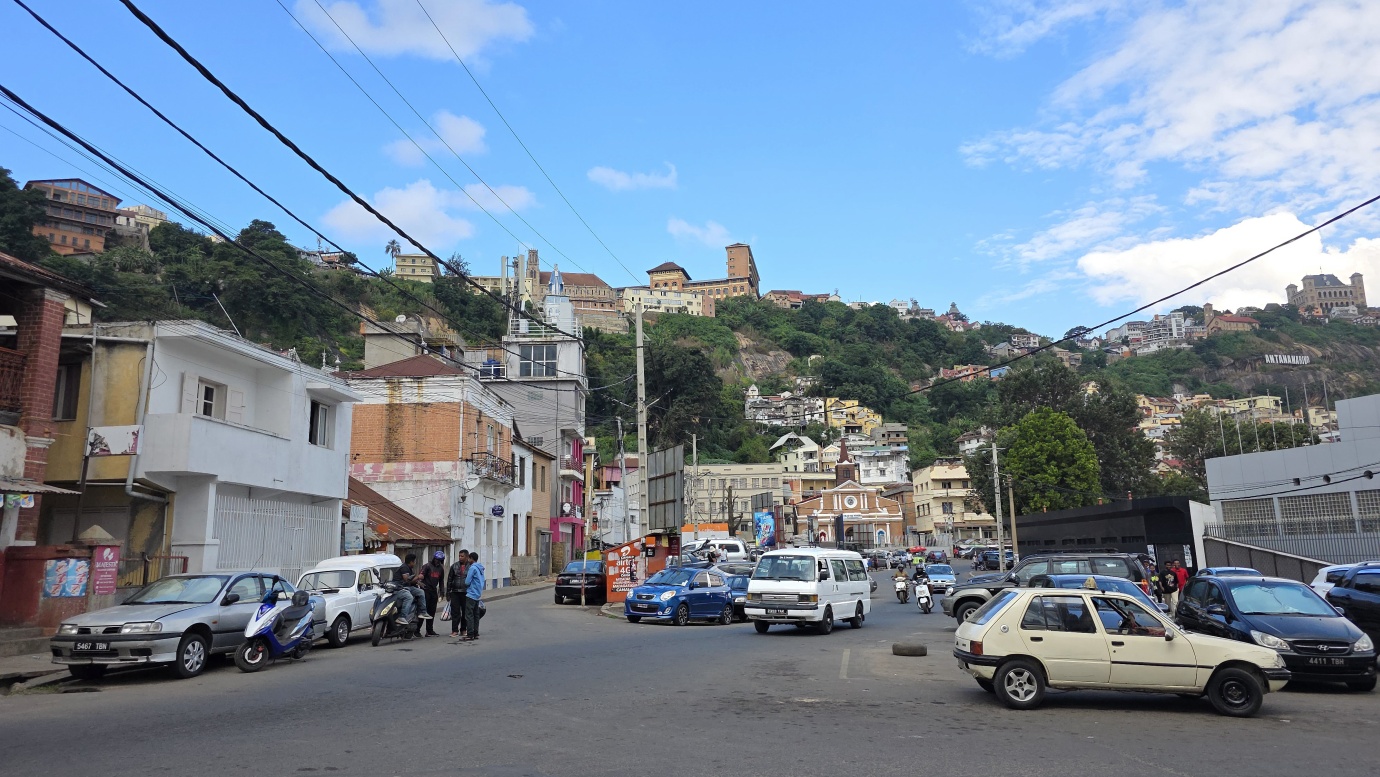
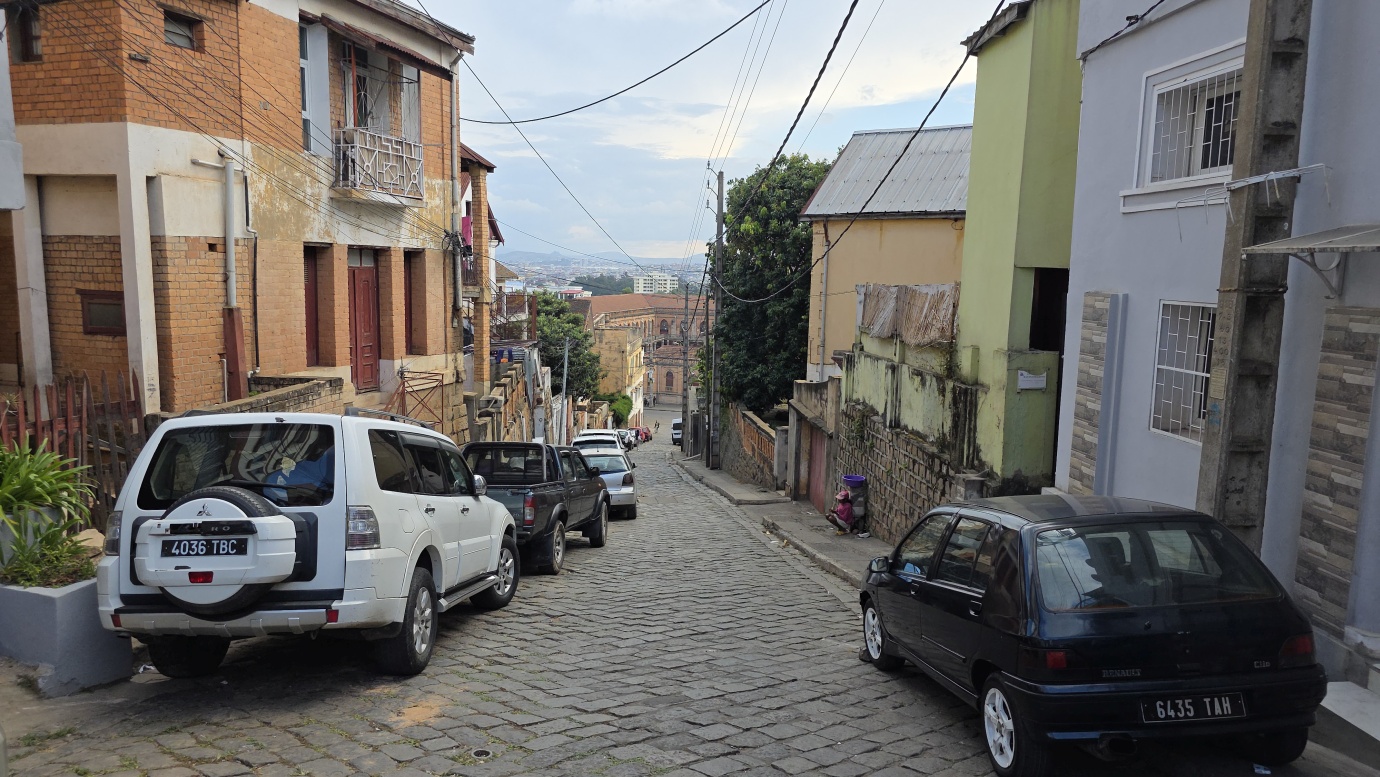
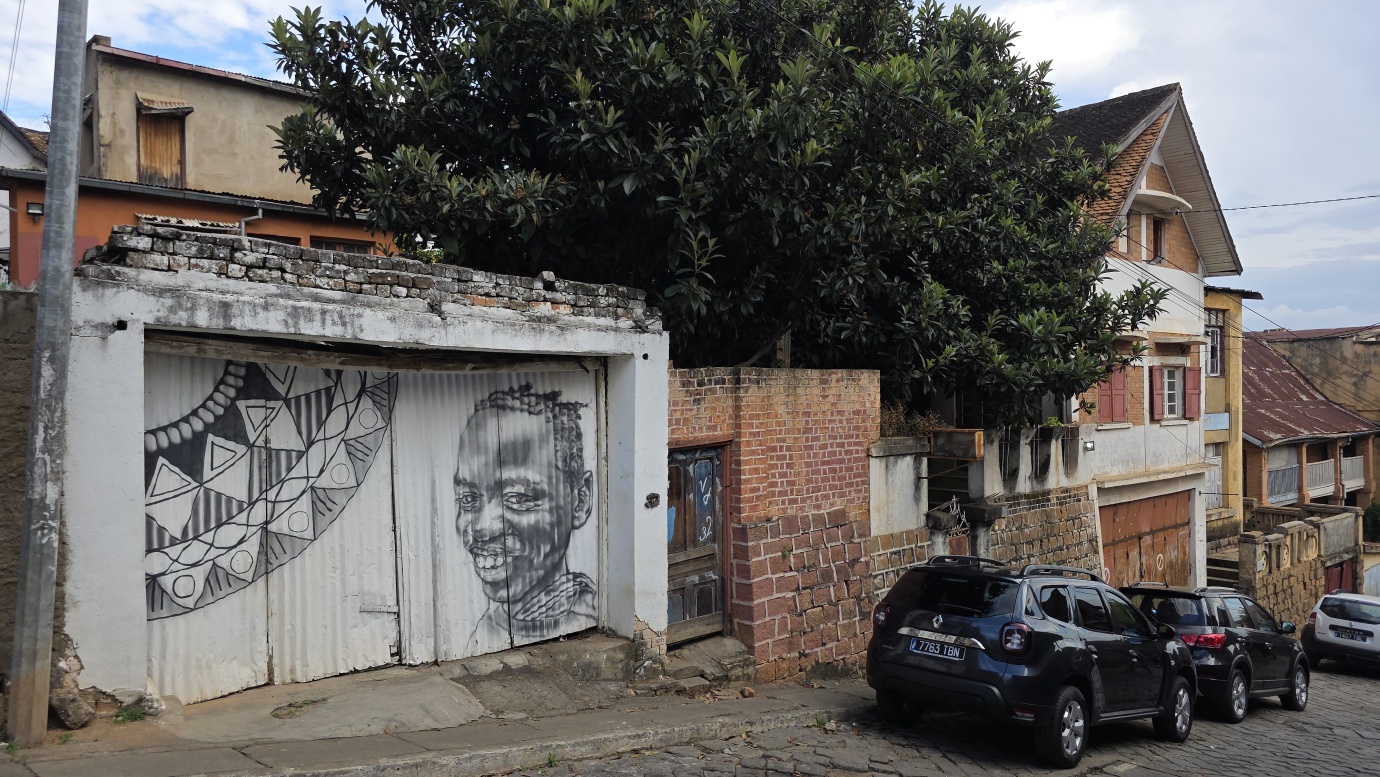
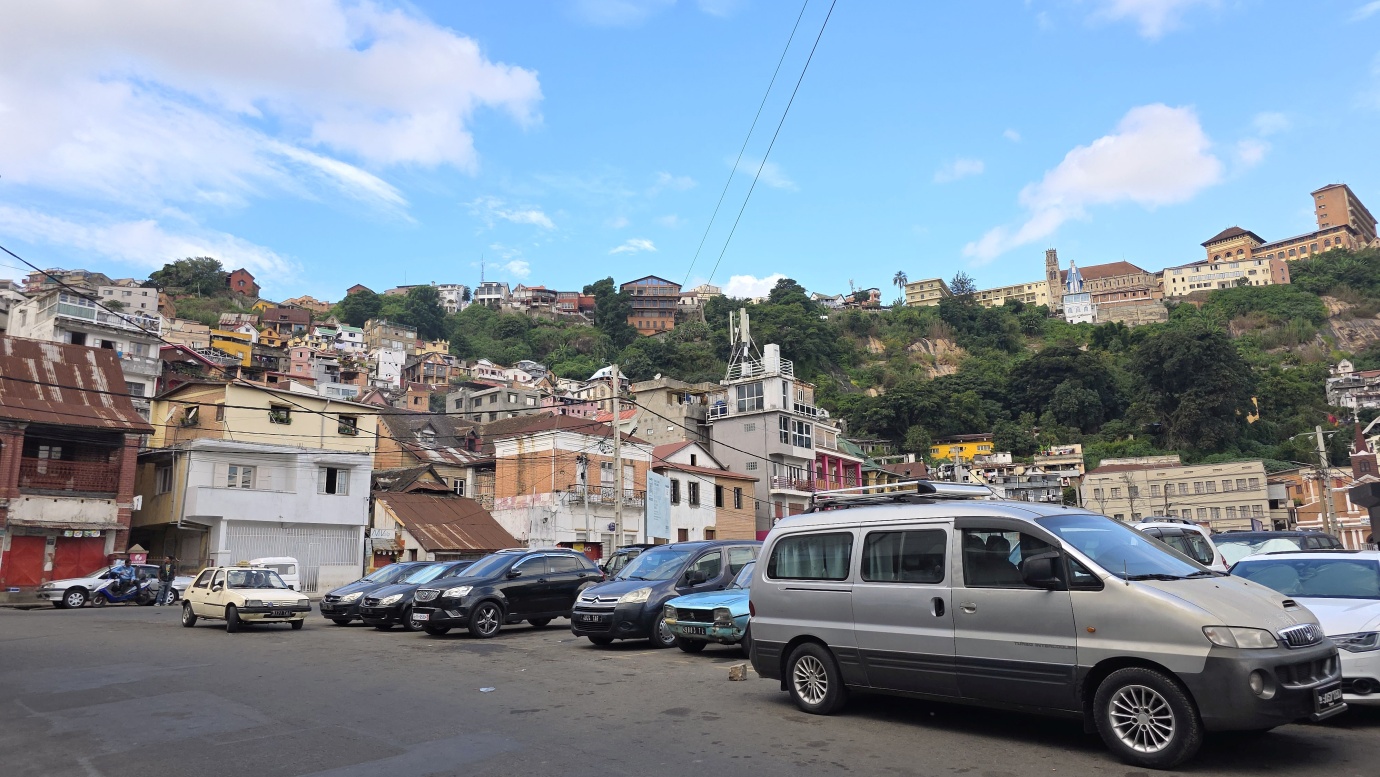
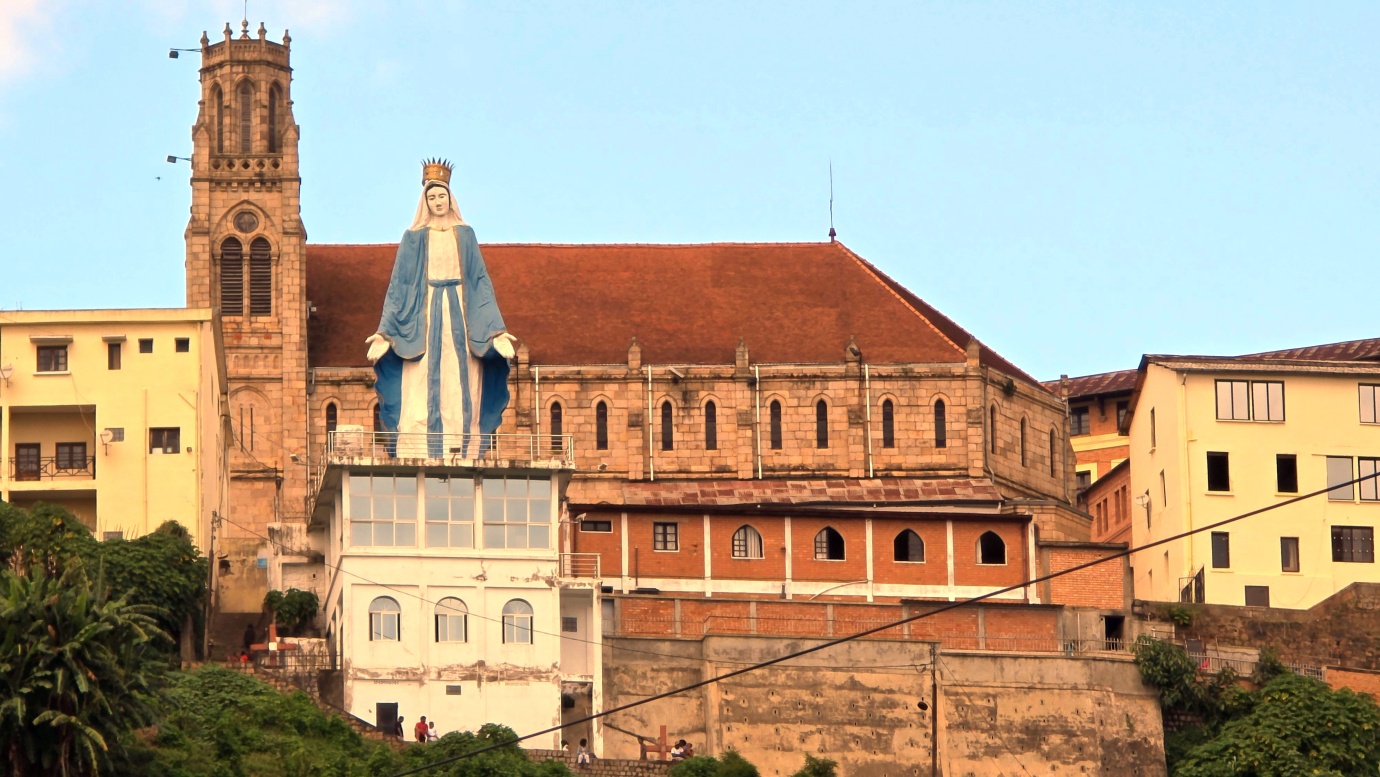
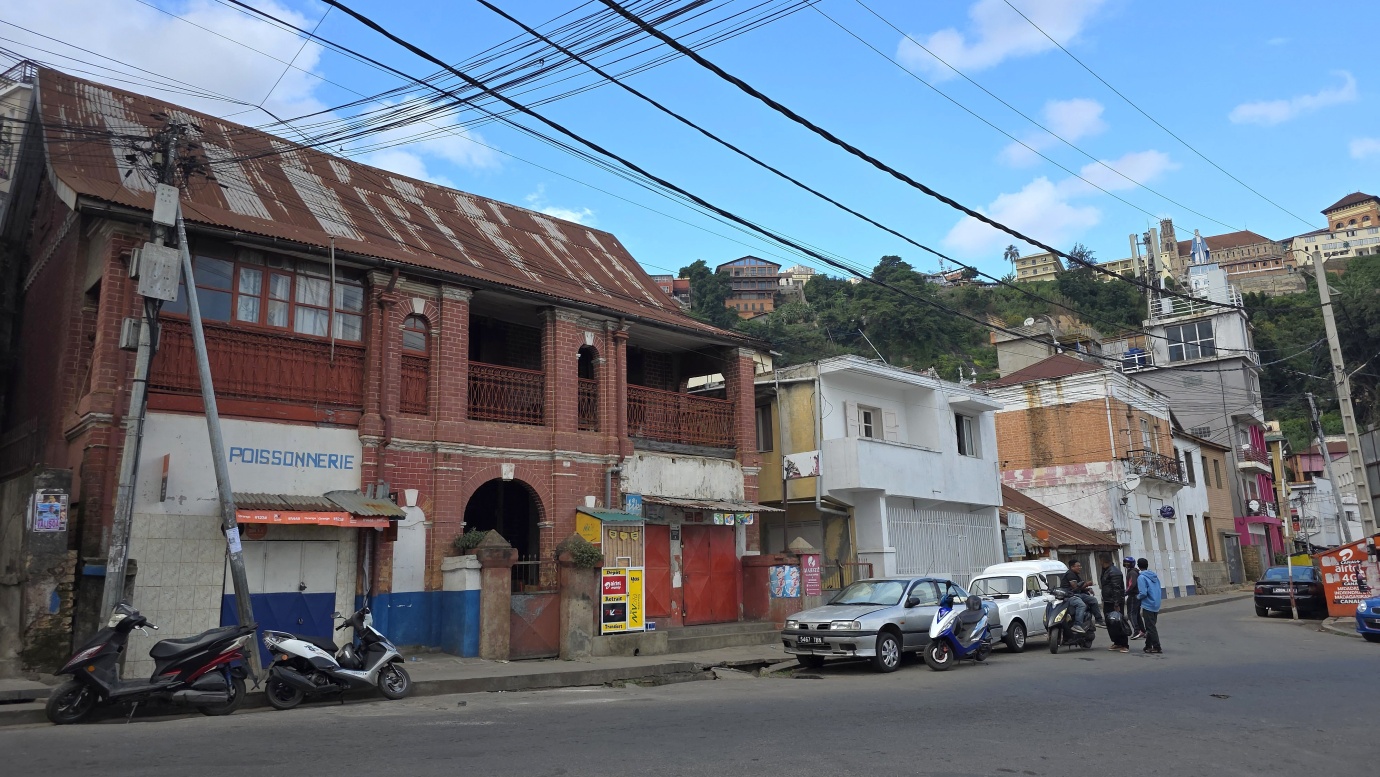
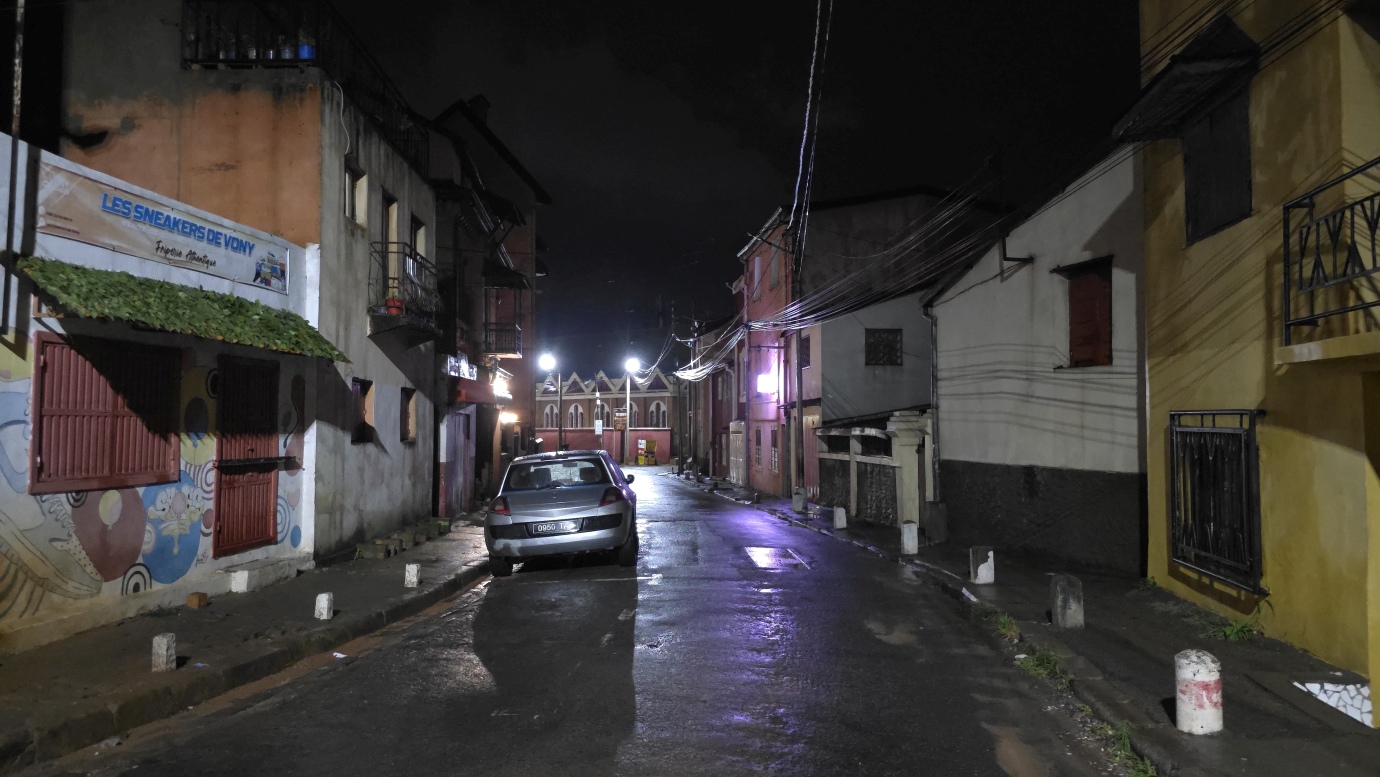
Our visit to Antananarivo, Madagascar’s capital (1,431 m), felt like stepping into a layered story—one in which every hill, street, and building carries echoes of the past. Perched across twelve sacred hills, the city’s history is deeply tied to the Merina kingdom. The city was founded around 1610–1625 by King Andrianjaka. Antananarivo (“City of the Thousand”) began as a Merina stronghold on the site of a former Vazimba town, Analamanga. It became the capital of the Merina Kingdom in 1794, evolving into a political hub with palaces before French colonisation in 1895 and final independence in 1960.
Antananarivo isn’t just about monuments—it’s about the feeling of history woven into daily life. From royal palaces to lively markets, the city tells its story not just through landmarks, but through the people and rhythms that keep it alive.
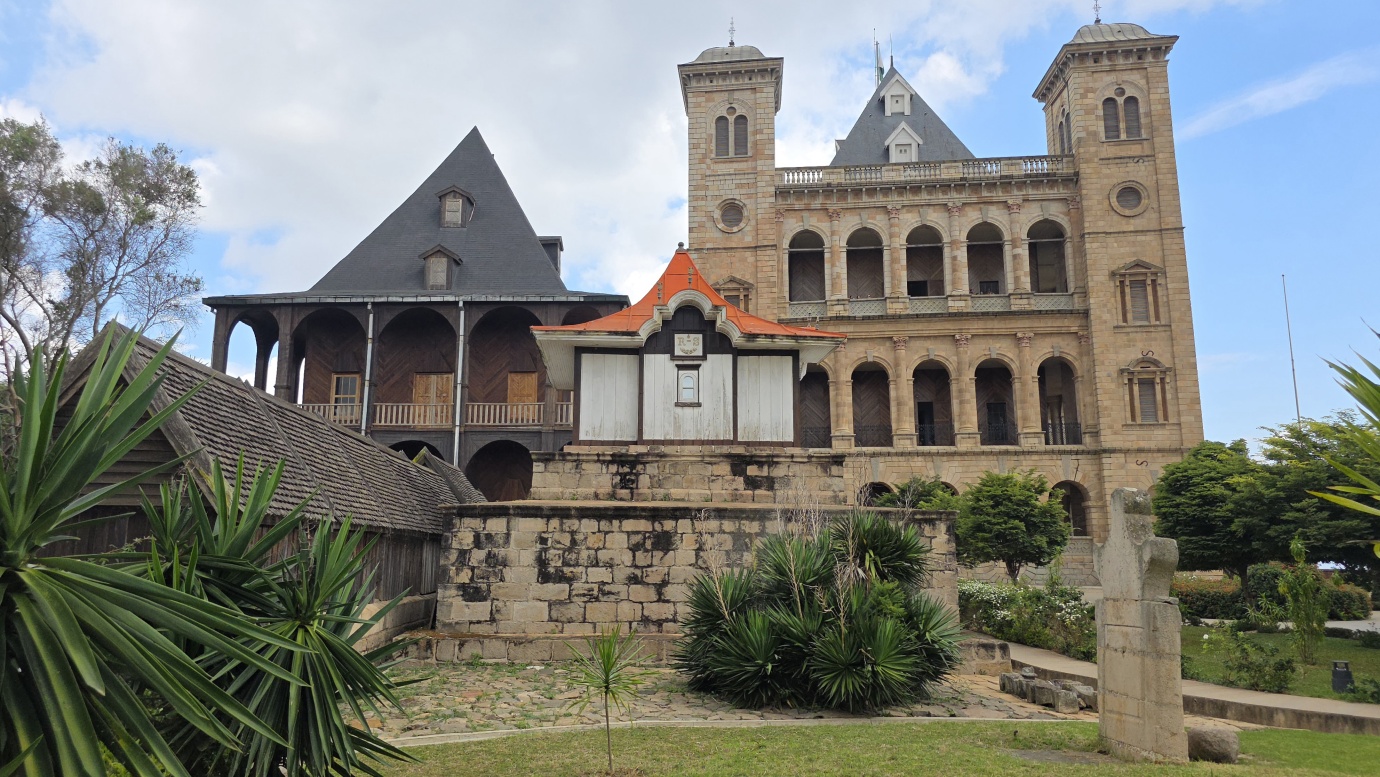
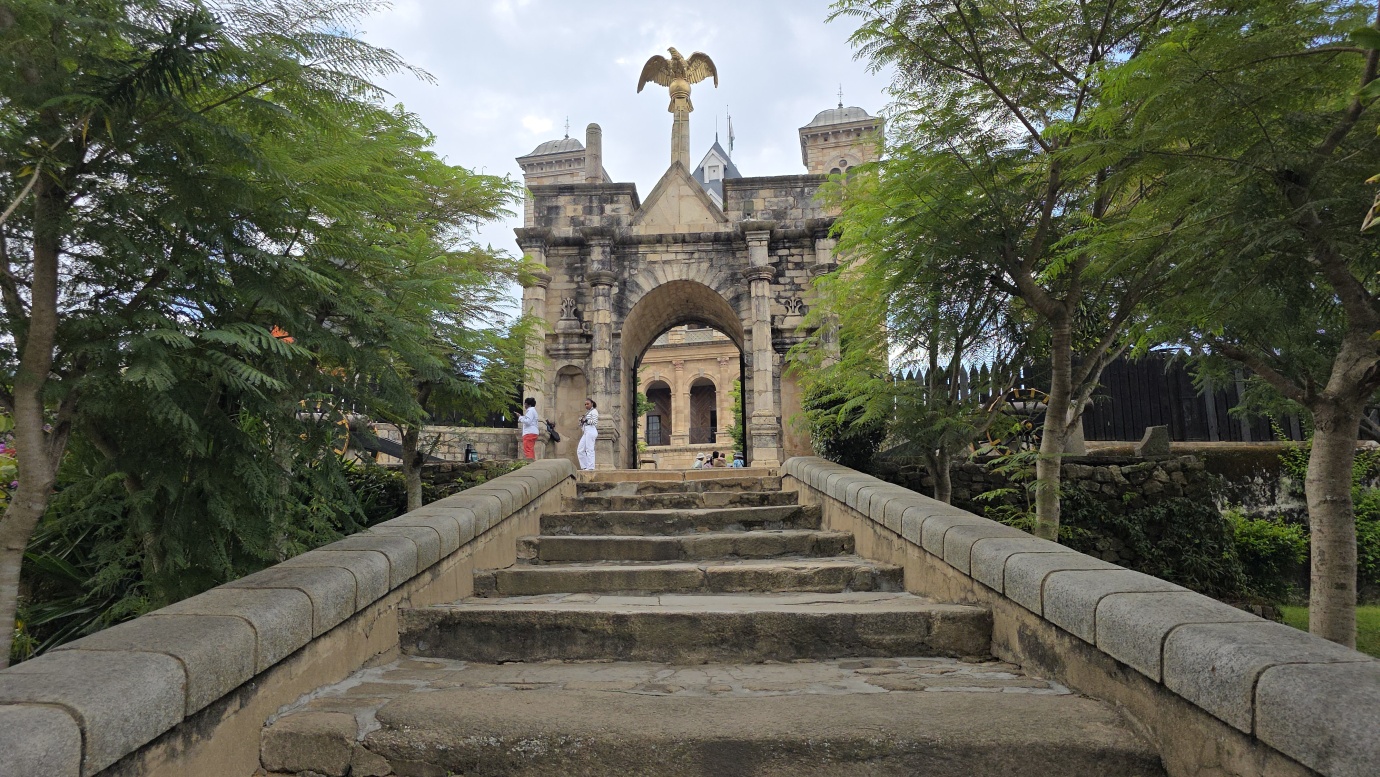
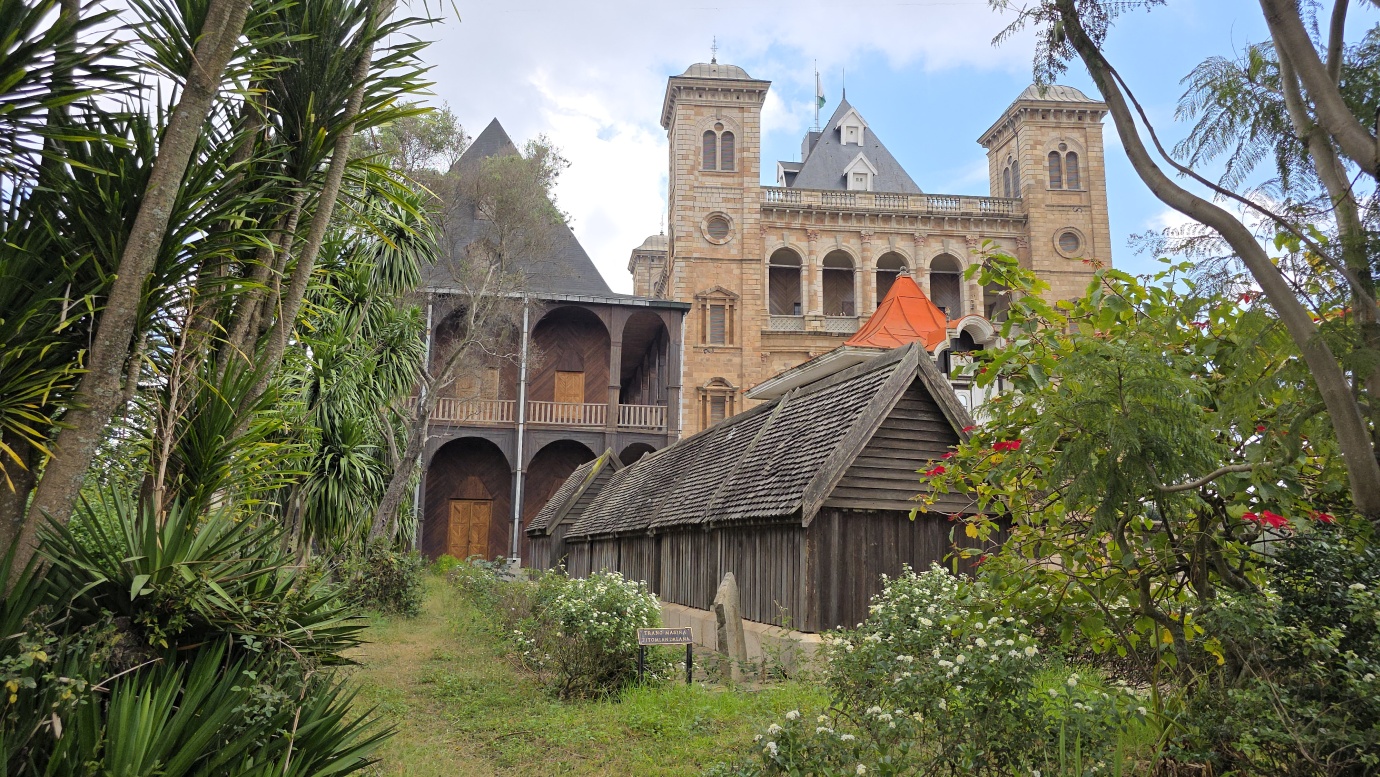
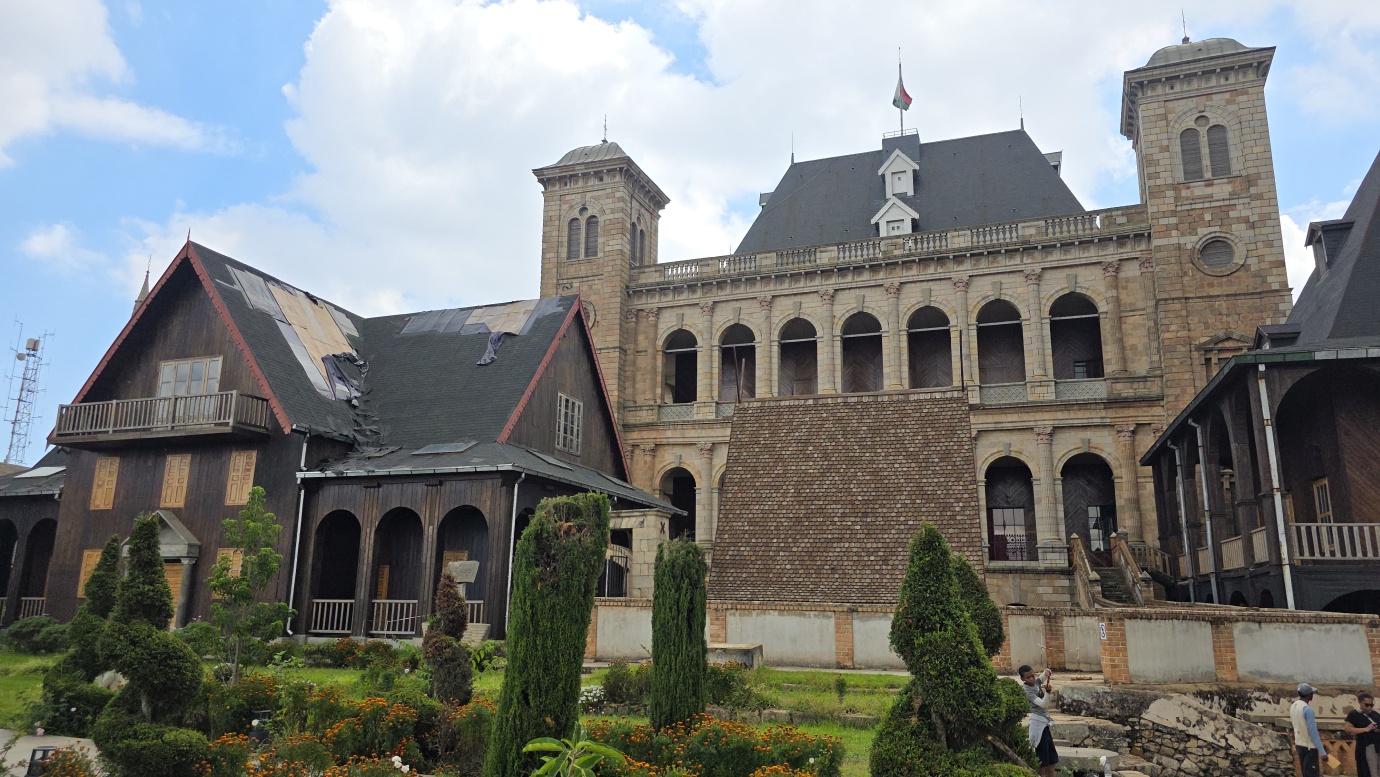
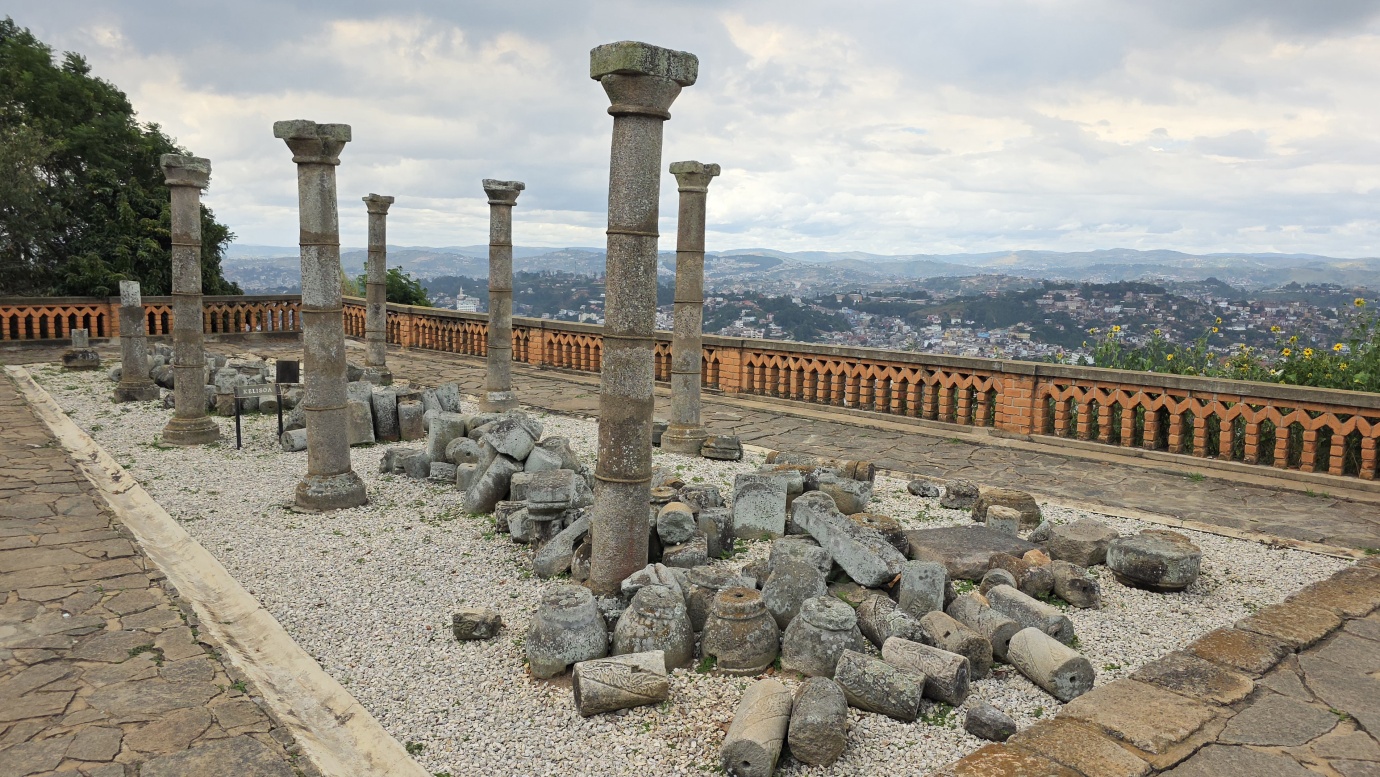
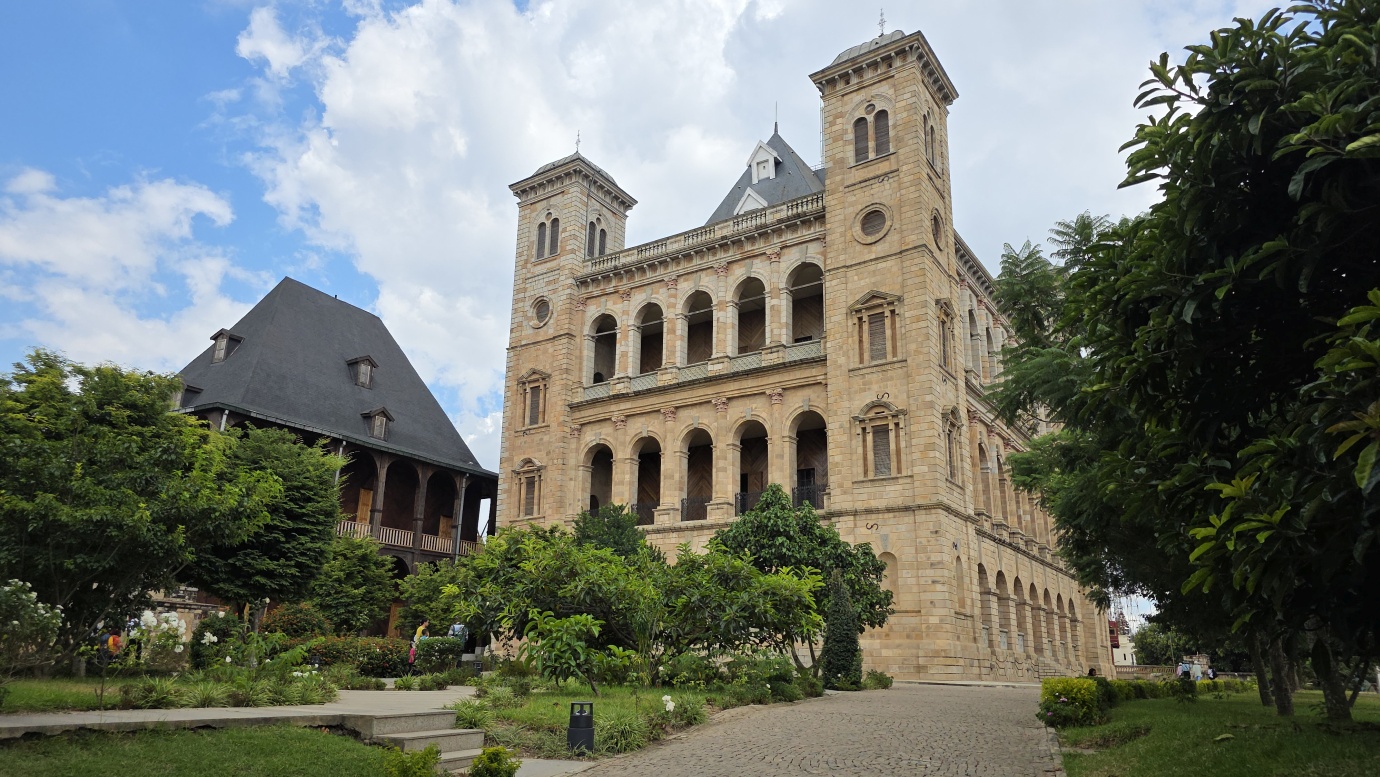
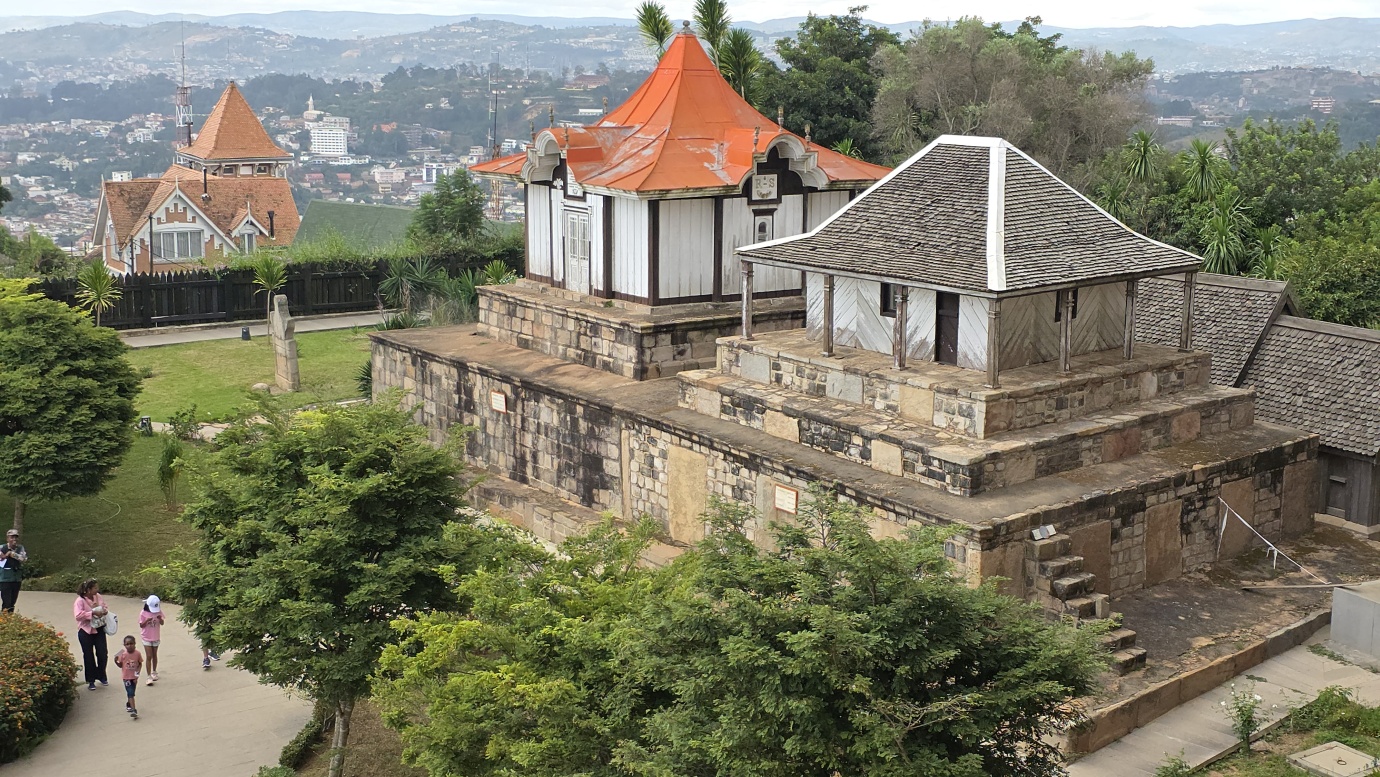
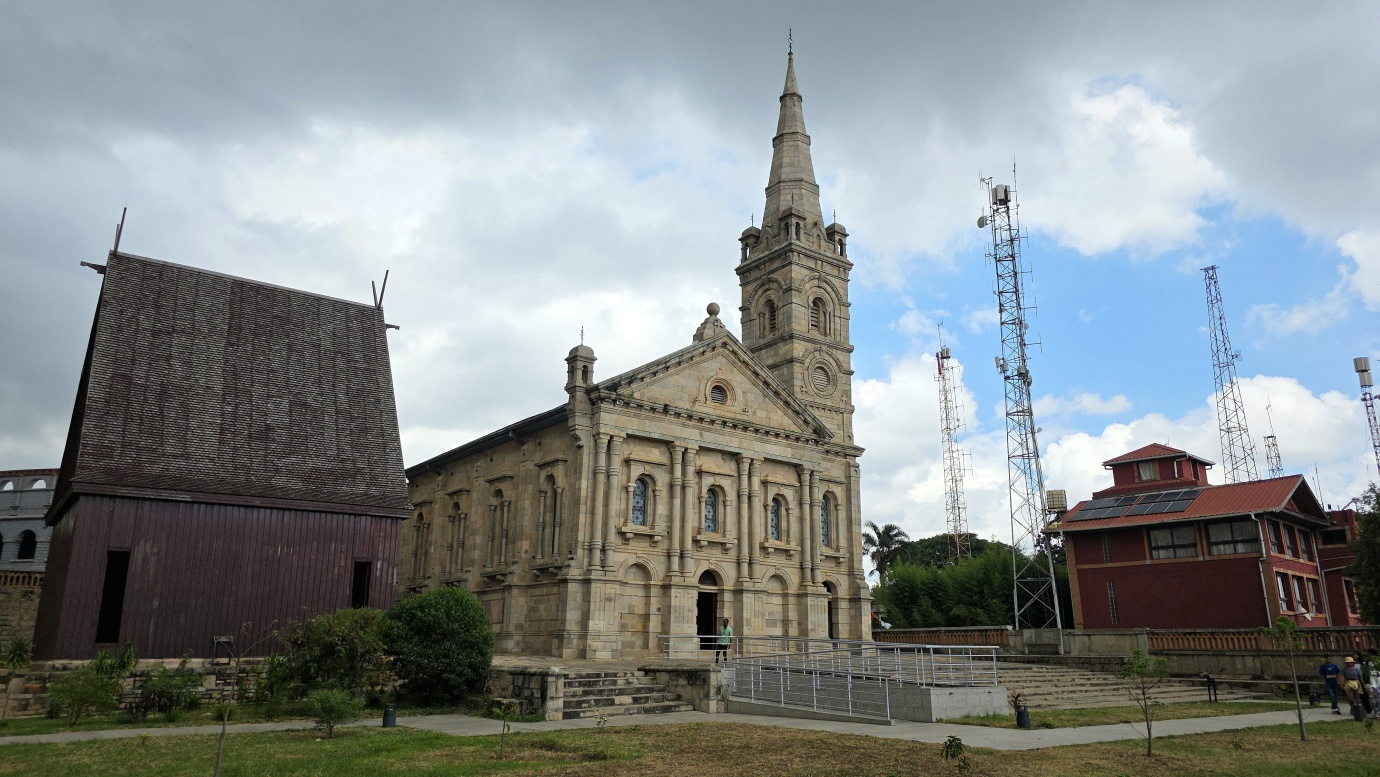
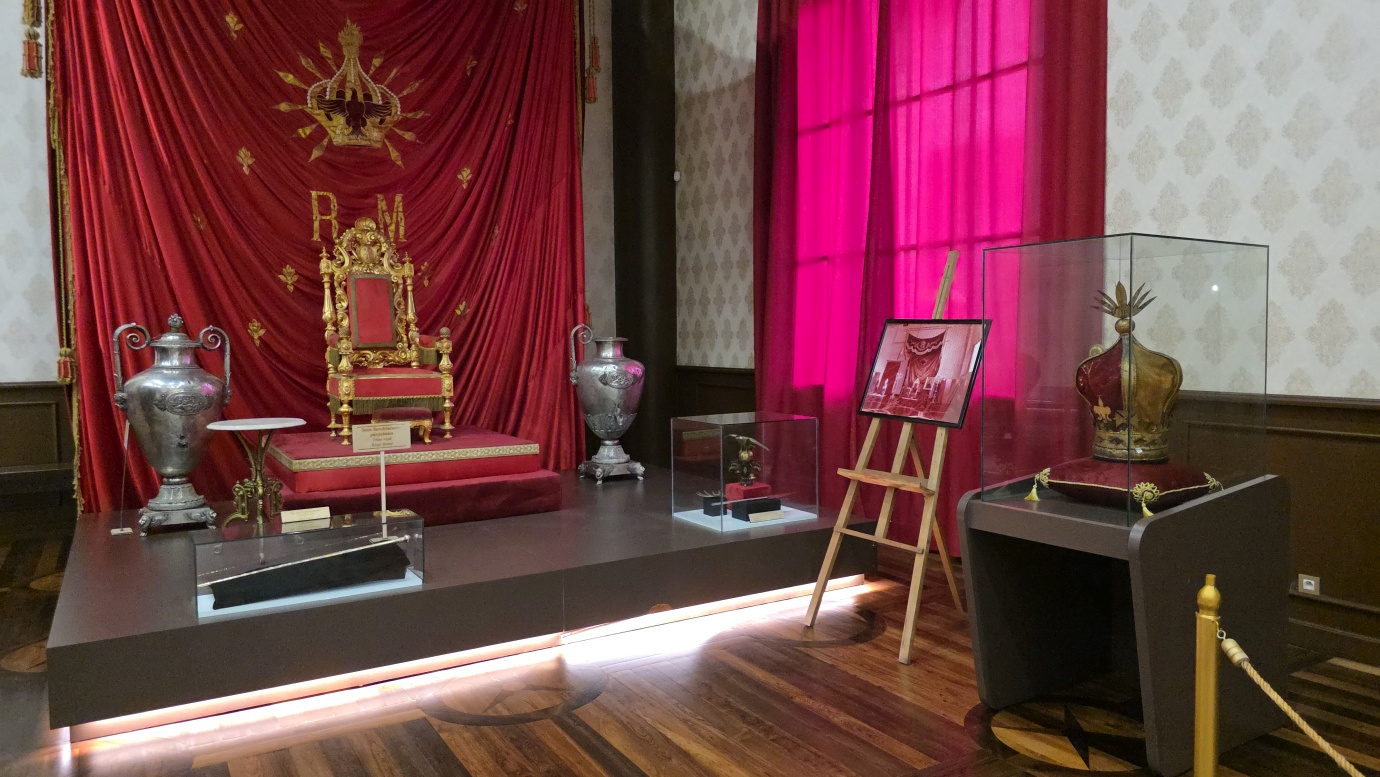
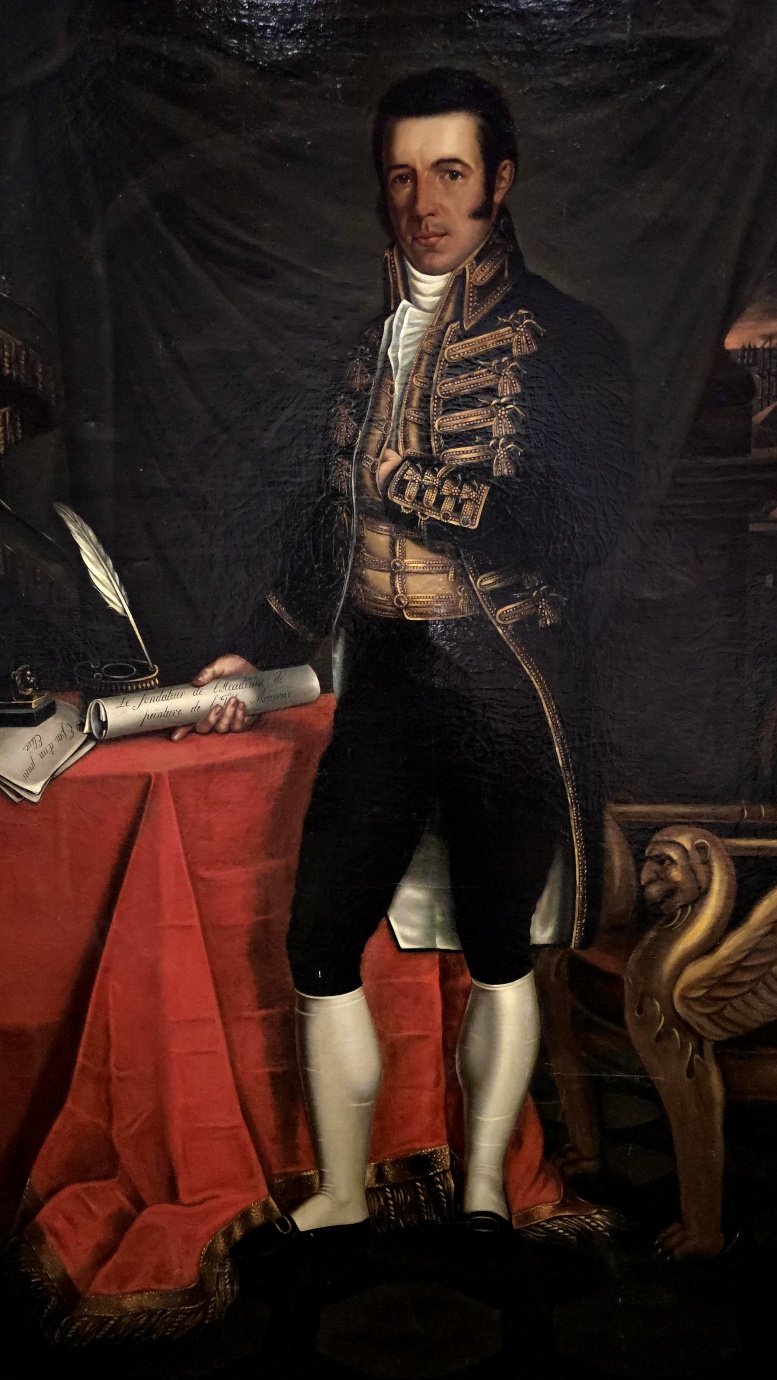
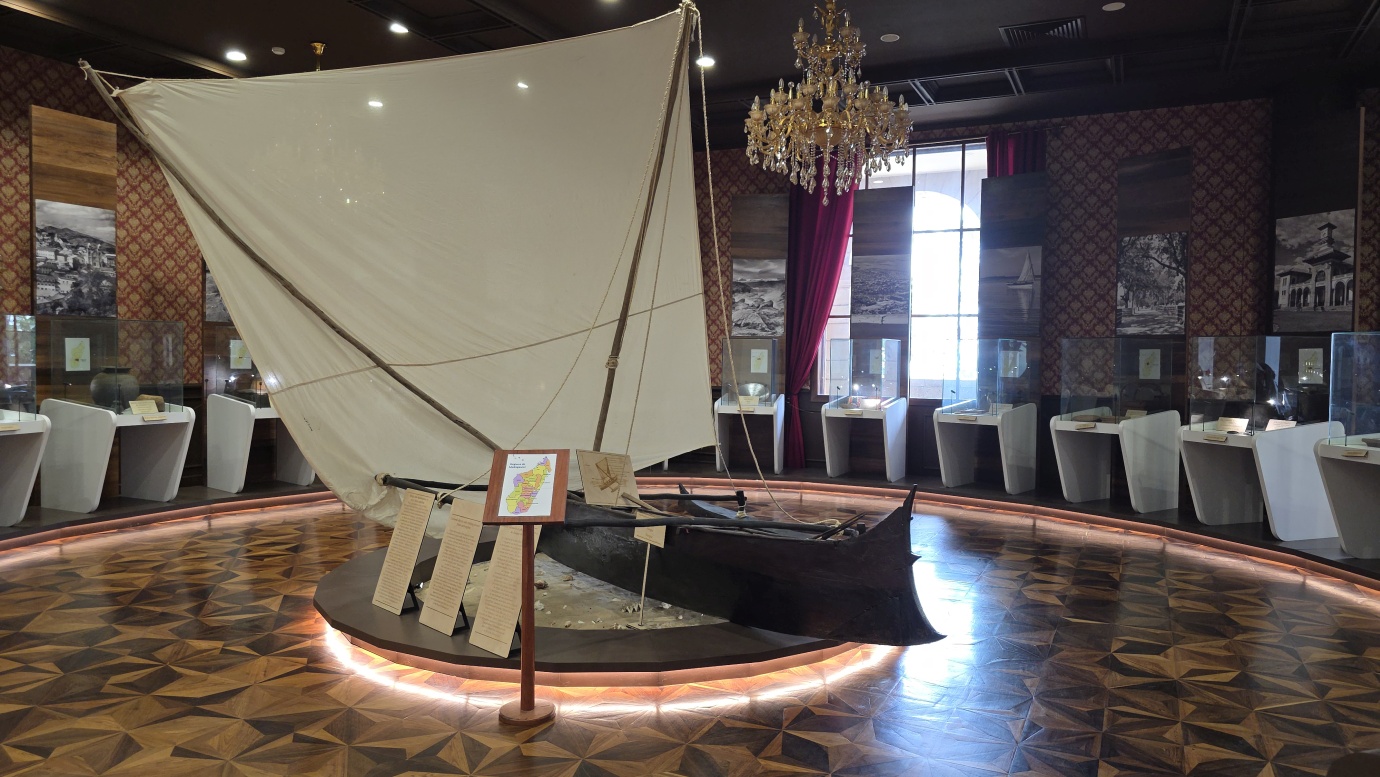
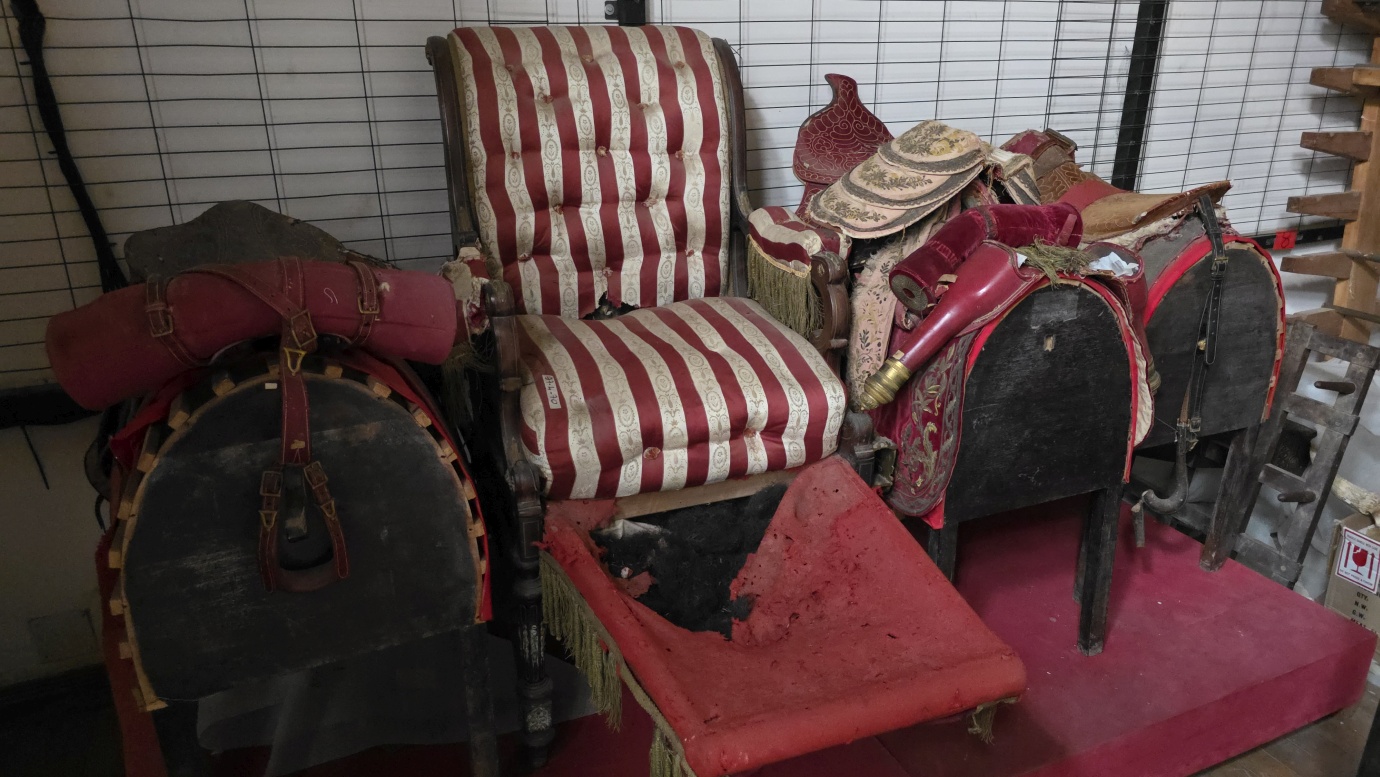
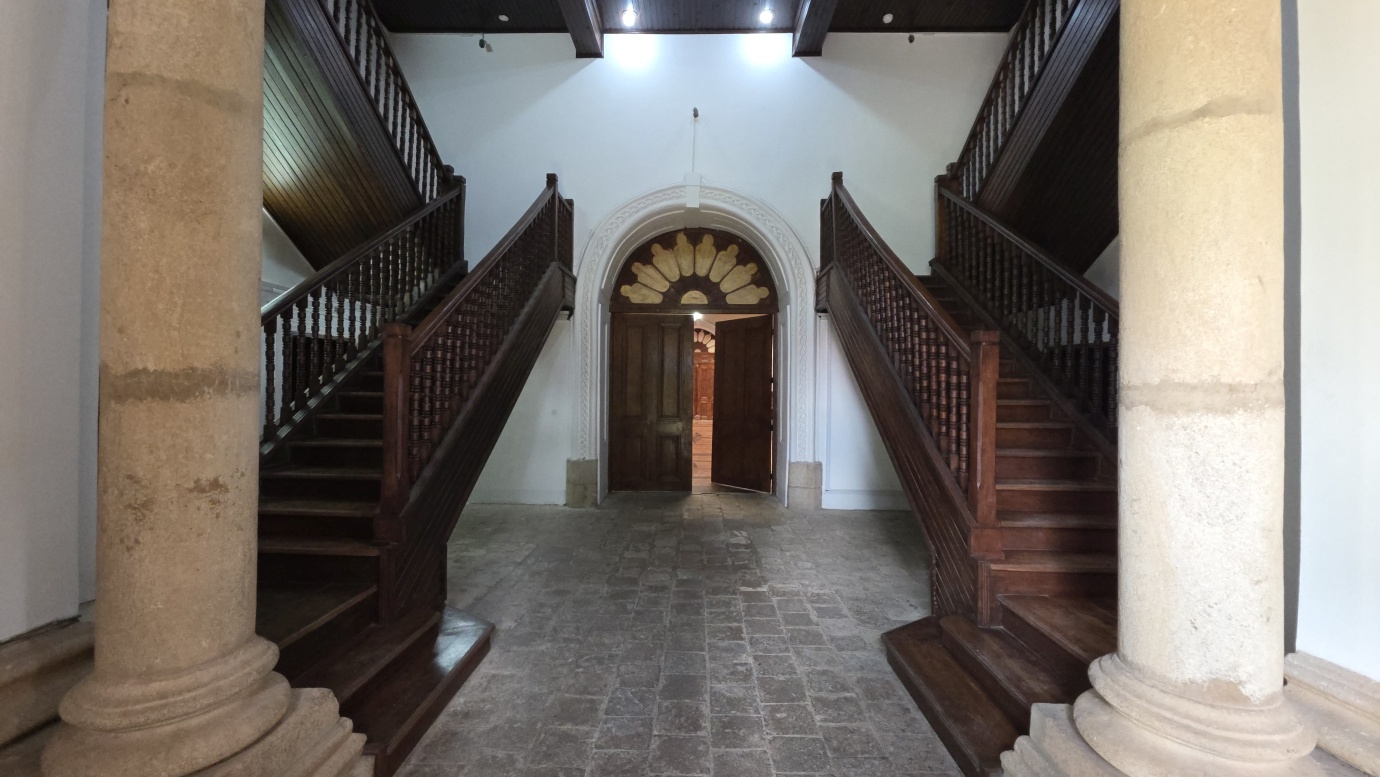
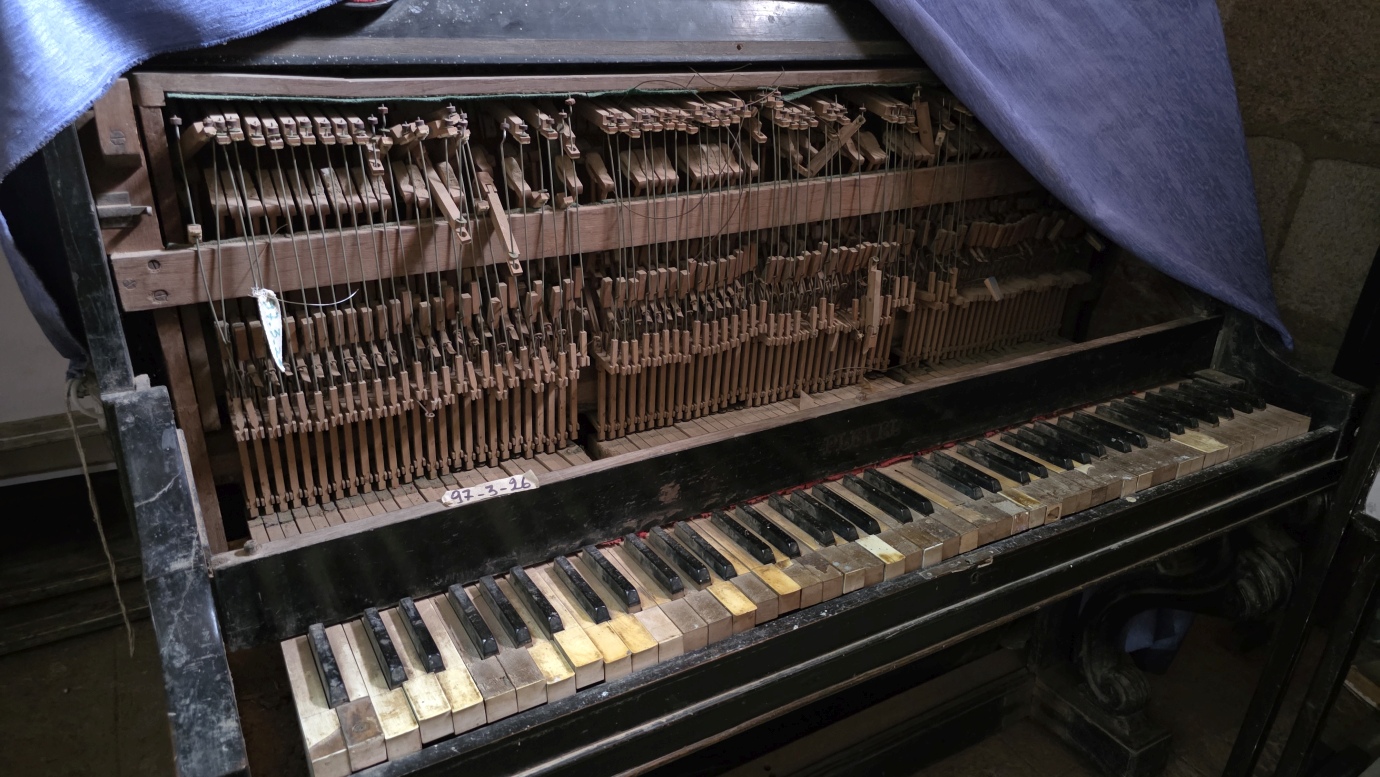
The highlight of our journey was the Rova of Antananarivo (🎟️40,000 MGA), standing proudly on the highest hill. Even after fires and restorations, it remains a powerful symbol of Malagasy identity. Walking through its grounds, we could almost picture the royal court that once ruled the island from this very spot. Not far away, the Andafiavaratra Palace offered a more intimate glimpse into royal life. Its collection of artefacts—rescued from past disasters—tells stories of resilience and continuity.
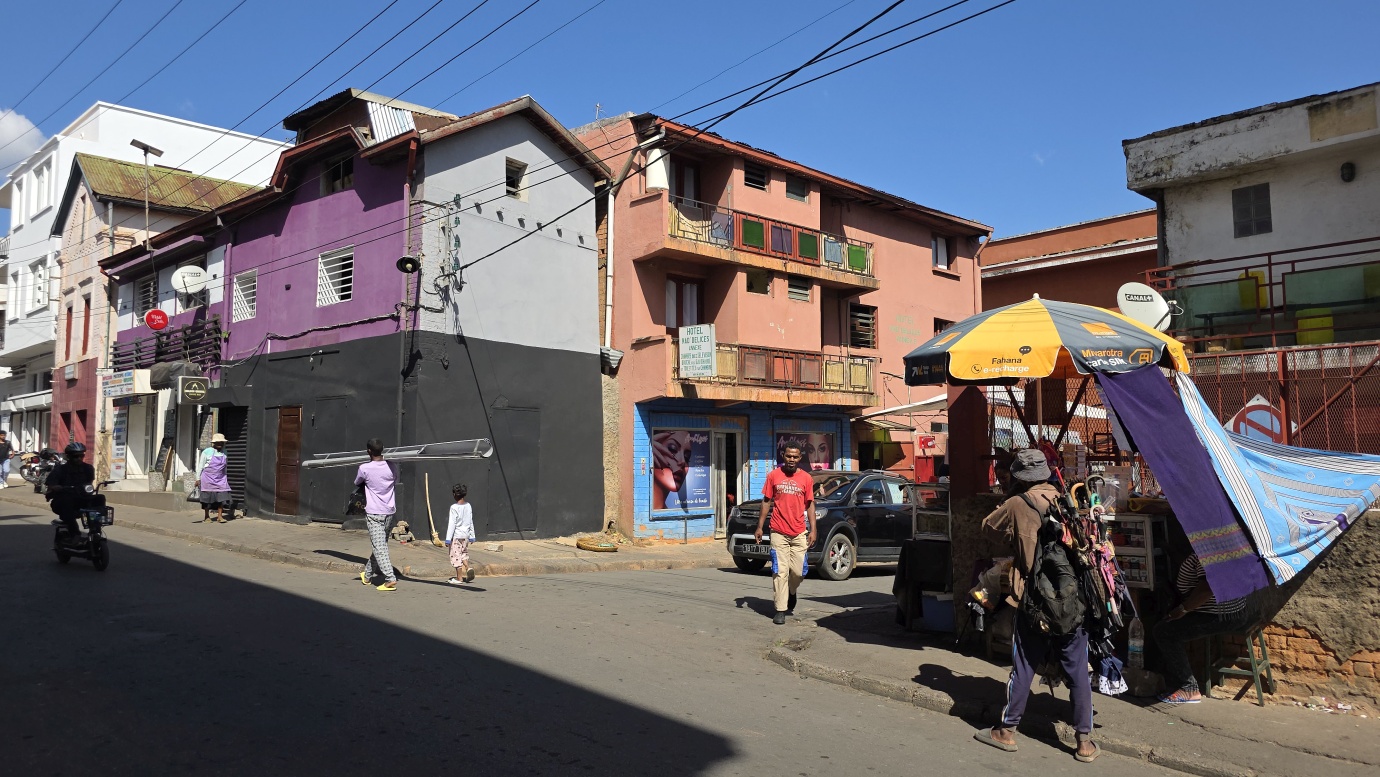
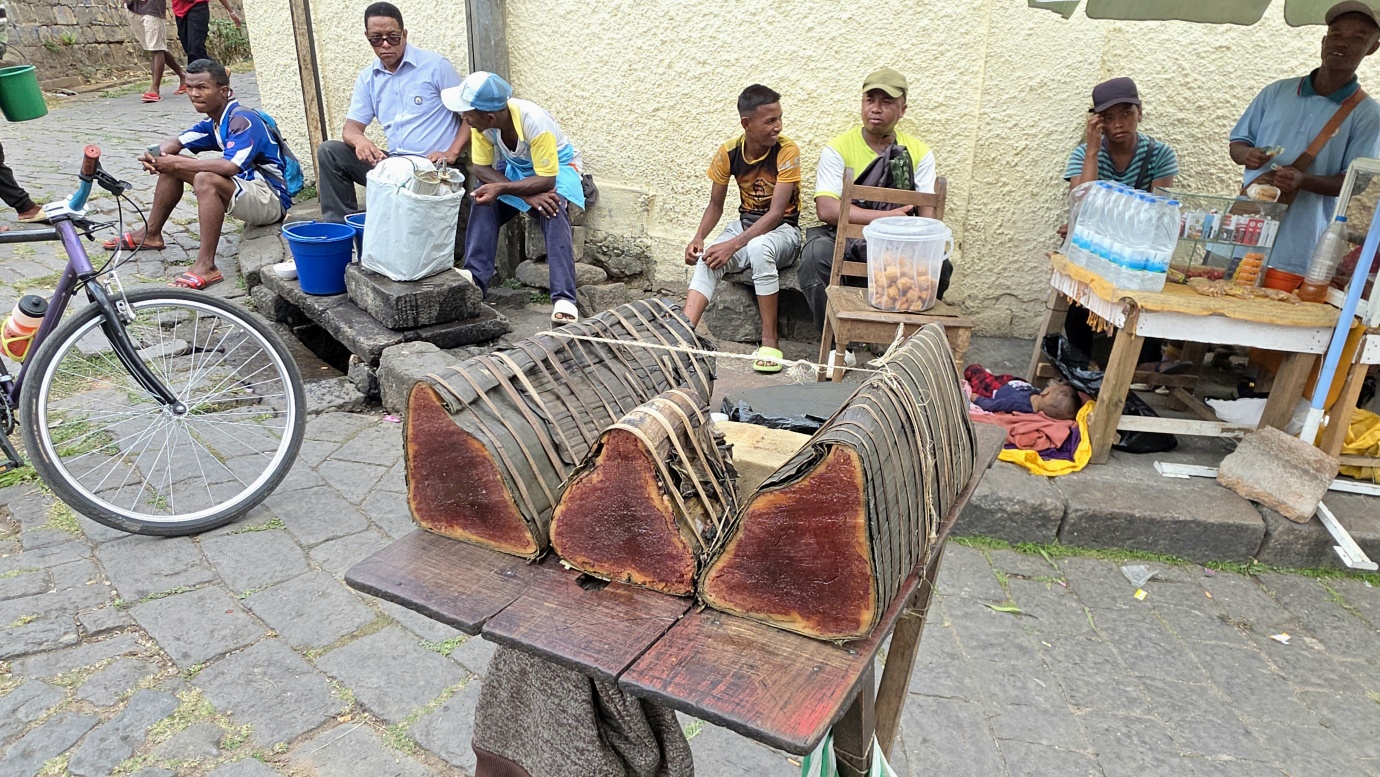
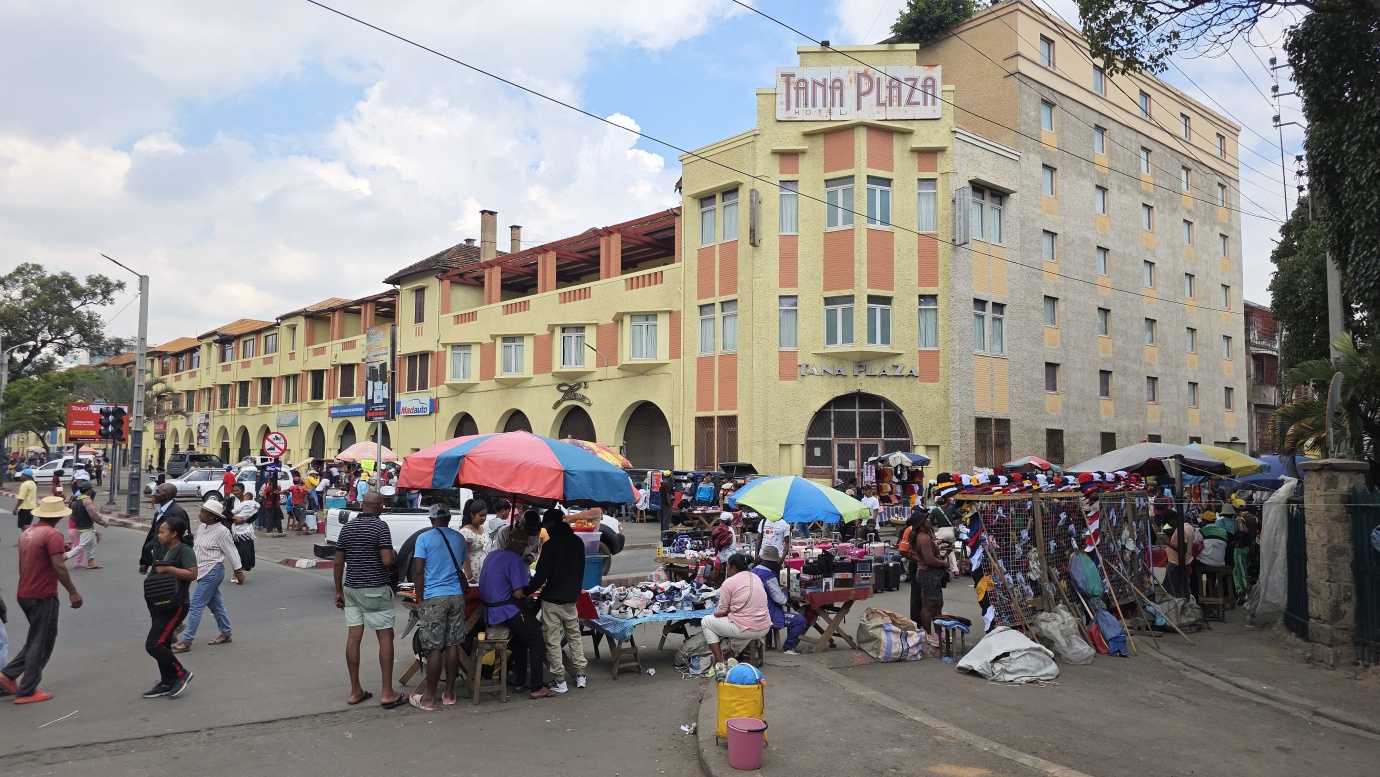
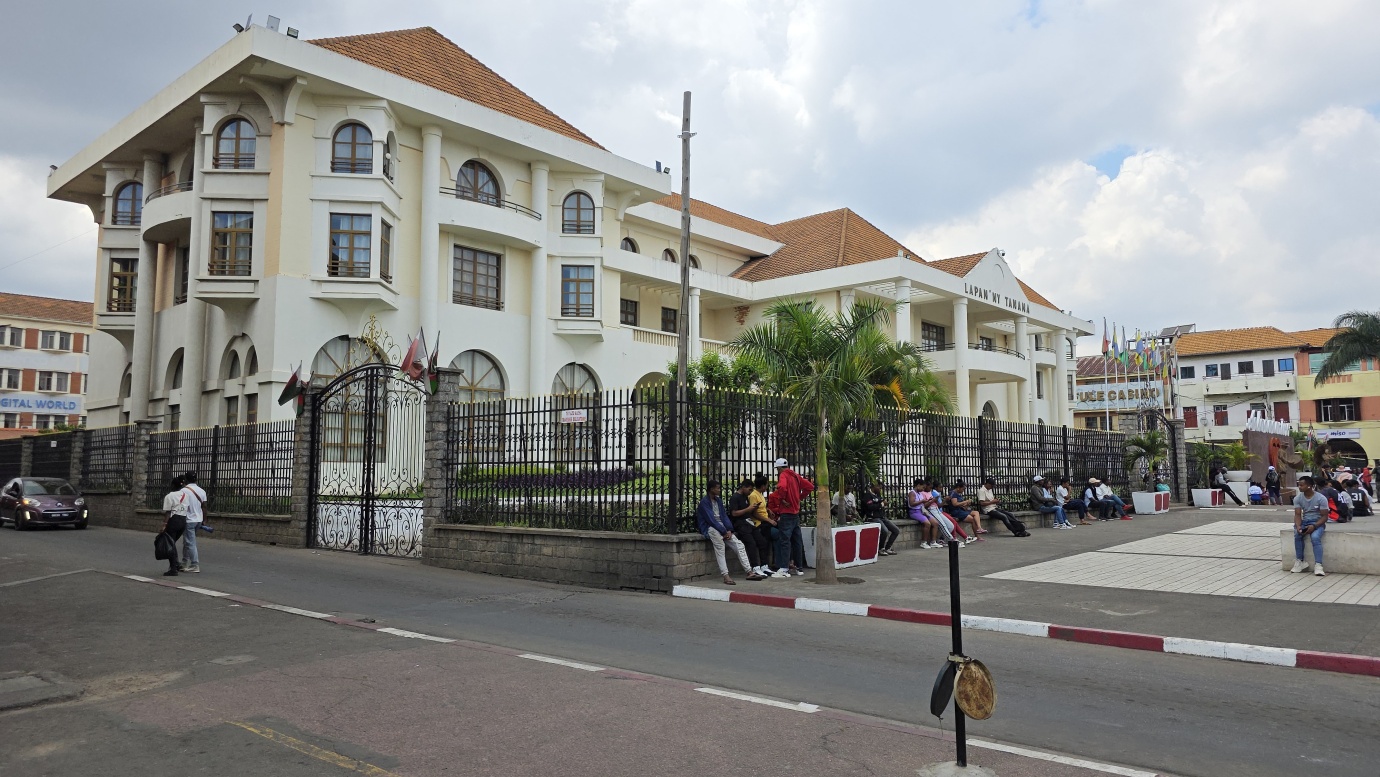
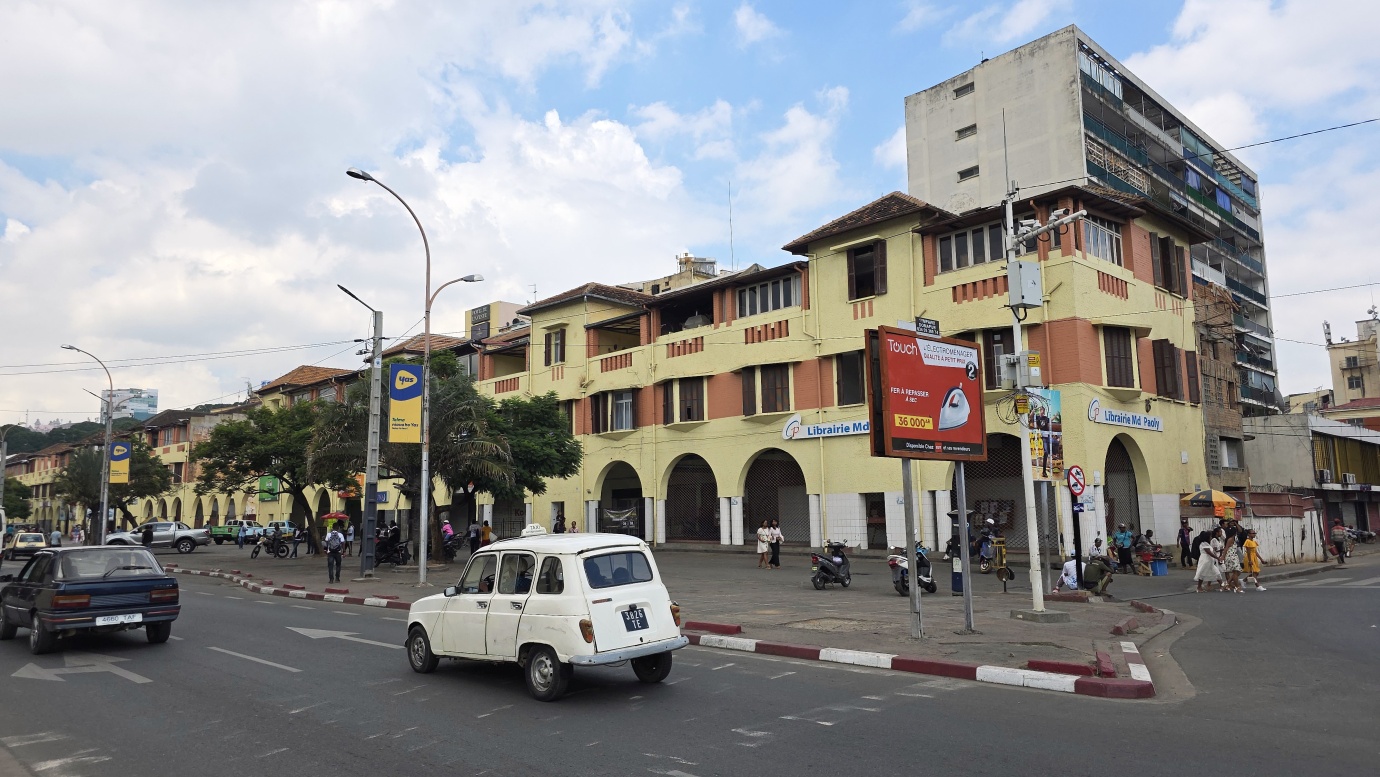
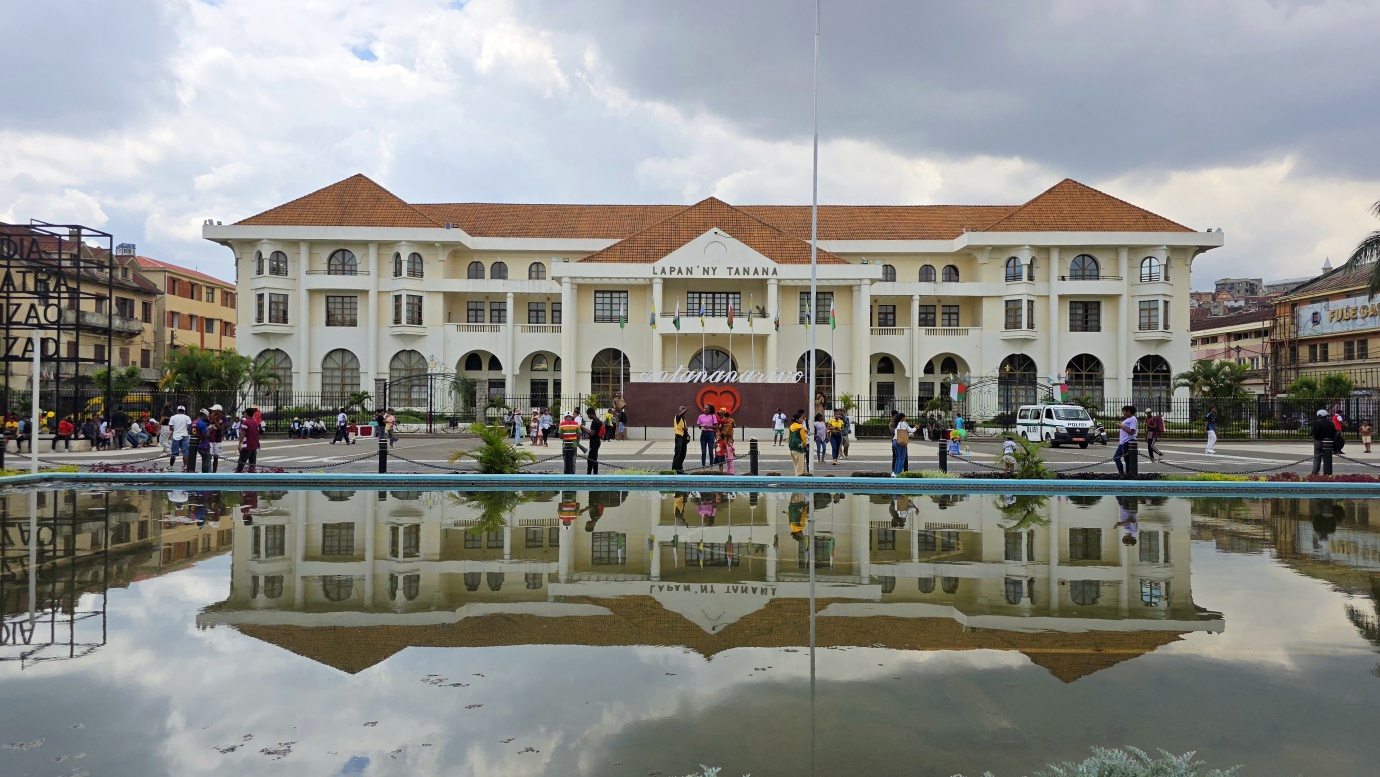
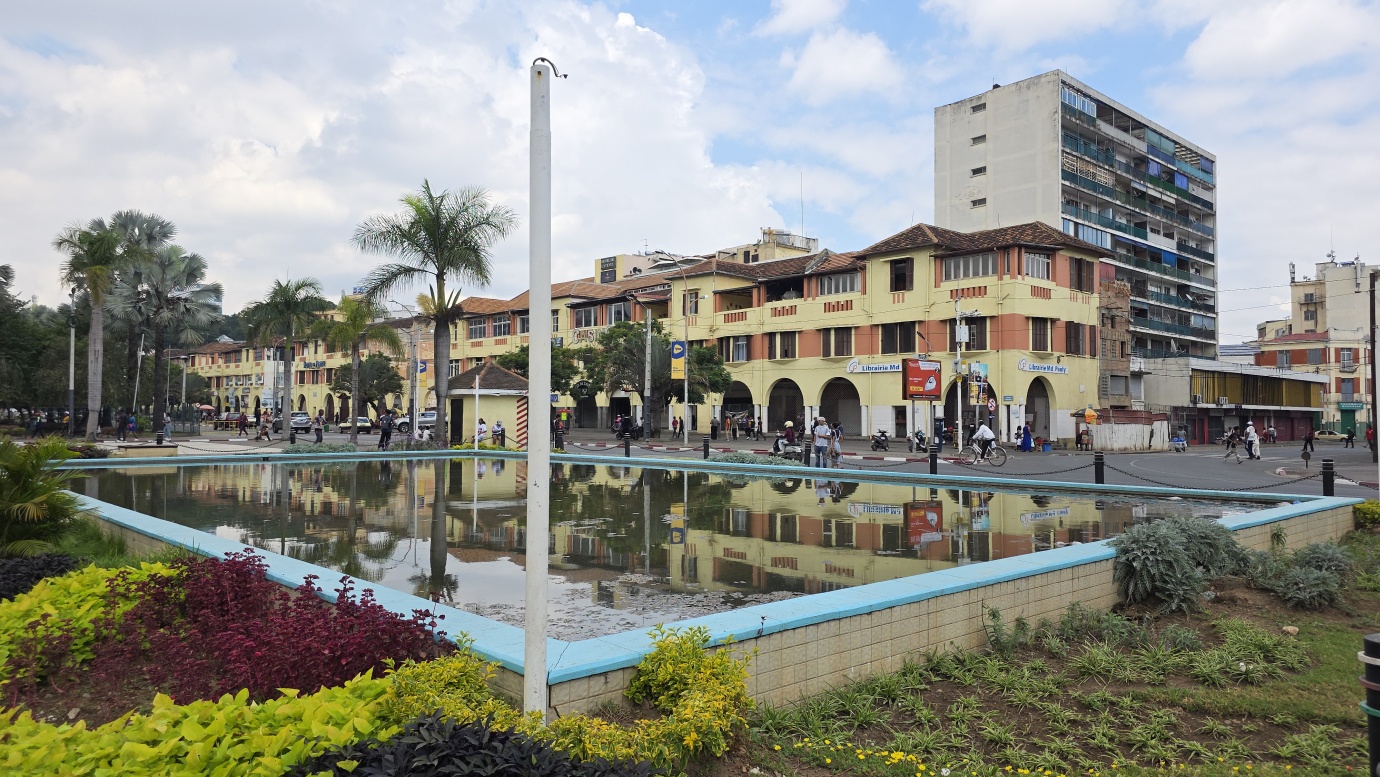
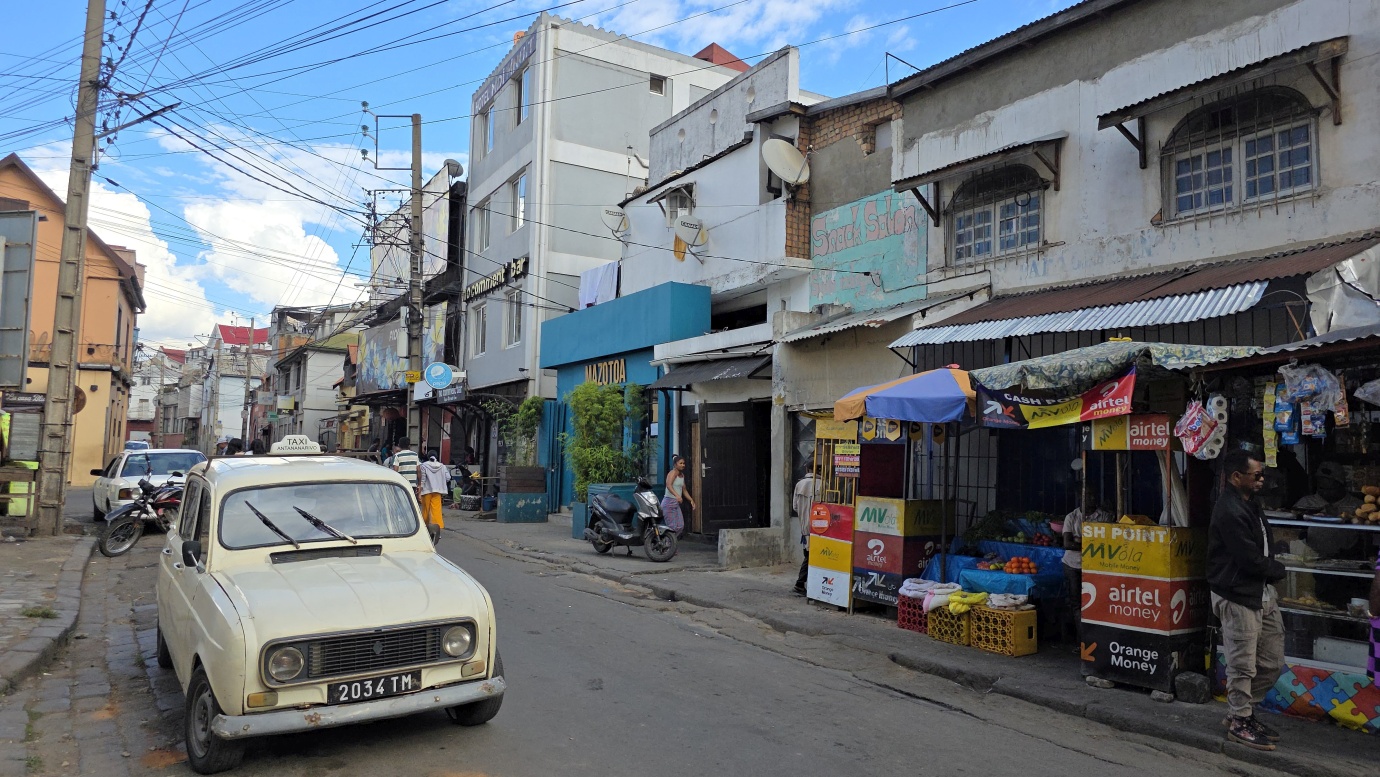
Back in the heart of the city, we wandered around Lake Anosy, with its iconic monument at the centre. It’s a peaceful contrast to the bustling streets nearby, especially around Analakely Market, where everyday life unfolds in a vibrant mix of colours, sounds, and scents.
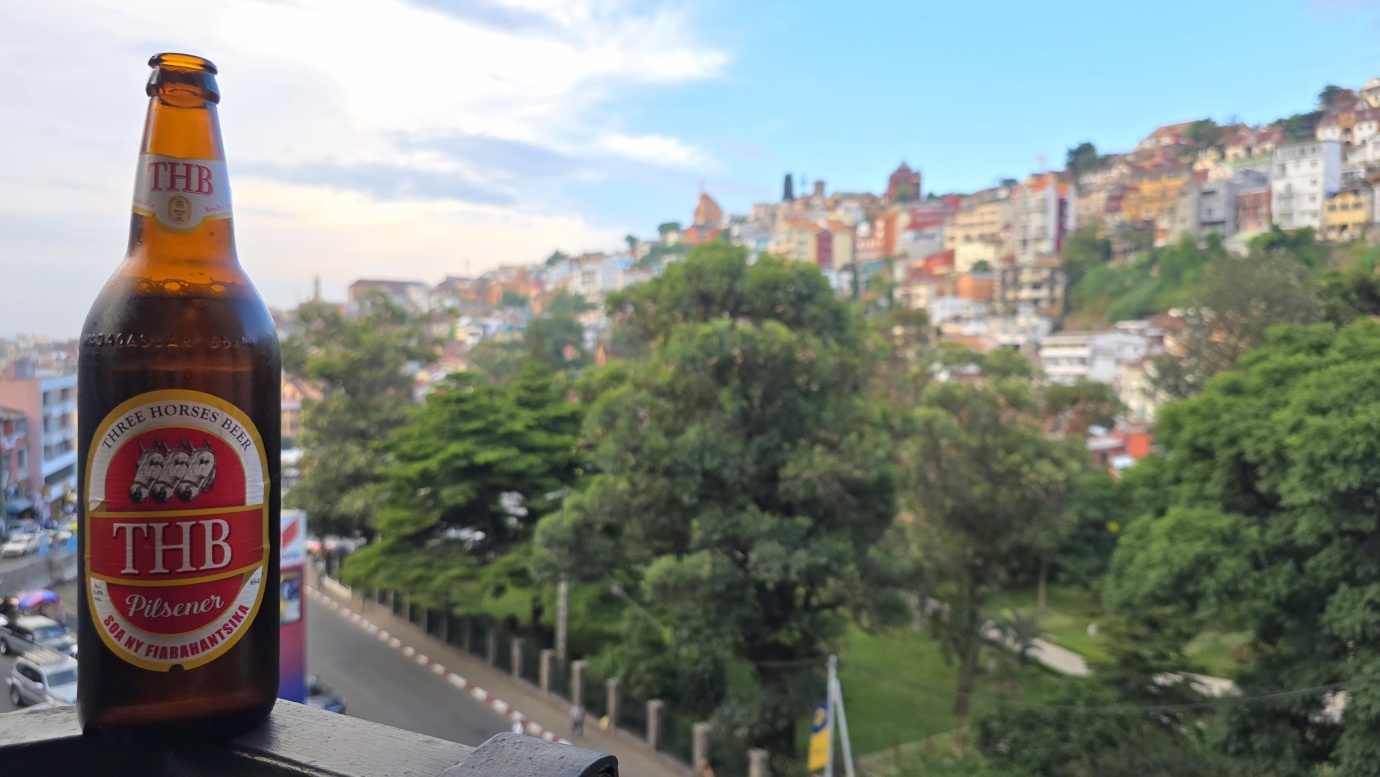
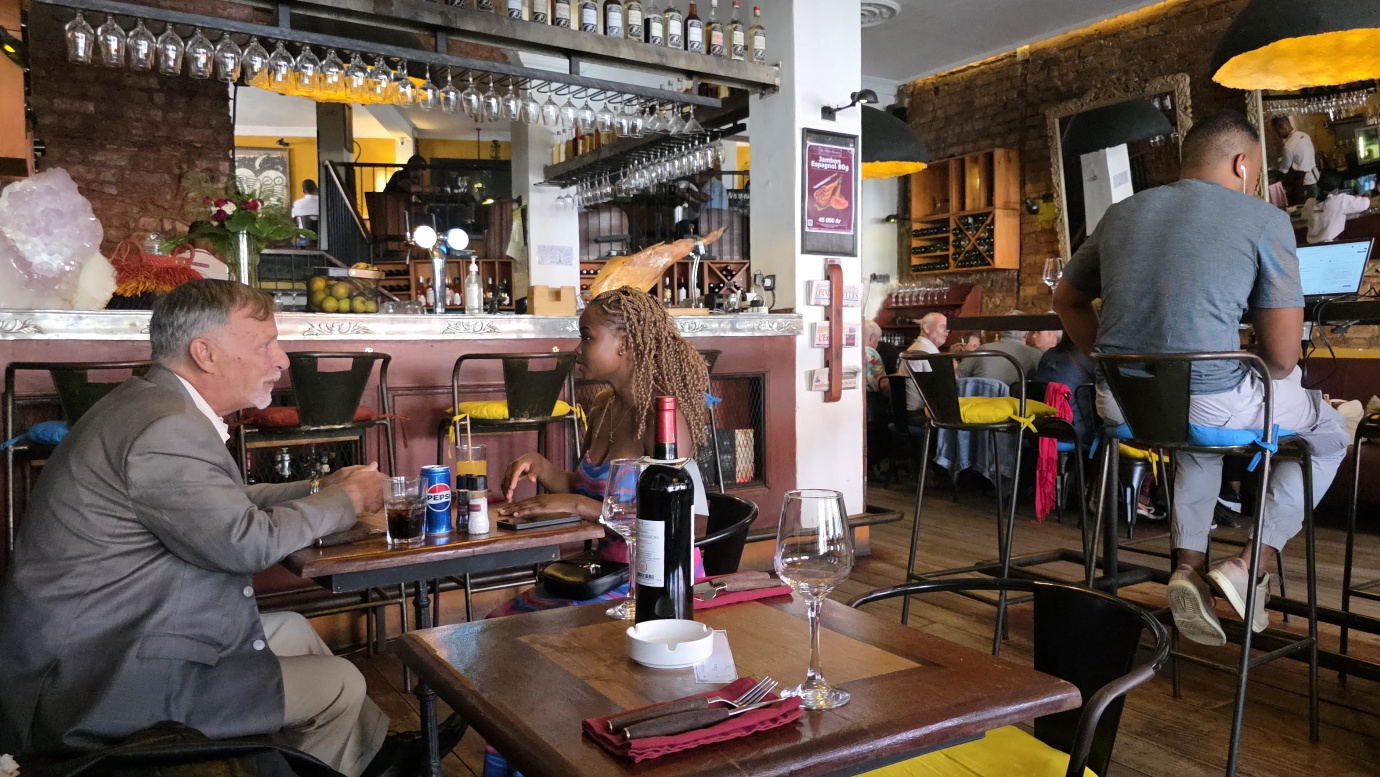
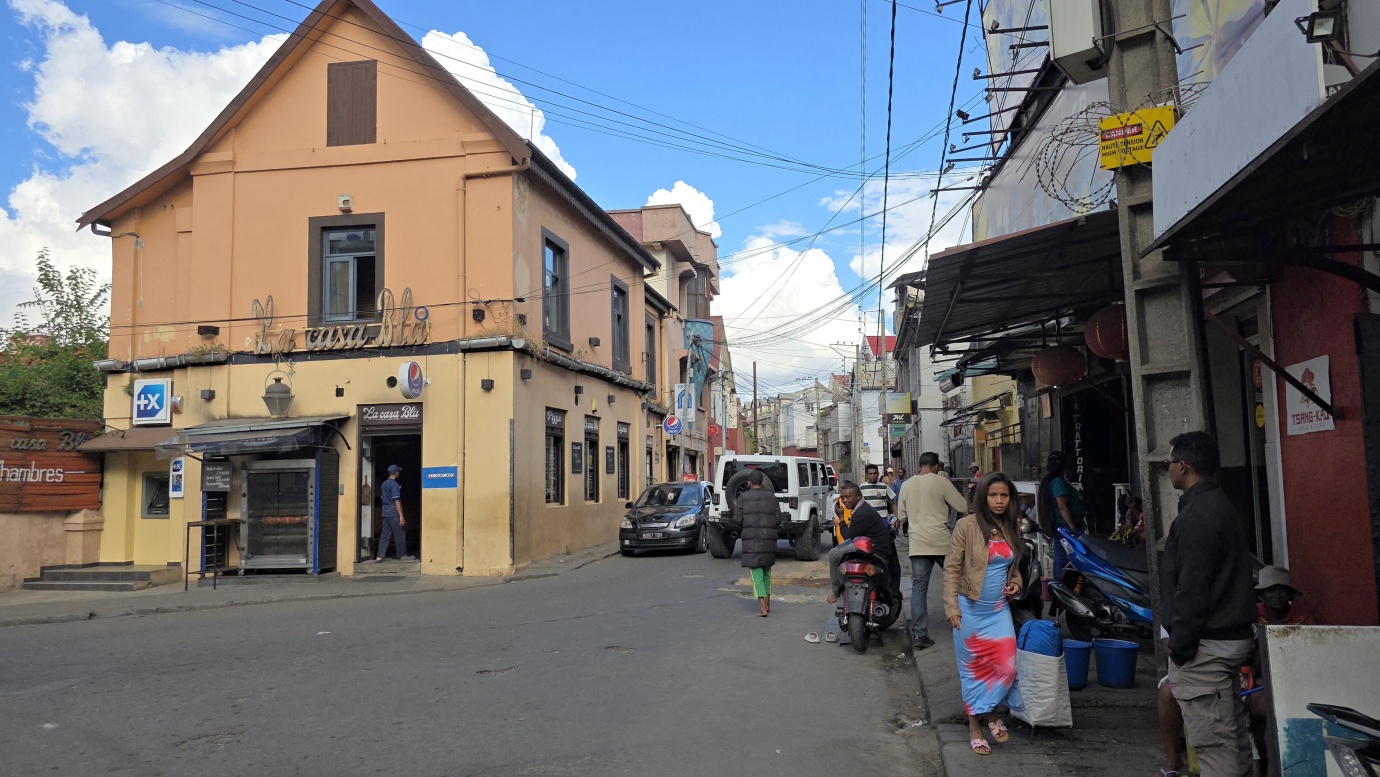
As the sun set over Antananarivo, the city revealed a different kind of charm—more relaxed, but still full of energy. Nightlife here isn’t flashy, but it’s lively in its own way. Around Analakely Market and nearby neighbourhoods, we found cosy bars with live Malagasy music, where locals and visitors mix effortlessly. The vibe is warm and unpretentious—perfect for soaking in the city’s rhythm after a day of exploring.
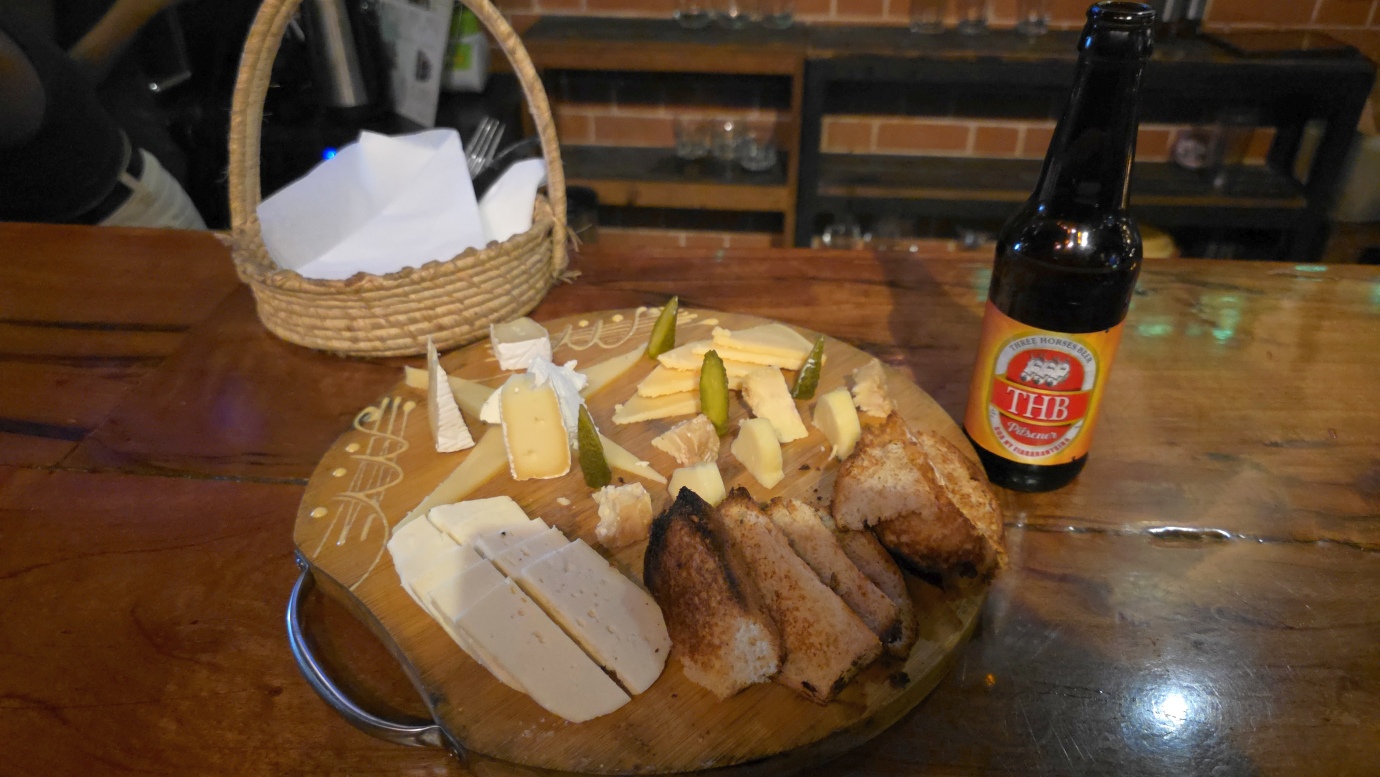
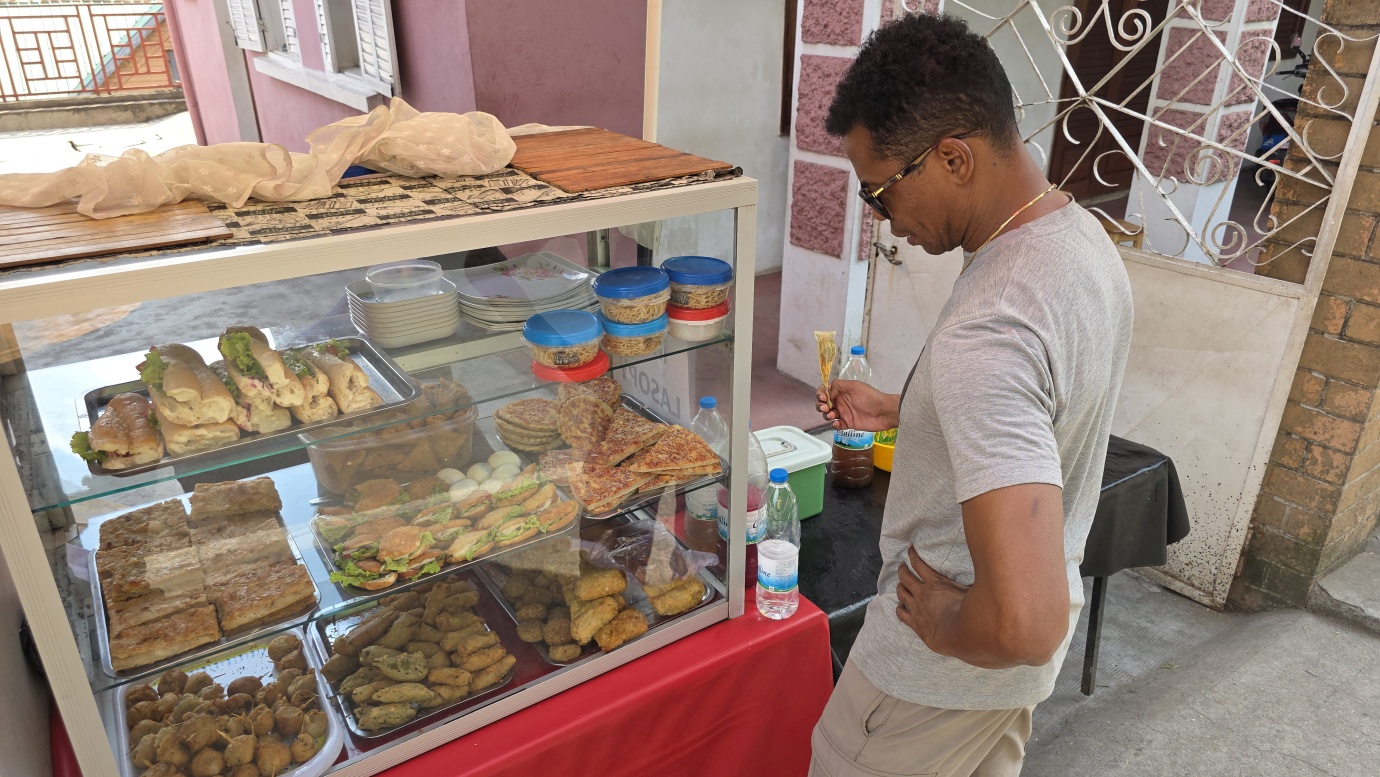
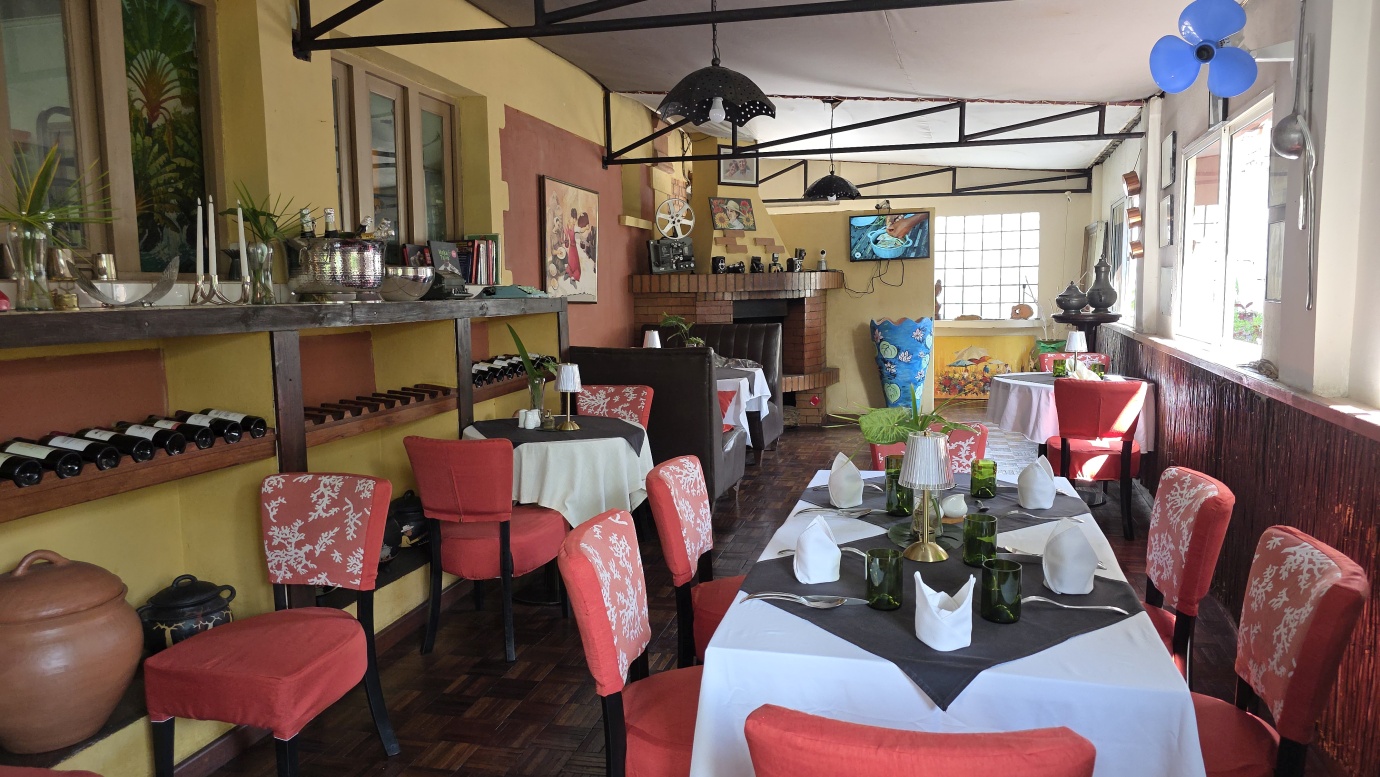
When it comes to food, Antananarivo pleasantly surprised us. Restaurants blend Malagasy flavours with French influence, creating something both familiar and unique. Spots like La Petite Brasserie offered refined local cuisine in a charming setting, while Sakamanga gave us a more adventurous dining experience. For something relaxed, the Irish Bar was perfect for snacks and drinks. You should also not miss other bars and clubs like No Comment, Red Night Tana, La Balançoire, and our favourite Taxi Be.