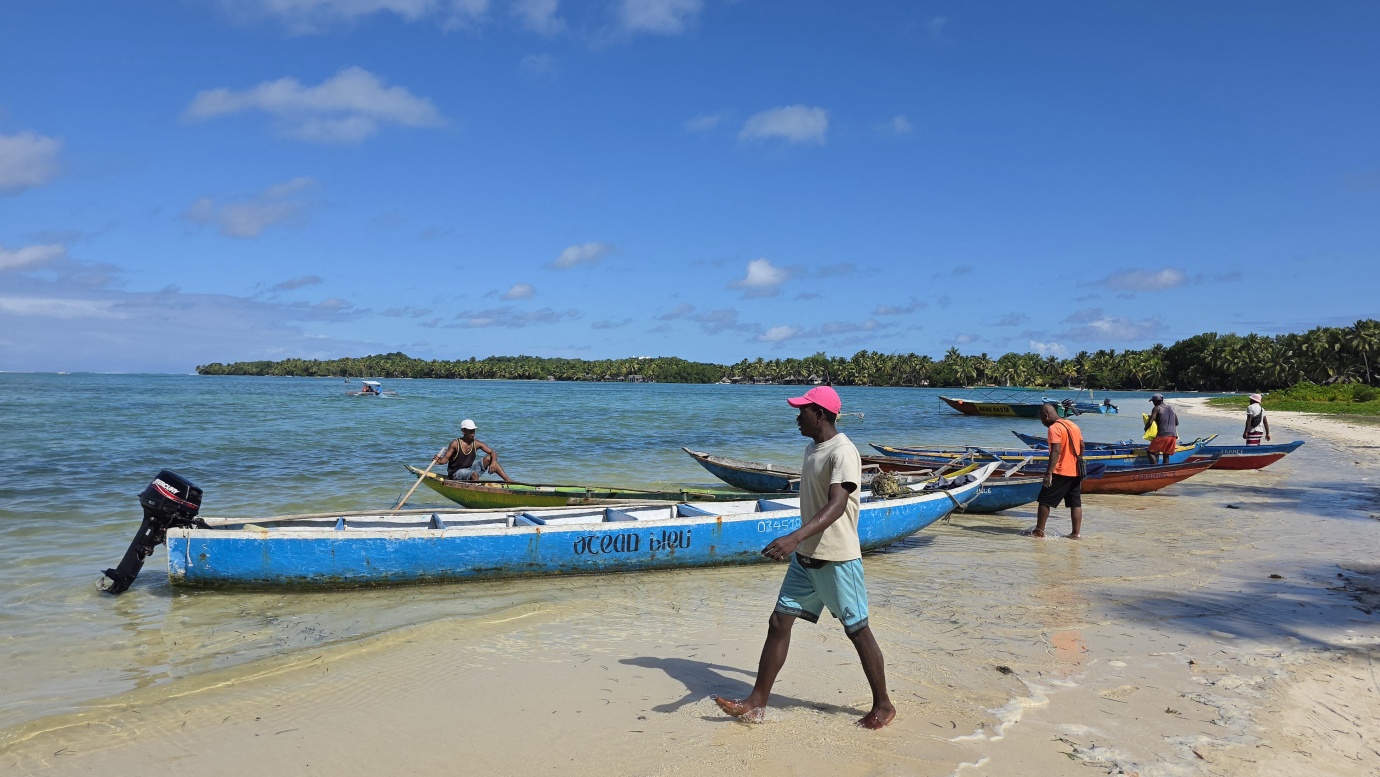
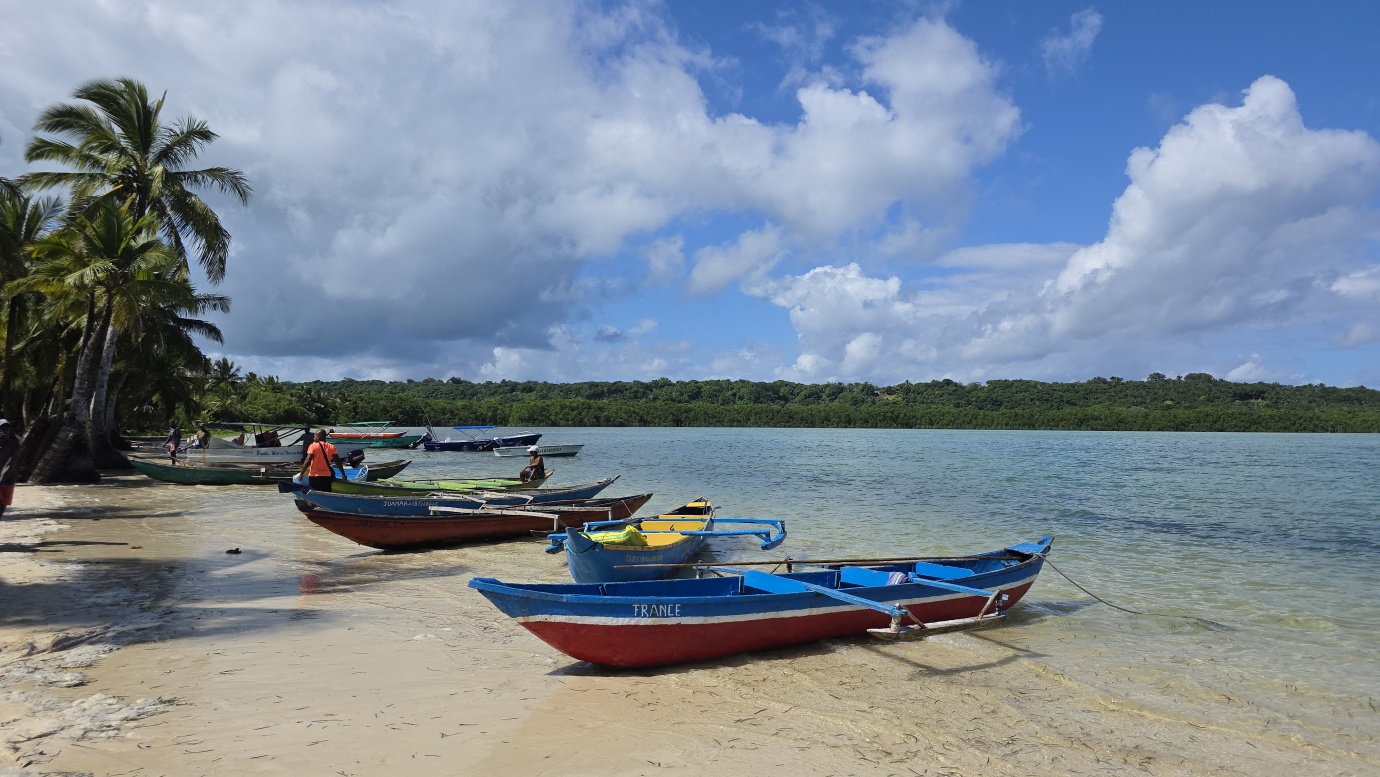
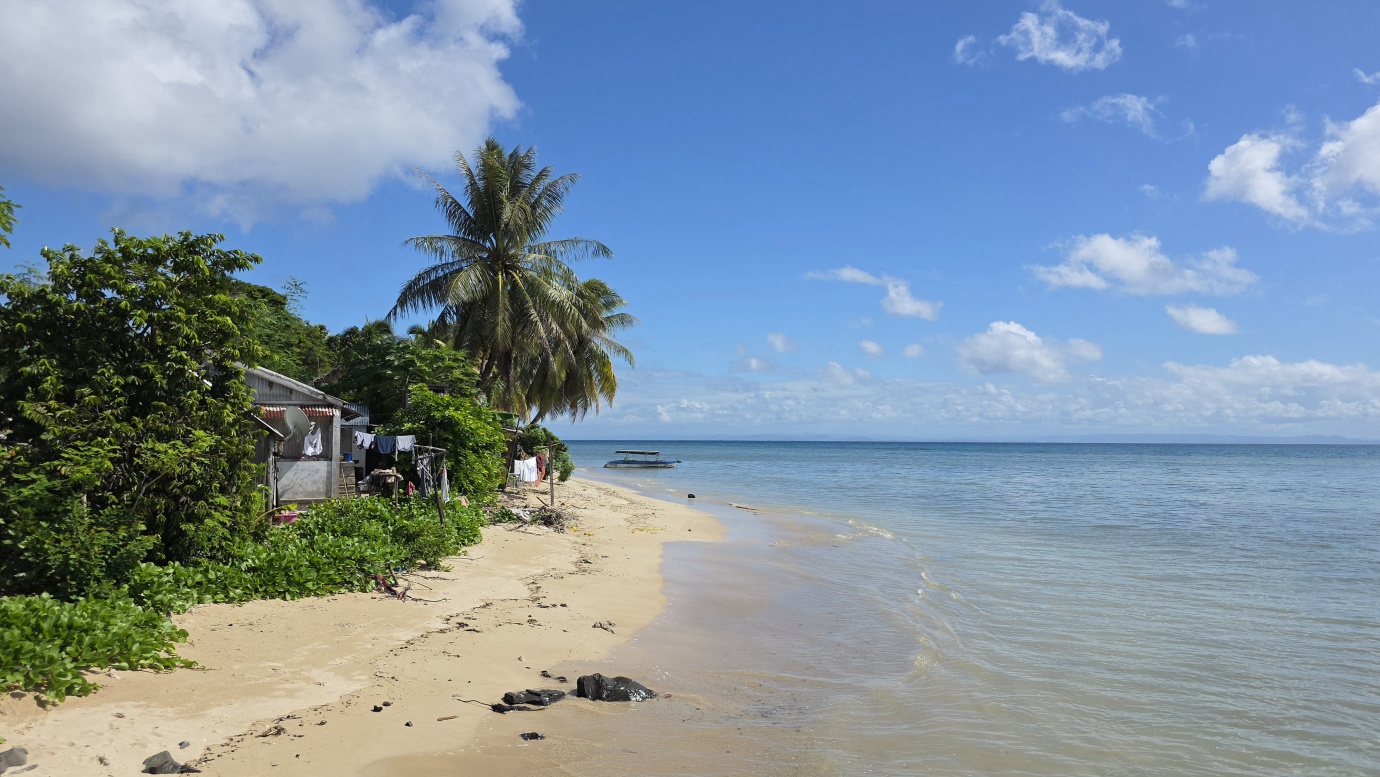
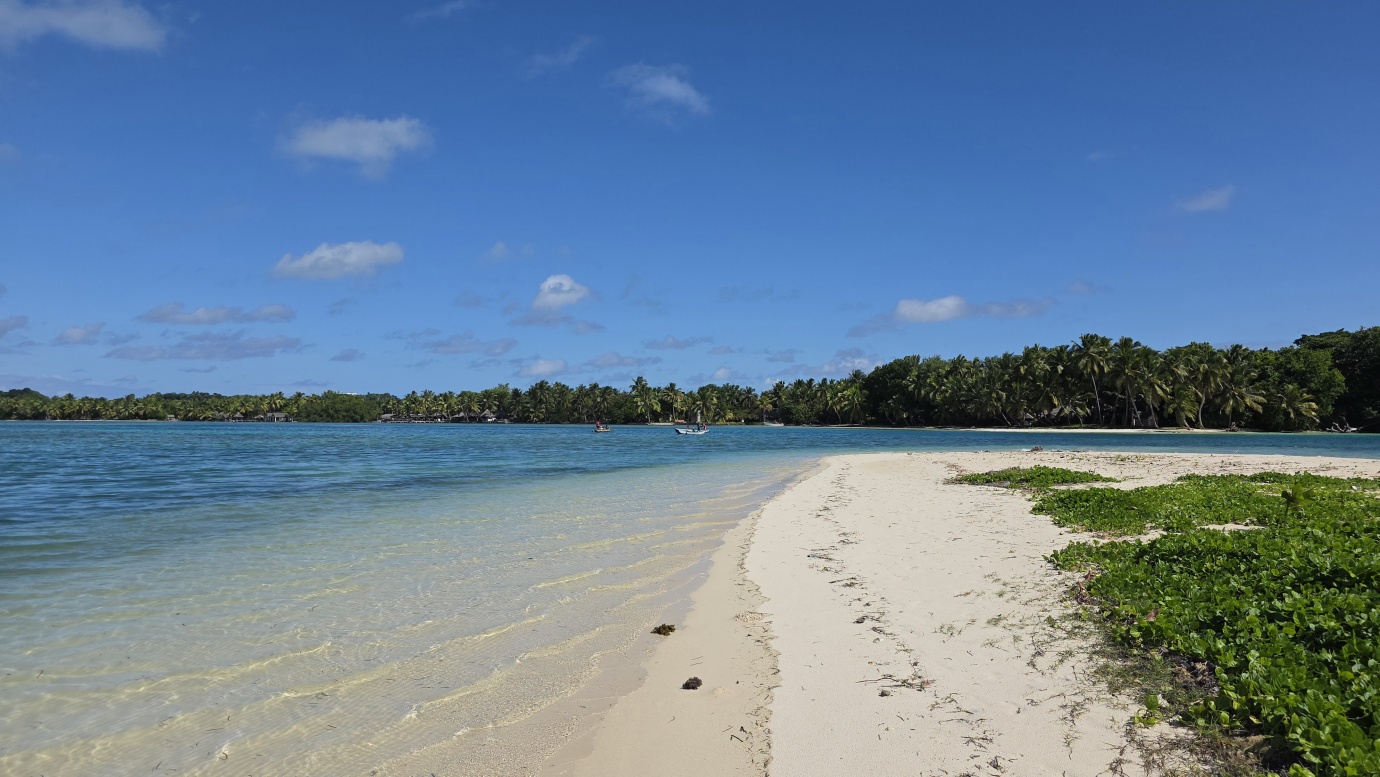
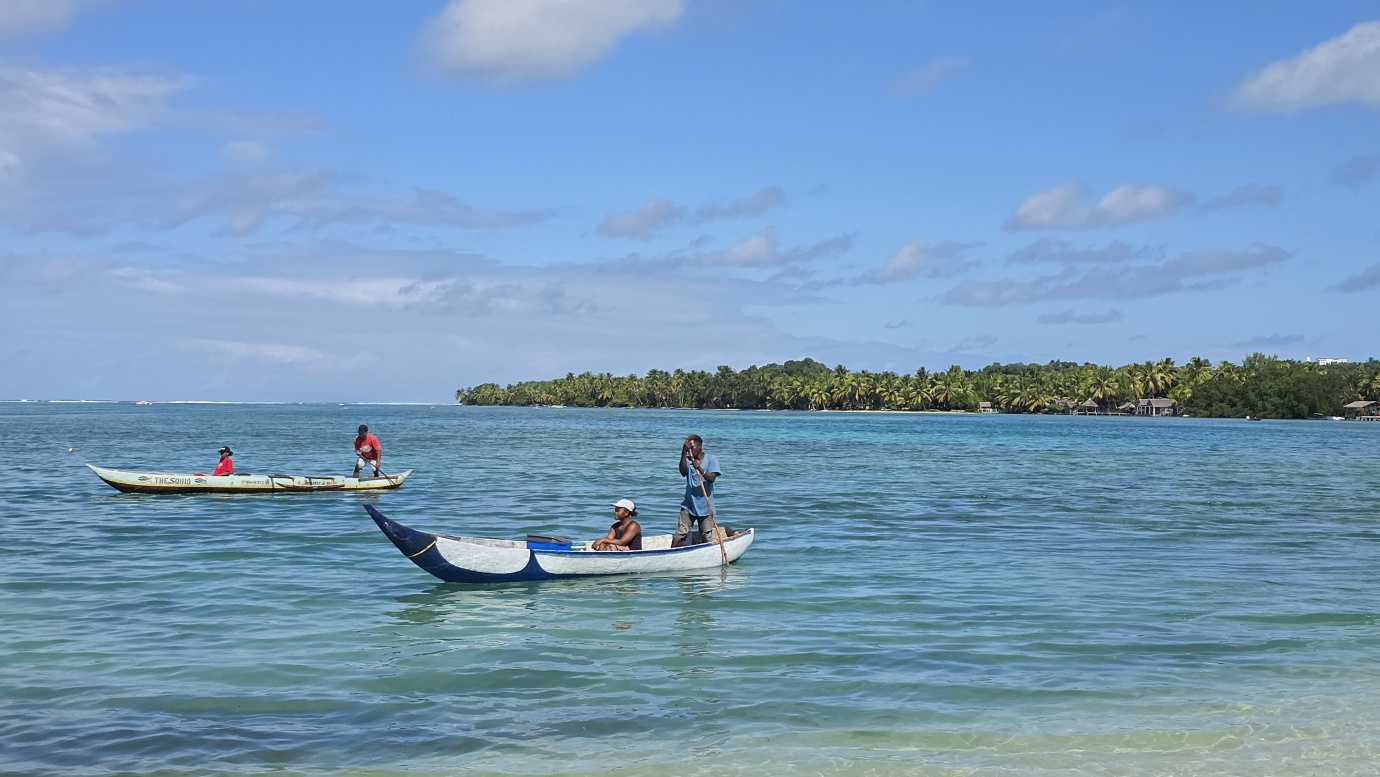
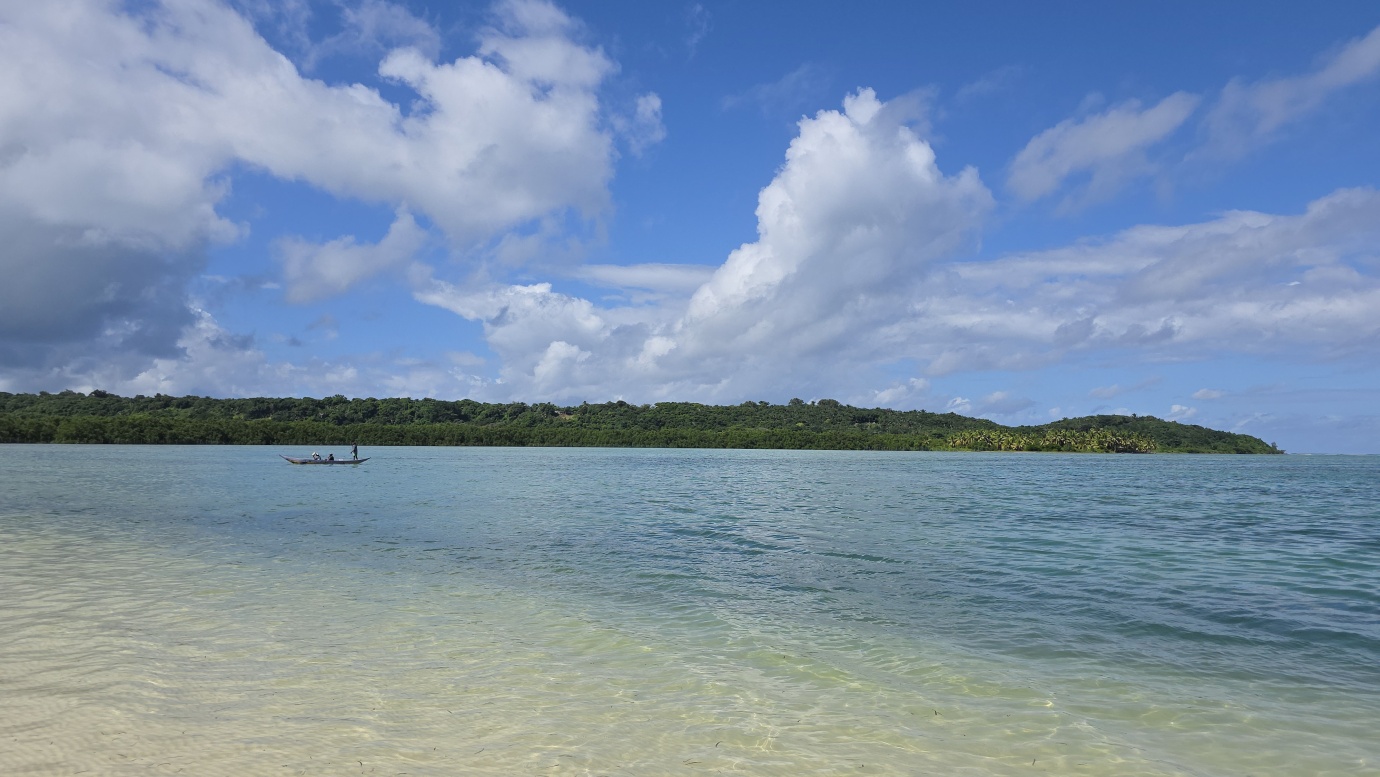
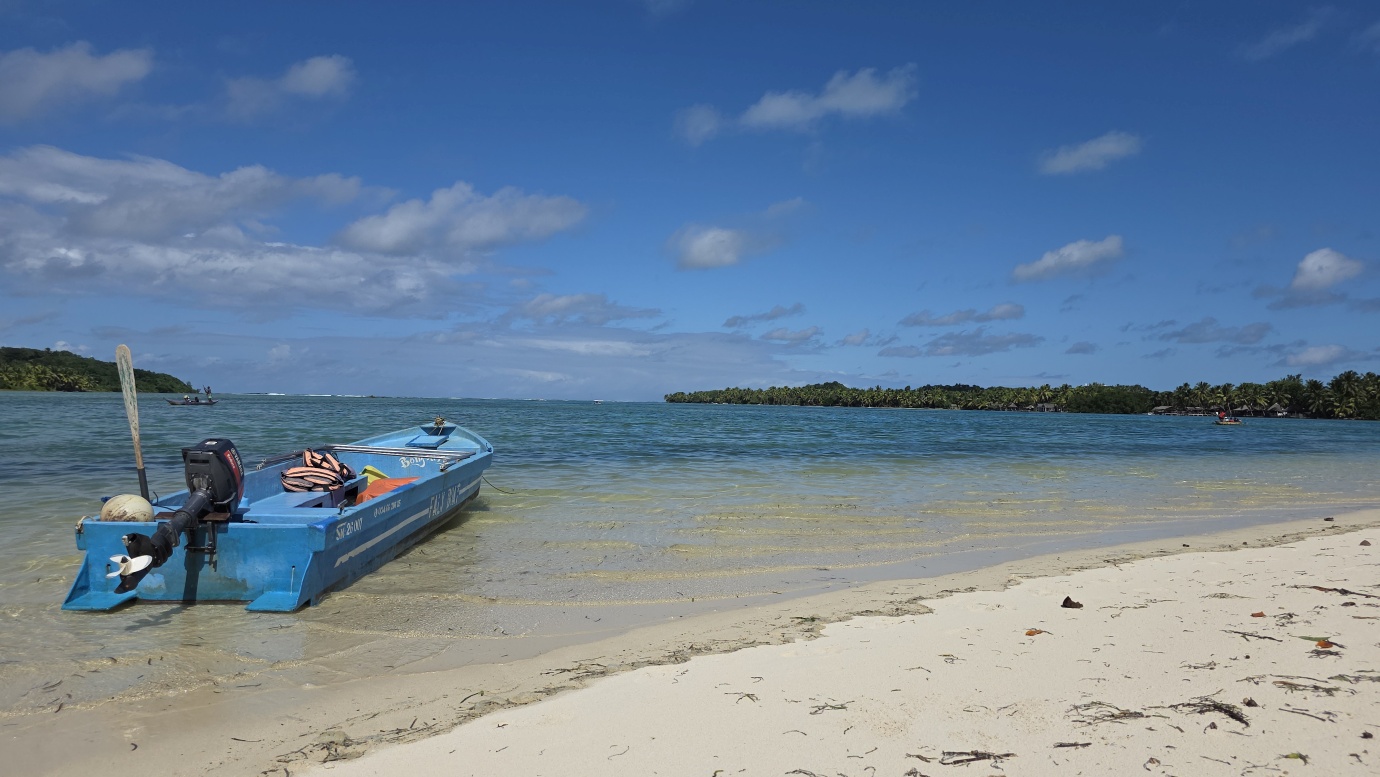
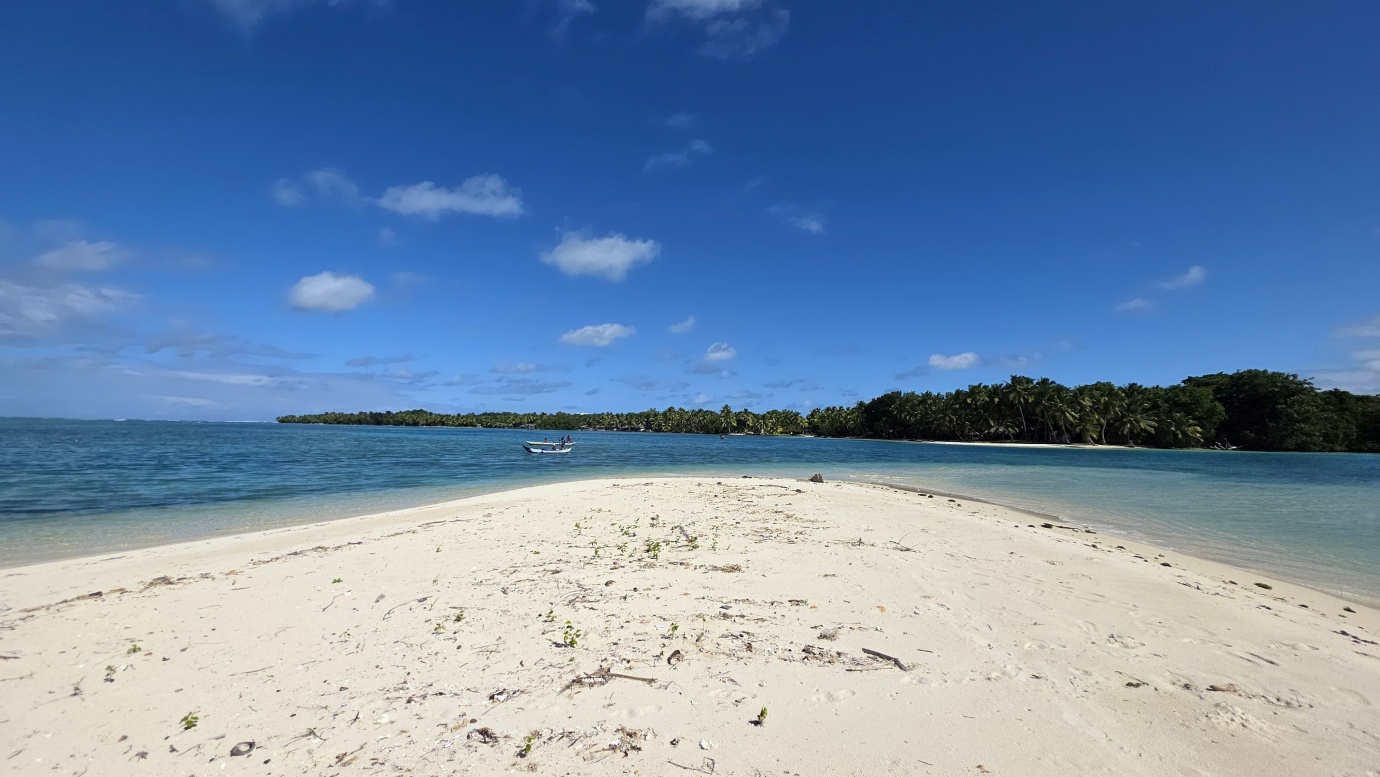
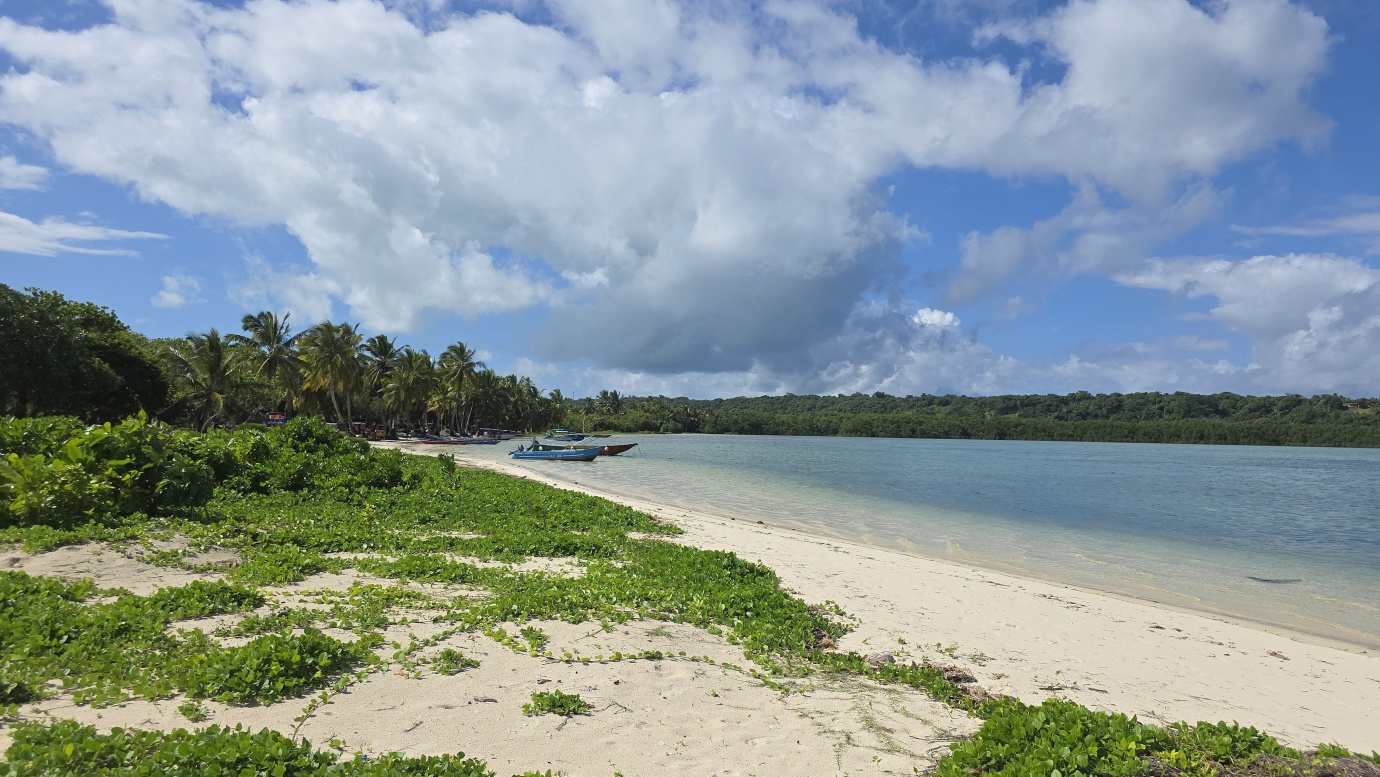
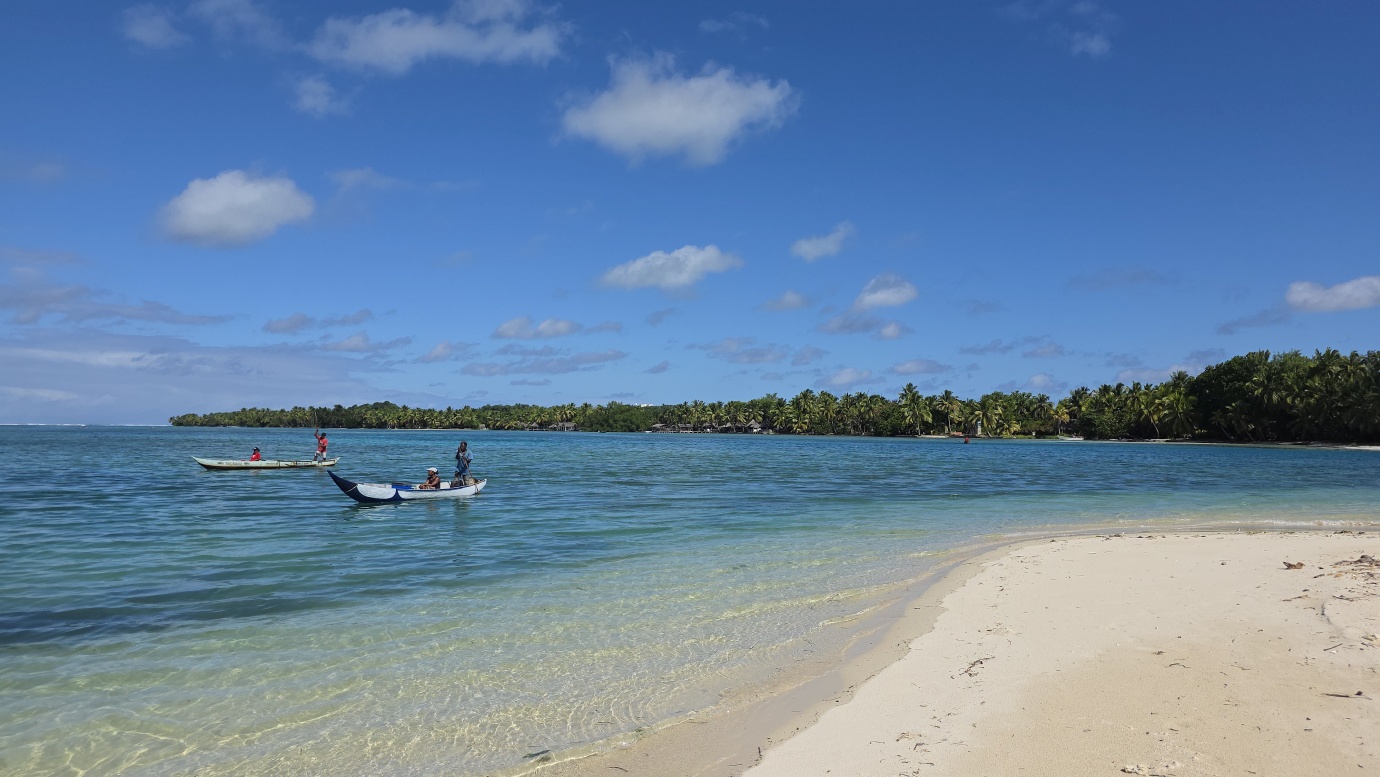
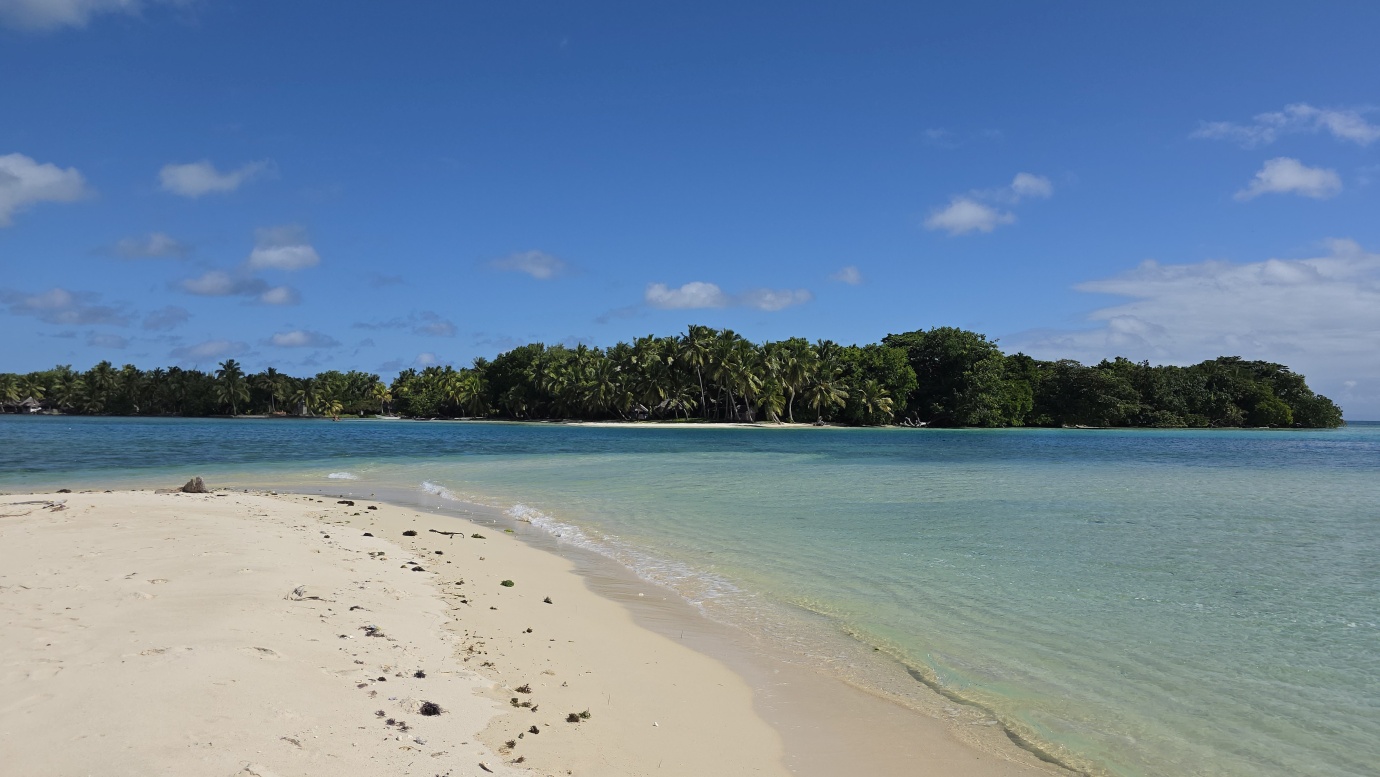
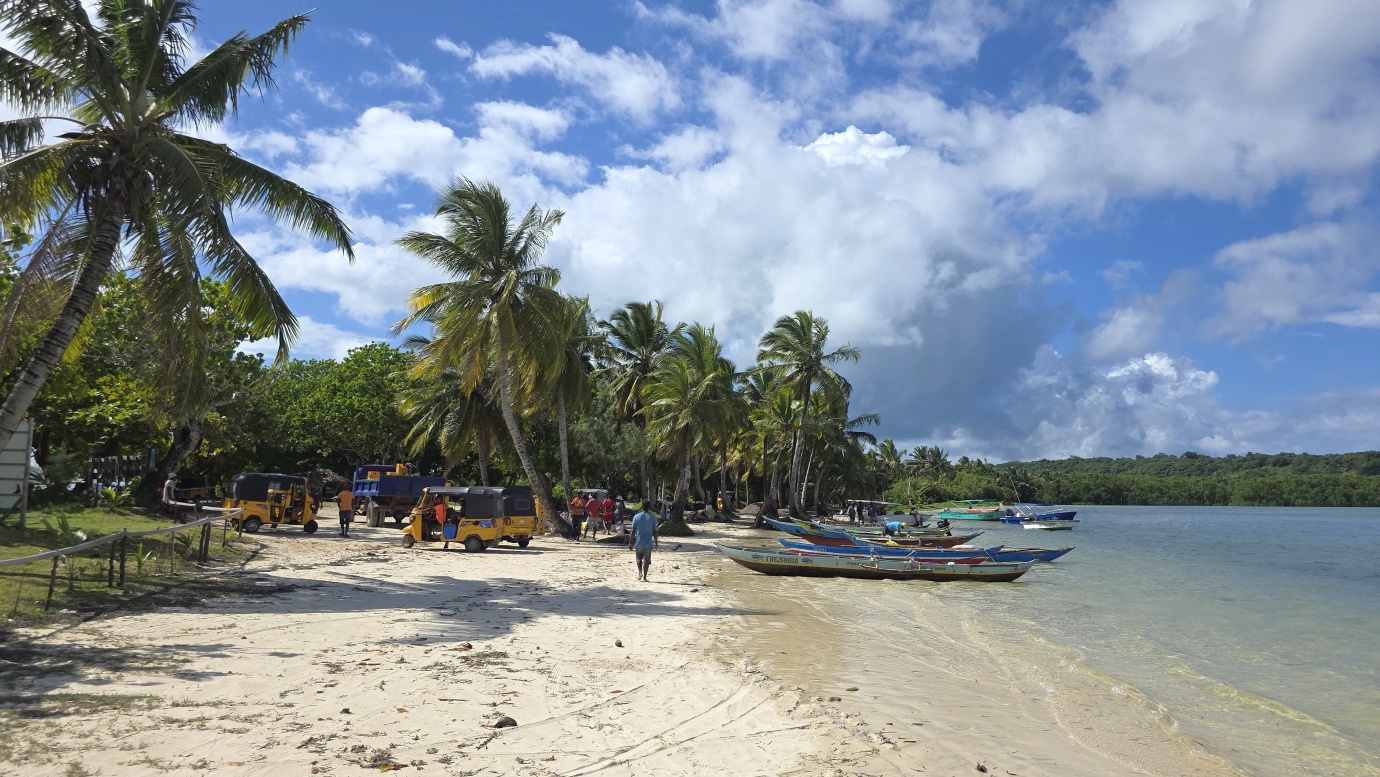
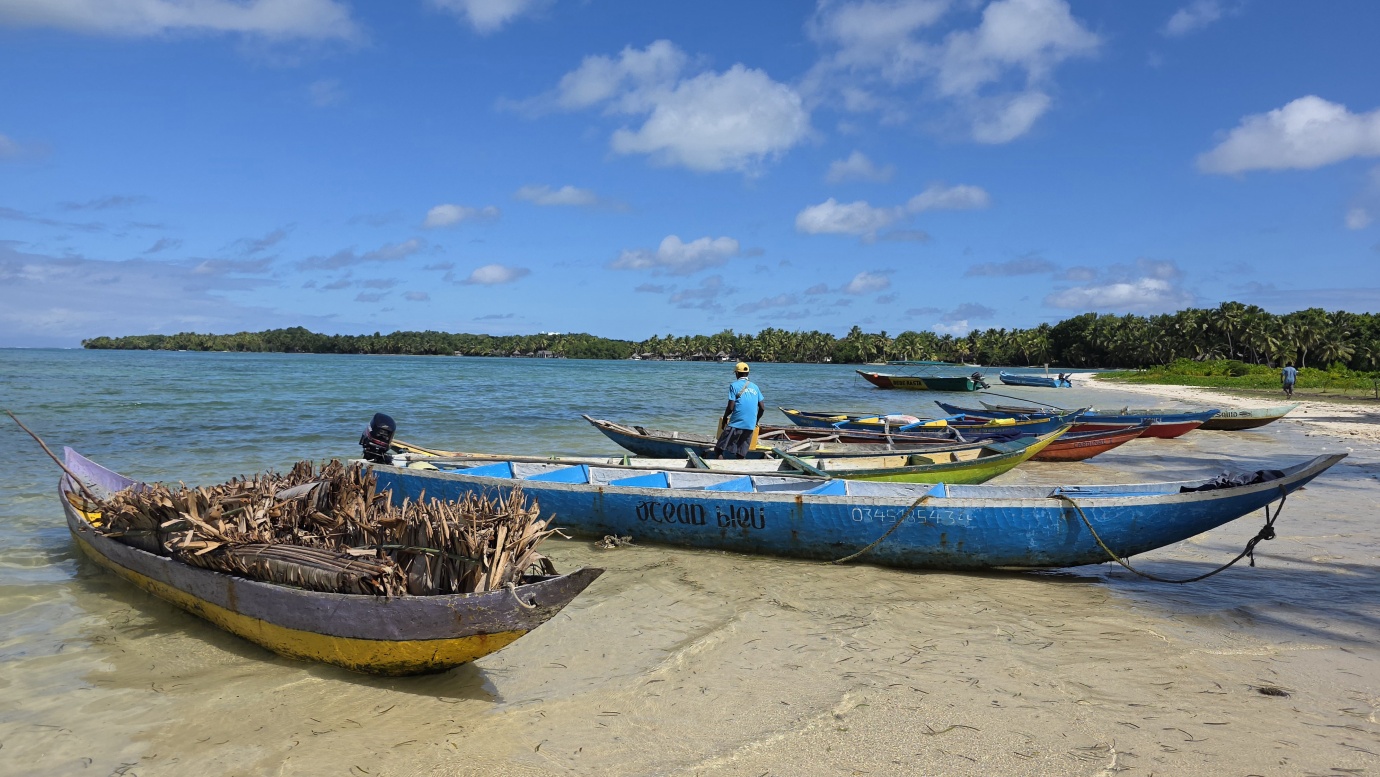
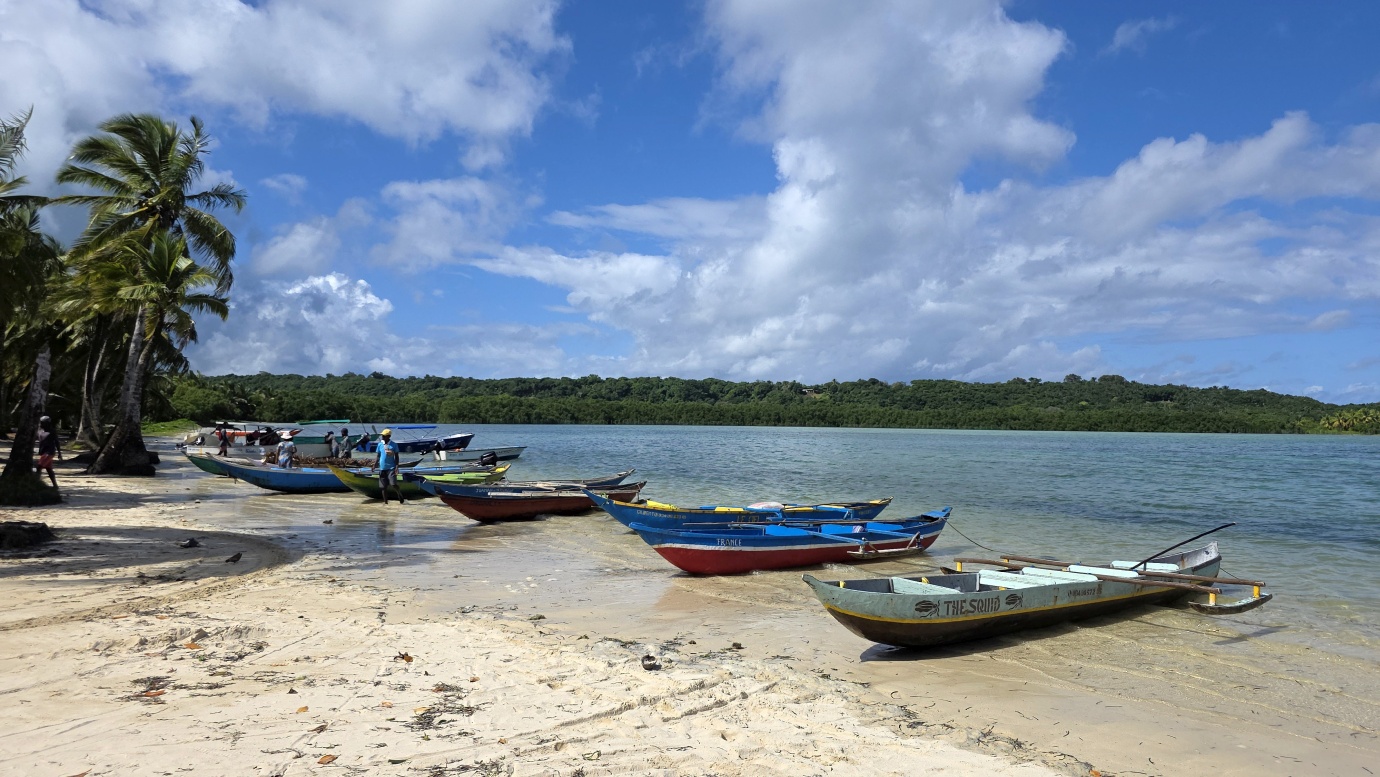
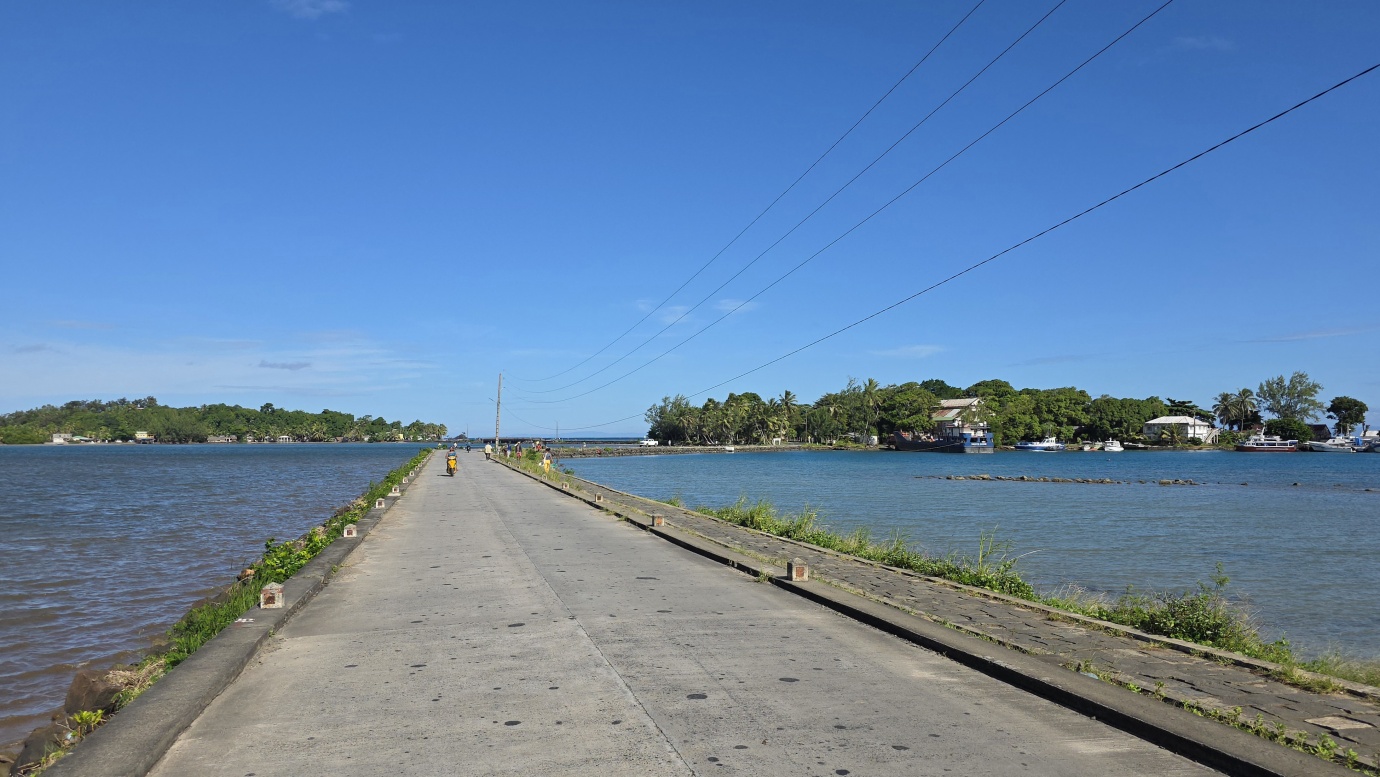
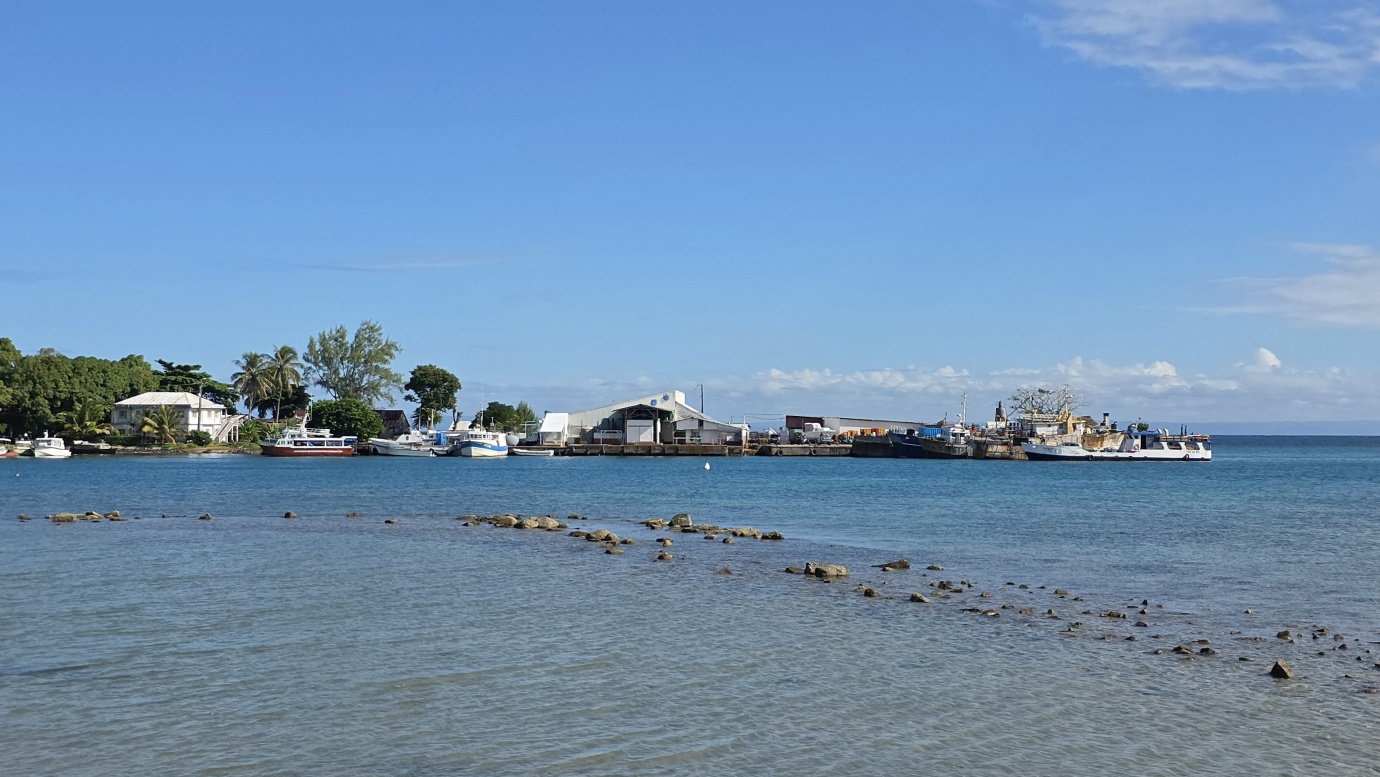
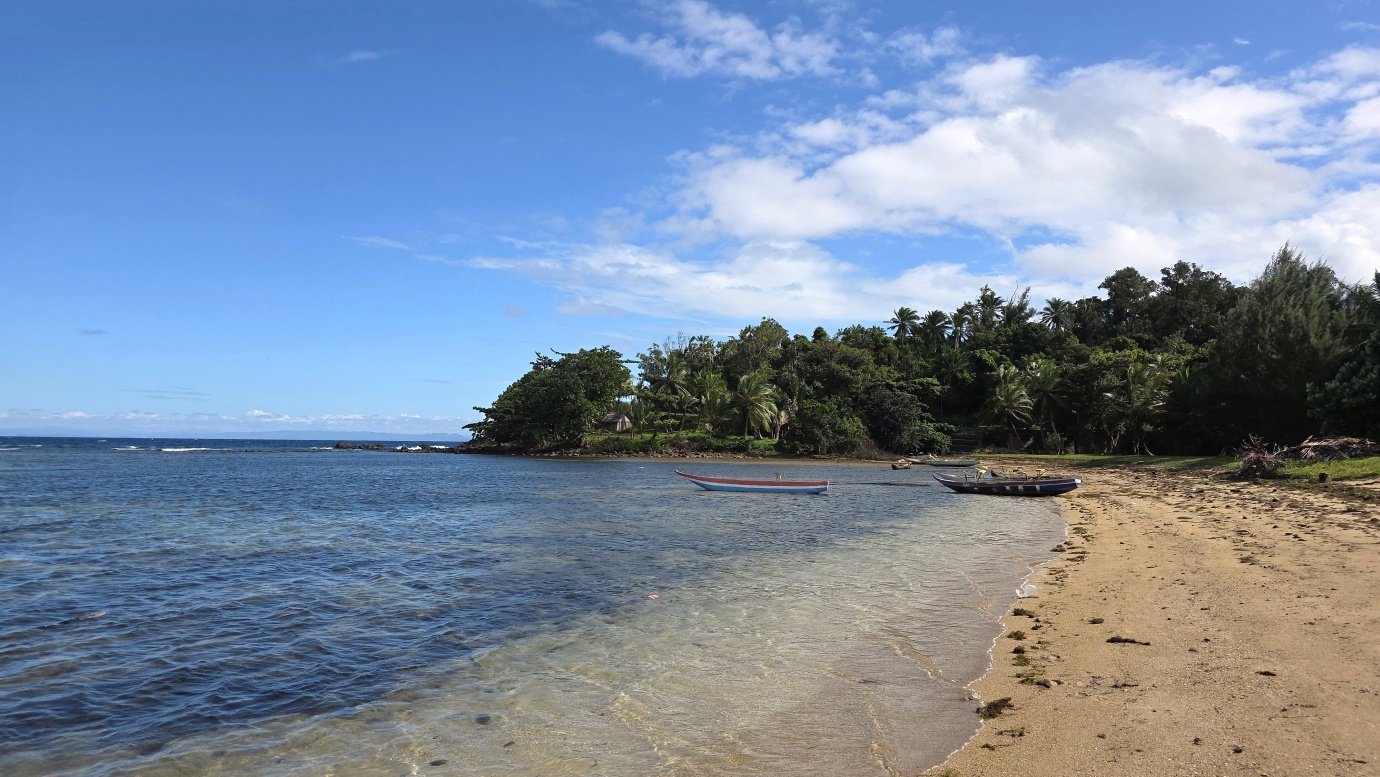
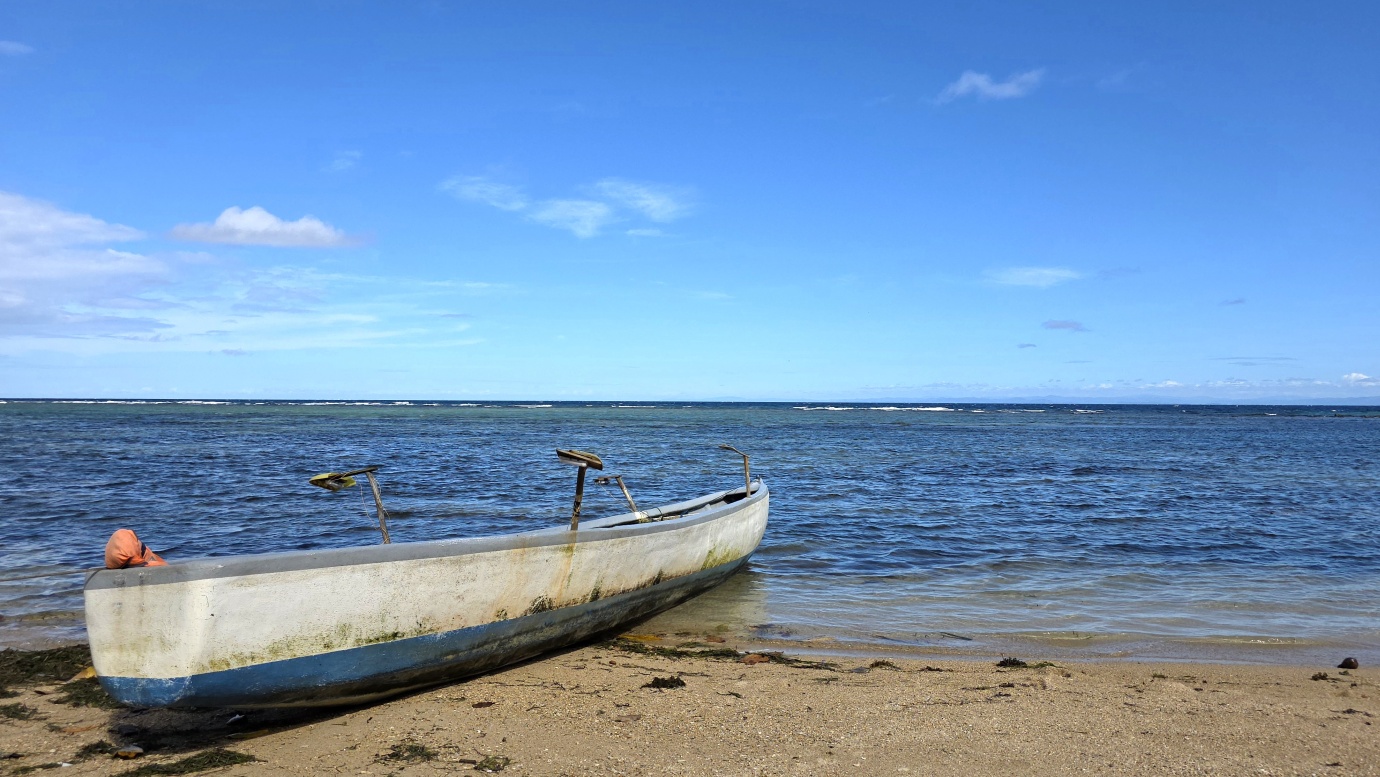
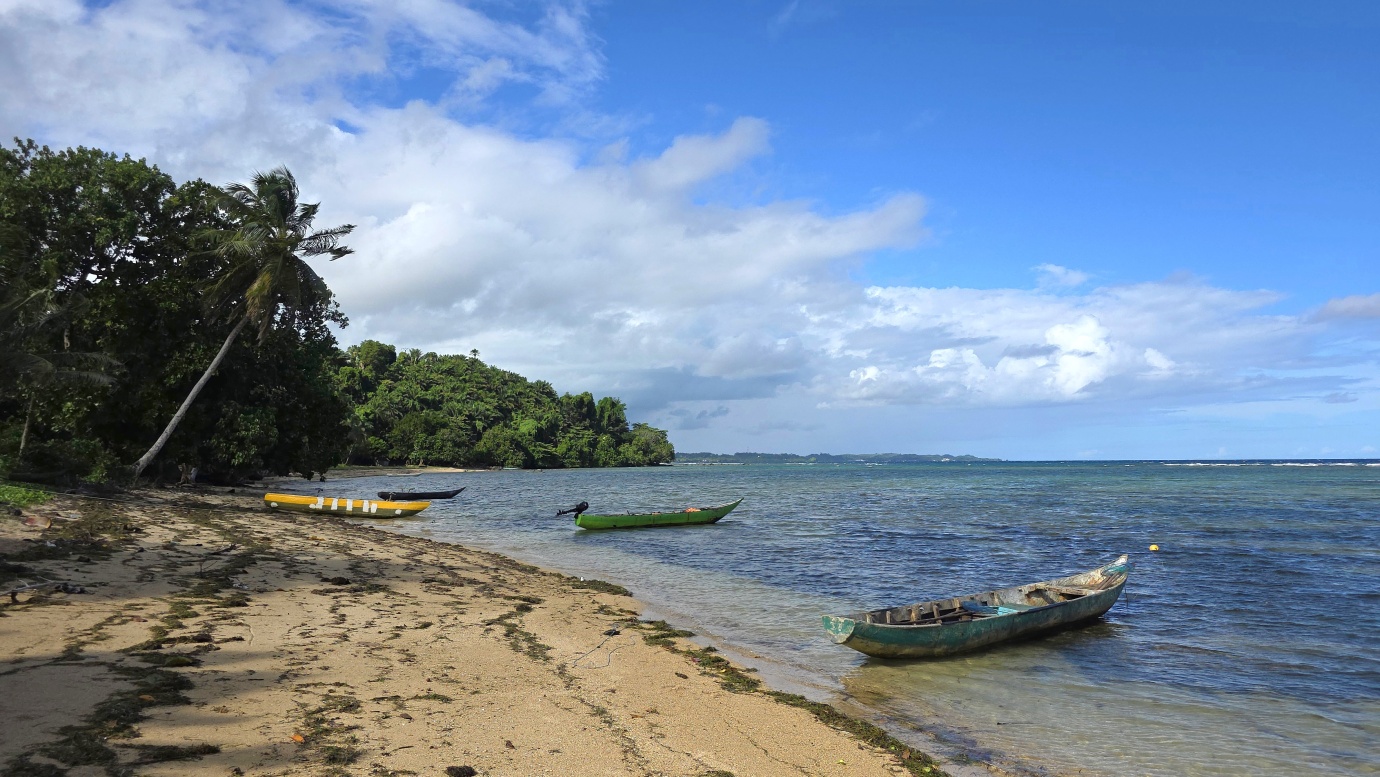
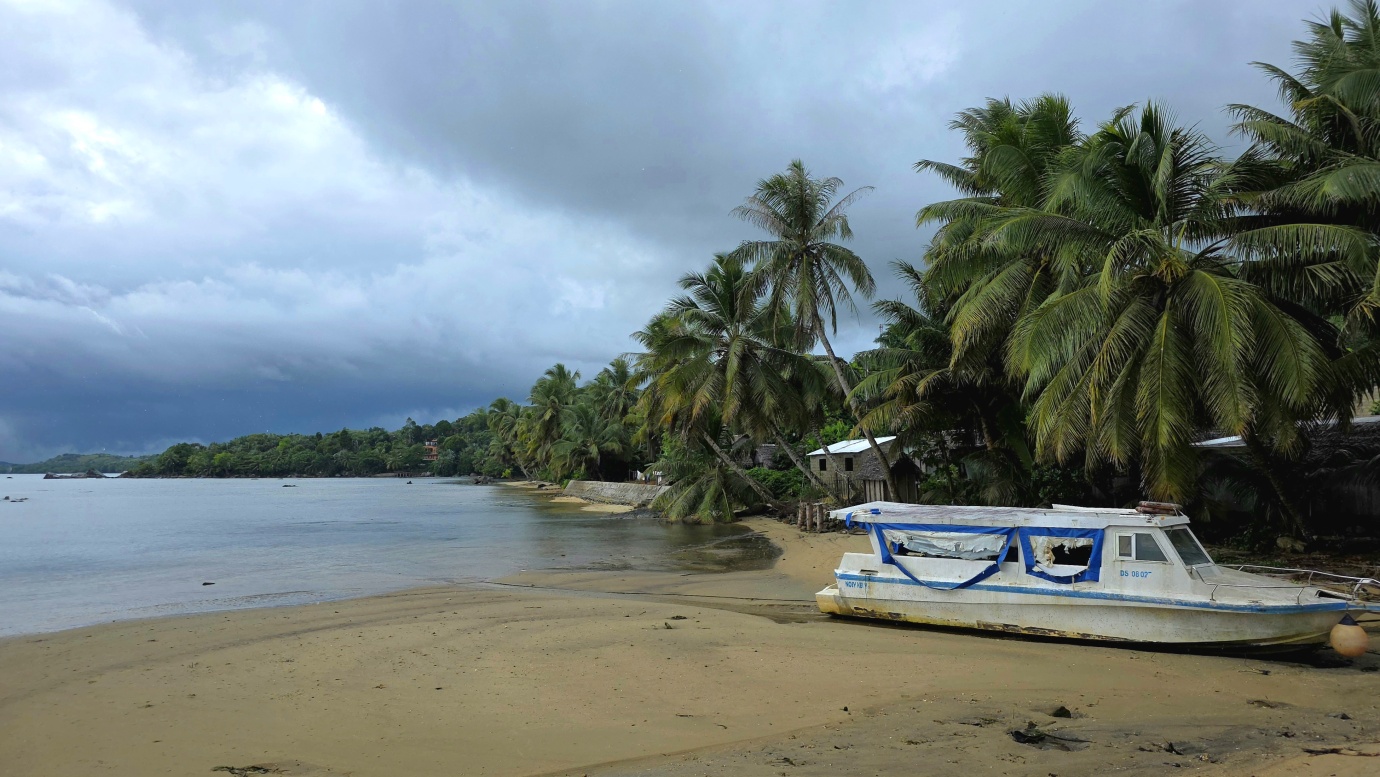
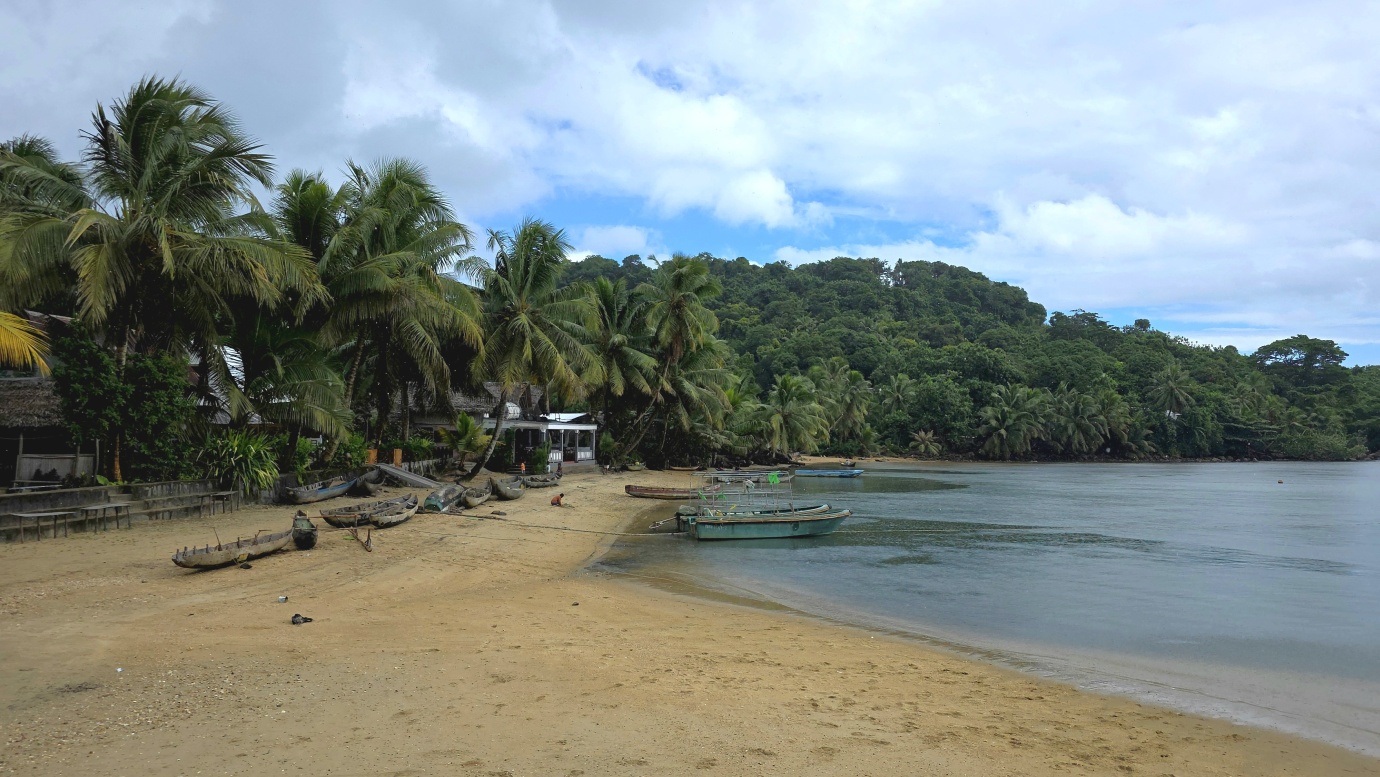
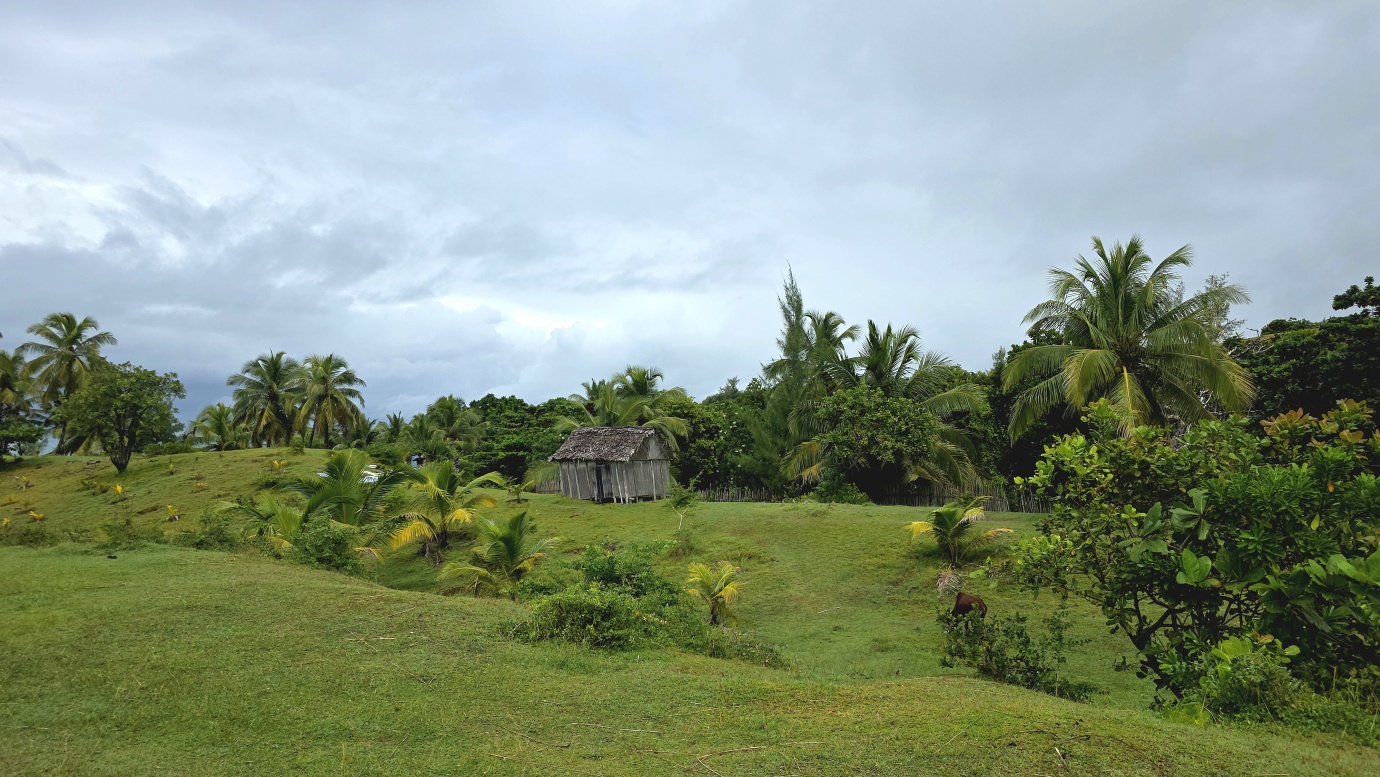
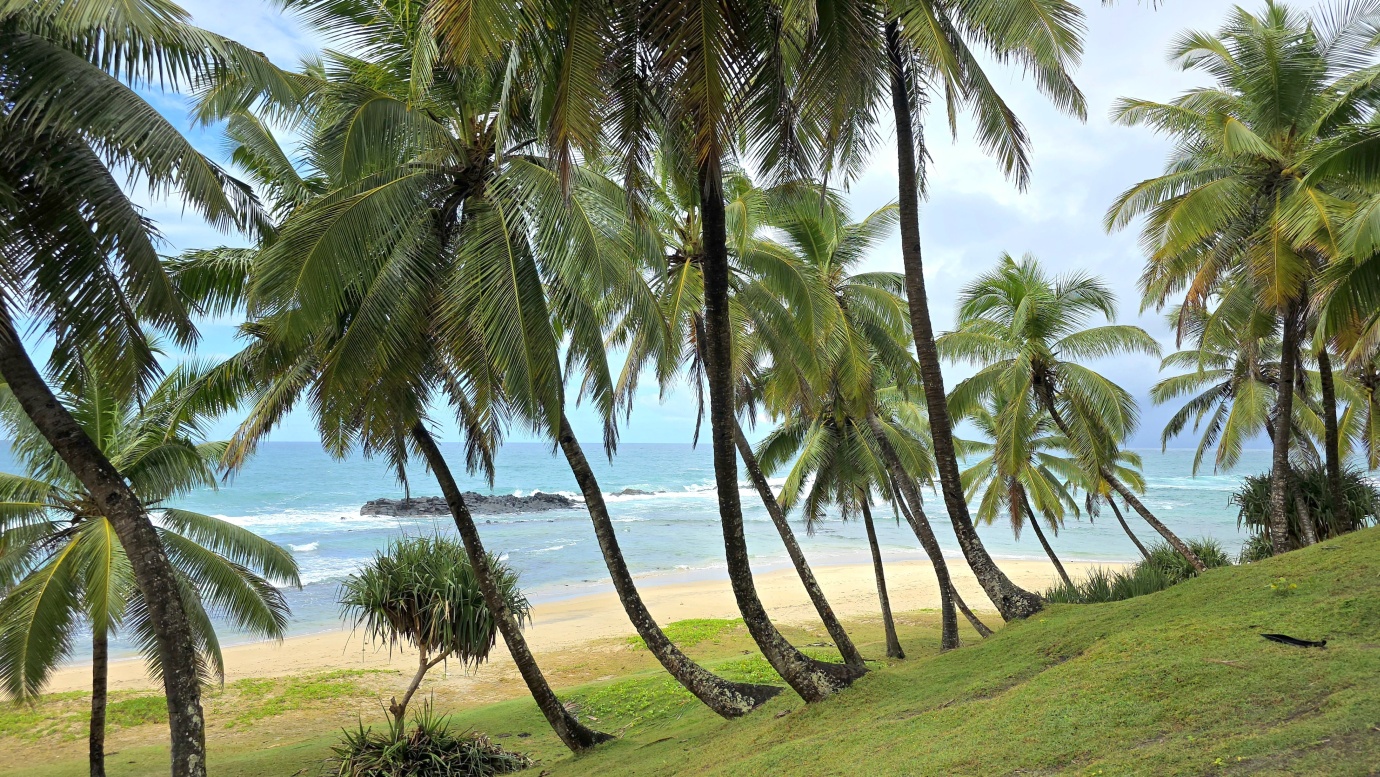
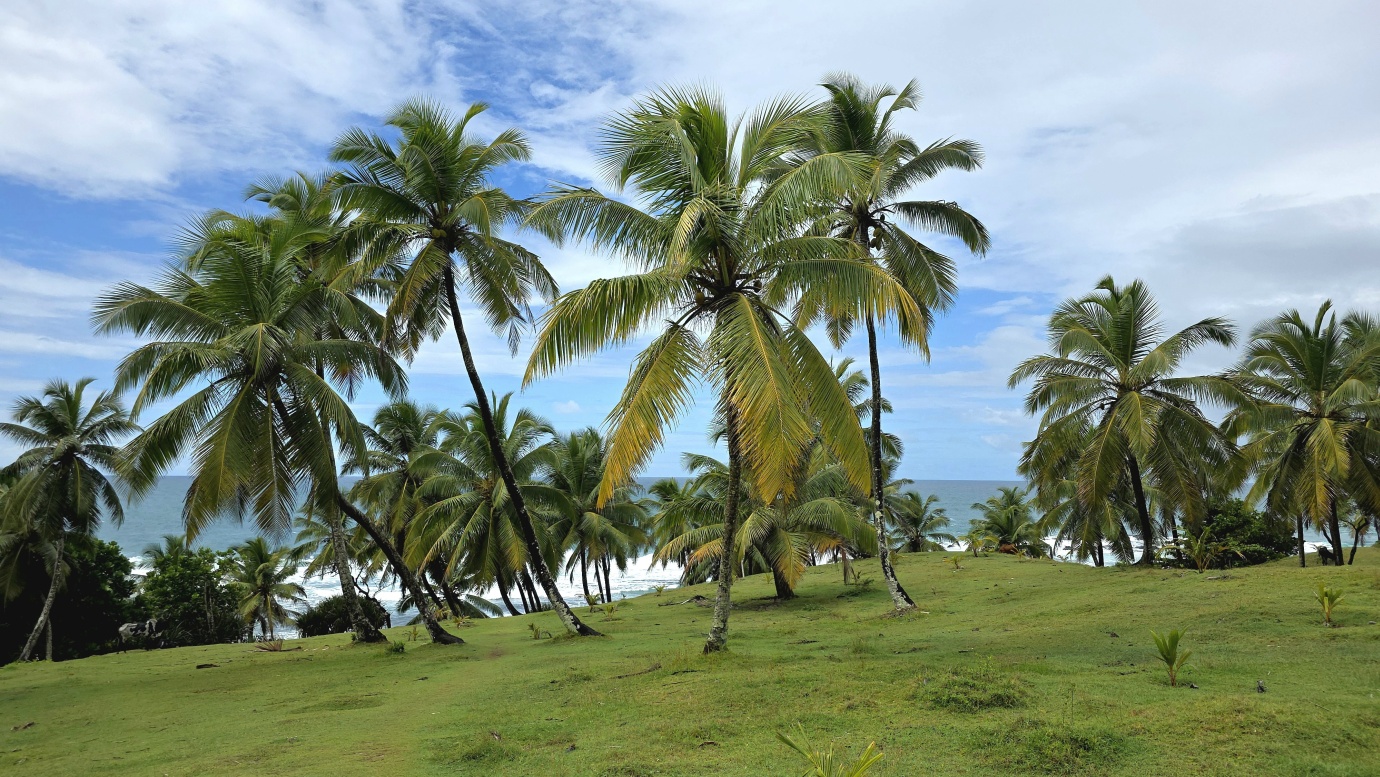
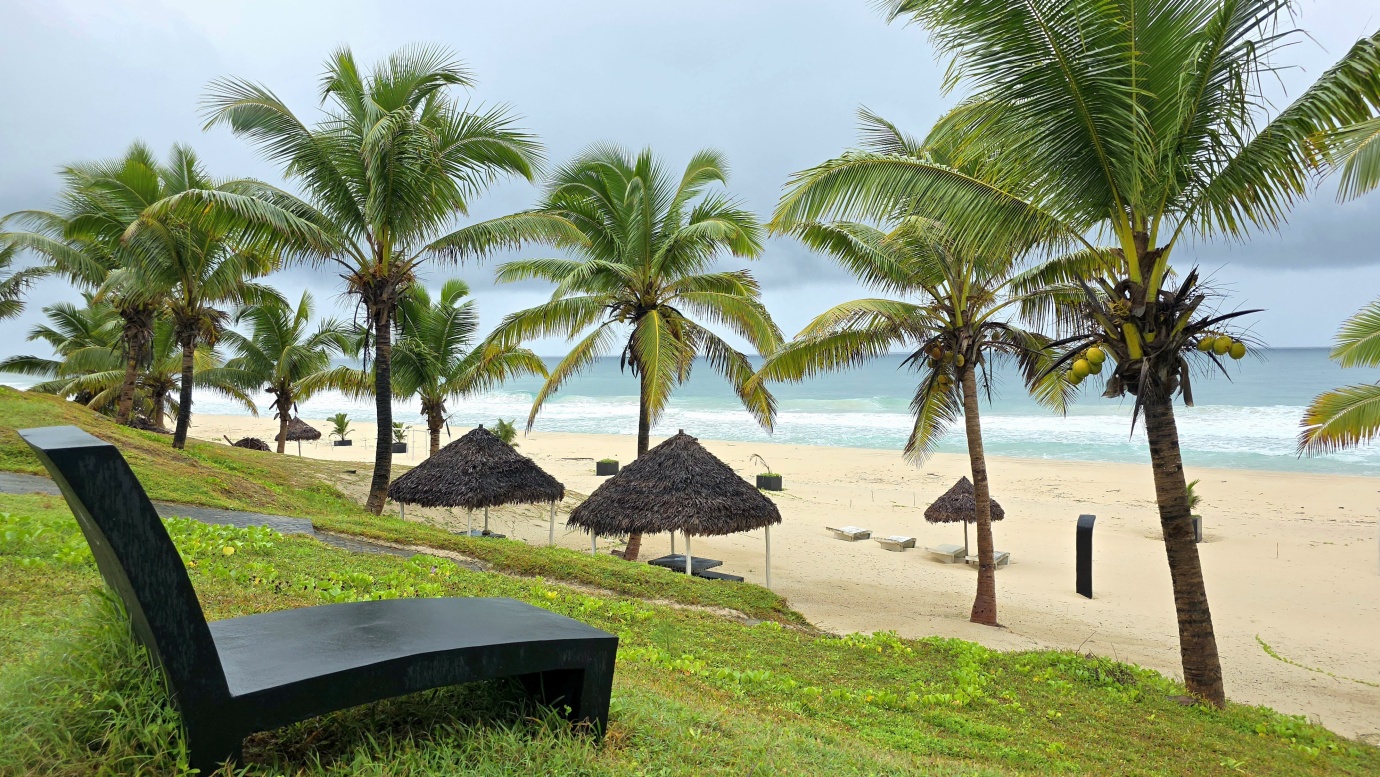
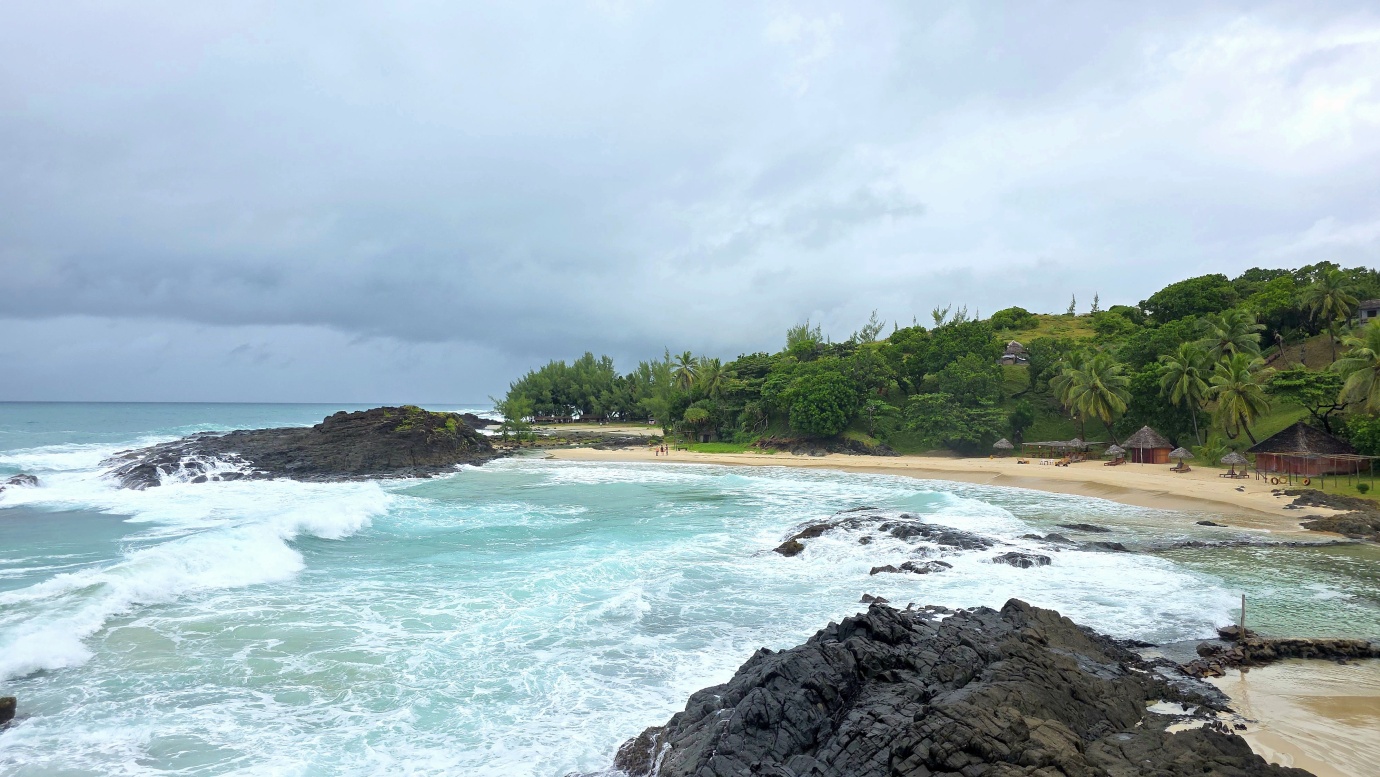
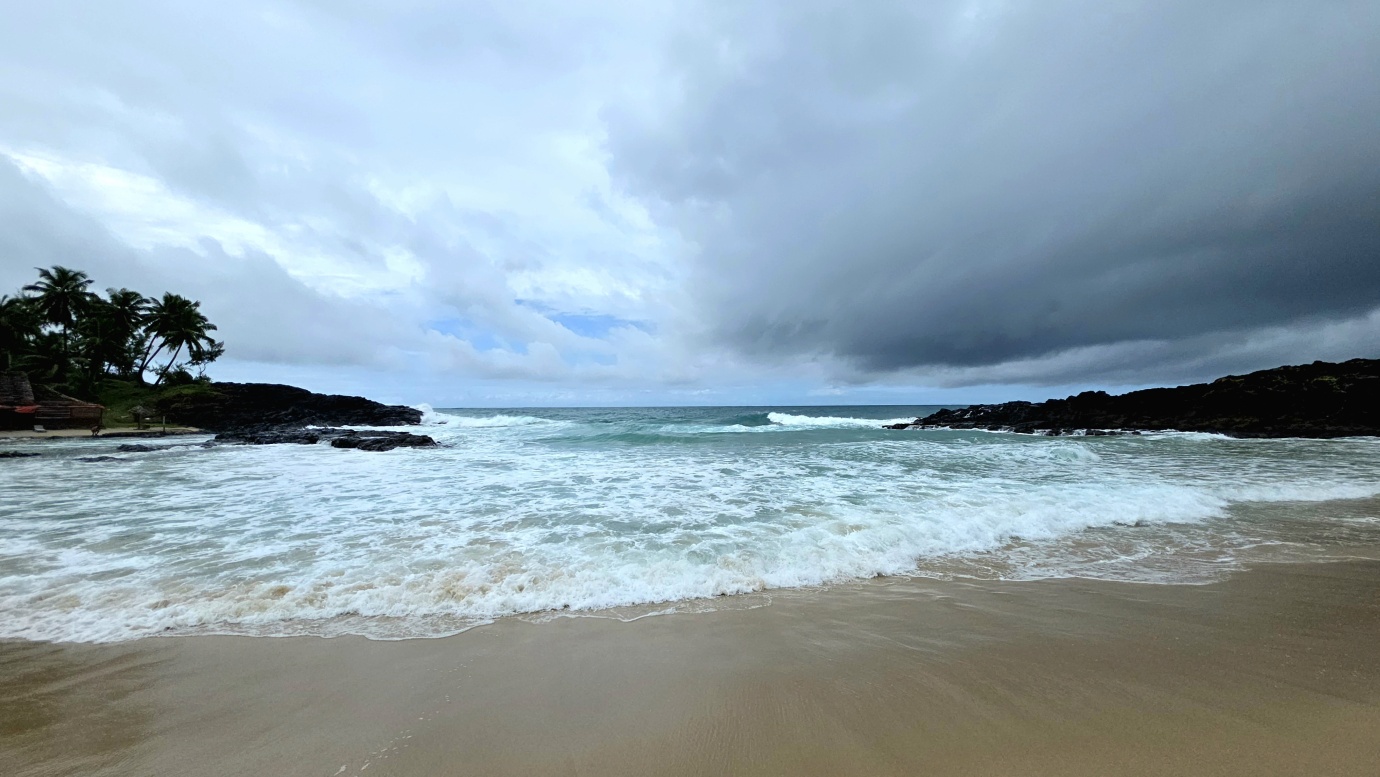
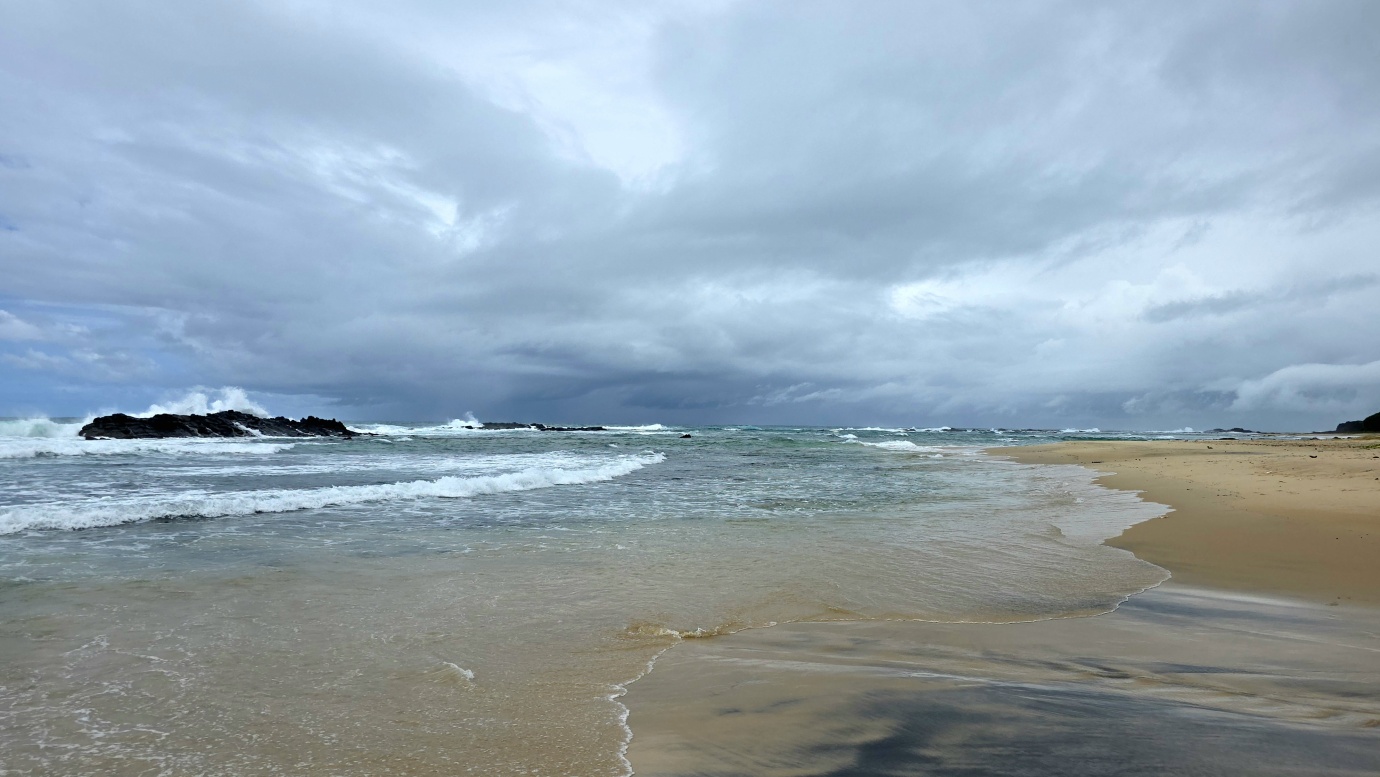
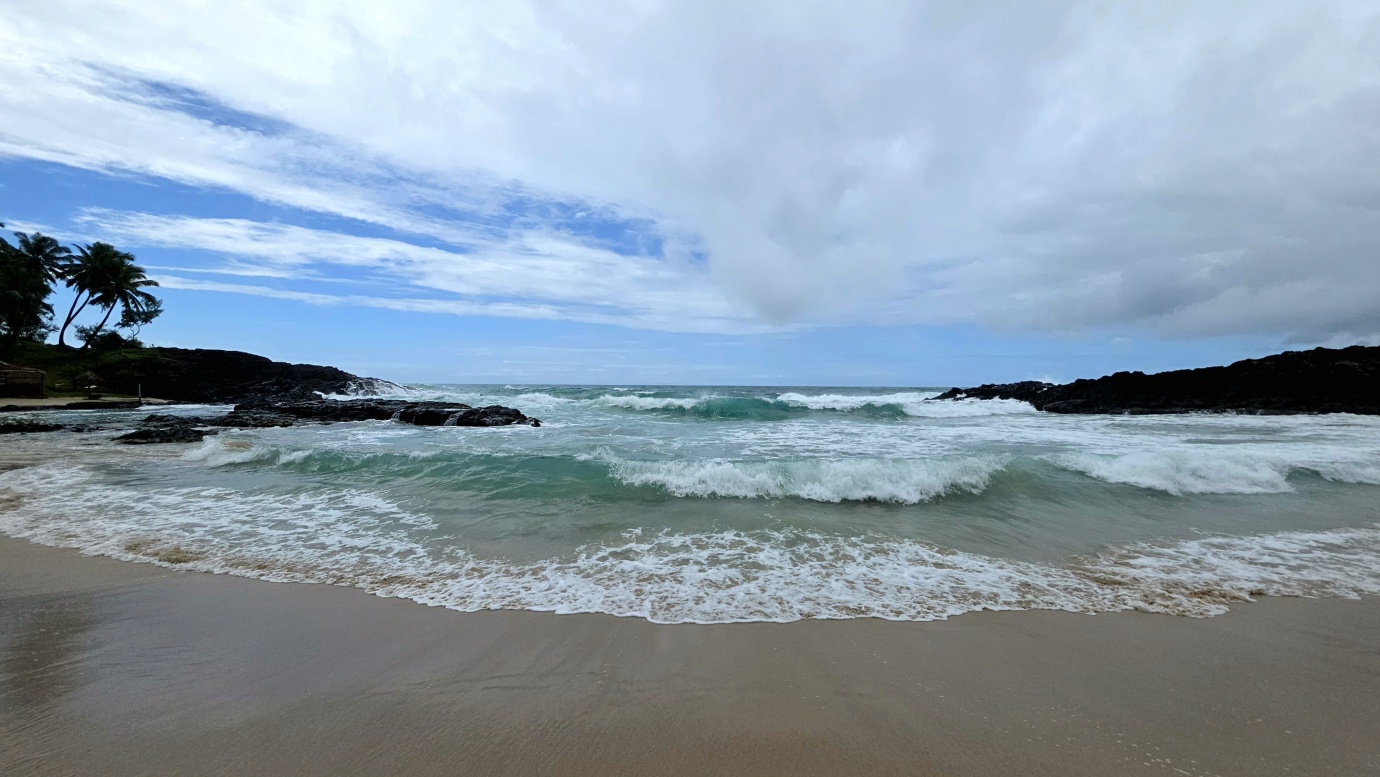
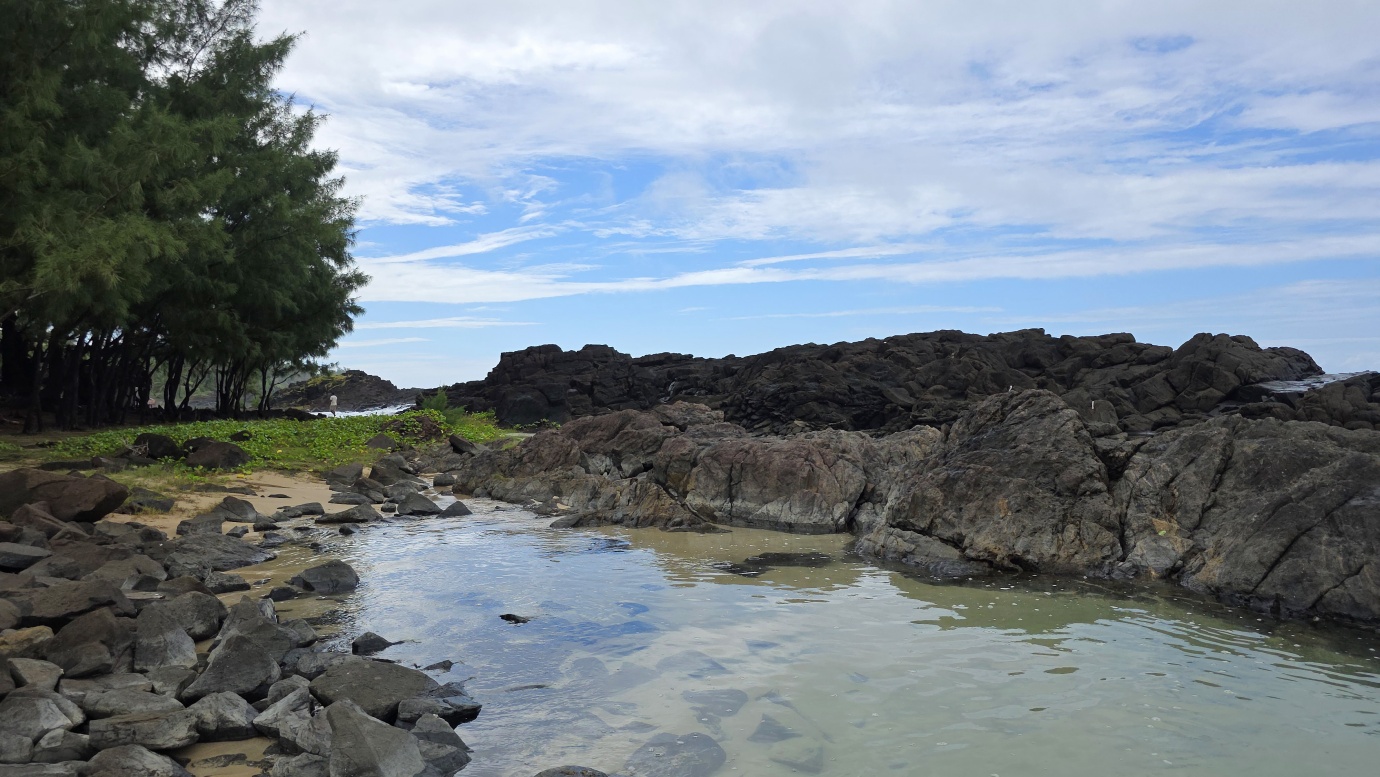
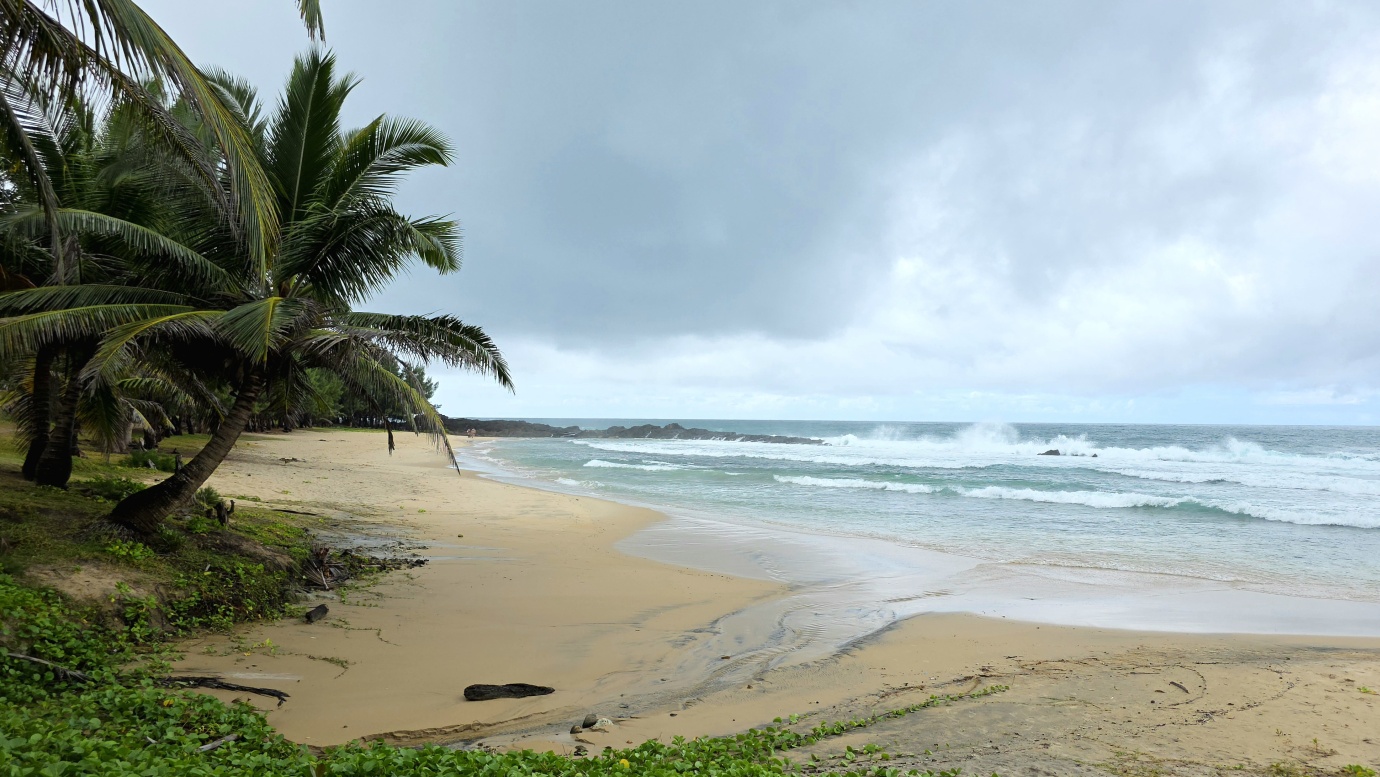
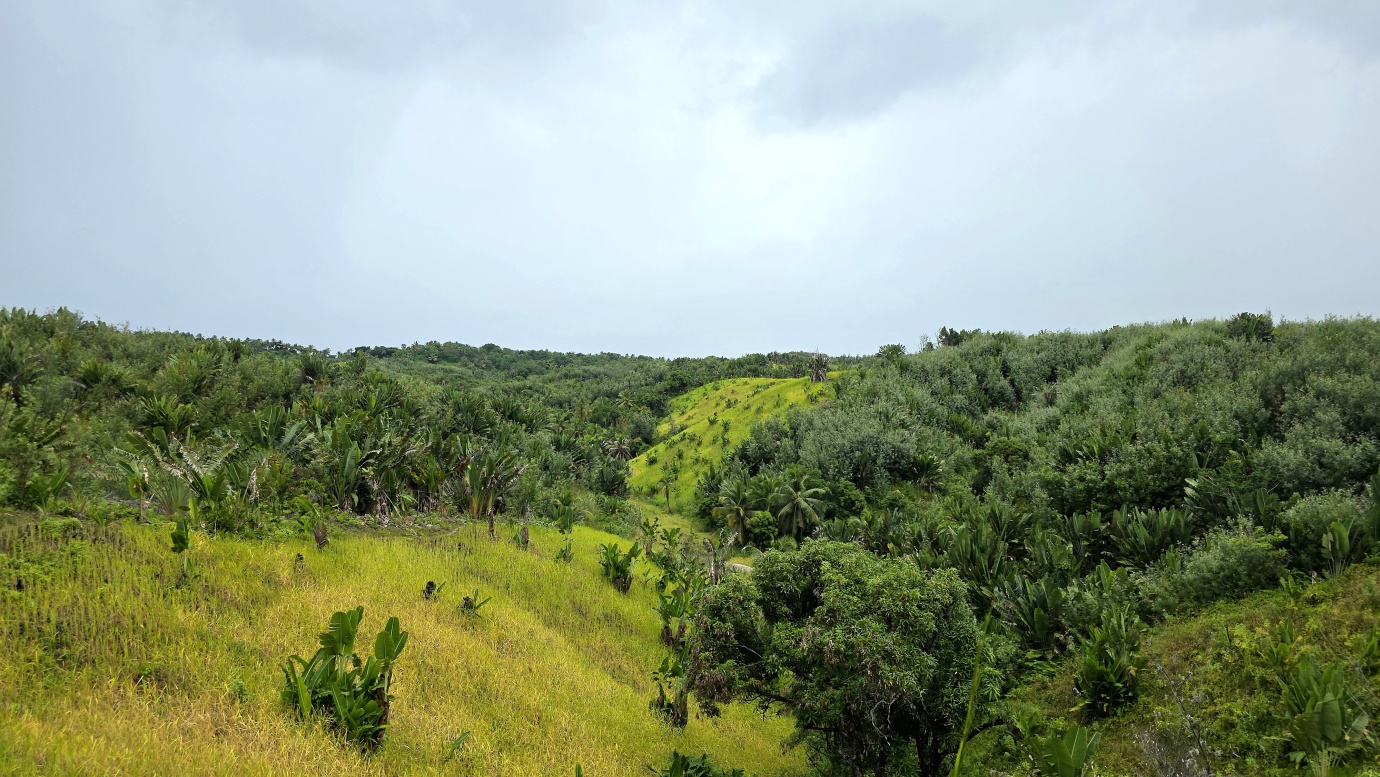
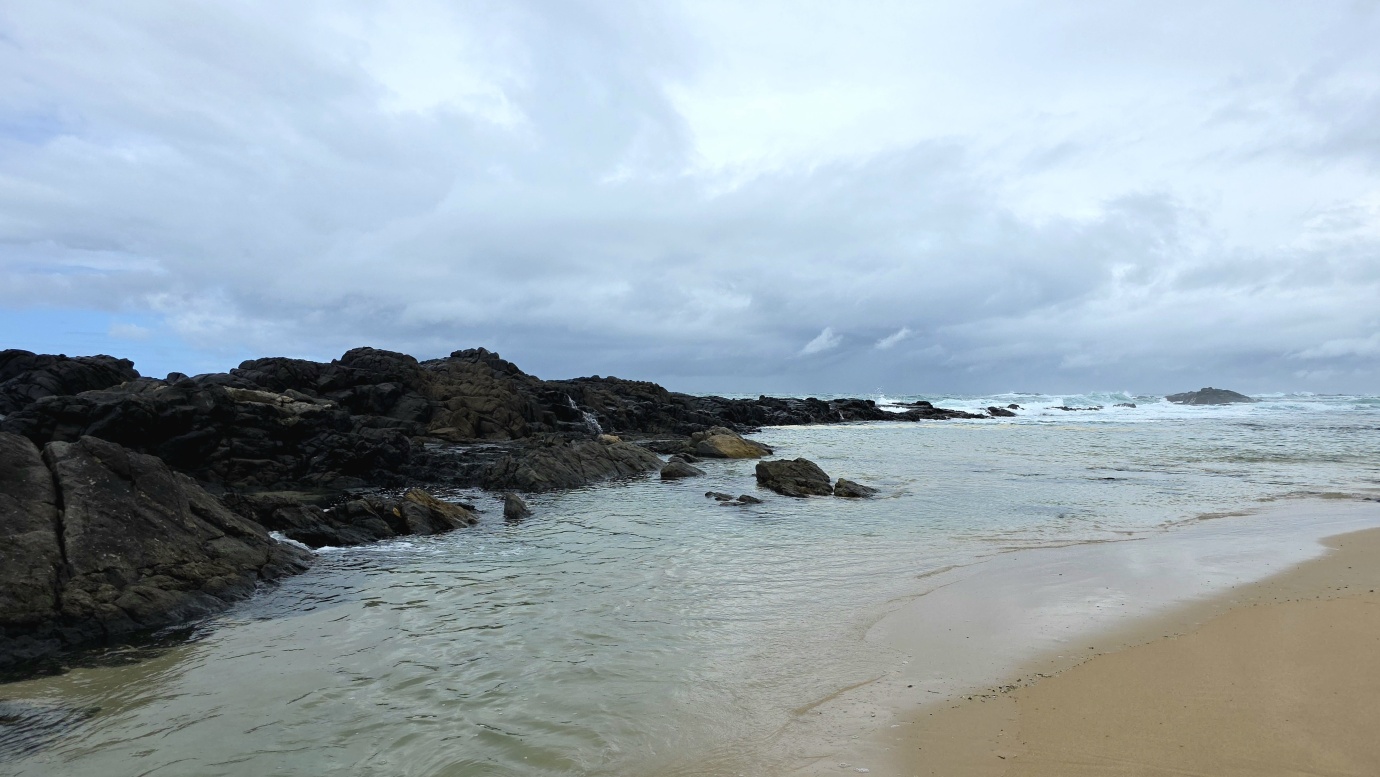
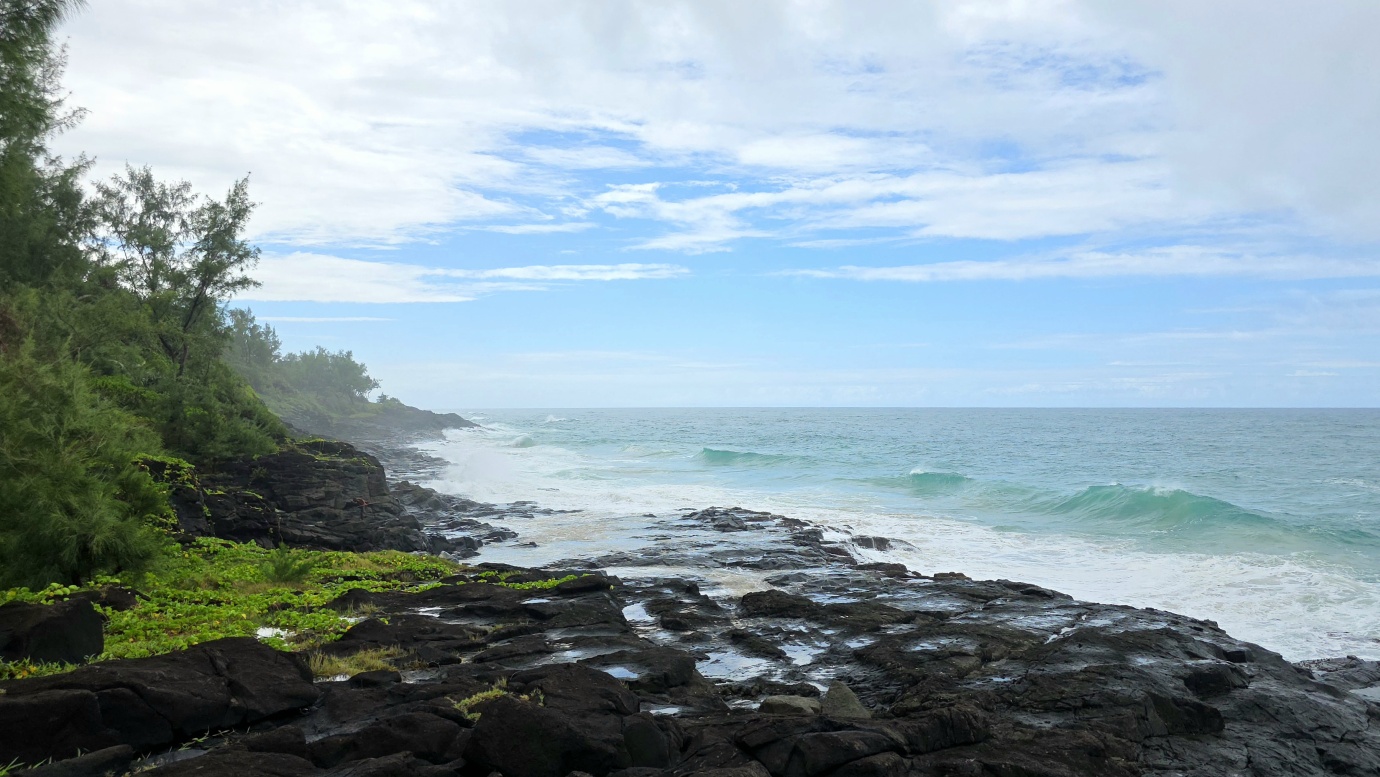
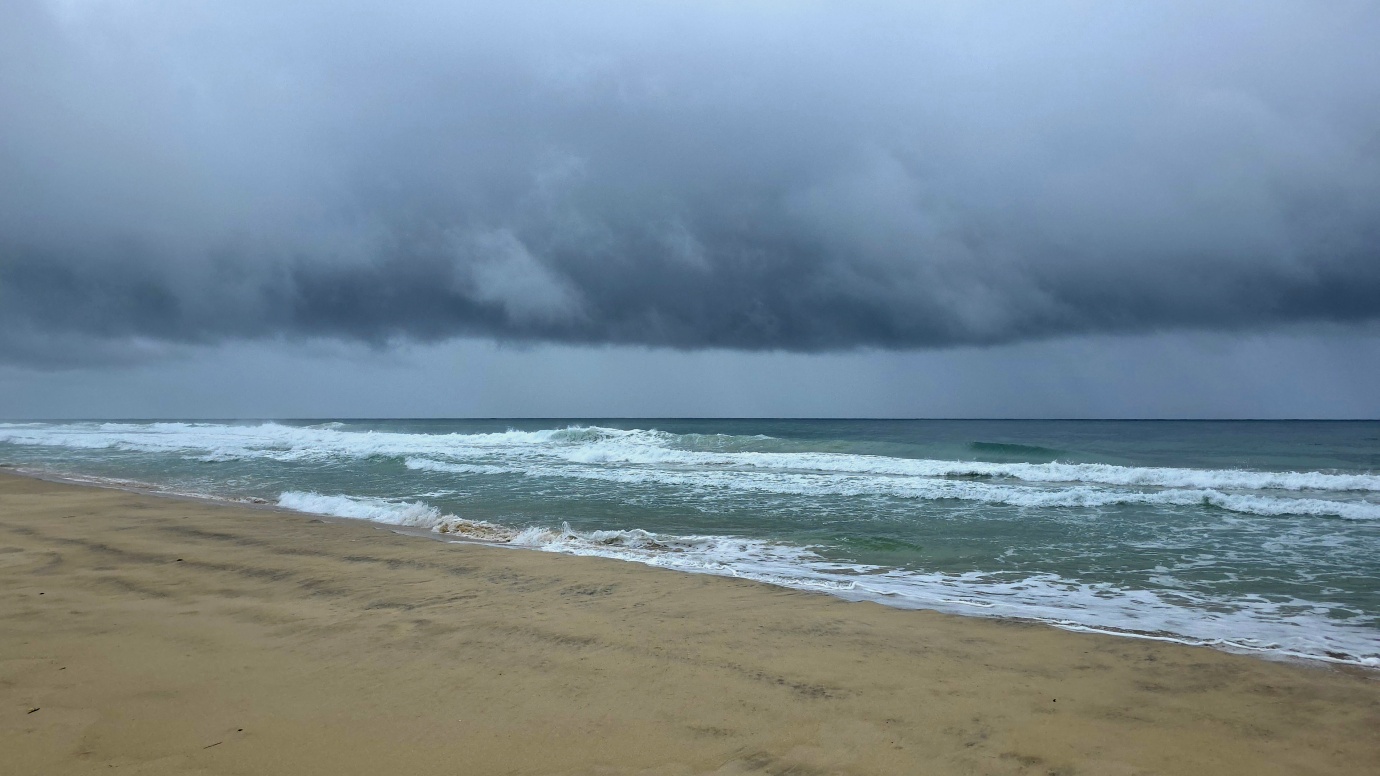
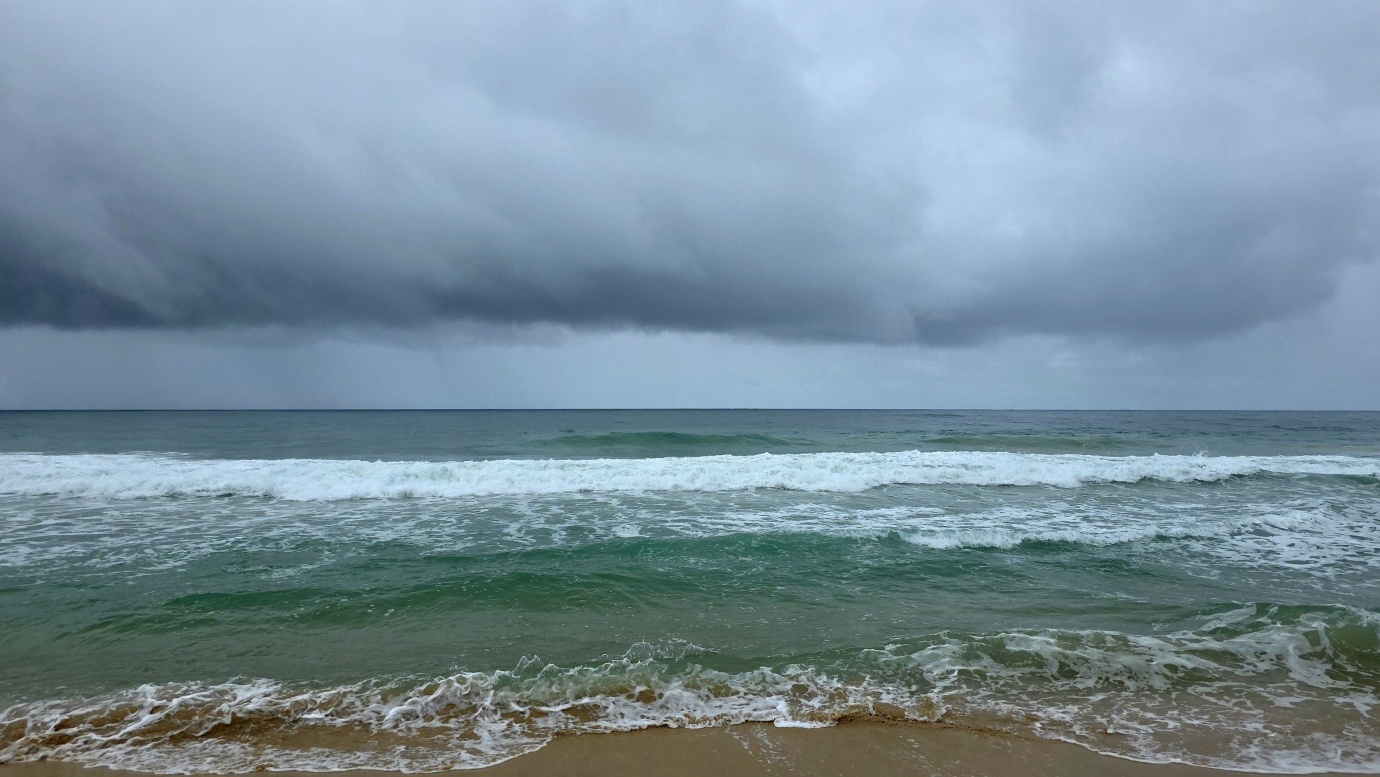
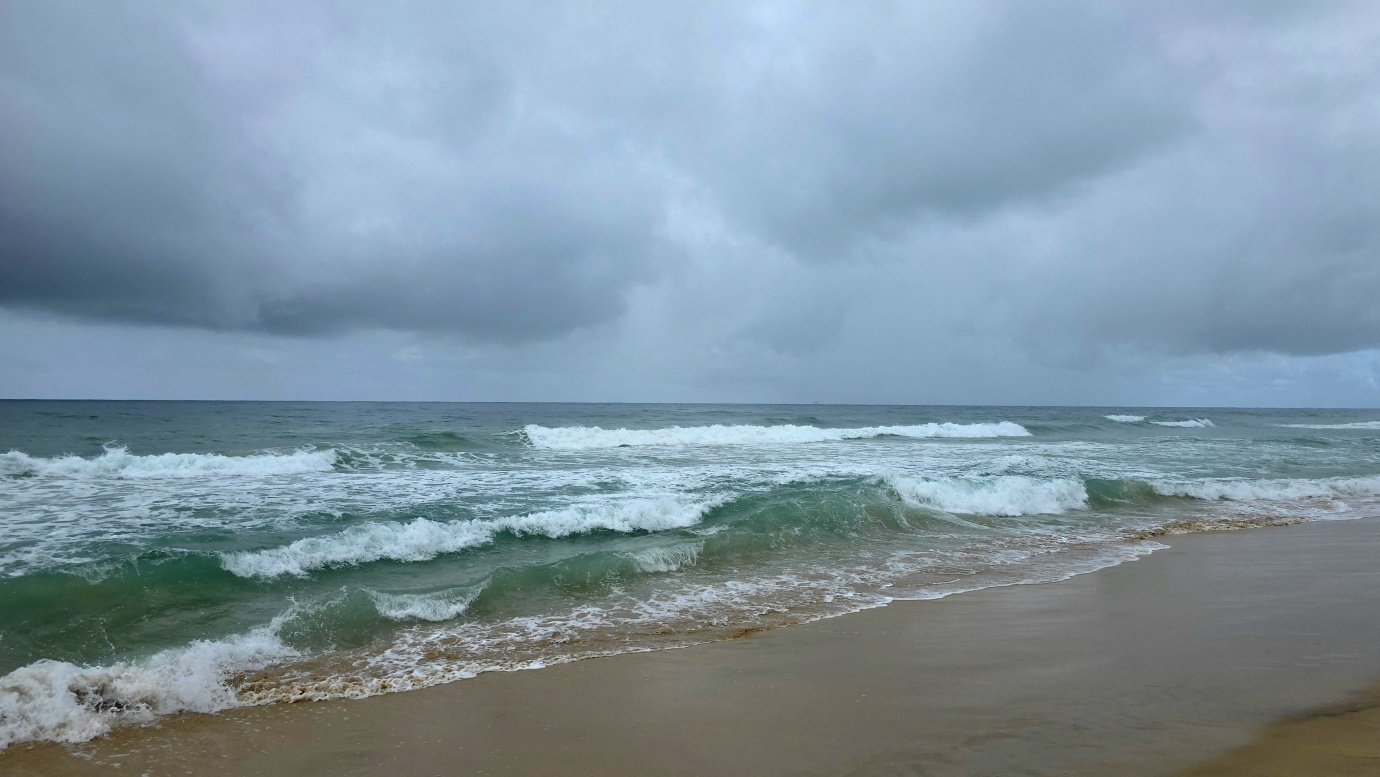
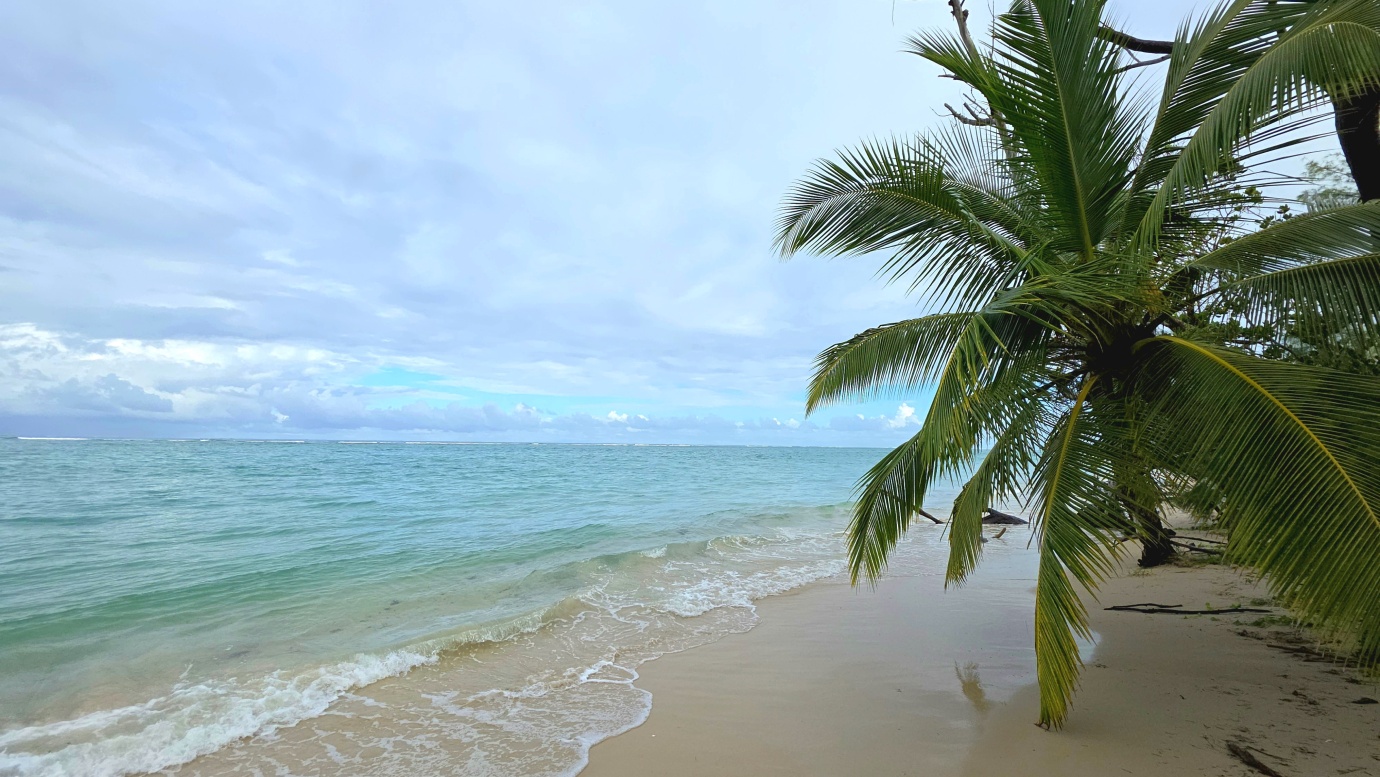
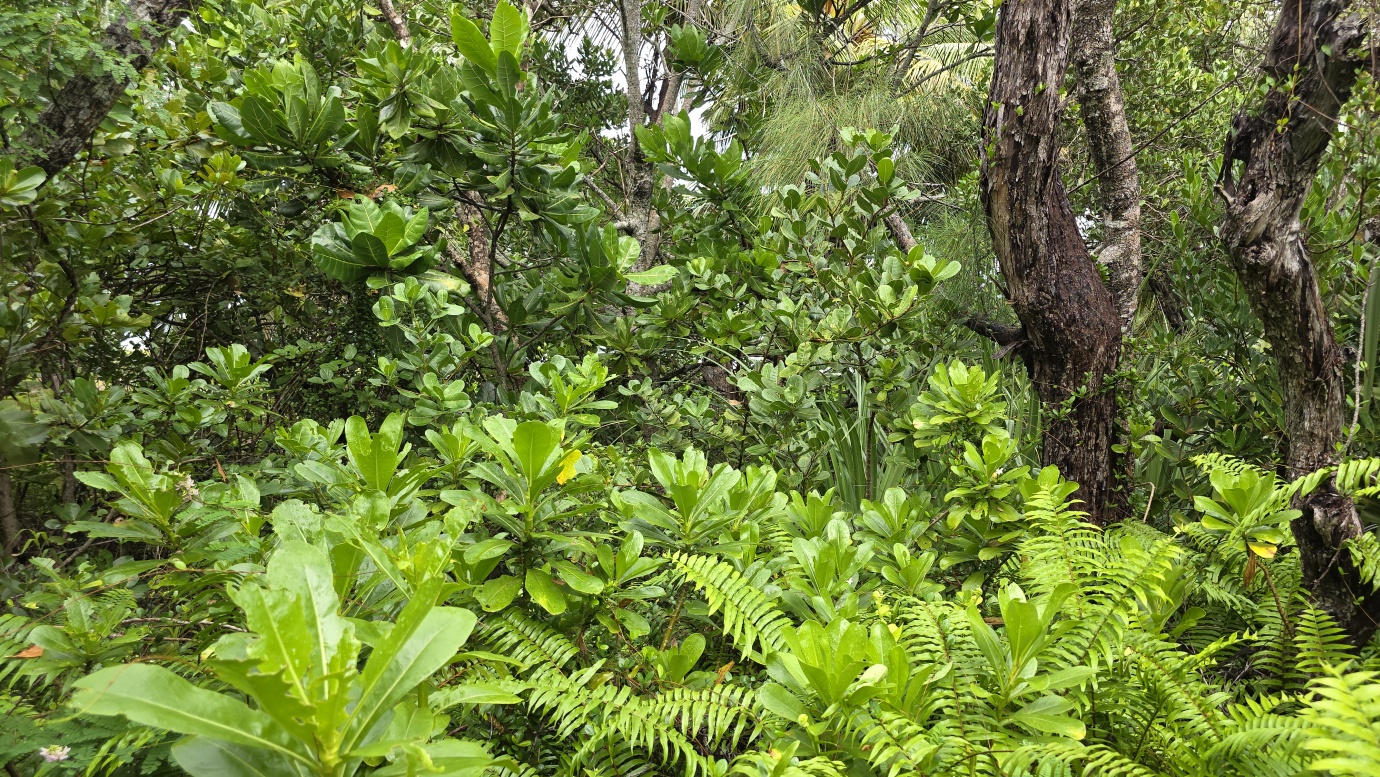
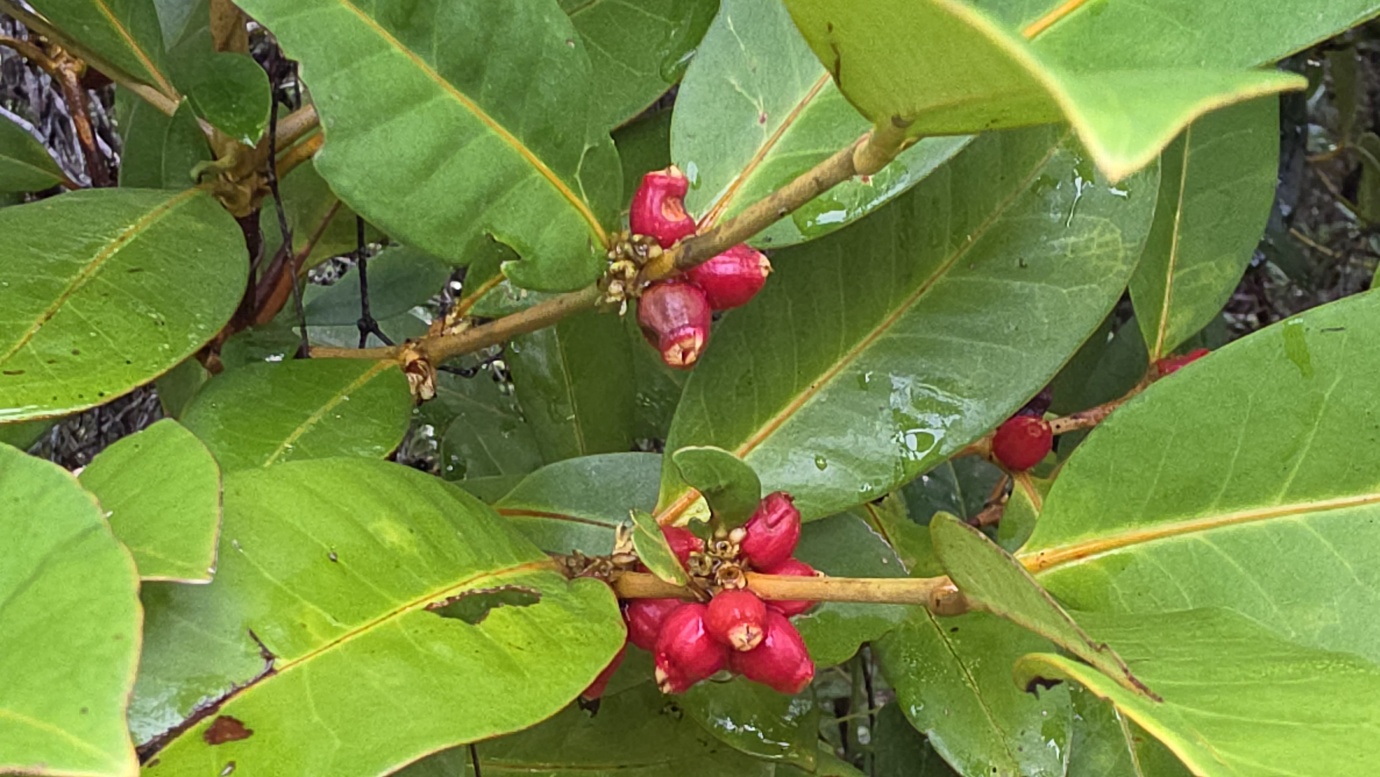
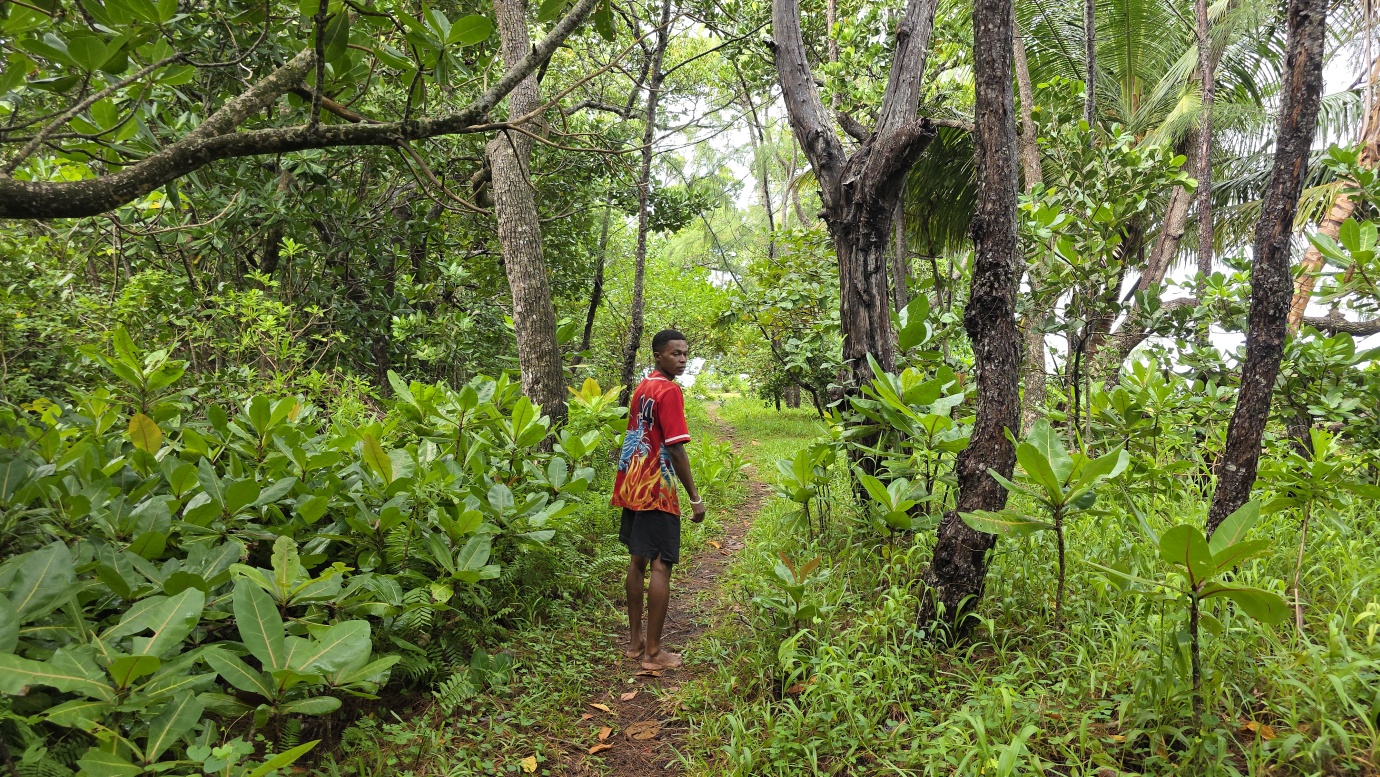
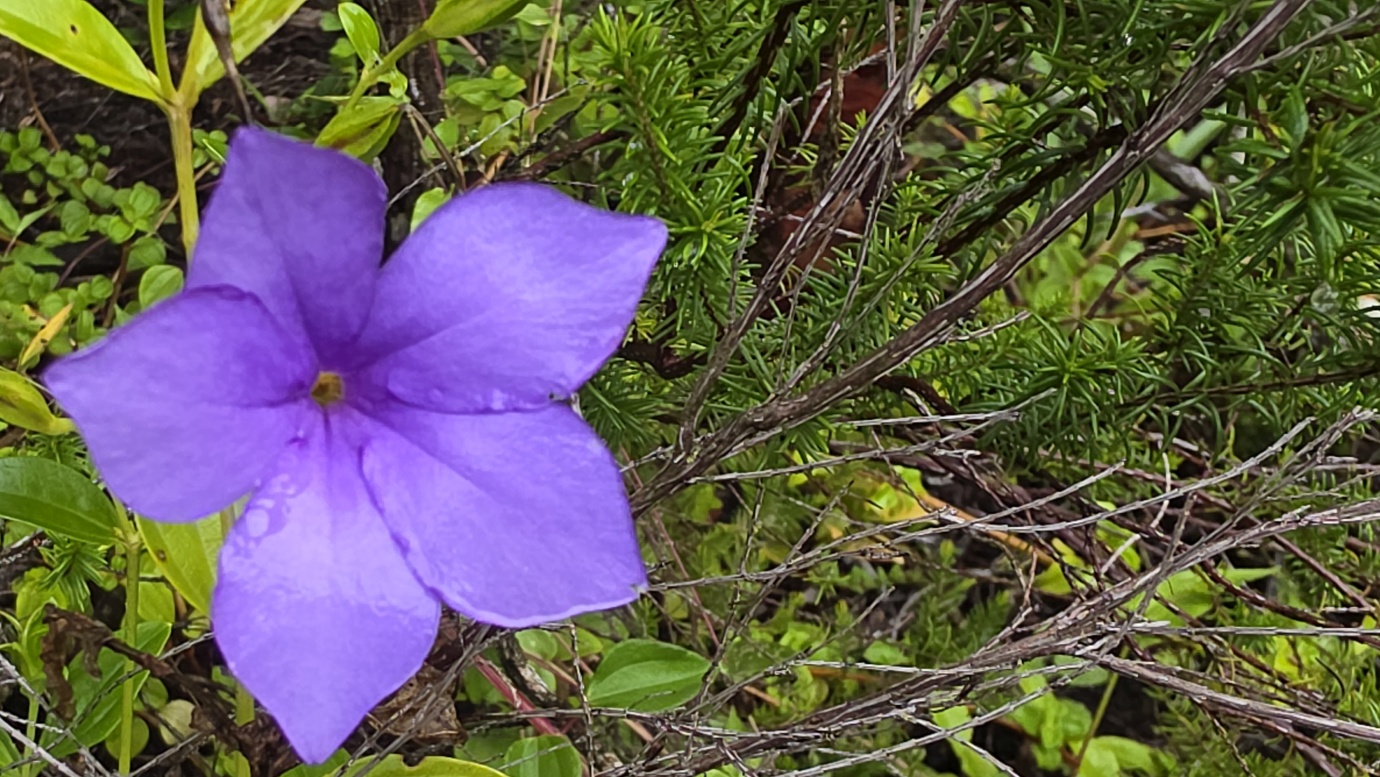
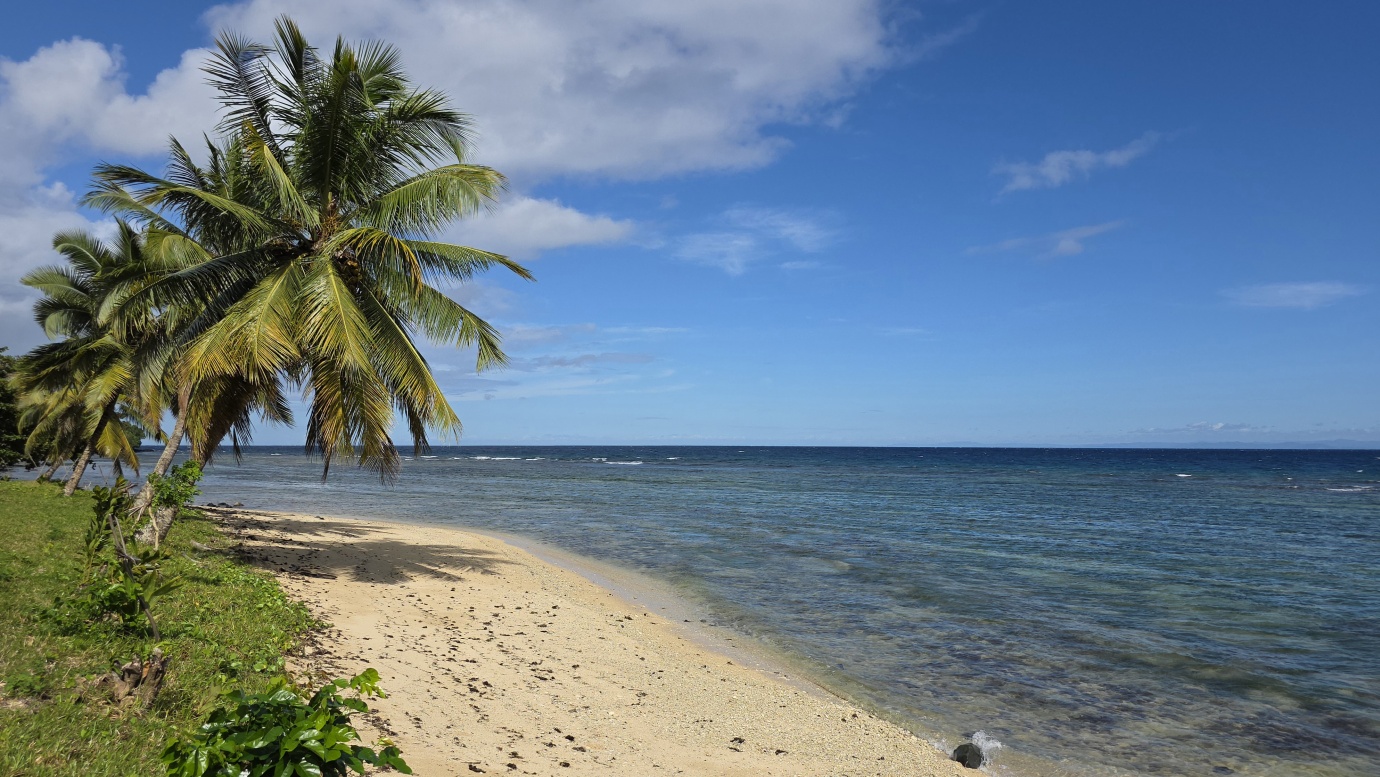
At the end of our stay in Madagascar, we flew to Nosy Boraha — better known as Sainte-Marie — a long, lush tropical island drifting off Madagascar’s northeastern coast. Fringed by protected coral reefs and lined with dense forests, mangroves, and sleepy fishing villages, the island feels wonderfully untouched. Just south lies the idyllic satellite islet of Nosy Nato (Île aux Nattes), a tiny paradise of white sand and swaying palms. Sainte-Marie itself is mostly flat, with gently rolling terrain and its highest point, Mount Davolo, rising only 114 meters above sea level.
The island’s history is as fascinating as its scenery. Portuguese navigators were the first Europeans to sight Sainte-Marie in 1506, discovering it on Assumption Day and naming it Santa Maria. Its Malagasy name, Nosy Boraha, is linked to local legends — some speak of an old fisherman, others of a Yemeni settler named Ibrahim who first inhabited the island.
Thanks to its hidden coves and naturally sheltered lagoons, Sainte-Marie later became one of the world’s most notorious pirate strongholds. Famous pirates such as William Kidd, Thomas Tew, and Olivier Levasseur — better known as La Buse — are all said to have operated from here. In the island’s capital, Ambodifotatra, lies the legendary Pirate Cemetery, an unusual 18th-century burial ground where several tombs still bear the iconic skull-and-crossbones motif. Many pirates settled permanently on the island, marrying local Malagasy women and forming a mixed-race community known as the Zana-Malata.
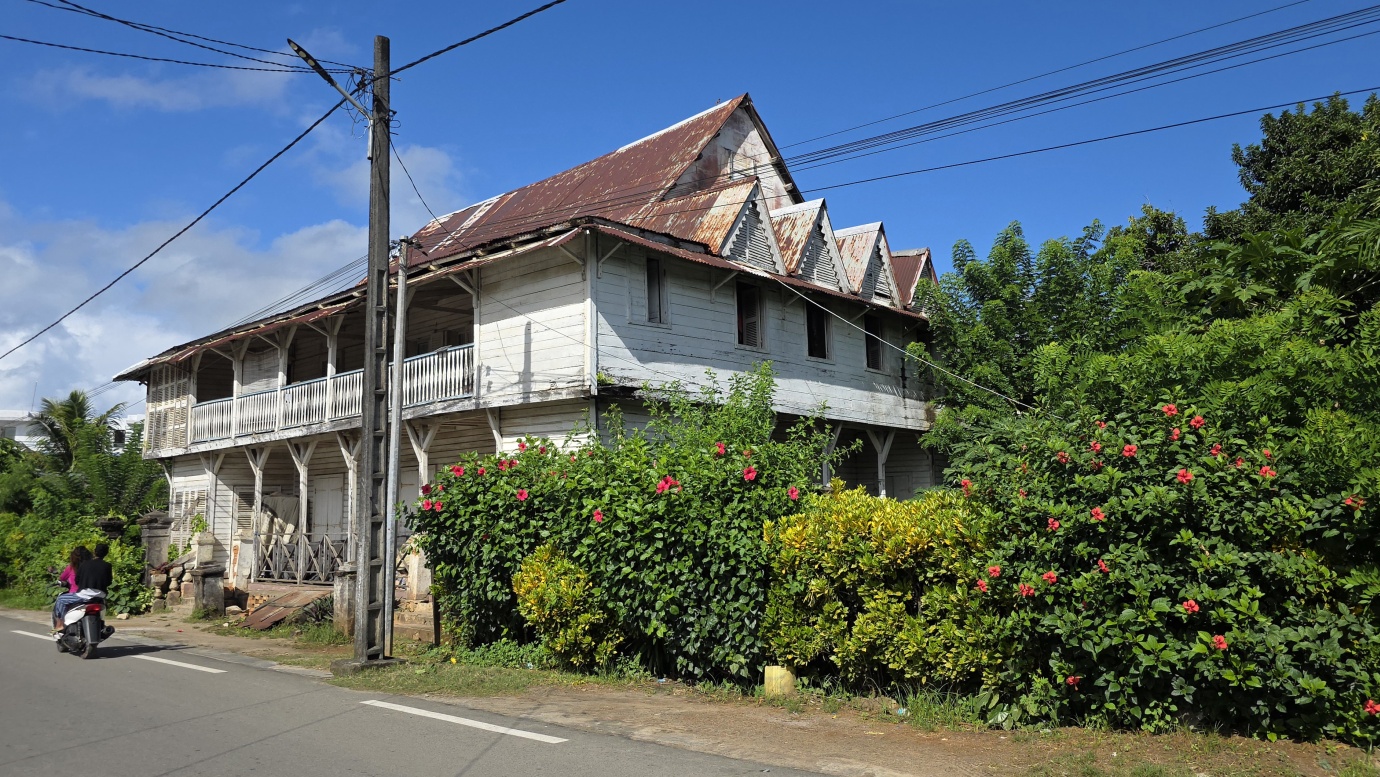
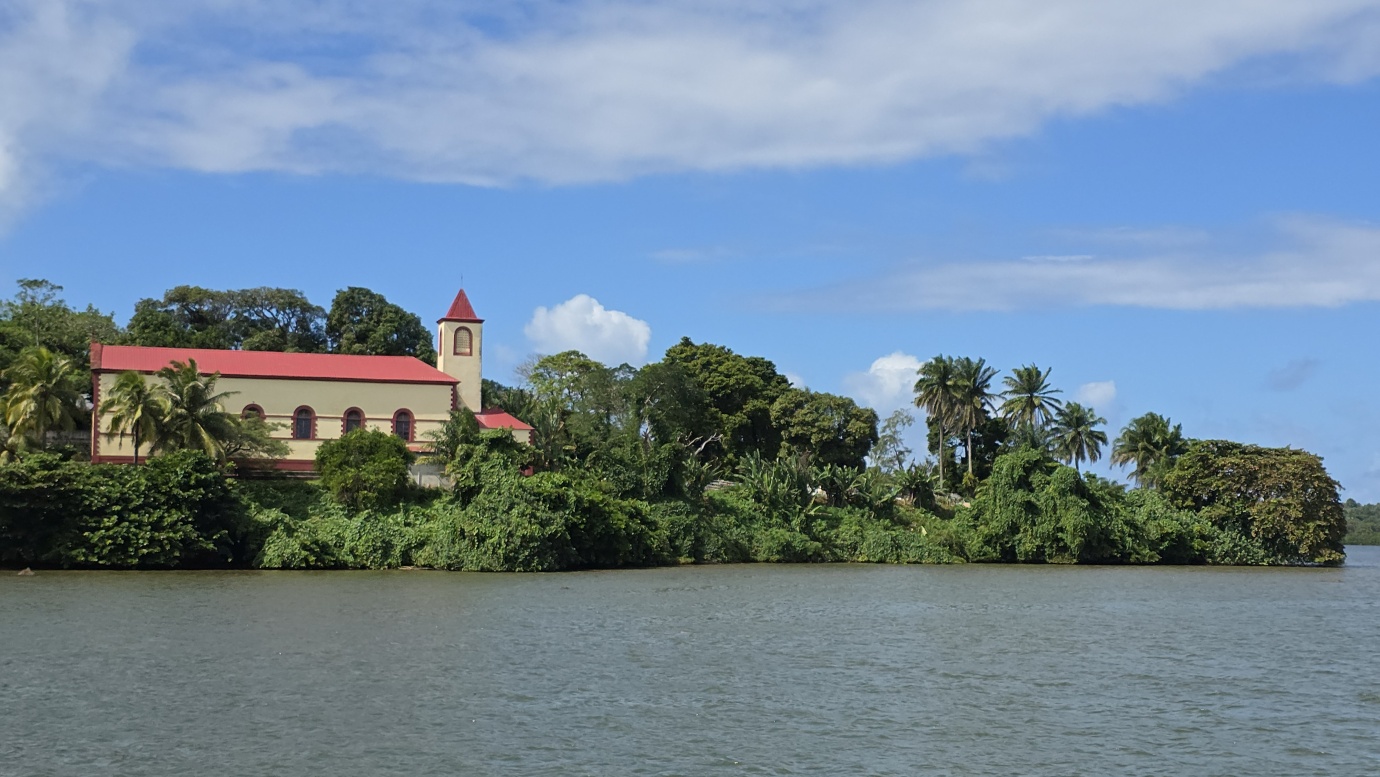
One of the island’s most famous legends centres on the pirate Thomas Tew, who reportedly married a Malagasy princess. Their descendants eventually led to the reign of Queen Betty, who, on July 30, 1750, officially ceded the island to France. The French colonial period left behind several notable landmarks, including the Albrand Lighthouse and the Catholic Church of Ambodifotatra, built in 1857. The church is one of the oldest in Madagascar and houses a rare cast-iron altar gifted by Empress Eugénie.
Today, although Sainte-Marie remains proud of its swashbuckling past, it is internationally known for something far gentler: humpback whales, which migrate through its waters each year.
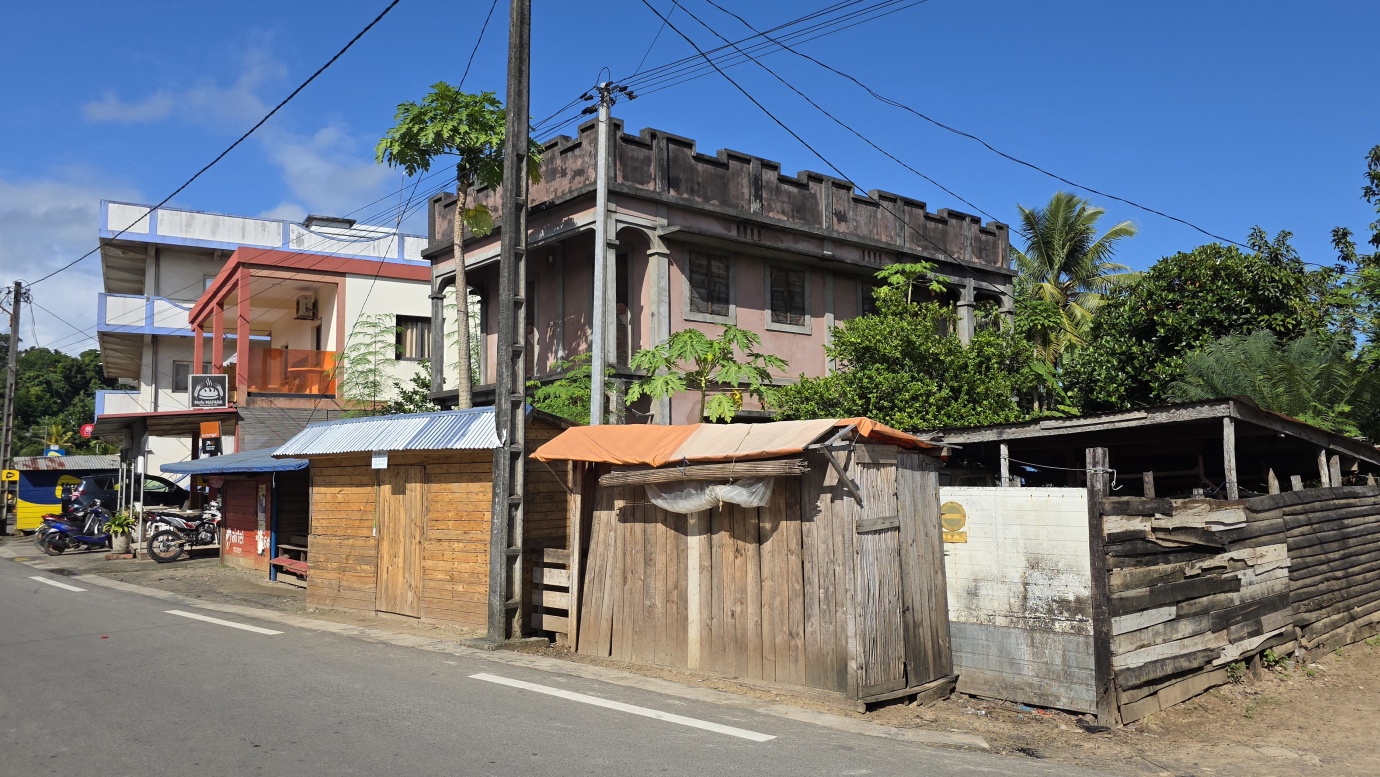
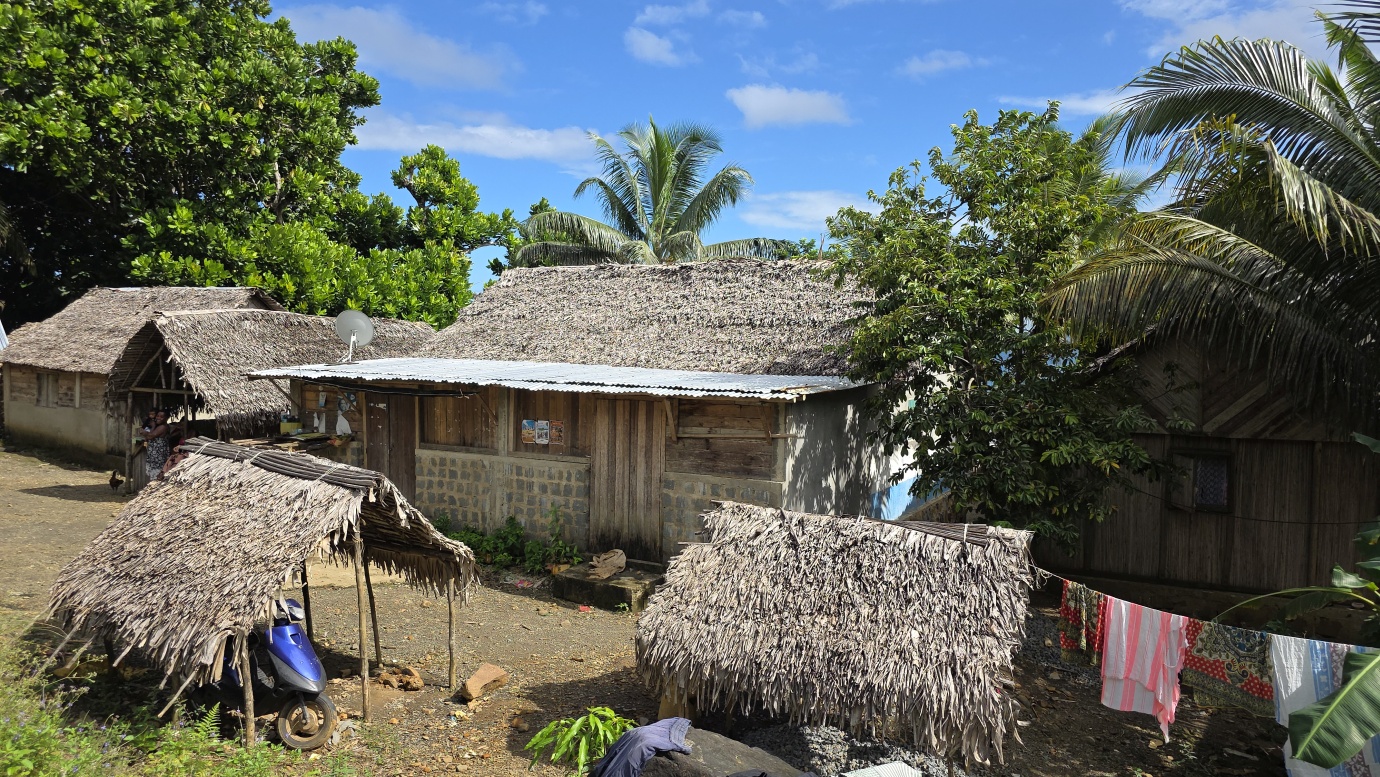
Surrounded by beaches and coral reefs and dotted with traditional thatched villages, Sainte-Marie offers a pleasant balance between tourism infrastructure and unspoiled nature. Fortunately, large-scale development has not yet consumed the coastline. Ambodifotatra, on the island’s west coast, is the only sizeable town and the most practical base for exploring. Staying at hotels such as Les Orchidées or Hotel Libertalia — both located a short tuk-tuk ride from town (5,000 MGA) — offers easy access to restaurants, ATMs, shops, and reliable restaurants, as well as the only bar, La Taverne des Pirates. Several other accommodations are available between the airport and the capital.
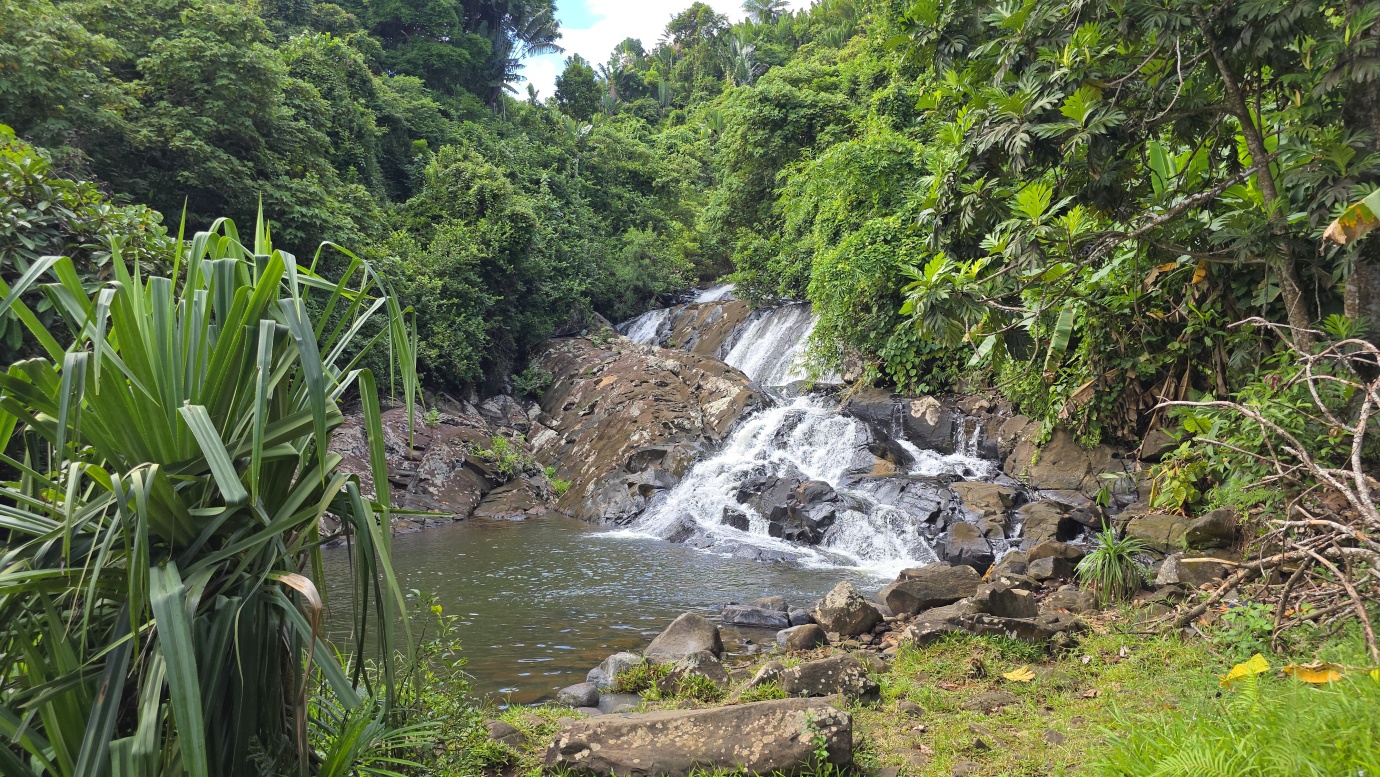
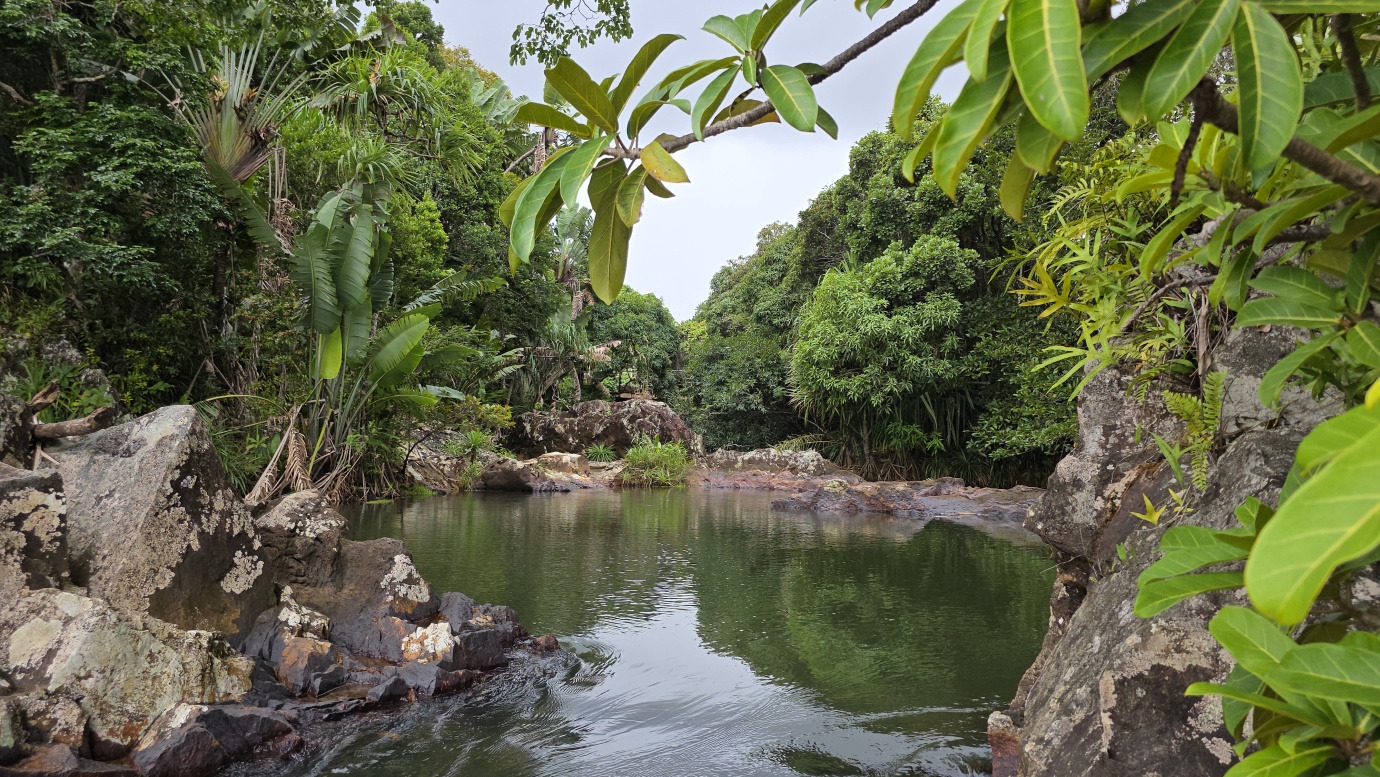
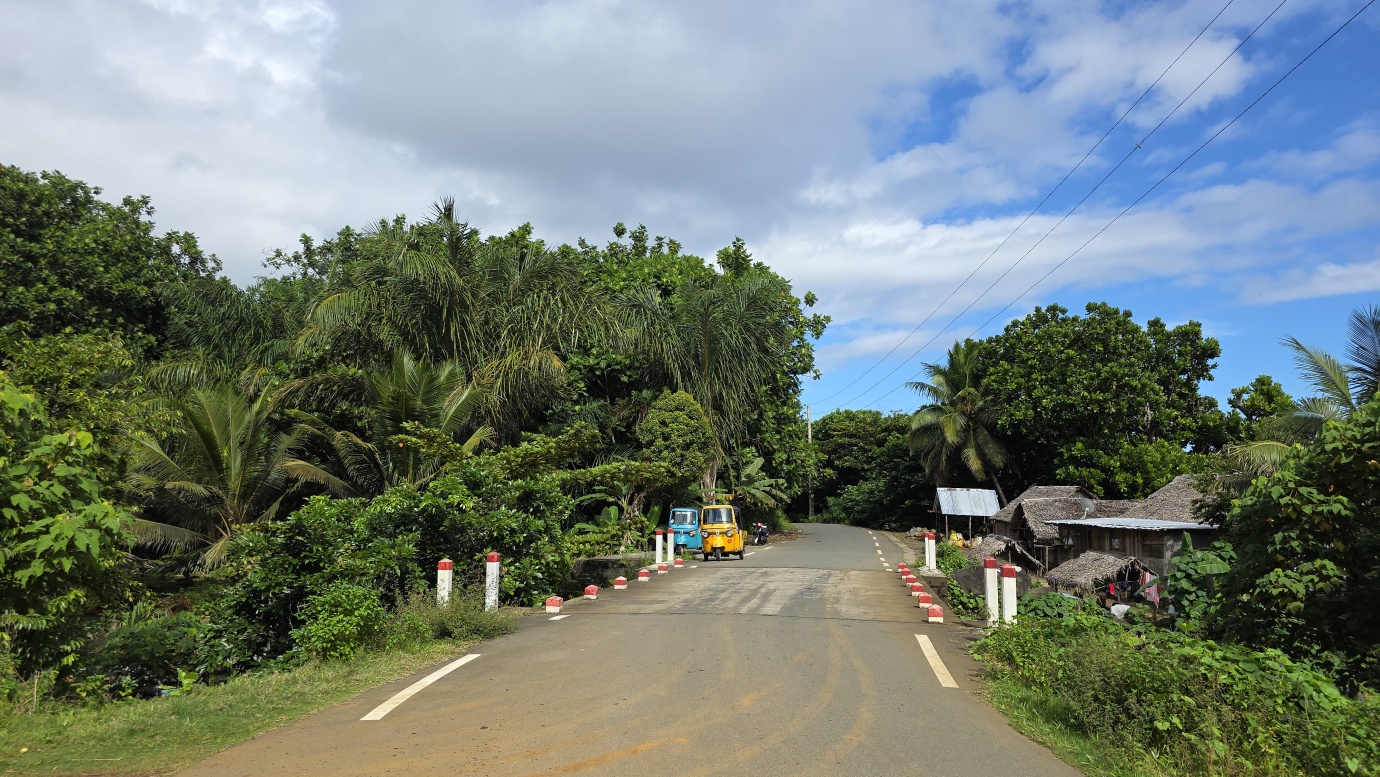
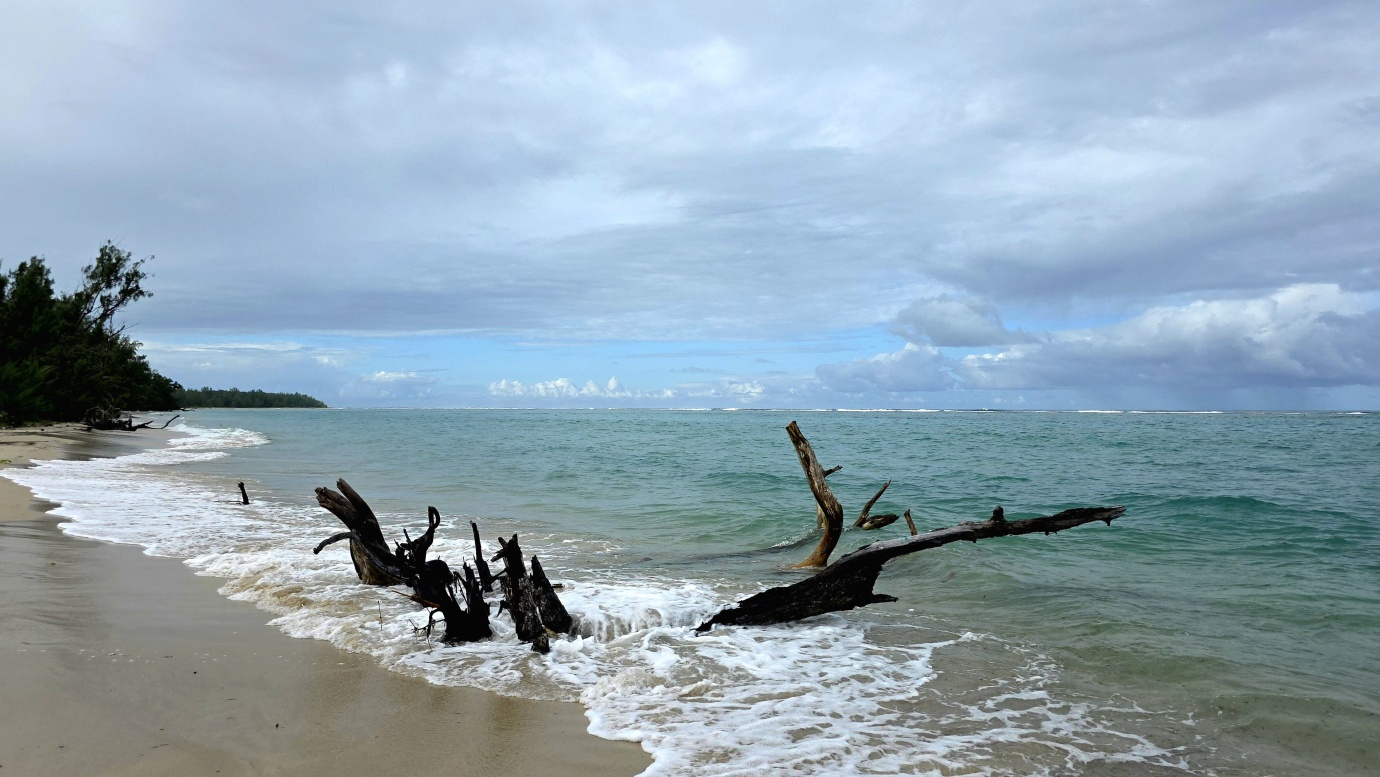
Further north, the atmosphere becomes far more isolated, with only a handful of remote resorts where guests rely entirely on hotel facilities. The west coast road, stretching from the airport area near La Pointe all the way to La Piscine Naturelle in the far north, is surprisingly excellent tarmac. La Pointe is also the departure point for boats to Nosy Nato, while La Piscine Naturelle (🎟️10,000 MGA) offers one of the island’s best-known natural swimming spots. Slightly further south on the west coast lie the beautiful beaches around Baie d’Ampanihy. In contrast, many hotel beaches elsewhere on the island are narrow, sometimes only a couple of meters wide, and, unfortunately, often littered.
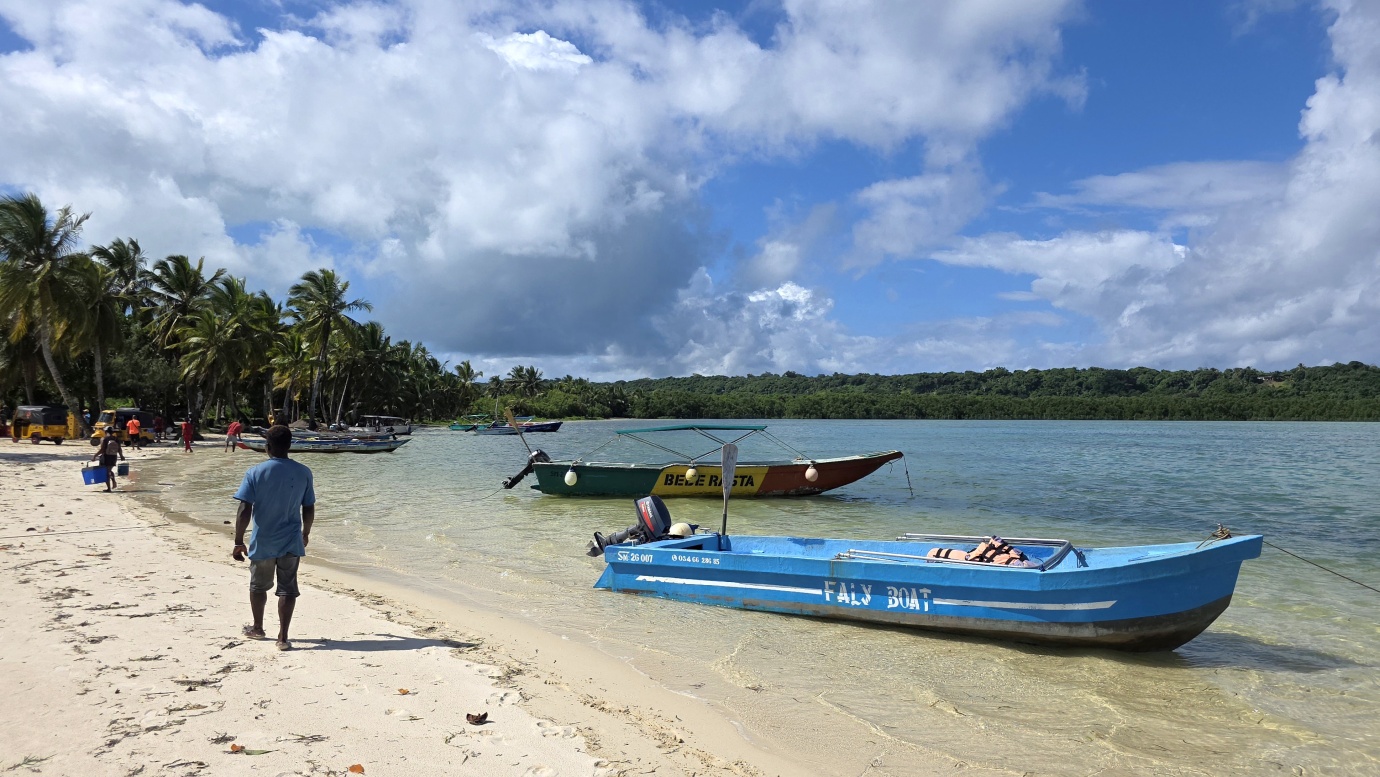
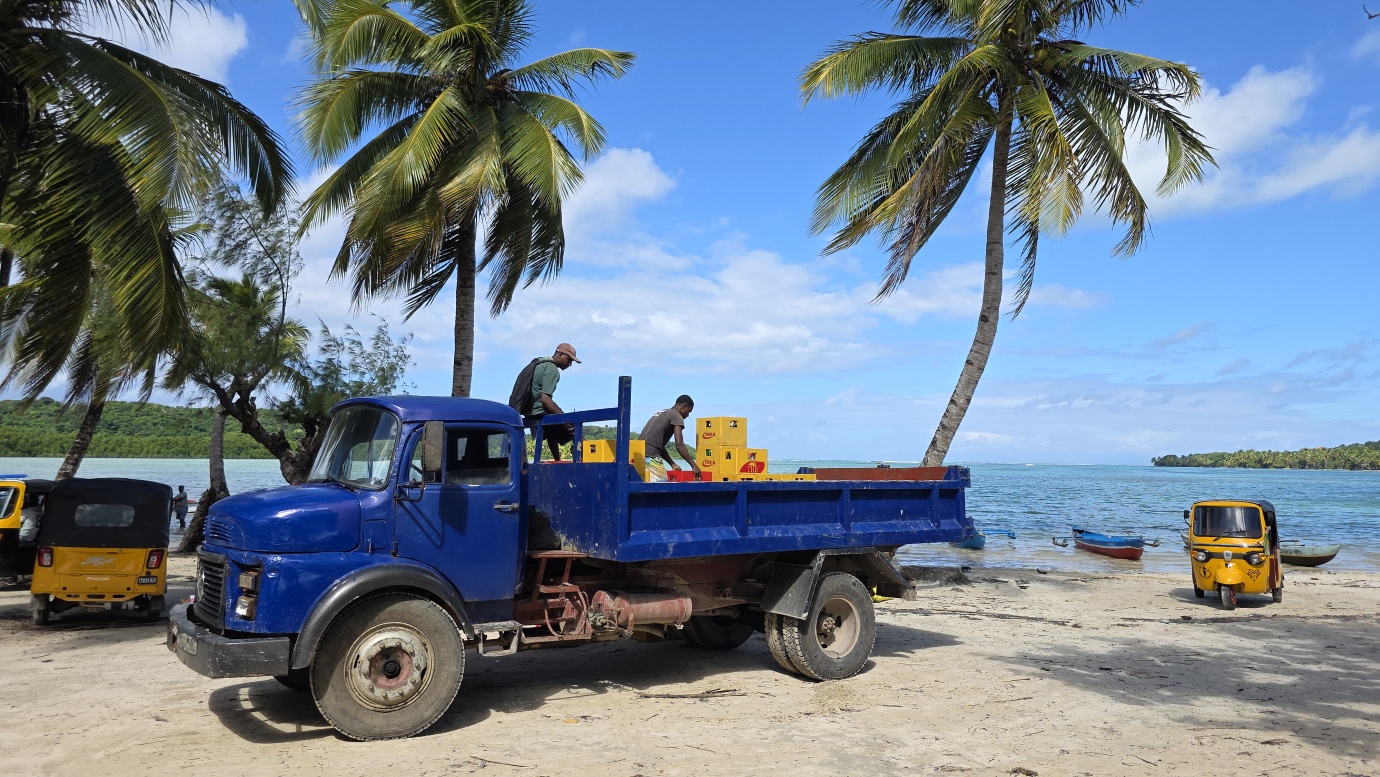
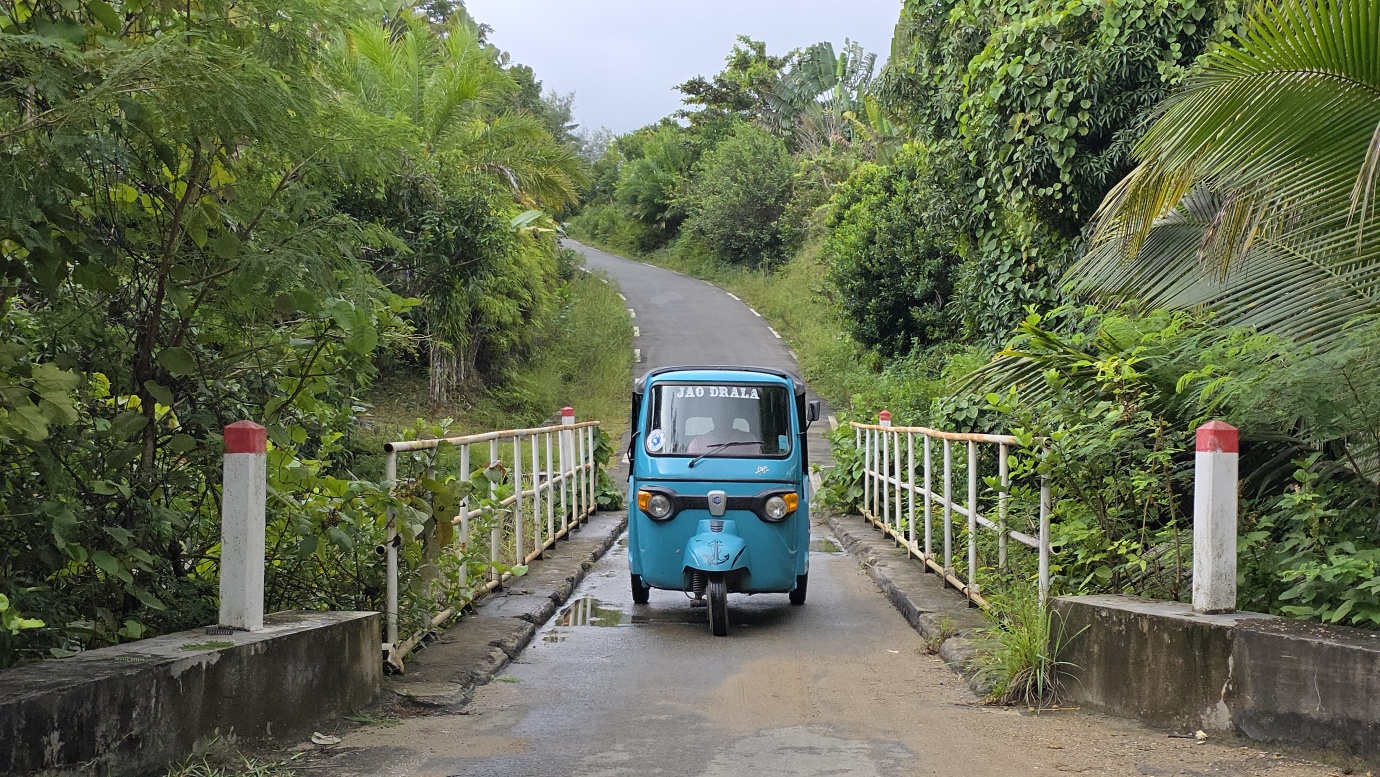
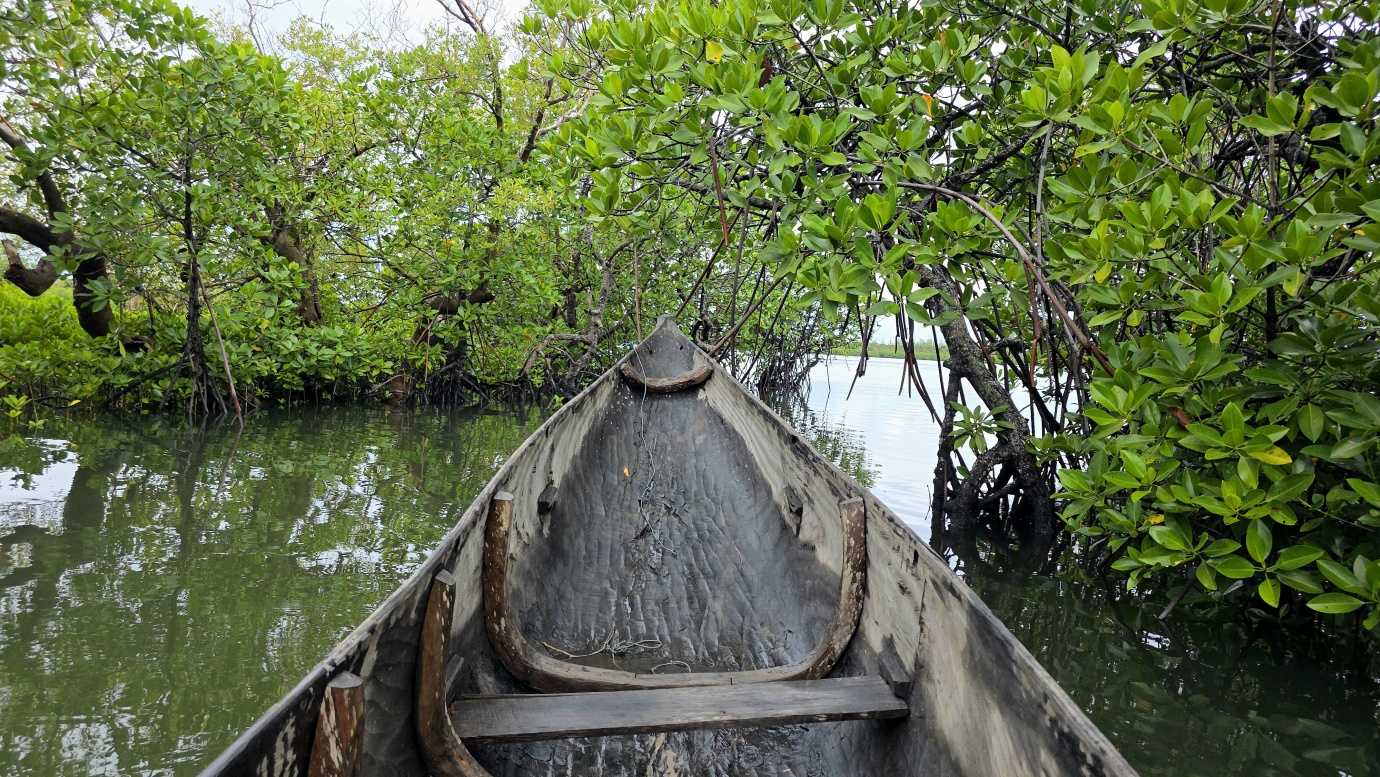
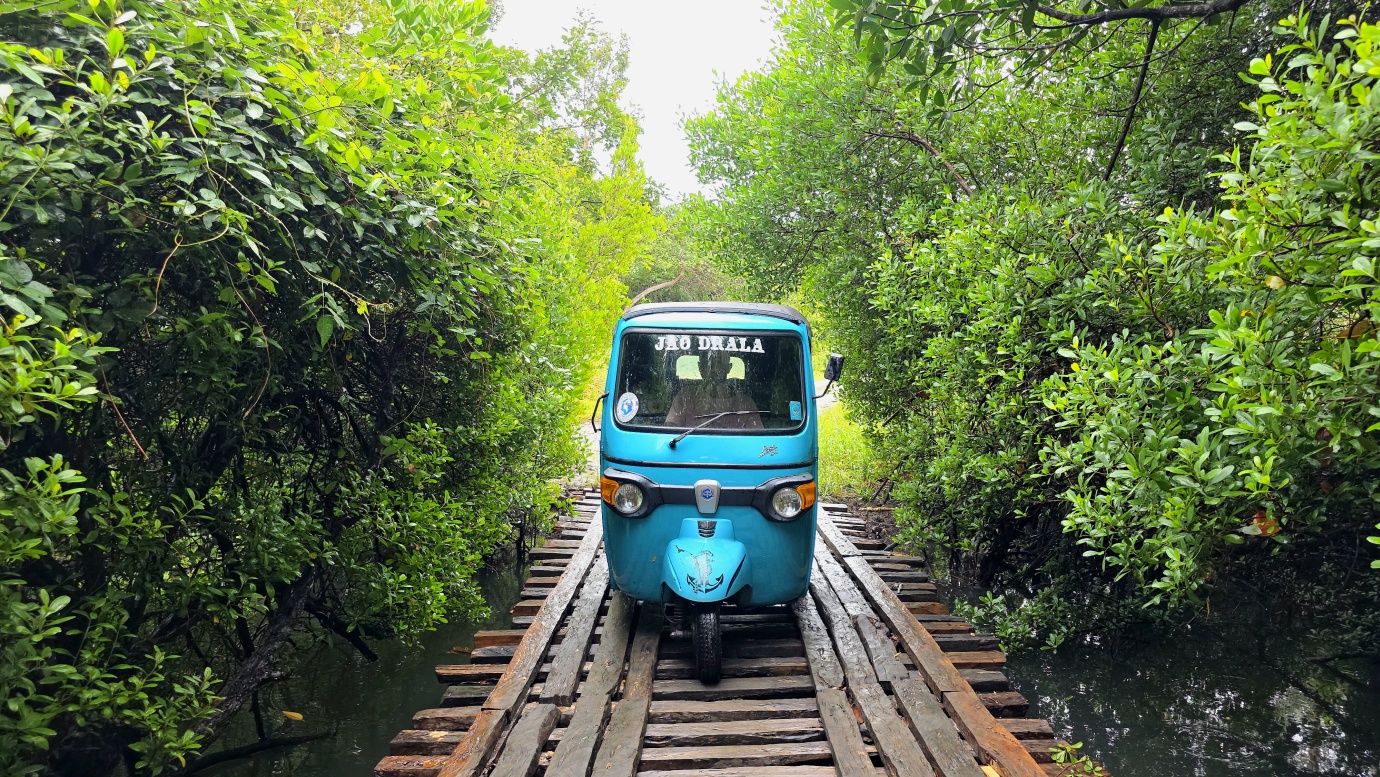
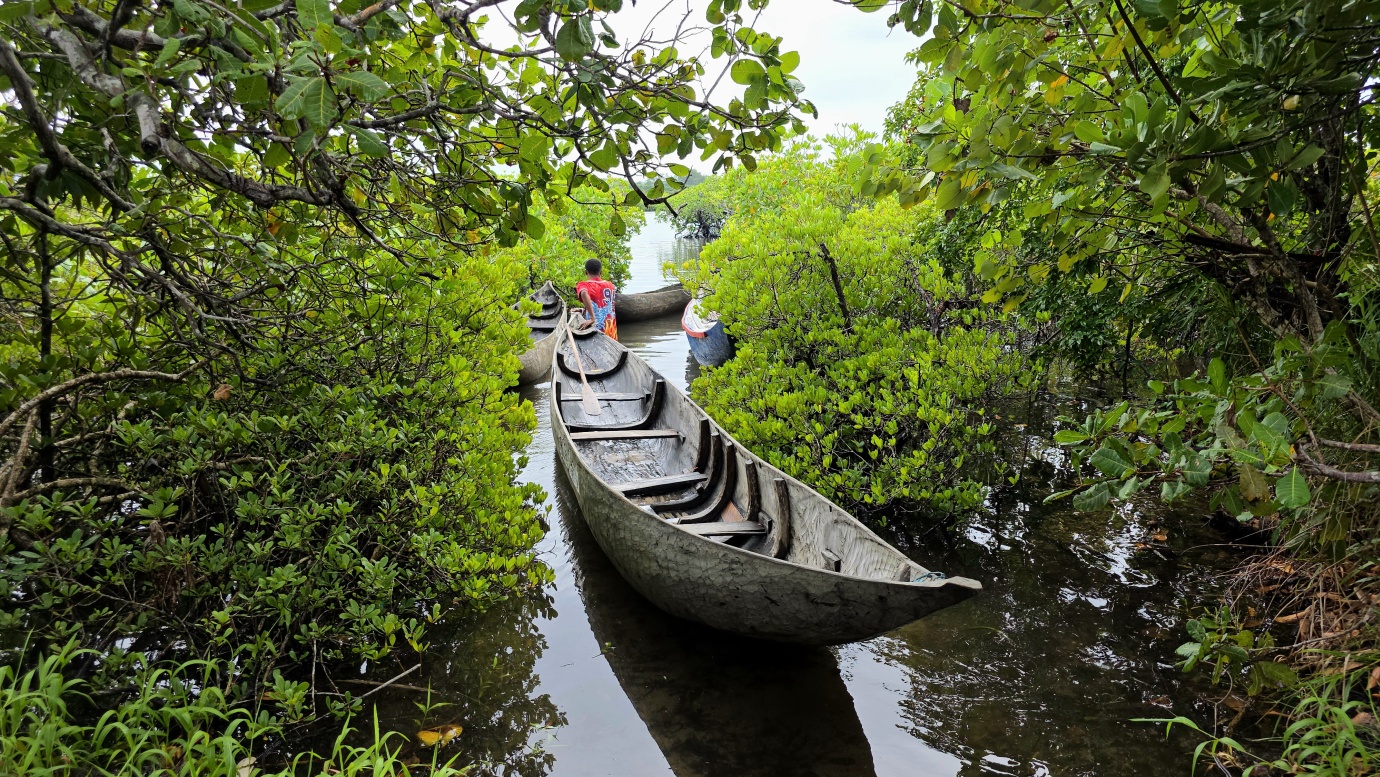
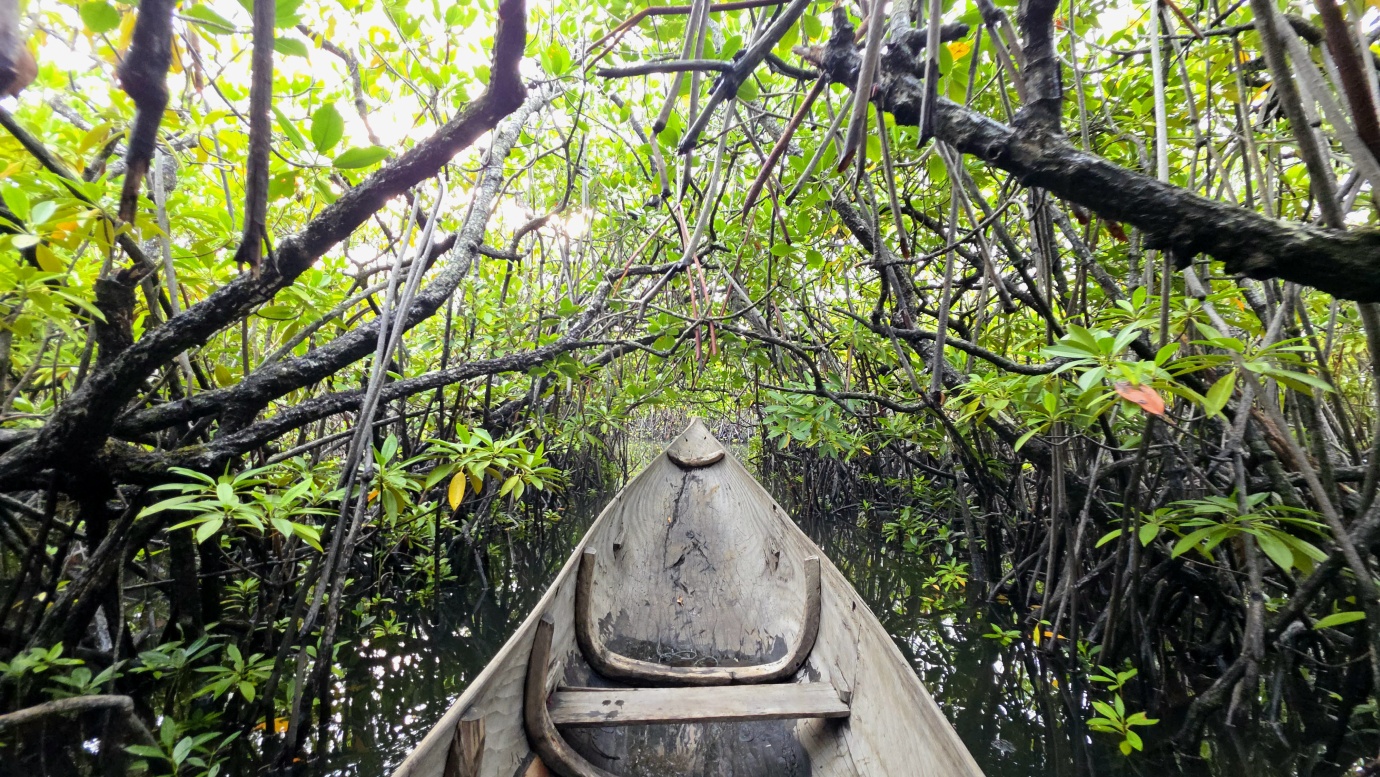
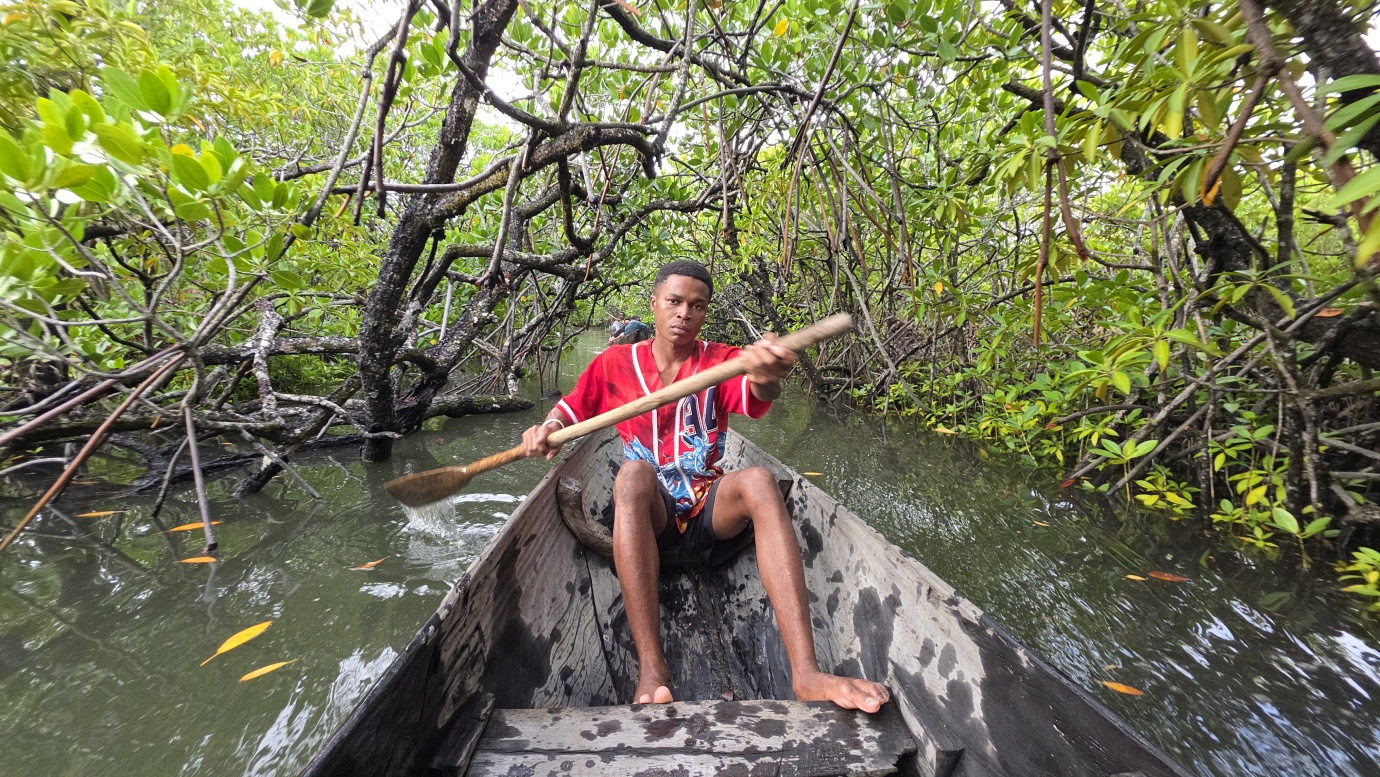
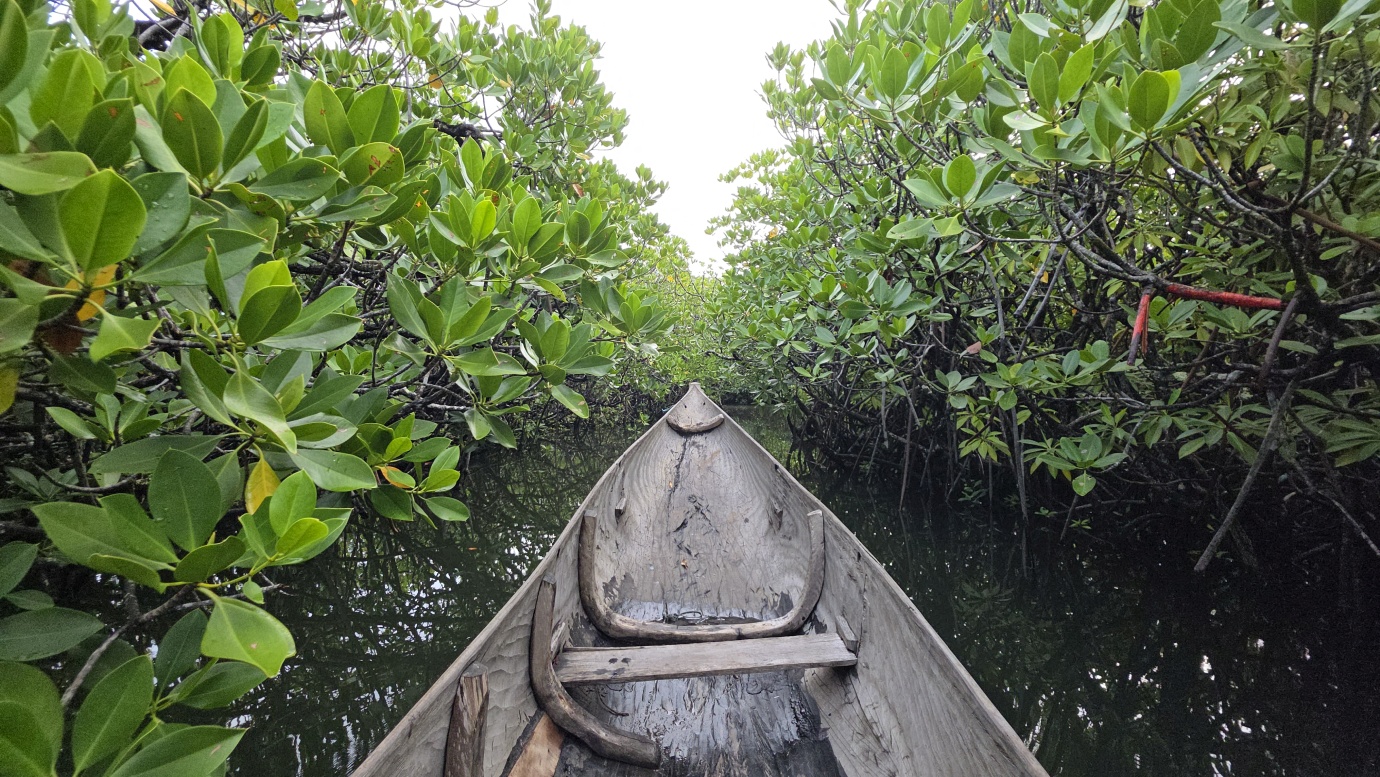
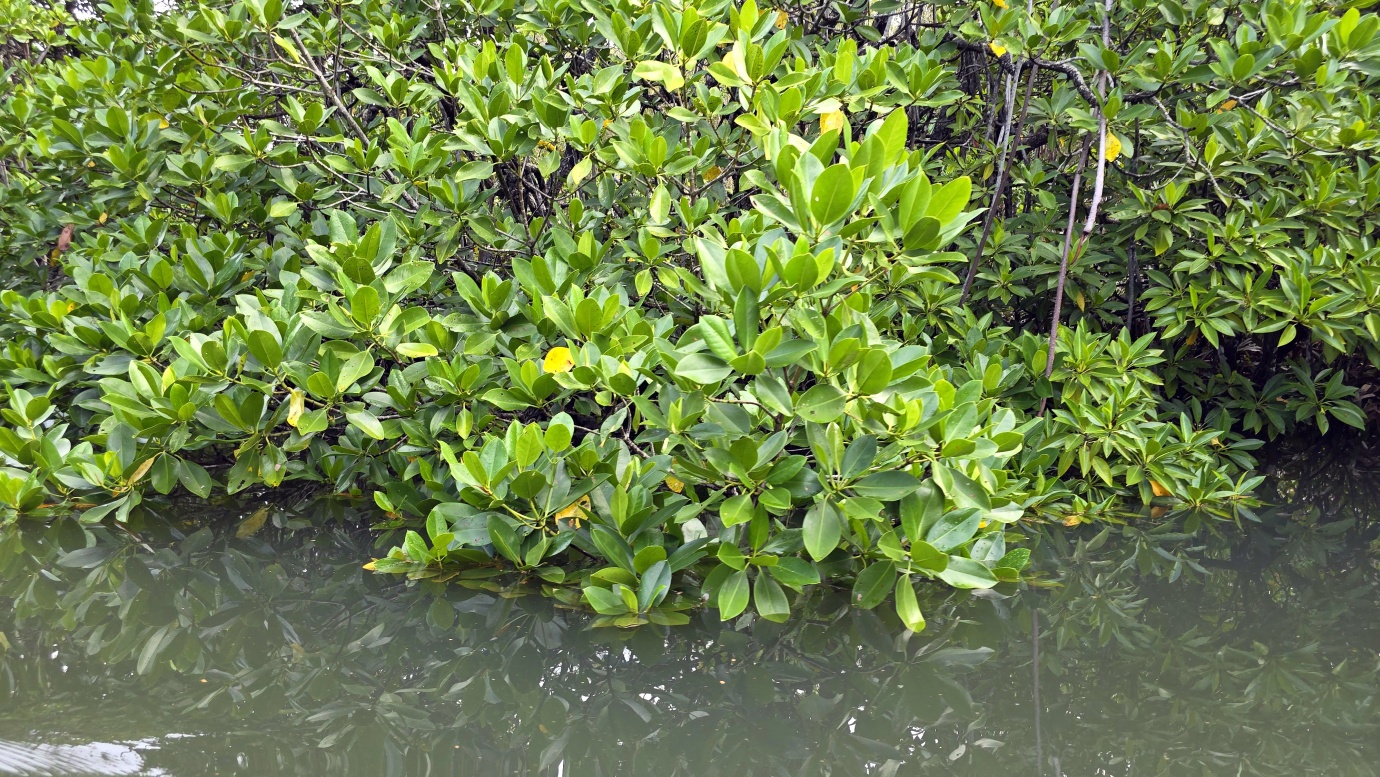
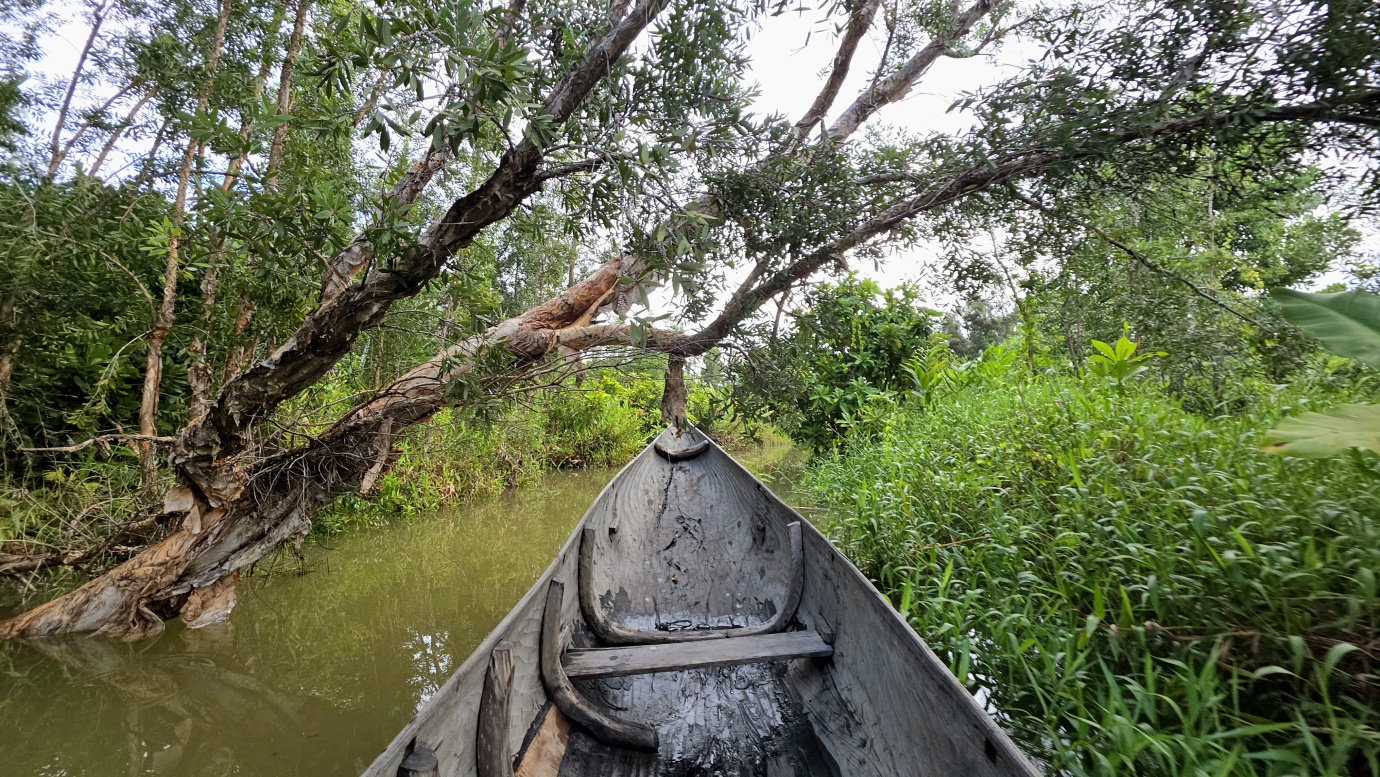
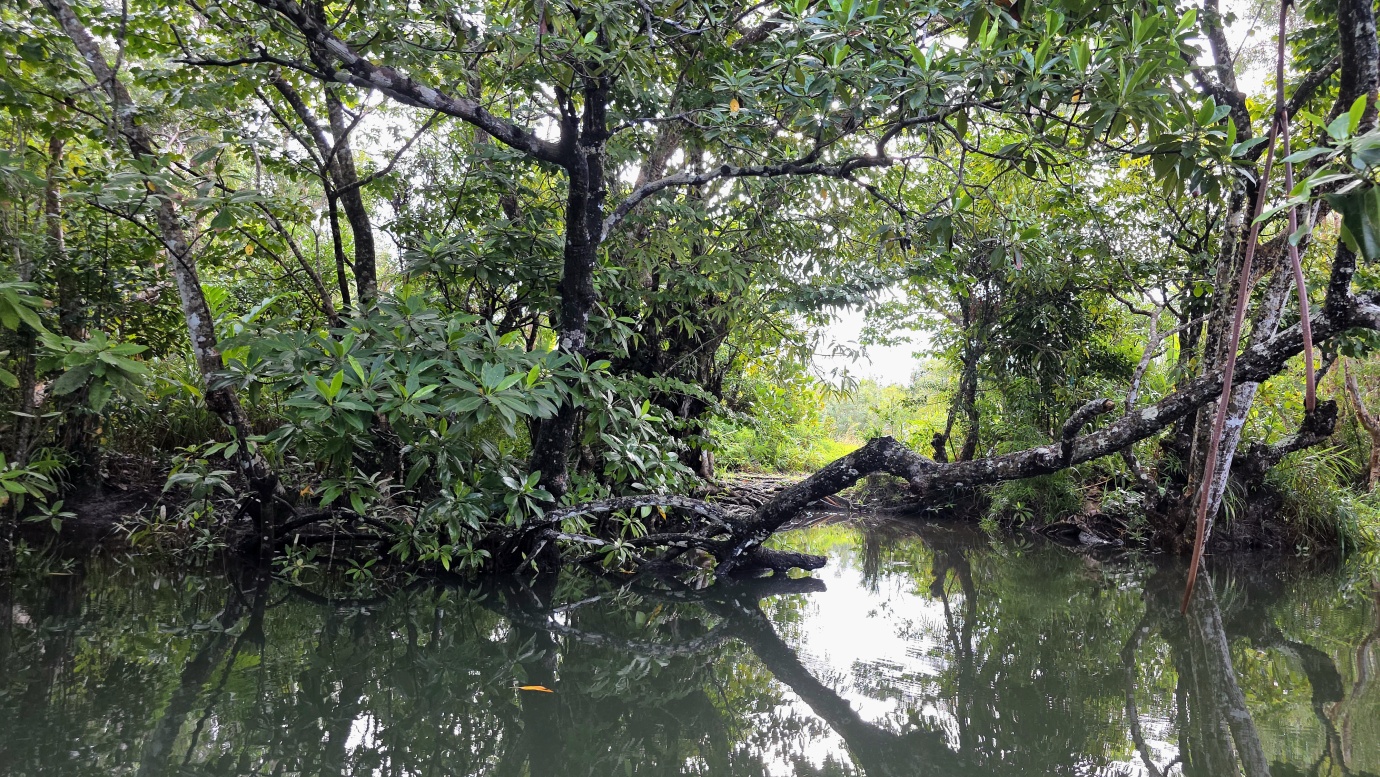
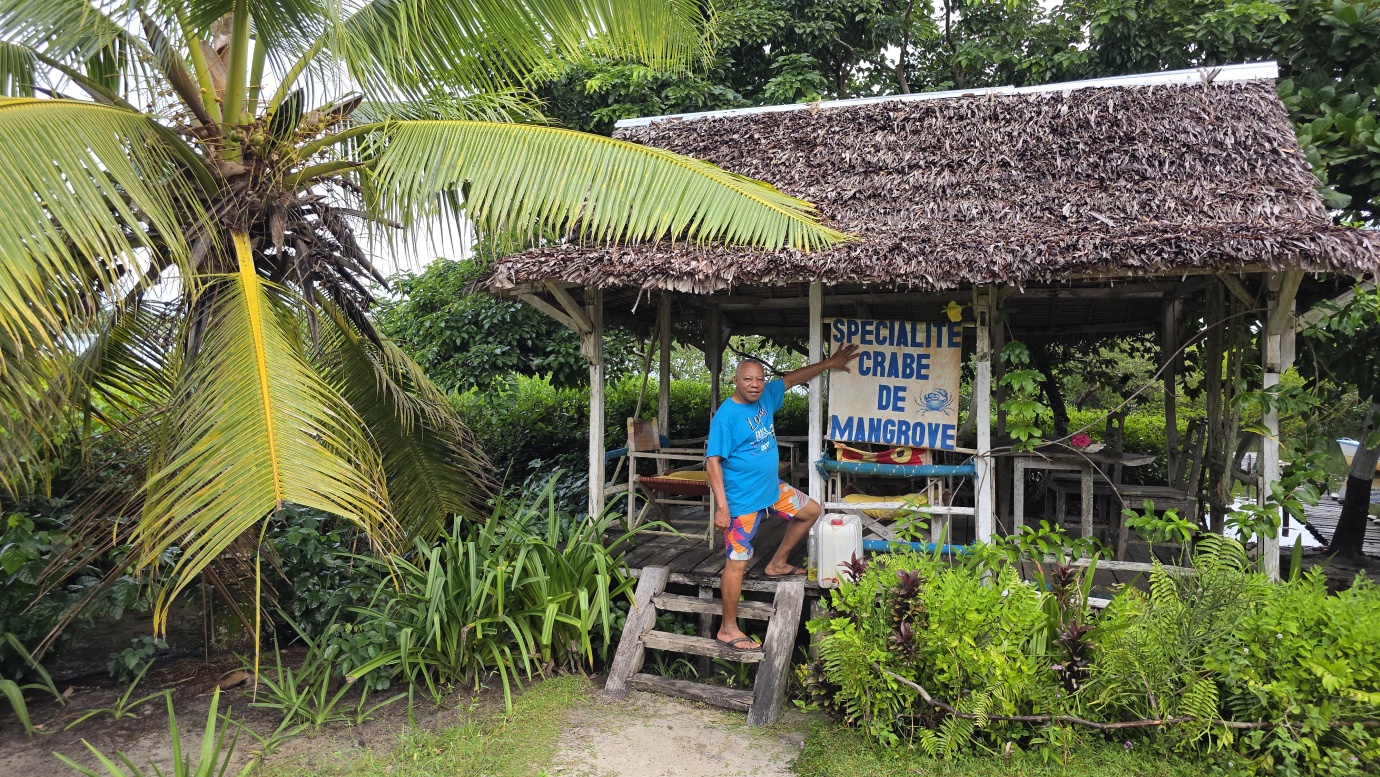
We paid 140,000 MGA for a full-day tuk-tuk tour around the island, which proved to be a great way to explore Sainte-Marie at a relaxed pace. Although the East Coast road is unpaved, it is generally well-maintained. During the trip, we also stopped at the well-known Chez Nono restaurant, from where we took a small boat for 10,000 MGA to explore mangroves and several untouched beaches.
Sainte-Marie offers a relaxed, laid-back nightlife scene. Instead of wild clubs, we found some quiet beachfront bars around Belle Vue, rum shacks, and La Taverne des Pirates, an island staple located in the main town of Ambodifotatra, featuring European-pub style, a terrace overlooking the port, and affordable pizza and beers.
After four days on Sainte-Marie, our conclusion was simple. If you are looking for a classic tropical beach holiday with more developed tourism infrastructure, Nosy Be is probably the better choice. But if you prefer a quieter, less touristy island with a slower pace and a more authentic atmosphere, then Sainte-Marie is absolutely worth the journey.