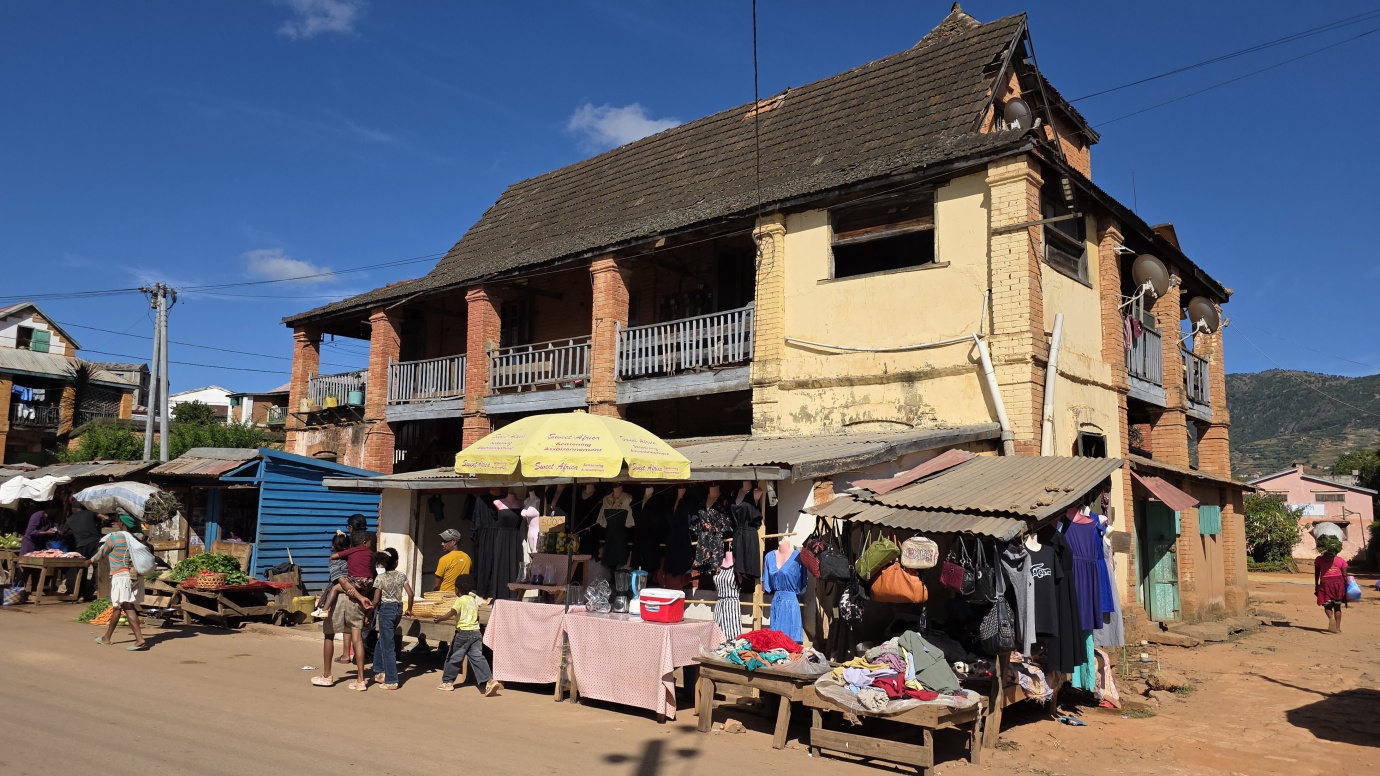
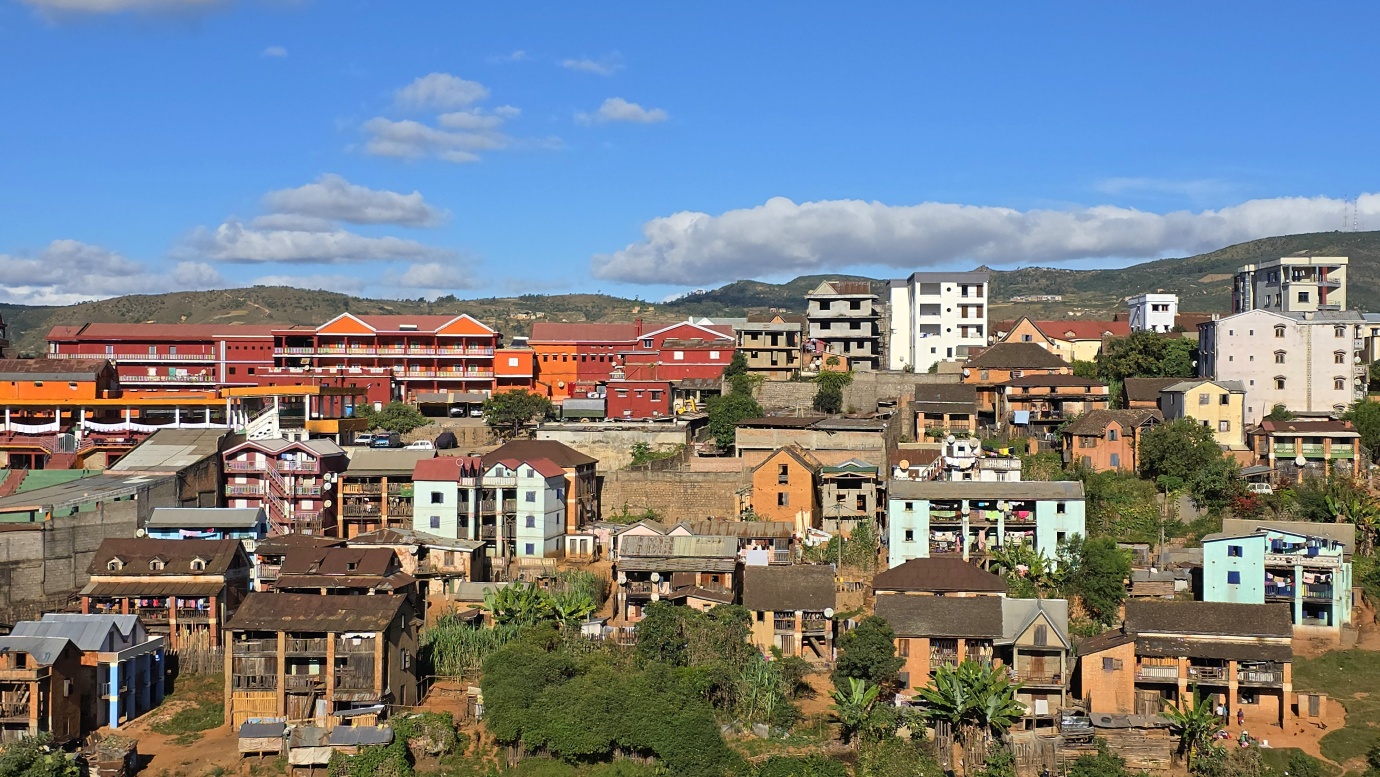
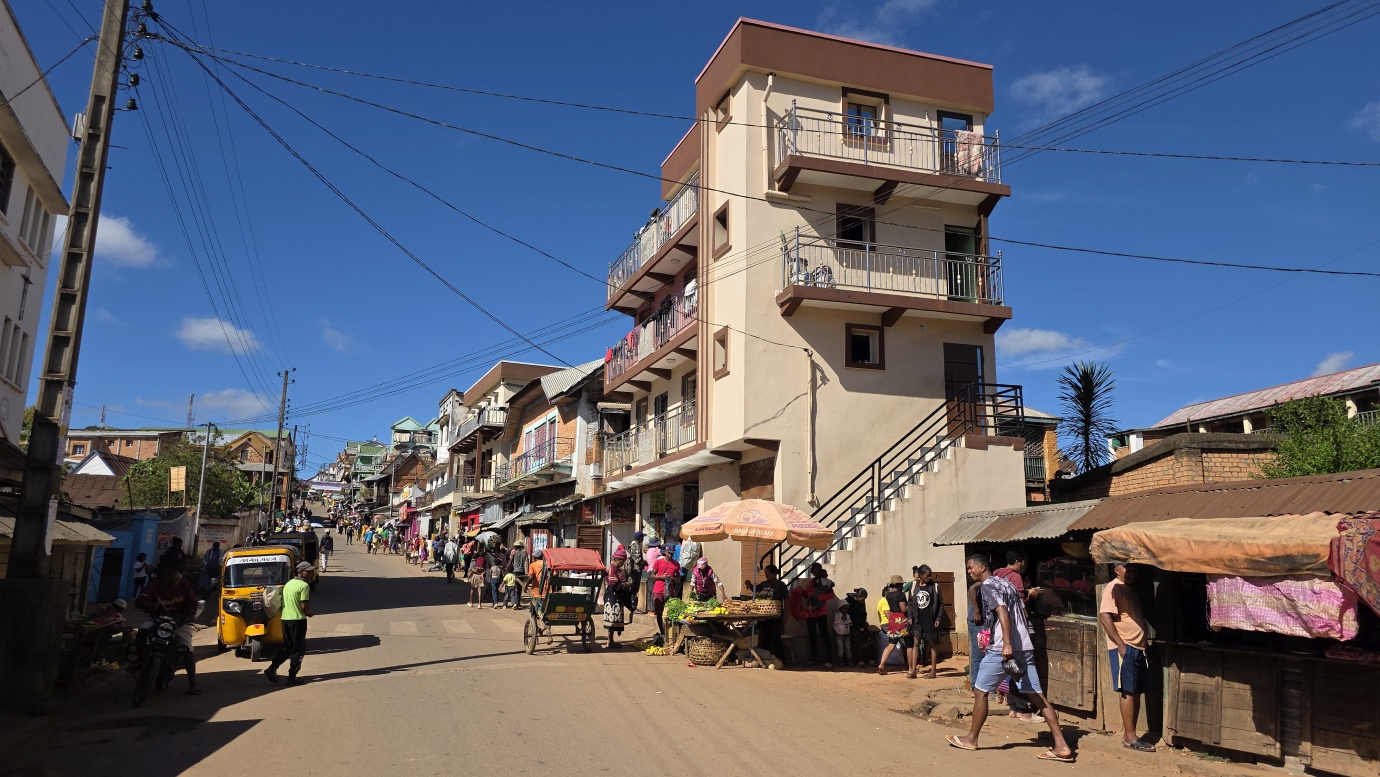
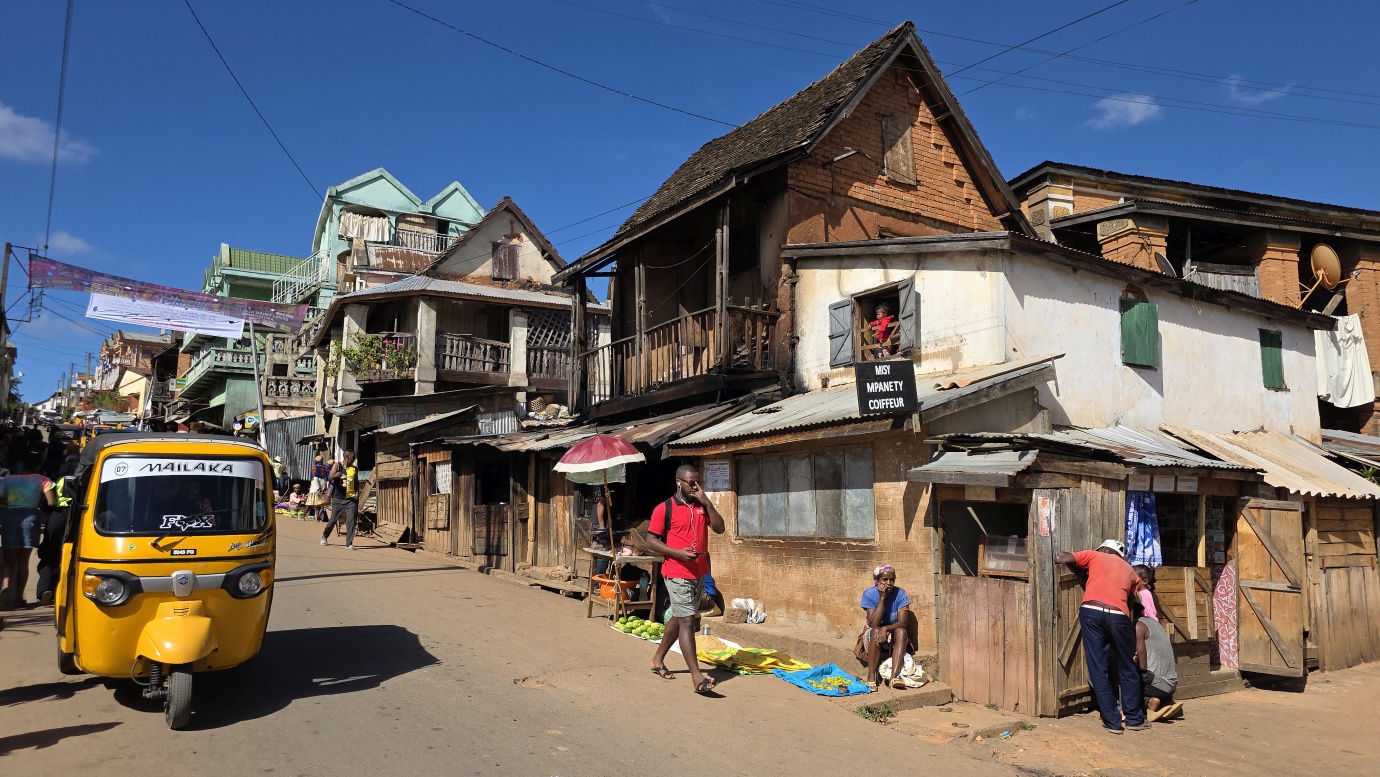
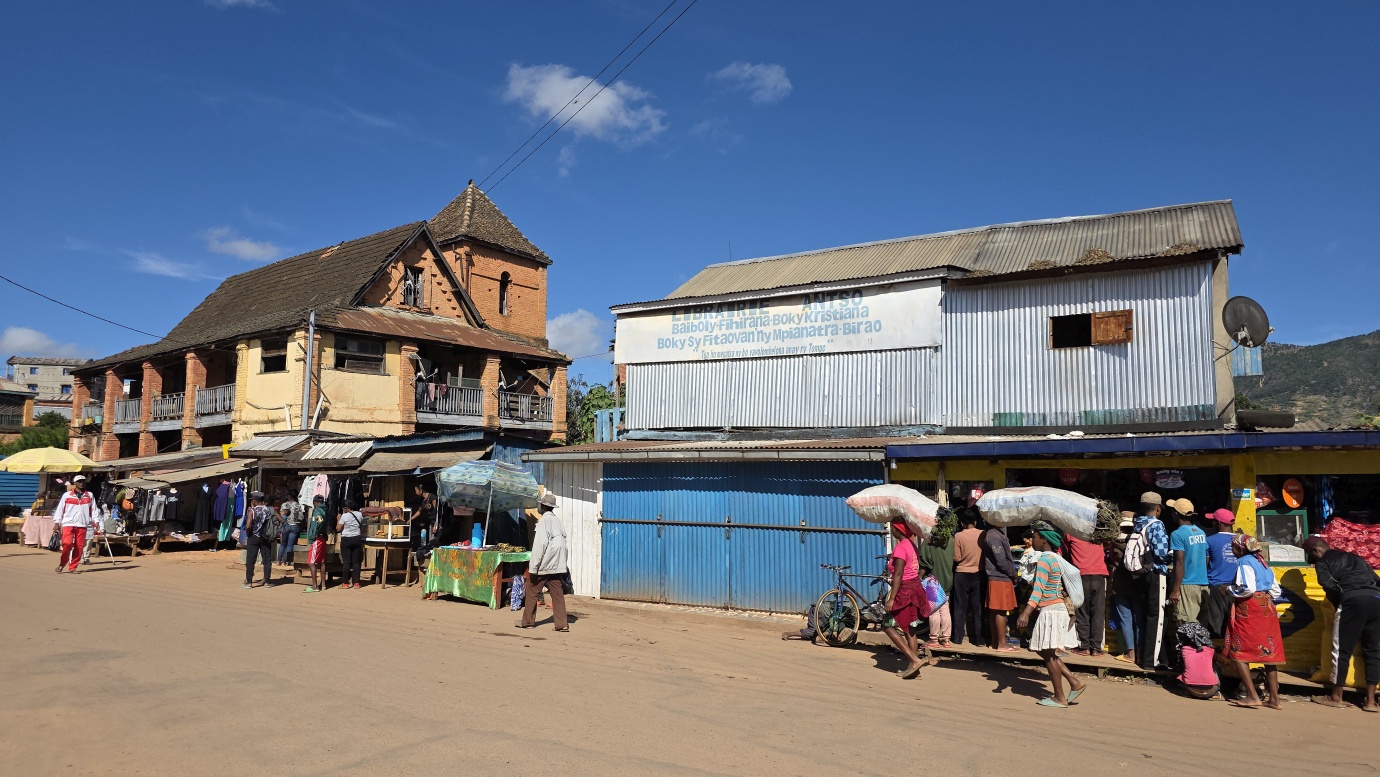
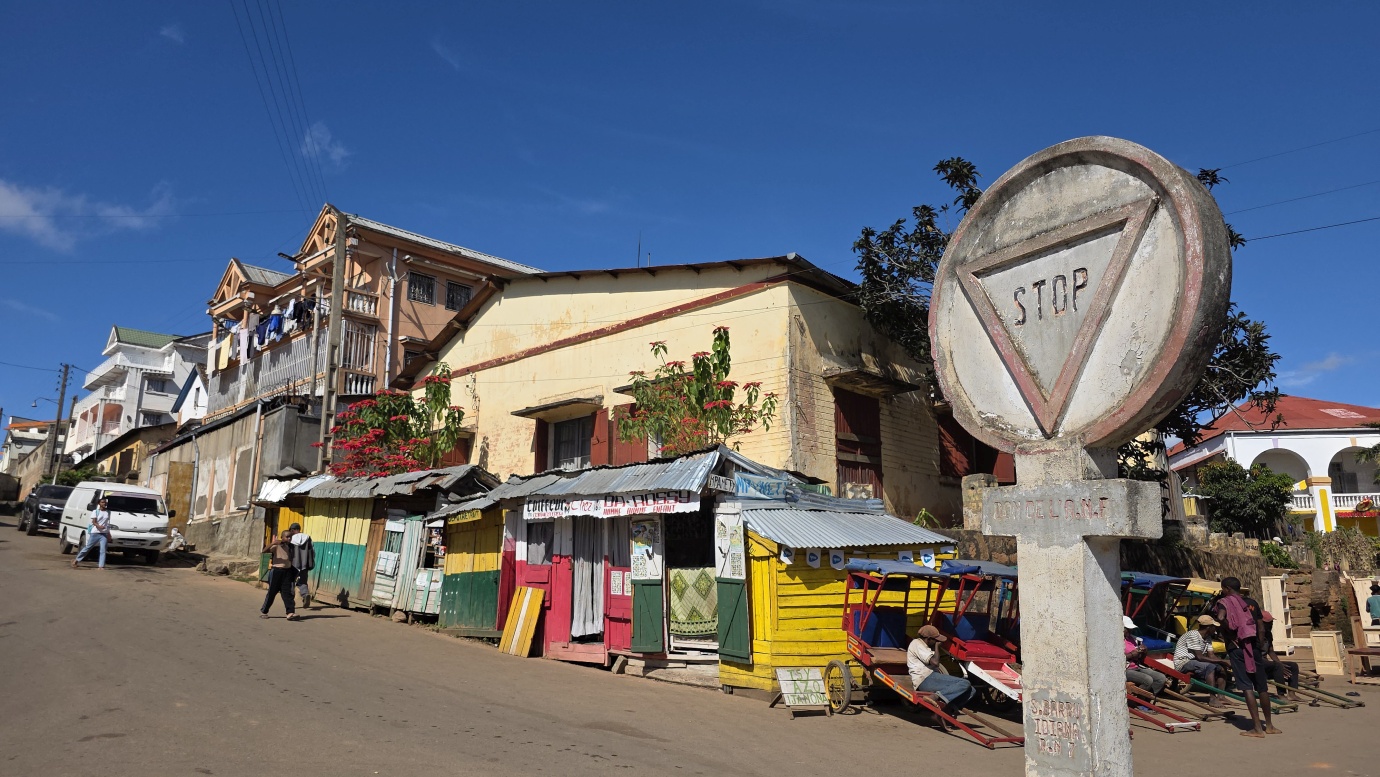
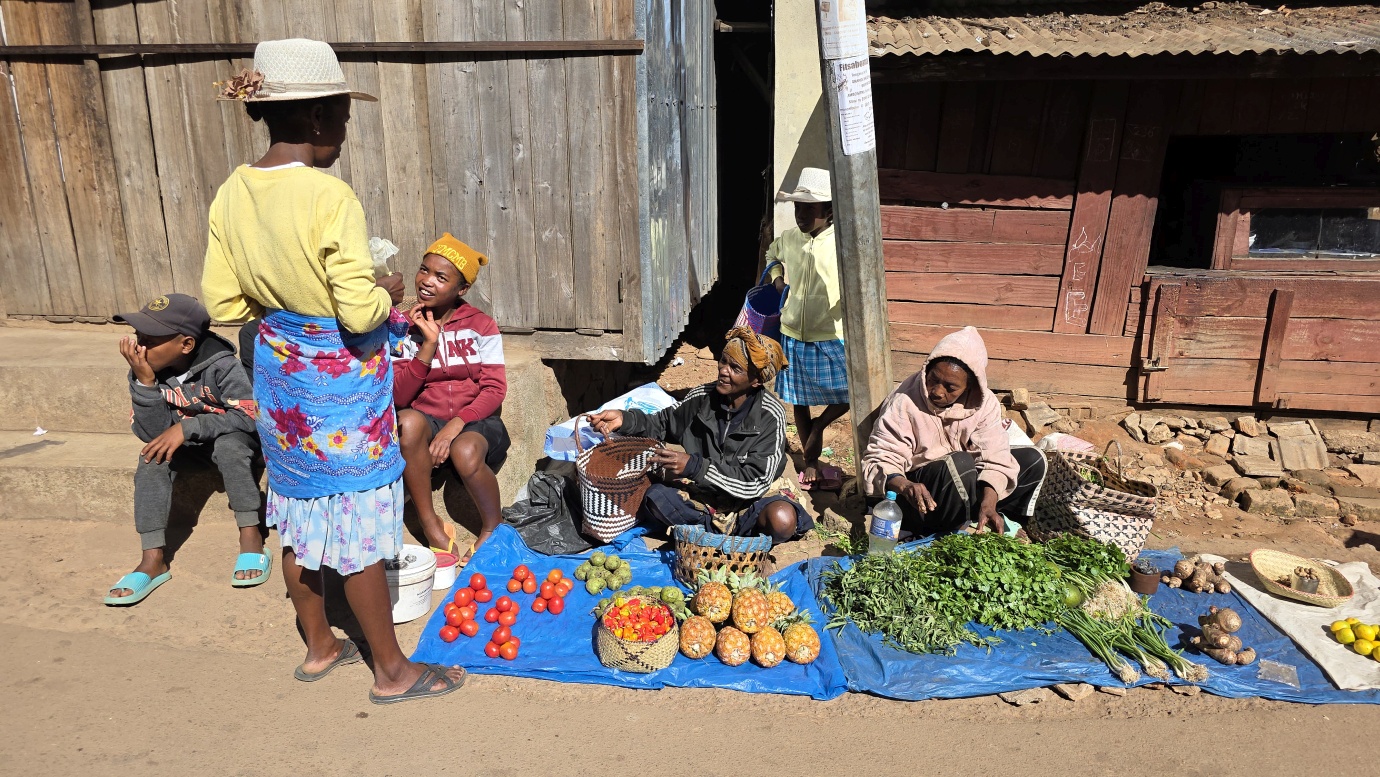
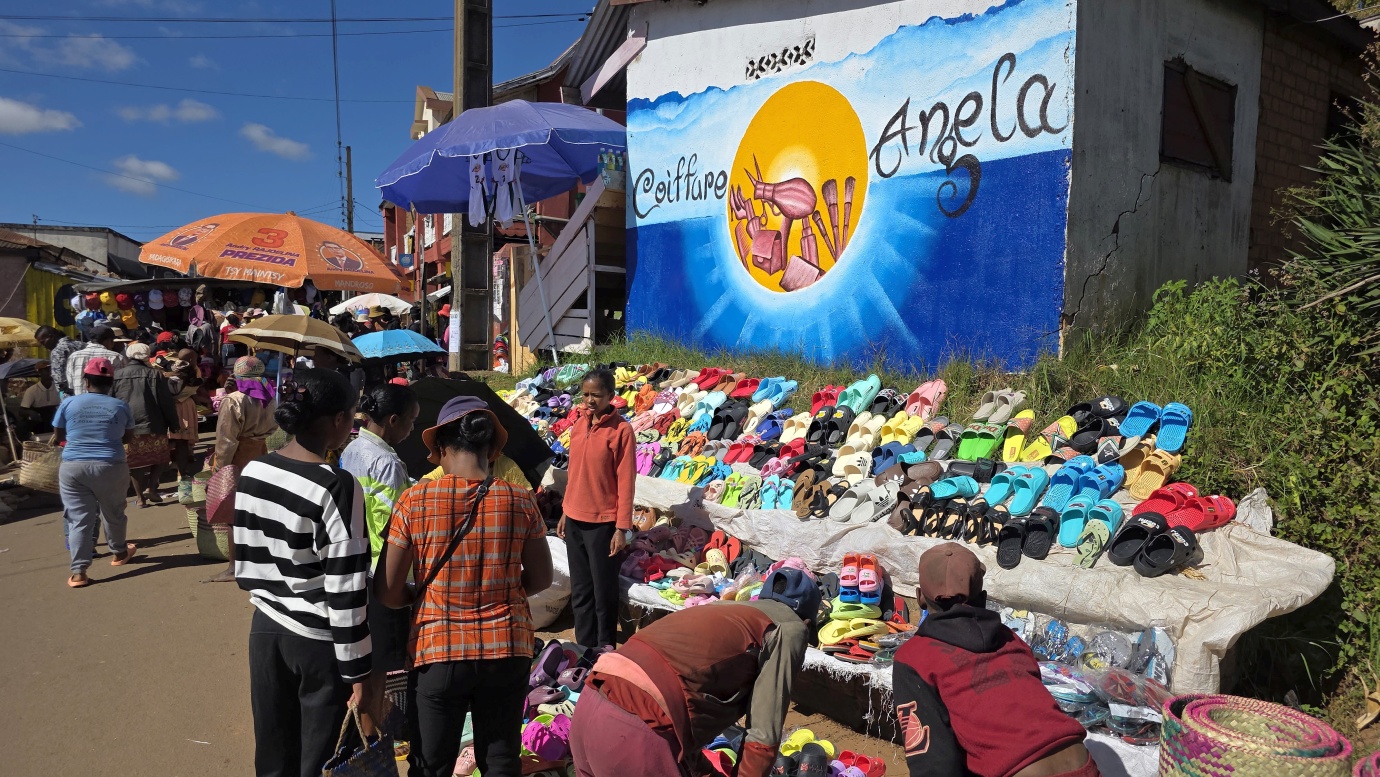
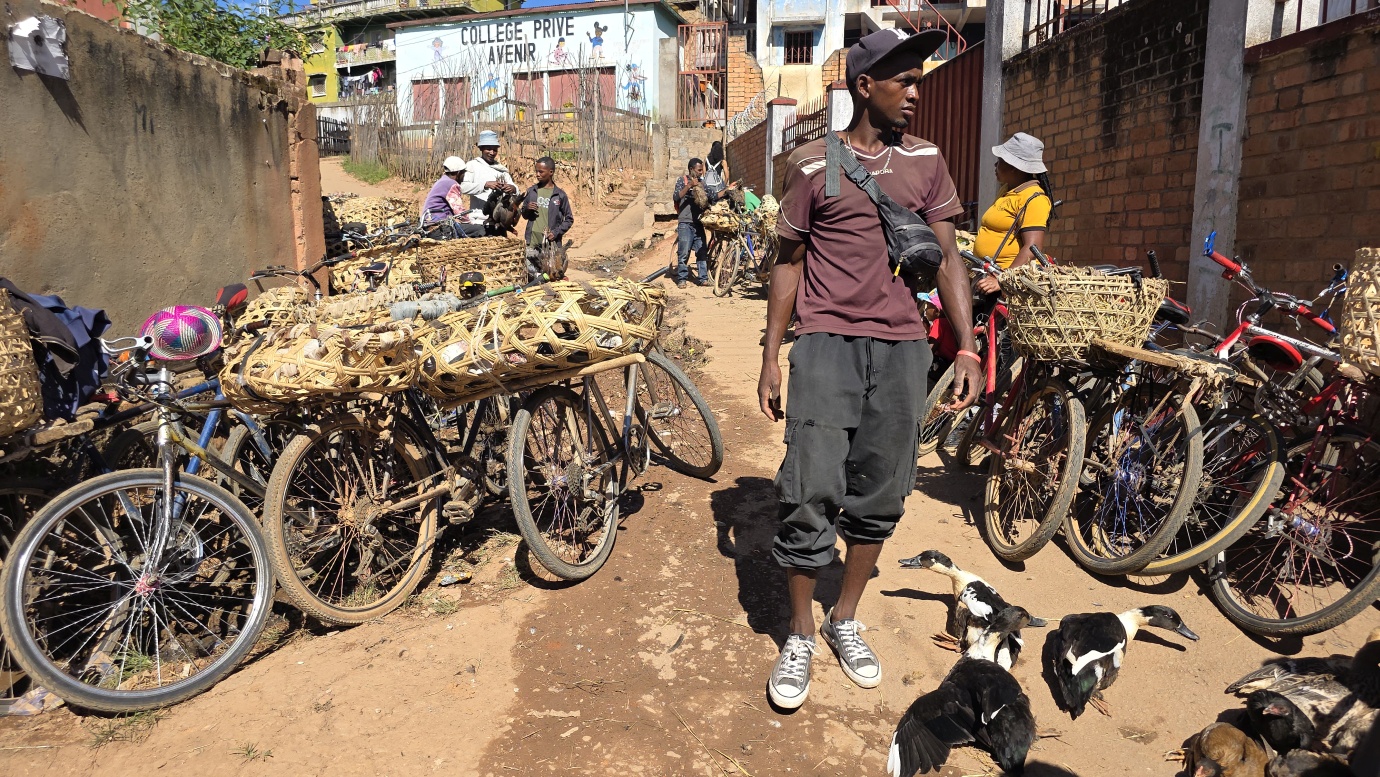
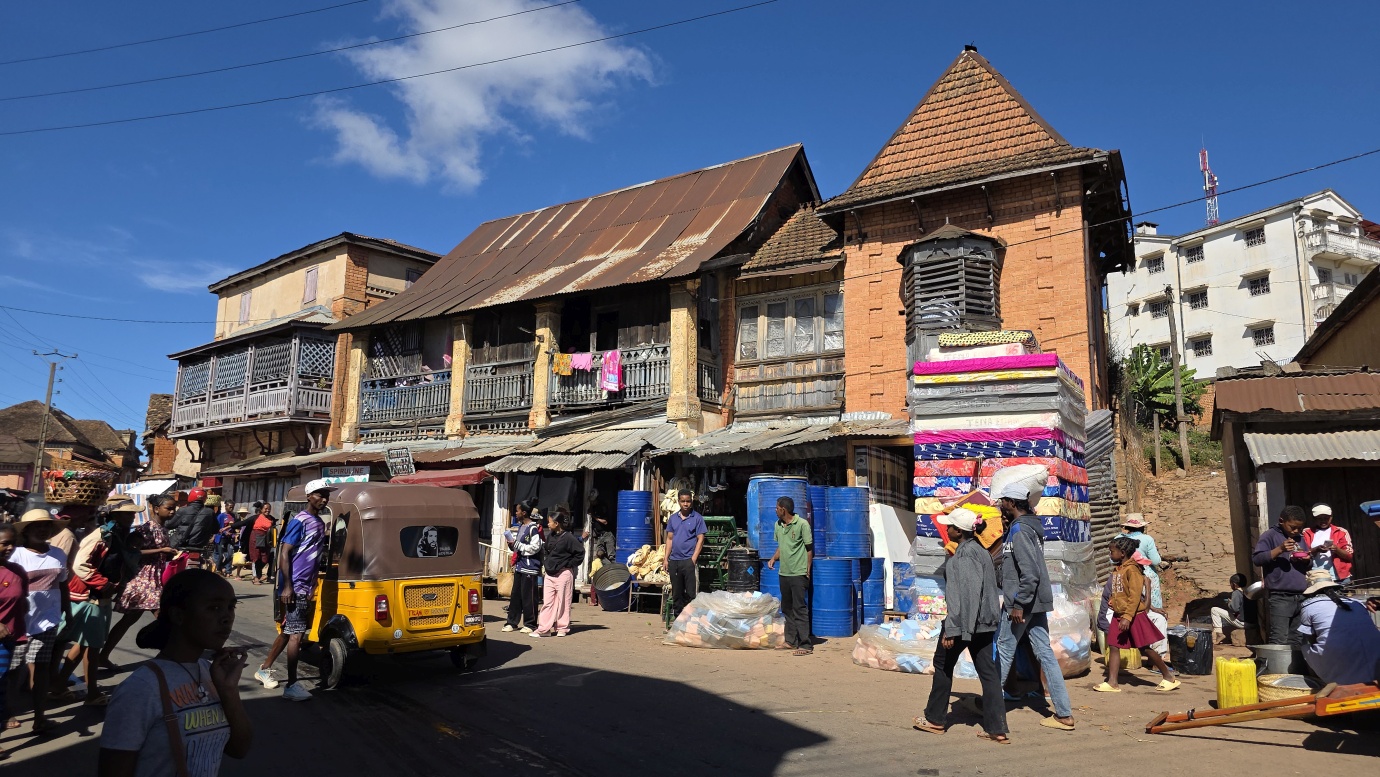
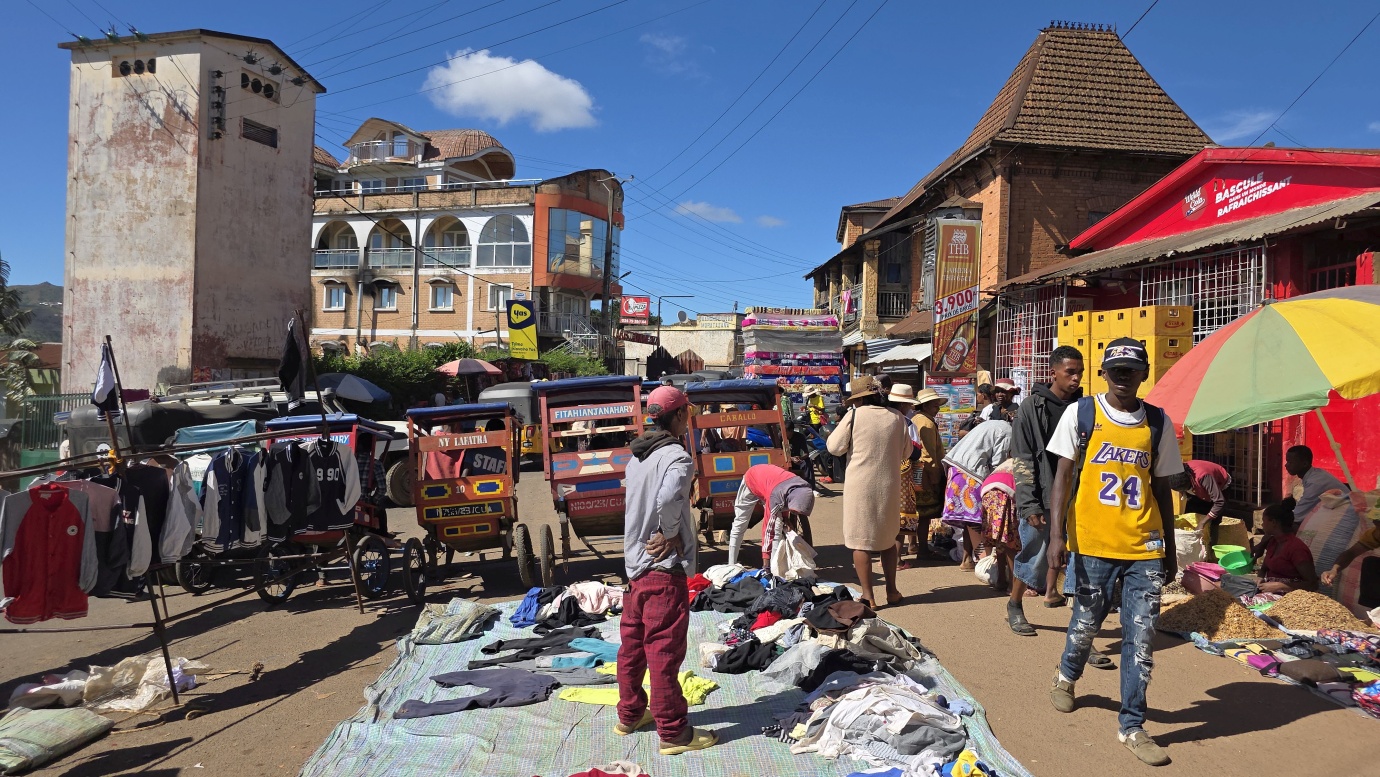
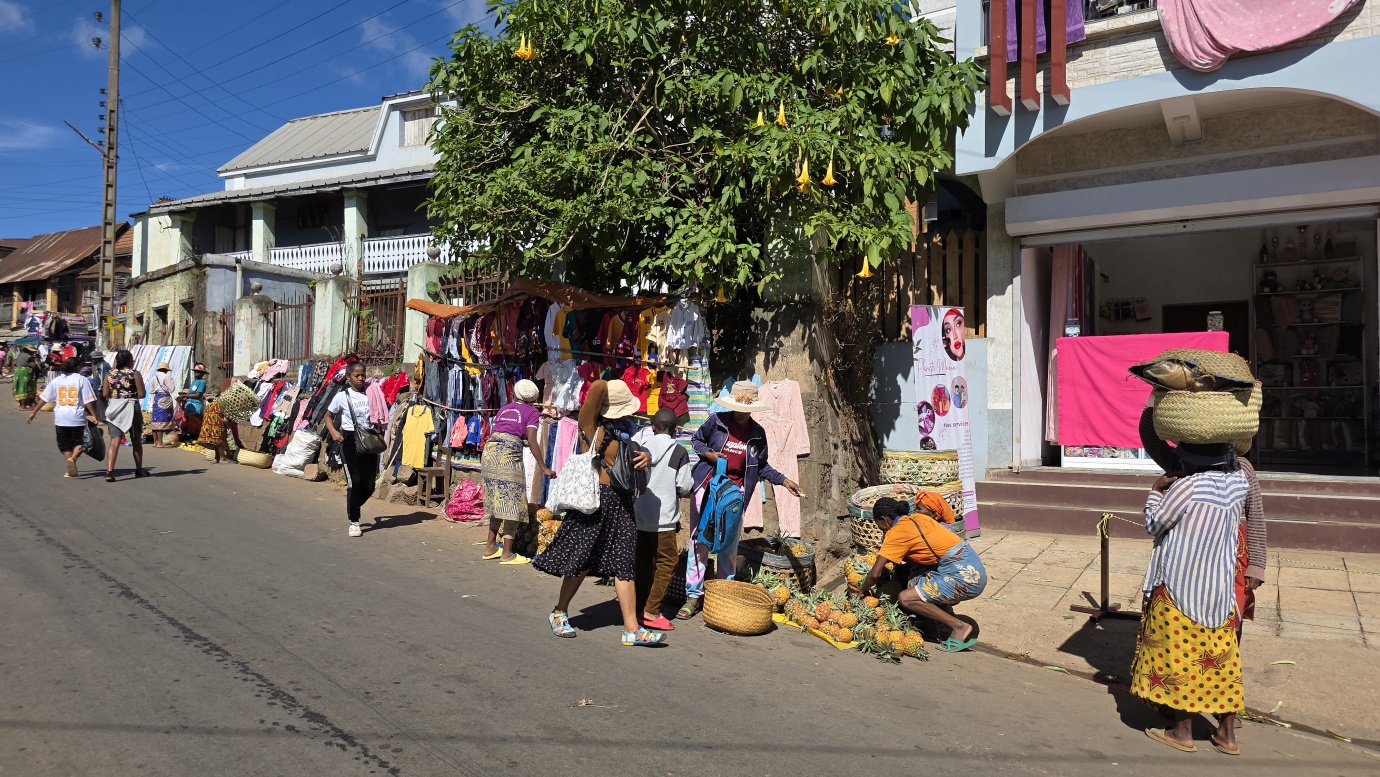
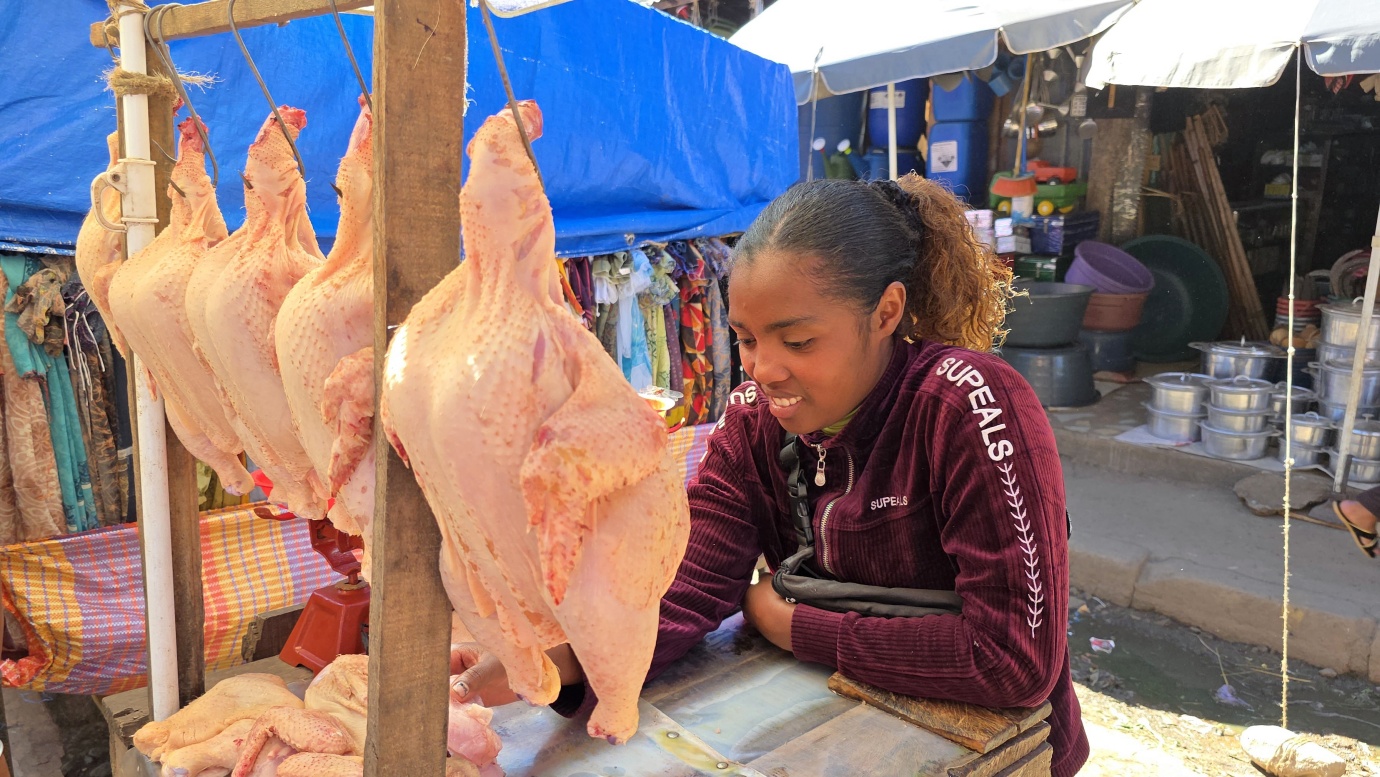
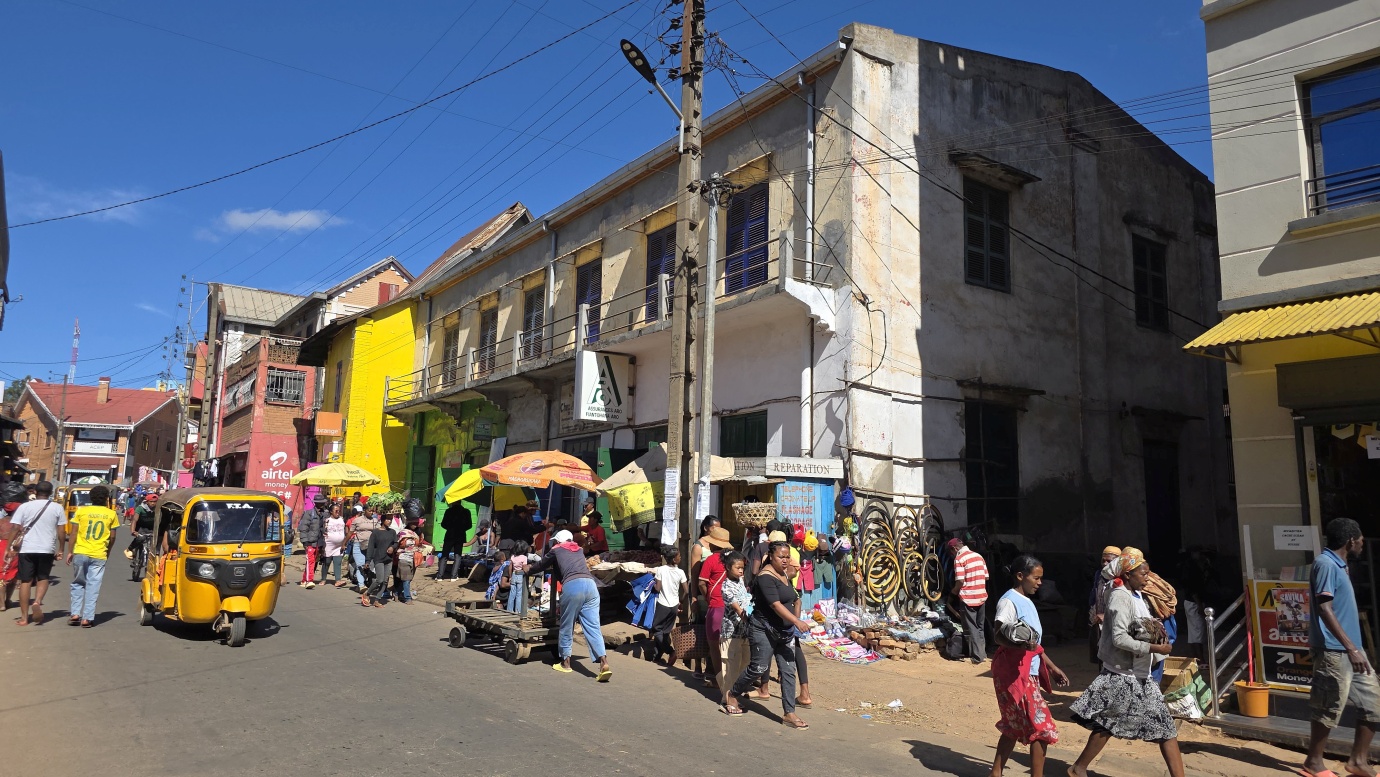
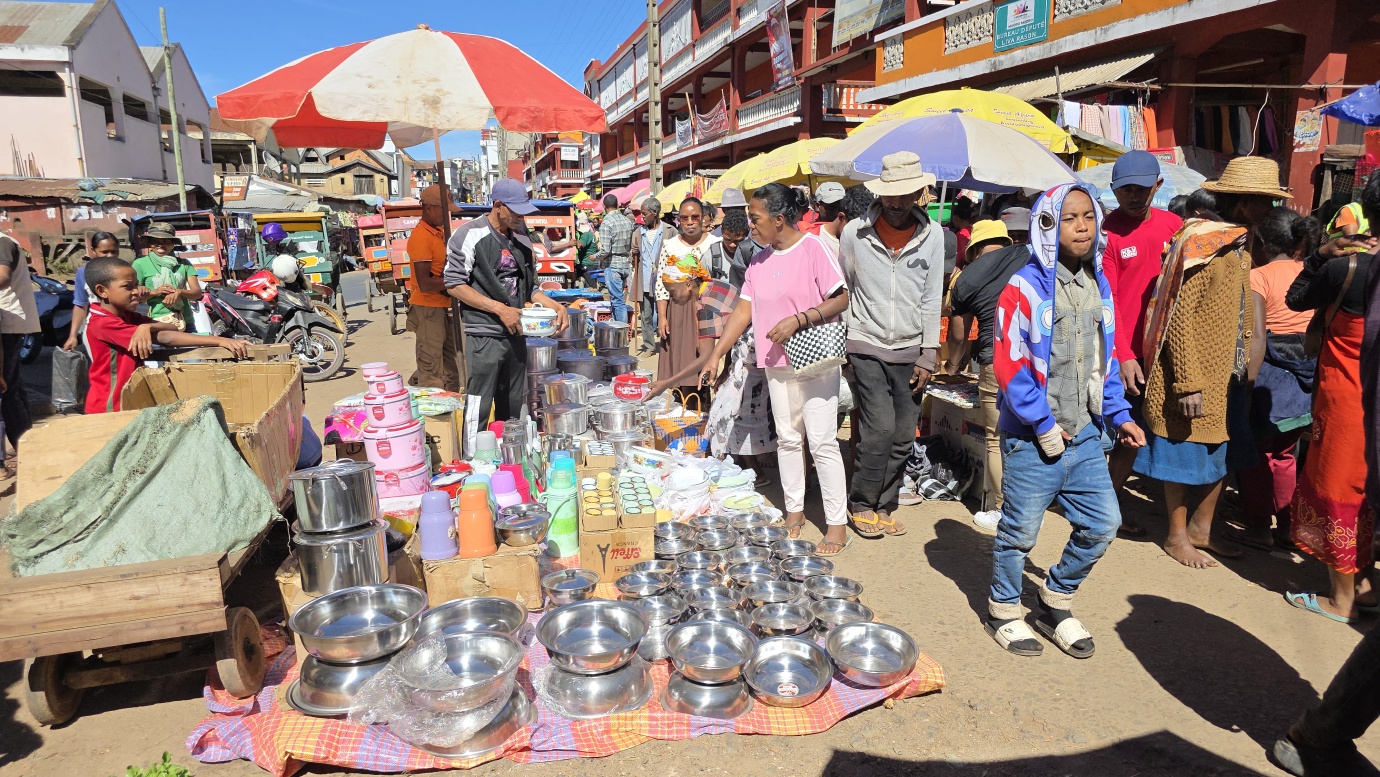
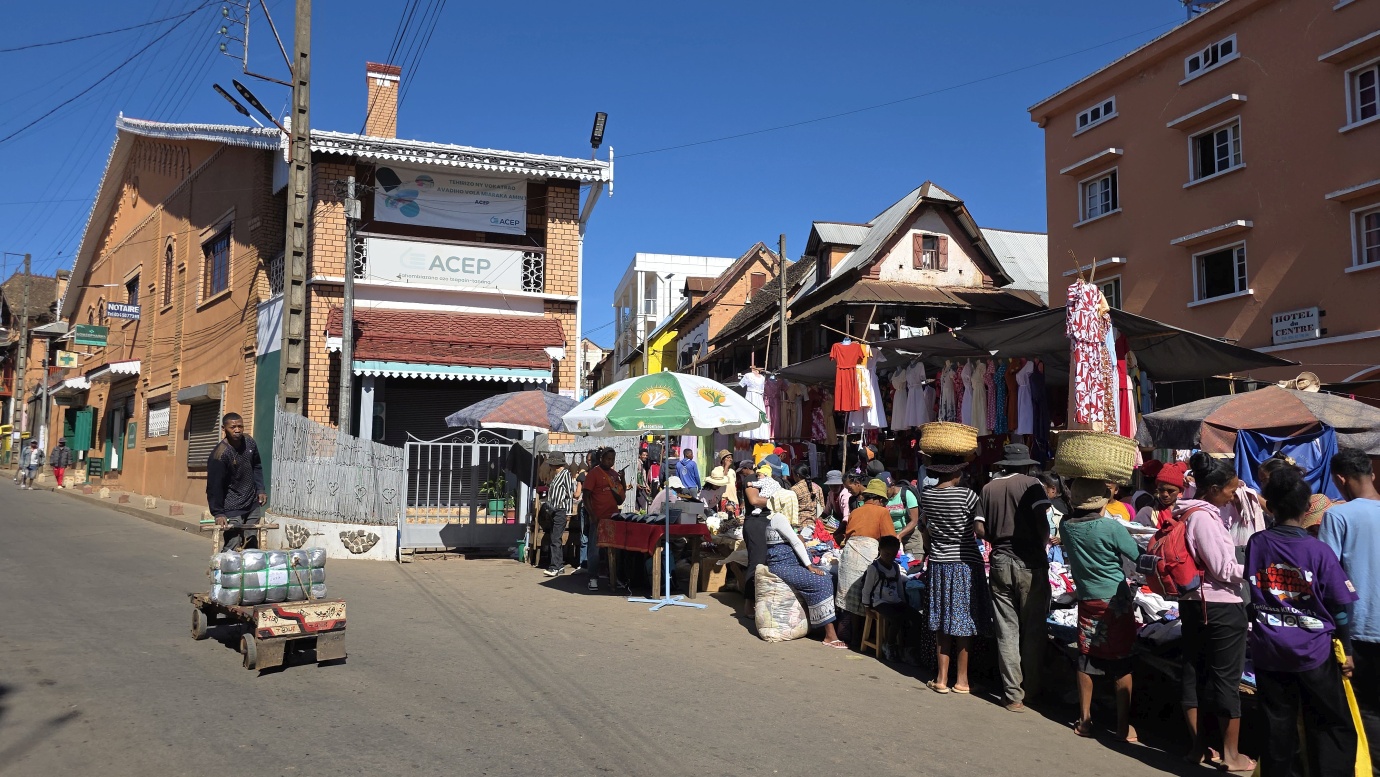
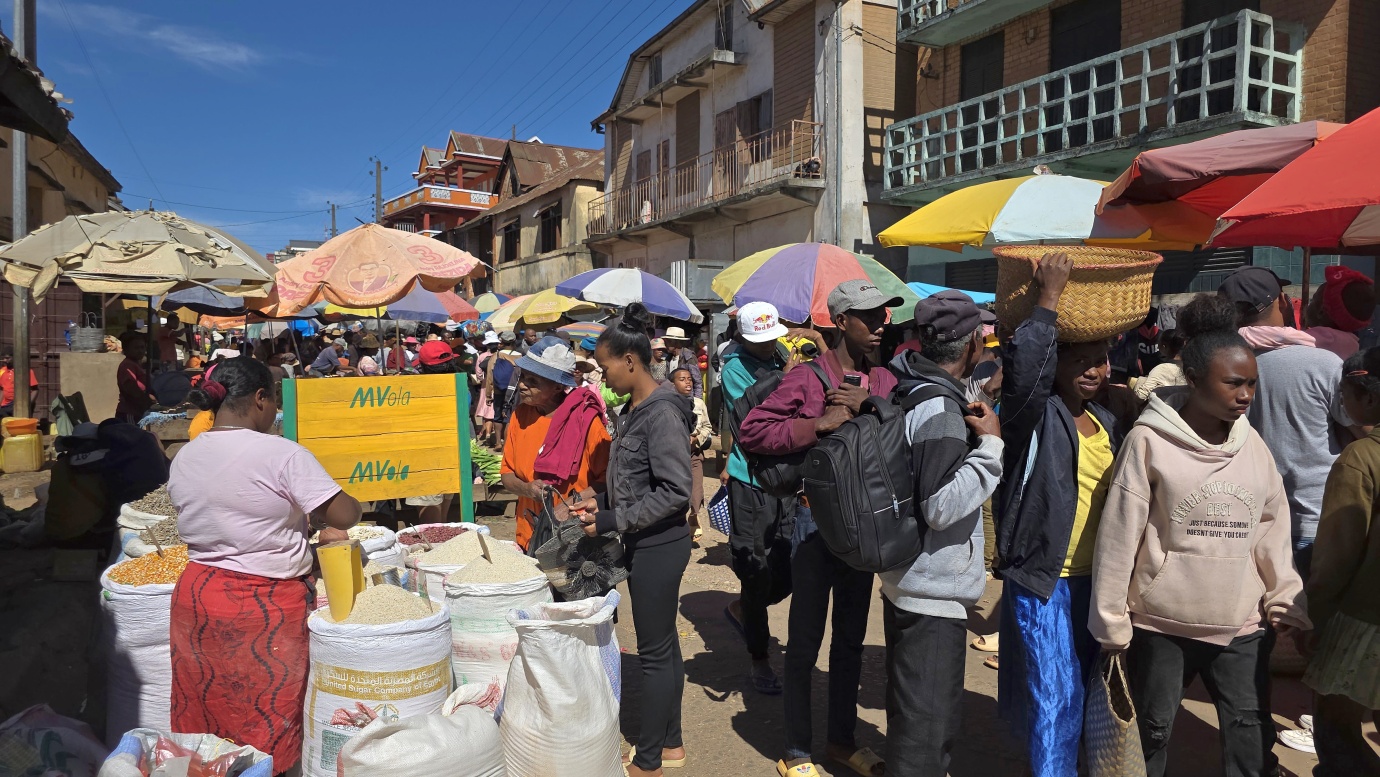
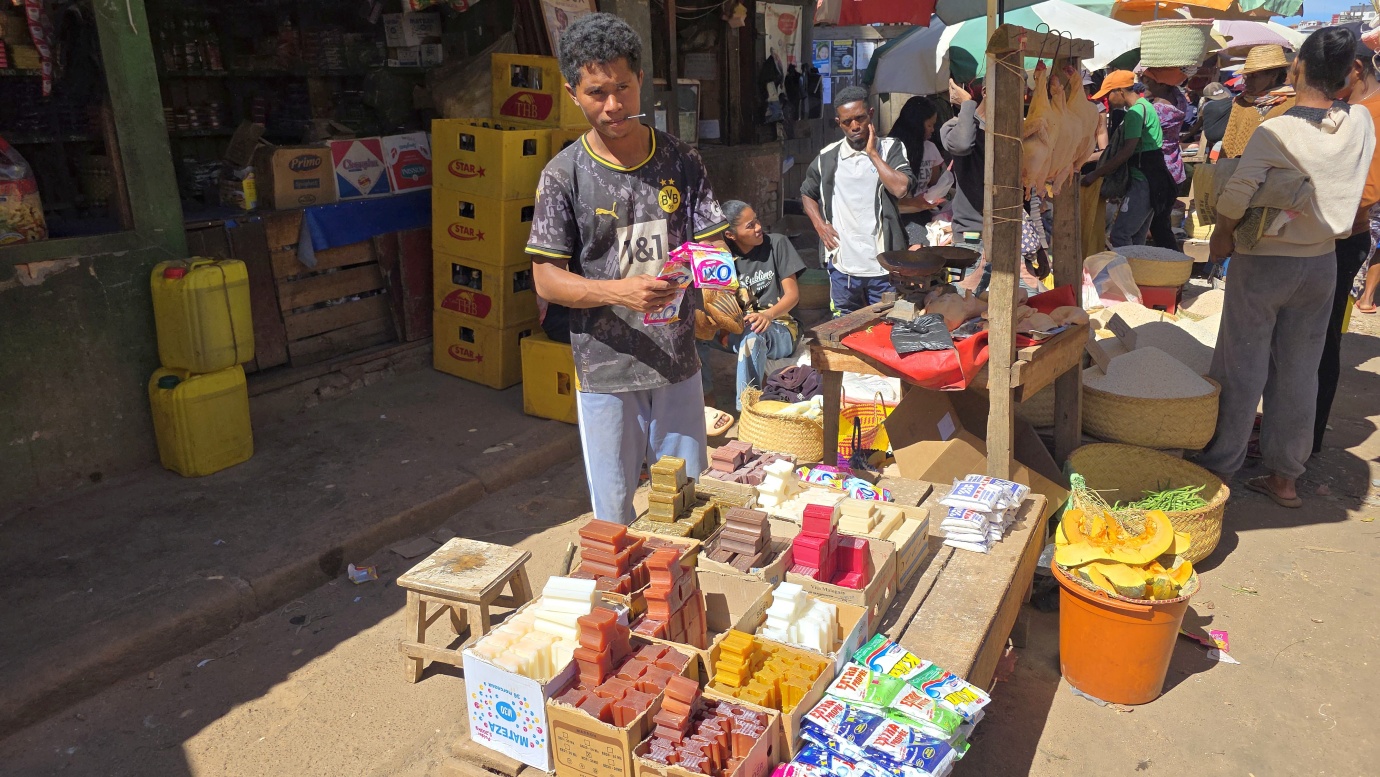
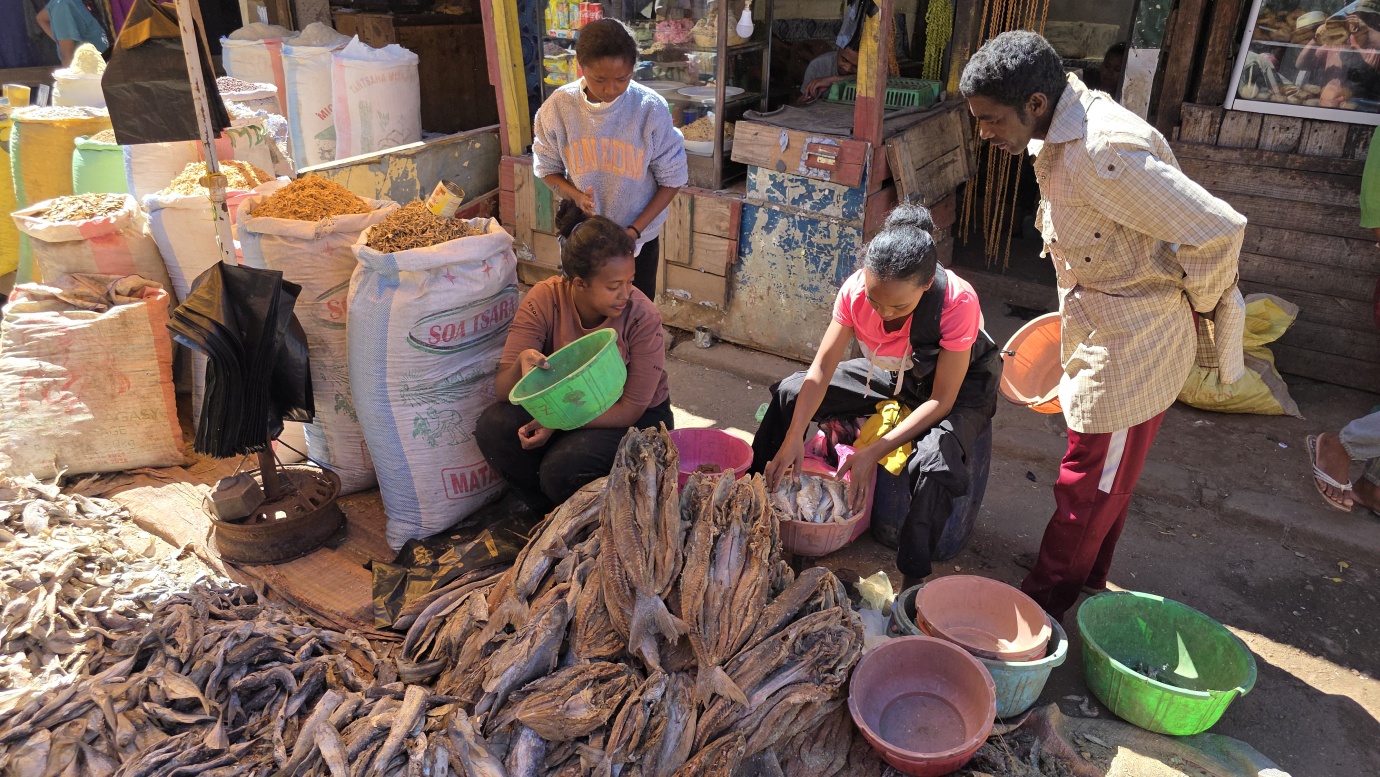
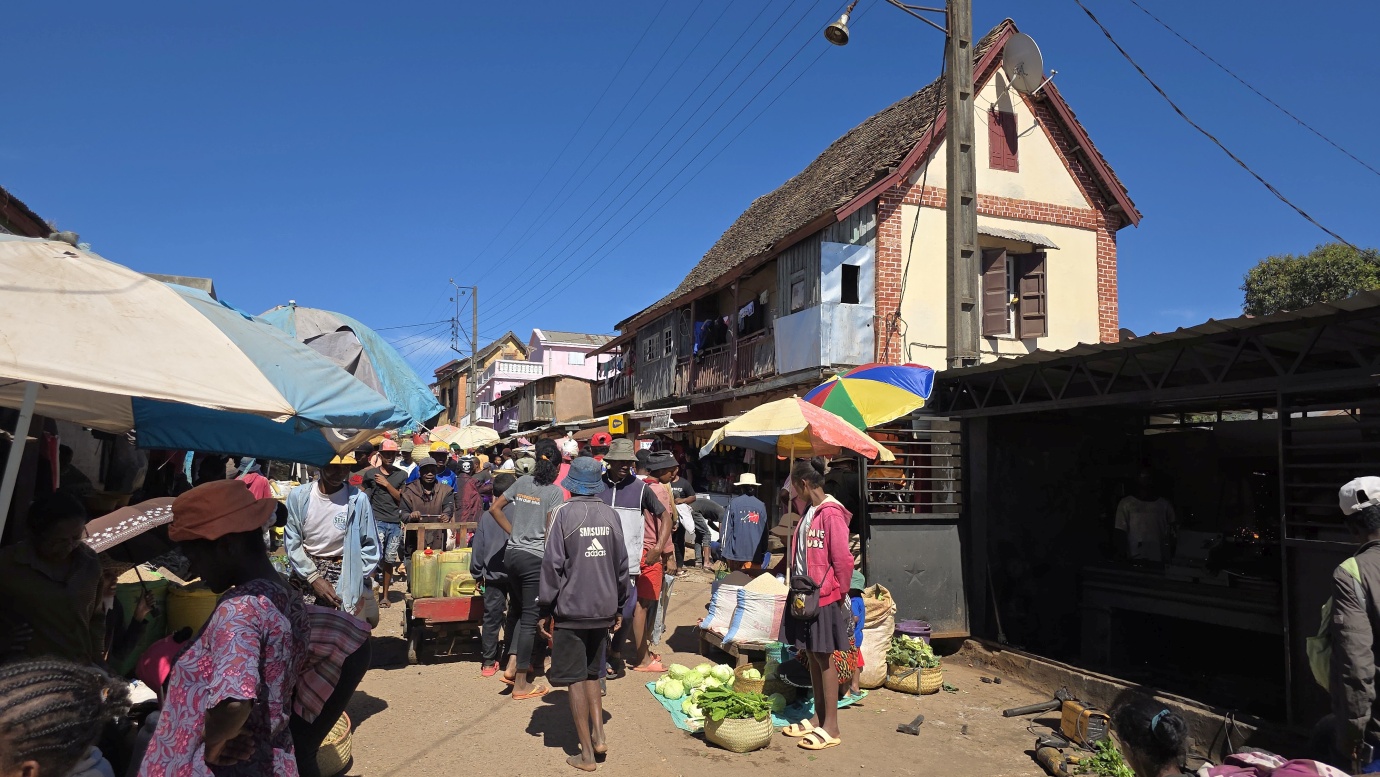
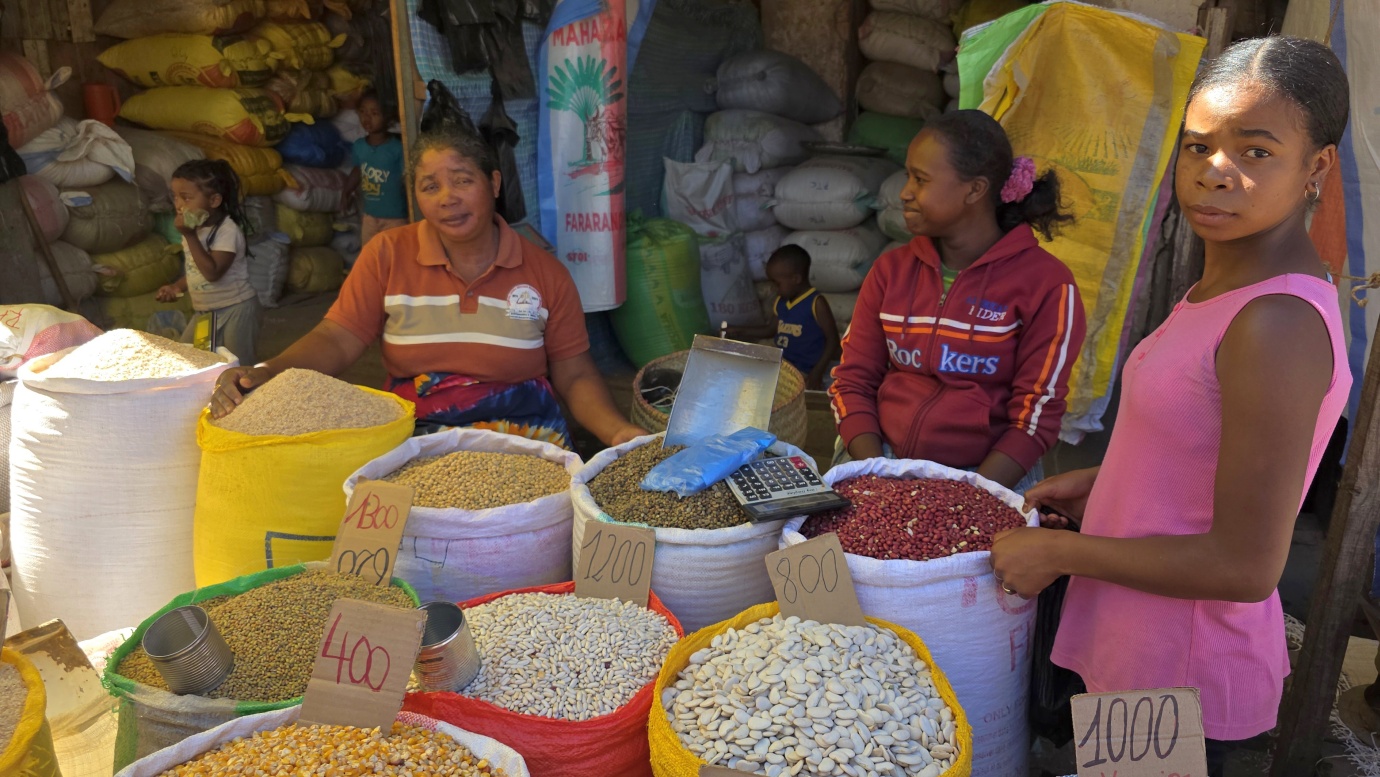
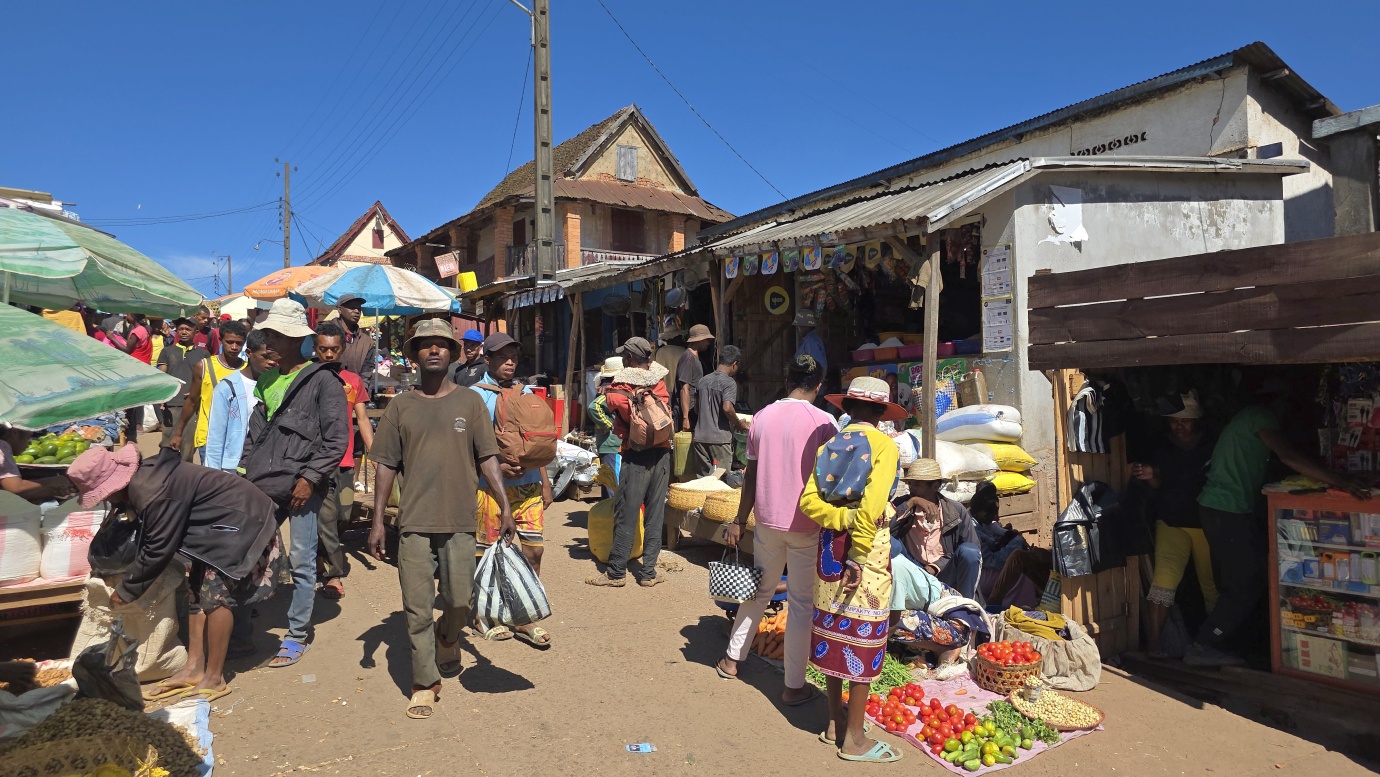
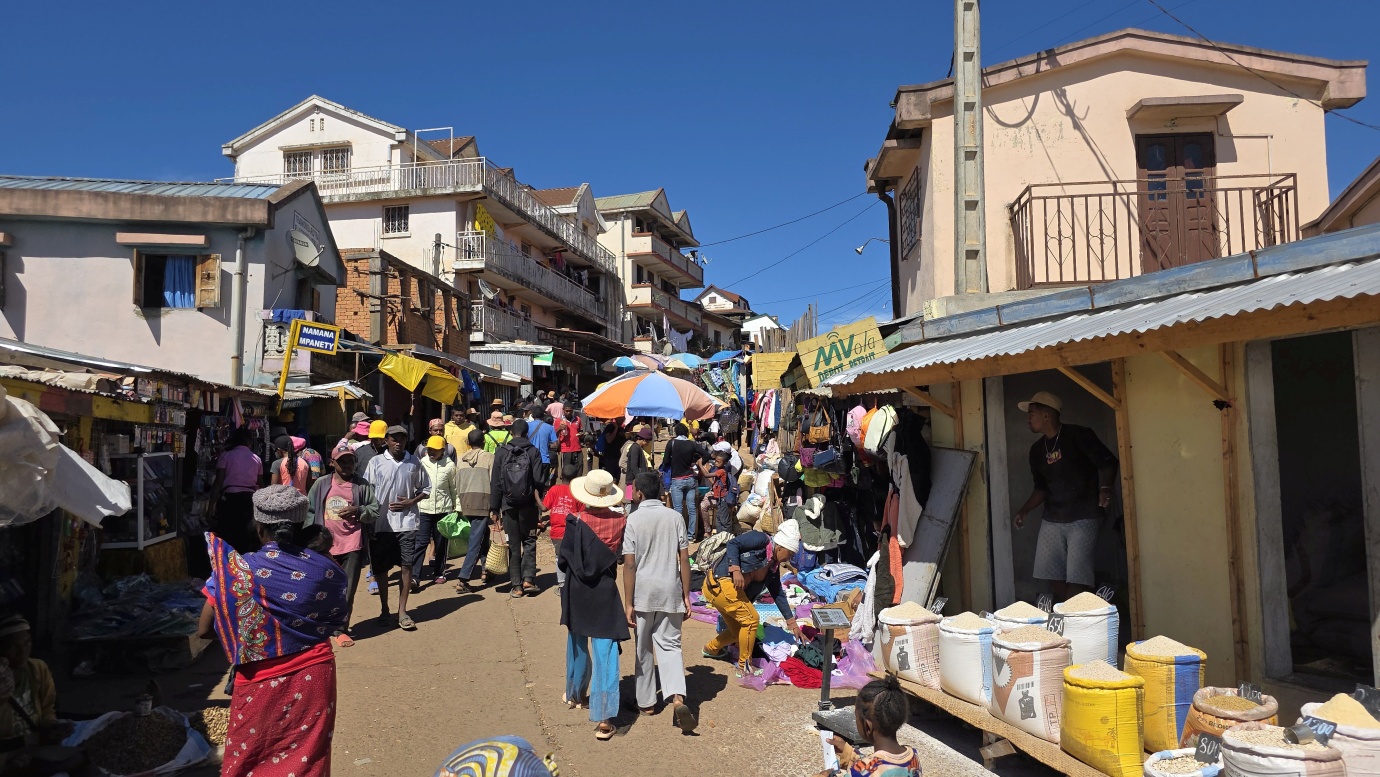
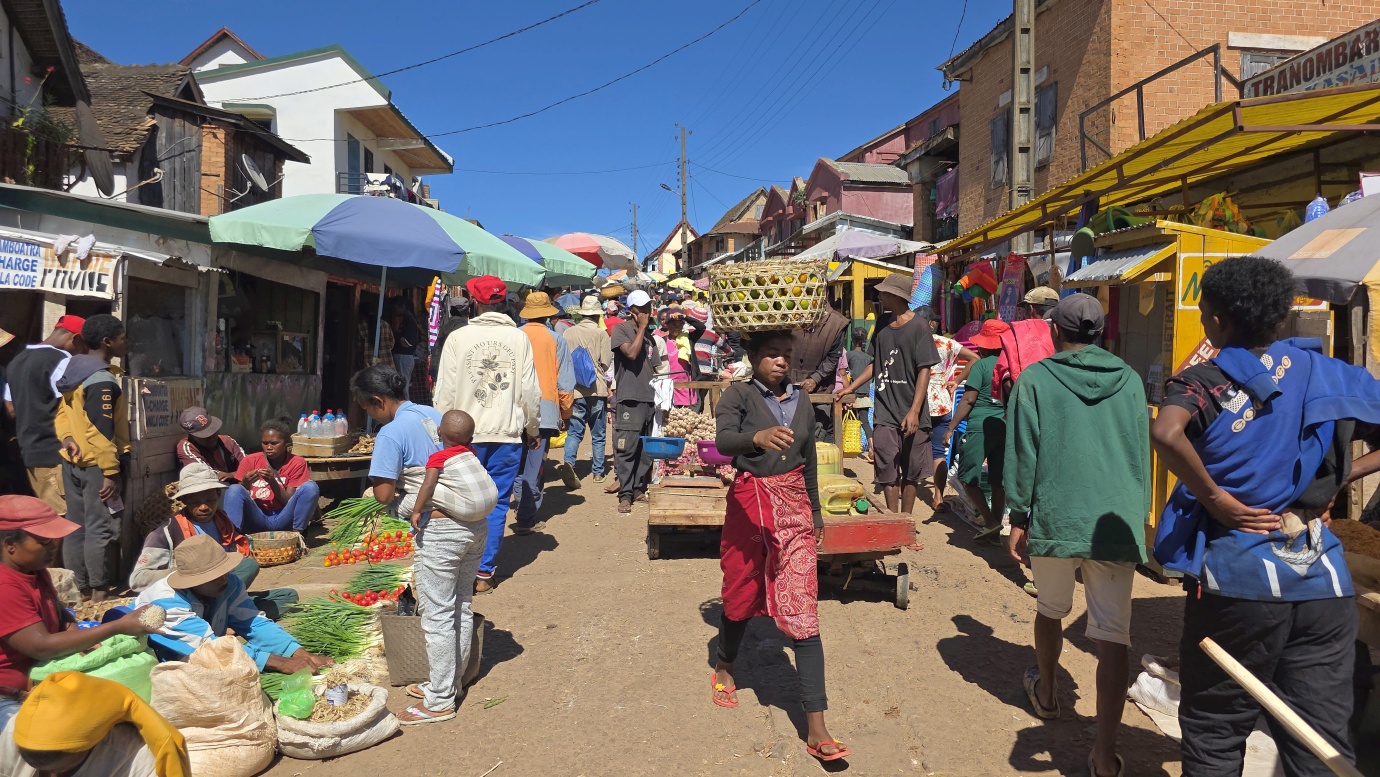
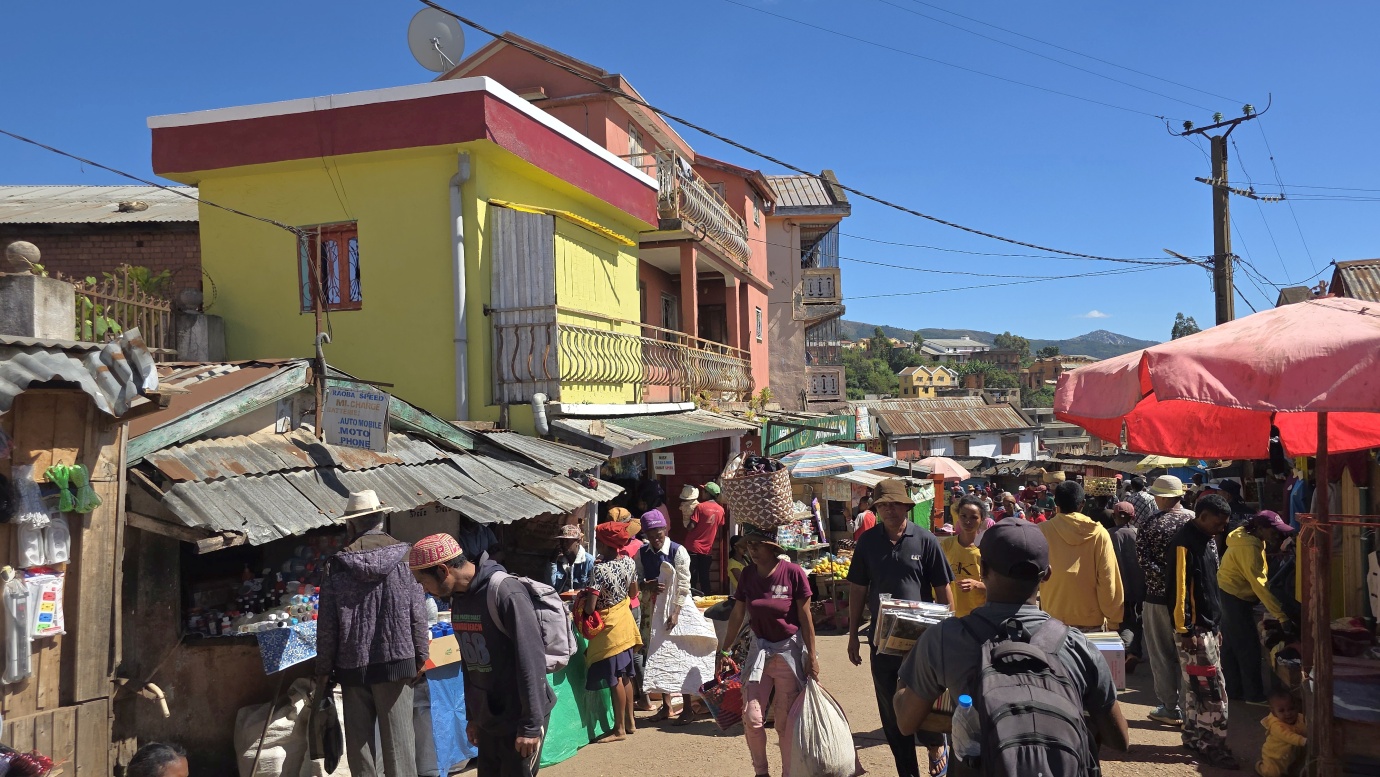
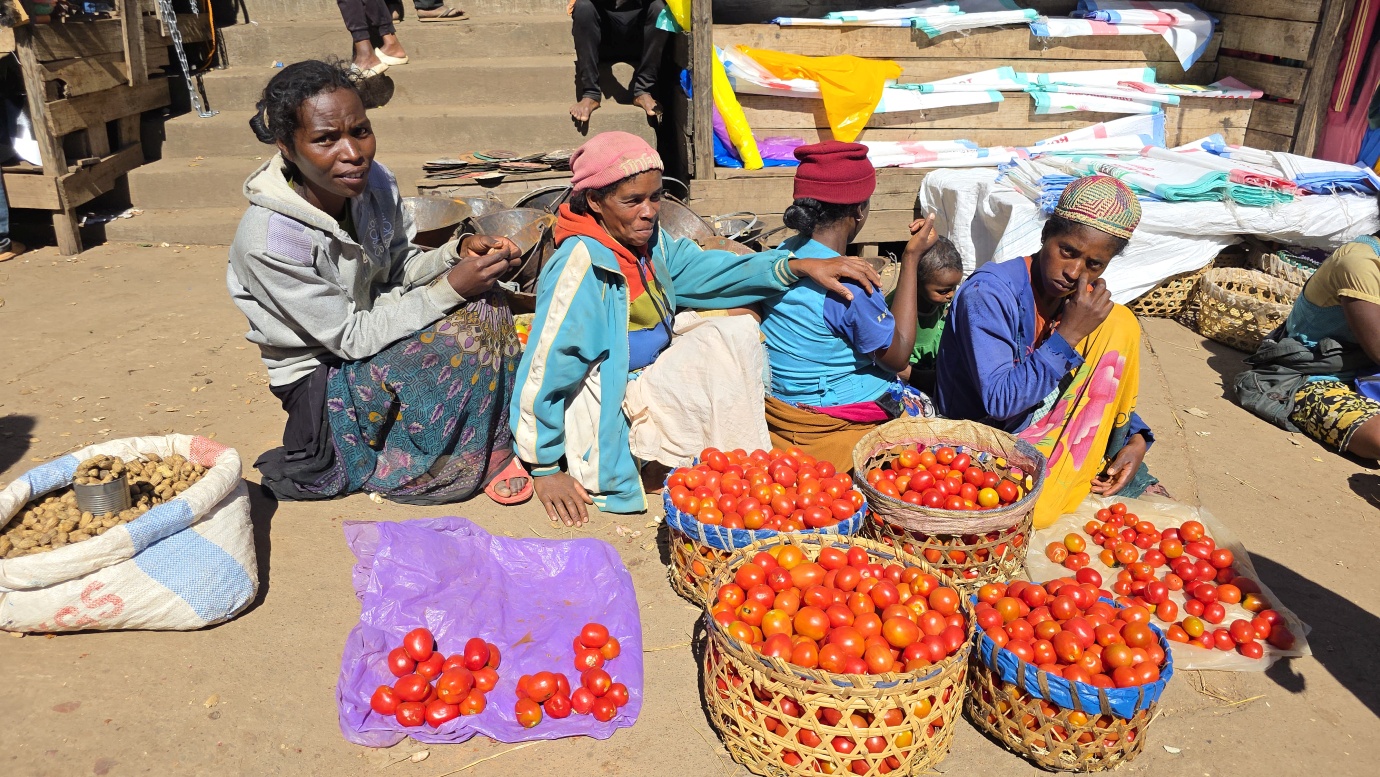
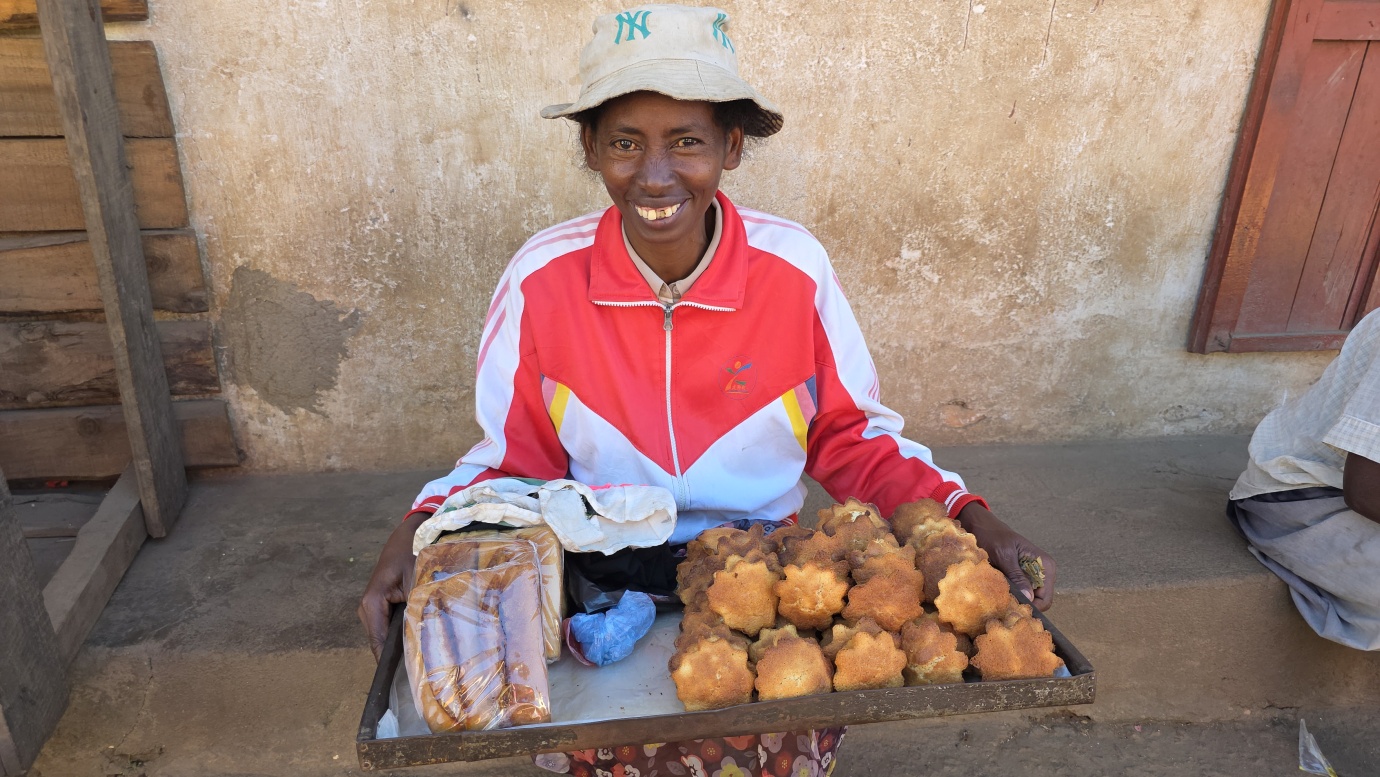
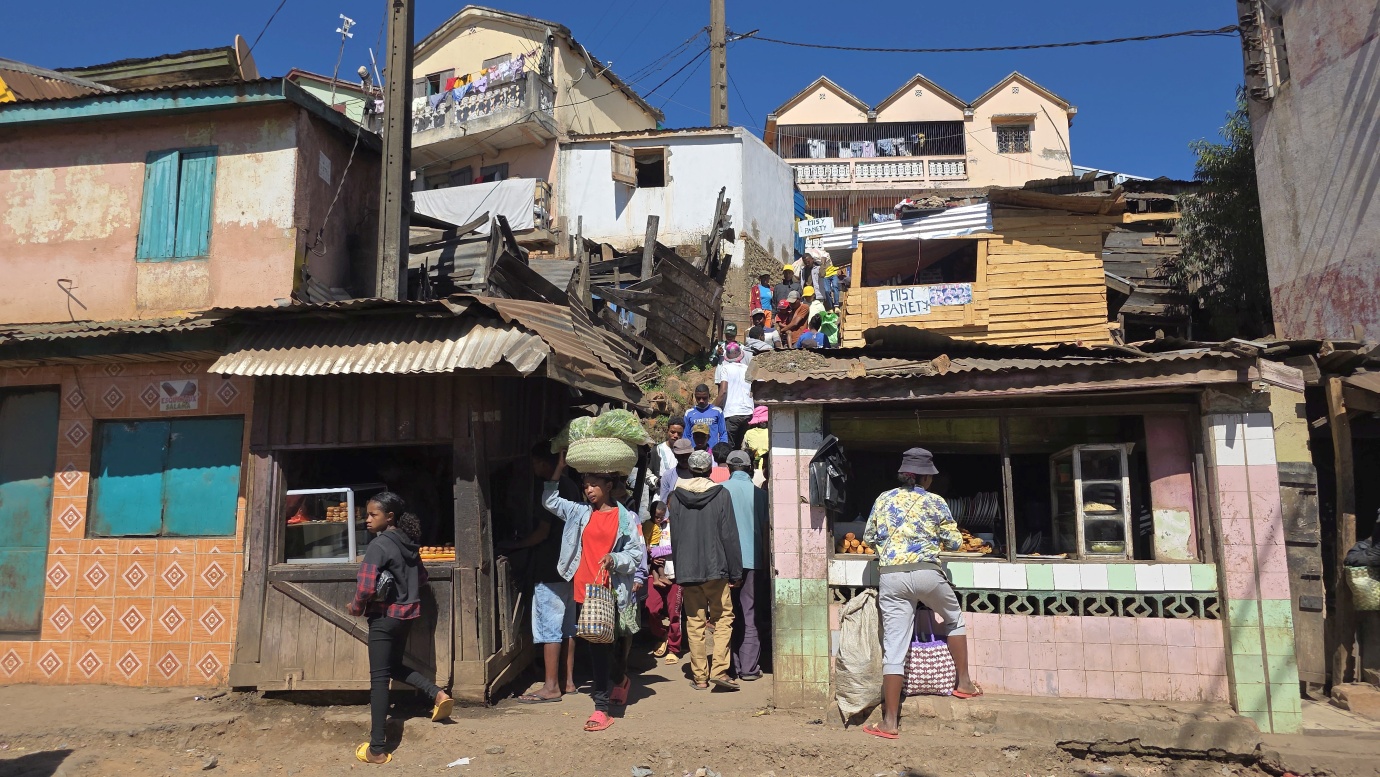
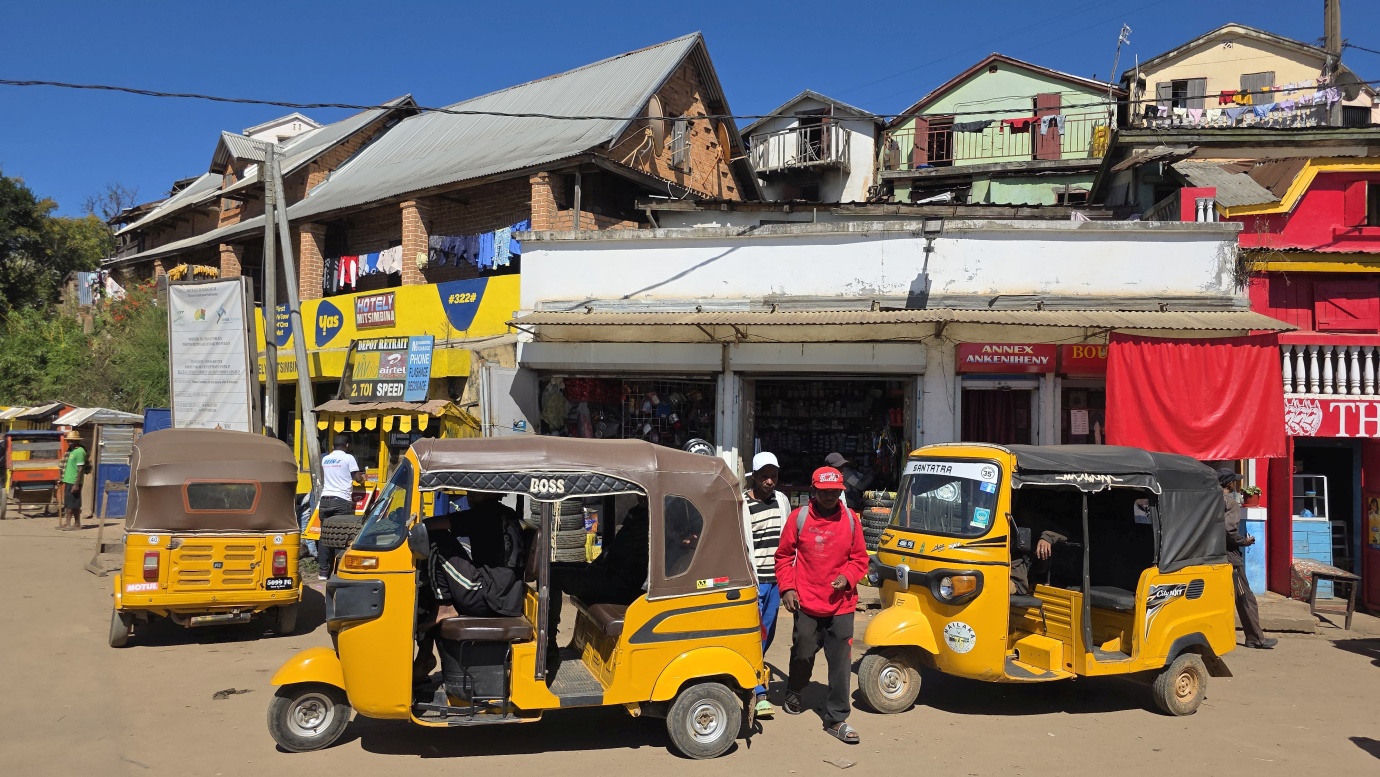
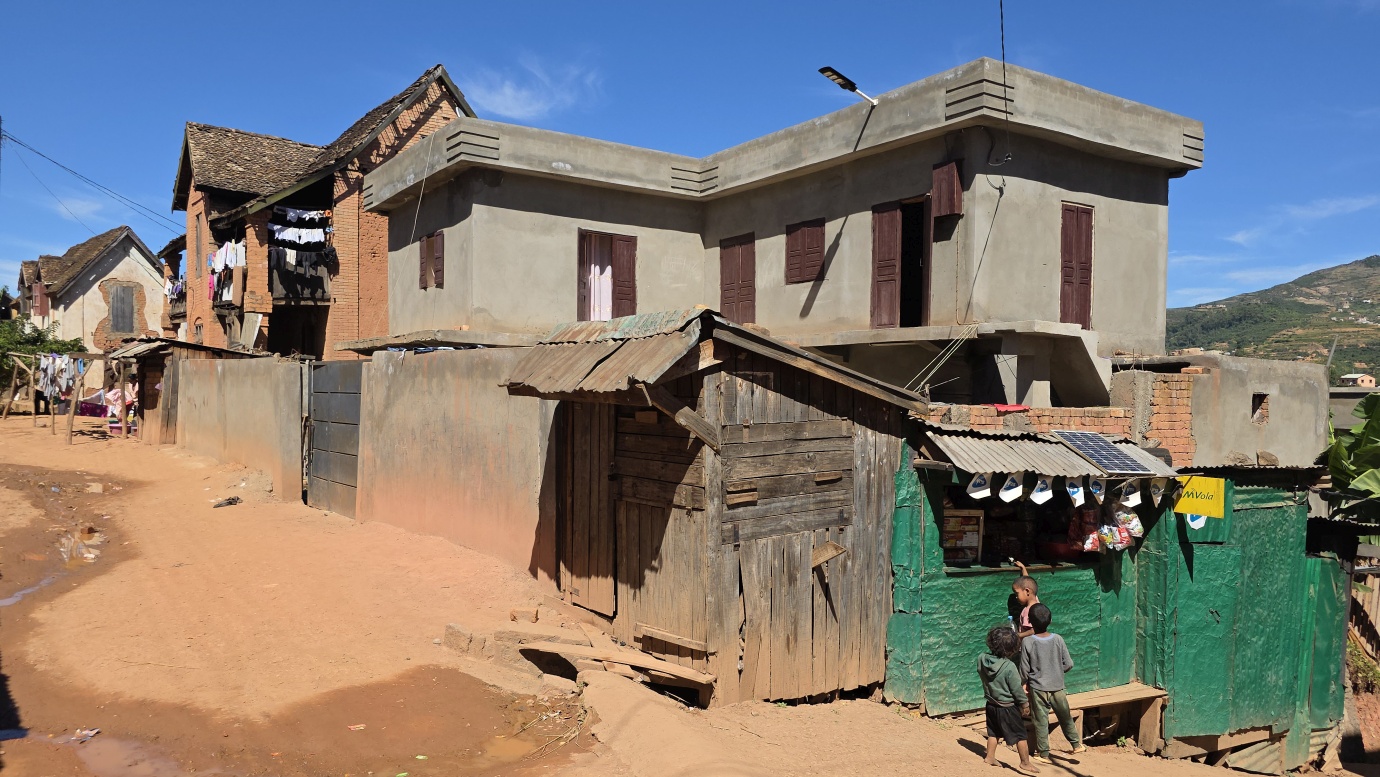
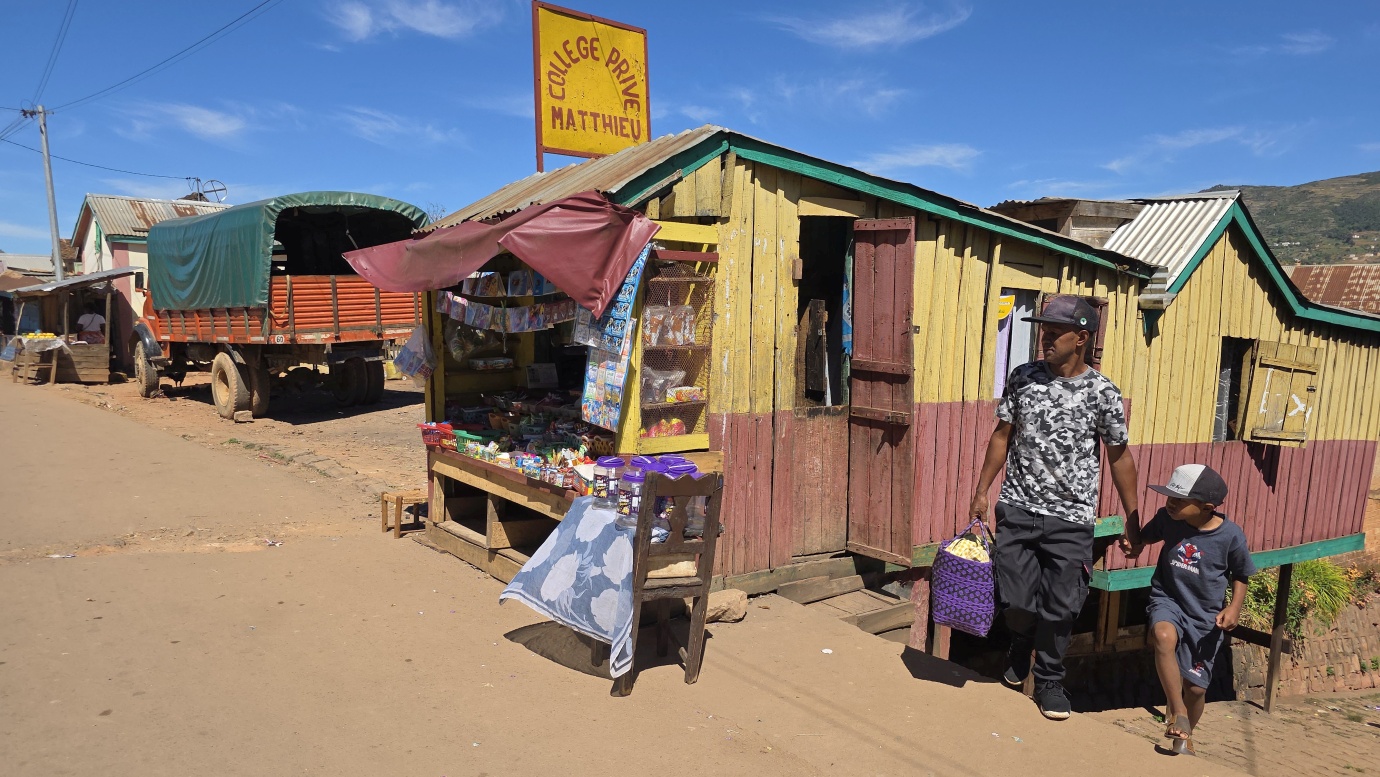
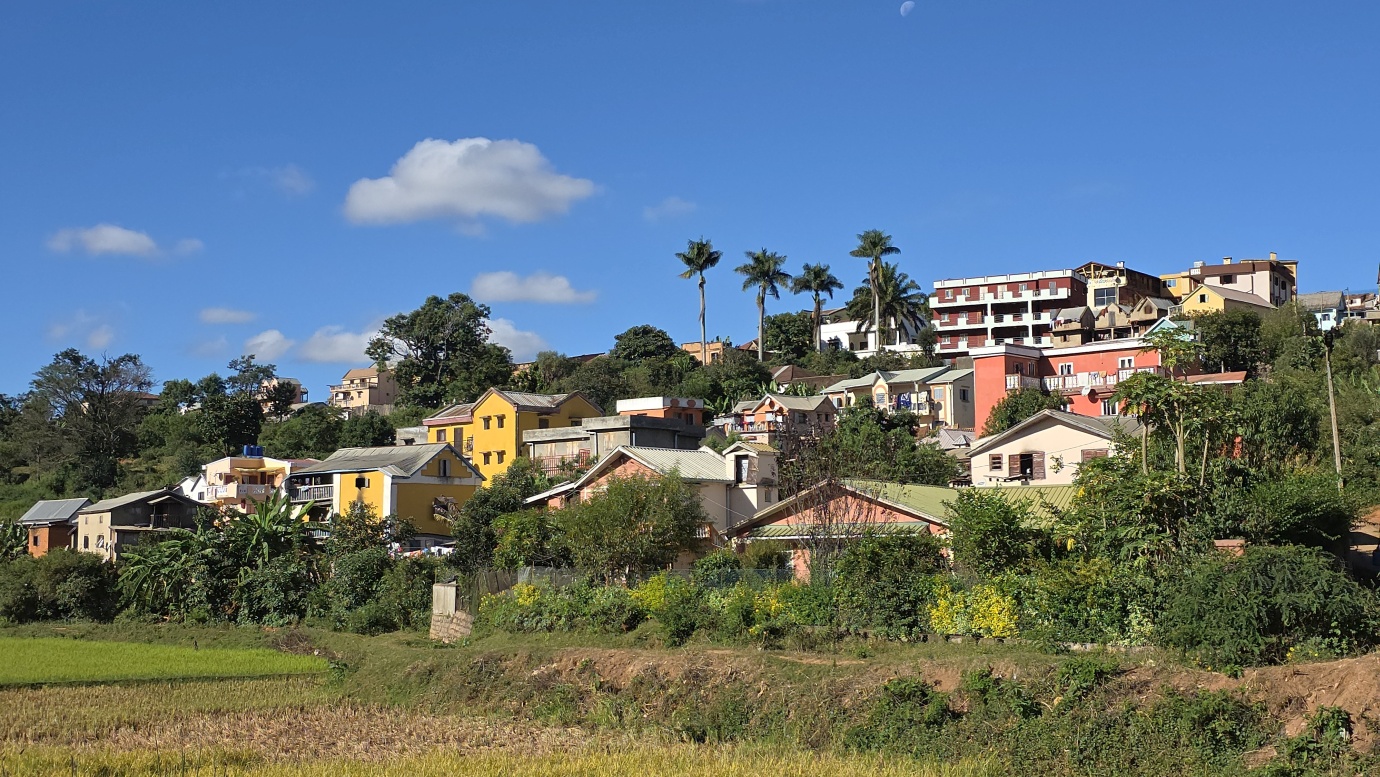
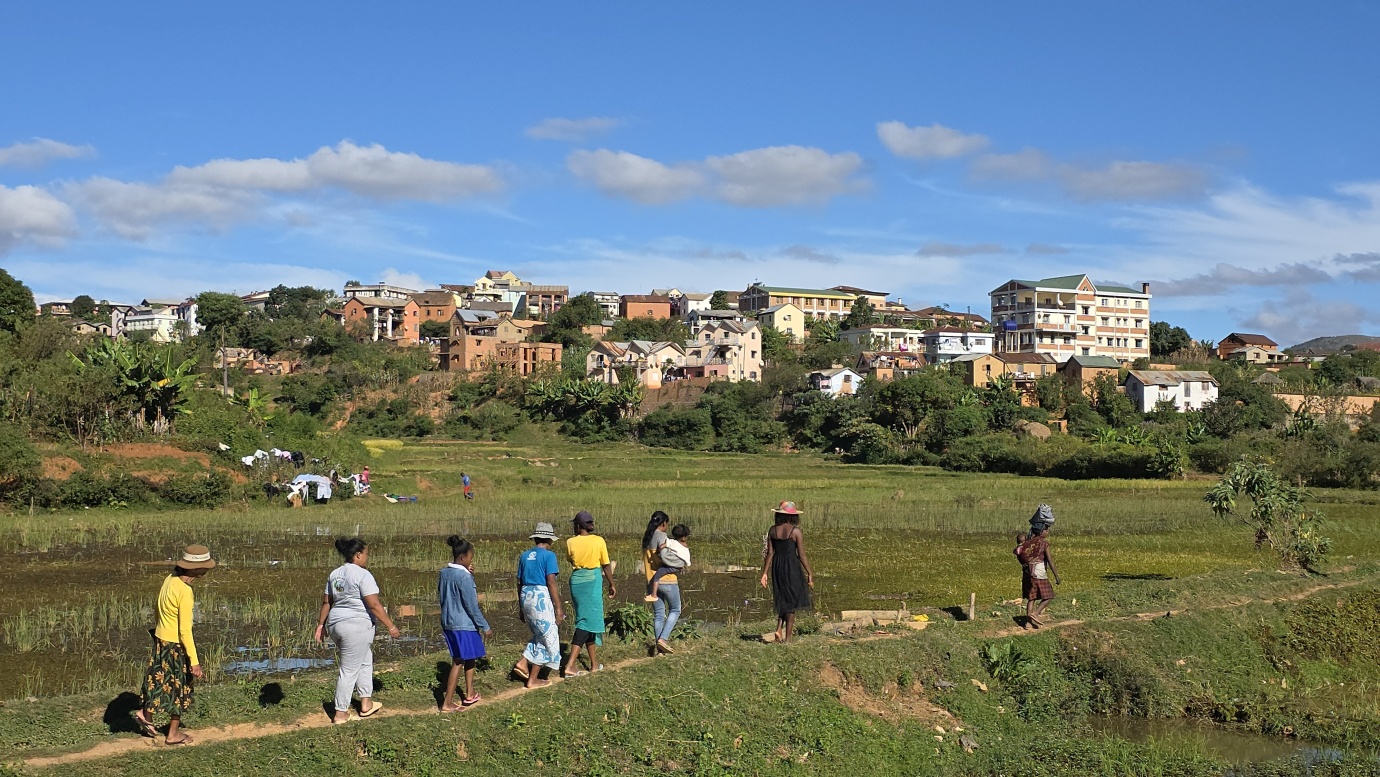
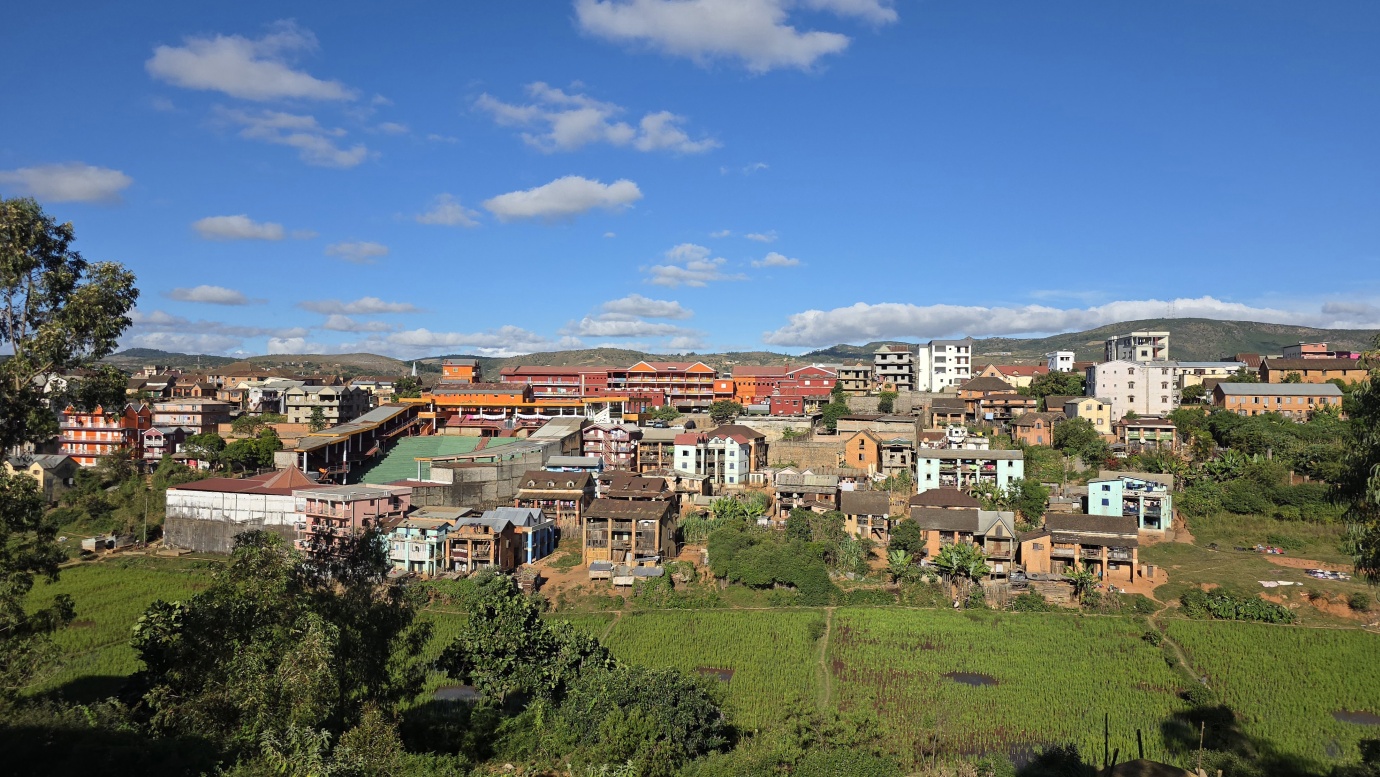
We spent a day in Madagascar’s central highlands, in the historic heartland of the Betsileo people and a town often called the “Capital of Woodworking” for its renowned Zafimaniry art. Ambositra is a high-altitude city (1,342–1,422 m elevation) serving as the capital of the Amoron’i Mania region, characterised by temperate weather, rolling hills, terraced rice fields, and eucalyptus forests.
Ambositra, long a strategic crossroads and trading hub, grew from a collection of 14th-century hamlets and later developed under Merina influence. In the 18th century, the Zafimaniry—a subgroup who settled in the nearby mountains—refined highly specialised woodworking techniques using local hardwoods. Their craftsmanship was recognised by UNESCO in 2003 as Intangible Cultural Heritage, cementing Ambositra’s reputation as a centre of this unique art form.
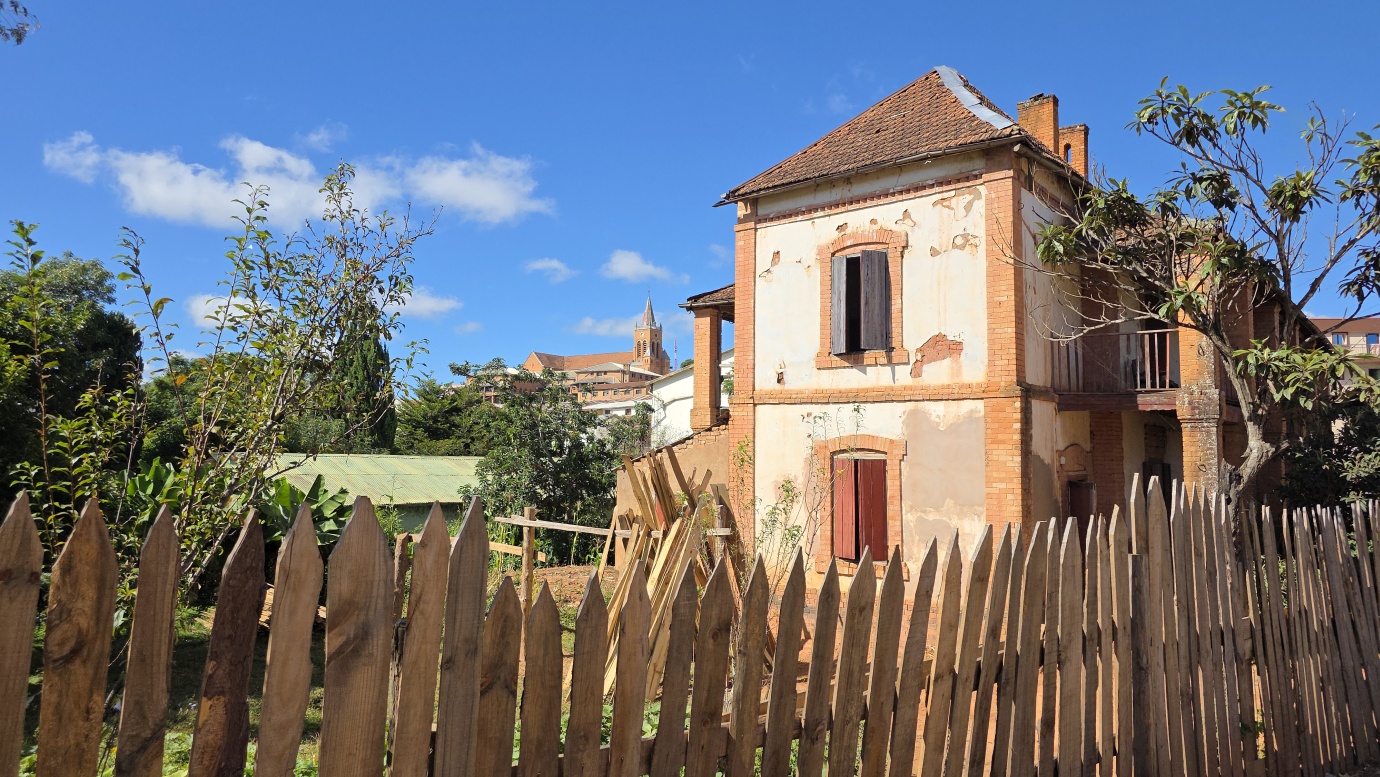
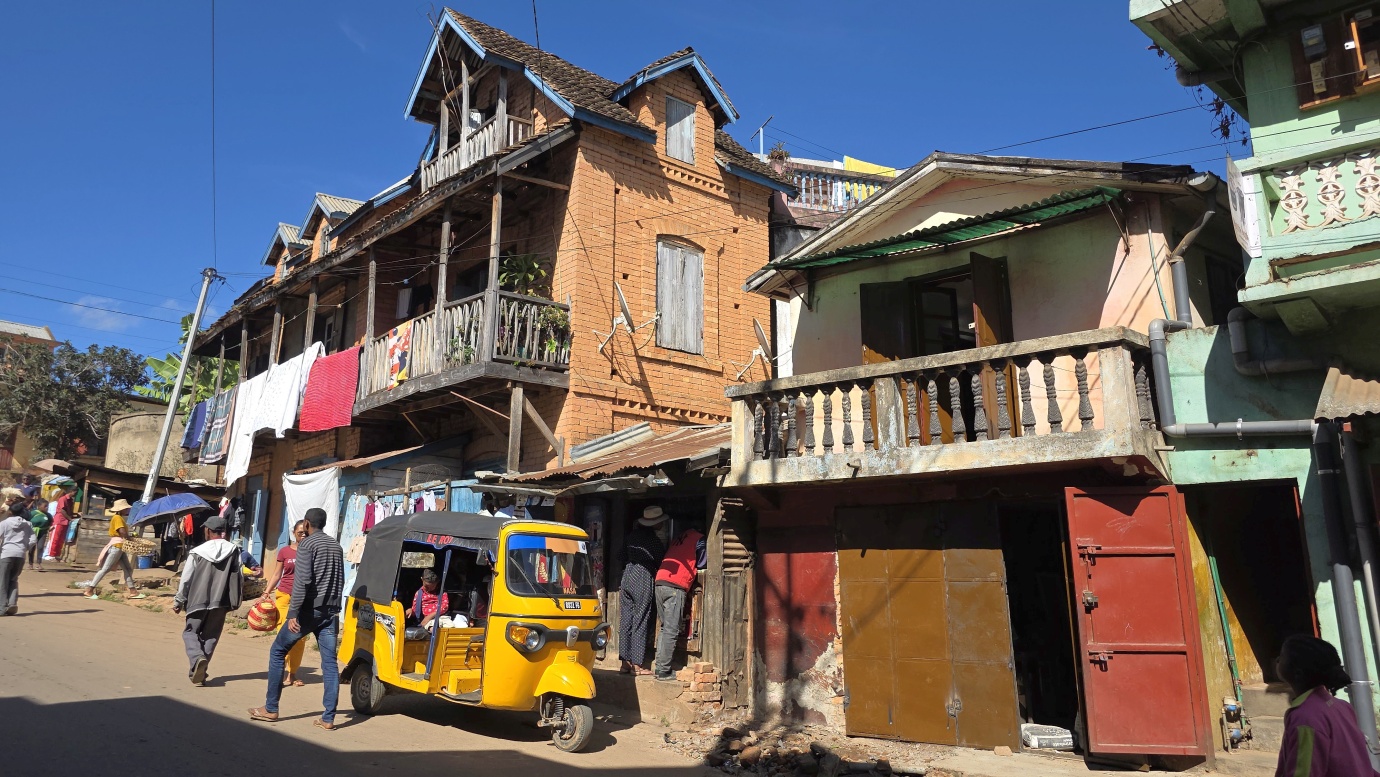
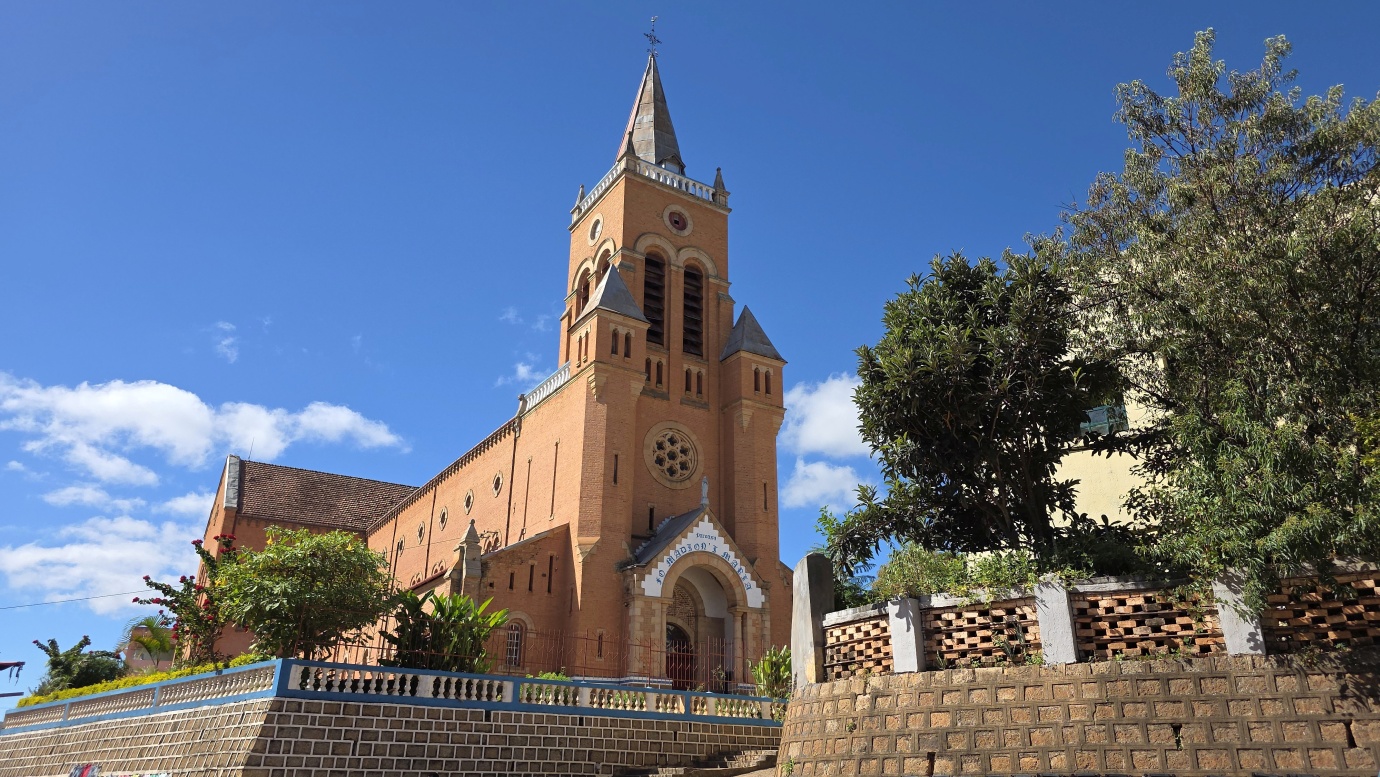
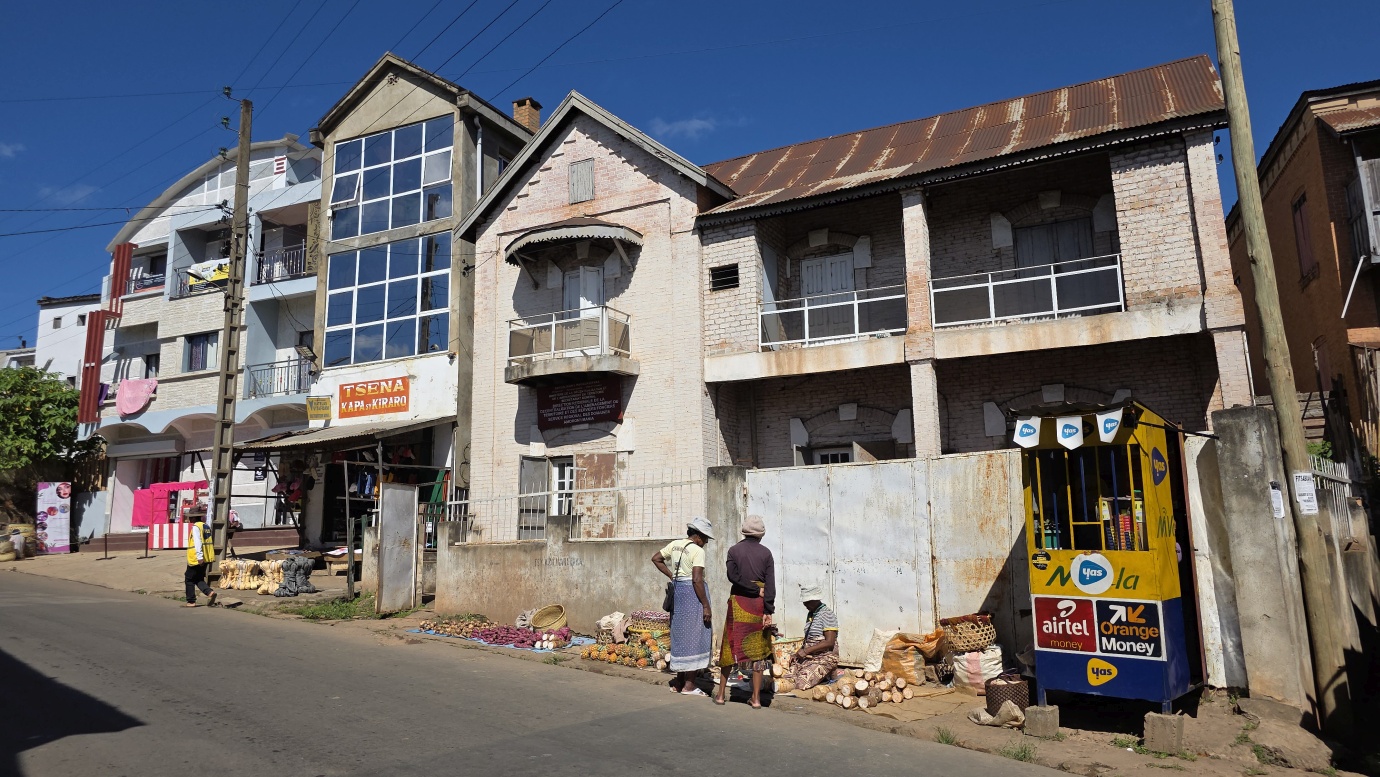
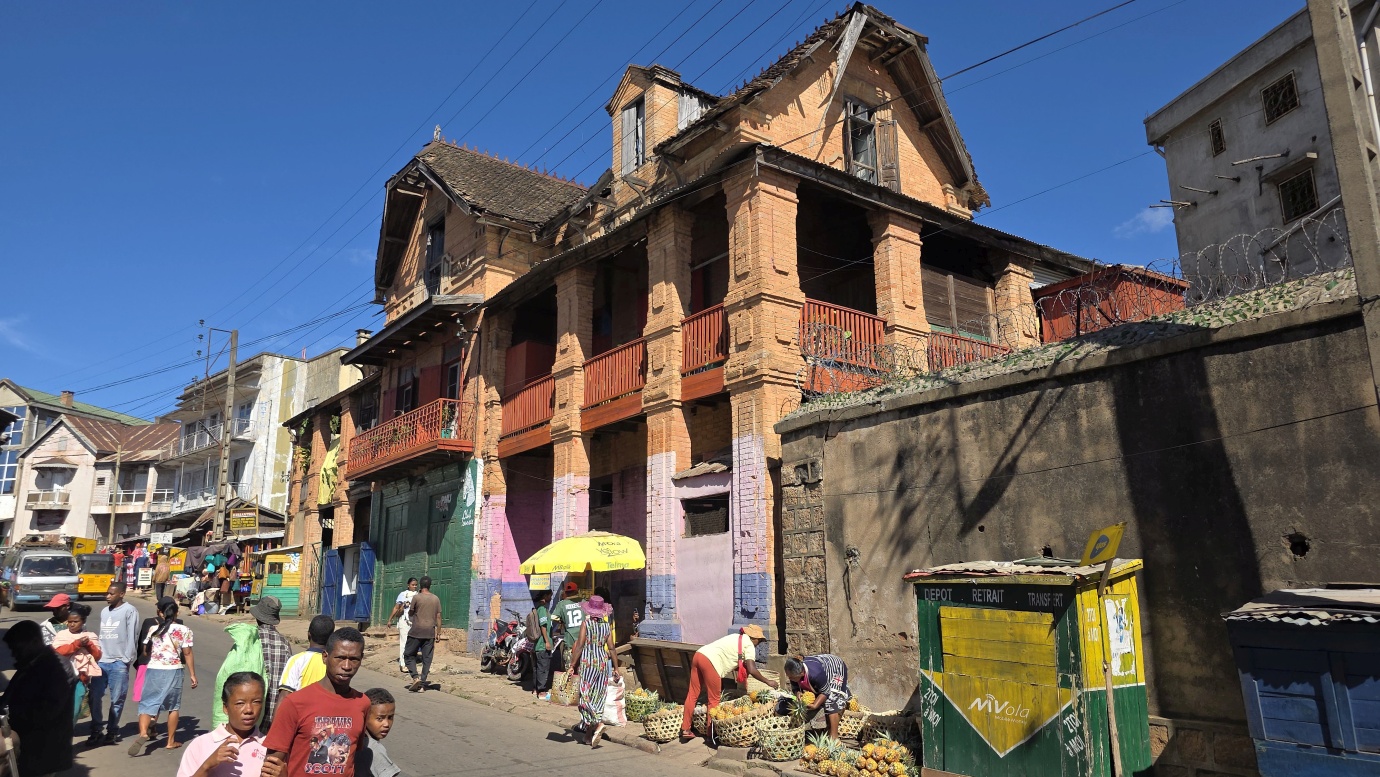
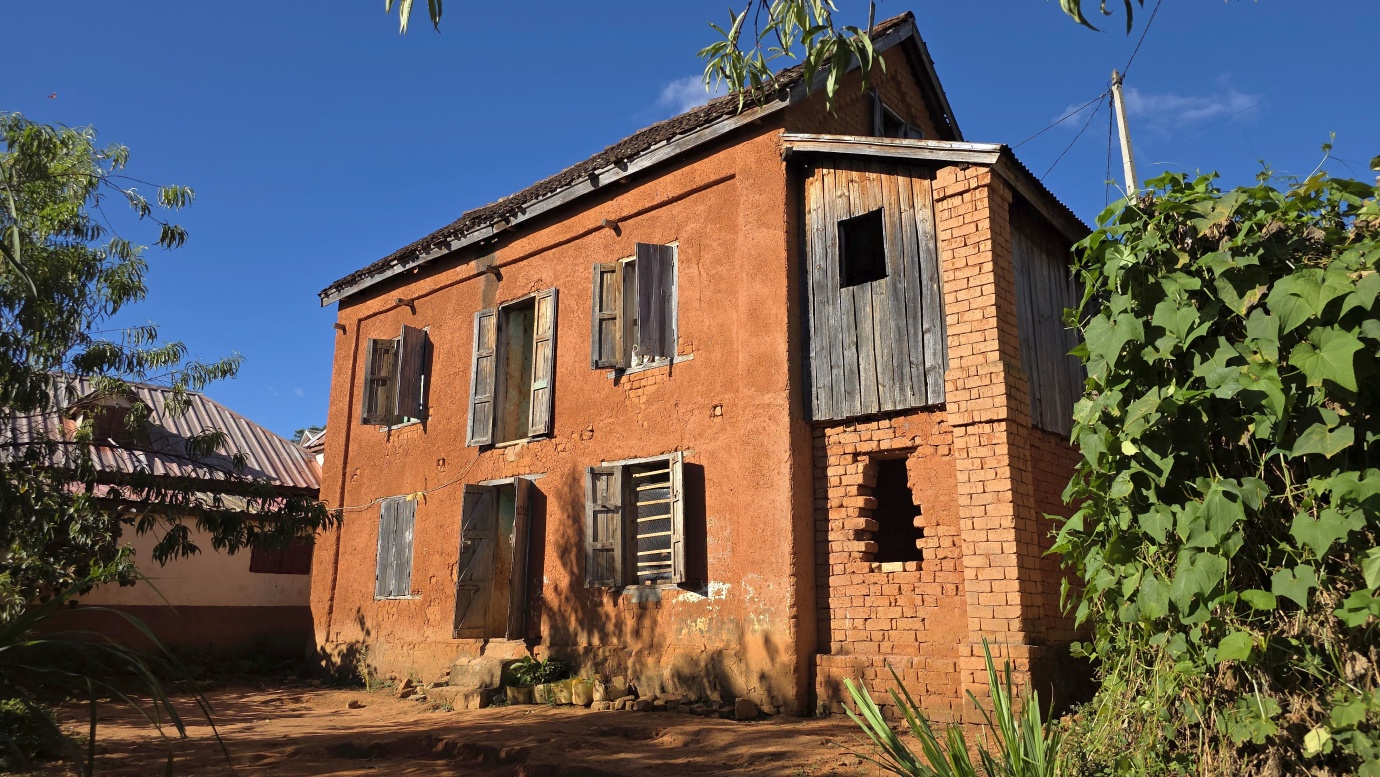
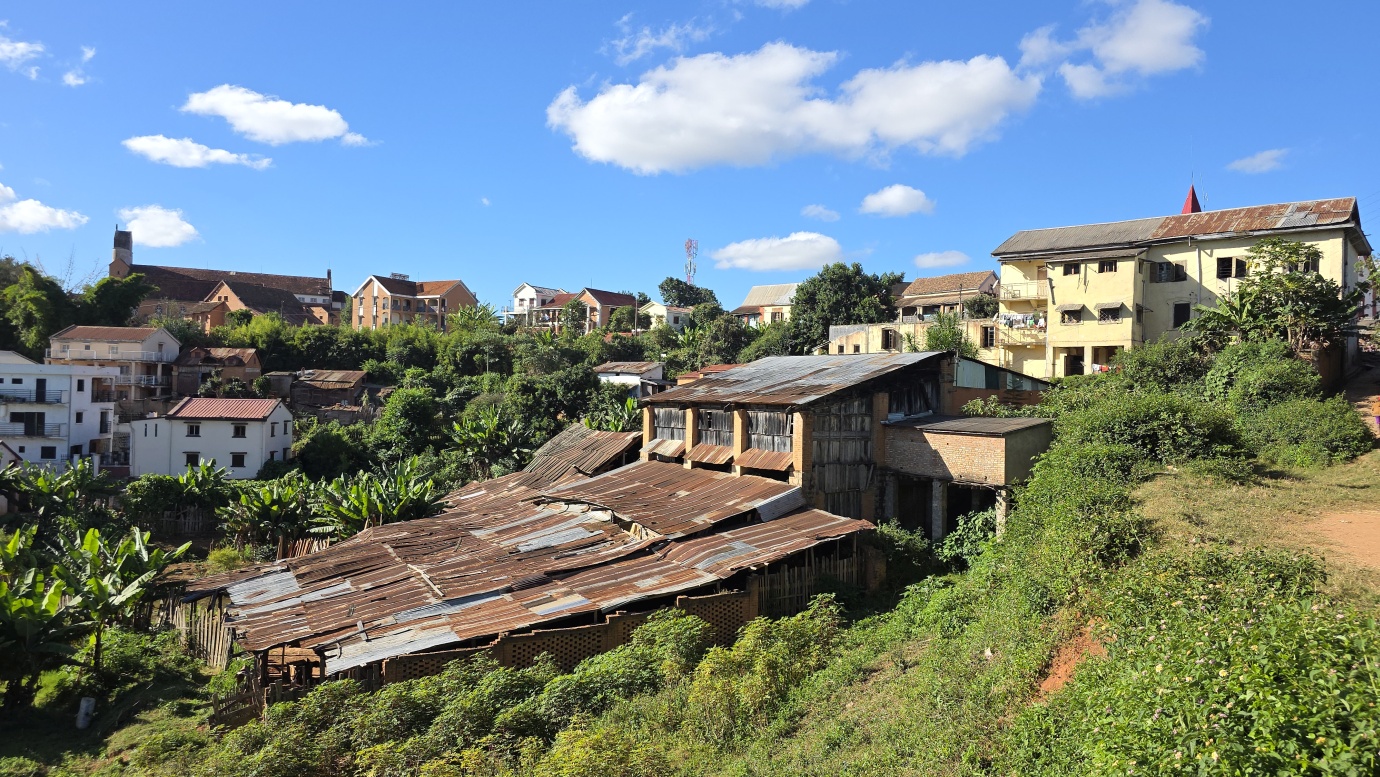
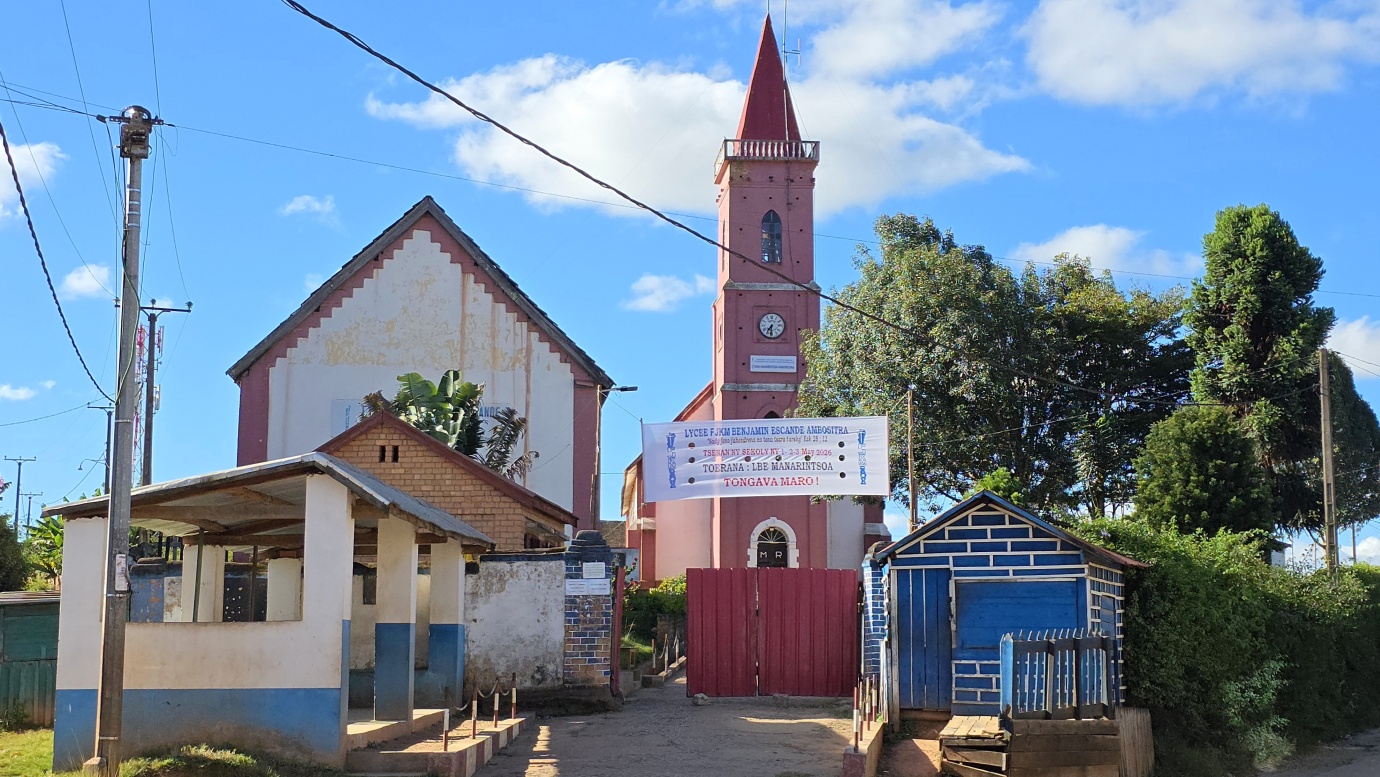
During the 19th-century colonial period, the town became an important commercial and administrative hub linking Antananarivo to the southern regions, and today its architecture reflects a blend of European and Malagasy influences.
The surrounding area is also known for its rich cultural traditions, including Famadihana (the reburial of ancestors) and Savika, a traditional bull-taming sport—similar to bullfighting but without harming the animal.