

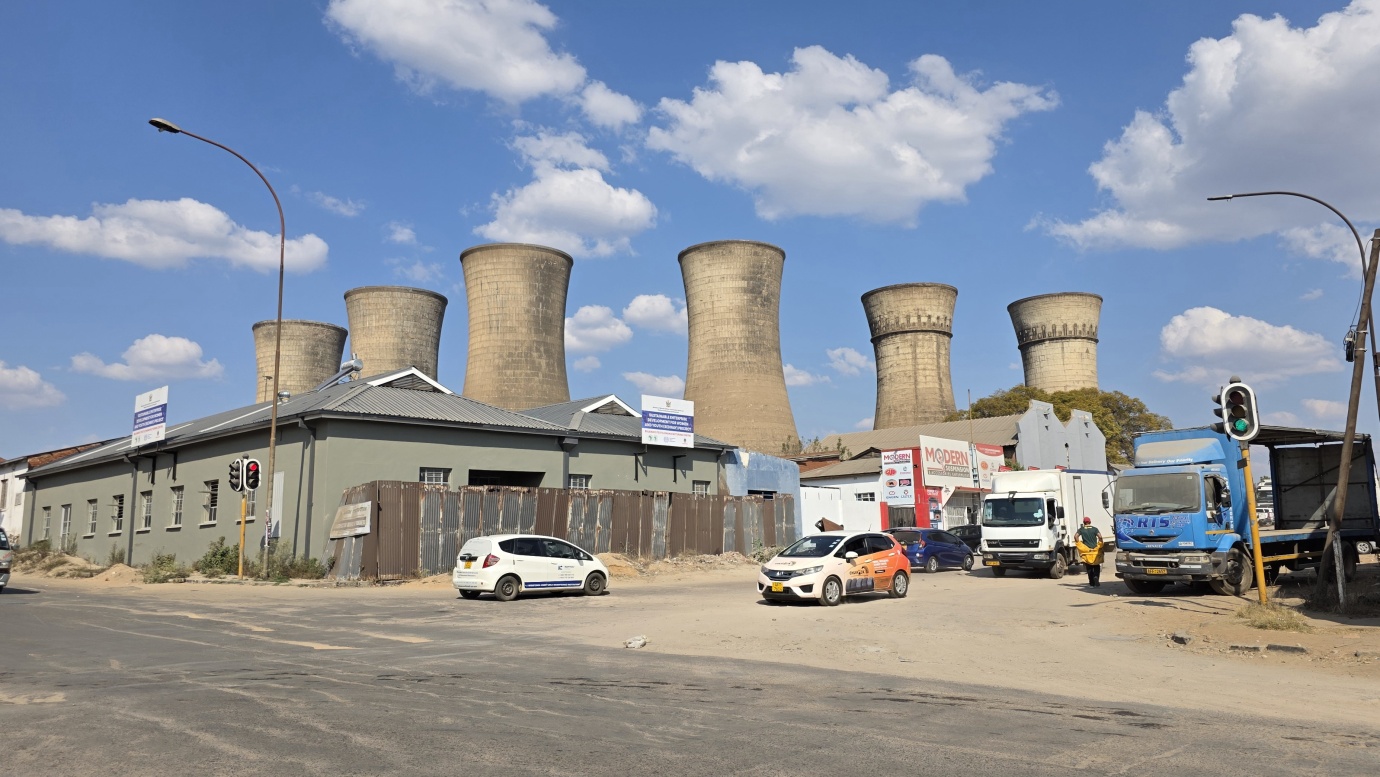
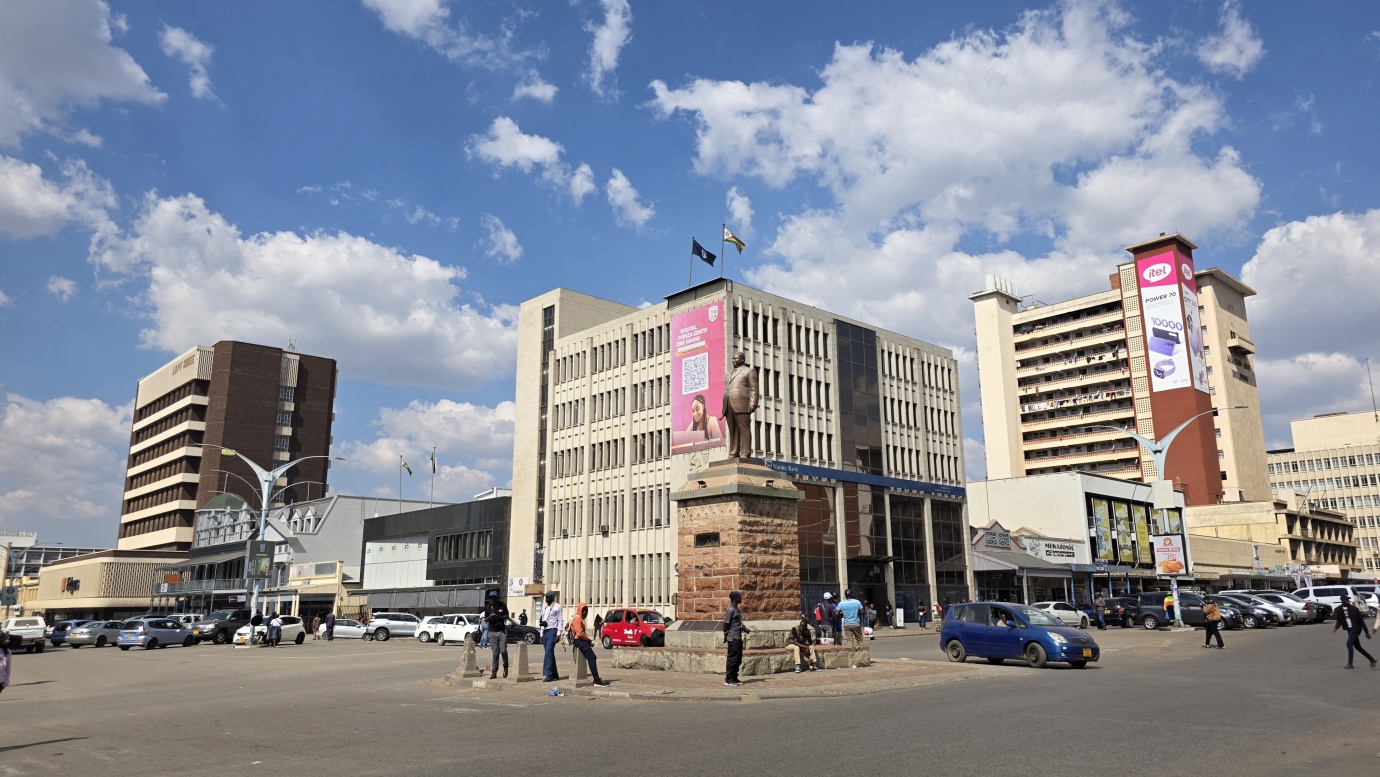
Bulawayo is Zimbabwe’s second-largest city and the cultural heart of the Matabeleland region. Situated in the country’s southwest on a gently undulating savanna plain along the Matsheumlope River, it lies at an elevation of 1,341 metres above sea level, giving it a pleasant subtropical climate. Known as the “City of Kings,” Bulawayo is celebrated for its rich Ndebele heritage, wide jacaranda-lined avenues, and impressive collection of colonial architecture. Once Zimbabwe’s industrial powerhouse, it remains the headquarters of the National Railways of Zimbabwe and is home to the country’s outstanding Railway Museum.
After enduring the dreadful drive along the A8 Highway, we were grateful to spend several enjoyable days exploring the city and its surroundings, particularly Matobo National Park and the UNESCO World Heritage Site of Khami Ruins.
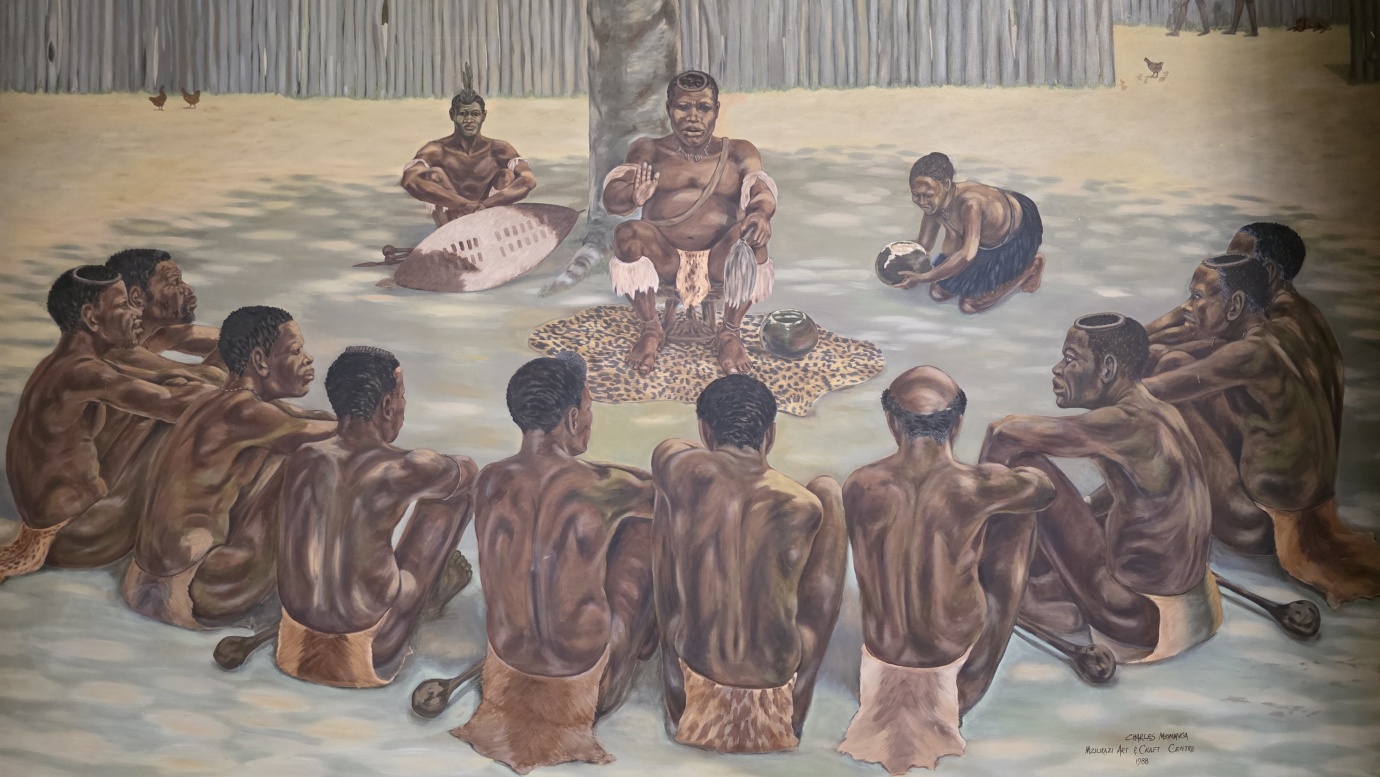
Bulawayo’s history is closely intertwined with the rise of the Ndebele Kingdom. Around 1840, King Mzilikazi established his royal settlement here, giving the area its name, koBulawayo, which is commonly translated as “place of slaughter” or “the place where he is being killed.” In the 1860s, his son, King Lobengula, built a new royal capital at what is now known as Old Bulawayo. During the First Matabele War in 1893, the settlement was captured by the British South Africa Company, forcing Lobengula to flee. The modern city was subsequently founded on its present site in 1894, became a municipality in 1897, and was officially granted city status in 1943.
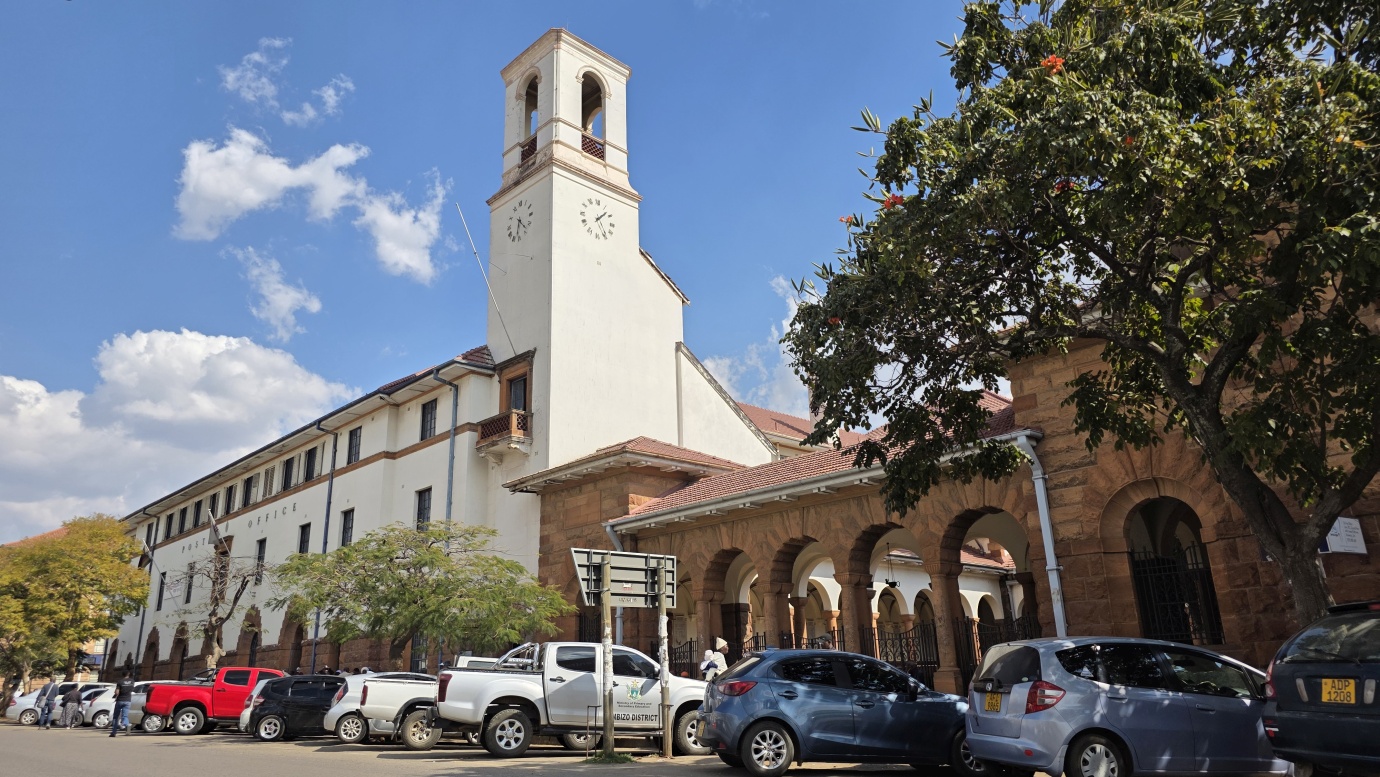
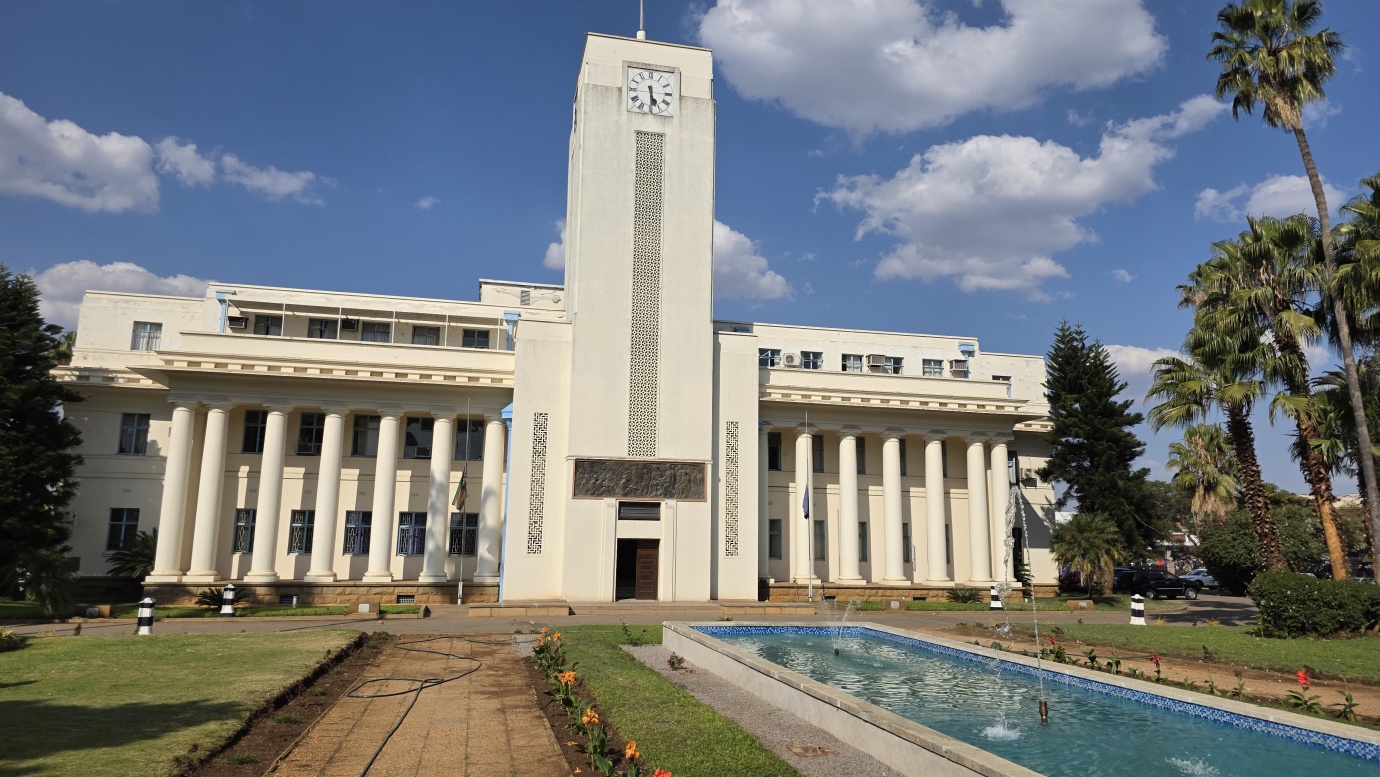
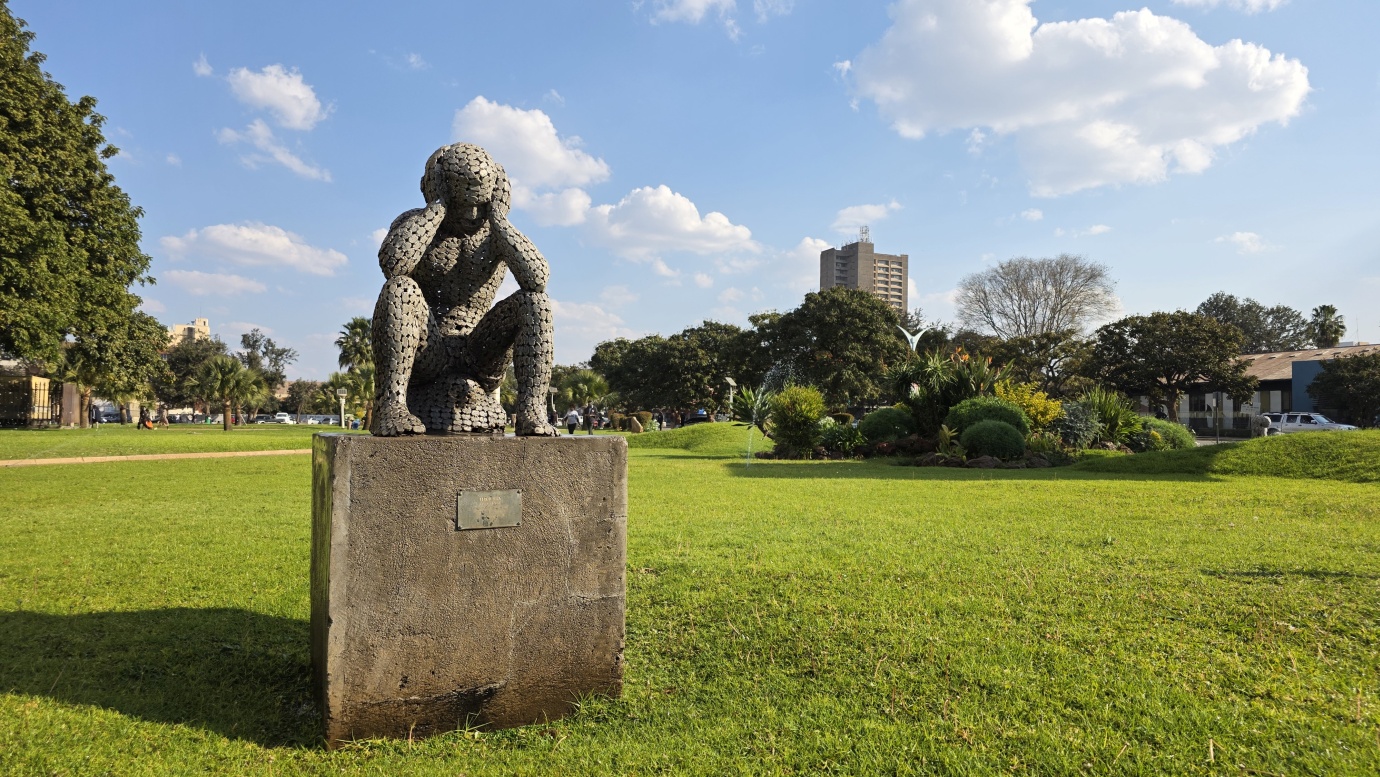
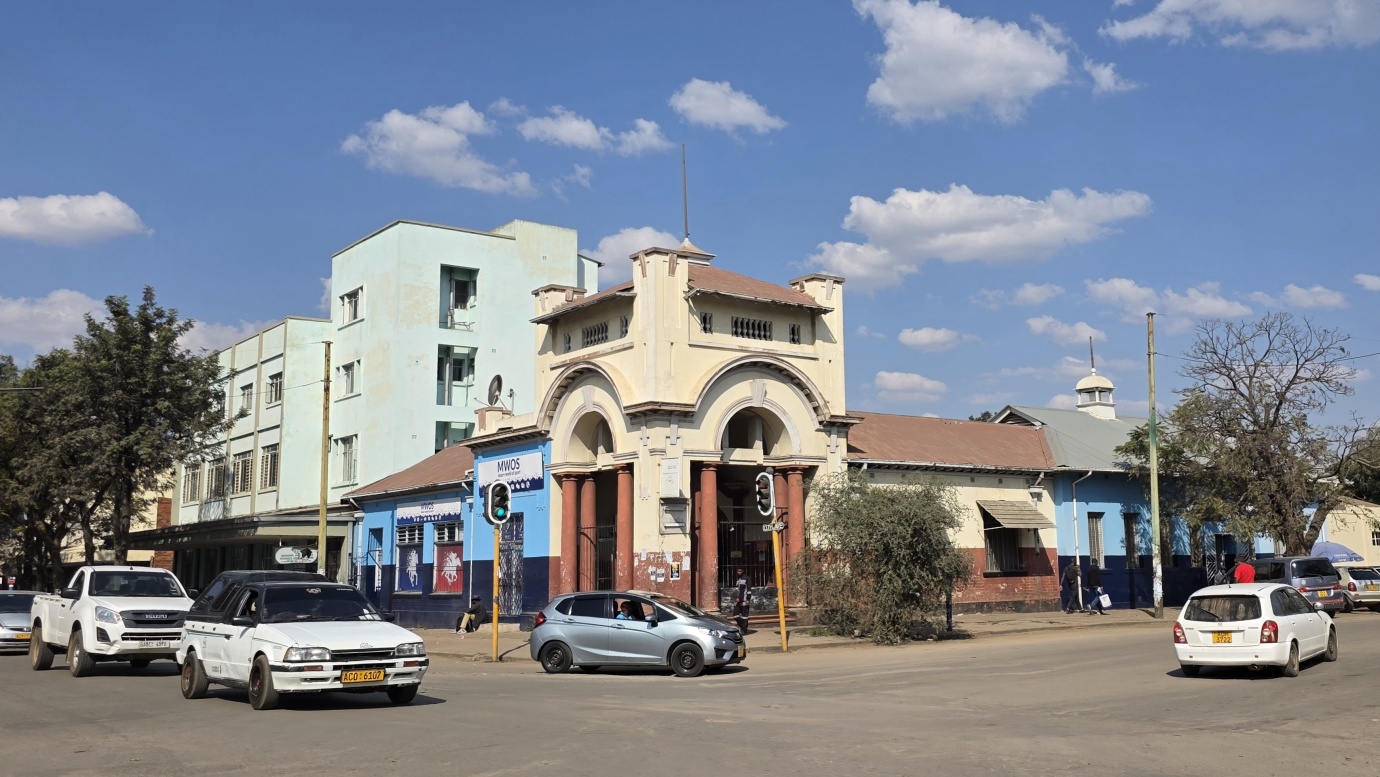
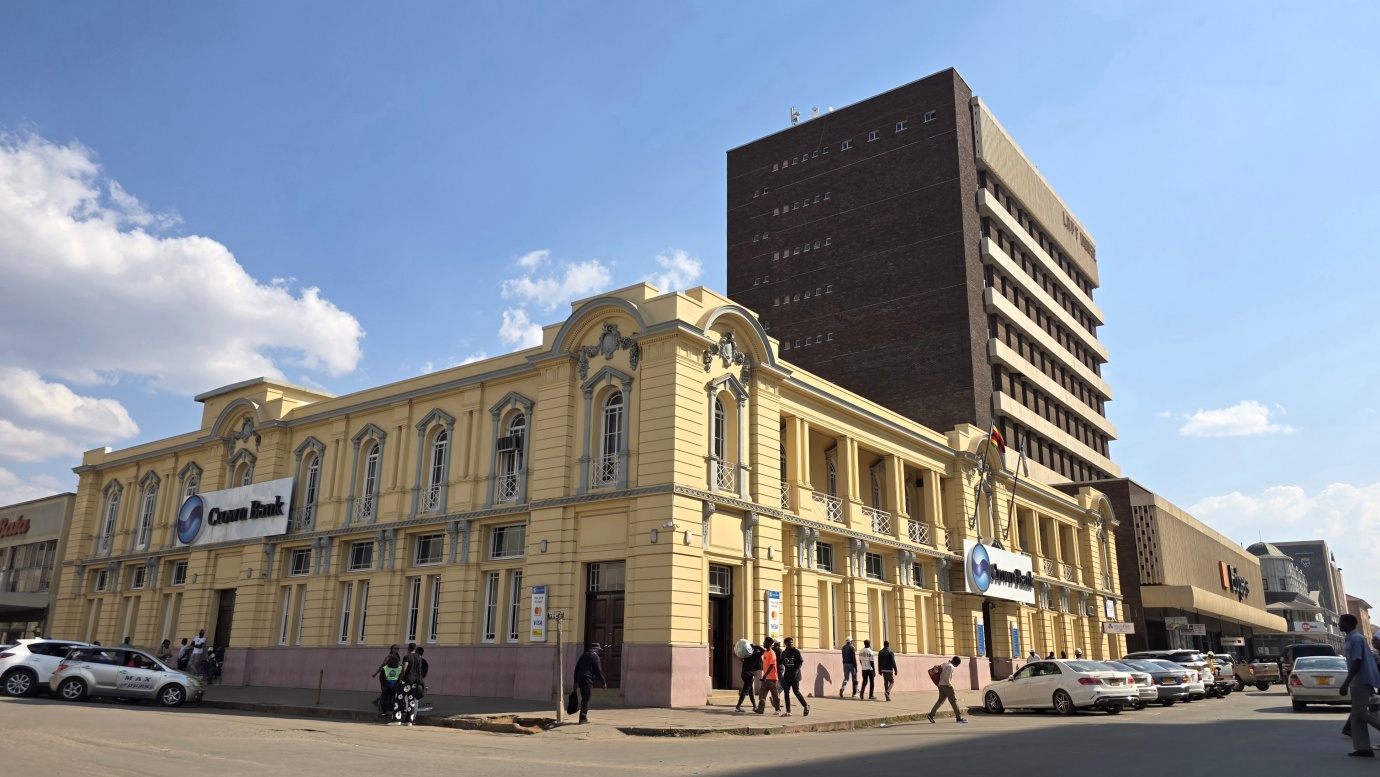
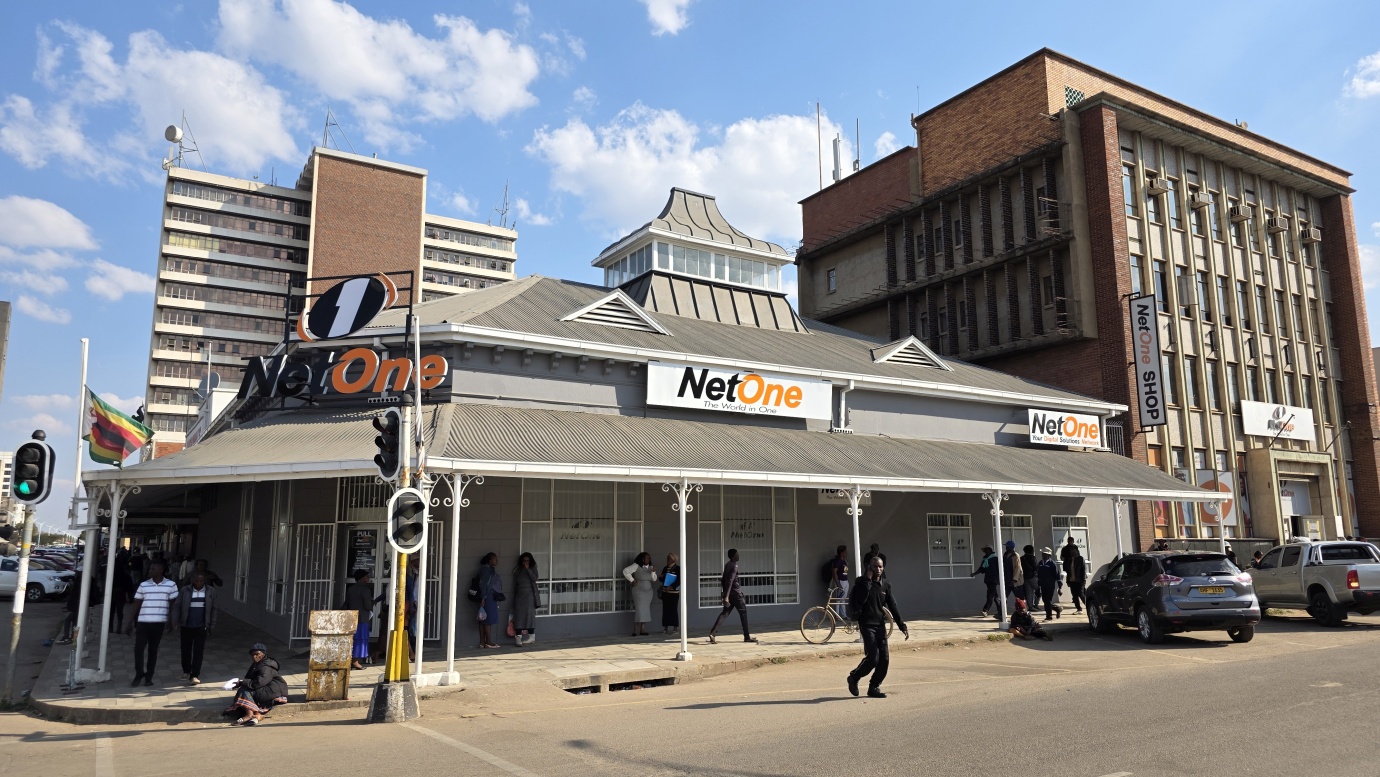
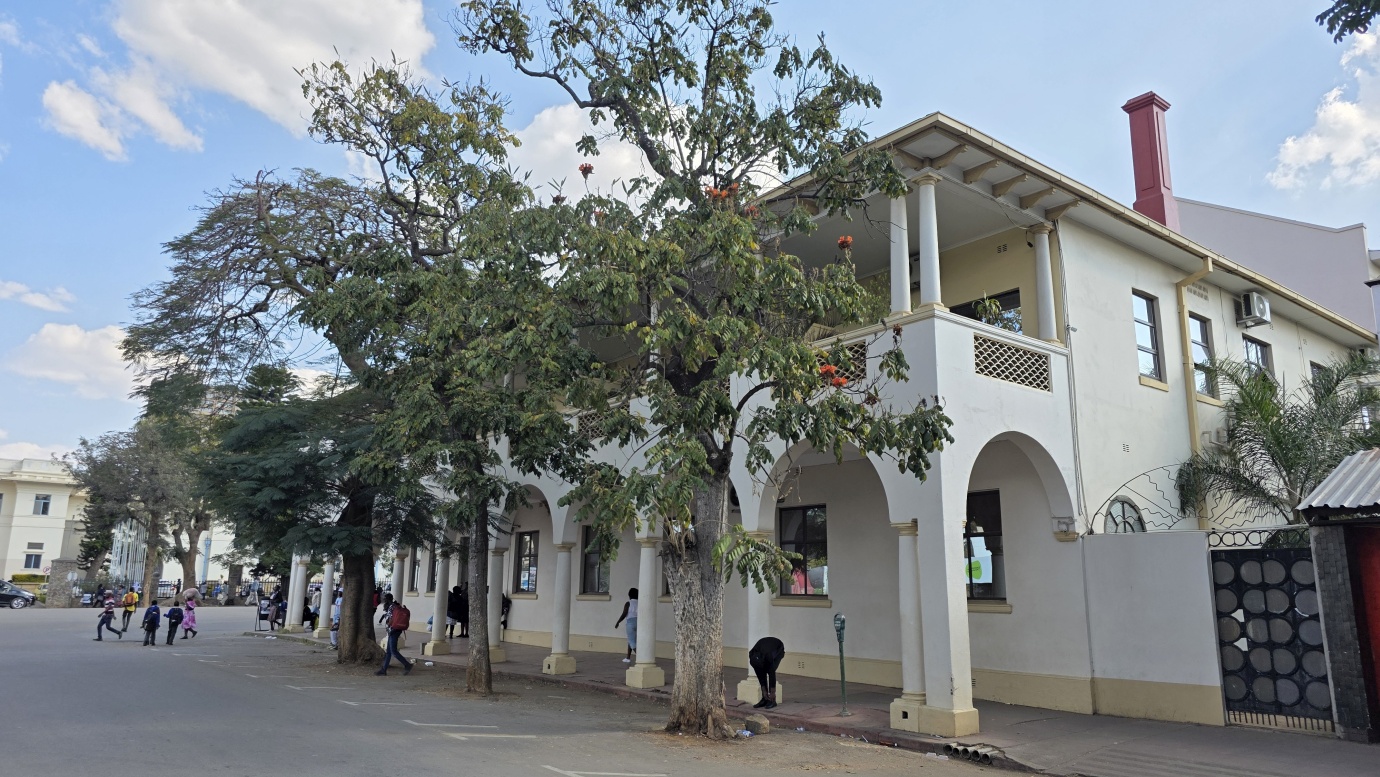
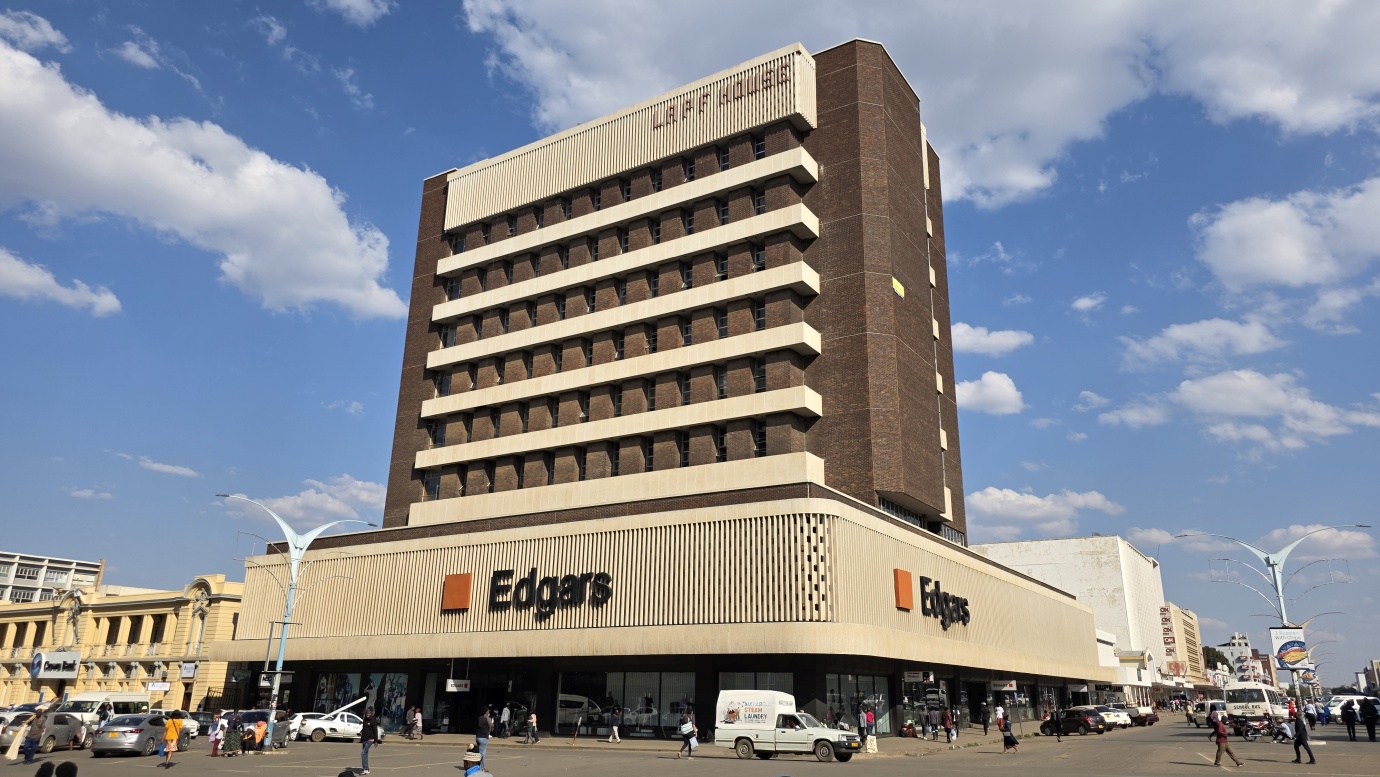
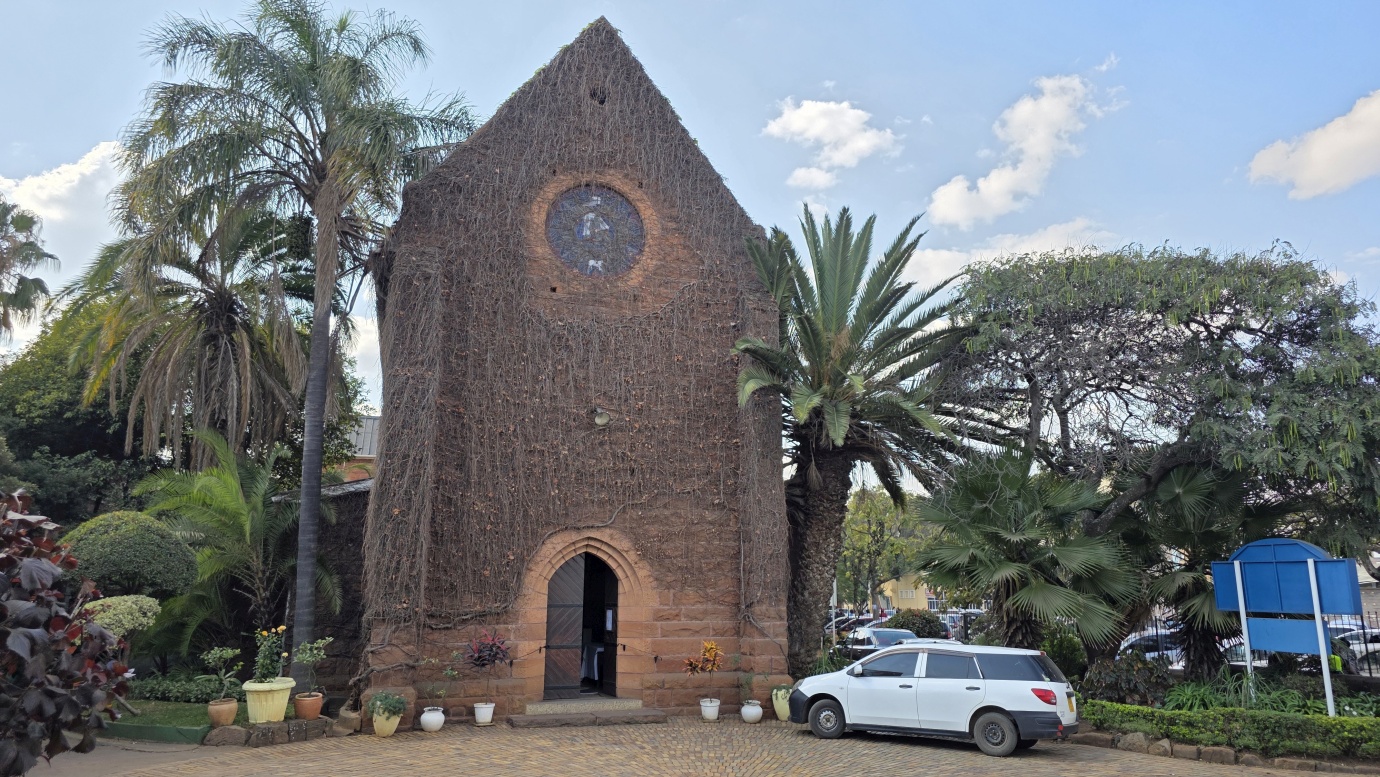
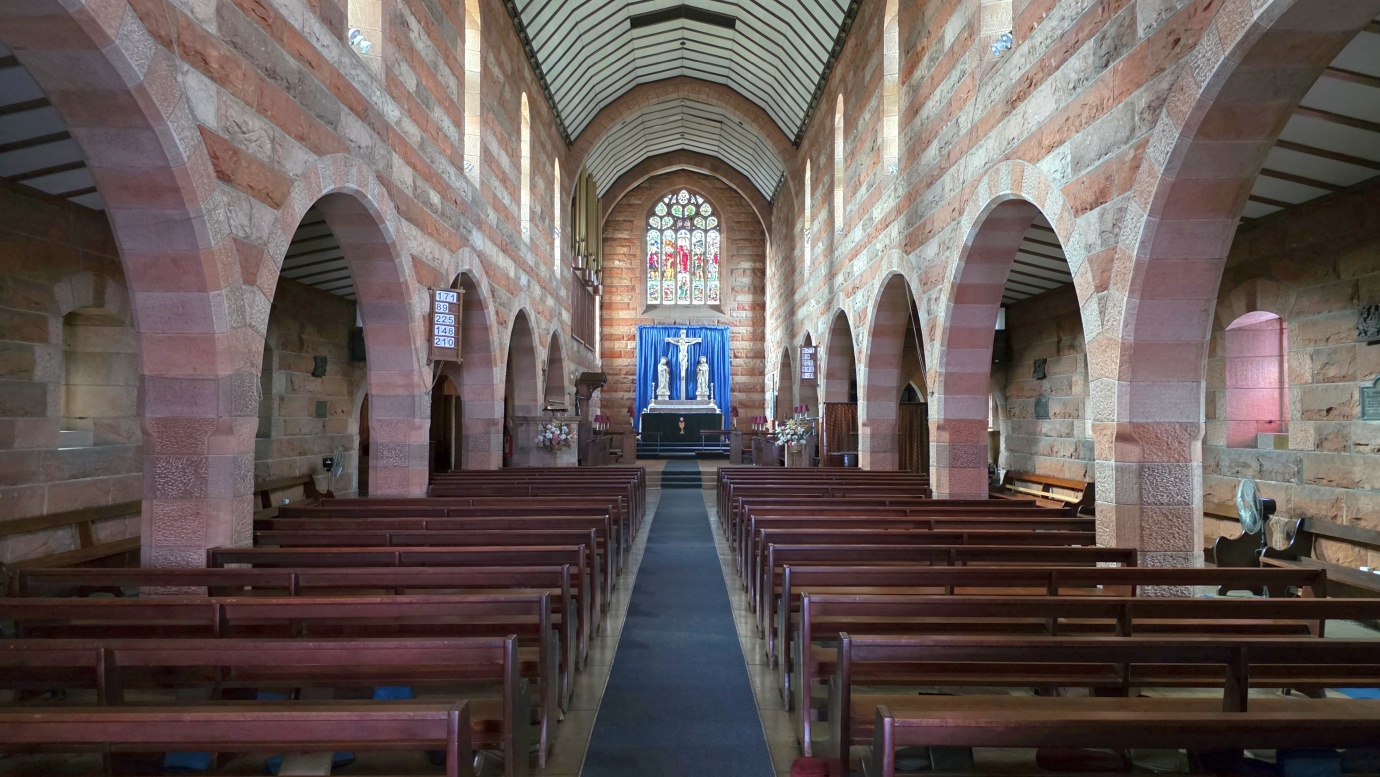
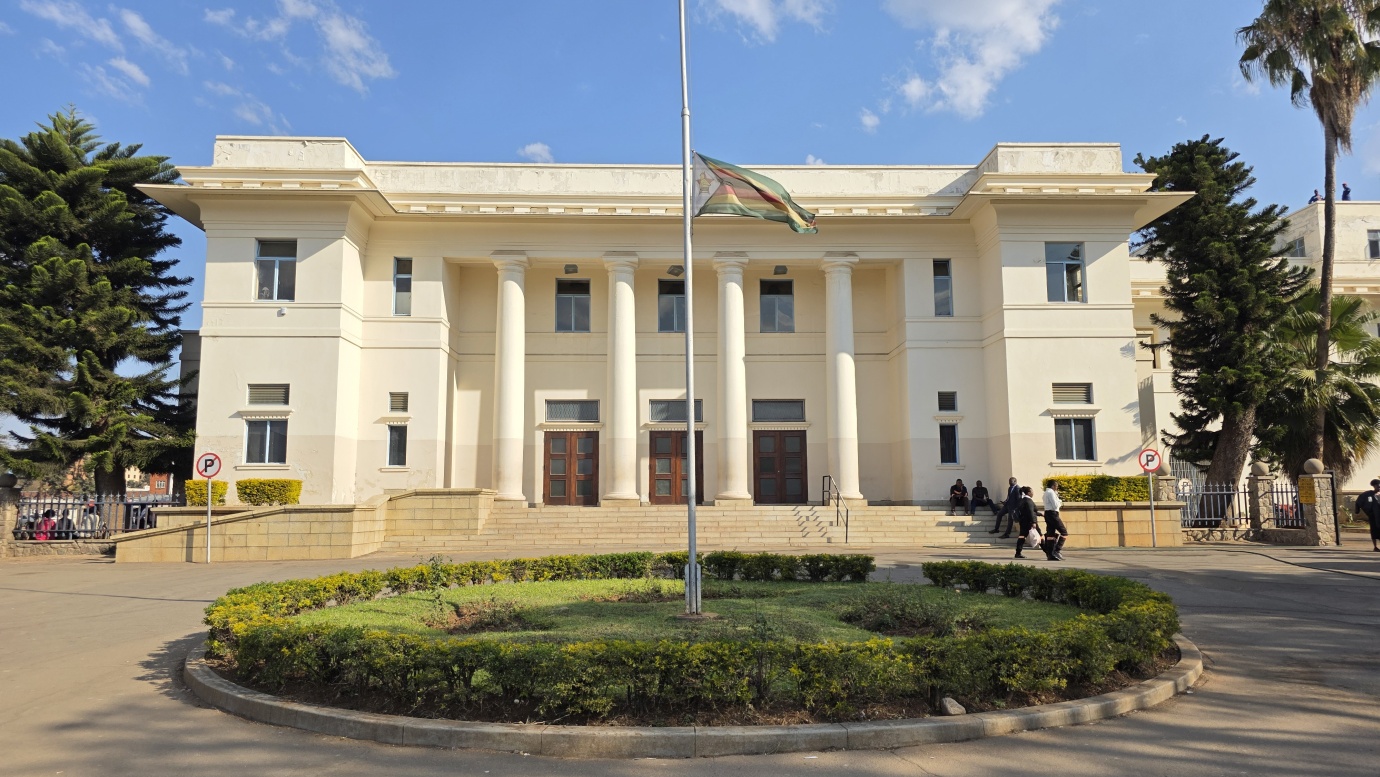
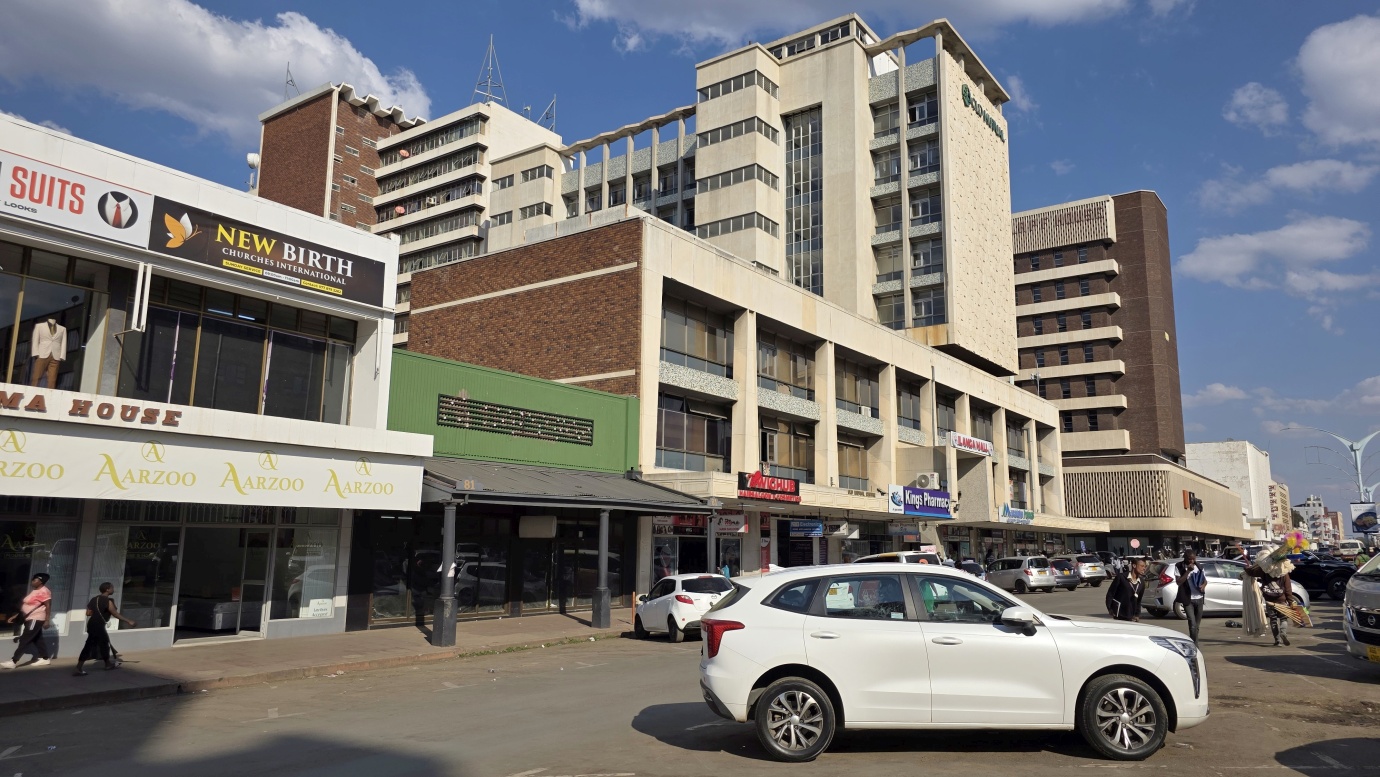
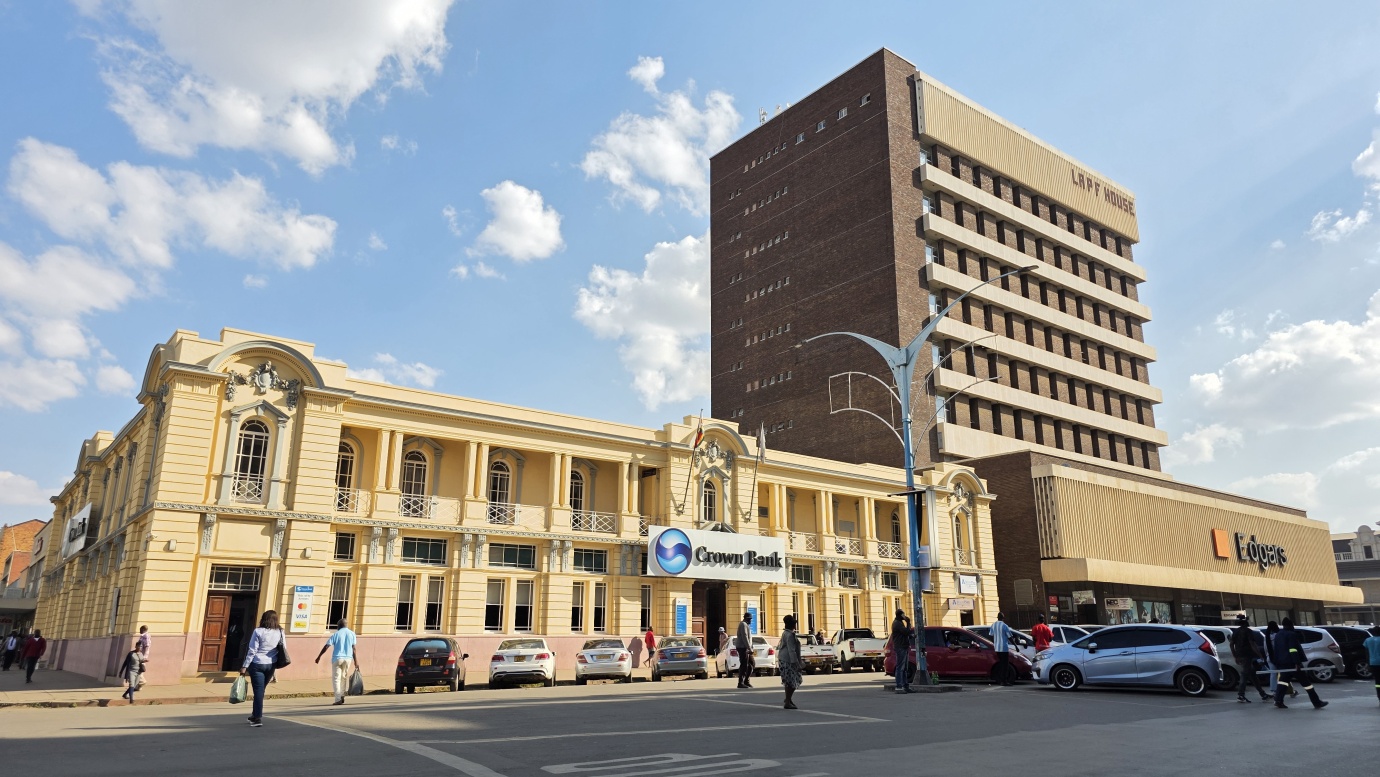
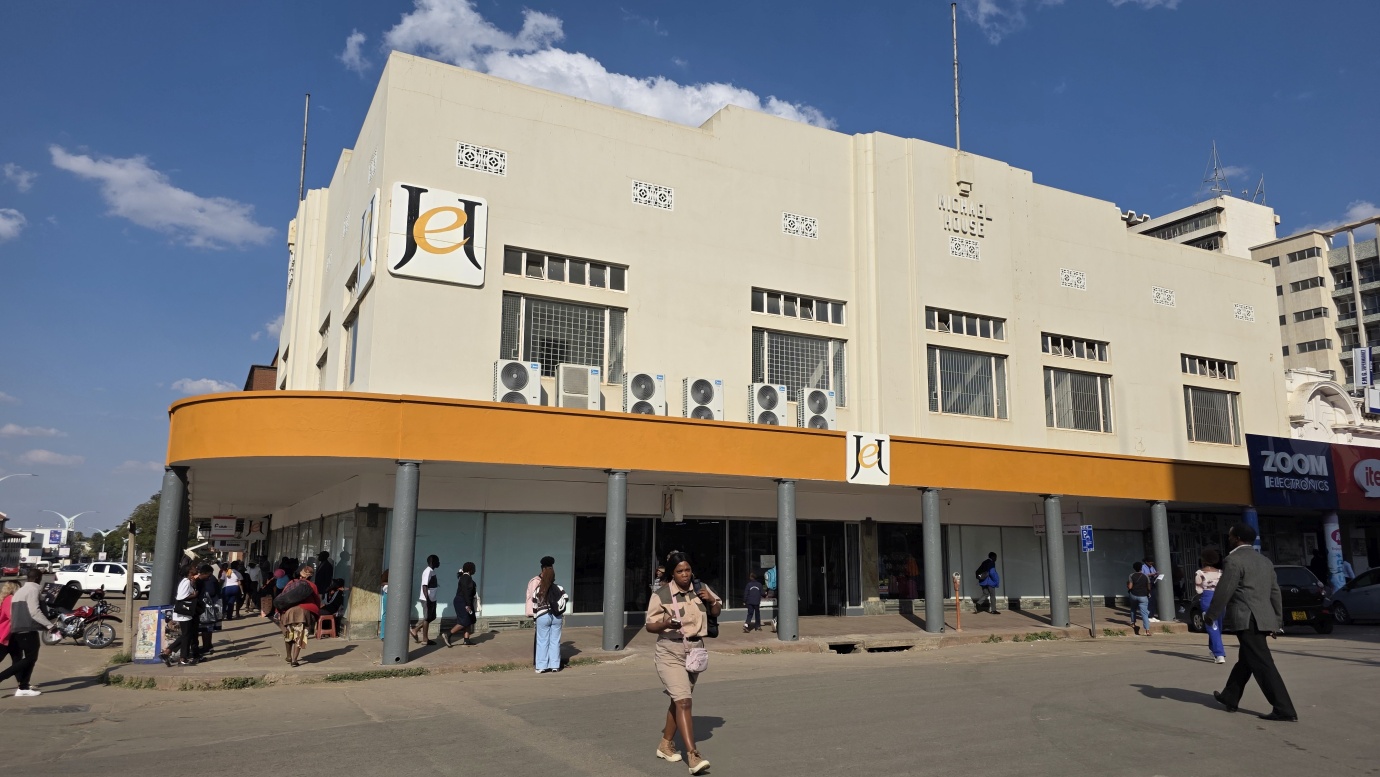
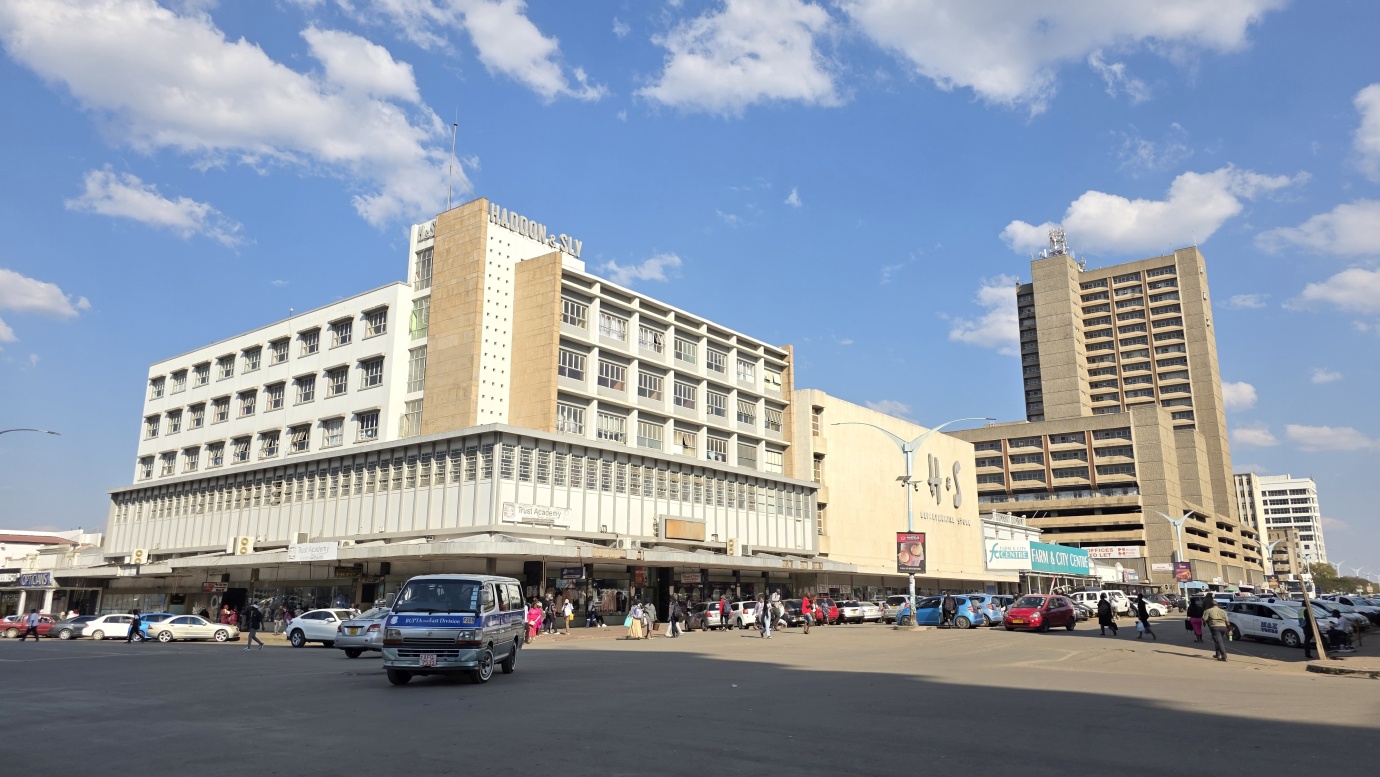
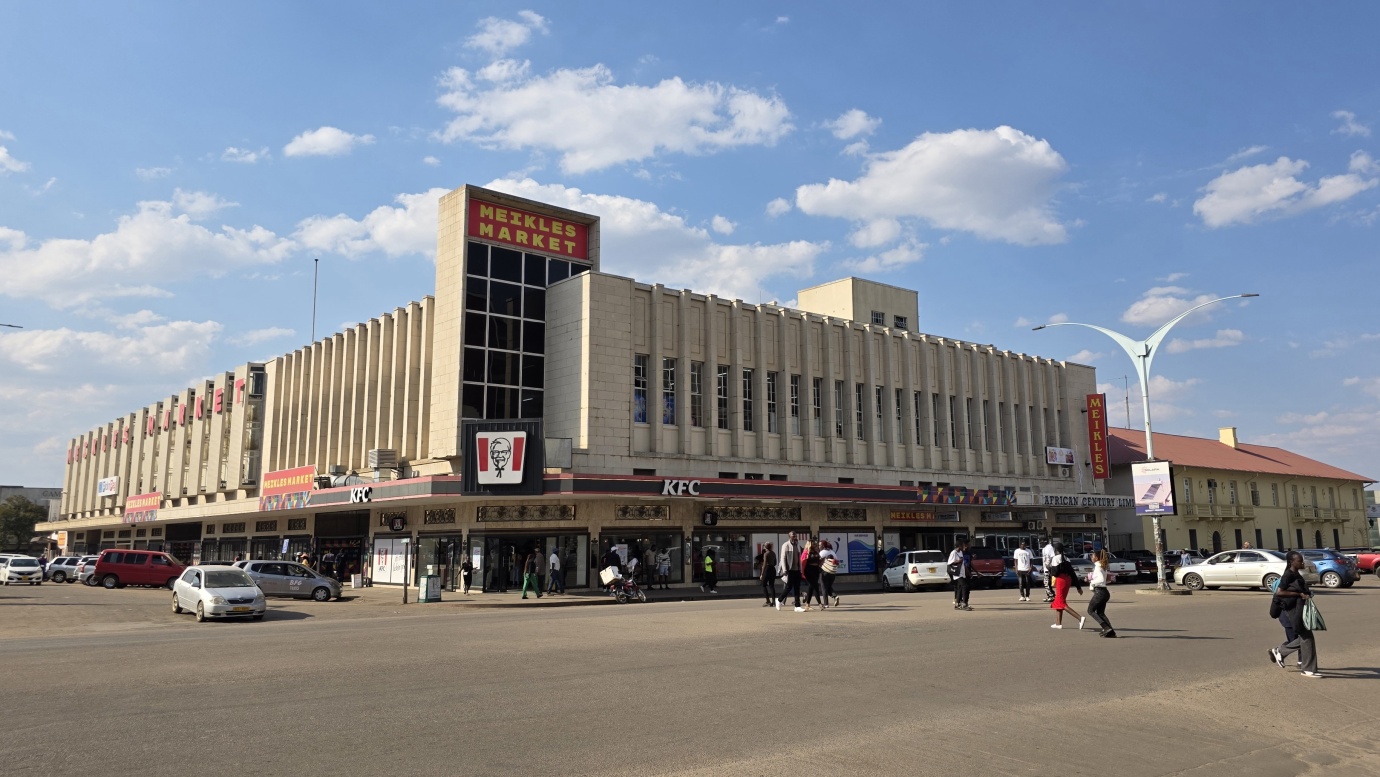
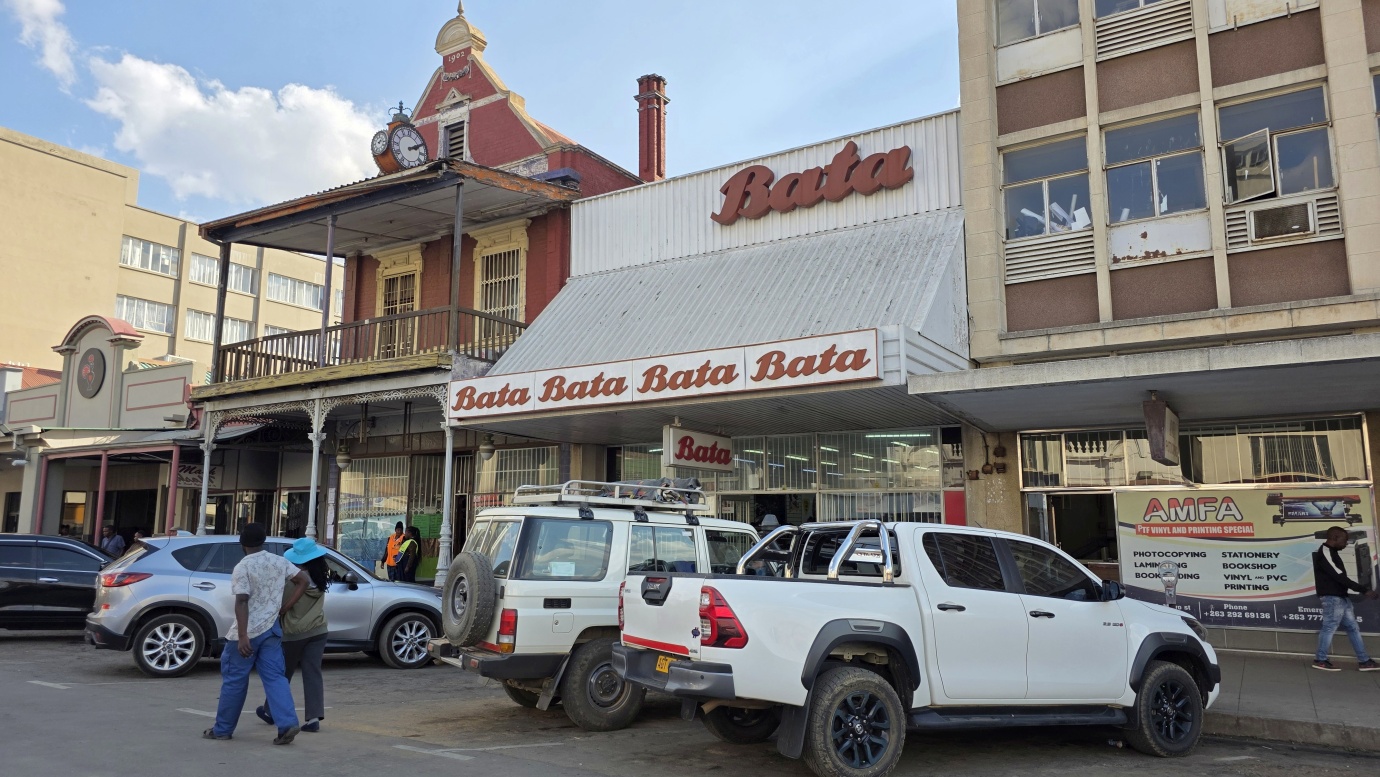
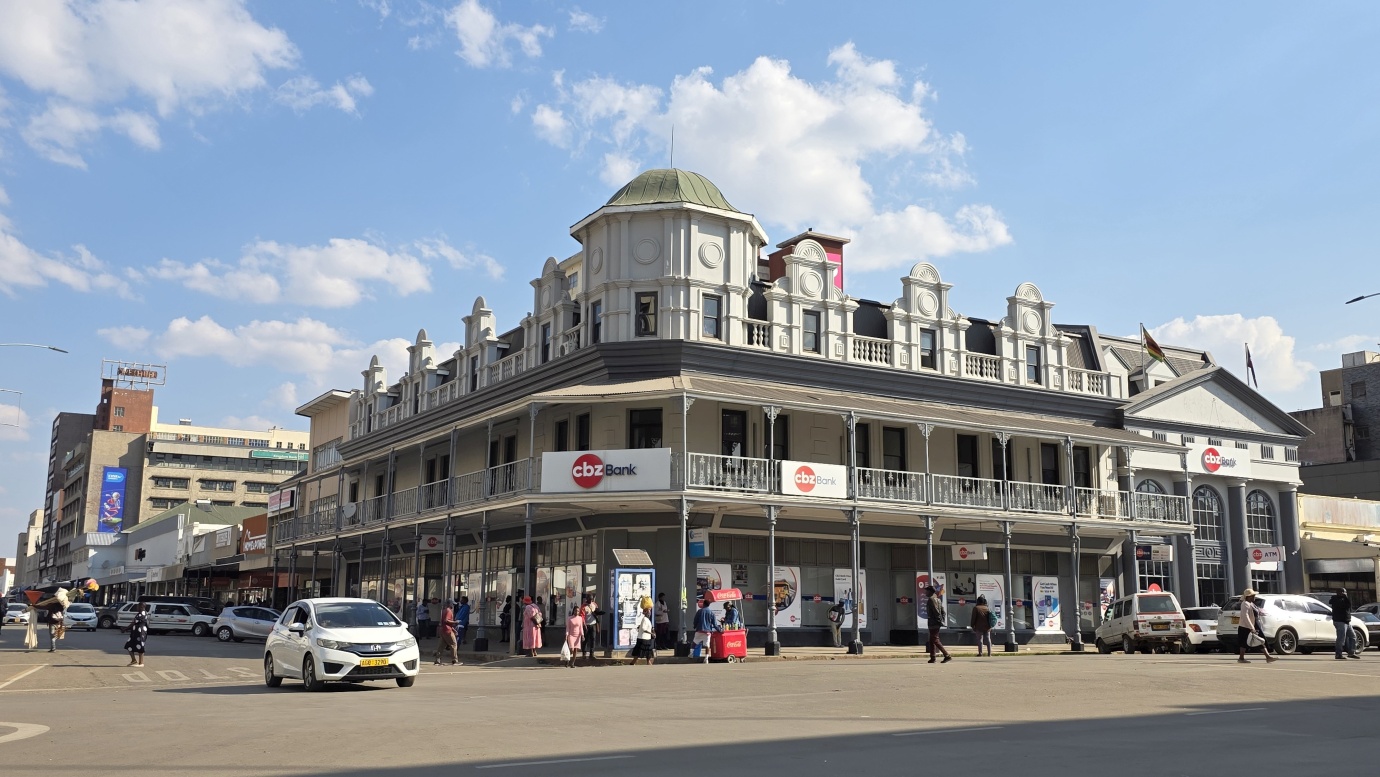
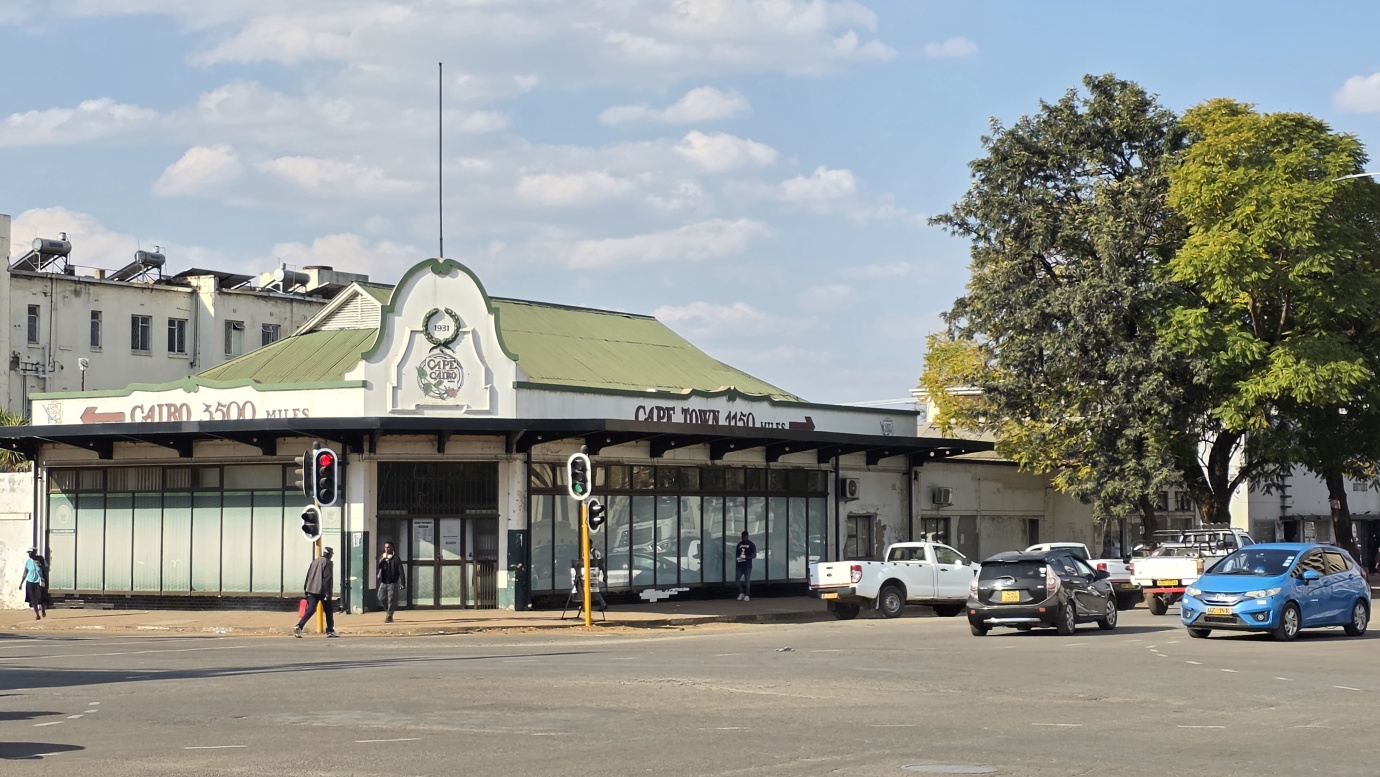
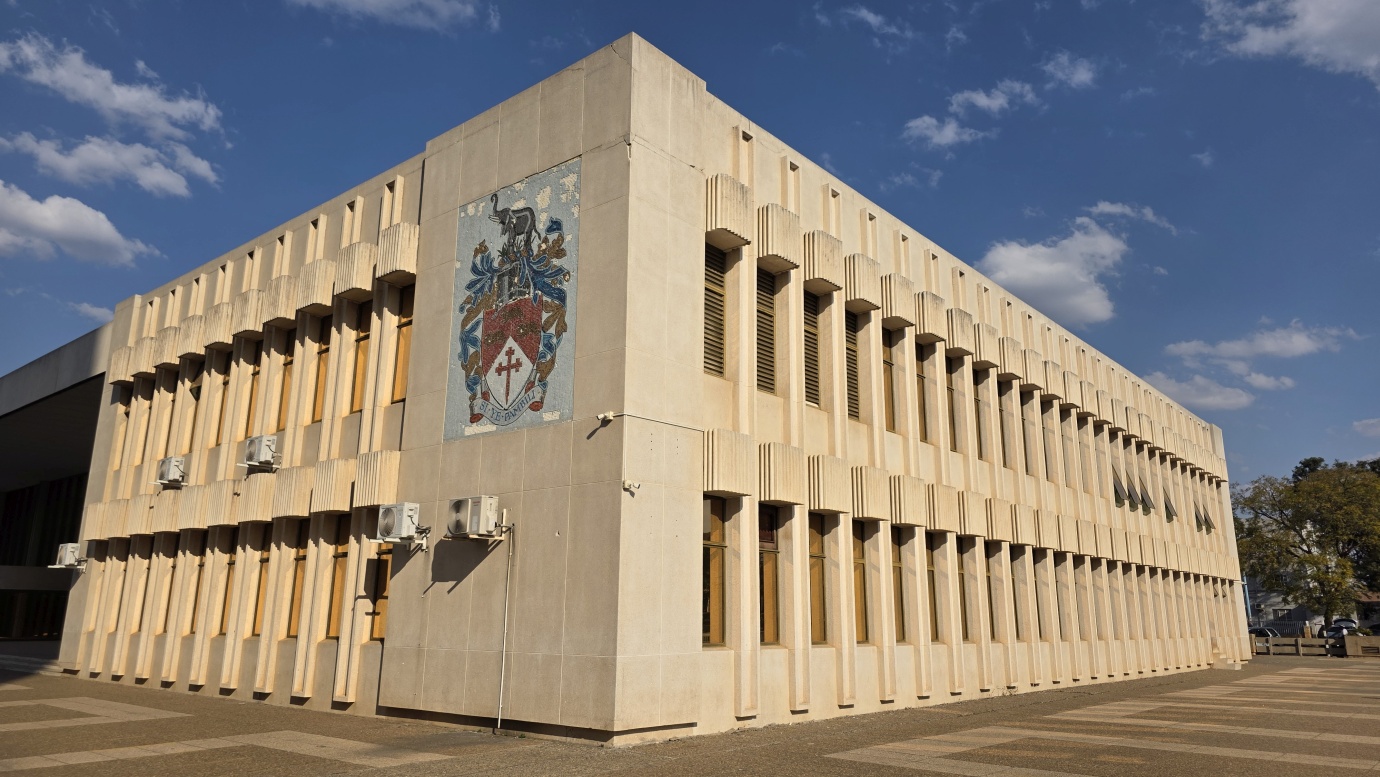
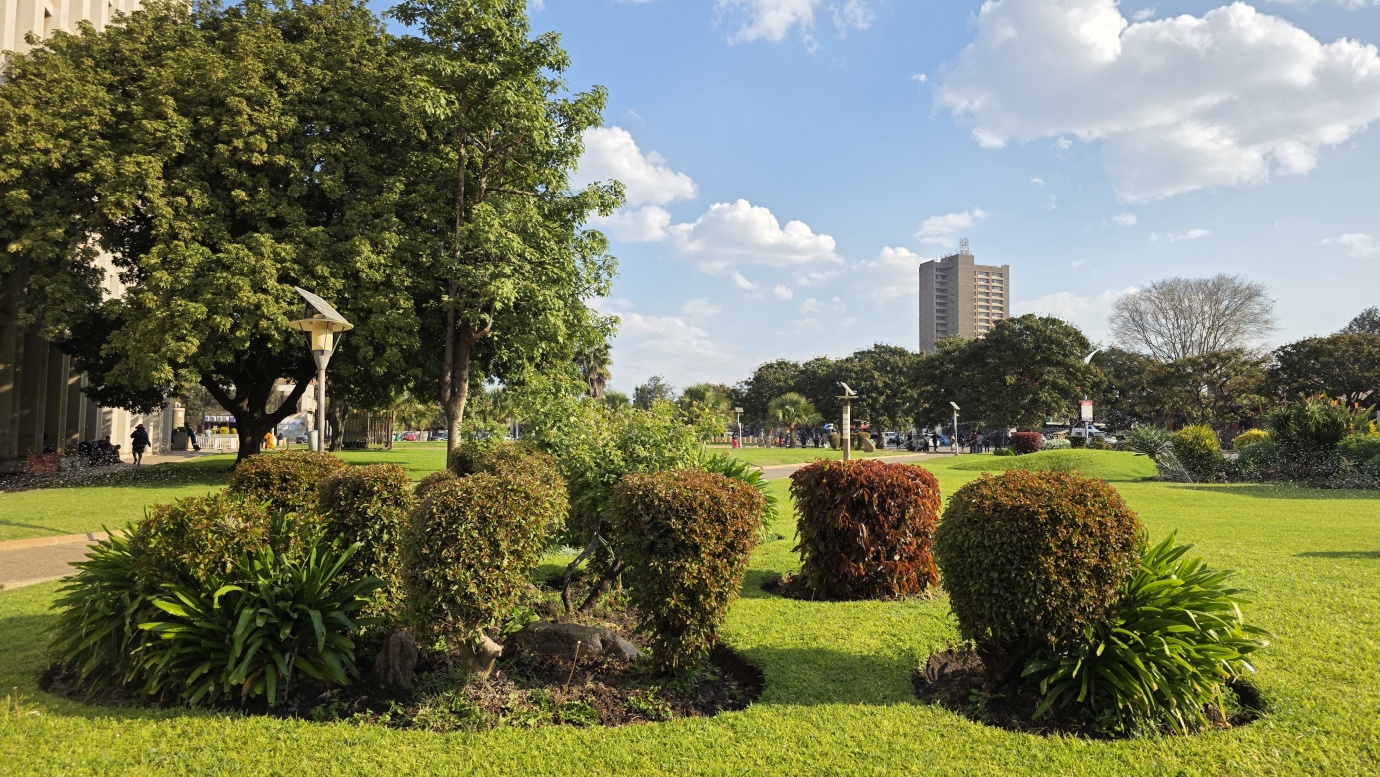
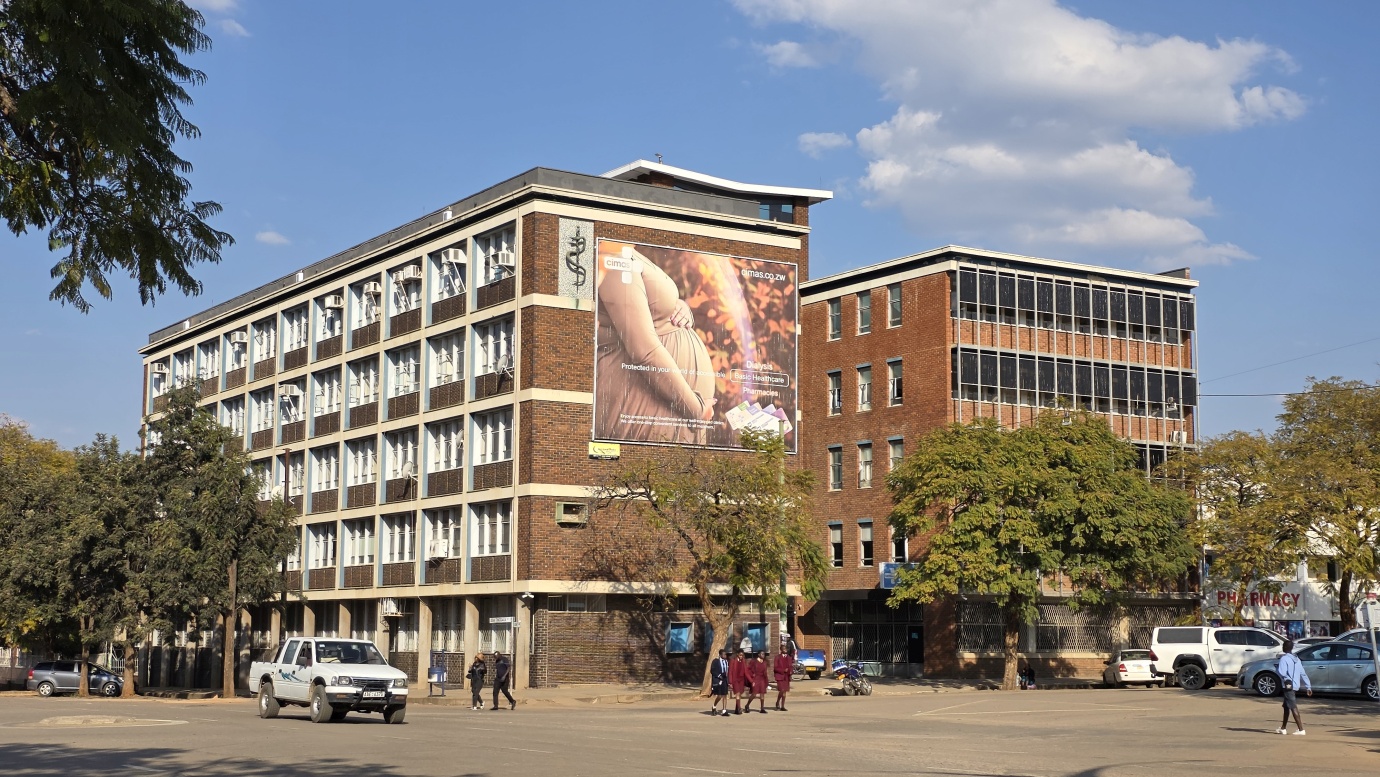
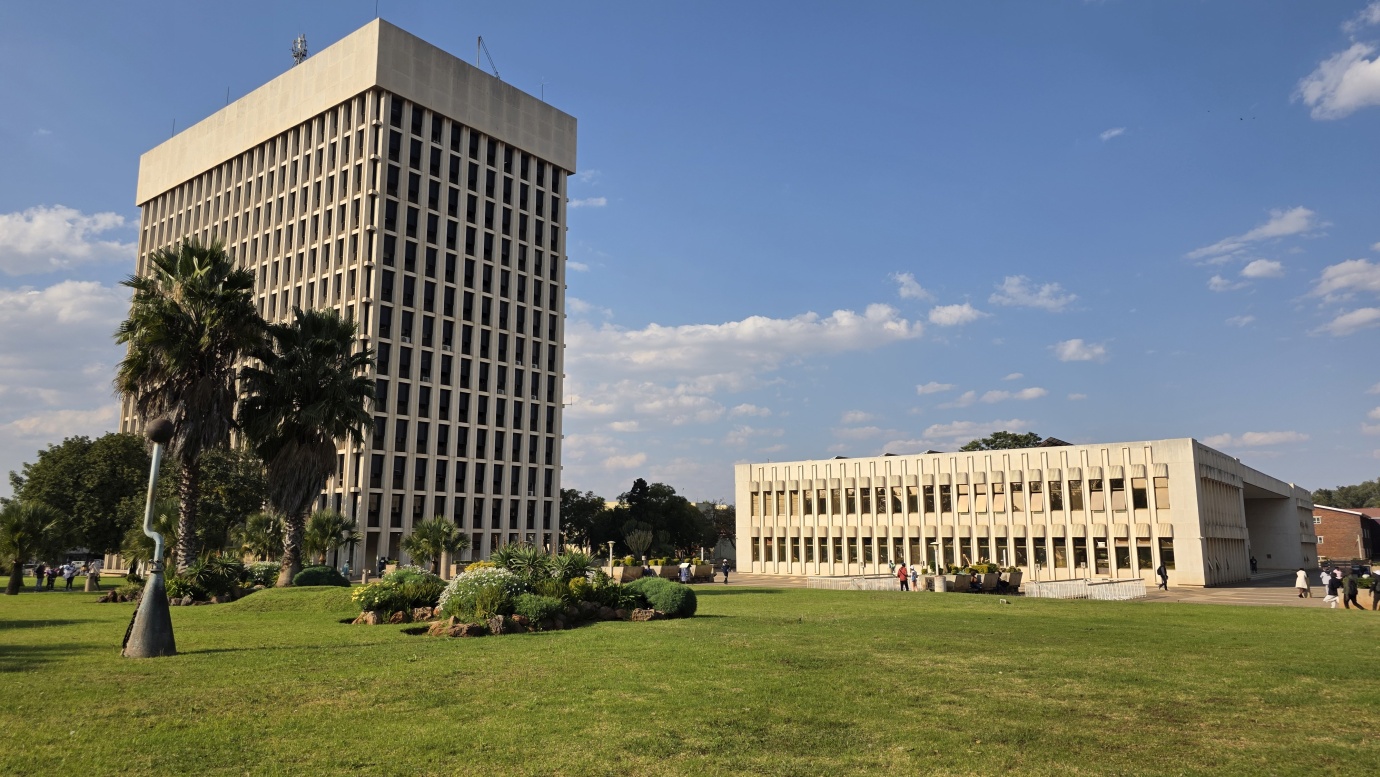
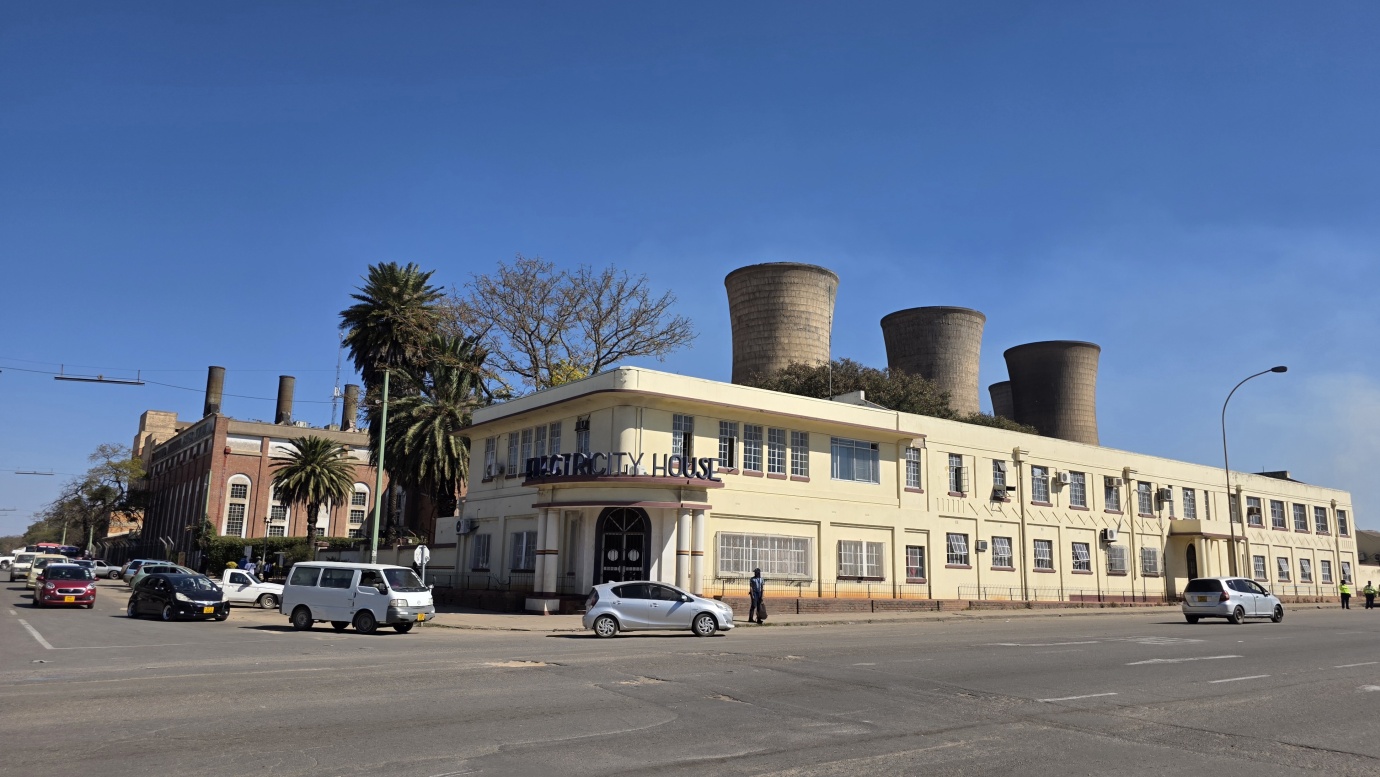
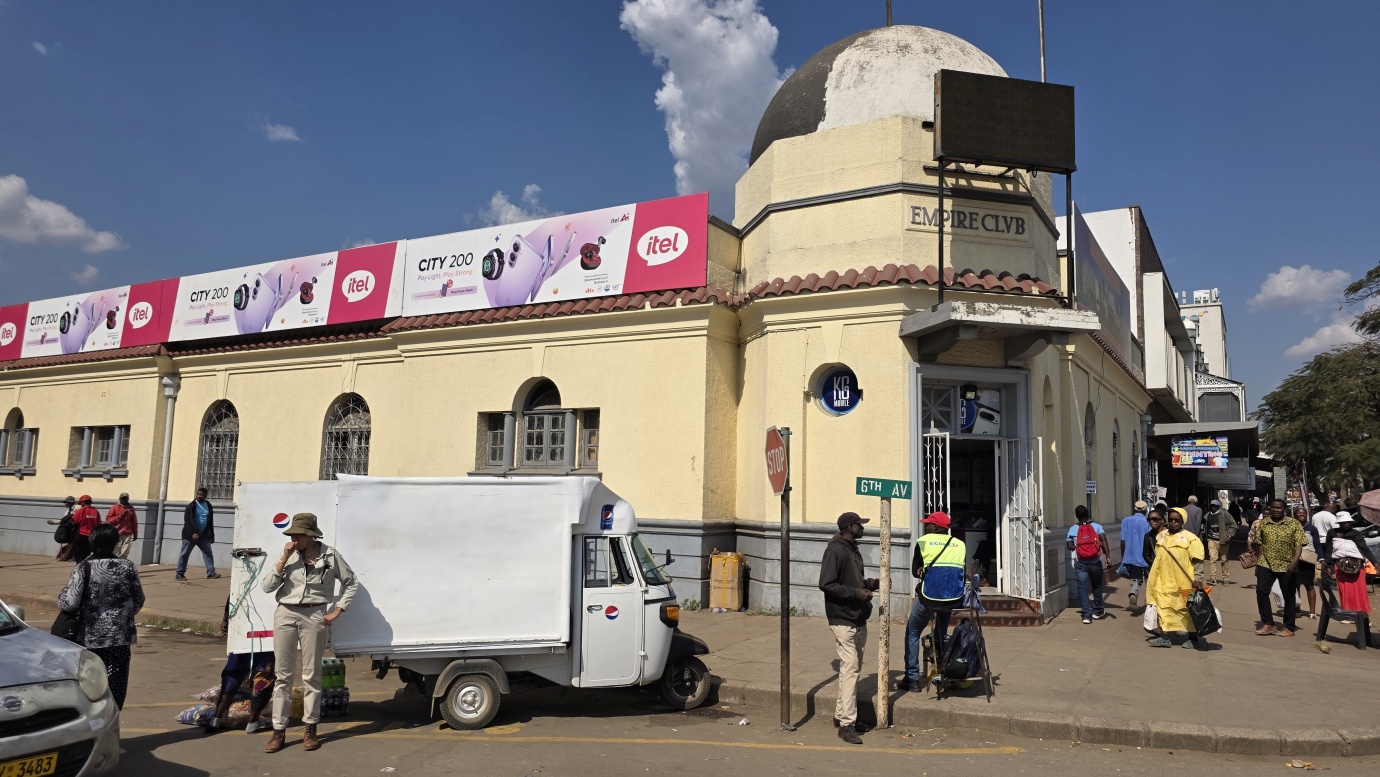
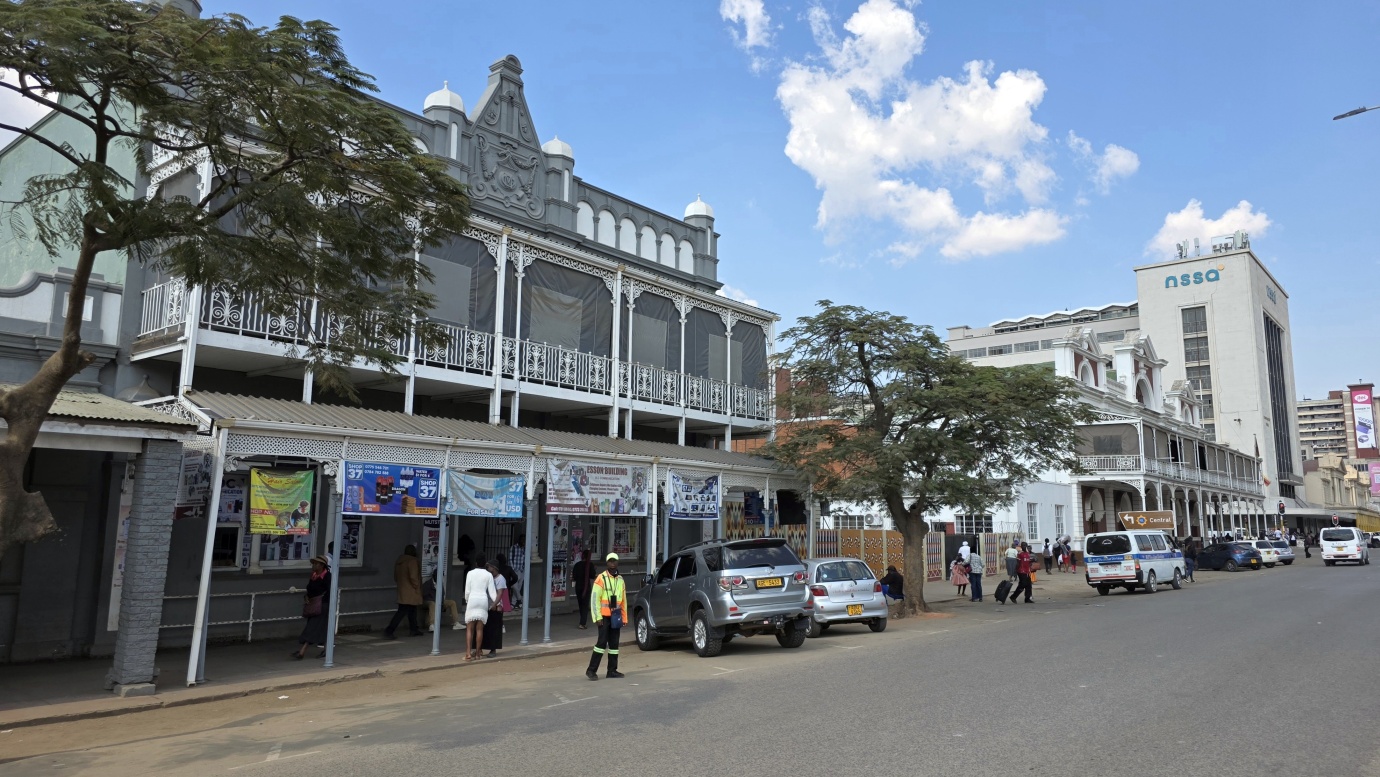
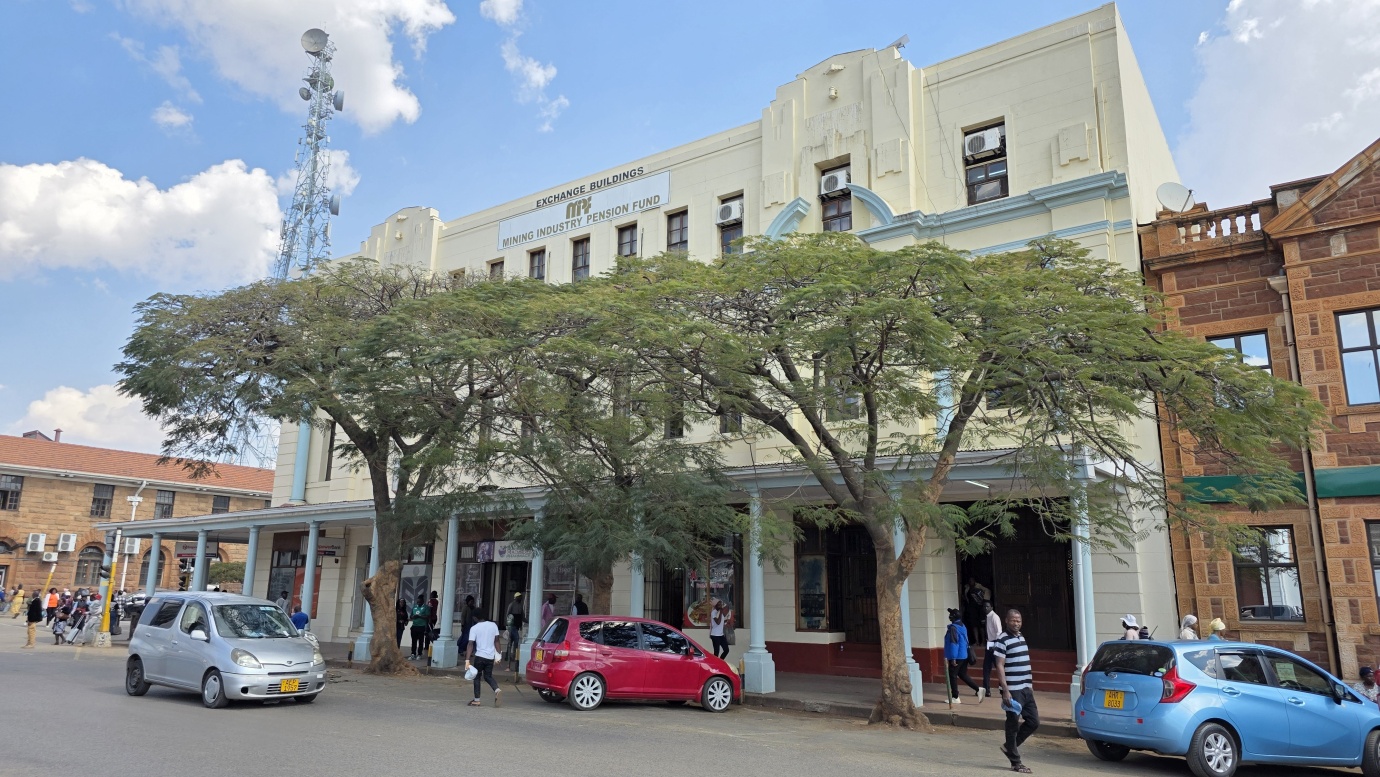
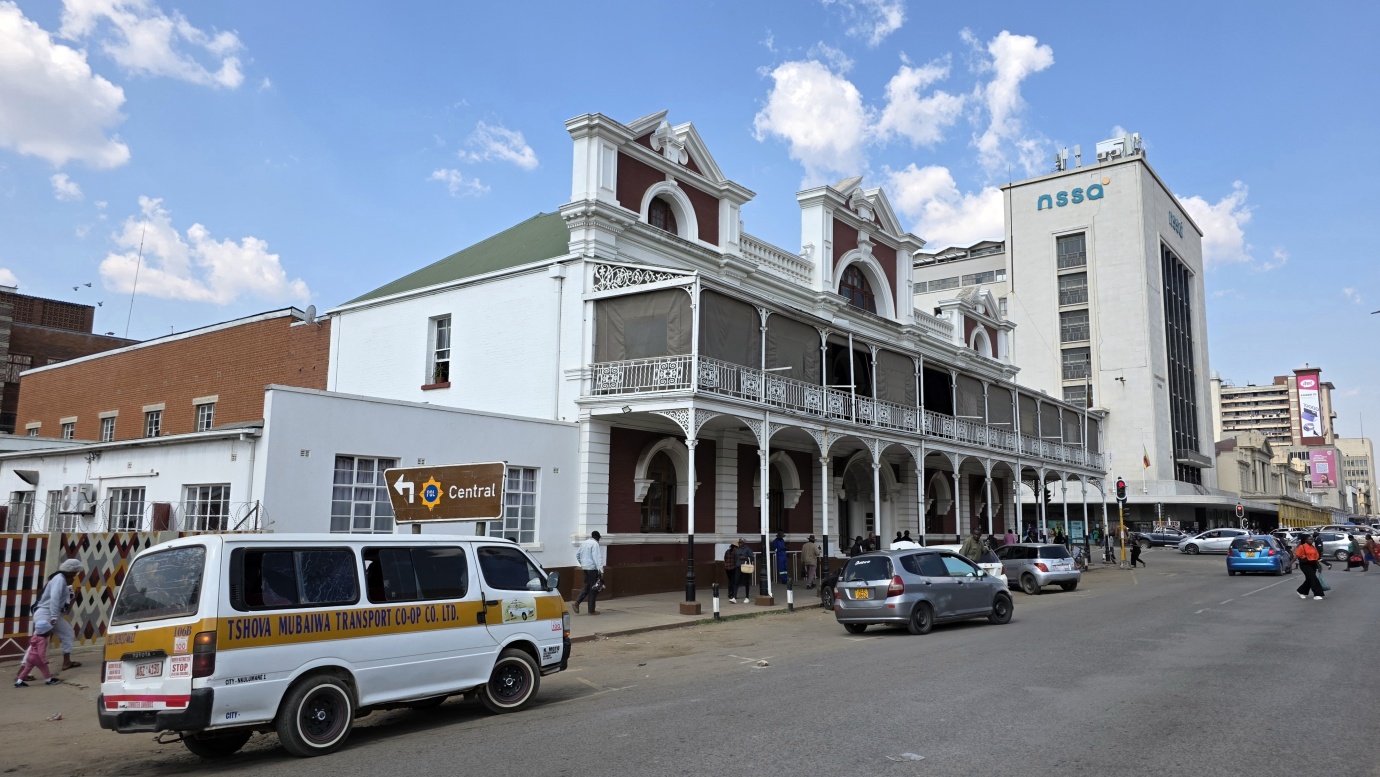
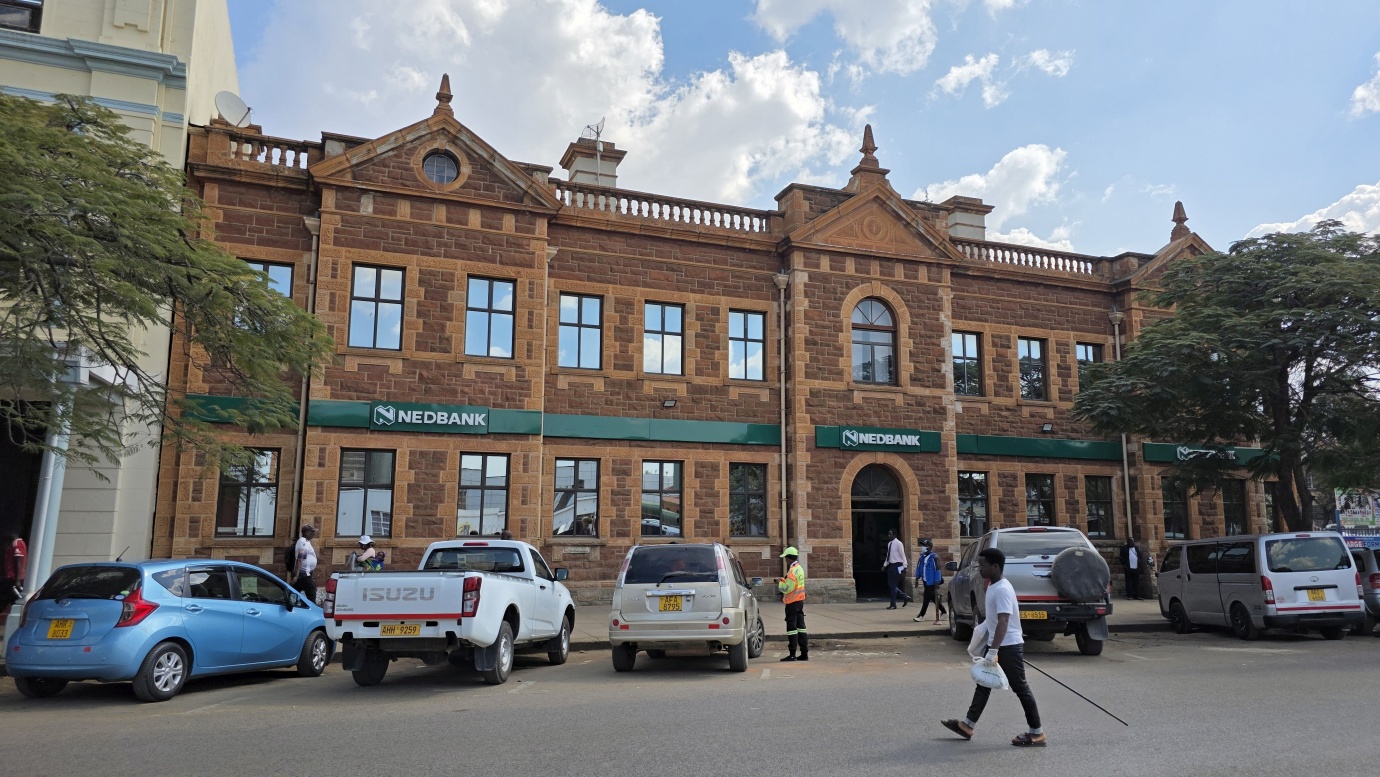
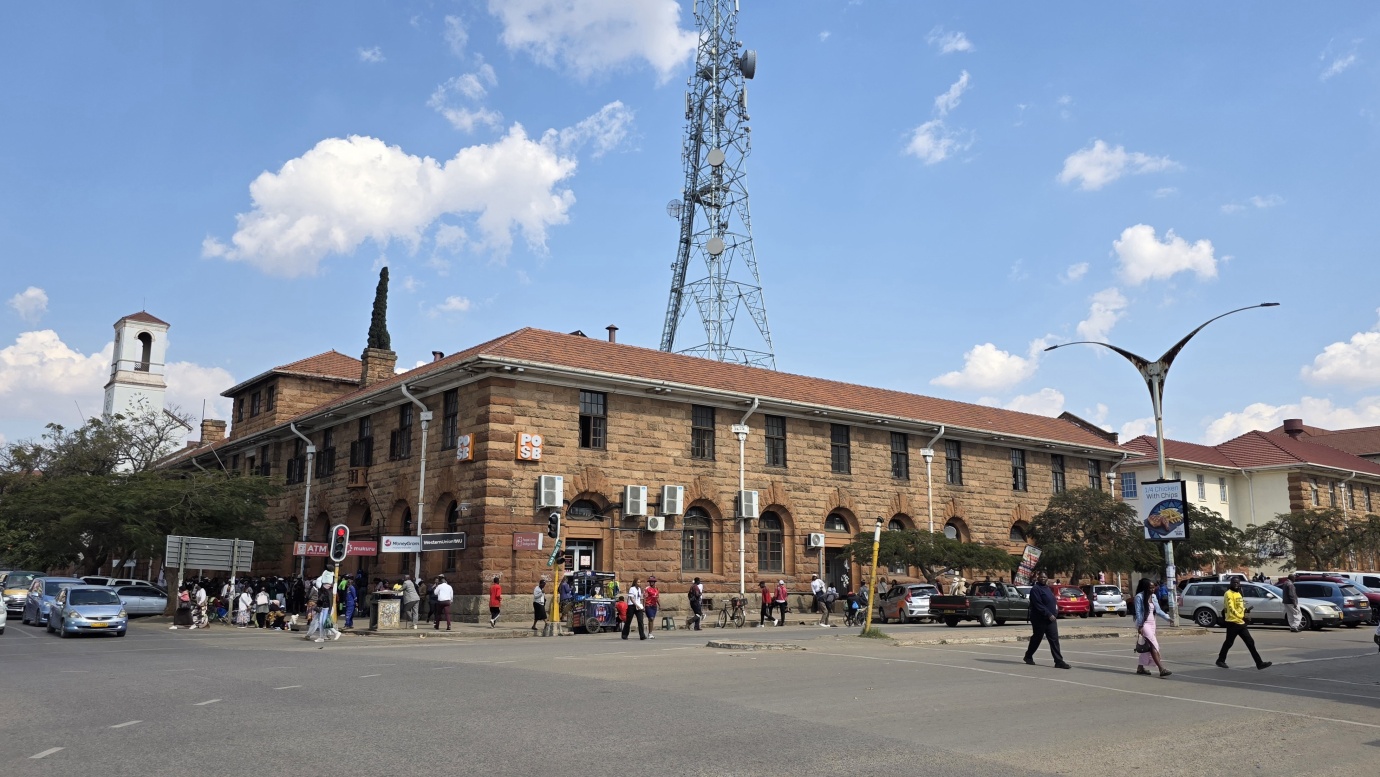
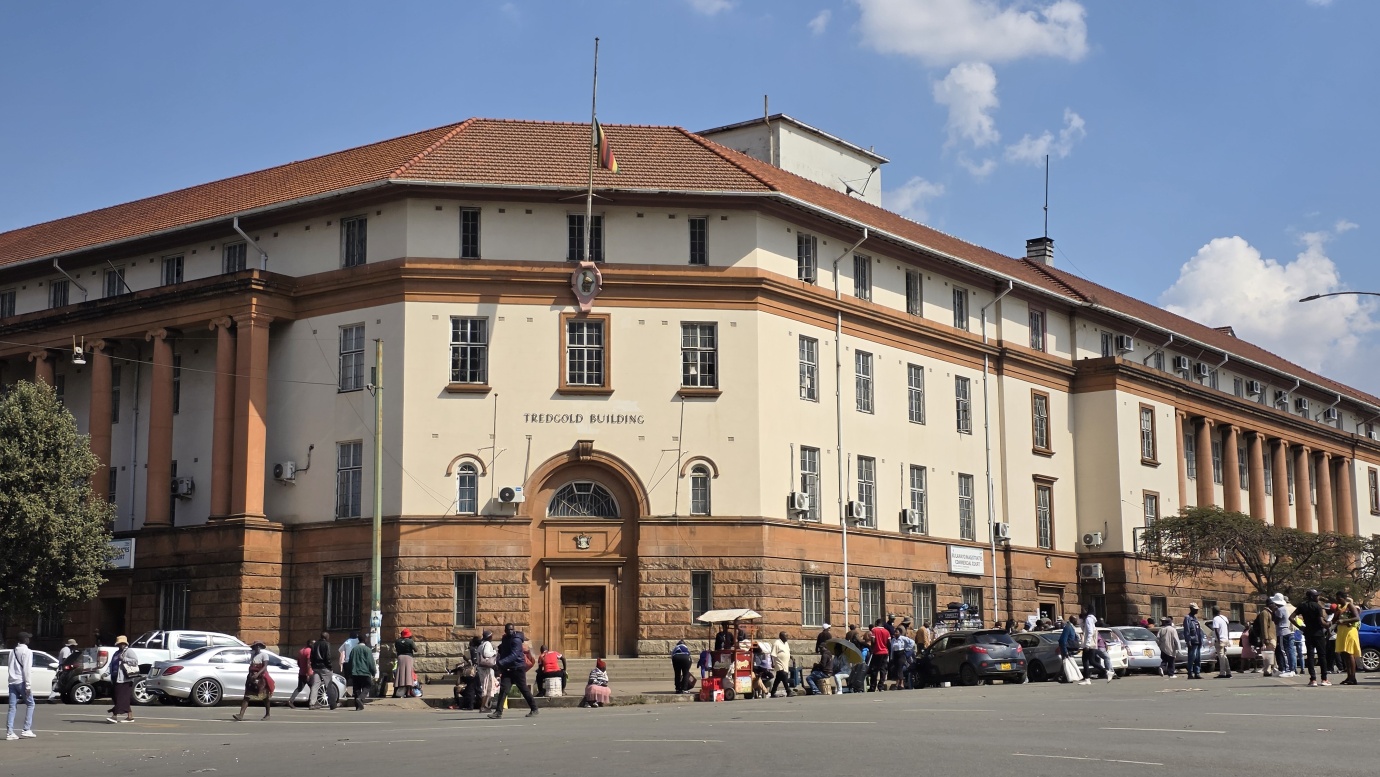
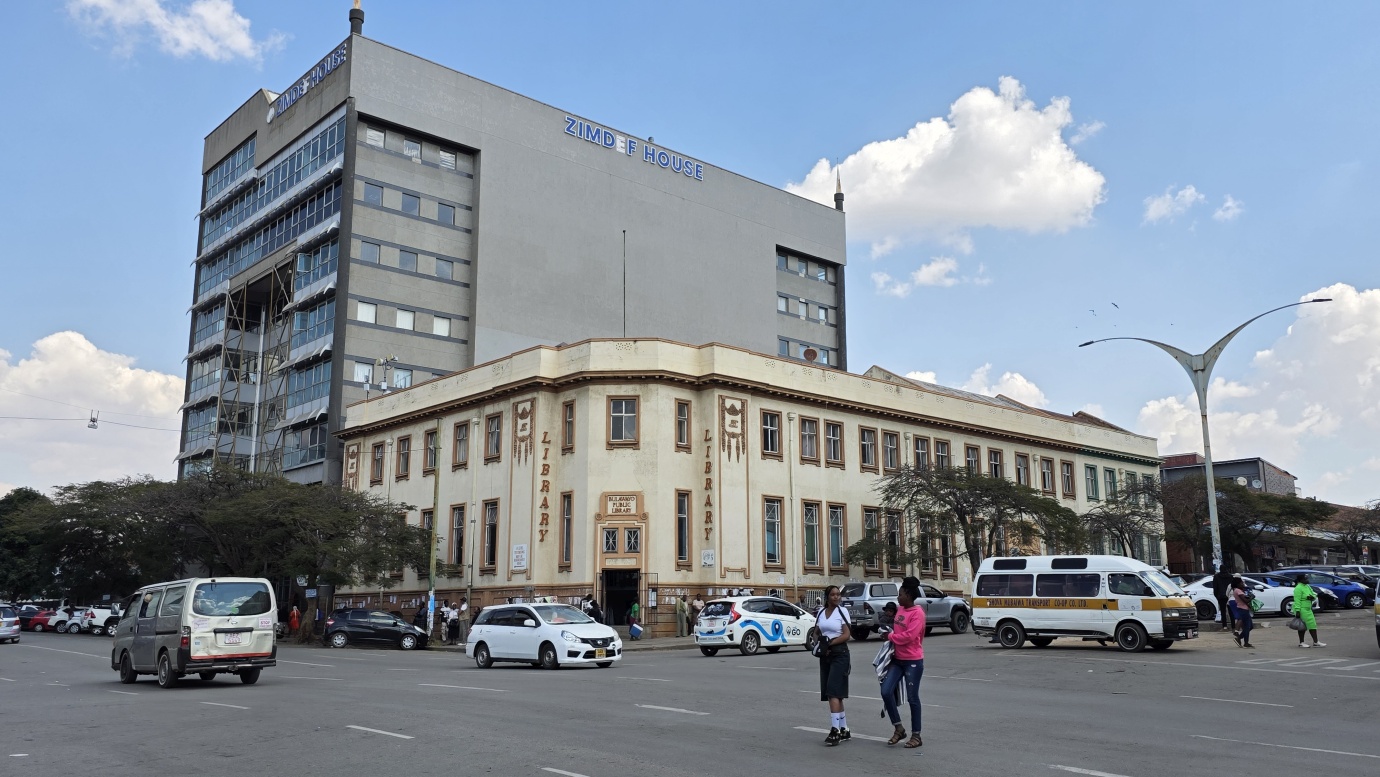
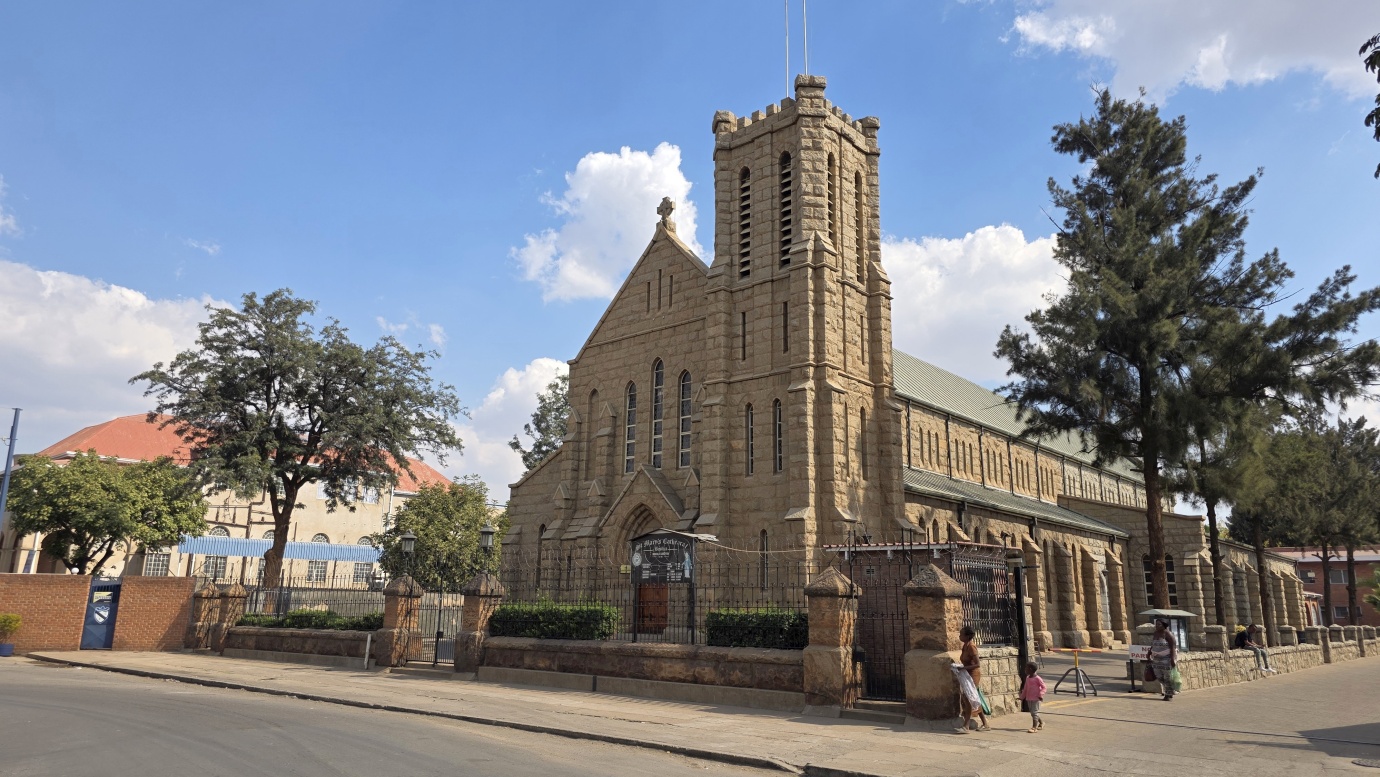
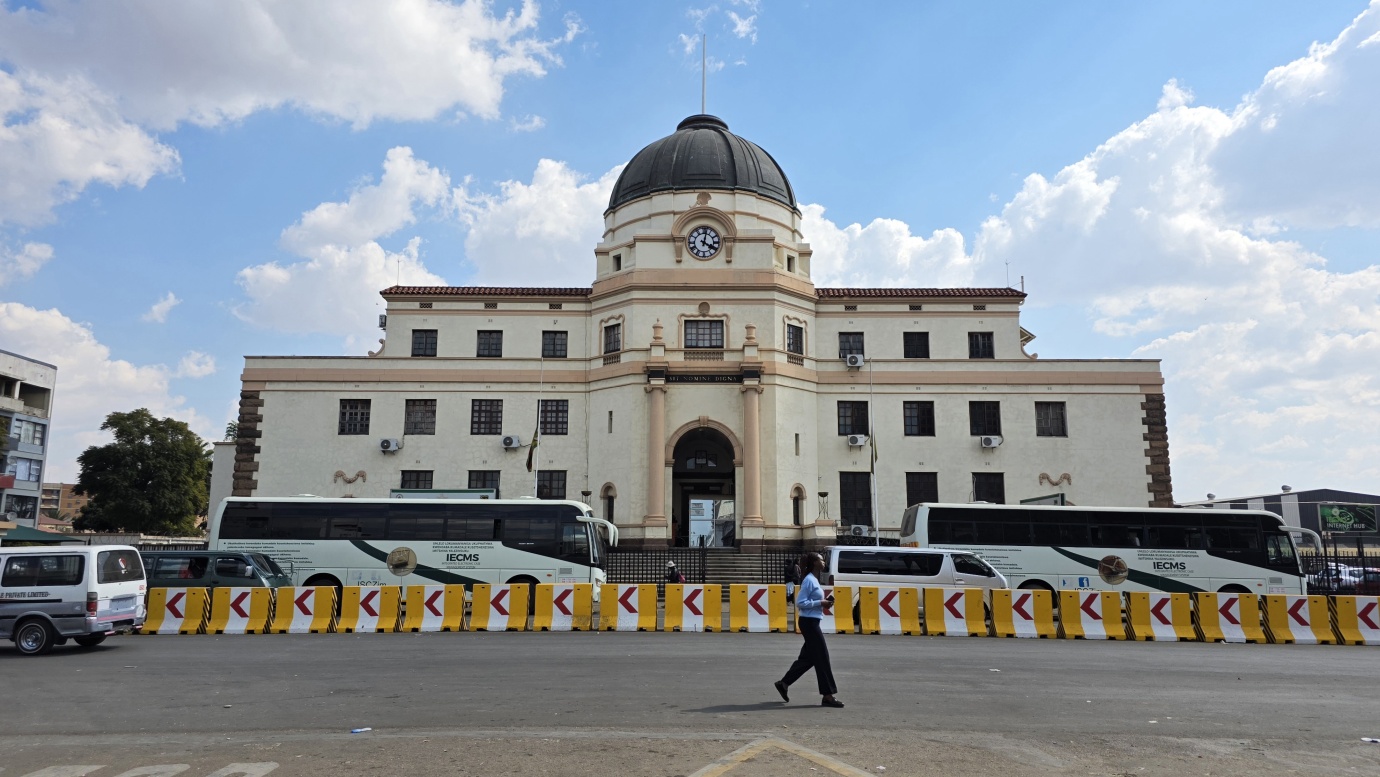
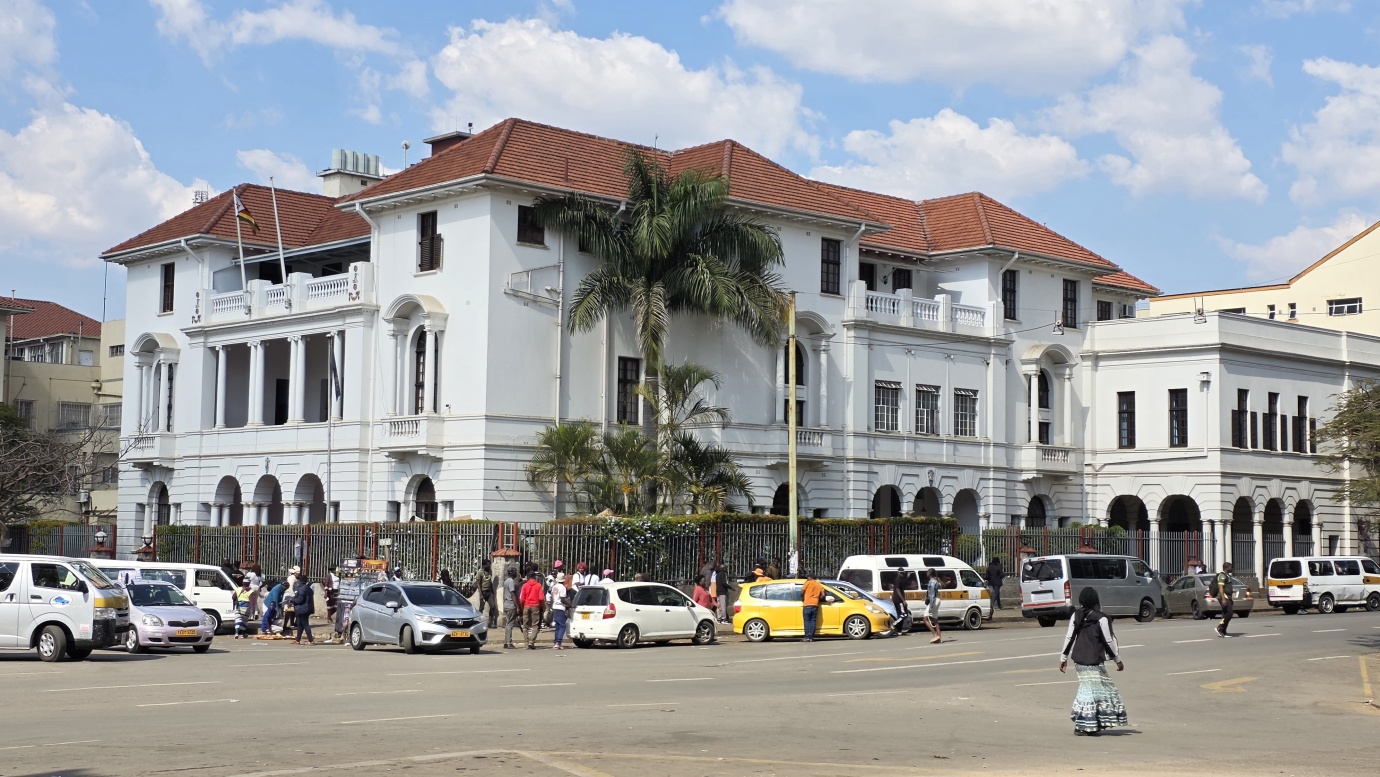
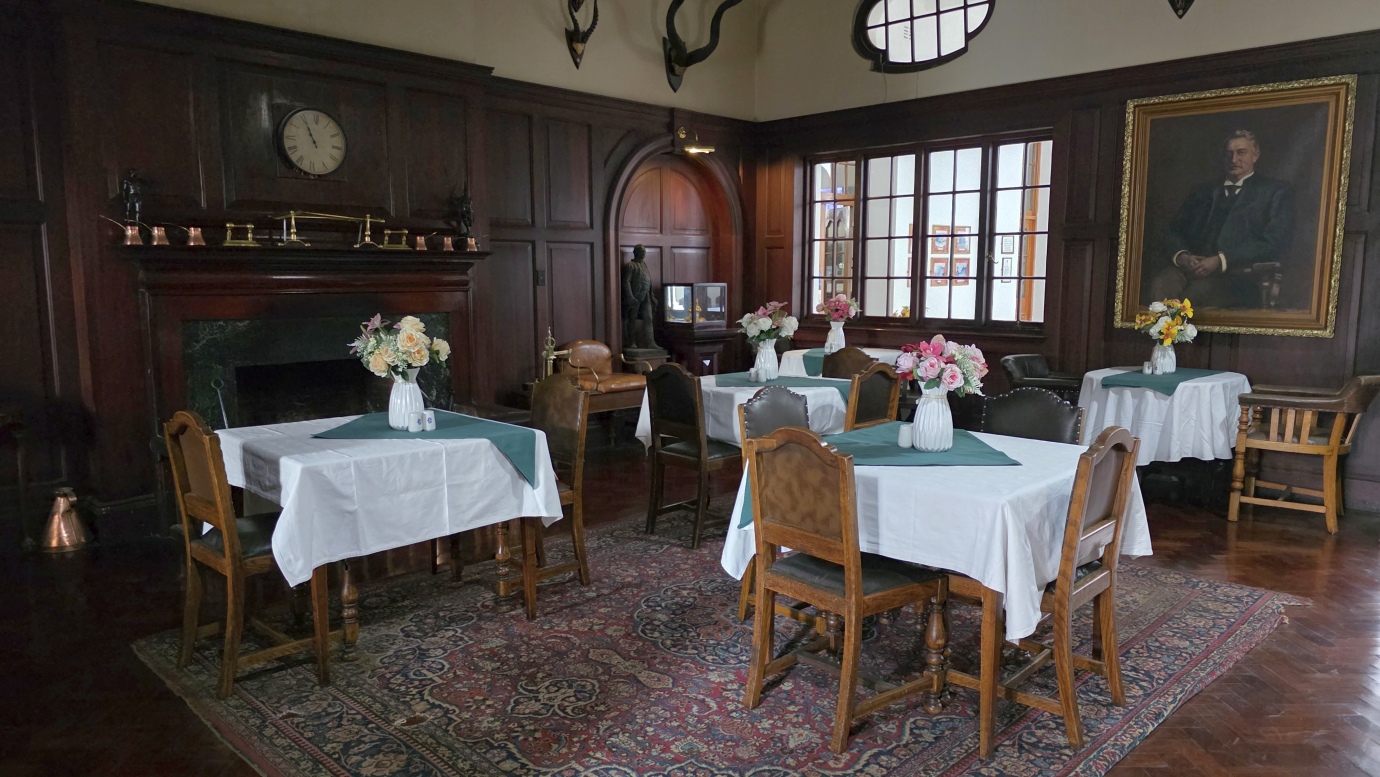
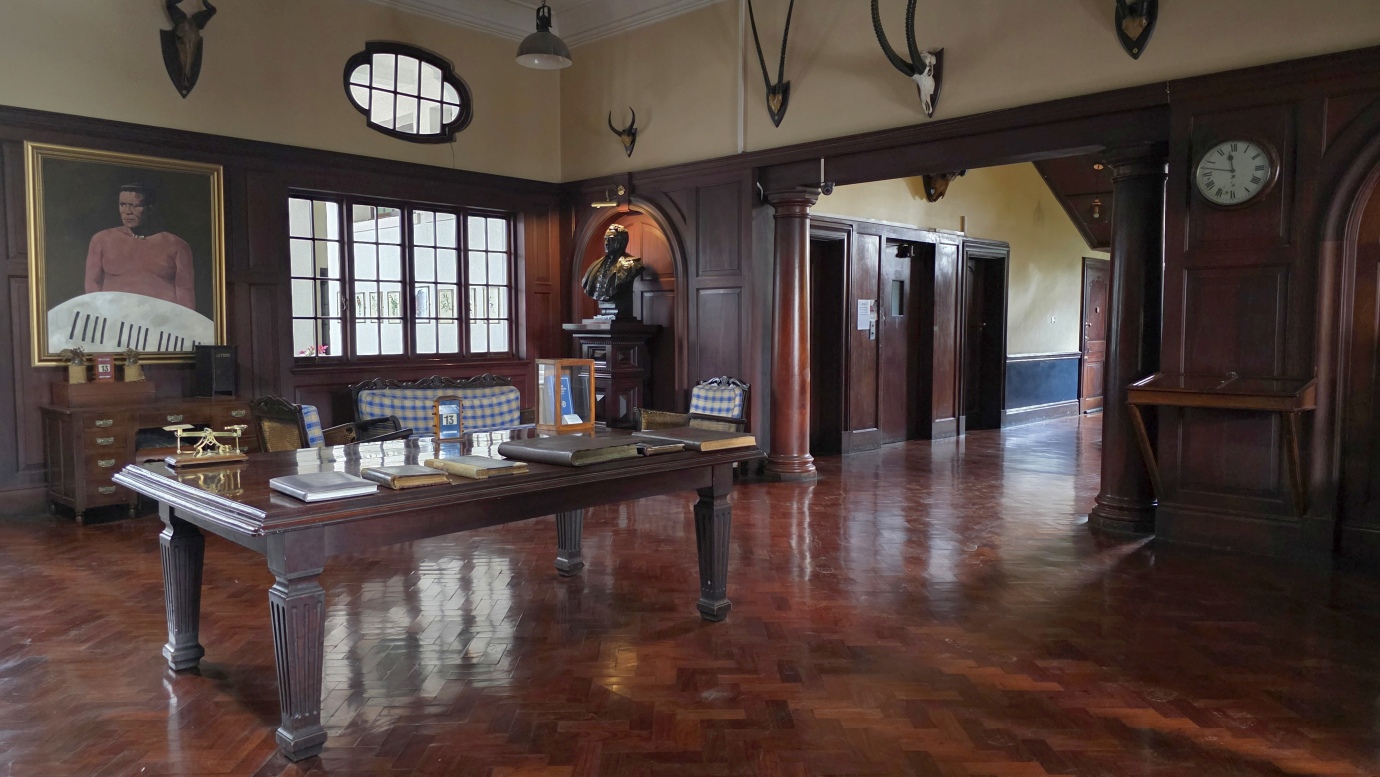
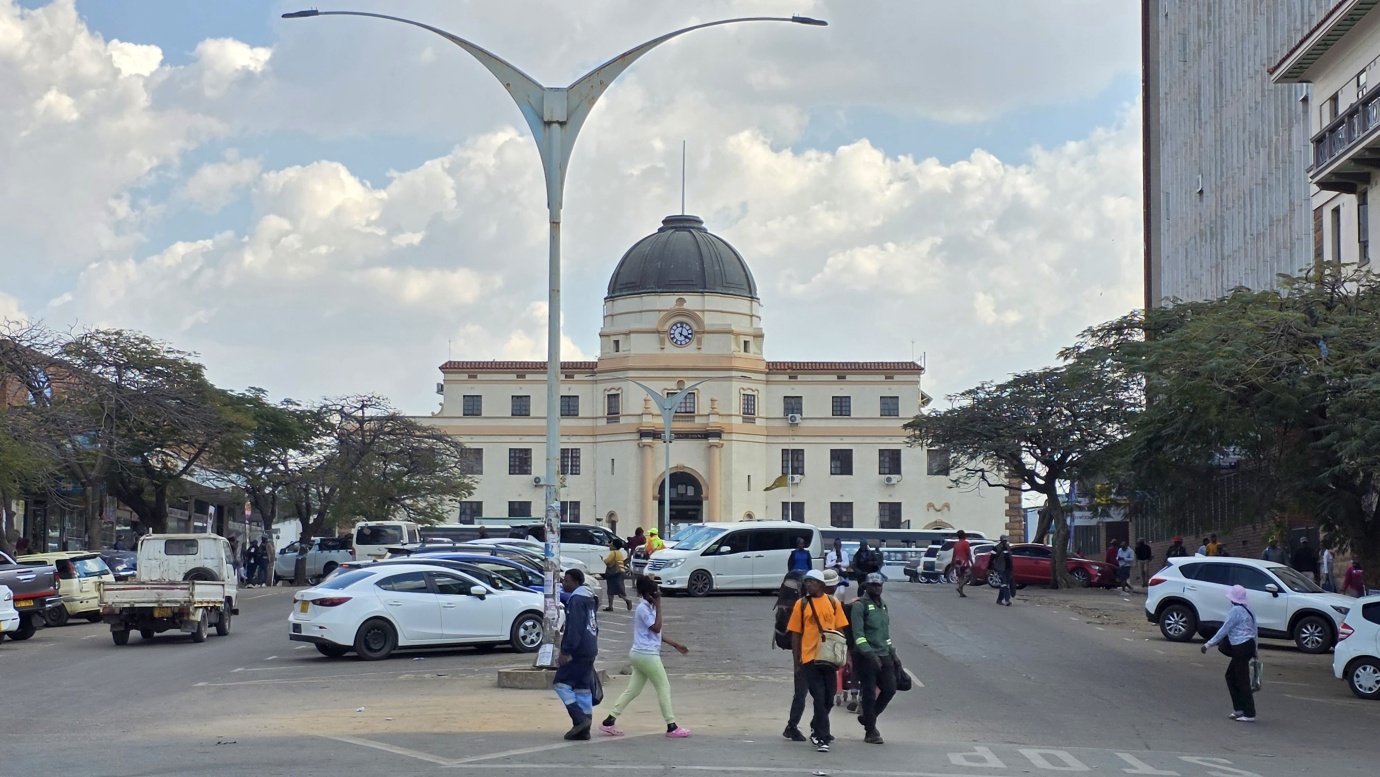
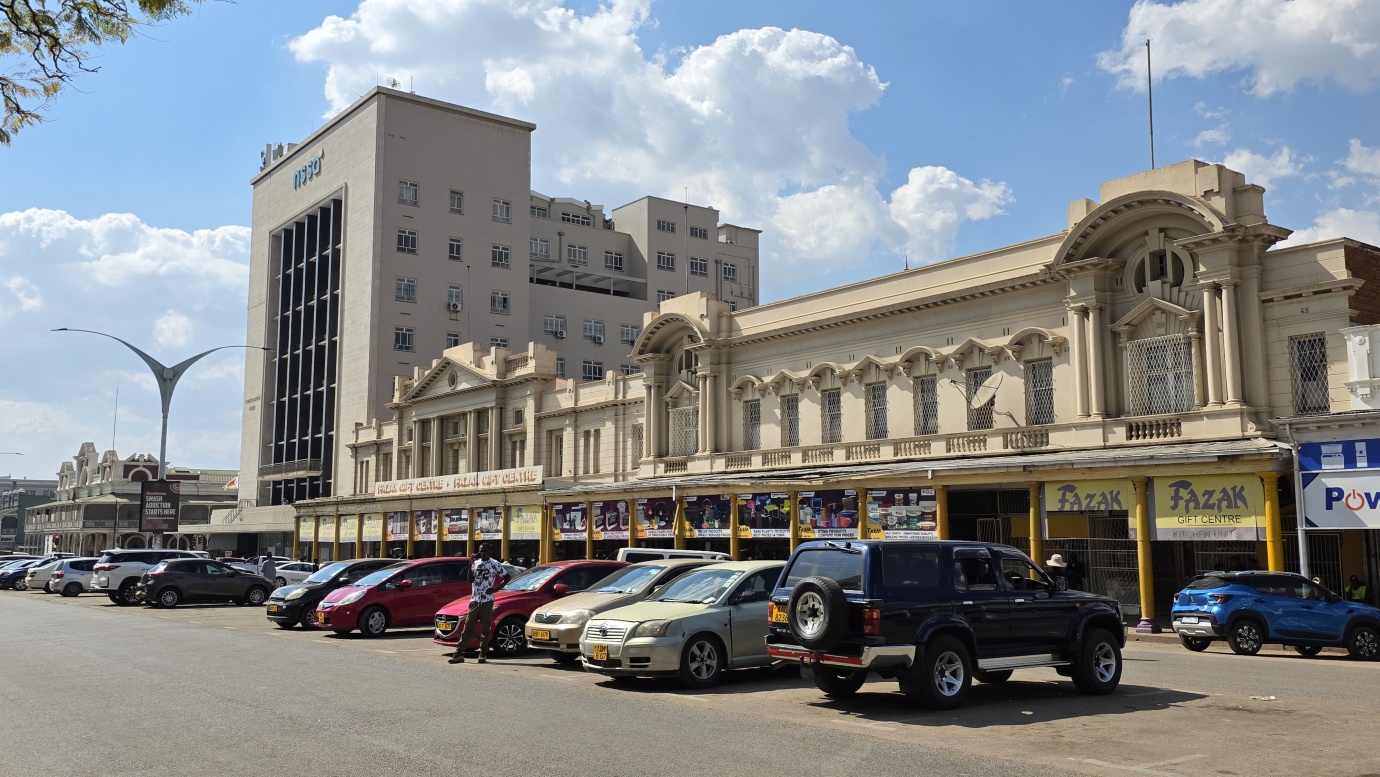
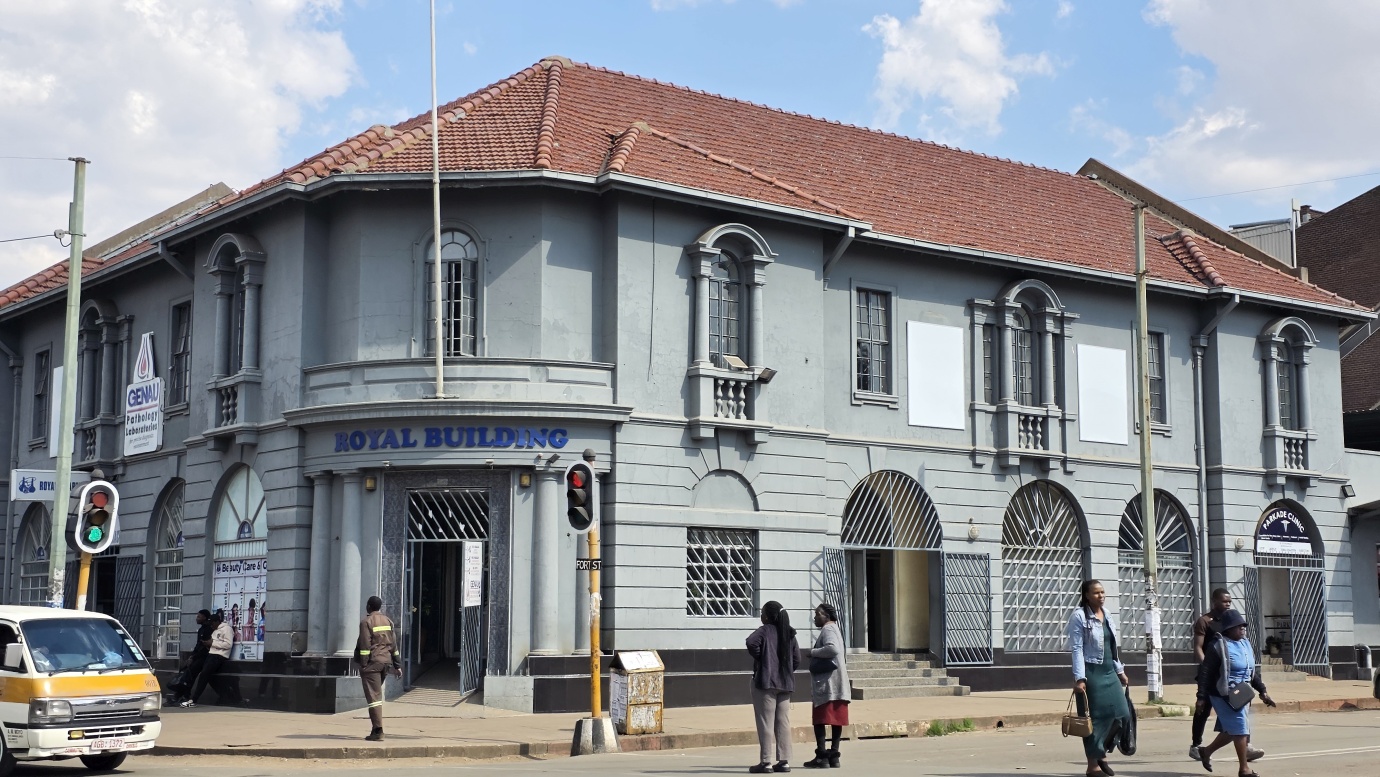
Today, Bulawayo is regarded as Zimbabwe’s finest city for colonial and early 20th-century architecture. Its broad, grid-patterned streets and beautifully preserved sandstone buildings reflect the prosperity of a bygone era. Many of its most distinguished landmarks combine Victorian and Edwardian architectural styles, featuring elegant balconies, ornate cast-iron railings, and interiors crafted from Burmese teak.
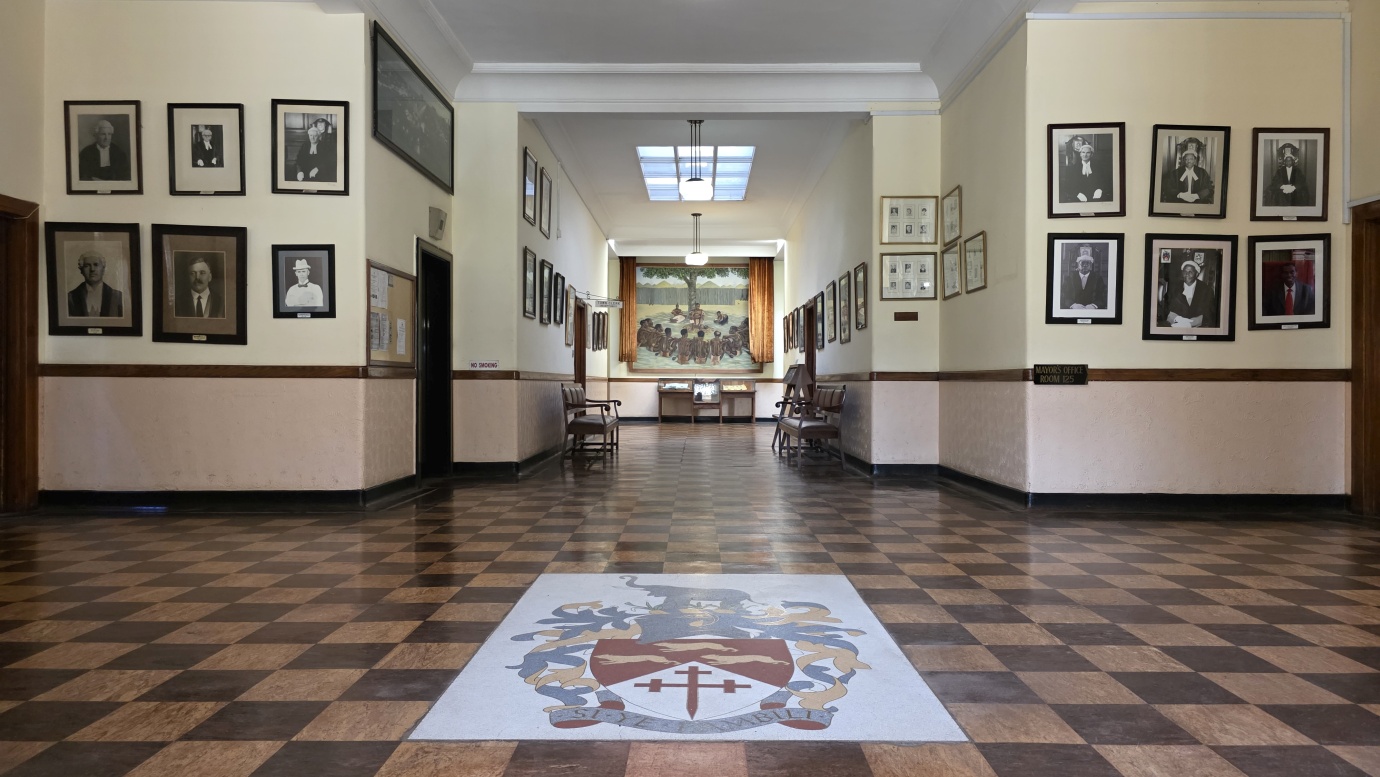
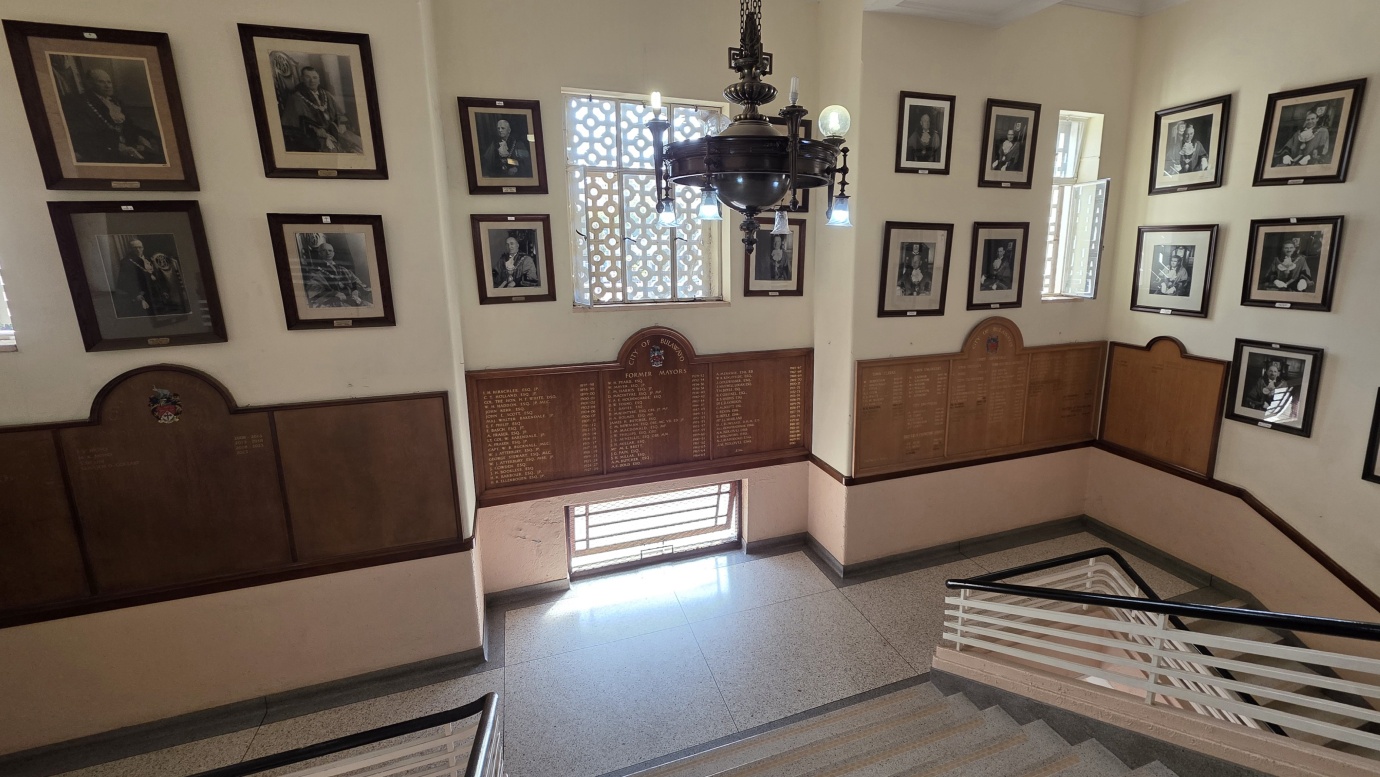
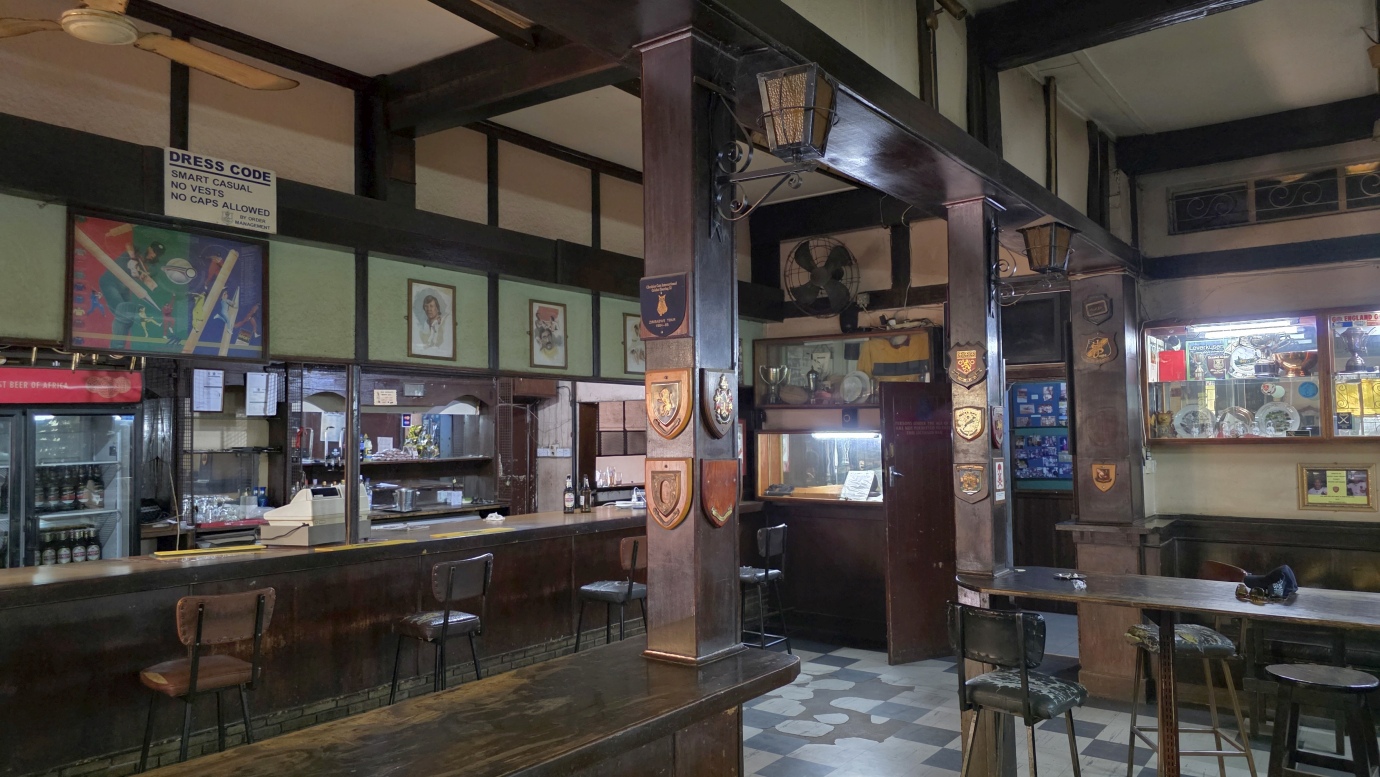
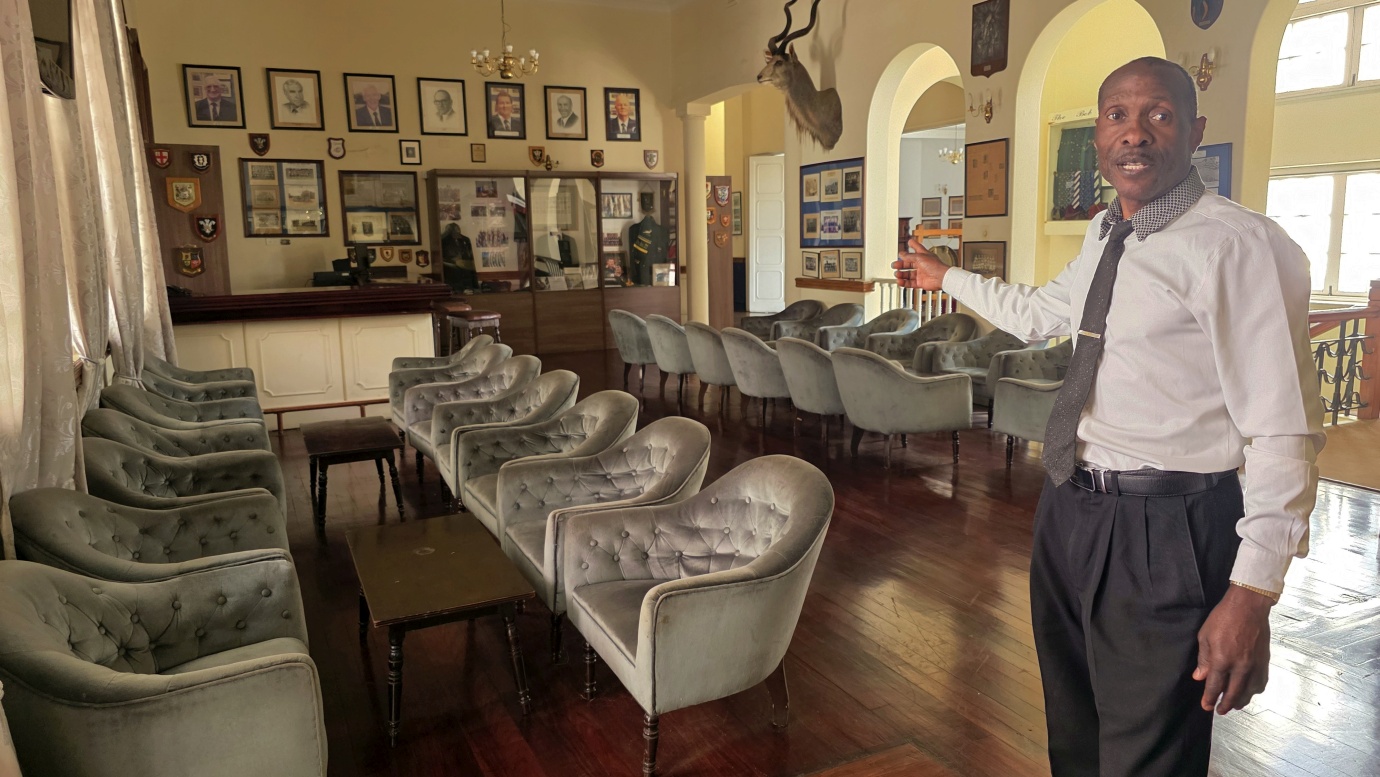
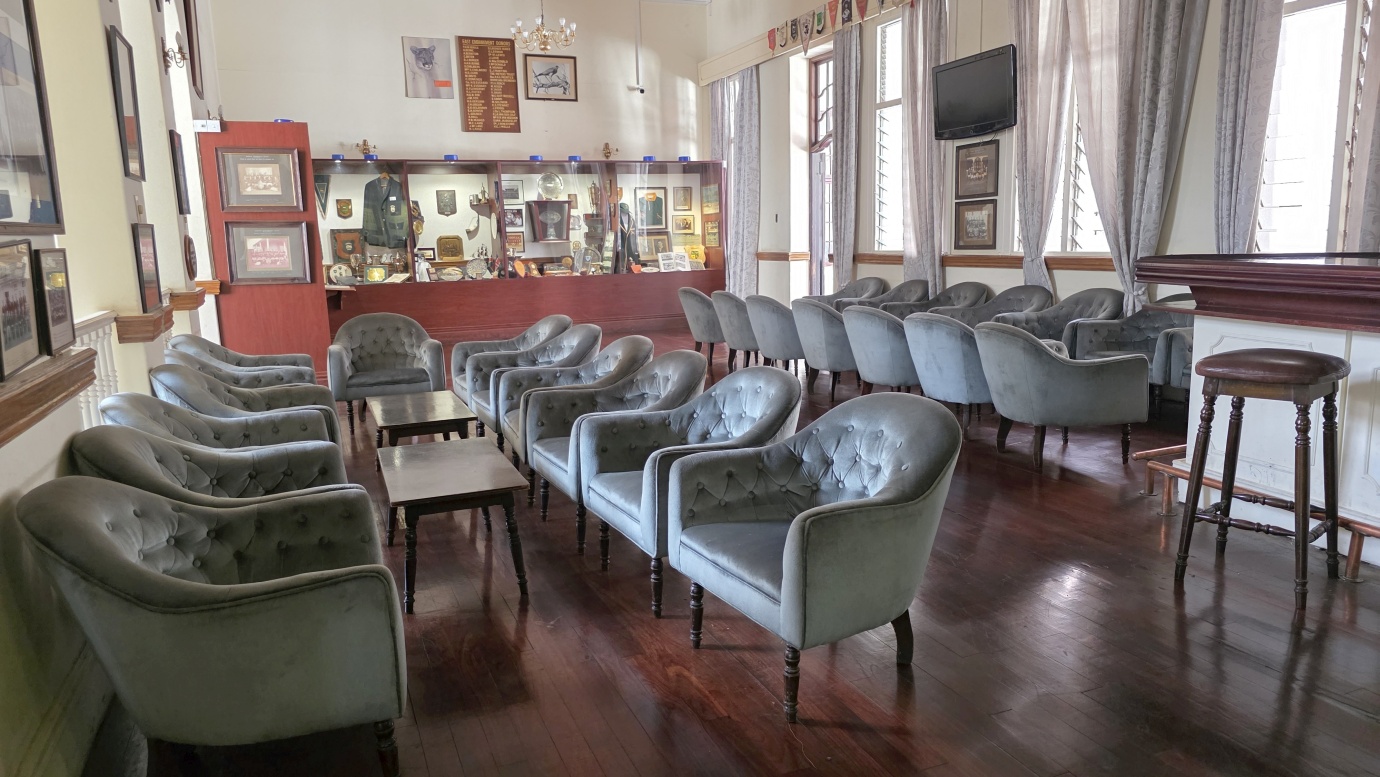
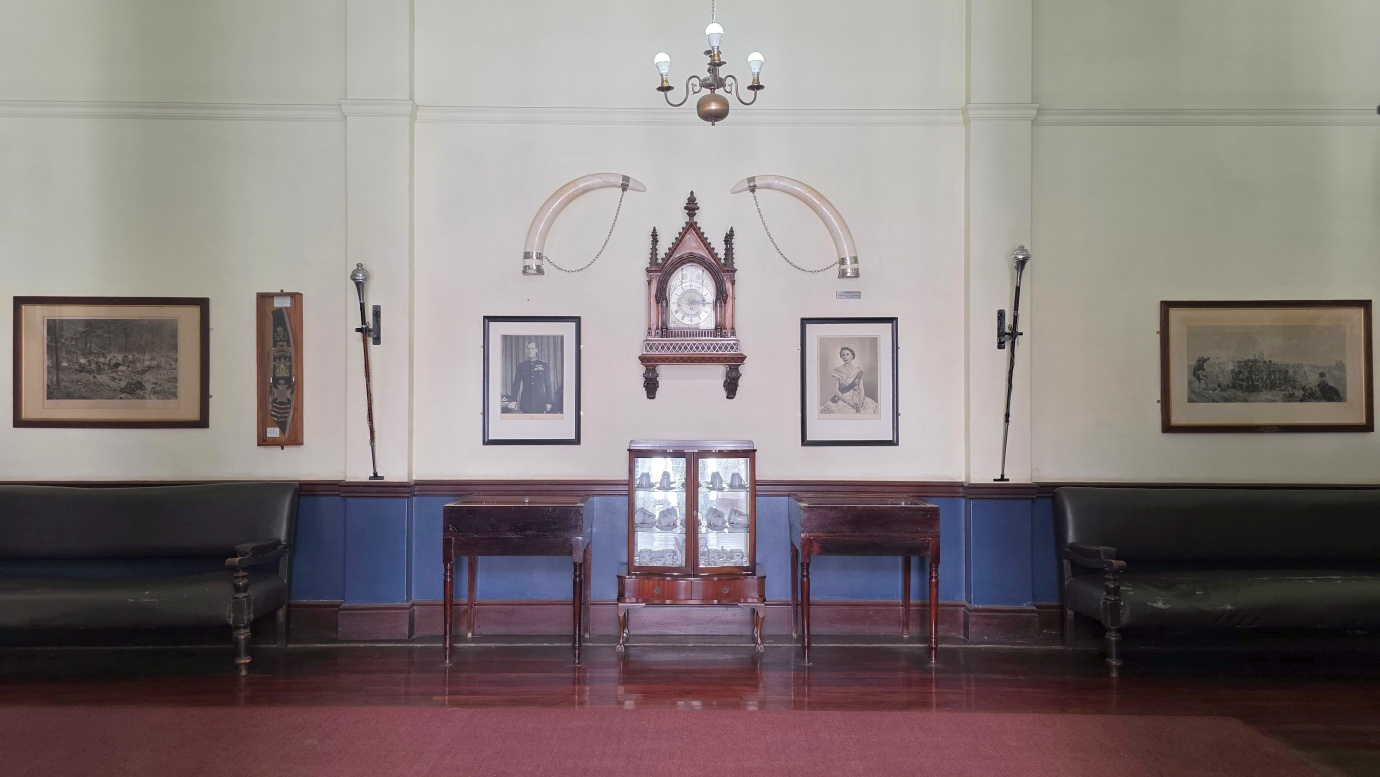
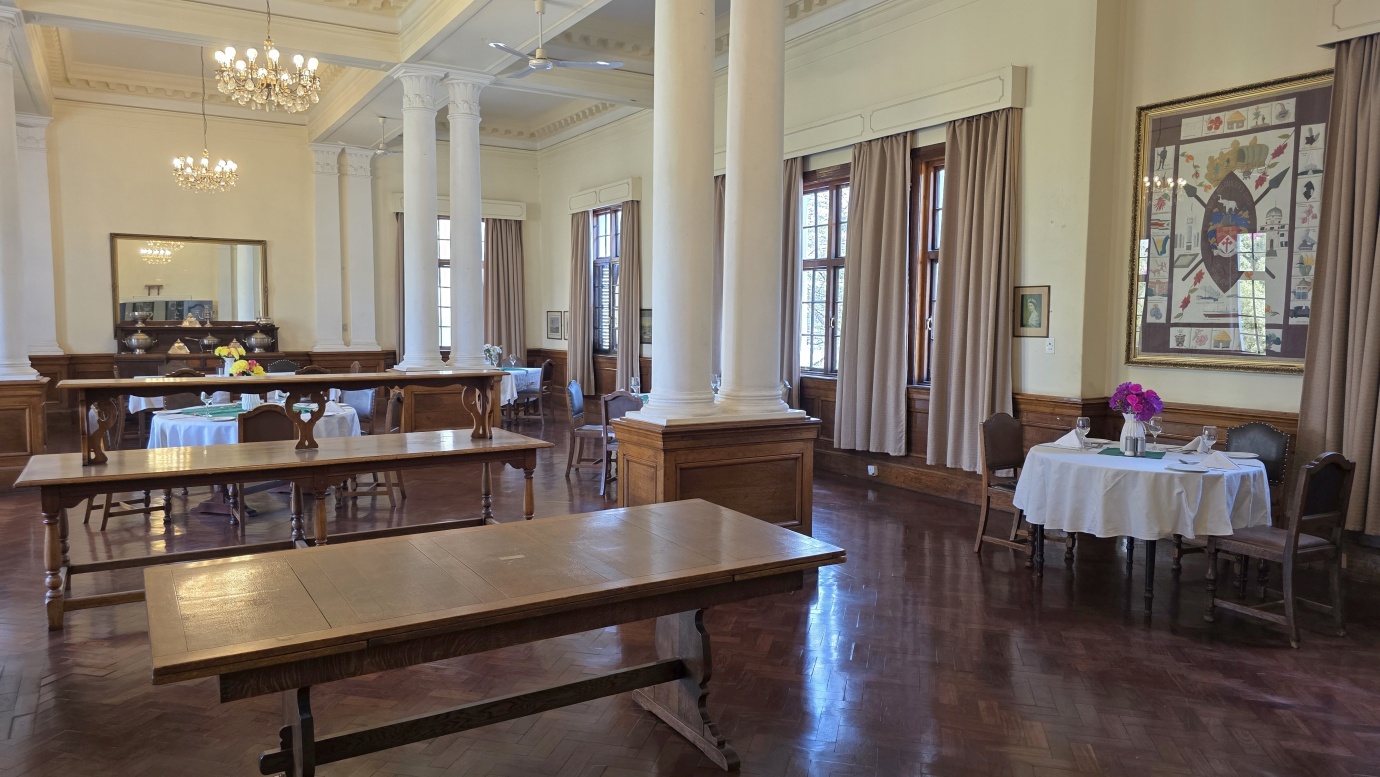
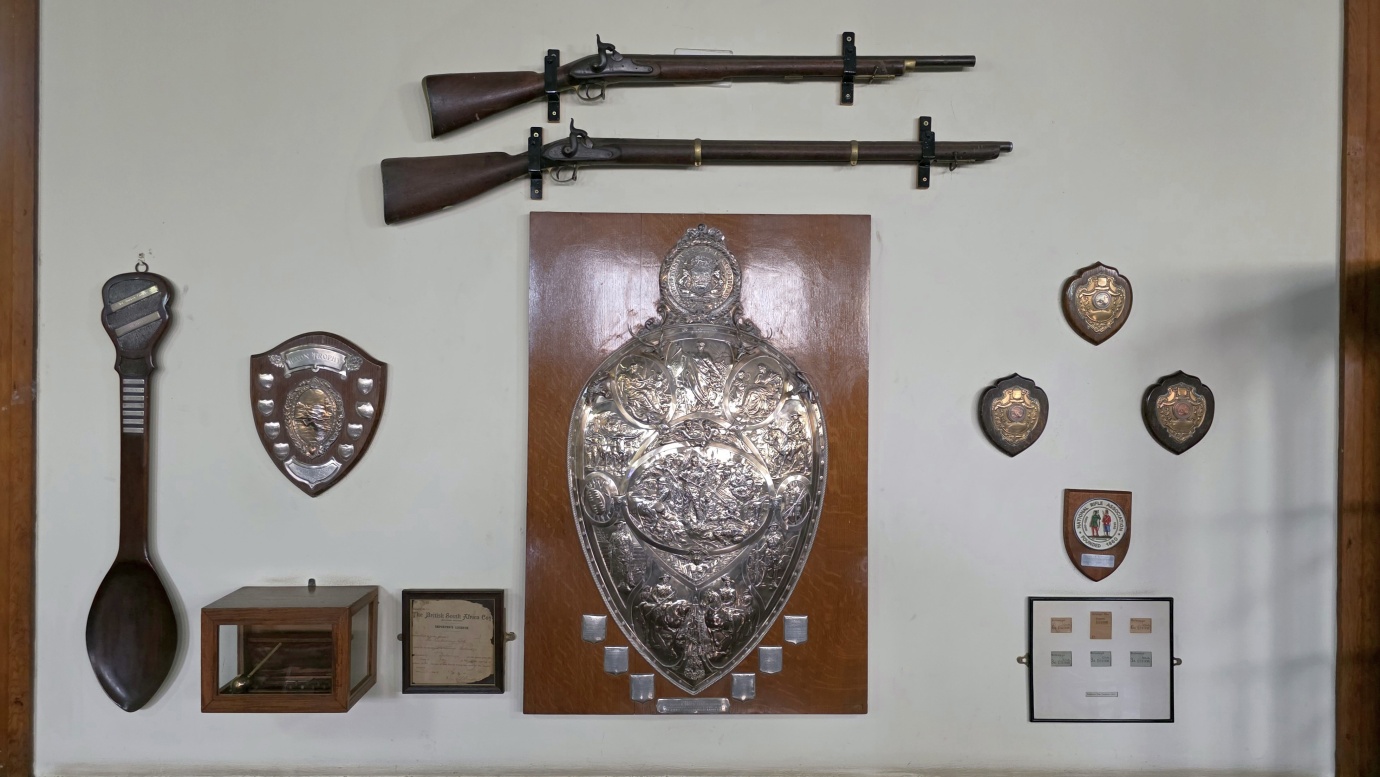
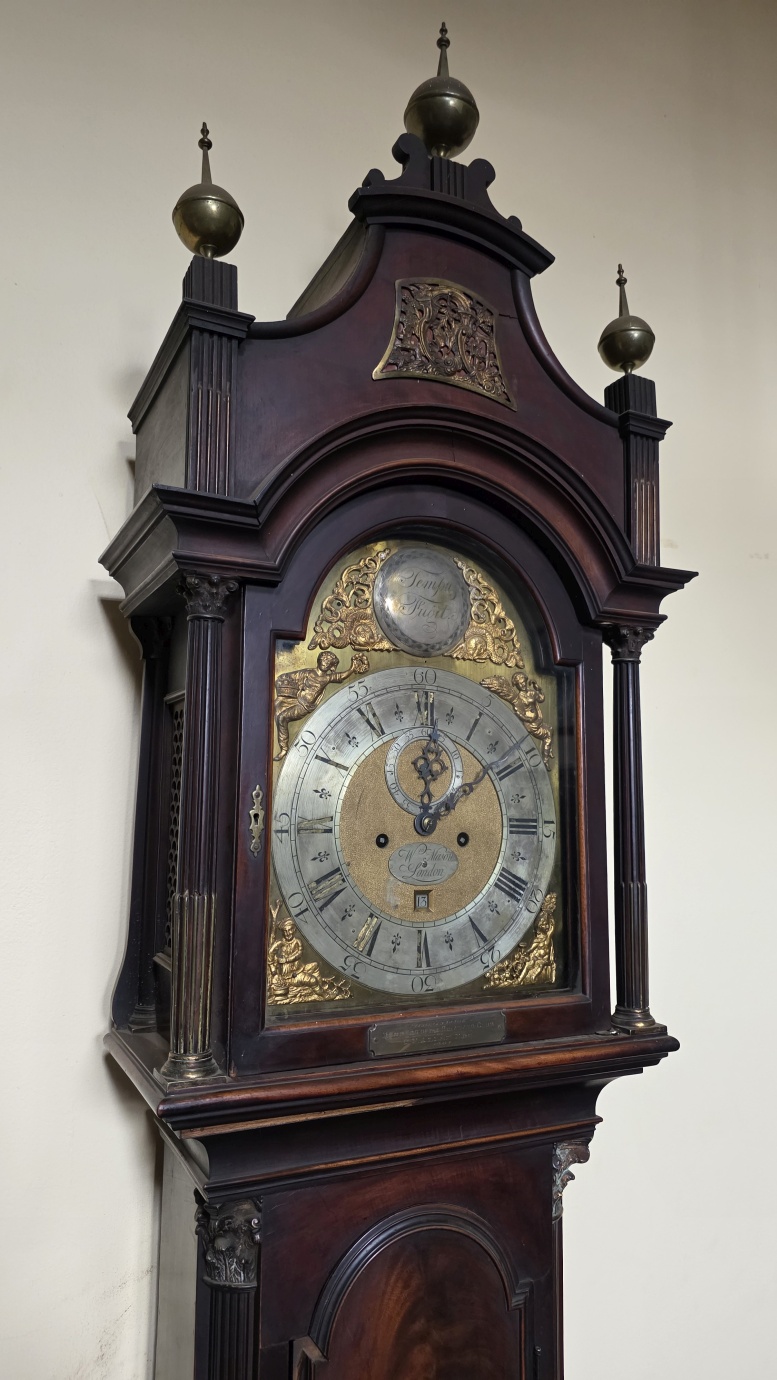
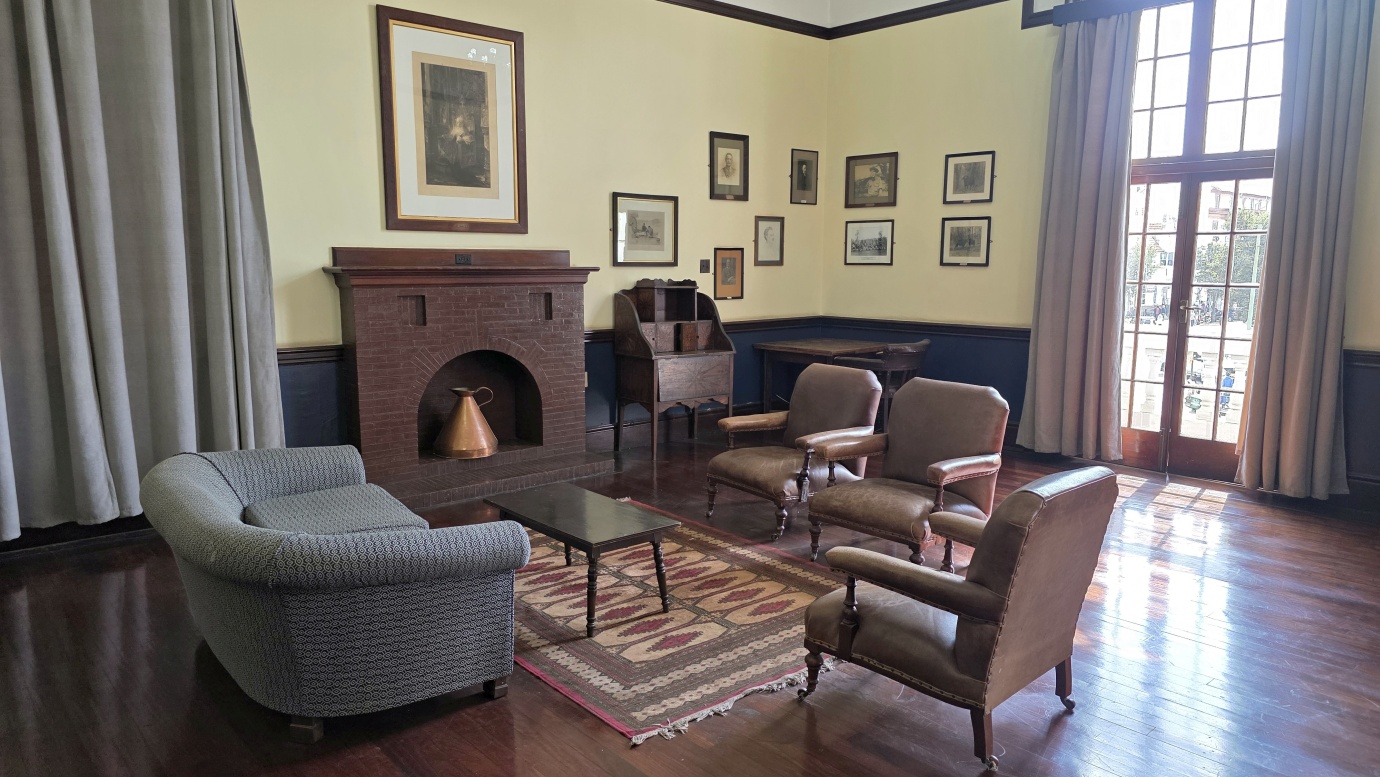
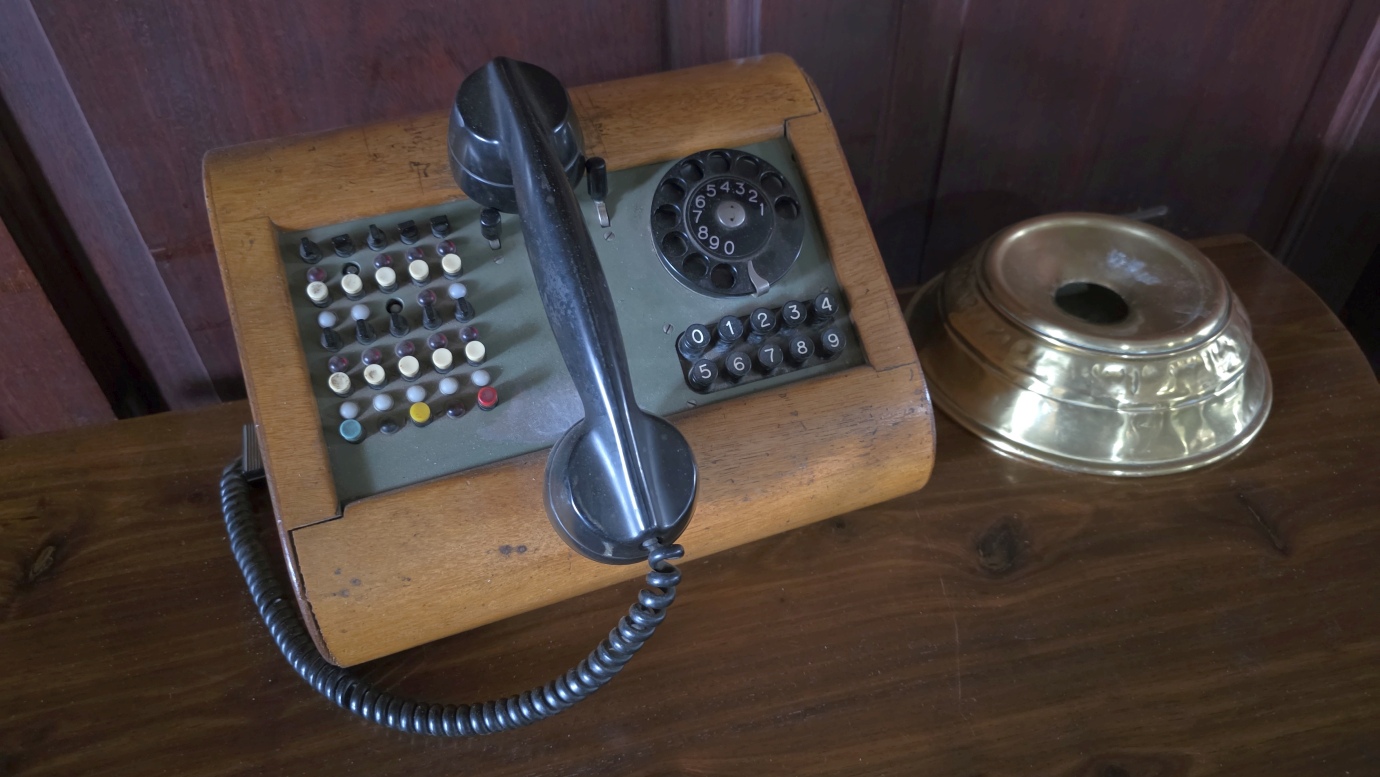
During our stay, we visited the historic Bulawayo Club, located on the corner of 8th Avenue and J.M. Nkomo Street. Founded in 1895 as an exclusive gentlemen’s club, it remains one of the city’s best-preserved colonial landmarks, with beautifully maintained dark wood-panelled halls and an impressive collection of original historical memorabilia. We also explored several of Bulawayo’s architectural highlights, including the High Court, the National Gallery of Zimbabwe, Douslin House, the Exchange Building, City Hall, and the historic Post Office Building.
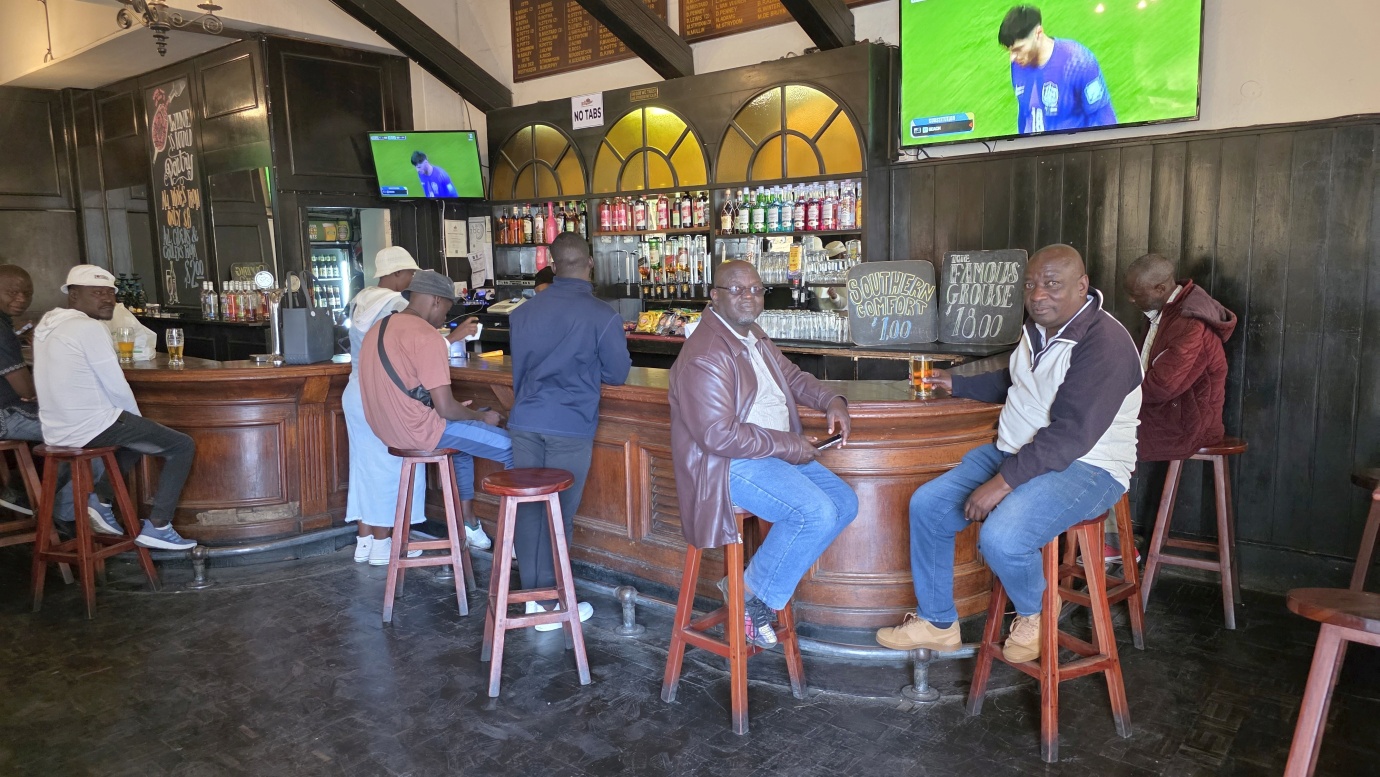
On Friday, we had a bite to eat at Banff Lodge, and on Saturday night, we had a lovely steak at the Smokehouse and a few beers at the lively Tin Cup Pub located just a few steps from our truck parking location. We were also happy with the food at Buffalo Hills Spur Steak Ranch. If you need anything in town or nearby, definitely contact Claire 📞+263712214541 or Tiffany 📞+263774122198.
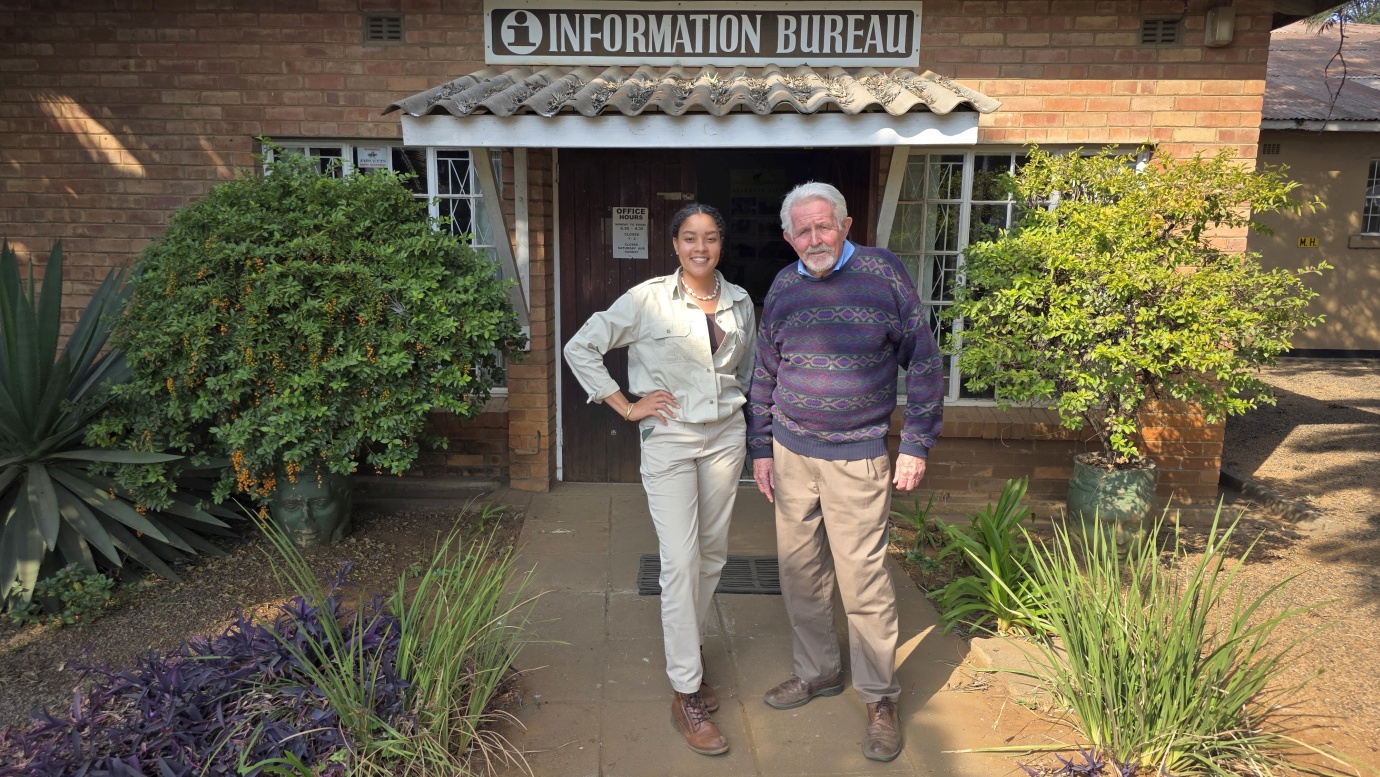
For reliable information about Bulawayo and everything happening in and around the city, contact Bruce McDonald (📞+263783033479) from the Bulawayo & District Publicity Association. Before our departure, Bruce even came to visit our truck to wish us a safe journey and say goodbye to this wonderful city—a thoughtful gesture that perfectly reflected the warm hospitality we experienced during our stay.
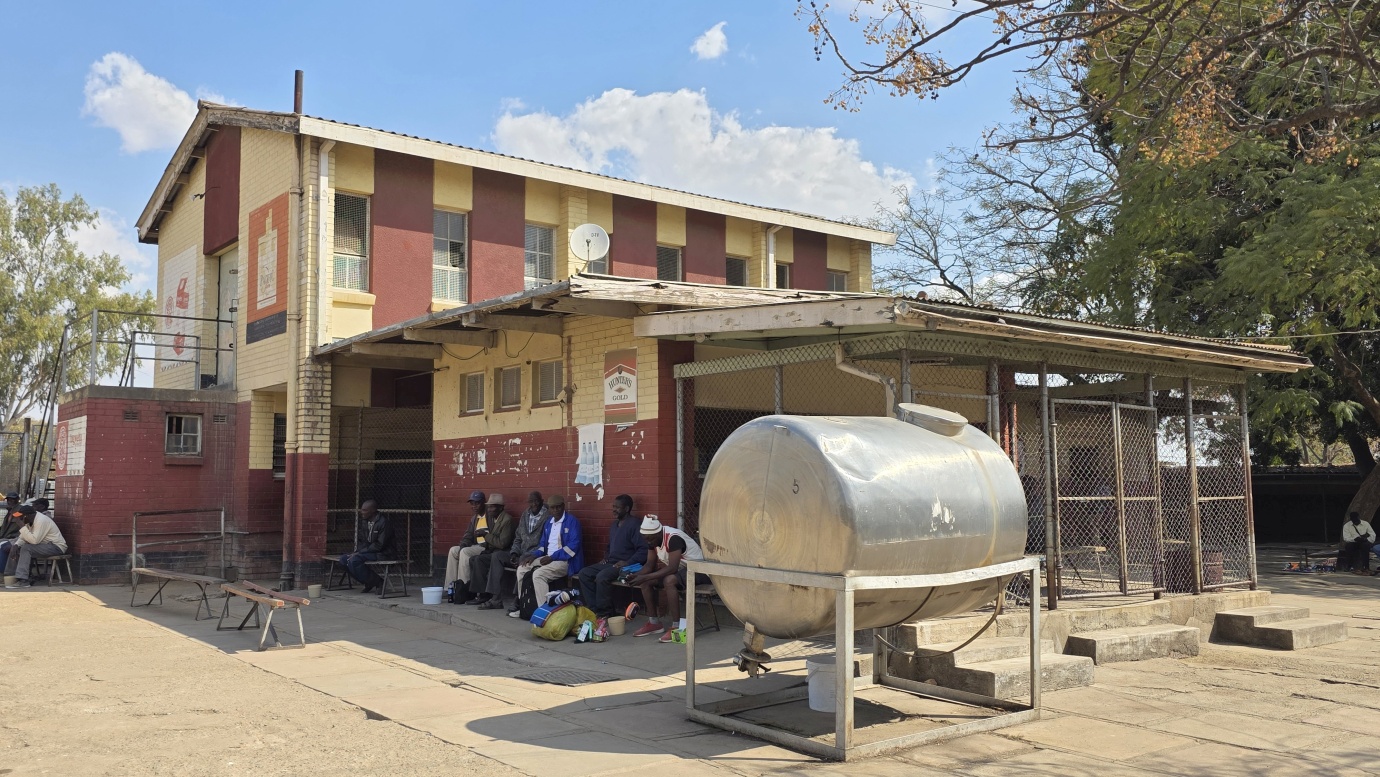
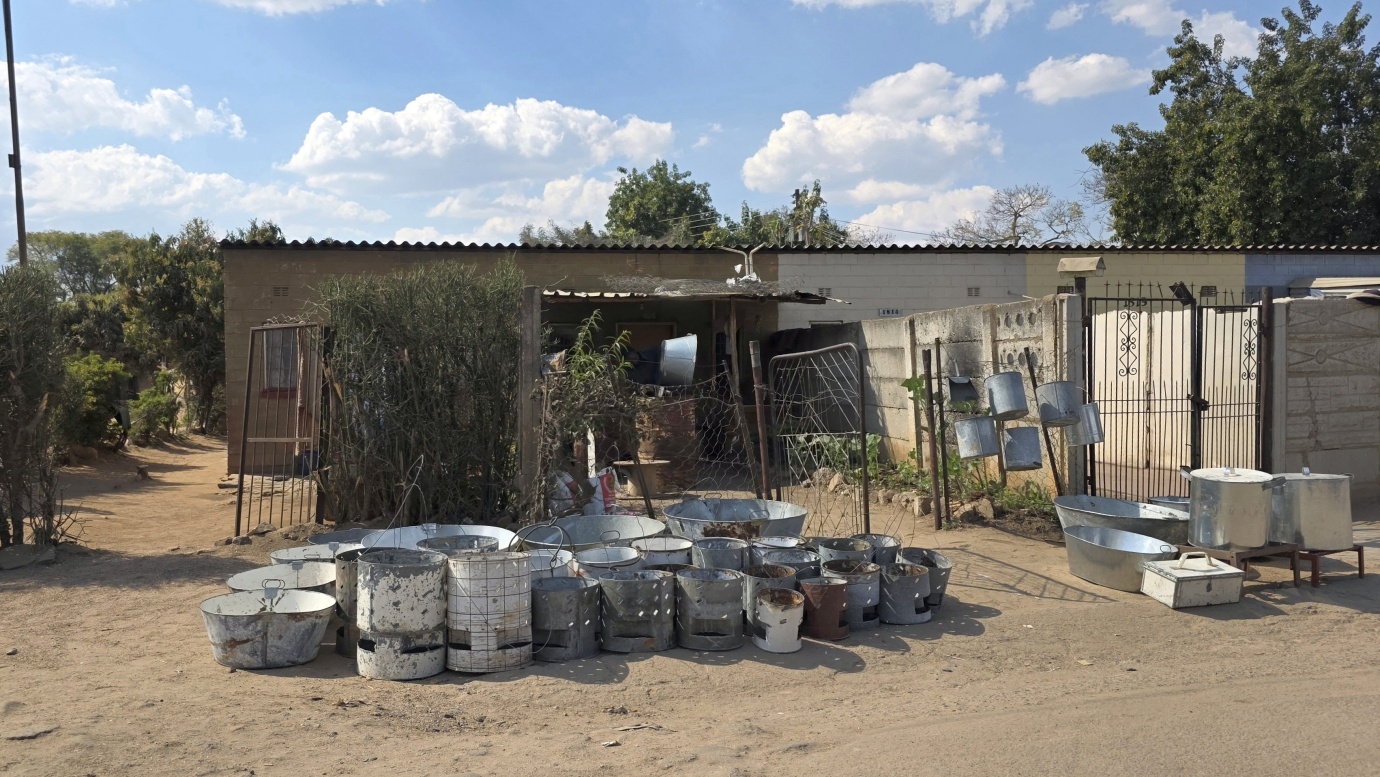
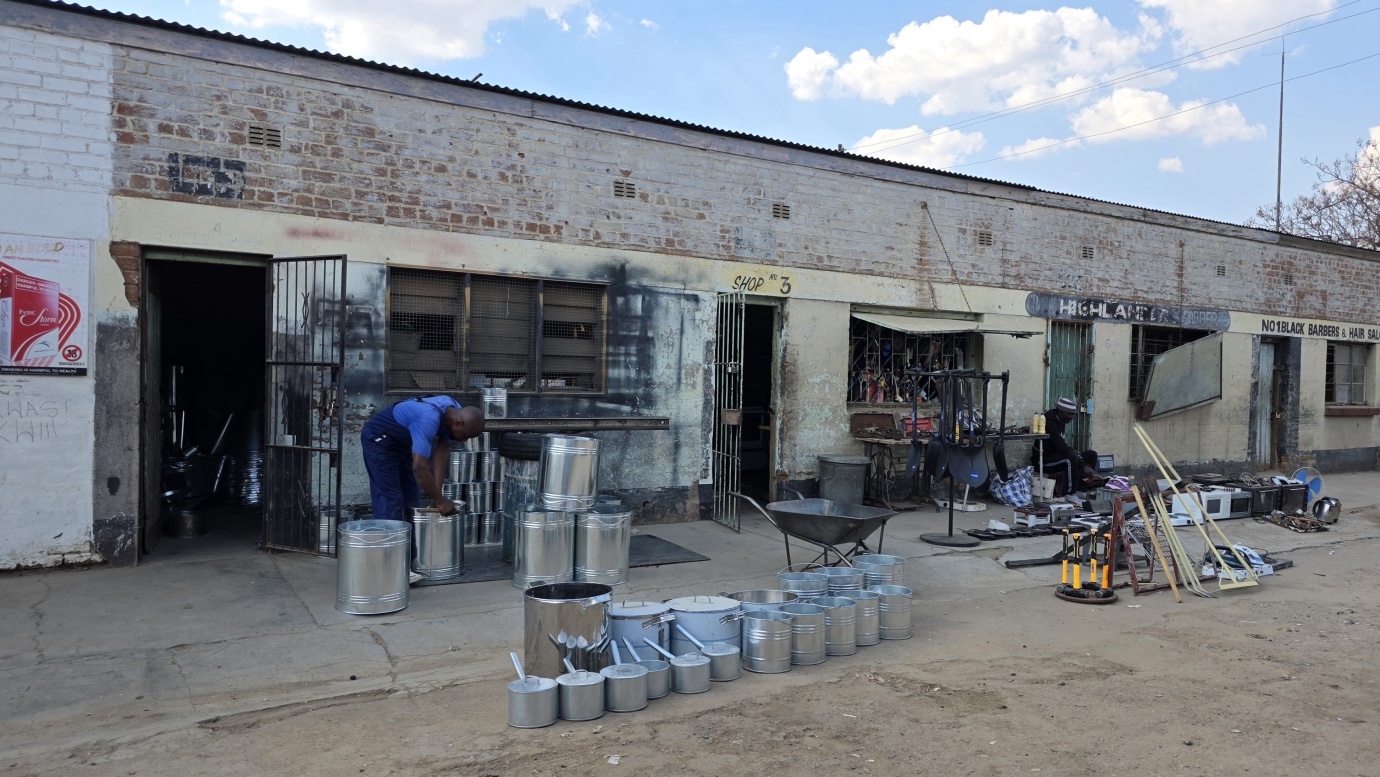
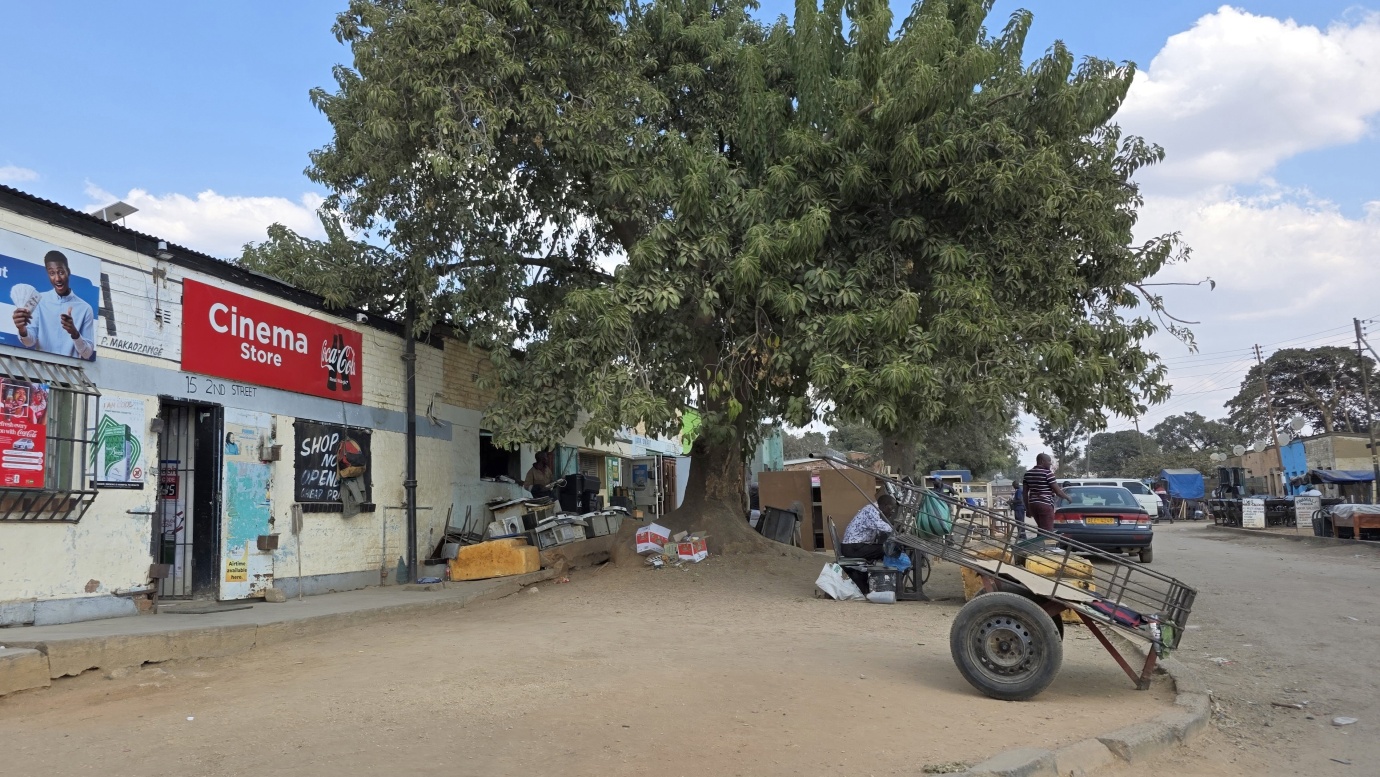
Parking location – Bulawayo: 20.1728888S 28.6013312E (🚻,🚿,💦,🅿️10 USD)