

A surprisingly good road, interrupted only by a few potholes and damaged sections (304 km / 6 hours / toll fee 2x 3 USD), brought us from Bulawayo to Great Zimbabwe—the magnificent ruins of a sprawling medieval stone city that served as the capital of the Kingdom of Zimbabwe between the 13th and 15th centuries.
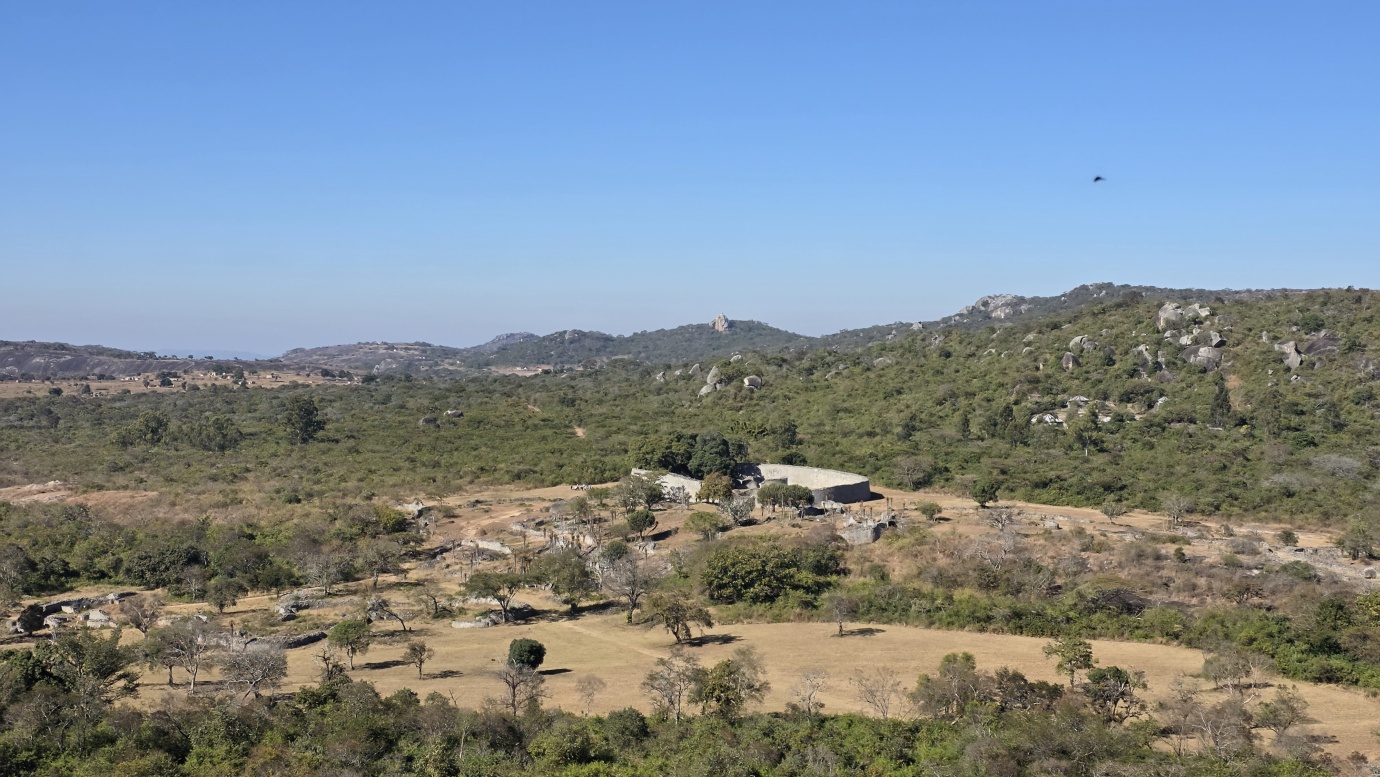
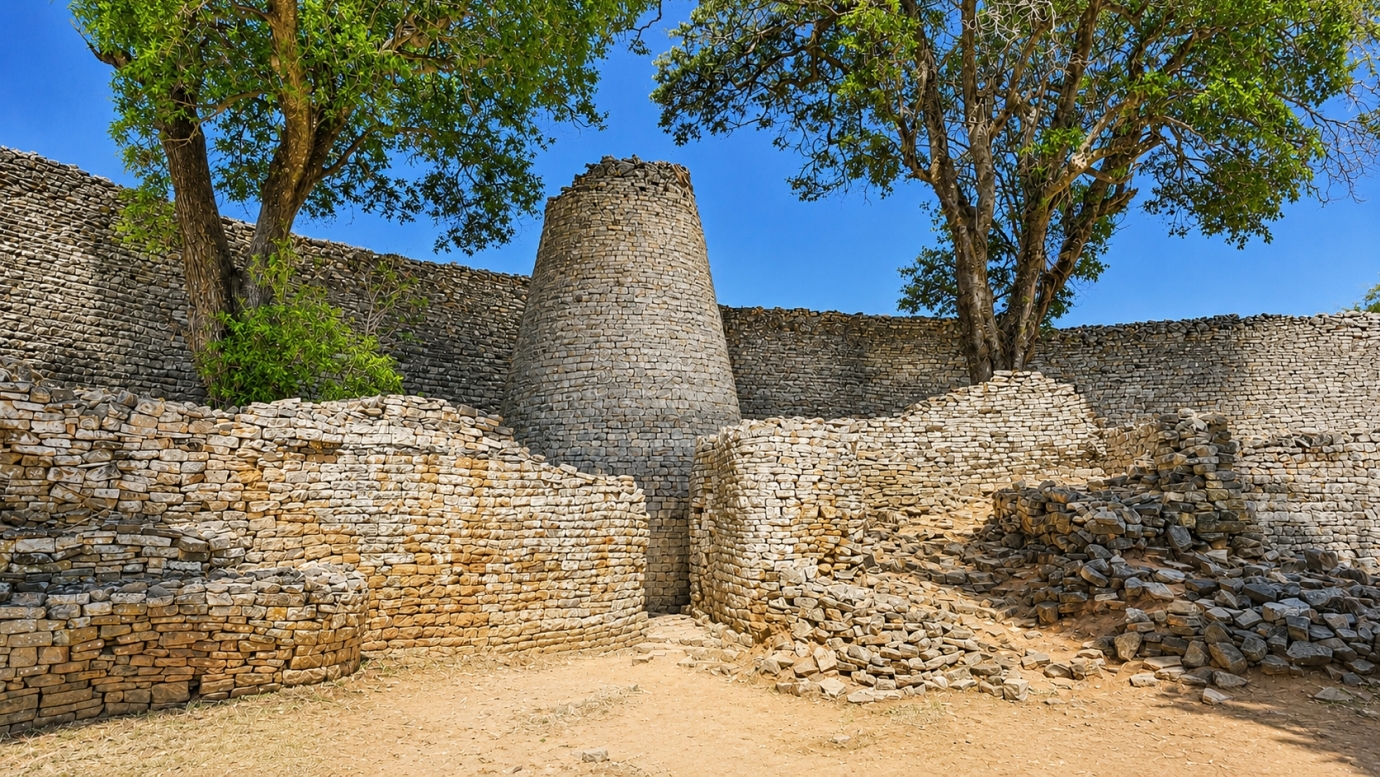
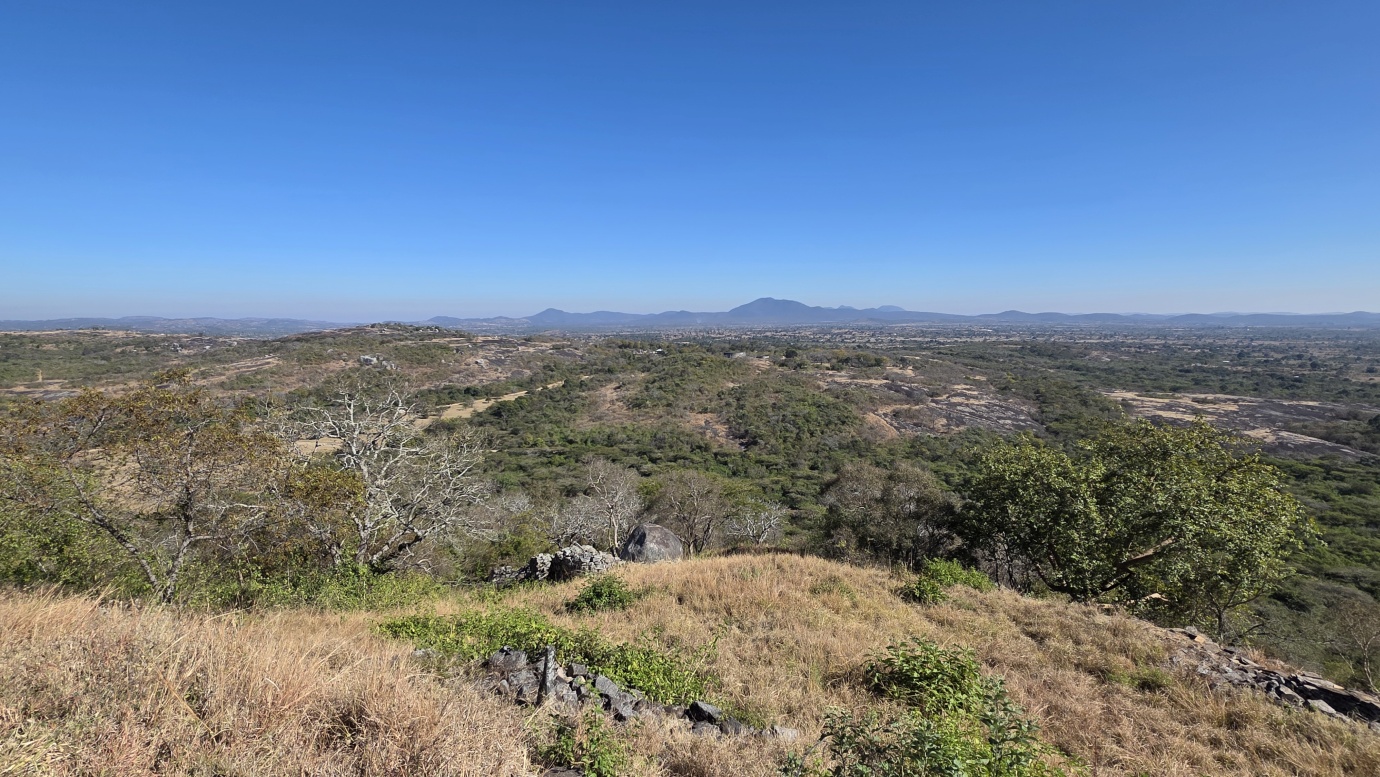
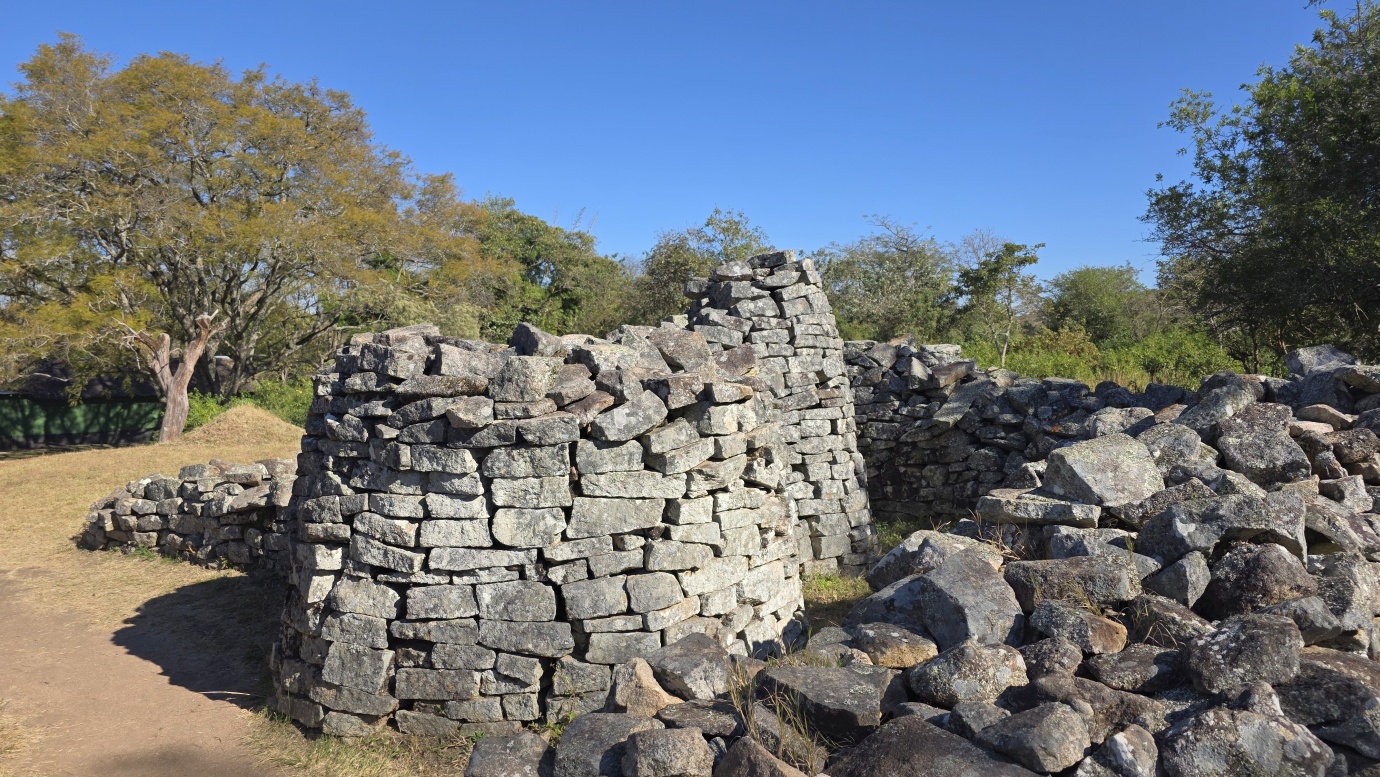
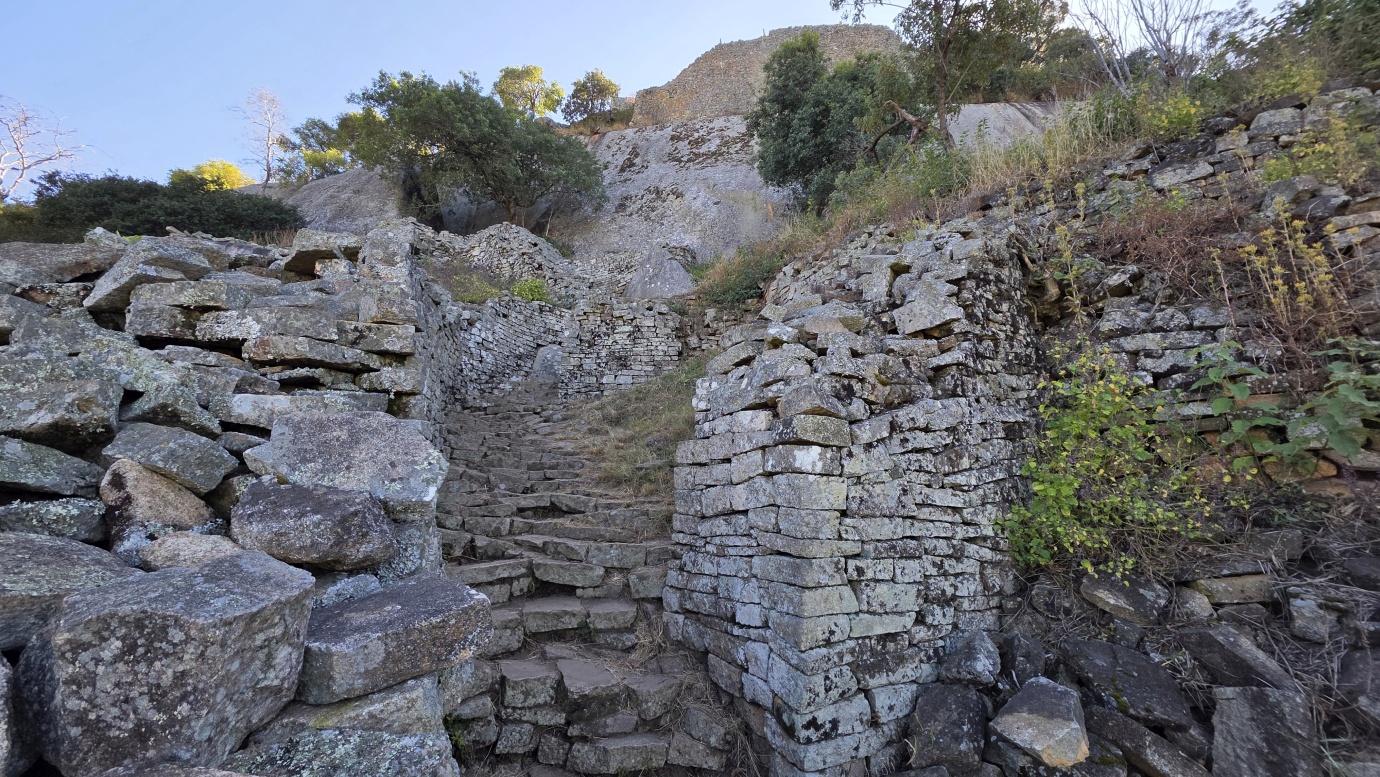
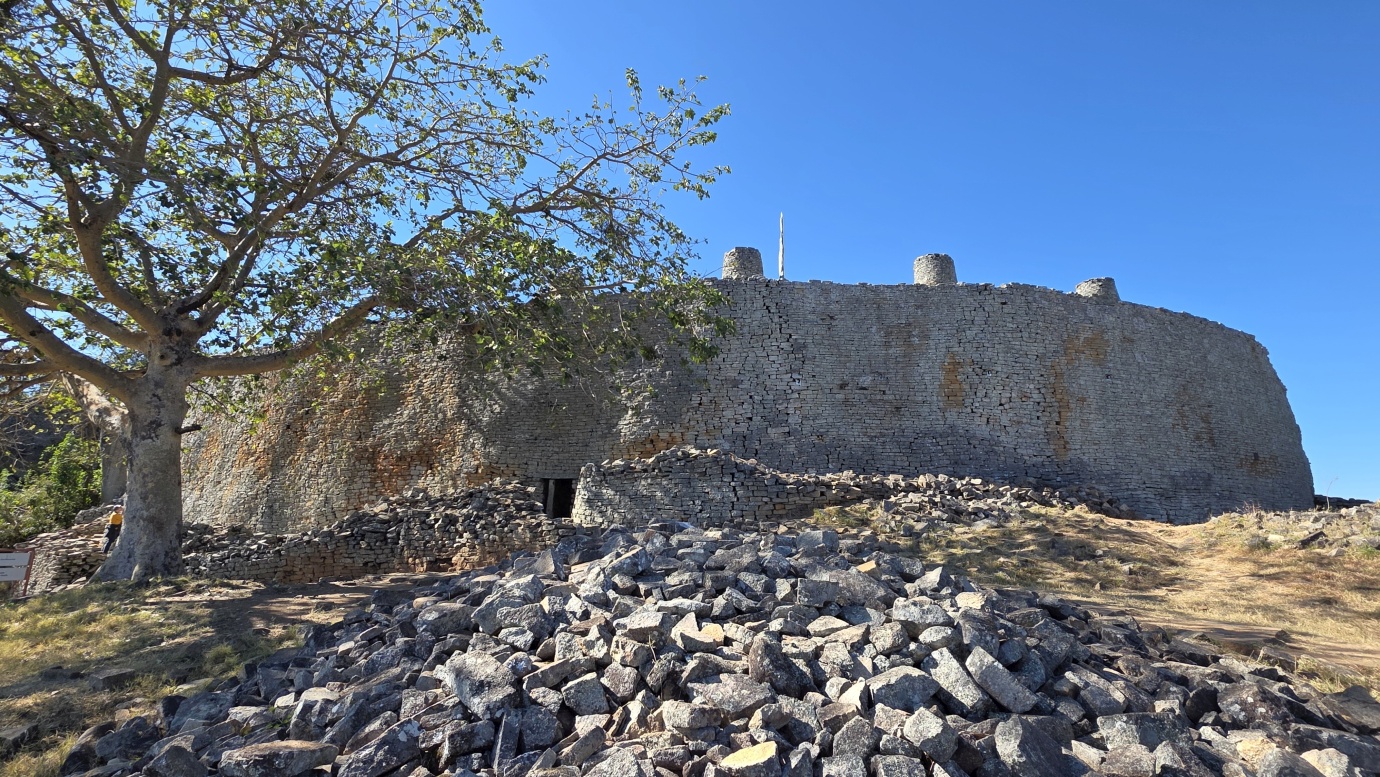
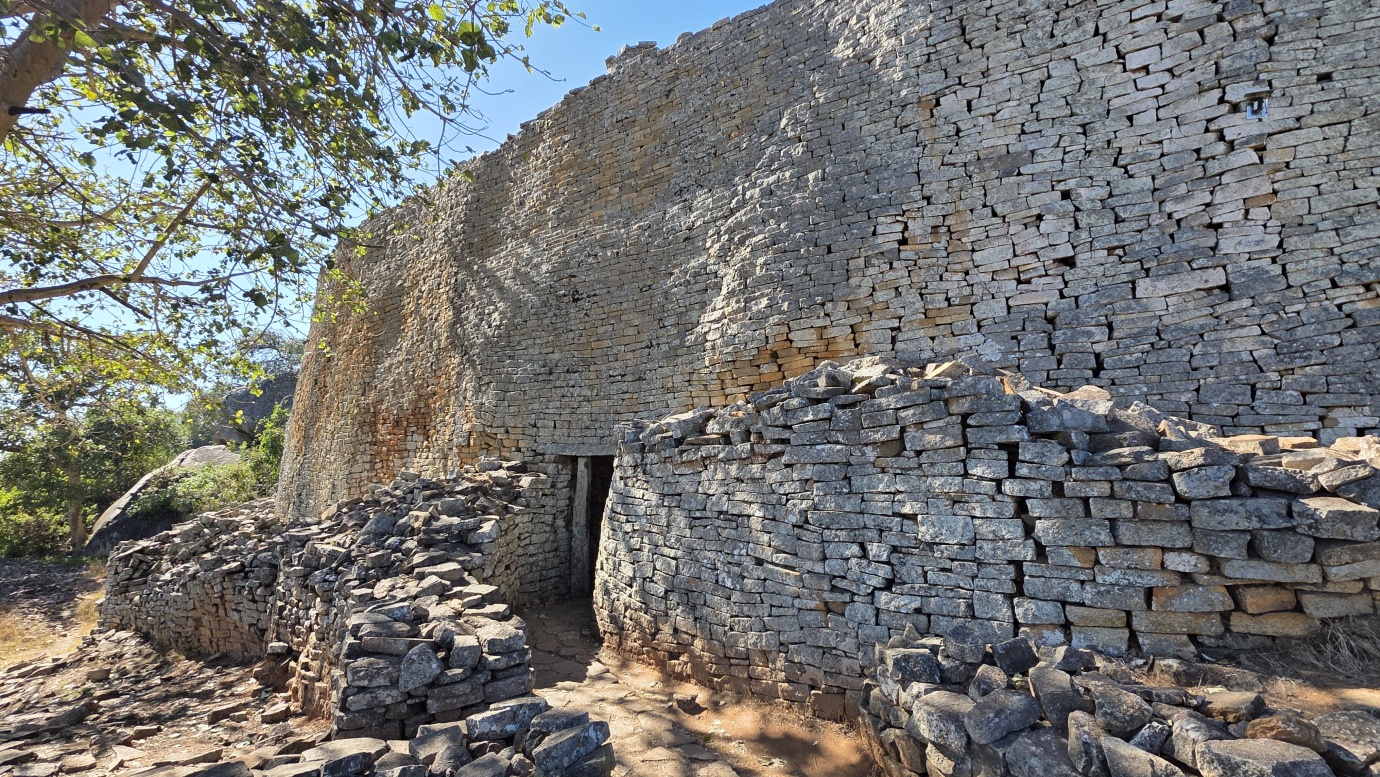
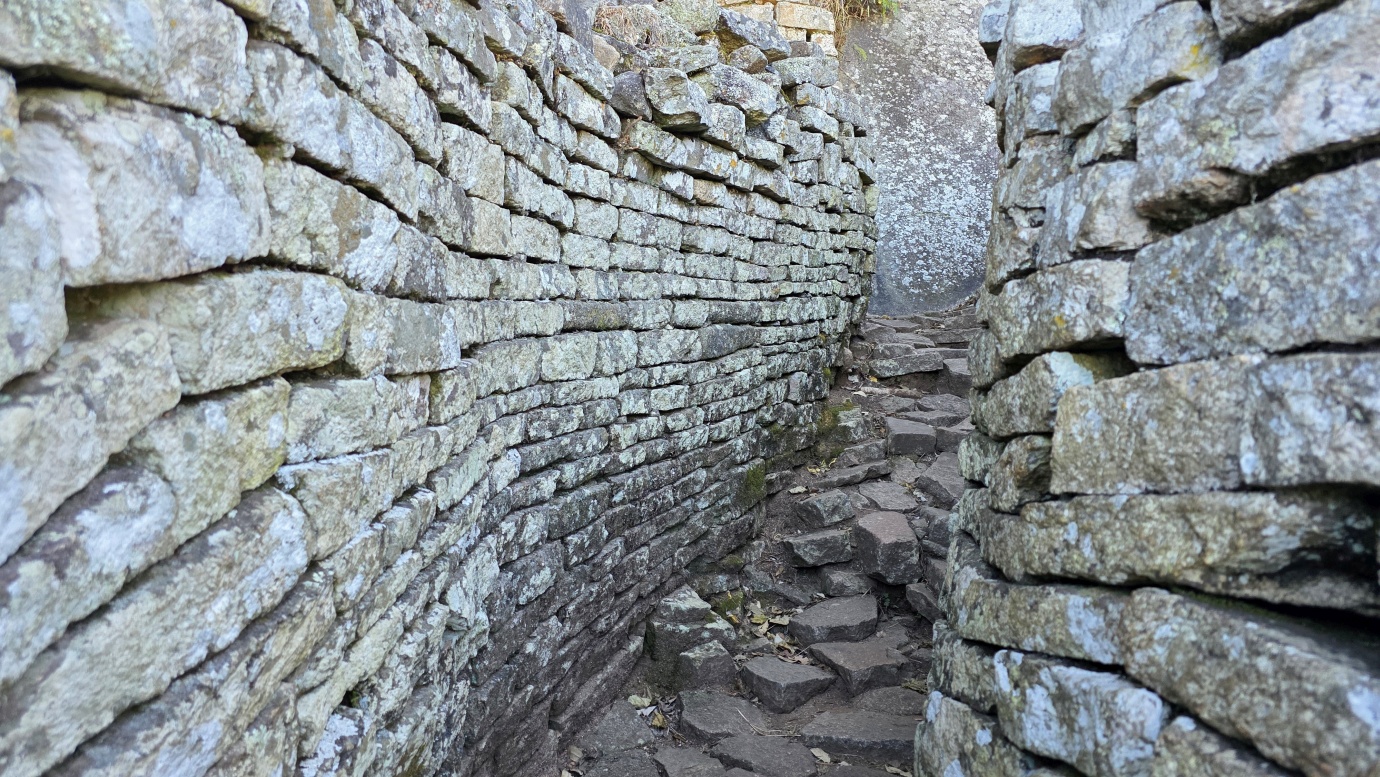
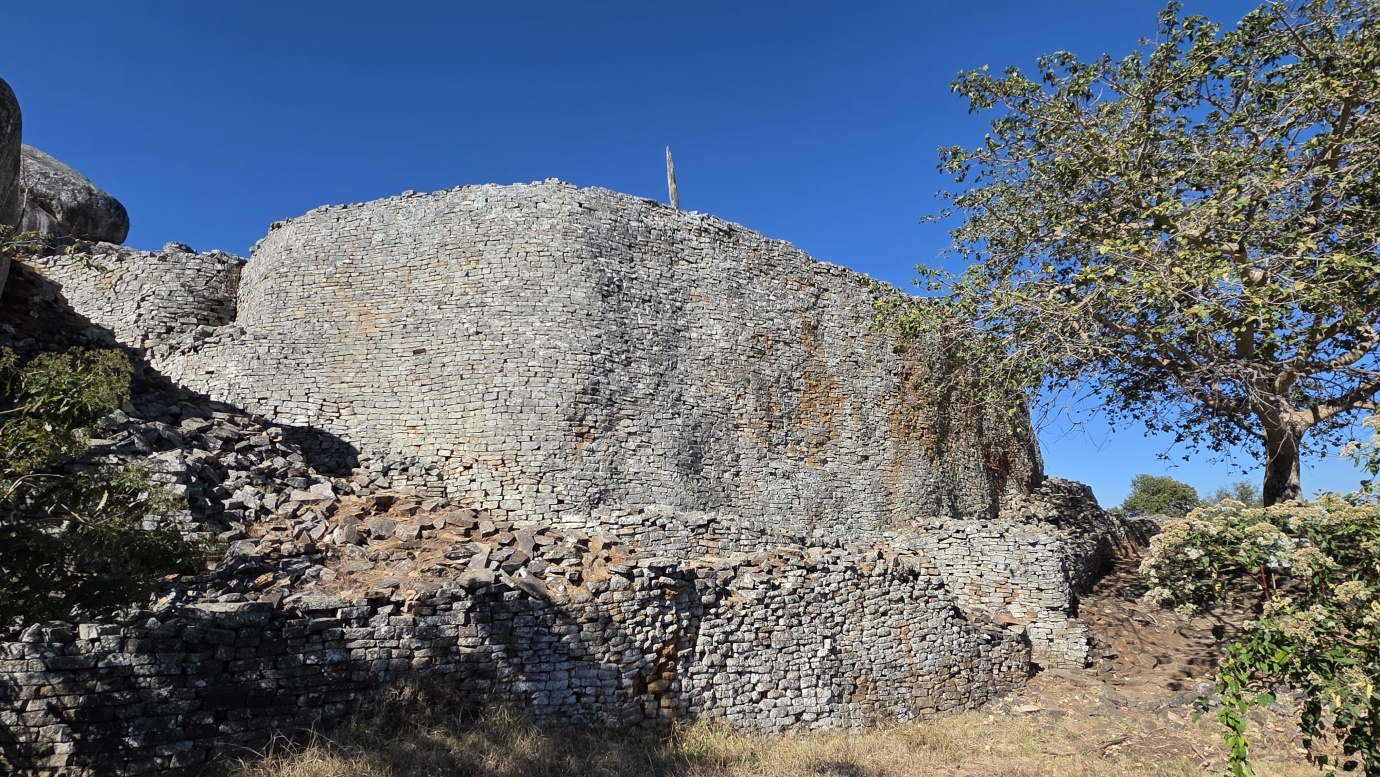
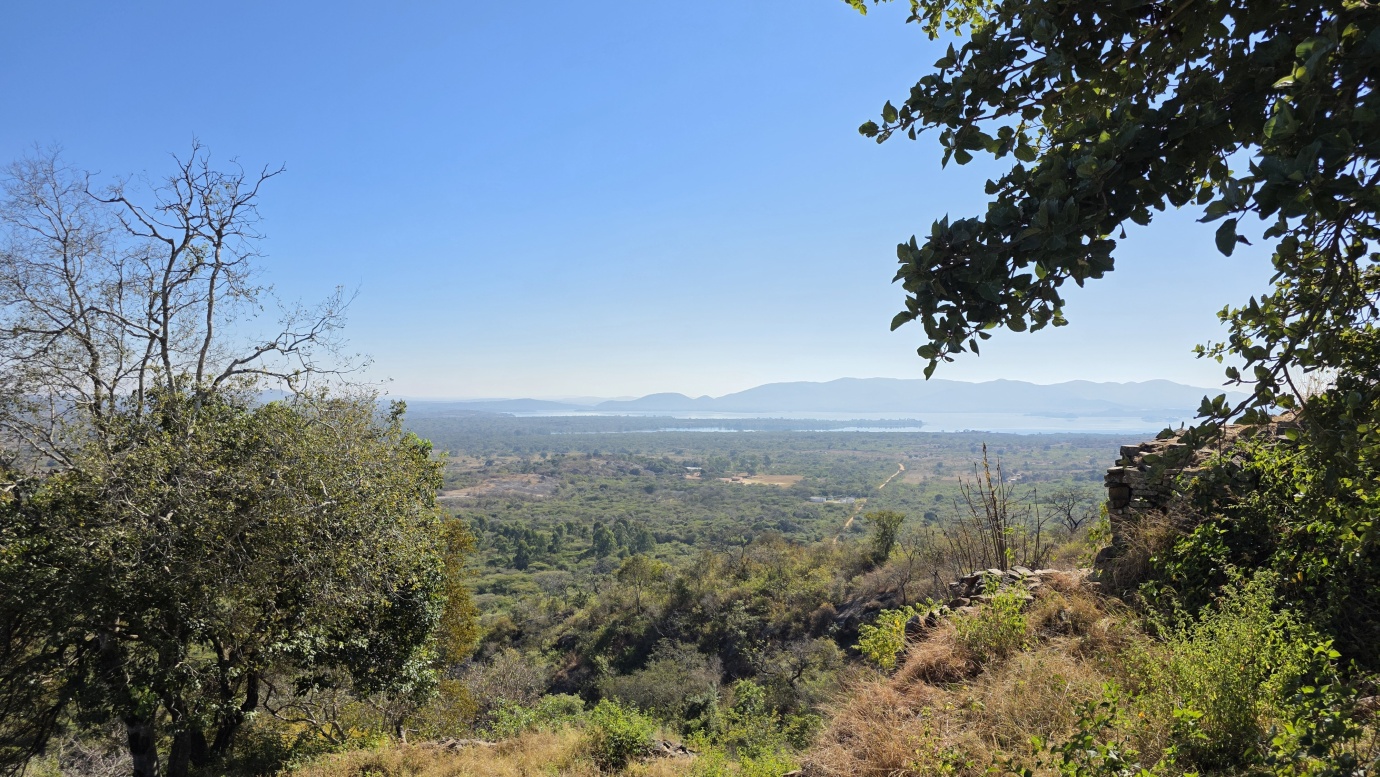
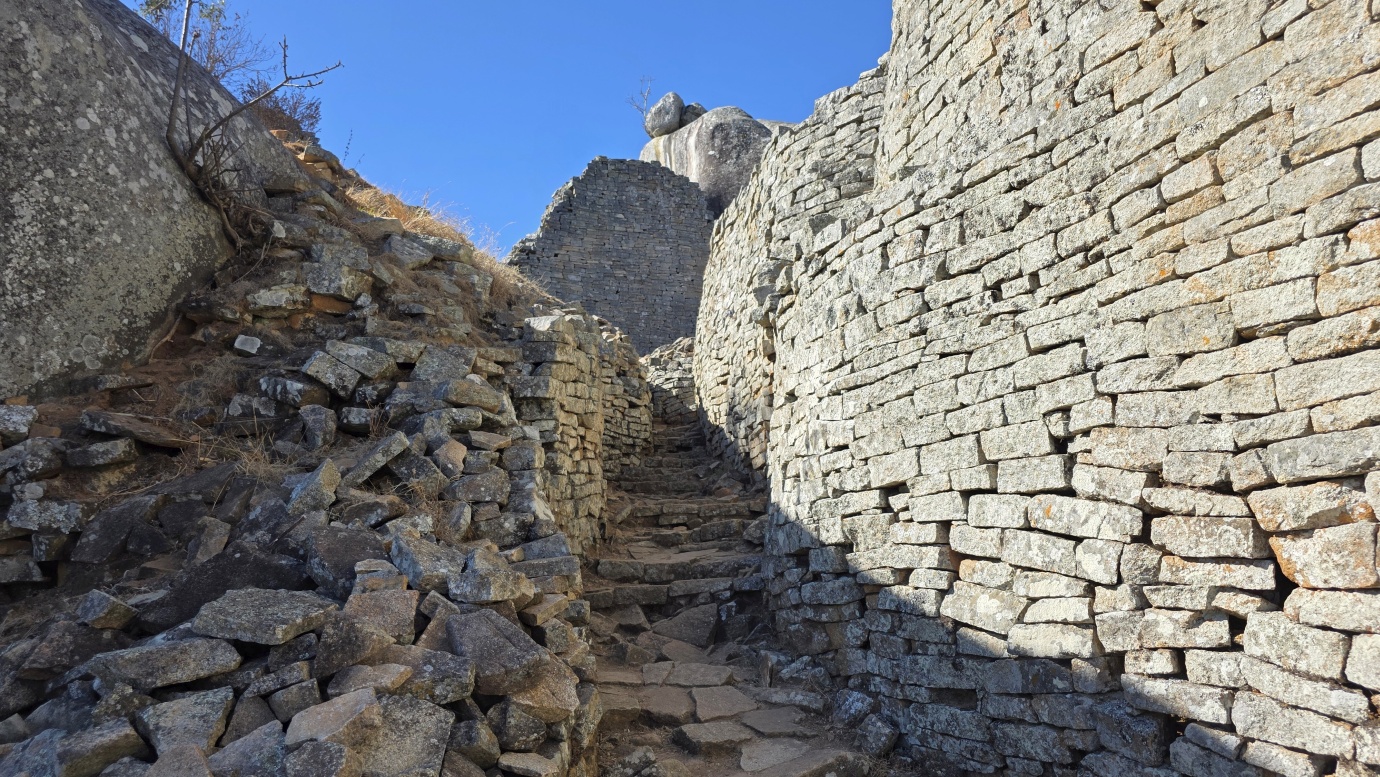
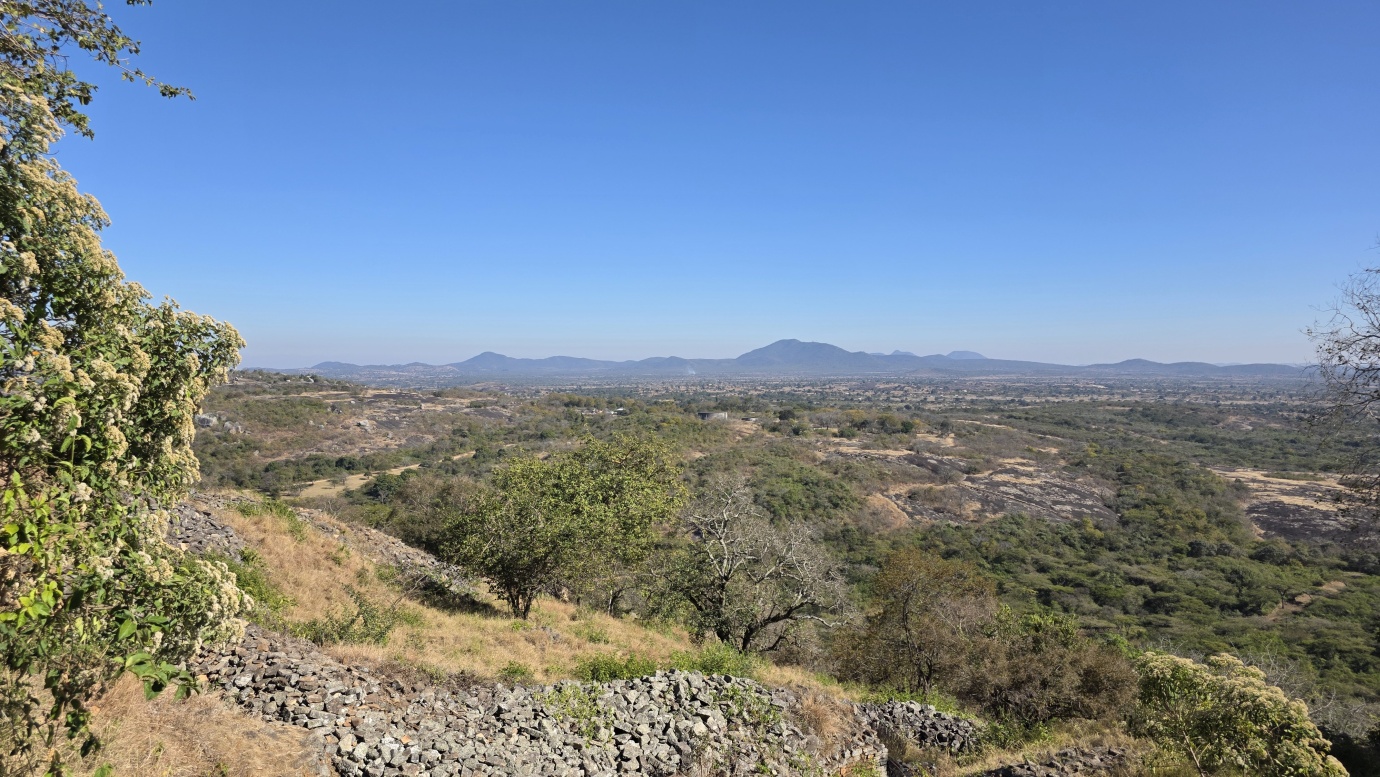
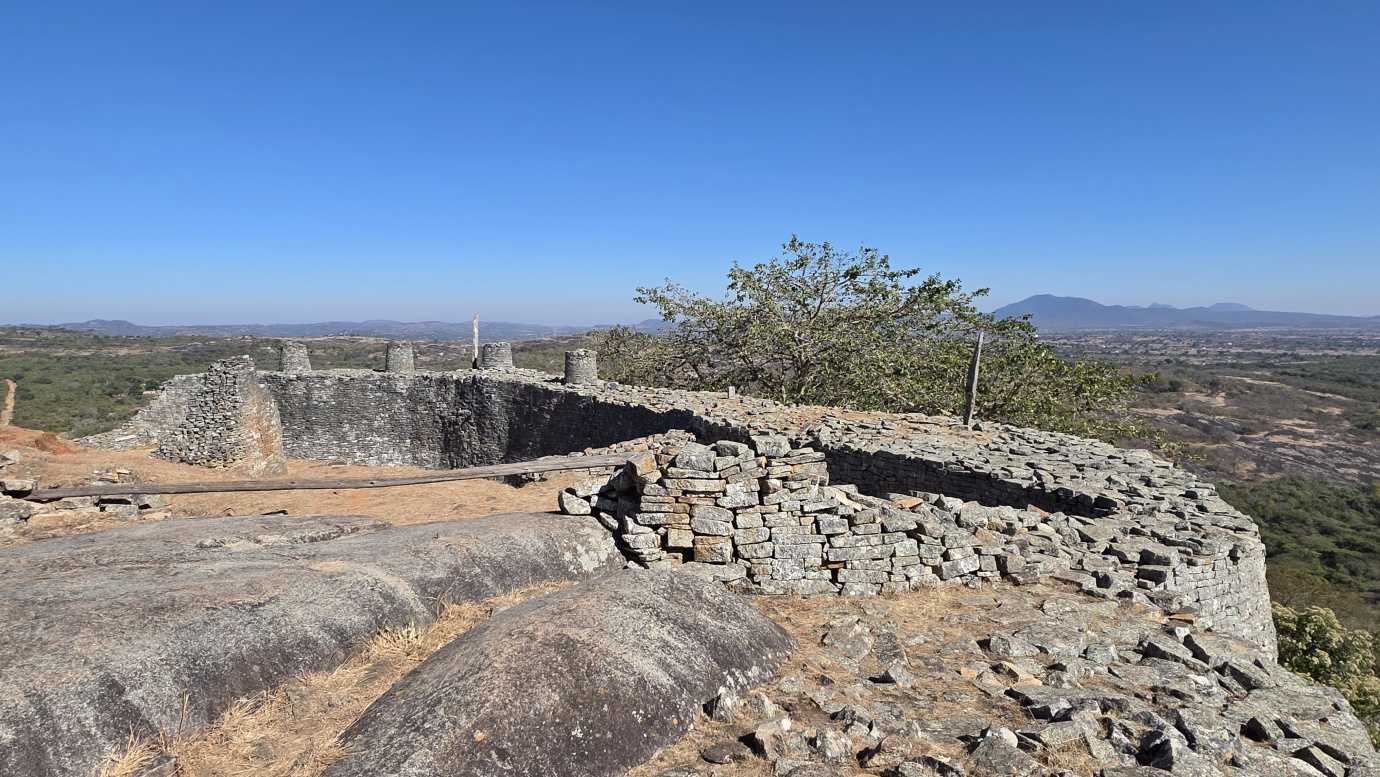
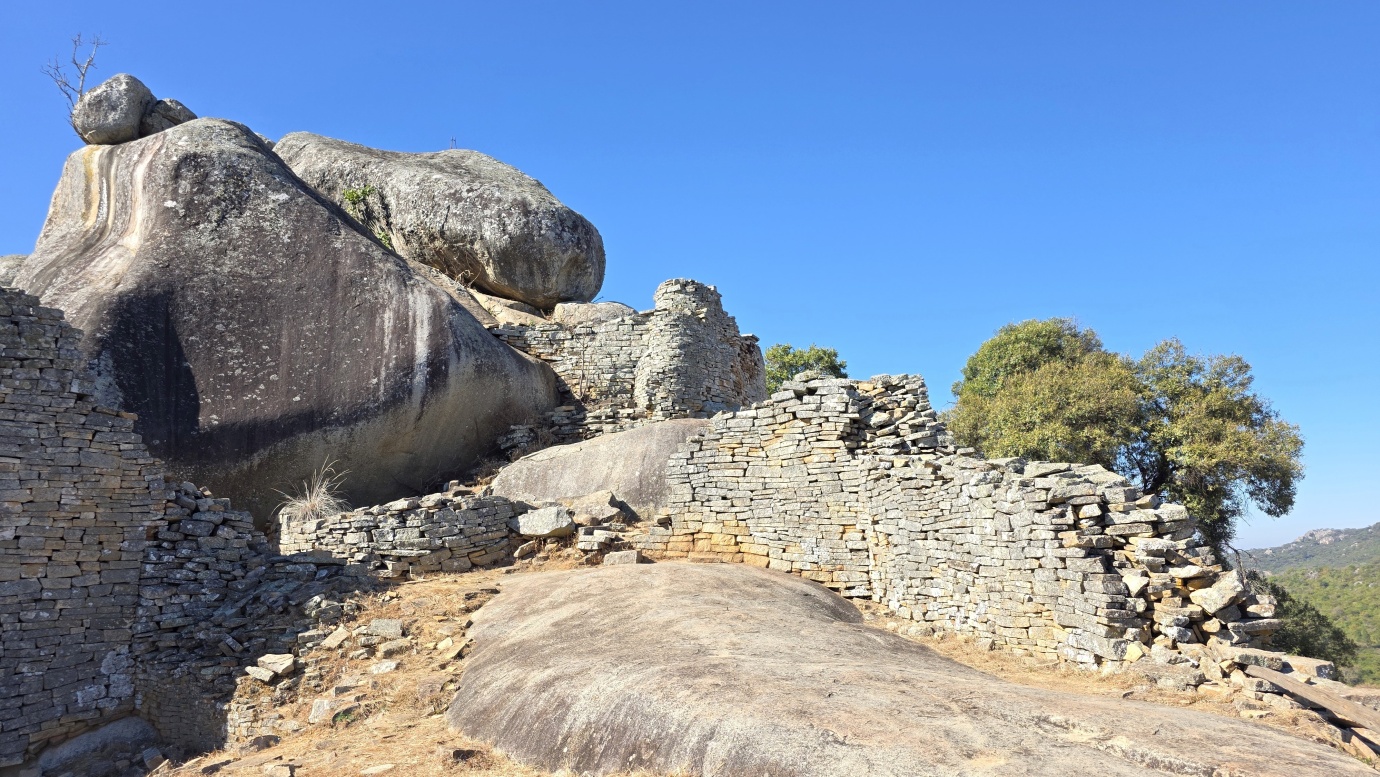
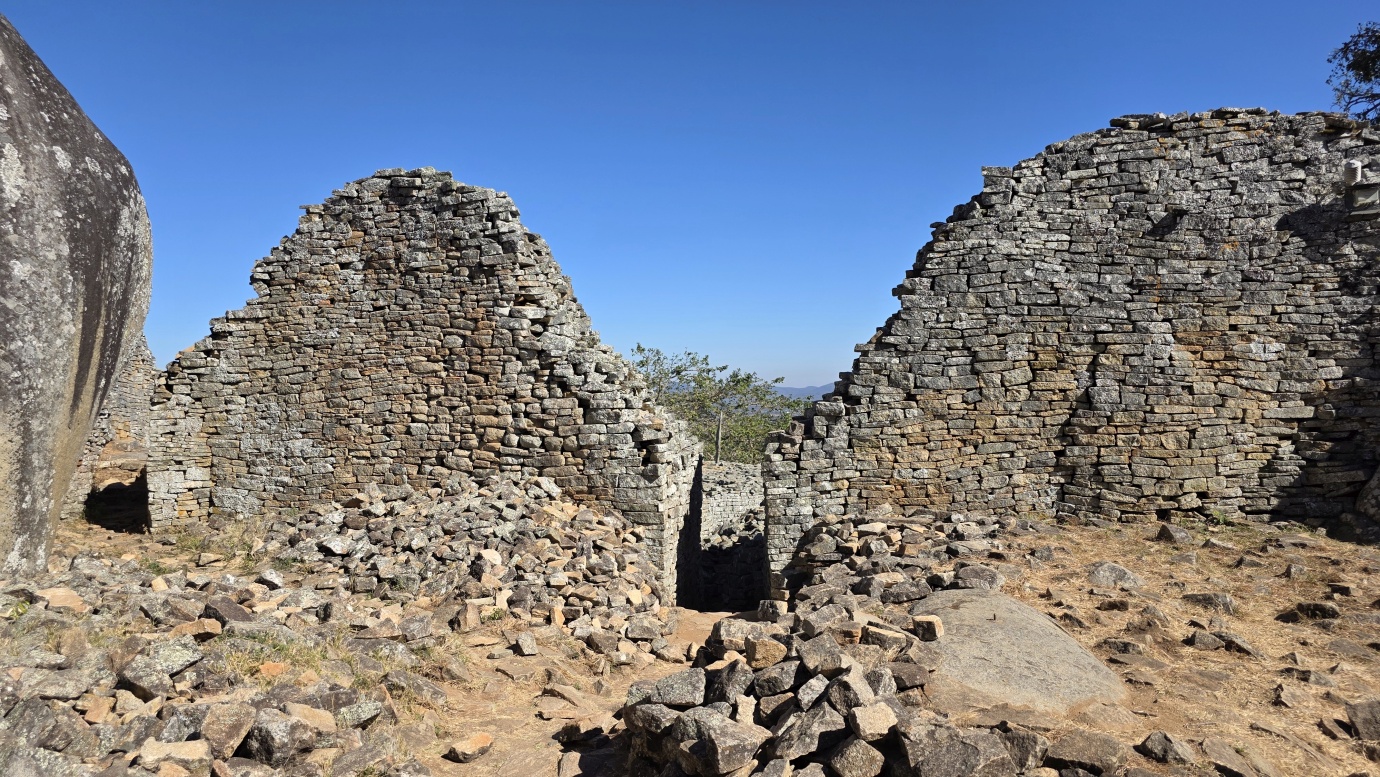
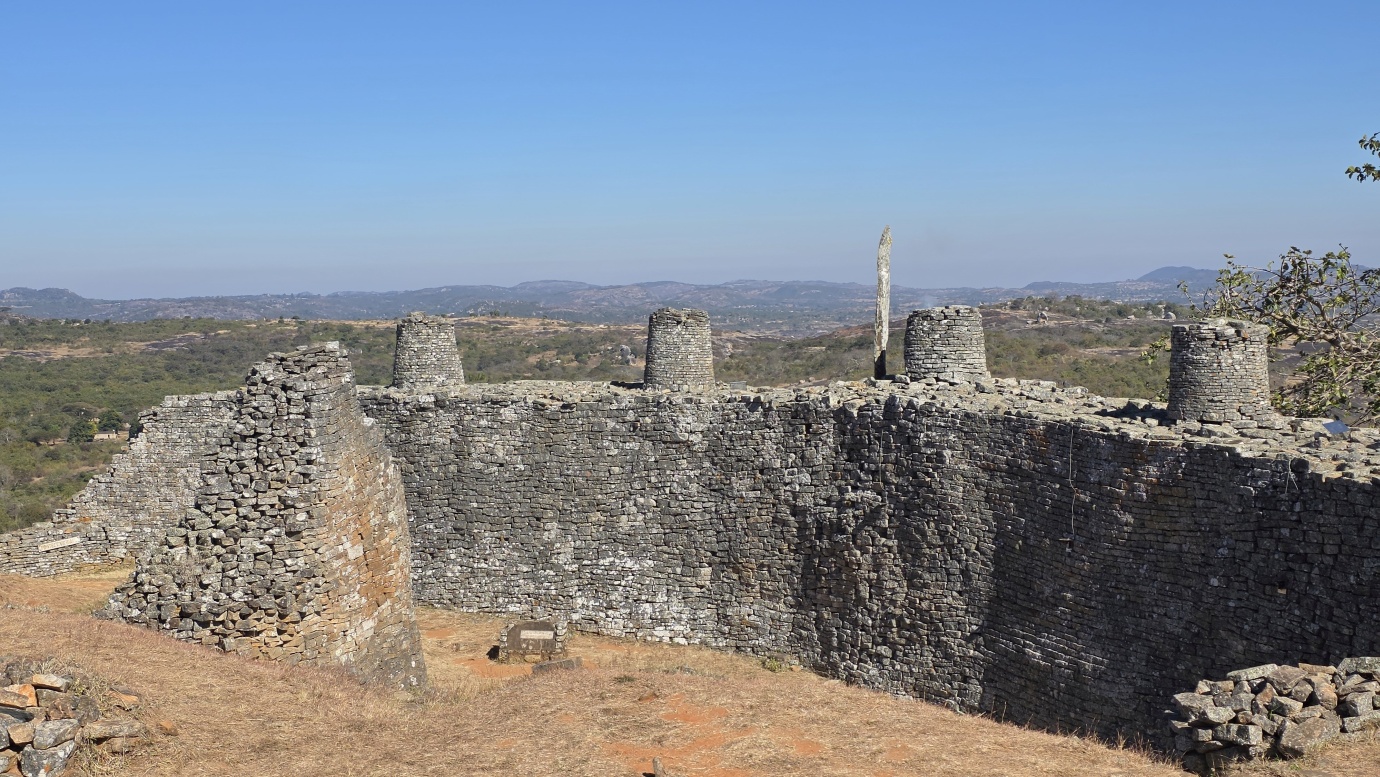
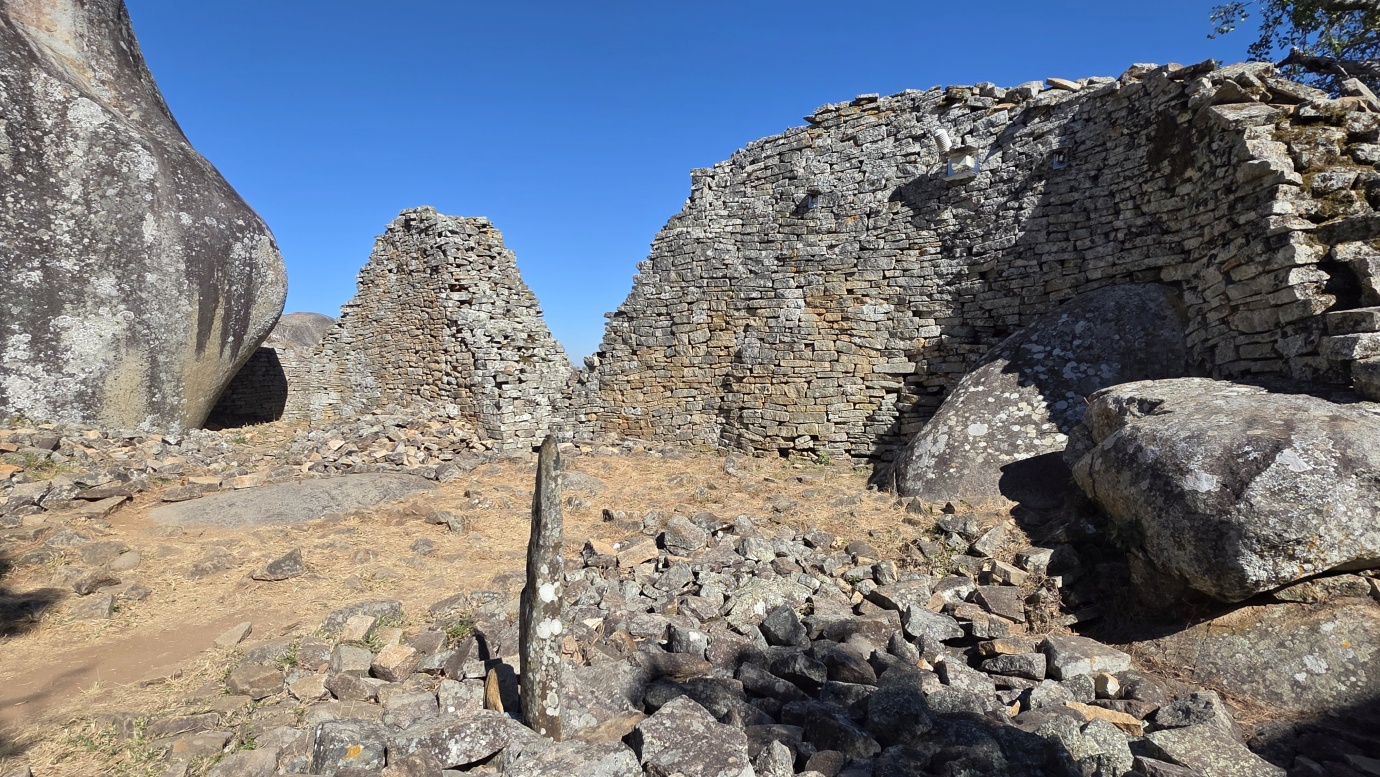
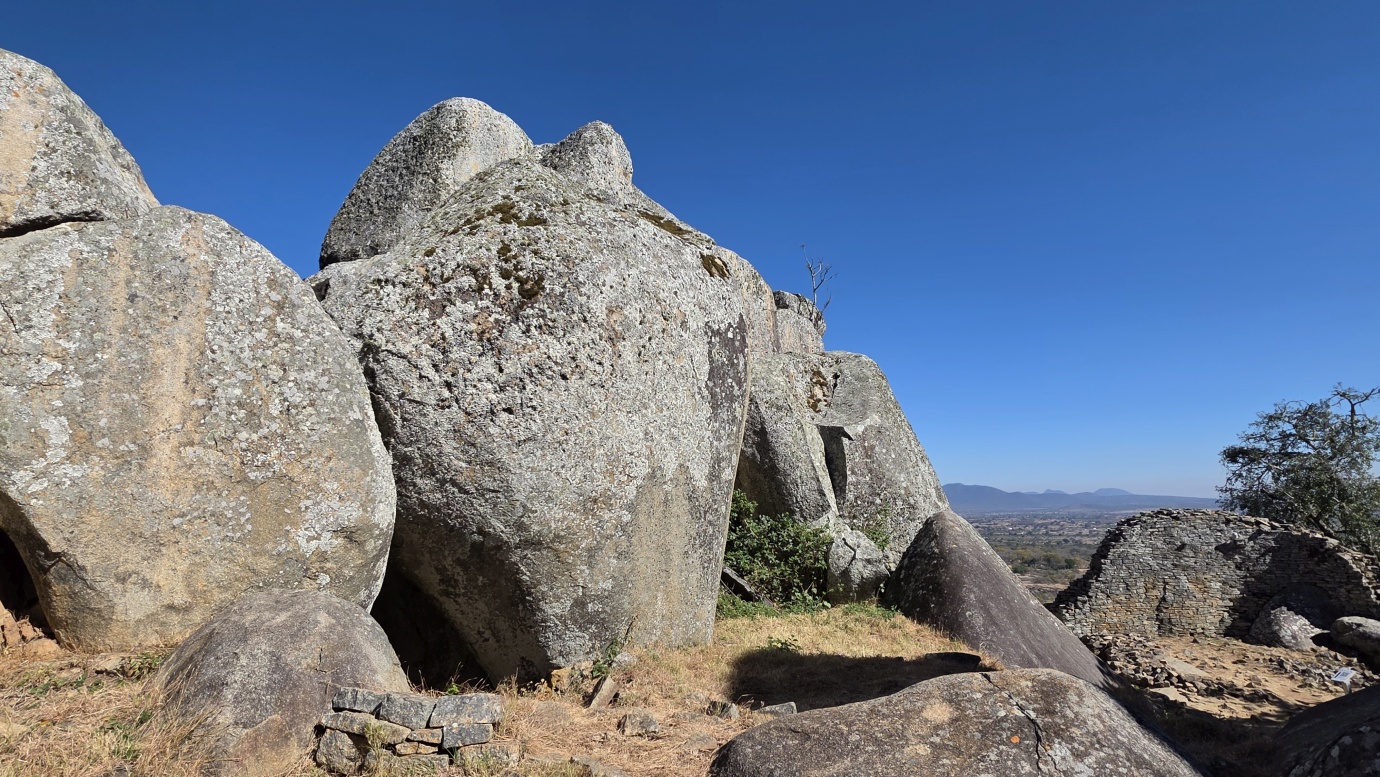
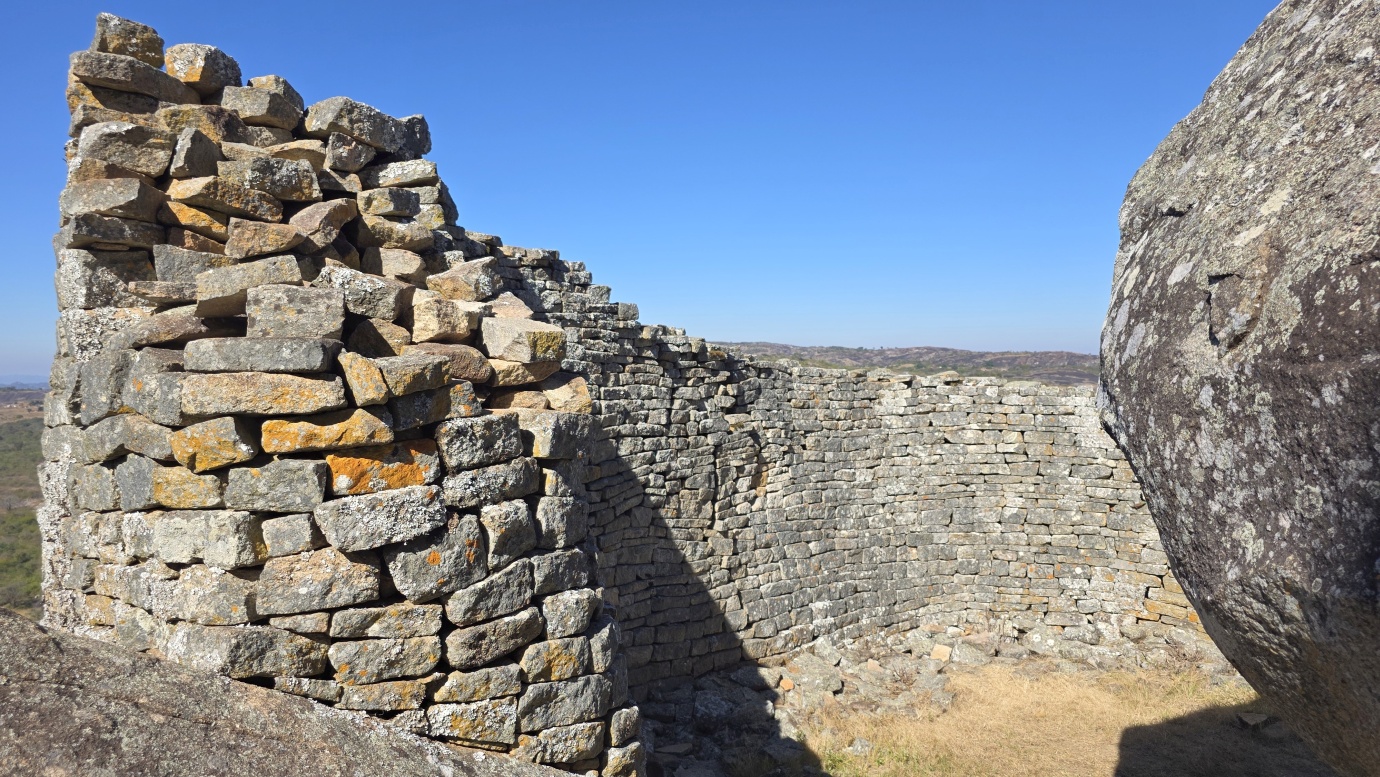
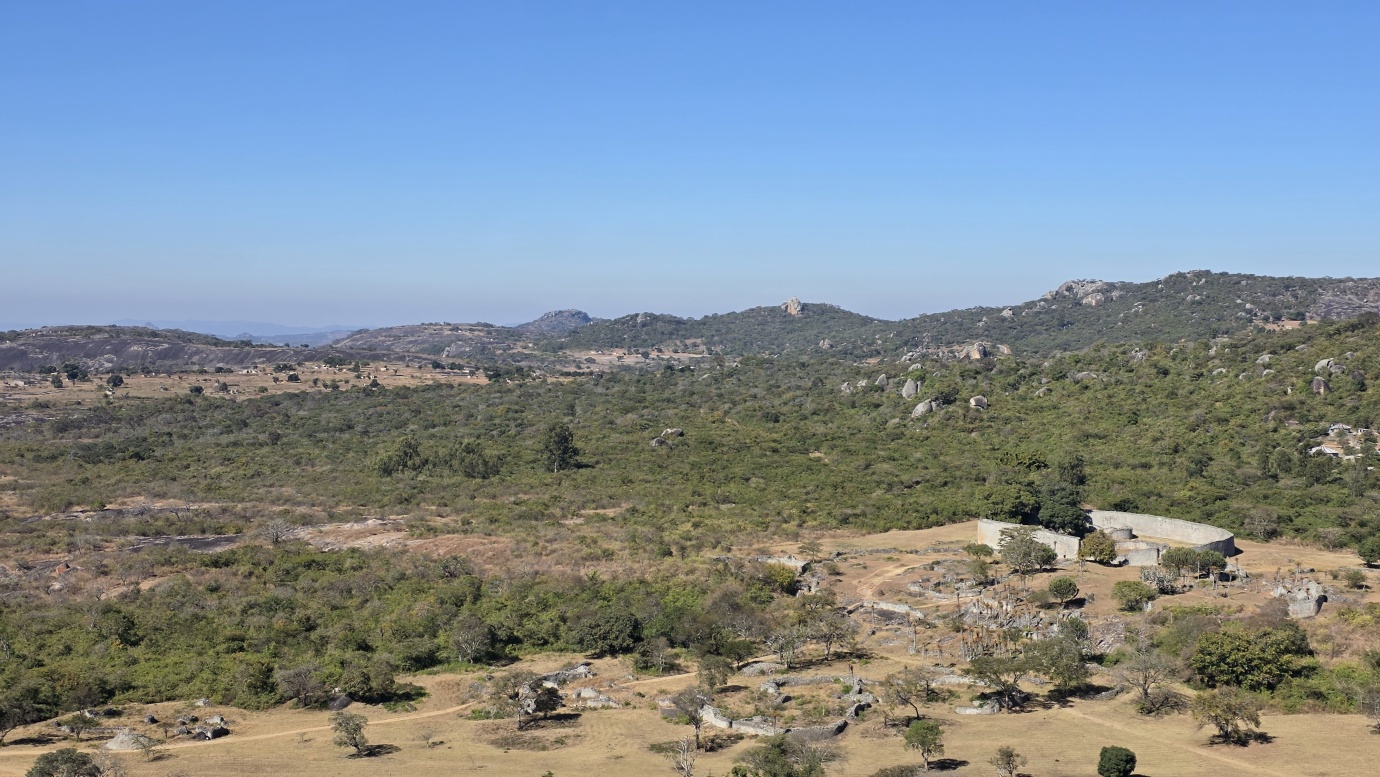
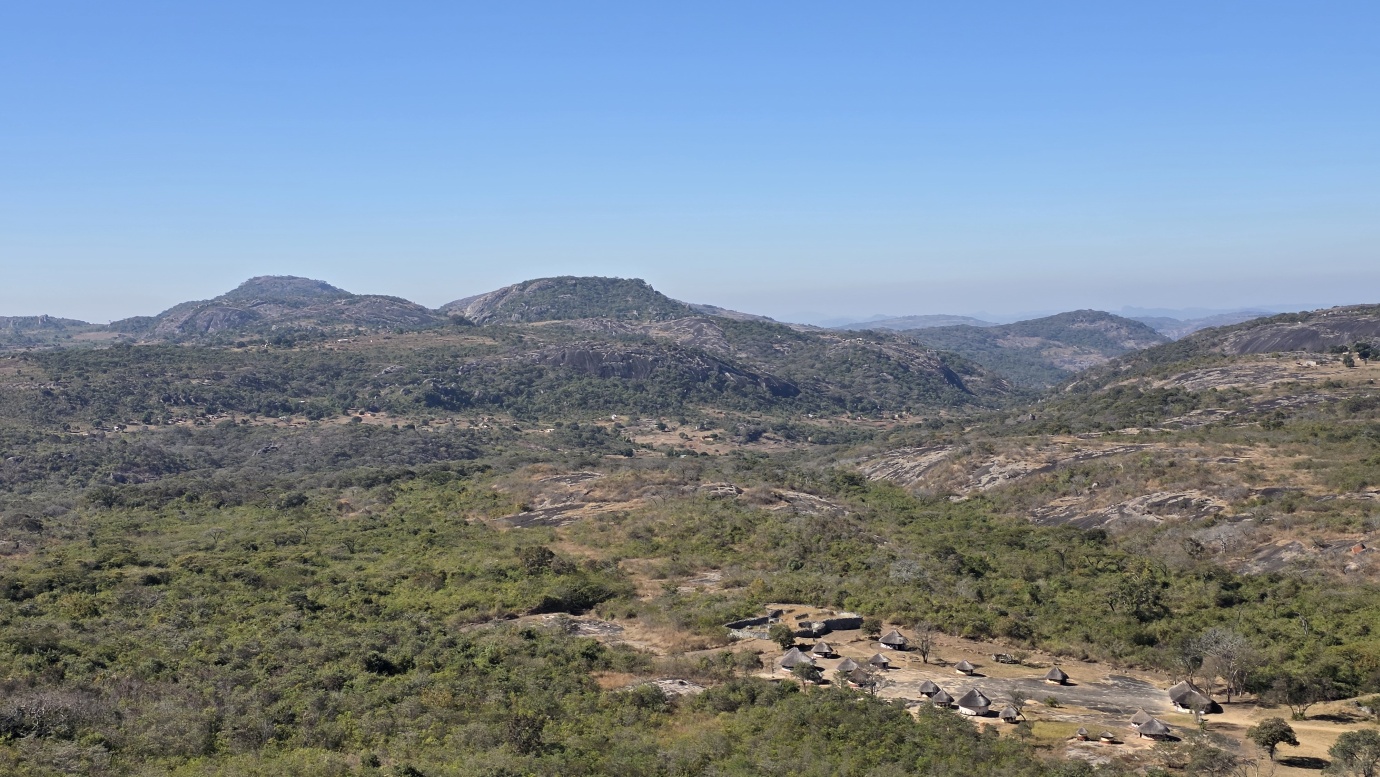
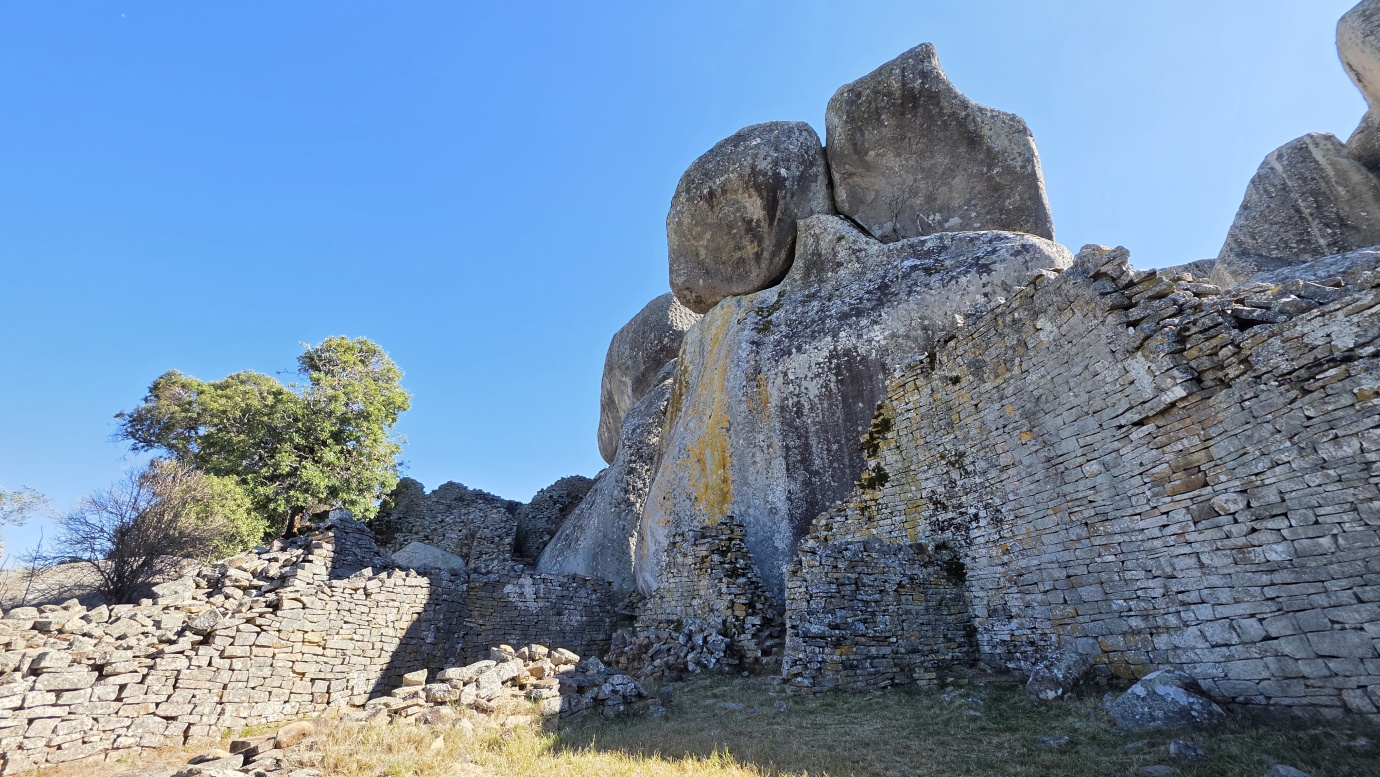
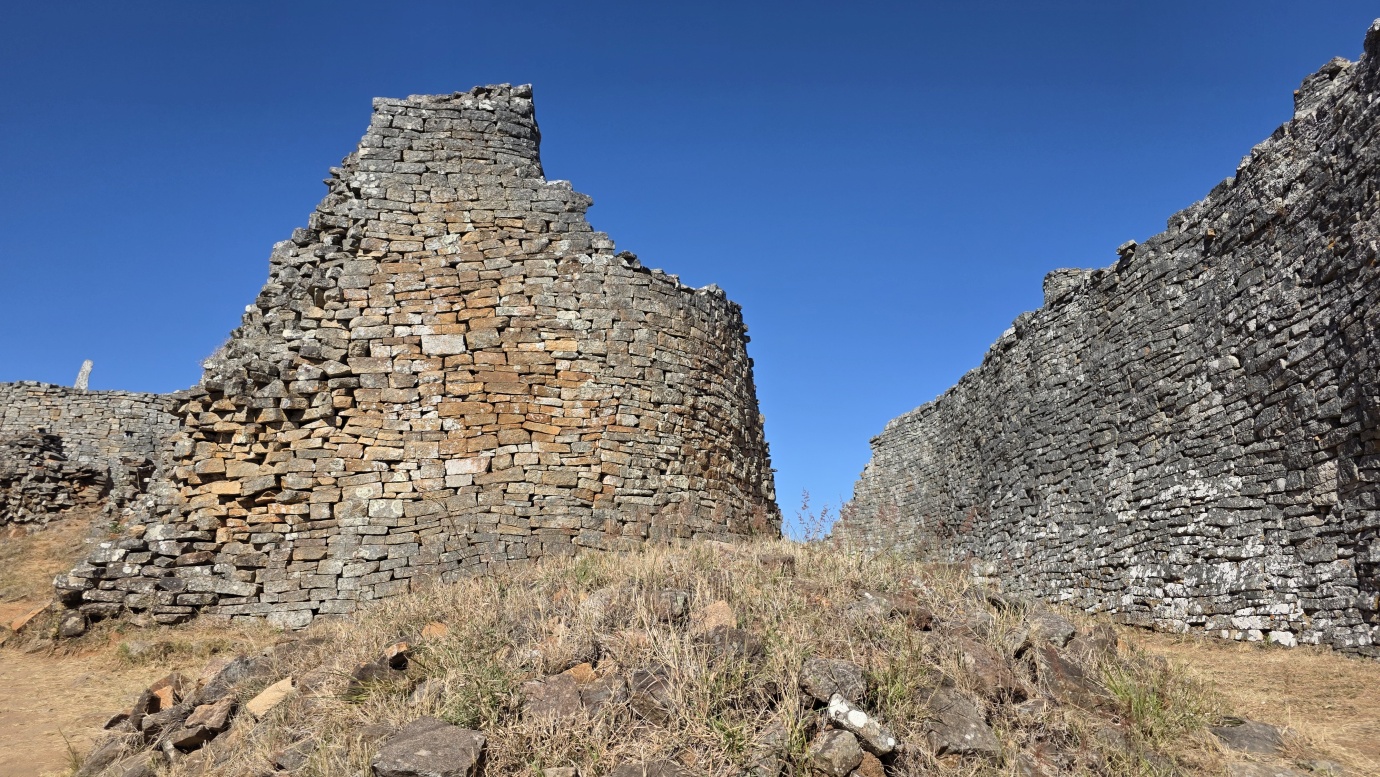
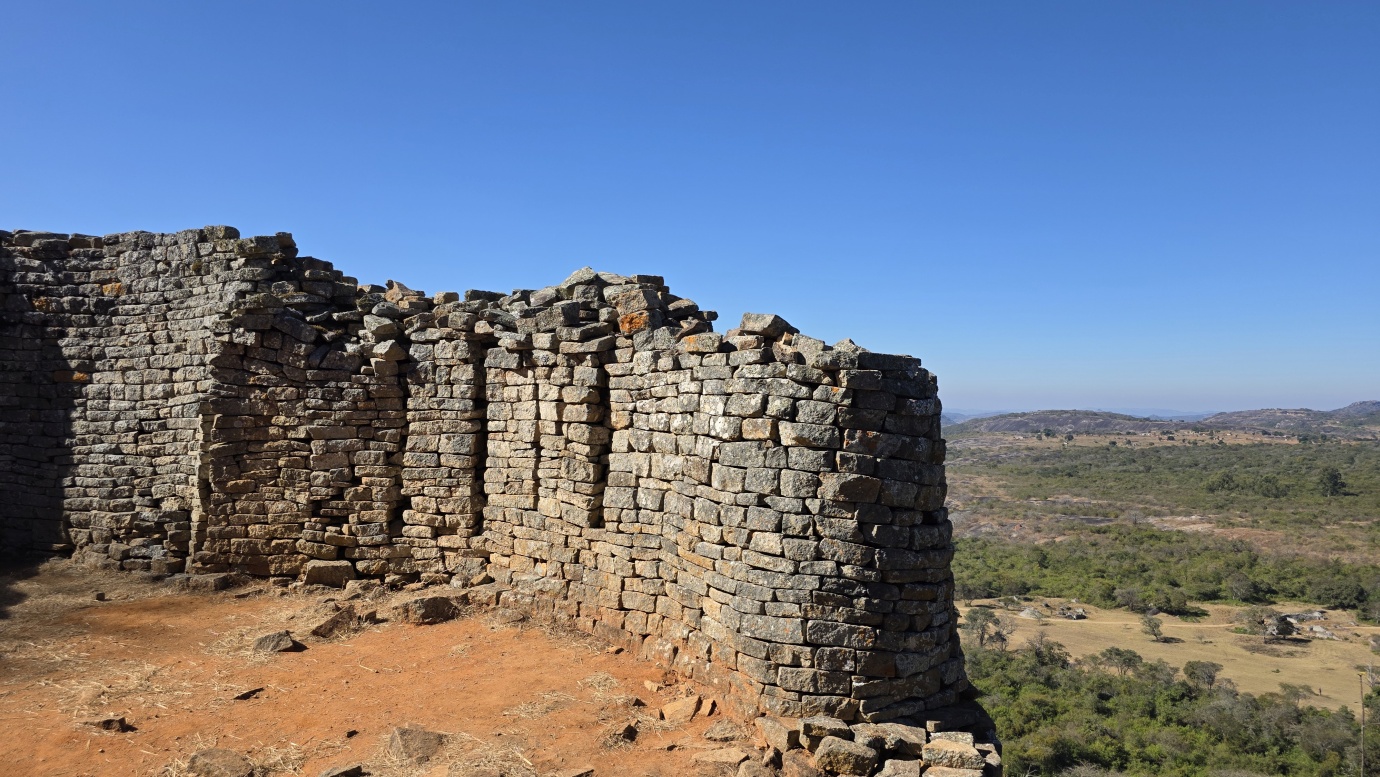
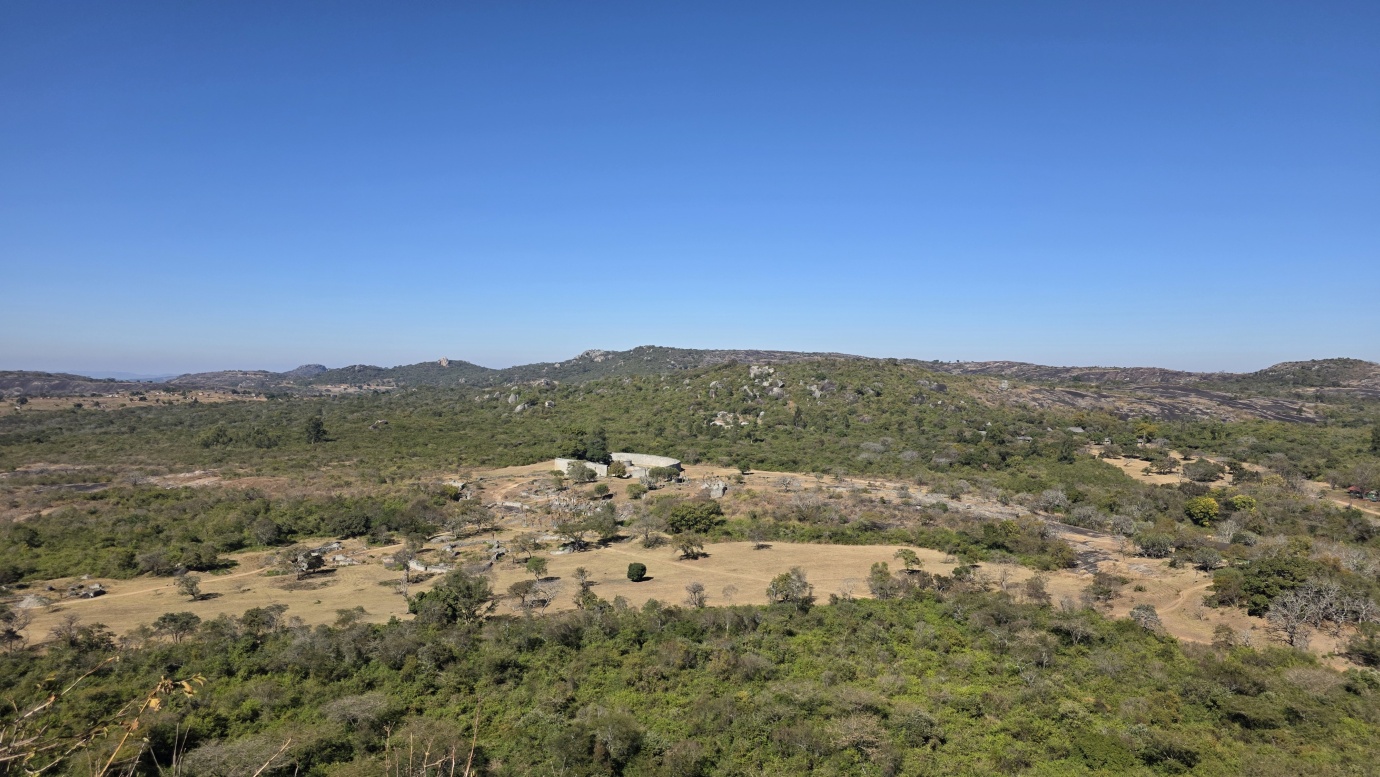
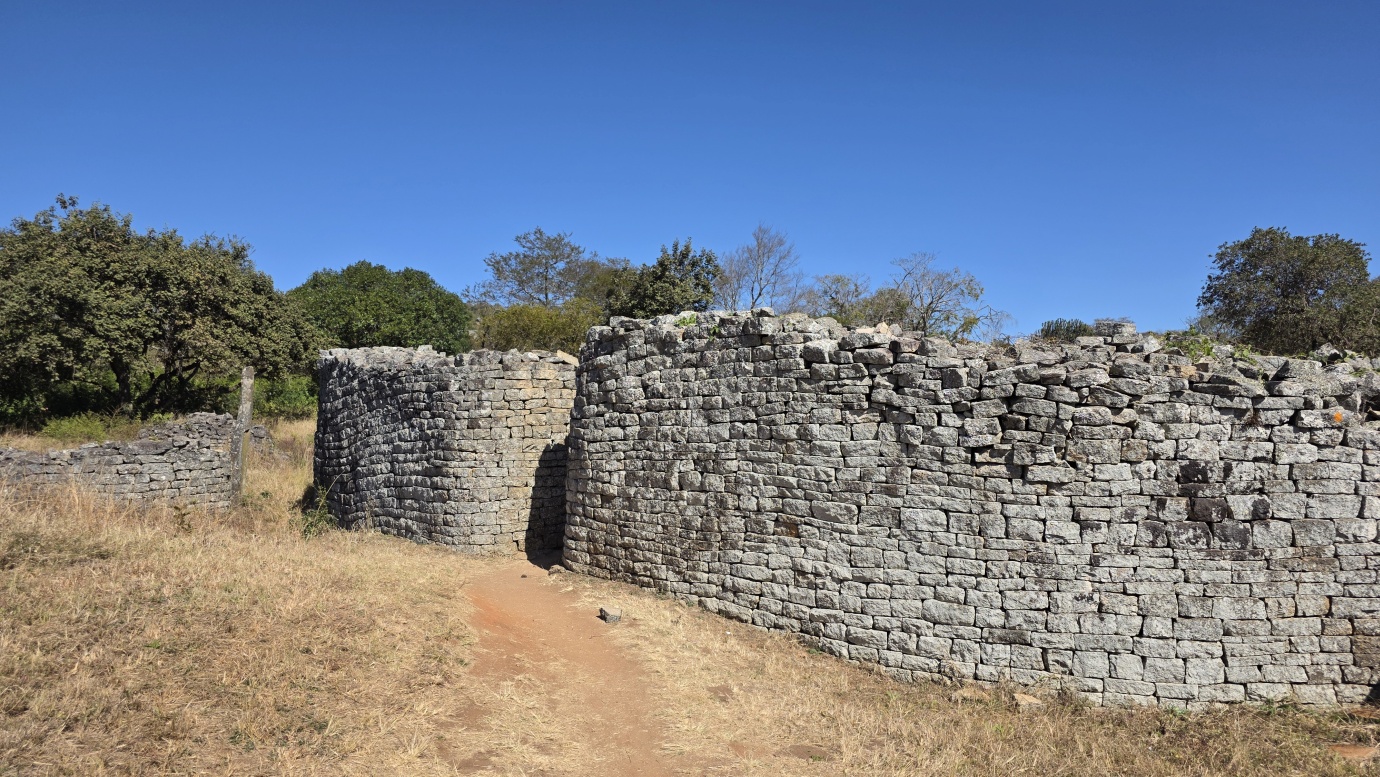
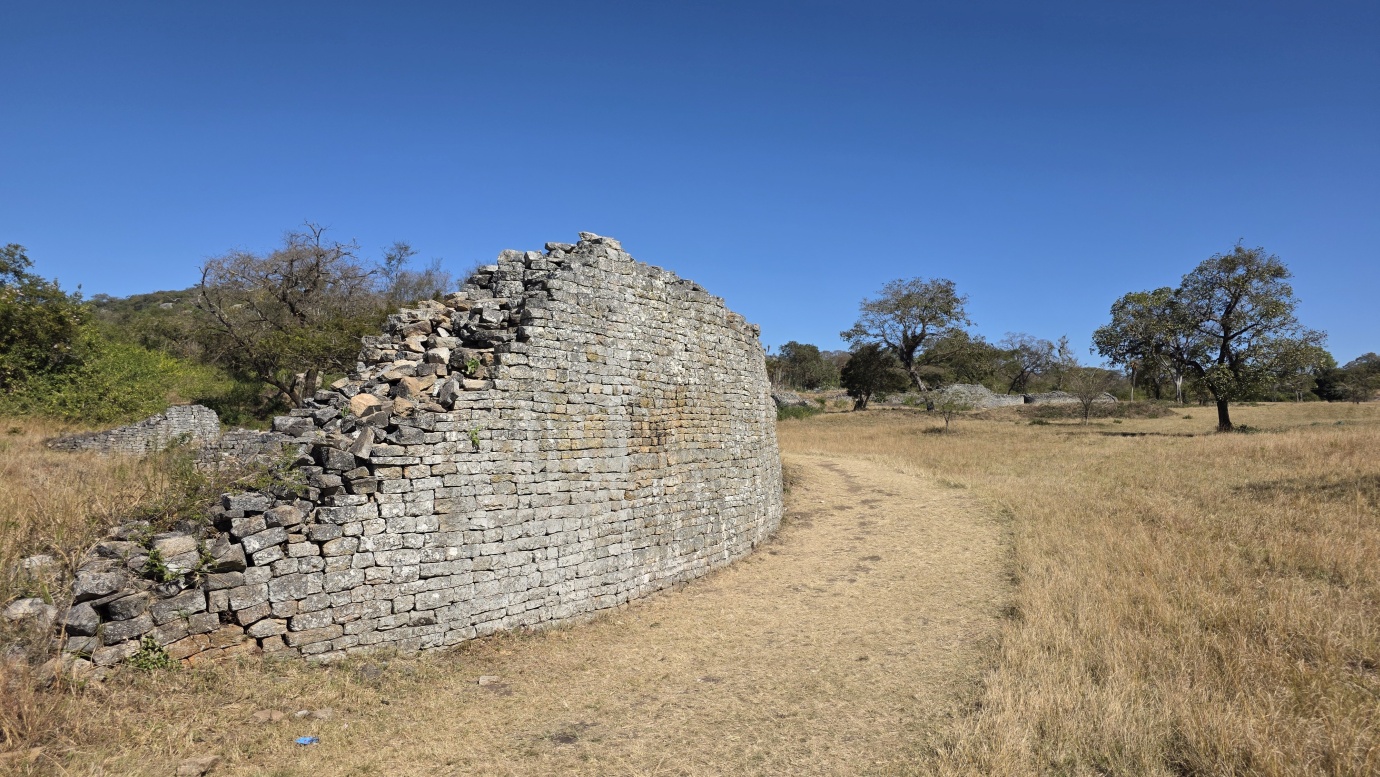
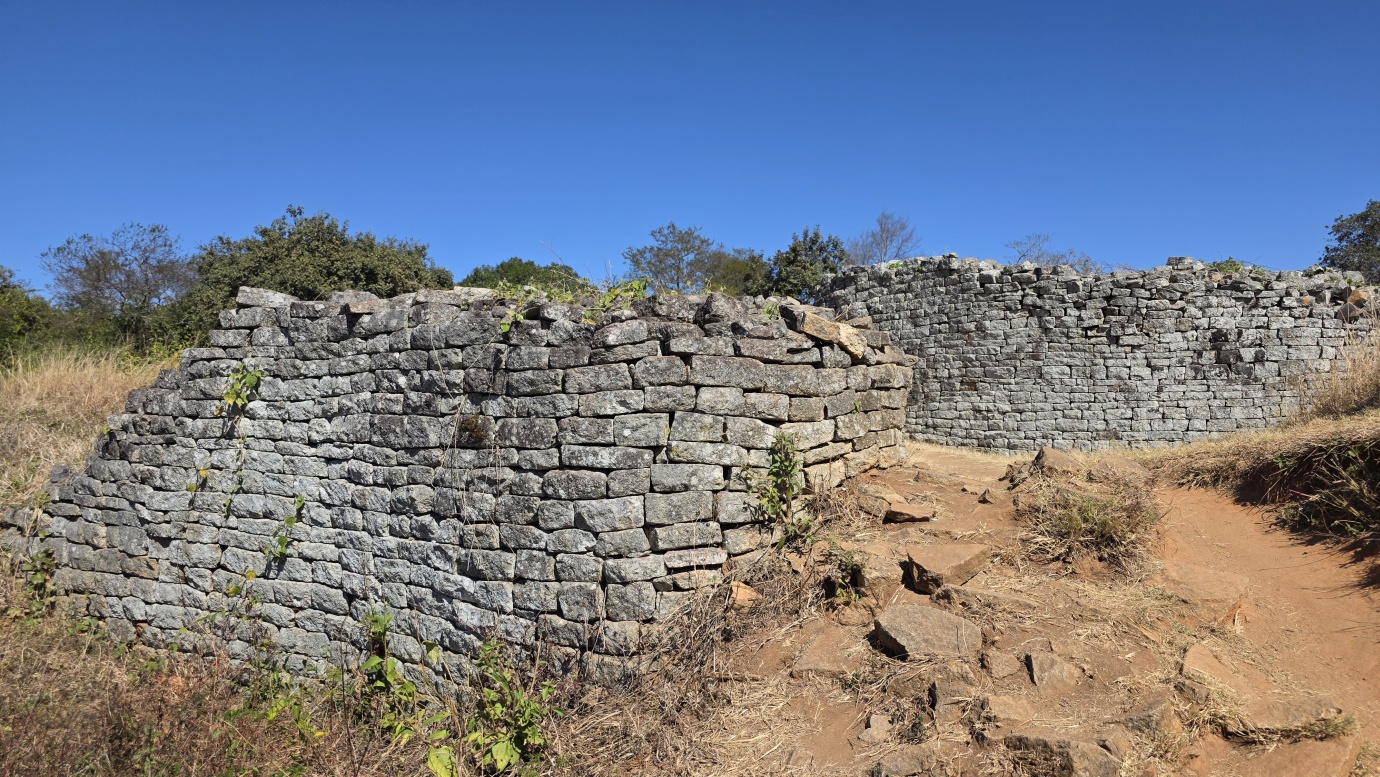
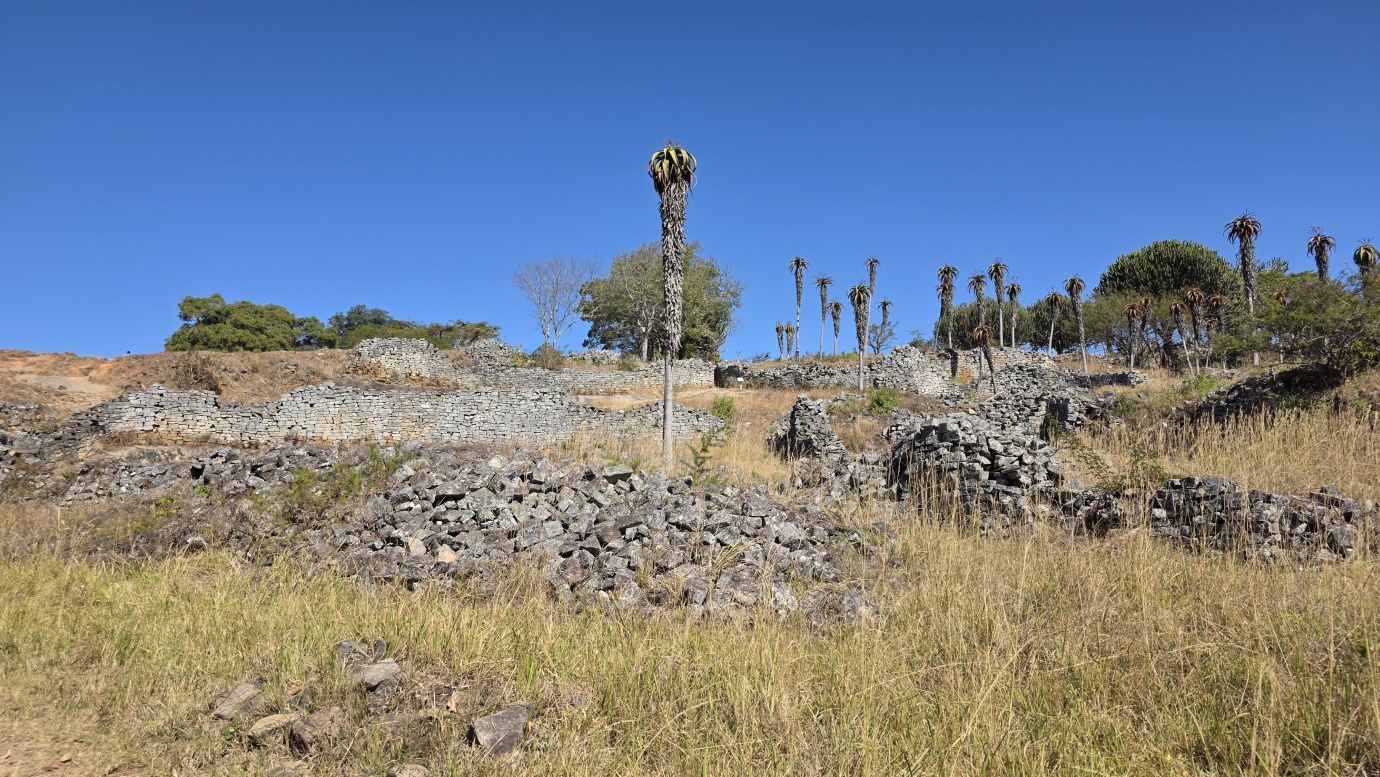
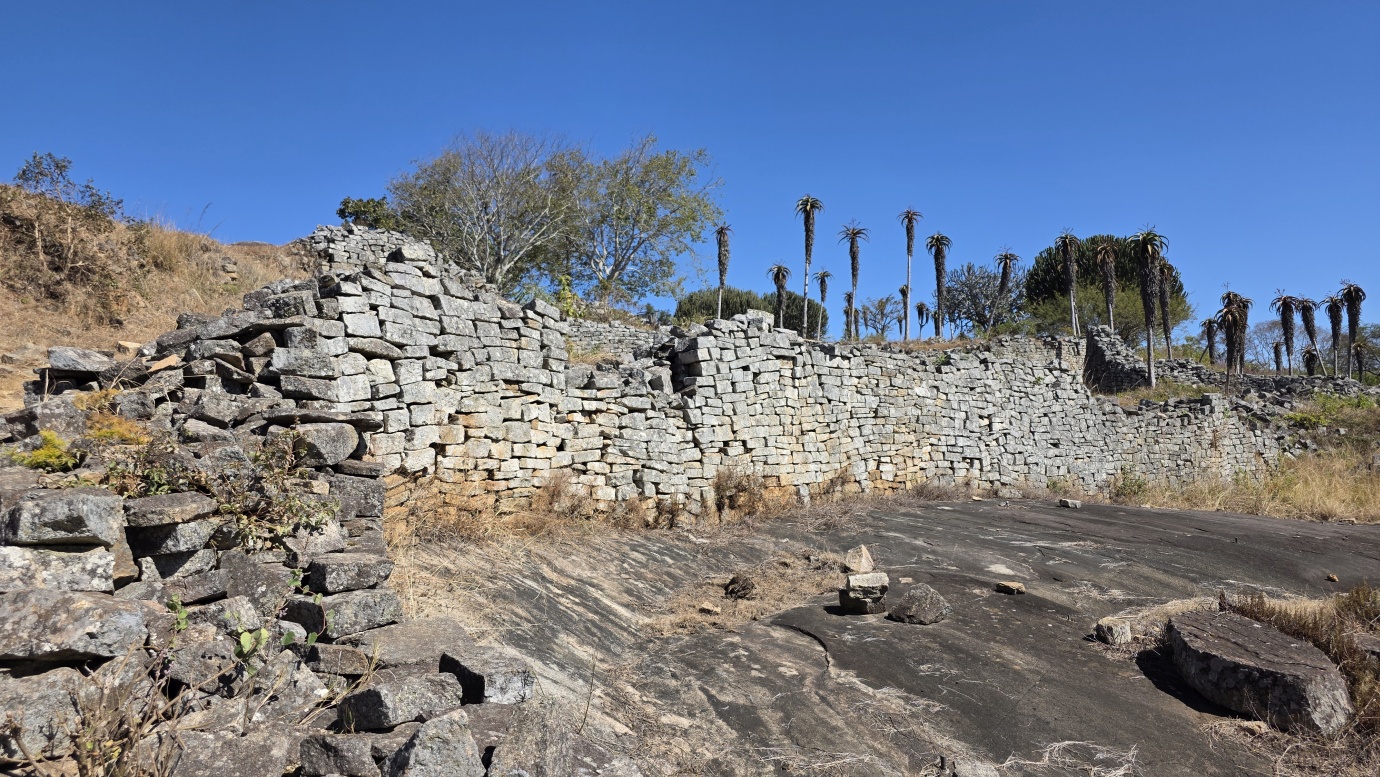
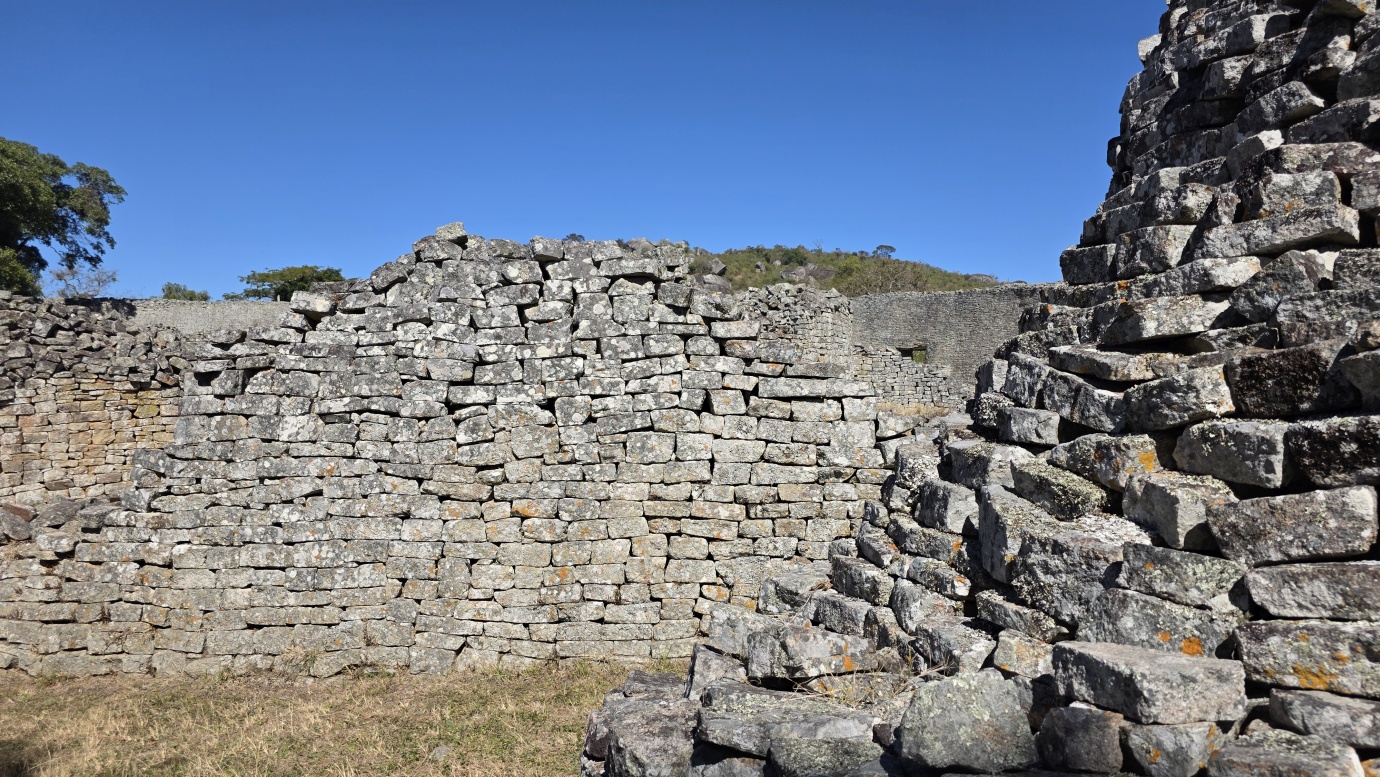
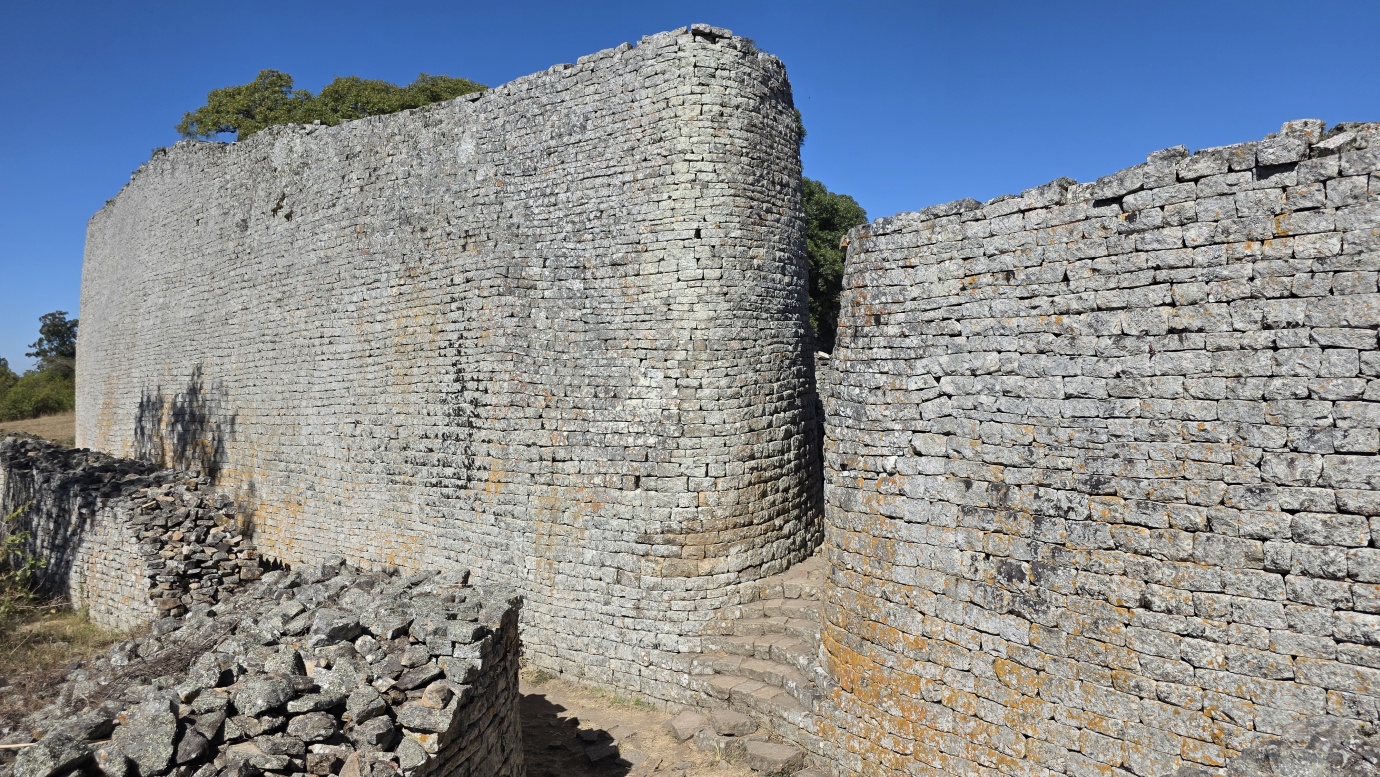
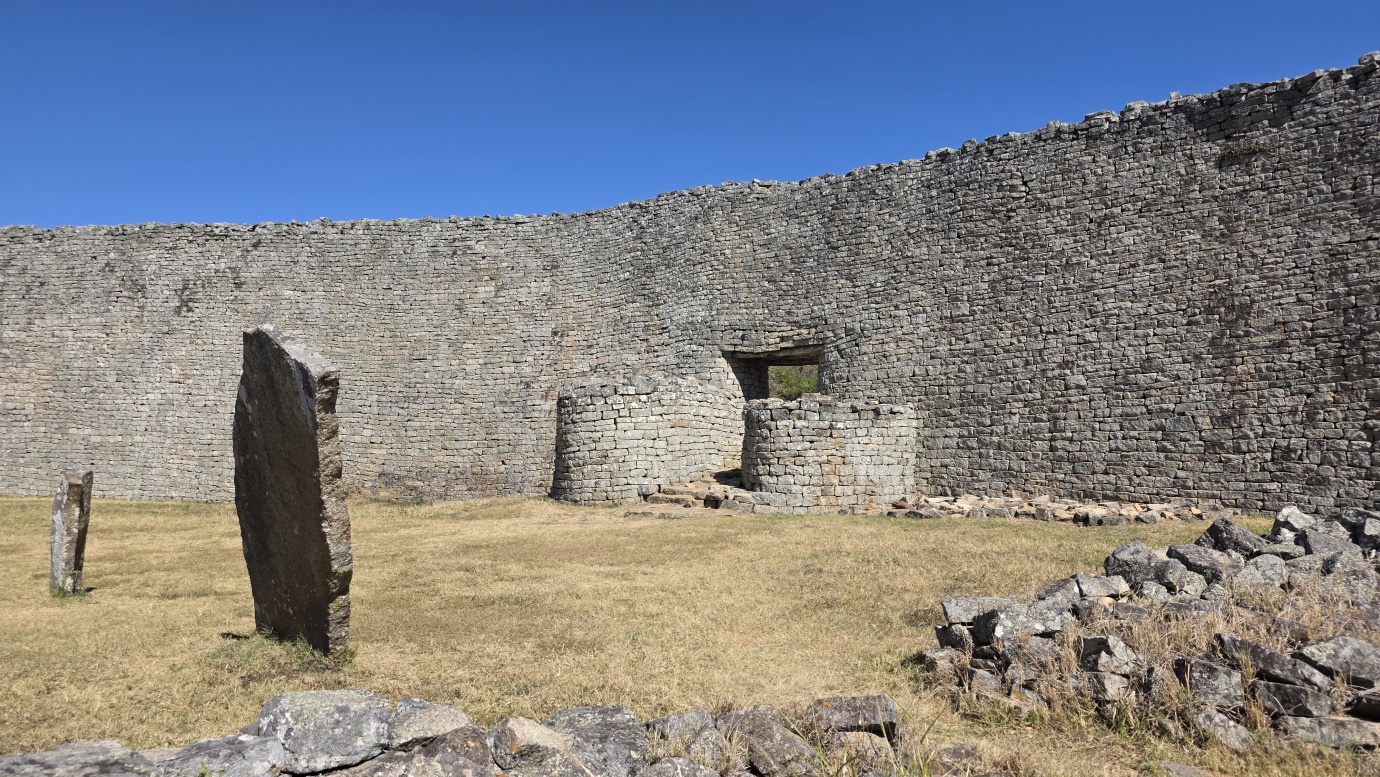
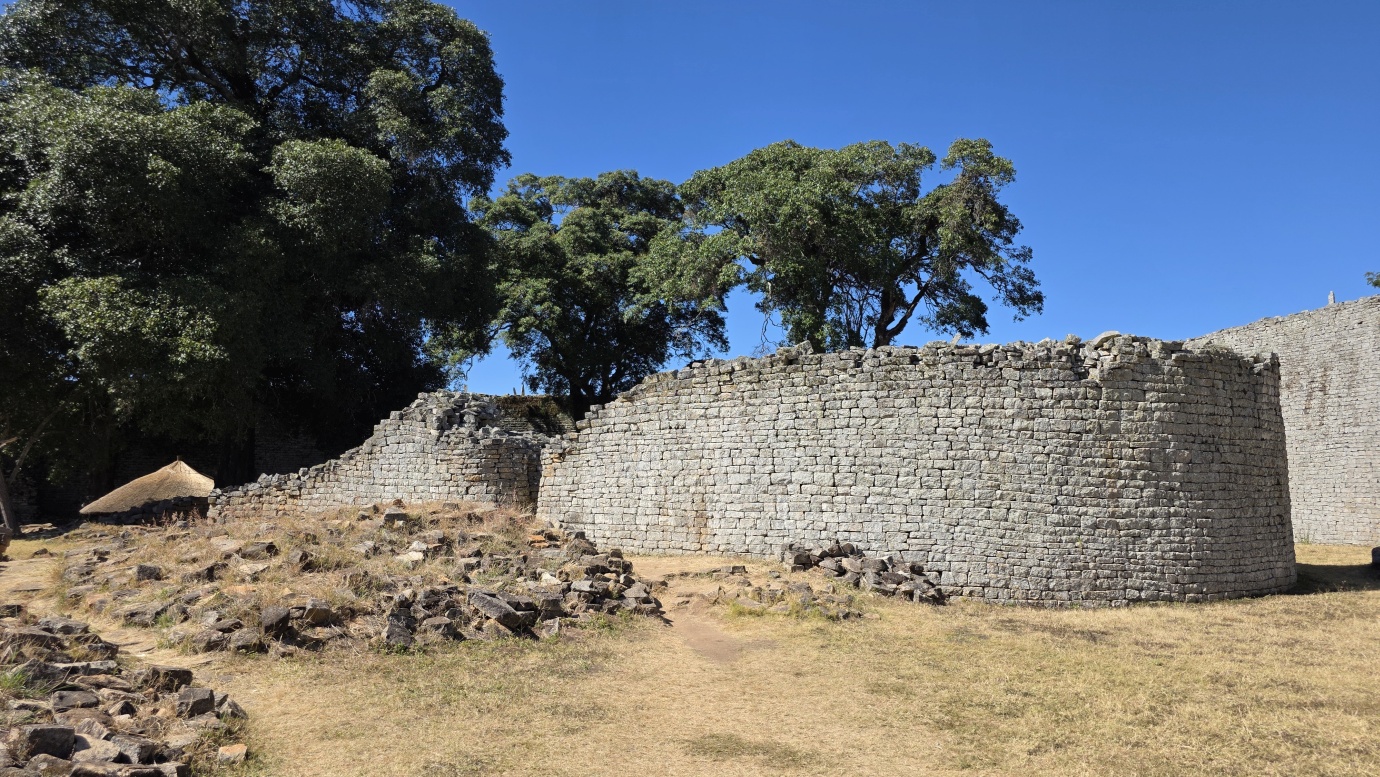
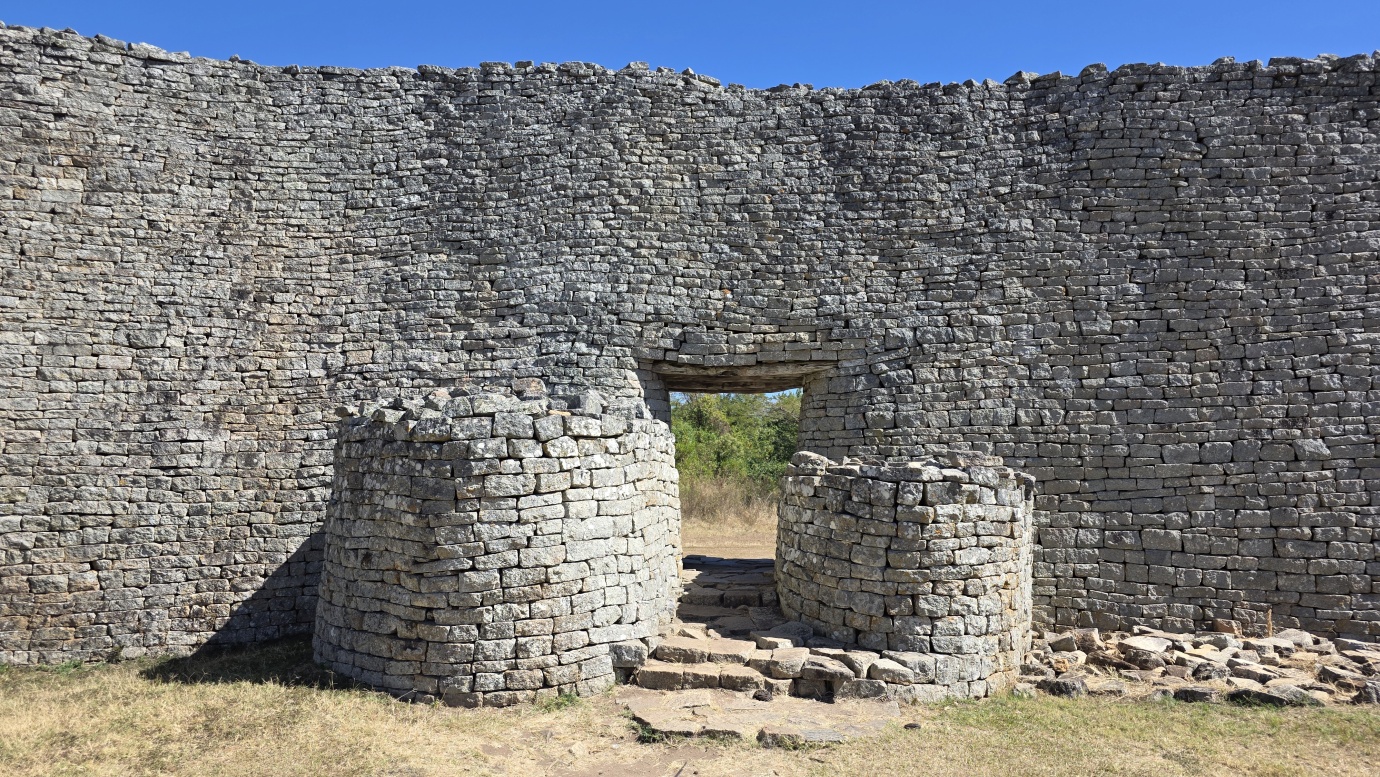
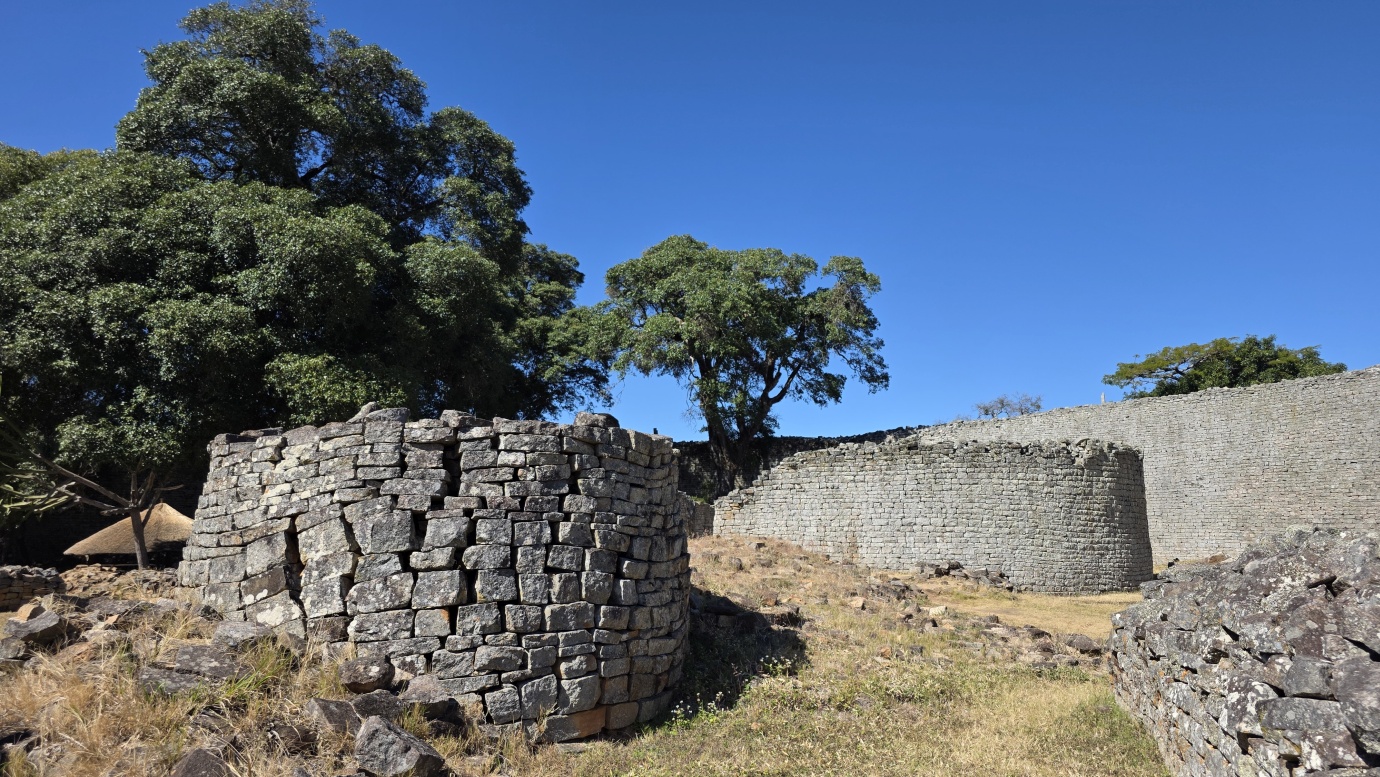
Built by the ancestors of today’s Shona people, Great Zimbabwe (🎟️15 USD) is the largest and most impressive ancient stone monument in sub-Saharan Africa. Its remarkable dry-stone architecture, constructed without a single drop of mortar, has withstood the test of time for centuries. The archaeological site covers nearly 800 hectares and lies on the southeastern edge of the Zimbabwean Plateau, about 30 kilometres southeast of the modern city of Masvingo.
At its height during the 15th century, Great Zimbabwe was the political, economic, and cultural heart of a powerful kingdom that controlled the lucrative gold and ivory trade between the interior of southern Africa and the Swahili Coast. Archaeological excavations have uncovered Persian pottery, Chinese porcelain, and Arabian glass beads, demonstrating that the city was connected to an extensive medieval trade network stretching across the Indian Ocean to Asia and the Middle East.
Around the mid-15th century, the city was gradually abandoned. Most archaeologists believe this was the result of environmental degradation caused by overpopulation, extensive deforestation, and the depletion of nearby agricultural land and gold resources, making it increasingly difficult to support such a large population.
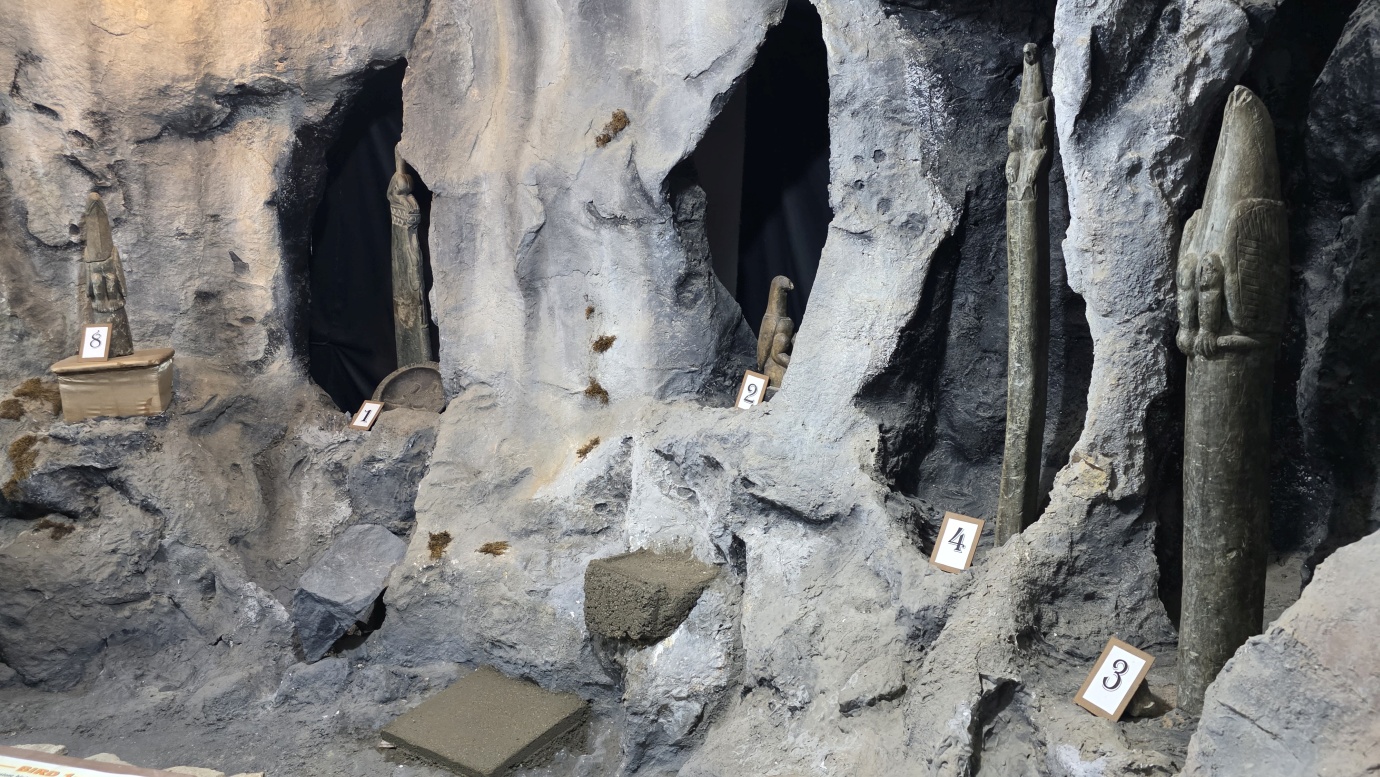
Among the site’s most famous discoveries are eight beautifully carved soapstone bird sculptures. One of them, representing the African Fish Eagle (Hungwe), has become Zimbabwe’s national emblem and is prominently featured on the country’s flag.
For centuries, Great Zimbabwe puzzled European explorers and colonial settlers, many of whom refused to believe that indigenous Africans could have built such an advanced civilisation. Instead, they incorrectly attributed the ruins to the Phoenicians, ancient Egyptians, or even the builders of King Solomon’s kingdom. Modern archaeological research has thoroughly disproved these colonial-era myths, confirming that Great Zimbabwe was entirely the achievement of local African societies.
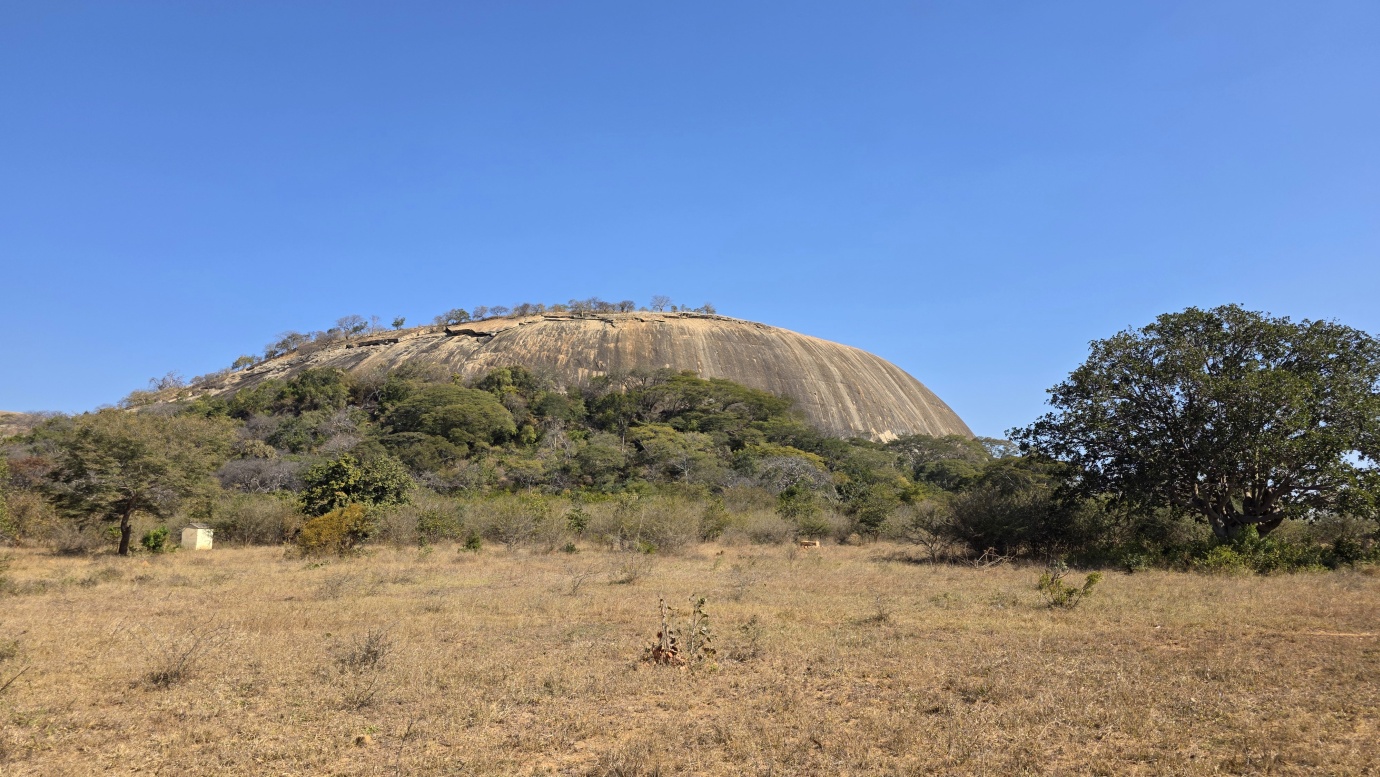
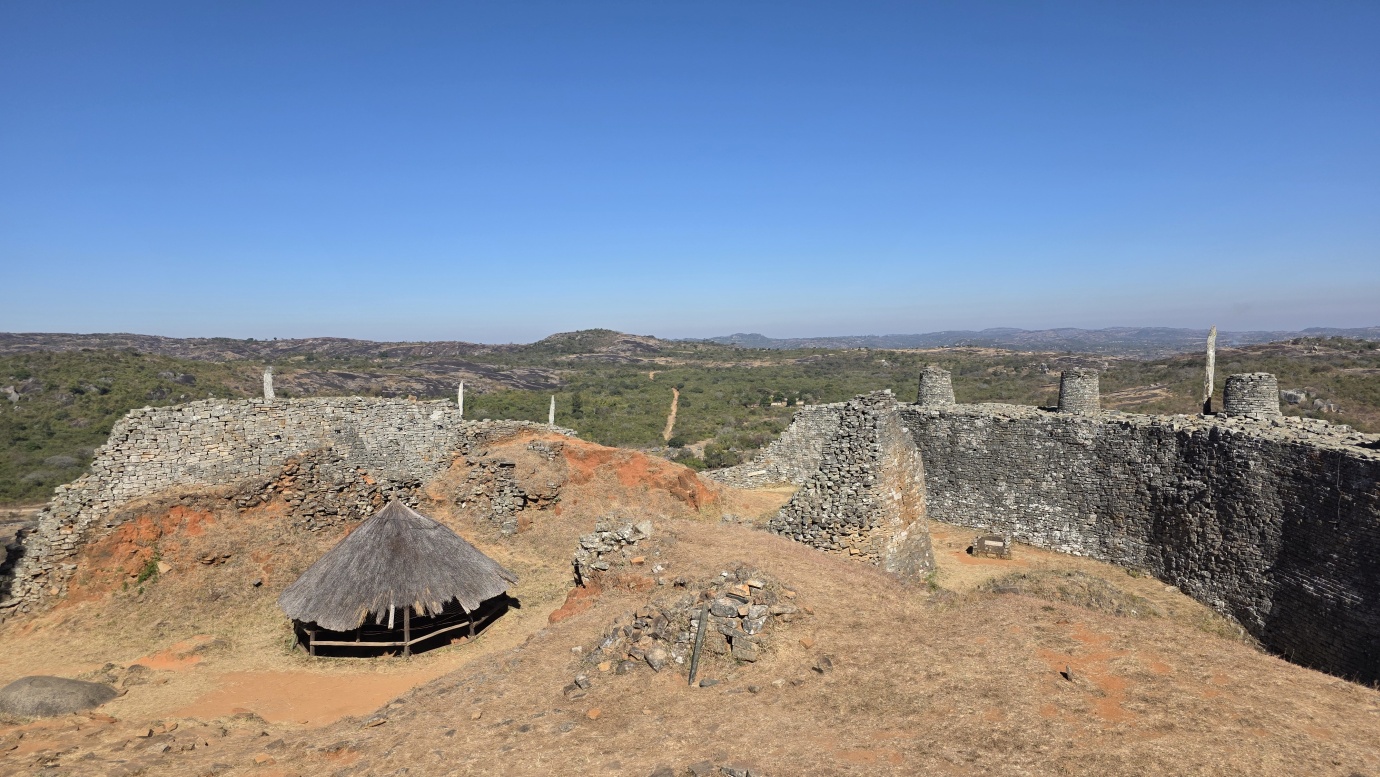
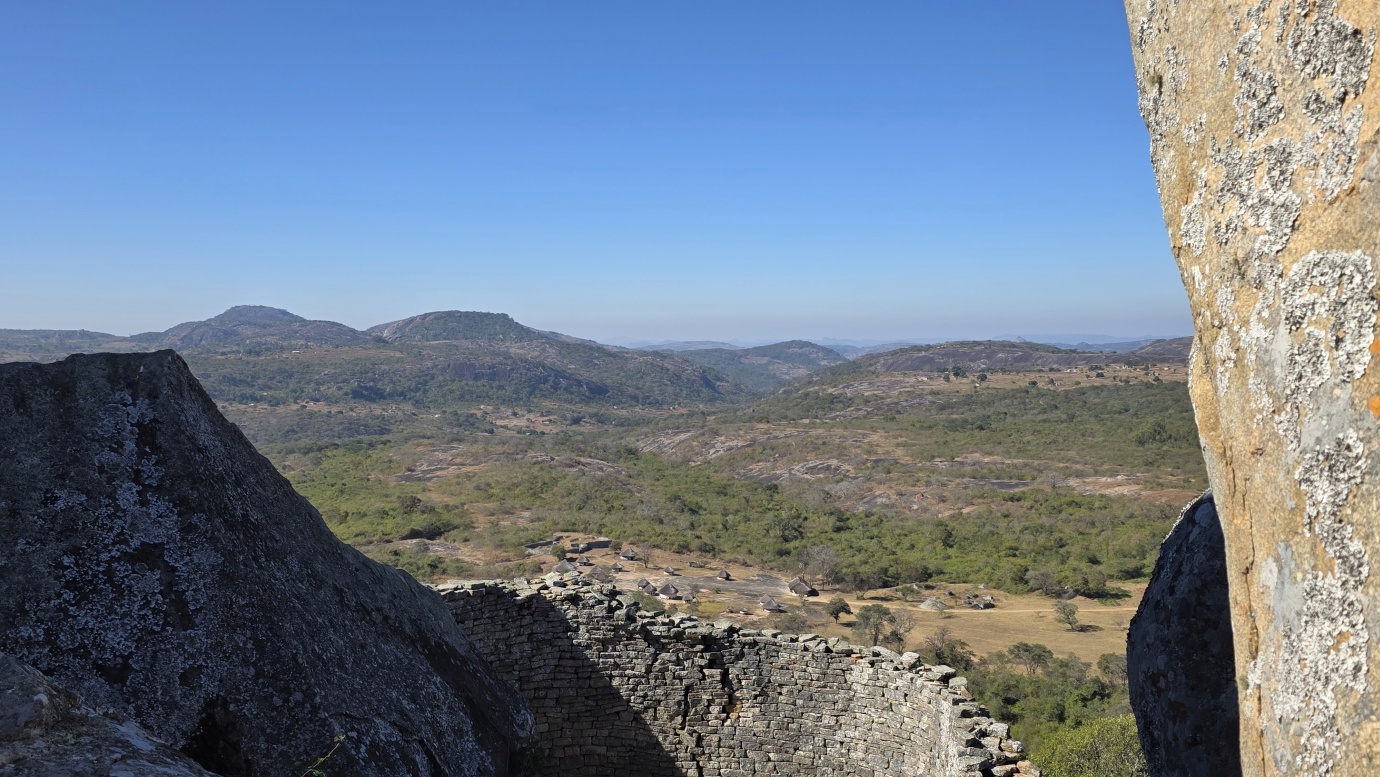
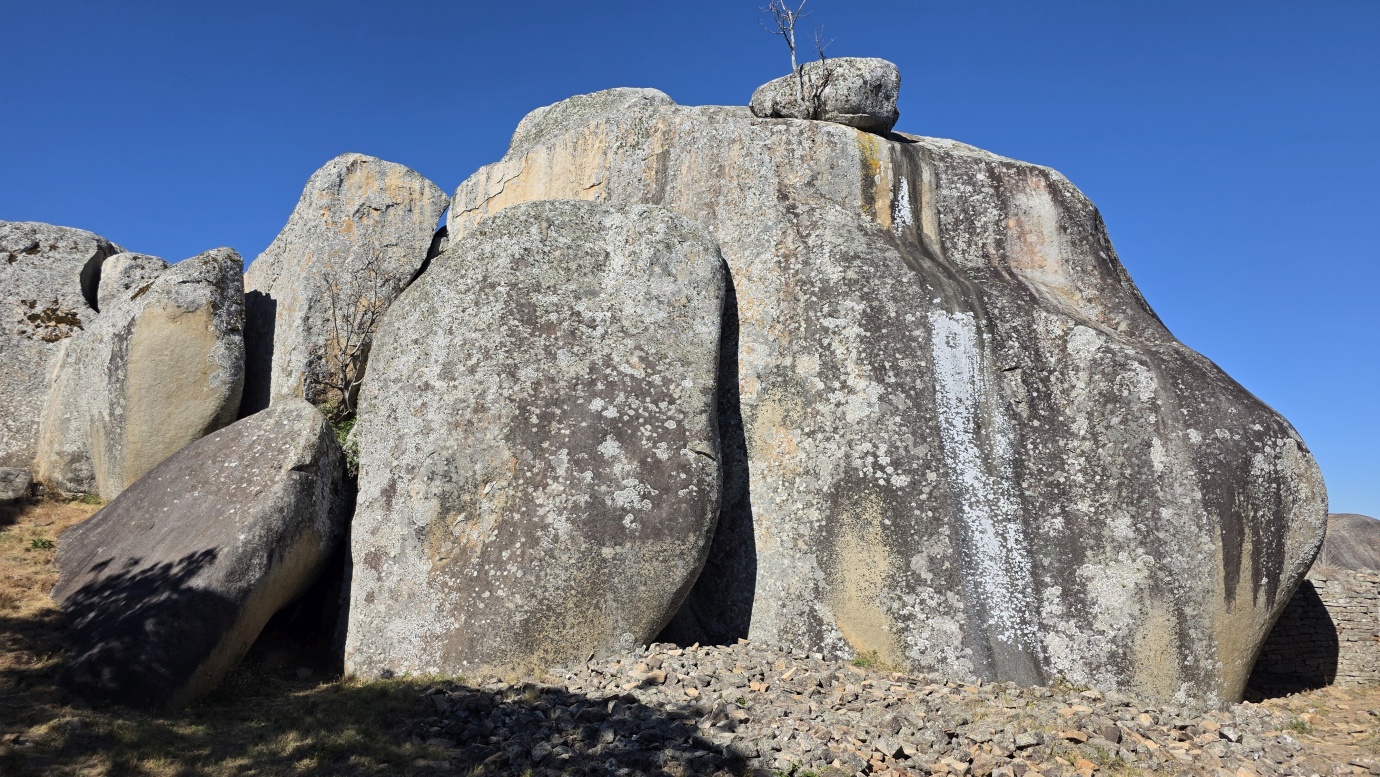
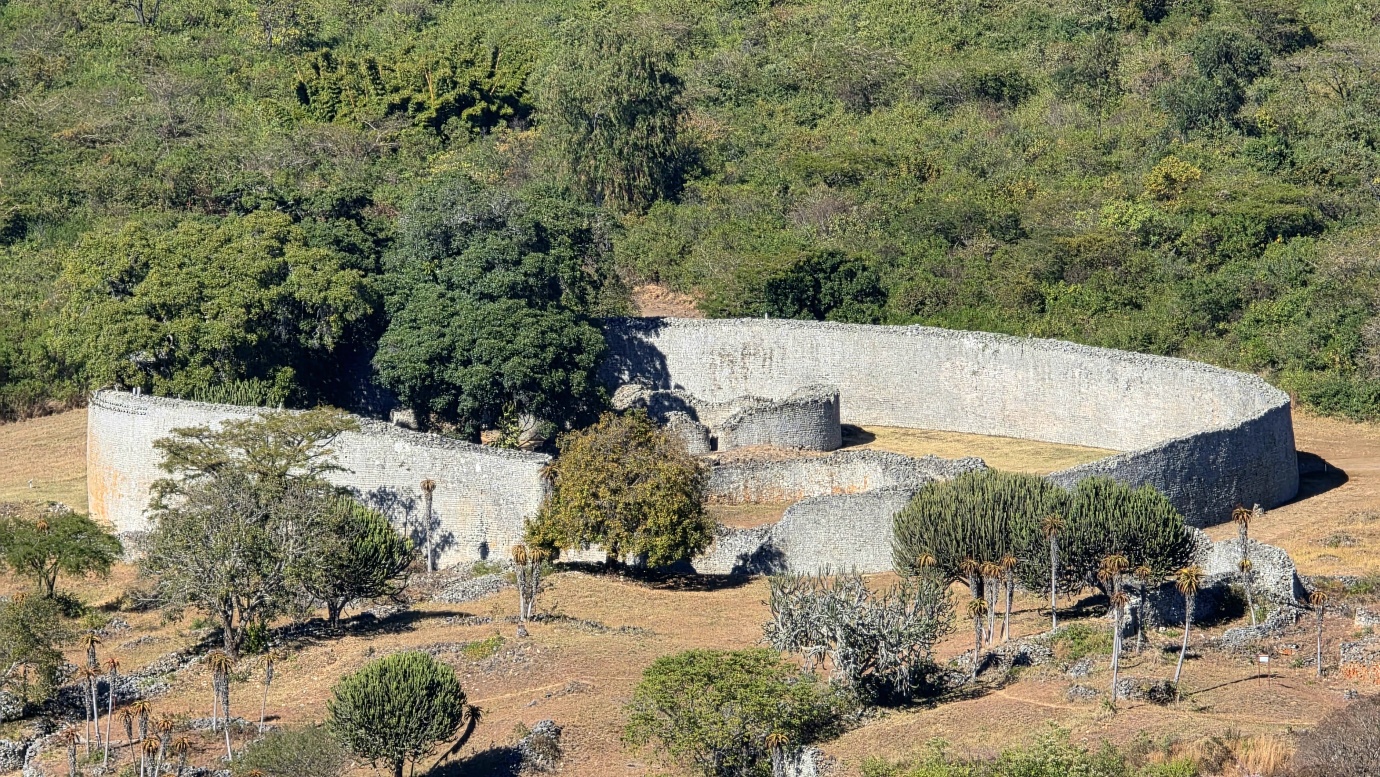
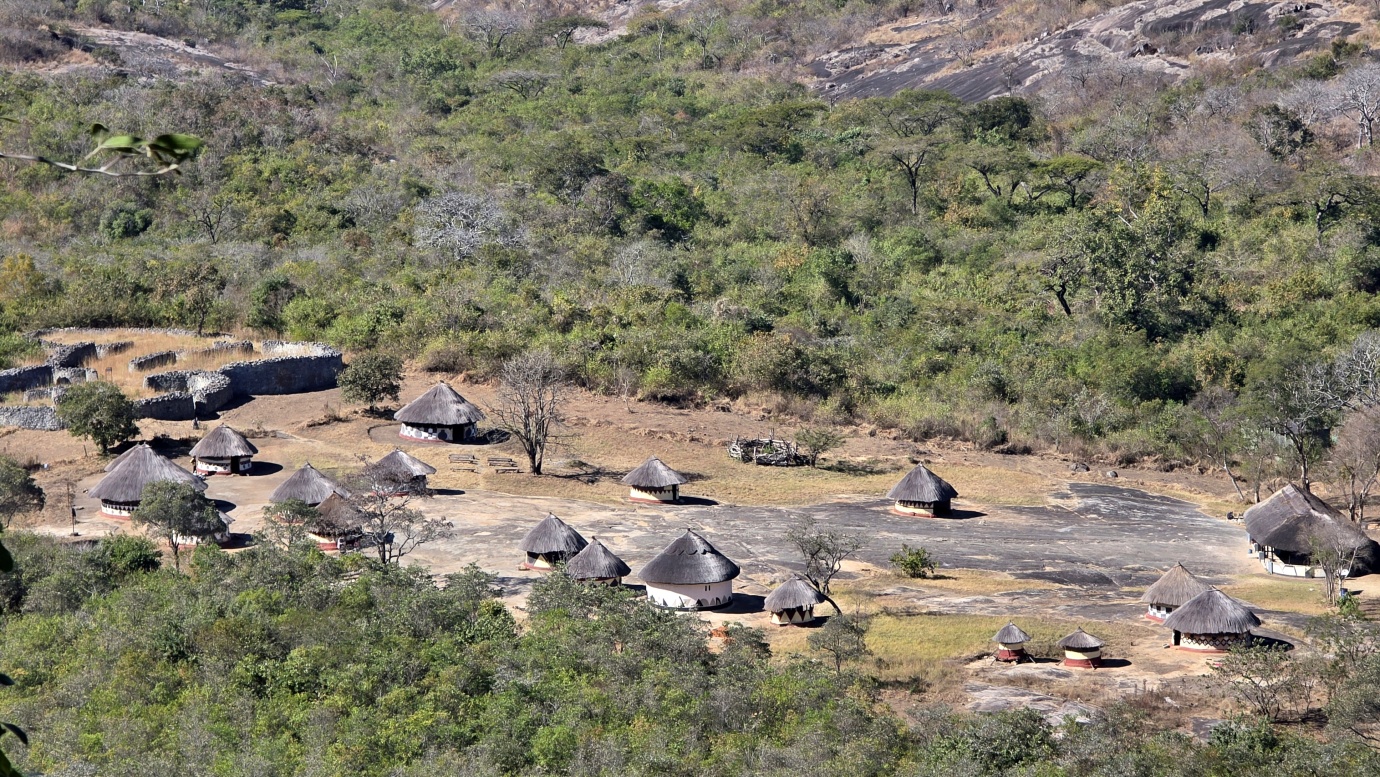
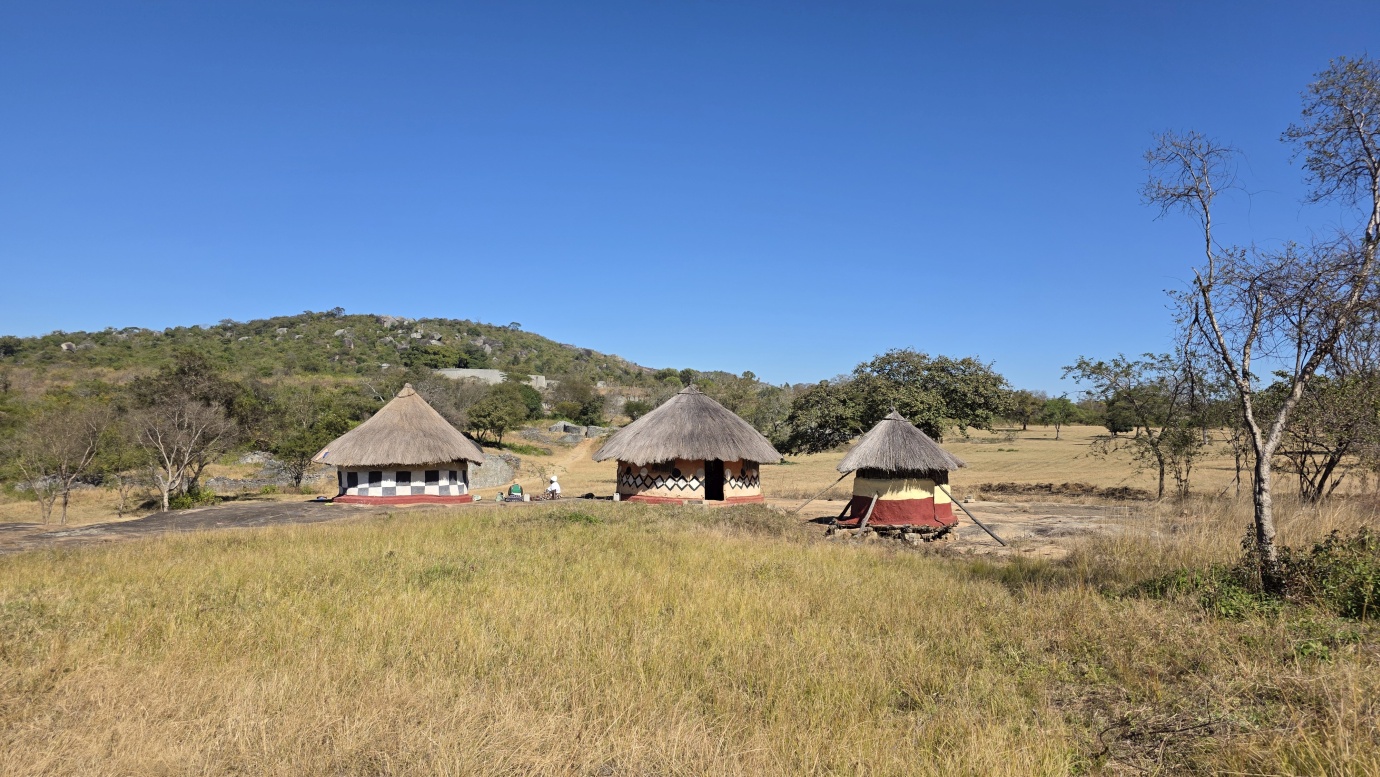
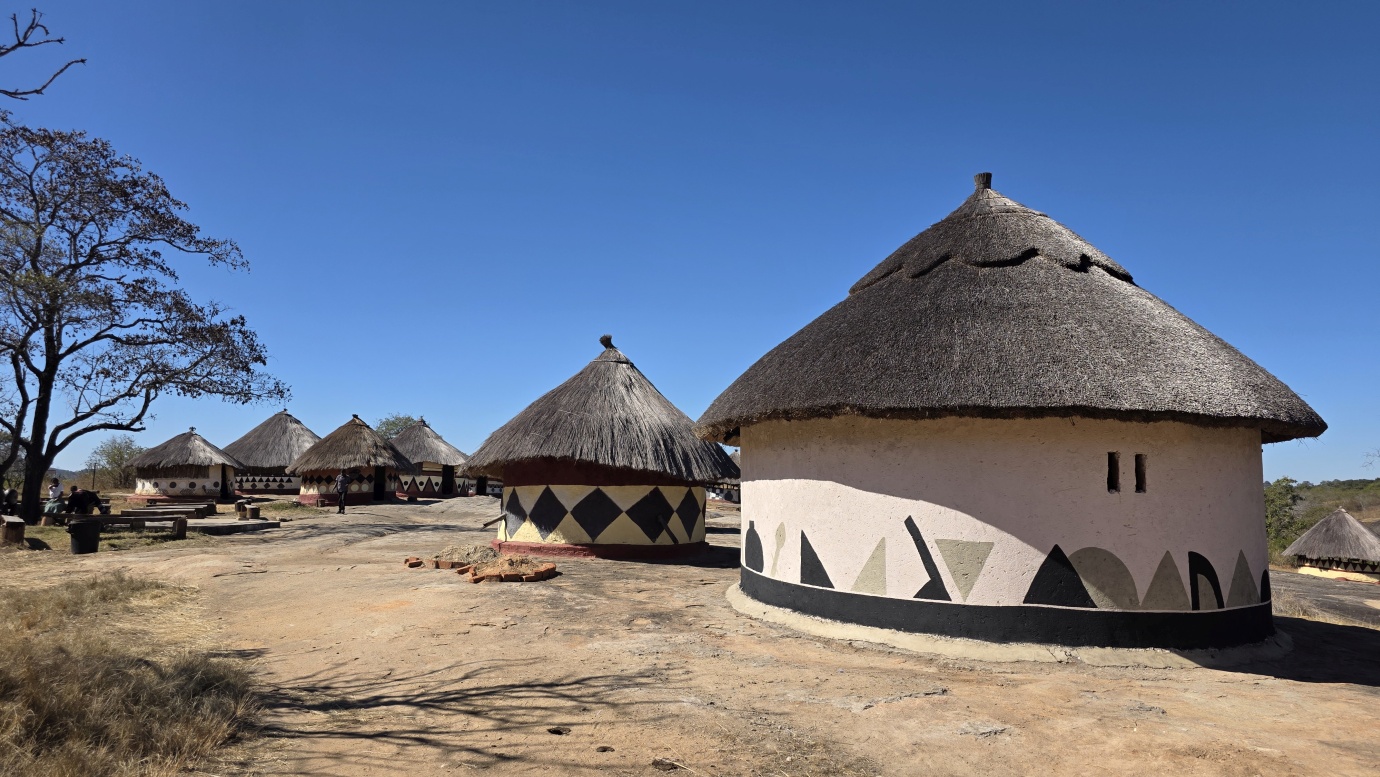
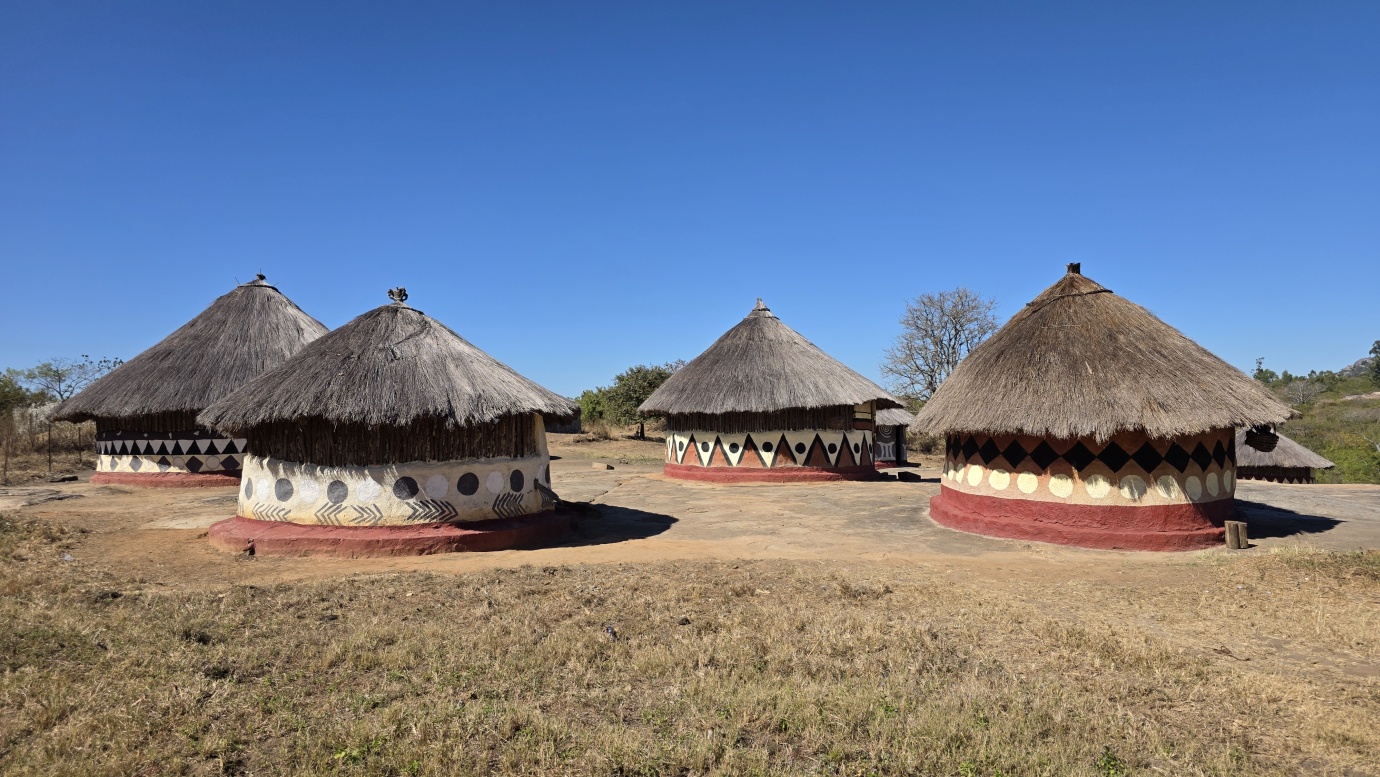
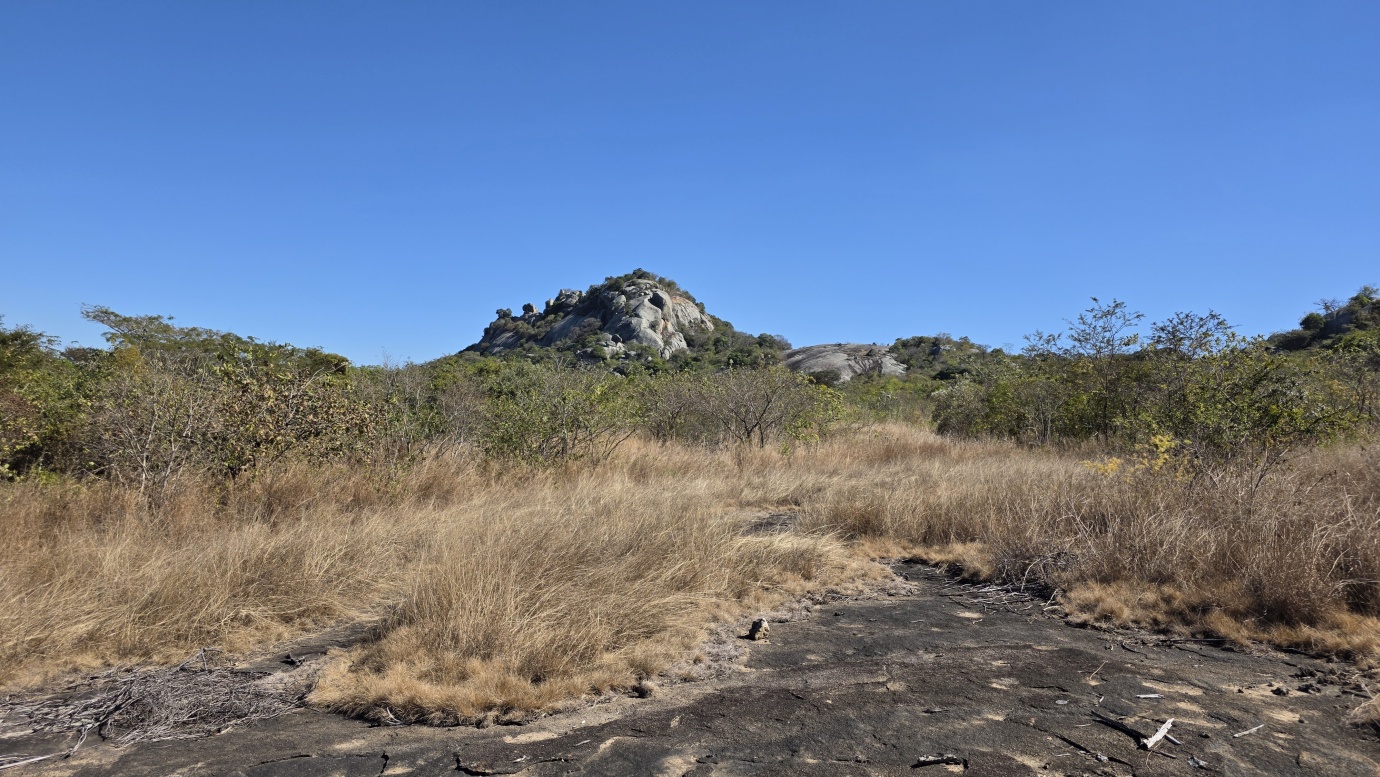
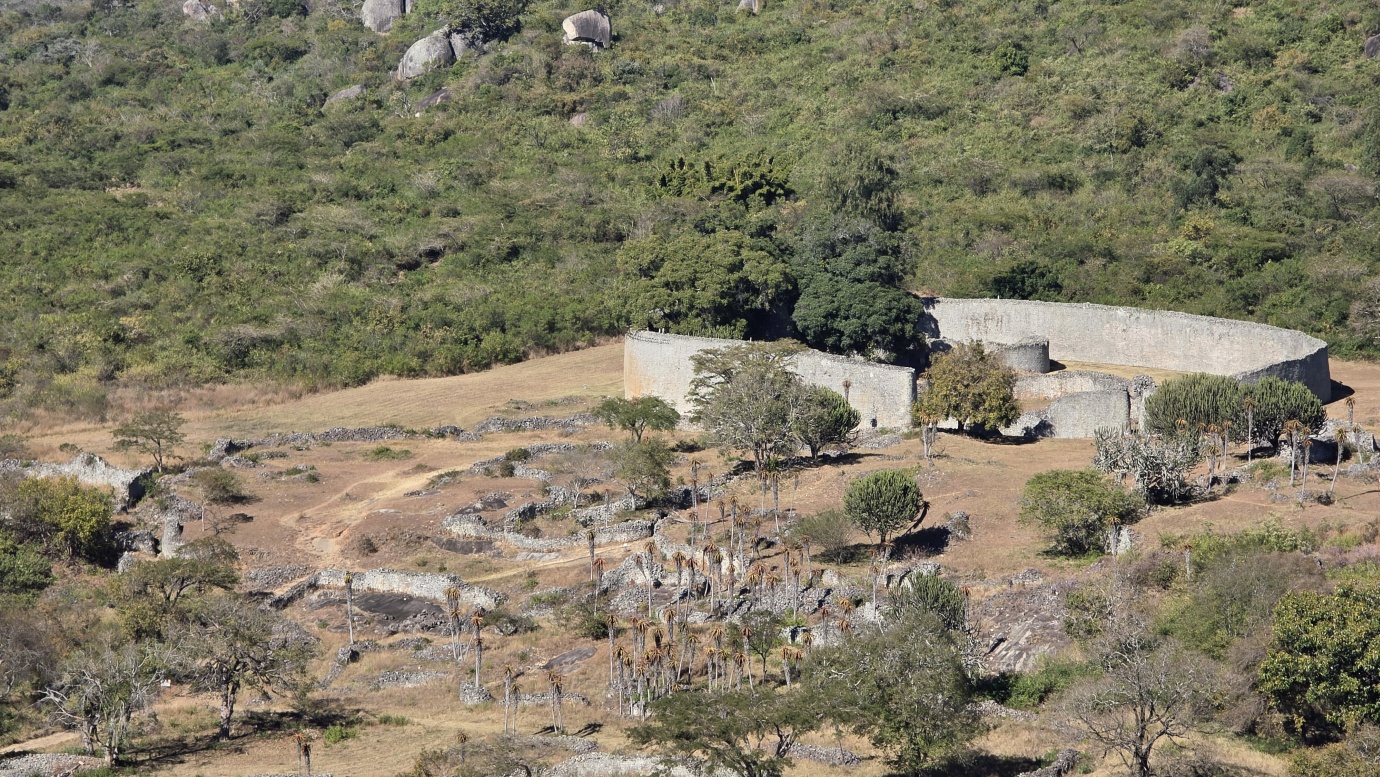
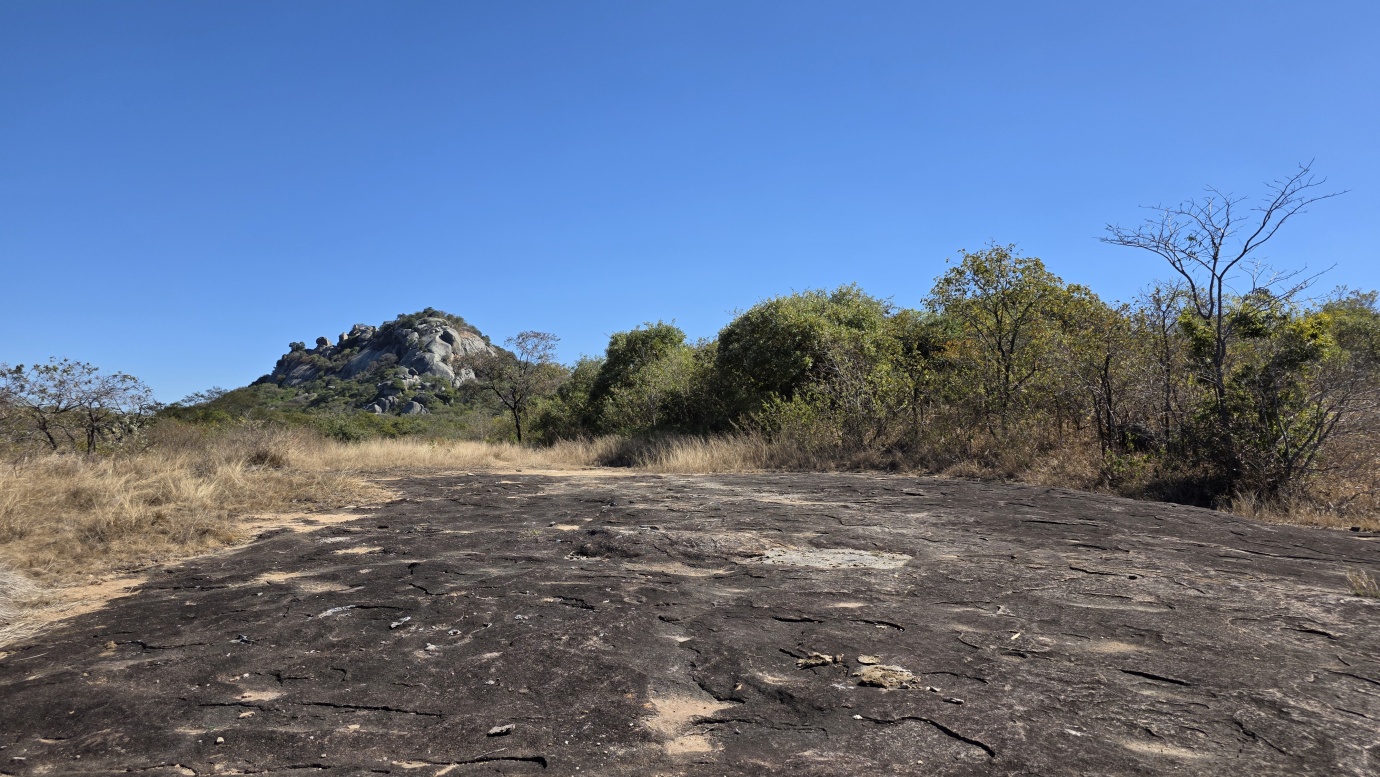
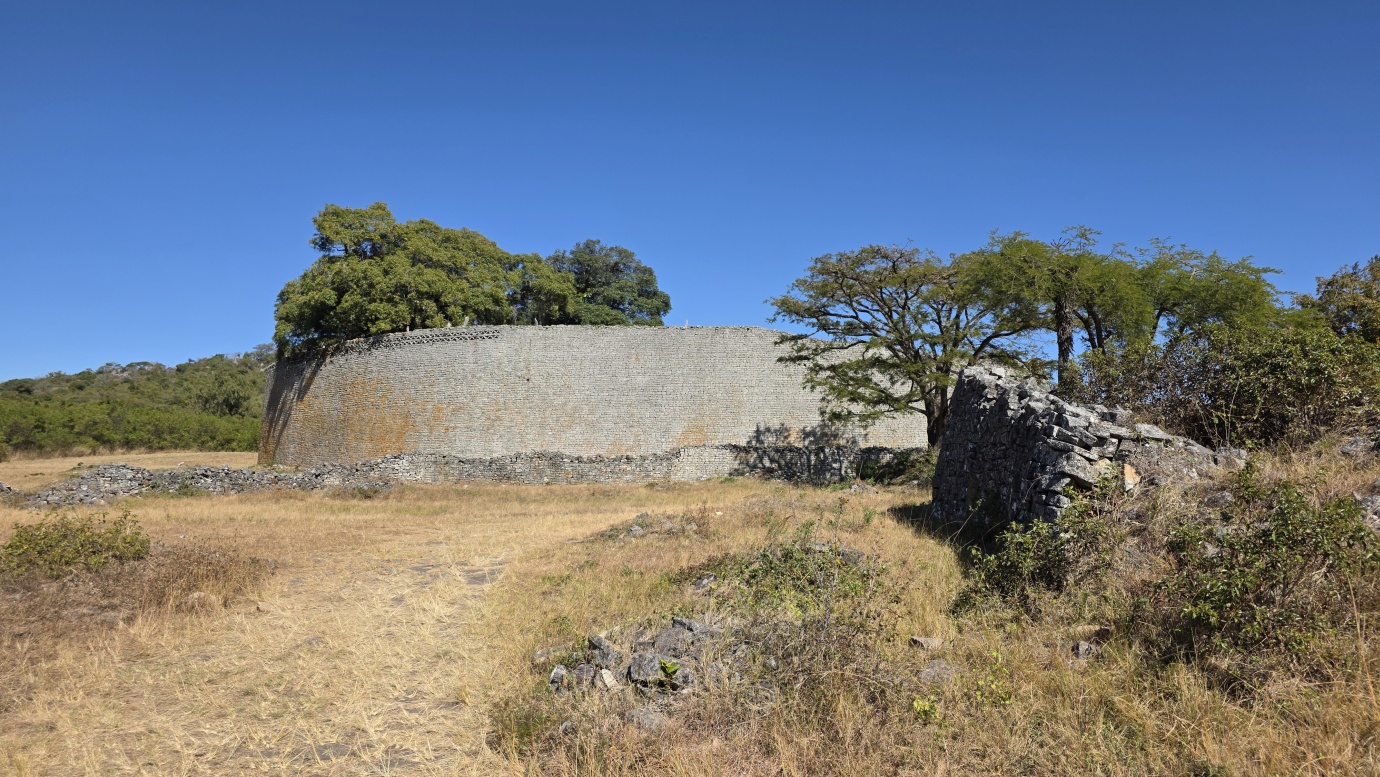
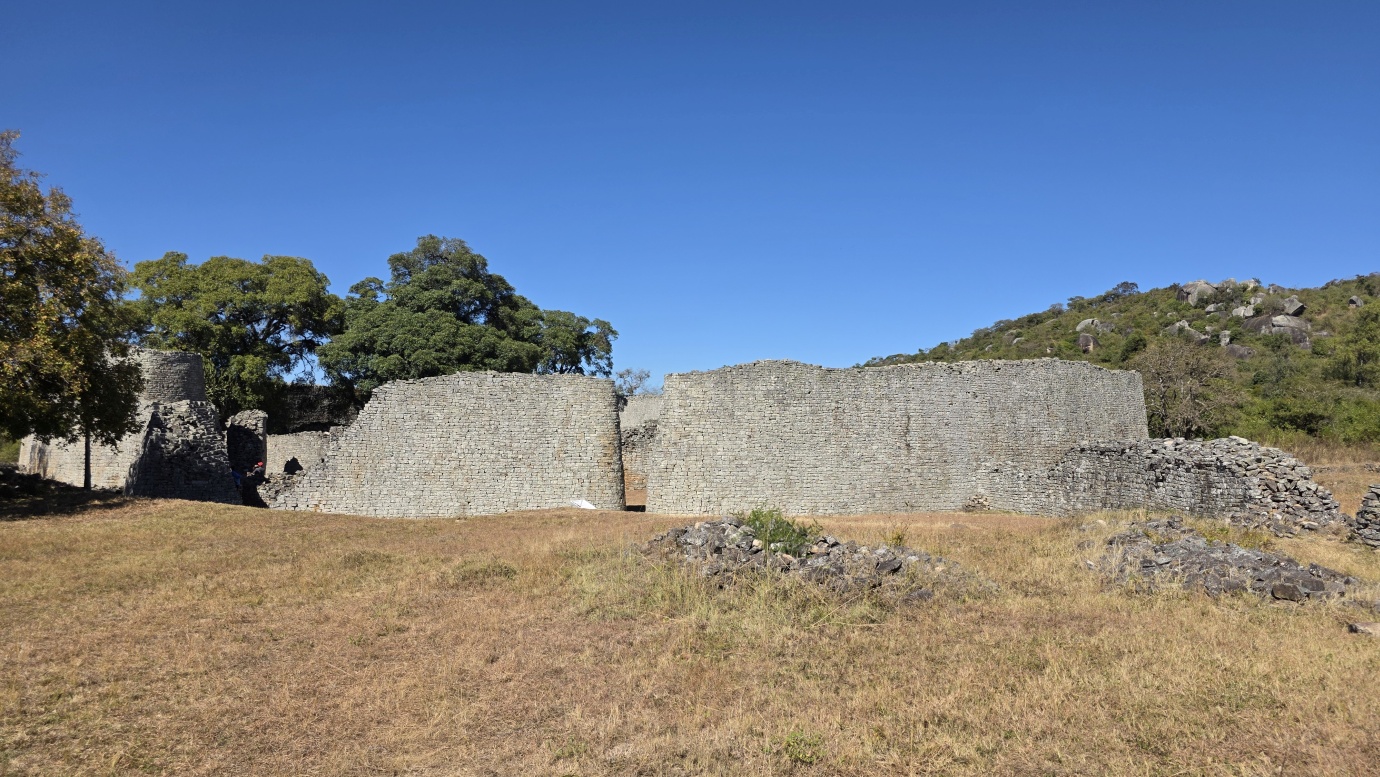
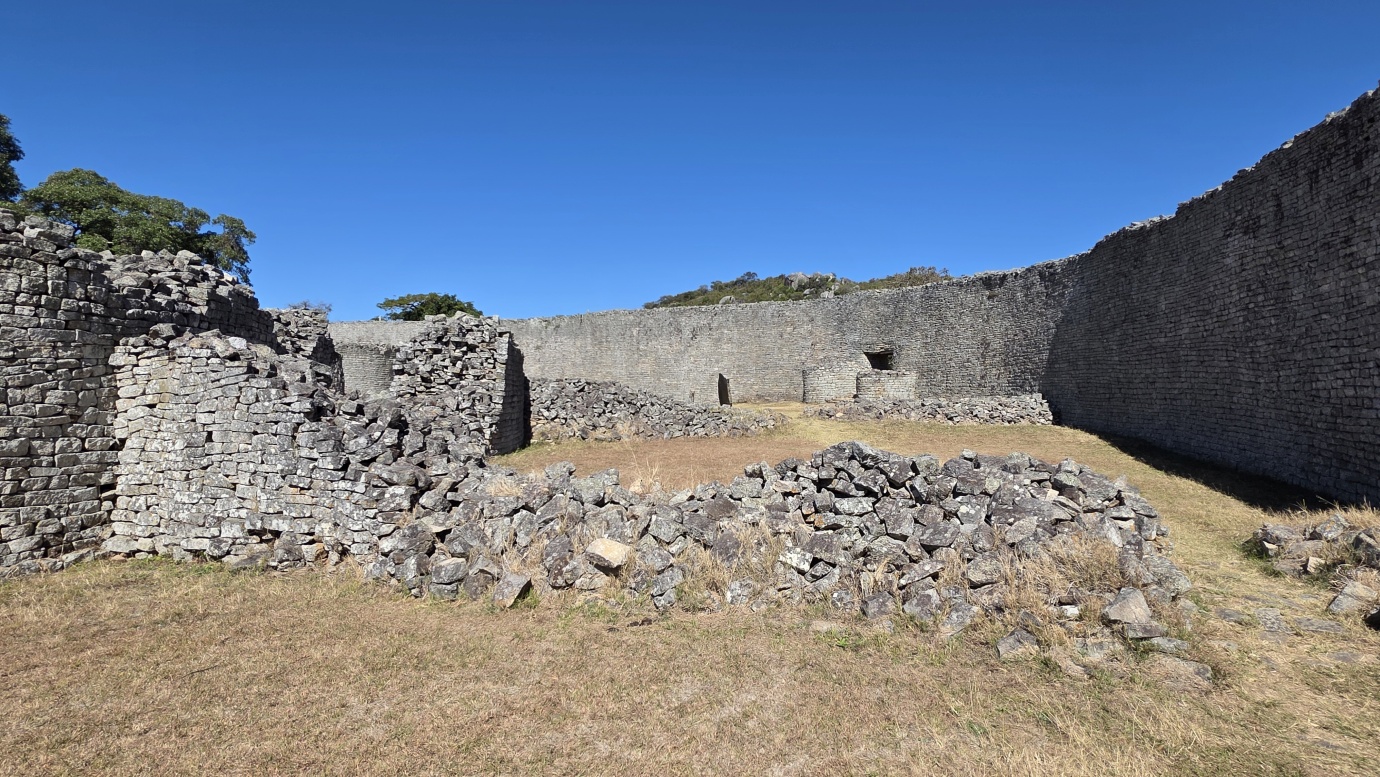
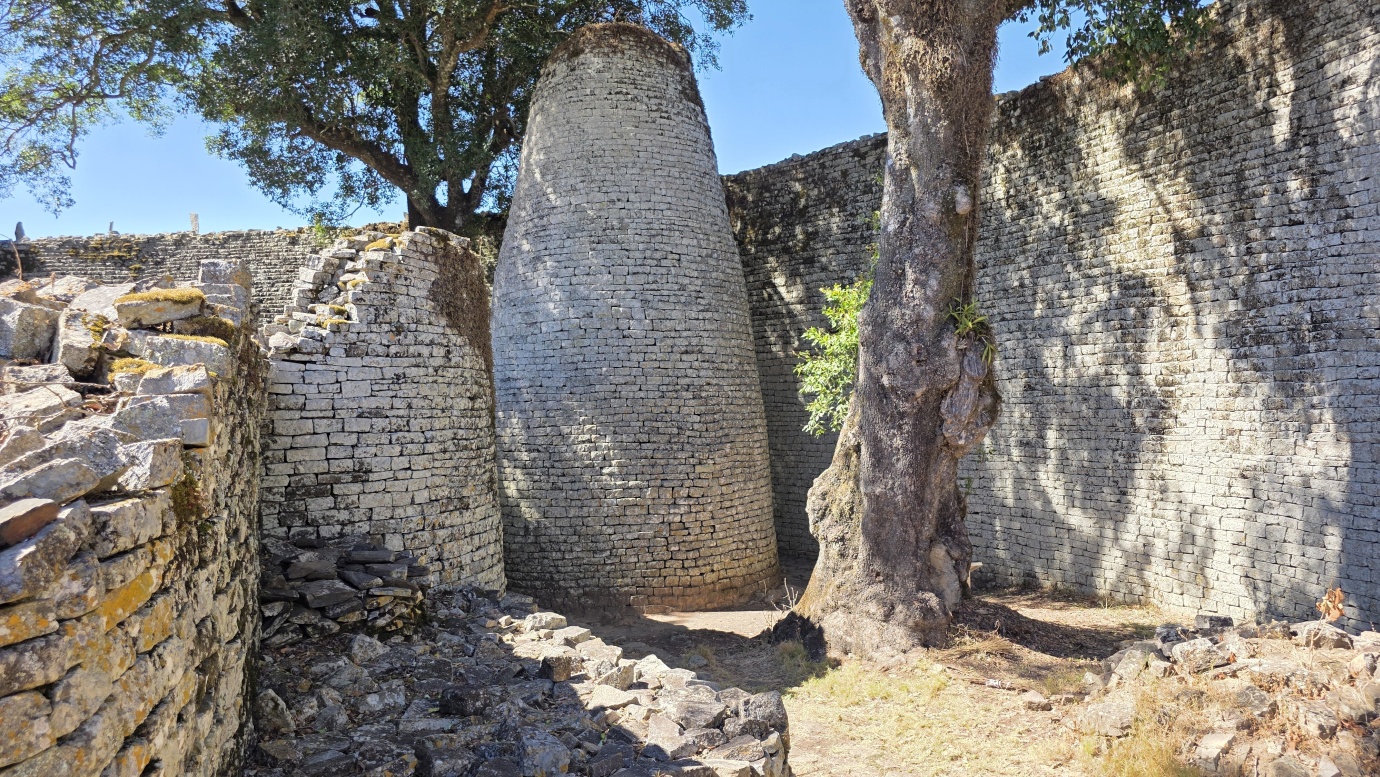
The city was divided into three principal architectural zones. The Hill Complex, perched atop a rocky granite outcrop, is the oldest section of the settlement, dating back to around the 9th century CE, and likely served as the royal residence and the kingdom’s spiritual centre. The Great Enclosure is the site’s most iconic feature and the largest single ancient structure in sub-Saharan Africa. Its impressive curved granite walls rise to 11 metres in height and enclose the mysterious Conical Tower, whose exact purpose remains unknown. Finally, the Valley Ruins consisted of numerous smaller stone compounds and daga (clay-and-gravel) huts, where the majority of the city’s estimated 10,000 to 18,000 inhabitants once lived.
Standing among these remarkable ruins, it is easy to understand why Great Zimbabwe became the country’s namesake and remains one of Africa’s most extraordinary archaeological and cultural treasures.
Parking location – Great Zimbabwe: 20.2713207S 30.9302480E (🚻,🚿,💦,🅿️7 USD/pax)