

After two days of rain, we finally got one day with better weather, so we decided to make the most of it and see as much of Durban as possible in a single day. Durban, affectionately known as “Durbs”, is a vibrant coastal city in KwaZulu-Natal, famous for its warm subtropical climate, long beaches, strong Zulu and Indian cultural influences, and its huge harbour. The city lies along the Indian Ocean around the sheltered waters of Natal Bay, stretching from flat coastal plains and sandy beaches into rolling hills further inland. The Umgeni River flows through the northern part of the city before reaching the ocean.
Khoi/San and later Nguni communities inhabited the area long before European arrival. On Christmas Day in 1497, Portuguese explorer Vasco da Gama sighted the bay and named the region Natal, meaning “Christmas” in Portuguese. In the 1830s, the settlement became known as Port Natal, and in 1835 it was renamed Durban after Sir Benjamin D’Urban, then Governor of the Cape Colony.
Indian migration also profoundly shaped Durban’s history. From the 1860s, the British brought thousands of indentured Indian workers to labour on the colony’s sugar plantations. Their descendants became a major part of Durban’s population, leaving a lasting influence on the city’s food, architecture, markets and cultural life. Today, Durban has one of the largest Indian-descended communities outside India.
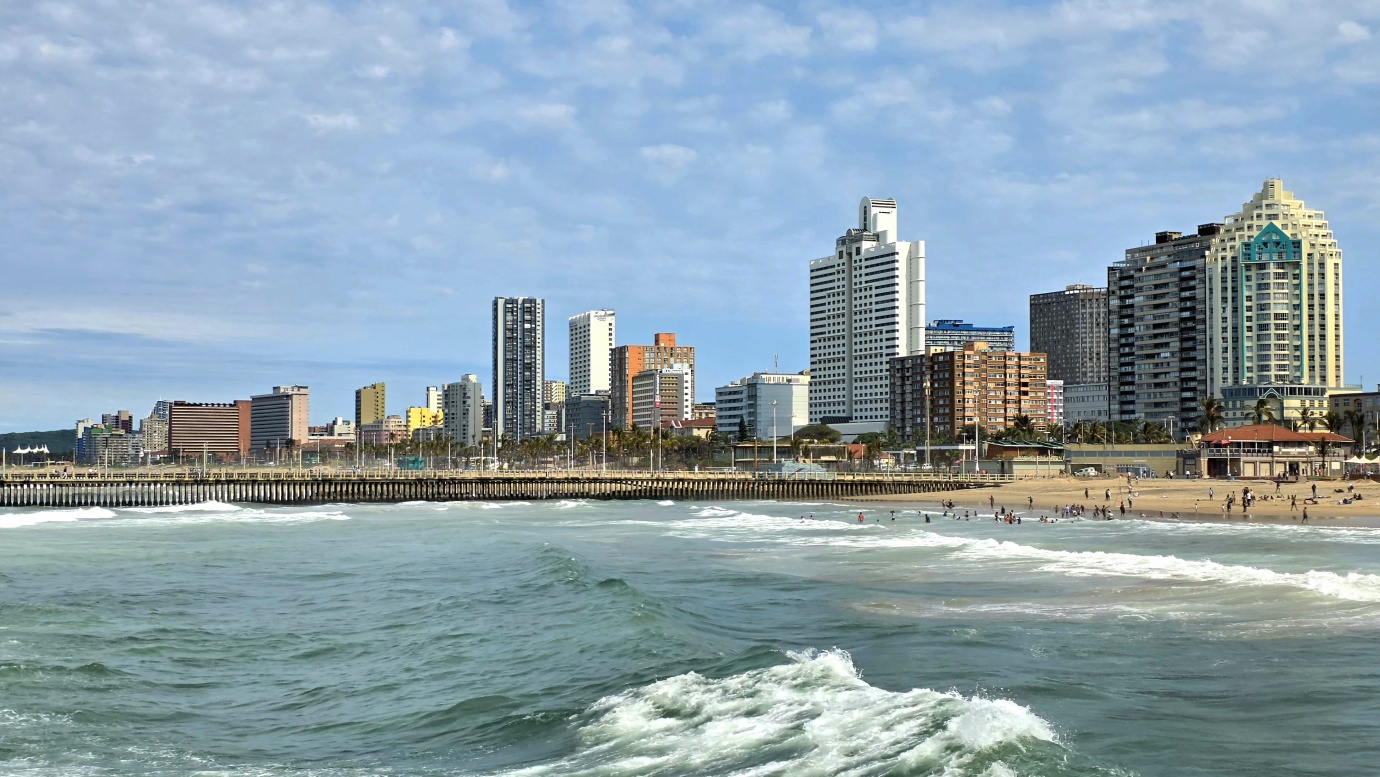
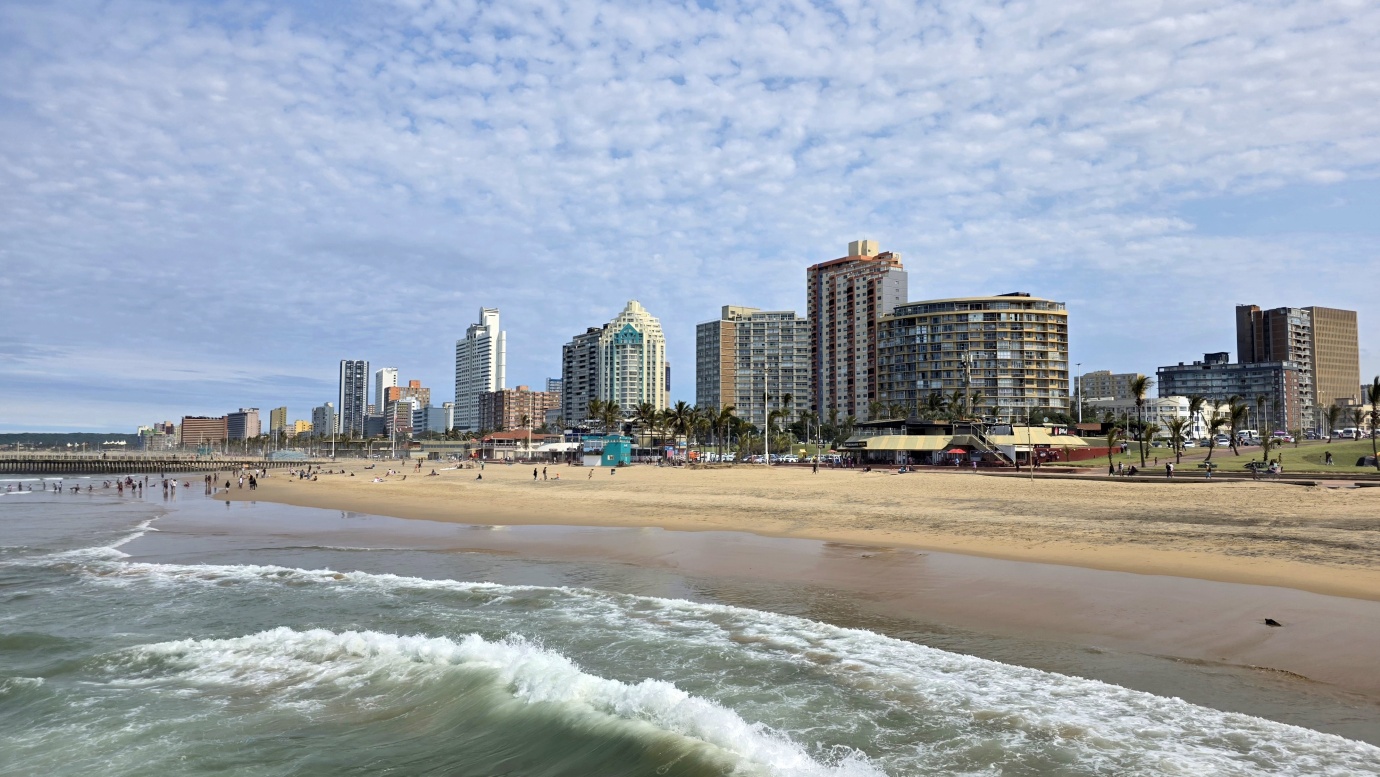
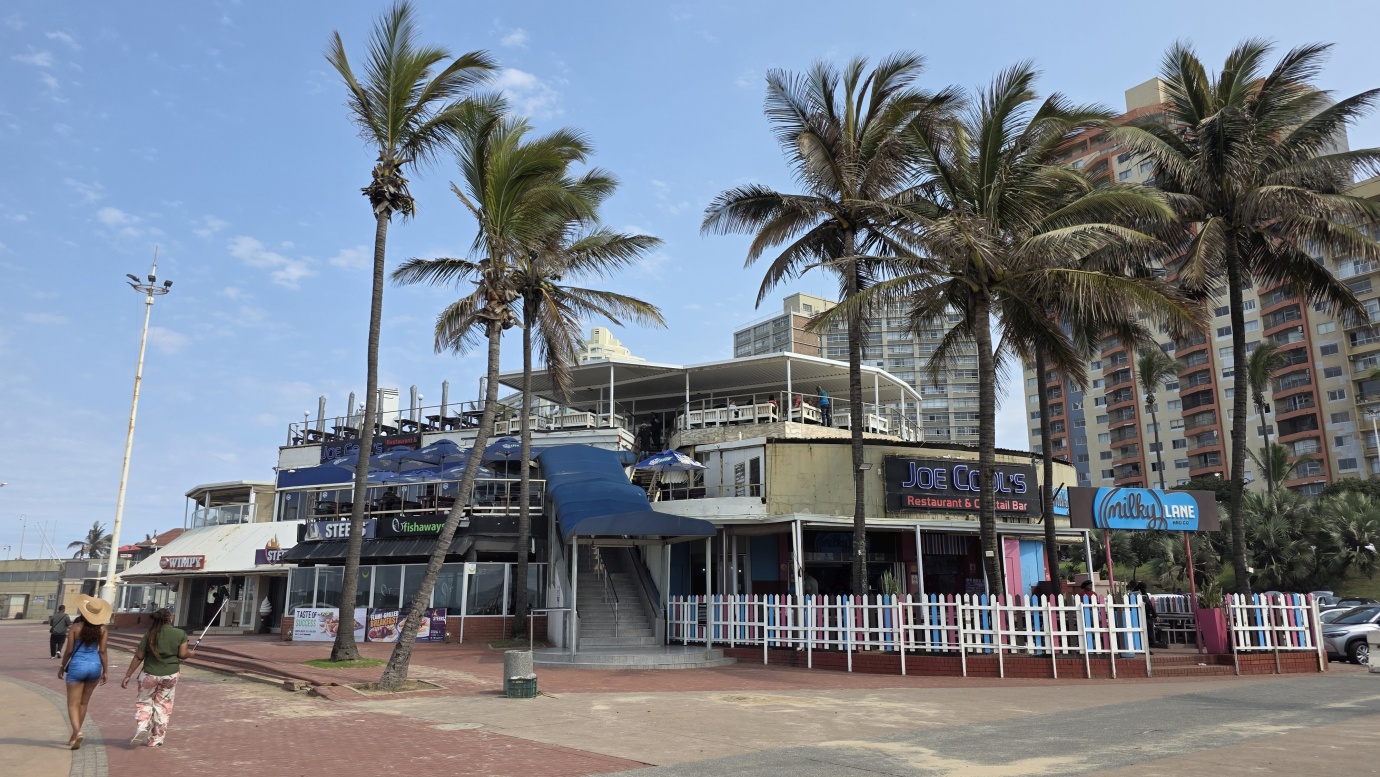
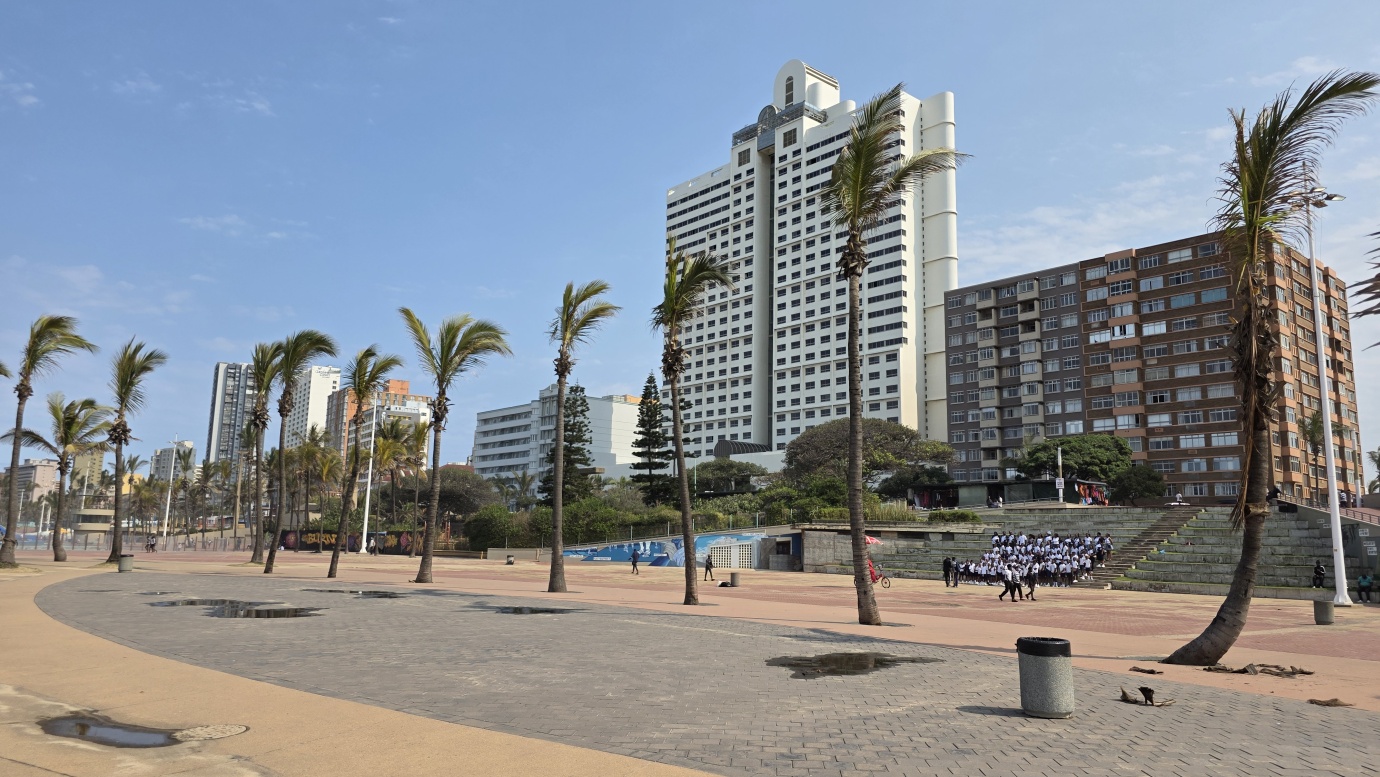
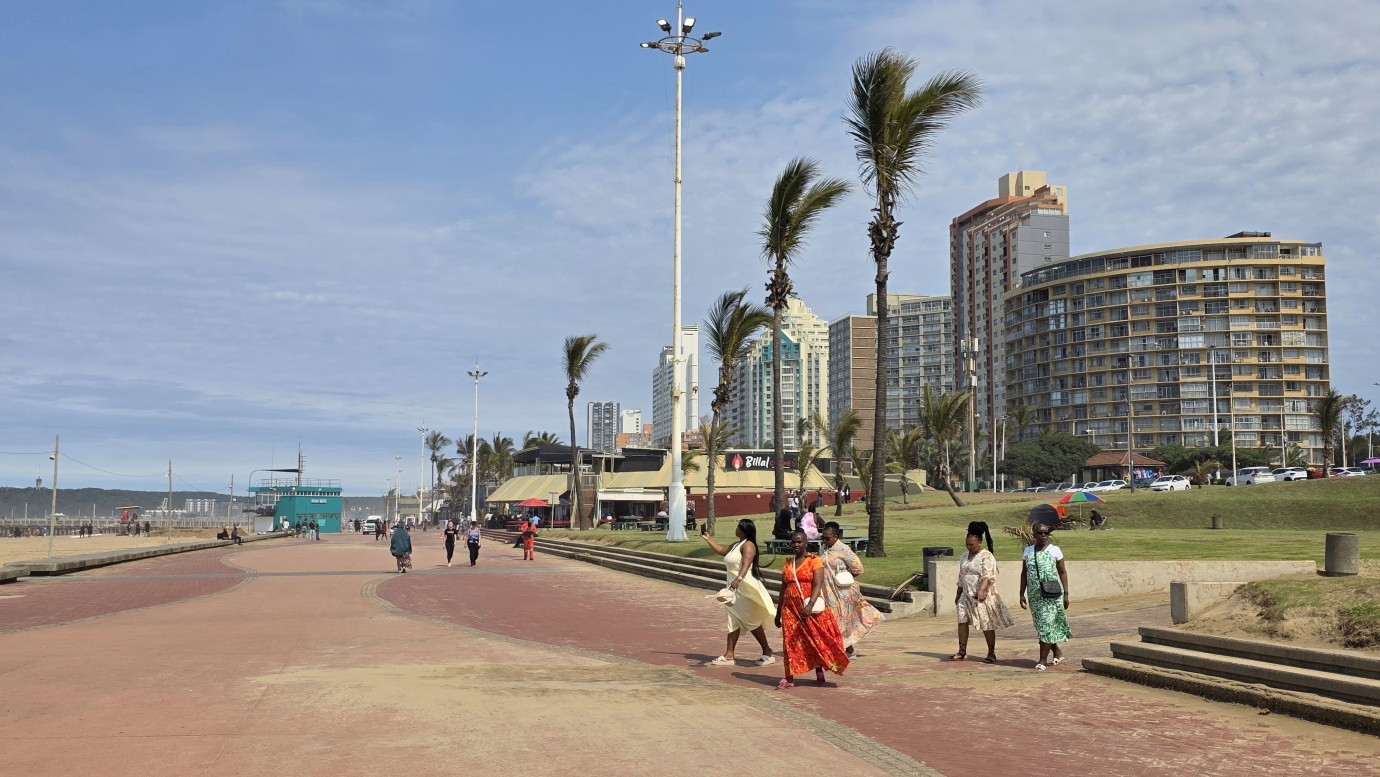
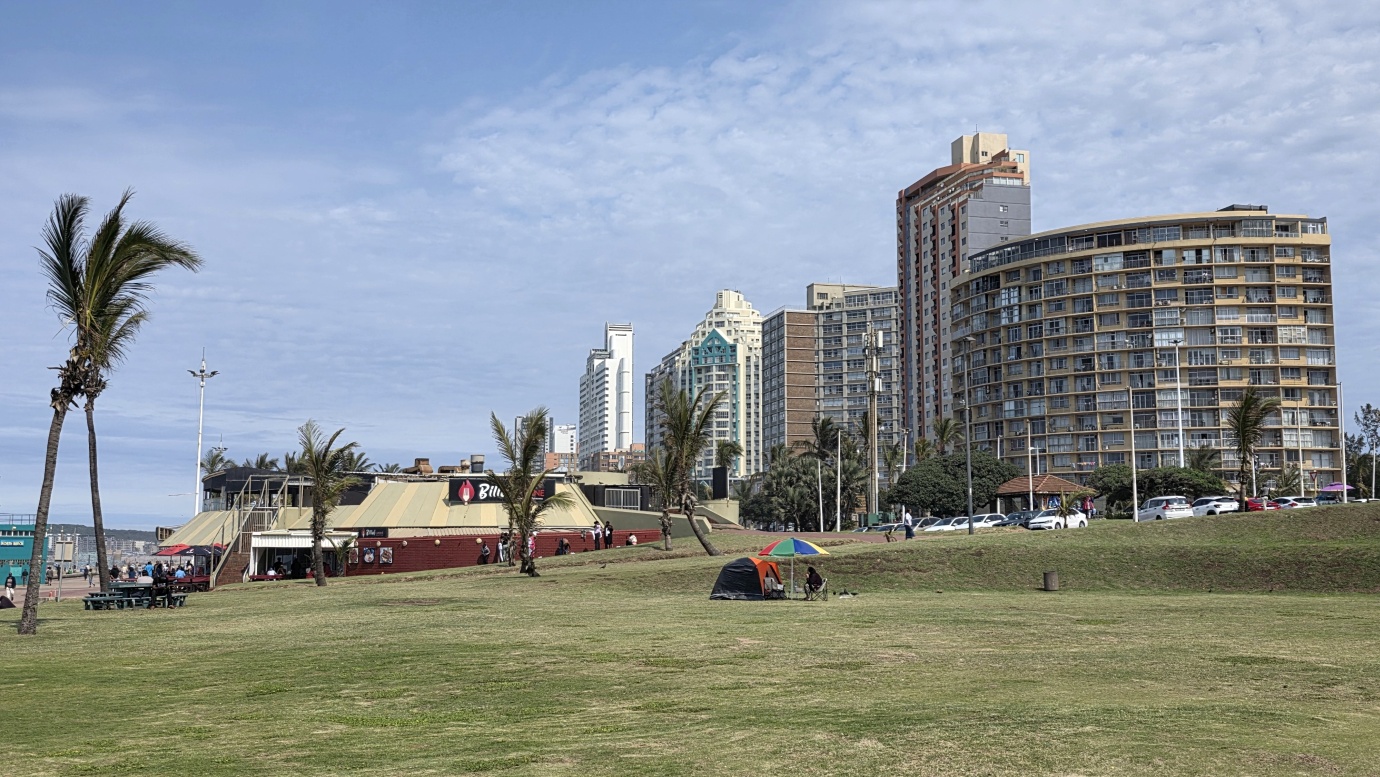
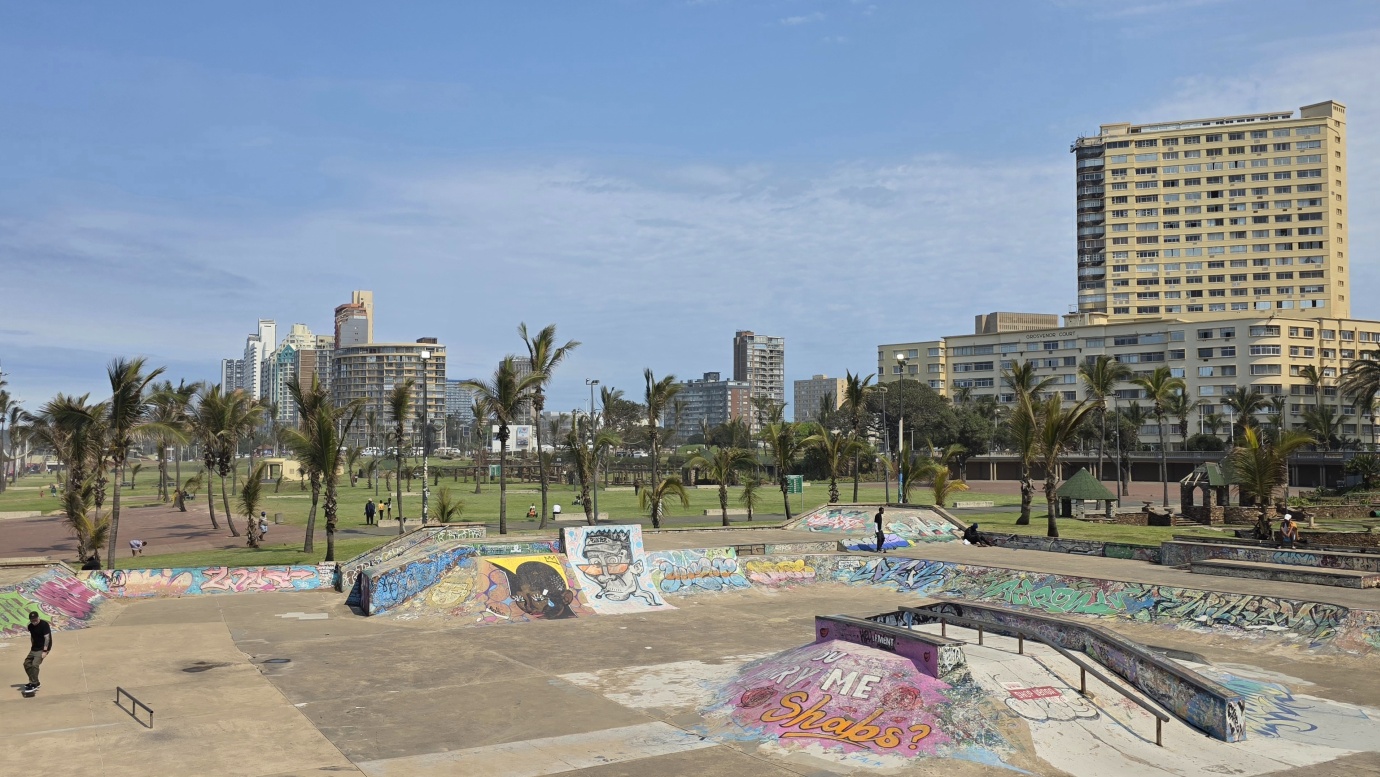
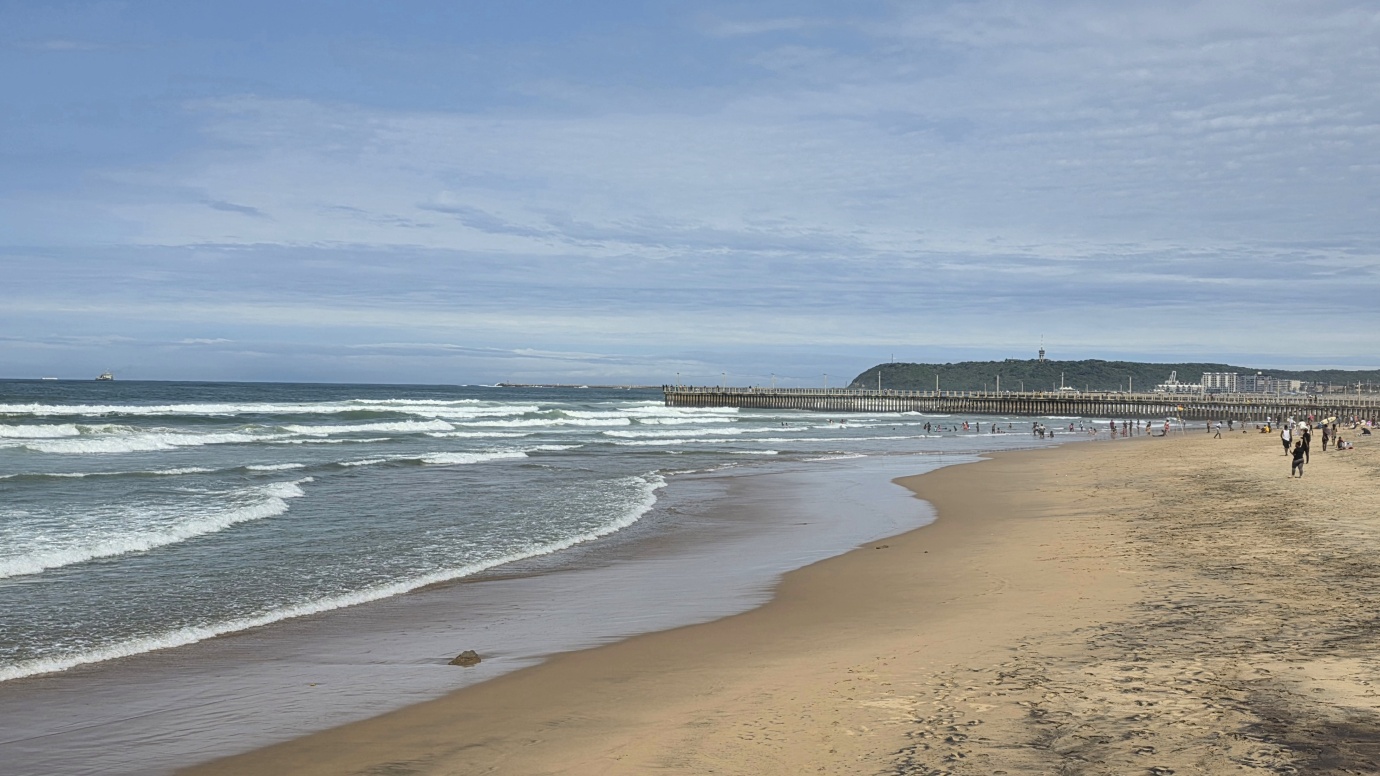
We started with a walk along the Golden Mile, Durban’s famous beachfront promenade. The wide paved route runs for roughly 8 kilometres along the main beachfront, connecting South Beach, North Beach and the Suncoast area. Shark nets protect the beaches, lifeguards patrol them, and several are popular surfing spots. Along the way are cafés, entertainment venues, craft stalls and attractions such as Mini Town, a miniature version of Durban, and huge aquarium uShaka Marine World.
At the northern end stands the impressive Moses Mabhida Stadium, built for the 2010 FIFA World Cup. Its enormous 350-metre arch has become one of Durban’s most recognisable landmarks and is also home to the Big Rush Big Swing, advertised as the world’s tallest swing. We wanted to take the SkyCar up the arch, but unfortunately it was not operating during our visit.
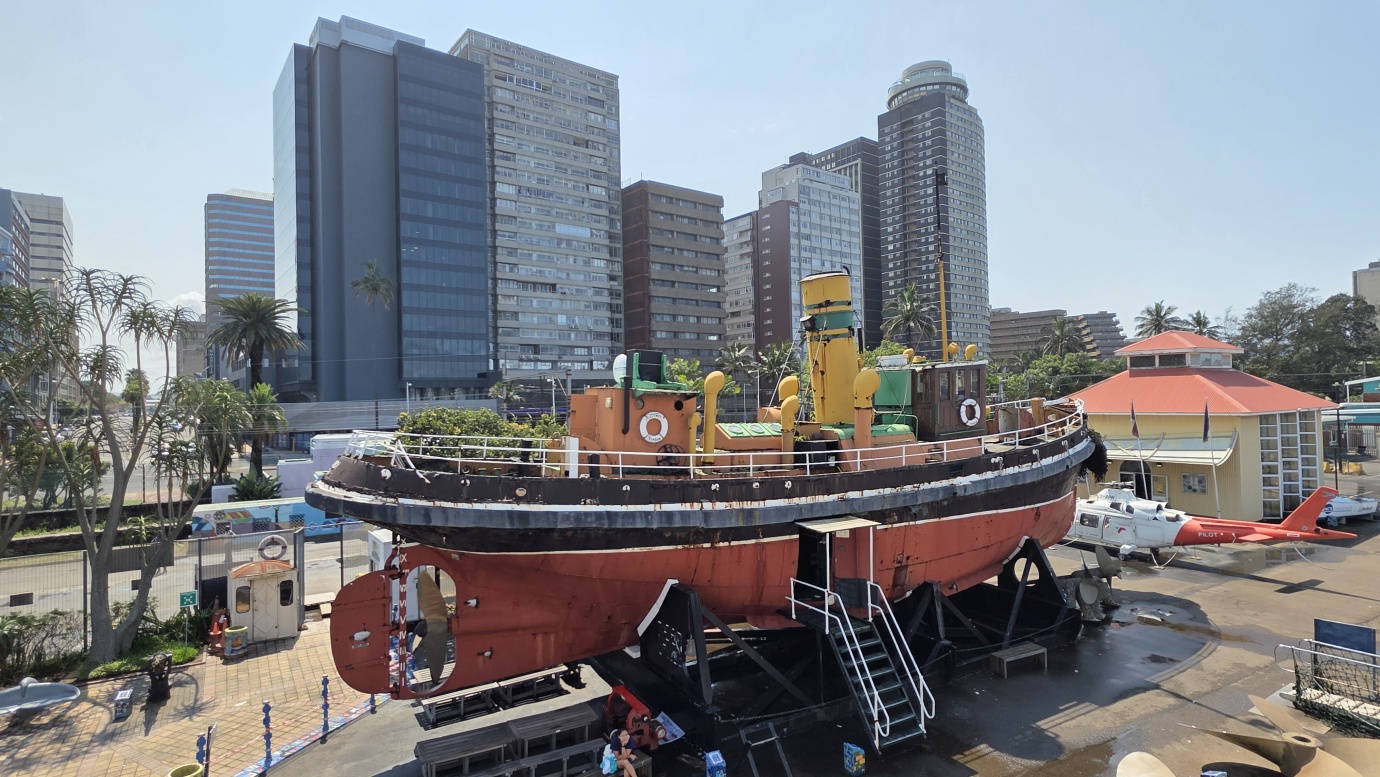
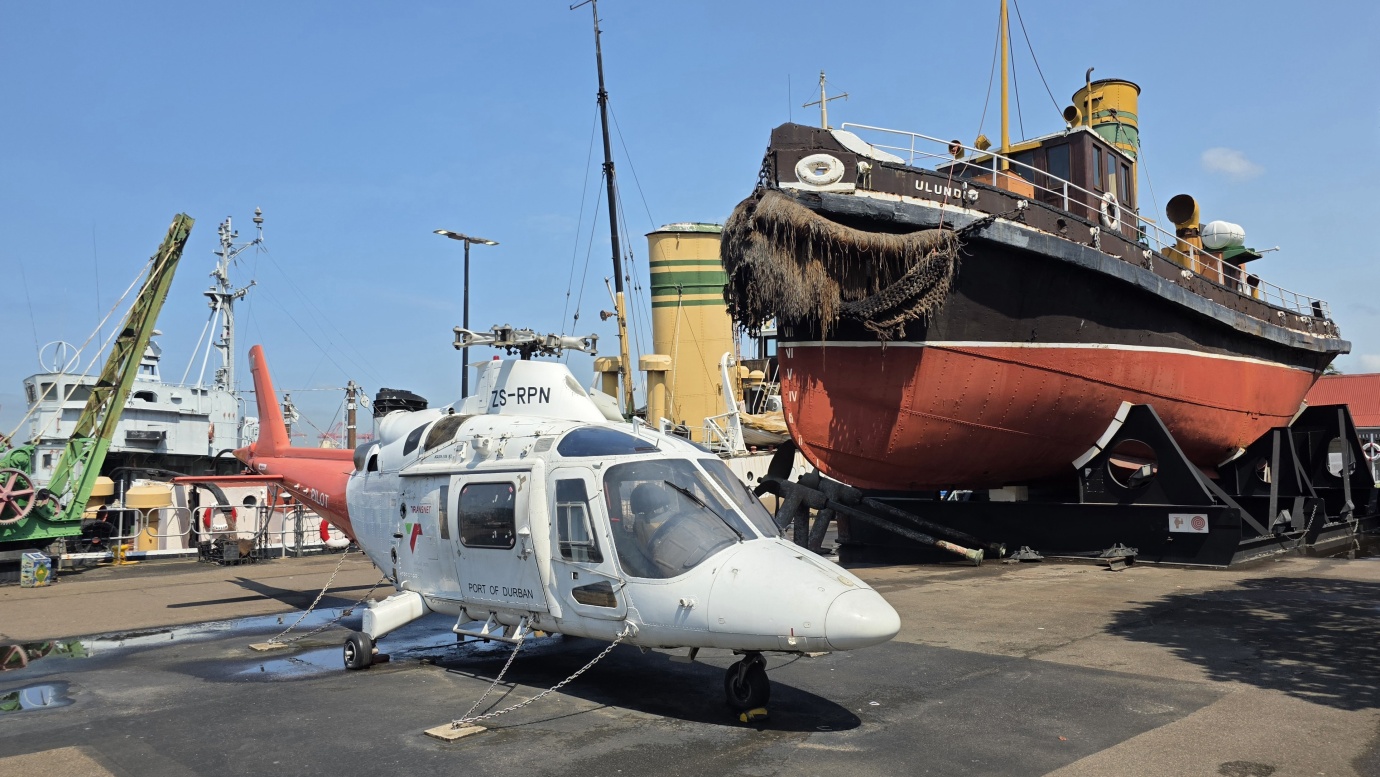
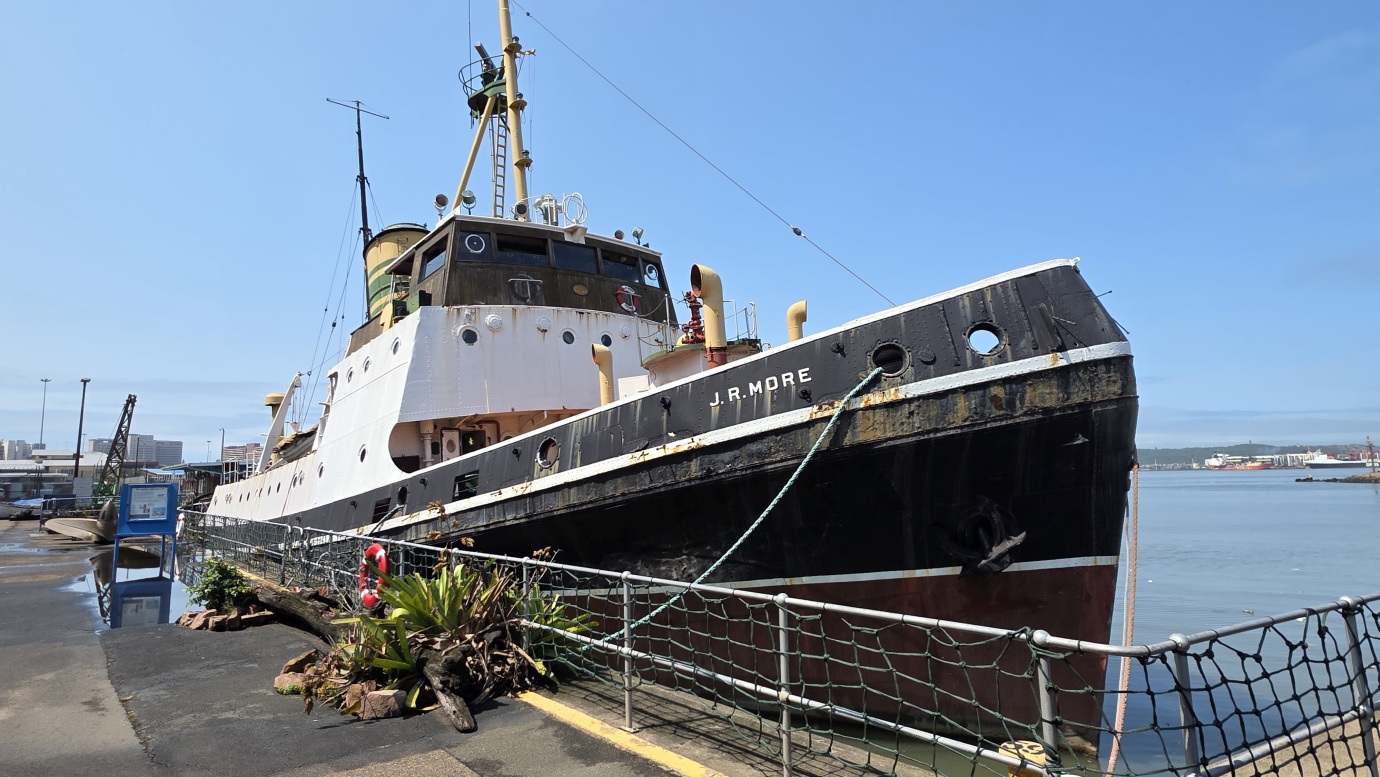
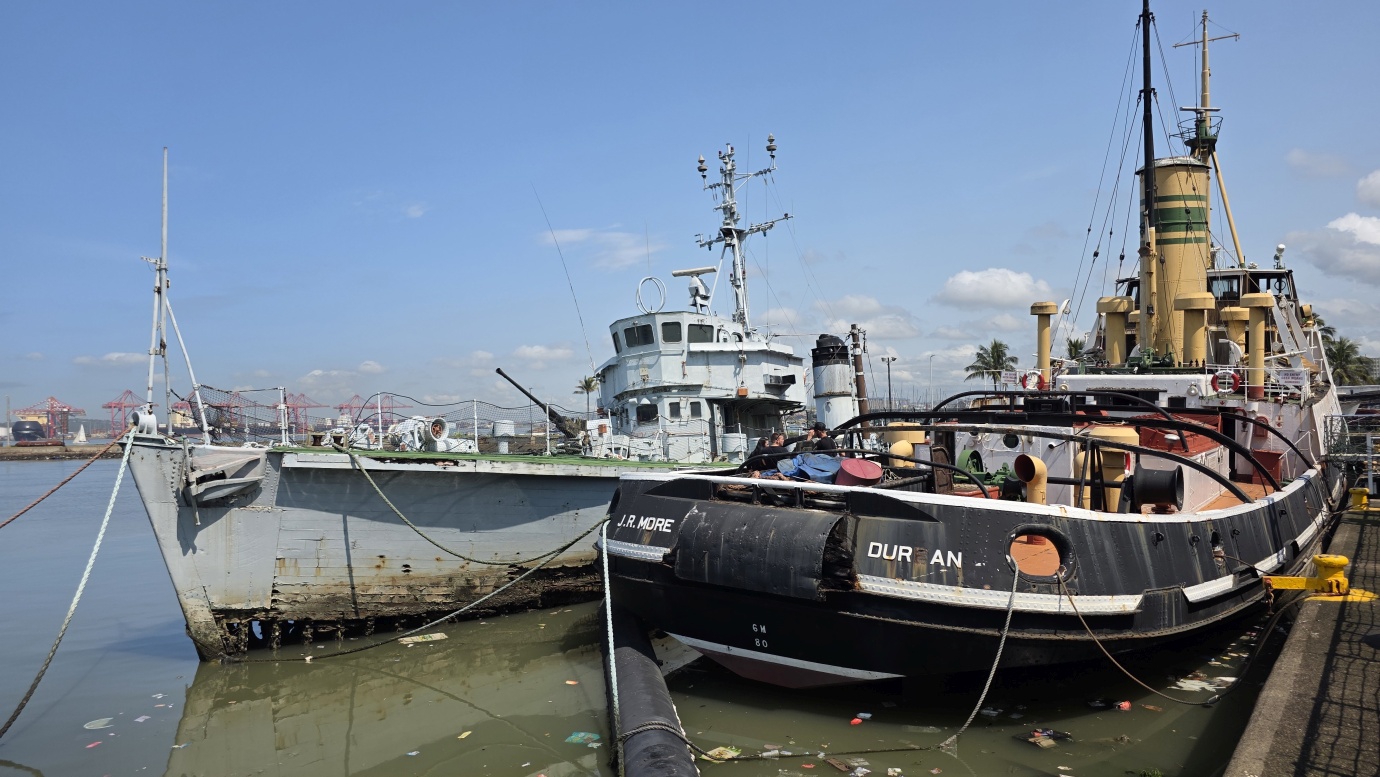
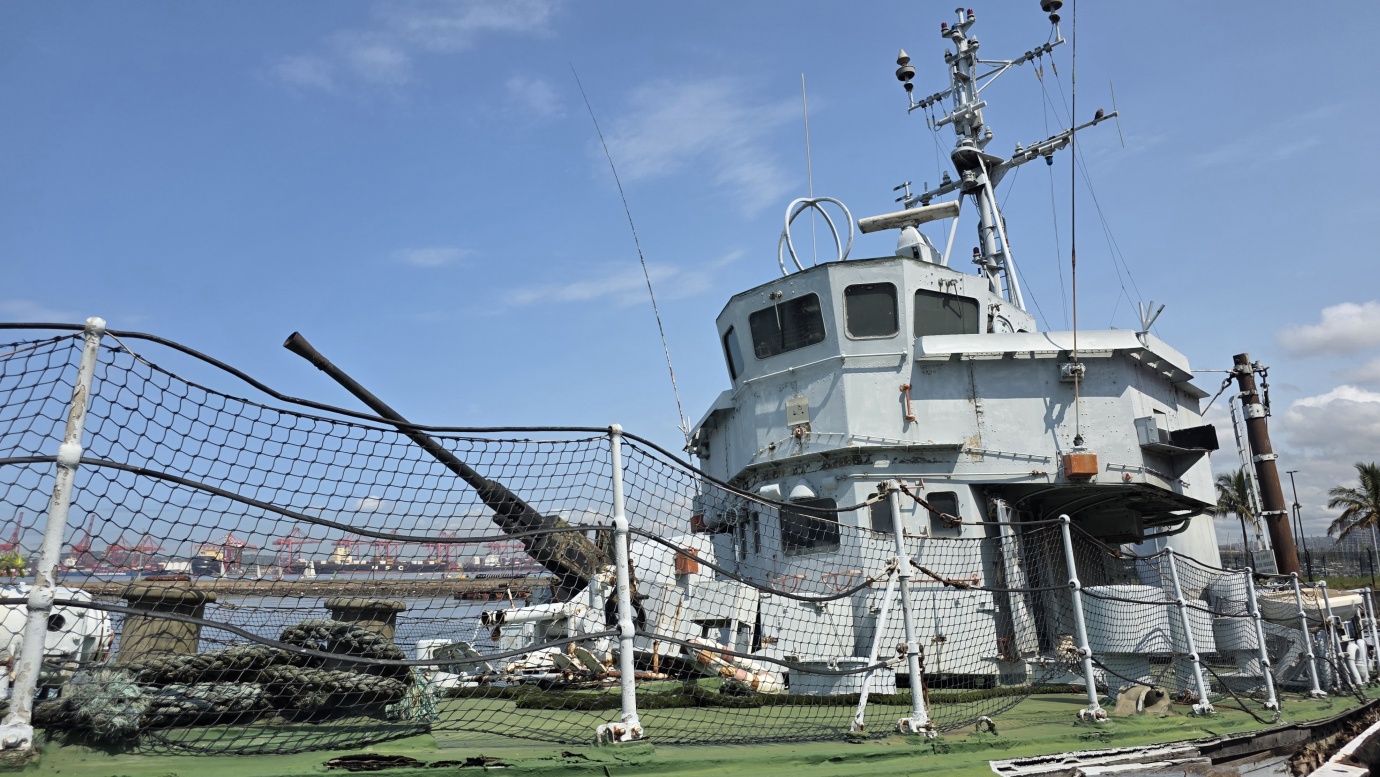
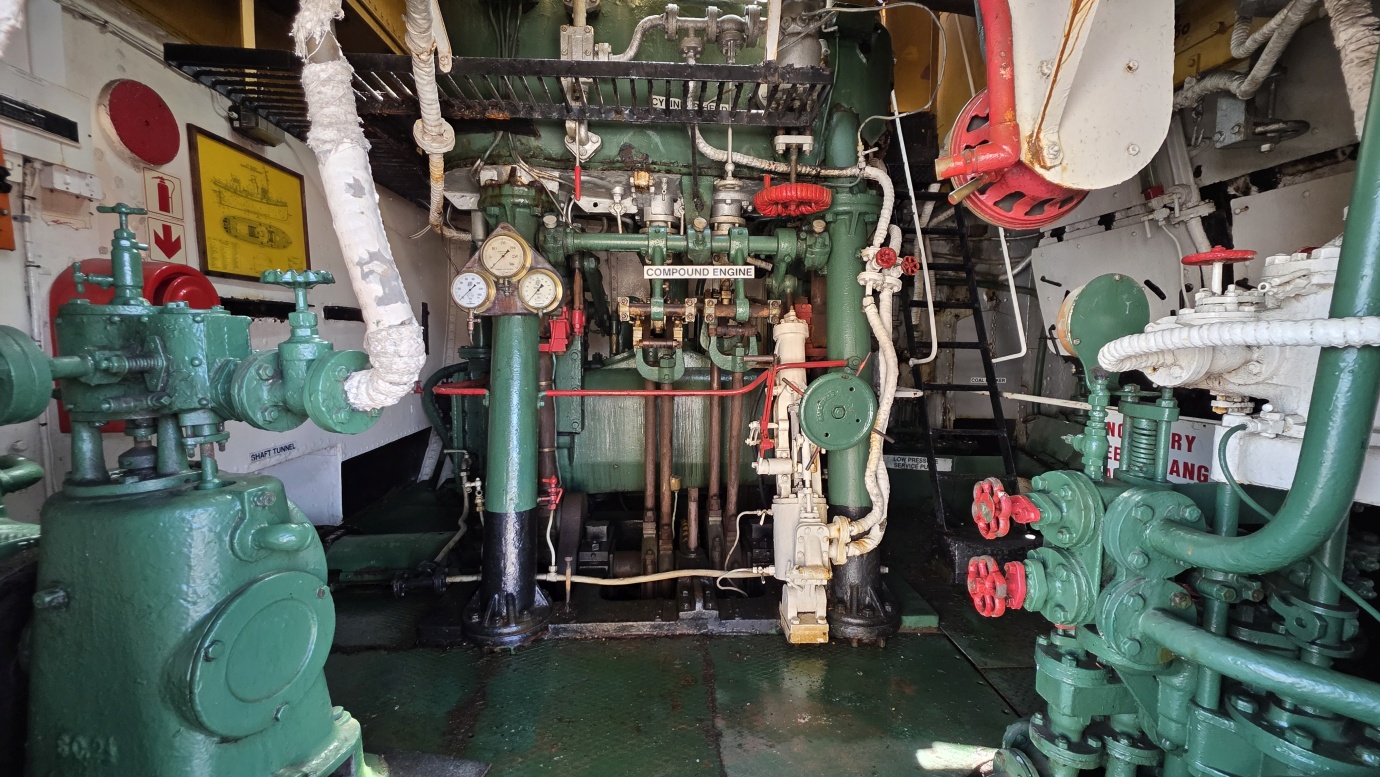
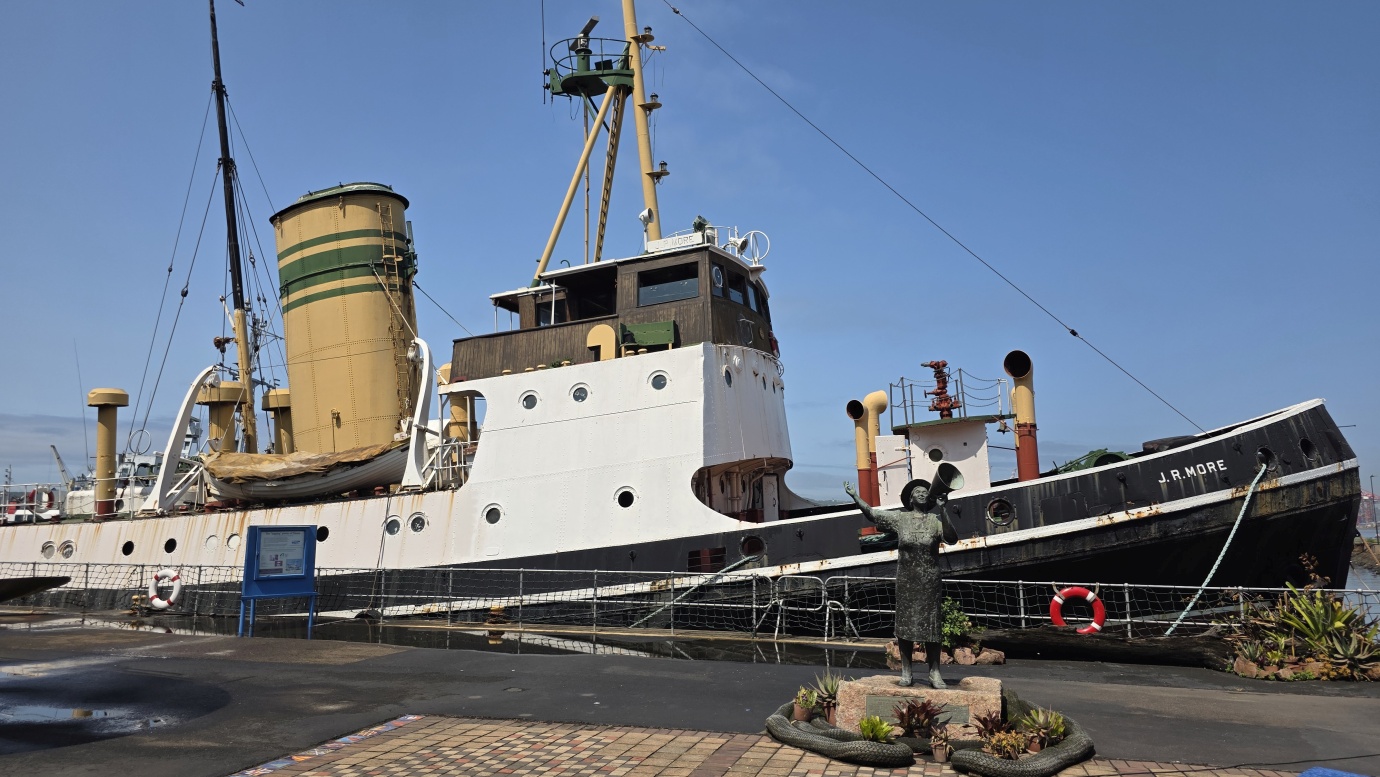
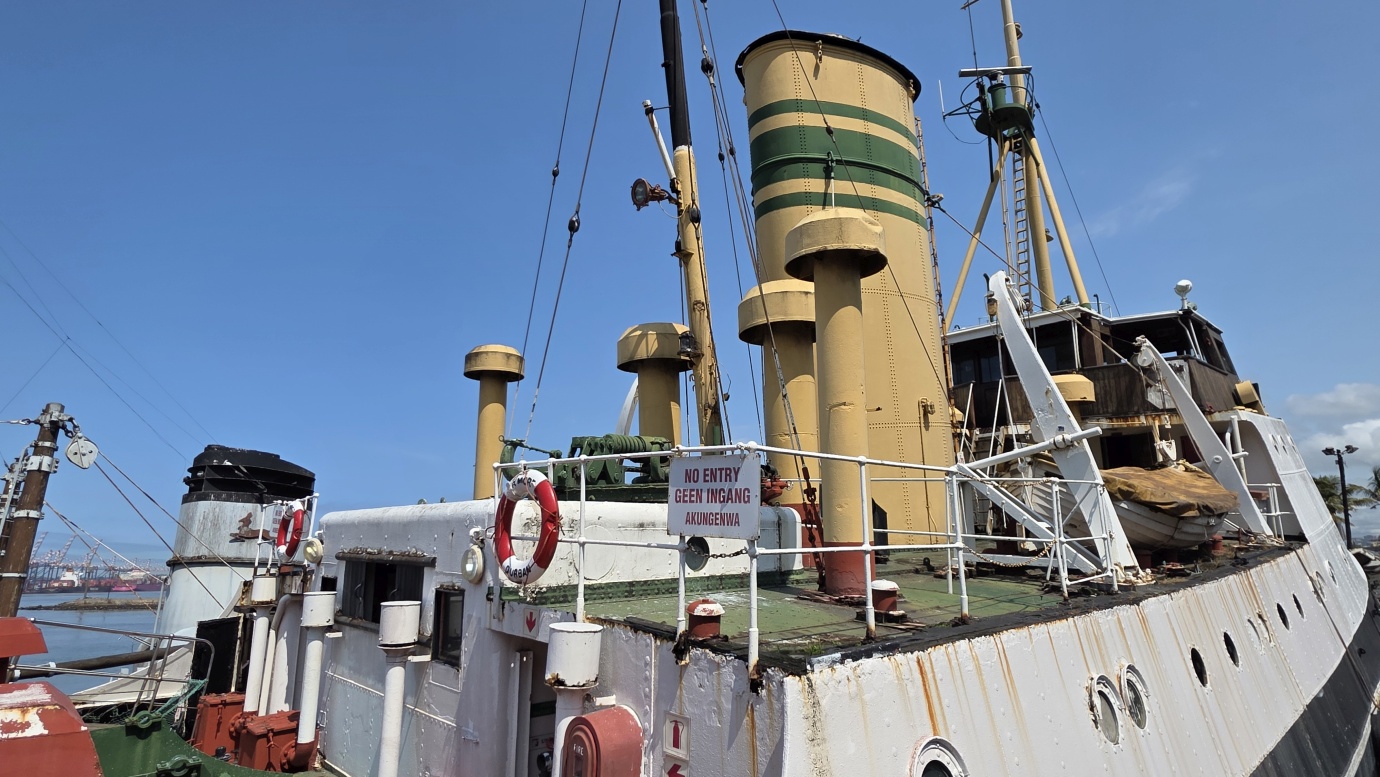
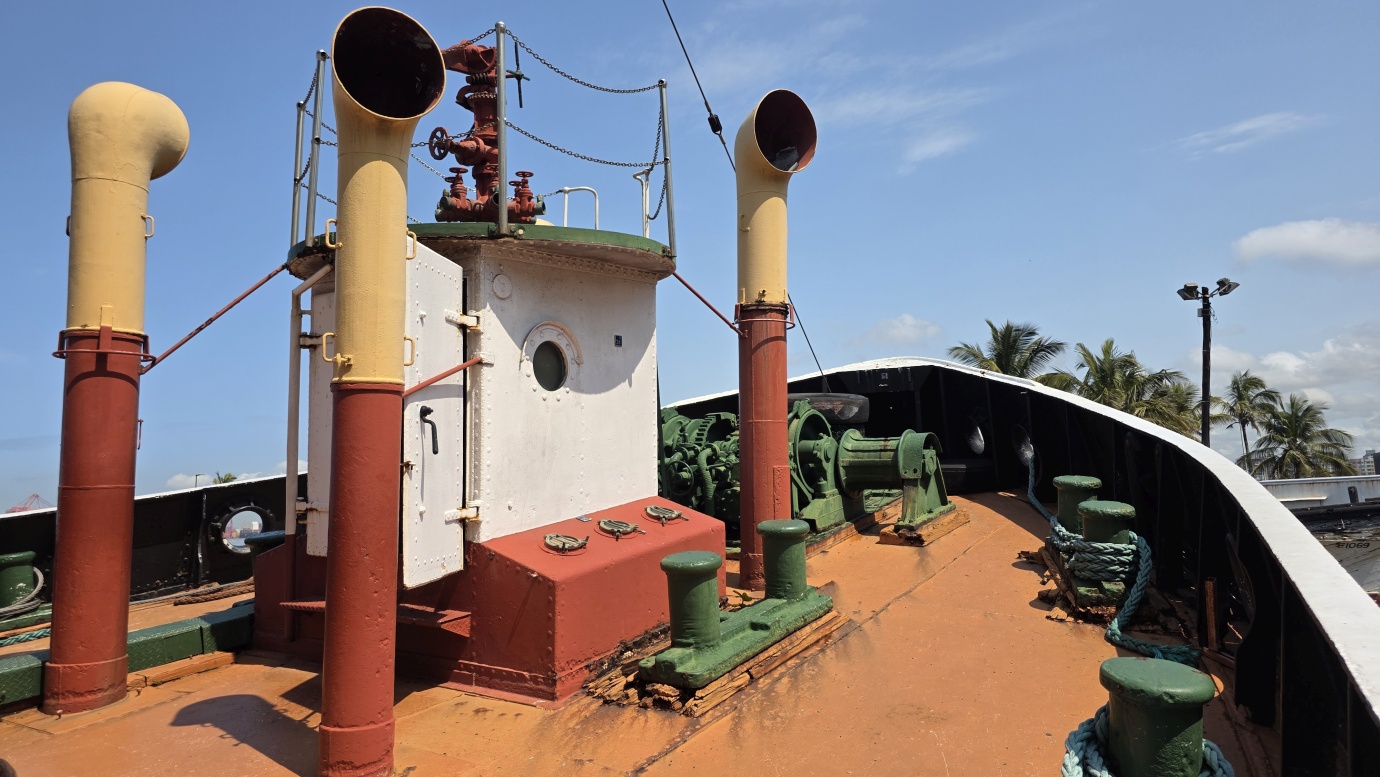
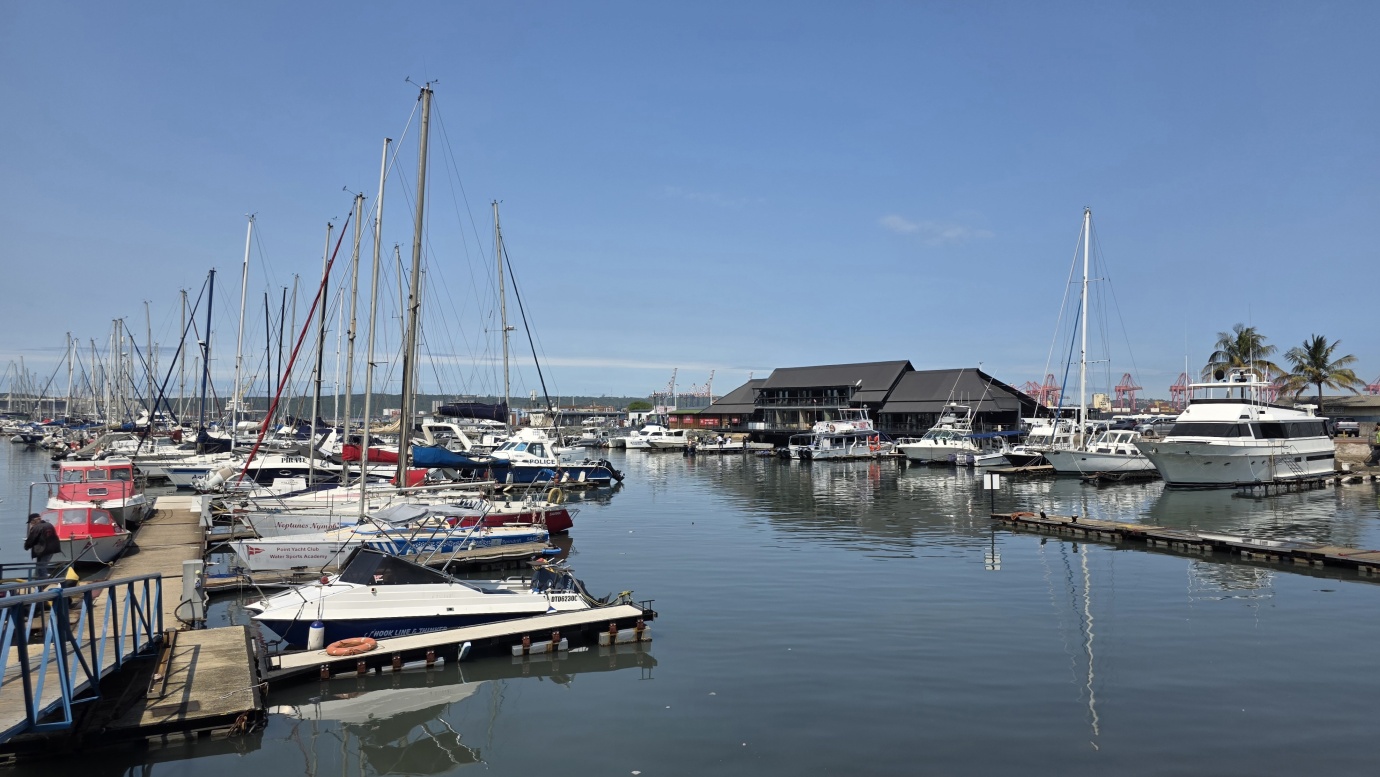
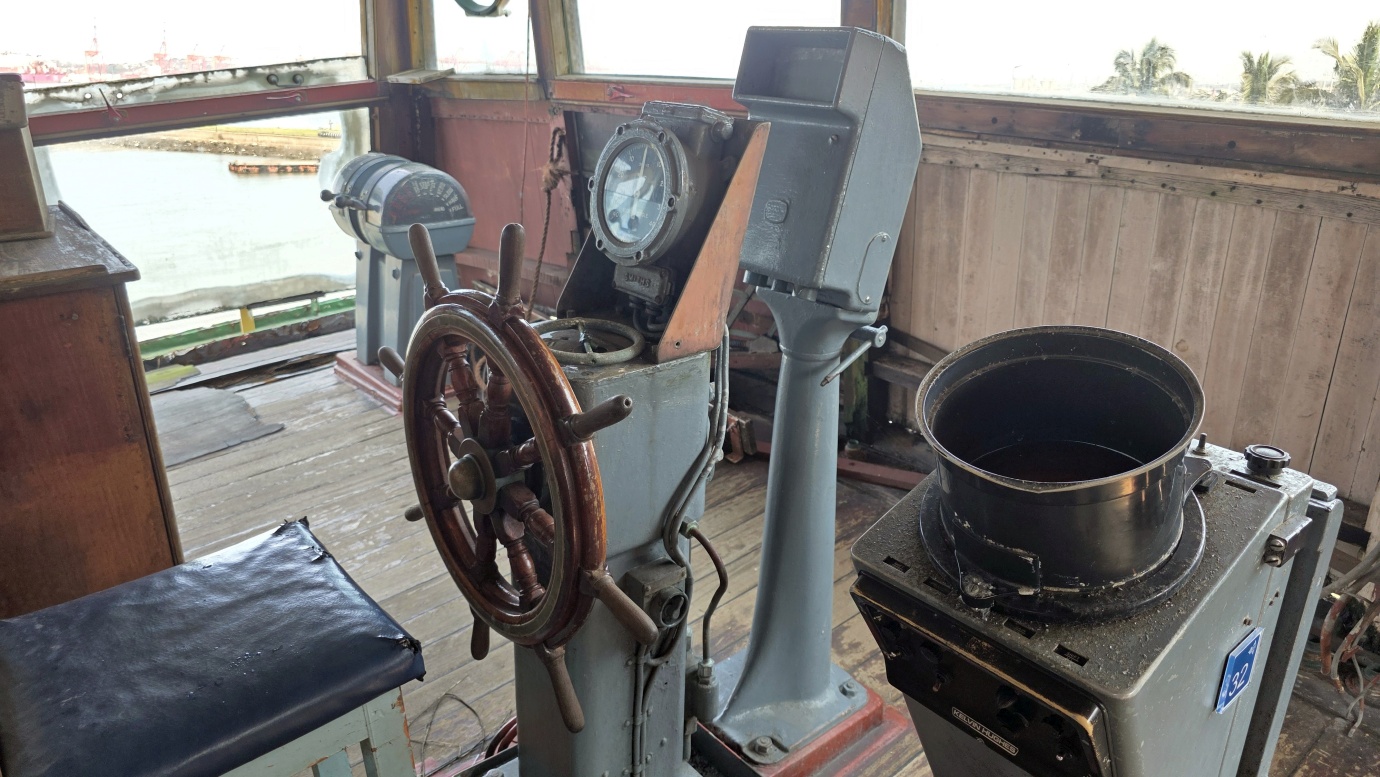
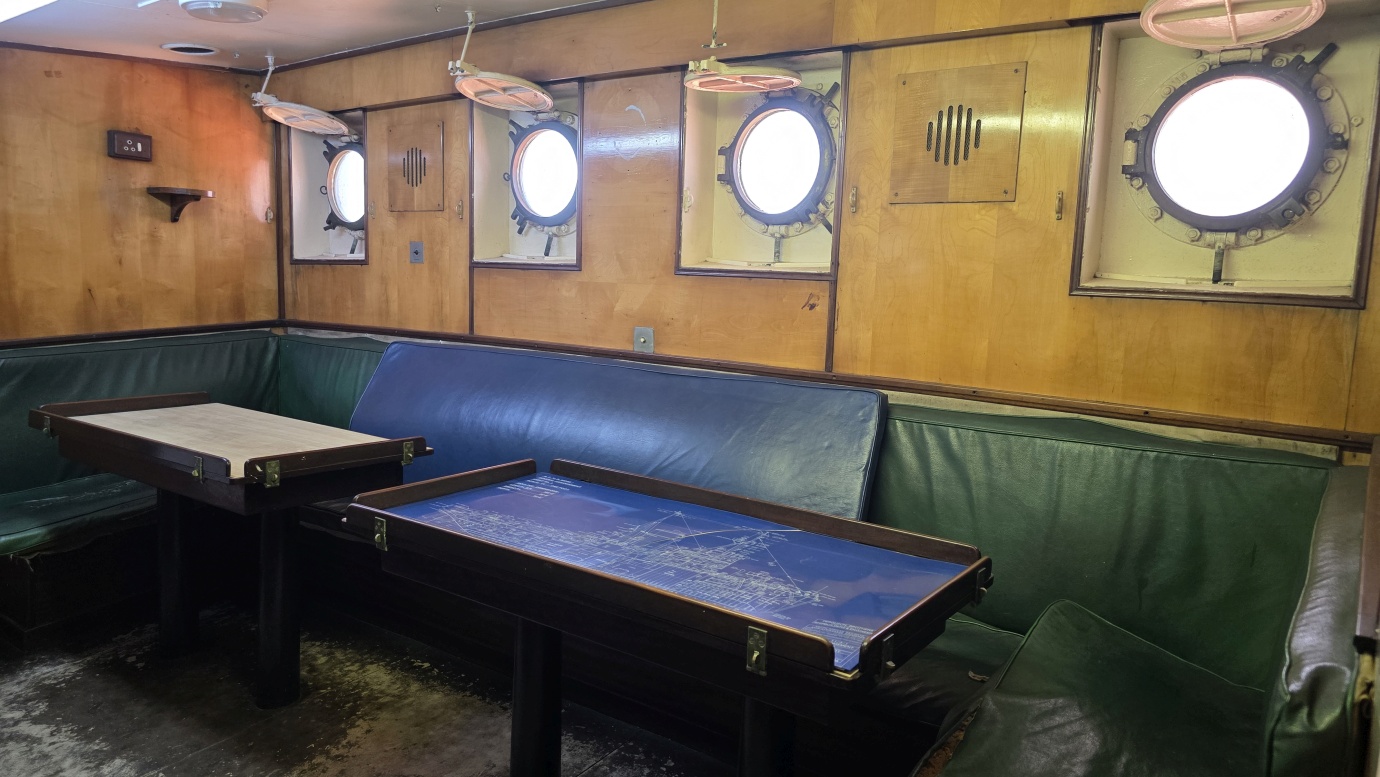
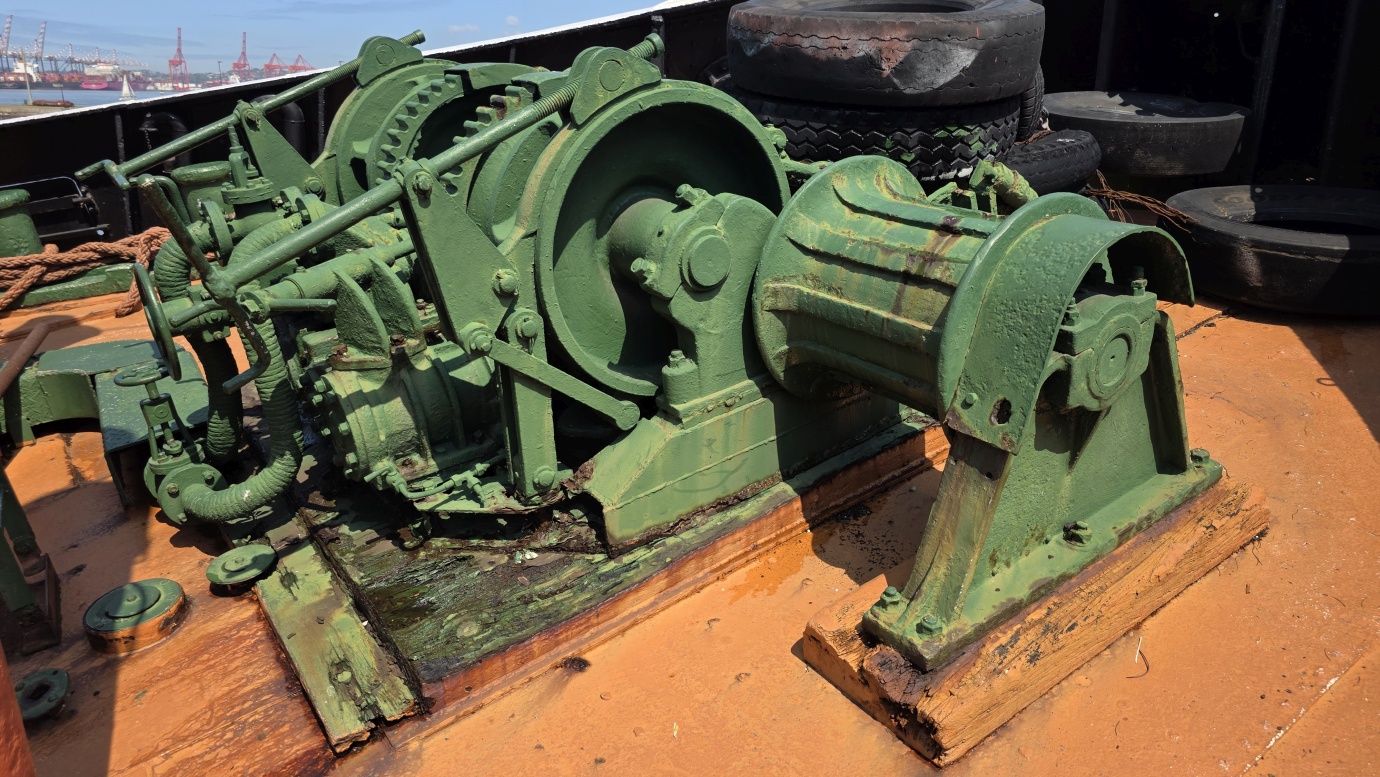
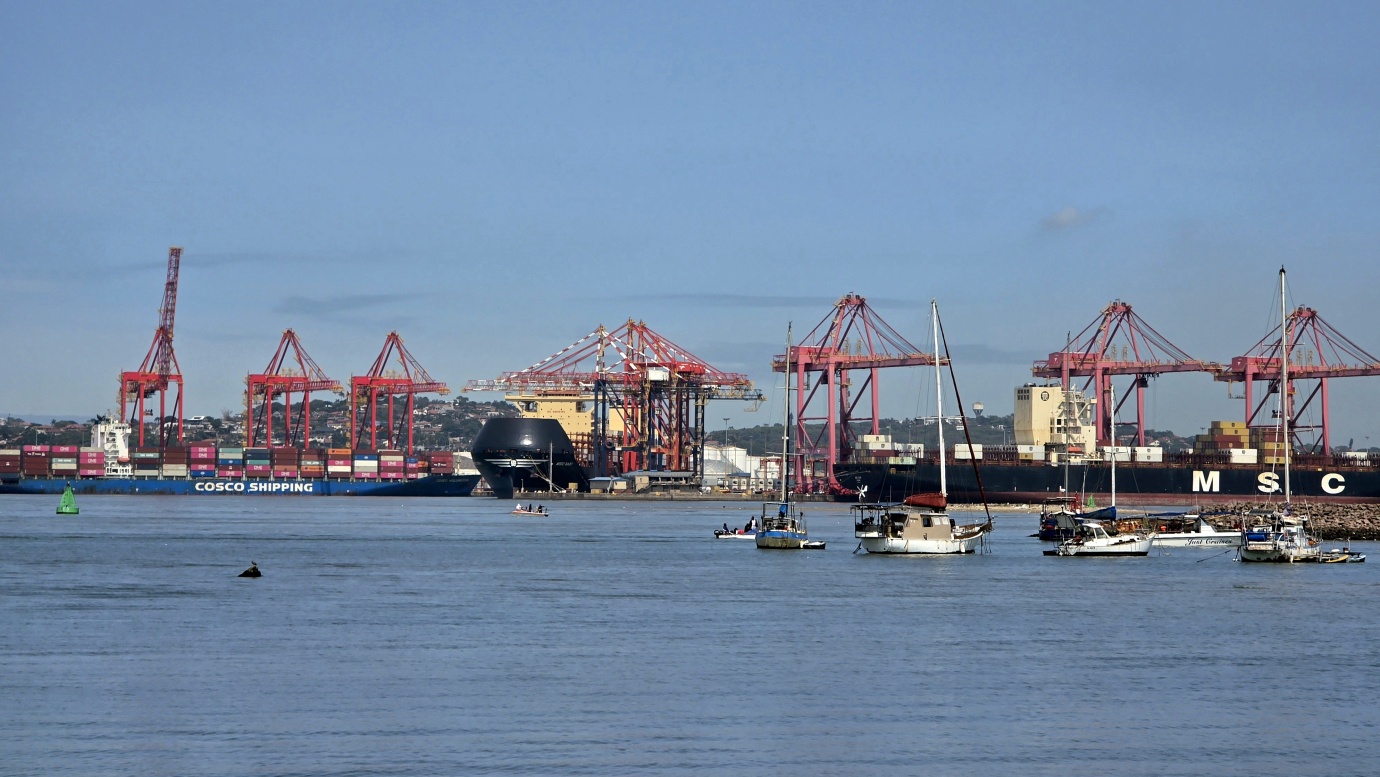
From the Golden Mile we took a Bolt to the Durban Maritime Museum, located right inside the busy harbour. The museum tells the story of Durban’s maritime heritage and allows visitors to board historic vessels, including the JR More steam tug and SAS Durban naval minesweeper.
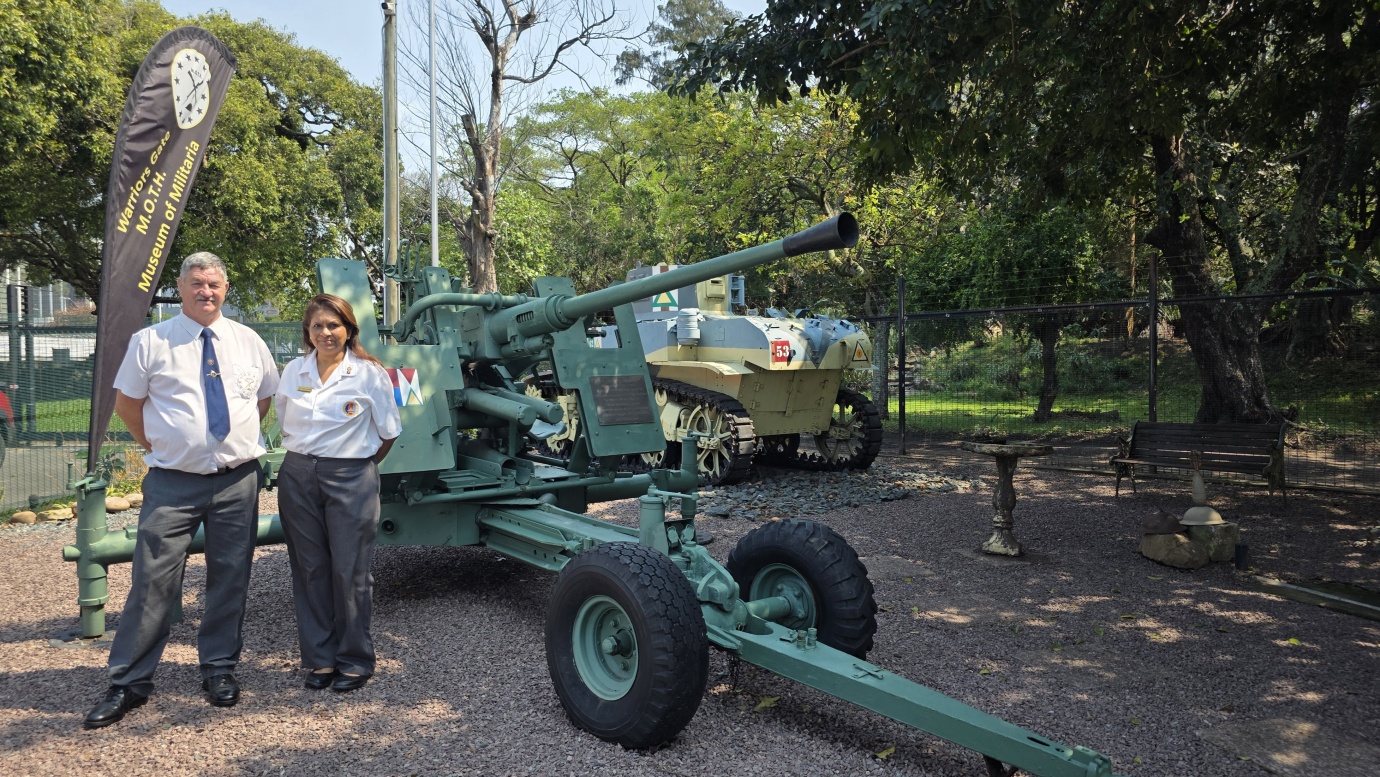
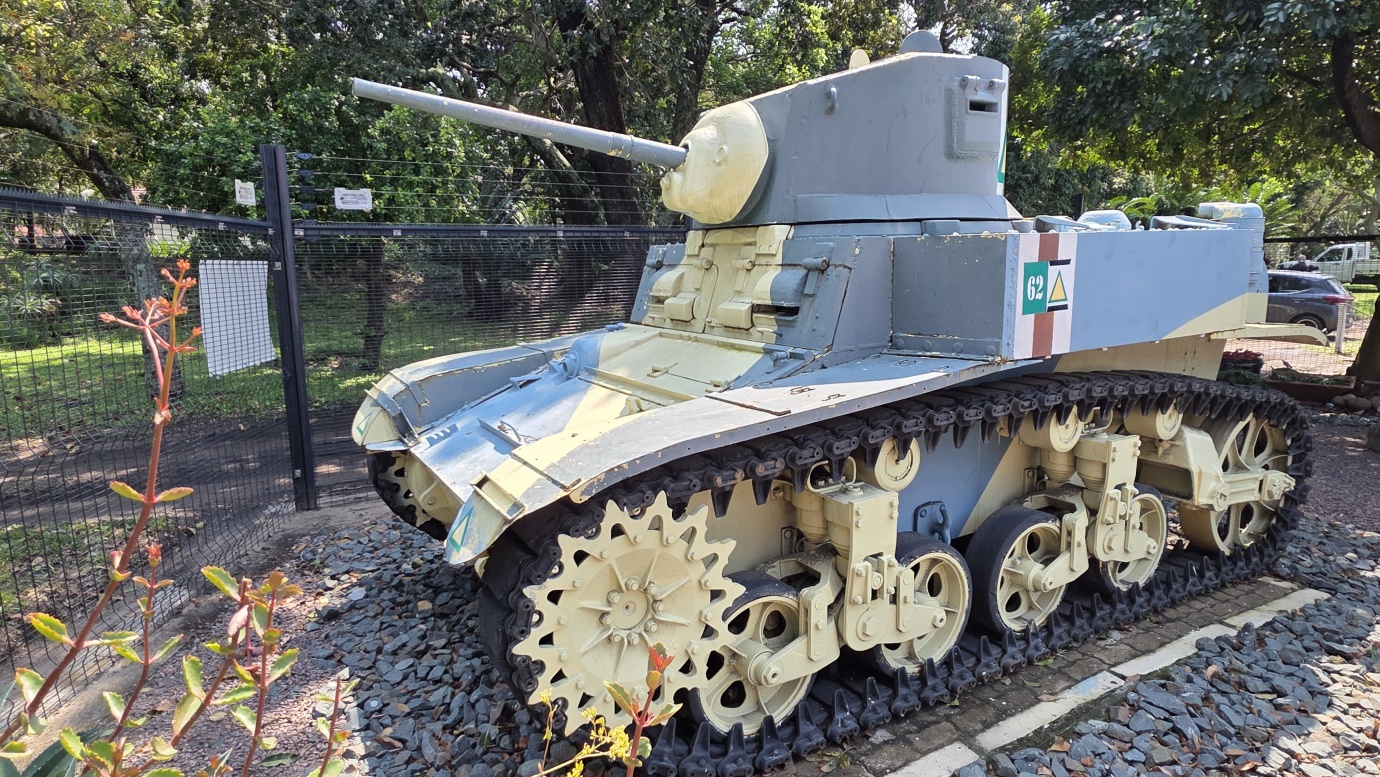
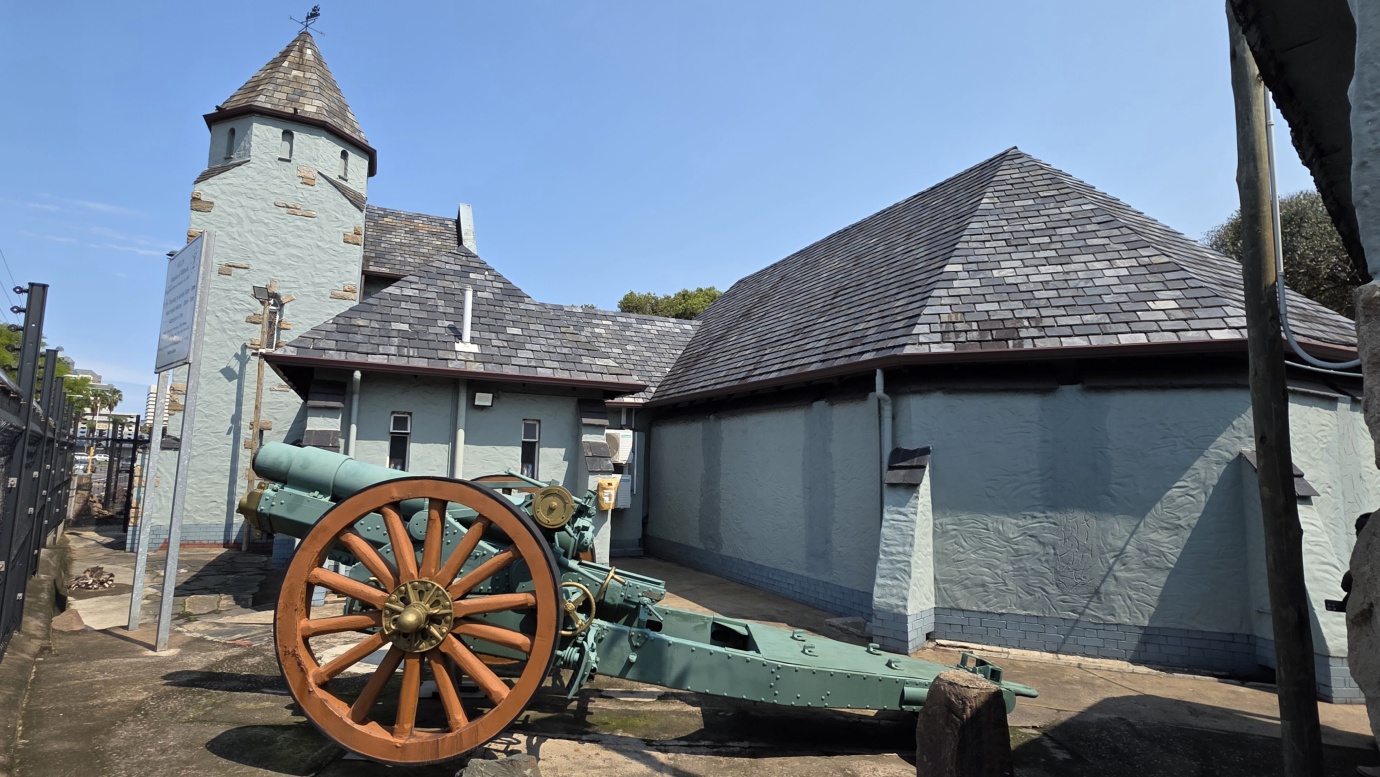
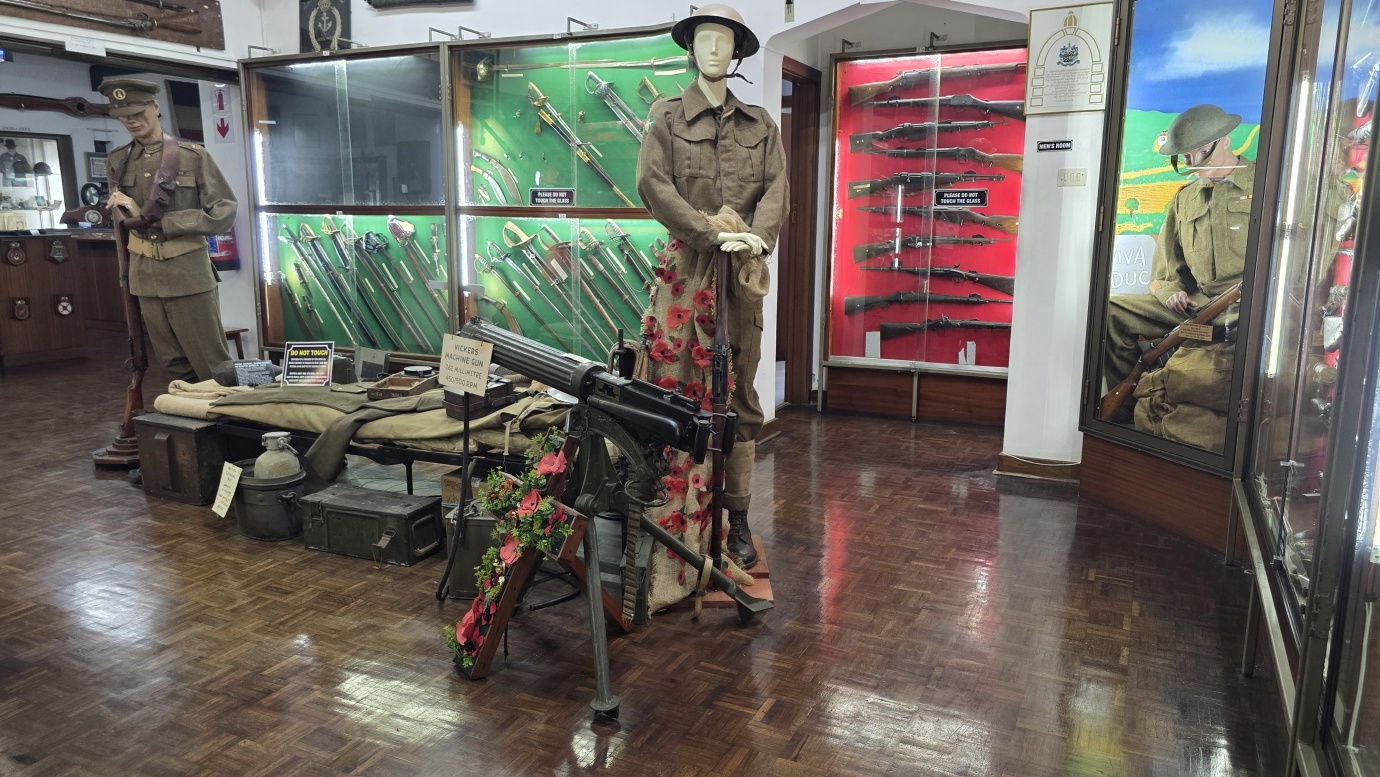
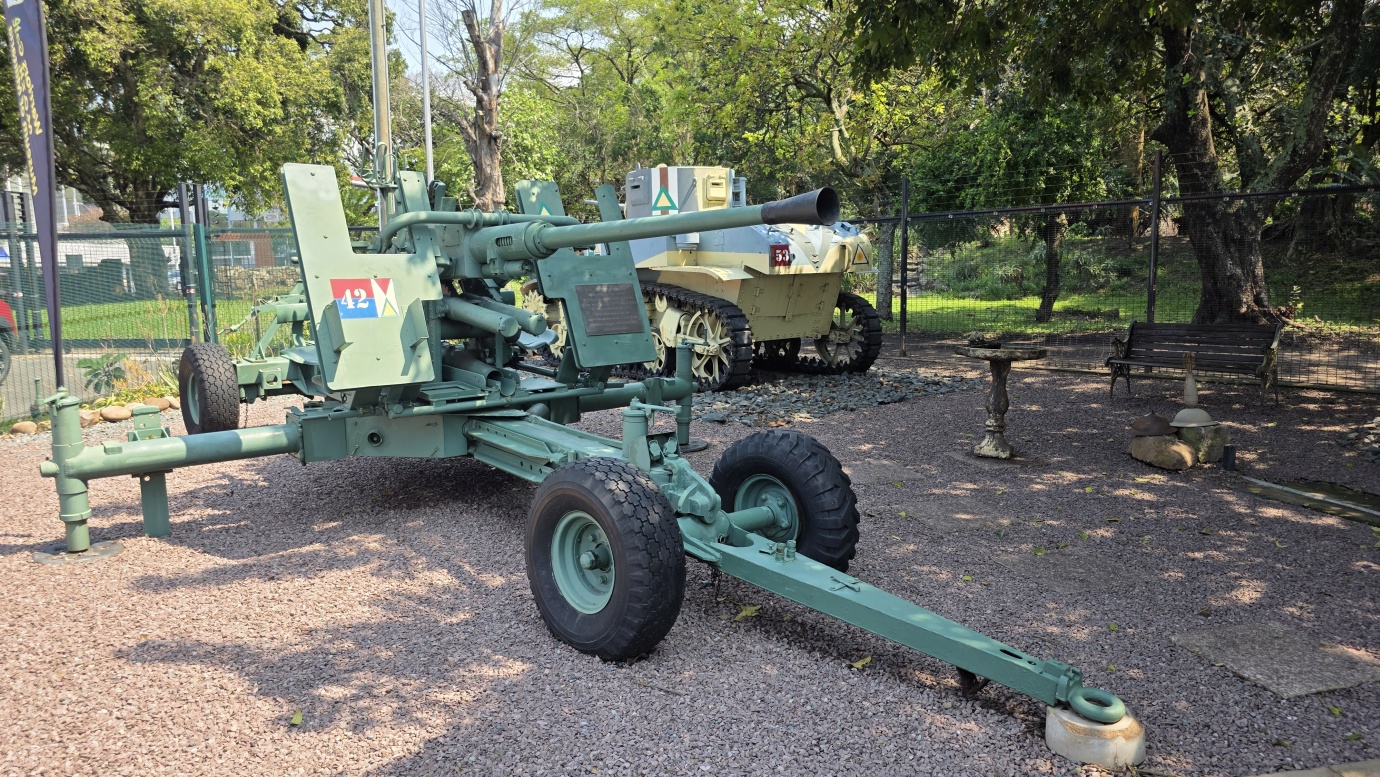
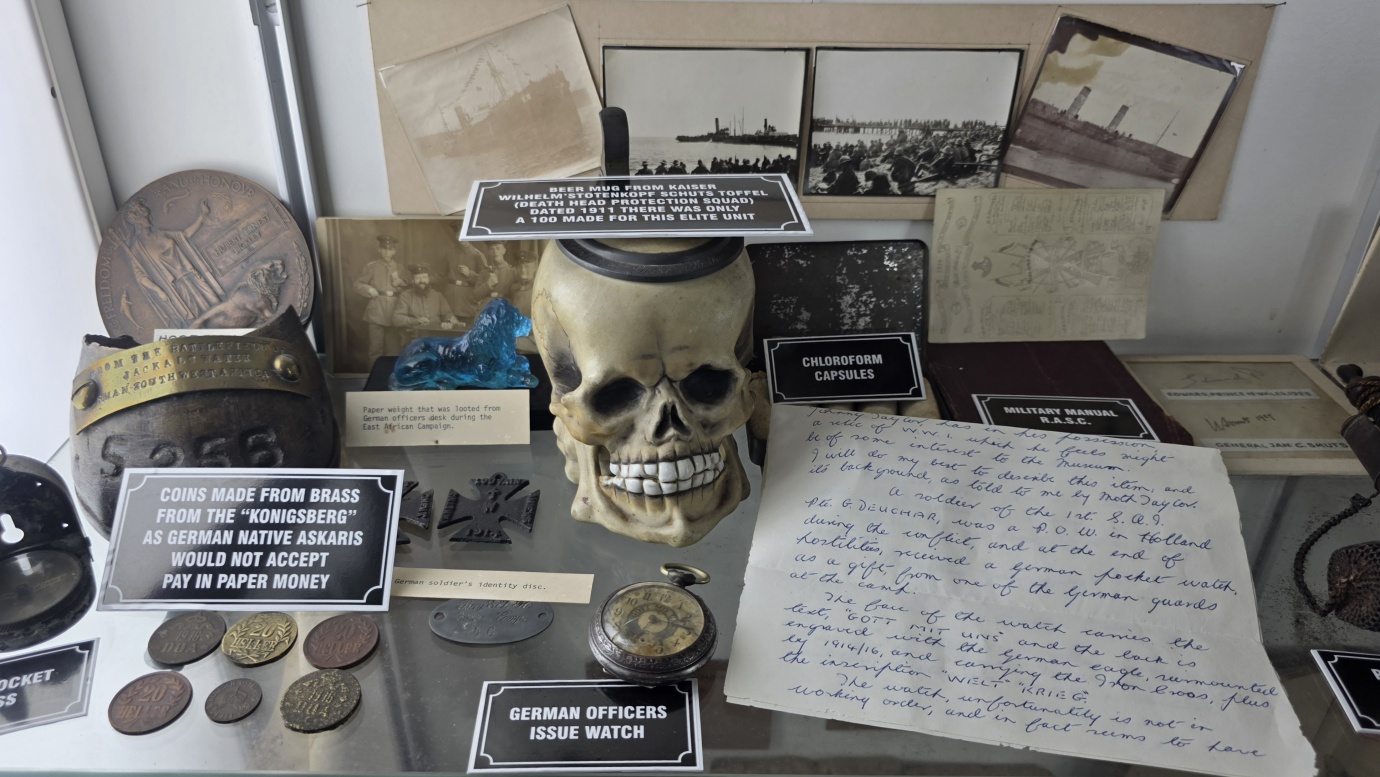
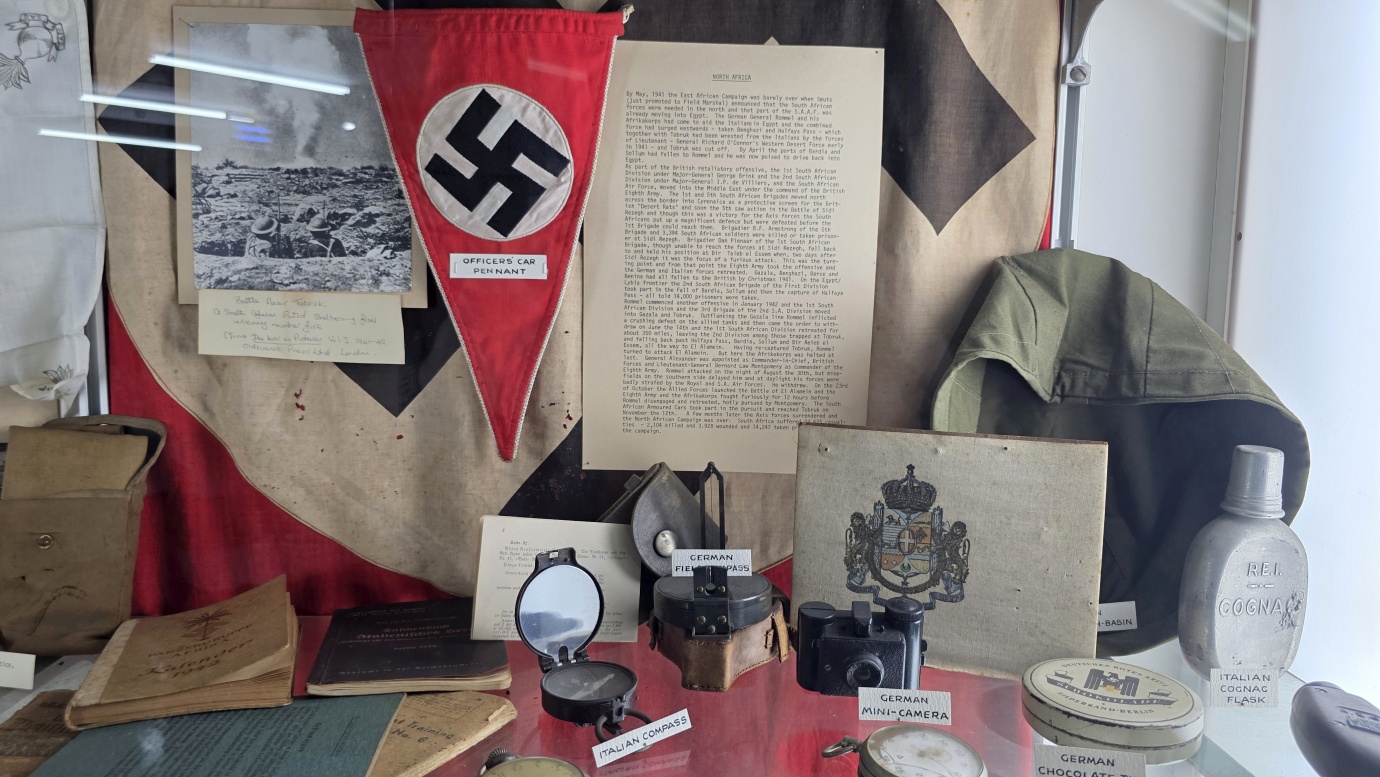
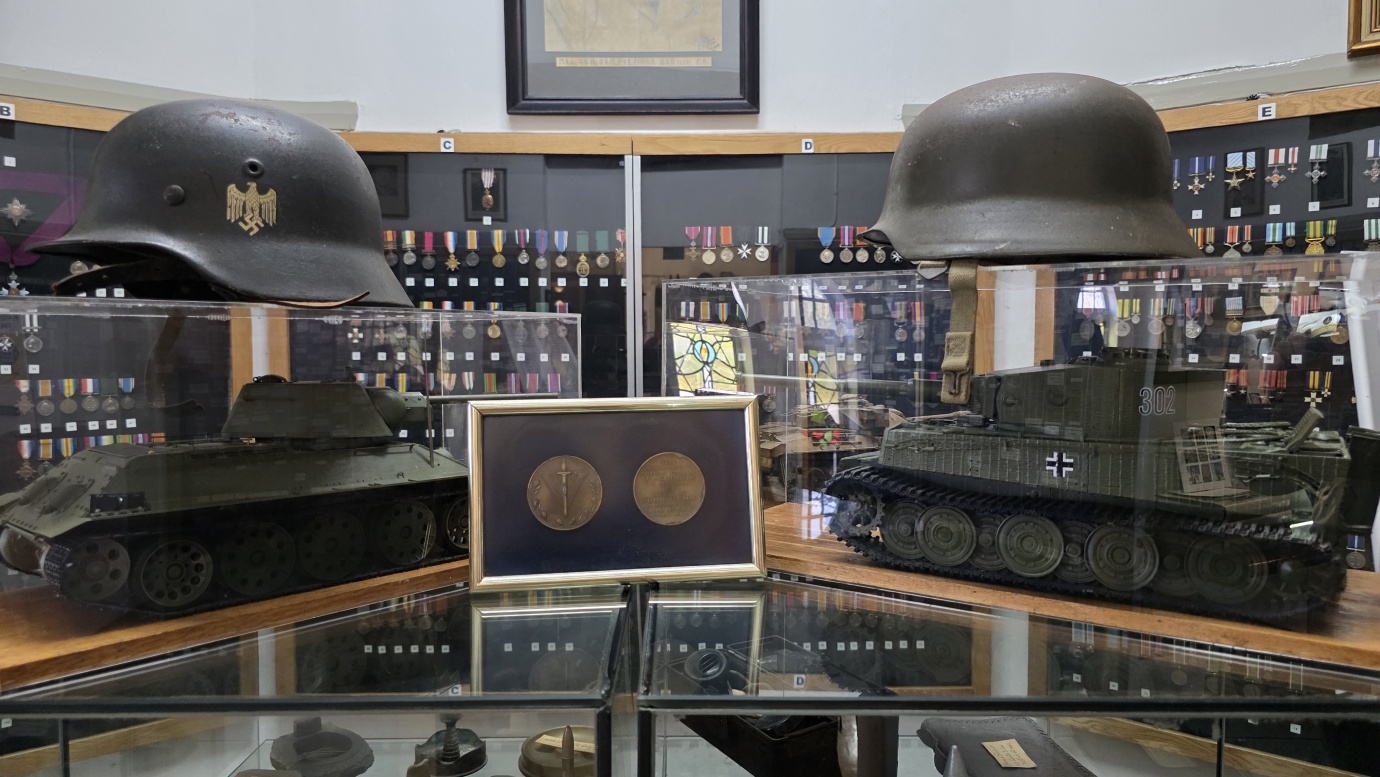
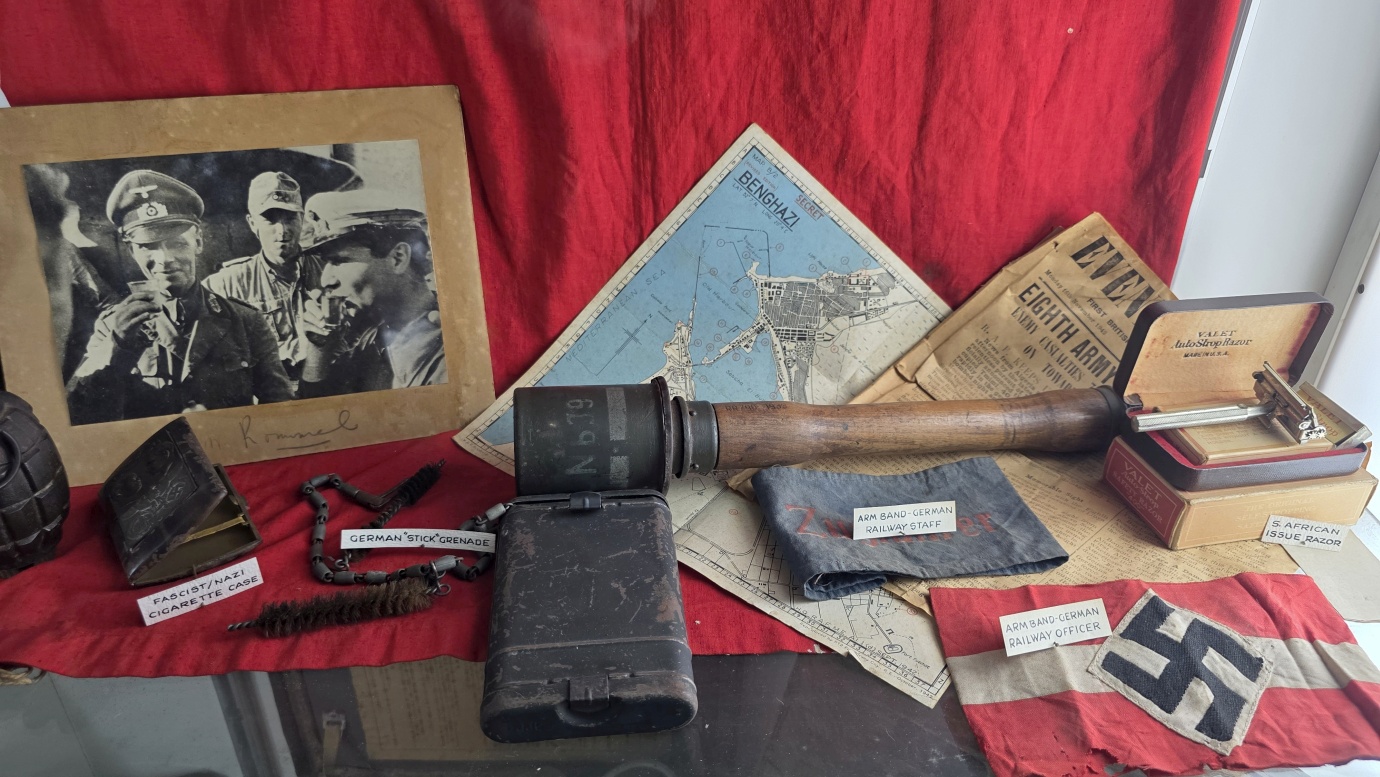
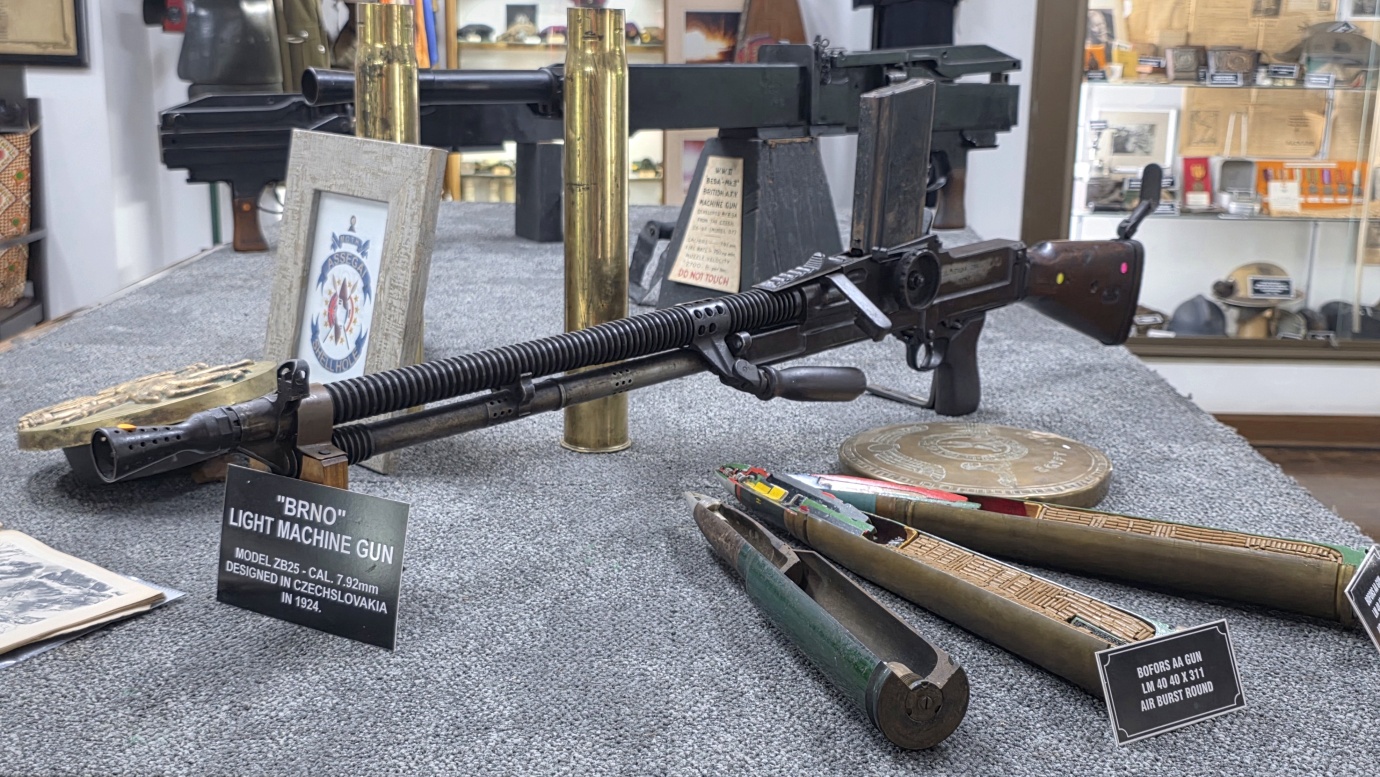
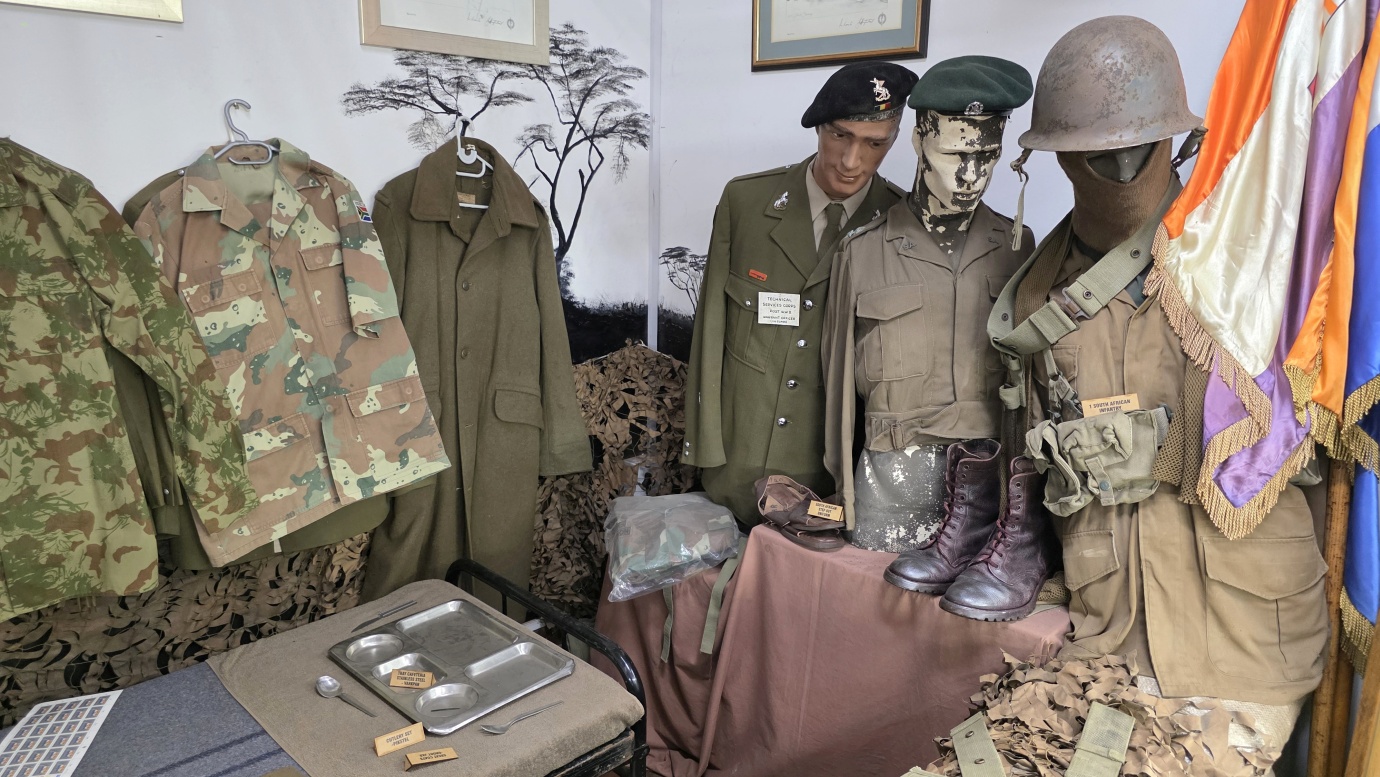
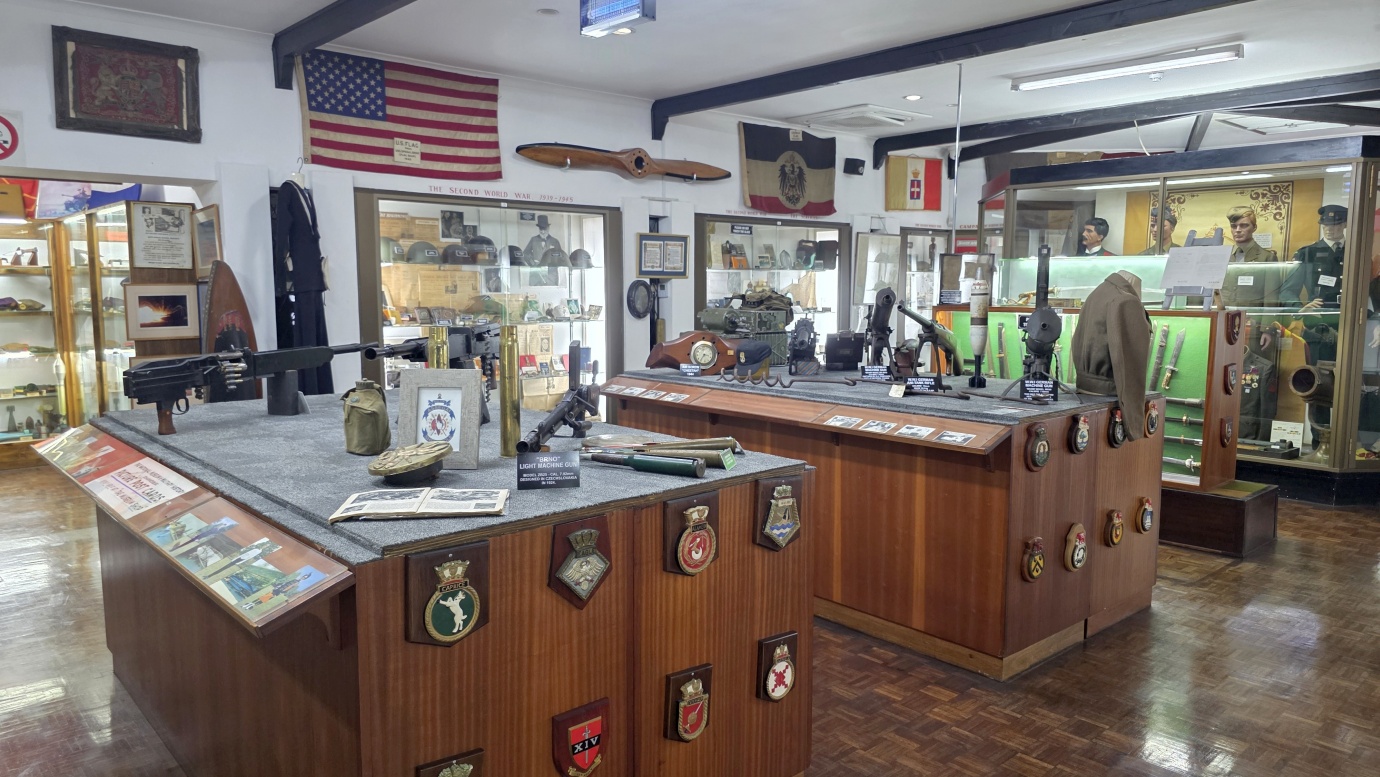
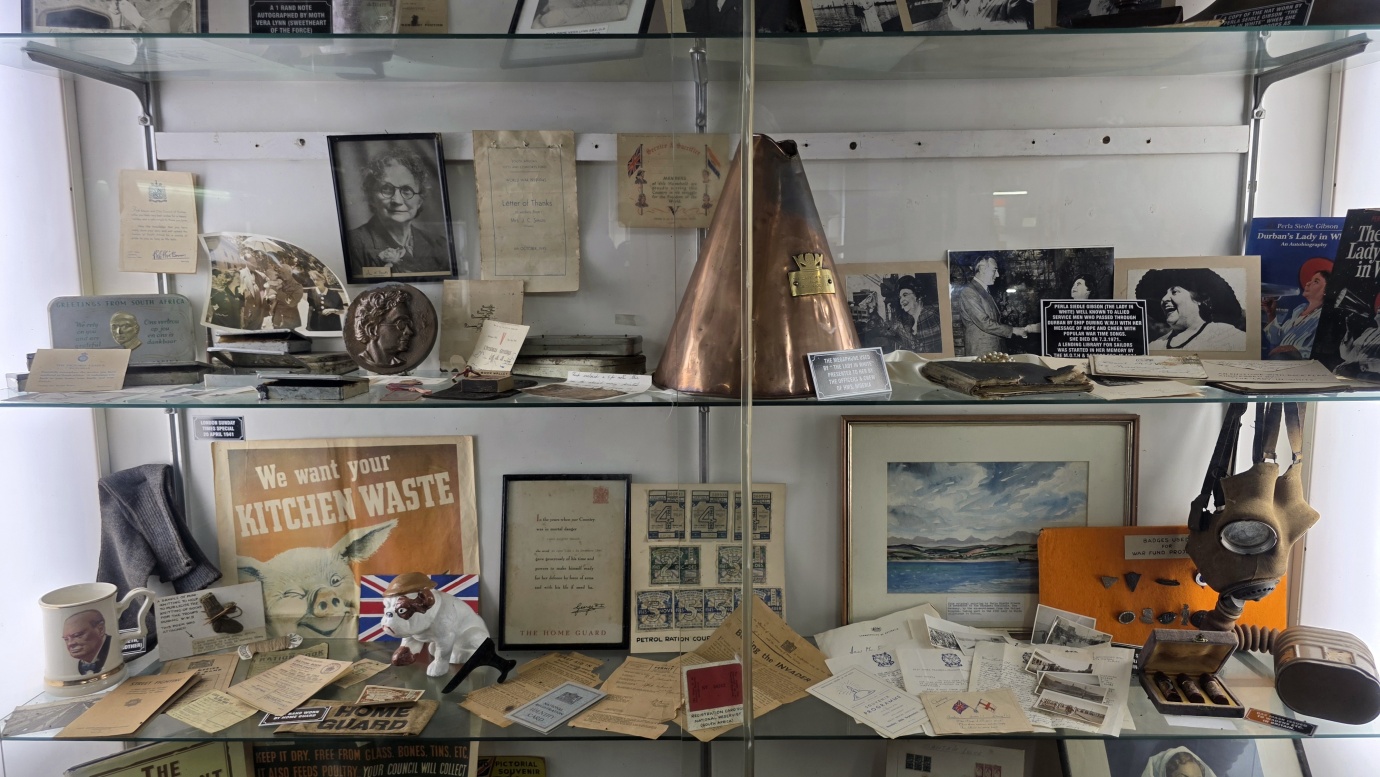
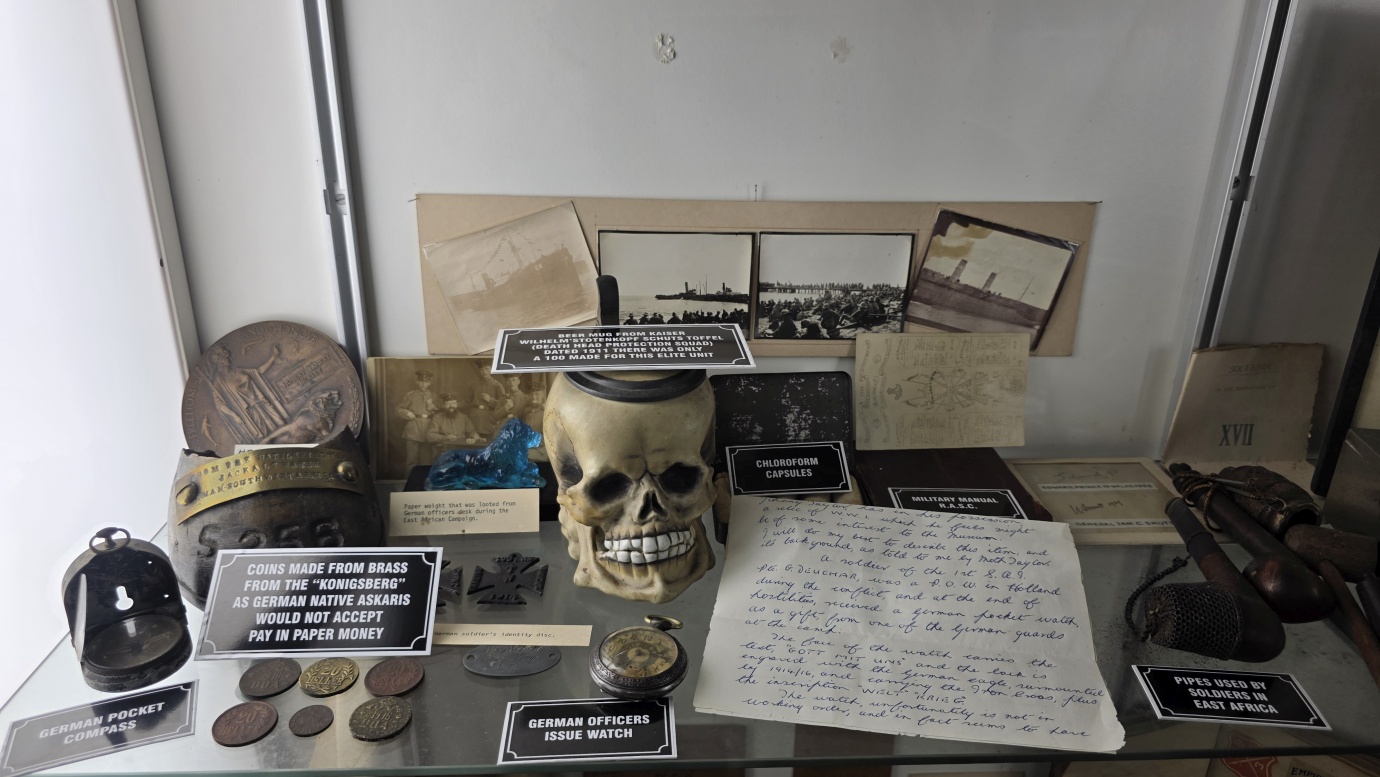
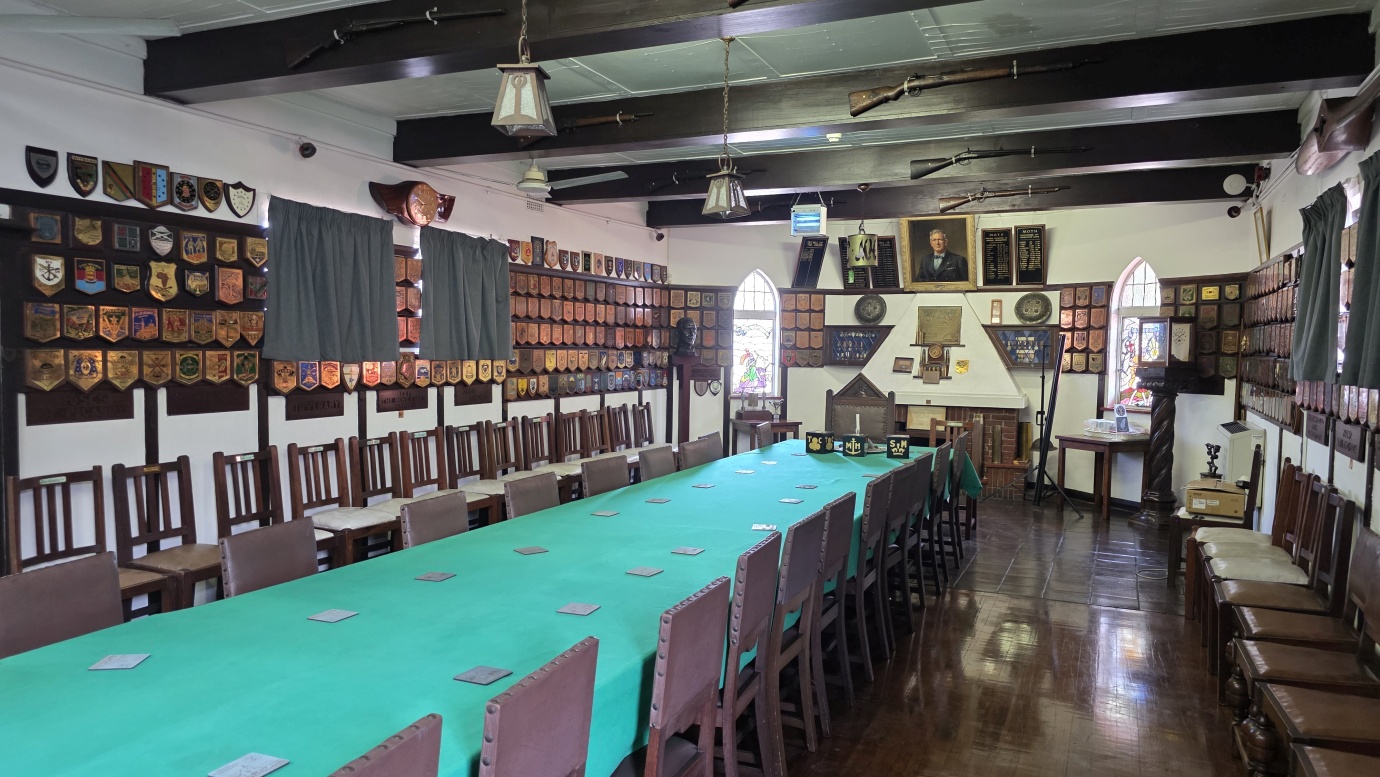
Our next stop was the MOTH Museum of Militaria at Warriors’ Gate near the city centre. Run by the Memorable Order of Tin Hats, an ex-servicemen’s organisation founded in Durban in 1927, the museum contains an impressive collection of military uniforms, medals, badges, battlefield relics and other memorabilia from conflicts including the First and Second World Wars. More than just a military collection, it serves as a memorial to the South Africans who served in wars around the world.
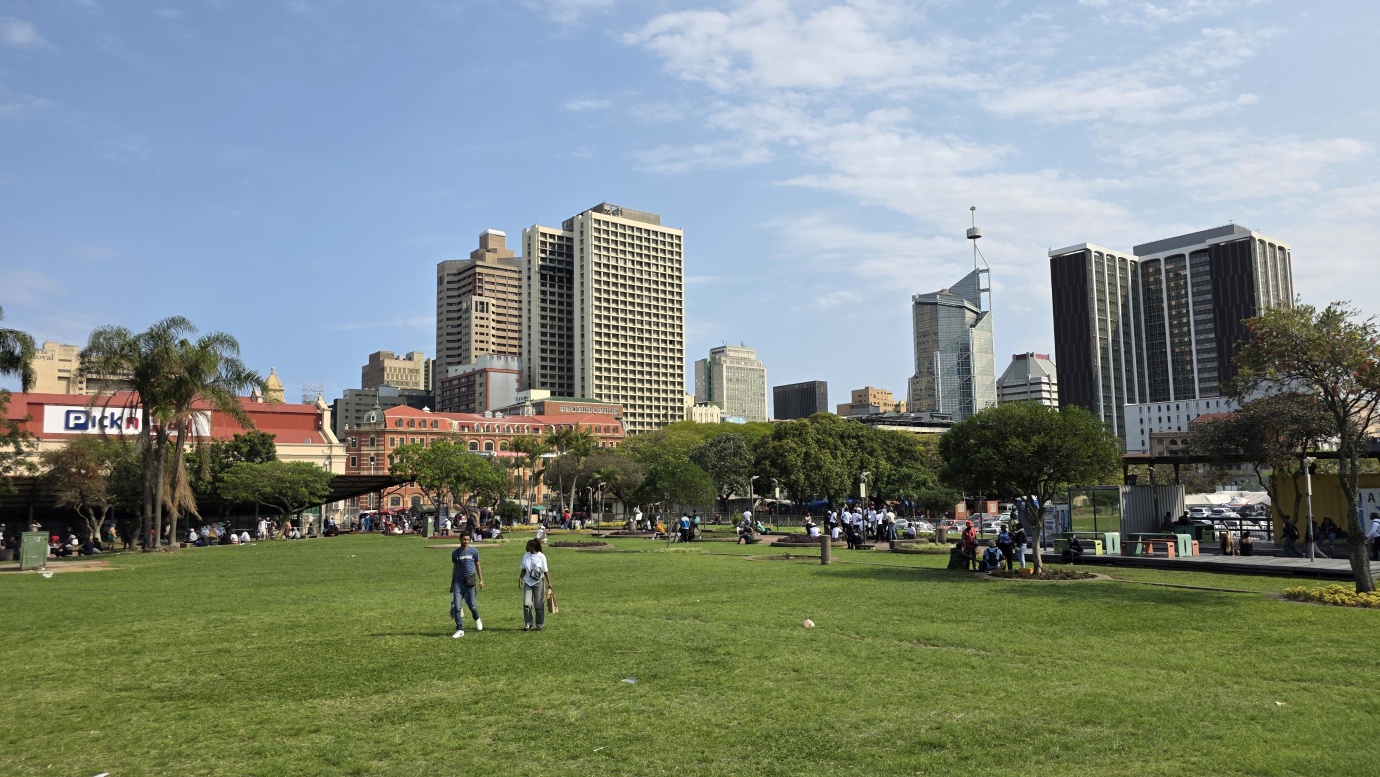
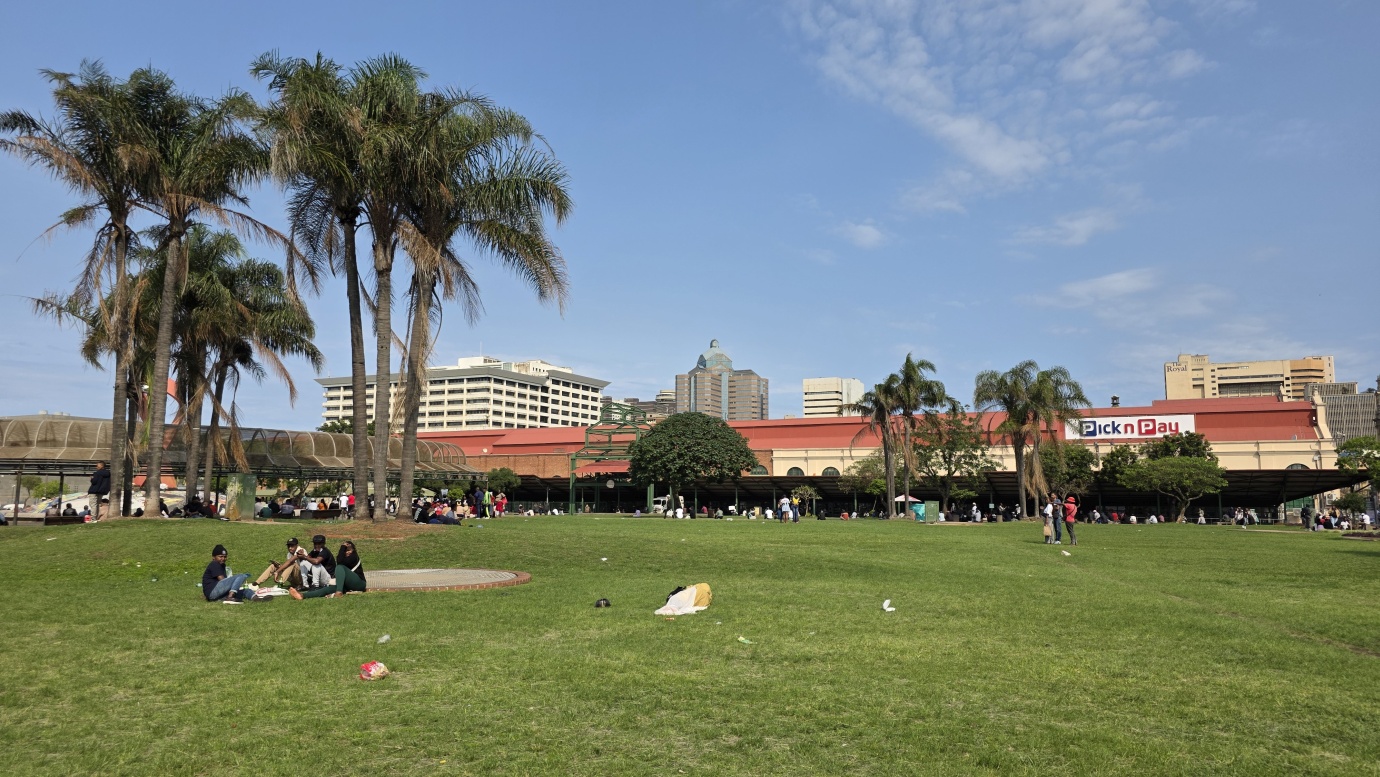
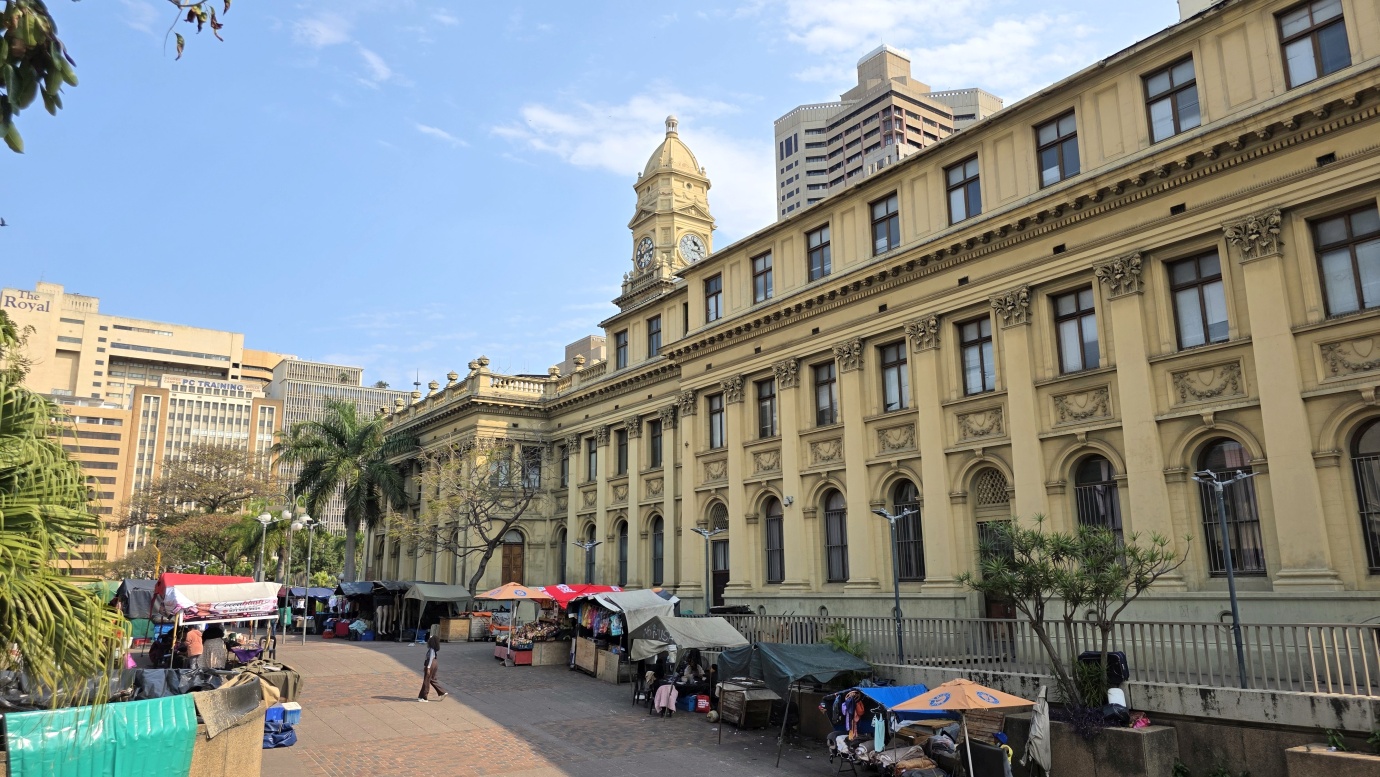
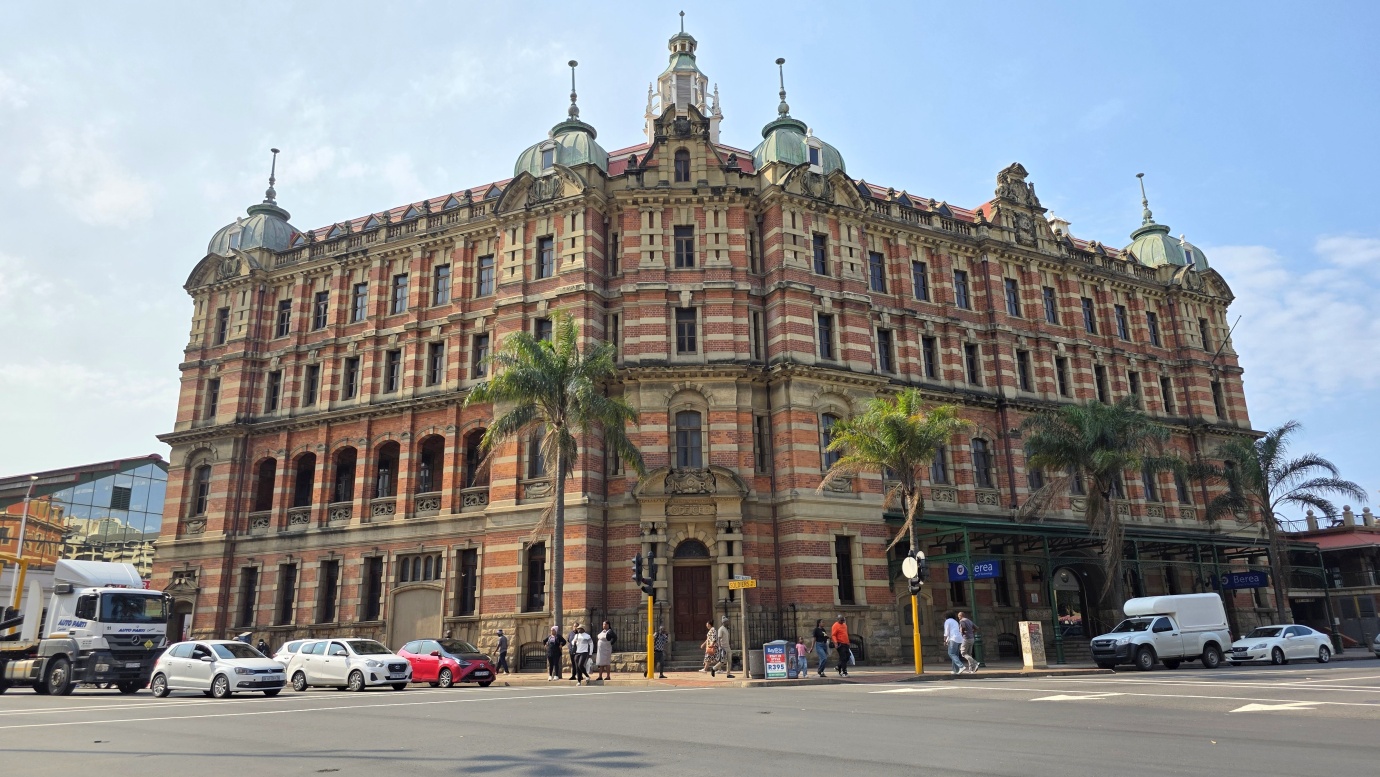
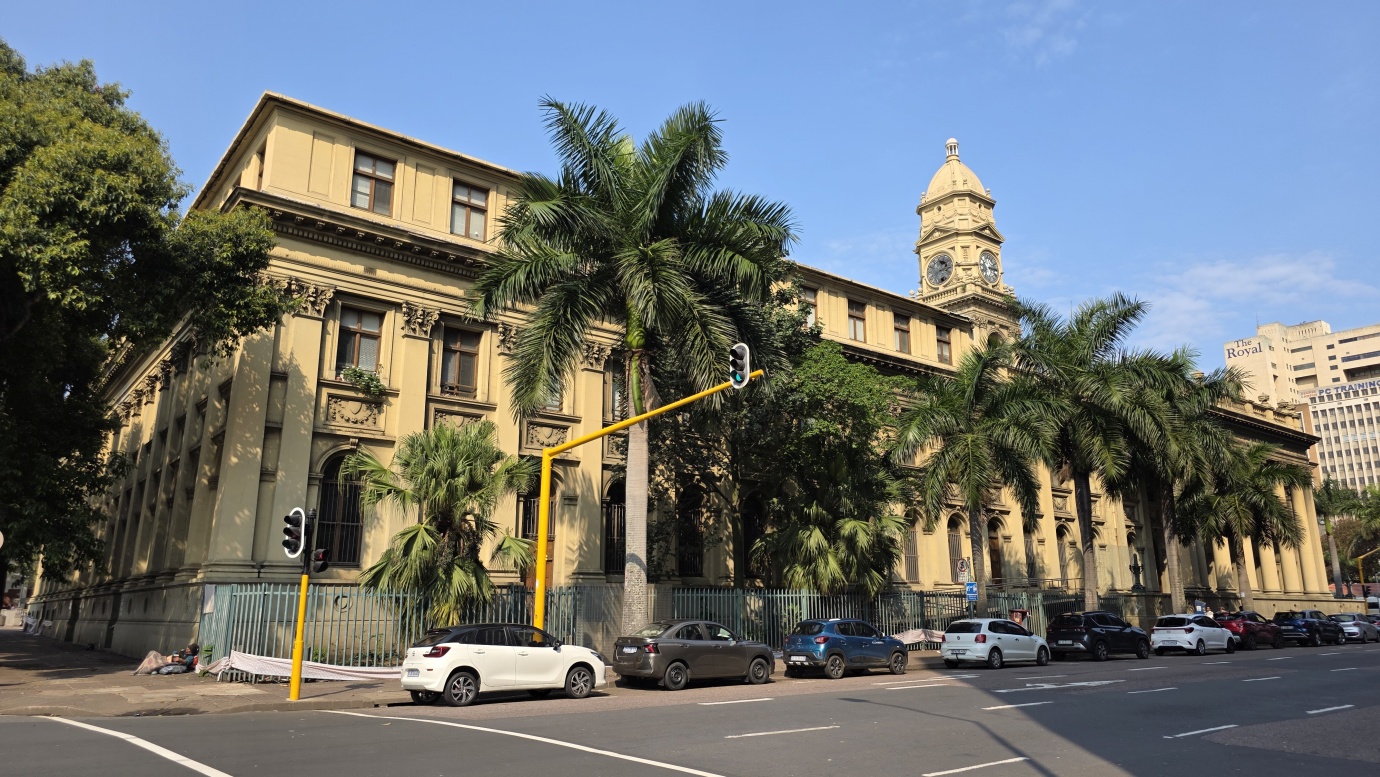
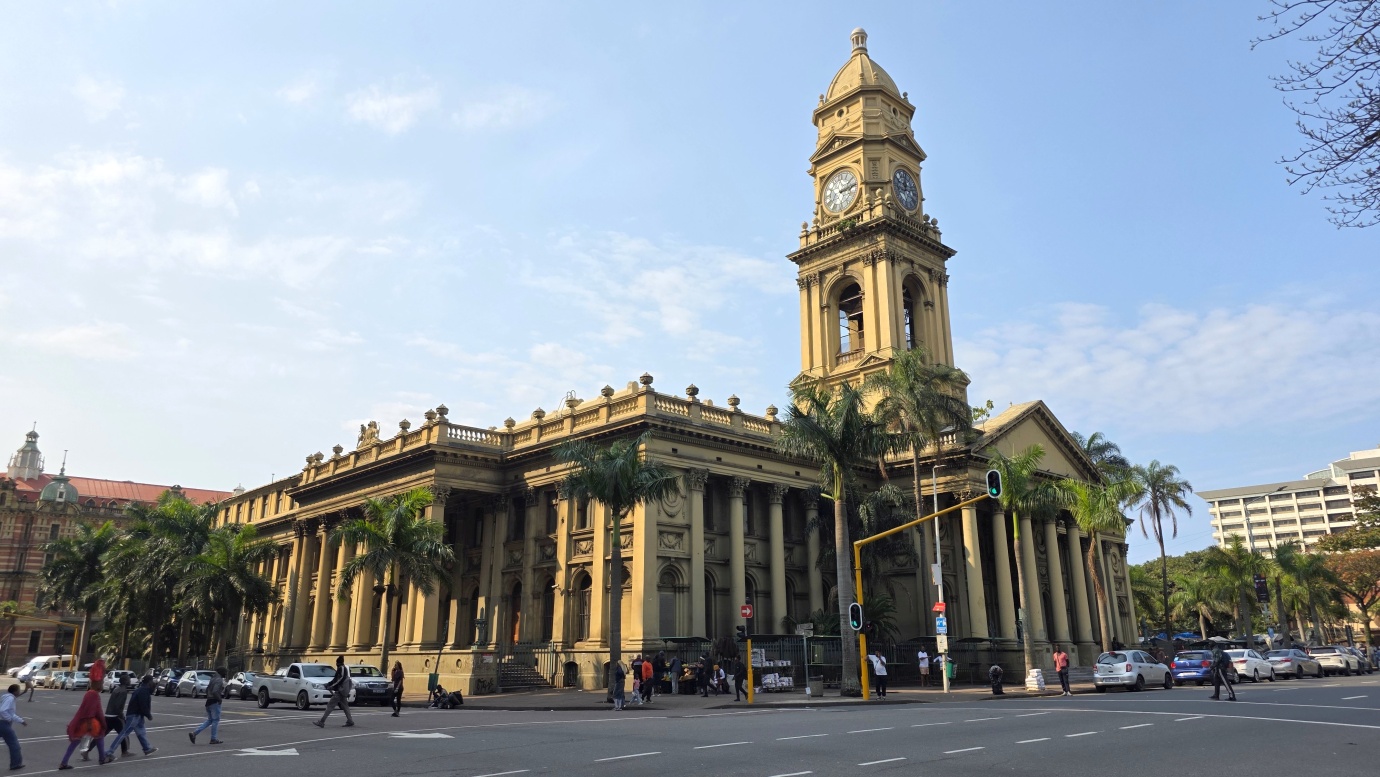
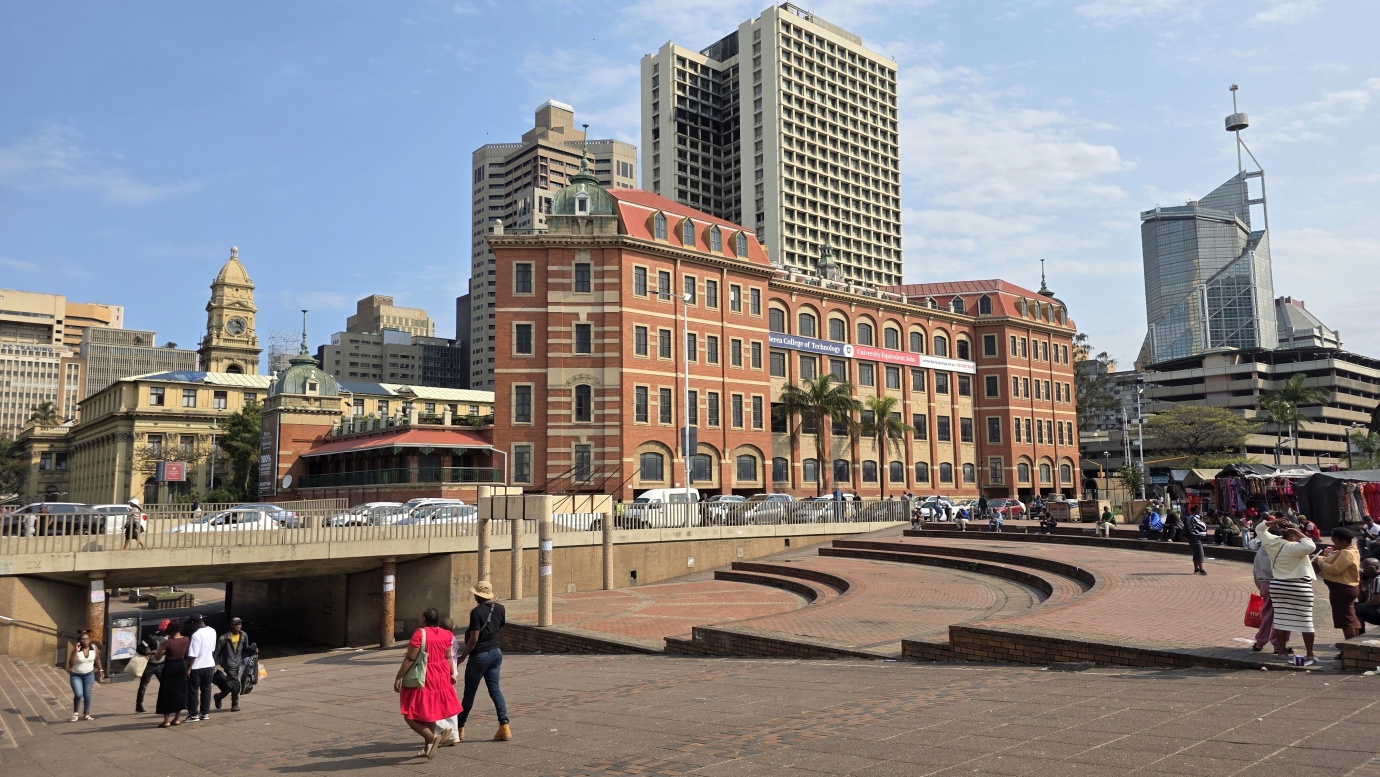
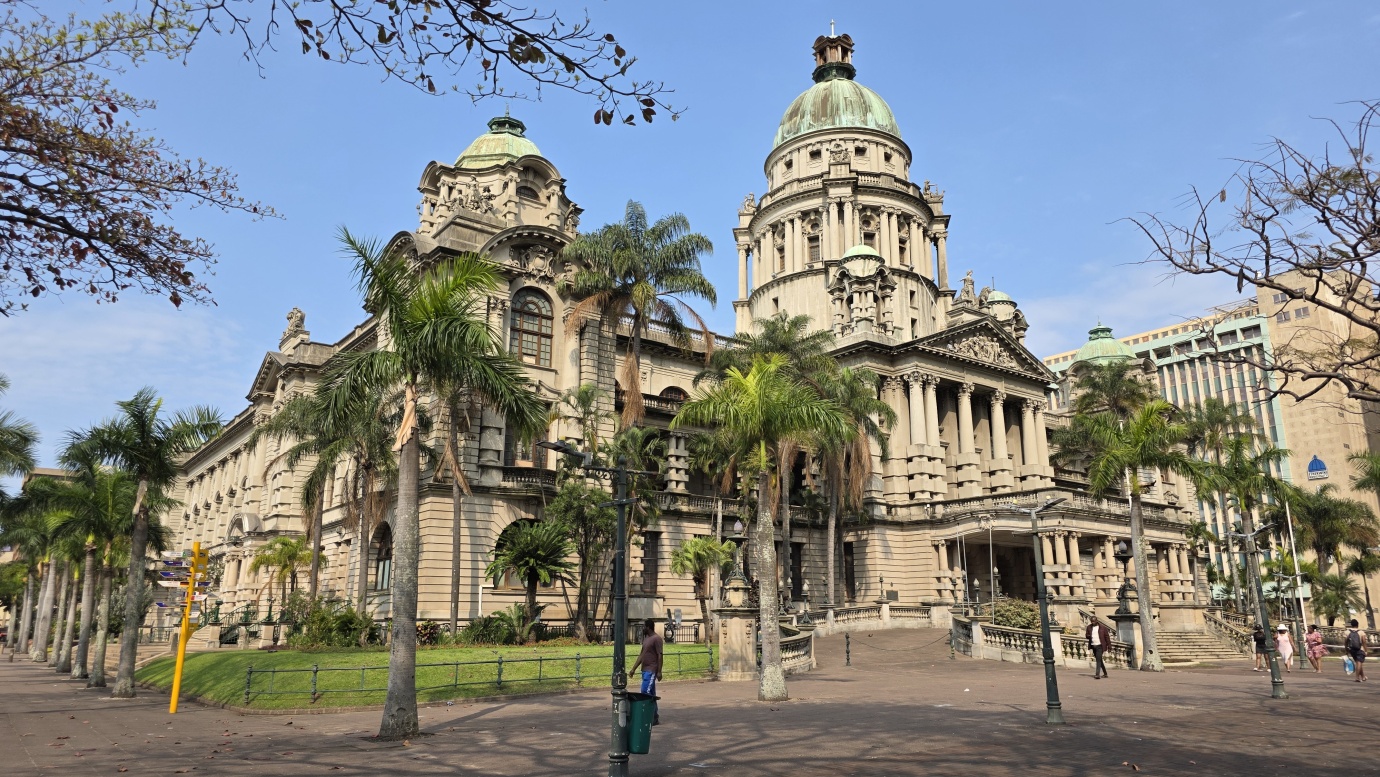
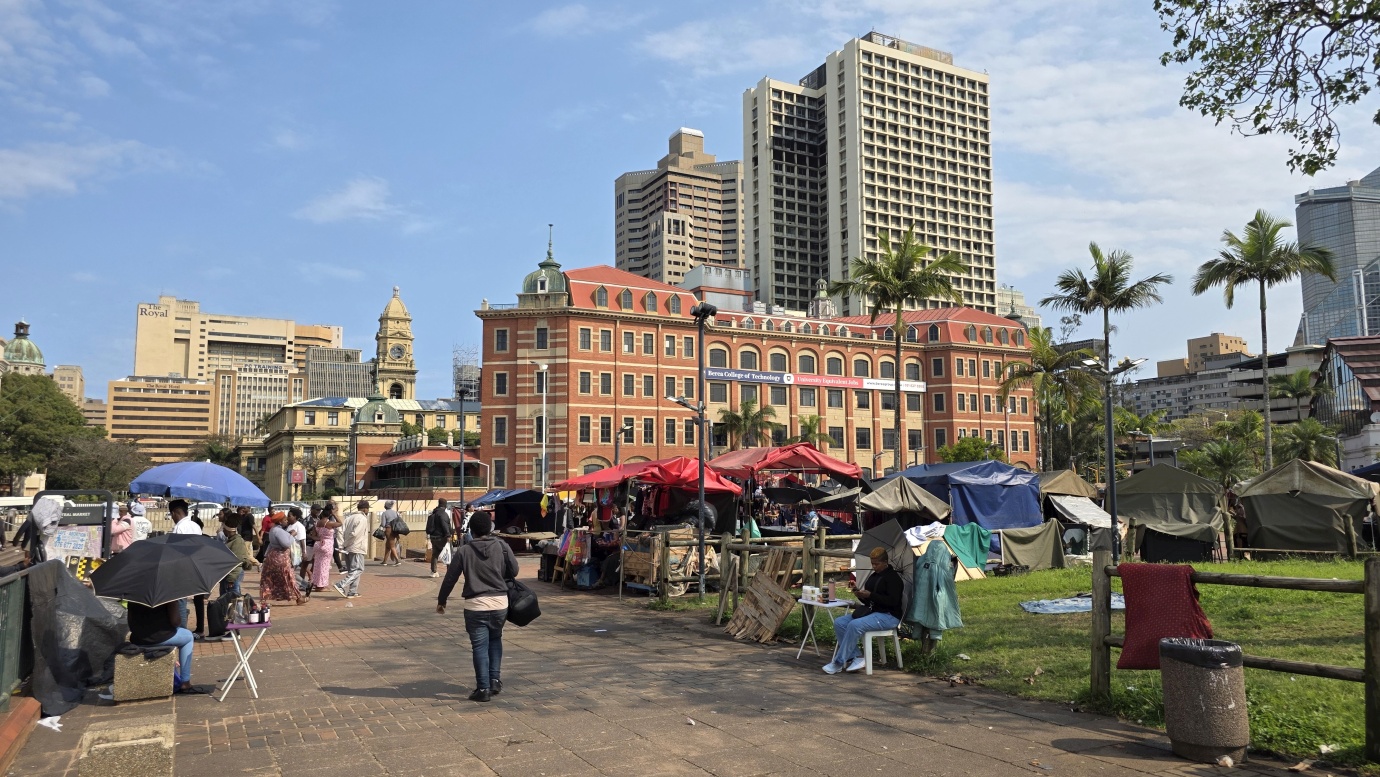
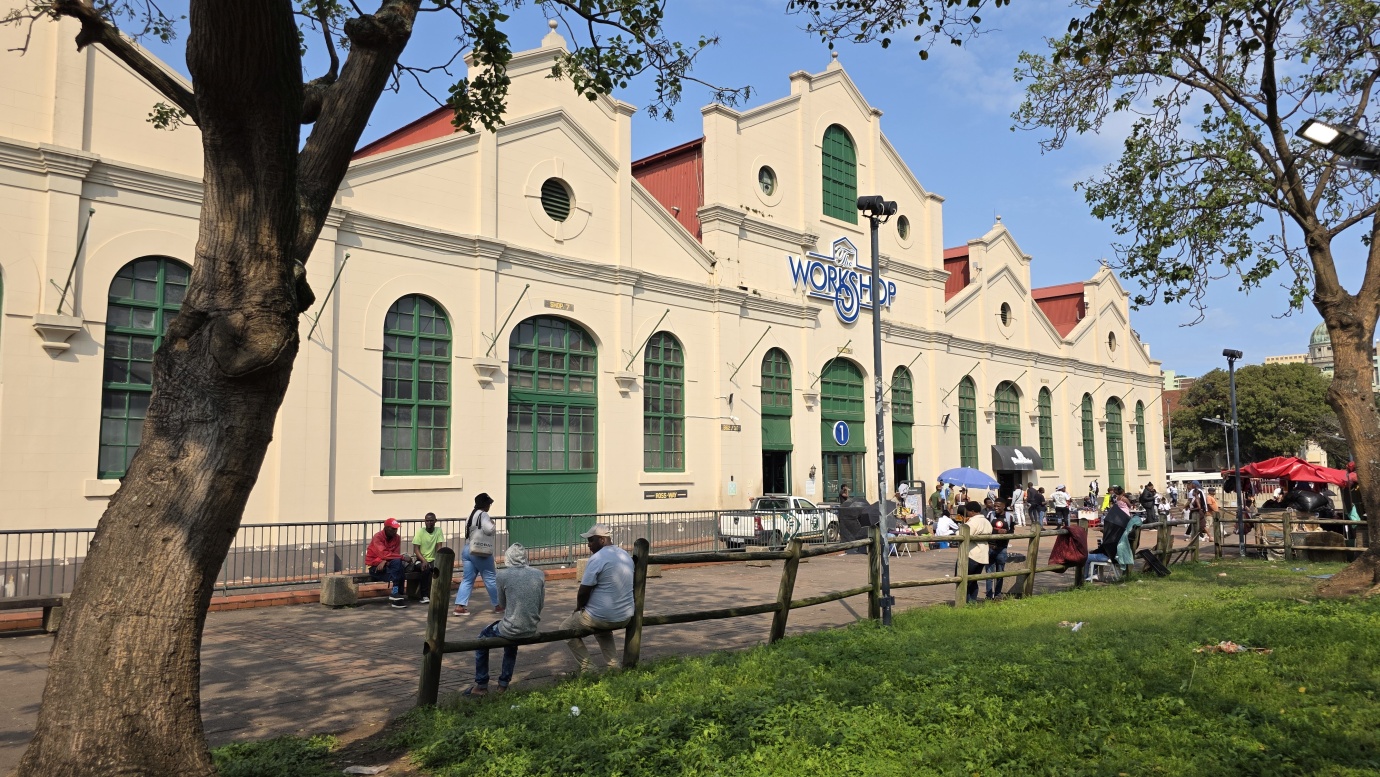
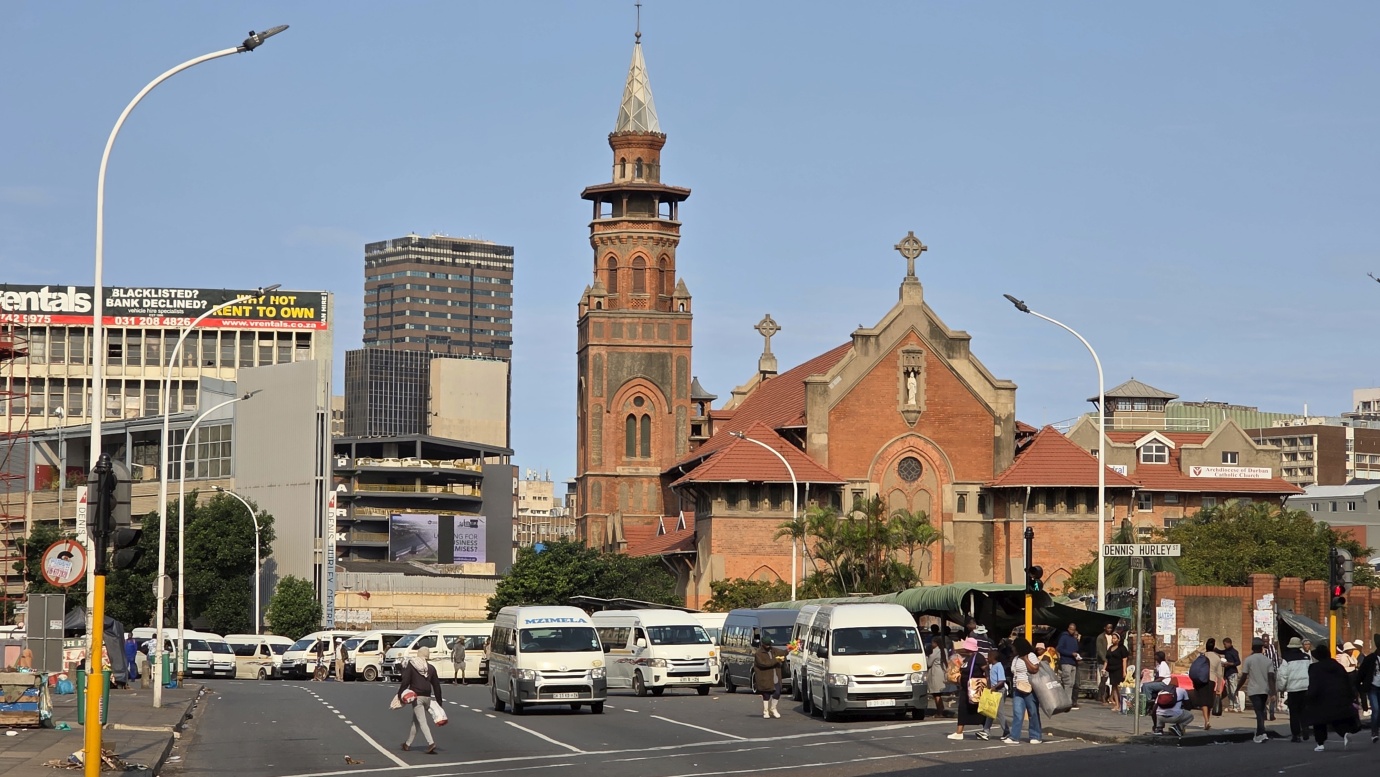
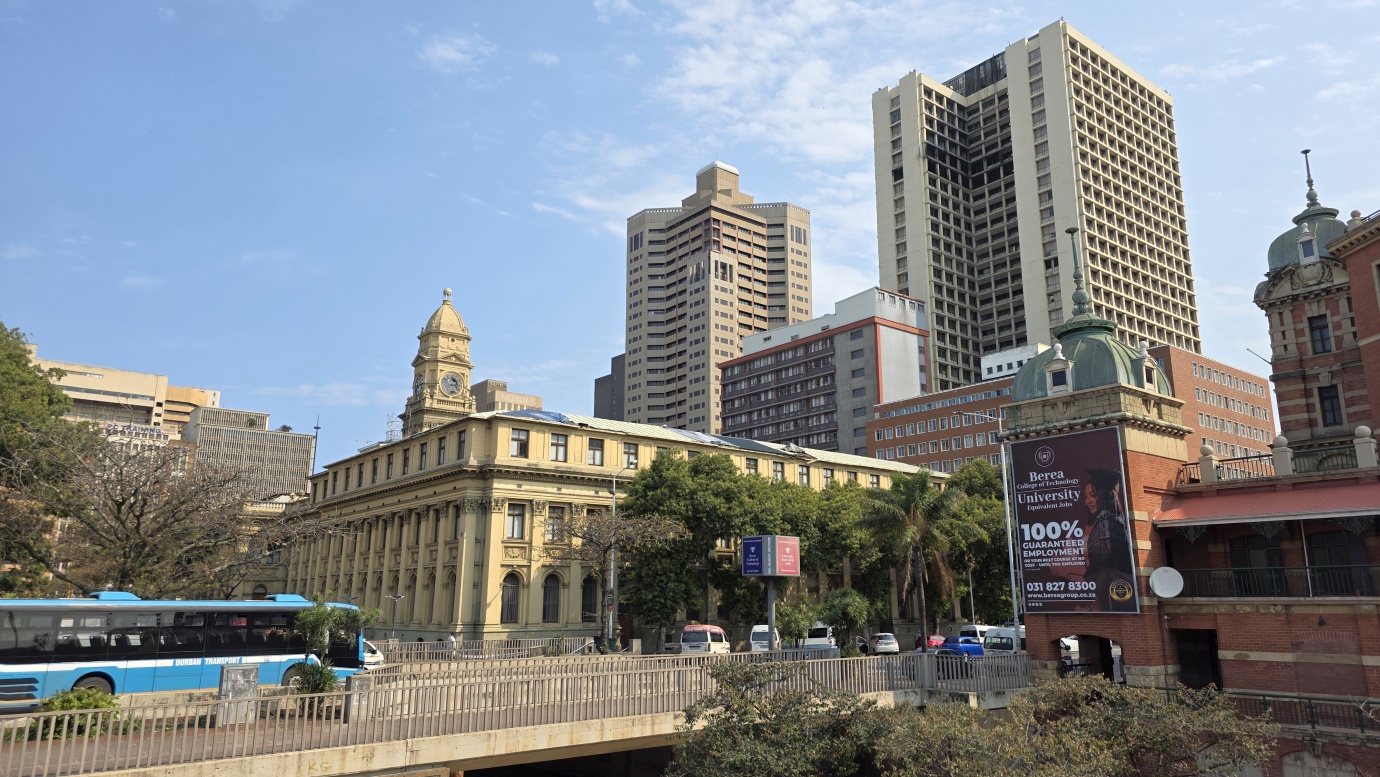
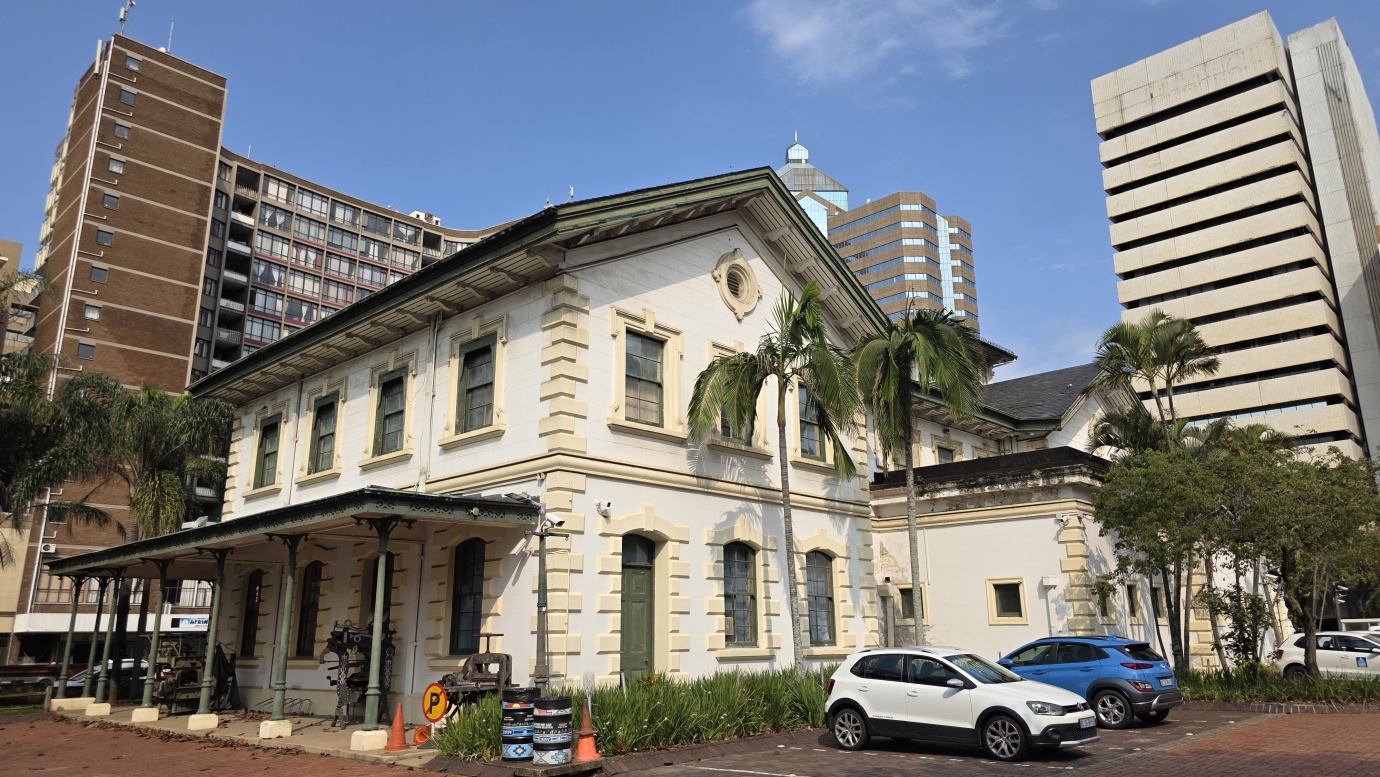
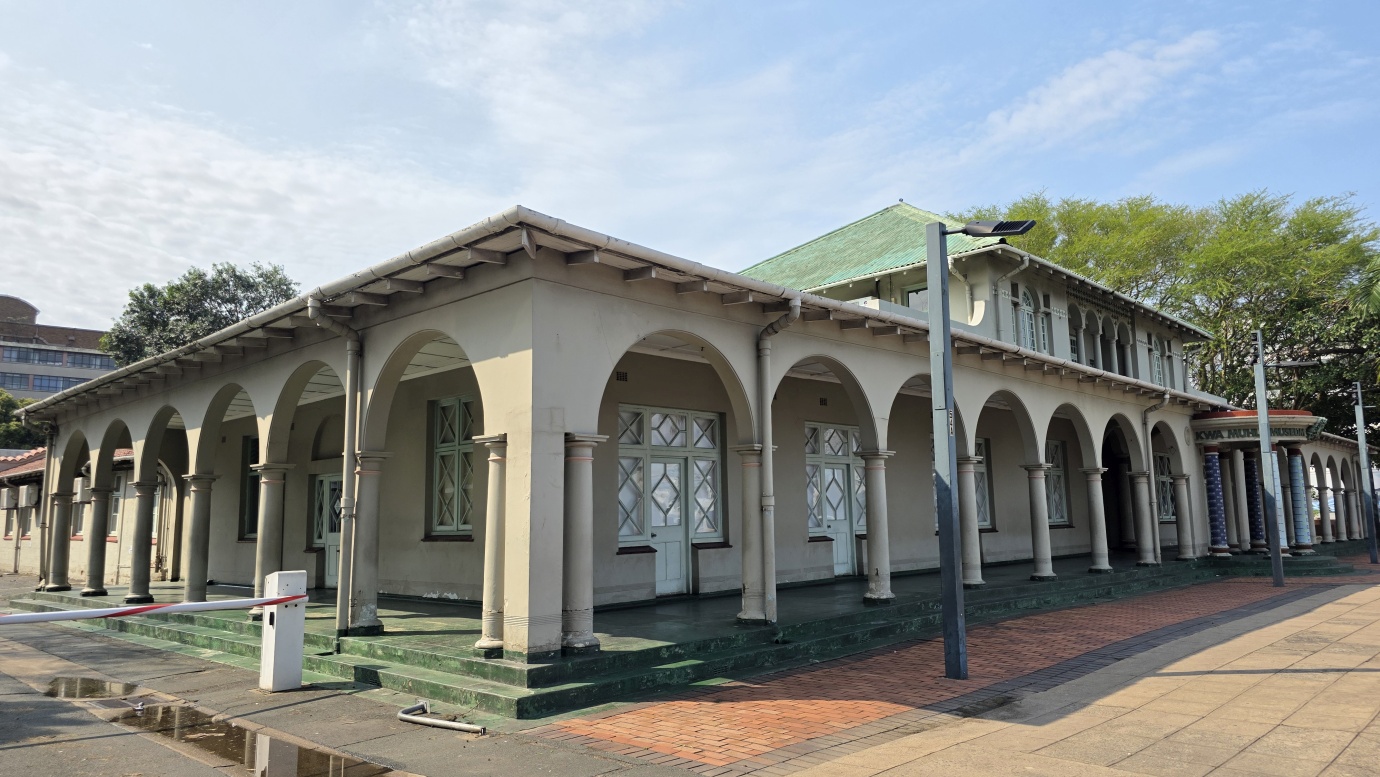
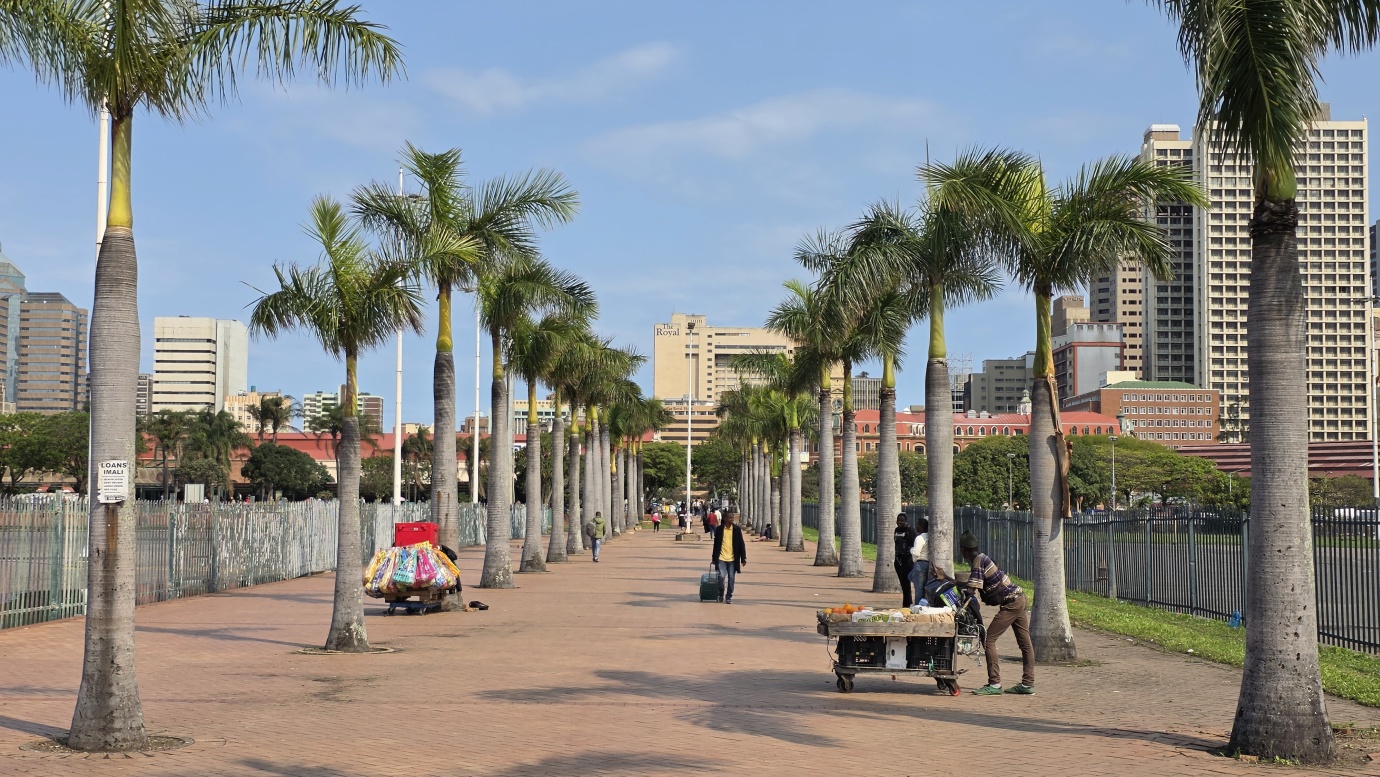
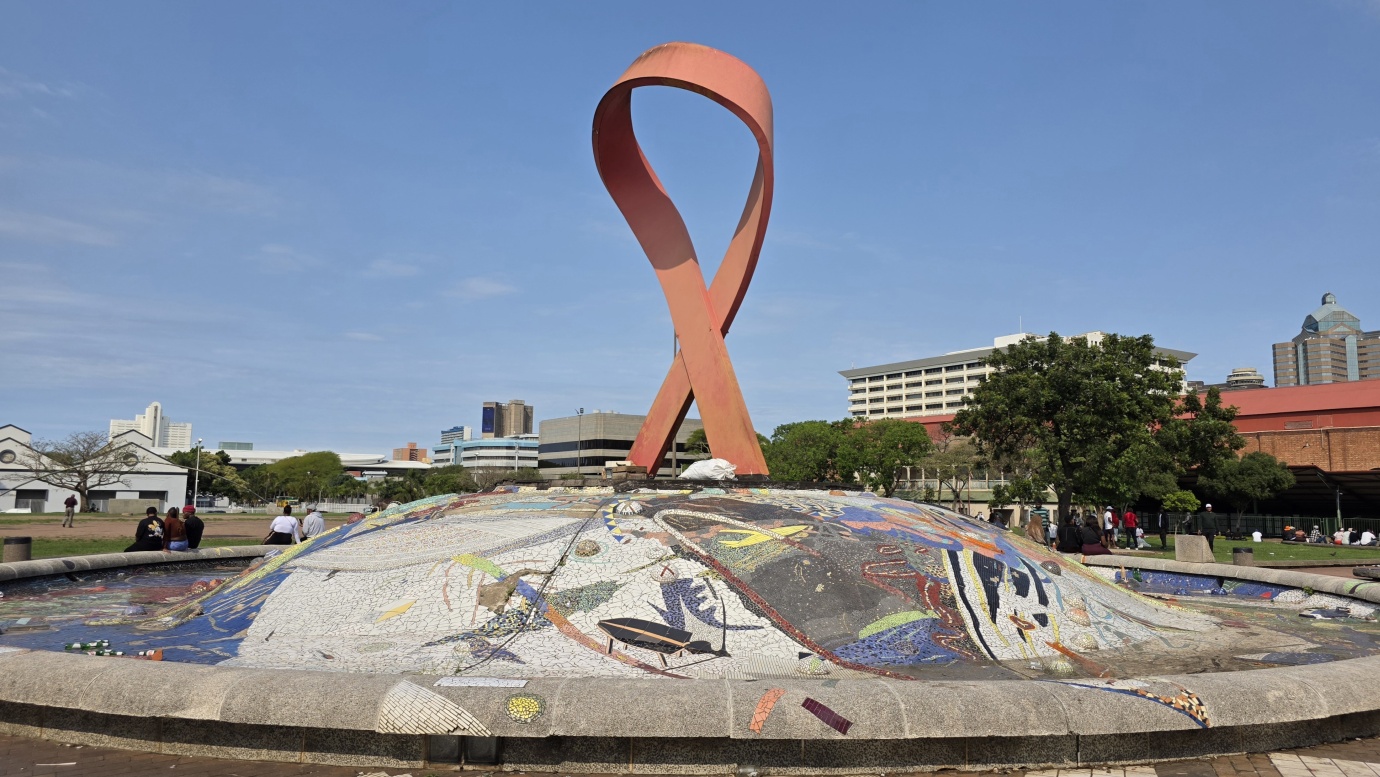
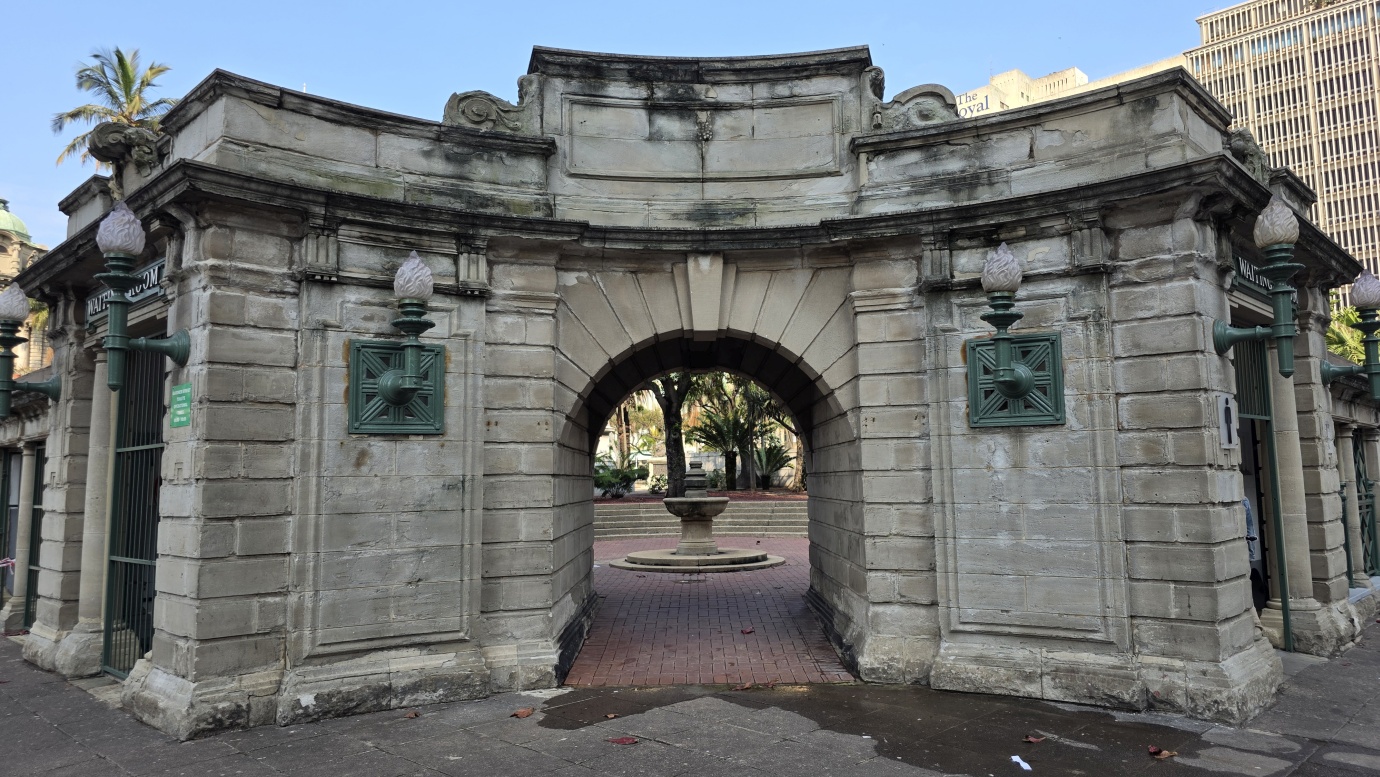
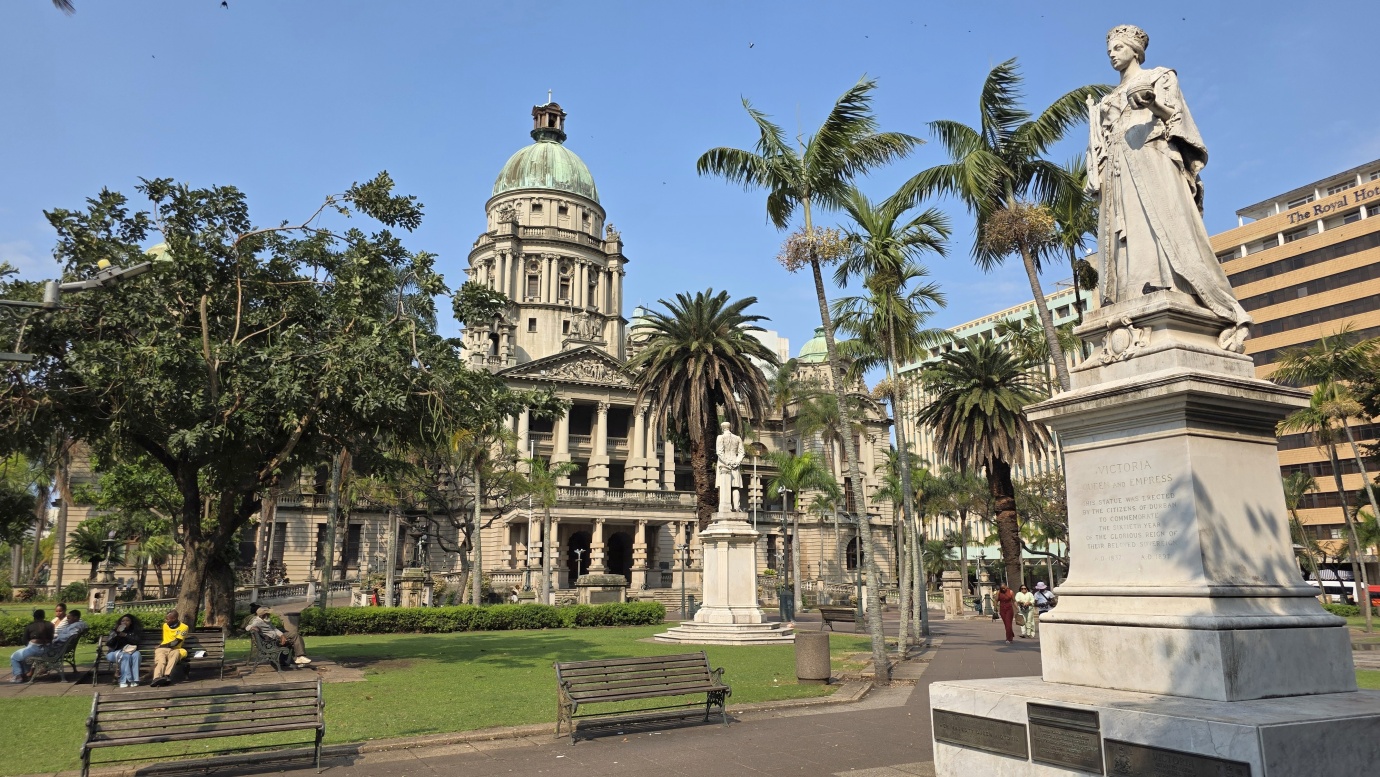
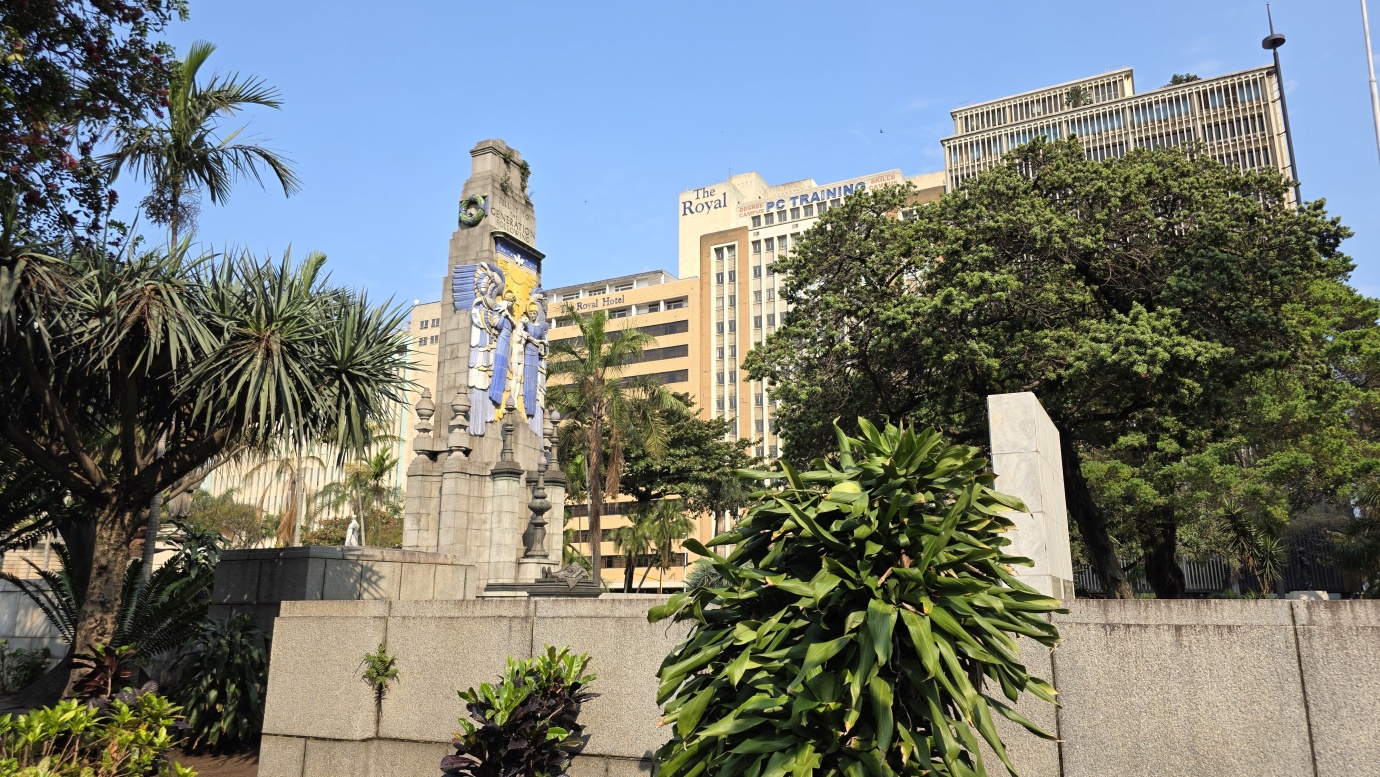
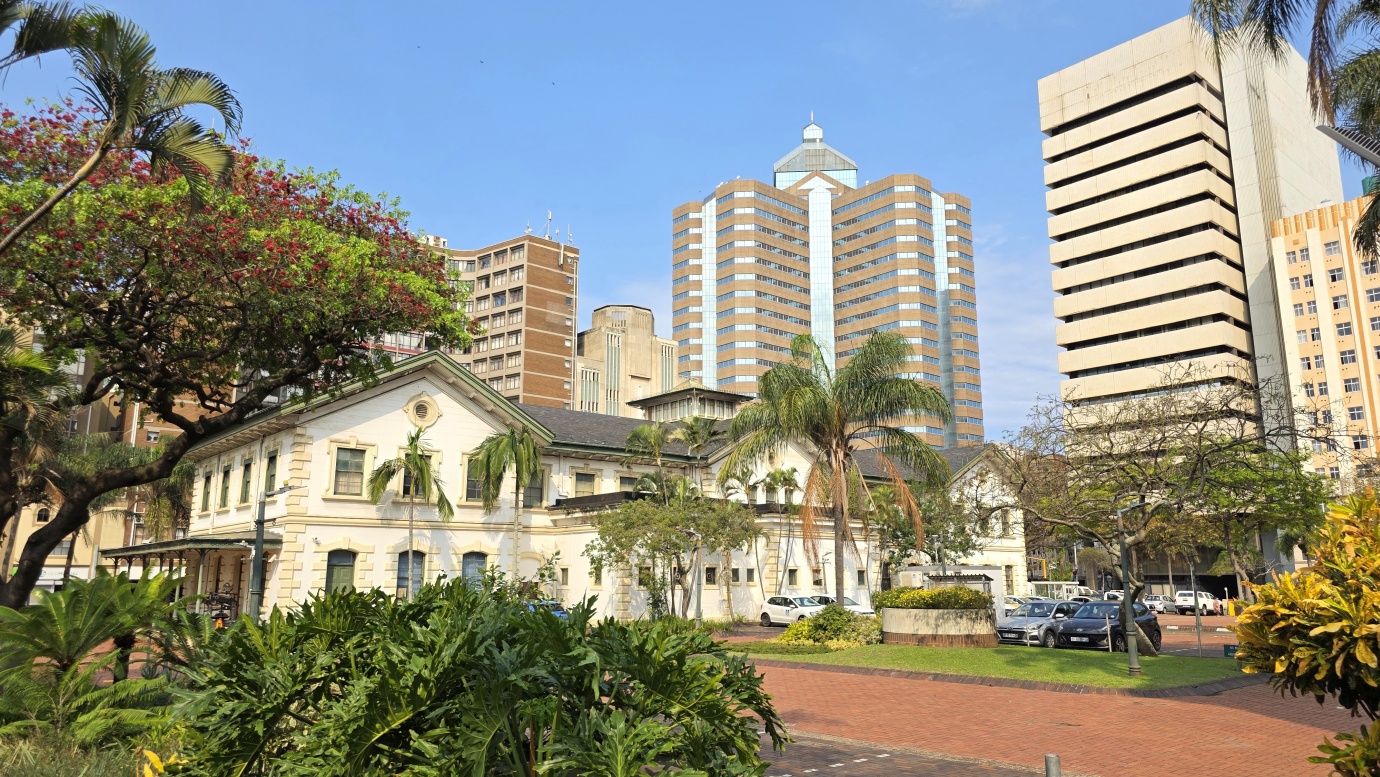
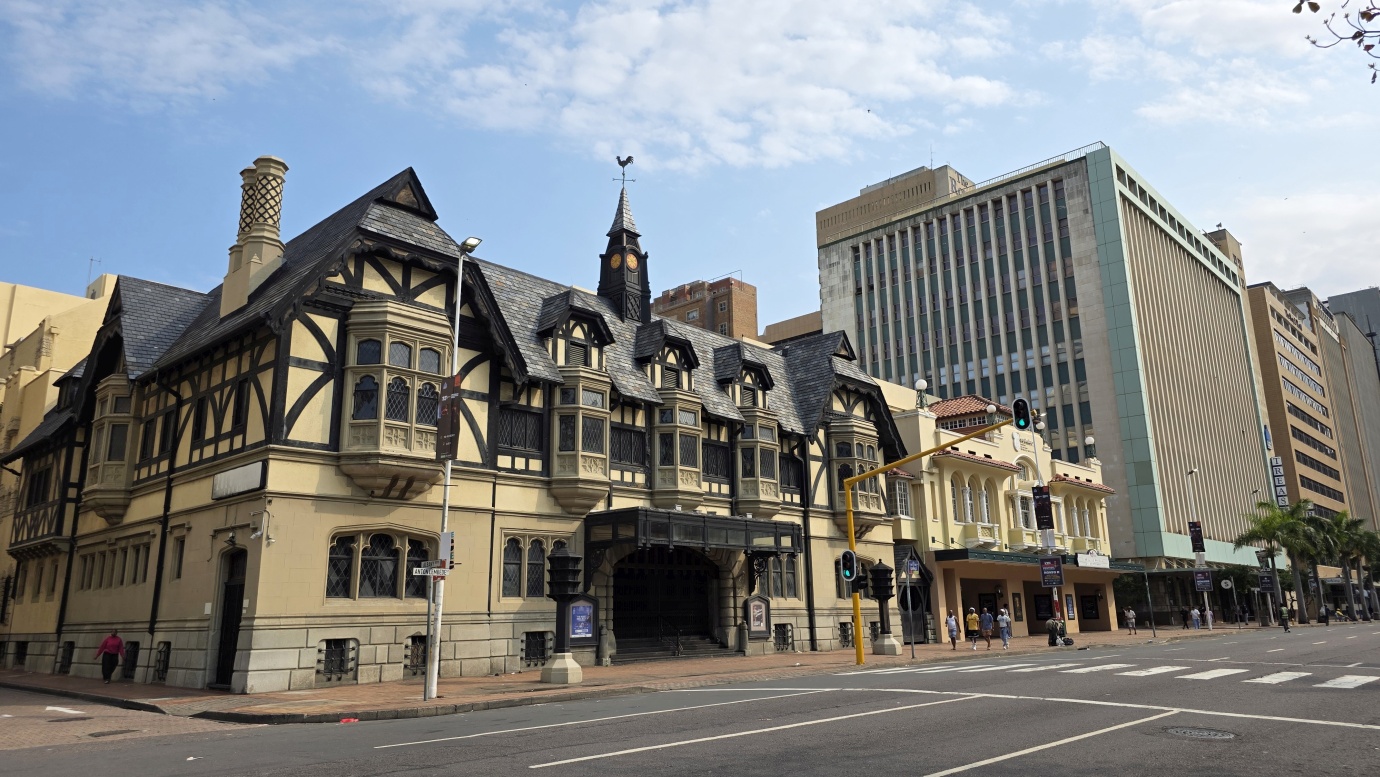
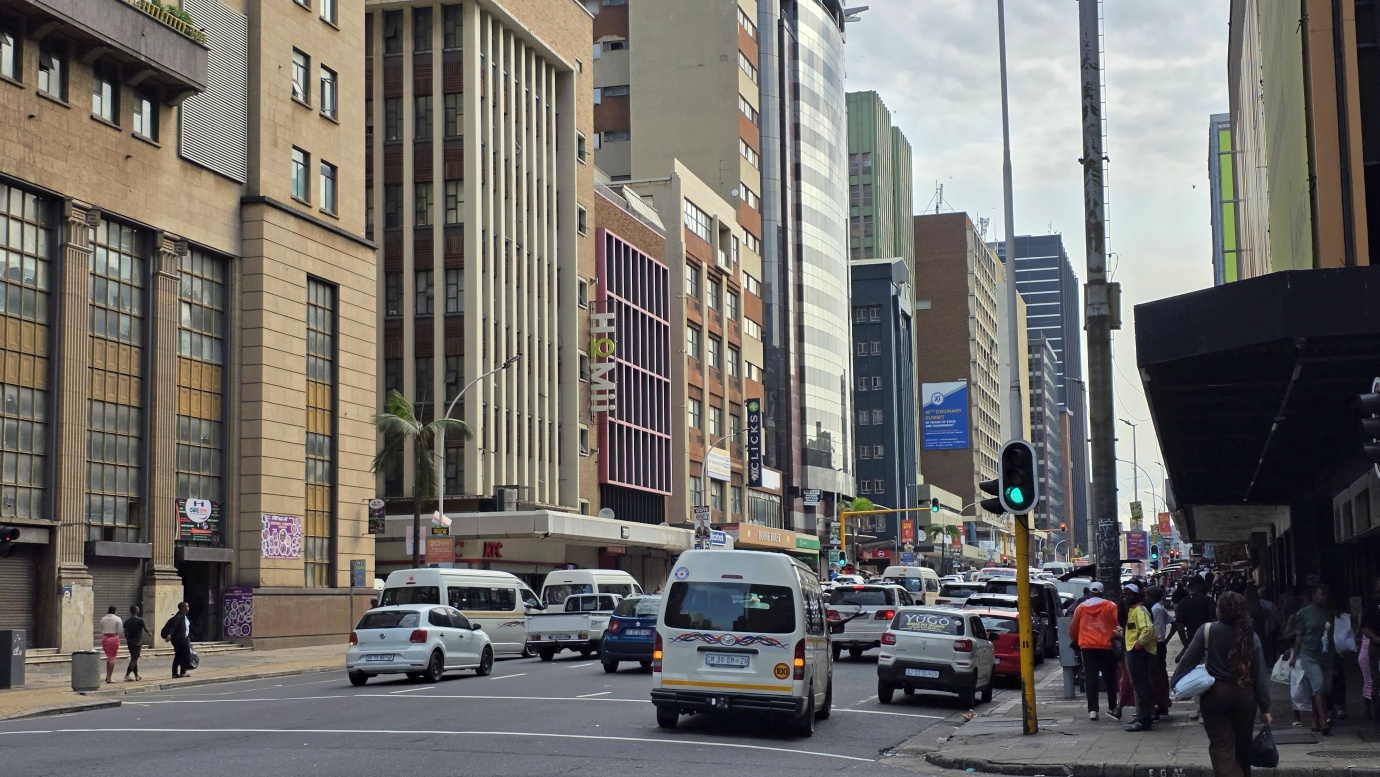
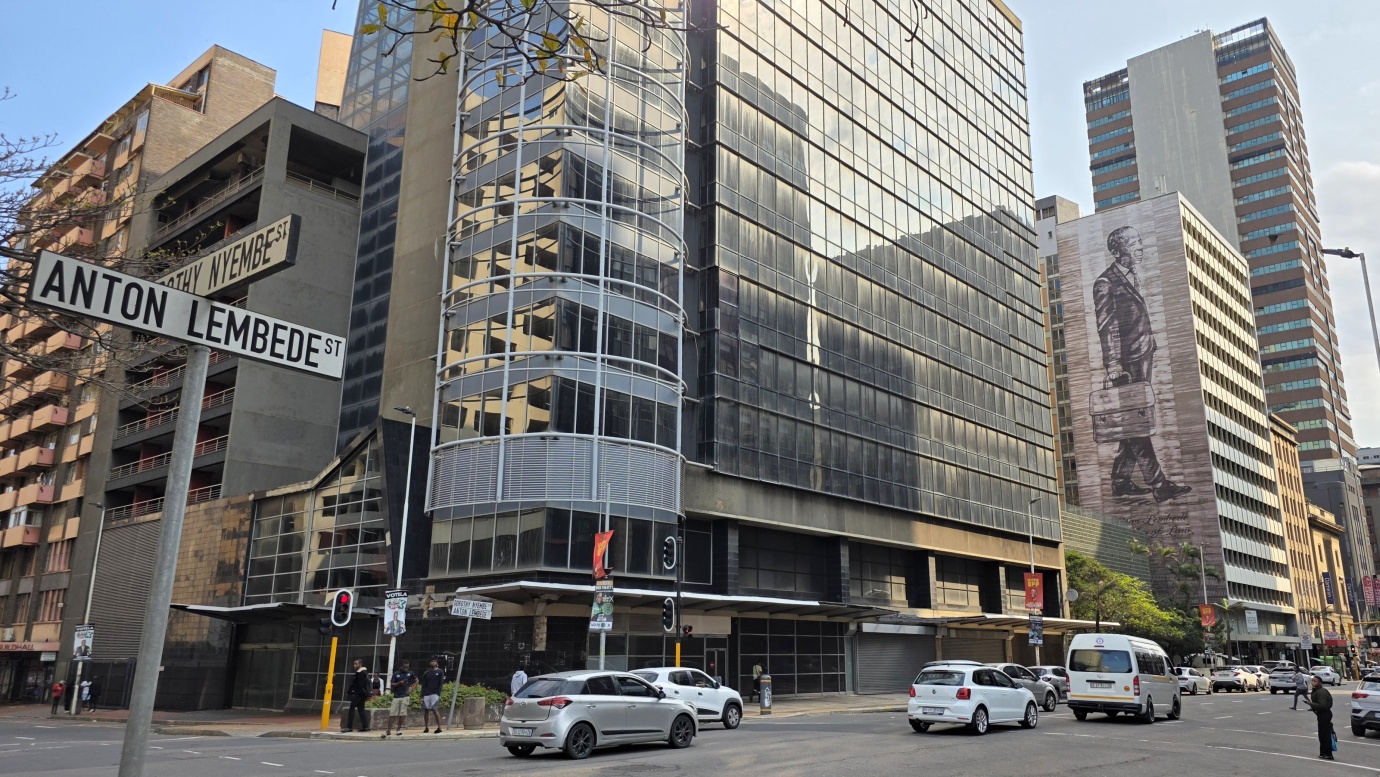
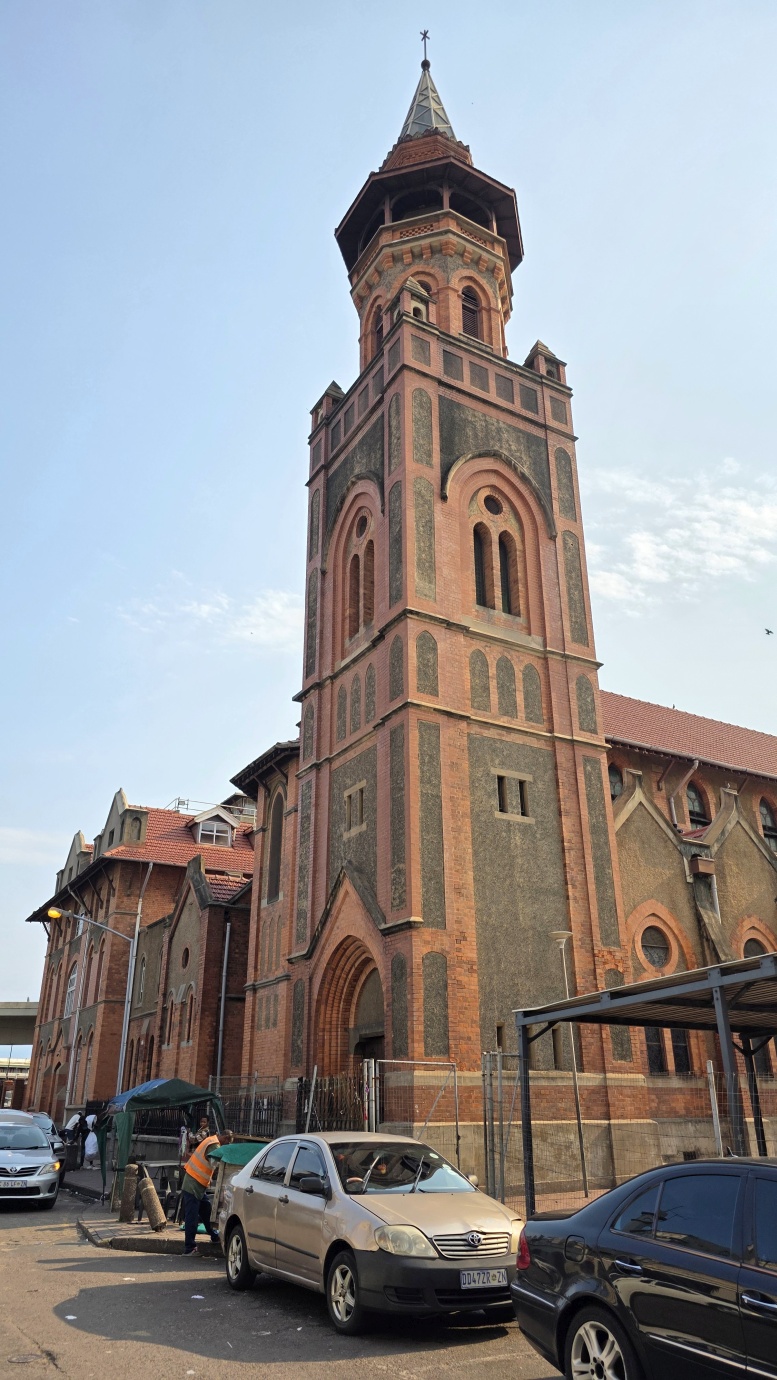
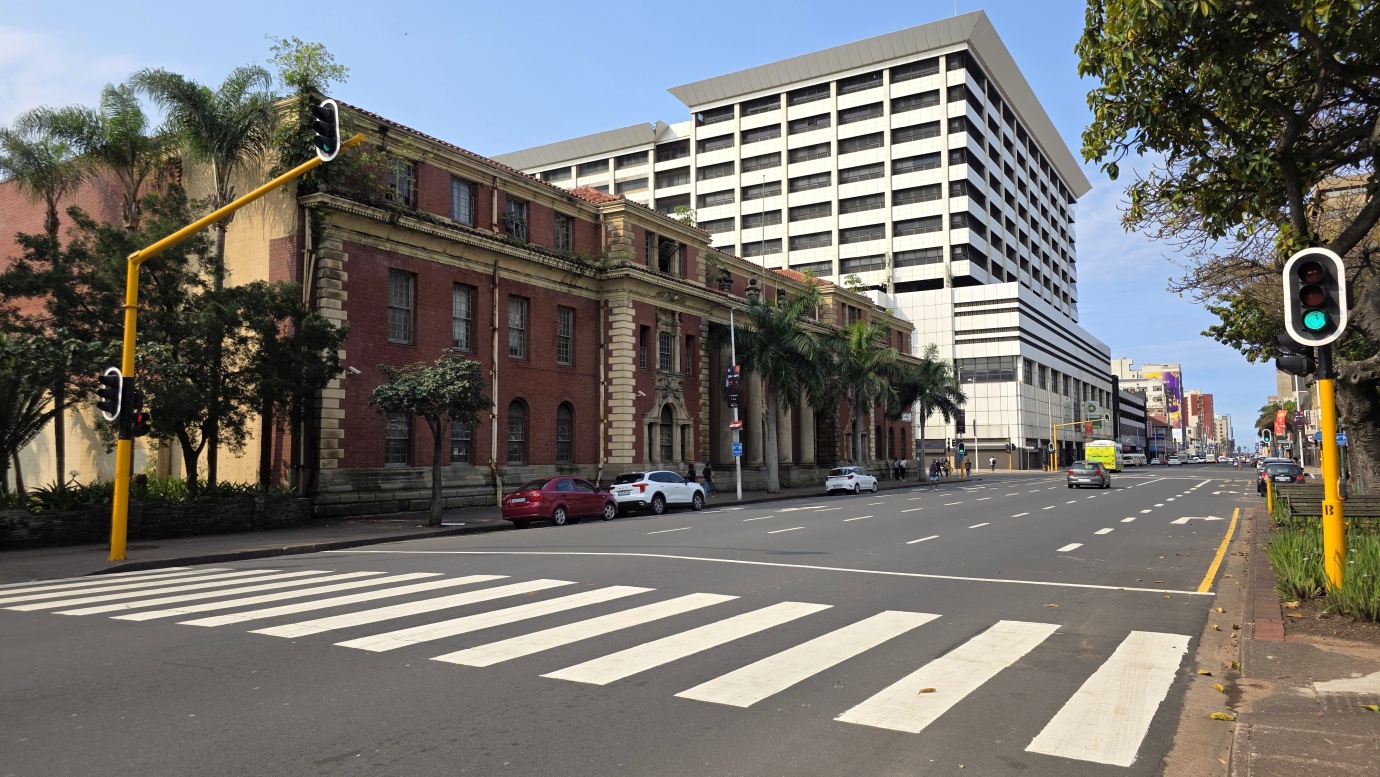
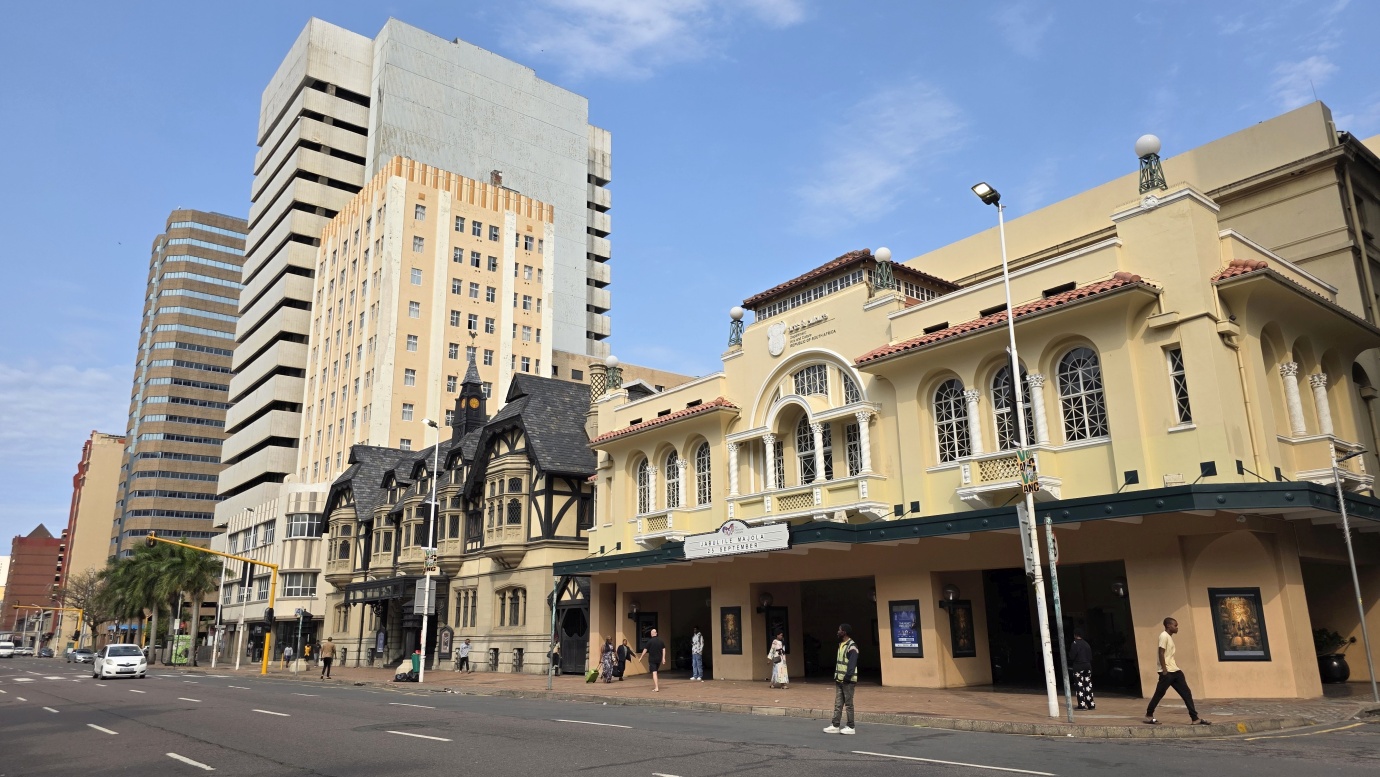
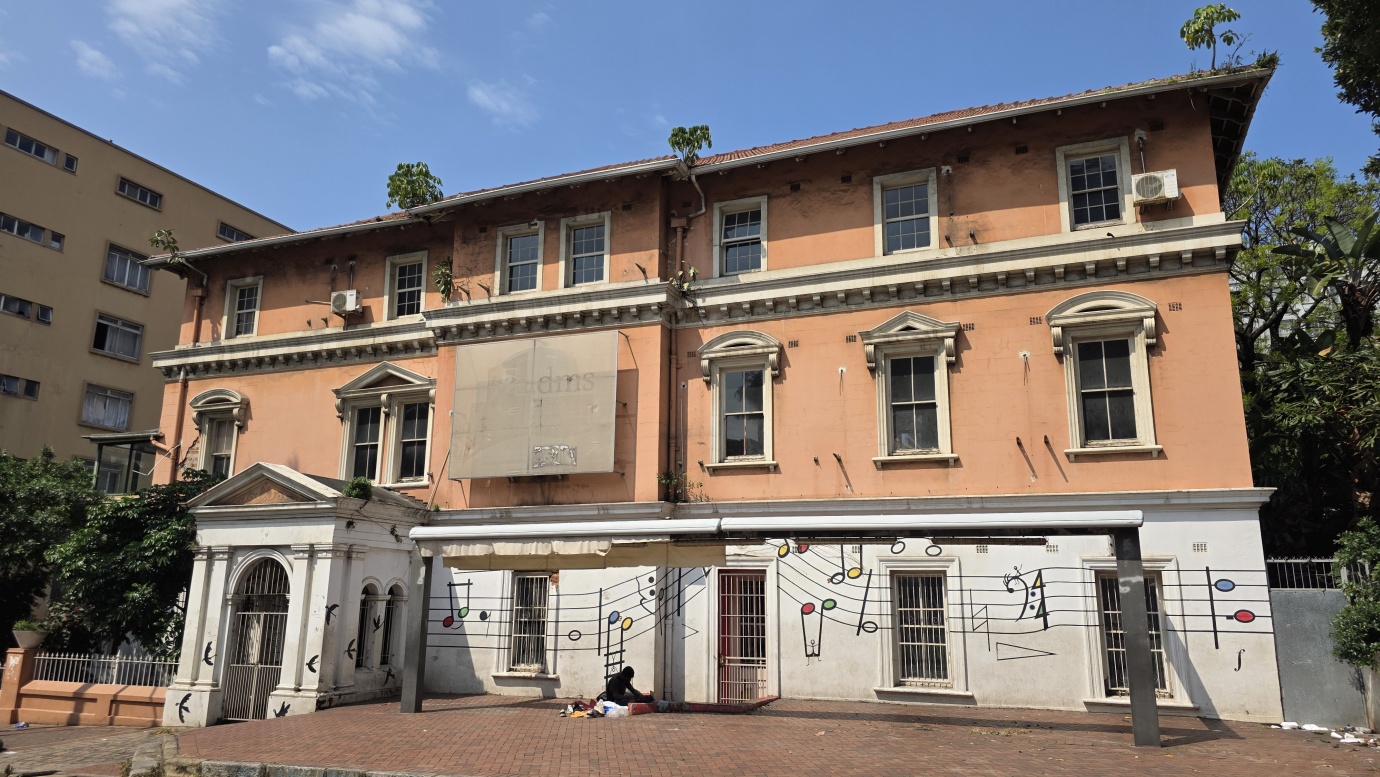
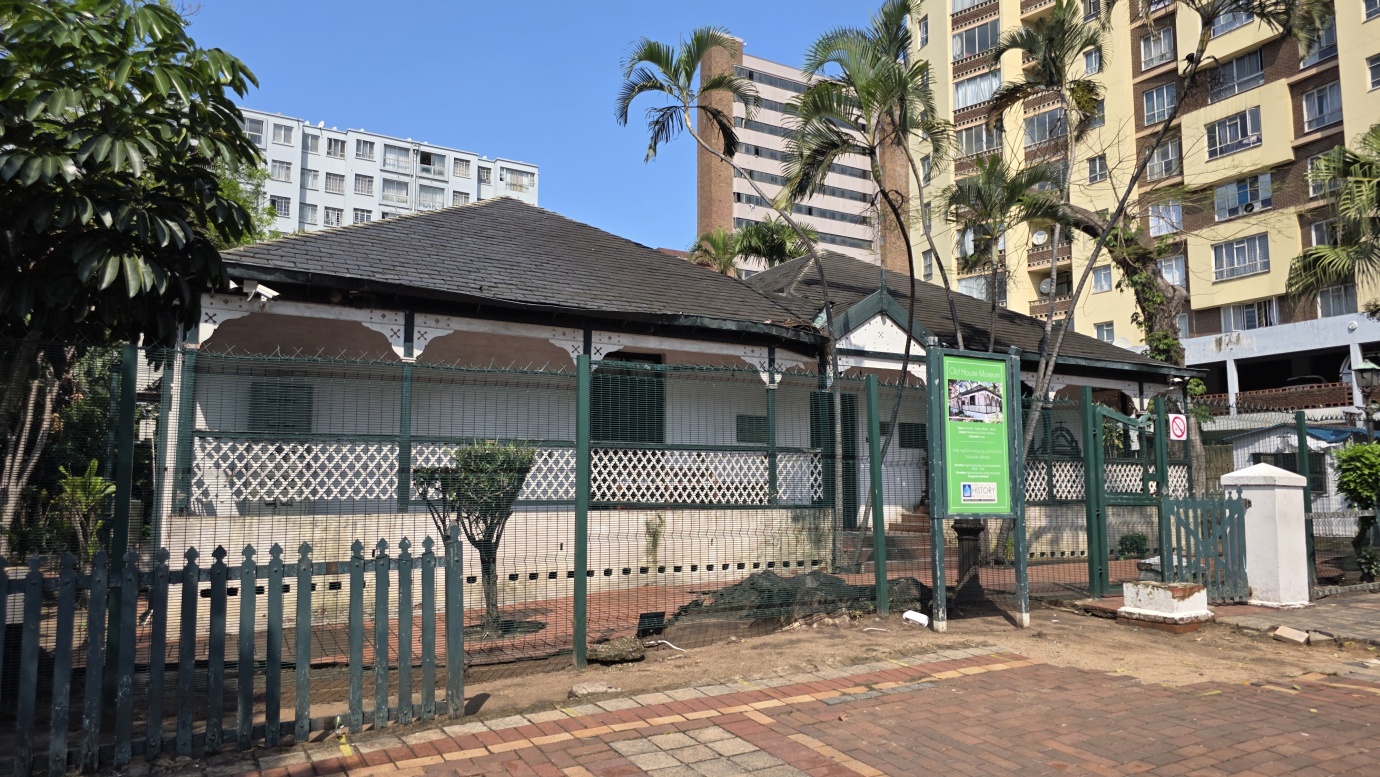
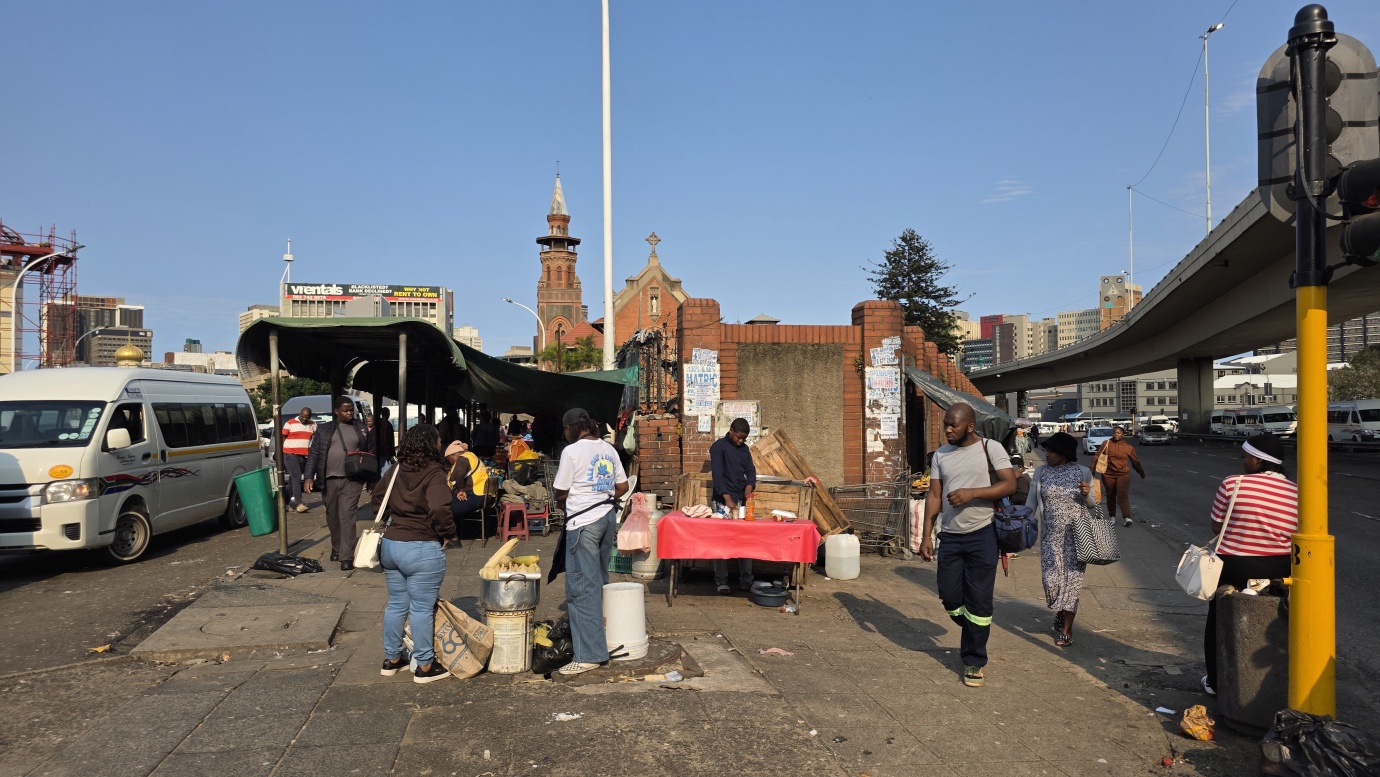
We then set off on our own roughly 8-kilometre walking tour through central Durban, following the route KwaMuhle Museum → Old Station → Playhouse → City Hall → Farewell Square → Old Court House → Juma Masjid → Emmanuel Cathedral → Victoria Street Market. Unfortunately, both KwaMuhle Museum and the Old Court House were closed when we arrived.
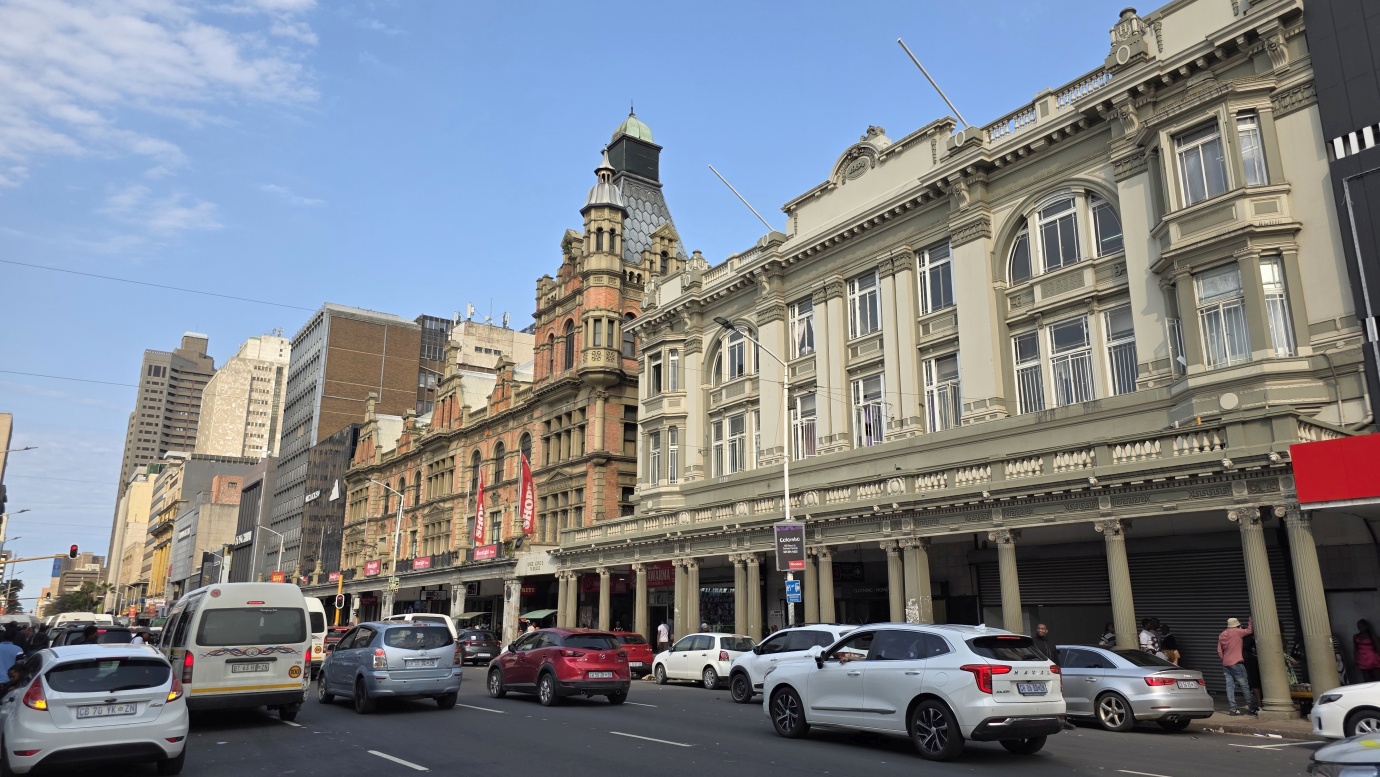
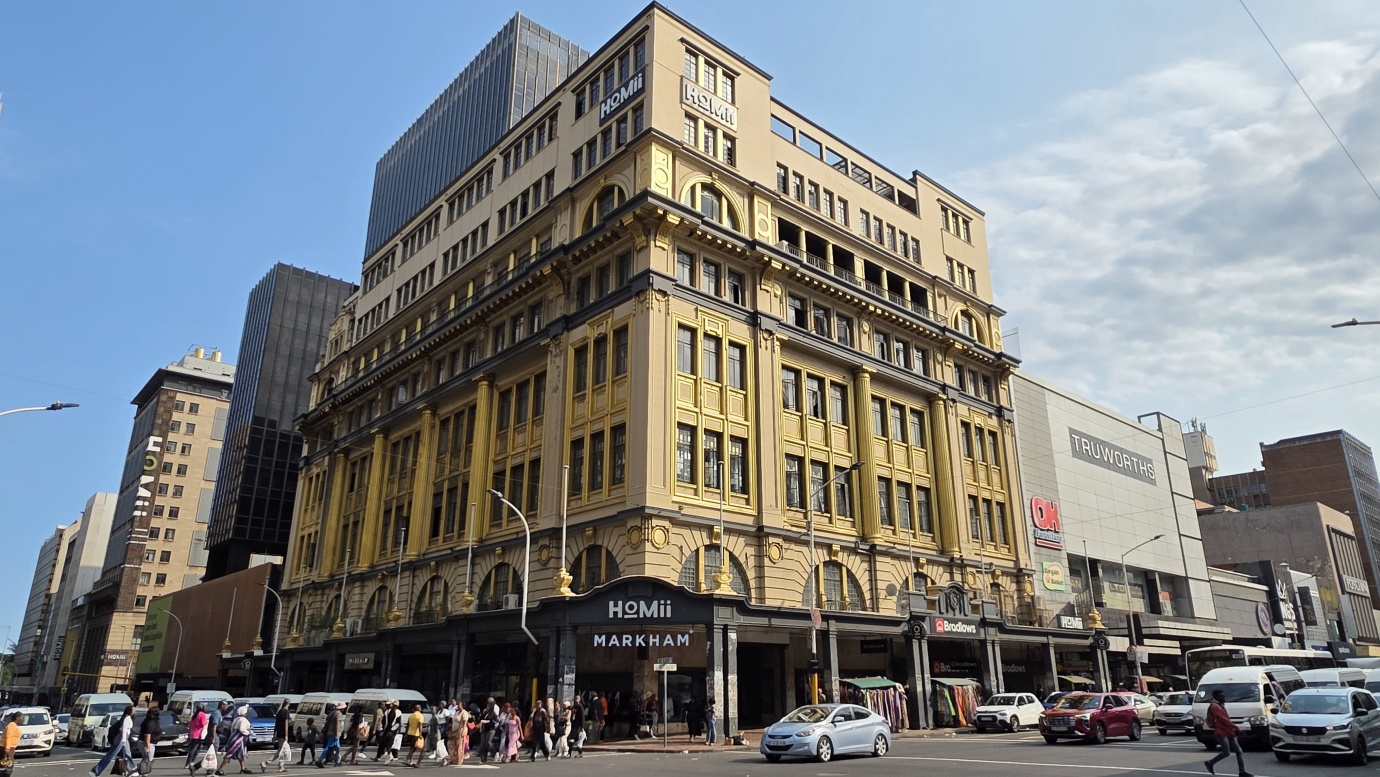
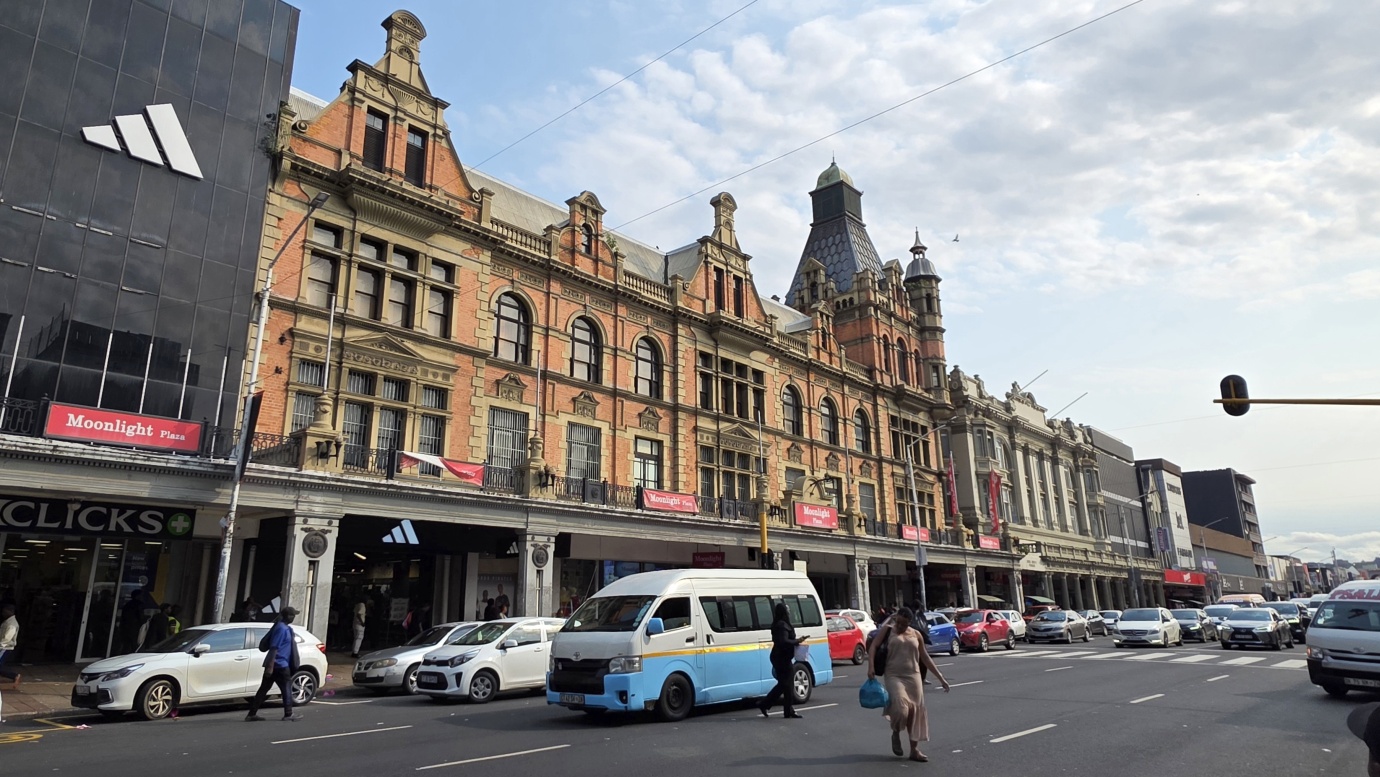
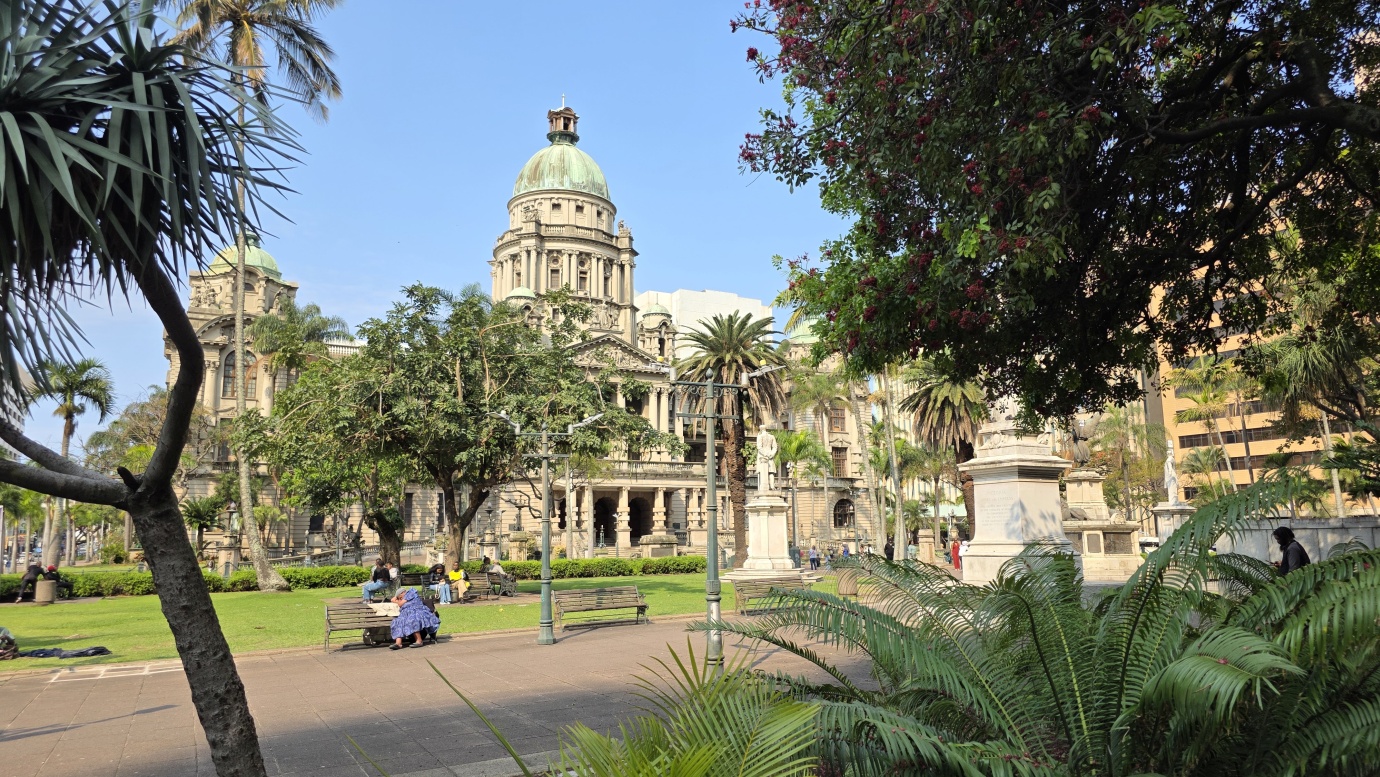
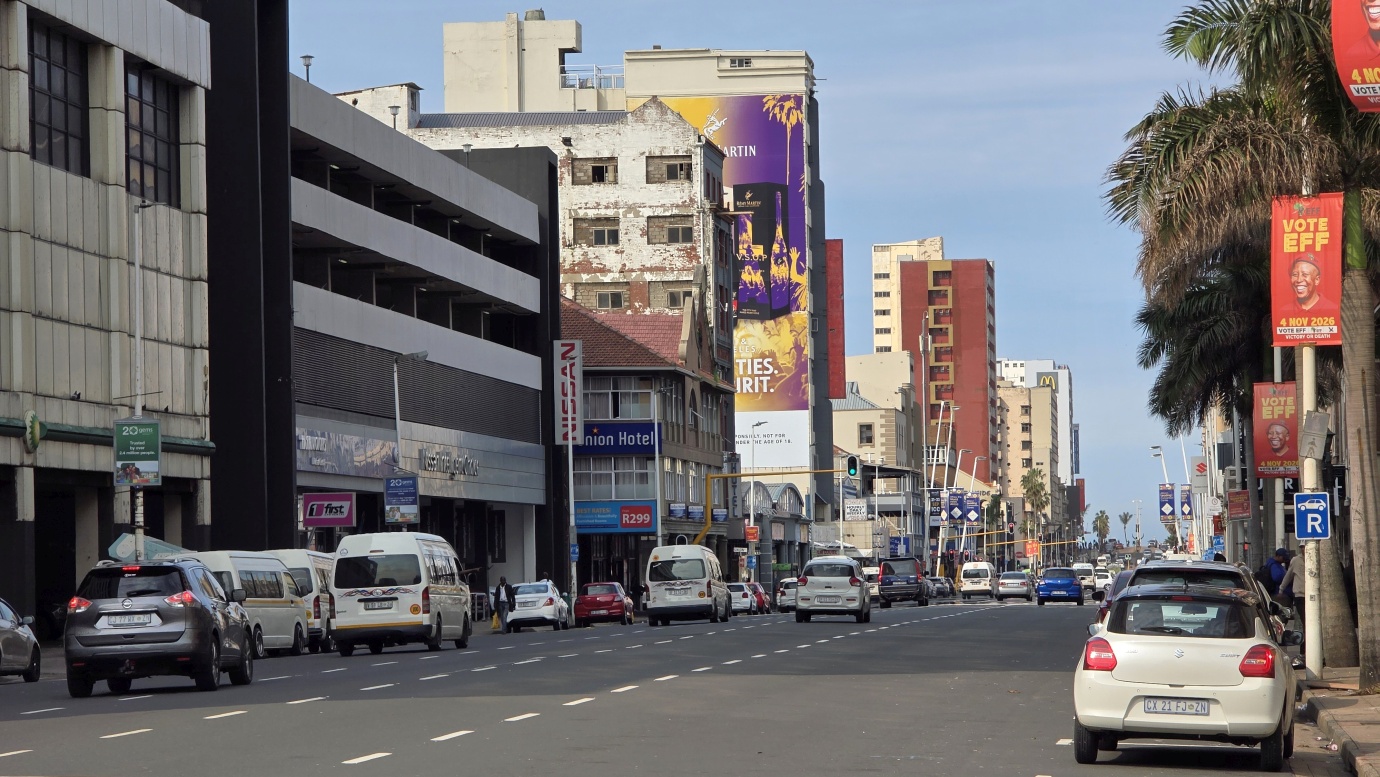
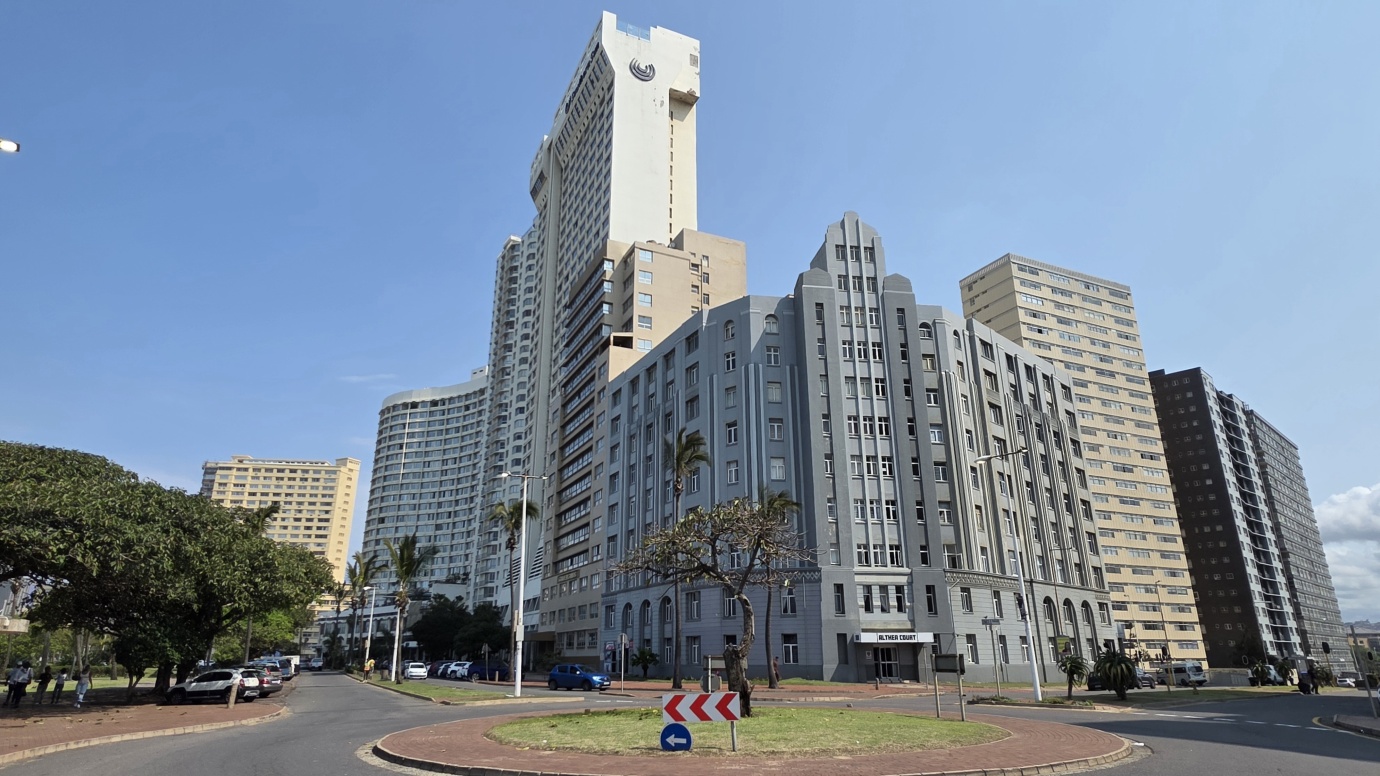
The route took us past some of Durban’s most interesting historic buildings and neighbourhoods. City Hall is an impressive Edwardian neo-Baroque landmark inspired by Belfast City Hall, while Farewell Square marks one of the city’s early colonial areas. The central streets are lined with Art Deco and other early-20th-century buildings that reflect Durban’s economic growth.
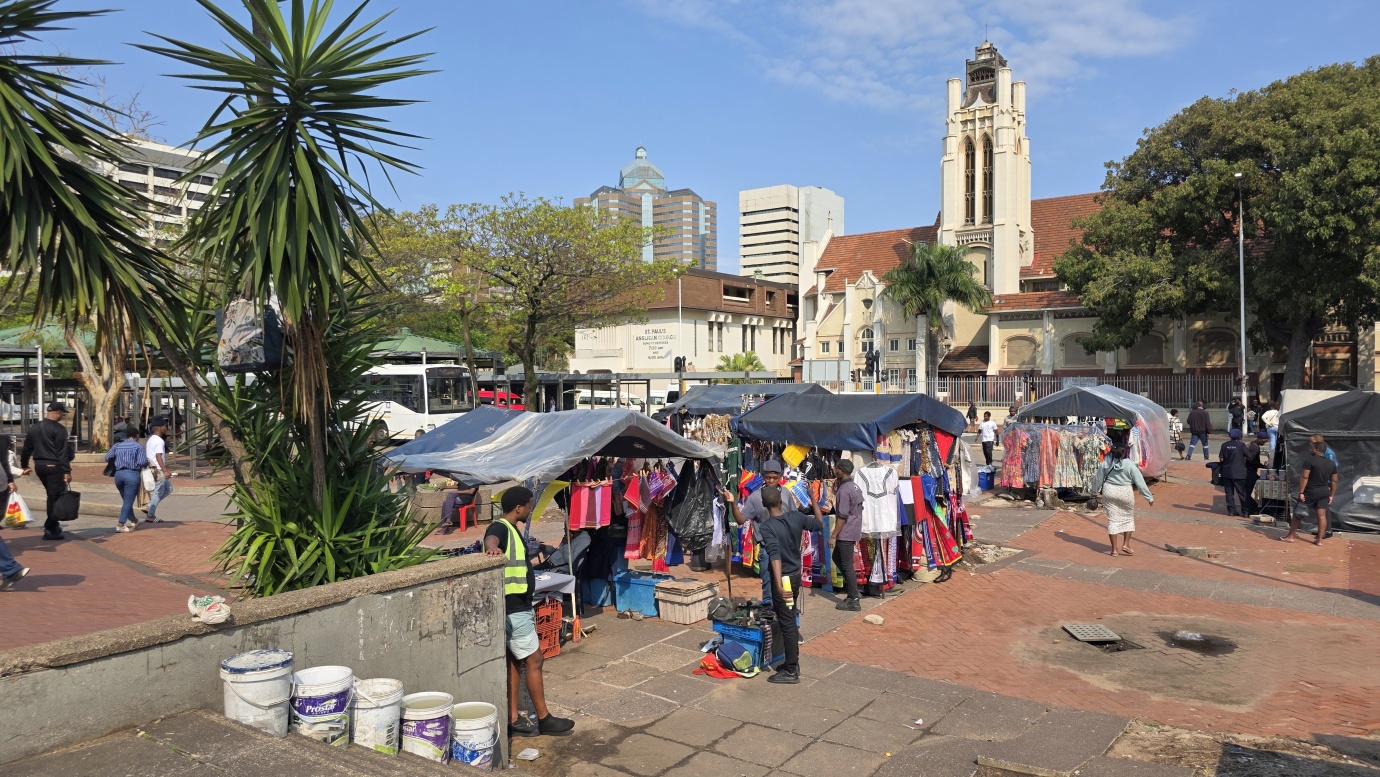
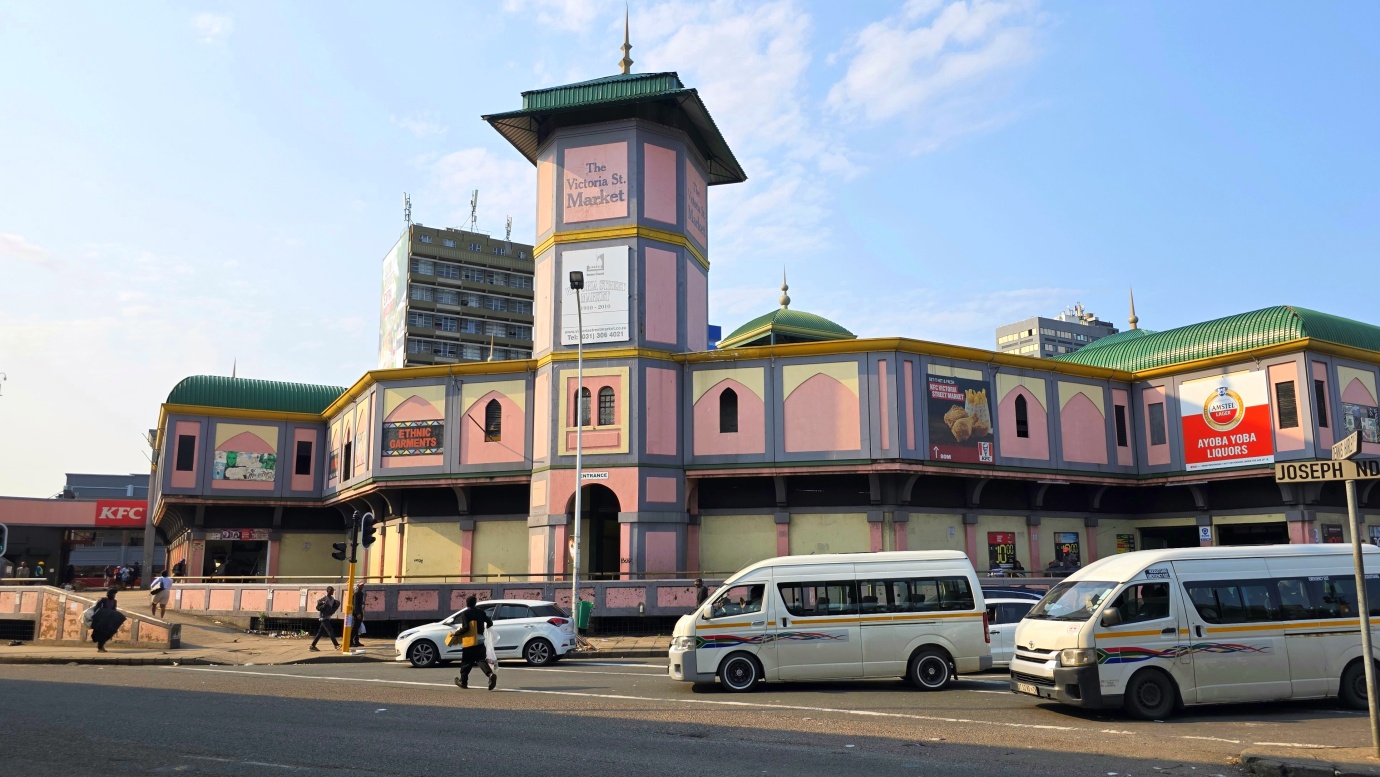
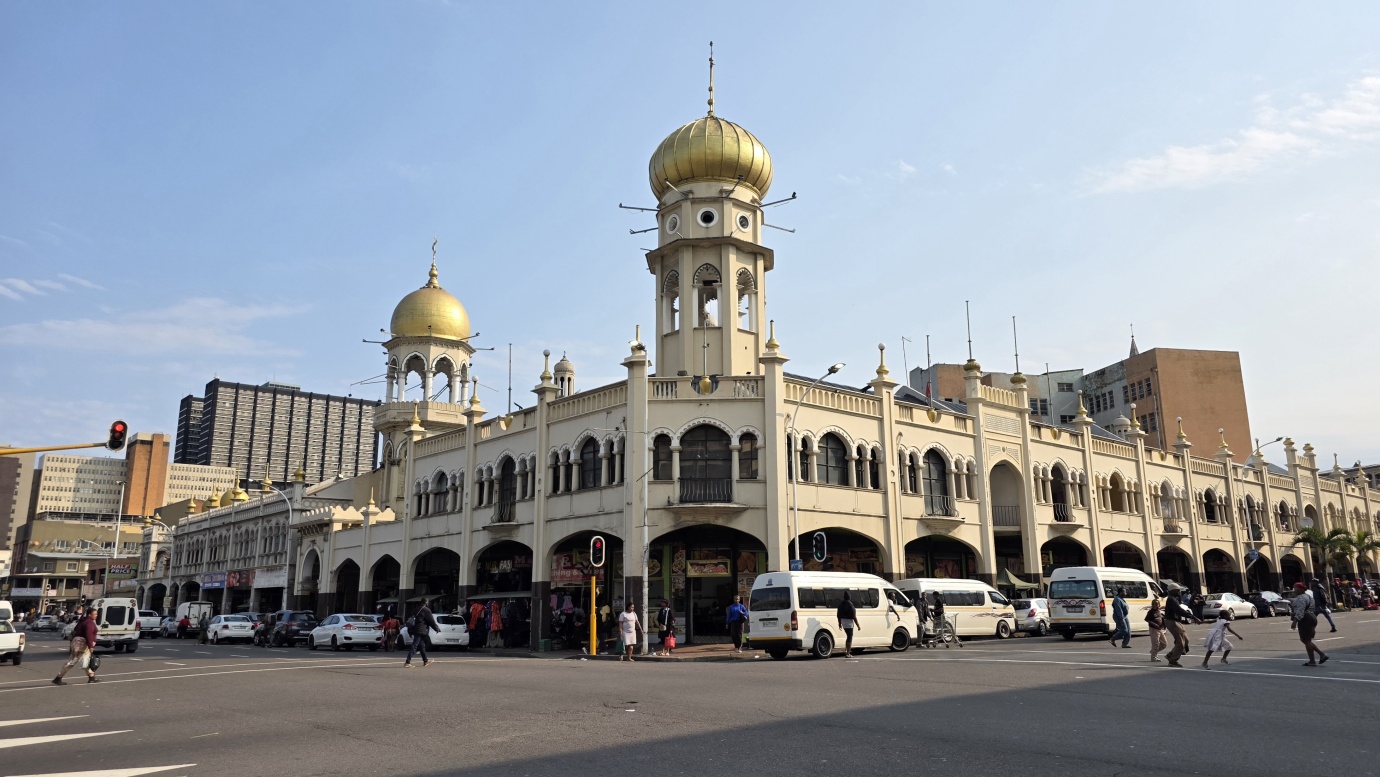
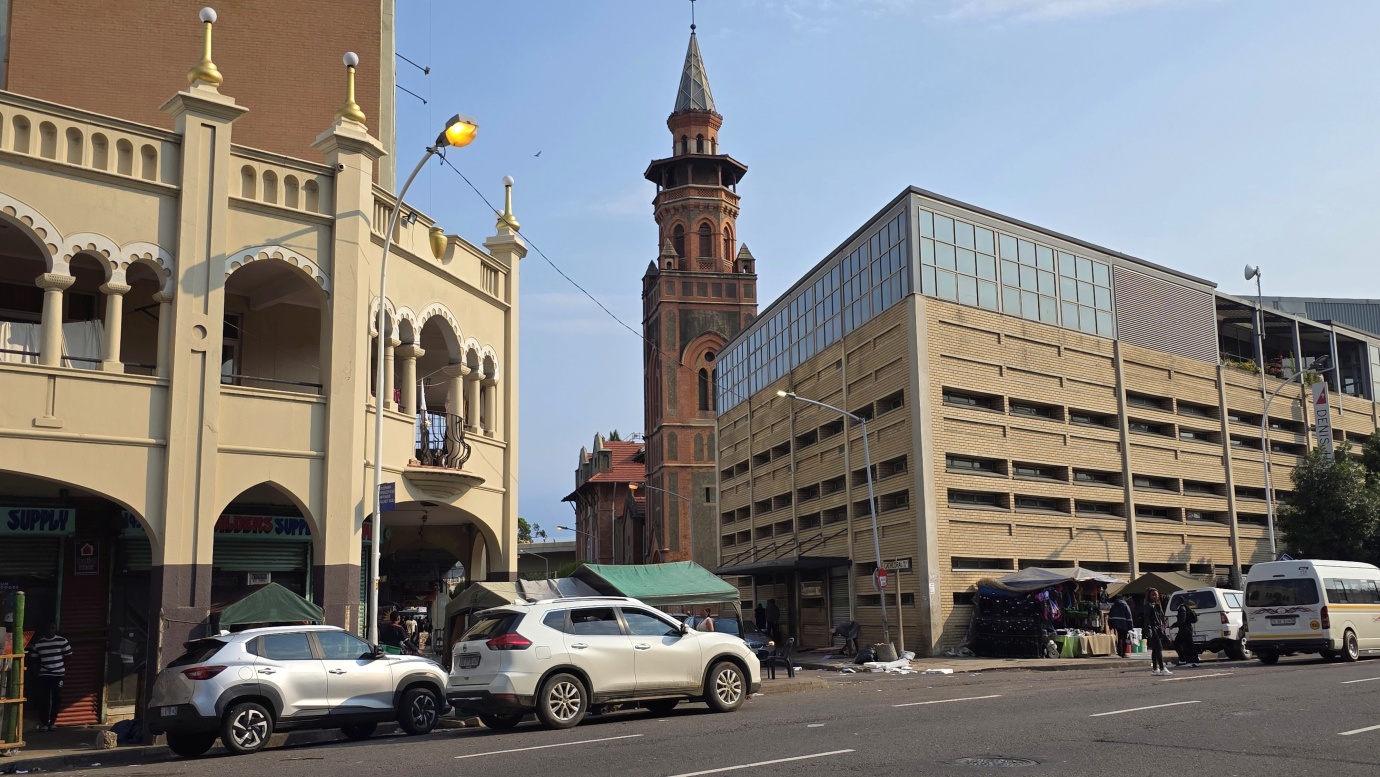
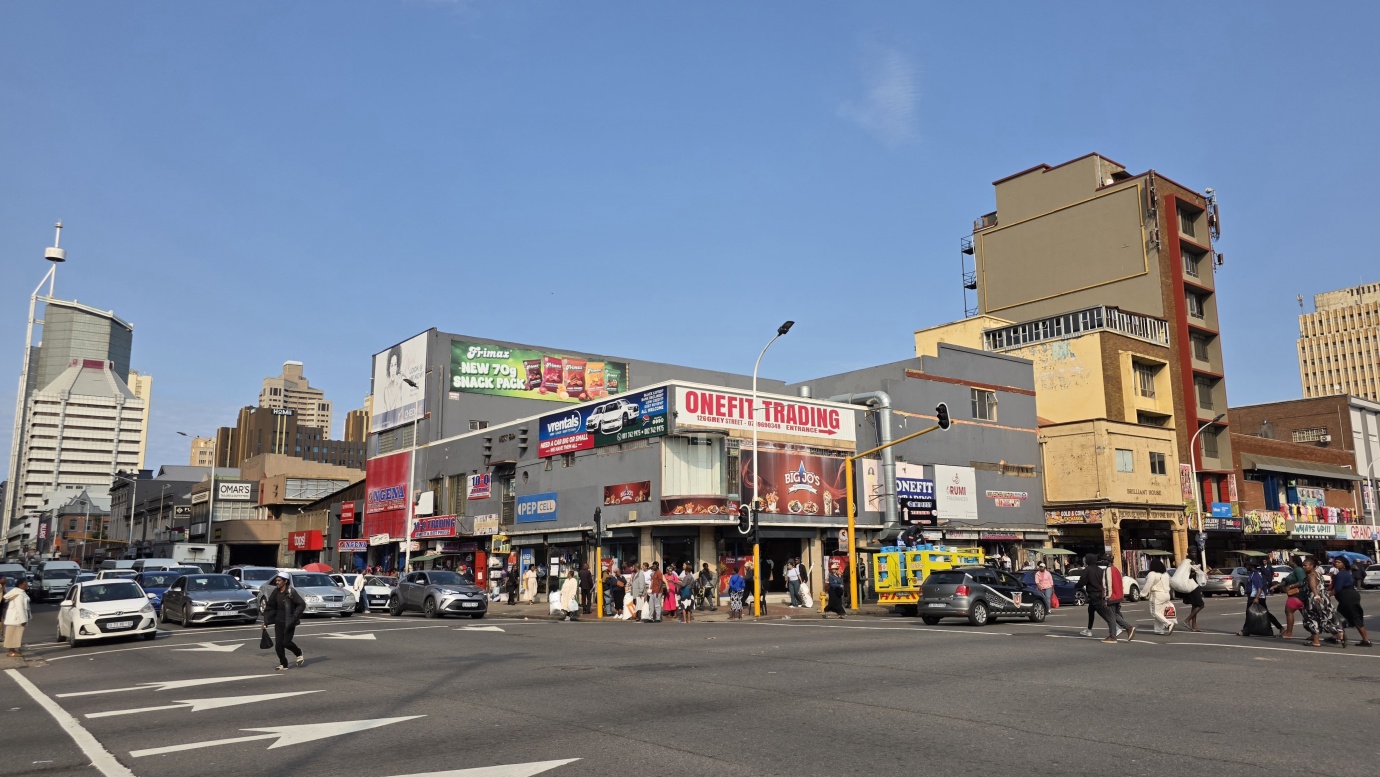
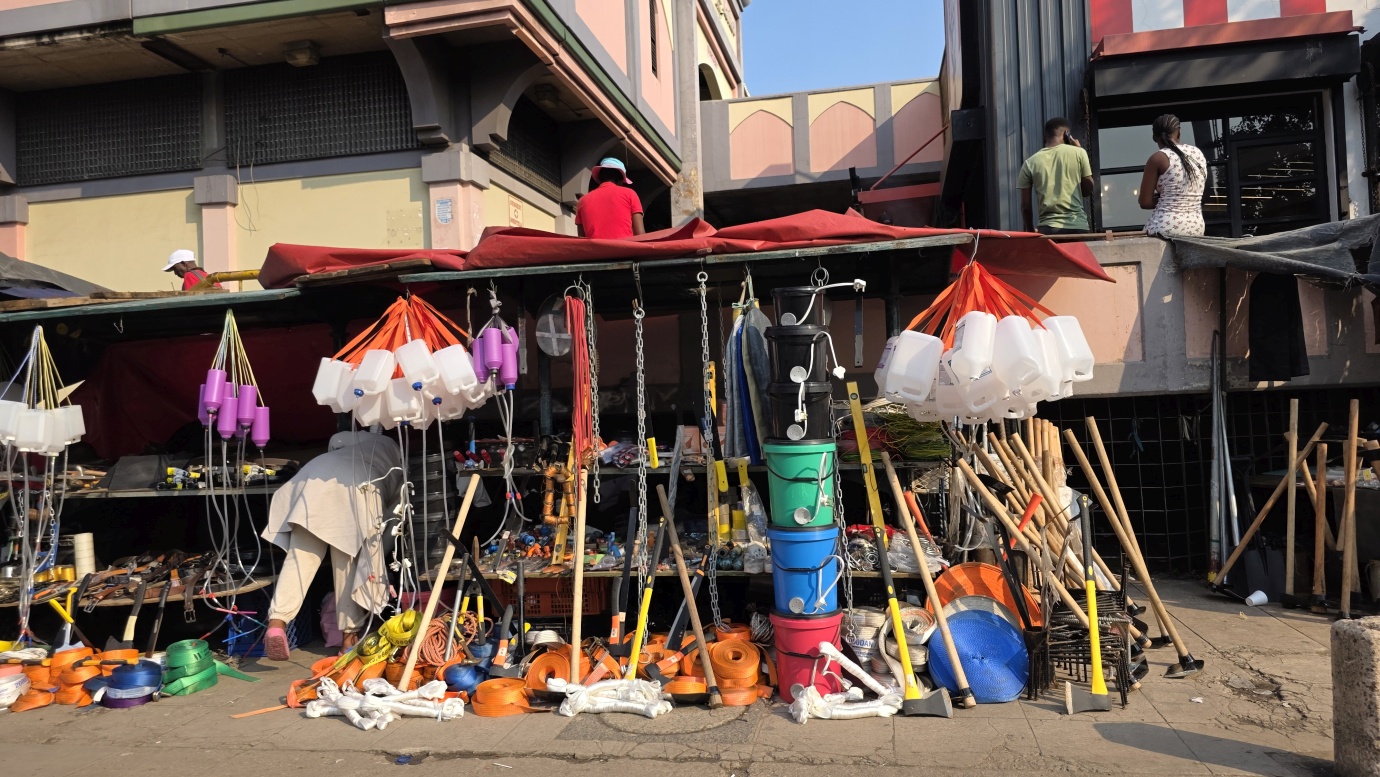
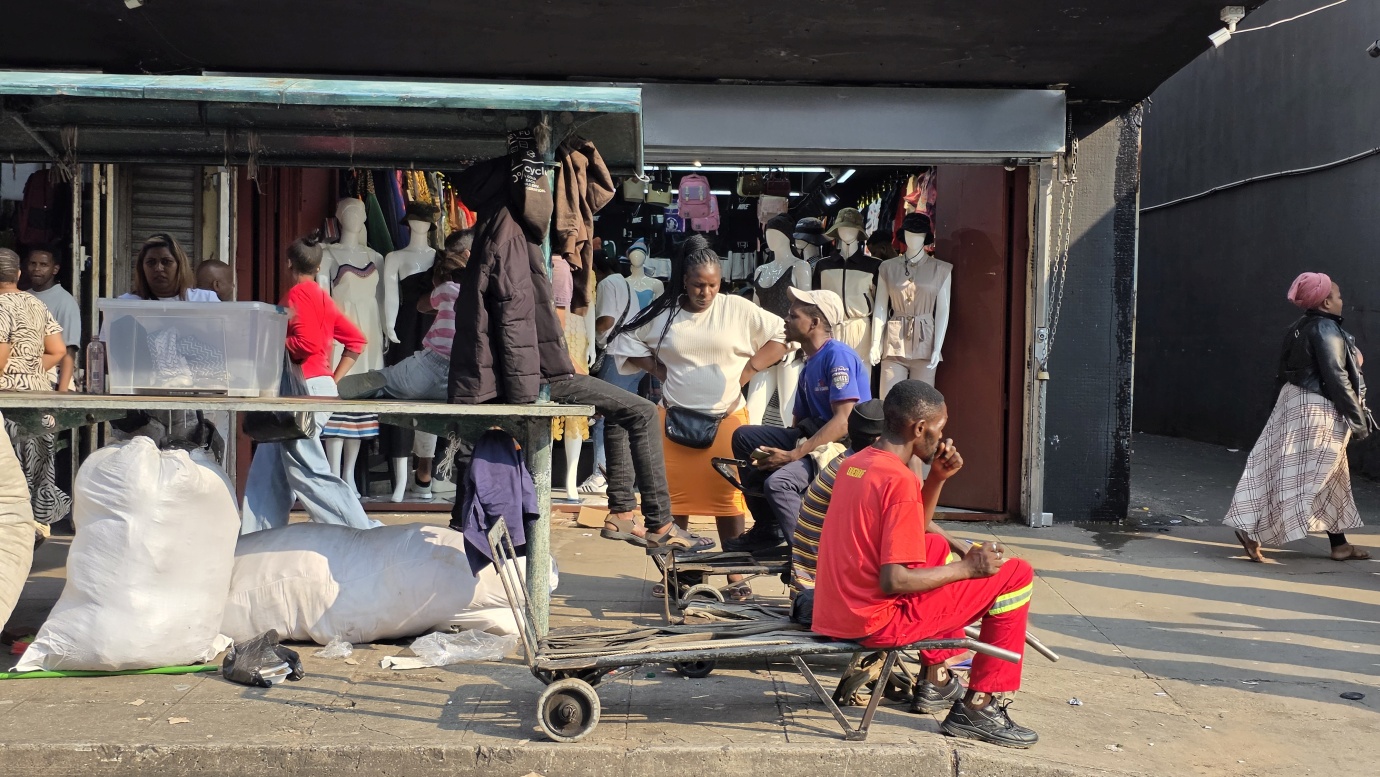
We continued through the historic Grey Street area, the heart of Durban’s Indian community, passing the striking Juma Masjid Mosque and eventually reaching Victoria Street Market. The market is a colourful mixture of African and Indian influences, packed with spices, food, crafts and traditional products — and probably one of the best places in the city to experience Durban’s multicultural character.
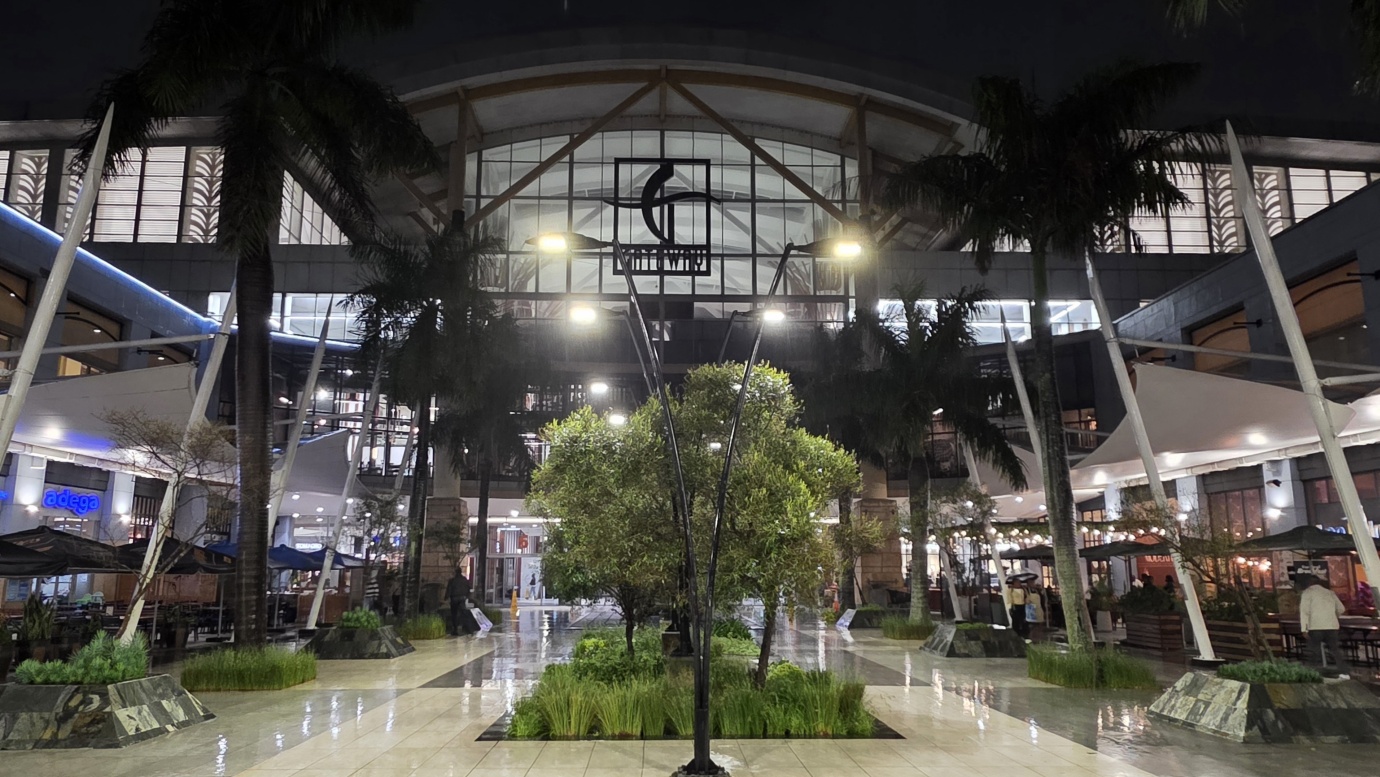
The final stop of our long day was the Gateway Theatre of Shopping, where we finally slowed down and grabbed something to eat. With more than 430 stores and around 70 eateries, it is one of the largest shopping centres in the Southern Hemisphere — a fittingly modern end to a day spent exploring Durban’s much older history.
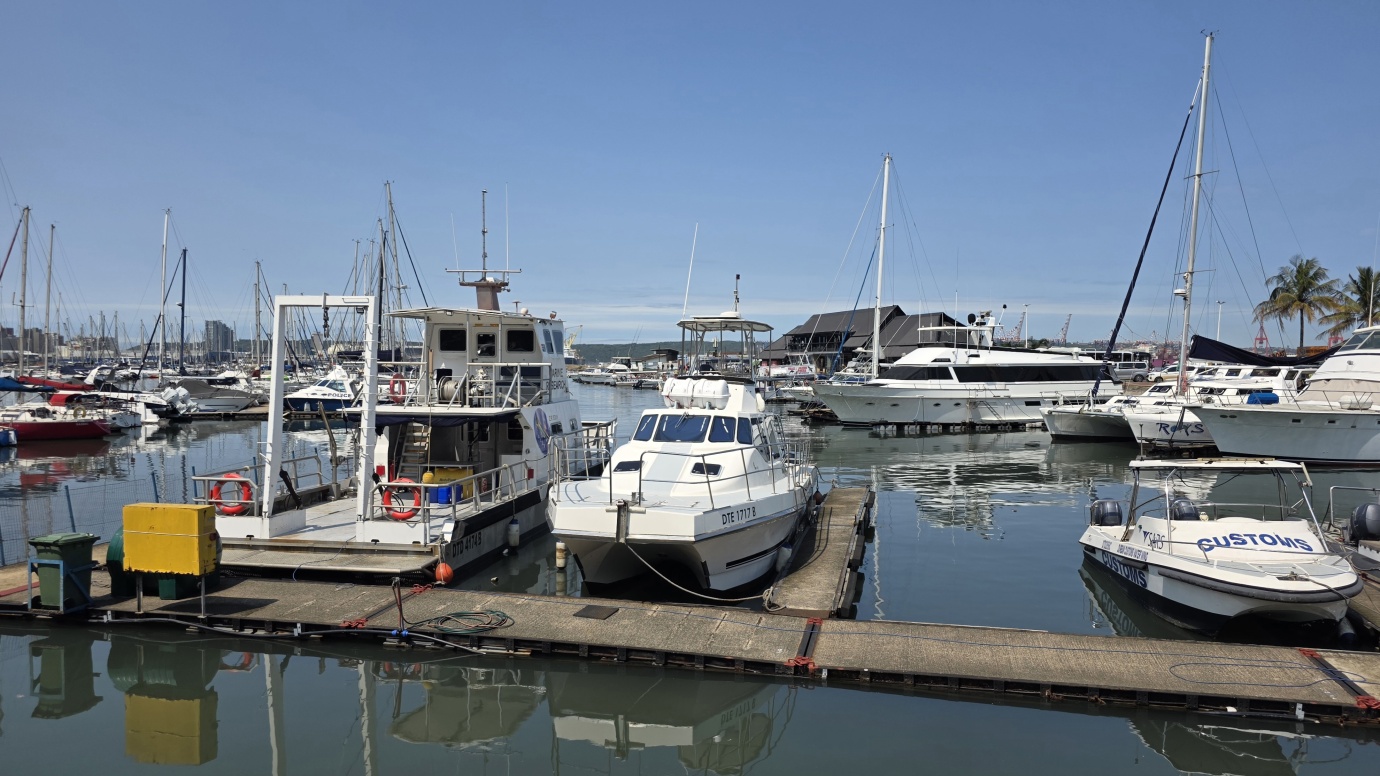
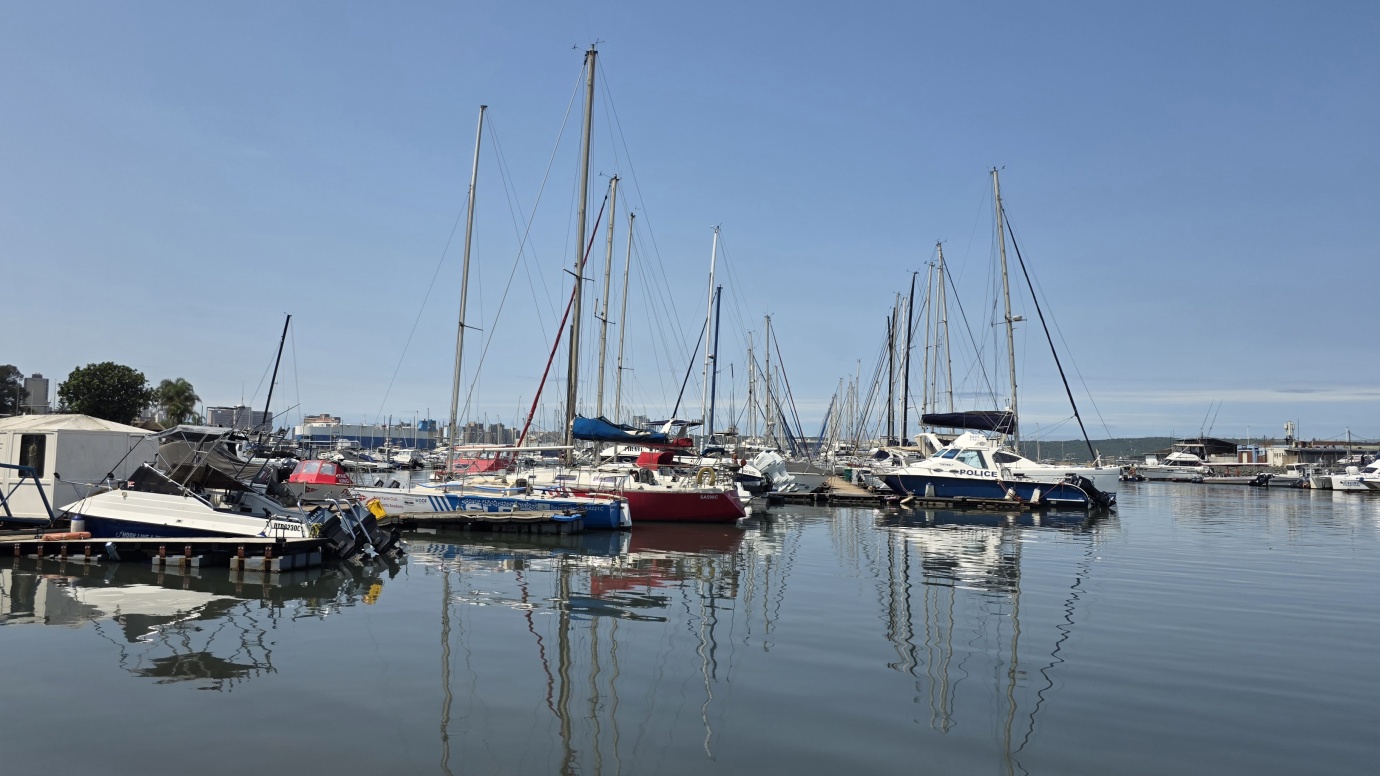
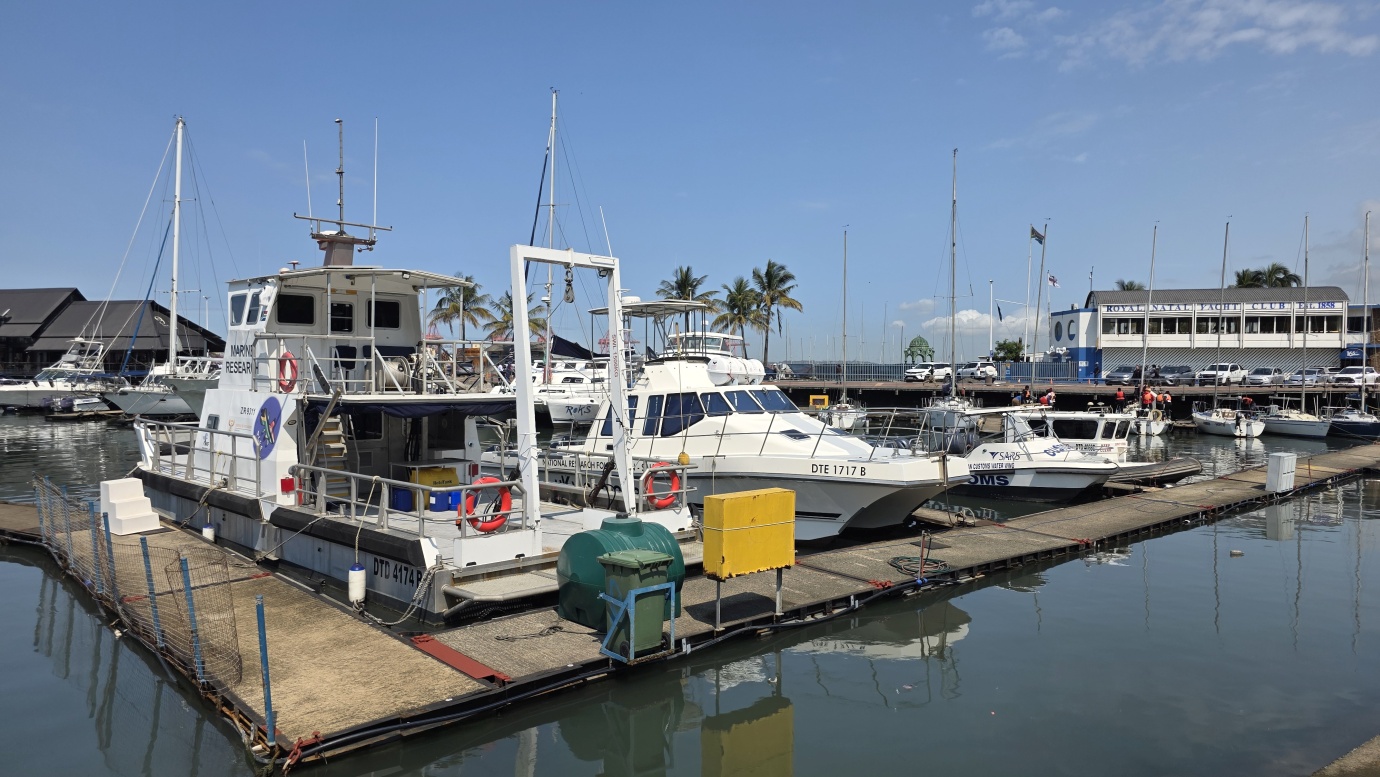
Parking location – Durban: 29.9295925S 31.0047792E (🚻,🚿,🏊,💦,🔌,🅿️110 ZAR/pax)