

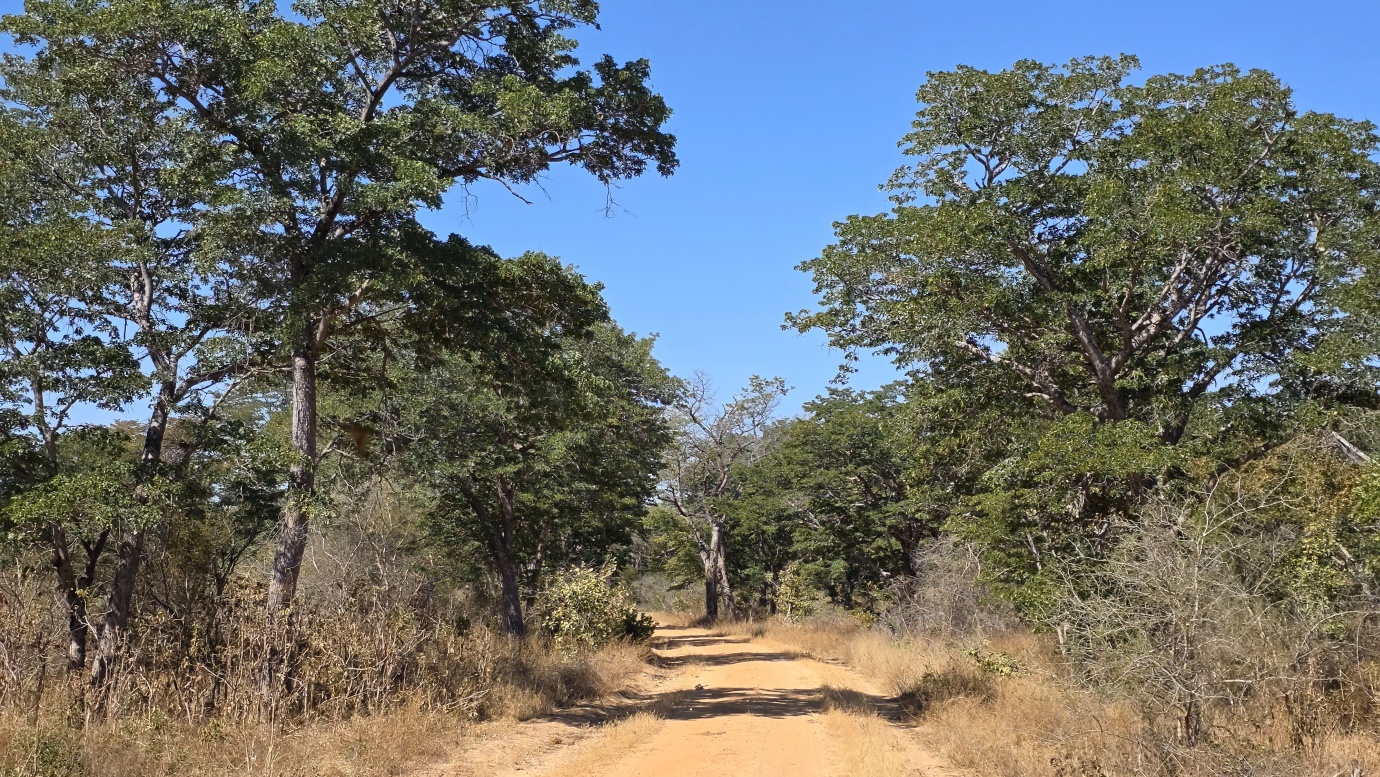
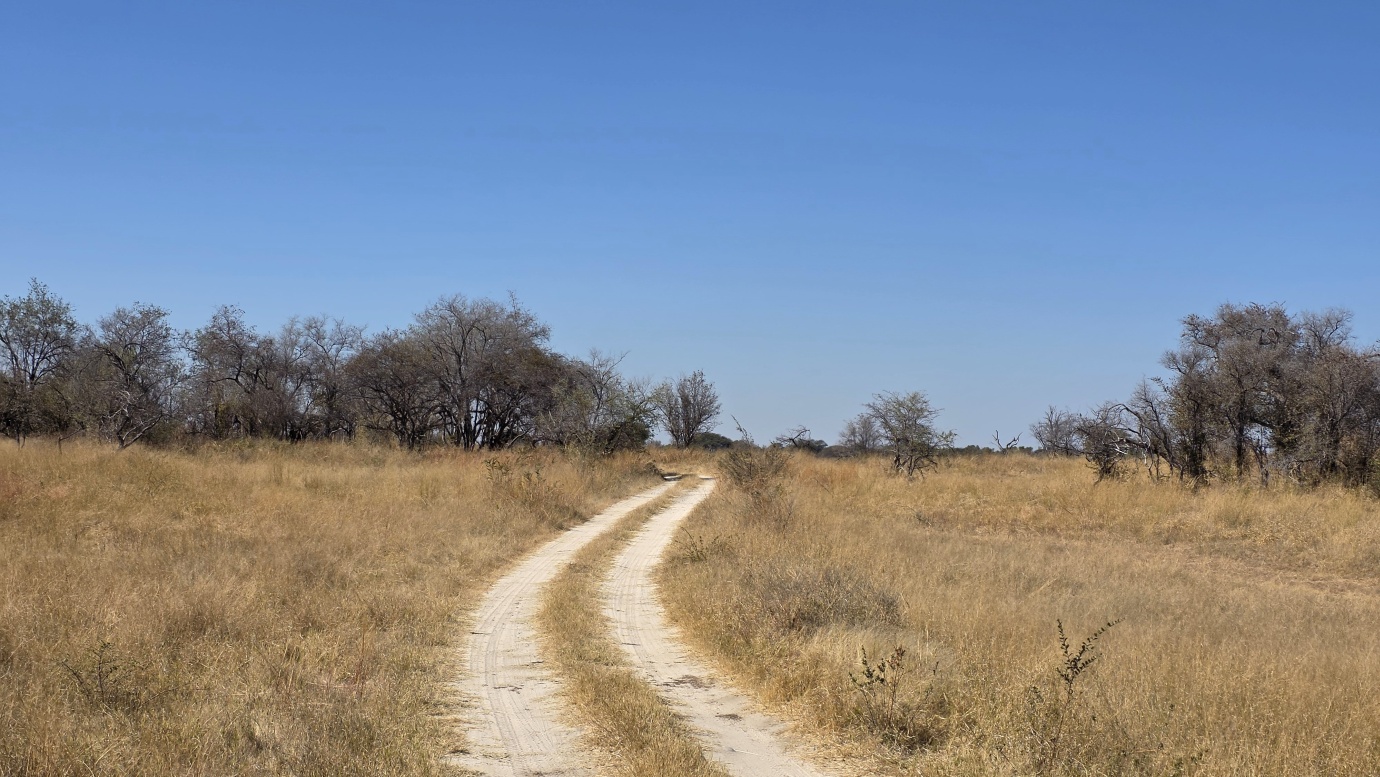
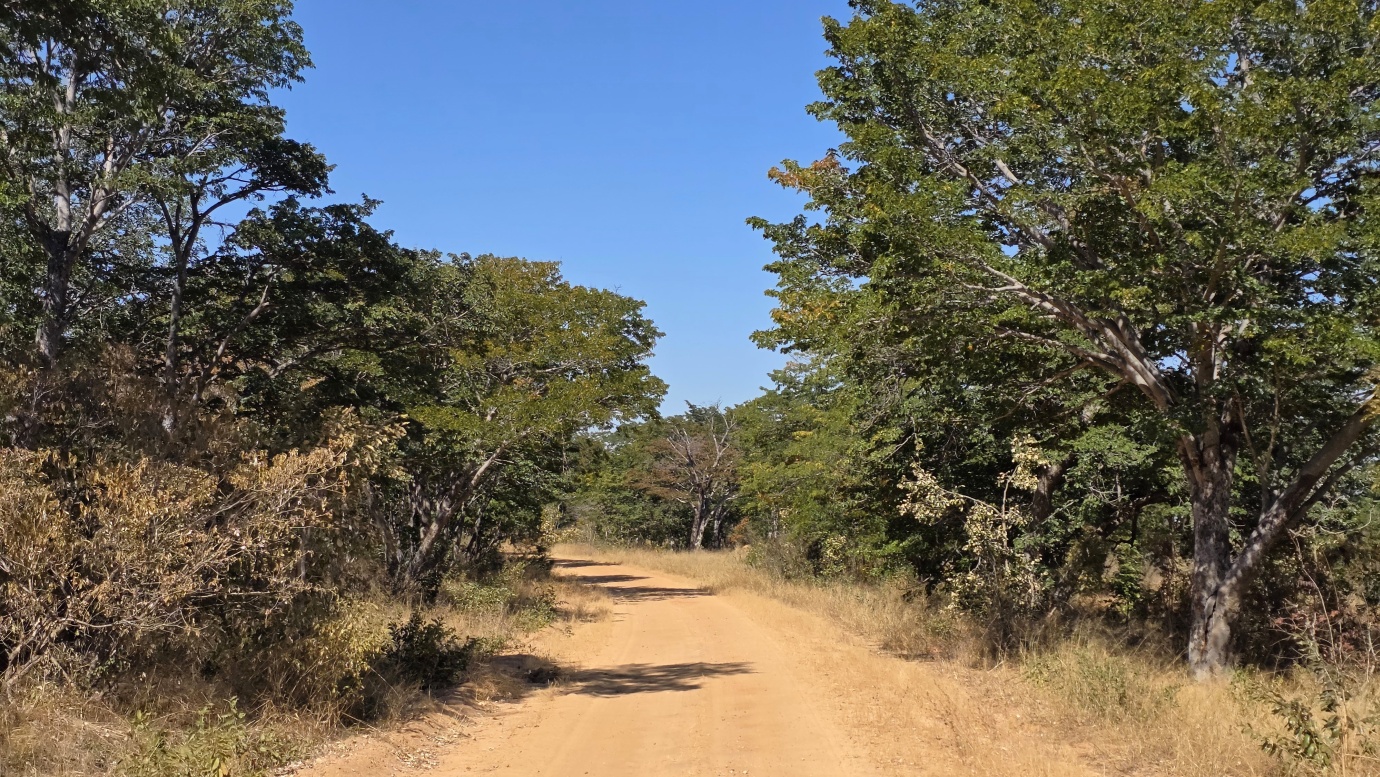
Hwange National Park is Zimbabwe’s largest protected area, covering more than 14,650 square kilometres along the Botswana border in northwestern Zimbabwe, between Bulawayo and Victoria Falls. Once a royal hunting ground, it was proclaimed a national park in 1930 and is renowned for its vast elephant population and an extensive network of artificial waterholes that sustain wildlife throughout the dry season. Around two-thirds of the park lies on deep Kalahari sands, while ancient fossil riverbeds, mopane woodlands, and basalt rock formations characterise the northern section.
The San Bushmen originally inhabited the area before they were displaced by King Mzilikazi and the Ndebele Kingdom, who reserved it as a private royal hunting ground. In 1928, it was designated as Wankie Game Reserve, and its first warden, the 22-year-old Ted Davison, played a key role in transforming it into a protected wildlife sanctuary. The reserve officially became Hwange National Park in 1930 and today forms an important part of the Kavango–Zambezi Transfrontier Conservation Area (KAZA TFCA).
Hwange (🎟️24 USD) is celebrated for its exceptional biodiversity, with more than 100 mammal species and over 400 bird species recorded within its boundaries. The park is particularly famous for its elephant population, often estimated at over 40,000 individuals. It is also home to healthy populations of lions, leopards, cheetahs, and the endangered African wild dog, while providing one of southern Africa’s most important refuges for the rare roan and sable antelopes.
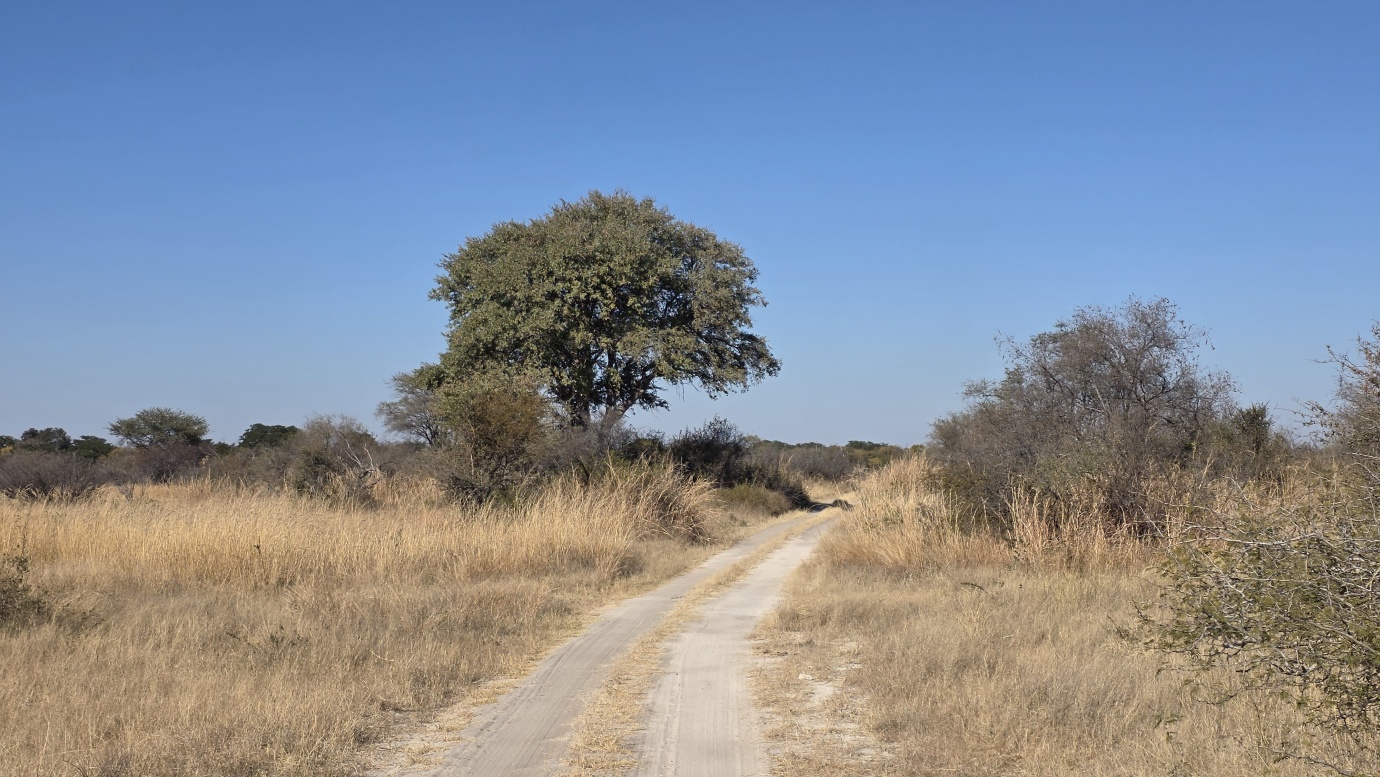
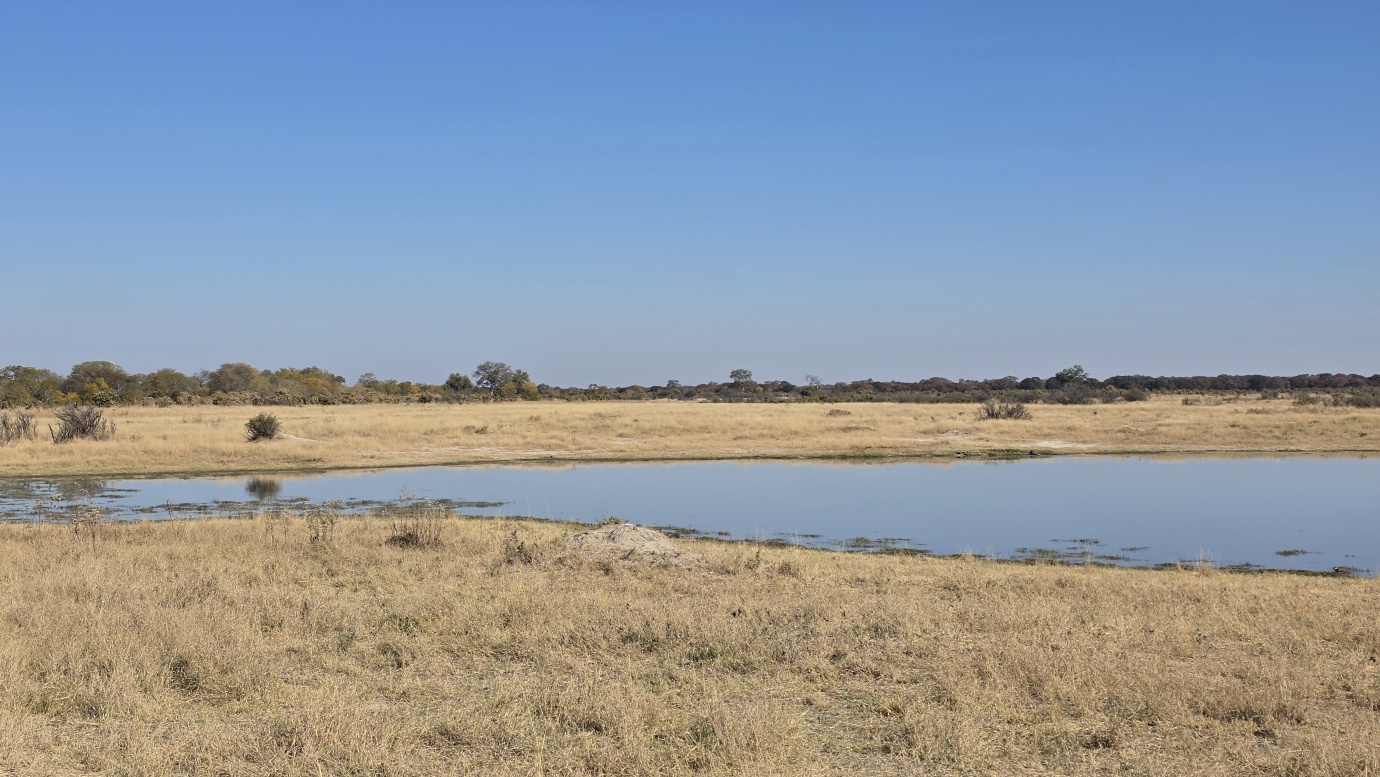
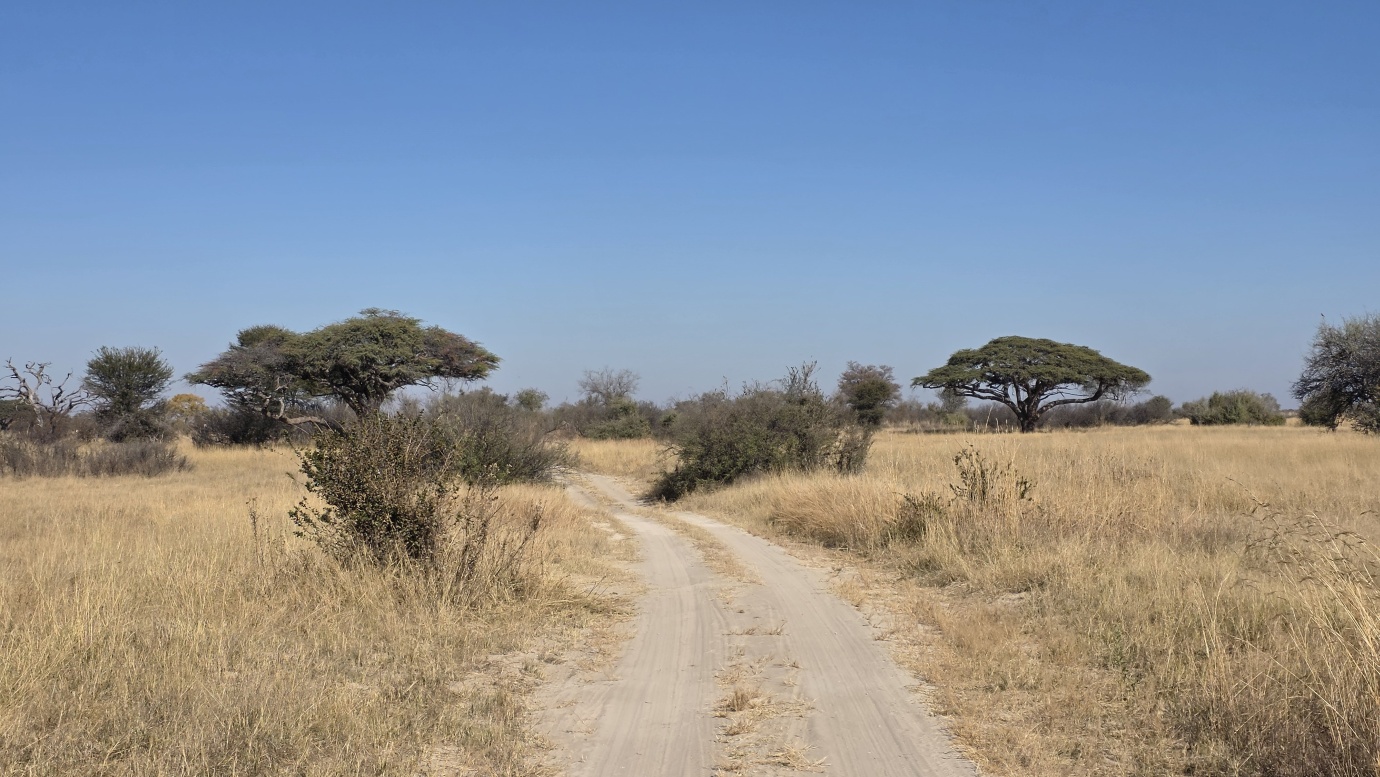
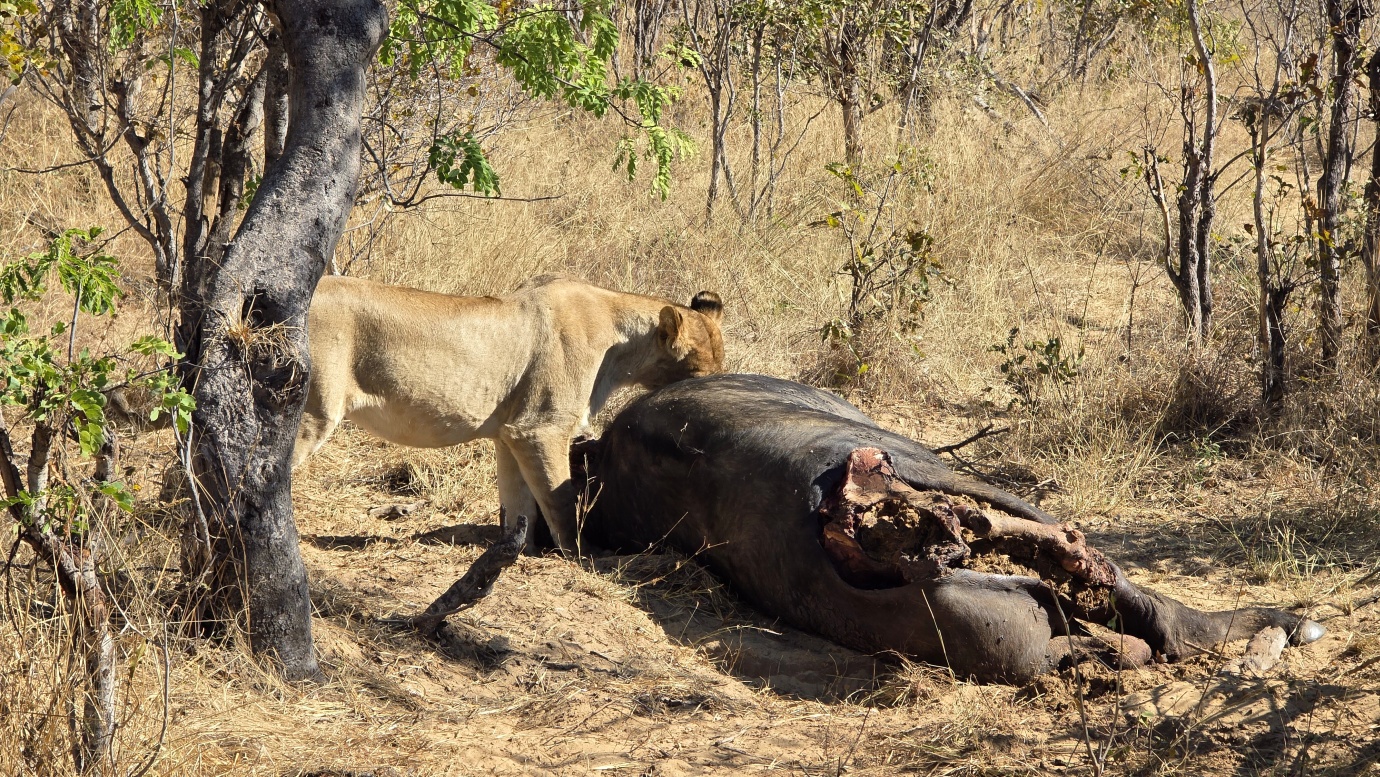
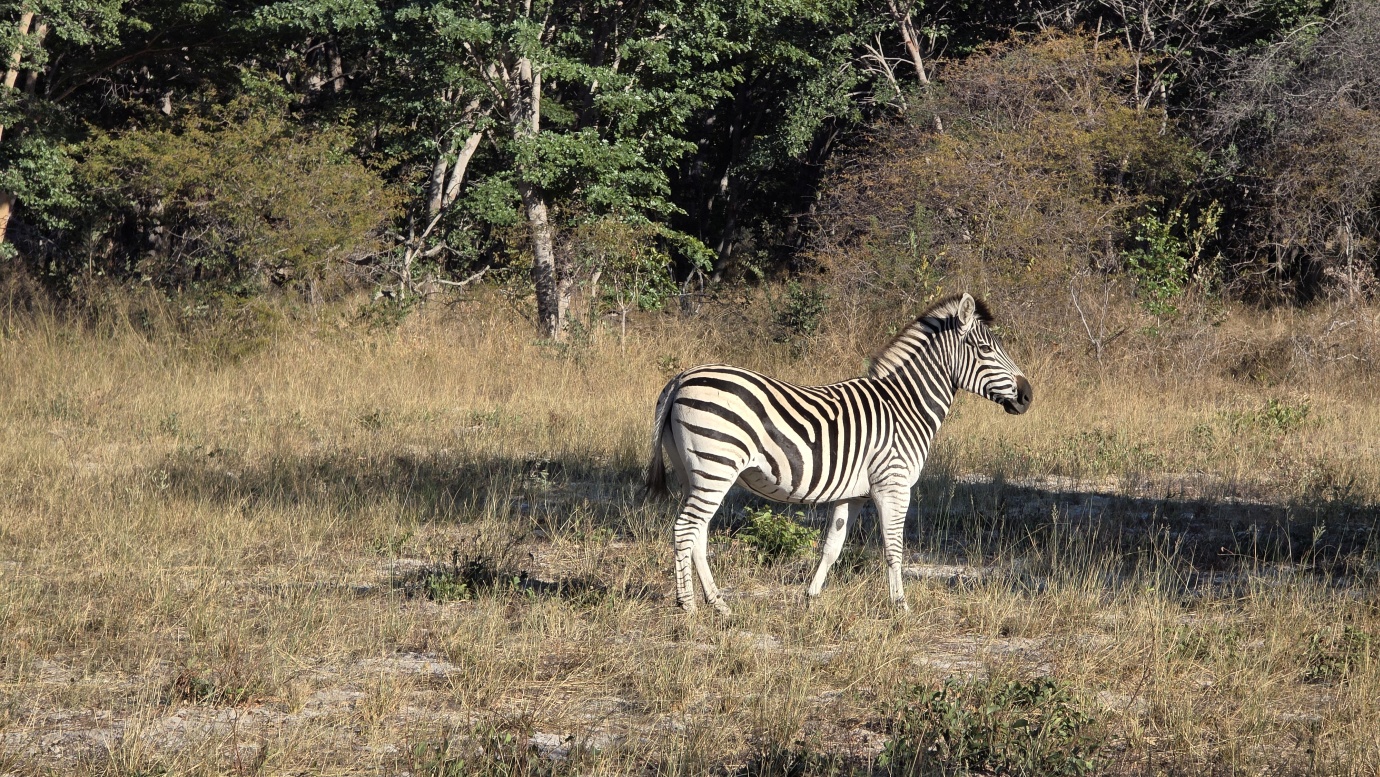
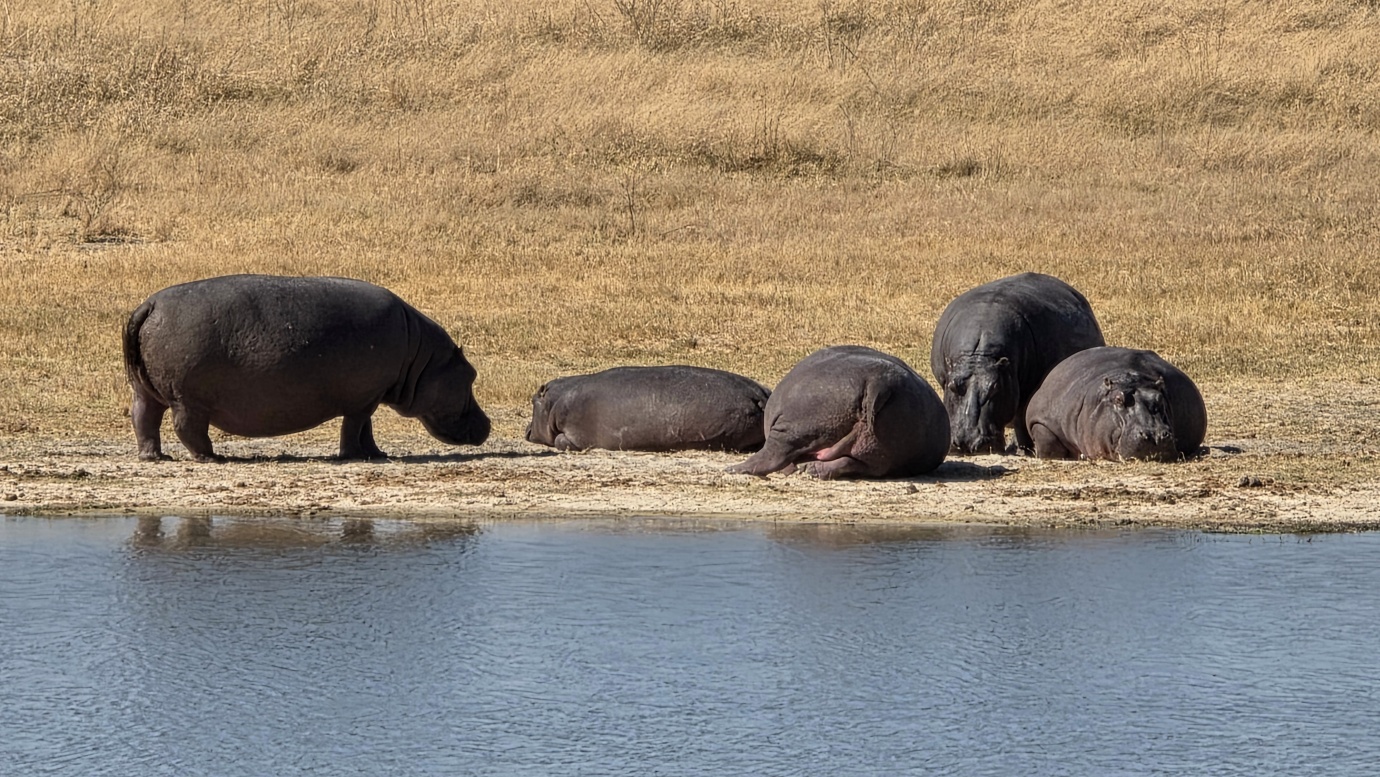
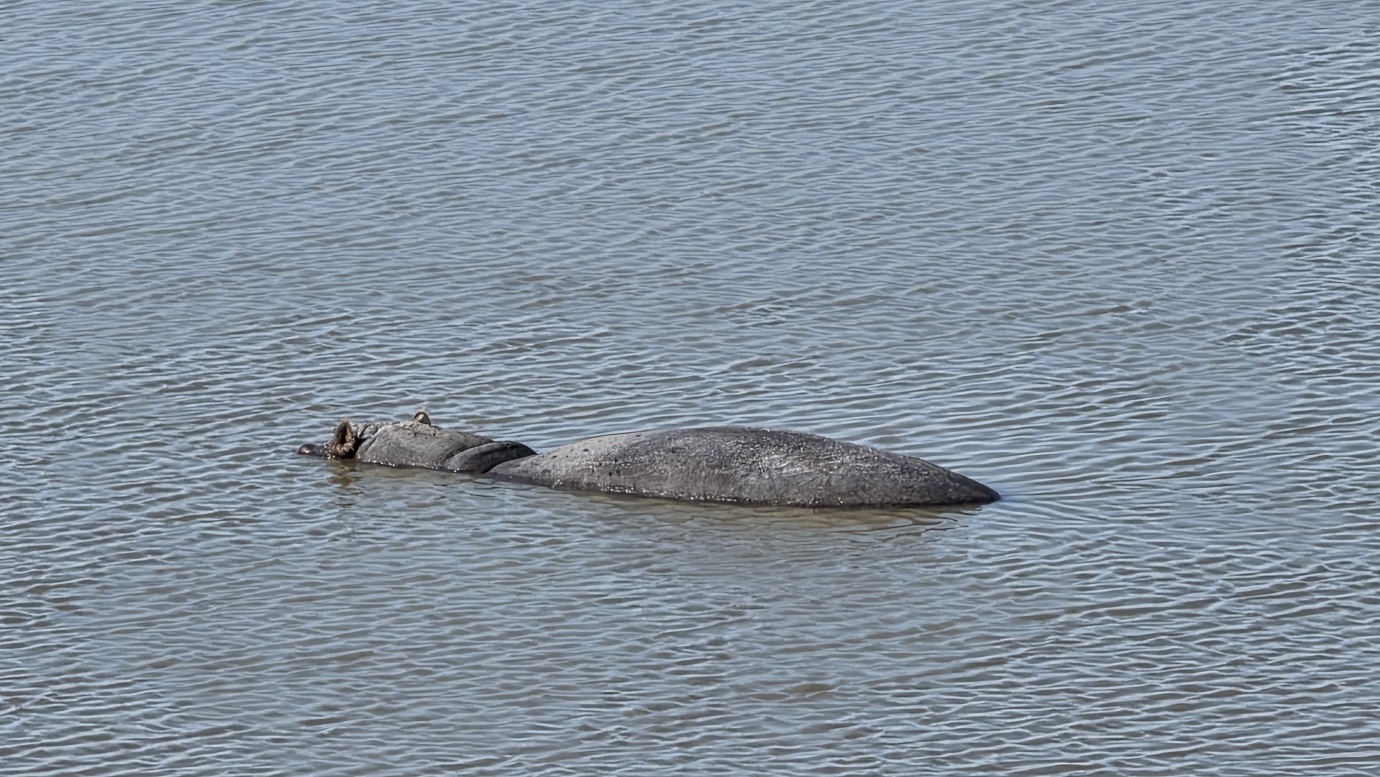
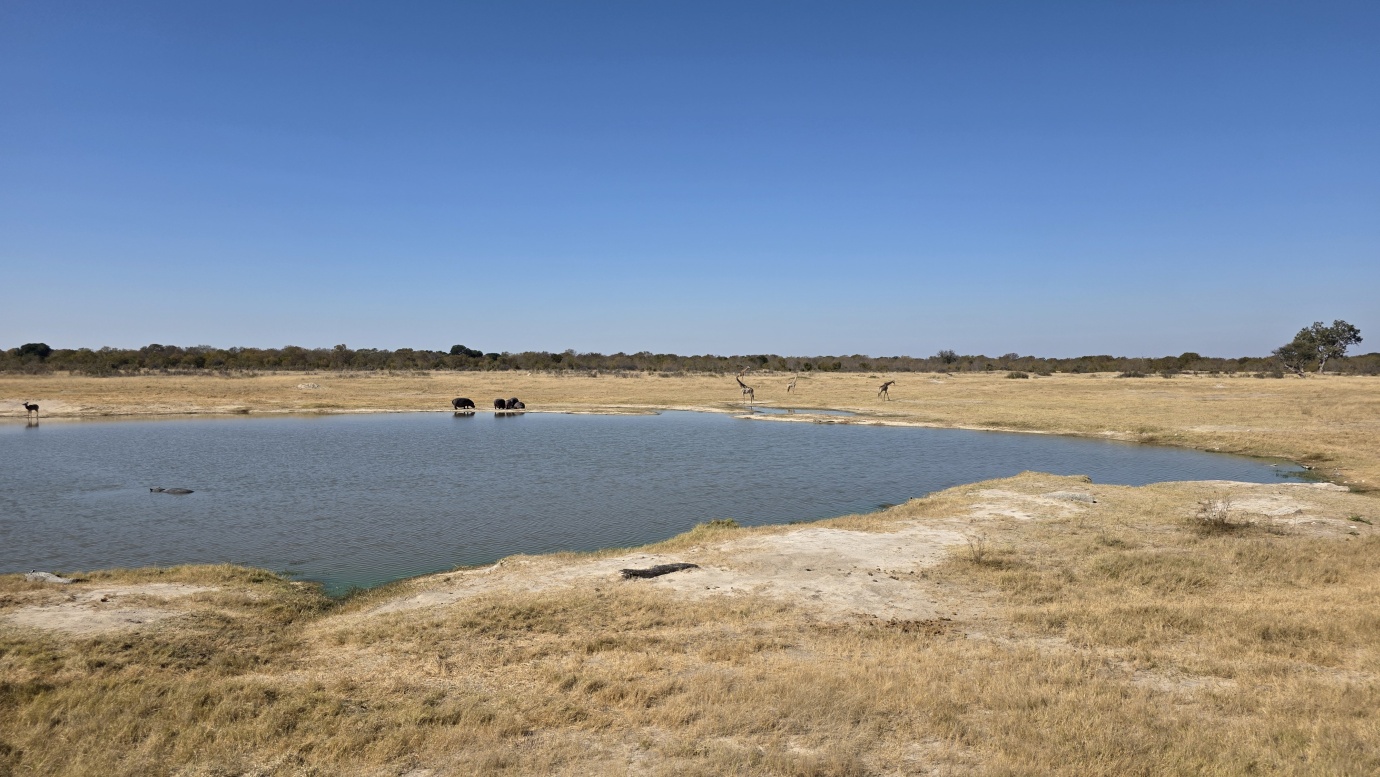
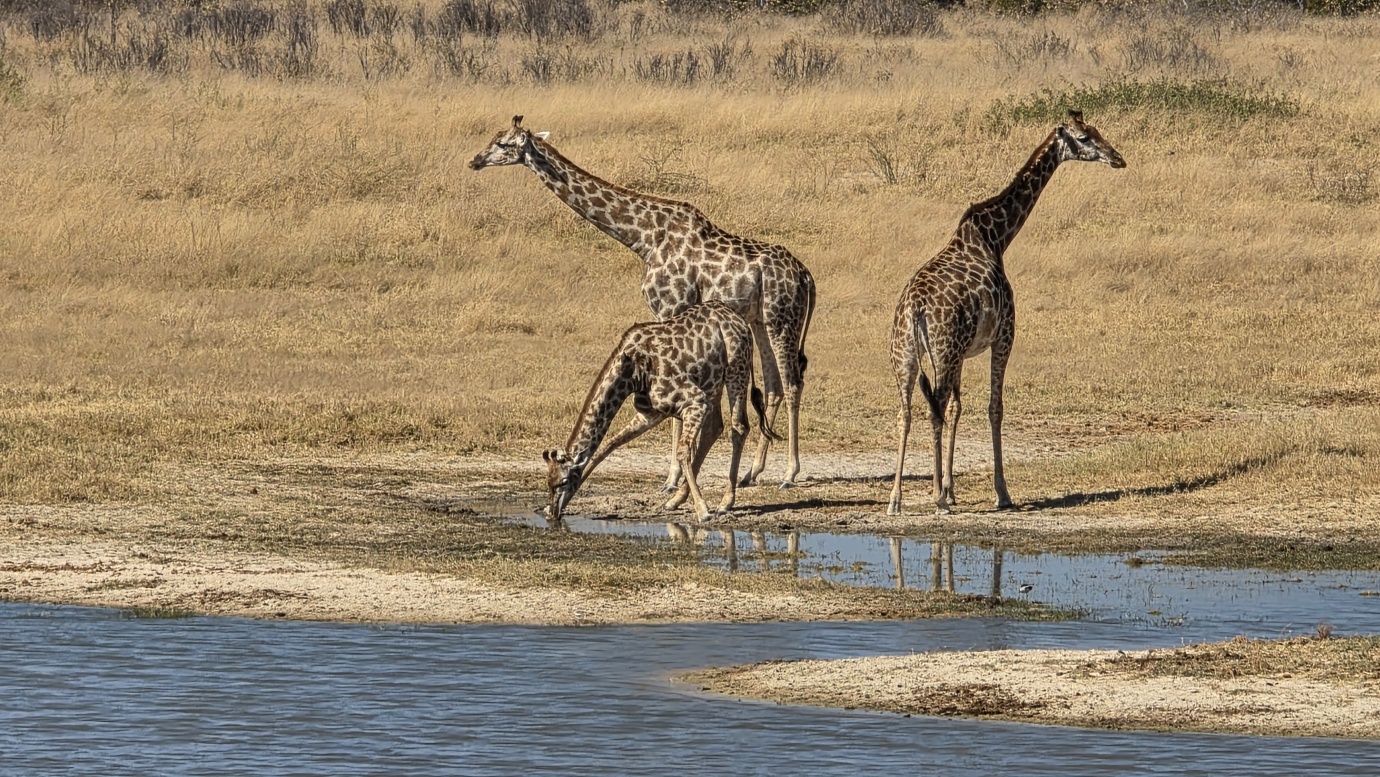
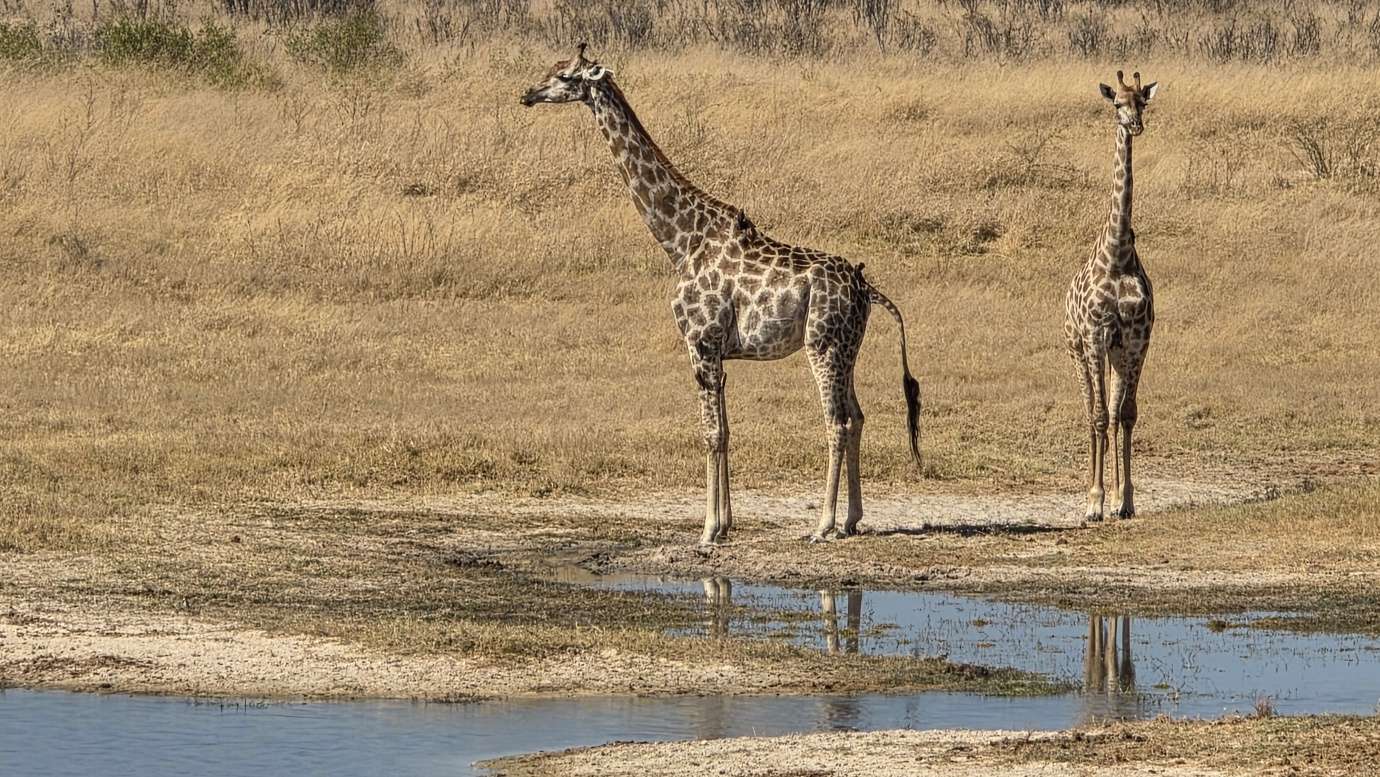
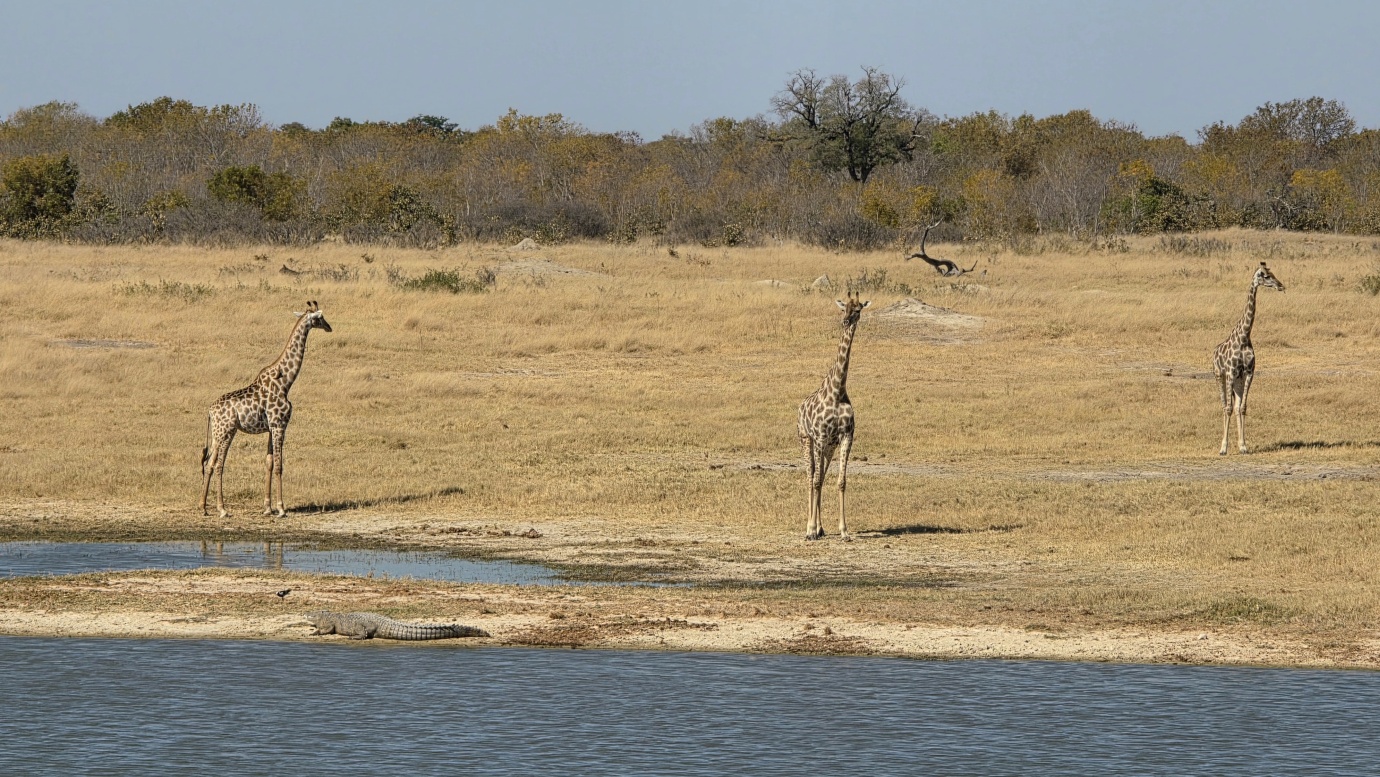
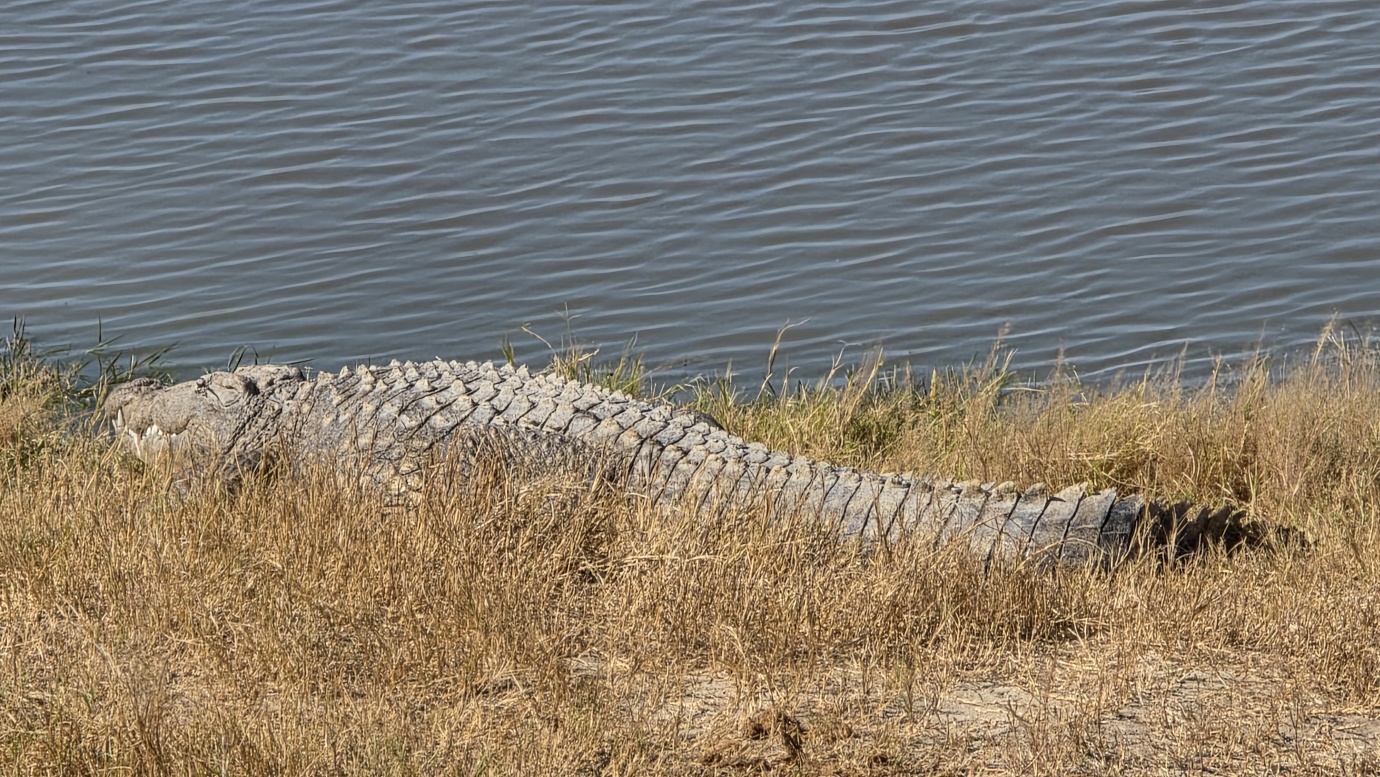
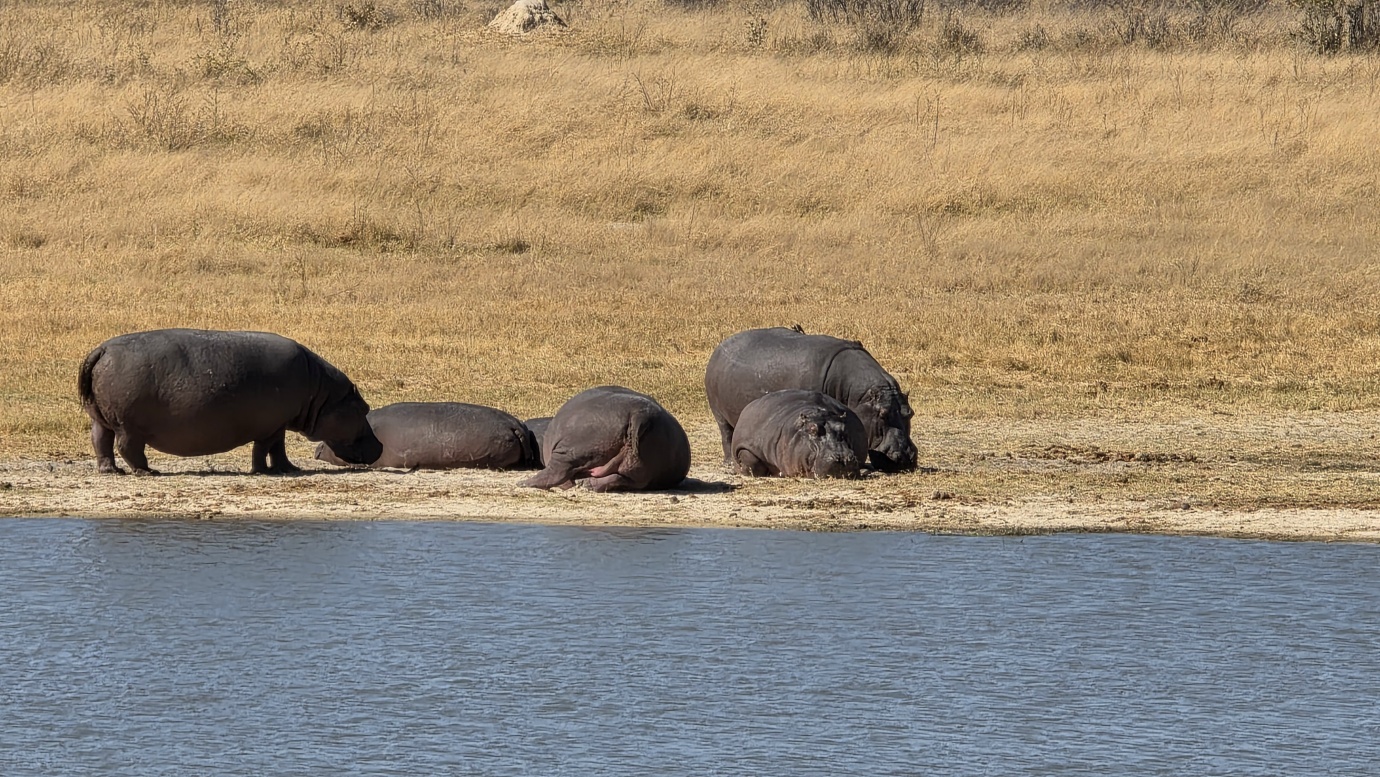
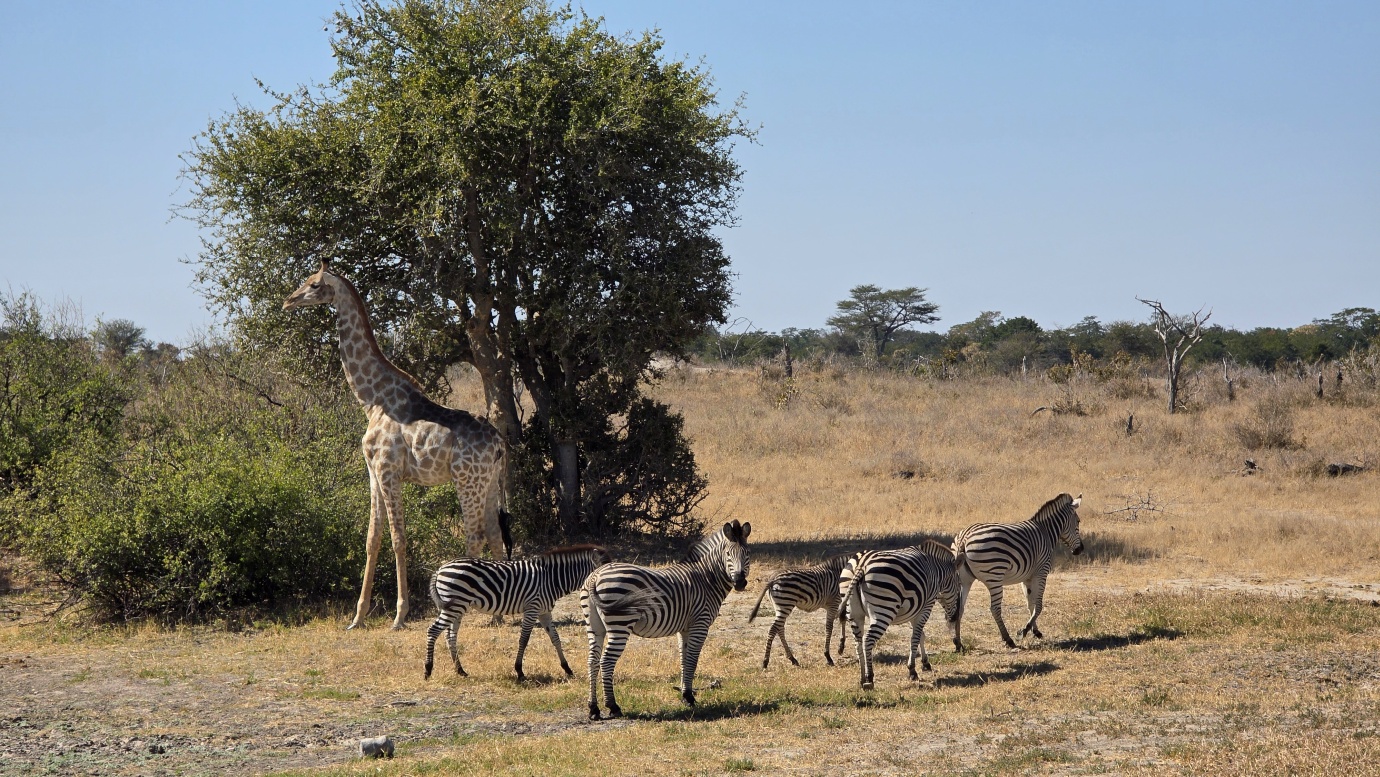
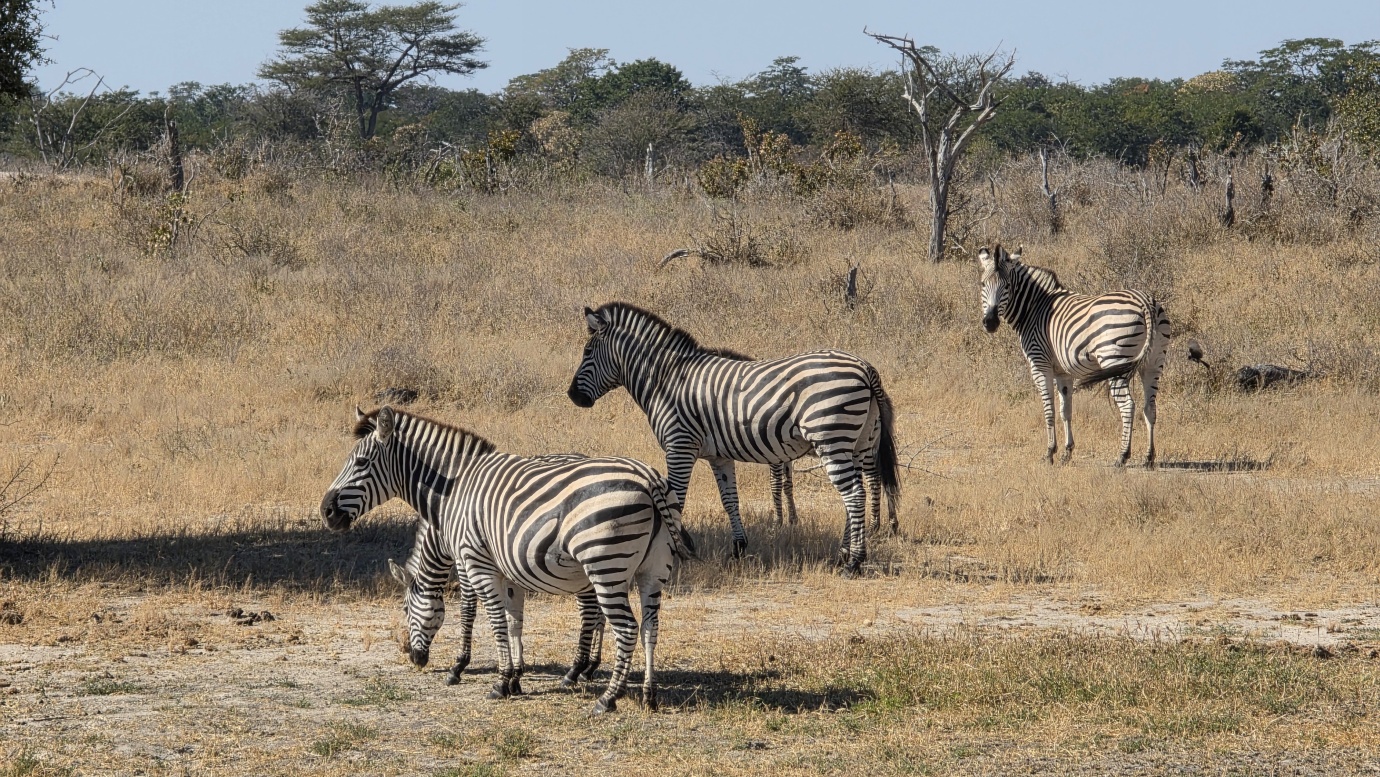
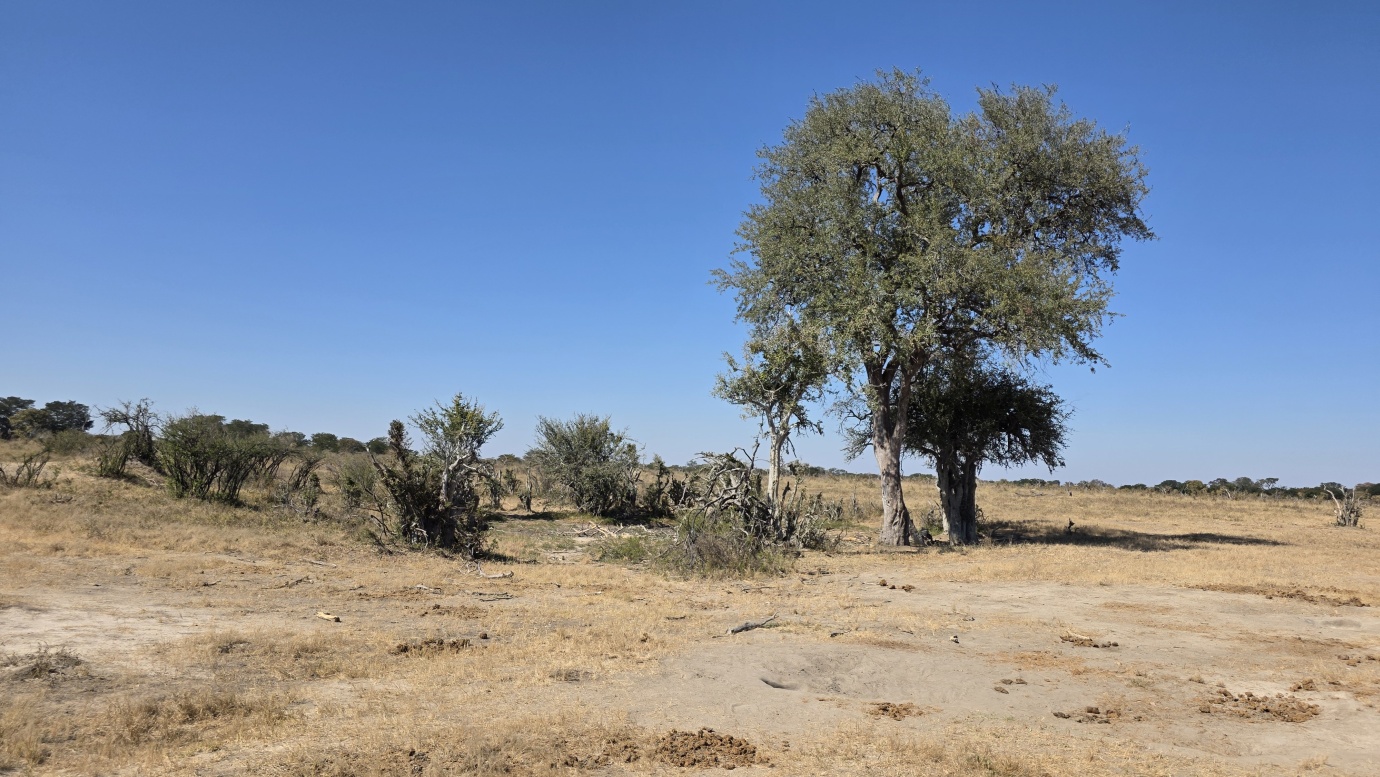
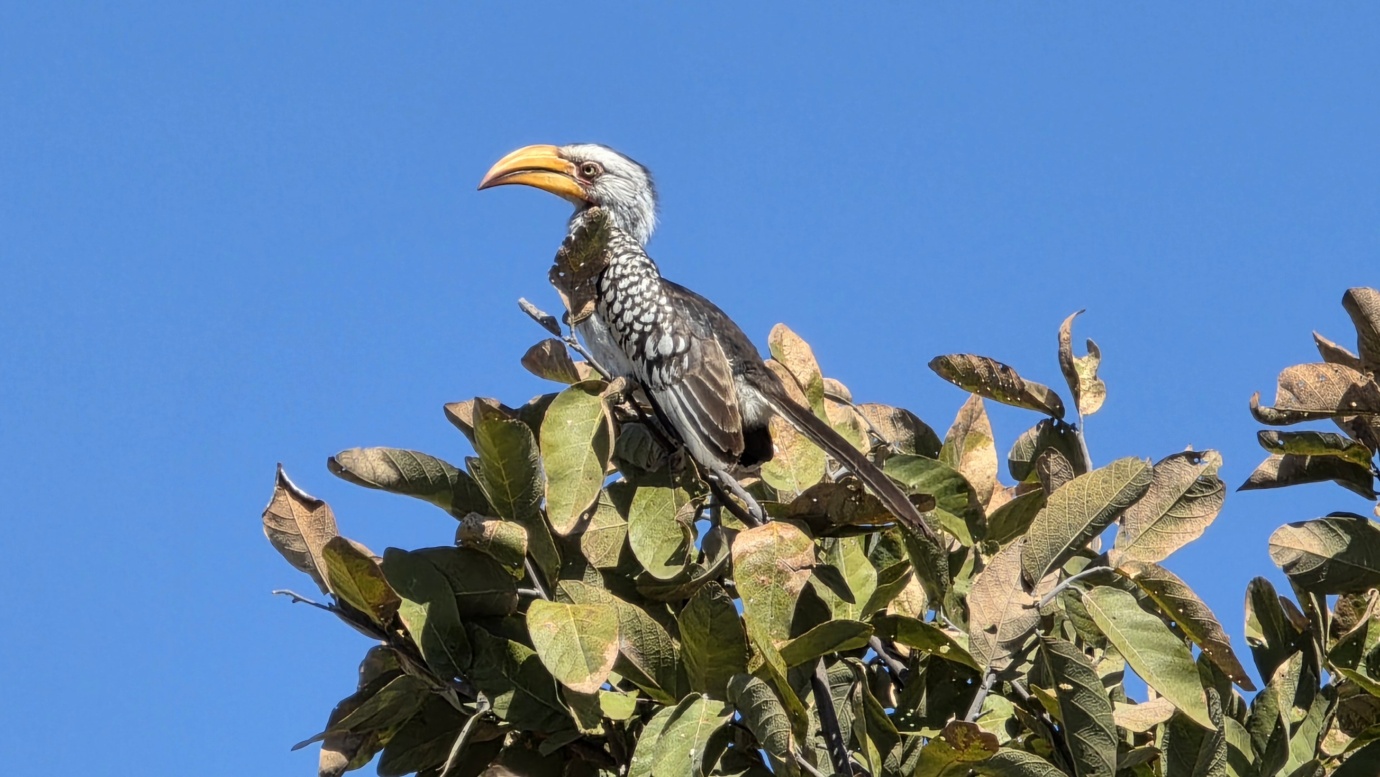
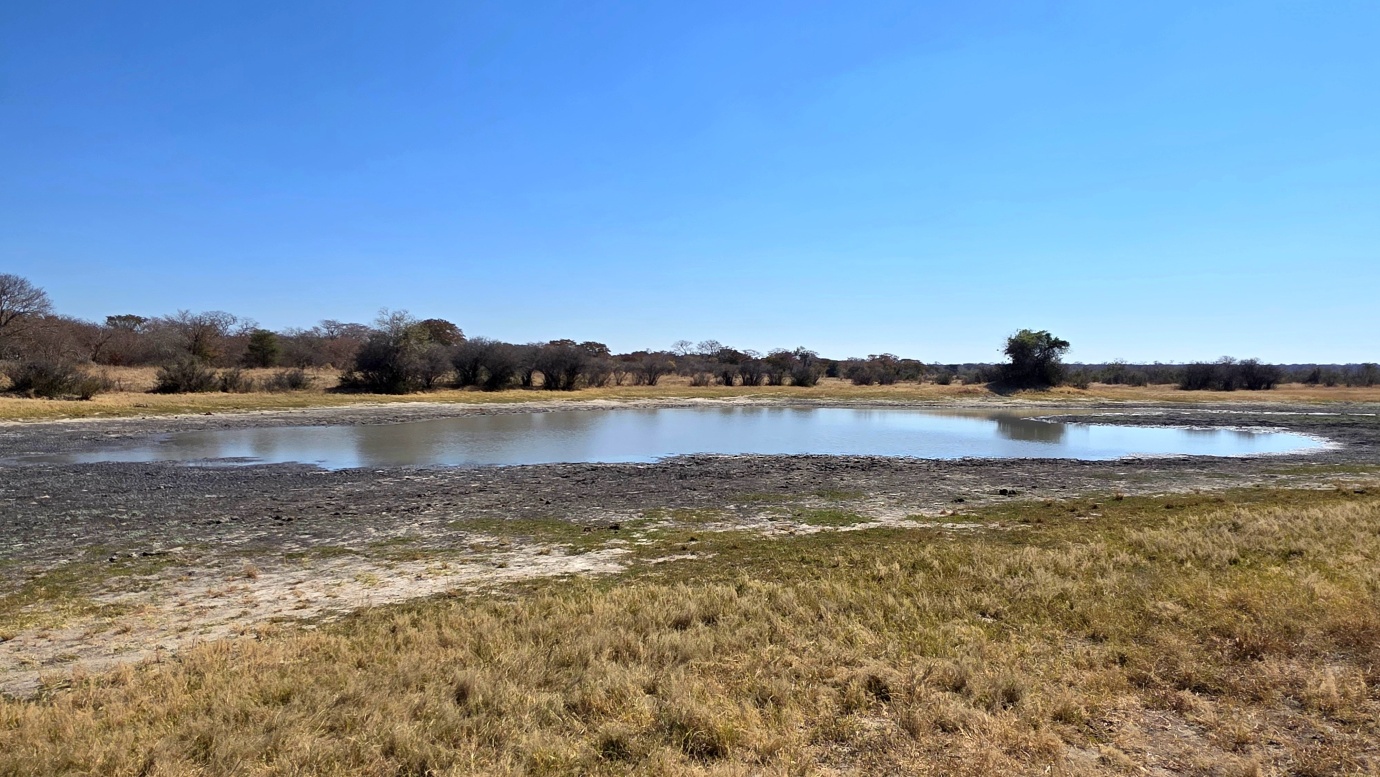
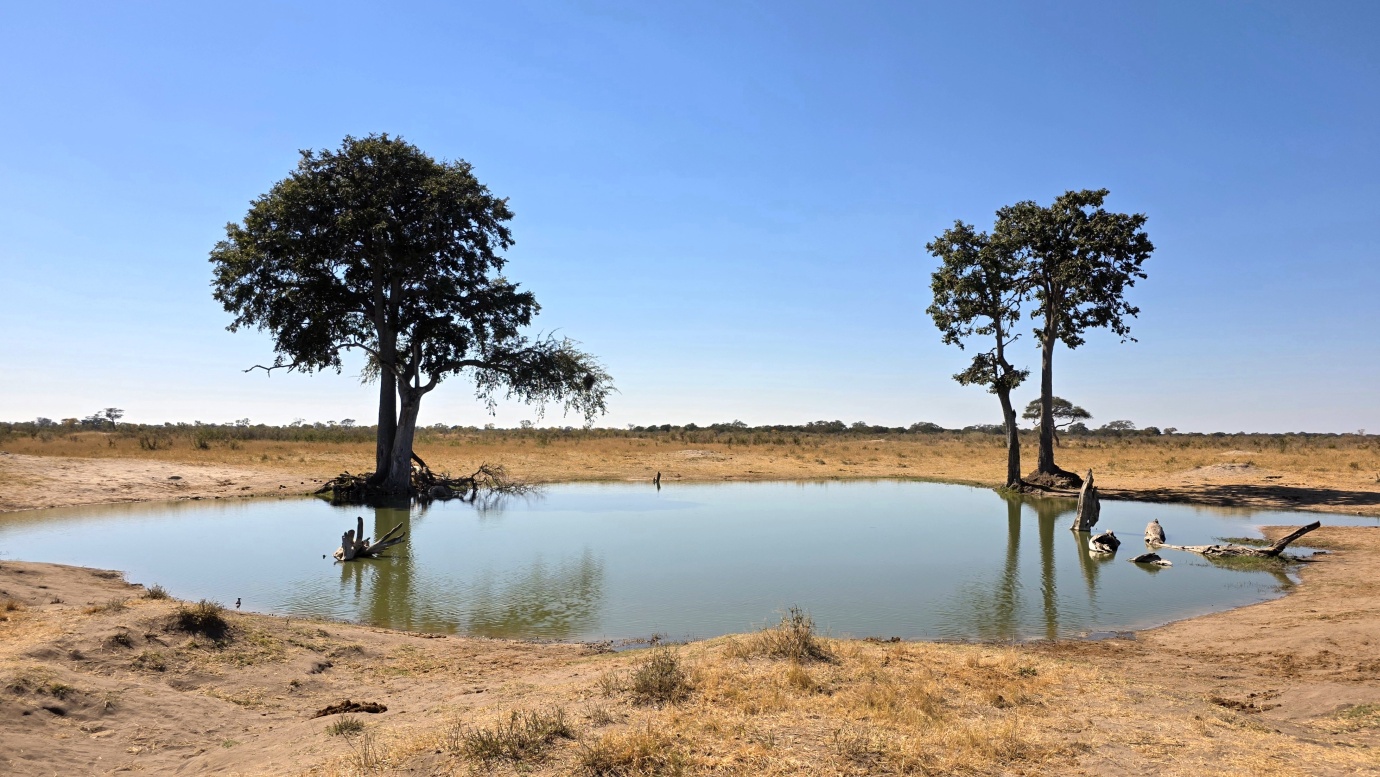
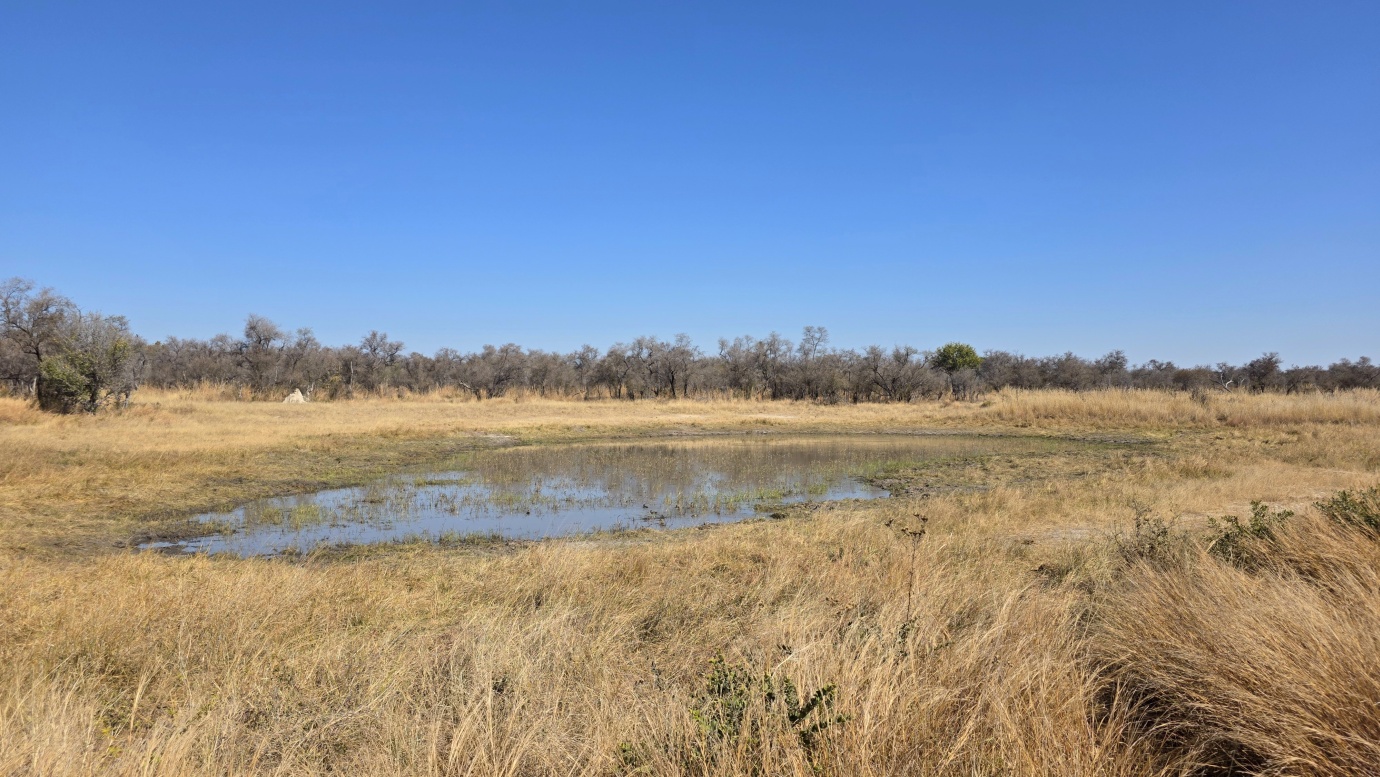
To experience the park’s wildlife, we booked a five-hour morning game drive through the national park office (65 USD per person). Given Hwange’s outstanding reputation, our expectations were high. Unfortunately, the drive turned out to be rather disappointing. Most of the waterholes we visited were almost completely devoid of wildlife, and despite the park’s famous elephant population, we did not see a single elephant.
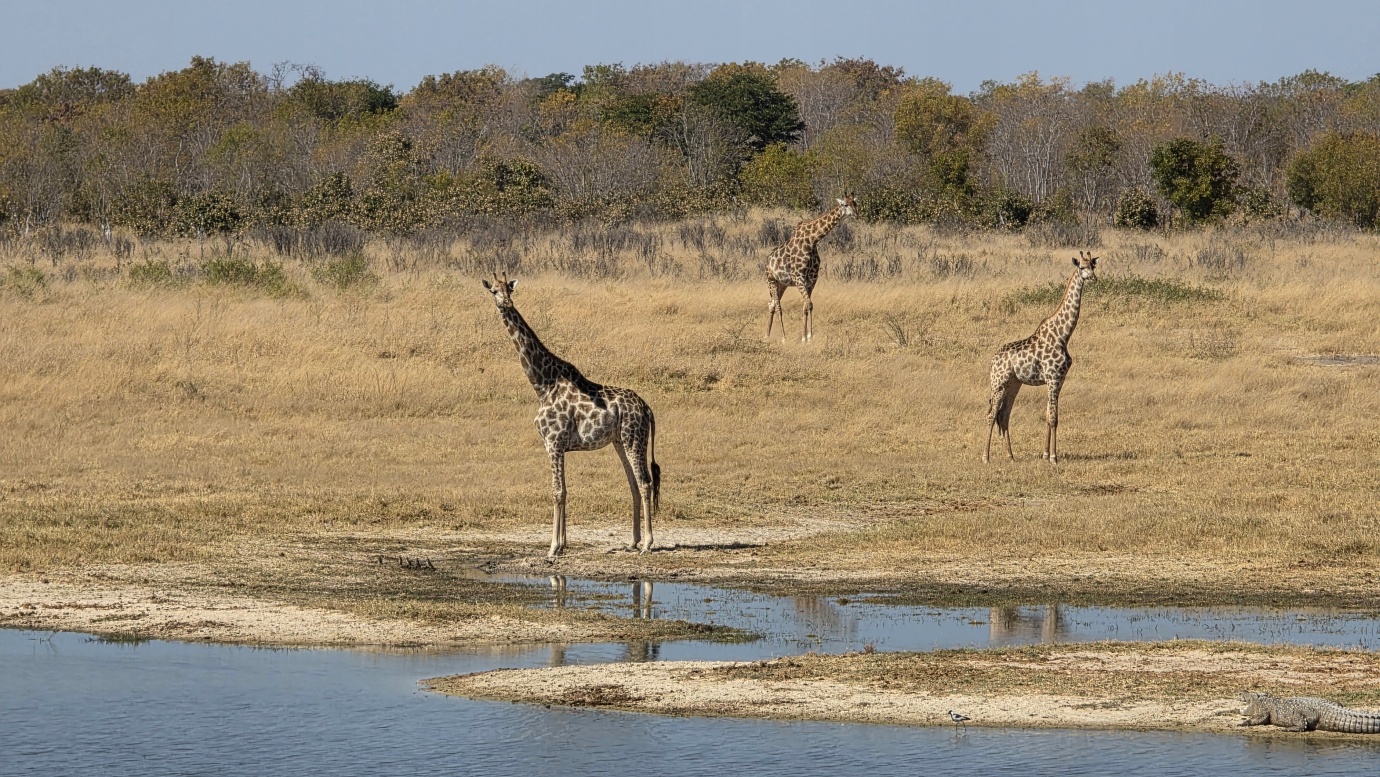
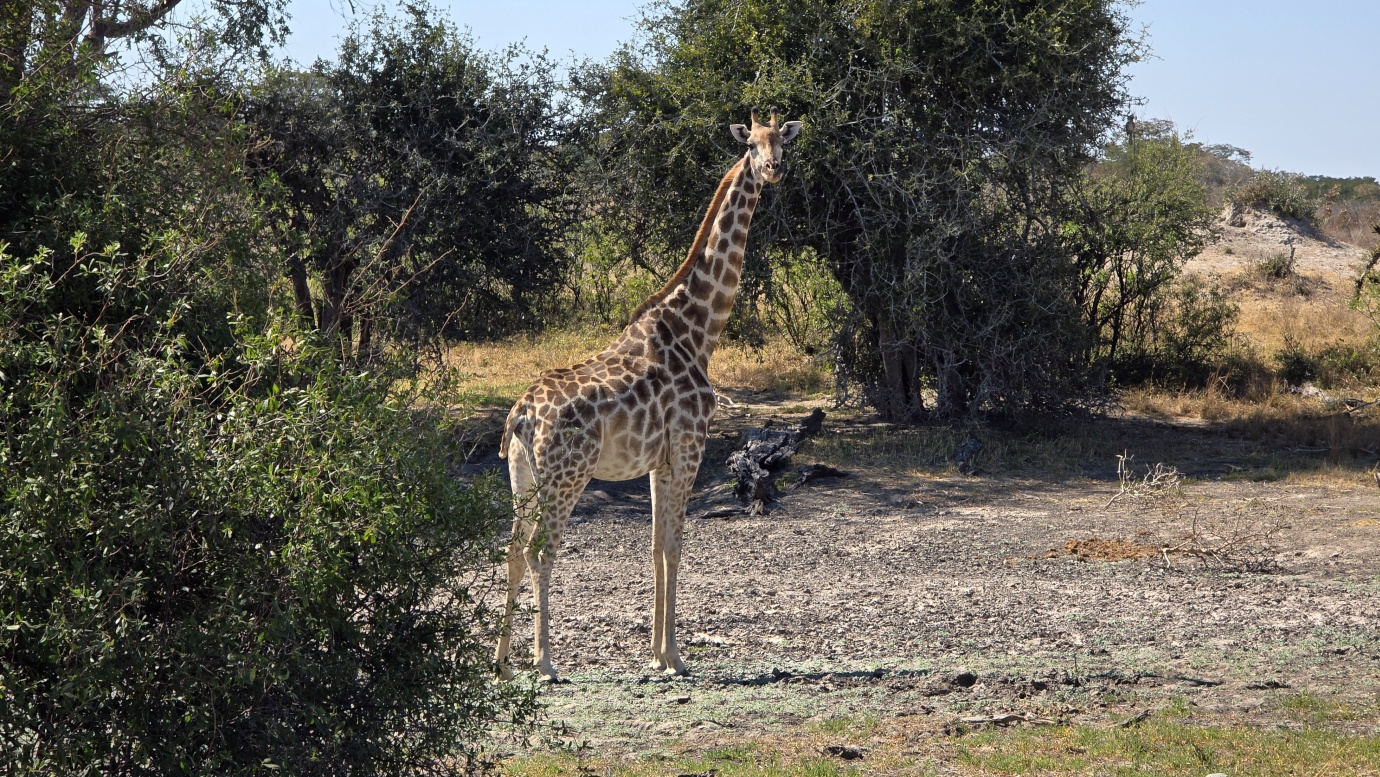
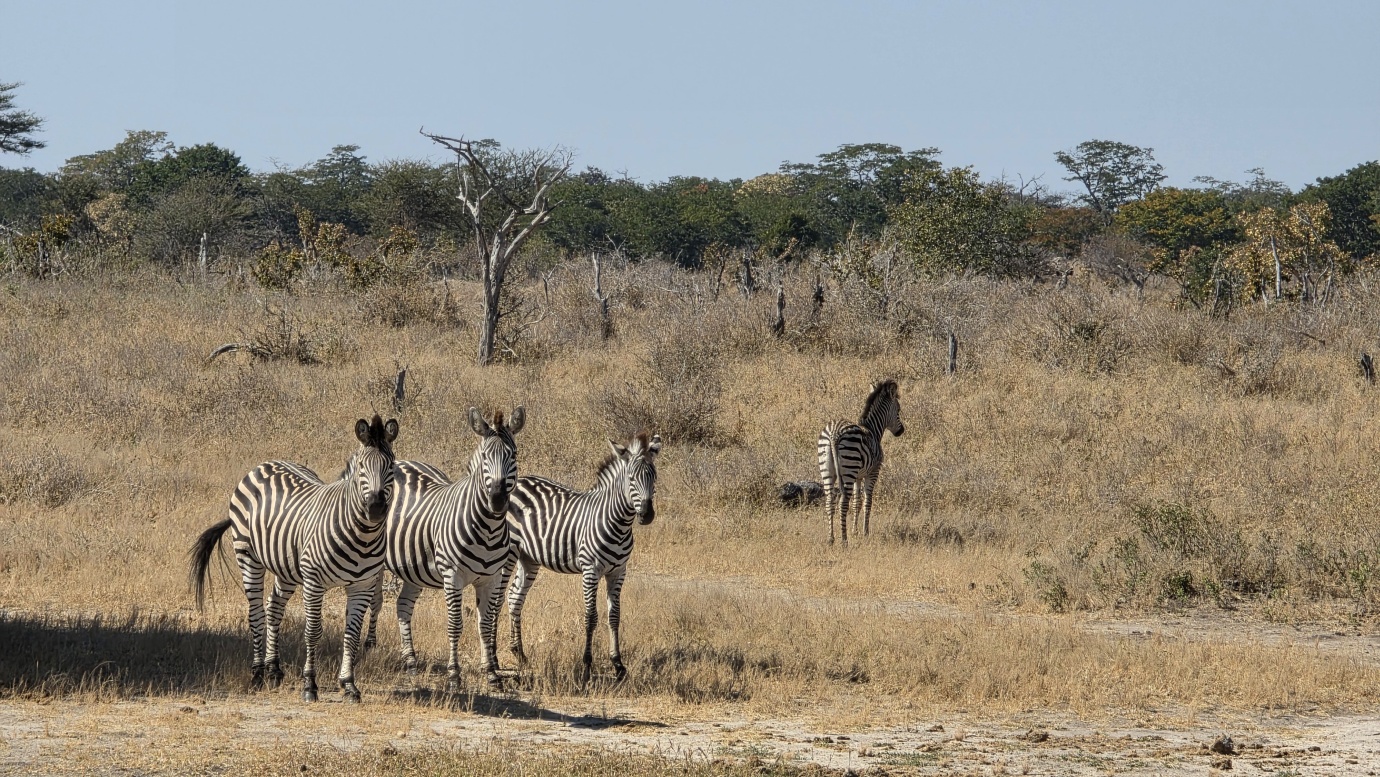
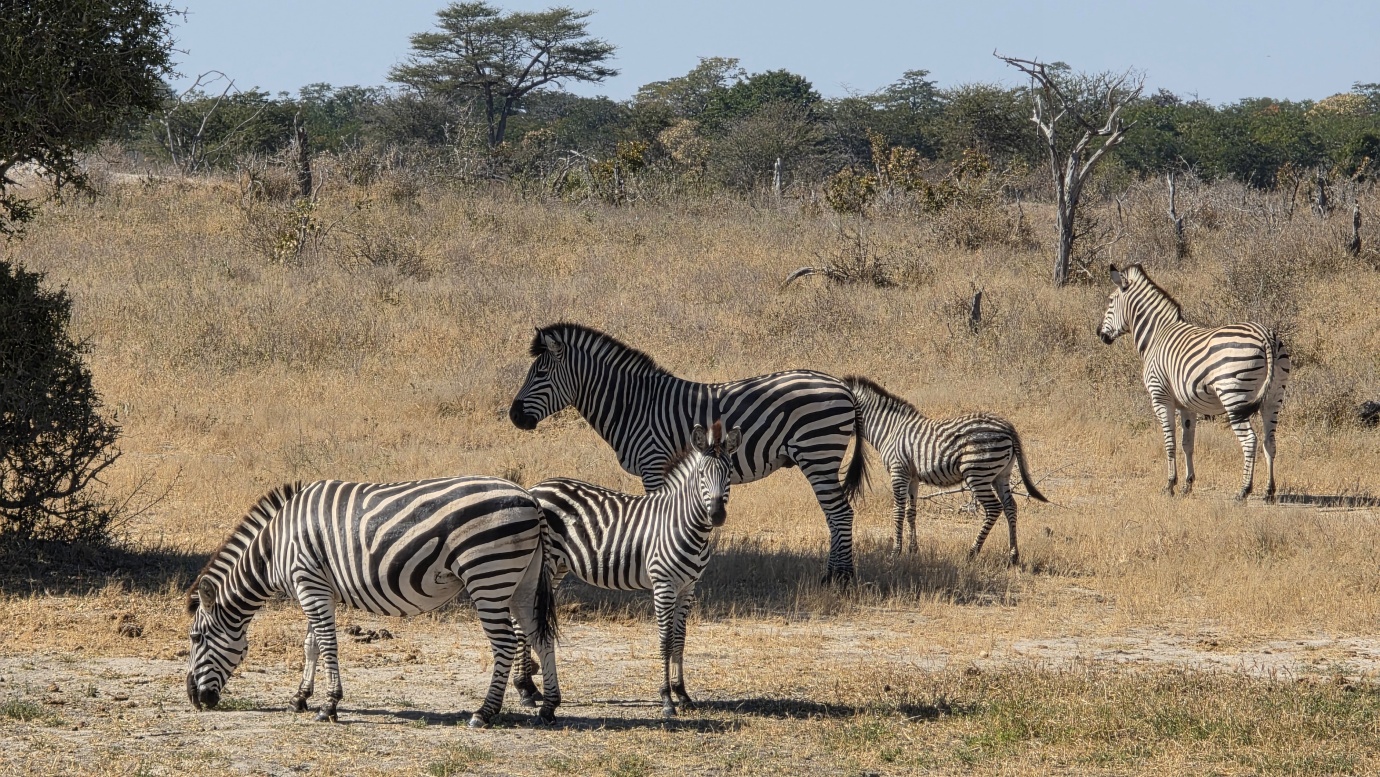
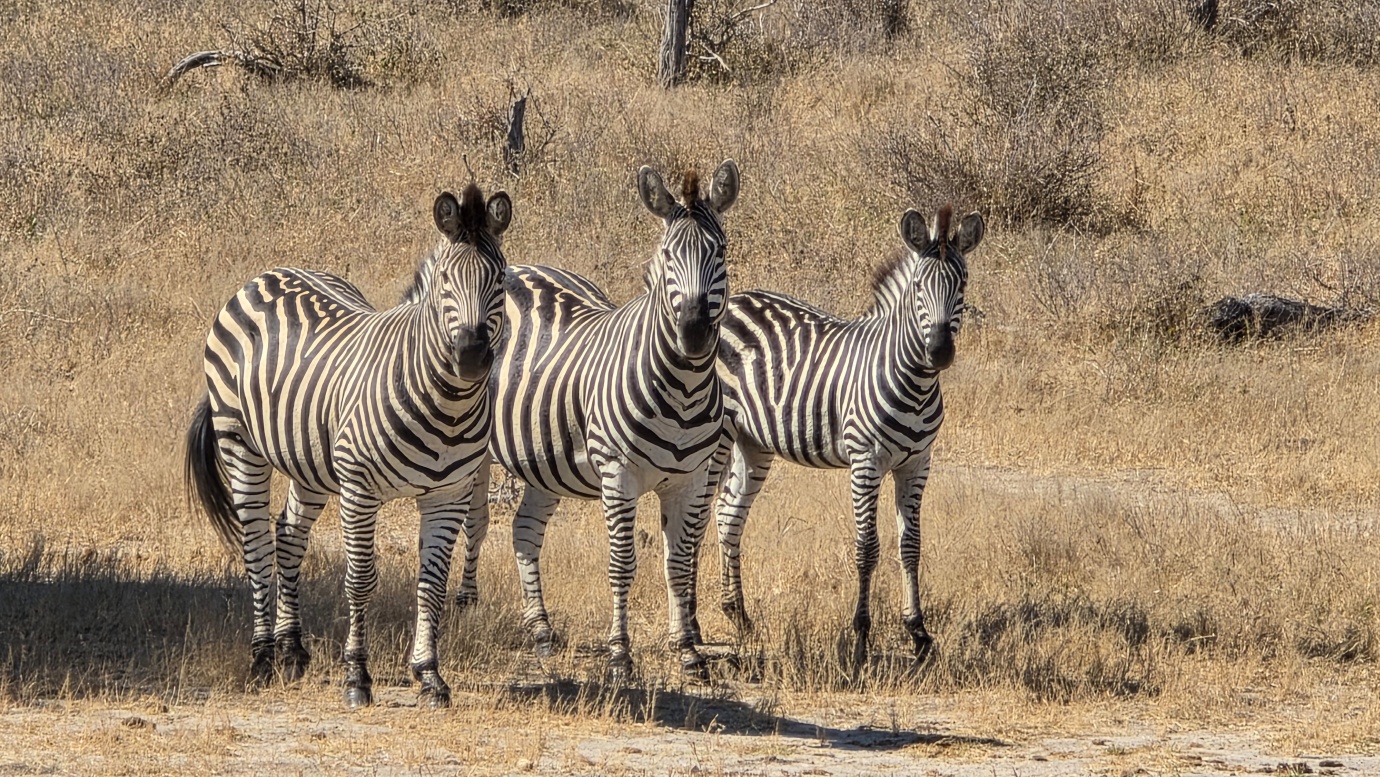
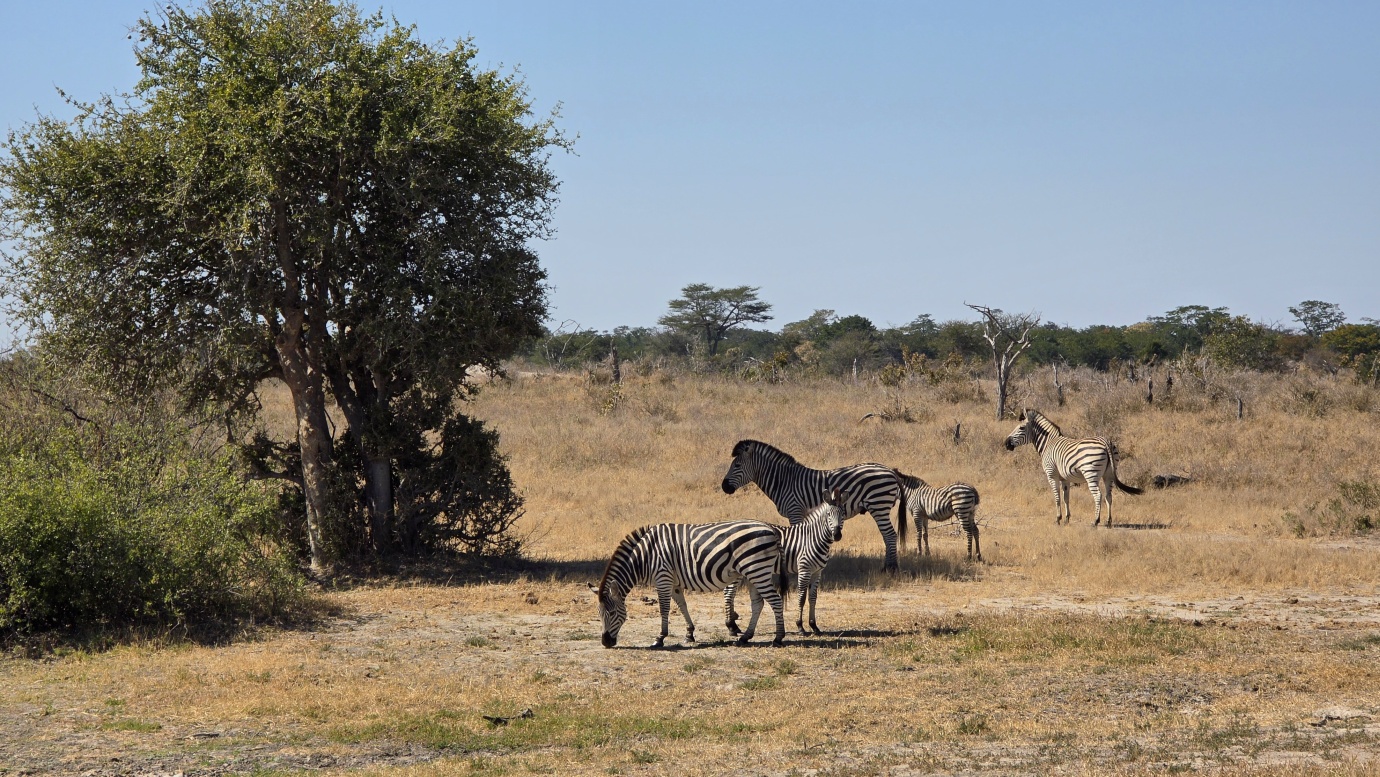
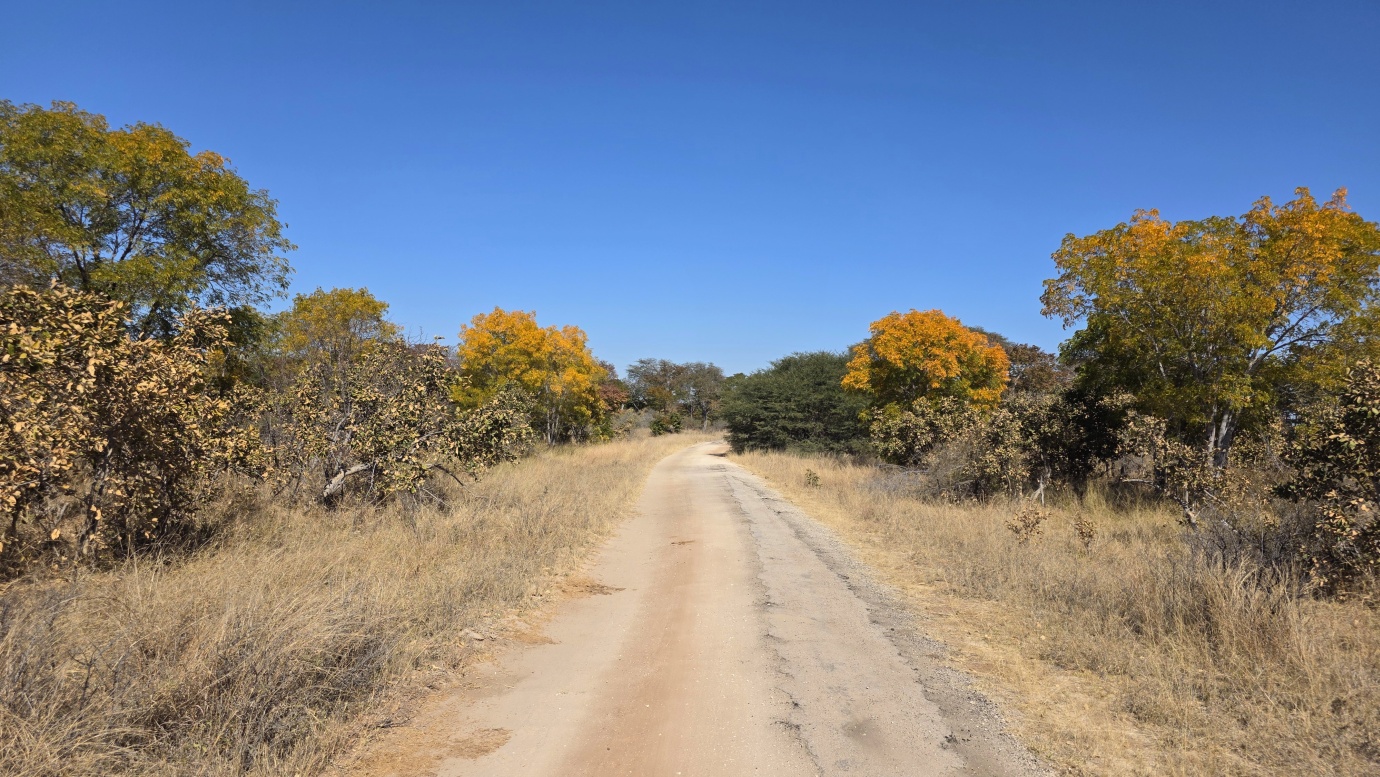
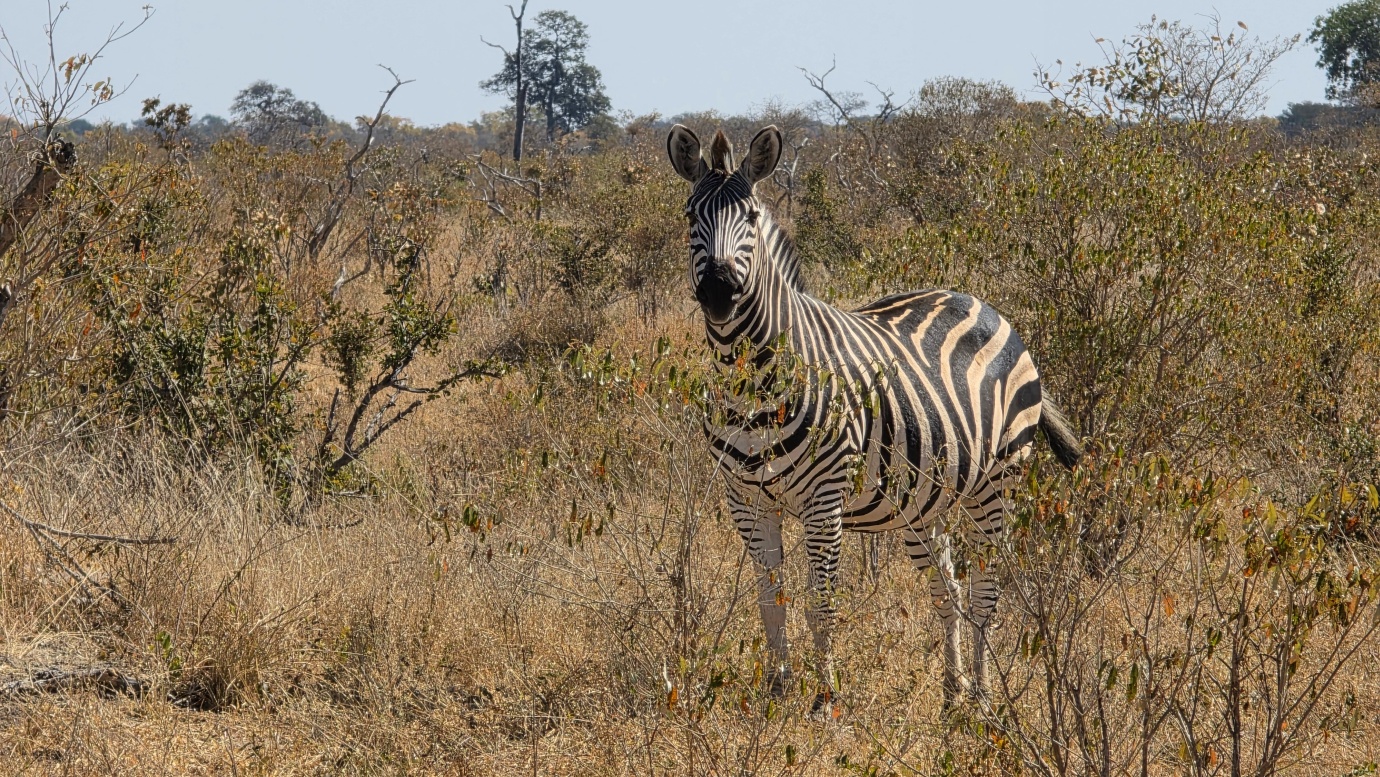
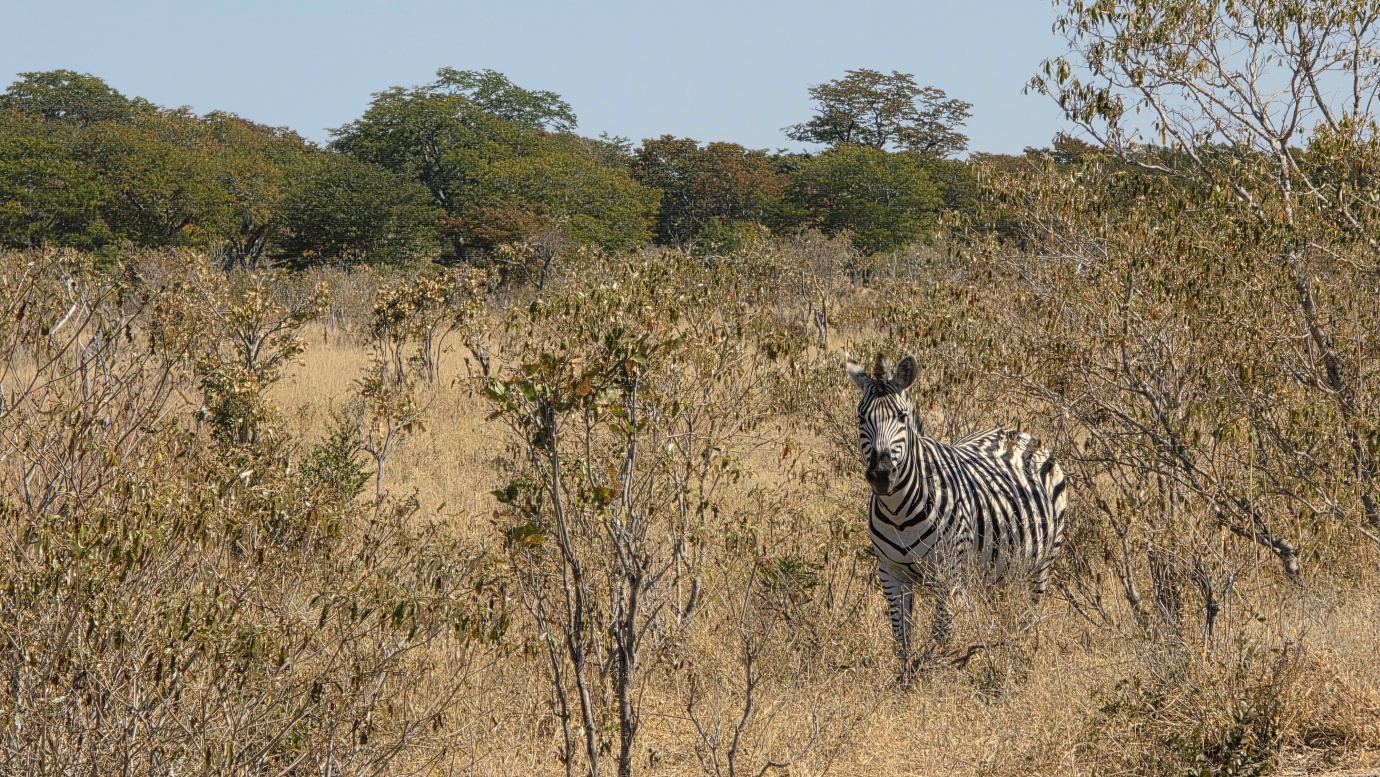
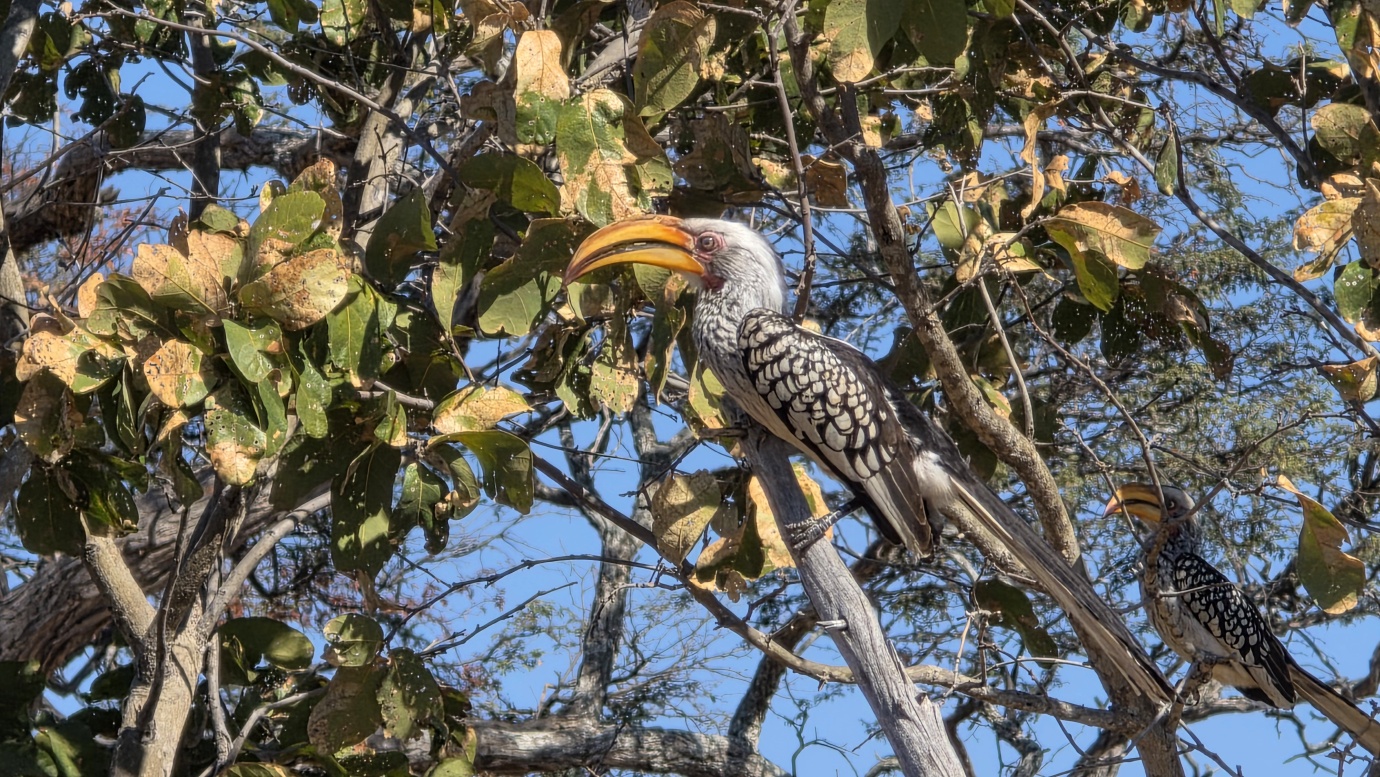
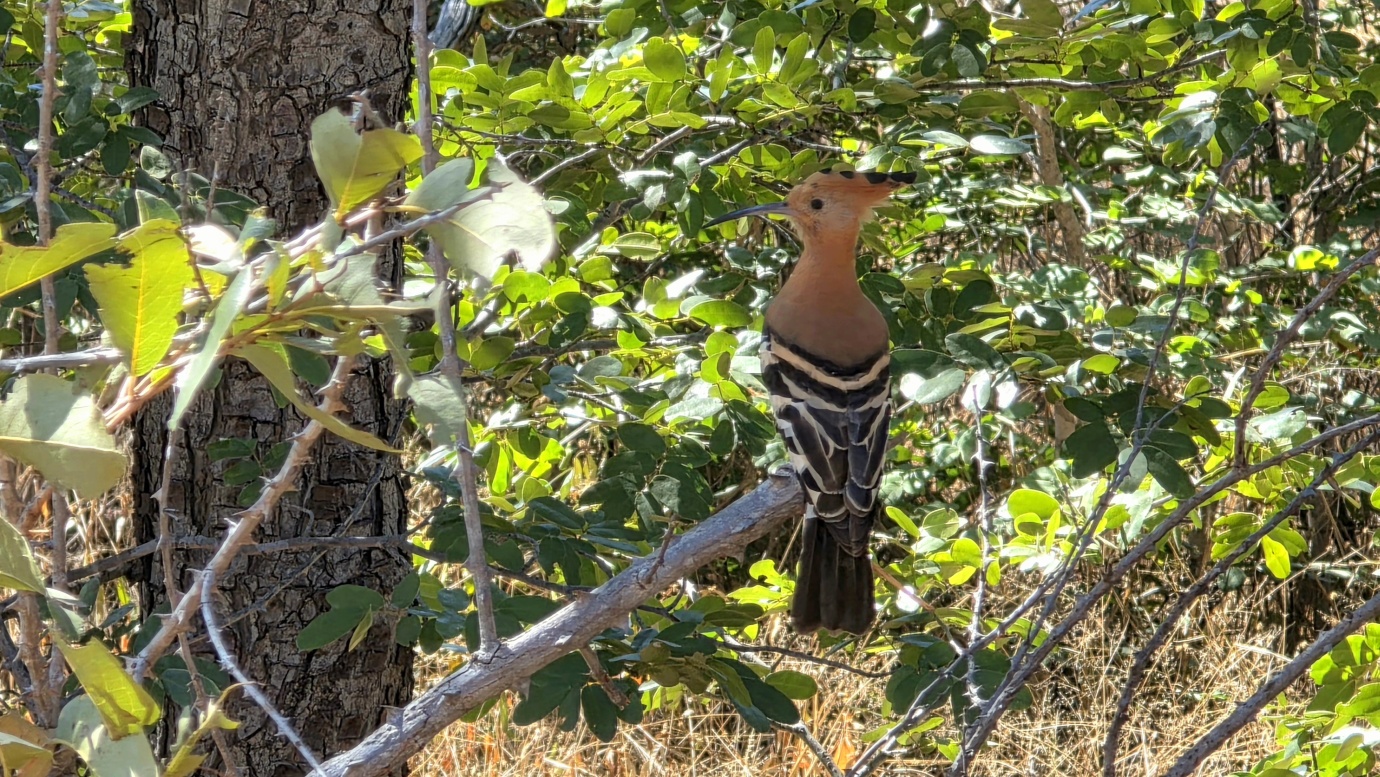
Ironically, we encountered far more animals the previous afternoon while simply driving along the park’s main road to the park office to ask about entrance fees and book the game drive. Sometimes, luck plays a bigger role in a safari than the itinerary does, and on this occasion our self-drive proved far more rewarding than the guided excursion.
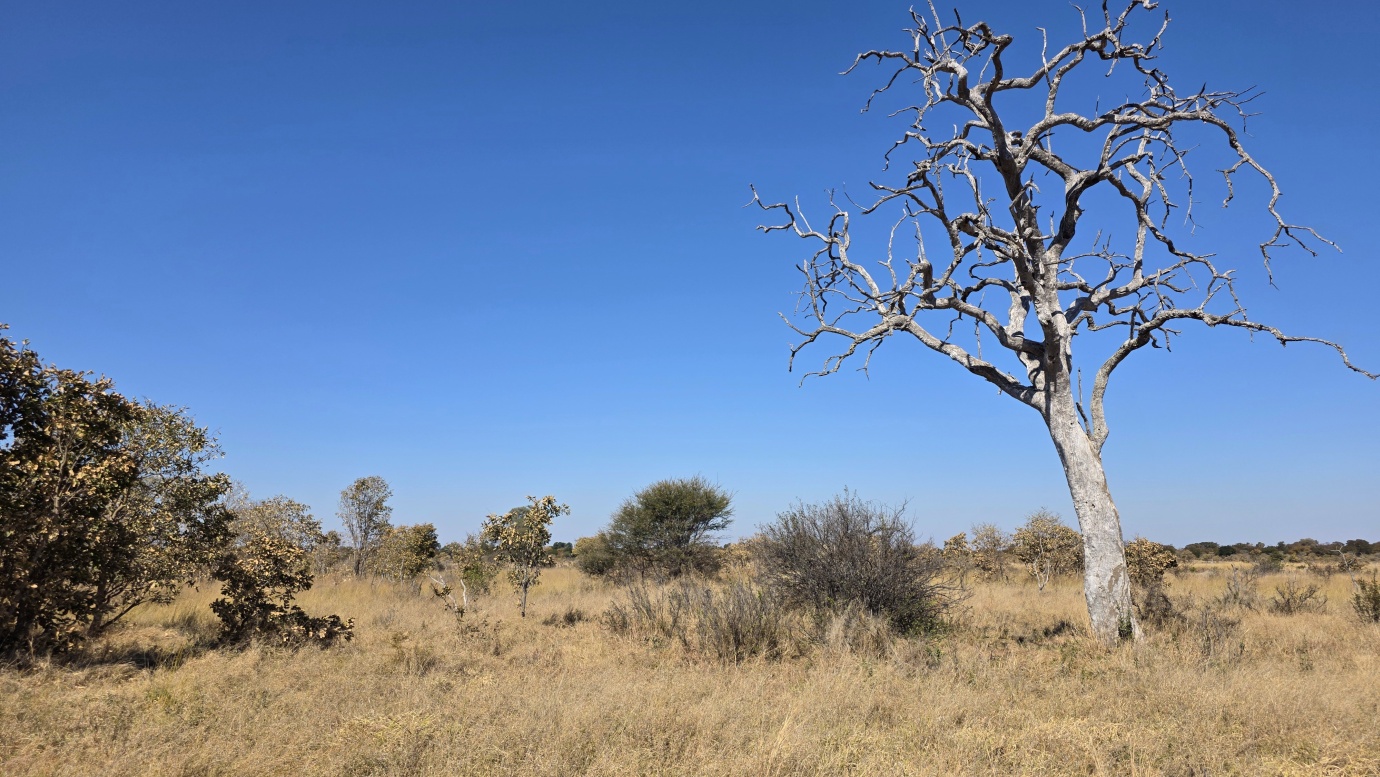
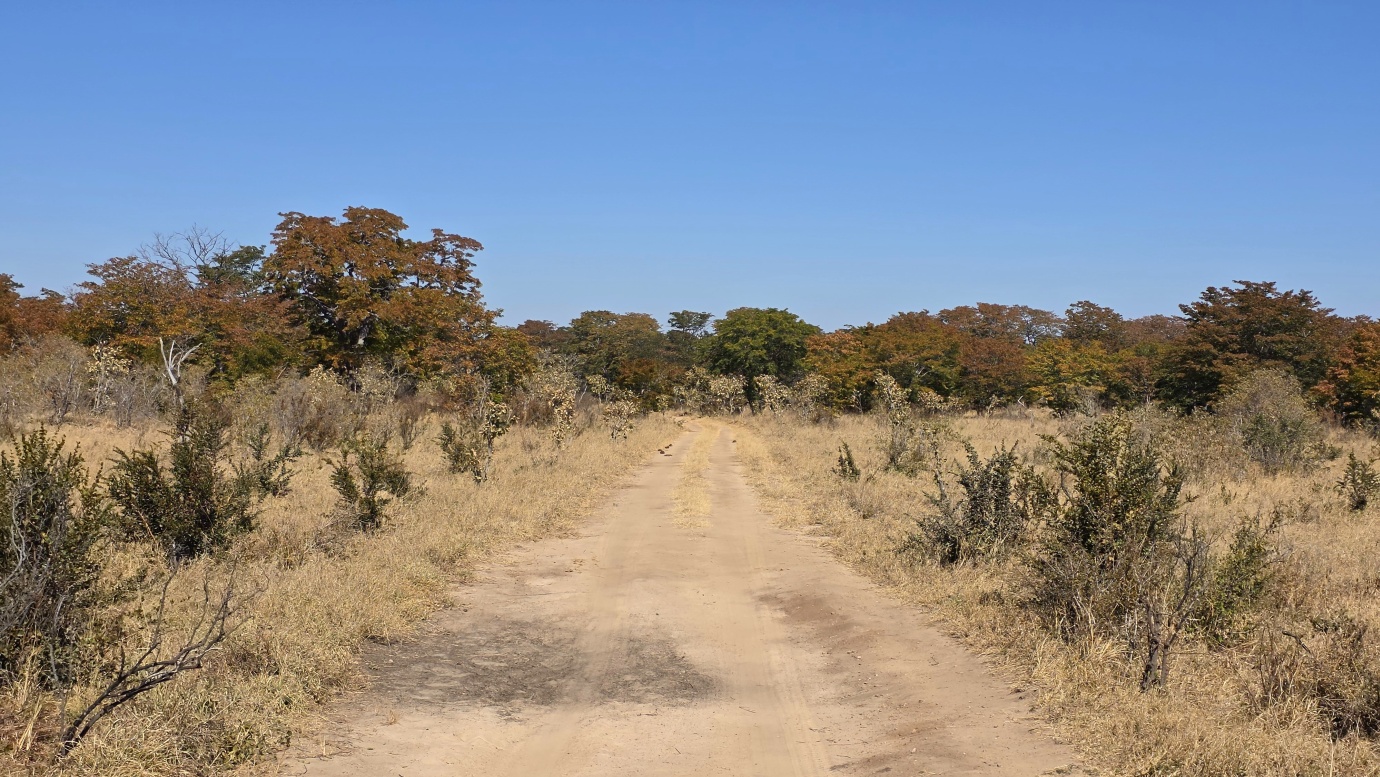
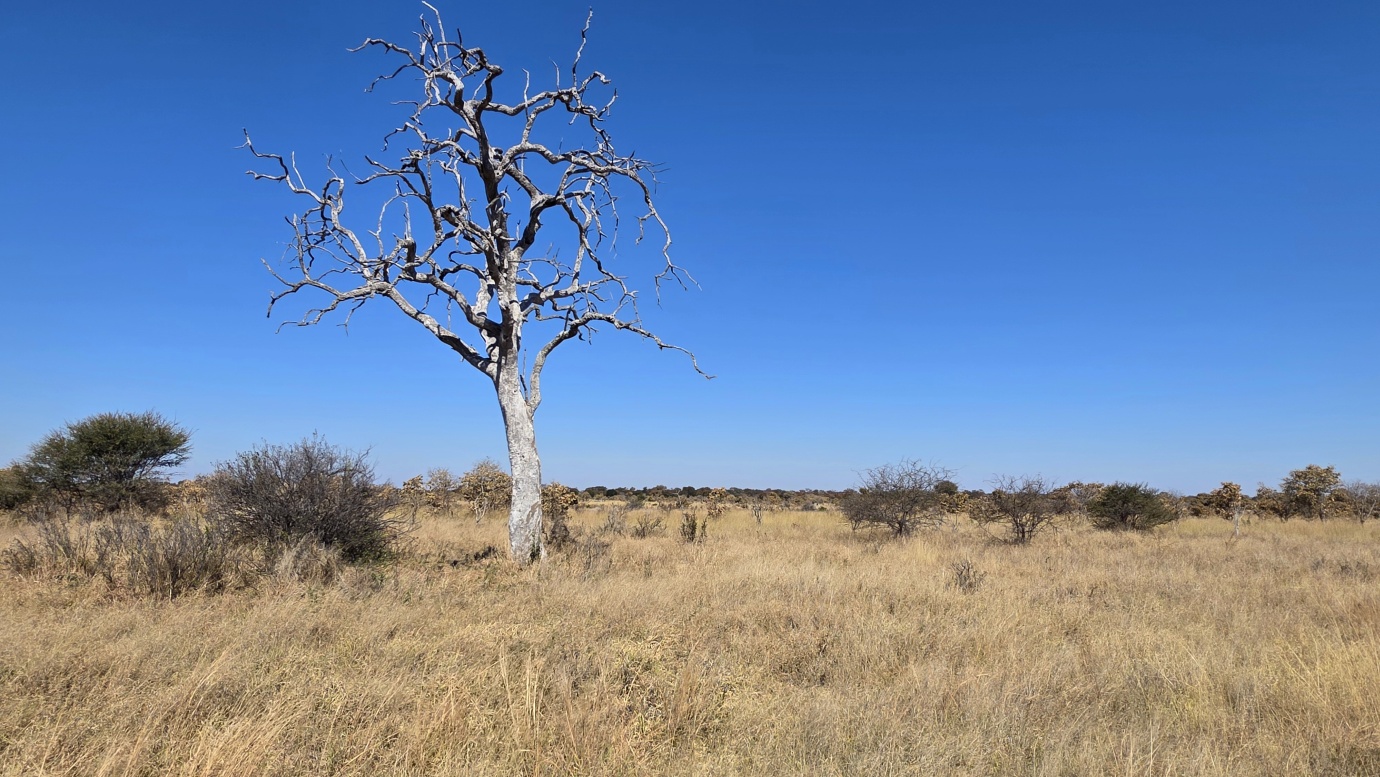
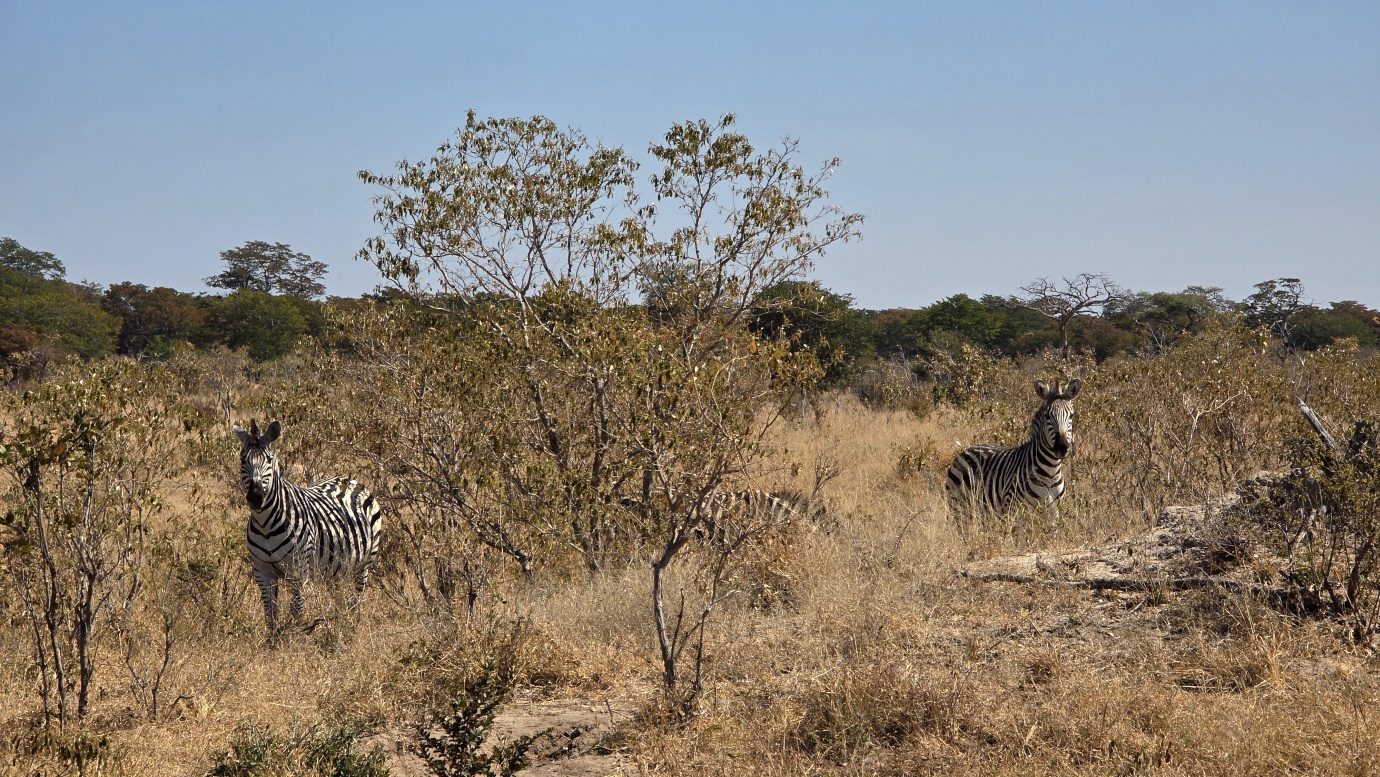
Parking location – Hwange Main Camp: 18.6784489S 26.9394133E (🚻,🚿,🏊,💦,🍽️,🅿️10 USD/pax)