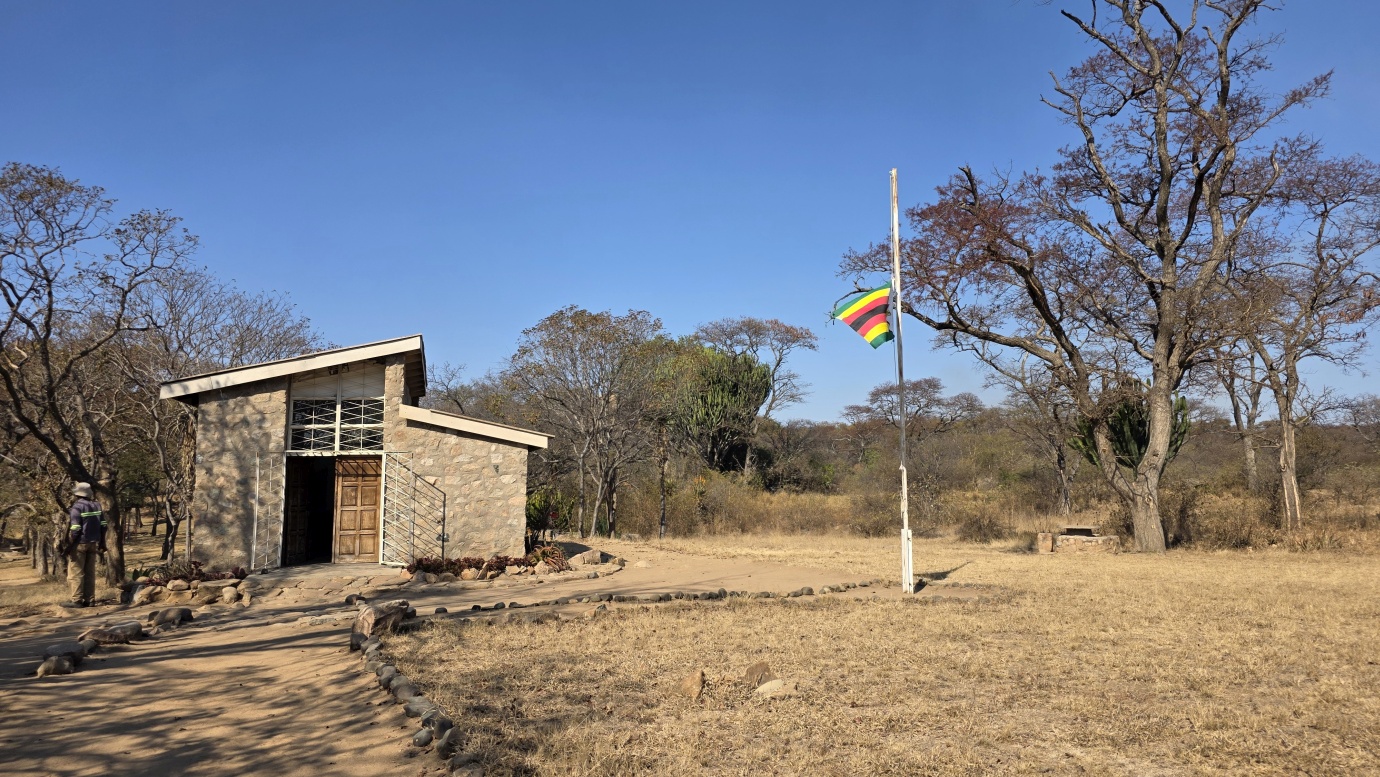
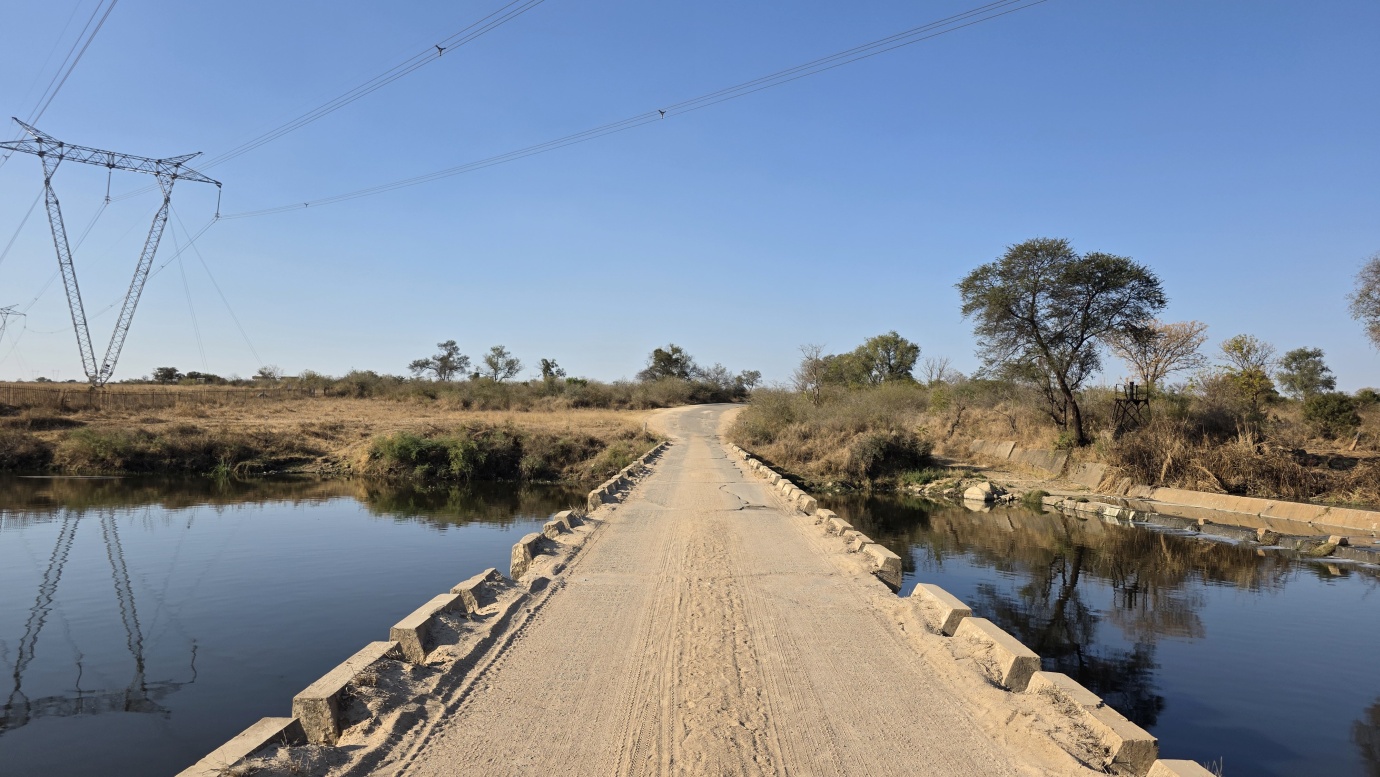
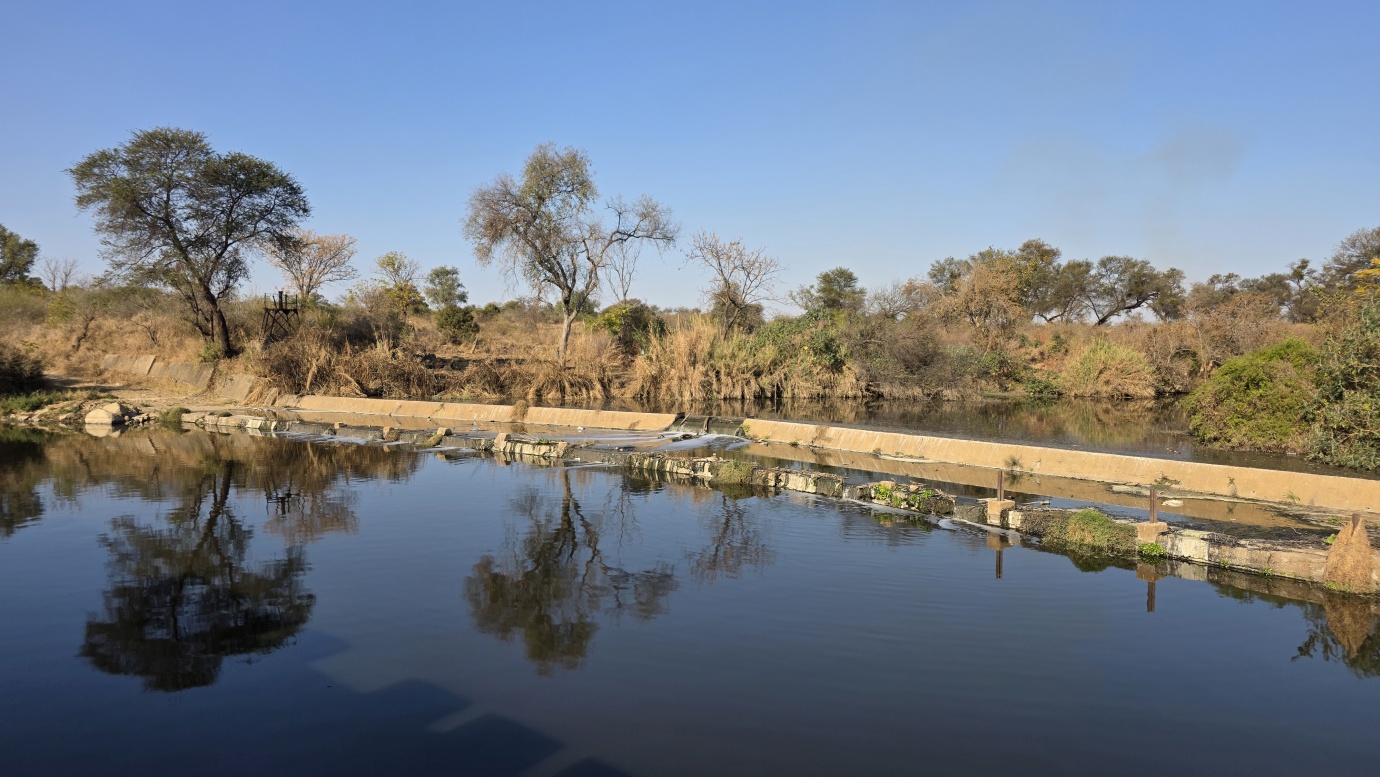
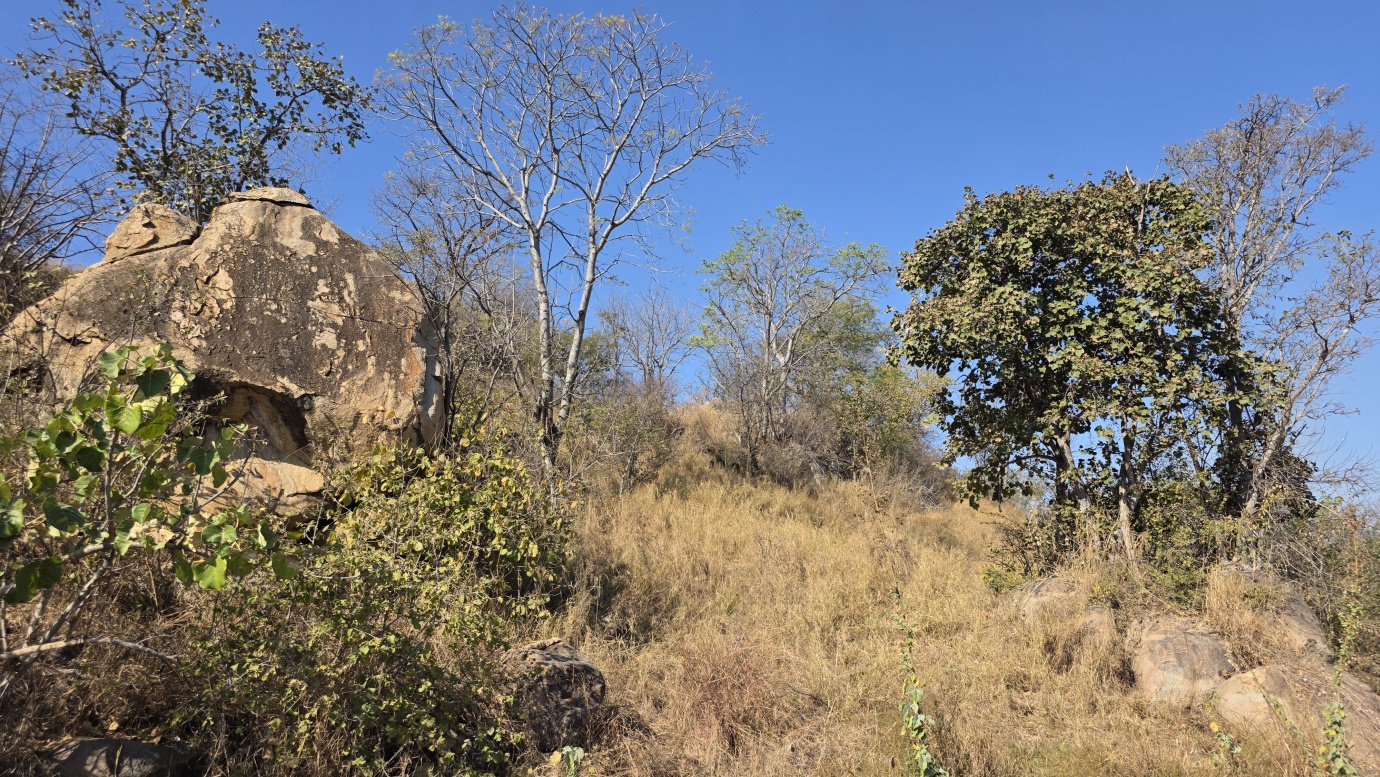
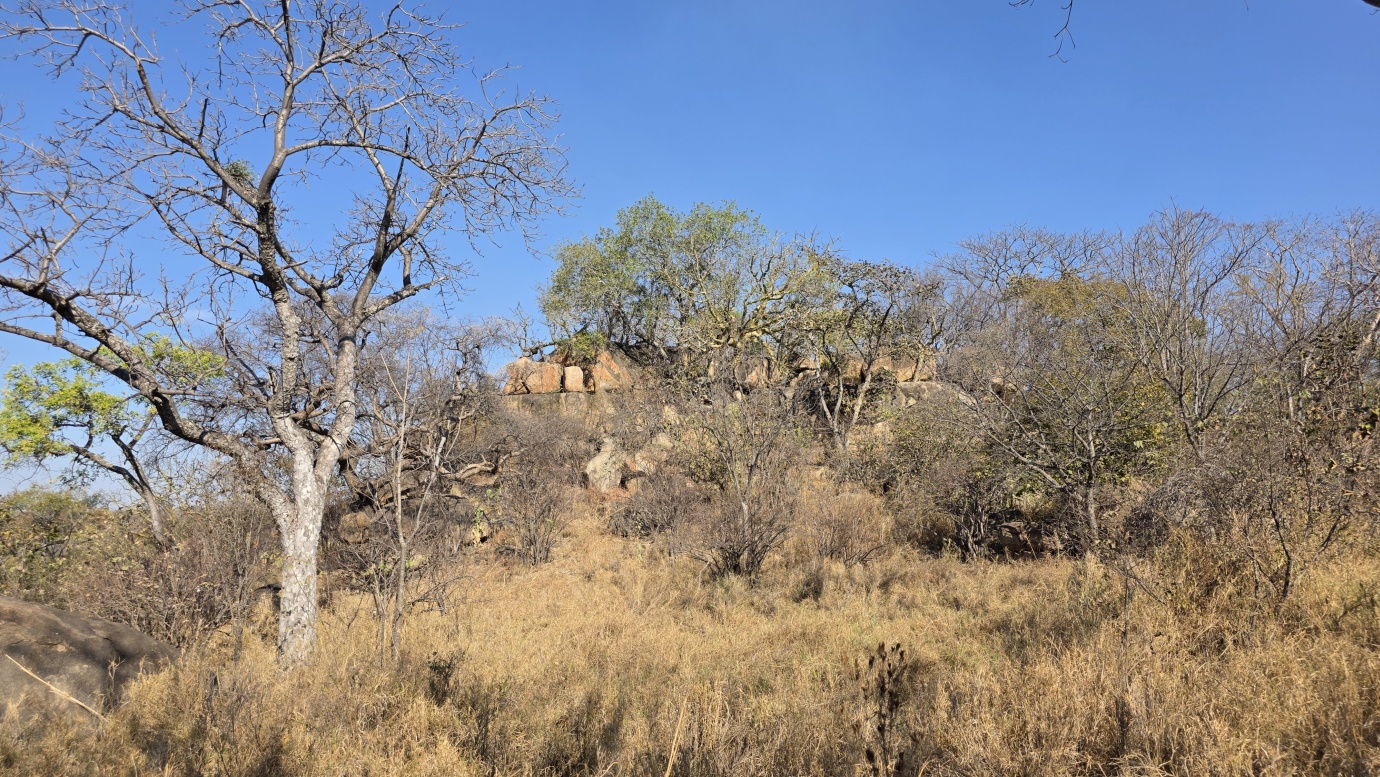
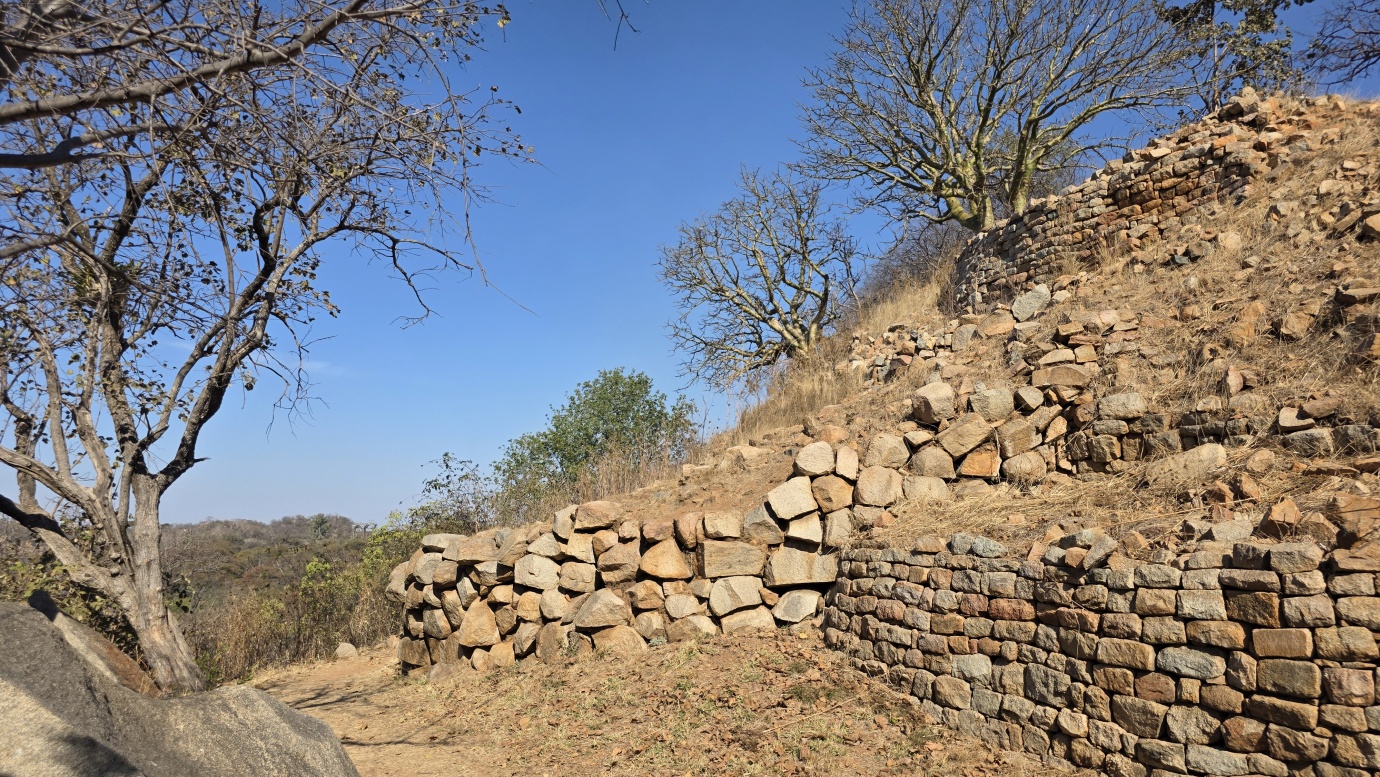
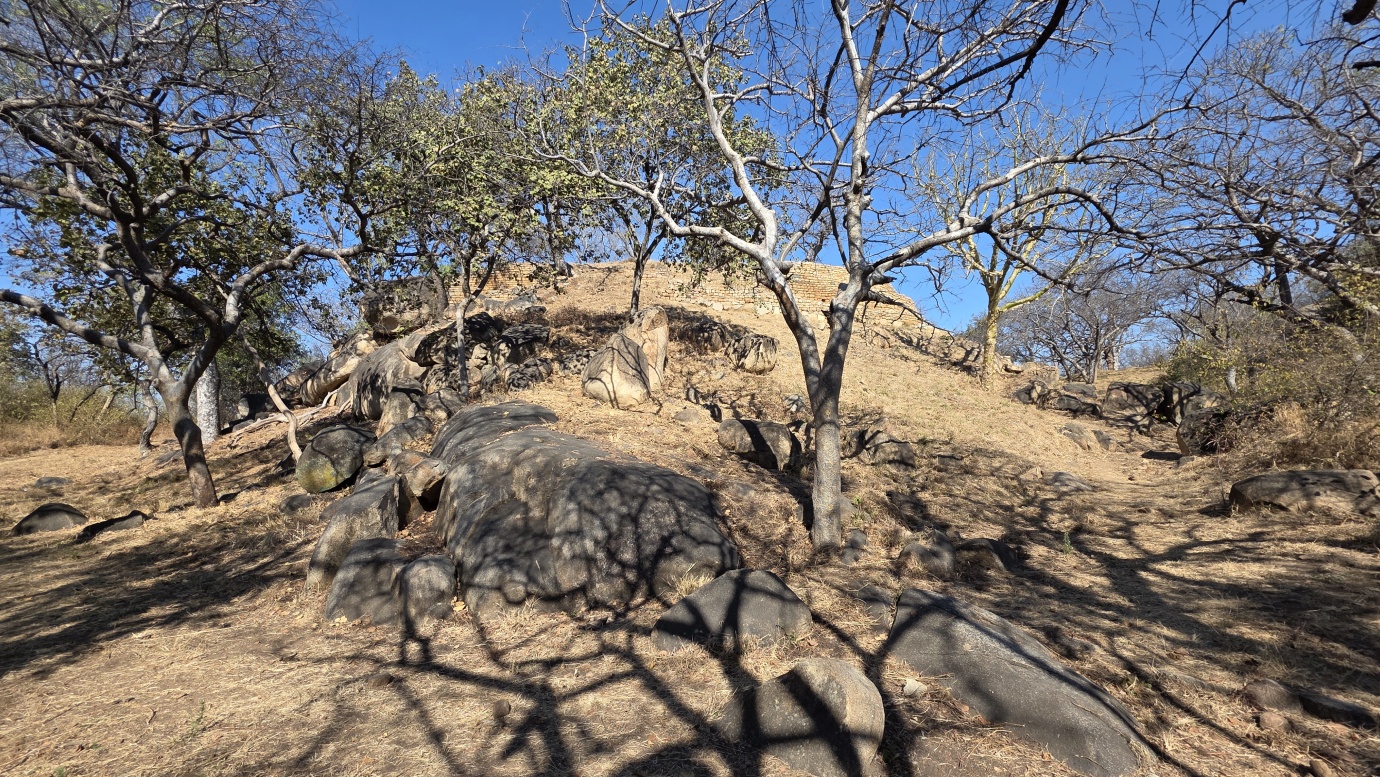
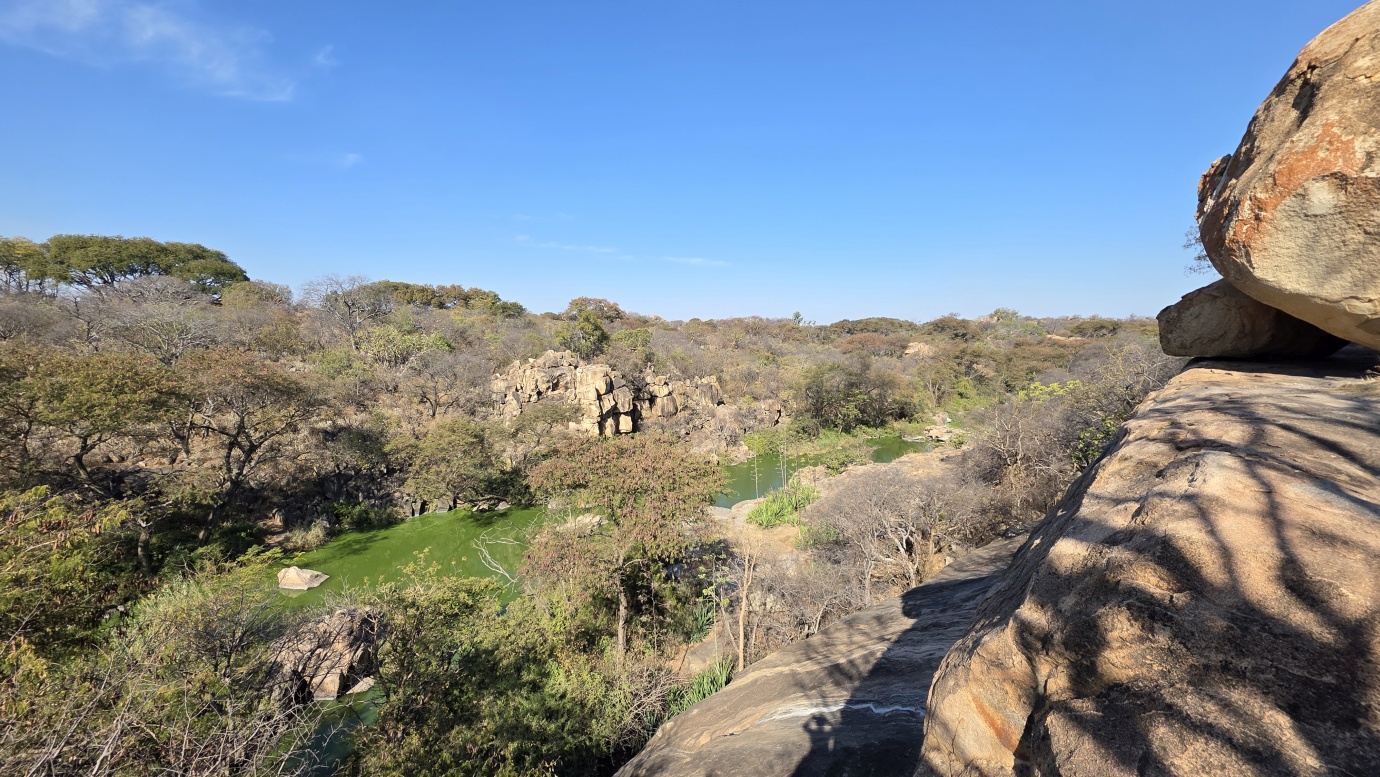
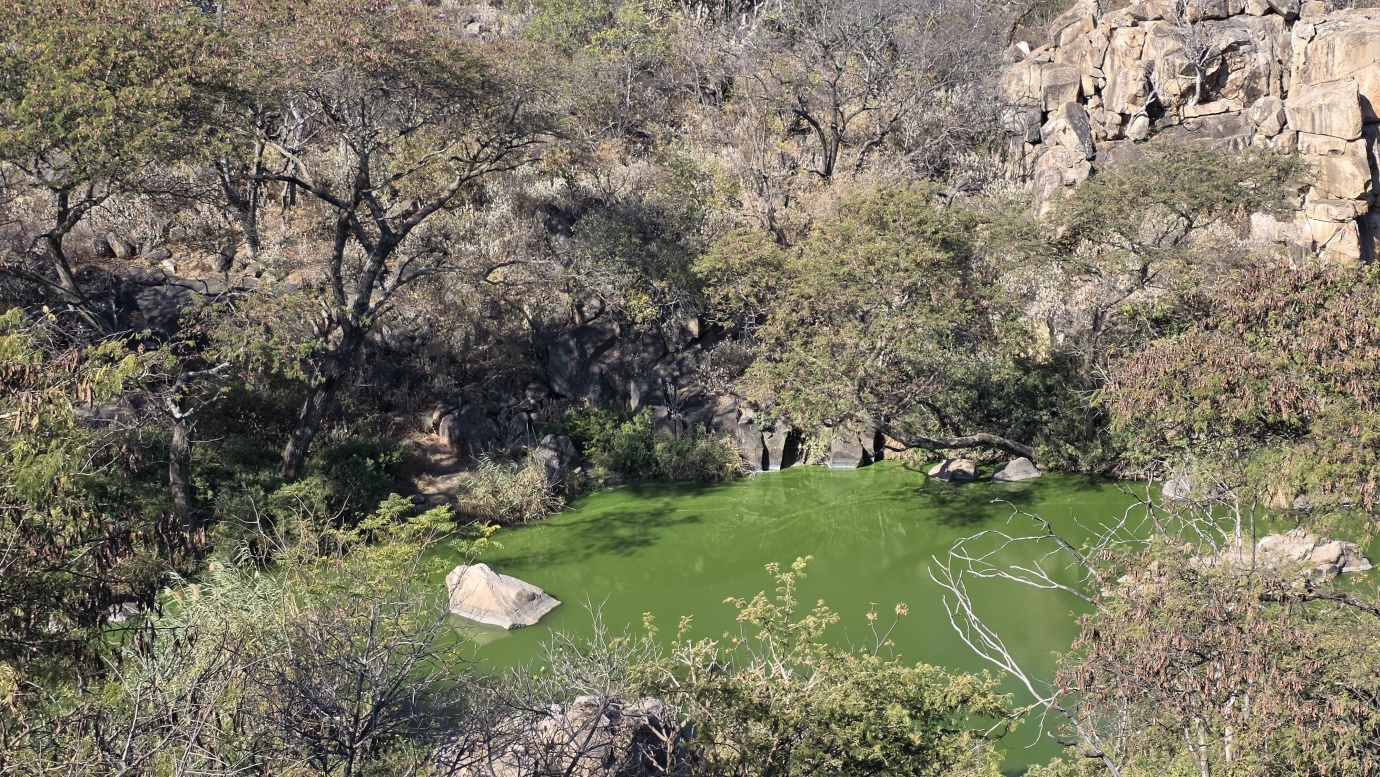
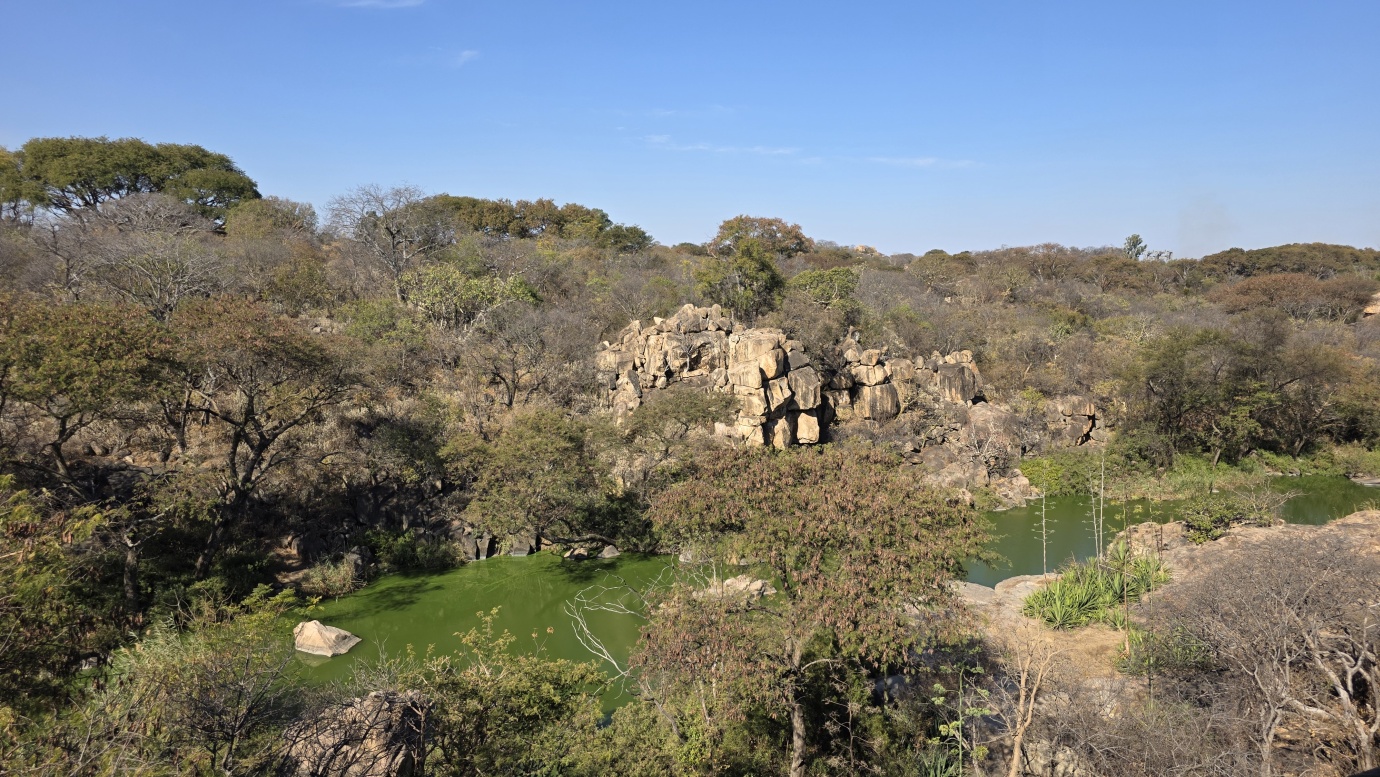
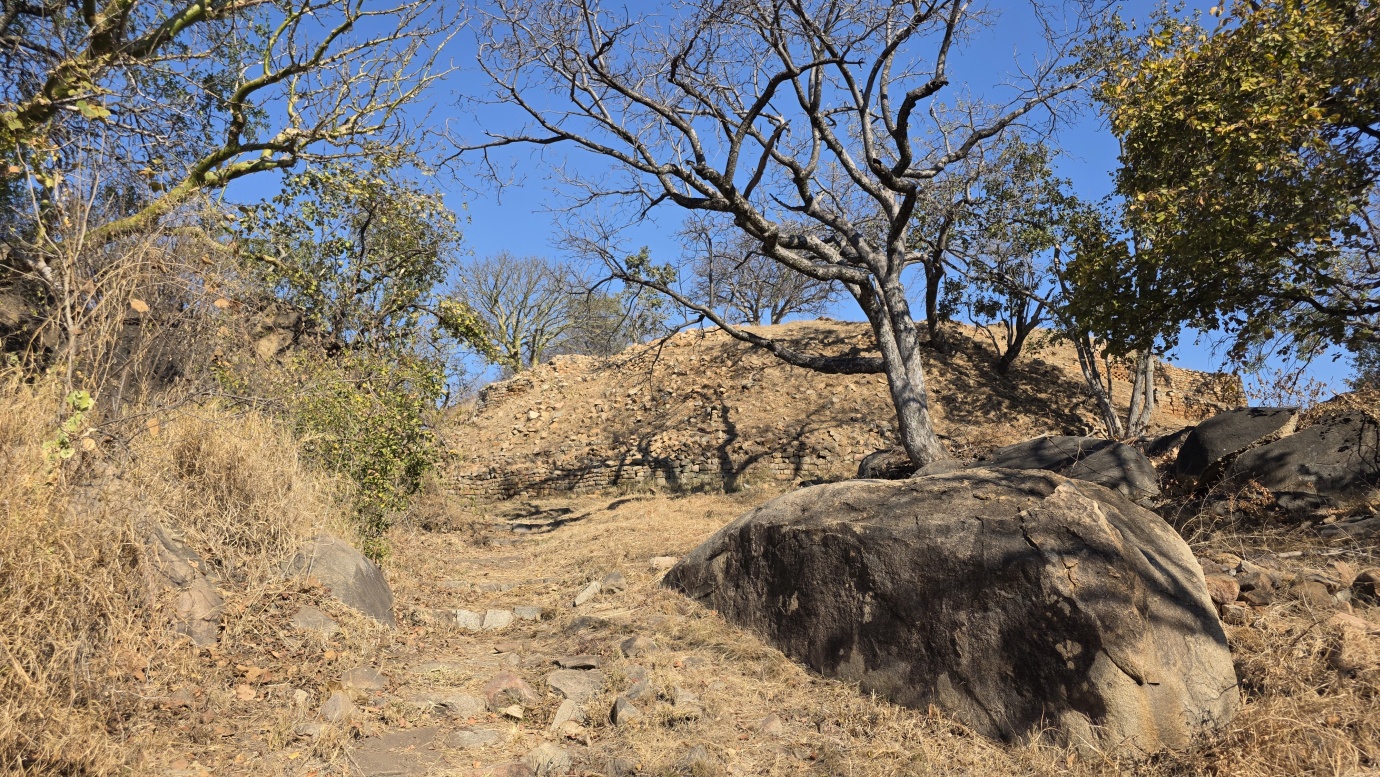
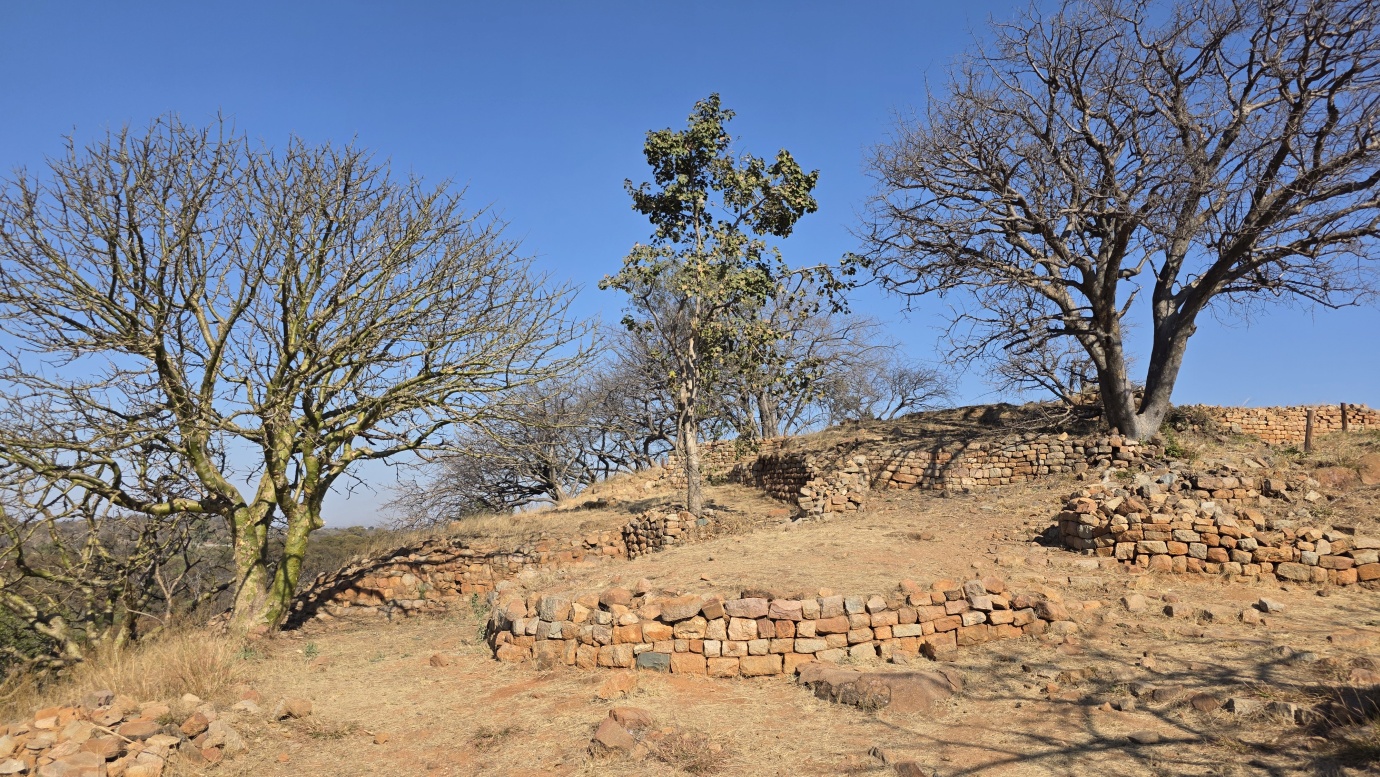
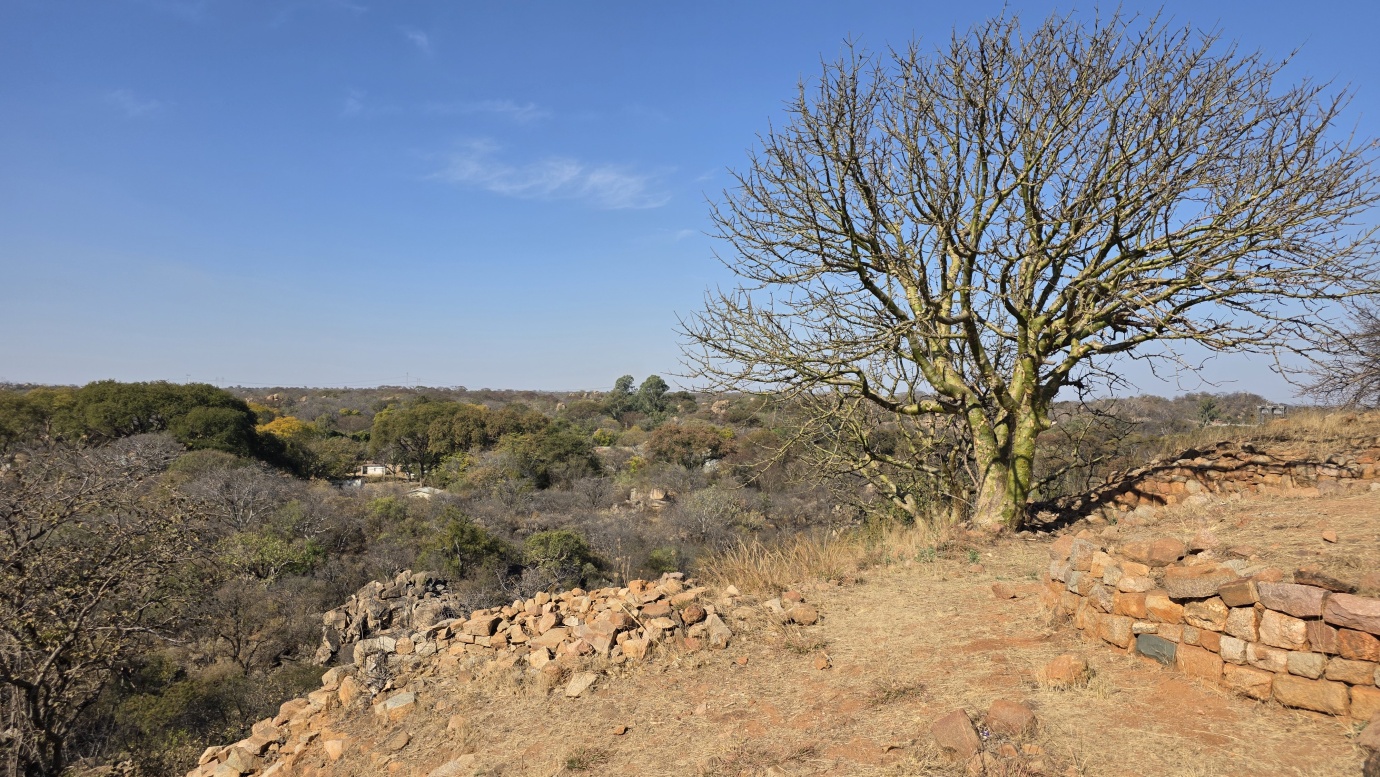
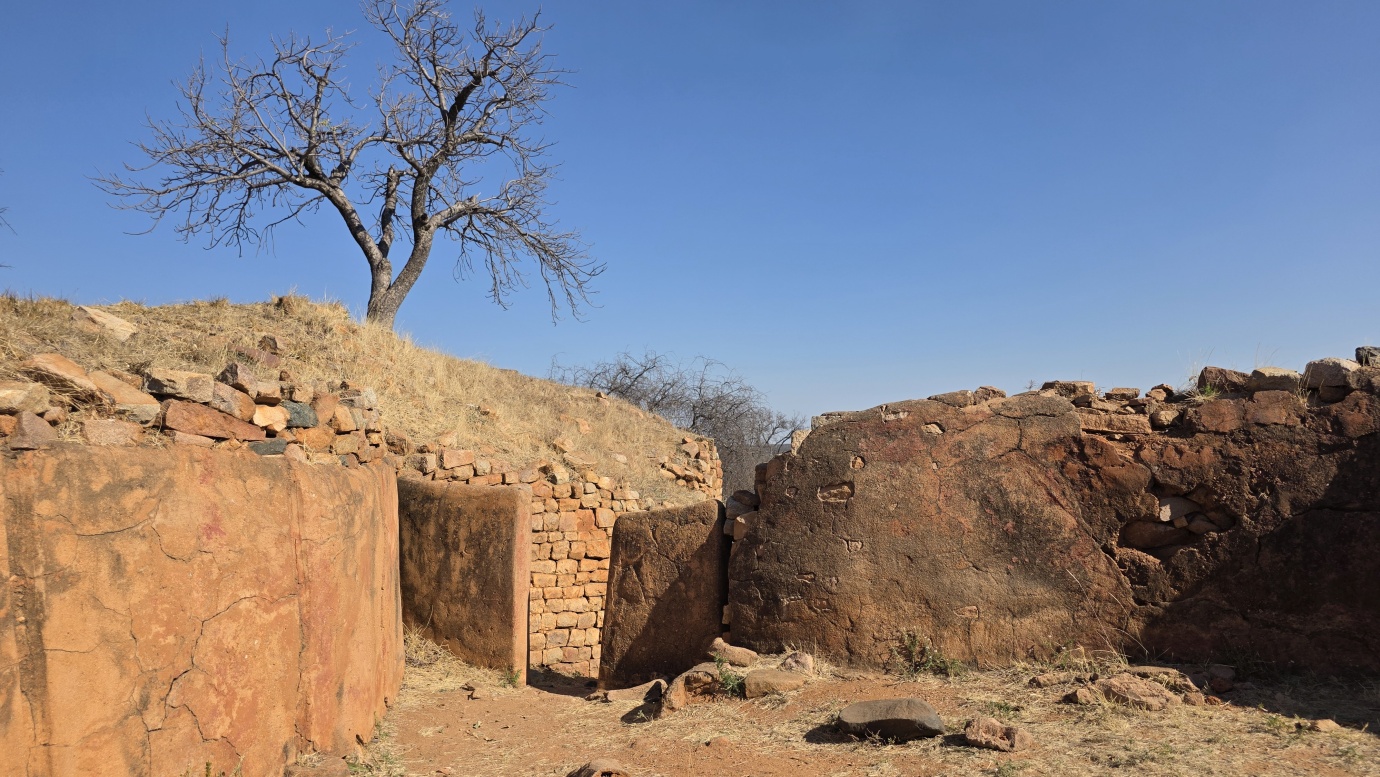
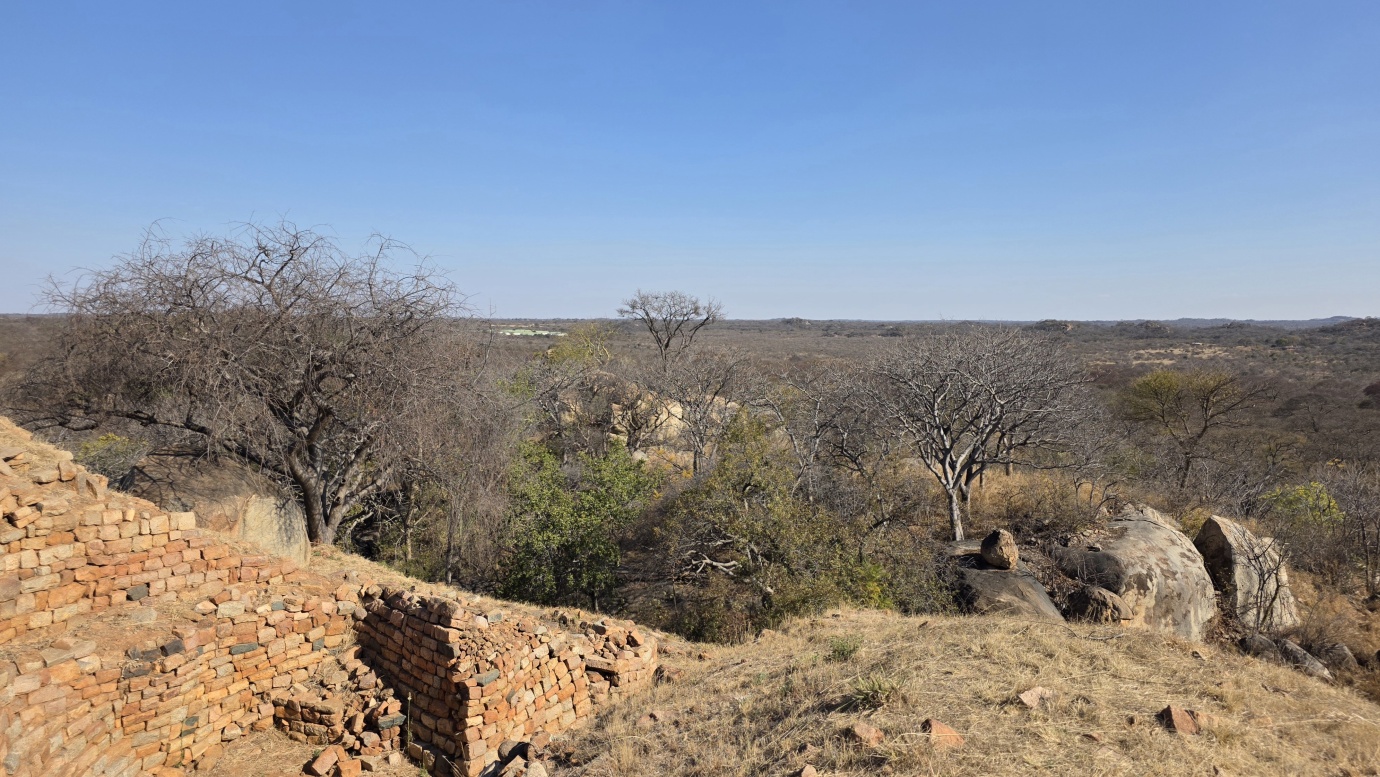
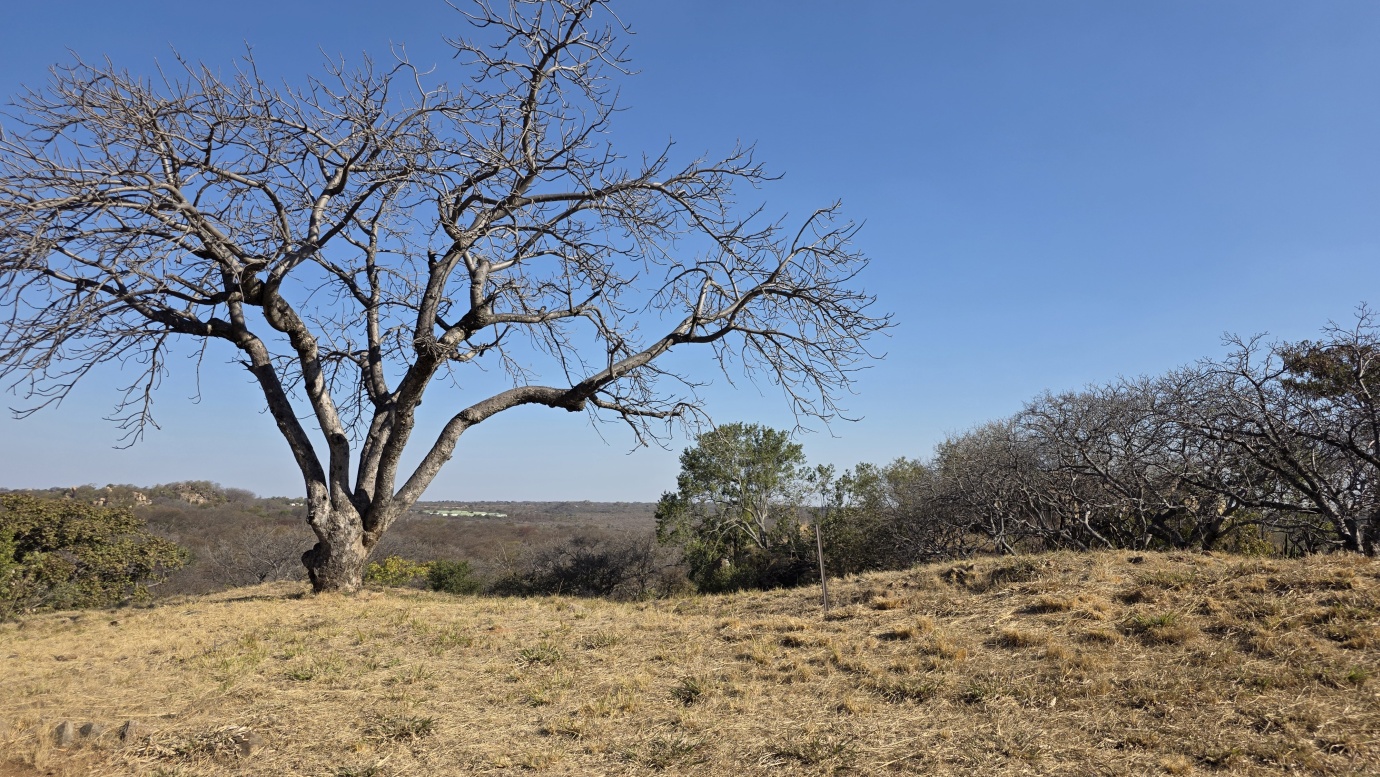
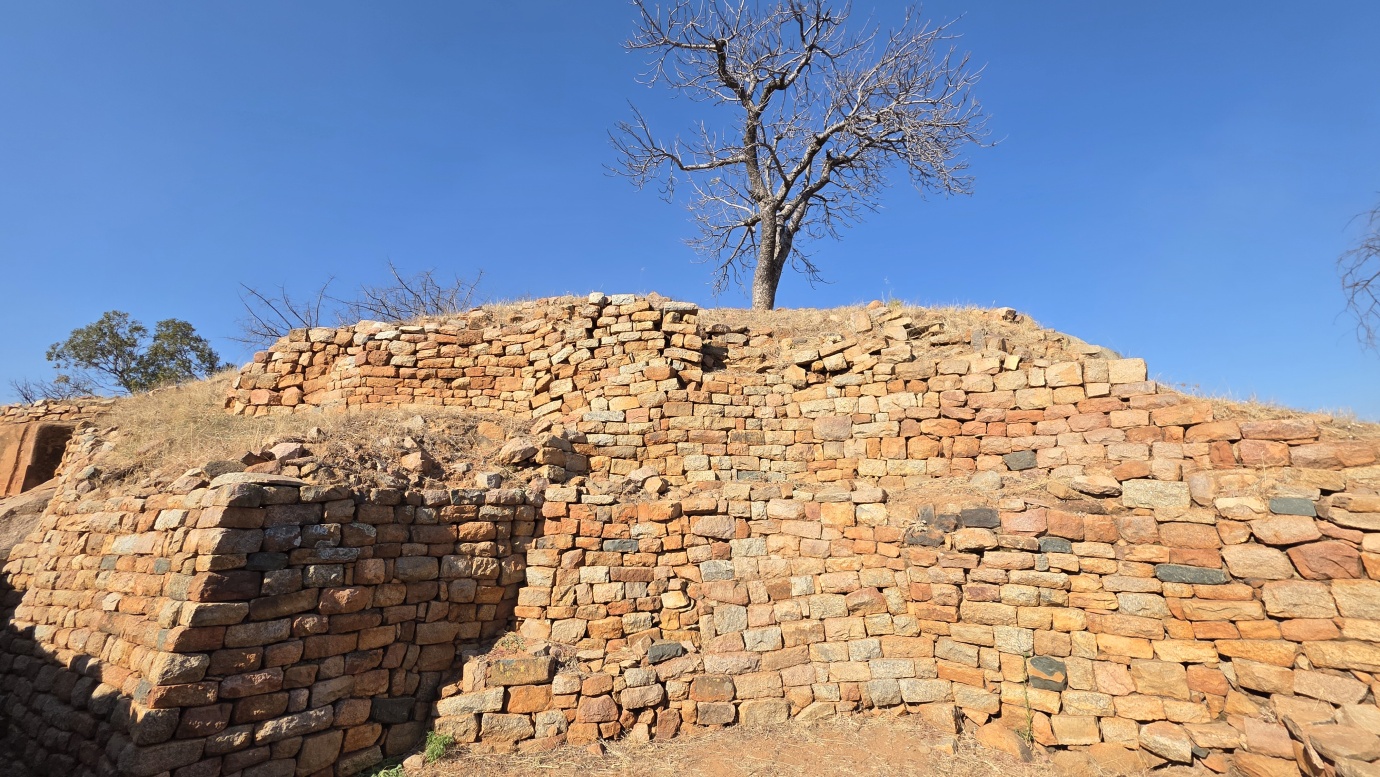
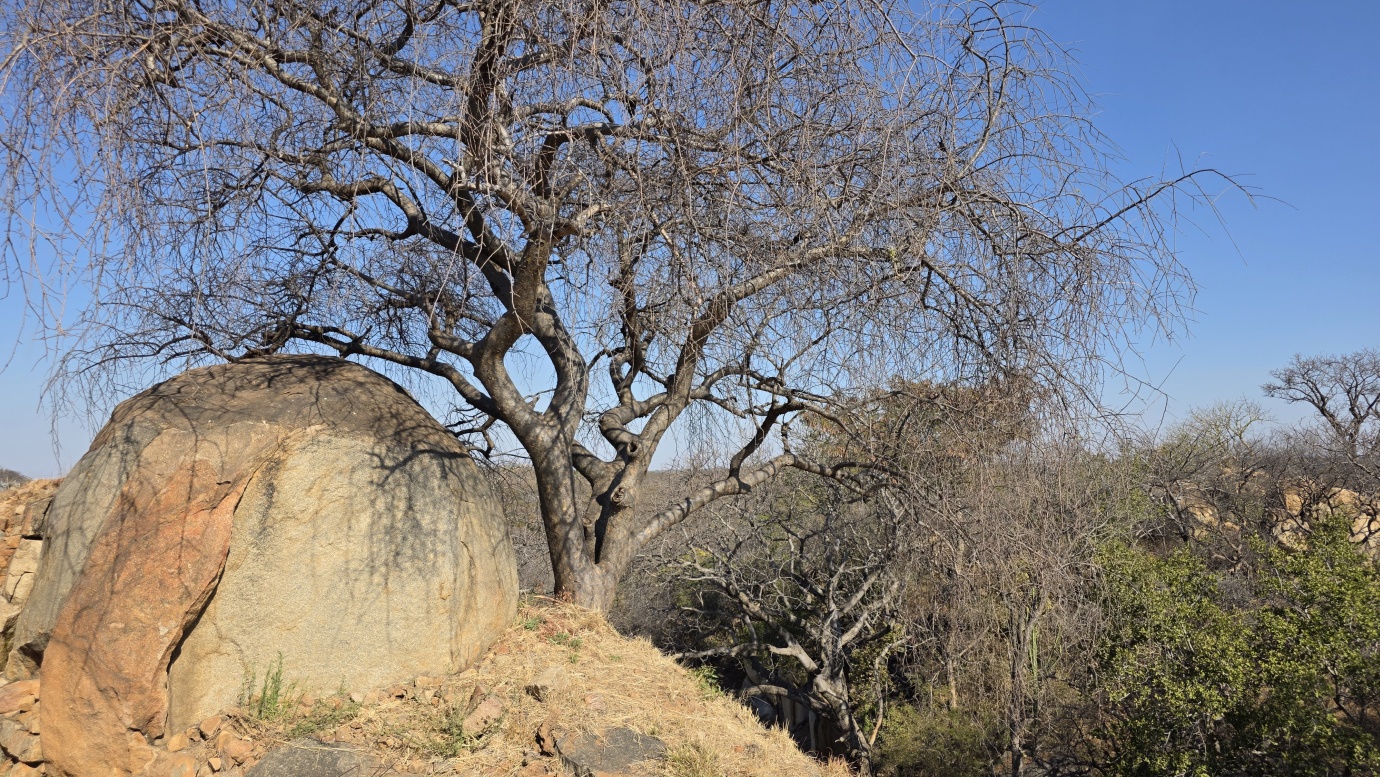
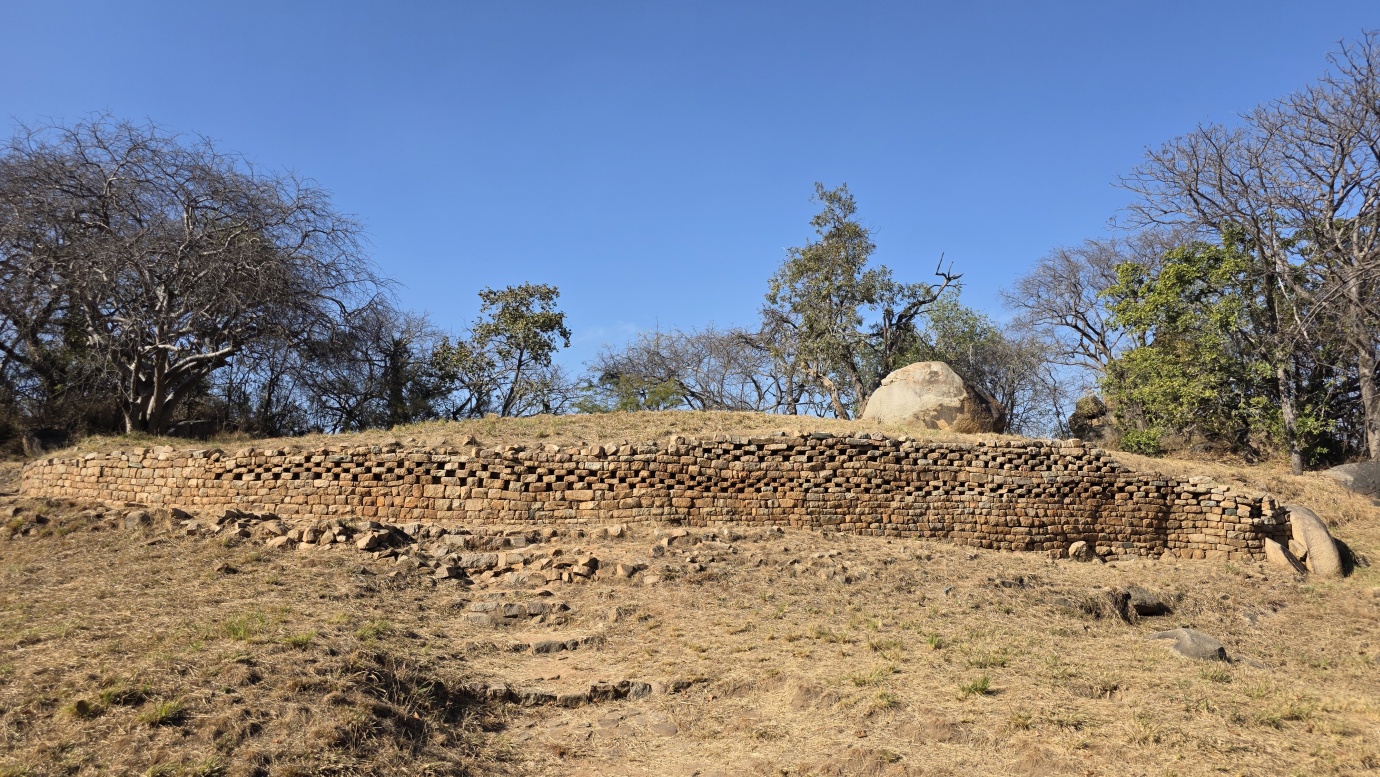
Today, we took an InDrive taxi (20 USD) and travelled along the Old Khami Road, approximately 22 kilometres west of Bulawayo, to visit the Khami Ruins, Zimbabwe’s second-largest ancient stone settlement. Once the capital of the Torwa dynasty between the 15th and 17th centuries, this UNESCO World Heritage Site (🎟️ USD 10) is renowned for its beautifully decorated dry-stone retaining walls, impressive terraced platforms, and archaeological discoveries that reveal its role as a major centre of international trade.
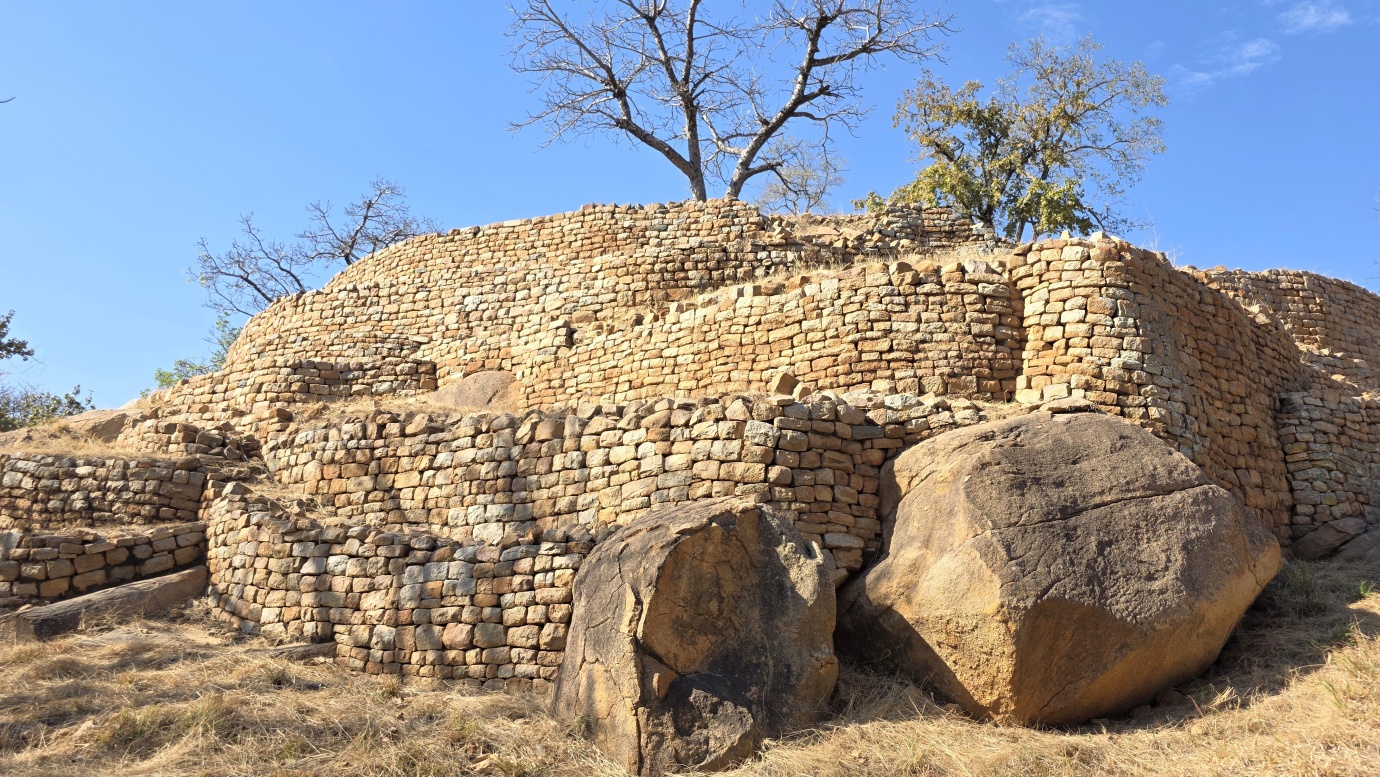
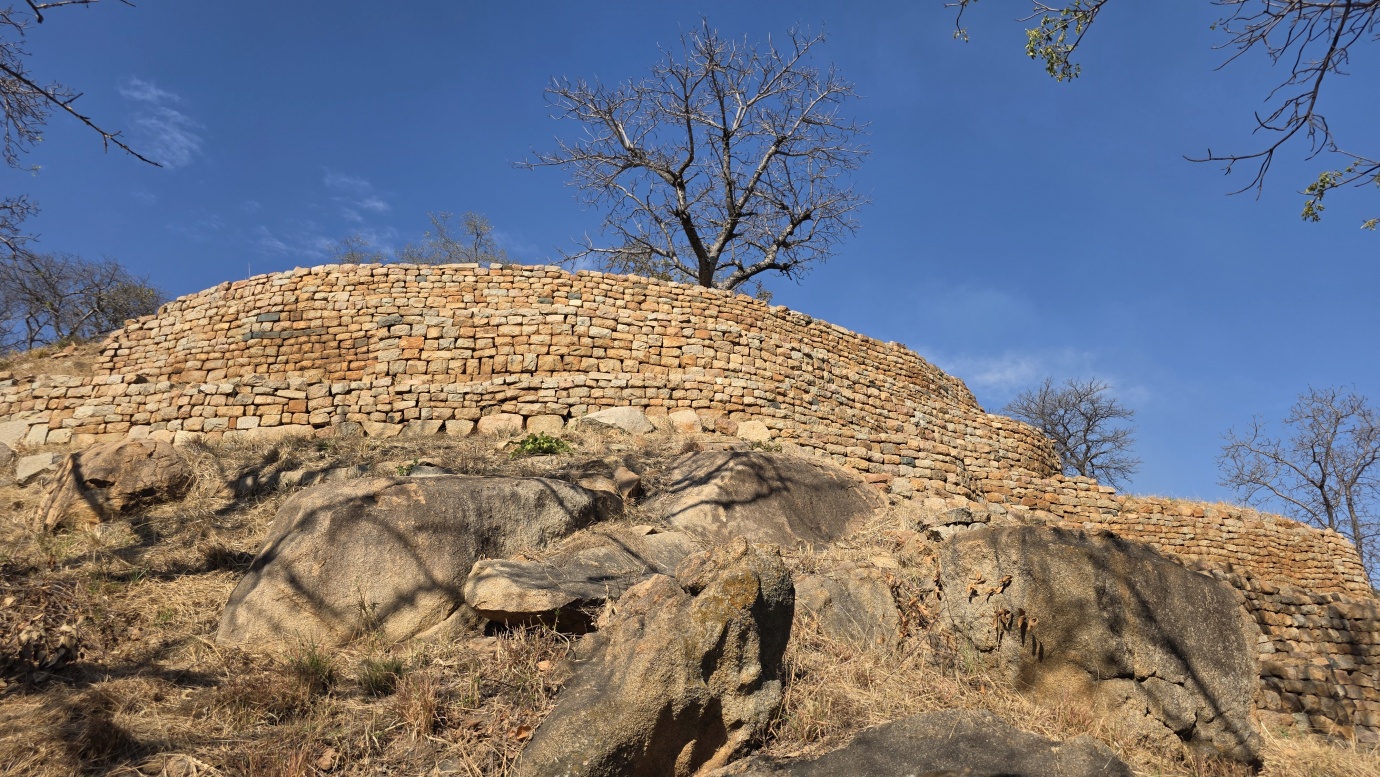
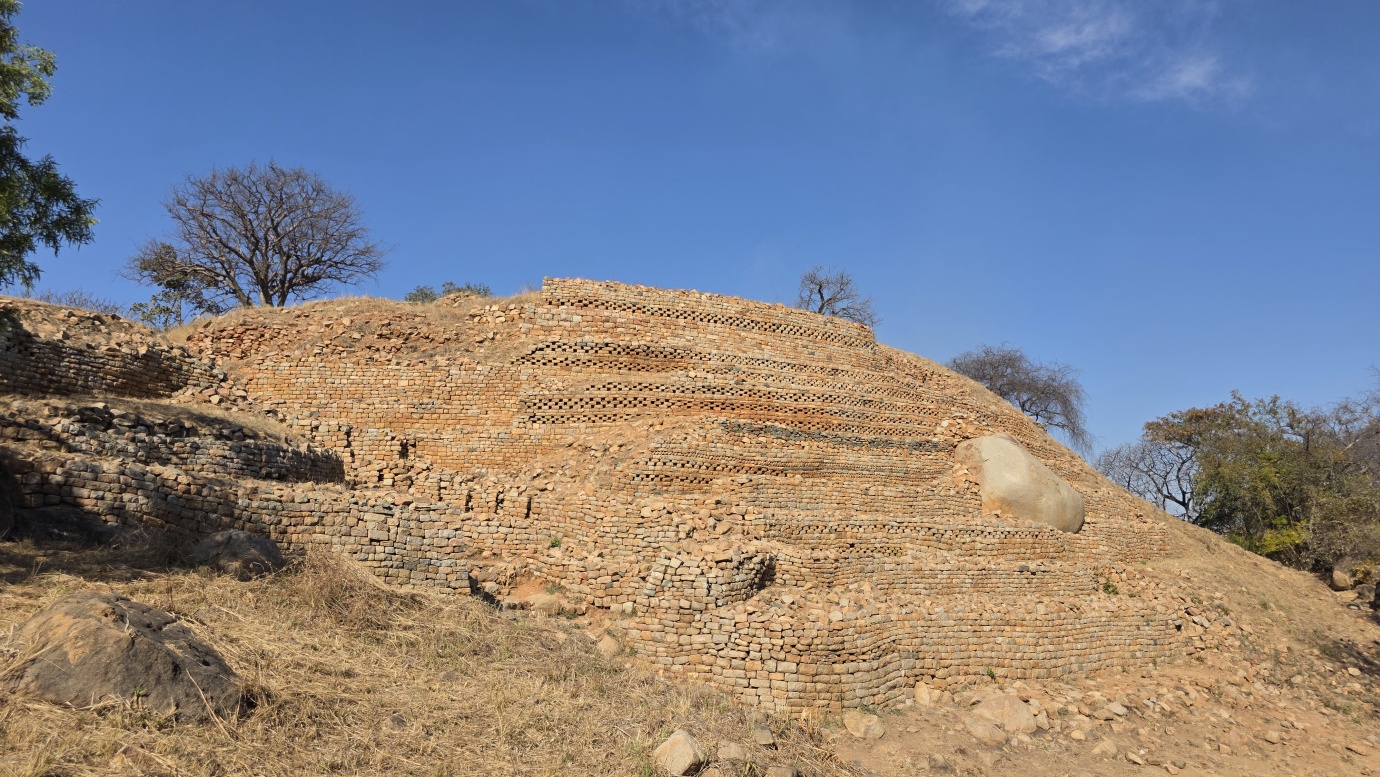
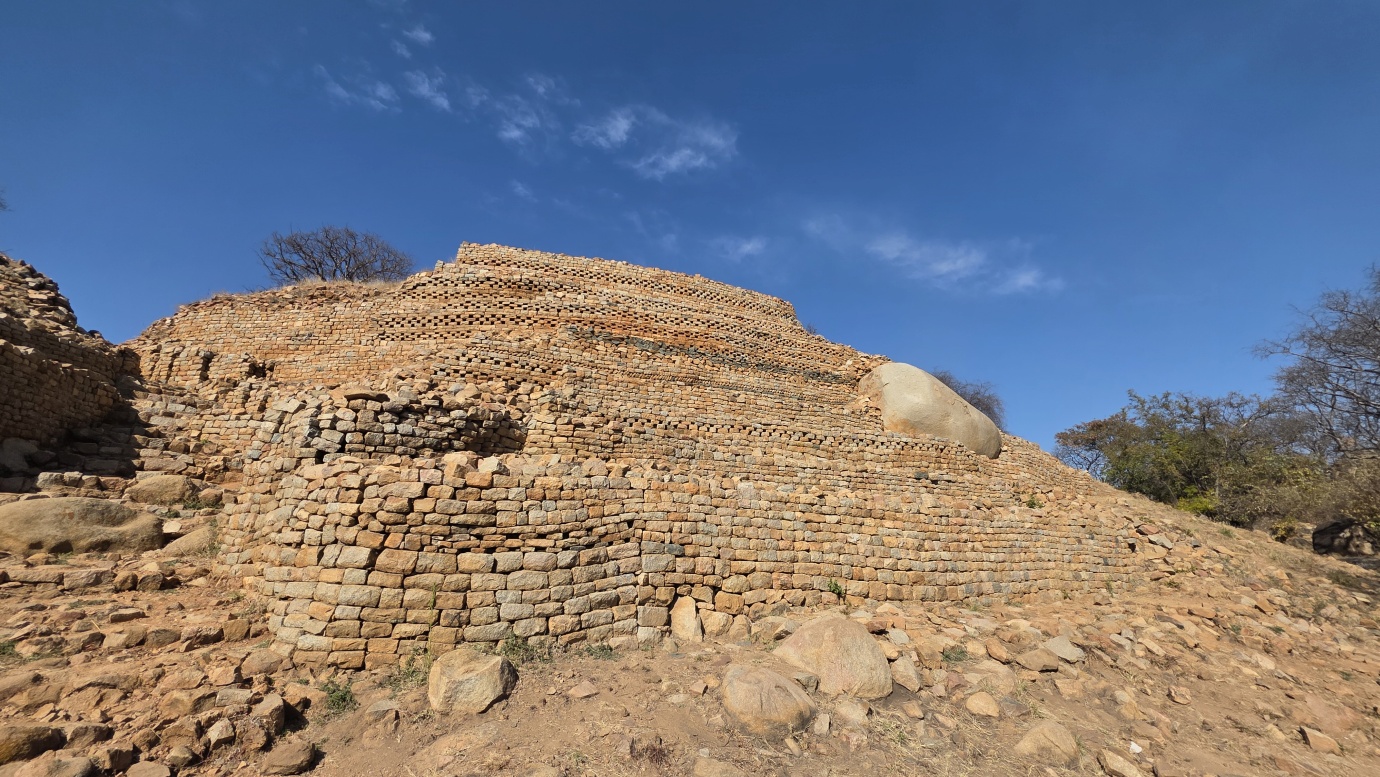
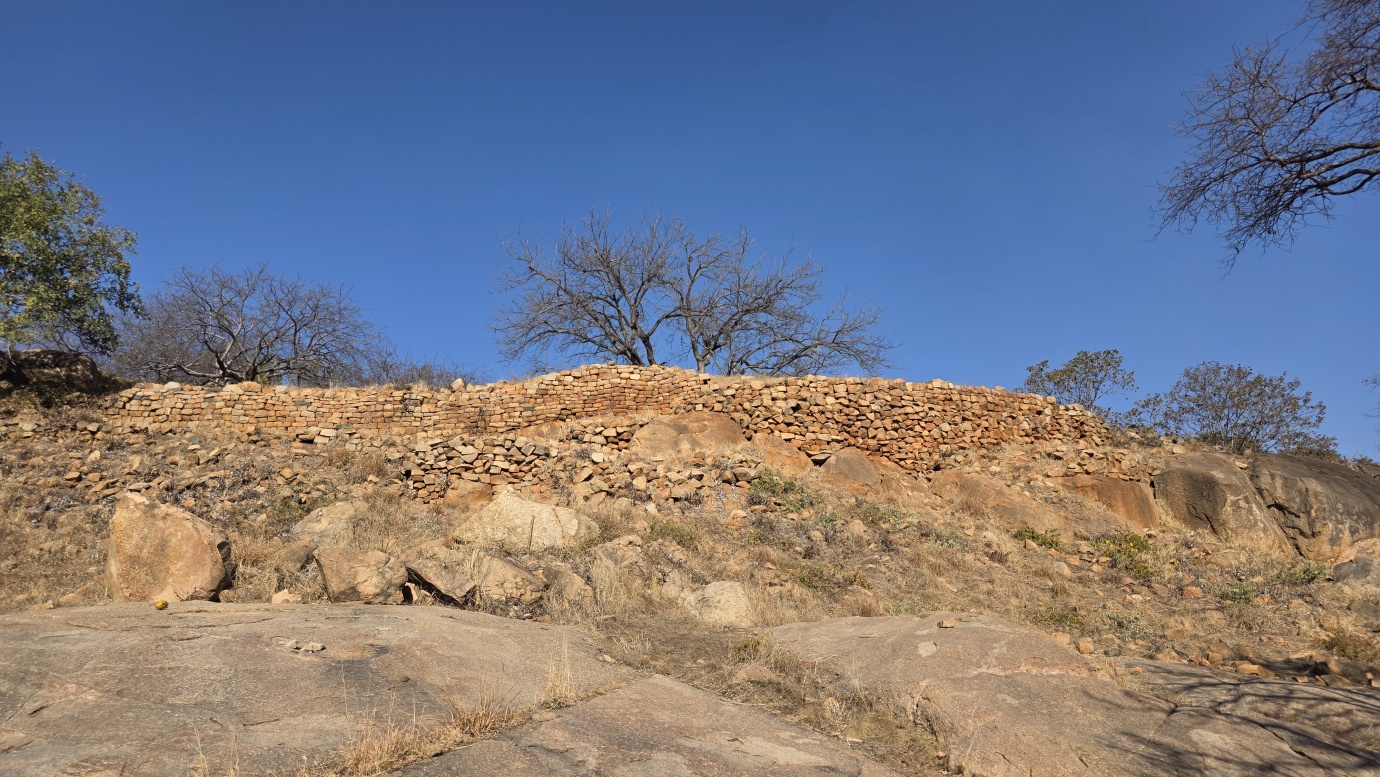
Founded around 1450 following the decline of the Great Zimbabwe Kingdom, Khami became the capital of the Kingdom of Butua. The Torwa dynasty built a sophisticated society whose influence extended deep into the Kalahari. Unlike earlier settlements, Khami introduced distinctive terraced, pear-shaped stone platforms that elevated royal residences and ceremonial courtyards above the valley floor, creating both a practical and visually striking urban landscape.
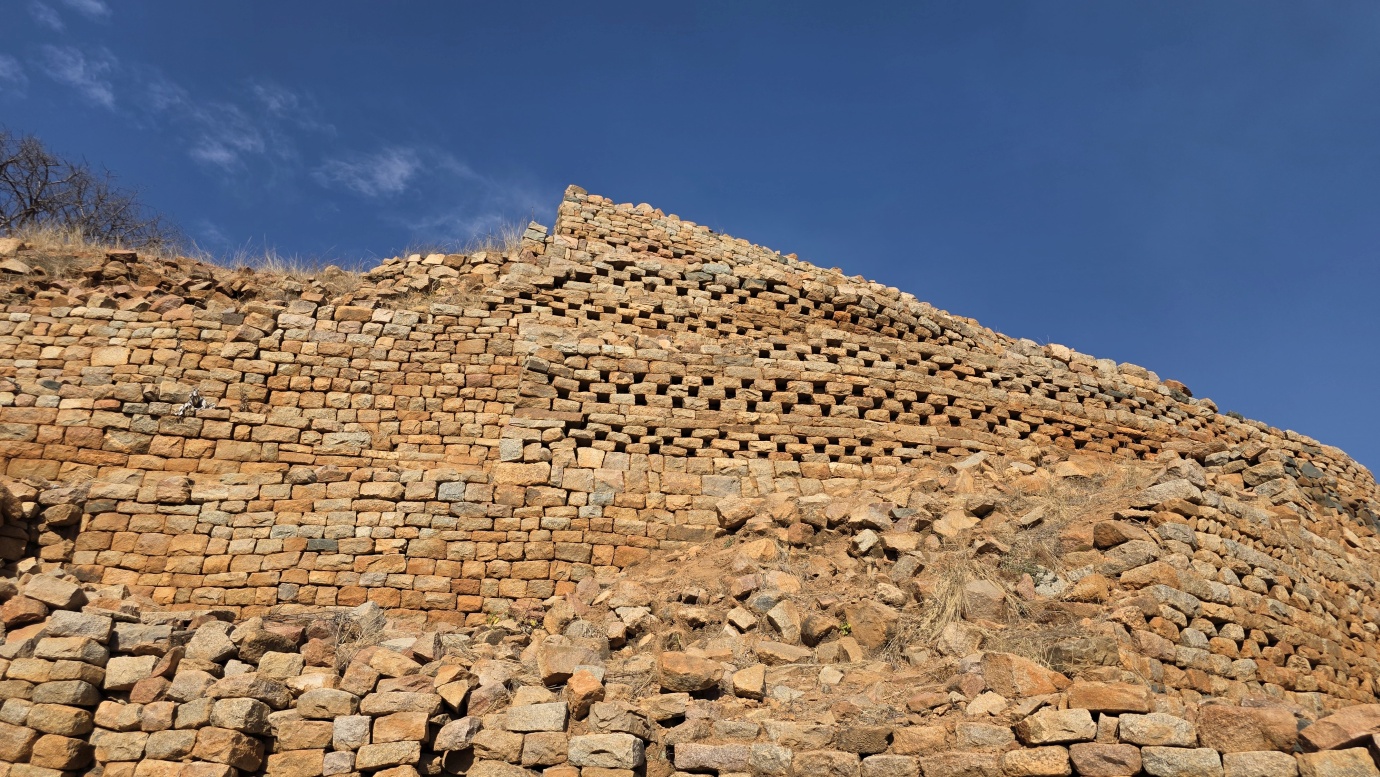
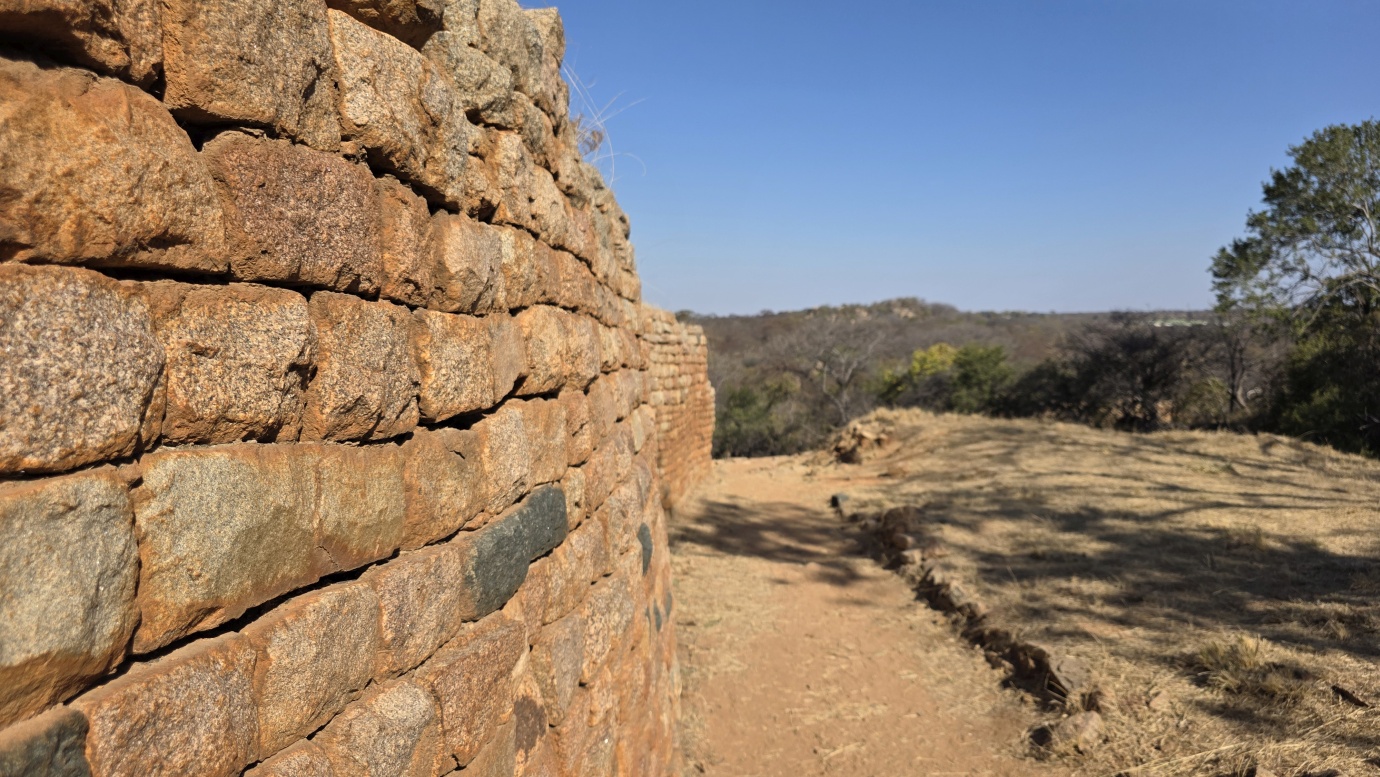
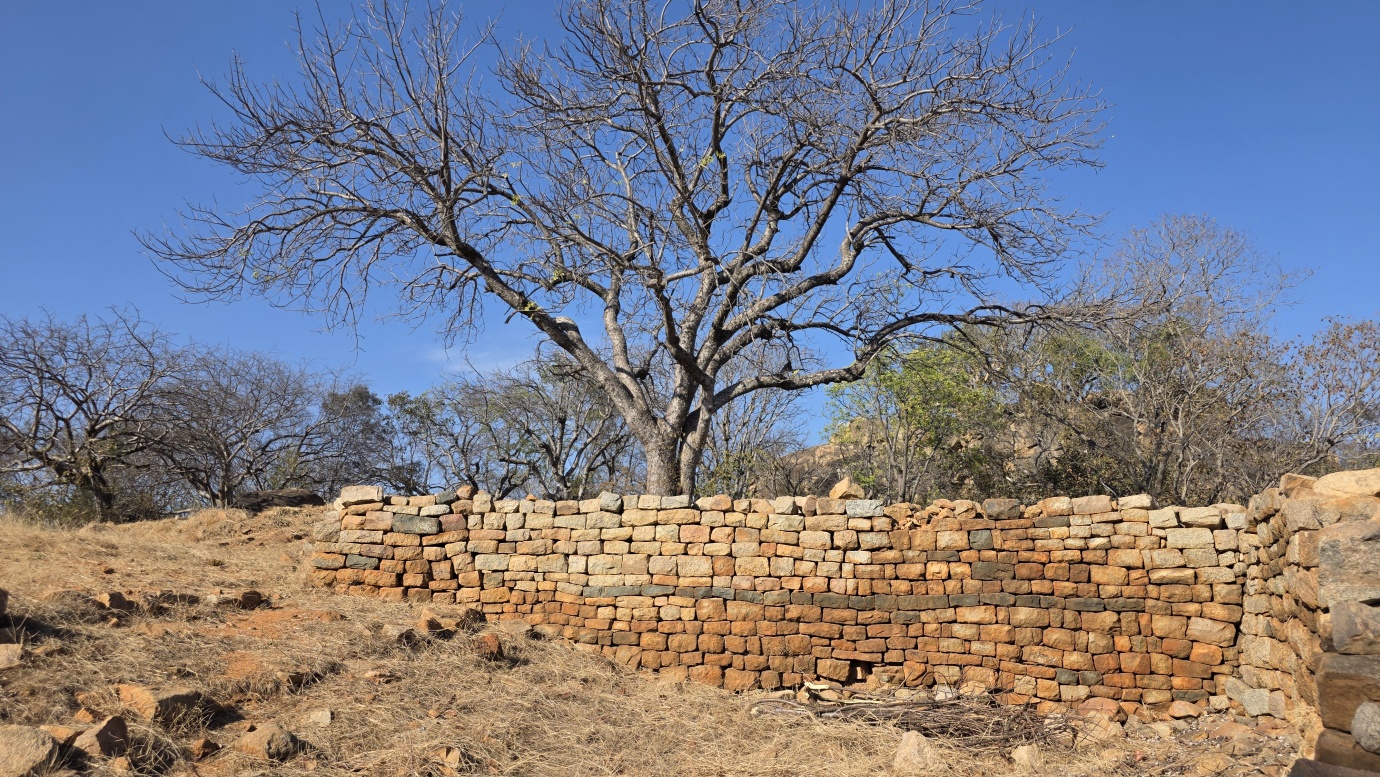
The site is home to some of the finest dry-stone masonry in southern Africa. Its most spectacular feature, the Precipice Ruin, boasts a remarkable retaining wall measuring 68 metres long and up to 6 metres high, decorated with an elegant continuous checkerboard pattern. Archaeological excavations have also uncovered evidence of Khami’s extensive international trade connections, including 15th- to 17th-century Spanish and Ming Dynasty porcelain, as well as Rhineland stoneware imported from Europe. Around 1683, the city was conquered by the Rozvi kings and eventually abandoned during the 19th century following the arrival of the Ndebele.
The Zimbabwean Ndebele (often called the Matabele) originated in the early 19th century as a splinter group of the Zulu in South Africa. Under King Mzilikazi, an army general and Khumalo clan leader who fled King Shaka, his followers migrated north to avoid conflict and eventually conquered and settled in present-day Zimbabwe in the late 1830s
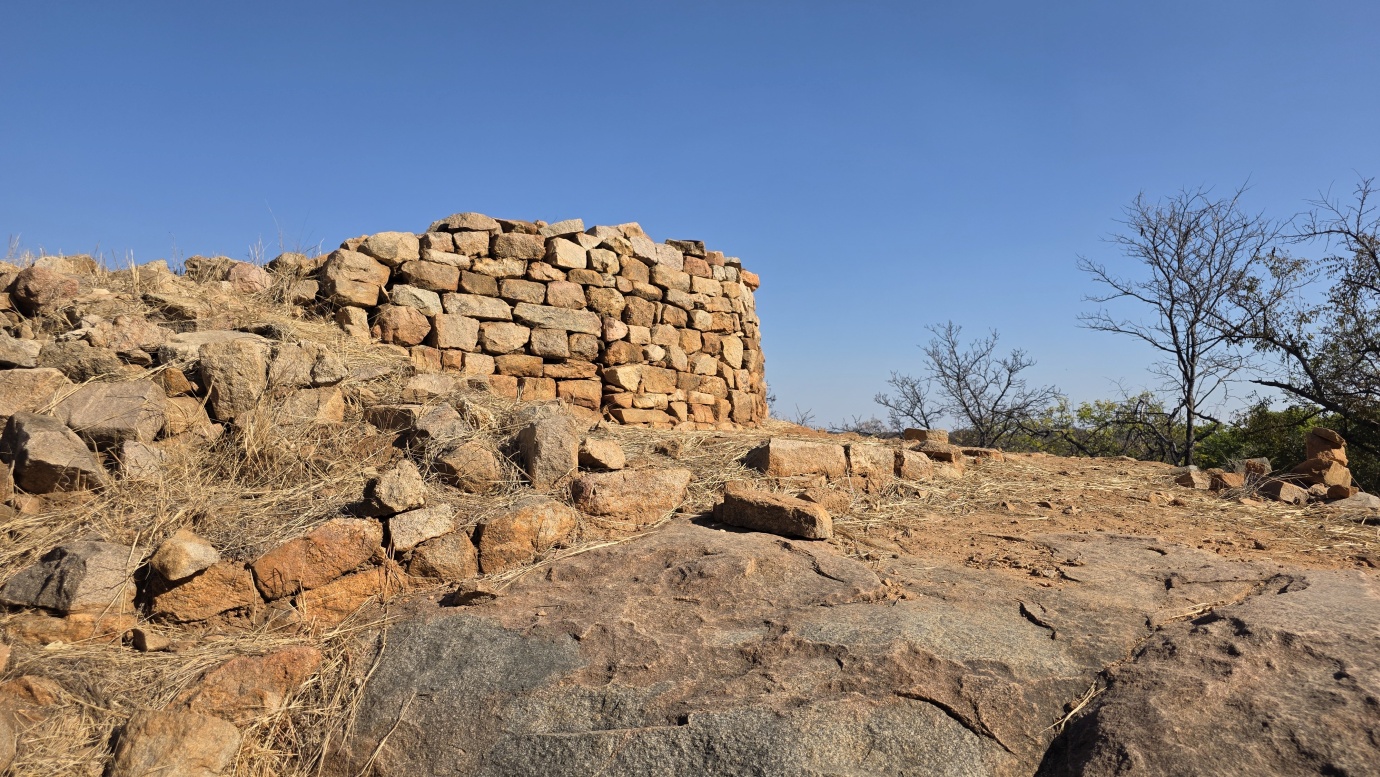
During our 1.5-hour walk, we explored the Hill Ruin, once the chief’s residence, walked among the ancient cultivation terraces, and discovered the Cross Ruin, home to a mysterious carved stone Dominican Cross that continues to intrigue archaeologists and historians alike.