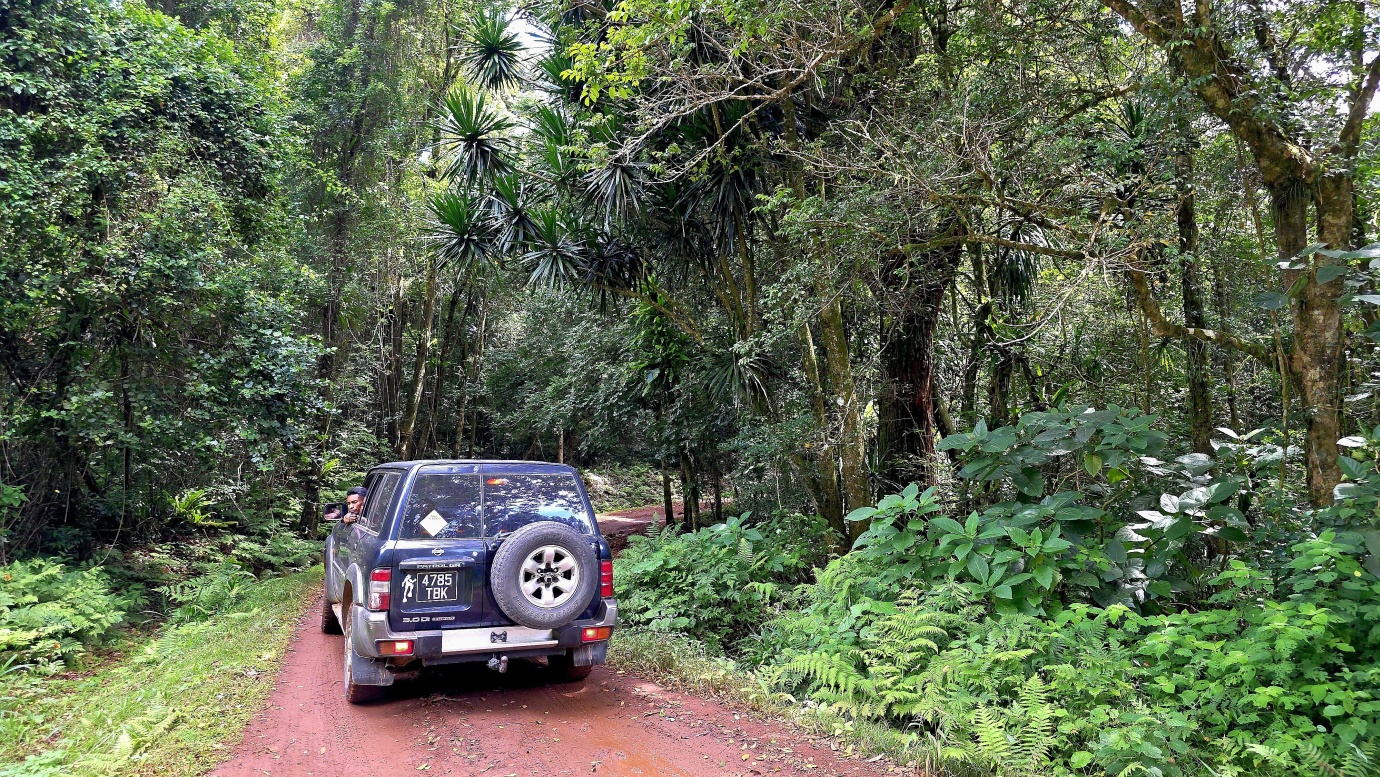
We got our first dose of the day’s scams right at the entrance to Montagne d’Ambre National Park (Amber Mountain). Staff tried to charge us for a full-day visit, even though we had clearly agreed with our local guide on a short 3-hour hike (🎟️ 55,000 MGA, guide 80,000 MGA, car 4,000 MGA). There was no visible price list, and we had to dig it out from their office ourselves.
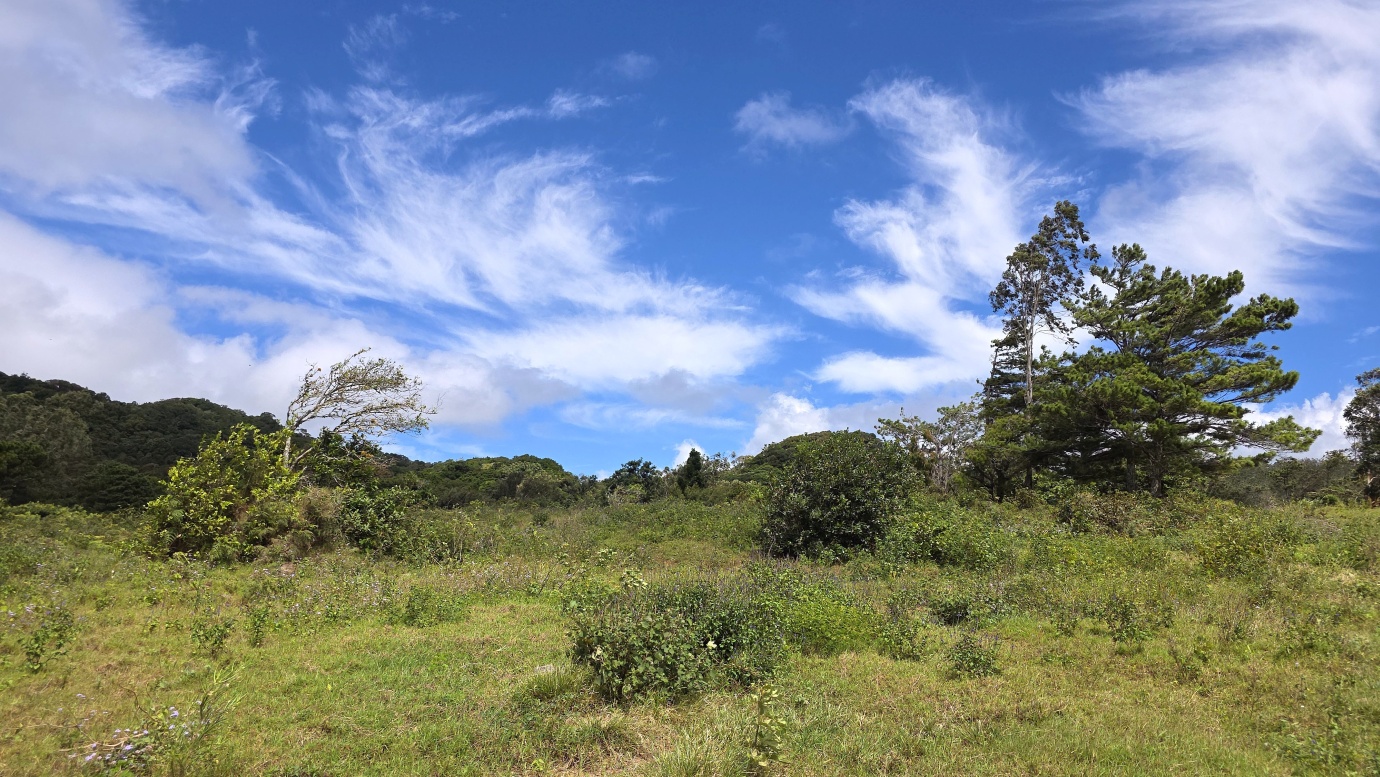
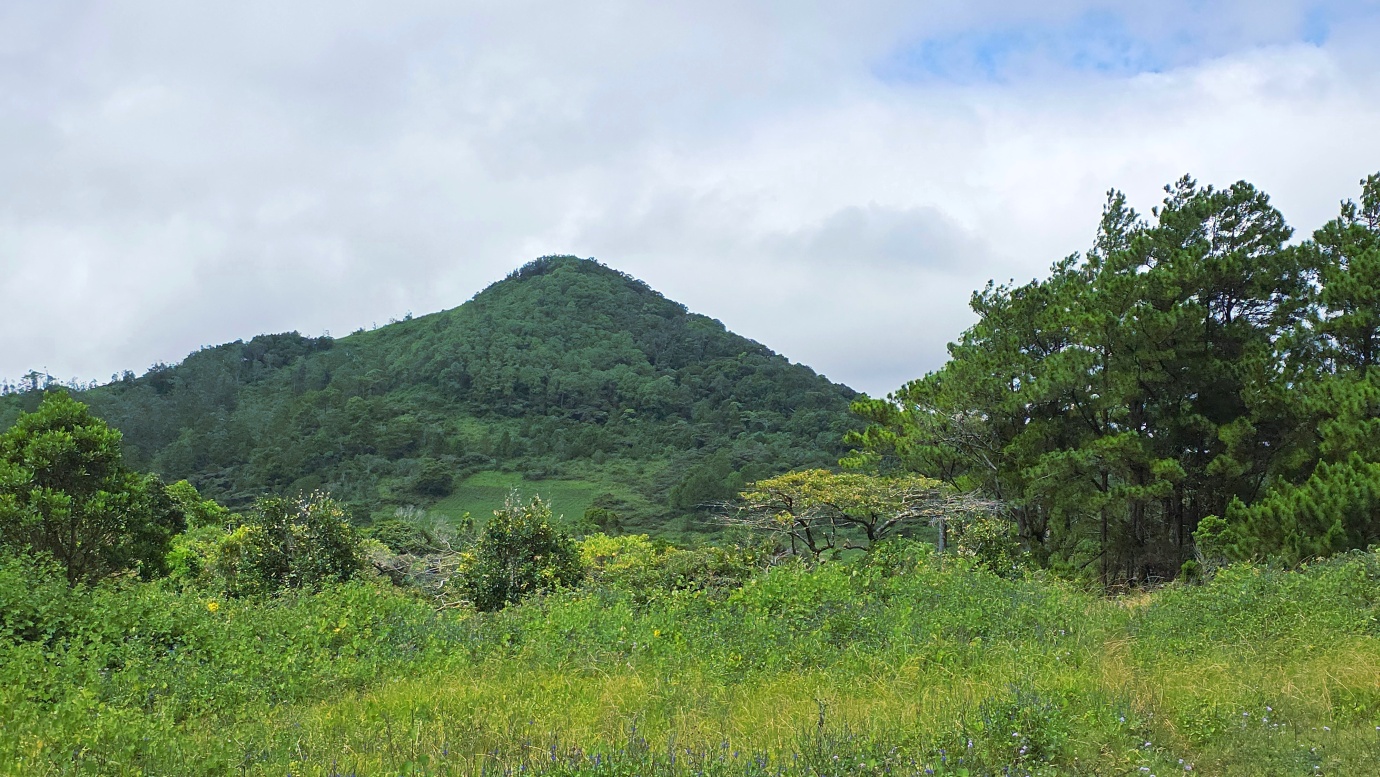
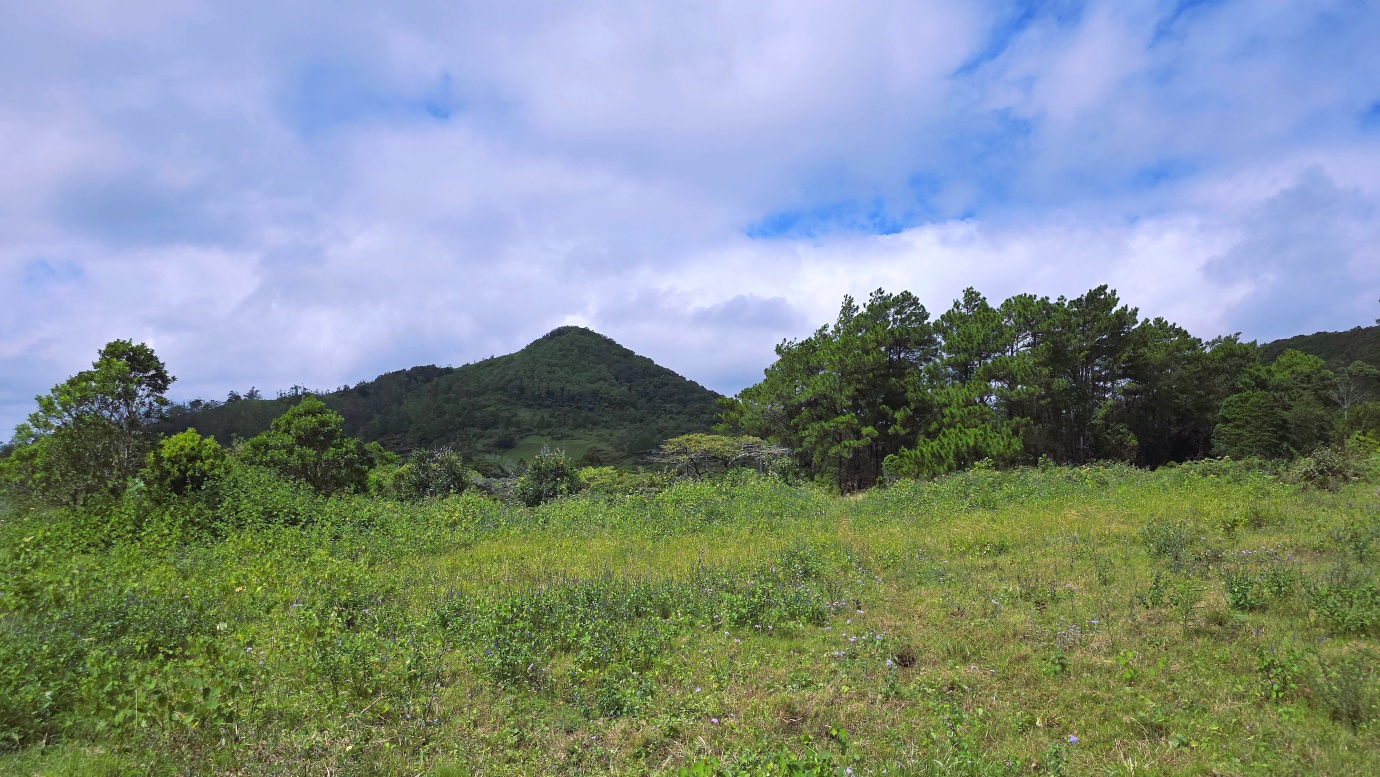
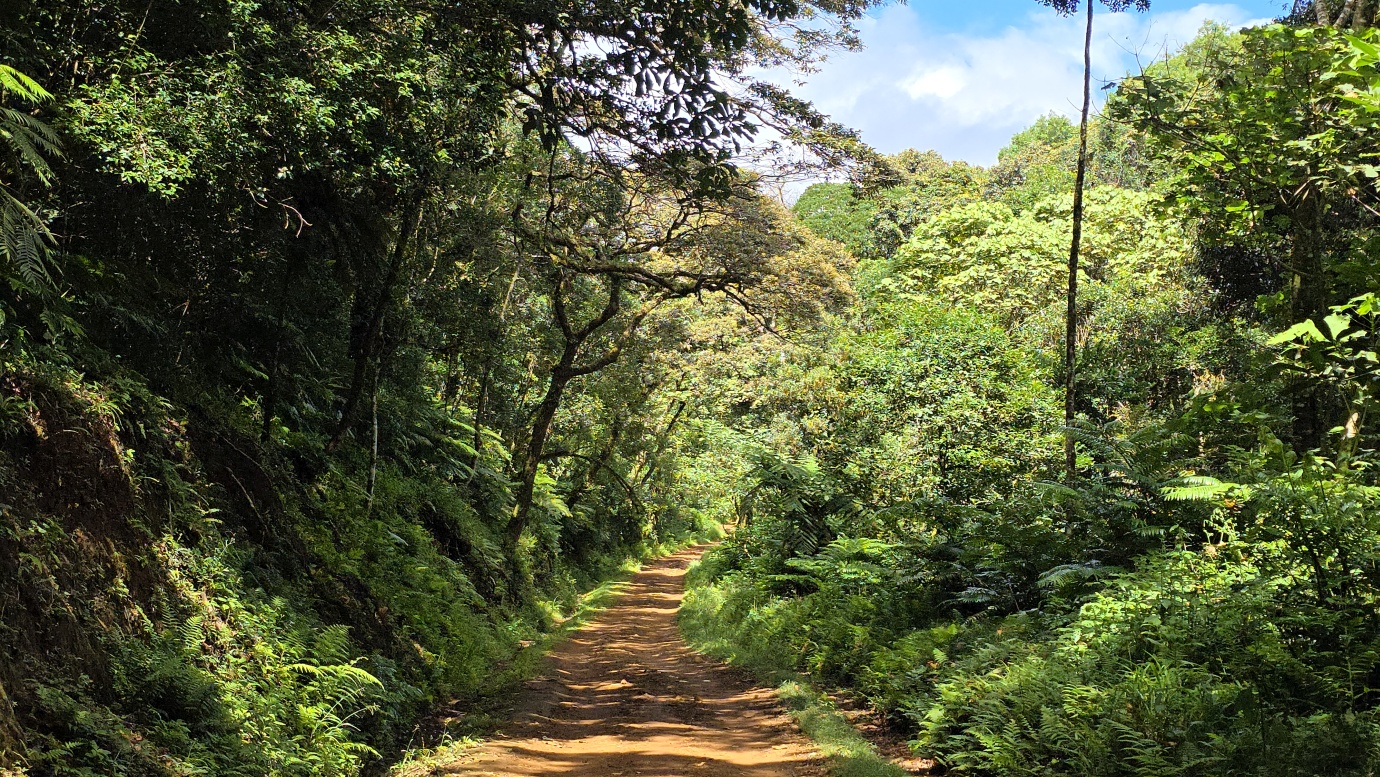
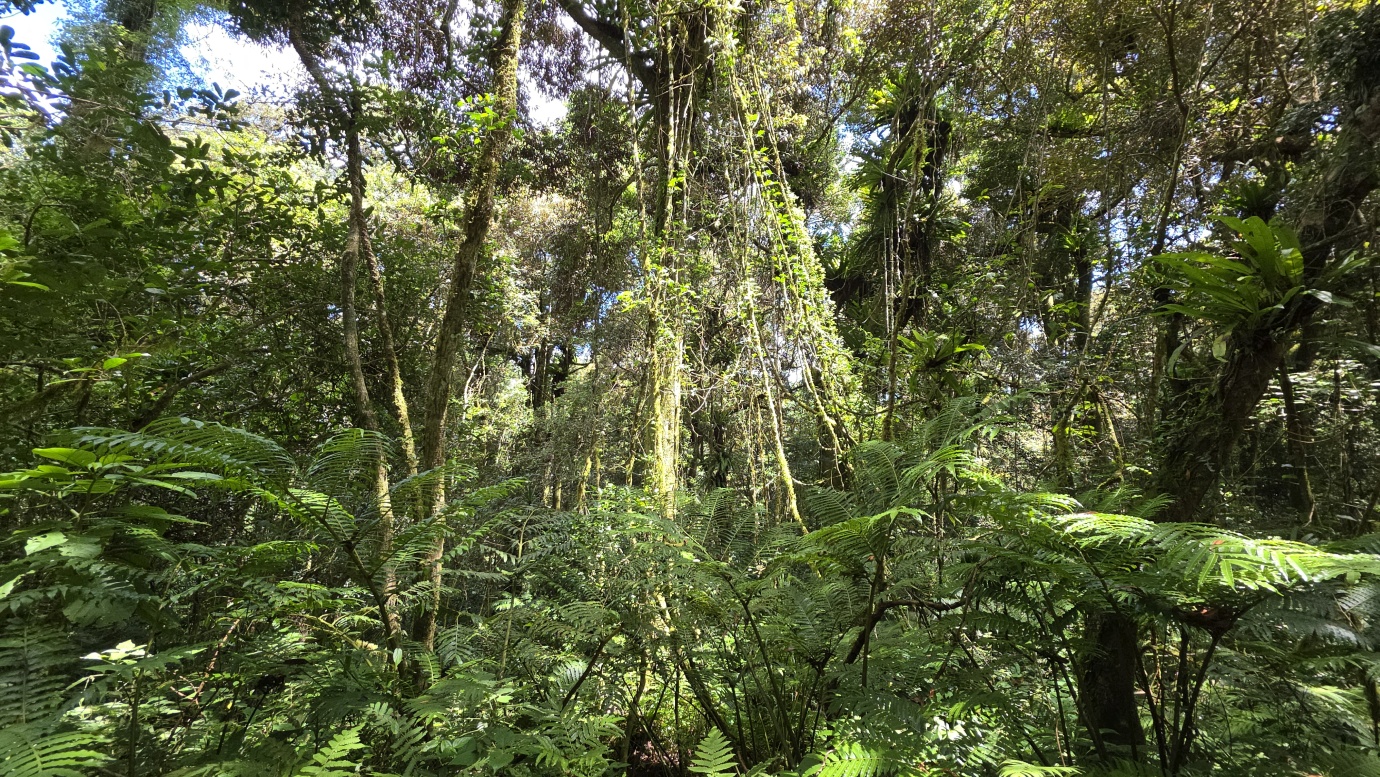
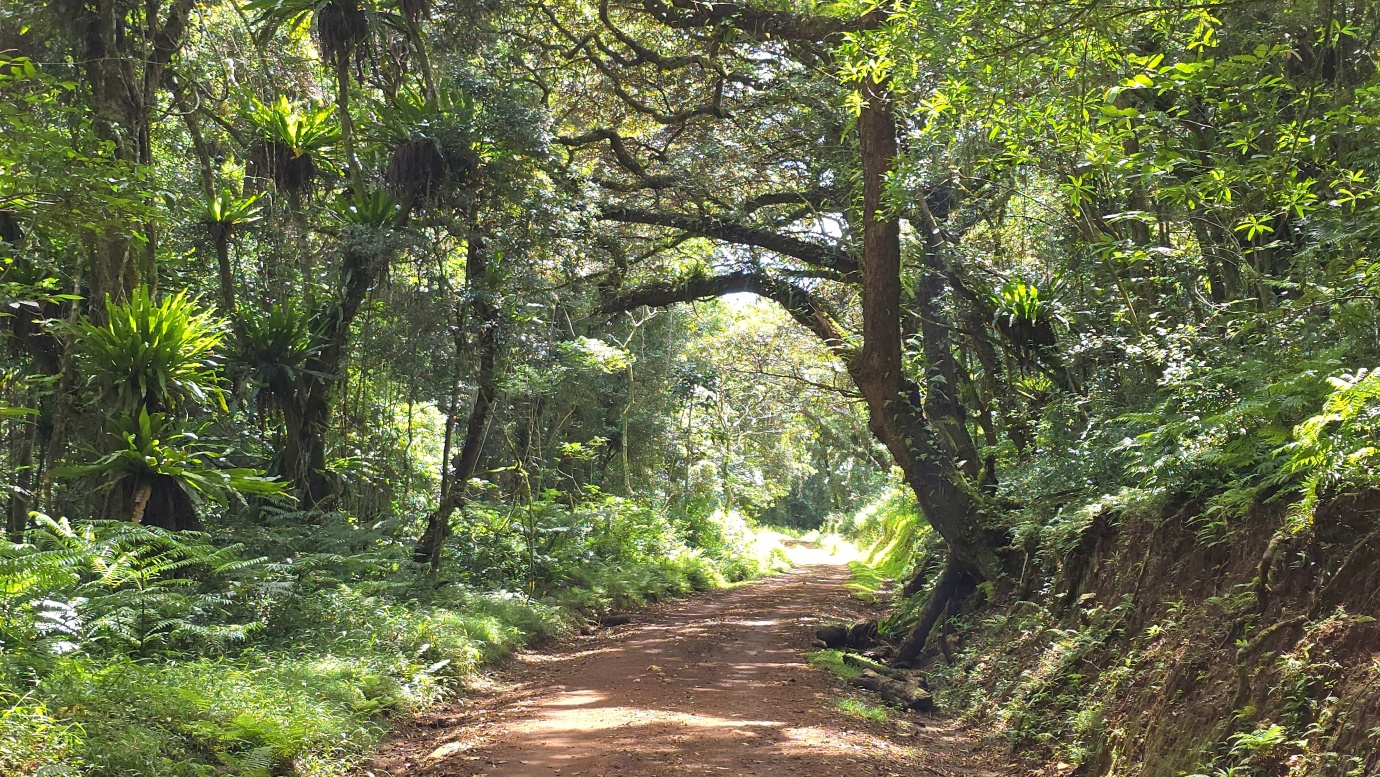
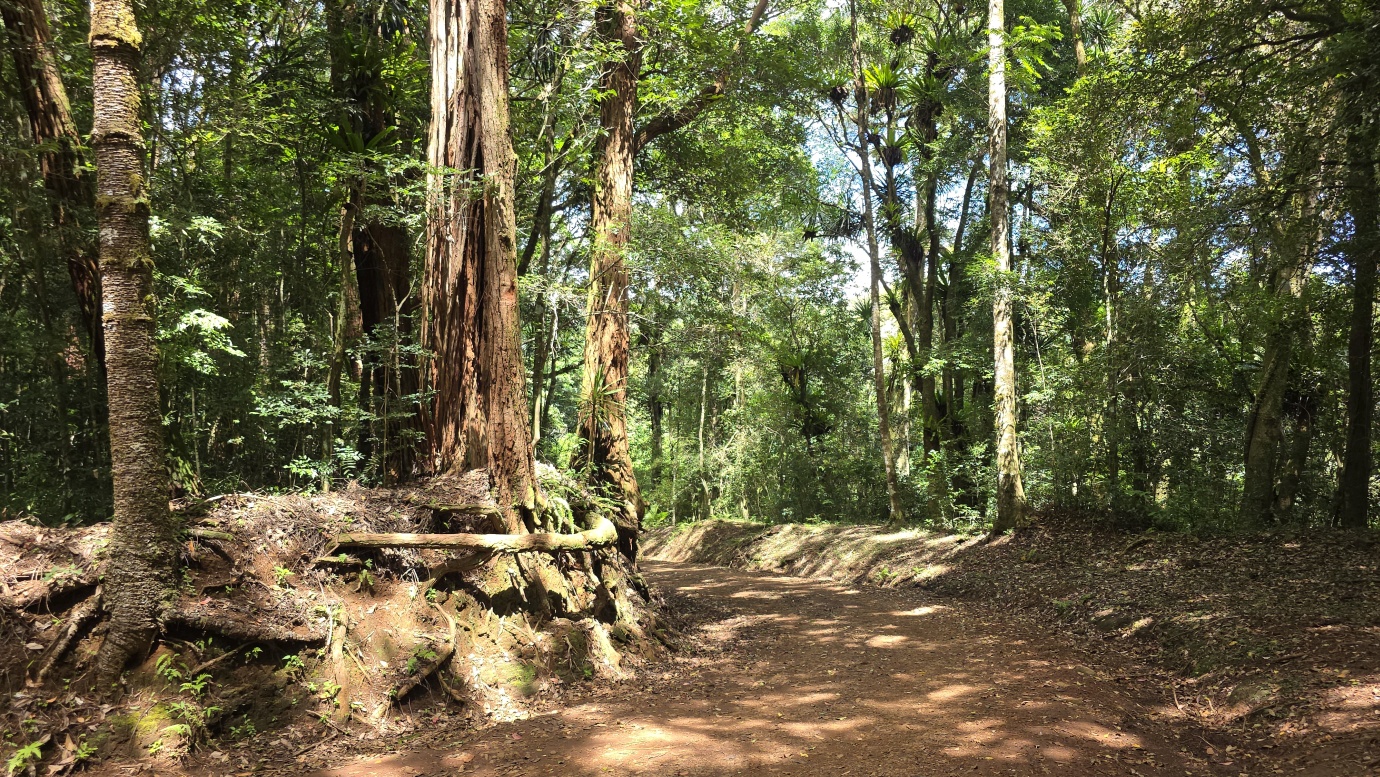
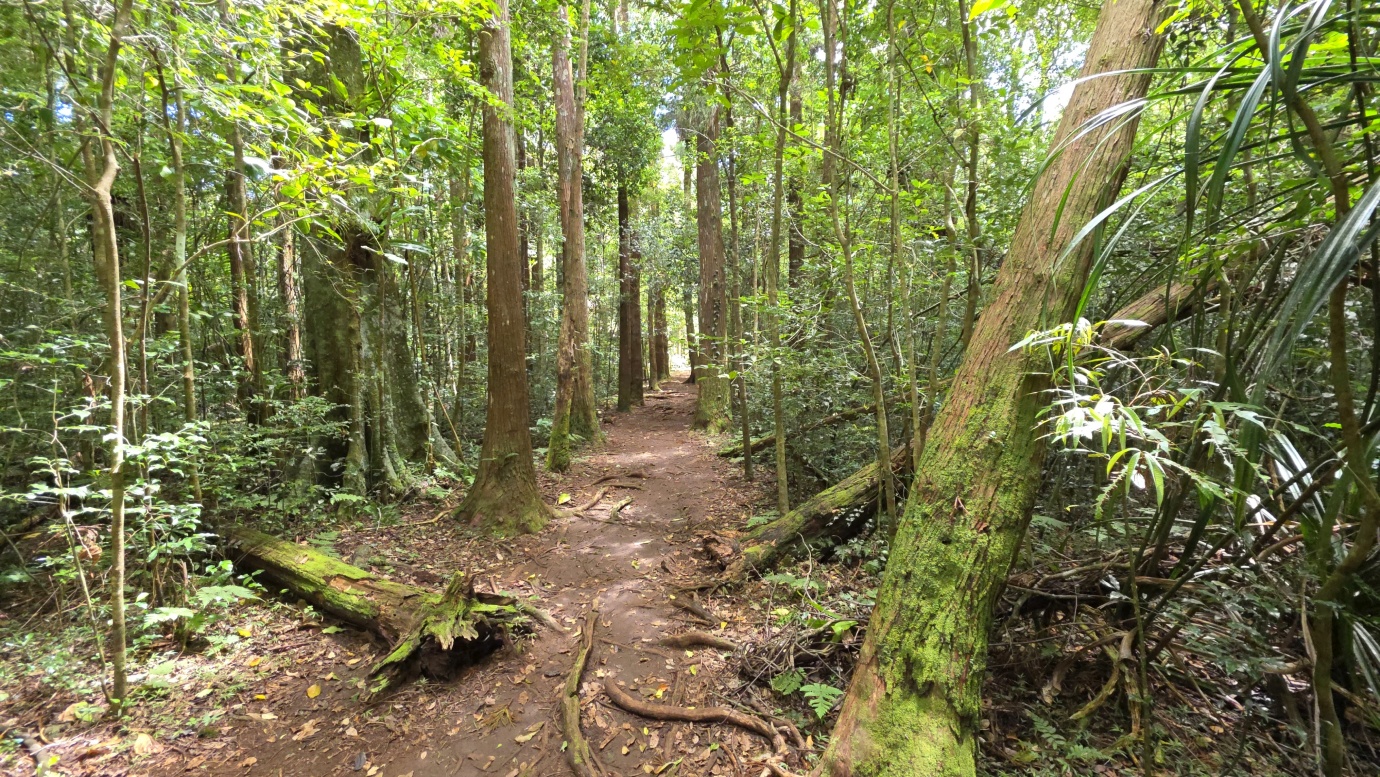
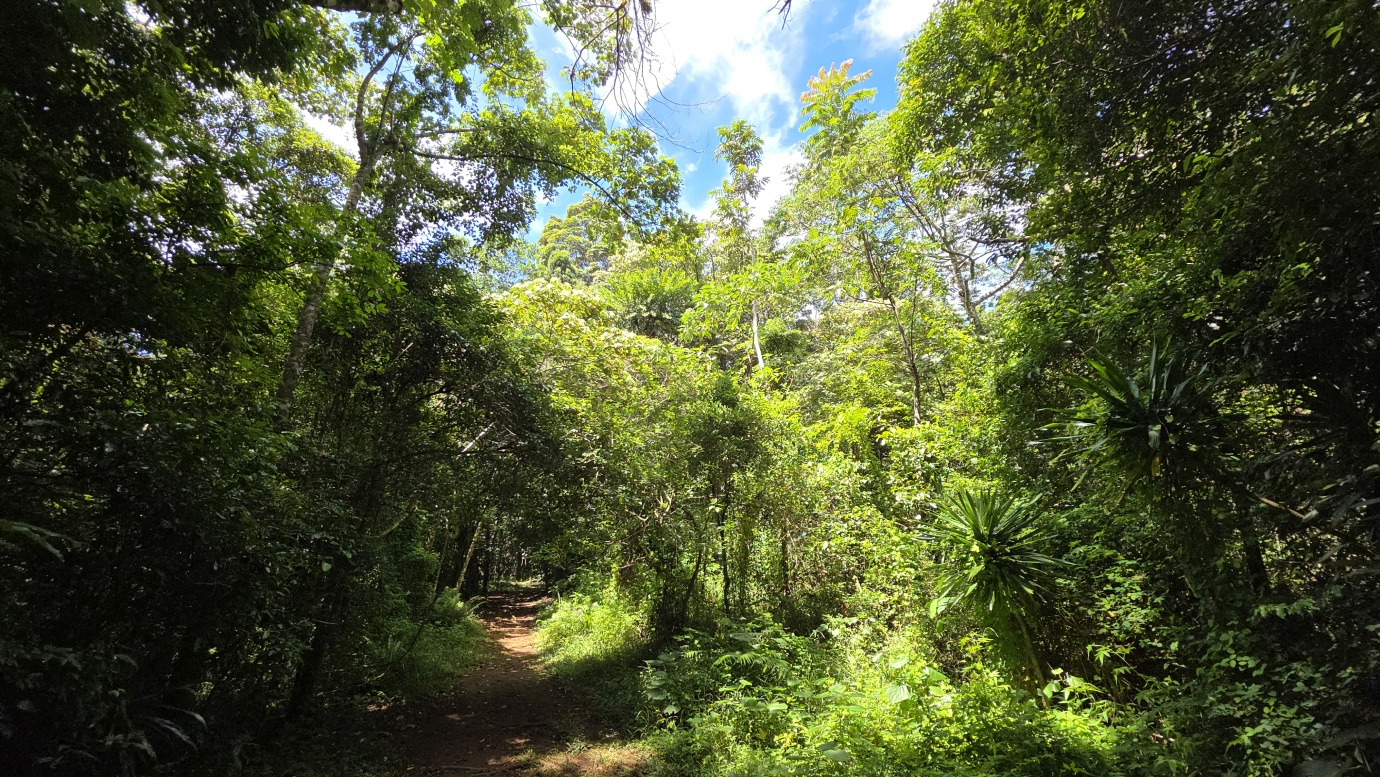
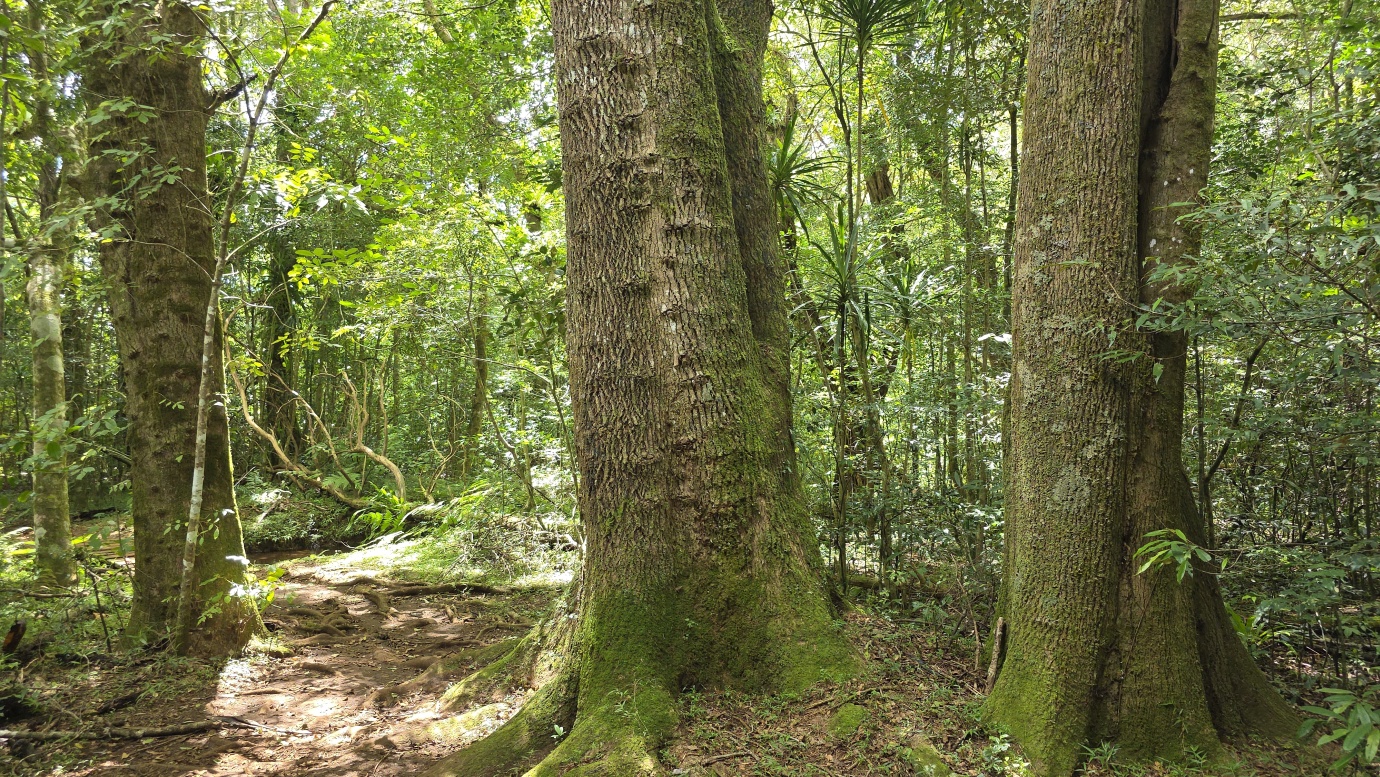
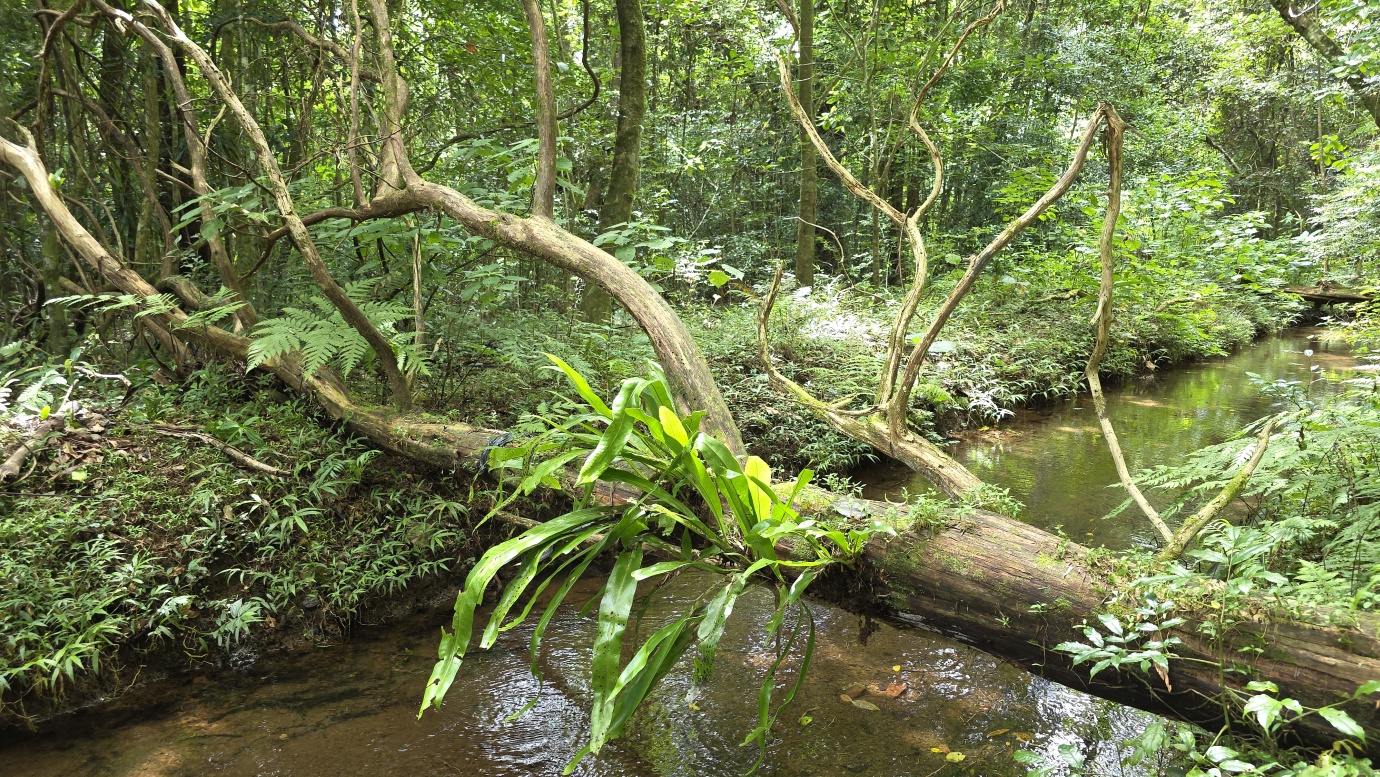
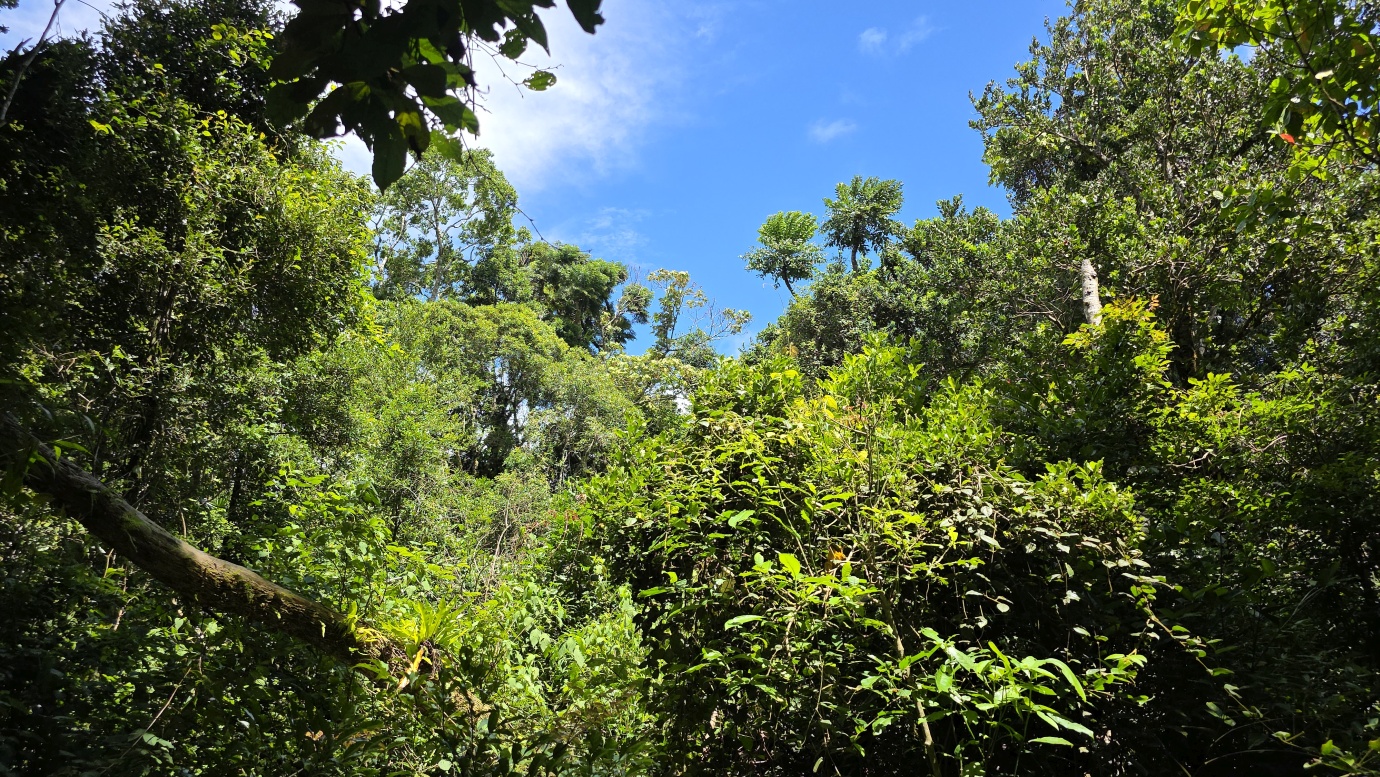
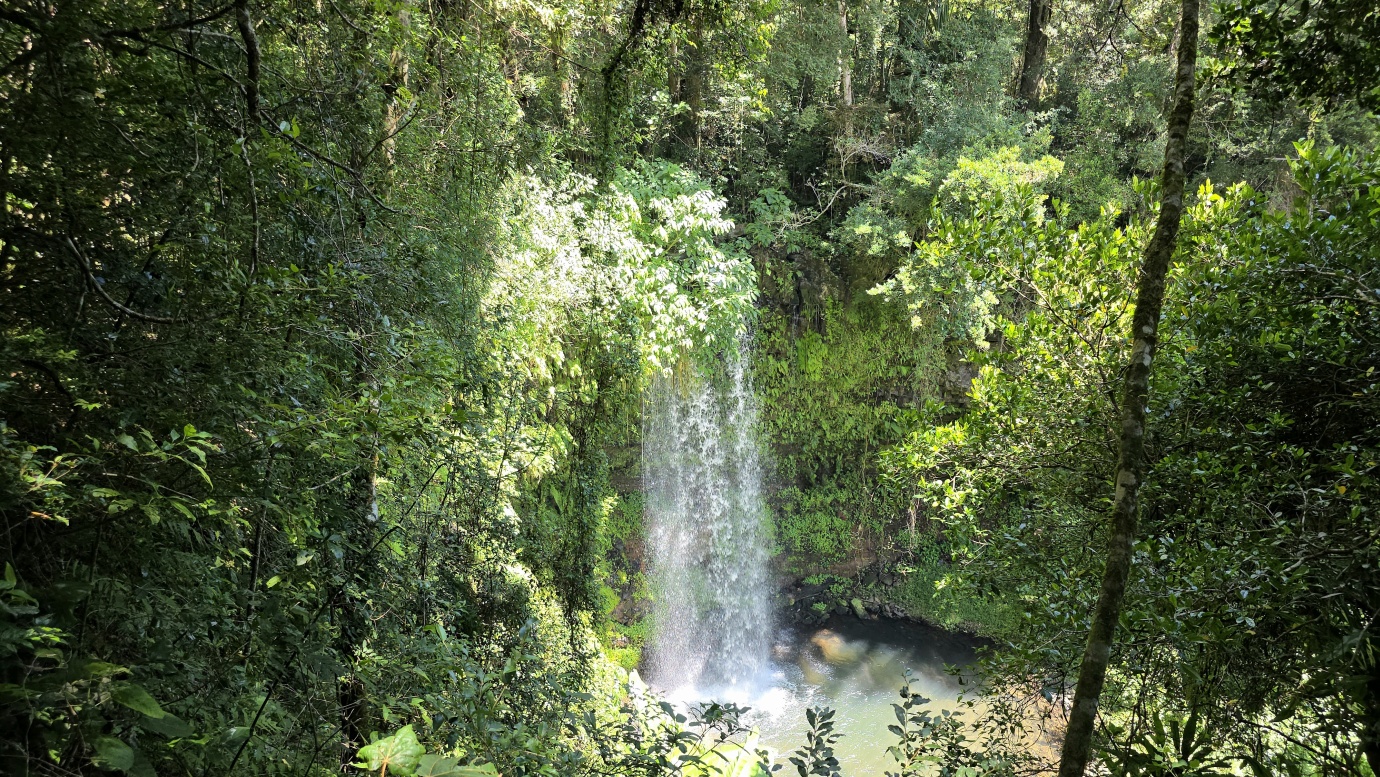
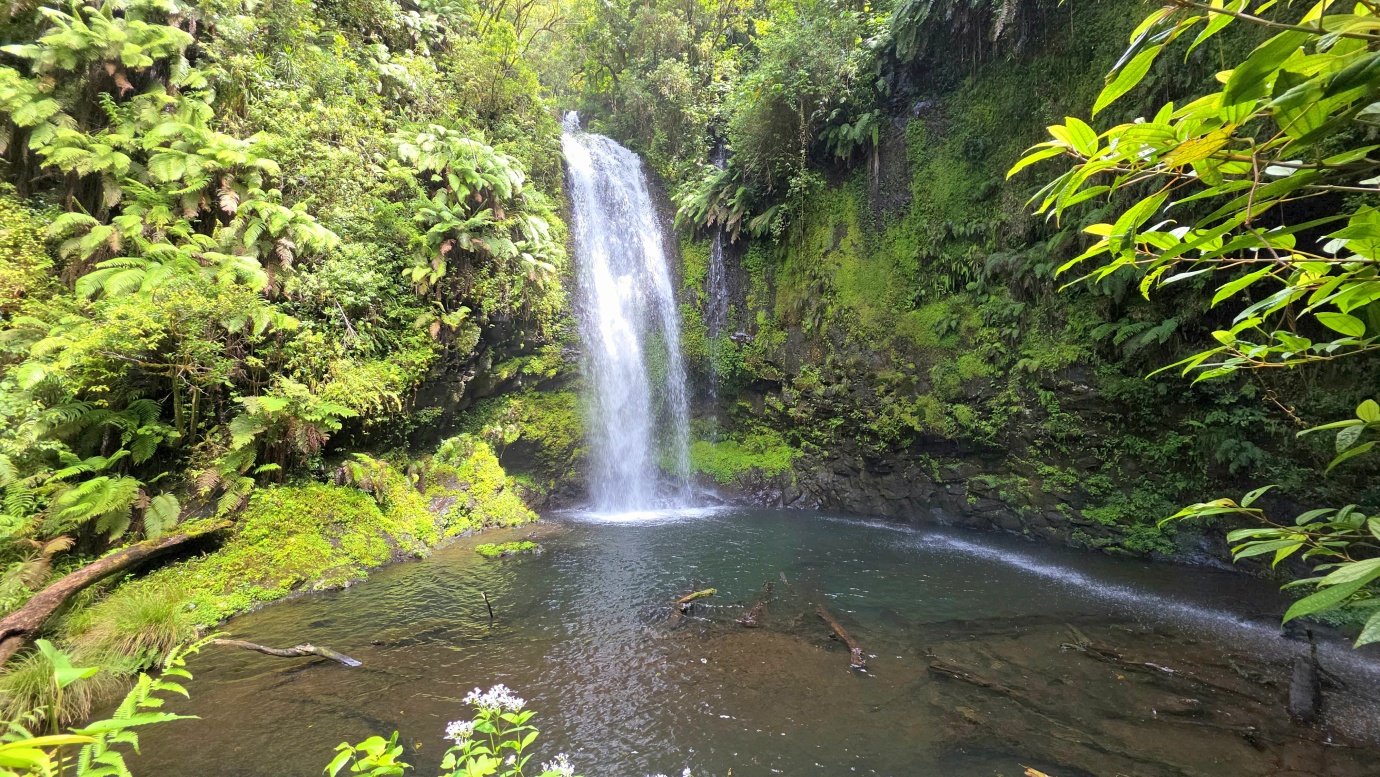
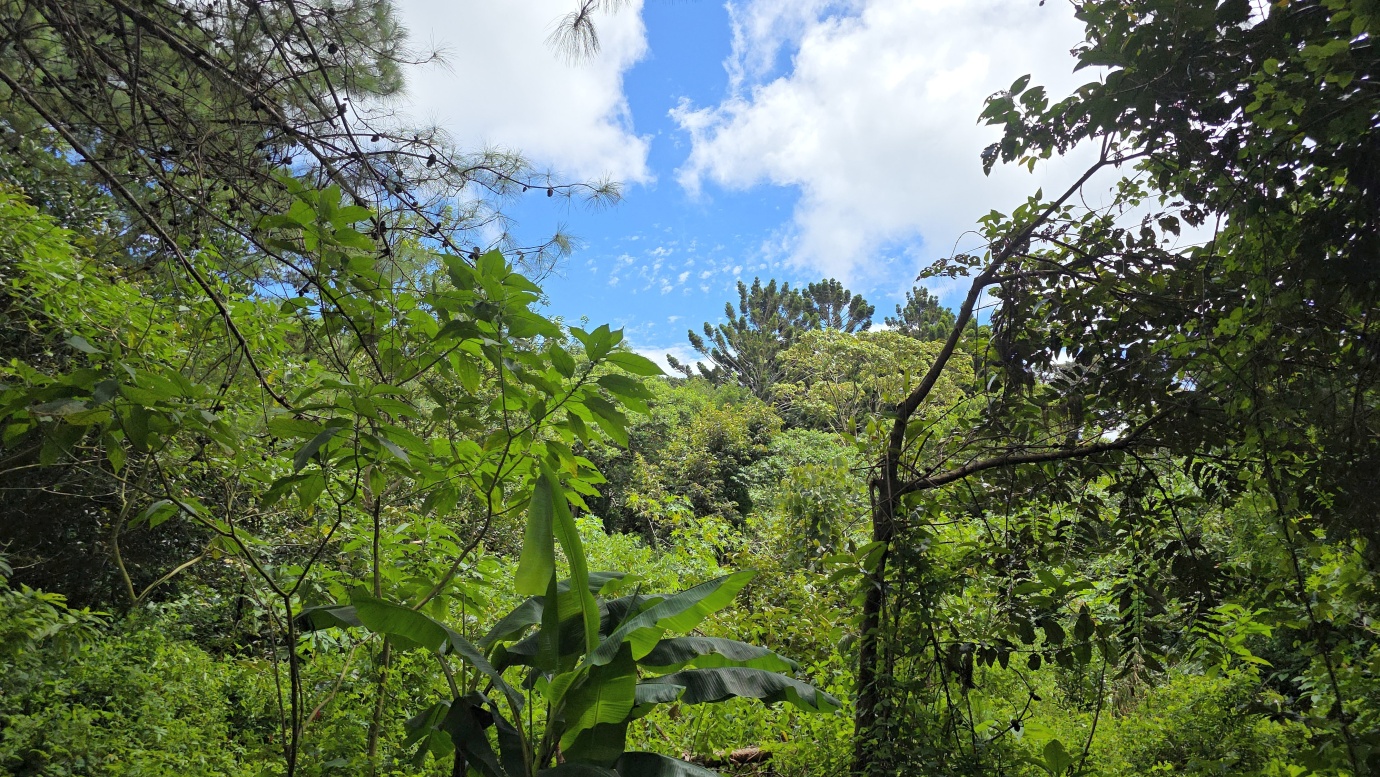
Located about 30 km south of Antsiranana (Diego-Suarez) in northern Madagascar, the park was established in 1958. It is an isolated volcanic massif covering 18,200 hectares and rising between 800 and 1,470 meters. Known for its lush montane rainforest, spectacular waterfalls, and cooler, humid climate, it stands in sharp contrast to the surrounding arid plains. The park also serves as a vital “water tower” for the region and the main water source for Antsiranana. It contains several volcanic crater lakes (such as the “Sea of Jade”) and numerous waterfalls, including Cascade Sacrée and Antankarana.
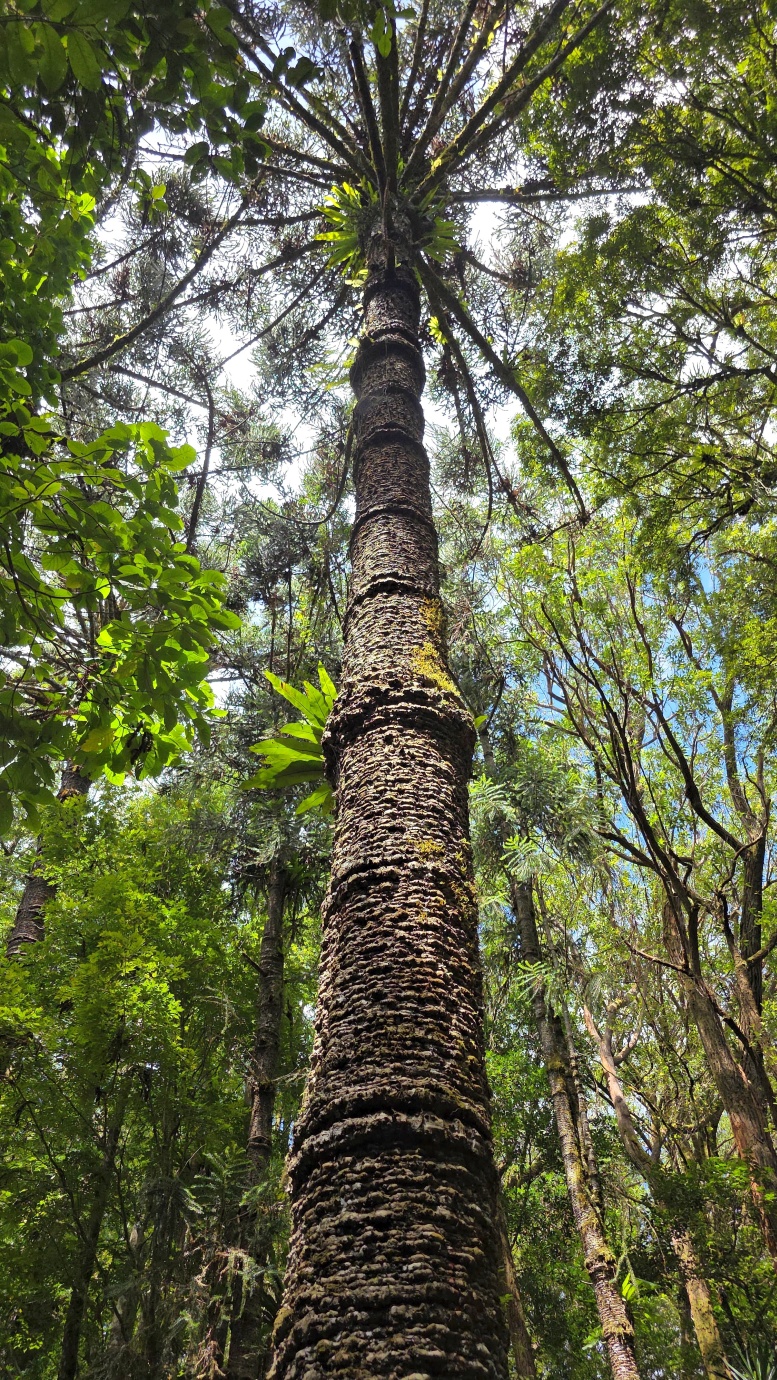
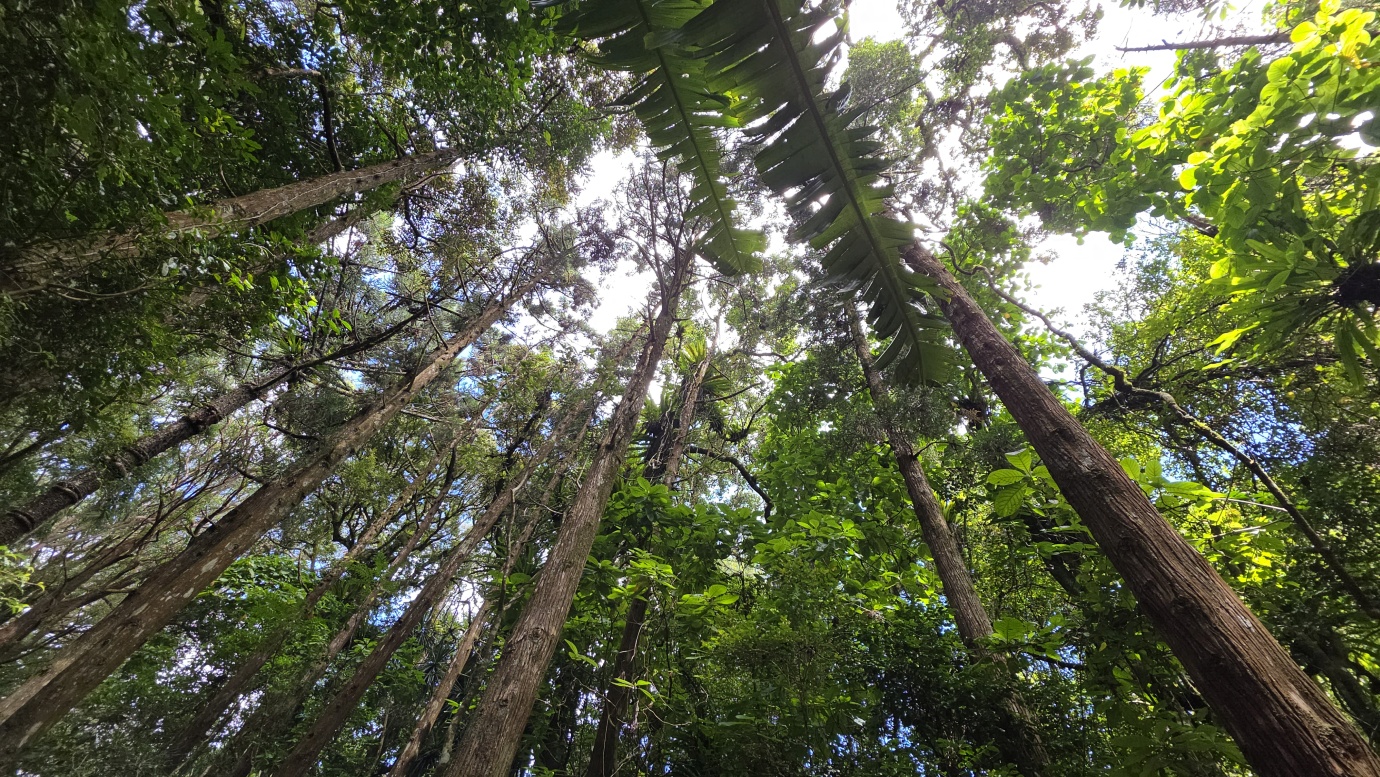
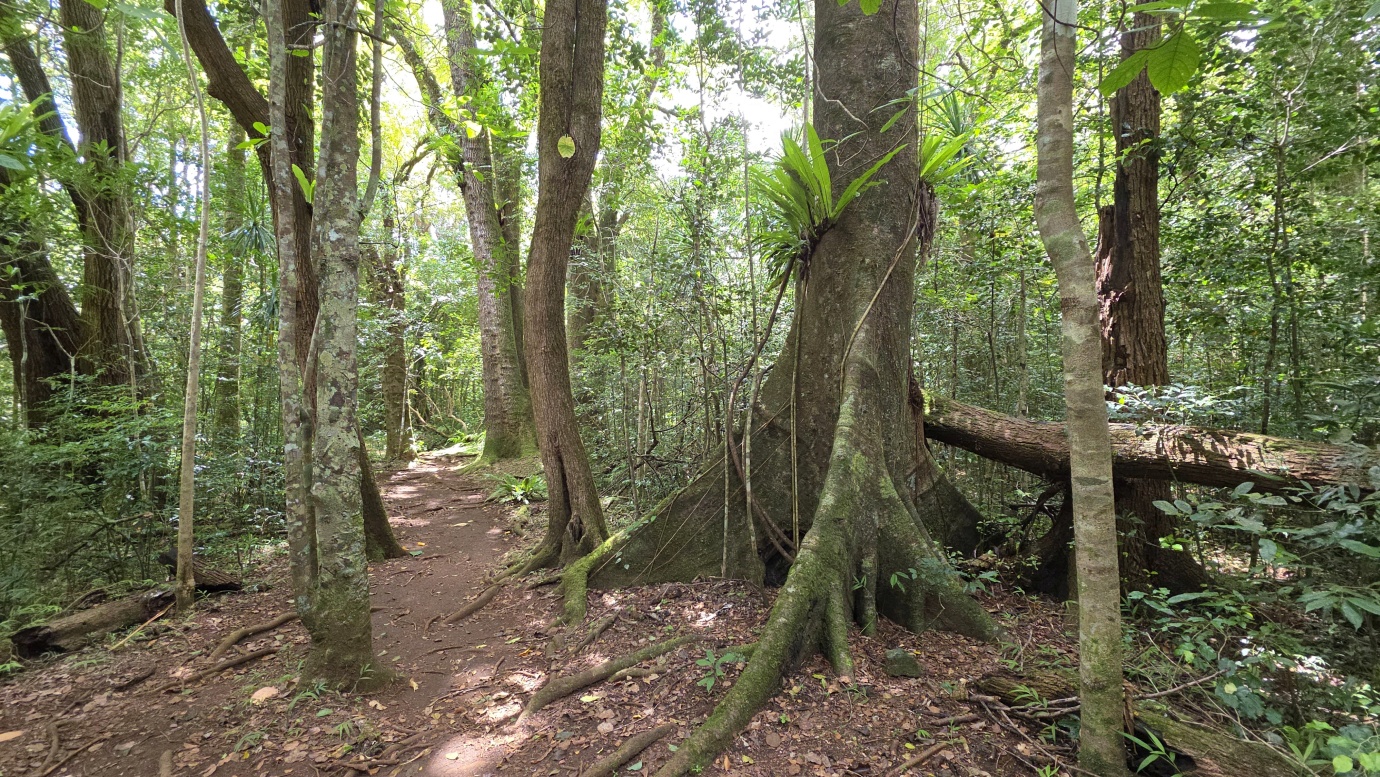
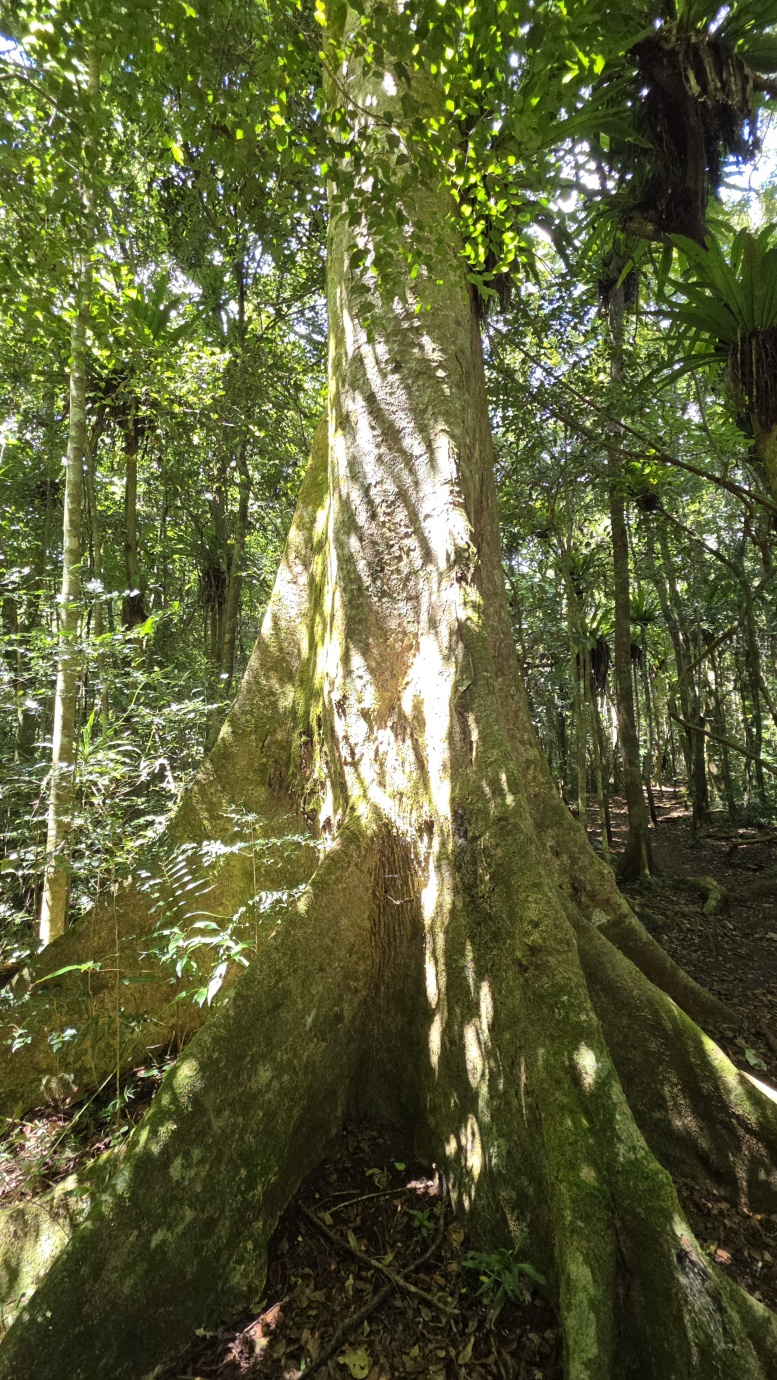
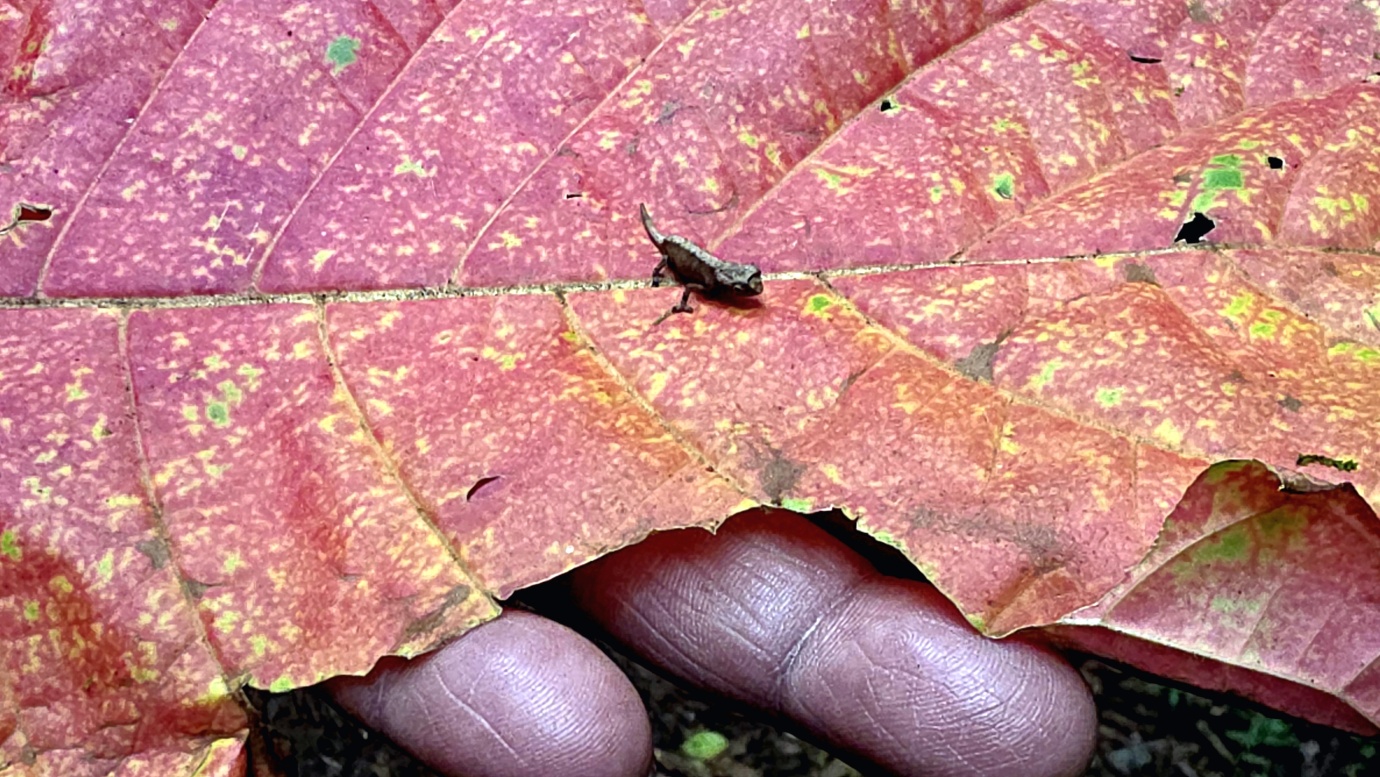
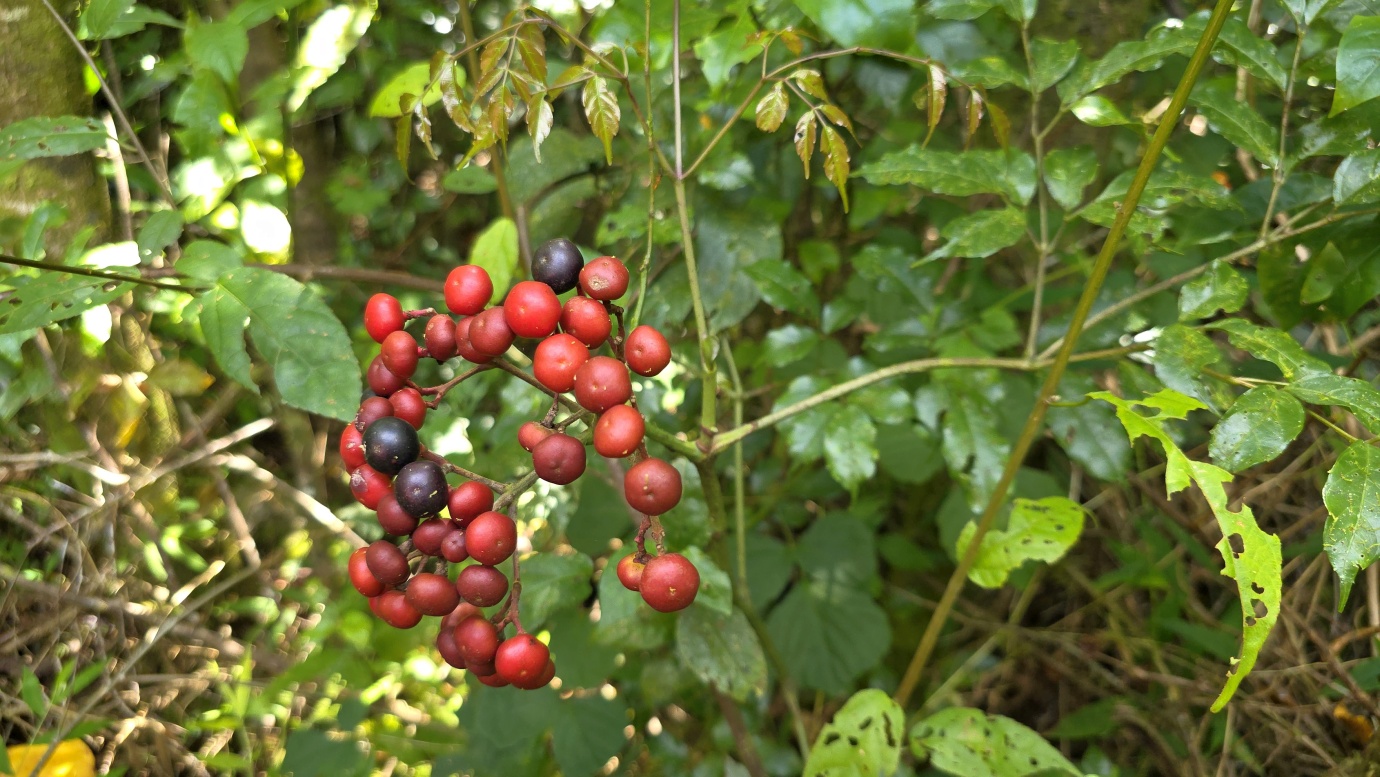
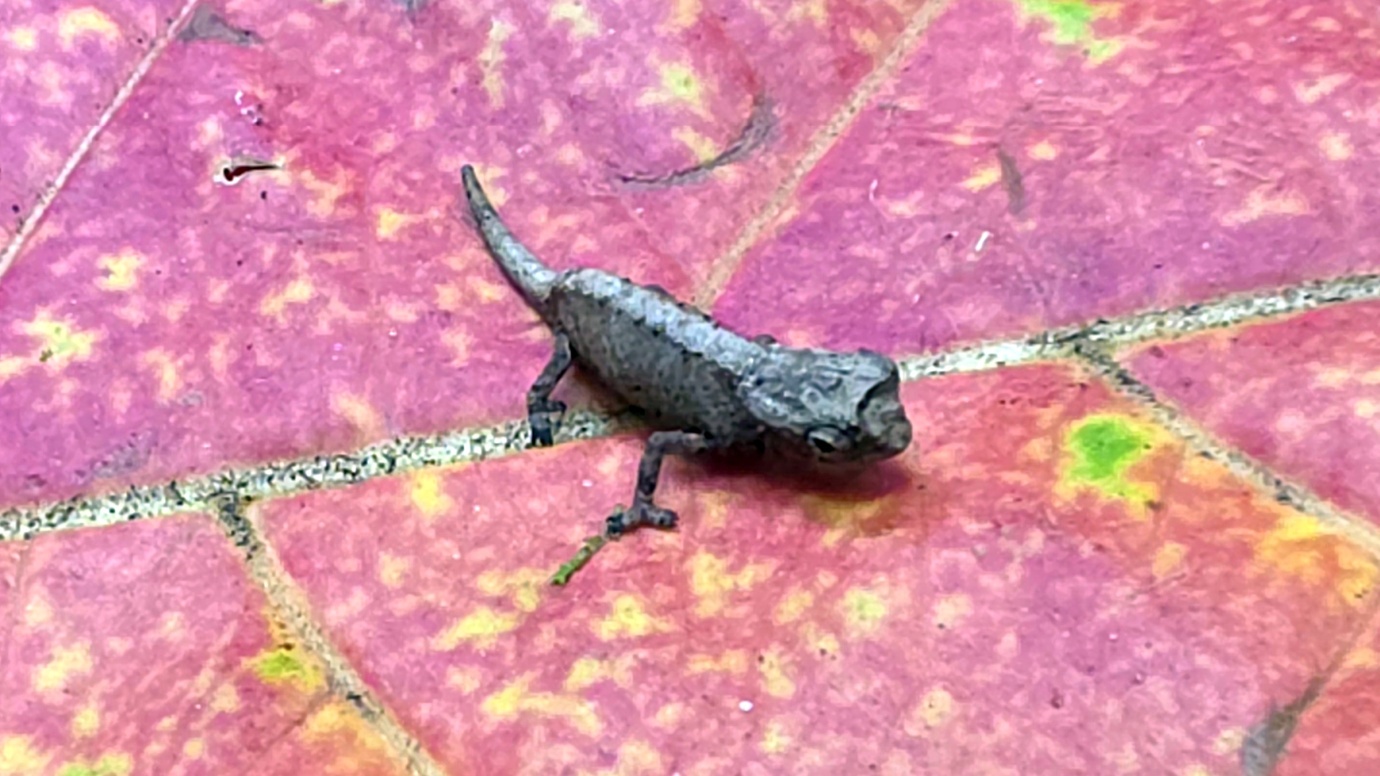
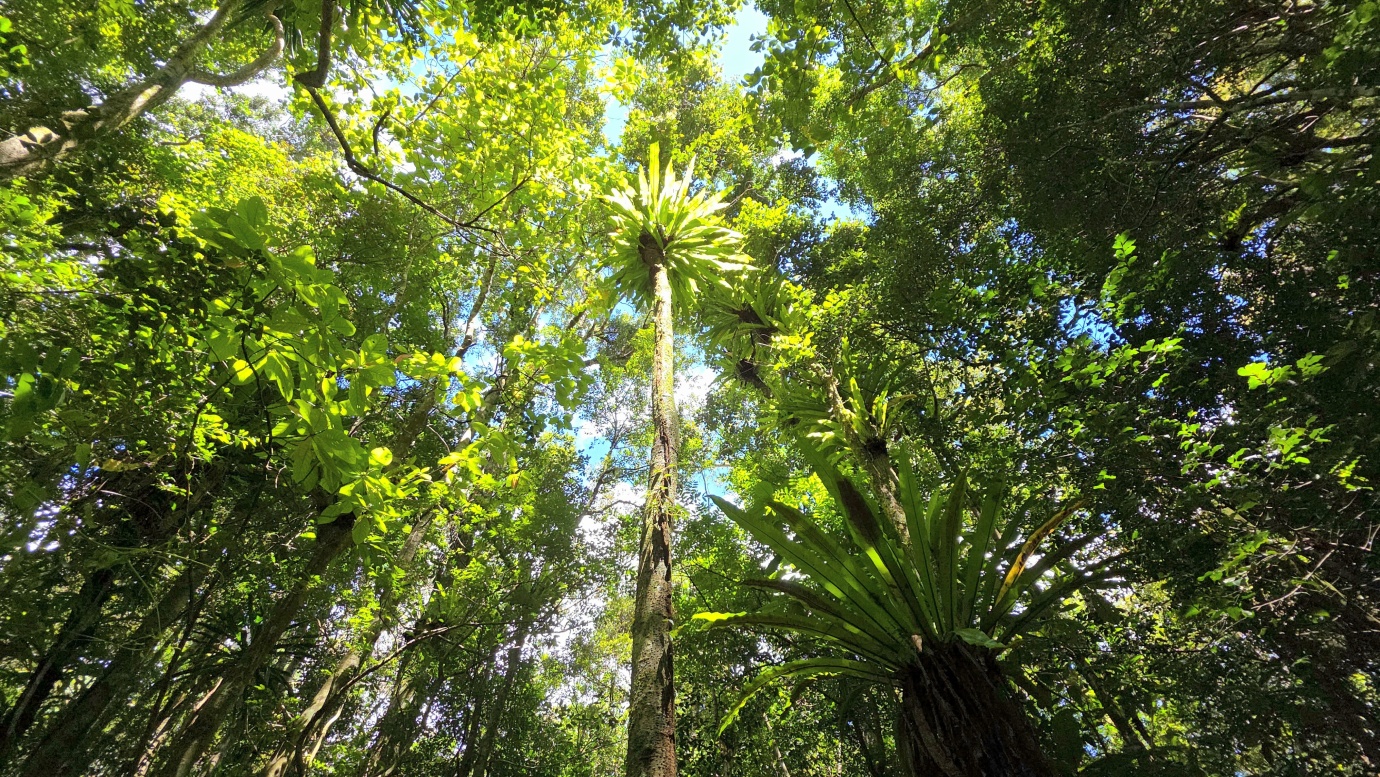
The park is home to dense rainforest with more than 1,000 plant species, including rare orchids, bird’s nest ferns, and towering canopy trees. Wildlife highlights include eight species of lemurs (such as Sanford’s brown lemur, the crowned lemur, and the Sambirano bamboo lemur), seven species of carnivores (including the fossa), and around 60 reptile species, among them tiny stump-tailed chameleons and leaf-tailed geckos.
Thanks to its elevation, the park enjoys a cooler, wetter tropical climate, creating a striking contrast with the hot, dry lowlands nearby. Annual rainfall can reach up to 3,585 mm.