

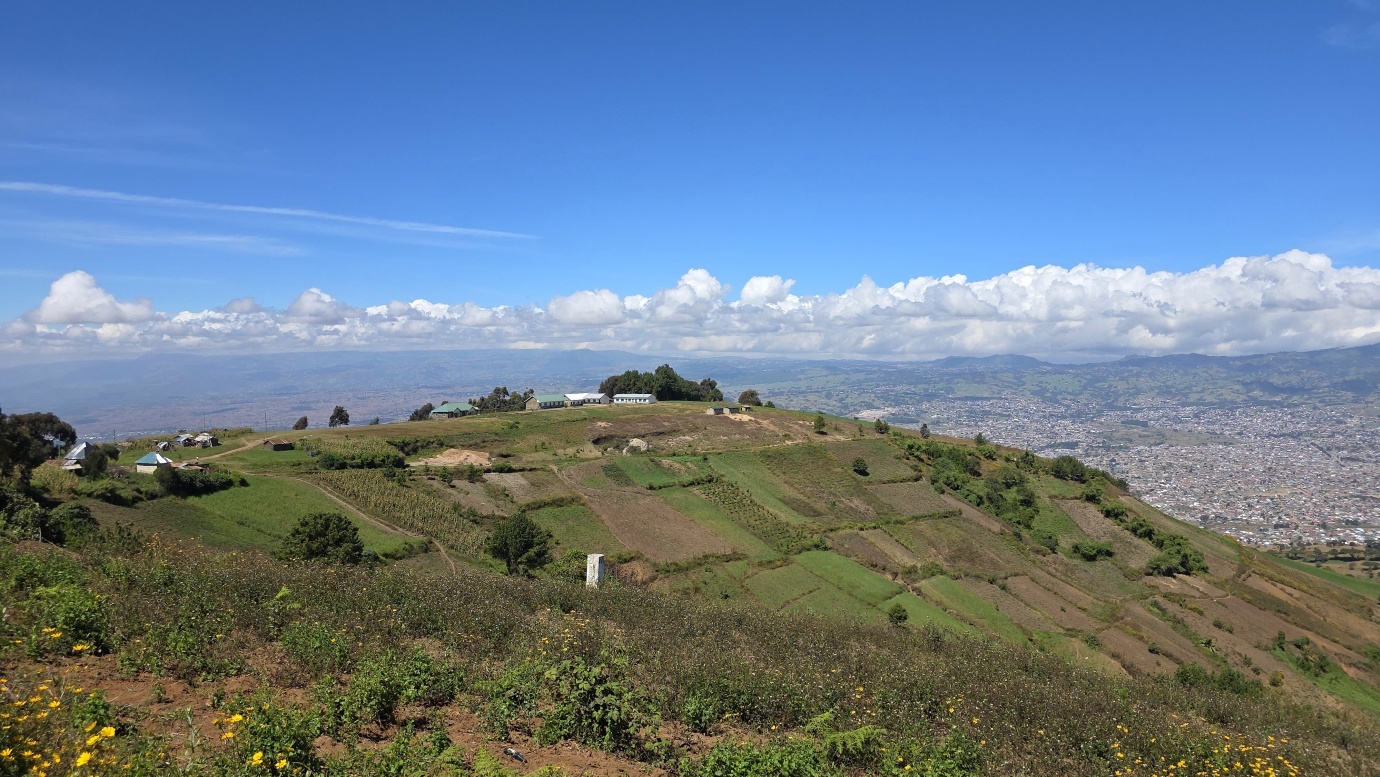
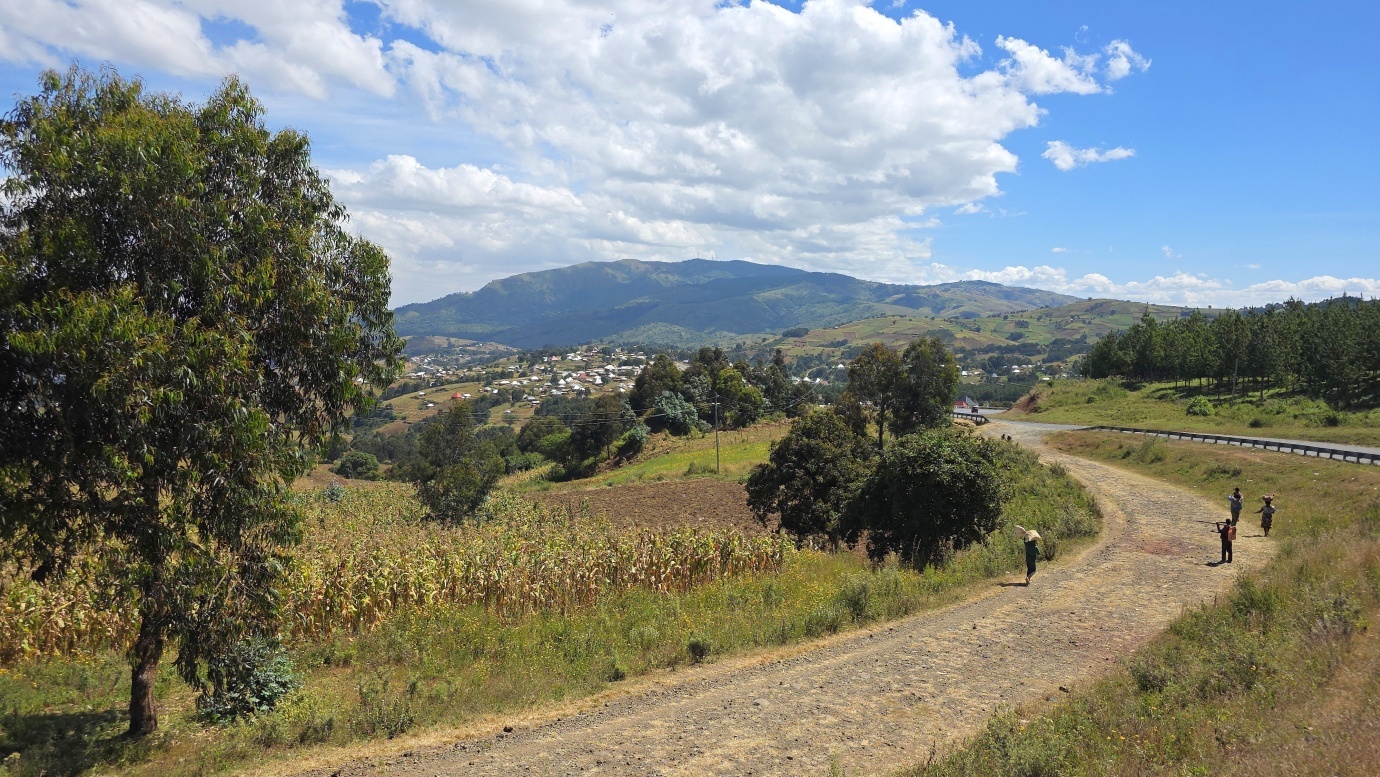
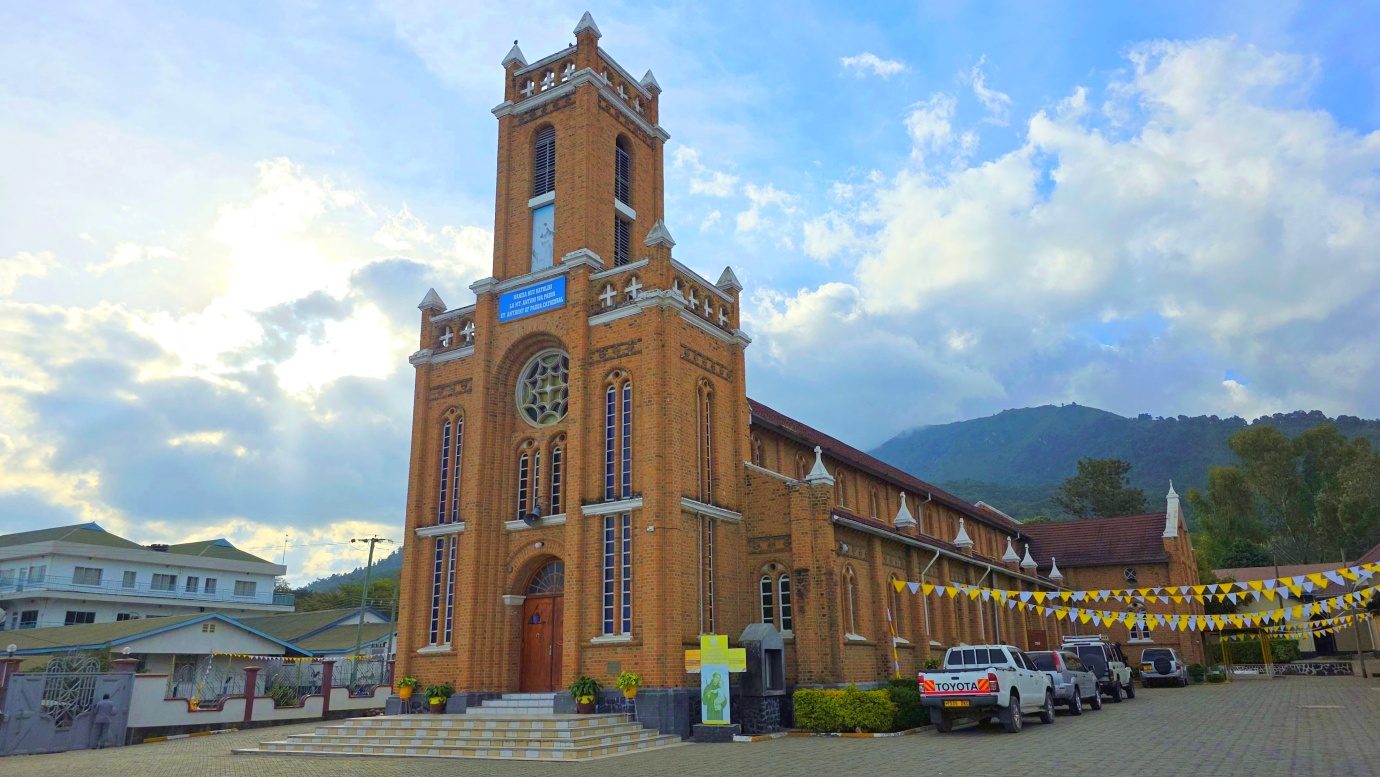
Mbeya is Tanzania’s vibrant “Green City,” nestled in the country’s southwestern highlands at an altitude of 1,700 metres. Known for its lush mountain scenery and cool climate, it serves as a major agricultural powerhouse and an important transit hub linking Tanzania with Zambia and Malawi.
Mbeya’s history is a fascinating blend of indigenous trade routes, a 20th-century gold rush, and its transformation into a key agricultural and transportation centre. The name “Mbeya” is derived from the Safwa word Ibheya, meaning “salt.” The area was once a vital crossroads for 19th-century trade caravans transporting salt and ivory from Lake Tanganyika to the Indian Ocean coast.
The town was founded as a small settlement in the 1920s following a major gold rush in the region, particularly in the Lupa Goldfields, where gold was discovered in 1906. During the colonial era, the region came under British administration until Tanganyika gained independence in 1961. Mbeya was officially established as a township in 1935 and became the administrative centre of the former Southern Highlands Province in 1952.
The construction of the Tanzania–Zambia Railway (TAZARA) in the 1970s brought significant economic growth and development. It attracted agricultural migrants and entrepreneurs, transforming Mbeya into a crucial gateway between East and Central Africa. Indigenous communities such as the Safwa, Nyakyusa, Nyiha, and Ndali played a central role in shaping the region’s agricultural heritage. At the same time, migrant miners from Zambia’s Copperbelt contributed to the city’s diverse cultural and linguistic character.
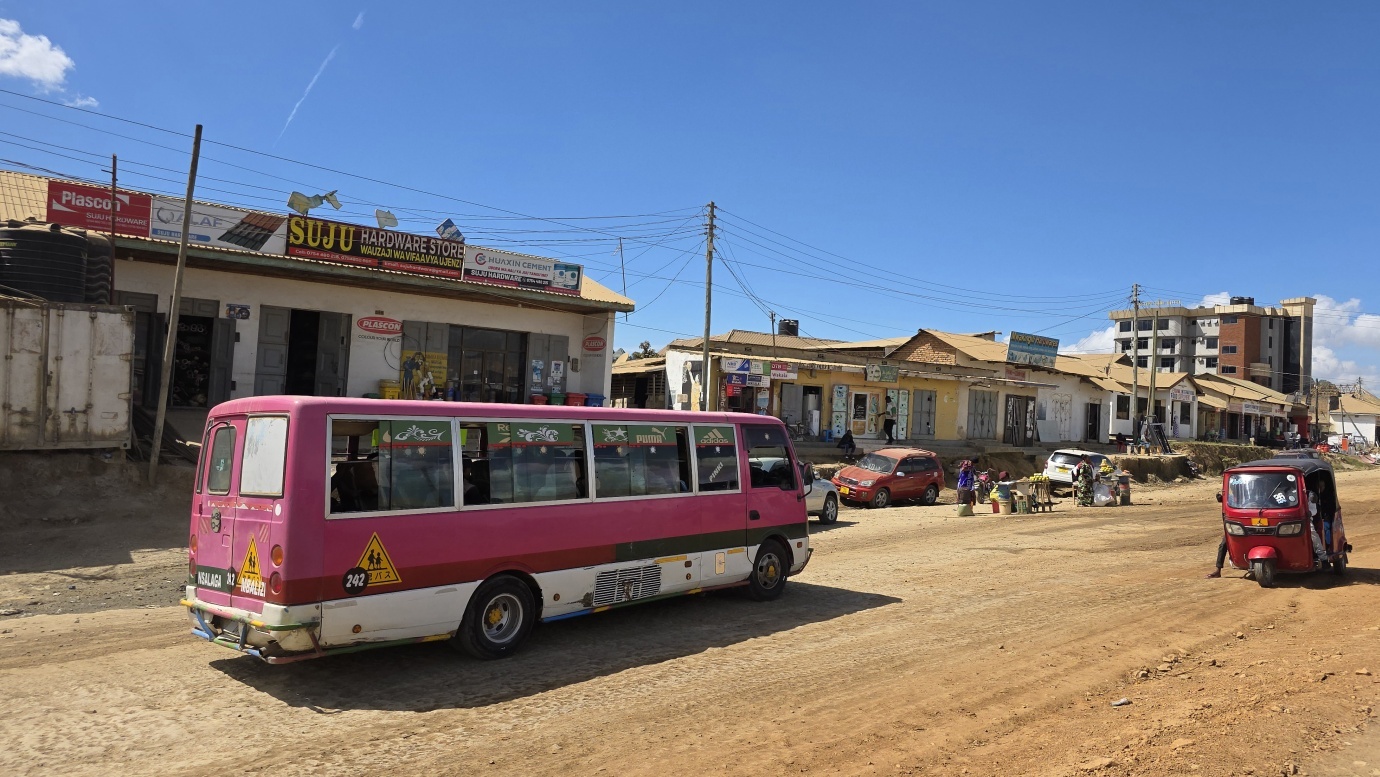
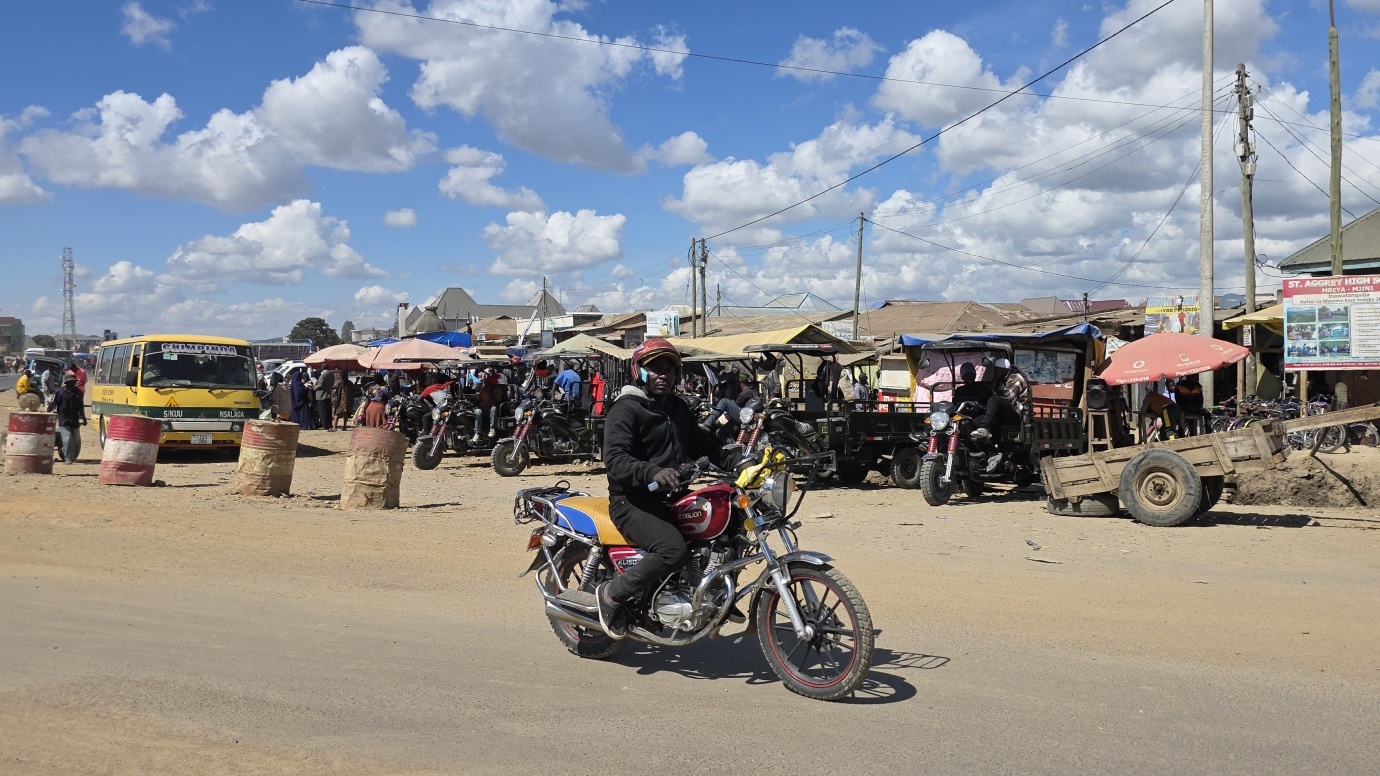
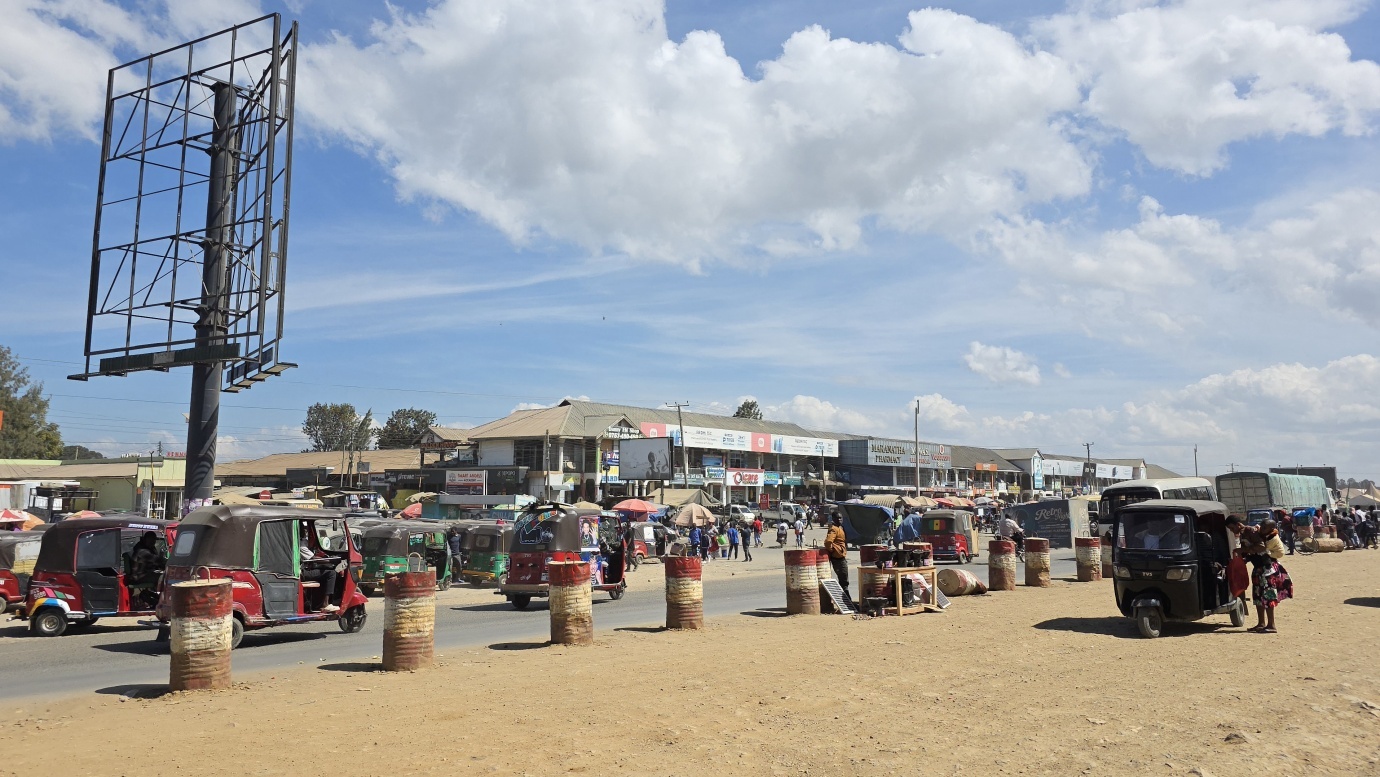
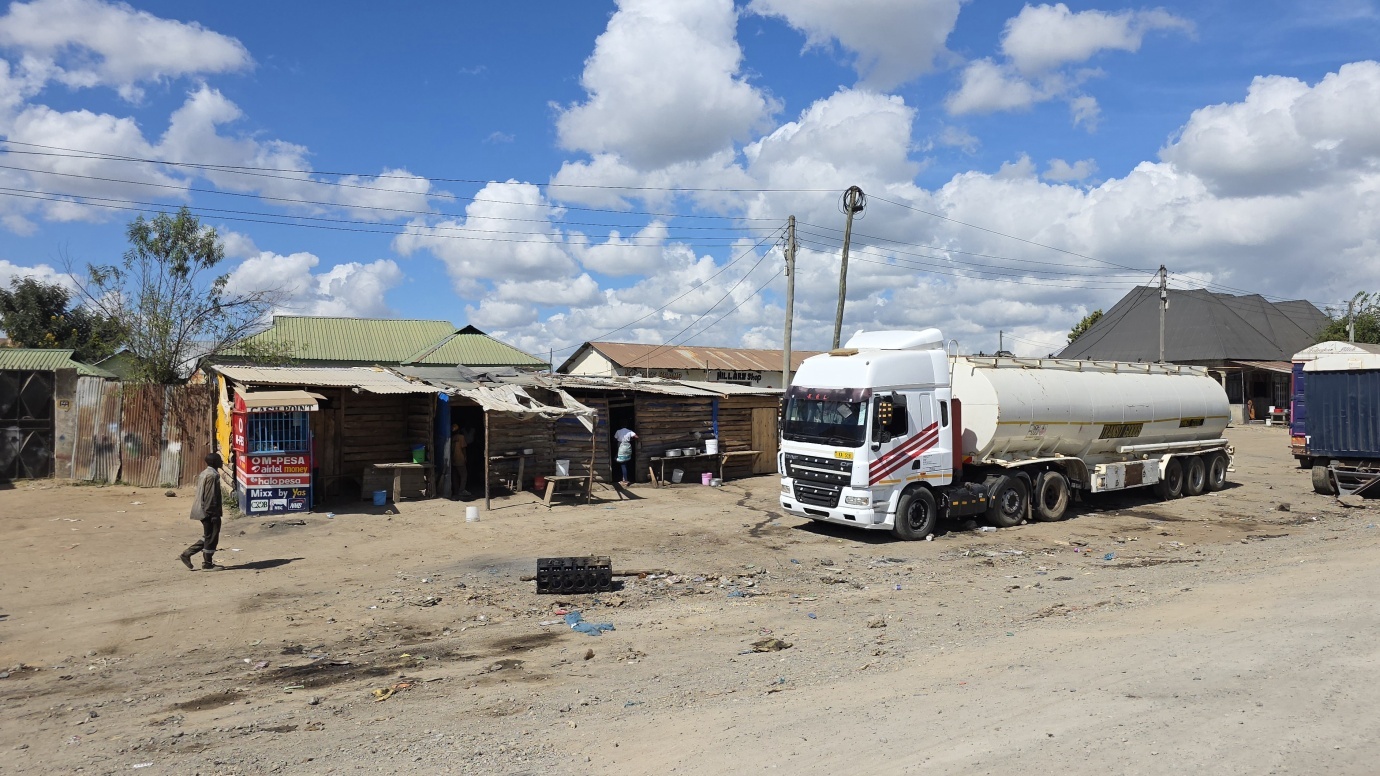
We arrived in Mbeya via the chaotic and dusty Tanzam Highway (T1), refuelled our truck at a Puma station (credit cards accepted), and began looking for a place to park. Options were surprisingly limited, with some locations charging as much as USD 50 per night (Eden Highlands Resort). We can recommend the secure rear parking area at the Royal Mgwasi Hotel (TZS 5,000 per truck), which also has one of the town’s best restaurants and a nightclub. Alternatively, campers may prefer the peaceful, green surroundings of Paul’s Hidden Hillside (TZS 20,000 per person).
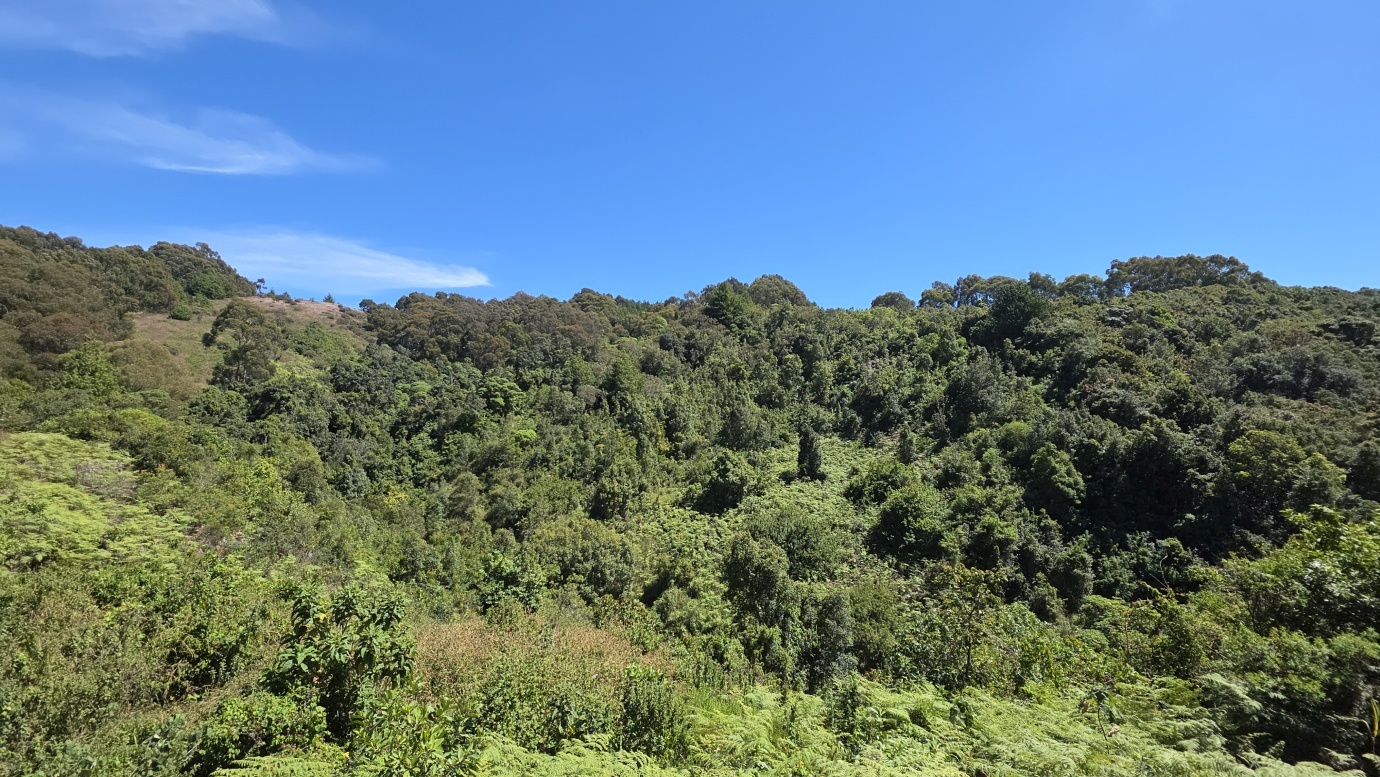
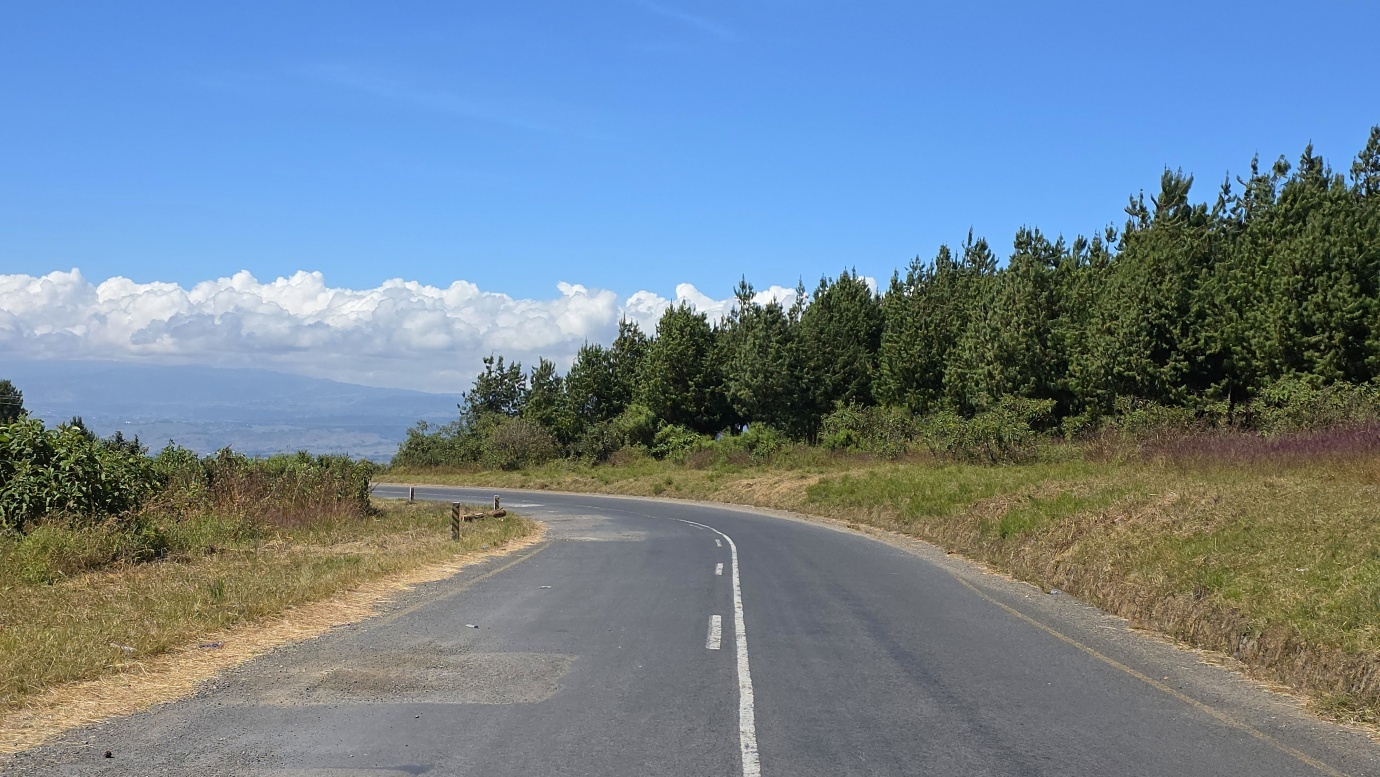
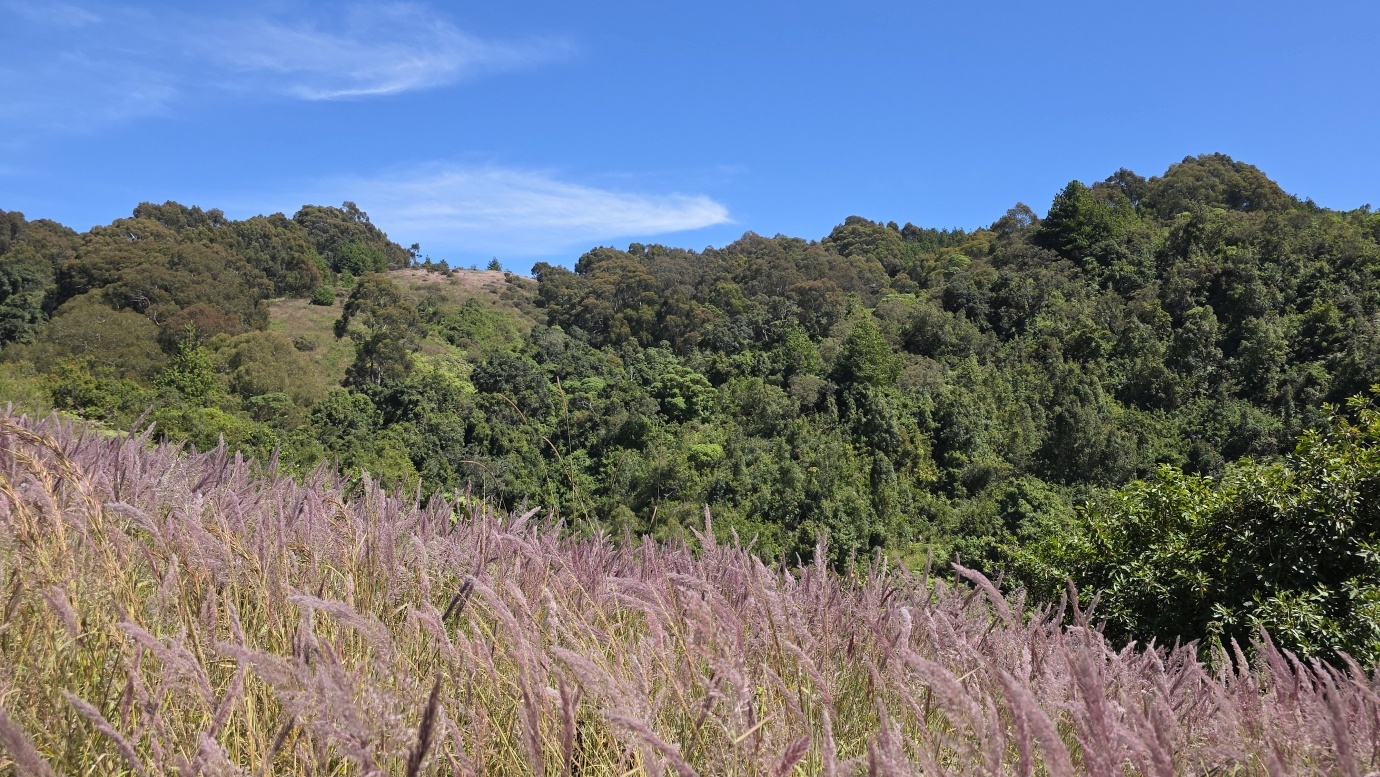
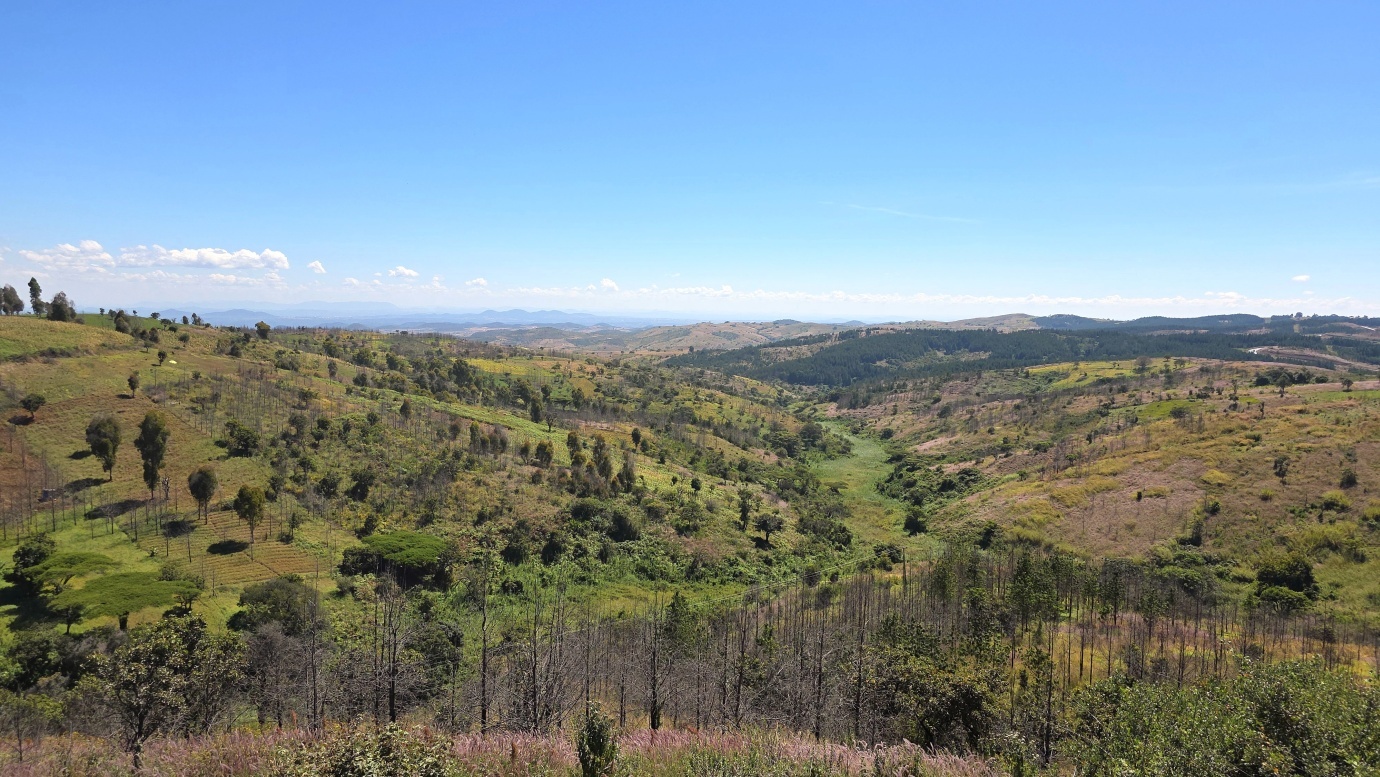
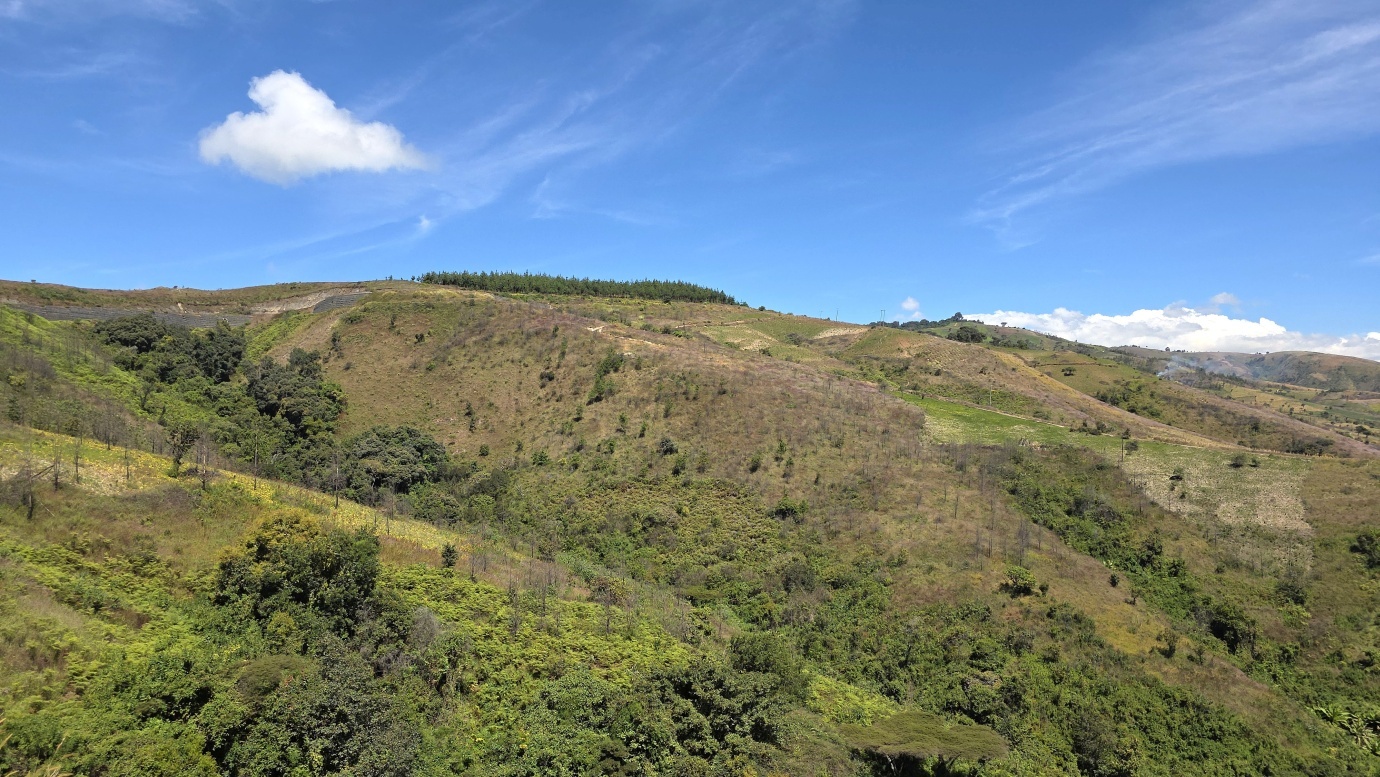
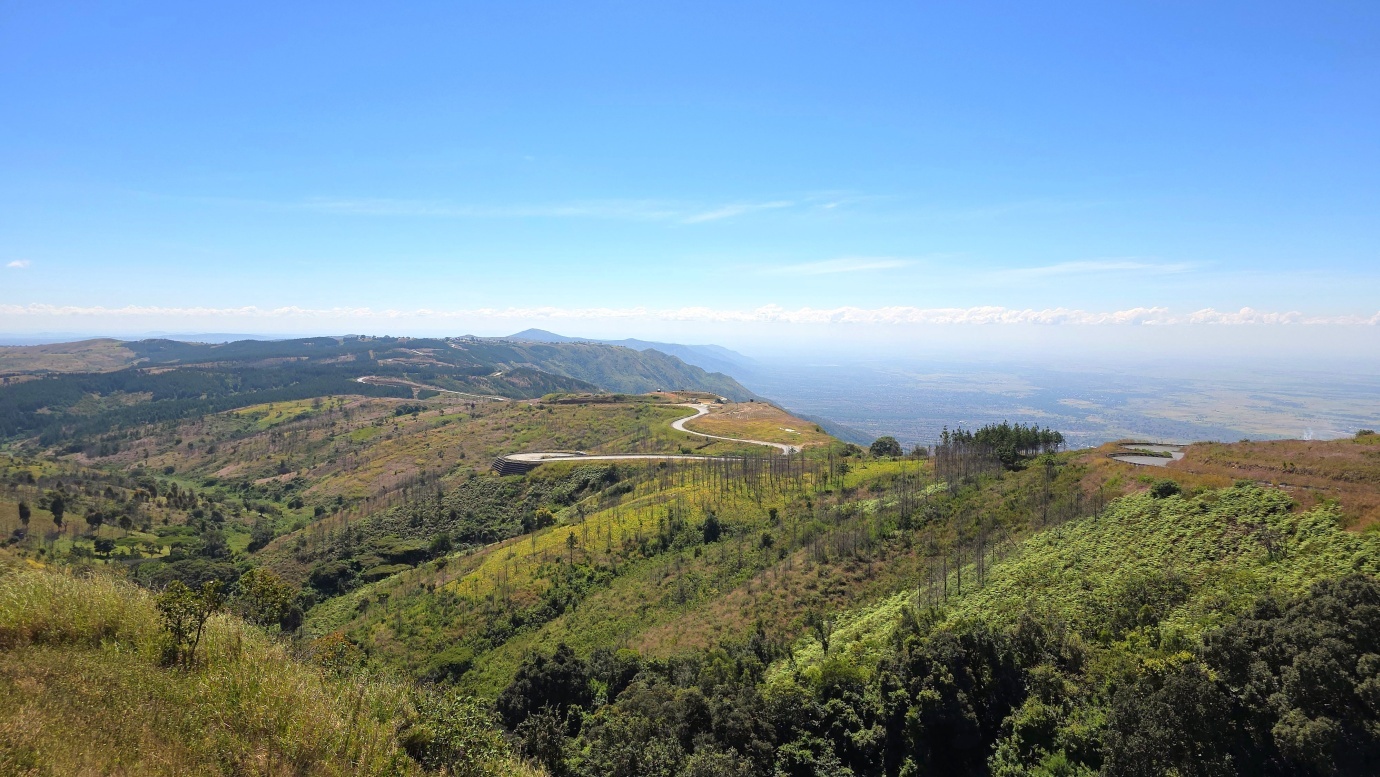
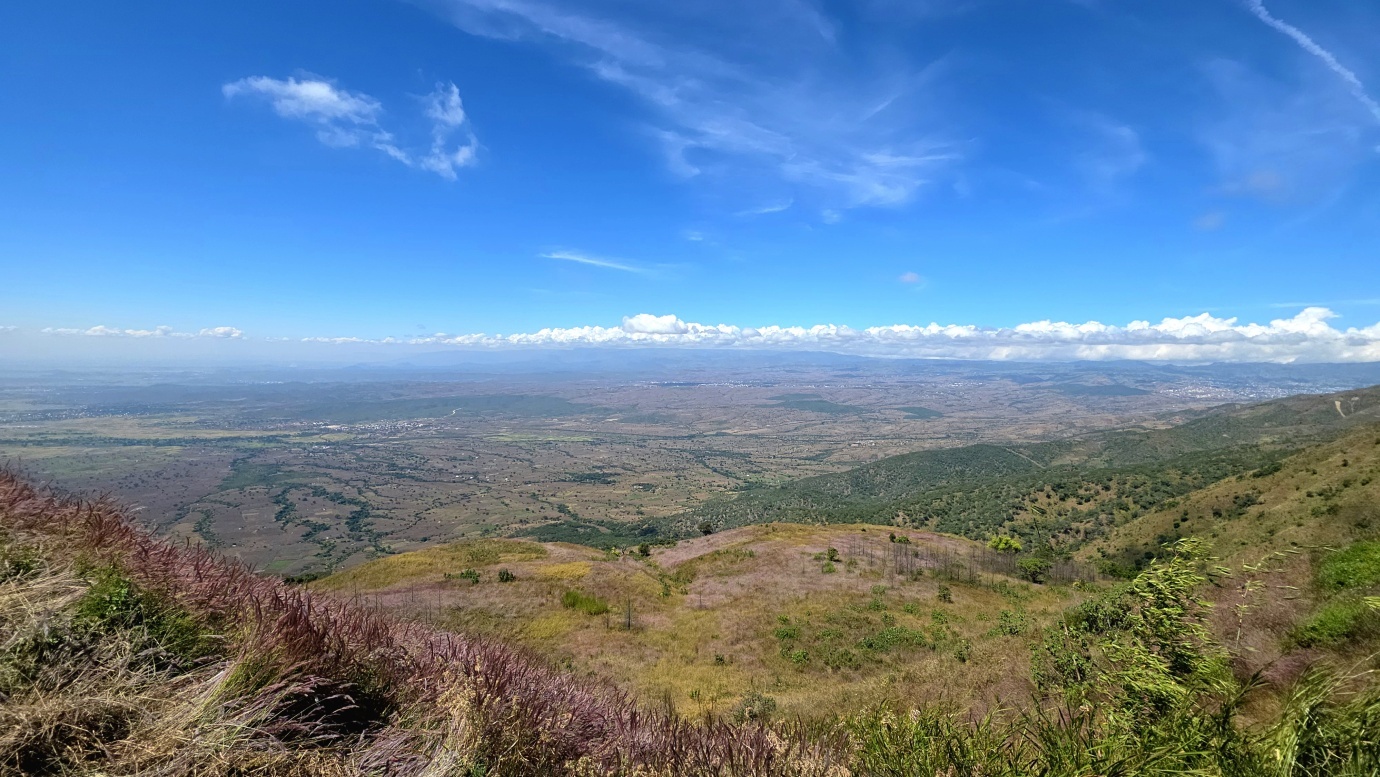
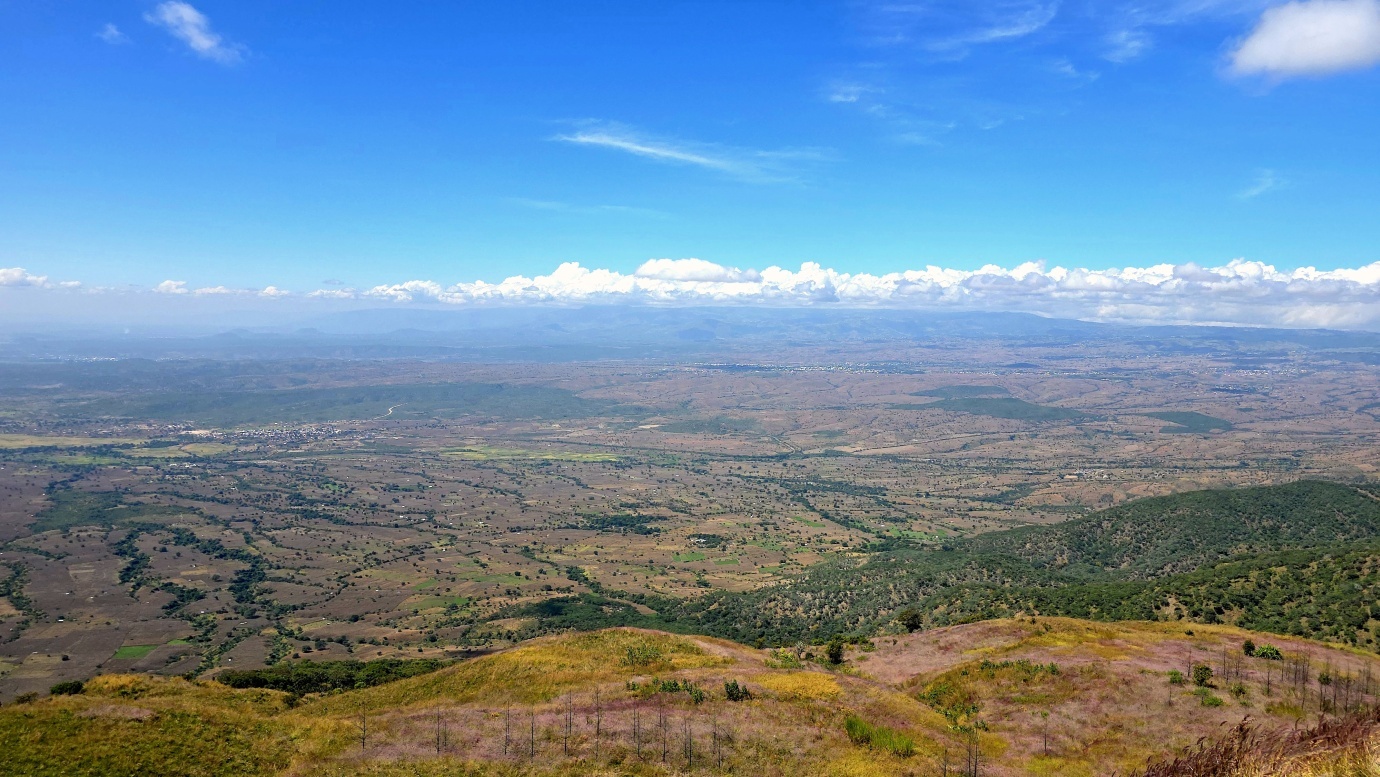
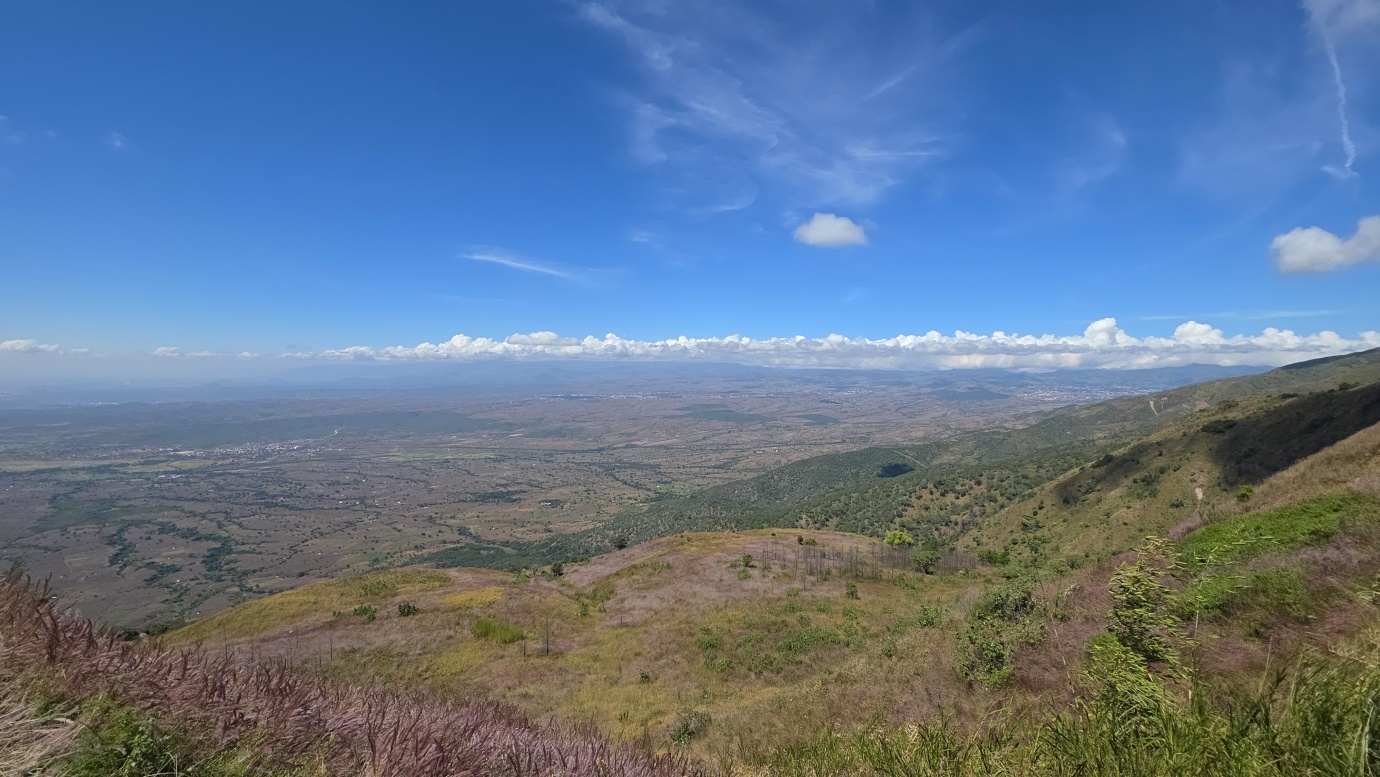
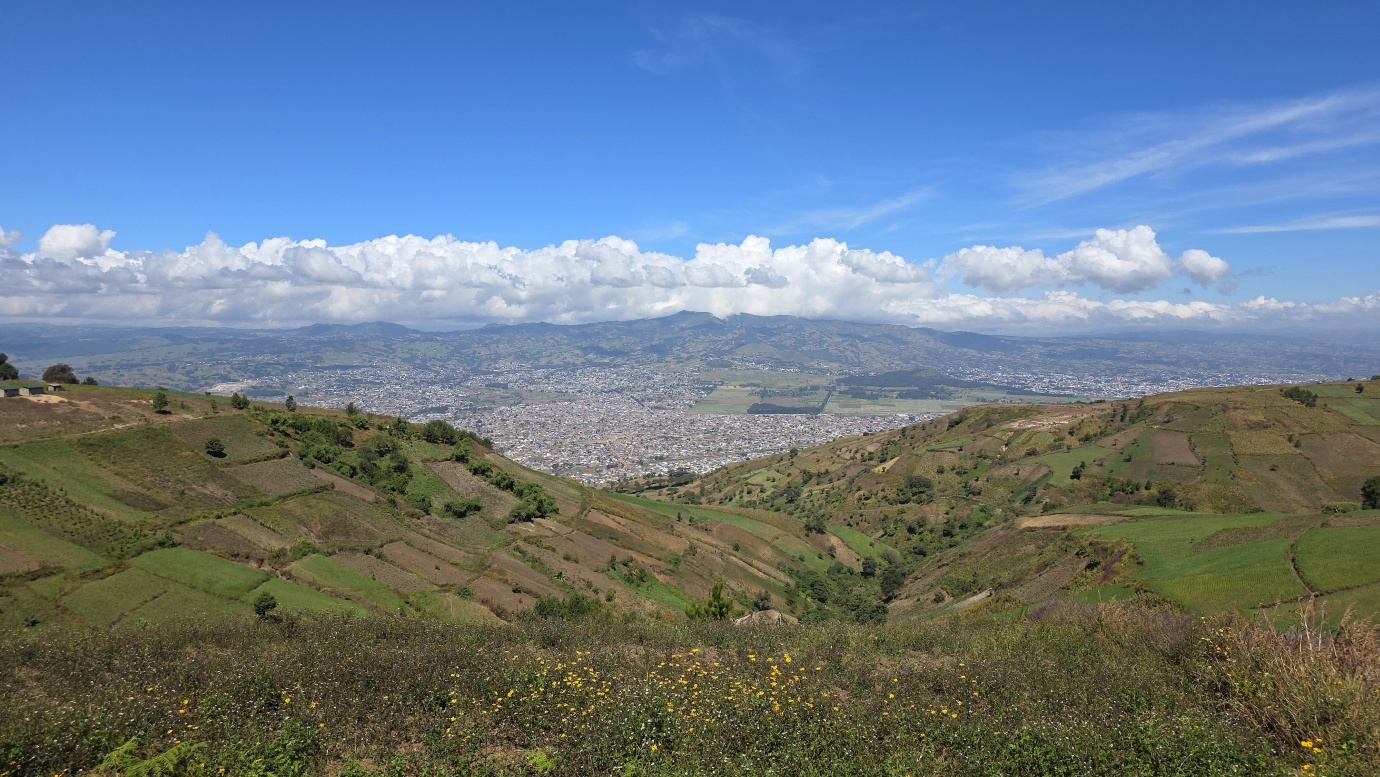
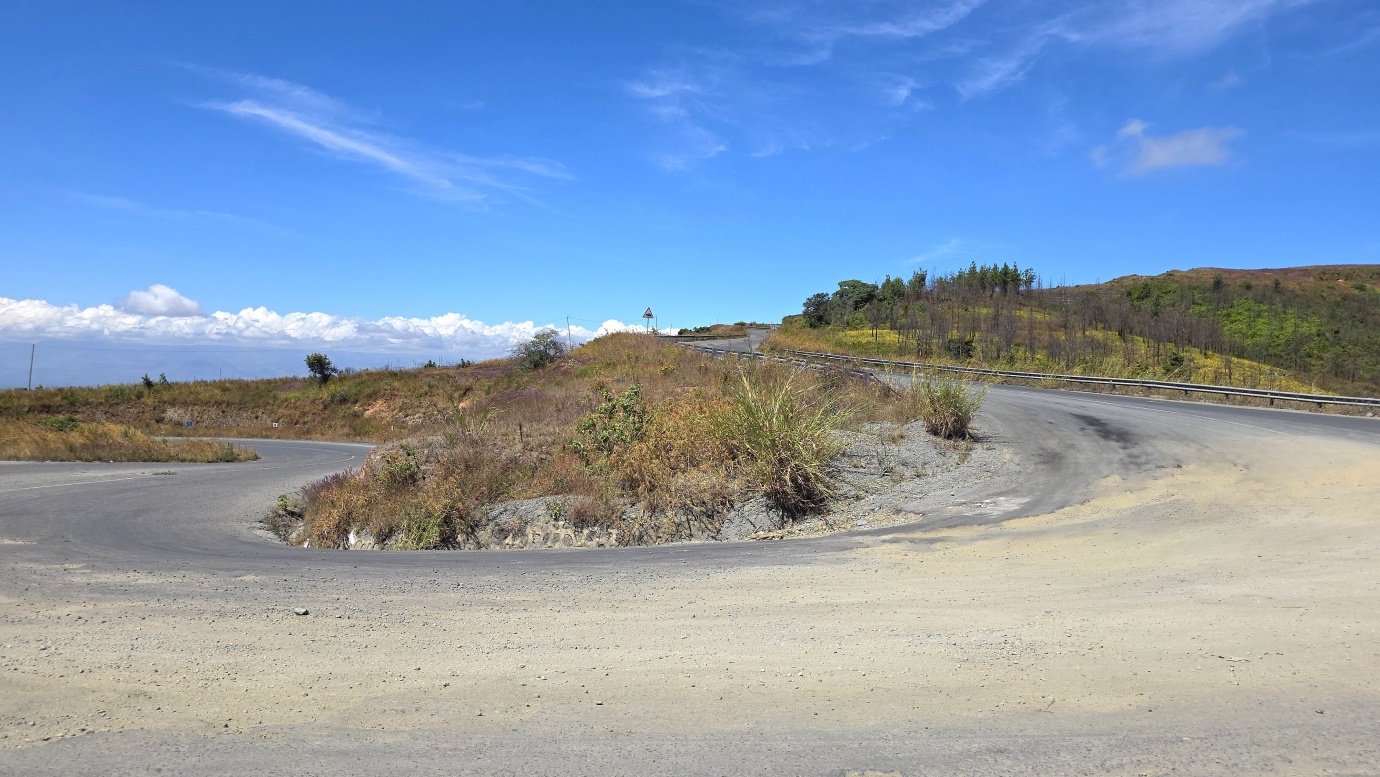
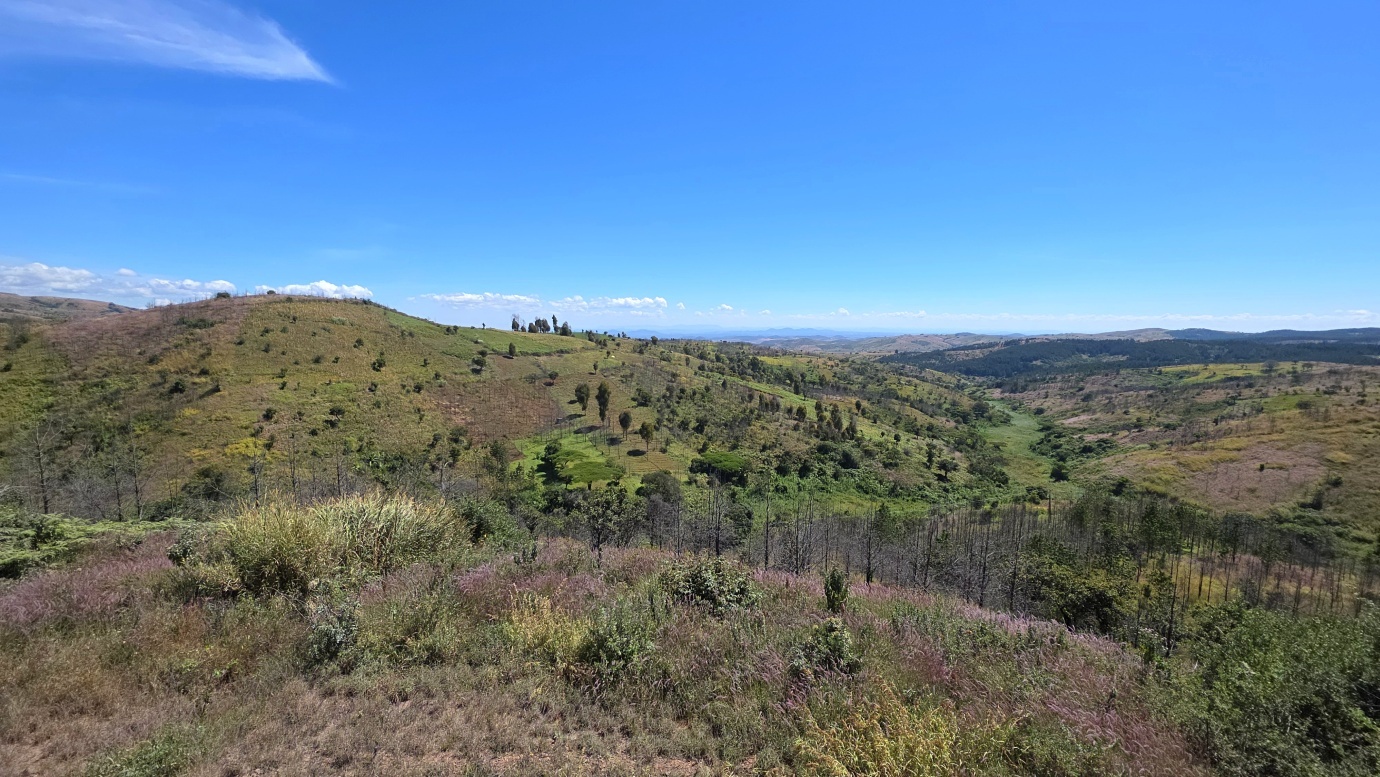
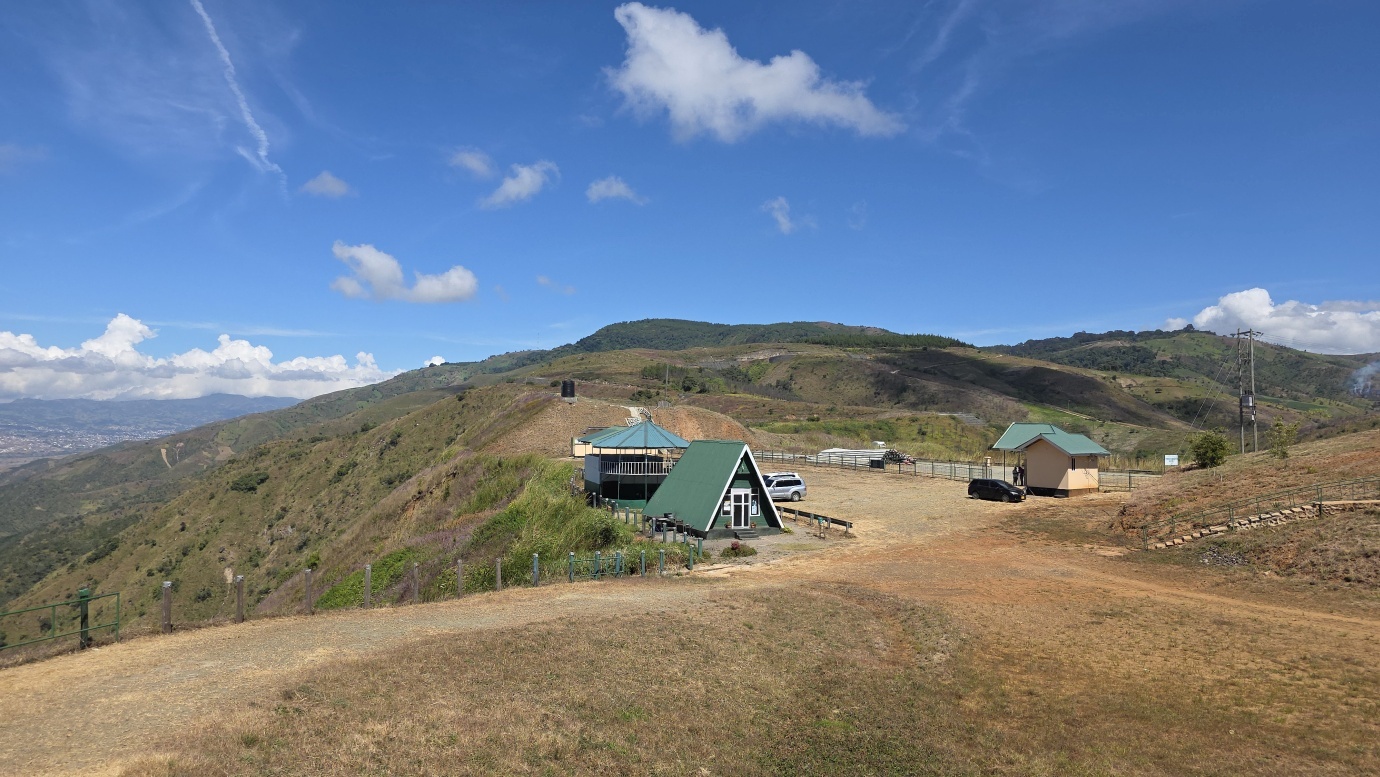
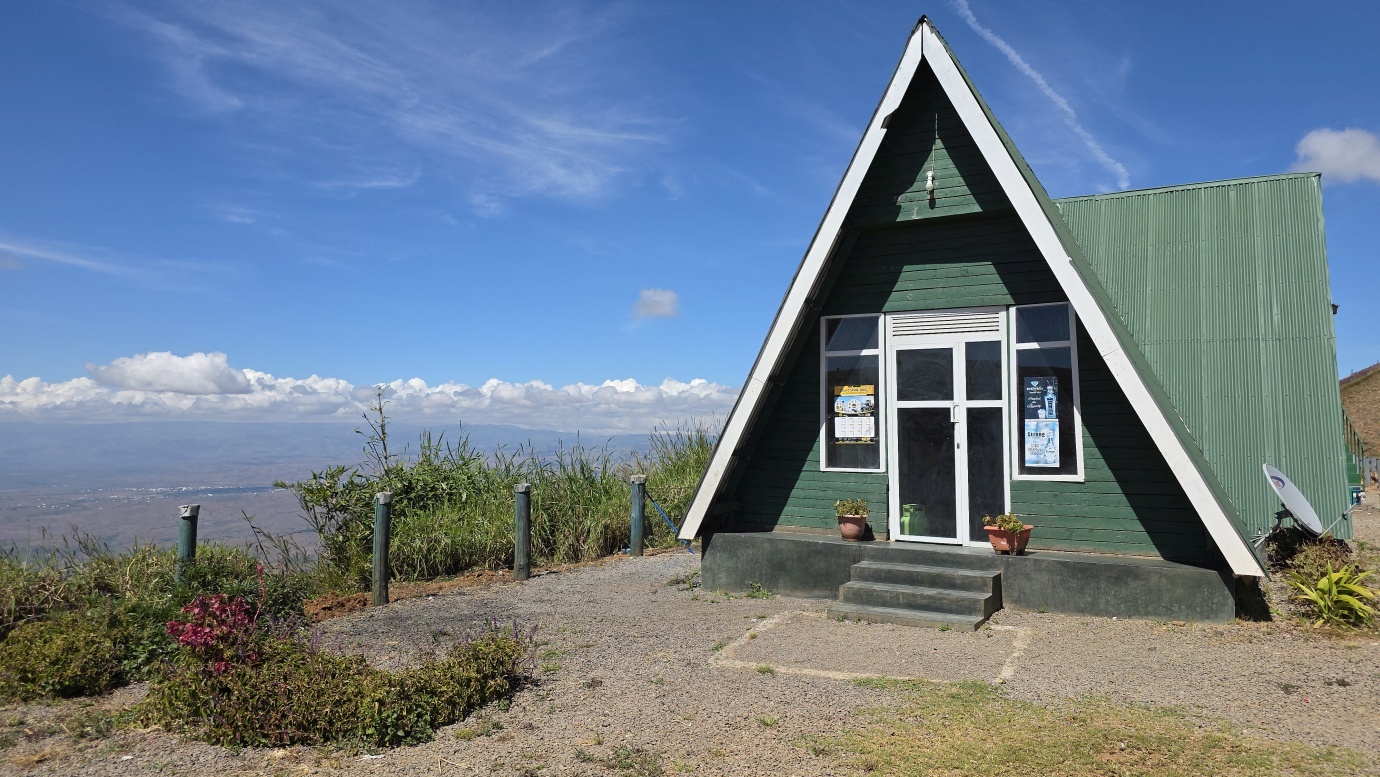
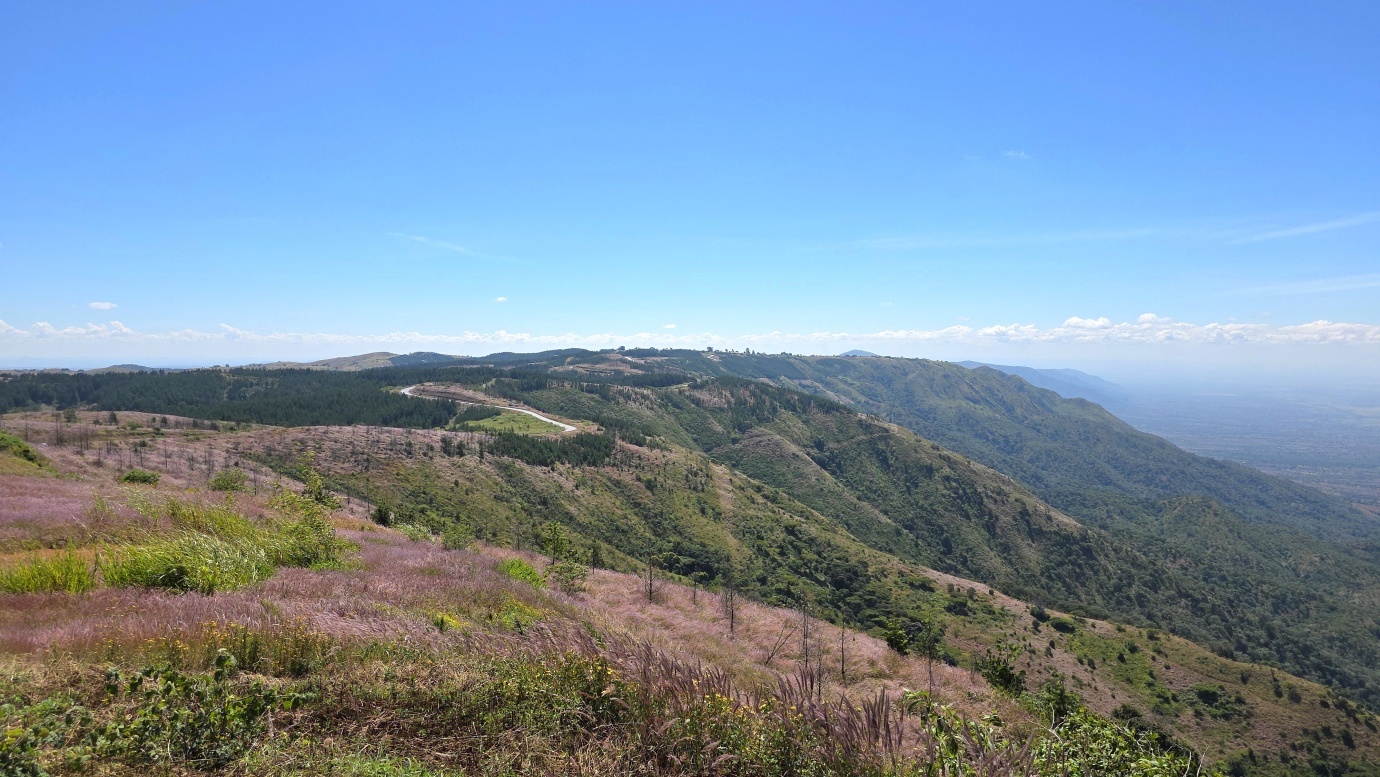
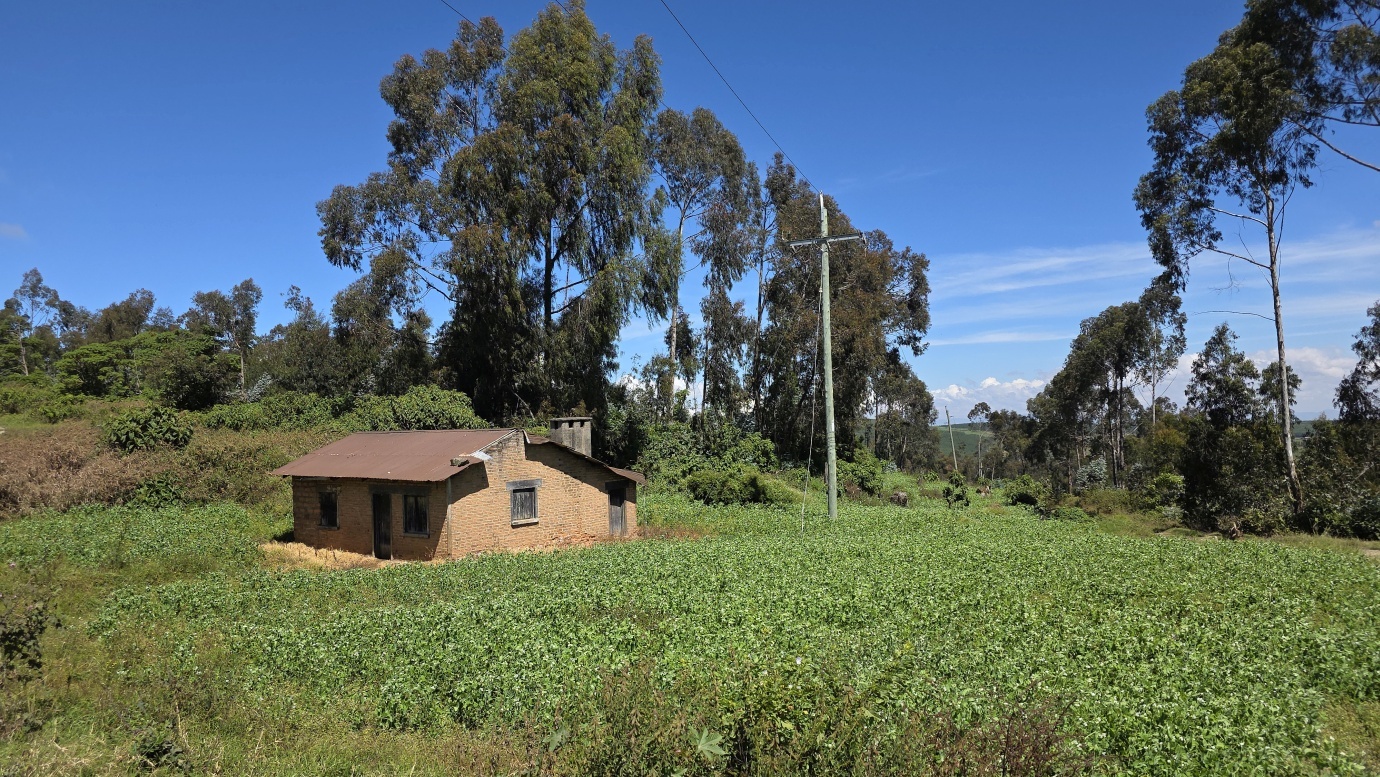
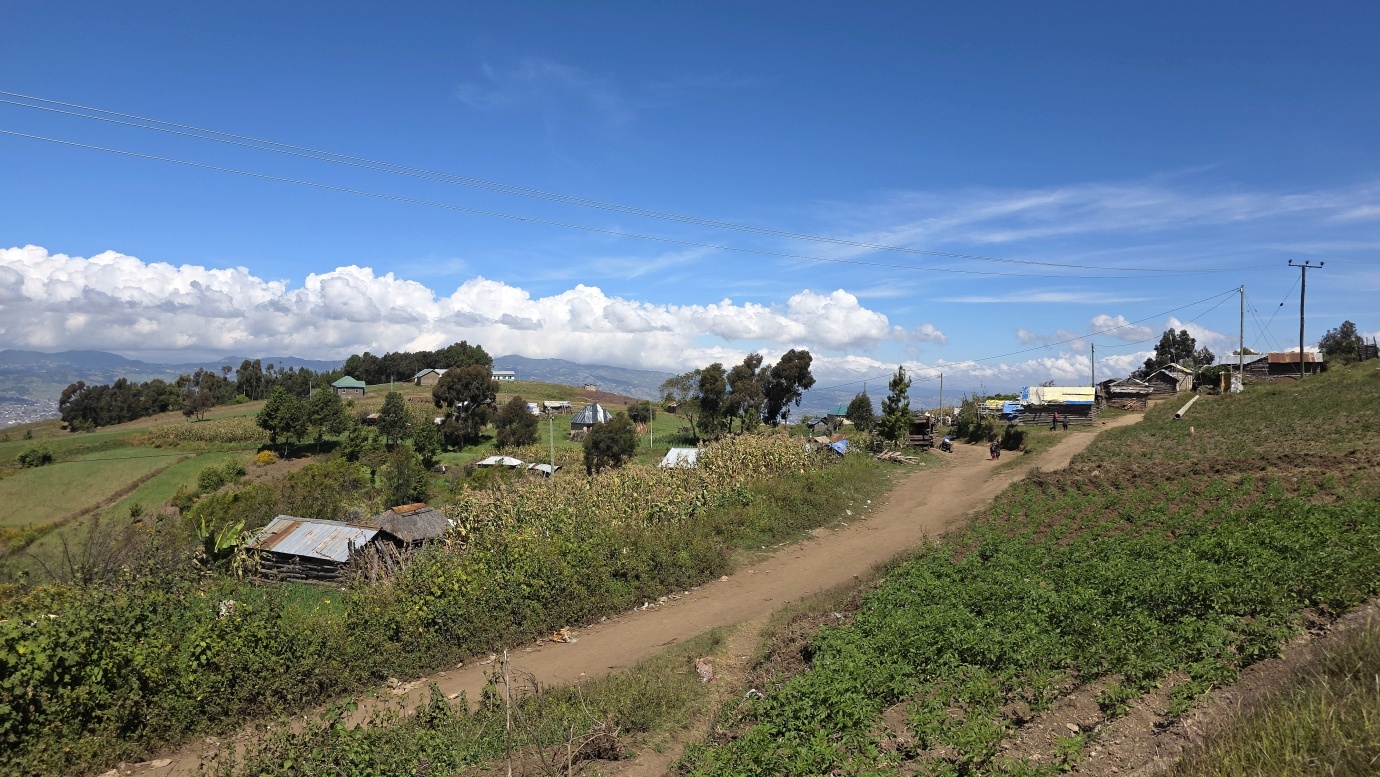
Later, we hired a tuk-tuk through Bolt (TZS 100,000 for a return trip, including a 2-hour stop at Ngozi Crater) and travelled approximately 30 kilometres to the Great Rift Valley Viewpoint (🎟️30,000 TZS), also known as Kawetere Viewpoint. This spectacular lookout lies northwest of Mbeya along Chunya Road at an elevation of 2,457 metres, making it the highest point on Tanzania’s trunk road network.
On a clear day, the viewpoint offers sweeping views of Lake Magadi, the Usangu Plains, and the surrounding pine forests. If you plan to visit, it may be worth spending a little extra on a taxi rather than a tuk-tuk, as our tuk-tuk struggled with the steep, winding climb and the journey was considerably slower than expected.
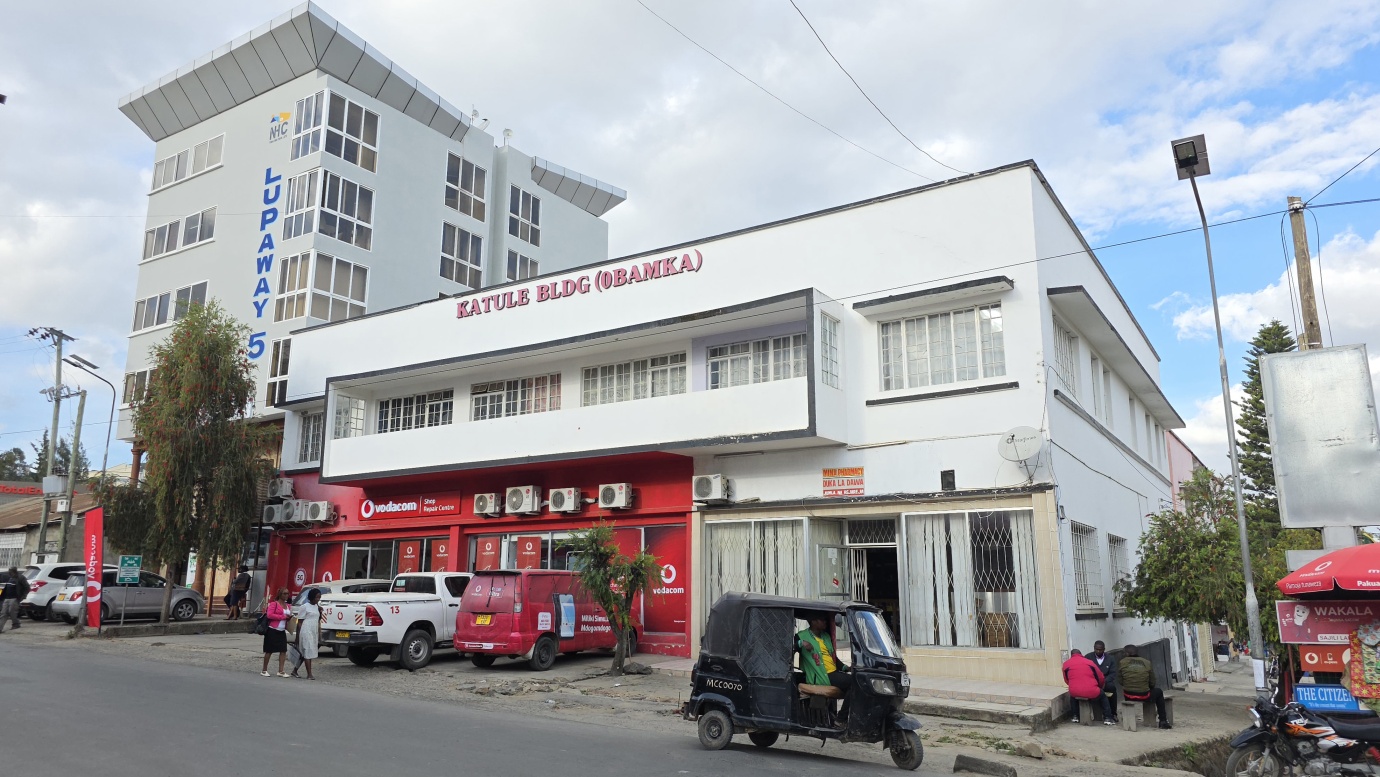
Parking location – Mbeya: 8.9104149S 33.4481472E (🅿️5,000 TZS,🚻,🚿,💦,🫧)