

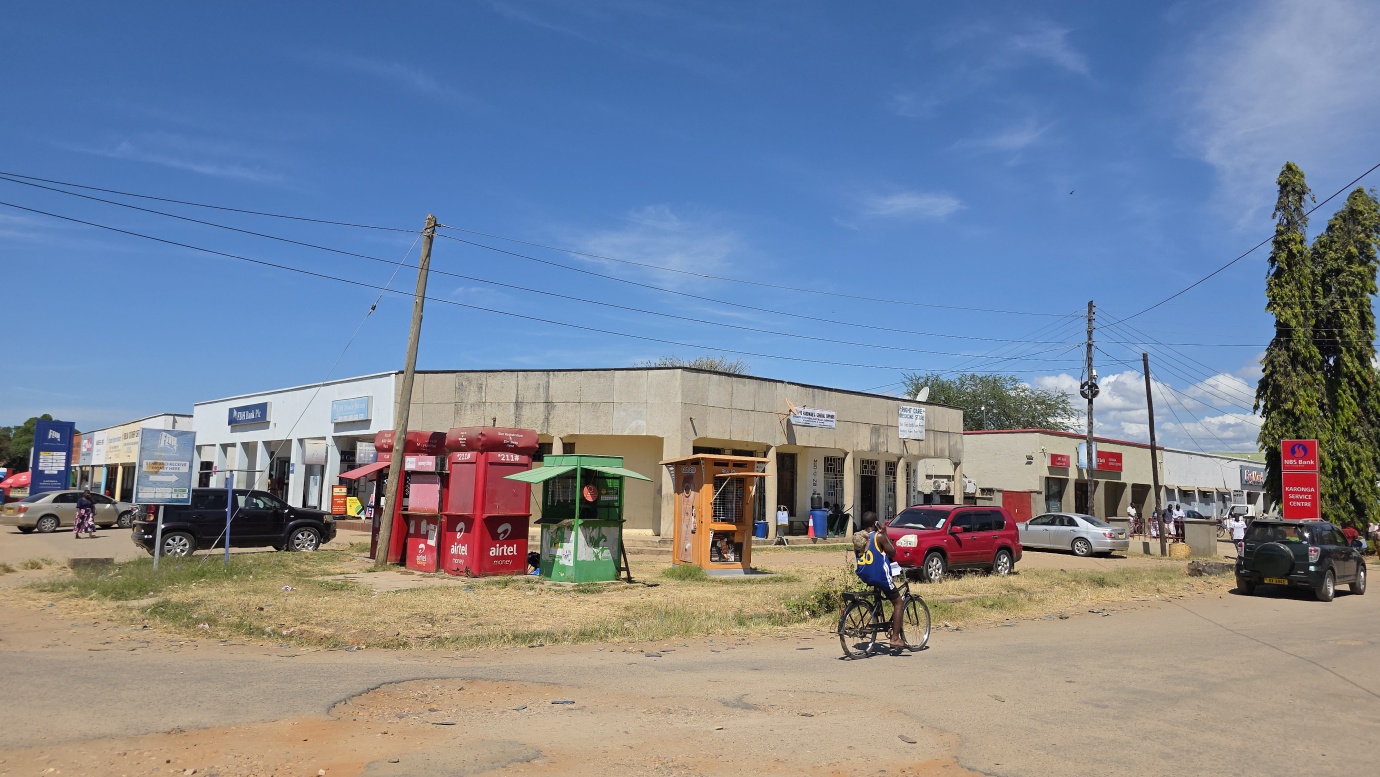
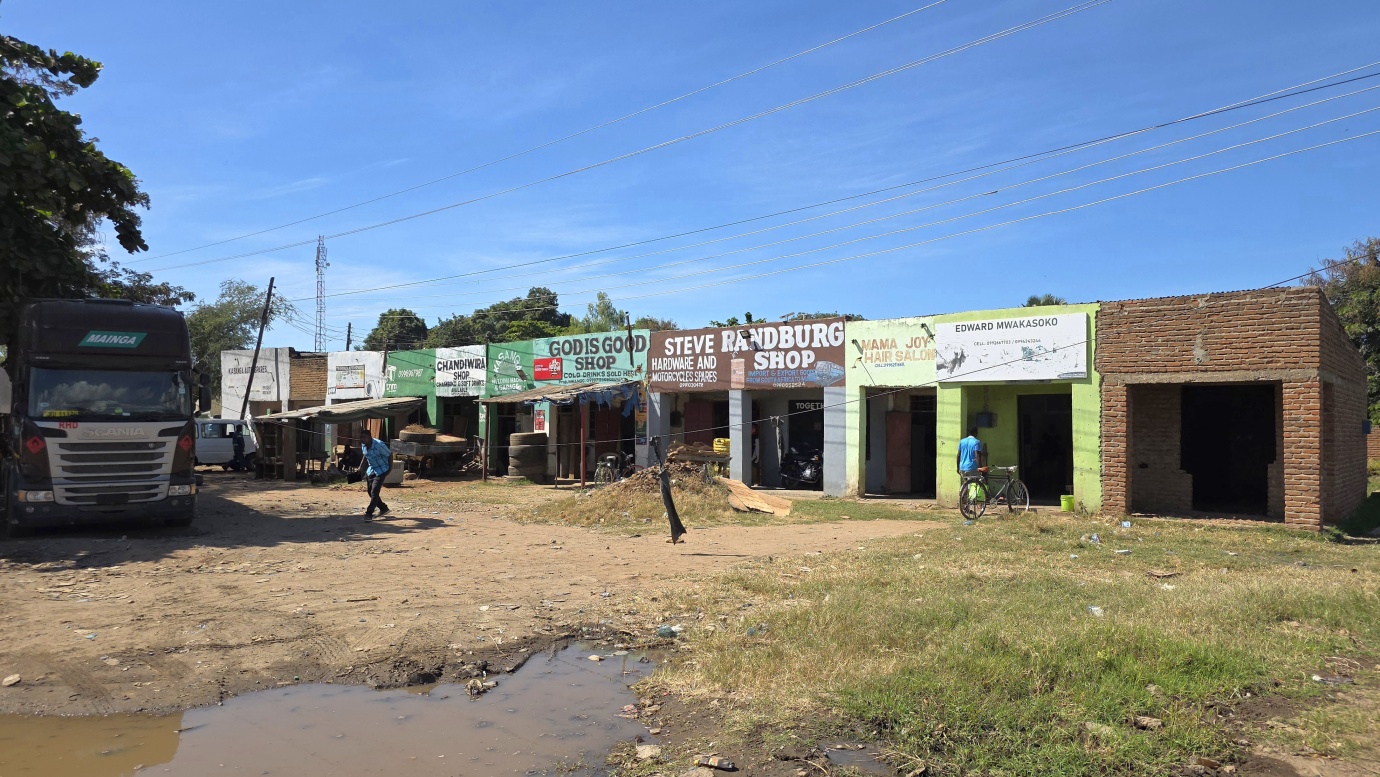
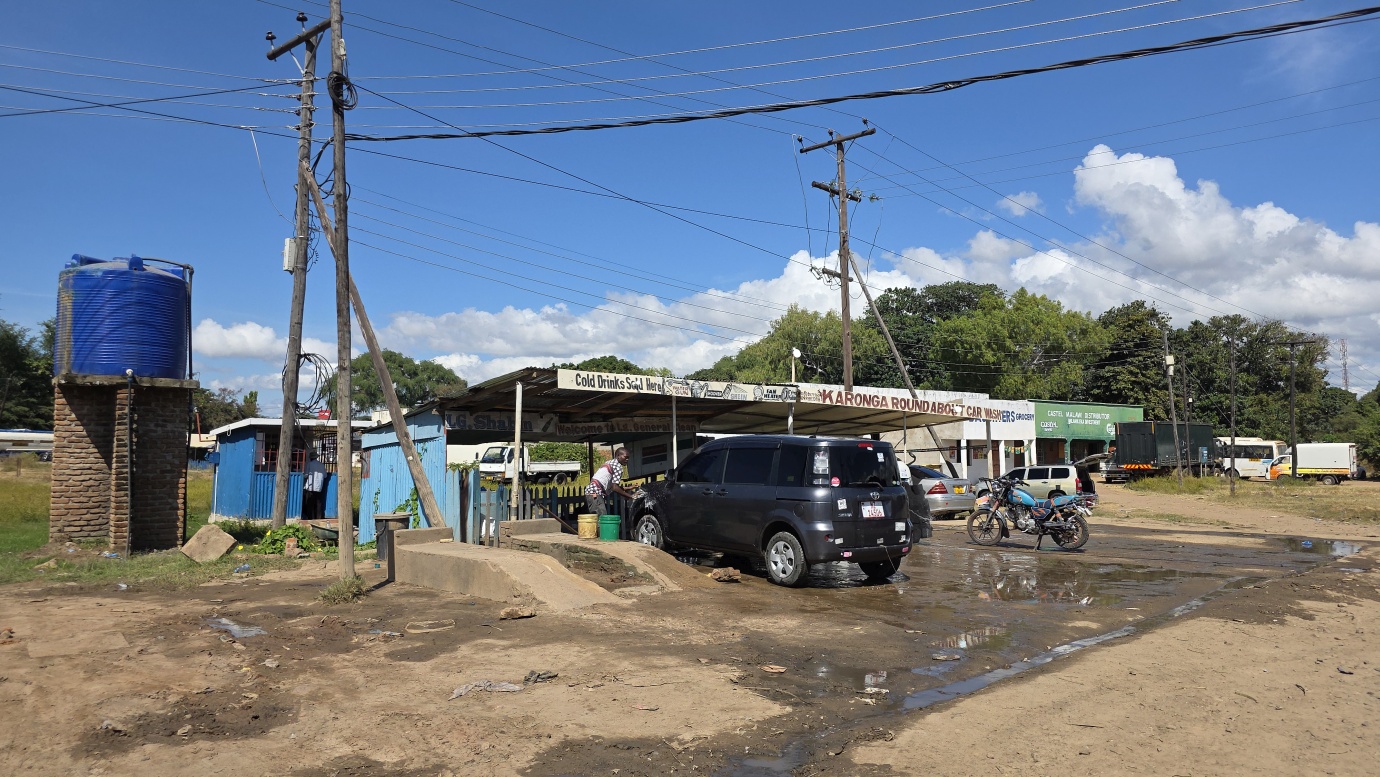
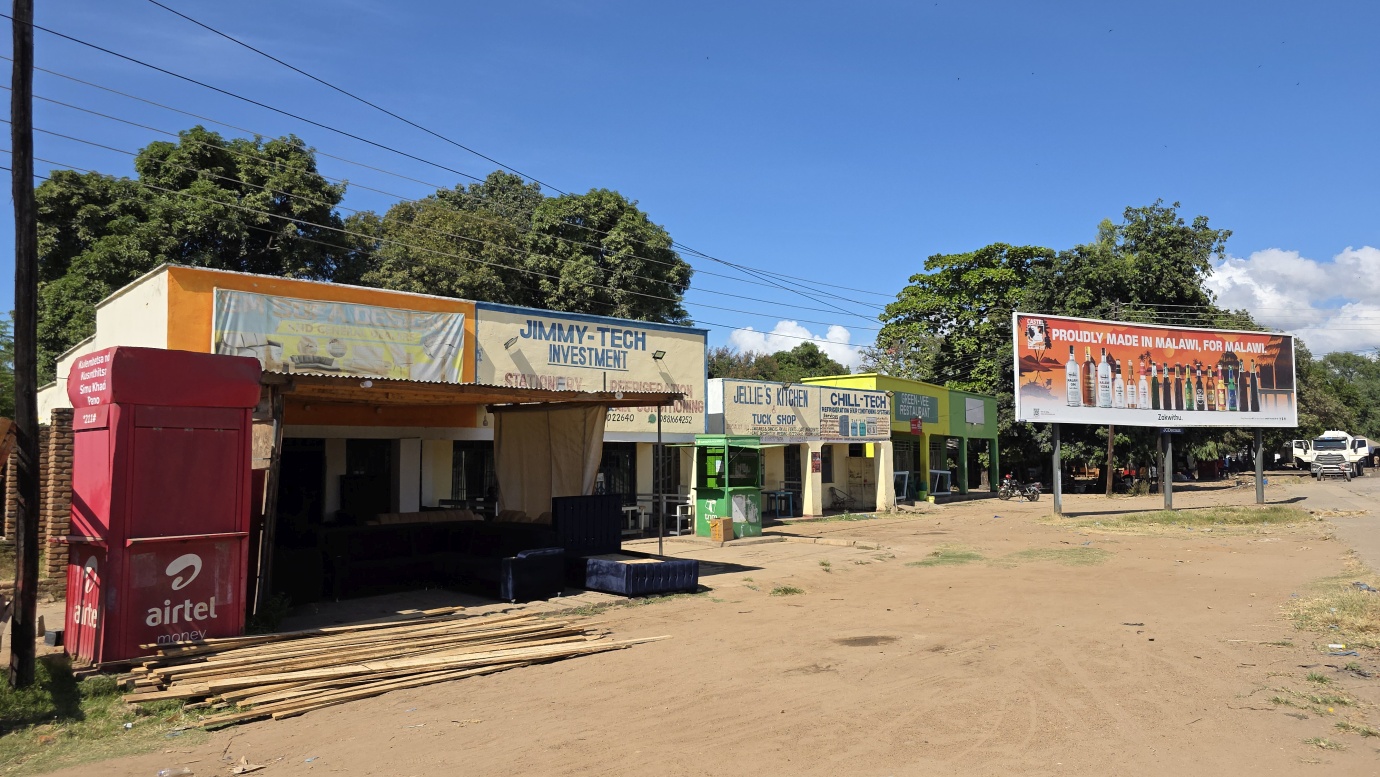
Karonga is one of Malawi’s northernmost and most culturally significant towns, situated on the western shores of Lake Malawi, approximately 48 km from the Tanzanian border. Today, it is a lively regional centre with a fascinating history that spans both ancient human origins and dramatic colonial-era conflicts.
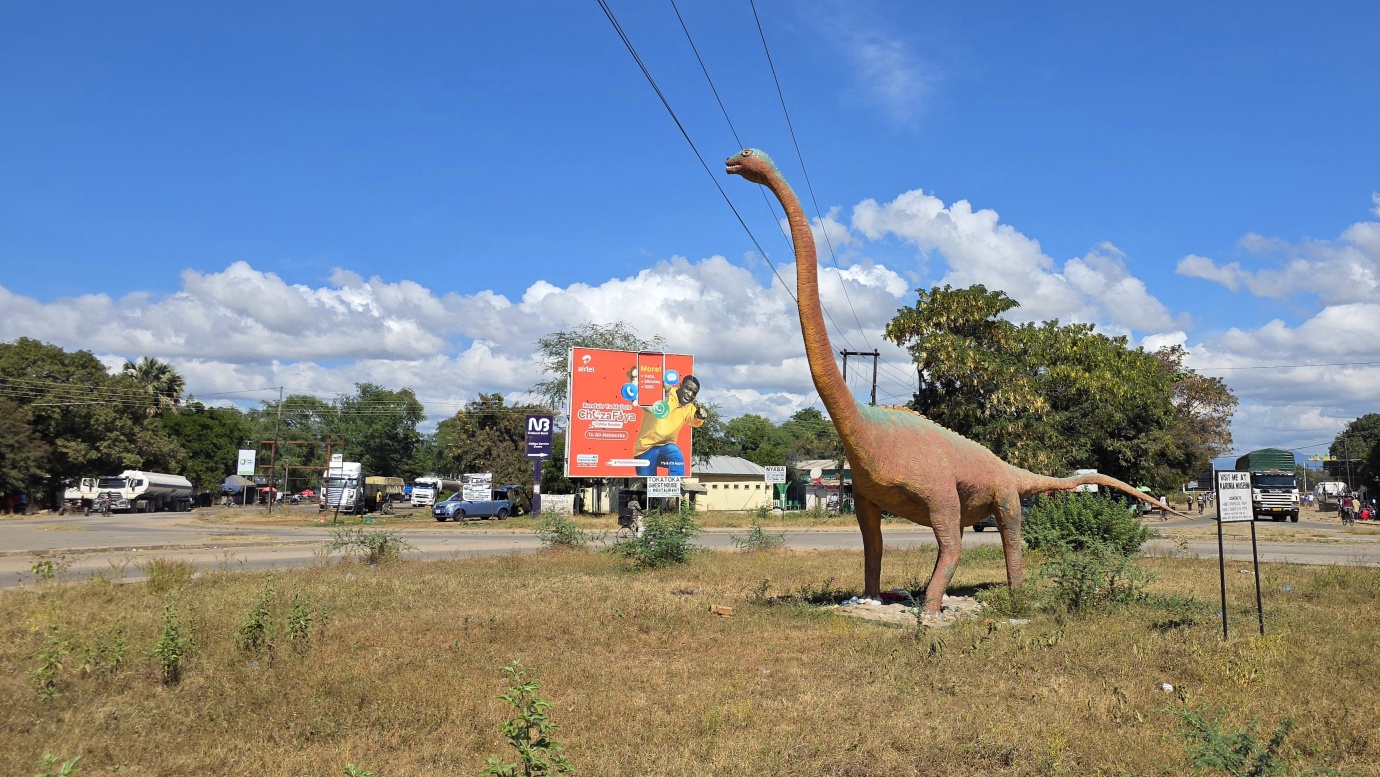
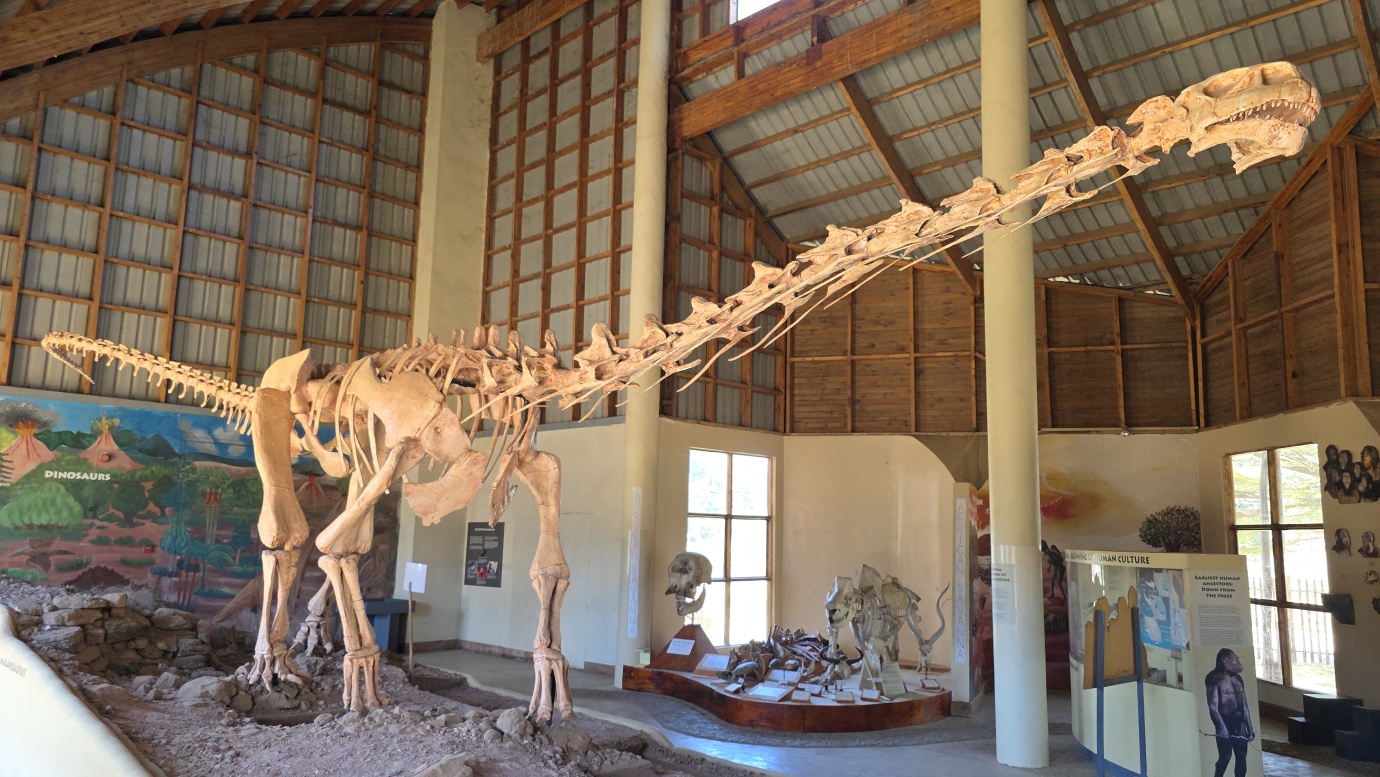
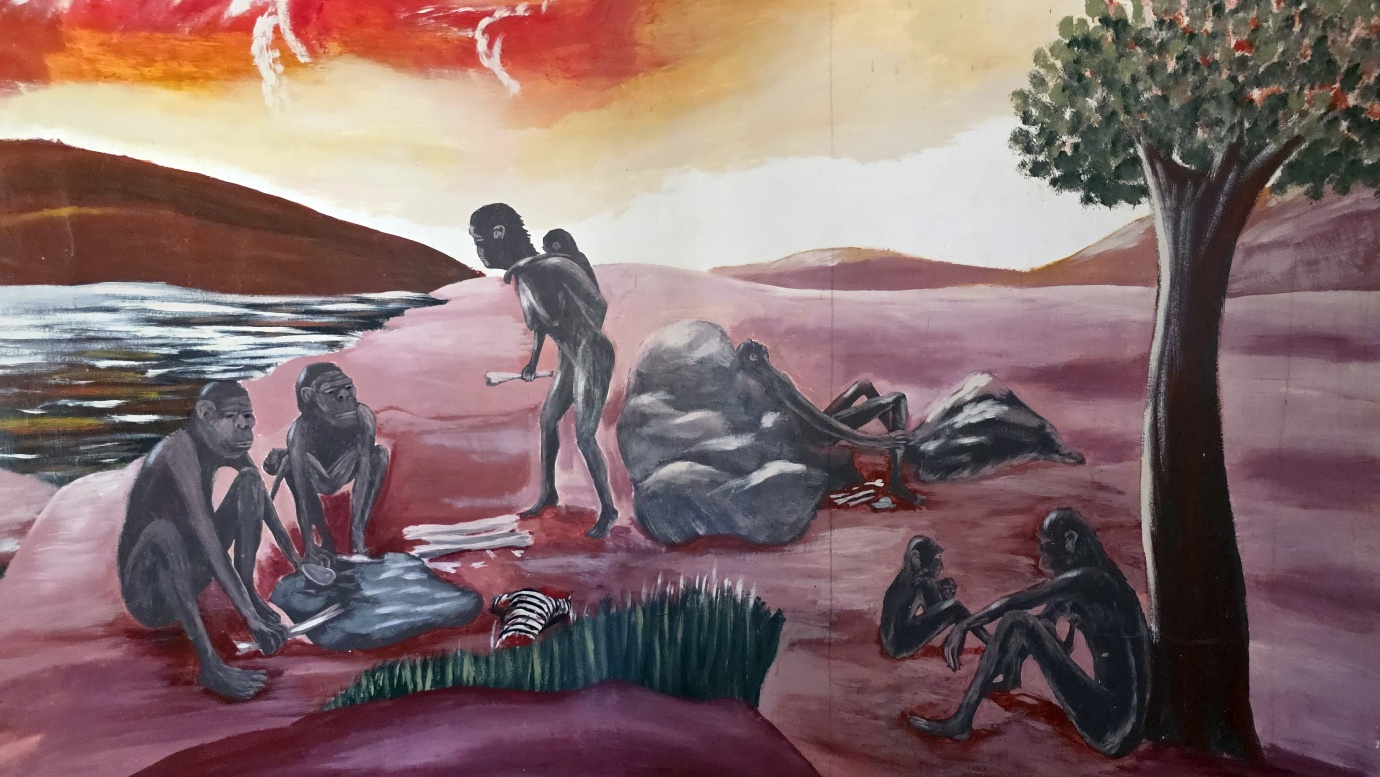
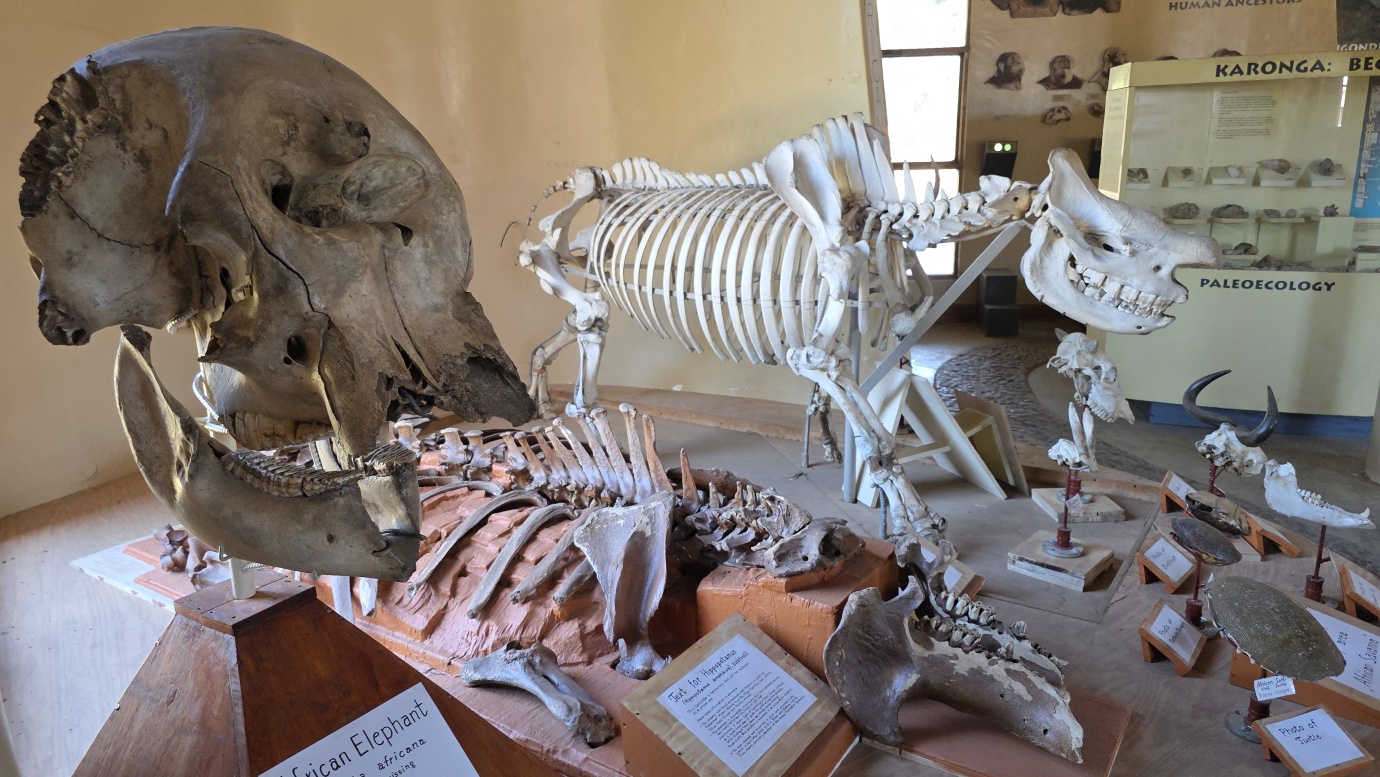
The town lies at the convergence of several Rift Valley basin structures, creating ideal conditions for the preservation of prehistoric fossils. Often referred to as Malawi’s “Fossil District,” the area has yielded remarkable paleontological discoveries, including some of the earliest known hominin jawbones, estimated to be around 2.4 million years old, and the remains of the 120-million-year-old dinosaur Malawisaurus (🎟️5,000 MKW).
During the late nineteenth century, Karonga became a key centre of the East African slave trade. In the 1880s, the Swahili slave trader Mlozi established a stronghold here, using the area as a base for capturing and transporting enslaved people toward the Indian Ocean coast. The arrival of British colonial authorities in 1883 triggered a series of conflicts that eventually ended Mlozi’s control. Karonga would later earn another place in history as the site of the first naval engagement of World War I between British and German forces on Lake Malawi.
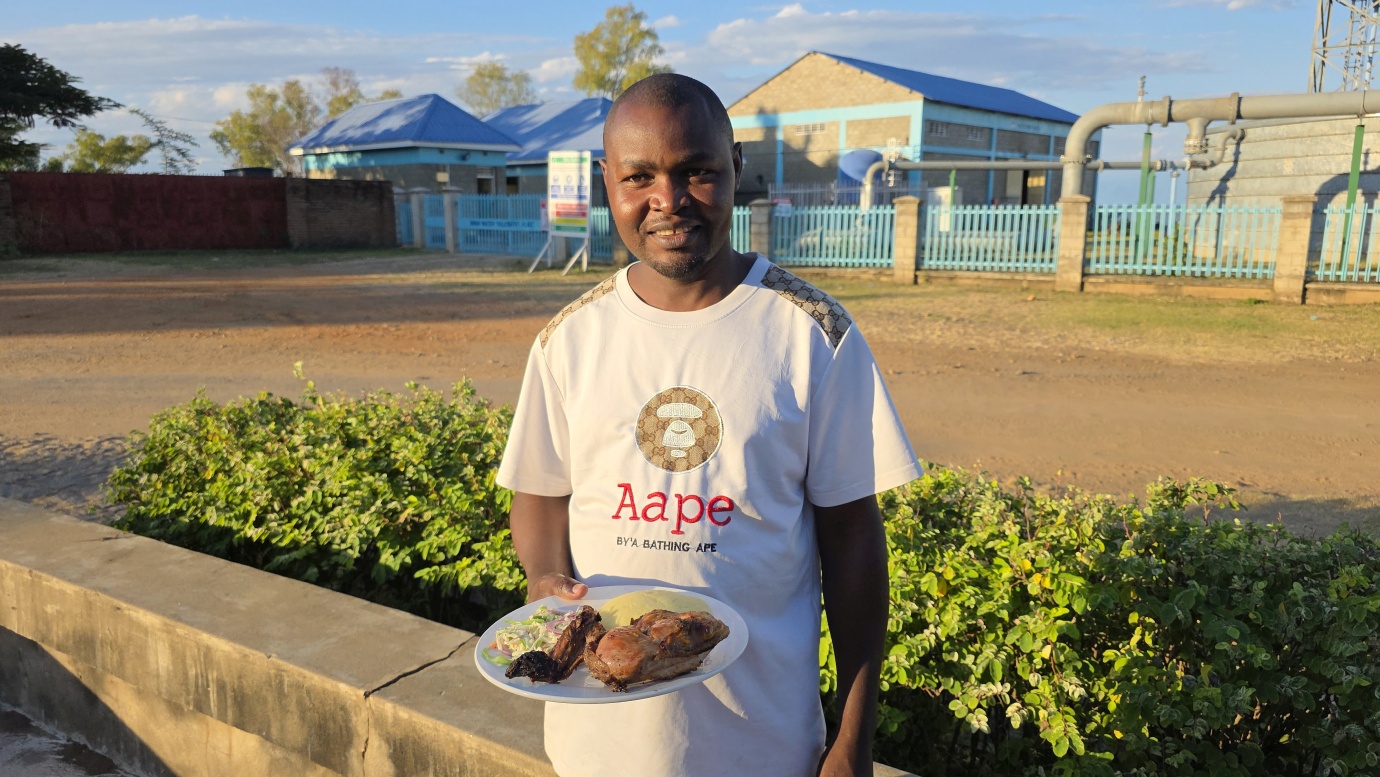
For us, Karonga marked the end of a long day after crossing the Songwe border. We stopped to refuel our truck at the Puma service station (6,687 MWK per litre), where staff also helped us arrange currency exchange at a favourable rate of 3,800 MWK per USD. Across the road, we picked up some drinking water from a small supermarket before settling in for the night at Club Marina. There, we enjoyed a tasty dinner of grilled chicken with mashed potatoes (15,500 MWK), a welcome meal after a tiring day on the road.
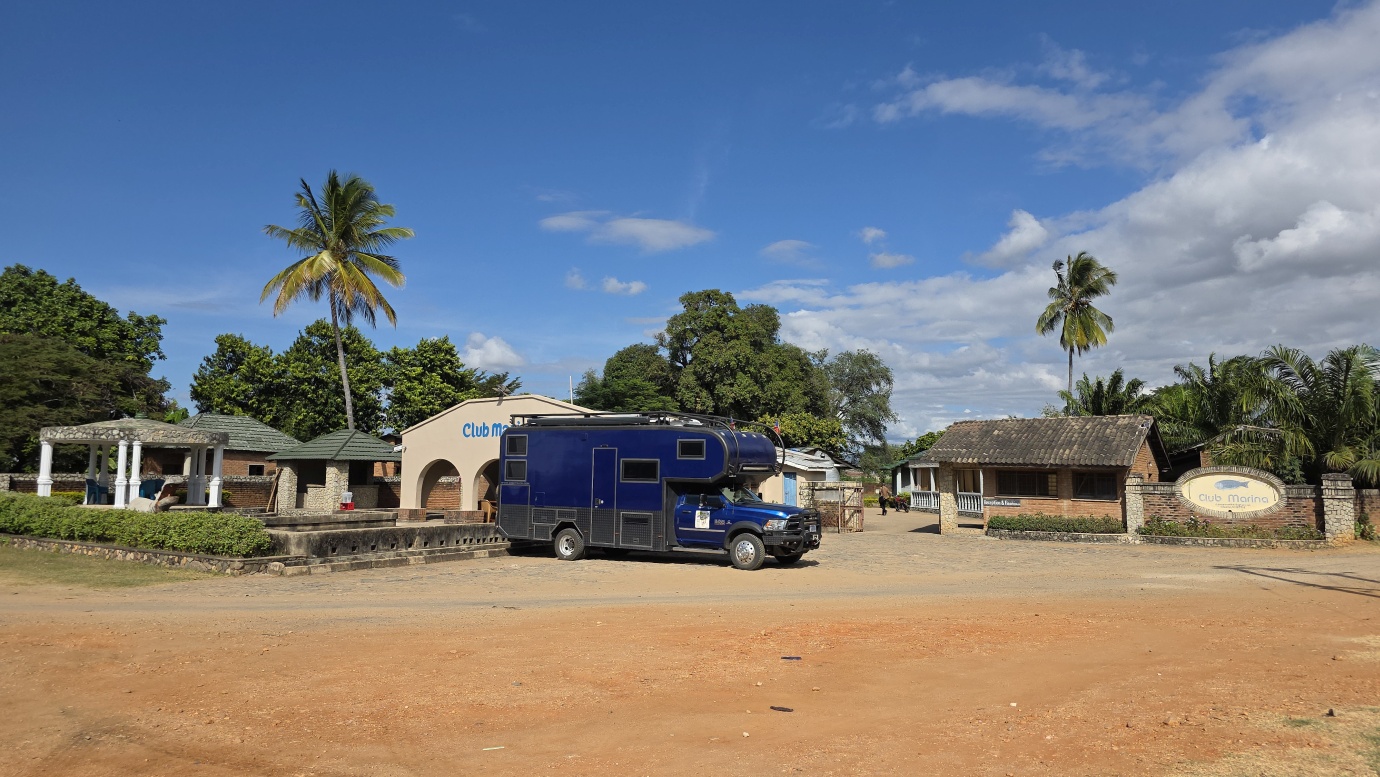
Parking location – Karonga: 9.9340957S 33.9441789E (🚻,🚿,🅿️10,000 MKW / person)